In this digital era, deepfake technology has been introduced both with innovative opportunities and also with some significant challenges, especially in the realm of marketing. While deepfake technologies can create a new pathway in the whole entertainment industry like filmmaking, which can be very affordable for production houses, unfortunately, this technology has also become very infamous for the potential usage of creating pornographic videos, fake news, bullying, hate speech, child abuse, and also in the finance industry. Nowadays, the deepfake technology (generative adversarial networks (GAN)) is being used progressively to create fake content, manipulative videos, and images that cannot be distinguished between fake and real; for example, recently a viral deepfake video featuring the actress Rashmika Mandanna surfaced across the all-social media platform, which created a massive concern among the public. Another example: in 2018, a video went viral depicting a deepfake-generated video of former President of the US Obama making a statement. Here the landscape of deepfakes will be explored, focusing on types, benefits, international legislation, marketing, the role of law in AI and impacts on finance and reputation.
What are deepfakes and its types
Deepfakes are a type of synthetic media that uses artificial intelligence (AI) to create realistic images, videos, or audio. They are often used to create fake news or to impersonate someone else. Deepfakes can be created using a variety of techniques, but the most common is to use a deep learning model to learn how to generate realistic faces or voices. This model can then be used to create a fake video or audio clip that will appear to be real.
Deepfakes are a relatively new technology, but they have already had a significant impact on the world. They have been used to spread misinformation, to blackmail people, and even to interfere in elections. As deepfakes become more sophisticated, it is likely that they will be used for even more malicious purposes.
There are a number of concerns about deepfakes. One concern is that they could be used to create fake news or to spread misinformation. For example, a deepfake video could be created to make it appear that a politician said something they did not actually say. This could be used to influence an election or to damage someone’s reputation.
Another concern is that deepfakes could be used to blackmail people. For example, a deepfake video could be created to make it appear that someone is doing something they did not actually do. This could be used to extort money from the person or to blackmail them into doing something they do not want to do.
Deepfakes could also be used to interfere in elections. For example, a deepfake video could be created to make it appear that a candidate is unfit for office. This could be used to discourage people from voting for the candidate or to damage their chances of winning the election.
There are a number of ways to combat deepfakes. One way is to educate the public about deepfakes and how they can be used to spread misinformation. Another way is to develop tools to detect deepfakes. Finally, it is important to support laws and regulations that will help to prevent the misuse of deepfakes.
The legal implications of deepfakes in marketing are complex and far-reaching. Deepfakes are realistic digital images or videos that have been created using artificial intelligence (AI) to make it appear that someone is doing or saying something that they did not. While fakes can be used for entertainment purposes, they can also be used to spread misinformation, manipulate elections, or damage reputations.
One of the biggest legal concerns about deepfakes is that they can be used to create false endorsements or advertisements. For example, a deep fake could be used to make it appear that a celebrity is endorsing a product when they actually have no affiliation with the product. This could mislead consumers and lead to them making purchases that they would not have otherwise made.
Another legal concern about deepfakes is that they can be used to harass or defame individuals. For example, a deepfake could be used to create a video that appears to show someone doing something embarrassing or illegal. This could damage the reputation of the individual and make it difficult for them to get a job or maintain relationships.
In addition to these specific legal concerns, deepfakes also raise broader questions about privacy and freedom of expression. For example, it is unclear whether deepfakes are protected by the First Amendment. If deepfakes are considered to be speech, then they may be protected under the First Amendment, even if they are used to spread misinformation or harass individuals.
The legal implications of deepfakes in marketing are still being debated. However, it is clear that deepfakes have the potential to be used for harmful purposes. As a result, it is important for lawmakers, regulators, and marketers to work together to develop laws and regulations that can address the risks posed by deepfakes.
Here are some specific recommendations for addressing the legal implications of deepfakes in marketing:
Develop clear laws and regulations that prohibit the use of deepfakes for false endorsements or advertisements.
Create a public awareness campaign about the dangers of deepfakes.
Encourage marketers to use ethical guidelines when creating and using deepfakes.
Support research into ways to detect and prevent deepfakes.
By taking these steps, we can help to ensure that deepfakes are not used to harm consumers or undermine our democracy.
Types
Audio-visual manipulation: Modifies audio/video recordings by overlaying the voices and faces of people on top of other people’s (morphing). Lip syncing is another way to make another person appear visually or vocally to say something that is not originally included in the video or audio content.
Synthetic media: This type of deepfake generates completely different and fabricated content, for example, videos and images. These are far from reality. For example, face swapping involves replacing one’s face with another person’s face or maybe with another photo/video content. Another example: in late 2017, a user started introducing celebrity porn deepfakes and there are also many hobbyists out there who only concentrate on making deepfake-related pornography.
Brief discussion on above points
There was a report that surfaced that New Jersey high school and Westfield High school students are using AI to manipulate original photos for creating fake nude or pornographic images of their own classmates and apparently the photos were being surfaced around the groups over the summer. AI technology has become so advanced that now teenagers are altering pornographic images taken from online sources and making nude photographs of their own underage classmates. From the source of NBC, parents were informed by the school administrator about including ChatGPT in their children’s curriculum; hence, at first, they were worried that this would impact their child’s education and make it easier to write an essay for their school activities. Nonetheless, after learning about the event involving the fake nude photos, things became much more worrying.
In India, publishing or transmitting any sexual or pornographic content in electronic form is punishable under Section 67A of the IT Act. The first conviction will lead to a penalty of imprisonment for a term and this might also extend to further five years of imprisonment along with a fine, which also may extend to ten lakh rupees. The second conviction can lead to extending the imprisonment term to seven years along with an extension of a ten lakh rupee fine. Another way around is by publishing or transmitting any content that causes sexual arousal but is not exactly or clearly indicated, as pornography is also deemed obscene and is punishable under Section 67 of the IT Act. This will lead to imprisonment for a term but can be extended to three years along with a fine, which may also be extended to five lakh rupees. In the subsequent conviction, the term punishment can lead to five years imprisonment along with the extension of a ten lakh rupee fine. The recent case of Sachin Tendulkar Section 500 of IPC was invoked against the gaming website owner who is responsible for spreading the deepfake video of Sachin Tendulkar (punishment of Defamation). It is to be noted that Section 465 (punishment for forgery), Section 469 (forgery for purpose of harming reputation) of the IPC, and Sections 66C and 66E of the IT Act are supposed to address offences that are related to computer resources and information. Section 66C particularly deals with identity theft and Section 66E addresses the punishment for a violation of privacy. So, these sections can be used to take legal action against any individual, if necessary, when anyone or a user tries to misuse AI technology for deepfakes like making defamatory statements of another person or harming one’s reputation. Section 67B of the IT Act, 2000, addresses the punishment for depicting explicit acts of children sexual content or pornography in electronic form. Sections 13, 14, and 15 of the POCSO Act, 2012, all of these acts could be invoked to protect the rights of women and children, and these crimes can also be prosecuted, and Sections 292 and 294 are also punishable for obscene material under the Penal Code, 1860.
The 2024 Lok Sabha elections showed a challenging situation, which certainly posed a threat because of deepfakes. Portraying some political candidates while showcasing their deepfake videos and audios that they were making remarks against a particular community and this can lead to an intense communal tension of provoking riots. This type of disruption during the electoral process could possibly pose a threat to social harmony and can also create a public disorder. This type of riot could be considered a deliberate offence under Section 153A (promoting hate between different groups on grounds of religion, race, place of birth, and residence) and Section 505 (statements conducting to public mischief) of the IPC. However, the Indian legal system is still lacking in many aspects, although the MeitY advisors are trying their best to resolve the issues while giving simultaneous temporary support. So, in the end, legislation needs to be serious and be fast forward regarding AI.
Deepfakes have many other versatilitys, and deepfake technologies are capable of reproducing many events and can alter public opinion or perceptions, There are wide significant strategies available in the market. Deepfake creators can also be segregated in 4 ways:
public deepfake hobbyists;
malicious swindlers;
governmental actors such as politicians; or
real players, such as television establishments.
Benefits and issues of deepfake technology
Media entertainment industries
Using deepfake technologies can enhance the visual effects in the movies or any fantasy web series and it makes the storytelling more interesting. But in some other way, deepfake technology can also create a disadvantage on the side of actors/artists. A recent issue has happened to Netflix’s Black Mirror; this reveals that depicting characters and actors with the help of AI generation is not so far from the future. The actors, who were even gone on strike later in December 2023, made a deal with the companies to obtain their consent before making any of their digital replicas and it’s also included in the consent that the companies have to disclose for what reason the replica will be used; actors need to be compensated for the use of their digital replicas. Another thing is included, which is a guideline for synthetic fake performers based on actors images and can be used to train generative AI.
Another type of issue which has recently created a huge spark in India and within its people, the influential or celebrity figures like Katrina Kaif, Alia Bhatt, Rashmika Mandanna and Sachin Tendulkar were the prey of misuse of deepfake technology like “Morphing.” Unfortunately, nowadays these incidents have become common, which is raising alarms about the illegal and unethical usage of deepfakes. On December 23, 2023, the Ministry of Electronics and Information issued an advisory to all online platforms (intermediaries) by directing them to follow some certain rules. The intermediaries have to inform clearly to the users that they have to comply with the obligations under the Information Technology (Intermediary Guidelines and Digital Media Ethics Code) Rules, 2021, and Rule 3(1)(b) of the IT Rules for prohibited contents on their platforms and need to include in important documents like as part of the terms of service, privacy policy, and user agreements. Misleading or incorrect information is also forbidden in Rule (3)(b)(v), so this rule includes notifying the users that hosting, uploading, displaying, sharing, or modifying any of the content that is harmful, obscene, pornographic, defamatory, or paedophilic of the other person or the owners whose belongings they are using are unlawful, and intermediaries must be taking responsibilities for the content that they are sharing on their services and should educate their users about what is and what isn’t allowed. The advisory from March 15, 2024 advised or suggested companies that they should add some special labels or a unique code to any/each A-created text or media as it will make it easier to track the content, like where it came from and can be prevented for any misusing. So, the main goal is to identify if deepfakes were made by using any company’s tools or not and it will also help to find out who made them. Although all of these guidelines do not carry any legal weight, this means that companies are not required to follow them by law, so the companies still could influence the future laws for deepfakes.
Education and training play a pivotal role in combating the prevalence of fake malpractice, a crucial step in safeguarding the accuracy and integrity of creative projects. The public needs to be educated about the potential risks and consequences of misusing AI so that individuals can make informed decisions and avoid engaging in unethical practices.
Schools should incorporate AI education into their curriculum, starting at a young age. Students should be taught the fundamentals of AI, including its capabilities, limitations, and ethical implications. By providing children with a solid foundation in AI, schools can help them develop critical thinking skills and the ability to use AI creatively and responsibly.
One approach to teaching AI in schools is to focus on project-based learning. Students can be assigned projects that require them to use AI to solve real-world problems or create innovative solutions. This hands-on approach allows students to apply their knowledge and gain practical experience with AI.
In addition to teaching students about AI, it is also important to educate them about the dangers of fake malpractice. Students should be made aware of the various ways that AI can be misused, such as creating fake news or spreading disinformation. They should also be taught how to identify fake content and how to report it to the appropriate authorities.
By educating the public about AI and the importance of avoiding fake malpractice, we can create a more informed and responsible society. This will help to ensure that AI is used for the betterment of humanity and not for malicious purposes.
Deepfake techniques also need to educate the public because deepfake analysis can be done in a small but unique way, like while recording a video by using a camera, small traces are left behind, such as lens distortion and sensor noise. These traces act as proof or identification of deepfake because each camera is unique and due to that, evidence can be retained even after done with the deepfake video generation.
International legislation
Criminal statute and defamation
The United States: Right now, there is no federal legislation available to address the threats of deepfake technology. Although some states have passed selected pieces of legislation about the deepfake technology, like Texas, which has approved the S.B. 751 and California also passed AB730 in the year of 2019. SO, both of these laws have banned the use of deepfake related content because it would have been used in their election and that might have influenced the candidacy.
China: This is the one in a very few countries that has strongly established a strict regulation regarding deepfakes, especially the Deep Synthesis Provisions. This act actually prevents the AI user from deepfaking any content without the primary user’s consent or knowledge. This act became effective in China in January 2023. The main two key purposes of the act are:
Strengthening online censorship.
Be up to the point with new advanced rapid technologies.
Defamation might be done as deepfake content creators are somewhat liable under private law of tort. However, the tort of defamation can differ from country to country, like Australian law, which is actually designed mainly to encounter the written and spoken material for example, a newspaper.
IP infringement and copyright
Unlawfully exploiting something like a trademark or label is a breach of IP rights. The danger with deepfakes is long and may cause more severe issues for example, human rights, personal data protection and privacy rights, and copyright infringement. Right now, there is no law in Australia which can help citizens for their IP rights for one’s own faces or voices; only an author can own a copyright of their work depicting their face or can be done with recording their voice also.
Role and challenges of law in AI
Due to huge usage of deepfakes and malpractices, the implications of banning deepfake usage of political officials and candidates have become a significant challenge. Here it is required to rework the legislation system rule in order to align the protection as well as the freedom of expression of the public within the jurisdiction. India also lacks in this deepfake misconduct issue; however, India is trying to implicate the laws, which can collectively help the government to fight the deepfake issue to some extent. Section 66E of the IT Act says that there will be penalties for infringing any individual’s privacy, such as transmitting or publishing any images without one’s consent and the punishment includes 3 years imprisonment along with INR 2 lakh fines that will be imposed on the preparator. Still, there is a dilemma on this act; the talk is whether the section is going to be applicable when the images are generated totally fake and have developed with the help of AIs.
Damage to finance and reputation
Unfortunately, the threat of malicious deepfakes looms over the finance industry, posing a significant risk of market manipulation, financial losses, and instability. These deepfakes, created with the intent to deceive and harm, can have far-reaching consequences for businesses and individuals alike.
One of the primary concerns is the potential for deepfakes to be used to manipulate stock prices. By creating fake videos or audio recordings of business leaders making false statements or engaging in unethical behaviour, malicious actors could spread misinformation and cause investors to make decisions based on inaccurate information. This could lead to sudden market fluctuations, panic selling, and significant financial losses for unsuspecting investors.
Another major risk associated with deepfakes is the harm they can cause to the reputation of businesses and individuals. Misleading or defamatory deepfake content can quickly spread online, tarnishing the credibility of businesses and damaging the trust that customers and partners have in them. This can lead to lost revenue, damaged brand image, and difficulty attracting new customers.
The misuse of deepfakes can also have a chilling effect on free speech and expression. Fear of being targeted by deepfakes could discourage businesses and individuals from speaking out on important issues or sharing their opinions publicly. This could stifle innovation, creativity, and progress across various industries and sectors.
To address the growing threat of deepfakes, regulatory bodies, technology companies, and law enforcement agencies are working together to develop solutions to detect and combat these malicious creations. This includes implementing stricter laws and regulations, investing in advanced technology to identify deepfakes, and raising awareness among the public about the dangers of deepfakes.
The fight against deepfakes is ongoing, and it is crucial for businesses and individuals to stay informed and vigilant. By working together, we can mitigate the risks posed by malicious deepfakes and protect the integrity of the finance industry and the wider economy.
Conclusion
Although deepfake technologies are offering many innovative ways and possibilities for the finance and marketing industry, the media and entertainment industry, and many more in a very productive way, the misuses of deepfakes are still posing substantial risks to build that one’s trust, and it’s also jeopardising the stability of the economy and also everyone’s individual trust. These challenges need to be addressed in a multi-function way; approaches need to come from the legislative, IT, education, and with some international collaborations also. The implications of these robust strategies can help with fostering responsibilities and can navigate the era of the evolving landscape of deepfakes by ensuring the remaining markets and authenticity along with creativity.
This article is written by Bhanvi Juvekar and further updated by Arnisha Das. This article provides a clause wise explanation of Section 33 of the Arbitration and Conciliation Act, 1996, which deals with the post award remedies of correctionand interpretation of arbitral awards and additional awards along with the case laws.
Table of Contents
Introduction
With thousands of cases under trial in the Indian legal system, parties often opt for out of court settlement procedures, also known as ‘alternative dispute resolution’ (ADR). It makes the dispute resolution process much easier and less time-consuming. Arbitration is one such dispute resolution process, which is governed by the Arbitration and Conciliation Act, 1996 (hereinafter referred to as the Act). When a matter is resolved through arbitration, an arbitrator grants an arbitral award, i.e., the final decision. While pronouncing such an arbitral award, circumstances may arise where certain errors take place which affect the final decision. It is crucial to rectify these errors first, before the execution of the final award, this is where Section 33 of the Act comes into play.
Section 33 of the Act encompasses those circumstances where an arbitral award made by the arbitral tribunal comes across an error which disparages the overall impact of the decision. In this article, we shall discuss in detail the provision pertaining to the correction and interpretation of the arbitral award, i.e., Section 33 along with relevant case laws. Before that, let us first understand in brief the meaning of ‘arbitral award.’
What is an arbitral award
In simple language, the decision given by the arbitrator or by the arbitral tribunal is called an ‘arbitral award’. The term has not been defined in the Act, however, Section 2(1)(c) of the Arbitration and Conciliation Act, 1996, mentions an arbitral award as which includes an interim award. An arbitral award is any decision of an arbitral tribunal which is final and binding on the parties and has the same enforceability as a court’s decision.
While an award passed by an arbitrator can be challenged under Section 34 when it violates certain precepts of the Act, however, sometimes the award passed contains some errors, that may relate to the party description or some other errors, in such cases the interested party can file an application under Section 33 of the Act for correction and interpretation of the award.
Some of the common kinds of mistakes that may occur are incorrect names of the parties, calculation damages, omission of any provision that was intended in the proceeding, etc. Now, let’s take a look at how one can handle challenges if any error has occurred by the arbitral tribunal, or if the party wishes to seek an interpretation of the award passed.
Correction and interpretation of arbitral award
Correction and interpretation of an arbitral award is a post-award process. The archetype of arbitration law in India is based on the UNCITRAL model law (The United Nations Commission on International Trade Law). Section 33 of the Act, which relates to the correction and interpretation of the award has also been taken from here.
Section 33 of the Arbitration and Conciliation Act, 1996 is the statutory provision that allows for correction and interpretation of an award. This section categorically states that an arbitrator has the jurisdiction to correct any errors and interpret his award. Furthermore, if necessary, an arbitrator may even change or amend the core of the award passed.
These errors are more often simple human errors. It can without a doubt bring about significant repercussions for any party engaged in the arbitral process. There are mixed consequences such as disappointment, enforcement issues, investing time, etc. However, these corrections or interpretations cannot go beyond reforming the clerical or typographical errors in the arbitral award. In the corresponding section of the previous arbitration law, i.e., Section 13(d) of the Arbitration Act, 1940 (Old Act), it is stated that the errors are rigidly limited to clerical mistakes arising from ‘accidental slip or omission’.
Many other countries such as the United States and the United Kingdom have a similar provision to aid parties and to rectify any mistakes that might have come round. For example, Section 57 of the English Arbitration Act 1996, provides that a tribunal may, on its own initiative or on the application of a party, correct an award to “remove any clerical mistake or error arising from an accidental slip or omission or clarify or remove any ambiguity in the award”.
The Supreme Court in its many decisions has held that an award can only be altered for obvious reasons and, not ethically, the main decision. In Union of India vs. Jay Narayan Misra (1970), the issue was that the arbitrator passed a decision in favour of the respondent to indemnify him the dues as per the contract by the petitioner and also the security deposit, which was a question not debated in the tribunal. The court held it to be a mistake committed by the tribunal and separate from the rest of the award. It is pertinent to note that this case dealt with the old Arbitration Act, of 1940.
It is to be noted that the request for correction or interpretation, with notice to the other party, of an award does not reopen the proceedings. The evidence and arguments, which have already been verified, interpreted and understood are not repeated. A similar provision to Section 33 of the Act is Section 152 of the Code of Civil Procedure, 1908 which also empowers the courts to amend any mistake or error in a judgement at the request of any party or on its own without reinstituting the whole process.
Clause-wise explanation of Section 33 of Arbitration and Conciliation Act
Section 33(1) of the Arbitration and Conciliation Act
This sub-section states that any party can apply to the tribunal within thirty days from the receipt of the arbitral award, with notice to the other party, unless another time period has been agreed upon by the parties, to request the correction of any computation, clerical or typographical or any other errors of a similar nature occurring in the award;
Also, a party, with agreement with the other party, may request the arbitral tribunal to give an interpretation of a specific point or part of the award to reach more clarity.
A limitation period of thirty days is kept as a timeline for submitting an application under this provision. After the completion of 30 days, no party can request any correction or interpretation of awards.
It is also important to notice that one party who wants to approach the arbitration tribunal under Section 33 does not need the consent of the other party. It is only important that the other party is notified if any such proceeding is being applied for by the other party.
Section 33(1)(a): This clause includes any basic human error that might occur during the drafting of the award. Drafting errors can be corrected easily. This is an important provision because if such errors are ignored then they can lead to a change in the meaning of the ruling and can stir trouble during enforcement.
The language of the statutes uses the word ‘computational errors’. On the face of it, it can mean that errors related to calculation and arithmetic are being considered. However, the language is such that its meaning can be extended to include the methods that are used to carry out calculations. In the case of Chouthmal Jivraj Ji Poddar vs. Ramchandra Jivrajjee Poddar (1955), the Supreme Court of India held that an arbitrator becomes ‘functus officio’ after giving his award and cannot change it except any clerical mistake or error arising from ‘any accidental slip or omission’.
This way, the scope of the statute can be expanded because calculation would be restricted to include only numbers, but computation can comprise the methods and steps/procedures used to arrive at those numbers.
Clause (b): This clause mentions the interpretation of an arbitral award. The only problem that is faced by parties is that there are very few situations when both parties have an issue with the meaning conveyed by the arbitral award. It creates problems if one party agrees and the other party does not.
In cases where both parties agree, it can be used for an interpretation conveying the clear meaning of the arbitral award for better enforcement of the same.
Section 33(2) of the Arbitration and Conciliation Act
This sub-section provides a time frame for the arbitrator to pass the correction or interpretation of the award as requested under section 33(1). In case, the request is granted by the arbitral tribunal, it has to provide the interpretation within thirty days of receiving the receipt of the request. The interpretation becomes part of the arbitral award. An additional award is not passed in this case.
Section 33(3) of the Arbitration and Conciliation Act
This sub-section clarifies that correction and interpretation can take place if the arbitral tribunal can correct the mistakes related to the categories mentioned under sub-section (1) of Section 33.
Request for additional arbitral award under Section 33
Section 33(4) of the Arbitration and Conciliation Act
This sub-section states that:
The arbitral tribunal, upon the request made by one of the parties, with notice to the other, can make an additional arbitral award within thirty days after receiving it from the parties. The arbitral award would be based on those claims presented in the proceedings but excluded from the final award.
In situations where a part of the proceedings has been left out, an additional award is given by the arbitration tribunal to make up for that loss. The additional award is supposed to have corrected the mistake by including the missed part of the award.
The main difference to be noted in a correction/interpretation given and an additional award is that:
The correction and interpretation that is made merge with the original award. This is because there are only calculative or clerical changes to be incorporated.
An additional award by its name itself implies that another award is granted. This award does not merge with the original award.
Sub-section (4) empowers the Arbitral Tribunal to make additional arbitral awards in respect of claims already presented to the Tribunal in the arbitral proceedings but omitted by the Arbitral Tribunal provided:
There is no contrary agreement between parties to the reference;
A party to the reference, with notice to the other party to the reference, requests the arbitral tribunal to make the additional award;
Such a request is made within 30 days from the receipt of the arbitral award;
Granting of additional award by the tribunal under Section 33
Section 33(5) of the Arbitration and Conciliation Act, 1996
The sub-section provides that if the tribunal finds the request of making another arbitral award valid, it shall proceed to make a new award, which is apart from the original award within sixty days from the date of such request being made.
In this scenario, the parties are granted some access to get the review of the award for additional claims. Unlike official errors as administered in the application under sub-section (1), this application complements or provides a source of clarity to the decisions adopted in the arbitration proceedings, which were not included in the previous arbitral award.
Section 33(6) gives the power to the tribunal to extend the time period for the scrutiny, interpretation and for making of an additional arbitral award as mentioned under sub-section 2 and sub-section 5 of the provision respectively.
Further, under Section 33(7), it is mentioned that Section 31 of the Act shall apply to all the corrections, interpretations and additional awards as provided under this Section.
Only clerical or arithmetical errors could be corrected
Insofar as rectifying the original arbitral award is concerned, the same can be modified as far as only clerical or arithmetical errors come around as per Section 33(1) of the Arbitration and Conciliation Act, 1996. Section 33 spells out the guidelines for an arbitral tribunal in the act of rectification of the original award, only confined to typographical, computational or logical conflicts in other parts.
Any such errors can be challenged by either party, with notice to the other party, within thirty days from the date of granting of such award. If the error does not highlight any clerical or arithmetical error, it must not go beyond the scope of power of the tribunal under this Section.
In the case mentioned below, the Supreme Court has interpreted the core difference between amending a clerical or arithmetical error and modifying the central idea of an award by a tribunal.
Gyan Prakash Arya vs. M/S Titan Industries Limited (2021)
Facts of the case
The case revolves around an agreement entered into by the appellant Gyan Prakash Arya and the claimant/respondent M/s Titan Industries Ltd. on 09.07.2003. The matter arose with regard to the demand of unadulterated gold of 3648.80 grams in the possession of the appellant by the respondent. The claimant/respondent decided to invoke the arbitration clause for resolving the dispute by means of a sole arbitrator appointed by the Karnataka High Court. After hearing the statement of claim of the respondent in the proceedings, the arbitrator passed an award on 04.12.2010. The award directed as follows:
“(i) The appellant shall return to the respondent within three months from the date of the award 3648.80 grams of unadulterated gold as well as an interest of 18% per annum computing the value of the gold at 740 rupees per gram from 24.07.2004.
(ii) Alternatively, the appellant can give the respondent the market price of 3648.80 grams of gold and an interest of 18% per annum computing the value of gold at Rs. 740 per gram from 24.07.2004.”
Now, the respondent challenged the award on the grounds of:
Correction of the clerical or arithmetical error of the award under Section 33 of the Arbitration and Conciliation Act, 1996.
The change of the statement ‘at Rs. 740 per gram’ and use as a replacement ‘Rs. 20,747 per 10 grams’ aligned with the prevailing market rate of gold.
Corresponding to this, the learned arbitrator made the Amendment by deleting the phrase at “Rs. 740 per gram” and substituting it with “at Rs. 20,747 per 10 grams” of the original award on 14.01.2011.
Feeling wronged or dissatisfied with the outcome of the arbitral award, the appellant filed a suit under Section 34 of the Arbitration and Conciliation Act, 1996 before the City Civil Court, which was dismissed. Thereafter, the appellant sought an appeal under Section 37 of the Act in the Karnataka High Court aggrieved by the decision. However, the appeal was also dismissed.
Finally, the appellant took the resort of an appeal before the Supreme Court of India. After carefully considering all the facts, the Supreme Court found that there was no computational/arithmetical/clerical error as found under Section 33 of the Arbitration and Conciliation Act, 1996.
Issues Raised
Whether the City Civil Court and the Karnataka High Court made an error in adjudicating that the arbitral tribunal was right in facilitating an award under Section 33 of the Arbitration and Conciliation Act, 1996?
Judgement of the case
The Bench of B.V. Nagarathna and M.R. Shah pronounced that the request made in the application under Section 33 to the arbitral tribunal with regards to modifying ‘at 740 per gram’ with ‘20,747 per 10 grams’ was in reality a mistake conducted by the esteemed tribunal. The modification did not encompass any typographical or clerical or computational error which makes it qualified under Section 33 of the Act. On the contrary, it produces a different discovery that was not under the jurisdiction of the tribunal at the time of passing such an award.
The learned counsel on behalf of the appellant argued that the original award, which was later modified by the arbitral tribunal through the application of the respondent under Section 33 of the Arbitration and Conciliation Act, 1996, was clearly beyond the ‘scope and ambit’ of the provision. There was no arithmetical/clerical error incurred in the actual claim made by the respondent in the award, rather the subsequent award was prosecuted with a different claim altogether from the merits of the original award. Thus, the award is not sustainable as per the procedure of law.
On the other hand, the counsel on behalf of the respondent submitted that the original award remained unaltered which affirmed the return of the gold as the primary relief granted to the claimant. The second award was an alternative award only if the appellant is unable to discharge the earlier.
The Court found that the tribunal had transcended its power conferred under the tenets of this provision. Also it adjudicated that both the City Civil Court and the Karnataka High Court had made a ‘grave error’ in dismissing the suit and appeal filed under Section 34 and Section 37 of the Arbitration and Conciliation Act, 1996 respectively.
Analysis of the case
The case provided a pattern of understanding the clerical/arithmetical error conducted in an arbitration award which can be modified under Section 33 of the Arbitration and Conciliation Act, 1996. Although the Apex Court restored the original award, it set aside the modification of the award for not satisfying the criteria of the Section.
It emphasises there must be clear delineation of the resolution carried off during the ongoing proceedings of an arbitral tribunal. Also, any appeal in the second instance, it should be analysed thoroughly to understand the intent of law by the courts of law. It is well-debated that there is often deviation from the actual intent of a proceeding, which can itself delay the procedure.
Thus, the damage as well as the failure to understand the significance of any party’s argument often creates difficulties and provides firmness in the procedure. All the factual instances should be properly examined and the evidence should be probed to overcome the problems in the best way.
Relation between Section 33 and Section 34 of Arbitration and Conciliation Act, 1996
There is often uncertainty about the analogy between Section 33 and Section 34 of the Arbitration and Conciliation Act, 1996. Along with providing the guidelines for correction or interpretation of an arbitral tribunal, Section 33 also gives leeway to the parties to produce their grievance to the court outside the jurisdiction of the tribunal. Section 34 outlines the grounds for setting aside an arbitral award at the occurrence of any inconsistency with the public policy or the absolute rule of law.
On careful reading of both the sections together, one can say that when a party is not satisfied with the arbitral award granted then they move to correct and interpret the award or try to acquire an additional award. However, the party may find these means to be insufficient. In such cases, the parties move an application under Section 34 to set aside the award- which means, to invalidate the granted award.
Section 34 prohibits any other recourse of challenging an arbitral award other than the one provided in this Section. Under Section 34(3), a party cannot file for setting aside the award after three months have passed from the day that a request under Section 33 was disposed of. This is subject to the satisfaction of the court- the court should be convinced that such an application was disposed of on the basis of reasonable grounds.
For example, If an arbitral award contains a simple calculation error, a party can ask the tribunal to rectify it under Section 33. On the other hand, if the award is deemed fundamentally flawed due to a major problem of legal misinterpretation, a party may need to file an application to set aside the award under Section 34 of the Act.
Important cases on Section 33 of the Arbitration and Conciliation Act, 1996
M/S Ved Prakash Mithal and Sons vs. Union of India (2018)
Facts of the case
Section 34 of the Arbitration and Conciliation Act, 1996 asserts the setting aside of an arbitral award by a court within three months from the receipt of the arbitral award by the applicant. In case, the court is satisfied that the applicant was in delay for a sufficient cause, he may provide a further period of thirty days for granting of the application for disposing of such a decision. The respondent in this case received the arbitral award on 07.11.2015. It was granted on 30.10.2015 by the arbitral tribunal.
Following that, the respondent made applications under Section 33 of the Act for correction of the aforesaid award on 16.11.2015 and 20.11.2025 respectively. However, both of these applications were dismissed without any variation on 14.12.2015.
Thereafter, the respondent filed an appeal under Section 34 on 11.03.2016 which was dismissed by the Additional District Judge on 30.05.2017 stating to be lapsed of the legitimate span of filing such an application in court.
Next, the Delhi High Court heard the application 10.07.2017 and reversed the order of the Additional District Judge claiming that it was within the purview of Section 34 as the interval of time should be calculated between the disposal of such application under Section 33 and the filing of objection under Section 34 of the Act.
Aggrieved by such an order, the petitioners approached the Supreme Court of India through a special leave petition on 08.08.2018.
Chronological highlights of M/S Ved Prakash Mithal and Sons case
The arbitral award was granted on 30.10.2015.
The respondent received the award on 07.11.2015.
The respondent made the applications under Section 33 of the Arbitration and Conciliation Act, 1996 in the arbitral tribunal on 16.11.2015 and 20.11.2015.
Both the applications were dismissed for non-compliance on 14.12.2015.
The respondent filed an application under 34 of the Arbitration and Conciliation Act, 1996 on 11.03.2016 in a court.
The Additional District Judge of the court dismissed that application exceeding time.
The respondent filed before the Single Judge of the High Court, Delhi and the court granted such application for being within time.
The Supreme Court heard the appeal by the petitioners on 08.08.2018.
The petition was dismissed, reinstating the proposition of the Delhi High Court.
Issues raised
Was the High Court correct in adjudicating the fact that the application was allowed under Section 34 of the Arbitration and Conciliation Act, 1996?
Judgement of the case
After hearing all facts and evidence presented by the parties and precedent analysis, the honourable Supreme Court dismissed the petition allowing the respondents to file an application under Section 34 of the Arbitration and Conciliation Act of 1996.
The arguments from the petitioners was that Section 34 in harmony with Section 33 of the Act signifies that unless an award is accurately modified or altered by the arbitral tribunal, it becomes invalid to consider the date as the limitation period for moving an application to the court under Section 34.
For this, the petitioner had relied on a precedent of Amit Suryakant Lunavat vs. Kotak Securities (2010), where the honourable Court adjudged that if the application under Section 33 of the Arbitration and Conciliation Act of 1996 is rejected by the arbitral tribunal, the period for counting fresh application would stay unchanged or be the same as the date of the receipt of the arbitral award.
Otherwise, in case of modification or correction of the award, the date of passing such a new award would be considered the start of the limitation period for filing the application.
In light of all the circumstances, the court pointed out that irrespective of the award being altered by the application under Section 33 of the Act before the tribunal, it will be just and proper to consider that the award is ‘disposed of’ for the very fact that was altered or dismissed.
The award being granted after the disposal of the arbitral award under Section 33 of the Act would suffice the limitation period for appealing in a court for annulling the award under Section 34 of the Act.
Gujarat Water Supply & Sewerage Board vs. Man Industries (India) Ltd. (2024)
Facts of the case
In this case, a formal contract was signed between the Gujarat Water Supply and Sewerage Board, the appellant and M/s. Man Industries for a tender of mild steel pipes procurement under the ‘Gujarat Earthquake Reconstruction and Rehabilitation Project’ funded by the Asian Development Bank. The contract termed, among other things, that there would be 10% advance payment of the contract before fulfilling the contract and any delay done by the contractor would be compensated with due interest as a penalty to the Board. Now, the main reasons behind the dispute are:
There was a delay in releasing such payment from the appellant board.
Aggravating the situation, the contract execution was delayed due to unprecedented rain obstructing the manufacturing work of pipes to be supplied.
The respondent filed to the appellate board to extend the days for deliverables and also exempt the respondent of the penalty for failing the duty caused by natural calamity and the consecutive interest incurring from it.
The appellant took recognition of the matter but did not release the respondent from the obligation of compensating the board, resulting in an extension of delivery only up to 47 days.
Aggrieved, the respondent sought an arbitration tribunal consisting of sole arbitrators as in the arbitration clause.
The tribunal decided that respondent will obtain 87 days in delivery of the manufacturing work of pipes and the balance amount to be refunded by the appellant to the respondent.
After that, the respondent filed under Section 33 to the tribunal and presented supporting documents to amend the quantum of the award.
A notice was also sent to the claimant. Now, the tribunal, considering the documents made to clarify the recovery, passed the award to make their recovery and refund the balance amount to the respondent.
The appellant applied under Section 34 to set aside the award in the commercial court, but the same was dismissed.
Lastly, the appellant preferred an appeal in the Gujarat High Court challenging the order of the commercial court.
Issue
Is the additional award liable to be set aside when the two parties were not in conformity?
Judgement
The appellants argued that the learned arbitrator had provided the arbitral award beyond the jurisdiction granted under Section 33 of the Act. The respondent has made the calculations based on different materials of which the appellants were not notified. Further, they claimed that the award under Section 33(4) was not made within sixty days, which makes the away null and void.
The respondents argued that the learned arbitrator was well within the jurisdiction to make such an award and the appellants were informed priorly and they attended the proper proceedings that was held to render the award.
The Gujarat High Court, after making due observation of the evidence, held that the arbitrator did not infringe the boundary in Section 33 as there can be specific interpretation and clarification given in deciding the quantum of amount. Further, the point made by the appellants that the award violated the provision of an additional award under Section 33(4) was not defensible as the award was made under Section 33(1) (b) of the Act. Thus, there were no merits in challenging such an award and hence, the appeal stood dismissed.
Conclusion
Section 33 is one of the vital provisions of the Act, that makes the interested parties in an arbitration exempted from any involuntary errors in the result of the arbitration settlement. However, the court in many cases has clarified that it would not entertain any facts other than clerical, typographical or arithmetic errors while hearing any matters under this section. Hence, any applicant must align with the grounds as justified in the provision while making any claim or challenging the award in any other jurisdiction.
To avoid further argument on this point, there is appropriate duration and measures to be followed so that the parties do not suffer from any wastage of time and money in the post-arbitral proceedings. There is also scope for the tribunal to take its own initiative to amend such errors to make the process fast and smooth.
Frequently Asked Questions (FAQs)
Is there any limitation for the correction of an arbitral award under Section 33 of the Arbitration and Conciliation Act, 1996?
According to Section 33 of the Arbitration and Conciliation Act, 1996, a party can appeal to the tribunal for correction of an arbitral award within thirty days from the granting of such an award.
What does the UNCITRAL Model say about the correction of arbitral awards?
According to UNCITRAL Model Law on International Commercial Arbitration, any party aggrieved by an award can request the arbitral tribunal under Section 33 to identify or interpret any specific part or modify any clerical/typographical/computational error in the award within thirty days after granting it.
Can a party appeal under Section 34 in court for the correction or interpretation of an award?
Under Section 34, the Apex Court has itself adjudged in many cases that the scope of application of this provision is very limited. Thus, the court does use Section 34 to change the substance of an award; the only way to address interpretation or correction would be to approach the arbitral tribunal itself, if applicable, through a request for clarification or additional award.
What kind of matters come under the ambit of an arbitral tribunal?
Matters that are arbitrable under the arbitral tribunal are of non-criminal nature. Usually, the disputes can be resolved through mutual solutions with the supervision of the arbitral tribunal. These can include:
Commercial disputes
Civil disputes including matrimonial, insolvency, and tortious claims
Liquidated damages;
Any declaration or determination upon a disputed matter;
Specific performance of a contract and for rectification; or for
Guardianship matters
Tenancy and eviction disputes
Labour and industrial disputes, etc.
What are the essentials of an arbitral award?
The essentials of an arbitral award are the grounds on which final execution of an arbitral award depends. Section 31 of the Act proclaims an arbitral award to be valid only if it contains the following essential elements:
The award shall be in writing;
The award shall be signed by all the members of the arbitral tribunal;
The rationale of the should be detailed;
Date and place of arbitration should be mentioned on the award;
A signed copy of the award should be sent to both parties. It should be signed by the arbitrator or the majority of the arbitrators of the tribunal.
In many instances, where an interim award is necessary, the arbitral tribunal can provide such an award as per sub-section (6) of Section 33 of the Act. During the arbitral proceedings, the tribunal may decide to make such an award to refer it for the final award later.
On what grounds can a court accept a challenge under Section 34 of the Act?
The court can accept an application to give its determination under Section 34 of the Act when the existence or validity of an arbitration agreement or an award is in question. When there are no other circumstances, the court may look into the merits of the case or dismiss such application.
When does an arbitrator become ‘functus officio’?
The legal phrase ‘functus officio’ refers to an official who has performed, completed, or discharged his duty. When the official has discharged his duty, he does not have further say in the matter. Once an arbitration matter ends and the award has been declared by the arbitrator, he becomes the functus officio.
Students of Lawsikho courses regularly produce writing assignments and work on practical exercises as a part of their coursework and develop themselves in real-life practical skills.
LawSikho has created a telegram group for exchanging legal knowledge, referrals, and various opportunities. You can click on this link and join:
This article is written by Monesh Mehndiratta. The article deals with Article 22 of the Constitution, which protects the rights of arrested persons and those detained in police custody or by any other detaining authority. It explains the various rights contained therein and further delves into the several legislations and landmark cases seen from time to time, to strengthen such rights.
Table of Contents
Introduction
Do you know what to do if you are ever arrested or detained?
Did you know that the rights of people who have been arrested or detained, have been protected by our Constitution?
Did you know that no police officer or authority can arrest you without any reason?
By the end of this article, you will be made aware of the same. It delves into a detailed explanation of Article 22 of the Constitution, which provides protection from arrest and detention. It also embodies the rights available to a person who has been arrested or detained within its ambit. One question in this regard would be what if a person has been detained or arrested under preventive detention laws? One particular portion of Article 22 deals with preventive detention as well under which the government and the authorities have the power to detain a person if there are reasonable grounds to do so. Additionally, the Advisory Board is vested with the power to determine whether such arrest or detention is necessary. All this has also been explained in the article.
Many landmark judgements related to rights and protection contained in Article 22, have been pronounced by the Honourable Supreme Court. These judgments provide a clear picture regarding the law and guidelines to be followed in case a person is arrested or detained.
Explanation of Article 22 of the Indian Constitution
Article 22 of the Indian Constitution provides protection from and against arrest and detention in certain cases. The seven clauses of the Article has been explained below:
Article 22(1) provides that no person can be arrested or detained without providing the reasons for the same. The person is also entitled to consult or be defended by a legal practitioner of his choice.
Article 22(2) further provides that the person arrested or detained in custody must be produced before the nearest Magistrate within 24 hours of his arrest or detention. This time period does not include the time taken to travel from the place of arrest to the court of the Magistrate. Further, it provides that no person can be detained in custody after the above-mentioned period has passed, without the permission of the Magistrate.
Clause (3) is an exception to Article 22(1) and 22(2). It states that the said clauses are not applicable to:
An enemy alien; or
Any person who has been arrested or detained under any preventive detention law.
Article 22(4) provides that no person can be detained for more than three months under any law relating to preventive detention, unless it has been opined by the Advisory Board that such detention is justified.
As per Article 22(5), it is mandatory to disclose the grounds of arrest or detention to the arrestee or person detained in custody. The person must also be given an opportunity to make representation against the order of his detention.
Article 22(6) states that the detaining authority is empowered to not disclose facts that are against public interest, while disclosing the grounds of arrest or detention to the concerned person.
That the Parliament has been empowered to prescribe circumstances or classes under which a person may be detained for more than three months, without obtaining any opinion of the Advisory Board.
Maximum period for which a person can be detained under preventive detention laws.
Procedure to be followed by an Advisory Board in an inquiry as per clause 4 of Article 22.
Objective and applicability of Article 22
Article 22 embodies certain procedural safeguards against arrest or detention within its scope. These safeguards help in avoiding any miscarriage of justice, by acting as a kind of check and balance on the powers of police officers making arrests and authorities empowered to detain a person. Article 22 also lays down certain rights available to a person who has been arrested or detained.
These safeguards are available to all people, irrespective of whether they are citizens of India or not. This is because the right to equality is guaranteed to every person whether citizen or non-citizen and these safeguards must be also available to all. However, it cannot be availed by an enemy alien, that is, a national of any country with whom India does not have friendly relations. These are applicable to all arrests, except those made under a warrant issued by the court. The warrant must be issued upon an allegation or accusation of an actual or suspected commission of an offence or there must be an apprehension of commission of offence by a person.
The offence can either be criminal or quasi-criminal in nature or any activity prejudicial to the interests of the state. However, these safeguards are not applicable to a person arrested or detained in a civil matter. For example, a person arrested to recover land revenue cannot avail these safeguards. Another exception to the applicability of this Article, is when there is no allegation or accusation of any actual or apprehended commission of an offence by a person.
Preventive detention in India
Article 22 provides protection from arrest and detention in some cases. Despite this, preventive detention is allowed in India. In order to understand Article 22, let us first delve into the concept of preventive detention, circumstances under which it can be allowed and its history in India. The concept of detention as a punishment is not new to India. Its existence can be witnessed since India was a colony of England.
The Bengal Regulation III of 1818 and similar enactments in Madras and Bombay, laid no fetters on the power of the government to detain a suspected person. Rule 26 of the Defence of India Act, 1939 authorised the government to detain a person upon satisfaction that such detention is necessary to prevent the person from carrying out any prejudicial or illegal activities against the defence and safety of the country. This was based on a legislation enacted in England during World War II, whose validity was also challenged and upheld by the House of Lords. The practice of preventive detention continued in India, with an aim to suppress breach of public order, public safety, etc.
The framers of the Constitution realised that the circumstances which led to the enactment of such a legislation related to preventive detention in the past, have not disappeared after independence, and therefore, it was felt necessary to continue with it. However, it must be subject to certain safeguards. In order to prevent the country from anti-social activities and subversive forces, the power to detain a person in custody was conferred upon the State. However, this power was subject to certain constitutional safeguards, which if violated, remedies can be sought by approaching the Supreme Court or High Courts. These safeguards are known as fundamental rights, which must be enforced and if not, constitutional remedies can be sought.
Meaning of preventive detention
Detention is of two types:
Punitive detention
Preventive detention
Punitive detention is used to punish a person who has already committed an offence, while preventive detention is used to prevent a person from committing an offence or from carrying out illegal activities. A person is detained before he commits an offence, as a measure of precaution. In this situation, neither any charge is framed nor any offence is proved, but there is a strong suspicion and reasonable apprehension that the person might commit an offence.
If a person has been detained in custody without trial, it is known as preventive detention. The objective of punitive detention is to punish a person for commission of an offence after the trial. Preventive detention seeks to prevent a person from allegedly committing an offence or any illegal activity in the near future. Preventive detention takes place in case there is an apprehension that a person may carry out prejudicial activities against the security or integrity of state, public order, defence etc, if not detained. This kind of detention is used wherein the authority has no sufficient evidence to make charges against the person, but can satisfy and justify his detention on the ground of suspicion.
The difference between punitive and preventive detention lies in the fact that constitutional safeguards are available against preventive detention. Such laws which restrict the freedom of a person, must be exercised with due caution and as an alternative to ordinary laws.
In the case of S.P. Dave vs. Union of India (2014), it was held that absconding is not a ground for preventive detention and no order can be made for the same. Further, in the case of A.K. Gopalan vs. State of Madras (1950), the court highlighted the need for such a provision and held that it has been included in the Constitution of India in order to prevent the abuse of freedom by anti-social activities.
However, certain safeguards have been provided under clauses 4 to 7 of Article 22. The Honourable Supreme Court in the case of Haradhan Saha & Anr. vs. State of West Bengal (1975), held that the principles of natural justice are to be considered while determining reasonableness of restriction, with the application of Article 19. If all the principles of natural justice are excluded, the court cannot ignore it. Thus, the detaining authority, as per Article 22(5), is under a duty to give fair consideration to any representation made by the detainee.
History of preventive detention
The Preventive Detention Act, 1950 which was passed by the Parliament, provided laws on preventive detention. It was initially passed for a period of one year and was then extended till 1969. The objective was to provide for detention of a person, to prevent him from carrying out prejudicial activities to the defence of the country, foreign relations, security of country etc. The validity of the Act has been upheld by the Supreme Court, but the judges agreed to denounce the idea of preventive detention [A.K. Gopalan vs. State of Madras (1950)]. This Act was revised and enacted as the Maintenance of Internal Security Act, 1971 (MISA).
Then came the Maintenance of Internal Security Act, 1971 having similar provisions as that of the Preventive Detention Act, 1950. The constitutional validity of Section 16A of the Act was challenged in the case of ADM Jabalpur vs. Shivkant Shukla (1976), on the ground that it violated Article 226, as it prevented the High Court from issuing the writ of habeas corpus. However, the validity was upheld, as a result of which, the courts were barred from examining the malafides of the order of detention. This Act was finally repealed in 1978.
In 1974, another Act named the Conservation of Foreign Exchange and Prevention of Smuggling Activities Act, 1974 (COFEPOSA Act) was enacted. The former Act was general in nature, aiming at subversive activities, while the latter aimed at preventing anti-social activities like smuggling, racketing in foreign exchange etc. However, the Maintenance of Internal Security Act, 1971 was repealed in 1978. This Act was enacted in furtherance of the Preventive Detention Act as it was enacted only for a period of one year.
In the case of Sanjay Dutt vs. State (1994), the Supreme Court held that in order to constitute an offence under the TADA Act, a reasonable opportunity has to be given to the accused so that he can rebut the presumption arising against him due to possession of arms. It was also held that it is not necessary under the Act to produce such evidence of intended use of unauthorised arms in order to prosecute a person. The validity of the Prevention of Terrorism Act, 2002 was upheld in the case of People’s Union for Civil Liberties vs. Union of India (2004)
During the period of emergency, there had been an increase in the number of detainees, as a result of which the government promised to abolish the punishment of detention without trial. However, the promise was never fulfilled. Instead, the Maintenance of Internal Security Act, 1971 was repealed, while the COFEPOSA Act remained in force, as it was related to social offences. The 44th Amendment to the Constitution suggested certain changes in clauses (4) & (7) of Article 22. The Amendment also empowered the Central government to bring provisions into force, by issuing notifications. However, these changes were never enforced due to a change in the government and the original clauses of Article 22 remained as they were, till date.
Rights of an arrested person
Article 22, under clauses (1) and (2), provides certain rights available to a person during arrest. These are:
Right to be informed of the grounds of arrest.
Right to consult a legal practitioner
Right to be produced before the magistrate within 24 hours of arrest.
Freedom from detention beyond the specified period of 24 hours except when ordered by the Magistrate
All these rights have been explained below in detail.
Right to be informed of the grounds of arrest
Article 22(1) provides protection against the act of executives or other non-judicial authorities. The two conditions for the applicability of this clause are:
The person must be arrested or should have been arrested other than under a warrant issued by the court.
Such a person must be taken into custody only on any allegation or accusation, suspension or apprehension of commission of offence.
It further provides that no person who has been arrested can be kept in custody, without being informed of the grounds of his arrest in language that can easily be understood by him. Thus, it is necessary to inform an arrested person of the reasons behind the same.
However, it must be noted that the terms ‘arrest’ and ‘detention’ under Article 22, do not include civil arrest within its ambit. In the case of Ratan Singh vs. State of Punjab (1981), the Honourable Supreme Court held that even if the detainee is a smuggler, the safeguards cannot be denied to him, despite the fact that he committed an offence prejudicial to the economy of the country. Further, in the case of Kirit Kumar Chaman Lal Kundaliya vs. Union of India (1981), the Supreme Court held that when documents are referred to as the grounds of detention, it is the duty of the detaining authority to supply the same to the detainee, along with the grounds on which he has been detained.
In the case of Ramchandra A. Kamar vs. Union of India (1980), the court held that a document which has been referred while deciding on the grounds of arrest, must be furnished to the detainee. If there is a delay in doing so, it cannot be said that the detention was according to the procedure established by law and thus, the right to make an effective representation is denied. It can be concluded that detention of any person can be vitiated, if the following are not supplied to the detainee:
Documents referred by the detaining authority while forming the grounds of detention,
Documents which are important and vital, even though not considered by the detaining authority
Right to consult a legal practitioner
Article 22 also provides that a person who has been arrested, has a right to consult a legal practitioner and be defended by him against such order of detention. This is mandatory in nature, as observed in the case of A.K. Gopalan vs. State of Madras (1950). However, an exception to this rule is that representation is excluded by law in a civil litigation. Initially, courts were of the opinion that providing legal assistance to an arrested person is not mandatory. However, the Supreme Court in the landmark case of Hussainara Khatoon vs. State of Bihar (1980), held that an accused person who is not in a position to engage a lawyer, must be provided free legal aid by the state. If it is not provided, it would amount to a violation of Article 21 of the Constitution.
In the case of Joginder Kumar vs. State of U.P. (1994), it was held that the friends and family of the person arrested must be informed of the grounds of his arrest or detention. This must be informed by the police officer carrying out the arrest. An entry has to be made in the police diary regarding those who have been informed about the arrest. The court in the case of Chaluve Gowda vs. State (2012), observed that the due process of law incorporated in our Constitution means that a person must be given an opportunity of being heard before being condemned and that such opportunity must be fair, just and reasonable.
Right to fair trial
Right to fair trial is a right which is available to every person undergoing a trial, irrespective of whether he is innocent or guilty. Moreover, a person is presumed to be innocent until proven guilty beyond reasonable doubt. This must be proved in a trial which is conducted fairly and reasonably. The provision of amicus curiae for an accused who is incapable of engaging a counsel to defend him, is a measure to ensure the goal of fair trial.
However, this right must not be a sham. The appointment of an amicus curiae for an accused person must not be a mere formality, but must be done in true spirit and the opportunity of being heard be provided to every accused before being condemned. This was also observed in the case of Mohd. Hussain vs. State (Govt. Of NCT of Delhi) (2012).
Right to be produced before the Magistrate within 24 hours of arrest
Article 22(2) provides that a person who has been arrested or detained in custody must be produced before the nearest Magistrate within 24 hours of his arrest or detention. This excludes the time required to travel from the place of arrest to the court of the Magistrate.
Freedom from detention beyond the specified period of 24 hours
If the above mentioned right of the arrestee or person detained to be produced before the nearest Magistrate within 24 hours of arrest or detention, is violated, it would render such arrest or detention as illegal. In CBI vs. Anupam J. Kulkarni (1992), the Supreme Court established guidelines regarding the arrest of an accused, in case investigation is not completed within 24 hours. The court held that the judicial Magistrate can authorise the detention of the accused, either in police custody or judicial custody and the total period of such detention cannot exceed 15 days. After the detention, the person can be remanded in judicial custody only. However, if the investigation is not completed within 60 or 90 days, then the accused will have to be released on bail as per Section 187 of the Bharatiya Nagarik Suraksha Sanhita, 2023 (earlier under Section 167(2) of the Criminal Procedure Code, 1973). This period of 60 or 90 days will have to be calculated from the date of detention, rather than the date of arrest. However, two exceptions to the above rule, as given under Article 22(3) are:
An alien enemy,
A person arrested or detained under preventive detention laws.
In the case of N. Sengodan vs. State of Tamil Nadu (2013), the court held that the preventive detention laws of the state must be in accordance with the mandates of the Constitution. The investigation carried out under the Act, cannot override or trample upon the provisions mentioned in the Constitution by any malafide act. This would amount to abuse of power.
Constitutional safeguards
Preventive detention serves as a measure which prevents a person from committing illegal activities in the future. It empowers the authorities to detain a person in custody for an indefinite period, without conducting a trial. The reason for such a detention can be suspicion by a competent authority or reasonable apprehension or they must be satisfied that if a person is not detained, he may indulge in illegal activities. However Article 22(4) to Article 22(7) provides safeguards against the hardships of detention. These are:
The detention period of any person cannot be extended for more than three months, except on the report of the Advisory Board.
The period of detention can in no case exceed the maximum limit as prescribed by any law made by the Parliament.
It is the duty of the detaining authority to provide the detainee with the grounds for arrest as soon as possible and also provide an opportunity to make representation against such order of detention.
While communicating the grounds for detention, facts about the same, other than those which are against public interest, must be provided to the detainee.
The Parliament has the authority to prescribe by law, circumstances or classes under which a person can be detained for a period longer than three months, without the permission of the Advisory Board.
Review by Advisory Board
Article 22(4) provides that no person can be detained for more than three months under any preventive detention law, unless it is approved by the Advisory Board upon satisfaction that such order of detention is necessary. If the Advisory Board opines that such detention is not justified, the government must revoke the order of detention. However, if the board finds the detention to be justified, the detaining person can proceed and fix the period of detention. It must be noted that even if the detention is justified, a person cannot be detained for an indefinite period. This Advisory Board consists of:
Any person who is appointed as a judge of a High Court or,
Any person who used to be a judge of a High Court or,
Any person qualified to be appointed as a judge of a High Court.
Powers of the Advisory Board
The Advisory Board is neither a judicial or quasi-judicial body and has been charged with a duty to render advice to the executive in cases of preventive detention of more than three months. The Parliament, under Article 22(7)(c), has been empowered to prescribe procedures to be followed by the Advisory Board in an enquiry under Article 22(4)(a). This procedure will override any procedure prescribed by the state law, to ensure that unfair procedure is not followed.
Preventive detention is usually based on the satisfaction of the executive, that is, the detaining authority. The court normally does not interfere with the decision of the detaining authority. However, the order of detention and decision of authority can be challenged on the grounds of vagueness, irrelevant and malafide grounds.
Rights of a detainee
Article 22(5) grants two rights to a detainee:
Grounds for detention to be communicated to the detainee.
Right of representation against order of detention
Grounds for detention
It is the right of a person who has been detained by any detaining authority, to be informed about the grounds on the basis of which he has been detained. This must be done at the earliest. The grounds must be such that the authority is satisfied that it is necessary to detain the person. In the case of Vijay Kumar Dharna vs. Union of India (1990), the appellant was served with an order of detention in the English language. However, he was only familiar with Gurumukhi, due to which he was unable to effectively make representation against the order of detention. The Supreme Court held that because of such variance, the appellant was unable to understand the grounds for his detention and further represent against the order, which was a denial of his right under Article 22(5) of the Constitution.
In the case of Union of India vs. Saleena (2016), the court reiterated that the detainee must be informed of the grounds for detention, at the earliest. However, in the case of Gautam Jain vs. Union of India (2017), the court held that where the order of detention is based on multiple grounds independent of each other, the lack of supply of a document pertaining to one ground for detention cannot vitiate the order due to applicability of the principle of severability.
Right of representation
Another right provided to the detainee, is the right to make representation against the order of detention. This right cannot be exercised if the grounds of detention have been informed to him vaguely or if the grounds are irrelevant or insufficient. The appropriate authority is under an obligation to provide the detainee an opportunity to make representation against the order of detention, at the earliest. The representation must be considered independently by the appropriate authority and there should be no delay in considering such representation. If the Advisory Board opines that the detainee must be released, the detaining authority is bound to release him.
Relevant case laws on the rights of an arrestee
A.K. Gopalan vs. State of Madras (1950)
Brief facts of the case
In this, the petitioner was detained under the provisions of the Preventive Detention Act, 1950. He filed a writ of habeas corpus challenging his detention on the ground that the Act is violative of Article 13, 19, 21 and 22 of the Constitution. Thus, the Act is invalid and his detention is illegal.
Issues involved in the case
Whether the Preventive Detention Act, 1950 is valid?
Judgement of the court
The Supreme Court in this case held that the petitioner’s detention was illegal and that Section 12 and 14 of the Act violated the provisions of the Constitution. It was also held that preventive detention laws are not found in democratic countries and thus, repugnant to the constitutions of such countries. Moreover, the detainees have been guaranteed the right to be informed of the grounds of their detention. The minority view of the court stated that Article 22 of the Constitution is not a complete code for preventive detention while the majority view held that Article 22(4) and Article 22(7) are both separate and independent powers provides two options either to enact a law related to longer period of detention keeping the provisions of Advisory Board or to make a law without having any provision of the Advisory Board.
Jayanarayan Sukul vs. State of West Bengal (1970)
Brief facts of the case
In this case, the petitioner was detained under the Preventive Detention Act, 1950 and grounds of detention were duly served to him. His detention was approved by the Governor and a report was sent to the Central Government. The petitioner then made a representation to the State Government and his case was placed before the Advisory Board. The Advisory Board opined that there were sufficient reasons for the detention of the petitioner and that his detention is valid. However, the State Government rejected his representation. The petitioner made an application under Article 32 of the Constitution against the rejection of his representation requiring the respondent to show cause reasons for not releasing the petitioner.
Issues involved in the case
Whether the petitioner be released from his detention?
Judgement of the court
The Supreme Court held that the appropriate authority failed to discharge and obey the constitutional obligations by not performing their obligations. There has been an inordinate delay on the part of the respondent along with inactivity and lack of independent judgement and thus, the petitioner must be released. The court also provides certain principles regarding the right of representation available to a detainee. These are:
The detainee must be given an opportunity to make a representation and this must be done at the earliest.
This right of representation of the detainee is independent of the opinion of the Advisory Board and the decision of the authority of allowing the representation or not must not be dependent on the opinion given by the Advisory Board.
There must be no delay in considering the representation made by the detainee.
The government is supposed to give its judgement and opinion on the representation made by the detainee before the case is transferred to the Advisory Board.
Joginder Kumar vs. State of U.P. (1994)
Brief facts of the case
In this case, a person was summoned by the SSP, Ghaziabad. When he appeared before the authorities, his brothers were informed that he would be released by evening. Later, his family was informed that he would be detained for some more time. However, he was not produced before any Magistrate and was moved to an unknown location. A writ of habeas corpus was filed under Article 32 of the Constitution, seeking his release.
Issues involved in the case
Whether certain guidelines be made for the arrest of a person?
Judgement of the court
The Supreme Court held that no person can be arrested on a mere allegation of commission of an alleged offence. He cannot be arrested solely because it is lawful to do so. A police officer cannot detain a person unnecessarily. It could harm his reputation and self-esteem. No arrest must be made unless there are reasonable justifications behind doing so, after proper investigation. The Supreme Court held that the reasons for arrest must be recorded in the case diary and the family or friends of the person arrested, must be informed of his arrest.
D.K. Basu vs. State of West Bengal (1997)
Brief facts of the case
In this case, the Executive Chairman of the Legal Aid Services of the state of West Bengal, posted a letter to the Chief Justice of India, regarding custodial violence and torture faced by detainees and arrestees in custody. This letter was treated as a writ petition and considered to invoke the original jurisdiction of the court under Article 131 of the Constitution. Similar letters were received from Aligarh, regarding deaths in police custody. The Honourable Supreme Court considered it necessary to take note of such incidents and look into the matters of custodial violence coming in from different states.
Issues involved in the case
Whether there is a need to frame guidelines to be followed by the police officers while arresting a person?
Whether custodial violence violates Article 21 of the Constitution?
Judgement of the court
The Supreme Court in this case, upheld the rights of people detained in police custody and held that only legal restrictions can be imposed upon them. The court held that custodial deaths or rape or torture in police custody amounts to infringement of Article 21 of the Constitution and that the state will be vicariously liable for such acts and must compensate for the same.
The court also laid down certain guidelines for the police officers to be follow while making an arrest:
Police officers must wear proper name tags and designations while arresting a person, so that they can be easily identified.
The particulars of officers making an arrest must be recorded in the register to be maintained at every police station.
Arrest memo must be prepared by the police officer making an arrest, attested by at least one witness, who can either be a family member of the arrestee or a respectable person available at the time of arrest.
The arrested person has a right to inform his friends and family about his arrest, at the earliest.
Information like time and place of arrest and venue of custody must be entered in a diary during the arrest of the person.
Every person who has been arrested or detained must undergo a medical examination within 48 hours.
The inspection memo should be signed by both the police officer and the arrestee. A copy of such memo must also be given to the arrestee.
The person arrested must also be allowed to meet his lawyer during interrogation.
Police control rooms must be set up in all districts and state headquarters in order to collect necessary information about the arrest and place of custody of the person so arrested.
Arnesh Kumar vs. State of Bihar (2014)
Brief facts of the case
In this case, a special leave petition was filed by the petitioner regarding his arrest in a dowry case filed by his wife under Section 498A (now under Sections 85 and 86 of the Bharatiya Nyay Sanhita, 2023) of the Indian Penal Code, 1860 and Section 4 of the Dowry Prohibition Act, 1961. Section 498A of IPC deals with the offence of cruelty with women by her husband or in-laws which has now been incorporated under Section 85 and 86 of the new Act and Section 4 of the Dowry Prohibition Act, 1961 provides punishment for demanding dowry. The court in this case highlighted the misuse of Section 498A and atrocities of such a law.
Issues involved in the case
Whether there is a need to regulate arrests made under Section 498A of the Indian Penal Code?
Judgement of the court
The Supreme Court in this case highlighted the issue of misuse of powers of arrest by the police officers, especially in the cases falling under Section 498A of the IPC. Certain guidelines were given that were supposed to be followed before and during arrest of a person in such cases:
The police officers must be directed not to directly arrest a person in cases involving Section 498A without proper investigation.
A checklist must be prepared in accordance with Section 41(1)(b)(ii) (now under Section 35 of the Bharatiya Nagarik Suraksha Sanhita, 2023) of the Criminal Procedure Code, 1973.
While producing the arrestee in front of the Magistrate, the police officers must provide the checklist and reasons of arrest.
The Magistrate has a duty to check the reasons for arrest and whether the arrest has been made in accordance with the laid guidelines.
A notice of appearance must be served to the accused under Section 41A of the Criminal Procedure Code, 1973 where arrest is not necessary.
If these directions are not followed, it can result in departmental actions against police officers making arrests.
Magistrates are required to provide reasons while authorising detention of a person or else, it can result in departmental actions against him.
Conclusion
The Indian Constitution is the living law of the land and is considered as the grundnorm from which all the laws and regulations framed or to be framed in the country, find their origin. It protects and guarantees the fundamental rights of the citizens, without any discrimination. The Constitution also provides certain rights to the accused or person who has been arrested or detained due to alleged commission of an offence. Article 22 is one such provision, which lays down rights against arrest and detention. It is in consonance with the human rights mentioned in the Universal Declaration of Human Rights.
India being the largest democracy, secures the rights of its citizens. People are the real rulers in a democratic society. Thus, it is necessary to secure the rights of those who are accused and arrested by police officers, in order to ensure that no innocent person is sentenced. This is also one of the principles of fair trial. Indian legislatures and the judiciary, have been successful in upholding such rights by enacting various legislations and landmark judgements from time to time. The need to do so was felt due to an increase in the number of custodial deaths, rapes and tortures. However, the situation is yet to improve. Incidents like these go unreported and thus, it is necessary to regulate the powers of the officers and authorities.
Frequently asked questions (FAQs)
Whose rights are protected under Article 22 of the Constitution?
Article 22 protects the rights of arrestees and detainees.
Is Article 22 applicable to all citizens?
Yes, Article 22 of the Constitution is applicable to all citizens of India. However, it is not applicable to enemy aliens or a person who has been arrested or detained under any preventive detention law.
What is the purpose of Article 22 of the Constitution?
Article 22 embodies certain procedural safeguards against arrest or detention, which help in avoiding any miscarriage of justice. It provides a kind of check and balance on the power of officials and authorities authorised to arrest or detain a person.
References
Durga Das Basu, “Introduction to the Constitution of India”, 22nd Edition, Lexis Nexis.
Mamta Rao, “ Constitutional Law”, 2nd Edition.
Narender Kumar, “Constitutional Law of India”, Allahabad Law Agency.
Students of Lawsikho courses regularly produce writing assignments and work on practical exercises as a part of their coursework and develop themselves in real-life practical skills.
LawSikho has created a telegram group for exchanging legal knowledge, referrals, and various opportunities. You can click on this link and join:
This article is authored by Titas Biswas, where she has discussed the importance of the Indian Constitution, the rights conferred by it and the remedies on their infringement. She has also discussed writs, its kinds, and related provisions in the Indian Constitution and explores its contribution in the Indian legal system.
Introduction
The Indian Constitution confers certain rights upon its citizens. It also guides the non-citizens on a path to remedies in cases of infringement of their rights through the embodiment of Article 21 of the Indian Constitution, which safeguards fundamental rights of the non-citizens. By constitutional rights, it is inferred as the rights mentioned in Part III of the Indian Constitution, which provides for ‘fundamental rights’. The legal maxim ubi jus ibi remedium fits well in this aspect, which preaches where there is a right, there is a remedy.
The framers of the Indian Constitution have curated the basis of the Indian legal system in a way where these rights are protected. Article 32 has been incorporated in the Constitution in order to protect the fundamental rights of an individual. According to Dr. B. R. Ambedkar, it is “the very soul of the Constitution and the very heart of it.” The fundamental rights enshrined under the Indian Constitution are incorporated to preserve an individual and his civil liberties from the atrocious legislative or executive actions. The courts have a right to declare an action which infringes any right of an individual as void under Article 13 of the Indian Constitution.
Right to constitutional remedies as the pillar of fundamental rights under the Indian Constitution
The Indian Constitution is acknowledged as the grundnorm of our nation, which enshrines fundamental rights under its provisions, serving as the supreme legal authority of the Indian legal system. By constitutional remedy, we mean the remedies that the Indian Constitution offers at instances where fundamental rights of an individual are infringed. The rights conferred under Part III leaves a shiny mark on the provisions of the Indian Constitution conspicuously, making it one of the vital segments of the Indian Constitution.
The Constitution enlists a comprehensive elaboration of fundamental rights under Part III, which categorises such rights broadly into six categories. To safeguard an individual from the infringement of any of these rights, constitutional remedies come into existence. While the article discusses constitutional remedies, it is important to explore six broadly classified fundamental rights. These are-
Right to equality. (Articles 14-18)
Right to freedom. (Articles 19-22)
Right against exploitation. (Articles 23-24)
Right to freedom of religion. (Articles 25-28)
Cultural and educational rights, and right to constitutional remedies. (Articles 29-30)
The Indian Constitution enlists the fundamental rights under its Part III, from Article 12 to Article 35.
Article 13 of Constitution
The Indian Constitution provides that laws that are violative of the principles laid down in the Indian Constitution, which are prior to its commencement, shall be wholly void in its existence. Article 13(2) further abstains from enacting any legislative statute that violates the Constitution by abridging the rights conferred under Part III of the Indian Constitution. Any law that seems to be infringing fundamental rights shall be void to the extent of such infringement.
Article 14 of Constitution
Article 14 of the Indian Constitution is one of the foremost Articles that specifies regarding civil liberties of an individual and also states that no person shall be denied equality before law and equal protection of law within the territory of India. This provision of the Constitution is applied to any individual, irrespective of being a citizen, and further extends to any individual in existence within the geographical area of the nation.
Article 15 of Constitution
Article 15 of the Indian Constitution prohibits discrimination against an individual on the basis of religion, race, caste, sex, or place of birth. This Article, under its clauses 2 (a) & (b), further provides that no citizen, irrespective of their religion, race, caste, sex or place of birth, shall be denied access to shops, public restaurants, hotels, and places of public entertainment or the utilisation of wells, tanks, bathing ghats, roads, and other public places that are managed wholly or partially by the State.
Article 16 of Constitution
Article 16 of the Indian Constitution secures equal opportunity for all citizens in the matter of employment under the State. The Article prohibits discrimination against an individual only on the basis of religion, race, caste, sex, descent, place of birth, or residence of such an individual. To further elaborate, Article 16 has authorised the state authority to preserve and create special provisions for people who belong from the backward classes, those who are not adequately represented enough.
Articles 17 and 18 of Constitution
Where Article 17 of the Indian Constitution abolishes untouchability and also condemns any act which promotes untouchability, considering it to be an act of criminal offence. Furthermore, Article 18 of the Constitution prohibits the bestowal of titles to any individual.
Article 19 of Constitution
Article 19 of the Indian Constitution prescribes for the freedom of a citizen to express his beliefs, faith and opinion, i.e., the freedom of expression. This Article articulates many fundamental rights, following are those:
The right to freely and peaceably assemble and without arms;
The right to form associations;
The right to move freely without any restriction within the territory of India;
The right to reside and settle in any part within the Indian territorial jurisdiction;
The right to own, hold or dispose of property; and
The right to freely practise any profession of choice or to carry on business or trade. The Article in its content further provides that these rights contain certain restrictions and pertain to reasonable restraints.
Article 20 of Constitution
Article 20 of the Indian Constitution bestows an individual with the protection against conviction of offences. It provides that no individual shall be convicted for any offence except for his actions that constitute a violation of law. Provided that such law should be in force at the time of the commission of the alleged act. It further provides that no individual should be prosecuted and further convicted for the same offence, more than once. Furthermore, Article 20(3) also provides that no individual must be compelled to testify against himself, i.e., the right against self-incrimination.
Article 21 of Constitution
Article 21 of the Indian Constitution provides the freedom to life and personal liberty. The ambit of this Article is enlarged further by various judicial interpretations and the legal precedents set by them. This step has paved a path towards enlightenment against arbitrary actions, and activities that deprive a person of his life and personal liberty.
Article 22 of Constitution
Article 22 of the Indian Constitution protects an individual against arrest and detention. It states that an arrested person must be promptly informed about the grounds on which he is arrested. It further states that he must not be deprived of the right to be defended by a legal practitioner of his choice and fairly heard by the court. Furthermore, this Article compels an arrested person to be presented before the Magistrate within twenty-four hours of their arrest.
Article 23 and 24 of Constitution
Articles 23 and 24 address the right against exploitation. Article 23 specifically deals with exploitation of humans in trafficking and forced labour. On the other hand, Article 24 forbids child labour for the purpose of working in factories, especially the children below the age of fourteen years.
Article 25 to 28 of Constitution
The Indian Constitution, through Articles 25-28, prescribes for the freedom to religion. These Articles ensure the rights of an individual to profess, practice and propagate their choice of religion, as regards certain reasonable restrictions. These restrictions are subject to public order, morality and health, as well as to the other provisions of this part.
Furthermore, Article 26 provides for the establishment of religious denominations and further provides them with the powers to maintain institutions for charitable and religious purposes. The Article also allows the religious institutions to govern their own administration and manage their own affairs and to acquire property of their own, where such property may be movable or immovable. This Article further directs that the administration of such property must be in accordance with law.
Article 27 provides for an exemption from the payment of taxes concerning the promotion of any particular religion or religious denomination. Lastly, Article 28 prohibits the provision of any particular religion in educational institutions that are fully funded by the state, which ensures neutrality in matters of religion.
Article 29 of Constitution
Article 29 of the Indian Constitution protects the right to preserve and promote the unique culture of citizens who reside within the territory of India, having a distinct culture, language, or script of their own. This Article further prohibits any kind of discrimination on the basis of religion, race, caste, language, or any of them against citizens in the matters of admission to any educational institution, which are managed by the State.
Article 30 of Constitution
Article 30 of the Indian Constitution provides for the rights of minorities. This Article is comprehensive about minorities, expanding it on the basis of both religion and language. This Article empowers the minorities to establish, and administer educational institutions of their own. It also ensures that no educational institution shall be discriminated against by the State while granting aid, solely on the ground that the management of such institutions is by a religious or linguistic minority.
A pronouncement of fundamental rights is ineffective without the proper recourse for their enforcement. The existence of a remedy ensures the presence of effective enforcement of a right and the transformation of it into tangible reality. A right is nothing without a remedy. While reflecting on this, the constitutional framers established an effective mechanism for the enforcement of the rights under Article 32 of the Indian Constitution, which is a fundamental right in itself.
Remedies for enforcement of rights under Article 32
Heart and soul of the Constitution
Article 32 traces its origin during the reign of the Indian freedom struggle, where protection and preservation of the citizen’s rights became one of the prime priorities. During the time of pre-independence, there was an alarming need for a foundational legal framework in the Indian legal context that would serve the purpose of safeguarding the rights and personal liberties of an individual, against arbitrariness and abuse of power. This belief invited a revolutionary development that led to the protection of an individual from the infringement of fundamental rights.
This Article does not only serve as a theoretical hypothesis but also assures the enforcement of fundamental rights articulated under Part III. As Dr. B. R. Ambedkar once said, “If I was asked to name any particular Article in this Constitution as the most important – an Article without which this Constitution would be a nullity, I could not refer to any other Article except this one (Article 32). It is the very soul of the Constitution and the very heart of it.”
Unfettered power of the Supreme Court
Article 32 entitles the Supreme Court to possess a dimensional range of authority to uphold an individual’s personal liberty and their fundamental rights. The Supreme Court is empowered to issue writs, directives, or orders as prescribed under the Indian Constitution, under its Article 32 (2). The diversification of writs (discussed in detail later) has been made under this clause of Article 32, providing its various kinds, which are habeas corpus, mandamus, prohibition, quo warranto and certiorari. Through this extensive power, the Supreme Court has played a pivotal role in shaping the understanding of the fundamental rights guaranteed under Part III of the Constitution.
Article 32 is a right that reinforces other rights. This is legally formulated under Article 32(1) of the Indian Constitution, which guarantees an individual the right to move to the Supreme Court through proper proceedings in order to restore their fundamental right.
Furthermore, Article 32(4) provides that the rights that are guaranteed to be protected and preserved, i.e., the fundamental rights, cannot be suspended, unless explicitly prescribed for by the Constitution. However, the rights enshrined under Part III of the Indian Constitution may be suspended during the proclamation of a national emergency.
By virtue of Article 358, Article 19 is bound to remain suspended till the proclamation of such an emergency continues. Furthermore, according to the 44th Constitutional Amendment Act, 1978, the rights enlisted under Article 19 may be suspended if a national emergency is declared due to war or external aggression rather than armed rebellion. Additionally, fundamental rights except Article 19 may be curtailed during national emergencies as provided under Article 359. However, the President is not given the authority to suspend Articles 20 and 21 of the Constitution, by virtue of Article 359.
Who can avail these rights
The right to constitutional remedies ensure that every individual can enforce their respective fundamental right. Both citizens and non-citizens can approach the courts to address the infringement of their fundamental right. Fundamental rights enshrined under Part III of the Indian Constitution provides remedies for both citizens and non-citizens.
Rights like right to protection against discrimination, freedom of religion, right to employment are restricted to the citizens of India, rights like equality before law, and protection of life and personal liberty apply to any individual, irrespective of their status of citizenship are included. Therefore, the implication is that if the right to life and personal liberty of a foreign tourist is infringed, such individuals can claim the restoration of their rights from the court.
The inclusivity of the genesis of fundamental rights among both citizens and non-citizens prove that these rights can be availed easily by any individual, provided certain exceptions, which may rule out the non-citizens from the same.
Let us now dive into the oceanic depth of the various case laws, which are discussed below.
Relevant case laws
Skill Lotto Solutions Pvt. Ltd. vs. Union of India (2020)
The Supreme Court in the case of Skill Lotto Solutions Pvt. Ltd. vs. Union of India (2020) held that Article 32 grants the right to approach the Supreme Court in order to enforce the rights mentioned under Part III of the Indian Constitution. It further held that this particular provision of the Constitution is one of the integral elements of the basic structure. The court emphasised the importance of this Article, observing that it is necessary to ensure the application of the rule of law.
Rashid Ahmed vs. The Municipal Board, Kairana. The Union of India and The Stat (1950)
The case, Rashid Ahmed vs. The Municipal Board, Kairana. The Union of India and The Stat (1950), was related to the infringement of the right to carry on one’s own business, which was supposedly halted by the Municipal Board of Kairana. The Municipal Board acted arbitrarily and rejected the clearance of the licence applied by the petitioner, on the basis of absurd reasons. Subsequently, the petitioner faced trial for allegedly violating the bylaws. The court, upholding the significance of Article 32, held that it is not limited to the issuance of prerogative writs but also extends to the power of directing or ordering in order to satisfy the purpose of restoring the fundamental right.
Mohammad Moin Faridullah Qureshi vs. The State of Maharashtra (2020)
The Supreme Court dismissed the petition and held that, even though Article 32 of the Indian Constitution is a strong tool for protecting fundamental rights, it has not been empowered to act as a general remedy with regard to an individual, especially for challenging any legal decisions. It further observed that in situations where the sentence imposed by the court is final, and its criminal appeal has been prosecuted and upheld by the Supreme Court, the utilisation of Article 32 cannot be made in order to reverse the sentence.
Article 226 of the Indian Constitution
Article 226, which is incorporated in Part V of the Constitution, empowers the High Courts to issue writs, orders or directives, broadly classified into following five classifications:
Habeas corpus,
Mandamus,
Prohibition,
Quo warranto, and
Certiorari,
directing any person, an authority or the government. The remedy which is provided under this Article extends beyond the borderline of only fundamental rights and includes other legal purposes, which involve administrative abuse as well. While the nature that is central to Article 32 is a fundamental right, Article 226 is a constitutional right.
High Court’s power of superintendence
Article 227 of the Indian Constitution refers to the superintendent power of the High Courts to look over all the work done by the subordinate courts. This provision ensures the crucial maintenance of the rule of law and administration of justice in an effective way. The High Courts, using their superintendent power can supervise the workings of the subordinate courts and keep a check on whether proper administration of justice is followed. A High Court is empowered to intervene in matters where the fundamental rights of an individual are infringed.
According to Article 227(2) of the Indian Constitution, the High Courts may, without disturbing the generality of any legal procedure or formula, is empowered to do the following things:
Article 227(2)(a) states that the High Courts may call for records of various pending judicial proceedings, the number of cases disposed of, or any information that may be relevant to address the issues concerning the proper administration of justice.
Article 227(2)(b) of the Indian Constitution states that the High Courts are empowered to formulate rules and regulations and enforce them in order to govern the procedures and operations of the subordinate court.
Article 227(2)(c) of the Indian Constitution prescribes that the High Courts have the authority to regulate the keeping of the court records, important administrative documents, financial accounts, etc.
These supervisory powers complement the constitutional remedies available for individuals in case of infringement of their rights. By conferring such rights upon the High Court, efficiency in the subordinate courts is ensured, while keeping a follow-up on the proper administration of justice.
Difference between powers of Supreme Court and High Court
Basis
Supreme Court
High Court
Scope of jurisdiction
The scope of jurisdiction of the Apex Court extends broader than any of the High Courts. It consists of the original jurisdiction, appellate jurisdiction, and advisory jurisdiction.
High courts of a particular state possess their restricted original jurisdiction, i.e., writs. They basically entertain appellate jurisdiction of the cases from the subordinate courts of their subordinate states.
Original jurisdiction
The Supreme Court’s exclusive original jurisdiction involves the Government of India and one or more States, or between the Government of India, along with one or more states on one side and one or more states on the other side. The Supreme Court also covers disputes solely between two States.
Every High Court in India holds its original jurisdiction to issue its directives or orders through writs; Habeas Corpus, Mandamus, Prohibition, Quo Warranto, and Certiorari. The High Courts exercise this jurisdiction in order to address the fundamental rights and their infringement.
Appellate jurisdiction
The Supreme Court’s appellate jurisdiction may be obtained through a certificate issued by the concerned High Court under Articles 132(1), 133(1), or 134 of the Indian Constitution.In civil matters – Appeals to the Supreme Court are permitted in civil matters from a High Court if it certifies that: a) that such a matters involve a substantial question of law of a general substantial, b) in its opinion, the matter requires proper scrutiny by the Apex Court and needs to be disposed of by it.In criminal matters – Appeals to the Supreme Court are permitted in criminal matters from a High Court if such High Court -a) reverses an acquittal and imposes a punishment of death, or life imprisonment or imprisonment for at least ten years, on the accused, and b) withdraws a case from one of its subordinate courts with its own discretion, in order to conduct its trial. However, the punishment imposed must be a sentence of death, life imprisonment or imprisonment for ten years or more. The Supreme Court also preserves with it an exclusive appellate jurisdiction on all courts and tribunals all over India. The Apex Court under Article 136 of the Indian Constitution, may, at its discretion grant special leave to appeal from any decree, judgement, or order issued by any court or tribunal within the territorial division of India.
The High Courts of India have their appellate jurisdiction exclusively to themselves. All the matters, whether civil or criminal, are brought to the tables of a High Court, in order to address them, factually and lawfully. In civil matters – According to Section 100 of the Code of Civil Procedure, 1908, an appeal shall lie with the High Court in cases where there is an involvement of substantial question of law. A High Court is further empowered to determine any issue necessary to be disposed of, where such an issue has not been addressed by the lower court or the lower appellate court, if any. A High Court is also empowered to address such matters in cases where the issues were wrongly determined by the subordinate courts. In criminal matters – The appellate jurisdiction of High Courts includes reviewing, hearing appeals from conviction, acquittals, and other sentences passed by the subordinate courts. According to Section 415 of the Bharatiya Nagarik Suraksha Sanhita, 2023 (Section 374 of the Code of Criminal Procedure, 1973) an appeal may lie with the High Court in case of a conviction by the Sessions Court or the Additional Sessions Judge.Apart from its regular appellate power, a High Court also has the power to review certain interlocutory orders, such as bail or stay of a proceeding.
Advisory jurisdiction
The Supreme Court of India is vested with an exclusive power of advisory jurisdiction, provided under Article 143 of the Indian Constitution. This provision enables the Apex Court to give opinion on legal and substantial questions placed by the President of India, on its advisory powers. The President seeks legal guidance by enabling this provision and however, such a suggestion by the court is not binding, it comes up with a useful fruition.
High Courts of India are not exclusively empowered with the advisory jurisdiction but are eligible to address issues which are concerning and need a solution. High Courts, however, are authorised to guide the government officials and other public officers into legal complications, if needed.
Writ jurisdiction
The Supreme Court of India is empowered to issue writs, in order to preserve the fundamental rights of an individual and protect those from infringement. Article 32 of the Indian Constitution empowers the Supreme Court with the authority to enforce the fundamental rights.These writs are issued by the court when approached by an individual or a group of individuals, whose rights are infringed. These writs are; Habeas Corpus, Mandamus, Prohibition, Quo Warranto, and Certiorari.
The High Courts of India are sanctioned with the power of issuing their directives or orders through writs, namely; Habeas Corpus, Mandamus, Prohibition, Quo Warranto, and Certiorari. Article 226 of the Indian Constitution empowers the High Courts of India with the authority to enforce the fundamental rights. The issuance of writs by a High Court is done to reinstate fundamental rights when breached and other administrative or ordinary legal purposes.
Power to punish for contempt of court
The Supreme Court of India is empowered with the authority to punish for the contempt of court, including a contempt which is directed to itself. This is reflected in Article 129 and Article 142 of the Indian Constitution. Apart from the Indian Constitution, the provision regarding contempt of court and its punishment is provided under Rules to Regulate Proceedings for Contempt of the Supreme Court, 1975, read with Article 145 of the Constitution. Apart from the rules mentioned under Rule-2, Part-I of the Rules to Regulate Proceedings for Contempt of the Supreme Court, the court may initiate proceedings:Suo motu (on its own),Upon receiving a petition made by the Attorney General, or Solicitor General.On receiving a petition made by a person. In case of criminal contempt, such a petition must be filed with the consent of the Attorney General or the Solicitor General in writing.
The High Courts of India are exclusively designated as “court of record”, which spontaneously empowers them to punish for the contempt of court. The High Courts are empowered with this authority through Article 215 of the Indian Constitution. This power keeps a check on the well-functioning of the court procedures and well-maintenance of the orders produced by it. It further ensures that the courts can take actions against any conduct which disorients their functioning and proper administration of justice.
What are writs
Writs are orders or directives that are either issued by the Supreme Court or the High Courts. The etymology of the word ‘writ’ is derived from an English word ‘gewrit’, which denotes a matter that is written. Writs may also interchangeably be called ‘prerogative writs’. The word ‘prerogative’ infers a specific right or privilege. In the earlier times, under the jurisprudence of English law, ‘prerogative’ or ‘prerogative powers’ symbolised sovereignty, which was exclusively held by the Crown or the individuals authorised to further delegate such a power. Primarily, prerogative writs were prevalent in England, as they were issued while the royal decrees were passed by the King, under the King’s Bench in London.
The Indian legal system incorporated the concept of prerogative writs in a more practical way, with the judiciary acting as the prime contributor through its judicial precedents and interpretation. The emergence of writs in India can be dated back to the Regulating Act of 1773, which led to the establishment of the Supreme Court in Fort Williams, Calcutta. Later, the The Supreme Court was replaced by the High Courts established in the three Presidency towns of Bombay, Madras and Calcutta, which were also authorised to issue writs.
Issuance of writ of Mandamus was authorised to the Presidency High Courts within their distinct jurisdictions, which was legally provisioned under Section 45 of the Specific Relief Act, 1877. Whereas, the writ of Habeas Corpus was imbibed under Section 491 of the Code of Criminal Procedure, 1898. The development of prerogative writs has been assimilated into the Indian Constitution in the post-colonial era, where efforts were taken in its incorporation and effective execution were made through judicial precedents.
What are the types of writs
Let us now discuss the classification of the very important tool i.e., Writs. Following is a detailed discussion of the five kinds of writs, prevalent case laws under them and other important points.
Writ of Habeas Corpus
The literal meaning of ‘Habeas Corpus’ is “you shall have the body,” which has been derived from the Latin language. This classification of writ confers a legal remedy in circumstances where an individual is arrested unlawfully, or is under detention without any formal legal or proper procedure. This writ allows an individual to be free from such an illegal detention and enjoy his right to live with dignity as an individual.
The court is supposed to scrutinise the legality of the detention on the basis of proper evidence procured by the authorities that acted upon such detention. Only on that basis shall the court entertain the writ of Habeas Corpus and decide whether such a detention is illegal or not, as claimed by the petitioner. The court is empowered to release an individual on immediate bail if it finds that such detention was unlawful and did not follow the proper course of procedure.
The writ of Habeas Corpus plays a significant role in safeguarding an individual against arbitrary arrest and fallacies in the criminal procedural law. It protects and prevents a person from arbitrary abuse of power by authorities against an individual by shielding his personal liberty and rights. It is, therefore, considered to be a potent tool provided by the Constitution in order to maintain a balance between the state authorities and the rights of an individual.
Article 22 of the Indian Constitution establishes the fundamental right to protection against arbitrary arrests and detention. This Article obstructs the authorities from unlawfully detaining an individual, in the absence of any grounds or reasonable clarification. The Article further provides that due process of law must be adhered to in order to make a lawful detention. The breach of this fundamental right invokes the writ of Habeas Corpus, which is one of the main organs of the enforcement machinery, i.e., Article 32 of the Indian Constitution.
Applicability
A writ petition for Habeas Corpus may be filed by the individual who is illegally detained or by a person who would act as a representative of such a person. They can be a relative or a close acquaintance. However, the person becoming a party on behalf of the detained individual must be relevant and not be an unrelated third party to the incident. Furthermore, a petition for Habeas Corpus may be filed only on the account of actual detention, and not on a mere apprehension of it.
The Section 97 of the Code of Criminal procedure, 1973, now provisioned under Section 100 of the Bharatiya Nagarik Suraksha Sanhita, 2023, prescribes similar provisions as that of the writ of Habeas Corpus. It is stated in this provision that if the District Magistrate, Sub-Divisional Magistrate, or Magistrate of the First Class has an apprehension of a person to have been unlawfully detained, they have the authority to issue a search warrant within their authorised jurisdiction. The police are empowered through the warrant issued under this provision, which authorises them to enquire regarding the alleged unlawful detention and make them present before the court. The legislation ensures the preservation of an individual’s personal liberty and protection against the arbitrariness of the authorities.
Relevant case laws on writ of Habeas Corpus
Additional District Magistrate, Jabalpur vs. Shivkant Shukla Etc. Etc (1976)
Facts
The case of Additional District Magistrate, Jabalpur vs. Shivkant Shukla Etc. Etc. (1976) emerged due to the controversial emergency, which was declared by the then Prime Minister, Indira Gandhi, in the year 1975. Post the elections of the Lok Sabha, the fairness and integrity of the election were challenged in the Allahabad High Court, which annulled the election, stating it to be based on electoral misconduct. The annulment of this election endangered the Prime Minister’s powerful position and threatened her seat and its security, therefore becoming a threat of being disqualified from the office for six years.
The Prime Minister, considering all the possible threats and instability of her position, declared a state emergency on the 26th of June, 1975. This emergency led to the suspension of the fundamental rights, specifically enshrined under Articles 14, 21 and 22, and their enforcement machinery, enshrined under Article 32.
Due to the suspension of fundamental rights, several leaders and activists of the opposition were detained under the Maintenance of Internal Security Act, 1971 (MISA). Such alleged illegal detention included eminent activists like A.B. Vajpayee, Jayaprakash Narayan, and Morarji Desai. The suspension of Article 32 denied them of their basic individual right, while other High Courts ordered in the favour of the detained persons.
Issues
Two main issues were raised, which were:
Whether the writ petition under Article 226, was maintainable under this case. This issue is raised concerning the presidential order under Article 359(1), focussing on whether a writ petition of Habeas Corpus shall be valid challenging the detention under the Maintenance of Internal Security Act, 1971.
One of the main issues in this case was the spectrum of judicial review under this matter. This issue was raised concerning the applicability of judicial review if the writ under Article 226 became maintainable.
Judgement
The Supreme Court in its judgement in this case held that individuals are not entitled to file a petition under Article 226 in the High Court for Habeas Corpus or any other writ, while a state emergency is in motion, under Article 359(1). It further contended that the judiciary lacks the authority for judicial review or examination of the validating of the detention under MISA while upholding the validity of Section 16A(9) of the MISA. Article 359 was further interpreted by the Court, and it was observed that the Article suspends the enforcement of fundamental rights and allows the suspension of any proceedings that relate to the enforcement of fundamental rights.
Sunil Batra vs. Delhi Administration (1980)
Facts
In the Sunil Batra vs. Delhi Administration (1980) case, the petitioner, Sunil Batra, a jail inmate, intimidated the Supreme Court through a letter regarding the harsh living conditions of prisoners and the mistreatment that they faced. The petitioner also complained regarding one of his inmates being tortured by the head warden and whose relatives were threatened by the warden in order to extort money. The Supreme Court, after taking this letter into consideration, treated it as a writ of Habeas Corpus and public interest litigation.
The petitioner’s friend suffered serious anal injuries and was allegedly brutally hurt by an act of insertion of a metal rod into his anal. It was further observed that he was compelled to satisfy the sexual needs of the warden and was sexually assaulted. It was further contended by the petitioner that the rest of the prison officials denied the allegations against the warden in exchange of money and justified the injuries, claiming them to be self-inflicted.
Issues
Following were the issues raised:
Whether the prison inmates were entitled to the liberties and rights provided to as any other individual? The issue was put further into addressing the inhumane conditions within prisons.
Another issue was whether fundamental rights were applicable on the detained individuals.
Issues were also raised addressing Section 30 of the Prison Act 1894, which prescribes for the confiscation of a prisoner’s property and their solitary confinement, if punished with death sentences. It also deals with Section 56 of the Act, which provides provisions regarding penalties for jailers. These provisions were questioned on the basis of their alignment with Articles 14 and 21 of the Indian Constitution.
Judgement
It was held by the Supreme Court in this case that it had the authority to intervene and reinforce the fundamental rights of prisoners. The court further held that the authorities were not entitled to torture the inmates in any kind of way, simply on the ground that they were detained prisoners as individuals. The court held that they were equally entitled to the rights enshrined under the Indian Constitution.
It further directed the police department to maintain humane conditions within the prisons. Addressing the issues raised regarding Section 30(2) of the Prison Act, 1894 the court held that solitary confinement does not permit the jail authorities to inflict unnecessary punishment and torture. The court, upholding the fundamental rights to life and liberty, stated that Section 30(2) of the Prison Act, 1894 contravenes Article 21.
A.K. Gopalan vs. The State of Madras (1950)
Facts
In the case of A.K. Gopalan vs. The State of Madras (1950), the petitioner, A.K. Gopalan, was a communist leader who was detained due to delivering a public speech. This led to the court passing a detention order against him under the Maintenance of Public Order Act, 1949. The detention was also declared illegal by the Madras High Court. The petitioner filed a writ of Habeas Corpus, which was also rejected on the ground that no bail was secured. Furthermore, another writ petition of Habeas Corpus was filed against which a new detention order was passed.
The petitioner further appealed to the Supreme Court through a writ petition under Article 32(1). He challenged the detention, claiming it to be unlawful and arbitrary. The petitioner also contended that the fundamental rights outlined under Article 19 and Article 21 of the Indian Constitution were infringed.
Issues
The following issues were raised in this case:
Whether the Preventive Detention Act, 1950, aligns to the constitutional provisions, including Articles 14, 19, 21 and 22.
Are the provisions under the Preventive Detention Act, 1950, in correspondence with the fundamental rights enshrined under Article 22.
Whether the expression ‘Procedure established by law’ of the Indian Constitution associates with the meaning of ‘Due process of law’ provided in the American Constitution.
Judgement
It was held by the Supreme Court in this case that the Prevention Detention Act is not in conflict with Article 19 of the Constitution. It was observed that Article 19(1) is not applicable to individuals whose freedom is lawfully restricted and, therefore, is unenforceable. Consequently, the Prevention Detention Act does not violate Articles 19 and 21 of the Indian Constitution.
However, the majority of the bench was held by Kania C.J., Justice Mukherjee, Justice Das, and Patanjali Sastri JJ., who formulated that Section 14 of the Preventive Detention Act is unconstitutional, reasoning that it violates Articles 22(5) and 19(5). Although the whole Act must not be declared void, the provision that is in violation can be severed from the whole Act. The court further upheld the constitutional validity of Sections 3, 7 and 11 of the Act, allowing the government to detain individuals.
Furthermore, it was held by the court that Article 21 is a substantive right and interpreted ‘personal liberty’ from the viewpoint of Article 19 as the freedom to move freely tangibly throughout the Indian territory and held that such a right does not extend to other freedoms in this matter. It further reiterated that this article includes freedom in physical form and is limited in its scope. The court rejected the bail petition filed by the petitioner and held that there is no statutory provision incorporated by the Parliament to set a minimum period of detention under Article 22(7)(b).
Smt. Nilabati Behera Alias Lalit Behera vs. State of Orissa And Ors. (1993)
Facts
The petitioner, Nilabati Behra, in the case of Smt. Nilabati Behera vs. State of Orissa And Ors. (1993), wrote a letter to the Supreme Court when she found her accused son, Suman Behera, dead on railway tracks. The petitioner’s son was detained by the police under the charge of theft the day before. It was claimed by the petitioner in her letter that her twenty-two year-old son succumbed to the injuries inflicted upon him by the police. The Supreme Court, however, interpreted the letter written to it as a writ petition under Article 32 and addressed the matter further.
Issues
Following issues were raised in this case:
Whether the petitioner’s claim of custodial violence and death is valid and maintainable according to the evidence produced.
Whether the state was liable to pay damages, and if so, under what legal principles. This issue was further raised, outlining the difference between public liability and the liability inflicted by private law under a tortious action.
On account of the existence of the doctrine of sovereign immunity, are the constitutional courts authorised to award pecuniary compensation for the violation of fundamental rights?
Judgement
It was held by the Supreme Court in this case that the death of the petitioner’s son occurred while being in police custody and allowed compensation to the petitioner for her son’s death, caused in the police custody. The State of Orissa, who was the respondent in this case, was held liable and was further directed to pay the petitioner, Nilabati Mehra, a sum of Rs. 1,50,000.
The court further highlighted that the compensation that was granted by the court by virtue of Article 32, or compensation that is granted by a High Court under Article 226, is a branch of public law remedy, which is purely based on the principle of strict liability. The principle of strict liability is asserted for the violation of fundamental rights in this case. The court in this case also highlighted the difference between both types of remedies under private and public law.
Rudul Sah vs. State of Bihar And Another (1983)
Facts
In the case of Rudul Sah vs. State of Bihar And Another (1983), the petitioner, Rudul Sah, filed a writ of Habeas Corpus with the Supreme Court, where he prayed for his release on the ground of false imprisonment. He claimed that the imprisonment of fourteen years violated his fundamental rights. The petitioner, before filing a writ petition in the Supreme Court, was charged for his wife’s murder in the year 1953 and later got convicted. However, he was detained in jail till the year 1982, even after being acquitted by the Muzaffarpur Sessions Court in 1968.
The petitioner prayed for his release while contending that he had faced fourteen years of false imprisonment. He also appealed the court to provide him with other ancillary reliefs, like monetary reimbursements for his rehabilitation and recovery, the reimbursement for medical therapy, and pecuniary compensation for his illegal detention for the whole duration.
The court considered the demands of the petitioner regarding ancillary reliefs and issued a show cause notice to the state, which focused on these claims. While responding to the Supreme Court’s order, the jailor of Muzaffarpur Central Jail cited two reasons for keeping the petitioner detained, which were;
Firstly, it was decided that despite the order of acquittal, an order was passed by the Additional Sessions Judge of Muzaffarpur for the petitioner to remain in detention until the State Government and the Inspector General of Prisons, Bihar, further directed.
Secondly, it was claimed by the jailor that the petitioner was of unsound mind and was restrained from being released from custody before any further order was made.
Issues
Following issues were raised in this case:
Whether the court was authorised in awarding monetary compensation for the violation of fundamental rights under Article 32 of the Indian Constitution.
Whether Article 21 incorporates the right to compensation for the breach of the right to personal liberty.
Judgement
The Supreme Court in this case held the petitioner’s fourteen years of custodial detention to be illegal and unjustifiable, and his claim was true. Furthermore, the court observed that the petitioner has been deprived of liberty to live, and denying the petitioner’s writ further would cause more trauma than already suffered by him, and he accepted the writ filed under Article 32. The court further emphasised the importance of the discretionary power and the authority that Article 32 holds.
The court further emphasised the infringed rights and the compulsory compensation to be made by the one who has infringed so, even if such an entity is the state. It also stated that denying such a right would be contrary to public interest and the protection of civil rights and liberties.
The court also believed that the petitioner should not have been deprived of his fundamental rights even if he was of unsound mind and that the state’s action lacked any basis and proper reasoning as to the illegal detention of the petitioner. The court also recognised the ancillary rights demanded by the petitioner to be valid and granted the same.
Kasturilal Ralia Ram Jain vs. The State Of Uttar Pradesh (1964)
Facts
In the case of Kasturilal Ralia Ram Jain vs. The State of Uttar Pradesh (1964), who was a businessman, got arrested by the police while he was travelling with some of his valuables, which also included a significant amount of gold. The policemen, after blocking his way, seized those items and kept them in their custody. The petitioner defended himself by mentioning the valuables being assets for his company and was still kept in detention. The following day, Kasturi Lal was released on bail, but out of all his valuables, only his silver belongings were returned to him, while he was refused by the policemen for the return of gold when requested for.
Subsequently, a lawsuit was filed by Kasturi Lal claiming the return of gold or a compensation equivalent to its value. Upon presenting its defence, the state denied all the allegations and refused herewith to produce the gold valuables or compensate the petitioner. They further defended, contending that the gold was kept under the custody of the then Head Constable, Mr. Amir, who stored all the valuables in ‘Police Malkhana’, who then absconded and fled to Pakistan. The state also said that despite taking several actions against the head constable, Mr. Amir, he could not be traced and taken into custody.
The Trial Court of Uttar Pradesh held the State to be liable and ordered to pay a compensation of Rs. 11,000 to Kasturi Lal. The State was aggrieved by the decision of the Trial Court and further appealed to the Allahabad High Court, who rejected the Trial Court’s judgement and supported the respondent’s arguments. The Allahabad High Court opined in its judgement that there was insufficient evidence regarding the alleged negligence that was caused by the police. It further held that even on the assumption of negligence, seeking monetary compensation from the state was unjustified on the part of the petitioner. The case was then further elevated to the Apex Court, appealed by the petitioner.
Issues
Following issues were raised in this case:
Whether the policemen were actually negligent in their actions and responsibilities towards the belongings of Kasturi Lal, specifically gold.
Whether the State is liable to compensate the petitioner for the Head Constable’s, Mr. Amir’s negligence regarding the petitioner’s gold belongings.
Judgement
While declaring its judgement, the Supreme Court referred to a case named Oriental Steam Navigation Company vs. Secretary of State for India (1861) 5 Bom. H.C.R. App. I, p.1. This case concerns the vicarious liability (a liability where one person is held liable for the actions of another person) of public servants. In that case, the state was allowed sovereign immunity, and the claim against the state of being vicariously liable was denied while dismissing the petition. In the present case, the Supreme Court referred to the ratio decidendi of this case, and held that the state was not vicariously liable for the actions of the head Constable, Mr. Amir.
However, it was held by the Supreme Court that the police officers were indeed negligent in keeping the belongings of Kasturi Lal in their custody. The Supreme Court observed that the property was negligently kept in police custody and addressed this issue in the favour of the appellant.
While addressing the next issue, which was concerned with the sovereign immunity of the state, the court referred to the same case as mentioned above and followed the rationale behind its judgement. It held that the state was immuned by the sovereign powers that it possessed, and therefore, the claim against the state of Uttar Pradesh was denied.
The writ of Mandamus was issued by the court under this case, which was proved to be one of the significant constitutional remedies. The infringement of the right of Kasturilal Ralia Ram Jain was addressed through the writ of Habeas Corpus, where it was claimed that the statutory power was abused as he was illegally detained as well as his valuables.
Writ of Mandamus
The literal meaning of ‘mandamus’ is to ‘command’. This diversification of writ infers the issuance of an order or a directive to compel an individual, lower court or any other authority, or the government to fulfil their respective public duties and responsibilities that they are legally obliged to perform. Individuals who are affected by the breach of their fundamental rights have the authority to appeal to a High Court under Article 226 or the Supreme Court under Article 32 of the Indian Constitution for the issuance of a writ of Mandamus.
The Supreme Court or a High Court may issue a writ of Mandamus for the enforcement of fundamental rights and to restrain a public official or authority from taking actions that might adversely affect an individual and the rights conformed to him.
Additionally, a High Court is authorised to issue a writ of Mandamus addressing some specific purposes, and these purposes do not come under the purview of the Supreme Court. These include:
Directives addressing issues other than the infringement of fundamental rights of an individual.
A High Court has the jurisdiction to issue the writ of Mandamus, which addresses actions which are unconstitutional, compelling on the part of a public holding office.
A High Court may direct a lower court of a tribunal to exercise its duty on its refusal, and address matters where a public official exceeds its jurisdiction in a malicious, unlawful manner and abuses their discretionary power.
Certain conditions need to be adhered to before the issuance of a writ of Mandamus.
Firstly, the person or the authority against whom the writ is issued must have a public duty to perform, which they must have failed to discharge. Such a duty must be obligatory or mandatory in nature, rather than discretionary.
Secondly, the person who is seeking the writ of Mandamus must have the right to compel the public official to perform his duty. It must be noted that the petitioner should have already requested the public official to discharge his duty before seeking from the court a writ of Mandamus against the official.
Types of Mandamus
The writ of Mandamus has been classified into the following categories based on their nature of issuance and execution.
Certiorarified Mandamus
This kind of writ is an amalgamation of the writ of Mandamus and the writ of Certiorari. In this kind of writ, a judicial review of a decision is made where such a decision has already been made by a subordinate court on an earlier instance. A writ of Certiorari is passed in matters concerning excessive jurisdiction while discharge of certain duty. In some circumstances, the writ of Mandamus and certiorari may collide, where a writ of Mandamus shall have the power to retry the case, which was rescinded by a writ of Certiorari priorly.
Peremptory Mandamus
The meaning of peremptory is something that is absolute, firm and not debatable, and something that can be said lies in its final decision. Similarly, a writ in the nature of a peremptory mandamus is a directive by the court to the governmental agencies or a public official to perform their respective duties without any failure.
This kind of writ differs from an alternative mandamus. In cases where the officials do not comply with the orders of the court and cannot satisfy the court as to why the writ must be denied, a peremptory writ of Mandamus shall be issued by the court. It may so happen in circumstances where emergencies arise that a peremptory writ may be issued directing the government officials to comply with it without issuing an alternative writ.
Continuing Mandamus
In certain circumstances, a mandatory follow-up is required after the issuance of Mandamus, which tends to be in the nature of the continuing process. This is done to ensure proper compliance. Furthermore, the court may require periodic compliance reports from the authority against whom the writ of Mandamus is issued. This kind of writ makes sure that the court’s orders are not merely issued but are diligently and actively enforced.
Relevant case laws on writ of Mandamus
S.P. Gupta vs. Union of India & Anr. (1982)
Facts
It was in the year 1981 that several petitions were filed by lawyers and legal practitioners across different High Courts of India. Under the case of S.P. Gupta vs. Union of India & Anr. (1982), the petitioners filed petitions regarding the non-appointment, and transfer of two judges. It was contended that the procedure followed for the appointment of judges was unconstitutional in the petition that was filed in the Delhi High Court.
The issue was raised, mainly due to the short-appointment of three additional judges in the Supreme Court, which was claimed to be non-justiciable under Article 224 of the Indian Constitution. Among these petitioners, S.P. Gupta was one of them, who was a practising attorney at the Allahabad High Court. He filed a petition with the Supreme Court against the appointment of three judges, namely Justice Murlidhar, Justice A.N. Verma, and Justice N.N. Mittal. The claims and contentions that were made in the petitions were defended by the respondent by contending that the government’s order and the appointment of judges were not unconstitutional and did not infringe anyone’s fundamental right.
Issues
Following issues were raised in this case:
Whether the order passed by the Central Government for the non-appointment and transfer of judges was constitutionally valid.
One of the issues was concerned with the communication between the Minister of Law, Chief Justice of Delhi High Court, and the Chief Justice of India.
Whether the petitioners were entitled and authorised to bring this case to the court.
One of the issues also emphasised the independence of the judiciary and procedure for the appointment of judges in higher forums.
Judgement
The formation of a collegium was recommended by Justice Bhagwati in this judgement for the purpose of recommending candidates to the President for judicial appointments in the Supreme Court and High Court. While interpreting the meaning of ‘consultation’, the judges interpreted that it implies a meaningful exchange, and a decision must be made after considering all the pertinent and significant facts.
Justice Venkataramaiah, in his judgement, opined that Article 217 of the Constitution has empowered the President of India to appoint the High Court judges. However, it is also mentioned that the President must consult certain authorities, but he shall not be bound to follow their suggestions.
The court observed that the judiciary would lose its importance if the executive had the authority to intervene in the procedure of appointment of Supreme Court and High Court judges. The court also observed that with the establishment of the collegium system, the independence of the judiciary can be preserved.
Suganmal vs. State of Madhya Pradesh And Ors. (1965)
Facts
In the case of Suganmal vs. State of Madhya Pradesh And Ors. (1965), the appellant was the managing proprietor of Bhandari Iron and Steel Company in Indore and paid industrial tax provisioned under the Indore Industrial Tax Act, 1927. The company was directed to pay tax even after not being involved in the business of cotton milling. The company, however, transacted two advance payments, which they were not liable to pay for, and appealed before the court while the final tax assessments were calculated in the years 1951–1952. The court allowed the appeal, and it was held that the company was not liable to pay the industrial tax, the order refused for the tax payment to be refunded. The appellant requested a refund from the Madhya Pradesh State Government and was partly paid in return.
The appellant filed a writ of Mandamus in the Madhya Pradesh High Court to issue a directive for the state government to refund the rest of the money to the company, which was rejected. Subsequently, the appellant further filed an appeal to the Supreme Court. The Madhya Pradesh High Court opined that the state was not obliged to refund the tax amount to the company and also observed that it was the appellate authority’s decision to order such an execution.
Issues
Following issues were raised in this case:
Whether the writ of Mandamus filed under Article 226 of the Indian Constitution was maintainable in this case.
Whether the state had a statutory obligation to refund the tax amount partly paid by the company.
Whether the Madhya Pradesh High Court was true in law and fact to dismiss the appeal by the company and further rejecting the contentions of the refund payment of the tax amount.
Judgement
It was held by the Supreme Court that a High Court has the power to issue writs within the purview of Article 226 of the Constitution. However, a petition that is solely seeking a writ of Mandamus in order to compel the state to refund money is not maintainable. The court further held that the appellants can approach the High Court for scrutinising whether the tax assessment was in violation of the very Constitution. This stance was supported by the court by stating that the claim for refund is maintainable only through a civil suit and a writ of Mandamus cannot compel the state to refund the tax amount.
Sangita Vilas Ingle vs. State of Maharashtra & Ors. (2017)
Facts
In the case of Sangita Vilas Ingle vs. State of Maharashtra & Ors. (2017), the appellant in the first place suffered torture and illegal acts from the policemen and other authorities, against which she filed a writ petition of Mandamus in the Bombay High Court. The High Court rejected the contentions of the petitioner. It stated that there were other remedies that the petitioner had, and the alleged complaints are viable enough to be filed before a judicial magistrate rather than before a High Court through a writ petition. The case was later elevated to the Supreme Court for its further appeal.
Issues
Following issues were raised in this case:
Whether the Bombay High Court was justified in its dismissal of the writ petition solely on the grounds of the disputed question of facts.
Whether the Bombay High Court should have scrutinised all the underlying merits of the writ petition before the dismissal.
Judgement
An appeal was filed with the Supreme Court, where it was found that the Bombay High Court wronged the law for dismissing the appeal solely on the basis of disputed facts. The Supreme Court further held that the High Court must have analysed all the merits of the case, concerning the nature of the reliefs sought by the appellant. Subsequently, the appeal was allowed by the Supreme Court, and it further quashed the decision of the Bombay High Court. The court also issued a directive for an expeditious hearing and examined the merits, suggesting it be disposed of within one year.
State of West Bengal And Others vs. Nuruddin Mallik And Others (1998)
Facts
In the case of State of West Bengal And Others vs. Nuruddin Mallik And Others (1998), a madrasah in West Bengal, named Bishalaxmipur Pune Shah Mastania Junior High Madrasah, offered students primary education, specifically from classes V to VII. Later, this educational institution intended to expand and upgrade their courses, including higher education (a high madrasah), which would incorporate classes from V to X to classes IX-X. This expansion was done without any prior approval or sanction from the competent authorities. With time, the Madrasah expanded its administration, and their staff increased along with the enrolment of the students for classes IX-X. Despite having no prior approval regarding the expansion, the board allowed for the students to appear for the examinations.
Later, two writ petition of Mandamus were filed in the Calcutta High Court, praying to command the Madrasah authorities to recognise the Madrasah as a High Madrasah. The case was later elevated to the Apex Court for its decision.
Issues
Following issues were raised in this case:
Whether it was obligatory on the part of the authorities to grant the approval for the expansion of to the teaching and non-teaching staff, which also included the Head Master, in their respective posts.
Whether the Calcutta High Court was true in ordering the board to approve the services of all the staff and to release their salary within the stipulated period.
Judgement
The Supreme Court laid its focus on the importance of education and held that there must be proper adherence to the procedural guidelines during the recruitment of staff members and other administrative jobs. It further observed that the approval sought by the Madrasah for a number of teaching and non-teaching staff members exceeded the allowed staff pattern. It was further observed by the court that many proposed staff did not meet their requisite qualifications.
Additionally, the court, in its judgement, directed the authorities to sanction the approval of the teaching and non-teaching staff by scrutinising their respective qualifications and following the mandatory procedures. The court in its verdict ordered the authorities to make a decision within four months and to avoid unnecessary delay that might hamper the smooth functioning of the institution.
Writ of Prohibition
The literal meaning of ‘prohibition’ may be derived as ‘to forbid’ or ‘to prohibit’ or ‘to restrain’. In legal language, the writ of Prohibition may be referred to as a ‘stay order’. Prohibition is considered a legal remedy that is appealed from a higher court to prohibit a lower court, an administrative body or a tribunal from exceeding its jurisdiction while acting upon it.
According to the definition provided in Merriam-Webster Dictionary, a writ of Prohibition is “a writ issued by a superior court to prevent an inferior court from acting beyond its jurisdiction.” In other words, a writ of Prohibition is an order or directive issued by a higher court instructing a lower court to cease proceedings that exceed its legal authority or violate the principles of natural justice. The writ of Prohibition serves the purpose of protecting from errors and preventing potential harm from arbitrariness or biassed proceedings.
Grounds to issue the writ of Prohibition
Certain conditions must be fulfilled in order to issue a writ of prohibition, which are elaborated as follows:
Infringement of fundamental rights
If a right which is instituted upon an individual is infringed by one of the lower courts or tribunal, the writ of Prohibition may be issued by a higher court. Although it must be properly assessed if there has been an infringement of any fundamental rights, such as right to freedom of religion, right to freedom of expression, right to freedom of education, etc.
Unconstitutional or ultra vires acts
A writ of Prohibition may be issued by the higher forums on an instance when a lower court or tribunal operates in a manner that is unconstitutional or otherwise exceeds its jurisdiction. This kind of writ may be sought to prevent any further unlawful or constitutional acts by the lower forums or tribunals.
Evidence not properly procured
A writ of Prohibition may be issued by a court in cases where a judgement passed by a lower court or tribunal was without proper procurement of evidence or in disregard of the truth. This ground includes proving that the lower court’s decision is founded on a significant factual error or is derived out of a misrepresentation of evidence.
Relevant case law on writ of Prohibition
Sheshank Sea Foods Pvt. Ltd. vs. Union of India & Ors. (1996)
Facts
In the case of Sheshank Sea Foods Pvt. Ltd. vs. Union of India & Ors. (1996), M/s. Kamath Packaging Ltd. filed a writ petition of prohibition in the High Court of Karnataka, praying for the prohibition of search and seizure to be conducted by the customs authorities in their godown. The petitioners contended that the customs authorities were not accredited to examine or conduct an investigation regarding the raw materials, which were imported under advance licence granted under the Duty Exemption Scheme. The petitioners, in their petition, also contended that the Customs Act, 1962, did not empower the authorities to investigate these matters.
Issues
Following issues were raised in this case:
Whether the customs authorities were authorised to investigate and conduct a seizure and search operation regarding the utilisation of raw materials.
Whether the Customs Act, 1962, made the customs authorities entitled to enforce compliance with the notified terms and conditions, issued under Section 25(1) of the Customs Act.
Whether the customs authorities were permitted to investigate regarding the matters related to sale or misuse of exempt materials as per the Export Policy, 1988-91, and Handbook of Procedures, where the Duty Exemption Scheme is enshrined.
Whether Section 111(o) of the Customs Act, 1962, which provides for the confiscation of goods exempt from duty under certain conditions, authorised the Customs authorities to take actions for not adhering to the conditions specified in the Exemption Notification.
Judgement
In this case, the Karnataka High Court, both the single and division bench, upheld in its judgement the legal authority of the customs authorities to investigate and administer compliance while applying the conditions of the exemption under which the raw materials were imported. The court further held that it was the customs authorities who were authorised to examine the utilisation of imported raw materials, despite the advance licences, including the conditions of the exemption notification.
The court further held that the Import and Export Policy and the Handbook of Procedures did not curtail the Customs authorities’ control to investigate alleged violations of exemption conditions.
Writ of Quo Warranto
The literal meaning of the Latin phrase ‘Quo Warranto’ is ‘By what authority or warranto’. This classification of writ pertains to a directive or an order that questions the authority of an individual or the right to hold a public office, position or franchise. The writ of Quo Warranto is employed to challenge the authority or a right of an individual to hold a specific position that is pertained to powers and rights.
In the ancient age, the Crown utilised the writ of Quo Warranto as a mechanism in order to assert control over public offices and prevent unauthorised individuals from holding them. With the timeline, the writ of Quo Warranto has evolved with its main purpose to safeguard the citizen’s rights and ensure that the public offices are rightly authorised.
Grounds for seeking the writ of Quo Warranto
Certain conditions must be followed by a higher court in order to issue an order or a directive under the writ of Quo Warranto. Following is an elaboration of the same:
Abuse of power
A court may issue a writ of Quo Warranto against an individual who is deemed to be abusing the authority he is empowered with. The court has the right to question their authority to hold the office after examining the circumstances and cases of that matter.
Disqualification of an authorised individual
A writ of Quo Warranto may be sought to be obtained if it has been found that the officeholder has been convicted of committing a criminal offence. The court may question the legality of the individual regarding holding the office.
Dual capacity of office
A writ of Quo Warranto may also be issued against an individual who is an officeholder and is holding more than one office simultaneously. The court may conduct a proper investigation, examine the evidence and follow the proper procedure before the issuance of a writ.
Relevant case law on writ of Quo Warranto
The University of Mysore and Anr. vs. C. D. Govinda Rao and Anr. (1963)
Facts
In the case of The University of Mysore and Anr. vs. C. D. Govinda Rao and Anr. (1963), the petitioner, C. D. Govinda Rao, filed a petition in the Mysore High Court under Article 226 praying for the issuance of a writ of Quo Warranto. The petitioner questioned the position of Anniah Gowda as research reader in English of Central College, Bangalore.
The petitioner provided a list of certain conditions that were required for the appointment as a research reader, which included a first or high second-class master degree from an Indian university or a foreign university, equivalent; a research degree at doctorate level; ten years (minimum 5 years) of experience in teaching the postgraduate classes; knowledge of the regional language, Kannada, was also preferred. The petitioner also argued that the existing Research Reader, Anniah Gowda, did not have most of these qualifications and, therefore, had no authority in holding the post. The case was then elevated to the Supreme Court.
Issues
Following issues were raised in this case:
The validity of the appointment of Anniah Gowda as the post of Research Reader.
Whether the petitioner himself had all the qualifications for the post of Research Reader of English at the College.
Whether the writ of Quo Warranto was maintainable in order to demonstrate the authority under which the research reader was holding his position.
The maintainability of the writ of Mandamus directing the University of Mysore to appoint the petitioner as the Research Reader.
Judgement
The Karnataka High Court found that the appointment of Anniah Gowda as a research reader in English at Central College was not in compliance with all the qualifications and material requirements. The court further criticised the conduct of the college, notably regarding the discrepancies and inaccuracies in the service records, further quashing the appointment of Anniah Gowda, declaring it not legal.
The case was further appealed in the Apex Court by the aggrieved party, i.e., Anniah Gowda, where the court set aside the order given by the Karnataka High Court and held the appointment of Anniah Gowda to be valid and very much in law. The Supreme Court further observed that although the High Court’s remarks regarding the initial affidavit were justified due to certain discrepancies, it was too harsh on the legality of the appellant’s appointment. It further reinforced that the Karnataka High Court should have considered the relevant facts, including the appellant’s detailed affidavit, which listed all his qualifications, in alignment with the requirements.
Writ of Certiorari
The literal meaning of certiorari is ‘to be certified’ or ‘to be informed’, whose meaning is derived from a Latin term. This is one of the categories of writs that are issued by a higher authority in order to certify the nullity of a previous decision rendered by a lower court or subordinate courts, tribunals or public authorities.
The definition of certiorari may be derived as “a writ of superior court to call up the records of an inferior court or a body acting in a quasi-judicial capacity.” Furthermore, it can also be issued against statutory bodies, whether exercising their judicial or quasi-judicial capacity. The prime focus of this writ is to assess whether the lower court or the administrative authorities have rightly applied the law while its interpretation. The concept of the writ of Certiorari emerges from the Common Law of England, while its origin is traced back to Medical England.
Prior to independence, the Government Act of India, 1935, provided for broader powers to the Federal Court and High Courts, empowering them to issue directives through writ of Certiorari to uphold the fundamental rights of an individual.
Reasons for seeking a writ of Certiorari
Certain conditions that need to be adhered to by a higher court in order to issue an order or a directive under the writ of Certiorari are as follows:
Jurisdictional error
A writ of Certiorari may be issued by a court on instances when the lower courts exceed its authority or at the failure of the exercise of such authority.
Error of law
If it is observed by any party to a case that there has been an error in law by a court, such party may pray from a higher forum to issue the writ of Certiorari. Such errors might lead to an unjust or significantly wrong decision, affecting equity, justice and the very fundamental purpose of them, and therefore, an issuance of a writ of Certiorari is a way out.
Substantial question of law
A case must have a substantial question of law in order to be addressed before a High Court or the Supreme Court. A higher forum or a court cannot, apart from an exceptional case, procure new evidence and scrutinise the facts and circumstances. A court is only authorised to analyse the evidence of a case if there is a substantial question of law attached to it. Such a substantial question of law includes interpretation of any statutory or constitutional provision or something of such importance that weighs equally to justice and equity.
Disputed decisions
A certiorari may be issued by a higher forum in cases where there is a conflict in decisions among the High Courts. Such a directive by the higher forum shall be empowered to analyse the case, contentions and arguments proposed by both parties, and the conclusion drawn by the courts. On such an analysis, a court may produce its verdict quashing dilemmas among the High Courts.
Violation of natural justice
On an instance of the infringement of natural justice, a writ of Mandamus can be issued to restore the principles of natural justice. These infringements may be caused by factors like coercion, fraud, or collusion.
Judicial review
A writ of Certiorari may be issued in order to execute judicial review. This classification of writ allows the ambit of judicial review by the Indian judicial system to expand.
Relevant case law on writ of Certiorari
K.V.S.Ram vs. Bangalore Metropolitan Transport Corp. (2015)
Facts
In the case of K.V.S. Ram vs. Bangalore Metropolitan Transport Corp. (2015), the appellant was accused of having obtained his position through a fraudulent transfer certificate. The appellant worked as a driver for the Bangalore Metropolitan Transport Corporation. An inquiry was initiated regarding the accusations against the appellant to investigate whether the appointment of the appellant was obtained through a fraudulent transfer certificate.
Issues
Following issues were raised in this case:
Whether the dismissal of the appellant from his position as driver at the Bangalore Metropolitan Transport Corporation was justified. This issue involves reviewing whether the disciplinary authority acted within its jurisdiction and followed due process in imposing the punishment.
Whether the punishment of dismissal was corresponding to the alleged misconduct of the appellant.
Whether the verdicts given by the High Court of Karnataka, both by the Single Judge and the Division Bench, were justified and true in law.
Judgement
The case was further appealed to the Apex Court for its judicial review, where the Supreme Court observed that the High Court division bench’s decision to affirm the dismissal was incorrect. It further observed that the excessive delay in the inquiry, the appellant’s age, and the fact that similarly situated employees had been given lesser penalties all were in alignment with the Labour Court’s choice to reinstate the appellant with a reduced sanction.
In furtherance to it, the Supreme Court also found that the Labour Court had properly exercised its discretion under Section 11A of the Industrial Disputes Act, 1947 which provisions for the powers of Labour Courts, Tribunals and National Tribunals to give appropriate relief in case of discharge or dismissal of workmen. Therefore, it overturned the High Court’s judgement, reinstating the Labour Court’s award and ordering the appellant’s reinstatement.
An overview of the writs
Writ
Description
Issuance authority
Against whom it can be issued
Against whom it cannot be issued
Habeas Corpus
The literal meaning of ‘Habeas Corpus’ is “you shall have the body”. This writ is issued to release a person from illegal detention and to question the authority who illegally detained such a person.
Supreme Court, High Courts
Any public or private person or an authority, who is illegally detaining an individual.
Following are the cases where the writ of Habeas Corpus cannot be issued:When the detention is lawful.When the duty to detain is discretionary and not mandatory.If the detention is done by the Supreme Court or a High Court itself.
Mandamus
The literal meaning of ‘mandamus’ is ‘to command’. This writ is issued to compel a subordinate court or a public officer to perform their respective duties.
Supreme Court, High Courts
Public officials, subordinate and lower courts, government bodies that are obligated to perform a public duty.
The writ of Mandamus cannot be issued against The Head of the State, i.e., The President of India, Governor of India, Chief Justice of the Supreme Court and in certain cases, of some of the High Courts.The writ of Mandamus can also not be issued against an individual or a private person.
Prohibition
A writ of Prohibition is issued by the courts to prohibit the lower courts or tribunal from acting beyond its jurisdiction.
Supreme Court, High Courts.
Lower and subordinate courts, tribunals, or quasi-judicial bodies exceeding their jurisdiction.
The writ of prohibition cannot be issued against an individual or a private person.
Certiorari
The writ of Certiorari basically means “to be certified”. This writ is issued by the Supreme Court and the High Courts to review the decision of a lower courts and quash it, if it thinks fit to do so.
Supreme Court, High Courts.
Lower or subordinate courts, quasi-judicial authorities.
The writ of Certiorari cannot be issued against legislative bodies or private individuals.
Quo Warranto
The meaning of “Quo Warranto” means “by what warrant”. This writ is issued by the courts to call and interrogate a person holding a public office under what authority it holds such an office.
Supreme Court, High Courts
An individual holding a public office, without legal authority.
The writ of Quo Warranto cannot be issued against a private office and an individual holding a public office legally.
Role of judicial activism in providing the right to constitutional remedies
Judicial activism is a philosophy, connected with precedents and precedential analysis. It is a method of addressing the matters and legal issues through various judgements, which are beyond general laws and rules. The existence of judicial activism has originated from the power of the courts to review a state’s action. The courts have derived such powers from Article 13, read with Articles 32 and 226, where the Indian Constitution has empowered the Supreme Court and the High Courts the unfettered power to interpret the laws that govern us.
One of the important aspects of justice is that it must be accessible. The establishment of rule is not possible without the proper access to justice. The courts have outdone themselves by the advancement regarding the shift of locus standi to public interest litigation. Through public interest litigation, Indian judiciary has played an active role in reassuring access to justice to indigent people, people belonging from socially and educationally backward classes, people abused from human trafficking, transgenders, and many more.
Further, in the case of People’s Union for Democratic Rights vs. Union of India (1982), the Supreme Court upheld the importance of public interest litigation and said that it distinguishes itself from the traditional adversarial justice system. The court while contemplating the upsides of public interest litigation stated that its invention escalates in addressing the issues of the society, which in a way focuses on infringement of constitutional rights and the remedies for the same.
As we can witness public interest litigation playing an important role in responding to the constitutional remedies of an individual and the society as whole, let us discuss the same in detail in order to understand its significance.
What is public interest litigation
Public Interest Litigation (PIL) may be broadly described as ‘litigation aimed at safeguarding the public interest.’ The primary goal of this is to address and mitigate the suffering of individuals who have been unjustly treated by other individuals. Transparency in public affairs and fair judicial proceedings are essential to counter the rising threat of legal rights violations. Public interest litigation fosters a new legal framework that makes the state accountable for constitutional and legal breaches that adversely impact members of society, especially those who are vulnerable.
Until the era of the 1960s and 1970s, litigation in India was still in its emerging stages, primarily considered as a means for individuals to pursue and enforce their personal interests. The nuance of public interest litigation took a turn during the 1980s, when the Supreme Court of India established the concept of public interest litigation. The Indian judiciary, through a transaction of innovative measures, recognised that the traditional litigation system, which was highly individual-centric and antagonistic, was inadequate for addressing the collective needs of the individuals, specifically the vulnerable and the underprivileged.
With the emergence of the concept of public interest litigation, the court utilised its comprehensive constitutional authority and some of its principle sources, like directive principles. This was done to create a framework and to protect an individual’s personal interest as well as to address the fundamental rights.
One of the preceding examples of public interest litigation is the case of Hussainara Khatoon & Ors vs. Home Secretary, State of Bihar, Patna (1979), which is concerned with the dire conditions of under-trial prisoners in Bihar. A writ petition was filed highlighting the distressing situation of the prisoners, observing that many had been imprisoned for periods exceeding the prescribed sentences for their alleged offences. The Supreme Court acknowledged the advocate’s credibility to file the writ petition and subsequently issued directives affirming that the ‘right to a speedy trial’ is one of the fundamental elements of safeguarding life and personal liberty.
In another case of Dr. Upendra Baxi vs. State Of Uttar Pradesh And Anr. (1981), two prominent legal scholars filed writ petitions with the Supreme Court, highlighting several abuses of the law, which they claimed violated Article 21 of the Indian Constitution. Their concerns addressed various issues, which focused on inhumane conditions in protective homes, extended court delays, human trafficking, the importation of children for homosexual exploitation, and unpaid wages for bonded labourers, among others. The Supreme Court, after addressing these issues, exercised its authority to represent the affected individuals and issued guidelines and orders that substantially improved the conditions of those who are affected.
In another case of Sheela Barse vs. State of Maharashtra (1983), the plight of women prisoners held in police jails in Bombay, claiming that they were victims of custodial violence, was addressed. The Apex Court, while addressing the issue, instructed the Director of the College of Social Work in Bombay to visit Bombay Central Jail. The director was directed to interview several female prisoners in order to assess whether they had been subjected to torture or mistreatment and to provide a report to the court. Based on its findings, the court issued directives requiring that female prisoners must be looked after by female constables and that any interrogation of female suspects must be carried out only with a female police officer present.
Similarly, in the case of Bandhua Mukti Morcha vs. Union of India & Others (1984), the Supreme Court, while addressing the issues pertaining to child and bonded labour, emphasised the necessity of shifting from traditional judicial methods to more contemporary methods in order to develop innovative approaches that would effectively address and uphold the fundamental rights of the broader population.
While it is crucial to address the misuse and abuse of public interest litigation (PIL), attempts by the government to regulate it might provoke significant protests from those who fear that such measures may infringe their fundamental rights. In scenarios like that, the Supreme Court must intervene by incorporating safeguards regarding stay orders and injunctions in PIL cases.
Despite the concerns about the abuse and misuse of PIL, it remains a pivotal tool for social change, serving the welfare of all societal sections. Furthermore, it acts as a crucial mechanism for justice, particularly in a developing country like India. It has proven itself to be beneficial in addressing societal injustices and represents an institutional effort to advance the needs of marginalised communities rather than being individual-centric.
Difference between PIL and writs
Parameters
Public interest litigation
Writs
Meaning
Public interest litigation is a legal remedy that involves filing a petition to address various social inequities and constitutional rights abuses.
Writs are also legal remedies that involve filing a petition with a High Court or the Supreme Court to address any breach of a constitutional right.
Procedure
The procedure to file a petition under PIL takes less effort and is inexpensive.
The procedure of filing a petition under writs is comparatively more expensive, time consuming and contains more legal formalities.
Locus standi
Under public interest litigation, Locus standi may be excused.
While filing a petition under writs, there must be a locus standi.
Evidence
Procuring and examining evidence is not strictly investigated under PIL.
Evidence is stringently and thoroughly examined under a proceeding of writs.
Judgements
Judgements given in cases under PIL are of pivotal nature and may form ratio decidendi for cases in the future.
Under writs, although judgements are mostly concerned with the matter of private interest, they sometimes may also form a part of ratio decidendi and obiter dicta.
Legal backing
Procedure followed under PIL is not mentioned in any statute and is preceded by the judges and advocates in the manner of a writ.
Writs have been expressly mentioned in the Indian Constitution under Article 226 (power of a High Court to issue a writ) and Article 32 (power of the Supreme Court to issue a writ).
Conclusion
The Indian Constitution, through its Part III, enshrines fundamental rights, which reflect the nation’s commitment to justice, equality, and liberty. The historical evolution of these rights, right from the Magna Carta to the Universal Declaration of Human Rights, demonstrates a global revolution towards safeguarding individual liberties. The Indian Constitution not only articulates these rights but also encompasses mechanisms for their enforcement, with Article 32 serving as the foundation of this protective framework.
Article 32 of the Indian Constitution empowers the Supreme Court to issue prerogative writs, ensuring that fundamental rights are not just theoretical but are actively protected from their infringement. Along with Article 226, this provision broadens the scope of judicial review and remedies, strengthening the rule of law.
Constitutional remedies follow up to the concept of public interest litigation, which renders an approach towards a collective remedy rather than an individual-centric solution. The significance of public interest litigation further underscores a dynamic shift from traditional individual-centric litigation to a more inclusive approach that addresses collective grievances, particularly of marginalised communities.
Landmark cases have illustrated the transformative impact of public interest litigations, enhancing their judicial accountability and addressing societal welfare. Ultimately, the constitutional design and judicial interpretations collectively uphold democratic ethics, ensuring that fundamental rights remain a living reality for all individuals in India.
Frequently Asked Questions (FAQs)
Can writs be issued by both the High Court and the Supreme Court?
Yes, a writ of any kind may be issued by either a High Court, under Article 226 of the Indian Constitution, or the Supreme Court, under Article 32 of the Indian Constitution.
Do writs contain plaints?
A writ contains a petition.
Which kind of writ is commonly used?
Mandamus is one of the most prevalent writs, which mandates a public authority, a tribunal or a lower court to discharge its functions without exceeding its jurisdiction.
Are public interest litigation and writs similar?
A public interest litigation is a concept or a method of the execution of providing constitutional remedies, while a writ is the medium of such an execution. Both concern the dimension of constitutional remedies.
Students of Lawsikho courses regularly produce writing assignments and work on practical exercises as a part of their coursework and develop themselves in real-life practical skills.
LawSikho has created a telegram group for exchanging legal knowledge, referrals, and various opportunities. You can click on this link and join:
Trademarks were thought to be intangible assets in earlier times; however, when components like taste and smell are taken into account, the intangibility of trademarks becomes a point of discord. To regulate the source of the goods, to identify one’s own products from others, or to designate the quality of the items are the three grounds mainly used for a trademark. The first cranial nerve (CN I) is our olfactory nerve and also part of our automatic nervous system, which regulates body functions. Our sense of smell is enabled by this nerve. It is the shortest sensory nerve in our body, where it starts in our brain and ends up in the upper, inside part of our nose. Trademark law has always covered patterns, taglines, and other visual representations of goods and services. The extent of intellectual property also changes as the markets have done. Olfactory trademarks, or scents that are used to identify and differentiate goods or services, are quite a fascinating new category. Although olfactory trademarks are acknowledged in certain regions, in India they are still budding.
Companies are taking more interest in associating pleasant scents with their products now, as smell is one of the strongest senses in us humans. Individual’s must be able to physically differentiate the product’s aroma and demonstrate that it is indeed different from the product itself in order to be granted registration of a smell mark. For instance, a bottled sample of the scent would spoil with time and not be retained on a trademark register. So the question stands, as to how can a fragrance be visually represented? It is challenging to write down a smell’s chemical formula because it is to represent the substance rather than the smell of that substance. A smell must be depicted in writing with such accuracy that it cannot be mistaken for any other smell. That being so, it is argued that registering a smell trade mark is a very difficult, time-consuming, and uncertain process. The intent of intellectual property laws, though, is to address technological developments to protect the creation of new works of art as well as the economic interests that are typically raised by them. Therefore, copyrights for literacy, artistic, and scientific works, patents for inventions, and trademarks for signs that can be graphically depicted are the main principles provided by intellectual property laws.
Trademark in India: critical aspects of the Trademarks Act, 1999
In India, trademark regulations include key elements. A standard definition is provided under the Trade Marks Act, 1999, to an extent. A trademark is a visual symbol that is used for any goods or services to denote a trade connection between the mark’s owner and the goods or services. To be included under the law-making definition, a trademark must meet the following necessary conditions:
It must not lack characteristics that are distinctive.
To identify the quality, type, quantity, purpose, and values, or the geographical source of goods or services offered, trademarks must contain indications that are used in commerce.
Trademarks cannot have an appearance that is deceiving or confusing to the public.
It cannot include or contain things likely to harm the religious sentiments of any section or class of India’s population.
Neither defamatory nor any sexually explicit material shall be included in trademarks.
Trademarks usually include a phrase, logo, brand, label, name, or an acronym for a name, signature, word, letter, or number, the products’ shape, the packaging, or any colour combination;
The mark must be utilized in printed material or in another way that it is visually represented;
When referring to things, this use must be upon, in any physical connection to, or in any other way related to the goods; similarly, when referring to services, this use must be as part of any statement on the availability, provision, or the performance of such services.
In the course of business, the mark must be used to identify or establish a connection between the goods or services and a party having legal authority to use it, as the possessor or, if applicable, as an authorised user. So that, for the convenience of the person using the mark, they do not need to provide their identity.
The change in non-conventional trademarks
The trademark law in India has been going under continuous change to adapt to the changing marketing strategies and the practice of branding. Smell is perceived by an individual due to the stimulation of the olfactory glands located at the top of the sinus cavity. Odours have the potential to restore a conscious assessment in the brain, but this is not necessary because memory and affective reactions can be directly triggered by smells. For say, smells like clove extract or a marvellous vanilla extract can be located from a distance.
This symbol can be the shape of the goods, how they are packaged, or a combination of colours. It could be stated that formerly, trademarks were just logos, symbols, and taglines. But these days, as times have evolved, they symbolise other things as well, like the textures, motion, ambiance, sounds, smells, shapes, colours, and packaging of the goods or services. They are all now introduced as non-conventional or non-traditional trademarks.
There are different types of non-conventional marks, such as olfactory marks, where smell marks are used when the source of a good can be identified by smell. Then we have the sound marks, the sound, and trademark categories that are expressly acknowledged by the Rules: sound marks and the sound. This has made it possible for businesses to develop additional advantageous strategies for pulling in, enticing, and satisfying customers in a cutthroat market. Holograms, everyone knows about it; there are movies on it too in India. Holograms are utilised to carry out trademark activities for peculiarly identifying the commercial origin of goods or services. Next we have motion marks; these are produced by combing animation techniques and computer software to produce animated logos that draw in clients. Since their significance has only recently increased due to technological advancement, these are rarely registered. Trade dress stands for the general style and appearance of the product’s packaging. Finally, it is simple to represent taste graphically because the goods’ taste can be figured from the written account of the taste, and that we know as taste marks.
But basically, smell cannot be put down in paper form; therefore, it does not represent in graphical form, which is most important in India. Thus, it is difficult to register a smell mark and so no smell trade mark has been registered in India yet.
Olfactory trademarks: the global trade of non-conventional marks
The owner’s claim to a particular smell is known as a smell trademark. Leading to the development of smell marks, manufacturers used scents or odours to distinguish their goods from similar ones. Scent mark is presently subject to the condition that scent be represented visually for its registration. It has to be precise enough to prevent confusion with any other scent if a description of this kind of smell is required. Moreover, the organic smell may not be documented, as it is difficult to describe it all. Olfactory trademarks are distinctive scents that are used to recognise the origin of a good or service. Olfactory trademarks are appealing to the sense of smell compared to standard trademarks, which are dependent on recognition through either sight or sound. We know examples of a particular fragrance connected to a product, like the distinctive aroma of fruity perfumes, the edible fruit Durian that smells like sewage to some people, and rich Indian spices that almost everyone loves. Some people do not mind the smell of durian, but for others it is unbearable.
Trademarks derived from smells are non-conventional marks, meaning they fall outside of an already-existing conventional trademark category. These marks frequently lack the essential features that are required to qualify as a standard trademark and are traditionally challenging to register. A trademark may be established by a combination of signs or any sign that can be used to separate the goods or services of one business from other businesses. The signs that will be able to be registered as trademarks are names, numbers, colour combinations, and any combination of these signs.
Marks that cannot be trademarked are non-distinctive or generic terms, marks that are already being used, descriptive marks, marks that might cause confusion, deceptive marks, marks opposed to public morality, or similar to existing registered marks. Although it does not specifically include non-conventional marks like smell within its scope, it also does not exclude them. Trade-Related Aspects of Intellectual Property Rights (TRIPS) enables its member countries to require graphical trademark representation in their national laws and acknowledges their rights. The proper definition of the term “graphical representation” is also not distinctly defined in the non-conventional marks. Thus, it is still not specific that in order to include non-conventional trademarks, what kind of graphical representation is required, which in turn includes olfactory marks, even if the TRIPS Agreement may make it easier to register non-conventional trademarks.
Challenges in representing olfactory trademarks in Indian law
Graphical representation:
The primary obstacle in Indian trademark law is the difficulty of graphically representing olfactory marks.
The “smell” cannot be adequately captured in words or chemical equations, making it challenging to meet the requirement of Rule 26 of the Trademark Rules, which mandates that the mark be graphically represented on the registration form.
Olfactory markers mostly have difficulty registering because the mark requires to be on paper.
Distinctiveness:
Demonstrating the distinctiveness of a smell is challenging because most smells come from the materials used to make the product.
As a result, it is difficult to establish uniqueness and originality, which are essential requirements for trademark registration.
Subjectivity:
A common dispute surrounding olfactory trademarks is that human scents are not objective or neutral.
This subjectivity raises concerns about the enforceability of such trademarks and the potential for disputes over the similarity or dissimilarity of smells.
Prior use and common scents:
Another challenge is the existence of prior use and common scents.
Many scents are commonly used in various products and industries, making it difficult for a specific entity to claim exclusive rights over a particular smell.
International considerations:
The recognition and protection of olfactory trademarks vary across jurisdictions.
Some countries have specific laws and regulations governing olfactory marks, while others do not.
This inconsistency creates challenges for businesses seeking international protection for their olfactory trademarks.
Infringement and enforcement:
Determining infringement of an olfactory trademark can be complex.
Unlike visual or auditory marks, which can be easily compared, assessing the similarity or dissimilarity of smells requires specialised expertise and subjective evaluation.
Enforcing olfactory trademarks can also be challenging due to the difficulty in providing concrete evidence of infringement.
Consumer perception and acceptance:
The success of an olfactory trademark depends on consumer perception and acceptance.
Consumers need to be able to associate the smell with the specific brand or product for the trademark to be effective.
Creating this association can be challenging, particularly in markets where olfactory trademarks are not widely recognised or accepted.
Technological advancements:
Technological advancements, such as electronic noses and scent-capturing devices, have the potential to facilitate the registration and protection of olfactory trademarks.
However, these technologies are still in their early stages of development and may not be widely accessible or affordable for all businesses.
Olfactory trademarks in USA
Olfactory trademarks, also known as scent trademarks or smell trademarks, are a type of trademark that protects the distinctive smell or scent of a product or brand. In the United States, olfactory trademarks are recognised and protected under the Lanham Act, which is the primary federal statute governing trademarks and unfair competition. A number of other companies have successfully registered olfactory trademarks for their products, including:
The scent of fresh-cut grass for Scotts Miracle-Gro.
The scent of chocolate for Hershey’s.
The scent of vanilla for Yankee Candle Company.
The scent of coconut for Hawaiian Tropic.
The scent of pine needles for Pine-Sol.
To obtain an olfactory trademark in the USA, the applicant must file an application with the United States Patent and Trademark Office (USPTO). The application must include a description of the scent, a sample of the scent, and a statement of how the scent is used in commerce.
The USPTO will then examine the application to ensure that the scent is distinctive and not merely functional. If the USPTO approves the application, the olfactory trademark will be registered and granted a term of protection of 10 years, renewable for additional 10-year periods.
Olfactory trademarks can be a valuable asset for businesses. They can help to create a unique identity for a product or brand, and they can also be used to evoke positive emotions and memories in consumers.
The benefits of olfactory trademarks
The benefits of olfactory trademarks extend far beyond their ability to create a unique identity for a product or brand. They possess the extraordinary capacity to evoke potent emotions and memories within consumers, forging an unbreakable bond between scent and experience. When skilfully implemented, olfactory trademarks transform mere products into cherished symbols, capable of eliciting a wide range of feelings, from nostalgia and comfort to excitement and luxury.
One of the primary advantages of olfactory trademarks is their unparalleled ability to create a unique and enduring identity for a product or brand. In a cluttered marketplace, where countless brands compete for attention, a distinctive scent can serve as a powerful differentiator, setting a product or brand apart from its rivals. When consumers encounter a product with a distinctive scent, they are more likely to remember and recognise it in the future, even if they cannot see it. This heightened recall and recognition can lead to increased sales and brand loyalty.
Moreover, olfactory trademarks possess the remarkable ability to evoke positive emotions and memories in consumers. Certain scents have the power to trigger strong emotional responses, such as happiness, relaxation, or excitement. When a product or brand is associated with a pleasant scent, it can create a positive emotional connection with consumers, making them more likely to purchase the product and develop a lasting affinity for the brand. For example, the familiar and comforting scent of freshly baked bread can evoke feelings of nostalgia and warmth, while the invigorating aroma of citrus fruits can create a sense of energy and vitality. By harnessing the emotional power of scent, olfactory trademarks can create a deeper and more meaningful connection between consumers and products or brands.
Furthermore, olfactory trademarks can be instrumental in creating a more immersive and engaging experience for consumers. Scent has the ability to transport consumers to different places and times, stimulating their imaginations and creating a multisensory experience. When a product or brand is associated with a specific scent, consumers are more likely to engage with it on a deeper level, leading to increased sales and brand loyalty. For instance, the use of natural scents, such as the fresh, earthy aroma of a forest or the salty, briny scent of the ocean, can create a sense of place and adventure, enhancing the overall consumer experience.
If you are considering obtaining an olfactory trademark in the USA, it is important to consult with an experienced trademark attorney. An attorney can help you determine if your scent is eligible for trademark protection and can assist you with the application process.
Conclusion
In conclusion, even though India boosts registration of various kinds and has the Trade Marks Act of 1999, Trade Marks Rules of 2017, and the Draft Manual of Trade Marks Practice and Procedure, there has still been a difficulty in registering non-conventional trade marks. In Indian law, olfactory trademarks are significantly less liberal than under US trademark law. Currently, Indian trademark law does not permit the registration of smells as trademarks and has no precedent for aid. A few gaps must be closed before it can happen in India. It will take time to see if smell markers change sufficiently to permit protection in India. The business needs to have goodwill, and the need for registration of sound, smell, and taste is also increasing. Well, according to the Indian legislation, they are not yet being registered here in India. The Indian laws do not explicitly allow nor prohibit them. For example, in December 2023, the car tyre maker Sumitomo Rubber Industries Limited filed for an olfactory trademark for its flower-scented tyres. The scent is described as a floral fragrance or scent reminiscent of roses as applied to tyres in the application.
The inclusion of AI in the financial sector made the whole process very dynamic, effective, and cost-effective; it expanded the dimension for extending financial services to one and all with ease. Fast change is, however, an uphill task that faces a challenge in the legal arena, especially problems relating to regulating the AML model. What makes the crossroads of AI and company law so critical is the AI technologies is used for
Risk assessment
Transaction monitoring
Customer due diligence.
Below are outlined opinions associated with the point of view of relevant law, be it in relation to AML requirements or the potential impact it could cause in the frame of company law.
From algorithmic trading to the development of something as hard as customer service chatbots, already, AI technologies are something integral in many processes related to finance. Efficiency and speed built into these systems can process a very large volume of data and make real-time decisions.
On the other hand, this gives rise to another serious problem:
accountability,
transparency
icy ethical concerns.
the potential for a data breach
complexity in verifying compliance with prevailing laws—milestone concerns that will always have to do with AI algorithms.
The matter does thus call for great care and attention.
It, therefore, follows that a successful system taking into account provisions of detection and prevention of activity of money laundering in any financial institution should be built within the framework of AML regulation.
The risk-based approach, according to the Financial Action Task Force, is the definition of institutions defining their vulnerabilities and taking proper steps to correct the same in order to reduce the identified risk. By developing the capability for higher automation in transaction monitoring with the advancement of AI, flags can be raised on suspicious activities. Nonetheless, such applications of AI need to be done as prescribed by the legislators and policymakers in a manner that would not have such institutions fall into the default of privacy requirements or do acts that might be seen to be discriminatory.
The legal landscape associated with the use of AI in finance is quite complex and dynamic. Regulators are only starting to shape new frameworks that would recognise unique challenges associated with developed AI technologies, for instance by issuing guidance on best practices in the use of artificial intelligence in investment—going as far as requiring emphasis on transparency and preventing misguiding of investors. The FTC went further to the extent of noting that applications of AI had to be non-discriminatory and accountable.
With AI starting to creep into working practices, the discussion now is on how that impacts internal governance and compliance within financial institutions. It would be the case, at any one time, an expectation to oversee AI workflows from top management and the board of directors to ensure that risks are put under check. This also implies the capacity for monitoring and evaluating AI setups continuously because biases are inherent in such systems to conform to the AML requirements.
Overview of artificial intelligence applications in finance
It has even reached customer service automation and fraud detection. AI systems analyse big data, which enables such institutions to identify the kind of patterns and make decisions at a speed not seen before. The robo-advisors are going to be using the same AI algorithms for issuing investment advice on a client-specific basis to know the level of aversion to risk that their individual clients have and the actual market conditions.
Benefits and drawbacks of AI utilisation
Benefits of AI utilisation in finance
Efficiency: AI can automate repetitive tasks, such as data entry and processing, freeing up human workers to focus on more strategic and value-added activities. This can lead to significant improvements in efficiency and productivity.
Reduced operational costs: By automating tasks and improving efficiency, AI can help financial institutions reduce their operational costs. This can free up resources that can be invested in other areas, such as innovation and customer service.
Improved customer experience: AI can be used to provide customers with a more personalised and convenient experience. For example, AI-powered chatbots can be used to answer customer questions and provide support 24 hours a day, 7 days a week. AI can also be used to analyse customer data to identify their needs and preferences, which can help financial institutions tailor their products and services accordingly.
Drawbacks of AI utilisation in finance
Personal data protection: The use of AI in finance raises concerns about personal data protection. Financial institutions collect and store large amounts of customer data, which can be used to train AI models. However, if this data is not properly protected, it could be used for malicious purposes, such as identity theft or fraud.
Algorithmic bias: AI algorithms can be biased, which can lead to unfair or discriminatory outcomes. For example, an AI algorithm that is used to make lending decisions could be biased against certain groups of people, such as minorities or low-income individuals.
Transparency in decision-making: The use of AI in finance can make it difficult to understand how decisions are made. This lack of transparency can make it difficult to identify and address any biases or errors in the decision-making process.
Legal framework for AI in finance: existing regulations and directives
The legal environment remains rather in evolution, referring to the domain of finance. There are several regulatory bodies, such as the SEC and FTC, that have created guidelines related to the use of AI technologies. Such principles, including transparency, accountability, and non-discrimination, are incorporated into the guidelines and guide us while using AI applications.
Role of the regulatory bodies
The last among these would be the considerable role the regulatory bodies would play in the governance of applications in financial services using the AIs. They will play their part to ensure that the financial institutions abide by the developed laws and agree to substantial change in the integration of AIs in these services. They would further monitor and conclude whether the use of AIs is made pertinent to the AML regulation and any kind of risk associated after implementation of the AIs by algorithms in decision-making about financial affairs.
AI for ensuring AML compliance
Real-time monitoring is one of the key functional capabilities of AI when it comes to AML compliance. In the past, this often involved huge amounts of manpower, which tends to be unwieldy and not quite agile enough for the ever-increasing threat. On the contrary, tracking voluminous transaction data in a fraction of a second, the AI systems trace patterns and track all through to bring forth suspicious activities for further digging. This will further allow financial organisations to track in real time any emerging risks well in advance, providing them the capability to act at the right time in the face of any illicit financial behaviour. Moreover, it is said that AI with complex patterns and anomalies can play a big role in non-financial crime against these financial crimes. Machine learning algorithms offer the advantage of learning from the historical data approaches developed to detect money laundering. Such a proactive system allows detection of those risks that would pass the check of the porous traditional systems. Most rely on static rules, which do not evolve as fast as the development of criminal tactics. Indeed, due diligence on customers can be very effective with AI technologies. Artificially intelligent technologies can help automatically judge the risks accompanying a customer based on his transactional behaviour and geographical location, among other things. In fact, such an approach helps in focused risk-mitigating strategies wherein resources are directed specifically towards high-risk customers and transactions. Other than the one-time assessment of risk, AI could also be used for ongoing monitoring of customer behaviour. Real-time analysis of transactions means an AI system can pick up changes in the latter behaviour, which could potentially bring out evidence of money-laundering activity if ideally the changes belonged to a pattern that was established prior to it. This enterprise shall require vigilance to go on with day-to-day oppression through AML regulation and make it overtake all the risks newly developed. With evolving AI technologies, one of the most obvious advancements will be from machine learning algorithms, which will certainly provide greater efficiencies in complying with AML. In this regard, such algorithms should thus enable financial institutions to improve their detection capabilities to correspondingly match new methods of money laundering and generally improve overall compliance frameworks. In this regard, future AML compliance will be even more based on artificial intelligence-based solutions; it is highly likely it would prove to be an inescapable factor for financial institutions in fighting financial crime. Big data analytics is yet another emergent role AI acquires in the field of AML compliance. It is only through accessing vast volumes of structured and unstructured data that any financial institution will have more light thrown on customer behaviours and trends in transactions. In the process, an organisation is likely to establish suspicious money laundering activities and thus apply appropriate risk mitigation measures.
Importance of AML compliance
The significance of anti-money laundering (AML) compliance extends far beyond mere adherence to legal obligations. It serves as a vital safeguard against illicit financial activities that threaten the integrity of financial systems worldwide. Without robust AML regulations in place, criminal elements could exploit vulnerabilities to launder ill-gotten gains, finance terrorism, and undermine economic stability.
At the core of AML compliance lies the Financial Action Task Force (FATF), an intergovernmental body that sets global standards and recommendations for combating money laundering and terrorist financing. FATF’s guidance provides a comprehensive framework upon which financial institutions can develop and implement effective AML programs.
One of the key principles emphasised by FATF is the risk-based approach. This approach acknowledges that not all customers and transactions pose the same level of risk. By identifying and assessing their vulnerabilities, financial institutions can allocate resources and implement controls accordingly. This risk-based approach allows for more targeted and efficient use of AML resources, ensuring that high-risk activities receive the necessary scrutiny.
The onus of AML compliance ultimately rests with financial institutions themselves. They are responsible for developing and implementing robust AML programs that comply with applicable laws and regulations. These programs typically involve a combination of policies, procedures, and technologies designed to detect and prevent money laundering and terrorist financing.
Effective AML compliance requires a multi-faceted approach that involves collaboration among various stakeholders. Financial institutions must work closely with law enforcement agencies, regulators, and other relevant authorities to share information and best practices. International cooperation is also crucial, as money laundering and terrorist financing often transcend national borders.
Furthermore, AML compliance is not a one-time exercise. It is an ongoing process that requires continuous monitoring and adaptation to evolving threats and regulatory changes. Financial institutions must invest in ongoing training and education for their staff to ensure they are equipped with the knowledge and skills necessary to effectively combat money laundering and terrorist financing.
By embracing AML compliance, financial institutions can contribute to the global fight against financial crime, protect their customers and stakeholders, and maintain the integrity of the financial system.
Role of AI in enhancing AML operations
Artificial intelligence (AI) is revolutionising the way businesses operate, and the anti-money laundering (AML) industry is no exception. AI-powered solutions are transforming AML operations by enhancing efficiency, accuracy, and risk detection capabilities.
One of the critical roles of AI in AML is automating routine and repetitive tasks. AI algorithms can process large volumes of transaction data, identify suspicious patterns, and generate alerts for further investigation. This automation frees up AML analysts to focus on more complex and high-risk cases, maximising their productivity and effectiveness.
AI also plays a vital role in enhancing the accuracy of AML operations. Natural language processing (NLP) helps extract and analyse information from unstructured data sources such as emails, reports, and social media posts. This enables AML analysts to gain a deeper understanding of customer behaviour and identify potential risks that may have been missed using traditional methods.
Furthermore, AI enhances risk detection capabilities by leveraging machine learning algorithms. These algorithms can identify unusual patterns and anomalies in transaction data, allowing AML analysts to prioritise high-risk cases for further investigation. AI-powered risk scoring models utilise historical data to assign risk levels to customers, enabling AML teams to allocate resources more efficiently.
AI’s ability to process large volumes of data in real-time enables AML professionals to monitor transactions continuously. This real-time monitoring significantly reduces the risk of financial crimes and allows for timely intervention to prevent suspicious activities.
Regulatory compliance is another critical area where AI can assist AML professionals. AI-powered solutions can help organisations meet regulatory requirements by identifying and reporting suspicious transactions. They also provide audit trails and documentation to support compliance efforts.
Board and management functions
One such is that the financial corporations must review corporate governance principles on AI in financial services; these are developed at the strategic levels by the board of directors and senior management with respect to AI monitoring implementation and determining requirements of risk management. Such requirements are drafted by outlining policies and closely observing adherence to ethical use and AML policies.
Therefore, the banks should have in place risk management processes that will ensure monitoring and, at the same time, the development of frameworks for assessing AI systems, identification of bias, and mitigation of bias, where applicable, also to meet regulatory and legal requirements.
Countering AI bias and discrimination: a critical step for financial institutions
In the rapidly evolving era of artificial intelligence (AI), financial institutions face a significant challenge in addressing AI bias and discrimination. This ethical concern calls for proactive measures to ensure objective decision-making and maintain trust in the financial system.
AI algorithms, designed to process vast amounts of data and make decisions, can inherit the biases present in the training data or the underlying models. These biases can result in unfair or discriminatory outcomes, affecting individuals’ access to financial services, creditworthiness assessments, and investment opportunities.
Financial institutions must take a proactive approach to identifying and mitigating AI bias. This involves conducting thorough risk assessments, regularly auditing AI systems, and implementing robust governance frameworks. Additionally, fostering a culture of diversity and inclusion within AI development teams is crucial to ensuring a broad range of perspectives and experiences are considered in the design and implementation of AI systems.
As the adoption of AI deepens in the finance sector, regulatory frameworks specifically tailored to mitigate the unique risks posed by AI technologies become imperative. These frameworks should provide clear guidelines on the responsible use of AI, including principles for data governance, model validation, and accountability mechanisms.
Business news channels play a vital role in raising awareness about AI bias and discrimination. Reporting on cases of bias and the efforts of financial institutions to address these issues can help hold organisations accountable and drive positive change. By embedding ethical considerations into their practices, financial organisations can leverage AI’s potential to enhance fairness, transparency, and inclusivity in the financial system.
Addressing AI bias and discrimination is not only an ethical imperative but also a business necessity. Financial institutions that prioritise responsible AI practices will gain a competitive advantage, inspire trust among customers and stakeholders, and pave the way for a more just and equitable financial future.
Conclusion
The inclusion of AI in the world of finance implicates a mixture of implication and opportunity. In this case, AI technologies can promise efficiency and effectiveness in driving AML; however, they are massive viewpoints that raise legal and ethical concerns. The finer detail will have to be walked through by the financial institutions with an appropriate governance framework ensuring conformance to the existing laws with a connotation of potentially mitigating the biases in AI systems. This requires doing so with the infusing of AI into the architectural fabric of the institution in a forward and cautious manner that would not compromise such basic qualities as transparency, accountability, and fairness.
This article is written by Yashovardhan Agarwal and further updated by Jaanvi Jolly. This article attempts to exhaustively deal with the concept of culpable homicide as provided under the Bharatiya Nyaya Sanhita 2023 and discusses in detail several nuances related to it with the help of related case laws. Further, the concept of ‘supposed circumstances’ and the doctrine of ‘transfer of malice’ have also been explained. It also seeks to introduce the concept of ‘battered women syndrome’ in the sphere of provocation as a defence.
Table of Contents
Introduction
The term “homicide” derives from the Latin words ‘homo,’ meaning human, and ‘caedere,’ meaning to kill. The act of one man killing another has been a phenomenon that traces its roots to the beginning of humankind itself, back to the state of nature.
Homicide is not always punishable; think of an order of death penalty being executed or an act of private defence that unfortunately causes the death of another. In these instances, since we have justifiable grounds and no mens rea can be attributed, these are termed as lawful homicides. However, in the absence of justifiable grounds, the killing of another is unlawful and therefore punishable. The area of ‘unlawful homicide’ or ‘ culpable homicide’ is the subject matter of this article.
The erstwhile Indian Penal Code, 1860 (hereinafter IPC, 1860) and the newly introduced Bhartiya Nyaya Sanhita, 2023 (hereinafter BNS, 2023) deal extensively with the offences against the body under Chapter XVI of the IPC, 1860 and Chapter VI of the BNS, 2023, of which culpable homicide is a part. In India, culpable homicide is divided into two forms: ‘culpable homicide’ under Section 100 of the Bharatiya Nyaya Sanhitha, 2023 (Previously Section 299 of the Indian Penal Code, 1860) and ‘culpable homicide amounting to murder’ under Section 101 of the Bharatiya Nyaya Sanhitha, 2023 (Previously Section 300 of the Indian Penal Code, 1860).
On a prima facie reading, the two may seem very similar; however, there are very crucial differences in the degree of intention, which has to be understood for a better understanding of the concepts. These differences are exhaustively dealt with in the article at suitable places. After understanding these concepts, one would be able to analyse and decipher as to what act would fall under the offence of murder and which would be restricted to culpable homicide not amounting to murder.
By the newly introduced BNS, 2023 only the section numbers of the provisions have been changed and there is no alteration in the wording of the section. The new and the old section numbers have been provided below in the table for comparison.
Offences
Sections under the Bharatiya Nyaya Sanhita 2023
Sections under the Indian Penal Code 1860
Culpable homicide
Section 100
Section 299
Murder
Section 101
Section 300
Culpable homicide by causing the death of a person other than the person whose death was intended- Transfer of malice
For every offence under the BNS, 2023, three elements have to be present:
Mens rea: which is the guilty mind or the guilty intention required for the offence. For the offence of culpable homicide, either intention or knowledge has to be present. It is based on the criminal law doctrine of “actus reus non facit reum nisi mens sit rea”, which means “an act does not render a man guilty of a crime unless his mind is equally guilty.”
In the case of Dipta Dutta vs. State Of West Bengal and another (2023), it was stated that, ‘Mens rea’ is the state of mind which indicates culpability, which is required by a statute as an element of crime. Every crime requires a mental element that is some blameworthy mental condition.
Though the word ‘mens rea’ as such is nowhere found in IPC. 1860 or the BNS 2023, its essence is reflected in almost all the provisions of the Code by the usage of expressions like: “with intent, knowingly, recklessly, unlawfully, maliciously, knowing or believing, fraudulently, dishonestly, etc.
Actus reus: which is the guilty act or omission required for the offence. For the offence of culpable homicide, the death of a person must be caused.
Element of causality: The act of the accused must be done with the requisite mens rea. In other words, the ‘act of causing death’ must be done with the ‘intention or knowledge of causing death’ for the offence of culpable homicide.
Degrees of culpable homicide
Culpable homicide can be divided into three categories on the basis of the graveness of the conduct and the mens rea involved:
1st degree– This is the gravest form of culpable homicide, which is defined in Section 101 of BNS, 2023 as murder and is made punishable in Section 103 of BNS, 2023.
2nd degree– This is the less grave form of culpable homicide not amounting to murder defined in Section 100 of BNS, 2023 and is made punishable under the first part of Section 105 BNS, 2023.
3rd degree– This is the least grave form of culpable homicide. This is also defined under Section 100 of BNS, 2023 and punishable under the second part of Section 105 of BNS, 2023.
In the scheme of the code, culpable homicide is the ‘genus’ while murder is the ‘species’. All murders are culpable homicides, but not all culpable homicides are murders. Therefore, culpable homicides sans special characteristics of murder are culpable homicide, not amounting to murder.
In the next segment we will begin by analysing the offence of culpable homicide not amounting to murder and the punishment for the offence.
Culpable homicide not amounting to murder: Section 100 BNS, 2023 (Section 299 of IPC, 1860)
An act can fall under culpable homicide not amounting to murder under two circumstances:
Culpable homicide, which never crossed the threshold to become murder or
Culpable homicide, which did cross the threshold of murder but any of the exceptions provided under Section 101 BNS, 2023, were applicable, thereby diminishing the offence to culpable homicide not amounting to murder.
Both of these situations are punishable under Section 105 of BNS, 2023.
Section 100 BNS, 2023 consists of three phrases that reflect different mens rea and different conduct. These are as follows:
Intention of causing death
Intention of causing such bodily injury as is likely to cause death
Knowledge of the act likely to cause death
To ease the understanding of the distinction between the three phrases, the author will be dividing them into three parts for a detailed discussion in the next segment.
Part 1: Intention of causing death
Section 100 BNS, 2023 states that where an act is done with the ‘intention to cause death’, it would be a culpable homicide. Interestingly, the same provision is reproduced under Section 101(a), which deals with murder; the consequence of the same will be discussed subsequently. The intention here represents the deep desire to cause a particular consequence. A person acting with an intention to do something acts with an absolute desire to achieve the consequence.
As per Russel on Crime (12th Edition),”The mental element in crime, the word `intention’ is used to denote the mental attitude of a man who has resolved to bring about a certain result if he can possibly do so. He shapes his line of conduct so as to achieve a particular end at which he aims.”
The law presumes that an individual intends the natural and inevitable consequences of their actions; therefore, the accused cannot be allowed to take the defence of ‘lack of intention’ when his conduct shows otherwise. For instance, if it is demonstrated that the accused fired a gunshot from close range directly into the victim’s head, it can be concluded that the sole intention was to cause death and any plea by the accused of lack of intention cannot be accepted.
In order to satisfy the phrase act done with the ‘intention to cause death’ three conditions have to be satisfied:
Actus reus: By examining the act of the accused we need to ensure that the death of a human being is caused.
For example: if the accused fired a shot at the victim, however the shot did not hit him or only hit his arm resulting in grievous hurt and not death, then this condition cannot be said to be fulfilled.
Mens rea: By examining the conduct of the accused we will have to decipher whether the accused had the ‘guilty intention’ to cause death. For example: if the accused had stabbed the victim right in his heart, we can clearly state that he had the intention to cause death.
Element of causality: The connection between the act of the accused and the death must be established. In other words the death of the person must be caused by the act of the accused. This causality is to be proved by the direct and circumstantial evidence in the trial.
For example: the accused mixed poison in the food of the victim, however the victim died due to a heart attack before he even touched the food, there is no causality between the act of the accused and the death of the victim. Thus, this condition is not fulfilled. However if the victim had eaten the food and died due to poisoning, the condition would be satisfied.
The element of causality was explored in the case of Moti singh and another vs. State of Uttar Pradesh (1963). On 9 February 1960, the deceased had received two gunshot wounds in the abdomen, which were life-threatening. He was later discharged, but there was no evidence as to whether he had fully recovered. He died on 1 March 1960 and was cremated without a post-mortem. The honourable Supreme Court held that the mere fact that the gun shots were dangerous to life cannot be held to be sufficient to hold that the victim’s death which happened after more than three weeks of the incident was on account of the injuries given to him by the accused. The court further stated that to prove the charge of murder, it is necessary to be established that the deceased died on account of injuries given to him by the accused. Since there was no evidence to establish the cause of death, the accused could not be liable for culpable homicide.
Rationale for inclusion of ‘act done with intention to cause death’ in both Section 100 and Section 101(a)
One would wonder as to why the phrase ‘act done with the intention to cause death’ is found both in Section 100 as well as Section 101(a) of BNS. To understand the reasoning of the inclusion, let us recall the statement that culpable homicide is the genus while murder is the species, therefore, every act that is a part of the species must also be a part of the genus. Therefore, for the act intending to cause the death of another person to fall under Section 101, it has to first fall under Section 100 BNS. As a consequence, every act that is done with the intention to cause death and does actually cause death will directly fall under the offence of murder.
Part 2: Intention of causing such bodily injury as is likely to cause death
As per the phrase ‘intention of causing such bodily injury’ the accused must cause a ‘bodily injury’ like a stab from a knife or injuries from an iron rod and this injury must be ‘likely’ or probable (may or may not) to cause death. The intention is directly related not with death but with the bodily injury that is likely to cause death.
Particular injury: For the application of this phrase, the accused must have the intention to cause a ‘particular’ bodily injury, like a stab in the abdomen, etc. For example, if A was driving a car and he hit B, here no particular injury was intended. This act cannot fall within the phrase ‘intention to cause bodily injury likely to cause death’ as no particular injury was intended.
Intention to cause the injury which is actually inflicted: Additionally, the accused must have intended to cause the injury that was actually caused. For example, if a person only intends to hit another on his arm but the victim moves due to which the blow lands on the head of the victim. Here, the accused cannot be said to have intended the injury that was actually caused.
Intended injury likely to cause death: the likelihood of the injury to cause death is an objective inquiry according to the medical opinion. Therefore, while the intention to cause the bodily injury that has actually been caused has to be proved, the knowledge that such bodily injury is likely to cause the death of the person is not required.
Therefore, the intention to cause the particular body injury that is caused is a subjective examination and whether the bodily injury intended was likely to cause death or not is the objective examination.
Internal injury caused due to external injury: whenever a person has the intention to cause some external injury, then the intention to cause all the consequent internal injuries will also be attributed to him. Depending on the nature of the injury, he will be questioned as to whether such an external and internal injury together was such as is likely to cause death.
For example, if A punched B in the rib cage area. As a result, ribs broke and punctured his lung, due to which he died. The intention to cause both external and internal injury will be imputed upon the accused, and he cannot claim that he did not intend to puncture the lung of B.
To summarise, the following ingredients have to be fulfilled to attract the application of this phrase:
The intention to cause a ‘particular’ bodily injury
The body injury must be ‘likely’ to cause death
Explanation 1
Explanation 1 to Section 100 of BNS, 2023 deals with the act wherein the person does not directly and independently cause the death of another, but rather accelerates the death of the other person. In this case, the person whose death is caused is already suffering from a disorder, disease, or bodily infirmity and the accused’s act accelerates the death of the victim. It shall be deemed as if he has caused the death of the person and the plea that it was not his independent act that has caused the death will not be available to him.
For example, A punched B in the rib cage area, who has a fractured rib, ultimately leading to the death of B. A is liable for culpable homicide not amounting to murder. Even if it is proved that had B’s ribs not been broken, he might not have died due to the punch. In this case, as A has accelerated the death of B, who was already suffering from an injury, he will be deemed to have caused his death.
Explanation 2
Explanation 2 to Section 100 of BNS, 2023 states that if the accused caused the initial bodily injury that led to the victim’s death, the accused cannot claim that the victim would have survived with proper medical treatment and care.
Here the ‘causa sine qua non’ which means the initial cause will be seen. For example, A stabs X in the abdomen. B carries X on his shoulder to the hospital but accidentally drops him. When they arrive, C, a compounder, performs the operation, but X dies. In this case, A cannot argue that X would have been saved if proper treatment had been given.
This basically refers to cases where the primary cause is set in motion by the accused, but the death occurs due to some ensuing cause. For example, if A caused a minor injury to B, but B died due to gangrene, A would be liable as the primary cause was initiated by A, which resulted in gangrene.
Sobha and Anr. vs. King Emperor (1935)
Facts: In this case, the accused along with his brother got into a quarrel with the deceased. The accused struck the deceased with a lathi on the head and also showered him with kicks and fists. After a week of the fight, the deceased passed away. According to the postmortem report, it was revealed that the sepsis that was the cause of the death was due to neglect in the treatment.
Issue: Was the act of the accused the primary cause of the death of the victim?
Judgement: The Oudh High Court held that the occasion assault was an ordinary quarrel and only one blow was given with a lathi, which was referred to only as a simple injury as per the doctors. The primary cause of death is sepsis due to neglectful treatment. What the explanation covers is the situation where the primary cause of death is the act of the accused and the death could have been prevented had skilful treatment been provided to him. It does not cover where the neglectful treatment post-injury is the primary cause of death.
Thereby, the accused was convicted only under Section 325 of IPC, 1860 (Section 116 of BNS, 2023) and not under Section 304 of the IPC, 1860 (Section 105 of BNS, 2023).
Part 3: Act done with the knowledge that he is likely by such act to cause death
The third phrase of Section 100 states that ‘culpable homicide is an act done with the knowledge that such an act is likely to cause death’. This phrase deals with the element of knowledge. Here, “knowledge” refers to an individual’s awareness or understanding of facts and circumstances. The accused must know that the act that he is committing is one that is likely to cause death.
In the landmark case of Basdev vs. State of Pepsu (1956) the honourable Supreme Court, distinguished between intention and knowledge. In this case, the accused shot a 16 year old boy during a marriage feast in a highly drunken condition. He claimed that he was so drunk that he did not have either the intention or the knowledge to kill the boy. The court stated that, “knowledge is an awareness of the consequences of the act. In many cases, intention and knowledge merged into each other and mean the same thing, more or less and intention can be presumed from knowledge. The demarcating line between knowledge and intention is no doubt thin, but it is not difficult to perceive that they are different things.”
The word ‘likely’ means probably and it is distinguished from ‘definitely’. When the chances of happening are equal or greater than the chances of it not happening, we may say that the thing is ‘likely’ to happen. In reaching the conclusion as to whether the accused had the knowledge of his act being likely to cause death, the examination has to be from the point of view of a reasonable person. If a reasonable man would have been in the position of the accused would he have known about the likelihood of causing death? If yes, then the same knowledge would be imputed on the accused.
For example: if in a small room, 10 people are present and the accused fired a shot towards the roof, here any reasonable man would have the knowledge that his act is likely to cause death.
To summarise, two conditions are required to be fulfilled for an act to be culpable homicide as per this phrase:
Firstly, the act or illegal omission must be done by the offender
Secondly, knowledge of the offender that he is likely by his act to cause death.
Explanation 3
Explanation 3 to Section 100 BNS, 2023 states that wherein by an act, a person causes the death of a child who is still in the mother’s womb, the act would not be considered to be culpable homicide. If the ingredients of the section are satisfied.
If any part of the child has been brought forth, though the child may not have been completely born, then if the death of the child is caused, that would be covered under culpable homicide. However, if the child is completely in the womb, that would not be covered under culpable homicide.
Case laws on Section 100 BNS, 2023
Shanmugam @ Kulandaivelu vs. State of Tamil Nadu (2002)
Facts
As per facts of the case, on the fateful evening, the victim went to his fields to fetch water from the borewell, where he found his elder brother whistling at a place that was frequented by ladies. He asked him as to why he was doing that. Following a brief quarrel, the accused ran towards his hut and came out with a weapon. He bounced upon the victim and stabbed him in the abdomen and the chest.
Issue
The question before the honourable Supreme Court was whether the injuries found on the victim were sufficient in the ordinary course of nature to cause death, so as to fall within the ambit of Section 300 of IPC, 1860 (Section 101 of BNS, 2023).
Judgement
The court held that, as per the opinion of the doctor, the stab was not on any vital organ as there was no injury inside the stomach. It was stated that death occurred as a result of septicaemia due to infection. Therefore, it cannot be said that death was a certainty on account of stab wounds in the gallbladder.
On these facts, the court concluded that it was not safe to infer an intention to cause death on the part of the accused and thereby the case was one where the injuries were of nature as to be likely to cause death. Further, the accused intended to cause and did actually cause such injuries, hence he was held to be liable under Section 299 of IPC (Section 100 of BNS, 2023) punishable under the first part of Section 304 of IPC (first part of Section 105 of BNS, 2023)
Rajan vs. State Represented by The Inspector of Police, Gomangalam Police Station Coimbatore District, Now Tiruppur District (2016)
Facts
The brief facts of the case are as follows: The accused was the husband of the victim; on the fateful day, the accused husband, who had become a drunkard, asked his wife for money for his drinking purposes. The deceased refused to give him the same, after which a quarrel ensued between the couple. The accused, in his anger, closed the mouth and the nose of the deceased, due to which she fainted. The accused, believing that she had died, laid her on the mat, poured kerosene on her, set fire to her and bolted the house from inside.
Issue
Can the accused lady be held guilty of murder under Section 302 of IPC (Section 103 of BNS, 2023)?
Judgement
The Madras High Court analysed that when the accused committed the first act of slapping the deceased, he had no intention to cause her death or to cause any bodily injury that was likely to cause death. When he committed the second act of pouring kerosene and setting fire, he had no intention to cause the death of the deceased or to such bodily injury as was likely to cause death.
The court held that both of these acts constituted a single act, and the accused did not have the intention to cause death or bodily injury at any point. He would not fall within the first or second part of Section 299 (Section 100 BNS, 2023). However, since the second act, pouring kerosene and setting fire, was done without taking adequate care and attention, and in a reckless manner without verifying as to whether this deceased was alive or not, the court imputed the knowledge upon him as is required under the third limb of Section 299 (Section 100 BNS, 2023) and was punished as per the second paragraph of Section 304 IPC (Section 105 BNS, 2023).
Kapur Singh vs. State of Pepsu (1954)
Facts
In this case, the facts are as follows: One year before the incident, the son of the deceased caused severe injury on the leg of the son of the appellant which led to the amputation of his leg. Due to the accident, the appellant had a grudge against the father and son and was trying to take revenge. On the fateful day of 30 September 1952, the appellant met the deceased and he and his companions held him, and the accused inflicted as many as 18 injuries on the arms and the legs of the deceased with a thick wooden stick.
Issue
Can the accused be held guilty of murder under Section 302 of IPC ( Section 103 of BNS, 2023)?
Judgement
The court analysed that, although the number of injuries was a lot, none of them were on a vital part of the body. The Apex Court held that the motive of the appellant was to seek vengeance and thereby he inflicted injuries only on the arms and legs of the deceased and none on the vital parts of the body. It clearly manifests that he did not intend to kill the deceased. Therefore, the injuries cannot be said to have been inflicted with the intention of causing the death of the deceased. However, they were such bodily injuries as he would have known would be likely to cause the death of the deceased. Therefore, the court convicted him under Section 299 of IPC (Section 100 of BNS, 2023) and sentenced him to life.
Punishment for culpable homicide not amounting to murder under Section 105 BNS, 2023
Section 105 of BNS, 2023 (previously Section 304 of IPC, 1860) provides punishment for culpable homicide not amounting to murder as defined under Section 100 BNS, 2023.
Section 105 BNS, 2023 states that if the act of the accused falls within the first or second part of Section 100 BNS, 2023, which deals with the intention to cause death or intention to cause bodily injury as is likely to cause death, the accused can be punished with life imprisonment or for a minimum term of 5 years extendable up to 10 years and a fine.
The second part deals with the punishment in case the act of the accused falls within the third part of Section 100 of BNS, 2023, which deals with the knowledge on the part of the accused that his act is likely to cause death. In this case, a maximum punishment of 10 years imprisonment has been provided along with a fine.
Anbazhagan vs. State Represented by the Inspector of Police (2023)
Facts
The brief facts of the case are as follows: the deceased and the accused were both agriculturalists, who owned adjoining fields. There is an existing dispute over the pathway between the fields. On the use of the pathway, a quarrel ensued between the two. The accused in anger struck the deceased with a hoe on the head, which is an agricultural tool. As a result, the deceased died on the spot.
Issues
Can the accused be held guilty of murder under Section 302 of IPC (Section 103 of BNS, 2023)?
Judgement
The Apex Court held that it could not be held that when the appellant struck the deceased with the weapon of offence, he intended to cause such bodily injury as was sufficient in the ordinary course of nature to cause death, the injuries shown in the post-mortem report are indeed fracture of the parietal bone as well as the temporal bone and the injury was indeed the cause of death. However, the moot question is – whether that by itself is sufficient to draw an inference that the appellant intended to cause such bodily injury as was sufficient to cause death. The court held that the appellant could only be attributed with the knowledge that it was likely to cause an injury which was likely to cause the death.
The court further clarified the distinction between the two paragraphs of Section 304 IPC as follows- if the act of an accused person falls within ‘intention to cause bodily likely to cause death’, it is punishable under the first paragraph of Section 304 (first paragraph of 105 BNS, 2023). If, however, the act is done with the knowledge that is likely to cause death’, it is punishable under the second paragraph of Section 304 (second paragraph of 105 BNS, 2023). In effect, therefore, the first paragraph of this Section would apply when there is ‘guilty intention,’ whereas the second paragraph would apply when there is no such intention but there is ‘guilty knowledge’.
Alister Anthony Pareira vs. State of Maharashtra (2012)
Facts
In this case, on 12th november 2006, in the city of Mumbai in the early hours of the morning, a car ran into the pavement and killed seven people and caused grievous injuries to many others who were sleeping on the pavement. The medical evidence established the presence of alcohol in the blood of the accused at the time of the incident. The accused was held liable for the offence of culpable homicide not amounting to murder under Section 299 and punished under Section 304 second paragraph by the High Court.
Issue
Whether a sentence awarded to the appellant by the High Court for the offence punishable under Section 304 second paragraph requires any modification?
Judgement
The Apex Court upheld the finding of the High Court that the accused at the time of the incident was under influence of alcohol and drove his car at a very high speed in that condition thereby killing seven people. He is imputed with the knowledge that his act was likely to cause death in these circumstances. The sentence was awarded by the High Court and stated that for the accused to be punished under Section 304 second paragraph, the prosecution has the burden to prove that the death was caused by the act of the accused and he had the knowledge that his act was likely to cause death.
Culpable homicide amounting to murder under Section 101 of BNS, 2023 (Section 300 of IPC, 1860)
The Section states that culpable homicide is murder; this is reflective of the fact that for an act to be murder, it has to first be culpable homicide, that is, without first amounting to culpable homicide. It cannot be murder and therefore it is implicit that culpable homicide is the genus and murder is the species.
Section 101 of BNS, 2023, begins with the words that ‘except in cases hereinafter excepted’, culpable homicide is murder. This clearly manifests that if any of the five exceptions to Section 101 is applicable, then culpable homicide will not be murder. Therefore, in order for an act of culpable homicide to amount to murder, either of the subsequent parts has to be applied and none of the exceptions should apply.
Intention of causing death
Section 101(a) is identical to the first part of Section 100, which deals with an act which is done with the intention of causing death. In order to justify the statement ‘culpable homicide is murder’, the act first has to fall under the definition of culpable homicide. Therefore, we find the first part under Section 100 to be identical to Section 101(a). In effect, every intentional causation of death has to fall under murder under Section 101, anything which falls under the first part of Section will automatically fall under Section 101(a) directly. The implication and ambit of both provisions are the same. The intention cannot be of a lesser or higher degree and therefore the same degree of intention is found within both Sections.
Intention means the desire to produce a consequence; no casual conduct can be seen, rather, a certain pinpointed conduct is required for this Section. For example, a shot with a gun from a close range on the middle of the forehead of a person clearly manifests the intention of the accused to cause death.
Intention is always a state of mind and can only be proved by its external manifestations. Where the injuries are impacted in the vital parts of the body with sharp instruments, then the intention to kill can be attributed to the offender as stated in Chahat Khan vs. State of Haryana (1972).
In the case of Vasanth vs. State of Maharashtra (1983), the accused and the deceased had some previous enmity and had a brief grappling, which was pacified by bystanders. The accused then went to his jeep and drove it on the wrong side towards the deceased at high speed and knocked him down leading to his death. It was proved that there was no reason for the accused having driven the jeep in the wrong direction. Therefore, the honourable Supreme Court held that his act clearly manifested his intention to cause death of the deceased.
The intention to cause death has to be examined. It has to be seen that the accused does the act with a greater degree of certainty to ensure the production of the consequence with certainty. The intention of the person is examined by the conduct of the person. How did he do the act? The conduct is established on the basis of the evidence and the same conduct will be then examined to decipher his intention as per a reasonable person. In other words, what would have been the intention of a reasonable person had he acted in the way the accused acted?
For example, if A hits on the head of a grown-up man with a stick once, the act does not manifest his intention to cause death. However, if he gives a single blow with the same stick on the head of a two-month-old child, then it might manifest the intention to cause death.
Intention of causing such bodily injury as the offender knows to be likely to cause the death
Section 101(b) states that when an act is done with the intention of causing such bodily injury as the offender knows is likely to cause the death of the person to whom the harm is caused, it would amount to murder.
The term likely along with the word knowledge are indicative of the certainty of death and not a probability. It conveys that the chances of a thing happening are very high. Arun Nivalaji More v State of Maharashtra (2006)
The essential elements of Section 100 (b) are as follows-
A bodily injury is caused
The offender has the subjective knowledge that the specific bodily injury is likely to cause the death of the specific person to whom it is caused
The requirement of knowledge of the peculiar circumstance is the extra element in culpable homicide amounting to murder.
While the intention to cause a specific bodily injury and the fact that that particular bodily injury is likely to cause death is common in Section 100 and Section 101, in the latter the additional element of specific knowledge of the accused that the bodily injuries likely to cause death of that particular victim is required.
This clause contemplates a situation where the offender has special knowledge about the peculiar situation or a health condition of the particular victim due to which his intentional bodily injuries were likely to be fatal as stated inAnda and others v The State of Rajasthan (1966).
For example, if the victim has a swollen spleen and the accused has this particular knowledge, then if he hits the victim on that particular spot resulting in the death of the victim, then for the purpose of second part of Section 100, he intended to cause that injury and as per the doctor’s opinion that particular injury was likely to cause death. However, to bring his act under Section 101, the additional requirement that the offender must have specific knowledge about the swollen spleen is required which is present here and thus, it would bring the act under Section 101 which is murder.
Intention of causing bodily injury sufficient in the ordinary course of nature to cause death
As per Section 101(c), the accused must have the intention to cause a bodily injury and the bodily injury that is intended to be inflicted must be “sufficient in the ordinary course of nature to cause death”.
Section 101(c) is the aggravated form of the phrase ‘bodily injury likely to cause death’ found under Section 100. For an act to fall under Section 101(c), it must be sufficient to cause death in the ordinary cause of nature. There is a difference in the degree of probability of death between Section 100 and Section 101(c).
A two-step examination is envisaged by Section 101 (b)-
The intention of causing bodily injury means that the bodily injury which is caused was exactly the injury that the accused intended to cause. This is the subjective test of the accused’s mind
The intended bodily injury must be sufficient in the ordinary cause of nature to cause death. This is the objective text, which is based on the opinion of the doctors. To prove this element, the mind of the accused is not to be examined.
Case laws on Section 101(c) of BNS, 2023
Virsa Singh vs. The State of Punjab (1958)
Facts
In this case, the accused gave a spear blow to the abdomen of the victim, leading to his death.
Issues
Was the blow given by the accused sufficient in the ordinary course to cause death?
Judgement
The Apex Court held that for Section 300, (thirdly) of IPC (Section 101(c) of BNS, 2023), it has to be proved that the body injury found on the victim was actually intended by the accused. Further, it has to be examined whether the said intended bodily injury was sufficient in the ordinary course of nature to cause death. The latter inquiry is based on the medical opinion. If both of the above elements are approved, culpable homicide would amount to murder.In other words, “The question is not whether the prisoner intended to inflict a serious injury or a trivial one but whether he intended to inflict the injury that is proved to be present….The question, so far as the intention is concerned, is not whether he intended to kill, or to inflict an injury of a particular degree of seriousness, but whether he intended to inflict the injury in question.”
Since the spear blow was such that “it penetrated the bowels and three coils of the intestines came out of the wound and that digested food oozed out from cuts in three places.” The court finally upheld the convicted of the accused for the offence of murder.
Inder Singh Bagga Singh vs. State of Pepsu (1954)
Facts
In this case, the facts of the case were that the deceased victim had made advances towards the sister-in-law of the appellant. The appellant had warned him not to do so in the future. Subsequently, there was a wedding in their village, the deceased was standing in front of the house of the accused and was engaged by one Pearey Singh in a discussion. At that time, the accused rushed out of his house with a lathi and gave a blow on the head of the victim from behind, and when he turned, another blow was given to his head. Even after the deceased fell on the ground, the appellant gave him another blow on his neck, in total six blows were given. When the bystanders raised an alarm, the appellant ran away. After a few days, the victim died due to compression of the brain.
Issues
What is the offence committed by the accused and what punishment should be given to him?
Judgement
As per the opinion of the doctor, it was stated that injury number one was a fatal injury due to which he developed symptoms of compression of the brain, which gradually increased, he stated that this injury was sufficient in the ordinary force of nature to cause death.
However, the Apex Court stated that while the blows were given by the accused that led to the death of the victim, the weapon used was a lathi and not an iron road. Further, the deceased was a young man of strong build and the accused could not be held to have acted with the intention of causing his death. Despite the medical evidence, the court believed that the injury was not sufficient in the ordinary cause of nature to cause death since he survived for three weeks after the injury, thereby he was convicted of causing such bodily injury as was likely to cause death under Section 299 of IPC (Section 100 of BNS) and punishable under the first paragraph of Section 304 of IPC ( Section 105 of BNS).
State of Andhra Pradesh vs. Rayavarapu Punnayya & Anr. (1976)
Facts
The facts of the case were as follows, on the fateful day the deceased along with two others boarded a bus for a destination. Later the accused along with others got onto the bus. When the deceased and his companions deboarded the bus, they were followed by the five accused. There was a political dispute between the deceased and the accused and the deceased had launched a complaint against the accused on the previous day and on the fateful day, he was going to the police station in regard to the same. The two accused picked up heavy sticks and went after the deceased who was an old man and was not able to escape. He pleaded with folded hands for mercy but to no avail, the accused pounded the legs and arms of the deceased and started beating him until he became unconscious. thereafter they left. A total of 19 injuries of which nine were grave were found on the deceased who died the next morning due to shock and haemorrhage, as per the opinion of the doctor, the injuries cumulatively were sufficient to cause death in the ordinary cause of nature.
Issues
Is the accused culpable for the offence of murder?
Judgement
The court stated that to decide the issue, two elements have to be examined. Firstly, that the act which resulted in the death was done by the accused, , that is, the death can be manifestly related to the series of acts of the accused.
Secondly the element of mens rea is examined by the conduct of the accused. All the injuries were given on the legs and the arms and no blows were given on any vital part of the body. Therefore a direct intention to kill the deceased person cannot be said to be proved beyond doubt. However, from the evidence, it can be stated that the accused had the intention to cause the bodily injuries that were actually found and they must have had the intention and knowledge that such bodily injuries were likely to cause death. Therefore, culpable homicide is beyond all doubt.
Further to answer the question whether culpable homicide amounts to murder, the act has to be examined under Section 300, thirdly of IPC (Section 101(c) of BNS, 2023). For the application of the section, two elements have to be discussed. Firstly, whether the bodily injuries found on the deceased were intentionally inflicted by the accused, which is a subjective enquiry. Secondly were these injuries sufficient in the ordinary course of nature to cause death, which is an objective enquiry. Both of these factors have been proved in the case and thereby the accused was held liable for murder.
Harjinder Singh Alias Jinda vs. Delhi Administration (1967)
Facts
In this case, the facts of the case are as follows, the fight took place between Dalip Kumar and the appellant on 31st January 1962. In the fight the appellant was defeated, consequently he left after threatening Dalip Kumar. The appellant along with another reached the house of Dalip Kumar and struck him. At this time the brother of Dalip Singh, Kewal Kumar intervened. At that time the person accompanying the accused held Dalip Singh and the appellant stabbed him with a knife on the upper part of the thigh.
Due to the stab by the knife, the femoral artery and vein were cut due to which there was a fusion of blood in the muscles and around the upper left thigh, resulting in a great loss of blood. As per the doctors, the cutting injury of these vessels could result in immediate death, due to shock and haemorrhage.
Issues
Whether the requirements for the application of section 300 thirdly are proved?
Judgement
The prosecution contended that all the ingredients described in the case of Virsa Singh vs. State of Punjab have been fulfilled. This contention was not accepted by the Apex Court and it was observed that:
Firstly it must be established objectively that bodily injuries are present.
Secondly, the nature of the injury must be proved.
Thirdly, it must be proved that there was an intention to infect that particular injury and that the injury was not accidental or unintentional or that some other kind of injury was intended.
Once all of these elements are present, the enquiry proceeds to check that injury of the type described above, made up of the three elements, is sufficient to cause death in the ordinary cause of nature. This enquiry is objective and has nothing to do with the intention of the offender.
The question is whether the accused intended to inflict the particular injury that was found on the victim. If he is able to show that he did not intend so, then the intent required for the application of the Section is not satisfied. In this case, the circumstances reflect that the accused did not intend to cause an injury on the particular portion of the thigh, and as the deceased was in a crouching position to intervene between the fight and separate the two, the stab landed on his thigh. It cannot be stated with definiteness that he aimed the blow at that particular point knowing that it would cut the artery. Therefore, Section 300, thirdly of IPC (Section 101(c) of BNS, 2023) cannot be applied.
Nevertheless, the knife was a dangerous weapon, and when the deceased was struck with the knife, the accused must have known that it would land near a vulnerable part of the body and was likely to result in his death. Therefore, the intention to cause a bodily injury which is likely to cause death is established as per the second part of Section 299 of IPC (Section 100 of BNS, 2023).
Knowledge about an imminently dangerous act
As per Section 101(d), for an act to be considered as culpable homicide amounting to murder, the act must be such as the accused knows that it “is so imminently dangerous that it must in all probability cause death or such bodily injury as likely to cause death”. Further, this act must be done without an excuse for incurring the risk of causing death or such injury.
There are three essential ingredients to this clause-
The knowledge that the act is so imminently dangerous
The act must in all probability cause the death of such bodily injury as is likely to cause death
The act is committed without any excuse for incurring the risk
While in Section 100, which is the genus the ‘knowledge of the likelihood of causing death’ is required, whereas in Section 101(d) which is the species, the knowledge required is of a higher degree. The latter requires the knowledge that the act is imminently dangerous and must in all probability cause death.
Here, imminently means immediately or almost, certainly about to happen.
For example, A fires a shot in a crowd randomly. He does not aim at a particular part, therefore, there is no direct intention to cause death or intention to cause a bodily injury. However, there is a knowledge that the act is likely to cause death. However, if he shoots 5-6 shots his act would fall under Section 101(d).
In another example, if A goes into a hospital and sets up a time bomb for three minutes, he tells everybody about the bomb. We might not be able to impute a direct intention to cause death as there is still time to escape. Since no particular bodily injury is intended, therefore, the second part of Section 100 would also not apply. However, he has the knowledge that is likely to cause death. Then we further check if the act is so imminently dangerous that it must in all probability cause death, if the answer is in the affirmative then the act would fall under Section 101(d).
The Section itself presents a situation where the act of culpable homicide would not amount to murder. In other words, if the accused has an excuse to incur the risk, then Section 101 (d) will not apply.
Case laws on Section 101(d) of BNS, 2023
Emperor vs. Mt. Dhirajia (1940)
Facts
In this case, the husband of the appellant was of a cruel nature, and he was chasing the appellant in order to kill her. The appellant was running away and had her child in her arms. In order to save herself, the appellant jumped into the well due to which the child died.
Issues
Can the accused be held guilty of the offence of murder ?
Judgement
Here it was contended before the court that, when the appellant jumped into the well, she had the knowledge that her act was imminently dangerous, and would in all probability cause death. However, she claimed that as she was in a panic as she was being chased by her husband, she jumped into the well. The Allahabad High Court considered her excuse for incurring the risk of jumping into the well and concluded that her act amounted to culpable homicide, not amounting to murder as she was being chased by her husband, and it was a panic situation where she had no other option to save herself.
Gyarsibai w/o Jagannath vs. State of Madhya Bharat (1952)
Facts
In this case, the husband of the appellant-wife had threatened to kill her due to which she left the house with her child. The husband was not chasing her, despite that she ran away and jumped into a well due to which her child died.
Issues
Can the accused be held guilty for the offence of murder ?
Judgement
The Madhya Pradesh High Court held that there was no imminent threat and thereby she had no reasonable excuse for incurring the risk of causing death. Therefore, she was held liable for murder and was not given the benefit of the exception provided under Section 300 (fourthly) of IPC (Section 101(d) of BNS, 2023).
Landmark cases on Section 101 of BNS, 2023 (Section 300 of IPC, 1860)
Laxman vs. State Of Madhya Pradesh (2006)
Facts
In this case, the deceased along with others went to the gadaghat to get food grains and were coming back when the incident happened. On the way back, the accused along with others stopped them and started attacking them with arrows and stones. One arrow shot by the accused hit the deceased. On sustaining the injuries the deceased fell down and died immediately.
Issues
The issue before the court was, what is the appropriate provision to be applied?
Judgement
The Apex Court held that the facts show that the arrows were being shot from a distance and not with any particular accuracy. Out of multiple arrows, one of the arrows hit the deceased. Further, there was no quarrel preceding the attack. The court stated that the facts established only prove the offence of culpable homicide not amounting to murder and punishable under Section 304 first para (Section 105 BNS).
Manoj Kumar vs. The State Of Himachal Pradesh (2018)
Facts
In this case a civil suit was pending between the accused and the deceased regarding the ownership of some land. The incident took place when the deceased was returning from the disputed land and the accused persons were busy in the adjoining field transplanting paddy. When the accused saw the deceased crossing their land. One of the accused persons suddenly came and started quarrelling with the deceased and then later the other family members of the accused also joined. The quarrel escalated to a fight in which the accused and others attacked the deceased. Some attacked with a knife others with sticks. In order to save their lives, the deceased and other companions attempted to run from the scene. However, later the deceased succumbed to his injuries and died.
Issues
The issue arose whether here the accused was liable to be punished for the offence of culpable homicide, amounting to murder or not?
Judgement:
The court analysed the application of Exception 4 to Section 300 (Section 101 BNS) in the present case. It was proved on record that there was a sudden verbal quarrel between the parties in light of the pending civil dispute, and that verbal corral escalated into a physical fight.
The court stated that Exception 4 to Section 300 (Section 101 BNS) deals with the cases in which a blow may have been struck or some provocation given in the origin of the dispute or whatever was the reason for the quarrel. Yet the subsequent conduct of both the parties puts them in the respect of guilt on equal footing.
Since in the present case the quarrel escalated into a sudden fight without any remediation, the whole incident was spontaneous. Therefore, in light of these circumstances, the accused is held liable for culpable homicide, not amounting to murder due to the application of exception, 4 to section 300 (Section 101 BNS).
Jai Prakash vs. State (Delhi Administration) (1991)
Facts
In this case, the deceased was married to Agya Devi and lived with her in their house in Shahdara, Delhi. The accused was married to a cousin of Agya Devi and used to visit the house of the deceased as a relative. The deceased feared that there was an illicit relationship between his wife and the accused, and therefore asked him not to visit his house. On 18 August 1973, when the deceased was not in the house, the accused came to visit Agya Devi. When the deceased returned back, he had an altercation with the accused, and the accused took out Kirpaan from his waist and stabbed the deceased in the chest. The attack led to the death of the deceased.
Issues
The issue before the court was, what was the offence committed by the accused?
Judgement
The Apex Court held that, since there was a mere altercation and no fight between the two, the application of the Exception 4 to Section 300 (Section 101 BNS) was out of question.
Secondly, the court examined the ingredients of Section 300 IPC thirdly (Section 101(c) BNS) and concluded that the accused visited the house of the deceased, armed with a Kirpan and stabbed on the chest of the diseased, which is a very vital part of the body leading to the death of the deceased.
The court also examined the fact that only a single blow was given by the accused. Court stated that it’s not the number of blows rather the weapon used and the aim of the attack which has to be seen in order to decide whether in ordinary circumstances, the injury was sufficient to cause death.
Therefore, the above circumstances clearly depict that the accused intentionally inflicted that injury with a deadly weapon, therefore, he was held liable for the offence of murder.
Machchi Singh vs state of punjab, etc (1983)
Facts
In this case the enmity between two families led to the loss of 17 lives in a series of five incidents which occurred in quick succession in five villages. On the night between 12th August and 13 August 1977, 17 people lost their lives who were related to Amar Singh. Due to these incidents one Macchi Singh and his 11 companions were prosecuted in five cases. Machi Singh, along with two others was given the death penalty.
Issues
The issue before the court was whether there was something uncommon or of extreme depravity about the crime, which renders the sentence of life imprisonment inadequate?
Judgement
The Honourable Supreme Court stated that, it is only in the gravest of cases of extreme culpability that death penalty should be ordered. In this particular case, the circumstances disclose that it was indeed a cold blooded murder of victims, who were helpless and undefended. There was no personal enmity with the victims. Rather their only fault was that they belonged to the family of Amar Singh. The manner of murder was of extreme atrocity and cruelty. The accused also killed minor children, helpless women, and a veteran couple along with others. Further, the victims could offer no resistance to the accused. Therefore, in these circumstances, a sterner sentence than life imprisonment is required.
Exceptions to Section 101 of BNS, 2023 (Section 300 of IPC, 1860)
In the BNS, 2023 chapter III provides for general defence. These are the defences which if the accused successfully proves, would make him eligible to be acquitted of all the charges. These are uniformly applicable to all offences provided in the BNS, 2023. However, under Section 101 itself, some specific exceptional circumstances have been provided which if established by the accused would diminish his offence from one of murder to culpable homicide not amounting to murder. In the case of State of Andhra Pradesh vs. Rayavarappan Punnayya (1976), the honourable Supreme Court stated that the existence of one of the four conditions of Section 101 would turn culpable homicide into murder, while the special exceptions would reduce the offence of murder to culpable homicide not amounting to murder.
These exceptions are discussed below along with relevant case laws.
Exception 1
As per exception one to Section 101, the offence of murder will diminish to culpable homicide not amounting to murder if the following conditions are satisfied:
If the offender was deprived of the power of self-control
The loss of self-control was due to a grave and sudden provocation
While deprived of self-control, he causes the death of the person, giving the provocation or death of another person by mistake or accident
However, the provocation must not be
sought or voluntarily provoked by the offender as an excuse for killing
provocation must not be due to an act done in obedience to law or by a public servant in the exercise of his lawful powers
By an act done in the lawful exercise of the right of private defence
It is a question, of fact, whether a particular provocation was grave and sudden enough to be covered within the exception.
In the case of R vs. Duffy (1949), Goddard, CJ defines provocation as “Provocation is some act or a series of acts which done by the dead man to the accused would cause in any reasonable person and actually cause the accused, a sudden and temporary loss of self-control which would render the accuse so subject to passion as to make him for the moment, not master of his mind”.
K.M. Nanavati vs. State of Maharashtra (1961)
Facts: In this case, brief facts are as follows. The accused was a naval officer who was prosecuted under Section 302 of the IPC, 1860 for the murder of his wife’s paramour Ahuja. On the date of the incident, the wife of the accused confessed to him about her illegitimate relationship with Ahuja. On the same day, he drove his wife and children to a movie, and he drove to his ship, took the revolver and drove to Ahuja’s house. They had an altercation and a struggle, in the course of which two shots were fired, which hit Ahuja.
Issues: Can the accused be given the benefit of the exception in the present case?
Judgement: The exception was claimed by the defence that the accused shot the deceased while he was deprived of his power of self-control due to grave and sudden provocation. The question to be asked is whether Ahuja gave Nanavati provocation as per the exception. And further, whether the provocation was grave and sudden?
The honourable Supreme Court considered whether a reasonable person placed in the same position as the accused would have reacted to the confession by his wife of the adultery in the manner the accused reacted.
In answering this question particular importance has to be given to, firstly considering whether a sufficient interval has collapsed since the provocation to allow a reasonable person time to cool down and secondly, the instrument with which the homicide was affected has to be taken into account. A simple blow in the heat of passion is very different from using a deadly instrument like a concealed dagger, therefore, the mode of injury must be reasonable to the provocation if the exception has to be claimed.
The court went on to state the Indian law relevant in the enquiry of the exception application of the exception:
The test of grave and sudden provocation is whether a reasonable man belonging to the same class of society as the accused placed in a situation in which the accused was placed would be so provoked as to lose his self-control
Words and gestures may also under some circumstances, cause grave, and sudden provocation to bring his act within this exception
The mental background created by the previous act of the victim may be taken into consideration to ascertain whether the subsequent act caused grave and sudden provocation for committing the offence
The fatal blow should be clearly traced to the influence of passion arising from that provocation, and not after the passion has cooled by the lapse of time or otherwise, giving room for premeditation and calculation.
The Apex Court cited the case of Holmes vs. Director of Public Prosecution (1946) where Justice Simon stated that “the whole doctrine relating to provocation depends on the fact that it causes or may cause a sudden and temporary loss of self-control, thereby malice, which is the formation of an intention to kill or inflict the grievous body harm is negatived”
The court finally held that when the wife of the accused confessed to him about her adulterous behaviour, we can assume a momentary loss of self-control. However, his conduct of seeking an explanation from Ahuja about the future of his wife and children clearly indicates that he had regained his self-control. Further, he had planned the entire day. He drove his wife and children to a cinema, went to his ship, took a revolver loaded with six rounds and drove his car 1st to the office, and then later to the flat of Ahuja. He left his house at 1:30 PM and it was at 4:20 PM that the murder happened. There was sufficient time for him to regain his self-control, the mere fact that before the shooting, the deceased abused the accused and the abuse provoked him. An abusive reply could not conceivably be a provocation for murder. Therefore, the court refused to provide the benefit of exception one to Section 100 of the IPC, 1860 and convicted the accused under Section 101 of the BNS, 2023.
Exception 2
As per exception 2 to Section 101, the act of murder would diminish to culpable homicide, not amounting to murder if:
The offender was exercising his right to private defence in good faith
He exceeded his right to private defence
He caused the death of another person against whom he was exercising his right of defence
Such death must be caused without remediation and without the intention of doing more harm than necessary
Wherein the accused caused the death of another while he was exercising his right of private defence as provided under Section 34-44 BNS, 2023 (Section 96–106 of IPC) in good faith. However, he exceeded his right and caused death. The death must not be caused by any premeditation. Further, he should not be acting with an intention to cause more harm than necessary for defence.
In the case of Katta Surendra vs. State of Andhra Pradesh (2008), the honourable Supreme Court distinguished between the situation of ‘exceeding the right to private defence’ and ‘acting after the right to private defence has ceased’. In the latter case, the exception would not apply since the accused no longer had the right to private defence and thereby could not have exceeded it.
In the case of Nathan vs. State of Madras (1972), the accused was in possession of some land which he had taken on lease from the deceased. Some arrears of rent had occurred due to which the deceased landlord forcefully tried to evict the accused and harvest his crop. In an exercise of private defence against his property, the deceased attacked the deceased resulting in his death. The court stated that the accused did have a lawful right to excise his private defence. However, since the deceased landlord was not armed with any deadly weapon, there was no fear of death or grievous hurt on the part of the accused. Therefore, his private defence was limited to the extent of causing any harm other than death under section 104 IPC (section 42 BNS, 2023). Since he had exceeded his right to private defence, Exception 2 to Section 300 was applicable, and his offence was reduced to culpable not amounting to murder.
Exception 3
As per exception, 3 to Section 101, the offence of murder would diminished to culpable homicide, not amounting to murder if
The offender was a public servant or a person aiding a public servant in advancing public justice
He exceeded the power conferred upon him by law
He caused the death of the person while acting in good faith
His act must be without any malice towards the person and must be lawful and necessary for the discharge of his duty as a public servant
In the case of Dakhi Singh vs. State (1955), the police officer had arrested a thief and was taking him in a train. However, the thief escaped from the running train and the police officer tried to pursue him. When the police officer was not in a position to catch him, he fired a gun shot at him, but inadvertently that gunshot hit the fireman and killed him. The honourable Supreme Court held that the case was covered by Exception 3.
Exception 4
As per exception 4 to Section 101, the offence of murder will be diminished to culpable homicide, not amounting to murder, where:
Death is caused by a sudden fight in the heat of passion
The fight must succeed a sudden quarrel
The accused must act without premeditation, without taking undue advantage and without acting in a cruel or unusual manner.
It is immaterial to check whether it was the accused or the victim who offered the first provocation or assault. The existence of a fight is a prerequisite, where there is no fight at all the exception is not attracted as stated in the case of Jaswant Singh and others vs. State of Uttar Pradesh and others (1998).
In the case of Dharman vs. State of Punjab (1956), there existed a dispute about the ownership of land between the accused and the deceased. The deceased had set up a lime crushing machine on the disputed land, which was destroyed by the accused. Due to this, a fight ensued between the two and as a result, the deceased received fatal blows. The court held that the sudden fight had insured without remediation and the injuries were causing heat of passion upon a sudden quarrel. Further, there was no undue advantage or a cruel act on the part of the accused. Therefore, Exception 4 would apply to the present case.
Exception 5
As per Exception 5 to Section 101, the offence of murder will be diminished to culpable homicide not amounting to murder, where the victim is a major and has consented to suffer death or the risk of death. In the case of Dasrath Pawan vs. State of Bihar (1957), the accused was a student in 10th class who had failed thrice in his exams. Frustrated by his failures he decided to end his life. His wife asked him to kill her first, and then kill himself. In pursuance of the agreement, the accused killed his wife, but before he could end his life, he was arrested. The accused was given the benefit of Exception 5 by the Patna High Court.
Case Laws on Exceptions to Section 101 of BNS, 2023
Kishore Singh & Anr. vs. State of Madhya Pradesh (1977)
Facts
The appellants attacked Jawahar, the deceased, and also one Pooran Singh on July 28, 1968 and caused grievous injuries to the deceased using the ‘sabbal’ and the blunt side of the axe with which they were armed. Jawahar died in the hospital on August 27, 1968, after recovering from a surgical operation for his head injuries.
Issues
Can the accused be held guilty of murdering the victim?
Judgement
In this case, the honourable Supreme Court stated after analysing the circumstances and evidence on record. It is clear that there is “somewhat hesitant medical opinion with regard to the cause of death given by the three doctors” and further, the deceased died one month after the incident. Therefore, Section 300 thirdly was not established on these facts and since Section 300 is not proved the question of accused pleading the application of exceptions does not arise. The prosecution cannot lighten its burden of proving the elements by stating that the accused has not pleaded or proved the application of the exceptions.
The court further explained that with the application of the exceptions to Section 300, the burden first falls upon the prosecution to establish all the required elements of Section 300.
The Apex Court explained that in case the offence of murder is proved, by the application of any of the exceptions under section 300, the offence would be diminished to culpable homicide not amounting to murder. However in a case where the accused has not pleaded the applicability of any of the exceptions, the initial burdeen still lies upon the prosecution to prove the required ingredients of the offence of murder under Section 300 (Section 101 of BNS). Further the court stated that, “If the prosecution fails to discharge this onus in establishing any one of the four clauses of section 300 IPC namely, 1stly to 4thly, the charge of murder would not be made out and the case may be one of culpable homicide not amounting to murder as described under section 299 IPC.”
Punishment for murder under Section 103 BNS, 2023
For the offence of murder, two options for punishment are provided. First being death and second being life imprisonment. In addition to these sentences, the accused would also be liable to pay a fine.
The Bharatiya Nyaya Sanhita, 2023, added a new subsection for the punishment of murder.
Section 103(2):“When a group of five or more persons acting in concert commits murder on the ground of race, caste or community, sex, place of birth, language, personal belief or any other similar ground each member of such group shall be punished with death or with imprisonment for life, and shall also be liable to fine.”
The newly added sub-section, in effect, seeks to discourage an unlawful group of people from committing an offence of murder in concert. This is the acknowledgement of the fact that a person would be more likely to commit an offence when supported by other people than he is of doing it alone. Further, factors like race, caste, community sex, place of birth, language, and personal belief act as important identity markers that have the potential to group people together. Therefore, 5 or more under this Section acting together, commit the offence of murder on the grounds mentioned above, the severest punishment of death or, in alternative, life imprisonment, has been prescribed for each member of the group. This liability would be fastened irrespective of the individual contribution of each member.
This can be seen as an offshoot of the principles of common intention found under Section 3(5) of the Sanhita. It states that when an act which is criminal is done by multiple people in ‘furtherance of the common intention of all’ the liability of each person is fastened as if he did the act alone. The liability is irrespective of the particular contribution of each, provided each had the same common intention and did some act in furtherance of it.
Death penalty under Section 103 BNS of 2023
The growing importance being attached to a person’s life and liberty not only in Indian jurisprudence but also globally has led to a raising of questions on the constitutionality of the death penalty as a punishment for certain crimes.
A retentionist versus. abolitionist debate has emerged, where the former argue that for some heinous offences, the punishment of the death penalty must be retained. While the abolitionist argues that in the age of primacy to human rights, the death penalty has no place. The positions are based on different theories of penology. The retentionists believe in the theory of deterrence and retribution, while the abolitionists believe in the theory of rehabilitation and reformation.
In India, both the Indian Penal Code (IPC) of 1860 and the Bharatiya Nyaya Sanhita (BNS) of 2023 maintain the provision for the death penalty as a form of punishment for a few very heinous offences, one of them being murder. On the question of decision upon inflicting the punishment of death or life imprisonment in every case Section 393(3) BNSS (Section 354(3) of CRPC 1973) has to be considered. The section enjoins upon the court the duty to record reason for awarding the particular sentence and further, special reasons have to be recorded in case death penalty is awarded. However, as per a report titled “Death penalty sentencing in trial courts” published by Project 39-A which is a project started by the National law university delhi which deals with various areas related to death penalty. The report exposed the superficial nature of capital sentencing hearings conducted by trial courts and demonstrates the normative and procedural gaps in the capital sentencing framework in India set out by the Bachan Singh judgement.
Until the year 1980, there was a sort of vacuum as to which matters shall fall under the domain of capital punishment and which shall not but now the doctrine of exceptional and rarest of rare cases has set some guidelines for the same. This doctrine was developed by the Apex Court in the case of Bachan Singh vs. State of Punjab (1980). It was stated that the court must not confine its consideration principally to the crime, but due consideration must also be given to the circumstances of the criminal. It is only when the culpability assumes the proportion of extreme depravity that special reasons can legitimately be said to exist. The judges must not be bloodthirsty. Some of the guidelines that can be inferred from the case are as follows:
Extreme penalty of death may not be inflicted, except in grave cases of extreme culpability
Before opting for the death penalty, the circumstances of the offender also need to be considered along with the circumstances of the crime
Life imprisonment is the rule, while the death penalty is an exception and should only be awarded when life imprisonment seems to be inadequate in regard to the circumstances of the crime and the criminal
A balance sheet of aggravating and mitigating circumstances must be drawn.
Further, the court must also form two questions which must be answered in deciding the sentence
Is there something uncommon about the crime that renders the sentence of life imprisonment inadequate and calls for a death sentence?
Are the circumstances of the crime such that there is no alternative but to impose that sentence, even after maximum weightage has been given to mitigating circumstances?
Next in the case of Machhi Singh And Others vs. State Of Punjab (1983), the honourable Supreme Court laid down various situations by way of examples, which will fall under the rarest of the rare cases. These are as follows:
When the murder committed is extremely brutal, ridiculous, diabolical, revolting, or reprehensible, it awakens intense and extreme indignation of the community. For instance, setting someone’s house on fire with the intention to burn them alive;
The magnitude of the crime is at a large scale, which means causing multiple deaths; or where there are large-scale massacres, the killing of people of one community, etc
When death is caused because of the caste and creed of the person;
When the motives of the accused were cruel or indicated total depravity; and
When the murder victim is an innocent child, a helpless woman or person (due to old age or infirmity), a public figure, etc. in a brutal manner.
Killing of a person who stored a lot of trust in the murderers
As a matter of proposition of law, it would be difficult to come to the agreement that where the death penalty should be awarded and where not, it is a matter to be decided on the facts and circumstances of each case and no straight jacket formula can be laid down as no two crimes are the same. It is still subjective to determine what is rarest of the rare and what is not. Hence it leaves an ambiguity as to in what cases the death penalty can be applied.
The most recent case where the accused of the crime were given the death penalty is the case of Mukesh & Anr vs. State For Nct Of Delhi & Ors (2017)(Nirbhaya case), where all the accused, except one who was a juvenile, were sentenced to death penalty and the sentence was finally executed in 2020. This execution made the issue of the death penalty the epicentre of several heated debates across the country. The major question raised is, like other countries, should India also abolish the death penalty when there is a recourse like life imprisonment present with the judiciary?
After the hangings in the nirbhaya rape case, verious arguments were put forth by the public on the issue of death penalty. The group which supports the retention of death penalty arguments like those who commit murder, because they have taken the life of another, have forfeited their own right to life or that by executing convicted murderers, we will deter would-be murderers from killing people. On the other hand, with the increased importance given to Article 21 and human life, the voices for the abolition of the death penalty are louder than ever. They argue that retribution and the idea of an eye for an eye must give way to the idea of reformation and rehabilitation. Further, they contend that the deterrent effect of the death penalty is not established by any evidence.
A survey was conducted by the Jindal Institute of Behavioural Sciences, the purpose of this study to assess public attitude towards capital punishment, the type of crime and circumstances for which death penalty is favoured, According to the findings of the empirical research, it has been observed that an overwhelming 79% of the respondents’ favour legalising capital punishment for specific crimes.
Relationship between culpable homicide not amounting to murder and culpable homicide amounting to murder
S.no.
Section 100 of BNS, 2023- Culpable homicide
Section 101 of BNS, 2023- Culpable homicide amounting to murder
Difference between the two
Intention to cause death.
Intention to cause death.
No difference- any act with an intention to cause death would directly fall under the offence of murder.
2.
Intention to cause such bodily injury as is likely to cause death.
Intention of causing such bodily injury as the offender knows to be likely to cause the death of the person to whom the harm is caused.
While in Section 100 the bodily injury is only likely, in Section 101, the subjective knowledge about the particular victim is required.
3.
Intention to cause such bodily injury as is likely to cause death.
Intention of causing bodily injury to any person and the bodily injury intended to be inflicted is sufficient in the ordinary course of nature to cause death
The bodily injury under section 100 is merely likely to cause death; however for Section 101 the bodily injury must be ‘sufficient’ to cause death
4.
Knowledge that such an act is likely to cause death.
Knowledge that the act is so imminently dangerous that it must, in all probability, cause death, or such bodily injury as is likely to cause death.
The knowledge required under Section 100 is only about likelihood of death however under Section 101 the knowledge is about the causation of death in all probability.
Landmark case of Reg vs. Govinda (1876)
Reg vs. Govinda (1876) is one of the most landmark cases dealing with the distinction and relationship between culpable homicide not amounting to murder and murder was elucidated in the case of Reg vs. Govinda (1876). As per the facts of the case, a quarrel ensued between a couple and in a fit of anger, the husband slapped and pushed his wife to the ground. Subsequently, he put one knee on her chest and struck her with two or three violent blows on the face with a closed fist. Due to the injuries, the wife died shortly after. As per the medical evidence, it was stated that the death occurred due to the effusion of blood to the brain. Justice Melvill, while deciding the case, elucidated the differentiation between Section 100 of BNS, 2023 and Section 101 of BNS, 2023 (previously Section 299 and 300 IPC, 1860, respectively).
The court underlined the differences between the two Sections in the following words.
“First part of Section 299 and Section 300 show that where there is an intention to kill, the offence is always murder.
The third part of Section 299 and Section 300, fourthly appear to me intended to apply to cases in which there is no intention to cause death or bodily injury. Whether the offence is culpable homicide or murder, depends upon the degree of risk to human life. If death is a likely result, it is culpable homicide; if it is the most probable result, it is murder.
The essence of Section 300, secondly appears to me to be found in the words… The offence is murder, if the offender knows that the particular person injured is likely, either from peculiarity of constitution, immature age, or other special circumstance, to be killed by an injury which would not ordinarily cause death.”
There remains to be considered the second part of Section 299 and Section 300, thirdly, and it is on a comparison of these two clauses that the decision of doubtful cases like the present must generally depend. The offence is culpable homicide, if the bodily injury intended to be inflicted is likely to cause death; it is murder, if such injury is sufficient in the ordinary course of nature to cause death.”
Therefore, in the present case, he concluded that the accused had no intention to cause death, nor there was any peculiarity about the deceased of which the accused was aware and neither the bodily injury intended to be inflicted was sufficient in the ordinary cause of nature to cause death, but rather it was only ‘likely’ to cause death. The death in the case was caused by the effusion of blood to the brain; therefore, the accused was held guilty of the offence of culpable homicide not amounting to murder.
Punishment for murder by life-convict Section 102 of BNS, 2023 (Section 303 of IPC, 1860 )
As per Section 102 of BNS, 2023, which corresponds to Section 303 of the IPC, 1860, dealt with the punishment for murder in a special case. Wherein a person who is already undergoing a sentence of life imprisonment and while that sentence is in effect commits murder shall be punished with death or, in the alternative, with life imprisonment, which is stated to mean for the rest of his natural life.
Section 303 IPC, 1860 was held to be unconstitutional by the Apex Court in the case of Mithu vs. State of Punjab (1983). A five-judge bench of the honourable Supreme Court held that the Section is unconstitutional and void as it violates the guarantee of equality as provided under Article 14 of the Indian Constitution along with the right under Article 21, which prohibits the deprivation of a person’s life or private liberty, except as per the procedure established by law The court stated that there is an absence of reasonable rational justification for making a distinction in the matter of punishment between the persons who commit murder while under sentence of life of imprisonment and the person who commit murder while they’re not under such sentence.
The element of unconstitutionality was due to the fact that only the punishment of death was prescribed in the case of such an offender. However, now under the BNS, 2023 choice has been provided between death and life imprisonment. Thereby the element of unconstitutionality has been remedied.
Doctrine of transfer of malice under Section 102 of BNS, 2023
The notion of ‘culpable homicide by causing the death of a person other than the person whose death was intended’ is enshrined in Section 102 of BNS, 2023 (Section 301 of IPC, 1860) which states that:
Culpable homicide occurs when a person, intending or knowing that their actions are likely to cause death, inadvertently causes the death of someone other than the person they intended to kill or knew was likely to be killed. In such a case, culpable homicide is classified the same as if the person had caused the death of their intended or expected victim.
In other words, whatever malice he had towards B transferred to C. The same intention or knowledge which they had towards B would be transferred to his act that killed C.
Only the amount of mens rea that the accused initially possessed will be transferred.
For the transfer of malice, it is essential that the effect caused must be in the continuity of the transaction.
This doctrine of the transfer of malice is applicable to all offences and is not limited to Section 102 of BNS.
This is also known as the “doctrine of transferred malice’ or ‘transmigration of motive’ or ‘transferred intention’ in English law. Mens rea is generally an essential element of proof of crime. It cannot be used as a plea to escape the punishment when, due to the act of the accused due to fortuitous circumstances, it brings a result not foreseen by the criminal.
For instance, A shoots at B with the intention of killing him, but B ducks and the bullet kills C. Here C died as a result of the shot by A; he would not have died if he had not shot B with the intention to kill him, therefore, the malice towards B is said to have been transferred to C. However, this doctrine has only one caveat, which is ‘Cum grano salis’ which means that the act in men must be of the same crime
This means if A shoots B, who is a human being and B ducks, thereby the bullet hitting C, A would be liable for culpable homicide.
However, if A shoots at B, who is a dog and misses, and the bullet instead kills C, who is a human being, he would not be liable as he had the mens rea to kill a dog and not a human being.
Case laws
Rajbir Singh vs State Of U.P. & Anr (2006)
Facts
In this case, the appellant claimed that the neighbour threw some bricks on the compound of his brother’s house. On account of this, a verbal fight took place between his father and the accused but the matter was somehow settled by the local people. The next day, the accused with his two relatives came with guns. They came near the shop of the complainant, where his father was standing. There, the accused persuaded or encouraged his relatives to kill him. The accused started firing at the father of the complainant, who then received injuries and fell down.
A girl came to that shop to purchase some articles from there and suffered injuries and fell down. Both the injured persons died on the way to the hospital. The accused, in his argument, said that the girl died by accident and there was no intention on their part to kill her. She was passing by from that place and as a result, suffered injuries and died.
Issues
Can the accused be held guilty of the charge of murder of the girl?
Judgement
The court stated that Section 301 in essence means that if the killing took place in the course of doing an act which a person intends or knows to be likely to cause death, it ought to be treated as if the real intention of the killer had been actually carried out. In this case, the accused had the intention of causing some harm and, in pursuance of that, fired the shots. Section 301 would be applicable to this case. Therefore, the honourable Supreme Court held the accused guilty and was convicted under Section 301 of IPC (Section 102 of BNS, 2023).
Public Prosecutor vs. Mushunooru Suryanarayana Moorty (1912)
Facts
In this case, A had the intention to kill B and for that, he served him the Halwa which was poisoned. B ate a very little part of the halwa and kept the rest of it on the road. Some children picked up the Halwa and ate it, due to which they died. A claimed that he had no intention to kill those children and therefore must not be liable for their murder.
Issues
Can the accused be held liable for the death of the children?
Judgement
The court held him guilty of the murder, as whatever intention he had to cause the death of B was transferred to those children. So, in reference to B, he was held liable for the offence of attempt to murder and in reference to the children, he was held liable for the offence of murder.
Doctrine of supposed circumstances
This doctrine can be best understood with the help of an example:
A hit B with a thick stick on her head, and she fell down unconsciously. The initial malice of A was only limited to causing grievous hurt to B. However, when she fell down unconsciously, he believed her to be dead and only with the intention of presenting the death as suicide, he hanged her body from the ceiling fan.
In the postmortem report, it was revealed that the death was caused not due to the hit on her head by the stick, but rather by hanging.
The question arose, whether in this case A would be held liable for the murder of B or not.
As per the doctrine of the supposed circumstances, the criminal liability of A would only be for his initial malice. As the act of hanging was not done with the mens rea of intention to cause the death, as he believed her to be dead when he hung her body.
However, if he hung the body only for greater certainty to ensure that she must die, then his liability would be for murder.
In Re: Palani Goundan vs. Unknown (1919)
Facts
In the landmark case, the facts were as follows: The accused hit his wife with a ploughshare with the wooden side on her head due to which his wife fell down unconsciously. Believing her to be dead, he thereafter, in order to create false evidence, hanged her. In the postmortem, the reason for death was stated to be hanging.
Issues
What is the offence committed by the accused ?
Judgement
The Madras High Court applied the doctrine of supposed circumstances, as when A hung the body of his wife, he thought that she was dead. Here the doctrine of transfer of malice would apply, which means that the initial intention or the mens rea of A for the original act will be transferred to the point when death is actually caused. Here when he hit his wife with the wooden side of the plough share and not the metal side, his intention was to only commit assault and attempt to create false evidence, therefore, he would only be liable for those offences.
Conclusion
The primary distinction between murder and culpable homicide is that murder represents a more aggravated form of culpable homicide. In murder, there is no ambiguity about whether the act will result in death, whereas culpable homicide involves some uncertainty. According to Section 100 of BNS, 2023 (Section 299 of IPC), culpable homicide occurs when an act is done with the intention of causing death or causing bodily injury likely to cause death, or with knowledge that the act is likely to cause death. The repeated use of the term “likely” in this Section indicates an element of uncertainty about whether the act will definitely cause death. In contrast, murder is defined under Section 101 BNS, 2023 (Section 300 IPC, 1860).
Here, the term “sufficient” is used instead of “likely,” which eliminates ambiguity. This indicates that the accused’s actions are certain to result in death. To summarise, while both culpable homicide and murder involve causing death, the distinction lies in the degree of intention and certainty. Murder represents a more aggravated offence with a clearer intent to cause death.
Frequently Asked Questions (FAQs)
What is the law relating to celebratory fires causing death seen in weddings and other festivities?
The question in this case before the Apex Court was whether the act of the appellant would fall under Section 101 or Section 100 of the BNS, 2023. The brief facts of the case were as follows: The accused’s son was getting married in the village, and as soon as the marriage procession reached the destination, he fired celebratory gunshots. These gunshots ended up hitting five people and two of them died due to the injuries.
The court stated that although we cannot find the intention on the part of the accused to cause death or bodily injury, which would be likely to cause death, he did not take any reasonable safety measures and therefore was expected to know that the gunshot could injure people standing nearby. A licensed gun that is to be used for protection should not be used in celebratory events as it can turn out to be very fatal. Therefore, the offence committed by the accused was held to be culpable homicide under Section 100 and punishable under Section 105, BNS 2023..
What is the ‘battered women syndrome’?
‘Battered Women Syndrome’ is a psychological theory propounded by Dr. Lenore Walker that explains why battered women who are compelled to kill their partners continue to stay in the relationship in the first place. This has been interpreted as the ‘Nallathangal Syndrome’ as applied in the Indian context. However, the legal recognition of the Battered Women Syndrome is at its nascent stage in India. There is little or no focus on battered women who retaliate.
The case of Regina vs. Kiranjit Ahluwalia (1992), the English and Wales Court of Wales acknowledged that the cumulative effects of sustained abuse could impact a person’s reaction and their ability to control their actions and further the traditional understanding of ‘provocation’ as a defence is too narrow and does not adequately account for the psychological impact of prolonged domestic abuse.
In India, the case of Smti Manju Lakra vs State of Assam (2013), the Guwahati High Court, is the first reported case in India wherein provocation has been used as a defence in the case of a battered woman who killed her partner.
What are other offences found in the Bharatiya Nyaya Sanhita where the death of a person is caused but does not fall under Section 100 or Section 101 of the Sanhita?
Section 106 of the BNS, 2023 (Section 304A of IPC, 1860), which deals with the offence of causing death by negligence the Section provides that if any person causes the death of another by doing any rash or negligent act, which does not fall within Section 100 BNS, 2023, would be punished with a term up to 5 years and fine.
It also deals with medical negligence leading to the death of a person, where punishment of up to 2 years is provided.
Students of Lawsikho courses regularly produce writing assignments and work on practical exercises as a part of their coursework and develop themselves in real-life practical skills.
LawSikho has created a telegram group for exchanging legal knowledge, referrals, and various opportunities. You can click on this link and join:
This article is written by Nishka Kamath. It is divided into two major portions, namely- all the details one must be aware of while using the dark web and the legality of using the dark web. In order to further enhance the knowledge of the readers, an attempt has been made to discuss the usage and legitimacy of the dark web on a global level. Additionally, some FAQs on the legitimacy of the dark web are also added at the very end of this article. Whether you are a law student, a lawyer or simply a curious explorer or concerned citizen, this article is a one-stop guide to understanding one of the most intriguing facets of the modern side of the internet.
Table of Contents
Introduction
In a world where every action, every activity, and digital footprint is constantly tracked, and privacy, at times, seems like a relic of the past, the dark web emerges as a mysterious and often misunderstood realm of the internet. Shrouded and encircled in secrecy and privacy, it is a destination where information is freely available, away from the prying eyes of the surface web, mainstream search engines, and government intervention. However, you may wonder, what exactly is the dark web? Is it a hidden haven for individuals to carry out illegitimate activities, or is it merely a misunderstood part of the internet that has built a bad reputation for itself?
In this extensive article, an attempt has been made to dive deep into the nitty gritty of an intriguing question- Is using the dark web illegal? Here, we seek to enlighten law students, lawyers, as well as laymen, on the facts they must know regarding the legitimacy and legalities of using such a tool. Keep reading to navigate the murky waters of the dark web, shedding light on its mysteries and unveiling the truth behind its usage (i.e., whether using it is illegal or legal).
All you need to know about using the dark web
To understand whether using the dark web is legal or illegal, one must understand the core details of the dark web. So, shall we begin?
What is the dark web: a quick overview
The term ‘dark web’ refers to that part of the internet which is usually hidden from search engines. It functions through the shadows of the internet, which are accessible only via encrypted web browsers like Tor (an abbreviation for ‘the onion router’) and protected by VPN (virtual private networks). Further, it allows users to access and browse content on websites, anonymously, using masked IP addresses. This prevents tracking, surveillance and ad targeting.
Generally, users access the dark web through the Tor browsers. However, other encryption tools and secure browsers like I2P (abbreviation for ‘Invisible Internet Project’) can also give users access to the dark web and deep web (a term discussed in detail in the upcoming passages). It is pertinent to note that these tools are not universal by design, and users must have knowledge of the exact URL (uniform resource locator) to gain access to such websites. Furthermore, there is no search engine or ‘Google search’ to gain access to the dark web, because that type of indexing would provide a trail of breadcrumbs for investigators, which in turn, may help them reach the individual or organisation performing such activities.
Please note: While thedark web is often associated with illegal activities, it is also used by individuals to seek privacy and protection. This is done especially in countries with stringent rules regarding internet censorship.
Simply put, the dark web is a hidden part of the internet that is not listed by regular search engines and can be accessed only by using specialised browsers. It hosts both legal and illegal activities, thus offering anonymity, but it also poses a threat that may lead to more scams and illicit content.
Surface web vs. deep web vs. dark web
As we know, the internet has numerous web pages, databases and servers running 24*7. However, the so-called ‘visible internet’ (i.e., the surface or open web) websites we normally have access to, can be regarded as just the tip of the iceberg. Given below is a pictorial representation of the same for your perusal.
There are several terms that surround the non-visible part of the web (like the surface web, deep web, dark web, etc.) An ordinary user can easily surf the web every day. However, as mentioned above, like the tip of an iceberg, the internet is much larger below the surface, where it may remain hidden from view if there is no help sought from specialised tools designated to help users gain access to such sites. The most significant part of the internet is the deep web. However, for the ease of readers, a gist of the surface web and the deep web is given below.
Surface web
Basically, the surface web, also known as the open web, is the ‘visible’ surface layer. As mentioned above, if the internet is an iceberg, then the surface web would be the top portion, that is, the tip of the iceberg. If we happen to measure it in terms of percentage, it would constitute about 5% of the total internet. The surface web includes all the common public websites that are accessed through traditional browsers, like Google Chrome, Safari, Internet Explorer and Firefox. These websites are generally labelled with registry operators, as “.com” and “.org” and can be located hassle-free through popular search engines. Locating surface web websites is possible because search engines can index the web via visible links. This process is called ‘crawling’, as the search engine travels the web just like a spider.
Deep web
The deep web rests just below the surface web. If measured in percentage, it accounts for about 90% of all websites. If we refer to it as an iceberg, it would be beneath the water and much larger than the surface web. In fact, this hidden web is so large that it is very difficult to discover just how many pages or websites are active at any given time.
Again, for illustration, if we take into consideration the ocean and the iceberg, big search engines could be regarded as ‘fishing boats’ that can only ‘catch’ websites that are close to the surface and everything else, from academic journals to private databases and more illicit content, will be out of reach. This web also includes a portion of what we call the ‘dark web’. It is pertinent to note that while many new outlets and sites use the terms ‘deep web’ and ‘dark web’ interchangeably, a major portion of the deep web is perfectly legal and safe.
What does the deep web consist of
A major portion of the deep web consists of two things:
Databases
The term database here refers to a structured collection of information that is electrically stored in digital devices. Both public and privately protected file collections are in no manner connected to other areas of the web and are only to be searched within the database itself.
Intranets
Internal networks for enterprises, governments and educational facilities, that are used to communicate and control aspects privately within their organisations.
How can one gain access to the deep web
Well, if you are wondering how to gain access to the deep web, there are high chances that you already are using it on a day to day basis. The term ‘deep web’ can be regarded as those web pages which are unidentifiable by search engines. Some of these websites could be concealed behind passwords or other security walls, whereas some of them may simply tell search engines not to ‘crawl’ them. Without visible links, such pages are hidden for several reasons.
On the larger deep web, the ‘hidden’ content is generally clean and safe, so everything from blog posts in-review and pending web page redesigns to the pages one accesses, while say, banking online, is a part of the deep web. Additionally, they do not pose any threat to one’s device or safety at a large scale. These pages are kept hidden from the open web to protect the information, data and privacy of the users. Some examples would be:
Financial accounts (this includes banking and retirements),
Email addresses and social media accounts,
Data related to private businesses,
HIPAA-sensitive information like medical documentation,
Legal files.
Risks pertaining to venturing into the deep web
Diving into the deep web does attract some sort of peril for its users. For some, it might simply provide the opportunity to bypass local restrictions and gain access to television or movie services that may not be otherwise accessible to them, while others may dive deeper into the dark web and download pirated movies, install third-party applications that are not available online or even steal movies that are either not available on the verified platform or are not out in theatres already. Diving further into the abyss of this ocean that is the web, one will find the most hazardous content and activity. Usually, Tor websites are placed at the very end of the deep web (which is also considered as just the beginning of the dark web) and these are only accessible through an anonymous browser. In this manner, users can travel deep enough tangential pathways and end up on a piracy website, a politically radical forum or looking at disturbingly violent content.
Darknet
At times, the terms ‘darknet’ and ‘dark web’ are used interchangeably. However, they hold slightly different meanings. The darknet refers to that part of the Internet that overlays networks and infrastructure which allows the operation of the dark web. It comprises private networks, protocols, and technologies that permit users to access the dark web anonymously. The darknet provides the underlying infrastructure and privacy features of the dark web.
To distinguish between the dark web and the darknet, we can state that the dark web refers to encrypted websites and services that are a part of the deep web, whereas the darknet refers to the infrastructure and networks that provide access to the dark web.
Dark web
Last, but most certainly not the least, we have the dark web. The term ‘dark web’ particularly refers to those websites that are not indexed and are only accessible through special web browsers. At times, the dark web is considered to be a part of the deep web. If we take the earlier example of the ocean and iceberg, the dark web would be the bottommost part of the submerged iceberg. However, it is noteworthy that the dark web is a very concealed portion of the deep web. Only a limited number of individuals will be ever able to interact with or see it. So, the deep web covers all the portions that are under the surface. It is accessible only if proper software is used, including the dark web. Breaking down the construction of this web will help readers understand a few key layers that make it an anonymous haven:
There is no web page indexing by surface web search engines. Google and other search engines will not discover or display these options if a user searches for them.
There are ‘virtual traffic tunnels’ via randomised network infrastructure (here, the term ‘virtual traffic tunnels’ can be described as complex, secure pathways that allow internet traffic to travel through a network in a way that conceals its origin and destination).
These sites are inaccessible to traditional businesses, considering their registry operator. Moreover, they remain masked by various network security measures, such as firewalls and encryption.
More often than not, the dark web is linked to criminal intent or illegal content, including trading sites where users can purchase goods and services that are illegal in nature. However, legal parties also use this framework. When it comes to safety on the deep web, the dangers are different compared to those of the dark web. One does not come across illicit cyber activity that easily, but when one does, it is extreme and threatening.
How to gain access to the dark web
At one point, the dark web was a province of hackers, law enforcement officers, and cyber criminals, but with the advent of new technology (like encryption and the anonymization browser software Tor), it is nearly possible for all individuals to dive into the dark web. Network browsers like Tor give users access to visit websites with the ‘.onion’ registry operator. Tor was a service that was originally developed in the latter part of the 1900s by the United States Naval Research Laboratory. Understanding the nature of the internet, there was no privacy back then; thus, an early version of Tor was created to hide spy communications. However, over time, this framework was repurposed and released to the public as the browser we know today, which anyone can download without any additional charges.
How does Tor work
Think of Tor as another web browser, just like Google Chrome, Safari or Firefox. Now, instead of taking the direct route (i.e., putting in the information in the search engine and getting results for the same) between one’s computer and deep parts of the web, the Tor browser makes use of a random path of encrypted servers known as ‘nodes’. This enables users to connect to the deep web without the fear of one’s activity being tracked or the browser history being exposed. Further, sites on the deep web also make use of Tor (or similar software such as I2P, the ‘Invisible Internet Project’) to stay anonymous, meaning you will not be able to figure out who is running them or where they are being hosted.
A brief history of the creation of the dark web
As per India News, the dark web came into existence in the early 2000s, with the evolution of Freenet (developed by Ian Clarke, as his thesis project as a student at the University of Edinburgh and his goal was to create a ‘Distributed Decentralised Information Storage and Retrieval System’, with the main aim of creating a new way to anonymously communicate and share files online) and the creation of the browser, Tor, by the US Naval Research Laboratory. The main aim of Freenet was to provide its users with security and protection against government intervention, whereas, Tor aimed at offering a secure means of communication, especially for intelligence sources in hostile locations. Clarke’s creation acted as groundwork for the Tor Project, which was released in 2002 and launched as a browser in 2008. The dark web started to become popular when cryptocurrencies were introduced, as it provided a level of anonymity for carrying out financial transactions. However, considering its association with illicit activities, there have been several requests for regulating this area of the web.
Interesting fact: Organisations like the G20 and the Financial Action Task Force (FATF) are requesting cryptocurrency companies to provide them with transaction information to help law enforcement track down criminal organisations.
Further, the ‘dark web market’, also known as the ‘Silk Road’ was the first modern darknet market that was known for selling illegal drugs. However, this was taken down in 2013. Yet, since this incident, users have been using the dark web and searching the dark market anonymously for several illegal activities (discussed in detail below). Such activities include accessing weapons, malware, sharing stolen data, etc.
Some important pointers on the history of the dark web in India
Early developments of the dark web
The dark web started to become known to the Indian public when there was an increase in cybercrime all across the world. As the internet became widespread, so did the awareness and usage of the dark web, for numerous reasons, which were both legal and illegal. In the early 2010s, India saw the emergence of dark web marketplaces, which were quite similar to those seen globally, such as the Silk Road.
Responses of the Government and law enforcement agencies to such activities
With increased recognition of potential threats, the Indian law enforcement agencies started focusing on tracking and fighting illegitimate activities that took place on the dark web. The Indian Cyber Crime Coordination Centre (I4C,) along with other such organisations and agencies, played a major role in tracking and shutting down illegal dark web activities.
Why and how is the dark web used
The why
The dark web is a hub for users to remain anonymous all across the globe. Individuals use the dark web for both legal and illegal purposes. The same has been discussed in detail in the upcoming passages.
Encryption technique and anonymity
There are several encryption techniques, such as E2EE- End-to-End Encryption, AES- Advanced Encryption Standard, RSA Cryptography, etc., used in the dark web by individuals, to maintain anonymity and have confidential communications and techniques. The benefits of encryption are:
Privacy,
Safety/security, and
Trust.
Privacy
Using the dark web offers high levels of anonymity and privacy in comparison to the surface web (or clearnet or the regular internet browsers). This can be useful for individuals who want to protect their online identity and avoid surveillance and censorship. Further, for individuals who are concerned about doxing (having their personal information shared and leaked online), the dark web offers a layer of protection by allowing them to communicate, have conversations anonymously and carry out transactions in a secure and private manner.
Whistleblowing
Some individuals access the dark web to share sensitive information or leak documents without actually revealing their true identity. Several platforms (one of them being SecureDrop) allow whistleblowers to pass on sensitive information securely, to journalists.
Political dissent
In some countries, the internet is restricted, to increase censorship and surveillance, which is where the dark web comes into play. Through the dark web, one can access information, gain knowledge freely and communicate, without the fear of being caught or retribution by authorities and agencies.
Research and education
Several researchers, journalists and academicians use the dark web to study cybercrime, explore issues related to digital privacy, or access information that is otherwise not available on the surface web.
Cybersecurity testing
Security professionals make use of the dark web to monitor threats, study malware, or gather intelligence on cyber criminal activities, to enhance their defences.
Gaining access to restricted content
Through the dark web, one can gain access to a lot of data that is otherwise not easily accessible on the surface web. This includes forums for niche interests, rare books, or art.
Wholesale marketplace
While there are numerous illegal activities that occur on the dark web, there are also some legal markets where vendors sell legitimate products and services. Some people may use the dark web to buy products in bulk at a wholesale price.
Privacy tools and services
There are several users who are worried about their privacy. Through the dark web, such users can find tools that help them enhance anonymity, encryption, security and other such features.
Illegal activities
The dark web is also known for facilitating illegal activities like drug trafficking, selling lethal weapons, hacking services, etc. Individuals engaging in such activities may use the dark web to avoid detection by law enforcement.
Cryptocurrency
Numerous financial transactions on the dark web are performed through cryptocurrencies, to provide further anonymity. The technology behind cryptocurrency, called the blockchain, is a digital ledger of transactions distributed across the network, wherein the blocks are cryptographically secure. It records information in a manner that makes it quite difficult or nearly impossible to make changes or hack a system.
Fun fact: Ross Ulbricht was investigated and arrested in 2013, for developing and running the dark web market- the Silk Road. This website was used for buying and selling narcotics.
Bitcoin transactions
Bitcoin transactions have facilitated all types of illegal activities by cyber criminals and terrorists on the dark web and this has made it extremely difficult for law enforcement agencies to follow the trail of money to gather evidence of criminal activity. Regulating laws on cryptocurrencies is possible only to the extent of their legitimate use, while a major portion of them can still be used for illegitimate purposes. Using bitcoin for illicit activities remains a topic of ongoing debate and regulatory scrutiny.
The how
Preparing to access the dark web
While opting to use the dark web, one must ensure that there is safety and anonymity. One can do so by:
VPN (Virtual Private Network)
Using a good VPN to conceal one’s IP address and encrypting internet connection is important. Doing so, adds an extra layer of protection before one accesses the dark web.
Antivirus software
Making sure that the device from which one wishes to access the dark web, is protected with the latest versions of antivirus software, to help protect against any malware and threats, is important as well.
Downloading tools
Using Tor or any such browser
One will have to launch Tor or another browser to access the dark web. Just by opening the browser, one can automatically connect to the network.
Please note: One must avoid downloading from third-party sources to prevent malware.
Installation
One must follow the installation instructions as given by the operating system.
I2P (Invisible Internet Project)
This is optional. One can consider visiting the I2P website and downloading the software. Then, all the instructions, as prompted, should be followed.
Accessing the dark web
Using the browser
Open the browser. This will automatically connect to the concerned network.
Adjusting the settings
One can adjust security settings for better protection.
Using I2P
Once the I2P software is opened, it might take a few minutes to connect to the network.
Accessing the dark web through the browser
Use a regular web browser configured with I2P to access I2P sites (i.e., those sites that end with ‘.i2p’.)
Navigating the dark web
Finding websites
Websites on the dark web, known as hidden services, have addresses ending in ‘.onion’ (for Tor) or ‘.i2p’ (for I2P). One can use the Hidden Wiki or search engines like DuckDuckGo to gain access to dark web sites.
Visiting dark web sites
If you have the exact ‘.onion’ address, it can directly be entered in the dark web browser.
Word of advice: Please be extra cautious of the sites you are visiting and the information you are sharing.
Encryption
One must ensure that encryption tools like PGP (Pretty Good Privacy) are used for safe connection. Further, it is crucial to ensure that all transactions are conducted on encrypted and secure platforms to avoid being tracked and prevent malware issues.
Maintaining anonymity and security
Always use pseudonyms instead of real names. Avoid entering any personal information.
Keep your dark web identity separate from your real-world identity.
Never share any personal data or information (like Aadhar or PAN Card number), as it can be used to trace you.
Keep your dark web browser updated.
Beware while downloading files on the dark web, as there is a high chance that they may contain malware or viruses.
Word of advice: Using the dark web requires a strong understanding of security and anonymity practices. One must avoid going on such sites, unless absolutely necessary. If one accesses such sites, one must prioritise safety and be aware of the legal and ethical implications of the activity conducted there.
Advantages and disadvantages of using the dark web
Advantages
Circumvent censorship
The dark web, through some specified browsers, allows users to circumvent censorship. This feature is of quite importance in countries that have stringent internet browsing laws and regulations.
Access illegal markets
The dark web allows users to gain access to illegal markets that may allow them to improve their quality of life. For instance, day-after pills are illegal in several conservative countries that consider abortion illegal but are accessible on such markets (the same markets that also sell street drugs).
Access to a plethora of information and knowledge
The deep web is a treasure trove of information and knowledge. It has some of the largest virtual libraries (a lot more than one would usually think of). The knowledge which is thus accessible on the dark web, is used by students, teachers, researchers, etc., as it is not so readily available on standard search engines. Further, scientific data that has been hidden from the public eye, is otherwise easily found available on the deep web, provided one spends enough time researching on it.
Other advantages
The other advantages of the dark web include anonymity, freedom of speech, privacy, and security it offers, inter alia.
Disadvantages
Child exploitation
The dark web allows paedophiles to publish, trade, and sell child pornography, with relative safety and without getting caught.
Anonymous threats
Browsers on the dark web allow individuals to send threatening emails without the risk of facing any legal repercussions.
Criminal transactions
Browsers on the dark web allow individuals to engage in several monetary transactions that are of criminal nature, via cryptocurrency or other such blockchains and digital currencies.
Abuse of clearnet services
Browsers on the dark web can be used to abuse clearnet services.
Buying and selling of drugs and banned substances
The dark web is a hub for illegitimate activities relating to drug and contraband trade. Buying things like drugs, lethal weapons, illegal matters, etc., is quite common on the dark web. One must be careful and not be easily influenced by the availability of such items, as they may, more often than not, lead you to trouble.
Hitmen for hire
Along with buying lethal weapons, drugs, and other such materials on the dark web, one can also find hitmen for hire, who are willing to take up work in exchange for some money. Such activities take place on the dark web with complete impunity (it is quite difficult to track the person), as there is no oversight. There are several websites, such as White Wolves and C’thuthlu, where people can hire assassins to kill or harm other individuals.
Legality of using dark web in India
Here are some pointers a reader must know about the legality of the dark web in India, such as the legality of using Tor (one of the many browsers that give users access to the dark web), are other such websites on the dark web legal, the legal and illegal use of the dark web, etc.
Is using the dark web illegal in India
There is no straight-jacket answer to this question. However, using the dark web in India is not illegal in itself. Some uses of the dark web are completely legal and supportive of the value of the dark web, as users can gain several advantages such as, user anonymity, virtually untraceable services and sites, etc. However, there is a downside to it as well. Abusers, prosecution victims, whistleblowers and political dissidents have been using the dark web to stay anonymous and share their opinions, among other things. There are also individuals who seek to act outside the constraints of law, in other explicit, illegal ways.
Moreover, when viewed through the lens of legality, it depends on what the user is actually using it for and engaging in. Therefore, if a user is accessing the dark web for any reason that is important for protecting one’s freedom, it might be considered legal. Let us consider the following questions to look into the legality of using the dark web.
Is the use of Tor or any anonymized browser legal
Tor, a privacy platform and web browser that is often used to access the dark web, is a part of the internet that consists of hidden websites. On the software end, using Tor or any anonymized browser is not illegal in a strict sense. These browsers are not confined to accessing the dark web alone.
Nowadays, several users have been making use of Tor (or any anonymous browser) to navigate both the public internet and the deeper parts of the web. This ensures a safe and private browser experience. The privacy Tor (or any anonymous browser) offers is quite important in the digital age. Organisations and governing bodies are also utilising Tor (or any anonymous browser) and participating in the unauthorised surveillance of online activity. Some users simply do not want government intervention or for ISPs (i.e., their Internet Service Providers) to know what they are looking at online, whereas, some users have little choice. You may wonder why. The reason being, that some countries have stringent rules over internet browsing, and these rules prevent users from accessing public websites as well, unless they make use of Tor (or any anonymous browser) or VPNs (virtual private networks).
Having said that, one can still use such browsers for committing any illegal activity and can be incriminated irrespective of the fact that the browser from which one committed the activity was legal to use. Therefore, if someone uses Tor (or any anonymous browser) to pirate any copyrighted content from the deep web, share illegal pornography, or even engage in cyber-terrorism, it will be regarded as illegal, and the user, if caught, will be punished for such an activity. In simple words, using a legal browser will neither allow one’s illegal action to be considered as a legal one nor will it make the action fall to the right side of the law.
Are sites on the dark web illegal to use and visit
On the network end, the dark web is sort of a grey area. Generally, using the dark web means one is making an attempt to engage in a kind of activity that one cannot openly carry out in the public eye. So, say, it is useful for governmental critics and other outspoken lawyers as they cannot voice out all of their opinions openly in public as it may backlash if their real identities were discovered. Further, those who have undergone any sort of harm at the hands of others may not want their attackers to rediscover the conversation about such events. However, if any kind of activity is considered to be illegal by any governing bodies, then it will be said to be illegal.
That being said, there is a dark side to such a level of anonymity, as criminals and malicious hackers also choose to operate behind such shadows. For instance, criminals perform activities like cyberattacks and trafficking on the dark web, so that they can hide their identities and eventually not be incriminated.
To conclude it all, simply going through such spaces is not illegal. However, doing so can cause major concerns for an individual. Simply put, using the dark web is not illegal as a whole, yet illegal activities are rampant in many parts of the dark web. It can expose a person to unnecessary risks if he/she is not being careful enough or is not tech-savvy when it comes to using this side of the web. Now, you may wonder about the legal and illegal uses of the dark web. Let us find out!
Statistics on the usage of the dark web
In comparison to Australia and South America, India has the largest marketplace of dark web users and with up to 26% of the country’s users using the dark web. As per ZDNet, a hacking group addressed as ‘ShinyHuneters’ tried to sell data of 73 million users on the dark web. There was a security breach in about 10 organisations, including the online dating app Zoosk, the Printing service Chatbooks, the South Korean fashion platform Social Share, etc. Further, as per a cybersecurity firm Cyble, about half a million Zoom accounts (discussed below) were hacked in April 2020 and were sold at less than a rupee each. Arxiv (an open-access archive for scholarly articles) discovered that a whooping 70.6% of users of the dark web belonged to the male population, as compared to 29.4% of females.
Tabular representation of category-wise statistics on the usage of the dark web
The data can be summarised as under:
Category group
Percentage of individuals using the dark web
18-25
35.9%
26-35
34.8%
36-45
16.8%
46-55
8.8%
56-65
3.1%
Above 65
0.6%
Legal and illegal uses of the dark web
On the dark web, one can find and avail several legitimate products like basketball shoes, apparel, genuine research papers, etc. However, one can also find and make use of plenty of illegitimate items, such as hacked Netflix accounts, credit and debit card information of numerous users, drugs, firearms, etc. Let us take a look at the various types of uses.
Legal uses of the dark web
For privacy and anonymity
There are activists and individuals who make use of the dark web to remain anonymous so that they can use certain facilities, share their views, etc., without any fear. This anonymity becomes quite important when one is residing in countries that monitor and impose a ban on or restrict some activities (like the ban on TikTok in India).
Avoid government censorship and scrutiny
There are numerous countries with heavy internet censorship and the people there use the dark web to access information and communicate freely. Say, for instance, the Tor browser helps individuals in countries like China and Iran bypass government firewalls, to gain access to the internet and websites that are banned in that country.
Whistleblowing platforms
There are several matters that a user cannot disclose or publish without concealing his/her identity, which is why journalists and whistleblowers avail platforms such as SecureDrop and GlobalLeaks to share information anonymously. These platforms are essential for protecting the identity of individuals who are on a mission to expose illegal activities like drug peddling, corruption, etc.
Access to legal services
Legal professionals and clients, by making use of dark web browsers, can extend their services securely, particularly in sensitive legal matters. For instance, a lawyer may use the dark web to communicate with a client in a repressive regime, without having to worry about being exposed by the media or the like.
Journalistic work
As mentioned above, journalists take the help of the dark web to communicate securely with sources in oppressive regimes. The anonymous nature of the dark web protects the identity of these sources, thereby protecting them and the journalists themselves, in case of sensitive matters.
For research and academic purposes
If you wish to search a public library catalogue to access a book, you cannot simply type the title into a browser’s search bar and expect Google or that search engine to show a meaningful result. Such level of information is more easily available, only in the dark web. Scholars and researchers can gain access to databases and academic journals that are not indexed by standard search engines like Google, Firefox, Safari, etc. Such browsers give users access to libraries or private research papers that require anonymity, considering the sensitive nature of the topics.
Gaining access to blocked content
At times, researchers and activities make use of the dark web to access websites and online content that is blocked by the government or ISPs. The dark web ensures that there is a free flow of information everywhere.
Support group
On the dark web, one may find several anonymous communities and support groups for individuals who are suffering from certain conditions like mental health disorders, addiction to substances, etc. Such groups act as a safe space for individuals to address these issues without having the need to reveal their true identity.
Cryptocurrency
One can use cryptocurrency for legal and illegal purposes. As for the legal purpose, any individual who is conscious about privacy and wishes to carry out some transactions can do so, with the help of cryptocurrencies and the dark web. For example, a person can use bitcoin on the dark web to donate to privacy-focused organisations.
Illegal use of the dark web
The dark web has become a platform for several illegal transactions, thereby posing as a threat to cyberspaces across multiple dimensions. Since anonymity on the dark web makes it quite difficult to track down web patterns like browsing history, location, etc., it is misused by criminals to conceal their identities and carry out illegitimate activities.
Drug trafficking
The dark web acts as a marketplace for illegal drug trafficking, wherein individuals can buy and sell drugs without the fear of being caught red-handed by police authorities and other governmental bodies. In order to hide their identity, sellers and buyers use cryptocurrency to carry out financial transactions. For instance, on the infamous Silk Road (which was shut down in 2013) several activities related to illegal buying and selling of drugs were carried out. An instance of this could be the arrest of Gal Vallerius (who was then sentenced to 5 months of imprisonment and a possibility of more jail time) after pleading guilty to a conspiracy to commit drug trafficking and money laundering. He used to sell illegal drugs on an eBay-style website, a dark web marketplace while using the alias ‘OxyMonster’.
Child pornography or child sexual abuse material (CSAM)
The dark web harbours several websites and pages dedicated to child pornography and child sexual abuse material (CSAM). For instance, about 337 users, across 38 countries were arrested in 2019, after a major dark website that had an estimated 200,000 videos of child pornography was shut down, when a UK investigation into a child sex offender, uncovered its existence.
Leaked data
The dark web is used by several individuals for activities related to stealing the personal information of other people, including their login credentials, confidential data, contact information, etc. An instance of a data breach could be the 2020 news that claimed that about 500,000 Zoom accounts were up for sale. This data was used for ‘credential stuffing’ attacks, meaning hackers tried to use the same credentials for other services.
Arms, ammunition, and firearms
The dark web is also a hub for trading illegal weapons, thus allowing individuals, groups, and other such organisations to buy firearms, ammunition, explosives, etc., without the intervention of legal authorities.
Buying and selling of exotic animals and endangered wildlife
There are numerous transactions carried out via digital currency and cryptocurrency, for buying and selling exotic animals and endangered wildlife on the dark web. Such activities occur on dark web marketplaces like Alpha Bay, Dream Market, etc. Such platforms work on encrypted networks, shielding users’ identities and transactions from prying eyes. Such websites look quite similar to our normal shopping websites, like Amazon and Flipkart, with the only difference being that they offer illegitimate items for sale.
Credit/debit card data
The dark web is quite frequently used for stealing details relating to a user’s debit and credit card information. Hackers trade such information in exchange for money, either in cash or in kind. Usually, such transactions are carried out via digital currency, in the form of bitcoins or cryptocurrency. The data thus obtained through hacking, phishing, or skimming, is sold to the highest bidder, who may use it for-
Carrying out fraudulent purchases,
Using clones of their cards to withdraw cash from ATMs,
Reselling the information for a higher price,
Subscribing to online service subscriptions, etc.
An instance of this could be the dark web marketplace named ‘Joker’s Stash’. This site, being one of the largest and notorious carding sites, was well-versed in selling stolen credit card and identity data and was shut down in 2021.
Stolen account login information
On the dark web, just like credit and debit card information, hackers also sell the login credentials of several users. Such information may include email IDs, social media profiles, streaming service account details, etc. This information can be used for identity theft or fraudulent activities. An example of this could be the aforementioned instance of leaked data of Zoom users.
Fake passports
There are numerous websites on the dark web that sell fake passports. Such fake passports are used to facilitate illegal activities like human trafficking, drug smuggling from one nation to another, and illegitimate immigration. This activity of selling and purchasing fake passports undermines national security and poses a major threat to global safety. An instance of this could be the recent arrests of 108 fraudulent agents (in about 6 months) all across the nation, including states like West Bengal, Gujarat, Punjab, Haryana, Maharashtra, etc., who were allegedly held guilty of visa and passport fraud, facilitating illegal immigration. Another instance could be the individuals behind the 2015 attacks in Paris, who made use of fake passports to get a loan in advance for the attacks. Using fake passports for terrorism is so widespread that investigators and authorities opine that terrorist organisations like Al-Qaida, have their own teams specialising in various countries, whose sole purpose is to provide passports (and other such documents) to members of such organisations on request.
Cyber terrorism
Cyberterrorism can be defined as the activity of using digital technologies for conducting terrorist activities. This may include-
Attacks on buildings (an example of this could be the 26/11 Mumbai attacks that took place with the help of cyber telecommunication of terrorists, the 2011 bomb explosion in Zaveri Bazaar, Mumbai, among others),
Recruiting people for terrorist organisations to achieve their missions and goals, etc.
Did you know? Such activity is punished under Section 66F of the Information Technology Act, 2000, which was added by an amendment in 2008, to deal with cyberterrorism and other related issues.
Malware/DDoS
The dark web is also a hub for selling and distributing malware and services to launch distributed denial-of-service (DDoS) attacks. On one hand, malware is used to steal data, disrupt operations or hold systems hostage for ransom (also known as, ransomware), whereas, DDoS (distributed denial-of-service) attacks are known to overwhelm a target’s network with traffic, which in turn will eventually become slow or completely inaccessible. An instance of this could be DarkSide ransomware, a RaaS (ransomware-as-a-service) operation associated with an eCrime group CARBON SPIDER, as tracked by CrowdStrike. This operator focused mainly on Windows machines and had expanded to Linux.
Hackers for hire
The dark web acts as a hub to hire hackers to perform illegitimate activities like hacking into someone’s personal accounts, conducting corporate espionage, etc. Hackers to hire can be used for stealing sensitive information, disrupting the operation of one’s competitors, and sabotaging the business of rivals, amongst other tasks. An instance of this could be CostaRico APT, which has targeted numerous organisations around the globe and a wide variety of sectors, with its major focus on South Asia.
Other illegal uses of the dark web: a quick overview
Stealing IPs
With the advent of the internet and technology, there has been a huge transformation in the manner in which information is exchanged. This has only created new opportunities for innovation and collaboration. However, as everything has its pros and cons, the development of technology has given rise to a shadowy underworld where illegitimate activities, including the theft of IP, are on the rise. The dark web has become a fertile ground for illegitimate activities due to its anonymous nature and encryption feature.
Cyberbullying
Cyberbullying refers to an activity that is conducted through digital technology, mainly via devices like computers, mobile phones, laptops, etc. It involves using social media, messaging platforms, gaming platforms, mobile devices, laptops, etc. A person may try to defame another individual, organisation or firm, harass them, etc., on the dark web and have his identity remain hidden.
Job fraud
A person or group of persons can defraud individuals by misleading them with the false promise of a better job with a better pay scale on the dark web and since their identity will remain hidden, he/she cannot be caught or tracked down as easily. In March 2022, a booklet was issued by the RBI (Reserve Bank of India), discussing the steps an individual can take to protect oneself from such fraud.
Types of threats one must be aware of while using the dark web
If you are considering using the dark web for some basic privacy purposes, you may still ponder whether the dark web is dangerous to use. Unfortunately, it can be quite a dangerous place to be in. There are some common threats one must be aware of while using the dark web, as discussed below.
Doxing
The dark web is, at times, used as a dumping ground for personal, financial, and technical information with malicious intent. While individuals are aware that their personal information, which they put out on the dark web, can be hacked and used for legitimate purposes, they barely understand the full implications of such an activity, say, for instance, the information can be used to humiliate such individuals. This is why one must be very careful about what they share on social media, to avoid the information being used against them.
Selling one’s card information
Sellers on the dark web, regularly keep updating an individual’s primary account number (PANs), bank identification number (BIN,) and general payment card data, and this is a major concern for authorities who deal with matters related to dark web crimes, retailers and company who accept payments in the form of credit or debit cards. Nowadays, more and more companies are using automated tools so that they can spot such fraudulent activity earlier in the process and take action immediately.
Guides published on how to exploit areas on the dark web
On the dark web, there are several guides that offer a step-by-step instruction to users, on how they can use the dark web to become a cybercriminal, conduct illegal activities, etc. They further offer guides to such criminals on matters related to how they can benefit from an organisation’s system and processes.
Sharing documents on tax fraud
Just before the tax season every year, there is a rush of activity on the dark web, wherein fraudsters gather tax returns of individuals. Further, they also file fraudulent tax returns before the legitimate taxpayer does.
Malicious software
Malicious software, that is, malware, is fully alive, all over the dark web, and is often offered in some portals that give threat actors the necessary tools for cyberattacks. Nonetheless, it also lingers all across the dark web to infect unsuspecting users, similar to the activity carried on on the rest of the web. Users may find themselves regularly exposed to the following malware-
Keyloggers,
Botnet malware,
Ransomware, and
Phishing malware.
Please note: If a user decides to explore websites on the dark web, he/she directly puts him/her at risk of being singled out and falling prey as a target of hackers and other such criminals. A user has to note that any sort of online activity that he/she conducts on the dark web, may leave behind a footprint or traces that could help reach their identity, provided one digs deep enough. However, most of the malware infections can be detected with the help of one’s endpoint security programs.
Furthermore, about 4 million ransomware attacks occurred in the UK alone, in the months up to July 2020. Such occurrences happen when malware inadvertently downloaded on an individual’s device, encrypts the victim’s files. As a consequence, and to fix such an issue, ransomware attackers demand money to restore access. Such attacks can lead to quite a devastating effect, especially on businesses. An instance of this could be the WannaCry incident that took place in 2017, which allegedly cost the NHS, £92 million. Another example of such an occurrence could be that of shipping giant A.P. Moller-Maersk, an organisation that moves freight around the world. It incurred losses between USD 200-300 million, in the NotPetya malware attack, which rendered apps, laptops and servers useless. It must be noted by the readers, that such an occurrence happened in less than 10 minutes, meaning it took the hackers less than 10 minutes to spread the malware throughout the company.
Ransomware
Ransomware packages are sold on the dark web. These include custom-built models and ransomware-as-a-service subscription packages, enabling non-technical criminals to launch attacks on businesses.
Government monitoring
There are numerous Tor-based websites that are overtaken by police authorities now all around the world, this poses a clear threat to becoming a government target for simply visiting any website on the dark web or using it.
As reiterated above, legal marketplaces that sell drugs, like the Silk Road, have been hijacked for police surveillance in the past years. The police authorities and law officials use customised software to infiltrate and analyse the activities of individuals, which in turn has enabled them to discover the user identities of patrons and bystanders alike. Also, even if no purchase is made, one can still be watched and incriminated for other activities later. Further, infiltrations can put an individual at risk of monitoring for other types of activities. Breaching any governmental restriction to explore new political ideologies can be regarded as one of the aforementioned activities, and an individual can be imprisoned if he/she is caught doing so (in some nations). One must note that there is a huge amount of risk if an individual tries to access such content and he/she could be on the watchlist or immediately targeted for serving jail time.
Scams
Some services, say hiring a professional ‘hitmen’ may just be scams designed to gain profit from willing customers. Several reports claim that the dark web has a variety of illegal services to offer, ranging from paid assassinations to trafficking for drugs, sex, and lethal weapons. Some of these are real, well-known established threats that circulate in the nook of the dark web, whereas, some others may be simply benefiting, considering the reputation of the dark web to trick users out of large sums of money. Moreover, some users on the dark web may attempt phishing scams to steal one’s identity or personal information for extortion.
Selling one’s business data
Selling business data by hacking, stealing, and then selling a business’s data is quite a common sight on the dark web. Some hackers also sell access to breached company databases, leaving them open to the theft of anything, this could be anything from financial information to employees’ personal details. This can be highly damaging to the reputation of the companies. Furthermore, data breaches can be quite expensive. The ICO (Information Commissioner’s Office) fined DSG Retail Limited £500,000 in January 2020 after a point-of-sale computer system was compromised by a cyber attack, this affected about 14 million people (meaning, millions of retail customers were affected due to this security incident).
Direct threats
The dark web acts as a forum for extremists to plan coordinated attacks. Also, bad actors can use such channels to make direct threats against an individual or a company’s executives, employees, or properties. Further, criminals may exploit the leaked personal information of such individuals and blackmail them. The data can also be used for money laundering, spearfishing campaigns, and identity theft.
Instances and cases of crimes related to the dark web : an Indian perspective
Juspay data breach
In January 2021, Juspay data was breached wherein data of about 10 crore cardholders was sold on the dark web for an undisclosed sum of money. This data involved sensitive information of customers including their email addresses, mobile numbers, and card transactions.
Mobikwik data breach
In March 2021, sensitive information (including the KYC details, addresses, phone numbers, Aadhar card details, etc.), of about 3.5 million Mobikwik users in India. As a result, the digital wallet firm was asked to get a forensic audit done with the assistance of the CERT-IN (Indian Computer Emergency Response Team) empanelled auditor.
Domino’s India data breach
In April 2021, Domino’s India was involved in breaching sensitive information of around 18 crore orders’. This information was released on the dark web for sale as a searchable database. The CTO of a cybersecurity firm claimed that this data was sold for about 10 Bitcoin or BTC (which comes to around Rs. 4.25 crores).
Big Basket data breach
In April 2021, data of over 20 million BigBasket customers was leaked. This information contained details like the names of the customers, their email addresses, birth dates, hashed passwords, and contact numbers.
Did you know? The same data was breached in November 2020.
One of the largest-ever drug trafficking teams busted
The NCB (Narcotics Control Bureau), in June 2023, claimed to have busted a drug trafficking network that operated on the dark web. They stated that about 15,000 LSD blots were seized in one operation, and 6 individuals were arrested. As per the officials, this group operated on the dark web, and payments were made through cryptocurrencies and were spread across Poland, the Netherlands, the US, and various states of India.
Busting interstate drug racket of about Rs. 45 lakh transaction of cryptocurrency
In September 2022, the Hyderabad police arrested 8 members of an interstate drug racket. Upon investigation, the prime accused was making use of the dark web for drug supplies and made use of social networks, cryptocurrency (single-use crypto wallets), and other similar hidden apps to enable door-delivery of the substances. Upon further investigation, it was discovered that there were about Rs. 45 lakhs worth of transactions taking place for drug trafficking. The sleuths (private detectives) also seized several other items, including-
140 grams of charas/hash,
1450 grams of ganja,
184 blots of lysergic acid diethylamide (LSD),
10 grams of MDMA or ecstasy, and
Mobile phones worth Rs 9 lakh in total.
Laws related to the dark web in India
Please note: There are no explicit laws that forbid using the dark web for illegitimate purposes. However, the following acts mention offences that are linked to the dark web. Let’s take a quick look at them.
Information Technology Act, 2000
Now that we know that using the dark web is legal in India, we must also understand that there are several challenges that law enforcement authorities face on a day-to-day basis to tackle crimes that occur on the dark web. However, there are a few sections in the IT Act, 2000 (the first cyberlaw to be approved by the Indian Parliament), that provide some relief to the authorities. Let us take a look at them.
Section 43 of the Information Technology Act, 2000
Section 43 of the IT Act discusses the penalty for damaging a computer, computer system, etc., and states that it is applicable to those individuals who indulge in cyber crimes like damaging the computers, computer systems or computer network of a person without obtaining prior permission from the owner or any other person in charge. Section 66 discusses the punishment for such an offence. Under Section 66, any individual committing such a crime is liable for imprisonment for a term which may extend to 3 years or a fine that may extend to 5 lakhs, or at times, both.
Section 66C of the Information Technology Act, 2000
Under Section 66C discusses punishment for identity theft. It states that anyone who fraudulently or dishonestly makes use of an individual’s electronic signature, password or any other unique identification feature, will be liable to serve imprisonment of either description for a term that may extend to 3 years and also a fine, that is extendable up to 1 lakh rupees.
Section 66D of the Information Technology Act, 2000
Any individual who, with the help of any communication device or computer resource cheats by personation, will be held liable for a term that extends to 4 years and will also be liable to a fine that may extend to 1 lakh rupees, as stated under Section 66D. This Section talks about punishment for cheating by personation.
Section 66E of the Information Technology Act, 2000
Section 66E, talks about punishment for violating privacy and states that any individual who intentionally or while having proper knowledge, captures, publishes, or transmits the image of a private area of any individual, without his/her consent and violates the privacy of such a person, will be liable for imprisonment of up to 3 years or a fine not exceeding 2 lakhs, or at times, both. Similarly, if any individual shares such images on the dark web, he will be charged with the same penalty.
Section 66F of the Information Technology Act, 2000
Section 66F, discusses acts of cyberterrorism and states that any individual who is held guilty of a crime of cyberterrorism can face life imprisonment. An instance of this could be the threat email sent to the Bombay Stock Exchange and the National Stock Exchange. This challenged the security forces to prevent a terror attack planned on these institutions. The mastermind behind this crime was arrested and punished under Section 66F of the IT Act.
Section 67 of the Information Technology Act, 2000
Section 67, discusses punishment for publishing or transmitting any obscene material in electronic form, any individual held guilty of publishing or transmitting any obscene material in electronic form will be convicted of imprisonment of up to 3 years with a fine of up to 5 lakhs for the first offence, and up to 5 years and a fine of up to 10 lakhs for the second or subsequent conviction.
Section 67A of the Information Technology Act, 2000
Section 67A, discusses punishment for publishing or transmitting any sexually explicit material in electronic form and states that any individual held guilty of publishing or transmitting any sexually explicit material in electronic form will be convicted for an imprisonment of up to 5 years with a fine of up to 10 lakhs for the first offence, and up to 7 years and a fine of up to 10 lakhs for the second or subsequent conviction.
Section 67B of the Information Technology Act, 2000
Section 67B, discusses punishment for publishing or transmitting any sexually explicit material involving children in electronic form, any individual held guilty of publishing or transmitting any sexually explicit material that involves children in electronic form will be convicted for an imprisonment of up to 5 years with a fine of up to 10 lakhs for the first offence, and up to 7 years and a fine of up to 10 lakhs for the second or subsequent conviction.
Constitution of India
Article 21 and Article 19(1)(a) of the Constitution of India
As per the Constitution of India, Article 21, which protects the right to liberty of Indian citizens and Article 19(1)(a), which talks about the right to freedom of speech and expression, accessing the internet is a basic right and no person can be barred from accessing any website, as it would lead to deprivation of their right to personal freedom and freedom of speech and expression.
Did you know? In the case of Faheema Shirin RK vs. State of Kerala and Others (2019), the Kerala High Court held that the right to access the internet comes under the right to privacy under Article 21 of the Constitution. Also, in the case of PUCL vs. Union of India(1997), the Supreme Court of India made an observation that the right to freedom of speech and expression is guaranteed under Article 19(1)(a) of the Indian Constitution. Here, the term ‘freedom’ means the right to express one’s opinions freely by word of mouth, through writing or printing, in pictorial format, or in any other manner. All these precedents act as permission to access the dark web and express themselves freely everywhere.
Article 23 of the Constitution of India
Under Article 23, human trafficking and forced labour are prohibited. So, if individuals or organisations engage in any such activity on the dark web and are traced down, they will be liable for a penalty.
Bharatiya Nyay Sanhita, 2023 (replaced the Indian Penal Code, 1860)
With respect to the Bharatiya Nyay Sanhita Act, 2023, the following sections could be applicable to committing illegal activities on the dark web:
Section 78 of the Bharatiya Nyay Sanhita, 2023
Under Section 78 (previously addressed as Section 354D in the IPC), which talks about stalking any man who is held guilty of stalking, will be held liable to imprisonment for 3 years and also a fine for the first offence. If the offence is repeated, the punishment could be extended to 5 years of imprisonment and a fine.
Section 96 of the Bharatiya Nyay Sanhita, 2023
Section 96 (previously addressed as Section 366A as per the IPC) talks about the procuration of a child. It states that any individual who induces, forces or seduces a child to engage in sexual intercourse, shall be punished with imprisonment that may extend to 10 years. He/she shall also be liable to pay a fine.
Section 98 and 99 of the Bharatiya Nyay Sanhita, 2023
Section 98 (previously addressed as Section 372 as per the IPC) and Section 99 (Section 373 of the IPC) talk about selling and buying minors for prostitution. It states that any individual who sells or buys, hires, or takes possession of minors with the intention of using them for prostitution or illicit intercourse, shall be punished with imprisonment for up to 10 years and a fine (for buying, hiring or obtaining possession) and with imprisonment for up to 7 years that could be extendable to 14 years and a fine (for buying, hiring or obtaining possession). So, anyone who buys or sells any such material or engages in child prostitution on the dark web will be punished accordingly.
Section 294 of the Bharatiya Nyay Sanhita, 2023
Under Section 294 (previously addressed as Section 292 in the IPC), any individual who sells, hires, distributes, publicly displays or in any way circulates or for the purpose of sale, hire, distribution, public exhibition or circulation, makes, produces or has in his possession any obscene book, pamphlet, paper, drawing, painting, representation or figure or any other obscene object whatsoever, in whatever manner, or carries on any activity related to importing or exporting such materials, or receives some benefit from any such business activity or advertises or attempts to do something that is an offence under this Section, will be liable to imprisonment for up to 2 years and a fine extendable to ₹5,000 for the first offence. For the second offence, the punishment would be imprisonment for up to 5 years and a fine extendable to ₹10,000. The same rule can be implemented for any activity carried on on the dark web.
Section 303 of the Bharatiya Nyay Sanhita, 2023
Under Section 303 (previously addressed as Section 379 in the IPC), which discusses punishment for theft. It states that theft is a punishable offence, and the punishment for the same is 3 years of imprisonment and a fine. This Section comes into play when cyber crimes on the dark web, like hacking electronic devices, stealing data, etc., occur.
Section 318(4) of the Bharatiya Nyay Sanhita, 2023
Section 318(4) (previously addressed as Section 420 in the IPC), talks about cheating and dishonesty. It states that cheating and dishonesty is punishable for 7 years of imprisonment, along with a fine. This Section will come into play when incidents relating to fake websites and cyber frauds occur on the dark web.
Section 336 of the Bharatiya Nyay Sanhita, 2023
Under Section 336 (previously addressed as Section 465 in the IPC), forgery is an offence, and the punishment for the same would be imprisonment for 2 years or a fine, or at times, both. Further, if the forgery is committed with the intention of cheating, then the punishment will be imprisonment for 7 years and a fine. If the forgery is committed with the intention of harming the reputation of any party or knowing that the material would likely be used for such purposes, then the punishment would be imprisonment for 3 years and a fine. So, if someone commits any such activity (like forging a signature, email spoofing, etc.) using the dark web or on the dark web, then he/she will be punished accordingly.
Bharatiya Sakshya Adhiniyam, 2023 (replaced the Indian Evidence Act, 1872)
Section 2(e) of the Bharatiya Sakshya Adhiniyam, 2023
As per Section 2(e) of the Bharatiya Sakshya Adhiniyam, 2023 (hereinafter referred to as the BSA), evidence can be recorded in electronic form (also known as digital evidence). It means and includes-
All statements, including the one given in e-format with the permission of the court, or if it is necessary to be made in this format and is regarded as oral evidence, and
All the documents, including electronic or digital records, produced for the inspection of the court and such documents, are regarded as documentary evidence.
Section 32 of the Bharatiya Sakshya Adhiniyam, 2023
Further, Section 32 of the BSA, talks about electronic records in law of another country. Let us understand this with the help of an example.
Let us consider a scenario that involves the sale of illegal goods on the dark web. Say, there is a court in India that is dealing with a case wherein an individual is accused of buying or selling illegal drugs in the dark web marketplace. If the dark web server is hosted somewhere outside India or if the accused is a foreign national, the court may have to take into consideration the laws of that nation to ascertain issues like:
Whether such an act is legitimate in that nation?
What is the applicability of international treaties or agreements regarding cybercrimes in the dark web in that nation?
What are the extradition laws and the possibility of prosecuting the accused in India in comparison to the foreign nation? In such scenarios, this provision will come into play, and the court may have to refer to reports of court rulings, judicial precedents, books, and digital publications, etc., to form an opinion on how the laws are applicable to the crime and take into consideration the issues of international cooperation and the applicability of Indian laws to prosecute the crime in an effective way.
Section 57 of Bharatiya Sakshya Adhiniyam, 2023
Under Section 57 of the BSA, even digital evidence is now regarded as primary evidence. So, if any illegitimate activity is conducted on the dark web and if such information is readily available somewhere, one can use it as evidence in a court of law (as opposed to the previous Section 63 of the Indian Evidence Act, 1872, wherein digital evidence was regarded to be secondary evidence).
So, if any individual or organisation is found guilty of committing any illegitimate activities on the dark web, the following sections will come into play.
The Narcotics Drugs and Psychotropic Substances Act, 1985
Under Section 24 of the Narcotics Drugs and Psychotropic Substances Act, 1985, any individual who engages in dealing with narcotic drugs outside India will be liable to a rigorous imprisonment of not less than 10 years, which may be extended to 20 years and a fine of not less than Rs. 1 lakh which can be extended to Rs. 2 lakh (provided the court may for impose the fine, at times the fine may exceed 2 lakhs). The same provision will be applicable to individuals engaging in such activity on the dark web.
Protection of Children from Sexual Offences Act, 2012
Section 14 of the Protection of Children from Sexual Offences Act, 2012
Section 14, discusses punishment for using children for pornography. It states that using a child or children for pornographic purposes is a punishable offence. Any individual found guilty of the same will be punished for a jail term as prescribed, which may extend to 5 years, and also be liable to pay a fine. In case the same matter is repeated, the jail term will extend to 7 years, along with a fine.
Please note: There are 4 other punishments discussed in this Section, which are not related to the dark web as such. Please refer to the Bare Act for more information.
Section 15 of the Protection of Children from Sexual Offences Act, 2012
According to Section 15, any individual who stores for commercial purposes, any pornographic material, in any form, that involves a child, on the first conviction, will be held liable to serve a punishment of imprisonment for a minimum period of 3 years, which may extend up to 5 years, a fine, or both. In case of a second conviction, the person shall be liable to imprisonment for a minimum period of 5 years, which may extend up to 7 years, along with a fine.
Further, if anybody stores or possesses any pornographic material, in any form, that involves a child, and does not delete, or destroy, or resort to the concerned authority, with the intention of spreading it, shall be punished with a fine of a minimum amount of Rs. 5000/-. In case of a subsequent offence, such a person shall be punished with a fine of a minimum amount of Rs. 10,000/-.
Terrorism (discussed in Chapter IV of the Act) comprises of:
Section 15 of the Unlawful Activities (Prevention) Act, 1967
Section 15 talks about terrorist acts, and this Section is applicable to cyberterrorism as well. It states that any individual who tries to threaten or is likely to threaten the unity, integrity, security or sovereignty of the nation and causes death and injuries to individuals, or damage and destruction to properties, or causes disruption of any supplies or services essential to the life of the community in India or in any foreign country, or the like, will be regarded to have committed a terrorist activity. If someone is using the dark web for selling and distributing illegal weapons, explosives or hazardous substances or uses the dark web for carrying out communications anonymously or to recruit members and spread propaganda to instil fear or incite violence, then this Section comes into play.
Section 16 of the Unlawful Activities (Prevention) Act, 1967
Section 16 discusses punishment for terrorist activity. It states that if the act caused the death of the individual, then the person committing such an activity shall be punished with a death sentence or imprisonment for life, and also a fine. Further, in other cases, an individual committing any act of terrorism will be liable to face punishment of not less than 5 years, which can be increased to life imprisonment and a fine.
Section 17 of the Unlawful Activities (Prevention) Act, 1967
Section 17 talks about punishment for raising funds for terrorist acts. It states that if an individual in India or in a foreign nation either directly or indirectly raises or provides funds or collects funds, whether from a legitimate or illegitimate source, from any individual or individuals or makes an attempt to provide to, or raises or collects funds for any individual or individuals knowing that such funds are much likely to be utilised for completely or in part by such individuals or individual terrorist or terrorist organisations or terrorist gang to commit a terrorist act, notwithstanding whether such funds were actually used or not for commission of such act, will be punishable for 5 years of imprisonment expandable to lifetime imprisonment and also fine. If an individual raises funds for any activity by using the dark web, this Section will come into play.
Section 18 of the Unlawful Activities (Prevention) Act, 1967
Section 18 talks about the punishment for conspiracy. It states that whoever conspires or attempts to “commit, or advocates abets, advises or (incites, directly or knowingly facilitates)” commits a terrorist act or any act preparatory to the commission of a terrorist act, will be liable for imprisonment for a term not less than 5 years and expandable for a lifetime imprisonment and also fine. So, if an individual performs any of the aforementioned activities by using the dark web, this Section will come into play.
Section 18A of the Unlawful Activities (Prevention) Act, 1967
Section 18A mentions punishment for organising terrorist camps. It states that whoever organises or causes to organise any camp or camps for training individuals for conducting terrorist activities will be liable to a punishment for a term not less than 5 years, extendable to life imprisonment, along with a fine.
Section 18B of the Unlawful Activities (Prevention) Act, 1967
Section 18B talks about punishment for recruiting any person or persons for terrorist acts. It states that whoever recruits or causes to recruit any individual or individuals for committing any terrorist activities will be liable to a punishment for a term not less than 5 years, extendable to life imprisonment, and also will be liable for a fine. So, if such an incident occurs on the dark web, this Section comes into play.
Section 19 of the Unlawful Activities (Prevention) Act, 1967
Section 19 states that any person will be held liable for punishment for harbouring or concealing or making an attempt to harbour or hide any individual having complete knowledge that such an individual is a terrorist. The punishment for the act will be imprisonment of not less than 3 years, extendable to life, and also a fine. So, if anyone commits such activity through the dark web, then this Section is involved.
Did you know? This Section is not applicable to any case in which the harbouring or concealment is done by the spouse of the offender.
Section 20 of the Unlawful Activities (Prevention) Act, 1967
Section 20, which discusses punishment for being a member of a terrorist gang or other such organisations, states that if any person is a member of a terrorist gang or organisation and is involved in a terrorist act, then the person will be liable to imprisonment for a term extendable to life and also a fine. If anyone engages in such activity through the dark web, then this Section is involved.
Section 21 of the Unlawful Activities (Prevention) Act, 1967
Section 21 talks about punishment for holding proceeds of terrorism and states that if any individual knowingly holds any property derived or obtained from the commission of any terrorist activity or acquires it via terrorist funds, will be punished for a term that may extend to imprisonment for life and also a fine. If anyone engages in any such activity by using the dark web, then this Section comes into play.
Section 22 of the Unlawful Activities (Prevention) Act, 1967
Section 22 talks about punishment for threatening a witness or any person such a witness may be interested in. With violence or by wrongfully restraining or confining the witness or any person the witness may be interested in or commits any act with the intention of causing any of the aforementioned acts, will be liable for a penalty. The punishment for the same would be imprisonment extendable to 3 years and also a fine. If anyone engages in such an activity through the dark web, then this Section would be involved.
Being a member of an unlawful association
Being a member of an unlawful association (discussed in Chapters II and III of the Act) is restricted under-
Section 3 of the Unlawful Activities (Prevention) Act, 1967
Section 3 talks about the declaration of an association as unlawful by the Central Government at their discretion. The same will be applicable to group activities on the dark web.
Section 4 of the Unlawful Activities (Prevention) Act, 1967
Section 4 talks about reference to the Tribunal. If the Central Government opines any activity is illegitimate, then they must, within 30 days from the date of publication, refer the notification to the Tribunal to ascertain whether or not there is a sufficient cause for considering the association unlawful. So if the Central Government believes that any activity on the dark web is illegitimate, they can refer to the Tribunal, provided the conditions are fulfilled.
Section 7 of the Unlawful Activities (Prevention) Act, 1967
Section 7 talks about the power provided to the Central Government, to ban the usage of funds of an unlawful association. This includes activities related to the dark web.
Section 8 of the Unlawful Activities (Prevention) Act, 1967
Section 8 talks about the power provided to the Central Government, to inform authorities about places that are used for the purpose of an unlawful association. This includes activities related to the dark web.
Section 10 of the Unlawful Activities (Prevention) Act, 1967
Section 10 talks about the penalties for being a member of an unlawful association (even on the dark web) and the punishment for the same ranges from 2 years to life imprisonment. They are as follows:
Punishment for being a part of such an association: Imprisonment extendable for 2 years and a fine.
Punishment for continuing to be in such an association and the same has caused demise: Death penalty or life imprisonment or fine.
Punishment for continuing to be in such an association and there being no demise: Imprisonment of not less than 5 years, which may be extendable for life, and a fine.
Section 11 of the Unlawful Activities (Prevention) Act, 1967
Section 11 talks about penalties for dealing with funds of an unlawful association and states that the same activity is punishable with imprisonment for a term extendable up to 3 years or with a fine, at times, both. Further, the court may also impose a penalty on the individual with an additional fine as the court deems fit.
Section 12 of the Unlawful Activities (Prevention) Act, 1967
Section 12 talks about the penalty for contravention of an order made in respect of a notified place. Under this Section, any individual who uses any article in infringing a prohibitory order (made under sub-section (3) of section 8) shall be penalised for imprisonment for a term extendable to 1 year and also a fine. Further, any individual having complete knowledge and willfully is in, or effects or tries to effect entry into, a notified place in infringing of an order (made under sub-section (4) of section 8) shall be liable for a punishment which can be extended to 1 year and also a fine.
Section 13 of the Unlawful Activities (Prevention) Act, 1967
Section 13 talks about punishment for unlawful activities. It states that any individual who takes part in or commits, or “advocates, abets, advises or incites the commission of, any unlawful activity” shall be liable for serving a punishment for a term that may extend to 7 years and also will be held liable for a fine. Further, if any individual, in any manner, assists or engages in any unlawful activity of any association (declared under Section 3 after the notification by which it has been so declared has become effective under sub-section (3) of that Section), will be held liable for a term extendable to 5 years or with a fine. At times, the individual may be charged with both, i.e., imprisonment and a fine. Furthermore, it is stated that nothing in this Section will be applicable to any treaty, agreement or convention entered into between the Government of India and the Government of any other country or to any negotiations therefore carried on by any person authorised on this behalf by the Government of India.
Please note: There are no Sections directly related to the dark web and terrorism under the Unlawful Activities (Prevention) Act, 1967. However, the above Sections would apply to criminal activities that could be conducted on the dark web as well.
Information Technology Rules (IT Rules)
The Information Technology (Reasonable Security Practices and Procedures and Sensitive Personal Data or Information) Rules, 2011
As per these Rules, companies that store personal, sensitive data of individuals must take certain measures and follow proper security standards to safeguard it from being hacked or leaked.
The Information Technology (Guidelines for Intermediaries and Digital Media Ethics Code) Rules, 2021
As per Rule 12 of the CERT-In, a 24-hour incident response help desk must function 24/7. Any individual, organisation, or company can report any illegitimate online activities that they have witnessed or any cybersecurity incidents they have seen or suffered therefrom. These Rules provide an Annexure mentioning certain incidents that must be reported to Cert-In immediately.
Please note: All these Rules are applicable to crimes that occur on the dark web and a user, if caught, can be prosecuted under the same.
Companies Act, 2013
As a part of the Companies Act, 2013, the Serious Fraud Investigation Office (SFIO) is responsible for and is given powers to investigate and levy punishment on all serious fraudulent activities committed by Indian companies and their directors. The same provision will be applicable if the crime takes place on the dark web.
Steps taken by the Indian Government to protect the nation from cyber threats
In the G-20 conference of June 2023, that took place in Gurugram, Mr. Amit Shah stated that critical information and financial systems are being strategically targeted, which poses a direct threat to national security, law and order, as well as the economy of India. He shed light on the importance of moving beyond traditional geographic boundaries to fight the issue of cyber crimes effectively. He also stressed on the need for digital trust and the legitimacy and sovereignty of nation-states, while warning against both excessive freedom and isolationist approaches in the digital space.
Further, to address these issues, he stated that the Indian Government has been taking several steps including-
Developing a uniform cyber strategy,
Real-time reporting of cybercrimes,
Capacity building of law enforcement agencies,
Establishment of forensic laboratories,
Prompting cyber hygiene, and
Widespread cyber awareness.
He also stated that India has implemented the Crime and Criminal Tracking Network and System (CCTNS) in all police stations and has set up the Indian Cyber-Crime Coordination Center (14C) to ensure a comprehensive response to cybercrime.
Importance of these laws in relation to using the dark web
They help prosecute criminals who engage in illegal activities (like cyber abuse, assaults, theft of data, etc.,) on the dark web.
In case of violation, he/she is prosecuted based on the involvement of the individual and how he/she was involved in the crime, thus creating a deterrence effect.
Since numerous crimes and criminal activities are beyond the reach of a felony, prosecuting such criminals is of utmost importance, which is where such laws come into place.
The dark web is infamous for being associated with security concerns and there are numerous individuals who use it for illegitimate purposes like accessing one’s computer devices or hacking electronic devices or committing fraud using someone’s data. Considering all this, such rules play a significant role in averting dark web users from engaging in digital crimes, malicious cyber-attacks, etc.
Importance of implementing explicit laws related to dark web usage in India
Implementing explicit laws related to dark web usage in India is of significant importance because of the following reasons:
To address security concerns
The dark web presents a great security risk to India due to its potential use in facilitating illegal activities like drug trafficking, arms and ammunition trading, pornography, hacking, and other such organised crimes. Implementing specific laws will help authorities to monitor and curb such threats to a huge extent.
Protecting citizens from cybercrime
The dark web often acts as a medium for various cybercrimes, including hacking, identity theft and the sale of goods and services. Having specific laws that target dark web activities can enhance cyber security and protect citizens from falling prey to such crimes.
Regulating and monitoring activities on the dark web
While using the dark web in itself is not illegal in India, there are some individuals who use it for conducting illegal activities. Establishing clear sets of rules can help in distinguishing between legal and illegal usage, thus leaving room for efficient enforcement and monitoring of such acts by the authorities. This will also help in providing legal clarity which will help law enforcement agencies to punish offenders more efficiently. Clear legal frameworks, further, will act as a deterrent to potential offenders who may otherwise use the dark web or exploit it to commit illegal activities.
International cooperation
Cybercrime often transcends national borders, and having specific laws that can facilitate cooperation with other countries in handling cross-border cybercrime would help in tracking and prosecuting criminals who use the dark web to operate internationally.
Fighting child exploitation
As reiterated time and again, the dark web is infamous for hosting content related to child exploitation. Having explicit laws relating to such matters will help the authorities to take quick action against those who engage in such nefarious activities and prosecute such individuals, thereby deterring them from being involved in such acts, thus helping protect the vulnerable population.
Providing legal recourse for victims
Having crystal clear laws can act as a mechanism for victims of such crimes to seek justice and be compensated accordingly, thus ensuring that they have a legal pathway to address the harm caused by such activities.
Is using the dark web illegal: a global perspective
Partially legal
Is using the dark web illegal in the United States of America (USA)
In the USA, using the dark web is legal in itself, even though it redirects users or allows them to gain access to contraband and illegal activities. As a matter of fact, all such activities that take place on the dark web are illegal even if accessing the dark web is not illegal in the first place.
Is using the dark web illegal in the United Kingdom
Just like other countries, using the dark web is not illegal in the UK, but conducting illegal activities on the dark web (like purchasing illegal goods or services) will be illegal and thus punishable in accordance with the rules in that state wherein the crime took place or accordingly.
Is using the dark web illegal in Germany
In Germany, using the dark web is not illegal per se. However, any illegal activity (like drug trafficking on the Hydra Market) committed on the dark web will still be regarded as illegal.
Illegal
Is using the dark web illegal in Russia
Since the ongoing conflict between Russia and Ukraine (aka the Russo-Ukrainian War), Russia has started to tighten its grip on the usage of the dark web and on VPN services like Tor.
Is using the dark web illegal in Iran
Iran is one of those countries that restricts the use of the dark web by its citizens and often completely shuts down the internet, especially during intense civil discourse. Simply put, it has strict laws against the use of dark website tools like Tor.
Is using the dark web illegal in North Korea
Using the Internet, let alone the dark web is heavily restricted in North Korea. The Korean Government monitors and tightly controls online activities and restricts content that contravenes its laws and values.
Instances and cases of crimes related to the dark web: a global perspective
Due to anonymous chat rooms and communications that the dark web offers, a lot of planning and coordinating of dangerous criminal and terrorist activities take place there. For example, it is known to host hackers and hitmen for hire. An instance of the same could be one that took place in April 2021. An Italian man was arrested for hiring a hitman on the dark web to attack his ex-girlfriend by throwing acid on her and forcing her into a wheelchair. A press release was issued by Europol, stating that the Italian national paid €10,000 worth in bitcoins, to hire the hitman from an internet assassination website hosted on a Tor network. Let us look at some other such instances that have taken place across the world.
San Francisco websites
In 2020, a website named Azerbaijani Eagles offered to murder an individual in exchange for $5000. Further, the site ‘Slayers Hitmen’ provided options like-
Beating a person for $2,000,
Death by torture for $50,000.
Please note: Law enforcement officers and experts who have studied such websites claim that most of these so-called dark web pages are simply scams. Having said that, people do hire hitmen through websites that are genuine.
Illinois case
A nurse from Illinois was sentenced to 12 years of imprisonment because she spent $12,000 in bitcoins on a dark web company to hire a hitman to get the wife of her boyfriend killed.
Dark web and terrorist organisations
Terrorist organisations like ISIS have been known to make use of the dark web to a huge extent to carry out their nefarious activities like spreading the news, recruiting new members, radicalising, and even raising funds in a discreet manner. The media outlet of ISIS, named Al-Hayat Media Center, shared a link on their forum that talked about how to access the website on the dark web. It also shared the same details on their Telegram channel and the message had links to a Tor service with an ‘.onion’ address.
WHO and the dark web
In March 2021, the WHO (World Health Organisation) issued a warning to alert people against the sale of fake COVID-19 vaccines, especially the ones sold on the dark web. In the warning, WHO requested people to rely only on those vaccination programs that were run by the government.
Instances of successful takedown of dark websites all across the globe
OpParis campaign
As part of the Operation Paris (OpParis) campaign that was launched by the amorphous hacker collective, Anonymous, after the 2015 attack that took place in Paris, hundreds of websites that were associated with the dark web were taken down.
DEER.IO website
A Russian citizen named Kirill Victorovich Firov was sentenced to 30 months in custody for acting as an administrator for a website where he sold stolen credit cards, personal information, and other such data on the dark web, and such information was further used for criminal activity, as stated by a US Department of Justice (DoJ) release on 24th May 2021. The now-defunct online platform, DEER.IO, started operating at least in October 2013. By Firsov’s arrest in March 2020, the platform hosted about 3000 active stores with sales that exceeded $17 million. Further, even when Firsov stated that the sale of data was of Russian accounts, the parties agreed that the government could show that at least $1.2 million worth of stolen US data was sold. It was discovered that DEER.IO not only sold details of gamer accounts but also the personal information of Americans, such as their names, addresses, telephone numbers, and even social security numbers at times.
The shutdown of Slilpp
In June 2021, the Tor-based market on the dark web, called ‘Slilipp’, was shut down. Slilpp was responsible for dealing with stolen details on the dark web and offering its users access to as many as 1,400 websites, 80 million accounts, and services worldwide.
The FIN7 group
An individual of Ukrainian origin, who had links to the cybercrime group FIN7, was ordered to serve 7 years of imprisonment and pay $2.5 million. This group is said to be responsible for stealing more than $1 billion from US citizens alone (the computer networks of businesses of all 50 states and the District of Columbia, were hacked into, and more than 20 million customer card records, from over 6,500 individual point of sale terminals, at more than 3,600 separate business locations, were stolen), and there were several organisations that were selling them on the dark web. As per the court’s documents, the victims of this scam underwent enormous costs (as stated above, it was estimated to go beyond $1 billion). Further, several intrusions took place in foreign nations, including in the United Kingdom, Australia, and France. Companies who have publicly disclosed hacks attributable to FIN7, include Chipotle Mexican Grill, Chili’s, Arby’s, Red Robin, and Jason’s Deli.
The FANCYCAT scam
The Ukrainian police, in June 2021, made an announcement that advanced data analytics used by the Binance cryptocurrency exchange, helped them track a money launderers’ group that operated under the name of FANCYCAT. This group had the involvement of numerous criminals and had performed several criminal scams, including laundering money for dark web operators and also the ‘Clop ransomware’ scam.
The arrest of ‘Dr. Hex’
Acting under the signature ‘Dr. Hex’, a suspect who was involved in a series of cyber-frauds related to banks, telecom, and multinational corporations, was arrested by the Moroccan police on 6th July 2021, as a part of Operation Lyrebird. The suspect had attacked thousands of victims through phishing, and credit card fraud and launched malware campaigns against the corporate networks of French-speaking communications companies. He was also accused of defacing numerous websites by making changes in their appearance and content and further targeting French-speaking communications companies, multiple banks and multinational companies with malware campaigns.
Under Operation Lyrebird, INTERPOLS Cybercrime Directorate worked quite closely with Group-IB and the Moroccan Police, through the INTERPOL National Central Bureau in Rabat, to eventually track down and get a hold of the person who was behind such despicable activities. This person was taken into the custody of the police for further investigation.
The inaccessibility of dark websites previously maintained by REvil
In 2021, websites on the dark web that were previously maintained by the REvil gang became unreachable all of a sudden. As per an article in The Guardian, there are speculations that this could be due to the restrictions imposed by law enforcement agencies or the gang must have decided to separate of their own will.
Did you know? The REvil gang is the cybercriminal gang that took credit for the massive international ransomware outbreak, which took place on the Kaseya IT Management software on 2nd July 2021.
How are dark web crimes investigated
As reiterated time and again, it is quite difficult to track dark web activities, due to its anonymous nature. However, authorities try to investigate these crimes by using several traditional and forensic techniques to uncover, prosecute and deter criminals from conducting such activities again. Some of them are as follows:
Going undercover to infiltrate dark web marketplaces (like Silk Road),
Using blockchain analysis to trace transactions,
Using cyber forensics and seizing computers, servers, and other such digital devices, to track IP addresses and examine network traffic to identify the source of such illicit transactions,
Law enforcement agencies exploit vulnerabilities by using software to gain access to hidden servers or to de-anonymize users.
Challenges faced by authorities to regulate usage of the dark web
Encryption technique and anonymity
This can be considered as one of the biggest challenges faced by authorities, law enforcement agencies and policymakers (in India as well as across the globe), as the dark web is completely anonymous and conceals everyone’s identity. The environment on the dark web is completely anonymous, thus making it difficult for enforcement agencies to get any information that would help fight cyber crimes and track criminals who exploit the dark web and use it for such despicable crimes.
Cryptocurrency
Apart from strong encryption techniques, most financial transactions on the dark web are performed by using cryptocurrencies, as they provide anonymity. Several financial transactions on the dark web are performed through digital money like cryptocurrencies, which provide further anonymity. The technology of cryptocurrency called the blockchain, is a digital ledger of transactions that is distributed across the network, where the blocks are cryptographically secure. It stores details in a manner that makes it challenging or nearly impossible to make amends or hack the system. Further, the use of cryptocurrencies for funding illegitimate activities on the dark web has made it quite tough for law enforcement agencies to follow the trail of money in order to collect evidence and proof that a certain crime was committed. Law enforcement agencies can only regulate that part of cryptocurrencies that is legitimate, whereas a major portion of it is still used for illegitimate purposes.
For instance, the Darkside Group of Hackers responsible for the Colonial Pipeline ransomware attack made a demand of $5 million in cryptocurrency. Also, in July 2021, the REvil ransomware gang targeted IT firm Kaseya and several other businesses worldwide and even dictated ransom to be paid in the form of cryptocurrency bitcoin.
Monitoring cryptocurrency chains would require a well-defined categorisation of centralised and decentralised roles in financial transactions. Further, blockchain, which is the underlying technology of cryptocurrencies, is still an emerging technology with a demand for more expertise in the field.
Bitcoin transactions
Bitcoin transactions have facilitated all sorts of illegitimate activities by cyber criminals and terrorists on the dark web, which has led to law enforcement agencies facing difficulties in following the trail of money to collect evidence related to a crime. Regulation of cryptocurrencies is possible only to the extent of their legitimate uses, while a large portion of them can still be used for illegitimate purposes.
Cyberterrorism
There is no universal definition of cyberterrorism, which makes it more difficult for intelligence agencies to ascertain the jurisdiction of the crime taking place.
Multi-faceted dangers
The perils of cyberspace are multi-faceted and most of the threats are interlinked with one another.
Short-lived nature
Another major challenge with respect to the dark web, especially on a global level, is that most of the dark websites are active for a span of 200 days to a maximum of 300 days. Some websites even last for a period of less than 2 months, thus making it even more tedious to track them.
How to access the dark web safely
Irrespective of whether someone is a businessman, a parent or any other user of the dark web, one must take precautions to keep one’s information private off the dark web. If one really wishes to access the dark web and has a legitimate or viable reason to do so, one must ensure to do it safely. Mentioned below are some tips to access the dark web safely.
Protect yourself online
While using the dark web in itself is not illegal per se, one must exercise proper caution and adhere to all the set laws and regulations governing such online activities. It is essential that individuals stay well aware while using the dark web and be well acquainted with the risks associated with it. As reiterated time and again, using the dark is not illegal, especially in India. However, one has to be certain that they are not engaging in illegal activities, as such acts are strictly prohibited and punishable by law. It is crucial that individuals stay up to date regarding the legal implications of their online activities and make use of the internet with utmost scrutiny and in an ethical manner.
Also, one must be aware of scams that occur on the dark web, such as phishing scams. One must be cautious of suspicious links or requests for personal information, as phishing scams are quite common on the dark web.
Trust your intuitions
In order to avoid being scammed on the dark web, one must take the initiative to protect oneself. Not everyone is who they seem to be. Users must be cautious of who they interact with and remove themselves from a situation that seems even remotely suspicious.
Detach your online persona from real-life
While using the dark web, one must ensure they do not use their real name, email address password, or even credit card information. Creating a brand new account that in no way reveals one’s identity is quite important when it comes to accessing the dark web safely. One must completely refrain from revealing their identity on such websites. Further, if one needs to communicate on the dark web, one must use encrypted messaging services to protect their privacy.
Employing active monitoring of identification of financial theft
There are numerous online security services that offer identity protection for an individual’s safety. One must avail of such benefits, especially while accessing the dark web.
Avoid dark web file downloads
If one accesses the dark web, they must ensure that they do not download any files that may have a malware infection. In case there is a need to download it or one opts to download the file, they must scan the incoming files with antivirus software to ensure that the file is virus-free.
Disabling ActiveX and Java settings
These frameworks are notorious for being probed and exploited by malicious parties. Since while using the dark web, one is travelling from one network to another filled with threats, this step is crucial.
Using a secondary non-admin local user account for all daily activities
Using a secondary non-admin local user account for everyday tasks is recommended. By default, the primary accounts on all computers will have full administrative permissions. Most malware takes advantage of this, to carry out its operations. Thus, restricting the active account to limited privileges can effectively impede or prevent exploitation attempts.
End-user protection against exploitation by the dark web
Identifying and monitoring theft
Identifying theft is crucial if one wants to keep their life private and avoid their information from being misused. All types of personal information must be kept private, as it can be leaked online for profit. All sorts of passwords, physical addresses, bank account numbers, Aadhar and PAN card numbers, etc., must be protected at all costs. Such details can be used to perform several activities, like harming credit, engaging in financial theft, breaching one’s online accounts, and leaking one’s personal data, which can also lead to damaging one’s reputation and identity through social fraud.
Antimalware and antivirus protections
Installing authentic antimalware and antivirus protections are of equal importance, to avoid being exploited. It is crucial to understand that the dark web witnesses rampant information theft from malware-infected users. Attackers can make use of tools like keyloggers, together with someone’s personal information, and infiltrate one’s system on any part of the web.
Always create backups
An individual should copy and store all valuable data on a safe device (say, a pen drive, a hard disk, a Google Drive folder, etc.,) to prevent data loss, in case of an accident.
Did you know? Websites, device drives and even web servers can be backed up.
Keeping all tools, software, and OS up to date
One must always keep their tools, softwares, and operating systems up to date. Computer systems that are unpatched against undiscovered holes in their programming, are more likely to be vulnerable and affected by scams, hacking and other such issues. Software developers regularly investigate such weaknesses and let out updates when it comes to such issues and one must always protect their devices by regularly accepting these updates.
The new way forward
The dark web has quite a complex environment, with its own set of advantages and disadvantages based on whether any activity is utilised or exploited by the user. It is quite a complicated environment that has its own set of benefits and setbacks based on whether it is used in a legal manner or exploited in an illegitimate way. Darknet helps protect an individual’s right to freedom of information and online privacy. Thus, it is often used by journalists and other activists across the world, to communicate safely and securely. At the same time, it is misused by miscreants, thus leading to a series of criminal activities. This is why a nuanced approach by law enforcement agencies is crucial for protecting the benefits of the dark web as well as eliminating the illegitimate activities that take place through such websites. A close cooperation between public and private organisations can prove to be fruitful in dealing with the new and advanced technological challenges of the dark web by giving innovative solutions like new encrypting tools, etc. Law enforcement agencies must actively seek assistance from technology like AI (artificial intelligence), and machine learning, inter alia.
With regards to the repeated data breaches and criminal activities discussed above, there has to be an explicit regulation implemented related to the amount of data that can be collected by different organisations and their automatic deletion after a specific time period. This would increase the efficiency of cyber systems, secure the data, and prevent such incidents in the future to a great extent. The challenges of the trans-border nature of the dark can be dealt with by sharing intelligence data across several sectors, agencies and organisations. International cooperation in the form of multilateral exchanges through seminars, forums and joint capacity building exercises can prove to be highly beneficial in this regard.
Should the usage of the dark web, VPNs, and such browsers be banned
Restricting access to the dark web will not be a solution enough, rather, one must be educated on how to use the dark web safely and how one can really use it for the advancement of themselves as well as our society. While there are some individuals who may use the dark web to commit crimes, there could be some individuals who may simply want to explore the dark web out of curiosity and for legitimate purposes without any intention of infringing the rules and regulations of their nation. Considering all this, it is quite important that individuals are educated on the benefits and risks of using the dark web. On one hand, the dark web may act as a platform for criminal activities like theft of data, drug and human trafficking, etc., there are some individuals who visit it to express their opinions freely or for research purposes, inter alia. Enlightening them about the risks of using the dark web will help prevent them from inadvertently engaging in illegal transactions and visiting websites simply out of curiosity. Nonetheless, anyone who wants to commit the crime will do so, irrespective of their knowledge of the dark web’s legality. Such an approach is analogous to advocating for sex education in India, where teaching the right and wrong things can alleviate the potential for self-directing learning and diminish the likelihood of individuals engaging in criminal behaviour out of curiosity or interest.
Further, banning the usage of the dark web or making it inaccessible, would be quite impractical, especially if we take into consideration its substantial presence on the internet and the top-notch features it offers, such as:
Anonymity– Allows users to access it without fear,
Privacy– Allows users to communicate securely and protect their data,
Community and forums– Allows users to connect to individuals of their niche or to support groups or forums for individuals who are going through similar things or share similar situations,
Research and development– Allows users to securely research and gain access to a plethora of information that would otherwise be not accessible on the surface web and serves as a testing ground for developing new technologies related to privacy and security,
Unrestricted access– Allows users to access information that could be censored or banned in their nation, thus providing them access to a broad range of knowledge, perspectives and concepts,
Access to marketplace– Allows users to gain access to marketplaces that offer a wide range of goods and services that can be bought and sold, including those items that may not be easily available on the surface web and rare niche items, etc.
Looking at this, the most effective approach would be to enlighten individuals about the dark web, thereby diminishing the allure of exploring it for nefarious purposes and potentially mitigating the occurrence of criminal activities among those who are simply curious or interested. Apart from this, while the dark web presents several challenges related to untraceable criminal activities, addressing this issue requires a multifaceted approach that includes education, awareness-rising and implementing proper systems for a safer, more responsible digital environment.
Suggestions to regulate the usage of the dark web
Mentioned below are some of the tips that can be implemented for a robust framework to regulate the dark web, thus protecting its citizens and ensuring a safe and secure digital environment.
Develop a system that bans freely available VPNs
The government can create an authority under the IT Act, 2000, that investigates such matters, considering the ever growing rate of such activities. Further, the government may create a mandatory charge for VPN registration to regulate usage of dark web.
Developing close cooperation between public and private organisations
Developing a close cooperative relationship between public and private organisations can help in dealing with the new and emerging technological challenges that the dark web brings with it. One can provide solutions like setting up a new encrypting tool, etc.
Fostering international cooperation in the form of multilateral exchanges
Fostering international cooperation in the form of multilateral exchanges can help in dealing with issues related to the dark web that are trans-border in nature.
Adopting the China model
Several security experts have stated that there is a dire need to adopt the ‘China mode’, especially in a country like India, wherein, the great firewall of China bans Tor traffic. Having said that, the establishment of the Incredible Firewall of India will deliver a significant blow to the thriving darknet criminal activities.
Additional key points
Darknet assists in safeguarding an individual’s right to freedom of information and protects one’s online privacy. This is useful for journalists and other activists all across the world for communicating in a manner that is safe and secure. However, at the same time, it is manhandled by miscreants, thus leading to a series of criminal activities.
Law enforcement authorities must create a balance between protecting the benefits that the dark web offers and eliminating illegal activities. They can do so by taking a refined approach to address this issue.
Cooperating between public and private organisations can assist in handling new and emerging technological challenges of the dark web, by providing solutions such as new encrypting tools, etc. Also, law enforcement agencies must actively take assistance from sophisticated technologies like artificial intelligence (AI), machine learning, etc.
Implementing specific limitations and regulations on the amount of personal data that is collected by companies and their automatic deletion once the work is done and/or after a specific time period, could increase the effectiveness of cyber systems to secure one’s personal data and prevent future incidents from taking place to a large extent.
The challenges related to the trans-border nature of the dark web can be dealt with by sharing intelligence data across different sectors, agencies and organisations.
International cooperation in the form of multilateral exchanges through seminars, forums, and joint capacity-building exercises can prove to be quite an advantage in this regard.
Some points to know about using the dark web: a quick recap
The dark web refers to that part of the internet that has encrypted online content that is not indexed by conventional search engines like Google, Safari, etc.
To access the dark web, one has to use specific browsers like Tor, I2P- The Invisible Internet Project, Freenet, etc.
The dark web indexes sites that are not usually shown online, like bank accounts, email accounts, and databases.
The dark web is also known for being associated with illicit and unethical activities.
The use of the dark web in India is mainly governed by two Acts, namely:
The Information Technology Act, 2000, and
The Information Technology (Intermediary Guidelines and Digital Media Ethics Code) Rules, 2021 (inter alia, as discussed above).
As defined by the Acts, the dark web refers to any content, information or communication that is accessible on the Internet, through the public domain. This may include websites that do not index via the traditional search engines, but can be accessed by using some softwares or some sort of configuration.
Using the dark web for illegal activities like hacking, illegal drug trafficking, trading in stolen personal data and other such criminal acts, is strictly restricted. If caught, the individual committing such an activity will be liable for a punishment.
Any individual or entity or organisation found to be using the dark web for illegal activities will be subject to investigation, prosecution and appropriate legal action.
Conclusion
To sum up this article, we can safely state that accessing the dark web is not illegal in India. It is just another part of the internet that one uses via browsers like Tor, Freenet, etc. However, this does not mean one is free to do whatever they want or carry out any illegal activity the way they wish to. One should surely maintain some limitations on the activities they conduct on the dark web.
Further, there is a common misconception that the dark web is only used for conducting criminal activities. This is surely not the case (you may refer to the legal uses of the dark web in the above passages to know why), as the dark web comes with its own set of pros and benefits. Individuals use the dark web to explore that part of the internet, which they otherwise could not have on the surface web. They can use it to read books and PDFs, gain knowledge on certain matters, have private chats that they do not want other individuals to have access to and to voice out one’s opinions, especially if they are a journalist, activist or lawyer, by virtue of the anonymity provided by the dark web (thus, they have no fear of being caught or lashed out for sharing their views and can do so without being worried about the consequences). Nonetheless, it is also used for illegal activities like drug trafficking, child pornography, etc.
You may wonder, if there are illegal activities taking place on the dark web, why has the government not banned its usage, and why would one regard it to be legal? Well, there is no straight jacket answer to this, but when we say using the dark web is legal, it means, one can use the browsers to access information and do other legal activities, which they otherwise possibly would not be able to, since the same is not available on the surface web. If one is using the dark web for illegal activities, then such usage will definitely be regarded to be illegal.
Moreover, one should always make a mental note that when they use the dark web, they must do it with proper scrutiny. Failure to do so may lead to severe hazards and threats, both to one’s life and devices. One wrong click can put one’s whole life at stake. Most of the dangerous crimes take place on the dark web, which is why one must be very careful in considering what would be fair and legal and what would be illegal (as discussed in detail above). Considering this, it is crucial that policymakers, law enforcement agencies and other stakeholders join hands to find solutions to these problems. The strategy may include enhancing legal frameworks and regulatory mechanisms to fight issues related to cybercrime on the dark web, and promoting digital literacy and awareness among citizens. Eventually, the connection between Indian law and the dark web emphasises the dire need for a holistic approach that maintains a balance between the protection of individual rights and freedoms, along with protecting public safety and security. By taking into consideration such dynamic approaches and staying abreast of emerging challenges, nations can avert the risks related to the dark web, which in turn will help build a safe, secure and digital environment for its citizens.
To conclude, we can say that while accessing the dark web is not simply banned or restricted by the government, individuals who use it must ensure that their activities are in adherence with the legal and ethical standards set forth by rules and regulations of their country. By doing so, users of the dark web mitigate potential dangers and protect themselves from having their names involved in illicit activities.
Frequently Asked Questions (FAQs)
Is it legal to access the dark web in India?
As mentioned above, the legality of accessing dark web in India is a bit of a grey area. Even though there are no rules and regulations explicitly that prohibit or allow the dark web, it is crucial that one understands that engaging in any illegal activity on the dark web like buying illegal drugs or arms and ammunition or lethal weapons is definitely illegal.
In simple words, it is not illegal to access the dark web, in fact, some uses are perfectly legal and support the value of the ‘dark web’. Here, individuals can get 3 main benefits, namely:
User anonymity,
Virtually untraceable services and sites,
The ability to take illegal actions for both the users and the providers.
As such, the dark web is known to be a ground for several individuals who would otherwise be endangered by revealing their identities online, including:
Abuse and persecution victims,
Whistleblowers,
Political dissidents who use such hidden sites quite frequently.
However, as stated time and again, there are high chances that these benefits will be extended to those who want to do something illegal. When viewed through this lens, the legality of the dark web is based on how a user is actually engaging with it. One might fall to the wayside of legal lines for several reasons that are crucial for protecting one’s freedom, whereas, other individuals may act in a manner that is illegal for the protection and safety of others.
Further, for government critics and outspoken advocates, it would be quite a backlash if their identities were revealed. Additionally, for individuals who have undergone harm at the hands of others, the dark web is a safe place to express the occurrence, as they would never want their attacker to discover the conversation about the event. So, if an activity is said to be illegal by the governing bodies, then it will be considered illegal; otherwise, it would be completely legal to access the dark web (provided it is for legal usage). Simply put, browsing the spaces is not illegal but can land you in trouble, at times. So, even though it is not illegal as a whole, unsavoury activity does live in several parts of the dark web. It can expose a person to unnecessary risk and trouble if he/she is not vigilant and advanced enough.
Can I get in trouble simply by browsing the dark web?
Even though browsing the dark web is not illegal per se, if an individual comes across any illegal activity or commits any such act, there is a chance that he/she may get into trouble. It is important to be careful and avoid engaging in any illegal activities while exploring the dark web.
Can I access and use the dark web for legal purposes without infringing the law?
Yes. There are several individuals and organisations who use the dark web for legitimate purposes like gaining access to anonymous communication channels, conducting research and protecting sensitive data. So, as long as one uses the dark web for legal purposes it is perfectly legitimate.
Can using the dark web impact an individual’s online privacy rights?
Yes, using the dark web can potentially compromise one’s online privacy rights. Considering the anonymous nature of the dark web, individuals can face the threat of being vulnerable to privacy breaches, or may face issues related to identity theft and surveillance, which is why, one must prioritise online privacy protection and ensure they are taking all the crucial precautions while exploring the dark web.
What is the potential risk of using the dark web in India?
The dark web can be a breeding ground for several illegal activities and cyber threats. Individuals accessing the dark web may lend themselves and be exposed to illegitimate data, scams and cyber attacks. It is important to be careful while also following strict security measures when browsing the dark web, to mitigate these risks.
Can law enforcement authorities in India monitor my activities on the dark web?
In India, law enforcement agencies do not have the capacity to track and monitor somebody’s illegal activities on the dark web, however, there are some limitations and procedures set in place. There are some provisions under the IT Act, 2000, and the amendments that give law enforcement agencies (like the CBI- Central Bureau of Investigation) the legal authority to monitor and investigate online criminal activities, inducing the ones taking place on the dark web.
Are there any legal repercussions to sharing personal information on the dark web?
Yes, sharing one’s personal information on the dark web can have serious legal repercussions, especially if the data or details are used for the purpose of conducting any illegal activities. It is important that one is cautious enough to refrain from sharing any personal data on the dark web to avoid legal and privacy breach.
How can one ensure legal compliance while using the dark web in India?
In order to ensure legal compliance while using the dark web, especially in India, one must stay informed about the existing cyber laws, rules and regulations. Further, one must exercise proper caution and discretion, avoid engaging in illegitimate activities and prioritise online privacy and security. Adhering to such principles can help individuals gain access to the dark web without falling into legal pitfalls.
How can individuals gain access to the dark web?
Individuals can gain access to dark web, by installing some specific, anonymous browsers like TOR, Waterfox, Tails (The Amnesic Incognito Live System), Whonix, ZeroNet, Subgraph OS, I2P – The Invisible Internet Project, etc. Once any of these browsers is installed, it works just like a traditional browser. However, it is not easy to find information, because the dark web does not use an index to locate the desired information.
Further, one must note that dark website addresses end with the ‘.onion’ extension, instead of the traditional ‘.com’, ‘.org’, or ‘.edu’. It is important that one must install security softwares to keep their computer and personal details safe, secure and private.
What can individuals do if they find that their information is leaked or available on the dark web?
To help protect one’s personal and computer information, individuals should regularly update their passwords, check their credit reports for discrepancies (if there are any issues they must be reported to the bank) and report any issues to the authorities.
Is there a difference between the dark web and the deep web?
Yes, there is a difference between the dark web and the deep web. The dark web is a small part of the deep web. The deep web refers to that part of the internet that cannot be accessed that easily. It is also not indexed by normal search engines (that is, the surface web). The dark web includes deep webs that are intentionally hidden, often in order to carry out illegal or illicit transactions online.
Are there some legal uses of the dark web?
One may use the dark web for several legitimate uses. For instance, in countries where government surveillance is used to spy on and oppress citizens’ political beliefs, one can use the dark web as a place of communication that avoids government censorship and scrutiny. Despite all this, individuals and organisations who use the dark web must be cautious while accessing it and take proper security measures, like periodically updating their software, browsing via a robust VPN and avoiding the use of a standard email ID (must use an anonymous one, instead).
Why is a response to the dark web necessary?
Well, the dark web refers to that part of the internet that is not indexed by traditional search engines and can only be accessed through specific softwares (like Tor, I2P, Freenet, Tails, etc). It offers anonymity, which a user can use for both legal and illegal purposes. In India, the dark web has been associated with illegal activities like drug trafficking, selling child pornography, buying and selling lethal weapons and illegal arms and ammunition (and during the COVID-19 times, fake COVID vaccines were also sold). Due to the anonymous nature of the dark web, law enforcement faces a major challenge to keep up with the laws (or catch hold of criminals), and this makes it quite important to have a well-structured response to mitigate such threats.
Is a policy the right response to the issue of the dark web? What other responses are possible?
Implementing a policy against the dark web is quite an important response. However, it is not the only response. An effective regulation must have to have a multi-faceted, nuanced approach, and should include the following:
Implementing proper laws and regulations: Implementing proper laws and regulations that clearly define what exactly falls under the category of illegal activities on the dark web and the legal repercussions of such activities will be quite helpful to mitigate this issue.
Technological measures: Enhancing cyber surveillance will also be an added advantage to catch criminals performing illegal activities on the dark web.
International cooperation: Countries can join hands with global agencies to handle issues related to trans-border cyber crimes.
Enlightening the public: Educating the public on the potential risks of using the dark web, especially for illegal activities and the legal repercussions if they are caught, can also be an added advantage.
Is there really a need to implement policy or have any such response around the dark web in India? If yes, what could be the foundational design principles of such a response and how would one measure the efficacy of the response?
Let us break these questions into three parts.
Answer to question 1
Yes, there is a dire need to implement a policy that takes into consideration the unique challenges posed by the dark web. In India, the present rules that govern the issue of the dark web (like the IT Act, 2000) have some set rules on such matters. However, they are not sufficient to handle the anonymous nature of the dark web and the illegal activities that happen behind such masked faces, untraceable devices, and browsers. This is why, implementing proper policies and laws or amending the pre-existing ones can help in:
Improving cybercrime detection and enforcement,
Regulating the usage of cryptocurrencies or digital money, which is important, since they are often used for carrying out transactions on the dark web.
Protecting sensitive data and preventing breaches which are otherwise sold quite frequently on the dark web (like illegal drugs, weapons, etc.)
Answer to question 2
The foundational design principles for such a response would comprise several factors, inter alia:
Balancing anonymity and privacy: We have several rules and regulations that discuss the protection of an individual’s privacy (like Article 21 of the Constitution of India, Section 43A and Section 72 of the IT Act, etc.) Maintaining a balance between the right to privacy and the need for surveillance, is quite important.
Transparency: Laws, regulations, and guidelines that specifically address activities that are regarded as ‘illegal’ on the dark web, must be implemented.
Collaborating with international bodies: As mentioned above, collaborating with international bodies for the purpose of sharing information and coordinated action.
Adaptability: The policies thus implemented must be able to evolve with technological advancements and emerging threats.
Educating the public: Building public awareness and starting campaigns to elucidate the legal and security risks of the dark web can also be helpful.
Answer to question 3
The efficacy of the policies and responses can be measured via:
Crime rate reduction: If there is a significant decline in cybercrimes on the dark web, one can say that the policies thus implemented, are put to proper use.
Successful prosecutions: An increase in the number of individuals being convicted of illegal activities on the dark web, is yet another way to measure the efficacy of a new policy (or response).
Data security: If there are very few incidents of data breaches and illegal data sales, one can consider that the implemented responses and policies are working.
Public awareness: Higher public awareness about the perils and legal implications of the dark web is another measure to check the efficacy of the responses or policies implemented.
International recognition: Positive feedback and collaboration from international cybercrime agencies can also act as grounds to measure the effectiveness of a response or new policy implemented or amended.
What are some regulatory challenges faced by authorities and agencies relating to the dark web?
One of the biggest challenges authorities and agencies face when it comes to the dark web, is its encryption technique and anonymity. Apart from the strong encryption methods, most of the financial transactions are performed by using cryptocurrencies and digital money (like bitcoin), thus offering more anonymity. Also, the trans-border nature of the dark web complicates the matter even further. Apart from these challenges, ensuring the right to freedom of informatIon and online privacy, while also eliminating the illegitimate activities taking place on the dark web, is quite a big challenge.
Additionally, there is no definition for cyberterrorism, which makes it quite difficult for enforcement agencies to effectively identify, regulate and procure activities related to the dark web. This lack of a clear framework presents challenges in monitoring and controlling illegal activities as authorities struggle to differentiate between legitimate use and malicious intentions within the dark web environment.
Students of Lawsikho courses regularly produce writing assignments and work on practical exercises as a part of their coursework and develop themselves in real-life practical skills.
LawSikho has created a telegram group for exchanging legal knowledge, referrals, and various opportunities. You can click on this link and join:
Fashion is a very wide term that covers a huge industry. The fashion industry includes various other industries like shoes, clothes, makeup jewellery, etc. Because of this, the fashion industry is associated with other areas of the industry like retailers, manufacturers, designers, and photographers. This industry is mainly dominated by influential people like celebrities and millionaires, making it out of reach for a common person. The glamorous world of the fashion industry attracts the general public, leading to the fast fashion industry’s emergence.
The fast fashion industry offers a huge market for people to sell low priced copies of designer brands to people who cannot afford them. Normally in the fashion industry, before a clothing design is introduced in the market, many steps are taken by these fashion houses to protect themselves, like branding, marketing, franchising, etc. But the fast fashion industry skips all of these steps to rapidly produce designs according to the new trends in the market. This business model of the fast fashion industry makes it a very challenging industry filled with legal difficulties.
What is fast fashion
Fast fashion means the rapid production of low-quality clothes using cheap materials that are sold at low prices to keep up with the changing fashion trends. The clothes produced are usually low quality because of cheap materials so they wear off easily, making them disposable. The industry’s main tactic to attract a huge market is by selling copies of designer brands at low prices. The low prices make these clothes accessible for common people, leading to overconsumption and unsustainable practices.
Fast fashion is the fast production of rapidly changing trends in clothing that consumers want to be delivered fast. These clothes are quick to deteriorate, making them easily disposable, leading to more demand in the market. Fast fashion, as the name suggests, is very fast, thus making fast production an integral part of this industry. They use cheap materials like synthetics to cut production costs. Fast fashion brands like H&M, Shein, Zara, Urbanic, and Forever 21 are a few of the fast fashion brands easily available in India.
Fast fashion in India
The Indian fashion industry is a vibrant and rapidly growing sector. In recent years, the rise of fast fashion has had a significant impact on the Indian fashion landscape. Fast fashion refers to the mass production of low-cost clothing items that are designed to appeal to the latest trends. This has led to a number of changes in the way that Indians consume fashion.
One of the most significant impacts of fast fashion has been the increased availability of affordable clothing. In the past, high-quality clothing was often only available to the wealthy. However, the rise of fast fashion has made it possible for people of all income levels to purchase stylish clothes. This has had a democratising effect on fashion, making it more accessible to everyone.
Another impact of fast fashion has been the increased pace of fashion trends. In the past, fashion trends would change gradually over the course of several seasons. However, the rise of fast fashion has led to a much more rapid turnover of trends. This is because fast fashion retailers are constantly releasing new collections in order to keep up with the latest trends. This has led to a more disposable approach to fashion, with consumers often buying clothes that they only intend to wear for a short period of time.
The rise of fast fashion has also had a significant impact on the environment. The production of fast fashion clothing often involves the use of harmful chemicals and dyes. Additionally, the large volume of clothing produced by fast fashion retailers often ends up in landfills, where it can take hundreds of years to decompose. This has led to growing concerns about the environmental impact of fast fashion.
In recent years, there has been a growing backlash against fast fashion. Consumers are becoming increasingly aware of the environmental and social costs of fast fashion, and many are choosing to shop more sustainably. This has led to the emergence of a number of ethical fashion brands that are committed to producing clothing in a more sustainable way.
The future of fast fashion in India is uncertain. However, it is clear that the industry is facing a number of challenges. The rise of ethical fashion, the growing awareness of the environmental impact of fast fashion, and the increasing cost of production are all factors that are likely to have a significant impact on the future of fast fashion in India.
The fast fashion brands sell products that are copies of popular brands. The designer copies of famous brands at low prices attract consumers, leading to a huge market for fast fashion. Due to this huge market, there has been a rise in unlawful and unethical practices in the industry. The instances of counterfeiting, fraud, and unethical labour practices have become very common in fast fashion. The cycle of production to sale of fast fashion has resulted in numerous legal challenges in India.
Legal challenges in the fast fashion industry
Fast fashion is an industry that is evolving very rapidly. It involves various fields like photography, designing, etc., and it also affects consumers. The very basis of fast fashion is the fact that it copies designs of international brands and sells them at low prices. To fulfil the demands of consumers, production is rapid, bypassing various steps that are normally taken.
Following are some of the legal challenges faced in the fast fashion industry:
Counterfeiting and IPR laws
The most widespread legal challenge in fast fashion is counterfeiting. It is the selling of replicas or copies of designer products. Fast fashion is not based on originality but instead is based on selling copies of designer brands at affordable prices. India, being a populous country, is a huge market for counterfeit products. There are anti-counterfeiting laws in India to regulate the sale of these products and provide civil and criminal relief to the customers.
Intellectual Property Rights (IPR) or Intellectual Property Laws are sets of laws that aim to protect the creation or invention of individuals in the fields of arts, literature, fashion, technology, science, etc. It protects original artistic creations and innovations of individuals. These laws include the Patent Act, Copyright Act, Trademark Act, Design Act, and even the Information Technology Act.
These laws provide relief like injunctions, damages, and, in extreme situations, payment of fines or imprisonment. However, counterfeit products continue to sell because they are in demand in the market and they are sold at a very low price. The recent statistics show that the Indian markets consist of 25-30% of counterfeit products. Keeping a check on the sale of these products has become difficult in India.
Small fashion brands often lack the funds and resources to protect their products legally and become victims of counterfeiting. Thus, counterfeiting is one of the most crucial and difficult legal challenges in the fast fashion industry, as it is easily available because of its demand and there are no strict standards to keep the market in check.
Fraud and cybersecurity
Most of the fast fashion brands normally do not have storefronts. Their products are sold online on various non-verified websites. These websites do not have any clear consumer policies. This not only leads to doubt in the brand integrity, but it also exposes the consumer to various online risks like data breaches, spam calls, frauds, credit card information theft, online payment fraud, and other cyber security threats.
As per the Information Technology Act of 2000, any publication for fraudulent purposes, misrepresentation, or breach of privacy and confidentiality is an offence if done using the internet, i.e., online. This act also protects individuals against online fraud, data theft, credit card information theft, and other cyber security breaches.
Fast fashion websites normally do not provide any important information, like information related to their supply chain. It is difficult to detect source theft as online data footprints are hard to trace. On many websites, no return information is given, making it difficult for consumers to initiate the return of any defective items.
These are a few of the challenges from many that highlight the need for strong cyber security measures and strict verification procedures to protect consumer data on the internet.
Minimum wages and working conditions of labourers
Fast fashion brands are commonly known for their exploitation of workers. They hire cheap labour in developing countries. These labourers are often underpaid and are made to work for long hours. They work in an unethical environment lacking basic safety measures and are exposed to dangerous chemicals without any protective equipment. This leads to a serious risk to the lives of the workers and it endangers their health.
Fast fashion outsources vendors to mass produce the clothes. These vendors are often unregistered, so as a result they are not required to comply with any laws. This makes child labour very common in this industry. The majority of the workers making clothes are women. They face mistreatment and are often verbally and sexually abused while working in these factories. They are also underpaid and are made to work for 14-16 hours a day without any rest.
In India, the working conditions of workers, their working hours, health provision, and leave entitlements are regulated by the Factories Act 1948. The conditions for adolescents to work in factories are also regulated by this act. The Minimum Wages Act 1948 regulates the minimum wages to be given to workers. But regardless of these regulations, forced and underpaid labour and unsafe working environments are prevalent and unchecked.
The inhumane working conditions of workers are the reason for frequent work related accidents. These workers are not even given any fair compensation or essential first aid. This is serious human rights violations, which pose a huge challenge in this industry.
Environmental impact
Fast fashion is commonly known to rely on low-quality materials like synthetic fabrics to manufacture clothes. This makes this industry unsustainable as the clothes easily tear or wear out after only a few uses. Fast fashion is not meant to last. Due to wear and tear, people buy clothes frequently, which leads to overconsumption. Fast fashion is very wasteful and therefore it is polluting the environment.
Cheap-quality clothes that are mass-produced generally involve the use of synthetic materials. On washing, these clothes shed microplastics, which pollute the environment. Synthetic materials like nylon, spandex, or polyester are the biggest contributors to microplastic pollution. This type of pollution is hazardous to humans, plants, and animals alike.
Low-quality clothes usually end up in wastelands or landfills because they are easily and frequently disposed of. Often times, these garments are non-recyclable. Thus, to dispose of them, they are burnt, resulting in the release of harmful gases. The greenhouse gases released during the production of these clothes are considerably higher than what is released in the shipping and aviation industries combined.
According to the UN, the fashion industry ranks as the second largest industry to consume water globally. Time and again, these fast fashion factories dump their chemical waste in water bodies, contaminating them. The fashion industry is responsible for almost 20% of pollution of clean water because of the constant use of chemical dyes that are used in the production process of clothes and the chemical waste that is released back into the water. Thus, fast fashion impacts the environment adversely. Unknowingly, it affects the health of the people because of microplastics and harmful gases released. People should switch to a sustainable lifestyle involving sustainable fashion to help protect the environment.
Case study on legal challenges
A few of the real-life incidents related to the legal issues arising out of the fast fashion industry are:
In 2013, as a result of the collapse of a garment factory in Bangladesh, nearly 1000 workers working there died. The main reason for this unfortunate incident is the dangerous working conditions of these unregistered factories. Despite this incident, the working conditions of workers are still ignored in the industry.
Shein is one of the most controversial fast fashion brands. It is famous for selling low quality clothes that are dupes of designer brands and underpaying its workers. In a report of a Swiss NGO, it was revealed that the workers of Shein factories normally worked 75 hours per week. Shein is also said to be involved in the forced labour of workers in China. Greenpeace in Germany also conducted tests on shein clothing. It was observed that many dangerous chemicals that are found in the Shein clothes break many European regulatory limits.
The multiple disputes surrounding the brand are Shein related to its involvement in copyright infringement, which raises significant concerns in the fashion industry. Shein’s fast production cycle leads to designs that closely resemble or are often outright copies of designs from established brands and independent designers. Many small business owners and small-scale designers have raised concerns about Shein copying their product designs and selling them at a very low price.
The majority of the fast fashion brands claim that they are paying minimum living wages to their workers. But they only pay the required legal minimum wage, which has not changed with the changing economy. Now, due to inflation and the rising cost of living, minimum wages are not enough to support a person, let alone a family. This was clearly seen in the worker’s protests in Dhaka, Bangladesh for fair wage rates. This happened in November 2023 and many protestors were injured.
Difference between fast and slow fashion
Fast Fashion
Fast fashion is a term used to describe the rapid production of clothing at a low cost. Fast fashion brands typically release new collections every few weeks, and their clothes are often made from cheap materials that are not meant to last. This type of fashion is often associated with overproduction, waste, and environmental pollution.
Slow fashion
Slow fashion, on the other hand, is a more sustainable approach to fashion. Slow fashion brands focus on creating high-quality, timeless pieces that are made from sustainable materials. They also produce their clothes in smaller quantities, and they often work with local artisans and manufacturers.
Key differences between fast and slow fashion
Production: Fast fashion brands produce clothing quickly and cheaply, often using unethical labour practices. Slow fashion brands, on the other hand, focus on producing high-quality clothing that is made ethically and sustainably.
Materials: Fast fashion brands often use cheap, synthetic materials that are not meant to last. Slow fashion brands, on the other hand, use high-quality, natural materials that are durable and long-lasting.
Design: Fast fashion brands often copy designs from high-end fashion brands. Slow fashion brands, on the other hand, create their own unique designs that are inspired by nature, art, and culture.
Price: Fast fashion clothing is often very affordable. Slow fashion clothing, on the other hand, is typically more expensive. This is because slow fashion brands pay their workers fair wages and use high-quality materials.
Environmental impact
Fast fashion has a significant environmental impact. The production of fast fashion clothing requires a lot of energy and water, and it also generates a lot of waste. Slow fashion, on the other hand, is a more sustainable alternative. Slow fashion brands use less energy and water, and they also generate less waste.
Social impact
Fast fashion is often associated with unethical labour practices. Fast fashion brands often outsource their production to developing countries, where workers are paid very low wages and work in dangerous conditions. Slow fashion brands, on the other hand, are more likely to produce their clothing in developed countries, where workers are paid fair wages and work in safe conditions.
Which type of fashion is right for you
The type of fashion that is right for you depends on your personal values and preferences. If you are looking for affordable clothing that you can wear for a short period of time, then fast fashion may be a good option for you. However, if you are looking for high-quality, sustainable clothing that you can wear for many years, then slow fashion is a better choice.
Advantages and disadvantages of fast fashion
Advantages of fast fashion industry
Affordability: Fast fashion brands produce clothes at low costs, making them accessible to a wider range of consumers. This allows people to buy more clothes for less money, which can be especially beneficial for those on a budget.
Variety: Fast fashion brands constantly introduce new designs and trends, allowing consumers to keep their wardrobes fresh and up-to-date. This rapid turnover of styles means that there is always something new and exciting to choose from.
Convenience: Fast fashion brands often have large stores or online platforms, making it easy for consumers to find what they are looking for. They also frequently offer fast shipping and easy returns, providing a convenient shopping experience.
Trendy: Fast fashion brands are quick to respond to the latest trends, allowing consumers to stay at the forefront of fashion. This can be important for people who want to maintain a stylish and contemporary appearance.
Disadvantages of fast fashion industry
Quality: Fast fashion clothes are often made from cheap materials and poorly constructed, resulting in poor durability and longevity. This can lead to clothes that quickly wear out or fall apart, requiring consumers to replace them more frequently.
Environmental Impact: The fast fashion industry is known for its negative environmental impact. The production of fast fashion clothes consumes large amounts of water, energy, and resources and generates significant amounts of waste. Additionally, the use of synthetic materials and chemicals in fast fashion clothing can contribute to pollution and harm ecosystems.
Labour exploitation: Many fast fashion brands rely on low-wage labour in developing countries, where workers often work in unsafe and exploitative conditions. These workers may be subjected to long hours, low pay, and hazardous working environments, contributing to social injustice and inequality.
Overconsumption: The fast fashion industry encourages overconsumption by promoting the idea that clothes are disposable and easily replaceable. This can lead to excessive shopping and waste, as consumers constantly seek the latest trends and discard their old clothes.
Conclusion
The fast fashion industry is notorious for its fast production process to keep up with changing fashion trends and market demand. The clothes produced are often of low quality because the main focus of the industry is speed and cost efficiency, not durability and sustainability. Due to this, the industry faces various legal problems like counterfeiting, online frauds, labour malpractice, etc. Workers in this industry often work in unethical and unsafe working environments with inadequate wages. Physical abuse and forced labour are also common in fast fashion factories. Low cost materials and quick production processes lead to environmental pollution. Thus, fast fashion is riddled with legal problems and these problems should be addressed for a sustainable and humane industry.
Health technology assessment (HTA) in modern healthcare is the process that involves the systematic evaluation of health tools such as drugs, devices, and medical procedures. The evaluation of the economic and societal impacts is analysed by the HTA in clinics that basically play the essential role in guiding the decision-making in the sector of health. This paper provides an introduction to HTA: its core values, methodologies, and role in decision-making. The paper addresses the condition of HTA in India today and its upcoming potential to alter the landscape of health policy and health practice in India.
The health sector is constantly changing due to new innovations such as pharmaceuticals, medical devices, and novel, more sophisticated treatments, processes, or methods of delivery. A thorough evaluation of the cost-benefit ratio and the safety of all these aspects is necessary. For the most part, Health Technology Assessment (HTA) is intended to evaluate the features of a health technology with a view to creating information that can be acted upon by decision-makers in health systems.
History
HTA started off in America and Europe during the 1970s and remains a vital consideration for decision-making within the healthcare industry. Policymakers, health providers, and other stakeholders can use HTA as a suitable tool for valuing healthcare technologies and their integration into the wider healthcare system. It has been an important component of evaluation processes because it draws upon resource use and outcomes to inform care. Thus, it is becoming increasingly important in India as there is a growing emphasis on improving health outcomes, making best use of scarce resources when making healthcare decisions, or creating evidence-based debates around policy-making processes, respectively.
Core components
The core components of HTA include:
Clinical Effectiveness: Clinical effectiveness is the capacity of a health technology to deliver the expected outcome in normal circumstances as a treatment. Clinical effectiveness is one of the elements of HTA, testing whether a technology accomplishes the expected gains in good health compared with those now provided. There are three basic methodological designs to evaluate clinical effectiveness: randomised controlled trials, observational studies, and systematic reviews. For instance, the effectiveness of a new antidiabetic would be determined by proving that it maintains lower sugar levels compared to standard treatment.
Safety: Safety is the intrinsic component of HTA. It refers to possible risks associated with health technology. For example, the assessment determines adverse events, safety profile in the long term, benefit, and risk comparison. A lot of safety data is often collected through post-marketing surveillance and systems of pharmacovigilance, which monitor how technologies perform once they are already on the market. For instance, there was cardiovascular risk monitoring related to some pain medication, which led to the suspension of certain medications from market circulation.
Cost-Effectiveness: Cost-effectiveness analysis (CEA) involves the measurement of health technology’s economic value by way of comparing the costs of a certain health outcome with the alternative methods that can deliver the same consequences. This part of HTA is most important in a low-resource setting in which the identification of which intervention will lead to better health at the least cost is the focus. For instance, some significant categories of metrics suitable to perform a CEA are cost in terms of per quality gained. For instance, a new anti-cancer drug might be estimated for its ability to produce life and its cost-effectiveness in preventing life quality.
Ethical, Legal, and Social Implications: The HTA process examines the ethical, legal, and social aspects of any health technologies, including, among others, issues with access, equity, and patient agency. For example, genetic tests can raise issues related to privacy, consent, or discrimination due to having genetic information. HTA allows for social considerations when thinking of new technologies.
The introduction of a new health technology brings about changes in not only care but also the organisation of health services. HTA follows the technologies that are applied in the health service in terms of their impact on healthcare systems, which refers to the demand on the infrastructure, the training of HCPs, and the organisation of the clinical workflow. For instance, implementation of telemedicine services means that there should be financial investment in the equipment, training for the healthcare providers, and a change in the flow of patients.
Methodologies
Methodologies of HTA include:
Systematic Reviews and Meta-Analyses: Systematic reviews and meta-analyses form a very important methodology in HTA because they pool the evidence from multiple studies on a certain technology. A systematic review is a process used in identifying, appraising, and synthesising all relevant research, while a meta-analysis statistically combines the results of such studies to form a more precise effectiveness/safety level of determination for a technology. For example, a systematic review and meta-analysis on the effectiveness of a new vaccine could be performed to pool data from randomised clinical trials.
Economic Evaluation: Evaluation takes place in cost-effectiveness analysis, cost-utility analysis, and cost-benefit analysis. In these modes of evaluation, the economic effects of health technologies are assessed, whereby costs are compared with outcomes. For instance, the health technology appraised for cost effectiveness is telemedicine applied in chronic disease to reduce the admissions of patients in hospitals for better patient outcomes.
Health Outcomes Research: Research on health outcomes helps measure the end results of healthcare interventions, including quality of life, survival rates, and how satisfied patients are. The final results of healthcare or health-related services adjusted to factor in what patients and providers experience can aid in determining how health technologies turn out. For example, experts can evaluate a cancer cure based on whether it helps more patients live longer with a better quality of life. HTA uses decision analysis models like Markov models and decision trees to simulate health technologies for long-term outcomes and costs. These models try to predict how technologies will affect the future based on current evidence. For example, researchers utilised decision models to assess the cost-effectiveness of human papillomavirus vaccination programs by predicting the long-term benefits and costs related to vaccination.
Real-World Evidence: Real-world evidence (RWE) refers to any information derived from data not collected in the course of a traditional clinical trial—for example, coming from electronic health records, standard-of-care registries, and heterogeneously conducted observational research. These will yield insights on the performance of health technologies under routine clinical practice. For example, RWE is a common approach for establishing oncology drug effectiveness to understand the performance of drugs in affecting patient populations widely.
Role of HTA in healthcare decision-making
The role of HTA in healthcare decision-making includes:
Policymakers: HTA is said to play a critical evidence-based role in informing health policy decisions to ensure that health technologies offer proper value. Policymakers should efficiently allocate resources and provide guidance on interventions that benefit the patient population the most. More so, this is of utmost importance as far as this issue is concerned in publicly funded health systems.
Healthcare Professionals: To healthcare professionals, HTA provides guidance regarding which effective and efficient technology will be included in clinical practice. When HTA is provided, clinicians are able to select a treatment option that will provide the best outcomes after considering cost and safety. The new surgical procedure with the best results in this example may encourage a clinician to apply it when such outcomes are realised at a reduced cost.
Patients: HTA helps patients by giving them clear information about the advantages and disadvantages of different health treatments. This information helps them make better decisions and understand the value of different treatment options. For instance, an HTA report is very useful for patients with long-term health issues because it explains how well these treatments work and what they cost.
Industry: HTA is a tool that drug and medical equipment companies use to show the value of their products to government agencies, insurance companies, and doctors. If a positive HTA leads to better chances of selling the product and getting insurance coverage, then that’s why HTA is very important in creating new products. For example, a company that develops a new medicine would use its HTA to show that its product could work better than others that cost the same.
Health Insurers: Health insurers rely on HTA to determine which new technologies to cover and under what conditions. Generally, HTA allows balancing the cost of coverage against the benefits that are potentially going to accrue from it toward the health and well-being of the members as well as an effective use of the resources. The insurer, with the help of HTA, will analyse the cost utility and patient outcome in the process of treating a disease, which in turn will give a new treatment coverage plan by an insurer.
Status of HTA in India
The current status of HTA can be classified into the following:
Emergence and Growth: In India, HTA is gaining recognition as a valuable approach to improve healthcare outcomes and optimise resource use. To support this goal, a program called Health Technology Assessment in India (HTAIn) has been launched under the Department of Health Research. HTA is ready to help shape policies, thanks to its use of evidence-based health information, especially in the context of diverse, uneven, and low-resource health services.
Key Stakeholders: Key stakeholders in the Indian HTA landscape include the Ministry of Health and Family Welfare, the National Health Systems Resource Centre, and several state health departments. These bodies engage with international HTA agencies and experts in the development and application of HTA methodologies modified to the Indian setting. For example, the HTAIn works with the International Decision Support Initiative (IDSI) to get the best practices in HTA for its use in India.
Applications of HTA: HTA has been applied in the evaluation of new drugs, medical devices, and public health interventions in India. To mention one recent example, the cost-effectiveness evaluation of introducing rotavirus vaccination as part of the Indian national vaccination program, which helped in deciding the resource allocation and choice of different vaccination programs to be implemented was undertaken.
Challenges in Implementing: The increasing significance of HTA in India is accompanied by several challenges. The availability and quality of data present considerable obstacles, as comprehensive and trustworthy data are not readily accessible. Additionally, there is a pressing need for training and capacity building to improve the technical skills necessary for effective HTA. Furthermore, various regulatory and procedural issues hinder the seamless integration of HTA into healthcare decision-making processes. Addressing these challenges is essential for HTA to achieve its full potential in India.
Future of HTA in India
The future of HTA in India could be:
Expansion of HTA in Policy and Practice: The future of HTA in India lies in its wider application at the state and national levels. As more states set up units dealing with HTA and its effect on integration within the decision-making processes, HTA’s eventual impact on healthcare policy and practice will be felt across the board. This escalation will be driven by the demand for evidence-based policy formulation in a rapidly changing healthcare environment.
Opportunities for capacity building: Substantial investment in capable capacity, in terms of training healthcare professionals, policymakers, and other stakeholders like researchers, on HTA methodologies and creating an institutional framework that supports HTA activities, is required to back the growing HTA endeavour in India. The relationships with international organisations in the HTA sphere involve knowledge transfer and offer a number of advantages and benefits to India for the development of its own capacity in HTA.
Integration with Universal Health Coverage (UHC): Being one of the key components towards attaining UHC in India, HTA will deliberately inform the prioritisation of interventions with maximum health gain in the population. Integration of HTA systems into the UHC framework will help the nation focus on interventions that would provide maximum health benefit and move closer to its goal of providing equitable and sustainable healthcare for all segments of the demographic.
Potential for innovation and collaboration: The use of HTA in India is growing, with new and creative ways being developed. Improvements in digital health technologies, data analysis, and artificial intelligence could make HTA work better and more accurately. Working together with government departments, the private sector, schools, and businesses can help create new methods and uses for HTA.
Equity and access: One of the major potential future opportunities for HTA in India is that it will address the question of equity and access to healthcare. Systematic evaluation by HTA of the influence of health technologies on different barely reached groups of the population will help to make sure that healthcare interventions are jointly distributed and marginalised in the population that receives the care they deserve.
Conclusion
Being an influential guide for the formulation of health policy by ensuring that new technologies are worthwhile in terms of effectiveness, safety, and value for money, HTA is gaining gradual independence in India as it shapes up the attempt at serving better health outcomes with limitations on resources. Addressing the challenges that HTA faces in India will open up further avenues for deriving the maximum benefit out of the potential of such exercises in transforming policies and practices not only in health but across other domains of the country.
In the humble words of Dr. Atul Gawande, “Better is possible. It does not take genius. It takes diligence. It takes moral clarity. It takes ingenuity. And above all, it takes a willingness to try.” So shall the future of HTA in India be styled, engendering a healthcare model more effective, equitable, and sustainable by design.
References
Drummond, M. F., Sculpher, M. J., Claxton, K., Stoddart, G. L., & Torrance, G. W. (2015). Methods for the Economic Evaluation of Health Care Programmes. Oxford University Press.
Velasco-Garrido, M., Busse, R., Hisashige, A., & Perleth, M. (2008). Health Technology Assessment and Health Policy-Making in Europe: Current Status, Challenges, and Potential. World Health Organization.
Chalkidou, K., Marquez, P., Dhillon, P. K., Teerawattananon, Y., & Anothaisintawee, T. (2020). Health Technology Assessment in India: An Essential Tool for Universal Health Coverage? Value in Health Regional Issues, 21, 60-64.
Ministry of Health and Family Welfare, Government of India. (2017). Health Technology Assessment in India (HTAIn). Retrieved from https://hta.gov.in
Wilkinson, T., Sculpher, M. J., Claxton, K., Revill, P., Briggs, A., Cairns, J. A., … & Teerawattananon, Y. (2016). The International Decision Support Initiative Reference Case for Economic Evaluation: An Aid to Thought. Value in Health, 19(8), 921-928.
Neumann, P. J., Sanders, G. D., Russell, L. B., Siegel, J. E., & Ganiats, T. G. (2016). Cost-Effectiveness in Health and Medicine. Oxford University Press.
National Health Systems Resource Centre (NHSRC). (2020). HTA In India: Current Status and the Way Forward. NHSRC.
Walker, D. G., Hutubessy, R., & Beutels, P. (2010). WHO Guide for Standardization of Economic Evaluations of Immunization Programmes. Vaccine, 28(11), 2356-2363.
Mohara, A., Youngkong, S., Perez Velasco, R., Werayingyong, P., Pachanee, K., Praditsitthikorn, N., … & Tantivess, S. (2012). Using Health Technology Assessment for Universal Health Coverage and Reimbursement Systems in Thailand. Health Research Policy and Systems, 10(1), 1-10.
































































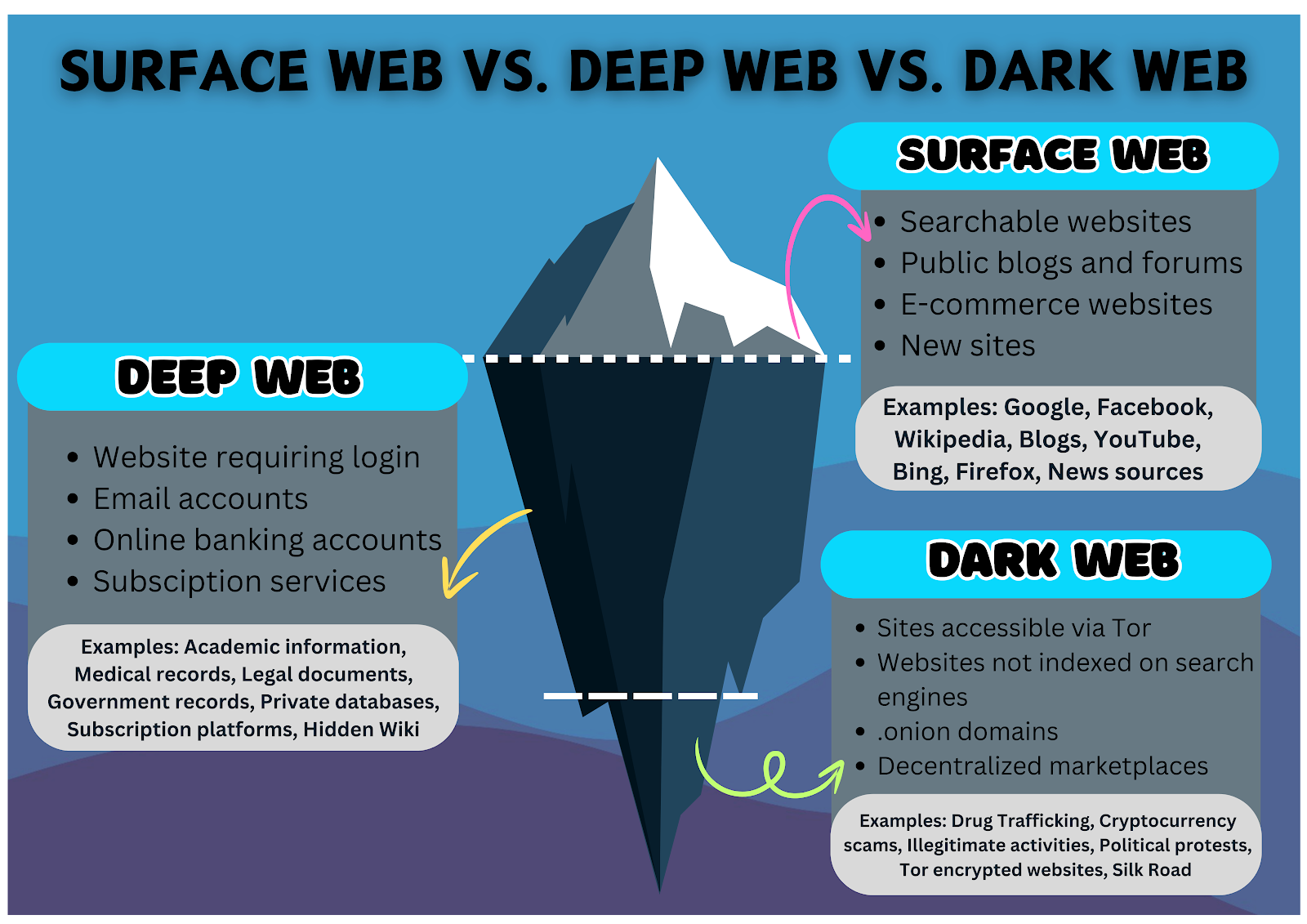













 Allow notifications





