Download Now
Home Blog Page 359

Law regarding emergency use authorization of vaccines in India

0

This article is written by Arundhati Roy, from RTI Cell, iPleaders and the article is edited by Khushi Sharma (Trainee Associate, Blog iPleaders).

Introduction

One of the critical pillars in controlling and managing certain diseases is vaccination. According to The Centers for Disease Control and Prevention (CDC), vaccinations should be taken throughout your life as it protects against many infections. The scientists say that the vaccines consist of either killed or weakened viruses which makes it almost impossible to get a disease from vaccination.  

The outbreak of Coronavirus disease or COVID-19 was first identified in Wuhan City, Hubei Province, China as a result of an upsurge of cases of respiratory illness in the year 2019. In the first instance, it was reported to the World Health Organization (WHO) on 31st December 2019. As there was a proliferation of COVID-19 patients all over the world, the WHO declared it a global pandemic. With the onset of the COVID-19 pandemic, there was a race to prevent and cure the patients inflicted with the diseases. However, discovering and developing a vaccine is a long, complex process, often lasting 10-15 years, including the involvement of public and private authorities. The 20th Century has witnessed the stages of vaccine development going through a strict, standardized procedure such as developing, testing, and regulating vaccines before getting approval as a cure for a certain disease. As a result of the outbreak of the COVID-19 pandemic, India also came to the forefront to develop and manufacture a COVID-19 vaccine with three other international vaccine developers. To enable the development of vaccines at a fast pace, the Indian Government has undertaken various initiatives to affirm regulatory steps and ease out the regulatory process to develop a vaccine. Currently, two vaccines have received Emergency Use Authorization (EUA) from the National Regulator (Drugs Controller General of India), which are “Covaxin” by Bharat Biotech International Limited (BBIL) and “Covishield” by Serum Institute of India. Since the labs have started developing vaccines to contain the spread of the disease, granting Emergency Use Authorization has become the talk of the town. Till the writing of this article, three more anti-Covid vaccines have been given EUA by the Drug Regulatory Authority in India, the latest ones being Russian Sputnik V and DBT-BIRAC supported ZyKov-D developed by Zydus Cadila. 

Surprisingly, “New Drugs and Clinical Trials Rules, 2019” governing clinical trials introduced in 2019 would serve as the primary regulatory framework for testing proposed COVID-19 vaccines. The impugned question is how the Drug Regulator Authority can grant any vaccine emergency use authorization and on what basis. It further raises many questions on the effectiveness of a vaccine, which is still on the clinical trial face. These vaccines, after receiving EUA, are being administered to people from children to adults. The present article studies the concept of Emergency Use Authorization of the vaccine in India and digs into the laws that allow such vaccines authorization.

What is vaccination?

As per World Health Organization (WHO), vaccination is a simple, safe, and effective way of protecting an individual against harmful diseases before they come in contact with them. The vaccination process is such that it uses an individual’s natural defences to build resistance to specific infections and makes the immune system stronger of the person vaccinated. 

Interestingly, the COVID-19 vaccines use a version of a spike-like structure on the surface of the COVID-19 virus called Spike protein or S protein. The primary COVID-19 vaccines which are being made include the mRNA vaccine as one of its types. Most vaccines that are made consist of a weakened or dead bacteria or virus, however, the mRNA vaccine uses a molecule called messenger RNA or mRNA rather than part of an actual bacteria or virus.

WHO further explains that vaccines train an individual’s immune system to create antibodies, just as the body does when exposed to a disease. However, they say that vaccines contain only killed or weakened germs like viruses or bacteria, which do not cause the disease or put the vaccinated individuals at risk of its complications.

What is Emergency Use Authorization (EUA)?

The FDA defines an Emergency Use Authorization (EUA) as a mechanism to facilitate the availability and use of medical countermeasures, including vaccines, during public health emergencies, such as the current COVID-19 pandemic. Once a vaccine is submitted for EUA, the FDA will evaluate a EUA request to determine whether the relevant statutory criteria have been met while considering the totality of scientific evidence about the vaccine available to the FDA.

It is discretionary upon FDA under EUA, to allow the use of unapproved medical products, or uses of approved medical products in an emergency to diagnose, treat, or prevent serious or life-threatening diseases or conditions when certain statutory requisites have been fulfilled, including that there are no adequate, approved, and available alternatives.

The Food and Drug Administration (FDA) is an agency that provides scientific and regulatory advice to developers of vaccines and undertakes the task of rigorously evaluating the scientific information through all phases of clinical trials, which continues after a vaccine receives approval from the FDA or is authorized for emergency use.

Emergency Use Authorization (EUA) in India

Taking into account the current pandemic situation, it is impossible to collect all the evidence that a drug regulator would require in the normal circumstances to give approval to a drug, vaccine, device or test. In India, the Drug Controller General of India (DCGI) is the regulator to take decisions in determining the efficacy and safety of a drug that is not fully tested before releasing it for the general public in the situation of a declared emergency. On having evidence that suggests that a drug or vaccine may benefit patients, then the regulator has the authority to issue an emergency use authorization to a vaccine, drug or any other medical product to make it widely available for use.

It is to be noted that vaccines to medicines, diagnostic tests and even medical devices need the approval of a regulatory authority before they can be administered. The Central Drugs Standard Control Organization (CDSCO) is the National Regulatory Authority (NRI) in India. Before any vaccine or medicine is approved, an assessment is carried out with respect to their safety and effectiveness, from the data collected from their clinical trials. 

When EUA is granted?

Owing to the global pandemic situation, it is essential to prevent the pathogen from spreading at the earliest. In general circumstances, several years go in processing and developing a vaccine wherein a good amount of time is taken in carrying out trials so as to demonstrate the safety and efficacy of a vaccine. But as the situation prevailing is of a COVID-19 pandemic, it may not be possible to go through each and every step of vaccine development and hence, emergency use authorization is being seen as a basic thumb rule, that empowers the drug regulators to approve a vaccine or a drug if the known and potential benefits outweigh the known potential risks. 

When the vaccine developers apply for Emergency Use Authorization (EUA), their application is only considered when they provide sufficient efficacy data from phase 3 trials. It is to be noted that data generated from phase 1 or phase 2 trials do not suffice to fulfil the criteria for obtaining EUA. But phase 1 and phase 2 trials are required to show that the product is safe enough to go further for phase 3 trials. This means that when applying for EUA, the vaccine or medicine should not omit any of the essential safety trials. The Regulatory Authority examines and satisfies themselves that the product obtained from the trials meets the reasonable threshold limits for safety purposes and is effective in use, before approving it.

In the US, the FDA, which has the authority to grant EUA, has specified for Covid vaccines, that only those applications for EUA would be considered whose phase 3 data manifested that it was at least 50% effective in preventing the disease. The essential condition is to generate this data from over 3000 trial participants, who are required to be followed up for any serious adverse effects for at least a period of one month after all dosages were administered to them.

What happens in Phase 1 and Phase 2 Trials? 

In order to evaluate the safety of vaccines at higher doses, it is administered to a limited sample set of healthy people during the Phase 1 trials. Further, it is observed whether Phase 1 trials throw up any safety concern, if it doesn’t then Phase 2 trials are undertaken. Phase 2 is carried out on a larger set of people consisting of hundreds of people who have dissimilar health conditions and belong to different demographic groups. This entire process is done to appraise the efficacy as well as side effects of the vaccine or medicine. Thereafter, the trial moves further to Phase 3, wherein a much larger sample of people i.e. thousands of people representing the population is involved to determine effectiveness and safety. Phase 3 trials aid in generating critical information on efficacy and additional important safety data. Also, additional information is procured about the immune response in people who receive the vaccine in comparison to those who receive a control, such as a placebo.

Process of obtaining EUA in India

The concept of Emergency Use Authorization is an entirely new phenomenon for India, despite it having a place in US FDA regulations which is explicit about the conditions and process for receiving a EUA. Nonetheless, the scenario is vague in India, as the experts say that there are no explicit provisions for granting EUA in India’s Drug Regulations, nor the procedure is stated as to how it can be received. However, during this COVID-19 emergency, the CDSCO has been permitting emergency or restricted emergency approvals to not only COVID-19 vaccines but medicines as well. These vaccines and medicines to receive emergency approvals are Covishield, Covaxin- the first two vaccines to receive approval in January 2021, Remdesivir and favipiravir in June 2020, and itolizumab in July 2020. Surprisingly, there is neither any data on how these drugs received approval nor any clinical data published anywhere pertaining to the grounds for giving such approvals. Even after perusing the entire legislation on Drugs Control, there is no such clause that allows or permits such emergency use of medical products.  

The National Expert Group on Vaccine Administration for COVID-19 (NEGVAC) in its 23rd meeting which was held on 11th April 2021, took up the matter of augmenting the COVID-19 vaccines which are available for fighting the pandemic as well as to accelerate the pace of domestic vaccine programme and then after comprehensive contemplation made a recommendation. The NEGVAC recommended that the vaccines for COVID-19, which have been developed & are being manufactured in foreign countries & which have been granted emergency approval for restricted use by USFDA, EMA, UK MHRA, PMDA Japan or which are listed in WHO (Emergency Use Listing) may be granted emergency use approval in India, mandating, the requirement of post-approval parallel bridging clinical trial in place of conduct of local clinical trial as per the provisions prescribed under the Second Schedule of the New Drugs & Clinical Trial Rules, 2019. Further, the first 100 beneficiaries of such vaccines shall be assessed for 7 days for safety outcomes, before it is rolled out for further immunization programmes. This recommendation of the NEGVAC was eventually accepted by the Union Government after deliberation. 

What is WHO’s Emergency Use Listing (EUL)?

The World Health Organization listed the Pfizer/BioNTech vaccine for emergency use, making it the first vaccine which received emergency validation from WHO. 

WHO’s emergency use listing (EUL) procedure evaluates the suitability of novel health products during public health emergencies. To address the situation of emergency, the EUL works with the aim of making medicines, vaccines and diagnostics available as expeditiously as possible while adhering to the uncompromising criteria of safety, efficacy and quality. The threat posed by the emergency as well as the benefit that would accrue from the use of the product against any potential risks is weighed in the evaluation process.

There is an involvement of rigorous assessment of late Phase 2 and Phase 3 clinical trial data as well as substantial additional data on safety, efficacy, quality and a risk management plan in the EUL pathway. The data obtained are then reviewed not just by independent experts but also by WHO teams who take into contemplation the current body of evidence on the vaccine under consideration, the plans for monitoring its use, and plans for further studies. As part of the EUL process, the company manufacturing the vaccine makes a commitment to continue to generate data in order to get full licensure and WHO prequalification of the vaccine.

The WHO’s Emergency Use Listing (EUL) facilitates the countries to accelerate their own regulatory approval processes to import and administer the vaccine. Under EUL, UNICEF and the Pan-American Health Organization are enabled to procure the vaccine for distribution to countries in need.

Regulatory laws for vaccine development and EUA in India

“New Drugs and Clinical Trials Rules, 2019” which deals with clinical trials would constitute the main regulatory framework for testing of proposed COVID-19 vaccines. These Rules lay down the provisions with respect to clinical trials and various aspects associated with a new drug. All potential COVID-19 vaccines will be a “new drug” as per the definition given under the New Drugs and Clinical Trials Rules. Thus, these rules shall regulate the import and manufacturing of all such vaccines either for clinical trials or for sale and distribution. However, the chief regulatory approvals under the Rules are to be required to be taken from the Drug Controller, India which is within the Central Drugs Standard Control Organization (CDSCO), the national regulatory body for drugs and medical devices.

It is pertinent to note that, it is nowhere stated in the New Drugs and Clinical Trial Rules, 2019 about the emergency use authorization or any such term as EUA as these terms have found a place in the legislation of countries like the US, UK, and such other developed countries. Nonetheless, the regulatory system in India has laid down provisions for a “special situation.” These rules prescribe the provision for an “accelerated approval process” which depends upon the situation. These provisions do match the need of the current pandemic situation. It further states that during such a situation, the ‘product’ (medicine, vaccine) needs to have a “meaningful therapeutic benefit.” The Rules provides that if needed for the treatment of life-threatening diseases like the COVID-19 pandemic which is currently being faced by the world, a new drug, the vaccine can be granted approval provided that the new drug or vaccine manifest “remarkable efficacy” during the Phase 2 human trials. But this approval will be given for temporary use and whose validity shall not exceed a period of one year as per the IE Report.

How much risk is involved in using a product that has only been granted a EUA?

The US FDA states that the general public should be informed so that they have knowledge that the product has only been granted Emergency Use Authorization and has not yet received complete approval from the Authorities. For instance, when mass administration of COVID-19 vaccine is being carried out, they should be well-versed with the potential benefits and risks of the vaccine, and the extent to which such benefits or risks are unknown.” And most importantly knowing the potential risks and benefits, they should have a right to refuse the vaccine.

However, the question of whether a person has a right to refuse vaccination or not is a debatable question. Despite that, no country has made vaccination compulsory, yet the guidelines issued by the Government to deal with the COVID-19 pandemic situation includes for many purposes such as travelling, entering restaurants, malls, etc., compulsory vaccination, otherwise, they shall not be allowed to do so. This is however subject to terms and conditions but the right to refuse vaccine/medicine is somehow curtailed.

Which medicine and vaccine received the EUA in India?

As per the RTI reply received from the Central Drugs Standard Control Organisation(CDSCO), considering the emergency and unmet medical need for COVID-19 disease, CDSCO has approved Restricted Emergency Use of Remdesivir Injectable Formulations for treatment of patients with severe COVID-19 infection subject to various conditions and restrictions on 01.06.20 for import and marketing the drug in the country.

CDSCO has granted permission to manufacture and market the same injectable formulations of the drug to the indigenous 05 manufacturers for the same indication, restriction and conditions for use as stipulated for the innovator’s product.

Favipiravir 200mg tablets on 19.06.2020 for treatment of patients with mild to moderate COVID-19 disease subject to the above conditions, as part of the accelerated approval process for restricted emergency use in the country. Further, drugs are

1. Itolizumab Injection 25mg/5 ml solution for intravenous infusion.

2. Casirivimab (r-DNA origin; 120 mg/ml) and Imdevimab (r-DNA origin; 120 mg/ml).

3. Bamlanivimab (r-DNA origin 700mg per container) and Etesevimab (r-DNA origin 700mg per container).

4. Pegylated Interferon alfa-2b for Injection (r-DNA origin) 50 µg/0.5ml, 80µg/0.5ml, 100 µg/0.5ml, 120 µg/0.5ml and 150 µg/0.5ml powder for concentrate for solution for infusion in a single-use vial (lyophilized vial for subcutaneous).

5. Tocilizumab Injection (r-DNA Origin 80 mg/4 mL, 200 mg/10 mL and 400 mg/20 mL.
Further, the RTI reply states that as per the provisions of New Drugs and Clinical Trials Rules, 2019 under Drugs and Cosmetics Act, 1940, based on the recommendations of Subject Expert Committee (SEC) comprising of experts from Microbiology, Pulmonology, Immunology, Paediatrics, Internal medicine etc. and as per office order dated 15.04.2021 and 01.06.2021, Six COVID-19 vaccines are approved for restricted use in an emergency situation for prevention of COVID-19 in the country. Further, the list including details of permissions of approved COVID-19 vaccines are publically available on the CDSCO website www.cdsco.gov.in. on the following link: https://cdsco.gov.in/opencms/opencms/system/modules/CDSCO.WEB/elements/download_file_division.jsp?num_id=NzY2OQ==

In addition to this, New Drugs including vaccines are regulated under the New Drugs and Clinical Trials Rules, 2019 of the Drugs and Cosmetics Act, 1940.

Efficacy of COVID-19 vaccines/medicines in India

It is to be noted that Covaxin has currently been granted approval for emergency restricted use, while Covishield has been allowed for restricted use in emergency situations that can potentially prevent coronavirus infection in people aged 18 years and above. Further, Covaxin has commenced its clinical trial in children belonging to the age group above two years. Reports suggest that the efficacy of Covishield is 90% and Covaxin is 81% as per the interim 3rd Phase trial. However, both of the vaccines have not yet received WHO’s approval, nor has been given a place in WHO’s Emergency Use Listing (EUL), despite having applied for the same. This raises another cause of concern which directs us to ask, “Do these vaccines have enough clinical trial data to prove efficacy and safety to prevent the spread of coronavirus?” 

Other drugs to receive EUA for treatment of COVID-19 are Remdesivir and Favipiravir. Even though these drugs have existed as approved drugs for other ailments prior to being granted the EUA for treating COVID-19 patients, they could not be administered to COVID-19 patients in the absence of restriction, as there have been no such extensive clinical trials that could prove its potential risks and benefits to the fullest. However, they received authorization only because they displayed some positive results in limited testing in a given specified condition. In a way, they were “repurposed” through EUAs for COVID-19 patients. Now, here the impugned question is, “How the Drug Controller in India approves a medicine for emergencies when the law is silent on that part?”

Conclusion

It is pertinent to mention that the concept of Emergency Use Authorization (EUA) is relatively a recent phenomenon. The first EUA was granted to Tamiflu drug by the FDA in 2009 for the civilian population for infants and young children for the treatment of H1N1 influenza. So, even though EUAs have been granted for various medicines, diagnostics, and equipment like ventilators or even PPEs, it has never been granted for a vaccine. Noteworthy to say that only when a health emergency crisis arises EUA can be granted. Prior to the current pandemic situation, EUAs came during the spread of the Zika Virus, Ebola Virus, and MERS coronavirus. Although the concept of EUA is known to the world, it is surprising that the term EUA has found no place in the Indian legislation. 

The public has the right to know on what data these vaccines have been granted emergency approval by the Indian Government, on what grounds, and how the law justifies them in the absence of any such provision. Not only should people be well-versed with what medicine/vaccine they are being given, but they should also have a right to refuse the vaccine/medicine without being unsatisfied as to its safety and efficacy.


LawSikho has created a telegram group for exchanging legal knowledge, referrals, and various opportunities. You can click on this link and join:

https://t.me/joinchat/L9vr7LmS9pJjYTQ9

Follow us on Instagram and subscribe to our YouTube channel for more amazing legal content.

Download Now

The best softwares for a lawyer

0

Law is one of the oldest professions and is ready for the future with digital tools. Helpful law software used for legal aid, storage, schedules, etc., is a blessing to all law professionals. So let’s have a look at some popular software for lawyers. 

The lawyers have to deal with many laborious tasks like paperwork, storage, billing, appointments, etc. The legal aid applications help you keep a tab on all the essential subjects. Some of the trending applications are below.  

Clio 

It is a work management tool that supervises all the subjects of your law work in one place. Clio is the most suitable application for law firms and solo lawyers and manages everything precisely. The bonus is that it stores your client’s data and crucial documents far away from the threat. In addition, it is a highly secure and encrypted tool. 

Finalizing the best software for your profession is a challenging task. Suppose you are done searching and cannot select the one for you. Then, the one-stop for finding the perfect software for your business is https://www.saasgenius.com/. First, it lets you compare all the software programs. Then, you can opt for the one that suits your profession the best. In addition, you’ll also find lots of useful tips and trends in the software industry.  

Litify 

Litify is a perfect tool for mid-size and large legal firms. It lets you operate the essential tasks from a single location. It handles documents, client communication, billing, invoicing exceptionally well.  

It is a single software that has everything a lawyer needs. Salesforce powers it, which has the top security services one can trust upon. 
PCLaw 

It is a judicial administration tool that is a complete package in itself. It offers features like contact and client and case management, bill management, trust accounting.  

In addition, there are accounting tools like cash, accounts receivables, and accounts payable modules. However, sometimes the clients can be in doubt and restless. In such times, you have to use strategies for client management and build their trust. 

Conga Composer 

The foremost duty of judicial officials is to maintain the records. It creates documents from the templates. It saves all the data in one spot; the files are secure and encrypted. 

You can check who has admittance to the files, and the transfer is quite simple. All the features make it best for keeping all the essential documents. 

MyCase 

My case is a cloud-based software. It has highly secure tools which let you communicate with clients via the portal. Furthermore, it provides official consultants who can assist clients with the procedure of the software.  

In addition, there are activity streams and safe online payment processing. So, it helps to learn legal issues relating to Indian electronic payments and secure safe transactions before using this software. 
Let’s Wrap up 

The improvement of software programs is making the work of professionals easy. The best software applications are safe and sort out the job efficiently.  So, select the right one for you and make your task easy to focus on work. 


Students of Lawsikho courses regularly produce writing assignments and work on practical exercises as a part of their coursework and develop themselves in real-life practical skills.

LawSikho has created a telegram group for exchanging legal knowledge, referrals, and various opportunities. You can click on this link and join:https://t.me/joinchat/L9vr7LmS9pJjYTQ9

Follow us on Instagram and subscribe to our YouTube channel for more amazing legal content.

Download Now

Personal Information Protection Law of China vs. Personal Data Protection Bill 2019, India

0
Image Source - https://rb.gy/cma483

This article has been written by Shivani Singh pursuing the Diploma in Cyber Law, FinTech Regulations, and Technology Contracts from LawSikho. The article has been edited by Prashant Baviskar (Associate, LawSikho) and Zigishu Singh (Associate, LawSikho).

Introduction 

In recent times, data protection or data privacy has become a trending topic that is being discussed by almost everyone, irrespective of their professional background or nationality. Data or information has always been treated as a valuable asset that was in need of protection, throughout history. Different civilizations came up with different systems of security and myriad methods of encryption in order to protect the data or information they deemed important. Fast forward to the 21st century, the arrival of the digital age, and data has become more vulnerable than ever before. The reason is obvious; accessibility. Data is stored in the digital medium, which means that there is always a possibility of it being hacked or leaked. The digital world may have made our lives convenient by making everyday tasks doable with the simple click of a button on our smart gadgets. However, at the same time, it has put our lives on display for anyone who desires to know about us.

The governmental authorities around the world have come up with policies in order to tackle data breaches and protect the private lives of their people. In this article, we shall endeavor to explore the privacy policies of two such countries with diametrically opposite systems of government and carry out a comparative analysis of their approach towards data protection.

China’s Personal Information Protection Law

The much-awaited law was adopted by the 13th National People’s Congress on 20th August 2021 and came into force on 1st November 2021. The PIPL derived inspiration from the General Data Protection Regulation (GDPR) in defining ‘Personal Information’ under Article 4 as ‘all information related to identified or identifiable natural person’, which essentially means that, even if the information is not identifiable of a natural person but related to an identified person, such information will be covered under the ambit of ‘Personal Information’. The only exception is the anonymized data. The process of anonymization has been explained under recital 26. Under this policy, the data controller has been termed as ‘Personal Information Handler’ which includes organizations and individuals independently handling the personal data of the data subjects. 

Scope of PIPL 

Perhaps the most intriguing provision of PIPL is its scope as envisaged under Article 3. This particular provision envisages the application of the ‘Personal Information Processing’ rules to the processing even outside China, subject to certain conditions. Let us bifurcate the scope of processing into two parts:

Within China

The data processing restrictions will apply to not only the Chinese companies but also the affiliates of other MNCs based in China.

Beyond the borders of China

This is the most relevant aspect of the provision, wherein it has been enumerated that the rules of processing personal data will also apply to the handlers and processors outside China as long as it is for:

  1. Providing products and services to the Chinese nationals;
  2. Analysing/assessing the behavior of the natural persons in China; or
  3. Any other circumstances as provided by laws and administrative regulation.

Now the last criteria for the application of data processing laws is a little ambiguous as it has not been defined clearly in the policy. Thus making it susceptible to misinterpretation by the authorities as per their own whims and fancies.

Rights of the data subjects

The PIPL has specifically dedicated a whole chapter to the rights of the data subjects. It underlies ‘consent’ as the only qualifier for the data handlers and processors to do what they please with the data. Therefore the following rights have been granted to the data subjects:

  1. Right to knowledge, decision, restriction, objection and rescission.
  2. Right to access, copy and portability.
  3. Right to rectification.
  4. Right to deletion.
  5. Right to demand transparency, fairness and justice in data processing results.

The rights guaranteed to the data subjects provide them with the requisite tools so that they may  protect their interests and prevent misuse of their personal data.

Regulation of data handlers and processor

There are certain obligations that are  required to be adhered to by the data handlers and processors and they are enumerated as follows:

  1. Undertake security measures in order to avoid any leakage or misuse of personal data, which may include but not be limited to establishing an internal system for monitoring, having emergency back-up plans, implementing technical security measures. 
  2. Appointment of ‘Data Protection Officers.’
  3. Appointment of a Representative by the handlers based outside China to oversee data processing compliances.
  4. Get audited for ensuring the adherence to the compliances.
  5. Assess the impact of the processing activities to be performed on the personal data.
  6. Quick response mechanism to be in place to handle breach.

Consequences for violation : penalty

In case of general situations of breach 

The entities are ordered to rectify, any illegal gain is confiscated and a fine of not more than 1 million CNY. The fine for the persons responsible will range from 10,000 CNY to 100,000 CNY.

In case of severe breach 

The entities are ordered to rectify, any illegal gain is confiscated, suspension of relevant activities, and a fine of 50 million CNY or 5% of the annual turnover. The fine for the persons responsible will range from 100,000 CNY to 1 million CNY and they are prohibited from holding key positions in the entity.

Criminal liability

Depending on the gravity of the breach, imprisonment is up to 7 years.

India’s Personal Data Protection Bill, 2019

The draft bill for personal data protection, which aims at providing protection to data privacy, has been introduced in the Parliament of India but has not been passed yet, as it is still under review by the Joint Committee of Parliament (JCP). This bill has appeared in the headlines for drawing flak from social media entities and experts, as they point out that there are too many ambiguities in the provisions of the bill. 

In 2017, the Supreme Court upheld that the Right to Privacy is a fundamental right, which can be included within the ambit of the right to life and personal liberty as mentioned under Article 21 of the constitution. Personal data has been defined under Section 3 clause (28) of the bill as: 

‘Data about or relating to a natural person who is directly or indirectly identifiable, having regard to any characteristic, trait, attribute or any other feature of the identity of such natural person, whether online or offline, or any combination of such features with any other information, and shall include any inference drawn from such data for the purpose of profiling;’

This implies that any data which can act as an identifier for a natural person may be deemed to be ‘Personal Data’.

Data fiduciary 

There is something called a Data Fiduciary under the draft bill, who is to be responsible for deciding the purpose and method of data processing. The data processors are going to process the data on behalf of the data fiduciary. The role of the data fiduciary will be to determine methods or ways to process data of the data objects. The data fiduciary will be obligated to take certain security measures in order to maintain the transparency of data processing, which may include employing encryption for data securing and having a grievances redress mechanism in place.

Scope of PDP  

The bill will be applicable on the processing of data by: 

a) Government; 

b) Private entities incorporated in India; and 

c) Foreign companies handling data of the Indian nationals.

Rights of data principals

The individuals whose data is being processed by a data fiduciary or processors have also been given certain rights under the bill. These  can be summarized as follows:

  1. Right to seek information about whether their data has been processed by the data fiduciary.
  2. Right to seek correction or rectification of inaccurate and out-of-date data.
  3. Right to get their data transferred to another fiduciary in certain circumstances.
  4. Right to restrict the continuous disclosure of their data by a fiduciary when the purpose is resolved.
  5. Right to be forgotten.

Under the bill, the data is allowed to be processed by the fiduciaries only if the consent of the data principal has been given. Notwithstanding, the data can be processed without the consent of the data principal under the following situations: 

1) If the data is to be used by the state to provide benefits to the individuals; 

2) If it is for a legal proceeding; and 

3) In case of medical emergencies.

The fact that the state can process the personal data of the individuals in the name of conferring benefits without their consent can be dangerous to the liberty and freedom of the people. 

Relevant aspects to be noted

  • The social media intermediaries have also been included within the ambit of the bill wherein a social media platform with a defined threshold of users and the capability to influence the behavior of the people in terms of elections and political affairs will have to follow certain obligations.
  • Establishment of data protection authority in order to protect the misuse of personal data and monitor the processing by the various fiduciaries.
  • The central government can exempt any of its entities from the scope of the bill in the name of ensuring the security, sovereignty, integrity or unity of the country.
  • The government may ask the data fiduciaries to share non-personal or anonymous data if required.

Penalties

The bill envisages a penalty of 15 crores or 4% of the annual turnover, whichever is higher, in case of violation of the provisions of the bill. The fine for failure to conduct a data audit will be 5 crores or 2% of the annual turnover, whichever is higher.

Conclusion

Data protection laws have been a necessity in an age where everything has gone digital, especially after the COVID-19 pandemic which further pushed people towards virtual reality. Both China and India have come up with their own versions of the data protection law. While these laws have certain similarities,  their implementation might differ according to their political systems. However, both the legislations are susceptible to criticisms as they are capable of becoming a tool to control the individuals by the authorities.

References


Students of Lawsikho courses regularly produce writing assignments and work on practical exercises as a part of their coursework and develop themselves in real-life practical skills.

LawSikho has created a telegram group for exchanging legal knowledge, referrals, and various opportunities. You can click on this link and join:https://t.me/joinchat/L9vr7LmS9pJjYTQ9

Follow us on Instagram and subscribe to our YouTube channel for more amazing legal content.

Download Now

Comparative study of maternity rights of women in India and the UK

0
Image source: https://bit.ly/3iFGeGG

This article is written by Aditi Shrivastava from NMIMS, Mumbai and the article is edited by Khushi Sharma (Trainee Associate, Blog iPleaders).

Introduction

Pregnancy and motherhood represent a particularly vulnerable period for working mothers. Expecting mothers and nursing mothers require extra safeguards to preserve their own and their children’s health, as well as enough time to give birth, recuperate and nourish their babies. Simultaneously, they require safeguards to ensure that they do not lose their jobs due to childbirth-related complications or maternity leave. Women’s equal access to employment is ensured by such protection, as is the preservation of potentially necessary income, which is required for the well-being of their entire family. Preserving the health of expectant and nursing mothers, as well as protecting them from workplace discrimination, is a prerequisite for achieving sincere equality and treatment for men and women at work, as well as enabling workers to raise families in a financially secure environment. Therefore, it is essential for the Government of every country to recognize the maternity rights of women and to also have a codified law for the regulation of the same. The maternity law helps in ensuring that pregnant women are not being harassed at the workplace and also that they have been taken care of. 

Nowadays, as women are progressing with time, it is no surprise that they raise their kids simultaneously with their jobs. They need to maintain a work-life balance especially during the time of pregnancy and immediately after the birth of their infants. Maternity rights such a paid maternity leaves allow them to take care of their newly born infants and to recover after childbirth. As the first few months after childbirth are the most vulnerable and crucial time for both the mother and the infant, this time must be given to them. Hence, paid maternity leaves and other maternity rights are recognized as essential labor rights of women. 

The Maternity Protection Convention of 2000 recognizes maternity rights, intending to ensure that pregnant or breastfeeding women are not forced to undertake employment activities at an organization that is harmful or risky to the mother’s or child’s health. It states that it is illegal for an employer to terminate a woman’s employment while she is pregnant and that a woman is entitled to return to the same or a comparable position paid at the very same rate at the end of her maternity leave.

In India, the maternity rights of women are regulated under the Maternity Benefits Act, 1961 which aims to provide maternity benefits such as paid maternity leaves, payment of maternity benefit in case of death of a woman, nursing breaks during the working hours, and other benefits to the women employed in an establishment as defined under the Act.

In the UK, the most relevant legislation concerning the maternity rights of women are the Employment Act, 2002, and the Work and Families Act, 2006. The Employment Act, 2002 aims to provide statutory rights of paternity and adoption leave and pay and also provides the statutory rights of maternity leave and pay. Work and Families Act, 2006 is concerned with the statutory rights to leave and pay in connection with the birth and adoption of Children.

Legislative framework: Maternity Law in India and UK

In India

The first-ever recognition of Maternity Benefits or Maternity Leave in generality in the time of Pre-Independence occurred in 1928 in the Bombay Presidency of British India when Dr. Babasaheb Ambedkar expressed his strong support for the idea of Maternity Benefits. On many occasions, he was seen defending the idea of Maternity Benefits for the Bombay legislature.

The initial approach of India towards maternity benefits was to provide benefits to women engaged in factories only. However, the legislation was passed in order to ensure the health and safety of women working in the formal sector. Parallel to which the legislation gave no regard to women working in agriculture or other informal sectors, subject to the condition that such informal sectors were not hazardous to health.

Maternity Benefits Act, 1961

In the Post-Independence era, the Republic of India enacted The Maternity Benefits Act, 1961 on 12th December 1961. The statute was enacted in accordance with the International Standards provided for maternity benefits along with conditional benefits including maternity, childbirth, and complications arising from the same. The underlying fact is that, even though India was in its 14th year of Independence and still a developing economy, the statute covered the extensive ground with excruciating detail and attention given to various aspects of factors concerning maternity benefits.

The statute covered every establishment, whether it was a factory, mine, or plantation, as well as any government-owned establishments and facilities where persons were hired for equestrian, acrobatic, or other shows. It also applied to any shop or establishment with a staff of ten or more individuals. The applicability of the legislation’s requirements to industrial, agricultural, and commercial establishments was a significant improvement over the barebones Act of 1928.

Following are the four broad aspects covered by the Act:-

  1. Leave Duration

A woman is entitled to twelve weeks of maternity leave under the statute, with no more than six weeks preceding her projected delivery date. During that period, the ILO’s advice was taken into consideration.

  1. Remuneration during leave

Women who meet the Act’s requirements for maternity leave are entitled to maternity benefits at the rate of the average daily salary for the time she is away.

  1. Job Security

In line with the terms of this Act, it is unlawful for an employer to terminate or discharge any woman at any time during or on account of her absence. The employer may, however, convey the dismissal or discharge in writing if it is due to gross misbehaviour.

  1. Financial Advantages

Under this statute, every woman is entitled to maternity benefits and, if her company does not provide free prenatal or postnatal care, she is also entitled to a medical bonus of a specific amount from her employer. In the event of the woman’s death, the employer is responsible for paying all dues, including maternity benefits, to the woman’s nominee or legal representative.

In UK

The UK presented its first-ever maternity leave enactment through the Employment Protection Act 1975, which was reached out through additional enactment, for example, The Employment Act 1980. Notwithstanding, for the initial 15 years, just with regards to half of working ladies were qualified for this is a result of long qualifying times of business.

Maternity benefit laws are governed by two statutes in the United Kingdom, namely: –

  1. Employment Act, 2002.
  2. Work and Families Act, 2006.

Employment Act, 2002

The Act’s Chapter 2 covers maternity benefit provisions, such as the beneficiary’s rights during and after maternity leave, the maternity pay period, the rate of statutory maternity pay, and the employee’s entitlement and employer’s duties.

Work and Families Act, 2006

The Work and Families Act of 2006 is only a guiding statute that establishes the maternity pay period. In 2006, this Act was revised to increase the length of maternity leave from 26 weeks to 52 weeks.

Maternity rights of women in India and UK

In India

In India, the maternity rights of working women are governed by the Maternity Benefit Act, 1961 and Maternity Benefit (Amendment) Act, 2017. It is an act to administer women’s employment in particular organizations to advance for maternity benefits and other advantages before childbirth and post-childbirth to ease the taking care of her child while managing her employment. The Act applies to all establishments in Factories, Mines, Plantations, Shops & Establishments, and other organizations. A woman employee must have worked for 160 (One hundred and sixty) days at the current establishment in the previous 12 months to be qualified under this Act.

Female employees in the private sector must discuss maternity leave policy with their HR department. Various firms have different leave and payment policies. The females who are working as public servants are entitled to 180 days of paid maternity leave for the first two live-born children.

Maternity law has been modified in light of the social context, in which women make up a large part of the labor pool. Pregnancy is a transitional phase that many families anticipate experiencing soon. Many couples make preparations for pregnancy and the postpartum period. Regardless of how happy and excited the pregnancy is, it can also be a source of stress for working women.

Before the Amendment Act of 2017

Prior to the 2017 Amendment of the Maternity Benefit Act, women employees were entitled to a total of 12 weeks (84 days) of maternity leave under the Maternity Benefit Act, 1961. This maternity leave period included 6 weeks of prenatal leave i.e., before the childbirth. A female worker was entitled to six weeks of paid maternity leave in the occurrence of a miscarriage or medical termination of pregnancy.

After the Amendment Act of 2017     

The Maternity leave has been raised from 12 to 26 weeks following the 2017 amendment to the Maternity Benefit Act, 1961. The length of prenatal leave has also been extended from six to eight weeks. A woman who has two or more children is entitled to 12 weeks of maternity leave. The prenatal leave would still be six weeks in this case.

According to the Act, a woman who adopts a child under the age of three months is entitled to a 12-week adoption leave.

A commissioning mother is also entitled to a 12-week leave period beginning on the day the child is delivered. The woman who gives birth to the child is referred to as the host or surrogate mother; a commissioning mother is “a biological mother who uses her egg to create an embryo implanted in any other woman.”

Pregnancy is a difficult process that can sometimes be life-threatening. The Maternity Leave Amendment Bill 2017 provides a one-month benefit to women who suffer from crucial conditions such as premature birth, miscarriage, or medical termination of pregnancy.

In UK

Under the UK Maternity Law, female employees who are eligible may take up to 52 weeks of maternity leave. The first 26 weeks are referred to as ‘Ordinary Maternity Leave’ or OML while the final 26 weeks are referred to as ‘Additional Maternity Leave’ or AML. If the female employee returns to work after 26 weeks of OML, she has the right to the same employment. The employee shall provide proper notice of maternity leave to her employer. If such a female employee returns to work after AML, she may return to the same position subject to availability, but if that is not practically possible, the employer may provide her suitable alternative employment with comparable terms and conditions.

From the first day of work, all-female workers are eligible for OML and AML. It makes no difference how long she has been working with the employer. The prenatal leave period in UK is 11 weeks.

Women who qualify for the Statutory Maternity Pay are compensated for 39 weeks. Employers pay it to employees and then claim a part or the entire amount from Her Majesty’s Revenue and Customs (HMRC). Even if the employee do not intend to return to work, or are terminated or made redundant, or have a fixed-term contract that ends after the 26th week of pregnancy, women can still obtain SMP for 39 weeks.

Conclusion

Both India and the UK have recognized the maternity rights of women working in an organization or establishment. Also, both the nations have codified laws for the same. The purpose of the Maternity benefit legislations of India and the UK is to provide a financially secured environment to women when they are in labor, to protect the personal and professional interest of the women, and to provide them the opportunity to take care of themselves and their infant before and after the childbirth. The maternity benefit law also ensures the protection of women against workplace discrimination and promotes equal treatment of male and female employees.

Although both India and UK provides maternity rights to women, the rights differ in both nations. In the UK, a female employee is entitled to Maternity leave up to 52 weeks (1 year) whereas, in India, a female employee is entitled to Maternity leave up to only 26 weeks. Therefore, in the UK, a female can have almost an entire year to take care of herself and her infant during and after such a vulnerable period of pregnancy and childbirth. The pre-natal leave in India and UK is a maximum period of 8 weeks and 11 weeks respectively. The rest of the maternity leave is provided after childbirth. The UK provides 3 more weeks of pre-natal leave to female employees. The prenatal period is the most vulnerable and crucial period of pregnancy for any woman.

In the UK, maternity leave is categorized as OML (Ordinary Maternity Leave) and AML (Additional Maternity Leave). The first 26 weeks of Maternity leave are called OML, whereas the last 26 weeks are called AML. AML is the additional maternity leave that is provided to the women employees if they need additional time after 26 weeks of OML to take care of their child. There is no such categorization under Indian law. In India, no additional maternity leave is provided to female employees. Although, after the 2017 Amendment of the Maternity Benefit Act, the female employee is entitled to ask for work from home after the expiration of her maternity leave which shall be subjected to the nature of work performed by such employee.

References

  • The “Maternity Benefit Act, 1961. (India)”
  • The Maternity Benefit (Amendment) Act, 2017. (India)
  • The Employment Act, 2002. (UK)
  • The Work and Families Act, 2006. (UK)
  • The Employment Protection Act, 1975. (UK)
  • The Employment Act 1980. (UK)
  • The Maternity Protection Convention 2000. (ILO)

Online Articles


Students of Lawsikho courses regularly produce writing assignments and work on practical exercises as a part of their coursework and develop themselves in real-life practical skills.

LawSikho has created a telegram group for exchanging legal knowledge, referrals, and various opportunities. You can click on this link and join:https://t.me/joinchat/L9vr7LmS9pJjYTQ9

Follow us on Instagram and subscribe to our YouTube channel for more amazing legal content.

Download Now

Features of Sarkaria Commission Report on union and state relations

0
Image source - https://bit.ly/3HaL23Q

This article is written by Mehak and the article is edited by Khushi Sharma (Trainee Associate, Blog iPleaders).

Introduction

There were persistent tensions between the centre and the states. In response to that, the Ministry of Home Affairs of India on 9th June 1983 established a Commission to investigate and give recommendations on the relationship between the centre and the states. The commission consisted of Shri B. Sivaraman and Dr. S.R. Sen as members. The Commission was given the name “Sarkaria Commission” because it was chaired by Justice Ranjit Singh Sarkaria, a retired judge of the Supreme Court of India. It was formed to review the working of the existing arrangements between the Union and the States in the changed socio-economic scenario. 

In all domains, the Commission studied and analyzed the functioning of the current arrangements between the two in terms of powers, functions, and duties, and provided the recommendations. Though the proposals were not mandatory, the government did implement some of them, and many at times the significance of these recommendations have been highlighted by the supreme court such as the formation of an inter-state council, the appointment of a governor, and article 356, etc. 

Discussion

In October 1987, the Commission submitted its report to the Prime Minister of that time, Rajiv Gandhi. The report included 247 specific recommendations that were divided into 19 chapters. Despite the length of its reports, the Commission advised that the status quo in the Centre-State relationship be maintained. The recommendations made by the Sarkaria Commission were not obligatory to follow but the court many times relied on these recommendations. The commission gives recommendations particularly in the areas of legislative concerns, roles of the Governor, and the application of article 356 of the Indian constitution. Now let us discuss the recommendations one by one.

Article 356 of the constitution

Article 356 of the constitution provides for a president’s rule in the state. This provision has been a source of dispute and discussion since its establishment as the President’s rule has the potential to jeopardize the federal framework of the nation. Because of the ambiguous and subjective nature of the word ‘otherwise,’ various members of the Constitutional assembly rejected this provision of imposing President control in a state, claiming that Article 356 may result in union dominance over the state. B.R. Ambedkar said during the constitutional debate that “I hope the President, who is endowed with these powers, will take proper precautions before actually suspending the administration of the provinces”. (See here)

According to the Sarkaria Commission, article 356 has been employed over 100 times since its independence. State administrations that were quite legitimate have been fired in the past to either force them to fall in line or to offer the party of Union government an opportunity to gain power in the state. The most venomous usage of Article 356 will be recalled from the 1970s and 1980s. It was used 59 times between 1971 and 1984, with the greatest number of occasions occurring during the Morarji Desai government’s term in 1977-79. According to the Commission, this item has been utilized for political reasons in 90% of the cases. As a result, it was advised that the President’s rule specify the reasons why the state cannot be managed according to the customary provisions of the Constitution. Before resorting to Article 356 as a last resort, the federal government should give a warning to the state administration as well as it should not be exploited for political gain. The commission also suggested that article 356 should be changed so that the President can only dissolve the State Legislature with Parliamentary permission. Following the recommendations of the Sarkaria Commission, the Supreme Court stated that the breakdown of constitutional machinery meant that carrying out administration in a state was a genuine impossibility, not a simple hardship. (See here)

Article 258 in Legislative Matters

Most states were dissatisfied with the way the Union used its legislative powers to the detriment of states. The dispersion of powers was less problematic, but the practice of such distributed powers was more problematic. Furthermore, the residual authority of the union had been the source of numerous issues.

After considering all the issues the commission suggested that the President should delegate some executive functions of the Union in concurrence not only with the states but districts also. This will aid in the promotion of “cooperative federalism.”

It’s worth noting that the Sarkaria Commission believes the Zonal Councils have failed to achieve their goals and complaints. The commission proposed that these Councils be appointed under Art. 263 so that they can serve as independent constitutional bodies, however, this suggestion has yet to be adopted.

Administrative Arrangements

The Sarkaria Commission observed that “Federalism is more of a functional arrangement for cooperative activity than a static institutional concept” in administrative matters.

Concurrent List 

It was suggested that the central government should loosen its jurisdiction over items on the concurrent list and consult with state governments before implementing legislation on them. Considering the necessity for states to mobilize more resources, taxation power, which was previously on the union list, should be moved to the concurrent list. This surcharge must only be in place for a short time.

Article 252

If parliament passes legislation under Article 252 (with mutual consent of two or more nations), the commission recommended that it should only be in effect for three years and not more than that. Although the States have given Parliament the right to legislate, such laws can currently only be repealed by Parliament at any time. The commission firmly denied the demand to limit the power of the centre, stating that a strong centre is necessary to maintain national unity and integrity. Over-centralization, on the other hand, was identified as a preventable problem.

Judiciary 

High Court judges should not be transferred without their will.

Inter-State River Water Tribunals

The award of the Inter-State River Water Tribunals should be made immediately binding three months after the award is made, rather than after the centre notifies the states.

Inter-State Council

The most important suggestion given by the Sarkaria Commission was the establishment of a permanent Inter-state council under article 263 of the constitution known as the “Intergovernmental Council.” As per article 263 of the constitution “if it appears to the President at any time that the public interest would be served by the formation of an Inter-State Council charged with investigating and advising on inter-state disputes, as well as investigating and discussing subjects in which some or all of the States, or the Union and one or more of the States, have a common interest.” (See here) article 263 gives power to the President to define the nature of the duties to be performed by such council as well as its organization and procedure, to make recommendations on any such subject, including, in particular, recommendations for better coordination of policy and action concerning that subject. The commission suggested that the center should designate an “Inter-State Council,” as per article 263 of the constitution, and provided that such council should be renamed as “Intergovernmental Council” to keep the political matters out.

By the presidential order a non-permanent constitutional body namely, “Inter-state council” was established on May 28th, 1990, on the recommendation of the commission. (See here)

The appointment of a Governor

The Sarkaria Commission has proposed various additional criteria for appointing someone to the Governorship. They added that a politician from the federal government’s dominant party should not be appointed Governor of a state ruled by another party or a coalition of parties, and after consulting the Chief Minister of the State in question, the governor must be nominated. The commission also provided that the person so nominated should be a well-known figure in some field and should come from outside the country and be a distant figure who is not too involved in the local politics of the country. Additionally, that person should not be involved in politics in the past, especially in the recent past. The commission also took the minority group into the consideration and suggested that the people who are members of minority groups should be given an opportunity. 

After the appointment, the term in the office of the governor must be assured, as they should not be removed from the office unless there are exceptionally compelling grounds or if disciplinary action is being taken against the governor. They must be given a reasonable opportunity to demonstrate their case against the grounds for their removal. If the Governor is terminated or resigns, the Government should present a statement to both Houses of Parliament detailing the reasons that led to the removal or resignation.

In case the governor leaves the office, they should be barred from holding any other constitutional position, for example, Governor, Vice-President, or President, etc.

The commission added that the governor is not an agent of the Centre just because they prepare a report according to Article 356. They do so because they swear allegiance to the Constitution, the law, and the people of the state. The governor must be satisfied that there is a genuine breakdown of constitutional machinery, which he must report in the public interest. Additionally, at the end of their service, the governor should be provided with reasonable post-retirement benefits.

Many of the suggestions made by the Sarkaria Commission, such as having the governor come from outside the state, have been implemented. The significance of putting the recommendation of the Sarkaria Commission on governor selection and appointment into implementation has been repeatedly emphasized by the Supreme Court. (See here)

Chief Minister chosen by the Governor

The commission recommended that the Governor should be guided by some considerations while selecting a Chief Minister that is the party or combination of parties with the most votes in the Legislative Assembly should be asked to form the government. If a single party has an absolute majority in the legislature, the leader of that party shall be invited to become the Chief Minister automatically. If no such party exists, the Governor should choose a Chief Minister from the following party or group of parties by sounding them in the following order of preference:

  • Before the elections, a coalition of parties was formed.
  • With the assistance of others, including “independence,” the largest single party is claiming to form the government.
  • A post-election alliance of parties in which all coalition partners join governments.
  • A post-election alliance of parties that includes some members of a government and others, including “independents,” who support the government from the outside.
  • During the above-described process, the Governor should choose a leader who, according to the governor, is most likely to command a majority in the Assembly.
  • A Chief Minister should seek a vote of confidence in the Assembly within 30 days after taking office unless that person is the leader of a party with an absolute majority in the Assembly. With the sanctity of a Rule of Law, this practice should be followed faithfully.
  • Outside of the Assembly, the Governor should not take the risk of deciding the question of majority support on their own. It would be prudent for the governor to put the competing assertions to the test on the House floor.

The job of the Governor is to make sure that a government is established, and not to strive to form a government that will follow policies that they approve of.

The recommendation on the constitutional norm of inviting the single largest party in the case of a divided mandate is also supported by a Constitution Bench of the Supreme Court in Bihar assembly dissolution case. (See here)

As previously stated, the recommendations provided by the commission were not obligatory to follow. As a result, just 180 out of 247 of the recommendations of the Sarkaria Commission have been adopted by the central government. The government has agreed to a couple of the recommendations made by the Sarkaria Commission on Articles 356 and legislative matters

Conclusion

As disintegrative forces are operating in the country, the Commission did not recommend any structural changes and instead decided to maintain the current setup. The Commission, on the other hand, stated that the provisions of the Centre-State relations should be streamlined. Though the commission was of the view that the power of the union government should not be limited as a strong centre is necessary for maintaining national unity and integrity, On the other hand, over-centralization was noted as a preventable issue. It recommended that the Centre first loosen its grip on the states and grant them more autonomy. The regional powers would be held more accountable because of this. It is commonly acknowledged that the recommendations made by the Commission, to whatever extent they were made, were not followed by the administration.

References

  • Art. 263 of The Constitution of Indian.
  • Co-Operative Federalism in India: An Analysis in Light of Recent Trends, 8 RMLNLUJ (2016) 112.
  • Constituent Assembly Debates, 04 August 1949 Part I, available at: Constituent Assembly Debates On 4 August, 1949 Part I (indiankanoon.org).
  • Inter-State Council, available at: (interstatecouncil.nic.in) (Last visited on Nov 19th 2021).
  • Rakesh Bhatnagar, “Sarkaria commission’s guidelines come into focus” DNA India, Nov 19, 2013.
  • Rameshwar Prasad v. Union of India, (2005) 7 SCC 625.
  • S.R. Bommai v. Union of India, (1994) 3 SCC 1.

Students of Lawsikho courses regularly produce writing assignments and work on practical exercises as a part of their coursework and develop themselves in real-life practical skills.

LawSikho has created a telegram group for exchanging legal knowledge, referrals, and various opportunities. You can click on this link and join:https://t.me/joinchat/L9vr7LmS9pJjYTQ9

Follow us on Instagram and subscribe to our YouTube channel for more amazing legal content.

Download Now

How to register a copyright in the USA

0
Image source - https://bit.ly/3xUXlNG

This article is written by Ishita Pal, a 2nd-year BBA-LLB student of JIS University, Kolkata. This article provides a piece of detailed information about how to register for copyright in the USA. She has provided one PPT for a quick look regarding the process of registration, The article is edited by Khushi Sharma (Trainee Associate, Blog iPleaders).

Introduction

The Copyright Act of 1957 (often referred to as the “Act”) became effective on January 1, 1958. During that period, the Act was changed five times: in 1983 and 1984, 1992 and 1994, 1999 and 2012, and in 2013. The Copyright (Amendment) Act of 2012 is by far the most important of these amendments. The amendment to the 1957 Copyright Act was necessitated by several factors, including the need to bring the Act into compliance with two 1996 internet treaties—the WCT and WPPT—as well as the need to address concerns raised by the music and film industries, protect the interests of disabled people, and preserve the author’s copyright interests.

Among the changes made to the Copyright Act in 2012 were the addition of penalties for circumventing technological protection measures (TPM) and rights management information (RMI), as well as liability for internet service providers (ISPs) and the implementation of statutory licensing agreements for cover versions of works and broadcasting organizations.

What is “copyright”? 

I’m afraid I’m talking about the original, not the right-hand duplicate of the original. When you protect your intellectual property with copyright, you can be confident that no one else will be allowed to use or replicate it without your permission. Intellectual property belonging to a person is safeguarded in line with the laws governing intellectual property ownership and protection of intellectual property rights. Suppose you want to put it another way. In that case, a copyright is a legal right to duplicate any work without first obtaining formal permission from the original creator to say it another way. Only those persons have been granted the right to reproduce their job due to the original authors of the items allowing them the permission to do so. 

Creators of creative works are generally granted the exclusive right to use and reproduce the content they have developed in their business for a certain period after they have completed the original work, according to the terms of copyright law. 

Unless there are exceptional circumstances, the owner of a copyrighted work maintains the exclusive right to use the work for any purpose without the prior approval of the original author until the position is infringed upon. Unless there are extraordinary circumstances, The ownership of an original piece of work is passed to the owner of the physical medium in question without additional notice once that piece of work is permanently fixed in that medium. 

Copyright may be used to protect a wide range of works, including but not limited to

  • Television programs, movies, and web videos are all examples of audiovisual works. 
  • Sound recordings and musical compositions are two types of works.
  • Lectures, essays, novels, and musical compositions are examples of written works. 
  • Paintings, posters, and ads are all examples of artistic creations.
  • Computer software and video games are examples of software.
  • Theatrical works such as plays and musicals are instances of this.

What will be the rights given by copyright?

First Amendment copyright rights are separated into two categories: those protected by the Constitution and those protected by legislation. 

Authors have both the economic right to profit economically from the use of their work by others, as well as the moral right to preserve the author’s non-monetary interests in their work, as outlined in the United Nations Convention on Intellectual Property.

A work’s creator has the economic right to accept or reject specific uses of their work and the right to be paid for such usage under the great majority of copyright laws in the world today (such as through collective management). The following are examples of steps that the owner of the economic rights to work may take to prohibit or authorize the use of their work:

  • Take the following instances into consideration: a print magazine or an audio recording. 
  • Its use in a theatrical or musical context.
  • The same may be said about books, just as it is for CDs and DVDs. 
  • A radio or television broadcast or a satellite transmission is defined as 
  • Other languages, as well as translations, are also accessible on the website for your convenience. 
  • Consider, for example, how it evolved into a screenplay for a movie script. 
  • A moral right to assert ownership overwork and the right to object to alterations to a work that might jeopardize the author’s reputation are both instances of rights that exist.

Why should I copyright of my work internationally? 

Artists and creatives are not the only ones who may benefit from the registration of intellectual property rights. Also worth considering is copyright registration for mission-critical software, corporate websites, and other marketing/advertising assets such as images or graphics.

It is suggested that you register your intellectual property if your firm is reliant on it. Given your enhanced legal standing, the amount of compensation you could recover in a copyright infringement claim would be more enormous.

If you want to develop your company worldwide, you must protect your intellectual property rights. Several international agreements governing intellectual property, including the Berne Convention and the Copyright Treaty of the World Intellectual Property Organization, have been approved by the United States of America, including the Berne Convention and the Copyright Treaty of the World Intellectual Property Organization. Any work protected by copyright law in the United States is automatically eligible for copyright protection in other countries as soon as it is published. Statutory damages and attorney and court expenses are only available for copyrights that have been registered. However, registration is not needed to get compensation.

Even if copyright registration is not required, it is possible to get legal protection for your work. If you make it more difficult for others to access your password-protected data, it will be easier to discover it in the future. If you can prevent the need to file a lawsuit in the first place, you may be able to save both time and money in the long run. If you ever find yourself in the position of having to file a lawsuit against someone for intellectual property infringement, you’ll need it.

Why is copyright registration important in global businesses, specifically USA?

Even though copyright registration is not necessary for legal protection, it may provide several advantages in certain situations. The following are some of the more noteworthy examples:

  • Everyone is on their toes at all times. When a copyright is registered, it is entered into the United States Copyright Office’s searchable database, which anyone may access. Because it is a matter of public record, it is possible to discover and identify a copyrighted work with relative ease.
  • Infringers may be subjected to legal action if they violate the law. Unless your copyright is registered, you will be unable to initiate a case against someone who has infringed on it.
  • Copyright protection is a legal necessity in most jurisdictions. In the event of a lawsuit alleging violation of your intellectual property rights, the registration certificate will serve as physical proof of the validity of your rights.
  • You are entitled to compensation, according to the law. Unless you have a copyright registration, the only money you will be able to collect is the amount of money you lost, which is difficult to prove. As a consequence of their activities, copyright holders who register their rights are entitled to statutory damages in addition to the legal fees they have incurred. If you win your claim, you might get compensation ranging in value from $750 to $30,000. An anyone convicted of a willful offense faces a maximum punishment of $150,000 in fines and imprisonment.
  • To register the copyright of work in the United States, an application form, a fee, and copies of the work to be written must be submitted along with it. You have the option of submitting your application on paper or the internet. Using the internet to submit your documents could allow you to save both money and time.

How to register a copyright in the USA?

In the United States, there is no need for copyright registration since an author is entitled to copyright protection from the time they create a tangible embodiment of their work. It is necessary for copyright owners to first register with the United States Copyright Office before taking legal action against someone they believe has infringed on their intellectual property rights. Successful legal action on behalf of the author may result in the author being entitled to receive statutory damages as well as attorney’s fees as compensation for intellectual property rights that have been infringed upon by the defendant.

Three components must be present to apply for copyright protection.

  • The first step is to apply for employment online using a job search website.
  • There will also be a price associated with this service.
  • Third, the work must be sent to the Copyright Office, whether physical or digital, to be protected.

To see how to register a copyright, please check this PPT –

https://docs.google.com/presentation/d/16gyDwNIVPAKqk2ud633CHIWR7ASQ4kMYgnmAyiOsrNo/edit?usp=sharing

What if i don’t copyright my work?

The creation of an artwork is viewed as the transfer of ownership of the copyright associated with that artwork from the owner of the copyright to the person who created the artwork. As a result of registering your device, you get access to several important safety features that you would not have otherwise had access to if your device had not been reported in the first place.

A copyright infringement will result in legal penalties for the person who committed the violation if the violation is discovered.

It is necessary to register with the court system to file a legal action against another individual. 

You will only be entitled to claim “actual damages” in your case if you are successful in your legal action against the other party since the infringing activity took place before you registered your trademark with the federal government. Could you please inform me of the amount of money that has been lost as a result of this tragedy? I appreciate you taking the time to help me. Your support has been much appreciated. 

Most of the time, the cost of your legal counsel will surpass any monetary compensation you may get as a result of your legal action in the vast majority of instances.

When will the copyright infringement happen?

If someone copies and passes off another person’s copyrighted work as their own, this is referred to as a copyright infringement event.

Some recent cases related to copyright infringement in the world

  1. According to research released in May of this year, the CASE Act (Copyright Alternative in Small Claims Enforcement) is a good option for small claims enforcement. Small Claims Court for Copyright Violations: Copyright claims are now limited to a maximum of $15,000 per work and $30,000 in total damages under the new Act.

This legislation was brought back to life in the last weeks of 2020 as part of an omnibus budget deal that provided relief for COVID-19 after seeming to remain dormant for many years. In early January, President Donald Trump signed into law a measure passed unanimously by both houses of the United States Congress the previous year.

After the passage of this Act, its provisions will take effect in 2021. The implementation and impact of the regulation will be constantly examined throughout the year, and it is hard to predict whether the first small claims litigation case will be filed in 2021 or not.

As a supplement to the Protect Lawful Streaming Act (PLSA), which was included in the funding package approved by the House of Representatives, the legislation now declares high-level commercial streaming to be a crime. Because of the high threshold for criminal copyright infringement and the minimal frequency with which the criminal copyright infringement code has been used, it is unlikely that this law will significantly influence the industry.

The first PLSA convictions may be obtained when unlawful streaming providers are prosecuted criminally, which is a distinct possibility.

  1. According to the court’s website, the Oracle v. Google lawsuit, which started in August 2010 and has already lasted more than a decade, will be heard by the Supreme Court for the second time in October 2020.

On the subject of Google’s Android mobile operating system, some questions have been raised regarding how it makes use of the Java programming language. Nevertheless, Oracle, the firm that owns and licenses Java, said that Google replicated its APIs to ensure that existing Java programs would run on Android devices. In its own words, Google claims to have completely rewritten the language from scratch.

APIs have previously been assessed for their potential to be used without permission. Oracle won an appeal before the United States Court of Appeals for the Federal Circuit, which decided that application programming interfaces (APIs) may be protected by copyright. The Supreme Court turned down a request to look at the matter. It raises the issue of fair use, which the court did not address in this instance.

Regarding fair use, the Appeals Court agreed with Oracle and decided in their favor once again, this time on appeal. The Supreme Court will hear the case in October 2020, according to the court’s schedule. We’re looking forward to hearing from you shortly. 

This one is especially notable for two reasons. First, it is the first time that the author has used the term “inspirational.” To begin, a judgment by the Supreme Court on application programming interfaces (APIs) will have a significant impact on the software development process. Second, any ruling by the Supreme Court on fair use has the potential to substantially change the landscape of intellectual property law in the United States. It will probably be the most crucial copyright Storey of the year when it is made public.

  1. Despite a lengthy delay of more than two years, the European Commission has announced that the EU’s controversial copyright law would be wholly implemented in March 2019.

It is still being worked out exactly how the requirements will be implemented, even though the standards have been adopted into national legislation in a large number of EU member states, with France taking the lead. As a result, several problematic areas of the relevant legislation have been found, and the European Union Commission is working to amend a number of them as a result. 

This year’s argument about a new right for headlines, thumbnails, and snippets, known as the “link tax,” has raged throughout the months of 2018 and 2019. It is expected to go into effect in the first half of 2019. A combination of two things may be responsible for this. During the years 2018 and 2019, the EU Copyright Directive was a contentious piece of legislation, and it continues to be so today. 

After the law is fully implemented on March 7, it is difficult to predict the number of parts of the Act that will be enacted. There should be a close watch on the global repercussions of the European Union’s new legislation, which is expected to become law later this year.

Conclusion

Especially in today’s society, when humans are pitted against one another, copyright is critical. Why shouldn’t we take advantage of the chance to copyright our work if the opportunity presents itself? Anyone who wants to use or claim ownership of your work does so with your permission; why would anyone want to do so without your consent, or why would anyone claim ownership of it if they did not create it? The evidence in no way supports it. It is possible to utilize a tool called “Justify Alignment” to distribute each line and word in this writing to guarantee that they have a faultless structure, exactly as I am doing, ensuring that they have a faultless design. Similarly, human beings should be treated equally and protected from the potentially destructive intents of other people’s ideas; everyone should be treated with dignity and respect.  

References

  • Oliar, Dotan, Nathaniel Pattison, and K. Ross Powell. “Copyright Registrations: Who, What, When, Where, and Why.” Tex. L. Rev. 92 (2013): 2211.
  • Ringer, Barbara. “First Thoughts on the Copyright Act of 1976.” NYL Sch. L. Rev. 22 (1976): 477.
  • Latman, Alan. “Copyright Law.” Ann. Surv. Am. L. (1980): 433.
  • Pallante, Maria A. “The next great copyright act.” Colum. JL & Arts 36 (2012): 315.
  • Peters, Marybeth. “Copyright Enters the Public Domain.” J. Copyright Soc’y USA 51 (2003): 701.

LawSikho has created a telegram group for exchanging legal knowledge, referrals and various opportunities. You can click on this link and join:

https://t.me/joinchat/L9vr7LmS9pJjYTQ9

Follow us on Instagram and subscribe to our YouTube channel for more amazing legal content.

Download Now

Analysis of memes and copyright infringement

0
Image source: https://rb.gy/kctbeq

This article is written by Shubhank Suman, pursuing a Diploma in Intellectual Property, Media and Entertainment Laws from LawSikho. The article has been edited by Aatima Bhatia (Associate, LawSikho).

Introduction

Is the fair dealing clause in the Copyright Act of 1957 an invitation to infringe on someone’s copyright under the guise of trolling? In view of MEMES, which purports online trolling these days, this subject necessitates legislative consideration. Memes are defined as an “idea, behavior, style, or usage that spreads from person to person within a culture,” which often goes viral in social media where the owner is not known or the person who started the trend is anonymous, where there is no publishing or self-regulation but only broad, insufficient community standards. Because of this anonymity or absence of any regulatory bodies or any person, most people consider the internet as a forum or a space that provides them a free pass to ride over someone else’s intellectual labor and make it the source of their income. This raises a serious question before society whether this online infringement of copyright needs to be regulated or not? 

Memes and copyright

Copyright is a legal right of the author to control the use of their work. The underlying principle behind granting this protection is to protect the interest of the creator or author who put their intellectual labor to create something. If copyright is not granted then any person may copy such hard-earned work and ride over somebody else’s intellectual labor which in result prevents the actual author or creator from getting recognition as well as monetary compensation. 

Memes have now become a prominent channel to share or propagate artistic, musical, cinematographic, and literary works. A meme that basically contains images or videos for humorous manifestation is not limited to the promotion of ideas. Memes in present days are being extensively used for commercial purposes. This evolution of meme vis a vis commercial purposes requires legal dissection in the light of copyright protection. 

Memers generally use songs and scenes from movies to make their memes more humorous and funny. Sometimes they also add literary works like poems, stories to increase their reach. Here the question arises, are they entitled to use such copyrighted works?

Most people argue that memers are entitled to use such work because they are using it under the concept of Fair dealing. The doctrine of fair dealing in India covered under Section 52 of the Indian Copyright Act 1957 lays down certain acts or works that cannot be considered as an infringement of copyright namely fair dealing with a literary, dramatic, musical, or artistic work not being a computer program for the purposes of-

  1. “private or personal use, including research;
  2.  criticism or review, whether of that work or of any other work;
  3.  the reporting of current events and current affairs, including the reporting of a lecture delivered in public”.

Further, this concept gets more refined in the case of Civic Chandran v. Ammini Amma  “Where Section 52(1)(a) and (b) specifically refer to ‘fair dealing’ of the work and not to the reproduction of the work. Accordingly, it may be reasonable to hold that the re-production of the whole or a substantial portion of it as such will not normally be permitted and only extracts or quotations from the work will alone be permitted even as fair dealing.” Further, the court held that, In such cases, a court has to take into consideration: 

  1. “the quantum and value of the matter taken in relation to the comments or criticism; 
  2. the purpose for which it is taken; and 
  3. the likelihood of competition between the two works”;

similarly, In the case of Blackwood & Sons Ltd. v. A.N. Parasuraman, it was held that: 

“In order to constitute fair dealing, there must be no intention on the part of the alleged infringer, to compete with the copyright holder of the work and to derive profits from such competition and also, the motive of the alleged infringer in dealing with the work must not be improper.” 

Therefore, the concept of fair dealing does not give license to violate an exclusive right of the copyright owner. One cannot simply copy other’s work and claim refuge under the garb of Fair dealing. Simply giving credit would not help either.

If we examine the above criteria in terms of memes then we can find that there are lots of memes that embody a substantial part of musical, artistic, cinematographic, and literary works without giving any credit to the actual authors of such work. Memers at present times do not make such memes only to attract comments or criticism rather they are involved in a ‘reach war’ where they are in a race to add more and more such contents to increase their followers which in turn helps them to commercialize their pages and make them earn through advertisements. 

Sometimes memers also copy others’ work and portray themselves as the real author of such work. There are lots of meme pages that post poems, shayaris of renowned authors under their own names and earn profit over it.

From the above discussion, It is clear that the doctrine of fair dealing is not applicable to all the memes available on social media. Memes that are not giving credit to real authors or use the content of others for commercial purposes should not be granted protection under this exception. 

Most of the memers also directly share content or memes of one creator without substantially changing it which violates the copyright of original creators. These copyright violations through memes on social media platforms like Facebook and Instagram also requires the role of these intermediaries to be checked.

Role of intermediaries and meme

A social media intermediary is defined as one “which primarily or solely enables online interaction between two or more users and allows them to create, upload, share, disseminate, modify or access information using its services” 

This implies social media platforms like Facebook, Instagram, etc. will come under this wide ambit of definition as these channels provide a platform to enable interaction between viewers and creators through memes and also allow them to disseminate the contents to a wide public.

The liability of intermediaries in case of copyright infringement was first raised in the case of Playboy Enterprises Inc. v. Frena where the Court held the ISP liable on the ground that intent or knowledge is not an element for infringement. However later in the case of Religious Technology Centre v. Netcom On-Line Communication Services Inc. The court observed that it is not possible for intermediaries to have knowledge of all the information that passes through it. Therefore, Digital Millennium Copyright Act 1998 was introduced to fix the liabilities of intermediaries in case of copyright infringement. The Act envisages certain conditions where the liability of ISPs needs to be limited based on satisfying certain conditions. 

  • Intermediates are just functioning as a channel for the transfer of information that was initiated at the user’s request, and neither the destination of such information nor its storage should be selected by the intermediaries..
  • The information transferred through intermediaries must not be altered.
  • ISP must not have known to any infringing activity,
  • The ISP must not get any direct financial benefit from infringing behavior when it has the authority and ability to manage it on its platform.
  • ISP must remove or limit access to infringing material as soon as it is notified of such conduct.

However, if we analyze the liability of intermediaries in the Indian scenario we find that lack of knowledge about the infringement does not hold good, and liability of the intermediaries is prima facie absolved in cases only where the function of the intermediaries is limited to provide access. If an intermediary facilitates storage or dissemination of contents then it will be strictly liable. 

In the case of Super Cassettes Industries Ltd. v. Myspace Inc., the defendant is a social networking and entertainment website which provides services of storage and sharing of music and videos. The claim of the plaintiff is that the copyright of the material stored and being distributed through the defendant belongs to them and consequently the defendant is liable under the Copyright Act for infringement. The Court analysed Section 51(a)(ii) of copyright Act 1957 which states  “permits for profit any place to be used for the communication of the work to the public where such communication constitutes an infringement”. The court considered online intermediaries under the scope of “Any Place” in the definition and observed that intermediary is providing a platform over the internet to upload or disseminate copyrighted contents and also earn profits on them through advertisements. Therefore, intermediaries are strictly liable under Section 51(a)(ii) of the Trademark Act.

In view of the above discussion, social media intermediaries like Facebook and Instagram also provide a platform to memes for storage and dissemination. These intermediaries also have the ability to regulate the infringing activities on their platforms and earn profits on these memes through advertisements. Therefore applying the above conditions, these intermediaries should also be made strictly liable along with the meme creator under section Section 51(a)(ii) of the Trademark Act 1999. 

Conclusion

Hence in the light of the above discussion, it is high time for the government to come up with necessary guidelines to regulate copyright infringing activity through memes over social media platforms. Social media intermediaries have to be made responsible to check or verify the content uploaded by memers before making it available to the general public. Since a lot of hard work is needed to shoot a picture or make graffiti, it takes a few minutes for someone to make a meme and portray it as their original piece of work. Minimal due diligence by these intermediaries can prevent lakhs of such copyright infringement. 


Students of Lawsikho courses regularly produce writing assignments and work on practical exercises as a part of their coursework and develop themselves in real-life practical skills.

LawSikho has created a telegram group for exchanging legal knowledge, referrals, and various opportunities. You can click on this link and join:https://t.me/joinchat/L9vr7LmS9pJjYTQ9

Follow us on Instagram and subscribe to our YouTube channel for more amazing legal content.

Download Now

Data privacy and data protection laws in India

0

This article is written by Koushik Chittella pursuing  BBA LL.B at Ambedkar Global Law Institute, Tirupati and the article is edited by Khushi Sharma (Trainee Associate, Blog iPleaders).

Introduction 

Data privacy and data protection is major controversial topic rolling in India. Though it is crucial, it is neither protected by a separate legislature nor safeguarded. The sole purpose of this manuscript is to get a general and legal idea in a comprehensive and understandable approach. 

What is data

Data means all information and materials developed and obtained in the performance of the services, including survey plans, charts, recordings (video and/or sound), pictures, curricula, graphic representations, computer programs, and printouts, notes, finished or unfinished documents which can be used to determine the future of the entity or the individual.

Data is classified into two types:

Personal data

It is the private information of the individual which can be used to trace/monitor him online. It is any information relating to an identified or identifiable individual. This should not be disclosed to any other third party. Personal data includes medical, biological, financial, and 

residential information.

Non-personal data

Non-personal data: Everything other than personal data is non-personal data. It is the general information of an individual which can get the organizations to make strategies to make profits. Data that is collected by the government in course of publicly funded works. 

What is privacy

The meaning of privacy changes according to its legal context. It can be said as the right of individuals concerning their personal information. It is freedom from unauthorized intrusion.

What is data privacy

Users have the right to control their data, they have a right to limit the data a website or an organization collects. Data privacy is the regulation of a user’s data like history, financial, and property information i.e., private information which can be used to monitor, trace the identity of the user from being accessed by anyone or any third parties on a website or an online platform. It regulates the processing of data and controls it from being accessed by a third party online. 

It is simply the right usage of data by a website or a platform. Internet users trust the intermediaries that the information collected by a website is protected and confidential. Trust is an important factor in a relationship, the relationship between the internet user and the intermediary should be trustworthy else it will be the exploitation and disclosure of the individual’s web life and his privacy.

 In this digital era, there is no specified limit declared by the Indian legislature on the collection of data by a website or an organization. There are some types of data privacy listed herein.

Types of data privacy

Online privacy

Online privacy is important, websites have a privacy policy stating their usage and collection of data.

Residential information 

The information about a user’s residence and cost of living should be kept private when collected.

Medical privacy

The medical information about a user should not be disclosed to any other person other than the organization and the user. The doctor-patient confidentiality should be maintained or it amounts to a breach of medical privacy.

Financial privacy

Financial privacy is the collection of financial information by a website. If it is not stored and protected, it leads to fraudulent use of credentials by hackers.

Advantages of data privacy

  • Prevent the Government from spying on the citizens;
  • Ensure those who steal and misuse data are held accountable;
  • Maintains boundaries;
  • Ensure the control over personal data;
  • Protect freedom of speech and expression.

Consequences of data disclosure

Data, if disclosed, can destroy a person’s life. Education records and biological information also fall under personal data. Hackers can use personal data to defraud, buy illegal items using the credentials of the individual, which makes him accountable for the transaction, if not doubted early. Some websites sell information that results in unwanted advertisements, marketing. If a person is being tracked, monitored online, it prevents his right to freedom of speech and expression which is granted as a fundamental right under Article 19(1)(a) of the Indian Constitution. What is the reality of data privacy?

The reality of data privacy

Achieving data privacy is hard for an individual. In a retrospective view, it can be achieved by regulating organizations in the matter of data collection and data storage. A lot of negatives prevail on privacy and regulation. In reality, not every organization maintains confidentiality. Confidentiality of data and measures of data security is essential in large organizations. But, small-scale organizations are not up to the mark in confidentiality and accountability. 

Since the last decade, we’ve seen many data breaches and hacks of major companies’ data like Facebook, Mobikwik, etc. The user data stored in the servers are being stolen and sold on the dark web.

More than 1.1 million cyber-attacks were reported across India in 2020. This was a significant increase compared to the previous year’s nearly 400 thousand. The country was amongst the top five with the most number of cyber security incidents that year. Furthermore, India’s ranked third in terms of internet user numbers.

Data localization

Localization is the act of adapting the procedure within its boundaries.

It is the act of storing data on any device present within the borders of a country. If the data is stored within the country, there would be no barriers or permissions required to access the information. To access information stored in the foreign cloud, Mutual Legal Assistance Treaties should permit the country. Now, most of this data is stored in a cloud existing outside the country. Localization of data is an important factor of national security, as data will be stored in a server within the country and can be accessed anytime and can keep it safe from foreign surveillance.

The entities around the world scrambled to comply with the RBI’s deadline for localization of all sensitive data belonging to Indian users of various digital payment services. What is the importance of data security?

Data security

Data security is the protection given to the individual from unauthorized access from third parties and corrupted sites which steal information. Data Security ensures the integrity of data and helps in preventing malicious attacks and unauthorized entries into the user’s personal information.

Examples: Password of an individual’s internet banking account, the encryption provided by the site are some examples of data security.

Should you pay extra for data security

It is immoral to sell security measures for money. Privacy is an individual’s right protecting the same is the duty of an organization to provide every user with the same level of security. Some commercial companies demand users to pay extra for protection from fraudulent and unauthorized transactions.

Security breach: sale of data on dark web

In a major data security lapse by a private entity, 8.2 terabytes — the largest such breach in India — consisting of personal information of 3.5 million users, allegedly of payments platform MobiKwik, is up for sale on the dark web.

While several independent cybersecurity researchers have been reporting about a likely data breach of MobiKwik’s servers as early as February, French security researcher

Difference between data privacy and data security

Data Security is different from Data privacy. Data privacy regulates the flow of user data by a website or an organization whereas data security ensures the protection from unwanted access, Preventive measures of a data breach can be included in data security. In simple words, it is what is being protected and how it is being protected. To achieve data security organizations use firewalls, encryption technologies. Letting the user know what data is being collected, and thereby giving him complete transparency about his data is the goal of data privacy. Privacy concerns are impossible to address without first employing effective security practices.

Example: A process of de-identifying is an example for provisions of data privacy.

A major data security technology measure is encryption, in which digital data, software/hardware is encrypted and rendered unreadable to unauthorized users and hackers.

GoDaddy reports data breach: Data of 1.2 million customers impacted3 

Nearly “1.2 million active and inactive Managed Word Press customers had their email address and customer number exposed,” adds the filing. The reason email addresses are being stolen is a serious issue. It can increase the risk of phishing attacks where cybercriminals send emails to users in an attempt to trick them into leaking their other account details.

Legislature

In India, there is no legislative framework approved on Data Privacy. 

Right to privacy: A fundamental right

Article 21 is the heart and soul of the constitution and the heart of fundamental rights. The judicial intervention said that the rights are included within it, the scope of Article 21 is not narrow and restricted. It has been widening by several judgments. The court included the following rights that are covered under Article 21 based on its judgments :

  1. Right to privacy
  2. Right to shelter
  3. Right to go abroad
  4. Right against custodial death
  5. Right to pollution-free water and air
  6. Right against solitary confinement
  7. Right to social justice and economic empowerment
  8. Right against handcuffing
  9. Right against delayed execution
  10. Right against public hanging
  11. Protection of cultural heritage
  12. Right of every child to full development
  13. Right to health and medical aid
  14. Right to education
  15. Protection of under-trials.

In the case of Justice K.S.Puttaswamy v UoI (2017) 10 SCC, The Advocate General of India responding on behalf of the union, made a statement that the right to privacy is no fundamental right and was not mentioned anywhere, according to the constitution. The apex court unanimously held that the right to privacy is protected as a fundamental right and falls under Article 21 of the Indian Constitution. In this case, Justice K.S.Puttaswamy (retd. High Court judge) challenged the validity of the Aadhar Act and the usage of the personal data of individuals i.e., biometrics and other personal data. The court held that the collection is valid and will only be used for the welfare of the individual and the nation as it narrows down the scope of corruption in the nation.

Right to be forgotten

The right to be forgotten is the right of an individual to remove personal data from internet histories and other intermediaries, middlemen. The Honorable court, recently held that the right to be forgotten is a subset of the right to privacy.

Section 43(A) of the Information Technology Act of 2000 runs as follows 

Vinit Kumar v CBI and Ors. Wp No 2367 of 2019

In this case, calls of businessmen were intercepted on the order of the Union home ministry, against which the petitioner challenged the orders in the High court of Bombay, i.e., the infringement of the right to privacy. The court held that there was no lawful justification for the orders and set them aside.

There are 2 sections relating to data disclosure and failure to protect data, in the Information Technology Act, 2000.

43A. Compensation for failure to protect data

Where a body corporate, possessing, dealing, or handling any sensitive personal data or information in a computer resource which it owns, controls or operates, is negligent in implementing and maintaining reasonable security practices and procedures and thereby causes wrongful loss or wrongful gain to any person, such body corporate shall be liable to pay damages by way of compensation to the person so affected.

72A. Punishment for disclosure of information in breach of lawful contract

Save as otherwise provided in this Act or any other law for the time being in force, any person including an intermediary who, while providing services under the terms of a lawful contract, has secured access to any material containing personal information about another person, with the intent to cause or knowing that he is likely to cause wrongful loss or wrongful gain discloses, without the consent of the person concerned, or in breach of a lawful contract, such material to any other person, shall be punished with imprisonment for a term which may extend to three years, or with fine which may extend to five lakh rupees, or with both.

The Act also provides that a body corporate (any company, firm) must provide a comprehensive privacy policy. The privacy policy must include: 

  • a clear, accessible statement on its practices and policies
  • the type of information collected
  • security measures
  • Purpose of collection of data and the storage of data
  • the disclosure policy for the information

To make a strong law satisfying the consumer, there is a requirement of provisions regarding:

  • Data Collection and rights to share: No information should be disclosed to any third party.
  • Consent: No information should be collected without the consent of the user.
  • Data Minimization: Collect what is needed and specify why it is needed.
  • Proper use of data: Using data is the right way and being ethical.
  • Accountability of the controller of data.

Data Privacy and Personal Data Protection Bill, 2019

The court made a special committee to produce a bill on personal data, The Sri Krishna Committee. The committee headed by retired Supreme court judge BN Krishna submitted a report on July 27, 2018. The bill of Personal Data Protection,2019 was framed by the government and was immediately sent to Joint Parliamentary Committee(JPC)and is not implemented yet, the committee said that the framework is not precise and is not suitable for the dynamic environment of the technology. It took 5 extensions since 2019 to approve the made bill. The PDP, 2019 clause 35gives shelter to the government to access any information of any user and even trace information of the people of the nation. The government had absolute powers to track people and their information online (if necessary). There should be a legislative framework on the matter as it has been becoming a concern of national security. The PDP Bill proposes the concepts of a ‘data fiduciary’ and a ‘data processor’. A ‘data fiduciary’ and a ‘data processor’ are equivalent to the concept of controller and processor under the GDPR. The bill gives protection to individuals by penalizing entities for data collected without user consent. The PDP Bill will not only apply to persons in India but also to persons outside India concerning business conducted in India, the offering of goods or services to individuals in India, or the profiling of individuals. The bill also specified provisions regarding the holding of user data.

What is the status of the PDP Bill,2019

The Joint Parliamentary Committee had been deliberately working on the report since 2019, the committee was debating about several clauses and provisions, mainly Clause 35 of the bill, exemption of Government on the public order, and national interest. After 2 long years, On 22 November 2021, the committee adopted the bill and approved to send the bill to the parliament in the next session. The committee retained the exemption clause with a minor change, and even if the state is empowered to exempt itself from the application, it shall only be used under exceptional circumstances. The committee had also recommended that all social media platforms should have an office set up in India and a media regulation authority to regulate the flow of content. There are prevailing arguments that it has no adequate safeguards to protect the right of privacy of an individual. The committee had also stated that there is no provision related to the collection of data by hardware manufacturers.

Major Breaches of Information Privacy

1. Pegasus spyware

  • It was created by the NSO(N stands for Niv, S stands for Shalev and O stands for Omri, the founders) group of Israel, it is known for its products of zero-click surveillance and faced many suits due to those products. Apps like Whatsapp, Facebook use end-to-end encryption by which they can’t be traced or tracked. But, the product made by the NSO group called Pegasus, surpasses the encryption barrier just by making a call to their number and it can delete the call after done, it also allows the user to read the encrypted messages, calls. Pegasus spyware enters through a backdoor into any device and the owner of the device will not know the existence of spyware. Once installed, it uses a zero-click exploit, can harvest any data from the device and the user gains full control over the data. An international media consortium had reported that over 300 verified Indian mobile phone numbers were on the list of potential targets for surveillance using Pegasus spyware. The NSO group specified that the spyware was built solely for governments and law enforcement agencies to gain useful hidden information, this fact alone does not guarantee the individual’s privacy. 
  • The bench of the apex court had reserved an order on September 13, it wanted to know whether the Centre used the Pegasus spyware through illegal methods to snoop citizens. The pleas seeking independent probes are related to reports of alleged snooping by government agencies on eminent citizens, politicians by using Israeli firm NSO’s spyware Pegasus. There should be a deeper probe into this matter, there should be an action as soon as possible as it might be a matter of national security.
  • Apple sues NSO group, reveals new details on how Pegasus was used for attacking some iPhone users

2. Joker Malware

  • Joker Malware is malware that is created to steal private information like credit card and debit card data. Joker malware silently enters a device when a user installs an application infected by the malware, this malware is dangerous and has infected over 200 applications on the Google play store. Google took steps and deleted the apps that were exposing the users’ data to malware. On 21 November 2021, the malware resurfaced and affected 15 applications on the play store. Reports suggest that the Joker malware steals money from affected users by subscribing to unwanted paid subscriptions without their consent. It simulates the device with advertisements without knowledge of the user and then steals the victim’s SMS messages including OTP(One Time Password) to authenticate payments. This time, two new variants of the Joker Dropper and Premium Dialer spyware have been discovered in the Play Store. These were found hiding in some legitimate applications.
  • It stated  the malware “adopted an old technique from the conventional PC threat landscape and used it in the mobile app world to avoid detection by Google.”
  • Joker malware discovered in multiple apps with thousands of installs on the Google Play Store

3. Emotet Botnet

  • Emotet is a type of malware, also known to be the king of malware, as a type of botnet which enters into a computer system when a user opens the link sent by the attacker via email which looks legitimate. It spreads from one system to another, enabling it to be a bot in the botnet. A botnet is a group of infected systems which attack a specific computer or a server by sending more commands than it can handle. The infrastructure used by Emotet involved thousands of servers located across the world. All of these had different functionalities to manage the computers of the infected victims, and spread to new ones, to serve other criminal groups, and ultimately make the network more resilient against takedown attempts. The attacker used Emotet malware in emails, using keywords like healthcare and COVID 19 preventive measures, to clickbait the user and obtain access to their information. Eight law enforcement authorities in January 2021, combined and participated in taking down the infrastructure Emotet had been using to infect the ransomware.
  • International team disables Emotet, world’s most dangerous malware.

What can an individual learn from the attacks happening

An individual can try to be safe by not clicking links from random spam and illegitimate emails. Individuals stepping onto websites or platforms, consider reading the privacy policy and accept the cookies only if needed. Individuals trusting everything they see on the internet is a victim of these attacks, as the attacker targets specific people.

Observe the words and the email id, and ignore the spam section of the email interface.

What can an organization do to secure data privacy

“Data privacy software can help you achieve compliance by automating data privacy principles”. Understanding the needs of the consumer is a vital part of every organization. Adding encryption, authentication, can help an organization secure data privacy. Privacy software tracks your deadlines for each data subject request and helps you understand customers better.

Need for a reform :

Data protection laws like GDPR are prevailing in other countries with appropriate measures to ensure data privacy and protection of its citizens. To ensure data privacy and protection of the citizens of India,  India should consider the positives of GDPR approve a legislation in India providing the punishments and descriptions accordingly. The parliament should bring the law into force, the PDP bill 2019 with a precise framework as soon as possible.

GDPR (general Data Protection Regulation) of EU

GDPR is the legislation brought in the EU (European Union) in May 2018, to ensure data privacy and processing. It applies to all organizations and businesses, those processing user data. This legislation provided strict rules and penalties. GDPR ensured that businesses processing users’ data should protect it. If there is any misuse or exploitation of data, will be held liable and made to pay heavy compensation. GDPR ultimately places obligations on every processor(unit of the organization dealing with processing data) to maintain records of data and how it is processed, providing a much higher level of liability if breached. Controllers(unit of the organization dealing with controlling data) are compelled to ensure that all contracts with processors comply with GDPR. One of the significant changes GDPR brought is by providing consumers with a right to know when their data is compromised. Organizations are required to notify the national authorities, as soon as possible to ensure citizens take measures to prevent their data from being abused. GDPR brought clarified the right to be forgotten, which provided additional rights and freedom to people who no longer want their data to be processed, to have it deleted, there is no ground for retaining it.

Consumers are also promised perceptible access to their data in terms of how it is processed. Organizations should meticulously mention how they use customer information in a clear, precise, and understandable way. Every organization should have a DPO (Data Protection Officer ). It imposed a duty on all organizations, to report a data breach or misuse of obtained data, unauthorized access into accounts in under 72 hours. If the organization fails to comply, it will be held liable and accountable for any loss of personal information, and a heavy penalty will be imposed(10 million Euros or 4% of the company’s annual global turnover), according to the severity of the breach. 

Rules to protect card data

Payment Card Industry Data Security Standard (PCI DSS)

The Payment Card Industry Data Security Standard (PCI DSS) is a set of rules for protecting sensitive payment card information and cardholder data.  The purpose of PCI DSS is to increase controls around cardholder data to reduce credit card fraud. The objective is to create an additional level of protection for card issuers by ensuring that they meet minimum levels of security when they store, process, and transmit cardholder data. After proper registration, private organizations can join the PCI DSS, MasterCard, American Express, Visa, JCB International, and Discover Financial Services established the PCI SSC in September 2006 as a governing entity that mandates the evolution and development of PCI DSS.

Conclusion

Data Protection is effective when done for the right purpose and with transparency. The data collected should be specific for the intended purpose. There should be a minimum data requirement and accountability of the website holder. There is a need for accuracy. Internet privacy has attracted the attention of internet users, due to incidents of privacy breaches and the evolution of technology. Regularly assess privacy settings on your accounts. You may be sharing more information than just name and age with people you’ve never met.

Reference


Students of Lawsikho courses regularly produce writing assignments and work on practical exercises as a part of their coursework and develop themselves in real-life practical skills.

LawSikho has created a telegram group for exchanging legal knowledge, referrals, and various opportunities. You can click on this link and join:

https://t.me/joinchat/L9vr7LmS9pJjYTQ9

Follow us on Instagram and subscribe to our YouTube channel for more amazing legal content.
Download Now

Comparative analysis of Indian trademark system with that of China

0

This article has been written by Shubhank Suman pursuing the Diploma in Intellectual Property, Media and Entertainment Laws from LawSikho

Introduction

China has finally managed to put up a complete legal structure for the protection of intellectual property (IP) rights after years of fumbling, adjusting, learning, and amassing experience, particularly since its reform and opening up. China has signed most international trademark treaties, including the Paris Convention for the Protection of Intellectual Property, the World Trade Organization’s Agreement on Trade-Related Aspects of Intellectual Property Rights (TRIPS), the Madrid Agreement Concerning the International Registration of Marks, and others, in order to bring its legislation up to international standards.

Evolution of the legal system

The Trademark Law is the system’s backbone, and it must be interpreted in conjunction with the Trademark Law’s Implementing Regulations, the Regulations for Recognition and Protection of Well-Known Trademarks, and the measures for the implementation of the Madrid Agreement Concerning the International Registration of Marks, among other things. Aside from these, the Supreme People’s Court (SPC) has provided other judicial interpretations on trademark trial concerns. Year after year, the number of trademark cases filed in China has increased. China passed the third modification of its Trademark Law, which took effect on May 1, 2014. This article, based on the new Trademark Law, covers the most important aspects of trademark registration and protection in China.

Similarly, if we talk about the evolution of trademark laws in India, The principle of trans-border reputation has been incorporated into Indian trademark law jurisprudence, and countless foreign trademark right owners have been granted broad protection for their brands, often in the absence of even a trademark registration in India, and frequently without even using the trademark in the Indian market. Under Indian tort law, these trademarks have been protected on the basis of broad equitable principles and the importance of upholding good business ethics.

The Trade Marks Act 1999, as well as the Trade Mark Rules 2002, which provide the rules and procedures for implementing the substantive law, are the most important tools of trademark legislation in India. Other statutes that apply to trademarks and their use include the Customs Act 1962’s Intellectual Property Rights (Imported Goods) Enforcement Rules 2007, which allows customs authorities to enforce trademark rights.

In July 2013, India completed its accession to the Madrid Protocol, a step that is expected to benefit brand owners and increase trademark filings in India due to a streamlined, unified application. India is also a party to the World Trade Organization’s Agreement on Trade Related Aspects of Intellectual Property Rights (TRIPS) and a long-standing member of various treaties administered by the World Intellectual Property Organisation.

The mark : protecting or challenging

registrable marks

The amended PRC Trademark Law eliminates the phrase “visual” restriction and provides an example of a non-visual sign: noises. This is followed by “etc.,” implying that more non-visual indicators are theoretically possible. In India, trademarks can be applied to words, logos, three-dimensional objects, textures, colours, and sounds. The shapes of Gorbatschow Vodka bottles, Ferrero Rocher chocolates, Christian Louboutin red sole signatures, the shape of the Zippo cigarette lighter, and the Louis Vuitton Epi leather design, for example, have all been found to meet the standards of distinctiveness under Indian trademark law and have been recognized as trademarks.

Prohibition of registration and use in bad faith

Article 7.1 of the law establishes good faith as a general principle: The application for trademark registration and use must be filed in good faith. Article 15.2 gives an example of bad faith in action: If the applicant has contractual or business ties, or other relationships with the prior trademark user other than (being the agent) so that the applicant is certain of the existence of this person’s trademark, the applied trademark will not be registered. In India, Unregistered” trademarks are protected by the tort of passing off. Under Section 27(2) of the Trade Marks Act, passing off is also legally recognized. The requirements for ownership are of primacy in use and adoption. Passing off is established by proof of reputation and goodwill. Indian courts have safeguarded a huge number of unregistered international marks with a trans-border reputation in India.

Time limits for CTMO and TRAB procedures

The law establishes time limits for the registration process and various trademark-related procedures before the China Trademark Office (CTMO) and the Trademark Review and Adjudication Board (TRAB), such as nine months for trademark examination, nine months – plus a possible extension of three months – for the TRAB to review the decision, and twelve months – plus a possible extension of six months – for deciding on an opposition. In India, the processes of filing, examination, hearing, advertisement, and certificate issuance can take 12-15 months assuming there are no objections from the Trade Marks Registry or resistance from any third parties.

Enforcement : where authorities step in

  1. Administrative enforcement

The law attempts to increase the severity of penalties for infringers, with a special focus on repeat offenders for the first time. However, in India, there are no mechanisms in place that allow the Ministry of Commerce and industry to act ex officio to combat trademark infringement at the request of a trademark owner or an interested party. The office of the Controller General of patents, designs, and trademarks is part of the Ministry of Commerce and Industry’s Department of Industrial Policy and Promotion. Infringement and passing-off actions, on the other hand, can only be brought in a court of law. 

  1. Criminal procedures

Only in cases of counterfeiting, when the trademark is the same or very identical, can the criminal process apply. Furthermore, a particular threshold must be met (RMB50,000 [US$8,000] for one trademark, or RMB30,000 for multiple trademarks). An inquiry and a raid by the Public Security Bureau are normally the first steps in the process (police). When considerable quantities are implicated, cases will be transferred to the Public Security Bureau for investigation by customs and the administration for industry and commerce. Throughout the process, the trademark owner must remain active and provide the police with any relevant information obtained during its own inquiry. It is then recommended that you pursue the case with the People’s Procuratorate and attend the criminal hearing before the court. In India, falsifying a mark is a criminal offence under section 103 of the Trade Marks Act, and the infringer or counterfeiter may face criminal charges. The following are examples of criminal actions that can be taken:

  1. “Police complaint – after the complainant lodges a complaint, the police must obtain a clearance from the Registrar of Trademarks. After clearance, the police may raid the premises of the infringer and seize goods, following procedures under the criminal code to finally convict the infringer;
  2. Complaint before a magistrate’s court – upon a complaint being entertained by the magistrate’s court, the judge may order search, seizure and/or investigation of the alleged infringer. Thereafter, charges are framed and the matter proceeds to trial for conviction of the infringer.”

3. Customs protection

Customs in China regulates the movement of commodities for the protection of intellectual property rights, both during import and export. There are two ways to get protection: provide all required information ahead of time and ask customs to hold a questionable shipment, or register one’s right with the General Administration of Customs to benefit from ex officio customs actions. One of the most contentious topics is the condition of original equipment manufacturers, or OEMs, whose whole output is exported from China. Some jurisdictions have recently concluded that the fact that goods displaying a trademark belonging to a third party in China are exported and hence not sold on the Chinese market means that no infringement has occurred in China. In India, the central government issued the Intellectual Property Rights (Imported Goods) Enforcement Rules in 2007. Under these provisions, a right holder can register his or her work, invention, brand, or other intellectual property with the customs authorities and request that any products deemed to be infringing be seized. The authorities must make certain that the infringer has enough time to defend themselves. The customs authorities are authorized to destroy products detained or confiscated if it is determined that they have infringed on IP rights.

Conclusion

In light of the above discussion, provisions of trademark laws in India are not completely similar to the provisions of the trademark laws in China. In India, one can initiate proceedings even when there is mere apprehension of infringement. However, the degree of such apprehension is not formulated. There are also different provisions like registrability of unconventional marks, custom search and seizure where more clear and precise laws and rules are required. Since the role of the internet in marketing is at its zenith in today’s times, the lacunas in the trademark laws need to be corrected in order to cope up with the current realities. Since we all are aware that great power comes with great responsibility, therefore the Indian legal system must recognize this fundamental principle of law to deal with the lacunas of Indian trademark law.


Students of Lawsikho courses regularly produce writing assignments and work on practical exercises as a part of their coursework and develop themselves in real-life practical skills.

LawSikho has created a telegram group for exchanging legal knowledge, referrals, and various opportunities. You can click on this link and join:https://t.me/joinchat/L9vr7LmS9pJjYTQ9

Follow us on Instagram and subscribe to our YouTube channel for more amazing legal content.

Download Now

State of UP & Anr. v. Jagdish Saran Agrawal & Ors. : case analysis

0
Islamic-Law-Law-of-the-Muslim-World-eJournal.-June-14

This article is written by Rishabh Guha pursuing BBA LLB (Hons.) student of Symbiosis Law School, Pune and the article is edited by Khushi Sharma (Trainee Associate, Blog iPleaders).

Introduction

Citation: MANU/SC/8306/2008

Court name: Supreme Court of India

Case name: State of U.P. & Anr. (Appellants) v. Jagdish Saran Agrawal & Ors. (Respondents)

Coram: Hon’ble Dr. Arijit Pasayat J. and Hon’ble Mukundakam Sharma J.

Brief facts

The disputed land in question is a ‘Nazul property’ or a type of land owned by the Government for non-agricultural purposes. The land was owned by the State but managed by the Municipal Board. The Municipal Board filed a suit in the Trial Court for a permanent injunction against Maharaja Sri Devendra who was the current occupant, from auctioning the said land. The authority of the respondents to occupy the premises was contested.

Procedural history

In the renewed case of the State of U.P. & Ors. v. Jagdish Saran Agrawal & Ors. (1988), the respondent appealed to the District Judge in 1992, upon failing to secure a decree on their behalf. The District Judge of Lalitpur allowed the appeal in the year 1994.

Subsequently, the State of Uttar Pradesh and Municipal Board of Lalitpur filed writ petitions challenging the decree of the District Judge before the High Court of Allahabad. The Learned Single Judge of the Allahabad HC dismissed the writ petitions on grounds of Res Judicata (English Common Law concept). Subsequently, the State and the Municipal Board appealed to the Supreme Court for the dismissal of the High Court’s judgment and to allow their writ petitions.

Issues framed

  1. Whether the dismissal of suit on grounds of non-prosecution (or any preliminary condition) can operate as Res Judicata or not?
  2. Whether Order IX Rule 9 is applicable to this present suit?

Rule

  1. Code of Civil Procedure: Section 11: “Res Judicata”, Order IX Rule 8: “Procedure when defendant only appears”, Order IX Rule 9: “Decree against plaintiff by default bars fresh suit.”

Judicial approach in previous judgments

  1. Sheodan Singh v. Daryan Kunwar (1966)

The question before the Court was whether a High Court decision dismissing an appeal based on limitation or because the party had not taken measures to prosecute the appeal, operates as Res Judicata. Summarily, two of the four appeals of the respondent, on the question of title of property were rejected on grounds of limitation and non-prosecution and the Court held that the two dismissed appeals operated as Res Judicata, as against the other two appeals.

It was held that when a lower court dismisses a suit on procedural or technical grounds, then the principle of Res Judicata will not apply in the subsequent suit, as the original suit was not dealt upon merits. However, if the same case is decided on merits by the lower court and subsequently dismissed by the appellate court on preliminary grounds, then the principle shall apply. The rationale involved is that such a dismissal by the appellate court, invariably confirms the decision of the lower court which was decided on merits.

The author however slightly disagrees with this stance. The author believes that just because the appeal was dismissed on preliminary or procedural grounds, it does not mean that the substantial question of law was deliberated upon. Subsequently, it cannot be assumed that the lower court’s question of merit holds good in the eyes of law.

  1. Subba Rao v. Valluri Jagannadha Rao (1967)

The Court held that for a previous decision to operate as Res Judicata, it should have been on a matter which was “heard and finally decided.” The author believes that the quoted phrase is only applicable when an appeal case is heard on the grounds of its merits and not dismissed due to preliminary lacunae.

  1. Ram Dawan v. Bhaktabala (1971)

This Court had to decide whether a previous ruling on title in land acquisition proceedings served as Res Judicata in a subsequent suit between the same parties when the claim of title was raised again.

Summarily, it has been established that a dispute with regards to title to receive the compensation amount, it automatically renders the question of title Res Judicata if no appeal is raised on the same decree. Parties should not refrain from appealing just because the subject matter was trivial. The Court also held that merely by the absence of a party before the Supreme Court is of zero consequence, as the decisions of the lower courts have been afforded after full contest on grounds of merit of the issue. 

  1. State of Uttar Pradesh v. Civil Judge (1986)

The Supreme Court disagreed with the decision of the High Court who had dismissed the writ petition of the appellant’s opining that the State was not authorized to challenge the validity of the orders passed by the Prescribed Authority (under the Act), as the order subsequently passed by the District Judge had become the ruling, thereby operating the writ petition before the High Court as Res Judicata.

Herein, the Supreme Court said that the High Court’s position is unsustainable as the District Judge did not record any findings on the merits of the case. Instead, it was argued on the nullity of the proceedings initiated.

  1. State of Uttar Pradesh v. Rup Lal Sharma (1997)

For the purpose of recurring cause of action (herein, the occupation of the public premises by the Maharaja), the Supreme Court overturned the decree of the High Court and held that the shroud of Res Judicata over a fresh proceeding is removed when there has been a new finding or discovery in the order filed by the appellant, with respect to the merits of the case. 

Analysis of the judgment

The dispute dates to 1960 when the Nagar Palika, Lalitpur filed a suit of injunction against the Maharaja. The Trial Court dismissed the suit and the same was absent from Court records. Subsequently, the State of UP initiated fresh proceedings in 1970 with respect to the same dispute. While this suit was on trial, the Eviction Act under which the title to the property was contested, was held ultra vires by the Court.

Consequently, the State amended its case after taking the required steps necessitated by the Act. This case was dismissed by the Prescribed Authority for default in 1976. Subsequently, the application to recall the order was filed in 1977, which too was dismissed. 

It must be noted that the suit of 1960 was dismissed on technical grounds by the Court and the State of Uttar Pradesh was not a party to that suit. As per the rules of the Nagar Palika, the State of Uttar Pradesh who is not privy to the suit cannot be made binding on it, even if the land in question is owned by the State. The (amended) suit of 1976 and its appeal in 1977, both were dismissed on grounds of non-prosecution by the petitioner / appellants’ side.

After a decade of dormancy, the State commenced fresh proceedings in 1988. This was contested by the respondents (the occupants of the Nazul premises) that the suit was barred by Res Judicata (as previously, proceedings involving the same parties and same dispute were instituted by the Nagar Palika in 1960 and the State of Uttar Pradesh in 1976 respectively) and Order IX Rule 9 of the CPC. The Prescribed Authority in its January 1992 judgment held that both the 1960 and 1976 judgments do not operate as Res Judicata.

The author agrees with the view on the 1960 judgment not operating under Res Judicata as the State of Uttar Pradesh was not a party to that suit as opposed to this one. However, the author agrees with the view but disagrees with the reasoning on the 1976 judgement and believes that it should not operate as Res Judicata since it was dismissed on grounds of non-prosecution and not merits.

(In Charan Singh & Ors. v. Babulal & Ors., the District Judge was correct in holding that the award was vitiated by a clear error of law because it was based on the premise that the High Court’s decision would not serve as Res Judicata on the issue of title to the properties.

Similarly, The UK Supreme Court in Virgin Atlantic Airways v. Zodiac Seats UK Ltd. have held that Res Judicata prohibits the raising of issues that were not raised in the earlier proceedings and if it can be concluded with due diligence that such issues should have been necessarily raised previously.) 

Subsequently, the respondents appealed initially to the High Court which was dismissed due to the availability of alternative remedies. Thereafter, an appeal was filed before the Prescribed Authority in February 1992.

The Prescribed Authority upheld the view regarding the 1960 judgment, however decreed that the 1976 judgment operated as Res Judicata. It was observed that even though the Eviction Act was declared ultra vires during the period of proceedings, the State reshaped its case as per the required and proceeded with it. This suit was dismissed, along with the subsequent application to recall of the order, both were dismissed on grounds of non-prosecution.

Therefore, the order to the amended suit in 1976 was considered as final decision and authority with no further appeals to it. Subsequently, any other suit involving the same parties and the same dispute would operate as Res Judicata. On this basis, the High Court rejected the writ petitions filed by the State and instructed the State to proceed under Order IX Rule 9. The precursor of Rule 9 is that the suit in question must be dismissed under Order IX Rule 8.

The author disagrees with this view as the 1976 suit was dismissed for non-prosecution (i.e., a preliminary condition) and not based on the merits of the case. The primary question whether the respondents were authorized or illegal occupants, was not answered by the Court. The suit was not ‘heard and finally dismissed’ by the Court. The author would have agreed with this view if and only if that suit were to be decided on its merits, as the parties and the dispute are the same as the fresh proceedings initiated in 1988.

Similarly, in the Sennar case, it was held that the application of Res Judicata requires the judgment to be rendered ‘on merits’, which is satisfied when the dispute is resolved on the finding of legal rights, rather than its procedure.

In Mohanlal Goenka v. Benoy Mukherjee, it was determined that there is sufficient evidence to support the conclusion that even an incorrect legal decision acts as “res judicata” between the parties involved. Whether a judicial decision is correct or incorrect has no bearing on whether it is res judicata.

The Supreme Court herein opined that –

  • Concerning the 1960 judgement, the State was not a party and therefore, does not operate under Res Judicata.
  • With respect to the 1976 judgment, the suit was dismissed for non-prosecution, but not under Order IX Rule 8. Subsequently, Rule 9 is not applicable to the present scenario.
  • Also, the merits of the case was not deliberated upon and therefore, does not operate under Res Judicata.

In Arnold v. National Westminister Bank PLC, it was decided that res judicata can apply when a particular issue that is a necessary ingredient in a cause of action has been litigated and decided, and one of the parties seeks to reopen that issue in a subsequent proceeding between the same parties involving a different cause of action in which the same issue is relevant.

Consequently, the order of the High Court is set aside, and the matter is delegated to the District Judge, Lalitpur to proceed with the case on merits. The author concurs with the judgment.

Suggestions / a different perspective

The author (in his limited understanding) shall put forth criticism of the Supreme Court’s stance and appreciate the High Court’s view, with regards to Order IX Rule 9.

The High Court, while examining the writ petition of the State, had held that the order of the 1976 judgment was to be treated as final. Subsequently, the Court advised the State to proceed under Order IX Rule 9 to reinstate the proceedings. Therefore, it can be assumed that the Court accepted that the dismissal of that suit was made under Order IX Rule 8, as dismissal under Rule 8 is a prerequisite to initiate fresh proceedings under Rule 9. (The author is not privy to the order of the 1976 judgment and therefore, this is an assumption.)

Contrarily, when the Supreme Court held that the 1976 suit was dismissed on grounds of non-prosecution, but not under rule 8, the author believes that the Court in its collective wisdom went hyper-technical with the interpretation of Rule 8. Rule 8 says that suit may be dismissed if the plaintiff fails to appear upon being called for hearing. The author asks the question – what good is presence before the Court than absence, if the plaintiff ultimately takes no steps to proceed with the case? 

While the High Court’s stance ensures that the State can reopen or reinstate proceedings under Rule 9 only if it has “sufficient cause for non-appearance before the Court”, the Supreme Court’s stance implies that the State can begin proceedings with the recurring cause of action at any point of time, thereby wasting precious judicial time and that of the respondents. The recurring cause of action is against the principle of Res Judicata.

As held in Jallur Seshayya v. Thadviconda Rao, a similar suit, relating to the current suit, was dismissed by the Court two years ago, and the appellant argued that the plaintiffs (in the previous suit) were negligent, and thus the doctrine of res judicata be applied. The privy council, on the other hand, stated that the documents were suppressed, implying that the plaintiff in the previous suit had good faith intentions. This can be categorized as a sufficient cause for non-appearance.

Finally, as rightly held in Satyadhan Ghoshal v. Deorajan Deb, the principle of Res Judicata is founded on the requirement of giving a conclusion to judicial decisions.

Conclusion

To conclude, the ratio decidendi of this case is as long as the other side is not heard and finally dismissed on the question of merits of the case, the principle of Res Judicata does not apply. Therefore, a suit that is dismissed on preliminary conditions does not attract this principle and fresh proceedings can be initiated.


Students of Lawsikho courses regularly produce writing assignments and work on practical exercises as a part of their coursework and develop themselves in real-life practical skills.

LawSikho has created a telegram group for exchanging legal knowledge, referrals, and various opportunities. You can click on this link and join:https://t.me/joinchat/L9vr7LmS9pJjYTQ9

Follow us on Instagram and subscribe to our YouTube channel for more amazing legal content.
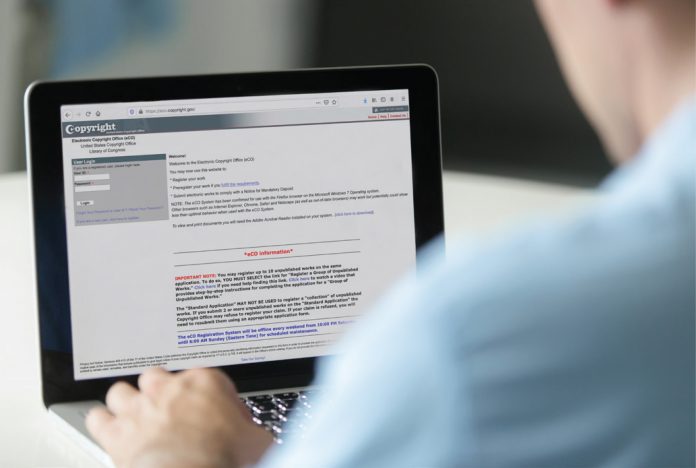
Download Now
logo
FREE & ONLINE 3-Day Bootcamp (LIVE only) on

How Can Experienced Professionals Become Independent Directors

calender
28th, 29th Mar, 2026, 2 - 5pm (IST) &
30th Mar, 2026, 7 - 10pm (IST).
Bootcamp starting in
Days
HRS
MIN
SEC
Abhyuday AgarwalCOO & CO-Founder, LawSikho

Register now

Abhyuday AgarwalCOO & CO-Founder, LawSikho