This article is written by Pranjali Aggarwal of the University Institute of Legal Studies, Punjab University, Chandigarh. This article delves over the topic of the constitutionality of free bus rides for women in accordance with Article 14 and Article 15(3) of the constitution.
Table of Contents
Introduction
The scheme for free bus rides to females has been launched by Mr. Arvind Kejriwal, Chief Minister of Delhi on 3 June 2019 under which the government will sponsor free travel for women in the Delhi Metro and DTC (Delhi Transport Corporation) buses. The then Chief Minister of Punjab, Captain Amrinder Singh Gill rolled out a similar scheme under which the women of Punjab can travel free of cost on all non-AC intra-state government buses in the state which came effective from 1 April 2021, and even Chief Minister of Tamil Nadu, M.K. Stalin also announced fare-free travel for women on basic-fare government buses this year. At first, the free ticket idea does not seem to be a huge step but if we see the savings per month and per year it surely proves to be the imperative step for women. For instance, if a woman earns 20,000 per month but spends 2500 per month on bus service for commuting to her job, this scheme will help save her 12.5% of the income which was earlier incurred.
History of the Scheme
Fare-free public transport (FFTP) is not a naive concept and a myriad of trials and experiments have been conducted regarding its implementation. Some countries have partial implementation for particular groups of the people like students and senior citizens, or during a specific time like weekends or off-peak hours and even some countries have implemented it fully; the list where it is implemented can be found here. Luxembourg was the first country in the world that made public transport free for everyone universally be it, citizens of the country or tourists, in the year 2020. The main objective behind the introduction of this scheme has been a better quality of mobility by reducing traffic and to reduce the burden from the environment by promoting public transport rather than private.
Reasons for introduction
The reason behind the introduction of the scheme exclusively for women in India is basically because of inequality existing in Indian society and how they face discrimination on frequently in their lives. Following are the few purposes for which this scheme has been launched:-
Upliftment of status of women
In India, where the girls are dropped out of school because the parents do not want to incur expenditure on their studies and are generally not given much financial assistance to pursue their career or fulfil their passion because of patriarchy ingrained in the society. This scheme provides a solution because even if a small portion of the budget is cut down they can be allowed to study, pursue their career, or travel for their needs, and hence financial burden will not hinder their growth. Social inclusion, better opportunities, education, etc will ensure the empowerment of women in society.
Buses as a mode of transport for common people
Public transport is the holy grail of the common class of people. The people prefer buses over trains because buses commute more frequently and it is seen that because of this reason many women opt for buses as a mode of transport. Thus this initiative will help the women to travel without any fare and in turn even reduce the family burden on the family because if there is a financial crunch in the family which is common in the underprivileged people, the women are affected first.
Increasing female ridership
The prime objective of the scheme is based on the social condition of our society, that is to provide transport services to the women because they are deprived of it mainly because of parochial thoughts of the family as many families are not ready to spend money on daughters or wives and women are generally dependent on the male member for monetary support. But now as there is no fare, females will be able to enjoy the transportation services and can travel for their educational purposes, job prospects, etc. As now they will be independent to travel and will even save economically so more females will use bus service to travel.
Better safety of women with more female riders
As free tickets will naturally lead to more female passengers in the bus, this will create an atmosphere of safety and security among women which will empower other women to enjoy the services that were generally regarded as unsafe. Like after the Nirbhaya gang rape, the girls feared to travel by buses during late hours but this will help the women to access the places that are dominated by men because its general notion of the human mind that if there is one more person like us we feel more comfortable and same is the case here. We can see that the purpose for initiating this scheme is somewhat similar to a separate ladies coach in the train to ensure safety because of more female riders.
Increasing female participation in the workforce
Nowadays, women are becoming independent and are more oriented towards getting employed. Even then, travelling acts as a stumbling block in their careers. According to the World Bank, India is ranked at 120 among 131 countries in the female labor force and the average participation rate is at 23 percent. In India, the employment options are already limited and even the offers or opportunities secured by women are turned down by them because of the distance between the residence and job location which makes the job unaffordable because of expenses incurred on travelling. But because of this scheme, the fare from women is not charged and thus, this will ensure increased participation of women in the workforce and even they could travel to different places in lieu of work and find better job opportunities for themselves. It would result in women not confining themselves to a particular area because of non-availability of resources.
Better medical assistance and care
Many females that belong to rural areas are not able to access quality medical services because of their low income as only the expenses incurred on travelling from one city to another on regular basis for check-ups and appointments disbalances the family budget so they prefer the services in the home town only despite the quality of service provided. So this scheme ensures that at least the cost incurred on travelling can be cut down and women can get quality treatments and this will ensure a better state of their health.
Fare-free public transport and Constitutional provisions
There have been petitions in the Honorable Supreme Court regarding the constitutionality of the scheme and to strike down this provision as it is unconstitutional, arbitrary, illegal, and discriminatory but the case was dismissed by the bench composed of Chief Justice DN Patel and Justice C.Hari Shankar. Let’s discuss the constitutional provisions in this case.
Article 14
Article 14 of the Indian Constitution states that every person is entitled to equality before the law and equal protection of the law and the state cannot deny it. These expressions though look similar but are quite different.
Equality before law
This concept has been borrowed from the UK and finds its origin in the concept of ‘Rule of Law’. This limb implies that law applies equally to each class and state cannot discriminate and provide special privilege in favour of any individual, thus it is a negative concept. As everyone is considered the same under the law, Lady Justice is blindfolded to establish this principle.
Equal protection of the law
This concept has been borrowed from American law. This limb is a positive aspect and enunciates that ‘equals should be treated equally’. Because if all unequal will be treated equally, this will not bridge the gap between them and thus disparities will still exist. This allows specific enactment to be made for a particular class based on their situation and welfare of the people like in the Domestic Violence Act, 2005 only women are covered and not men.
This principle forms the basis for any law of positive discrimination that is enacted to cater for the needs of a particular class but there should exist a reasonable classification that acts as a test for the arbitrary nature. There are two conditions that are to be relied upon to fulfill this reasonable classification for this positive law to be implemented:-
Intelligible differentia- It basically means the difference that is capable of being understood like there should exist a rational basis behind including one class and excluding others.
Rational nexus- It means that there should be a reasonable connection or nexus between the basis of classification and the purpose which is intended to be achieved with the enactment.
Considering this scheme as per Article 14, it can be said that it does not violate Article 14 because in this case the differentiation between men and women is based on the presumption that women are unsafe and have less access to resources as compared to men and that is why this scheme is propounded to create a safer situation for women because of increased female riders in the bus and it will also ameliorate the social status of women because this scheme is making women financially independent to some extent, moreover, greater access to opportunities means better growth. Another aspect that comes into the picture is that every woman does not need free transport service as some of them are well-off enough to pay for the services and the government has said that one who can afford the ticket can pay the price. The government has specifically enforced this provision for the safety of women and to help those women for whom economic status is a barrier in their movement in life.
Article 15(3)
Article 15 mentions that there should be no discrimination on the basis of religion, race, caste, sex, place of birth, or any of them but it also explicitly mentioned in clause 3 that the state can make any special provision for women and children and this will not be subject to any provision contained in this section. The rationale behind the existence of this clause is that our lawmakers know the status of women and how they are oppressed, and devoid of facilities compared to men. So this clause was carved so that government can introduce laws specifically for women in order to bring them at par with men and they do not face any hardship or discrimination in their life because of their gender.
Considering this scheme in accordance with Article 15(3), it passes the test of constitutionality as it is a specific provision made for women that helps in their empowerment and helps to curb incidents of sexual harassment in public places. There are several case laws where the Supreme Court has upheld the law though it discriminates between men and women like in the case of Girdhar v. State(1952), where the petitioner said that Section 354, Indian Penal Code,1860 is contrary to Article 15(1) because only if an assault is done against women to outrage her modesty is punishable but not in the case of men, the honorable court held that this section is valid as it under the ambit of Article 15(3) because it is a provision made for the advantage of women.
Conclusion
India is a country that has a long history of patriarchy and even now we can observe the hegemony of men. No doubt, many women are becoming independent, strong, and are competing with men but still, several evils persist in Indian society that act as impediments in women empowerment and the safety of women is one of them. It is true that just by providing free bus rides only, the safety of women cannot be ensured and states need to draft more policies to combat this issue but still it is a huge step in the direction of women empowerment. Moreover, the government should even consider other under privileged groups like people with disabilities, people below the poverty line, etc that are also in dire need of these services to live a quality life. Thus, the scheme for free rides for women is a significant move but certain other pragmatic aspects like a financial burden on the government, inclusivity of other groups, etc should also be incorporated.
Students of Lawsikho courses regularly produce writing assignments and work on practical exercises as a part of their coursework and develop themselves in real-life practical skills.
LawSikho has created a telegram group for exchanging legal knowledge, referrals, and various opportunities. You can click on this link and join:
Intellectual Property has become an indispensable part of our everyday lives, business and economy. It protects creativity and uniqueness, allowing the owner to harness the same towards greater growth, and encouraging others to foster innovation. These rights include patents, trademarks, copyrights, industrial designs, geographical indication, trade secrets, semiconductor and integrated circuits, biological diversity, and plant varieties.
This article talks about the arbitrability of Intellectual Property disputes, specifically those pertaining to Trade Mark agreements. This is in light of the recent judgement in the case Golden Tobie (P) Ltd. v. Golden Tobacco Ltd. [2021 SCC OnLine Del 3029] by the Delhi High Court. The High Court considered the arbitrability of a dispute with regard to a Trademark License Agreement. The said matter can help examine the arbitrability of IPR matters as a favourable step where the dispute arose from a contract.
Case analysis : Golden Tobie (P) Ltd. v. Golden Tobacco Ltd.
The Hon’ble Delhi High Court examined the legal position relating to trademark disputes being arbitrated. The decision in Golden Tobie Private Ltd. v. Golden Tobacco Ltd. is a recent one and opines arbitration to be a welcome mechanism for dispute resolution wherein the parties have an arbitration agreement or clause, with minimum judicial intervention in these matters. Further insight may help in examining and possibly opening avenues to bring various IPR disputes within the ambit of arbitration.
The Delhi High Court examined Section 8 of the Arbitration and Conciliation Act, 1996, for matters relating to trademark disputes between parties. The court arrived at the conclusion that the said dispute concerning breach of the trademark licensing agreement was arbitrable and the same was thus referred to arbitration.
It was observed that arbitrability of IPR disputes in India has been a perplexing subject due to Section 62 of the Copyright Act, 1957 which provides for infringement that could not be brought before any court lower than the district court with the relevant competent jurisdiction. The Bombay High Court in the matter of Eros International Media Ltd. v. Telemax delved into the interpretation of section 62 and declared that the said provision did not oust arbitration. It was observed that IPR disputes involved various matters which are private to the concerned parties since intellectual property rights were a species of property rights and thus were not distinct.
A key observation made by the court was that an arbitrator was empowered to do what a civil court could do. This would thus bring IPR disputes within the ambit of arbitration.
Allowing for the arbitrability of IPR disputes can be a stepping stone towards settlement and time-efficient resolution of disputes. This can be an imperative move in the direction of resolving action in personam.
Facts
The parties had entered into an exclusive Supply Agreement and a trademark license agreement, along with an amendment agreement. As per these agreements, the plaintiff had been granted an exclusive, non-assignable, non-transferable license for the manufacture and distribution of the defendant’s products.
The plaintiff pleaded that the defendant, via a termination notice, claimed that timely payment had not been made as per the agreement between the parties. The defendant had terminated the said agreements with immediate effect. The plaintiff, as a result, had no right to manufacture and sell the exclusive brands of the defendant. A suit in this regard was thus filed.
The plaintiff claimed that the said agreement could not be terminated by the defendant in such a manner since the default in royalty payment cannot be made a ground for termination of the said agreement. The plaintiff stated that due information of the trademark license agreement was sent to the Securities and Exchange Board of India (SEBI) and the Trademark Registry. The said agreement conferred the right to use the concerned trademarks in perpetuity. The plaintiff contended that according to the aforementioned facts, the dispute between the parties would be a dispute in rem. In light of Vidya Drolia and Ors. vs. Durga Trading Corporation, according to the plaintiff, the present dispute would not be within the scope of arbitration. It was argued that the action of termination of the concerned agreement is related to government and sovereign functions and would thus be a dispute in rem.
Defendant, in response, cited clause 12 of the Trademark License Agreement between the parties while requesting that the suit be referred to a sole Arbitrator to be appointed in terms of the said clause. Reference was made to the case Hero Electric Vehicles Pvt. Ltd. & Anr. v. Lectro E-Mobility Pvt. Ltd & Anr and it was argued that the assignment of trademarks under the trademark license agreement was in fact action in personam. The defendant thus filed an application under Section 8 of the Arbitration and Conciliation Act, 1996.
Background and precedent decisions
In the matter of Vidya Drolia and Ors. v. Durga Trading Corporation, the Hon’ble Supreme Court had dealt with the question of what disputes can be considered as arbitrable. The Apex court propounded a fourfold test to determine the arbitrability of a dispute and listed out the following conditions for a dispute which is non-arbitrable.
With reference to Para 76 of the judgement:
Where the cause of action and subject matter of the dispute relates to actions in rem, and that does not pave the way for any subordinate actions in personam from rights in rem.
Where there is an erga omnes effect, wherein the cause of action and subject matter of the dispute have an effect on the rights of any third party. In these cases, the disputes being dealt with centralised adjudication would be enforceable.
Where the cause of action and subject matter of the dispute relates to such functions of the state which are in the public interest and thus, are such sovereign functions that cannot be alienated. In such disputes, the mutual settlement would not be enforceable.
Where the subject matter of the dispute is non-arbitrable as provided by a statute expressly or by necessary implication. The same would be mandatory in nature.
In this judgement, the Hon’ble Supreme Court further added that these tests were not water-tight or inflexible in nature. It was stated that these tests would assist in determining the arbitrability of the dispute, however, these may seldom overlap, and thus, a more holistic application of these tests would be appropriate.
The court, in this case, observed that the grant and issue of patents and registration of trademarks falls within sovereign or government functions. The court was of the view that such matters have an erga omnes effect. These are in essence of a grant of monopoly rights, and thus would not be arbitrable. Such matter involved an action in rem.
In Hero Electric Vehicles Pvt. Ltd. & Anr. v. Lectro E-Mobility Pvt. Ltd & Anr., the plaintiff sought a decree of the permanent injunction so as to restrain the defendants from using “Hero” when dealing with electric bikes, or any such mark that is similar, which has the potential of being deceptive. The defendants sought reference of the said dispute to arbitration via an application under Section 8 of the Arbitration & Conciliation Act, 1996. The plaintiff opposed this application and cited the Supreme Court’s opinion with regard to the arbitrability of trademark-related disputes from the Vidya Drolia judgement (supra). The Delhi High Court allowed the arbitration of the dispute in this case. It was observed that the dispute does not pertain to the registration or grant of trademarks. The concerned trademarks were, in fact, registered and granted. The dispute was with regard to the rights of usage of the trademark, which were enumerated in a contract and did not pertain to a statute like the Trade Marks Act. This, thus, does not necessitate the applicability of sovereign functions and centralised adjudication.
In the Hero Electric case (supra), the court was of the opinion that at the stage of examination of such arbitrability, the court is not required to enter into the merits of the subject matter, as the same would amount to a mini-trial. It was held that the court must refer the dispute to arbitration unless it is clear that no valid arbitration agreement exists, or the dispute at hand is wholly outside the purview of arbitration. In pursuance of these observations, it was held that the conferment of the trademark, in this case, was not through a statutory action and the trademark so assigned was as per the terms of the license agreement, and not the Trademarks Act (cite the hero case here). Therefore, the application for reference of the dispute to arbitration was accepted.
Licensing of trademarks and the essence of a trademark licensing agreement
Licensing of Trademarks allows the proprietor of the mark to grant certain permission to another party for use of the mark which may or may not is coupled with restrictions and conditions. This licensing plays an important role in enhancing the reach of the proprietor’s business and helps in the transfer of technology.
Under the Indian Trade Marks Act, only registered trademarks can be licensed by a proprietor. However, there is no express bar on the licensing of an unregistered trademark and such licensing is deemed lawful as under common law. Sections 48 to 56 of the Trademarks Act, 1999 provide for “permitted use” of the trademarks. The same is defined in Section 2(1)(r) of the Trademarks Act, 1999 – which permits the use of a registered trademark by a person other than the registered proprietor via a written agreement containing the consent of the registered proprietor.
A trademark license agreement not only provides for the consent of the licensor to the licensee but also incorporates clauses for quality check and lawful use. It consists of the terms and conditions guiding such licensing. Such a contractual mechanism also consists of specific terms with regard to term and termination, severability, ownership rights, conditions of use, confidentiality, force majeure, and dispute resolution.
Thus, the essence of a trademark licensing agreement is sharing the use of a trademark without foregoing the ownership, typically for greater spread and reach of the business, followed by a royalty that is paid by the third party which uses the assigned trademark for business benefit and profit.
Arbitration
Arbitration is a dispute resolution mechanism that provides for an alternate means of resolving disputes “out of court”. Traditional litigation can be complex, expensive and time-consuming, which can be detrimental in light of the ever-evolving and fast-paced business environment that constantly aims for greater economic growth. The parties voluntarily opt for Arbitration either by previously mandating the same in an agreement or by mutual agreement after a dispute arises.
The Arbitration and Conciliation Act, 1996 (“Act”) does not exclude or oust disputes resulting from a licensing agreement. Disputes pertaining to such agreements range from not only infringement, breach of agreement and non-adherence of quality standards, but also pertain to the arbitrability of such disputes.
An Arbitration clause in a Trademark licensing agreement stipulates that the parties refer to the dispute for arbitration. In the presence of such a clause, the courts will guide the parties to follow the Arbitration method of dispute resolution instead of the court proceeding, except where a sole arbitrator or arbitration tribunal has not been appointed as under Section 11 of the Act or where a party seeks an interim measure, as under Section 9 of the Act.
Section 7 of the Arbitration and Conciliation Act
The arbitration agreement between the parties is a critical document for the initiation of arbitral proceedings and sometimes even to enumerate the jurisdiction of the Arbitrator or Arbitral tribunal as the case may be. Its valid existence is crucial for the reference of the dispute to arbitration.
Section 7 defines an arbitration agreement and its requisites. It means an agreement entered into by the parties who agree to submit their disputes, existing or potential, to the arbitration with respect to their defined legal relationship.Such an agreement may exist in the form of a separate agreement or an arbitration clause. However, it is exclusively provided under this section that such an agreement shall be in writing. Such a written arbitration agreement may be contained as:
A document which is signed by the parties,
An exchange of letters, telex, telegrams or any other telecommunication means which can provide the record of this agreement,
An exchange of statement of claim and defence wherein the existence of the agreement has been alleged by one party and not denied by the other party.
This provision also provides that a contract entered into between the parties that makes a reference to another such document wherein an arbitration clause is contained, indicating the very intention of the parties to include the arbitration clause from such document into the contract between them, is also included to be an arbitration agreement.
Section 8 of the Arbitration and Conciliation Act
For the purposes of this article, Section 8 of the Arbitration and Conciliation Act also comes up for consideration. Under this section, where the parties have an arbitration agreement and any dispute between them is referred to as a judicial authority by either party, such judicial authority shall direct the parties to the arbitration. This, thus, paves the way for limited judicial intervention wherein the parties have mutually agreed to refer any dispute to arbitration.
In the case P. Anand Gajapathi Raju & Ors. v. P.V.G. Raju (Died) & Ors., the parties had entered into an arbitration agreement during the pendency of an appeal, and this arbitration agreement was in the form of an application, signed by all the parties and aligned with Section 7 of the Arbitration and Conciliation Act. The question here was whether, with regard to these facts, the Court during an appeal, can refer the parties to Arbitration.
In the aforementioned case, Section 5 was taken into consideration, which provides the extent of intervention by a judicial authority. A reading of the same helped decipher the objective of the Act which encourages such alternate dispute resolution, expeditely and less expensively, wherein an arbitration agreement is in place. Therefore, intervention by judicial authorities pursuant to this should be minimal. The Supreme Court, thus, observed that in order to uphold and execute this legislative intent, there are certain conditions which must be fulfilled as under sub-section (1) and (2) of section 8 of the Arbitration and Conciliation Act, 1996. These are as follows:
That there is an arbitration agreement between the parties.
That a party to such an agreement brings an action against the other party in the court.
That the subject matter that is in question or in dispute is the same as the subject matter as enumerated in such arbitration agreement.
That the other party moves the Court for referring the parties to arbitration before the submission of the first statement with respect to such dispute.
Further, it was held that it is an obligation of the Court to refer the parties to arbitration in the essence of the arbitration agreement entered into between the parties.
Arbitrability of disputes has been extensively examined by the courts in various cases. In the case of H. Srinivas Pai and Anr. v. H.V. Pai (D) Thr. L.Rs. and Ors., the Apex court held that it was erroneous to conclude that the Arbitration and Conciliation Act, 1996 did not apply to ‘civil disputes’ and the same was not restricted to ‘commercial disputes’. It was clearly held that the arbitrability of a matter would depend upon whether there exists an arbitration agreement in the said matter, and not upon whether the dispute was of a civil or commercial nature. It was opined that arbitrability extended to the existence of an arbitration agreement, and not upon the nature of the dispute.
A key requirement with regard to the applicability of Section 8 of the Act is the similarity of the subject matter of the dispute with the arbitration agreement so entered between the parties. In Sukanya Holdings Pvt. Ltd. v. Jayesh H. Pandya and Anr., the court observed the specific language used under the provision and was of the view that the parties must be referred to Arbitration wherein the matter referred by the parties is well within the scope of the arbitration agreement. In this case, the particular matter however was not within the scope of the arbitration agreement and was between such parties who were not parties to the said arbitration agreement. Section 8 was therefore not applicable. Another observation of the court to be noted here was that the cause of action could not be bifurcated in order to partly refer the dispute to arbitration, to the extent so applicable. This would inadvertently delay proceedings.
Rights in personam and rights in rem
Matters pertaining to IPR have often been debated to be either rights in rem or rights in personam. This categorisation of rights and the actions would be dependent upon the circumstances of each case. Owing to this, the arbitrability and reference of IPR disputes by courts remain an ambiguous subject, with various judgments that steer the change to a flexible approach. A stance in this favour is that Intellectual Property laws in India do not expressly exclude or oust Arbitration.
Contractual arrangements between parties with regard to IPR pose the larger question since the issue and registration of an IPR is a sovereign function. However, it is often ambiguous whether such contractual arrangements create rights in rem or rights in personam.
The decision of the Apex court in Booz Allen and Hamilton Inc. v. SBI Home Finance Ltd. & Ors. provides an insight into the arbitrability of disputes and the rights pertaining to such actions. The court discussed the scope of Section 8, Arbitration and Conciliation Act, 1996. It was observed that the concerned parties are parties to an agreement, which contained the provision of arbitration for the settlement of disputes. It was observed that the matters pertaining to the dispute were contained specifically in this arbitration clause. It was thus held that the subject matter of the concerned suit was within the ambit of the arbitration clause. However, the court was of the view that despite the existence of an arbitration agreement between the parties, and despite the concerned dispute being within the ambit of the arbitration agreement, the court would refuse the reference to arbitration pursuant to an application under Section 8 of the Act if the concerned subject matter can only be adjudicated by a public forum, a special court or tribunal. The court explored the term “arbitrability” and observed three facets in this respect:
Whether, with respect to the nature of disputes, the said subject matter can be arbitrated upon or whether it can only be exclusively adjudicated by a public forum?
Whether the disputes have been enumerated in the concerned arbitration agreement?
Whether the dispute has been referred to arbitration by the parties?
The court observed “right in rem” is a right that is exercised against the world at large and “right in personam” is exercisable against particular individuals, and generally, disputes relating to rights in personam can be referred to as arbitration. Disputes pertaining to rights in rem have to be adjudicated exclusively by public fora. The court noted that this was a flexible rule. It is evident from the plain reading of Sections 34 and 48 of the Act that no specific categorisation of disputes has been given as being arbitrable or not.
In observation of the facts under this case, the court held that an agreement to sell or an agreement to mortgage creates rights in personam and the respective obligations are towards the parties. On the other hand, such agreements lead to a transfer of a right in rem. The court held that disputes pertaining to rights in rem can be referred to arbitration, and disputes pertaining to rights in rem must be under the purview of the courts and tribunals for adjudication. The court made an imperative observation by stating that disputes that were related to subordinate rights in personam that arose from rights in rem would qualify for being referred to arbitration.
Eros International Media Ltd and Telemax Links India Pvt Ltd. is an important decision that has contributed to providing some clarity as to whether IPR disputes qualify to be arbitrated. In the Eros case, Eros claimed that Telemax had infringed the copyright owned by Eros, in violation of the term sheet between the parties. The term sheet constituted an arbitration agreement. Eros argued that the term sheet was inapplicable and that a remedy must be sought from the courts since the said rights did not arise out of a contract. In consequence, Eros contended that the said rights were rights in rem. The Bombay High court did not accept these arguments and laid emphasis on the fact that in the present case, the dispute arose from the contract between the parties and was stipulated in the Arbitration clause of such an Agreement.
A key part of the decision in this judgment by the Bombay High Court was the consideration ofSection 62 of the Copyright Act, 1957 and Section 134 of the Trade Marks Act, 1999. The court opined that both these provisions corresponded to one another, stating that infringement actions cannot be brought up in a court which is lower than a District court with competent jurisdiction and one wherein the plaintiff resides or works for gain within that competent court’s limits. In this regard, it was held that these words did not oust arbitration. In this respect, the court opined that numerous transactions concerning Intellectual Property take place on a routine basis and disputes relating to trademark and copyright were often confronted with written agreements. The non-acceptance of Arbitration as a method for dispute resolution in IPR transfer cases might in fact hamper domestic and international commerce.
It was elaborated that registration of a mark or copyright (any artistic work) establishes a right against the world, however, it is only the opposition to such registration application that would be an action under the right in rem. An action that arises as a result of infringement or passing off is an action against a particular party and the same cannot be claimed against another party, and therefore, such action of infringement and passing off is a right in personam.
In Centre For Development of Telematics vs. Xalted Information Systems Pvt. Ltd., the parties had entered a Memorandum of Understanding (MoU). This MoU also contained an arbitration clause for the resolution of disputes. The petitioner sought to restrain the respondent from using the source code and SRS of software. This software was developed in connection to the MoU between the parties. The arbitral tribunal passed an order declaring that the said relief as was claimed was not within the ambit of arbitration. The Hon’ble High court of Delhi set this order aside and granted the relief sought by the petitioner by restraining the respondent. It was held by the court that the relief was only sought against the respondent and thus it would be a right in personam for the copyright of the concerned software, hence arbitration would not be ousted.
Conclusion
Commercial transactions and contracts form a key part of our day to day life. Intellectual Property is at a centre stage here and is being dealt with at a larger scale by individuals and corporations. In light of this growth and universal nature of Intellectual Property, the adoption of arbitration as a mechanism for dispute resolution can help sustain business relations and curb the delay in adjudication. The Indian Judiciary has been proactive with this approach and has favoured arbitration for dispute resolution and settlement of IPR infringement wherein an agreement is involved and wherein the requisites are satisfied.
The position with regard to the arbitrability of IPR disputes remains ambiguous but favourable. It is manifest from various judgments that where the IPR dispute between the parties arises with respect to a contract or agreement between them, then such dispute can be referred to arbitration if such dispute is within the scope of the arbitration agreement and if such dispute has not been outrightly ousted. A settled position of the courts is that IPR infringements that arise from an agreement between the parties lead to an action in personam. Such rights can be claimed against a particular party. This position will be distinct where any IPR is infringed and there was no contract between the parties for the use of the concerned IPR. Therefore, whether a particular dispute would qualify for arbitration would be dependent on the facts of each case.
The support for arbitration can be noted in the distinction between the grant and issue of IPR, and the assignment of Intellectual Property Rights, where the former gives rise to a right in rem and the latter gives rise to a right in personam, as these emanate from an agreement. In light of the Booz Allen case, actions involving right in personam will qualify for arbitration. However, this case does leave an open ground for proving whether the subject matter of a dispute would be a right in rem or right in personam. The Delhi High Court’s decision in the Golden Tobie case clarifies this position and emphasizes that no absolute bar exists on such disputes since these matters are distinct from the garnet and issue of the trademark. It is pertinent to note that there is no rigid formula for such categorisation, often leading to uncertainty.
It is important to note, in light of the growing transactions with regard to IPR, that IP disputes do not solely arise from the violation of an IP statute. These disputes can also be contractual, and hence, this opens the possibility for arbitration.
References
Notice of Motion No. 886 of 2013 in Suit No. 331 of 2013 in Suit No 331 of 2013.
Eros International Media Ltd. v. Telemax [Notice of Motion No. 886 of 2013 in Suit No. 331 of 2013 in Suit No 331 of 2013].
Vidya Drolia and Ors. v. Durga Trading Corporation [(2021) 2 SCC 1]
2021 SCC OnLine Del 1058
P. Anand Gajapathi Raju & Ors. v. P.V.G. Raju (Died) & Ors. (2000)4SCC539.
Booz Allen and Hamilton Inc. v. SBI Home Finance Ltd. & Ors.[ AIR 2011 SC 2507]
LSI-1123-HC-2016-(BOM)
Eros International Media Ltd and Telemax Links India Pvt Ltd.[ LSI-1123-HC-2016-(BOM)]
ARB. A. (COMM.) 6/2018and O.M.P.(I) (COMM.) 82/2018
Students of Lawsikho courses regularly produce writing assignments and work on practical exercises as a part of their coursework and develop themselves in real-life practical skills.
LawSikho has created a telegram group for exchanging legal knowledge, referrals, and various opportunities. You can click on this link and join:
This article is written by S A Rishikesh, from Institute of Legal Studies, Shri Ramswaroop Memorial University, Lucknow. This article examines the reason for the failure of the Illegal Migrants (Determination by Tribunals) Act, 1983 and the final words of the Supreme Court on it.
Introduction
Migration is a global phenomenon, people move to other countries for a better life, peace, economic security, etc. Each country tries its best to control migration and prevent illegal immigration but many are unsuccessful in their attempts. Illegal immigration has enormous demographic and social implications, capable of creating tensions and conflict between the immigrants and the natives. Efforts to prevent and control illegal immigration in India have been highly inadequate, particularly the conditions of northeastern states is worrisome. These states have been a victim of illegal immigration from across the border in Bangladesh. Bangladesh is landlocked from three sides by India. It shares a 4096-kilometre international border with India. The Indian states of West Bengal, Meghalaya, Tripura, Mizoram and Assam share an international border with Bangladesh. Assam, a northeastern state of India, shares 267 kilometres of the international border. Large scale illegal immigration from Bangladesh is a major issue in Assam which has led to many ethnic conflicts in the past.
An overview of the immigration scenario in India
The immigration started from the British period only. Britishers promoted the immigration of people from Bengal to the fertile river basin of Brahmaputra in Assam to generate more revenue. 1947 was an important year in this aspect when two countries came into existence, India and Pakistan. It led to intense violence between Hindus and Muslims and the trend of migration of people from East Pakistan into India in search of economic opportunities. It was clearly seen in the census when Assam registered an overall population growth of around 35 to 36 percent way above the national average indicating the rise of the population through migration.
The 1971 war between East and West Pakistan, which gave birth to Bangladesh, triggered another massive immigration of people from Bangladesh to India. Estimates suggest close to 10 million people entered India. To make the matter even worse, people deported from Assam in the 1960s re-entered India. Illegal immigration continued even after this and soon acquired the centre stage of Assam politics.
Government’s response
Witnessing large-scale protests from the Assamese people and the threat to national security by illegal immigration, forced the government to take some harsh steps to identify and deport the infiltrators. In June 1960, the Union government launched Prevention of Infiltration in India Pakistani Nationals (PIP). The aim of this scheme was to deny entry to any new immigrant from East Pakistan while keeping a watch on existing settlements of migrants and deporting any new migrant. After the emergence of Bangladesh, the scheme was renamed as the Prevention of Infiltration of Foreigners (PIF). The scheme was not implemented continuously but from time to time. The scheme could not deliver the kinds of results expected from it. It also drew a lot of international criticism because of the vast powers given to the police officials.
In response to the criticism, the Union government created the Foreigner’s Tribunals in 1964. These tribunals had the power to take up the case of a person and decide if he is a foreigner or not. It was created for the people who were served ‘Quit India’ notice by the police officials. Such people could apply to these tribunals and get the chance of a fair hearing. This also proved to be ineffective like the PIF scheme, because the whole process was causing excessive delays in identifying and depositing the illegal migrants.
These failures led to anti-foreigners agitation in the state of Assam in the late 1970s and early 1980s. Continuous agitations and protests forced the union government to take extraordinary steps.
The Illegal Migrants (Determination by Tribunals) Act, 1983
The Indira Gandhi government enacted The Illegal Migrants (Determination by Tribunals) Act, 1983. The Act was applicable to the whole of India but came into force only in the state of Assam on October 15, 1983. The other states of India were governed by the Foreigners Act 1946. The objective of the Illegal Migrants Act was similar to the previous government’s attempt- expulsion of foreigners and protection of Indian citizens.
Section 3(c) of the Act defined illegal migrants. According to the Section, any person is an illegal migrant if he fulfils the following conditions:
Has entered India after 25th March 1971.
The person is a foreigner.
Has entered India without a valid passport and other valid legal documentation.
Section 2 of the Act contained a list of individuals on whom the Act was not applicable:
Any individual who has been deported from India before the commencement of this Act or any such individual who has been deported under any other law in force;
Any individual who was detected to be a foreigner during his entry from any of the international borders of India;
Any foreigner who entered India with a valid Passport and Visa but is residing in India even after the expiration of his visa.
This Act paved the way for the establishment of judicial tribunals in Assam, for determination if a person is a foreigner or Indian citizen. Unlike the Foreigners Act 1946, the burden of proof here was on the government. Through the establishment of tribunals, the government gave a fair chance to the accused to prove his identity. The person, if not satisfied with the decision of the Tribunal, had an option to appeal to the Appellate Tribunal.
Illegal Migrants (Determination) Tribunals
The Act clearly mentioned that the Central government could by notification establish as many Illegal Migrants (Determination) Tribunals as it may find necessary. Each Tribunal shall exercise its jurisdiction within its territorial limits. Each Tribunal should consist of a minimum of two members. The person appointed as a member of the Tribunal shall either be District Judge or Additional District Judge in a state.
Application to the Tribunal can be made in two ways:
Against the order of the government declaring any person a foreigner and asking him to leave the country.
By any other person accusing another to be an illegal migrant.
The Tribunal enjoyed the following powers:
Summoning and enforcing the attendance of witnesses and examining them on oath;
Discovery and production of any document;
Reception of evidence on affidavits;
Requisitioning of public records from any court or office;
Issuing of any commission for the examination of witnesses.
To make this process effective it was necessary to dispose of matters quickly, therefore Section 13 of the Act stated that the reference made to the Tribunal must be inquired expeditiously and disposed of within a period of six months from the date of service.
The Appellate Tribunal was also to be established on the directions of the central government and shall have a minimum of two members and a maximum of six members. To be eligible to be a member of that Appellate Tribunal, the person shall be the Judge of a High Court. An appeal could be made in the Appellate Tribunal within 30 days of the order of the Tribunal. After the passing of thirty days, if the Appellate Tribunal was satisfied with the cause of delay, the matter would be taken otherwise the decision of the Tribunal would be final.
Criticism
The Act was described as ‘toothless’ by the critics because it also failed to identify and deport illegal immigrants effectively. It was legislation more on paper than on the ground, it is evident as out of thirty tribunals provided in the original Act only sixteen were finally approved. And out of the sixteen, only five were functional by 1998.
One of the reasons why the Act failed was, it gave power to a third person to report illegal migrants against whom he had some information but this right was limited. The provision stated that both the person who is complaining and the accused against whom the complaint is lodged should reside under the same police station. The burden to prove the guilt was on the State. The State had to prove if that person is an illegal migrant, this was done to discourage non-serious cases but it turned out to be a mistake. Each time a person was reported under this Act they changed their location and became untraceable. Unlike the Foreigners Act, this Act did not give the power to state police to search and seizure.
Till July 2005, of the 1,12,791 cases referred to the tribunals, 88,770 cases were pending and only 12,846 were declared as illegal migrants, of which 1,547 could be deported or pushed back across the border into Bangladesh.
Sarbananda Sonowal v. Union Of India (2005)
Seeing the ineffectiveness of the IMDT Act there was a huge demand to repeal this Act and finally in the year 2000 Sarbananda Sonowal, resident of Assam, former President of All Assam Student Union and former Chairman of the North East Students Association, filed a writ petition under Article 32 of the Constitution of India by way of public interest litigation claiming that some of the provisions of Illegal Migrants (Determination by Tribunals) Act, 1983 ultra vires, therefore, the Foreigners Act 1946 and the rules made thereunder shall apply to the state of Assam. The respondents were the State of Assam and the Union of India.
On 18th July 2000, Shri Jatinder Bir Singh, Director, Ministry of Home Affairs filed a counter-affidavit on behalf of the Union of India which stated that a proposal to repeal the IMDT Act is already under consideration with the Government of India. The government also accepted that it is impossible to make a realistic estimate of the numbers of illegal immigrants from Bangladesh because of ethnic and linguistic similarities between the local population and the migrants.
On 28th August 2000 Assam filed a counter-affidavit stating that the state government of Assam is continuously writing to the Central Government and urging them to repeal the IMDT Act. The affidavit also mentioned that the state government believes that the IMDT Act is against the national interest because of the strict provisions of the Act, illegal migrants whose numbers are in lakhs in the State of Assam, are being unable to trace out and deport. The state government also called the Act discriminatory because it was implemented only in Assam and not in states like West Bengal, Tripura and Meghalaya which were facing a similar situation of illegal migrants.
On 8th August 2001, the Assam government requested the court to withdraw its earlier counter-affidavit filed on 28th August 2000, citing the reason that the affidavit did not reflect the correct position of law in the state. They also requested that the government should be allowed to file a new counter-affidavit. The new affidavit stated that the law was brought to save the Indian citizens from unnecessary harassment. The IMDT Act is constitutional, it is not arbitrary or discriminatory therefore the government is against the opinion of striking down or repealing the Act.
The 175th report of the Law Commission of India on Foreigners (Amendment) Bill, 2000 also dealt with the Assam issue. The report stated that the entry of illegal migrants is not only undesirable but also causes a great threat to the democratic structure and internal security of India especially in the Eastern part of the country and Jammu and Kashmir. The report also advocated for the repeal of the IMDT Act.
Three judges bench of Justice R.C. Lahoti, Justice G.P. Mathur and Justice P.K. Balasubramanyan acknowledged the plight of the people of Assam who were being reduced to a minority within their own state. In the judgement passed on July 12, 2005, the Court declared the Illegal Migrants (Determination by Tribunals) Act, 1983 unconstitutional and accordingly the Illegal Migrants (Determination by Tribunal) Rules, 1984 were struck down. All the cases that were pending before the Tribunals constituted under IMDT Act were transferred to the Tribunals constituted under the Foreigners (Tribunals) Orders, 1964 and all the cases were to be decided in the manner provided in the Foreigners Act and the rules made thereunder.
Conclusion
The country had two anti-immigration laws. One which was applied to the whole of India- the Foreigners Act, 1946 and the other which was applied only in the state of Assam- the Illegal Migrants (Determination by Tribunals) Act, 1983. By scrapping the IMDT Act the Apex Court removed the anomaly. Both the Acts had many differences, be it the burden of proof or the procedures to identify and report the illegal migrants. Removal of the IMDT Act has ensured that all the citizens of India are within one umbrella of law.
Students of Lawsikho courses regularly produce writing assignments and work on practical exercises as a part of their coursework and develop themselves in real-life practical skills.
LawSikho has created a telegram group for exchanging legal knowledge, referrals, and various opportunities. You can click on this link and join:
This article is written by Shashwat Kaushik, a student of CCS University. This article gives an overview of Ella Kissi-Debrah’s case and the importance of Ella’s Law.
Table of Contents
Introduction
An investigation in December decided that air contamination added to the deteriorating asthma assaults that killed a London student Ella Kissi-Debrah. Having battled for a very long time for that decision, her mom Rosamund is drafting another law to constrain the specialists to clean the polluted air.
Rosamund Adoo-Kissi-Debrah says that the effect of the coroner’s decision in support of herself – and its suggestions – have hit her. In December, Southwark Coroners Court decided that air contamination added to the passing in 2013 of Adoo-Kissi-Debrah’s little girl Ella, nine. A coroner has made legitimate history by deciding that air contamination was a reason for the demise of a nine-year-old young lady.
Ella’s case
Philip Barlow, the internal south London coroner, said Ella Kissi-Debrah’s passing in February 2013 was brought about by intense respiratory disappointment, serious asthma, and air contamination openness.
He said she was presented with nitrogen dioxide and particulate matter (PM) contamination in the abundance of World Health Organization rules, the chief wellspring of which were traffic emanations.
The coroner said the inability to decrease contamination levels as far as possible perhaps added to her demise, as did the inability to furnish her mom with data about the potential for air contamination to compound asthma.
Ella died of asthma added to by openness to excessive air contamination, said the coroner on Wednesday.
He said that during Ella’s life, nitrogen dioxide discharges in Lewisham, where she lived, surpassed legitimate cutoff points, both EU and public levels. Particulate matter levels were over the WHO rules, he said.
She often went outside the house in her daily routine and due to which she was exposed to contaminated air. I have no trouble in reasoning that her openness to nitrogen dioxide and PM was high.
The coroner said the wellbeing impacts of air contamination had been known for a long time, and youngsters and those with asthma were especially in danger. He found that air contamination both instigated and exacerbated Ella’s specific type of extreme asthma. The decision is the first of its sort in the UK and is probably going to build tension on the government to handle illicit degrees of air contamination the nation over.
Ella’s mom, Rosamund Kissi-Debrah, a previous instructor, has gone through years battling to have her girl’s demise analyzed by a subsequent coroner. Her strength was reimbursed when Barlow concurred with master clinical proof given by the family which said Ella’s specific type of intense asthma was exacerbated via air contamination. Kissi-Debrah’s attorneys presented that air contamination was a general wellbeing crisis and there was a squeezing need for it to be recorded as a reason for death to guarantee general wellbeing projects to handle harmful air were focused on.
In proof of a fourteen-day investigation, Prof Stephen Holgate, an immunopharmacology and expert respiratory doctor of the University of Southampton and Southampton General Emergency Clinic said a natural reason for Ella’s sickness deteriorating in the cold weather months was the seasonal worsening air contamination.
He said it was the combined impact of the harmful air Ella was taking in living inside 30 meters of the South Circular street that caused her last intense asthma attack. Holgate said Ella resembled a canary in a coalmine, flagging the danger to different Londoners from the poisonous blend of contaminations, for example, nitrogen oxides noticeable all around.
Ella had various seizures and been taken to an emergency clinic just about multiple times in the three years before her demise. An investigation administered from 2014, which found that she died of intense respiratory disappointment, was subdued by the high court following new proof about the risky degrees of air contamination near her home.
Ella’s family contended there was adequate proof to finish up there were disappointments by the state to find ways to shield general society from perilous degrees of air contamination, which added up to an infringement of Article 2 of the Human Rights Act, 1998, concerning the privilege to live. The civic chairman of London, Sadiq Khan, said the coroner’s decision was a “milestone second” and considered contamination a “general wellbeing emergency”.
Pastors and the past City Hall leader have acted excessively gradually before, however, they should now take in the exercises from the coroner’s decision and do substantially more to handle the dangerous scourge of air contamination in London and the nation.
An administration representative said, our musings stay with Ella’s loved ones.
We are conveying a £3.8bn plan to tidy up transport and tackle NO2 contamination, and going further in shielding networks from air contamination, especially PM2.5 contamination, which we know is especially destructive to individuals’ wellbeing. Through our milestone climate charge, we are likewise setting aspiring new air-quality focuses, with an essential spotlight on diminishing general wellbeing impacts, the judge said.
Ella’s Law
When Adoo-Kissi-Debrah has the coroner’s discoveries, she will utilize his proposals to draft Ella’s Law. No parent should encounter what happened that terrifying night in February 2013 when Ella lost her battle to inhale, she says. Ella’s Law would set up the right to clean air as a human right. The phrasing is still at the draft stage. Adoo-Kissi-Debrah plans to incorporate air-quality assurances that are absent from the UK’s – again postponed – Environment Bill. That implies submitting the wording to the UK law to meet World Health Organization (WHO) air-quality guidelines. I need Ella’s Law to be as near a Clean-Air Act as could be expected, she says.
The list of things that incorporates to get better asthma-mindfulness preparation at medical school and for neighbourhood climate projections to incorporate particulate matter (PM) estimates close to dust tallies. Experts comprehend the connections between downtown air contamination and demolishing asthma and lung conditions, she says; we need family GPs and individuals who experience the ill effects of lung conditions to get that, as well.
The Environment initially met Adoo-Kissi-Debrah in March 2019. From that point forward, our towns and urban communities – our examples of work and travel – have changed. The most recent year’s lockdowns have drawn air contamination out into the open, she says, especially during the primary lockdown the previous spring.
Urban areas across the world announced cleaner air during that underlying closure, with a measurable effect on general wellbeing, Adoo-Kissi-Debrah says.
Official figures show that during the main lockdown, from March 4 to June 27 a year ago, not one youngster in the UK passed away from asthma, she says. At that point, not long after lockdown facilitated, came the principal report that another youngster had died.
It is inappropriate to connect the enormous scope return of traffic straightforwardly to that passing, she says. “But we do have to wonder whether, as the economy started to return to normal again, there was a link.”
Particulate matter (PM)
Particulate matter is the term for particles found noticeable all around, including dust, earth, ash, smoke, and fluid beads. Huge convergences of particulate matter are regularly produced by sources like diesel vehicles and coal-terminated force plants. Particles under 10 micrometres in distance across (PM10) represent a wellbeing concern since they can be breathed in and amassed in the respiratory framework. Particles under 2.5 micrometres in measurement (PM2.5) are alluded to as “fine” particles and represent the best wellbeing hazards. As a result of their little size (around 1/30th the normal width of a human hair), fine particles can hold up profoundly into the lungs.
Reasons for encompassing air contamination
Significant wellsprings of surrounding air contamination incorporate wasteful methods of transport (polluting fuels and vehicles), insufficient combustion of household fuel for cooking, lighting, and warming, coal-terminated power plants, agribusiness, and waste burning.
Measures countries should take to check the air contamination
Intercessions to diminish air contamination include creating a sustainable vehicle system for urban areas; executing strong waste administration; giving admittance to clean family energizes and cookstoves; creating a market for renewables energies and energy proficiency, and cutting off the industrial waste.
WHO’s functioning to reduce air contamination
WHO’s fundamental capacity is to recognize and monitor those air toxins with the best effect on an individual’s wellbeing. This aids the WHO Member States to zero in their activities on the best method to forestall, or diminish health hazards. What task’s identity is to audit and break down the gathered logical proof, and utilize master guidance to reach determinations on how vastly different air toxins influence well-being just as distinguish successful measures to diminish the air contamination issue.
WHO Member States embraced in 2015 a goal to address the antagonistic wellbeing impacts of air contamination. The next year, Member States concurred on a guide for an improved worldwide reaction to the unfriendly wellbeing impacts of air contamination. WHO is dealing with four columns:
Extending the information base
Observing and announcing
Worldwide administration and coordination
Institutional limit reinforcing
Need for Ella’s law
These issues can be exacerbated by stretched-out long haul openness to the pollutants, which is destructive to the neurological, regenerative, and respiratory frameworks and causes disease and even, infrequently, deaths. The drawn-out impacts are constant, going on for quite a long time or the entire life, and can even prompt demise. Moreover, the harmfulness of a few air toxins may likewise instigate an assortment of diseases in the long haul.
As expressed effectively, respiratory problems are firmly connected with the inward breathing of air poisons. These poisons will attack through the aviation routes and will aggregate at the cells. Harm to target cells ought to be identified with the poison segment included and its source and portion. Wellbeing impacts are additionally intently subject to country, region, season, and time. An all-encompassing openness length to the poison should slope to long haul wellbeing impacts in connection additionally to the above factors.
At the point when the windpipe is sullied by toxins, voice modifications might be commented on after intense openness. Persistent obstructive pneumonic sickness (COPD) might be prompted following air contamination, expanding bleakness, and mortality. Long haul impacts from traffic, modern air contamination, and ignition of powers are the main considerations for COPD hazards. Different cardiovascular impacts have been seen after openness to air toxins. Changes that happened in platelets after long-haul exposure may influence heart usefulness.
Mental inconveniences, autism, retinopathy, fetal development, and low birth weight appear to be identified with long-haul air contamination. The etiologic specialist of neurodegenerative illnesses (Alzheimer’s and Parkinson’s) isn’t yet known, despite the fact that it is accepted that all-inclusive openness to air contamination is by all accounts a factor. Mind irritation was seen in canines living in an exceptionally dirtied region in Mexico for a significant stretch. In human grown-ups, markers of fundamental aggravation (IL-6 and fibrinogen) were discovered to be expanded as a prompt reaction to PNC on the IL-6 level, perhaps prompting the creation of intense stage proteins.
Conclusion
Lessening contaminations noticeable all around is significant for human wellbeing and the climate. Harmful air effects affect human wellbeing, especially the respiratory and cardiovascular frameworks. Contaminants can likewise harm plants and structures, and smoke or fog can diminish visibility. Viable measures should be taken by the government and citizens as well. Air pollution is at its peak and it must be controlled for better living conditions.
This article is written by Anushka Singhal, of Symbiosis Law School, Noida. In this article, the author discusses the concept of burden of proof in anti-rape laws. She tries to throw some light on the provisions under the Indian Evidence Act as well as the POCSO Act.
Table of Contents
Introduction
The Indian Evidence Act, 1872 lays down provisions for evidence under criminal law. The Act is divided into ten chapters and comprehensively explains the provisions for examining the witnesses, the burden of proof, the presumption of documents, etc. After the case of Tukaram v. the State of Maharashtra (1978), popularly known as the Mathura Rape case, the Indian Evidence Act was amended and Section 114-A was inserted via the Criminal Law Amendment Act, 1983. From then the onus of proof has been shifted from the prosecutrix to the defendant. Let us discuss the concept of proof in anti-rape laws.
Definition of rape
Rape has been defined under Section 375 of the Indian Penal Code, 1860. A man is said to commit rape if he engages in sexual intercourse with a woman-
Against her will.
Without her consent.
With her consent, the consent was obtained by putting the victim in fear.
With her consent but when the woman believed that he was his husband but he was not.
With her consent but her consent was obtained when she was intoxicated and did not understand the consequences of her consent.
With or without her consent when she is under the age of sixteen years.
Any sexual intercourse falling under either of these categories would qualify as rape and the man would be punished in accordance with Section 376 of the Indian penal Code, 1860 with imprisonment of either description for a term which shall not be less than ten years but which may be for life or for a term which may extend to ten years and shall also be liable to fine. If the rape is committed with his own wife who is not under the age of 15 years, the man can be imprisoned with a term of not less than 2 years, a fine, or both. Under the same section, there are separate provisions for punishing a police officer or a public servant. Following are the acts which would attract punishments under Section 376-
Wherein a policeman commits rape when on duty i.e. in the police station, station house or with any woman under his custody.
Wherein a public servant commits rape taking advantage of his position.
Wherein rape is committed by the person in charge of a remand home, prison or hospital.
Wherein the rape is committed on a pregnant woman.
Wherein a girl under 16 years is raped.
Where there is gang rape.
Burden of proof under the Indian Evidence Act
Under the Indian Evidence Act, 1872 the burden of proof is explained. According to Section 101 of the Act, the burden of proof lies on the person making any claim or asserting any fact. Whoever wants the court to give any decision in his favor, must prove that the facts pertaining to that request exist. For example, if A wants to approach the court to get a verdict in his favor, he must prove the facts that he is asserting. Along with it, Section 101-110 lay down provisions as to the burden of proof. Section 114 of the Indian Evidence Act says that the court may presume certain things. In continuation of this Section, we saw the insertion of Section 114-A which presumes the absence of consent in certain prosecutions of rape. Here are the laws pertaining to the burden of proof.
Section 102
This section explains that “the burden of proof in a suit or proceeding lies on that person who would fail if no evidence at all were given on either side.” The burden of proof always lies on the party who has challenged the fact, rather than the party that denies the actual fact or evidence in the case.
Section 103
According to Section 103, the burden of proof of a fact lies to the party who is able to present in the court and the court to believe that such fact comes in the existence of the case unless or until a law recognises itself.
Section 105
Section 105 is the most important section under the burden of proof. According to this section, if the person is claiming that his action comes under any exception laid down under the Indian Penal Code, he has to prove the same and the court shall presume the absence of such circumstance.
Section 106
This Section lays down that the burden of proving facts especially within the knowledge of some person lies on the person asserting such fact.
Section 114-A
Section 114-A of the Indian Evidence Act lays down that there will be a presumption of absence of consent in certain instances of rape cases. It says that if rape has been committed under any of the clauses of sub-section (2) of Section 376 of the Indian Penal Code, and the woman states in her evidence that she had not given consent, the court shall presume that the woman did not consent.
History of Section 114-A
The Mathura Rape case was the reason behind the insertion of this section. The decision of the Supreme Court, in this case, was widely ridiculed in the country. Thus, the government decided to revamp the laws and it passed the Criminal Amendment Act, 1983. Let’s delve further into this case.
Herein, a girl named Mathura fled with her boyfriend Ashoka. Her family registered a complaint against her boyfriend. The girl, her boyfriend, her brother Gama and other relatives were called to the police station to settle the matter. The investigation was completed and everybody was asked to go back. But Mathura was asked to stay back. It was alleged that a police constable Ganpat took Mathura to a chhapri and raped her. After he had satisfied his lust, another policeman Tukaram came there and fondled her private parts. The case went to the Sessions Court which held that the policemen were not guilty. They said that Mathura might have invented the story. The High Court took a different stance on the case. It said that mere passive surrender of the body would not amount to consent on the part of the plaintiff. The Court commented that the overtures might have come from the policemen themselves and not from Mathura. Further, on appeal, the Supreme Court overturned the decision of the High Court. It held that she submitted her body to the policemen as she did not resist. The Hon’ble Court said that the “onus is always on the prosecution to prove affirmatively each ingredient of the offence it seeks to establish and such onus never shifts.” The judgment was criticized and there was an uproar in the country. Gender-based violence came to the forefront and it was at that time Section 114-A was inserted in the Indian Evidence Act. It was substituted by the Amendment Act of 2013 and then recently by the Amendment Act of 2018.
Case laws
The courts have tried to define ‘consent’ and have also tried to explain that if there is evidence, the presumption cannot negate that evidence outrightly. Let us discuss some important rape cases to understand these concepts.
Rachna Singh v. NCT of Delhi, (2020)
This was a recent judgment by the Delhi High Court. Herein the accused of raping a woman was acquitted by the Trial Court. Aggrieved by this decision of the Trial Court, the victim knocked at the doors of the Delhi High Court saying that there is a presumption of guilt under Section 114-A of the Indian Evidence Act. The High Court rejected this averment and said to prove the presumption of guilt under Section 114-A one needs to first prove that there was sexual intercourse. As the conduct of the woman was itself tainted in this act as she refused to undergo an internal examination as well as she made a number of calls to the accused from time to time. The Court held that as her conduct did not match her allegations, and no sexual intercourse could be proved therefore the accused cannot be held guilty.
Mohd. Eqbal v. State of Jharkhand, (2013)
This was a gang rape case. A girl was forcibly kidnapped from the vegetable market and then raped by two boys. The Court in this case held that there is a presumption as to the absence of consent in case of gang rape as there can be no consent in such cases as no one would give consent to two persons at the same time. Thus, specifically in gang rape cases, no consent can be presumed and Section 114-A would directly apply.
State of Rajasthan v. Roshan Khan, (1947)
This case is a good example of ‘presumption of guilt’ under this Section. In this case, a girl was kidnapped by six boys and then was raped. She said that she did not consent to sexual intercourse. As the sexual intercourse was proved in this case, the Court applied the presumption of guilt factor and the boys were jailed.
State of Maharashtra v. Chandraprakash Keval Chand Jain, (1990)
The Hon’ble Court, in this case, held that a victim of rape is undoubtedly a competent witness under Section 118 of the Indian Evidence Act. it is not necessary that her testimony shall be corroborated with a competent witness. The court held that the same degree of caution should attach to her as it would have been attached to an injured person.
Burden of proof under the POCSO Act
Under the Protection of Children from Sexual Offences Act, 2012 (POCSO), the burden of proof is on the accused himself. The concept of ‘guilty until proven innocent’ is followed under this Act. Section 29 of the POCSO Act lays down “When a person is prosecuted for committing an offence of sexual assault against a minor, the special court trying the case shall presume the accused to be guilty.” As the conviction rate of the accused was lower in the sexual offences against children, the legislature shifted the burden of proof on the accused so as to ensure justice. A recent judgment of the Jammu and Kashmir High Court held that the burden of proof is on the accused even after the pre-trial stage. In the case of Badrinath v. Union Territory of J&K (2020), the High Court took the opposite decision to the Delhi High Court, which held in the case ofDharmander Singh v. State (Government of NCT of Delhi) (2020), which maintained that the presumption of guilt against the accused under Section 29 of the POCSO Act can only be adopted by the court on the commencement of the trial. The onus shifts on the accused as it is shifted under Section 114-A of the Indian Evidence Act.
Conclusion
Justice should be of paramount importance. Our judiciary and legislature ensure the same by adopting such laws which live up to the spirit of the constitution. The conviction rates under anti-rape laws were getting low and justice was not being ensured. Therefore amendments were made to the Indian Evidence Act. The onus which was usually on the victim has now shifted to the accused in the cases of rape. The POCSO Act is also a special Act when it comes to the protection of children against sexual offences. The onus here too is on the accused. The legislature is trying to solidify the anti-rape laws and shifting the onus of proof on the accused is just a step of that effort.
Students of Lawsikho courses regularly produce writing assignments and work on practical exercises as a part of their coursework and develop themselves in real-life practical skills.
LawSikho has created a telegram group for exchanging legal knowledge, referrals, and various opportunities. You can click on this link and join:
If you are an entrepreneur, especially a small business owner, the patent process is something you should get used to. In this new day and age, where we run out of things to invent, a novelty in a product is highly valued. Patent laws all over the world help you protect this novelty. The uniqueness of a product can bring monetary benefits as well as recognition for the same. This article is going to give you a brief idea about the US patent system as well as resources where one can easily learn about the same.
What is a patent?
The patent is an exclusive right granted for an invention. If one has an invention, like a new and technical solution to a problem, a novel product, or process a new way of achieving better results with some technical advance, having a patent on your name for an invention gives you the right to commercially exploit your idea for a period, which gives the inventor a monopoly over the idea for a certain period and also patenting gives you the right to decide if the invention can be used by others and on what terms.
Having a granted patent in the US for your invention gives you the right to exclude others from using, selling the invention in the United States as well as importing the invention in the United States. Since it is a right to exclude others, that is; you can stop others from using your idea without your consent which is committing patent infringement it can also be called a negative right.
Although patent law is complex, you can quickly understand the basics of the three main types of patents that inventors should know: utility patent design patents, and plant patents. The most common of these types is undoubtedly the utility patent, which covers inventions that operate in a unique way to produce a useful result. When people talk about a “patent,” they are usually referring to a utility model.
Is the invention patentable?
To answer this question, the United States Patent and Trademark Office has conveniently made a list of FAQs that will help you find out whether your invention is patentable or not. Some of the basic questions that one should ask before applying for a patent are:
Who can apply for a patent?
What can and cannot be patented?
How do I know if my invention is patentable?
How long does patent protection last?
How much does it cost to get a patent?
The first and the foremost basic criteria to be checked first is if the invention in question, or any similar invention has been publicly disclosed, if yes then the said invention is not patentable. This is called patent search. It is the process of examining whether the invention already exists in the market, and if so how your invention is different from it. For a patent grant to be successful, one should prove the uniqueness of the product. The product should be novel.
Applying for a patent in the US
Before we get two the steps of getting a patent, we need to understand there are two ways one can apply for a patent:
Through a registered patent attorney
by yourself (Pro Se)
USPTO highly recommends getting a Patent Attorney involved since patenting an invention involves complexities. A patent attorney is suggested in most cases because the job of the patent attorney is to present your invention in such a way that it more closely brings out the core uniqueness of your invention, which is likely to be patentable to distinguish it from other inventions, this often can cost double the whole patenting procedure. A patent attorney specially trained in patent drafting knows industrial property rights. They guide individual inventors or companies through the process necessary to obtain a patent and then enforce their rights in case of patent infringement.
But USPTO has also made provisions for inventors and small business owners who have access to very limited resources. Independent inventors and small business owners are eligible for pro bono help from USPTO. A person when filing for a patent can either hire a registered patent attorney or do it on their own which is also referred to as Pro Se.
Steps to getting a US patent
Breakdown your invention- You should create a specification that includes an executive summary, background, executive summary, detailed description, and your conclusion, including implications and scope. In addition to this, you must define the legal scope of your patent. you must first:
a) determine whether your invention has commercial potential
b)make sure that it meets the requirements for patentability, and
Patent search – A patent search is a search for granted patents and published patent applications for inventions that could be considered important references to the “state of the art” when applying for a patent. The state of the art is anything in the public domain, patented or not, that can determine whether an invention is new or not. A patent finder examines the drawings and text of patents and patent applications to find inventions that may be similar to an inventor’s new invention. In addition to keyword searching, the patent finder uses the patent classification system to find relevant patents.
Choosing the type of patent protection – There are three major types of patent protection the USPTO offers:
a) utility patent – If you have a useful new invention that is not obvious to others in the field of the invention, you may be eligible for a utility patent. Utility patents are grouped into five categories: a process, a mechanism, a prototype, a composition of matter, or an addition of an existing idea.
b) design patent – A registered design is awarded for product designs, for example for an IKEA chair. You can even get a computer screen icon design patent.
c)plant patent- This patent protects the owner by preventing other people or companies from creating the type of plant or benefiting from the plant for at least 20 years from the filing date.
Provisional application- A provisional patent application allows you to file without a formal patent claim, oath or declaration, or any information disclosure (prior art) statement. Under US patent law, a provisional application is a legal document filed with the US Patent and Trademark Office (USPTO) that establishes an early filing date but does not become a patent granted unless the applicant files a regular non-provisional patent application within one year. There is no “provisional patent”. A provisional application contains a description, that is, a description and a drawing (s) of an invention (drawings are required if necessary to understand the object to be patented ) but does not require formal declarations, oaths or Inventors’ statements or any Information Disclosure Statement (IDS).
Registering for e-filing – You can file your patent application by mail or fax, but the easiest way is online through the USPTO website here. The electronic filing system (EFS-Web) enables the online filing of patent applications, amendments, and other documents. EFSWeb has some practical advantages:
send an application anytime and from anywhere with Internet access
receive immediate confirmation of receipt of documents at the PTO
send an application to the PTO without having to go to the PTO office emails to receive express mail
Receive a receipt or wait to receive a postal receipt and submit an application without having to prepare an application submission, billing submission, postcard or check receipt, or credit card payment form credit (CCPF).
Formal application – after the filling of the application, there is an examination done by USPTO. In the examination, the corresponding application is verified for the patentability parameters, its compliance with the legal requirements, and the granting of a patent. At the time of examination, the Patent Office issues the Examination Report (ERF) / Office Action with a series of objections/requirements that must be submitted within at least 2 months from the ERF issue date. The patent attorney can send a response no later than 6 months after the date of the first official notification. The patent examiner sets a “shorter statutory time” to respond, which is normally 3 months for an official complaint. The abbreviated legal deadline is the time you can respond without paying a response fee. You can respond for up to 6 months, but only if you request an extension and pay. Once the accusation is over, some claims may be accepted to be admitted, or all are denied, or all are admitted. In many situations, few claims will be allowed and few can be denied. There is also another provision of the Request for Continuing Examination (RCE) that will allow law enforcement to resume.
After completing the patent application, you must file it with the USPTO and pay a fee. Once the examiner has understood the applicant’s invention, she investigates the prior art and determines whether the claimed invention meets the legal requirements. The granting of a patent application can take up to three years. It is not uncommon for the examiner to ask an applicant to amend claims or for an applicant to appeal a denial.
Conclusion
As discussed earlier, although the patent process takes a lot of time, it is an essential part of building a business and monetizing its assets. Patents can offer individuals and businesses great value and a higher return on investment in the development of new technologies. Patents must be pursued with a smart strategy that balances business interests to implement the technology with a variety of options on how, where, and when to apply for patents. For example, by taking into account international considerations and regulations in certain countries, a company can make significant savings and improve patent rights.
Students of Lawsikho courses regularly produce writing assignments and work on practical exercises as a part of their coursework and develop themselves in real-life practical skills.
LawSikho has created a telegram group for exchanging legal knowledge, referrals, and various opportunities. You can click on this link and join:
This article is authored by Magaonkar Revati, from Dayanand College of Law. This article deals with business law and its effects on commercial transactions and licensing.
Table of Contents
Introduction
The world is growing so fast with so many different kinds of new emerging businesses. It is one of the fields in which an individual can start on his own with sufficient knowledge of what he is going to provide to its customers/consumers, how this is going to attract the customers from different facets and there are so many little things which have to be observed and done clearly. When it comes to business there comes so many transactions including customers, vendors, suppliers, transporters, accountants, several transactions are going on in the day-to-day life of a business.
The most significant question and query that comes across about how to handle these all properly without leaving any spots for legal consequences. There comes the administration of business law which helps in handling the companies, entities’ business fairly. As business is a crucial part of life, it is necessary to have some sort of rules and regulations to control and operate it as well. Therefore, to maintain the discipline, specific business laws have been enforced.
Laws serve the purpose of protecting the consumers as well as the businesses. Any business which doesn’t accept the laws has to face penalties and consequences. Hence, it is necessary to know and be aware of the business laws for running a business. A business owner should know the effects of everything happening in his/her business and the transactions taking place about it. It is important to acknowledge the effects of the law over the transactions of the business and especially the commercial transactions. So here in this article, the detailed information about the business laws and their effects on commercial transactions and licensing are going to be discussed comprehensively.
Business Law
Business law is also known as “Commercial law” and “Mercantile law” which is anything that involves commercial matters. It is often considered a branch of civil law and it deals with both issues of private law and public law. It is a law that regulates corporate contracts, manufacture, hiring of practices, and the sales of consumer goods. Numerous states have adopted civil codes which contain extensive statements of commercial laws. In the United States, commercial law is the province of both the Congress under its power to regulate interstate commerce and the States under its police power.
Business law is a specialization which deals with all legal aspects that are required for running a business organization including the laws of copyright, workplace safety regulations, contractual law, financial law, IPR and taxation, and many more. It encompasses all the laws on how to start, set up a business, and how to run it. It includes all the laws for governing activities like how to set it up, how to manage, run, close the business activities and sell the business to others.
The very first efforts for passing an Act including mercantile/business law in India were made in 1872 bypassing the Indian Contract Act. After this enactment, in a large number, many laws came into force relating to the purview of business law. For instance: Sale of Goods Act, 1930, the Partnership Act, 1932, and the Companies Act, 1955, and many more. The main sources of mercantile law are the English Mercantile Law, Statute Law, Judicial Decisions, and Customs and Usages.
Importance
While discussing why it is important, the main purpose of this law is to maintain order, resolving disputes, establishing generally accepted standards, to protect the rights and liberties of the business and its relation with other businesses, government authorities, and customers.
Universal set of standards
In the earlier days, the consumers had to suffer a lot due to a lack of substantial law which could secure their interest and the money invested in a particular business platform. In an earlier period as there was no such law for maintaining order, rights, liabilities, etc. Business owners used to make their standards by which customers had to suffer just because of the want of owners to earn more money. While establishing the business law many different standards got established which are mandatory to all businesses worldwide.
Maintenance of stability
This law has made a sense of satisfaction within the customers. During the absence of business law, different countries had different laws regarding the dealing of business. It made the business activities hard among the various or two countries, it affected the sellers as well as the customers to make a proper deal. But now due to enforcement of business law, all the countries have the same standard so any deal between buyer and seller is easy to establish. Hence it brings relief to business deals and transactions all over the world.
Lower chances of fraud
Business law itself helps the business owners to be aware of the rights and laws against the other businesses and the individuals and vice-versa. Hence both can use them in case of fraud and misery in business.
Ethical conduct
Business law helps the owners to make better decisions and also to know when one needs to seek legal help. Every business has to follow and maintain ethical conduct but most businesses do not follow these ethics in the desire to earn more profits. Therefore business law makes it mandatory for all businesses to maintain ethical conduct which itself gives benefits to owners by creating a good image of the business in front of buyers or consumers.
Hence business law plays a very vital role and has a very significance for both the business owners and the consumers for protecting their rights and for getting a better service.
Business related laws (Acts)
Employment law
In today’s modern world it is necessary for a company even with one employee to stay updated with current employment laws. Therefore, to keep up with the pace of time and for the welfare of workers, it is important to give workmen compensation or health insurance to any employee if injury or damage is sustained during the work hours or they have faced health issues, or sexual harassment, and so on. There may be various circumstances when a company can face major financial liability for providing compensation to its employees, any other person who has sustained damage or injury due to the negligence of the employer. Hence an employer should always keep an eye on all the actions which are going on within the workplace. Even the smallest things can cause potential harm to the reputation of the business especially if employees are being treated unfairly.
Immigration law
There is a catena of cases where immigration law became a major part while handling the activities in modern businesses. In such businesses, the employees such as full-time, temporary, and special events workers who are from different countries working in India, while such appointments of workers who reside in another country, the employer or owner has to be more careful while appointing such workers. During such times an employer should know and be aware of the immigration law while dealing with foreign laborers. The immigration law refers to the rules and regulations established by the federal government for determining who is allowed to enter a country and for how much period. It also governs the naturalization process for those people who are willing to become citizens of any foreign country.
Sales of consumer goods
The Uniform Commercial Code includes the laws for governing financial transactions which are being carried out in foreign countries. This Code generally deals with all aspects from starting, such as contract, lease, fraud, security of transactions. This Code is complex as being ambitious to consolidate the laws in one place.
Drafting of contracts and negotiations
The contracts help the parties to be assured that they are administering the clause mentioned in the contract on the same level and if they don’t follow the contract they will have to face legal consequences in the future. The contract takes place in transactions such as from making a property lease to selling a product. The attorneys can help in the business by making the businessman sure about the interest being represented while the business entered into a contract.
Antitrust law
The antitrust law helps in being sure that the different businesses in the marketplace are being operated on a level playing field. Various companies use unfair trade practices for growing their share market but sometimes it becomes hard to recognize the unfair behavioral trend in one’s own business or company.
Intellectual property
Many times various companies or businesses need to protect their unique products in the market by patenting them, to keep them different from the other market competition. Elsewhere the others can copy the product on which a company worked hard and this can cause a huge loss to the business. Also, the copyright laws protect the creative work of the business and the business needs to file for protecting the business which is being identified by a different logo.
Tax law
When there is a business there is an income source and when there is an income source, tax law comes into play with the prospect of governing the same. Tax laws are rules and regulations which specify when, how and how much taxes should be paid to local, state, and federal authorities. Hence, tax is a charge applied by the government on the income of an individual, company/corporation, trust, and also on the value of an estate or gifts. There are some other forms of taxes as well, such as consumer sales taxes, use taxes, and real estate taxes, etc. The main objective behind assessing tax is for generating revenue which has to be used for the needs and necessary things for the public at large.
Bankruptcy law
Bankruptcy is a legal term used for a proceeding where a person or business is unable to pay back their outstanding debts. The process of bankruptcy can be initiated by filing a petition generally by the debtor or on behalf of all the creditors (petition on behalf of the creditors is not used most commonly). After the evaluation and measuring of all the assets of debtors, those assets can be used for repaying the amount of outstanding debt.
The legal process of bankruptcy is usually carried out for allowing the individuals or businesses to be free from their debts and also providing an opportunity to creditors to get their repayments. It also allows an individual to start fresh but it depends upon the credit reports for some years and it also makes it difficult to borrow money in the future for that specific individual.
What is a commercial transaction
A commercial transaction means when at least two parties or persons decide to form an agreement for exchanging items having value. Generally, there is money that is used as a consideration while forming a transaction or only in some of the cases where some other type of consideration or remuneration is given in return for goods and services which are going to be transacted. This applies to the transactions such as sales and ongoing agreements where an individual may invest (or receive an investment) into a business. There are different forms of commercial transactions including those which occur between two separate businesses or consumer and business, business and government entities, and between the internal decisions of a company. This transaction can happen on a large as well as small scale, in short, it can be said that commercial transactions are the heart of a business.
For instance: Sale is one of the most common commercial transactions. All the rights of a seller on a particular object get transferred to the buyer in return for the payment of the purchase price or amount. The object which is the subject matter of transfer may be movable or immovable and tangible and intangible.
International commercial transactions
This area includes the basic subjects from the private law of international trade concerning the sale and purchase of goods and services, distribution, agency, share production contracts, and other contracts, and transactions that are accomplished beyond the national boundary. International payments including documentary credits, goods transport law governing international transactions, dispute settlement of international transactions, guarantees, and insurance are the direct subject matter of the international transactions.
Elements of commercial transactions
Today, domestic as well as international commerce has experienced a very huge expansion far more than the earlier dimensions. Due to increasing commercial transactions, the demand for legal certainty has been increased specifically for the transactions relating to across national borders.
Contractual relation
One of the major responses to the practically identical transactions was the standardization of the contracts. The printed standard contracts laid down the provisions which are essential in the eyes of the drafting party. The departure from the printed form could only be negotiated after checking the economic strength of the other party. Individual enterprises, trade associations developed elaborate forms and standard contacts for their members. However, the same tact was used for international transactions. Apart from the standardization of contract practices these uniform conditions also helped for bridging the gap between many other various national rules. The development of uniform statutory rules was another unique character during the 20th century.
Sale of goods
It is one of the most common commercial transactions. In this, all the rights of the seller in a specific product get transferred to the buyer in return for a price. The object transferred may be tangible or intangible and movable or immovable. But not all transfer of goods to another person for any purpose constitutes a sale. Where the goods are only transferred for use only that is known as a lease, safekeeping, or storage (bailment), as a present (gift), in exchange for another good (barter). A sale involves the intention of the seller to permanently transfer the object by receiving a sum of money as a price in return for that object. When the seller makes parting from all the rights over the object in legal language is known as “transfer of ownership” to the buyer.
Sellers and buyers
The obligation of the seller
The seller has three duties, first delivery of goods, second transfer of ownership, and warranty by confirming the specifications of the contract and so on. Sellers should take care that goods are being transferred within time and with proper care at the place mentioned for delivery also in a manner prescribed by the parties. The buyer has a remedy for demanding the damages in case of non-delivery of the product and the damages will be measured according to the difference between the original contract price and the market value when substitute purchase has been done. It covers all the losses that occurred due to the sellers’ nondelivery.
Effects of business law on commercial transactions
After the enactment of business laws, there has been a drastic change in all commercial transactions. Commercial transactions include different business laws such as employment law, antitrust law, bankruptcy law, tax law, consumer protection law, labor law, negotiable instruments law, and many others laws relating to business. As the business includes different concepts it also has different effects of its laws on various commercial transactions. Business law has been beneficial for all businesses. Business law which is also known as mercantile law is concerned about the study of rights and the obligations which arise out of the business transactions between people related to business. Those individuals/mercantile persons carry on the commercial transactions. They may be any individuals, partnership firms, or joint-stock companies. The effects of business law are as follows:
Equality for the customers
Due to the enactment of business law, consumers’ rights are being protected. It helps the consumers from the unfair trade practices and the illegal rules and regulations formed by the sellers. Before the enactment of this law sellers used to violate the rules according to their comfort to fulfill their greed to receive maximum profit which consequently violated the rights of customers. The rights and duties of the customers are protected in the Consumer Protection Act, 2002. It helps the customer in acknowledging their exact rights and also duties towards the society of business. Hence, business law has made a drastic change in the consumer’s world.
Equal protection of rights of sellers
As the business law helped the consumers in protecting their rights, it also had made a legal formation for protecting the businesses and the sellers from their rights being violated. The provisions related to the sale and the seller, mercantile have been given under the Sale of Goods Act, 1930. It has provisions relating to the contract of the transfer of goods or transfer of property in goods for a specific price and there will be a contract of sale between the parties or part-owner and the other. The contract of sale automatically comes into existence as the transaction takes place. Under the contract of sale, the property in the form of goods gets transferred from the seller to the buyer, and that contract is called a contract of sale. But when the transfer of property or property in goods is going to be done in the future then that will be known as an agreement to sell.
Formation of contract
The contract is one of the important aspects of the business transaction. It provides better visibility to meet the duties and for achieving the object as agreed in the agreement between the parties. So the Indian Contract Act, 1872 has provided the most important provisions for commercial transactions. It provides great support in building a good relationship with the consumer or the desired party. Under this Act, important provisions regarding the business transactions have been provided in detail for the equal benefit and concern of parties. Contract management is a strategy being modified for managing contracts legally signed by the customers. It guarantees a standard procedure for business by providing clarity to the requirements of parties. It helps in achieving the desired goals of parties. In case if one of the parties fails to fulfill the expectations and if such failure happens which is called a breach of contract, the party causing such breach has to bear the loss. It is really important to get the contract drafted and ratified by a lawyer. So that parties can be assured about the validity of the contract and to avoid the contract being inevitable due to proof of details given in it, to avoid misunderstanding or misinterpretation.
Uniformization of rules
Business law has made the rules and regulations for all the subjects coming under the business law, uniform for all. So that there should not be any kind of mischief, difference, or misunderstanding between the parties in any kind of transaction. The Uniform Commercial Code (UCC) has been introduced for standardization of a set of laws and regulations for business transactions. This code came into existence because it was being difficult for companies to make transactions across the states due to different state laws. The UCC helps companies in making across-state transactions easy by giving a standard legal and contractual frame for it. The UCC consists of nine types of articles and these articles govern the different kinds of transactions which also include banking and loans.
UCC laws regulate the sale of personal property and other different transactions. When anyone purchases any business or any type of vehicle, In some cases there are chances of taking the buyer’s signature on a UCC-1 statement which states that the title remains in the possession of the lender until the total loan amount is clear.
Penalties for misinterpretation
There are penalties or fines given under different aspects of the business law, such as for breaching any contract, employment agreement, misrepresentation of being insolvent, etc. As the benefits or advantages have been given under business law there are also penalties and fines for breaching any rules or regulations. Such types of penalties have been introduced under business for reducing the illegal activities done in breach of law. For ex. Penalties provided under the Companies Act, 2013 are, as follows:
Section 182 deals with political contributions made more than limits, criminal liability denotes a maximum of six months of imprisonment.
Section 184 deals with failure to disclose interest held by directors in any company/contract/arrangement, etc.
The concept of the licensing
Licensing is a business arrangement where a company permits another company to manufacture its product in return for a specified payment. There are some faster and more profitable ways to grow the business than by licensing patents, trademarks, copyrights, and intellectual property rights to others. Licensing allows you to instantly excel your existing production, distribution, and marketing system for which other companies may have spent decades in the building.
In return for this, the original owner of the business gets revenue in percentage from the products or services being sold under the license of the real or original owner. Licensing fees are an amount paid for a right or ability to use a property or assets which are registered under copyright, patent, trademark, etc. For instance: In today’s world, the top 100 licensing companies have accounted for almost $160 billion in the retail sales of the licensed products out of the total call of almost $192 billion worldwide.
In this tough economic competition, it is becoming more crucial for licensing partners to maintain a healthy competitive environment. For the retail stores, licensed products become a cause for more benefit for attracting customers to their shop. Due to the brand value, the customers pick one store over another, and from the consumer point of view, it is worth spending a specific amount on the products by which they get trending and qualitative products.
Nickelodeon’s sales of $5.5 billion being rounded out of the top five licensors.
The list continues ahead, all the profit earned through licensing shows the earning capacity and the market value of a brand product of the original owner.
Types of licensing agreement
Licensing agreement is a legal contract between the parties in which one party who owns specific Intellectual Property (IP) (Licensor) allows another party (Licensee) to use its IP for which the licensor receives a payment that is known as as as a “Royalty” from the licensee for using the IP.
Patent licensing
Patents include and give protection to science and innovation. By way of patent licensing the patent owner allows another person to use their innovation. By use of patent licensing, owners get the benefit of getting it manufactured and distributed in a wide range. The businesses or the individuals who create the patentable invention usually don’t manufacture and distribute it by themselves, however, they give licenses to another party to do it while getting the royalty payment. It is one of the complexes in maintaining and obtaining licensing.
Trademark licensing
Trademarks are usually used to signify the commercial source such as brand names and logos or slogans. Trademark licensing agreement allows the trademark owner to let others use their IP. For example Clothing, food products, etc.
Copyright licensing
It is an artwork included in the world of IP. It includes the works of visual art such as paintings, movies, songs, etc. Copyrights also have their existence in characters such as “Disney”. It’s generally used for the consumer goods just like the trademark licenses and also for distributorship for musical works, etc.
Trade secret licensing
It is a unique form of IP which is not registered under the government. While patents, copyright, trademarks become more valuable when they are registered under the government. Hence trade secrets are protected through their secrecy. The most popular example of a trade secret is the formula for making coca-cola. This agreement is non-disclosing, as the party receiving such confidential information cannot share or disclose it to anyone.
Effects of business law on licensing
Low chances of fraud
Due to licensing, the chances of fraud have been lowered to quite an extent. Like the products, logo, or characters in the name of business, trade secrets, methods, etc being protected under IPR in the form of patent, trademark, copyright, etc. The chances of illegal use of the name or method or brand are also lowered due to its strict privacy and security rules and regulations and the penalties provided under the law. In only some of the cases, the breach of licensing agreement is considered as a copyright infringement. When a licensee fails to pay the royalties as per the agreement then the copyright owner can declare the licensing agreement as void and has the right to sue in court for damages. If the use of copyright licensing is continued even after it is notified to the licensee after the cancellation of the contract, such an act constitutes infringement.
Selling of products on a large platform
Due to licensing agreements, the products go on a large platform for trading. It provides more options for being known in a large market and the branding of products. The licensor gets profit for the years he has spent in building the product name for its quality, fame, and lovable product in the marketplace. Due to its already earned fame, it becomes easy for retailers to sell or manufacture in a large amount or according to the market need. The customers choose the brand over the other unknown products.
Right to protect originality
The business laws help in protecting the originality of the products and inventions. Intellectual Property Rights help in preventing illegal use and acquisition of creative things, inventions, and different products and goods that belong to a particular individual, organization, institution, etc. IPR provides different provisions including managerial, privacy, and security rules and regulations.
Foreign direct investment
The licensing agreement helps in attracting foreign direct investment due to its quality and branding. Business law helps in international transactions of products such as clothing, goods, etc. Foreign direct investment helps in the growth of the country’s economy. As the difference remains in countries’ intellectual property rights, the investment incentive may also differ from country to country. It is ingrained in international IP agreements license, the right of relaxation in certain conditions.
The imposition of compulsory license has explicitly endorsed international law, hence it is one of the most significant reductions in rights and it also has a great latent impact in impacting both local and foreign investment practices. For instance: In today’s world, the investment in foreign licensing has increased in the medicinal plants and sectors, which is one of the most growing sectors today.
Conclusion
So the business law has the utmost impact on the industrial sector. Its usefulness in different subject matters relating to various sectors of commercial law, growing every day, helps in the evolution of business law. Businesses being one of the widest platforms available for the public at large, need to be updated from time to time. As the different provisions provided in all the parts involved in business law work simultaneously with different benefits. Its effectiveness can be easily seen while administration of various business activities, and eventually it results in the betterment of the business. Hence, it provides and saves the rights of many persons in the whole business world with its vital role.
India has the largest immigrant population in the world, recording at a staggering eighteen million. The Draft Emigration Bill, 2021 aims to replace the existing Emigration Act 1983. Several reports have highlighted the grave exploitation of Indian workers overseas. The Emigration Act, 1983 limits the service fee chargeable and establishes government clearance of travel and work-related documents. Migrants face problems at various stages, corruption and involvement of middlemen.
The Emigration Bill 2021 “Bill”, provides a long-overdue opportunity to reform the recruitment process for nationals seeking employment abroad. It also provides for welfare committees, establishes a help desk and a three-tier institutional framework.
Key features of the Bill
There has been a growing number of reports of exploitative practices like large recruitment charges, contract substitution, deception, retention of passports, non-payment, and underpayment of wages, poor living conditions, discrimination, and other forms of ill-treatment of the Indian migrant workers.
1)The Bill intends to replace the Emigration Act of 1983.
2)The Bill foresees comprehensive emigration management, institutes a regulatory mechanism governing overseas employment of Indian nationals, and creates a framework for protection and promotion of the welfare of emigrants.
3)The Bill proposes a three-tier institutional framework –
It launches a new Emigration policy division which will be referred to as the Central Emigration Management Authority.
It proposes a Bureau of Emigration policy and planning, a Bureau of Emigration administration shall handle day to day operational matters and oversee the welfare of emigrants.
It proposes nodal agencies under a Chief Emigration officer to ensure the welfare and protection of the emigrants.
It permits government authorities to punish workers by cancelling or suspending their passports and imposing a fine up to Rs. 50,000 for violating any provisions mentioned in the bill.
When the law is enforced, it can be used to crackdown on workers who migrate through unregistered brokers or through tourist Visas.
The proposed legislation will also maintain registration of human resources agencies, validity and renewal and cancellation of a certificate.
Apart from these, authorities will have rights equivalent to the powers of civil court.
Need of the Bill
Migration of labourers is governed by the Emigration Act, 1983 which sets up a system for hiring through government-certified recruiting agents, public or private agencies.
It outlines compulsions for agents to conduct due diligence of prospective employers, sets up a capping on recruiting fees and generates a review by the government on travel and documentation process labourers.
The Act falls short in addressing the wide geo-economic, geo-political and geo-strategic impact that emigration has today.
From many years, independent investigations have disclosed various exploitation practices, such as: high recruitment fees, retention of passports, non-payment or under payment of wages, discrimination and other forms of ill treatment, health issues arising during mental stress and poor working conditions.
Loopholes in the Bill
Lack of human rights framework
The Bill is criticised because it lacks the human rights framework which is required to secure the rights of migrants and their family members.
In this law the migrant workers who use criminal ways to get things done and are punished because they are not aware of the law, get influenced by the middle man, or simply desperate to find a decent job.
Migrant labourers in an irregular situation fear that they can be fined or have their passport revoked, do not make complaints or try to seek remedies for their problems.
The migrants who go missing after travelling to other countries, this issue is addressed partially.
Act is not in sync with international standards
The Bill allows manpower agencies to charge service fees to workers and even allows agents to set their own rules.
As compared to the International Labour Organization, the principles of ILO state the employers will bear the recruitment fees instead of workers.
Migrant labourers, go into heavy debts, because they lose their savings, take high interest jobs, go into debt bondage, just to find a job in other countries.
Gender aspect
This Bill does not give clarity on the gender aspect of labour migration.
Females are given less preference as compared to male counterparts. Females are likely to be employed in informal sectors and/ or isolated occupations in which labour, psychological and sexual abuse are common.
Typology of emigrants
Irregular migrants
Irregular entrants
Trafficking
Withdrawal of Visa
Asylum seekers
Labour migrants
Students
Section specific concerns
Section
Clause
Concern
2.1(e)
“emigrate” and “emigration” mean the departure out of India by a person with a view of taking up any employment, with or without assistance from recruitment agencies.
This definition does not include students and family dependents, these are two important categories of emigrants.
2.1(f)
“emigrant “means any citizen of India, not below the age of eighteen years, who tends to emigrate in search of a job.
A portion of emigrants comprise students and may be below the age group of eighteen years.
2.1(j)
“Human smuggling” means making arrangements for a person to enter into another country illegally of which the person is not a citizen or resident. Knowing that it is illegal to do so, entering the country for financial gains.
The term “illegally” should be replaced by “irregular.”The irregular entry of a person in a country, to make financial gains, of which he /she is not a resident.
3(2)
The Bureau shall consist of a Chief of emigration policy and planning
The “Bill” provides multi-stakeholder responsibility which includes Government Officials and similar inclusion of non-governmental stakeholders such as recruiting agents, academic experts.
5(1)(2)&(3)
With the view to prevent and check the contravention of the provision of the Act, it is necessary to set up check posts at such places as may be defined.
The “Bill” should consider setting up data collection centres at the check post.
9(i)&(ii)
Maintain record in digital form: – The administration department of Government agencies should collect data of people travelling to other countries, from the bureau of immigration. List of blacklisted foreign employers. Establish data to check people traveling to locations for employment.
Will this data be accessible publicly, the way current emigration clearance data is available on the e-migrate portal?
17(x)
To ensure that sub-agents engaged by it duly comply with such standards as me be specified by the regulations.
The burden on human resource agents operation from small towns, to ensure the compliance of other sub-agents is too high. The “Bill” can consider incorporating a system of formal agreements between registered Human resource agents and sub-agents.
25
Countries with a large number of Indian emigrants may establish a labour and welfare segment to deal with the issues related to Indian emigrants.
With reference to the word “significant”, it is important to ensure that this does not, in practice, result in welfare activities being available only in countries with a large number of Indian emigrants.
25&26
Countries with a large number of Indian emigrants may establish a Labour and Welfare segment to deal with the issues related to Indian emigrants. For the purpose of the Act, the Consulate may be notified by a committee to oversee, review, direct, address the grievances of Indian emigrants.
The composition and power of the labour and welfare segment are not well defined as that of the powers of the committee.
28
Services and functions of the committee
A range of activities is given to the Emigration Welfare Committee, but there is a lack of clarity on how they will help the students, their family members, and other categories of emigrants apart from emigrant workers. Necessary fiscal allocation will be required by the embassies to undertake this activity.
30
Whoever indulges in any act of trafficking of people or any other Act, which may constitute an offence, will be punished.
The “Bill” mentions the penalties of trafficking but fails to mention the relief or rehabilitation for the victims of such trafficking. It should add the Bonded Labour System(Abolition) Act,1976 to cater to the needs of victims of such human trafficking.
31(1)
Whoever (a) emigrates in violation of Section 46 (b) in contravention of any provision of the act or the rules and regulations made thereunder. The emigrants will have to pay a penalty, which shall not be less than ten thousand rupees which at times may extend to fifty thousand rupees.
The term “intention to migrate for or with regards to employment “is absolutely vague and extremely difficult to determine. Given the penalties associated with this, the” Bill” should explain the definition of “emigrant”.
44
All Indian nationals proceeding for overseas employment shall make a declaration in such manner as may be prescribed by the rules.
The term” declaration” should be defined to specify if it is binding in nature.
Conclusion
India will have to formulate policies related to migration, strategies to streamline processes, and mechanisms to bring in ease and smoothness in the process and reduce the stress involved in migration. The requirement of this moment is to frame policies that will serve as the guiding document for the people looking for jobs in other countries. Importantly, it should uphold the dignity and human rights of migrants and their families.
The Parliament must address the concerns raised in the proposed bill, to uphold the rights and safeguard the interests of the migrant workers employed abroad assuring them their dignity and protection against exploitative practices, as per established international standards.
Students of Lawsikho courses regularly produce writing assignments and work on practical exercises as a part of their coursework and develop themselves in real-life practical skills.
LawSikho has created a telegram group for exchanging legal knowledge, referrals, and various opportunities. You can click on this link and join:
With commercial transactions becoming more and more complex and technical, arbitration is generally chosen by the contracting parties as the mode of dispute resolution. This is because it not only gives the liberty to choose the procedural as well as the substantive law governing the dispute, it also gives parties the liberties to pick an arbitrator of their choice, who would possess the technical skills required to effectively adjudicate upon the dispute, an option which would otherwise not be available if the dispute was subjected to courts. Moreover, while courts’ intervention is needed for the challenge and enforcement of the award, it is a settled principle that courts cannot delve into the merits of the dispute.
Maritime disputes, oil and gas-related disputes, construction disputes, and information technology-related disputes are some examples of disputes which have created their own sub-domains in the domain of international commercial arbitration. In this article, we shall stick our focus to oil and gas disputes and the efficacious resolution of such disputes, particularly in the Asia-Pacific region.
Oil and gas disputes (along with the other examples of the complex disputes given above), require flexibility in terms of various aspects such as joinder of parties, the procedure governing the adjudication of the dispute, third party funding regulations etc. In the light of these, let us see how the Asia-Pacific region is working to make itself a dispute resolution friendly destination for its growing oil and gas trade.
How is the Asia-Pacific coping?
While the global oil consumption growth took a dip in 2020, the lowest dip was recorded by the Asia Pacific region i.e. a dip of 5.9 % against the global average dip of 9.7 %. This dip is majorly attributable to the global lockdown and stoppage of industries on account of the COVID pandemic. However, a look at the statistics of the preceding years is testimony to the growing demand for oil and gas in the Asia-Pacific region. It is estimated that the Asia-Pacific’s share of energy consumption is going to rise up to around 48% of the global energy consumption by 2040. As of 2019, the Asia Pacific region has the highest consumption of oil compared to any other region (35% of the global consumption) and it accounted for 72.9% of the global liquefied natural gas import in 2017. As the good old saying goes, with more development come more disputes. And this growing potential of disputes pertaining to the oil and gas sector call for changes in the Rules of institutes offering arbitration, and also in the national laws of countries.
Amendment of Institutional Rules
Some notable changes were made by some renowned institutions in the Asia-Pacific region which provides a conducive atmosphere for the oil and gas industry to prosper in this region. The most notable development took place as early as November 2014 when the Perth Centre for Energy and Resources Arbitration (PCERA) was established in Perth, Australia. It comprises an expert panel of arbitrators, specifically for energy and resources related arbitrations. Its rule is a more complex adoption of the UNCITRAL Model Law on Arbitration which ensures uniformity of procedure as per international standards.
The Hong Kong International Arbitration Centre revised its Rules in 2018 to include a variety of new developments which would benefit all forms of international arbitrations, including disputes relating to oil and gas. The most notable developments include early settlement of claims and counterclaims (Article 43), the commencement of a single arbitration between multiple contracts between two parties (Article 29), the requirement that the tribunal notifies an approximate date of award delivery not more than three months after the proceedings are concluded (Article 31.2), shortening the time limits under an emergency arbitration (Article 23.1 and Schedule IV). Furthermore, the amendments also introduce provisions regulating third party funding where the concerned third party is required to disclose the existence of any funding agreement and details of the funder (Article 34.4).
Singapore International Arbitration Centre (SIAC) also amended its Rules in 2016 wherein it added provisions relating to consolidation of two or more arbitrations (Article 6), Joinder of parties to an ongoing arbitration (Article 7), early dismissal of claims and defenses (Article 29).
Keeping in view the complexities surrounding oil and gas disputes, involvement of multiple parties in a transaction who may or may not be parties to the arbitration agreement, and the funding of arbitration by third parties since arbitration at renowned institutions can be a costly affair, are all instances which the newly amended Rules of the abovementioned prominent arbitration centres of the Asia-Pacific region adequately discuss. However, a dispute may not always arise out of commercial contracts. Cross-border investments in the oil and gas sector have exponentially increased over the past years. Therefore, a lot of investors raise claims under the dispute resolution clause of the investment treaty which governs the business relationship. In the light of the same, let us look at some developments in the field of investment arbitration concerning oil and gas disputes.
Oil and gas disputes and investment arbitration
Unlike commercial arbitrations which are governed by the law of the seat and have a scope limited to disputes pertaining to the commercial contract in question, investment arbitration covers a fairly broad ambit. Arbitration clauses in investment treaties (whether bilateral or multilateral) are fairly broad and cover any dispute which may concern the investment by the investor in the contracting state party. Unlike commercial arbitration, where the law of the seat is the axis around which the arbitration revolves, investment arbitrations are also governed by principles of international law and treaties and conventions which form an important source of international law.
The nations of Asia are parties to more than 1,200 investment treaties. In the light of this increasing trend of nations entering into BITs and MITs, relevant changes in the national laws and institutions having effective procedures to carry out an investment arbitration are necessary. The International Centre for the Settlement of Investment Disputes (ICSID) is the biggest and most important institution concerning investment treaty disputes. However, with oil and gas disputes being on the rise in the Asia-Pacific region, and the increase in claims arising out of such disputes in investment arbitrations, SIAC and CEITAC (China International Economic and Trade Arbitration Commission) have introduced Rules specific to investment arbitration. These Rules are the Investment Rules of the Singapore International Arbitration Centre, 2017 and China International Economic and Trade Arbitration Commission International Investment Arbitration Rules, 2017.
Both these institutional Rules comprehensively cover various issues that ensure flexibility and effective dispute resolution under the investment treaty arbitration clause. While ICSID is still the front runner institute with the majority of the world’s BITs referring their disputes to investment arbitration before it, the fact that two Asia-Pacific Arbitration institutions have made their own rules on investment arbitration sends out a positive message for the other countries and their institutions.
Investment Treaty Arbitrations
Countries in Asia are party to more than 1,200 bilateral investment treaties or investment agreements, with each instrument typically providing for commitments by host states to certain standards of conduct. These instruments typically relate to the treatment of foreign investments and facilitate the states’ consent that breaches of such standards may be submitted to arbitration. As such, it is unsurprising that a significant number of oil and gas disputes in the Asia Pacific region have also been submitted to arbitration under various investment instruments. A number of multilateral treaties also cover the Asia Pacific region, including the 2009 ASEAN Comprehensive Investment Agreement (ACIA) and the Comprehensive and Progressive Agreement for TransPacific Partnership (CPTPP), with both providing for arbitration. As discussed in our July 2018 article in the context of the Belt and Road Initiative, there have so far been few China-related investor-state arbitrations. This is because, historically, these types of disputes have been resolved diplomatically or by direct settlement between the parties. It remains to be seen whether China, the biggest economy in the region, will join the CPTPP, 9 or whether it will focus on other multilateral treaties with other trade partners in the Asia Pacific region, including the Regional Comprehensive Economic Partnership (RCEP) and the Free Trade Area of the AsiaPacific (FTAAP).
Conclusion
It is often predicted that the next global superpower would be an Asian country. And with greater development would come greater energy consumption and effectively, more disputes in the energy sector. The Asia-Pacific region has embarked on a positive journey by bringing about relevant and contemporary changes to the Rules of its renowned arbitration institutions. This would not only ensure a greater inflow of capital and infrastructure in the region, but also easier and effective settlement of disputes.
Price movements in oil and gas markets are a key driver of change in the industry. They are also a driver of disputes. Parties to energy-related contracts that were formed and negotiated in a different price environment may find themselves or their counterparts tied to agreements that are no longer as profitable as had been anticipated. Further exploration, appraisal or development of existing oil and gas assets may proceed on a slower and more conservative timescale. Parties may seek to get out of or revise, a bad bargain. All of this can give rise to disputes; indeed, the recent low price environment has reportedly given rise to a number of disputes arising out of unpaid invoices or cost overruns, or the suspension, renegotiation or cancellation of oil exploration and drilling obligations.
Students of Lawsikho courses regularly produce writing assignments and work on practical exercises as a part of their coursework and develop themselves in real-life practical skills.
LawSikho has created a telegram group for exchanging legal knowledge, referrals, and various opportunities. You can click on this link and join:https://t.me/joinchat/J_0YrBa4IBSHdpuTfQO_sA
Follow us on Instagram and subscribe to our YouTube channel for more amazing legal content.
The advent and popularization of arbitration over the years has only increased manifolds. it now finds place in almost every major commercial contract whether domestic or international. The popularity of arbitration has in fact reached a stage where it is slowly fading away from being an “alternate” dispute resolution mechanism , but is rather becoming the “preferred” mechanism for dispute resolution.
But eventually, when we go about arbitration, it is also governed by laws and procedures. and needless to say, law changes as society changes. with ad-hoc arbitration being the norm in the initial days, times changed and arbitral institutions came to the forefront with their own rules. concepts of arbitration underwent change and so did the approach of the parties towards it. In order to keep up with the growth in complexities of commercial transactions, arbitral institutions too, adopted changes in their rules. In this article, we discuss the core elements of one such renowned arbitral institution i.e. the international centre for dispute resolution (icdr).
ICDR is the international division of the American arbitration association, which is the largest arbitral institution in the world*. It recently incorporated some very noteworthy amendments in its international dispute resolution procedures (including mediation and arbitration rules) (effective from 1st March 2021). These changes have been made keeping in view the advent of the covid pandemic in order to keep the dispute resolution system functioning smoothly and effectively in these uncertain times.
The new amendments to the mediation rules of icdr too, seek to bring more clarity in the process. Article 3(4) of the arbitration rules now requires the respondent to expressly state if they are willing to mediate upon the dispute prior to the commencement of the arbitration or concurrently. The 2014 rules only required the respondent to mention if they were willing to mediate.
Key amendments
Use of technology for arbitration and mediation
This is the most relevant change pertaining to the restrictions brought forth because of the pandemic. according to article 26(2) of the rules:
“a hearing or a portion of a hearing may be held by video, audio, or other electronic means when: (a) the parties so agree; or (b) the tribunal determines, after allowing the parties to comment, that doing so would be appropriate and would not compromise the rights of any party to a fair process. the tribunal may at any hearing direct that witnesses be examined through means that do not require their physical presence.”
It is pertinent to note that when the tribunal determines that it is necessary to conduct the proceedings in a virtual set up, parties are only required to “comment”. their consent is immaterial and the tribunal has the sole discretion. While some may consider this to be a compromise of party autonomy, the author strongly believes that this discretion is fair, lest one party use the autonomy for such a decision to the other party’s disadvantage and unnecessarily delay the proceedings. However, this discretion is still subject to the guiding principle of arbitration that both parties should be given equal and adequate chance to present their case [Article 22(1)].
Furthermore, keeping the privacy considerations in view, at the procedural hearing, the tribunal is required to discuss with parties about cybersecurity, data protection and privacy to provide for an adequate level of protection while conducting the proceedings virtually [Article 22(3)]. Such discussions are important to uphold the confidentiality principle of arbitration.
In consonance with these changes made in the arbitration rules, Rule m-9 of icdr gives the mediator and the parties the liberty to conduct a part of, or the entire proceedings on virtual platform. Furthermore, Rules m-9(3) gives the mediator the liberty to conduct ex-parte meetings with the parties prior to the commencement of mediation using virtual means.
Third party funding
Third party funding is a new and increasingly popular practice of arbitration. Even though one of the advantages of arbitration was cost effectiveness, the reality of the situation is that arbitration at good, renowned institutions is in fact quite heavy on the pocket. Therefore, third-parties agree to fund a party’s arbitration costs, in consideration of a share of the arbitral award. while many institutional and national law rules are yet to address this, icdr in its 2021 amendments incorporated Article 14(7) whereby parties are required to, either on their own initiative, or upon request by the arbitral tribunal to:
(i) Disclose the identity of any third-party which has agreed to fund a part, or the complete cost of the arbitration for the party;
(ii) Further disclose if such third party has any economic interest in the outcome of the arbitral award. If yes, the nature of interest ought to be disclosed too.
This change has been introduced under Article 14 because third party funding is an important concern as far as independence and impartiality of the arbitrator is concerned.
Liberal consolidation of arbitration
Prior to the 2021 amendments, the rules mandated that two arbitrations could be consolidated only when “the claims, counterclaims, or setoffs in the arbitrations are made under more than one arbitration agreement; the arbitrations involve the same parties; the disputes in the arbitrations arise in connection with the same legal relationship; and the arbitration agreements may be compatible.” However, the new rule adds the clause “or related parties” to Rule 9 after “involve the same parties”. This gives the consolidation arbitrator the liberty to join two arbitrations even if the parties are not the same, thereby effectuating a consolidation and a joinder. it is also noteworthy that a party’s opposition would be immaterial, if the tribunal thinks that the joinder is “appropriate”. such an amendment would greatly help in dealing with multi-party disputes like in cases of m&a and even maritime disputes.
Early disposition of issues
Under the new article 23 of the icdr rules, a party may make an application to the arbitral tribunal to dispose of any issue set out in the claim or counterclaim, prior to the adjudication of the dispute on merits. the tribunal is mandated to allow such an application if;
(i) the application has a sound possibility of succeeding,
(ii) the application could dispose of, or narrow, one or more issues in the case,
(iii) the consideration of the application is likely to be more efficient or economical than leaving the issue to be determined with the merits.
Article 23(2) gives the other party a reasonable opportunity to oppose the application. Furthermore, under Article 23(3), the arbitral tribunal can pass any order or a reasoned award with respect to the issue being disposed of early.
It is pertinent to note that such provisions were already present in article 29 of the Singapore international arbitration center (siac) rules since 2016 and in article 22.1(i) of the rules of the London court of international arbitration (lcia) since 2020.
Enhanced ceiling on invocation of expedited procedure
Under the 2014 arbitration rules the expedited procedure, which gives parties a faster and simpler procedure to resolve their disputes, could be invoked only if the claims (exclusive of interest) did not exceed $250,000. However, under the 2021 amendments, this limit has been enhanced to $500,000. This is a welcome step in line with the internationally accepted standard limit on invocation of expedited procedure in other renowned institutions.
Execution of settlement agreement
While the 2014 mediation rules only required the mediating parties to have representatives who have the ability to “consummate a settlement” [Rule m-8 (2014)], the 2021 rules go one step further and under Rule m-10, parties are required to bring representatives who can “execute settlement agreements”.
ICDR’s publication of awards
The rules relating to the publication of awards have not only been moved (they are now addressed as a matter of confidentiality under Article 40 rather than under the article entitled “time, form and effect of award”) but they are now more specific. In particular, unless any party provides a written objection to publication within 6 months from the date of the award, the icdr may publish selected awards, orders, decisions and rulings which have been redacted to conceal party names and other identifying details (Article 40(4)). This provides useful clarity for parties and promotes increased transparency of arbitral decision-making under the icdr rules.
Tribunal secretaries
New Article 17 confirms that the tribunal may, if it has the parties’ consent, appoint a tribunal secretary, who will act in accordance with icdr guidelines. exclusion of liability has also been extended to any arbitral tribunal secretary under Article 41. This is significant because the immunity from claims that cloak arbitrators have not applied with the same universality to tribunal secretaries, despite the fact that institutional guidelines could provide them with some protection in this sense.
New rules adapted to our digital world
Last updated in 2014, the icdr rules have now been revised to take account of the increased digitalisation of international arbitration. Articles 22 and 26 both recognise that procedural and final hearings (including witness testimony) may be conducted by video, audio or other electronic means and the same applies to expedited proceedings in which there is an oral hearing (Article e-9) and to mediations under the mediation rules.
As a corollary, the icdr rules also oblige the parties and the tribunal to discuss data protection, privacy and cybersecurity and hence work to ensure adequate compliance and security for their case. The icdr also sends the parties useful resources in each case (aaa-icdr best practices guide and aaa-icdr cybersecurity checklist). The parties should also consider the adoption and use of online case management platforms early on, with the above issues in mind, and are free to make use of other tools, such as the recently launched protocol for online case management in international arbitration designed to assist with an arbitration (regardless of jurisdiction, subject matter or applicable rules).
Conclusion
The progressive and visionary approach of icdr is indeed laudable. Their latest amendments not only incorporate the new, changing trends in international arbitration but also align themselves with the international standards set by other reputed institutions. With institutional arbitration becoming a norm in India, the global stage has set a standard that could be followed and incorporated in our arbitration landscape as well. with majority of the 2019 amendments to the Arbitration and Conciliation Act, 1996 relating to arbitral institutions still not being notified, it is time that the standards being set by these international institutions be met by the institutions of our country as well so that when the provisions of the 2019 amendment are notified, india shines along with other nations as an arbitration-friendly destination.
Students of Lawsikho courses regularly produce writing assignments and work on practical exercises as a part of their coursework and develop themselves in real-life practical skills.
LawSikho has created a telegram group for exchanging legal knowledge, referrals, and various opportunities. You can click on this link and join:https://t.me/joinchat/J_0YrBa4IBSHdpuTfQO_sA
Follow us on Instagram and subscribe to our YouTube channel for more amazing legal content.







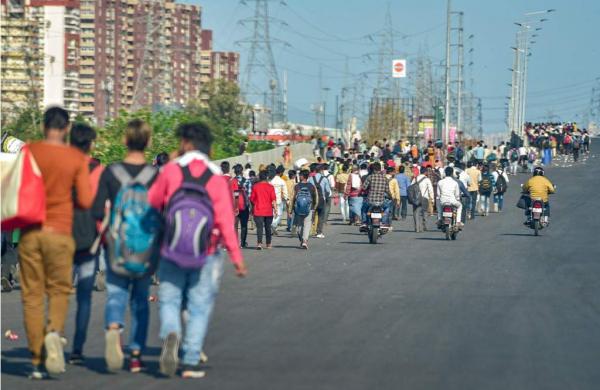














 Allow notifications





