Download Now
Home Blog Page 413

Place of suing and cause of action in e-commerce disputes

0
Image source: https://rb.gy/8ih2yn

This article has been written by Sukanya Mitra, pursuing the Certificate Course in Advanced Civil Litigation: Practice, Procedure and Drafting from LawSikho. This article has been edited by Zigishu Singh (Associate, Lawsikho) and  Ruchika Mohapatra (Associate, Lawsikho). 

Introduction

The internet is an essential part of our lives. It brings a lot of convenience with instant communication, availability of any information from around the world, sharing information, online services, and online purchase of goods. It also influences the choices we make, for example, we look at reviews before booking a hotel or buying a product. The internet has thus changed how business is conducted. In this technologically advanced world, a business that does not use the internet is quite lost. Naturally, business conducted online or ‘e-commerce’ may also have disputes. This article explores the jurisdictional issue in e-commerce disputes, specifically the place of suing and cause of action, and the different laws which are applicable.

What is e-commerce?

‘Electronic Commerce’ or ‘e-commerce’ is a type of business model by which businesses and customers buy and sell goods and services over the internet. Business can be conducted entirely online or alongside physical offices/shops. 

  • Platforms like Amazon enable sellers to directly sell goods to consumers anywhere in the world.
  • Platforms like eBay enable individuals to buy and sell among themselves.
  • Individuals also create  their own websites to sell products such as jewellery, baked goods, etc.
  • Many brands which have physical stores also sell their products through their own websites.

E-commerce transactions create problems in determining which court has jurisdiction in case of disputes as sellers and buyers may be located anywhere in the world. A number of laws are applicable to determine the place of suing in e-commerce disputes.

Place of suing 

The Code of Civil Procedure, 1908

Sections 15 to 20 of Part I of the Code of Civil Procedure (CPC) provide for the place of suing for movable and immovable property.

  • A civil suit is to be instituted in the court of the lowest grade competent to try it.
  • Suits regarding immovable property are to be instituted in the courts within the local limits of whose jurisdiction the property is situated.
  • The immovable property may be situated within the local limits of 2 or more courts. In a suit to obtain relief or compensation for wrong to immovable property, the suit may be instituted in any of the courts.
  • If it is alleged that it is uncertain within which local limits of jurisdiction of 2 or more courts the immovable property is situated, the Court, if satisfied there is ground for alleged uncertainty, records a statement to that effect and then proceeds to entertain and dispose of any suit relating to the immovable property. The decree shall have the same effect as if the property were situated within the local limits of its jurisdiction.
  • In a suit for compensation for wrong done to a person or to a movable property, a suit can be instituted in the court within whose local limits of jurisdiction the wrong was done or where the defendant resides or carries on business or personally works for gain.
  • Subject to the limitations of Part I, every suit shall be instituted in a court within whose local limits of jurisdiction
  • the defendant or each of the defendants, if there are more than one, actually and voluntarily resides or carries on business or personally works for gain, at the time of institution of the suit; or
  • any of the defendants actually and voluntarily resides or carries on business or personally works for gain, at the time of institution of the suit, provided that in such case either the leave of the court is given, or the defendants who do not reside, or carry on business, or personally works for gain, as indicated in section 20(b), acquiesce in such institution; or
  • the cause of action wholly or partly arises.

The Indian Contract Act, 1872

E-commerce transactions are in the form of e-contracts, that is, contracts modeled, executed, and implemented by software, with or without using the internet. E-contracts have been legally recognised by the Information Technology Act, 2000 in Section 10-A, which states that where the communication, acceptance, and revocation of proposals in a contract are expressed in electronic form or by means of an electronic records, then such contract will not be deemed unenforceable solely on the ground that electronic form or means was used to form the contract.

In the case of M/S BASE Educational Services Pvt. Ltd vs. Kayaka Foundation PU College of  Science & Commerce and Others., it was observed by the court that e-contracts can be entered into through modes of communication like internet, e-mail, and fax. The only requirement to validate an e-contract is its compliance with the provisions of the Indian Contract Act.

In the case of Trimex International FZE Ltd., Dubai vs. Vedanta Aluminium Ltd., India, the parties agreed upon the material terms of the contract via emails. The Supreme Court held that the correspondence through email can be considered as a valid binding contract between the parties.

Some of the e-contracts entered into on a daily basis 

  1. Browse Wrap: Such agreement binds a user browsing a website to the updated terms and conditions regarding the usage of the website.
  2. Shrink Wrap: A license agreement which is enforced on the consumer as soon as he opens the product. Such agreements are usually embedded when purchasing software products such as antivirus software for computers. It indemnifies the seller of any violation of the intellectual property rights of the manufacturer as soon as the buyer opens the pack.
  3. Click Wrap: Agreements where the user/buyer clicks “ok” or “I agree”. It is a take it or leave it contract as the user cannot move forward unless he clicks that button. These agreements come up in situations like when installing software or purchasing a product online.

E-contracts are fundamentally the same as traditional contracts and thus, are governed by the Indian Contract Act. Section 28 makes agreements in restraint of legal proceedings void. If any party is absolutely restricted from enforcing his rights, under any contract, by the usual legal proceedings in the ordinary tribunals, or which limits the time within which he may enforce his right, the contract is void to the extent of the restriction.

Contracts specifying that any dispute between the parties will be referred to arbitration and specifying the seat of arbitration are exempted from the rule in Section 28.

The Consumer Protection Act

E-commerce disputes also include consumer disputes. The internet has penetrated every aspect of our lives. Consumers shop online, avail of internet banking services, pay bills online, book tickets and accommodation for holidays, and so on. As the pandemic forced physical shops to close down,  and in some cases, for good, the business shifted to the internet, which increased the volume of e-commerce agreements being entered into and executed. 

Position under the Consumer Protection Act, 1986

The Act of 1986 allowed a complaint to be filed in the District Forum or State Commission within whose local limits

  • the opposite party or each of the opposite parties , if there were more than one, ordinarily resided or carried on business or had a branch office or personally worked for gain, at the time of institution of the suit; or
  • with prior permission of the respective Forum, where any of the opposite parties resided or carried on business or had a branch office or personally worked for gain; or
  • cause of action, wholly or in part, arose.

In view of e-commerce transactions, the territorial jurisdiction was limited. This is because e-commercial consumer transactions transcend physical boundaries. Manufacturers, sellers, service providers, and buyers may be located in completely different cities or even countries.

The case of SpiceJet vs. Ranju Aery was a landmark judgment in the issue of deciding jurisdiction in disputes in e-commerce transactions. In this case, the complainant had booked air tickets online through yatra.com for traveling from Chandigarh to Bagdogra and return flight from Bagdogra to Kolkata and then a connecting flight from Kolkata to New Delhi. The connecting flight from Kolkata to New Delhi was booked with SpiceJet and all the tickets were booked by the complainant in Chandigarh. The complainant and her family members found out that the connecting flight had been canceled after they had collected their boarding passes. SpiceJet made no alternative arrangements. The complainant managed to book tickets on a later flight. Since the complainant and her family members reached New Delhi later than expected, they missed the bus back home to Chandigarh. The complainant filed a complaint in the District Forum in Chandigarh against SpiceJet seeking compensation in terms of the price of original tickets and tickets which the complainant had to buy due to the cancellation as well as mental harassment of the complainant and her family members. The District Forum passed an order in favour of the complainant and directed SpiceJet to refund an amount of Rs. 80,885/- along with interest @ 9% per annum from the date of cancellation of flight till realisation. Compensation of Rs. 1.25 lakhs and Rs. 10,000/- as litigation cost was also awarded. This was challenged in the State Commission and was dismissed in the preliminary stage. SpiceJet then filed a revision petition in the National Commission.

One of the contention of SpiceJet was that the District Forum in Chandigarh did not have territorial jurisdiction as the company’s place of business was in Gurugram. The National Commission upheld the views of the State Commission that part of the cause of action arose in Chandigarh because booking tickets online forms a contract and the contract was accepted by the complainant through the internet at her place of residence. The National Commission concluded that there was no jurisdictional error in the orders passed by the fora below and confirmed the orders. 

The order of the National Commission was challenged by SpiceJet in the Supreme Court by a Special Leave Petition where the Supreme Court upheld the order of the National Commission. The Consumer Protection Act, 1986 was replaced by the Act of 2019. The Act of 2019 now specifically covers e-commerce transactions.

Position under the Consumer Protection Act, 2019

The Act of 2019 defines “e-commerce” as the buying and selling of goods and services, including digital products, over digital or electronic networks [Section 2(16)]. Further, the definition of “consumer” now includes any person who buys goods or hires or avails services through electronic means or by teleshopping or by direct selling or multi-level marketing [Section 2(7)(b)].

The territorial jurisdiction of the District and State Commission has been expanded. Now, a complaint can be instituted where the complainant resides or personally works for gain. This specifically targets e-commerce disputes as the complainant can conveniently file a complaint and the opposite party cannot use the excuse of limitation of territorial jurisdiction to avoid the complaint.

The Information Technology Act, 2000

Section 75 states that the Act is applicable to 

  • offences or contraventions committed outside India by a person irrespective of nationality.
  • offences or contraventions committed outside India by any person if it involves a computer, computer system or computer network located in India.

Cause of Action

A court has jurisdiction where the cause of action wholly or in part arises. It has already been discussed that several laws are applicable to e-commerce disputes. Thus, the cause of action in e-commerce disputes may be contractual or non-contractual in nature.

Contractual Cause of Action

A contractual cause of action will arise when a party under a legally valid contract fails to perform its contractual obligations. Failure to perform contractual obligations is termed as ‘breach of contract’ and are the following types;

  1. Material Breach: An essential element of the contract does not get fulfilled, defeating the purpose of the contract. For example; A enters into a contract to purchase a desktop and printer with B. If B fails to deliver the printer, it constitutes a material breach.
  2. Minor Breach: A minor breach when a small obligation is not fulfilled. Such an obligation does not impact the contract as a whole. An aggrieved party needs to show that he has suffered financial loss to use this ground when suing the opposite party. For example; a shipment of goods reaches late but otherwise completely intact. The party who received the goods needs to prove that he suffered financial loss due to the delay.
  3. Anticipatory Breach: A party to the contract informs the other party that he will not be able to fulfil his obligations.
  4. Actual Breach: A party fails to perform the certain obligations stated in the contract. For example; A agrees to deliver 30 bags of cotton to B on the 15th of November. On the scheduled day, A fails to deliver. This is an actual breach.

In e-commerce consumer disputes, the causes of action which ordinarily arise in consumer disputes, as enumerated in the Consumer Protection Act, 2019, are applicable to file a complaint. Briefly, causes of action in e-commerce disputes are;

  1. Defective goods,
  2. Deficiency in services,
  3. Harm or injury caused by any product to a person or his property,
  4. Misleading advertisement,
  5. Restrictive trade practice,
  6. Spurious goods,
  7. Unfair trade practice.

A new ground of ‘unfair contract’ has been introduced by the Act of 2019. ‘Unfair contracts’ are contracts between the manufacturer or service provider with the consumer which has terms favouring the manufacturer and against the interests of the consumer. Section 2(46) states that the following terms will be considered as ‘unfair contract’;

  • Requiring excessive deposits from consumers to perform contractual obligations.
  • Imposing penalty for breach on the consumer which is disproportionate to the loss.
  • Refusing to accept early payments on debts.
  • Entitling a party to terminate the contract without reasonable cause.
  • Allowing a party to assign the contract without consent of the party, who is a consumer, and detriment to his interests.
  • Imposing any unreasonable charge, obligation or condition which puts the consumer to a disadvantage.

A term of a contract that is unfair to the consumer can be declared as null and void by the State Commission or the National Commission, as the case may be. [Section 49(2) and Section 59(2)]

The IT Act, 2000 also includes some causes of action for e-contracts:

  1. Breach of confidentiality and privacy.
  2. Disclosure of information in breach of lawful contract, specifically specified as ‘personal information.’

Non-Contractual Cause of Action

Some of the non-contractual causes of action are a violation of intellectual property rights such as violation of copyright, trademark, illegally using domain names, cybercrimes such as identity theft.

Conclusion

E-commerce is becoming the usual way of conducting business. Cyberspace is a very dynamic space and the law needs to keep up with it to resolve issues within it. E-commerce disputes present new challenges for the law. E-contracts are the foundation of e-commerce transactions and hence, the Indian Contract Act is primarily applicable. Depending on the nature of the transaction, additional laws may be applicable such as consumer law, IT law, etc to identify jurisdiction, risks and issues, and redressal of grievances. However, technology is continuously evolving and will keep impacting and changing e-commerce, for example, the development of artificial intelligence. 


Students of Lawsikho courses regularly produce writing assignments and work on practical exercises as a part of their coursework and develop themselves in real-life practical skills.

LawSikho has created a telegram group for exchanging legal knowledge, referrals, and various opportunities. You can click on this link and join:https://t.me/joinchat/J_0YrBa4IBSHdpuTfQO_sA

Follow us on Instagram and subscribe to our YouTube channel for more amazing legal content.

Download Now

Animal welfare and protection – the role of Article 48 as a Directive Principle of State Policy

0
Image source - https://bit.ly/3CCXZkq

This article is written by Oishiki Bansal, a student of Symbiosis Law School, Noida. This article elucidates the provisions of Article 48 of the Constitution of India and how it became a part of the Constitution.

Introduction 

With India being an agrarian nation, the protection and improvement of agriculture have been one of the main contentions of the Indian government. The Constitution-makers provided for Article 48 as a Directive Principle of State Policy to ensure that the cattle in India, especially cows, are protected against the potential slaughter in pursuance of agriculture and animal husbandry. The provisions of the Article follow liberalism ideology, which is based on morals of freedom, liberty, and the idea of equality before the law. The Article explains the measures taken by our Constitutional makers to ensure animal welfare in the country. This article would be dealing with how Article 48 is interpreted by the different courts of India over time and the role it plays in ensuring animal welfare and rights. 

Constitutional provisions that emphasize animal welfare and animal rights 

Directive principles of state policy 

Part IV of the Indian Constitution states the directive principles of state policy. Article 48 and 48A of the Constitution come under part IV of the Constitution of India. 

Article 48

As stated above, Article 48 provides for the organization of agriculture and animal husbandry. The Article specially mentions the preservation, improvisation of breeds, and prevention of cow slaughter, calves, and other milch animals. Cattle slaughter and especially cow slaughter is a deeply contested issue in India because of the sacred value held by cows in different religions such as Hindus, Jains, Zoroastrians, and Buddhists.

There was a debate in the constituent assembly whether to give Article 48 the position of a fundamental right or not. The constituent assembly concluded that the fundamental rights are for humans and to ensure that this provision is not forced on the people of different religions, it was decided to not give Article 48 the status of a fundamental right. 

Article 48A

Article 48A also lies under part IV of the Indian Constitution. It reads as – “The State shall endeavor to protect and improve the environment and to safeguard the forests and wildlife of the country.” This section, although incapable of being judicially enforced, if taken under the ambit of Article 21, can be enforced by law. This Article states the obligation of the state to protect wildlife and forest while formulating any other law. 

In the case of Sachidanand Pandey & Ors. v. The State of West Bengal & Ors. (1987), The apex court held that regarding the protection of ecology brought before the court Article 48A must be kept in mind. 

Article 48 of the Indian Constitution only provided for the duties of the citizens for animal protection and welfare. The said article needed to be supplemented with other provisions to make it more meaningful and provide more strong legislation. Therefore, the fundamental right to life and fundamental duties were interpreted in such a way to supplement Article 48. The following is discussed below – 

Fundamental rights

Article 21

Article 21 of the Indian Constitution ensures the right to life and personal liberty. This right is not only limited to humans but extends to all the other living creatures on our planet. 

The case of the Animal Welfare Board of India v A. Nagaraja and ors. (1949) focused on a traditional sport in Tamil Nadu, namely ‘Jallikattu’. The sport involves a bull being released in the crowd and subsequently, the people trying to grab onto the hump of the bull’s back and hang onto it while the bull tries to escape. This tradition became a concern for the welfare of bulls, as when the bulls were released, they were poked with sharp sticks or scythes. Additionally, their tails were bent to fracture their vertebrae. To disorient the bulls, sometimes people used to rub chili peppers into bulls’ eyes or forced bulls to drink alcohol. During the sport, the bulls were stabbed by knives, punched, jumped on, and even were dragged to the ground.

The animal welfare board moved the Supreme Court in 2010 to ban the sport of jallikattu on the grounds of cruelty towards animals and public safety. The animal welfare board of India also sought to enforce the notification of the government of India on barring bulls from being trained or exhibited as performing animals.

The Supreme Court observed to safeguard animal life under Article 21 of the Constitution of India. It stated that Article 51 A (g) under the fundamental duties in the Constitution of India is the greater charter for animal rights. In respect to Article 21, the apex Court notably held that according to the law of land, every living creature on the land has a right to life and security. The meaning of “life”, as given under Article 21, expands to the right to life to all forms of life on the land. Any disturbance to the most basic form of environment is covered under Article 21. And as far as animals are concerned, the meaning of “life” relates to more than just survival or any kind of existence that does not lead to some intrinsic worth, honor, or dignity.

Fundamental duties 

 Article 51A under Part IVA of the Constitution of India lays down the fundamental duties. The Article that deals with animal rights is Article 51A(g). It reads as – “ to protect and improve the natural environment including forests, lakes, rivers, and wildlife, and to have compassion for living creatures”.

According to the Article, citizens of India are obligated to maintain and develop the natural environment, as well as to have compassion for all living beings.

In the case of the State of Gujarat v Mirzapur Moti Kureshi Kassab Jamat & ors, the apex court held that the parliament intended to enact Article 51A for the Article to be read with Article 48 and Article 48A of the Constitution.  

How Article 48 was incorporated in the Constitution of India 

In August 1947, a public convention recommended that the Constitution provide a policy relating to safeguarding cows from being slaughtered. Subsequently, a league was formed to protect cows for safeguarding the economic interest of the country and August 4 was declared to be National Cow Day.

Various independent organizations in the country like the Ahmedabad Bullion Association, All India Varnashrama Swarajya Sangh, and the state assemblies passed anti-cow killing resolutions. The matter reached the constituent assembly, and the newly appointed president of constituent assembly Rajendra Prasad proposed that the idea to safeguard cows should be considered as one of the fundamental rights.

One of the members of the constituent assembly, Pandit Thakur Dass Bhargava, stated that safeguarding cows is in the economic interest of the country. To improve the health and food position of the country, you need to produce a full quota of cereals and milk. He proposed that the Article be divided into 3 parts – 

  • The first part talks about the scientific improvement in agriculture. 
  • Secondly, improvement in cattle breeding.
  • And thirdly, the protection of cows and other cattle from being slaughtered.

Improvement in agriculture and increase in the quantity of food are interdependent.

The drafting committee headed by Dr. B.R Ambedkar opined that fundamental rights are only for the citizens of the country and cows are not included among citizens. Also, he believed that the inclusion of Article 48 in the fundamental rights would force the other sects of the community to agree to provisions of Article 48. It will not leave a scope for further discussion and debate. The non-Hindus will have to comply with the fundamental rights without their will.

Hence, Article 48 was inserted into the Constitution as a directive principle of state policy and not a fundamental right.

States role in enacting Article 48 of the Constitution

Entry 15 of the state list, as given in the Seventh Schedule of the Constitution, gives powers to the state legislatures to enact laws relating to the conservation of cattle and the prevention of cow slaughter. Therefore, different states have different laws relating to the prevention of cow slaughter in India.  

Judicial pronouncements on Article 48 

Abdul Hakim Qureshi v. State of Bihar (1961) 

In this case, the petitioner contended that by enforcing a law to ban cow slaughter in Bihar, Uttar Pradesh, and Madhya Pradesh, the state governments are infringing upon the Muslims’ right to freedom of religion, provided under Article 25 of the Constitution of India. The petitioner stated that according to the Muslim tradition, they are allowed to sacrifice cows on days like Bakr-id. The Supreme Court then went through Hidaya and Quran, some of the Islamic texts, and stated that none of the texts mentions the sacrifice of a cow as compulsory. A camel or goat can be sacrificed instead of a cow. Thus, a total ban on cow slaughter by the state governments does not infringe the freedom to practice their religion. 

Mohd. Hanif Qureshi v. State of Bihar (1959)

In the case of Mohd Hanif Qureshi v state of Bihar(1958), the question was raised whether the ban on slaughter of cows infringes the fundamental right to trade, as given under Article 19(1)(g) of the Constitution? The Court stated that the utility of cows is a justified reason to enforce a ban on the slaughter of cows. While interpreting Article 48 of the Constitution, the Court was of the view that the mandate applies only to cows, calves, and other animals that can provide milk or function as drought relief animals. Therefore, Article 48 does not envisage a prohibition on the slaughter of all cows or cattle. The Supreme Court, therefore, held that a ban on the slaughter of buffaloes and bulls after they stop yielding milk or working as draught cattle is not justified. Therefore, the Apex Court opined that a total ban on the slaughter of cows does not infringe Article 19(1)(g) of the Constitution. 

State of Gujarat v. Mirzapur Moti Kureshi Kassab (2005)

The decision in Mohd Hanif Qureshi v state of Bihar was overruled in the State of Gujarat v Mirzapur Moti Kureshi Kassab(2005). The Supreme Court held that Article 48 of the Constitution especially mentions the protection of cows from being slaughtered. It was noticed that cattle, which have been helping the human species since time immemorial, must be handled with kindness even when they are no longer useful. The Court said that after a combined reading of Article 51A and 48 provides compassionate treatment towards animals. Animals have their own set of fundamental rights.

Conclusion

Article 48 became a part of the Indian Constitution after a lot of deliberation and discussion by the Constitution makers. Although the Article specifically focuses on cows, it aims to promote and improve the agriculture and animal husbandry industry in the county. After reviewing the judicial decisions on the Constitutionality of numerous anti-cow slaughter laws, it is possible to infer that the absolute prohibition on the slaughtering of cows and their offspring is permissible under the Constitution.

References 


LawSikho has created a telegram group for exchanging legal knowledge, referrals and various opportunities. You can click on this link and join:

https://t.me/joinchat/J_0YrBa4IBSHdpuTfQO_sA

Follow us on Instagram and subscribe to our YouTube channel for more amazing legal content.

Download Now

Top technology-related contracts and cyber law services that clients want

0

This article is written by Saswati Soumya, pursuing a Diploma in Cyber Law, Fintech Regulations, and Technology Contracts from LawSikho.com. The article has been edited by Prashant Baviskar (Associate, LawSikho) and Ruchika Mohapatra (Associate, LawSikho).

Introduction

The major areas of law that a technology lawyer works in are patent law, trademark law, copyright law, general unfair competition, rights of publicity, and privacy. When it comes to technology deals, there are three most important things, i.e., 

(1) what is the amount of money to be paid? 

(2) What technology is to be given in return? and

(3) Under what conditions will the resulting agreement be terminated? 

From a privacy and data protection perspective, one needs to be mindful of the legal issues that would arise from a collection of data, managing such data, sharing of data, data modeling, marketing data, and transfer of data to others. 

Cyber law services wanted by clients

Cyber complaint regarding lottery scams received via SMS or email

An example of this is the“KBC Lottery Frauds.” In this form of cyber fraud, the fraudsters send WhatsApp messages to victims from unknown numbers. They claim that their mobile number has won a lottery that is jointly organised by Kaun Banega Crorepati and Reliance Jio that is worth Rs. 25 lakhs. In addition to that, they also claim that they are required to contact the same person whose number is provided in the WhatsApp message in order to claim that lottery. The next step is the victim contacting the fraudster. When the victim contacts the number to claim the amount, the fraudster tells the victim that they first need to pay a certain refundable amount. This refundable amount shall go towards the processing of the lottery as well as GST. The victim may deposit the money. Once the money is deposited, they start demanding more money. The accused insists on maintaining contact only through WhatsApp. The fraudsters induce the victim to deposit the money in various bank accounts and the entire fraud goes on for weeks and months so long as the victim is induced to deposit money. After some time, the fraudsters keep the victim engaged and interested by stating that the lottery amount has increased to Rs. 45 lakhs and Rs. 75 lakhs. The fraudsters stop calling the victim and discontinue the WhatsApp numbers that were being used in the fraud, once the victim starts insisting on getting the money or refuses to pay more money.

It is advisable to know that-

(a) any message that informs that one has won a lottery or a prize is a fraud in all likelihood; 

(b) it is important to look for the glaring signs that a message is indicative of fraud- for example if the message shows poor drafting and has grammatical errors;

(c) it’s helpful to discuss issues with family members and verify the messages via alternate means and not let such messages exploit one’s greed and allow one to get blinded by it;

(d) the tax component and other charges are cut from the prize money and the winner gets the deducted amount in a genuine lottery or prize; 

(e) it’s easier to identify that it is a cyber fraud since one is required to pay these charges in advance in order to get lottery money;

(f) it is also used to identify that maintaining secrecy from the caller’s end is an indication of some wrongdoing.

Prior to lodging a complaint at the nearest police station that will describe the complete incident, it is prudent to collect all documents such as,

(a) brief facts of the complaint that explains the way in which one came into contact with the alleged person/website and subsequent fraud;

(b) a screenshot/ copy of the alleged SMS;

(c) documentary evidence such as screenshots and bank transaction statements etc.

Last but not the least, it is advisable to save the soft copy of all the documents and provide it to the Investigating Officer in CD-R and also a hard copy.

Cyber complaint regarding unknown callers obtaining confidential account details

When unknown callers call in order to obtain confidential information, it is a case of call fraud. This is otherwise referred to as “vishing” or voice phishing. This mode of fraud has the following details, namely,

(a) People receive phone calls that appear to be from the bank. The caller gives an impression that they are the representative of the bank or someone from the technical team of the bank. It appears as if the caller is genuinely calling the customer. This is called giving a false sense of security.

(b) The caller tricks the victim and persuades him/her to give away its personal and confidential data such as a one-time password (“OTP”), credit card number/debit card number, card’s Card Verification Value number (“CVV”), which is 3 to 4 digit number printed on the flip side of the card, expiry date, password, ATM pin, internet banking login ID and password, etc.

(c) The fraudster can easily carry out illegal financial transactions using the name of the victim with all such crucial information. 

It is advisable to take the following precautions, namely:

(a) Not to respond to email / SMS / phone calls that attempt to fraudulently withdraw money from one’s account via internet banking. This is because the calls are considered fraud calls. Neither banks nor their representatives send their customers email / SMS or call them on phone to ask for such personal information, password, or one-time SMS (high security) password.

(b) Inform banks about emails / embedded links / calls that ask the customers to update or verify user id / password / debit card number / PIN / CVV etc. Post informing the bank, it is advisable to change passwords immediately, if one has accidentally revealed their credentials to callers.

(c)  Not to provide any personal/confidential information on a page that might come up as a pop-up window;

(d) Not to divulge information like password, PIN, TIN because these are strictly confidential information and are not known even to employees/service personnel of the bank, and must not be shared, even if it is asked for by someone;

(e) Not to provide identity proof to anyone without genuine reason;

(f) Not to click on any links in any email, that might appear as key information in order to access the bank’s site;

(g) To access the bank’s website only by typing the URL in the address bar of the browser;

(h) To not provide bank account details to emails that are offering a job or claim that one has won a lottery;

(i) To avoid opening attachments from emails of unknown senders;

(j) To avoid accessing internet banking accounts from cyber cafes or from shared PCs;

(k) To look for the padlock symbol either in the address bar or on the status bar, but not within the web page display area, when accessing the bank’s website;

(l) To verify the security certificate by clicking on the padlock; and

(m) To keep the system up to date.

It is advisable for the victims that: 

  • they should lodge a complaint with the concerned bank and block the credit card/debit card / net banking holder/account holder immediately; and
  • they should collect information regarding the mode of the transaction so that they can describe the transaction, from the concerned bank. Before lodging a complaint in the nearest police station explaining the complete incident, it is advisable to keep the following documents in place, namely: 

(a) bank statement from the concerned bank of last 6 months is to be collected; 

(b) copies of SMSs that were received in relation to the alleged transaction to be made; (c) copies of bank passbook to be made; and 

(d) copy of identity proof and address proof as shown in bank records to be made.

Cyber complaint regarding data theft

The illegal copying and selling of copyrighted data or software code in the open market without the permission of the owner’s company is called data theft. When one uses a single user license for multiple users, then data theft is said to occur. The other instances of data theft are, (a) when one makes a duplicate CD or DVD of one’s software CD and sells it in the market; and (b) if an employee carries a software code made by his / her company and reproduces it with different names and sells it in the market. One must take preventive measures in order to prevent data theft of such nature. It is advisable to:

(a) copyright the program code/software/data;

(b) create a license agreement with the customers/users;

(c) provide a trial version of one’s code;

(d) not share complete code/data that is required to run the software with a single person in one’s company;

(e) obfuscate one’s code so that it is difficult to break;

(f) to not allow employees to copy/share the data/software on their personnel gadgets/emails / external drives;

(g) to make company devices secure in order to prevent theft from devices;

(h) always assign specific duties to each employee;

(i) to make non-disclosure agreement with employees;

(j) to make an inventory of hardware/software that is issued to employees;

(k) to train employees and prepare them for privacy breaches and phishing attempts;

(l) to create user accounts for each employee to prevent unauthorized users from gaining access to one’s business computers. One must be mindful of the fact that laptops can be stolen easily. Thus, one should ensure that laptops are locked when unattended;

(m) to prevent outsiders from gaining access to private information on one’s network and enable one’s operating system’s firewall or purchase reputable firewall software.

 Apart from these general precautions, the victims must:

(a) make changes in code/data that has been stolen in order to differentiate the older version from the new version immediately;

(b) find out the logs of the system in order to detect the unauthorized connections from the server, if the software is directly connected with the company’s server;

(c) contact the clients and inform them about the possibility of them using pirated data / stolen data ;

(d) contact the seller via decoy customer in order to know about the modus operandi, i.e., the ways in which the alleged data is being sold; and 

(e) make an image copy of all devices before proceeding further and never try to look into gadgets that are used by suspected employees. Prior to lodging a complaint with the nearest police station explaining the complete incident, it is prudent to collect all the documents, namely: (1) mirror image/copy of the data that has been stolen; 

(2) copyright certificate of data in question; 

(3) details of suspected employee who took data in question; 

(4) copies of documents related to the suspected employee, namely their appointment letter, non-disclosure agreement; list of duties that are assigned; list of gadgets that are assigned to the suspected and list of clients with whom the suspect is in touch; 

(5) proof of the sale of copyright data to any client; 

(6) devices used by a suspect while working with the company.

Cyber complaint regarding financial fraud over email 

Once an email account has been hacked, it may be used to cause financial fraud in the following ways:

(1) One can send SOS emails to all the contacts, and ask for money by citing an emergency such as wallet got lost in a foreign country;

(2) One can send offensive messages to friends and relatives and ask for ransom in exchange for not sending any offensive messages;

(3) Sending emails to clients and customers and asking for payment of dues/remittances in a different account, thereby swindling with the money of account holder; and

(4) Using unauthorized access to email in order to gain access to other online accounts, such as other email accounts, net-banking accounts, and social media accounts. 

It is advisable for the victim to contact the email service provider and request them to temporarily block that account in order to prevent misuse by the hacker. This request can be supported by documents such as ID proof and screenshots of earlier emails etc. The victim can send emails and messages to all their contacts from an alternate email account alerting them not to respond to emails coming from the hacked email. It might be difficult to ascertain all the service providers wherein a hacked email account is given as the email address for communication. Nevertheless, one can write to the service providers, as many as possible, to not entertain any request from the compromised email account without doing manual checks with the original account holder.

If the compromised email account has been used to send emails, then one will take print of the alleged email which has been received by one’s contacts as opposed to those which have been forwarded. It is prudent to collect all documentary evidence, such as screenshots and bank transaction statements that illustrate that a hacked account has been misused. 

Cyber complaint regarding cyber-crime such as online abuse, online stalking, mobile apps etc

Offences such as trolling, online threats, online harassment, online stalking, and virtual mobbing fall under the realm of social media offences. Trolling is a form of baiting online which involves sending abusive and hurtful comments across all social media platforms. When someone repeatedly attempts to impose unwanted communications or contacts one in a manner that could be expected to cause distress or fear, then it is called “online harassment”. On the other hand, “stalking online” is a form of harassment that can involve frequent unwanted contact or interference in someone’s life. “Virtual mobbing” is said to take place when a number of individuals use social media or messaging to make comments about another individual, usually because they are opposed to the person’s opinions. The sheer volume of messages may amount to a campaign of harassment. 

The victims of online abuse and online stalking often do not know when to call the police. This is one of the most commonly seen crimes that occur on social media. People are threatened, bullied, harassed, and stalked by others on social media.  It is advisable to take the following precautions, namely

(1) Block profiles from public searches;

(2) Restrict the number of people who can find you via online search;

(3) Limit the information that people can learn about you when searching on the net;

(4) Log out after each session;

(5) Do not share social media credentials;

(6) Do not accept friend requests from unknown people;

(7) Do not click on suspicious links;

(8) Keep the privacy settings of your social media profile at the most restricted level especially for the public/others; and

(9) One must apply precautionary principles while sharing anything online.

It is advisable to be in touch with the support team or helpdesk team if social media offences happen and on a personal front, immediately send an email/message to all your contacts asking them not to respond to the fake profile. One is free to make a cyber complaint in the nearest police station, describing the complete incident. Furthermore, one can take screenshots of the alleged fake profile wherein the URL of the said profile is clearly visible. One must save the soft copy of all the documents and provide them to the investigating officer on a CD-R and also provide them with a hard copy. 

These kinds of offences could either fall under cyber dependent crimes, which can only be committed through the use of online devices or could be cyber-enabled crimes, which are traditional crimes that can be increased in scale by using computers. The aforesaid could be a mix of both depending on facts and circumstances.

  1. Commonly used technology agreements 
  2. Sponsored research agreement

An institution enters into a sponsored research agreement when it identifies that there is a mutual interest and benefit with a sponsor for furthering institutional and research objectives in a manner consistent with its status as an academic institution. The details of the research are captured in the statement of work, which is annexed to the agreement. 

The Principal Investigator is identified and appointed for the research program, who shall supervise the research program. If in any case, the principal investigator is unable to continue serving and a successor that is accepted by both the parties is unavailable, then the agreement may be terminated by either party. The period of performance will be identified, keeping in mind the start date and the completion date.

The research can either be performed on a fixed-price basis or on a cost-reimbursement basis. For the latter mode of reimbursement of costs, the sponsor will reimburse the institution for direct and indirect costs that will be incurred in the performance of research. However, the total reimbursements will not exceed the total estimated project cost, without getting the written authorization from the sponsor. Oftentimes, the payment schedule is either in the form of time-based or in the form of milestone-based. The institution may seek a payment schedule that provides funding in advance of incurring costs for the research.

This agreement may be terminated if (a) there is a material breach; (b) there is a loss of the principal investigator; (c) it is convenient for the Sponsor to do so, and (d) either of the parties terminates the agreement.

The institution will be free to publish the results of the research after providing the sponsor a reasonable time, so that sponsor can review each publication in order to identify the patentable subject matter and to identify inadvertent disclosure of confidential information. In the latter case, if requested by the sponsor, the institution shall remove such matter from the publication. The sponsor may also request that patent applications are needed to be prepared and filed in advance of publication.

This agreement shall exclude the copyrights and inventions of the sponsor in relation to the research from the ambit of the agreement. Such copyrights and inventions will have to be produced/composed/reduced to practice in the performance of the research solely by the personnel of the sponsor without using the institution’s administered funds or facilities.

In case of inventions that are conceived and/or first reduced to practice jointly by the employees/students of the institution and personnel of the sponsor in performing the research, the end product will be considered as a joint invention if the sponsor significantly uses the funds and facilities of the institution. Zeroing down the party who shall have the first right to file a patent application on a joint invention in the names of both parties is oftentimes negotiated. It is pertinent that an Intellectual Property Office is in place that takes care of the inventive disclosures made to the institution that in turn will be notified to the sponsor.

  1. Cloud computing services agreement

The ways in which services are delivered through the internet is called cloud computing. The services range from providing data storage to enabling users to access applications on remote servers and then access all the data via the internet. Cloud computing services can be either public or private. While public cloud services provide their services for a fee, private cloud services limit their service to be enjoyed by a few people. It is possible for cloud services to be hybrid in nature. Hybrid cloud computing services can be hosted on a network in order to provide it to specific clients and could also be provided online for a fee. Cloud computing service is a combination of three services, namely, software as a service (“SaaS”), infrastructure as a service (“IaaS”), and platform as a service (“PaaS”). 

A cloud computing service includes services such as cloud service, virtual servers, dedicated hosting of data, co-location of services, website hosting, etc. The first step in availing of an IaaS is setting up an account and paying the fees. Fees may range from setting up fees, recurring service fees, or one-time fees for availing of optional services. It is to be clarified that the service provider owns and operates hosting infrastructure that consists of selected equipment housed within a single data centre space that is managed by the service provider.

The cloud computing service provider can include a “zero-tolerance spam policy”. It may charge the account holder that sends unsolicited e-mails a cleanup fee, whose amount will be left to be decided by the cloud computing service provider. It will include a clause on acceptable and unacceptable content, in the form of the following:

  • The customer will not engage with content that will cause unnecessary/excess traffic. This is because the intent of the service provider is to provide space and not serve as an off-site storage area for electronic files, such as pirated software, hacker programs or archives etc. 
  • It does not support the storage of sexually explicit, obscene or pornographic content, in text or graphics. It does not support speech or images that are (i) offensive; (ii) profane; (iii) hateful; (iv) threatening; (v) harmful; (vi) defamatory; (vii) libellous; (viii) harassing; (ix) discriminatory on the basis of race, ethnicity, religion, gender, sexual orientation and physical disability.

The service provider can clarify that the internet protocol numbers (“IP numbers”) that it has provided/assigned in connection with the services shall remain its property, and are not portable, and thus cannot be transferred to the customer. The service provider will have verification rights, modification rights, “swapping out” rights, and revocation rights with respect to customers’ IP addresses. 

The service provider will acquaint the customer with the acts that are prohibited, i.e., prohibition to reverse engineer and its right to report acts of illegal activities like, trafficking in obscene material. Moreover, it can clarify its stance on billing terms and refund policies for first-time users and repeat users. It may retain the right to change prices and the right to increase the number of resources in a specific plan. The customers may be made aware of such developments prior to such increases before the time to renew the contracts and would be asked to approve the price escalations or terminate the service agreement. They could also agree to the maximum liability that will be incurred by the IaaS provider for all the damages, losses, and costs resulting from the agreement.

A cloud computing services agreement may otherwise be construed as a cloud service level agreement. This agreement is entered into between the cloud service provider and the customer who will use the cloud services. This agreement entails the responsibility of the customer and remedies that are available to the customer if the cloud service provider fails to meet its commitments. Such an agreement will not apply to the commitments of third-party service providers, including customer end-users. However, this agreement will be read along with terms of service, service level agreement, privacy agreement, and acceptable use policy and thus, shall not be independently considered while identifying the third party. The ambit of service would include maintenance of services that would include looking after the maintenance of software, database index rebuilding, upgrades of software and hardware, and upgrade of the network. Identifying the service maintenance hours is important to identify the business hours of the service provider. 

This agreement covers data retention clauses. This clause provides for the number of days for which the cloud service provider makes a full backup copy of the customer site database and the number of days within which it files such customer information. It answers questions such as, “For how many days is the backup data retained?” The answer will vary depending on the customer’s preferences, i.e., the number of days for which backup data will be retained will vary for a customer who has configured the retention period for the cloud services from the customer who has not configured the retention period for the cloud services. Generally, the number of days of the former is more than the latter. The other aspect of this clause is the nature of data that is retained by the cloud as a part of its service. For instance, the nature of data can range from copies of system activity logs to site access logs.

Cloud support policy forms an integral part of this agreement. This gives details on the severity levels as per the incident report-related tickets that are handled. Ticket response goals specify the time within which investigation of the problem begins, as opposed to considering the length of the time within which such problem will be resolved. Customer support is provided on matters related to the features and functionality of the cloud services, i.e., cloud dashboard, and not for matters associated with software that is installed in a particular cloud.  A cloud dashboard is synonymous with a dashboard that records the communication between the customer and the cloud service provider. This can include records of invoices generated. 

  1. Software licensing agreement

An institution enters into a software licensing agreement when it owns copyright-protected software in source code, executable code, or application code that combines together to form a program related to specific functionality and desires to have the program developed and commercialized. For this reason, it is imperative for the institution to enter into an exclusive digital healthcare software license agreement with another entity. The scope of such an agreement may or may not include derivative work. Derivative work may include translations of the program to other foreign or computer languages, adaptations of the program to other hardware platforms, abridgments, condensations, and revisions. It may also include software that incorporates all or any part of the programs and modifications or enhancements created by the licensee. 

The other party apart from the licensor and licensee is the end-user. An end-user is a third party who has been granted the right to use, reproduce, perform or display the program or derivative. It is to be noted that, the end-user may not be granted any rights to sublicense or distribute such work. It is important to differentiate between a licensed product and a licensed service. On one hand, the program and derivatives may be construed as a licensed product, whereas any service that is enabled by / implements/copies / makes use of a licensed product.

A program may have multiple connotations. It could encompass (a) software and computer programs in the form of source code, or object code or in application code format as it would exist on the effective date; (b) updates to software and computer programs and its related documentation, i.e., correction of any substantial defects, fixes of any minor bugs, minor enhancements to the software like updates that are identified as a change to the version number to the right of the decimal point. However, the following may not be regarded as a program; if there is a new release of software or a computer program that incorporates substantial changes or additions that (a) provide additional value and utility; (b) may be priced and offered separately as optional additions to such software or computer program and/or (c) are not generally made available to customers or resellers without a separate charge, i.e., releases identified by a change to the version number to the left of the first decimal point. 

If the entity further sub-licenses and receives a payment to this effect, then it will be considered as sub-license income. It excludes royalty and profit-sharing payments that are received by the entity and its affiliates from sub-licensees. It includes license fees, milestone payments, license maintenance fees.

Software licensing agreements come into the picture in the case of licensing software packages for billing and customer care purposes. The major challenge faced by in-house counsels is that there is a failure to adequately describe the software being licensed. Oftentimes, it becomes difficult to foresee the changes that will take place in the organisation of the customer and the business. The other challenge is that there is a possibility that one overlooks the “unresolved rights” that will arise once the current software develops/enhances in the future.

  1. Software development agreement

Otherwise referred to as a Masters Services Agreement, this sets out the terms on which a developer sells and transfers a customized software to a client and the client further incorporates the software into its products, services or processes. A description of the software that will be developed is added as an appendix, rider or as an exhibit to the agreement. This acts as capturing the details of the scope of work or a statement of work.

The client engages the developer to deliver unique and proprietary software and the developer accepts the engagement to develop the software. In case of a change in the scope of work, it shall provide a change request to the developer. In turn, the developer will provide the client with a change request response. Taking the change request and the change request response in mind, the work will be amended by means of a written addendum, which will be jointly executed as an exhibit to the agreement.

The client and the developer will prepare an acceptance test plan along with acceptance test procedures that are suitable for verifying that the software meets the agreed requirements of the specification. The acceptance test plan will describe the ways in which the client acceptance test will be carried out and shall contain a detailed description of the tests that are to be performed along with acceptance criteria. The client will approve or not approve the change in the software. It shall be considered as “deemed to be accepted” if the client elects to operate the software before approving it. Refusal to approve the acceptance test will lead to a dispute. If the developer does not dispute the rejection, then it will send a timetable for repairing the errors that are associated with the software to the client. The developer can send a written notice to the client after the repairs have been completed and request the client to resume the acceptance test promptly.  Once the acceptance test is approved, then it will be succeeded by the approval period. Last but not the least, the software will be stated to have been “commissioned” when the client acceptance test is successfully completed and is approved. The client will pay the developer a fixed fee for the work as per the payment schedule that will be attached to the agreement as an exhibit. A deposit amount will have to be paid to the developer initially for commencing the work. This deposit will be a certain percentage of the total amount that is agreed as fees. In terms of expenses, the developer will obtain the approval of the client if they apprehend that travel will be required, as this will amount to a necessary expense. If a developer incurs cost towards developing software or creates a library of commercial software, then the client may reimburse the developer for such costs, once these are approved.

Once the developer’s invoice for fees and expenses reaches the client, then it shall remain due and payable by the client. If the invoices are not paid/cleared, then interest will be added to the unpaid amount. The developer has the right to suspend all the work unless the invoice is cleared. 

The term of the agreement will run parallel with the date on which the developer receives complete payment for the work. However, if one of the parties acts and thus causes material breach of the contract, then the non-breaching party will notify the breaching party of such material breach. Post the receipt of written notice, the breaching party will be allowed to cure the defect within a certain number of days. If the client commits a default and becomes a defaulting party and the developer terminates the agreement due to such default, the client will deliver to the developer all documents related to the software that was furnished by the developer. 

The developer is not expected to have developer tools. Developer tools encompass the tools developed by the developer prior to software. Such tools are designed to perform generalized functions that are not necessarily specific to the specific requirements of the client. Such tools would not contain the confidential information of the client. Barring the developer tools, the development of the software by the developer will be regarded as “work for hire” as per the provisions of the copyright law. This means that the software will be the sole property of the client. If a work does not qualify as “work for hire”, then the developer will assign the right, title and interest in the software to the client, without seeking further compensation, apart from the fees. However, the moral rights of the developer would not be eligible for assignment under applicable law. 

The software is provided on an “as is” basis. Thus, it is without any warranty or representation that it is fit for a particular purpose. The developer cannot guarantee that the software will be free from errors, or it shall operate without any interruptions. The aforesaid exclusions and disclaimers play a critical part in charging the price for the software. However, the developer may warrant that the work will be performed in a manner that is in conformity with the generally prevailing industry standards. If there is any material deficiency in the work, the client is required to report it to the developer in writing. Every grievance has a remedy. Thus, for such deficiencies, the exclusive remedy of the client will be re-performance of work in a commercially reasonable time. If there is any bona fide claim of intellectual property infringement, the developer may promptly correct the software so that it does not infringe any intellectual property. Otherwise, the developer may secure the right of the client by ensuring that the software is used without infringement at its own expense. The developer will not be responsible for delays/failures in performance that arise from acts that are beyond their control, namely, delays that are excused.

  1. Technology transfer agreement

This agreement is between parties, one of whom would have substantial expertise in product development and manufacturing of its own technology products. The proprietary information gathered by virtue of entering into a technology transfer agreement is referred to as confidential information. Reference may be made to other agreements such as the share purchase agreement between purchaser and seller in this agreement. The purchaser buys the rights, titles, and interests in the technology for a price known as the purchase price.

Conclusion

To conclude, the name of the agreement does not matter when it comes to accessing the validity and nature of the agreement. Instead of the legal jargon that is common in the technology world, it is important to be mindful of the essence of the agreement. 

References


Students of Lawsikho courses regularly produce writing assignments and work on practical exercises as a part of their coursework and develop themselves in real-life practical skills.

LawSikho has created a telegram group for exchanging legal knowledge, referrals, and various opportunities. You can click on this link and join:

https://t.me/joinchat/J_0YrBa4IBSHdpuTfQO_sA

Follow us on Instagram and subscribe to our YouTube channel for more amazing legal content.

Download Now

Gender pay-gap in sports

0
Image Source: https://rb.gy/1dlc8u

This article has been written by Prabal pursuing the Certificate Course in Advanced Criminal Litigation & Trial Advocacy from LawSikho. This article has been edited by Zigishu Singh (Associate, Lawsikho) and Ruchika Mohapatra (Associate, Lawsikho). 

Introduction

The world has witnessed male dominance over the sporting world due to the idea of “Porcelain Doll Femininity”. When broken in simpler terms, this means that women are too dainty a creature to indulge in violent physical challenges, which is one of the vital prerequisites for sports. But critical improvements have been seen during the early 18th century where females were allowed to play some sports which were not violent, which flaunted the characteristics of more of a lady-like sport. The idea of Porcelain Doll Femininity became archaic when society progressed; women started enjoying the same games as men. Women went beyond the limits and started to represent themselves as a team on international levels in the initial phases of the 19th century. Miracles in women sports are witnessed in the 20th century; this is a period where we do see sports inclining towards the other sex. Millions of girls have represented their nationalities all across the world. One cannot forget about some special mentions in sports who have dominated the world and have set up new benchmarks in the sporting world like, Mary Kom (Boxing), Saina Nehwal, P.V Sindhu (Badminton), Dutee Chand (Athletics), Dipa Karmakar (Gymnastics), Deepika Kumari (Archery), P.T Usha (Athletics), Mitali Raj(Cricket), DipikaPallikal (Squash).

Problem analysis and court’s verdict

India may have done well by granting equal rights from the beginning but has failed miserably when it comes to “equal pay in sports” which leaves sportswomen mentally vulnerable without a reasonable justification. It’s no longer a secret that a gender pay gap exists in India; female athletes are paid considerably less as compared to their male counterparts despite having “equality” as a part of the basic structure. The constitution of India is the bulkiest constitution in the world which ensures to encompass every aspect. The very fundamental concept that has been codified under it, is the concept of “Equality” which for now the constitution has ensured to implement in every facet, but when it comes to sports- it is still futile. The pay gap violates Article 14, Article 15, Article 16, and Article 39(a) of the Constitution. Hence, in all of the above provisions, it is discovered that women should be granted equal status in all aspects, wherein sports is not an exception.

The grounds for which still does not hold any justification. Although the concept of equality has been stated in the basic structure of the Constitution, it is still a very challenging task when it comes to its implementation. Numerous provisions give rise to the concept of women empowerment in India, but no one is a stranger to the fact that to achieve so, one needs to put in efforts to get some sort of assistance from the judiciary. J. Chinappa Reddy describes “‘Equal pay for equal work” as not a mere demagogic slogan. It is a constitutional goal capable of attainment through constitutional remedies by the enforcement of constitutional rights. Article 39(d) proclaims, as a Directive Principle, the Constitutional goal of ‘equal pay for equal work for both men and women’ which has been laid down in Randhir Singh v Union of India and Ors.

India, however, has also attempted to safeguard the concept of “Equal pay for equal work” through territorial laws and has also made it robust by being a signatory to the Convention on the Elimination of All Forms of Discrimination against Women which generally is referred to as the CEDAW convention. Once a country is a signatory to the Convention, one may draw a fair presumption that the country must abide by its rules and regulations. CEDAW specifically lays down provisions when it comes to sports as: State parties shall take all appropriate measures to eliminate discrimination against women in other areas of economic and social life in order to ensure, on a basis of equality of women and men, the same rights, in particular [t]he rights to participate in recreational activities, sports and all aspects of cultural life.”

By the above provisions, it is a very clear fact that the Indian Constitution runs parallel to the international conventions, and also women have equal economic rights as compared to men in the sports industry. Though these rights are regarded as constitutional rights and have their implementations when it comes down to aspects other than sports, there has still been disparity in pay. Undoubtedly, sports women now have the full right to bring forth legal actions against such unjustified activities. In foreign countries, where women have been fighting for their rights, they have now gained somewhat of an “equality in sports”.

Initiative taken by other countries

The best initiative has been recently taken by Iceland, which has enacted a legislation that was the first to enforce an equal pay law on 1st January, 2018 to eradicate the problem. When it specifically comes down to sports, there are only a few developed countries where women who have been fighting for their equal pay rights for a long time have finally made it. The New Zealand football body became the first of all to pay their female football stars equally as that of men. Irrespective of gender if one is wearing a New Zealand jersey, they are entitled to be treated equally. Following the same idea of equal pay, New Zealand has also made full efforts in the field of cricket which is still under process. 

Afresh, CBF (Brazilian Football Confederation) chief Rogerio Caboclo stated there shall be no difference when it comes to the pay structure of men’s and women’s football to paying in women football as compared to men. Following Iceland and Brazil, several other countries have also made an effort towards the goal of equality. Australia’s football governing body has almost bridged the pay gap. The Australian cricket board has already decided to treat female cricket players equally. The Norway football association and Norway’s player association have also declared equal pay irrespective of gender. What we might have seen or discussed is that sports that are played at an international level in countries with maximum participation have been granted the right to equal pay, especially in football and cricket, but those sports or tournaments are not the only places where women play . Sports can be defined as “An action which requires physical and mental activity in an organized manner to attain competitive goals by following a set of rules and regulations”. It neither covers only a particular sport under the definition nor a specific gender that’s eligible to play.

Conclusion

Firstly, since ours has been a male dominated society, males were allowed to hone their skills in the field of sports and women were often restricted from doing so. Secondly, the major income generated by the sporting world is that from broadcasting and male sports have always been broadcasted more on television, youtube, radios, etc. Considering Indian Premier League (IPL) for that matter, huge income is generated from it which leads to high-end pays for the male cricketers. But, all these factors do not necessarily mean that women don’t work hard. Women have done wonders in the sporting world to date and have contributed equally as their male counterparts. It’s not an easy task for one to wave your country’s flag at the international level without giving everything you have. Money, wealth, fame, social, and political status have played a huge role in refurbishing an athlete’s confidence, morals acceptance in society, which is nowhere to be found in women’s sports. After all, it’s “Equal Pay for Equal Work” not “More Pay for More Entertainment”.

Hence, in a developing nation like India where society has accepted women in sports, it is only fair to offer them the same level of compensation as the men playing the same sport. Having the concept of equality in its basic structure but little value when it comes to implementation, especially in sports is rather disappointing. The judiciary has always been of great importance when required. In this current situation, effective and coherent legislation for sports is the need of the hour in India which should pay women equally irrespective of what sport she plays. Correspondingly they cannot be paid less for the same output generated by them as that of their male counterpart. While obtaining equal pay for the women’s national team or for that matter any athlete who represents herself at the international or the national level is valuable towards gender equality is difficult, it is definitely not an impossible feat.


Students of Lawsikho courses regularly produce writing assignments and work on practical exercises as a part of their coursework and develop themselves in real-life practical skills.

LawSikho has created a telegram group for exchanging legal knowledge, referrals, and various opportunities. You can click on this link and join:https://t.me/joinchat/J_0YrBa4IBSHdpuTfQO_sA

Follow us on Instagram and subscribe to our YouTube channel for more amazing legal content.

Download Now

Driving Under Influence (DUI) laws in Nevada

0

This article has been written by Sohini Goswami pursuing the Diploma in Intellectual Property, Media and Entertainment Laws from LawSikho. This article has been edited by Smriti Katiyar (Associate, Lawsikho). 

Introduction

One of the most common reasons for road accidents is the irresponsible behavior of the driver such as driving under the influence of intoxicating liquor. Witnessing the rise of such accidents, some state authorities formulated strict laws for the prevention of the same. The Nevada Legislature is said to have one of the most well-established systems for prevention and control of driving under the influence (DUI) cases. In this paper, emphasis is laid on the DUI laws in Nevada, its background, the penalties associated with them, and the amendments that have shaped the course of what the law stands for in today’s age and time.

Background

In 1923, the Nevada Legislature, through a Bill, enacted the first law that dealt with incidents of driving under the influence. It was Senate Bill 5 that further defined the objective of enacting the bill, by establishing that, it was unlawful “for any person, or persons, while either intoxicated or under the influence of intoxicating liquor, to drive or conduct any vehicle upon any street or highway in this State.

Presumptions of intoxication

After establishing the law for driving under influence, the specifics of what was possibly considered as intoxicated behavior or what was the legal definition for an intoxicated person remained obscure for more than 30 years.  However, after a long haul, in 1957, the Nevada State Assembly Bill 267, established statutory presumptions about what could be the general standard of alcohol in blood for an individual to be considered intoxicated. It was finally decided after several discussions, that Blood Alcohol Content (BAC) of more than 0.10 was illegal and eligible  for arrest and prosecution.

Illegal Per Se

For the longest time, the drinking under influence law in Nevada was governed on presumptions. It was presumed that a person having Blood Alcohol Content over the specified level could have a chance of rebuttal in court whereas those with BAC of the specified level or more constituted an offense in itself. Though such an approach made the law uncertain for the masses, it could be argued that it deterred drinking and driving leaving room for arrest, followed by prosecution.

Lowering the per se limit to 0.08

According to an expert DWI attorney in Ozark MO, even after lowering the limit to 0.08, the number of accidents kept on increasing thereby compelling the legislature to consider the BAC level of 0.8 or more as punishable.

Subsequent offenses defined

The term which would leave to consideration of subsequent charges have been amended a couple of times. Initially, it was within 3 years between the initial offense and the next offense, then it was 5 years within the same and finally, it was what we consider today, a 7 years period within the initial offense and the next offense.

Penalties

Under the DUI laws in Nevada, penalties could be broadly classified under two heads:

I. Administrative- Under this, dissent to a blood, urine, or breath test asked by a police officer could result in the revocation of the driver’s license for at least a period of one year. In the instance of a police officer, having a warrant or court order, a blood test could be drawn out involuntarily, leaving the accused with no remedy.

II. Criminal- The penalties for a first-time DUI offender is mildly less harsh than those for a subsequent offender. However, a third DUI offense within a period of 7 years that results in death or severe bodily damage is to be considered a felony offense. Typically, the penalty for a first-time offender would be-

  1. Arrest, including
  • vehicle impounded, 
  • two days to six months in jail or community service, 
  • fine starting from $400 to $1000, 
  • chemical test fee $600, 
  • one year of DUI School or Substance Abuse Treatment, 
  • Victim Impact Panel
  1. Driver’s license, including
  • Ignition interlock in vehicle or license revocation,
  • $121 reinstatement fee,
  • $35 Victims Compensation Civil penalty,
  • $42.25 Driver license fee + testing fee $26,
  • DMV tests- vision, knowledge, possibly skills,
  • SR-22 Certificate of liability insurance required for three years.

Though revocation of a driver’s license is considered an administrative penalty, yet if a revocation is not reinstated, the record marks it under a criminal offense and hinders the driving privilege of that individual in any State within the jurisdiction of the United States.

Recent trends witnessed in the law

In recent times, there have been multiple discussions about marijuana overhauling the DUI guidelines in the state of Nevada. On March 30th, 2021, Assembly Bill 400 was introduced that suggested removing the law-specific per se limits for cannabis metabolites that can be found in a person’s blood even long after consumption that could interest a DUI. 

While people advocating cannabis consumption were in favor of the law and upheld the argument that the current law does not provide a just threshold for how impaired a person is due to the distinguished effect that cannabis has on the human body as compared to alcohol. This roots from the fact that the current law derives its roots from a time when the amount of cannabis consumption was illegal and no device was invented to gauge the same.

However, other attorneys have argued that it would be wrong for the victims as well as the families of the victims of a DUI case to be denied justice due to lacuna in the law and the ambiguous nature of the provisions concerning impairment due to cannabis consumption. 

Case laws

On September 13th, 2021, the Nevada Supreme Court ruled that murder charges cannot be brought forward in deadly DUI cases.  Chief Justice Katrina Piercing and the six other judges while hearing the case of Ronald Leavell who was appealing for the second-degree murder charge of a 2017 fatal crash, opined that,

 “Although malice may be inferred from the facts of this case, which would support a charge of second-degree murder, the Legislature has preempted such a charge for cases of non-intentional vehicular homicide… the state may not charge a defendant with second-degree murder for a death resulting from driving under the influence.”

While it could be understood that the judges were simply inferring what the law states without diluting a power that was expressly laid down under a different legislature, there is no denying that the lack of an expressed proviso in this regard did not aid the process of guaranteeing justice to the victims and their families.

Conclusion

Since the inception of the DUI law, to stand the test of time there have been several amendments, yet it is imperative to note here that for the law to serve its purpose completely, certain areas of the law need to be expressed more distinctly. The DUI law in Nevada is one of the harshest laws of the United States and hence it can be postulated that the Legislature will make just adjustments to be relevant in the recent circumstances or will make way to accommodate the required changes through a new law.


Students of Lawsikho courses regularly produce writing assignments and work on practical exercises as a part of their coursework and develop themselves in real-life practical skills.

LawSikho has created a telegram group for exchanging legal knowledge, referrals, and various opportunities. You can click on this link and join:https://t.me/joinchat/J_0YrBa4IBSHdpuTfQO_sA

Follow us on Instagram and subscribe to our YouTube channel for more amazing legal content.

Download Now

Skills required to build a career in Intellectual Property

0

This article is written by Vanya Verma from O.P. Jindal Global University. This article focuses on what skills a person should have to make a career in the Intellectual Property sector.

Introduction

Intellectual Property (IP) requires great expertise thus there is less competition in this field with high earnings. If you want to build a career in IP then you must have these basic skills discussed in this article further.

Basic skills required to make a career in Intellectual Property

Basic educational qualification

An IP lawyer might be a law graduate with extensive knowledge of IPR (Intellectual Property Rights). Those interested in becoming an IPR Attorney can enrol in a law course with an IPR focus or specialise in one of the IPR courses after earning their law degree. A specialisation in intellectual property education will give you an in-depth understanding of the topic as well as related skill sets such as legal and technical writing, computer, and presentation skills, all of which are necessary for a successful Intellectual Property profession. IP law is a unique profession, and practising as an IP Attorney typically necessitates a background in science, math, or a related field in addition to a law degree.

The IP law course covers all aspects of intellectual property law, including trademarks, patents, and copyrights. Some courses address pharmaceutical, IT, mechanical, chemical, and biotechnology patent practise in addition to the usual subjects. Students will get extensive knowledge of the challenges that can arise in this profession by studying IP law. They also research drafting intellectual property licences, patent prosecution, biotech patent law, copyrights, and unfair trade practices. Licensing intellectual property rights, the federal circuit court system, law in cyberspace, patent law, trademark and trade secret law, IP theories, and telecommunications law are all covered in the LLM and MIPL programmes.

Lawyers who specialise in any of the intellectual property sectors, such as trademarks, patents, and copyrights, must take the tests held in that section. Those who want to be registered as trademark agents should take the test conducted by the Registrar of Trademarks, which is the Trademarks Law Exam. To become a patent agent, however, one must pass the Indian Patent Agent examination administered by the Indian Patent Office (IPO).

Additional qualification

Once you’ve decided to become an expert in intellectual property, look for the credentials that will offer you an advantage over the competition. As in general LL.B., having a law degree is a prima facie need, although it is not necessarily sufficient. So, someone interested in the IPR field can pursue specialisation such as a diploma or certificate degree in the field, or pursue an LL.M in the topic. Though an LL. B degree is the sole qualification, a course, whether online or offline, should be preferable to gain a thorough understanding of the subject.

Colleges that offer IPR in LLM 

S. No.Colleges that offer LLM in IPR
1.NLIU Bhopal – National Law Institute University
2.NLU Jodhpur – National Law University
3.University School of Law and Legal Studies, New Delhi
4.Indian Institute of Technology (IIT) Kharagpur
5.Osmania University- (OU) Hyderabad
6.Gujarat University, Ahmedabad
7.Parul University, Vadodara
8.Jindal Global Law School, Sonipat
9.Pondicherry University, Puducherry
10.SLS Pune – Symbiosis Law School
11.TNDALU Chennai – The Tamilnadu Dr Ambedkar Law University
12.School of Law, GITAM University, Visakhapatnam
13.Kirit P Mehta School of Law, Mumbai
14.NLU Trichy – Tamil Nadu National Law University
15.Presidency University, Bangalore
16.VIT Law School, Chennai
17.Adarsha Law College, Warangal
18.JECRC University, Jaipur
19.Central India College of Law, Nagpur
20.Parul Institute of Law, Vadodara
21.Auro University, Surat
22.Saveetha School of Law, Saveetha University, Chennai
23.Assam Rajiv Gandhi University of Co-operative Management, Sivasagar
24.Kalinga University, Raipur
25.Career Point Law College, Kota
26.Gujarat University, Ahmedabad
27.Mangalayatan University, Aligarh

Top colleges providing certificate course in Intellectual Property

S. No.Name of the College/ University/ Institute
1.Symbiosis Law School
2.National Law University
3.K.L.E. Society’s Law College
4.B.R. Nahata College of Pharmacy
5.NMIMS
6.Indian Law Institute
7. Global Institute of Intellectual Property
8. Shahaji Law College

Syllabus of IP law

Introduction to Intellectual Property RightsMaintenance of Intellectual Property
Patent LawIndustrial Design
Trademark LawAdvance Topic in IP
Copyright LawIP Dispute Resolution
Geographical ConditionsTechnological and Legal Transfer
Trade SecretsPatent Process
Patent LitigationPlant Variety Rights

Expertise

Every law is unique, therefore research what the need for the law is, as well as the law’s position on trademarks, copyright, geographical indications, patents, and other international issues before deciding on a field. It’s possible that you’ll have to deal with a variety of legal issues, not just intellectual property law, so be prepared. Make sure you have a diverse set of expertise so you don’t fall behind.

Internships

Internships are a common feature of many universities’ curriculum. This is done so that the person can better understand his or her field of interest and obtain practical experience working in it. Practical knowledge will assist you in comprehending the workings and real requirements of the area, which will prove beneficial in the future. When you are looking for a job, this will help you get a head start. A candidate with IPR experience will always be given preference over someone who is new to the sector. Internships help you develop as a person.

Few IP firms where one can go for an internship

S. No.Name
S.S Rana and Company
Federation of Indian Chambers of Commerce & Industry (FICCI)
Anand and Anand Associates
Indian Patent Office
Copyright Office
Lall and Sethi
Chadha and Chadha
Krishna and Saurastri
IPR Attorney Associations
Remfry and Sagar

Publications

As you pursue knowledge in this subject, research and publications linked to IPR will boost your CV. Research and publications frequently necessitate a high level of commitment and aid in the gathering of vast amounts of information on the subject. It allows you to look for flaws and analyse them critically. Being a lawyer necessitates the development of two skills: research and critical analysis and having publications helps in enhancing skills.

Self-marketing

When it comes to human resource management, law is no different than any other profession. As a result, a lawyer who is interested in IPR should advertise himself/herself as such, just like other professionals. Attending conferences, obtaining customers through referrals at the outset, establishing a major presence on online social media platforms, and becoming affiliated with a top-tier law firm are all examples of strategies to market oneself.

Aptitude

Skills and aptitude are essential for making a lasting impression on consumers and competition. Competencies that are relevant When it comes to choosing the ideal skills for oneself, drawing, research, and good orator skills are only a few of the essential necessities. When a patent is submitted, for example, it could be in a variety of sectors such as software, science, medicine, and so on. As a result, having a broad understanding of all fields will help you better grasp the idea, which will help you obtain a patent for the product.

Negotiation and management skills are essential because they are also involved in safeguarding and advising on the commercial use of IPRs.

Regardless of the industry or area of law, networking is critical to success. Networking will enable you to meet more people who share your interests. This can assist you to maintain your friendship while also keeping you informed about what’s going on in the arena.

Strengthen your interest

Since you’ve already decided on this as a professional path, devise a strategy to keep current and allow your interest to grow in the subject. If you become bored with the nature of your work and lose your focus, you’ll automatically lose ground on yourself and others in the competition. If you want to alter your field of expertise, make the change before it’s too late.

Have enough knowledge

If you have a degree but no knowledge, it will not help you in the long run. So, along with your degree, consider the value of your speciality. Keep up with the most recent historic cases and statute modifications. This will keep you up to date on the current legal situation.

Top Indian firms to work in the IP sector

S. No.Firm
1.Anand and Anand
2.Krishna & Saurastri
3.Lakshmikumaran & Sridharan
4.Remfry & Sagar
5.Saikrishna & Associates
6.Singh & Singh
7.Biswajit Sarkar & Associates
8.Khurana & Khurana
9.Khaitan & Co.
10.Lall & Sethi
11.AZB & Partners
12.Lex Orbis
13.Rahul Chaudhry & Partners (earlier Lall Lahiri & Salhotra)

Payscale of a career in Intellectual Property

Job TitleRangeAverage
Patent Agent₹261k – ₹710k₹428,448
Intellectual Property (IP) Analyst₹286k – ₹979k₹339,012
Senior Associate, Patent₹140k – ₹1m₹503,153
Intellectual Property (IP) Attorney₹295k – ₹1m₹588,000
Associate Attorney₹223k – ₹1m₹400,000
Legal Counsel₹749k – ₹900k₹796,095
Intellectual Property (IP) Lawyer₹295k – ₹610k₹500,000
Intellectual Property (IP) Specialist₹442k – ₹916k₹610,802
Patent Attorney₹497k – ₹3m₹850,000
Associate Attorney (Law Firm)₹303k – ₹610k₹489,796

Conclusion

Building a career as an IPR lawyer will undoubtedly necessitate some extra effort and hard work in order to get the necessary knowledge and experience. Once you’ve completed the first step, your career will take off, and you’ll be able to have a stabilised job, take on cases, demonstrate your knowledge, and enjoy your progress. The potential for a rewarding career in this profession is fairly considerable, so get started as soon as possible.

References


Students of Lawsikho courses regularly produce writing assignments and work on practical exercises as a part of their coursework and develop themselves in real-life practical skills.

LawSikho has created a telegram group for exchanging legal knowledge, referrals, and various opportunities. You can click on this link and join:

https://t.me/joinchat/J_0YrBa4IBSHdpuTfQO_sA

Follow us on Instagram and subscribe to our YouTube channel for more amazing legal content.
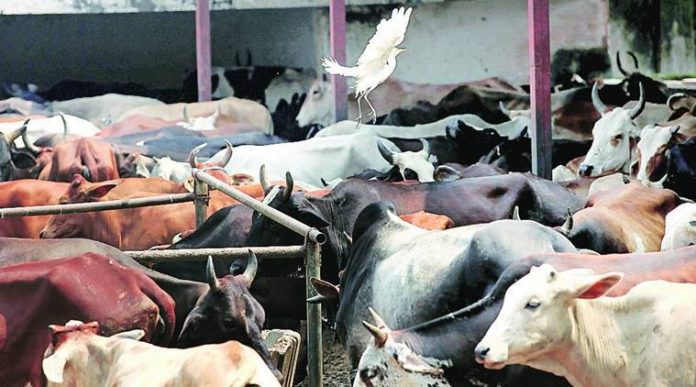
Download Now

Right to access the internet in the context of Right to Privacy and Right to Education

0
Image Source: https://rb.gy/gewkj2

This article is written by Bhavyika Jain, a learner at Symbiosis Law School, NOIDA. This article deals with how the right to access the internet is connected to the right to privacy as well as the right to education.

Introduction

Everything is going electronic in today’s hi-tech world, and it’s becoming easier to reach everyone. The internet is so important that the car industry is now producing vehicles that run on electricity and can be accessed directly from mobile phones via the internet. The internet is ushering in a future of artificial intelligence and self-driving cars.

The internet has become one of the most essential elements of our lives. With the help of the internet, millions of lives have been transformed and are still continuing to be transformed around the globe. People’s reliance on the internet has grown tremendously. Since the invention of the internet and the public’s access to it, fields such as communication, education, trade, and commerce have advanced significantly. 

Right to internet

Recently, the Parliamentary Standing Committee on Home Affairs considered that VPNs should be outlawed. It has requested that the Indian government block access to virtual private networks, claiming that such services allow criminals to stay anonymous online. This development comes just months after the government liberalised VPN usage by Other Service Providers (OSPs) in the wake of the coronavirus outbreak. VPNs allow people to work from home safely while assuaging employers’ anxieties of data loss and cyber dangers. We can protect our privacy, access geo-restricted information, avoid censored networks, and much more using a VPN. 

The Caravan, a leading investigative journalism publication, was denied access to their Twitter account. Following a request from the Ministry of Electronics and Information Technology (MeitY) under Section 69A of the Information Technology Act, 2000, Twitter in India withheld roughly 250 accounts, according to news agency ANI (IT Act). The social media network withheld accounts of people who were tweeting and retweeting in favor of the continuing farmers’ protest against the central government’s newly enacted farm rules. The Kisan Ekta Morcha, an organization at the forefront of these protests, provided one such testimony.

The right to internet access has become law in various nations. Some governments are expected to work toward ensuring broad access and are prohibited from imposing unreasonable restrictions on citizens’ internet access.

The resolutions were looked upon by the UN Human Rights Council and the General Assembly that unambiguously state that internet access is critical for obtaining information and has a close link to education and knowledge. The right to access the internet, according to the Court, has been read into the fundamental rights to life, liberty, and privacy under Article 21. The court went on to say that it is an important part of the architecture of free speech and expression.

Right to education

The abrupt closure of schools, universities, and other learning places around the world has had a far-reaching impact on teaching-learning methodology, signalling a shift away from traditional educational practices and toward remote learning. Remote learning’s requirements have likely worsened existing disparities, making the realisation of one’s right to education dependent on one’s socioeconomic status. Digital literacy, on the one hand, and having a digital gadget, continuous supply of electricity, and uninterrupted internet access on the other, are terrible assumptions to make in the continuing crises, especially in developing nations like India. According to a 2019 research, only 24% of Indians own a smartphone, while only 11% of households own any form of digital device, such as PCs, laptops, tablets, and so on.

It has been observed that crises that disrupt education disproportionately affect girls more rather than boys. The same has been observed in the present situation when the world is dealing with the Covid-19 pandemic. Reduced educational resources have a direct impact on females’ education; more often than not, parents prefer to educate their sons with limited resources, leaving girls to suffer the brunt of the consequences. In the year 2020, more female suicides have been witnessed as they could not bear the costs of remote learning and as a result found it better to end their lives.

The 86th Amendment Act of 2002 included Article 21-A of the Constitution, which places a positive obligation on the State to aggressively implement the right to education. According to Article 21-A, the state is required to provide free and compulsory education to all children aged six to fourteen. The Right of Children to Free and Compulsory Education Act (RTE) of 2009 is the legislative outcome of Article 21-A’s requirement. The Act, which went into effect in 2010, mandates full-time obligatory primary education of adequate quality that adheres to the Act’s core norms and criteria. 

By incorporating Article 21-A and enacting the RTE, India fulfilled a long-overdue obligation under Article 45 of the Constitution, which states that the state shall endeavour to provide free and compulsory education for all children until they reach the age of fourteen years within ten years of the Constitution’s inception.

The Supreme Court ruled in Avinash Mehrotra v. Union of India (2009) that the right to education includes the right to educate in a secure atmosphere. On education, the government cannot make concessions. Instead, it is required by law to identify ways to deliver education in a safe manner that protects children’s health. 

In Radha M v. State of Karnataka (2021), the Karnataka High Court has ordered the state government to allocate cash and design a plan to provide textbooks, notebooks, and technology required for education delivery if schools do not reopen. Due to a shortage of funding, a basic right cannot be suspended.

The Supreme Court of India held in State of Tamil Nadu & Ors vs K Shyam Sunder (2011) that a child’s right to education should not be limited to free and compulsory education, but should also include the right to receive a quality education without discrimination based on their economic, social, or cultural background.

As knowledge has been more available to students, Internet connection has become a basic requirement. The Hon’ble High Court declared in Faheema Shirin RK vs. State of Kerala (2019) and others that the Right to Access the Internet is a part of the Right to Education and the Right to Privacy under Articles 21A and 21 of the Indian Constitution, respectively. Internet access not only expands students’ possibilities to learn, but it also improves the quality of education.

The meaningful exercise of the right to freedom of speech and expression on the internet is intrinsically linked to the availability of infrastructure. Infrastructure, in turn, is influenced by social and economic issues such as resource allocation, government policies, and involvement in the nature of resource regulation.

The situation in Jammu and Kashmir is far worse. The constitutional right to elementary education was never given to Jammu & Kashmir since a mandatory change to a 1954 Presidential Order was never carried out. Instead, in the Valley, elementary education was overseen by a state law passed in 2002 that lacked obligatory duties and a structure akin to the RTE Act. The RTE Act’s regulations were only applied to Jammu & Kashmir once it became a Union Territory on October 31, 2019. As a result, all children in the Union Territory have been denied access to education.

Government’s role

Since April 2020, the Indian government has made a number of steps to spread awareness and enhance online education, particularly in rural India. PRAGYATA Guidelines on Digital Education, internet access under the BHARAT NET plan, and other initiatives have been developed.

PM eVIDYA is an example of a comprehensive initiative that brings together all initiatives linked to digital education in order to offer multi-mode access to education. Several other efforts, such as DIKSHA and SWAYAM, are also part of the initiative. The positive benefits of these measures, on the other hand, are yet to be seen and thoroughly assessed. Meanwhile, the Union Education Minister has indicated that the ministry is working to make online education rules as student-friendly as possible and to close the digital divide as much as possible.

Way ahead

We are very much aware that the epidemic has disrupted education, particularly for kids who are socially and economically disadvantaged. Given the potential for the pandemic to disrupt our daily lives for years, governmental action in the creation of technology infrastructure that is compatible with the needs of social justice in the education sector is critical.

The government cannot continue to dodge responsibility for this egregious infringement of the right to education. To consolidate socio-economic inequities affecting underprivileged pupils’ access to education, targeted initiatives are required. While the Indian government and the Ministry of Education have taken several steps to address the situation, it appears that the socio-economic realities that exist and affect India’s education sector are too deep to be addressed by such short-term strategic efforts, and are bound to leave a large number of students, particularly in rural areas, behind.

Given that e-learning has become the new normal, it is the government’s job to develop separate policies, involving state governments as equal partners in the process. The recent approach of courts to consider the right to have internet connection as a part of the right to education as a result of cases like Shyam Sunder has established a new obligation on the State to guarantee that the right to education is not eroded by India’s current and expanding digital divide.

Conclusion

Because we live in an era where the internet is an integral aspect of individual life, the internet plays a critical role in the development of an economy. However, there is a case that internet access should be recognised as a separate basic right, maybe as part of Article 21’s right to life.

As a result, we can observe that India’s right to access the internet is progressing rapidly. In these challenging times of the pandemic, when education and most of our day-to-day activities are heavily reliant on internet connectivity, it is more important than ever for the State to acknowledge this right as a social measure for the upliftment of the masses. The problem must be resolved once and for all. Overcoming the coronavirus problem cannot come at the expense of India’s public school children.

References


Students of Lawsikho courses regularly produce writing assignments and work on practical exercises as a part of their coursework and develop themselves in real-life practical skills.

LawSikho has created a telegram group for exchanging legal knowledge, referrals, and various opportunities. You can click on this link and join:

https://t.me/joinchat/J_0YrBa4IBSHdpuTfQO_sA

Follow us on Instagram and subscribe to our YouTube channel for more amazing legal content.

Download Now

Realities of Article 21 in prisons

0

This article has been written by Shohom Roy, from Symbiosis Law School, Noida. This article examines the extent to which the freedoms guaranteed under Article 21 of our Constitution are exercised by people in prisons.

Introduction

The Indian legal framework is governed by the principle that a sentence of imprisonment is justified only if it ensures the protection of society from crime. The prisons must act as centers of reformation that influence and guide individuals towards a law-abiding and self-reliant lifestyle during the years of imprisonment. The law mandates that since the incarceration of an individual deprives him of the right to liberty and self-determination, the prison system must not intensify the restrictions that are inherently present in the process of imprisonment. Article 21 of the Constitution guarantees the right to live with ‘dignity and honour’ and thereby safeguards every individual from inhuman, cruel or degrading treatment that offends the very idea of humanity. The extension of these fundamental rights to the prisoners along with the safeguards against cruelty in prison through the implementation of the Prisons Act, 1894 paints a rosy picture of the prison system of India. However, the actual living conditions of prisoners are inhumane. In spite of legislative action and judicial intervention by the Courts of India, the treatment of prisoners by state authorities is worse than many countries, lacking safeguards for civil liberties. Furthermore, a great majority of prisoners are subjected to harsh living conditions as compared to others.

Right to legal aid

Article 22 of the Constitution mandates that a person must be presented before a magistrate within 24 hours of his arrest or detention in custody. The magistrate might allow police custody for not more than 14 days which may be prolonged according to the directions of the judiciary. The detention of an arrested individual for an alleged crime whose punishment is under 10 years cannot exceed 60 days. These legal procedures are avoided by the state authorities under the Terrorist and Disruptive Activities Act, 1987, which was later replaced by the Prevention of Terrorist Activities, 2002. The law protects people from unreasonable detention through the legal mechanism of statutory bail. However, these safeguards are meaningless without a right to legal aid that allows immediate remedy in case of violation of fundamental rights through Article 32 and Article 226 of the Constitution. 

Judges like Justice Krishna Iyer and Justice P.N Bhagwati have championed the cause of human rights and extended various safeguards to protect the interest of individuals in prison. In the case of M.H Hoskot v State of Maharashtra (1978), Justice Krishna Iyer brought the right to legal aid within the ambit of Article 21. The Court established that a defendant shall have access to the legal defense which must be provided by the government if the defendant is unable to bear the costs of appointing a legal counsel. The courts can exercise their powers of ensuring complete justice under Article 142 in light of Article 21 and Article 39A, to appoint legal counsel with the consent of the accused individual. 

The Legal Services Authority Act, 1987 was enacted to provide free legal aid. However, the legislation suffers from various flaws and has been unable to provide every citizen with legal aid. In light of the movement for legal aid, the Committee for Implementing Legal Aid Schemes was constituted under the leadership of Justice P.N Bhagwati. The Committee drafted various model schemes that would act as guidelines for the states to formulate their respective legal aid and advice programs. However, most of these recommendations had never been implemented by the government authorities. The current system of panels of voluntary lawyers who represent individuals unable to appoint a lawyer themselves cannot cater to the needs of society. The voluntary nature of the work and the negligible amount of honorarium granted to the lawyers, dissuade them from participating in legal aid panels. For example, a report showed that only 165 junior lawyers among the 10,000 members of the Bar participated in the legal aid program in the Sessions Court of Bombay.

The abuse of power by government authorities has further crippled the movement for legal aid. Magistrates allow people appearing before the court with a legal representative to be remanded to police custody without examining the need for further investigation and questioning the accused by the police. Similarly, police officers try to violate the safeguards provided in Article 22 by not reporting an arrest immediately. In some cases, the accused individuals are detained beyond the legally permissible time limit. Without effective legal aid machinery in place, the right to life and personal liberty granted by Article 21 would be incomplete.

Right to liberty

The initial objective of imprisonment of individuals was to physically confine them to a certain specified place and restrict their interaction with society to deter the occurrence of crime. However, with a growth in global criminal jurisprudence, imprisonment may serve punitive, deterrence, reformative or rehabilitative purposes within society. Various human rights legislation and the intervention of the judiciary have facilitated a change in the imprisonment system and created obligations for the State to protect the people in prisons. Article 21 of the Indian Constitution guarantees the fundamental right to life and personal liberty which can only be abrogated according to the procedure established by law.  The expression ‘personal liberty’ must be interpreted in a broad sense. 

In Bolling v. Sharpe (1954), the Supreme Court of America opined that the freedom of liberty cannot be narrowly construed to be the mere freedom from bodily restraint but includes all freedom to pursue all kinds of legally permissible activities. In AK Gopalan v. State of Madras (1950), the Supreme Court of India held that the Right to Personal Liberty under Article 21 includes the right to be free from all restrictions and encroachments that are imposed on an individual through direct or indirect means. The right to expedited trial and the right to bail are corollaries of the right to personal liberty.

The usage of the terms ‘jail’ and ‘prison’ interchangeably indicates the Indian attitude to group ‘undertrials’ or those awaiting trials with the convicted criminals. These ‘undertrials’ constitute about two-thirds of the prison population in India. The plight of the huge number of men, women, and children awaiting trial in the court of law was first highlighted in the case of Hussainara Khatoon v State of Bihar (1979). Justice P.N Bhagwati expressed anguish at the shocking state of affairs regarding the administration of justice. People charged with trivial offences that would attract light sentences of not more than a year were incarcerated for periods ranging from three to ten years. These people languished within the prison walls while being deprived of their fundamental rights due to a highly ineffective bail system until they were freed years later. Similar decisions were taken by the Apex Court in the cases of Mathew Areeparmtil and Ors v. the State of Bihar and Ors (1984); Raj Deo Sharma v. the State of Bihar (1998); Shaheen Welfare Association v Union of India and Ors (1996). However, even now, more than 20,000 bail applications are pending before the Patna High Court. The vacant seats in the judiciary coupled with the overburdening number of cases result in the maladministration of justice. Furthermore, lower courts have been reluctant to grant bails due to the apprehension that a pluralistic approach may entail criticisms from the High Court. Thus, exercising the right to an expedited trial and the right to seek bail is still difficult within India’s current criminal law framework.

Inequalities and distinctions 

In most democratic countries, prisons are thought to be leveling institutions where the inmates are segregated depending on the nature of the crime committed, conditions of imprisonment, or their behaviour in the prisons. The Constitution of India strives to create a society of equals and guarantees equal treatment before the eyes of law under Article 14. Furthermore, any kind of discrimination has been prohibited by law, However, special privileges are given to the minority of prisoners who are economically and financially influential despite the nature of crimes committed as compared to the greater majority of prisoners from humble backgrounds. In certain cases, political prisoners are treated as privileged elites within the imprisonment system with access to many amenities that are not provided to the other inmates.

The prison systems in India are based on a colonial piece of legislation, i.e., the Prisons Act, 1894. Although several prison reform commissions have advocated the dire need to change the existing framework, except for a few states, no legislative action has been taken to give effect to these recommendations. 

The All India Committee for Jail Reforms, headed by Justice Anandh Mulla, observed that the majority of prisoners are from the underprivileged sections of society. Those belonging to the upper and middle class can afford legal counsels and thereby are usually more successful in getting bail as compared to those who lack the means to appoint a lawyer.

One of the evils of the colonial system of imprisonment that is still alive within the walls of the prisons in India is the classification system. Inmates are divided into categories of A, B, and C. Those belonging to categories A and B are the minority class, who, by social status, education, or habit of life, have been accustomed to a superior lifestyle whereas the majority class belongs to category C. Due to the degrading classification system within the prisons, those belonging to Class A and B receive the food of good nutritive value, access to newspapers and various other amenities which are not provided to the poor, uneducated or low caste people in Category C. This is a serious violation of the right to equality and the right to be protected from discrimination. In certain cases, the upper categories are exempted from performing menial tasks and restraints like handcuffs and irons whereas the inmates from the lower categories receive the food of low quality and are sometimes deprived of even the basic necessities of life guaranteed under Article 21. This classification system is supported by state authorities in charge of handling the prisons. These corrupt officials demand pay-offs for designating inmates to a category that would provide access to better amenities. Some prisoners appoint private counsel that ensures that their clients are accorded with privileges in the prison. Thus, in a country like India that criminalizes untouchability and other kinds of discrimination while uplifting the socially backward sections through reservation mechanisms, the resources and lineage of a prisoner play an essential role in his life within the prisons.

The concept of “convict-officers” is a product of the colonial imprisonment system and should be abolished for good. Under this system, the Superintendent of a prison appoints three grades of convicts, namely: “convict watchmen”, “convict overseers” and “convict-wardens”, based on the time spent in incarceration. These convict officers perform the functions of prison guards and enjoy many privileges as compared to the rest. The inmates are guaranteed the basic necessities of life under Article 21. However, these convict officers abuse the power given to them and withhold food supplements and even blankets during the winter. The inmates are called upon to serve these convict officers or perform sexual services for them. The fundamental rights guaranteed under Article 21 languish in the dark and those coming from the underprivileged sections of the society are left to live in inhumane conditions within the prisons.

Lack of protection from torture

Torture in prisons and lock-ups is regarded as a routine procedure to extract confessions and information about the alleged crimes. The torture inflicted by police officers is euphemistically referred to as “third degree”. The term is derived from freemasonry, where the third degree refers to the highest degree or a master mason. In Indian prisons, it refers to the highest degree of questioning the accused. Article 21 of the Indian Constitution mandates that a person’s right to life and personal liberty can be suspended only according to the procedure established by law. The protection of “life” should not be interpreted as protection from death only. In the case of Munn v Illinois (1876), the Supreme Court of the USA held that ‘life’ is more than mere animal existence. It includes all those provisions and faculties by which life is enjoyed. Therefore, the protection of life extends to the prohibition of mutilation of the body by amputation of an arm or leg, destroying any organ of the body or any faculty by which the soul interacts with the outer world. However, time and again, reports of deaths in police custody flash across newspapers and other media channels. In the case of Sunil Batra v Delhi Administration (1979), the Court held that corruption and bribery to the point of barbarity amongst the state empowered authority were rampant. Although post-mortem examinations are carried out, it is rare for forensic experts to certify that the death was caused due to inhumane treatment and torture in police custody and not due to natural causes. While in some countries, torture is used by state authorities to extract a confession or to obtain a guilty plea. Sometimes torture is used as a tool to obtain information from political prisoners regarding some real or imagined conspiracy. However, in India, extra-judicial confessions are inadmissible at trial. Every citizen is guaranteed protection against self-incrimination under Article 20(3) of this constitution. The law ensures that the abuse of power by police officers does not lead to a gross miscarriage of justice. While coercive methods may be used to obtain information regarding accomplices involved in the alleged crimes, it still does not justify the use of ‘third-degree’ questioning. State authorities who are supposed to be the guardians of civil liberties are those who violate the fundamental rights of the citizens. Custodial torture is a naked violation of human dignity and violates some of the fundamental human rights accorded to every individual within this country. The extra-judicial killings in the form of encounters or “disappearance” by the police are another source of grave injustice. Suspected individuals are denied the right to defend themselves and are killed without following the procedure mandated by law. The risk is higher for women in prisons since they face a particular danger of custodial rape.

Solitary confinement also referred to as “the hole” in jails, has been condemned globally as an archaic and barbaric form of torture that could cause severe damage to the inmate. In the recent case of State Of Uttarakhand v. Mehtab S/o Tahir Hassan (2018), the Uttarakhand High Court abolished the system of keeping death row convicts in isolation after their sentencing. The court further opined that the time spent in isolation should be restricted to a maximum of 2-3 days and should be done only after the person has exhausted every sort of legal relief available in the country. The law mandates that an arrested person or undertrial individual should not be subjected to handcuffing in the absence of justifying circumstances. The use of ball fetters and handcuffing is a humiliating punishment. It violates the right to freedom of movement under Article 19 and the right to live with dignity and honour under Article 21. The use of such restrictions should be reported only when there is no other way of ensuring that the prisoner while being transported from one place to another, could not break free. 

Lack of facilities for healthcare and welfare

The All India Jail Manual Committee, in the late 1950s, reported that overcrowding in Indian jails is a major problem. Cells and barracks that were meant for prisoners were used as storerooms, godowns, and workshops by prison authorities. The originally authorized accommodation of the prison was shrinking whereas the daily average population and the total admissions were significantly increasing. Today, Indian prisons are extremely overcrowded with the majority awaiting trial at a court of law. The lack of sanitation facilities, coupled with the absence of qualified personnel to deal with mental problems in prison hospitals, results in a dearth of healthcare and welfare facilities. An improvement in prison conditions would lead to human and sensible prison life. Physical and psychological torture from overcrowding, stinking toilets, lack of proper food and water supply, restrictions on movement, parading of women through the men’s ward for lack of proper separation, nonproduction of undertrials in courts, inadequate medical facilities is not only due to the malfeasance of the prison staff but due to the neglect of the statutory authorities in charge of prisons. There is a gross violation of human rights and the right to live with dignity and honour within these prisons. 

Since the first case was reported in Wuhan, China the spread of the coronavirus had been unimaginable. The COVID-19 pandemic is an unprecedented global medical crisis. Decongestion of jails in India to fight the spread of the virus and implement strict social distancing measures could not achieve their intended targets. According to the Nelson Mandela Rules, access to health and medical care is of utmost importance and cannot be denied on any grounds. The arbitrary pardoning of prisoners while leaving vulnerable and low-risk offenders in prisons violates the right to life under Article 21 of the Indian Constitution. The release of under-trial prisoners and the provisions for proper medical care should be provided to every individual irrespective of their social status, education, financial capabilities, nature of the crime committed. 

Right to work

The concept of rigorous labor during imprisonment was implemented for reformative purposes and not as a punishment. The intensity of labor depended upon the nature of crime and the duration of imprisonment. Prisoners are chosen for the jobs for which they are well suited by prison officials. The Supreme Court judgment in Dharambir & Anr v. State of Uttar Pradesh (1979) created a judicial precedent by directing prison authorities to engage a convict in agricultural labor since the person was well acquainted with the agricultural sector. The law recognizes the right of the state to employ prisoners sentenced to rigorous imprisonment to do hard labor even without their consent, But the activities should not be some meaningless work, and no form of punitive, repressive, or afflictive work should be given to the inmates. 

However, a major issue arises regarding improper remuneration. The state had contended that a person due to the commission of a crime is always in debt to society and bears an obligation to compensate society. Since it is a reformatory practice, it should be regarded as a process of inculcating earning habits and self-dependency. Moreover, it was contended that the income earned from his work should be adjusted against the expenses borne by the state while providing necessities to the prisoners. However, forcing an individual to work without remuneration is an instance of “forced labor”, which is in contravention with Article 23 and Article 21 of the Constitution. The law should not discriminate between prisoners and free men and therefore, the principle of payment of minimum wages has been extended to prisoners. The application of the Minimum Wages Act, 1948 to the prisons has resulted in a much-needed reform in the prison system. 

The Supreme Court, in the case of Mohammad Giasuddin v State of Andhra Pradesh (1977), has held that the provision for minimum wages should be applied retrospectively. The payment of minimum wages is done either through the direct transmission to the prisoner or through a common fund for this purpose. A portion of the remuneration is paid as compensation to the victims of the crimes for which the inmates have been convicted. However, the class system and the severe oppression from the prison authorities result in forced labor. The inmates are deprived of their wages and are subjected to hard labor, depending on their social status, education, or financial capabilities. As long as there is no effective legal framework within which the prison administrations are held accountable, the fundamental right guaranteed under Article 21 would be withheld from the prisoners.

Reforms

A high powered committee formed by the Supreme Court of India to decongest jails and prevent the spread of COVID-19 recommend the release of prisoners on interim bail for 90 days, under a “Personal Bond” for undertrial inmates facing civil charges and senior citizens who are in custody for three months or more and facing trial in cases for which the maximum punishment would be of 10 years or less. However, the delay in implementation of the bail orders by governments made the Apex Court recommend a “secure, credible and authentic” channel for transmission of the orders for execution to the prison authorities directly. The innovative scheme named FASTER (Fast and Secure Transmission of Electronic Records) would result in the delivery of orders from District Courts, High Courts, and the Supreme Court to the concerned prisons through a digital platform. The ambit of the rights guaranteed under Article 21 of the Indian Constitution, read with the Universal Declaration of Human Rights, includes the “right to conjugal visits” and the “right to procreate” to prisoners. In the case of Jasvir Singh & Anr. v. the State of Punjab and Ors (2020), the Court directed the jail authorities to allow the petitioners to stay together for the sake of procreation. Similarly in another case, the Court stressed the importance of family bonds and relationships with spouses for the reformation of a prison inmate, while establishing that conjugal rights of prisoners is a very important aspect of the right to life under Article 21. 

Conclusion

There is a dire need to introduce a complete reformation of the prison system in India. Awareness regarding the rights of the prisoners and increased accountability for the actions of the state empowered authorities could curb the abuse of power and exploitation of people. The fundamental rights granted to every individual are sacrosanct and should not be violated irrespective of the circumstances of the person unless according to the procedure established by law. Therefore, without a complete reformation of the prison systems and effective machinery responsible for safeguarding the rights of the individuals within the prison, the fundamental right to life and personal liberty under Article 21 shall forever be imprisoned.

References


Students of Lawsikho courses regularly produce writing assignments and work on practical exercises as a part of their coursework and develop themselves in real-life practical skills.

LawSikho has created a telegram group for exchanging legal knowledge, referrals, and various opportunities. You can click on this link and join:

https://t.me/joinchat/J_0YrBa4IBSHdpuTfQO_sA

Follow us on Instagram and subscribe to our YouTube channel for more amazing legal content.

Download Now

Driving under influence in Nevada: a comprehensive analysis

0
Image source - https://bit.ly/3CI9vLq

This article has been written by Dakshita Arora pursuing the Diploma in M&A, Institutional Finance and Investment Laws (PE and VC transactions) from LawSikho. This article has been edited by Smriti Katiyar (Associate, Lawsikho). 

Introduction

Impaired driving or driving under influence is a major public health concern in many around the globe. According to the recently published statistics, there were 112 million incidents of alcohol-impaired driving and 10,500 alcohol-impaired fatalities in the United States in a year, approximately. The federal government has been enacting provisions like increasing the legal drinking age to 21 years or increasing the penalties for those caught driving under the influence which has contributed substantially in reducing injuries and deaths caused by such accidents. 

In Nevada specifically, there were approximately 90 fatalities in a year attributed to DUI. The Nevada DUI statute provides that it is prohibited for any person with a concentration of alcohol of 0.10 or more in his breath or blood, to drive or to be found in actual physical control of a vehicle. It is pertinent to notice the distinction made here between “to drive” and “to be found in actual physical control. The author, through this article, analyses this distinction between the two and the question as to whether a person can be charged with laws with respect to Driving under Influence in Nevada without actually driving at all? 

Defining “Actual Physical Control”

In order to appreciate the intent of the legislature while adding both the phrases- ‘to drive’ and ‘to be actual physical control’, it is crucial to primarily comprehend their meaning. While the former is self-explanatory, the latter has been defined by the court as “existing or present bodily restraint, directing influence, domination, or regulation of the vehicle”. This means that even if the driver is not actually driving the vehicle, him being behind the wheels with a readily available opportunity to regulate the vehicle is being in actual physical control of the vehicle. 

The aforementioned case was of a person sleeping, slumped over his steering wheel in his car with the engine running. He was then tested for the concentration of alcohol in his blood and he failed the field sobriety test. He was subsequently convicted for DUI. The counsel representing him claimed in the appeal that since the car was not in motion, the appellant cannot be charged with DUI. The court, while rejecting the claim stated that the entire purpose of the legislature while inserting the phrase “actual physical control” was to discourage people who are intoxicated from placing themselves in a position where they might commence or recommence driving, notwithstanding the fact that the vehicle was actually being driven at the time or not. 

The assumption of being probably intoxicated

While adding to the premise of actual physical control, an assumption of being probably intoxicated has also been quite prominent in the courts of law of Nevada. Evidently, it stems out in similar cases of DUI as discussed above. In the case of Isom v State, a woman was found in a car with the engine running and headlights off. A police officer woke her up for questioning. She then tried to restart the vehicle to drive off saying that she wanted to go home. Eventually, a field sobriety test was conducted, she was found to be intoxicated and was hence, convicted of DUI. She claimed that she was not driving the vehicle when the officer had arrested her. While addressing the claim, the court observed that even though she was not driving at that point in time, it can be concluded considering the facts, that she was probably intoxicated when she had driven to the spot where she was found by the officer. It could also be concluded through factual proof that she was in actual physical control of the vehicle at some point that night. This assumption is quite significant to avoid situations wherein an intoxicated person is not driving at the time but might decide to do so. The absence of this presumption might hamper the very aim of the DUI laws. 

The role of Intent

The principles of DUI are quite stringent in order to prevent as much damage as possible. However, while doing so, the drivers shall not be punished unnecessarily or beyond the edge. In a recent case of 2020, the Supreme Court of Nevada had ruled that the drivers of Nevada will no longer face second-degree murder charges. The law states that those charged with second-degree murder would be sentenced to at least ten years in prison before being eligible for parole. The court was of the view that no person gets behind the wheels with an intent of causing an injury to another person. Considering this, the gravest charge that can be brought against a fatal DUI driver is felony DUI causing death i.e. maximum of 8 years of imprisonment.

Conclusion

The laws on DUI are quite important for the legal framework of any country, especially since in modern world of automobiles . These cases are most common to occur and have major consequences, sometimes even leading to the demise of a person. The DUI laws of Nevada are quite inclusive and have reduced the injuries caused due to impaired driving significantly in the past couple of decades. The judiciary has also not neglected the drivers and have considered their lack of intent as a reason to not to charge them with the gravest of punishments. Finally, to address the question, it can be concluded that a person can be charged with laws with respect to Driving under the influence in Nevada without actually driving at all!


Students of Lawsikho courses regularly produce writing assignments and work on practical exercises as a part of their coursework and develop themselves in real-life practical skills.

LawSikho has created a telegram group for exchanging legal knowledge, referrals, and various opportunities. You can click on this link and join:https://t.me/joinchat/J_0YrBa4IBSHdpuTfQO_sA

Follow us on Instagram and subscribe to our YouTube channel for more amazing legal content.

Download Now

Passing of resolutions through postal ballot facilities for absentee voters : Section 110 of the Companies Act, 2013

0
Indian Electoral System
Image source - https://bit.ly/2N5mVtf

This article is written by Akshita Gupta, from Symbiosis Law School, Noida. This article discusses the procedure of passing resolutions of the postal ballot in a company and e-voting.

Introduction

The Companies (Amendment) Act, 2000, introduced the postal ballot concept by inserting Section 192A into the Companies Act, 1956. Despite anything in the preceding provisions of this Act, a listed public company may, and in the case of resolutions relating to such business as the central government may, by notification, declare to be conducted only by postal ballot, shall, get any resolution passed by postal ballot, rather than transacting the business in general meeting.

The Companies Act, 2013 allows corporate transactions to be conducted via postal ballot, although there are certain differences in the regulations relating to the postal ballot as provided under the Companies Act, 1956. Furthermore, there are various provisions in the listing agreement that addresses this.

In this article, the regulations related to the postal ballot as mentioned in the Companies Act, 2013 and the rules issued thereto, and the listing agreement.

Meaning of postal ballot

The definition of the postal ballot has been mentioned under Section 2(65) of the Companies Act, 2013 as per which postal ballot means voting by post or through any electric mode. In layman’s terms, a postal ballot is a voting system in which people vote by post when they are unable to vote in person. It allows for the participation of as many voters as possible. It may be useful for those who are unable to attend the general meeting.

Relevance of postal ballot

The relevant provisions with respect to the postal ballot are mentioned under Section 110 of the Companies Act, 2013 read along with Rule 22 of Companies (Management and Administration) Rules, 2014. The company can transact any other business by postal ballot rather than transacting at a general meeting except for :

  • Regular business
  • Any business on which directors or auditors have a right to be heard at any meeting.

If the required majority of shareholders agree to a resolution by postal ballot, it is regarded to have been duly passed at a general meeting summoned for that purpose.

Mandatory items to pass a resolution by postal ballot

  • Any item of business that is required to be transacted by postal ballot may be transacted in the manner provided in Section 108 at a general meeting by a company that is required to provide the facility for members to vote by electronic means. [Section 110(1)].
  • If the company is publicly traded, it must first notify the stock exchange(s) (where shares are listed) about the postal ballot as soon as reasonably possible, but no later than twenty – four hours after the ballot closes, and update the information on the company’s website within two working days. [SEBI (LODR) Regulations, 2015, Regulations 30 and 46(3)]
  • A notification should be delivered to all shareholders, together with a draft resolution outlining the grounds for the vote and requesting that they vote in writing through a postal ballot. [Companies (Management and Administration) Rules, 2014, Rule 22(1)]
  • For simplifying communication of the shareholder’s consent or dissent to the resolution within the thirty-day term, the notice shall be transmitted either:

A. By registered post or speed post, 

B.  Using electronic means such as registered e-mail id, or 

C. Through courier service. [Companies (Management and Administration) Rules, 2014, Rule 22(2)].

The day, date, time, and location where the results of the postal ballot voting will be revealed, as well as the link to the website where such results will be presented, will be specified in the notice. [Secretarial Standard – 2 Clause 16.4.3]

The notice of the postal ballot shall inform members of the availability of an e-voting facility, if one is available, and offer relevant information to enable them to use it. [Secretarial Standard – 2 Clause 16.4.4]

In the case of a publicly-traded company, notify the stock exchange at least two working days in advance of the postal ballot. Regulation 29 of SEBI (LODR) Regulation, 2015].

A postal ballot shall not be used to conduct an ordinary business. [Secretarial Standard, Clause 16.1 – 2]

To obtain board approval for the following items, the Board shall:

  1. Identify the businesses to be transacted by postal ballot.
  2. Approve the Notice of postal ballot incorporating proposed resolution(s) and an explanatory statement thereto authorize the Company Secretary, or in the absence of a Company Secretary, and any director of the company, to conduct the postal ballot process, sign and send the Notice, along with other documents.
  3. Appoint one scrutinizer for the postal ballot.
  4. Appoint an agency for e-voting for the postal ballot. 
  5. Determine the cut-off date for calculating voting rights and determining which Members will receive the notice and postal ballot forms [Section 16.3 of Secretarial Standard-2].

Passing of resolution by postal ballot – procedure

  1. Shareholders should be notified, along with a draft resolution. [Companies (Management and Administration) Rules, 2014, Rules 22(1) and 22(2)]:

When a company is required or chooses to pass a resolution by way of postal ballot, it must send a notice to all shareholders, along with a draught resolution explaining the reasons for doing so and requesting that they send their assent or dissent in writing on a postal ballot, because postal ballot refers to voting by post or through electronic means within thirty days of the date of notice being sent. The notice shall be sent by

  1. Registered Post or Speed Post, or
  2. Electronic methods such as registered e-mail id, or
  3. By courier service, in order to facilitate the communication of the shareholder’s assent or dissent to the resolution within the thirty-day term,
  4. Publish a notice about the Ballot Papers that have been dispatched [Rule 22 (3) of the Companies (Management and Administration) Rules, 2014, and Clause 16.4.4 of the Secretarial Standard – 2].

At least once in a vernacular newspaper published in the principal vernacular language of the district in which the company’s registered office is located and having a wide circulation in that district, and at least once in an English newspaper published in that district, an advertisement about having dispatched the ballot papers and specifying a statement that the business will be conducted by postal ballot, which includes voting by electronic means; the date of completion of notice distribution; the date of voting (postal and e-voting); the date of voting (postal and e-voting); the date of voting (postal and e-voting); the date of voting (postal and e-voting); the date of voting (postal and e-voting); the date of voting (postal and e-voting stated that any postal ballot received from a member after the deadline will be invalid, and voting, whether by mail or electronically, will not be permitted beyond the deadline;

  1. A statement to the effect that the business is to be transacted by postal ballot which includes voting by electronic means.
  2. The date of completion of dispatch of notices.
  3. The date of commencement of voting (postal and e-voting).
  4. The date of the end of the voting (postal and e-voting).
  5. The statement that any postal ballot received from the member beyond the said date will not be valid and voting whether by post or by electronic means shall not be allowed beyond the said date.
  6. A statement to the effect that members, who have not received postal ballot forms may apply to the company and obtain a duplicate thereof.
  7. Contact details of the person responsible to address the grievances connected with the voting by postal ballot including voting by electronic means.
  8. Day, date, time, and venue of declaration of results and the link of the website where such results will be displayed.
  9. Post a notice of the postal ballot on the company’s website [Rule 22(4) of the Companies (Management and Administration) Rules, 2014 and Clause 16.4.2 of the Secretarial Standard – 2].

The notice of the postal ballot shall be posted on the company’s website as soon as it is sent to the members, and such notice shall stay on the company’s website until the last day for receipt of postal ballots from the members.

  1. Appointment of a Scrutinizer [Companies (Management and Administration) Rules, 2014, Rules 22(5) and 22(6)]:

The Board of Directors shall choose one scrutinizer who is not a company employee and who, in the Board’s opinion, can conduct the postal ballot voting procedure in a fair and transparent way. The scrutinizer must be willing and available to be appointed for the purpose of determining the required majority.

  1. Receive the scrutinizer’s report [Companies (Management and Administration) Rules, 2014, Rules 22(8), 22(9), and 22(12), and clause 16.6.1of Secretarial Standard–2]:

After receiving the shareholder’s assent or dissent in writing on a postal ballot, no one shall deface, destroy, or reveal the shareholder’s identity. The scrutinizer must submit his report as soon as feasible after the last date for receiving postal ballots, but no later than seven days after that date. If an assent or dissent is received after thirty days from the date of the notice, it is handled as if the member has not responded.

  1. The Scrutinizer must keep a register of assent or dissent [Rule 22(10) of the Companies (Management and Administration) Rules, 2014]:

The scrutinizer shall keep a register, either manually or electronically, to record the shareholder’s assent or dissent, including the shareholder’s name, address, folio number or client ID, number of shares held, the nominal value of such shares, whether the shares have differential voting rights if any, and details of defaced or mutilated postal ballots.

  1. Scrutinizer’s Safe Custody and Ballot Paper Handover to the Company [Rule 22(11) of the Companies (Management and Administration) Rules, 2014]:

The Scrutinizer shall keep the postal ballot and all other connected papers, including voting by electronic means, safe until the Chairman reviews, confirms, and signs the minutes, after which the Scrutinizer shall return the Ballot Documents and other related papers or register to the company.

  1. Ballot Paper and other related paper and registers perseverance [Rule 22(11) of the Companies (Management and Administration) Rules, 2014]:

Every company must save such Ballot Papers and other associated papers, as well as the register of assent or dissent, in a secure location.

  1. Declaration of result on the website[16.6.2 of the Secretarial Standard – 2 and Rule 22(13) of the Companies (Management and Administration) Rules, 2014] 

The results will be made public by posting them on the Company’s website, together with the Scrutinizer’s Report.

Meaning of  E-voting

The term “electronic voting system” refers to a secure system that includes the display of electronic ballots, the recording of members’ votes, and the number of votes cast in favor or against, so that all electronic voting is recorded and counted in a centralized server with adequate cyber security.

Relevance  of e-voting for postal ballot

According to Section 108 of the Act, when combined with Rule 20 of the Companies (Management and Administration) Rules, 2014, which provides for electronic voting, some companies must provide an e-voting facility in the case of voting at a general meeting. The section in question makes no mention of postal ballots.

Section 110 of the Act, read with Rule 20 of the Companies (Management and Administration) Rules, 2014, which contains provisions dealing with postal ballots, contains no clear stipulation regarding the mandatory requirement of voting by electronic means in the case of a postal ballot except as stated in Rule 20.

E-voting is required for all shareholder resolutions to be passed at general meetings or by postal vote, according to Clause 35B of the listing agreement as revised by SEBI. This means that in the case of publicly listed companies and e-voting facilities must be offered both in the case of physically summoning a general meeting and in the case of resolutions passed through the postal ballot method.

Judgment regarding e-voting and postal ballot

In the case of the scheme of amalgamation between Wadala Commodities Limited vs Godrej Industries Limited (2014), the Bombay High Court issued a decision on postal ballot and e-voting. The Court has stated that postal ballots and e-voting are simply additional options that cannot be used to eliminate the need for a general meeting. The issue, in this case, was whether, in light of the provisions of Section 110 of the Companies Act, 2013 and the SEBI circular dated May 21, 2013, a resolution for approval of a scheme of amalgamation could be passed by a majority of equity shareholders voting by postal ballot, including voting by electronic means, incomplete substitution for an actual meeting.

The Bombay High Court ruled in this matter that the shareholders’ ability to vote only on the basis of material supplied to them by post or email appears to them to be antithetical to the legislative meaning and spirit of the SEBI circular and modified listing agreement’s clauses 35B and 49.

Conclusion

The postal ballot provisions of the Companies Act of 2013 appear to be in line with the legislature’s other efforts to increase stakeholder engagement and activism. Certain products of business that require member approval must be sought only through a postal ballot, whereas certain pieces of business that require an opportunity to be heard by either a director or an auditor must be transacted only in a duly convened general meeting, according to the Act.

The listing agreement also requires that an e-voting facility be provided for all shareholder resolutions, whether passed by postal ballot or at a general meeting.

References


LawSikho has created a telegram group for exchanging legal knowledge, referrals and various opportunities. You can click on this link and join:

https://t.me/joinchat/J_0YrBa4IBSHdpuTfQO_sA

Follow us on Instagram and subscribe to our YouTube channel for more amazing legal content.

Download Now
logo
FREE & ONLINE 3-Day Bootcamp (LIVE only) on

How Can Experienced Professionals Become Independent Directors

calender
28th, 29th Mar, 2026, 2 - 5pm (IST) &
30th Mar, 2026, 7 - 10pm (IST).
Bootcamp starting in
Days
HRS
MIN
SEC
Abhyuday AgarwalCOO & CO-Founder, LawSikho

Register now

Abhyuday AgarwalCOO & CO-Founder, LawSikho