This article is written by Oishika Banerji of Amity Law School, Kolkata. This article provides a detailed discussion of the National Commission for SCs and STs in India.
Table of Contents
Introduction
Caste-based discrimination has been prevalent in India for ages. Putting relevance on the same with the aim to control, and thereby erase such prejudice, Dr B.R. Ambedkar, also being the Chairman of the Drafting Committee, along with other members of the Constituent Assembly, wanted to mandate protection to backward classes by means of the supreme law of India, the Constitution. These communities came to be known as Scheduled Castes and Scheduled Tribes by Clause 1 of Articles 341 and 342 of the Constitution respectively. Followed by this, Articles 338, and 338-A of the Constitution of India lays down the provision for the establishment of the National Commission for the Scheduled Castes and Scheduled Tribes respectively. Both the national commissions are constitutional bodies unlike the other national commissions like the National Commission for Women, the National Commission for Protection of Child Rights, and others which are statutory bodies. This article discusses the two national commissions set up with the aim of ensuring socio-economic development in democratic India.
Evolution of the commissions
As have been mentioned earlier, Articles 338, and 338-A mandates the establishment of the national commissions for SCs, and STs with the aim of improving their living conditions, availability of resources, safeguarding their interests, agricultural practices thereby accelerating socio-economic growth.
National Commission for SCs
The events which contributed towards the formation of the National Commission for the Scheduled Castes have been presented hereunder;
1978: By means of a resolution, the Government had set up a non-statutory, multi-member Commission for Scheduled Castes and Scheduled Tribes along with which the Office of Commissioner continued to exist as well.
1987: The previously established Commission in 1978 came to be known as the National Commission for SCs and STs.
1990: By the 65th Constitutional Amendment, a multi-member National Commission for SCs and STs replaced the Commissioner for SCs and STs.
2003: By the 89th Constitutional Amendment, the National Commission for SCs and STs got divided into two separate bodies, namely, National Commission for Scheduled Castes (under Article 338) and National Commission for Scheduled Tribes (under Article 338-A).
2004: The National Commission for SCs came into existence with a Chairperson, a Vice-Chairperson, and three other members.
There have been 6 National Commissions for SCs that have been constituted between 2004 to 2021 namely;
The first National Commission for Scheduled Castes (NCSC) was on 24th February 2004.
The second National Commission for Scheduled Castes (NCSC) on 25th May 2007.
The third National Commission for Scheduled Castes (NCSC) on 15th October 2010.
The fourth National Commission for Scheduled Castes (NCSC) on 22nd October 2013.
The fifth National Commission for Scheduled Castes (NCSC) on 1st June 2017.
The sixth National Commission for Scheduled Castes (NCSC) on 24th February 2021 with Shri Vijay Sampla as the Chairperson, Shri Arun Halder as the Vice-Chairman, Shri Subhash Ramnath Pardhi, and Dr. Anju Bala as the members.
It is to be noted that the President by warrant under his hand and seal appoints, and determines the tenure, service conditions of the Chairperson, Vice-Chairman, and the members of the Commission.
National Commission for STs
Formed by Article 338A of the Indian Constitution, the National Commission for Scheduled Tribes (NCST) was constituted on 19th February 2004. It is necessary to note that Scheduled Castes are different from the Scheduled Tribes in terms of their culture, tradition, and other background elements, because of which, special attention was called for resulting in the formation of a constitutional body that will specifically focus on the Scheduled Tribes community of India. Working in the same line as the National Commission for SCs, the NCST till the present date has been constituted three times which was the result of the 89th Amendment Act, 2003, namely;
The first commission was formed on 19th February 2004.
The second commission commenced on 14th June 2007.
The third commission was formed on 21st July 2010.
Dr. Rameshwar Oraon has been re-appointed as the Chairperson of the Commission for the 2nd time followed by this, Shri Ravi Thakur was designated to the Vice-Chairperson position. But the members who were appointed, due to their sudden demise, have left the two members’ seats vacant for the current commission. Just like the National Commission for the Scheduled Castes, it is the President who has been vested with the power to appoint and to determine the tenure, and conditions for service for the Chairperson, Vice-Chairperson, and members of the Commission.
Functions of the Commissions
Both the Commissions have the common aim of improving the socio-economic conditions of the backward communities recognized by the Constitution as Scheduled Castes, and Scheduled Tribes. But in order to achieve the same, certain functions allotted to these commissions have to be taken into account.
Functions of the National Commission for Scheduled Castes
The functions of the National Commission for Scheduled Castes are provided hereunder;
The National Commission for SCs has been vested with the responsibility of conducting investigation and looking after matters in association with the legal rights of the Scheduled Castes.
The NCSC advises and plans a process in which socio-economic development can be achieved at both Central, and state levels, thereby taking into account the deprivation aspects in relation to the Scheduled Castes community.
The NCSC inquires into complaints that are brought before it concerning the absence of application of the rights, safeguard measures that have been guaranteed by the Indian Constitution to this community.
As it is the President who decides the appointment, term, and other related things concerning the designated individuals of the Commission, it is the responsibility of the Commission to submit annual reports on work progress, and fulfillment of the duties vested to the President. This helps in growth and increases the efficiency of the Commission.
The Commission is vested with the responsibility of recommending measures that if implemented will help in assuring the application of the legal measures that have been provided to safeguard the welfare, social, and economic development of the Scheduled Castes.
Along with all the above functions, the Commission has to discharge all such functions which revolve around welfare development, safeguarding culture, traditions, and other related subject matters concerning the Schedule Castes.
Functions of the National Commission for Scheduled Tribes
The functions of the National Commission for Scheduled Tribes are laid down hereunder;
The National Commission for Scheduled Tribes carries out an evaluation of the progress in the planning process for social, and economic up-gradation of the Scheduled Tribe Community.
Just like the NCSC, the NCST also has been vested with the responsibility of inquiring into complaints brought before it that concern the impoverishment of the rights available for the Scheduled Tribes, and to investigate the working of the constitutional safeguards provided for this community.
The Commission must keep track of the status of the development of the Scheduled Tribes at both Union and provincial levels.
The Commission is obligated by the President’s orders and therefore, has to perform all such functions which the President specifies.
Along with these functions, there are certain measures that are to be adopted by the Commission in respect to ownership rights of the tribes in association with forest areas;
The Commission must ensure that certain measures need to be taken to protect the rights of the Scheduled Tribes with regard to natural resources.
For the tribal groups who have been displaced due to unavoidable circumstances, then it is the responsibility of the Commission to take steps to improve the standards of living for them thereby facilitating them with minimum necessities for living.
Prevention of alienation of the tribal groups, and those who have already been alienated is the sole responsibility of the Commission, and therefore, measures should be adopted to ensure the same.
The Commission should be in charge of protecting the forests by means of undertaking social afforestation and involving the tribal communities to take an active part in the same for better functioning of the social, and environmental policies undertaken. These policies should also work towards erasing shifting cultivation practiced by several tribal communities which is responsible for degrading both the land and the environment.
A check on the above-mentioned functions of the Commissions is carried out by the President of India after the Commissions submits their reports which must be accompanied by a memorandum whose purpose is to explain the actions adopted on the Commission’s recommendations. The report is further forwarded to the state government, and the governor by the President, after which the governor places the same before the state legislature.
Powers of the commissions
Both the Commissions being constitutional bodies have the power to regulate their own procedures. Followed by which these bodies have been vested with all the powers of a civil court. Taking a cue from the same, the powers of the NCSC, and NCST have been presented hereunder;
The NCSC is vested with the power to discover and produce documents that concern the development of the tribal communities;
The Commission has the power to receive evidence on affidavits as well;
With civil court powers being vested on the Commission, it has the authority to issue a summons for examination of documents, or witnesses;
Both the Central and the State governments can seek advice from the Commissions whenever necessary for the purpose of policy-making.
Along with the above-mentioned powers, there can be add-on powers that will be determined by the President of the nation.
Conclusion
As we come to the end of this article, it is noteworthy to mention that both the National Commissions put under the spotlight have been successful in achieving socio-economic development of the Scheduled Castes, and Scheduled Tribes communities to a reasonable extent. An initiative by the Government of India such as Tribal Sub Plan (TSP) strategy, online grievance portal, and several others have been brought up with such potentials which can help in eliminating the term “backward” that has been attached with these communities for decades. The National Commission for Scheduled Castes has taken note of the recent judgment of the Supreme Court of India which issued a direction in the case of Dr. Subhash Kashinath Mahajan against the Bombay High Court Judgment on misuse of Scheduled Castes and Scheduled Tribes (Prevention of Atrocities) Act, 1989 (Amended Act 2015), and the implementation of Scheduled Castes and Scheduled Tribes (Prevention of Atrocities) Act, 1989 (Amended Act 2015). This shows that these constitutional bodies are working in cooperation with different organs of the government to fulfill the purpose behind their establishment.
A contract is an agreement between two or more parties, wherein they abide by all the terms and conditions agreed upon; between them, orally or in writing. The terms and conditions are followed by the parties in the manner they are agreed and if any of the parties fail to comply with the conditions decided upon, then the defaulter party may be entitled to pay the compensations in the manner as may be described in the contract or decided by the parties prior to the contract. However, in the event the default is severe according to the nature of the contract, then the defaulting party may be ordered to pay the money as this mechanism allows the injured party to recover compensation for the loss suffered by them due to the breach of contract, from the party who causes the breach. These monetary payments are known as “Damages”. In the case of Common Cause v. Union of India, the Supreme Court has defined the word “Damages” as a form of compensation due to a breach, loss, or injury, payable to the party/ies who has suffered by such defaults. This article seeks to revisit the established principles of damages under the Contract law of India.
The calculation for the damages
To calculate the value for damages for the breach of contract, there are two conditions that need to be taken into account:
The remoteness of damage,
The measure of damages.
The remoteness of damage
The parties must determine whether the loss suffered by the party is the proximate action of the breach of contract by the party breaching the contract. The breaching party shall be liable only for the proximate action done by them. In order to explain this principle better, I would like to mention a notable case law.
Hadley v. Baxendale
Facts
Hadley, the Plaintiff, along with other millers and employees worked as proprietors for the City Steam-Mills situated at Gloucester based on partnership. During the processing of flours, sharps, and bran, a crankshaft of the steam engine had broken and Hadley contracted with Baxendale and Ors., (the Respondents) to get the repaired crankshaft by a particular date. But Baxendale failed to deliver the item to Hadley because of which Hadley lost the profit for the time being and the jury awarded him £25. The Respondent contended claiming that he did not know that Plaintiff would suffer a loss due to late delivery on his part.
Judgment
When the case went to the bench of Baron Sir Edward Hall Alderson, he concluded that Baxendale could only be held accountable for ordinarily foreseeable damages, or if Hadley had disclosed his unusual circumstances in advance. The court refused to allow Hadley to recover lost earnings. The fact that a party is sending something to be fixed does not mean that if it is not delivered on time, the party will lose money.
Justice Alderson stated that “where two parties have made a contract which one of them has broken, the damages which the other party ought to receive in respect of such breach of contract should be such as may fairly and reasonably be considered either arising naturally, i.e., according to the usual course of things, from such breach of contract itself, or such as may reasonably be supposed to have been in the contemplation of both parties, at the time they made the contract, as the probable result of the breach of it.” The principle put forth by him is considered to be the basis of the law to ascertain whether the damage is the proximate or the remote consequences of the breach of contract.
The measure of damages
When it is found that particular damage is the proximate result of the breach of contract the next principle comes into play. The “measure of damages” refers to the amount of compensation required to compensate for the damage caused.
Types of damages
Ordinary damages
When there is a breach of a contract, the suffering party probably is in a disadvantaged position and is likely to incur some type of damage. Ordinary damages are damages which fairly and reasonably be considered as arising naturally and directly in the usual course of things from the breach of contract itself.
Damages, that are the direct or the proximate consequences of the breach of contract, can be described as ordinary damages. For instance: Arun agrees to sell and deliver 20 boxes of apples to Bola for Rs 10,000 on a particular date, say it 04th October 1987. On the due date, i.e., 4th October 1987 the price of apples increased and Arun refused to fulfil his promise. Bola purchases 20 bags of potatoes for Rs. 11,000. Bola can receive Rs 1000 from Arun as ordinary damages which are directly arising from the breach of the contract.
Special damages
If the loss on the breach of a contract does not arise naturally i.e., according to the usual course of things but it arises due to some special circumstances, the persons making the breach of contract can be made liable of the same provided that those special circumstances were brought to his knowledge at the time of the making of the contract. If he did not know about the special circumstances in the particular case, he cannot be made liable for the same.
In Union of India v. Hari Mohan Ghosh, the plaintiff and respondent booked three packages of artificial silk ready-made garments to be delivered through the Railways but the consignment was not delivered at the destination. The plaintiff claimed not only the value of the goods lost but also for the loss of profit. It was held that the plaintiff was entitled to the loss of profit unless he had made known to the railways when the goods were booked that such loss was likely to result from the breach of it.
Exemplary damages
In the case of exemplary damages, there are two instances for awarding this kind of damages:
There should be a breach of promise to marry as it causes injury to the feelings of the sufferer;
There should be wrongful dishonour of cheques by a banker as it causes loss of reputation and credibility.
With regards to the first pointer, in a breach of promise to marry, damages resulting from injury to feelings and disappointment, and for that exemplary damages may be claimed.
In the case of Laxminarayan v. Sumitra, after the engagement between the couple, the parties had sexual intercourse as a result of which the girl became pregnant. When the husband became aware of the situation, he refused to marry her. It was held by the Hon’ble Madhya Pradesh High Court that she (the pregnant girl) was entitled to damages of chances of marriage becoming dim and the associated social stigma with her condition. It was further held that mere acquittal of the boy and others in criminal cases, would not disallow an action for damages under the law of torts.
With regards to the second pointer, a wrongful dishonour of cheques from a businessman will include exemplary damages as compensation even if he has not suffered any financial loss. However, unless the damages are proven as special damages, a non-trader is not always awarded special damages.
For instance, Arun is a farmer. He issues a cheque for procuring seeds for his next crop. He has sufficient funds in his account, but the bank incorrectly rejects the cheque. Arun files a suit claiming compensation for damages to his reputation. The Court awards a nominal amount as damages since Arun is not a trader.
Nominal damages
In the absence of any credible proof proving the extent of the plaintiff’s damages, the maxim of nominal damages must be applied. In the case of M/s. Vikas Electricity Services v. Karnataka Electricity Board, the Karnataka High Court stated that the plaintiff could not be denied damages merely because he failed to produce adequate evidence to determine the extent of the damage he suffered. According to the Court, “the law requires not damage, but an injuria to frame a judgment, and thus an injuria, even without damage or loss, would qualify the plaintiff to entitle a judgment.” In the instant case, the defendant called upon the plaintiff to execute some work but the plaintiff was not allowed to execute the work by the Executive Engineer. In response to the plaintiff’s claim for Rs. 50,500/- in damages, the Hon’ble High Court awarded Rs. 25,000/- because the plaintiff failed to produce sufficient evidence to establish his actual loss.
Quantum Meruit
Normally, if a person, having agreed to do some work or render some services, has done only a part of what he was required to do, he cannot claim anything for what he has done. When a person agrees to complete some work for a lump sum, failure to complete the work does not entitle him to any remuneration, even if only a portion of the work is completed. However, the law recognizes an important exception to this reliance in the form of a “Quantum Meruit” action. For example, if Arun and Bola enter into a contract and Arun, who has already performed a portion of the contract, is then prevented by Bola from fulfilling the remainder of his obligations under the contract, then in those circumstances, Arun can recover reasonable remuneration from Bola for what he has already done.
Conclusion
An individual is entitled to receive compensation in terms of monetary incentives only if he has suffered an actual loss due to the breach of contract by the other party. Liquidated damages are useful in situations where determining the number of damages is difficult since it is pre-determined by including a condition in the contract itself. Similarly, certain amounts may be earmarked as compensation for specific breaches, and damages shall be awarded in the event of a commensurate breach. Damages that do not fall under this category are referred to as “remote” or “indirect,” and cannot be claimed. The person who suffers consequences as a result of the breach shall take all reasonable steps to mitigate the claims. Damages have proven to be effective in enforcing contractual obligations, conceptually and practically. Another notable change is the judiciary’s stance, which is gradually becoming more permissive while awarding damages is the arbitral awards where courts are gradually adopting the approach of granting damages ranging in crores.
References
National Highways Authority of India v. Hindustan Construction Company, (2016) 155 DRJ 646 (DB)
Riya Chopra et al., Law of Damages in India, Nishith Desai Associates, (2019)
Students of Lawsikho courses regularly produce writing assignments and work on practical exercises as a part of their coursework and develop themselves in real-life practical skills.
LawSikho has created a telegram group for exchanging legal knowledge, referrals, and various opportunities. You can click on this link and join:
This article is written by Raslin Saluja, from KIIT School of Law, Bhubaneswar. This article throws light on the validity and enforceability of electronic contracts and electronic signatures.
Table of Contents
Introduction
Electronic contracts known as e-contracts are quickly replacing paper-based contracts as we move towards digital India. With time, there has been a shift in the way of carrying out business wherein virtual work is being preferred. Businesses are preferring e-contracts as they are cost-effective and offer massive benefits. Besides, the Covid-19 outbreak and nationwide restrictions in movement and physical interactions have made it rather difficult for people to come together physically and sign new contracts. The sense of urgency in certain matters and the need for the companies to move ahead with their businesses have made them resort to this means.
What is an e-contract
These are the digital or electronic versions of the regular paper-pen based contracts. The requirements for the e-contracts are the same as that of a written or oral contract under the Indian Contract Act, 1872. In addition to that, another significant requirement of the e-contracts includes being accepted by means of electronic signature/other electronic modes of acceptance.
Types
The most commonly used e-contracts include:
Shrinkwrap contracts: These are used for licensing agreements for software.
Clickwrap contracts: These are found in web-based software/services and comprise the terms and conditions that the user agrees to in order to access the website/software.
Browse wrap contracts: These are contracts that users agree to upon continuing to use a service/ browsing a web page.
Emails: They are legally binding contracts and be legally binding upon having a digital/electronic signature.
Validity
It derives its validity from Section 10 of the Indian Contract Act, 1872 and is governed by the basic principles of contract like offer and acceptance, free consent, capacity and lawful consideration. Similarly, in the case of clickwrap agreements, the terms and conditions are provided as an offer and upon confirmation by the user by clicking on “I Agree” gives the acceptance. Further, under Section 4 of the Information Technology Act, 2000 (IT Act), any legal requirement of physical records that requires information to be in the typewritten form/printed, is deemed to be satisfied if it is in electronic form and accessible from future reference.
In addition to that, Section 10(A) of the IT Act provides validity by recognizing the contract formation, acceptance, revocations in electronic form. After its execution, an e-contract is stored/recorded with the involved parties in electronic form as an electronic record. It shall not be unenforceable only on the ground that it is an electronic form. These provisions have been applied and upheld by the Chennai High Court in the case of Tamil Nadu Organic v. State Bank of India (2019). The outcome of the electronic auction was upheld and the Court said that liabilities may arise from such electronic contracts and means as long as general principles of the contract are being fulfilled and are enforceable under law as provided in the Contract Act. Therefore, e-contracts are largely legally valid and can be enforced in a court of law.
Electronic signature
These provide an electronic representation of an individual’s identity. Section 2(1)(ta) of the IT Act has defined an electronic signature as: “Authentication of any electronic record by a subscriber by means of the electronic technique specified in the second schedule and includes a digital signature.”
Need of e-signature
The primary purpose of a signature is to authenticate a contract and make it binding over the parties implying their consent to be a part of the contract. For cases where the contracts are entered online and documents are exchanged through email, the parties may not actually be able to sign it in a practical sense, which makes the identification and the authentication of the originator of an online document difficult. This limitation can be overcome by using ‘e-signatures’, which have been given legal recognition and are regulated through the IT Act.
Recognized forms of electronic signature for authentication of the e-contracts
Electronic signatures are governed under the IT Act. The Act essentially gives recognition to two types of e-signatures to verify and authenticate electronic documents and records.
Digital signatures that work through the application of symmetric cryptosystems and hash functions.
Electronic signatures or electronic authentication methods as specified in the Second Schedule of the IT Act.
Digital signature
A digital signature is an electronic form of a physical world handwritten signature. These are applied to electronic documents instead of paper documents. Similar to a written signature, it has a dual function of integrity and non-repudiation. They are unique for each individual and are possessed only by their holder and therefore they cannot be repudiated later. It also helps in preserving the integrity as any tampering with the document gets caught due to the encryption technology. It uses an asymmetric cryptosystem and hash function.
A message that needs to be signed is delineated and processed using a hash function creating an output known as a hash result. The hash result is smaller than the original message and is unique to it, which changes upon altering the original message. The hash result is then encrypted (transformed) through a private key of the sender. This encrypted hash result is the digital signature. This signature is then affixed and sent along with the message and can only be decrypted (reconverted into the original message) by the intended receiver who has the public key as provided by the sender.
Electronic signatures
Regulated under the second schedule of the IT Act, it includes electronic authentication techniques or procedures. These methods are as follows :
Biometric and One-Time-Password (OTP) based Aadhaar e-KYC (Know Your Customer) method-
An example of this is also known as Aadhaar e-Sign (eSign). Herein a person with their Aadhar ID linked to their mobile number can use an online e-signature for signing the digital documents online. It is done by integrating the online e-signature with an Application Service Provider (ASP) to provide the users with a mobile/ web application interface to apply e-signatures to digital documents by authenticating their identity through the e-KYC or OTP.
Other e-KYC services like Offline Aadhaar e-KYC, Organizational eKYC or Banking eKYC methods-
E-authentication technique and procedure for creating and accessing subscriber’s signature key facilitated by trusted third parties-
These methods are used for issuing digital signature certificates (DSC) after successful verification of the identity and the address of the applicant. It is signed by a trusted independent third party (certifying authority) licensed under the IT Act. A certifying authority (CA) is an entity licensed by the CCA to issue electronic/ digital signature certificates. The CCA is the authority appointed under the IT Act to license and regulate the CAs. The current list of CAs is available here.
Usually, a DSC is contained in a universal serial bus (USB) token with a personal PIN which can be used by plugging the USB into a computer and signing the digital document using that PIN. A DSC consists of three elements which are:
Names and extensions including nationality, email address, details of one’s workplace, holder’s picture, a layout of his fingerprints, passport number etc.
Public key information of the holder.
Certifying authority.
Validity and enforceability
Under Section 5 of the IT Act, electronic signatures are recognized and any requirement of signature will be considered and deemed satisfied if the document is authenticated by way of electronic signature in the manner prescribed under the Act. There is no difference between the enforceability of electronic/digital signatures and other accepted valid electronic signatures having the same status as handwritten signatures under Indian law. There is a presumption of validity for electronic records signed using a valid electronic signature (as recognized under the IT Act), which is treated as equivalent to a wet signature.
For an electronic signature to be valid, there are two criteria:
It has to be reliable.
It has to be recognized under the Second Schedule.
An electronic signature is considered reliable when they satisfy these conditions:
It has to be unique to the holder/signatory.
The signatory must have control over the data used to generate the signature, at the time of signing.
Any alteration to any document holding must be detectable.
There should be an audit trail of steps taken during the signing process.
The DCA must be issued by a CA recognized by the CCA.
However, the electronic contracts formed through click-wrap, non-CA issued certificates are not given any recognition under the IT Act. Though they may not be invalid by virtue of Section 10A of the Act, they do not hold presumption of validity and therefore may be disputed. In those cases, the signatory will have to prove the following:
the generated signature is unique and can only be linked only to the signatory;
only the signatory had access to and control over the document at the time of signing;
any alteration to the signature or the information made after the signature is affixed is detectable; and
it adheres to the essentials of a valid contract under the Indian Contract Act, 1872, such as offer, acceptance and intention to create a legal relationship, the capability of the parties, consideration etc.
Any other conduct of the parties with respect to the subject matter of the contract/electronic record may also be relevant in this context.
Admissibility
Electronic signatures also serve as proof of signature and presumption of electronic agreements under the Indian Evidence Act, 1872. It states that e-agreements have the same legal effect as that of a paper agreement and are included under the definition of evidence in Section 3. It recognizes electronic records as documentary evidence. As per Section 65B, it makes any information contained in an electronic document admissible in proceedings as evidence without further proof of the original, if it is accompanied by a certificate stating that:
The computer that generated the record is used regularly by a person who had lawful control over it at the time of producing the record.
The said computer received/stored the information of the electronic record during the ordinary course of activities.
The output computer was in a proper operating condition, or, in case it had operational difficulties, it did not affect the accuracy of the data entered, and
The information contained in the electronic record reproduces information fed into the computer in the ordinary course of activities.
Execution of an electronic record has been exhaustively dealt with in the case of Arjun Panditrao Khotkar v. Kailash Kushanrao Gorantyal and Others (2020) interpreting Sections 65 A and 65B. The originality of an electronic record can be proved by the owner if they are able to prove the above-mentioned points either by stepping into the witness box or by providing a printout of such electronic document in accordance with Section 65B along with certificate as under Section 65B(4) as provided in Anvar P.V v. P.K Basheer & Ors(2014).
Under Section 47A, the Court can refer to the opinion of the Certifying Authority which has issued the electronic Signature Certificate as a relevant fact to form an opinion. Furthermore, under Sections 85A & 85B, it gets the benefit of presumption unless otherwise proved. The Court presumes that:
That the electronic record has not been altered since the time it has received the status of being secured.
That the subscriber had the intention of signing/ approving the electronic record upon affixing the secured digital signature.
Thus, the recognized electronic signatures are deemed valid unless the contrary is proved.
Documents on which digital and electronic signatures are invalid
The Central Government has also provided on what classes of documents the electronic signatures cannot be used. These include:
Any class of documents as stated by the central government through a notification published in the Official Gazette.
Any contract for the sale of immovable property, interest or conveyance in such property.
Upon combined reading of the laws and the case laws, it can be concluded that there is sufficient recognition of the validity of the electronic contracts and signatures. Their usage too has been widely increased with time. Many fintech entities have been rigorously using this mode in order to avoid any fraud in documentation and execution. With the advent of technology, an extra layer of security can be added for the protection of e-signatures by using OTP, geolocation for verification or tracking of the details of the electronic device.
Instead of getting trapped in the complex procedure of the courts of law for the resolution of disputes, the alternative dispute resolution mechanism is being preferred by businesses and companies with commercial interests to seek resolution to the said disputes in a quick and effective manner. Arbitration is considered to be the most effective and preferred amongst all the alternative dispute resolution mechanisms because of the advantages it offers to the parties such as confidentiality, flexibility, autonomy, time and cost efficiency and enforceability. Therefore, the inculcation of arbitration clauses in contracts and agreements has now become not just a trending phenomenon but also a necessity for effective dispute resolution.
However, adding an arbitration clause as a boilerplate clause without any scope for modification and resorting to it as required by the parties to make it enforceable can be responsible for rendering its purpose futile and might lead to litigation as a last resort to reach a conclusion. So, the process of tailoring an effective arbitration clause requires detailed and proper analysis, careful approach, and diligence in all forms of contracts in general and in Engineering, Procurement and Construction (EPC) contracts in particular as the disputes in the execution of construction contracts have the potential to cause huge losses if not resolved quickly and effectively. The reason for this is that EPC contracts are by nature highly technical and complex as they involve a multitude of parties (sometimes national and often international), which can drive complex questions related to the matters such as seat, governing laws, jurisdiction, consolidation, and expertise. Through this article, the author tries to explore the role of arbitration in solving disputes arising in EPC contracts.
ADR in the infrastructure sector
The infrastructure and construction sector is characterized by nexus-like contracts and construction agreements. Doesn’t matter if the contract is merely an engineering, procurement and construction contract or a concession agreement that holds validity for an extended period, the contractors have to deal with endless logistical issues which include but are not limited to questions related to design, finance, raw materials, defect liability, construction, etc. With the increasing complexity of the infrastructure contracts, a manifold increase has been observed in the complications of the disputes also. The courts of law might not, therefore, turn out to be the most effective platform providing for the resolution of such complex disputes. There has been an increase in Alternative Dispute Resolution, taking over to become the way to resolve disagreements and disputes in cases of complex contracts in general and in the case of infrastructure contracts in particular.
ADR, as suggested by the name itself, offers alternative instruments to resolve the disputes between parties without accommodating legal proceedings as a resort. The methods provided by the Alternative Dispute Resolution mechanism are much faster and effective. The underlying principle of the mechanism is the doctrine of party autonomy which is closely related to the principle of minimal judicial interference. As these doctrines drive the Alternative Dispute Resolution mechanism being the core principles of it, ADR works outside the rigid and strict confines of the Courts of law. The principles of party autonomy and minimal judicial intervention make the process of resolving disputes more flexible and effective. These principles not only bring in flexibility but also ensure efficiency and cost-effectiveness in the process and leverage the benefit of preventing pressure from the already overworked judiciary.
All these benefits make Alternative Disputes Resolution an extremely popular and widely adopted mechanism for resolving conflicts between the parties in the infrastructure and construction industry. The most prevalent mechanism or tools used are Mediation, Conciliation and Arbitration. Not only this, but hybrid ADR is also equally important and popular that offers a blend of the above mentioned three. In India, the arbitration process is governed by the Arbitration and Conciliation Act, 1996 that is based on the UNCITRAL Model Law on International Commercial Arbitration. The most crucial mandates of this Model are flexibility and Party Autonomy. Accordingly, under a valid arbitration agreement only, an arbitration process can be referred to the parties.
Further, the aspect of party autonomy is especially helpful in infrastructure arbitration as the parties are allowed to choose arbitrators, decide their qualifications. Therefore, it is not uncommon to frequently have Engineers as members of the Arbitral Tribunal and this gives a better understanding of the disputes as Infrastructure Arbitrations often involve disputes complicated and technical questions related to facts and financial claims.
What are EPC contracts?
An Engineering Procurement and Construction (EPC) contract is a comprehensive contract framework including all related aspects, which is prominently used in the construction industry, and involves detailed engineering designs to procuring equipment and materials to deliver a duly constructed unit within an agreed date of completion, in consideration for a lump-sum price decided in the contract.
An EPC contract usually has a larger scope as it carries out detailed performance obligations of a comparatively larger number of parties than other usual commercial contracts like that of employer-employee, project management and consultant, supplier, contractor and subcontractor, and that makes EPC contracts more complex. All these characteristics enhance the scope of disputes limited to not only the design, quality and timeline of the EPC contract but also, involving the rights and obligations of the parties and allocating risks; offering arbitration as the timely and effective mechanism for the resolution of disputes. Thus, an EPC contract, drafted well, must adhere to minimizing the contractual obligations of the parties involved with the main contractor and further limit cross-claims of other contractors.
Significance of arbitration in EPC contracts
Arbitration, on both domestic and international levels, is considered as the most preferred instrument of resolution of the dispute in EPC contracts, because of a huge number of disputes involved and the complexities underlying, which are distinct from other varieties of commercial disputes as EPC contracts are wide in scale, often involve too many parties with separate contractual arrangements and the disputes covering a huge amount of money, usually in millions or billions.
Moving further, construction projects usually operate for a long span of time, usually for years, and there exists the need of producing and generating crucial documents on a daily basis, involving original planning to engineering, fabrication and commissioning related issues. As a consequence of this, there arises a need for the investigation and assessment of complex conflicts along with expert testimony; and a huge amount of data is required to be tested and analyzed regularly. Arbitration is thus the best possible way of negotiations in construction disputes as it provides increased flexibility and autonomy to the parties to prepare and present their cases more effectively.
When drafting an arbitration clause, choosing the arbitration venue that will settle a dispute between the parties is of critical importance. International arbitration is designed in a way to create a neutral forum so that neither party has to litigate in the courts of the other party’s home country or expose itself to an unfamiliar legal system and face adverse consequences as a part of it. The applicable procedural law, sometimes referred to as lex arbitri, will depend on the seat of arbitration. The place of arbitration has far-reaching implications at every stage of the process and therefore in cases when arbitration is the preferred method of dispute resolution, the arbitration clause must stipulate a well-considered arbitration-friendly venue.
Significance of choosing arbitration to resolve disputes in EPC contracts
Choosing arbitration is of great significance when it comes to dispute resolution and the significance can be:
The whole process of arbitration is to be completed within a fixed timeline.
Construction projects involve a huge amount of data and a large degree of privacy is required by the parties, which is ensured in cases referred to arbitration.
In arbitration, parties are allowed to select seasoned arbitrators or judges with significant experience in disputes related to construction projects.
Arbitration permits settlement of disputes at any stage of arbitration and the judgment can be passed in the form of a tribunal award and enforced like a court decree.
Myriad forms of appeal exist in litigation, which prolongs adjudication and increases the time taken to conclusively resolve disputes. In contradiction to that, arbitration offers definitive awards and arbitration awards are enforceable as civil court decrees.
As transnational parties may be involved in EPC contracts or there might be cases in which the seat of arbitration may be international, it would be beneficial to select arbitration as the preferred mode of dispute resolution for the sheer reason that arbitral awards passed in arbitration are considered to be enforceable on a near-worldwide basis, as contrary to the limited recognition of in-court judgments.
The entire process of arbitration involves the minimal scope of judicial intervention, including non-interference with the execution of merit-based arbitral awards.
Conclusion
For the success of any mechanism of Alternative Dispute Resolution, minimalized intervention by the courts is to be ensured. Accordingly, in India, the arbitration jurisprudence ingrains the principle of minimal judicial interference. This has been recognized and recommended by the Courts in several recent judgments, in some instances, the Court has refused to interfere when there was no ground for the same. This approach has not only made the dispute resolution process faster and effective but has also benefited the infrastructure and construction industry in several other ways.
Students of Lawsikho courses regularly produce writing assignments and work on practical exercises as a part of their coursework and develop themselves in real-life practical skills.
LawSikho has created a telegram group for exchanging legal knowledge, referrals, and various opportunities. You can click on this link and join:
This article is written by Dipshi Swara, Senior Associate and Legal Editor, LawSikho.
Table of Contents
Introduction
The industries, pharmaceuticals and other manufacturing units while carrying out their process of manufacturing not only utilise their raw materials from the environment but also the output of the whole process releases emissions that cause severe environmental pollution. The environmental pollution or harm caused by these emissions can be termed as an ‘externality’. This externality can only be internalised with the help of legal instruments. If there were no laws or regulations, the industries would only focus on carrying out their manufacturing process and achieve outputs. They wouldn’t care about its effect on the environment. Only with the legal instruments in place, do these industries set up treatment plants, carry proper disposals and remain responsible.
Legal instruments help in regulating standards related to abating environmental pollution. But these instruments are designed keeping in mind that the standards include economic premises and are cost-effective to be followed. This article would critically analyse the legal instruments that are designed to curb environmental pollution in India and address their shortcomings.
The Indian Penal Code, 1860
Chapter XIV of the Code talks of ‘offences affecting the public health, safety, convenience, decency and morals’. There are certain sections in the IPC that are applicable to the cases of environmental pollution. Some of them are described as follows:
The very first section of this chapter mentions ‘public nuisance’ as any act or omission which causes an injury, danger, annoyance to the public or to anyone who dwells or occupies property in the surrounding area.
Section 269 and 270 of the code talk about any act which a person knows or has reason to believe that could spread infection or disease would be punishable under the two sections. Section 269 describes the punishment for a negligent act whereas section 270 describes the punishment for a malignant or a malicious act.
Section 272 makes adulteration of food or drink punishable
Section 277 and 278 make corrupting water of public use and poisoning the atmosphere punishable respectively. This is because adulteration of food, contamination, or fouling of air and water affect public health, people’s day to day business, and neighbourhood.
Section 284, 285, and 286 are of much relevance in the context of our discussion. They mention that whoever dealing in any poisonous substance (Section 284), fire or combustible matter (Section 285) and explosive substance (Section 286) negligently does or omits to do anything that causes the release of these substances and harms or endangers human life shall be convicted under these sections.
Environmental cases are often described as public nuisances. The doctrine of negligence is applied to environmental cases since it is perceived that even a negligent act that causes harm and danger to human life, animals, atmosphere, etc. must be brought to action and the doer must pay for his failure or omission of his duties. Therefore, the above sections hold relevance in the court of law while deciding cases of environmental pollution.
The Constitution of India
The subject areas related to the environment are distributed amongst all the three lists of our Constitution, i.e. Union List, State List and Concurrent List. Environment Protection is not guaranteed as a fundamental or enforceable right in our Constitution. The mentioning of environment and environmental protection has been done in the Directive Principles of State Policy that too only in 1976 by the Forty Second Amendment Act with the insertion of Article 48A and Article 51A. While Article 48A puts an obligation on the state to protect and improve the environment, on the other hand, Article 51A mentions protecting the natural environment as a Fundamental Duty. However, by later judicial precedents, what we refer to as judicial activism, the environment has indeed been interpreted and recognized as a right under Article 21.
Environmental Legislations in India
One of the oldest environmental legislation in India is the Indian Forests Act, 1927 that was obviously enacted before independence. Other than this, there are several other legislations that were enacted in the initial years after India’s independence, like:
The Factories Act, 1948,
The Prevention of Food Adulteration Act, 1954,
The River Boards Act, 1956,
The Mines and Minerals (Regulation and Development) Act, 1957,
The Ancient Monuments and Archaeological Sites and Remains Act, 1958,
The Atomic Energy Act, 1962,
The Insecticides Act, 1968.
These legislations however cannot be said to be carrying the environmentally friendly international principles as they were enacted before the world began talking about environmental concerns seriously and thereby emerged the economically and environmentally efficient principles. Secondly, for a newly independent state that wanted to develop and provide a good standard of living to its people, the focus on economic policy was more on economic growth, economic development, employment generation, and equity. Environmental considerations were at the bottom of the list. For instance, the Factories Act, 1948 provided for treatment of waste during the manufacturing process but it was more focused on employment and industrialization.
It was only after the world met at the international platform of Stockholm Conference that the Indian legislation became more environmentally friendly and adopted international standards of economic analysis in order to formulate environmental guidelines. Even the Judiciary became active with interpreting laws in favour of environmental protection and that is why it is said that most of the environmental principles in India have been developed through court decisions. Even the earlier talk about Constitutional amendment with respect to protection and improvement of the environment came after the Stockholm conference, i.e. in 1976. In the present scenario, India has a few environmentally friendly legislations which have been designed to protect, improve the environment and convict the offenders.
The Wildlife Protection Act, 1972
Keeping the mandate of the Directive Principle of State Policy, the incumbent Act seeks to protect the wildlife which includes wild animals, birds and plants. The Act empowers the Central and State Governments to declare specified areas like national parks or sanctuaries, it prohibits and penalises hunting (with certain exceptions), protects endangered species, promotes habitat protection by more cultivation and recognition of protected and closed animal zones. A shortcoming of the Act is that it provides for mild penalties and punishments.
The Water (Prevention and Control of Pollution) Act, 1974
The Water (Prevention and Control of Pollution) Act, 1974 (hereinafter referred to as the Water Act) aims to prevent and control water pollution, thereby maintaining the quality of water resources and restoring/ improving aquatic life.
The Act prohibits the discharge of sewage, waste, and effluents into water bodies on which public life is dependent like lakes, reservoirs, etc.
The Act creates Central Pollution Control Board and State Pollution Control Board to implement the provisions, regulate and intervene in any activity violating the provisions, carry out cleanliness programmes of water bodies like streams, wells, lakes and release notifications under the Act to protect water resources and abate water pollution.
The Act provides penalty and imprisonment from not less than one year and six months to six years.
The definition of ‘pollution’ provided by the Act is noteworthy. It defines pollution as any contamination of water or alteration of its properties by the discharge of any harmful or poisonous substance including sewage or effluent that creates a nuisance or injury or harm to public health, aquatic life and prohibits legitimate use and consumption of water. The definition assures that the pollution caused by the industrial and trade activities fall well within the ambit of water pollution so that they adopt cleaner technologies and carry out efficient treatment of trade effluents before discharge, failing which the Act presupposes the fault and imposes strict liability for environmental pollution.
The Boards constituted under this Act have been granted certain powers and functions which are extremely important for the successful implementation of this law. They are supposed to lay down, add or omit regular standards for reducing and remedying water pollution. In order to keep up with the economic standards, proper valuation is required. To achieve that, the boards have the duty to collect, compile and publish technical and statistical data relating to water pollution. Based on these data, they devise preventive measures and regulatory standards relating to the treatment and disposal of sewage and trade effluents.
These provisions reflect the importance of research and analysis in pollution laws. Their function is to evolve economical and reliable methods of treatment of waste disposal. For this reason, the boards are allowed under the Act to periodically release notifications for upgrading the standards, eradicating obsolete standards and adopting new techniques.
However, the Act is not a perfect piece of legislation and suffers from a few flaws. The same is being highlighted hereunder. These flaws interfere with the economic efficiency of the legal instruments in the following ways:
Groundwater is the main source of drinking water in India and the Water Pollution Act to our surprise does not talk about groundwater contamination.
Municipalities in every city have the primary responsibility for treating residential wastes. While the Act mentions provisions related to it, ironically leaves the Municipalities free from direct liability. We have seen how imposing liability remains an important economic factor to reduce pollution. It gives a sense of control and assures the fulfilment of obligations. But since municipalities remain free from direct liability, it gives a setback to the efficiency of the provision related to residential waste.
Along with liability, stringent safety standards must be prescribed failing which makes the doer a defaulter automatically. But the Act provides real flexibility to government services. If the head of a polluting unit proves that the offence was committed without his knowledge or irrespective of his due diligence, he would not be punished.
The victims have a locus standi but the Act fails to recognise this. Charges on manufacturing units can be brought by the Boards and not the victims.
Penalties should be determined from case to case basis depending upon the scale of harm done, the number of people affected, and the extent to which environmental damage has been done. These take economic principles in view while determining the same. But the penalties here are pre-determined which can provide the manufacturing units with a lot of room to be careless with the prescribed standards.
Lastly, the Boards have some major functions to be performed under the Act. Therefore, they should be funded well not just for implementation of the provisions of the Act but also for research and development.
Forest (Conservation) Act, 1980
The Act was enacted to protect the forest and biodiversity of the country by preventing deforestation. The Act emphasizes afforestation and conservation. The Act allows for diversion of forest areas for non-forest use in development needs such as laying down roads or railways, the building of dams for water and electricity, defence or mining projects.And rehabilitation is a must in all these cases. This is a perfect example of enacting a law with a sustainable development approach. Protecting forests go hand in hand with the utilisation of forests for development projects but only with the nod of the government agencies.
The Air (Prevention and Control of Pollution) Act, 1981
The Air (Prevention and Control of Pollution) Act, 1981 (hereinafter referred to as the Air Act) recognised the principles enunciated in the Stockholm conference and contained provisions related to the preservation of quality of air and control of air pollution. It defines ‘air pollution’ as the presence of any hazardous substance in any form that can be harmful or injurious to human health, living creatures, and the environment. Similar to the Water Pollution Act, this Act too provides for the constitution of Central and State Boards and gives them certain powers and functions. The Central Board has to lay down standards for the quality of air. The State Board has the power to prohibit operation, to close down or regulate the industry in case of any violation of rules.
The other powers and functions of the Boards are not being discussed again since they are very similar to that of the Water Act, 1980, based on similar principles. The Act provides penalty and imprisonment from not less than one year and six months to six years. The Act continues to suffer from more or less the same flaws as in the Water Act such as predetermined meagre penalties, officials exempted from liability if due diligence proved, victims unable to sue the polluting industries. These shortcomings do interfere with the remedying of air pollution.
The Environment Protection Act, 1986
Another Act that reflects the principles enunciated in the Stockholm conference is the Environmental Protection Act 1986. It is also to be pointed out that the Act came into existence in the wake of the disaster created by the Bhopal Tragedy case. The Act covers environmental quality, increasing pollution, loss of vegetative cover, declining biological diversity, contamination of air and water with poisonous substances and chemicals, instances of environmental hazards, and accidents that affect public health. Since the Act focuses on the protection of the overall environment and not just air and water, it is, therefore, more of a wholesome piece of legislation and currently the most important Environmental legislation of our country.
The Act defines ‘environment’. It includes “water, air and land and the interrelationship which exists among and between water, air and land, and human beings, along with other living creatures, plants, micro-organism and property.” The definition of pollution appears to be comprehensive except that it should have been more exhaustive in its approach and should have also included pollution caused due to heat, sound, heat energy, atomic or nuclear energy, radiations, deforestation and development which is not in coherence with the principle of environmental protection and sustainable development.
The Act provides the Central Government with substantial powers and functions including laying down of standards for determining environmental quality, prescribing maximum allowable limits of pollutants discharge, providing procedures and safeguards for preventing any environmental accidents, and in case of an environmental accident, provides remedial measures. In exercise of the powers given under this Act, the Government releases several Rules to be followed for abating all types of environmental pollution. A few of the Rules enacted under the powers of this Act are:
The Environment Protection Rules, 1986,
Hazardous Wastes (Management and Handling) Rules,1989,
Manufacture, Storage, and Import of Hazardous Chemicals, Rules, 1989,
Chemical Accident (Emergency Planning, Preparedness, and Response) Rules, 1996,
Bio-medical Waste (Management and Handling) Rules, 1998,
The Recycled Plastics Manufacture and Usage (Amendment) Rules, 1999, The Municipal Solid Wastes (Management and Handling) Rules, 2000,
The Hazardous Wastes (Management and Handling) Amendment Rules (2003,2008),
The Ozone Depleting Substances (Regulation and Control) Rules, 2000,
The Batteries (Management and Handling) Rules, 2001,
The Noise Pollution (Regulation and Control) (Amendment) Rules, 2002,
The Recycled Plastics Manufacture and Usage (Amendment) Rules, 2003,
Bio-Medical Waste (Management and Handling) (Amendment) Rules, 2003,
Forest (Conservation) Rules, 2003,
Biological Diversity Rules, 2003.
These Rules prescribe certain requirements that have to be followed up by the manufacturers and the industries, failing which they will be charged with degrading the environment and causing pollution. For instance, in accordance with the Environment Protection Rules, 1986, the firms have to submit environmental statements and audits that they are operating as per the provisions of the Water Act, Air Act, and authorization under Hazardous Wastes (Management and Handling) Rules. This requirement has been a mandatory one since 1992. The Rules help in making the provisions of the Environmental legislations more stringent and practicable to follow. They, therefore, strengthen the efficiency of the environmental legislation of India.
The Public Liability Insurance Act, 1991
Liability is an important factor that goes on to make environmental standards stringent and stable. Liability aids in internalizing pollution as an externality. The Lawmakers understood the importance of the same mostly after the Bhopal Tragedy case. A case that remained controversial since the very beginning and could not be brought to justice in its entirety due to its vast scale of destruction and the non-availability of efficient environmental standards. Public Liability Insurance Act recognises that some environmental damages can be of humongous nature and there should be economically analysed provisions that can deal with those situations effectively and can help to restore the environment and the victims to their earlier position. The relevant features of the Act are discussed briefly:
First and foremost, the Act covers every industry, public or private, which handles hazardous substances without any exception. The exhaustive nature of this Act is an inclusive step towards remedying environmental pollution.
The Act also specifies that any outbreak of a hazardous substance that can be predicted or even if it is sudden irrespective of the intention would be referred to as an accident. Another clarity it provides with respect to the term handling is that it would include manufacturing, processing, treatment, package, storage, transportation, use, collections, destruction, conversion, etc. and so the wrong-doers cannot defend themselves on any of these technical grounds.
The Act provides for ‘mandatory insurance.’ The insurance against the liability is important as it guarantees that in case of an accident, the victims are provided with immediate relief. The owner must take these insurance policies before he engages in the business of handling hazardous substances.
One of the most important principles incorporated by the Act is the ‘no-fault’ liability standard. The no-fault liability as appears from the name makes the defendant liable for accidental injuries caused even if it is without any intention or negligence on his part.
Principles like no-fault liability determine absolute duty on the owner or in charge of the industrial unit to take ownership of mistakes in case of death, injury, or harm caused to a person or property. The burden of paying compensation lies on him. However, the same should not exceed the paying capacity of the owner.
The Act has mentioned some strict penalties which for the defaulting party should not be less than Rs. 1 lakh fine and up to 7-year imprisonment.
The Act provides for the constitution of the Environment Relief Fund which shall be utilised to pay immediate relief to the victims in case the money from the wrongdoer’s insurance is not sufficient to pay the compensation. The insurer shall later credit the amount to the relief fund. The idea of this relief fund is based on the polluter pays principle and somewhat follows the American model of Super Fund for environment protection used for cleaning operations of pollution.
Unlike the Water Act and the Air Act, people who have suffered from accidental harms can frame charges against the wrongdoer under this Act.
The Public Insurance Liabilities Act simply internalizes pollution from being an externality. The Act has recognised and established several economically efficient principles such as absolute liability, rule of negligence, and strict liability and has been interpreted widely by the Supreme Court in order to provide relief and compensation to victims of environmental hazards. Since the provisions allow to sue companies as well for offences, the Act very well recognizes the principle of corporate criminal liability as well. Government heads are not immune if they commit any offence under the Act. The Act, therefore, culminates all important principles that are important to determine liability and award compensation in environmental harm cases.
First, the Act focuses on social welfare and socio-economic aspects rather than private interests.
Secondly, it is a comprehensive piece of legislation and demonstrates how the combination of economic principles, costs, and environmental protection can together help in remedying environmental pollution.
Thirdly, the principles like negligence, strict liability and absolute liability make a person careful towards his own conduct so that it does not cause any harm to others. Richard Posner in his work ‘A Theory of Negligence (1972)’ says that negligence, strict liability can be analysed solely in terms of economic efficiency. If the act of the party causes less harm and brings more value, it would not amount to negligence and hence he would not be liable but in the opposite scenario wherein the harm caused is more and value obtained is less, the liability is his.
Fourthly, the provisions somewhat act as a deterrence theory wherein since the wrong-doer is made to pay all costs and compensation, it makes him warrier and therefore reduces the chances of accidents and harm.
The article has already discussed the revolution brought by the Act to the arena of environment protection. It has created new horizons of hazardous liability and can therefore be said to be a good example of an economically efficient piece of environmental legal instrument. However, there exist certain loopholes in the Act that can be looked into by lawmakers in order to increase the efficiency of the Act further. Few flaws highlighted are:
The schedule attached to the Act mentions how to measure the compensation. The measure of compensation can prove to be less in large environmental hazard cases. Therefore, it can be modified.
The Collector is made in charge of awarding relief on the application of the affected people. This can cause long delays since the collector is already endowed with his duties pertaining to land revenue and the other matters of the district. Also, there is a lack of technical know-how as to how these matters should be adjudicated by a specific tribunal instead.
Few provisions provide safeguard to state interests by mentioning that the government by notification can exclude liability of central and state governments, the corporations owned by both of them, and even local authority.
The Act casts no obligation on insurance companies to affect the insurance. This is strange especially because insurance is owned by states.
Finally, workman compensation is not provided under this Act. It is left to be dealt with by labour laws.
The National Environment Tribunal Act, 1995
The Act incorporates the decisions taken at the 1992 Rio conference which called states to establish domestic laws and compensatory regulations for victims of environmental pollution. The preamble of the Act mentions that the Act provides strict liability for damages caused due to accidents while handling hazardous wastes. One of the important features of the Act is that it recognizes the need for speedy and effective disposal of environmental hazard cases since the victims are in urgent need of treatment and restoration. Any delay in providing relief and compensation to them would amount to a continuous increase in their pain and harm. Therefore, the constitution of the special tribunal will fulfill the purpose of this Act and is also an extension of the economic efficiency of liability regulations.
Inter-relation between the Public Liabilities Insurance Act (PLIA) and the National Environment Tribunal Act (NETA)
Both the Acts have a dependent relationship with each other. We are aware that both the Acts aim towards environmental protection and address the mechanism of relief and compensation for victims. In doing so, they have gone on to strengthen the environmental jurisprudence and environmental precedents in India. The interrelationship between the two Acts will be discussed as follows:
NETA, which was enacted after the PLIA, relies on the latter for the definition of ‘hazardous substances, handling, and accidents.’
NETA on the lines of PLIA also excludes workmen from its ambit and rejects the admission of claim five years after the occurrence of the accident.
The NETA imposes liability for no-fault and provides for strict liability in case of an accident that goes on to harm health, property, or the environment. The liability comes with payment of compensation as adjudicated by the tribunal under the NETA. The amount is remitted in the Environment Relief Fund that is constituted under the PLIA and accordingly utilised in payment of compensation and restoration of the environment.
It differs from PLIA on the front that PLIA puts a limit on the payment of compensation. As per section 8 of PLIA, the amount of compensation must not exceed the paying capacity of the owner of the industrial/ manufacturing unit. NETA does away with such limitations and encourages the payment of hefty sums for compensation and restoration.
An aggrieved person who approaches the Collector under PLIA can still go to the tribunal constituted under NETA. The tribunal shall grant the person relief taking into consideration the sum secured under PLIA. Both the tribunal under NETA and the collector under PLIA have the same powers.
The regulatory standard that provides an edge to NETA is the presence of technical/ environmental experts on the bench of the tribunal and recognition of speedy trials in order to provide quick relief to the victims. Although it cannot be denied that PLIA also stands for providing immediate relief to victims.
The above discussion brings us to a point that both PLIA and NETA together function towards protecting the environment. They strengthen the functioning and the utilisation of the Environment Relief Fund. They establish the economic efficient principles of internalising environmental pollution like strict liability, no-fault liability, payment of compensation, etc. Their implementation together is very effective in bringing relief to the victims of industrial accidents.
Implementation of the legal instruments
The Ministry of Environment and Forest (MoEF), the topmost body for environmental protection in India is the executive agency that carries on the implementation of the environmental legislation. The MoEF also designs frameworks, comes up with policies, releases notifications for continuous evolution in the field of environmental protection. As the environmental instruments and the nature of legal instruments have already been discussed above, it can be pointed out that the Indian laws are implemented through a combination of both ‘command and control model’ as well as ‘standard and regulation model’ accompanied by environmental principles, government tax regimes, fiscal and other benefits. One example of a voluntary regulation is the obtaining of an environmental finely certificate by labelling a product ‘ECOMARK’ if it is manufactured complying with all the environmental standards, ensuring minimum damage to the environment, remedying environmental pollution during the course, and proper disposal method. This label was brought up by the MoEF in 1991.
Pollution control boards and their working mechanism
When it comes to pollution control, the bodies for monitoring and implementing laws are the Central Pollution Control Board and the State Pollution Control Boards. In accordance with the provisions of the Air Act and the Water Act, the primary thing done by these Boards is laying down ambient standards for air and water quality. The Boards monitor that these standards are followed stringently be it industrial units or vehicles running on the road. The purpose is to achieve the macro goals of environmental protection policy by the micro operational nature of the laws. In order for this to work, it is important that the Boards carry out the valuation of damage by pollution and laying down which standard of quality would help in the reduction of this damage thereby creating an acceptable, healthy environment. Therefore, the CPCB carries research and studies undertaken by technical institutions to determine a proper estimate of the costs involved and technologies to be used.
The role of these Boards becomes more prominent in order to assure compliance which can only be brought by effective monitoring. The Environment Protection Rules, 1986 has laid down the relevant parameters of the standard of air and water quality in Schedule VI. These standards can be enforced only if the State Boards assure that the water is treated with the state of the art technology, reduce the emission of waste to its minimum, monitor proper disposal of waste by allotting maximum allowable limit, and track the technologies being used by the units or the automobiles towards minimising pollution. The CPCB and SPCB assess the Environmental Audit Report submitted by these industries. The Boards have to examine the proper implementation of regulations and economic efficiency while assessing these reports.
In India, the standards laid down for abating pollution also included restricting activities like operation of industries, relocating some operations, etc. happen area or city or state-wise. This is because the atmosphere and water quality varies across such a large hemisphere and therefore establishing one kind of standard for the whole country would be unjustified and would not yield any favourable result. The CPCB and the SPCB’s ensure compliance at all costs. They have classified industries in the Red, Orange, and Green zone depending on the nature of production for convenient regulation. Granting of fiscal benefits, low tax on the purchase of a few resources, accelerated depreciation costs have only given more encouragement to industries to run pollution abatement models effectively.
The Board’s duty to periodically monitor and examine these units do not only ensure implementation of laws but also imposing penalties for non-compliance during examination wherein the cost of the penalty is more than compliance costs pressurizes manufacturers to comply with the standards. It is usually said in the environmental context in India that legislation is effective but the implementation is poor. There is a very low conviction rate in environmental criminal cases such as killing animals or destroying wildlife. On the industrial front, there are a lot of industrial units especially in states like Uttar Pradesh and Bihar which still operate without getting their licences renewed or without updating their standards according to prescribed notifications. They need to be conscious that it is a matter of right and understand the socio-economic rationale behind the regulations and make sure effective implementation is done.
Critical analysis
The article has indicated the different environmental legislations and standards available in India. It is noteworthy that environmental instruments before the 1980s were not very effective. Perhaps it was because the subject was in an evolving stage. Also, regulations were mostly just a framework of legal provisions and therefore the outcome was not very effective. Due to the inefficiency of the instruments or the non-compliance because of lack of economic and liability provisions, the deterioration of the environment was at an alarming rate. Instances of the Bhopal gas tragedy or oleum gas leak case made these even more prominent in the eyes of the Judiciary. Thus evolved a new era of environmental legislations aiming towards being more comprehensive, economically efficient, and wholesome. However, in spite of some strong laws in place, the problem that India faces is the enforcement and proper implementation of these laws. Some of the pertaining issues are discussed briefly.
In order to abate pollution, it is important that the enforcement authorities have a quantified set of information regarding pollution activities in their areas. However, there is usually a lack of authentic data and information due to less allotment of funds in research and development.
Lack of economic instruments to assess the impact and damage on the environment. Also, for periodical monitoring, the boards require money to carry out an effective examination, inspection, sampling by laboratories, in cases where show cause notice is filed against units, the Board needs to bear litigation expenses. They usually cite lack of funds and less availability of technical expertise for inefficiency in these.
Few laws exempt governmental agencies from any charges by releasing a notification. These can encourage non-performance of duties and lead to failure of enforcement standards. And for whatever matters reach courts, the delay in dispute settlement gives an edge to polluters to continue with their unregulated activities. This is because if the state governments apply for an injunction to stop the activities of the units, there is fear of unemployment and loss of trade and economy. This happens because SPCB’s who have, although been granted power under the legislations still depend on the state governments for funds and financial support.
There is still not much technical expertise in India when it comes to doing valuation of environmental problems and implementation of the internalization theory. We need to come up with more and more of such specific education and training programs so that our enforcement can be done in an economically efficient manner.
The issue of inequitable horizontal treatment of industrial units due to different penalties and consent fees imposed by different state boards persists.
The existence of political interests in the board of industrial units in India, lethargic exercise of authority by administrators, prevailing corruption amongst administrative officers, ineffective system of accountability towards government can be some other reasons for the failure of these enforcement standards.
Conclusion
An environmental policy is interdisciplinary in nature and therefore it brings laws, technology, economics, nature, and social aspects together. Although the laws enacted in India are quite stringent, there has always been a concern about their effective implementation on the ground level. Technical knowledge, international acceptance, and economic costs are mandatory tools if we want to improve the implementation of environmental policies in India.
Students of Lawsikho courses regularly produce writing assignments and work on practical exercises as a part of their coursework and develop themselves in real-life practical skills.
LawSikho has created a telegram group for exchanging legal knowledge, referrals, and various opportunities. You can click on this link and join:
The plight of unsolicited electronic mail or more commonly called Spam email can be understood when the inbox repeatedly conveys the message that it is overloaded and you need to buy more storage space. Spam emails not just clog the inbox but leave a bitter aftertaste on the individual who not only has to review and delete all the messages individually but also has to pay money out of their own pockets to increase their storage space. The macro effect of spam emails can be gauged from the fact that US corporations have to suffer the loss of millions of dollars. To analyze, Controlling the assault of Non-Solicited Pornography and Marketing Act 2003 shortly know as CAN-SPAM ACT, we need to first understand the background of the spam problem and the menace it caused which led to the creation of the act by the Congress.
What is a spam?
Spam is the popular name given to unsolicited electronic mail mostly confined to bulk mail or unsolicited commercial e-mails. There are certain advertisements in which the individuals and even the companies subscribe to any information from such emails that do not spam as they have received the consent of the receiver. The bulk emails which are sent to people who have not asked for such information constitute spam. In the year 2010, an estimated 88 percent of the world’s email traffic was spam.Seeing the sheer magnitude of the problem, the US congress came up with the CAN-SPAM Act.
Reason for enactment
The bulk unsolicited commercial emails that the receiver receives without consent results in a huge waste of time and resources as the recipient has to review each and every email to assess the value and it also costs him storage space. The spam messages cause communication overload and have a bearing on the communication traffic which in turn has to be restructured by the user or the internet provider.
The primary reason for the enactment of this Act is to avoid turning a user into a waste detection technician. Besides this, many spam emails contain vulgar and pornographic content. Such contents are used to lure the user to open links that may be infested with some virus and may result in system corruption. Spam emails use disguises to hide the source of the email and they have no address to trace the actual generator of the email which makes it a nuisance for not just the authorities but also the users.
Some of the other concerns regarding unsolicited commercial emails are that they contain misleading information or subject lines in order to attract an individual’s attention to the messages. The lack of opt-out option in some emails make it a constant problem for the receiver in future too as they cannot request the sender to stop bothering them. These were some of the reasons for bringing the CAN-SPAM Act by the congress.
Scope of the Act
The CAN-SPAM Act encompasses all the individuals, whether natural or legal. In the US it also covers all those sending emails from abroad to users in the USA. The Act covers all commercial electronic mail messages whose main motive is the promotion of a commercial product. But it doesn’t entail within its ambit transactional or relationship messages. The transaction or relationship messages are the messages which do the work of confirming a transaction entered by the recipient, provides information with regard to warranty or product safety, and is regarding updating of a status or account balance sheet.
Principal obligations of the sender under the Act
Opt-out option
The sender of the email should make sure that the commercial emails sent have an opt-out option which gives the receiver a chance to forgo future messages. Such return options or opt-out messages should be present for a duration of at least 30 days since the day the message was sent out by the sender. Once the sender receives an opt-out message or information from the receiver it has a duty to comply with the wishes of the receiver within a duration of 10 days. Any other message sent after the duration of 10 days would be regarded as illegal.
Header information
The Act makes it unlawful for a sender of a commercial electronic message or transactional or relationship message to use a header that contains misleading information in the header about the message within. It is therefore important to understand what would constitute misleading information. When the origination address that is the front line in case of an email and the exact accuracy of the header information is analyzed, it should be precise. If it is later found out that the IP address, domain name etc. is obtained by falsely misrepresenting etc. the message would be regarded as misleading.
If the header is not successful in identifying the sender or tries to conceal the sender it would also be regarded as a misleading message.
Content essentials
The sender of the message should make sure that the information sent clearly states that the specific message is an advertisement. It should also have a clear native about the opt-out option for future emails. With all this information the sender should also include his physical postal address.
Aggravated violations related to commercial electronic mail
Creation of multiple electronic mails
It is unlawful for any person to create different email accounts which are used to send emails to protected computers or to send emails that have been explicitly prohibited by the Act.
Spoofing
It is unlawful for a person to relay or retransfer a commercial electronic message which is unlawful in nature or from a computer that was accessed without authority.
Address harvesting or dictionary attacks
It is a process by which spammers obtain bulk emails using software like harvesting bots or through automated means from the internet using a site that specifically states that it refuses to sell or transfer user addresses. Using automated systems like dictionary attacks which use pre-arranged strings to generate bulk spam mails etc. will be a part of aggravated violations.
Warning labels for sexual content
The CAN-SPAM Act makes it compulsory to include in the subject line or header that the information which is further provided is of a sexual nature. The commercial electronic mail which contains sexually explicit content which is not subscribed by the receiver should have a warning in the subject line as well as the body of the message. The subject line can include the warning by stating in bold that it is ‘SEXUALLY EXPLICIT’. The department of justice could levy fines and/or imprisonment for a duration of five years for not complying with the sexual content warning.
Private right of action
The CAN-SPAM Act besides giving the state the responsibility of prosecuting the offender also has a provision for a private right of action by an internet access service provider who has been affected by the violation of the act. A private service provider can demand injunctive relief, recover monetary damages based on the number of unwanted messages. In the case ofMyspace v. The Globe.comit was for the first time that a social networking site bought a lawsuit under the act. The Californian court found that Myspace has a standing to bring an action against Globe.com. This landmark judgement cost The Globe.com $5.5 million dollars. A similar judgement was passed in the case of Facebook v. ConnectU. In this particular case, Facebook alleged that Connect U collected the electronic mails of their users and sent unsolicited electronic messages which violated the CAN-SPAM Act. It was held that to uphold Facebook’s claim it is to be proved that the opposing party sent misleading emails to the users.
Conclusion
By bringing an act like CAN-SPAM, Congress has showcased its resolve of solving the increasing menace of unsolicited electronic message senders who clog the system. The act has taken sufficient measures such as having precise guidelines with regard to headline, the subject line being exactly what the content of the email would entail. The declaration of the fact that the email which is sent is an advertisement which not just saves the time of the receiver also gives them a choice whether to access and review the consent. With the warning which is provided by the act in relation to sexual content, it helps to save young people from sexually explicit content and upholds the right of choice of the viewer who didn’t in the first hand want to view such content.
Last but not least, the compulsory provision of providing the opt-out option by the sender would help the receiver from blocking out unwanted emails, and save themselves the time to individually delete each message from the inbox. With the world moving towards an era where most of the work personal or professional would happen online legislation like CAN-SPAM would not just save individual time and resources but would save millions of dollars which are lost by the corporations.
Students of Lawsikho courses regularly produce writing assignments and work on practical exercises as a part of their coursework and develop themselves in real-life practical skills.
LawSikho has created a telegram group for exchanging legal knowledge, referrals, and various opportunities. You can click on this link and join:
This article is written by Anushree Singh, from Kirit P. Mehta School of Law, NMIMS, Mumbai. In this article the author discusses the significance of this strategy and determination in India.
Table of Contents
Introduction
The Indian government has formally launched its vehicle scrappage policy, which seeks to gradually phase out unsuitable and polluting automobiles in a sustainable way. The infrastructure for this initiative will be provided by Automated Testing Stations and Registered Vehicle Scrapping Facilities located throughout the country. After the registration period of a vehicle expires, the scrappage policy takes effect. In general, private passenger cars have a 15-year life duration, whereas commercial vehicles have a ten-year life period, during which time they become substantially more polluting than when they were initially acquired.
The policy has several beneficial objectives. Because outdated automobiles are a major source of pollution, removing them from circulation will benefit public health and aid in the fight against climate change. The shredding of old vehicles will result in a significant rise in production and sales of new vehicles, which will benefit the automobile industry and its associated businesses. India’s cities are amongst the most polluted in the world. This article examines the research on policies and strategies aimed at accelerating car scrappage.
We find that while significant model efforts have been made to capture the direct reaction of households with older cars to the scrappage schemes, indirect effects on the second-hand car market, car use and emissions, and lifecycle emissions have gotten significantly less attention. Emission effects are minor and only last a brief time. Scrapping schemes are frequently inefficient in terms of cost. The best cost-effectiveness ratings are found in densely populated locations, and only (or primarily) when old (or no) pollution control measures are eliminated.
Aim of the policy
The strategy intends to eliminate old, unsuitable, and polluting automobiles by establishing an infrastructure for automated vehicle testing after a registration period has ended. A registration certificate for a passenger car is valid for 15 years from the date of issue, whereas a registration certificate for a commercial vehicle is good for ten years. After the expiration of the period, the scrappage policy will take effect, i.e., the vehicle must pass a necessary fitness test. According to the motor vehicle law, a commercial vehicle’s fitness certificate must be renewed every year once it reaches the age of eight years. For the first eight years, the vehicle must be tested every two years.
If a vehicle passes the fitness test, it will have to repeat the process every five years to ensure that it is in good working order.
In the case of private automobiles, a valid fitness certificate will be required for the renewal of registration certificates after the first 15 years. The renewed certificate will be provided for a term of five years.
The Vehicle Scrappage Policy’s aim is to gradually phase out and recycle older cars through a methodical procedure. The policy’s ultimate objective is to decrease environmental pollution produced by older cars that have exceeded their useful life and continue to operate without a valid fitness certificate. Recycling obsolete cars contributes to the reuse of critical resources such as steel, plastic, and copper. This will result in a decrease in production costs. Additionally, the programme attempts to increase vehicle sales in the country by offering incentives for purchasing a new vehicle.
It aims to gradually replace obsolete vehicles, starting with commercial vehicles and gradually spreading to individual four-wheeled cars. Instead of the current 28 percent tax on commercial vehicles and those transporting 10 or more people, it proposes a 5 percent GST or a complete exemption for the replacement of commercial cars. This will encourage people to scrap their old cars.
It also proposes lower new-car prices for buyers who replace older vehicles, which may be obtained by presenting paperwork proving the sale of an older vehicle. The advantage granted is estimated to be roughly 15% of the vehicle’s purchase price.
The Department of Heavy Industries will open vehicle scrapping centres to prepare the ecosystem for the policy’s implementation. Under the Sagarmala programme, several of these clusters would be built near ports. These clusters would process scrap vehicles from all over the world, separate and recycle their components, and lower the cost of automobile parts in the process.
Importance of vehicle scrapping for India
Unfit automobiles will be scrapped, resulting in reduced emissions and improved air quality.
As old vehicles are scrapped, demand for new vehicles will increase because the old ones will need to be replaced. Over 51 lakh light motor vehicles (both private and commercial) are over the age of 20 years. Overall, the new scrappage policy will assist the vehicle industry by creating more work possibilities. New vehicle scrapping centres, for example, will require workers. New sophisticated automobiles will be safer in comparison. New cars, for example, come with enhanced safety systems. In addition, the recycling business will be more active, resulting in more revenue. Vehicle owners may be eligible for tax breaks if they scrap an outdated vehicle. Vehicle owners may also be able to acquire the suitable price for scrapping the car for usable parts like tyres, steerings.
Importantly, a vehicle should be scrapped at the end of its life cycle so that it can no longer be driven on the road. This policy of removing older vehicles will free up room for new automobiles, boosting sales in the otherwise damaged Indian auto industry.
Benefits of the vehicle scrappage policy
The first benefit is that when the old car is scrapped, a certificate will be issued. Anyone who holds this certificate will not be required to pay any registration fees when purchasing a new vehicle. In addition, he will be excused from paying some road taxes.
The second advantage is that the old vehicle’s maintenance, repair, and fuel efficiency costs will be reduced.
The third advantage is directly tied to living. The significant danger of road accidents caused by obsolete vehicles and outdated technology would be alleviated. Fourth, it will lessen pollution’s negative impact on our health.
Determination of vehicles to be scrapped
The government envisions that the scrappage certificate will entitle the owner to something additional, as a tax rebate and a discount on a new automobile, to enable vehicle owners to find a cause to retire old vehicles. The certificate is transferable, which means it can be utilised by anybody and not just the wrecked vehicle’s owner.
Scrappage policies have boosted demand in the vehicle manufacturing sector around the world, particularly in Europe and the United States. This has also been a technique for dealing with the manufacturing sector’s slowdown and reduced consumer spending as a result of the recession. Furthermore, there are spelt-out environmental benefits, as newer cars have improved emission limits and fuel efficiency.
The disassembly of vehicles for spare parts is known as vehicle recycling. Vehicles have value as a source of replacement components as they reach the end of their useful life, which has given rise to the car dismantling industry. Wrecking yard, auto dismantling yard, automotive spare parts supplier, and, more recently, auto or vehicle recycling are all terms used to describe the industry’s business outlets. Vehicle recycling has long been a part of the process, but in recent years, manufacturers have gotten more active. A car crusher is frequently used to decrease the size of a discarded automobile so that it can be transported to a steel mill.
If a vehicle fails the automated fitness test, the allowed retest, and the reinspection test if ordered by the appellate authority, it will be considered end-of-life or unfit.
Owners with multiple vehicles – will the policy help clear streets and roads
The policy is a critical link in achieving a waste-to-wealth circular economy. It will also re-energize India’s car and metal industries by following the reuse, recycle, and recover principles. According to environmentalists, the regulation is a significant step forward for the environment because it will not only help reduce air pollution created by obsolete vehicles but will also limit the immense harm that clunkers can wreak. The scrappage policy will be phased in over time and is unlikely to have a significant impact on the overall car or commercial vehicle sales anytime soon. The strategy, which aims to recycle outdated and unfit vehicles, would give India’s transportation and auto sector a new identity.
The summit, which drew potential investors and industry stakeholders, was held to encourage investment in car scrapping infrastructure as part of the Voluntary Vehicle-Fleet Modernization Programme.
People who donate their old vehicle to be scrapped will receive a certificate from the government under this arrangement. People who have this certificate will not be charged a registration fee when purchasing a new vehicle. They will also be eligible for a road tax rebate to the scrappage industry to adapt its approach.
According to the government, the policy would play a major role in the ‘Waste to Wealth’ initiative, as well as helping to reduce pollution in our cities. Today’s announcement of the Vehicle Scrappage Policy is a huge step forward in India’s growth.
More laws aimed at recycling and reusing material
The centre has established several incentives for anyone who wants to get rid of their outdated, inefficient vehicles.
First, owners of such vehicles will receive a scrap value equivalent to 4% to 6% of the showroom price of the new vehicle they will be purchasing.
Second, if the owner presents proof of deposit, there will be no registration fees for the new vehicle purchase.
Third, state governments have been urged to grant tax breaks on motor vehicles, with discounts of up to 25% for non-transport vehicles and up to 15% for transport vehicles.
Fourth, vehicle makers have been urged to offer a 5% discount on new vehicle purchases made with a certificate of deposit. Purchasing a new vehicle will help reduce maintenance expenses and allow users to save more money on gas.
According to the road map, the centre has ordered the establishment of automated testing stations to reduce manual vehicle testing. In the first phase, 75 stations are suggested to be established, and this will be scaled up to 450 to 500 stations around the country.
The government has also encouraged corporate entities to contribute to the establishment of such stations through public-private partnerships (PPPs). in collaboration with the state government. Similarly, registered car scrapping facilities would be established across the country to encourage safe vehicle scrapping. The centre expects to establish 50-70 such facilities over the next 4-5 years.
Conclusion
When comparing well-kept vehicles versus badly maintained vehicles, vehicle exhaust emission measurements demonstrate that most vehicles contribute relatively little to pollution. Regulatory policies based on a computer model that target all vehicles equally without recognising the overriding importance of individual maintenance may not be cost-effective or ineffective because of this factor. Although poor maintenance correlates with increasing vehicle age, different states of maintenance among vehicles or within a given model year far outweigh the average effect of age.
The government’s vehicle scrappage policy is in line with several other initiatives aimed at reducing vehicular pollution, including the promotion of alternative fuels, the FAME (Faster Adoption of BSVI Stage Emission Standards for Vehicles) scheme, and the advancement of the adoption of BSVI stage emission standards for vehicles. To balance public interest, the strategy aims to replace 20-year-old automobiles by 2020. This dilutes the intended goal and must be corrected.
There is a dearth of a comprehensive analysis of the benefits and drawbacks of scrapping programmes, including all dominant impacts and their causes in a detailed manner. Nonetheless, on account of the above-mentioned facts, we can conclude that the impacts and cost-effectiveness of scrapping programmes are fairly sound.
References
Nemry, F., Vanherle, K., Zimmer, W., Uihlein, A., Genty, A., Rueda-Cantuche, J. M., … & Schade, W. (2009). Feebate and scrappage policy instruments. Environmental and Economic Impacts for the EU27. EUR, 23896.
Students of Lawsikho courses regularly produce writing assignments and work on practical exercises as a part of their coursework and develop themselves in real-life practical skills.
LawSikho has created a telegram group for exchanging legal knowledge, referrals, and various opportunities. You can click on this link and join:
The importance of sporting events in a country’s growth of economy must not be understated. According to a 2018 estimate by the European Commission, sporting events tend to contribute close to eighty billion pounds which amount to close to two per cent of the gross domestic product of the European Union. Furthermore, this business of sporting events provides employment to around 5,666,195 individuals, or close to three per cent of the overall workforce. In the year 2019, our country’s famous Indian Premier League (IPL) contributed one hundred and eighty- two million dollars to the country’s gross domestic product. Sport(s) is increasingly gaining societal and economic relevance. As a result, many of the issue(s), including concern with respect to competition law, is now at the vanguard of regulation of sports.
This growth tends to mostly coincide with that of the growing importance of sport(s) organisations on a worldwide and national scale. Behaviour by such organisations which is considered to be anti-competitive, such as agreements entered into which could and would be anti-competitive in nature or the sustenance of them abusing their position deemed to be one which is “dominating”, is the focus of scrutiny under the competition law. Issues of such domain in law are certain to develop as a result of an all-encompassing hold which such sport(s) organisations tend to retain over varied aspects of such sporting events like that of sponsorship(s), participating in sporting events which are competitive in nature, drug testing, and so on and so forth. Furthermore, because the majority of the nations do not have a codified framework of law governing sport(s), the influence exerted over the fate of many parties by such sport(s) organisations is immense.
Not just in our country, but also in more developed jurisdictions practising competition law such as the United States of America and the European Union, this domain in law has tended to intersect with the regulation of sporting events. While antitrust investigations in sporting events dating back to the early twentieth century in the United States of America, the competent regulatory authority of India- Competition Commission of India has determined the number of historic judgments in its brief history. This figure of lawsuits in the domain of competition law is likely to grow, as regulation of sports organisations’ control becomes more extensive.
On the 18th of April 2021, twelve clubs of football gave a major announcement. They announced the formation of the European Super League. The EU Super League may have only lasted a few hours, but the legal issues it created will be remembered for a long time. There is a lengthy history of competition restrictions being applied to sports which have been long debated and analysed within the courtroom. Similarly, a major issue is the hold of dominant organisations of sports like Fédération Internationale de Football Association(FIFA) or Union of European Football Associations(UEFA) over the fate of sports clubs and players. The author seeks to offer comments on the controversy whereby these organisations sought to impose a ban on the participating sports clubs and players from the perspective of competition law and present what lessons we can take back home from such an issue with a focus on the Indian Premier League (IPL).
The EU Super League Saga
On the last day of the week on the 18thday of April of the year 2021, twelve clubs of football gave a major announcement. They announced the formation of the European Super League (ESL). The majority of the clubs have now withdrawn, but the concept of a break-away league has raised the debate of whether such a league can be contested legally, and if UEFA and FIFA can prohibit future rival competitions.
Very quickly after such a major announcement of the formation of the European Super League (ESL), the President of UEFA issued a warning to the players and clubs participating that they may face sanctions in the form of being banned from the varied competition(s). Such warning is based in the contentious Article 49 of the Statutes of Union of European Football Associations whereby it is mentioned that UEFA has exclusive authority over the organisation or cancellation of any competitive event being held on the territory of the Union of European Football Associations. Furthermore, competitive events that are not organised by the Union of European Football Associations but are held on its territory must get authorization in advance from FIFA or UEFA. Failure to comply will result in the action of disciplinary nature under different codes, as well as bans. This regulation is at the heart of the European Union’s competition law dispute.
There is a lengthy history of competition restrictions being applied to sports. Sporting events and the game will be subject to competition rules, according to the Court of Justice’s decisions in the instances of Walrave, Dona, Bosman. A sports exemption was designed to exempt activities that are “solely sporting” in nature and have no economic component. However, in the instance of Meca– Medina, the learned court denied this exemption, noting that the activities’ exclusively sporting in nature is insufficient to exclude them from the purview of competition law.
Anti-competitive agreements and abuse of positions deemed to be dominant are covered under Articles 101 and 102 of the Treaty on the Functioning of the European Union (TFEU). Article 101 is applicable to both enterprise organisations in addition to enterprises, but Article 102 solely applies to enterprises. Regardless of their legal structure, the Court of Justice of the European Union has consistently understood enterprises to encompass such enterprises which are involved in economic activity. It does not consider the entity’s goal when determining the scope of the project. FIFA and UEFA, like other sport(s) organisations, have a structure like that of the pyramid with the different club(s) as members, and so maybe classed as undertaking associations. Despite the fact that associations of undertakings are exempt from Article 102, the Court of Justice of the European Union has emphasised that sports organisations are generally considered to be such undertakings that are dominant for the purposes of the Article.
Antitrust Angle on EU League
There must be a decision, agreement, or concerted practice in order to classify any such conduct which could be considered to be within the purview of Article 101. In the case of sport and sporting events, it is first necessary to determine if the sports organisations’ regulations involving expulsions and bans (“loyalty clauses”) may be deemed such a decision, agreement, or concerted practice. It was alleged in one of the claims against FIFA that such restrictions could not be classed under the above-mentioned classification. It was, however, denied, with the court ruling that restrictions of such nature are covered by the undertakings’ judgments. The Court of Justice of the European Union has now taken a similar stance in other judgments as well.
Holding a dominating spot in a market is not prohibited by competition law. It is only when such a position deemed to be dominant is abused does the Commission intervene. When an entity holding such position, which is deemed to be dominant utilises the position to work towards the destruction of a competitor entity that already exists in the market or to stop a new competitor entity from entry into the market in which they are deemed to be dominant, it is known as “abuse of dominant position”. The primary stage in an allegation of the act of dominant position being abused is to prove that the entity in question does hold such a position that could be deemed to be dominant. Just for the mere fact that they are the sole regulator and organiser of the sport in question, the majority of the sports organisations have control over their respective market and are thus deemed to occupy such a position that is considered to be dominant in nature. Furthermore, the sports organisation will be considered to occupy such a position that is deemed to be dominant even if other variables such as independent conduct, market structure, and economic power are taken into account. It has even been argued that companies with market super-dominance and quasi-monopoly capabilities are subject to stronger anti-abuse duties.
Certain scholars even claimed that because sports club(s) are at the heart of decision-making in various sport(s) organisations, and the prospect of a break-away league has resulted in requests being met, the sport(s) organisations cannot be deemed to occupy a position to be dominating in the face of opposing “buying power”. However, the latest European Super League scandal has proven the opposite to be true. Even if this were to take place, the proposal overlooks the reality that “countervailing buying power” is only possible when several club(s) band together. Single club(s), in reality, do not hold any kind of choice to any further rival, and therefore sports organisations would operate independent of any pressures by the market, even if the danger is posed by a lone sports club, and thus would be able to maintain their dominance in the market.
EU League as a Cartel
Due to the fact that the purview of competition law is extended to sport(s) and sporting events and that restricting acts need to be essential along with being appropriate to attaining a legal purpose, it could be claimed that the core character of the EU Super League drives it much outside the limit to what is permitted by the contours of the competition law. Fair-mindedness and teams’ ambition to climb up in the league(s) and attain greatness at the top level is critical to the validity of the game.
The question is whether selecting merely only five out of the twenty qualifying clubs on the basis of success in the past season is enough to maintain the prestige of the game and whether the resulting restriction of playing could be deemed to be appropriate. The model of the EU Super League might effortlessly be demarcated as a “cartel”, given the huge awaited jump in income through media rights for the fifteen sports club(s) which would be qualifying irrespective of how they have played, while in the old-style UEFA Champions League, a club qualifies solely on the basis of their position in the national top-flight league (for example, best four teams out of Europe’s best five leagues domestically).
The club(s) are basically attempting to raise as well as preserve earnings by using their “collective market power”, which the club(s) have earned as a result of their performance in the exact sports competition that they are now attempting to deprive of rival teams. The grade to which it assures sustainability – economically speaking for those clubs irrespective of their skill of playing football puts it distinct from the appropriate and natural necessity for having obstructive rules in sport(s).
Lessons learned from this issue : Indian Premier League
According to Article 267 of the “Treaty on the Functioning of the European Union”, the Madrid Commercial Court has filed a preliminary referral to the Court of Justice of the European Union. The question is whether Articles 101 and 102 of the “Treaty on the Functioning of the European Union” prevent UEFA from obtaining advance approval from a third party before launching a new pan-European club(s) championship for football.
The preliminary judgement of the Court of Justice of the European Union might have a significant influence on FIFA and UEFA’s governance of the sport of football in Europe. A decision against UEFA and FIFA may pave the way for tournaments such as the Super League, which are neither sanctioned nor organised by UEFA and FIFA.
When contemplating the implementation of requirements of being eligible, bodies governing the issue made up of particular associations or companies must be aware of the danger of undue restriction of competition- specifically its negative impact on growth. The Court of Justice of the European Union will in due course decide whether sporting organisations have the authority in law to prohibit planned rival tournaments.
This would be crucial for sports organisations all over the world, including India whereby the Board of Control for Cricket in India(BCCI) through the Indian Premier League (IPL), controls the entire market of cricket in India. The BCCI has butted heads with the domain of competition law often in the past.
The BCCI has been accused of indulging in anti-competitive activity in the process of bidding for the Indian Premier League in the past. In the matter ofSurinder Singh Barmi Informant v. Indian Premier League & Anr., the Competition Commission of India issued a judgment in the year 2013. In a nutshell, Shri Surinder Singh Barmi filed a lawsuit against the Board of Control for Cricket under Section 19(1)(a) of the Competition Act of 2002 claiming that the Board of Control for Cricket’s Indian Premier League procedure of bidding breached the Competition Act of 2002. The absence of transparent behaviour and granting of sole rights of media for a long period of time were two of Barmi’s main complaints.
Conclusion
The legitimacy of the decision of UEFA and FIFA to reject the EU Super League and impose punitive sanctions on the club(s) and player(s) is examined through the prism of competition law. This involves assessment of being compliant with Article 101. Despite opposition from fans of football, the author is of the belief that the EU League is consistent with the principles stated in the Article and recent EU Court case judgments.
The response of antitrust legislation against the EU Super League in the event of the formation of a cartel could turn out to be a key factor. Break-away leagues also tend to impinge on one of the cornerstones of competition law: free marketplaces. As a result, it is critical that monopoly is not formed in an effort to “rescue” football since monopoly prevents growth. Even though the EU league caved in to pressure from fans after, law is skewed against arguments by UEFA from a competition law standpoint. The ultimate judgment would be crucial for sport organisations all over the world, including India whereby the BCCI through Indian Premier League (IPL), controls the entire market of cricket in India.
[3] Saksham Malik, Role of Competition Law in Sports, 2, PenAcclaims Volume 8, January 2020.
[4] Walrave and Koch v. Union Cycliste Internationale and others [1974] ECR 1405.
[5] Gaetano Dona v. Mario Mantero [1976] ECR 1333.
[6] Union Royale Belge Societes de Football Association and others v. Bosman and others [1995] ECR I-4921.
[7] David Meca-Medina and Igor Majcen v. Commission [2004] ECR II- 3291 and David Meca-Medina and Igor Majcen v. Commission [2006] ECR I- 6991.
[8] Jatin Lalwani, “European Super League: Competition Law Perspective”, The CBCL Blog, June 2, 2021.
[9] Katarina Pijetlovic, EU Sports Law and Breakaway Leagues in Football 256.
[10] Surinder Singh Barmi Informant v. IPL & Anr., Case No.61 of 2010.
[11] Surinder Singh Barmi Informant v. IPL & Anr., Case No.61 of 2010 (Dissenting Opinion).
[12] International Skating Union v. Commission Case T – 93/18.
Students of Lawsikho courses regularly produce writing assignments and work on practical exercises as a part of their coursework and develop themselves in real-life practical skills.
LawSikho has created a telegram group for exchanging legal knowledge, referrals, and various opportunities. You can click on this link and join:
This article is authored byAshome Shandilya, from Symbiosis Law School, Noida. This article discusses Dr. B.R. Ambedkar’s contribution to Indian society.
Table of Contents
Introduction
Bhimrao Ramji Ambedkar
The father of the Indian Constitution and Messiah of the Dalits, Dr. B. R. Ambedkar was born on April 14, 1869, and this day is regarded as Ambedkar Jayanti. He was born into a Mahar household. According to the Hindu caste system, the Mahars were untouchables, and Ambedkar faced severe challenges in his early life. He was appointed as India’s law minister in 1947 and remained in office from 1947 to 1951. He was a key figure in the development of the Indian Constitution, which outlawed discrimination against untouchables and was expertly shepherded through the legislature. In 1951, he resigned from the cabinet, dissatisfied with his lack of power. In October 1956, he left Hinduism and became a Buddhist, along with nearly 200,000 other Dalits, at a ceremony in Nagpur, in despair over the Hindu doctrine’s continued support for untouchability. Ambedkar was more than just a Dalit leader or a passionate voice in social justice politics.
His achievements
He didn’t come into the world with a silver spoon in his mouth, yet he was able to make a huge impact on many people’s lives. He was honoured as a member of the Constituent Assembly and later on he was honoured as the first ‘Law Minister’ of Independent India. He had these extraordinary qualities which made him stand out from the crowd. Because of his high qualities, his profound and broad study, his huge knowledge, his wonderful mastery of the English language, his expertise in describing the topic, and his perfect patriotism, he was also honoured as the chairman of the ‘Drafting Committee’.
From the Montford Reforms (1919) through the Cabinet Mission (1946) suggestions, Dr. Ambedkar was one of the few Indian statesmen-politicians who actively participated in talks on constitutional concerns. From the twenties through the fifties of the twentieth century, he was the first and foremost leader of the depressed classes, and the struggle of the depressed classes for human rights and socio-political equality is woven around his name. As Chairman of the Drafting Committee, Dr. Ambedkar was instrumental in determining the government’s structure and the Constitution’s form. Ambedkar felt that the Constitution should be utilised as a weapon for social reform and that it would serve in bridging the class divide. He believed that this was necessary for social unity and national integration.
His role in the Indian Constitution
Dr. Ambedkar drew inspiration for the Indian Constitution from a variety of international constitutions. Since his days in the United States, Ambedkar had been a supporter of the 14th Amendment to the United States Constitution. Before being asked to lead the Drafting Committee to create the Indian Constitution, Ambedkar attempted to internationalise the issue of untouchability in the mid-1940s. For his efforts to uplift untouchables, oppressed people, labourers, and women, he became renowned as a “Dalit god.”
The round table conference
In the history of the Indian Constitution, the Round Table Conference was a turning point. Dr. Ambedkar demanded independence and hoped that the people of India would be able to address their complaints through political power, which they would receive under the ‘Swaraj’ Constitution. He argued for a government constituted by people’s representatives in order to make it a responsible one. Dr. Ambedkar did not seek to force a Constitution on the Indians, but he believed that the people’s wishes for how they should be governed should be respected.
Focusing on the Centre
Dr. Ambedkar strengthened the Centre in the Draft Constitution by giving it more powers. He faced a lot of criticism by some members of the Constituent Assembly claiming that while Dr. Ambedkar advocated for the rights and values of each individual, as well as the development of each province and hamlet; it was paradoxical on his side to strengthen the Centre. Dr. Ambedkar justified the provisions for a strong Central authority by claiming that he did so not just to “rescue the minority from the misrule of the majority,” but also because it is only the Centre that can work for a common goal and the country’s overall interests.
Offering equality
The “Fundamental Rights” specified in the Draft Constitution were valid in a court of law. Dr. Amebedkar considered “Equality of Opportunity” to be the most significant of all the rights. In terms of constitutional remedies, he describes Article 32 as the Constitution’s spirit and heart. Fundamental rights, according to him, would imply the establishment of equality and liberty in order to repair our social structure, which is rife with disparities, discrimination, and other issues that go against our fundamental rights.
Importance of Article 32
His emphasis on Article 32 reveals that he was a radical social thinker who absorbed the constitutional amendments and their implementation. He considered this the most significant Article of the Constitution, an Article that would be nullity without the Constitution.
Views on sovereignty
Dr. Ambedkar had very strong views. His concept of sovereignty and suzerainty, as well as that of the Indian States, was prophetic. His opinions on what he deemed India’s biggest blunder, Partition, were likewise frank and vocal. Dr. Bhimrao Ambedkar warned his countrymen about the dangers of partition. His criticism of the two-nation idea that gave rise to Pakistan stemmed from a great concern for and compassion for his fellow citizens, particularly the Scheduled Castes, who had lived for centuries inside the new nation’s territorial jurisdiction.
National integration
To bring Indian society together, which was divided not only by caste and class, but also by regions, religions, languages, traditions, and cultures, Dr. Ambedkar proposed single citizenship, a single judiciary, and uniformity in fundamental laws in the Draft Constitution. As a result, maintaining territorial integrity and administrative discipline required the presence of a powerful Centre. He did, however, propose in the Draft Constitution that Hindi in the ‘Devanagiri’ script be accepted as India’s national language. Dr. Ambedkar demanded the division of Punjab and Bengal, as well as the addition of territories to India when it was finally determined that India should be divided into India and Pakistan.
Ambedkar thought that political freedom would not achieve its social cohesion or national unification in the absence of economic and social justice. He promoted the eradication of caste and status prerogatives and campaigned hard for individual freedom and dignity. In his support for the unity of the country, he was vigorous. By combining the following ideas, Ambedkar hoped to attain his aims through the Indian Constitution-
To make the country peaceful and hold the country together during good and difficult times, he wanted the Indian Constitution to be workable, flexible and strong.
Additional protections were made for minorities and socially and educationally disadvantaged groups.
He applied the one man, one vote and one man, one value principle. As a result, one man and one village were acknowledged as a unit under India’s Constitution.
Eliminating untouchability and forced labour in order to realize the ideal of “one man, one value, and one man, one vote,” and placing all individuals on an equal footing with the law; ensuring equal protection of the law for all citizens, as well as freedom of profession and equal opportunity.
Making the right genuine by including the right to constitutional remedies.
The FR’s exclusions and qualifications shall be incorporated in defence of the President of India’s power of pre-trial detention.
His role in abolishing untouchability
Ambedkar recognized the flaws of caste society and fought for Dalits’ freedom from social discrimination, economic estrangement, and political exclusion for the rest of his life. He was a firm supporter of modernity, believing that future economic progress, democratic institutions, and republican values will serve as superstructures for ensuring the freedom of the untouchables. French rebel Rousseau has rightly said that “Man was born free, but he was in bonds everywhere,” France revolutionized his three terms justice, democracy, and fraternity in 1789. Ambedkar was strongly influenced by Rousseau’s ideas, and he resolved to fight for justice based on equality. He worked tirelessly to guarantee that those who were oppressed were given a voice in society. In addition to political justice, Dr. B.R. Ambedkar advocated for economic and social equality. The emphasis shifted to social justice rather than political justice. Individual liberty opportunities were used to show the inequities created by the caste system in the country. Untouchability is Indian society’s Achilles’ heel. Many leaders have attempted but failed, to erase the untouchable issue from our country. At Radhanagar in West Bengal’s Hooghly district, where the ‘Father of Modern India’ Raja Ram Mohan Roy was born, there are separate crematoria for Brahmans and Non-Brahmans. Since the 1970s, terminology like ‘untouchable’ and ‘Harijan’ in India have been supplanted by the term ‘Dalit.’ Dr. Bhimrao Ambedkar was the first to coin the new word. Dalit issues have now become a political rallying cry, and the people are being used as vote banks. Ambedkar deserves a lot of credit for making the Constitution prohibit the social ill of untouchability. Ambedkar’s greatest achievement was allowing India’s despondent inhabitants to experience self-sufficiency and strength. He was recognized for condensing all the miserable, untouchable castes into a single name of a single SC.
In order to investigate the request made by the National Negro Congress to the United Nations (UN) for the protection of minority rights through the UN Council, Ambedkar contacted African American intellectual and activist WEB Du Bois in July 1946. He claimed that he was a student of the problem of Black and that the position of the Untouchables in India and that of the people of Black America is so comparable that studying Negro is not only natural but also important. In one of the letters written by Du Bois to Ambedkar, he wrote he was familiar with his name and he had great sympathy with the untouchables of India.
Ambedkar was pragmatic and was making his argument for an equal country by exploiting the existing anti-discrimination speeches. In other historical occurrences, Ambedkar’s discourse finds similarities. Another social revolutionary, Jyotirao Phule, whose writings were followed by Ambedkar, could have impacted Ambedkar’s concentration on worldwide counter-discrimination. For the American abolitionists who fought the U.S. Civil War in the 1860s to eradicate the enslavement, Phule in 1873 published his first essay on the caste system- “Gulamgiri”. This essay was a tribute to the American movement against slavery. Phule wrote in the genuine hope that Indians will follow the lead of their American abolitionist brethren in freeing their lower caste brethren from the shackles of upper caste captivity.
Conclusion
Dr. Bhimrao Ramji Ambedkar was a Messiah of non-violence. As Chairman of the Constitutional Committee, he has helped our country build a sovereign, democratic, and republic based on adult franchises. The name of Baba Saheb Ambedkar will be recorded as a social justice maker in golden letters in the history of India. He was one of the sons in Indian history who may be considered a gift to India. If Mahatma Gandhi set the tone and taught morality, Baba Saheb shaped a social element that was free of exploitation. He aimed for democratic and anti-caste goals in the full sense of the word. He dedicated his entire life to helping the impoverished, oppressed, untouchables, and marginalized. Dr. Ambedkar’s contribution to Indian democracy must not be overlooked. Therefore, the world will cherish his memories and so will I.
Students of Lawsikho courses regularly produce writing assignments and work on practical exercises as a part of their coursework and develop themselves in real-life practical skills.
LawSikho has created a telegram group for exchanging legal knowledge, referrals, and various opportunities. You can click on this link and join:
This article is written by Surbhi Jindal, a law student at Dr. B.R. Ambedkar National Law University, Haryana. In this article, she attempts to critically analyze the concept of anticipatory bail in the case of State v. Varun Hiremath.
Table of Contents
Introduction
The doctrine of ‘Bail is a rule; jail is an exception’ is a typical example of people committing crimes and then getting bail from the lockups. Another doctrine of criminal jurisprudence, ‘One is innocent until proven guilty’, also aids in promoting the former doctrine.
In India, there are different kinds of bail. One such bail is anticipatory bail. Section 438 under the Code of Criminal Procedure, 1973 discussed the concept of anticipatory bail in India.
Whenever any person apprehends that they will be arrested for any act committed by them, they may apply for Anticipatory Bail, saving them from jail. This bail is granted in the cases of non-bailable offenses by the Sessions Court and High Court.
In the case of State v. Varun Hiremath, 2021, the accused was granted bail by the Delhi High Court. He went against the orders of the Sessions Court and appealed in the High Court, demanding anticipatory bail. The complainant, later on, approached the Hon’ble Supreme Court, challenging the decision of the Delhi High Court.
This article attempts to analyze the case of State v. Varun Hiremath, in light of anticipatory bail, exhaustively. The article’s author has tried to simplify the facts and arguments put forward by both the sides and the judgment so derived. Let us have a look at what happened in the case and the issues involved in it.
Facts of the case
The parties involved in the present case are a 22-year old Pune-based woman and a 28- year old man identified as Varun Hiremath, a Mumbai T.V. journalist with E.T. Now.
The present case traces its history to lodging (First Information Report) FIR in Chanakyapuri police station, Delhi, on February 23, 2021. In her report, the 22-year Pune-based woman (complainant) alleged that Mr. Varun Hiremath (accused) had raped her at a five-star hotel in Delhi on February 20, 2021.
The complainant and the accused Varun Hiremath were the residents of Pune and Mumbai, respectively. They have known each other since 2017 on Tinder, a geosocial networking and online dating platform, and have been friends since then.
Even in the past, when the complainant traveled to Mumbai from Pune, the accused had borne all her costs and expenses. There is evidence of their Whatsapp and Instagram chats indicating their love and passion for each other.
On January 30, 2021, the accused informed the complainant about his visit along with his family to Delhi to attend a marriage ceremony. He insisted the accused come over to Delhi and have a meeting with him. Accordingly, the complainant arrived on February 20, 2021 (the incident’s date) at National Capital Delhi, where they both met in Khan Market, Delhi.
Around 11:00 am, they decided to go to ITC Maurya, Chanakya Hotel, Delhi. The accused was staying with his family in the same hotel. He booked two rooms in that hotel, one for his family and the other double occupancy room for him and the complainant, to indulge in sexual relations.
The accused demanded that the complainant disrobe herself and indulge in sexual intercourse with him in the room. The complainant denied the request of the accused. But even after the negative response from the complainant, the accused forcibly inserted his finger multiple times into the vagina of the complainant.
He also forcibly inserted his penis into her mouth and asked her to give a blow. All of this was done without the consent and will of the complainant. Not only this, the complainant vomited multiple times on him, and she went to the washroom to clean herself; the accused also accompanied her and forced her to have a sexual relationship. The complainant again denied the same.
During this, the accused received a call from his father, and he went off from there. But before going, he instructed the complainant not to move from there as he wanted to maintain a physical relationship with her. The accused also threatened her with the bills that cost Rs. 11,000 to him. Seeing all this, after the accused left, the complainant felt very uncomfortable and bad.
The complainant was forced to bow down towards the accused’s demand as she feared getting injured if she attempted to leave the room.
The accused, on his behalf, said that there was consensual sexual intercourse between them as they both have been involved in such a relationship in the past. Also, he stated that the report lodged was false and frivolous as there was a delay in the registration of FIR, i.e., delay of 3 days, as the complainant complained about February 23, 2021.
The accused accordingly prayed for anticipatory bail in the Sessions Court of Delhi and Delhi High Court subsequently.
In the first stance, when he prayed for anticipatory bail in Session Court, Justice Shri Sanjay Khanagwal dismissed the application for Anticipatory bail on March 12, 2021. The arguments were heard by both sides.
The Ld. Defense counsel for the accused asserted that the act was consensual and the accused was falsely implicated in this case. To support this, he provided that the complainant had herself given her identity documents at the reception. This shows that she was keen to go to the hotel room and indulge herself in sexual relations.
The defense counsel further stated the contradictions in the statement as per Section 164 of the Code of Criminal Procedure, 1973. The contradictions noted were that the facts were not actual, and they have been cooked up in the present case and have been drafted on a piece of legal advice to insert the ingredients for the commission of the offense.
The defense counsel’s other arguments were the previous history of involvement in sexual activity between the accused and the complainant and the WhatsApp and Instagram chats that indicated the love and passion for each other.
Following cases were cited by the Ld. defense counsel in support of his argument:
On the other hand, the Ld. Counsel for the complainant submitted various arguments countering the Ld. defense counsel. He submitted that the complainant was not willing to indulge in any sexual activity from the beginning. She spoke to the accused in the lobby of the hotel room about her unwillingness.
Countering the argument of submitting the identity documents on reception, the Ld. Counsel stated that the papers were given by mistake, thinking it to be the Covid-19 protocols. The complainant had asked the accused multiple times to stop from performing such acts. However, the accused did not stop.
Seeing no option, the complainant had to submit before the accused, seeing his aggressive nature. She feared that if she did anything to escape, she might get injuries from the accused. He contended that the WhatsApp and Instagram chats between the accused and the complainant also showed how the accused after the incident happened, messaged the complainant in the evening from 8:30 pm onwards, feeling guilty for his actions.
The Ld. Counsel for the complainant said that the matter of no and yes should be considered only when the complainant is given a chance to record her testimony. But the point of fact here is that anticipatory bail should not be granted; otherwise, the case would lose its attributes under Section 375 and Section 376 of Indian Penal Code, 1860, on which the FIR has been registered and that the investigation is still pending in the Court of law.
The Counsel also stated that as per Section 53 (A) of the Indian Evidence Act, 1872, the evidence of character or previous sexual experiences is not relevant in some instances under Section 376 of the Indian Penal Code, 1860. Therefore, according to this, the consent of the complainant cannot be implied by the accused.
Section 53 (A) is supported by Section 114 (A) of the Indian Evidence Act, 1872, which presumes the absence of consent in some instances for the rape and sexual intercourse by the accused if it is proved.
The Hon’ble Justice said that if the woman in her complaint said that she did not consent, then that means she disagreed. The presumption under Section 114 (A) will not be ignored in such circumstances. Though this question has to be determined at trial by all the evidence collected by the investigation officer to date, it can indeed be said that this is not a case where the absence of consent can be presumed. Looking at all these arguments and facts and circumstances, the bail application was dismissed by Patiala House Court, New Delhi.
In the second stance, the accused approached the Delhi High Court against the decision of the Trial Court. The arguments in Varun Hiremath’s anticipatory bail application were heard by a single judge bench of Justice Mukta Gupta in Delhi High Court.
The Delhi High Court observed that mere insistence on the complainant could not be construed as coercion or fear. Accordingly, it granted anticipatory bail to the accused. On April 9, 2021, the accused was provided interim protection from the arrest provided he must join the police investigation as and when called.
After that, aggrieved by the decision of the Delhi High Court, the complainant, by way of Special Leave Petition, approached the Supreme Court challenging the decision of the Delhi High Court.
Issues involved
The issue involved in the case was “Whether the anticipatory bail granted by Delhi High Court is valid or not?”
Relevant legal provisions involved
The legal provisions involved in the case are all presented here as follows:
Indian Penal Code, 1860
Section 342: It defines the punishment for committing the offense of wrongful confinement of any person. The sentence described in the section is either imprisonment that can extend to one year or a fine of rupees 1000 and even both.
Section 375: This section defines rape as sexual intercourse with a woman under six main categories.
Section 376: Punishment for sexual assault is defined in Section 376 as imprisonment for not less than seven years extendable to 10 years, or imprisonment for life.
Section 509: The section talks about the punishment for intended words, gestures, and acts intended to insult and outrage the modesty of a woman. The sentence described herein is imprisonment of one year or fine or both.
Code of Criminal Procedure, 1973
Section 164: Section 164 deals mainly with the recording of confessions and statements before the magistrate.
Indian Evidence Act, 1872
Section 53 (A): This section discusses not making mandatory the evidence of character or previous sexual experience in some instances. The consent made shall not be relevant in the case concerning sexual activities.
Section 114 (A): This section discusses the presumption of absence of consent in certain prosecutions for rape cases.
Arguments advanced
The Senior Counsel Nitya Ramakrishnan appeared for the complainant and submitted the following arguments:
The central argument submitted was that the anticipatory bail granted by the Hon’ble Delhi High Court in the present case had disregarded the statutory provisions that prevail in the law.
The Delhi High Court has virtually granted the benefit of the doubt only based on a selective reading of statements submitted under Section 164.
She added that the accused tried to evade the arrest for 50 days, and the whole family had left home. All the non-bailable warrants posted on their homes were eventually ignored.
She further said that the Indian Penal Code, 1860 states that every action need to have unequivocal consent. Adding to it, she said that the complainant never gave the continued permission. The penetrative act was entirely without her permission, and therefore the accused should comply with the custodial interrogation.
“But during the High Court proceedings, the accused did not even turn up for the custodial interrogation. Why should he not comply with the orders?” The Senior Counsel concluded her proceedings.
Judgment of the Court
The Hon’ble Supreme Court observed that they are not inclined to interfere with the High Court’s judgment. The vacation bench of Justices Navin Sinha and Ajay Rastogi accordingly dismissed the Special Leave Petition filed by the complainant in the rape case.
The bench questioned, based on the normal human conduct, behavior, and understanding, “If a man and woman are in a room, the man makes a request and the woman complies with it, do we need to say anything more at this stage?”. It further clarified that the question being asked was purely for bail.
The Court also asked the Senior Counsel to read the statement filed under Section 164, i.e., the fully narrated and supported version given by the complainant. Furthermore, when the Senior Counsel put up a question before Hon’ble Supreme Court regarding the penetrative act and its nature of offense by citing an example that read as,
“Let’s assume a situation, where I disrobe myself, but there is a particular activity man wants to indulge in, and I say no to it, and it’s a penetrative act, it becomes an offence.”
The Hon’ble bench of the Supreme Court replied that this is a question of broader ambit that has to be interpreted and decided later. As of now, they were only concerned with the matter of cancellation of bail.
The Hon’ble Supreme Court, therefore, dismissed the Special Leave Petition filed by the complainant.
Conclusion
The anticipatory bail granted by the High Court serves to be the guiding light for the judgments of rape cases as well. It sets a precedent and recognizes the high need for gender equality. Justice Mukta Gupta rightly pointed out that whatever was going on in the petition was unknown to anyone.
On the basis, it truly justifies that a woman doesn’t need to be only right in such cases, and hence the anticipatory bail was granted. At this point, nothing can be said about who is wrong and right. What can be prayed for is the ultimate justice to be served in the society that acts as a relevant precedent for the community.
Once again, the author of this article repeats, ‘No one is guilty until proven’.









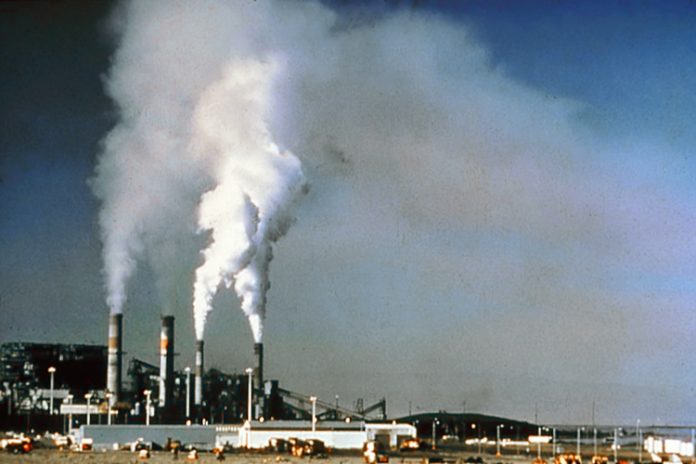






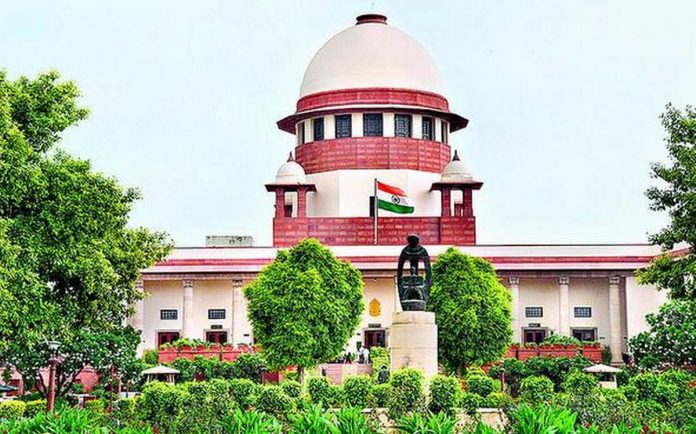



 Allow notifications





