Download Now
Home Blog Page 490

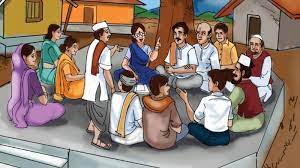
Panchayat raj : analysis of issues faced and the role of women

0
Panchayat
Image Source: https://rb.gy/gdohgw

This article has been written by Rhea M B. The article has been edited by Khushi Sharma (Trainee Associate, Blog iPleaders) and Vanshika Kapoor (Senior Managing Editor, Blog iPleaders).

Abstract

The establishment of panchayati raj systems since the 90s has enhanced substantial thrust to the course of decentralisation and has a greater implication on India’s system of governance. With the evolution of the democratic process, the traditional community’s metamorphosis has always been linked with disputes. In 1992, the 73rd Constitutional Amendment gave the panchayats the status of local self-government; they are implemented to ensure economic progress and social justice is carried out. These institutions look forward to elevating infrastructural amenities, authorising the weaker sections to commence the development process in rural India. In contemporary times, panchayati raj’s concept is occasionally laced with a political agenda for strategic and economic reasons. Panchayati raj’s institutions have been benevolent in recognising actual beneficiaries to obtain paramount advantage out of these schemes. However, various components such as casteism, factionalism, and rivalries hamper these institutions’ performance. The failure to identify these hurdles and deficiencies have led to subsequent problems in its implementation. The study gives an overview of the origin, composition, and various issues within this intuition. In addition, it aims to identify the roles of women in the existing patriarchal society and its ardent influence threatening the very shackles of democracy. It is truly a vision our father of the nation envisaged bringing out the essence of democracy through people’s power.

Introduction

The idea of local government has been prominent in India since the ancient period. History has showcased that there exist some traces of Village Panchayats in the form of village communities. Over the years, invaders have established and ravaged empires; however, these villages have preserved their identities. Villages were considered an economic and an administrative unit; the village headmen were recognised as government representatives. 

Panchayati Raj Institutions have played a pivotal role in transforming the socio-economic dimensions of rural India. The effectiveness of these bodies is determined based on the communities’ active involvement, contribution, and participation. It is significant for achieving human welfare through ‘Social Justice’ and ‘Empowerment of weaker sections based on various development initiatives. Through active engagement, the democratic principles and notions of decentralisation paved the way to the process of nation-wide development can be achieved through the working of an effective system of local government. The notion of ‘Gram Swaraj’ as envisioned by Mahatma Gandhi is the true spirit of democracy. It is now instrumental in the development and rural reconstruction. 

Good governance consists of a structure that allows the government to provide services to citizens and generate resources and revenue for societal development. Progress and growth can be attained by the engagement of the various stakeholders in the development process. The development will commence and start primarily in the village. Gandhiji famously stated, “If India is not to perish, we have to begin with a lower rung of the ladder. If that was rotten, all work done at the top of the intermediate level was bound to fall ultimately.” Gandhiji advocated the need for decentralisation and liberation of the villages from exploitation. (See here)

Background

The expression ‘Panchayat’ connotes an assembly of five elderly leaders elected by the local community. Mahatma Gandhi, in 1946 had stated that Indian independence must commence at the grass-root level. Gandhiji’s vision has been transformed into reality with the commencement of a three-tier Panchayati Raj system that enables people’s participation in rural reconstruction.  Panchayat Raj signifies democratic decentralisation and appointment of local self–government at different levels: village, block, and District levels. (see here)

Rural development and growth require uplifting the socio-economic status of the rural population on a sustainable basis through ideal usage of local resources, both natural and human. The spirit of progress and expansion is not in ‘providing’ but in ‘promoting’ the rural sector. Therefore, the principal notion of rural development should be self-reliance. Gandhi has always promoted self-sufficiency and self-reliance of the village community and highlighted the need to utilise local resources for development purposes effectively. Villages should strive to achieve total self-sufficiency, especially with regards to basic needs such as food, clothing, shelter, education, health, etc. 

Various committees such as Malaviya Committee (1956), Balwant Rai Mehta Committee (1957), Ashok Mehta Committee (1978), Hanumantha Rao Committee (1983), G.V.K. Rao Committee (1985), Singhvi Committee (1986), etc., have analysed and examined the development, functioning, autonomy, freedom, weaknesses, and remedial measures for consolidating the system of Panchayati Raj.

Rural development has been a significant concern for policy planners since the 1950s. In 1952, the Community Development Programme (CDP) was intimated. It was a programme introduced for rural reconstruction. It is outlined based on rural life being an organic whole, and no development in any sector was feasible unless a simultaneous attack was made on all sectors. However, due to the lack of people’s participation and initiative, the CDP had failed to achieve its objectives. 

The Balwant Rai Mehta Committee identified the requirement for initiating democratic institutions at the foundation level called panchayat to ensure people’s engagement in executing rural development programmes.

Further, the Ashoka Mehta committee had been commissioned to understand the role of panchayat raj and the means to achieve accelerated growth and rural development. The committee gave several recommendations for the growth and expansion of the panchayat raj system in India, primarily based on decentralisation principles. One of the significant suggestions by the Ashoka Mehta committee was the formation of constitutional status for the panchayat raj systems.  In 1966, India adopted a new plan of action for agricultural development and reforms based on the usage of high yielding varieties of wheat and paddy supported by a policy of remunerative prices to the farmers. This policy is outlined on the basis that the lack of economic growth embeds poverty. Over the years, the essence of the Panchayati Raj System as an effective instrument for people’s participation has been emphasised by the reflection of several committees such as the Balwant Rai Mehta Committee in 1957, Ashok Mehta Committee in 1977 and much more, after years of deliberations the 73rd Amendment to the constitution came in 1992. With this huge development, this Amendment provided the foundational constitutional framework for democracy at the grass-root level. 

The Panchayath Raj system is a three-tier structure it consists of i) Zilla Panchayath ii) Taluk Panchayath iii) Gram Panchayath. Strengthening the institutions of Panchayati raj and economic reforms have been crucial policy development since the 1990s. Both of these aspects are essential for the advancement and progress of our society, providing easy access to services to the community. The need for local self-governance at the foundational level has paved the way to the 73rd and 74th constitutional Amendments. (see here

Panchayat Raj

The XIth Schedule of the Constitution states the power and authority of the panchayat that may enable the functions of these institutions. (see here) These laws equip for the devolution of powers and responsibilities upon Panchayats to achieve economic development and social justice and execute the schemes entrusted to them. It must be noted that the term for panchayat is five years from the date of appointment and commencement of their first meeting unless dissolved sooner.

Issues

Absence of Conceptual Clarity 

The deficiency in understanding the role, concept and the primary objectives the members of the panchayat are intended to fulfil. For some, it is merely an administrative agency; for others, it is a charter of rural local government. This lack of clarity could hamper the effectiveness of the process, subsequently leading to confusion and ambiguity.

Lack of Computer-based knowledge and Infrastructure

 In some instances, the lack of skills in relation to computer usage leads to quick diminishing standards of efficient working. The government initiated the e-panchayat project in about 360-gram panchayats. However, these districts lack infrastructure and have poor broadband internet connectivity. The project of e-governance is to provide citizen-centric services electronically, maintain a database on the assets of the gram panchayats, and effortlessly access gram panchayat data and services transparently. (see here)

Poor Coordination among Different Administrative Bodies

 There is a deficiency of proper cooperation and coordination between the people and the officials. In addition, the Gram Pradhans experience shortcomings due to poor coordination among different administrative bodies. The failure of officials to perform their duty effectively and efficiently has resulted in delayed developmental activities and underutilization of funds. Furthermore, The Panchayati Raj bodies experience several administrative hurdles such as politicization of the local administration, absence of coordination and differences between the popular and bureaucratic officials, lack of good opportunities, promotions and incentives for those involved in the administration etc.

Proxy Presence: Female Gram Pradhans

Previously, women who were assumed to be weak and vulnerable are currently empowered. However, they will take time to get used to the system and cope with their new status. During this time, men and other bureaucrats are likely more likely to misuse or abuse their power.

Female pradhans are more likely to be influenced by the family members to stand for the polls and post winning; most of the work is handled by the male family members. On the face, the women won the election but are indirectly being controlled by the male members. The male members took care of the matter and answered people’s queries whilst the females continued their household chores.

Panchayat Raj and political parties

Panchayats are regarded and considered to be a ground for political games and rallies. It is generally viewed as extended arms of the ruling political parties in the state. Moreover, the state government permits the panchayats to function to their advantage and not in accordance with ideals of democratic decentralization.

Furthermore, differences can arise between politicians and bureaucrats. The implementation of the 73rd Amendment has mitigated the power and authority enjoyed by the bureaucracy. There is a stark contrast in their understanding and approach, between the Pradhan’s and bureaucrats. 

MLAs, ministers, and bureaucrats have felt intimidated due to the fears of losing power in the process of delegation of powers to the Panchayati Raj institutions. It has been seen that higher political members have become hostile towards lower political figures due to the lack of experience or understanding and other failings. They would take the opportunity to malign the functioning of the Panchayati Raj. In addition, the MLA’s and MP’s are threatened because the careers of the local level politicians are likely to elevate. Hence the confrontation between the local politicians and the decentralization process.

Role of Women in Panchayati Raj

The 73rd and 74th Constitution Amendment has brought significant changes that promote equal access and increased engagement of women’s in politics. About one-third of total Constituencies have been reserved for women. It also ensures and enhances women’s participation in public life. It strives to achieve National policy for women at the foundational level. The commencement of the reservation system in the Panchayati raj institutions empowers women and elevates women’s economic, social, and political status in society. It enables liberalisation from the traditionally male-dominated society and brings in a fresher perspective in good governance. The reservation system encourages women’s participation in the political framework. It has brought in some positive results and better outcomes in education, health, increase in family income. 

This transformation in the system had remarkable results bringing lakhs of women in Panchayats for leadership. The adoption of this Amendment has led the Panchayati Raj system to recognise women’s rights, a significant step to bring the unseen potential of women to governance. It enables women’s engagement in planning, decision-making, execution of the necessity in the village Panchayats. Women representatives have exhibited their prowess and can adapt and learn managing funds, efficient community-based development, etc. Despite such positive outcomes, women are greatly excluded from the PRI and local governance structures. 

Some issues still exist, such as proxy politics, power-brokering, and gender-based discrimination. The women sarpanch have had to counter extreme violence for challenging subsisting power centres in their communities. It is also observed that the male family members utilise the position of the women in their families to stand for the polls and upon the men can control the PRI through the women. 

According to Palanithurai (1994), the candidates feared that the women from upper caste and wealthy sections would oppose the reserved category women and would not like the surge in the number of women representatives from weaker sections to local government bodies in Tamil Nadu. There are about thirty types of discrimination and unsolicited practices of untouchability against Dalits in the four villages he chose to study. According to him, Dalit women panchayat leaders were not permitted to visit the gram panchayat office nor manage and control the gram Sabhas. Their husbands were managing office work as proxies.  In the district of Agra, Uttar Pradesh, women have been on the sidelines due to various factors such as illiteracy, proxy candidature, low status of women in family and society, poverty, etc. In addition, the issue of caste-based violations of human rights continues to exist, resulting in the exploitation of Dalits, specifically in rural India. (see here)(see here) Several such problems exist; it is the duty of the citizens to progress and adopt a more progressive approach towards women. These issues can be removed when we accept women empowerment and change the traditional path of thinking. 

Conclusion

The institution of Panchayat Raj is a milestone in the journey of administrative institutions at the grass-root level. Panchayats have played a notable role in the development of the rural areas in India. The system of Panchayati Raj has faced several hurdles that have been addressed above. However, it is high time that specific corrective action should be taken to ensure a truly representative form of governance. These issues can be combated, but it requires cooperation by the people to accept these changes. The still prevailing traditional thought system must be slowly eradicated for people to understand the meaning of this system truly. Primarily, there should be recognition of the issue that prevails in society. There must be aware of the intricacy of the problems faced; further publicity and its acknowledgement in parliament during the question hour can be considered. Funding must be adequate in order to run these institutions effectively and smoothly. There must also be accountability at all administrative levels in order to hold corrupt officials responsible. 

In addition, in various states in India, PRIs is viewed as a platform to provide social justice through the mechanism of dispute resolution, making it accessible, cost-effective, participatory. The dispute resolution function of PRIs is a part of the constitutional directive to make justice accessible to everyone. (see here) It mitigates the burden on the judiciary and provides faster access to justice. Furthermore, dispute resolution forums have also been initiated at the various levels of panchayat that function under the jurisdiction of the Panchayats. Also, the focus must be on the training and development of human resources to eliminate any conceptual inconsistency. Women’s role in the panchayat must be recognised and not taken over by the male family members; the reason for implementing the reservation policy would truly be a failure. Instead, they need to work towards elevating the overall participation of the community. Hence, there is a need for specific reformation in the policies and laws to truly achieve the people’s participation in this system of governance.

Bibliography and References

Websites

Articles

  • An Empirical Study on The Role of Panchayat Raj on the Rural Development of Karnataka State by Dr. Honnappa, S
  • The Role of Women Representatives in the Local Self Government (Panchayat Raj) with special reference to Thane District – A Study by Dushyantraj Sahibram Mallick
  • A Case Study on Women leadership in Panchayati Raj Institutions (PRI) at the Gram Panchayat level by Narender Pau
  • Advocating for Change: Promoting Women’s Participation and Leadership in Local Governance by Nibedita Phukan, Ganesh Kumar, Mariyam Majeed
  • Potential and Possibilities by Priya Das, Alpaxee Kashyap, Subhalakshmi Nandi, Nandita Bhatla and Poulomi Pal
  • A Case Study on Madamakki Gram Panchayat by Ministry of Panchayat Raj
  • Dushyantraj Sahibram Mallic, The Role of Women Representatives in the Local Self Government ( Panchayat Raj)with  special reference to Thane District – A Study.
  • A Case Study on Women leadership in Panchayati Raj Institutions (PRI) at the Gram Panchayat level
  • Administrative Competency Framework for Effective Governance at Grassroots Level- G. Palanithurai

LawSikho has created a telegram group for exchanging legal knowledge, referrals, and various opportunities. You can click on this link and join:

https://t.me/joinchat/J_0YrBa4IBSHdpuTfQO_sA

Follow us on Instagram and subscribe to our YouTube channel for more amazing legal content.
Download Now

An analysis of Section 93 of the Motor Vehicle Amendment Act, 2019

0
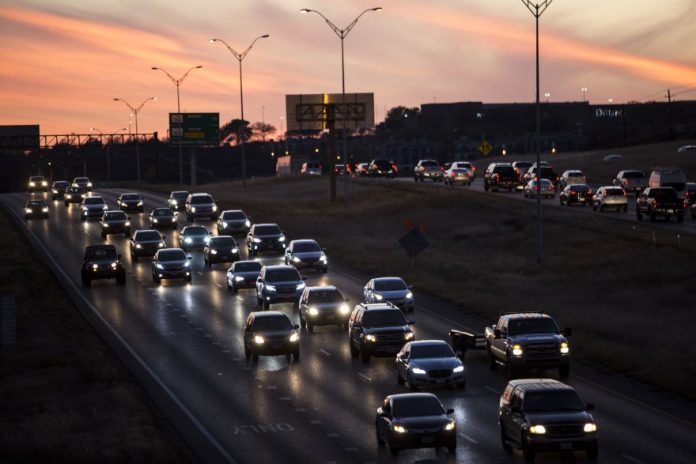
Image source - https://bit.ly/39IocB7

This article has been written by Trisha Singh.

Abstract 

This article is an analysis of cab as an aggregator or intermediary under Section 93 of Motor Vehicle Act 2019 along with The Motor Vehicle Aggregators Guidelines, 2020. This article states that the cab like Ola and Uber are intermediary by 2019th motor vehicle amendment act and the reason behind the amendment to include cab as an aggregator is to curb the risk of passenger, driver and pedestrians as the drivers before this amendment uses the handheld device to navigate to the destination. Further, the article discusses the Motor Vehicle Aggregators Guidelines, 2020 in brief and highlights the biased areas of it which demand reformation of the guidelines for cab aggregators. 

Introduction

There have been many amendments in motor vehicle act, but the Motor Vehicles Amendment Act 2019 amended Section 93 of the Motor Vehicle Act 1988 and brought the provision for cab aggregators such as Ola and Uber under it as a digital intermediary, which is defined under Section 93 of the Motor Vehicle Amendment Act 2019. So, Motor Vehicle Amendment Act, 2019 adds aggregators as a third category, who has to abide by the rules of the Information Technology Act, 2000 after canvassers and agents. These aggregators would include bike taxis also, which has some disputes with state governments. The main idea behind including cab aggregators under this act is to lower the risk w.r.t to the safety of the passengers, pedestrians as the cab drivers use handheld devices to navigate the destination and get customers online.

Definition of term Aggregator and Rider 

 An aggregator is a digital intermediary or market-place for a passenger to connect with a driver for the purpose of transportation therefore, Ola and Uber are aggregators. It uses an app to provide its services which are accessed through a communication device.

A rider is a person who avails services through the aggregator app for reaching the destination, by a driver who is integrated with the aggregator.

The reason behind including Cab as an aggregator under Section 93 of Motor Vehicle Amendment Act, 2019

The road transportation system in India has been advanced to much extent with the emergence of technology-aided apps like Uber and Ola whose services have made the means of road transportation very easy. The drivers of these cab services use hands to navigate the location of the destination constantly due to which the safety of the passenger, pedestrian comes at a risk. As a result of which the government of India brought a new motor vehicle amendment act 2019, which provides penal provision for using handheld mobile to follow the navigator and will be fined between 25,000 and 1 lakh for violation of rules or for breaking any traffic regulations.

The Motor Vehicle Amendment Act, 2019 amended Section 93 of the Motor Vehicle Act,1988 stated that the agent or canvasser must obtain a license from such authority as may be prescribed by the state government and no person shall engage himself as an agent in the business of distributing and collecting goods carried by carriages and as a canvasser in the sale of tickets for travel by public transportation facilities or in soliciting customer without the license. Therefore the 2019th amendment included cab as aggregators to curb the risk of road safety, road accidents and corruption in India’s road transport system. 

This amendment acknowledges that innovation and technology play a vital role in transforming India’s mobility landscape and the cabs were included as an aggregator that is a digital intermediary under Section 93 of the Motor Vehicle Amendment Act 2019. Since, transport is a matter of state subject, the bill allows these cab aggregators to obtain license from the state governments and shall comply with the provisions of Information Technology Act, 2000. 

Why recognition of cab as aggregators by amendment of Motor Vehicle Act 2019 is a great move?

  • It is a great move to recognize cab as aggregators to ensure safety on road of the passengers, pedestrian and controls corruption of the Indian road transport system.
  • This recognition gives Central Government the authority to formulate guiding policy, as before these amendments different stated had different guiding policies for aggregators that is a different rate of fare, number of passengers traveling in a vehicle and some didn’t have any. In a recent incident in Karnataka, the Karnataka transport department cancelled the license of Ola cabs after it was found flouting the rules of aggregator by allegedly operating two wheelers’ bikes and taxis, without permission. 
  • By this amendment the Centre can frame guidelines depending upon problems faced by the locals like congestion, which every state has to abide and the central government has even recognized the taxi aggregators as a key stakeholder.

The Motor Vehicle Aggregators Guidelines, 2020

The ministry has issued the guidelines to regulate the cab aggregator market which has been issued in pursuance of Section 93 of the Motor Vehicle Amendment Act, 1988 to which the state governments may allude while issuing the license to any cab aggregator.

Key guidelines 

  • Regulation of Aggregator- It seeks to regulate the cab aggregator market and mentions that the aggregator must have a registered office in India as a company registered under the Companies Act and has to comply with Information Technology Act, 2000 and rules made thereunder such as Intermediary guidelines.
  • Licensing Requirements – The aggregator must apply for the license in states, where it seeks to operate and a license issued by the state government will be a mandatory pre-requisite for allowing business operations by the aggregator. State governments will have to abide by the guidelines issued by the Central Government while granting the license to an aggregator and must perform its operations within 6 months from the date of grant of license else it stands revoked. The license of the aggregator can be suspended if there is “systemic failure” to ensure the safety of the driver, rider, violation of contractual obligations, repetitive instances of financial differences related to the fares, unwarranted surge pricing, severity of financial fraud, and violation of safety standards among others.
  • Regulation of fare The base charge of a trip would be on the basis of the city tax charge as mentioned in WPI. Surge pricing has been capped at 1.5x of the base charge, while minimum price chargeable has been capped at 50% of the base charge, the share of aggregator capped at 20% but the driver of the vehicle must receive 80% of the total price. The cancellation charge for the driver and the rider has been capped at 10% of the total charge not being more than 100 INR. Aggregators are allowed to charge a price 50% cheaper than the base charge and a maximum surge pricing of 1.5 times the base charge.
  • Protocols of hiring a driver – Along with a thorough background check of the driver with a medical examination the aggregator should have an Induction Training Programmed for recruiting drivers on how to wield the app, follow the relevant Motor Vehicle Laws, drive carefully, imparting first responder training, gender sensitization, and maintain hygiene in the cab after a comprehensive check of the background and medical examination of the driver. The Guidelines make it obligatory for the driver to take a 10-hour break and the driver isn’t permitted to drive more than 12 hours on a single day.
  • Aggregator compliances There must be the assurance by the aggregator that the vehicle is governed by motor vehicle laws, insurance and emission norms. The aggregator should establish a 24/7 control room to monitor cabs and call centres with a valid telephone number for grievance redressal and aid the driver and rider and must provide options to women to carpool with women and ensure women safety.
  • App related conditions – The aggregator’s app must be in Hindi, English and the regional language of the state. The app data should have the server of India minimum for 3 months and a maximum for 24 months. This data would be accessible to the relevant government authorities and no customer data would be shared without the written consent of the customer.
  • Power of the Competent Authority to take Suo moto cognizance of the wrongdoings of the aggregator and suspend the license and if the number of suspensions in one financial year exceed 3 that would lead to cancellation of license. Further, if the aggregator commits any blatant offence or has cut out to receive its license and NOC pursuant to the layoff order, that would also lead to revocation of the order. The aggregator must lay off all its operations as soon as the license is suspended and if the aggregator wishes, it can appeal against the order passed by the authority within 30 days of such order being made, to the State Government. The State Government can call for any information if it deems necessary from the aggregator for compliance under the Guidelines, empowered to conduct search and investigation at the aggregator’s premises under the Guidelines when the need occurs.4

Comments 

  • The motor Vehicle Aggregator Guidelines 2020 proves that the government is trying to regulate the business in its manner. As the capping of the commission rates is trying to regulate how the business makes money.
  • The government states that the cancellation fee will be borne by both parties must not exceed 100 rupees. The idea of female pooling is good but at what cost as the guidelines are so regressive as they are trying to startup license raj and increase the cost of compliance for the business extending the red-tapism.
  • The surge fee which acts as an incentive has been capped at 1.5 times the base fare and is likely to dampen the earnings for both aggregators and drivers. The commission charged by the cab aggregators earlier was 25 % which now is capped to 20%.
  • These guidelines leave a lot of questions in the mind of individual analyzing it and state that the aggregator is expected to let driver log in for 30 hours of driving and suggest some strictest filtering process of driver’s selection, working hours and training so, what is the point of a driving license if the aggregator has to make sure whether the drivers know how to drive in the first place or not?
  • The state government’s share of 2% above the fare towards the state exchequer doesn’t make sense and it is due to biases that consumers are being charged extra tax just because they are using an aggregator and not availing the services of local taxi operators.
  • Apart from the above-mentioned points, the guidelines aim to reduce traffic congestion, pollution, regulate shared mobility, maximum the use of public transport in order to reduce pollution and harm to human beings and requires the state governments to make a regulatory framework for aggregators to be held responsible for its operations.

Conclusion 

The idea of including a cab as an intermediary under the Motor Vehicle Act, 2019 is noble to the extent that it enhances the safety protocols of the passengers, pedestrians and drivers. The motor Vehicle Aggregator Guidelines 2020 is an initiative to control pollution, congestion. But besides these, there are many loopholes in the guidelines that state that the government is trying to regulate the business in its own fashion which makes the guidelines very rigid to analyse. The centre should reform guidelines with less rigidity so that there is no useless filtering process of the driver for the license, the surge fee which is capped at 1.5 times the base fare which dampens the earnings for both aggregators and drivers, the commission charged by the cab aggregators earlier was 25 % which now is capped to 20% hampering the business must be resolved by reforming the guidelines. 


LawSikho has created a telegram group for exchanging legal knowledge, referrals, and various opportunities. You can click on this link and join:

https://t.me/joinchat/J_0YrBa4IBSHdpuTfQO_sA

Follow us on Instagram and subscribe to our YouTube channel for more amazing legal content.
Download Now

Criminal psychology: an important area in the field of criminology

0

This article has been written by Satwik Sharma, pursuing the Certificate Course in Advanced Criminal Litigation & Trial Advocacy from LawSikho.This article has been edited by Aatima Bhatia (Associate, LawSikho) and Dipshi Swara (Senior Associate, LawSikho).

Introduction

Web series and movies like “Criminal Minds” have painted very intriguing pictures of criminal psychologists in our minds. However, the reality is very different from what these web series and movies portray. A criminal psychologist has a desk job where a psychologist has to go through various previous case files and do their research. Unlike in web series and movies where the criminal psychologist plays an active role in every case and visits every crime scene, in reality, criminal psychologists rarely get a chance to visit the crime scene and they work on a case only when they are required by the concerned officers. 

Recently, National Crime Record Bureau (NCRB) released the report “Crime in India – 2020”, according to which the crime rate in India increased to 487.8 (crimes per 1 Lakh people) in 2020 from 385.5 (crimes per 1 Lakh people) in 2019. Among all the states, Tamil Nadu has the highest crime rate, Kerala has the second-highest crime rate and Delhi has the third-highest crime rate. Registration of crime increased by 2.8% in which cybercrime increased by 11.8%. As stated above the crime rate in India is rapidly increasing, especially cybercrimes. Here criminal psychology comes into play, the criminal psychologist would see the motivation that derives criminals to commit crimes and thereby, would tell how to stop these criminals. The aforementioned report shows that crime against women decrease by 3% and rape and human trafficking also showed a lower trend. 

Now, a question that arises is that whether the decrease in cases of rape or human trafficking is due to the deterrent effect of law or due to victims are denying or scared to report such crime? That is the question that can be answered by criminal psychology with a solution. That’s why an attempt is being made to apprise readers about the essence of criminal psychology to promulgate an effective law and system and what is the role of a criminal psychologist.

What is criminal psychology?

Criminal psychology is the study of thoughts, intentions, actions, or reactions, of a criminal to analyze and derive a pattern that would help police or other related agencies to apprehend criminals or help a court during proceedings. A major portion of criminal psychology deals with criminal profiling. The person who practices in the field of criminal psychology is called a criminal psychologist. Criminal profiling is a process of linking the actions of an offender to the crime scene to explore characteristics of similar kinds of offenders so that it becomes easy for police or other related agencies to apprehend similar kinds of offenders by just examining the crime scene.

Criminal psychology is now a properly-recognized field of applied psychology. Schuller & Ogloff (2001) have shown that there is an increase in the number of quality texts, dedicated research journals in the area of criminal psychology, also mainstream journals are recognizing. There is also improvement in the quality of undergraduate and postgraduate training opportunities. Criminal psychology is like an ocean that is largely unexplored with the skills to conduct research in the field of criminal psychology.

Difference between criminal psychology and forensic psychology

People in common parlance use criminal psychology and forensic psychology interchangeably. But this notion of people is wrong. Criminal psychology and forensic psychology are distinct subfields of psychology. However, there are few areas where these overlap. Hereinbelow, are a few differences between criminal psychology and forensic psychology.

Definitions

Criminal psychology: Criminal psychology is the study of criminal behaviour to find the motivation, intention, and thought process of a criminal to get an insight into Why do criminals do what they do?. It exclusively deals with criminals. 

Forensic psychology: Forensic psychology is the application of the teaching and principles of psychology in the justice system to increase the productivity and efficiency of the justice system. So that the result, the sequel of the case proceedings is undeniable.

Role 

Criminal psychologist

a. Major portion of criminal psychologist work involves criminal profiling. 

b.Help investigating agencies to find the criminal by providing age, gender, physical appearance, and behavioural information of such criminals with the help of criminal profiling.

c. Appear as an expert witness in the court.

Forensic psychologist

a. Aids law enforcement agencies to develop a productive and efficient system of justice.

b. Gauge the mental health of a criminal.

c. Gauge whether a person is adult or juvenile.

History of criminal psychology

The inception of psychology as a science can be traced back to the year 1879. Since then psychology has evolved manifold and various subfields have evolved like criminal psychology. Many psychologists have conducted experiments that contributed to the genesis of criminal psychology. Like, Milgram’s experiment in the 1960s which fairly apprised how a person’s natural behaviour mutates under pressure. Though Milgram’s experiment majorly contributed to the literature of criminal psychology, still he was not called a criminal psychologist. The roots of criminal psychology can be traced back to the 19th century. Therefore, it is a new discipline under the umbrella of Psychology that is still developing. Now, people in different countries have begun to see the significance of criminal psychology. In India, criminal psychology is still at the budding stage. 

Early experiments in the field of criminal psychology are related to eyewitness testimony. As eyewitness testimony is of great significance to reach the culmination of a case. James McKeen Cattell conducted experiments on eyewitness testimony in North America that contributed significantly to the literature of criminal psychology. These experiments were not specifically conducted to add to the literature of criminal psychology but later these were added. In his experiments, subjects were made to reminisce about what they witnessed every day. The results of such experiments were that most of the people were not able to reminisce about what they witnessed a day earlier and those who reminisced about what they witnessed a day earlier were not able to clearly describe what they witnessed. Therefore, the information given by them was largely incorrect. This was the first experiment conducted by James Mc Lean Cattell in 1938 to understand the psychology of eyewitness testimony. 

Albert appeared as the first witness in a trial at Munich Court, Germany. In 1908, Hugo Münsterberg released his first book on the witness stand. In 1911, Julian Varendonck tested the reliability of the testimony of child witnesses through his classic experiments. In 1913, the first time psychological services were offered in a Women’s reformatory in New York, USA. In 1964, Hans J. Eysenck published his book on crime and personality which was the first comprehensive book on the application of psychology to understand crimes and criminal behaviour. In 1974, the University of Nebraska Lincoln introduced the first interdisciplinary degree in psychology and law.

Pioneers in the criminal psychology

  1. Hugo Münsterberg: He was a German psychologist who published a book containing a collection of essays on how psychology can significantly contribute to the field of law. Many people call him the father of criminal psychology. He discovered how psychology can contribute significantly in resolving issues related to eyewitness testimony, false confessions, suggestibility, crime detection, hypnotism and crime prevention. Hugo was the student of Wilhelm Wundt who was a renowned criminal psychologist. He appeared as an expert witness in many cases including the infamous case of Oz magazine.
  2. William Stern: He was a German psychologist whose experiment based on emotional arousal of the eye witness, was of great significance. In the experiment, subjects were made to witness the fight between two students. During such a fight one student took out a gun and shot the other student. This incident rendered them emotionally aroused and, thereby, this affected the testimony rendered by them. 
  3. Schrenck Notzing: He was a German psychiatrist, physician, and psychical researcher, who spent his time studying paranormal events connected with mediumship, hypnotism and telepathy. He explained the concept of retroactive memory falsification as a process where the information presented by the media and other sources interfere with the actual memory event of the witness.
  4. Albert Bandura: He was an American-Canadian psychologist. His ‘Social Learning theory’ is of great aid to understand the basis for many behaviours. He performed the famous experiment named Bobo doll experiment to test his social learning theory which states that how any person absorbs or learns any behaviour from his milieu through the process of mediation, retention, motivation and reproduction.
  5. Lionel Haward: He is also known as the father of the UK’s Criminal Psychology. In 1981, he described four ways for a psychologist involved in criminal proceedings i.e., clinical, experimental, actuarial and advisory. In clinical, the psychologist may use assessment tools, interviews, or psychometric tools to make their assessment more efficient. In experiments, it is the work of the psychologist to perform experiments on issues such as eyewitness testimony credibility, false memory, etc. thereby enhancing the judicial system, understanding criminal minds, new techniques for law enforcement agencies, etc. In actuarial proceedings, here the psychologist has to maintain proper statistics that would help court as well as law enforcement agencies to derive a conclusion. In Advisory, the psychologist may provide advice to help the court or the law enforcement in any particular case.

Role of criminal psychology

  1. Criminal profiling: The psychologist examines various crime scenes and criminals to understand the motive, intention, action, reaction, thought process to enlist characteristics shown by the offender of a particular crime. This would help law enforcement agencies to draw a profile of a criminal to make apprehension of such criminals easy and fast.
  2. Assess individual: The psychologist is required to assess the cognitive state of not only a victim but an accused also. The psychologist assesses whether a victim or an accused is mentally unfit as they claim or a victim or an accused is mentally unfit about which no one is aware of including a victim or an accused themself. The assessment involves gauging the strength, aptitude, intelligence level, personality, etc. to speculate what kind of personnel should be recruited that would have the amount of strength, aptitude, intelligence level, personality, etc to counter criminals. The assessment also helps to discover what kind of social, biological and environmental factors are aiding to foster a particular type of criminal behaviour.
  3. Actuarial: Psychologists are required to prepare statistics related to any crime, criminals or victim about their nature, growth, development, place or time in a community, religion or country. This would help the government to reduce a particular crime and also to prevent them. Also, would help the court to deal with a particular type of victim or criminal.
  4. Correctional system: After the apprehension of criminals, it is the duty of the concerned government to formulate a program that would help criminals to reintegrate into society, otherwise prison would get flooded with criminals. Therefore, the concerned government would require help from criminal psychologists to make criminals better human beings. There should be a separate correctional system based on types of crimes and criminals such as child, woman, man and degree of a crime. One correctional system or intervention plan would not work universally. The correctional system would also be required for a victim, witness, and especially for the personnel working in the law enforcement agencies to enhance their efficiency.
  5. Experimental: Research is required to be conducted on specific cases to get the insight of the perspective of a victim, a criminal or an eyewitness.
  6. Advisory: History evidently shows that the advice of a criminal psychologist is of great significance in an investigation. The psychologist examines the crime scene and the evidence retrieved from the crime scene, thereafter trying to find the motive and intention of the offender which helps the investigator to apprehend the criminal swiftly. The psychologist also gives advice to the court.
  7. Private practitioner: The psychologist also works as a private practitioner and provides their service to the general public. The private practitioner is of great help to solve domestic issues or divorce-related issues and save them from going to court. advocates also take the help of such private practitioners if their case requires such help.

Conclusion

Criminal psychology has emerged as an essential discipline that would help law enforcement agencies and courts to enhance their performance as well as to counter crimes and criminals efficiently. In India, criminal psychology is still in the budding stage. The government needs to provide more funds and build proper infrastructure so that students and researchers get attracted towards criminal psychology and more and more research and experiments can be done to get a  better outcome.

References


Students of LawSikho courses regularly produce writing assignments and work on practical exercises as a part of their coursework and develop themselves in real-life practical skills.

LawSikho has created a telegram group for exchanging legal knowledge, referrals, and various opportunities. You can click on this link and join:

https://t.me/joinchat/J_0YrBa4IBSHdpuTfQO_sA

Follow us on Instagram and subscribe to our YouTube channel for more amazing legal content.

Download Now

Status of climate refugees in International Law

0
Image source - https://bit.ly/39BZSRK

This article has been written by Anusha Arif.

Abstract

This article deals with the question of climate refugees and environment migrants. It delves into the differences of both terms and also looks into the recognition of these vulnerable groups in international law. It discusses the relevance of the issues of climate induced migration in the current context of the world.

Background

The displacement of people due to change in environment factors or even an increase in disaster risk is not a new phenomenon however with the discourse on climate change and its implications on human lives, the people acquiring the status of climate refugees has become more relevant. When the word ‘refugee’ is used to describe a person, the usual connotation attached to it is to assume that the person was forced to flee their home or country due to war, internal aggression, politically motivated persecution, etc.

However, climate change and its related effects can also cause major disruption in the living conditions and therefore, force individuals or groups to flee from their homes, villages and in certain cases may also require transnational movement of people.While the World Economic Forum estimates that there are around 272 million international migrants (which make up for 3.5 per cent of the global population), it also adds that millions are forced to leave their homes for reasons such as conflicts, violence and climate change. The usage of the word ‘refugee’ has also attracted criticism which has lead to a more acceptable term of ‘environment migrants.’ Yet, the international community does not recognize the rights of climate induced migrants or refugees. The Refugee Convention (1951) and its related protocol relating to the status of refugees (1967) remain silent on matters of climate-induced refugees and do not recognize climate as a reason to acquire the legal status of a refugee.

However, in the current context, this idea seems outdated. With climate change dictating the interaction of humans with the world and the threats arising thereof, the need to give climate refugees an internationally accepted legal status should be a leading matter of concern to grant protection to this mass of people directly affected. This paper provides an insight into the development of the international environmental law concerning climate refugees and the protection that should be extended to this group of people in the foreseeable future.

Climate Refugees- Across the Globe

There are many who debate about the word ‘climate refugee’ or ‘environment refugees’ for fair representation of people who migrate due to climate-related issues as it is generally believed that the word ‘refugee’ does not include people who simply migrate. With development challenges that aggravate that issue of climate change by making the process even more rapid, the disruption of local ecosystems in many cases that lead to unavailability of water, increase food insecurity due to crop failure and as a stated increase in disaster risks. The denial of legal usage of the term does not take away the magnitude of the problem faced internationally. Even though, little data is available to project the numbers of this issue. To quantify, the United Nations High Commissioner for Refugees (UNHCR) released data to show that number of people displaced by climate change-related 21.5 million, pointing out that “in addition to sudden disasters, climate change is a complex cause of food and water shortages, as well as difficulties in accessing natural resources.”

The problems of climate refugees are known throughout the world. In first of its kind reported incident in Britain, the Welsh villagers in Fairbourne face the threat of floods due to rise in sea level. The villages that constitute nearly 450 houses are now struck with risk of increase in disasters which has affected their community lives and livelihood prospects.
While some other countries including India and Somalia, have higher levels of internally displaced people due to climate change and related risks. In most poor countries such as Somalia, the consequences have been devastating, in the years 2019 and 2020, the country has been disproportionately affected by climate emergencies. Droughts across the country have led to suffering and displacement, with an estimated 5.4 million individuals predicted to be struggling to feed themselves and their families by July 2020.

India has been greatly affected by this issue as well, in fact, the Internal Displacement Monitoring Committee in 2019 stated that India had the largest number of internally displaced people in 2019. The condition did not improve in 2020, there were many disasters struck areas within the country with forest fires claiming parts of Uttarakhand and Nagaland, cyclones including cyclone Amphan that affected large parts of West Bengal and other instances of floods. A new report pointed out that nearly 39 lakh people in India were internally displaced due to climate disasters and conflicts in the year 2020. The report also suggested that nearly 76 per cent of the internal displacement in 2020 was triggered by climate disasters.

Even with the selective data available from national reports, it can very well be understood that climate change has become a global threat, it has also affected a large number of people and this number is set to grow with the urgency of the climate change matter. 

insolvency

Recognition of Climate Refugees under International Law

The problems of displacement of people due to natural factors occurred way before scientific interest was taken in climate change as a subject of study. In a proposal for a Convention for Climate Refugees the term climate refugees have been defined as “people whom climate change forces to relocate across national borders.”Six elements that have to be met with are – forced migration, temporary or permanent relocation, movement across national borders, disruption consistent with climate change, sudden or gradual disruption and a “more likely than not” contribution for the human contribution to disruption. However modern disaster theory argues that there is an element of human intervention along with vulnerability that leads to the occurrence of a disaster even one considered a natural disaster.

While certain countries have taken individual steps in their respective capacities such as the African Union Convention for the Protection and Assistance of Internally Displaced Persons, 2009 that recognized natural factors of climate as a reason for displacement and provides protection thereof, or the Swedish Aliens Act 2005 that grants asylum to the persons displaced due to an environmental disaster yet, internationally the term has not been given its requisite importance.

The fourth assessment report of the Intergovernmental Panel on Climate Change (IPCC) mentioned the “potential for population migration” due to an increase in the number of areas affected by droughts and an increase in the intense tropical cyclones activities. However, the proposition for a separate convention for climate refugees has been met with hesitation in the international community for various reasons. Firstly, there is no common acceptability or universality of the term ‘climate refugees. It is therefore fundamentally an issue that cannot simply be agreed upon. Secondly, the process of a convention is a long and lengthy one and requires due deliberation by various parties as highlighted already in the 2011 International Dialogue on Migration and the recently adopted Global Compact for Safe, Orderly and Regular Migration. The issue is also that in most cases, climate migration remains internal. Thirdly, it is felt that opening up the Refugee Convention, 1951 might weaken the status of the already recognized refugees, the problem of isolating environment/ climatic reason for migration or displacement is also relevant.

Conclusion

Even with all the relevant consideration of the problems of recognition of climate refugees with the growing number of issues that currently persist and are set to rise in the coming future, there is a need to recognize the problems associated with climate migration or displacement. International Environment Law has been used as a tool in many cases even through the agreements such as the Paris Agreement, 2015 to highlight the responsibilities of government in their respective capacities to control the issues of climate change through reducing the emission levels. In this context as well, while certain countries have very high levels of internal displacement due to climate change others have not yet experienced it.

International consensus on protection of displaced people affected by climate change must be based on the understanding of the complex relationship between conflict and disaster in displacement. The two, layered with poverty and weak governance, together influence decisions to leave a disaster-affected region. This consensus and recognition becomes even more relevant considering the agenda of the Sustainability Development Goals (SDGs) that recognize the eradication of poverty (Goal 1), climate action (Goal 13) and push for institutions that promote peace and justice (Goal 16). The world cannot expect to achieve sustainable development while ignoring the recognition of rights of millions of people who suffer direct consequences and are suffer the reality of climate change.


LawSikho has created a telegram group for exchanging legal knowledge, referrals, and various opportunities. You can click on this link and join:

https://t.me/joinchat/J_0YrBa4IBSHdpuTfQO_sA

Follow us on Instagram and subscribe to our YouTube channel for more amazing legal content.

Download Now

Analysis of provisions related to cruelty in marriage

0
Image source: https://rb.gy/vzn6nf

This article has been written by Manav Sharma, pursuing the Certificate Course in Advanced Criminal Litigation & Trial Advocacy from LawSikho.This article has been edited by Aatima Bhatia(Associate, LawSikho) and Dipshi Swara (Senior Associate, LawSikho).

Introduction

Instances of women facing abuse from their husbands or in-laws are a common occurrence in India and such cases are rising on an unprecedented scale. The criminal law of a nation must not only provide penal provisions but also, ensure that justice is done to the victim. It was with this objective that Chapter XXA was inserted by the Act of 1983, which introduced the provision of section 498A “Of Cruelty By Husband or Relatives of Husband. ” The objective behind enacting this amendment was to punish a husband and his relatives who torture or harass the wife with the aim of coercing her or any such person who is related to her to meet any unlawful demands or to drive her to commit suicide. 

Cruelty in marriage : provision under the Indian Penal Code, 1860

Section 498A relates to the provision of cruelty done by the husband or his relatives upon a woman. It states that, if the person who is the husband or his relative,  performs an act of cruelty upon a woman then he is liable to be punished with an imprisonment of three years (which can be extended) and shall also be liable to pay a fine. 

Cruelty includes both physical as well as mental torture done upon a woman by her husband or his relatives. The word ‘wilful conduct’ as mentioned in Explanation (a) of Section 498A means an act done with intention. However, the proof of wilful conduct depends upon the direct and indirect evidence.

Jurisprudence behind Section 498A

The cruelty against women within the marriage and other acts incidental thereto were posing difficulties in the matters of prosecuting the accused and proving their guilt was also difficult. The primary reason behind this was that most women bear their sufferings in silence. The violence can take such serious forms, that it becomes torturous for the women, and they have no other option but to take their own life. The idea behind introducing this provision under IPC was to prevent the torture done upon a married woman by her husband or by her husband’s relatives and punish them for unlawful demands, like dowry. 

The increasing cases of violence against women as well as growing cases of bride-burning were a matter of concern, and, for this, it was felt that general offences, like that of assault, grievous hurt, homicide, etc., would not be adequate to deal with such kinds of cases because such offences must be stringent so that atrocities against women can be controlled and also there must be a deterrent effect of such penal provisions. 

Provisions of arrest

For any cognizable offence, police can arrest the accused person without an arrest warrant if the information relating to the commission of the said offence is given to an officer who is in charge of a police station by the aggrieved person. 

Other provisions governing cruelty in marriage

The provisions governing Cruelty in Marriage are not only covered by Section 498A. Section 304-B states that if the death of a woman is caused as a result of burns or bodily injury within seven years of her marriage and that before her death she was the victim of cruelty done by her husband or his relatives for the demand of dowry, then such death shall be called “dowry death.” The punishment prescribed under this is imprisonment which must not be less than seven years and it can be extended to life imprisonment.

Demand for dowry as a part of cruelty in marriage

Section 304-B does not classify death which is caused by burns, as homicidal, suicidal or accidental, because a death which is caused by burns can be homicidal or suicidal or accidental. The provision has imposed a statutory obligation upon the Court to presume that the accused has committed dowry death when the prosecution has proved that:

  1. death of his wife has occurred within 7 years of her marriage, and,
  2. soon before her death, she was the victim of cruelty linked with the demand for dowry.

Demand for property or any valuable security constitutes demand for dowry if it has a direct or indirect connection with that of marriage.

It is also to be noted here that, where the demand by the in-laws for money on account of some financial emergency and for meeting some domestic expenses cannot be termed as a demand for dowry. However, this cannot be misinterpreted in a manner that a demand for money or some property on account of financial emergency cannot be termed as a demand for dowry, and this has to be understood in the light of the factual scenario. 

The Protection of Women from Domestic Violence Act, 2005

The Domestic Violence Act of 2005 was enacted for the purpose of providing effective protection to women who are the victims of any kind of violence occurring within the family. The impugned legislation provides the rights of women to secure housing as well as the right to reside in their matrimonial home. The enactment has also empowered the Magistrate to pass such protection orders which will help in coping up with the crime of domestic violence. This act provides for the appointment of Protection Officers who will assist the victim with respect to her medical examination, obtaining legal aid services, safe shelter and other effective legal remedies. 

It would be relevant, here to quote the lines from the judgment passed by the Supreme Court in the case of Rupali Devi v. State of Uttar Pradesh and Others, wherein it was held that, Cruelty shall mean intentional and malicious infliction of mental or physical suffering upon a woman. Cruelty includes physical as well as mental aspects. The impact on the mental health of the wife and mental stress or trauma of being driven away from the matrimonial home are aspects that must be taken into consideration while understanding the meaning of the expression “cruelty” appearing in Section 498-A of the Penal Code. 

Difference between cruelty and harassment

S.No.CrueltyHarassment
Cruelty is when the wife is treated in such a manner that causes reasonable apprehension in her mind that it would be difficult to live with the husband.Harassment means torturing and subjecting her to constant interference or intimidation. If such torture is done with a view to fulfill unlawful demands.
Cruelty includes both mental and physical cruelty. It can relate to abnormal behaviour, continuous taunting, and teasing, calling her barren woman, false attacks on her chastity, etc.In order to constitute harassment, cruelty it is essential to prove that the woman was tortured either physically or mentally, and that, such an act was done with a view to persuading her to do something which she is not expected legally to do by using force or threats. 

However, it is important to note that every cruelty or harassment does not attract the provisions of section 498A. Cruelty or harassment has done upon a woman with a view to meet dowry demands which will likely drive her to commit suicide or to cause grave injury to life, limb, or health, which can be of any type, whether physical or mental, comes within the purview of section 498A. 

Alteration of charge under Section 216 of Cr. PC.

Recently, in the case of Dr. Nallapareddy Sridhar Reddy v. The State of Andhra Pradesh & Others,  the Court has opined that charges can be altered at any time before the judgment is pronounced. Whenever such an addition is to be made, it must be read out and explained to the accused. With the aid of this provision, the Court is vested with the powers to add or alter the charge even after the completion of evidence, arguments, and reserving of the judgment. The grounds which can arise are, omission in the framing of charge, upon prima facie examination of the material brought on record, it leads the court to form a presumption as to the existence of the necessary ingredients which constitute the alleged offence.

It is clear from above-cited judgment that charges can be altered, provided that it is done before the pronouncing of judgment. The provision under Section 216 of the Code of Criminal Procedure, 1973 enables the adding or altering of charge based on materials brought on record during the course of trial and that Court can also exercise its power under this section even after the completion of evidence, arguments and reserving of the judgment. The alteration of a charge can be done if in the opinion of the Court there was an omission in the framing of charge or if upon prima facie examination of the material brought on record, it leads the court to form a presumptive opinion as to the existence of the factual ingredients constituting the alleged offence. This means that since there are a couple of legal provisions regulating cruelty on married women, even if the case is registered under one charge, it can be altered if sufficient materials are brought on record before the pronouncing of judgment.

Supreme Court of India on Section 498A, IPC

B.S Joshi v. State of Haryana 

The Supreme Court, in this case, has held that the object of introducing this provision was to prevent torture to a woman by her husband or by relatives of her husband. Section 498-A was added with a view to punishing the husband as well as his relatives who are involved in an act of harassing the wife to satisfy unlawful demands of dowry. 

Inder Raj Malik v. Sunita Malik

In this case, the High Court of Delhi had an occasion to deal with the issue of whether or not a person can be convicted both under Section 4 of the Dowry Prohibition Act, as well as under Section 498A, IPC. The Court was of the opinion that a person can be convicted both under Section 4 of the Dowry Prohibition Act, 1956 as well as under Section 498A of IPC, and it will not attract double jeopardy. The Court was of the view that Section 498A, IPC, and Section  4 of Dowry Prohibition Act are both different from each other, because under Section 4 of Dowry Prohibition Act mere demand of dowry is punishable, whereas, in Section 498A, an act of cruelty caused to the newly married woman is punishable. Thus, it can be concluded that a person is liable to be prosecuted under both the provisions of Section 4 of the Dowry Prohibition Act and Section 498A, IPC.

Arnesh Kumar v. State of Bihar

In this case, the petitioner was the husband of respondent no. 2, Sweta Kiran. The marriage was solemnized on 1st July 2007. The case of the wife is that the petitioner’s family had made huge demands from her. When this fact was brought to the notice of the petitioner, he threatened that he was going to marry another woman. As a result of this, the respondent was driven out of her matrimonial home due to non-fulfillment of dowry demand. The petitioner, apprehending his arrest and after his anticipatory bail gets rejected, had approached the Supreme Court for anticipatory bail by filing a Special Leave Petition.

Misuse of the provision and its constitutionality

Section 498A was added with the object of punishing cruelty done by a husband or his relatives upon a woman, however, it has appeared that the provision has been extensively misused. The case of Sushil Kumar Sharma v. Union of India, has addressed this concern and viewed that, the object behind enacting section 498A was to curb the increase in the number of dowry deaths which was a matter of serious concern. In some cases, the cruelty of husband and his relatives can even result in suicide or murder of the woman. Therefore, it was proposed to amend IPC, CrPC and the Evidence Act so as to effectively deal not only with cases of dowry deaths but also cases of cruelty to married women by the husband, in-laws and relatives. The avowed object is to combat the menace of dowry death and cruelty.

The Hon’ble Supreme Court has also addressed this concern and has viewed that, section 498A was enacted with the objective of overcoming from the curse of dowry death and other related crimes committed at the matrimonial home, and that it cannot be used as a device to achieve some ulterior motives.

Checklist given by the apex court

The Supreme Court, in order to curb the power of police and its arrogance in making an arrest, has issued the following directions: 

  1. All the State Governments are required to instruct their police officers not to immediately arrest when a case under Section 498A IPC is registered but they are first required to satisfy themselves that necessity for arrest has arisen.
  2. All police officers are to be provided with a checklist containing specified sub-clauses under Section 41(1)(b)(ii) of CrPC.
  3. The police is required to forward the checklist duly filled and furnish the reasons as well as materials which made the arrest necessary while forwarding/producing the accused before the Magistrate for further detention.
  4. The Magistrate while authorising detention of the accused shall peruse the report furnished by the police officer in terms aforesaid and only after recording its satisfaction, the Magistrate is required to authorise detention.
  5. The decision of not arresting an accused shall be sent to the Magistrate within two weeks from the date of the institution of the case with a copy to the Magistrate which may be extended by the Superintendent of Police of the district for the reasons to be recorded in writing.
  6. Notice of appearance in terms of Section 41-A CrPC is required to be served to the accused within two weeks from the date of institution of the case, which may be extended by the Superintendent of Police for the district along with the reasons to be recorded in writing.
  7. Failure to comply with these directions shall apart from rendering the police officers concerned liable for departmental action, they are required to be punished for contempt of court to be instituted before the High Court having territorial jurisdiction.
  8. Authorising detention without recording reasons as aforesaid by the Judicial Magistrate concerned shall be liable for departmental action by the appropriate High Court.

Concluding 

The 19th Law Commission has suggested major proposals for reform in the existing law, by recommending that Section 498A of IPC should be made a compoundable offence with the permission of the Court. The Law Commission has suggested that a new provision, Section 2A shall be inserted which will lay down the procedure for dealing with an application for compounding of an offence under Section 498A and also prescribed the cooling period of three months. The Commission in its 237th Report has viewed that it would be better if the parties have the option of a compromise so that they can settle down their matter in their lives for a better future and thereby avoiding the burden of litigation. The Law Commission has advised that the arresting police officer should strictly observe conditions under Sections 41 and 41A of the CrPC and not become overactive while making an arrest under Section 498A, IPC. Parties can take recourse to the alternative dispute resolution mechanisms such as mediation, conciliation before taking a step that might take years. 

However, none of these recommendations, till now have been included in the law. Even, the Justice Malimath Committee, seeing that huge amounts of false and exaggerated complaints are being filed, has recommended the same but no action has been taken, till now. It can thus be concluded that the criminal law of a nation must not only provide penal provisions but also, it must ensure that justice is done and such justice must meet the demands of the people. The law of the nation must not only prescribe for punishments but also, must prescribe for the alternate solutions which can be effective in curbing the evil of crimes done upon women. 

References

[1] Gaur K.D, Textbook on Indian Penal Code, Universal’s Lexis Nexis, ed. 6th, 2019.

[2] Rupali Devi v. State of Uttar Pradesh and Others (2019) 5 SCC 384; (2019) 2 SCC (Cri) 558; 2019 SCC OnLine SC 493

[3]https://main.sci.gov.in/supremecourt/2019/14652/14652_2019_8_1501_19779_Judgement_21-Jan-2020.pdf

and execute a contract in a language that can be understood by the party to avoid any misunderstanding or dispute.


Students of LawSikho courses regularly produce writing assignments and work on practical exercises as a part of their coursework and develop themselves in real-life practical skills.

LawSikho has created a telegram group for exchanging legal knowledge, referrals, and various opportunities. You can click on this link and join:

https://t.me/joinchat/J_0YrBa4IBSHdpuTfQO_sA

Follow us on Instagram and subscribe to our YouTube channel for more amazing legal content.

Download Now

Censorship of online streaming platforms

0
Cyber law

This article has been written by Chaitanya Suri pursuing the Diploma in Cyber Law, FinTech Regulations and Technology Contracts from LawSikho. This article has been edited by Aditi Deshmukh (Associate, Lawsikho) and Dipshi Swara (Senior Associate, Lawsikho). 

Introduction 

Being a democratic country built on the fundamental principles of freedom of speech and expression, amongst other valued principles, the debate on the application of reasonable censorship has and will always attract strong views. The streaming platform, commonly referred to as Over The Top Platform (“OTT platforms”), has been under the governmental lens for a while now. The government is vocal about their intention to regulate this industry which until now had been operating freely without many statutory laws governing these. The article explores if regulation on OTT and if self-regulation is still a viable method while evaluating censorship on fair principles. 

Overview of censorship in India

Media has always been a source of information for the general public. They have a wide range of materials and attract attention to information that is otherwise concealed. These films and television series have always been a wonderful way to get a message or an ideology through to the general public. From street drama to motion pictures, colour films, television channels, cassettes, and DVDs, we now have OTT platforms to keep us informed and amused. However, the Centre Board of Film Certification (Censor Board), which was formed under the Cinematographic Act of 1952, regulates the public exhibition of films. In accordance with this Act, a picture must not be certified for public screening if the film or any portion of it, in the opinion of the board, is against the interests of the public. Enforcing a ‘decency and morality’ clause restricts freedom of speech and expression. 

Our constitution guarantees the basic right to freedom of speech and expression, and the Supreme Court has ensured that there is a balance between freedom of speech and societal interests. It is a well-established concept that some constraints (under Art 19(2)) must be followed, such as public order, decency, or morality. For censorship purposes, regular men’s common sense should be the yardstick for making a decision on the picture. The constitutionality of censorship was challenged before the SC in the case, K.A. Abbas vs. Union of India (1971 AIR 481, 1971 SCR (2) 446) wherein, the constitutionality within the scope of Art 19(2) was upheld. It was clarified that films should be treated differently from other forms of speech and expression in the interest of society. 

The Bandit Queen case, also known as the Foolan Devi case, involved a woman who was repeatedly raped and tormented before she took revenge from her abusers. The scenes depicting this were deemed indecent and obscene in PIL filed to have the film’s screenings halted. The Supreme Court ruled that the screenings could not be halted on mere ground that the film contains obscene imagery. The issue of obscenity had to be considered in the context of the entire picture, and it was decided that the offensive moments should not be seen in isolation. And the stuff that is indecent and obscene to us may not be indecent and filthy to others. That said, not everything can be left under an ordinary man’s prudence, therefore certain restrictions are imposed under Art 19(2) of our Constitution. As a result, the censor board censors movies to eliminate inappropriate content. It is mostly for the purpose of making the film acceptable for the intended audience. Despite being a well-established concept, the problem of OTT censorship emerged since the cinematography act was considered to be inapplicable to OTT platforms. The Karnataka High Court has ruled that films, serials, and other multimedia products transmitted, aired, or displayed via internet platforms, such as online streaming platforms, are not subject to the Cinematograph Act of 1952. According to the bench, the act of display of films, serials, and other content amounts to the transfer of files based on requests by users, and thus, it is not feasible to accept that the transfer of files or films, serials over the internet falls under the purview of the Act.

Rise of OTT and its phases regulation 

The popularity of OTT in India has rapidly increased, with the COVID-19 epidemic fueling demand even further. Content is now available to all demographics of society at a relatively low cost thanks to the streaming business. This, along with the ability to watch the content from anywhere at any time, has piqued the interest of the general public. However, this widespread appeal has been accompanied by strong calls for regulation. OTT regulation has been attempted in a number of ways, the most current and notable of which being the IT Intermediaries Rules 2021 (“IT Rules 2021”). The route to OTT industry regulation has been intriguing, and it may be divided into three phases. 

It is crucial to briefly divulge in Phase 1 and Phase 2 for better understanding of the current scenario i.e. Phase 3.

  • PHASE I : During this time, the OTT sector was still striving to get into the Indian market. There was relatively little content experimentation, and the majority of the content was non-controversial. Although the sector saw exponential development during this period, it was at a considerably later stage when the actual development happened.
  • PHASE II : If a moment had to be pinpointed, it would be the release of Sacred Games on Netflix that brought the spotlight on the issue of regulation of OTT platforms. Numerous FIRs were filled as content became more controversial with increased calls for regulation. The government initially encouraged self regulation while washing its hands of any involvement in the process.

    It was in this phase that citizens approached various courts against OTT players with prayers to block or remove certain contents and shows. The courts have largely recognised the grievances of petitioners, but in the absence of any direct legal remedy, their hands were tied.

    Video-on-demand providers also broke into two groupings and announced the creation of two different bodies by the end of May 2021. One was established by broadcaster-led OTT streaming companies that was formed under the Indian Broadcasting Foundation (IBF), which will soon be renamed the Indian Broadcasting and Digital Foundation (IBDF) to reflect the addition of digital platforms. The Digital Media Content Regulatory Council (DMCRC) for digital OTT platforms is a self-regulatory body, which is a second-tier mechanism at the appellate level, similar to the Broadcast Content Complaint Council (BCCC) established by the IBF for the linear broadcasting industry in 2011.

    The Internet and Mobile Association of India (IAMAI), which was where the first few content code draughts for OTT were produced and trashed—first by the members themselves, then by the government—remained the other self-regulatory entity. At least ten streaming firms have joined the IAMAI to create the Digital Publishers Content Grievances Council (DPCGC), including Netflix, Amazon Prime Video, ALTBalaji, and MX Player.
  • PHASE III : The Ministry of Information and Broadcasting (“MIB”) brought all OTT platforms, as well as digital news websites, under its purview in November 2020, resulting in IT Rules 2021. In Part III of the regulations, which we will limit ourselves to, there is a Code of Ethics, process, and protection for digital media with MIB being in charge. The MIB is responsible for enforcing this Code of Ethics. OTT platforms, online news, and digital media companies must all adhere to these guidelines. Under the new rules, OTT platforms are referred to as “publishers of online curated content.”

    The rules pertaining only to OTT platforms are:
  • Self-classification of content
    The OTT platforms referred to in the guidelines as “publishers of online curated material,” would self-classify the content into five age groups: U (universal), U/A 7+, U/A 13+, U/A 16+, and A (Adult). Platforms would also be obliged to install parental controls for content rated U/A 13+ or above, as well as trustworthy age verification procedures for content rated “A.”At the beginning of each programme, the publisher of online curated content must prominently display the categorization rating specific to each content or programme, as well as a content descriptor notifying the user about the nature of the content and advising on viewer description (if applicable), allowing the user to make an informed choice before watching the programme.
  • Compliance officer
    The OTT platforms must select a total of three compliance officers, all of whom must be Indian citizens. The following are the titles of the compliance officers: 
    • (1) Chief Compliance Officer, 
    • (2) Nodal Contact Person and
    • (3) The Resident Grievance Officer.
  • Compliance report
    These platforms must also publish a monthly report detailing the complaints they have received and the actions they have taken. A three-tier grievance redressal system must be developed in addition to the Code of Ethics to deal with and address any customer concerns.
    • 1st level:  Self-regulation by the publishers
      A Grievance Officer will be designated to deal with complaints from the complainant, i.e., the user and such intermediaries must provide the officers’ names and contact information. He must recognise the complaint within twenty-four hours of receipt, and he must resolve it within fifteen days of the submission.
    • 2nd level: Self-regulatory body
      Publishers’ self-regulation is carried out through one or more self-regulating organisations to handle concerns that have not been settled by the publisher within 15 days. This body shall be led by a retired judge of the High Court, Supreme Court, or an autonomous distinguished person, and will have a maximum of six members.
    • 3rd level: Oversight mechanism
      The MIB is responsible for drafting the oversight mechanism. In addition, an Interdepartmental Committee for hearing and resolving concerns will be established.

Factors that led to regulation of OTT platforms

There are three-four metrics that have intensified the debate for regulation of OTT platforms:

  1. The material itself: Because OTT platforms were essentially self-regulatory, with no legislative restrictions on the content they supplied, most of the content shared was stuff that was divisive to various segments of society. Various shows have been charged with defaming India’s political past, misrepresenting the city and injuring social, religious, and regional sentiments, or encouraging discrimination, untouchability, and injuring the feelings of saints and SCs and STs.
  2. Differential treatment for other content providers: the Broadcasting Rules, Cinematography Act, and Cable Television Act all apply to similar industry participants such as TV, DTH, and cinema (“OTT alternatives”). Due to the restrictions imposed, artistic freedom was severely limited. As the Indian public rushed to OTT, OTT alternatives complained that the lack of OTT platform regulation was harming their company.  
  3. Self-regulation code and lack of independent authority for redressal mechanism: The absence of impartial power to check for grievances was the main worry in the self-regulation code suggested by IAMAI. OTT companies were accused of wanting to define our fundamental freedoms of speech and expression rather than allowing the elected representatives ( i.e. government)   to do so.
  4. Judiciary: Several High Courts, as well as the Supreme Court, have recognised the necessity for some screening of web programmes, films, and other content broadcast on OTT platforms. For instance, very recently while hearing a plea of Amazon Prime’s commercial head Aparna Purohit against Allahabad High court’s decision to deny her pre arrest bail in connection with a controversial scene in the web series ‘Tandav’, the Supreme court stated that it was in favour of screening the content on these platforms. The idea was that since the audience has now shifted from theatres to OTT’s, some sort of screening was required. It should however be done with reference to the The Information Technology (Guidelines for Intermediaries and Digital Media Ethics Code) Rules of 2021.

Censorship, the good and the bad

Censorship has a significant influence. Censorship aids in the prevention of anti-social, hostile, and explicit content reaching the public, therefore preserving societal order. It also protects people’s feelings by prohibiting information that is offensive to certain cultures or tribes. However, in an era of censorship, creators are sometimes obliged to battle to obtain a certificate and approval, particularly when the content criticizes the government and its policies Resulting in the suppression of diverse viewpoints, innovation, and creativity. As a corollary, freedom of speech will be threatened indirectly. Power and money may be able to manipulate the content in order to achieve their objectives and spread political propaganda. Some individuals may find the film insulting, while others may find it progressive. As a result, dictating what to watch and what not to watch is unjust. On OTT services, unlike television, users may pick what they want to view. Furthermore, OTT platforms specify the acceptable age for viewing that content. Because of this, there is no need to restrict their words or their ideas. Self-regulatory agencies that are truly autonomous are preferable to government censorship since the public can see a variety of information rather than restricted viewpoints.

Conclusion

OTT platforms have gradually evolved from exclusive middlemen to content creators and intermediaries. To level the playing field, the IT Rules 2021 has imposed limitations. The three-tier redressal system gives the government unrestricted authority to censor every piece of news or information that is broadcasted to the citizens of India. Because youngsters are impressionable, it is desirable to introduce the previously adopted self-regulation combined with some small improvements such as parental locks. However, the government faces a perplexing issue as to whether or not this will dissuade adults in any manner.

OTT players should be aware of the larger reality of the socio-political environment in which they operate and create material that blurs the line between edgy and “safe”. It is suggested that self-regulation should come at the expense of quality material. The industry should take a balanced approach to content production and seek out new methods to tell stories, providing consumers with a diverse range of material across genres. In my opinion, nuanced self-regulation is far preferable to severe restrictions, as the latter will limit OTT video providers’ creative flexibility. If OTT platforms self-regulate and take appropriate precautions to guarantee that forbidden content is not viewed by children and that content descriptors are shown, among other protections, they will emerge as the content platform of choice for India’s masses—not just specialized urban viewers.

Given the popularity of family viewing material in India, OTT video streaming services should take a realistic, comprehensive approach to content production. This takes me back to the argument that OTT platforms were established to provide a fair playing field for content creators, filmmakers, actors, and other media and entertainment stakeholders. It provided opportunities for creative experimentation and pushed the boundaries of content development. What remains to be seen is whether OTT video streaming platforms will be able to withstand the planned regulatory measures and continue their unfettered expansion.


Students of Lawsikho courses regularly produce writing assignments and work on practical exercises as a part of their coursework and develop themselves in real-life practical skills.

LawSikho has created a telegram group for exchanging legal knowledge, referrals, and various opportunities. You can click on this link and join:https://t.me/joinchat/J_0YrBa4IBSHdpuTfQO_sA

Follow us on Instagram and subscribe to our YouTube channel for more amazing legal content.
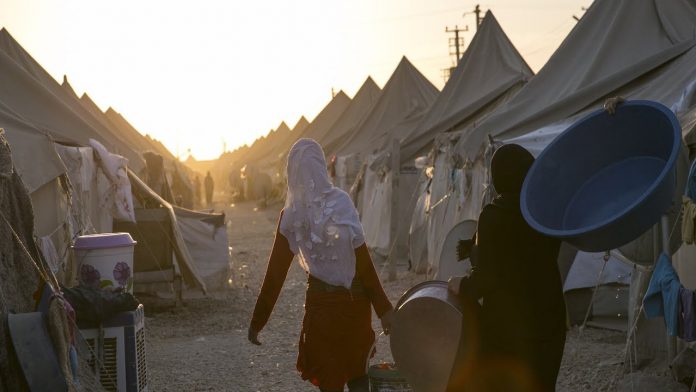
Download Now

Situating gender equality at the forefront of the legal world

0

This article has been written by Adithya Prasad pursuing the Diploma in International Business Law from LawSikho. This article has been edited by Aatima Bhatia (Associate, Lawsikho) and Dipshi Swara (Senior Associate, Lawsikho). 

A co-existential crisis that isn’t understood completely

The world is seeing a remarkable movement. For a long time, the concept of gender equality remained a shrewd and dangerous conversation for all genders. Dating back ages, having roles that further motivated societal chances for surviving hostile conditions. It involved two primary roles, combat and sustenance, each having a particular gender assigned to have maximum efforts towards the goal of existence and if survival is ensured, evolve into a more stable species. 

Combat as a role was often filled by men as they were biologically stronger and were accustomed to protection details, however, do not mistake it to have been only for men. They have documented accounts of women defenders who were assonated to combat detail for the survival of that community. The other role of sustenance was often filled by all genders including children, this involved anything from gathering food to the maintenance of the community itself. This maintenance included activities like food, shelter, education, and preservation. The goal was co-existence through maximum involvement and contribution. 

Coming towards the modern-day, this is often a fact misquoted by many. This system is currently quoted as being too gender-biased and restraining on one over the other. However, at that time what we must understand is that the past demanded one goal – survival.

Thanks to evolution, we can rest easy that most dangers are nothing more than a child’s bad dreams. Now, however, we are faced with a different issue. The metamorphosis of that survival structure, into what is now an entirely new system which is a cause for major concern. We must understand that the global economy is run by every person across all genders that exist. However, this new understanding that crept in post the survival era tipped the favour towards certain genders for acts against holding any accountable for anything that they do. A categorical classification for reasons of power, wealth, etc. 

In the modern-day, is gender equality still a myth governed by those who are hopeful for an egalitarian society or is there a deep-rooted issue that ends at the genders never becoming equal? 

The following question will be answered through this article:

  1. The morality of gender? Are biological markers enough to justify the stark difference discovered? 
  2. Instances of misuse and lapses in the current legal system
  3. What can be done to tackle this issue?

Morality of gender

The concept of gender bias came from the very roles that were discussed above, created for survival has shown its age. In an age where the beacon of liberty is clear and throughout, such an archaic principle cannot exist for it will break centuries of evolution. Naturalists will argue that the notion of gender came from the sheer biological differences that the genders have between each other, from the voice, shape, and structure of the body down to the primary functions of the body itself. 

Socrates believed – “If we are to use women for the same things as we use men, we must also teach them the same things”.

However, it was not only him who believed that the gender division would be a paramount mistake for society itself. There was a notion during the early eras of mankind that the reason for survival used to justify differences in treatment of genders was to break. Humanity has attained a point in their evolution where they can transcend their primal instincts and become something more. 

This thought did not stand the test of time, during the warring inquisition period of humanity, many sought religions as a means to derive hope and survival. This faith gave religion the ability to control the opinions of people. All religions in some way or the other profess a certain role for each gender. Can this be moral? 

Taking a consequentialist argument, one might say that such roles are required to maximize the capacity to attain favoured outcomes. The emergence of feminist jurisprudence spoke otherwise, saying – 

“The feminist concern with equality involves the claim that equality must be understood not simply as a formal concept that functions rhetorically and legally. Equality must be a substantive concept which can make changes in the power structure and the relative power positions of men and women generally”.

Closely tied with libertinism, the idea was that humans have and should be allowed to continue possessing the capacity to decide their place in the web of society. This is where we see our first issue: when considering society, is it okay for one person to decide what they want against what is required by society itself? 

If we were to follow the principles of utilitarianism, we could derive two needs for the gender system. The utilitarian system derives its presence through maximum utilization and satisfaction delivered from the acts that are acted upon. One may say that the gender system is a culmination of actions that are an average of all activities enjoyed by respective people and therefore likely to continue due to past interaction and evolution. Another argument one may say, from the utilitarian side would be the concept of societal welfare and satisfaction as the collective and primary goal. 

“Utilitarianism, a theory of morality, which advocates and dictates actions that foster happiness, pleasure and/or satisfaction whilst opposing any action that may cause unhappiness, harm or any sort of dissatisfaction.”

Jeremy Bentham, in his ‘Introduction to the Principles of Morals and Legislation, a 1789 publication, writes: 

“Nature has placed mankind under the governance of two sovereign masters, pain and pleasure. It is for them alone to point out what we ought to do, as well as to determine what we shall do.”

This may sound right for some, as the needs of the many must outweigh the needs of the few. However, a certain section of libertarians believes that the concept of genders is where the line of society must be drawn. They believe that society must understand that the needs of the many have a defining boundary. That boundary exists when considering the purpose of one’s place in society. Dwelling heavily into the argument of choice. 

Capturing the central idea of John Stuart Mill, “They (the utilitarian theory) reduce the subtleties of human life to a stark calculation of animal-like pleasures, with no concern for how these pleasures are produced.”

One can say that the need for genders, just for the sake of better administration by average assimilation is not only unfair but going against the principle of utilitarianism. That which focuses on the satisfaction of society which includes the members of the society itself. 

Do biological markers justify differentiation?

Another important question we must ponder is the inclusion or exclusion of biological markers. Biological markers here can be defined as the stark biological differences that are possessed by individuals all over. This includes hormonal secretion rates to reproductive systems and any other biological differences that exist to define the differences between the genders. 

It wouldn’t be fair to say that biological differences must never be acknowledged when constituting the law of the land. It would, therefore, only be moral if laws acknowledge the differences and adapt. 

  • A good example here would be the concept of maternity leave. No matter what the reader’s view is on pregnancy, what we must understand is that the parent is vulnerable to both external and internal threats, both physical and mental. Therefore, the law of maternity leave covered under the Maternity benefit act, 1961, having gone under the recent amendment, increased maternity leaves from 12 weeks to 26 weeks and paternal leave from 6 to 8 weeks. 

Such laws, which seek to benefit human nature by flexing itself around biological markers, would be the moral way to go. However, that is not the case with Indian law. Yes, there are laws such as the prohibition of work for women during a certain period (Section 4 of the Maternity Benefits Act, 1961) but to which there are other laws that further divide the law between the genders. 

  • Laws such as Section 498A (recently amended), 125 and 406 from the Criminal Procedure Code are just the beginning. To look deeper into the issue, let’s take Section 498 A of the CrPC which reads – 

498 A – “Husband or relative of the husband of a woman subjecting her to cruelty. —Whoever, being the husband or the relative of the husband of a woman, subjects such woman to cruelty shall be punished with imprisonment for a term which may extend to three years and shall also be liable to fine. For this section, “cruelty” means—

(a) any wilful conduct which is of such a nature as is likely to drive the woman to commit suicide or to cause grave injury or danger to life, limb, or health (whether mental or physical) of the woman; or

(b) harassment of the woman where such harassment is with a view to coercing her or any person related to her to meet any unlawful demand for any property or valuable security or is on account of failure by her or any person related to her to meet such demand.”

The problem with this section isn’t in its protection of women but their immunization. In practice, this law has people who have lost entire livelihoods on a mere accusation by some women. In cases such as – 

Saritha v. R. Ramachandran

The Court noted the reverse trend and requested a non-cognizable and bailable offence from the Law Commission and Parliament. However, it was the court’s requirement to condemn wrongdoing and to shield the victim from what happens once the victim becomes the abuser. Here is what remedy the husband will have. On this ground, the lady gets to divorce her husband and remarry or in the form of compensation may gain cash.

Anju v. Govt. of NCT of Delhi

In the case, the wife of the Petitioner challenged the order of the Lower Court, whereby the Court discharged the charges against the respondents under Section 498A/34 of the Indian Penal Code.

“In appreciating the facts of the case, the Court noted that in the FIR, the wife of the Petitioner in one breath named all members of the family without any specific role being assigned to any of them. Thus, no details were provided as to when the recorded instances occurred, or any facts to substantiate or corroborate the allegations against relatives of the spouse. The Court also noted that the allegations against the respondents were fairly general. The plaintiff failed to mention a date, time, month, or year when she was subjected to beating them. In view of the aforementioned facts and circumstances of the case, the High Court of Bombay upheld the order of the Revisional Court and held that the Court had made no mistake. Apart from the general and omnibus allegations that roped in all relations, there is no recorded material to justify the framing of charges under Section 498A IPC.”

One may argue that there was internal coercion to present the ascension of facts, however, this can be far from the truth. This isn’t to say that such families do exist that beat the truth out of people; however, some families are ruthlessly punished for something as simple as having an argument or imagine having one. Like the lady justice, Indian law seems blind to such differences. 

Another example, which is quoted very often is the law of rape and sexual assault, both in letter and application. Under Section 377 and other similar laws, there is an overbearing emphasis on the man being the predator and the woman, the victim. In understanding what constitutes rape, international law has evolved from viewing it just as penile-vaginal to penile-orifice and then to penetrative-orifice, all within a non-consensual context. By the latest legal definition, the physical violation with blunt objects undergone by Nirbhaya at the hands of her gang rapists would be classified as rape. Why does the Indian law in all its jurisprudence fail to see rape and other crimes of power as a gender-neutral issue? Feminists often quote history, saying that men of the past were abusive and harmful to women at the time, despite not defining a particular period. Truth be told, the concept of crimes of power, such as rape and sexual assault have often been committed by persons with power on those who do not. The crime itself was never fixed on gender but a sadistic need for domination, in a non-consensual way. 

The law must stay above the squabbles of the societal construct; it must be that path which leads all victims to justice despite their place or lack thereof in society itself.

Conclusion

As we spoke about earlier, the idea of gender equality is no longer a myth. Scandinavian countries for example have been able to achieve the most equal states in all of history. Other than that, countries like Bhutan, Kazakhstan, Kyrgyzstan, and South Korea have gender-neutral laws. We can conclude that it isn’t a myth but is India ready for gender equality and neutral laws? The answer is more complicated than one thinks for three reasons. One, India’s history with gender-related violence is a long way coming. With female babies being killed at birth and children being engaged at a very young age. The dark side of Indian history requires us to continue instilling some laws for the better protection of women in the country. Two, India in the majority cannot fathom a male victim in any crime of power. This mentality and social stigma that exists show men to always be the predator and women to be the victim, despite having seen various examples that show the crime to be gender-neutral. This dark side of Indian history mentioned in point one has forged an idea that only a man can be wrong while a woman is always honest and right when considering the crimes of power. The third reason is quite simple, many sections of society do not want gender-neutral laws. Despite the younger generation fighting for gender-neutral laws, there remains a section of society that wants such biased laws to exist. These laws are easy to take advantage of or are required to ensure a safety net for those that are still subject to the violence of the past. For reasons known or unknown, this section wants the laws to exist. Our legal system prides itself on never seeing an innocent person in prison, does this mean that our legal system is a product of internal hypocrisy? There is hope for the day when gender-neutral laws do come into force. That is when, the concept of gender equality will become a solid foundation under the law and then through the application, into society itself. 


Students of Lawsikho courses regularly produce writing assignments and work on practical exercises as a part of their coursework and develop themselves in real-life practical skills.

LawSikho has created a telegram group for exchanging legal knowledge, referrals, and various opportunities. You can click on this link and join:https://t.me/joinchat/J_0YrBa4IBSHdpuTfQO_sA

Follow us on Instagram and subscribe to our YouTube channel for more amazing legal content.

Download Now

Changing dimensions of patent laws in India

0
Patent laws

This article is written by Ridhi Mittal, a student of symbiosis law school doing BA LLB and currently interning at iPleaders. This article gives a brief description of the patent laws and their changing dimensions in India.

Introduction

Patent is a right that gives full credit to the inventor of the product and provides justice in case of any violation in ownership of the same. The inventor gets his invention patent for 20 years which prohibits any other producer or manufacturer from producing the said invention and earning profits. Any process, design or product can be patented by the person inventing it for making profits in order to recover his cost of making and have due credit for his invention. As per Section 2(1)(j) of the Patent Act, 1970. An invention can be interpreted as a new product or process involving an inventive step and capable of industrial application.

Patent laws in India

Patent laws are intellectual property rights. India had Indian Patents and Designs Act, 1911 which was replaced with the Patents Act 1970 along with Patent Rules, 1972 that came in effect on 20th April 1972. It was based on the recommendations of the Ayyangar Committee Report, 1957 which was headed by Justice N. Rajagopala Ayyangar. There were various recommendations made out of which one talked about granting process patents in relation to drug, food and also chemical inventions. The patent laws are administered under the superintendence of the Controller General of Patents, Designs, Trademarks and geographical indications. With time, India became a signatory of many international arrangements with the objective of strengthening its patent laws. This law is a branch dealing with new inventions. 

Section 3 of the Patent Act, 1970 lays down a number of things which can not be patent, like any frivolous invention, something contrary to the natural laws, the mere discovery of a scientific principle of any abstract theory, a mathematical or business method or a computer programme per se or algorithms, a literary or dramatic or musical work including cinematographic works and television products, any topography of integrated circuits etc. Basically, getting anything patented requires some kind of invention or newness in the product, one can not get any old product patent by mere modifications keeping its basis as the same. As per the law, every patent is granted for 20 years from the date of filing of the patent application. The term of patent, in case of international applications filed under the Patent Cooperation Treaty designating India, will be 20 years from the international filing date accorded under the Patent Cooperation Treaty. For the renewal, a regular fee is to be paid. First, renewal fee is paid before the expiration of the second year. If the patent has not been granted within two years, the renewal fees may be accumulated and paid immediately after the patent is granted, or within three months of its record in the Register of Patents or within an extended period of 9 months, by paying extension fees of six months on Form 4, from the date of record. As per the Patent laws, 1970, Form 1 is the application form; form 2 is the provisional or complete specifications in duplicate; form 3 is for information & undertaking listing the number, filing date & current status of each foreign patent application in duplicate; and form 5 is for declaration of inventorship where a provisional specification is followed by complete specification or in case of convention/PCT national phase application. There are certain rights given to the patentee, mentioned under Section 48 of Patents Act, 1970 given by the patent laws. Some of them are:

  • Where a patent covers a product, the grant of a patent gives the patentee the exclusive right to prevent others from performing, without authorisation, the act of making, using, offering for sale, selling or importing that product for the above purpose.
  • Where a patent covers a process, the patentee has the exclusive right to exclude others from performing, without his authorisation, the act of using that process, using and offering for sale, selling or importing for those purposes, the product obtained directly by that process in India.
  • Where a patent is granted to two or more persons, each of those persons will be entitled to an equal undivided share in the patent unless there is an agreement to the contrary.

On infringement of any patent, there are remedies provided to the patent holder. 

For instance:

  • Interlocutory injunction- a permanent injunction is awarded at the end of the trial whereas an interim injunction can be awarded at the start of the trial so that no further act is done during the hearing of the case.
  • Relief of damages- the patent owner is entitled to compensation for the losses suffered due to infringer.
  • Account of profits- it is basically the profits made by the defendant without any reference to damages suffered by the claimant. Herein, the claimant can demand the profits earned by the defendant due to the invention made by the patent owner, provided he shows the evidence of use of his invention in the earning of profits.

Changes in patent laws in India

The patent laws have undergone various changes since their introduction till present. The first Act or the legislation in terms of patents in India was the Act VI of 1856. Its objective was to encourage inventions of new and useful manufactures and to induce inventors to disclose secrets of their inventions. This Act patented any product for the tenure of 14 years. It was then replaced by the Act IX of 1857, having the British crown’s approval. Then came the Act XV of 1859. It was called the Patent Monopolies or Exclusive Privileges Act. It cleared the uncertainty over the tenure of 14 years being applicable from the date of filing specifications. After that, we saw various other acts like the Patterns & Designs Protection Act, 1872; the Protection of Inventions Act, 1833 and consolidated as the Inventions & Designs Act, 1888. Thereafter, the Indian Patents and Designs Act in 1911 came into the picture which was replaced by the current Patent Act of 1970. This Act saw various amendments till date. For instance Patents (Amendment) Act, 1999 (came into force on 01-01-1995); the Patents (Amendment) Act of 2002; the Patent Rules, 2003; the Patent (Amendment) Act, 2005 and the Patents (Amendment) Act, 2006 (effective from 05-05-2006).  

Some of the very important changes in laws seen through these above-mentioned acts are as followed:

  • Application for patents can be filed by Indians anywhere, removing all restrictions.
  • Where only methods or processes were patented now even the goods and processes in all fields of technologies could be patented
  • With the inclusion of TRIPS (Trade Related Intellectual Property Rights) Arrangement exclusions, the list of products that didn’t qualify as innovations was modified. Earlier, any invention resulting in any illegal activity or going against the public norms wasn’t called an invention but now they are and also can be patented. 
  • Allocation of right licenses was swapped with compulsory licensing with TRIPS.
  • The term or tenure of the patent, which was 14 years earlier, now was changed to 20 years. 

Changing dimensions of drug patents of Indian pharmaceutical industry

India saw a pharmaceutical revolution as the 1970 Patents Act provided for patenting the processes. There was a huge increase in the manufacturers but then the Patent Act, 2005 proved to be a game-changer as it allowed both process and product to be patented for the pharmaceutical substance. Just like every law and provision, there are various exceptions to this one too. Any plant or animal or any part of the said plant or animal including seeds, varieties and species and essentially biological processes for the production of plants or animals cannot be patented. Any mere discovery of a new form or new substance is no invention and hence can not be patented {Section 3(d) amended under the 3rd Amendment}. Also, substances like salts, esters, polymorphs, metabolites, pure form, particle size, isomers, mixtures of isomers, complexes, combinations and other derivatives of known substances are to be considered to be the same substances itself and thus not patentable, unless they differ significantly in properties with regard to efficacy.

The Patents Act, 1970  when introduced, gave rise to reverse engineering through product patenting which in return brought huge profits and benefits to the Indian pharmaceutical industry but it left out food and medicine and drugs from product patenting. With the increase in global competition, a need to amend laws was felt.  Every country was made to follow WTO (World Trade Organisation) laws and TRIPS 1995 Agreement. These laws included protection of 10 years to patent products which is why India had to amend its laws on 22 March 2005 by changing process patent laws to product patent laws. 

Objectives

People apply for drug patents due to the same reason as other patents are filed for. The pharmaceutical industry is one of the major earning industries as no matter what happens people always get sick and require medicines. Especially in today’s time, the Covid-19 situation, it Covid-19becomes even more important. Every year a number of new drugs are introduced in the market which takes years to get formulated. Various tests are conducted, a lot of theories are made, basically introducing a new drug requires a lot of investment in terms of money, time and effort. It is the right of every individual or organisation to get due credit for his invention and recover the expenses made during the research or invention of new substances. The patents in this industry are for the inventor to generate the amount of revenue to cover his expenses and make profit. The cost of bringing a new drug to market is approximately $5 billion and can take nearly 15 years to get a drug introduced to the market. Every drug introduced in the market requires patent protection in order to safeguard innovation. These patents are also secure against infringement cases. They ensure that no one can misuse your reinvention or name it after them. It also ensures that any individual doesn’t misinterpret and earn profits on your account. These patents also help in raising venture capital thereby increasing the overall economic growth.

Trend of drug patent in India

In respect to medicine or drugs and certain classes of chemicals, no patent is granted for the substance itself even if it is new, but the process of manufacturing and substance is patentable. The Indian pharmaceutical industry is one of the largest in the world. It has witnessed a lot of changes since 1970. As of now, the industry has diversified fields, namely, manufacturing, research and development of various generic and branded drugs. The pharmaceutical industry extracts a lot of revenue thereby ensuring progress and economic growth of the country. With time, the applications filed for drug patents have significantly increased. But after 2004, there has been a decline in the number of applications, especially after the introduction of the TRIPS agreement. From 1997-98 to 2015-16, a compound annual growth rate of 8.39% was seen in total patent applications and 3.27% in pharmaceutical patent applications. Last decade saw a rather stagnant percentage of drug patent applications. Yaeko Mitsumori’s study in 2005 established that there are 2 major reasons contributing to shrinking the negative effect of the stringent patent system. They are; first, Section 3(d) of the Patent (Amendment) Act, 2005 and secondly the transitioning business models embraced by Indian pharmaceuticals. Government policies can also be one of the reasons for this. For instance, the policy of issuing lesser patents to health insurances as the number of Indians having health insurance policy are less. More patents are filed in India for formulations, dosage, forms, combination drugs and mode of deliveries. India is known for significant contributions in generic drugs but still lacks in patenting the drugs. A number of drugs are patented for the same disease but because they have different processes and substances they are patented by the makers. As a patent is only valid for 20 years, once the patent years are over, various pharma companies introduce the same drug with their name by changing certain minor things in it. They can introduce them but can not get those drugs patented in their name. 

Conclusion

Patents are one of the most important things when it comes to new inventions and innovations, they are claims of a product or process for 20 years for its sole manufacturing or monopoly given to the inventor for safeguarding his invention and earning revenue. Patents have evolved with time introducing new changes and amendments as per the ongoing trends. The Indian pharmaceutical industry has also changed with time. During the last two decades, the pharma patenting trends in India experienced a parabolic shift. Even with a reduced pharma patenting, the revenue generated out of it is great. India has now become amongst the top 10 pharma markets internationally. 

References


Students of Lawsikho courses regularly produce writing assignments and work on practical exercises as a part of their coursework and develop themselves in real-life practical skills.

LawSikho has created a telegram group for exchanging legal knowledge, referrals, and various opportunities. You can click on this link and join:

https://t.me/joinchat/J_0YrBa4IBSHdpuTfQO_sA

Follow us on Instagram and subscribe to our YouTube channel for more amazing legal content.

Download Now

When Gandhi refused to apologise and faced contempt proceedings

0
Contempt of court

This article is written by S A Rishikesh, from the Institute of Legal Studies, Shri Ramswaroop Memorial University, Lucknow. This article provides an insight into the famous instance when Gandhi refused to apologise and cheerfully faced contempt proceedings. This case was brought into the limelight by the statements made by Prashant Bhusan and understanding what constitutes contempt of court.

Introduction

Supreme Court lawyer and activist Prashant Bhusan was convicted for contempt of court for his tweets directed to the former Chief Justice of India SA Bobde and the Supreme Court. The three-judge Supreme Court bench gave Mr Bhusan three days to apologise for his tweets and end the contempt proceedings. But, Mr Bhusan refused to apologise and issued a fresh statement which said apologising for his tweets which he believes to be true would be ‘a contempt of his own conscience’. He further added offering an insincere apology would amount to an insult to the institution that has very high esteem in his eyes. 

Prashant Bhusan’s supplementary statement was very carefully worded; a principled and constructive response, wherein he said, “I can only humbly paraphrase what the Father of the Nation Mahatma Gandhi had said in his trial: I do not ask for mercy. I do not appeal to magnanimity. I am here, therefore, to cheerfully submit to any penalty that can lawfully be inflicted upon me for what the court has determined to be an offence, and what appears to me to be the highest duty of a citizen.” This statement is paraphrased from the original statement of Gandhi when in the year 1919 the Bombay High Court started a contempt proceeding against him.

Contempt of Court

Constitutionalism means everyone remains within their limits. Article 19 of the Constitution of India gives freedom of speech and expression but it is not absolute there are restrictions on this right, mentioned in Article 19(2). Contempt of court is a reasonable restriction; an exception to the freedom of speech and expression. Contempt of court in simple words means ‘showing disrespect to the Court either through words or actions’. The power to punish for contempt is given to the Supreme Court under Article 129 and to the High Court under Article 215

The Contempt of Courts Act, 1971 explains two kinds of contempt:

  • Civil contempt 
  • Criminal contempt

Civil contempt

Section 2(b) of the Contempt of Courts Act, 1971 defines civil contempt.
Illustration: If a court order asks A to pay a penalty of INR ten thousand or if a court judgement asks A to pay INR ten thousand damages to Z and A denies to do so. 

Police officer A has received an order to release prisoner Z from the jail. But A disrespects the court’s order by not releasing Z.

Will it amount to contempt? The answer is yes. In both cases A has committed civil contempt of court. So civil contempt means willfully disobeying any judgement, decree or order of the court. The word willfully here means voluntarily. This definition is simple even a person of ordinary prudence, with no background knowledge of the law can decide what actions will constitute civil contempt. Civil contempt can be punished with a six months jail or a fine of up to INR two thousand or both.

Criminal contempt

Section 2(c) of the Contempt of Courts Act, 1971 defines criminal contempt. Any form of published words that scandalises or lowers the authority of the court, or interferes with or prejudices any judicial proceeding, interferes in or obstructs the administration of justice in any manner, constitutes criminal contempt. 

Illustration: If A talks loudly during a court proceeding thereby disturbing the proceeding and after even being asked to keep quiet A continues to do so. 

A has committed criminal contempt. Criminal contempt is also punishable with a six months jail or a fine of up to INR two thousand or both.

Background of the Gandhi case

This case dates back to 1919, the same year in which the Rowlatt Act was passed. The anti-Rowlatt Act agitation was taking place in the entire country. On April 13, 1919, the British troops opened fire at the unarmed Indians, who had assembled peacefully in the Jallianwala Bagh. An estimate of 379 people was killed in this incident leaving behind more than 1200 people injured. It was followed by Martial Law in Punjab and thousands were arrested.

Indian National Congress and Mahatma Gandhi reacted very strongly to it and began making a ground for Satyagraha and the non-cooperation movement. On April 22, 1919, the District Judge of Ahmedabad (Mr. B.C. Kennedy) wrote a letter to the registrar of the Bombay High Court. The letter had the names of two barristers Kalidas J. Jhaveri and Jivanlal V. Desai, who had signed the ‘Satyagraha pledge’. The pledge among other things mentioned refusing to obey the Rowlatt Act and other such laws. Mr Kennedy believed that signing such pledges was inconsistent with their duties as advocates.  The result of this letter was a notice that was issued against the advocates on July 12, 1919, and eventually, on October 15, 1919,  the court held that the ‘Satyagraha pledge’ signed by the accused advocates was inconsistent with the performance of their duties to the court and the public. 

Mohandas Karamchand Gandhi was the editor and Mahadev Hirabhai Desai was the publisher of a weekly newspaper named Young India. Contempt proceedings were started against them because on August 6, 1919, they published the letter written by the District Judge Mr. Kennedy on the front page under the heading “O’Dwyerism in Ahmedabad”. Page 2 of the newspaper contained an article with the heading “Shaking Civil Resistors”. It contained comments on the letter. 

The charges framed against Mr Gandhi and Mr Desai were that they had published a private official letter which was part of a proceeding then pending in the Bombay High Court and comments which were made by them in their newspaper in the second article were on that pending case.

The trail

On October 18, 1919, the registrar of the Bombay High Court acting on the directions of the chief justice asked the editor of Young India Mohandas Karamchand Gandhi to appear before the chief justice on October 20 at 11 o’clock in his chamber to explain publishing the letter and the comments made in the article published in his newspaper. To this Gandhi replied that he would be unable to attend His Lordship as he was going to Punjab and asked if a written explanation would do. 

To this, the registrar replied that the Chief Justice does not want to interfere with your pre-scheduled plans and is therefore ready and willing to accept a written explanation. The explanation as to why the letter and the comments thereon were published without the permission of the court at the time when proceedings were pending in the court in connection with the said letter. 

On October 22, 1919, Gandhi replied through a letter that the letter in question came to him in the ordinary course, and he understood that the giver is giving him the letter in a proper regular and open manner. He in no way knew that the letter was private, nor by reading the contents of the letter he did think so. As a journalist, he believes that he was within his rights in publishing that letter and commenting on it. He believed the matter was of public importance and one that calls for public criticism. 

On October 31, 1919, the registrar wrote back to Gandhi stating that the Chief justice found the explanation unsatisfactory; however, the Chief Justice understood that he was unaware of the fact that he was exceeding his right as a journalist when he published the letter and the comments thereon. The letter also contained an apology format which the Chief Justice has asked to publish in the next edition of ‘Young India’ to dispose of the matter. 

Gandhi replied on December 11, 1919, apologising for the delay caused in replying. Concerning the letter, he informed that he regretted that he was unable to follow the advice of the Chief Justice, and will not be printing the suggested apology. He once again went on to explain his actions and also mentioned that in his opinion he was doing useful public duty. He ended the letter by saying ‘Should this explanation be not considered sufficient by his lordship, I shall respectfully suffer the penalty that their Lordships may be pleased to impose upon me.’

Finally, Gandhi and Desai were served the show cause notice by the High Court. Both of them appeared in person on February 27, 1920. 

Petitioners argument 

The petitioner finds respondents guilty of contempt of court, on two grounds. By publishing the letter and comments thereon in the Young India newspaper respondents scandalized Mr Kennedy and secondly, it should be seen as an attempt to obstruct the path of justice. Publication of the letter while the matter was still pending before the court amounted to contempt of the court. 

Respondents argument

Gandhi stated that he does not wish to argue the legal points but added that he was not convinced with the arguments of the petitioner. Moreover, he said he had commented on the District Judge not as a judge, but as an individual. Regarding the explanation for his conduct, he said that he had already written a letter to the registrar on December 11, 1919, which explained why he published the letter. He regrets not following the advice of the Chief Justice of publishing an apology. He was unable to act on the advice of the Chief Justice because he believes he has neither committed a legal or moral breach by publishing that letter and comments thereon.

He said,I am sure that this Honourable Court would not want me to tender an apology unless it is sincere and expresses regret for an action which I have held to be the privilege and duty of a journalist. I shall therefore cheerfully and respectfully accept the punishment that this Honourable Court may be pleased to impose upon me for the vindication of the majesty of the law.’ At last, he added that Mr Desai published the letter on his request and advice. 

Mr Desai in his statement said that he has read the statement submitted by his editor and he associates himself with that statement. He shall cheerfully and respectfully abide by any penalty awarded to him by the court. 

Judgment 

The case was heard by the three judges bench of Mr Justice Marten, Mr Justice Hayward, and Mr Justice Kajiji held that the publication of the letters and the comments thereon amounted to contempt. 

The judges concluded that they have vast power, in this case, to impose a very severe fine as they think fit or send the person to prison for the time they judge right. But as their powers are large they need to use them with discretion, keeping in mind that they have to use these powers for administering justice and for the public good. In the present case the accused had expressed their inability to apologize but at the same time have expressed their acceptance for any award as deemed fair by the court. It is certain that the editor, Mr Gandhi did not realize that he was breaking the law. Keeping all this in mind, the court dismisses this contempt proceeding by ‘severely’ reprimanding the respondents and cautioning them for their future conduct.

Contempt in other countries

This case is over a hundred years old. A lot has changed since then; the law of contempt of court has become obsolete in many foreign countries. Most liberal democracies see this law as anarchic. The United States of America has no contempt of court laws. While countries like the United Kingdom and Canada have limited this right. It is only used when there is a real and grave danger to the administration of justice. This can very well be understood by the following examples: After the Spycatcher judgement (1987), A cartoon of Lord Sidney Templeman was published in the Daily Mirror titled ‘You old fools’. Lord Templeman refused to initiate a contempt proceeding saying he is old is true and if he is a fool or not is the matter of perception, well he believes he is not. Similarly, no contempt proceedings were initiated against the Daily Mail article titled ‘Enemies of the people’ published after the Brexit judgement(2016).  

Conclusion

Unfortunately, things are not the same in the world’s largest democracy. Constructive criticism is the most important aspect of democracy. However, a large number of contempt cases show judges have failed to keep a broad mind on this issue. It is high time that judges adopt a more liberal view in contempt proceedings.

References


Students of Lawsikho courses regularly produce writing assignments and work on practical exercises as a part of their coursework and develop themselves in real-life practical skills.

LawSikho has created a telegram group for exchanging legal knowledge, referrals, and various opportunities. You can click on this link and join:

https://t.me/joinchat/J_0YrBa4IBSHdpuTfQO_sA

Follow us on Instagram and subscribe to our YouTube channel for more amazing legal content.

Download Now

Outer space patenting : is the world ready

0

This article is written by Daisy Jain, pursuing B.COM.LLB (Hons) from the Institute of Law, Nirma University. This is an exhaustive article on outer space patenting, and the readiness of the world with regards to it. 

Introduction 

The commercialization of outer space is progressing into a new stage in its development. It is the strong territorial framework to intellectual property rights that is inconsistent with the legislation governing space operations. The purpose of this article is to examine the topic of patent protection in outer space while also providing a feasible framework for the protection of what is known as “outer space patenting”. It is anticipated that such an international framework will stimulate the advancement of space operations and will, in particular, address the demand for patent protection by governments and private enterprises. Space activities, like all human practices, are subject to international and national laws and regulations. 

Intellectual property rights (IPRs) are constantly raising a variety of major legal concerns in relation to space activities, including questions of ownership of intellectual property and violation of IPRs, among other things. The significance of intellectual property rights (particularly industrial property rights) pertaining to space activities is growing rapidly as the private enterprise becomes increasingly acknowledged as a component in further space growth and as space applications become more and more embedded into everyday life on Earth. Generally speaking, industrial property (the patent system) is needed for the issue of a patent since it serves to foster the development of novel ideas for the welfare of the majority at large. Since patent systems were created as a means of striking a balance between the interests of inventors and the interests of the public at large.

Intellectual property and its role in the context of space activities

WIPO is an intergovernmental organization that has been a member of the United Nations system of organizations since 1974. It is one of the 16 specialized agencies that make up the system. A major responsibility of the World Intellectual Property Organization (WIPO) is to promote intellectual property security across the world through coexistence among countries and, where suitable, cooperation with other international organizations, as well as to administer various treaties related to intellectual property. As of now, 193 countries are members of the World Intellectual Property Organization (WIPO). 

Notions and roles of intellectual property 

According to Article 2(viii) of the Convention Establishing the World Intellectual Property Organization, which was signed on 14th July 1967; “intellectual property” should encompass provisions related to:

  • Literary, artistic, and scientific works;
  • Performances of performing artists, broadcasts, and phonograms;
  • Inventive breakthroughs in every aspect of human achievement;
  • Significant breakthroughs in scientific research;
  • Designs for industrial use;
  • Trademarks, service marks, and other commercial names and designations are all protected.
  • Additionally, unfair competition security is provided.
  • All other rights originating from intellectual work in the domains of industry, science, literature, and the arts.

Patents

Inventions are protected by patents, which are special rights provided to the inventors of those inventions. In the case of a patent, the owner has unique rights to restrict third parties who do not have the owner’s authorization from carrying out the activities of creating the patented invention, using it, presenting it for sale, selling it, or importing it for these reasons. Before obtaining a patent for their idea, each patent applicant will need to take into consideration two major factors. These are:

  1. The jurisdiction(s) in which the technology is used before its deployment into space; and 
  2. The jurisdiction(s) and “control” point(s) of the technology that is associated with them.

Patents given by national governments are fundamentally territorial, and as a result, granting patents in a zone where there are currently no territorial boundaries, such as space, becomes problematic. It was addressed by Article VIII of the Outer Space Treaty, which states that the state (party to the Treaty) whose registry an item entered into outer space is passed shall preserve jurisdiction and influence over such item and any personnel thereof while in outer space or on a celestial body. The control point for the technology is also retained by the government of the country that registered it. Depending on the space-bound technology, the patentee must take into account either the first or the second element, or a combination of the two, to obtain protection for his or her invention.

Trademarks

Trademarks are distinguishing signs that distinguish particular goods or services as having been created or provided by a particular individual or company. As of right now, there is no mechanism for the issuance of trademark protection to any inventions that are sent into space. The image and branding of the goods and services in question are what distinguishes it from a patent in terms of its application. For example, firms such as SpaceX, XCOR, and Orbital Sciences Corporation, which are involved in the production and commercial upstarts, would seek to preserve their invention and prestige in space. Virgin Galactic is trying to engage in commercial trade in outer space, and as a result, those wishing to profit from this endeavour will be required to obtain trademark protection.

Copyrights

Copyrights can be used to protect the communication and receipt of information from satellites. Since the 1960s, safeguarding intellectual works broadcast via satellite from illicit surveillance and use has been a major international issue, particularly in the developing world. There is a serious insufficiency about the same. Even though Article 17 of the Radio Regulations of the International Telecommunications Union and Article 22 of the International Telecommunications Convention entail member states to keep specific telecommunications secrets, the significance of these provisions to the interference of satellite signals is debatable. Copyright difficulties can arise as a result of direct broadcast satellite technology, which is becoming more prevalent. The Brussels Satellite Convention was drafted to address this deficit to a greater extent.

Because space has generally been regarded as a common heritage shared by all of humanity, and because of the requirements laid out in the Outer Space Treaty (OST), which stipulates the exchange of perks obtained from space, personal liberty in space is still a long way off from being asserted today. Only on an object that has been launched into space may a person or a country claim exclusive ownership or control. As previously noted, this element is governed by Article VIII of the Outer Space Treaty, which states that the launching state is responsible for registering the object and, as a result, will have authority over the item. 

Advancements of intellectual property in the area of space activities

It has only been in recent years that intellectual property protection in linkage with outer space activities has received greater focus, even though space technology has always been one of the most innovative technical areas and that outer space activities are, after all, the fruit of intellectual creations. One of the causes for this movement is that space operations are rapidly changing away from state-owned activities and towards the private and commercial sectors. Remote sensing from space, direct transmission, as well as research and production in microgravity environments, are some of the operations that are taking place. Not only is there an increase in new commercial sector involvement, but there is also an increase in the privatization of entities, as in the cases of Inmarsat and Intelsat. In general, such non-governmental organizations are more cognizant of their “property”, both in physical and intellectual forms. Furthermore, due to the large amount of financial and technical resources needed to complete space programs, cooperation with the private sector is not uncommon among many of the state-owned space agencies operating today. Licensing contracts are made between governmental space agencies and private corporations. Such private finance must be even though based on the expectation that the R&D investment would be repaid at some point in the future. Consequently, the acquisition and preservation of intellectual property rights would have a favourable impact on the engagement of the private sector in the growth of outer space operations and on the continued advancement of science and technology and space technology in general.

Another factor contributing to the rise of intellectual property concerns in recent years is the globalization of space operations. As is the scenario with the International Space Station (ISS), an increasing number of space activities are being carried out under international cooperation schemes, which involve a diverse range of players representing a variety of constituencies from distinct nations. As a result, there is a pressing need for an international legal framework that is straightforward, standard, and dependable. Even though national intellectual property laws are generally well-harmonized, distinct national regulations still apply different principles in varying situations. When a disagreement emerges, each country’s legislation governs the question of whether or not the matter falls within international jurisdiction. As a result of the absence of a trustable international legal regime, parties to international cooperation agreements are required to negotiate intellectual property clauses, which may address issues such as ownership, rights of use, rights of distribution, and licensing of data, data capable of legal recourse, and confidentiality. While a commercial arrangement of this nature is binding between the parties involved, it does not obligate other parties in any way.

Another factor could be that, as a result of advancements in space technology, new business opportunities are becoming available. For example, although it is currently a pipe dream for the wider populace, advances in space transportation technology are paving the way for the establishment of space tourism in the near future. Till now, when addressing intellectual property issues concerning space activities, the main worries have been patent protection for inventions formed or used in outer space, or copyright safety for databases containing data obtained through space activities. However, this is changing. Depending on whether or not space tourism becomes an actuality, the security of trademarks and industrial designs in outer space may also become a significant concern.

It is impossible to overstate the significance of having a legal framework that successfully safeguards intellectual property in space. Lack of legal stability will impact the growth of space research and international cooperation. As a result of the significant investments required for space operations, a legislative regime that ensures a fair and equitable environment is required to promote the involvement of the private sector. Restricted exclusive rights provided by intellectual property protection would provide competitive advantages to right holders, either through the conclusion of a licensing agreement or by the exclusion of competitors from using a particular technological innovation. Patents and intellectual property rights acquired by the corporation may help to boost the company’s overall reputation in the marketplace. A company’s technical competency, for example, may be demonstrated by the acquisition of patents. Additionally, the possibility of licensing intellectual property provides the opportunity to bargain a cross-license with other parties, which is especially advantageous when a particular space technology in question is an integration of numerous high-technologies. In addition, in some countries, legal frameworks for establishing and maintaining security rights in intellectual property are in existence.

Definition and legal status of an outer space

At present time, there is no legally binding definition or demarcation of outer space that has been agreed upon. Accordingly, the following would be an appropriate definition: The term “outer space” refers to the entire area of space encircling the Earth. As per the rules of celestial mechanics, it is the only place where objects can move without the use of artificial propulsion devices. It persists without being hindered by the frictional impedance of the earth’s atmosphere, which would otherwise hinder it from existing. It spreads upwards from an elevation of roughly 100 kilometres above the surface of the earth. Using the definition of outer space provided above, satellites, both natural and manufactured, can move around the earth without the use of an active propulsion system. Whenever the orbital trajectory attains altitudes close to 100 km, it is almost certain that the braking force will still be powerful enough to pull the trajectory down to a level below 100 km. As the frictional resistance diminishes progressively with rising altitude, this will occur in a relatively short period. Even at a distance of about 1000 kilometres, this friction is still there, but in a very feeble form. It will also take approximately 1,000 years for an object at this altitude to fall to the earth’s surface from its current location at the top of the world.

In 1957, at the advent of the Space Age, talks began in the state community, as well as within the United Nations, specifically on the legal position of this new subject. In a newly ‘found’ area, several legal ideas from traditional public international law could be used in a novel way. At the end of the day, the method chosen by the state community was significantly different from but equivalent to, the regime established for the high seas, where no state sovereignty is recognized. In the United Nations Charter, outer space has been proclaimed a res communis, which means that it is not susceptible to the sovereignty of any state and that governments are obligated to abstain from taking any actions that could jeopardize the use of outer space by other states.

International principles concerning outer space

The five space treaties signed under the framework of the United Nations (UN) constitute the well-known body of international space law. They are as follows:

  • Treaty on principles governing the activities of States in the exploration and use of outer space, including the moon and other celestial bodies of 27th January 1967 (Outer Space Treaty);
  • Agreement on the rescue of astronauts, the return of astronauts, and the return of objects launched into outer space of 22nd April 1968 (Rescue Agreement);
  • Convention on international liability for damage caused by space objects of 29th March 1972 (Liability Convention);
  • Convention on registration of objects launched into outer space of 14th January 1975 (Registration Convention);
  • On 18th December 1979, an agreement was regulated for the activities of states on the moon and other celestial bodies (Moon Treaty).

All of these issues derive from the fact that research and development, as well as the deployment of space objects and the associated operational costs, necessitate a substantial investment of resources on a scale that could only be accomplished by governments or government-supported enterprises. This can be used to explain the creation of legal rules that have been agreed upon and sanctioned at the international level. The first clear benefit of UN Bodies such as the United Nations Committee on the Peaceful Uses of Outer Space (UNCOPUOS) engagement was the completion of a fundamental agreement on outer space in 1967, which was based on UN Resolutions No. 1348 of December 1958, No. 1472 of December 1959, No. 1721 of December 1961, and the Test Ban Treaty of 1963. This agreement was known as the Outer Space Treaty and was signed in 1967. The Outer Space Treaty establishes the fundamental principles for the exploration and utilization of outer space, and it was signed in 1967. Thus, it acts as a “Magna Carta” or “Constitution” for all actions that take place in outer space, according to some. A handful of its ideas were further developed in more explicit provisions of four additional space treaties.

Countries that have IPR laws compatible with space law

Only the United States legislation and the NASA Act of 1958 contain clear legal frameworks regarding the applicability of domestic intellectual property law to space activities. According to the US Space Bill, patent law applies to objects in outer space, however, the NASA Act deems a space item to be nothing more than a “vehicle.” The latter has effectively constructed a balanced intellectual property strategy that has proven to be exceptionally effective in protecting patent interests while fostering industrial engagement in commercial space activities.

Intellectual property standards have been drafted by the European Space Agency as well as by international organizations, including contract requirements, regulations in the implementing rules of optional programs, and terms incorporated in international agreements. Every year, the European Space Agency (ESA) files approximately 20 patent applications relating to inventions made by its employees. It has also preferred to safeguard the titles of its programs through the use of registered trademarks for those programs that are created and devised to be commercialized by a company specifically established for that reason, such as those formed under the Arianne Program. One of the most significant roles played by the European Union in satellite broadcasting is in fostering an environment in which trans-border broadcasts are not inhibited by legal uncertainty.

India, although being a signatory to all international space treaties, is not unique from the vast majority of other nations when it comes to creating particular space legislation of its own, which is to say that it does not have any. With the rising diversification of Indian space activities, there is an urgent need for the formulation of coherent and balanced space legislation.

Space legislation in India

In India, as in other nations, the use of intellectual property rules in space-related activity is still in its infancy. Indian participation in international treaties such as the Outer Space Treaty of 1967, the Moon Treaty 1979, the Liability Convention 1972, the Rescue Agreement of 1968, the Registration Convention 1975, and others do sometimes not result in any significant changes in the country’s space policy, and there is no particular national space legislation in place. An effective national space policy is required to promote the entire expansion of space operations in India, and the government intends to do so by introducing the Space Activities Bill, 2017, which has been presented to the Prime Minister for consideration. There is a proposal for a bill to promote and regulate the space activities of India, as well as encouraging private commercial organizations to participate in space operations in India, with direction and authorization from the government provided by the department of space. Aspects of the proposed legislation dealing with intellectual property rights produced in the course of any space-related activities are covered in Section 25 of the proposed legislation. 

However, the provision has a flaw in that it recommends that any intellectual property rights produced onboard a spacecraft be assumed to be the property of the United States government, which is unconstitutional. In fact, if Google were to launch a satellite from India, would it not be the sole owner of the images captured by the satellite? However, despite the government’s efforts to incorporate private businesses in space activities, the bill does not specifically tackle or defend the rights of private entities. In addition, some crucial provisions like orbital patents and flags of ease are not addressed in the bill.

The government’s declaration that private players will be allowed to participate in space operations, as well as the proposed Space Activities Bill 2017, demonstrate the government’s commitment and deliberate agenda in terms of protecting intellectual property in space. There are other complexities and irregularities to be handled, but the government’s notice and incorporation of a provision in the legislation to deal with them show its readiness to do so – and that is an important first step.

Need of reconciliation of IPR and space law

There is no doubt that intellectual property is crucial for space exploration as well as for furthering research and development in the field of science. There are still some issues that need to be addressed. Intellectual property protection may be in contradiction with the concept of fair and transparent access to knowledge, data, and materials obtained from space activities.

Nevertheless, such harmonization is insufficient for expanding such protections to activities and patents connected to space exploration and exploration technologies in general. To ensure that even poor nations may gain from their innovations rather than being eclipsed by developed countries, a unified legislative regime controlling intellectual property rules in space must be established. As far as intellectual property rights are concerned, there is a great deal of room for expansion into outer space in terms of new aspects, such as the application of territorially based national laws to outer space for the regulation of rights, privileges, and ownership in the case of joint activities, and adherence with international commitments. Additionally, to resolve conflicts arising out of intellectual property rights in outer space, it is necessary to establish a uniform enforcement system, such as that of international arbitration.

Even if we were to only discover the possibilities of space, it could take us years. It has the potential to deliver resources that cannot be valued at this point. Adequate and suitable means for exploring space can only be developed with the technological and financial cooperation of the commercial sector and government bodies. The fact that any firm has the unique right to its inventions, to the exclusion of others, provides an incentive for it to innovate and develop superior technology. Intellectual property rights are the sole means by which such an exclusive right can be awarded. The harmonization of intellectual property rights laws with space laws is necessary for the interest of space exploration as a whole.

Conclusion 

Every mooted solution has a flaw, and none of them is satisfactory at this stage in terms of mitigating the challenges associated with the patentability of space inventions at this time. It would be good for the world’s main space-faring nations to establish a treaty prohibiting corporations or inventors from profiting from the use of technology that infringes on the patents of any of the signatory countries’ governments. Due to which innovators and applicant companies will be compelled to adhere to the system that has been established to profit from their discoveries. If the corporations do not adhere to the aforementioned rules, they will be unable to generate a profit from the object. The companies that engage in the aforesaid actions do so to gain financial gain. By making use of the differences between the patent laws of various nations, several advantages can be attained. If none of the countries recognizes any invention that violates the patent laws of any other participating nations, these calculative beneficiaries would be forced to cease their practice soon. However, before any clear and successful solution can be implemented, it is important for the states to first modify their intellectual property laws to ensure that space-related ideas are patentable. Despite this, some countries, such as the United States and Canada, have modified their national patent laws in recent years.

It is recommended that the dispute between intellectual property laws and the space law regime be settled through the development of an integrated structure, which could be evolved by the international IPR and space law community under the umbrella of UN Bodies such as the United Nations Committee on the Peaceful Uses of Outer Space (UNCOPUOS) and the World Intellectual Property Organization (WIPO). Furthermore, it is strongly proposed that the standardized framework takes into consideration the objectives of developing countries as well as the promotion of moral and ethical use of outer space for the sake of the complete human race as part of its overall design.

References


Students of Lawsikho courses regularly produce writing assignments and work on practical exercises as a part of their coursework and develop themselves in real-life practical skills.

LawSikho has created a telegram group for exchanging legal knowledge, referrals, and various opportunities. You can click on this link and join:

https://t.me/joinchat/J_0YrBa4IBSHdpuTfQO_sA

Follow us on Instagram and subscribe to our YouTube channel for more amazing legal content.

Download Now
logo
FREE & ONLINE 3-Day Bootcamp (LIVE only) on

How Can Experienced Professionals Become Independent Directors

calender
28th, 29th Mar, 2026, 2 - 5pm (IST) &
30th Mar, 2026, 7 - 10pm (IST).
Bootcamp starting in
Days
HRS
MIN
SEC
Abhyuday AgarwalCOO & CO-Founder, LawSikho

Register now

Abhyuday AgarwalCOO & CO-Founder, LawSikho