Download Now
Home Blog Page 533

Is every tax evasion and false verification punishable under the Income Tax Act, 1961

0
Tax on shareholders income

This article is written by Smaranika Sen from Kolkata Police Law Institute. This article exhaustively states whether every tax evasion or false verification is punishable under the Income Tax Act, 1961 or not.

Introduction

The word ‘tax’ originated from the word ‘taxation’ which means an estimate. The concept of income tax was prevalent in India for many years but it was James Wilson who was the first person to introduce the Modern Income Tax Act in the year 1860 in India during the period of pre-independence. Classical India’s master poet and dramatist Kalidas in his epic poem Raghuvamsha stated that “It was only for the good of his subjects that he collected taxes from them, just as the sun draws moisture from the earth to give it back a thousandfold”. 

Income tax is a tax that is paid to the government based on one’s income or profit in the case of companies or businesses. The tax is used by the government for various beneficial purposes like developing the infrastructure, establishing efficient public services, etc. Like a coin has two sides, some people commit offences like tax evasion or false verification or false documentation, etc. Through this article, we will try to analyze whether every offence related to tax is punishable under the Income Tax Act, 1961 or not. 

History of taxation laws

The system of direct taxation originates from ancient times. In Manusmriti, Arthashastra the concept of direct taxation can be traced. Manu had stated that the king could impose taxes. Author K.R. Sarkar in his book, “Public finance” in ancient India stated that most of the taxes at that time were highly productive. The mixture of direct taxes and indirect taxes were elastic and more emphasis was put on the direct tax. The concept of taxes was also provided during the Mauryan empire

The Central Board of Revenue in 1924 constituted a statutory body with functions and responsibilities for the administration of the Income Tax Act. In 1939, there were some amendments made to the Income Tax Act. Lastly, in 1961, the revenue audit was introduced and the Income Tax Act, 1961 came into force on April 1, 1962.

Income Tax Act, 1961 – an overview

The Income Tax Act is a comprehensive statute. It consists mainly of different rules and regulations that govern taxation in the country. The statute mainly provides provisions for levying, administering, collecting and recovering income tax. It contains a total of 23 Chapters and 298 Sections. The fundamentals on which one needs to pay income tax are salary, income from house property, capital gains, profits from any businesses, and income from any other sources. The amendments to the Income Tax Act are done under the influence of the financial budget of every year presented by the Central Government. The income-tax mainly depends on one’s annual income. 

Latest changes to the Income Tax Act 

Union Finance Minister Nirmala Sitharaman stated the budget for 2021-2022. Some of the changes that are brought by the Union Budget 2020 are:

  • There is no requirement for income tax filing for senior citizens who are above the age of 75. The senior citizens who are above the age of 75 years and have only pension and interest as a source of income will be exempted from filing their income tax return. However, it has to be kept in mind that they are only exempted from filing income tax returns and not exempted from paying taxes.
  • In regard to the above-stated point, few banks will be notified by the government which account holders will be eligible for this exemption and thereby they will have to provide a declaration to the specified bank. 
  • ITR form will have from now on pre-filled information on dividend, interest, capital gains to make it easy for individual taxpayers. 
  • If there is any share of contribution on the interest on employees provident fund, then it will be taxable at the stage of withdrawal if it exists Rs 2.5 lakh in any year on or after April 1, 2021.
  • The government has proposed to insert Section 206AB in the Income Tax Act as a special provision providing for a higher rate for TDS for the non-filers of an income tax return.

Offences under the Income Tax Act

Certain offences are provided under the Income Tax Act, 1961. Chapter XVII and XXI of the Income-Tax Act contains various provisions to levy a penalty in case of certain offences. Some of the provisions like Section 275A, Section 276 , Section 276A, Section 276AB, Section 276B, Section 276BB, Section 276C(1), etc state punishments of offences under Income Tax Act. Some of the important and most common penalties of the Income Tax Act are:

  • Default in making payment of taxes.
  • Underreporting of income.
  • Failure to maintain books of accounts and other documents.
  • Penalty for false entry status fake invoices.
  • Undisclosed income.
  • If the assessee failed to acquire his accounts audited, obtain an audit report of furnish report.
  • If a person fails to deduct tax at source.
  • If any person is found using modes other than account payee cheque or draft or electronic clearing services.
  • Failure to furnish any information.
  • Any other grounds.

Tax evasion : an overview

Tax evasion is considered a criminal offence in India. Chapter XXII of the Income Tax Act, 1961 states hefty penalties for tax evasion. Tax evasion is an illegal activity in which a person or a firm or a company intentionally avoids pay through tax liability. If there is any abetment of false file return it might land the accused in big trouble and the person might also face imprisonment for a minimum period of three to six months along with a fine. If any such offence is executed by a form or a company partner or any office including the directors of the company, they might be held responsible unless they can prove that the offence was committed without their knowledge even after due diligence on their part. If any offence is committed in the ‘Hindu Undivided Family’, the Karta of the family besides all members is deemed to be guilty unless such members can prove that the offence was committed without their consent.

The Finance Act of 2016 inserted Section 270A in the Act. The provision was inserted with the view of substituting Section 271(1)(c) of the Act which used to deal with the levying of penalty for concealment of income. Section 270A states that the penalties for ‘under-reporting of income’ and ‘misreporting of income.’ The main aim of inserting this provision was to bring clarity and certainty to the penalty provisions. 

False verification : an overview

Verification is required to check whether a document is genuine or not. In regard to income, tax documents are required for various purposes. Documentation is required for verifying the income status of a person or the profit of a company or a business. It is also required to verify if the tax is paid properly or the income tax return is filed, etc. False verification means when fake documentation is used in the process of verification. It is an offence. Under the Income Tax Act, the punishment is prescribed for false verification.

Prosecution for the offence of tax evasion and false verification under the Income Tax Act, 1961

Section 276C all the Income Tax Act, 1961, states willful attempt to evade tax, etc. The Section states that if any person willfully in any matter tries to evade any tax, penalty or interest chargeable impossible and reports his income under the Income Tax Act, then such a person without any prejudice to any penalty that may be impossible on him under any other provisions of the Income Tax Act, will be held punishable with rigorous imprisonment for a term up to 6 months which main event extent up to seven years along with the fine if the amount involved is more than Rs 25 lakhs. In other cases, the rigorous imprisonment will be not less than a term of 3 months which we also extend up to two years along with the fine. 

From Section 276C of the Income Tax Act, it can be observed that a person can only be prosecuted under the provision of the said statute, only if a person had willfully attempted to evade any tax, penalty or interest chargeable or imposable under the Income Tax Act. It is to be noted that what is punishable here is not a near failure to disclose correct income but a dishonest or malafide intention in committing an offence like tax evasion.

Section 277 of the Income Tax Act states the false statement in verification, etc. The Section states that if any person tries to make a statement in any verification under the income tax act or any rule made thereunder and delivers an account or statement which is false and the person either knows or believes it to be false or does not believe it to be true shall be held punishable with rigorous imprisonment for a term of not less than six months which may extend up to seven years along with the fine if the amount involved is more than Rs 25 lakhs. In other cases, the rigorous imprisonment will be for a term of three months which may extend up to two years along with the fine.

From the reading of Section 277 of the Income Tax Act, it can be observed that a person can only be prosecuted under the said provision only if a person had intentionally and willingly made a wrong statement in verification to fulfil his/her motive. 

After reading Section 276C and Section 277, it can be stated that any bonafide mistake on the part of the person which eventually leads to tax evasion or attempt to evade tax or false verification cannot be identified as an offence under the Income Tax Act, 1961.

Case laws 

In the case of Prem Dass v. Income Tax Officer (1999), the honourable Supreme Court of India examined the objectivity and necessity of initiating a criminal action under Section 276C of the Income Tax Act. It was found that there was no act of concealment on the part of the assessee. The Supreme Court stated that a willful attempt to evade any tax under Section 276C is a positive act on the part of the accused which is required to be proved to bring home the charge against the accused as per the circumstances of the case. The court further stated that the prosecution is required to establish that the statement made by a person in a verification under Section 277 is false, then only this provision can be attached to the case. The honourable judges stated that after analyzing the case they could not see anything which would establish the ingredients of the two criminal offences contemplated under Sections 276C and 277 of the Income Tax Act. Therefore, the ingredients of the offence as shown under Sections 276 and 277 of the Income Tax Act could not be attached to the case.

In another case of Jyoti Traders and Ors. v. S.M. Gore and Ors. (1986), the honourable Bombay High Court quashed a petition in the favour of the assessee which was filed under Sections 276C, Section 277 and Section 278 of the Income Tax Act, 1961. The honourable Bombay High Court held that the interpretation of Section 276C is that there must be a willful attempt to evade the tax and only there will be punishment. This Section stresses the fact ‘wilful attempt’. The term has a peculiar characteristic which indicates the guilty mental state of the accused. On the other hand, Section 277 is about false verification. This Section not only stresses the fact that the statement is false but also observes that whether the person ‘knows or believes such statement to be false or does not believe it to be true.’ An accused under this provision can only be held liable if such a statement is made deliberately with full knowledge or belief of its falsity. 

In the case of J.M. Shah v. Income Tax Officer (1995), the honourable Madras High Court recognised an offence under Section 277 of the Income Tax Act. The honourable Madras High Court stated that the characteristics of Section 277 of the Income Tax Act are that the assessee must know or believe the statement of account is false or does not believe it to be true. The criminal intention can be very well observed by the person filing such a statement for delivering the account. It clearly shows mens rea on the part of the assessee. The court further stated that no person can be held liable under Section 277 of the Income Tax Act if such a person files a statement to deliver an account with incorrect particulars due to negligence or lack of knowledge. However, in the present case, mens rea was observed, therefore, the court decided to consider the offence under Section 277 of the Income Tax Act. 

Conclusion

From various judgments, it can be manifested that there must be ‘wilful or deliberate intention’ to evade tax, to attempt to evade tax, to produce any false documents during verification, or presence of ‘mens rea’ to be held liable under Section 276C or Section 277 of the Income Tax Act, 1961. There cannot be any punishment under Section 276C or Section 277 if the terms mentioned above are found missing. Negligence, lack of knowledge, a mere mistake cannot be held as an ingredient for offences under those Sections. The Income Tax department is very essential for conviction under the Income Tax Act. 

References


Download Now

Role of privatization laws on the business entities and how it impacts on a global scale

0

This article is written by Srishti Sinha, from the Institute of Law, Nirma University, Ahmedabad. This article deals with the role of privatization laws on business entities and how these laws impact business on a global scale. 

Introduction

The transition of publicly owned or operated means of production to private ownership or operation is known as privatization. Typically, the justification for this transfer is that privately owned businesses are subject to market discipline and hence will be more efficient. A similar argument for privatization is that privately-held businesses are more valuable and well-maintained. Both arguments support the idea that privatization benefits the public. Also, government bureaucracies are notoriously inefficient and wasteful of public cash, therefore privatization is increasingly regarded as a way to enhance efficiency. Privatization allows governments to utilize public funding to establish required public works projects, then contract out the day-to-day management to private firms. Similar to selling off areas formerly held by government buildings or military sites, privatization can apply to transferring government properties to private owners. 

Privatization legislation is useful for establishing the legal authority for a country’s privatization programme, the main principles on which it will be founded, and the institutional structures for policy formulation and execution. But how do these privatization laws affect the business sector and the business entities? So, let us understand the role of privatization laws in business entities with the help of this article. 

Definitions 

Business entities 

Business entities are companies or trade organizations that are formed by one or more natural people to assist particular commercial operations or allow their owners to engage in a trade. Business entities must abide by state legislation because they are created at the state level. In most states, a business owner must submit paperwork with a specific state agency, such as the Secretary of State’s office, in order to officially establish their company. 

A business entity is administered as per corporate laws like the Companies Act, 2013, Company Secretaries Act, 1980, Competition Act, 2002, Indian Contract Act, 1872, etc.

There are certain types of business entities which are as follows:

Sole Proprietorships

A sole proprietorship, often known as a sole trader or proprietorship, is an unincorporated business with only one owner who pays personal income tax on the business’ profits. Due to a lack of government oversight, a sole proprietorship is the easiest form of business to start or shut down. As a result, these sorts of companies are extremely popular among single proprietors, independent contractors, and consultants. Because a distinct business or trade name isn’t required, many single owners operate under their own identities. 

Sole proprietorship businesses in India are not governed by a single legislation to safeguard the interests of individual proprietors and hence this form of company structure is the most straightforward in terms of registration and compliance. The legislature has made a step towards regularising and preserving the interests of entrepreneurs who desire to do business exclusively by introducing the one-person company in the Companies Act, 2013.

Partnerships 

A general partnership, also known as a partnership business entity, is a company made up of two or more owners who operate their company according to the provisions of an oral or written partnership agreement. Although an agreement isn’t needed, it’s a good idea to have one in place to ensure that the partnership runs well. Partnership businesses in India are governed and regulated under the Indian Partnership Act, 1932.

Corporations

A corporation is a legal body that exists independently of its shareholders.  Under corporate law, corporations of all sizes have independent legal personalities with restricted or unlimited responsibility for their shareholders. Shareholders are represented on the board of directors, which in turn delegate management of the company’s day-to-day operations to a full-time executive. In the case of a liquidation, shareholders’ losses are limited to their interest in the company, and they are not responsible for any outstanding obligations owing to the company’s creditors.

Limited liability companies (LLCs) 

A limited liability company (LLC) is a corporate structure in which the owners are not individually responsible for the firm’s debts or obligations. While the limited liability aspect of an LLC is comparable to that of a corporation, flow-through taxes for LLC members is a feature of partnerships (and not an LLC). Limited Liability Company is another category of company registered under the Indian Companies Act, 2013.

Limited liability partnerships 

A limited liability partnership (LLP) is a business structure in which some or all of the members (depending on the state) have limited responsibility. As a result, it may display aspects of partnerships and companies. Each partner in an LLP is not accountable or liable for the wrongdoing or carelessness of another partner. The Limited Liability Partnerships Act of 2000 is the principal piece of law that governs limited liability partnerships.

Privatization laws

The Privatization law or Public-Private Partnership (PPP) aims to increase private sector participation in infrastructure projects, support public-private partnerships, provide public services through private enterprise, privatize public services, cut government spending, and develop procedures for implementing PPP and privatization projects. In bidding PPP and privatization contracts, the Privatization Law also aims to foster openness, justice, and honesty.

Some aspects of privatization laws on business sectors

Since the main role of privatization laws is to increase the private sector participation in the projects, these laws affect the business entities in both positive as well as negative ways. Let us have a look over these aspects one by one:

Positive aspects

Increase productivity

The fundamental justification for privatization laws is that private businesses have a financial motive to reduce costs and improve efficiency. Managers who work for a government-run business generally do not get a part of the earnings. A private company, on the other hand, is motivated by profit, so it is more likely to decrease expenses and improve efficiency. For example, prior to 2012, the government regulated and operated liquor sales in the state of Washington. The state was in charge of regulating when and how liquor was sold, as well as collecting the money. The government, on the other hand, privatized liquor sales in 2012. Private companies may sell booze to the general population after privatization. 

Further, it is argued that governments are bad economic managers. Political forces drive them rather than solid economic and commercial judgment. A state-owned business, for example, may employ excess workers, which is inefficient. Because of the unfavourable publicity associated with employment losses, the government may be hesitant to fire the workers. As a result, state-owned companies frequently employ an excessive number of people, resulting in inefficiencies.

Also, privatization laws provide a potential to business entities to spur innovation. To keep prices down and retain contracts, private companies are forced to create new, efficient means of supplying goods and services. The public sector, for the most part, lacks these incentives.

Increase flexibility 

State officials have more freedom to address programme demands as a result of privatization. If the private business fails to fulfill contract criteria, officials might replace it, reduce service, increase service during peak hours, or shrink as needed. 

Quality of product is improved 

Another advantage of privatization is that it may result in improved product quality. Because private businesses are constantly up against the strong competition and must operate profitably, they must guarantee that their products are as good as possible in order to remain competitive in the long run. Publicly held firms, on the other hand, may have poorer product quality since they do not have as rigorous profit-maximizing aims and, as a result, may deliver lower product quality. As a result, if we desire the greatest products available, privatization may help us achieve that objective in the long term. 

Simple supervision 

Many regulating examples exist in private organizations intending to detect illegal activity. They are also supposed to keep an eye on what the board of directors is doing, and if such activities are seen to be damaging to the firm, board members may be replaced within a short period of time.

In publicly traded businesses, however, those governing situations may be considerably less efficient, and as a result, numerous choices that are detrimental to the company may be made. As a result, privatization of public corporations may be a smart idea in order to ensure that the controlling instances inside a company are as sophisticated as feasible.

Less influence of lobbyists

Lobbying is a major issue that leads to many unfavourable policy outcomes. This is especially true in the case of publicly-traded companies. There is a major conflict of interest between politicians’ actions and the aims of public businesses, with many of those decisions favouring publicly held firms over the broader public.

As a result, privatization laws in public enterprises will reduce the lobbying influence, at least to some extent. 

Negative aspects 

The general public’s interest

Many sectors, such as health care, education, and public transportation, provide vital public services. The profit motive should not be the primary goal of businesses or the industry in these areas. In the case of health care, for example, it is thought that privatizing health care will place a larger emphasis on the business above patient care. Furthermore, in a sector like health care, monetary motivation may not be required to raise standards. If doctors get a bonus, they are unlikely to strive more when treating patients. 

Monopoly 

While privatization of firms that are subject to strong competition can actually decrease product costs, the reverse may be true for natural monopolies.

For example, if an airport is privatized, the airport would frequently have monopolistic power since many people in a certain region will have to rely on it. As a result, this airport can set pricing, and it’s possible that, as a result of privatization, flight prices would rise considerably over time.

Firms’ short-termism

This is something that private companies may do as well, in addition to the government being motivated by short-term demands. To appease shareholders, they may strive to boost short-term earnings while avoiding long-term investments.

Responsibilities may become unclear

Privatization laws on any firm may cause severe issues, especially in a market with many linkages and interdependencies, because company duties may become unclear. As a result, there might be a lot of disagreements and lawsuits over which firm is accountable for which service. In the worst-case scenario, this may result in significant shortages of critical supplies.

As a result, prior to applying privatization laws on public enterprises, it is critical to ensure that all parties are aware of their obligations in order to avoid unpleasant shocks and confusion.

Impact of privatized business on a global scale

In transition economies, a substantial number of state-owned businesses (SOEs) have been privatized since the 1990s. In addition to extensive free or subsidized issuance of shares in former SOEs, there was a slew of privatizations in Central and Eastern Europe after 1990, with revenues reaching $240 billion between 1990 and 2008. In Africa, the Middle East, and South Asia, privatization revenues have been lower, with total proceeds of less than $50 billion for each. However, when expressed as a percentage of GDP, the outcomes are on par with, if not better than, Europe. The situation in the rest of Asia is somewhat different. While there have been few privatizations in South Asia (particularly India), this was not the case in East Asia, where total privatization revenues accounted for 30% of the global total ($230 billion) from 1988 to 2008. China stands out in particular.

Due to the Chinese government’s worry about its massive debt, SOEs have been gradually privatized since the early 1990s. In 1995, the government adopted the strategy of “grasp the large, let go of the small”, which hastened privatization. A considerable number of small and medium-sized SOEs were privatized as a result of this strategy, but big SOEs remained state-owned, such as the China FAW Group in the car industry and the China Sinopec Group in the petrochemical sector. As a result, the proportion of SOEs responsible for urban employment has plummeted from 78 percent in 1978 to 61 percent in 1990 to barely 17 percent in 2013. According to research, the weighted average Total Factor Productivity (TFP) of surviving state-owned enterprises increased from 55 to 75% when compared to surviving private firms. The percentage of surviving privatised enterprises with a positive TFP improved from 60% to 77%.

Source – (PDF) The effects of privatization on exports and jobs


Privatization programmes in other nations, such as Nigeria, started successfully but subsequently stopped. Despite the fact that Nigeria’s programme was one of the most effective in Sub- Saharan Africa (SSA) in the 1990s, it was halted in early 1995 in favour of a major “commercialization” campaign. The privatization initiative in Madagascar was similarly halted in mid-1993 owing to significant mismanagement and ensuing unpopularity. 

Certain political limitations were eased in the late 1990s, though. First, an increasing number of countries in SSA began to implement substantial economic changes, including privatization, under the auspices of the World Bank and the International Monetary Fund. Reforms and privatization were also gradually embraced by the general public. Finally, the bad financial condition of SOEs in many SSA nations, as well as their increasing deterioration, combined with the state’s economic crises in the 1990s, allowed for the sale of SOEs to boost government income and cut spending.

Impact of privatization on India

Following the 1991 balance of payment crisis, the Indian government enacted a series of measures to boost private industry under the Industrial Policy Resolution of 1991. Partial privatization and strategic sales were the most common methods of privatization. The former, on the other hand, was highly limited, with the government selling only minority stock holdings and not surrendering managerial control until 2000. The creation of a cohesive privatization programme was hampered by political uncertainty. The majority of shares sales and managerial control transfers took place until after the 1999 elections, and even then, the government held an average ownership holding of 82 percent in all SOEs until 2004. Even until 2010 the government-owned more than 80% of shares in the companies. It is now, in the recent budget, that the Indian government is planning to privatize SOEs in the coming years. 

In the leading case of Centre for Public Interest Litigation v Union of India & Anr. (2003), a petition was filed by questioning the decision of the government to sell majority of shares in Hindustan Petroleum Corporation Limited (HPCL) and Bharat Petroleum Corporation Limited (BPCL) to private parties without Parliamentary approval or sanction as being contrary to and violative of the provisions of the ESSO (Acquisition of Undertaking in India) Act, 1974, the Burma Shell (Acquisition of Undertaking in India) Act, 1976 and Caltex (Acquisition of Shares of Caltex Oil Refining India Limited and all the Undertakings in India for Caltex India Limited) Act, 1977. The court in this case held that there is no challenge before this Court as to the policy of disinvestment. The only question raised before is whether the method adopted by the Government in exercising its executive powers to disinvest HPCL and BPCL without repealing or amending the law is permissible or not and the court found that in the language of the Act such a course is not permissible at all. In the result, the petitions restraining the Central Government from proceeding with disinvestment resulting in HPCL and BPCL ceasing to be Government companies without appropriately amending the statutes concerned suitably.

It should be noted that the Law Commission of India (2014) recommended repealing some of these laws (including the Esso Act, the Burmah Shell Act, and the Burn Company Act) on the basis that they serve no function in relation to the nationalised corporation. However, it was proposed that before repealing these Acts, a review of all the nationalisation Acts be conducted, and that if required, a savings provision be included in the repealing Act.

Bank privatization in India 

During the fiscal years 2021-22, the government has set aside 1.75 lakh crore from stock sales in public sector firms and financial institutions. The finance ministry is debating legal changes to remove two public sector banks (PSBs) from the Banking Companies (Acquisition and Transfer of Undertakings) Act, 1970 and Banking Companies (Acquisition and Transfer of Undertakings) Act, 1980. The PSBs must be transferred from these statutes to the Companies Act before the bank nationalisation laws may be abolished. Before the government sends out an investment invitation for bank privatisation, the goal is to remove the policy-related constraint that caps non-government shareholder voting rights at 10% regardless of holdings.

new legal draft

The NITI Aayog, the Reserve Bank of India (RBI), and the finance ministry’s financial services and economic affairs ministries are all actively engaged in discussions about the first phase of privatisation. 

There are currently 12 public sector banks (PSBs) in India, following the merging of ten public sector banks into four in 2020. As part of the privatisation effort, NITI Aayog has targeted four mid-sized PSBs: Bank of Maharashtra (BoM), Bank of India (BoI), Indian Overseas Bank (IOS), and the Central Bank of India (CBI)

While the administration is rashly pushing toward privatization, it may not be the answer to the economy’s problems. Privatization has the potential of becoming politically motivated and pursued for the vested interests of various interest groups or individuals rather than as a cohesive component of stimulating private investment. It may enhance income in the near term, but there are no assurances that the process will result in the creation of competitive marketplaces.

In 1969, Indira Gandhi declared her desire to nationalise the banks after becoming Prime Minister in a paper titled “Stray Thoughts on Bank Nationalization” in order to relieve poverty. The people were overwhelmingly supportive of the paper. Gandhi took steps to nationalize fourteen major commercial banks in 1969. Following bank nationalisation, deposits at public sector banks in India increased by around 800 percent, while advances increased by 11,000 percent. Nationalization also resulted in a considerable increase in bank geographical coverage; the number of bank branches increased from 8,200 to over 62,000, with the majority of them being opened in previously unbanked rural regions. The nationalisation push not only increased family savings, but it also resulted in large investments in the informal sector, small and medium-sized businesses, and agriculture, as well as significant regional growth and expansion of India’s industrial and agricultural base.

Privatization of Insurance sector in India 

The government is working on modifications to the General Insurance Business (Nationalisation) Act (GIBNA), 1972, to make privatisation of a public sector general insurance firm easier, and a bill to that effect is expected to be introduced in the upcoming monsoon session. The Act, which took effect in 1972, allowed for the purchase and transfer of shares in Indian insurance firms as well as undertakings of other existing insurers in order to better serve the needs of the economy by ensuring the growth of the general insurance industry. 

Amendments to the GIBNA are now being drafted and may be introduced in the future session to facilitate the privatisation of enterprises mentioned in the budget this year. In her Budget 2021-22, Finance Minister Nirmala Sitharaman outlined a big-ticket privatisation programme, including the sale of two public sector banks and one general insurance business.

Railway privatization in India

The Indian Railways, which serves a population of 1.3 billion people, is responsible for the world’s fourth biggest train network. It is also one of the world’s largest employers, employing over 1.54 million people. However, faced with diminishing resources in recent years, the railroads have been considering other revenue streams, including non-fare revenue, leasing out its huge pool of unoccupied land, and, most crucially, opening doors for Public-Private Partnership (PPP) for its trains and stations. 

On July 1, 2020, the railway ministry began the legal process of permitting private trains on 109 routes—a procedure that intends to open up one of the government’s most significant companies for the first time. Private trains will be introduced to Indian Railways’ network in stages, with the first dozen expected to begin service in the 2023-24 fiscal year and all 151 by 2027. Bombardier Transportation India, Siemens Limited, and Alstom Transport India Ltd were among the 23 companies who expressed interest in operating private trains in India at the pre-bid conference. 

In the first instance, how much money will the railway make from privatisation? Only haulage charges, such as station fees, railway engines, tracks, signals, and overhead electricity, as well as driver pay, would be collected. Private parties will be allowed to offer any price they choose and may use dynamic pricing, as in the airline industry. It’s worth mentioning the case of Reliance Infrastructure, which shut down the Delhi Airport Link Metro in July 2012 after little over a year of service due to a lack of profit.

Conclusion 

The transfer of productive assets from the government to the private sector is known as privatization. Because the effectiveness of the process depends on efficient corporate governance of the privatized organization, as well as effective market competition, the data shows that businesses with privatization laws have larger advantages on firm performance in better business settings. 

Privatization places significant demands on the state’s capabilities, both in terms of ensuring that the process is not monopolized by local elites and in terms of maintaining an arm’s-length connection between the government and the company after privatization.

References 


LawSikho has created a telegram group for exchanging legal knowledge, referrals, and various opportunities. You can click on this link and join:

https://t.me/joinchat/J_0YrBa4IBSHdpuTfQO_sA

Follow us on Instagram and subscribe to our YouTube channel for more amazing legal content.

Download Now

Critical analysis of arbitration in energy disputes 

0
Image source - https://bit.ly/3sVGIix

This article is written by Pranav Sethi, from SVKM NMIMS School of Law, Navi Mumbai. This article analyses the critical analysis of arbitration in energy disputes.

Introduction

“Future of arbitration is bright, but only because the future of litigation is not” – Respected, Senior Advocate Fali S Nariman

India’s energy supply is diverse, including coal, oil, and gas, as well as solar, wind, biomass, hydro, and nuclear power. India’s current energy requirements are primarily provided by coal-fired thermal power, accompanied by hydrocarbons, and finally clean and renewable power. Many businesses & corporations dealing in the energy sector especially in oil, gas, wind projects, solar energy and others have sought out the most efficient way to settle their parties’ matters outside the court which is through arbitration. The government’s policy think tank, the National Institution for Transforming India (NITI Aayog), had presented the Draft National Energy Policy 2017. The strategy, which is yet to be enacted, proposes a foundation for establishing an overall energy efficiency policy in India by fostering coordination among the ministries responsible for power. In this article we have analysed about types of energy disputes & the way in which arbitration proceedings are dealt in an energy dispute.

Latest energy development goals

India’s latest energy development goals, according to the policy, are as follows: affordable access, increased sustainability, better safety and sovereignty, and economic growth. By the end of 2018, NITI Aayog is anticipated to offer the Prime Minister an integrated energy policy.

The energy sector is critical to our way of life. This is especially true in the northern hemisphere’s established and mature economies, but it is also true, if to a smaller stage in the world’s least developed countries. The energy sector’s acceptance of a wider range of fuels is constantly growing. Hydrocarbon fuels like oil and gas were the primary fuels in the wealthy world a century ago, but wood of various types was important in underdeveloped countries. There is now a kaleidoscope of sources of energy to recognize, varying from conventional hydrocarbon wholesalers mining coal or conventionally pumping oil and gas, to the comparatively recent methodology of fracking, especially in the United States, by including traditional hydroelectric power, nuclear power plants, and renewable sources such as wind, solar, and wave power. 

Main divisions modifications result in problem

Improvements in each of the aforementioned main divisions have exacerbated the problem. Wind power, for example, has long been a feature on remote African farms, where an isolated windmill sits still in the hot afternoon heat before spinning in a little breeze to pump up water for starving cattle. Such wind power has now been surpassed by the massive onshore and offshore wind turbines that have multiplied throughout Europe, especially in the United Kingdom.

The idea of commercially viable nuclear fusion electricity 

A variety of energy types are in the initial phases of exploration Although nuclear fusion power stations have been in operation for half a century, the idea of commercially viable nuclear fusion electricity is the “new kid on the block.” The large and intriguing ITER F4E nuclear fusion prototype power plant is being funded by an international group, which includes every major country with an interest in nuclear power, and is being built in Cadarache, France. If all goes according to plan, nuclear power will become considerably cheaper, safer, and more widely available, revolutionizing the energy industry and driving down prices.

The environment in which an arbitrator working in the area of energy disputes must function is one that is continually evolving and developing. As a result, there are several features of the disputes that seem to set them apart from disputes in other business sectors. Energy arbitrations, for example, can contain complicated technical factual evidence, requiring thorough expert reports and oral testimony. Furthermore, a site visit to a remote hydroelectric dam, power facility, or oil refinery is frequently required.

Types of energy disputes

Solar and onshore wind

In recent times, the renewable energy sector has grown at an exponential rate, with numerous government initiatives (both fiscal and non-fiscal) playing a vital role. The government has undertaken remarkable initiatives to strengthen the growth of renewable energy, particularly solar and wind energy, and has established a high goal of producing 175 GW by 2022. In this respect, competitive bidding revealed extremely low solar (INR 2.44/kWh) and wind rates (INR 2.43/kWh) in 2017. The government intends to progressively scrape away the advantages as the renewable energy sector matures and achieves electricity production.

Renewable energy project producers, like many power project developers, benefited from a 10-year corporate tax break that officially ended in 2019. Another example is the planned elimination of a renewable energy project’s exemptions from paying transmission costs and losses while using the interstate transmission system. Bids for solar power projects have been increasing in recent months. Solar energy must account for 8% of total electricity consumption (excluding hydropower) by March 2022, according to the Ministry of Power‘s Tariff Policy of 2016.

Role of National Solar Mission

In this respect, the National Solar Mission (NSM), which is currently in its third phase (2017-2022), is a core scheme aimed at promoting solar energy power generation and serves as the primary foundation for solar power purchase. Solar projects are expected to be established in phases following either the NSM or state-specific strategies, with a vision of attaining 100GW (up from the original target of 20GW) of installed solar capacity by 2022, with 40GW of that capacity coming from rooftop solar projects.

To meet these goals, the federal government is collaborating with state governments to build huge solar parks and has published precise rules for their construction. The goal is to offer the power developer ring-fenced, shovel-ready land as well as associated power evacuation infrastructure. Numerous elements and sub-components of the solar energy value chains are eligible for various tax deductions, capital subsidies, and incentives under the NSM.

Wind power projects

Under the Ministry of New and Renewable Energy’s (MNRE) Policy for Repowering of Wind Power Projects 2016, the Indian Renewable Energy Development Agency (IREDA) offers an extra 0.25 percent interest rate reimbursement on onshore wind energy initiatives, in particular concerning the interest rate rebates apply to potential wind projects financed by IREDA. While India plans to sell 30 GW of solar energy and 10 GW of wind energy every year for the next ten years, the industry’s response to wind power auctions has been modest.

Oil and gas

Enhanced upstream research & development regulations, such as the Open Acreage Licensing Policy and the Hydrocarbon Exploration and Licensing Policy (HELP), have been in place in the oil and gas sector since 2016, to encourage the participation of the private sector by highlighting the shortcomings of the previous New Exploration and Licensing Policy (NELP).

Environmental concerns, shareholder value difficulties, regulatory issues, and trade restrictions, among other things, could lead to disputes in the oil and gas industry. Individual foreign parties are more frequently involved in contracts in the oil and gas business. It could be an individual or a state-level agency. Taking any contractual concerns between such entities to a national court will imply that the national court will be a foreign court to the other party. These courts have their very own system of regulations, procedures, and strategies for dealing with domestic concerns, and they may lack the skills and experience necessary to handle complex international disputes. Because the language of these courts may differ from the contract language, they cannot be used to resolve international energy disputes.

Any international contract executed by both parties which do not include an arbitration agreement will require the participants to handle their issues through foreign legal systems. Nevertheless, if the parties to the agreement include an arbitration clause, the parties will have the option of settling any legal dispute on a neutral ground instead of in one party’s or the other’s national territory. While typically oil and gas contracts are international, International Arbitration is the ideal option for resolving any contractual issues that may emerge because it allows disputants to participate in the nomination and selection of the arbitral tribunal that will hear their case.

Arabian American oil company (Aramco) case

The Arabian American Oil Company (Aramco) case is a well-known example of an international arbitration case. In 1933, the Saudi Arabian government signed a contract with Aramco, giving the company exclusive rights to extract and transport oil from its concession block within Saudi Arabia. Later in 1954, the Saudi Arabian government and Saudi Arabian Maritime Tankers Ltd came into another arrangement that was incompatible with the first (the Aramco agreement). In Geneva, in 1955, the case was finally settled by arbitration.

Hydropower

Since 1998, the current policy guiding hydropower development has been in effect. The Ministry of Power (MoP) submitted a draught policy for hydropower projects for the period 2018-2028 to the Union Cabinet for approval in March 2018. The draft policy proposes, among other things, that a lower goods and services tax (GST) rate of 5% be applied to engineering, logistics, and development (contracts for hydropower projects) and that distribution companies receive funds (equal to 4% interest subvention for five to seven years of construction and three years after plant commissioning) from the central government should sign hydropower contractual agreement for at least five years to encourage the annual production of hydropower from individual power plants.

Solar-energy

In May 2018, the Ministry of New and Renewable Energy (MNRE) released a National Wind-Solar Hybrid Policy, which aims to maximize the use of infrastructure such as land and power transmission in areas where wind and solar energy have mild to great possibilities A wind-solar plant is called hybrid if one source’s rated power capacity is at least 25% of the other source’s rated power capacity. The policy intends to not only generate new wind-solar hybrid plants but also to integrate current wind-solar hybrid plants. The MNRE, in support of this, in May 2018, the Department of Energy (DOE) announced a plan to build 2,500MW of interstate transmission-connected wind-solar hybrid power facilities. A contract for the building of a 160MW solar-wind hybrid power project with a battery energy storage system was recently released by the Solar Energy Corporation of India Ltd. While the regulation primarily solely applied to battery storage, it has subsequently been expanded to include all types of storage, including pumped hydro, compressed air, and flywheels.

Battery storage

In India, there is presently no regulatory structure in place to control electricity storage. However, in 2016, the central government proposed the commencement of a new energy storage initiative in its annual budget. The MNRE formed an expert committee to propose a policy document to construct a National Energy Storage Mission (NESM) for India in terms of developing a regulatory plan to facilitate power systems in India, and the group officially presented the policy document to the MNRE. The goal of the NESM is to provide a legislative structure that encourages the design and implementation of battery storage systems.

According to sources, the government is likewise formulating a policy approach to incorporating on-site storage into wind and solar power projects. Tenders for more than 300MW of renewable energy capacity with energy storage equipment were issued by the government in 2017. Nonetheless, for a variety of reasons, nearly all of the tenders were postponed or discontinued.

Foreign judgments enforcement procedure in energy disputes

A foreign decree could be implemented in India as an Indian court decree if it was issued by a reciprocating jurisdiction, according to the Code of Civil Procedure 1908 (CPC). If a non-reciprocating territory, such as the United States, passes a decree, it can only be executed in India by initiating a new civil suit in an Indian court, with the foreign decision serving simply as evidence. The United Kingdom, Singapore, Bangladesh, the United Arab Emirates, and Malaysia are among the 12 reciprocating territories designated by the Indian government.

Exception cases when foreign judgment might not be enforceable in India

A foreign judgment, on the other hand, is not enforceable in India if it has any of the legal flaws listed in Section 13 of the CPC, which include:

  1. A decision that has not been made by a court of competent jurisdiction;
  2. If it hasn’t been provided based on the facts of the case;
  3. Where the proceedings tend to be based on an inaccurate interpretation of international law or an unwillingness to consider Indian law in instances where it is relevant;
  4. If the proceedings in which the judgment was acquired are unconstitutional;
  5. If the judgment was acquired through deception; and
  6. Where it upholds a claim based on a violation of any Indian law.

In the case of international arbitral awards, the Arbitration Act allows them to be enforced as a court order in India. The New York Convention of 1960 and the Geneva Convention of 1924 are both signed by India. The award had to be made in a country that was a participant in the Geneva or New York Conventions.

Countries declared in the official gazette of India and highlights on foreign awards

The country (through which the award originates) must also be declared in the official gazette of India, according to Indian legislation. India has recognized approximately 50 countries so far, notably the United States, the United Kingdom, France, and Germany. Nonetheless, for the award to be enforced, it shouldn’t have any legal flaws, such as being opposed to Indian public policy. The Arbitration Act specifies that an award violates public policy only when it is influenced by fraud or corruption, is in violation of Indian law’s core policy, or disagrees with key fundamentals of morality or fairness.

A foreign award or an award in an international commercial arbitration would not be reconsidered merely because it is contradictory to Indian law or because new evidence has come to light. Foreign awards may thus, be enforced in reciprocating areas by petitioning a competent civil court to make the foreign award a decree.

Reason for preferring arbitration over litigation 

Arbitration is frequently described as being opposite to litigation. The use of a neutral third party or board of impartial 3rd parties known as Arbitrator(s) is engaged to settle the dispute among parties in contention under the Arbitration procedure; it is a process of resolving the dispute outside of the court. The arbitrators listen to the arguments given by the disputing parties and then make an unbiased ruling that is favourable to both sides.

Arbitration is usually preferred over litigation because it is less expensive, faster, more reliable, and provides the parties with more confidentiality. And, among the many advantages of arbitration over litigation, the most notable advantage is its cost and time effectiveness.

arbitration

Reputation and goodwill matters mainly in preferring arbitration 

Because of their reputation and goodwill in the market, many company owners and manufacturing sector enterprises choose Arbitration as a dispute settlement mechanism. Arbitration is often applicable in international matters where the parties are unable to agree on the relevant jurisdiction. It’s also preferable in situations where one or both parties want a decisive verdict with no chance of even more appealing. However, in some circumstances, if the issue is too complex to be resolved in a single meeting or there are more than two interested parties, arbitration should not be used as a means of resolving the dispute.

Benefits of arbitration

  1. Arbitration, as an alternative to litigation, takes less time and costs less money. Arbitration aims to provide a faster negotiated settlement than traditional court proceedings. It is also less expensive than court proceedings.
  2. Because arbitrators are chosen from a group of specialists with specialized knowledge of a certain trade or business, they tend to provide a higher level of experience than judges, strengthening businessmen’s confidence and belief in the procedures and the resulting award. Most usually in insurance disputes with arbitrators who are experts in the industry rather than more broad-minded judges.
  3. Even though the arbitrator produces a factual or legal error, an arbitration ruling is final and irreversible, but there are very few options for any further appeal. International Commercial arbitration is also impartial, also unlike court processes, arbitration ensures the confidentiality and privacy of the topic in dispute, and does not reveal the identities of the concerned parties.
  4. Arbitration is seen as a more flexible alternative to litigation. Litigation laws are generally extremely complicated than arbitration laws; litigation should observe civil court law and must meet the CPR rule book, but arbitration rules are far more simple and few. There is no code of procedure in arbitration; it is decided by the parties, and they can agree and settle on whatever they wish.
  5. Arbitration can also deliver superior importance fairness than most of the country’s courts, which are overburdened. In international disputes, arbitration provides a higher-quality conclusion than domestic courts.

Dispute resolution 

Considering the cross-border features of exploration and manufacturing operations, the oil and gas business has proven to be a productive field for conflicts and, specifically, for specialists of international arbitration. Litigation in the oil and natural gas (O&NG) domain is normally governed by the rules of the appropriate PSU issuing the contract or in the manner of submissions before such a Ministry of PNG authority. Arbitration clauses are common in contracts with PSUs. Before practice initiating an arbitration, however, there are usually procedures for mediation and conciliation before resorting to the dispute resolution method.

Arbitration matters brought before Indian courts 

Arbitration clauses are included in Production Sharing Contracts (PSCs), and disputes originating from PSCs are resolved through arbitration. It is usual practise to select a foreign seat of arbitration and foreign governing legislation in the discovery and development activity because the majority of the applicants/bidders are from a foreign jurisdiction. Generally, the arbitration comes in the form of international commercial arbitration. In such cases, Indian Courts are only available for interim relief under Section 9 of the Arbitration and Conciliation Act, 1996 (“Arbitration Act”) and any subsequent appeal under Section 37 of the Arbitration Act, or for Indian Court support in recording evidence under Section 27 of the Arbitration Act.

Section 48 of the Arbitration Act’s significance

In the context of a foreign-seated arbitration, the Arbitration Act’s Section 48 allows for an appeal to an Indian court during the implementation of the arbitral award. If the arbitration takes place in India, Indian courts have discretion over the nomination of the arbitrator, provisional relief, and any appeal to the arbitral result. In such cases, Part I of the Arbitration Act comes into play. The parties might use these powers to sue in Indian courts in support of the arbitration procedures.

Union of India v. Reliance Industries, 2018

To give an example: In the case of Union of India v. Reliance Industries (2018), the Government of India questioned the Tribunal’s partial award under Section 34 of the Arbitration Act, claiming that the specific topic of the arbitration, which included royalties, cess, service tax, and audit issues associated queries of public policy and thus were not arbitrable.

Delhi High Court ruling in the case 

The Delhi High Court ruled that problems of arbitrability of disputes must be examined not only in light of the applicable law of arbitration or lex arbitri, but also in light of the public policy and intention of the parties as controlled by the laws of the country in which it has the strongest relations. The judgment highlighted that articles of the agreement must be read in their entirety to determine the parties’ intentions and if the exclusion of Indian laws undertaken for the goal of controlling arbitration can be expanded if the source material of the arbitration is non-arbitrable. The Delhi High Court dismissed the challenges to lack of jurisdiction based on the stated choice of law clauses in this context. 

Supreme Court ruling in the case 

The case was challenged to the Supreme Court through a special leave petition, and on May 28, 2014, the Supreme Court ruled that the Delhi High Court’s Section 34 suit was not maintainable. The Supreme Court further stated that after a final award is reached, its enforceability in India can be challenged based on public policy. The Delhi High Court’s finding that if the award is intended to be implemented outside of India, it will leave the Indian party helpless is without merit, according to the Supreme Court, because the parties have agreed that the arbitration agreement shall be guided by English law.

Interim and emergency remedies in energy disputes

Under the CPC, the procedural law regulating the resolution of civil disputes in India, courts have broad powers to give interim remedies, particularly temporary injunctions. Injunctions of this type may be imposed to:

  1. Keep the subject of the dispute;
  2. Keep the status quo;
  3. Prohibit the removal or alienation of property; and
  4. Prevent a party from granting any third-party property rights.

Even before judgment is entered, the court may order the defendant to provide protection, attach any property, and issue a warrant for the defendant’s arrest if he or she is absconding or has left the court’s jurisdiction’s local bonds. The court may also order the defendant’s assets to be frozen to avoid them from just being transferred overseas (Mareva injunction) or allow the plaintiff to access the defendant’s facilities to acquire evidence crucial to the plaintiff’s case (Anton Piller order).

Likewise, in an arbitral procedure, civil courts have the ability under Section 9 of the Arbitration and Conciliation Act, 1996 (Arbitration Act) to award interim relief targeted at safeguarding the goods or assets that are the focus of arbitration so that the arbitration’s objective is not frustrated. The arbitral tribunal has the jurisdiction to issue interim remedies under Section 17 of the Arbitration Act while the arbitration proceedings are pending and before the award is enforced. Courts have the authority to restrain the use of bank guarantees in unusual circumstances where it is proven that there has been flagrant fraud, irreversible injustice, or specific equities.

Steps in the territory to safeguard investors in the energy sector

Bilateral investment treaties (BITs), which India has signed with the majority of countries where companies operate in India’s energy industry, are the most effective tool for protecting foreign investors’ interests. Around 73 BITs have been completed in India. These BITs include clauses that help avoid confiscation or unlawful getting of investors’ property, another very favoured nation clause that ensures that foreign investors are fairly treated a national treatment principle that ensures that Indian and foreign investors are treated equally, and a fair and equitable treatment clause that ensures that foreign investors are treated fairly.

Investment treaty arbitrations

A couple of investment treaty arbitrations have also been filed against the Republic of India. These claims (for example, Cairn Energy PLC’s claim) have been submitted under the terms of a bilateral investment treaty with India. The arbitration processes have progressed to the point where an award is expected by the end of the year.

Conclusion 

Before India presents itself as an international dispute resolution centre, its law and courts will need to improve in terms of functionality and operations. However, the path to that progression is not complicated. A few main principles could assist India’s dispute resolution processes boost commercial trust in the country’s laws and procedures. The importance of having Special Commercial Courts must be factored into law reform efforts. This would have a tremendous impact on the caseload of the arbitral proceedings, ensuring that claims are resolved quickly. Having a separate cadre of judges who specialize in commercial issues would have a huge impact on the success of an arbitral tribunal. India may contemplate segregation within the cadre in the future, depending on the competence of judges within the divisions of energy disputes.

References


LawSikho has created a telegram group for exchanging legal knowledge, referrals, and various opportunities. You can click on this link and join:

https://t.me/joinchat/J_0YrBa4IBSHdpuTfQO_sA

Follow us on Instagram and subscribe to our YouTube channel for more amazing legal content.


Download Now

Importance of wetlands for ecological balance and the legal framework

0
Image source - https://bit.ly/3yx6f2y

This article is written by Arya Mittal from Hidayatullah National Law University. The article asserts the importance of wetlands and discusses the legal framework for wetlands in India.

Introduction

The theme of the last World Wetland Day celebrated on February 02, 2021, was ‘Wetlands and Water’. The theme tried to signify the relationship between the two and its importance in the lives of people. It is indeed true that wetlands are of immense importance. However, the same is not realized by a lot of people.

To start with, wetlands have been defined in Ramsar Convention as “wetlands are areas of marsh, fen, peatland or water, whether natural or artificial, permanent or temporary, with water that is static or flowing, fresh, brackish or salt, including areas of marine water the depth of which at low tide does not exceed six meters”. The Wetland Rules in India defines it similar to the former definition with a phrase after that stating, but does not include river channels, paddy fields, human-made water bodies/tanks specifically constructed for drinking water purposes, and structures specifically constructed for aquaculture, salt production, recreation and irrigation purposes. Though the definition might differ with boundaries, the essence remains the same. As regards India, there are forty-two Ramsar Sites.

The wetlands play an important role in maintaining the balance of the ecosystem, yet they are limited in number which makes it a necessity to preserve and protect them. Many laws have come up in the past few decades to regain their lost importance and to help them grow. The same has been discussed in the following chapters followed by the judicial precedents in this regard.

Importance of wetlands

Though the importance of wetlands cannot be emphasized enough, it is possible to have a basic understanding of their significant role through the following points.

Habitat for birds and animals

A lot of birds, especially migratory birds depend on wetlands as their habitat which provides them with food and water. Many fur animals such as beavers and muskrat and reptiles such as alligators depend on wetlands for their survival. Moreover, it is home to many endangered and threatened species. 

Deriving natural products

Wetland is a source of a variety of natural products such as seafood including fish and shellfish, fruits such as cranberries and blueberries, etc. Additionally, it is a source of many medicinal products such as Brahmi which is used to treat epilepsy and inflammations.

Preserving the quality of land and water

Wetlands play a role in improving the quality of water by segregating the nutrients from the rest. Moreover, it helps to prevent soil erosion, thus, helps to improve the quality of soil which, in turn, provides for better cultivation of crops and other food items.

Rich flora

Different varieties of plants develop in wetlands mainly categorized into water plants, emergent water plants, riparian water plants, and floating water plants. These plants play a vital role in the filtration process which results in better quality water. Additionally, these plants are home to different fish and other marine animals.

Prevent extreme conditions

Wetlands are significant for the role they play by controlling the flow of water during storms. They store water and prevent calamities such as flood and drought as this stored water can then be used when water is not available from any other source.

Source for recreational activities

Wetlands provide mesmerizing beauty which can be used as a source for tourism and recreational activities such as sightseeing, hiking, boating, etc. However, it should be kept in mind that such activities should, in no way, cause trouble to other organisms or lead to the exploitation of wetlands.

Legal framework relating to wetlands

Part IVA of the Indian Constitution

The supreme law of the country i.e. the Indian Constitution makes it a duty of the State to safeguard the natural environment which includes wetlands. It is provided in Article 48A of the Constitution which states, “The State shall endeavour to protect and improve the environment and to safeguard the forests and wildlife of the country.” Additionally, Article 51A (g) makes it a fundamental duty of the citizens to protect the environment. It states, “to protect and improve the natural environment including forests, lakes, rivers and wildlife, and to have compassion for living creatures.”

Ramsar Convention on wetlands

Convention on Wetlands of International Importance especially as Waterfowl Habitat, commonly known as Ramsar Convention is among the primary documents which specifically validated the importance of wetlands compared to other documents where wetlands were just a part of the whole. India became a signatory in 1982. The convention has tried to be an elaborative one by trying to cover every aspect, ranging from emphasizing the importance of wetlands to providing ways to conserve them. It also provides for the countries to be necessarily designating an area for wetland and such a list of wetlands shall be maintained by the bureau. As regards India, India has 42 Ramsar sites, the largest of which is the Sundarbans wetlands covering an area of 4230 square kilometres.

Environment (Protection) Act, 1986

Environment (Protection) Act, 1986 is an outcome of the 1972 UN Conference held in Stockholm where, for the first time, recognition was given to the environment being an important issue. Section 2(a) of the Act defines the environment and implicitly includes wetlands within its purview. Section 3(3) gives the power to the Central Government to appoint authority for taking measures to protect and improve the environment which resulted in the formulation of various state regulatory authorities. Lastly, Section 6 empowers the Central Government to make rules as a result of which Wetlands (Conservation and Management) Rules, 2017 has come into existence.

National Environment Policy, 2006

The National Environment Policy was brought about with an aim to promote the conservation of critical environmental resources. Its role has been instrumental in protecting the environment throughout the country. A part of this policy also talks about wetlands. Firstly, it states the importance of wetlands for maintaining the overall ecological balance in the country. Secondly, it suggests different measures which must be taken in order to protect the wetlands. Some of these measures include:

  • Ensuring proper legal regulatory mechanisms and maintaining their records. 
  • Formulate strategies for their conservation, sustainable use and overall well-being.

Wetlands (Conservation and Management) Rules, 2017

Commonly referred to as Wetland Rules, Wetlands (Conservation and Management) Rules, 2017 is a comprehensive document that has been influential in improving the conditions of wetlands. It was first brought in 2010 and then again in 2017 with certain amendments. The rules provide for a wider definition of the term wetlands and are applicable to those wetlands recognized by either the Ramsar Convention or the Central Government. It states different provisions such as:

  • Restrictions on usage of wetlands (Rule 4)
  • Formation of National Wetlands Committee and stating its functions (Rule 6)
  • The regulatory mechanism by forming state authorities as well as prescribing their functions (Rule 5)

Being the most recent one, it has tried to bridge the gaps which the earlier legal documents failed to and has therefore played a significant role in the conservation and promotion of wetlands.

Statutes in the different states

Between the period of National Environment Policy and Wetland Rules, many states played their role by contributing to the cause and thereby, forming legislations for protecting the wetlands. Some of these statues are the East Kolkata Wetlands (Conservation and Management) Act, 2006, Kerala Conservation of Paddy Land and Wetland Act, 2008, and Guwahati Water Bodies (Preservation and Conservation) Act, 2008.

Judicial Pronouncements

People United for Better Living in Calcutta v. East Kolkata Wetlands Management Authority, 2008 SCC OnLine Cal 800

This case is a landmark judgment of the Calcutta High Court which focused on preserving the wetlands and improving their condition. The facts of the case related to a project for the construction of a water sewage plant in the city of Kolkata. Later, a PIL was filed by an NGO contending that the construction was hazardous for the nearby wetland area and would severely affect the flora and fauna in the concerned area. The Calcutta High Court held that though the construction could not be stopped yet it directed to form an independent monitoring committee which would be responsible to ensure that all the environment-related norms are followed and the natural environment near such a project is not affected in any manner whatsoever.

Forward Foundation v. State of Karnataka, 2015 SCC OnLine NGT 5

The case of Forward Foundation truly emphasized the importance of wetlands and their role in maintaining the ecological balance. The Principal Bench of National Green Tribunal (NGT) stated, “‘Free’ services provided by wetlands are often taken for granted, but they can easily be lost as wetlands are altered or degraded in a watershed … Ecosystem goods provided by the wetlands mainly include: water for irrigation; fisheries; non-timber forest products; water supply; pollutant removal, flood attenuation, groundwater recharge, shoreline protection, wildlife habitat and recreation”. The case related to an application by an NGO that brought the notice of the tribunal towards the adverse effects on nature as a result of commercial projects which were happening in the state of Karnataka. As a result, NGT ordered for creation of a green belt in places where water bodies are located and no construction was allowed within the limits of the belt.

Anand Arya v. Union of India, 2016 SCC OnLine NGT 1696

Anand Arya case is yet another important ruling of the National Green Tribunal wherein it directed the Central Wetlands Regulatory Authority to regularly hold meetings to identify and notify wetlands in different states, so that wetlands can be identified and preserved in the country at the earliest.

Analysis

From the aforementioned legal provisions and judicial precedents, it is clear that wetlands have a substantial role in maintaining the ecological balance. Their role ranges from being a home to many aquatic plants and animals to being a source of recreational activity for human beings. They prevent extreme climatic conditions, provide for a variety of natural products, and help in improving the quality of water and soil. Various international and national legal documents have tried to assert the importance of wetlands and form laws relating to them. Some of these include the Ramsar Convention, National Environment Policy, Wetland Rules, etc. Different courts and tribunals such as the Calcutta High Court, National Green Tribunal, etc. have emphasized the importance of wetlands, time and again, through various cases.

Conclusion

Wetlands are an important part of any country and given their paramount importance, it is necessary to preserve them and promote their existence. They help in maintaining the ecological balance. Thus, it is important to analyze the legal framework revolving around it. Even our Constitution makes it the duty of the state to protect wetlands. It even gained international importance through the Ramsar Convention. Some years later, the same was recognized by India and different laws emerged in the form of policies and rules which emphasized protecting and preserving the wetlands. Lastly, many judicial pronouncements have also substantiated the same through various courts and tribunals. To conclude, wetlands need to be regulated by law and more systematized regulations should be in place, for fact that even in a vast country such as India, only a few of the wetlands are nationally and internationally recognized. 

References

  • Environment (Protection) Act, 1986, No. 26, Acts of Parliament, 1986 (India).
  • Gitanjali N. Gill, Environmental Standards and the Right to Life in India: Regulatory Frameworks and Judicial Enterprise, Environmental Rights: The Development of Standards, Cambridge University Press, pg. 242-243.

LawSikho has created a telegram group for exchanging legal knowledge, referrals, and various opportunities. You can click on this link and join:

https://t.me/joinchat/J_0YrBa4IBSHdpuTfQO_sA

Follow us on Instagram and subscribe to our YouTube channel for more amazing legal content.

Download Now

Laws and regulations of the Indian power sector : an overview

0
Image source: https://blog.ipleaders.in/electricity-theft-india/

This article is written by Rishika Rathore, from the school of law, Jagran Lakecity University. It briefly discusses the laws and regulations surrounding the power sector of India. 

Introduction

India is the third-largest producer as well as consumer of electricity. The national electric grid in India has an installed capacity of 383.37 GW as of 31 May 2021. But today, we are witnessing a contrasting situation due to several stressed assets and payable loans. The primary reasons for such a situation are the scarcity in supply of coal, lack of long-term power purchase agreements, the inability of promoters to pervade the equity, and unreasonable retards in regulatory orders from dispersal companies, which added to the setbacks of the power market in the country. The positive side of this situation is that India is growing and glowing in the power sector throughout the world especially because of its effective and efficient regulation of laws in the power sector. This article is going to discuss such laws and regulatory bodies that govern the power sector in India along with other aspects that surround the subject. 

Constitutional framework 

The Seventh Schedule of the Indian Constitution lays out the subjects, on which the Parliament and the state legislatures are authorized to frame legislations, and relevantly put such subjects in three lists, namely Union List, State List, and the Concurrent List. The subjects of the Union List and State List come within the ambit of the Parliament and state legislatures respectively, but when it comes to subjects of Concurrent List, both the legislatures are allowed to make legislations. However, in case of a conflict between the laws made by the state legislatures and the Parliament, on the same subject matter under the Concurrent List, the legislations made by the Parliament are put on priority over the laws made by the state legislature. The subject of electricity comes under the Concurrent List. 

Legislative framework 

Throughout the legal history of the Indian power sector, there have always been relevant laws to govern the sector. The primary Act on electricity was initiated in 1910 and then came the Electricity Act, 2003, which became the backbone of energy sector laws (other than for nuclear energy, which is governed by the Atomic Energy Act, 1962). The Electricity Act of 2003 replaced all the ancient laws and introduced fresh legislation to address the needs of the advancing times. There have been various attempts to amend the Electricity Act, 2003, such as the Electricity (Amendment) Bill, 2014 and the Draft Electricity Bill, 2018, and the most recent, Electricity (Amendment) Bill 2020, which is yet (as of 10/08/2021) to get approval from the Parliament. The briefing of past and present laws of the power sector has been done below: 

The Indian Electricity Act, 1910

The foremost regulation to govern the supply, generation, and distribution of electricity was the Indian Electricity Act, 1910. This Act dealt with granting a license to any person for the supply of energy in a particular area. Also, in certain cases, non-licensees were also allowed to supply energy with the sanctions of the government. Moreover, the Indian Electricity Rules of 1956 were framed under Section 37 of the Indian Electricity Act, 1910 to regulate the supply, transmission, generation, and use of electricity. These rules were significant measures that supported the installation, construction, transmission maintenance, generation, distribution, and consumption of electricity along with precautions to avoid any certainty of any electrical accident.

The Electricity (Supply) Act, 1948

The Electricity (Supply) Act, 1948 was implemented specifically to rationalize the production and supply of electricity and establish valuable electrical developments. The most significant provision of this Act was the establishment of the Central Electricity Authority (CEA) as an apex authority for technical planning and development. Moreover, State Electricity Boards (SEBs) were initiated and given the responsibility of supply of electricity within the respective state. The power and functions of statutes like Central Electricity Authority, State Electricity Boards, and generating companies were also laid down in the 1948 Act. 

The Electricity Regulatory Commissions Act, 1998

The Electricity Regulatory Commission Act, 1998 is the reason behind the establishment of the Central Electricity Regulatory Commission (CERC) and State Electricity Regulatory Commissions (SERCs). This Act was provided to rationalize the electricity tariff, generate transparent policies regarding subsidies, promote efficient and environmentally sound policies, and ultimately for matters surrounding the regulation of electricity.

The Electricity Act, 2003

With the passing of time, the need for advanced electricity laws was felt due to emerging power sector reforms in various states of India. The consistent mediocre performances of State Electricity Boards (SEBs) (formed under the Indian Electricity Act, 1910 and the Electricity (Supply) Act, 1948) was crying out the requirement of single legislation that addresses all the key areas of electricity in the country and provides a road map for the overall and uniform development of the electricity sector. In order to fulfill such needs, the Central Government enacted the Electricity Act, 2003. The prominent features of the 2003 Act are:

  1. The State Electricity Boards were redesigned into discrete entities that were authorized to solely govern the generation, transmission, and distribution activities.
  2. The trading of power and de-licensing of generation activities was recognized as separate activities and promoted captive electricity generation.
  3. The requirement for furnishing non-discriminatory open access was introduced in this Act. The literal meaning of open access is availing the distribution system or transmission lines to various players in the power sector.
  4. Along with establishing regulatory commissions at central and state levels, this Act established the Appellate Tribunal for Electricity, a supreme tribunal that hears appeals against the adjudications of the State Electricity Regulatory Commissions (SERCs) and the Central Electricity Regulatory Commission (CERC).
  5. Furthermore, the Central Electricity Authority (CEA) was recognized as the technical advisory body to the Government of India and electricity regulatory commissions.
  6. This Act also deals in promoting renewable energy projects.

The Electricity (Amendment) Bill, 2014

On 19 December 2014, the Ministry of Power introduced the Electricity (Amendment) Bill, 2014 in the Lok Sabha. This Bill aimed to amend some provisions of the Electricity Act 2003. Some of the prominent amendments that were proposed in this Bill are as follows:

  1. An increment in the momentum for renewable energy was demanded to promote the generation of renewable energy in India to boost the thermal power stations based on renewable energy to establish an energy generation capacity of not less than 10% of the thermal power installed capacity.
  2. The 2014 Bill further demanded to enable open access. At that time, the distribution company used to provide the services to only last-mile connectives through their distribution system, as well as supply of power. The Bill proposed that this activity should be terminated by giving the choice to the consumer while enabling him to choose his supplier. Also, more than one supplier should be authorized to operate in a distribution area.
  3. The retail tariff that gets finalized by the State Electricity Regulation Commission should be the maximum tariff while allowing numerous suppliers to offer a tariff lower than the prescribed one. This step was demanded to increase competition in the retail supply business but consequently got opposed, saying that it will be a step towards loss in distribution companies.
  4. Most importantly, the 2014 Bill proposed an alteration in the penalty clause. The original penalty for non-compliance with any provision of the Electricity Act 1910 was Rs. 1 lakh. It was proposed to raise this penalty to Rs. 1 crore. In the case of renewable energy operators, this penalty was proposed to be set up at Rs. 10 lakhs.
  5. Also, several recommendations regarding the 2014 Bill amendment were made by the Standing Committee on Energy, like multiple supply licensees should separate their consumers on the basis of consumers’ status, subsidies, and commercial or technical losses. The committee also recommended that the percentage of responsibility upon thermal generating companies for generating renewable resources should be kept at 5% of the installed thermal generating capacity merchandise, along with imposing a duty upon generating companies to establish coal and lignite.

The Draft Electricity (Amendment) Bill, 2018

The Ministry of Power introduced a Draft Electricity Bill, 2018 in September, following the recommendations of the Standing Committee on Energy. Some of the important features of the 2018 Bill are as follows:

  1. The idea of separating distribution from supply (carriage and content) business was highlighted in the 2014 Bill, and methods to implement this idea were proposed in the 2018 Bill. Standing with the aim of ensuring that the customer has the option of purchasing electricity from more than one supply licensee, the 2018 Bill stated that the state governments should be obligated to determine a scheme of separation of content and carriage in their respective states.
  2. Moreover, the 2018 Bill was aimed to amend the provisions regarding renewable energy by promoting it as a means of generation. The concept of both a Renewable Purchase Obligation (RPO) and a Renewable Generation Obligation (RGO) was introduced in the 2018 Bill. It demanded a penalty clause for generators as well as suppliers who fail to comply with the RPOs. In terms of RGOs, thermal generating stations based on coal or lignite are mandated to produce or sell the specified unit of power, and the quantum of the RGO would be notified by the Government.
  3. The proposal was simply to reduce the tariff and ensure its termination within 3 years. The Appropriate Commission was obligated to ensure that the cross-subsidization of tariff to the consumers within the distribution area, does not exceed 20%, along with determining the trajectory for reduction of the cross-subsidization of tariff and the category of consumers. The 2018 Bill demanded a minimum reduction of 6% in one year in cross-subsidy.
  4. The 2018 Bill made it compulsory that all the sale and purchase of power, whether long-term, medium-term or short-term, must be performed through Power Purchase Agreements, in the format prescribed by the Central Electricity Authority. Disobeying of obligations provided under the power purchase agreement would amount to a maximum penalty of INR 1 crore, as proposed in the 2018 Bill. Consumers having a connected load of 1 MW or more are permitted to sell or purchase electricity. Such consumers are also entitled to obtain electricity from open access under contractual agreements. 
  5. The 2018 Bill also made demands to the Central Commission and State Commissions to raise relevant steps for promoting and developing smart grids. A smart grid is nothing but an electricity network, which uses information and communication technology to gather information and perform in an intelligent automated way to improve the economics, efficiency, reliability, and sustainability of the generation, transmission, and distribution of electricity. 

The Electricity (Amendment) Bill, 2021

The most recent Bill regarding electricity is the Electricity (Amendment) Bill, 2021 that has been introduced in the ongoing monsoon session. The Union Government’s aim to provide “power for all” has increased power generation speed, specifically renewable energy, which currently has an installed capacity of approximately 95 GW and is targeted to reach 175 GW by 2022 and 450 GW by 2030.

The prominent issues raised within this Bill are as follows:

  1. The distribution of electricity should be de-licensed to provide consumers with the choice to select a distribution company in their area. Moreover, the propositions include the initiation of Direct Benefit Transfer (DBT) of power subsidies to ensure larger transparency and accountability along with ensuring that entitled people get subsidies. The Bill is supposed to include rights and duties of power consumers, as per the schemes of government to ensure ongoing supply.
  2. Also, in order to boost the government’s Aatmanirbhar Bharat campaign, the Bill proposes to reduce power costs by way of indigenization, especially for manufacturers and industrial customers.
  3. Under the management of the government company, there should be the provision of a universal service obligation fund, which will be used to fulfill deficits in cross-subsidy. However, security deposits would not be required if the supply is through pre-paid meters.
  4. The members of the Appellate Tribunal for Electricity (APTEL) should be increased with such persons who have a legal background and there should be a decrement in the domains of chairpersons and members of Central Electricity Regulatory Commission (CERC) and State Electricity Regulatory Commissions (SERCs) respectively.
  5. The responsibility of managing Renewable Power Obligations (RPO) should be shifted from state commissions to the central commission, to meet the National Climate Change Goals. Also, failure in implementing RPO would amount to penalties as per proposed amendments.
  6. In the penalty clause, the fine for neglecting the provisions of the Act should be 1 crore. 

Regulatory framework

Central Electricity Authority of India

This is the prime organization that advises the state governments on the matters of policies and regulative activities as well as formulates schemes for the development of the electricity sector. It was initially established under Section 3(1) of the Electricity Supply Act, 1948, but later on, it has been replaced by Section 70(1) of the Electricity Act, 2003. 

Appellate Tribunal for Electricity 

Appellate Tribunal for Electricity has its jurisdiction throughout India as provided under Section 110 of the Electricity Act, 2003. It was established to hear appeals or original petitions against the decisions of the adjudicating officer, the central or state regulatory commissions, and the joint commission. The APTEL has original jurisdiction to hear petitions under Section 121 of the Electricity Act, 2003 along with the authority to direct any appropriate commission to perform its statutory functions. But, APTEL has no authority to entertain problems in determining the validity of regulations issued by the CERC or SERCs.

Central Electricity Regulatory Commission

The Central Electricity Regulatory Commission is a statutory body, established under Section 76 of the Electricity Act, 2003. It was initially laid down under the Electricity Regulatory Commissions Act, 1998. It is authorized to promote competition, regulate the tariff of central government-owned generating companies, improve the standards of quality, continuity, and reliability of service by licensees, along with various other functions.

State Electricity Regulatory Commission

The State Electricity Regulatory Commission was established through the Electricity Regulatory Commissions Act, 1998 (later continued under the 2003 Act) to determine tariffs for generation and grant licenses at intra-state levels. Apart from tariffs and licensing, the main obligations of SERCs are to regulate supply, transmission, and wheeling of electricity, along with managing wholesale, bulk, or retail sales of electricity within their respective states. Moreover, SERCs are authorized to form regulations on all aspects within their jurisdiction and make judgments upon power-related disputes. The distribution, generation, and sale within the state and intra-state transmission come under the domain of the SERCs while being a principal commission, regulatory jurisdiction of the CERC applies upon inter-state generation and transmission. 

Central Transmission Utility

Central Transmission Utility is a statutory body that was established under Section 38 of the Electricity Act 2003 (earlier it was under Section 27A of the Indian Electricity Act, 1910). CTU was initiated to handle the transmission of energy by the way of an inter-state transmission system. It is obligated to perform all functions related to planning and coordination among inter-state transmission systems with State Transmission Utilities, central government, state governments, and generating companies. One of the Navratna Companies, Powergrid Corporation of India Limited (POWERGRID) has been provided with the responsibilities of the Central Transmission Utility in India.  

State Transmission Utility

The State Transmission Utilities are established under Section 39 of the Electricity Act, 2003 (earlier it was under Section 27B of the Indian Electricity Act, 1910), intending to regulate energy transmission through an intra-state transmission system, coordinating with Central Transmission Utility, State Governments, generating companies. The STUs are mainly obligated to grant connectivity and open access for intra-state generating stations and intra-state transmission commissions. 

National Load Despatch Centre

The National Load Despatch Centre is established under Section 26 of the Electricity Act, 2003 to ensure integrated operation of power systems for smooth transferring of electricity within the regions and to facilitate the trans-national exchange of power across different regions. The main aim of NLDC is to ease out competency and efficiency within the wholesale market of electricity. It also ensures the ideal delivery of electricity among the Regional Load Despatch Centres. 

Regional Load Despatch Centre

The central government has demarcated the country into regions, under Section 25, for the efficient, cost-effective, non-segregated transmission and supply of electricity. The Regional Load Despatch Centres also assist inter-connection and coordination of facilities for the inter-state, regional, or inter-regional generation and transmission of electricity. Apart from this RLDCs are responsible for monitoring grid operations, delivering electricity within the regions, and monitoring grid operations.

State Load Dispatch Centre

Just as RLDC operates at the regional level, the State Load Despatch Centres (SLDCs) operate, under Section 41 of the 2003 Act, at state levels to ensure integrated operations of the power system in their respective states.  As per Section 42 of the Electricity Act, 2003, each distribution licensee is required to establish a forum to address the complaints of consumers and SLDC serves as that redressal body and ombudsman. Ombudsman is an authoritative post designated by the state commission, to hear and settle the cases of non-redressal of complaints.

Bureau of Energy Efficiency

On March 1, 2002, the government of India established the Bureau of Energy Efficiency under Section 3 of the Energy Conservation Act, 2001. The BEE has obligations to lead the development of efficient and economic energy through regulatory and promotional tools. The ultimate motive of BEE is to invent self-regulated strategies and policies within the principles of the market while ensuring the energy-saving measures which in turn, will reduce the energy intensity of India. 

Appropriate Commission

The Appropriate Commission was established under Section 62 of the 2003 Act, which lays down provisions for tariff determination. This commission considers various factors and components to determine tariffs for prescribed control periods. According to the provisions stated under Part VII, it works from Section 61 to Section 66 of the Electricity Act, 2003. 

Case laws

Hindustan Zinc Ltd. v. Rajasthan Electricity Regulatory (2012)

Case background

As per the Section 51, Section 66, Section 86(1)(e), and Section 181 of the Electricity Act, 2003, the Rajasthan Electricity Regulatory Commission (RERC) initiated two RPO notifications that were Renewable Energy Obligations, 2007 and Renewable Energy Certificate and Renewable Purchase Obligation Compliance Framework, 2010. According to these notifications, all captive generation power plants and open access consumers were obligated to purchase minimum energy from renewable sources and if they failed to follow such obligations then they had to pay a penalty (surcharge). Hindustan Zinc Ltd., Ambuja Cements Ltd., Grasim Industries Ltd., and 14 other companies filed an appeal questioning  RPO regulations enacted by the Rajasthan Electricity Regulatory Commission (RERC).

Issues raised

The disputed issues raised in the petition were:

  1. Firstly, whether RERC is authorized or not, to permit the order of RPO as well as to impose penalty due to the reason that Captive Power Plants (CPP) and Open Access (OA) were completely de-licensed activities under the Electricity Act 2003 and are contrary to Article 14 and Article 19(1)(g) of the Constitution of India.
  2. Secondly, the 2003 Act permits RPO only on the “total consumption in the area of the distribution licensee” and so whether the said provision applies RPO only on distribution licensees. 

Court’s observations

The High Court of Rajasthan, in August 2012, repudiated the appeal, filed by Hindustan Zinc Ltd., Ambuja Cements Ltd., Grasim Industries Ltd., and 14 other companies. The rejection of the petition was due to the following reasons:

  1. The word ‘total consumption in the 2003 Act, should be taken as total consumption in the area of distribution licensee in all matters. Total consumption cannot be inferred by the mention of area of distribution licensee that only consumers of the distribution licensee are included, rather it has to be seen by consumers of distribution licensee, captive power plants, and on supply through distribution licensee.
  2. The main purpose of imposing RPOs is to create a great initiative in the public interest. The constitution has laid down the responsibility of protecting and improving the natural environment on the Regulatory Commission, and duty as obligated on CPP and OA as well.

The above order of the Rajasthan High Court was challenged in the Supreme Court.

The Supreme Court of India also dismissed the appeal of the petitioners and upheld the RPO regulations made by RERC. The judgment of the Apex Court included the followings points:

  1. RPO applicability on captive and open access consumers comes under the ambit of the Electricity Act 2003.
  2. Moreover, the cost of carrying out the Renewable Energy Obligations is not comparable to the interest of the public at large.

Energy Watchdog v. Central Electricity Regulatory Commission (2012)

Case background

On February 1, 2006, Gujarat Urja Vikas Nigam Limited (GUVNL), issued a notice inviting bidders for a long-term supply of power. The bidders were allowed to choose escalable, non-escalable, or partly non-escalable tariffs so that they can cover their respective future risks.

  1. On May 25, 2006, Haryana Utilities also issued an invitation notice to bidders intending to make a long-term supply of 2000 MW of power. The bid documents and the process of working were accepted by both the Gujarat Electricity Regulatory Commission (GERC) and the Haryana State Regulatory Commission (HSRC), which were incorporated in those documents by GUVNL and the Haryana Utilities.  
  2. In January 2007, Adani Enterprises Consortium submitted its bid for the supply of 1000 MW of power to GUVNL. Accordingly, a PPA was entered between GUVNL and Adani Power. On November 24, 2007, Adani Power submitted its bid for supply of 1425 MW of power to Haryana Utilities and entered into two PPAs with Haryana Utilities. In 2010 and 2011, there was a change of law in Indonesia, which revised the export cost of coal from Indonesia. 
  3. So, Adani Power filed a petition before the CERC, under Section 79 of the Electricity Act, 2003, with the motive of backing out from the Power Purchase Agreement (PPA) or to alter the PPA to restore the same financial conditions. The order of CERC was later overruled by the APTEL and APTEL’s order was then overturned by the Supreme Court. 

Issues raised

  1. Firstly, whether there is a change in laws and so that PPAs can be revised.
  2. Secondly, whether force majeure should apply or not, to the matter as the price change is making it impossible to follow the agreement.
  3. Thirdly, whether a change in foreign law is pari materia in India.

Courts observations

Decision of CERC

The Commission levied the entire liability of fuel price variation on to the consumers, and allowed compensatory tariff to Tata Power and Adani Power, to the tune of Rs. 2,300 crore and Rs. 3,600 crore respectively till March 2016. Following this order, regulatory commissions of several other states such as Maharashtra, Uttar Pradesh, and Rajasthan walked on the same approach of modifying competitively set tariffs by granting compensatory tariffs.

Decision of APTEL

The unsatisfactory order of CERC was challenged before the Appellate Tribunal for Electricity (APTEL), which rejected the use of regulatory power to grant relief to the projects. It held that altering the domestic coal distribution policy and declaration of the Indonesian regulation cannot be viewed as a “change in law” under the PPA. Furthermore, it stated that the change in the price of imported coal falls under the ambit of “force majeure“. Therefore, it administered the commission to decide the reasonable relief that should be granted to such projects. But, due to lack of satisfaction from this order, again the appeals by several companies and NGOs were made to the Supreme Court of India.

The decision by the Supreme Court

On April 11, 2017, the case was heard before a division bench of the Supreme Court and the judgment was delivered by Justice R.F. Nariman. This judgment overruled the decision of both the CERC and the APTEL, by stating that no compensatory relief should be given to the sellers. Further, it stated that no person or company is allowed to back out from the agreement based on the frustration of the subject matter, as the Power Purchase Agreements had not made it mandatory that the coal has to be imported only from Indonesia. Also, the change in the law in Indonesia has nothing to do with laws in India and therefore cannot be taken into account for giving relief in India. Moreover, the words “any change in law” in the PPA are restricted to the change in electricity laws in India and not foreign laws.

Conclusion

The Constitution of India has placed the subject of electricity on the Concurrent list with the intention to make this crucial subject of power under the authorization of both centers as well as state legislatures. Once, Mr. Piyush Goyal, the Minister of Commerce & Industry, Consumer Affairs & Food & Public Distribution and Textiles, said – “Electricity can transform people’s lives, not just economically but also socially.” Indeed, besides being an economic factor, electricity is the social factor whose presence makes a lot of change in one’s life. Therefore, the government of India has provided the Electricity Act, 2003 along with certain commissions, which make sure to regulate the Act. From generation and distribution to transmission and trading of power, everything in-between is regulated by the Electricity Act, 2003. Moreover, certain amendments have been proposed in different Bills, to facilitate and advance the provisions of the 2003 Act. In a nutshell, electricity is provided in India within the laws and regulations of the Electricity Act, 2003 and the responsibility to synchronize such laws with regulations is on the regulatory commissions of India. 

References


Students of Lawsikho courses regularly produce writing assignments and work on practical exercises as a part of their coursework and develop themselves in real-life practical skills.

LawSikho has created a telegram group for exchanging legal knowledge, referrals, and various opportunities. You can click on this link and join:

Follow us on Instagram and subscribe to our YouTube channel for more amazing legal content.



Download Now

Assessing the relationship between human rights and counter-terrorism efforts

0
Human rights

This article is written by Amrit Kaur, a student of Dr. B.R. Ambedkar National Law University, RAI, Sonepat. The article assesses the relationship between human rights and counter-terrorism efforts. 

Meaning of human rights

Human rights are universal ideals and legal safeguards that protect people and groups against state-sponsored actions and omissions that infringe on their fundamental freedoms, entitlements, and human dignity. Civil, cultural, financial, political, and social rights, as well as the right to development, are all part of the entire spectrum of human rights that must be respected and promoted. Moreover, human rights are universal, that is, they belong to the whole of humanity inherently and they are interconnected and indivisible.

Laws on International Human Rights

Several key international human rights treaties, as well as customary international laws, represent international human rights law. The International Covenant on Economic, Social, and Cultural Rights, as well as the International Covenant on Civil and Political Rights and its two Optional Protocols, which are, one of 1966 and the other of 1989, are among these accords. The International Convention on the Elimination of All Forms of Racial Discrimination is another important global human rights agreement between the state parties at the international level.

To ensure the protection of human rights and fundamental freedoms of humanity, there is a growing corpus of subject-specific treaties and protocols, as well as several regional treaties. International human rights law encompasses not only the declaration of rights in treaties but also rights and freedoms that have formed part of customary international law, which binds all states even if they are not signatories to a specific treaty.

Human rights law basically requires and prohibits states to perform specific acts. Therefore, recognizing human rights is an obligation that states must uphold, defend, and fulfill. Non-interference with the enjoyment of the human rights of the citizens is a key component of respecting human rights. To comply with their international legal obligations in the fight towards terrorism, states might take suitable legislative, judicial, administrative, or educational measures within their jurisdictions.

Meaning of terrorism

Terrorism is usually defined as acts of violence directed at civilians in the pursuit of political or ideological goals. Although the international community is yet to establish a comprehensive definition of terrorism, current declarations, resolutions, and universal “sectoral” treaties address certain parts of it and specify certain acts and key characteristics of terrorism.

To put forward one of the definitions, terrorism is, a criminal act aimed at or a calculated act, to provoke a state of terror in the minds of the general public, a group of individuals, or particular persons for political purposes. It is unjustifiable in any condition, regardless of the considerations of a political, philosophical, ideological, racial, ethnic, religious, or other nature that may be invoked. This definition of terrorism was given in 1994 in the General Assembly’s Declaration on Measures to eliminate international terrorism, set out in resolution 49/60.

The measures which help in combating terrorism are known as counter-terrorism measures.

Human rights and counter-terrorism

Terrorism has a direct impact on people’s ability to enjoy their human rights. Therefore,  states have a responsibility to implement effective counter-terrorism measures. Despite the complexity and the scale of the problems that states and others face in their efforts to combat terrorism, international human rights law is flexible enough to handle them effectively.

Human rights promotion and protection while countering terrorism

​​Just as terrorism exerts an influence on human rights and society, so does counter-terrorism. States have the right and the obligation to implement effective counter-terrorism measures since terrorism has a significant effect on several fundamental human rights. Effective counter-terrorism measures and human rights protection are complementary and mutually reinforcing objectives that must be pursued in tandem as part of a state’s responsibility to safeguard citizens within its jurisdiction.

Through the adoption of the United Nations Global Counter-Terrorism Strategy by the General Assembly in resolution 60/288, the international community has committed to adopting measures that ensure universal respect for human rights and the rule of law as the fundamental foundation of the fight against terrorism.

The UN Global Counter-Terrorism Strategy emphasizes the inextricable connections between human rights and security and places the rule of law and respect for human rights at the heart of national and international counter-terrorism operations. Member states have committed to ensuring respect for human rights and the rule of law as the fundamental foundation of their fight against terrorism as part of the Strategy.

To be effective, this should include developing national counter-terrorism strategies that seek to prevent acts of terrorism and address the conditions that facilitate their spread, prosecuting or lawfully extraditing those responsible for such criminal acts, encouraging active participation and leadership from civil society, and paying attention to the rights of all victims of human rights violations. Not only is it critical to promote and safeguard human rights in the fight against terrorism, but states must also ensure that any counter-terrorism measures they use, must conform with their international human rights obligations.

In addition to states’ general obligation to act in accordance with human rights at all times, the universal treaties on counter-terrorism specifically demand compliance with various areas of human rights law.

The flexibility of human rights law

States have a duty to promote and safeguard human rights when combating terrorism as it is an important element of the battle against terrorism. National counter-terrorism programs should prioritize preventing terrorist attacks, prosecuting those who commit such crimes, and promoting and protecting human rights and the rule of law. To begin with, it is vital to note that the great majority of counter-terrorism measures are based on existing legislation. Some limits on the enjoyment of certain human rights may be allowed under a small number of exceptional national circumstances.

Nonetheless, states face significant practical problems in ensuring both the promotion and protection of human rights as well as while adopting effective counter-terrorism measures. One such example is the problem that states face while safeguarding intelligence sources, which may necessitate restricting the revelation of evidence during terrorism-related court hearings yet preserving the individual’s right to a fair trial and a fair hearing.

However, these are not insurmountable obstacles. States can use the flexibilities provided under the international human rights law framework to successfully achieve their obligations under international law. Human rights legislation provides for limitations on some rights as well as derogations from certain human rights standards in a small number of extraordinary circumstances. These two types of restrictions are designed to provide states with the freedom they need to cope with during extraordinary circumstances, while also complying with their duties under international human rights law (if several conditions are met).

Limitations

​​Certain rights, such as the right to freedom of expression, the right to freedom of association and assembly, the right to free movement, and the right to respect for one’s private and family life can be lawfully limited by states, as stipulated for by different international human rights treaties. However, in addition to conforming to the principles of equality and non-discrimination, the limitations must be imposed by law to achieve one or more specific legitimate goals, and these must be “essential in a democratic society.”

Prescription by law

The need that any measure restricting the enjoyment of rights and freedoms be laid forth within, or approved by, a prescription of law is recognized by international, regional, and domestic human rights instruments and guidelines.  To be “prescribed by law” means:

  1. The law must be adequately accessible so that persons have a sufficient indication of how the law will limit their rights, and
  2. The law must be formed precisely enough so that individuals can govern their conduct.

In pursuance of a legitimate purpose

The permissible legitimate grounds for interference differ based on the rights subject to potential limits as well as the human rights treaty in consideration. They include national security, public safety, public order, health, morals, and the human rights and liberties of others.

The essential goal of counter-terrorism is frequently exploited as a pretext to expand state authority in other areas. No matter how terrible, offences that are not acts of terrorism should not be subjected to counter-terrorism laws. Further counter-terrorism measures shall not be applied to conduct that does not meet the definition of terrorism, even if it is carried out by someone who is suspected of committing terrorist offences. Again, this necessity is reflected in several international and regional protocols on the promotion and protection of human rights in the context of counter-terrorism.

Necessity and proportionality

In essence, this implies the restrictions must pass the necessity test as well as the proportionality requirement. As a result, any restriction on the free enjoyment of rights and freedoms must be required to achieve a pressing objective, with the impact on rights and freedoms precisely proportionate to the nature of that objective.

To be essential, there must be a rational link between the restricting measure and the pursuit of the specific goal. If the measure logically furthers the goal, the presence of a reasonable link will usually be acknowledged, but further evidence of this connection may be needed if it is not readily apparent.

Derogations

States may adopt actions to derogate from some human rights obligations under the International Covenant on Civil and Political Rights under a restricted set of circumstances, such as a public emergency threatening the nation’s survival. Article 4 of the International Covenant on Civil and Political Rights lays forth the formal and substantive conditions that a state party must meet to lawfully derogate from certain covenant commitments.

Non-derogable human rights

Derogation from certain human rights contained in international human rights treaties is prohibited even in times of emergency. Article 4(2) of the International Covenant on Civil and Political Rights states that the right to life, freedom from torture or cruelty, inhuman or degrading treatment or punishment, prohibition of slavery and servitude, freedom from imprisonment for breach of contract, freedom from retrospective penalties, and the right to be recognized as a person before the law are all non-derogable rights.

“Public emergency” which threatens the life of the nation

Only a “public emergency that threatens the nation’s life” invokes the Covenant’s right to derogate under Article 4(1). Such an emergency has been classified as exceptional by the Human Rights Committee. Not every commotion or disaster qualifies as the same. Even during an armed conflict, the Committee has said that derogations from the Covenant are permissible only if and to the extent that the situation constitutes a threat to the existence of the nation. Whether or not terrorist activities or threats constitute a state of emergency must be determined on a case-to-case basis.

Permissible extend of derogations

Any derogation from the Covenant’s Article 4(1) may only be made “to the extent strictly required by the exigencies of the situation.” The transitory character of any derogation is crucial to this requirement. The Human Rights Committee has said that a state party derogating from the Covenant’s main goal must be for the restoration of normalcy so that full respect for the Covenant can be restored. Any deviation from the Covenant must be justified and proportionate.

Conclusion

Human rights are affected greatly by both terrorism and counter-terrorism measures. However, to efficiently combat terrorism, the international community must soon come up with an encompassing definition of terrorism to clarify the scope of the same. Human rights and freedoms must be promoted and fostered by the states while adopting counter-terrorism efforts. Moreover, as stated above, the international human rights law is flexible enough to help the states in the same. Certain specific human rights can be limited or derogated too but this requires some conditions to be met in the first place. Therefore, the states must be vigilant while adopting various counter-terrorism efforts.

References


Students of Lawsikho courses regularly produce writing assignments and work on practical exercises as a part of their coursework and develop themselves in real-life practical skills.

LawSikho has created a telegram group for exchanging legal knowledge, referrals, and various opportunities. You can click on this link and join:

Follow us on Instagram and subscribe to our YouTube channel for more amazing legal content.

Download Now

An analysis of the Insurance Companies (Foreign Investment) Amendment Rules, 2021

0
Image source: https://blog.ipleaders.in/different-categories-fdi-indian-companies/

This article is written by Bhavyika Jain, from Symbiosis Law School, Noida. This article deals with the amendment made by the government in the foreign investment of the insurance companies.

Introduction

For numerous years, stakeholders in Indian insurance firms have advocated for an increase in the Foreign Direct Investment (FDI) ceiling for Indian insurance companies to 74 percent, in line with the FDI maximum for banking – the private sector. The Indian Finance Minister announced on 1 February 2021, as part of the national budget address for the financial year 2021-22, that the FDI cap for Indian insurance companies will be raised from 49 percent to 74 percent. Furthermore, it was announced under the new framework that,

  1. Foreign ownership and control would be allowed with safeguards; 
  2. The majority of directors on the Board and key management personnel would have to be resident Indians; 
  3. 50 percent of directors would have to be independent directors; and 
  4. A certain percentage of the insurance company’s profits would have to be donated to the government.

Following this, the Ministry of Finance recently issued the Indian Insurance Companies (Foreign Investment) Amendment Rules, 2021, which amend specific provisions of the Indian Insurance Companies (Foreign Investment) Rules, 2015 to expressly provide the norms that must be followed by insurance companies with foreign investment.

Foreign Direct Investment (FDI)

Foreign direct investment is the investment made when the company takes ownership or control of a business entity in another country. There is the direct involvement of the foreign companies with the foreign direct investment for regulation of the day-to-day operations in another country. This opens a way not only for money but also for knowledge, skills, and technology. In general, FDI occurs when an investor develops overseas business activities or acquires foreign business assets, such as acquiring ownership or control of a foreign company.

In open economies with skilled workforces and growth potential, foreign direct investment is widespread. In India, FDIs are an important source for its development. Foreign direct investment in India has steadily increased when the economic liberalization started in the wake of the 1991 crisis. Today, India is a part of the top 100 clubs on Ease of Doing Business and globally ranks number 1 in the greenfield FDI ranking.

Insurance Regulatory and Development Authority of India (IRDAI)

The Insurance Regulatory and Development Authority of India is an autonomous and statutory agency charged with overseeing and regulating India’s insurance and reinsurance industries. It consists of a 10 member body including a chairman, five full-time members, and four part-time members. It was established in 1999 by an Act of Parliament, and its headquarters are in Hyderabad.

Background

In 1950, India’s insurance industry was nationalized by the government of India, and the Life Insurance Corporation (LIC) was established. Upon the decision taken by the government in the 1990s, the insurance sector was opened up to the private players. To set up the proposed reform a committee was set up and later as a part of the decision of the committee IRDAI was formed. When the market opened up in 2002, the limit of the stake which the foreign firms were allowed to buy was up to 26 percent which later was capped at 49 percent by the government of India. Finally, in the budget 2020, the limit was pulled up to 100 percent.

Role of IRDAI

In India, the insurance sector is considered one of the growing sectors. The role of IRDAI is to protect the interests of the insurance policyholder and to ensure them with a fair outcome. It also has to keep a check that a common man’s interests are not subverted by keeping an eye on the policy issuers. A growth of 11.36 percent was seen in collective premium income to Rs. 48.26 trillion during the financial year which ended in March 2020. 

Redrafting of the Act

The Insurance Companies (Foreign Investment) Amendment Rules, 2021 were recently issued by the Ministry of Finance which amends the provisions stated in the Insurance Companies (Foreign Investment) Rules, 2015. It provides us with the rules and regulations that have to be followed by all the insurance companies having foreign investment.

The new amended rules stated as:

  • According to Rule 2(o), the term “Resident Indian Citizen” must have the meaning accorded to it in any foreign direct investment strategy that the federal government may formulate from time to time.
  • As per Rule 2(p), total foreign investment has been defined as the sum total of the direct foreign investment and indirect foreign investment by the foreign investor in such a company, which is calculated as per the manners that are prescribed in the regulations made by the Authority with regard to registration of the Indian insurance companies.
  • As per Rule 4, a majority of the directors, a majority of the senior management personnel, and at least one of the chairpersons of the board, managing director, and chief executive officer of Indian insurance business with foreign investment must be Indian citizens.
  • Every Indian insurance company with foreign investment that existed on or before the starting of the Indian Insurance Company (Foreign Investment) Amendment Rules, 2021 must comply with the provisions as stated in sub-rule(1), within one year of such commencement.
  • An Indian insurance company having foreign investment exceeding 49 percent for a financial year for which the dividend paid on equity shares and for which at any time the solvency margin is less than 1.2 times the control level of solvency, not less than 50 percent of the net profit for the financial year shall be retained in general reserve; and not less than 50 percent of its directors shall be independent directors unless the chairperson of its board is an independent director, in which case at least one-third of its board shall comprise of independent directors, as stated in Rule 4(a)
  • As per Rule 5, 49 percent shall be substituted with 74 percent.
  • As per Rule 8, for the letters “FEMA”, the words, brackets, and figures “Foreign Exchange Management Act, 1999 (42 of 1999)” shall be substituted.

Significance of the amendment

  1. The growth in foreign ownership to 74 percent could lead to the adoption of global best practices in insurance products in the future. It would also aid in the reduction of insurance product costs in India.
  2. It is good from the point of view of the promoters as they can keep control of the management and the board and also the additional capital inflow generated would help them with funds that will lead to the growth of the country.
  3. It will also help in strengthening and building healthy competition across the industry.
  4. It is of benefit to the small insurance players or the ones where the sponsors do not have to put in much capital.
  5. As India has the lowest insurance penetration level globally, it will help the local private insurers to grow and expand faster.

Insurance penetration in India

Currently, India’s insurance penetration is at 3.7 percent of the Gross Domestic Product (GDP) as compared to the world’s average of 6.3 percent. The life insurance industry’s growth has slowed to 11-12 percent from 15-20 percent till fiscal 2020, as the pandemic has prompted customers to save money rather than invest in stocks or life insurance plans.

There were just 24 life and 34 non-life direct insurers in India as of March 31, 2021, compared to 243 life insurance businesses in 1956 and 107 non-life insurance companies in 1973 when the country was nationalized.

Model Insurance Villages (MIV)

Model Insurance Villages are formed by the IRDAI, in order to make the concept of insurance penetration as well as the benefits of insurance understandable in rural areas and also to boost the insurance penetration of India. Financial assistance should be sought from National Board For Rural Agriculture And Development (NABARD), other institutions, CSR (Corporate Social Responsibility) funds, government support, and reinsurance companies to make the premium affordable. In the first year, it will be implemented in a minimum of 500 villages across the country, with an increase to 1,000 villages in the following two years. For the piloting of the concept, every general insurance and reinsurance company that accepts general insurance business and has operations in India must be involved.

Lack of awareness, a restricted selection of insurance products, a lack of user-friendly and transparent claim settlement methods, and a weak network of insurance firms are just a few of the concerns and challenges that rural insurance businesses face as they seek to expand.

International view on Foreign Direct Investment

Canada

After the establishment of the Foreign Review Act in 1973, which was subsequently replaced by the Investment Canada Act (ICA) in 1985, foreign investment began in Canada, making it an ecologically favorable location to invest. After the establishment of the Foreign Review Act in 1973, which was subsequently replaced by the Investment Canada Act (ICA) in 1985, foreign investment began in Canada, making it an ecologically favorable location to invest. The recent development shown in the investment graph suggests that the Prime Minister of Canada, Mr. Justin Trudeau, has encouraged foreign investment which was affected by the changes in the geopolitical tensions and the COVID-19 pandemic. There are two separate interdependent regimes for review under the Investment Canada Act:

  • Net benefit reviews are aimed at determining whether the proposed transaction is of any benefit to Canada.
  • National security reviews.

United Kingdom

The National Security Investment Act, 2021 received Royal assent recently making reforms to UK Foreign Direct Investment (FDI). The new regime will install a mandatory pre-notification requirement and separate the UK government’s FDI review from the CMA’s review under the merger control rules. While lower merger control criteria will continue to apply for specific sectors with special national security implications, the UK government will have the right to halt the CMA’s examination if necessary to address national security concerns. The Act also creates a new unit within the Department of Business, Energy, and Industrial Strategy (BEIS) to investigate such transactions.  

Botswana

Botswana’s government has said that one of its goals is to stimulate direct investment, primarily through macroeconomic stability and non-discrimination. According to a recent evaluation of investment policy, both foreign and domestic investors are treated and protected to a high degree. Between 1999 and 2003, the researchers discovered that 15 rules are generally transparent and consistently enforced and that the government successfully encourages competition. 

Botswana has continuously been regarded as the least corrupt African country and among the top 25% of countries worldwide by Transparency International.

New Zealand

The New Zealand government supports foreign investment that is sustainable, productive, and inclusive. Overseas investment promotes job creation, the development and use of new technologies, the development of human capital, and the expansion of New Zealand’s international linkages, such as access to global distribution networks and markets. New Zealanders’ living standards would be lower without foreign investment. New Zealand’s primary mechanism for controlling foreign investment is the Overseas Investment Act, 2005. It aims to strike a balance between the need to encourage high-quality investment and the government’s ability to handle risks. The Act accomplishes this by establishing a long-term framework for vetting foreign investments in sensitive assets to ensure that they benefit New Zealand and are in the country’s best interests.

Conclusion

Clarity has been provided with the introduction of the Amendment Rules on the norms of governance that are required by the companies having a foreign investment of more than 49 percent. These norms will also be applicable to the private equity investments irrespective of whether it is a direct or indirect investment as per the Amendment Rules, 2021. It’s unclear how insurance investments will be organized in the future, and whether the notification of the amending rules will deter insurance companies and international investors from contemplating the private equity investment structure.

Further changes to the regulatory framework are likely to match it with the revisions made by the amendment act and the amendment rules. Furthermore, it is possible that the amendment rules’ requirements will evolve over time as changes in the insurance business are analyzed, such as the impact of increased foreign direct investment on policyholders.

References


Students of Lawsikho courses regularly produce writing assignments and work on practical exercises as a part of their coursework and develop themselves in real-life practical skills.

LawSikho has created a telegram group for exchanging legal knowledge, referrals, and various opportunities. You can click on this link and join:

Follow us on Instagram and subscribe to our YouTube channel for more amazing legal content.



Download Now

Legal aspects and maritime interface structures of the United Nations Office on Drugs and Crime (UNODC)

0
UNODC
Image Source; https://rb.gy/qbsuqx

This article is written by Abhinav Kumar, a final year student of B.com LLB at the University of petroleum and energy studies, Dehradun. 

Background

The United Nations Office on Drugs and Crime (UNODC)has really been working to protect the worldwide against drugs, organized crime, corruption, and terrorism for more than two decades. By addressing these risks and fostering peace and long-term well-being as deterrents to them, we are committed to achieving health, security, and justice for all. Because the scope of these issues is frequently too large for states to address on their own, the UNODC provides practical help and advocates transnational methods to action. Through our global program and network of field offices, we accomplish this in every corner of the globe.

The Office is dedicated to assisting the Member States in achieving the 2030 Agenda for Sustainable Development, which is centred on the Sustainable Development Goals (SDGs), 2030.

agenda emphasises that the rule of law, equitable, efficient, and humane justice systems, and heal the oriented approaches to drug use are both facilitators and components of sustainable development.

Maritime crime and piracy

Maritime crime puts seafarers’ safety, international trade, and regional stability at risk. Maritime crime can have catastrophic economic consequences because over 90% of global trade is carried out by the sea. Maritime piracy encompasses not just criminal conduct directed towards ships or other maritime facilities, but also the use of the high seas to commit transnational organized crimes such as the trafficking of people or illegal drugs. 

Responding to threats to maritime security 

States are given rights and responsibilities inside each marine zone that allow them to respond to a variety of maritime crimes and other illegal behaviors. In accordance with the coastal State’s authority over these seas, a State’s national criminal law would typically apply to the territorial sea and internal waters. The coastline state’s sovereignty allows it to take action against vessels involved in terrorism, transnational crimes (such as drug trafficking and human smuggling), willful pollution, illegal fishing, and information gathering. The illegal activity would come under Article 27 of the LOSC, and the conduct in issue would only be a breach of foreign-flagged vessels’ right of innocent passage in the maritime boundary. Because warships as well as other state vessels engaged on non-commercial operations are subject to sovereign immunity, the coastal region can only take limited playing time against them.

In the economic zone, the coastal region has the authority to intervene and punish fiscal, immigration, sanitation, and custom offences under certain situations. These rights enable a coastal State to respond to certain marine security risks, such as drug or arms trafficking, which are considered customs offences, and people smuggling, which is considered an immigration violation. Coastal State action against additional marine security risks in the economic zone would be controlled by the rights and obligations that apply to nations in the EEZ and on the high seas.

In the EEZ, the coastal State’s enforcement powers are severely reduced, as the power to enforce its own laws in relation to fisheries and pollutants is specifically handed to the coastal Area. Nations can generally only intervene with vessels that fly their flags on the high seas, limiting the actions they can act to prevent marine security risks. Piracy is one of the rare crimes for which any State has the authority to capture and punish pirates found outside of its high seas.

Instead, a growing number of treaties have been ratified that establish procedures and mechanisms that allow warships to visit foreign-flagged boats and possibly take action over alleged violations under international law. Drug dealing, human trafficking, illicit fisheries, terrorism, and the unlawful transfer of weapons of mass destruction are all covered by these treaties. States have sought modifications to the previous law of the sea in accordance with common concerns about prevention and response to certain marine crimes that have been seen as a danger to the state’s sovereignty.

Maritime security has also been improved by states. Considering that maritime transport carries over 90% of all world commerce, securing the free and safe transportation of these cargoes is critical to States’ financial interests. Significant economic loss as a result of the halting of international shipping represents a critical security concern. To prevent this predicament, states have worked together to identify and mitigate threats to maritime trade, largely through to the International Maritime Organization (IMO), but also on a unilateral basis in some cases.

Making the oceans safer by increasing capabilities to combat maritime crime

Piracy off the coast of East Africa and in the Indian Ocean has disrupted maritime security and international cargo transit. Because piracy prosecutions put a strain on criminal justice systems, UNODC provides legislative review and assistance, as well as support for the police, prosecution, and judiciary. It also provides witness and trial support, trains prosecution, police, maritime authorities, and prison management officers, and builds and refurbishes courts and prisons. As a result, the UNODC assists suspected and convicted pirates in receiving fair justice under the law while also establishing institutions to ensure the long-term sustainability of judicial administration. 

In 2014, the UNODC’s GMCP provided training, legislative advice, institutional reform, suspect defense lawyers, and logistical support for trials to help the criminal justice systems in Kenya, Mauritius, Seychelles, and Tanzania deter, prosecute, and detain those accused of piracy and maritime crime. For example, in Seychelles, a new program to boost police communication capacity – a considerable task given the country’s unique topography – was launched in 2014, with the construction of three new radio towers and the distribution of radios for police cars. As part of its ongoing support for Kenyan prisons, Detainees in Kamiti, Nyeri, Nakuru, and Shimola Tewa prisons would benefit from the service, which will be employed in vocational training efforts. Meanwhile, UNODC aid to Tanzania included support upgrades at Ukonga Prison, including the construction of a wing devoted to pirate detainees. In Mauritius, work on a new courthouse outside of the capital, Port Louis, has begun, reducing the time it takes to transport detainees from the central prison to the new high-security prison in Melrose. Somalia’s maritime law enforcement capabilities have also been improved thanks to the GMCP’s Horn of Africa initiative.

In 2014 one of the key achievements in this area was the deployment of six dedicated maritime mentors embedded in local maritime law enforcement agencies, providing hands-on training and technical assistance. Additionally, UNODC’s Hostage Support Programme continued in 2014 to work to help that taken hostage and advocate for their safe release, as well as provided medical care and facilitated the departure of several released hostages. In 2014, a total of 71 hostages were directly helped, including the 11 surviving crew of the MV Albedo, hijacked in November 2010. 

The GMCP’s Piracy Prisoner Transfer Programme was created to address the absence of secure prison facilities, which has been identified as a major impediment to holding pirates accountable. Since then, the Programme has trained hundreds of detention officers, supplied detainees with vocational training, and enabled the transfer of nearly 100 pirate prisoners convicted and sentenced in Seychelles to serve out their terms in Somaliland and Puntland.

Legal sources

We must also consider the presence of hundreds of regional and bilateral agreements in addition to the mere international conventions. The rights and obligations of signatory countries are frequently expanded by these accords. The Council of Europe’s 1995 Agreement on Illicit Traffic by Sea, which implements Article 17 of the United Nations Convention against Illicit Traffic in Narcotic Drugs and Psychotropic Substances, and the 2003 Agreement between the Governments of the United States of America and the Republic of Guatemala concerning the Cooperation in Narcotic Drugs and Psychotropic Substances are two examples of important regional and bilateral agreements the water and the air Of addition, there are numerous more important regional and bilateral agreements addressing the illegal trafficking of narcotics by sea and other modes of transportation.

Finally, the international community employs non-legally binding instruments. For example, an IMO Regulation on the Revised Prevention strategies and Control of Drugs, Psychotropic Substances, and Precursor Chemicals Smuggling aboard Ships Engaged in International Maritime Traffic exists. Despite the fact that some international legal instruments are not legally obligatory, they can provide guidance on best practices in the event of illegal drug trafficking.

The legal framework

Traditionally, piracy has been defined as “any illegal violent act by a maritime vessel on the high seas with the aim to pillage (animo furandi).” The Geneva Convention on the High Seas of 1958 and the UNCLOS, which should be regarded declarative on customary international law, restricted this broad concept.

The United Nations Convention on the Law of the Sea (UNCLOS) defined piracy as “any unlawful violence or detention, or any act of depredation, perpetrated for private objectives by the crew or passengers of a private ship.” as well as directed:

  1. in combat with another ship on the high seas.
  2. against a ship, aircraft, person, or goods in a location outside of any State’s authority.

When it comes to the fight against piracy, these have traditionally been known and legislated that those on board a pirate ship may be captured by the capturing vessel. Those people could be prosecuted in any jurisdiction and face the consequences of that state’s rules (Article 105 LOSC). Each maritime trade state’s jurists and thinkers have accepted the legality of global piracy jurisdiction for centuries. 

Drug smuggling through maritime has constitutional aspects.

The crime of illegal drug trafficking by sea must be identified in order to determine the punishment and guilt of those engaged. The specifics and features are frequently spelled out in greater depth in national legislation. In the following paragraphs of this master’s dissertation, we will just cover the general constitutional aspects that are necessary to understand this type of crime. 

To begin, I’ll discuss the entity of the offence. The object of a crime is the lawful interests and rights that have been violated by the perpetrated crime. The lives and health of people, the safety of navigation, regular social and economic relations between nations, and the security of navigation at marine will all be the targets of the crime of illegal drug trafficking by water.

Second, we must determine the crime’s objective component. This refers to the various sorts and methods of criminal activity. The following strategies are utilized in the criminal act of drug trafficking by sea: the crew, passengers, or cargo of a boat transferring narcotic drugs or illegal drugs from the shore cargo, drug transfers from sailboats to territorial waters or internal waters, or narcotics drug or psychotropic substance transfers from one ship to another on the high seas (perhaps with the help of airplanes).

Lastly, we must consider the crime’s subject or mental element. That refers to the interrelationship between the crime is actually the subject and the crime committed by the subject. Passengers, crew members, transportation company personnel, and the recipient or sender of commodities are all prospective topics when it comes to drug trafficking. A direct intent to conduct a crime and an indirectly intent to commit a crime can be distinguished based on the interaction between those elements and the crime executed.

Maritime Security’s Emerging Challenges

What would be considered marine security threats in the next years will undoubtedly evolve. In this context, Edwin D Dickinson published an Article in 1925 titled “Is Piracy a Crime?” Despite this, piracy is still an issue for international commerce, and it’s possible that if pirates gain access to better technologies, their threat may grow. While excellence is difficult to make, there are a few indicators of vulnerabilities that could become more serious marine security concerns in the ahead. This section goes over the various hazards that may occur as a result of technological advances, new marine uses, and climate conditions. The focus then moves to the understudied topic of the human aspect, as well as the numerous territorial questions that occur and remain unresolved. 

Maritime security threats are often evolving

Technological developments will undoubtedly have an effect on how countries view marine safety. States may believe that using technologies launched from the water to gain more information about their coastline border control activities, forces, and technology weakens their defenses. In addition, more emphasis has been put on gathering communication and signals espionage, which might be used only for digital or informational warfare. Over The use of surveillance aircraft (drones) conducting government surveillance programs may cause a flight to be reconsidered.

A second aspect is that States will be enabled to use technological advances to strengthen their marine security and be better able to identify and react to crimes and other criminal conduct occurring across their borders. Palau, a Pacific island country, has always been the focus of a trial project that involved the use of unmanned aircraft to boost observation in its wide EEZagainst illegal logging. Rules regulating pursuit, the right of access, and the practice of enforcement jurisdiction may need to be brought up to date new information obtained and shared through technological advances.

Another impact of technology on marine defense could be the increasing complexity of illegal activities, as offenders get access to various methods and techniques to carry out their actions while evading capture. Security precautions must be used in the development of trackers, like those envisioned for the LRIT Regulation and the Ip Surveillance Network, to ensuring that only State officials, not illegal organizations, have access to that information.

Submarines have also been discovered for drug trade activities in Latin America and the Caribbean, indicating that global criminal organizations are shifting to new methods of travel for sea smuggling. Submarines are much more commonly deployed by governments as elements of their naval vessels, and regulating submarine movement, particularly in coastal waters, are predicated on the premise that submarines really aren’t individually owned and operated. Although submarines are required to operate on the top for territorial waters in maritime borders, there is no such need for maritime delimitation. Will it need to be revisited in the case of submarines that aren’t covered by state sovereignty?

As States become aware of conditions or even other situations that risk the security and very well of their people, the definition of maritime security risks may increase. At the moment, willful and intentional environmental damage is regarded as a marine safety threat, and it’s possible that some other forms of harm to the environment will be recognized in the same way. Caused by human activity damage to the marine environment may grow more serious in the future, posing a greater threat to the nation’s security. Climatic change’s effects on the marine environment might force governments to follow significant measures to safeguard their marine and territorial interest 5 Illegalities of fisheries 

Though some attempts to commercial behavior regulation are ineffective, choices about what is and is not criminalized are inherently political. The consequences of crime as an inadequate starting place for understanding dangerous behavior by the strong, especially nations and organizations, have long been discussed in criminology (Schwendinger and Schwendinger 1970). How can crime be an impartial, uncontentious starting point for aberrant consumer behavior if the privileged may manipulate the law? The abduction of Oleg Naydenov using fishing ships in Senegal was the first unlawful incident.

Illegalities of fisheries 

The global conflict over illicit fisheries fails to distinguish between offenses perpetrated by powerful people and those committed by coastal people. Many acts by nations and organizations that harm the environment, maritime lifestyles, or impoverished people’s food security are also not criminalized, and country regulations regulating fisheries vary. Several actions are only lightly regulated, while others have been criminalized despite the fact that they ought to not. Local fishermen in Kenya are prohibited from catching fish using spearguns, based on the (unverifiable) belief that all this affects marine life. In global statistics on fishing vessels, such operations were grouped all together. However, Kenya, like all other states, licenses a wide range of commercial fisheries that have a considerably harsher effect on ocean environments, such as applications-based ships that take endangered sea species, such as shark species, which trade is unregulated worldwide.

The perfect storm of unlawful activity in the fisheries has been revealed by fishery crime

Fisheries crime is a complex issue that includes a wide range of crimes, particularly criminal acts, perpetrated at any stage along the supply chain, from the marine environment to the end consumer device. Whenever it comes to law enforcement efforts, the global aspect of fishery crime is critical from a jurisdictional standpoint. The nationality of the fisheries (who could be of many nations and are commonly hired by crime gangs due to their experience of the open seas), for example, might contribute to the transnational aspect of a fisheries activity and capacity to cross the border unnoticed) the flag of the vessels the regions in which the maritime crime is committed or Take place where even the vessels dock and where the cargo is unloaded, for instance, in the Exclusive Economic Zones of coastal Cities or on the international waters. Offenders engaged in maritime crime may be conducted in a range of unlawful operations, include fishing vessels, transit of marine life, fraud, laundering, and documentation, tax, and immigration frauds, among many others.

Regardless of the fact that fisheries piracy is frequently multinational and organized, these have greatly helped attention in the international society precisely because it is not well recognized as a criminal. As a consequence, there is a gap in the law enforcement system’s response. There is indeed a greater need to detect those who commit predicate crimes on the sea and those who profit from such international organized criminal activities. The latter players should be the focus of successful prosecutions, with the goal of ensuring that criminal operations stop, their funds are confiscated, benefits are collected, and appropriate severe punishments are enforced.

Environmental, social, and economic consequences of fishing crime are significant. Illegal logging on a large scale reduces precious fish species, putting the poorest and most vulnerable countries’ maritime sustainability and nutritional lives at risk. It also depletes nations of financial issues while providing unlawful operations with a competitive advantage, creating unfair economic conditions, and driving law-abiding enterprises out from the marketplace.

Earlier, the United Nations Office on Drugs and Crime (UNODC), as well as other organization, had also reported on the illegal usage of fishing vessels. Transshipments, for instance, are a typical tactic employed by drug smugglers in West Africa to shift the load from one fishing or container ship to another. In the meantime, there have also been reports of fishing boats that are used to transport immigrants and firearms. 

Given the under-researched and complex nature of the linked illegal activity, as well as that it’s ever modus operandi, estimating the scope of the world’s economic crime and the revenue lost as a result is a challenging endeavor that is likely to be wrong. To show the diverse techniques, scope, and economic importance of money laundering, it is much more appropriate to utilize several instances.

Unlawful lobster harvesting in interchange for forerunners for illegal drugs, explosive devices trafficking in link with catching fish (in Tanzania), identity theft and water contamination in connection with fishing vessels on the international waters of the Southern Ocean, or killing and dangers of serious bodily harm in relation with potential fraud inside the industry (in a Somalia case). The $22.5 million compensation order issued to South Africa as a result of the famed Bengis case is a good example of the massive economic lost value due to fishery piracy and

Illegal fishing of live reef fish for food, attractive reef fish, and corals is estimated to cost over $850 million on average annually across East Asia and the Pacific, according to one region estimate. 

Where do illegal, unreported, and unregulated fishing actually occur

Off the west coast Of Africa, the situation is particularly dire. IUU fishing is estimated to account for 40% of all fish captured in this area, which is the largest rate anywhere else in the globe. This is a disaster for the continent’s fish populations, which are already significantly weakened. Some IUU boats fish immediately off the coast, often as close as one km from the coastline, because they are sure that they’ll never face any inspections or penalties from fisheries control officials. In regions of the Pacific, there is a similar situation. According to Indonesian specialists, tracking IUU boats across the nation’s archipelago is extremely difficult. 

The unlawful capture is also large, averaging 1.5 million tonnes each year. The Arafura Sea, that located in both Australia and Indonesia, has been severely impacted as well. The Western Central Pacific Ocean, behind West Africa, has the highest percentage of IUU fishing in the world. IUU fishing accounted for 34% of the overall harvest in the Pacific Region. In the Northwest Pacific Ocean, particularly the West Bering Sea, a similar trend has been observed. Russia and China are the primary perpetrators of IUU fishing, accounting for 33% of all catches. Although data for the Southwestern Atlantic is sketchy, experts estimate that Illegal logging accounts for approximately 32 percent of all fishing inside the region. 

Though a more effective method would be to create a global organization dedicated to spreading awareness in the segment of IUU fisheries, such as by launching a custom-made site or database to collect data regarding Fishing that could be searched by anybody, which include liability insurance providers. The shipping industry has followed a better step to prevent piracy and robberies at the water by establishing the International Marine Bureau Piracy Reports Unit in Malaysia, which promptly detects any trend or swings in piracy and armed robbery tendencies and warns all involved parties, and keeps track of piracy locations on an electronic device 4:9 Donations are the only source of funding for the Center. There’s really no reason why a comparable campaign to combat IUU fishing couldn’t be launched. The successful implementation of this program would necessitate a constant and regular flow of data to complete the data. 

Significant steps have been taken to combat illegal, unreported, and unregulated fishing

The registration to fish is examined. The flag country’s operation permit for the ship is included, as well as details as to who is allowed to run the vessel.

Their fishing license has been verified. This document contains specific details on the ship’s legal fishing activity, such as the kinds of fish, timings, places, and quantities.

Their certificate for catching fish is examined. This report contains details about the current capture, such as where and when it was caught.

An electronic version of the log is inspected. On a regular basis, the ship’s captain must report where and when the fish was collected, and also the quantity captured distinct species groupings (fish as well as other marine fauna) are harmed to differing degrees by IUU fishing, as seen in this comparative analysis. According to one study, Fishing primarily targeted demersal fishes from 2000 to 2003. (i.e. those which live and feed on or near the bottom of the sea). For each species, the figure depicts illicit and undisclosed harvest as a percent of declared capture.

Pollution of the seabed that isn’t lawful 

“Every year, merchant ships dump up to 810,000 tonnes of oil waste into the deep ocean, both purposefully and unlawfully. As a result, waterbed population numbers are declining, ecosystems for slow-moving shellfish including such oysters, shellfish, as well as mussels are being contaminated, and fish, if it is not brutally murdered by the oil’s harmful toxins, reducing their power to reproduce, begin producing deformed offspring, or produce much more harmful substances after ingesting the oil. Individually, mammals, crocodiles, or amphibians with native habitats near or in ocean areas either drown or perish from consuming species contaminated by oily excrement. 

The harm that illegal oil disposal poses to the maritime environment and the entire ecosystem’s biodiversity is adequately described in this small paragraph. Cargo ship pollutants account for around 12% of all marine pollution, and this is strictly regulated on a global scale. Oil lobbying shells are responsible for a large part of this contamination. To avoid being detected, ships frequently unlawfully dump their oily wastes outside any port, flags, or coastline State’s jurisdictional seas, over regular trade routes, or at midnight in an area where recent oil mishaps have occurred. The rationale for the pollutants’ selection of these sites and dates was simple.

Polluters assume that by polluting even in a specific jurisdiction, they would evade identification and penalties. Second, offenders might avoid discovery by combining the oily trash with accident leftovers that have already accumulated on the surface of the ocean via normal trade routes. Finally, dumping oily trash at nighttime makes it difficult for several countries to distinguish between oil sheens mostly on the surface of the ocean and the polluting vessels.

The UNCLOS Part XII on the “Protection and Preservation of the Marine Environment” effectively defines the legal framework for combating ship pollutants. Apart from the UNCLOS, the majority of cargo ship contamination is regulated through conventions signed underneath the aegis of the International Maritime Organization (IMO). The first one is the International Convention for the Prevention of Pollution (MARPOL 1973/78), which focuses on pollution prevention. Another important IMO Convention is the 1990 International Convention on Oil Pollution Preparedness, Response, and Cooperation (OPRC), which governs ship pollutant response.

The International Convention on Civil Liability for Bunker Pollution Damage should really be consulted when it comes to fuel oil and liability problems. The Convention focuses on legal responsibility and was enacted to assure that individuals who suffered damage as a result of oil spillage once it is transported as fuels in ships’ tanks receive proper, fast, and appropriate compensation. Damages committed on the territories of States Parties, particularly territorial seas, and in their respective economies, are covered by the Agreement. 

The Bunkers Convention (Convention on Civil Liability for Bunker Oil Harm) is a stand-alone treaty that only addresses marine pollution. It’s also based on the 1969 International Convention on Civil Liability for Oil Pollution Damage, which mandates that a ship’s legal owner hold mandatory insurance coverage.

Besides these conventions, no other agreement tackles the global crime of oil discharge. But legal provisions can provide the state involved judicial power. The U.S Government Act to Prevent Pollution from Ships is indeed an instance (APPS). That gives US officials the power to charge ship owners, managers, and members of the crew with criminal acts. Those people could be charged with a state Class D offense, which carries a penalty of up to six years in prison and a fine of up to US$ 250,000 for just a person and US$ 500,000 for such a corporation. Furthermore, if the alleged perpetrators are found to be guilty, this Act allows the judiciary to award nearly half of any fine to anyone who provided information that would lead to a conviction.

Conclusion

States and multinational entities face several difficulties in countering transnational organized crime at marine. This really is due to the fact that organized crime at the ship is a multi-faceted issue covering a wide range of illegal activities as well as numerous main problems in a domestic environment. While enforcing laws at sea, there may be complications. Global forces without any explicit mission or understanding about how to deal with sensitive issues such as collecting evidence, testimony, or human rights may be involved in these operations. Navy ships frequently have distinct Laws of War that limit the actions required to combat transnational crime at sea. The marine unit participating in Data is meaningless Mission Atalanta off the Somali coast, for instance, will not be authorised to participate in a migrants smuggling ring.

he most of the difficulties are found in establishing sovereignty over transnational organized crime at the water and maintaining effective coordination amongst diverse State institutions. Collaboration between relevant international institutions and the establishment of much more Mutual Legal Assistance (MLA) or extradited agreements could help address this. Throughout the combat over organized crime at sea, it is critical to ratify multilateral trading agreements and harmonies domestic laws. 

The meaning of this paper’s conclusion is self-evident: to tackle IUU fishing, a comprehensive analysis is proposed. This strategy can and must include expressly preventing insurance companies from giving liability coverage to persons who engage in IUU fishing on a daily basis. It would not totally eradicate IUU fishing, as fishing vessels with no prior record of IUU fishing could get engaged in these kinds of activities after receiving risk insurance coverage. Frequent perpetrators, on the other hand, will find it more difficult to get liability insurance due to enhanced consistency in interpretation of and revisions to relevant legislation, Improved clarification in the interpretation of and revisions to relevant legislation, on the other hand, will make it increasingly challenging for repeat offenders to acquire insurance coverage quickly and without qualifying, limiting their ability to operate.

References 


Students of Lawsikho courses regularly produce writing assignments and work on practical exercises as a part of their coursework and develop themselves in real-life practical skills.

LawSikho has created a telegram group for exchanging legal knowledge, referrals, and various opportunities. You can click on this link and join:

Follow us on Instagram and subscribe to our YouTube channel for more amazing legal content.

Download Now

Role, functions and hierarchy of judges at the district level

0
Judiciary Examinations
Image source - https://bit.ly/2yEdvAU

This article is written by Anushka Singhal, a student of Symbiosis Law School, NOIDA. In this article, she discusses the beginning of the court system in India and then tries to throw some light on the hierarchy of the judges at the district level, their functions, roles as well as the problems faced by them.

Introduction

Chapter VI of the Indian constitution lays down the provisions for subordinate courts. This chapter contains Articles 233-237 of the Indian Constitution. Our country has a federal form of government with the separation of powers. There are three organs of the government: the legislative, executive and judiciary. The legislative exercises the law making power; the executives ensure that the implementation of the laws and the judiciary plays an important role in ensuring that the wrongdoers are punished in case there is a breach of law. The Indian judiciary exercises its power at three levels: the national level, state level and district level.

Beginning of the Court System in India 

The Court system started in India with the British era. It was Lord Warren Hastings as well as Lord Cornwallis who started the ‘Adalat system’ in India. At that time there was no differentiation as it is in modern times, but it was the ‘Adalats’ of the British era only that laid the foundation of the judicial system in India. He laid down the plan of 1772 in which the following Adalats were there-

  • Mofussil Diwani Adalats-They looked after the civil cases up to an amount of Rs. 500.
  • Sadar Diwani Adalats-The appeals from the mofussil Diwani adalats went to the Sadar Diwani Adalats.  
  • Mofussil Nizamat Adalats-these adalats dealt with criminal cases. Qazis and muftis helped in dealing with criminal cases. 
  • Sadar Nizamat Adalat-It dealt with the appeals from the mofussil Nizamat adalats and sat at Calcutta. 

Then we had the plan of 1774 wherein ‘amils’ replaced the collector and finally, with the plan of 1780, we saw more differentiation between civil and revenue matters. Also, the supreme court was established at Calcutta in 1774. Then Lord Cornwallis came up with three plans: the plans of 1784, 1790 and 1793. He tried to improve the whole system, and we can say that through these little steps, we reached where we are now and the judicial system was established.

Provisions under the Indian Constitution

Article 233 lays down the provisions for the appointment of district-level judges. According to this Article:  

  1. The governor of the state, in consultation with the advice of the High court of the same state, would be vested with the powers of appointing a District Judge.
  2. A person can only be appointed as a District Judge if he has been an advocate for not less than seven years except in the cases when he is already in service of the central or state government.

A District Judge is a vast terminology and includes a judge of a City Civil Court, Additional District Judge, Joint District Judge, Assistant District Judge, Chief Judge of a Small Cause Court, Chief Presidency Magistrate, Additional Chief Presidency Magistrate, Sessions Judge, Additional Session Judge and Assistant Sessions Judge and this has been rightly explained by Article 236 of the Indian Constitution. The Indian constitution also lays down that the control over the district courts and other subordinate courts would be exercised by the High Court of that particular state in which the subordinate court is located. All the decisions regarding appointment, promotion, grants, leave etc. will be taken by the High court only. Also, vide the twentieth Amendment of 1966, the provisions for the validation of such appointments was laid down.

Hierarchy of the District Level Judges

District level courts are divided into two types based on the type of cases that they deal with. They are divided into civil and criminal courts. Under civil courts, we have the District Courts as the highest court, with the District Judge as the highest authority. Then we have the sub-courts with a senior civil judge acting as the presiding officer. The sub-courts are followed by the Principal Junior Civil Judge Court presided by a Principal Junior Civil Judge and the Munsif Court is the lowest level Court with the Munsif or the Junior Civil Judge acting as the Presiding Officer. For criminal jurisdiction, we have the Sessions Court with the sessions judge at the highest level. The Sessions Court is followed by the Judicial Magistrate (First Class) Court with the Chief Judicial Magistrate acting as the judge and at the lowest level we have the Judicial Magistrate (Second Class) Court. 

We also have the metropolitan courts in the metro areas like Delhi wherein the hierarchy is a bit different from the district level. Here also, there is a division between civil and criminal jurisdiction. To deal with civil cases, we have the city civil courts and the courts of smaller causes. For the disposal of the criminal cases, we have the sessions court, the chief metropolitan courts and the metropolitan magistrate courts. 

Classification based on jurisdiction

Civil courts

In accordance with Sections 15-20 of the Code of Civil Procedure, 1908 the civil courts, based on jurisdiction, are categorised as follows: 

  1. Pecuniary Jurisdiction- Section 15 of the CPC lays down that every case has to be filed in the lowest court that is competent to try the same.
  2. Territorial Jurisdiction- Sections 16 to 20 deal with the territorial jurisdiction of the court. Further, Section 17 explicitly lays down provisions regarding the immovable property. Section 18 lays down the provisions for filing a case wherein the jurisdiction is uncertain. Similarly, Section 19 lays down the provisions for cases of wrongs to persons and movable property, and Section 20 says that all other suits need to be filed where the defendant resides or where the cause of action arose.
  3. Subject Matter Jurisdiction – Section 9 of the CPC lays down that, the courts shall have jurisdiction to try all suits of a civil nature barring suits of which their cognizance is either expressly or impliedly barred.

Jurisdiction of Criminal Court 

Sections 177 to 189 of the Code of Criminal Procedure, 1973 lays down the jurisdiction of the criminal courts. Provisions regarding crimes happening at more than one place, crimes happening by letters, crimes relating to other offences, offences when on a voyage or journey etc. are provided by Sections 177-189 of the CrPC and thus the criminal courts exercise their power keeping in mind the jurisdiction. 

Role and Functions of the Judges

Judges act as the backbone of our legal system and ensure that no one is deprived of justice. The district-level courts and judges act as the foundation of the Indian Judiciary and serve an important function. Following are some of the functions of the district level judges-

  1. They are the ones who originally hear the case first. Whenever there is a civil or criminal wrong, these are the courts that are first approached, unless a person is going under the writ jurisdiction of the High Courts or the Supreme Court. 
  2. They play an important role in the application and interpretation of laws. They apply the literal rule of interpretation initially but can also apply the purposive rule, the mischief rule or the golden rule as and when needed.
  3. They act as the safeguard of the constitution and ensure that people live up to the spirit of the constitution.
  4. They protect our rights. Whenever someone intervenes with the fundamental rights, the judges intervene there. 
  5. They ensure that the decisions or orders given are properly enforced. On failure, a case of contempt of court can be filed.
  6. They also appoint the lower-level officers like clerks etc. and ensure that the institution works smoothly.

Challenges faced by district level judiciary

The district-level judges and judiciary face a plethora of issues. From vacancies to an overload of cases, from infrastructural shortcomings to less experienced judges, the problems are big in number. Here are some of the basic problems at the district level judiciary-

Judicial appointments and vacancies

There are numerous vacancies at the district courts. They remain the most ignored courts as everyone focuses on the High Courts and Supreme Court and forget about the grass-root level courts. There is an exam that is popularly known as PCS-J to admit civil judges (junior division). In Malik Mazhar Sultan, the SC held that a two-tier process of examination should take 153 days and a three-tier examination procedure should take around 273 days. But most of the time, the governments are unable to complete the process on time. Therefore, there is always a pendency of cases at this level.

Poor infrastructure

The facilities at a district-level court are not adequate. They are far behind the higher level courts when it comes to infrastructure. Digitalization has not been implemented properly and even several advocates and other officials do not know how to use basic tools like word and excel. According to a Report, there is a dearth of courtrooms at the district level. 

Inadequate support staff

There is an inadequacy of support staff like clerks, scribes and other officials. Due to this, the office work cannot be conducted adequately and there is a pendency of cases.

Lack of training and legal awareness

The lower level judges become so overwhelmed with the cases at hand that they do not acquire knowledge of the recent changes in the law. It is necessary to provide them with proper training and workshops. Even the latest proposals by the bar indicate the same that one needs to work for a considerable period in litigation and then move with the judiciary.

Lesser number of women judges

According to a study conducted by Vidhi: Centre for Law and Legal Policy, there are only 27.6 percent of women in the lower judiciary. The absence of female judges affects the administration of justice. Recently, our Chief Justice said that the time has come that a female Chief Justice should be appointed. His comment sparked a discussion regarding the need for female judges at almost every level of the judiciary. Due to the absence of female judges, there is a lack of gender sensitisation. The judiciary has given decisions like tying a rakhi or marrying the rapists. Only a female can understand the plight of another female. The appointment of female judges would ensure justice in rape, domestic violence and sexual abuse cases. 

Conclusion

The lower level judges play an important role when it comes to the dissemination of justice. Amid discussions concerning the tribunals, High Courts and the Supreme Court, the District Courts get sidelined. We must not forget that they are the foundation of the legal system; one has to face prosecution here before appealing to a higher court. The judges in this court can be appointed by two methods: either directly or after practising for a certain period of time. Owing to the importance of these courts and judges, it is our responsibility to improve the local judiciary and by resolving all the shortcomings, the same can easily be achieved. 

References


LawSikho has created a telegram group for exchanging legal knowledge, referrals, and various opportunities. You can click on this link and join:

Follow us on Instagram and subscribe to our YouTube channel for more amazing legal content.

Download Now

Centre-state relations and its impact on good governance

0
Image Source: https://bit.ly/3iuiXsN

This article is written by Arya Mittal from Hidayatullah National Law University. The article analyses centre-state relations in India and their impact on good governance.

Introduction

“Federalism is no longer the fault line of Centre-State relations but the definition of a new partnership of Team India.” Narendra Modi

The quote stated above is said by the Hon’ble Prime Minister of India, Shri Narendra Modi. Through this quote, the message of enhanced cooperative federalism is sought to be conveyed. It states that federal India is no longer a hindrance for better centre-state relations but rather it has given new hope to the mixed efforts of the Centre and states which may be referred to as cooperative federalism.

It is true that in the current times, states have a better role to play. They are included in the process of decision making. The same seems to be rational since they would be able to give a better picture of their respective areas for the reason that India is a diverse country. The two most prominent examples are NITI Aayog and Goods and Service Tax (GST) law.

Replacing the older Planning Commission where only the Union had a say, NITI Aayog was implemented by the current government where states have an equal role to play. It also boosts the morale of the states and holds them responsible for better decision making since they are now a part of the process. On the other hand, in 2017, India adopted a dual-structure GST model wherein both the Centre as well as the states have an important role. Both are empowered to levy and collect taxes. Additionally, the Centre also redistributes a part of its taxes among the states.

This way, a better relation of trust and faith can be witnessed between the Centre and the states. Through this research article, an attempt has been made to examine how far the centre-state relations have helped in strengthening cooperative federalism. Further, its impact on good governance has also been discussed.

Concept of centre-state relations

Part XI of the Indian Constitution specifically deals with centre-state relations. It has been bifurcated into legislative and administrative relations. Further, in Part XII, provisions related to financial relations are laid down. All three categories have been discussed in detail hereafter.

Legislative relations

Articles 245 to 255 deal with legislative relations between the Union and the states i.e. the Parliament and state legislatures. It discusses the extent of law-making powers given to the Union and states. On analysing the provisions, it is evident that the Parliament clearly has superseding powers as compared to state legislatures. The different provisions lay down the subject matters on which they can legislate, the effect of inconsistency between state and national law, residuary powers of the Parliament and many other provisions. It is this chapter that provides for Schedule VII which deals with the Union List, State List and Concurrent List.

Administrative relations

Articles 256 to 263 deal with administrative relations i.e. Central Government and various state governments. Though India is federal yet it has unitary features and thus in Article 256 itself, it is stated that the state governments should ensure that they abide by the laws made by Parliament and do not perform any executive or administrative function in contravention of the same. The Sarkaria Commission urged for cooperative federalism in case of administrative relations between the Centre and states to ensure better relations between the two. The same was important since there often arises the situation of different parties working at the Central and state levels which creates chaos and distrust thereby leading to inefficient administration.

Financial relations

Articles 264 to 293 of Part XII of the Constitution deal with financial relations between the Centre and state. Since India is a federal country, it follows the separation of powers relating to taxes and it is the duty of the Centre to allocate funds to the states. All such related provisions have been covered herein. The power of the Centre and states to levy taxes has been mentioned in Schedule VII. Further, it has many other provisions relating to levy and allocation of taxes by centre and states, grants to states, surcharges etc. A very recent example of financial centre-state relation is the Goods and Services Tax which is a dual structure tax. The tax is imposed and collected by both the Centre and state and then is distributed between the Centre and states. To simplify, CGST and SGST are received by Centre and state respectively and IGST is received by the Centre and redistributed between states. This is a precise example of cooperative federalism in the financial sphere.

Constitutional provisions relating to centre-state relations

Article 246

The provision deals with the subject matters on which the Centre and states can make laws. List-I deals with subjects on which the Centre can make laws. List-II deals with subjects on which states can make laws. List-III deals with laws on which both can make laws. This promotes legislative relations between the Centre and states.

Article 246A

The provision relates to GST. No authority had the power to levy GST since the same was not mentioned in the Seventh Schedule. Therefore, by the 101st Constitution Amendment Act, 2016, GST was made valid. It is important since India follows a dual GST structure in which both the Centre as well as the states have an important role to play.

Article 256

This provision makes it an obligation on part of the state governments to ensure compliance with laws made by the Parliament and also gives power to the Central Government to give directions to states as it may deem necessary. This makes administration easier since in the absence of such a provision, there would be conflicts relating to the validity of laws.

Article 258

The provision empowers the Centre to confer and entrust powers to a state even in matters where the Union has executive powers. It is believed that this provision is a tool for encouraging cooperative federalism since it would lead to more decentralised powers leading to a more federalist nation.

Article 269A

This provision relates to GST. It states that in case of inter-state supply, taxes i.e. IGST shall be levied and collected by the Central Government and will be distributed by the Centre to the states. As stated earlier, this is a reformative step as India is one of the very few countries which follow dual structure GST wherein both the Centre and states are involved.

Article 270

This provision deals with levying and distribution of taxes between the Centre and the states. These include those taxes which are collected by the Central Government in accordance with List-I. It prescribes for the formation of a Finance Commission and distribution of such percentage to every state as may be discussed by the commission.

Schedule VII

Article 246 has already been discussed and it is clear that three lists exist. These three lists are provided in Schedule VII of the Constitution. The Union list has 100 items, the state list has 61 items and the concurrent list has 52 items. Schedule VII also encourages cooperative federalism since it clearly distinguishes the legislative powers of the Centre and states but also provides certain subjects on which the opinion of both Centre and state should be taken into consideration.

Impact on good governance

A step towards cooperative federalism

This relationship of trust and faith between the Centre and states would lead India towards becoming a cooperative federal nation. The separation of powers on different matters would yield better results since it would not lead to the overlapping of activities and thus, a proper mechanism would be in place.

Harmony between Centre and states

The powers of the Centre and states have already been distinguished by the Indian Constitution. The provision for different lists ensures less confusion and conflicts between the Centre and states. Similarly, making laws of Parliament superior to that of state legislature ensures what prevails in case of inconsistency between the two. This would result in a streamlined mechanism where the states would not try to exceed their jurisdiction since the same has already been provided in the Constitution. This would result in lesser chaos and more harmonious relations between the Centre and states.

Better role of states

Certain provisions empower the states to take active participation in administrative, legislative and financial matters. For example, states are empowered to make their own laws in accordance with the State List. Similarly, they perform their administrative or executive functions without much interference from states. Also, they perform certain financial functions such as levying and collecting taxes. All these functions make the state autonomous and make India a better federal state.

Lesser burden on the Centre

Undoubtedly, better centre-state relations would lessen the burden of the Centre. A federal country divides the power between the Centre and states, which makes administration easy and more effective. Moreover, the states would be able to handle the situation better, however, the Centre might not be ready to accept so many regional disparities.

Inclusion of different sections of society

Division of powers between Centre and state in a country like India is very useful for the reason that there are regional disparities. Thus, it will not be possible for the Centre to handle the situation differently in every state according to the needs of the state. In this context, the role of the states becomes important since they would be able to handle the situation and govern the area according to the needs of the people which would ultimately lead to the inclusion of more sections of people in the mainstream society.

Impact of COVID-19 on centre-state relations 

The COVID-19 has severely strained federal relations in certain aspects. In the context of finance, PM-CARES Fund was brought under the ambit of CSR, however, the same was not done for state-based funds. As a result, companies were more inclined to make donations to the Centre than states which led to a financial crisis for many states. Moreover, the GST dues of states not being paid by the Centre added to the problem.

In terms of administrative relations, many states felt that there has been discrimination by the Centre in terms of distributing medical equipment and vaccines, though the truth cannot be established.

Further, as regards the legislative relations, states were not consulted in many matters which were stipulated in the statutes; they were bound to follow the orders of the Centre which strained the relations between the Centre and states. 

Major findings

  • Centre-state relations can be trifurcated into legislative, administrative and financial.
  • These centre-state relations have given a boost to cooperative federalism in India.
  • In contemporary times, states are also included in the decision-making process which is healthy for the growth of the country.
  • Cooperative federalism has had a positive impact on good governance as well as on the country.

Conclusion

India has a federal structure but also has huge regional disparities. In this sense, different authority at centre and state was necessary to cater to the needs of the country which would have not been possible if it had been a unitary government. Accordingly, certain provisions of the Indian Constitution provide for centre-state relations. These centre-state relations have been instrumental in developing the country as already discussed above. It has helped in better governance of the country, a better mechanism for administration and inclusion of different groups into the mainstream society.

Moreover, in contemporary times, an active role is played by the state which further leads to better administration. The different provisions of the Constitution have also played an important role since, without these provisions, there would have been a lot of chaos in relation to the distribution of powers between the Centre and states.

To conclude, it is hopeful that the centre-state relations strengthen with time and there is enhanced cooperative federalism since it is an important factor for determining the governance of the country.

References


LawSikho has created a telegram group for exchanging legal knowledge, referrals and various opportunities. You can click on this link and join:

Follow us on Instagram and subscribe to our YouTube channel for more amazing legal content.
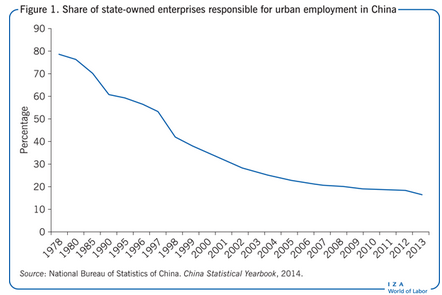
Download Now
logo
FREE & ONLINE 3-Day Bootcamp (LIVE only) on

How Can Experienced Professionals Become Independent Directors

calender
28th, 29th Mar, 2026, 2 - 5pm (IST) &
30th Mar, 2026, 7 - 10pm (IST).
Bootcamp starting in
Days
HRS
MIN
SEC
Abhyuday AgarwalCOO & CO-Founder, LawSikho

Register now

Abhyuday AgarwalCOO & CO-Founder, LawSikho