Download Now
Home Blog Page 577

Sociological aspects of human rights

0
Human rights

The article is written by Nikhil Thakur, from the Manav Rachna University. In this article, the author has attempted to explain the sociological aspects of human rights.

Introduction

Sociology and human rights are so interconnected that the principles underlying sociology are deeply rooted in the fertile soils of human rights. The establishment of the instant or the current sociology is based on the traditional intelligentsia and its close relationship with human rights. One of the famous jurists, Emile Durkheim, was not very sure about the human rights approach. Indeed, in the year 1898, he aided in the establishment of the League for the Rights of Man and its Citizens.

Karl Marx, in his theory of “on the Jewish question”, stated that human rights were never in danger or vulnerable when the only defenders of the same are political personnel and its officials. In the year 1915, another jurist George Herbert Mead stated that it is pivotal to safeguard and protect the dignity and self-determination of the public as a whole and as an individual. On the basis of sociological principles and to tackle inequality around the globe, W.E.B Du Bois stated that it is important to ensure justice to each and every individual.

Meaning

Human rights

Human rights are those rights that are available to every individual around the globe that initiates from the time one takes birth and lasts till his/her death. Human rights are the basic rights that include dignity, fairness, equality, respect and so on.

According to Merriam-Webster, human rights are the rights that are available to all individuals fundamentally. These are the rights that are conferred upon an individual from the moment he/she enters this world.

Around the globe various measures have been adopted to safeguard human rights, one such measure is the Universal Declaration of Human Rights (UDHR), 1948. Since the establishment of UDHR in 1948 more than 50 international institutions concerning human rights protection were or have been adopted. Besides this, even the Constitution of India affirms the provision for human rights and provides measures to safeguard the same.

There are a few conditions that shall be fulfilled in order to protect human rights in any society that are:

  1. Existence of a de jure that assures the right to self-determination and guarantees the rule of law.
  2. Existence of a legal system that safeguards human rights.
  3. Existence of an efficacious administrative body.

Sociology

The term sociology was first coined by a writer or a jurist called Comte, he described sociology as a positive concept of social life. Sociology or its various schools determine the law as a  social phenomenon and analyze the law in relation to society.

Various jurists have explained sociology in their ways, like Spencer, a famous sociological jurist, explained it using Darwin’s theory of evolution in society. Ihering, Ehrlich, Leon Duguit and Roscoe Pound are a few famous sociological schools expounders.

According to sociology and its schools, the law is considered a social institution that may be advanced or improved by appropriate efforts. Most importantly, the main purpose or objective of sociology is to ensure that the work of the law is to serve and fulfil the requirements of society.

The emergence of the concept of human rights

The concept of human rights is not new, rather, it has evolved through religious, cultural, philosophical and legal development over the past. It is believed that the concept of human rights is as old as the old civilizations that had existed on earth. This is evident from the fact that nearly all the civilizations of mankind around the world have framed elaborate human rights documents.

Numerous ancient documents concerning human rights have been found, strikingly one of them is the Ashoka Edicts and the Medina Constitution, 622 A.D that was drafted to ensure peaceful cohabitation among tribes and Yathrib families.

Whereas, the real essence of human rights came to notice after World War I and World War II. Before these wars, human rights were considered not much and even there was no specific codification concerning human rights both at the domestic as well as the international level.

Human rights approach

Chiefly, there are five basic approaches to human rights that are:

Natural Law

According to this theory, natural law is more important than positive law that is framed and enacted by man. And it is said that the positive law shall be made in compliance with the natural law. The principle upon which the concept of natural law is based is equality. 

Historical law

Following this theory, human rights are considered as a cultural as well as environmental function that incorporates extent and time. Besides this, there are three major repercussions that are:

  1. Many a time, humans are not considered as an individual if they are found outside the ambit of community.
  2. Historical law emphasis is less on actual opinions of the people rather emphasis more on the language, religion, etc.
  3. While focusing on the demarcations among the society or communities, historical law compromises human rights.

Positivist law

According to this theory, human rights are enacted and derived through an authoritative sovereign. The major conundrum of this theory is that it deplores the will of the people in enacting the law and believes that it is the sovereign upon which the law is based. Positivism looks only at nations as a subject matter of international law and nothing else, hence, it is ineffective in dealing with human rights.

Marxist law

This approach came to existence during the industrial revolution in the19th century by a famous jurist called Karl Marx. According to him, in a capitalist society, there is no existence of human rights. This approach views the evolution of human rights in society as inevitable.

Social science law

Social science theory considers human rights from the perspective of a larger social process that is working upon the community’s role in framing the doctrines. This theory utilizes scientific methods and techniques to determine the accomplishment of human rights in society.

Human rights and sociology

One of the basic issues concerning human rights is that the people do not frame their issues or grievances according to the language of the rights enshrined. One such instance is that whenever Canadians believe that there is something wrong and want restitution they recite to the institution’s democracy, Christian values, British justice and socialism.

According to sociologists, human rights is protection or an entitlement that is initiated by the community itself that inculcates: Non-governmental organisations (NGOs), social movement organisations (SMOs), intergovernmental organisations, etc. Further in exceptional conditions, the state also grants these rights to individuals.

new legal draft

In the year 1922, during a meeting of the Victoria School Board, one of the trustees namely Bertha P. Andrews deplored the method of demarcating Asians in the school from the non-Asian. The trustee stated such demarcation not only as a violation of fundamental doctrines of the British justice system rather of the Christian principles also.

The sociological approach towards human rights is that these rights have been evolved or developed through society and the state itself, not by mere principles.

A clear demarcation is there between the human rights laws, on the first part it is a codified law while on the other hand, it symbolises competing moral claims, and hence human rights cover within its ambit both sociological as well as the legal aspect. 

According to Griffin, human rights shall be understood from the perspective of social life. It is important that the scope of human rights shall be augmented and it shall be looked beyond the ambit of universalism and shall accept the fact that each society has its rights that are established socially. The insertion of universalism in human rights confuses the way in which it is utilized as a well-defined social tradition.

Even when the advocates and judges enter into a heated debate concerning human rights, the legal aspect that is imposed or put forward is that human rights have been derived from a pre-social individual that has the right by virtue of humanity.

Different theories have defined human rights in their own way, if we look at human rights from the perspective of sociological approach, it defines human rights as anything that is linked or connected to the scope of the state and the society that assure enjoyment or realisation of those rights. It can be said that human rights are a specific category of social practice.

Sociology may play an important role in determining what is a human right in its real sense, further it aids in determining how and why human rights across the globe have emerged as a strong social force. Moreover, sociology helps in determining how human rights are utilized, how society redresses the competing rights and also helps in determining the actual reason behind the emergence of human rights in historical terms.

To better understand the social meaning of human rights, it shall be made clear that human rights are utilized in day-to-day routine practice like in schools, courts, hospitals and governmental organisations. Specifically, it means that a sociological perspective helps in understanding the development of the practice of human rights in society.

The founder and expounders of the sociological approach namely Emile Durkheim, Karl Marx and Max Weber believed that rights are nothing except a philosophical notion. These above-mentioned jurists never accepted the fact that universal values are independent of society.

Sociologists recognized the influence of human rights in society a bit later. Besides this, they attempted to understand the popularisation of human rights through societal requirements that comprise democracy and capitalism.

Another reason for the emergence of human rights may be due to the expansion of state bureaucracy and state representatives. In this way, rights serve the purpose of ensuring autonomy in a liberal society where the idea of individuality is at its peak.

According to Goodhart, human rights plays an instrumental as well as a political function. It is said, that state may be the authority that recognises or enforce the rights through appropriate legislation, but those rights and their claims are only due to the people and the movements that took place outside the state ambit, the society is the one that claims the right and state recognises them and adopt a proper method for their enforcement.

Thus, it can be said that human rights have emerged through mutual understanding and shared belief in the society that forces state authority to enact a specific law in this regard. Hence, each society has its own culture of rights.

Though human rights have universal application, they do not share a universal common understanding. It is the organisations, institutions, history and state practises that shape the rights culture.

Conclusion

The sociological aspect of human rights includes the examination of social origins and their impacts on human rights standards, practices, doctrines, procedures and institutions. The concept of sociology of human rights has recently emerged after the industrial revolution in the 19th century. The classical jurists namely Karl Marx, Max Weber and Emile Durkheim cast a cynical light on the concept of human rights while the current sociological jurist has contributed to the advancement and recognition of the notion of human rights.

Around the globe, various definitions of human rights have been provided but there is not a single definition that inculcates everything concerning human rights, even the sociological laws and its schools had failed to provide a clear and uniform definition of human rights. But a common definition of human rights as accepted by the sociologist is that human rights are anything that is connected to the state and the society at large that guarantees the enjoyments of those rights.

Reference


LawSikho has created a telegram group for exchanging legal knowledge, referrals, and various opportunities. You can click on this link and join:

https://t.me/joinchat/J_0YrBa4IBSHdpuTfQO_sA

Follow us on Instagram and subscribe to our YouTube channel for more amazing legal content.

Download Now

An overview of copyright infringement with respect to the video-sharing app Triller 

0
Image source - https://bit.ly/3CoXbjq

This article has been written by Ashutosh Singh, from Amity Law School, Amity University Kolkata. The article is an analysis of the copyright infringement issues involving video sharing apps, in particular Triller.

Introduction

Since the time Tik Tok was banned in India, short video apps have been facing pressure from music rights holders over their licensing deals or lack of it. Every day there are new apps being developed and many of these apps are in the habit of infringing music content since their launch and find various pretexts to not honour the rights of the music copyright owners.

The case of T-Series against Roposo is another example. The company President of T-Series claims that the new apps like Roposo are habitual and blatant music content copyright infringers. However, in a landmark copyright infringement case, the European Court of Justice (ECJ) held that YouTube and other intermediaries like it are not liable for copyright infringement unless specific knowledge existed with the intermediary operator about the existence of the protected content illegally on their platform. They are liable if they refrain from at once deleting the infringing content or blocking access to it.

In light of the above cases this article brings forth the copyright infringement cases involving the video sharing apps such as the Triller.

Copyright works

Many of us have seen the symbol © of copyright but what does copyright mean? It is a type of intellectual property that is for the protection of creative works. In layman’s terms, it means the right to copy. Two things essential for copyright are ‘works and rights’. Copyright is described as the rights which a creator has over their literal and artistic works. Literary works would be poems, novels, news articles, reference works, computer programs, databases, films, musical compositions, choreography, drawings, etc. Also, advertisements, maps, architecture, technical drawings, and an exhaustive list of other works are covered by copyright but are not found in the legislation of many countries.

The copyright works can be classified as: 

  • Sound recording: Any type of sound recording like songs, voice and sound effects, etc.
  • Cinematography: Any type of video recording such as films, videos, etc.
  • Literary works: These include textual works such as lyrics of songs, poems, books, computer programs, and databases.
  • Musical works: These include musical compositions.
  • Dramatical works: Scripts, choreography, screenplay, film scenes, etc. are some examples. These are basically things which can be dramatically performed.
  • Artistic Works: Paintings, sculpture, architecture, drawings, photographs are some examples.

So, apart from the owners, if anybody else uses the rights on these works without the permission of the owner then it is called ‘copyright infringement’. At times apart from permission to use the work, royalty is also given to the owner for the use of the work. Also, there can be more than one owner of the Intellectual property here. For example, a song involves lyrics, musical composition and sound recording but its owners are different. The sound recording is owned by a label. Lyrics are owned by its writer and the composer owns the musical composition. These get different copyright protection. Ideas however are not copyrighted.

For example, everybody has heard of the ‘Harry Potter’ movies. In 2004, a movie by the name ‘Abra Ka Dabra’ was released in India, the concept of which, some claim, was based on ‘Harry Potter’. Although the characters and storyline were different, the idea was the same as that of ‘Harry Potter’ and yet ‘Harry Potter’ could not sue the makers of ‘Abra Ka Dabra’ even if they wanted to as ideas are not copyrighted. There is no law for it as it is possible that two people can get the same idea.

These rights can be further divided as follows:

Sound recording and cinematography

Others

To make a copy

To reproduce the work

To sell a copy

To issue copies of the work to the public

To communicate to the public

To perform the work in public


To communicate the work to the public


To make film or sound recording


To make any translation of the work


To make any adaptation of the work

Copyright infringement

Social media platforms seem to have engulfed India with more and more brands using this platform for promoting themselves and many users getting attracted to them. The evolution of social media has opened the door for a whole new set of challenges in the IP (intellectual property) area. One of the biggest challenges in this area is the enforcement of IP regulatory laws in the world of cyberspace because it is borderless and hence any infringement both online and offline requires careful examination and monitoring.

It is a trespass of a private domain owned and occupied by an owner of the copyright and is protected by law from such infringement of copyright.

Section 51 of the Copyright Act, 1957 has two clauses Section 51(a) and Section 51(b). Section 51(a) talks about the primary acts of infringement, whereas Section 51(b) is about the secondary acts of infringement.

Copyright is infringed when someone who has not obtained a license from the owner of the copyright or registrar of copyright or has contravened the conditions of the license. It also takes place when the prerequisite right is conferred upon the owner or permits it for a profit of a place that is employed as communication for work to the general public. Other ways by which copyright infringement takes place is when anyone makes a sale or hire, sells or lends for hire, or distributes copies that are copyright infringed in public for the aim of trade or exhibits it publicly by way of trade.

According to Section 52 of The Copyright Act, 1957, the exceptions to the infringement of copyright are: 

  • Personal or Private use also includes research.
  • Criticism or review, whether of that employment or the other work.

The reporting of current events and current affairs, including the reporting of a lecture delivered publicly.

Fair use

US law uses the principle of Fair Use to allow the reuse of copyright-protected material under certain circumstances without obtaining permission from the copyright owner. Fair use, however, is used on a case-to-case basis, but all the countries do not have the same set of rules about when it is acceptable to use the material without the copyright owner’s permission. In the US, works of research, teaching, commentary, criticism, or news reporting may be considered fair use but again it can vary from case to case.

How fair use comes to play is determined by the ‘four-factor test’ used to determine the fairness of use in the U.S and the same also applies to Section 52(1)(a) of the Copyright Act, 1957 of India. To decide on fair dealing usage in cases, as per the Division Bench of the Delhi High Court in India TV Independent News Service v. Yashraj Films Pvt. Ltd (2012), the court mentioned some factors which are:

  • Purpose and character of the dealing.
  • Nature of the work.
  • Amount and substantiality of the portion used.
  • Effect of the use on the market of copyrighted work. 

For a work to be clear of infringement in India, under Section 52(1)(a), it must establish fair dealing as per the US test and also fall within the reasons mentioned in Section 52. Indian courts have held that the emphasis of the work should not be the existing work but the new work created, which can use previous works for the applications as mentioned under Section 52(1)(a), including criticism and review, which should be interpreted liberally.

The example of Tik Tok

TikTok videos use previous work to review it a second time while ensuring that the emphasis remains on the new work created. The Supreme Court in the case of R.G. Anand v. Deluxe Films and Ors (1978). had noted that where the theme of the video is the same but is presented and treated differently so that the consequent work becomes a completely new work, no question of violation of copyright arises.

Since the audio library essential for short video services to thrive comprises commercial music which wasn’t explicitly designed for the social media format of being synched and performed by users creatively, as enabled by TikTok, there’s a sound argument for recognizing such use as transformative review. The creative reuse of the short music clips from TikTok’s audio library differs completely from the objective that these songs/films were created for the user’s original market. The viral 15-second TikTok videos don’t impact the first markets of those works negatively. They naturally kindle the interest of users via wider dissemination of the underlying copyrighted lyrics, dialogues, and music and thereby expand the markets for these songs and films rather than undermining them. Short video apps like Tik Tok are likely to get more demand as vehicles of free publicity for the underlying copyrighted works.

Copyright infringement issues

A copyright owner can seek damages for unpermitted use of his/her original work. The user who uses the existing content puts in a lot of hard work and thought into their video that goes in vain, because the content is in danger of being taken down or muted, and one could even be subject to potential heavy fines and/or legal action against them. Copyright infringement issues have evolved over the years. Some of them are as follows: 

Technology

Modern technology has made it easy to copy a product or information, and companies can easily get a considerable amount of revenue from replicating the products of other companies.

International issues

Copyright infringement and laws protecting copyright vary from country to country, with different options of remedies and amounts of protection. It can be a very difficult task to prove copyright ownership in an international setting and the domestic courts may look at copyright claims by international companies as a threat to the national productivity of the nation.

Photography and visual assets

In the world today, digital images have become so advanced that it is very easy to copy any image without the original person who took the photograph knowing it. For the past few years, the Copyright Office has been facing many copyright issues regarding photographers, graphic designers, artists, and illustrators.

Non-economic rights

Not every copyright infringement will necessarily result in a monetary loss. Moral rights have also been enforced, which cover the author’s right to be identified as the author of a work called the right of attribution.

The internet

The internet has made the world so advanced that it has created new obstacles for copyright holders. It has become very easy for any company around the world to access copyrighted material.

Remedies for infringement of copyright

Civil remedy

Section 55 of the Copyright Act, 1957, says that when a copyrighted work is infringed, the owner of the copyright is entitled to remedies by way of injunction, damages and accounts.

Criminal remedy

Section 63 of the Copyright Act, 1957, says that criminal proceedings can be taken against the infringer by the copyright holder, where imprisonment is for six-month, which can be extended up to 3 years with a fine of Rs. 50,000, which can extend to Rs. 2 lakhs.

But, if the defendant proves that he was not aware of the date of infringement and had no reasonable ground for believing that the copyright still existed, the plaintiff will not be entitled to any remedy or profits which were made by the defendant through the sale of the infringing copies.

Triller – short video platform

Triller is an American short video-sharing social networking app. It allows users to create and share short videos, including videos that are automatically in synchronization to the music through artificial intelligence. Triller is available for both iOS and Android software systems. Earlier the app only had a video editing feature but later on, the social networking features were added to it. In 2015, Triller was launched by co-founders Sammy Rubin and David Leiberman.

Triller is headquartered in Los Angeles, California, and Mike Lu is its current President and CEO. To date, Triller has raised over $100 million from several bank investments, Hollywood Studios, and several Media houses. During the 2020 pandemic, the app gained popularity in India and the United States. It became popular in India after Tik Tok faced a ban in India and it resulted in Triller registering more than 40 million downloads within 24 hours.

In November 2020, Triller expanded into sports promotion, distributing a pay-per-view boxing event between famous boxing champions like Mike Tyson and Roy Jones Jr. that also included appearances by famous sports, music, and entertainment personalities. Later, Triller announced a partnership with celebrities to further promote the boxing events.

How Triller works

The Triller app allows users to create short music videos, lip-sync, and skits videos that contain background music. The app’s highlight feature is its special auto-editing tool, which uses artificial intelligence to automatically combine separate video clips without the user having to do it themselves. After combining the individual clips, users can replace, rearrange, add filters, and even text to the clips as they wish.

When making a video, users have a choice to make a “music video” or “social video”. A social video does not require the user to add music in the background, unlike a music video. Users also have the option to link their accounts with Spotify or Apple Music so that they can incorporate their playlists. 

The project folder stores the incomplete videos of the user and once they are ready the user can share the video via the app on social media platforms like Instagram, Facebook, Whats App, Twitter, and YouTube. The videos shared can be downloaded through links in text messages.

The app is divided into three video feeds and they are: 

  • Creators that the user follows.
  • The social feed shows the trending videos by verified users.
  • Music feed which features exclusive music videos. 

Triller accounts can be both public or private. When an account is public, any user can view the videos on that account and when the account is private, only permitted users can view the videos on that particular account. The private account users have the option of changing their privacy settings on individual videos from private to public, making only selected videos to be viewed publicly on the app. 

How one can properly use or upload someone else’s content : some guidelines

Let’s look at the example of Youtube’s strict policies about copyright infringement. YouTube’s content uploading policy has strict rules with regard to copyright infringement. It uses the Content ID algorithm which then automatically compares the digital fingerprint of the uploaded videos against a database for detecting any copyright issue. YouTube has found a new way to soften copyright trolling and reduce the risk of receiving strikes. The YouTube Studio’s desktop version includes the ‘Checks’ feature that automatically checks for a copyright infringement/violation when the uploading process is taking place. This acts as a tool for content creators to identify any possible copyright violations before they even occur.

A simple procedure followed step by step by clarifying your intention that it is for a good cause and not to cheat can reduce many stressful situations when slammed with copyright infringement. One way to check is to presume that any created work you come across is protected under copyright law. In the absence of a precise statement from the copyright owner on a work that states it is in the public domain, there is a good chance that someone owns the rights to it. To gain permission, you can follow the given steps: 

  • It is important to know who is/are the copyright owner or owners of the content. (For example, third-party companies to facilitate licensing opportunities are used by some owners/owners). Creative Commons is one such non-profit company that provides public copyright licenses to enable the free distribution of copyrighted work. 
  • One should read the terms and conditions with any license and understand exactly how the content can be used and whether there are any limitations on the use. 
  • The next step is to seek consent from the owner/owners. Requesting use of the intellectual property one wishes from either the copyright owner or its third-party licensing facilitator is clarifying the intentions for the use. 
  • When one’s request for use is approved, one may use the intellectual property but it has to be as per the terms and conditions agreed upon with the owner/owners. 
  • One can always use music from the public domain in one’s videos. Many websites offer royalty-free background music for videos that you want to create.

Post Tik Tok scenario in India

There came many replacements to Tik Tok to tap into the Indian market which is very big. Mitron, Roposo, Triller, Josh, MX Player-Takatak, Chingari and Snack Video, etc. are few examples of these replacements or alternatives. Music labels in India have now served legal notices to these platforms. Copyright Issues The apps allow users to form short videos to the tune of music. According to law, to stream music, one must have rights. These rights are usually granted through licenses. The new short video platforms don’t have those. The platforms must acquire licenses from the copyright owners. TikTok itself came vulnerable to infringement of copyright when the National Music Publishers Association (NMPA), within the US, threatened to sue the platform for violation. But in India, these new apps haven’t secured adequate licenses for the songs utilized in videos. Acquiring such licenses takes an extended time and might sway customers and be a significant hurdle for these platforms. For example, Facebook took almost a year to add the music feature to its photo-sharing app Instagram in India.

There are 3 types of licenses that any short video app service modelled on Tik Tok’s format should acquire. These include:

  1. Synchronisation licenses basically are permission from the copyright holder to use a song that some other person published in a video format. 
  2. Publishing rights such as public performance licenses are required to play the song online.
  3. Mechanical rights pertaining to the sound recording of a copyrighted work for streaming, reproduction and storage are also needed.

This means that the video service provider’s audio library will critically regulate the volume and variety of content that users can inspirationally interact with to make their own videos. Only big companies like Facebook and Google are probably proficient in providing a substitute to Tik Tok, given the large-scale investment and expensive music licensing involved.

Post Tik Tok, Facebook has signed a global deal with Indian music label Saregama for its video experiences such as Reels or Music Stickers on Stories on Facebook and Instagram and not to mention the recent licensing deal with Indian Performing Rights Society Limited (IPRS) to license IPRS’ music for similar uses. 

Some important cases

T-series accuses Triller of copyright infringement 

T-series is an Indian music and film production company. It is mainly known for its Bollywood music, soundtracks, and Indi-pop music. T-Series is India’s biggest music recording company which in 2014 had about a 35% share of the Indian music market and it continues to maintain its position even today. The music and entertainment company also owns and operates its own YouTube channel, with 186 million subscribers. T-Series has had reasonable success as a film production company. T-Series has a registered collection encompassing over 40,000 videos and more than 1.5 lakh songs, which provides a user more than 20,000 hours of music to listen to, and that too in many different languages. Even the major global internet networks like Amazon, Facebook, Amazon Prime, Amazon Music, Saavan, Gaana, Spotify, etc, have already taken the license from T-Series for using its copyrighted content.

T-Series has accused Triller of copyright infringement and it has sent a legal notice regarding the same to Triller. It has warned the social networking app not to use any of its work on its platform in any manner or form. The accusations in the legal notice against the social networking app are that it was illegally using T-series copyrighted music content, reproducing it, storing it, streaming its copyrighted sound recordings, lyrics and compositions. T-series also made a similar infringement charge for using its images from the cinematographic library and posters. T-series told Triller to straightaway cease and stop the activity from taking place. 

The company, ‘Super Cassettes Industries Private Limited’, which is operated under the brand name of ‘T-Series’, is claiming Rs 3.5 crores in damages and to give accounts of all revenues which were illegally earned by the social networking app from the copyrighted content, as per infringement notice. Triller has not yet replied to the legal notice on this particular matter.

Wixen v. Triller (2020) copyright infringement lawsuit complaint

Wixen Music Publishing, run by Randall Wixen, sued the short video-sharing app Triller accusing it of copyright infringement on more than 1,000 of its songs. It claimed $50 million from Triller as damages for the purported copyright infringement.

Triller’s app allows users to create and share short videos, typically including music. Wixen music publishing company is known for managing more than 50,000 songs which are written and owned by more than 2,000 of its clients, some of which are world-famous singers. Triller allows its users to create 15-second music videos and share them with friends and contacts within the app by allowing its users to choose any 15 seconds of the song they wish to use and to make a little music video from it.

Earlier, Triller’s CEO seemed to agree on legitimizing the license fully to which Wixen also encouraged the short video platform app. But later no such arrangement was reached and Wixen decided to file a lawsuit for copyright infringement.

The claims which Wixen made on Triller are:

  1. Triller had been wilfully infringing its musical compositions as they were being used in the app without a proper license.
  2. Triller also allowed its users to include the music compositions of Wixen in its videos without the authorization of the music publishing company and without paying compensation to the singers.
  3. Triller was very well aware of the fact that it needed to negotiate licenses with Wixen and other publishers to use their works but it didn’t do so.
  4. Triller has not fully licensed the National Music Publishers Association (NMPA) members’ songs, which it offers on its platform.
  5. Among the other evidence against Triller is that it continued to use, copy, and exploit Wixen’s works even after Wixen notified Triller about the fact that it had not obtained the proper licenses for use of its work. 
  6. Wixen argued that rather than paying the songwriters whose works it controls, Triller chooses to give mega-bucks deals to social influencers by providing them with mansions, expensive cars, and dinners at an expensive restaurant.

Triller’s CEO is quoted to have said that the Triller app puts artists and creators first, and aims to create a network that benefits everyone as a whole. The app has licensing deals and partnerships with various major music companies. Triller argued in its defense that it had already removed the two songs which were in question, which were put up by its users, not a short video social networking app.

Finally, a federal judge dismissed Wixen Music Publishing’s $50 million lawsuit against Triller over a deficient legal filing. The court, in this case, said that the 1909 Copyright Act would govern when the ownership of a work is at issue but the cases upon which Wixen relied, in this case, could not clarify from the Complaint whether the 1976 Copyright Act or the 1909 Copyright Act applied.

Triller hits YouTube channel operator with copyright suit

Triller accused the operator of ‘Your EXTRA’, a YouTube channel, of copyright infringement over uploading and distribution of a boxing match game. The complaint was filed at the US District Court for the Central District of California on June 16, 2021.

Triller is also the copyright owner and publisher of “Triller Fight Club” which is a broadcaster of the famous boxers Jake Paul versus Ben Askren boxing event. According to the filing, Triller’s copyright in the broadcast became effective on April 30, 2021, and was decided on May 4, 2021. The YouTube channel has had more than 113,000 subscribers since it started in 2017.

After getting to know about the alleged infringement, Triller notified YouTube which removed the content. Triller alleges that Arvin De La Santos, the operator of the YouTube channel ‘Your EXTRA’, has unlawfully uploaded, distributed, and publicly displayed the broadcasting to its channel users without authorization from the short video social networking app. Triller insists that to buy and view a broadcast through the satellite TV provider which is for private use, non-commercial viewing, the individual buyer will be subjected to the copyright – terms which explicitly say that any unauthorized reproduction or distribution of the copyrighted work is illegal. Keeping this in mind, the filing also claims that the operator had obtained the broadcast through internet websites, cable, satellite pay-per-view purchase and later illegally re-transmitted the broadcast and publicly uploaded it by illegal copying on its YouTube channel.

Triller has demanded copyright infringement and damages done to it, with the operator’s alleged violation of the Federal Communications Act (1934).

Conclusion

Music licenses from social media are also a superb source of revenue for music labels and a revenue stream that didn’t exist before such platforms came into being. Online streaming is credited for reviving the music business. This is the reason why the music labels fiercely protect their copyrights by negotiating high stake licensing deals. Platforms should build awareness of the legal risks around infringing copyrights into user experience and as a part of the sign-up process. There has been much work done to enlighten users on when action will be taken in the event of a privacy or harassment issue, yet there is little attention paid to the elemental issues around the sharing of third-party content. Policies are one thing but ensuring that they are adhered to and should transcend a threat of enforcement and account suspension.

Creators should only upload videos that they have not created themselves or that they are authorized to use. This effectively implies that they ought to not upload videos that they didn’t create, or use content in their videos that somebody else owns the copyright to, like music tracks, snippets of copyrighted programs, or videos made by other users, without necessary authorizations.

References


LawSikho has created a telegram group for exchanging legal knowledge, referrals, and various opportunities. You can click on this link and join:

https://t.me/joinchat/J_0YrBa4IBSHdpuTfQO_sA

Follow us on Instagram and subscribe to our YouTube channel for more amazing legal content.

Download Now

Determining the outer limit of 120 days for filing an appeal under Section 37 of Arbitration & Conciliation Act, 1996

0

This article has been written by Mridul pursuing a Certificate Course in Arbitration: Strategy, Procedure and Drafting from LawSikho.

Introduction

Provision for appeal in the Arbitration & Conciliation Act, 1996 is provided in Section 37. Appeals are allowed from the following orders of the Court:

  • refusing to refer parties to arbitration under Section 8
  • granting or refusing to grant any measure under Section 9
  • setting aside or refusing to aside an arbitral award under Section 34

Also, appeals from the following orders of the arbitral tribunal are allowed:

  • accepting the plea referred to in Section 16(2) or Section 16(3)
  • granting or refusing to grant interim relief under Section 17

It is very clear that Section 37 provides for appeals against orders and not against awards. Furthermore, it is also provided in this section that no second appeal is allowed from an order passed under this section. 

However, it is worthy to note that this section does not mention any period of limitation for such appeals. Also, it is not clear as to whether the provisions of the Limitation Act, 1963 will apply to the Arbitration Act or not. Thus, there is no clarity regarding the limitation period for appeals under section 37. In this Article, I will make an effort to analyze how the outer limit of 120 days was determined by the Court for filing an appeal under section 37 of the Arbitration & Conciliation Act, 1996 as is this limited period of 120 days a settled position?  

Determining the limitation period of 120 days

Position of the High Courts on the limitation period

In Oil and Natural Gas Corporation Ltd. v. Jagson International Ltd. (2005), Bombay High said that “…while providing an appeal under Section 37, the Legislature has chosen not to prescribe any period of limitation. In this view of the matter, therefore, in my opinion, the Court will not be justified in importing the period of limitation provided by Section 34 for filing an application and making it applicable to an appeal filed under Section 37. Thus, in the Limitation Act, there is no provision made prescribing the period of limitation for filing an appeal under Section 37.”, and decided that the limitation period provided for appeals under section 34 would not apply to appeals under Section 37. It was also held that there was no provision in the Limitation Act, 1963 for providing a period of limitation for filing an appeal under Section 37. 

The judgement in Jagson was revisited by the Bombay High Court in Oil & Natural Gas Corporation Ltd v. M/s Dynamic Corporation (2012). The Court said that the judgement given in Jagson case was flawed since it was based on an erroneous premise and Section 29 of the Limitation Act, 1963 & Section 43 of the Arbitration & Conciliation Act, 1996 were not considered while making the judgement. In this particular case, the appeal was against an order of the High Court, where an arbitral award was set aside under Section 34. The Court held that Section 117 of the Limitation Act would apply to the appeals under Section 37 and that the limitation period would be 30 days.

The Rajasthan High Court in Shivraj Singh v. Shri Ram Transport Finance Co Ltd (2013) held that the period of limitation for initiating an appeal against the order granting or refusing to grant interim relief is 90 days from the date of the decree as per Section 116(a) of the Limitation Act. Therefore, if the appeals are filed beyond this limitation period, they shall be barred by time.

The Meghalaya High Court in North Eastern Electric Power Corporation Ltd v. M/s Patel Unity Joint Venture (PUJV) (2017) held that clause (a) of Article 116 of the Schedule to the Limitation Act would apply to appeals under 37 of the Arbitration Act. 

Thus, we see that various High Courts in their judgments have given different limitation periods for appeals and there is no uniform period of limitation for appeals under Section 37 of the Arbitration Act. So, the ambiguity surrounding appeals under Section 37 of the Arbitration Act remains. 

Position of the Supreme Court on the limitation period

Now let us examine the view of the Supreme Court regarding the limitation period for appeals under Section 37 of the Arbitration Act by looking at some of its judgements. 

The Apex Court in M/s Consolidated Engineering Enterprises v. The Principal Secretary (Irrigation Department) & Ors (2008) said that unless expressly excluded by the Arbitration Act, Article 116 of the Limitation Act, which provided a 90-day limitation period for appeals to the High Court under the Code of Civil Procedure 1908, would regulate the terms of limitation for appeals under Section 37 of the Arbitration & Conciliation Act, 1996. 

In the case of Union of India vs M/s Varindera Const. Ltd (2018), the Supreme Court determined the 120 days as the limitation period under Section 37 of the Act by comparing it to the limitation period provided under Section 34 of the Act. The Court said that “…since a Section 34 application has to be filed within a maximum period of 120 days including the grace period of 30 days, an appeal filed from the self-same proceeding under Section 37 should be covered by the same drill.” 

Again, in M/s N.V. International v. The State of Assam & Ors (2019), where an appeal was filed under section 37 against an order under Section 34, the Supreme Court upheld the limit of 120 days as the limitation period for appeals under Section 37 of the Act and stated that “…We may only add that what we have done in the aforesaid judgment is to add to the period of 90 days, which is provided by statute for filing of an appeal under Section 37 of the Arbitration Act, a grace period of 30 days under Section 5 of the Limitation Act by following Lakshmeshwar Prasad Shukul, as also having regard to the object of speedy resolution of all arbitral disputes which was uppermost in the minds of the framers of the 1996 Act, and which has been strengthened from time to time by amendments made thereto. The present delay being beyond 120 days is not liable, therefore, to be condoned.”

So, we saw how the Supreme Court through its various judgements interpreted the limitation period of 120 days for filing an appeal under Section 37 of the Arbitration Act.arbitration

Is the 120 days limitation period a settled position?

Even after the N.V. International case, there was no uniformity regarding the limitation period. The judgement in the N.V. International case, which had some shortcomings, led to contradictory approaches being followed by the High Courts.

The shortcomings in the M/s N.V. International case were:

  • Will the ruling be applied to intra-court appeals as well?
  • Will it also extend to appeals from commercial court orders made under Sections 9 and 34 of the Arbitration Act?

The judgement of the Supreme Court in the Government of Maharashtra (Water Resources Department) represented by Executive Engineer v. Borse Brothers Engineers & Contractors Pvt. Ltd. (2021) overruled the N.V. International, corrected its shortcomings and also settled the confusion regarding the limitation period under section 37 of the Arbitration Act. 

The Court said that the limitation period for filing an appeal would be as under: 

  • In case of an inter-court appeal, where the claim amount is below three-lakh rupees, the Arbitration & Conciliation Act,1996 would be read with Article 116 of the Limitation Act, 1963 and the period of limitation will be 90-days.
  • In case of an intra-court appeal, where the claim amount is below three-lakh rupees, the Arbitration & Conciliation Act,1996 would be read with Article 117 of the Limitation Act, 1963 and the period of limitation will be 30-days.
  • If the claim amount is above three-lakh rupees, both in case of inter-court as well as intra-court appeals, the Arbitration & Conciliation Act,1996 would be read with Section 13(1A) of the Commercial Courts Act, 2015 and the period of limitation will be 60-days.

So, it is clear that the limitation period for an appeal will depend upon the category of the dispute (commercial or non-commercial).

The Court also added that delays would only be condoned in exceptional cases where the parties have acted honestly in good faith and not in a negligent manner. Further, the Court also clarified that this ruling would only be applied prospectively.  Thus, with this case, the Apex Court finally settled the law relating to the limitation period for appeals under Section 37 of the Arbitration Act.

Conclusion

The ruling of the Apex Court in the Borse Brothers case (supra) cleared the ambiguity regarding appeals under Section 37. Finally, it is also worthy to note that the Court while emphasizing the intent of the Arbitration Act and the Commercial Courts Act stated, “Given the object sought to be achieved under both the Arbitration Act and the Commercial Courts Act, that is, the speedy resolution of disputes, the expression “sufficient cause” is not elastic enough to cover long delays beyond the period provided by the appeal provision itself.”


Students of Lawsikho courses regularly produce writing assignments and work on practical exercises as a part of their coursework and develop themselves in real-life practical skills.

LawSikho has created a telegram group for exchanging legal knowledge, referrals, and various opportunities. You can click on this link and join:

Follow us on Instagram and subscribe to our YouTube channel for more amazing legal content.

Download Now

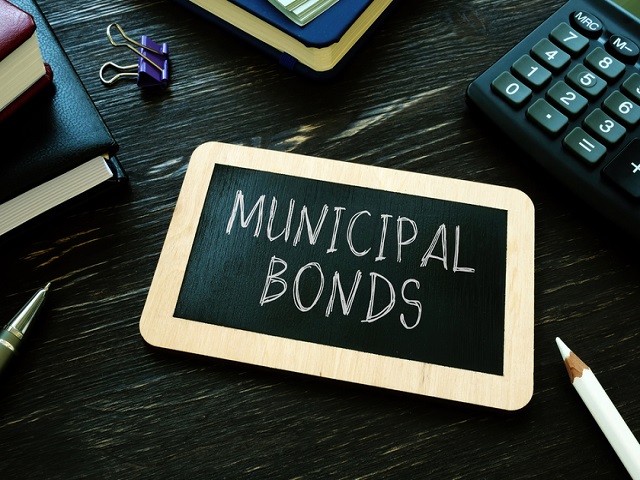
Municipal bonds in India – legal implications and interest from investors

0
Image source: https://bit.ly/37ns4GI

This article is written by Vivek Maurya from ICFAI Law University, Dehradun. In this article, the author has discussed municipal bonds and their regulation in India.

Introduction

Municipal bonds (or ‘munis’ for short) are mortgages issued by provinces, cities, districts, and other government agencies to finance day-to-day obligations and to fund major projects such as school construction, highways, or wildlife systems. By buying municipal bonds, you are actually borrowing money from a bond provider for the purpose of obtaining a regular interest rate, usually annually, and a return on your initial investment, or ‘principal’. The municipal maturity date (the date on which the issuer of the bond returns the money to the principal) maybe years to come. Short-term bonds mature in one to three years, while long-term bonds will not mature for more than ten years.

Generally, interest on municipal bonds is not taxed by the organization’s rates. Interest may not pay state and local taxes if you live in the province where the bond is issued. Bond investors generally want a consistent distribution of payments and, compared to stock investors, can be riskier and more focused on saving, rather than maximizing wealth. Given tax benefits, interest rates on non-taxable municipal bonds are generally lower than fixed-income securities, such as corporate bonds with similar maturity, credit attributes, and other factors.

In addition, municipal borrowers sometimes issue bonds on behalf of private companies, such as non-profit colleges or hospitals. These ‘ditch’ borrowers usually agree to pay the donor, who pays interest and heads on the bonds. In cases where the channel borrower fails to pay, the supplier usually does not have to pay the shareholders.

History of municipal bonds in India

The Bangalore Municipal Corporation became the first city council to issue municipal bonds in India back in 1997, although the first major success came in 1998, when Ahmedabad introduced the public release for the first and only time. However, the municipal bond market remains volatile, with the proposed ₹ 2,000cr ($ 268m) raised from ten issues so far. Municipal bonds lost ground after the first investors attracted and failed to raise the required amount of money. To renew municipal bonds, the watchdog market Securities and Exchange Board of India (SEBI) came up with guidelines for issuing municipal bonds in 2015.

SEBI restructured the eligibility mechanisms for 2015 in order to make the following major changes:

  1. The municipality must not have a negative rate each year for the past three years.
  2. The municipality must not fail to repay mortgages and loans obtained from banks or non-bank financial institutions in the past year.
  3. The municipality, the promoter, and the directors must not be registered with the Reserve Bank of India (RBI). The municipality should not have a record of default and the principal’s payment in respect of debt instruments.

Present scenario regarding municipal bonds

Indian municipalities are gradually increasing their financial independence and establishing their own municipal bonds. Recently, Ghaziabad became the tenth city in India to raise municipal bonds and fortunately, the first city to grow green bonds (expanded to meet environmentally sound infrastructure).

Funds collected from these commitments are used by local government agencies to fund socio-economic development projects. On 2 December 2020, Lucknow Municipal Corporation (LMC) bonds became the first municipal bonds from North India to be listed on the Bombay Stock Exchange (BSE). The listing event was attended by Uttar Pradesh Chief Minister Yogi Adityanath. With this list, Lucknow became the ninth city in India to issue municipal bonds and the first city to issue such a bond after the introduction of the Atal Mission For Rejuvenation and Urban Transportation Scheme.

Municipal bonds as a way to raise money for the municipalities

India’s infrastructure sector has the potential for ‘strong growth, attractive opportunities, policy support, and profitable investment’. In view of this, there is a plan for the budget and cost of USD 1.4 trillion for infrastructure between 2019 and 2023 to support the sustainable development of the cities within the country. There are many ways in which a new government has been introduced to start this process. For example, the most recent is the government’s proposal to establish a new DFI (Development Financial Institution), to fill a key long-term funding gap. 

Infrastructure projects are often characterized by high dynamics and long periods of pregnancy, which often lead to financial instability. Therefore, strengthening the bond market and public investment is an effective and necessary solution. Continuing to achieve this goal is the need to invest private investment in infrastructure and public services to accelerate the devastating impact of the economy. The potential consequences of this combination will include full growth and enhancement of business and individual prospects.

When examining the reasons for better infrastructure, the most obvious is the rapidity of the city of different regions in the country. This includes investments in all categories, including municipal levels. The issuance of municipal bonds or munis by municipal companies to raise funds for community projects, such as building roads, bridges, schools, or other infrastructure, is important. Refunds from munis are then refunded from the capital generated by such activities or tax revenue.

To correct the negative rate of municipal bonds, the Department of Housing and Urban Development compiled the details of the annual audited accounts in accordance with local international standards for the first time. These efforts are being made to obtain high debt levels to attract investors – the only possible financial possibility. As municipalities enter the capital market through bonds, the department has partnered with an outside agency that collected data on 2,000 current and previous sheets from 1,000 local bodies, with the aim of making things more financially transparent. By 2024, 50 cities are expected to issue municipal bonds. To date, eight local bodies in India have raised Rs 3,390 crore in this way.

Under the ‘Smart City’ government program, special purpose vehicles are established at the city level in a corporate manner limited under the Companies Act, 2013 to implement projects. They are promoted by the state government or the union area and the body of the urban area. As mentioned above, the amended regulations will also allow for the collection of funds through muni bonds by special purpose vehicles (SPVs) set aside to implement the activities of smart cities. In the event of privatization, the minimum investor registration fee is currently set at Rs 25 lakh but has now been reduced to Rs 10 lakh to comply with the rules of business obligations. The move could simplify and strengthen the muni bond market and boost investor confidence in urban development.

Regulatory framework for a municipal bond market in India 

The SEBI has issued regulations that will assist in the disbursement of municipal debt and the listing of debt shares in Indian municipalities in March 2015 (amended 2017). This will enable investment in the public infrastructure of the 100 smart cities that the Government of India (GOI) is proposing to build. The SEBI Regulations (Issue and Listing of Debt Securities by Municipality), 2015 (amended in 2017) define the appropriateness, terms, and conditions of social issues, including employment, credit rating, minimum registration, accounting, auditing, and reporting requirements, and other disclosures, etc. Key features of the SEBI (Documents and Credit Protection List by the Municipality), 2015 (amended 2017) are:

  1. Debt protection listing issued by public issuance of privately deposited in a known stock exchange.
  2. The qualifying municipality itself or through Corporate Municipal Entity (CME) may increase the number of municipal bonds. CME means a company defined under the Companies Act, 2013, which is a company owned by a municipality and established for the purpose of raising funds for a municipality or a particular group of municipalities. The regulation states that CME, its promoter, corporate company, or directors should not have been deliberately listed in the defaulters published by the RBI or should not have failed to pay interest or refunds in respect of debt instruments provided by the public.
  3. Under public issuance, monetary bonds will have a lower investment rate.
  4. A provider that makes a public issuance of municipal bonds will only issue revenue bonds. If kept private, the provider can issue both standard bonds and income bond bonds.
  5. The grantor will create a separate escrow account for the use of municipal bonds at a specified rate. The provider will appoint a monitoring agency such as government financial institutions or banks nationally set up to monitor the amount deposited in the escrow account.

Investors attraction towards municipal bonds

Apart from tax exemption, municipal bonds are an attractive investment for investors in the following ways:

Predictable income

Most municipal bonds pay interest twice a year, so by default. You know exactly how much to expect and when to get it. Also, with the maturity date specified, you know when to return your principal to the issuer.

Historically low chance of default

Municipal bond payments are typically backed by taxes or user fees from services that are often essential. This helps reduce their potential for missing interest and principal payments.

Opportunity to invest your money locally 

If you buy municipal bonds issued in your country, you may have more information about the issuing municipality or become better acquainted with funded projects. As a result, you can make better decisions about what obligations the municipality is free to buy.

Taxations and returns 

Indian municipal bonds enjoy tax exemptions if investors comply with the rules, and the interest rate depends on how well the markets are doing. Bonds can be issued publicly or privately. SEBI allows local urban bodies to increase funding for development projects by issuing revenue bonds. Revenue bonds are those bonds from which the money is used for a specific project. The proceeds from this project are used to pay off bond investors.

The interest rates offered by these bonds are currently at an all-time high of more than 8%. These are long-term bonds with a term of 10 years but if you buy them from the secondary market, the current yield is in the range of 7.25% to 8%. At the moment, while the fixed-rate bank offers about 6% interest, the interest rate of 8% is very attractive. The green bonds of the Gaziabad Municipality are listed on the BSE Bond platform on Thursday. The municipal organization has increased 150 crores by private placement. The bond offers an attractive rate of 8.1%. However, it is lower than the 8.5% rate offered by municipal bonds in Lucknow.

Benefits and importance of municipal bonds

Importance of Municipal Bonds Market

  1. Municipal Bonds can help urban local bodies (ULBs) raise funds to complete budget projects as property taxes are the only major source of municipal revenue.
  2. The growth of the municipal bond market is important in major cities and India to improve their creaking infrastructure.
  3. The ability of municipal livelihoods is also critical to the success of the institute’s pet projects such as smart cities and Amrut.

Benefits of Municipal Bonds for Investors

Transparency 

Municipal bonds issued to the public are rated by reputable agencies such as CRISIL, which allows investors to be transparent about the reliability of the investment option.

Tax benefits

In India, municipal bonds are exempt from taxation if the investor complies with certain rules. In addition to such assurances, the interest rates generated on those investment instruments are also exempt from tax policy.

Low risk

Municipal bonds issued by municipal authorities, including the minimal risk involved in these storms. Government bonds are often regarded as low-risk investments because the chances of the government failing to repay its loans are starting to decline.

Risks involved with investing in municipal bonds

As with any investment, investing in municipal bonds poses a risk. Investors in municipal bonds face many risks, including:

Call risk

Telephone risk means the credit provider’s ability to repay the loan before its maturity date, something the provider can do if interest rates fall – just as a homeowner can keep a mortgage loan to benefit from lower interest rates. Bonds are less likely to have a stable interest rate or a higher interest rate. Most municipal bonds are ‘expensive’, so the investors who want to bind the municipality’s obligation to maturity should research the terms of the bond calls before buying.

new legal draft

Credit risk

There is a risk that the mortgagee may face financial difficulties that make it difficult or impossible to pay interest and the principal in full (failure to pay interest or principal is called ‘payable’). Credit ratings are available on most bonds. Debt ratios seek to estimate the risk of an equitable bond liability compared to other liabilities, although the higher rate does not indicate a prediction that the bond has no chance of default.

Interest rate

Bonds have a fixed face value, known as ‘par’ value. If the bonds are kept to maturity, the investor will be reimbursed for the face value, as well as interest that can be set at a fixed or floating rate. The market price of the bond will rise as interest decreases and will decrease as interest increases so that the market value of the bond is higher or lower than the equivalent price. The U.S. interest rate It’s been down for a while. If they go up, investors with low municipal collateral and who try to sell before maturity may lose money due to the low market value of the bond.

Currency risk

Inflation is a normal movement that goes up in price. Inflation reduces purchasing power, which is detrimental to investors who earn a fixed interest rate. It can also lead to higher interest rates and a lower market value of existing bonds.

The danger of liquid

It refers to the risk that investors will not find a viable market for the municipal bond, which could prevent them from buying or selling when they want and receive a certain amount of bond. Many investors buy municipal bonds to hold them rather than sell them, so the collateral market may not be particularly liquid, and quoted prices for the same bond may vary.

Other challenges faced by municipal bonds

In addition to risks, there are other challenges facing municipal responsibilities:

Tax effects 

Consider consulting a tax professional to discuss the effects of the bond, including whether your bond may be subject to a different state tax or be eligible for state income tax benefits.

Merchant Compensation

Many retailers are compensated for marking more than the bond costs of the firm. This mark can be disclosed in your confirmation statement. If a commission is charged, it will be reported on your verification statement. You should ask your dealer about markups and commissions.

The background of the seller or consultant selling the bond

A security dealer must be licensed, and, depending on the nature of the business, the company must be registered with Municipal Securities Rulemaking Board (MSRB) and Financial Industry Regulatory Authority (FINRA), Security and Exchange Commission (SEC), or the state security regulator.

Conclusion

With the rapid urbanization of people and economic activities, the challenges of urban infrastructure are also increasing in India. Urban infrastructure is traditionally provided by ULBs, whose financial situation is not very stable for a variety of reasons. Another way to continue the delivery of infrastructure services without financial disruption is the adoption of market tools such as municipal bonds, supply of project resources and project revenue can be used to pay.

Past experience with municipal bonds in India shows that they achieved the goal until the 2004 coup d’état. Municipal bonds had eased since 2004 with the formation of a new UPA-led government. There are very few bonds issued between 2005 and 2014. As the NDA government returned to power in 2014, it is hoped that there will be a re-launch sector. The government has already announced Municipal bonds as a tangible tool to finance urban infrastructure projects, especially in the construction of ‘Martin Cities’, thus restoring good hopes for them.

Therefore, it can be concluded that municipal bonds can play a role in financing infrastructure development in smart cities and participate in the new development agenda to build ‘100 Smart Cities’. However, in order to be able to repay bond loans, some changes must come to ULBs, especially at the institutional level in financial management, projects, organization, and people, so that the development of the delivery side will improve outcomes.

References


LawSikho has created a telegram group for exchanging legal knowledge, referrals, and various opportunities. You can click on this link and join:

https://t.me/joinchat/J_0YrBa4IBSHdpuTfQO_sA

Follow us on Instagram and subscribe to our YouTube channel for more amazing legal content.

Download Now

WhatsApp and Right to Privacy

0
Image source: https://blog.ipleaders.in/new-rules-privacy-whatsapp-users/

This article has been written by Sukeshi Singh pursuing a Diploma in Merger and Acquisitions (PE and VC transactions) from LawSikho.

Introduction to the controversy

WhatsApp had originally planned to make its privacy policy applicable across the platform by February 8, 2021. However, it faced a strong public outrage that even helped promote competitors like Signal and Telegram. This outrage along with several warnings from the Ministry of Electronics and Information Technology (“Meity” or “Ministry”), eventually delayed the implementation of WhatsApp’s new privacy policy until May 15, 2021.

The new WhatsApp policy update (“policy”)

Since the announcement of its updated privacy policy, which did not sit well with the users, WhatsApp has announced that the update is primarily meant for businesses using its messaging platform through the WhatsApp business app. WhatsApp had clarified that the updated Policy would not impact the private conversations/ interactions between family and friends on the platform. The company also specified in a blog post that it would continue to provide end-to-end encryption for private messages, and it did not keep logs of its users’ messaging and calling.WhatsApp’s official statement shared by The Verge has been produced below:

“While most people use WhatsApp to chat with friends and family, increasingly people are reaching out to businesses as well. To further increase transparency, we updated the privacy policy to describe that going forward businesses can choose to receive secure hosting services from our parent company Facebook to help manage their communications with their customers on WhatsApp. Though of course, it remains up to the user whether or not they want to message with a business on WhatsApp.The update does not change WhatsApp’s data-sharing practices with Facebook and does not impact how people communicate privately with friends or family wherever they are in the world”  

This detailed clarification from WhatsApp came soon after Elon Musk, now the richest person in the world had tweeted to the users to ‘use signal’. Please note that the secure hosting services being discussed here shall be provided by Facebook to the businesses which will facilitate the businesses to manage WhatsApp chats with their customers, answer questions, and send helpful information like purchase receipts. However, when a user communicates with such a business by phone, email, or WhatsApp, Facebook shall be privy to such information and may use such information for its own marketing purposes, which may include advertising on Facebook. Here, the users communicating with the businesses on WhatsApp using these services will not have an option to opt-out of such usage of information. Additionally, if a user on Facebook chooses to interact with a business on WhatsApp by clicking on the Facebook advertisement,  Facebook will be privy to such interaction and may use the information obtained thereinto personalize the user’s advertisement on Facebook.

The update raised a lot of concerns regarding WhatsApp sharing data with its parent company, Facebook. The same was clarified in  WhatsApp’s blog post stating that “This update does not expand our ability to share data with Facebook”. This was carefully worded as WhatsApp has been, in the past, sharing a lot of user data with Facebook, and therefore, this update was not essentially expanding the scope of data shared. 

Information shared with Facebook

The information actually shared with Facebook has been clarified by WhatsApp in its FAQs section. The information shared by WhatsApp with Facebook includes account registration information, like phone number, name, any transaction data, if the user is using WhatsApp Pay or Facebook Pay, all services- related information, information relating to the mobile device, IP  address of the user, information on how users interact with businesses that are using the hosting services and other information as may be identified in the privacy policy section of WhatsApp from time to time. 

Consequences for non-acceptance of the policy by the Users

On May 17, 2021, WhatsApp had announced that it will not delete the user account if the Policy is not accepted, which is opposite of the stance taken by the social media giant earlier, wherein it had expressed that after a certain time period if the user has not accepted the Policy, the account would be deactivated and later deleted. However, when this did not sit well with the users of the platform, WhatsApp changed its stance stating that the account will not be deleted but certain features on the account would be suspended for the time being, i.e., a user may not be able to access their WhatsApp chat list, but the app will be permitted to answer or make incoming voice and video calls.

Legal issues with the updated policy

From January 2021 till date, WhatsApp has received several warnings from Meity to withdraw the new policy update. According to Meity, the new privacy policy is “discriminatory”, “unfair” and “irresponsible”. The Ministry realized that the Policy Update was not enforced in European Union due to its strict General Data Protection Regulations (GDPR) and accused WhatsApp of discriminating between its Indian and European Users. WhatsApp users in Europe do not have to accept the new privacy policy. They could opt out of the changes without the fear of their WhatsApp account being deleted or features being restricted (a scenario that is not applicable for Indian users).

WhatsApp’s response to the Ministry 

Despite the threat of legal action by the Ministry, WhatsApp seems undeterred. After much persuasion and warnings of taking the legal route, WhatsApp announced that it will not limit features if a user does not accept the privacy policy. However, it stated that until the Personal Data Protection Bill, 2019 comes into force, it will abide by the present data protection law prevalent in India and keep reminding the users about the update from time to time. 

Ironically, just one day after this statement by WhatsApp. WhatsApp has now questioned the existence of the right to privacy under the new Information Technology (Intermediary Guidelines and Digital Media Ethics Code) Rules, 2021 by filing a petition in the Delhi High Court.

The information technology (intermediary guidelines and digital media ethics code) rules, 2021(“the rules”)

Introduction 

The Information Technology (Guidelines For Intermediaries And Digital Media Ethics Code) Rules, 2021 were notified by the Centre on February 25, 2021, and a 3 (three) month window was given to the social media intermediaries to comply with the Rules. The Rules impose a code of ethics on social media intermediaries and mandates a triple-tiered grievance redressal framework. The Rules also provide for 16 (sixteen) due-diligence measures to be adhered to by the social media intermediaries, which includes an obligation to not host, publish or store information that may be detrimental to the interest of public order, decency or morality, security of State, etc. The Rules also contains a clause which provides for criminal liability upon the employees for non-compliance of the Rules by the intermediaries, notwithstanding the safe harbor provision provided by Section 79 of the Information Technology Act, 2000, which states that the intermediary will not be liable for any third-party information, communication or data hosted by it, subject to exceptions. 

Constitutionality of Rule 4 (2)

The Rules have essentially been brought about to make the social media intermediary responsible for the content posted by its users. Rule 4 (2) of the said Rules states that a social media intermediary primarily engaged in providing services relating to messaging shall observe additional due diligence. The additional due diligence states that the social media intermediary engaged in providing messaging services shall provide/ enable the identification of the first originator of the information, as may be required by a judicial order passed by a court of competent jurisdiction or under Rule 69 of the Information Technology (Procedure and Safeguards for interception, monitoring, and decryption of information) Rules, 2009. 

This provision will be applicable only when the order is passed for the purposes of prevention, investigation, prosecution, or punishment of offenses relating to the sovereignty and integrity of India, the security of the State, friendly relations with foreign states, or public order, or of incitement to an offense relating to the above or in relation with rape, sexually explicit material or child sexual abuse material, punishable with imprisonment for a term of not less than five years.

According to WhatsApp, which qualifies as a social media intermediary under the Rules, requiring such tracing of the first originator would defeat the entire purpose of end-to-end encryption which is a significant feature of WhatsApp and will fundamentally undermine the right to privacy, which is a fundamental right as per the landmark judgment of Justice K.S Puttaswamy v. The Union of India. 

WhatsApp’s contentions against the Rules are as follows:

  1. WhatsApp pointed out that there are issues relating to the enforcement of this provision because to find out the first originator, services will have to go through the chats of many users which would subsequently lead to mass surveillance and is against the right to privacy.  
  2. Due to the general tendency of copy-pasting, it would be difficult to understand the original context of the many messages. 
  3. To implement this rule, WhatsApp will have to change its entire system and remove the concept of end-to-end encryption. End-to-end encryption is a measure to protect the privacy of the users, removing this would expose the platform to vulnerabilities and make the platform less secure. 

Also, in my opinion, mass surveillance will require substantial manpower which will be financially more burdensome for all platforms. The Rules are being opposed by another social media intermediary, Twitter, but for other reasons. Twitter in its statement released on May 28, 2021, on its platform, has expressed its concerns over a potential threat to freedom of speech and expression and intimidation tactics that may be used by police in response to enforcement of the new Rules. Twitter is opposing the Rules since the Rules give Government the power to demand takedown of any content deemed objectionable, but this dilutes Twitter’s identity of being a platform that welcomes all manner of political debate and government critics. 

Right to privacy judgment

In the case of K.S Puttaswamy v. the Union of India, it was decided that the right to privacy is a fundamental right. However, it was also held that this right, like other fundamental rights, is not absolute and is subject to exceptions. The text from the judgment has been produced below for reference: 

“Like the right to life and liberty, privacy is not absolute. The limitations which operate on the right to life and personal liberty would operate on the right to privacy. Any curtailment or deprivation of that right would have to take place under a regime of law. The procedure established by law must be fair, just, and reasonable. The law which provides for the curtailment of the right must also be subject to constitutional safeguards.”

It further states that there shall be no interference by a public authority with the exercise of the right to privacy except as is in accordance with the law and as is necessary for a democratic society in the interests of national security, public safety, or the economic well-being of the country and for the prevention of disorder or crime. However, it is pertinent to note that what constitutes national security or public safety or the parameters to decide the same has not been laid down in law and would be at the discretion of the Executive of this Country, thereby, giving extensive powers at the hands of the Government. 

References 

  1. https://twitter.com/Policy/status/1397818575906250754.
  2. https://www.livelaw.in/news-updates/three-months-window-for-social-media-platforms-to-comply-with-new-it-intermediary-rules-expires-today-174656.
  3. https://www.businessinsider.in/tech/apps/news/whatsapp-says-it-will-wait-for-the-indian-government-to-pass-the-personal-data-protection-law-before-limiting-features/articleshow/82931362.cms.
  4. https://www.thehindubusinessline.com/info-tech/whatsapps-new-privacy-policy-yet-another-reason-why-india-needs-data-protection-law/article33542521.ece.
  5. https://indianexpress.com/article/trending/trending-in-india/whatsapp-2021-privacy-policy-deadline-memes-7316309/.
  6. https://faq.whatsapp.com/general/security-and-privacy/answering-your-questions-about-whatsapps-privacy-policy/?lang=en.

Students of Lawsikho courses regularly produce writing assignments and work on practical exercises as a part of their coursework and develop themselves in real-life practical skills.

LawSikho has created a telegram group for exchanging legal knowledge, referrals, and various opportunities. You can click on this link and join:

Follow us on Instagram and subscribe to our YouTube channel for more amazing legal content.

Download Now

Importance of personal liberty vis-a-vis the Arnab Goswami case

0
Personal liberty
Image Source: https://rb.gy/lfitqm

This article is written by Amrit Kaur, a student of Dr. B.R. Ambedkar National Law University, Rai, Sonepat. The article talks about the importance of personal liberty vis-a-vis the Arnab Goswami case.

Background

Arnab Goswami is the Editor-in-Chief of Republic TV, an English news channel. He also serves as the Managing Director of ARG Outlier Media Asianet News Private Limited, which owns and runs R Bharat, a Hindi television news channel. On both channels, Arnab hosts a number of programs. However, Arnab was arrested on November 4, 2020, in Alibaug Police Station in connection with FIR 59 of 2018, which was filed under Sections 306 and 34 of the Indian Penal Code, 1860 (IPC).

The whole matter started in December 2016, when ARG Outlier Media Private Limited (ARG) signed a contract for civil and interior work with another company called Concorde Design Private Limited (CDPL), which was primarily owned by Anvay Naik (the deceased).

The FIR was filed on 5 May 2018 when the informant, Akshyata Anvay Naik, the wife of the deceased (who committed the suicide) filed a complaint. According to the FIR:

  • Arnab Goswami (who owns the firm ARG) had not paid the Bombay Dyeing Studio project a sum of Rs. 83 lakhs.
  • The informant’s husband had not been paid for the services he had done, putting him under immense mental stress and he thus committed suicide by hanging on May 5, 2018. 
  • There was a suicide note which mentioned Arnab and the other two persons (the FIR was registered against Arnab and the other two individuals who also owed some amount to the deceased).
  • On 5 May 2018, when she and her daughter were in their Mumbai home, the informant learned that her mother-in-law, Kumud Naik, had died at their Alibaug home. Soon, she learned that her spouse had committed suicide when she was on her way to Alibaug. When she arrived at her home in Alibaug, she found her mother-in-law’s dead body on a bed and that her husband had committed suicide by hanging himself.

On June 15, 2019, the informant sent a communication to ARG, stating that an amount of Rs. 5.75 crores had been received from ARG out of a total billed amount of Rs. 6.45 crores, and that after adjusting an amount of Rs. 70.39 lakhs for deductions made from the bill, an amount of Rs. 88.02 lakhs was due and payable. However, on November 6, 2019, ARG sent another letter to the informant, stating the closure of the police investigation and reaffirming its willingness to pay Rs.39.01 lakhs subject to proper authorization.

On May 26, 2020, however, the State of Maharashtra’s Home Department sent a correspondence to the Deputy Inspector General of Police stating that the FIR registered as Crime No. 59 of 2018, at Alibaug Police Station, under Sections 306/34 of the IPC, was being transferred to the crime investigation department for reinvestigation.

Arnab Goswami was then apprehended at 7:45 a.m. on November 4, 2020, in connection with FIR 59 of 2018, dated May 5, 2018. Soon, he (the appellant) filed a writ petition before the Bombay High Court, invoking Articles 226 and 227 of the Indian Constitution and Section 482 of the Criminal Procedure Code, 1973 (CrPC).

Following the appellant’s incarceration, a remand application was filed with the Chief Judicial Magistrate of Raigad. The Chief Judicial Magistrate refused to award police custody in an order dated November 4, 2020. While denying the plea for police custody, the Chief Judicial Magistrate remanded the appellant in judicial custody until November 18, 2020. In a revision before the Additional Sessions Judge, Raigad, the State contested the CJM’s judgment denying police custody.

Arnab Manoranjan Goswami v. the State of Maharashtra & Ors. (2020)

The appellant i.e. Arnab Goswami thus filed a writ petition in the Bombay High Court. Invoking the  jurisdiction of the High Court of Judicature at Bombay’s under Articles 226 and 227 of the Indian Constitution and Section 482 of the Code of Criminal Procedure, 1973, the appellant sought three substantive reliefs from the Bombay High Court:

  1. A habeas corpus writ, alleging that he was illegally apprehended and wrongfully detained by the Station House Officer (SHO) at Alibaug Police Station in the district of Raigad in Maharashtra in relation to a First Information Report (FIR) registered on 5 May 2018 in relation to Sections 306 and 34 of the IPC, in spite of an earlier termination report accepted by the Magistrate.
  2. The dissolution of the aforementioned FIR; and
  3. The arrest memo, on the basis on which the appellant was arrested, to be quashed.

The Bombay High Court decision

By the ruling dated 9 November 2020, a Division Bench of the Bombay High Court noted that the plea that sought a writ of habeas corpus was not pressed. Further, the High Court scheduled the hearing on the plea to consider the motion for quashing the FIR on 10th December 2020. It refused to grant bail, citing a judgment of the Supreme Court in the case of The State of Telangana v. Habib Abdullah Jeelani (Habib Jeelani) (2017). The High Court held that the petition for interim relief was based on the premise that the appellant had been unlawfully detained and that because he was in judicial custody, it would not entertain the request for bail or a stay of the investigation in the exercise of its extraordinary jurisdiction. The High Court ruled that because the appellant was in judicial custody, he may exercise his right to bail under Section 439 of the CrPC. The High Court rejected the appellant’s preliminary contention that the accusations in the FIR, as written, do not disclose the commission of a crime under Section 306 of the IPC. The High Court also stated that the power to quash should be used sparingly and only in rare and suitable situations. It could be used in severe circumstances also, to prevent misuse of the legal process. The High Court thus denied the appellant’s interim bail.

After all this at the Bombay High Court, the matter arrived at the Supreme Court as the appellant was dissatisfied with the denial of his interim bail request by the High Court. 

The decision of the Supreme Court

According to the Supreme Court, in this case, the High Court neglected to examine a key issue that should have been considered while dealing with quashing a petition under Article 226 of the Indian Constitution or Section 482 of the CrPC. The High Court, in its ruling dated 9 November 2020, permitted the petition for quashing to be continued for hearing a month later. It, therefore, denied the appellant’s request for interim bail and consigned him to the remedies under Section 439 of the CrPC. In the meanwhile, the personal liberty of the appellant had been sacrificed. Since the High Court failed to determine whether the accusations in the FIR, as they stand, place the matter within the purview of Section 306 read with Section 34 of the IPC, therefore the Supreme Court was now called upon to do so.

The Supreme Court stated that the suicide note indicated the deceased’s state of suffering and cannot be interpreted as reflecting anything deliberate on the part of the accused that the deceased would commit suicide.

According to the Supreme Court, if the High Court had carried out the required procedure, it would have been clear that the elements of the offence had not been proved prima facie. As a result of its inability to carry out its role under Section 482, the High Court has barred itself from exercising its authority under Article 226 to entertain the appellant’s bail application. When evaluating such an application under Article 226, the High Court must exercise its authority with caution based on the facts of each case. However, the High Court should not abstain from using its authority where a citizen has been unlawfully deprived of their personal liberty due to an excess of state power.

Therefore, the petition under Section 482 was granted and the FIR was quashed, overturning the High Court’s decision. Taking these parameters into account, the order dated 11 November 2020 called for the appellants’ release on bail.

Supreme Court’s views on Personal Liberty

The Court held that human liberty is a valuable constitutional asset that is unquestionably susceptible to restriction by lawfully passed laws. As a result, the citizen is subject to the order of criminal law and process. Section 482 further acknowledges the High Court’s inherent jurisdiction to issue such orders as are required to give effect to the provisions of the CrPC and prohibit abuse of any of the Court’s processes, or otherwise secure the ends of justice.

According to the Supreme Court, the High Courts must be seen as an assistant to the preservation of the fundamental value of liberty. Moreover, the fabric of the Constitution is woven with the writ of liberty. The requirement to ensure impartial investigation of crime is undeniably essential in itself because it protects, at one level, the victim’s rights and, at a more basic level, the interest of the society in ensuring that crime is investigated and dealt with in accordance with applicable law. On the other hand, the abuse of criminal law is something that the High Court and subordinate courts in this nation must be aware of.

According to the Supreme Court, courts must be mindful of the need to protect the public interest by ensuring that the proper implementation of criminal law is not hampered. The fair investigation of crime is an aid to the same. It is also the responsibility of the courts at all levels, i.e. district courts, high courts, and the Supreme Court, to guarantee that the criminal law does not become a tool for the selective harassment of people. Courts should be aware of both sides of the spectrum i.e. the need to guarantee appropriate criminal law enforcement on the one hand and the need to ensure that the law does not become a pretext for targeted harassment on the other. Liberty across human generations is as tenuous as can be. Liberty thrives via the vigilance of her citizens, the clamour of the media, and the dusty hallways of courts dedicated to the rule of (rather than by) law. Yet, far too frequently, liberty suffers as a result of one of these components failing.

The Court thus noted that as judges, they would do well to remember that it is through the use of bail that the criminal justice system’s primary purpose in upholding the presumption of innocence is expressed most eloquently. The bail remedy is a solemn manifestation of the judicial system’s humanity. It is a sincere hope that Indian Courts will be acutely aware of the need to broaden the footprint of liberty and will utilize the present judgment’s methodology as a decision-making yardstick in future bail cases.

Conclusion

The Court had, therefore, ordered that all three appellants including Arnab Goswami be released on bail until the outcome of the proceedings before the High Court. The interim protection given to the accused by the decision of 11 November 2020 was to stay in effect until the procedures before the High Court were concluded.

Therefore, this case is a perfect example of how much the Indian courts, especially the Apex Court of India, are committed to the idea of the preservation of an individual’s personal liberty.

 References


Students of Lawsikho courses regularly produce writing assignments and work on practical exercises as a part of their coursework and develop themselves in real-life practical skills.

LawSikho has created a telegram group for exchanging legal knowledge, referrals, and various opportunities. You can click on this link and join:

Follow us on Instagram and subscribe to our YouTube channel for more amazing legal content.

Download Now

Problems faced by the police system of India and their solutions

0

This article is written by Sahaja, from the University of Law, Hyderabad. This article briefly talks about the police system in India and discusses the problems faced by the police and the solution for the same. 

Introduction

Under the Constitution of India, the police is a state governed subject. As a state subject listed in List II of the Constitution’s Seventh Schedule, the police system is governed by the Police Act, 1861 and numerous state statutes. Each state government has the authority to establish its own police force under the Police Act. As a result, it is the state’s constitutional duty to provide an impartial and effective police force that will aid in the protection of the people’s interests. 

The fundamental function of police forces is to uphold and enforce laws, investigate crimes, and safeguard the safety of citizens. To effectively fulfil their function in a vast and populous country like India, police forces must be well-equipped in terms of people, weaponry, forensics, communication, and transportation support. They also require operational flexibility to carry out their obligations competently, as well as adequate working circumstances, while being held accountable for bad performance or power abuse.

Police system in India

The state and central police forces have varied roles. Local concerns, such as crime prevention and investigation, as well as preserving peace and order, are generally handled by state police agencies. The central forces are specialised in dealing with such confrontations, and they also provide the initial response in the event of more serious internal security threats. The centre is in charge of law enforcement throughout the seven union territories. 

State police force

Numerous state police forces are governed by their respective state laws and regulations. Some states have modelled their legislation after the Police Act of 1861, which is a federal law. States also have police manuals that define how the state’s police are organised, their roles and responsibilities, and the records that must be kept. 

The two arms of state police forces are – civil and armed. The civil police are in charge of maintaining peace and order and preventing crime on a daily basis. Armed police are maintained on standby until emergencies, such as riots, necessitate further reinforcement.

A police station is headed by the inspector or the sub-inspector. The state police forces are under the administration and supervision of the state government. The district magistrate (DM) can also provide directives to the Superintendent of Police (SP) and monitor police administration at the district level. At the district level, this is known as the dual system of control (since authority is shared between the DM and the SP). In some urban areas, the commissioner system is followed whereby there is a unified command structure with the Commissioner of Police as the sole head. 

Central police force

Various central armed police and paramilitary forces are maintained by the centre. These forces are Assam Rifles (AR), Border Security Force (BSF), Indo Tibetan Border Police Force (ITBP), Sashastra Seema Bal (SSB), Central Industrial Security Force (CISF), Central Reserve Police Force (CRPF), and National Security Guards (NSG). 

Problems faced by the police force 

While India is renowned as the world’s largest democracy, little is known about how it has managed to police such a large, complicated, and unpredictable nation. The police forces, therefore, face problems and obstacles while carrying out their functions on a day-to-day basis. Some of the major problems faced by the Indian police system are discussed in the below-mentioned sections.

Overburdened force and vacancies

There are several vacancies in state police forces and some central armed police units at the moment. The overall sanctioned strength of state police forces in India was 22,80,691 as of January 2016, with 24% vacancies (that is, 5,49,025 vacancies). A high percentage of vacancies in police departments exacerbates an already-existing problem of overworked officers. 

Police officers perform a variety of tasks including crime prevention and response, internal security and law and order, and a variety of other responsibilities (e.g., traffic management, disaster rescue, and removal of encroachments).

Given India’s low police strength per lakh population in comparison to international standards, each police officer is also responsible for a huge group of people. India’s sanctioned strength is 181 police per lakh people, compared to the UN’s suggested standard of 222 police per lakh people. As a result, the average police officer ends up with a massive burden and extended working hours, which hurts his or her efficiency and performance.

Understaffing leads to overburdening of work, which not only reduces the effectiveness and efficiency of police officers (leading to poor investigation quality) but also causes psychological distress (which has been blamed for a variety of crimes committed by officers) and contributes to case pendency. 

Infrastructure

Modern policing necessitates effective communication, cutting-edge or modern weapons, and a high level of mobility. On numerous of these fronts, the CAG (Comptroller and Auditor General of India) and the BPRD (Bureau of Police Research and Development) have found flaws. The weapons used by lower police forces are obsolete and cannot match modern weaponry used by anti-social elements. 

The CAG discovered that numerous state police departments’ weaponry is archaic, and the purchase process for firearms is lengthy, resulting in a scarcity of arms and ammunition. Police vehicles are in limited supply, according to audits. New automobiles are frequently employed to replace older vehicles, and drivers are in short supply. This has an impact on the police’s response time and, as a result, their effectiveness.

The central government launched the POLNET (Police Telecommunication Network) project in 2002 to connect the country’s police and paramilitary forces through a satellite-based communication network that will be substantially faster than the current radio communications system. However, audits have revealed that the POLNET network is non-operative in various states.

Both the federal government and the states contribute to the modernization of state police forces. This money is often used to improve police infrastructures, such as building police stations and purchasing weapons, communication equipment, and vehicles. However, the underutilization of modernization money has remained a recurrent issue

Relationship between police and the public

The police-public relations relationship, which is crucial to effective policing, is troubled by a severe lack of confidence. To avoid crime and disturbance, police need the community’s trust, collaboration, and assistance. In each crime investigation, police officers, for example, rely on community people as informants and witnesses. As a result, effective policing requires a strong focus on police-public relations. People view the police as inefficient, corrupt, and violent due to which the relationship between them has a severe lack of confidence. 

Most people believe police to be abusive and also believe that police personnel misuse their power in order to bring order to society. This leads to an automatic problem of less coordination due to which the police find it improbable to perform their functions. 

Investigation of crime

Crime investigation is a basic role of state police forces and some central police agencies, such as the CBI (Central Bureau of Investigation). When a crime is committed, police officers must file a complaint, acquire evidence, identify the perpetrator, construct charges against him, and aid in his prosecution in court in order to secure a conviction. The quality of crime investigation has reduced due to higher crime rates, low conviction rates, several vacancies, and overburdened police staff. 

Crime investigation involves forensic capabilities and infrastructure, as well as skills and training, time and resources. 

The police do not have the necessary training or expertise to undertake professional investigations. They also lack legal understanding (on issues such as the admission of evidence), and their forensic and cyberinfrastructure is both weak and antiquated.

Another reason for the lack of quality in the investigation is the transfer of officers during the investigation which causes delay and the newly appointed officer needs to study the case and restart the investigation process. 

Police accountability

Both the central and state police forces are under the supervision and control of political executives, according to the police statutes. Police priorities are constantly changed at the request of political leaders. This obstructs police officers’ ability to make professional decisions (e.g., how to respond to law and order situations or conduct investigations), leading to biased performance of tasks. 

This leads to a lack of accountability of the police and to a misuse of power to abide by the political ideologies. 

new legal draft

Solutions

Many bodies like the Second Administrative Reforms Commission, the Law Commission and the Padmanabhaiah Committee have suggested reforms and policies that could be implemented to tackle the above problems.

Outsourcing and redistributing functions

Some non-core police duties (such as traffic control, disaster rescue and relief, and the issuance of court summonses) could be outsourced or redistributed to government departments or private entities as a measure to relieve the strain on police forces. Other agencies may undertake these responsibilities because they do not necessitate any unique policing skills. This will also allow police departments to devote more time and resources to their primary policing responsibilities.

Community policing model

Community policing entails cooperation between the police and the community in the prevention and detection of crime, the maintenance of public order, and the resolution of local issues, all to improve the quality of life and create a sense of security. 

It could include police patrolling for non-emergency interactions with the public, actively soliciting requests for service that aren’t related to criminal concerns, community-based crime prevention, and developing systems for grassroots community feedback.

This helps build a relationship between the police and the public which would further help the police to function smoothly when a dire need arises. 

Specialised investigating units

To ensure better functioning of the police when it comes to investigating, the Law Commission suggests the setting up of separate and specialised investigating units within the police force which are solely responsible for the investigation of crimes. 

Limiting the political executive’s power of superintendence over police forces

Various experts have advocated that the political executive’s role of supervision over police forces be restricted to enable the police to be more operational and independent while still ensuring accountability. 

According to the Second Administrative Reforms Commission, this jurisdiction should be limited to boosting professional efficiency and ensuring that police officers follow the law.

The Supreme Court and the Second Administrative Reforms Commission have both stated that an independent complaints authority is needed to investigate allegations of police misconduct and ensure accountability.

Directions of the Supreme Court in Prakash Singh v. Union of India (2006)

In 1996, a petition was filed with the Supreme Court alleging that police officers abuse and misuse their authority. The court issued numerous directives to the federal government and the states in September 2006. The following are the guidelines:

  • Every state should establish a state security commission to set policies for police operations, review police performance, and ensure that state administrations do not exert undue influence over the police.
  • Police complaints authorities should be established at the state and district levels to investigate complaints of serious misconduct and abuse of authority by police officers.
  • To enable a faster investigation, better competence, and stronger public relations, separate the investigative and law enforcement officers.

These guidelines have been implemented in some states. The above guidelines serve to enhance the efficiency of the police system in India and do away with the problems that are faced by them at the moment. 

Conclusion

The current state of affairs in the country places a great deal of responsibility on state police administrations. The established system is clearly unprepared to handle the pressures of the circumstance. The police system in a democracy like India plays a very important role in enforcing the laws in the country. Therefore, such an important limb of the Government needs to be concentrated on more and several reforms must be made in order to make sure the smooth functioning of the system. 

The solution depends on innovative thinking within state police administrations and on the part of police leadership to meet the challenge of the new political and administrative ideologies of democracy, socialism, secularism, and nationalism, as enshrined in the Constitution of India amendments.

Individual states must make sure the problems faced by the police are done away with at the earliest. State legislation must take into consideration the guidelines which were suggested by the Supreme Court in the case of Prakash Singh vs Union of India and respectively form their laws and guidelines. 

References


LawSikho has created a telegram group for exchanging legal knowledge, referrals, and various opportunities. You can click on this link and join:

https://t.me/joinchat/J_0YrBa4IBSHdpuTfQO_sA

Follow us on Instagram and subscribe to our YouTube channel for more amazing legal content.

Download Now

Effect of acceptance of resolution plan by NCLT on claims made

0
Powers and Function of National Company Law Tribunal
Image source - https://bit.ly/37w9VWF

This article is written by Madhu Ayachit, pursuing a Certificate Course in National Company Law Tribunal Litigation from LawSikho.

Introduction

The main objective behind the enactment of the Insolvency and Bankruptcy Code, 2016 (hereinafter referred to as “IBC”/“Code”) was to resolve the insolvency of the corporate debtor by way of the corporate insolvency resolution process (hereinafter referred to as “CIRP”) and make it stand back on its feet with the help of resolution applicants. However, this can be achieved only when there is no interference from the creditors, employees, guarantors, and other stakeholders after its insolvency resolution. Moreover, it is also important to ensure that the successful resolution applicant enjoys and conducts the affairs of the corporate debtor independently and afresh. 

Therefore, the Code provides that no claims for recovery of dues or liabilities can be made after the National Company Law Tribunal (hereinafter referred to as “NCLT”/“Adjudicating Authority”) has approved the resolution plan. This ensures that the resolution plan will have a binding force not only on the corporate debtor but also on its stakeholders including the government and local authorities. 

Acceptance of resolution plan

As per Section 31 of the Code, the Adjudicating Authority has the power to approve the resolution plan if it is satisfied that it has been approved by a majority of sixty-six percent of the committee of creditors (hereinafter referred to as “CoC”). Such approval shall have a binding force on the corporate debtor and its creditors, employees, and members. Moreover, as per Section 31(1), an approved resolution plan shall also be binding on the Central and State Government, or any local authority to whom statutory dues are owed by the corporate debtor. Therefore, an approved resolution plan takes the form of a binding contract on the corporate debtor and its employees, members, and creditors. 

Claims made before the acceptance of the resolution plan

The word “claim” has been defined under Section 3(6) of the Code. A claim means a right to payment and a right to remedy for a breach of contract, whether or not such right is reduced to judgment, fixed, disputed, undisputed, matured, unmatured, legal, equitable, secured, or unsecured. The claims form a very important part of the insolvency and bankruptcy resolution regime and come into the picture after the initiation of the CIRP. 

As per Regulation 6 of the Insolvency and Bankruptcy Board of India (Insolvency and Resolution Process for Corporate Persons) Regulations, 2016 (hereinafter referred to as “CIRP Regulations”) the resolution professional (hereinafter referred to as “RP”) or the interim resolution professional (hereinafter referred to as “IRP”) is empowered to make a public announcement calling the creditors and other stakeholders of the corporate debtor to submit their claims against the corporate debtor.

As per Regulation 12 of the CIRP Regulations, the financial creditors, operational creditors, secured creditors, unsecured creditors, employees, and other stakeholders of the corporate debtor have to submit their claims along with the relevant proof to the IRP/RP within ninety (90) days from the initiation of the CIRP. The claims which are submitted only within the prescribed time and before the approval of the resolution plan are considered, examined, verified, and admitted by the RP within seven (7) days from the last date of receipt of such claims, as per Regulation 13 of the CIRP Regulations.

Claims made after the acceptance of the resolution plan

The claims which are made after the approval of the resolution plan are not considered and the right of such claimants to recover dues or any payment from the corporate debtor might get extinguished once the NCLT has given its approval for the implementation of the resolution plan. The issue of the treatment of dues and claims after the approval of the resolution plan by the NCLT was dealt with by various tribunals, courts including the Hon’ble Supreme Court of India. 

In the case of Ultra Tech Nathdwara Cement Ltd. v. Union of India through the Joint Secretary, Department of Revenue, Ministry of Finance & Ors., the tax authorities had raised some statutory dues after the approval of the resolution plan. However, the Hon’ble Rajasthan High Court dismissed the claims of the tax authorities keeping in mind Section 31 of the Code. The Hon’ble Court observed that the dues which are not included in the resolution plan will stand invalidated. No further claims can be made after the resolution plan has been successfully finalized and approved for implementation. The court also observed that the evaluation and verification of the claims fall under the domain of the duties of the RP/IRP and therefore, cannot be interfered with by the courts or tribunals. 

In the case of Electrosteels Ltd. v. State of Jharkhand, it was alleged by the value-added tax (hereinafter referred to as “VAT”) authorities that they were not informed about the commencement of CIRP against the corporate debtor. The Hon’ble High Court of Jharkhand observed that if the authority was not aware of the commencement of the CIRP against the corporate debtor, they can continue the proceedings against the corporate debtor. 

In the case of Ghanashyam Mishra & Sons Pvt. Ltd. v. Edelweiss Asset Reconstruction Company Ltd., the Hon’ble Supreme Court addressed the issue as to whether a creditor including Central Government, State Government, or any local authority is entitled to recover any unclaimed dues after the approval of the resolution plan by the Hon’ble Adjudicating Authority. The Hon’ble Court answered in negative and observed that as per Section 31(1) of the Code, all the dues owed by the corporate debtor to the said categories of creditors shall stand extinguished and no proceedings can be initiated in respect of those dues and claims if they were not made a part of the resolution plan earlier.

Recently, in the case of Sirpur Paper Mills Ltd. v. I.K Merchants Pvt. Ltd., the issue as to whether the claim of an award-holder would be extinguished after the approval of the resolution plan and if it has not raised its claim. The Hon’ble Court answered the issue in affirmative and observed that the claim would get extinguished after the acceptance of the resolution plan by the Hon’ble NCLT and further proceedings against the corporate debtor cannot be initiated for the recovery of claims which were not considered in the resolution plan. 

Moreover, the Hon’ble Court while revisiting the judgment of Ghanshyam Mishra and Sons Private Ltd. v. Edelweiss Asset Reconstruction Company Ltd., observed that Section 31 cannot be used to extinguish any other claim which was raised before the initiation of the insolvency resolution proceedings. Therefore, it is clear that once the resolution plan has been approved by the NCLT in accordance with Section 31 of the Code, all the claims which were not included in the resolution plan shall stand frozen and extinguished. 

Theory of fresh slate

The above-mentioned position, settled by the Hon’ble Supreme Court, has its roots in the Theory of Fresh Slate. In regard to the insolvency resolution proceedings, the theory of fresh slate refers to the position of the corporate debtor after the approval of the resolution plan. 

According to the theory, on the approval of the resolution plan, the resolution applicant runs the business and affairs of the corporate debtor on a fresh slate, i.e., without the interference and hindrance from its previous creditors and stakeholders. The theory of fresh slate has its origin in Section 31(1) of the Code, according to which the corporate debtor suddenly cannot be faced with undecided dues and claims once the resolution plan has been approved by the Hon’ble NCLT.

This theory was considered by the Hon’ble Supreme Court in the infamous case of Committee of Creditors of Essar Steel India Limited v. Satish Kumar Gupta & Ors. The Hon’ble Apex Court while explaining the significance of Section 31(1) observed that resolution plan has a binding effect on the creditors, guarantors, and other stakeholders of the corporate debtor for the simple reason that after the approval of the resolution plan, the resolution applicant carries on the affairs of the corporate debtor as if it were on a fresh slate. 

Conclusion

The binding nature of the resolution vests the RP/IRP with an important role as it is the duty of the RP to collect, collate, verify and admit the claims of the stakeholders and creditors of the corporate debtor. While in most cases, the RP ensures that all the valid claims are considered for the resolution plan, there might be some cases wherein the RP fails to duly verify and admit the claims. Considering such cases, the Hon’ble Supreme Court in the case of Committee of Creditors of Essar Steel India Limited v. Satish Kumar Gupta & Ors. has held that the role of the RP/IRP is administrative and not adjudicatory in nature. However, the said position still needs consideration before the Hon’ble Courts and Tribunals. Till then, it is wise on the part of the creditors and stakeholders to submit their claims in time after the commencement of CIRP of their corporate debtors.  

References


Students of Lawsikho courses regularly produce writing assignments and work on practical exercises as a part of their coursework and develop themselves in real-life practical skills.

LawSikho has created a telegram group for exchanging legal knowledge, referrals, and various opportunities. You can click on this link and join:

Follow us on Instagram and subscribe to our YouTube channel for more amazing legal content.



Download Now

The UN Treaty on prohibition of nuclear weapons

0

This article is written by Harman Juneja, a student of Dr. B.R. Ambedkar National Law University, Rai, Sonepat. The article talks about the UN Treaty on prohibition of nuclear weapons.

Introduction

The Treaty on the Prohibition of Nuclear Weapons (TPNW) includes a full set of limitations on participation in any nuclear weapon activity. These commitments restrict developing, testing, producing, acquiring, possessing, stockpiling, using, or threatening to use nuclear weapons. The Treaty also forbids the deployment of nuclear weapons on sovereign territory, as well as providing aid to any state engaged in forbidden acts. Any conduct prohibited by the TPNW that is carried out by individuals or on property under their jurisdiction or control must be prevented and suppressed by state parties.

About International Campaign to Abolish Nuclear Weapons (ICAN)

The International Campaign to Abolish Nuclear Weapons (ICAN) is a global coalition of non-governmental organizations working to ensure that the United Nations Nuclear Weapons Ban Treaty is ratified and implemented. On July 7, 2017, this historic worldwide accord was signed in New York. ICAN was founded in Australia and launched in Austria in April 2007. 

It holds public awareness events, organizes global days of action, and engages in advocacy at the United Nations and national legislatures. They work with survivors of the Hiroshima and Nagasaki atomic blasts, to share their stories with the public and decision-makers. Nobel laureates Desmond Tutu and  Dalai Lama, as well as musicians Herbie Hancock and Yoko Ono, and actors Martin Sheen and Michael Douglas, have all thrown their support to ICAN. In 2012, the UN Secretary-General lauded ICAN for its dedication and innovation in pursuing their common objective.

ICAN aims at refocusing the disarmament debate on nuclear weapons’ humanitarian threat, highlighting their unique destructive capacity, catastrophic health and environmental consequences, indiscriminate targeting, the crippling impact of a detonation on medical infrastructure, and relief measures, and the long-term effects of radiation on the environment.

The success of the International Campaign to Ban Landmines was instrumental in the negotiation of the Anti-personnel mine ban treaty 1997that encouraged ICAN’s founders. They wanted to establish a similar campaign format.

There are 532 partner organizations in 103 countries that make up the ICAN. The campaign’s staff is based in Geneva, Switzerland, where it coordinates and manages the efforts daily. The Executive Director is Beatrice Fihn.

The campaign is overseen by an International Steering Group, with a small management committee led by Susi Snyder (President), Josefin Lind (Secretary), and Celine Nahory (Treasurer) in charge of the Swiss-registered non-profit organization. The Acronym Institute for Disarmament Diplomacy, Article 36, International Physicians for the Prevention of Nuclear War, International Association of Lawyers against Nuclear Arms, Norwegian People’s Aid, Peace Boat, the Latin America Human Security Network (SEHLAC), Swedish Physicians for the Prevention of Nuclear War, and the Women’s International League for Peace and Freedom are all current members of the International Steering Group.

Need for the prohibition of nuclear weapons

Nuclear explosions have both immediate and long-term consequences. Within seconds or minutes of a nuclear detonation, blast, thermal radiation, and rapid ionizing radiation cause tremendous destruction. Delay effects, such as radioactive fallout and other environmental consequences, cause harm over a long period, lasting from hours to years. This is just the cherry on top. There are a lot of serious effects of using nuclear weapons which are discussed below:

  • Air-blast effects produced by nuclear explosions are comparable to those produced by conventional explosives. Humans can be injured directly by the shock wave by rupturing eardrums or lungs, or by being hurled at high speeds, but most deaths are caused by collapsing structures and flying debris.
  • A single nuclear explosion, unlike conventional explosions, can produce a powerful pulse of heat radiation capable of starting fires and burning skin over broad distances. The fires initiated by the explosion can sometimes turn into a firestorm, making it impossible for survivors to flee.
  • Thermal effects from a nuclear explosion are predicted to inflict large mortality, though this is impossible to forecast precisely. Large volumes of neutron and gamma radiation are released during nuclear detonations. Initial radiation is only a significant source of casualties for low-yield explosions when compared to other impacts (less than 10 kilotons).
  • When a nuclear weapon is detonated near the earth’s surface, dirt combines with the explosion’s highly radioactive fission products. The debris is transported by the wind and returns to earth in a matter of minutes to hours.
  • Surface burst, airbursts, and shallow-penetrating nuclear weapons may cause fire as a side effect of thermal radiation. The intensity of fire damage is determined by the type of burst and the surrounding environment. If a fireball occurs, fires will originate as a direct result of thermal radiation absorption. Once a fire is started, it spreads until it runs out of fuel or the distance to the next source of fuel becomes too large. As a result, the fire created directly by thermal ignitions, a fire caused indirectly by disruptive blast waves, and fire spread is all possible but has unclear outcomes.
  • Individuals may potentially be exposed to radiation through inhalation of fallout particles either during the passage of the cloud or afterwards due to re-suspension of deposited particles due to wind, vehicle traffic, or other surface disturbances. 
  • According to an estimate, external gamma-radiation exposure rates and air concentrations observed downwind of the Nevada test site explosions, the whole-body inhalation dosage for most organs ranged from 1 to 20% of the doses are received from contaminated food ingestion. Following nuclear experiments at the NTS, drinking polluted water was not shown to be a significant exposure mechanism. Although deposition on water surfaces occurs, it has not been a substantial source of exposure for those living downwind of the NTS since dilution is rapid. Following the Chernobyl disaster, which contaminated one of the watersheds feeding water to the Kyiv Reservoir, the aquatic pathway became more of a worry. However, even in this case, consuming tainted water was not a viable option.

The health consequences of conventional weapons assault on nuclear-weapon storage installations are determined by the nuclear weapons’ specific design. The committee is unable to provide quantitative estimates because the design specifications of adversary nuclear weapons are unknown (and could not be disclosed in this publication anyhow). Nuclear explosions near the ground’s surface are likely to have several environmental effects in addition to the health effects outlined above. The fallout area after a nuclear weapon explosion is extremely radioactive. However, as previously stated, the rate of external gamma radiation exposure vanishes rapidly with time, and the denial of land use due to fallout is minor in comparison to other fallout impacts. This is in stark contrast to the condition that would be expected following a big reactor disaster like Chernobyl.

A strong international rejection of the use of nuclear weapons is already in place. Nuclear weapons have been stigmatized as morally, humanitarian, and now legally unacceptable weapons of war as a result of this taboo. Nuclear weapons have not been employed since the 1945 atomic attack of Hiroshima and Nagasaki. 

However, as long as nuclear weapons exist, there is a possibility of them being used again, whether by accident, mistake, or design. Today, we can see that the threat of using nuclear weapons is increasing.

Other global treaties regarding nuclear weapons

Over the period, many treaties have been signed concerning nuclear weapons and these are:

The Nuclear Non-Proliferation Treaty (NPT)

The NPT, a United Nations treaty aimed at preventing nuclear weapons proliferation and eventually disarmament, was established in 1968 in response to widespread international concern over the world’s growing quantity of nuclear weapons. While the treaty contains eleven articles, it is best known for its three pillars:

  • Non-proliferation;
  • Disarmament;
  • The right to produce nuclear energy.

The treaty recognizes five nuclear-weapon states: China, France, Russia, the United Kingdom, and the United States. All other signatories are assumed to be non-nuclear nations, and they swear not to acquire nuclear weapons, whereas nuclear-weapon states pledge not to transfer nuclear weapons to any non-nuclear state, or to assist them in acquiring nuclear weapons in any way. This is the pillar of non-proliferation.

Strategic Arms Reduction Treaty (START)

The resolution ‘that the US and Russia resolve to seek the early entry into effect of the new START’ was one of the outcomes of the 2010 NPT review conference. The initial START treaty was signed in July 1991 by the United States and the Soviet Union, and it drew on previous arms reduction and limitation treaties between the two superpowers. The Lisbon Protocol was signed after the fall of the Soviet Union to include Ukraine, Kazakhstan, and Belarus in the pact. In these three member countries, the Soviet Union had 3200 nuclear warheads, which were either dismantled or sent to Russia.

Strategic Offensive Reductions Treaty (SORT)

SORT was a deal signed in Moscow in 2002 between the United States and Russia to limit their nuclear arsenals to 1,700 and 2,200 operationally deployed weapons. The new START finally took its place.

The Intermediate-Range Nuclear Forces Treaty (INF)

The Soviet Union and the United States signed the INF Treaty in 1987, and it went into effect in June 1988. Each party promised to eliminate ground-launched ballistic and cruise missiles with a range of 500-5,500 kilometers as part of the deal. It also allowed the reductions to be verified.

Partial Test Ban Treaty (PTBT)

This treaty came into effect in October 1963, in response to growing worries about the environmental and health effects of radioactive fallout from significant nuclear weapons tests in the 1950s. Nuclear weapons testing is prohibited beneath the water, in the atmosphere, and in space, according to the PTBT. The treaty has not been signed by France, China, or North Korea. Following the PTBT’s implementation, France and China conducted more atmospheric nuclear weapons testing.

The Threshold Test Ban Treaty (TTBT) and the Peaceful Nuclear Explosion Treaty (PNET)

The TTBT and PNET are two bilateral treaties signed jointly between the United States and the former Soviet Union that limit explosive power to 150 kilotons for both military and civil test purposes (TTBT and PNET, respectively), such as mining, quarrying, and dam construction. Both the TTBT and the PNET were signed in 1974 and 1976, respectively, and both treaties went into effect in December 1990.

Comprehensive Test Ban Treaty (CTBT)

In 1992, the United States, France, and Russia agreed to a cease-fire. Britain joined in after many years of using the US Nevada site. The CTBT was negotiated and opened for signature in 1996 as a result of this. There is always the possibility that nuclear weapons testing will be resumed by nuclear weapon nations to enhance their arsenals until the CTBT entered into force. Furthermore, in the absence of such a treaty, other non-nuclear-weapon states will be able to conduct such tests to obtain nuclear weapons capability.

Along with these treaties, there is also an Outer Space Treaty which prohibits the installation of any weapon of mass destruction or any nuclear weapon in space that is on the moon or any other celestial body. All the countries with nuclear weapons have signed this treaty. Furthermore, there are many nuclear-free zones in the world and for that many smaller treaties have also been signed. Central Asia, Latin America and the Caribbean, the South Pacific, Southeast Asia, and Africa are the five significant parts of the world that have been designated nuclear-weapons-free zones under separate treaties. Specified countries commit not to produce, test, or possess nuclear weapons within these zones.

About the treaty on the prohibition of nuclear weapons

On 7 July 2017, the Conference on the Prohibition of Nuclear Weapons adopted the Treaty on the Prohibition of Nuclear Weapons (by a vote of 122 States in favour, with one vote against and one abstention) at the United Nations, and the Secretary-General of the United Nations opened it for signature on 20 September 2017. Following the submission of the 50th instrument of ratification or accession of the Treaty with the Secretary-General on October 24, 2020, it came into force on January 22, 2021, following Article 15(1) of the Treaty.

Basic provisions of the treaty

  • Nuclear weapons cannot be used on national territory, according to the treaty. Efforts to ban nuclear weapons have been ongoing since the dawn of the atomic era. The Treaty on the Prohibition of Nuclear Weapons, on the other hand, arose from the humanitarian Initiative, a group of non-nuclear weapon states that attempted to accelerate nuclear disarmament by emphasizing the devastating humanitarian effects of nuclear conflict.
  • The signatories should provide substantial support to those who have been harmed by nuclear weapons testing. They should also adopt the necessary environmental cleanup measures in regions under their authority that have been affected as a result of nuclear weapons testing.
  • When a state joins the treaty, it must declare whether or not it has destroyed its past nuclear weapons program. The party should also reveal whether it has any nuclear weapons from other countries on its soil. If a party has nuclear weapons from another country, it must surrender them before signing the pact. The International Atomic Energy Agency should establish a minimum safeguards agreement with non-nuclear-weapon states.
  • There is no verification regime in the Treaty on the Prohibition of Nuclear Weapons. Each state party is required to keep its existing safeguards agreements with the International Atomic Energy Agency in place (IAEA). State parties that have not yet done so must sign a thorough safeguards agreement at the very least. Every state party has the right to withdraw from the Treaty if it determines that unusual events relating to the Treaty’s subject matter have harmed its country’s supreme interests. The withdrawal will take effect twelve months after the Depository receives the notification of the withdrawal. If the withdrawing state party is involved in an armed conflict, it will be bound by the Treaty’s commitments until the conflict is over.
  • After the Treaty enters into effect, any state party may propose an amendment to it at any time. The proposal will be circulated to all state parties for consideration by the UN Secretary-General. The proposal will be discussed at the next meeting of States Parties or review conference if a majority of States Parties declare their support for it within 90 days of its circulation. The amendment can be adopted if two-thirds of the States Parties vote in favour.
  • The treaty’s 24-paragraph preamble outlines a slew of nuclear weapons-related restrictions, including pledges not to develop, test, produce, acquire, possess, stockpile, use, or threaten to use nuclear weapons. It also prevents nuclear weapons from being deployed on national territory. TPNW requires states to “suppress” any prohibited activities on their territory, compensate and assist people who have been harmed by nuclear testing in any way, and take remedial action to repair environmental damage in areas under their jurisdiction that have been harmed by nuclear weapons use or testing.

The Treaty is the first piece of international legislation to address the devastating humanitarian repercussions of nuclear weapons use and testing, requiring governments to assist victims of nuclear testing and use, as well as clean up contaminated areas. It codifies a strong worldwide consensus, shared by both States and civil society, that any use of nuclear weapons, no matter how justified, is unacceptable. The TPNW delivers a forceful message by officially and unequivocally outlawing the use of nuclear weapons, which is not only morally and humanely abhorrent, but also illegal under International humanitarian law (IHL).

States should avoid attempting to delegitimize the treaty since it reflects a huge majority of non-nuclear armed states’ significant concern with the lack of progress in the field of multilateral nuclear disarmament. The TPNW is also a response to international actors’ inability to reach mutually beneficial agreements in multilateral fora. Furthermore, by highlighting the humanitarian aspect of nuclear weapons and disarmament rhetoric, the TPNW legitimizes a widely held international principle: that of reaching a world free of nuclear weapons.

Signatories to the treaty

On September 20, 2017, the Treaty on the Prohibition of Nuclear Weapons was opened for signing at the United Nations in New York, and it entered into force on January 22, 2021.

There are now 86 signatories and 54 states that have ratified the treaty. All these states are mentioned on the website of ICAN.

Challenges to the treaty

There are a lot of challenges that raise some serious questions for the treaty which over time need to be resolved. These challenges are:

  • Given that none of the nuclear weapon-wielding countries participated in the voting process, it is improbable that the pact will result in the abolition of nuclear weapons. This applies to the five states recognized by the Nuclear Non-Proliferation Treaty (NPT) as possessing nuclear weapons (China, France, the Russian Federation, the United Kingdom, and the United States), as well as the four states (India, Israel, Pakistan, and North Korea) that have acquired nuclear weapons without being parties to the NPT. The majority of these countries did not even take part in the treaty talks. 
  • The same may be said for the so-called “umbrella states,” countries whose security is ensured by the US nuclear deterrent. Along with this all NATO countries (excluding the Netherlands, which abstained from voting on the pact) also did not take part, as are three Asian Pacific countries: Japan, the Republic of Korea, and Australia.
  • It is debatable whether the TPNW can be regarded as customary law, as some assert. The fact that one country, the Netherlands, has voted against the pact shows that there isn’t complete agreement.
  • Furthermore, more than thirty countries did not take part in the negotiations at all. Some countries, including India, the United Kingdom, France, and the United States, have said unequivocally that the pact in no way establishes or contributes to the establishment of any customary international law. The comparison to the successful precedent of humanitarian conventions such as the Ottawa Convention on Landmines and the Oslo Convention on Cluster Munitions is not entirely accurate: most states that became parties to these conventions already had such weapons, which they were able to eliminate.
  • The TPNW’s prologue pays thanks to the NPT’s ongoing role, reiterating its importance in fostering world peace and security. Article 18 of the treaty further states that the TPNW will not preclude States Parties from fulfilling their duties under existing international accords, but that such obligations must be “consistent” with the TPNW. However, several of the TPNW’s requirements are incompatible with the NPT. The most egregious example concerns one of the NPT’s foundations, namely the distinction between nations permitted to acquire such weapons and non-nuclear-weapon states, which the TPNW does not address.
  • The fifty signatures required for the TPNW’s entry into effect should not be difficult to obtain. It was remarkable, however, that not all conference attendees were present at the time of voting. It is too early to make predictions about how the ratification and implementation processes will go. Much will hinge on which countries sign and ratify the deal promptly. Financial difficulties may add to the process’s complexity.
  • The TPNW will not be the last word on nuclear disarmament: attaining nuclear prohibition in one fell swoop is a pipe dream. The contentious idea of a step-by-step approach to nuclear disarmament is currently being discussed. More efforts will be required, and all available options, whether international, regional, or bilateral, humanitarian, environmental, military, or doctrinal, should be pursued now.

Refusal of India and other nuclear powers to sign the treaty

When the treaty went into effect, India said that it is not a signatory of the treaty and neither does it support the treaty. Not only India, but other nuclear powers have also refused to sign the treaty and here is the reason why they are not in congruence with the treaty.

Why India refused to sign the treaty?

  • The Treaty on the Prohibition of Nuclear Weapons is not supported by India. India is committed to a policy of “No First Use” against nuclear weapons nations and non-nuclear-weapons states. India is likewise engaged in the Fissile Material Cut-Off Treaty discussions. FMCT is an international treaty that has been suggested. Production of enriched Uranium and Plutonium is prohibited under the agreement. India has also refused to sign the Non-Proliferation Treaty and the Treaty on the Comprehensive Ban on Nuclear Tests.
  • India stated in its explanation of not joining that it was not confident that the resolution would meet the long-standing demand for a comprehensive nuclear disarmament mechanism. India further insisted that the Geneva-based disarmament conference is the only international bargaining platform. India claims it is not bound by the treaty’s obligations because it never signed it. 
  • India did not want to be bound by any of the commitments that may come from it according to New Delhi. This Treaty, India considers, does neither create or contribute to the development of any customary international law. While India is committed to a nuclear-weapon-free world and supports an internationally verifiable withdrawal of global nuclear weapons, it claims that the current treaty doesn’t take the verification process into account.
  • India now has over 150 nuclear weapons that can be launched from missiles and aircraft. It spent $2.3 billion on the development and maintenance of its nuclear weapons. India has previously refused to sign nuclear disarmament treaties such as the Nuclear Non-Proliferation Treaty (NPT) and the Comprehensive Nuclear-Test-Ban Treaty (CTBT) because it believes they are discriminatory: while non-nuclear states are not allowed to have nuclear weapons, nuclear-weapon states are not required to give them up. Furthermore, the NPT only recognizes a country as a nuclear power if it has conducted nuclear testing before 1967. As a non-nuclear weapons state, India is not yet ready to ratify the treaty.

Why other countries refused to sign the treaty

  • Other nuclear weapons states oppose the TPNW as well, raising doubts about its usefulness. Countries of the North Atlantic Treaty Organization (NATO), which pledged to nuclear deterrence in 2016, have not ratified the treaty. In 2018, the US, France, and the UK joined a group of 40 states in protesting the UN negotiations during which the pact was being debated. More than 120 countries participated in the discussions, which were led by Austria, Brazil, Ireland, Mexico, South Africa, and Sweden.
  • Countries feel that the nuclear nonproliferation treaty is overshadowed by the nuclear ban treaty. The TPNW’s usefulness has been questioned by Gustavo Zlauvinen, the President-designate of the 2020 NPT Review Conference, who claims that it cannot challenge the “legitimacy of the Nuclear Non-Proliferation Treaty.” 
  • The US, on the other hand, has stated that it supports the NPT and has decreased its nuclear arsenal by 85% since then. It claimed in a letter to the treaty’s signatory countries that the five permanent members of the UN Security Council  also known as nuclear-weapon states under the NPT are unified in their opposition to the treaty’s potential ramifications, which they called a strategic blunder.
  • The existence of nuclear weapons in North Korea was a major point of disagreement, with the US arguing that while disarmament would be conceivable in the future, it wasn’t practicable at the time the treaty was being negotiated. The letter went on to say that it reverses the clock on verification and disarmament and that it endangers the NPT.

Conclusion

Nuclear weapons are a serious threat to humanity and cause a lot more harm than good. Thus, there is a need for controlling them and keeping them in check. As only a few countries in the world have nuclear weapons, several treaties have been signed over time to prevent these countries from misusing them. One such treaty is the UN Treaty on Prohibition of Nuclear Weapons. The treaty puts several prohibitions on the nuclear-weapon states and as well as on those countries which do not possess nuclear weapons.

References


LawSikho has created a telegram group for exchanging legal knowledge, referrals, and various opportunities. You can click on this link and join:

Follow us on Instagram and subscribe to our YouTube channel for more amazing legal content.
Download Now

Anti-dilution protection in a shareholder’s agreement

0
Image source: https://rb.gy/x4qatx

This article has been written by Tanya Gupta, pursuing a Diploma in Merger and Acquisitions (PE and VC transactions) from LawSikho.

Anti-dilution adjustment clause

Many investment transactions contain the term anti-dilution. Security or mergers or acquisition agreements contain anti-dilution clauses. The anti-dilution clause provides present investors with the right to maintain their ownership percentage in the company by purchasing a proportionate number of new shares at a future date when securities are issued. Existing stockholders are exposed to a decline in ownership percentage as well as loss in the value of stockholding when anti-dilution adjustment clause is absent in security or merger agreement. This term is very significant for early-stage companies or startups.

Anti-dilution protection

To understand the concept of anti-dilution protection first we need to understand the concept of dilution. Due to incoming shares by subsequent rounds of funding, there is a decrease in shareholder’s share percentage in a company which is referred to as dilution. On the other hand, we can say when there is an increase in outstanding shares of a company then there will be a decrease in shareholder’s share percentage. Here is an example of anti-dilution protection, Suppose a company XYZ has 1000 outstanding shares, out of which A holds 250 shares. That is the investor holds 25% of shares in a company. The XYZ company issues a further 1000 shares for a subscription of shares for new investors for raising capital due to the second round of funding.

Now the number of outstanding shares increases to 2000 so it reduces the stake of A to 12.5%. The value of existing investors automatically decreases when the new shares are issued at a much lower cost than the existing investor first paid. Sometimes a situation comes when the company does not perform well so the shares are issued at a lower cost. The role of anti-dilution protection clauses is to save the existing shareholders which helps them to hold their shareholding percentage in a company to a certain level. The anti-dilution protection clause is basically given to existing shareholders when the company issues new shares due to subsequent rounds of funding at a lower rate than the price paid by existing investors.

Types of anti-dilution protection 

In India there are two types of anti-dilution protection which is available for investors:

1. Price based anti-dilution provision

  • Full ratchet
  • Broad-based weighted average

2. Contractual anti-dilution adjustment

3. Price based anti-dilution provision

This is a type of anti-dilution in which public subscription is given by issuing new shares which might dilute the value of shares that were held by existing shareholders. In the subsequent rounds, the price-based anti-dilution provision saves the existing shareholders from lower price shares issued by the company. The charter of a company has a conversion formula to convert preferred stock to common stock if the investors enjoy price-based anti-dilution provision. The price-based anti-dilution provision can occur in two forms.

4. Full ratchet clause

The full ratchet clause benefits the existing shareholder but it is difficult for the company. The conversion price would decrease to the price at which new shares are issued according to the National Venture Capital Association. In this concept, if the shares are issued at a lower price than the price paid by existing shareholders in the subsequent round of funding then the price of the share of existing shareholders would be revised to the price of the shares which is issued to new investors. There are two ways through which it can be done. After price adjustment, the company either issues additional shares to the existing shareholders without paying further to the company from the existing shareholder or the conversion price will be revised to the price of new shares. This concept is confined only to the price of new shares so that this price can be applied to all the shares which were held by existing shareholders. So this clause is very challenging for the company as well as for the founders of the company. This method can be understood in a better way by the following example.

For example, if an existing shareholder pays Rs 100 per share at the time of initial investment but at the subsequent round of financing new shares were issued at Rs 80 to the new shareholders now under the concept of full ratchet clause the company have to make adjustment for Rs 20 in favor of existing shareholder either by issuing additional shares or by paying monetary compensation.

There is another way for this method in which if the full ratchet is applied so the shareholding of the founders would be diluted. The demerit of this clause is that it prevents new shareholders from investing in a company. This clause only benefits the existing shareholding so it would not be the best option for new investors to invest in a company and it gives the burden of dilution to the new shareholders. The new shareholders would not be receiving any type of profits like the existing shareholders receive.

5. Broad-based weighted average

The broad-based weighted average method is adopted in many transactions since it is beneficial for the company as well as investors. Compared to the full ratchet protection method, this method focuses on the number of shares that are issued at the time of investment and at the subsequent way of funding instead of considering the price of the shares held. This method calculates weighted average price which is determined by considering the existing price of the share and the number of outstanding shares before the issuing of new shares. In a full ratchet method if the new shares are issued at a lower price than the shares are issued to existing shareholders then all the shares of existing shareholders will be considered according to the new share price. But on the other hand in the weighted average method, the number of shares issued at a lower price is considered in repricing the shares of existing shareholders.

6. Contractual anti-dilution adjustment

Under the Contractual anti-dilution adjustment, there is a contract between the company and the existing shareholders. In this clause, the company gives consent for the further issuances of shares to investors so that they can maintain their ownership percentage of shares in a company. It saves the existing shareholders from the effect of dilution of their own ownership from new share issuance in the future. 

Importance of anti-dilution adjustment clause

Importances of anti-dilution adjustment clause are as follows:

  • Protects investor equity

Every investor dreams that the value of their shares increases but due to some market condition their hopes are shattered which results in their ownership at risk. It protects the existing shareholders when the company issues further shares to investors and protects the investors from market insecurities.

  • Protects the company

The anti-dilution clauses benefit the existing shareholders and at the same time, it also benefits the company. When the company issues new shares to investors at a lower price than the initial investment, it results in increasing the capital for expansion and enabling the company to perform better.

SEBI’S view and problems linked with anti-dilution protection

SEBI’S views

The Securities and Exchange Board of India has strongly come out against an idea to water down the norms governing the list of small and medium-sized enterprises on the stock exchange.

Problems

According to Indian law, there are certain practical challenges that are imposed in a full ratchet type of mechanism. In the full ratchet mechanism, the shares are issued without further payment from the existing shareholders but according to the Indian company law, no shares can be issued by the company at a discount. Therefore it is not possible for a company to issue further at no cost to existing shareholders. Board members who are representing investors may face conflicts in terms of a down round. This is because directors may negotiate the terms of a down round on the behalf of the investors and also as a role of their director have to approve the transaction.

Conclusion

India is considered a famous destination for many foreign investments as it directly attracts many foreign investments. By drafting appropriate clauses in investment transactions the investment can be minimized with respect to risks and market conditions. The company should focus on financing especially so that anti-dilution protection clauses don’t come into the picture and minimizing the impact of anti-dilution protection.


Students of Lawsikho courses regularly produce writing assignments and work on practical exercises as a part of their coursework and develop themselves in real-life practical skills.

LawSikho has created a telegram group for exchanging legal knowledge, referrals, and various opportunities. You can click on this link and join:

Follow us on Instagram and subscribe to our YouTube channel for more amazing legal content.

 

Download Now
logo
FREE & ONLINE 3-Day Bootcamp (LIVE only) on

How Can Experienced Professionals Become Independent Directors

calender
28th, 29th Mar, 2026, 2 - 5pm (IST) &
30th Mar, 2026, 7 - 10pm (IST).
Bootcamp starting in
Days
HRS
MIN
SEC
Abhyuday AgarwalCOO & CO-Founder, LawSikho

Register now

Abhyuday AgarwalCOO & CO-Founder, LawSikho