This article is written by Subhangee Biswas. The article discusses the entirety of Article 61 of the Indian Constitution, that is, the procedure of impeachment of the President of India, elaborating on each step and providing details as provided by our Constitution.
Table of Contents
Introduction
The Constitution of India, 1950, was adopted on 26th November, 1949 and it came into effect on 26th January, 1950. It is said to be the supreme law of the land. It is a written document that furnishes a framework stating the structure of the government, procedures, and powers of the three organs of the government, namely, the legislature, judiciary, and executive, along with the rights and duties of the citizens.
In this article, we are concerned about a specific provision of the Constitution, which is Article 61. Article 61 discusses the procedure for the impeachment of the President. The President, as we know, is the nominal head of the executive, is regarded as the first citizen of the country, and is also the supreme commander of the Indian Armed Forces. The Parliament has the authority to remove the President from his office through the process of impeachment in certain circumstances. This procedure results in the removal of the President before the completion of the term of his office, that is, five years.
Meaning of impeachment
Before beginning with the topic, let us understand what the term “impeachment” means.
The term “impeachment” is derived from the French word “empeechier,” which means to impede or hinder. In general terms, impeachment is the act of examining the integrity or validity of something. Impeachment can be defined as a process that is to be followed in determining whether a person holding a position should be removed from exercising the powers and responsibilities vested in that position.
If it has to be defined from an administrative point of view, then it can be defined as the process of bringing charges against a government official for some wrong-doing. It refers to the act of formally accusing a public official of a serious offence related to their job, which, if proved, results in the removal of the official. In India, the process of impeachment is to be followed not only in the case of the removal of the President but also in the case of Vice-President, judicial officers, especially the judges of the Supreme Court under Article 124(4), and all civil officers.
When can the President be impeached
Usually, the term of the President is five years, as provided in Article 56. There are various ways in which the position of the President can become vacant. The following are the possibilities:
Death of the President,
Resignation of the President (Article 56(a) and Article 56(2)),
Impeachment of the President for violation of the Constitution (Article 61),
The Supreme Court declares the election of the President void (Article 71).
The President of India can be impeached by the Parliament before the end of the usual five year term in case the President violates the Constitution of India. This has been provided under Article 56(1)(b) as well as Article 61(1).
Article 56(1)(b) states that “the President may, for violation of the Constitution, be removed from office by impeachment in the manner provided in Article 61.”
Clause (1) of Article 61 states that “when a President is to be impeached for violation of the Constitution, the charge shall be preferred by either House of Parliament.”
The phrase “violation of the Constitution” has not been defined in the Constitution.
We can interpret the phrase to mean that a violation of the Constitution occurs when some act is done or some procedure is adopted that is against the Constitution. It may be non-conformity with the oath taken by the President under Article 60 or failing to carry out the functions prescribed by the Constitution. Other possibilities include treason, corruption, abuse of power, negligence of duties, bribery, violation of fundamental rights, gross misconduct, etc.
Procedure for impeachment of the President
The procedure for impeachment has been stated under the remaining three clauses of Article 61. For the sake of understanding, we will be dealing with it in a step-by-step manner.
Formation of the resolution
Either House of the Parliament can initiate the proceedings of impeachment. The proposal stating the charge to impeach the President has to be contained in a resolution. Before moving such a resolution, at least fourteen days notice in writing has to be given.
The resolution must be signed by at least one-fourth of the total number of members of the House giving their intention to move the resolution, and it has to be passed by a majority of not less than two-thirds of the total membership of the House in which it has originated.
Joint committee investigation
When such a charge has been preferred by any of the houses, the other house has to investigate the charge or cause it to be investigated. As a result of the investigation, if the charges are upheld and the resolution is passed by a majority of not less than two-thirds of the total membership of the other House as well, then the resolution will have the effect of removing the President from his office as of the date on which the resolution was passed.
The President has a right to appear in person and is also entitled to legally represent himself through authorised attorneys during the impeachment proceedings.
While understanding the concept of impeachment, it is necessary to understand the term “special majority” since the two-third requirement which essentially passes the resolution is also known as “special majority”.
Special majority
In Article 61, the majority requirement to pass the resolution to impeach the President is a two-thirds majority of the total membership of the House. This is a kind of special majority.
A special majority generally refers to a majority of two-thirds of the members of each House present and voting. The requirement of a special majority is evident in various provisions of the Constitution. For example,
Special Majority as per Article 249: Article 249 deals with the power of the Parliament to legislate with respect to a matter that is mentioned in the State List in the national interest. In this case, the special majority is described as the support of not less than two-thirds of the members present and voting.
Special Majority as per Article 368: Article 368 deals with the power of the Parliament to amend the Constitution and the procedure of the Constitution. In this case, the special majority is described as a majority of the total membership of the House, and such a majority should not be less than two-thirds of the members of the House present and voting.
Special Majority as per Article 368 when a specific type of amendment is sought: The proviso of Article 368 states that when the amendment sought is aimed at restructuring the federal system, then the majority requirement is a special majority along with ratification of the legislatures of at least 50% of the states.
Such a majority is required in matters related to a change in the following:
Article 54 (Election of President), Article 55 (Manner of Election of President), Article 73 (Extent of the Executive Power of the Union), Article 162 (Extent of the Executive Power of the State), or Article 241 (High Courts for Union Territories),
Special Majority as per Article 61: As discussed, Article 61 deals with the impeachment of the President, and in this case, the special majority requirement is two-thirds of the total membership of the House.
Consequences of impeachment
If the resolution of impeachment succeeds and the President is removed from his office, the office of the President becomes vacant. Naturally, it is not possible to conduct elections then and there and elect another candidate to become the President, since the election of a President is a lengthy process. So, for the time being, until a new election is conducted and a new President is elected, the Vice-President assumes the role of President. Consequently, a fresh election is held to elect a new President according to the procedure given in the Constitution. After the election, the newly elected candidate assumes the office of President.
Assuming of office by the Vice President
Article 65 mentions that the Vice President can assume the office of President in certain cases. It provides that the Vice President shall act as the President or shall discharge the functions of the President in the following circumstances:
When there is any vacancy in the office of the President, the reason being his death, resignation, removal, or any other reason: In this case, the Vice-President will assume the office of President, discharging his functions until a new President is elected as per the Constitution.
When the President is unable to discharge the functions of his office due to illness, absence, or any other cause: In this case, the Vice President will discharge the functions of the President until the actual President resumes his office and takes over his duties again.
While the Vice President carries on as a temporary President, the presidential election is to be held again to elect a new candidate. The usual manner of election for the President is followed. The manner of election of the President has been elaborated in Article 55.
Election of the President
To understand the presidential election, we need to know two provisions, which are Articles 54 and 55.
Article 54 states that the President is elected by the members of an electoral college, which consists of:
The elected members of both the Houses of Parliament and
The elected members of the Legislative Assemblies of the States.
On the other hand, Article 55 states that in the election of the President, it is ensured that there is uniformity in the scale of representation of the different states.
For the Legislative Assembly of the States, the total population of the state is divided by the total number of elected members of the assembly. Then, the result is again divided by one thousand. The final result is the number of votes that an elected member of the Legislative Assembly of a State has in the election of the President. Further, if the division by one thousand leaves a remainder of five hundred or more, then the number of votes allotted increases by one.
For either of the Houses of Parliament, the total number of votes assigned to all the members of the Legislative Assemblies of the States is divided by the total number of elected members of both Houses of Parliament. The result is the number of votes that each elected member of either of the Houses of Parliament has in the election of the President. Again, if the division results in a fraction that is more than one-half, then it is counted as one.
The entire process of the election of the President is carried out by the Election Commission, as stated under Article 324(1). According to Article 324(2), the Election Commission consists of the Chief Election Commissioner and other such Election Commissioners as fixed by the President. Moreover, the appointment of the Chief Election Commissioner and other Election Commissioners is also made by the President.
The presidential election is done as per the “system of proportional representation by means of the single transferable vote.” For the purpose of casting the vote, the system of secret ballots is used.
Let’s try to understand these phrases.
System of proportional representation by means of the single transferable vote
For the sake of convenience, we will divide the phrase into two halves: proportional representation and a single transferable vote. Now, we will understand these two terms separately:
Proportional Representation: It is an election system where the number of seats allocated to each party reflects the proportion of votes cast for that party. The electorate divisions are proportionally represented by the elected party. The electorate means the people who are allowed to vote in an election.
In simple terms, the political parties get the same representation or number of seats in the legislature as the number of votes they get in the elections. To make it easier, let us consider that “x%” of the electorate mass supports a political party, and that is the percentage of votes the party has received in an election. So, the political party will have “x%” seats in the legislature. The aim of proportional representation is that the legislative seats are allocated according to the percentage of votes each political party receives from the voting mass.
Single Transferable Vote (STV): The Single Transferable Voting System is a kind of proportional representation system that uses a ranked preferential method of voting to choose the best candidate among multiple vacancies. The voter ranks the candidates in order of their preference. The ranking of all the candidates as per preference ensures that backup preferences are provided by casting one vote. Let us now simplify the concept for a better understanding.
The candidate needs a certain number of votes to be elected. This certain amount is known as a quota. Each voter has one vote and has to number all the available candidates as per their preference. The candidate who gets more votes than the quota gets elected. The extra votes made for the elected candidate are then transferred to the second preferred candidate. Hence, the excess or rejected votes are not wasted but are transferred to the other preferred candidate.
Another scenario may arise, which is that no candidate reaches the quota. In that case, the least popular candidate, who received the least number of votes, is removed. Thereafter, the people who voted for that removed candidate have their votes moved to their second preferred candidate.
Thus, this system allows votes to be transferred to other preferred candidates in two cases:
The winning candidate surpasses the quota, or
The least preferred candidates are eliminated.
Secret ballot
As the name suggests, a secret ballot ensures that the vote is cast in secrecy. The voter cast their vote secretly in an enclosure. This makes sure that no person gets to know which candidate the voter voted for. The identity of the voter also becomes anonymous in this process. The secret ballot system aims to provide a sense of fearlessness among the voters and the voters can cast their vote without any external influence.
The secret ballot is also known as the Australian ballot.
Criteria for filling a vacancy after impeachment
After the successful impeachment of the President, a new election needs to be held to fill up the vacancy in the office of the President. This has been provided under Article 62.
Clause (1) of Article 62 states that in case the vacancy has been caused normally by the expiration of the term of the office of the President, then an election to fill such a vacancy has to be completed before the expiration of that term.
Clause (2) provides for the instance when the vacancy is caused by other methods like death, resignation, removal (that is, impeachment), or by any other reason. In these cases, since the term has not been complied with, the election to fill the vacancy must take place as soon as possible. The maximum period within which the procedure for the new election must take place is six months from the date of the occurrence of such a vacancy. The new person elected will hold the office for a full term of five years, like the usual course, from the date on which he enters the office.
It is pertinent to mention that the qualifications that are considered in the election of the new President are the same as the eligibility of the President elected in the normal course. The list of qualifications has been provided under Article 58, and they are as follows:
Must be a citizen of India,
Must have completed thirty-five years of age,
Must be qualified for election as a member of the House of the People, that is, the Lok Sabha,
Must not hold any office of profit under the Government of India, or any state government or any local authority controlled by such governments.
Conclusion
The process of impeachment, though provided by the Constitution, has never been put into practice. No President has faced impeachment in the history of the Indian Constitution. Still, mention of the process has been made to cater to situations in which the President commits some wrong-doing or is proved incapable of carrying out the duties and responsibilities demanded by the position he holds.
The inclusion of the procedure of impeachment in the Constitution ensures that the President is held accountable for any violation of the Constitution and for any misconduct during the term of his office.
The process of impeachment, being a quasi-judicial process, requires a “special majority” of two-thirds of the total membership of the house. Along with it, the criteria of the joint committee investigation and the secret ballot system ensure that the principles of fairness, transparency, and due process are maintained. The procedure of impeachment upholds the constitutional government structure and is not a method to punish any individual. It upholds the principles of democracy and accountability and secures the position of the law above every individual.
Frequently Asked Questions (FAQs)
What is impeachment of the President?
In simple terms, it means the removal of the President from his office before the expiration of the term of the office.
Which Article of the Constitution talks about the impeachment of the President?
Article 61 of the Constitution of India.
What is the ground for impeachment of the President?
The President can be impeached in cases of violation of the Constitution.
How many Presidents have been impeached till date?
No President has been impeached in India as of now.
How many days of prior notice is to be given in case of impeachment?
At least 14 days of notice, in writing, are to be given before a resolution to impeach is moved.
What is the majority requirement in cases of impeachment?
The resolution to impeach must be passed by a majority of not less than two-thirds of the total membership of each House.
Students of Lawsikho courses regularly produce writing assignments and work on practical exercises as a part of their coursework and develop themselves in real-life practical skills.
LawSikho has created a telegram group for exchanging legal knowledge, referrals, and various opportunities. You can click on this link and join:
This article is written by Arya Mittal. The article seeks to critically analyse the landmark case of the Hon’ble Supreme Court in Satbir Singh v. State of Haryana (2021), wherein the Court laid down guidelines for conducting trials in instances of dowry death. An attempt has been made to analyse the outcomes of the judgement with regard to Article 21 of the Constitution. This article also seeks to analyse the changes brought in through the Bharatiya Nyaya Sanhita, 2023.
Table of Contents
Introduction
The practice of dowry persists across cultures and haunts the lives of countless women, even after centuries. Countries like India report thousands of cases each year concerning dowry deaths and related offences of mental and physical cruelty. Though the tradition has evolved tremendously in the last few decades, it is still being practised in covert forms despite being declared illegal in the Indian legal system for more than six decades now.
In the traditional setup, dowry is the monetary value or gifts in the form of valuable movable or immovable property that are given by the bride’s family to the groom’s family. The tradition finds its roots in the patriarchal setup, where the bride’s family is forced to pay such exorbitant amounts as dowry owing to the coercion caused by the groom and his family. Some unfortunate consequences of failure to meet such demands result in offences such as cruelty, domestic violence and dowry deaths against women. This article aims to discuss one such landmark case relating to dowry death, wherein it settled the position relating to punishment in instances of dowry death.
Legal framework surrounding dowry death
In order to tackle such a rampant issue, the Dowry Prohibition Act of 1961 was enacted. Additionally, Section 304B of the Indian Penal Code, 1860, also prohibits the payment of dowry and lays down the punishment for the same.
Dowry Prohibition Act, 1961
According to Section 2 of the Dowry Prohibition Act, 1961, dowry refers to any property or valuable security given or agreed to be given, directly or indirectly, by one party to a marriage to another party or by the parents of such parties. However, any amount given as mahr or dower in accordance with Muslim law shall not fall within the definition of dowry. The statute also contains various other provisions relating to the penalty for taking or giving dowry, cognizance of offences, etc.
Indian Penal Code, 1860
The Indian Penal Code, 1860, defines, dowry death under Section 304B as follows:
“(1) Where the death of a woman is caused by any burns or bodily injury or occurs otherwise than under normal circumstances within seven years of her marriage and it is shown that soon before her death she was subjected to cruelty or harassment by her husband or any relative of her husband for, or in connection with, any demand for dowry, such death shall be called “dowry death”, and such husband or relative shall be deemed to have caused her death.”
Sub-section 1 of Section 304B of the Indian Penal Code lays down the essential ingredients that constitute dowry death, which are:
The death of the woman must be caused by either (a) burns, (b) bodily injuries, or (c) occurring other than under normal circumstances.
The death must occur within seven years of marriage.
The woman must have been subjected to cruelty or harassment soon before her death, either by her husband or any other member of the husband’s family.
The harassment must be due to a demand for dowry by the husband or his relatives.
Sub-section 2 lays down the punishment for the offence of dowry death. It states that any person who commits such an offence shall be punished for a term not less than seven years. Such a punishment may be extended to imprisonment for life. There has been substantial discourse as to whether graver punishment may be given for the offence of dowry death. The same has also been the focal point of the 202nd Law Commission Report, wherein the Commission sought to examine whether Section 304B of the Indian Penal Code should be amended to provide for more stringent punishment, such as the death sentence. However, after careful consideration, the Commission concluded that there was no warrant for a death penalty in cases of dowry deaths.
It is also imperative to note that the explanation annexed to the provision clarifies that the term ‘dowry’ shall be assigned the same meaning as that provided under Section 2 of the Dowry Prohibition Act, 1961. An offence committed under Section 304B of the IPC is a cognizable, non-bailable, and non-compoundable offence.
Indian Evidence Act, 1872
Section 113B of the Indian Evidence Act, 1872, stipulates the presumption as to dowry death. It states that when the question pertains to whether a person has committed the dowry death of a woman and it is established that soon before her death, the woman was subjected to cruelty or harassment by such a person and the same was done in connection with any demand for dowry, the court, in such circumstances, shall presume that such a person has caused the dowry death. The burden thereon lies on the husband or the accused to prove his innocence in the matter of the dowry death.
Bench: Justice N.V. Ramana and Justice Aniruddha Bose
Appellants: Satbir Singh, Sarbati
Respondent: State of Haryana
Date of the judgement: May 28, 2021
Legal provisions involved: Section 304B and Section 306 of the Indian Penal Code, 1860
Facts of Satbir Singh v. State of Haryana (2021)
Satbir Singh, the Appellant, and the deceased wife (victim) were married on July 01, 1994. On 31.07.1994, the father of the deceased was informed of the dire condition of his daughter, due to which she was admitted to the hospital. However, by the time the family of the victim reached the hospital, the victim had already succumbed to her burn injuries.
In the complaint filed by the victim’s family, it was stated that the deceased had previously been subjected to harassment by the Appellants (husband and his family) due to the fact that she had brought less dowry than that demanded by the Appellants. The Appellant, on the contrary, argued that the deceased had committed suicide by setting herself ablaze, and the same had happened only after a year of her marriage.
On 11.12.1997, after careful perusal of the facts and the evidence, the Appellants were convicted by the Trial Court under Section 304B and Section 306 of the IPC and were therefore sentenced to rigorous imprisonment of seven years and five years for offences punishable under Sections 304B and 306, respectively.
In order to challenge the order of the Trial Court and set aside their conviction, the Appellants approached the Hon’ble High Court. However, the High Court, vide order dated 06.11.2008 dismissed the appeal and upheld the order of the Trial Court. Thereafter, they filed a Special Leave Petition in the Hon’ble Supreme Court, challenging the findings of the lower courts, which forms the scope of the present case.
Issues raised before the Court
After perusing the material on record, the Hon’ble Supreme Court framed two issues, which were as follows:
Whether the Trial Court and the Hon’ble High Court, were correct in convicting the accused charged under Section 304B of the IPC?
Whether both the lower courts were correct in convicting the accused charged under Section 306 of the IPC?
Contentions of the parties
Contentions of the Appellants
The Appellants contended that there exists a possibility of accidental fire, which has not been ruled out by the Trial Court or the High Court. They further contended that the prosecution did not prove the accusations of a demand for dowry from the deceased. Even if there was a demand, the prosecution also failed to prove the proximity of such a demand to the death of the deceased.
Contentions of the Respondents
The Respondents contended that the Appellants failed to establish any circumstances under which the Hon’ble Supreme Court has to interfere with the decisions of the Trial Court and the High Court. Moreover, the Respondents emphasised the suspicious death of the deceased within almost 1 year of the marriage. Further, they also contended that there were various witnesses consistently stating that there was a demand for dowry by the Appellants.
Decision of the Hon’ble Supreme Court
The Hon’ble Supreme Court analysed the case in two contentious parts. The first part included the interpretation of Section 304B of the IPC, specifically the interpretation of the phrase “soon before”. It was stated that IPC being a criminal statute, the interpretation must be literal and strict; however, if such strict interpretation goes against the spirit of the statute itself, the Court may construe a general import of words to do away with such absurdity.
Accordingly, the Court held that the interpretation of the phrase “soon before” cannot be construed to mean “immediately before”. Rather, it is at the discretion of the Court to determine the period that may be included under the phrase “soon before”, as no straightjacket formula can be applied to the same. Reliance was placed on the decision of the Supreme Court in Kans Raj v. State of Punjab (2000), wherein it was held that it is a relative term and must be considered under the specific circumstances of each case. The Court has to consider cruelty or harassment to the deceased in cases of dowry death, and the same cannot be restricted to any particular instances but rather refers to a course of conduct. “The proximate and live link between the effect of cruelty based on dowry demand and the consequential death is required to be proved by the prosecution. The demand for dowry, cruelty, or harassment based upon such demand and the date of death should not be too remote in time, which, under the circumstances, should be treated as having become stale enough.”
Thus, in such cases, if the prosecution is able to establish a proximate and live link between the death of the person and cruelty upon them, the onus shifts upon the accused to rebut a presumption of causation arising against them under Section 113B of the Indian Evidence Act, 1872. The Court held that the courts must be extra cautious while dealing with cases of dowry death, especially while recording the rebuttal of the accused against the presumption under Section 113B of the Evidence Act.
The other contentious part of the case was whether the death was a suicide. The Court observed that the statute is clear that if the death is caused in any manner under “circumstances other than normal circumstances” and all the other requirements under Section 304B have been fulfilled, such a death occurring within seven years of marriage shall be considered a dowry death. Since the accused failed to prove that the death of the deceased was caused otherwise than due to the cruelty of demanding dowry, the death shall be considered as a “dowry death” due to the statutory mandate.
The Court also observed that the decision of the Trial Court and the High Court that the deceased had committed suicide was based merely on assumptions and not on any evidence. Thus, no case was made under Section 306 of the IPC, and the court set aside the sentence under Section 306.
The Court also observed that cases of dowry deaths must be dealt with great caution by the courts. The Court should pay extra attention to the procedures laid down under Sections 232, 233, and 313 of the CrPC, Section 113B of the Evidence Act, Section 304B of the IPC, etc. Moreover, the courts must also be cautious when other family members of the accused are accused of being involved in demanding dowry, as most of the time, such is not the case.
Analysis of Satbir Singh v. State of Haryana (2021)
The ratio of the Supreme Court, as discussed above, clearly indicates how it is relevant to establish a proximate link between the demand for dowry and death caused by cruelty. Based on the decision, a brief analysis of the case has been done hereafter to understand the legitimacy and implications of the case.
Essential elements to constitute dowry death
All the essential elements that constitute dowry death have been enshrined under Section 304B of the IPC itself, as discussed above. Many of these elements have also been interpreted by the courts to understand their scope and applicability under different circumstances.
In regard to the interpretation of the phrase ‘soon before’, the Hon’ble Supreme Court in Kamesh Panjiyar v. State of Bihar (2005), held that in cases of dowry death, it would be hazardous to fix a time period for the phrase “soon before” as the proximity test plays an important role in proving the offence of dowry death as well as the presumption under Section 113B of the Evidence Act.
Further, in Bachni Devi v. State of Haryana through Secretary of Home Department (2011), the Hon’ble Supreme Court held that the term ‘dowry’ is construed comprehensively to include any property, in any form whatsoever, that is connected with the marriage directly or indirectly. The demand for any property directly or indirectly connected with the marriage, shall amount to the demand for dowry. If the cause of the death of the wife is in proximity to such a demand, it shall constitute a dowry death.
Violation of right to life under Article 21
Article 21 of the Constitution provides that every person shall have the right to life and personal liberty. This also includes the right to live free from any form of cruelty or torture, be it physical, mental, or emotional. The practice of dowry creates immense pressure not only on the bride but also on her family members. It is the state’s responsibility to curb such practices of torture and aid women in enjoying their right to liberty.
According to the National Crime Records Bureau (NCRB), in 2022, around 13,500 cases were reported under the Dowry Prohibition Act, 1961. Out of these cases, close to 6,450 cases included dowry deaths. This brings the number of reported dowry deaths to over 17 per day. Provided little awareness regarding the law, this number may not be even close to the actual number of deaths due to the demand for dowry by the husband or his family members.
Conundrum of dowry death vis-a-vis abetment of suicide
One of the essential conditions under Section 304B of the IPC is that the death of the woman is caused by burns or bodily injury. Often, the woman commits suicide due to the pressure created on her by her husband or his family members.
Section 113B of the Indian Evidence Act, 1872, provides that in cases of dowry death, a presumption against the accused husband and/or his family members shall arise regarding the cause of the death. Moreover, Section 113A of the Indian Evidence Act, 1872, provides that in cases where a woman commits suicide within 7 years of her marriage, the court may make a presumption against the husband or any relative of her husband if it is found that they have treated the woman with cruelty. If such presumption is not rebutted by the husband or such relative, the court may hold them liable for abetment of suicide and punish them under Section 306 of the IPC.
For a presumption to be made under Section 113A of the Evidence Act, the prosecution must prove certain factors relating to the cruelty on the woman by her husband or a family member. It is only in such a scenario that the Court may presume that the husband or such relative is liable for the abetment of suicide of the woman.
Changes in the Bharatiya Nyaya Sanhita, 2023 and the Bharatiya Sakshya Sanhita, 2023
The Bharatiya Nyaya Sanhita, 2023 (“BNS”) has repealed and replaced the Indian Penal Code, 1860, with effect from July 1, 2024. The object of the BNS is to bring reforms to the regressive criminal laws and include the contemporary needs of society. The law relating to dowry deaths under the IPC was included under the chapter “of Offences Affecting Human Body” under Section 304B. However, it has been placed under Section 79 of the BNS under the chapter “of Offences Affecting Life”, specifically under “Offences Related to Marriage”.
The placement of an offence in a statute helps in understanding the legislative intent behind it. Additionally, it also aids in the effective implementation of the provision. Moreover, it ensures clarity and accessibility, minimises confusion, and maintains consistency during amendments. The arrangement reflects contextual relationships between legal concepts, facilitates cross-referencing, and supports efficient legal research.
With regards to the changes in the evidence law, Section 113B of the Indian Evidence Act has been replaced by Section 118 of the Bharatiya Sakshya Sanhita, 2023. The new provision is pari materia to the old provision.
Apart from the International Bill of Rights, the Declaration for the Elimination of Violence Against Women, 1994 (DEVAW) also provides certain basic human rights to women. Dowry-related violence has been included as violence against women under Article 2 of DEVAW. Further, Article 3 of DEVAW provides the right to life and the right against all forms of discrimination, along with the right not to be subjected to torture and cruelty.
All the aforementioned covenants and international instruments emphasise the equal protection of women from all forms of cruelty. These documents, regardless of their enforceability, create an obligation on the state to enforce municipal laws in an effective manner. By not enforcing the laws relating to dowry effectively, India may contravene its international obligations.
Conclusion
It is unfortunate that in a country like India, where women have been worshipped since time immemorial, they have to suffer and become victims of dowry death. A tradition that had its roots in ensuring sufficient property for the girl after marriage has taken the disastrous form of fulfilling the endless, unreasonable needs of the groom’s family. Though the law had been formulated long ago, the lack of proper enforcement mechanisms has led to the continued prevalence of this cruel system of dowry, which has taken the lives of thousands of women.
Issues continue to arise before the courts regarding the demand for dowry, violence against women regarding dowry, and suicide committed by women due to cruelty by the husband or his family members. Although various efforts have been made to prevent the offences by introducing strict punishments through legislative action, the lack of a proper enforcement mechanism further aggravates the issue.
Frequently Asked Questions (FAQs)
What is the meaning and scope of the term ‘dowry death’?
Dowry death refers to the killing of the wife by the husband or his family soon after the marriage due to dissatisfaction with the dowry. It usually comprises a series of acts before the actual death of the woman. These acts may include abuse of any kind, i.e., physical, mental, or emotional abuse. The courts have interpreted various elements of dowry death to construe a wider meaning for the term.
What is the punishment for demanding dowry?
Section 3 of the Dowry Prohibition Act, 1961, prescribes the punishment for giving or taking dowry. Such acts may be punishable by imprisonment for a minimum term of five years along with fine to the tune of Rs. 15000 or the amount of dowry, whichever is higher.
Section 4 of the Act prescribes the punishment for demanding dowry. It shall be punishable with imprisonment for a term which may extend from six months to two years and a fine up to Rs. 10000.
What is the punishment for dowry death?
Section 304B of the IPC provides the punishment of dowry to death to be not less than 7 years of imprisonment, which may be extended to life imprisonment. Moreover, an offence committed under Section 304B of the IPC is a cognizable, non-bailable, and non-compoundable offence.
On whom does the burden of proof lie in the case of an offence of dowry death?
India, following the adversarial system of criminal justice, holds that the accused is presumed to be innocent until proven guilty. However, Section 304B of the IPC shifts the burden of proof from the prosecution to the accused. Even in the above-discussed case, the Court stated that where the prosecution has established all the essential conditions of dowry death, the presumption of guilt shifts against the husband and/or his family.
What is the significance of the case of Satbir Singh v. State of Haryana?
In the landmark judgement of Satbir Singh v. State of Haryana (2021), the Supreme Court gave an important interpretation of the phrase ‘soon before’ used under Section 304B of the IPC. It was stated that ‘soon before’ cannot be interpreted as ‘immediately before the death’ of the wife. The rationale behind the same was that if such a narrow interpretation was given to the phrase, it would defeat the purpose of the provision itself. Moreover, no particular time period can be fixed for the phrase, as it may vary from case to case.
Students of Lawsikho courses regularly produce writing assignments and work on practical exercises as a part of their coursework and develop themselves in real-life practical skills.
LawSikho has created a telegram group for exchanging legal knowledge, referrals, and various opportunities. You can click on this link and join:
Now that e-commerce has become synonymous with convenience, it is only expected to see a positive growth in numbers. Where companies are targeting to deliver your needs in a blink of an eye, how can we resist ourselves from tapping that place order button? The statistics by Forbes report that the global e-commerce market will total over US$ 8.1 trillion in market share by 2026. A Deloitte India Report forecasts India’s online retail market size to touch US$ 325 billion by 2030, up from US$ 70 billion in 2022. With customers now moving online, businesses need to jump in too and explore the enormous potential of the space. It is also relevant to understand the tax implications that need to be kept in mind.
This article primarily attempts to cover e-commerce transactions from a goods and services tax (GST) standpoint and to assist all the upcoming and existing businesses planning to begin with their e-commerce journey.
Understanding e-commerce
Going by the statutory definition as contained under Clause 44 to Section 2 of the Central Goods and Services Tax Act, 2017 (the Act), electronic commerce is defined as supply of goods or services or both, including digital products, over digital or electronic network. It implies a channel whereby commercial transactions involving supply of goods or services or both, are facilitated electronically.
A person who owns, operates or manages such a facility or channel electronically over the internet in order to facilitate such e-commerce transaction is known as an electronic commerce operator (ECO). Common examples of ECO include Flipkart, Amazon, Zomato, etc.
Taxation of e-commerce
The taxability of e-commerce transactions under GST arises when there is a supply of goods, services or both. Where goods or services supplied are exempt from being chargeable to tax under GST, there is no liability. An instance of this includes supplying alcoholic liquor for human consumption, which is outside the ambit of being leviable to tax under GST.
Liability of registration
Registration under GST is the most crucial requirement for a supplier of goods, services or both. It comes with several advantages, including being a legally recognised supplier and being able to collect tax from its customers. It also acknowledges the right of a supplier to claim input tax credit on the purchases being made by it. It makes it imperative to quickly go through the categories of people essentially required to comply with this requirement.
Section 24 of the Act provides a list of persons who are mandatorily required to get registered under the Act. It includes:
every electronic commerce operator who is liable to collect tax at source (TCS) under Section 52 of the Act, irrespective of the annual turnover he is making;
where an ECO or a person representing such ECO is making supply of certain specified services that have been notified by the Central Government by exercise of powers conferred to it under Section 9(5) of the Act or Section 5(5) of the Integrated Goods and Services Tax Act, 2017, every such ECO and persons; and,
every person supplying goods or services or both through an ECO, other than supplies notified under Section 9(5) of the Act, upon which TCS is not to be collected by ECO.
(In cases where TCS is not required to be collected by ECO, such person supplying goods or services or both would be required to be registered only where his aggregate annual turnover exceeds a certain threshold limit.)
Liability of ECO under Section 9(5) of the Act to pay output tax on specified supply of services
The Central Government is empowered to notify services, the output tax on supply of which is to be payable by the ECO through which such supplies are being made. And, in cases where such an ECO is not located in India, the ECO is to appoint a person who will be acting on his behalf for the purposes of being liable under the Act and to pay tax.
It is pertinent to note that the provision empowering the Central Government to make an ECO liable under the Act, confines itself to only the supply of services and not goods in any case. Essentially, it means that numerous ECOs, such as Flipkart, Myntra and other similar operators solely supplying goods, are uncovered by the applicability of this provision.
By virtue of the power being conferred, the Central Government has notified certain services on intrastate supplies of which the tax is to be paid by the ECO supplying it. It implies that the invoice for the supply of such services is to be issued by ECO. The notified services are as follows:
Transportation of passengers (Notification No. 17/2017- Central Tax (Rate) dated 28.06.2017) – Where a person is involved in providing services in the nature of transport by a radio taxi, motor cab, maxi cab or motor cycle, the ECO shall be liable to collect and pay the tax even in cases where the supply of service is made by a registered person. Therefore, Ola and Uber become liable to collect and pay GST on behalf of the person running the cab.
Accomodation services (Notification No. 17/2017- Central Tax (Rate) dated 28.06.2017)- Providing services of accommodation in hotels, inns, guest houses, clubs, campsites or other commercial places meant for residential or lodging purposes by a person will make the ECO liable to collect and pay tax. For instance, OYO Rooms would bear the burden of tax collection and payment, not the unregistered hotel owner.
However, where the person supplying such services is liable to attain registration under the Act, the burden would shift to the person supplying them.
Housekeeping Services (Notification No. 23/2017- Central Tax (Rate) dated 22.08.2017)- Where a person books plumbing services from Urban Company, the liability of collection and payment of tax would lie with Urban Company rather than the actual plumber. However, where such plumber is liable to registration under the Act, the ultimate burden would be borne by him.
Restaurant services (Notification No. 17/2021- Central Tax (Rate) dated 18.11.2021)- Supplying restaurant services, cloud kitchen services, eating joints, etc. through an ECO such as Zomato or Swiggy would involve collection and payment of tax by such an ECO, except in cases where such services are provided by restaurants, etc. at a place where the premises also provide hotel accommodation service with a declared tariff equivalent to or above INR 7500 per day for a single unit in such a hotel. A cloud kitchen engaged entirely on orders placed through online aggregators would not be liable to bear the burden of collection and payment of taxes.
Liability to collect TCS under Section 52
Irrespective of any threshold being applicable, every ECO is liable to collect an amount of 1% (0.5% CGST + 0.5% SGST/ 1% IGST) on the net value of taxable supplies made through its channel by a supplier of goods or services or both, where consideration in respect of the supplies are received by such ECO. Here, the net value of taxable supplies would be calculated by ignoring the supply of transportation, accommodation, house-keeping and restaurant services notified by the Government under Section 9(5) of the Act, along with the aggregate value of taxable supplies that have been returned during a month. It can be summed up as follows:
Gross value of taxable supplies
Less: Supplies of services notified under Section 9(5)
Less: Taxable Value of supplies Returned
_______________________________________________
Net value of taxable supplies____________________
Impact of GST on e-commerce in India
The implementation of the Goods and Services Tax (GST) in India has had a significant impact on the e-commerce industry.
Tax simplification:
GST replaced various indirect taxes, such as VAT, excise duty, and service tax, with a single unified tax. This simplified the tax structure for e-commerce businesses, making it easier to comply with tax regulations. It eliminated the need for businesses to maintain separate records and comply with different tax laws, reducing the administrative burden and costs.
Transparency and efficiency:
GST introduced a transparent and efficient tax system for e-commerce businesses. The online GST portal provides a centralised platform for businesses to register, file returns, track refunds, and manage tax-related activities. This simplified the process of tax compliance, reduced manual paperwork, and improved overall efficiency.
Uniform Tax Rate:
GST imposes a uniform tax rate of 18% on most goods and services, including e-commerce transactions. This brought uniformity in taxation across the country and reduced the burden of multiple tax rates for e-commerce businesses. The uniform tax rate facilitated smoother inter-state trade and simplified pricing strategies for businesses.
Input Tax Credit:
The GST regime allows e-commerce businesses to claim input tax credit (ITC) on taxes paid on inputs and services used for business purposes. This mechanism helps businesses reduce their overall tax liability. ITC helps businesses offset the taxes paid on purchases against the taxes payable on sales, reducing the cascading effect of taxes and improving overall profitability.
Increased compliance:
GST has led to increased compliance among e-commerce businesses. The stringent GST laws and regulations have prompted many businesses to formalise their operations and comply with tax regulations. The GSTN portal provides robust tracking and monitoring mechanisms, making it difficult for businesses to evade taxes.
Expansion of e-commerce:
GST has facilitated the expansion of e-commerce in India by reducing tax complexities and creating a more conducive environment for online businesses. It has encouraged small and medium-sized enterprises (SMEs) to adopt e-commerce as a viable business model. The uniform tax rate and simplified compliance process have made it easier for SMEs to enter the e-commerce market and compete effectively.
Challenges:
Despite the positive impact, GST also presented certain challenges for e-commerce businesses. Some common issues included:
Initial complexities in GST registration: E-commerce businesses faced initial complexities in GST registration, especially during the transition phase from the previous tax regime. The registration process involved multiple steps, documentation, and technical requirements, which some businesses found challenging to navigate.
Understanding GST provisions: The GST laws and regulations were initially complex, and e-commerce businesses needed time to understand and interpret them accurately. Clarifications and amendments issued by the GST Council helped simplify the provisions over time.
Managing compliance requirements: GST compliance requirements, such as filing returns, managing invoices, and claiming input tax credit, were initially challenging for many e-commerce businesses. Businesses had to adapt their accounting systems and processes to meet the new compliance requirements.
Overall, the impact of GST on e-commerce in India has been largely positive, leading to tax simplification, transparency, and increased compliance. GST has contributed to the growth and expansion of the e-commerce sector in India by creating a more conducive environment for online businesses
Interpretation of e-commerce provisions as contained under the GST Act
The interpretation of e-commerce provisions contained under the Goods and Services Tax (GST) Act is crucial for determining the taxability of various online transactions and ensuring compliance with the law. Here are some key aspects and interpretations to consider:
Definition of E-Commerce:
The GST Act defines e-commerce as the supply of goods or services or both, over the internet or an electronic network.
It encompasses a wide range of online transactions, including sales of physical goods, digital products, online services, and more.
Place of supply rules:
The GST Act provides specific rules to determine the place of supply for e-commerce transactions.
For goods, the place of supply is generally the location where the goods are delivered.
For services, the place of supply is determined based on factors such as the location of the service provider and the recipient, the nature of the service, and the terms of the contract.
Taxability of e-commerce transactions:
The taxability of e-commerce transactions depends on various factors, including the nature of the goods or services supplied, the location of the supplier and the recipient, and the value of the transaction.
Goods and services supplied through e-commerce are generally subject to GST unless they are exempt or fall under a specific exemption.
Registration requirements:
Businesses engaged in e-commerce may be required to register for GST if their annual turnover exceeds the prescribed threshold.
The registration process involves obtaining a GST Identification Number (GSTIN) and filing regular GST returns.
Compliance obligations:
E-commerce businesses are required to comply with various GST obligations, such as filing GST returns, maintaining records of transactions, and issuing invoices with the prescribed details.
Failure to comply with these obligations may result in penalties and other legal consequences.
Digital marketplace operators:
Digital marketplace operators, such as e-commerce platforms and online marketplaces, have specific responsibilities under the GST Act.
They are required to collect and deposit GST on behalf of the suppliers using their platform, known as the TCS (Tax Collected at Source) mechanism.
Cross-border e-commerce:
The GST Act also addresses cross-border e-commerce transactions, where goods or services are supplied from one country to another.
Specific rules apply to determine the taxability and compliance requirements for cross-border e-commerce transactions.
GST rates and exemptions:
The GST rates for e-commerce transactions vary depending on the nature of the goods or services supplied.
Certain goods and services are exempt from GST or subject to a reduced rate of GST.
Reverse charge mechanism:
In certain cases, the GST Act provides for a reverse charge mechanism, where the recipient of the goods or services is liable to pay GST instead of the supplier.
This mechanism is applicable in specific situations, such as when the supplier is not registered for GST or when the recipient is a government entity.
Invoice requirements:
E-commerce businesses are required to issue invoices for all taxable supplies made through their platform.
The invoices must contain specific details, such as the GSTIN of the supplier and the recipient, the description of the goods or services supplied, the quantity, the value, and the GST amount charged.
Anti-profiteering provisions:
The GST Act includes anti-profiteering provisions to ensure that the benefits of reduced GST rates or exemptions are passed on to consumers.
E-commerce businesses are required to maintain records to demonstrate that they have passed on the benefits of reduced GST rates or exemptions to their customers.
GST audit and inspection:
The GST authorities have the power to conduct audits and inspections of e-commerce businesses to verify compliance with the GST laws.
Businesses are required to cooperate with the GST authorities and provide all necessary information and records during such audits and inspections.
Penalties and consequences:
Non-compliance with the GST provisions, such as failure to register for GST, file GST returns, or issue invoices, may result in penalties and other legal consequences.
The penalties may include fines, interest on unpaid taxes, and even imprisonment in severe cases.
By understanding and complying with the GST provisions applicable to e-commerce, businesses can ensure smooth operations, avoid legal complications, and contribute to a transparent and compliant e-commerce ecosystem.
Conclusion
With the e-commerce space being a win-win for both the suppliers and the customers, more and more businesses will come up to turn themselves into an e-commerce venture. Undoubtedly, we are going to witness massive growth in this space. The government would aim to leave no transaction unnoticed and with this, it has proactively ensured to lay a remarkable framework for taxing these transactions.
The term ‘Trial’ per se is not defined anywhere but can be aptly described as the chief governing document dealing with criminal adjudication in the country, viz., the Code of Criminal Procedure, 1973.
The trial can be defined as recreating before the court of law “what had really happened” and seeking adjudication thereof in the light of prevailing law in terms of the evidence produced by either the prosecution or the defence (accused), resulting in either acquittal or conviction of the accused. Commonly understood, however, it means the proceedings taken in court from the stage of framing of the charge and ending with the conviction or acquittal.
A charge is a written notice of the precise and specific accusation against the accused, which he is required to meet. A charge can be framed if there is a prima facie case.
Types of trials
The Code of Criminal Procedure, 1973, prescribes three kinds of trials for adjudicating criminal cases, which are:
Trial of Warrant Cases by Magistrates (Chapter XIX)
Trial of Summons-Cases by Magistrates ( Chapter XX)
Summary Trials (Chapter XXI)
Before understanding the meaning and differences between the three, it is essential to understand how proceedings happen before the Court of Magistrates as well as that of Sessions by discussing Chapters XVI (Sec. 204-210) and XVIII (Sec. 225-237) of the Cr.P.C., 1973.
Chapter XVI illustrates the proceedings before the Magistrate Courts in which the Magistrate concerned issues summons or warrants for causing the appearance of the accused after taking cognizance of the case. Further, when a case is instituted based on a police report or otherwise and after having the accused present before the Magistrate, if it appears that the case is triable exclusively by the Court of Session, the same shall be transferred after providing the report to the accused filed by the police upon completion of the investigation.
Chapter XVIII discusses the procedure involved in a trial before the Court of Sessions, which is enumerated in pointers as under
Prosecution shall be conducted by a public prosecutor.
Upon the appearance of the accused, the prosecutor describes the charge against the accused and the evidence proposed to prove the same.
Considering the documents of the prosecution and the submissions made by the prosecution as well as the accused, if the magistrate considers there is insufficient ground to proceed, she shall discharge the accused along with her reasons for doing so.
If there are grounds for presuming that the offence has been committed, a charge is framed against the accused, asking him if he pleads guilty to such an offence or claims to be tried.
If the accused pleads guilty, his plea is recorded, and the judge concerned may, in his discretion, convict him thereon.
If the accused claims trial, he’d be tried either by the same court or by another in terms of competency concerning the offence.
“ 2. Definitions.- In this Code, unless the context otherwise requires,-
…
…
…
(x) “warrant case” means a case relating to an offence punishable with death, imprisonment for life or imprisonment for a term exceeding two years; ”
In addition to this, a bare perusal of Schedule 1 as annexed to the Code would give a better insight into the classification of offences and punishment prescribed thereto, along with the court where such an offence is triable.
Trial of warrant cases is prescribed under Chapter XIX of the Code of Criminal Procedure, 1973 and would involve two distinct approaches, viz.
(a) case instituted based on police report (Sec. 238-243 r/w Sec. 248-250 and 275 Cr.P.C. );
(b) case instituted otherwise than on police report (Sec. 244-247 r/w Sec. 248-250 and 275 Cr.P.C.).
The Hon’ble Supreme Court in Ratilal Bhaji v. State of Maharashtra clarified that in a warrant and session trial, the trial starts with the framing of the charge.
Cases instituted based on police reports
Such cases come into motion once the police report or charge sheet is filed before the magistrate and he is satisfied with the supply of the police report to the accused. Under the process, if the Magistrate, considering the police report along with supporting documents and after being heard by both the prosecution and the accused thinks that the charges on which the accused ought to be put to trial are groundless, the Magistrate shall discharge the accused or if there are sufficient grounds for proceeding against the accused, charges are framed in writing wherein he is questioned about his admission into the alleged offence and whether he is guilty of such an offence or claims trial. Further, the matter proceeds with the evidence to be presented from either side, based on which the magistrate decides whether the accused is guilty of the offence.
In the case of P. Saravanan vs. State, it is emphasised that recording a plea of guilty under Section 241 (or Section 229 in a session case) often occurs after reading the charge to the accused. The charge must be specific and unambiguous and the accused’s admission must be clear and unconditional.
Cases instituted otherwise than on police report
Such cases come into motion based on a written complaint before the Magistrate as a procedure enumerated under Sec. 200 of the Cr.P.C., 1973. Upon the accused’s appearance before the magistrate, the evidence that the complainant intends to produce is recorded through prosecution. This process extends to the magistrate issuing summons to any witness (which includes producing a document) that the complainant intends to produce in support of his case. If the evidence recorded in the opinion of the Magistrate does not warrant conviction of the accused, then he shall be discharged, and if it’s otherwise, wherein the light of the evidence recorded presumes the participation of the accused in the offence alleged (which the Magistrate is competent to try), charges are framed against such accused in writing, asking whether he pleads guilty or claims trial. If the accused claims trial, then the case proceeds with cross-examination of witnesses who have deposed against him, followed by defence evidence, followed by the culmination of the trial, wherein the judge decides acquittal or conviction.
Under this category, where the charges are yet to be framed, the magistrate is empowered to discharge the accused in cases where the evidence recorded highlights no offence against the accused or where the magistrate believes that the charge against an accused is futile or groundless. The Hon’ble Supreme Court in V.C. Shukla vs. State Through CBI, it was opined that
“The purpose of framing a charge is to give the accused clear, unambiguous and precise notice of the nature of the accusation that the accused is called upon to meet in the course of a trial.”
“ 2. Definitions.- In this Code, unless the context otherwise requires,-
…
…
…
(w) “summons-case” means a case relating to an offence and not a warrant-case;”
Implying that offences are classified under First Schedule, which are not
Punishable with death;
Imprisonment for life; or
Imprisonment for a term exceeding two years;
is covered under its ambit.
The necessity of framing a formal charge, as is the case with a warrant trial, is not required here. If the person accused of an offence pleads guilty, the magistrate shall record his plea and, in its discretion, proceed to convict him. If the accused does not plead guilty, the magistrate proceeds to record evidence from both the prosecution and defence sides, allowing a fair hearing for both sides. This includes permitting witnesses from either side to appear and depose before the court to prove any fact or document that is being relied upon.
Subsequently, the magistrate, if it finds the accused not guilty, shall record his order of acquittal or, if otherwise, shall hold the accused guilty and accordingly pass an order of sentence.
During a trial where the Magistrate believes that the interest of justice demands that the offence for which the accused is tried is punishable for a term more than six months and that such accused be tried in terms of procedure established for the trial of warrant cases, such Magistrate may proceed to rehear in the manner defined.
Petty offences:
The aspect of petty offence (any offence punishable with a fine less than Rs. 2,000/-) has also been dealt with under this chapter, wherein if summons issued to the accused speak of appearance before the court and the accused desires to plead guilty to the charge without appearing before the Magistrate, he shall, through post or messenger, send a letter specifying his plea in addition to the fine as mentioned in the summons.
Non-appearance or death of complainant:
Where the day is fixed for the appearance of the accused and the complainant is absent/does not appear before the Court, the Magistrate shall acquit the accused unless circumstances demand to adjourn the matter to some other date.
In cases where the personal appearance of the complainant, in the opinion of the magistrate, is not necessary or if he appears through a pleader or public prosecutor, the magistrate has the discretion to dispense with such personal presence.
Withdrawal of complaint:
Acquittal of the accused can also happen in cases where the complainant satisfies the magistrate’s request that he be permitted to withdraw his complaint against the accused.
Summary trial
A summary trial is a procedure established for the quick disposal of less serious offences by a Chief Judicial Magistrate, Metropolitan Magistrate or Magistrate of the 1st Class empowered by the High Court where:
The offences are not punishable with death, life imprisonment or imprisonment for more than 2 years.
The offence of theft where the value of the property stolen does not exceed Rs 2,000/-.
The offence of receiving or retaining stolen property where the value of the property does not exceed Rs 2,000/-.
The offence of assisting in the concealment or disposal of the stolen property where the value of the property does not exceed Rs 2,000/-.
The offences relating to lurking house-trespass or house-breaking to the commission of the offence are punishable with imprisonment for 3 years and a fine or lurking house-trespass or house-breaking after preparation made for causing hurt, assault, etc. where the imprisonment carries for a term of 10 years along with fine.
The offence of insult with the intent to provoke a breach of peace and criminal intimidation.
Abetment of any of the foregoing offences.
An attempt to commit any of the foregoing offences is an offence.
Any offence under the Cattle-Trespass Act, 1871.
The procedure involved in dealing with Summary trials is similar to that of as trials for summons cases, apart from the fact that the sentence term must not exceed three months in case of conviction. It is important to note that in the case of a trial under this procedure, the magistrate concerned notes the evidence and basis of judgement in brief, stating his reasons for sustaining such findings. As is the situation with summons cases, no charge is formally framed apart from the brief substance of the accusation along with the plea of the accused as stated under Sec. 251 and 252 Cr.P.C.
The Hon’ble Supreme Court in State of Bihar v. Deokaran Nenshi and Others (1972) held that the essence lies in providing a speedy and inexpensive trial to the accused. It emphasised that summary cases should not be turned into mini-trials by allowing unnecessary adjournments or permitting extensive cross-examinations.
Conclusion
The different methods involved in conducting trials, which have been classified on the basis of the seriousness of offences, have been extensively dealt with under the Code of Criminal Procedure, 1973 for the purposes of expediency.
Though trial in general takes an unusually long time considering the effort and labour involved in the production of the accused (in case he is not on bail), gathering evidence from witnesses presented by either the prosecution or the accused amidst the miscellaneous administrative tasks that judicial officers are often consigned with for the smooth functioning of the judiciary, its applicability is essential and important for adherence to the rule of law, ensuring that the third pillar of the world’s largest democracy remains sacrosanct towards the Constitution.
This article is written by Almana Singh. It deals with both the 2020 and 2021 judgements of the case of Siddaraju v. State of Karnataka, with reference to its facts, issues raised, and arguments made, as well as the concerned legal provisions of the Persons with Disabilities (Equal Opportunities, Protection of Rights, and Full Participation) Act, 1995, and the Rights of Persons with Disabilities Act, 2016.
Table of Contents
Introduction
Section 32 and Section 33 of the Persons with Disabilities (Equal Opportunities, Protection of Rights, and Full Participation) Act, 1995 (hereinafter referred to as the Persons with Disabilities Act, 1995), provide that every government in every establishment shall provide reservations of a minimum of 3% for persons with disabilities. This clause underscores the ongoing commitment to fostering diversity and equal access to opportunities within the workforce. This case analysis delves into the implementation of a reservation policy in the case of promotions for persons with disabilities. In Siddaraju v. State of Karnataka, the Supreme Court passed two pivotal judgements, dated 14.01.2020 and 18.09.2021. The 2020 judgement reaffirmed the applicability of reservations. However, the 2021 judgement was a clarification sought by the Union of India (UOI) regarding the implication of the 2020 verdict. In this article, both judgements will be explored in detail.
Details of the case
Case name: Siddaraju v. State of Karnataka
Petitioner: Siddaraju
Respondent: State of Karnataka
Court: Supreme Court of India
Type of case: civil appeal
Date of Judgement: 15.01.2020 and 18.09.2021
Bench:
2020: Justice Rohinton Fali Nariman, Justice Aniruddha Bose, and Justice V. Ramasubramanian.
2021: Justice L. Nageswara Rao, Justice Sanjiv Khanna, and Justice B.R. Gavai.
The Department of Personnel and Training issued an Office Memorandum (O.M.) dated 29.12.2005 for the proper implementation of the Persons with Disabilities Act, 1995, which contained contradictory clauses for the benefit of persons with disabilities. A petition was filed, and the High Court directed the UOI to modify the O.M. dated 29.12.2005 since it was inconsistent with Section 33 of the aforementioned Act. Aggrieved by the High Court order, the Union of India filed an appeal in the Hon’ble Supreme Court. The Court asked the appellant (UOI) to modify the 2005 O.M. within 3 months. In accordance with this, the Union of India issued an O.M. dated 03.12.2013, which contained one change.
A judgement that must be referred to is that of Rajeev Kumar Gupta & Ors. v. Union of India (2016). The question was whether the posts classified under Groups A and B can be considered under the 3% reservation in promotion because the said posts are filled by direct recruitment. The UOI argued that this issue was covered by the case ofIndra Sawhney v. Union of India (1992) and that Groups A and B should not be provided reservations in cases of promotion. Eventually, the government was directed to extend the 3% reservation in case of promotion to all identified posts under Groups A, B, C, and D, irrespective of the mode of filling up of such posts. It can be observed that the Supreme Court has time and time again established precedents that have benefited persons with disabilities and has struck down laws that are inconsistent with the 1995 Act.
Laws involved in the case
Provisions under the Persons with Disabilities (Equal Opportunities, Protection of Rights, and Full Participation) Act, 1995
Section 32: Identification of posts which can be reserved for persons with disabilities
Under Section 32 of the Persons with Disabilities Act, the appropriate government is mandated to identify specific positions within establishments that can be reserved for persons with disabilities. This provision is a crucial step in securing equal employment opportunities for individuals with disabilities. Furthermore, it is stipulated that this list of reserved posts must be reviewed at regular intervals of not more than 3 years, ensuring that the identified posts remain relevant and inclusive.
Section 33: Reservation of posts
Section 33 of this Act emphasises the reservation of vacancies for persons with disabilities in every establishment. It mandates that a certain percentage of vacancies, that is, not less than 3%, must be reserved for individuals with disabilities. Out of this 3%, 1% must be specifically reserved for persons with blindness or low vision, hearing impairment, locomotor disabilities, or cerebral palsy.
In other words, in an instance wherein the Department of Social Welfare puts out 100 vacancies, at least 3% of those, which is 3 vacancies, have to be reserved for persons with disabilities. Out of these vacancies reserved for persons with disabilities, 1% of them must be further reserved for those facing blindness or low vision, hearing impairment, locomotor disability, or cerebral palsy.
An understanding of Section 32 and Section 33 can be traced in a judgement passed by the Supreme Court in the case of the State of Kerala & Ors. v. Leesamma Joseph (2021). The Supreme Court heard an appeal by the State of Kerala, challenging a Kerala High Court judgement that granted reservations in promotions for persons with disabilities. The respondent, Leesamma Joseph, appointed due to compassion following the death of her brother, contended that she was eligible for earlier promotions in accordance with Sections 32 and 33, as compared to what she was granted. The High Court ruled in her favour, and aggrieved by the order, the State of Kerala filed an appeal. The Supreme Court interpreted the Persons with Disabilities Act of 1995 and the Rights of Persons with Disabilities Act of 2016, holding that persons with disabilities are entitled to reservation in promotion. It emphasised the need for a change in the societal mindset to fulfil the intentions of these Acts of ensuring equal opportunities for the disabled. The Court directed the Union Government to formulate instructions for the implementation of such reservations.
Provisions under the Rights of Persons with Disabilities Act, 2016
Section 34: Reservation
This Section requires that in every government establishment, a minimum of 4% of the total number of vacancies in the cadre strength in each group of posts must be allotted to persons with benchmark disabilities. Out of this, 1% each shall be reserved for persons with benchmark disabilities under clauses (a), (b), and (c), and 1% for persons with benchmark disabilities under clauses (d) and (e):
Blindness and low vision
Deaf and hard of hearing
Locomotor disability, including cerebral palsy, leprosy cured, dwarfism, acid attack victims, and muscular dystrophy
Autism, intellectual disability, specific learning disability, and mental illness
Multiple disabilities from amongst persons under clauses (a) to (d), including deaf-blindness.
Based on criteria such as the nature of the work concerned, the government, in consultation with the Chief Commissioner or the State Commissioner, has the power to exempt specific government establishments from adhering to the provisions laid down under this Section. The communication of the same would take place through an official notification.
If a vacancy cannot be filled in a recruitment year due to the unavailability of a suitable person with a benchmark disability or other reasons, the same will be carried forward to the next recruitment year. If no suitable candidate with a benchmark disability is found in the next recruitment year as well, the vacancy may be filled through interchanging among the five categories. Only when there is no person with a disability available for the post in that year, the employer is allowed to appoint a person without disability. It is also stated that if certain vacancies in an establishment cannot be filled by a specific category of person, the vacancies may be interchanged among the five categories with prior approval from the government.
Lastly, the government may grant a relaxation with respect to the maximum age limit for employing people with benchmark disabilities through a notification.
In the case of Rashmi Thakur v. High Court of Madhya Pradesh (2018), the petitioner, a person with a visual disability to the extent of 75% due to microphthalmia in the right eye and coloboma of the iris in the left eye, challenged the High Court’s advertisement for filling up of posts of Civil Judge Class-II (Entry Level), which provided for reservation of 2% posts for candidates with orthopaedic disability, without providing any reservation for candidates with visual disabilities. It was observed that the High Court’s advertisement was in contravention of Section 34 of the Rights of Persons with Disabilities Act, 2016, and ruled in favour of the petitioners. The High Court was obligated to reserve posts for candidates with visual disabilities.
Siddaraju v. State of Karnataka (2020)
Facts of the case
Dr. Siddaraju (the petitioner) was a person with a disability and a non-KAS cadre officer. The Department of Personnel and Administrative Reforms announced six positions for promotions of non-KAS cadres to IAS. The petitioner fulfilled the eligibility criteria, boasted good performance reviews, and yet was not recommended for promotion, which would not have been the case if the establishment had provided a 3% reservation. The petitioner filed an application before the Central Administrative Tribunal (CAT), which was dismissed on the ground that the application had not challenged the O.M. dated 29.12.2005. This CAT order was challenged before the High Court of Karnataka, which went on to uphold the same. Later on, a special leave petition and a civil appeal were filed, challenging the High Court’s decision. The Hon’ble Supreme Court, in an order dated 14.01.2020, upheld the three prior judgements of Rajeev Kumar Gupta & Ors. v. Union of India (2016), Union of India v. National Federation for the Blind (2013), and National Federation for the Blind & Ors. v. Sanjay Kothari (2015), reiterating that provisions of reservations in cases of promotions of persons with disabilities are mandatorily required to be followed by the Union and State Governments. The Supreme Court dismissed the order passed by CAT and the High Court of Karnataka.
Issues raised
The issue dealt with in this case was whether persons falling under the ambit of the Persons with Disabilities Act, 1995, can be allotted reservations in promotions.
Arguments advanced
Appellant
The appellant argued that the prohibition on reservation in promotions, as laid down in the case of Indra Sawhney, does not apply to persons with disabilities. It was contended that once a post is identified as suitable for persons with disabilities, under Section 32 of the 1995 Act, reservations under Section 33 must follow, as affirmed by the precedents set by courts.
The appellant pointed out that, as per the Gazette Notification dated 31.05.2001, it is the Expert Committee that has to identify the posts, keeping in view the provisions of Section 32 of the 1995 Act, which is yet to be done in the present case.
Respondent
Additional Solicitor General, Mr. Ranjit Kumar, on behalf of the respondent, submitted that promotions shall be in accordance with the instructions issued by the appropriate government from time to time, as provided under Section 34 of the Rights of Persons with Disabilities Act, 2016. It was argued that the issue at hand has been answered in the Indra Sawhney judgement, which denies reservations in promotions.
Judgement of Siddaraju v. State of Karnataka (2020)
Quantum of reservations
The court cited the case of Union of India v. National Federation of the Blind and Ors. (2013). The O.M. dated 29.12.2005, which discussed the quantum of reservation as follows:
In the case of direct recruitment, 3% of the vacancies in Group A, B, C, and D should be reserved for persons with disabilities. Within that 3%, 1% shall be reserved for people suffering from
Blindness or low vision,
Hearing impairment and
Locomotor disability, or cerebral palsy
3% of the vacancies in cases of promotion to Group D and Group C posts in which the element of direct recruitment, if any, does not exceed 75%, shall be reserved for persons with disabilities. Out of this, 1% shall be reserved for those suffering from the disabilities specified above.
The Court was of the opinion that the contention of the appellant, that the calculation of reservation for persons with disabilities in Group C and Group D must be carried out differently, does not sustain. As per Section 33, reservations must be calculated only against the identified posts. Even if the reservation scheme for Group C and Group D, which existed before the present law came into being, is taken into consideration, Section 33 does not differentiate between the calculation of reservations for different groups. One provision cannot be interpreted and applied differently for the same matter.
There is no uniform system of identification of posts across the various tiers of the government. This would imply that the appellant’s view of applying reservation only to identified posts would give rise to ambiguity in the procedure for reservation.
The 50% reservation laid down in the Indra Sawhney case applies only to backward classes under Article 16(4) of the Constitution. It is Article 16(1) that governs reservations for persons with disabilities. In order to clarify the reservation process, the Court elaborated on this segregation by explaining and differentiating between vertical reservations, which apply to OBCs, SCs, STs, etc., and horizontal reservations, which apply to those with disabilities. Horizontal reservation, or the reservation for persons with disabilities, operates independently of the 50% threshold. In simpler terms, once selected, candidates with disabilities will be allotted positions while making the necessary adjustments on the basis of the category (SC, ST, OBC, Open) they belong to, which does not impact the overall reservation limit of 50%.
The Court emphasised that employment is a key factor in the empowerment and inclusion of persons with disabilities. Disabled people are out of jobs, not because their disability comes in the way of their functioning but because social and practical barriers prevent them from such employment.
It was concluded that reservations for persons with disabilities should be calculated uniformly across Group A, B, C, and D posts by computing 3% reservations based on a total number of vacancies in cadre strength. Certain contrary clauses of the O.M. were struck down that didn’t align with the court’s ruling, and the government was directed to issue a new O.M.
Uniform computation of vacancies
The court referred to the case of the National Federation of the Blind v. Sanjay Kothari, Secy. Deptt. Of Personnel and Training (2015), which clarified paragraph 51 from the judgement in Union of India v. National Federation of the Blind and Ors. (2013), observing that the manner of computation of vacancies across Groups A, B, C, and D must be uniform and that nothing beyond this should be interpreted from paragraph 51.
The Court then referred to the case of Rajeev Kumar Gupta and Ors. v. Union of India (2016), which dealt with the question of whether the Indra Sawhney judgement’s findings on the matter of prohibition on reservations in promotions also extend to identified posts in Group A and Group B within Prasar Bharati. The Court disagreed with the UOI’s contention that Group A and Group B should not be provided with reservation in promotions, stating that Indra Sawhney’s judgement concerned itself with backward classes, as under Article 16(4), while the present issue deals with the 3% reservation for those who are disabled, specifically with respect to identified posts in Group A and Group B. Additionally, the Court also highlighted that reservations for persons with disabilities are made on the basis of physical disability and not any of the restricted criteria mentioned under Article 16(1). Accordingly, the Court held that the prohibition on reservations in promotions does not apply to the present case.
It was noted that a combined reading of Sections 32 and 33 indicates a fine balance between the requirements and administration of opportunities for persons with disabilities. Once a post is identified under Section 32, it implies that a person with a disability is fully capable of discharging the functions associated with the identified post, and hence a 3% reservation under Section 33 must follow. The government was directed to extend a 3% reservation in the case of promotions in all identified posts under Groups A, B, C, and D, irrespective of the mode of filing for such posts.
Final verdict
The court reaffirmed the judgments of Union of India v. National Federation of the Blind and Ors. (2013), National Federation of the Blind v. Sanjay Kothari, Secy. Deptt. Of Personnel and Training (2015), and Rajeev Kumar Gupta and Ors. v. Union of India (2016), while directing the Union and State Governments to follow the guidelines and observations outlined in these cases, notwithstanding the O.M. dated 29.12.2005. On the basis of the judgement in the present case, the impugned decision was overturned and the contempt petition was allowed. The appeal was resolved accordingly.
Siddaraju v. State of Karnataka (2021)
The UOI raised questions regarding the implications of the 2020 judgement. A miscellaneous application was filed, and the questions contained in the same were decided in the present judgement dated 18.09.2021. The UOI was directed to submit a written note identifying the points on which clarification was sought.
Issues raised
Pursuant to the said direction, a written note was filed by the Additional Solicitor General, seeking clarification on the following four issues:
Whether vacancies for persons with disabilities must be computed solely based on identified posts or on both identified and unidentified posts?
Whether persons with disabilities can be given a reservation at the time of induction from SCS or non-SCS to IAS?
Whether the judgement intends to provide for reservation in promotion beyond the level of Group A or up to the lowest level of Group A?
Whether the judgement of Siddaraju v. State of Karnataka and Ors, dated 14.01.2020, along with its associated cases must be based on the Persons with Disabilities Act, 1995 (based on which the case was filed) or the Rights of Persons with Disabilities Act, 2016 (the most recent Act applicable on the date of the judgement)?
Arguments advanced
Applicant
Additional Solicitor General, Ms. Madhavi Divan, appearing for the UOI, stated that reservation in promotion shall take place as per the instructions issued by the concerned governments, periodically, as under Section 34 of the Rights of Persons with Disabilities Act, 2016. The implementation of the three judgements– Union of India v. National Federation of the Blind and Ors. (2013), National Federation of the Blind v. Sanjay Kothari, Secretary Department of Personnel and Training (2015), and Rajeev Kumar Gupta and Ors. v. Union of India (2016), gave rise to some queries, and it is necessary to receive clarifications on the same, which would enable the UOI to seamlessly issue further instructions.
Respondent
Senior Counsel, Ms. Jayna Kothari, and Mr. Ranjan Mani, appearing for Siddaraju, opposed the submissions made by the UOI by contending that there existed no requirement for any clarification of the judgements delivered by this court. They went on to voice a concern that the delay in issuing directives with respect to Section 34 of the Rights of Persons with Disabilities Act, 2016 has led to an impediment in the execution of reservations in promotion for persons with disabilities.
Judgement in Siddaraju v. State of Karnataka (2021)
The Supreme Court decided that there existed no ambiguity in the judgement, which called for clarification. The UOI was directed to issue instructions with respect to reservations in promotion, in accordance with Section 34 of the Rights of Persons with Disabilities Act, 2016, within a period of four months from the date of the pronouncement of this judgement.
Analysis of the case of Siddaraju v. State of Karnataka
The Hon’ble Supreme Court, in Union of India v. National Federation of the Blind and Ors., observed,
“Employment is a key factor in the empowerment and inclusion of people with disabilities. It is an alarming reality that disabled people are out of jobs not because their disability comes in the way of their functioning but rather because of social and practical barriers that prevent them from joining the workforce. As a result, many disabled people live in poverty and in deplorable conditions. They are denied the right to make a useful contribution to their own lives and to the lives of their families and community.”
This sentiment was reaffirmed by the judgement in the present case. It underscores the commitment of the Apex Court to upholding the rights of persons with disabilities. The Court reaffirmed that the judgement delivered in the landmark case of Indra Sawhney shall not apply to persons with disabilities. The emphasis on dismantling the stigma associated with disabilities reflects a progressive approach. By highlighting that disabilities do not inherently obstruct functionality, the judgement challenges societal perceptions and encourages a shift towards inclusivity. This judgement sets a major precedent in the realm of the rights of the disabled and promotes the introduction of proactive measures to ensure equal access to employment and advancement in opportunities.
Conclusion
In conclusion, the case analysis of Siddaraju v. State of Karnataka illuminates the role of the judiciary in ensuring the rights and equal opportunities for PwDs. The judgement that was given in 2020 and 2021 underscores the progressive stance of the judiciary towards dismantling barriers that hinder inclusivity. In this case, the court reaffirmed the obligations of governments to provide reservations and promote employment for PwDs. The court emphasised uniform computation of vacancies across various posts, whether directly recruited or indirectly. The court highlighted the broader societal implications of employment for persons with disabilities. By recognising that disabilities do not inherently impede functionality but are often exacerbated by social barriers, we can observe a paradigm shift towards inclusivity. The Apex Court once again sets a precedent for promoting the rights and dignity of individuals with disabilities.
Frequently Asked Questions (FAQs)
Who is governed under the Persons with Disabilities Act, of 1995?
Section 2 of this Act defines “disability” as follows:
blindness
low vision
leprosy-cured
hearing impairment
locomotor disability
mental retardation
mental illness
Under sub-clause (t), a “person with disability” is defined as a person suffering from not less than forty percent of any disability as certified by a medical authority.
Students of Lawsikho courses regularly produce writing assignments and work on practical exercises as a part of their coursework and develop themselves in real-life practical skills.
LawSikho has created a telegram group for exchanging legal knowledge, referrals, and various opportunities. You can click on this link and join:
This article is written by Gauri Gupta. The article aims to analyse the landmark judgement of the Supreme Court of India in the case of R. Shaji v. State of Kerala. It highlights the intricacies of the judgement, simplifying the complexities of the case. The Supreme Court, after evaluating the evidence and examining the offences of murder and criminal conspiracy, discussed the conduct of the Test Identification Parade and the number of witnesses required in a criminal case. The judgement discusses important nuances of a criminal case.
Table of Contents
Introduction
The case of R.Shaji v. State of Kerala, 2013, stands as a landmark case in which the Supreme Court delved into the complexities of criminal procedure and evidence law, particularly Section 164 of the Code of Criminal Procedure, 1973, and Section 134 and Section 157 of the Indian Evidence Act, 1872. The judgement highlighted the significance of the quality of evidence rather than its quantity for establishing the guilt or innocence of the accused,emphasising the importance of mens rea in criminal offences.
The Court also discussed the admissibility of statements recorded under Section 164 of the Code of Criminal Procedure, 1973. It distinguished between how these statements could be used for corroborating or contradicting witness testimonies but not as direct evidence, as the defence does not have the opportunity to cross examine those statements.
Additionally, the Court acknowledged the challenges faced in obtaining direct evidence in cases of criminal conspiracy and emphasised that the same could be proved through circumstantial evidence. The Court also discussed that an agreement between two or more people to commit an illegal act, rather than having the complete knowledge of all stages of the offence, is sufficient for establishing the offence of criminal conspiracy.
The judgement of R. Shaji v. State of Kerala (2013) serves as a guiding precedent, clarifying the legal principles governing evidence and criminal procedural law in India.
Details of the case
Case name
R. Shaji vs State of Kerala
Case No.
Criminal Appeal No. 1774 of 2010
Judgement date
February 4th, 2013
Parties to the case
Appellant
R Shaji
Respondents
State of Kerala
Type of case
Criminal Appeal
Name of the Court
The Supreme Court of India
Facts of R Shaji vs. State of Kerala (2013)
This case is an appeal filed before the Supreme Court of India against the judgement and order of the High Court of Kerala. The Hon’ble High Court upheld the judgement of the Sessions Court of Kottayam, following which an appeal arose before this Court.
The facts and circumstances that gave rise to this appeal before the Supreme Court are as follows:
R. Shaji, the Appellant, worked as the Deputy Superintendent of Police at Malappuram, and his wife resided in Palluruthy. Praveen (deceased), a relative of the appellant, was responsible for driving her around, essentially acting as her driver.
Praveen had an illicit relationship with the wife of the Appellant, which came to the latter’s attention through his manager, Aji. After inquiring about the same, the Appellant and Praveen reached an agreement, wherein Praveen agreed to refrain from visiting the Appellant’s house. Following this, he started working as a driver in a shop at Ettumanoor.
In the month of November 2004, Vijayamma, a relative of Praveen, along with N. Sahadevan (Prosecution Witness No. 2’s father) informed Praveen’s father, Pavithran, that his son’s life was in danger via a telephone call. They stated that Praveen’s life was at risk due to the illicit relationship between Praveen and the appellant’s wife, as discovered by Vijayamma.
Following this, Pavithran immediately contacted his brother for help as he anticipated danger from the Appellant. N, Sahadevan brought Praveen to his home and informed everyone that his mother was not well. However, the Appellant asked N. Sahadevan to bring Praveen back.
Following this, they all met in the presence of their relatives and the Appellant attempted to assault Praveen. However, he was saved by his relatives. Praveen tried to explain that he was being framed by the Manager, Aji and was innocent. However, when the Manager was called in this meeting, he stood by what he said and stated that he saw Praveen with the Appellant’s wife in a compromising position. After hearing this, the Appellant asked Praveen to leave the area and never come back.
Jilesh M.S. brought Praveen back to Trivandrum for treatment but he went back to the city to resume his work after his father told him that he was not safe in the hospital due to the presence of some gundas in the premises.
In the month of February in 2005, Divakaransaw Vinu (Appellant 2) was seen on a motorbike roaming around Praveen who was in the market. He took Praveen with him to Kottayam.
After entering the city, they went to the bar where they were served drinks by Saiju. They then went to a small shop to eat food which was served by Jose (Prosecution Witness No. 8). Mohammed Sherif @ Monai who was the owner of this shop saw the Appellant (R. Shaji) drive towards his shop with several others in a Maruti van. After a while, Vinu also left the shop with Praveen on his motorcycle. Following this, the owner of the shop saw Vinu lift his hand following which the Maruti van went behind his bike and they all drove towards the jungle around midnight.
There was a witness to the same. Shanavas, an autorickshaw driver who was carrying some patients to the Medical College of Kottayam, found a motorcycle on the side of the road. He also saw two men coming out of the van. On finding these circumstances to be suspicious, he noted the registration number of the van and the motorcycle.
Another autorickshaw driver, Mohanan saw the van parked on the roadside and asked the man standing close to it if he needed help. However, he responded by saying that he was waiting for his friend, after which, Mohanan left the place.
The next day, a pair of human legs were found floating in the backwaters of the Vembanad Lake. An FIR was filed with Subhah K., Sub-Inspector of the Kottayam Police Station.
After two days of this event, Pavithran filed an FIR alleging that his son, Praveen had gone missing. He also informed the police that he had been searching for him since the past 5 days, however, he was unsuccessful in finding anything about him or his whereabouts.
The next morning, a dead body was found floating in the Vembanad Lake, and Pavithran identified the body to that of his son, Praveen. He also identified the pair of hands to be that of his son as well.
After the inquiry was completed, both the Appellants were arrested. The police also found some evidence in the house of R. Shaji (Appellant No. 1) including the chopper which was said to be used in the murder of Praveen. Along with this, the police also recovered a maruti van from his premises. Furthermore, the Deputy Superintendent also received information about the discovery of a human head in the backwaters of the lake.
After the investigation was complete, a charge sheet was filed against 5 persons. However, the trial was conducted only against the two of them since the others were absconding. While the trial of the case was going on, the police arrested Appellant 3 and Appellant 4. They were put to trial and convicted under Section 302 of the Indian Penal Code, 1860 for murder. At this time, one of the Appellants was still missing.
After the conclusion of the trial, the Court convicted Appellant 1 under Section 302 read with Section 120B of the Indian Penal Code (Punishment of Criminal Conspiracy) wherein he was imprisoned for life and awarded a fine of Rs. 1 Lakh. Vinu (Appellant 2) was also awarded life imprisonment and a fine of Rs. 5000. Both the other accused were convicted under Section 201 for disappearing evidence read with Section 120-B Indian Penal Code, 1860 for criminal conspiracy and were awarded imprisonment for a term of 3 years and a fine of Rs. 2000/- each. They were also convicted under Section 364 for kidnapping an individual to murder them read with Section 120B of the Code and were sentenced to a rigorous imprisonment of 7 years each and a fine of Rs. 5000/- each. The Court further observed that the sentences were to run concurrently. Aggrieved by the decision of the Court, they approached the Hon’ble High Court of Kerala which dismissed their appeal and therefore, this appeal was filed before the Hon’ble Supreme Court of India.
Witnesses
Throughout the proceedings, several witnesses provided significant testimony:
Prosecution Witness 1: Pavithran
Prosecution Witness 2: Jilesh M.S.
Prosecution Witness 7: Divakaran
Prosecution Witness 8: Jose
Prosecution Witness 9: Sajju
Prosecution Witness 10: Mohanan
Prosecution Witness 12: Shavanas
Prosecution Witness No. 13: Mohammed Sherif @ Monai Prosecution
Prosecution Witness 68: Subhah K.
Issues raised
The issues in this case can be summarised as follows:
Whether the Appellants had the motive to cause the death of Praveen?
Whether there was sufficient evidence to convict the Appellant for the murder of Praveen?
Whether the chain of circumstances as presented by the prosecution is sufficient to establish the guilt of the Appellant beyond reasonable doubt?
Whether the witness testimonies and test identification parade are reliable piece of evidence ?
Whether the identification of different and decomposed body parts found on different dates are reliable?
Whether the failure to examine key witnesses affects the case of prosecution?
Whether the Forensic Science Laboratory (FSL) report’s findings raise doubts about the involvement of the Appellant?
Whether the discovery of the Maruti car affects the validity of evidence despite being returned before it was officially recovered?
Arguments of the parties
Appellant
The learned senior counsel of the Appellant argued several points.
Firstly, they contended that the Appellant had no motive to kill Praveen, challenging the prosecution’s narrative.They placed extreme importance on circumstantial evidence due to the absence of eye-witnesses. Furthermore, they contended that since the blood found on the chopper could not be verified to be that of the appellant, the recovery of the chopper is not sufficient evidence. This implies that the chain of circumstances is incomplete.
The learned senior counsel further submitted that the autorickshaw driver, Haridas (Principal Witness 14) had only seen the Appellants for a short interval. In other words, the witness that the prosecution had relied on had seen the appellants for a very brief period, thus, raising questions on the credibility of their statements. Moreover, although both the Appellants were arrested by the police, the test identification parade was never conducted. The counsel provided that this raised doubt about the credibility of the prosecution witness and does not prove the guilt of the appellant beyond a reasonable doubt.
The counsel further submitted that the statements of the witnesses were recorded under Section 164 of the Code of Criminal Procedure, 1973 by a Magistrate, who failed to mention the date of recording of these statements. As a result, the statements could not be presented before the Court for corroboration and confrontation.
The learned senior counsel further argued that the witnesses including Jose (Principal Witness 8), Shanavas (Principal Witness 12), and Mohammed Sherif @ Monai (Principal Witness 13) had only identified the witnesses by looking at a passport size photograph. The same is not enough and is crucial to be taken into notice as Shanavas had only seen the Appellant and others with the deceased for a very short interval. Thus, it cannot be said that he is a reliable witness in Court after a lapse of several months.
Besides this, the learned senior counsel also submitted that different parts of the body were recovered on different dates, and thus, the identification of the body by the deceased’s father merely on the basis of a mole on the leg of the dead body cannot be relied upon. The senior counsel further pointed out that the key witnesses including Vijayamma, Radhamma and Aji were not examined by the prosecution.
Furthermore, the FSL report following the DNA test of the dead body disclosed that the blood group of the deceased did not match the blood group found on the chopper.
The learned senior counsel thus, argued that the whole case is unreliable and therefore, the appellant’s conviction should be set aside.
Respondent
The learned senior counsel of the State, Mr. Basant R. argued that there were various circumstances that pointed towards the guilt of the Appellant, clearly indicating that he murdered Praveen, thereby opposing the appeal filed before the Supreme Court of India.
He emphasised that the DNA report affirmed that the different body parts recovered from the lake were those of Praveen, providing concrete evidence of the crime.
Additionally, Mr. Basant R. stated that there was no reason for the witnesses including Jose (Principal Witness 8), Shanavas (Prosecution Witness No.12), and Mohammed Sherif @ Monai (PW.13) to falsely testify against the Appellant. He further pointed out that the Sessions Court and the Hon’ble High Court of Kerala had found the evidence to be reliable.
The learned senior counsel further submitted that conducting the Test Identification Parade was a mere formality since Jose (PW.8) and Mohammed Sherif @ Monai (PW.13) already knew both the Appellants.
Furthermore, he submitted that although the autorickshaw drivers Mohanan (PW.10) and Shanavas (PW.12) witnessed the event by chance, their presence in the area late at night cannot be denied, especially considering that the incident occurred on the same road.
Brief background of decision of Kerala High Court
The High Court of Kerala dealt primarily with the following three issues in this case:
Whether the identification of the body parts found, particularly those linked to the victim, is accurate and definitive?
Whether the testimony of Prosecution Witnesses 7, 8, 9, 10, 12 and 13 is credible and acceptable for use in Court?
Whether the recoveries based on the confession of the first accused are valid evidence with an adequate factual foundation?
While dealing with these issues, the Court observed that scientific methods, including DNA testing and superimposition tests were employed to confirm the identity of the victim. This scientific evidence played a crucial role for the prosecution as it assisted them to establish the accused’s connection to the offence.
Regarding the second issue, the Court highlighted the necessity to evaluate the credibility of the witnesses on the basis of various factors including consistency, coherency, and lack of malice. The Court firmly believed that these aspects were crucial to determine whether the testimony of the Prosecution witnesses was credible and reliable or not. Despite certain discrepancies in the evidence, the court admitted the testimonies of the witnesses.
Additionally, the Court concluded that the recoveries based on the confession of the first accused were supported by sufficient evidence, despite objections from the defence with respect to the same. Based on the testimonies and evidence, the High Court of Kerala found the appellants guilty for the murder of Praveen.
Laws and precedents discussed in R Shaji vs. State of Kerala (2013)
Statutory Interpretation
Indian Evidence Act, 1872
Section 8:
Section 8 of the Evidence Act of 1872 consists primarily of three constituents: The provision provides for the significance of motive, preparation, previous or subsequent conduct as relevant evidence in cases. In order to achieve the motive, the offender must have made several preparations. The conduct of the accused before and after the crime took place is also relevant from the perspective of circumstantial evidence. This is because it helps the Court to draw inferences and derive a conclusion. The provision plays a crucial role in cases where there is a lack of clear and direct evidence.
I. Motive:
The term “motive” can be understood as the intention or the reason which compels a human being to do or not to do a particular act. This implies that motive is the underlying cause, purpose, or reason due to which a human being commits a crime.
In the case of Tara Devi v. State of Uttar Pradesh (1990), the Hon’ble Supreme Court of India observed that threats, altercations, and litigations between two parties are considered to be motives for the purposes of Section 8 of the Evidence Act. However, it is crucial to note that the mere presence of motive is not incriminating.
II. Preparation:
Evidence indicating the preparation of a crime is admissible in a Court of law. This kind of evidence is crucial because it puts forth the persuasive value of not only the preparation of an offence but also the prior attempt to commit an offence.
III. Conduct:
For the purposes of Section 8 of the Evidence Act, 1872, conduct refers to the actions and behaviours of an individual which are outward in nature.
In the case ofR.M. Malkani v. State of Maharashtra (1973), the Hon’ble Supreme Court of India observed that a conversation over a telephone before the disputing parties over passing over money for bribe was evidence for the purposes of conduct.
Section 9
Section 9 of the Evidence Act, 1872, provides for the relevance of facts which are necessary to explain or introduce a fact in issue or relevant facts. This includes facts establishing the identity of any relevant person or thing, fixing the time or place of an incident, or showing the relationship between parties involved in the transaction. According to the test identification parade, the witnesses or the victim are required to identify the accused from a group of individuals. This test is considered crucial as it helps in recognizing the suspect in a criminal case. While Section 9 itself does not explicitly address test identification parades, the Court in the instant case has interpreted that evidence from such parades falls within the purview of relevant facts for establishing identity under Section 9.
In the case ofRamanathan v. State of Tamil Nadu (1978), the Hon’ble Supreme Court of India observed that test identification parade is an age old practice wherein suspects are grouped together for identification by the witnesses or the victim in cases where their identities were unknown.
Section 27
Sections 25 and 26 of the Act of 1872 deal with protection against self-incrimination and abuse of power by police authorities. They stipulate that confessions regarding admission of guilt in an offence made in police custody without the presence of a magistrate are not admissible as evidence in a Court of law. However, Section 27 of the Act provides an exception to this rule. It states that if a confession made in police custody reveals a fact, the same is admissible in Court. The provision is embedded with the doctrine of confirmation by subsequent events.
In the case of Asar Mohd. v. State of Uttar Pradesh (2018), the Hon’ble Supreme Court observed that the term “fact” under Section 27 of the Act is not limited to physical facts but also extends to psychological and mental facts which are relevant to the case at hand.
Section 134
Section 134 of the Indian Evidence Act, 1872 does not require a specific number of witnesses to be examined in a case, as stipulated under this provision. Reliance can be placed on the testimony of even an individual witness, and based on that, the Court can conclude the trial.
In the case of Raja v. State (1997), the High Court of Delhi held that the Courts of law focus on the merit of the statements made by witnesses in Court. There is no significance of the number of witnesses which are examined by the prosecution.
Additionally, in the case of State of Uttar Pradesh v. Kishanpal (2008), the Supreme Court observed that the Courts are concerned with the quality, and not the quantity of evidence presented by the disputing parties in Court.
Section 157
Under ordinary circumstances, a witness cannot corroborate himself as per the law. However, under Section 157 of the Evidence Act, 1872, a statement can be utilised as corroborative evidence to supplement the testimony of witnesses. The provision states that statements made by witnesses relating to a particular fact at a prior point in time can be admissible in a Court of law.
Code of Criminal Procedure, 1973
Section 161:
Section 161 is an enabling provision and provides power to an investigating officer to examine any person who is well versed with the facts and circumstances of the case orally. Such a person is required to give answers to all the questions posed to him with utmost honesty. However, such a statement should not be self incriminating in nature.
In the case of Nandani Satpathy v. P.L. Dani (1978), the Supreme Court observed that both the provisions: Section 161(2) of the Criminal Procedure Code, 1973 and Article 20(3) of the Indian Constitution touch upon the same principle when it comes to police investigation. The provisions uphold the prohibition of self incrimination and provide that such a statement cannot be made in any circumstances.
Section 164:
The provision empowers the Magistrate to record confessions and other statements which can be used as a substantive piece of evidence in a Court of record. These confessions can be recorded under two instances, the former being during the investigation and the other being at any time before the commencement of trial.
The proviso to the provision states that under no circumstances, including situations where a police officer is empowered with the powers of the magistrate, can confessions be recorded by a police officer.
Section 207:
As per Section 207 of the CrPC, the Magistrate is obligated to provide copies of statements made to the police officer and those relied upon by the prosecution in the case to the accused. The copies are to be supplied free of cost.
Section 313:
The primary objective behind enacting Section 313 was to ensure that the accused is given an opportunity of being heard. The provision pertains to inquiries and trials.
In the case of Sanatan Naskar & Anr. v. State of West Bengal (2010), the Court discussed the scope and objective of the provision. It serves a two fold purpose which includes establishing a direct dialogue between the accused and the Court; and to test the veracity of the case as has been presented by the prosecution, by allowing the accused an opportunity to explain.
Indian Penal Code, 1860
Section 120B:
One of the most crucial provisions of the Code, Section 120B provides for criminal conspiracy. It makes the offence punishable for a person who is a party to criminal conspiracy and prescribes death, imprisonment for life, or rigorous imprisonment for a term of two or more years.
The Supreme Court in the landmark judgement of Ajay Agarwal v. Union of India and Ors (1993), held that criminal conspiracy is a continuous offence and is deemed to be continuing in nature until the commission of the offence is executed in practice.
It is also pertinent to note the crucial judgement of K.R. Purushothaman v, State of Kerala (2005), wherein the Supreme Court observed that active participation of a person in a case of criminal conspiracy from the beginning is not crucial to punish him for the offence.
Section 201:
The provision is divided into two parts. The former talks about the disappearance of evidence by a person and the latter provides for furnishing false information about the offence.The prerequisites for this provision are:
The prosecution must establish that an offence has been committed.
The accused must be aware of the commission of the offence.
The accused must have made the evidence disappear or furnished false information regarding the offence.
The most crucial requirement is that the accused must have committed the offence with the objective of protecting the offender.
The punishment under this provision is dependent on the nature and gravity of the offence committed by the offender. The punishment ranges from imprisonment for a period of ten years to death penalty in case of repeated offence.
Section 302:
One of the most important provisions of the Indian Penal Code is Section 302, which prescribes the punishment for one of the most grave offences, murder. Enacted by Lord Macaulay in 1860, the law has been amended numerous times. It provides that if a person causes the death of another with the intention of doing so, he shall have committed the offence of murder. Furthermore, the punishment prescribed for the same is the death penalty or imprisonment for life, along with a fine. There are certain defences to the offence of murder, including the lack of intention of causing the death of another, self defence, provocation, and mental illness. In order to prove the grave offence of murder, the prosecution has to establish beyond a reasonable doubt that the offence was committed by the accused with mens rea.
In the case of Bachan Singh v. State of Punjab (1980), the ratio decidendi established is that life imprisonment is considered to be the rule and death penalty an exception. This implies that the death penalty is to be granted in the rarest of the rare cases.
Section 364:
The provision deals with the crime of abduction or kidnapping someone with an intention of murdering them. According to Section 364, anyone who kidnaps or abducts an individual with the intent to murder them shall be punishable under this provision. The punishment for the same is life imprisonment or rigorous imprisonment for a term of 10 years.
B. Case Laws discussed
Objective of Section 164 of CrPC
In the cases of Jogendra Nahak & Ors v. State of Orissa (1999), and Assistant Collector of Central Excise, Rajamundry v. Duncan Agro Industries Ltd. & Ors (2000), the Hon’ble Courts have observed that the objective of Section 164 of the Code of Criminal Procedure, 1973 which provides for recording of the statement of witnesses by a magistrate is two fold. The foremost purpose is to ensure that when the witness takes the stand in a trial, he does not refuse or refrain from the contents of his statement. The second objective is to ensure that the immunity granted to the witnesses from the prosecution stays intact.
Utilisation of statements under Section 164 for evidence
Referring to the cases of Mamand v. Emperor (1945), Bhuboni Sahu v. King (1949), Ram Charan & Ors v. The State of U.P (1968),and Dhanabal & Anr. v. State of Tamil Nadu (1980),the Court in the instant case observed that Section 157 of the Indian Evidence Act, 1872 provides that a statement recorded under Section 164 of the Criminal Procedure Code, 1973 can be utilised for supporting or contracting the statements made in the Courts of law by witnesses. However, these statements cannot be considered to be direct evidence in a Court of law since the defence does not get the chance to cross examine the witnesses whose statements are recorded under the said provision.
Role of motive in criminal cases
In the cases of Babu v. State of Kerala (2010), Kulvinder Singh & Anr. v. State of Haryana (2011),andDandu Jaggaraju v. State of A.P (2011), the Hon’ble Courts have repeatedly held that motive is known to the accused only and it is not always possible for the prosecution to explain the cause of a particular offence. In cases where there is no evidence that provides clarity with respect to the commission of an offence, motive is considered to be a relevant factor. However, it is not relevant in cases where there is direct evidence to prove the guilt of the accused. This implies that in cases where there is complete reliance on circumstantial evidence, the absence of motive can be beneficial for the accused.
It is important to note that cases of criminal conspiracy are planned in secrecy due to which it is difficult to obtain direct evidence. Therefore, the offence is to be proved either by the way of circumstantial evidence or by necessary implication. However, there are numerous cases where circumstantial evidence is not clear, and in such cases the prosecution has to prove the meeting of minds of the conspirators.
Admissibility of test identification parade as evidence
Analysing the law in the case of R. Shaji v. State of Kerala
The laws applicable in the case have been discussed in detail above. Let us discuss them as has been determined by the Supreme Court in this case:
Section 207 of the Code of Criminal Procedure, 1973 provides that along with the copies of the confessions/statements made under Section 164 of the Code of Criminal Procedure, 1973, all the documents which are filed with the chargesheet are to be made available to the accused. However, the Appellant did not put forth the fact before the trial Court that the statements made under Section 164 of the Code of Criminal Procedure, 1973 were not included in the documents. He did not raise the issue at the time of cross examination as well. Furthermore, it is crucial to note that the statements were not officially marked, even though they were a part of the record.
This issue was raised by the Appellant for the first time before the Hon’ble High Court of Kerala. The High Court observed that it does not find the ground worthy of acceptance since a statement made under Section 164 of the Criminal Procedure Code, 1973 can be used for corroboration as well as contradiction of the statement made by the author. Furthermore, the witnesses were unaware of what they wanted to say when they were questioned by the learned magistrates. This implies that they spoke what came to their mind, and the same cannot be said to be reliable.
Section 157 of the Evidence Act provides that a statement recorded under Section 164 of the Criminal Procedure Code,1973 can be used for the purpose of corroborating the statements made by witnesses in Court or to contradict the same. However, such statements cannot be treated as a substantive piece of evidence as the defence did not have the opportunity to cross-examine the witnesses who made these statements.
Judgement in R Shaji vs. State of Kerala (2013)
The Supreme Court upheld the findings of the High Court of Kerala and the Sessions Court, affirming that the deceased, Praveen, was a victim of murder. The severed body parts which were recovered from the lake were identified as those of Praveen, as the same was evident from the DNA report, thereby appreciating the evidence on record. The recovery of Praveen’s shirt, underwear, and watch, identified by one of the witnesses, further solidified the victim’s identity, leaving no doubt with respect to the same.
It was observed that the injuries on the body of the victim, as revealed in the post mortem report, established that the body parts could have been severed using a weapon similar to the chopper discovered from the premises of the Appellant. Hence, the Court concluded that the Appellant had the motive to cause the death of Praveen
Furthermore, the Court dismissed the notion that the accused cannot be given a benefit on the basis of a presumption that the chain of circumstances is broken due to the absence of the report on the origin of the blood. The Court further held that the report will not be considered to be a missing link and upheld the continuity of the chain of circumstances.
The Supreme Court reiterated its previous position regarding the quality of evidence as well. The Court held that it is not the number of witnesses but the quality of their evidence which is crucial. The law does not require a minimum number of witnesses to be examined to prove or disprove a fact. This implies that it is the quality, not the quantity, of witnesses which is crucial in determining whether the evidence in hand is adequate or not.
The Court further observed that the test identification parade was not significant in this case since the witnesses were well acquainted with the appellant. With respect to the Maruti car being used in the offence, the Court noted a witness stating that the Appellant had taken the Maruti van from him on the same dates on which the victim was killed and returned it a day later. Furthermore, the Court observed that the evidence on record proves that the van was used in the crime by the Appellants.
The Supreme Court of India thus, upheld the judgement of the High Court of Kerala and the Sessions Court and dismissed the appeal filed by the Appellants.
Conclusion
The case of R. Shaji v. State of Kerala establishes and explains the application of crucial legal principles of evidence law and criminal procedural law in India. The case highlights the importance of motive in criminal cases and provides clarity on the admissibility of statements recorded under the Code of Criminal Procedure, 1973, in a Court of law. The Court also emphasises the reliance placed on circumstantial evidence to uphold the principles of natural justice and fair trial. The judgement is a historic decision for it elaborates and clarifies a lot of principles of the evidence and criminal procedural laws of India.
Frequently Asked Questions (FAQs)
Q.1. Is there a minimum requirement for the number of witnesses in a criminal case to prove or disprove a fact?
As per Section 134 of the Indian Evidence Act, 1872, the law does not require a minimum number of witnesses to be examined in a case. Instead, reliance is placed on the testimony of the individual and its authenticity. What is relevant in the Court is the reliability and quality, not the quantity, of the witness.
Q.2. Is the Test Identification Parade conducted under all circumstances?
No, the Test Identification Parade need not be conducted under circumstances wherein the witnesses are well acquainted with the accused or have a knowledge about their identity. However, a person accused of a criminal offence has an obligation to undergo the test but cannot claim it as a matter of right.
Q.3. Is it necessary for all the individuals to have knowledge in case of criminal conspiracy?
No, it is not necessary for all individuals to have knowledge of all the stages of the offence in cases of criminal conspiracy. However, there should be an agreement between such individuals to an unlawful act.
Students of Lawsikho courses regularly produce writing assignments and work on practical exercises as a part of their coursework and develop themselves in real-life practical skills.
LawSikho has created a telegram group for exchanging legal knowledge, referrals, and various opportunities. You can click on this link and join:
A newborn is not just a miniature, but a human being with all five senses, developing and adapting according to the surroundings in which it is. Thus, it is important to have optimum knowledge of the environment in which the baby is growing, along with the positive and negative impact it may have on the newborn’s health.
A newborn’s health is not only concerned after it is born but also from the beginning of conception in the mother’s womb. So, it has a great relationship with maternal health and lifestyle during pregnancy. The optimum health of a newborn depends solely on the environmental factors the mother is exposed to.
The first 28 days of life are called the neonatal period, which is very crucial. Researchers and experts in the field of child health science are focused on enhancing a safe pregnancy period as well as a safe neonatal period. There is an important collaborative role played by neonatologists, nurses, healthcare workers, and family members to achieve this goal.
What are the environmental factors
Environmental factors can be broadly classified as:
Intrauterine factors: When the baby is developing in the womb
The concerned maternal or intrauterine factors that impact a baby’s health are sub-divided into the following aspects:
Maternal diet and lifestyle
An unbalanced diet of a pregnant woman, improper nutrition, lack of exercise, as well as a few lifestyle factors such as cigarette smoking, illicit drug use, and alcohol and caffeine consumption can negatively influence a baby’s growth and impact its health.
Diet of a pregnant woman
AK Lectures explain a pregnant woman’s diet and lifestyle and their impact on the growing baby in the womb (foetus). Healthy eating habits include fresh greens, vegetables, and fruits. The recommended amount of vitamins, minerals, and healthy fats, along with a balanced diet, needed to be included in the mother’s diet. During the first three months of pregnancy, folic acid deficiency may cause brain and neuromotor deformities. Likewise, calcium is essential for foetal bone and muscle growth. These supplements can also be taken externally as tablets and capsules with the prescription of the attending doctor. Malnutrition (an imbalanced diet lacking essential nutrients) can lead to mental abnormalities and learning disabilities in children. Vitamin insufficiency can lead to serious damage to the central nervous system Though vitamins A, D, E, and K are necessary; excess amounts can lead to toxicity. Too much trans fat and fast processed food can lead to digestive problems and adversely affect a baby’s health. Water intake also remains the highest priority.
When foetal development is in a resource-poor environment, it may lead to a common growth pattern known as ‘catch-up growth‘. This pattern involves limited foetal growth, followed by accelerated or fast growth after birth. While often considered a healthy process, it may raise the risk of metabolic issues like diabetes and obesity. However, if there is a mismatch with a protein and calorie-rich postnatal environment, this can also result in complications due to this imbalance. So, it’s more of a choice to take care during pregnancy rather than struggle with the baby’s digestive system.
Lifestyle of a pregnant woman
A pregnant woman must remain active during her pregnancy unless there is any medical condition necessitating bed rest. Stretching exercises, pregnancy Yoga, and other activities are considered beneficial for proper blood circulation to the mother and help in sufficient oxygen supply to the baby. Smoking decreases the amount of oxygen and increases the level of carbon monoxide, which can eventually lead to foetal abnormalities, lower body weight, spontaneous abortions, stillbirth, and mental retardation. Alcohol consumption, on the other hand, may lead to Hyperactivity disorders, learning disabilities, structural anomalies, and low birth weight. Thus, it is advisable to refrain from smoking and limit alcohol intake during pregnancy.
Maternal mental health
Various studies on the emotional relationship between mother and child suggest that not only the food a mother takes but also her emotional and mental health define the behaviour pattern in the child. Stress, anxiety, depression, and even excessive crying in pregnant mothers can adversely impact the growing baby in the womb. It can also have a long-term impact in later life. Though depression is a subjective and psychological experience, it can also affect biological levels that can alter the in-utero environment of the baby. Emotions serve an adaptive role by influencing the strategies for survival in parenting and development. Positive experiences, such as gentle touches, soothing voices, a well-fed state, singing hymns, mother’s voice or even story reading, and calming lullabies, are believed to be perceived by the baby and develop a healthy mental state. On the other hand, experiences that pose a threat to survival, like hunger, prolonged waits for attention, lack of maternal affection, violent behaviour, and stress or overstimulation, are likely to be perceived as negative. In response to such negative experiences, the baby can exhibit distress or withdrawal.
Maternal medical conditions and infections
The medical conditions or diseases in a pregnant woman that can affect a child’s health include psychiatric-neurologic disorders, gestational diabetes, asthma, and related lung problems that can alter oxygen intake, sleep-related breathing disorders, and anaemia. The child may be born hypoglycemic and have macrosomia if the mother is diabetic. Early diagnosis and prompt treatment can save both the mother and the child.
Infections in pregnant mothers can be life-threatening. Early detection and management are necessary if the mother shows any signs of infection. A list of infections to be cautious of includes toxoplasmosis, HIV/AIDS, chlamydia, hepatitis, HBV symptoms and related conditions, and genital herpes. Screening and vaccination can shield the baby from adverse effects like preterm or early labour and premature rupture of membranes that can result from these infections.
Exposure to radiation and chemicals
Prenatal radiation exposure occurs when a pregnant woman’s abdomen is exposed to external radiation or if she accidentally ingests or inhales radioactive materials. These harmful materials can then reach the baby through the bloodstream or accumulate near the womb. The severity of health effects on the developing baby depends on gestational age and radiation levels. Foetuses are most sensitive between weeks 2 and 18 of pregnancy, with potential consequences such as stunted growth, deformities, abnormal brain function, or later-life cancer. Even though the mother protects the baby; it remains vulnerable. For this reason, minimal radiation exposure is emphasised during pregnancy.
Chemicals are present in our surroundings, which include everything from household items and pet care products to the air we inhale. Pregnant women should avoid specific hazards like the chemicals that can be consumed through harmful plastics and bacteria found in uncooked meat and unpasteurized milk. Studies say that a small amount of lead in cosmetics can also cause skin problems. Read 6 in-home toxins to avoid during pregnancy.
A schematic diagram of putative mechanisms linking the suboptimal early life environment to later adverse metabolic and reproductive outcomes. HPA = hypothalamic–pituitary–adrenal; PCOS = polycystic ovary syndrome. Colour figure can be viewed here
Extrauterine environment – the baby is born
The extrauterine environment comprises all the physical stressors a newborn is exposed to. The environmental stressors can be:
Climate and temperature
Infants have a body surface three times larger than adults relative to their weight, making them lose heat up to four times faster. Premature and low-birthweight babies, lacking body fat and temperature regulation, struggle in warm environments. Even healthy newborns may face challenges maintaining body temperature in cold conditions. Maintaining infants at ideal temperatures, and avoiding extremes of heat or cold enables them to save energy and accumulate reserves. This is particularly crucial during periods of illness or prematurity. Parents should be taught, particularly how to keep a baby warm.
Physical facility
Medical facilities for newborns are available for the first few hours of life. It includes temperature regulation, early mother and child bonding, initiating breastfeeding, and hygiene for mother and child in a sterile environment. Once the mother and the baby are discharged from the hospital, the home’s physical environment counts a lot.
A newborn should be kept in a warm environment with enough clothing; not too tight, nor too loose. A fixed routine should be established for baths and hygiene. Baby items should be stored separately, not mixed with adult items or with other children’s things if other kids are there. Overcrowding should be avoided. Proper ventilation and light should be there. All these impact the growth and sensory motor development of the child. Height of the baby cot, type of mattress, and presence of toys—everything should ensure proper safety from falls or injuries that may lead to other complications.
Pollution and irritants
The developmental stage of a newborn’s respiratory system makes them vulnerable to the effects of indoor air pollution. Infants breathe more air per body weight compared to adults, potentially leading to higher doses of exposure to irritants and pollution. Poor indoor air quality during this critical period may have detrimental impacts on the health of newborns. Since newborns predominantly spend a significant amount of their time indoors, safeguarding them from indoor air pollution is crucial.
Various sources that contribute to indoor air pollution in the home include solvents from activities such as cigarette smoking and cleaning, emissions from building materials and paint, dust, and allergens, fumes from cooking, as well as materials like plastics and carpets. The potential health consequences may be short-term or long-term illnesses, including asthma, behavioural disorders, learning disabilities, autism, cancer, dysfunctional immune systems, neurological impairments, and reproductive disorders. Addressing and understanding these issues is vital for promoting the well-being of a child.
Chemicals and toxins
Newborns are exposed to various toxins and hazards in household sources. The chemical or toxin can get in the child through inhaling fumes, ingesting by mouth, or absorption by skin. Even medication bottles, and tablets that the adults in the family are taking, may turn out to be poison for the child if not stored properly. It is important to know the sources of these chemicals and toxins and to know how to avoid maximum exposure and health hazards.
Common environmental toxins and their household sources
Environmental Toxin
Household Source(s)
Bisphenols
Residues in foods
Flame retardants (polybrominated diphenyl ethers)
Foam-filled sofas, household interior dust
Formaldehyde
Compressed wood products
Lead
Paint, plaster, household dust, exterior dirt, plumbing, tap water, imported herbs and spices, imported cosmetics, ethnic home health remedies, “take-home” occupational lead
Methyl mercury
Fish and other seafood
Other metals (cadmium, mercury, and arsenic)
Herbs and spices, ethnic home health remedies, well water (arsenic)
Perfluoroalkyl substances
Food, food packaging, carpeting finishes, contaminated water supplies, household dust, and deteriorating nonstick-coated cookware
Pesticides
Insect sprays, cockroach killers, ant traps, rodent baits, and residues in foods
Polychlorinated and polybrominated biphenyls, dioxin
Fish and other seafood
Household safety, proper usage of products according to the product information, proper usage of plastic products, safe disposal of waste materials, child safety lockers with household chemicals and toxins locked in, keeping “away from children’s reach,” and others are some methods that can be followed to protect kids from toxic chemicals.
Infections
A poor and unhygienic environment is a home for microorganisms and infections. As discussed above, a newborn is a vulnerable creature, the portal of entry for these microbes is far easier because of low immune response and developing organs. A breastfed baby gets immunoglobulins from breastmilk, whereas a bottle-fed baby is more susceptible to infections if proper bottle hygiene is not maintained. Immunisation is an important aspect to be strictly followed as per the government schedule (which varies from country to country) to protect children from killer diseases.
A newborn can get infections like herpes, HIV, hepatitis B, group B streptococci, E. coli, Listeria, gonococci, and chlamydia during birth if the birth canal is infected. If there is a premature rupture of membranes, delaying delivery may also lead to infection. After birth, infections can come from an infected mother through direct contact, like tuberculosis, which can also be transmitted before birth. Infections can also happen through breastfeeding, such as with HIV or CMV. Additionally, infections can be acquired from family, visitors, healthcare providers, or the hospital environment, involving various organisms.
When a newborn shows signs of illness right after birth, especially those with risk factors, a range of infections, including sepsis, should be taken into consideration. For neonates displaying abnormalities like growth restriction, deafness, microcephaly, or other physical anomalies, as well as hepatosplenomegaly or neurologic abnormalities; investigations for infections such as congenital rubella, syphilis, toxoplasmosis, and cytomegalovirus (CMV) should be conducted.
Conclusion
To conclude, both intrauterine and extrauterine environmental factors are of paramount importance. The well-being of a newborn is not only a testament to the strength of their vitality but is intricately interwoven with the health of the mother. Thus, it becomes abundantly clear that fostering a supportive environment, both within and beyond the womb, is a collective responsibility. From the delicate stages of intrauterine development to the crucial moments after birth, every facet of the environment plays a role in shaping the newborn’s health. This journey through the impact of environmental factors on newborn health has illuminated the profound significance of prenatal and postnatal surroundings.
Hereby, it is important to acknowledge the interconnectedness of a mother and newborn child and prepare an environment that is healthy and safe for both of them. A healthy and happy mother in a healthy environment will bring out a healthy and vibrant baby to thrive in this beautiful world.
References
Rauh VA, Horton MK, Miller RL, Whyatt RM, Perera F. Neonatology and the Environment: Impact of Early Exposure to Airborne Environmental Toxicants on Infant and Child Neurodevelopment. Neoreviews. 2010;11:363-369. doi: 10.1542/neo.11-7-e363. PMID: 21566672; PMCID: PMC3090621.
Capra L, Tezza G, Mazzei F, Boner AL. The origins of health and disease: the influence of maternal diseases and lifestyle during gestation. Ital J Pediatr. 2013 Jan 23;39:7. doi: 10.1186/1824-7288-39-7. PMID: 23343462; PMCID: PMC3599191.
The evolution of technology has had a major impact on our lives. We live a life where we are surrounded by a series of technologies and are accommodated by such never stopping advancement, which is created with the objective of making our lives effortless. We live a life where we are supported by such technological advancements that, from waking up in the morning till night, we are accompanied by electronic mediums, from staying updated with current news headlines to handling our finances or making travel arrangements online, all at ease with the help of a small device that we refer to as a smartphone. Electronic commerce, also known as e-commerce has created a plethora of opportunities for not only the big shot commerce sectors but also for independent sellers and small businesses. The e-commerce platforms, namely Amazon and Flipkart in India, have generated a fair ground of opportunities for independent sellers and small businesses to go global, which has helped them generate revenues beyond their traditional means. Ideally, such platforms having accessibility 24*7 and the ability to perform even in areas where there is an absence of proper infrastructure would have helped them grow at a faster pace.
History of e-commerce
During the mid-1960s, a race against time for establishing paperless offices took place and in that race, all major firms participated with the objective of evolving from the traditional method of paper usage, or, to be more precise, the offline method for retaining data and to replace the same with such a medium which will eventually help them go paperless. And it was then the terminology of Electronic Data Interchange (EDI) was coined. Back then, it was the pinnacle of electronic presence without the intervention of traditional methods of paper-based data transactions. The development of EDI marked a significant development in the commercial sector and acted as a ladder for the introduction of the e-commerce sector. The invention of EDI was passed through various checks and improvements from the mid–1970s to the 1980s. With time, businesses and corporate houses began to be dependent on EDI for a swift route of transactions, which included the processing of orders and electronic methods of transferring funds. Taking that into account, the system had to be modified to accommodate the increasing requirements. In reality, by 1990, only a percent of the companies based in the USA and Europe could actually utilise the EDI in its true sense because of the high cost and maintenance associated with an EDI network. With the evolution of the e-commerce sector, it was established that the second generation of the e-commerce sector is all about online transactions of goods and services. The EDI technology, once used as a research-based tool, has now been used for commercial purposes.
The mankind, been a subject for observation of various discoveries that let them walk down a path marked with various milestones; the invention of the internet was one of those milestones that turned upside down human history. Being termed one of the greatest inventions, the internet proved to be the key to the successful establishment of the e-commerce sector. But the keys that unlock the door to the successful establishment of internet services are the uniform resource locators (URLs), the World Wide Web (WWW) and the graphical user interfaces (GUIs). These are the elements that let the user experience a user-friendly interface. However, there were certain limitations imposed by NSFNET as to how the internet had to function back then. The NSFNET was clear in its objective that the internet had to be used for non – commercial purposes. But in 1991, the NSFNET implemented a restriction that let users use the internet for commercial purposes.
The golden era for the e–commerce sector started with the commercialization of the internet in the mid–1990s, it was then that today’s e–commerce giant ‘Amazon’ laid its foundation stone. During those days’ amazon was in the business of books. It was the largest online bookstore established back then. It was then that the first e-auction website was established, which now goes by the name of ‘eBay’. Both of these e-sites were the first of their kind and hammering the iron of the internet at the right time helped them establish a successful e-commerce model with the largest customer base.
Origin of e-commerce in india
The interception of the e-commerce in the Indian market can be traced back to 1995, when the country experienced its low tide wave in the e-commerce sector. The Indian markets witnessed the introduction of internet services in 1995 and from then on, the path to establishing an online business was way ahead. In 1996, the online B2B (Business to Business) directory was established. The cost of sustaining with an internet service was so high during that period that only a handful of Indians were able to undertake it. The title of ‘Developing Nation’ that had been given to India back then had helped the commerce sector in India grow rapidly. The instant economic expansion did facilitate the liberalisation of industries in India. And India’s active participation in international trade related conferences had helped the Indian economic sector boom, which eventually paved the way for the growth of e-commerce platforms in India and helped numerous sellers and small businesses grow not only in India but also globally.
Regulation in e-commerce
The regulations in relation to e-commerce sector vary across different geographical locations. Each nation and state have a different set of regulations that are different from one another. Like in the US, e-commerce activities are governed by the Federal Trade Commission (FTC). The FTC is the one that devises the policies for proper regulation of the e–commerce sector in the US. The policies formulated by the FTC are very rigid in nature, as such regulations were devised with the objective of safeguarding the rights of consumers and keeping a close check on the fact that customers are not duped by any of the e-commerce platforms.
Whereas, in India, we have the Information Technology Act 2000, which is adopted to keep a check on the e-commerce sector and to promote cybersecurity. The IT Act mainly governs the domestic operations of the e-commerce sector. India, being a signatory to the UNCITRAL Model, had adopted a new set of international regulations. The UNCITRAL model is based on promoting a set of provisions and guidelines that can be widely accepted by all nations and act as a guide for reference. The model is prepared with the objective of bringing uniformity to international trade guidelines and policies vis a vis provision. The model posits the mere existence of both developed and underdeveloped nations. In terms of developed nations, the e–commerce infrastructure is well devised and formulated. The developed nations had already been in possession of widely accepted policies related to trade and commerce and had well equipped mechanisms to enter into various types of commercial contracts and arrangements. The developed nations are readily prepared to handle electronic commercial transactions and have developed provisions and guidelines for the execution of contracts. Argumentatively, the underdeveloped nations might have different sets of rules and regulations and are not well equipped with uniform guidelines that are commonly accepted during the execution of contracts in international trade and e-commerce. Having a different set of rules and regulations makes the execution of contracts difficult for one nation or another. Thus, the UNCITRAL Model was developed with the objective of building a uniform atmosphere around trade and commerce and to keep that tab open, the articles associated with UNCITRAL seek to provide for a standardised language that will eventually eliminate ambiguity present in contractual language.
Contractual language in e-commerce
Depending upon the context of expression, the modern-day English language has various tones and methods of writing. There is formal writing in English, which is followed on for official purposes and on the other hand, in order to have a persuasive tone, the language has to be poetic, which is referred to as informal writing in English, which is way different from formal English. In contracts, the language of English is referred to as ‘Legal English,’ which follows a formal tone as well. Legal English is equipped with legal dialects and legal jargon, making it difficult for laypeople to understand. The usage of legal English in a contract qualifies the legal document to have an approach that is clear and specific in its intentions. The use of legal dialects makes a document partially complicated for laypeople, but it does assure that whatever it describes in the contract has a very clear impression and an approach that is free from ambiguities and contradictory statements.
The contractual language has to be precise with respect to what it has to offer and under what conditions the contract has been executed. The parties to the contract must have a clear picture of the obligations enlisted in the contract. The language and the terminologies used in a contract are applied within the scope to make the contract more viable and to erase any future chances for misinterpretation. The majority of commercial contracts are equipped with a ‘definition clause’; the objective of the definition clause is to define all the peculiar words as well as the terms used in that contract and under what essence they have been used. All such is done to maintain the true spirit of the contract and to remove the varied and obscure meanings if derived.
In laypeople’s language, a contract is an arrangement between two or any number . of parties that carries a legal binding effect upon execution and establishes a legal relationship between the parties. Commercial contracts do come with certain obligations and warranties and in order to ensure the specific performance of a contract. Two essential elements of a contract are clarity and precision and these assure that the contract is fair and transparent in nature. The prime objective of a contract is to maintain its neutral nature, as the contract must not have an incline towards one party or another. The legal language is complicated in nature and the executor must not hide any adverse clause that is only favourable to one party and might affect the other. The language of the contract must be balanced and free from any bias towards any specific party.
Types of e-commerce contracts
Terms of service agreement
In e-commerce the terms of the service agreement are one of the most crucial agreements because they establish a relationship between the user and the e-commerce platform. Depending upon the nature of services a company provides, the very essence of terms of service agreements also changes as they vary in nature concerning the provisions of one company and the other. It specifies the grounds upon which users are to utilise the services and what the obligations are against such services. The clauses of the terms of service agreement in depth hold the permissible and prohibited use of the e-commerce platform and also enlist the intellectual property rights and prohibited use of it, as well as clauses that give a clear impression of what will lead to an infringement of such rights, including a list of disclaimers and user warranties.
Non–disclosure agreement
Non–Disclosure Agreements (NDAs) are contractual arrangements that bind the parties to an obligation to maintain the confidentiality of certain information. In e-commerce the performance of a seller or business is not limited to one particular area or jurisdiction but extends to multilateral relations as it holds the capacity to operate without the presence of traditional infrastructure. In that case, most e-commerce companies outsource to third – party developers, vendors or independent contractors, who are initially provided with certain ideas and layouts, such as blueprints, specimens or samples of a product that are yet to be commercialised. In commercial terms, NDA has established an embargo to protect the very essence of that business. In e-commerce non-disclosure agreements help the business owner and its stakeholders safeguard intellectual property rights and preserve the value of the product by prohibiting the contracting parties from divulging confidential information that can significantly lead to a loss.
Subscription agreement
The subscription agreement can rightly be termed as a legal document which illustrates an engagement between the seller and user for a defined period. In e-commerce subscription agreements act as a bridge to ensure smooth and uninterrupted delivery of products or services on a recurring basis. The clauses in the subscription agreement outline the terms and conditions upon which the services are based. The subscription model also includes the frequency of product delivery, payment terms and duration of the agreement. In order to remove any ambiguity and to be precise in nature, the subscription model is equipped with a reminder clause that acts as a notification for the users as to when the deductions have to be made or to inform them as to when they are eligible to stop the services to which they have subscribed.
Shrink wrap and click wrap contracts
In e – commerce shrink wrap contracts are a type of licencing agreement that is clubbed up with the product and sold. Mere purchasing of the product and using it leads to acceptance of the terms and conditions enlisted with it. Whereas, click wrap contracts are typically digital in nature and come preloaded within the e-commerce application. After the installation of the application, the users are first greeted with a digital contract containing the user terms and conditions. Upon clicking that check box and submitting it, the user is able to view the content of that platform.
Escrow agreement
In e – commerce an escrow acts as an intermediary body that is entitled to hold funds for a user and is obligated to release the funds upon completion of work. An escrow agreement is a tri party arrangement which is executed between the buyer, the seller and an institution. Here, the institution acts as an intermediary body to undertake the responsibility of securing monetary compensation for the seller upon successful completion of the assigned project. The institution’s involvement in this arrangement serves as a supervisory mechanism, thereby creating a sense of trust among the parties involved in the contract.
Legal aspect of e-commerce on contractual language
The Information Technology Act 2000 was enacted with the objective of addressing the unattended section of e-commerce and electronic agreements and providing legal recognition to contracts executed electronically. The Act does not explicitly enforce electronic contracts but through Section 10A of the IT Act 2000 confers a degree of validity upon execution of contracts electronically. This section was introduced by amendment of 2008. It enumerates electronic proposals of a contract to electronically accept the contract and enlists revocation of contract through electronic medium. The section in itself says that mere performance of a contract electronically or the contract being in digital form will not invalidate the contract. But in essence, it also highlights that an electronic contract must fulfil the valid conditions of being a contract, irrespective of its nature.
The Information Technology Act 2000 remains the soul of electronic contracts, but the tone and language of the contract are influenced by the Indian Contract Act 1872. Section 81 of the IT Act 2000 states that ‘the Act shall have overriding effect’ which means the provisions of the IT Act shall have effect until they are inconsistent with any provisions of other laws in force. The Indian Contract Act is applicable to all contracts and they are not inconsistent with the provisions of the IT Act, which governs the status of electronic contracts in India, unless the elements of a valid contract are met. The Indian Contract Act does not supplement the execution of e-contracts over electronic platforms; thus, to accompany the legality of e-contracts the amendment of 2008 was made in the IT Act.
Challenges attached with e-commerce complimenting the contractual language
Length of terms and conditions agreement
The terms and conditions attached to any contract, be it physical or digital in nature, are affected by its vague and lengthy language. The terms and conditions (T&C) agreement is one of the first agreements a user is greeted with while logging in to any platform. The agreement’s length and the contractual language being legal in nature can make it challenging for users to understand its meaning in detail and in most cases, users finding it complex in nature usually skip reading the terms and conditions associated with the platform and sign in without adhering to them.
Complexity and consent
In contract law, obtaining valid legal consent is of utmost importance to establishing the binding nature of a contract. However, the language associated with drafting of a contract can often be intricate and perplexing for laypeople and it can result in ambiguity and can serve as a ground for raising a legal dispute. It is highly imperative for a draftsman to ensure that the contractual language is simple in nature to promote its understandability.
Jurisdictional issue
The e-commerce platforms are not limited by any jurisdiction and have the capability to perform across borders to fulfil certain obligations. Thus, the contract must be well equipped with proper cross – border jurisdictional laws so that it complements the contract and does help to reduce any future disputes with respect to jurisdiction. The case of Satyam Computer Services Ltd. vs. Upaid Systems Ltd. (2008) is a classic example of a cross – border dispute between two well-known IT firms. The issue associated with this case is that Satyam and Upaid entered into multiple contracts with different objectives but due to deficiencies and improper drafting of contracts, both of them were pushed into a pit of never-ending disputes. The mismanagement resulted in formal negotiations that ended up as litigation before a commercial court.
Both Satyam and Upaid initially entered into a service contract and then entered into an assignment agreement, which illustrates the intellectual property rights over the software’s so designed contract with Satyam. Both of the IT firms eventually executed a Memorandum of Understanding (MoU) to resolve any disputes that may arise in the future. But due to a lack of clarity in the clauses of the settlement agreement, the matter ended up as a dispute before the Commercial Court of England and Wales.
As per the clauses of the settlement agreement, all future disputes were subjected to English Court. However, Upaid performed beyond its jurisdictional limit. Upon which it was highlighted by the court that there is ambiguity in the clauses of the settlement agreement and the mentioned agreement lacks clarity on jurisdiction in case of a dispute.
Investments in the e-commerce space in India
The e-commerce sector in India has witnessed tremendous growth in recent years, driven by factors such as increasing internet penetration, rising disposable incomes, and the convenience of online shopping. This growth has attracted significant investments from both domestic and global players.
Some of the key areas where investments have been made in the e-commerce space in India include:
Online marketplaces: Investments in online marketplaces, such as Flipkart, Amazon, and Snapdeal, have been significant. These platforms provide a wide range of products and services, enabling customers to compare prices and make informed purchases.
Logistics and supply chain: Investments have also been made in logistics and supply chain infrastructure to improve the efficiency and speed of delivery. Companies such as Delhivery, Ecom Express, and Xpressbees have raised funds to expand their operations and meet the growing demand for e-commerce deliveries.
Payment gateways and digital wallets: Investments in payment gateways and digital wallets have also been significant. These platforms enable secure and convenient online transactions, making it easier for customers to make purchases. Paytm, PhonePe, and Google Pay are some of the leading players in this space.
Social commerce: Investments have been made in social commerce platforms, which allow users to buy and sell products directly through social media platforms such as Instagram and Facebook. Meesho, GlowRoad, and Shop101 are some of the key players in this space.
Direct-to-consumer (D2C) brands: Investments have been made in direct-to-consumer (D2C) brands that sell their products directly to consumers through their own websites or e-commerce platforms. These brands offer unique and differentiated products, often catering to specific niches.
Technology and innovation: Investments have also been made in technology and innovation to improve the customer experience and drive growth. This includes investments in artificial intelligence, machine learning, and data analytics to personalise recommendations, enhance search functionality, and provide a seamless shopping experience.
The e-commerce sector in India is expected to continue to grow in the coming years, driven by factors such as the increasing adoption of smartphones, the growth of rural internet penetration, and the government’s initiatives to promote digital payments and e-commerce. This growth is likely to attract even more investments in various segments of the e-commerce space, leading to further innovation and competition.
Legal validity of electronic transactions in e-commerce in India
The Information Technology Act, 2000 (IT Act) governs the legal validity of electronic transactions in e-commerce in India. The IT Act recognises electronic contracts and digital signatures as legally valid and enforceable.
Key provisions of the IT Act relating to e-commerce:
Electronic contracts: Section 10A of the IT Act provides that a contract formed through electronic means is as legally valid and enforceable as a contract formed in writing.
Digital signatures: Section 3 of the IT Act defines a digital signature as an electronic signature that is unique to the signatory and is capable of identifying the signatory. Digital signatures are considered legally valid and enforceable under the IT Act.
Electronic records: Section 4 of the IT Act recognises electronic records as legal evidence. Electronic records include e-mails, text messages, and other electronically stored information.
Cyber Regulations Appellate Tribunal (Cyber Appellate Tribunal): The Cyber Appellate Tribunal is an appellate tribunal established under the IT Act to adjudicate disputes related to electronic commerce and other cyber-related issues.
Case law on electronic transactions in e-commerce
Shankarlal Purohit vs. State of Maharashtra (2011)
In the landmark case of Shankarlal Purohit vs. State of Maharashtra (2011), the Supreme Court of India established a significant precedent by recognising the legal validity and enforceability of electronic contracts in India. This ruling marked a crucial step forward in aligning the country’s legal framework with the evolving digital landscape.
The case involved a dispute between Shankarlal Purohit, a businessman, and the State of Maharashtra. Purohit had entered into an online agreement with a company to purchase goods, but the company failed to deliver the products or refund his payment. Purohit then filed a complaint with the authorities, arguing that the electronic contract was legally binding and that the company should be held accountable for its actions.
The Bombay High Court initially dismissed Purohit’s complaint, ruling that electronic contracts were not legally valid in India. However, Purohit appealed to the Supreme Court, which overturned the lower court’s decision.
The Supreme Court’s ruling in Shankarlal Purohit vs. State of Maharashtra had far-reaching implications for e-commerce and digital transactions in India. It provided a clear legal framework for conducting business online, instilling confidence in consumers and businesses alike.
The judgement also recognised the potential of electronic contracts to promote economic growth and innovation. By removing legal barriers to e-commerce, the Supreme Court paved the way for increased investment and development in the digital economy.
Furthermore, the ruling aligned India with international standards on electronic contracts. Several countries, including the United States, the United Kingdom, and the European Union, had already adopted laws recognising the validity of electronic contracts. The Supreme Court’s decision brought India in line with these global trends, facilitating cross-border trade and commerce.
The Shankarlal Purohit vs. State of Maharashtra judgement not only revolutionised e-commerce in India but also set a precedent for recognising the legal validity of various types of electronic transactions, such as online banking, digital signatures, and e-governance initiatives.
Overall, the Supreme Court’s ruling in Shankarlal Purohit vs. State of Maharashtra marked a significant milestone in India’s legal and technological landscape, enabling the country to embrace the digital age with confidence and fostering a more robust and inclusive economy.
Tata Consultancy Services vs. State of Andhra Pradesh (2014)
Facts of the case
Tata Consultancy Services (TCS), the appellant, was an IT services provider to various clients. The respondent, the State of Andhra Pradesh, had contracted TCS to provide IT services. A dispute arose between TCS and the State of Andhra Pradesh over the validity of digital signatures used in the contract’s execution. The state challenged the digital signatures, asserting they were invalid and thus the contract lacked legal force.
Issues involved in the case
The central legal question in this case was whether digital signatures hold validity under the Information Technology Act, 2000 (IT Act).
Judgement of the Court
The Supreme Court of India ruled in favour of Tata Consultancy Services, affirming the validity of digital signatures under the Information Technology Act, 2000. The Court’s decision was based on several key observations and interpretations of the IT Act:
Legal recognition of electronic transactions: The IT Act was enacted to provide a legal framework and recognition for electronic transactions, promoting the adoption and use of electronic signatures.
Definition of digital signature: The IT Act defines a digital signature as “a cryptographic transformation of a message using an asymmetric cryptosystem such that a person having the initial message and the initial digital signature can verify the source and integrity of the initial message.” The Court’s interpretation of this definition was broad, encompassing all types of digital signatures, including those used in contract execution.
Validity of digital signatures: The Court held that digital signatures satisfy the legal requirements for authentication and non-repudiation as outlined in the IT Act. The Court reasoned that digital signatures provide a secure and reliable means of authenticating electronic documents, preventing unauthorised alterations, and ensuring the integrity and authenticity of electronic transactions.
Significance of the judgement
Landmark judgement: The Tata Consultancy Services vs. State of Andhra Pradesh case represents a landmark judgement in India’s legal landscape concerning electronic transactions. The Supreme Court’s decision provided much-needed clarity on the legal status of digital signatures, giving a boost to the growth of e-commerce and electronic transactions in the country.
Wider adoption of digital signatures: The judgement paved the way for the broader adoption of digital signatures in various sectors, including banking, finance, healthcare, and government services. Digital signatures enhance the security and efficiency of electronic transactions, reducing the reliance on paper-based processes and manual signatures.
Legal framework for electronic transactions: The Supreme Court’s decision established a solid legal framework for electronic transactions in India. It emphasised the importance of digital signatures in ensuring the authenticity, integrity, and non-repudiation of electronic records and transactions.
Conclusion
The e-commerce sector is flourishing like never before in India, from food delivery to groceries, medicines to consulting doctors online, from getting educated online to stationery items; even electronic gadgets can be ordered online and not only the goods but essential housekeeping services can be booked online at the convenience of the user. Such conveniences do come at the cost of ignorance. Ignorance as to making efforts to understand the terms and clauses so associated with the contracts tagged along with such goods and services. It is true that the usage of technical and legal jargon makes a simple document complicated in nature and makes it difficult for laypeople to understand it in its true sense but such is done to prevent any loopholes in the contract. Normally, the users of such platforms are highly reluctant to understand the complexities of a contract because of its lengthy nature. Therefore, it falls on the draftsman to formulate a simple language that can be understood by people of any age and such a contract is devoid of any contradictory elements.
This article was written by Nimisha Dublish. In this article, we are going to analyse the case of Zee Telefilms v. Union of India (2005) and address the issue of whether BCCI could be considered a State for the purposes of Article 12 of the Constitution of India, given its huge influence on cricket and its regulation.
Table of Contents
Introduction
Sports have crossed global boundaries and have become a part of the discussion around the globe. The globalisation of cricket has led to the establishment of international sports federations/councils such as the International Cricket Council (ICC), which regulate cricket at the global level. The ICC is the apex body that governs cricket globally and is also responsible for framing rules and regulations to ensure the integrity, discipline and development of cricket around the globe. It mainly emphasises player conduct, anti-corruption measures and promotional aspects of cricket in different nations.
If we talk about the Indian scenario, the Board of Control for Cricket in India (BCCI) holds the governance and regulation of cricket both domestically and internationally. BCCI is responsible for the regulation of cricket at the grassroots level, national level, international level and private cricket like IPL as well. However, determining the relationship between the ICC and BCCI is crucial to the body’s work for the governance and regulation of cricket. BCCI holds dominance within Indian cricket and has influence over the decisions made globally.
There has been a non-transparent system for the selection given by the BCCI. This process is considered highly secretive. The decisions of the national-level selectors were deemed to be final and binding. This led to many broken dreams for aspiring cricketers. The Supreme Court has held that BCCI, despite being a private body, is answerable to the judicial review process and is subject to Article 226 of the Constitution of India. BCCI may not be a “State” under Article 12 of the Constitution of India. It was eventually held that the sports federations do not come under the purview of Article 12 and are not eligible to be referred to as “State” as per the Constitutional provisions. The National Sports Development Code of India (NSCI) was issued in 2011 to bring transparency to administrative functions. It consists of the rules and regulations that are to be complied with while selecting the national team for any particular sport mentioned therein.
Details of the case
Case name: Zee Telefilms Ltd & Anr V. Union Of India & Others
Article 226 of the Constitution of India gives the High Courts an expansive power to issue writs. However, this power can be invoked for the enforcement of fundamental rights under the Constitution of India. The Supreme Court in the case of Zee Telefilms v. Union of India held that the BCCI is not a “State” under Article 12 of the Constitution of India and therefore not amenable to Article 32. It introduced a new conundrum with respect to Article 226 of the Constitution. The Supreme Court held that the person aggrieved by the activities of BCCI can approach the High Courts under Article 226 of the Constitution and can accordingly claim remedies for the violation of their rights. This act enabled the High Courts to issue writs to non-state entities as well. This case formed the basis of the “private body exercising public function test,” which will be discussed further in this article. It is a matter of discussion whether this type of interpretation is pragmatic and intellectually defensible or not.
Facts of the case
In this case, Zee Telefilms is the petitioner, which is a world-renowned sports channel. The respondents in this case are the Union of India, BCCI (the regulating body for cricket in India), and ESPN (a world-renowned sports channel in the United States).
The events trace back to 7th August 2004 when the BCCI invited tenders. These tenders were invited for the auction of exclusive rights to telecast for 4 years in a row. Both Zee and ESPN gave their bids for the same. After various rounds of negotiations with both Zee and ESPN, BCCI accepted Zee’s bid. The bid was worth $260,756,756.76, i.e., equivalent to INR 12,060,000,000/-. By agreeing to the terms and conditions, Zee made an initial deposit of $20 million.
When ESPN filed a writ petition in the Bombay High Court against Zee, the BCCI cancelled the telecast rights of Zee. Subsequently, ESPN also withdrew the petition filed on 21st September 2004. As a result, Zee approached the Supreme Court, aggrieved by the BCCI’s cancellation of the telecast rights. The termination of the contract was arbitrary and was violative of Article 14 of the Constitution of India. The preliminary issue of the maintainability of the petition was raised under Article 32 of the Constitution of India because the board is not a “State” within the ambit of Article 12 of the Constitution.
The BCCI was not created by a statute. The share capital is not held by the Government of India. This means that there is no financial assistance given by the Government to cover the whole expenditure of the Board. Though the Board enjoys its monopoly in the field of cricket, this status is not given by the State. BCCI is an autonomous body and was not created by the transfer of government-owned corporations.
Issues
What is “State” as per Article 12 of the Constitution of India?
Whether the private entities exercising public functions come within the purview of Article 12?
Whether the Writ Petition against the BCCI is maintainable or not?
Whether the BCCI is a “State” under Article 12 or not?
Petitioner’s contention
The arguments from the petitioner’s side were presented by Advocate Harish Salve. They contended on the issue of why the Board of Control for Cricket in India (BCCI) should be considered as a “State” within the purview of Article 12 of the Constitution. It was contended that the BCCI holds a dominant position in the field of cricket and this can be inferred from its exclusive control over cricket which includes domestic as well as international cricket. Domestic matches like the IPL and Ranji Trophy are controlled and regulated by the BCCI itself. This shows that BCCI has a monopoly in India. The players who are going to represent India are also in the hands of the BCCI. He contended that since cricket is a profession, the BCCI has the authority to regulate it, even if it means interfering with the fundamental rights under Article 19(1)(g) of the Constitution of India, i.e., the freedom to express any occupation, trade or business.
BCCI has control over all types of cricket tournaments taking place in India and without its permission, no tournament can be organised. BCCI performs one of the most important public functions of the country and it is done with the permission and authorisation of the Government of India. This is the reason why the BCCI is amenable to the writ jurisdiction.
The government initially took the stand that it doesn’t control the BCCI. However, it was contended that the selection of players is done with the due permission of the government whenever a foreign team visits India. Further, it was stated that the intention of constitution framers was to incorporate Article 12 of the Constitution of India to treat these kinds of authorities, which are created by law and have certain powers, to make rules and regulations to be included in the term “other authorities.”
In the case of Sukhdev Singh v. Bhagatram Sardar Singh Raghuvanshi (1975), the Court held that bodies like ONGC and LIC, which are created by virtue of statute because of the nature of the functions they perform, shall come under the head of “other authorities.” In this case, the scope of the term “other authorities” was expanded by the court. These authorities come under the purview of Article 12 of the Constitution of India, even though the functions they perform are of a commercial nature.
In Ajay Hasia v. Khalid Mujib Sehravadi (1980), tests for the functionality, instrumentality and agency of government were accepted in this case. The Court in this case further held that the societies made under the Societies Registration Act can also be an instrument of the state and can come under the head of “other authorities’ under Article 12 of the Constitution of India.
Even though BCCI is not under the direct control of the government, its control over cricket, authority over players and tournaments, financial ties with the government, and similarity of functions to the government make it eligible to be counted as “other authorities” under Article 12 of the Constitution of India.
Respondent’s contention
The arguments from the respondent’s side were presented by Advocate KK Venugopal. The status and autonomy of the BCCI were protected by presenting several arguments. It was contended that the BCCI was formed under the Tamil Nadu Societies Registration Act (1975). This implies that it is a society that operates as an independent entity separate from government interference. It has its own rules and regulations, rather than being directly controlled or owned by the government. The decision-making of the BCCI is done without the interference of the government, highlighting its autonomy of powers.
It was further contended that the BCCI never accepted any form of financial assistance from the government and has always remained independent of state control. BCCI has attained this monopoly in the market by getting “first movers advantage,” and this status is not granted by the state.
It was stated that in order to adopt the principle of equality, the other national sports associations must also fall under the same category as the BCCI. It was further contended that If only BCCI will be treated as a “State” then it would become unfair for the entities/federations that govern other national sports. Hence, to give equal treatment to all sports federations it is better to not declare BCCI as a State under Article 12 of the Constitution of India.
Public function test
The case of Zee Telefilms acts as a guiding tool for many aggrieved petitioners who approached the High Courts for actions against private bodies. The Supreme Court has successively applied the public functions test to the private bodies to determine their amenability to Article 226 of the Constitution of India. In the present case of Zee, the issue relates to the enforcement of fundamental rights against non-state entities via public functions test under Article 226 of the Constitution of India. It was established in the case that although the existing remedy under Article 32 of the Constitution of India is not available to the non-state entities under Article 12 of the Constitution, however remedies under Article 226 can be claimed against non-state entities performing public functions.
Article 226 empowers the High Court to issue writs for the enforcement of the fundamental rights of those aggrieved. This implies that these writs can be issued against the private bodies as well. But this also means that the Supreme Court can issue the writs against only the entities that are State under Article 12 of the Constitution. This type of interpretation will lead to illogical solutions. So a different way to interpret the same is by arguing that the judgement of Zee holds the private entities that exercise public functions, accountable to general public law standards of fairness, equality and non arbitrariness, instead of holding them liable/accountable directly to the fundamental rights obligation.
The case of Zee has reaffirmed the test and its stature in the Indian Constitution. WIth the passage of time the test has gained relevance and is being recognised as evidence to prove whether an entity is a State or not. However, the tests are not devoid of shortcomings, there exists certain confusion as well or we can say certain grey areas. For instance, there exists confusion in the nature of obligations that fall upon the entity performing public functions. The meaning of ‘public function’ itself is not clear. It is interpreted by the Courts in a way that it complements and solidifies the Court’s liberal approach of granting Article 226 remedies. It’s the most reasonable approach to adopt to protect an individual’s rights.
The Court took into account the general job of BCCI in cricket to identify whether that comes under the purview of public function or not. It was established that the BCCI lays down the rules, regulations, guidelines, standards, procedure of selection and acts leading to violation. All these things are specific to cricket. BCCI also provides certain benefits to the players including pension and management of staff, mentors, coaches and team. However, there are certain obligations that are required to be performed by any entity. The obligation to act decently is innate in the body that acts with such a huge force. Such an obligation can be envisioned only under Article 14 of the Constitution of India.
The classification of an authority into “other authority” falls within the purview of Article 12 of the Constitution of India. However, there are certain tests to determine this functionality of an entity. The public function test seeks the private bodies that perform functions of the public entity i.e., state functions; in these circumstances, they could be termed as State actors.
In the case of Ajay Hasia v. Khalid Mujib, a detailed guideline was formed and an in-depth test was written to determine whether a body is a state or not, for the purposes of Article 12 of the Constitution of India. It was held that societies registered under the Societies Registration Act can also be an instrument of the State under “other authorities” of Article 12 of the Constitution.
Ajay Hasia v. Khalid Mujib (1980)
Facts
In this case, there was a dispute regarding the admission procedure at Regional Engineering College in Srinagar. The college falls under the category of “societies” under the government in the Union Territory of Jammu and Kashmir. They receive funds from both the central and state governments. The government is also involved in the management and administration, including the recruitment of faculty and staff.
The petitioner in this case applied for admission to the college. The petitioner said that the admissions process was conducted unfairly and that his suitability for admission was not assessed accurately. The questions were not related to the course.
Issues
Whether the colleges come under the definition of State under Article 12 of the Constitution or not?
Whether the admission process is violative of Article 14 of the Constitution or not?
Whether the present writ is maintainable or not?
Judgment
The Court ruled in favour of the petitioner and held that the present writ is maintainable under Article 12 of the Constitution. This affirmed that the college falls well within the scope of Article 12 of the Constitution, under the category of “other authorities”. Justice P. N. Bhagwati laid down a six-factor test, also known as the public functionality test. The following factors must be kept in mind and must be applied while looking at whether an authority or entity should be covered under “other authorities’ under the head of State as per Article 12 of the Constitution of India-
Whether the share capital is held by the government or not. Does the government hold any part or whole of the entity or authority or not?
Whether there is any financial aid or assistance received from the State or not?
Whether the entity enjoys a monopoly status that is granted by the State or is at least protected by the State or not?
Whether the functions of the entity or authority are of public importance and are closely linked to governmental activities or not?
Whether there is significant state control over the entity or not?
Whether the department of government has been transferred to that entity or authority or not?
This six-factor test serves as a guiding principle in determining the status of the entity and whether or not it can be regarded as an instrumentality or agency of the State under Article 12 of the Constitution.
Pradeep Kumar Biswas v. Indian Institute of Chemical Biology (2002)
This case was one of the landmark judgments in the history of constitutional law and especially revolved around the ambiguity of Article 12 of the Constitution. In the present case also, Pradeep Kumar’s case was highly referred to and relied upon. The case overruled the judgement of Sabhajit Tewary v. Union of India (1975) and delved deeper into the administrative and functional aspects of the Council of Scientific and Industrial Research (CSIR). Ultimately, it was held that CSIR does come under the purview of the State as mentioned in Article 12 of the Constitution of India.
Facts
In this case, a petition was filed based on Sabhajit Tewary’s case. Sabhajit Tewary was a junior stenographer who worked for CSIR. He filed a writ petition under Article 32 of the Constitution. He claimed that there should be uniformity in the remunerations given to stenographers who were newly recruited by CSIR in 1972. However, his claim was denied by a Constitution Bench and it was held that CSIR is not a State as per Article 12. This petition was not maintainable.
Now, appellants in the present case filed a writ petition in the Calcutta High Court and challenged the termination of their services by a unit of CSIR. The contentions that were raised were similar to those of Sabhajit Tewary. Further, an appeal by way of a Special Leave Petition (SLP) was filed in the Supreme Court of India. The two judges bench further referred the matter to the 7 judges constitutional bench.
Issue
Whether CSIR falls under the purview of Article 12 of the Constitution or not?
Judgment
The Court was of the view that CSIIR was dominated by the government. Let it be financially, functionally or administratively as well, it was all governed and controlled by the government of India. These controls were also deep and pervasive in nature. CSIIR was a body created by the government to carry out and organise the work that was earlier done by the Department of Commerce of the Central Government.
CSIIR was set up to serve the national interest and the economic welfare of society. It was set up to excel in the planned industrial development of the country. It was also noticed that 70% of the funds of CSIR were available from grants made by the Government of India. Therefore, the writ was maintainable and CSIR was covered under the definition of State under Article 12. The Court considered the authority to be well within the ambit of Article 12 of the Constitution.
Judgment
Court’s view on whether BCCI is covered under Article 12 of the Constitution of India or not
The Court held that BCCI would not be covered under the definition of “State” under Article 12 of the Constitution of India. The Court was of the view that the Board does not come under the purview of six legal tests laid down by the Court in Pradeep Kumar Biswas v. Indian Institute of Chemical Biology. These six legal tests have to be surpassed to be considered as a “State” under Article 12. In the case of Pradeep Kumar Biswas, the Court considered all the previous precedents and interpreted the term “other authorities” for the purposes of Part III of the Constitution. The judgement was aimed at removing all the confusion regarding what authorities or entities should be considered as “State” and what not. This confusion used to arise earlier because the definition of State was very exhaustive and limited to only those authorities, which can be read as Ejusdem Generis with the authorities mentioned in the definition itself in Article 12.
The Court further elaborated by saying that if the Board is treated as a State under Article 12 then that will have its consequences. This would imply that other national sports federations should also be covered under the purview of Article 12. The federations which represent India on International Forums in the field of art, culture, music, dance, etc., will also be required to come well within the purview of the State as per Article 12. This act will lead to the opening of floodgates to litigation under Article 32. Hence, if the Board for Cricket is considered a State then there will be no reason why other organisations in a similar position may not be considered a State as well. The mere fact that cricket is the most famous sport in India does not make it different from other federations/organisations. It has been clearly stated by the Court and has also been clearly mentioned in the Constitution that any distinction based on the body’s popularity, finances, or public opinion would be considered a clear violation of Article 14 of the Constitution of India. Therefore, the Board cannot be considered as “other authorities” under Article 12 of the Constitution. Also, none of the other federations or organisations, including the board, shall be considered as “State” for the purposes of Article 12.
Court’s view on the monopoly status of BCCI
The Court further commented on the monopoly of the Board in the economy of India. The Court understands that BCCI holds immense authority over everything that falls under the category of cricket. Whether it be selecting and preparing cricketers or organising matches at grassroots levels like the Duleep Trophy or Ranji Trophy, everything is done and managed by the Board itself. Even the selection of teams and umpires for the international level of competition is done by the Board. But all of this does not mean that other organisations cannot do so. There is no bar on any other organisation from forming a similar organisation and performing similar functions. There is no monopoly status granted to BCCI either by statute or by the government. It holds a monopoly only because of its first movers’ advantage and the fact that it is the only organisation controlling cricket in India. Any other organisation can also be formed and can organise matches and neither the government nor BCCI could raise any objections. A classic example of this is Subhash Chandra (owner of Zee Films), who started recruiting domestic and foreign players to play in the Indian Cricket League in exchange for big sums of money.
However, the Indian Cricket League turned out to be a failure because it was not able to capture the imagination and aspirations of Indian cricket fans. This was mainly due to three reasons. First, they were declared rebels by the BCCI as soon as players signed up for the tournaments. Second, it failed to get big Indian superstars on board. Third is its inability to move to different venues for hosting matches. If it had been successful, then it could have demolished BCCI’s monopoly and given it tough competition. But from the situation above, it has become very clear that in the future, similar organisations with better planning can come up and compete with the BCCI. This acts as a continuous reminder for BCCI to keep maintaining its high standards at both home and abroad grounds by hiring more enthusiastic players and maintaining its status.
Court’s view on if there was a violation of Article 19(1)(g)
The court then moved on to discuss whether the monopoly of BCCI violates the cricketer’s fundamental rights under Article 19(1)(g) or not. The court considered the petitioner’s contention that the powers that the Board holds are all pervasive and have control over a person’s cricket career. Since the BCCI holds a monopoly in the market, it is the sole authority to decide a person’s membership in and affiliation with any association. It was for these reasons that the petitioner wanted BCCI to be considered a State. But the Court in this contention said that if this argument were to be held valid, then in that case every employer that governs how his employees work shall also be considered a State. The Court further elaborated by saying that although the rules made by BCCI prohibit Indian cricketers from participating in tournaments of similar format outside India, they also allow them to play first-class and List A matches outside India. If the players are allowed to participate in global tournaments of similar formats, then there will be very few players left to play domestic cricket. Hence, the Court disagreed that the BCCI violated the cricketer’s fundamental right under Article 19(1)(g) of the Constitution of India.
Critical analysis
The case of Zee Telefilms Ltd. v. Union of India (2005) deals with the intricacies involved between the private entities and the public functions they perform. The case particularly dealt with the status of the BCCI as a State or not. There were several contentions put forth by both petitioners and respondents. The main issue before the Supreme Court was whether the BCCI qualifies as a “State” for the purposes of Article 12 of the Constitution of India or not. Given that the BCCI has a significant influence on cricket and its regulation in India, should it be granted the status of a “State” or not?
The petitioners were of the view that the BCCI holds a dominant position in the cricket landscape, controls both domestic and international cricket, and has authority over players and their selection, rendering it eligible to be considered as a “State” under Article 12 of the Constitution. However, the respondents contended that if BCCI is granted the status of a “State” under Article 12 then it would set a precedent for other national sports federations also to be considered as a “State” for the purposes of Article 12 of the Constitution of India. It was further contended that the BCCI operates autonomously under the Tamil Nadu Societies Registration Act and hence has no direct government control over it.
The Supreme Court held that the BCCI does not meet the criteria of being a “State” under Article 12 of the Constitution of India. Despite its influence and control over cricket, it operates independently and receives no financial aid from the government as well. The Supreme Court also emphasised the need for equal treatment of all sports federations and rejected differential treatment based on popularity. The Court also dismissed the claims of fundamental rights being violated, as other organisations can also enter the cricket domain. The case reaffirmed the principles laid down in Pradeep Kumar Biswas v. Indian Institute of Chemical Biology. The case laid down certain factors which were required to be fulfilled for an entity to come under the purview of a State under Article 12 of the Constitution of India.
The case highlights the challenges in regulating influential bodies like the BCCI. While the decision of the Supreme Court of India emphasised BCCI’s autonomy and lack of direct government control, by not classifying BCCI as a “State” under Article 12, the ruling left room for exploitation. Overall, the case emphasised the need for transparency and reform in sports governance to ensure fairness and accountability.
Law Commission’s recommendation to bring BCCI under the RTI Act
The Law Commission of India has recommended bringing the BCCI under the ambit of the Right to Information Act (2005) (RTI Act). The Commission is of the view that the BCCI, despite having a private status, performs several functions that are akin to those of a State. The Commission highlights that BCCI receives substantial financial support from the government in the form of tax exemption and land grants. This further blurs the difference between the public and private entities. The report says that the BCCI enjoyed tax exemption of thousands of crores. Between the period of 1997-2007, the total tax exemption given to the BCCI was Rs. Twenty-one billion six hundred eighty-three million two hundred thirty-seven thousand four hundred eighty-nine. From 2007-2008 onwards the registration of BCCI under Section 12A of the Income Tax Act (1961), as a charitable trust, was withdrawn.
The report further elaborated that the BCCI exercises state-like powers which affect the fundamental rights of the stakeholders, guaranteed under the Constitution of India. It was recommended that BCCI be viewed as an agency or instrumentality of the State under Article 12 of the Constitution of India, thereby making it amenable to the writ jurisdiction of the Supreme Court of India under Article 32 of the Constitution of India. It was mentioned in the report that the BCCI shall be held liable for the violations of the basic human rights of the stakeholders. The panel was of the view that the Indian cricket team sportswear contains the national colours and Ashoka Chakra is also there on the helmets. BCCI is not a national sports federation but still nominates cricketers for the Arjuna Awards. It is because of all these reasons that the panel recommends that BCCI virtually act as a national sports federation.
The application of the RTI Act to the BCCI would enable the people to assess the critical information relating to the BCCI’s functioning, operations, finances and decision-making. This will lead to further accountability and transparency. However, after the recommendations made by the Law Commission, there were several critiques of it. Certain questions were raised regarding the autonomy of the sports federation. It was argued by the critics that if BCCI comes under the RTI’s scrutiny then this may encroach upon its autonomy and put a bar on its ability to function effectively. The Law Commission only seeks to address the regulatory gaps and ensure uniform regulation of sports federations. However, the recommendations made by the Law Commission are not binding. This is a significant step by the Law Commission towards enhancing transparency in sports. The final decision is with the government to assess it and decide whether the BCCI should be subjected to such scrutiny or not.
Conclusion
The case of Zee Telefilms Ltd. v. Union of India (2005) played a significant role in deciding the role of the BCCI in the field of cricket. The landmark case delved into the intersection between private entities and the public functions they perform. Article 12 of the Constitution of India was further interpreted in this case and its application to non-state entities was also determined.
The Supreme Court reaffirmed that the BCCI does not fall under the category of State under Article 12 of the Constitution. Despite having a huge influence on the people’s cricketing career and its monopoly status, it was not to be considered a State. This was because of various reasons, such that it was independent of government interference and was not given this monopoly status by any government or by any statute. The name and reputation that BCCI currently holds are due to its first movers’ advantage and its consistent efforts to maintain its standards in the world of cricket. Also, it didn’t satisfy the six-factor test laid down in the case of Pradeep Kumar Biswas v. Indian Institute of Chemical Biology.
The Court ensured that all sports federations would be treated equally and it should reject differential treatment based on popularity or public opinion.
Frequently Asked Questions (FAQs)
What is the meaning of Ejusdem Generis?
Ejusdem Generis is a Latin phrase which means ‘of the same kind’. It means where general words or phrases follow some specific words or phrases, the general words are specifically construed as limited and apply only to persons or things of the same kind or class as those expressly mentioned.
What was the significance of the Zee Telefilms case?
The case was a landmark in deciding the role of BCCI and despite its monopoly in the country, it was still not to be considered a State as that would be unfair to other sports federations. It did not fulfil the six-factor test and it did not have any governmental support.
What did the Supreme Court say about BCCI being a State under Article 12 of the Constitution of India?
The Supreme Court ruled that BCCI does not meet the criteria of being called a State under Article 12 of the Constitution of India due to its autonomy and lack of governmental control.
What did the Supreme Court say about BCCI’s influence on the cricketer’s career?
The Supreme Court dismissed the claims that BCCI’s authority violated the cricketer’s fundamental rights under Article 19(1)(g) of the Constitution of India.
Was the public function test considered in the Zee Telefilms case?
The public functions test acted as a guiding light in determining whether BCCI could be considered as a State under Article 12 of the Constitution of India or not. The Supreme Court held that it shall not be considered a State under Article 12 as it does not fulfil the six-factor test or public functionality test.
How did the Zee Telefilms case impact the regulatory framework of sports federations in India?
The case focussed on the need for equal treatment of sports federations and it would be unfair if BCCI was given the status of a State and others were not. It emphasised the transparency of administrative functions given under the National Sports Development Code of India (NSCI).
Who gave a dissenting opinion in this case and why?
Justice Sinha gave a dissenting opinion in this case. He was of the opinion that the Board acted as a representative of the Government before the international community and hence it shall be referred to as State for the purposes of Article 12 of the Constitution of India.
Students of Lawsikho courses regularly produce writing assignments and work on practical exercises as a part of their coursework and develop themselves in real-life practical skills.
LawSikho has created a telegram group for exchanging legal knowledge, referrals, and various opportunities. You can click on this link and join:
This article is written by Sudhakar Singh. It provides a comprehensive analysis of the case of Babu v. State of Kerala (2010). It delves into the intricate details of the case, including the factual background, legal issues, arguments presented by both the petitioner and respondent, the reasoning behind the court’s judgement, and a critical assessment of the case.
Table of Contents
Introduction
Murders often captivate and engage the public in a web of mystery, intrigue, and the pursuit of justice. Each murder presents a unique combination of circumstances, motives, and individuals, making them well-suited for analysis. In Babu v. State of Kerala (2010), the appellant stands accused of administering sodium cyanide to his wife. Throughout the trial, the accused vehemently denied his guilt and tried to maintain his innocence.
Cyanide, a highly poisonous substance, is naturally present in certain foods and plants. It serves various industrial purposes, particularly in the textile, paper, and plastic manufacturing industries. Additionally, cyanide is commonly found in chemicals used for photograph cleaning, the extraction of gold from its ore, and jewellery making. Despite its industrial applications, exposure to cyanide can lead to severe health issues and even death, as it interferes with the body’s ability to use oxygen.
This case prompts the contemplation of several considerations, including the facts, the legal issues involved, and the arguments presented by the prosecution and the defence. It is only through critical analysis that one can grasp the complexities and nuances of the case, as well as the potential effect it could have on society at large.
Details of Babu v. State of Kerala (2010)
Name of the case: Babu & Ors v. State of Kerala & Anr
Citation: Criminal Appeal No. 104 of 2009
Case type: Criminal Appeal
Bench: Justice B.S. Chauhan and Justice P. Sathasivam
The Indian Penal Code defines offences and their corresponding punishments, including those for murder, as outlined under Section 302. Under Section 302 of the Indian Penal Code, if the alleged person is found guilty, he faces the most severe form of punishment, i.e., death, life imprisonment, etc. It is important to note that the offence of murder, as delineated in Section 302, is classified as non-bailable, cognizable, and triable exclusively by the Court of Sessions. These legal specifications underscore the gravity of the crime and the procedural protocols governing the investigation and adjudication of murder cases.
The punishment prescribed in Section 302 comprises:
Death penalty
In cases where the offender is found guilty, he can be punished with a death sentence in the rarest of rare cases. The death penalty is considered as the harshest form of punishment and given to only those convicted accused, who are seen as a stain on society.
In the death penalty, an accused is executed until his death. It is one of the oldest forms of punishment in the criminal justice system across the world. The reason behind awarding a death sentence is that a serious offence must accompany serious punishment. It can also be understood to act as a deterrent to prevent other people from committing such a crime as murder.
While this section provides for capital punishment, this is not the norm within the Indian criminal justice system. The death penalty becomes mandatory in such cases.
For instance, in State v. Jasbir Singh and Kuljeet Singh (1979), both the accused, known as Ranga and Billa, were found guilty of kidnapping, raping, and murdering a 16-year-old, and the kidnapping and murder of her 14-year-old brother. The court considered this to be one of the rarest of the rare cases and gave them the death penalty. More recently, the Nirbhaya gang rape case, which shook the entire nation with its brutality against the victim, was considered a “rarest of the rare” case. Of the total six accused, one was a minor, but the remaining five were sentenced to death. One of these five committed suicide during the trial, and the remaining four were executed on March 20, 2020.
Offences against the state, including acts of terrorism, are also considered “rarest of the rare,” and the accused who are found guilty are given the death penalty. A popular example is that of Ajmal Amir Kasab, who was sentenced to death in the Mumbai terrorist attack case. He was executed on November 21, 2012.
Life imprisonment
Alternatively, perpetrators convicted under Section 302 may be sentenced to life imprisonment, leading to an extended period of incarceration that can sometimes last their entire life, depending on the particular jurisdiction and legal provisions. The duration of life imprisonment is usually the lifetime of the convicted individual. The Hon’ble Supreme Court of India held in Bhagirath & Others v. Delhi Administration (1985) that when an accused is sentenced to life imprisonment, it means they have been sentenced for a term of their life.
Sections 432 and 433 of the Code of Criminal Procedure, 1973, empower the relevant state government to suspend, remit, and commute a sentence of life imprisonment. However, Section 433A acts as a restriction upon such governmental power and lays down that a term of life imprisonment must not be under fourteen years of imprisonment. In other words, the Code has left it upon the state governments to decide for themselves the duration of the term of life imprisonment. It can be 20 years, 50 years, or the entire lifetime of the convict. However, any individual sentenced to life imprisonment has to serve at least fourteen years’ imprisonment.
Fine
In addition to life imprisonment and the death penalty, the criminal is also liable to pay a fine as a monetary punishment for their criminal act. The court decides the amount of the fine to be paid depending on the gravity of the offence.
Section 313 of the Code of Criminal Procedure, 1973
Section 313 of the Code of Criminal Procedure, 1973, serves as a fundamental provision for ensuring fair trial procedures, providing the accused with an unparalleled opportunity to respond to adverse circumstances or evidence brought against them during the trial. This provision grants the accused a reasonable opportunity to personally answer and explain the incriminating circumstances and evidence presented against them. It is based on the principle of audi alteram partem. It tends to ensure a reasonable opportunity for representation for the accused before the court. However, for this testimony to be meaningful, the examination should be approached as a serious practice. This means that the Court should examine the reasons given by the defender so that the trial process is not misled by parties who give irrational explanations.
A plain reading of Section 313 makes it clear that the court has been given the power to examine the accused, which, as per sub-section (1) of this section, takes place in two stages. In the first stage, the court has the discretion to examine the accused at any stage of an inquiry or trial without giving any prior warning to the accused. The second stage, on the other hand, employs language that points to its mandatory nature. As per this stage, the court must examine the accused after the examination of the prosecution’s witnesses but before the accused is called to present their defence.
This provision gives the defendant ground to prove his innocence and to highlight the circumstances in which he has presented himself as an accused.
Sub-sections (2) to (5) specify the procedural safeguards and principles governing this process. The accused is not to be examined under oath when the examination is for the purposes of Section 313.
In scenarios where potentially incriminating evidence is used by the prosecution to confront the accused, the latter might face challenges in giving a coherent and reasonable story. In such cases, Section 313 makes the accused person able to defend and disrupt all the allegations made by the prosecution. Although a lie invoked has no legal punishment, it can still lead to more severe allegations. However, sub-section (3) protects them against punishment in case the accused chooses to exercise their right to silence or falsely answer any question during any examination under this section.
However, for this testimony to be meaningful, the examination should be approached as a serious practice. This implies that the system should determine the reasons given by the defender so as to guard the trial process from irrational explanations. Different factors should be brought into consideration in the case of a deaf, mute, or similarly disabled accused. Here, the court must ensure effective measures to maintain communication, for instance, employing an interpreter or someone capable of recognizing the signals used by the accused. This is done to guarantee that the accused is not left out, is well-informed of the accusations against them, and can participate in the proceedings.
Recently, in Indrakunwar v. State of Chhattisgarh (2023), the Apex Court outlined 12 principles summarising the requirements that an accused must meet for examination under Section 313. Some of these principles include:
The object of Section 313 is to allow the accused to explain any incriminating circumstances.
The motive behind this section is to open a dialogue between the accused and the court, facilitating the court to arrive at the final verdict.
The process established under this section is not just a formality of the procedure but is based on audi alteram partem, a cardinal principle of natural justice.
The statement recorded under this section is not given under oath and is therefore not evidence under Section 3 of the Indian Evidence Act, 1872.
Such statements cannot form the sole basis for conviction. However, they can be used to minimise the prosecution’s burden of proving the evidence and establish the credibility of the prosecution’s case.
The court must put before the accused all the incriminating circumstances in the form of questions to allow them to present their defence and their ground of innocence.
Burden of proof
The burden of proof is one of the crucial aspects of legal proceedings. The prosecution bears the burden of proving the guilt of the accused beyond a reasonable doubt. This fundamental principle of trial procedure is essential for upholding the presumption of innocence and ensuring a fair and impartial trial in accordance with the principle that the accused is innocent until proven guilty.
Chapter VII of the Indian Evidence Act, 1872, from Sections 101 to 114A, lays down the provisions related to the burden of proof. Section 101 outlines the general principle according to which whoever asserts the existence of some specific facts is the one who has to bear the burden of proving the existence of such facts. Section 102 places this burden on the party that will lose in a suit or proceeding if both sides fail to give evidence. Under the IPC, the accused can claim general exceptions or any other special exceptions provided in the IPC. Section 105 of the Indian Evidence Act provides that the burden of proving the existence of circumstances that would bring the case within such exceptions lies on the accused.
The burden of proof is different in civil and criminal proceedings. In civil proceedings, the burden of proving the facts of the case and the relevant legal basis lies on the plaintiff, the party that files the suit. On the other hand, in criminal proceedings, the burden of proving the accused’s guilt primarily lies on the prosecution. This simply means that the prosecution bears the burden of providing various forms of evidence, including testimonial evidence, forensic analysis, circumstantial evidence, and any other evidence supportive of the allegations. Witnesses, both favourable and unfavourable, should be questioned for clarification or elaboration. However, it is important to note that the burden of proof is a challenging rule that requires the prosecution to provide frank and reliable evidence. Accusations based on conjecture or speculation do not constitute proof, and therefore, the evidence produced during a trial should be solid and credible proof that withstands all logical doubts that may arise during the proceedings.
In the current context of the case, the burden of proof solely rests on the prosecution. They must present sufficient and credible evidence to convince the court of the accused’s guilt. The prosecution is tasked with persuading the court, using evidence beyond a reasonable doubt, that the accused, Babu, deliberately murdered his wife. This obligation requires the prosecution to furnish proof so compelling that it leaves no room for any doubt that Babu is the real offender.
If the prosecution successfully discharges its burden of proof by presenting relevant evidence of Babu’s guilt, then he can be convicted of the alleged crime. Until then, he remains cloaked in the presumption of innocence, and the burden lies squarely on the prosecution to prove otherwise.
Burden in case of circumstantial evidence
The court has repeatedly emphasised strict criteria for using circumstantial evidence to establish guilt. These tests ensure that the evidence is credible, persuasive, and substantial enough to convict beyond a reasonable doubt.
First, the circumstances inferring guilt must be clearly and convincingly established. This requires a comprehensive examination of the evidence, leaving no room for doubt about its truthfulness and relevance. Second, these circumstances should collectively exhibit an unequivocal tendency pointing to the accused’s guilt. Each piece of evidence must contribute to a common goal and indicate toward the commission of crime by the accused person.
Circumstantial evidence can establish guilt, but it demands rigorous standards. The chain of circumstances must connect together, compelling one inevitable conclusion: the accused committed the offence, leaving no room for doubt. This sequence of events should compel belief in their culpability beyond any reasonable uncertainty. Furthermore, the circumstances must align solely with the accused’s guilt, denying alternative explanations of innocence. No plausible hypothesis exonerating them can remain; the evidence must defy any divergent interpretation exculpating the accused.
Proving motive with circumstantial evidence
In examining the significance of motive in cases involving circumstantial evidence, the Supreme Court has articulated several key observations. Firstly, it has been acknowledged that motive is a factor primarily known to the accused and is often difficult for the prosecution to definitively establish. While motive may be considered relevant in assessing the evidence, its absence or weakness does not necessarily undermine the prosecution’s case if the evidence is clear and unambiguous and the circumstances effectively prove the guilt of the accused.
The Court has stressed that eyewitness testimony is pivotal when there is direct evidence. Even if there is a strong motive on the part of the accused, without considering the eyewitness, a conviction cannot be held. However, clear and reliable eyewitness testimony can secure conviction even without an apparent motive. Lack of motive alone does not prevent conviction.
Absence of motive in circumstantial cases may favour the accused. But this does not automatically exonerate them. Rather, it indicates that the prosecution must build a robust case with compelling evidence, especially lacking direct motive evidence.
Legal presumptions
Legal presumptions play a crucial role in establishing facts and reaching conclusions of guilt or innocence. These are inferences or conclusions, as a matter of law, derived from known facts or established evidence. These presumptions serve as a form of evidential convenience, simplifying the process by allowing judges (courts) to draw certain conclusions based on well-established or proven factual evidence.
In the context of this case, there may be some presumptions relevant to the prosecutor’s case against the defendant. For instance, if the prosecution can prove that the accused purchased sodium cyanide, a highly toxic substance commonly used in such crimes, it could raise a presumption of means and intent, a culpable mental state required for the crime of murder by poisoning. Similarly, if the prosecution can establish that a victim died due to cyanide poisoning and the accused was already a suspect, this might invoke the presumption that the accused had something to do with the crime of murder.
However, it is essential to recognise the limitations that come with establishing such a legal presumption. While these presumptions assist judges in drawing inferences from proven facts, they are not absolute and judges must assess other circumstantial evidence in question. The prosecution often presumes that if an accused is found in possession of something, it is grounds to build a case against them. However, the defence may challenge this presumption by producing evidence that negates or contradicts the initial presumption, thereby introducing reasonable doubt.
It is also crucial to consider legal presumptions in the context of the unique background and circumstances of the case. They should not be seen as a replacement for the prosecution’s duty to prove the guilt of the accused beyond a reasonable doubt. Therefore, legal presumptions should be viewed alongside other evidence and factors relevant to a particular case to arrive at a comprehensive and fair conclusion.
Presumption of innocence
The principle of “innocent until proven guilty” is fundamental to the legal system. It signifies that individuals accused of a crime are presumed innocent unless proven guilty by evidence beyond a reasonable doubt. This ensures fair treatment and upholds the legal rights of the accused. However, there are exceptions to this rule, particularly for serious offences. Strict standards apply to certain grave offences, where the presence of a motive alone may not determine innocence or guilt if other compelling evidence, such as witness testimony, is available.
Nevertheless, there may be rare circumstances where the principle of “innocent until proven guilty” is treated differently. The nature and severity of the offence play a critical role in figuring out if exceptions are relevant. Strict guidelines exist for exceptionally serious crimes that may warrant deviations from normal presumptions. The burden of proof may shift onto the accused in cases involving serious offences listed in Acts such as the Negotiable Instruments Act, 1881; the Prevention of Corruption Act, 1988; and the Terrorist and Disruptive Activities Act, 1987, under the specific conditions outlined in these laws.
Courts play a vital role in safeguarding against any injustice that may arise from blindly applying the presumption of innocence. The prosecution bears the responsibility of presenting compelling evidence that proves guilt beyond a reasonable doubt. Convictions cannot solely rely on the presumption of innocence being ignored.
In cases where specific laws mandate a presumption of guilt, prosecutors must establish certain key facts before raising this presumption. This requires safeguards against arbitrary application and ensures a rational basis for shifting the burden of proof to the defendant. Though disproving a negative can pose difficulties for defendants, typically the burden rests on prosecutors in criminal cases to overcome the reasonable doubt. Unless proven guilty beyond this threshold, the accused maintains the benefit of the doubt.
Facts of Babu v. State of Kerala (2010)
The narrative revolves around the tragic death of Sweety, a 2nd-year B.Com. student, which occurred just 15 days after her marriage at her parent’s home in Chalakudy. Babu, the appellant, held a postgraduate degree and was employed at Alukkas Jewellery, a Gulf company, where he worked with gold jewellery. Prior to the incident, the newly married couple had been busy visiting family and friends. On the day of the incident, they returned to Sweety’s parental home.
Babu later left Sweety at her parent’s home to visit his sister and mother at the hospital, where the latter was recovering from cancer surgery. Upon his return around 10:30 p.m., he discovered that Sweety had locked herself inside her room and did not respond to his calls. Babu and Sweety’s father broke open the door and found Sweety lying on the floor. She was rushed to the government hospital, where she was pronounced dead upon arrival.
As a result, the father of the deceased lodged an FIR. An inquest was conducted on the same day, followed by a post-mortem examination the next day, after which the deceased, Sweety, was laid to rest. The post-mortem report indicated cyanide poisoning as the cause of Sweety’s death. During the investigation, it came to light that Babu had purchased sodium cyanide before Sweety’s death. Moreover, the deceased’s mother disclosed that Babu had poisoned Sweety under the pretence of giving her an ayurvedic contraceptive medicine.
Thereafter, a charge sheet was filed against the accused-appellant under Section 302 of the IPC. However, the trial court acquitted the accused, prompting the prosecution to file an appeal before the High Court of Kerala.
Upon review, the High Court found that all the evidence and circumstances necessary to establish the accused’s guilt were proved by the prosecution. Consequently, the High Court overturned the trial court’s judgement and order of acquittal, leading to this appeal before the Supreme Court.
Issues raised
The main legal issues that were raised in the Apex Court regarding this appeal were:
Whether the appellate court can ordinarily set aside a judgement of acquittal passed by the trial court;
Whether the circumstantial evidence was enough to prove the accused’s guilt.
Arguments of the parties
Contentions raised by the appellant
The contentions raised by the appellant’s counsel, Shri Venkat Subramonium T.R., are as follows:
The appellant submitted that the High Court’s interference in the Trial Court’s judgement of acquittal was unnecessary. The trial court’s conclusions should not have been held perverse by the High Court. While the High Court could only review evidence on record, the trial court had the advantage of observing the demeanour of witnesses firsthand and accordingly assessing their credibility. The acquittal by the Trial Court inherently supports the presumption of the appellant’s innocence. Further, the reasons cited by the High Court, claiming that the circumstances indicated the appellant’s guilt, were not supported by evidence that disproved the appellant’s innocence, thus rendering the decision erroneous.
It was also argued that the fine of Rs. 1,00,000 imposed by the High Court on the appellant was unfair. This penalty was levied without adequate justification. It was imposed without substantial evidence, especially without direct evidence in the case. With the evidence being primarily circumstantial, the prosecution needed to establish a motive related to the crime. Circumstantial evidence and direct evidence require different standards of proof in different cases. Therefore, the appellate court should not have overturned the trial judge’s intricate examination of the circumstantial evidence.
The trial court’s decision was correct and should not have been interfered with. Thus, this appeal had merits and must be allowed.
Contentions raised by the respondent
Shri R. Sathish, the learned counsel representing the state, vehemently opposed the appeal and argued as follows:
He argued that the appellant was the only one with the opportunity to commit the crime. The facts support this claim, as the accused knew, since he also worked in a similar setting, that sodium cyanide is used to purify and colour gold jewellery. He had also successfully obtained sodium cyanide. This evidence strongly indicates his direct involvement in the crime.
It was further argued that the trial court had erred by not believing the testimonies of the prosecution’s witnesses and that the High Court had correctly appreciated the evidence and found the accused guilty. Such a decision should not be interfered with, and hence, the appeal before the Apex Court lacked merit.
Case laws discussed in Babu v. State of Kerala (2010)
Before discussing and analysing the decision given by the Hon’ble Supreme Court in this case, it is essential to first appreciate some of the case laws discussed by the Apex Court while arriving at their ruling:
For interference with acquittal
Chandrappa and Ors. v. State of Karnataka (2007)
In this case, the court reiterated that in cases where an accused has been acquitted, the appellate court holds significant authority to scrutinise, reassess, and reevaluate the evidence presented during the trial. This authority is granted to the appellate court without any restrictions or limitations under the Code of Criminal Procedure, 1973. The court is empowered to arrive at its own conclusions, both on factual matters and points of law, based on the evidence laid before it.
The court stated that expressions such as “substantial and compelling reasons,” “good and sufficient grounds,” “very strong circumstances,” “distorted conclusions,” and “glaring mistakes” are often used to convey the appellate court’s hesitation to overturn acquittals. These phrases do not restrict the appellate court and rather emphasise the court’s careful approach to acquittals without limiting its power to review evidence and reach conclusions. The accused enjoys two assumptions of innocence: first, everyone is presumed innocent until guilt is proven in court; and second, acquittal bolsters the presumption of innocence through the trial judge’s ruling. This double presumption compels prosecutors to thoroughly prove guilt.
Additionally, it was stated that if the evidence presented during the trial is capable of supporting more than one reasonable conclusion, the appellate court is urged to exercise caution in disturbing the trial court’s acquittal. When evidence allows for multiple interpretations, providing the benefit of doubt to the accused becomes paramount. Therefore, the appellate court should respect the trial court’s decision and refrain from overturning the not guilty verdict.
State of Uttar Pradesh v. Banne alias Baijnath & Ors. (2009)
In this case, the Apex Court outlined specific circumstances under which it would be justified in interfering with a judgement of acquittal by the High Court, which are as follows:
If the High Court’s decision was based on a misunderstanding of the law or simply a disregard for well-established legal principles;
If the High Court’s conclusions are inconsistent with the evidence and documents produced during the trial;
If the High Court’s approach with respect to the evidence was illegal and thus could lead to a miscarriage of justice;
If the High Court’s decision was based on erroneous law and/or facts and therefore unjust and unreasonable.
The Apex Court further emphasised that judicial scrutiny by the appellate court is appropriate when the lower court’s ruling results in injustice due to major flaws. The appellate court is obliged to vindicate the trial court’s decision by examining any factual or legal grounds that might have been overlooked. This becomes necessary when the acquittal contradicts the evidence and undermines legal principles. The interference by the higher court cannot ignore the fact that the decision thus reached must conform to the facts or the law.
Additionally, the Court reiterated its reluctance to intervene after acquittals by lower courts. However, intervention remains possible if circumstances demand it, especially when errors or injustices are evident. The Court’s hesitation does not bar intervention when warranted.
Sharad Birdhi Chand Sarda v. State of Maharashtra (1984)
The Supreme Court in this case addressed the evaluation of circumstantial evidence and held that the prosecution should carry the complete burden of proving the defendant guilty only on the grounds of circumstantial evidence. The Court outlined several conditions that have to be met:
The facts showing guilt should be fully verified, and guilt must be established without reliance on mere probabilities;
The objective evidence must unequivocally support only the theory of the accused person’s guilt and cannot logically support any other;
The presented proof must eliminate all other possibilities except the accused’s guilt;
A complete chain of evidence should demonstrate, with a high degree of probability, that the accused committed the crime, leaving no reasonable doubt.
The Supreme Court reiterated this view later in cases such as State of U.P. v. Satish (2005) and Pawan v. State of Uttaranchal (2009). These decisions underscore the significance of establishing concrete and thorough evidence when convicting based on circumstantial proof. They emphasise the stringent prosecution standards to ensure fair and just determinations, highlighting the exhaustive evidence requirements in such cases.
Subramaniam v. State of Tamil Nadu(2009)
In Subramaniam v. State of Tamil Nadu, the Supreme Court reviewed a situation involving a dowry-related death. The Court highlighted the significance of evidence in establishing the accused’s guilt. The judge observed that cohabitation alone cannot be conclusive proof of culpability, if there is no evidence of mistreatment towards the deceased.
The Court stressed that to establish the husband’s involvement in the offence, there must be specific evidence directly linking him to the crime. Simply residing together does not automatically implicate the husband as solely responsible for the death. Concrete evidence demonstrating his direct participation in the wrongdoing is necessary.
Furthermore, the Court warned against prosecutors introducing evidence that could undermine a conviction’s validity. This highlights the necessity for prosecutors to present credible and trustworthy evidence that definitively establishes an accused individual’s guilt.
The case of Ramesh Bhai & Anr v. State of Rajasthan (2009) reinforced this principle, stressing the importance of prosecutors offering strong and reliable evidence capable of supporting a conviction. It is prudent to exercise caution while relying solely on circumstantial evidence, emphasising the need to ensure that the evidence presented proves guilt beyond a reasonable doubt.
Judgment of Babu v. State of Kerala (2010)
The two-judge bench of Justices B.S. Chauhan and P. Sathasivam set aside the Kerala High Court’s judgement and order, which had reversed the Trial Court’s order of acquittal. Instead, the Trial Court’s judgement and order were reinstated. The appeal was granted accordingly.
Issue-wise judgement
Whether the appellate court can ordinarily set aside a judgement of acquittal passed by the trial court
The Supreme Court discussed the relevant legal principles and precedents regarding the interference by a High Court with the judgement of acquittal passed by the Trial Court. The Court observed that guidelines regarding this aspect were already in place.
The appellate court may interfere with the trial court’s judgement of acquittal, but it should not be the norm. It is only in special circumstances that the appellate court’s interference is deemed justified. The appellate must consider whether the Trial Court’s views were so perverse that they could cause a miscarriage of justice; whether the trial court failed to consider crucial evidence or considered evidence that was against the law in arriving at its final verdict; or whether the burden of proof was placed on the wrong party.
The Apex Court further observed that the appellate court cannot ignore the presumption of the accused’s innocence, which is given priority in the trial court’s finding. It cannot ordinarily set aside a judgement of acquittal passed by the trial court.
In the instant case, the court held that the trial court’s decision was well-reasoned and not at all perverse. However, the Kerala High Court had erroneously set aside the trial court’s judgement, ignoring the glaring irregularities and contradictions in the evidence, which the trial court had correctly considered.
Whether the circumstantial evidence was enough to prove the accused’s guilt
The Apex Court examined the facts and circumstances of the present case in light of relevant legal propositions that have already been discussed above in the article. The Court observed that direct evidence was absent regarding the administering or taking of the poison. Moreover, there was a clear discrepancy in the prosecution’s version of events leading to the death of the victim, which was correctly identified by the Trial Court. The High Court chose to disbelieve the appellant’s version of events that the victim might have taken the poison herself from the almirah of the former’s acquaintance, in whose house they had stayed earlier. In doing so, the High Court had erroneously ignored the Trial Court’s finding that the facts relevant to this aspect were not sufficiently proved by the prosecution.
Further, the Apex Court observed that the High Court did not find any reason to not believe in the prosecution’s version of events. This was again an erroneous view, as the High Court failed to appreciate the fact that the evidence regarding the administering of poison to the victim was provided by the victim’s mother and sister, both of whom had concluded that the appellant had killed Sweety.
There were several irregularities in the witness statements and investigation, which were observed by the Trial Court. However, the High Court had failed to appreciate these observations, which the Supreme Court itself found noteworthy. The motive cited by the prosecution, along with other evidence, appeared contradictory. In the case of circumstantial evidence, the motive should have been proved to a certain extent to establish the appellant’s guilt.
The Supreme Court was thus of the view that the Trial Court had given a well-reasoned decision and the prosecution had indeed failed to establish the guilt of the accused beyond a reasonable doubt; the High Court had erred in overturning the acquittal. The burden of proof lies on the prosecution, and this burden becomes even greater when reliance is placed on circumstantial evidence, which was not met by the prosecution in the instant case.
Analysis of Babu v. State of Kerala (2010)
In this murder case, the investigation delves into the circumstances behind the cyanide poisoning of Babu’s wife, Sweety. The prosecution’s case hinged mostly upon circumstantial evidence, wherein they claimed that Babu had administered cyanide to Sweety, disguising it as an Ayurvedic contraceptive. However, despite the prosecution’s claims, the Trial Court had to acquit Babu following the inconsistencies and lack of evidence linking him to the crime. Nonetheless, the High Court referenced circumstantial evidence that pointed to Babu as the killer.
In its judgement, the Supreme Court restored the verdict of the lower court, citing the prosecution’s failure to establish the accused’s motive based on circumstantial evidence. The Court emphasised the importance of stringent conditions for using circumstantial evidence to prove guilt beyond a reasonable doubt. There was no indication of a motive, and the prosecution solely relied on circumstantial evidence, which made the case tougher to prove.
This case illustrates the difficulty of convictions that are based only on circumstantial evidence and the need for appropriate standards. It underlines the importance of the “innocent-until-proven-guilty” rule and how the burden of proving guilt lies on the prosecution, but this very same burden becomes greater when reliance has been placed on circumstantial evidence. Accordingly, the Court highlighted the need to consider probative value to prevent miscarriage of justice and to implement the rights of a fair trial.
Conclusion
The Honourable Supreme Court has expressed in its various decisions that indisputable evidence and motive are the basis for charging someone with the grave crime of murder under Section 302 of the Indian Penal Code. This view was echoed in Babu v. State of Kerala (2010). The prosecution shoulders the principal burden of demonstrating guilt beyond a reasonable doubt. It is not the accused’s duty to prove their innocence, as the legal principle “innocent until proven guilty” mandates a benefit of doubt for the accused.
The Supreme Court emphasised the prosecution’s obligation to present irrefutable proof and motive to prosecute an individual for a serious offence like murder under Section 302 IPC. The accused cannot be expected to prove their innocence, as they always enjoy a presumption of innocence until the prosecution establishes guilt beyond a reasonable doubt.
This case involved the court finding insufficient proof from prosecutors. They failed to establish clear reasons tying the accused to the supposed crime. Due to this lack of solid evidence, the court ruled that suspicion alone could not lead to a conviction. The court highlighted that crucial legal principles require being presumed innocent. Prosecutors must overcome this by showing convincing evidence linking a person to a motive, especially when the evidence is circumstantial.
The Supreme Court held that, in cases of Circumstantial evidence, there should be presumption of innocence in favour of accused to establish the principle of fundamental justice. The burden of proving guilt beyond a reasonable doubt must also be considered to do complete justice. There cannot be any compromises when it comes to upholding due process of law.
Frequently Asked Questions (FAQs)
What is the meaning of ‘burden of proof’?
The term ‘burden of proof’ means obligation to give evidence that the claim is valid. Generally, in criminal cases, the burden of proof lies on the prosecution to prove that the accused is guilty of the alleged offence beyond a reasonable doubt. However, there are some exceptions, such as in some statutory laws like the Negotiable Instruments Act, 1881; the Prevention of Corruption Act, 1988; and the Terrorist and Disruptive Activities (Prevention) Act, 1987, wherein the burden to prove their innocence shifts to the accused.
What is the principle of innocence?
The presumption of innocence is a human right and forms the basis of criminal jurisprudence. It is a general principle in the field of law that deems an accused ‘innocent until proven guilty’. It means every accused must be presumed to be innocent unless their guilt is proven.
Why is motive so important in criminal law?
Motive and intention are two different words in criminal law. These words highlight the mens rea part of the offence.
Motive is the cause behind the commencement of an offence, whereas intention refers to the mental aspect or the conscious decision of a person to commit an offence.
Both are essential elements of a crime and help to establish the culpability of the accused.
What is the time limit for bail when charged under Section 302?
The accused can file a bail application when charged under Section 302. But if the facts and circumstances are against him, then bail may not be granted. Since a crime committed under Section 302 is of a grievous nature, it is not at all easy for the accused to get bail. If the bail application is rejected, he can file a review petition before the judge to review the application. Section 437 of the CrPC deals with bail in the case of non-bailable offences. Section 439 of the CrPC gives special powers to the Sessions Court or High Court regarding bail. The murder accused needs to apply for bail under either of these provisions.
The period of investigation and filing the charge sheet needs to be within 90 days if the offence is punishable by death. If the charge sheet is not filed within 90 days, the murder accused has the right to be freed on bail under Section 167(2) of the CrPC.
Can public servants be convicted under Section 302 of the Indian Penal Code ?
A public servant cannot be tried under Section 302 of the IPC without the sanction for prosecution mentioned under Section 197 of the Code of Criminal Procedure, 1973. This provision states that if a public servant has committed an offence while discharging his duties, he can get prosecuted only when a sanction is granted by a higher authority.
References
PSA PILLAI , Criminal law, 2023 by LexisNexis
RV KELKAR, CRIMINAL PROCEDURE, (2021) Reprinted in 2023 by EBC
Students of Lawsikho courses regularly produce writing assignments and work on practical exercises as a part of their coursework and develop themselves in real-life practical skills.
LawSikho has created a telegram group for exchanging legal knowledge, referrals, and various opportunities. You can click on this link and join:












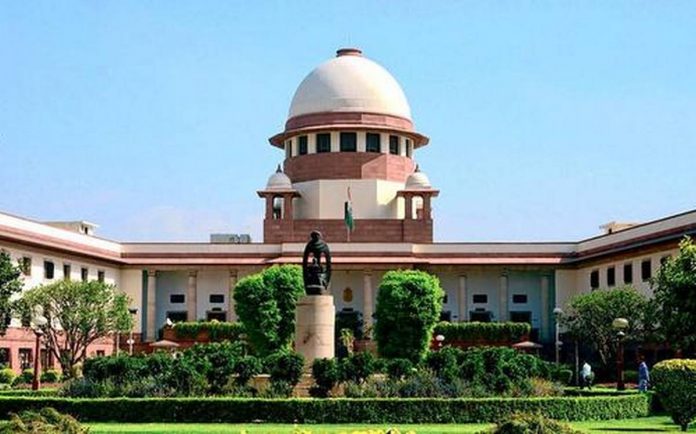



 Allow notifications





