This article, written by Subodh Asthanaand further updated by Meenakshi Kalra, deals with Legislation as a source of law and why it is important. It also lists various kinds of legislation and its advantages and disadvantages.
Table of Contents
Introduction
To understand what the law is, we must understand where the law came from or what the sources of the law are. There exist many sources of law, such as legislation, custom, precedent, judicial decisions, commentaries, etc. In this article, our main focus shall be on legislation as a source of law.
The word legislation has been derived from the Latin terms legis and latum. Legis means Law, and Latum means to make or set. Legislation thus means making law. It is one of the primary sources of law. This means that legislation is one of the most authoritative sources of law from which other rules and regulations derive their validity.
Legislation is a source of law that requires a competent authority to make rules and regulations that are required to be followed by everyone. Legislation is also known as Statutes or Acts of Parliament. It is created by the Parliament and is in a written form.
Now that we have a basic idea of what legislation is, let’s try to understand what law and its other sources are briefly.
What is the law and its sources?
Simply put, the law just refers to a set of rules and regulations that control the behaviour of people who live in society. It is made up of other Statutes, Acts, rules and regulations, etc. People who break these rules can be punished by the State in the form of fines or imprisonment.
Many jurists, such as Austin, Salmond, Pound, etc., have given their definitions in an attempt to sum up what law means, but there is no single agreed-upon definition. This is because law is a wide concept and cannot be explained by a single definition.
The Constitution of India, 1950, under Section 13(3)(a) describes law as “any ordinance, order, bye-law, rule, regulation, notification, custom or usage having in the territory of India, the force of law.”
Sources of law
Customs
Customs are the oldest sources of law. A custom can be defined as a principle that has existed either in reality or hypothetically for a very long time and is backed by law in a certain territory, though it may not be consistent with or not steady with the general precedent-based law of the community.
Customs are of two types:
Customs without sanction
Customs with sanctions
Precedent
To put it simply, a precedent is a case that the court has already decided. A precedent uses a case that has already been decided by the court to settle similar matters in the present. In most cases, a lower court uses the precedents of a higher court.
Legislation
As discussed in the introduction of this article, legislation refers to the process of law-making. It involves making new laws, amending the present laws if the need arises or completely repealing an old law.
Legislation can also refer to the law or set of laws that have been passed by the Parliament. These laws can be made and enacted at the national, state, or local level.
Legislation as a source of law
Definition of legislation
Austin defined legislation as a lawmaking process by a sovereign authority which must be followed by all people.
Salmond also defined legislation and described it as the process of lawmaking by a competent and able authority.
According to Salmond: “Legislation is that source of law which comprises the assertion of lawful standards by a competent specialist.”
According to Austin: “Legislation is the command of the sovereign or the superior authority which must be followed by the common masses backed by sanctions”.
According to Gray: “Legislation implies the formal expression of the administrative organs of the general public.”
According to the positivist school, “A run-of-the-mill law is a rule, and legislation is the typical source and form of lawmaking.” Most exponents of this school do not agree that courts can create laws. They also rejected the idea that customs are a source of law and only consider legislation to be law.
According to the historical school, legislation is the least innovative of the forms of law. The authoritative motivation behind the legislation is to improve and make more effective customs that have naturally developed among the people. The historical school usually does not perceive legislation as a form of law.
Legislation is the process of lawmaking where a competent authority is given the task of drafting and enacting the law in a state. It is also said to be a strict concept of lawmaking because there is only one body that is entrusted with the work of lawmaking, and also there is no scope for any alteration as such because of codified and watertight laws, which leave a very minuscule range for the amendment.
Types of legislation
Legislation can have many functions. They are made by a competent authority to fulfil the needs of the society. Let’s look at different types of legislation that exist to better understand the role of legislation:
Supreme legislation
This type of legislation was given by Salmond along with subordinate legislation. Supreme legislation is made by the sovereign authority of a country. It cannot be repealed, declared invalid or administered by any other authority. In India, the Parliament is the sovereign authority that has the power to legislate.
Subordinate legislation
Subordinate legislation was also given by Salmond as one of the types of legislation that exist. Under subordinate legislation, laws are made by an authority other than the supreme authority. The powers of the supreme authority are given to a subordinate authority. The supreme authority also sets limits to the power of subordinate authority under which it must work. It can be cancelled and abrogated anytime by the power of the sovereign authority, and therefore, it must make way for sovereign laws. Subordinate legislation is liable to parliamentary control. There are five kinds of subordinate legislation, which are given below:
Colonial legislation
The nations which are not autonomous and are under the control of some other state have no independent authority to make laws. Such countries can be in different classes, such as colonies, domains, secured or trust regions, and so forth. The laws made by them are subject to the supreme legislation of the state under whose control they are. Therefore, it is subordinate legislation.
Executive legislation
The executive helps in the implementation of laws that are made by the legislature. The executive is also given the power to make subordinate legislation that works with the supreme legislation. This is because it helps in the proper implementation of the supreme legislation.
Judicial legislation
The judiciary has also been given the power to make rules. The higher courts have the power to make rules regarding their procedures and administration. This is different from the concept of precedent.
Municipal legislation
Municipal bodies can make laws for the area under their supervision. They can make bylaws for town planning, roads, waste disposal, etc.
Autonomous legislation
Autonomous legislation refers to the legislation made by organisations for their internal functioning. For example, rules of conduct made by universities. Another example is the railways as an independent body, which makes bylaws for the guidelines of its organisation, and so on.
Delegated legislation
Delegated legislation refers to those laws which are made by people or bodies to whom parliament has delegated law-making powers. Where Acts are made by Parliament, a principal Act may cause arrangements for subsidiary legislation to be made, which indicates who can make laws as such under that Act. Delegated legislation can only exist in connection with an empowering or parent act and not independently.
Delegated legislation includes the detailed rules and regulations needed to ensure that the main law functions smoothly and effectively. This type of legislation might be enacted and applied by Government Departments, Local Councils or Courts.
Guidelines and statutory rules are the most common forms of delegated legislation, which are created by the executive or a minister and applied to the general public. Bylaws and sometimes ordinances are made by local government authorities and apply to people living in that specific area. The main or parent Act usually outlines the legal process to be followed if there is an issue with a delegated law.
Sub-delegation
Sub-delegation is the process through which power that has been delegated to a person or entity by a higher authority is further delegated to some other person or entity. The maxim “Delegatus non potest delegare”, which means a delegatee cannot further delegate authority, means that a delegator without statutory authority cannot transfer their authority to another party.
In this case, the initial decision maker, who acts as the first delegating authority, transfers authority to a third party who acts as the sub-delegate and has the authority to use the powers of delegated authority. There are three kinds of sub-delegation:
Full or partial
Full sub-delegation occurs when all the authority is given to another authority to be exercised. Partial delegation occurs when the person who has been delegated the authority needs to take permission and directions from the delegating authority before exercising the power given to them through sub-delegation.
Conditional delegation
Conditional sub-delegation refers to when the action taken by the delegated authority can be revised and is subject to examination by the superior authority before giving any confirmation, or the sub-delegation comes with certain conditions. Under unconditional delegation, the person given the power has the same level of authority as the person who gave it to them.
Skeleton legislation
Under this legislation, the higher authority only makes a skeleton or a structure for the legislation, it is then the delegated authority’s duty to make the provisions and policies under it. The delegated authority is required to follow the guidelines issued to them while making the provisions without fail.
Interpretation of legislation or statutes
Interpretation means to give meaning to the statutes or legislation. Statutes are the most important part of the legal system, without which it cannot exist. Statutes are the main source of law in most countries. They help in regulating the people who exist in a society.
The judiciary is the main organ that is responsible for the interpretation of statutes and various laws. Interpretation of statutes is a hard and complex task, but it helps in making sure that the law is applied fairly and uniformly.
People often confuse the interpretation of statutes with the construction of statutes. These two concepts are interlinked with each other and very helpful in promoting the rule of law. Interpretation is used as a way of understanding and extracting the meaning of the language that has been used in the statute. After the meaning of the statute has been understood, it is time to apply the same in a practical situation, and this is where construction comes in. Construction is used to implement and enforce the law that was interpreted.
Objective of interpretation of statutes
The objective of interpretation is to find the intention of the legislature. This intention can be found by analysing the text of the statute. The statutes should be read and understood in their normal grammatical sense unless there is ambiguity that arises in the words.
The courts are supposed to make decisions by properly interpreting them. They cannot arbitrarily judge the cases, because of which various rules have been developed. These rules are known as the rules of interpretation.
Rules of interpretation
Literal rule
It is also known as the plain reading rule. It is used to understand the words in their plain and ordinary meaning. This is done without any addition or exclusion of other words.
Golden rule
This rule is also known as the British rule. This rule allows the courts to move away from the literal meaning of the word. It allows them to be flexible if the interpretation gives absurd results.
Rule of harmonious construction
This rule is also known as the thumb rule of interpretation. It is used to remedy the conflict between two statues by harmonising them. This is done in a way that none of the statutes or provisions cancel out each other, and they can work together.
Mischief Rule
This rule is also known as Heydon’s rule. It is used to find any mischief or ambiguities in a statute. The mischief is then fixed and remedied. This is done by finding out the true intention of the statute.
Ejusdem generis rule
According to this rule, when general words are followed by a list of words, then such words shall be constrained to the category in which those specific words fall.
Noscitur a sociis rule
Under this rule, the meaning of the words can be understood by the context in which they have been used by analysing the other words used in their surroundings.
Expressio unius est exclusio alterius rule
This rule can be translated into express or include one thing imply the exclusion of the other, or the alternative. This means if one thing has been included in the statute, then other things are excluded from it.
Advantages of legislation as a source of law
Legislation has many advantages as a source of law, as it is used as an important tool for creating rules and laws:
Abrogative power
Unlike the other sources of law, legislation can modify and even cancel old laws with the changing needs of society.
Efficiency
Legislation helps in the separation of powers between the organs of the government. The law is made by the legislature and implemented and overseen by the Executive.
Independent Nature
Legislation is an independent source of law and is regarded as the strongest source of law. It is clear and available to all, unlike other sources of law.
Demerits of legislation as a source of law
No source of law is perfect and complete in its form and sense; some lacunas and loopholes could be easily found in every source of law which is as follows, in the case of legislation.
Enforcement
Proper implementation of legislation is very important. Without the proper implementation, legislation is not effective and thus, will have little to no impact on the people living in the society.
Limited Scope
There may be situations where a law to address an issue might not exist. Thus, legislation has a limited scope to address problems and issues.
Expensive
The process of making and enforcing the legislation can be expensive and time-consuming. It can put pressure on taxpayers, businesses and individuals alike.
Rigid Nature
Laws can be slow to change according to the needs of society, as the process to amend them is costly and time-consuming. Further, some people might oppose a law and be against it, making it even more difficult to modify it.
Difference between precedent and legislation
Legislation and precedent are both sources of law, but they differ in several ways:
The legislation has its source in the process of law, which is enacted and enforced by the State, while the precedent has its origin in ancient and historic judicial pronouncements.
Legislation has an authoritative force on courts as it is made by the Legislature. However, precedents are made by the courts themselves.
Legislation signifies a formal declaration of law by the governing body, though precedents are acknowledgement and use of new standards of law by courts in the administration of equity, justice and good conscience.
Legislation is established before a court case arises, whereas a precedent is set after the court has given its decision in a case.
Legislation is basically of an exhaustive structure, while the extent of legal precedent is restricted to legal issues involved in the case.
Legislation is typically prospective in application, while precedent is retrospective in its application.
Legislation is announced or published before it takes effect, whereas a precedent takes effect after the decision of the court is announced.
A law is rules and regulations which control the behaviour of people. Precedents on the other hand are past decisions of the court which are used to judge similar cases in the future.
Legislation involves creating laws through a deductive approach, whereas a precedent is developed using an inductive method.
Some material differences can be summarised as below:
Basis
Legislation
Precedent
Source
Enacted and enforced by the State through the legislative process
Originates from historic judicial pronouncements
Authority
Made by the Legislature, carrying authoritative force on courts.
Created by the courts themselves.
Nature of Law
Formal declaration of law by the governing body.
Acknowledgement and use of new legal standards in court decisions.
Structure and application
Exhaustive in scope, covering a broad range of legal areas. Typically prospective, applied to future situations.
Limited to legal issues involved in a particular case. Retrospective in nature, based on past cases and applied to future similar cases.
Objective
Provides general rules and guidelines.
Resolves a particular dispute and guides future cases.
Methodology
Created using a deductive approach.
Developed using an inductive approach.
Difference between legislation and custom
One of the main differences between custom and legislation is that legislation is made, whereas customs grow from the practices of people over time. Legislation is made deliberately by the State. Customs are practices that come into being without any express enactment.
Legislation needs to be enforced, unlike a custom, which does not need any enforcement agency. If what is stated in legislation is not followed, one might be punished, but no penalty is given to a person who violates a custom.
Legislation is a clear and specific source of law, and it is definite. Customs are not clear or definite as they are not mentioned in a single book or in a single place.
Legislation is created by law, i.e. it is de jure, and customary law, on the other hand, exists because of its long practice, i.e. it is de facto. Therefore, it can be said that legislation is based on theory, whereas customary law arises out of long-term use.
Some material differences between custom and legislation as a source of law can be summarised below:
Basis
Legislation
Customary law
Historical Role and Creation
Initially used to amplify customary law and created by the legislature.
Initially, the primary source of law now supports legislation and arises from long-term practice.
Validity
Valid as soon as it is enacted.
Valid only after long periods of consistent practice.
Nature
De jure (exists by law).
De facto (exists through practice).
Foundation and Age
Based on theoretical principles and a relatively new source of law.
Based on long-term social use and the oldest form of law.
Clarity, Structure and Accessibility
Clear, structured, and codified and easily accessible due to being written and codified.
Often unwritten and less structured, and hard to access and understand, as it is usually unwritten.
Conclusion
Legislation refers to the process of law-making. Law-making is a practice that helps us convert an idea of law into an actual law. Law has different sources from which it is derived, such as Legislation, Custom, Precedent, etc.
Legislation is the most important and the strongest source of law. This is because it is clearer and more organised than the other sources. The State plays a vital role in making legislation as per the needs of the society. The State also keeps a check on the process of law-making and makes sure that once legislation has been passed, it is also properly implemented.
The process of law-making is based on concepts such as democracy, separation of powers and social state. It is these principles that help us decide what legislation is needed and when.
Frequently Asked Questions (FAQs)
What is the nature of law?
This question has come up time and again in both the fields of Jurisprudence and Philosophy of law. There are two points of view on this, one answer is given by natural law theory, and another has been given by legal positivism.
According to the natural law theory, law can be described by understanding the relationship between justice and morality. Legal positivists, on the other hand, believe that law is the command given by the sovereign, which is backed by punishment. Thus, the natural law theory is based on justice, and the legal positivism is based on control.
The nature of law is a relevant topic of discussion to date. A lot of thinkers and jurists have tried to sum up the nature of law, but there is still no clear answer.
What is the purpose of the law?
Law has many functions and purposes. It helps in the maintenance of peace and harmony in society. Without the law, there would be no check on the people. They would be free to do whatever they want without any fear or repercussions for engaging in wrongful acts.
Law also helps in establishing standards that should be followed by all. It tells us which behaviour is right and which is wrong. It helps in protecting the rights of the people. Without the law, anyone could just curtail the rights of people and hamper their freedom.
Law is necessary to uphold order in society. It acts as a guide and escorts people towards correct conduct. It also helps in the resolution of conflicts that arise between people. We need laws to protect our general safety and basic rights.
What is the rule of law?
The concept of the rule of law can be traced back to the time of the Ancient Romans when they established the first republic. The term rule of law has been derived from the French phrase le principe de légalité, which means the government based on principles of law.
According to this principle, the law should be treated as supreme and predominant without any influence of the arbitrary power of the government. Every person shall be equal in front of the law and there is no one above the law.
What are the types of legislatures?
A legislature is one of the organs of the government. It has the power to enact and amend the laws of a country. There are two types of legislatures:
Unicameral legislature refers to having only one legislative or parliamentary chamber. The single chamber is required to do activities like passing the budget, enacting laws, supervising the administration of the government, etc. The unicameral legislature can be found in countries like Sweden, Iran, Hungary, New Zealand, Norway, and China, among others.
Bicameral legislature refers to a country’s law-making body which has two separate houses or chambers to perform legislative activities such as making the law, enacting the law, passing a budget, etc. This type of legislature is found in countries like India, Canada, Japan, the United Kingdom, etc.
This article was written by Sahaja and has been further updated by Shafaq Gupta. In this article, we will talk about the 104th Constitutional Amendment Act in detail. The article will highlight the significance of various previous amendments that finally led to the 104th Constitutional Amendment. We will further discuss the criticisms faced in light of this amendment. Through this article, we will also gain knowledge about the recent developments on reservations for Scheduled Castes (SC) and Scheduled Tribes (ST).
Table of Contents
Introduction
There is no denying that the Constitution of India, 1950, is the supreme law of the land in India. It is an ever-evolving document, so dynamic and inclusive in all aspects. It transforms itself according to the changing needs of society. It has been amended several times to find a solution to contemporary problems. This Constitution serves as a repository of society’s fundamental political values. Article 368 of the Constitution of India provides power to the Parliament to amend the Constitution and also lays down the procedure for doing so.
Do you all want to know about an important amendment that highlights India’s approach to representation in the legislature? The 104th Amendment Act of the Indian Constitution talks about that only. It was passed in 2019 and came into force on 25th January, 2020. It talks about the issue of reservation related to various social castes such as Scheduled Castes, Scheduled Tribes, and Anglo-Indians. It strongly demonstrates a will to uphold the inclusivity of the Constitution along with making adjustments for the changing societal needs.
Through this article, we will make an effort to learn about this amendment comprehensively. What was the need for this amendment? What other amendments are related to it? Or what is the historical background of the reservation related to those particular social castes? This article will cover every aspect of it.
Background of the 104th Constitutional Amendment Act
Let us first start by understanding the meaning of the word ‘reservation’. Reservation is an affirmative action taken by the government of the country. It is usually done to uplift the socially and educationally backward communities. Moreover, it also provides them with a platform to represent themselves.
Reservation can also be referred to as positive discrimination done to provide preferential treatment to certain backward communities such as Scheduled Castes and Scheduled Tribes. It is made possible by reserving seats for them in educational institutions, government jobs, and other areas.
Caste-based reservations are made to advance underprivileged groups and provide them with social equity. It is considered necessary since there is a huge amount of structural inequality and discrimination based upon the ancient caste system in Indian society.
To resolve such inequality and discrimination, which is present even today in our Indian society, the 104th Amendment to the Constitution extended the period of reservation for Scheduled Castes and Scheduled Tribes for another ten years till 2030. It was a much-needed step required to ensure social equity.
Historical background of the reservation
From where did this system of reservation even start? Let us see about it. The birth of the present reservation system can be traced back to India’s long-standing caste system. Earlier, the people were divided into upper and lower castes. So, reservation as a policy was adopted by the government of India to eradicate the historical injustices perpetrated by the so-called “upper castes”. Many “lower castes” in India were isolated from the mainstream decision-making process. May it be regarding administration or education, discrimination was done everywhere. This seriously hampered their development.
In 1822, William Hunter and Jyotirao Phule proposed the caste system for the first time in India. A few years later, Shahu Maharaj of Kolhapur expanded it. He instituted the system of educational reservation for non-Brahmins and the members of the lowest socio-economic groups. On 16th August,1932, the British Prime Minister, Ramsay Macdonald, delivered the ‘Communal Award’. The communal award established the reservation system that persists today. It provided for the establishment of separate electorates for different communities such as Muslims, Sikhs, Indian Christians, Anglo-Indians, Europeans, Dalits, etc.
After months of discussions, M.K. Gandhi and Dr. B.R. Ambedkar signed the ‘Poona Pact’ in 1932. It established a unified Hindu electorate with specific limitations. The number of seats reserved for the oppressed people was doubled under the Poona Pact as compared to the ‘Communal Award’. A large number of significant programs were also implemented after the independence for Scheduled Castes (SCs), Scheduled Tribes (STs), and Other Backward Castes (OBCs).
As per Article 340of the Constitution, the Mandal Commission was established by the Indian government in 1979. The commission worked under the guidance of B.P. Mandal. Their main aim was to identify the socially and economically backward castes among Hindus as well as non-Hindus. Then, it had to recommend various solutions for their advancement. In its report, it stated that the OBCs made up around 52% of the population.
Thus, they were of the opinion that about 27% of the government jobs in India should be reserved for them. Initially, the SC/ST reservation system was approved only for a duration of ten years. However, it soon became evident that in order to address the problem of social discrimination, the reservation system was still required.
After studying the history of the reservation system in India, let us have a look at the latest amendment related to it.
One Hundred and Fourth Constitutional Amendment, 2019
What was the 104th Constitutional Amendment Act of 2019 all about? What all changes were made by it? What was the purpose behind introducing such changes? Let us discuss it.
The procedure followed for this amendment
It was introduced by Ravi Shankar Prasad, Minister of Law and Justice, in the Lok Sabha on December 9, 2019. An attempt was made to amend Article 334 of the Constitution. Finally, the Bill was passed by the Lok Sabha on December 10, 2019. There were 355 votes in favour of it and 0 votes against it. The bill was then introduced in the Rajya Sabha. There, it received 163 votes in favour and 0 votes against it. Hence, it was also passed by the Rajya Sabha on December 12, 2019.
On January 21, 2020, the amendment received the assent of the President of India, Ram Nath Kovind. The very next day, it got published in the official Gazette of India a came into effect on January 25, 2020.
Changes brought by this amendment
An amendment was made to Article 334 of the Indian Constitution. It further extended the deadline for a period of ten years until 26 January 2030 for the seats reserved for members of Scheduled Castes and Scheduled Tribes in the Lok Sabha and legislative assemblies of the state.
At present, the whole of India is divided into 543 constituencies to elect members to the Lok Sabha. According to the Delimitation Commission Report, 2008, 412 seats are for general, 84 seats are reserved for Scheduled Castes and 47 seats for the Scheduled Tribes. Earlier, it was 79 and 41 for Scheduled Castes and Scheduled Tribes, respectively.
However, the amendment ceased the reservation of seats for Anglo-Indians and did not extend the period of reservation of the two Lok Sabha seats reserved for members of the Anglo-Indian community. So, it abolished the practice of nominating two members belonging to the Anglo-Indian community to the Lok Sabha by the President of India, on the recommendation of the Prime Minister of India.
Reason/Purpose behind the amendment
The legislature is also bound by the law. It has to give proper reasons for its decisions. After all, amending the Constitution of India is a big thing as it would affect the lives of the citizens.
Ravishankar Prasad clearly provided the reason behind this amendment in the statement of objects and reasons. He clearly stated the fact that the Scheduled Castes and Scheduled Tribes have made significant progress in the last 70 years. But despite this progress, the factors that influenced the Constituent makers while making provisions for reservation of seats are still the same. Therefore, to maintain the Constitution’s inclusive character, as envisioned by the founding fathers, it was necessary to make an amendment.
As we all know India has become a global leader in promoting world peace. We have come a long way. There is a need to adapt to the changing times and progressively move towards a more generic ecology. The elimination of the reservation system for the Anglo-Indian community was by this.
The other reasons behind this amendment are mentioned below.
First of all, the community has made great strides and established itself.
Secondly, the population of Anglo-Indians has shrunk so low that there are even less than 500 people who identify themselves as belonging to that community.
Thirdly, it allows the nation to move forward and let go of its historical burdens.
Now, the Anglo-Indian population has blended in with the nation’s population. They share the same pride in being Indian as all other citizens.
As we saw, this amendment was related to various specific social communities. But who all are covered under these communities? Are there any specific provisions in our Constitution related to it? Let us study them.
Who are Anglo-Indians
For the first time, the Government of India Act, 1935, formally recognised the term ‘Anglo-Indian’. The origin of this community can be traced back to the British East India Company. They enjoy a mixed European and Indian heritage. In earlier times, they were identified as children born out of the marriage of European settlers and native Indian women. Slowly, they came to be identified as a distinct and specific community.
Article 366(2) of the Constitution of India defines an Anglo-Indian. The various essentials laid down in the provision are as follows:
His father or any other male ancestor (from the paternal side) must be of European descent.
He must be domiciled in India.
He must be residing in India or was born to parents who have made India their permanent home. They must not be living here temporarily.
On fulfilling the above conditions, a person identifies himself to be an anglo-Indian. This terminology highlights the community’s distinct cultural and historical heritage. As per the 2011 population census, 296 people recognised themselves as Anglo-Indians. They indicated their unique identity and ancestry in modern-day India.
Who are Scheduled Castes and Scheduled Tribes
Under Article 341 of the Constitution of India, the President has the power with respect to any of the states or union territories and the State has power which needs to be exercised in consultation with the governor, to specify any of the castes, tribes or groups of people as Scheduled Castes. It must be done via public notification. Similarly, Scheduled Tribes have been defined under Article 342 of the Constitution.
Constitutional provisions relating to political reservation
In the Indian Parliament, State legislative assemblies and other local political organisations, there are designated seats that are reserved for the Scheduled Castes and Scheduled Tribes. These members are elected by all the voters in a constituency in the absence of a separate electorate.
However, these communities are not forbidden from running for office from a general quota seat. This system of reservation was introduced in the year 1950. Originally, it was made only for a ten-year period. But it was extended further by various amendments to ensure greater political participation. The groups that needed special protection, such as the vulnerable, underprivileged or underrepresented, were given a chance to voice their concerns.
Let us have a look at the few provisions given in our Constitution which are related to political reservations.
Article 15(4) – Under this provision, the state has the authority to enact specific laws for the advancement of people belonging to specific classes. It includes socially and educationally backward classes of citizens, the Scheduled Castes and the Scheduled Tribes.
Article 243D – Under this Article, reservation of seats is made for SCs/STs and women in Panchayati Raj Institutions.
Article 243T – Similarly, this provision provides for the reservation of seats must be made in Urban Local Bodies
Article 330 – Under this provision, reservation of seats is made for the SCs and STs in the lower house of the Parliament.
Article 331 – This Article talks about the power of the President of India. He is empowered to nominate two members of the Anglo-Indian community to the Lok Sabha. It is based on his satisfaction that the Anglo-Indians are not being adequately represented.
Article 332 – Similarly, under this article, reservation of seats is made in the legislative assemblies of the state. However, this provision does not apply to the Scheduled Tribes in the autonomous regions of Assam.
No fixed no. of seats is reserved under this article, and it is left to the discretion of the President to assess the representation of the community based on its population.
Article 333 – This Article empowers the governor of the state to nominate one member of the Anglo-Indian community to the state legislative assembly if they are not adequately represented in the affairs of the state.
Article 334 – It exclusively provided for the reservation of seats in Lok Sabha and state legislative assemblies for a period of ten years, till 196,0, to the Anglo-Indians and the SCs and STs. But this Article has been amended several times to extend this deadline, which was initially created.
Previous amendments to the Constitution related to political reservation
There are many previous amendments to the Constitution that are relevant to the political reservation for Scheduled Castes, Scheduled Tribes and Anglo-Indians. They are listed below:
Eighth Constitutional Amendment, 1959
The Eighth Amendment Act, 1959 of the Constitution of India amended Article 334 of the Constitution. It extended the period of reservation of seats for another ten years, till 26th January, 1970, for the Scheduled Castes and Scheduled Tribes. This reservation was also extended for Anglo-Indians in the Lok Sabha and the State Legislative Assemblies.
Although Article 334 had specified that the seats would be reserved for ten years from the date of the adoption of the Constitution, i.e. 26 January 1960, the extension of the reservation period to 1970 was required to provide these underrepresented groups with more opportunities to engage in politics and have their voices heard.
Twenty-Third Constitutional Amendment, 1969
The Twenty-third Amendment Act, 1969 again amended Article 334 of the Constitution. Through this amendment, the system of reservation of seats for Scheduled Tribes in the Lok Sabha of the state of Nagaland and the State Legislative Assemblies was abolished. Moreover, it restricted the power of the Governor by allowing him to designate only one person belonging to the anglo-indian community to the legislative assemblies of the state.
Before this amendment was enacted, the situation was different. Earlier, the Governor of a state was allowed to nominate any number of Anglo-Indians to the State Legislative Assemblies. There was no fixed limit for it. This amendment also extended the reservation of seats for Scheduled Castes and Scheduled Tribes and the representation of Anglo-Indians in the Lok Sabha and State Legislative Assemblies, for another ten years, until January 26, 1980.
Forty-Fifth Constitutional Amendment, 1980
The Forty-fifth Amendment Act, 1980 of the Constitution of India further extended the above deadline for another ten years, until 26 January 1990. It was stated that the situations which persisted during the framing of the Constitution persist, and therefore, it is necessary to extend this reservation policy.
Sixty-Second Constitutional Amendment, 1989
The Sixty-second Amendment Act, 1989 of the Constitution of India further extended the deadline for another ten years, until 26 January 2000.
Seventy-Ninth Constitutional Amendment, 1999
The Seventy-ninth Amendment Act, 1999 of the Constitution of India further extended the deadline for another ten years, until 26th January, 2010.
Ninety-Fifth Constitutional Amendment, 2009
The Ninety-fifth Amendment Act, 2009 of the Constitution of India further extended the deadline for another ten years, until 26th January 2020.
Criticisms against the 104th Amendment
The 104th Amendment Act has received a lot of criticism. It is because the reservation system was initially started to provide equal access to resources to all the communities of people. But as we see today, it has failed to fulfil its purpose. Those communities continue to be recognised as socially disadvantaged groups, though we have grown economically.
One of the main contentions that was raised against this amendment was why the reservation for Anglo-Indians was not extended? The statement of object and reason provided for the amendment did not specify any particular reason for the non-extension of reservation for the Anglo-Indians.
The Supreme Court held in S.C. Prashar, Income Tax Officer, Bombay vs. Vasantsen Dwarkadas (1962) that the statement of objects and reasons for enacting a particular piece of legislation cannot be utilised to interpret the legislation if the language employed therein is clear enough. However, the statement of objects and reasons can be used to determine the circumstances that led to the legislation and to determine what the mischief was that the legislation was intended to address.
The members of the Parliament considered the reasons and the objectives that were suggested by the founding fathers of the Constitution and extended the reservation for the SCs and STs, keeping those in mind. When it came to the Anglo-Indians, however, the approach was not taken.
Moreover, these subsequent and repeated extensions of the reservation granted to Scheduled castes and Scheduled Tribes deprived the candidates of the electorate of their choice, and they were not able to vote freely. This causes a situation of a limited electorate where some people view it as a breach of their fundamental right to equality under Article 14 of the Constitution. These communities have been enjoying reservations for a long time, and now many don’t even need them. The government must carve out a new policy to identify people who need to be uplifted and not be exploited at the cost of other people’s basic needs, just in the name of reservation.
Conclusion
The 104th Amendment Act amended Article 334 of the Constitution, which ceased the reservation of Anglo-Indians in the Lok Sabha and the state legislative assemblies and extended the reservation of seats for the SC or ST community as mentioned previously in this article.
However, many politicians think that the abolition of seats reserved for the Anglo-Indian community cannot be justified as no clear explanation was given for it in the statement of objects and reasons clause of the amendment. On the other hand, the then law minister gave the reason behind ceasing the political reservation of Anglo-Indians as the fact that, as per the 2011 census report, there were very few Anglo-Indians left in India.
Frequently Asked Questions (FAQs)
What is the need for a reservation?
There are several reasons why reservations were introduced and also adopted in the provisions of the Constitution. Some of these reasons have been discussed below:
Inadequate representation: There are many communities, such as Dalits and Adivasis, who have suffered for ages due to social oppression and discrimination faced by them. Reservation is one of the ways to combat these and give them a representation in the politics of the country.
Caste system: Reservation aids in the upliftment of underprivileged groups who have been chained for a long time in the traditional caste system, which was detrimental to them.
Historical injustice: The lower castes have been suffering for a long time for their basic right, which must be enjoyed by every person as a human being. Reservation is necessary to curb these historical injustices and create a level playing field for them on par with the rich and wealthy people.
Social and economic disparity: All must be equal for them to be treated equally. They all must be raised to the same level and then judged based on their merit. The marginalised communities must be given an equal chance in education and employment and not denied opportunities based on their caste, religion, or gender.
What is the significance of the 104th Constitutional Amendment Act?
The 104th Amendment Act is considered to be a significant amendment made according to the changing societal needs. The efforts were made to secure the right of representation in politics of the socially and educationally backward communities. Even the Preamble to our Constitution lays down the ideal of equality of status and opportunity for all the citizens of India. So, to ensure equality among people, 10 years of extension in political reservation is granted to SC and ST communities.
Can the constitutional amendment acts be challenged before the court?
Yes, the constitutional amendments can be challenged before the court under two conditions:
It is violative of the Fundamental Rights provided in Part III of the Constitution of India.
In case of their violation, a petition can be filed in the High Court under Article 226 or to the Supreme Court under Article 32 of the Constitution of India.
Does the 104th Amendment Act apply to private institutions as well?
No, the system of reservation as provided by the 104th Amendment Act is not applicable to private institutions. However, they may voluntarily choose to implement such reservation policies. It may be done for the advancement of socially and educationally backward communities.
This article, written by VanshikaKapoor and further updated by Priyanka Jain, discusses the making of our Constitution and its historical background. It shows the timeline of its coming to be and throws light on what the Constitution framers did to give us such a document that still holds its place.
“Constitution is not a mere lawyers document, it is a vehicle of Life, and its spirit is always the spirit of Age.” – Dr. B.R. Ambedkar”
Table of Contents
Introduction
The Constitution of India is a document that forms the backbone of the world’s largest democracy. In various pronouncements of the Hon’ble Supreme Court, it has been upheld that the Constitution is our country’s first book. It is a timeless document encapsulating geographical, historical, cultural, and linguistic diversity in an ordered and structured manner. In Navtej Singh Johar & ors. vs. Union of India (2016), the Hon’ble Supreme Court held that our democratic Constitution is an organic and breathing document with senses, which are very much alive to its surroundings, for it has been created in such a manner that it can adapt to the needs and developments taking place in the society.
Diving deep into its making helps us unfold several mysteries regarding its need, implementation, and understanding of the minds of the makers of the Constitution. Dr Bhim Rao Ambedkar, after reading and learning from the Constitutions of sixty different countries, outlined the Constitution of India. The essential features were adopted to make India at par with other developed nations. It was drafted and crafted to remove the scars of the Indian freedom struggle to ensure perpetual freedom and restore confidence within its population. This document is essential to provide structure and order to our country so that it never slips into the hands of invaders and capitalists. This article navigates from the dynamics of socio-political challenges faced by the Constitution makers, their vision, challenges they faced while drafting, and the official timeline of its drafting, ratification by different members and finally its adoption.
Understanding the Constitution
Before navigating into the history of the Indian Constitution, I think we should get more clarity into the term ‘Constitution.’ So, let us read and understand what it means. The word “Constitution” has Latin roots; it is made from “constituere,” which means to set up. Therefore, we can say that the Constitution is the structure on which the government’s administration is based. Moreover, we are already aware that it is the home of written rights and liabilities of the citizens.
Interestingly, the Constitution also has provisions regarding the rights and privileges of foreign citizens. When we talk about the Constitution in India, we say that it is the law from which all the other laws of the land have derived their force. So we can say that if any law or part of a law contradicts the Constitution of India, then it cannot be enforced or executed as a law.
Proudly being the bulkiest Constitution in the whole world, the “Indian Constitution” is the Supreme Law of India. In totality, a Constitution is a document that has special legal sanctity attached to it. It is the constitution that lays down the legal framework of the country today. We need to remember here that it works as the principal organ of the government. Furthermore, it is interesting to note here that the Constitution also sets out the principal guidelines for organs of the government to work like a well-oiled machine.
Since the Constitution of India is a perfect combination of both rigidity and flexibility, it has been amended the most times in the world. Note here that the Constitution that we have today consists of the following:
Preamble;
448 Articles, which have been classified into 25 parts for convenience;
12 Schedules in which it is divided;
5 Appendices ;
You would be surprised to know that it houses more than 146,385 words in the English language;
Interestingly, the Chairmanship of Dr. Rajendra Prasad was exemplary, and it is because of the Constituent Assembly’s hard work that we have a holistically drafted Constitution today. We adopted this law of the land on the 26th day of November 1949. Yes, today, you and I celebrate this day as Constitution Day. Remember here avid readers, that it was only on the 26th of January, 1950, that this law became effective after replacing the Government of India Act, 1935.
To know more about what is the Constitution and historical background of the Indian Constitution in brief, please refer to the video below:
The Constitution majorly constituted the following:
Fundamental rights;
Government and Legal Procedures;
Practices;
Powers;
Directive Principles.
Over time, there were significant developments made in our Constitution through amendments. These developments have enlarged the scope of the Constitution. While the basic idea or structure is the same, there is a value addition to suit and adapt the Constitution to the changing needs of society. Some of these are as follows:
The scope of fundamental rights has been enlarged by the Hon’ble Supreme Court through various pronouncements, including the expansion of Article 21, the right to life and personal liberty. Earlier, the right to property was a fundamental right, but later, it was removed by the 44th Amendment to the Constitution. Now, as we all know, the right to property is merely a constitutional right and not a fundamental right anymore.
It is important for us to note here that the Constitution did not have fundamental duties. Also, it was only in 1976 that an Article numbered Article 51A was inserted. This Article, under the 42nd Amendment, which was taken from the USSR, houses the duties that are today fundamental in nature. Today, these duties are like moral obligations that help to promote a sense of responsibility and fraternity between the citizens of our motherland. However, unlike fundamental rights, these are not enforceable in the court.
The framework of government remains the same and is protected by the doctrine of basic structure propounded by the Hon’ble Supreme Court in the case of KeshwanandaBharativs.StateofKerela(1973). This doctrine says that the Constitution’s basic structure is of such a nature that it cannot be abrogated.
Article 368 talks about the power to amend the Constitution of our motherland. It is interesting to note that the Constitution has been amended multiple times in the past 75+ years. This is something that helps us reflect that our Constitution today has both dynamic character and adaptability embedded within it. So far, more than a hundred amendments have been done, among which the Forty-Second Amendment (1976) is massive, sometimes also called a mini-constitution.
There were 395 Articles in the Constitution, but now there are 448.
Meaning of the Constitutional law
Since we have already understood the term Constitution in great detail, I think it’s time I explained Constitutional law. But what is Constitutional law? Let’s have a look.
So, it is a body of law that helps lay down the powers, roles, and structure of various entities within a state. Moreover, it has the basic fundamental rights of the citizens embedded within itself. So, now you might be wondering what entities of state we are talking about? These state entities are nothing but the legislature, executive, and judiciary columns of power today. Interestingly, the constitutional law is based on the Indian Constitution, and therefore, it largely relies on the rules and guidelines of the same.
In simpler terms, we can say that the Constitution is a document that entails the functioning of the country. It provides detailed provisions for legislation, execution, and implementation of law and governance, political setup, certain human rights for its citizens, and opportunities for developing as useful and responsible human beings. To secure peace and order, it establishes a justice dispensation system.
Constitutional law is a field of practice that includes reading the Constitution, understanding and interpreting its provisions, and applying it. It evolves through the interpretation of the Constitution by the courts through case laws or precedents. It enhances the scope and effectiveness of the Constitution.
“The freedom enjoyed in Western society under the rule of law and Constitutional government explains both the quality of its civilization and its wealth.” –Paul Johnson.
Historical evolution of the Constitution of India
The journey of creating the Constitution lies way back in the 1600s, when the East India Company came into being for the first time. This company, which came to India for trade and commerce, as we all know it, expanded its horizons. With the passage of time, the East India Company was successful in gaining political control and power over our motherland.
With the advancement of the company’s powers, it was in the year 1765 that the company was able to establish a Diwani system. But now the question is, what was the Diwani system? So, the Diwani system was a system whereby the company got the right to collect revenues. These taxes were to be collected by the company from the provinces of all three states, namely, Orissa, Bihar, and Bengal.
With the advancement in the company’s powers, the British Crown came up with the Regulating Act and also established the Supreme Court in 1773. This Supreme Court was established in Calcutta, which today you and I refer to as Kolkata. Moreover, the Crown appointed a Governor General in Bengal to examine the company’s workings.
Interestingly, it has been since then that the East India Company has become authoritative and passed several legislative measures. Now, you may ask why we just read through the history of the East India Company and the British Crown. The answer is simple: This helps us understand the need for the Constitution that we have today.
This historical backdrop is essential, but do you know why? It is so because the chain of events and the challenges faced by the citizens of India then helped the Constitution makers develop the law holistically as we have it today. Moreover, the issues faced before, during, and after the inception of this important political document are essential for our understanding. These stages also represent the transformation of British India into a republic with the ideals of justice, fairness, equity, and good conscience.
British influence (1600-1765)
Let us start by dwelling into the understanding of the British in the initial years of their settling into our motherland.
It all began in 1599 when some prominent London merchants petitioned Queen Elizabeth I to incorporate a company for trade with the Indies. Between 27 July and 31 December of the same year, the East India Company was duly incorporated. This incorporation took place pursuant to the Royal Charter of 1600, duly accompanied by the Queen’s approval.
But it is important to remember that this company was named ‘the Governor and Company of Merchants Trading Into the East Indies.’Moreover, the company so incorporated had the exclusive rights to trade within the area. For 15 years, the demarcated area fell within the boundaries of the Cape of Good Hope and the Straits of Magellan.
The Royal Charter further empowered the company’s powers. Now, the company had the power to make by-laws and issue orders and ordinances for its proper governance. The company was formed only to transport spices from the Indies. During this period only, the three states of Bombay, Madras, and Calcutta became the company’s chief presidencies.
Charter of 1726 and the establishment of the Mayor’s Court
The first establishment of the Mayor’s Court occurred in 1683. The Charter of 1726 set up another Mayor’s Court that derived its authority directly from the Crown. The Charter also allowed every presidency town to establish a corresponding corporation. The Charter of 1762 is a milestone since it introduced English law to India.
Beginning of the British Rule from 1765 to 1858
Since the company was already starting to establish its judicial powers, it was time to examine the British’s other powers.
The grant of Diwani made the company become the true master (i.e., Diwan) of the Bengal, Bihar, and Orissa provinces. By this Act, the Company was entitled to collect revenues. These taxes were collected from the three provinces. Also, they ensured Civil Justice within that area.
After Mir Jaffar’s death in 1765, his son entered into a treaty with the Company itself. This treaty led to the transfer of the Nizamat’s functions to the company.
The Regulating Act, 1773
As we read in the introduction, with the advancement in the company’s powers, the Crown started taking over control. But how? Let us read together into the upcoming segment of our article to understand it better.
The British Crown passed the Regulating Act in 1773. This Act was established to regulate the political affairs of the East India Company.
The Company’s constitution was modified in England to improve its administration in India. The Diwani system started collecting revenues.
The Act ensured the Control of the British parliament over the Company’s Court of Directors. They were required to present reports regarding civil, revenue, and military affairs.
Interesting to note here that the first Governor-General of Bengal was Warren Hastings.
Now, the Governor General of Bengal had power over the Governors of both Bombay and Madras.
The Governor General’s duty was to make rules and regulations for better administration. He exercised this power over all three presidencies fo
The Governor-General exercised the right to make rules and regulations to improve the administration of the three presidencies under the Company.
Better relations were established among the three presidencies of Bengal, Madras, and Bombay.
The Supreme Court of Calcutta, under the Charter of 1744, further forbade the action of company officials combining into private trade or bearing native bribes.
The Act of Settlement, 1781
But the 1773 Act also had defects. So, what do you think was the British Crown’s next step in this direction?
The Act of Settlement, 1781, was enforced to remove the imperfections of the Regulating Act of 1773. Therefore, it was based on improving on the act. The Act of Settlement made the following provisions:
To this end, the Company officials were exonerated of the implications of the Supreme Court’s jurisdiction over any act performed in their official capacities.
Refinements and alterations in the court’s jurisdiction over Native inhabitants and company officials were recommended.
On which laws to be applied using the powers of the Supreme Court.
Empowered the Governor-General to set regulations for Provincial Courts and Councils.
The Pitt’s India Act, 1784
The 1781 Act did not give the Crown ownership of Indian territory, so let us read further to understand what the Crown did to obtain ownership.
The British Government asserted ownership of territories the company dealt with, dubbing them “the British possessions in India.”
The company now had distinct commercial and political functions that differentiated its operations, and it established separate committees to manage these functions.
The British Government imposed its direct supervision over Indian affairs.
The councils of Governors were established in Bombay and Madras.
The Charter Act of 1813
However, earlier, the East India Company had a trade monopoly in the Indian subcontinent. So the following measures helped remove the monopoly-
East India Company’s monopoly over Indian Trade was shut down;
Indian Trade was made open to all British subjects;
The British Crown asserted supreme power over the Councils.
The Charter Act of 1833
Since we talked about the governor-general in the introduction of the historical perspective, let us look more closely at the 1833 Act to understand its growth.
Now, the Governor-General of Bengal was made the Governor-General of India;
Crucial step towards centralization in British India;
East India Company was turned into an administrative body.
The Charter Act of 1853
The provisions of the 1853 Charter are as mentioned below-
This Charter Act carried on the task of separating the legislative and executive functions of the Council of the Governor-General.
A separate Legislative Council was created for India.
Recruitment of all Civil Servants of the company was based on an open competition system.
The company then transferred the Indian territories to the British Crown. This is how the East India Company’s career came to an end, and British Crown rule began in our motherland.
End of the East India Company’s rule
The Government of India Act, 1858
This act is essential to be understood as it laid down the following-
The end of the East India Company and the replacement of the Company rule by that of the British Crown soon followed the Revolt of 1857.
The Royal Proclamation of Queen Victoria in 1858 transferred the Government of India directly to the British Crown.
The Secretary of State for India possessed all powers of the Crown.
The secretary of State was to be assisted by a Council of India constituting 15 members.
From this point, the secretary of state, who acted through the viceroy and his agents, was in charge of effectively administering Indian affairs.
Lord Canning was made the first Viceroy of India.
The court of Directors and Board of Control were abolished.
The Indian Council Act of 1861
The Act provided the basic framework for Government in India;
Legislative Councils were established in the provinces and the Centre;
Legislative powers to Bombay and Madras provinces were restored;
Introduced indirect elections with partial representation of people;
Redefined and further enlarged the functions of Legislative Councils;
Powers to discuss the Budget and to make the Executive accountable were also vested in the Legislative Council.
Morley Minto Reforms and The Indian Councils Act of 1909
The Indian Councils Act was introduced and implemented by Morley (Secretary of State) and Minto (Viceroy of the State) in 1909.
Now, let us have a look at what was included in the following reforms:
Central Legislative Council was renamed ‘Imperial Legislative Council’.
The number of members in the Central Legislative Council increased to 60.
The Legislative Councils gave the right to conduct direct elections in India.
The Muslim community was provided with separate communal electorates for the polls.
It was now that India was given membership as a Viceroy’s Executive Council member.
Now, let us look at self-government in the next part of this article.
Introduction to Self-Government
The system of self-government is one where we can see increased Indian participation in the governance of the motherland. But what is the need to study this topic in the article? The answer is simple: This system has helped evolve the nation’s political landscape. This has also directly influenced the legal viewpoint; therefore, we are studying this here.
This system was basically the signal of the diversion of British rule and the coming up of Indian democracy. Interesting to note here that it was the Morley-Minto reforms that led to this kind of change in India’s governance. It was basically the preparation ground for the Indian Constitution. Further, avid readers do take note that the Government of India of 1935 was the one that laid down the major groundwork for drafting the Constitution.
The Government of India Act, 1919, and the Montagu-Chelmsford Report
We need to note here that the Morley-Minto Reforms failed. Now, the question in the minds of the inquisitive readers would be, why? The answer is that because of the lack of support for the Parliamentary form of Government, the demand for new reforms arose. Thus, the Government of India Act was passed in 1919, allowing an increased role for Indians in Administrative matters.
Some of the main features of the Act that we need to keep in mind are as follows:
A Dyarchy system was introduced in the provinces where the provincial subjects were bifurcated into ‘reserved’ and ‘transferred.’
The Governor was not responsible to the Legislative Council over the reserved subjects.
The Bicameral Legislature was introduced at the Centre.
A Public Service Commission was established in India.
A necessary condition was also introduced: Three of the six members of the Viceroy’s Executive Council must be Indians.
Extended voting rights allowed 10% of the population their right to vote.
Simon Commission, 1927
You might be aware of the Simon Commission, so let’s see what this commission was all about and why the Indian nationalists opposed it. First, let’s take a look to get a better understanding of the commission’s formation.
The British Government appointed the Simon Commission 1927, under Stanley Baldwin, to provide a report on the workings of the Constitution of India, established by the Government of India Act, 1919. Further, in 1928, a group of 7 MPs from Britain were sent to India to study the Constitution and suggest reforms or make recommendations to the government. The Commission was composed purely of British people.
Boycott of the Simon Commission
Now it’s time we read into the reasons behind the boycott of the Commission.
Indians resented being excluded from the Commission, so the Congress decided to boycott it at its Madras session. This was also historical since the Muslim League joined hands with the Congress in boycotting it.
Interestingly, in the process of reeling against the Commission, there were not only protests throughout the Indian landscape but also widespread black-flag demonstrations and hartals. Moreover, furious chants of ‘Simon, go back!’ rose throughout the country. Further, in some places, the demonstrations escalated to violence, and the police officials had to resort to lathi charges to bring peace.
Now let us take a detailed look at the Report of the Commission and its impact:
This report by the Simon Commission was finally published in the year 1930.
The promise to the Indians was that they would be heard fully and duly.
Further, the recommendation of this report was to dissolve Diarchy in the nation. The aim was now to establish Responsible Governments in the provincial states.
It recommended that the separate communal electorate should not be continued.
This led to the Government of India Act, 1935, which went on to be the basis of our current Constitution.
The Government of India Act, 1935
Now, you might be wondering what the 1935 Act is. So, it’s time that I take you through the Act and help you understand its important features.
It was the bulkiest and last Constitutional Reform brought in by the British in India and the Princely States.
Legislative authority was given to the Central and Provincial Legislatures.
Legislative powers were now divided among the central and State Authorities. This was interestingly done by means of list creation. There are three lists: federal, state, and concurrent.
The Act thus created a provision for the establishment of an All-India Federation encompassing British India provinces and Princely States.
The Act also suggested a merger of British Indian provinces and Indian States into one organic unit.
A bicameral legislature was set up.
A Federal Court made its presence felt.
The Indian Council was done away with.
Accession of states to the Federal was initiated, and each ruler of such a state had to sign an ‘Instrument of Accession’ at the time of joining.
The Act continued till the Indian Constitution came into force.
Federal Court
So what is a federal Court and who is the judicial body in such a court? Let us read to understand further.
Federal Court of India was established under the Government of India Act, 1935;
Original, advisory, and appellate jurisdiction was awarded to the Federal Court;
It comprised of one Chief Justice and 6 other judges;
The Crown appointed judges;
Necessary qualifications of Judges of Federal Court defined.
Cripps Mission, 1942
In 1942, Stafford Cripps headed a mission to India with Constitutional proposals. But what was the Commission all about, and what were its proposals?
Territorial proposals put forward by the Cripps Mission:
An elected body should be established in India for framing the Indian Constitution.
Arrangements were made to build a firm course for Indian states to join the Constitution-making body.
The constitution-drafting body shall consist of representatives. These representatives were supposed to be of the provincial legislature. They are to be elected by the people and also nominated by the Indian princes.
The new Constitution was to be approved by the Britishers. Moreover, the conditions attached here stated that if a province wished not to join the union, it could form its individual constitution. This allowed them to create their union. The other condition attached was that a treaty was to be negotiated between the unions and the Britishers. The treaty talked about granting and guaranteeing religious as well as racial protection to the minority communities in our motherland.
However, it is to be remembered here that the primary goal was India’s cooperation in the Second World War. This mission was sent to put Indians on the British’s side. The Indians were not content with the mission’s propositions, so the leaders of the time rejected the proposal.
The Cabinet Mission, 1946
The failure of the Cripps Mission led to the creation of the Cabinet Mission. Let us examine the Cabinet Mission of 1946 together.
This Cabinet Mission Committee came to our motherland, India, on March 4, 1946. Yes, you got that right. This mission was established approximately a year before our Independence.
Therefore, the mission’s intention was to get Indian leaders to agree on framing the Indian Constitution. The aim was also to get an Executive Council and a Constituent Assembly of India.
British India was now proposed under this mission to constitute a new entity. This was to include the States in the Union of India as a whole.
Furthermore, it is interesting to note that the mission suggested forming an interim government. This interim government was to consist of representatives from all the major political parties in India.
The Indian Independence Act, 1947
The beginning of independent India was signified by Pandit Jawaharlal Nehru’s famous speech, “A Tryst with Destiny.” Let us have a look at it.
According to this Act, there were to be two independent Dominions: India and Pakistan. Further, this Act provided the partition of Punjab and Bengal.
The Boundary Commission, as the name suggests, was to determine boundaries. These boundaries were to be formulated between the two dominion states.
The key factor here was that the Princely States were offered a choice. They had three choices: joining the Indian Union, pledging allegiance to Pakistan, or remaining independent as a state.
This was a Constituent Assemblies of both countries were conferred powers to frame a Constitution for their respective countries.
So, on August 15, 1947, Lord Mountbatten announced the relinquishment of British control over both the Dominions and the provinces.
Framing of the Constitution of India
Members of the provincial assemblies set up the Constituent Assembly, which was mainly entrusted with drafting the Constitution. Dr. B.R. Ambedkar was the chairman of the Drafting Committee, which prepared the full-fledged draft of the Constitution. The Constitution was framed between December 9, 1946, and November 26, 1949.
Constituent assembly
An interesting fact is that Sh. M. N. Roy proposed the Constituent Assembly way back in 1934. However, the election for the Constituent Assembly took place only under the Cabinet Mission Plan in our motherland. But why was such an assembly required? This Assembly was constituted to write a detailed Constitution for India, which was now Independent.
Muslim League boycotted the Constituent Assembly because they wanted a separate Constitution for Pakistan. To ensure fairness and participation of the masses, their opinion was asked regarding the amendment of the proposed draft. Linguistic minorities wanted to protect their mother tongue. “Dalits, whom Gandhiji has often referred to as Harijans, also wanted its preservation. They wanted that independent India that would have provisions related to the discontinuance of caste suppression.
Interestingly, the Constituent Assembly came into force in 1946, one year before our motherland’s actual independence. But a question that strikes my mind now is, who was a member of this assembly?
Thus, the Constituent Assembly was composed not only of Pandit Jawaharlal Nehru, Dr. Rajendra Prasad, but also of Sardar Vallabhbhai Patel, and Maulana Abul Kalam Azad, among others. They postponed their first meeting to December 9, 1946 and began drafting the law which would govern an independent people.
Committees under the Constituent Assembly
Avid readers may recall that there were twenty-two Committees in the Constituent Assembly. Moreover, the Committees were divided into three general categories: Procedural, Substantive, and Drafting Committees for better drafting of the Constitution.
You may really want to know what the functions of these committees are. To say it in a single sentence, the function of the Procedural Committees was to deal with the functions of the Constituent Assembly. Whereas the Substantive Committee was responsible for the structure and constituent elements of the Constitution, and the Drafting Committee was appointed to prepare the final draft of the Constitution. Among all, the Drafting Committee was important. Let us have a detailed look into these Committees now.
Procedural committees
It’s time we begin with the procedural Committee. Following are the procedural affairs committees focussing on various tasks including language translation, finance, press, rules and procedures etc.
House Committee: It is interesting to note that B. Pattabhi Sitaramayya was the Chairman of the House Committee. It looked after not only the accommodation but also other amenities for the members of the Constituent Assembly. Moreover, it worked on maintaining discipline and decorum inside the assembly hall.
Hindi Translation Committee: It was formed by N.G. Ranga and it worked on translations from English to Hindi language. The proceedings and documents of the Constituent Assembly were to be translated into Hindi.
Urdu Translation Committee: As the name suggests, this Committee was in charge of translating the proceedings and documents of the Constituent Assembly from English into Urdu. It was formed under the able guidance of Bakshi Tek Chand.
Finance and Staff Committee: Dr. Rajendra Prasad was the chairman of this committee, which dealt with finances and staff for the Constituent Assembly and all its committees.
Press Gallery Committee: Usha Nath Sen was the chairperson of the committee, which was responsible for the admission and conduct of journalists and worked with reporters in the Assembly press gallery.
Steering Committee: It was chaired by Dr. Rajendra Prasad. Its work was to supervise the general business of the Constituent Assembly. Moreover, it also helped in laying down the agenda for every session of the assembly well in time.
Rules of Procedure Committee: Dr. Rajendra Prasad also chaired this committee. It helped frame the rules and regulations that would govern the proceedings and workings of the Constituent Assembly and committees.
Committee on Effect of 1947 Indian Independence Act: Alladi Krishnaswami Ayyar was to chair the Committee considered the effects of the Indian Independence Act of 1947, which actually offered independence to India and Pakistan from the British crown.
Orders of Business Committee: K.M. Munshi chaired this committee, which impacted the order of business for each session of the Constituent Assembly.
Credentials Committee: This was also chaired by Alladi Krishnaswami Ayyar. The task of this committee was to check the credentials of the Constituent Assembly members and report on the opening of any vacancies or changes in the membership.
Substantive committees
Now, let us have a look at the Substantive committees and their functions.
Pandit Jawaharlal Nehru presided over the Union Powers Committee, which defined the functions and powers of the central government in relation to the states and provinces of independent India.
Pandit Jawaharlal Nehru also headed the Union Constitution Committee. Interestingly, this was the committee that took up the drafting of provisions related to the organization and functioning of the central government. It worked on drafting provisions of the President, Modern Prime Minister, Parliament, Judiciary, etc.
The States Committee was also headed by Pandit Jawaharlal Nehru. This committee’s main responsibility was to draft provisions related to princely states regarding their admission, integration, and administration into the Indian Union.
Sardar Vallabhbhai Patel chaired the Provincial Constitution Committees. Just like the Union Constitution Committee this committee was also assigned the task of drafting provisions regarding the organisation and powers. However, these were related to state governments, governors, chief ministers, legislatures, High Courts, etc.
Sardar Vallabhbhai Patel was also the one who chaired the Advisory Committee. This advisory committee was for the Fundamental Rights, Minorities, and Tribal Areas. They made recommendations on fundamental rights, rights of minorities, and development programs in tribal areas in India. This committee had three subcommittees, which are as follows:
The Fundamental Rights Subcommittee was chaired by J.B. Kripalani. Its task was to draft a declaration of the fundamental rights to be guaranteed to all citizens of India, including equality, freedom, justice, life, personal liberty, remedies, citizenship, emergency provisions, etc.
The Minorities Sub-Committee, headed by H.C. Mukherjee, devised a scheme of safeguards and representation for religious, linguistic, and cultural minorities in India.
The North-East Frontier Tribal Areas and Assam Excluded and Partially Excluded Areas Sub-Committee was a committee under Gopinath Bardoloi’s leadership. As the name suggests, it was charged with preparing a plan for the administration and development of the tribal areas in the northeast.
The Committee on Rules of Procedure was guided by Dr Rajendra Prasad. Interestingly, it was charged with drafting the rules for the conduct of the Parliament. They drafted the rules of the Indian Parliament regarding quorum, voting, motions, etc.
The Special Committee, which was chaired by Alladi Krishnaswami Ayyar, was created to consider the Draft Constitution of our motherland. Its purpose was to examine the draft constitution, advise on any further amendments, and revoke it from the drafting committee.
Dr. Rajendra Prasad headed the Ad Hoc Committee on the National Flag. It was constituted to select a national flag for independent India from among various designs and proposals.
Drafting committee
The Drafting Committee was the most important committee of the Constituent Assembly. Sh. Satyanarayan Sinha moved a motion in the Constituent Assembly to appoint a Drafting Committee to scrutinize and suggest necessary changes to the draft Constitution of India. It is kindly noted that the Drafting Committee of the Constitution of India was constituted on August 29, 1947.
The drafting committee is composed of these seven members:
Dr. Bhim Rao Ambedkar-Chairman
Sh. N. Gopalaswami
Sh. Alladi Krishnaswami Ayyar
Sh. K.M. Munshi
Sh. Muhammad Saadulla
Sh. B.L. Mitter
Sh. D.P. Khaitan
We need to remember here that Sri T.T. Krishnamachari was the one who replaced D.P. Khaitan.
Sessions of the Constituent Assembly
The Constituent Assembly took approximately three years to complete the important task of framing the Constitution. It is interesting to note that the exact time was two years, eleven months, and seventeen days only. The assembly held eleven sessions. During this period, the assembly went through the Constitutions of Sixty countries.
First session of Constituent Assembly
The first session began with introducing Dr. Sachhidananda Sinha, the oldest member of the Constituent Assembly, to be proposed as the Chairman. This first meeting took place on 9th October 1946 under the chairmanship of Dr. Sachhidananda Sinha in the presence of two hundred and five members.
Dr. Sarvpalli Radhakrishnan explained certain basic privileges attendant upon a free India. According to him, these would encompass all kinds of privileges. These privileges could be educational, social, or economic in democratic India. Further, the view was that the imposition of cultural autonomy shall emerge on this platform. It is something that will help create a society where no one among the rich or the capable is able to be oppressive or suppress the poor’s existence. Moreover, every person shall always be proud to belong to the land as an Indian rather than belonging to a certain race, caste, or any other parameter.
Dr. Rajendra Prasad was subsequently elected the permanent chairman of the Constituent Assembly. He believed that everything Dr. Sarvpalli Radhakrishnan had proposed was in the right direction. Moreover, he emphasized that we needed to break free from all limitations, draft a model Constitution, and present it to the world. It would guarantee freedom of action, thought, belief, and worship to everyone born on this land.
Ms. Sarojini Naidu spoke about tribals, saying they will not feel the distinction of caste, creed, ancient or modern status from others. This was her vision for drafting an ideal Constitution. She continued that the Constitution should act as a guard against encroachment by the elite class over the interests of tribals, even by a hair’s breadth, to the equity and birthright of equal opportunity.
A Drafting Committee was also established under the chairmanship of Dr. B.R. Ambedkar.
Proposal of objective resolution
Pandit Jawaharlal Nehru introduced the objective resolution on December 13, 1946. This was the guiding light. Within its ambit, it envisaged the concept and the basic principles to be followed by the members of the Constituent Assembly while drafting the Indian Constitution, which later became the Preamble.
It was Pandit Jawaharlal Nehru’s duty. The Objectives Resolution in its golden words stated, “We declare that the land of India shall henceforth be made an independent, sovereign state free from the dominion of all external rulers; free citizens will enjoy the right to justice, equality, and liberty.” It was after long deliberation, this it was passed in the Constituent Assembly on January 22, 1947.
For the following objectives, it reads:
The nation of India is to be proclaimed as a Sovereign Republic,
The territories that were under British rule and thereby forming British India shall now be Indian states. Moreover, they shall form the Union of such states as India,
It will be an autonomous unit with residuary powers. Moreover, it shall exercise all governmental and administrative functions. However, with the exception of those duties that are assigned for discharge by the Union, for territories, whether present or to be determined by the Constituent Assembly.
It stands recognized. Therefore, here, all power and authority flow from the people of the nation.
The people of India shall be assured of economic justice and political justice. All persons are equal before the law. Equality of opportunity will exist.
There shall be complete freedom of thought, expression, belief, faith, place of worship, vocation, association, and action, subject to law and public morality.
Moreover, it talks about special provisions to be made for the advancement of those in need of upliftment. These include people belonging to backward classes, tribals, minorities, and depressed people.
The integrity of the territory and the Republic to be present. In addition to this, the sovereign rights over the sea and the air are to be maintained according to the law of the civilized nations,
The ancient motherland of India shall rightfully and honourably assume its place in the family of nations. Moreover, it shall advance the cause of world peace and the welfare of mankind.
In its heart, the Objective Resolution holds the vision of a prosperous motherland, i.e., India. This can be achieved by using the ancient land in an advanced way. Only then will the land of India draw attention to its rich cultural, linguistic, and ecological heritage on a global scale. Therefore, it is important that it possesses freedom from outside threats and conflicts. Moreover, along with freedom, there shall be the realization of the fullest potential of knowledge combined with curiosity. This would appear to be a little silent on the part of the growing scientific temper.
Second session of Constituent Assembly
The second session was organised between20-25 January 1947. The session was addressed by Pandit Jawaharlal Nehru.
The Objectives Resolution proposed and discussed by Pandit Jawaharlal Nehru adopted, laying down the basic framework for the Constitution. Nehru stressed the sovereignty of the country, and the establishment of the United Nations so that different countries help each other. He rejected the divine dispensation of the king to rule each and every human.
Third session of Constituent Assembly
Moreover, the third session of the assembly was observed between 28 April and 2 May of the year 1947. Note that this session was presided and addressed by the President himself, i.e. Dr. Rajendra Prasad. In this session, our national flag was discussed at length as it is the identity of our motherland, India. To ensure the optimum functioning of the Constituent Assembly budget was discussed. Discussion regarding the draft provisions of the Constitution was also organized to give direction to the making of the Constitution.
Fourth session of Constituent Assembly
Now let us look at the fourth session which was held from 14th July to 31st July 1947. The discussion in this session included the division of powers between the Centre and States and the nature of the Indian Union. Adoption of our National flag was also done in this session.
Upon presentation of the proposal on the flag by Jawahar Lal Nehru, it was passed to become a national symbol. Considerable discussion was going on concerning the merging of the princely states into the Union to preserve the unity of our motherland. The whole assembly sang solemnly on that occasion to express loyalty towards its future.
Fifth session of Constituent Assembly
The fifth session was held from August 14 to 30, 1947 between independence of India-August 15. The session was opened singing the verse of “Vande Mataram”. Dr. Rajendra Prasad in this session thanked the freedom fighters for their dedication and sacrifice for the society. This was the time in history when Lord Mountbatten was appointed as the Governor General of India.
Sixth session of the Constituent Assembly
In the year 1948, the sixth session of the Assembly began. The date was January 27, 1948. This was the Constituent Assembly’s first session after Nathuram Godse had assassinated Mahatma Gandhi. In reference to the loss of our non-violent leader, Mahatma Gandhi, the assembly uttered words of sorrow. Further, Dr. Rajendra Prasad conveyed his profound sadness.
The rules pertaining to non-violence and social peace were particularly importance to the assembly. Dr. B.R. Ambedkar who chaired the assembly, proceeded with the Constitution’s installation. Furthermore, it was in this session only that “Jana Gana Mana” was approved by the Constituent Assembly as the national anthem. of our motherland.
Seventh session of the Constituent Assembly
Interestingly, the Constituent Assembly met for the seventh time from November 4, 1948, to January 8, 1949. Now you might be wondering what happened in this session? So in this session, the draft Constitution was thoroughly debated and discussed. Important to note here is that this discussion was done clause by clause.
Moreover, various alternative suggestions for different modifications were established. Further, analysis and debates also happened during the many talks that took place. About 2400 of the approximately 7653 proposed amendments were vigorously contested till October 17, 1949.
Eighth session of the Constituent Assembly
The eighth session of the Constituent Assembly took place from May 16 to June 16, 1949. Again rigorous discussion on all the Articles, clause by clause continued. Members were very enthusiastic to refine the provisions to govern independent India. More focus was on fundamental rights.
Ninth session of the Constituent Assembly
The ninth assembly was held between 30 July and 18 September 1949. The assembly resumed its work with a clause-by-clause discussion of the Draft Constitution and proposals for further amendments and another round of debate on amendments.
The assembly settled on some of the things to be included in the Constitution, namely, the Union Judiciary, High Courts, and Hon’ble Supreme Court, by the very end of the session.
Tenth Session of the Constituent Assembly
The tenth session unfolded between 6 and 17 October 1949. This session is very important as it was here that the finalization of the Draft Constitution was discussed.
Eleventh session of the Constituent Assembly
The eleventh session, or what we can also refer to as the concluding session, was convened between 14 and 26 November 1949. This final session was where the Constitution was adopted. We should keep in mind that the Constitution, along with its Preamble, was adopted on January 26, 1950.
Moreover, 114 of the 165 days that the Constituent Assembly met were devoted to the Constitution’s drafting process. An important point to remember here is that Pandit Jawahar Lal Nehru and Sardar Vallabhbhai Patel presided over the majority of the meetings.
An objective resolution was first posted as a reference text, and then a preamble was created. The Constituent Assembly ultimately approved it. An interesting fact to note here is that the original Constitution had 315 articles and 8 schedules.
Adoption of the Constitution of India
We have already learned that the Indian Constitution was adopted on November 26, 1949. It came into force on January 26, 1950, after nearly three years of work. The date of January 26 was based on when, in 1930, the Indian National Congress declared “Poorna Swaraj,” which signifies total independence.
So, it was a mere remembrance of the “Poorna Swaraj” declaration. The provisions relating to citizenship, elections, provisional Parliament and temporary and transitional provisions were given immediate effect from November 26, 1949. The rest of the Constitution became effective on 26 January 1950. The Constitution replaced the Government of India Act, 1935 and the Dominion of India was converted to the Republic of India.
The Constitution declared India a Sovereign and democratic republic. Later, the words “socialist” and “Secular” and the phrase “unity and integrity of the nation” were added to the preamble by way of the Forty-Second Constitution (Amendment) Act, 1976. So far, the preamble has been amended once, in 1976.
The Constitution is a unique blend of various borrowed features from various countries and their administration. So, take a moment to read through them.
Country/ Source
Important Borrowed Feature
United States of America (USA)
Fundamental Rights, Judicial Review, Impeachment of President and Removal of Judges of the Supreme Court and High Courts, respectively.
United Kingdom (UK)
Bicameral Parliament, Rule of Law, Writs, Cabinet System, Single Citizenship.
Australia
Concurrent List, Freedom of Trade, joint Sittings of both the houses of Parliament
Canada
Advisory jurisdiction of the Supreme Court, a Federation with a strong centre.
Ireland
Directive Principle of State Policy(DPSP), Election of President
Russia(Soviet Union, USSR)
Fundamental Duties, Social, Economic, and Political Justice
Germany
Suspension of Fundamental Rights during Emergency
Japan
Procedure established by the Law
South Africa
Amendment of the Constitution
France
Republican Character, Ideals of Liberty, Equality, and Fraternity in the Preamble
Role of Amendments to the present-day Constitution
The Indian Constitution is an ever-changing and ever-evolving document. The Constitution framer has maintained its ever-evolving character by adding Article 368. The First Amendment, 1951 added three more reasonable restrictions, viz. “Public order”, “friendly relations with foreign states”, and “incitement to an offence” to Article 19 for Article 19(1), which sets out freedom of speech and expression by amending Article 19(2) to the freedom of speech and expression. It also added the Ninth Schedule to safeguard or protect the land reforms.
The most important Amendment- two in tone- remained to be passed and famously reflected upon the Constitution (Forty-Second Amendment Act, 1976. Remember that this Amendment is often referred to as the mini-Constitution. This Amendment added to the Preamble the words “socialist,” “secular,” and “unity and integrity of the nation.” Numerous new articles and two new schedules with the fortieth amendment followed it.
A new Part IV-A was inserted, which under Article 51A discusses eleven “Fundamental duties” to be followed by the citizens. The following Articles were added: Articles 39A, 39(f), 43A, and 48A to Part IV which discusses Directive Principles of State Policy.
Similarly, the Constitution (Forty-Fourth Amendment) Act, 1978 was also a major Amendment that was aimed at restoring the Constitution in the same status that it was in prior to the emergency of 1975. It said that Article 20 and Article 21 can never be suspended, even during an emergency.
Since the Constitution is a living document, it should also keep growing. This is the essence of Amendments in shaping our Constitution as per the dynamics of our country. Article 368 was incorporated to endure, evolve, and achieve necessary growth. Amendments also ensure that the Constitution does not become rigid or obsolete during challenges like natural calamities, political turbulence, epidemics, pandemics, disasters like tsunamis, earthquakes, etc. Amendments enhance its reliability that it fulfills the aspirations of its subjects and that it is not stagnating.
Our Constitution speaks of Social, economic, and political justice, which includes issues like education, poverty, free legal aid, and medical facilities. Amendments have facilitated such measures several times. Remember that the amendments in the Constitution act as stimuli, and therefore, they are the ones that trigger change. This, moreover, helps to restore the conditions of the nation during the most trying of times.
Conclusion
After tremendous efforts, the Indian Constitution finally came together after nearly three years of preparation. Ultimately, it was approved by the Constituent Assembly on November 26, 1949, and became the foundation of the law of the land of India. But we must remember that before the adoption, it underwent countless discussions and revisions. Even after being published in semi-final form on February 21, 1948, it had to undergo many changes. As a result of all this, the Republic of India was established on January 26, 1950.
It is important to remember that Dr. B.R. Ambedkar, the father of the Constitution, paid great attention to detail in the Constitution. The Drafting Committee reviewed in detail the Constitutions of various lands, such as the U.S.A, U.K., Canada, Ireland, and Australia. All this was done to find the most suitable provisions for India’s distinctive situation.
Today, the Constitution of India highlights the Preamble, Fundamental Rights, Fundamental Duties, and the Directive Principles of State Policy. It is a document that helps preserve the federal character along with the union’s importance and create a balance in the powers. Its salient features are Parliamentary governance, bicameral Legislature, and Independent Judiciary, which are of great importance today.
After so many years, vitality continues. Hence, to say that the builders of this Constitution indeed had a far-reaching vision would not be hyperbole. This Constitution possesses an unusual quality of flexibility, attested to by its irreconcilability to changing social scenarios and aspirations. These features support the Lefebvre transition, which is emphasized. The amendments earn a contemporary Constitution a growing status, worthiness, and prestige.
Remember that the Constitution of India is more than just a legal document. It is a living testimony to the visions and aspirations of the framers, who were born leaders. The point to be noted is that its spirit is Indian by origin, not foreign. Its philosophy is a synthesis of not only Justice and Equality but also the concept of Fraternity, synthesized with the best that world practices have to offer.
Frequently asked questions (FAQs)
When was the Constituent Assembly formed?
The Constituent Assembly was formed on December 9, 1946, after the Cabinet Mission Plan.
What is the criticism regarding the composition of the Constituent Assembly?
The Constituent Assembly was Congress-dominated, not electively constituted through a proper election. It was composed of a few stout members who were dictating the course.
Why was the Constituent Assembly formed?
The Constituent Assembly was formed to transfer power from the British Crown to the government of India. Its most important function was to undertake the historic task of framing the Constitution.
Why did Dr. B.R. Ambedkar oppose the inclusion of the word “Secular” in the Preamble?
Initially, Dr. B. R. Ambedkar didn’t favour the inclusion of the word “secular” as India has always been caste-based. The fresh partition between India and Pakistan took place, and that too on religion. So, the word “Secular” did not align with the realities of the Indian context during the 1940s.
Who is called the master architect of the Indian Constitution?
Dr. B.R. Ambedkar is the frame architect of the Constitution of India.
Which part of the Constitution has been called the “heart and soul” of the Constitution?
The “Right to Constitutional Remedies” provided in Article 32 of the Constitution has been called the “heart and soul” of the Constitution.
What was the last part of the Constitution adopted by the Constituent Assembly?
The preamble of the Constitution was said to have been the last part adopted by the Constituent Assembly.
Syed Owais Khadri wrote this article. The article provides a comprehensive study of the sources of Hindu Law. The article begins with a brief background and origin of Hindu law and discusses the sources. It discusses the various sources of Hindu law from ancient and modern sources. Further, it discusses some of the important judicial decisions rendered by the Indian judiciary recognising the multiple sources of Hindu law. It also discusses certain vital decisions that form a source of Hindu Law.
India is a country of diverse cultures and practices. It includes diversity in language, religion, caste, region, etc. However, the diversity in religion holds greater importance and role than any other diversity in legal matters concerning private or personal issues of individuals. Since the people in India follow different religions, their customs and practices differ in various matters, including marriage, divorce, etc. Accordingly, people of other faiths want to be governed as per their religious and customary practices, which has led to the enactment of different personal laws.
Hindu law governs individuals who follow the Hindu religion or faith, guiding their personal and social practices. It is a blend of religious principles and age-old customs collectively referred to as Hindu law. This legal system is not derived from a single source or book but instead has multiple origins, including ancient texts like the Upanishads and Srutis, as well as commentaries, customary practices, and even modern interpretations. These varied sources together form the foundation of Hindu law.
This article breaks down the sources of Hindu law, looking at where it comes from and how it has evolved. It explains the meaning and background of Hindu law, the ancient texts and modern influences that shaped it, important court decisions, and how it changed after India became independent.
Meaning of Hindu Law
Before we explore the background, origins, and sources of Hindu law, it’s essential to understand what it means. Knowing its definition will give us a clear idea of its foundation and what makes up this legal framework. Hindu jurists, legal experts, and courts have defined the term in different ways over time. Let us examine the meaning and definition of ‘Hindu’.
Hindu law refers to a part or element of the Hindu faith or practices with legal significance. It is generally referred to by the Hindu law jurists as the enforceable part of the Dharma. Dharma itself is Hindu law in a broader sense. Medhatithi, in his work on Manusmriti, states that “Law as understood by the Hindus is a branch of Dharma, an expression which signifies duty.” It is a body of rules, regulations, and principles recognised and employed by the sovereign to govern the subjects. It is a law that can be altered by the sovereign but is not usually altered.
Dharma refers to the rules, regulations, or simply the law that governs the entire mankind and which everyone is bound to follow. It is mainly based on morality and ethical practices. It includes all kinds of laws, religious, moral, legal, physical, or scientific rules and regulations. In his book Hindu Law, Paras Diwan defines ‘Dharma’ as “What is followed by those, learned in the Vedas and approved by the conscience of the virtuous who are exempt from hatred and inordinate affections.”
Manu describes the Vedas, the Smritis, their approved usage, and whatever appeals to an individual’s good conscience as the four distinct pieces of evidence of Dharma. Similarly, Yajnavalkya opines that the Srutis, Smritis, what assents to an individual’s soul or good conscience, etc., lay the foundation of Dharma/Law.
Mayne defines Hindu Law as the Law of Smritis, which was developed in the Sanskrit commentaries digests, is modified and accompanied by customs and is administered by the courts.
The meaning of the term ‘Hindu law, ’ according to the courts, was first given by the Madras High Court in the case of Mookka Kone Alias Vannia Kone And Ors. vs. Ammakutti Alias Vannichi Ammal And Anr. (1927). The Hon’ble Madras High Court in this case had explained that Hindu Law is neither a form of customary law of any country such as the common law of England nor is it a statute enacted by a supreme authority like the legislature or a kind which is imposed upon the people. The court defined Hindu law as “a set of rules contained in several Sanskrit books which the Sanskritists regard as the books of authority on the law governing the Hindus.”
Moreover, it is essential to note that Hindu law, unlike other laws, is not lex loci, which means it is not a law limited to a particular territory or a locality but is a personal law which implies that it applies to every individual following or practising Hinduism irrespective of the territory or locality one is in. Nevertheless, there can be legislation or laws that may be enacted in different regions or localities. Still, the source or fundamentals of such local or territorial laws passed to govern Hindus must be based on Hindu law.
As the meaning of the term is now clear, it is necessary to look into the background and origin of Hindu law to get a brief idea about what could be regarded as its sources. The background and origin of Hindu law have been discussed in brief as follows.
Background and origin
Hindu law is regarded as the most ancient legal system known. Since the Vedic period is believed to have been between 4000 and 1000 B.C., we can consider Hindu law to be around 6000 years old.
The birth of Hindu law has two different perspectives. One perspective is held by Hindu jurists or Hindus in general, and the other by Western jurists. While Hindu jurists or Hindus believe that Hindu law is of divine origin, Western jurists believe that the origin of Hindu law is from long-standing customs, practices, and usages.
Hindus believe that Hindu law comes from the Vedas, which they consider divine revelations from God. This gives the law a sacred and divine origin. Based on this belief, even rulers or kings are expected to follow the law, just like ordinary people, showing that nobody is above the sacred law.
Western jurists, however, disagree with the idea that Hindu law has a divine origin. They argue that Hindu law comes from long-standing customs, practices, and usages that existed well before the emergence of the Hindu faith. They call this period or source as Brahminism.
John Dawson Mayne, a British lawyer, had a different and more balanced view about the origin of Hindu law. He didn’t completely agree with the idea that Hindu law is entirely divine or solely based on customs and traditions. Instead, Mayne believed that Smritis, which are essential texts in Hindu law, were influenced by both.
Mayne explained that these texts were half taken from the customs, traditions, and practices of ancient times and half from the rules and regulations created by Hindu jurists and rulers of that period. Mayne viewed Hindu law as a combination of traditional practices and the legal authority established by past rulers and scholars.
With a clear understanding of Hindu law’s meaning, background, and origin, it is now easier to discuss and understand the importance and role of different sources of Hindu law in its development.
Sources of Hindu Law
The sources of Hindu law are generally divided into two categories: the ancient sources and the modern sources, which together contain the seven sources as the main sources of Hindu law. The sources of Hindu law are represented in a graphical format below.
Hindu law has grown and evolved significantly over its 6,000-year history, passing through many different phases. There have been times when it has made remarkable progress, but it has also faced challenges and setbacks along the way. However, it has still remained an important part of the legal and social framework.
It’s important to remember that laws aren’t fixed or unchanging. They grow, change, and evolve as society changes. For any legal system to exist for a long time, it needs to change with the times and address the growing needs of the people. This ability to adapt has helped Hindu law continue to exist and develop over such a long period.
Hindu law’s definition, meaning, and origin clearly point out what could be considered as the possible sources of Dharma/Hindu law. The Hindu jurists, or Hindus in general, mainly regard the Vedas, Smritis, customs, practices, and moral principles as the sources of Hindu law. In contrast, Western jurists only stick to customs and practices as sources.
According to Manu, Hindu law or Dharma is derived from four main sources: the Vedas, the Smritis, customs and usages approved by society (Sadachara), and what is acceptable to an individual’s conscience. Similarly, Yajnavalkya, a sage like Manu, also suggests the same sources. However, he refers to the Vedas with a different name. He refers to the Vedas as Srutis.
On a slightly different note, Mayne regards the Smritis as a collection of approved customs, usages, practices, and rules made by Hindu jurists. He, therefore suggests the Smritis and the commentaries as the authoritative sources of Hindu law.
Therefore, according to the meaning, and origin of Hindu law and the opinions of the jurists, it can be inferred that the sources of Hindu law can be briefly noted to include the Vedas, the Srutis, the Smritis, the approved customs, practices and usages, the moral principles or what is acceptable to an individual’s conscience and the commentaries. However, the discussion concerning the sources of Hindu law has evolved to include one or two other sources in addition to those mentioned above.
The study of sources of Hindu law is the study of the law’s development through various phases, with modifications and alterations to the law in the said course. The seven sources, which are divided into two categories, ancient sources and modern sources, have been listed as follows. The ancient sources were also represented earlier in a graphical format.
Ancient sources
Srutis,
Smritis,
Commentaries and Digests,
Customs,
Modern Sources
Judicial decisions,
Legislations, and
Justice, equity, and good conscience.
As we’ve got a brief idea as to what are the main sources of Hindu law, we can proceed to understand each source in detail. The sources mentioned above have been discussed in detail as follows.
Ancient sources
The ancient sources of Hindu law include the Srutis, Smritis, Customs, Digests, and commentaries. The ancient sources are of paramount importance, the role of which cannot be ignored in the development and evolution of Hindu law. All the modern sources of Hindu law are based on these ancient sources, along with specific changes that were felt necessary from time to time with the societal changes. Hence, the ancient sources remain Hindu law’s fundamental and foundational works.
The ancient sources include, or are primarily in the form of, old sacred written texts, apart from the customs. These sources are mainly available in the Vedas, Upanishads, etc. These written texts are a collection of prayers, rituals, practices, usages, etc., which are noted or collected in the form of writings by sages. The written texts usually date back to ancient times of around 1500 B.C, while the customs considered ancient and are practised even today. The digest and commentaries are the works by jurists on ancient practices and sacred written texts.
Let us look into the ancient sources one by one.
Sruti
Hindu law follows the divine theory of law and is hence considered divine law revealed by God. The theory suggests that some Hindu sages, who had attained great heights of spirituality, communicated directly with God. During this communication, the sacred or divine law is believed to have been revealed to them by God himself. These revelations made by God are said to have been compiled in texts that came to be known as Srutis (Shrutis) or Vedas.
‘Sruti’ comes from the root word ‘Sru,’ meaning ‘to hear.’ So, Srutis refers to what has been heard. When we talk about Srutis as a source of Hindu law, the main focus is on the Vedas, but we should remember that the Vedangas and Upanishads are also part of Srutis.
Srutis are thought to be divine revelations, basically the words of God or deities that were told down to sages. Because of this sacred connection, Srutis are considered the most important and authoritative source of Hindu law. Among them, the Vedas hold the highest place and are considered the foundation of Hindu law. That’s why Srutis are often called the cornerstone of Hindu law, providing its core principles and guidance.
However, the legal significance of Sruti is debatable due to the lack of legal statements or provisions in them. The Srutis mainly consist of the four Vedas and the Upanishads or Vedantas, both of which contain information relating to religious rites or methods of attaining Moksha (Salvation) or Gyana/Jnana (Knowledge). Vedas and Vedantas are briefly discussed below.
Vedas
The term ‘Veda’ is derived from the Sanskrit word ‘Vid,’ which refers to knowledge or simply means ‘to know’. Vedas are a collection of poems, Hymns, prayers, etc.
Let us look into a few dictionary meanings of the term ‘Veda’
According to the Merriam-Webster Dictionary, Veda is “any of four canonical collections of hymns, prayers, and liturgical formulas that comprise the earliest Hindu sacred writings.”
The Collins Dictionary defines a Veda as “any or all of the most ancient sacred writings of Hinduism, esp the Rig-Veda, Yajur-Veda, Sama-Veda, and Atharva-Veda.”
Similarly, the Cambridge Dictionary defines Veda as “one or all of the holy books of writings of Hinduism.”
The Vedas are seen as the leading traditional source of Hindu law. Vedas were all composed during the Vedic period. These ancient texts provide a glimpse into the lives of our early ancestors on the Indian subcontinent. They reflect people’s mindset, beliefs, customs, thought processes, and overall way of life during that period, giving us valuable information into how society worked in those times.
However, the Vedas don’t give rules of law in a structured or organized way. The rules and principles associated with the Vedas are usually the conclusions or interpretations taken from the texts. In his work, History of Vedas, Kane points out that the Vedas don’t directly provide formal rules on Dharma. Instead, they contain distributed or scattered references to various aspects of life and Dharma, leaving much of the structure to be inferred.
The four main Vedas of Hinduism are the Rig Veda, Yajur Veda, Sam Veda, and Atharva Veda. All four Vedas are briefly examined below.
Rig Veda
The Rig Veda is the oldest and biggest of all the Vedas and is considered the earliest sacred text in Hinduism. It mainly contains hymns, praises, and prayers to the gods, along with laws and rules about sacrifices, all written in the form of songs. It’s also important to remember that the Rig Veda is not just one single text but a collection of several different works that were brought together over a period of time.
The Rig Veda is divided into 10 parts, called “Mandalas.” Each Mandala contains a group of mantras known as “Suktas.” In total, there are about 1,028 Suktas. These Suktas further contain 10,552 verses or mantras. These mantras are a vital part of the Rig Veda and are essential to its teachings and rituals.
Yajur Veda
The Yajurveda is all about rituals, ceremonies, and mantras. Its name comes from the Sanskrit word Yaj, which means sacrifice or Yajna. As the name suggests, it gives step-by-step instructions for performing these rituals and conducting Yajnas. One feature of the Yajurveda is that about 663 verses are actually borrowed from the Rig Veda.
Interpreting the procedures laid down in these Vedas can sometimes be challenging. Therefore, to overcome this hurdle, a comprehensive and elaborate system comprising certain principles of interpretation has been developed to ease the understanding of procedures relating to the performance of yajnas. These principles are known as the ‘Mimansa principles. ’
The Yajur Veda depicts the social and religious life of the people during the Vedic period. It also provides some geographical data. It is further divided into two categories known as the Shukla Yajurveda and Krishna Yajurveda.
Sama Veda
Sama Veda is the shortest of all Vedas. It contains musical prayers, mantras, etc., which are chanted during sacrifices and rituals. Hence, it is known as the Veda, containing the science of music. Sama Veda is believed to have been revealed to Rishi (sage) Jaimini, who is said to be the father of this Veda. Only 75 verses of Sama Veda are new, while the rest have been drawn from Rig Veda.
Atharva Veda
The Atharva Veda contains texts dealing with black magic, spells, magic charms, etc. It is believed to have been composed by Rishi Atharva. It comprises around 20 chapters containing around 730 hymns and 5987 mantras. The origin of Ayurveda is considered to be the Atharva Veda, making it the oldest work available on Indian medicine.
After brief information on the four primary Vedas, we shall move on to the next part of the Vedas, or the extensions of the Vedas, which are known as the Vedangas.
Vedangas
Vedangas are additions to or extensions of Vedas. They were formulated in the post-Vedic period. There are six Vedangas, which are as follows.
The Shiksha or Orthography and Orthoepy. It deals with spelling and pronunciation.
The Kalpa or the treaties dealing with rituals.
The Vyakaran or Grammar.
The Chhandas or prosody. It refers to the accents or speeches in poetry.
The Jyotish or Astronomy.
The Nirukta or Lexicon. It refers to a dictionary or glossary.
Let us now look into the last category of Sruti or the end of Vedasi.e., Upanishads or Vedantas.
Upanishads
The Upanishads are also known as Vedantas. The name comes from two Sanskrit words: Veda, which means knowledge, and Anth, which means end. The name reflects their position as the concluding sections of the Vedas. Chronologically, they were written after the main parts of the Vedas, which is why they’re considered the “end” of the Vedas.
The Upanishads contain the highest values or principles of Hindu philosophy and religion. German philosopher Arthur Schopenhauer opined that studying the Upanishads is the most beneficial study in the world.
Sruti, as a custom, has paramount significance since it is believed to be God’s direct revelation and, hence, lays down the foundational principles of Hinduism. The other sources, particularly the Vedas and the Upanishads, are either inspired by or based on Sruti.
Smriti
The time when Smritis were composed is generally called the golden age of Hindu law. Smriti comes from a Sanskrit word that means “what was remembered.” Unlike the Srutis, which are believed to have a divine origin, Smritis are considered to be of human origin. They are thought to be the recollections or interpretations of laws and practices remembered and recorded by priests or sages, known as Rishis.
Smritis are an essential source of Hindu law, after Srutis, because they focus on life’s legal and societal aspects. They record customs, practices, and traditions that are considered highly authoritative in shaping Hindu law. Smritis are broad and open to interpretation, making them flexible but also tricky to understand and apply.
Mulla, in his book on Hindu law, states that the ancient law laid down in the Smritis was fundamentally traditional. The demand was that the long-standing institutions and timeless customs be conserved unchanged. He further says that the traditional law was itself based on time-honoured customs.
Smritis can be difficult to interpret because their meaning isn’t always straightforward. You must understand how the words and ideas are connected and not just take them literally. Another reason they can be difficult is that they cover more than just laws. They also deal with topics like religion and morality. That’s why judges have often said it’s essential to be very careful when interpreting Smritis, especially in cases where they’re being used as a source of law.
As we’ve got a basic introduction to Smritis, let us move on to look into the kinds of Smritis and the most popular and significant ones that are considered.
Kinds of Smritis
Smritis are of two kinds. The division is based on the chronological order of the period they were composed or formulated. The two types of Smritis are primary and secondary; as the name suggests, secondary is formulated later. The two kinds are known as ‘Dharmasutras’ and ‘Dharmashastras’. The Dharmasutras are formulated in the prose style, whereas the Dharmashastras are composed in the poetry style. The two kinds of smritis are briefly discussed below.
Dharmasutras
The primary Smritis written in prose form are called the Dharmasutras. These texts are considered older than the Dharmashastras because they were created earlier. While many Dharmasutras are written entirely in prose, some are a mix of prose and poetic verses. According to Hindu Law by R.K. Agarwal, the Dharmasutras are from approximately 800 to 200 B.C., making them an important early source of Hindu law.
Dharmasutras contain texts about men’s duties in various aspects. They are nothing but compositions made by intellects based on the law laid down in the Vedas, decisions rendered by those well-versed in the law and customs of the inhabitants of the Indian subcontinent.
The names of their authors are generally known as dharmasutras. Some of the prominent authors of Dharmasutras include Gautama, Baudhayana, Apastamba, Vasishtha, Vishnu, and Harita.
The Dharmasutra by Gautama is the oldest, extensively dealing with legal and religious matters.
It also contains text relating to inheritance, partition, and stridhan. He values traditions, practices, and usages.
The Dharmasutra by Baudhayana contains texts about marriage, adoption, inheritance, etc. He refers to various customs in his work.
The Dharmasutra by Apasthamba is regarded as the best preserved. He recognised and considered most of the customs prevalent around that time and regarded the Vedas as the source of all kinds of knowledge.
Dharmasutras are not merely works on Hindu law jurisprudence but also describe ancient legal history and people’s social lives, making them an important source of law and history.
Dharmashastras
The second type of Smritis, written in the form of poetry or verses, is known as Dharmashastras. These texts are more structured and systematic than the Dharmasutras. Some of the most popular writers of the Dharmashastras include Manu, Yajnavalkya, Narada, Vishnu, Devala, Vrihaspati, Katyayana, and Vyasa.
The majority of the Smritis is divided into three parts: the Acharya Adhyaya, the Vyavahara Adhyaya, and the Prayaschita Adhyaya. Acharya Adhyaya deals with laws relating to rituals, Vyayahara Adhyaya contains civil law, and Prayaschita Adhyaya comprises patacas, mahapatakas, and upapatakas, which refer to various types of sins. It also includes ideas concerning self-awareness and knowledge.
Out of all the Dharmashastras or smritis composed or authored by various prominent authors, Manusmriti and Yajnavalkyasmriti are the most popular and important ones. Both Manusmriti and Yajnavalkyasmriti are briefly discussed below.
Manusmriti
The majority of Hindu sages and commentators have always regarded the Code of Manu or the Manusmriti as the smriti bearing principal authority. Brishaspati suggests that Manusmriti holds the fundamental position since the author wrote it in the whole sense of the Vedas. He further suggests that no other smriti is as authoritative as this one and neither contradicts it.
Manusmriti is the oldest smriti, dating its composition to 200 B.C.E. as suggested by Maxiller, and is considered a repository of law with 12 chapters and around 2700 shlokas. Although, the work as a whole deals with various subject matters, the relevant legal part of the smriti related to 18 topics of law which include Debt, pledge, sales, partnerships, wages, agreements, boundary disputes, master and servant, husband and wife relationships, partitions and inheritance, betting and gambling, assault, defamation, battery, theft, robbery, and adultery.
Manusmriti is often criticised for the harsh opinions and views of the author towards women and other individuals from castes that are regarded as lower ones, commonly referred to as Shudras. The majority of the opinions and views he presented and the theories or doctrines he formulated are orthodox.
A few of the popular commentaries written on Manusmritis are listed as follows.
The earliest commentary on Manusmriti is a commentary titled ‘Manubhasya’ written by Medhathiti between 825 and 900 A.D.
Manutika, written by Govind Raja in 1100 A.D, is another well-known commentary.
Similarly, Kuluka Bhatta’s commentary ‘Manavokta Muktawali’, written in 1250 A.D., is the most famous commentary on Manusmriti.
Yajnavalkya-smriti
Yajnavalkya smriti is the second most fundamental smriti after Manusmriti. It is believed to have been composed around the second century A.D., roughly at the beginning of the Christian era. Professor Stenzler opined that Yajnavalkya’s work was mostly based on and inspired by Manu’s. However, Yajnavalkya’s smriti is more dynamic, progressive, structured, concise, and logical than Manusmriti.
Yajnavalkya Smriti contains 1010 shlokas. These shlokas are divided into four categories, which are listed as follows.
Achara
Vichara
Vyavahara
Prayaschita
The first category i.e., Achara contains texts relating to marriages. The other parts of the smriti contain texts on court proceedings, sale, theft, adultery, defamation, assault,partisions, etc. The smriti contains rules and procedures in a detailed manner when compared to other smritis.
During the British period, the administration of courts and adjudication of matters relating to Hindu law were based on Yajnavalkya-smriti.
A few of the critical commentaries written on Yajnavalkya Smriti include the following.
Mitakshara by Vijnaneshwara in 1100 A.D. – The most widespread and the most critical commentary.
Balakrida by Viswarupa in 900 A.D. – Earliest commentary.
Aparaditya by Apararka in 1200 A.D. – Paramount significance in Kashmir.
Among the three commentaries mentioned above, Mitkashara is the most prominent one. In fact, the commentary Mitakshara gives Yajnavalkya-smriti great significance. The commentary discusses or explains the smriti in a simplified manner and in harmony with the prevalent practices.
Differences and similarities between Manusmriti and Yajnavalkya Smriti
Manusmriti, believed to have been composed by Manu, and Yajnavalkya-smriti, composed by Yajnavalkya, are two different works, but the latter is inspired by and based on the former. Since one is inspired by the other, there are a few similarities between both works. However, on the other hand, there are more differences than similarities between both smritis.
The only commonalities or similarities between both works include the common feature of their division into three parts as Achara, Vyavahara, and Prayaschita. Another commonality between both the smritis is the recognition and the importance given to customs. Manu suggests that a king must look into the customs of the locality while dealing with any dispute. Similarly, Yajnavalkya indicates that anything the people condemn must not be practised even if it is laid down in smritis.
Some of the significant differences between Manusmriti and Yajnavalkya-smriti are listed as follows.
Manusmriti portrays the king with divine rights and authority, whereas Yajnavalkya smriti does not do so.
Yajnavalkya Smriti imposes liberal and less severe penalties and punishments than Manusmriti.
Yajnavalkya smriti deals with procedural law, whereas Manusmriti deals with substantive and procedural law but does not give importance to the latter.
Yajnavalkya Smriti is considered to be more logical and concise than Manusmriti.
Yajnavalkya Smriti adopts a less harsh and orthodox view towards women and Shudras, unlike Manusmriti.
In addition to the two significant smritis discussed above, other smritis, such as Narada Smriti, Brihaspati Smriti, etc., are also important. Narada Smriti and Brihaspati Smriti contain texts relating to various legal subjects.
Naradasmriti
Naradasmriti was composed around the 2nd to 4th century A.D. It empowers the king to make laws but states that such a power must be exercised by acting within the limits of and based on Vedic principles and customary practices. It further adopts a liberal view towards women and Shudras. It deals merely with civil law, i.e., Vyavahara. It is broadly based on Manusmriti and Yajnavalkya-smriti but differs on some issues. It is the most structured and exhaustive smriti on rules of law. It deals with procedural law with great clarity. One of the most popular commentaries on Naradasmriti is Narada Bhasya by Ashaya. Narada gave great importance to customs, suggesting that customs decide everything and can even override the sacred law.
Smritis, as a source of Hindu law, is also of fundamental importance next to Sruti due to the nature of the information contained in these texts. Smritis contains texts that largely relate to the legal aspects of society; in fact, it contains more information about legal aspects than the Srutis. Therefore, Smritis serves as a great source for the development of Hindu law.
Customs
Customs are regarded as the root or architect of any personal law across the globe. India is no different, especially when the Indian history is rich in diverse customs, usages and practices. Customs are one of the most essential sources of any law, including Hindu law. Custom is presumed to be based on unrecorded or undocumented revelations whose ancient writers insist on observance. It has the effect of modifying or diverting from the conventional or general personal law but does not overrule the statutory law.
Meaning and definition of custom
In his book Hindu Law,” Former High Court judge of Allahabad Justice R.K. Agarwal suggested that custom refers to a practice or norm that takes the form of law due to its prolonged practice or use in a particular family, class, community, or district.
Merriam-Webster defines custom as “a usage or a practice common to many or to a particular place or class or habitual with an individual.” or “a longstanding practice considered as unwritten law.”
The Collins Dictionary defines custom as “an activity, a way of behaving, or an event which is usual or traditional in a particular society or in particular circumstances.”
Similarly, the Cambridge Dictionary defines custom as “a way of behaving or a belief that has been established for a long time.”
The Hindu Marriage Act, 1955, gives a formal definition of the term “custom.” According to Section 3(a) of the Act, the terms “custom” and “usage” refer to any rule that has been consistently and uniformly followed for a long time. Over time, these practices become so well-established that they take on the force of law among Hindus in a particular local area, tribe, family, community, or group. It’s about traditions or practices observed for so long that they are now considered legally binding within that group.
The definition of “custom” under Section 3(a) of the Hindu Marriage Act, 1955, comes with a few conditions. For a custom to be recognized, it must meet specific criteria. For example, it should be confident and reasonable and not go against public policy. Also, if a custom applies specifically to a family, it must have been consistently followed by that family and not discontinued over time.
The terms “custom” and “usage” might seem similar, but they are slightly different. “Custom” refers to rules or practices that have been followed for a very long time, making them deeply rooted in tradition. On the other hand, “usage” refers to practices that may have started more recently, like those related to agriculture or trade. So, while both involve accepted practices, “custom” is about age-old traditions, and “usage” is about newer practices that have developed over time.
Essentials of custom
For a norm or practice to be recognized as a custom and take the form of law, it must meet specific criteria: it must be ancient, confident, reasonable, and have been followed continuously. The Hon’ble High Court of Madras highlighted this principle in the case of Deivanai Achi vs. Chidambaram (1953). The court observed that a custom must show the essential qualities of certainty, antiquity, and reasonableness for a custom to become law.
In the case of Ratanlal alias Babulal Chunnilal Samsuka vs. Sundarabai Govardhandas Samsuka (D) through her LRs (2017), the Supreme Court of India also supported the views of the Madras High Court. The Court said that for a custom to be valid, it must be certain, have been practiced for a long time, be continuous, and be reasonable. But, the Court also made it clear that any immoral custom, goes against public policy, or breaks a law can’t be accepted as valid
As highlighted in the earlier decisions, antiquity, reasonableness, and certainty are the three key elements determining whether a practice can be recognized as a valid custom. These factors ensure that the custom is deeply rooted in tradition and is practical and consistent over time. However, the said three are not the only essentials of a custom. The essentials for a custom to be valid are as follows;
Ancient;
Certainty/Invariability and continuity;
Unambiguous evidence to establish the proof;
Reasonability;
It must not be opposed to morality or public policy;
Any enactment of the legislature must not expressly prohibit it.
The essentials of customs are discussed in detail below.
Ancient
Antiquity is one of the essentials of a valid custom. For a custom to be valid, it must be ancient and must have been accepted by the people as a binding law.
Although ancient, this does not mean that it must have been in practice from time immemorial. However, it must have been primordial in India. In the British interpretations, the term or expression ‘time immemorial’ or any like expression legally denotes the time setting in motion from the reign of King Richard I, i.e., from the year 1189 A.D.
To eliminate confusion concerning the period needed to recognize a valid custom, the Indian intellects, particularly the Indian lawyers, suggested a reasonable rule prescribing a limit of 100 years for the recognition of the validity of any custom. Therefore, according to the suggestion, anything beyond 100 years can be considered as ‘time immemorial’ or of a similar expression. The prescription of particularly 100 years of age is due to the idea of man’s life span as per the Srutis. According to the Srutis, man’s life span extends to one hundred years only. Hence, anything beyond one hundred years is regarded as beyond the memory of man or immemorial.
In the case of GokalChandvs.ParvinKumari(1952), the Hon’ble Supreme Court observed that for any custom to be regarded as valid, it must have attained a binding nature due to its prolonged usage. The Court observed that the English rules of antiquity of time need not be rigidly applied to the Indian Constitution. The primary necessity for a custom to be proved valid is that the usage must have been practised with certainty and invariability for an exceptionally long period to show that such usage was accepted by common consent as the binding rule of a particular locality.
Certainty/Invariability and Continuity
Invariability and continuity are also one of the three most crucial essential elements of a valid custom. It is as vital as antiquity. In the instances of any custom being extensively spread across a particular locality, the continuity of such custom would be regarded as evidence because it is hard to imagine that a custom once widely accepted would suddenly extinguish or retire.
In this regard, the Privy Council observed in the case of RajKishonvs.Ramjoy(1876)[(1876)1Cal.186] that there was no principle or rule holding that a manner of descent of an ordinary estate may not be discontinued. It observed that merely the basis of the family usage of such a manner of descent is not sufficient to hold that such a manner cannot be discontinued.
It observed that the family usages differ from the territorial customs, lex loci, i.e., laws of locality binding on all persons within a particular locality in which it is prevalent. The Privy Council further observed that continuity, invariability, certainty, and acceptability are the ethos of family usage. Hence, it is implicit that a custom would extinguish or retire when it is discontinued, irrespective of whether such discontinuation was due to accidental cases or intentional by the persons bound by it.
Unambiguous evidence
The evidence of a custom must be unambiguous in nature. The validity of a custom may be established either by the proof of actual instances or by the general evidence of the awareness of its existence among the general members of a family, tribe, or locality. However, the validity of such custom must be established by unambiguous and unmistakable evidence. In the case of Laxmibai(D), the Hon’ble Supreme Cour, through her LRs. & Anr vs. Bhagwanth Buva (D) through LRs. & Ors (2013) observed that a custom quoted by a party must be established by such party, and the evidence must not be unsatisfactory or conflicting.
It further observed that a custom cannot be incorporated or advanced based on analogy or a logical process, nor can it be established based on any presumption. It observed that material customs must be established or proved properly and satisfactorily.
Nevertheless, the Hon’ble High Court of Madras in one of its decisions, Gopalayyan vs. Raghupatiayyan [(1873) 7 M.H.C.R 250] ruled that the testimony of specific experienced and competent individuals concerning the performance or practice of certain acts by a particular usage is admissible if such usage is regarded as valid and legal by them. It, however clarified that the testimony must be supported by other acts performed or practices by the said usage. R. K. Agarwal, in his book of ‘Hindu law’, points out another case, Sahadeo vs. Kisun (5 PLR 111), in which the court ruled that while dealing with a class custom, the history of the class must be taken into consideration to establish such custom.
Moreover, if any custom comes to the courts’ attention, it may be regarded as having become part of the general law, and it is not necessary for such customs to be proved in every case.
Reasonable
Reasonableness is the last requirement for a custom to be valid, after antiquity and certainty. A custom must be old, transparent, and fair. If something is a practice without a solid reason, it can’t be considered a custom. And if a custom is unreasonable, it won’t be accepted as valid.
Non-opposition to public policy or morality
In his work, Mayne points out that a custom or usage should be virtuous and in accordance with the Dharmashastras. In other words, it should not be immoral or contrary to the public interest.
In order to determine the morality of a custom, the Hon’ble Madras High Court in the case of Deivanayaga Padayachi vs. Muthu Reddi And Ors (1920) laid down that the morality or immorality of a custom must be tested on the basis of the consensus of the community as whole to the custom and not based on the consensus of a section thereof. Similarly, the Hon’ble High Court of Bombay in the case of Hira Naikin vs. Radha Naikin (1912) observed that “a custom, wherein a temple dancing girl is allowed to adopt a girl with the intention of training her up in an immoral profession, is invalid.”
Non-opposition to any statutory law/Non-prohibition by any enactment
A custom, for it to be valid, must not be in contradiction with any law or must not be prohibited by any enactment.
While a custom that goes against ancient texts like the Smritis or commentaries isn’t automatically considered invalid, a custom that contradicts statutory law cannot be enforced. This principle was highlighted by the Privy Council in the case of Collector of Madura vs. Moottoo Ramalinga [(1868) 12 M.I.A 397], where it ruled that a clear and well-established custom could override written law under the Hindu law system.
Similarly, the Hon’ble Apex Court in Laxmi Bai vs. Bhagwant Buva (2013) observed that a custom can modify general personal law but does not prevail over statutory law, except when expressly exempted by such law.
In addition to the essentials discussed above, some other important factors concerning the validity of a custom are the onus of proof and the rule that a custom cannot be created by agreement.
Onus of proof
The responsibility to prove that a practice is a custom falls on the person who claims it. In the case of HariharPrasadSinghvs.BalmikiPrasadSingh(1974), the Supreme Court said clearly that if someone claims a custom that goes against the present law, it’s up to them to provide evidence to support that claim.
Similarly, the onus to prove that a family has adopted the law of the state where it is settled, disregarding the law of origin, also lies upon such party itself. It might be proved by indicating such adoption in the devolution of property and therefore by establishing the rules existing in the country of adoption have been accepted as the governing rules for such a family.
It is important to note that a certain usage or a rule adopted or followed between certain individuals, on the basis of a mere agreement between them, cannot be regarded to establish a new custom binding on others irrespective of the effect of the said rule or usage on such individuals. This law was laid down by the Privy Council in the case of Abraham vs. Abraham [(1863) 9 M.I.A 195].
Kinds of Customs
Although there are innumerable customs across the country, they can be classified into a few kinds depending upon various factors, mainly based on followers, territory, etc. Hindu law generally recognises three types of customs, which are as follows:
Local Custom,
Class Custom, and,
Family Custom.
The aforementioned three kinds of customs are discussed briefly below.
Local Customs
Local customs are those that are limited to a particular locality or district and binding on its inhabitants.
The court/judicial committee in the case of Musammat Subhani vs. Nawab (1940) observed that it is inevitable that a custom followed in a particular district attains its enforcement from the fact of prolonged usage. Although it is observed that a custom must be ancient, the rule of antiquity doesn’t need to be traced back to the period beyond the memory of man. The committee pointed out that the principal requirement to be proved is that the usage was acted upon in practice for an extended period and with such certainty and invariability to signify that such custom had been submitted to as the accepted governing rule of that particular district or locality by common consent. This observation or ruling was noted and affirmed by the Hon’ble Supreme Court in Gokal Chand vs. Parvin Kumari (1952).
Class Custom
Class customs are those that belong to and are observed or followed by a caste, sect, community, or by the followers of a particular profession or occupation, such as agriculture, trade, mechanical, art, and similar professions. Class customs, which include caste or community customs, cover the majority of the customs in Hindu personal law.
Family Custom
Family customs relate to a particular family, specifically concerning the succession to an impartible succession to monasteries or religious foundations.
While discussing the significance and binding nature of family customs, the Privy Council, in the case of Soorendranathv.Heeramonee(1868)12M.I.A91], held that a family custom recognised by Hindu law is binding only on the family members.
Moreover, when a family or a tribe governed by Hindu law asserts any custom that is contradictory to Hindu law, the family or tribe asserting it has the burden to prove the existence of such custom.
Significance of customs
The significance of custom as a source of law is so invaluable that the Privy Council in the cases of Collector of Madura vs. Moottoo Ramalinga [(1868) 12 M.I.A 397] and Vannia Kone vs. Vannichi Ammal (1927) had ruled that clear evidence of usage or practice of a custom would supersede or prevail over the written texts of the law. However, for the existence of any custom to be preferred over a written text of the law or conventional law, there must be satisfactory evidence to convince the court that a majority of persons consider such customary norms as binding. Such evidence must be proved by a series of consistent and continuous instances of the practice of such norm so that the commonality of the norm across a class, community, or family of people is indicated by the numerosity of the instances. It is also stated that a custom must be interpreted strictly when it contradicts the general law rules.
The mandate that clear proof of evidence would prevail or supersede the written text of law is established on the basis of reasons that are also indicated in the ancient texts. Smritis prescribes that customs must be enforced. Any law is ultimately an assessment or demonstration of the external world, and thus, the ancient customs of Hindus in India cannot be disregarded since they were closely blended with their social life.
Opinions of scholars, commentators, or ancient text writers on the binding nature or conclusiveness of customs
The writers of ancient texts of law recognise the binding nature of custom, opining that every custom is based on a lost text of revelation.
Narada suggests that “Custom decides everything and overrules the sacred law.”
Manu suggests that the king’s duty is to decide all cases concerning civil law in accordance with the principles inferred from the local practices or usages and from the body of sacred law.
Yajnavalkya emphasised that anything condemned by the public must not be practised even if it is prescribed in the smritis, and all customs, laws, practices, and usages must be followed and recognised by the king.
The binding nature of customs is also equally emphasised in modern times, as it was by ancient scholars, commentators, and text writers. This is evident in various decisions rendered by the Privy Council, one of which is BalwantRaovs.BajiRao(1920), wherein it was observed that the commentators do not formulate law but provide proof of customs that constitute the law.
Customs certainly played a crucial role as one of the momentous sources of ancient Hindu law. Medhatithi opines that the customs and usages of the people contributed to the core as it is found in the Smritis. Mayne described customs as the “residual and overriding body of positive law.” The significance of customs has also been emphasised appropriately in the smritis, which is evident from the realisation of the text writers that curbing customs would cause dissatisfaction or resentment.
Digest and Commentaries
The enormity of various Smritis and the distinctions among them led to the insignificance, incompleteness, and contradiction within the rules and procedures prescribed in Smritis. Accordingly, it was felt necessary to have a coordinated and harmonised work on Smritis to ensure a uniform and undisputed interpretation of the directions or statements prescribed in Smritis. Such harmonised work was also required to adapt and conform to the prevalent customs, practices, and usages across the countries. Therefore, such necessity led to the composition or the constitution of the ‘Commentaries’, which serve as one of the most significant sources of Hindu law.
Digests and Commentaries are of paramount significance due to their inculcation and records of traditional or ancient customs and new customs that evolved with time and were believed to be worthy of recognition as a source of law. The digests and commentaries based on the texts of Smritis and Srutis modified, elucidated, and broadened the traditions, customs, and practices to harmonise and conform them with the prevalent practices and usages to fulfil the necessities that developed with the changing times.
It is important to know that commentaries do not prescribe law by themselves but are mere explanations and interpretations of the law laid down in the ancient texts. The Privy Council noted this in BalwantRaovs.BajiRao(1920), where the Court observed that commentaries and digests do not enact the law but explain and provide evidence of the customs that constitute the law.
One of the principal differences between a digest and a commentary is the source of it or the number of smritis on which the work is based. A digest is like a collection of commentaries on different Smritis put together in one book, while a commentary usually focuses on explaining just one Smriti. Before the 12th century, most commentaries were based on a single Smriti. But after the 12th century, the approach changed, and commentaries started covering multiple Smritis. These combined works became known as Digests or Nibandhs.
Digests and commentaries were mostly written between 700 A.D. and 1700 A.D. The last commentary, ‘Vaijayanti,’ was authored by Nanda Pandit.
Digests and commentaries are regarded as more concrete and essential sources than the ancient texts due to their harmonisation and accordance with present customs and usages. The significance of digests and commentaries over various ancient texts, such as Smritis is also judicially recognised by the High Court of Bombay in Atmaram Abhimanji vs. Bajirao Janrao (1935). The Hon’ble High Court of Bombay in this case observed that the commentators, while stating the law prescribed in Smritis inculcated changes into it to harmonise it with the usages and practices followed by the people governed by the law it also noted that it the opinion of the commentators which is accepted in provinces where their authority is recognised.
Therefore, the court observed that if any conflict arose between the ancient texts and the commentaries, the opinion stated in the latter must be considered and accepted. Hon’ble Justice Desai, in this case, opined that if the period of Dharmashastras was regarded as the golden age of Hindu law, then the period of digests and commentaries was the period of critical enquiry, consolidation, and expansion.
The following are the predominant commentaries written by various commentators.
‘Dayabhaga’, authored by ‘Jimutavahana’.
‘Mitakshara’, authored by ‘Vijnaneshwara’ on Yajnavalkya Smriti in 1100 A.D.
‘Viramitrodaya’, authored by ‘Mitra Misra’ in the 17th century in western India.
‘Vivada Chintamoni’, authored by ‘Vachaspati Misra’ in the 15th century in the Mithila language.
‘Vivada Ratnakara,’ authored by ‘Chandeshwara’.
‘Dayatattwa’ by ‘Raghunandana’.
‘Dayakramasangraha’ authored by ‘Sri Krishna Tarkalankar’.
‘Smriti Chandrika’ was authored by ‘Devan Bhatta’ in 1200 A.D in southern India.
Parashara Madhaviya, authored by Madhavachara on Parashara Smriti.
‘Vyavahara Mayukha, ’ authored by ‘Nilkantha Bhatt. ’
Out of all the commentaries mentioned above, Mitakshara and Dayabhaga occupy a commanding position in India from the acceptability of their authenticity as the sources of Hindu law. The two commentaries are discussed in brief as follows.
Mitakshara
Mitakshara is one of the most critical commentaries written by Vijnaneshwara on the Yajnavalkya Smriti, and it holds a significant place in Hindu law across India. It’s not just a commentary that explains the verses of the Yajnavalkya Smriti; it’s also considered a digest of various Smritis.
This commentary is regarded for the application of Hindu law across the territory of India except the states of Bengal and Assam. Nevertheless, it is also considered while dealing with specific aspects where the opinion in the Mitakshara commentary accords with the views stated in the Dayabhaga commentary. Mitakshara covers almost all the elements of Hindu law, including the rules of succession, coparcenary, partition, debt, and Stridhan.
Moreover, a school of Hindu law has also been established that runs according to the laws, rules, and procedures prescribed in the Mitakshara commentary. The school has been named after the commentary and is therefore known as the Mitakshara school of Hindu law.
Dayabhaga
Dayabhaga holds great value in the states of Bengal and Assam. It is, in fact, the primary commentary in the state of Bengal. The significance of this commentary in these two states is the same as that of the Mitakshara commentary in the rest of the Indian territory.
The Dayabhaga, written by Jimutavahana, mainly focuses on issues related to inheritance and partition. Unlike Mitakshara, it takes a different approach to a son’s rights in coparcenary property and the rules around partition. The Dayabhaga is considered an essential text on partition, inheritance, and Stridhan, especially in Bengal. It stands out as one of the most influential works in Indian legal history, shaping the principles of Hindu law in the region.
The Mayukha, also called Vyavahara Mayukha, written by Nikantha Bhatt, is another essential commentary, especially popular in western India. It’s seen as more practical and straightforward than Mitra Misra’s Viramitramodaya. Bhatt focused on what’s needed, cutting out unnecessary details, which makes it a go-to text in places like Maharashtra and Gujarat.
Different places had different views on which commentaries were the most important. Because there were so many commentaries, each with its take on things, various schools of Hindu law emerged. Each school would pick one or more commentaries as the most important, which is why the interpretation of Hindu law can vary in different regions.
There are different schools of Hindu law, each with its way of interpreting the law. Some popular schools include the Madras, Bombay, Bengal, Mithila, and Banaras. For example, the Mithila school follows works like Vivada Chintamani, Vivada Ratnakara, and Madhawya, while the Bombay school follows texts like Vyavahara Mayukha and Mitakshara.
Apart from Mitakshara, Kuber and Nanda Pandit wrote two critical works on adoption laws: Dattaka Chandrika and Dattaka Mimansa. These are widely followed across India, although some regions have different preferences. Dattaka Chandrika is more prevalent in southern India and Bengal, while Dattaka Mimansa is often preferred in Banaras and Mithila. Both of these works provide essential guidance on adoption laws in Hindu society.
In addition to the commentaries and works mentioned above, Vivadarnava Setu, which is also commonly known as Halhed’s Code, and Vivada Bhugarnava are the two notable digests among the sources of Hindu law. Both were composed/compiled during British rule in India. Vivadarnava Setu, or the Halhed’s Code, was compiled upon the request of Warren Hastings, and Jagannatha Tarka Panchanan compiled Vivada Bhugarnava upon the direction of Sir William Jones.
With the evolution of time, commentaries grew more authoritative and significant than Sruti and Smritis. This was due to certain obvious reasons, such as their conformity with the customs, usages, and practices currently prevalent in various parts of the country, which made them more considerable than other ancient texts or sources.
However, A.M. Bhattacharjee in his book ‘Hindu Law and the Constitution’ opines that the Smritis, Srutis and even the commentaries ceased to be regarded as the sources of Hindu law during the end period of British rule with the enactment of the Constitution and the enactment of legislations such as the Hindu laws enacted in 1955 – 1956. Instead, various judicial decisions and certain statutory enactments were regarded as the two fundamental sources. Nevertheless, the role of Smritis, Srutis, or the commentaries as the sources of Hindu law cannot be disregarded in the evolution and development of Hindu law since the statutory enactments and the judicial decisions were ultimately based on such sources.
Modern sources
Modern sources of Hindu law are basically modified and edited versions of the ancient sources, with certain new additions to existing subject matters as per the changes in society. They may also include new laws on contemporary issues that weren’t available in the ancient sources. The fundamental modern sources of Hindu law include various legislations, judicial decisions, and justice, equity, and good conscience.
The modern sources of Hindu law are based on the principles or fundamentals of the Hindu faith as prescribed or provided in the sacred texts and ancient sources. These also include the legal recognition of innumerable customs, usages, and practices that have been practiced for a long time. The said legal recognition may be either by enacting laws or by the judiciary through judicial decisions. Moreover, justice, equity, and good conscience serve as a universal source or fundamentals based on which any issue relating to Hindu law can be decided, even though there is no concrete law concerning such an issue.
The modern sources, unlike the ancient ones, are not rigid or unchanging. The contemporary sources evolve and develop according to the changes in society. The modern sources include every addition of a new law or a modification made to the pre-existing laws or regulations. Modern sources can be considered to include even the most recent decision or enactment. The contemporary sources of Hindu law are classified into three categories, i.e., Legislations, Judicial decisions and Justice, equity and good conscience, which are discussed in detail as follows.
Legislations
Legislation, including Hindu law, is the most prominent and concrete source of any legal area. It is one of the modern sources of law that has played a significant role in the development and evolution of Hindu law. Most of the legislation in Hindu law is enacted based on the fundamental principles laid down in the ancient sources of Hindu law. However, many legislations are passed with an inclination towards reforming Hindu law. A few legislations are also quite different from the ancient texts of Hindu law and replace them.
Legislation completed the task of gathering and integrating Hindu law’s various principles and rules that were scattered in ancient sources. It also selects ancient texts and works’ best practices, principles, and regulations. The consolidation and formulation of concrete legislation on Hindu law began during the British period, prior to which the law was disintegrated. The disintegration here does not refer to law on one particular aspect but to the variety and diversity in rules, principles,and practices across the country. The enactment of legislation ensured uniformity in Hindu law across the country. Even then, after integrating a good portion of Hindu law, it was still hard to have fixed law principles in many areas.
Several important legislations have been enacted since the British period, contributing immensely to the development and evolution of Hindu law. Many of those legislations have also attempted to reform Hindu law. These legislations brought about numerous changes in the ancient practices and rules of Hindu law, forming a cardinal modern source of Hindu law.
The crucial legislations enacted and integrated, reformed, modified, and supplemented the existing ancient sources of Hindu law and can be viewed into two categories based on their period of enactment. The first category can be classified to include the legislations enacted before the independence, i.e., during the British rule or the British period by the British. In contrast, the second category can be classified to include the legislations that the Indian Parliament enacted after the independence. Therefore, on the said basis, the legislation can be classified as pre-independence and post-independence.
Pre-independence legislations
Several important legislations were enacted in the pre-independence era. Legislation formulated during the British period played a prominent role in reforming and modifying Hindu law in India. Some of the significant legislations enacted during British rule are briefly discussed below.
The Caste Disabilities Removal Act, 1850 (The Freedom of Religion Act)
The Caste Disabilities Removal Act, 1850, was a significant step towards ensuring freedom of religion. This Act dealt with the law of inheritance under Hindu law. It protected the right to inheritance of individuals who renounced their faith. The general rule or notion as per Hindu law was that an individual would lose his/her right to inheritance if he/she renounced or changed his/her religion. This Act reformed this aspect of Hindu law and modified the existing rule. According to this law, a person would not be deprived of his/her rights to inheritance on renunciation of his/her religion or losing of his/her caste. It abated all the laws that deprived an individual of his inheritance rights due to renunciation of caste or religion.
The Hindu Widows’ Remarriage Act, 1856
The Hindu Widows’ Remarriage Act, 1856, was one of the most progressive legislations of the British period, which was enacted with the objective of protection women’s rights. The legislation consisted merely of seven sections and dealt with and made changes in the area of women’s rights and rules of marriage in Hindu law. It legitimised widow remarriage in the Hindu society in certain instances, which was earlier not the case, and it also declared the rights and disabilities of widows on remarriage.
The Act declared any custom or interpretation of Hindu law contrary to this Act invalid. The Act also secured the right to inheritance of widows and the right to the property to which she was otherwise entitled. It, however, provided that a widow would lose her right to her husband’s property by her remarriage. The legislation also contained a provision relating to the remarriage of a minor widow. As per the ancient practices and rules, widows were generally not entitled to the right to remarry someone after their husband’s death, and this legislation brought about reformation in this practice, securing the rights of widows.
The Indian Succession Act, 1865
The Indian Succession Act, 1865 prescribed the law relating to intestate and testamentary succession in India. However, one of its provisions exempted the wills made by Hindus, Sikhs, Buddhists, and Jains from its application. The effect of the said provision was later nullified by the Hindu Wills Act, 1870. This Act was later replaced by the Indian Succession Act, 1925.
The Native Converts Marriage Dissolution Act, 1866
The Native Converts Marriage Dissolution Act, 1866, dealt with divorce within Hindu law. As per ancient texts/sources of Hindu law, marriage is considered a sacrament and is regarded as undissolvable; hence, divorce was not considered an option in Hindu law. This legislation reformed that particular aspect of Hindu law by providing the right to divorce to individuals who would convert to Christianity. It legalised the dissolution of marriages in certain circumstances.
This Act provided a right to an individual who was a Hindu before his marriage. Still, it later converted to Christianity to obtain a divorce or dissolve the marriage under the circumstances prescribed under the Act. An amendment in 1950 omitted the word ‘native’ from this entire Act post-independence, and the title of the Act was hence changed to The Converts Marriage Dissolution Act, 1856.
The Hindu Wills Act, 1870
The Hindu Wills Act, 1870, was enacted to regulate the law or procedure relating to the wills of the people practising Hindu, Sikh, Jain, or Buddhist faith or religion in the Bengal, Bombay, and Madras provinces. It prescribed the rules and regulations about the execution, revocation, revival, attestation, probate, and interpretation of the wills of the individuals in the provinces mentioned above. It provided an exception to Section 331 of the Indian Succession Act, 1865, and extended the application of specific provisions to all wills made by any of the individuals mentioned above. (Section 331 stated that the provisions of the said Act would not apply to wills made by Hindus, Sikhs, Buddhists, and Jains.) The Indian Succession Act, 1925, later replaced this act.
The Special Marriage Act, 1872
The Special Marriage Act, 1872, dealt with the area or aspect of marriage and aimed to govern the marriages of individuals who could not be governed under Hindu law due to their non-profession of Hindu faith or religion and certain faiths and religions that were expressly provided in this Act, such as Islam and Christianity.
It legalised marriage for atheists and those who did not profess or practise the Jewish, Christian, Muslim, Hindu, Sikh, Jain, Buddhist, or Parsi faith or religion. It prescribed certain conditions that a marriage must fulfill for it to be valid.
It also prescribed the procedure for registering a marriage of the kind discussed in the Act. Later, an amendment was made to this Act in 1923, and the Act was replaced by The Special Marriage Act, 1954, which is currently in force and provides the validity of an interreligious marriage as well.
The Indian Majority Act, 1875
The Indian Majority Act 1875was enacted to prescribe a certain age as the age of majority for various legal purposes. The Act, however, expressly provided that its provisions would not have any effect on the capacity of any individual in respect of matters relating to marriage, divorce, dower, adoption, and performance of religious rights or particularly upon the religion of the individual. Although the legislation did not prescribe a uniform age of individuals for all matters, it paved the way for considering a certain age of any individual as the age of majority, which was absent in ancient Hindu law.
The Transfer of Property Act, 1882
The Transfer of Property Act, 1882, was enacted to regulate and prescribe the law relating to the transfer of property across India. It replaced Hindu law relating to the transfer of property. For example, it governed the alienation of property by an individual practising the Hindu religion or faith, irrespective of the school of Hindu law followed by such an individual. The legislation consolidated the law relating to property affairs and applied universally to individuals from all religions. Therefore, this enactment also significantly influenced the Hindu law relating to property. Moreover, various amendments have been brought into the Act according to societal changes and are still in force. Hence, it is one of the significant enactments that form a modern source of Hindu law.
The Guardianship and Wards Act, 1890
The Guardianship and Wards Act, 1890 dealt with the appointment of guardians by the Court. The guardianship was deeply interconnected with the aspects of patriarchy, with fathers regarded as the sole guardians of their children, having complete authority over the affairs of their children’s lives, such as education, marriage, property, religion, etc. Such legal guardianship rights weren’t given to women based on the assumption that they lacked independent identity and were controlled by their husbands, who were the supreme authority.
Moreover, in some parts of ancient Hindu law, the King was regarded as the guardian of all minors within their kingdom. However, this law enlarged the possibility of having different individuals as a child’s guardian, apart from the conventional ones. According to this Act, the court could have appointed specific individuals as the guardian of a child. It enabled the relative, friend, the collector of a province of any person desirous of being a guardian to become one. However, the appointment of such guardians was subjective to the provisions of the Act, including proper scrutiny. Hence, this legislation attempted to modernize Hindu law by bringing about significant changes in the law relating to guardianship.
The Hindu Disposition of Property Act, 1916
The Hindu Disposition of Property Act, 1916, is another pertinent modern source of Hindu law. Parallel to the Transfer of Property Act, 1882, it prescribed the law about property affairs among individuals practising the Hindu faith or religion. At the same time, the latter enactment concerned the transfer of property, and the former laid down crucial law concerning the disposition or bequest of property in favour of a non-existing individual. The term non-existing individual refers to/means an unborn child.
The Hindu Disposition of Property Act, 1916, fundamentally attempted to eliminate the existing limitations relating to the authority of disposition of property to an unborn child. It validated the transfer or bequeath of a property by a Hindu individual for the benefit of an unborn child, which was earlier invalid. It denoted an essential development in Hindu law as it provided that the transfer of the property to an unborn child would take place as per the provisions of the Transfer of Property Act, 1882.
The Indian Succession Act, 1925
The Indian Succession Act, 1925, can be considered legislation enacted in continuation of the other enactments that prescribed the law concerning the affairs relating to property in Hindu law. It can also be regarded as part of the same series of enactments. This enactment repealed and replaced two existing laws, namely the Indian Succession Act, 1865, and the Hindu Wills Act, 1870.
It made changes to the Hindu law relating to Wills. It can be considered complementary and aiding legislation to the Hindu Disposition of Property Act, 1916. It is because, after the enactment of this Act, the disposition of property by an individual to another, when done through wills, was governed by the provisions of this Act. However, the continuation of the 1916 legislation cannot be regarded as the only objective of this Act.
This enactment also consolidated the intestate and testamentary succession law and was uniformly applicable to all Indians. It governed every individual by a uniform set of rules and laws, irrespective of the diversity and the differences among the Hindu community across the country. It was amended several times to make further changes as and when required.
The Hindu Inheritance (Removal of Disabilities) Act, 1928
The Hindu Inheritance (Removal of Disabilities) Act, 1928, brought about an inclusive and reformative change in Hindu law. It changed the law relating to inheritance and abolished the exclusion of certain classes of heirs as legal heirs in matters of inheritance. It included such courses for the said purpose. The Preamble of the Act laid down the objective above. It also included the clearance of certain doubts as the other objective of the Act. However, this Act exempted the Dayabhaga School of Law from its application.
The Hindu Inheritance (Removal of Disabilities) Act, 1928, particularly removed the exclusion of a person of unsound mind (the Act uses the terms ‘lunatic’ and ‘idiot’) from the inheritance of property. After the enactment of this particular law, even a person of unsound mind was eligible to inherit the property. It laid the foundation for inclusivity in inheritance laws in Hindu law, changing the ancient position. Hence, it is an important modern source of Hindu law.
The Hindu Law of Inheritance (Amendment) Act, 1929
The Hindu Law of Inheritance (Amendment) Act, 1929, is also one of the key legislations enacted before independence. This enactment played an essential role in developing Hindu law in the country by guaranteeing the rights of inheritance to women and including new classes of heirs in intestate succession. This legislation made some critical changes in the order of the heirs. In addition to the changes, it also added new classes of female heirs in intestate succession.
The law, however, was applied only to the Hindus following the Mitakshara school of Hindu law. Some of the classes or heroes added in the existing inheritance and succession laws included a son’s daughter, daughter’s daughter, sister, and sister’s son in the heirs between the ranks of the father’s father and the father’s brother. The law, however, exempted certain local and unique family customs from its application. Hence, it would be appropriate to state that the law introduced significant changes in the traditional Hindu law, which makes it a key contemporary source of Hindu law.
The Child Marriage Restraint Act, 1929
The Child Marriage Restraint Act, 1929, was the first and foremost legislation on the prohibition and criminalisation of child marriage in India. There existed and continues to exist a long-standing and common practice of child marriage across the country, irrespective of faith and religion. This Act’s fundamental objective was to prohibit and penalise the practice of child marriages across the country, including among the communities practising the Hindu faith or religion. It prescribed an age of 18 years for a male individual and 14 years for a female individual; any person below the said age was a ‘child’ as per the provisions of this Act.
It was first amended by the Child Marriage Restraint (Amendment) Act, 1938, to extend its scope and application. It was again amended by the Child Marriage Restraint (Amendment) Act, 1978, through which the legal age for marriage was increased. The Act was a stepping stone towards the modernisation of not just the Hindu law but also Indian society. Therefore, it forms a key modern source of Hindu law. This Act has now been repealed and replaced by the Prohibition of Child Marriage Act, 2006, which currently deals with the prohibition and criminalisation of child marriage in India.
The Hindu Gains of Learning Act, 1930
The Hindu Gains of Learning Act, 1930, was enacted to eliminate doubts and prescribe a uniform law on the rights of an individual in a Hindu Undivided Family (HUF) with respect to the property acquired by him by means of learning or education. It was based on the concept of ‘Vidyadhana,’ which is also mentioned in the ancient texts of Hindu law.
The term or concept of ‘Vidyadhana’ refers to the wealth/property of education. It is made up of two separate words, ‘Vidya’ and ‘Dhana,’ which respectively mean education or learning and wealth or property. According to this concept, a person becomes the sole and absolute owner of a property if he acquires such property by learning.
This enactment provided that a property acquired by a coparcener by means of learning becomes a self-acquired property, implying that he has absolute and sole rights over it. Therefore, this Act is one of the essential modern sources of Hindu law as it codified, legally recognised, and enforced a practice of Hindu law in the form of legislation.
The Hindu Women’s Right to Property Act, 1937
The Hindu Women’s Right to Property Act, 1937, was enacted mainly to make changes to the existing Hindu law to give women better property rights. The Hindu Women’s Right to Property (Amendment) Act, 1938 amended it the next year, which made minor changes to the original enactment. This enactment gave a widow her entitlement to her deceased husband’s property, which was earlier given only to the son. It provided that the widow of a deceased Hindu would inherit the property along with other lineal descendants in the same manner as the son of the deceased individual would have inherited it. One of the landmark legislations laid the foundation for women’s rights in Hindu law. Hence, it is one of the most critical legislations, which can be regarded as a key contemporary source of Hindu law.
The Arya Marriage Validation Act, 1937
The Arya Marriage Validation Act, 1937, is another critical legislation that changed the ancient Hindu law concerning marriage norms and became a contemporary source of Hindu law. This law recognised the validity of intercaste, inter-subcaste, or even inter-religious marriages. As per the traditional Hindu customs and usages, marriages used to take place only within a caste or subcaste, and a marriage between two individuals belonging to different castes or different sub-castes was considered invalid. However, this law provided that no marriage would be invalid merely because the individuals belonged to different castes, sub-castes, or religions. The Act played a prominent role in the modernisation of Hindu law.
The Hindu Marriage Disabilities Removal Act, 1946
The Hindu Marriage Disabilities Removal Act, 1946, was enacted to eliminate certain disabilities or doubts about marriage under Hindu law. Its purpose was similar to that of the previously mentioned legislation, and it further modernised Hindu law relating to marriage by making major changes to it.
While the previously mentioned legislation recognised the validity of intercaste marriages, this legislation recognised the validity of marriages between two individuals having the same Gotra or different subdivisions of a caste. It provided that no marriage would be invalid merely because the individuals belonging to the same gotra or different subdivisions of a caste declared the marriage between such individuals as legally valid. It was later repealed by the Hindu Marriage Act 1955 and was the last pre-independence legislation to be regarded as a potential source of Hindu law.
Although there were constant modifications in the Hindu law, it was still believed to be scattered and non-conforming with specific societal changes. Hence, a Hindu law committee was constituted in 1941 to recommend changes to Hindu law. The committee suggested that Hindu law be codified gradually in phases or stages. It recommended that the commencement of Hindu law’s codification process should be from the law on marriage and intestate succession.
The committee mentioned above was again brought back in 1944 under the chairmanship of Sir Benegal Narsing Rau. The committee, led by Sir B. N. Rau, formulated a uniform code of Hindu law that would apply to all Hindus. The said code of Hindu law included the progressive aspects provided in the rules of various schools of Hindu law. The code bill was mainly criticised on the ground that Hindu law had a very vast and complicated structure and was hence impossible to give a legislative form that would be limited in nature. Later on, the Hindu code bill was ultimately divided into four parts post-independence, and four significant laws were passed that codified the Hindu law together. The said laws are discussed later in this article.
Post-independence legislation
Most of the legislations enacted after independence were majorly in the form of a consolidation of the pre-independence legislations or an amendment to the existing legislations. Post-independence legislation was passed by drawing inspiration and direction from the pre-independence legislation. Nevertheless, timely changes have been made in the legislations enacted after independence to ensure the conformation of laws with the societal changes. Moreover, Hindu law has been mainly consolidated and codified into four major enactments,which are henceforth discussed. Some crucial legislations that can be regarded as the contemporary and the most recent sources of Hindu law are discussed below.
The Hindu Married Women’s Right to Separate Residence and Maintenance Act, 1949
The Hindu Married Women’s Right to Separate Residence and Maintenance Act, 1949, was one of the major legislations that promoted the cause of recognition of women’s rights under Hindu law and in the Indian society in general. It recognised the right to maintenance of a Hindu wife and also the right to a separate residence in certain instances. This enactment gave married Hindu women the right to reside separately and to get maintenance from their husbands in cases such as domestic violence, etc. It was later repealed and replaced by the Hindu Adoption and Maintenance Act, 1956, which is currently in force.
The Hindu Marriages Validity Act, 1949
The Hindu Marriages Validity Act, 1949, was enacted with the same objective as that laid down in the Arya Marriage Validation Act, 1937, and the Hindu Marriage Disabilities Removal Act, 1946, both enacted before independence. The Act’s primary objective was to validate all marriages between Hindus, Sikhs, and Jains, irrespective of their castes, subcastes, and sects. It stated that no marriage shall be presumed or declared invalid merely because the parties to the marriage belonged to different religions, castes, sub-castes, or sects. The Hindu Marriage Act, 1955, later repealed this Act.
The Special Marriage Act, 1954
The Special Marriage Act, 1954, repealed and replaced the pre-independence law of 1872 on the same subject matter. This Act provides a unique form of marriage in some instances, such as inter-religious marriages. The key difference between the Special Marriage Act 1954 and the Hindu Marriage Act 1955 is that the former enactment provides a uniform law for marriage irrespective of the religion of the individual entering into a marriage. It does not prescribe religious customs or practices as essentials or requisites for marriage. On the other hand, the latter enactment is a personal law about marriages according to Hindu law and customs.
The succession of property of individuals married as per the provisions of this Act is governed by the Indian Succession Act, 1925, and not by the Hindu Succession Act, 1956. It lays down the procedure of solemnization and the registration of marriages. It also prescribes the effects of marriage as per the provisions of this Act, one of which is succession. It also provides for judicial separation, restitution of conjugal rights, and divorce and prescribes the procedure and grounds. The Act also penalises bigamy. It is a key legislation that provides uniform law, legal backing, and support for interreligious marriages, which is not available in the personal laws.
The codification and consolidation of Hindu law was one of the most critical legislative tasks completed after independence. Soon after independence, the Indian Parliament split the Hindu code bill proposed before Independence and enacted four cardinal legislations on Hindu law, which codified, consolidated, and replaced the numerous legislations on Hindu law that existed then. The said four significant legislations are discussed as follows.
The Hindu Marriage Act, 1955
The Hindu Marriage Act, 1955, is one of the four most fundamental and concrete legislations of Hindu law, which provides the law concerning marriages in the Hindu society. It amended and consolidated the concepts relating to marriage under Hindu law available in the various ancient texts, works, and legislations formulated and enacted before independence and codified them into a new enactment. It provides conditions, procedures, ceremonies, and marriage registration under Hindu law. The Act does not expressly give any specific ceremonies but provides that a marriage shall take place according to the customary rituals and ceremonies of the individuals. However, it expressly mentions Saptapadi as one of the ceremonies, making it an essential ceremony for a Hindu marriage.
The Hindu Marriage Act, 1955, introduced various new concepts and changes in the conventional and ancient Hindu law. It includes the concepts of judicial separation, restitution of conjugal rights, and, most importantly, the concept of divorce, which was available in ancient Hindu law. According to the traditional Hindu law, customs, and practices, marriage is a sacrament, and hence divorce was not regarded as an option. It introduces divorce as a part of contemporary Hindu law and prescribes various grounds for divorce.
The Hindu Minority and Guardianship Act, 1956
The Hindu Minority and Guardianship Act, 1956, is one of the four most important and concrete legislations of Hindu law, which prescribes the law concerning minority and guardianship. It amended and consolidated the concepts relating to minority and guardianship under Hindu law that were available in the various ancient texts and enactments made before independence and codified them into a new enactment.
It lays down the definition of a minor and prescribes four kinds of guardians, including the natural guardian. It specifies the individuals who can be considered as a minor’s natural guardians. It also provides for the appointment of a testamentary guardian. The Act sets out the powers of a natural and a testamentary guardian. It provides that the welfare of a minor must be given primary importance while considering any aspect relating to the guardianship of such a minor.
One of the essential points to note about the Hindu Minority and Guardianship Act, 1956, is its relation or coordination with the Guardians and Wards Act, 1890. The former legislation operates supplementally or in addition to the latter one and is not contradictory. However, certain exceptions exist where there is a contradiction between the two Acts specified by specific provisions of the Hindu Minority and Guardianship Act, 1956.
The Hindu Succession Act, 1956
The Hindu Succession Act, 1956, is one of the four most cardinal and concrete legislations of Hindu law, providing the law relating to succession. It amended and consolidated the concepts about succession under Hindu law that were available in the various ancient texts and enactments made before independence and codified them into a new enactment.
This Act provides a uniform and extensive law on the subject of devolution of property. It lays down the key definitions and procedures of inheritance and succession. It declares any prior existing law, custom, practice, or usage invalid if it is inconsistent with the provisions of this Act. It also recognises women’s property rights on the same level/standard as men’s rights of inheritance/succession. It empowers women with absolute rights, which was not the case in the previous laws on succession.
It also recognises the rights of an unborn child. The Act governs succession among Hindus, Sikhs, Jains, and Buddhists. However, it exempts the property governed and regulated by the Indian Succession Act, 1925, as per Section 21 of the Special Marriage Act, 1954. It is one of the key modern sources of Hindu law, as it has made various amendments/changes to ancient Hindu law and laid down new rules relating to succession.
The Hindu Adoption and Maintenance Act, 1956
The Hindu Adoption and Maintenance Act, 1956, is one of the four most important and concrete legislations on Hindu law. It lays down the law on adoption and maintenance. It amended and consolidated the legal concepts relating to maintenance and adoption under Hindu law that were available in the various ancient texts and statutes enacted before independence and codified them into a new enactment.
The Act lays down the requisites, obligations, and other aspects relating to adoption and stipulates the law on maintaining children, wives, in-laws, etc. It declares any prior existing law, custom, practice, or usage invalid if such law is inconsistent with the provisions of this Act.
It is a comprehensive enactment covering almost every aspect of adoption and maintenance. It recognises the rights of the adopted child as well as the rights of the adoptive parents. It enables any major individual of sound mind to adopt a child. It, however, provides that such adoption should be with the consent of the husband/wife if the individual adopting a child is married. It also provides conditions and other regulations relating to maintenance.
The four extensive legislations discussed above cover and lay down the law relating to almost every major aspect of Hindu personal law. Some of the other aspects not covered by these legislations are covered by other enactments. Moreover, the following are some of the other important legislations enacted after independence that can be regarded as potential modern sources of Hindu law.
The Child Marriage Restraint (Amendment) Act, 1978
The Child Marriage Restraint (Amendment) Act, 1978, is one of the reforming enactments of early independent India. It was a necessary amendment to the Child Marriage Restraint Act, 1929. This amendment increased the legal age for marriage, below which a person was regarded as a ‘child’. It increased the age for marriage for a female from 14 to 18 years and from 18 to 21 years for a male. Accordingly, it also made changes to the Hindu Marriage Act, 1955, and the Indian Christian Marriage Act, 1872, in which the marriage age was 15 and 18 years for females and males, respectively.
Additionally, the amendment also strengthened the provisions relating to the criminalisation of the offence of child marriage by making them more stringent. It made the offence of child marriage a cognizable offence in some instances. It can be regarded as one of the significant modern sources of Hindu law as it brought about significant changes to the personal law concerning marriage. This Amendment Act, along with the original enactment of 1929, was later repealed and replaced by the Prohibition of Child Marriage Act, 200,6 which is currently in force.
The Marriage Laws (Amendment) Act, 1976
The Marriage Laws (Amendment) Act, 1976 was another significant amendment made to all the personal laws, mainly to make changes to the law concerning marriage. It introduced a few changes that had a broad impact. It aimed to achieve gender equality by providing similar grounds for divorce and judicial separation for both men and women. Besides, it also introduced the option of divorce by mutual consent. Additionally, it simplified the complicated process of obtaining a divorce, etc. It is an essential modern source of Hindu law due to the cardinal changes made to Hindu law about marriage, particularly divorce, which were unavailable under ancient texts and works on Hindu law.
The Hindu Succession (Amendment) Act, 2005
The Hindu Succession (Amendment) Act, 2005, is the most essential amendment to the Hindu Succession Act, 1956. It introduced significant changes in the Hindu law of inheritance; hence, it is a key modern source of Hindu law. The Act’s primary objective was to achieve gender equality in matters of inheritance by treating both men and women similarly. It, therefore, gave equal rights to women as that of men. The Act’s fundamental goal was to protect women’s rights to property and estate. It allowed the inheritance of the father’s property by the daughter by prescribing their recognition as the legal successors. However, it mainly deals with changes to the Mitakshara school of Hindu law. A few of the essential changes made by this amendment are as follows.
It gave coparcenary rights to a daughter by making her a coparcener to the ancestral property.
It authorized a female co-parcener to make a will of her interest in the Mitakshara coparcener property.
Accordingly, the enactment affects the statutory partition of the coparcenary property on the death of a coparcener.
The Prohibition of Child Marriage Act, 2006
The Prohibition of Child Marriage Act, 2006, prohibits and criminalises child marriage. As mentioned earlier, it replaced the previous law of 1929 on child marriage. However, unlike previous enactments on the issue, it not only prohibits and penalises child marriage but also addresses various issues that arise out of it and lays down certain regulations regarding the same.
It contains provisions relating to the maintenance and residence of the children who are the victims of child marriages, the maintenance and custody of children born out of child marriages and the legitimacy of such children, etc. Moreover, it also strengthens the provisions relating to the criminalisation of child marriage by making the offence non-bailable along with cognizable.
Additionally, the enactment increases the punishment for the offence and provides for the appointment of Child Marriage Prohibition Officers. These officers are entrusted with various duties, including preventing child marriages, spreading awareness about the evils of child marriage, aiding and helping in the prosecution of offenders, etc. The law addresses various issues and is comprehensive and more progressive than previous legislation on child marriage.
In addition to the numerous legislations on Hindu personal law discussed above, other aspects of law, such as criminal law or the law relating to contracts, are governed uniformly as per the provisions of the Indian Contract Act, 1872, and the Indian Penal Code, 1860, etc., which can also be regarded as the sources of Hindu law.
Judicial decisions
The doctrine of stare decisis, which means “stand by the things decided, ” introduced by the British administration, played a significant role in the evolution of Hindu law and law in general in India, forming judicial precedents as a prominent source of law. According to this doctrine, the decisions rendered by the Supreme Court are binding upon all the lower courts, including High Courts, but the Apex Court itself is not strictly bound by it and can change the law or interpretations. Similarly, the decisions rendered by the High Courts are binding upon the subsequent subordinate courts, but such decisions do not bind other High Courts.
Article 141 of the Indian Constitution states that the law laid down by the Supreme Court is binding on all courts within the country. This means that whenever the Supreme Court delivers a judgment, its interpretation of the law must be followed by all lower courts, ensuring uniformity in the application of the law across India.
Judicial precedents are an essential source of law, and when it comes to Hindu law, decisions made by the Privy Council play a significant role. This is because, during the British colonial period, the Privy Council was responsible for interpreting Hindu law in many cases related to Hindu personal law. As a result, their rulings have had a lasting impact on how Hindu law has been understood and applied, making their decisions an essential part of contemporary Hindu law.
Moreover, the Hon’ble Supreme Court, even today, takes note of the decisions of the Privy Council whenever and wherever relevant and necessary since it had a significant role in the administration of justice during the British period.
Former High Court judge of Allahabad, Justice R.K. Agarwal, in his book titled “Hindu Law” suggests that “A precedent is not merely an evidence of a law but also a source of law and the courts are bound to follow the precedents.” He further suggested that legislations and judicial precedents have altered, modified, and complemented the ancient texts of theoretical or philosophical Hindu law. As a result, both have now come out as key sources of the Hindu law that is prevalent today.
It cannot be denied that the judiciary has played a significant role in shaping Hindu law in India. During British rule, the Privy Council and English judges, with input from priests, made decisions on Hindu law matters. These decisions had a significant impact on how Hindu law developed over time. The way the law was interpreted and adjusted in court rulings helped ensure that it was fair, logical, and in line with the needs of society. So, judicial decisions have been important in Hindu law’s ongoing evolution.
Hence, these judicial precedents form a key source of Hindu law. Several judicial decisions are now available on almost every subject or topic of Hindu law and are given priority over the commentaries in various instances. The decisions rendered by the Privy Council on multiple issues relating to which the Hon’ble Supreme Court of India has not given any ruling or pronouncement are still binding and are accordingly taken into regard.
In the case of Udhao vs. Beshar [AIR 1946 Nag. 203], Hon’ble Justice Bose observed that the laws administered by courts today are the ‘judge-made laws’. He pointed out that the ancient sages didn’t directly address modern issues. And even when they did, their suggestions were often vague or unclear, making it difficult for commentators to understand their meaning fully. In cases like these, the courts stepped in and changed Hindu law. These adjustments are what have shaped the law we have today.
Some of the most notable changes judges made to Hindu law include adjustments to the duty of a son to pay his father’s debts while claiming rights over the father’s ancestral property. Another example is the extension of this duty even during the father’s lifetime, along with the complete authority of the father over ancestral property under the Dayabhaga school of law. These changes were often made when English judges found the ancient texts unclear or unhelpful or when they applied principles of logic, justice, equity, and good conscience.
There are differing opinions on how much judicial decisions impacted Hindu law. One view is that the changes made by English or European judges were mainly because they didn’t give much importance to the ancient Sanskrit texts and instead introduced Western or English ideas into Hindu law. On the other hand, some believe that these modifications actually limited the natural development of Hindu law, stopping it from evolving on its terms.
Judicial precedents play an essential role in Hindu law in two ways. First, many key rules and principles from ancient Hindu law have already been explained in past court decisions. So, when these rules arise again, we don’t have to look at the old texts. Instead, we can refer to past court rulings where these rules were already discussed.
Secondly, judicial decisions also play a key role in Hindu law by introducing new principles, rules, and regulations. Courts modify and update the traditional Hindu law by applying new interpretations and legal principles. Adapting old laws with fresh insights has significantly contributed to the development of Hindu law over time.
Below are some of the important judicial precedents that have brought about key changes in ancient Hindu law and formed a key source of Hindu law.
Shastri Yagnapurushdasji vs. Muldas Bhudardas Vaishya (1966)
Facts of the case
The case of Shastri Yagnapurushdasji vs. Muldas Bhudardas Vaishya (1966) is a significant judgement by the Supreme Court about which groups are considered part of the Hindu religion under Hindu law. The case involved an appeal against a decision made by the Bombay High Court, which had supported the lower court’s ruling. This case helped clarify how different sects within Hinduism are recognized and treated under the law.
In this case, the respondent, Mr. Muldas Bhudardas Vaishya, was the president of the Maha Gujarat Dalit Sangh in Ahmedabad. He filed a declaration to argue that non-Satsangi Harijans should have the right to enter and worship in Swaminarayan temples, just like other followers of the faith.
The followers of the Swaminarayan Sect, known as Satsangis, opposed this declaration by the respondent, claiming that the sect was a completely different and separate sect and did not form part of the Hindu religion.
They contended that the temples of the Swaminarayan Sect would not fall under the category of temples mentioned under the State legislation of the State of Bombay enacted concerning the Hindu places of worship and temples entry (hereinafter referred to as ‘the state legislation’). They filed a suit for an injunction order against the respondent and non-Satsangi Harijans, preventing them from entering the Swaminarayan sect temples.
The Trial Court ruled that the Swaminarayan Sect was not a distinct and separate sect from the Hindu religion but a part of it, and hence, the temples of the sect fell within the scope of temples under the state legislation. However, the Court noted that the non-Satsangi Harijans failed to establish any custom, practice, or usage of them worshipping or using the temples of the Swaminarayan Sect. Hence, the Trial Court ultimately delivered the decision in favor of the appellants, i.e., followers of the Swaminarayan Sec, and issued an injunction as claimed by them.
The appellants appealed to the High Court of Bombay against the Trial Court’s decision. The High Court agreed with the Trial Court that the Swaminarayan Sect was part of the Hindu religion and not a separate sect. However, because of this, the High Court cancelled the injunction order made by the Trial Court. Finally, the appellants took the matter to the Supreme Court to challenge the High Court’s decision.
Issues
Whether the Swaminarayan Sect formed a distinct and separate sect and was not a part of the Hindu religion?
Does the temples of the Swaminarayan Sect fall within the State legislation?
Judgement
The Hon’ble Apex Court, in this case, attempted to define the term ‘Hindu. ’ The court referred to texts that mention, explain, or describe the Hindu religion, including the works and views of various eminent scholars and intellectuals on its evolution while deciding whether the Swaminarayan Sect formed a part of religion. It referred to and noted the history of the religion and various ancient texts such as the Vedas, etc.
The court pointed out that defining “Hindu” is tricky because the religion is vast and diverse. It isn’t just about worshipping one God or deity. The court quoted a description of Hinduism, saying that it reflects the many different groups that make it up. Over time, Hinduism has absorbed and included many beliefs and practices, making it more of a collection of different ideas than a single, unified group.
The court noted that Hinduism is a vast and flexible religion. It explained that the religion includes many traditions, customs, practices, and usages, making it diverse and adaptable.
The court observed that the characteristics of the Swaminarayan sect were similar to those of the Hindu religion. As a result, the Supreme Court ruled that the Swaminarayan sect was not separate from Hinduism but was a part of it. It further stated that the temples of the Swaminarayan sect fell under state laws designed to prevent discrimination against Harijans. Therefore, the court decided non-Satsangi Harijans should not be denied entry into these temples.
This ruling is an essential milestone in Hindu law. It declared the Swaminarayan sect a part of Hinduism and stressed that Harijans cannot be denied entry into its temples. This decision helped define the extent of Hinduism and its practices, making it an important legal precedent.
Smt. Saroj Rani vs. Sudarshan Kumar Chadha (1984)
Facts of the case
The case of Smt. Saroj Rani vs. Sudarshan Kumar Chadha (1984) is an important one in Hindu law. It dealt with Section 9 of the Hindu Marriage Act, 1955, which allows a married couple to seek restitution of conjugal rights if they are on the verge of separation. The main issue was whether this section was in line with the Constitution.
In this case, the validity of Section 9 of the Hindu Marriage Act, 1955, which provides the remedy of restitution of conjugal rights, was challenged. The argument was that it violated Article 14 and Article 21 of the Constitution. This contention relied on an earlier decision by the Andhra Pradesh High Court, which had declared Section 9 unconstitutional, stating that it conflicted with these fundamental rights.
The Andhra Pradesh High Court had said that Section 9 of the Hindu Marriage Act, 1955, is arbitrary. It observed that the provision forced individuals to live together even when they had decided to seek a divorce. This violated an individual’s right to privacy, especially of a woman, and was therefore violative of fundamental rights.
Issues
Whether Section 9 of the Hindu Marriage Act, 1955, constitutionally valid?
Judgement
The Supreme Court held that Section 9 of the Hindu Marriage Act, 1955, was valid and did not violate Articles 14 and 21 of the Constitution. The court explained that the provision for the restitution of conjugal rights plays a vital role in saving marriages and preventing them from falling apart. It disagreed with the Andhra Pradesh High Court’s view that the provision was unconstitutional.
This decision is important because it discusses a modern idea introduced into Hindu law that wasn’t part of traditional law, making it a key contemporary source of Hindu law.
Sarla Mudgal vs. Union of India (1995)
Facts of the case
The case of Sarla Mudgal vs. Union of India (1995) is a landmark judgment in Hindu law. The Supreme Court dealt with several petitions related to bigamy, mainly focusing on Hindu men converting to Islam to marry a second wife, which was allowed under Islamic law but prohibited under Hindu law.
All the petitions were filed by wives of husbands who had converted to Islam only for second marriage and the central issue in all of these petitions was that the sole purpose of conversion to Islam was having a second wife and committing bigamy which is void as per Hindu law, and also a penal offence as per Section 494 of the Indian Penal Code, 1860 (Now Section 82(1) of the Bharatiya Nyay Sanhita, 2023).
However, the only way through which this could have been avoided was by converting to Islam as up to four marriages were valid as per Muslim law. The petition filed by one such wife along with Ms Sarla Mudgal, who worked for a women’s NGO, was treated as the main petition. The petitions prayed for a restraining order against such conversions for committing bigamy and punishment-evading methods since the said acts violated their marital rights under personal law.
Issues
Whether an individual who is already married under Hindu law marry a second time and have a second wife by converting to Islam?
Is the second marriage valid if the first wife continues to be a Hindu and if the marriage with such wife is not dissolved before the second marriage?
Judgement
The Hon’ble Apex Court, in this case, ruled that a marriage under Hindu law can be dissolved only on the grounds provided under Section 13 of the Hindu Marriage Act, 1955. The first marriage would not be dissolved since conversion was not a ground under the said provision. It is observed that until a marriage is dissolved, neither husband nor wife can solemnize a second marriage.
The court noted that a marriage under the Hindu Marriage Act, 1955, gives rise to certain rights and duties of both parties. It observed that permitting the dissolution of marriage by one party by converting to another religion and adopting a different personal law would result in the frustration of the marital rights of the other party, who continues to practise Hinduism. Hence, the court ruled that the second marriage of an apostate husband would be invalid/illegal for the reason that such husband’s wife married to him under the Act above continued to be a Hindu.
In this case, the Supreme Court applied the doctrine of indissolubility, a principle from traditional Hindu law. According to this doctrine, a Hindu marriage cannot be dissolved just because one of the spouses converts to another religion. The court ruled that converting to a different faith and marrying someone else would go against justice, equity, and sound principles. Therefore, the court held that a Hindu man who converted to Islam to marry a second wife was committing bigamy, which was illegal under Hindu law.
Gita Hariharan vs. Reserve Bank of India (1999)
Facts of the case
The case of Gita Hariharan vs. Reserve Bank of India (1999) is an essential decision regarding guardianship rights under Hindu law, especially regarding child rights. In this case, Ms. Gita Hariharan challenged specific provisions of the Hindu Minority and Guardianship Act, 1956, and the Guardians and Wards Act, 1890. The issue revolved around whether a mother could act as a natural guardian of her child without the father’s consent, especially after the father’s death. This case highlighted the need to interpret guardianship laws in a way that reflects modern family dynamics and women’s rights.
In this case, Ms. Gita Hariharan, the petitioner, married Dr. Mohan Ram, and the couple had a minor child. However, they were going through a divorce, which was pending in court. During this time, Ms. Hariharan applied for 9% relief bonds in her son’s name to the Reserve Bank of India (RBI) in December 1984. She had designated herself as the child’s natural guardian in the said application,, which was rejected by the RBI on the grounds that the minor child’s natural guardian was his father. Hence, she had to get a signature from the child’s father or a certificate of guardianship in her favour from a competent authority.
The petitioner, therefore, filed a writ petition challenging the Constitutional validity of Section 6(a) of the Hindu Minority and Guardianship Act, 1956, which prescribed a father as a son’s natural guardian and provided a mother with such rights of guardianship after the father. She contended that the said provision violated the right to equality under Articles 14 and 15 of the Constitution.
Issues
Whether Section 6(a) of the Hindu Minority and Guardianship Act, 1956, violates the right to equality under Articles 14 and 15 of the Constitution.
Judgement
The Hon’ble Apex Court delivered a notable decision in this case, laying down equal guardianship rights for the father and mother. The Court held both father and mother can be a natural guardian for a child and no parent can be considered as preferential over the other regarding guardianship of a child. It observed that the welfare of a child must be the fundamental criteria that must be examined while dealing with cases of guardianship rights. It pointed out that a strict interpretation of provisions or statutes might not be appropriate and favourable to a child’s growth. The court, in this case, stressed that the welfare of the child should be the primary concern in any guardianship issue. It observed that the law needed to be interpreted in a way that would promote the child’s well-being and growth. .
The Supreme Court interpreted Section 6(a) of the Hindu Minority and Guardianship Act, 1956, by aligning it with the Constitutional principles of equality. The Court looked at the provision in the context of Section 4(b) and Section 4(c) of the Act. It emphasized that Section 4(c) defines “natural guardian” as any of the guardians mentioned in Section 6 of the Act.
The court said that both parents, not just the father, could be considered natural guardians, promoting a more balanced and fair approach to guardianship in line with the child’s welfare and rights. It observed that an interpretation to give a preferential position to a father over a mother in a matter of guardianship would mean giving scope for gender bias and any such interpretation would be a violation of the Constitution.
The court said that a mother can be considered the natural guardian of a child, even while the father is alive, if it is in the best welfare of the child.
This ruling is an important step forward in Hindu law, especially when it comes to child guardianship. It made sure that both parents have equal rights, with the child’s welfare being the main focus. The decision challenged the old idea that fathers had more rights than mothers in guardianship matters, creating a more balanced and fair approach. This case is a key source of modern Hindu law, showing how the law has evolved to ensure equality and prioritize what’s best for the child.
Vineeta Sharma vs. Rakesh Sharma (2020)
Facts of the case
The case of Vineeta Sharma vs. Rakesh Sharma (2020) is a landmark ruling that ensured daughters have equal coparcenary rights in certain cases. Even though the Hindu Succession Act, 1956, was amended in 2005 to grant women equal rights in family property, there was still confusion about how the amendment applied. The Supreme Court, in this case, said that daughters have coparcenary rights in their father’s property, including cases where the father passed away before the amendment.
In this case, Ms. Vineeta Sharma’s father, Mr. Shri Dev Dutt Sharma, passed away in 1999, leaving behind his wife, one daughter, and three sons. One of the sons had passed away earlier in 2001. After her father’s death, Ms. Vineeta Sharma claimed a share of her father’s ancestral property, asking for one-fourth of it.
However, her brothers denied her the share, saying she didn’t have co-parcenary rights to the property. This disagreement led to the case being taken to court. They contended that the Hindu Succession (Amendment) Act, 2005, was not applicable in this case since their father died in December 1999, i.e., before the amendment was enacted or came into effect.
The appellant filed a suit against her brothers and her mother claiming her coparcenary rights in her father’s property which the Trial Court dismissed and subsequently by the Hon’ble High Court of Delhi on which ruled that the Hindu Succession (Amendment) Act, 2005 will not apply to the instant case since the enactment is not retrospective.
Therefore, the appellant has appealed before the Hon’ble Supreme Court claiming for her coparcenary rights or 1/4th share in her father’s property and challenging the decision of the High Court of Delhi.
Issues
Whether the Hindu Succession (Amendment) Act, 2005 is retrospective, prospective or retroactive in nature?
Whether equal coparcenary rights can be claimed by a daughter after her father’s death as per the Hindu Succession (Amendment) Act, 2005 if the death has taken place before the enforcement of the Act?
Judgement
In this case, the Supreme Court said that the Hindu Succession (Amendment) Act applied to the situation. It stated that a son’s right to be a co-parcener comes into existence at birth, and the same right applies to daughters with the amendment. The court said that a daughter, whether born before or after the amendment, is considered a co-parcener in the ancestral property.
The court also clarified that a daughter’s right to claim her share of ancestral property doesn’t depend on whether her father was alive when the amendment occurred. It stated that for someone to be a co-parcener, it’s not necessary for the previous co-parcener to be alive. The Supreme Court ruled that Section 6 of the amendment applies retrospectively, meaning it covers all daughters, even if they were born before the amendment was passed.
In this case, the Supreme Court overruled an earlier decision from Smt. Prakash vs. Phulwati (2015), where it was ruled that the 2005 amendment to the Hindu Succession Act didn’t apply retrospectively. The Court clarified that the amendment applies to daughters, even if they were born before the amendment was passed and even if their father had passed away before the amendment. This ruling ensures that daughters have the same rights as sons in ancestral property, no matter their birth, making it a key ruling in modern Hindu law.
Arunachala Gounder vs. Ponnuswamy (2022)
Facts of the case
The case of Arunachala Gounder vs. Ponnuswamy (2022) is one of the more recent decisions on inheritance and succession under Hindu law. The Supreme Court was reviewing an appeal regarding a property partition, where the Madras High Court had said that only the son was entitled to the property.
In this case, Gurunatha Gounder had two sons, Marappa Gounder and Ramaswamy Gounder. Marappa Gounder passed away before his brother, Ramaswamy. Marappa’s daughter was Kuppayee Ammal. Ramaswamy had one son, Gurunatha, and four daughters: Thangammal, Ramayeeammal, Elayammal, and Nallammal.
Marappa Gounder purchased a property in 1938, inherited by his daughter Kuppayee Ammal after he died in 1949. Kuppayee Ammal died in 1967 without having any heirs. Accordingly, after Kuppayee Ammal’s death, the property was inherited by Marappa Gounder’s brother’s (Ramaswamy Gounder’s) son, Gurunatha Gounder.
However, Thangammal, Ramaswamy Gounder’s daughter, filed a partition suit claiming that all five siblings, including her, were entitled to equal shares, i.e., 1/5th share of the property, and declared that Gurunatha Gounder could not be considered as the only successor of the property. On the other hand, the legal heirs of Gurunatha Gounder claimed that since Marappa Gounder died in 1949, before the enactment of the Hindu Succession Act, 1956, he would be governed as per old and traditional Hindu law which makes Gurunatha Gounder the only person entitled to get coparcenary and inheritance rights of the property since the daughters were not entitled to inherit the property as per the traditional Hindu law.
The Trial Court upheld the contention of Gurunatha Gounder’s legal heirs and held that he was the only successor of the property and that the property would be inherited by his legal heirs after his death. The High Court of Madras also upheld the decision of the Trial Court, stating that Gurunatha Gounder was the only person entitled to coparcenary and inheritance rights of the property as per the doctrine of survivorship. So, an appeal was filed in the Supreme Court to challenge the High Court’s decision.
Issues
The main issue in this case was whether a daughter has the right to inherit her father’s self-acquired property if he died before the Hindu Succession Act, 1956, was enacted, and if not, whether her paternal cousin’s son would have a preferential right to the property based on the doctrine of survivorship.
The other issues that were to be determined by the court included the following.
If a daughter could inherit her father’s self-acquired property, what would be the order of succession after such a daughter’s death?
Judgement
This is an important decision about the sources of Hindu law, as the Hon’ble Supreme Court in this case noted and recognised various works and texts relating to traditional and customary Hindu law while determining the issues. The Hon’ble Apex Court emphasized the inheritance rights of women in this case. It clarified the law concerning inheritance, succession, the doctrine of survivorship, etc. Also, it highlighted the legal evolution of women’s rights to property under Hindu law from ancient works to modern enactments.
Among the various ancient and customary rules of Hindu law, the court mainly noted the Mitakshara school of Hindu law, which recognised inheritance by succession for self-acquired property. It also stated the Bombay and Madras sub-schools of law, which recognised the inheritance rights of female heirs to a certain extent. Furthermore, the court also noted other relevant ancient texts and works, views, and opinions of ancient text writers about inheritance, succession, and women’s rights, including the opinions of Vijnyaneshwara.
Accordingly, after noting various ancient works and texts, the Hon’ble Apex Court observed that the right of a widow or daughter to inherit the self-acquired property is recognised by old customary law and various judicial precedents. It ruled that if any male Hindu who died intestate had self-acquired property or property obtained by coparcenary rights, it would devolve as per the law of inheritance and not as per the doctrine of survivorship. It further ruled that a daughter of such male Hindu dying intestate would be entitled to inherit such property in preference of other legal heirs.
The court noted that Marappa Gounder completely self-acquired the property and did not purchase it from joint family funds. Hence, it held that his daughter, Kuppayee Amma,l would inherit it as per inheritance and not by the doctrine of survivorship.
The court also referred to Sections 14 and 15 of the Hindu Succession Act, 1956, and considered the legislative intent behind the law. It concluded that after Kuppayee Ammal died in 1967, the property would be distributed according to the Hindu Succession Act 1956 provisions. As a result, the daughters of Ramaswamy Gounder were entitled to inherit their respective property shares. Ultimately, the court ruled that all five children of Ramaswamy Gounder were entitled to a 1/5th share of the property.
Kattukandi Edathil Krishnan vs. Kattukandi Edathil Valsan (2022)
Facts of the case
The case of Kattukandi Edathil Krishnan vs. Kattukandi Edathil Valsan (2022) is an important decision, particularly regarding modern family dynamics and the evolving understanding of property rights. The case addresses the rights of a child born from a live-in relationship, an area that had not been clearly defined under traditional Hindu law..
In this case, the plaintiff, who was Damodaran’s son, filed a lawsuit in the trial court seeking a share of the property of his grandfather, K.A. Kanaran Vaidyar. The property had originally belonged to K.A. Kanaran Vaidyar, who had four sons: Damodaran, Achutan, Shekaran, and Narayanan.
However, there were no legal heirs for Shekaran and Narayanan, as Shekaran had passed away without marrying, and Narayanan had a daughter who also died unmarried. The main issue in the case was whether Damodaran’s son, the plaintiff, was entitled to a share of the property. Damodaran was married to Chiruthakutty, and their son was the one seeking his right to the inheritance.
The defendant, the son of Achutan, argued that the plaintiff was not a legal heir and, therefore, had no right to the property. This was because the plaintiff was born from a relationship that wasn’t legally recognized as marriage. While the plaintiff said his parents were in a long-term live-in relationship, the defendant denied this and insisted that they were never legally married, meaning the plaintiff wasn’t born out of wedlock according to the law.
The plaintiff sued the Trial Court, claiming half of the ancestral property. The court ruled in the plaintiff’s favor, stating that since Damodaran and Chiruthakutty had lived together for a long time, they could be considered effectively married. As a result, the court concluded that the plaintiff, born from this relationship, had the right to claim half of the property.
The defendants appealed the Trial Court’s decision to the Hon’ble High Court of Kerala. While the High Court acknowledged that the plaintiff was the son of Damodaran and Chiruthakutty, there was not enough evidence to prove that they were married. As a result, the High Court ruled that the plaintiff was an illegitimate child and did not have co-parcenary rights to the property. Therefore, it overturned the Trial Court’s decision and denied the plaintiff half of the ancestral property.
The plaintiff then appealed to the Supreme Court against the decision made by the High Court of Kerala.
Issues
Whether the plaintiff born out of a marriage or not?
Whether two individuals can be assumed to be married if they cohabited together for an extended period suggesting a relationship of husband and wife?
Whether a child born out of such a relationship claim coparcenary rights over the ancestral property?
Judgement
The Supreme Court disagreed with the High Court’s decision and brought back the Trial Court’s ruling. The Court said that the defendants couldn’t prove that Damodaran and Chiruthakutty weren’t married, even though they had lived together for a long time. Since they couldn’t prove the plaintiff wasn’t born out of their relationship, the Court decided that the plaintiff was entitled to half of the ancestral property.
The Court also pointed out that the evidence shown in the case proved that Damodaran and Chiruthakutty had lived together as husband and wife for a long time. Since there was no evidence to prove the opposite, the Court decided that the plaintiff was not an illegitimate son. He had the same rights as a legitimate son and was entitled to half of the property.
This decision is crucial because it sets a precedent and serves as a modern source of Hindu law by addressing issues related to live-in relationships. The case involved a relationship similar to a live-in arrangement, and the Court’s ruling helps adapt the law to reflect societal changes. It ensures that children born from such relationships are given their rightful inheritance and protection under the law.
The judicial decisions we discussed are just a few examples of the many essential rulings on Hindu law. These decisions often offer new interpretations of the law and are a key source of Hindu law today. They help improve and develop the law by pointing out problems or gaps in the current system. This is why judicial precedents are so valuable as a modern source of Hindu law.
Justice, Equity, and Good Conscience
Equity as a source of any law, and not just Hindu law, refers to a set of principles or rules or specific values that emerge in administering justice or adjudicating cases involving legal questions lacking any concrete law. In instances involving inadequacy or shortcomings of any law, the judges conferred with the duty to interpret the law decide the cases based on certain principles or rules founded on honesty, fairness, justness, and propriety.
Such a set of principles is commonly referred to as equity, which serves as a source of law for adjudicating cases. Equity, Justice, and good conscience are applied and invoked to deal with aspects or matters not explicitly described and elucidated in the ancient works. Moreover, equity as a source of law is constantly evolving, with new additions being made to it or improvisation of the existing set of rules or principles being improvised according to changes in society. Hence, it qualifies as a modern source of Hindu law.
The concept of equity in Hindu law dates back to when Hindu jurists interpreted old texts, like the Smritis, and wrote commentaries or digests. These jurists gave new interpretations of the laws based on fairness and justice. For instance, when there was a conflict between two rules in the Smritis, the rule that was in favour of fairness, justice, and rationality essentially, the principles of equity would be applied or given priority.
Brihaspati believed that decisions should not be based only on religious texts or Shastras. He argued that if a decision doesn’t make sense or isn’t logical, it will lead to injustice. Kautilya also had a similar view. He said that if a religious or Dharma text conflicts with judicial reasoning, the judicial reasoning should take precedence. Yajnavalkya agreed, too, saying that if two texts contradict each other, fairness and equity should prevail over strict adherence to the law.
Based on the views of these Hindu jurists, equity, justice, and good conscience play a significant role in shaping Hindu law. These principles help ensure that the law remains fair and just, especially when there’s a conflict or contradiction between legal texts.
The Supreme Court of India has also acknowledged justice, equity, and good conscience as a source of Hindu law. In the case of Gurunath vs. Kamlabai (1955), the court stated that when there’s no clear rule or principle of Hindu law to guide a decision, courts can rely on these principles. However, the court emphasized that any decision based on these principles must not contradict or contradict established Hindu law principles or doctrines.
The principles of justice, equity, and good conscience apply in situations where the smritis and commentaries do not provide clear guidance. These principles and rules, similar to those used in ancient cases for similar cases, are now considered a modern source of Hindu law. They can be applied separately or together to address legal matters not covered by traditional texts.
In the case of Jatindra Mohan Tagore vs. Ganendra Mohan Tagore (1872), the Privy Council applied principles from the law of gifts to the law of wills. The court said that when faced with a new situation, it’s the court’s job to make decisions based on established principles and by looking at how similar cases were handled in the past. This shows how fairness, justice, and good conscience can help solve new legal issues.
In the case of Kenchava Sanyellappa Hosmani vs. Girimalappa Channappa Somasagar (1924), the Bombay High Court dealt with the issue of whether a person who committed murder could inherit the property of their victim. Since there were no clear rules in Hindu law addressing this situation, the court used the principles of justice, equity, and good conscience to decide. The court ruled that the person who committed the murder should not be allowed to inherit the victim’s property. This shows how fairness and moral considerations can guide legal decisions without explicit law.
Conclusion
The sources of Hindu law are as diverse and numerous as the traditions and practices within the religion. These various sources have all played a role in shaping the law we have today. The law has also been updated through amendments to reflect changes in society. This evolving nature of Hindu law shows its adaptability and foundation in ancient traditions and modern needs.
Although a few of the sources are referred to as of fundamental importance and are given preference over the other sources, the influence of other sources cannot be disregarded as each and every source has in one way or another irrespective of its extent influenced and paved the path for the development of the Hindu law.
The coordination and consideration of the essence of the ancient and traditional works with the present-day jurisprudence and position of law without undermining the importance of each other is essential for the smooth development of law. Hence, the role of the judiciary is far more significant than the legislature in the development of the law. It is because the judiciary is entrusted with interpreting the laws made by the legislature. Courts can broaden the interpretation of these laws, ensuring they stay relevant and in tune with contemporary issues while preserving their core principles. This process helps Hindu law evolve to meet the changing needs of society.
Frequently Asked Questions (FAQs)
What are the ancient sources of Hindu law?
Srutis, Smritis, Digest and commentaries, and Customs are the four ancient sources of Hindu law.
What are the modern sources of Hindu law?
The modern sources of Hindu law include legislation, judicial precedents, justice, equity, and good conscience.
What are the primary and fundamental sources of Hindu law?
Srutis are the primary and fundamental sources of Hindu law.
Which period is known as the golden age of Hindu law?
The period during which the composition of Smritis took place is regarded as the golden period of Hindu law.
What are the earliest sacred texts of Hindu law?
Vedas are the earliest sacred texts of Hindu law.
Which is the oldest and the most prominent Veda of Hindu law?
Rig Veda is the oldest Veda among all the Vedas. It is also the most prominent Veda.
What are the three main essential elements of a valid custom?
Antiquity (ancient), Certainty, and reasonableness are the three essential elements of Hindu law.
Which enactment enabled considering a daughter as a co-parcener in Hindu law?
The Hindu Succession (Amendment) Act, 2005, brought significant changes to Hindu law relating to inheritance and succession to ensure gender equality. It also gave daughters coparcenary rights under Hindu succession law.
What are the four major codified enactments of Hindu law?
The Hindu Marriage Act, 1955; the Hindu Minority and Guardianship Act, 1956; the Hindu Adoption and Maintenance Act, 1956; and the Hindu Succession Act, 1956 are the four important legislations that govern Hindu law in India.
Which case described the retrospective effect of the Hindu Succession (Amendment) Act, 2005?
The Hon’ble Apex Court, in VineetaSharmavs.RakeshSharma(2020), laid down the retrospective application of the Hindu Succession (Amendment) Act, 2005, overruling its decision rendered in Smt.Prakashvs.Phulwati(2015), where it was held otherwise.
This article is written by Aditee Arya and further updated by Adv. Devshree Dangi. It talks about the rights of Muslim women in India. It covers all the aspects of the rights of Muslim women, including their marital rights, inheritance rights, right to maintenance, right to receive mehr, and the other rights given to them under Islamic law and Indian statutes. This article also focuses on various landmark judgments that upheld the rights of Muslim women in India.
Equality and justice have consistently been encircled by issues and summoned by politics and law. Women like Mernieth have been leaders of the framework since 3000 BCE, and even today, women and men together rule over innumerable individuals; however, it is difficult to find it anywhere. The situation with Muslims in India, as per the census of 2011 statistics, is different as compared to the actual position prevailing in the country at present. This gap is even more evident when compared to Muslim-majority nations or the laws regulating Muslims in India.
A “right life” is achieved at the point at which one has rights throughout his life. Each human is brought into the world free; liberated from duties, allowed to pick their method of living, and anyone who determines the life of another person, disregarding their freedom so that they can live a good life at the expense of the other person, indeed shouldn’t merit the “Right life”.
India is a secular and sovereign nation; it welcomes people from all over the world. It purports to treat everybody with equality and dignity, so India is a diverse country. India’s religious diversity is one of the fundamental aspects of Indian identity. Hinduism, Islam, Christianity, Sikhism, Buddhism, Jainism, and many more religions prosper in its territory. This diverse belief and practice system has significantly influenced the development of the country’s culture, traditions, and society, which has made it diverse. India is a bigger Muslim-populated country, having a population of more than 182 million, which is the third largest Muslim-populated country in the world and has the largest Muslim-populated minority in the world. Out of the total number of Muslims throughout the world, India is home to 10.3% of the world’s Muslim population.
According to the census report of 2011, there are more than 84 million Muslim women in India compared to more than 88 million Muslim men; this reflects a 5% lower birth rate of females than males among Muslims.
In 2011, out of 84 million total Muslim females, only 1.7 million graduated. However, slightly over 3 million Muslim men were reported to have graduated. Furthermore, 43 million Muslim women were married, and 37 million Muslim men were married as well.
We see a blatant infringement of the rights of Muslim women not just in India, but throughout the world. If we draw a comparative analysis of Muslim laws in other nations, we will note that India provides enjoyment of personal laws and also legislative laws. Muslim women can appeal to the Indian courts to avail themselves of their legal rights and their laws. For instance, the Constitution of Egypt under Article 2 asserts Sharia as the primary source of law; this has non-negligible effects on women’s rights. These are limitations on maintenance, early legal marriage age for women, and legalised polygamy with limited regulation. This stands uniform for many other Muslim countries.
Background
The reality of Muslim women’s civil liberties in India has not been stagnant and has evolved since colonisation. The British adopted the policy of the application of separate personal laws for the different religious communities, including Muslims. This is all in a bid to promote adherence to religion, but in the process, it fostered a sort of absolute compliance to religion as law. This was the basis for what developed later, which resulted in the complexity seen today.
The new era dawned only with the independence of India in 1947. The Constitution was formulated with society’s goal of providing justice, equality and fairness to everyone, but these provisions have not been followed to their potential. But it also affirmed the existence of what it refers to as the ‘personal laws’ applicable to respective communities. This became one of the first of the major challenges of the period: how was women’s liberation to be squared with the retention of their Sharia laws?
The 1930s and 40s were considered early decades of the Muslim women’s rights movement. However, in 1939, due to the application of the Dissolution of Muslim Marriage Act, 1939, rights like maintenance, custody of the children under set conditions, and inheritance were given to them. However, the dark side of this cultural practice got exposed after a landmark judgment given in 1985 in the case of Mohd. Ahmed Khan vs. Shah Bano Begum And Ors (1985). In this case, Shah Bano, being a divorced Muslim woman, sought maintenance from her former spouse. This record received national controversy after the Supreme Court decided in its favour and affirmed her right to maintenance. The case brought out the conflict between personal laws based on religious practices, through which her claim was restrained and the constitutional provision of equality of women.
The Muslim Women (Protection of Rights on Divorce) Act, 1986 was enacted in response to the Supreme Court’s landmark judgement in the Shah Bano case. Although this Act further extended the protective umbrella given by the Supreme Court judgment, it effectively watered it down in terms of limiting the period for maintenance for divorced Muslim women.
These issues were manifested in endeavours to follow religious practices and struggling to adjust the laws to afford equal rights for Muslim women.
The Muslim Women (Protection of Rights on Marriage) Act 2019 banned the Triple Talaq system that allowed a husband to divorce his wife by pronouncing Talaq three times. It resolved one of the significant causes of the sufferings of Muslim women who were likely to be disconnected from their marriages without any provision.
However, the struggle for equality is far from being accomplished for everyone because even today, various queer individuals and communities face numerous discriminations. A subject of controversy is the necessity of the Uniform Civil Code, which will presuppose that all the family and personal laws regarding marriage, divorce, inheritance, and adoption would apply across the nation to all people regardless of their religious beliefs. Some people believe that it would increase the scope of rights for women, but others believe that it might hurt Muslim personal laws and culture.
However, equal weight cannot be given to legal structures because there is always an interference of social factors or the norms of society. Many factors, such as poverty, low education standards, and mishandling of women’s rights according to the Sharia laws by the male-dominated society, hinder Muslim women from gaining legal protection.
Solutions for the path ahead are thus required to be multifaceted. Legal awareness among Muslim women and legal aid should be implemented because it empowers women. Promoting reasonable exegesis of Sharia as the source of women’s rights is one of the most effective ways of intervention from the religio-legal perspective. The picture of Muslim women’s rights in India has been a gradual struggle, gradual advancement and a continuous fight for justice.
Statutes about the rights of Muslim women
The Muslim Women (Protection of Rights on Divorce) Act, 1986
This Act safeguards the financial interests of Muslim women who are divorced under Sharia law in India. This ensures that they receive their entitled amount from their former husbands in the form of maintenance for a certain period and the dowry or mahr promised to them by their husbands.
Right to maintenance
Section 3(1)(a): This provision guarantees a divorced woman the right to claim reasonable and fair maintenance from her former husband during the iddat period. A divorced Muslim woman ought to be resourceful and be able to be provided with reasonable and fair provision and maintenance out of the income of the former husband within the Iddat period. A period of three lunar months is required before the woman can remarry; this is referred to as Iddat. It also provides for the woman to be financially taken care of during this time.
Interpreting this Act, the Supreme Court in the case of Danial Latifi & Anr vs. Union of India (2001)has held that a Muslim husband who intends to divorce his wife can only do so, provided he makes such reasonable and fair provisions for her, for her maintenance and the upbringing of their children, if any, beyond the period of Iddat. The Court stressed that the provision for the maintenance should be reasonable and fair so that the woman can be financially secure once the divorce is final.
Right to recover properties.
Section 3(1)(c): A divorced woman can file to retrieve any properties offered to her in the past, during, or after the marriage, regardless of who the donor is; it may be her relatives, friends, the husband, or the husband’s relatives. This ensures that she can keep her things and anything that has been given to her or that she provided in the dowry.
Entitlement for the maintenance of children
Section 3(1)(b): Under Muslim law, a divorced woman has rights over her minor children and can claim maintenance from the ex-husband till the child reaches the age of two years. This provision safeguards the father’s financial contribution towards the upbringing of the kids in their tender ages. In the case ofIqbal Bano vs. State of UP (2007), the Supreme Court added that this provision clearly states that a Muslim divorced woman could claim maintenance for herself as well as her children, thereby reiterating the father’s responsibility of maintaining his children.
Right to maintenance from Wakf Board
Section 4: If a divorced woman is unable to support herself after the Iddat period, she can approach the Wakf Board as defined under the Wakf Act 1954 of the area she resides in to claim the maintenance. If the woman is living a life alone and she doesn’t have her family or relatives around to look after her needs and requirements, or if she is unable to support herself, she can seek financial assistance from the state Waqf board. In the Supreme Court case ofNoor Saba Khatoon vs. Mohammad Quasim (1997), the court laid stress on the well-being of the children and allowed the claim for maintenance from the Wakf Board on behalf of the children for their maintenance. The major reason and objective of this Act was also one of its drawbacks: this Act limited the settlement of the subsistence living amount by her spouse until iddat period and after that either by herself, her relatives or the state Waqf board but later in K Zunnaiddin vs. Ameena Begam (1997), the court adhered that the word within in Section 3(1)(a) did not mean that the husband will have to pay only for the time between the time in iddat but is liable to pay the wife until she remarries. So, if the wife does not marry again for her whole life, the husband will have to pay maintenance to her for the rest of her life.
The Dissolution of Muslim Marriages Act, 1939
This Act empowers Muslim women in India to obtain a rightful divorce under Sharia law. This ensures that Muslim women are enlightened on their rights in terms of filing for divorce.
Right to divorce for absence
Section 2(i): A Muslim wife has the right to dissolve the marriage if the whereabouts of the husband are unknown for not less than four years.
Right in divorce for desertion
Section 2(ii): A Muslim woman may seek a decree of judicial separation, where her husband fails in the discharge of his pecuniary obligations towards her for a continuous period of two years. This ground safeguards women against desertion without any provision being made for them.
Right to divorce in the case of imprisonment.
Section 2(iii): A woman can seek divorce if her husband has been sentenced to imprisonment for seven years or more. This provision enables a wife to have a new start if her husband is imprisoned for an extended period, affecting her life.
Right to divorce for failure to perform the marital obligations
Section 2(iv): A wife can approach the court seeking a divorce on the basis that her husband fails to perform marital obligations for three years without any justifiable cause. This provision shields women from falling prey to husbands who neglect their responsibilities towards them.
The wife’s right to divorce for impotence of the husband
Section 2(v): If the husband was physically incapable of cohabiting at the time of marriage and remains impotent, the woman can approach the court to seek dissolution of the marriage. This exempts a woman from being trapped in a marriage where she cannot indulge in sexual relations with her husband because of his impotence.
The right to divorce on the grounds of cruelty
Section 2(viii): According to this, a woman has the right to seek dissolution if her husband treats her with cruelty. Cruelty includes physical abuse, emotional torment, financial deprivation, religious persecution, and neglect of marital duties. This provision entails broad coverage for most of the kinds of abuses and neglect that could be inflicted on any vulnerable group.
The Muslim Women (Protection of Rights on Marriage), 2019
The Act makes all assertions of talaq, whether made in written or electronic form, void. Talaq-ul-biddat refers to the practice under Muslim personal laws where the declaration of the word ‘talaq’ threefold in a single pronouncement by a Muslim male. The Act makes revelation of talaq a cognizable offence, carrying a long of three years’ detention with a fine.
Right against instant triple talaq
Section 3: Talaq for any reason by words, mutual or expressed by a Muslim husband upon his wife or in any other manner whatsoever, in writing or through electronic means shall not be lawful. This provision criminalises the act of instant triple Talaq (Talaq-e-bidat), which left the women unprotected and immediately divorced. In the Shayara Bano vs. Union of India (2017), the Supreme Court of India declared triple Talaq unconstitutional instantaneously by approving the 2019 Act. The judgment also focused on the necessity for women to keep away from arbitrate and unilateral divorce procedures.
Right to maintenance
Section 5: A Muslim woman who has Talaq pronounced on her shall have the right to demand subsistence allowance from her husband for herself and her dependent children. The weekly allowance of the child is to be decided by the magistrate, as the legislation does not specify the amount to be issued. To this end, this provision seeks to provide means of sustenance to women and their children after a divorce has been granted. In the case ofShamim Ara vs. State of UP (2002), the Supreme Court held that the Talaq has to be for reasons and attempts at the slightest reconciliation have to be made before pronouncing Talaq. However, even though this case predates the Act, it contributed to the maintenance provisions by stressing the need to provide money for divorced women.
Right to custody of minor children of both parents
Section 6: A Muslim woman on whom Talaq has been declared shall also have the right to seek child custody in case the children are minors. The type of custody will have to be decided by the magistrate, but the well-being of the children will always come first.
Muslim personal laws in India
All Indian Muslims carry the freedom to choose their laws, like the Shariat Application Act, 1937. Some statutes deal with succession, divorce, and marriage among Muslims. Below are the discussed statutes:
Marriage and divorce among Muslims
In India, marriage among Muslims is a common agreement. Marriage among the Muslims of India is regulated by both Islamic law and Indian statutes. Although it is contractual, this idea is based on marital happiness and social welfare at its core. The marriage ceremonies are conducted by a Qazi, an Islamic legal scholar, and accompanied by a sum called ‘Mehr’, a suitable gift from the groom to the bride. Mehr or mahr must be paid by the groom to the bride in an Islamic matrimonial contract. It acts as a symbol of consideration and security to show respect to the wife. Mehr can be a fixed amount or can be left undecided in the marriage contract (Nikahnama).
Right of a wife to mehr
A wife enjoys a statutory right to Mehr once she is married. It belongs solely to her, and she can decide to claim it in its entirety or part, at any time during the marriage or after a divorce. One of the conditions stipulated in the marriage contract is the Mehr, and if the husband refuses or fails to pay it, then the wife has the right to file for divorce. This right provides financial security to the wife and allows her to seek a fair share of property even after divorce if necessary.
On the contrary, divorce under Muslim law is based on two legal systems that include the Sharia law and the Dissolution of Muslim Marriages Act, 1939. The husband can articulate talaq to his better half or a third individual by understanding, called Talaq-e-tafweez. The Muslim man does not need to refer to an explanation behind separation. According to the Islamic law of talaq, the correct procedure requires three months of waiting called ‘iddat’ to try and come back together before the divorce is final. This reform was meant to replace the issues associated with traditional talaq, which was instant and proven to be arbitrary.
Right to seek divorce in Muslim law
As for divorce, women have greatly acquired legal authority to initiate it. They can ask for khula and pay off the husband to get an annulment from the marriage. Nevertheless, they can approach a court for a dissolution of marriage under the Dissolution of Muslim Marriage Act, 1939, on grounds of cruelty, desertion, failure in providing maintenance or being involved in polygamy even when adhering to strict procedures; they should secure prior permission from any existing wives and ensure that they are well looked after and justice must be served among them.
Khula (dissolution by wife’s offer)
Khula means that the wife can initiate the process of divorce; she will offer some valuable items in exchange for her freedom from the marriage tie. This could be in cash, return of Mehr or refusal of any further rights in the marital property. Although reasons are not a necessity for khula, a woman can ask for khula due to an unhappy marriage, cruelty, neglect or any other ground. Factually, any fault on the part of the husband is immaterial. Khula usually takes place in the form of a discussion between the wife and the husband with the intervention of a Qazi, who is an Islamic legal expert. After the compensation has been negotiated and accepted by the husband, the divorce is said to have taken place. Khula enables women to initiate the process of separation from an unhappy marriage without the husband’s cooperation. However, the responsibility lying with one party to provide compensation can be a disadvantage, particularly for financially vulnerable women.
Mubarat (dissolution by mutual consent)
Mubarat is a process where divorce is sought by both parties. It is a mutual consent of both the husband and the wife. In contrast to Khula, there is no need for the wife’s compensation in any kind or any reciprocation at all. Both partners seek an end to the marriage. Like Khula, Mubarat also allows the intervention of a Qazi or the lawyers who ensure fair negotiation and that the documentation is complete. Mubarat brings honour to the couple because it provides a method of divorce when the husband and wife cannot continue living together. It helps to eliminate the situation when one of the partners is forced to demand a divorce, which does not contribute to the easy parting of the two individuals.
Due to the recent legal developments on women’s rights, the status and issues are somewhat better off, but debates and talks still go around on the magnanimity of having the legal provisions. Other social changes that are related in this case are those that seek to embrace gender equality and women’s rights as well as to enhance equity in society.
All these rights exist within and are complemented by the judicial system. In other words, women are still able to file for divorce through the courts using different grounds such as cruelty, desertion, or failure in the manner prescribed by the legislative statutes. These rights again may not be applied uniformly by the Islamic parties following different schools of Islamic jurisprudence. These are human rights that women should be able to exercise, and this requires social reforms such as for women to be financially empowered and have equal rights with men.
Inheritance
The inheritance rights of Muslim women are different from women from other religions in India. Islamic law also determines how Muslim women should get their share of inheritance. Thus, the Muslim Personal Law (Shariat) (1937) holds tremendous importance in deciding the inheritance rights of women of India. This Act serves as the legal basis for the implementation of Muslim personal law that pertains to personal matters of the Muslims in India, such as inheritance.
Before this Act, there were some issues concerning unequal implementation of the inheritance laws for Muslim women. To some extent, the Shariat Act also served the purpose of introducing the principles based on Islamic law, which helped avoid confusion in the provision of legal provisions. Thus, it forms a better understanding of the Muslim families in India to understand the existing laws of inheritance. But it is crucial to note that the Shariat Act per se does not prescribe particular shares to the heirs. It furnishes the legal foundation for applying the Sharia of Islamic inheritance to ascertain these shares.
Specific shares and considerations
While Muslim law grants women inheritance rights, the specific share they receive depends upon several factors:
Relationship with the deceased: A daughter benefits differently than a wife or a sister since their relationship with the deceased is different.
Presence of other heirs: The total of shares is split among all the candidates for the inheritance. The existence of other heirs, like the sons or parents, will influence the quantity of shares that a Muslim woman will receive.
Here are some examples of inheritance shares under Islamic law:
Daughters: A daughter receives an equal proportion of half a son’s share from her father’s inheritance.
Widows: A widow without children gets one-fourth share of the property of her deceased husband. A woman who remains a widow with children or grandchildren will be entitled to a one-eighth share of the husband’s property.
Special conditions of wills in Muslim inheritance law
Key points regarding wills (wasiyat) in Muslim inheritance rules:
Limited bequest via will: Muslims are allowed to make a will, but only one-third of their property can be disposed of through will. The rest of the two-thirds are inherited under the fixed inheritance shares recognised by Sharia law.
Special Marriage Act and wills: When a Muslim person gets married under the Special Marriage Act, 1954, the distribution of the property is governed by the Indian Succession Act, 1925 and not by Sharia. This enables more independence to be given during the testament, which can be more than the one-third prescribed legal limit.
Attempted suicide and wills: A will drafted by a Muslim who attempts to commit suicide is null and void. However, regarding this principle, Shia and Sunni have different views.
Conversion from Islam: Notably, the will of a Muslim continues to be effective even when the person changes his religion from Islam, provided that the person was a Muslim while declaring a will. This creates specific opportunities for making decisions on their property upon their demise.
Maintenance under the Code of Criminal Procedure Act
The concept of maintenance for a divorced Muslim woman in India remains an area of contestation and is fraught with several complications that arise while negotiating between a secular legal framework, the Code of Criminal Procedure, 1973, and Muslim personal law. Even though the relief has been provided through the Muslim Women (Protection of Rights on Divorce) Act, 1986, the CrPC provides broader relief through Section 125. Recently, on 1st July, 2024, the new criminal laws were enforced in India. The CrPC is replaced with the new criminal procedure law, ‘Bhartiya Nagarik Suraksha Sanhita (BNSS)’. The provisions of maintenance provided under Section 125 of CrPC are now available under Section 144 of the new Act. However, the provisions for maintenance under Section 144 of BNSS are similar to the previous provisions provided under CrPC.
Section 125 CrPC and its applicability
Section 125 of the CrPC is a secular law. It enables a wife, whether separated, neglected, abandoned, or even a divorced woman, provided that she has not remarried, to apply to the court for interim maintenance for herself and her children. This right is neither religion-based nor has any relation with the place of birth or residence of a person living in India. This Section allows every woman to claim maintenance from her husband. A husband who has sufficient means and who refuses to take care of his wife or maintain her, the courts make it mandatory for such husbands to maintain their wives with monthly payments.
Initially, there was uncertainty about whether divorced Muslim women could seek financial support under Section 125 of the CrPC. The Muslim Women (Protection of Rights on Divorce) Act, 1986, also outlines provisions concerning maintenance during the iddat period and even after this time. However, in Shabana Bano vs. Imran Khan (2009), the Supreme Court ruled that a divorced Muslim woman lawfully can seek maintenance under both the 1986 Act and the CrPC. This established a crucial principle, that a woman claiming a right under a secular law like CrPC has her rights under Muslim personal law not wiped out.
This precedent has been followed by lower courts. The Allahabad High Court inArshiya Rizvi vs. State of U.P. (2022) has reaffirmed the legal proposition that so long as the woman claiming maintenance under Section 125 CrPC is unmarried, it is immaterial whether the new Act of 1986 applies or not. Thus, there is an emphasis on the continuous financial provision for a woman. The present legal position is still fairly dynamic at this point.
In the case ofMohd Abdul Samad vs. the State of Telangana (2024), the Supreme Court has ruled that Muslim women can claim maintenance under Section 125 of CrPC who are illegally divorced through triple talaq. It is a significant verdict given by the Supreme Court, which provides additional financial support to Muslim women who may have been left helpless due to divorce. However, it is crucial to note that this right is provided in addition to the remedy granted under the Muslim Women (Protection of Rights on Marriage) Act 2019.
Some points to remember:
The amount of maintenance granted under Section 125 of CrPC depends on the ability of the husband to pay and the requirements of the wife that are reasonable.
The legal procedure of filing for maintenance under Section 125 CrPC is comparatively easier than some of the provisions of the personal laws.
The right of a divorced Muslim woman to maintain is therefore still emerging. Section 125 of CrPC has a wider ambit as compared to the Muslim Women (Protection of Rights on Divorce) Act, 1986, because the former offers rights in general while the latter offers specific rights. Judicial decisions over the past years have been inclined towards supporting a woman’s right to have recourse to the provisions in the two Sections. Nonetheless, the ability of the Supreme Court to rule in the case might bring a shift in the legal disposition. This is a continuous process that underlines the importance of protecting the financial rights of divorced Muslim women in India.
Polygamy in India
Polygamy has been illegal in India since 1956, with an exception for Muslims. Goa, however, has a unique situation where polygamy is not permitted for Muslims under specific customary law conditions. Sections 494 and 495 of the Indian Penal Code, 1860, make polygamy a crime; also, this is a ground for divorce for those who married under the Hindu Marriage Act, as such marriages are null and void. Although in personal laws, it is permissible for a Muslim man to marry more than one woman, polygamy is not practised widely because of socio-economic issues and changing trends. However, its existence has consequences linked with certain inequalities of gender in marriages.
Muslims in India can marry up to four women, based on the Muslim Personal Law (Shariah Application) Act of 1937. It remains a part of the religious and legal regulation of Muslims’ personal lives in India.
But, in the recent case of Khursheed Ahmad Khan vs. State of Uttar Pradesh (2015), the Supreme Court of India upheld that while indeed Muslim personal law allows a man to marry up to four women, the act is not sacred. This case occurred when a government employee married for the second time, while the first marriage was valid. The court also asserted that polygamy is not a requirement for a religious duty and can, therefore, not be considered under the freedom of conscience.
It has been witnessed that there has been a severe reduction in writ petitions to challenge the legality of polygamy under the Muslim Personal Law. These petitions claim that legalising polygamy as a matter of right infringes Articles 14 and 15 of the Indian Constitution, which states that all citizens are equal before the law and shall not be discriminated against for reasons of religion, race, caste, sex, colour, or place of birth in India. The petitioners in the above-mentioned case asserted that since Muslim Personal Law allows polygamy, which violates the Constitution and should be declared illegal.
In Islam, polygamy enables a man to marry more than one woman, which has implications of inequality and vulnerability for the existing wives. These lead to such problems as pressure on the first wife, both emotionally and financially, while other wives may experience problems of insecurity and instability. Based on the case of Sameena Begum vs. Union of India (2018), Muslim women continue to resist the practice of polygamy, claiming that it demeans them. They demand a total prohibition, which can be achieved possibly through the implementation of a Uniform Civil Code whereby the same laws applicable to all citizens of India, irrespective of religion, will be prescribed.
However, the matter is not devoid of its legal controversies. Those who are against such a ban are likely to say that they are denying Muslims a right to practise polygamy, which the religion allows under certain circumstances. Thus, achieving an optimisation of the mentioned factors means that the strategy should be more balanced rather than extreme. It is appropriate that free discussion among Muslim scholars, Islamic jurists, and feminist campaigners exists. Thus, raising awareness of Muslim people about women’s rights in terms of Islamic sharia on one hand, and on the other hand, advocating for Muslim women to fight for their rights are crucial steps taken forward. A change in Muslim personal laws is challenging. The solution must be sensitive enough to resolve gender disparity but at the same time recognise cultural sensitivity by respecting religious views.
Finally, the dilemma is to find a way to mainstream respect for religious freedom while incorporating the roles and concerns of Muslim women in India. It has to be carried out in a sensitive manner that accounts for the dispositions of everyone concerned and sets the stage for religious liberty and the emancipation of gender minorities in the future.
Provisions of the Indian Constitution
Religious freedom and equality of women in India have been partially made possible through the Indian Constitution. Although these provisions of the Constitution are gender-neutral, they create a strong base to uphold the rights of women. The Indian Constitution, which upholds diversity and inclusivity in the country, equally protects the rights of women as well as religious freedom. Articles 14, 15, as well as Article 16, lay down the principles of non-discrimination against women. On the other hand, Article 25 guarantees freedom of religion. Realising the multicultural nature of Indian society, the Constitution in Article 30 gives minorities the freedom to establish and administer educational institutions. This clause, in particular, points to the protection of minorities’ rights within a constitution, yet, it also helps support the understanding of the constitution as a rather adaptable framework that can address the needs of the united citizens concerning their cultures and traditions, therefore contributing to the establishment of peace between those groups and communities. Here’s a detailed breakdown of some key Articles:
Preamble
The Preamble to the Indian Constitution provides the principles on which the Indian Constitution has been created. At first, it proclaimed India as the ‘Sovereign Democratic Republic’. However, a significant turning point emerged when in 1976 the 42nd Amendment was enforced, which added the words ‘socialist’ and ‘secular’ and became “Sovereign Socialist Secular Democratic Republic,” replacing the “Sovereign Democratic Republic”. This amendment thus highlighted the Indian commitment to social and economic justice and its secularism. When defining India as secular, the Constitution stated that all religions must be treated equally, and the state couldn’t act in support of only one religion.
Article 25
This provision gives freedom of speech and the right to exercise one’s religion by practising and propagating one’s religion and beliefs. This provision addresses the general values of secularism adequately to allow individuals to practise the freedom of religion and belief that they prefer. But, this liberty is held under certain regulations that encompass public order, morality, and health. Furthermore, it guarantees freedom to manage religious affairs and entities often referred to as the ‘three P’s’. This means the right to proclaim and recognise one’s religion (to profess), to hold religious meetings and conduct religious rites and services without interference (to practice), and to persuade others about those beliefs and teach them (to propagate).
Consequently, the Preamble and Article 25 help to define India as a secular state in which no citizen can be deprived of their freedom to pursue their religious practices and where the state cannot support any of the religious doctrines while being a neutral presiding over all of them.
The Constitution provides a strong foundation for ensuring women’s equality through several Articles:
Article 14
This Article guarantees equality before the law or the equal protection of the laws and ensures that no person shall be discriminated against. It guarantees equal protection for women as well as men in all aspects.
Article 15
This Article ensures no discrimination on the grounds of religion, race, caste, sex, or place of birth. The following sub-clauses of this Article specifically contribute to the formulation of gender equality:
Article 15(1): The Indian Constitution provides equality to all citizens without discrimination on the grounds of religion, race, caste, sex, or place of birth. This implies that all people have an equivalent opportunity to access public amenities and receive services based on these aspects. In particular, the Constitution provides for everyone, including women, the right to access, among other things, shops, restaurants, hotels, and establishments providing entertainment services within the territory accessible to the public.
Article 15(3): This provision enables the state to establish a special regime for women and bring them up to the desired status socially and educationally. This clause mainly serves the purpose of affirmative action to empower the deprived segment of society, especially women. Essentially, Article 15(1) does not allow discrimination based on religion, race, caste, sex, or place of birth. Thus, Article 15(3) is an exception to this general prohibition. It enables the State to provide for special protection of women and children. The purpose is to allow equal opportunities and equal chances for those who have been historically disadvantaged. This has led to reservation policies in education and in government jobs for women.
InIndependent Thought vs. Union of India (2017), the Supreme Court focused on the analysis of Exception 2 to Section 375 of the Indian Penal Code, 1860 under which intercourse with a wife between 15-18 years was not considered rape. Independent Thought, an Indian NGO, claimed that this exception was an infringement of the rights of the minor girls under Articles 14, 15, and 21. On this point, the Court said that this exception was unconstitutional and brought the IPC into line with the Protection of Children from Sexual Offences (POCSO) Act, 2012. Thus, referring to Article 15(3) of the Indian Constitution, which states that the state may make provisions for women and children, the judgment focuses on the rights and protection of minor girls from sexual exploitation.
Article 16
This Article ensures equal rights to public employment for all citizens without discriminating against the sex of the person. This allows women an equal opportunity to apply for government positions and be considered for the positions.
Article 21
This fundamental right of an individual covers a woman’s right to live and be free. It enables her to make decisions concerning her life, schooling, employment, and marriage (to some extent). The religious dignity and rights of Muslim women have been protected and enforced through Article 21 of the Indian Constitution. The judiciary, through assessing the right to life as encompassing the right to live with dignity, has offered a solid legal footing to combat discriminatory policies that are inclined in the personal laws.
Landmark judgements such as Mohd. Ahmed Khan vs. Shah Bano Begum And Ors (1985), which have given right to maintenance to Muslim women after dissolution of marriage and Shayara Bano vs. Union of India (2017)judgement for declaring triple talaq unconstitutional are enough to demonstrate the role that our courts have been playing to give the best possible rights to the Muslim women just like other citizens of the country. There are various landmark judgments through which the Supreme Court has protected the rights of Muslim women. These decisions have raised the status of Muslim women in society and have also revolutionised the change in the understanding of personal laws.
Nevertheless, the social practice of child marriages remains a major concern as far as the attainment of women’s independence in matters concerning life partners is concerned. The issue of child marriage is still prevalent and negatively affects women’s self-sufficiency and health. It denies the girl an education, health, and a choice in life. But the Kerala High Court in Moidutty Musliyar vs. Sub Inspector Vadakkencherry Police Station (2017) clearly stated that the Prohibition of Child Marriage Act, 2006 has the effect of rendering personal laws, including Muslim personal law, inapplicable. This historical ruling settles the matter that the status and protection awarded to children under Indian law do not hinge upon religious traditions and prohibits the child marriage of any young girl, no matter the religion she belongs to.
Additional provisions
Article 39(d): This provision deals with the Directive Principle of State Policy (DPSP), which requires the State to provide equal remuneration for equal work done under the same conditions, irrespective of sex/ caste/ religion. This helps in achieving economic status for women.
Article 42: This provision under the Directive Principle of State Policy directs the State to take legislative steps to ensure safe and decent working conditions and maternity protection measures for women. Thus, the welfare of women is upheld in the workplace.
Article 51(A)(e): This provision empowers citizens to abide by the provisions of the state to maintain the unity and integrity of India and foster the spirit of fraternity and brotherhood amongst all people of India regardless of their religious, linguistic, regional or sectional affiliations; also to abstain from practices that are prejudicial to maintaining the dignity of women. This fundamental duty serves as the principle that defines the responsibility of every citizen to build a society that empowers women and allows them to find their rightful place within the society without being subjected to discrimination or oppression.
Right to education
The Constitution mandates under Article 21A for the State to provide free and compulsory education to children up to the age of 14. This also ensures that all women attain education and achieve economic independence.
Educational status and gender inequality of Muslim women
If we talk about India and especially about Indian Muslims, we should go through the education system and trends in Jammu and Kashmir. J&K’s social, monetary, and political conditions have expanded sex differences in the locale, with men ruling its financial and political procedures. Patriarchal culture, throughout the years, kept many women at home to do family chores, especially in the rural setting where they do not have adequate education and training. As indicated by a 2011 census, the male education rate in J&K was 68.74 percent; education among women was 58.01 percent.
The female secondary school dropout rate is higher than the male rate. Literacy rates in Jammu and Kashmir reveal a significant gender gap, where one in three of the adult women in the state are illiterate as compared with one in five of the adult men in the state. According to Census 2011, the situation as indicated by the literacy and marriage rates among the Muslim women of India is a grim one. The literacy level and, to some extent, school enrolment rates indicate a very high level of inequality between the sexes: a large proportion of girls do not even complete their secondary education. This gender gap is further widened by factors such as early marriage and childhood marriage, where most of the victims are Muslim girls. The early marrying of girls results in the dropping out of school for the female child, thereby reducing her stakeholders’ value and increasing poverty and dependence.
As we note, we see that a lesser number of girls are educated than boys, which is a fundamental right of a child, and every parent must give education to children up to at least 16 years of age, but we see discrimination and infringement of equality rights towards girls. These problems are linked as they affect the social, economic, and health lives of Muslim women and exclude them from enjoying an optimal quality of life in society. The analysis of the marriage patterns of Muslims in India demonstrated a highly alarming level of early marriage, especially among females. Few Muslim girls are forced into marriage, and many of the marriages are contracted with offenders still below the required legal age of marriage.
This has remained a preserve of many young women and hurts their lives. These differences in literacy rates are directly affecting their physical, mental, as well as emotional health. This vision can only be achieved if further serious attention is paid to ending child marriage by coming up with a package of interventions aimed at preventing child marriage due to poverty, gender inequality, and other cultural norms that perpetuate the violation of girls’ rights.
Landmark judgements
Indian courts have put much effort into improving the conditions of Muslim women in India. The following are the important judicial decisions taken by the Indian courts.
Mohammed Ahmed vs. Shah Bano and Anr. (1985)
Facts
The case of Mohammed Ahmed v. Shah Bano and Anr. (1985) is a landmark decision that significantly transformed the status of a divorced wife and her former husband regarding the right to maintenance after divorce. The wife sought maintenance under Section 125 of CrPC, and on the other hand, the husband reiterated that he was no longer bound to support the wife after getting a divorce.
Issues
The scope of application of Section 125 of the Code of Criminal Procedure, wherein the Muslim woman seeks maintenance from the husband after divorce.
Judgment
The bench headed by Justice Chandrachud delivered a judgment in favour of Shah Bano, the petitioner. Mehr is the amount of money the husband pays to his wife at the time of marriage; that money belongs to the wife only. The Supreme Court held that the wife was eligible to get maintenance under the provisions of the Code of Criminal Procedure, which is a secular law. Thus, the provisions under Section 125 of the Code are not in conflict with the norms of the Muslim personal law on the aspect of the Muslim husband’s liability to provide maintenance to a divorced wife incapable of supporting herself. This case was a fight for Muslim women’s rights in India and against the male-gender-biased Muslim personal laws. The Supreme Court helped Muslim women fight for their rightful claim over maintenance.
Narunnisa vs. Sheikh Abdul Hamid (1987)
Facts
In the case ofNarunnisa vs. Shek Abdul Hamid (1987), a will was prepared by Shaik Abdul Ghani, where he bequeathed more than one-third to his son. The rest of the heirs, which included the daughters, would lose more in percentage than what they would have received without the will being prepared.
Issues
If the daughters have allowed the father to establish his will, it is lawful for it to be taken as implied consent.
Whether the bequest of more than one-third of the estate to an heir was valid under Hanafi Law without the consent of other heirs.
Judgement
This stance was affirmed by the Karnataka High Court, which noted the need to protect Muslim women’s right of inheritance. Thus, the court distinguished a daughter’s silence to mean endorsement of a will that violates the Islamic law under inheritance. The Karnataka High Court duly considered these points and issued a ruling that provided the Muslim women a reasonable chance to claim their rightful share of the inherited property. This means that even if a daughter does not challenge a will, especially where she has been disinherited, she has the right to challenge the will at a later date.
Danial Latifi and Anr vs. Union of India (2001)
Facts
The case ofDanial Latifi and another vs. Union of India(2001)isconcerned with a petition to set aside the Muslim Women (Protection of Rights on Divorce) Act, 1986, that restricted a Muslim man’s duty to support his divorced wife till the period of iddat. It emerged due to the conflict between this Act and Section 125 of the Code of Criminal Procedure that enabled divorced women, irrespective of their religion, to claim maintenance from their former husbands.
Issues
Whether the Muslim Women (Protection of Rights on Divorce) Act, 1986 contradicts the provisions under the Indian Constitution, which states the principle of equality before the law.
Judgment
The Act has recently been affirmed by the Supreme Court regarding its constitutional status, where it struck down the constitutional challenges to the Muslim Women (Protection of Rights on Divorce) Act, 1986. Overall, the court concluded that a Muslim husband must provide adequate and equitable financial support to his divorced wife, both for her present needs and future security. All these provisions have to be made within the iddat period. Thus, it can be noted that the codified law casts the onus of paying maintenance on the husband, and it is not limited only to the period of iddat. In a situation where the divorced woman finds it difficult to fend for herself after the expiration of the iddat, the woman approaches the court against her relatives who are under an obligation to support her. In a personal capacity, if all the relatives are unable to pay, the Magistrate may direct the State Wakf Board to contribute to the maintenance.
Shayara Bano vs. Union of India and others (2017)
Facts
In the case of Shayara Bano vs. Union of India and others (2017), a Muslim woman named Shayara Bano challenged the practice of talaq-ul-biddat, which permits a man to divorce his wife by saying talaq three times consecutively. She asserted that it infringed her rights as a woman guaranteed by the Indian Constitution.
Issues
The case was focused on the violation of Articles 14, 15, 21, 25, and 44, where the practice of talaq-ul-biddat was challenged for its impact on the rights of Muslim women in India.
Judgement
The Supreme Court declared the act of talaq-ul-biddat and triple talaq unconstitutional. The practice was deemed to have infringed on Article 14, Article 21, and Article 15. The court also stressed that the practice of triple talaq was not an integral part of the Islamic religion. The Supreme Court in this landmark judgement has given more rights to Muslim women regarding their marital status by declaring the talaq-ul-biddat to be unconstitutional. The decision caused tremendous controversy socially and politically, and thus led to the legislation of the Muslim Women (Protection of Rights on Divorce) Act, 2019, that made instant triple talaq a criminal offence. This case addressed the issue regarding Muslims’ triple talaq, where a man could terminate a marriage simply by saying ‘talaq’ three times.
Presently, no man can divorce his spouse by only pronouncing the word ‘talaq’ successively three times. This additionally fortifies Muslim women’s status and rights in India.
Tarsem Singh Ghuman & Ors. vs. Dharma & Ors. (2024)
The case of Tarsem vs. Dharma & ors. (2024), pending before the Supreme Court of India, raises a relevant question that concerns the future of Muslim women’s inheritance.
Facts
Hazi, a Muslim man, passed on, and in his will, he disentitled his son Tarsem from inheriting any assets that belonged to him. However, the whole estate went to the other son, Dharma and another beneficiary through the said will made prior to Hazi’s death. Tarsem submitted that the will was unlawful to deprive him of his rightful share as per Sharia law.
Issues
The main issue in this case is based on the testator’s authority to transfer all his/her property by will.
The debate and potential impact
Conflicting High Court Decisions: In the Indian legal scenario, there are no legal precedents or laws that deal with the freedom of disposition of a Muslim testator. Some high courts have also ruled that a testator cannot disburse over 1/3rd of the total property, leaving some for legal heirs, which may include daughters as well. But some other High Courts have opened a way for testators to even transfer the whole property if the heirs agree.
Implications for Muslim women
If the Supreme Court affirms the testator’s right to alienate the whole estate, daughters may be completely excluded. This would create grave doubts about how they would defend their Sharia-assured inheritance rights.
Under the Sharia Law, daughters have a particular share that they are entitled to in the property of their deceased father. Such entitlements contradict the outlined inheritance privileges of a woman by excluding them completely.
The case is a turning point.
This case can prove to be monumental in the eyes of the Supreme Court, depending upon the nature of the judgment and become a precedent dealing with the capacity of a Muslim and the rights and entitlements of a Muslim woman over her inherited property.
Possible outcomes
Limiting testator’s power: Restriction of the testator’s power may occur with the court establishing a minimum entitlement for legal heirs, which might include daughters.
Consent-based distribution: While the court could give its approbation to the testator’s freedom, it could insist on the consent of the heirs (of daughters inclusive) before they are locked out by a will.
Gender equality in succession: A less reactionary probable resolution could involve consideration of important matters about gender equity and possibly support the argument of Muslim females for outright sharing of inheritance, irrespective of the will.
It is interesting to note that legal practitioners and the Muslim population in India are closely monitoring this case. Thus, the decision of the Supreme Court will create a protracted shift in the relationship between the testator’s autonomy and the rights of Muslim women to succeed under Sharia law in inheritance.
Challenges and debates
Muslim women’s rights in India can be deemed a complicated issue where its roots are strongly embedded in society and the topic is still actively discussed today. The main challenge is that Muslim women continue to be subjected to a practice that denies them equal rights with women of other religions, the practice of different personal laws for different religious groups, where Muslims are left with no option other than to accept such laws. Some of these laws derived from scriptures can also deny them their rightful inheritance, forbid divorces, especially through instant triple talaq, and restrict options in child custody. Exacerbating the issue, some Muslim communities submit to strict social norms through pressure. Customs such as dowry, illiteracy, and restricted freedom of movement hinder a woman’s ability to exercise agency in her life.
The interpretations of religious texts complicate the matter even further, given various concerns that entail the ways they are perceived and implemented. Citizens can have a progressive approach that supports gender equality, and that is why they vote for relevant Bills. Some citizens believe in a literal interpretation of the law. This fuels a central debate. In other words, the struggle is to maintain the reforms in personal laws to protect women’s rights, equality with men, and freedom of religion.
Today’s reform process of Muslim personal laws is towards the codification and formalisation of these laws. Nevertheless, there is a set of critics who suggest that it violates citizens’ rights to freedom of religion. This is again on account of the proposed Uniform Civil Code for the people of India, irrespective of religion. While some want it to be the way to gender equality, others think that it can harm the country’s multifaceted culture and spiritual traditions.
All in all, the transformation towards better conditions requires a sensitive approach. Therefore, Muslim women’s narratives, religious scholars, legal experts, and policymakers should be encouraged to freely engage in more open dialogue. The problem of how to mobilise Muslim women to gain the Islamic knowledge that would enable them to stand up for themselves and their rights within the country and Islamic countries, and at the same time protect religious freedom, is still urgent and open.
Implementation of a Uniform Civil Code (UCC)
India has had several distinct personal laws about marriage, divorce, succession, and family relations based on religion for years. This system has, from time to time, aggravated discrimination, especially against women, and has produced gaps in the legal system. It is for the above realisations that the need to establish the Uniform Civil Code (UCC) has arisen, and it entails the formulation of a single body of laws to regulate the entire community without distinction of religion.
Uttarakhand UCC: A landmark reform
Uttarakhand became a pioneer in the country by adopting the Uniform Civil Code in February 2024. This legislation regulates matters of marriage, divorce, succession, and maintenance of live-in relationships irrespective of the religion of the parties involved, thereby doing away with the disparity arising out of the personal laws. Some of the main goals of the UCC are the equality of gender, as well as the demystification of legal procedures and the unity of society.
The Hon’ble Madhya Pradesh High Court in the case of Aliya vs. State of MP (2024) commented on the need for the Uniform Civil Code to eliminate discrimination and inequality in personal laws. The case concerned the complainant who was being subjected to physical and mental torture for dowry by her husband and her in-laws, and she got ‘Talaq’ from her husband. The petitioners, her mother-in-law and sister-in-law, stated that the FIR was wrongly filed and Section 4 of the Muslim Women (Protection of Rights on Marriage) Act 2019, which makes the husband liable for punishment for pronouncing Talaq, does not apply to them. As to these kinds of charges under this Act, the Court partly dismissed them against the petitioners but continued with other charges under the IPC and the Dowry Prohibition Act, 1961.
The Court also pointed out that while the Act has made some advancements, there are still loopholes and old prejudices that are still present, and a more effective UCC will be able to close those gaps and provide equal legal standing for all citizens by eradicating discrimination based on prejudice. The Court noted that many religious practices are nearly archaic and prejudicial and are practiced under the name and guise of ‘religion’ and ‘religious beliefs’, which is quite unconstitutional and unjust. This highlighted that if a proper draft of UCC was made, it could play an essential role in doing away with such vicious and unfair practices, as it brings parity in personal laws and strengthens the unity of the nation. The Court’s decision indicates that more legal changes are needed to achieve actual matrimonial justice and extend the UCC, which is not only about the legislative intent that has had social and legal impacts and seeks equality for women.
How does Uttarakhand UCC safeguard the rights of Muslim women
The Uttarakhand UCC has brought a dramatic change in the legal position of Muslim women, wherein the issues that were earlier regulated by the Muslim Personal Laws have been resolved. Some of the key provisions include:
Marriage and divorce under the Uttarakhand Uniform Civil Code 2024
Abolition of Polygamy and Triple Talaq
Polygamy: Under the Shariah law of Islam until recent times, a Muslim man was allowed to marry up to four wives, but he had to treat them all equally. However, this practice has been receiving criticism and condemnation, especially from the gender perspective. The Uttarakhand UCC erases polygamy and adopts monogamy as the new marriage model for all marriages. This reform aims at protecting the rights of Muslim women who are often exposed to emotional, financial, and social difficulties provided by polygamous marriages.
Triple Talaq: Talaq, e-Bidat, which allows a Muslim man to unilaterally divorce his wife by saying the word talaq thrice in one sitting, was struck down as unconstitutional by the Supreme Court of India in the year 2017. The Uttarakhand UCC supports this decision by banning the practice of triple talaq in its totality, hence preventing Muslim women from being divorced arbitrarily. According to the UCC, all religious people are required to undergo a legal process to dissolve their marriage, thus locally providing efforts in reconciliation before marriage dissolution as well as addressing the critical issue of women’s rights.
Uniform age of marriage and divorce grounds
Uniform age of marriage: The UCC provides that any marriage that takes place in Uttarakhand must be of individuals who are at least 18 years of age for women and 21 years of age for men in all the regions, regardless of religion, and this also applies to Muslims. This uniformity has been very useful in the prevention of child marriage, which otherwise would have been a major problem in some areas due to the practice of separate personal laws. Whereas, by arriving and maintaining a specific legal age, the UCC seeks to prevent youthful females from being forced to marry and be childbearing; thus, they should be empowered to go to school and get employment.
Grounds for divorce: The UCC has occasioned the standardisation of the causes of termination of marriage, which applies to all citizens irrespective of their religion, including Muslims. These grounds include:
Mutual consent: The parties acknowledge that the marriage should be dissolved mutually.
Cruelty: Domestic violence or any sort of cruelty, either physical or emotional, makes it unbearable to live with one’s partner.
Adultery: Adultery is cheating on the partner by either of the two individuals who are involved in the marriage.
Desertion: This means one spouse leaving the other without proper cause for a particular time.
Irretrievable Breakdown: Both parties cannot continue the marriage any longer, and hence there is no hope of salvaging the marriage.
These standardised grounds make the path for Muslim women towards legal separation and divorce clear and reasonable so that they cannot be left in the lurch due to the absence of any protection under archaic personal laws.
Succession laws under Uttarakhand UCC 2024
Equal inheritance rights for daughters
Equal shares: In the context of inheritance under traditional Islamic law, it is provided that female heirs receive half of what male heirs get. For instance, it is the practice that a daughter would claim half of what a son would get from their father’s property. The Uttarakhand UCC deviates from this principle in a way that daughters and, for the first time, Muslim women will be allowed to have an equal share with sons on the father’s property. This reform eliminates gender bias in inheritance that has been there for a long time, which leads to improved financial livelihoods of women.
Inheritance of ancestral property: Furthermore, the UCC provides for equal division of both the self-acquired property as well as the ancestral property. This means that the daughter, regardless of her religious affiliation, has an equal right to the inherited property from century-old generations; this goes against the common cultural belief that only male children were allowed to inherit property.
This provision of equal rights in inheritance is a positive move towards the reduction of inequality between women and men, giving women the same rights as men as far as issues related to do with inheritance are concerned. It also assists in the reduction of economic losses that women experience when a parent or a spouse dies.
Legal recognition of live-in relationships under Uttarakhand UCC 2024
The Uttarakhand UCC 2024 has also legalised live-in relationships and given women many rights, such as rights of maintenance and rights in the property acquired during the relationship. These are relevant to Muslim women, they will act as a shield against financial difficulties and unfair treatment. Besides, through legal recognition of live-in relationships through the UCC, society will remove all the stigma and disadvantages that people in such relationships face.
Critical analysis
The protection of the rights of Muslim women in India relates to both the Sharia law and state legislation, which implies that the issues identified are best understood and solved concerning a wide range of factors. Family laws in India function with twofold religious laws, such as Muslim personal laws and secular civil laws. This inevitably leads to various complications and conflicts or even semantic overlaps in issues concerning marriage, divorce, and inheritance. The Muslim personal law, which is founded on the Shariah law, is partially favourable to women where certain rights are provided, and at the same time, there are provisions that, if viewed in a certain light, are otherwise unfavourable to women.
Some of the legal policies and acts passed towards abating these inequalities include the Muslim Women (Protection of Rights on Divorce) Act, 1986, and the Muslim Women (Protection of Rights on Marriage) Act, 2019, to reflect the fight for religious rights and women’s rights simultaneously. The 1986 Act, passed in the wake of the Shah Bano case, intended to give the divorced Muslim woman the parity to claim maintenance, but it was criticised as a law that made a compromise to religious fundamentalists, partially endangering the women’s rights. The Triple Talaq bill, passed in the year 201,9, that holds the ‘Talaq-ul-Biddat’ as a criminal offence is being considered one of the biggest wins by women activists. In addition to addressing injustice, this law was an announcement of a more general state policy to fight gender injustice in the Muslim community.
India has gone through colonial legal reforms and post-independence legal reforms regarding the rights of Muslim women. In the colonial period, legal reforms like the Dissolution of Muslim Marriage Act, 1939, gave opportunities for Muslim women to seek divorce and to achieve individuality on the legal front. The Muslim personal laws were put into action by the birth of India as an independent nation, where the Indian judiciary for many a time, has tried to reinterpret and at times even override the provisions of Muslim personal laws by providing justice to the needy, like in the case of Shah Bano in 1985. However, with the political protest and aftermath regulation of the Muslim Women (Protection of Rights on Divorce) Act, 1986, the dynamics of the opposition of progressive legal reforms to conservative religious forces remained an acute issue.
Based on this, it is important to stress that although the issues of Muslim women’s rights have seen some progress in India, many challenges persist. Socio-cultural resistance and the most dominant cultures that embrace male chauvinism and female subjugation militate against the progressive implementation of progressive laws in the Muslim community and amongst Muslims generally in society. Further, the political structure of India, where on the one hand it tries to maintain secularism and, on the other hand, accommodate religion, hinders the process of implementing gender-just laws uniformly. In the future, it is imperative to continue the process of legal changes for gender equality and the advancement of Muslim women’s rights as human rights supported by people’s awareness and change of culture in society.
Conclusion
Indian Muslim women have a well-provided legal status and protection, which helps to secure their rights and safety regarding social, political, economic, and personal aspects of life. For a long time, they have faced many hardships and have been restricted within conventional frameworks. But, over time, legislative measures and judicial activism have steadily improved their status, especially in matters of marriage, succession, divorce, alimony, employment, and domestic violence. Legislation such as the Muslim Personal Law (Shariat) Application Act, 1937, and the Muslim Women (Protection of Rights on Divorce) Act, 1986, as well as landmark verdicts by the courts, have been productive in addressing issues of equality and also in boosting the socio-economic status of Muslim women. These legal provisions only point to India’s conformity to the protection of the rights of women and, in particular, those of Muslim women, to enable them to live with dignity and free from oppression while enabling them to be active participants in the growth of the nation.
Frequently Asked Questions (FAQs)
Is it possible for a Muslim woman to have equal inheritance rights as men as per Sharia law?
In India, the Muslim Personal Law (Shariat) Application Act 1937 is applicable, which specifically deals with the issues of Muslim women’s inheritance. Again, under this law, women are entitled to inheritance and owning property in the way and manner of this, which is often framed by Sharia laws. However, the daughters traditionally get half of what sons do, though this can again be subject to the family pact.
In what ways can Islamic divorce procedures be distinguished from the procedures of divorce procedures of law in India?
Muslim personal laws that are practised in India and other nations also tend to favour the husbands in most of the issues related to divorce. Smart practices such as Talaq-e-Ahsan and Talaq-e-Hasan do exist, yet these forms remain an extension of the legal tradition that primarily gives the husband the option to end the marriage without the need for legal grounds or approval. This stark imbalance in favour of husbands is partly redressed by the Dissolution of Muslim Marriages Act, 1939, a secular law that addresses legal grounds for women to seek divorce.
In comparison, the divorce laws in India, such as the Hindu Marriage Act, 1955, and the Indian Divorce Act, 1869, offer a more nuanced approach in terms of personal laws as well as the secular laws of the country. The conditions for divorce are specified, and both spouses have the equal right to file for one. Judicial systems have a critical duty in handling divorces and may resolve matters to do with maintenance, access to children, and property.
What civil liberties does a divorced Muslim woman have in case her husband fails to maintain her?
Maintenance in India for married Muslim women is governed by Section 125 of the Criminal Procedure Code, 1973 and the Muslim Women (Protection of Rights on Divorce) Act, 1986. Whenever a husband fails in either neglect or refuses to pay maintenance after a divorce, the Muslim woman has the right to approach the court for the enforcement of her right. The court may direct the husband to pay such an amount as the court considers reasonable, having regard to the details of the husband’s income and the woman’s requirements, whereby the aim must be to enable the woman to support herself.
Is employment and having a career compatible with being a Muslim woman in modern-day India?
Islamic law does not bar women from working or seeking employment, let alone seeking careers. On the contrary, Islam does provide equal opportunities for education and means for both men and women to be active in such a way that they could be useful to the community. More often than not, Muslim women across India are also employed where they exercise legal practices, clinical and teaching services, entrepreneurship, and political activities. The Constitution of India grants protection of ‘equality’ to all citizens without any discrimination based on their gender or religion, where many Muslim women enjoy complete freedom of selecting their professions to enrich the socio-economic status of the country.
In what way can the law safeguard Muslim women in India from domestic violence and abuse?
Every Muslim woman in India has the protection to fend for herself from any account of domestic violence and abuse from her husband or in-laws under the provisions of the Protection of Women from Domestic Violence Act 2005 (PWDVA). This is a law to protect women from being subjected to violence irrespective of religion and offers civil redress, which includes: protection orders, residence orders, monetary relief, and custody orders. Further, for cases of violence, Muslim women can also refer to the Indian Penal Code (IPC).
Setting a fair price for the right project is critical in freelance writing. This is one of the basic aspects of winning or losing a freelancing project or deal. It’s vital to understand that correct pricing not only secures your income but also affects your professional relationships with your clients and how many projects you might receive in future. This connects us to the question of our style of approach while talking about the charges.
Currently, the main methods in the industry are charging per word and charging per project. Both have their own advantages and disadvantages, which will be discussed in the article. However, the choice of the method for your freelancing projects depends on many factors, for example, the need for the project, deadlines given, your resources and expertise used, experience, and niche. A comprehensive understanding of all these factors and their application will help you decide the correct charges.
Understanding pricing models in freelance writing
Let’s understand the various types of pricing models available for freelance writers.
Per-word pricing model
The first and most used model for freelance writers, which is also popular and convenient, is the per-word pricing. In this model, the writers agree on a fixed price for each word they write. This allows the parties to calculate the write-up cost and avoid confusion. This method is primarily used in blogs, SEO articles and other content. This method is widely preferred when the client requires the work on an urgent basis and wants a quick estimate for budgeting. For example, a writer charges $0.10 per word, and the article is 1000 words. Here, the writer will get $100 for the article.
Pros of charging per word
Let’s discuss the pros of charging per word:
Straightforward calculations
The per-word pricing method makes it easy for the clients and you to calculate the estimate. This makes the process straightforward, and you are aware of the price the client will pay for your 1000-word blog post. This avoids any hesitation and confusion and makes the process transparent.
Easy to scale
In this method of payment, the faster and more efficiently you write, the more you earn. Initially, writing 1000 or 1500 words in 3 to 4 words might sound a bit difficult, but once you master your writing skills, you can naturally scale your income. However, in this process, you must keep a good check on your quality of work.
Transparent for clients
This method of pricing is the most transparent because the client can easily calculate what they receive.
Protection against scope creep
In this method, the client can’t add tasks mid-project which usually happens in freelancing. This reduces such kinds of possibilities to a huge extent.
Cons of charging per word
The following are the cons of charging per word:
May undervalue complex work
In this model, the amount of research and effort in developing content strategy does not get counted. Many times, you might find it unfair against the quality of the project you provide, especially in the data-driven articles. This is likely to happen since this model is based on word count.
Research time not factored
This model neglects the time and effort you invest in researching the topic and project. In situations wherein you are completely unfamiliar with the topic, you might end up researching and reading for many hours just for a 1000-1500 word article. This time and efforts which you have invested are not equally paid off.
Editing cycles not considered
The other major drawback of the per-word payment is that multiple rounds of feedback and changes you make do not get counted. This is a common pain that most freelancers share, is the time spent on editing and revisions is not compensated. This reduces your effective hourly rate.
Can encourage fluff content
After a period of time when you are kept under immense pressure to meet a high number of words, you may unintentionally write content that might be less relevant or not of adequate quality. This affects your reputation in the long run and dilutes the quality of your work.
Project-based pricing basics
In this type of price model, you come to a rate for the entire project and not just on word count. This price model generally rewards the expertise and expects a well-polished product. This model includes the value of your time, expertise, research editing, etc. The writing projects such as eBooks, website content, case analysis, and case studies, where the complete project is not such about writing, this pricing is used.
For example, you need to create a web page or create a PowerPoint presentation with speaker notes. In this kind of project, the rate might be $500-$2000. This varies based on the requirements of the client and your expertise in the field.
Benefits of project-based pricing
In this model of pricing, you may include the value of your skills and experience and the efforts you put into the research. This is a better value for your expertise involved in the process, regardless of the word count.
This model makes the client feel that you are a results-driven expert and are highly professional. There is are high chance that the client will start treating you as a partner rather than just a writer.
Once you have gained experience in your field then it’s easier to adjust project fees. After building a good portfolio and client record, you can easily increase rates over a period of time.
Drawbacks of project-based pricing
There is a very high risk of scope creep in this model of pricing. The client might ask you to deliver such tasks such as social media posting or extra revisions, which would be beyond the original agreement. To avoid this, it is extremely necessary to define boundaries.
Estimating an accurate price for the write-up or project is quite difficult for beginners. There are various factors which need to be considered while calculating the price of a project. Any mistake might bring you to a position in which you have either undercharged or overcommitted your hours.
As discussed above, many revision requests can reduce your profitability. You can add a clause permitting revisions only twice or thrice. This will limit your excessive back and forth.
Other pricing models briefly explained
Apart from the above two models, there are a couple more models of pricing such as hourly rates, retainer agreements and value-based pricing. Let’s even understand them briefly.
Hourly rates
in this kind of method, you may charge on the basis of the number of hours you have dedicated to the project. However, this method is not so popular in writing tasks, so new clients might agree to it. This method is more suitable wherein you need to consult or give coaching where your hourly commitment matters.
Retainer agreements
Then comes the, where you may charge a monthly fee for a set amount of work. You must stay consistent with the client’s satisfaction; it is of utmost importance in this kind of payment method.
Value-based pricing
It is usually based on the engagement. You may charge based on this model when your content is going to be on-site, where views, minutes people read, and engagements matter.
Hence, these were all the possible pricing models on which you can charge from your client. However, a new freelancer must go for either a charge per word or a charge per project payment method to avoid confusion and much negotiation. Now, let’s learn to calculate your per-word and project-based prices.
How to calculate your per-word rate
The calculation of your per-word rate depends on various factors such as your niche, level or any expertise you offer. You may determine your per-word rate based on the following.
For freelance writers, usually at the beginner level, you may start at $0.05-$0.20 per word, while when you get experienced, you can charge about $0.50-$2.00 per word.
Now, you need to adjust your rates based on the skillset or specialisation you possess. Your educational background and work experience as a writer in that field. Being a new writer you should start on the low end and start building a portfolio of work, taking feedback and reviews on your profile.
While charging a per-word rate, you need to study and research your target market. You must ensure that your rates align with the client’s expectations and are competitive with other freelancers.
Many times, being a student or researcher, you might be using some subscriptions, software, or any services that you have bought or paid for; make sure to count them in your rate calculations.
The above are very important pointers that you might always keep a check on while deciding your per-word pay. With this now we will learn how to set a price on project-basis.
Setting project-based prices
Unlike per-word pay, the most important thing is the estimation of time. You have to get some good working experience only after that such experience you can get through this process. There is a list you can begin with:
The primary step is to break down the tasks which have been given to you and make a rough estimate of how much time you will take to complete each part. Since you have the right to charge per project you should make sure that the value of research work should be there.
In such assignments or projects, it is always advised to have extra time so that there should not be any delays or any client feedback.
You should always prefer a project-based pricing model in a situation where the project is involved with specialised knowledge and a lot of data is needed for providing the analysis.
In the last, if you want to avoid revisions and endless editing then you should clearly define how many times you will revise it and how you will charge after a certain limit.
Making the transition between models
In the process of transition from per-word pay to project-based payments you need to keep these points in mind:
The transition should be smooth when you are planning to grow and give change in the model. Keep in mind that you must not jump in and change the model for all the clients in your network. You must implement the model slowly and should start with smaller projects.
You should always be transparent and should clearly communicate the changes to the client clearly. You should also make sure that you are giving a sufficient amount of time to the client before you transit your model because this will also affect the payment cycle.
You can also opt for hybrid approaches in which when you write a blog post you can charge for per-word rates and the projects such as ebooks or work that require more research you can go for a project-based price.
Professional presentation of rates
Presentation of rates demonstrates your knowledge and expertise in the working area. At times quite high or low rate or unprofessional presentation of rates might lead you to lose a project. Below listed are some ideas to avoid such a loss.
Using a rate card or formatting the rate card in an organised layout, using bullet pointers or tables clearing mentioning your offered services can help you build a good trust.
Another way to present rates is writing proposals, this allows you to personalise it and lay down every stage. It is preferable, especially for beginners, because it keeps the conversation professional. It also lets you explain the value and benefits of working with you.
Initially, handling negotiations with clients can be challenging, but setting clear boundaries and clear communication can help you crack it.
Always remember that you need to show that you are the best fit for the project and not that you are the most desperate person.
Frequently asked questions (FAQs)
How do I know which pricing model will earn me more money?
You need to compare it on the basis of the time you are going to invest and the reward you get against it. Keep a check on ROI for knowing which price model earns you more money.
What’s the industry standard rate per word for beginners?
The rate per word typically ranges between $0.03 to $0.10 per word, but it might vary depending on niche and competition.
How do I prevent scope creep in project-based pricing?
Always set limits on revisions and outline terms of the contract to avoid scope creep in project-based pricing.
Should I charge different rates for different types of content?
Definitely yes, you need to adjust rates based on content and data requirements.
How do I transition existing clients to a new pricing model?
You need to communicate the benefits and provide advance notice regarding the same.
What should I include in my project price besides writing time?
You must include research, editing, revisions, and formatting while deciding price besides writing time.
Schools are a vital part of our society that teach the younger generation and provide them with safe grounds to study and flourish. However, if there is a school failure due to any negligence, discrimination, or other forms of misconduct, then students, parents, or even staff members may have to bear severe consequences. Thus, in such a scenario, legal action might be called for against the school.
Are you looking for a lawyer to sue a school? You are at the right place. This article discusses what kind of a lawyer you can approach to sue a school. If you or a loved one has been hurt as a result of the action (or inaction) of a school, obtaining the right attorney is your first step to regaining justice. This article provides a closer look at who, among lawyers, can sue schools, why a case can be filed, and what plaintiffs should know to help substantiate their cases.
The Indian legal structure for educational institutions is multi-layered, consisting of numerous central and state laws. In this regard, one must tread with caution, more so when one intends to contemplate litigation against schools. This would include the Right of Children to Free and Compulsory Education Act, 2009 among other regulations, outlining the rights of students and parents, forming a basis for possible legal claims against the educational institutions.
Constitutional rights of students and parents
There are many Constitutional provisions under which Indian students and their parents enjoy the rights of equality and the right to education, such as:
Article 21-A: Mandate free and compulsory education for children aged 6-14.
Article 29(2): Prohibits denial of educational institution entry.
Article 46: Promotes education for backward classes.
These can lead to discrimination lawsuits, unsuitable educational infrastructure, and rights violations. Hence, it will demand legal knowledge and an understanding of the rights. Litigation against schools can bring many challenges. First, the process may be subject to bureaucratic delays. It is even more complicated by laws related to education and defence mechanisms for public institutions through the principle of sovereign immunity.
Knowing what kind of a lawyer can sue a school matters. Not all lawyers deal with such cases because they may entail very subtle areas of law. These may include civil rights cases, personal injury cases, or eveneducation laws. This article is designed to determine under what conditions schools can be sued. Find out lawyers who specialise in that practice and what to watch before filing the case.
Types of school-related legal issues
Schools navigate a complex legal landscape that impacts students, teachers, and administrators. Understanding these legal challenges is crucial for maintaining a safe, fair, and supportive educational environment.
Physical harm and negligence
The claims based on physical harm typically occur in cases of the following:
Playground accidents
Due to unsafe play equipment and inadequate supervision. The school will be held responsible if a student or an employee suffers from an injury due to lack of safety or negligence.
Failure to implement safe measures
If there is a failure to maintain safe environments, injury might occur, which is not safe for the students, as it is their right to play in a safe environment.
Medical negligence
Such incidences occur when schools don’t offer adequate medical attention during emergencies.
Emotional and psychological damages
Claims related to emotional distress may be:
Bullying incidents
Schools may be liable if they fail to address bullying effectively. Schools must provide a safe environment for students. Where schools do not act against bullying or harassment, leads to emotional or physical damage.
Discrimination
Schools must ensure that the student and employee environment is free from discrimination. The most common reason for filing a lawsuit against a school is the violation of civil rights. These include discrimination based on race, ethnicity, gender, disability, or religion.
Mental harassment
Students were subjected toundue pressure or stress resulting from an action by a school administration.
Sexual harassment cases
Allegations of sexual harassment are serious and must be addressed through prompt legal action.
Academic and administrative disputes
Some general cases under these heads would include:
Unfair expulsion
This is a situation where the expulsion of a student is done under unjust or arbitrary circumstances. Students who face such actions may seek legal help.
Grade manipulation
Allegation based on unfair grading practices or academic assessment.
Denial of special needs accommodation
An educational institution must provide necessary accommodation to children who have some disabilities. Failure in this can result in legal action.
Violation of admission policies
This is the situation where institutions do not follow their published admission criteria which leads to potential legal challenges.
Identifying the right legal specialist
After understanding the legal basis for suing a school, the next thing is what type of lawyer specialises in your case. Here are some major types of lawyers who help with school-related lawsuits.
Education law attorneys
Education lawyers deal primarily with laws governing schools, students, and educational institutions. They can handle cases such as:
Disputes arise when accommodation is required for students with disabilities or special needs.
Violation of student rights under the Constitution, such as freedom of speech or expression.
School discipline cases wherein suspension or expulsion was unjust or unfair.
Child right lawyers
Child rights lawyers have been crucial in advocating and protecting the rights of children in India. They work under both the national and international legal frameworks that give account to the vulnerability that is associated with children’s conditions and the need to ensure that there are some special protections accorded to them. Their work includes:
Litigation
Represents children or their guardians in court cases where child rights are violated, for example, through abuse, neglect, or discrimination.
Legal aid
The protection is accorded to their children by legal aid while families cannot fight on their behalf.
Education and awareness
Educating the public as well as schools and local authorities on children’s rights.
Civil litigation experts
Civil rights lawyers specialise in school-related cases that have violated rights under the Constitution or federal protections. Some common examples are:
Racial or gender-based discrimination.
Failure to accommodate students with disabilities.
Religious discrimination or violations of the Fundamental rights.
Legal framework and protective legislations
India has established a sound legal framework to protect children’s rights by providing safety, education, and welfare. It is supported by a plethora of laws and constitutional provisions, which, together, have the objective of safeguarding children from exploitation and abuse.
Right to Education Act (RTE)
The Right to Education Act, of 2009 has made free and compulsory education a fundamental right for children between the ages of 6 and 14 years. The act aims at removing barriers to education so that every child can access quality schooling. It further highlights the need for inclusive education, especially for disadvantaged groups, which strengthens the state’s commitment to the rights of children to education as essential for child development.
Juvenile Justice Act
TheJuvenile Justice (Care and Protection of Children) Act, 2015 is the foundation of Indian child protection legislation. Under this act, a thorough framework has been established with regard to the care and protection of children in conflicts with law or those that require care and protection due to involvement in or predisposition to offences. Thus, the best interest principle is always kept at the forefront while establishing procedures and handling cases involving juveniles, providing rehabilitation rather than punishment.
POCSO Act
Protection of Children from Sexual Offences (POCSO) Act, 2012 is particularly created to prevent the sexual assault, harassment and exploitation of children. In this, the rigorous law against offenders and the creation of special courts for fast delivery of judgments for these cases are created. During an investigation or trial of cases, child-friendly procedure ensures that dignity is provided throughout the process of delivering legal judgments.
Persons with Disabilities Act
The Rights of Persons with Disabilities Act, of 2016 ensures equal opportunities for children with disabilities in education and social participation by requiring schools to take inclusive educational practices and accommodations for children with disabilities to support a rights-friendly learning environment.
Constitution provision for child protection
Article 15(3): The Article allows the state to make special provisions for children.
Article 21: Recognizes the right to life and personal liberty, including the right to a life dignified.
Article 39(e) & (f): The state is directed to ensure that children are not abused or exploited and that childhood is protected against neglect.
Article 45: Early childhood care and education shall be provided to all children until the completion of six years of age.
Preliminary steps before filing a lawsuit
A school can be walked to the court by an individual through a very multifaceted mechanism. This includes the steps:
Documentation process
The pre-litigation processes must be completed before litigating against a school or educational institution. Here is the documentation process before the lawsuit process:
Incident reports
Detailed report about any incident that makes it necessary to file legal action.
Medical records
Record of injuries sustained and medical care obtained.
Witness statements
Accounts from witnesses who saw the incident or can corroborate what happened.
Communication history with school administration
Any record of communication regarding complaints made or issues raised with school officers.
Gathering evidence
Gathering evidence is essential to have a solid case. These may be medical records, injury photographs, copies of disciplinary reports, and other communications with school officials. The lawyer will help you determine what documents you need.
Evidence collection strategies
Efficient evidence collection is part of a strong case presentation:
Digital evidence collation
Collect relevant case emails, messages, and social media posts.
Professional investigation techniques
If possible, engage professionals in investigations that may yield additional evidence.
Keeping good records
It will make access to the same easier during court procedures.
Financial considerations
In some cases, a court may direct the school to pay for the plaintiff’s legal expenses, including an attorney’s fee and litigation costs. This is particularly true for cases of civil rights violations or special education disputes under federal laws.
Understanding the cost implications of pursuing legal action is also important:
Legal fee structure
Lawyers can charge either on an hourly basis or on a flat fee basis; understanding the costs before can be useful in planning.
Government support mechanisms
Some government support programs provide financial aid for legal representation in child protection cases.
Pro bono options
Various attorneys provide pro bono for cases of child rights violation.
Legal aid available
Legal aid facilities exist in the form of many NGOs and government-led efforts to help those incapable of hiring a lawyer for the case.
Potential legal outcomes
The consequences of a lawsuit against a school may be very different.
Compensation claims
Compensatory damages are those which aim at compensation for actual losses and harm sustained. These damages can also be broken down into two categories, i.e., economic damages, on the one hand, and non-economic damages, on the other. The victims may seek reparation for damages caused based on negligence or abuse.
Institutional reforms
Lawsuits might bring about reform in policies or practices adopted by the school to guarantee safety.
Criminal proceedings
The cases of serious misconduct might be presented in criminal court against a person. Punitive damage entails an award given in cases where the actions of the school in question were particularly egregious, reckless, or malicious. As a result, these damages aim to punish and deter such actions by an institution from ever continuing in the future.
Examples of punitive damage situations include:
Deliberate discrimination or harassment by school officials.
Volitional violations of Fundamental rights.
Extreme negligence of a student.
Disciplinary actions
Depending on findings from court proceedings, school authorities can sanction the institutions. The nature of recoverable compensation and damages is a critical element for any claimant planning to sue a school. These are normally grouped into compensatory damages, punitive damages, and equitable relief. Each mainly serves its purpose of ameliorating the effects caused by the school’s actions or failures. Which damages recoverable depend on the case type, evidence, and the respective jurisdiction’s law to handle the case.
Emotional and psychological readiness
Institutions of legal action can be mentally challenging; thus, there is a need for preparation.
Counselling assistance
The professionals can help the families build resilience in managing the legal process-related stress
Building coping skills
Strategies for building resilience in being a family can be created to strengthen the support network.
Managing legal stress
Mindfulness or other stress management techniques might be used to reduce anxiety throughout the litigation process.
Children with trauma
Some may require special support related to the trauma they experienced when they were at school.
Alternate dispute resolution methods
Alternate Dispute Resolution can provide faster and less adversarial solutions to school-related disputes.
Mediation processes
A neutral third party facilitates discussions between parties to reach an agreement.
Negotiation strategies
Sometimes, direct negotiations between parties can solve disputes without formal litigation.
Out-of-court settlements
Many cases are settled before reaching court through negotiated agreements.
Arbitration mechanisms
In arbitration, a neutral arbitrator makes binding decisions on disputes outside of court.
Long-term effects and implications
Litigation against schools has direct and indirect effects on both the short-term and the long-term:
Effects on child’s future
Litigation can impact the child’s educational path as well as his or her mental health.
Public awareness
Publicised cases can increase public awareness about systemic problems in schools.
Institutional responsibility
Litigation can hold schools responsible for their policies and practices.
It can set crucial precedents in future cases related to child rights due to victorious litigation.
Conclusion
Suing against a school is an elongated process in which an attorney specialising in schools could help, right through to civil rights lawyers, personal injury lawyers, employment attorneys, or general litigators. A case of such nature draws on many complex legal aspects to be identified: a legal perspective on the cause, acting quickly, and gathering evidence are key to winning a school case. Visiting the right, competent lawyer would make the school responsible and, therefore, justice-enabled, not just for oneself but also for children or another directly victimised by the institution.
Frequently asked questions (FAQs)
How long does a typical school lawsuit take in India?
Average duration: 2-5 years, depending on case complexity and court procedures.
What are the initial costs involved in filing a school lawsuit?
The initial cost involves the structure: legal consultation: ₹5,000 – ₹25,000, filing fees: ₹1,000 – ₹10,000 and additional investigation costs.
Can I sue a school anonymously to protect my child’s identity?
Partial anonymity is possible, court-approved confidentiality measures, and minor’s identity protection protocols.
What evidence is most crucial in school-related lawsuits?
There are many crucial pieces of evidence related to school lawsuits, such as medical reports, witness statements, official communication records, and psychological assessment documents.
Are government schools easier or more difficult to sue?
It involves complex procedural requirements and additional bureaucratic challenges with sovereign immunity considerations.
What is the success rate of school-related lawsuits in India?
It varies by case type. Approximately 35-45% successful resolution and higher success with comprehensive documentation.
Chief Justice Marshall defines the company as “a company which is an artificial being, invisible, intangible, and exists only in contemplation of law.” In every ordinary law jurisdiction, a company is considered a separate legal entity that will differ from its members for ease of business. As a separate entity, a company can hold its property in its name, sue and be sued in its name, and enjoy the perpetual succession of its property, among others. It is given an artificial personality through its board of directors, though BOD can’t be sued.
Overview of winding-up processes
This process can be classified into different types, each with distinct legal and procedural requirements, including voluntary winding up. This occurs when a company dissolves itself through shareholders’ or creditors’ approval.
Definition of winding up
Winding up can be defined as ending the life of a corporation or a company by selling its property and assets only for the benefit of a company’s shareholders and creditors. Winding up (liquidation) is a process to pay off company debts when the company becomes insolvent by selling the company’s assets, and the remaining sums, after paying off its debts, expenses and costs, will be distributed amongst the company’s shareholders. As per the Cambridge Dictionary, “Winding up is the process of closing a business that is not successful and has debts that it cannot manage to pay the debts.” The winding up is also referred to as Liquidation in many countries.
General overview of types
In India, the winding up of the company is administered under the Company Act of 2013 and the Insolvency and Bankruptcy Code of 2016. The mechanism given under these two statutes allows different types of winding-ups. In India, two kinds of winding up are practised in corporate structure. One is voluntary winding up, and the other is a compulsory winding-up procedure. The compulsory winding is interchangeably referred to as the court-monitored winding-up procedure. Understanding the distinction between different types of winding up procedures for a company is essential. It’s necessary to understand the difference between the procedures, which are followed at varying times in various situations.
Voluntary winding up
Voluntary winding up used to happen when the company and its members found it no longer profitable, and they decided to cease its operation the company for eliminating future burden of losses. Though it’s not just a simple case of abandonment. It involves the fulfilment of complex legal procedures to voluntarily wind up or cease a company as this process ensures that the company has been dissolved legally and all the members and directors are not liable to pay any penalties.
Members’ voluntary winding up
A specific type of voluntary winding up is members’ voluntary winding up, which occurs when a company is a solvent, and its members choose to dissolve it through a structured legal process. Now, we will explore members’ voluntary winding up.
Criteria and eligibility
As prescribed in Section 59(1) of the Insolvency and Bankruptcy Code 2016, a corporate person is eligible for voluntary winding up. Further in this act, a corporate person has been defined as a company, a limited liability partnership or any other person incorporated with limited liability under any law. However, financial service providers like banks don’t come under the purview of a corporate person. This section also bars any person, per the definition given above, who has committed any default from voluntarily winding up.
Procedures involved
The procedures for the voluntary winding-up of a company are here as follows:
The company shall have a declaration from the majority of the directors of the company stating that all of them have complete knowledge regarding the affairs of the company. Also, they all have confirmed that no debt is owed to any creditor. If there is, the company will be able to pay by liquidating assets in complete form, and it wants to proceed with voluntary liquidation.
The company must also declare that they are not liquidated to any defrauded person.
The declaration will be given on INR 100 stamp paper in the case of Indian directors.
In case of the directors signing the declaration in foreign countries, those declarations must be duly notarised and apostilled,
There must be additional documents along with the declarations of the board of directors.
Record of the company’s business operations along with the audited financial statements of the previous 2 years or for the period since its incorporation.
If any registered valuer has made any report on the valuation of assets, that also needs to be submitted.
Within 4 weeks of submission of the director’s declaration, the company would call for a general meeting where they shall pass a special resolution requiring the company to be liquidated voluntarily and an insolvency professional to be appointed.
Creditors’ voluntary winding up
When is it applicable?
Creditors voluntary winding up is a process initiated by any company when it finds that it cannot and will not meet financial obligations to the creditors of the company. The procedure is governed under the Companies Act of 2013 and the Insolvency and Bankruptcy Code of 2016. It applies only when they cannot repay the debts owed to the creditors. The creditors voluntary winding up is only applicable for repaying the debts by selling the company’s assets.
Steps in the process
The steps in this process are as follows.
The first step is to pass a special resolution with 75% board approval.
Following the resolution, a liquidator will be appointed to manage the winding-up process and is responsible for selling off assets, paying debts, and distributing any remaining funds to stakeholders.
The liquidator shall notify all the creditors about the winding-up process and will call for their claims.
The liquidator then will verify all the claims of debts made by the creditors and will prioritise the claims as per the legal requirement.
The liquidator will then sell the company’s assets to generate funds for settling debts.
After repaying the debt, the remaining assets will be distributed among the shareholders according to their rights.
After everything has settled, a final meeting would be held to present accounts of winding-up and following this, an application for dissolution is made to the companies register.
Impact on creditors and shareholders
This shows that creditor has a more significant impact and control over voluntary liquidation than the company’s shareholders. If it had been turned out that the solvency was false, directors may have faced severe legal action. The entire procedure aims to ensure that creditors are paid as much as possible while providing an orderly dissolution of the company’s operation.
Compulsory winding up
Court-ordered winding up
When any company incorporated under the Companies Act or registered or formed by the government has been dissolved by order of winding up by a high court or tribunal, the same is called a compulsory winding up of a company.
Grounds for compulsory winding up
As per the Companies Act of 2013, compulsory winding-up is only possible under certain circumstances. The following grounds are mentioned here as follows:
When any company passes any special resolution it would be wound up only by the court or tribunal.
If the company has acted against the national interest or indulged itself in any act that compromises the national sovereignty and integrity of India.
The company has not filed financial statements or annual returns for five consecutive years.
The tribunal or court has found that the company is involved in any fraudulent activity or that the company’s formation was for any unlawful purpose. The tribunal or court believes that winding up would be just and equitable.
Legal procedures
There as some steps for the compulsory winding-up of a company, which are described here as follows:
The first step is to file a petition for winding up for the company, which could only be filed by specified persons, as mentioned earlier.
The statement of affairs and complied audited books of company accounts must be submitted along with the petition.
Advertisements under form 6 in a daily journal 14 days prior in the regional language of the perspective area and English must be submitted along with the petition and the company’s statement of affairs.
After reviewing all documents, if the court or tribunal is satisfied it will pass an order for the winding-up of a company. Upon receiving the judgement by the registrar of companies, the registrar will issue a notice to the official gazette mentioning the following company has been dissolved.
Winding up under the supervision of the court
Overview
Winding-up under the supervision of the court is a distinct process that occurs when the court or tribunal finds that the voluntary winding-up process has not been completed properly but requires judicial supervision. The process imposes judicial supervision in the voluntary winding-up process by retaining their authority to make orders and directions throughout the winding-up process to run it smoothly and transparently.
Process and legal requirements
The process is similar to the process of compulsory winding up.
Differences from compulsory winding up
Though the process and steps may be similar to compulsory winding-up, winding up under the supervision of a court is significantly different from the compulsory winding-up process initiated by a court. The differences are here as follows:
In the compulsory winding-up process, any member or creditor comes with a winding-up petition before the court for winding up due to insolvency or in any other ground, but in case of winding up under the supervision of the court, starts with a voluntary resolution by the company itself.
In compulsory winding up, the court retains full authority, but in case of voluntary winding up the court provides a judicial oversight on the process of winding up, but the initial decision to wind up still rests with the company’s members.
Any company that goes for voluntary winding up with a petition to court may continue operation for effective liquidation but a case of compulsory winding up leads to immediate cessation of operations.
Roles of stakeholders in winding up
This section discusses the roles of stakeholders in winding up, highlighting the responsibilities of directors, shareholders, liquidators, and creditors in facilitating the winding-up process.
Directors
In the winding-up process, directors are responsible for acting for the best of the company and other fellow directors. Directors can be held accountable and liable if they have defaulted their duties in any manner of negligence.
Shareholders
Shareholders may pass a resolution for voluntary winding-up if they believe that the company need to be dissolved at the earliest. They all will be receiving any remaining funds after repaying debts after selling the company’s assets as per their rights. They also may be charged liable for any fraudulent act they committed.
Creditors
Creditors will file their claims outlining the amount owed to them by the company to the liquidator. After that, they will regularly attend the creditors’ meetings to vote on important decisions like the appointment of creditors and distribution of assets.
Liquidators
The liquidator is appointed by the tribunal or court or by shareholders to take care of the winding-up process, which includes selling assets, paying creditors their dues after selling the assets and distributing the remaining funds. The liquidator is authorised to investigate into company’s financial record if necessity arises. He will be responsible for updating the status of creditors and shareholders on the progress of the liquidation regularly.
Legal and financial implications
This part will explain the Legal and Financial Implications of winding up, examining the regulatory requirements, financial obligations, and potential consequences for stakeholders involved in the process.
Impact on company assets
Once a liquidator is assigned for liquidation of the company’s assets, the company loses all ownership from the assets of the company as these will be now utilised to sell and repay the debt owed to the creditors.
Employee rights and obligations
Employees are the primary priority creditors in the case of a company being wound up though they may face job losses and only will receive a small portion of their wages and benefits as the company is insolvent.
Creditors’ claims and priorities
Creditors are being paid with their debts owed to them according to hierarchy as secured creditors typically receive priority over unsecured creditors.
Alternatives to winding up
An alternative way to wind up is company restructuring. The process refers to the way where a company make significant changes in their super structure like operations, financial adjustments, organisational structure alteration, or asset realignment to improve their financial performance. The process is administered under the Companies Act of 2013 and the Insolvency and Bankruptcy Code of 2016. There are other remedies like mergers and acquisitions and debt restructuring based on the company’s situation rather than dissolving it completely via winding-up.
Conclusion
Winding up can be considered as the death of a company after it dissolves. The present three types of winding up have been prescribed under the Companies Act, of 2013 and IBC 2016 and have established NCLT to tackle the issue of winding up. And for the cases arising out of appeal, NCLAT will go. We can conclude that the winding up of a company is an essential instrument of debt repayment to creditors.
FAQs
What is the difference between voluntary and compulsory winding up?
A Company’s voluntary winding up refers to the process when a company chooses to close its operation and deregister from the registrar of companies by initiating the process through a board resolution, while a company’s compulsory winding up is when a court orders to company to cease their operation upon receiving petitions from creditors when company is unable to pay creditors debt.
Can a solvent company be wound up?
Yes, a solvent company can be wound up in India as per Indian statutory norms under the Companies Act 2013 and IBC 2016 by passing a resolution of voluntary winding up.
What are the rights of employees during the winding-up process?
Employees have the right to receive compensation wages, salaries and other benefits prioritised over creditors as they would be paid first.
How are creditors paid during winding up?
Creditors will file their claims outlining the amount owed to them by the company to the liquidator. After that, they will regularly attend the creditors’ meetings to vote on important decisions like the appointment of creditors and distribution of assets.
Can a winding-up order be reversed?
Yes, a Winding-up order can be reserved through an appeal before NCLAT (National Company Law Appellate Tribunal).
What happens to the company’s assets after winding up?
The company’s assets are being sold and utilised to pay the creditor’s debt.
In this article, the author Nishka Kamath has made an attempt to shed light on all the major pointers one should know on Article 51 of the Indian Constitution. This includes the main purpose behind enacting this, its significance, and its role as a DPSP. It also discusses how Article 51 lays emphasis on promoting international peace and security, fostering friendly relations among nations, and upholding international law, foreign policies and international treaties.
Have you ever wondered how countries resolve disputes without actually going for or declaring war? Did you know that the Constitution of India has a provision that encourages India to promote global peace? You may wonder how. Well, in India we have Article 51 enshrined under the Indian Constitution that puts forth a provision as to how India can maintain peace and fairness between nations (here we include nations worldwide, i.e., on a global scale).
To be very precise, the explanation of Article 51 boils down to how our nation is committed to maintaining and carrying on operations in protecting long term peace with not only other nations but also on different global platforms which represents the interests of various communities as well.
The main aim that Article 51 advocates for are the aim to have a healthy and fair relationship, not only with the neighbouring countries but also with the international community as a whole. Including Article 51 in the Indian Constitution clearly sends a global message that when it comes to values of integrity and justice in the area of foreign relations,
India has always advocated for peace of all communities- be it local or beyond borders. The scope of Article 51 is not limited to the line of harmonious relationships between countries, it also includes the way and methods through which disputes between countries or groups of countries can be resolved.
A legal and technical term here for the dispute solving methods that Article 51 talks about is arbitration. The provisions of the Article not only show us a way to handle matters of international importance in a peaceful manner but also underline the value arbitration holds in today’s world.
Please note: As we are going to discuss in a little bit of detail how Article 51 works in the practical realm, a short mention of two facets of our Indian Constitution is necessary. The two facets are directive principles of state policy (which is also known as DPSP) and fundamental duties.
However, as far as DPSPs are concerned they are intertwined with Article 51, and hence, the study of Article 51 is indeed an insight into some of the prospects of DPSPs. As we have mentioned fundamental duties are also an important facet of the Constitution and Article 51A is the governing Section as far as fundamental duties are in focus, it is important to keep in mind that both the articles i.e., Article 51 and Article 51A are different and talk about two completely different things. In this article, our focus of study would be Article 51 only which is indeed one of the provisions of DPSPs itself.
All you need to know about Article 51 of the Indian Constitution
Article 51 of the Constitution of India talks about the promotion of international peace and security. It is a directive principle of state policy. It is laid down in Part IV of the Constitution of India. It sheds light on our Nation’s commitment and pledge to international peace and cooperation. It also provides a general description showing essential features (without great details) of the guiding principles for the objectives related to the foreign policy of our nation.
Key provisions of Article 51 of the Indian Constitution
Article 51 states that, “the State shall endeavour to-
promote international peace and security;
maintain just and honourable relations between nations;
foster respect for international law and treaty obligations in the dealings of organised peoples with one another; and
encourage settlement of international disputes by arbitration”.
Interlink between Article 51 and Article 37 of the Indian Constitution
Article 51 of the Constitution talks about one of the directive principles which is extremely necessary in the matter of peace not only national but also international. Under Article 51, it is clearly mentioned that promoting and having an international relationship is not only fair but also is the duty of our state- India.
Then, international peace is something India has always upheld either through its policies or through its views on various matters of diplomacy. Harmony in the form of peaceful communications, maintaining a relationship that the world could idealise, paying respect as well as honour either in the form of help or support are some of the qualities for which India’s diplomacy is well known.
However, Article 51 must be read with Article 37. Under Article 37 it is stated that the provisions contained in Part IV of the Constitution are not binding in any court of law. However, as per this Article, these provisions are provided because it becomes the duty of the state to make sure that such principles are applied while enacting laws. Thus, while Article 51 outlines principles, Article 37 clarifies that these principles are not enforceable by courts per se. Simply put, it serves as essential guidelines for the state in shaping its laws and policies.
Need for Article 51 of the Indian Constitution
We all know when a problem arises worldwide, the solution one reaches has to be worldwide as well. We can say this for matters of international peace and security. The provisions of this Article are simple and effective. Peaceful dialogue and communication in each and every matter of international as well as national importance has always served the purpose.
However, difficult issues are not decreasing in numbers rather they are increasing. There are an ample number of issues and problems that India faces and finds it difficult to resolve single handedly. When matters of international significance arise, a single country cannot do much about it. These issues and problems can only be resolved in a unanimous manner. Having nations cooperate becomes important as well. Having said that, a single country cannot make all the decisions, especially when it comes to global issues. So it is important that the decisions should be made mutually.
If we take the example of terrorism it would rightly explain to us the need for a global law that encourages peace and harmony and it cannot be solved by one country alone. As far as terrorism is concerned it is indeed an international issue because a lot of countries are suffering from the consequence and threat of terrorism. The realistic and beyond imagination damage terrorism causes is always catastrophic for both the economy and life.
People who belong to those countries which are affected by terrorism suffer a lot on a daily basis. Even living a life of peace becomes a struggle. Terrorist activities drain out the financial resources of a country which is the major cause of suffering for common citizens. Such issues can only be resolved when countries cooperate globally.
As far as the threat of terrorism is concerned, it cannot be resolved by any single country. These types of issues can only be catered to through global level cooperation. A cumulative approach in which countries join hands with each other to form international law and adhere to those laws is surely a way forward. Hence, it is an unsaid solution that could tackle the issue of terrorism. Mutual cooperation between countries at a global level is necessary.
Then, the need for mutual cooperation and supporting each other as a part of the global family is necessary to resolve issues like terrorism. Different terrorist organisations be it Al-Qayeda or ISIS have found their way to ditch national control by smuggling weapons across the borders of countries. If one of the governments restricts its operations, it quickly moves to a different territory and operates from there.
They always find ways to smuggle their hazardous defence weapons. Due to a lack of proper mutually planned actions by governments, terrorists successfully perform all the planned operations.
To address such an issue at the global level we cannot simply sit hand in hand and hope that a single victim country would be able to tackle terrorism on its own. Hence, it is necessary that nations come forward in a collective form and take action in an integrated manner. International bodies like the United Nations and Financial Action Task Force (FATF) are some head organisations that actively run operations to contain the terrorism issue.
Then, there are other issues like numerous countries, one of them being Russia which are linked to the creation and stocking of lethal chemicals and dangerous weapons. However, no country has the requisite knowledge or funding to destroy these weapons of mass destruction. As per some learned experts, it will take nearly 20 times more money and technology than used in manufacturing such weapons to solely destroy a bomb. This is quite a serious issue that must be addressed with proper precaution.
Considering all this, India must act as a responsible global leader with its major goal of promoting international peace and security to every extent possible, this is where Article 51 comes into play.
Purpose of Article 51 of the Indian Constitution
Why Article 51 is necessary is a question each mind should ponder. Asking questions on matters of national importance is the first step one could take to gather a little knowledge on issues like international peace. Even people involved in legal studies don’t often research issues like global peace and its functioning. Article 51 is something that is not talked about often in news channels. One may find some writings in prominent newspapers on Article 51 but again the majority of the people in general do not find enough time to read newspapers daily.
Article 51, despite being a part of DPSPs, has importance not only in matters like maintaining healthy relationships among nations but also in harmonious trade transactions. Article 51 gives clear directions and importance to international peace and mutual cooperation. India’s objective of its foreign policies is largely shaped by Article 51 than any other laws in existence.
Providing shoulder to shoulder cooperation to those nations who are working for a good cause is indeed a reflection of the values India holds. India has always remained rational and unbiased when it comes to following international laws. If an agreement or a treaty is made with mutual cooperation and for a noble cause then be sure India will adhere to it. All these values that India holds are shaped by the instructions mentioned in Article 51.
When one does a deep analysis of Article 51 of our Constitution, one must agree to the fact that the directions and ideas of Article 51 are in complete harmony with the set of rules that the United Nations Charter includes. That being said, we all know India is not a country that promotes wars. India knows very well how much loss a country and its citizens suffer when it gets involved in wars.
Wars are daunting and they drain the financial assets of the nations, disrupt peace and harmony, and also threaten the lives of millions of people. History itself is witness to the fact that war causes losses that cannot be recovered through money and financial assistance. Loss of people and lives cannot be compensated in terms of money only.
Article 51 of our Constitution advocates for peaceful processes through which disputes can be settled. Then, Article 51 rightly says that India will not interfere in the internal issues and matters of other nations. It is a different issue if any other nation wants India to break a peace deal for the dispute, but as far as the values of Article 51 are concerned, India will not interfere in the internal matters of others.
Article 51 gives prominent emphasis on dialogues and talk when it comes to settling a dispute. A dispute whether it is with neighbouring nations or nations of other continents, should be resolved through dialogues only. War and the use of force would be the last resort to solve any problem.
As we have discussed, Article 51 lays emphasis on resolving matters through dialogues, the same can be seen in policy formulation by the foreign ministry. Harmony and peace being the underlying essence of Article 51, it also lays the ground for the development of an international framework in which nations support other nations for mutual growth. Two things need to be emphasised here which are-
Matters in which mutual benefits are included such as economic development, growth of international trade and commerce, and progress of all communities on a social scale as a whole.
The development and progress of knowledge be it in the sphere of technology, medical science, defence and all those sectors which are significant for any nation.
The above two pointers are such grounds on which Article 51 promotes cooperation and supporting each other at a global level.
Background of Article 51 of the Indian Constitution
Describing our long standing advocacy for peace and global security without talking about the example of the Cold War era (1945-1991) will be insufficient. See, that’s how we can understand a country’s approach towards global issues and security! One has to dig into some past decisions made on crucial issues by a nation so that one can understand the ideology that the nation reflects. During the period of the Cold War when the whole global community was divided into two poles, the USSR and USA, India chose to remain non-aligned.
That event for the first time gave birth to a worldwide movement famously known as the Non-Alignment Movement. The decision to remain non-aligned and not to take sides was the foundation stone India has put on which many third world countries built their nation. India chose to remain out of the East and West divide of the USSR and USA. Our nation clearly advocated an ideology that India will not get involved in such a divide and rule and will choose its strategic independence every time.
For India, it is very clear that it will not involve itself in any kind of war until and unless its peace, security and integrity are at stake. However, in every circumstance war has always been the last resort for India.
The commitment towards peace, harmony and security of all are some deeply rooted features of our nation. These values are not developed in a single night, rather they are born out of hundreds of years of freedom struggle that India has witnessed. In India, one can even ask a child studying in 3rd or 4th standard about the ideology on which our nation gained independence. These kids will surely answer with two words i.e., non-violence and peaceful resistance. These are the ideologies of the great soul of Mahatma Gandhi who was the principal craftsman of India’s Independence.
There is no doubt that the ideology of non-violence and peace has shaped the nature of policies that India reflects in its foreign affairs. These values can easily be found in the deep essence of Article 51. This is the sole reason why India stands for global peace and harmony.
The more interesting fact and a cause of pride for India is that it is the only country in the whole world that has a provision in its Constitution to maintain international peace and order. Article 51 not only directs to maintain peace with other nations but also to respect the decisions of other countries in their internal matters.
Did you know? India played a significant role in the development of new and modern international law. These laws were developed after witnessing a lot of chaos in the global international order. Wars between nations and nations gathering the support of other nations to carry on the ongoing war led to the development of a peaceful international order.
India was a strong supporter of the codification of the UN Charter framework at that time. Not only did India support the framework of the Charter, but it also played a major role in supporting those countries that went through the tiresome process of decolonisation. India’s first Prime Minister Pt. Jawaharlal Nehru, who is often regarded as a pioneer of India’s foreign diplomacy, laid the foundation for the Indian Society of International Law (ISIL) in 1959.
There were some eminent scholars and practitioners like Justice R.S. Pathak (Indian Judge at ICJ, also known as International Court of Justice), Sir Philip C. Jessup, Lord McNair, Nagendra Singh (he was the first Indian who was chosen to take the position and serve as the president of ICJ), Professor Upendra Baxi, who were members of this institution.
The main motive behind developing such an institution was to carry out proper-advanced research on international law, identify the key issues that affected India when it came to international laws, and create a strong public opinion on global issues to reach an inference with the help of international legal mechanisms. All of this was inspired by Article 51 of the Constitution.
History of Article 51 of the Indian Constitution
When the Constitution of India was being framed, there was a major debate on the prospective role to be played by India in promoting international peace, developing respect for international law, and maintaining international relations. The members of the Constituent Assembly wanted to insert and ingrain various facets of Gandhian ideology, as well as the philosophy of non-violence. This was not only in the realm of domestic regulations but in foreign policy also.
If we look at the history of India, it has always followed the principles of harmony and peace. Aggression is not something India advocates for in any form or manner. Even for resolving internal matters, India has always relied on peaceful talks and discussions. India has always followed the ideology of peace because it sends a global message of harmony and peace to other nations as well. India has always stood up and taken action to maintain a peace order.
Our old Constitutional archives contain a draft named Draft 40 which is the root cause behind the formation of Article 51. Draft 40 contains such principles and guidelines which talk about peace and international harmony. We can say that Draft 40 served as a light that says that a State should practice a culture of harmony while dealing with matters at the international level.
Philosophies of peace and global harmony should always be kept in mind when dealing with matters with other nations. Further, a state should always try to keep mutual respect with other states and be mindful that actions of self interest don’t harm others.
Members of the constitutional assembly agreed that international law is equally important as domestic law and order. International law plays a major role in shaping global order and happenings. Whether global peace will prevail or not is directly dependent on the fact that what kind of international laws are operating. Further, it is also an equally important factor to note whether other nations are following international law or not. Members of the constitutional assembly believed that nations should cooperate and make harmony with each other even if there are several disagreements among them. This will encourage a culture of peace in political order.
Furthermore, the Draft of Article 40 states the following- “The State should-:
The state should always try to promote peace and security in every possible matter. Further, emphasis should always be given to international harmony.
The state should always try to have honourable relations with other nations. Relationships based on justice and harmony are something that the state should advocate for.
Further, the State should always try to establish a deep understanding of international law. A deep understanding of international law will help the government to deal with matters peacefully with other nations.
Lastly, the State should obey and respect treaties of international importance. If a certain treaty is necessary for resolving any dispute then the State should do justice to such a treaty. Also, respect towards international mutual agreements is very necessary and important which the State should follow.
Significance of Article 51 of the Indian Constitution
When it comes to foreign policy and international engagements, Article 51 is very significant as well as highly relevant. There are many examples in the past where India took the help of philosophies mentioned in Article 51 to deal with matters of national and international importance. India has been attacked by terrorists many times and each time India handled the matter peacefully and carried out the operation against terrorism. Following are some undesirable events of terrorism which India has suffered-
The Mumbai series bombing that occurred on 12 March, 1993,
The attack of 26/11 that occurred on 26 November, 2008,
The attack on the World Trade Centre on 11 September, 2001, etc.
Just to have an idea of the length and breadth of the issue like wars, we can take the help of data published by World Population Review. The report was published in 2024 and is credible enough so that we can rely on its data points. As per the report, about 32 countries are either directly or indirectly involved in war with each other. Not only that, if we take a time period of 1900 to 2024, more than millions have died and are dying due to wars only. We know India is no exception to the list. It has been attacked several times in the past.
It is very crucial to remember and be aware of the fact that there are other issues also which need a peaceful solution. War and agony are neither a solution to these issues nor they serve a purpose. Some issues that are still standing in front of India are-
Matters related to the environment,
Problems linked to economy and politics,
Pollution,
Disputes that take place on the grounds of religion, caste, creed, etc.
As the above issues are not only limited to a specific boundary or a territory, a cumulative approach is needed to deal with these issues. Without attaining a stage where all bodies can perform peacefully in a mutual manner, we cannot address the above issues. Hence, it is indeed a necessity that the protection of world peace and security should be addressed. We can easily witness the fact that the issues of pollution and terrorism have come to light in recent decades but the solution to all these issues are already in DPSPs.
However, it would not be wrong for me to say that Article 51 prescribes a global community that is based on peace and justice. By maintaining a peaceful order internally and with others, India has always aligned itself with the modern international laws of cooperation and legal order.
Main elements of Article 51 of the Indian Constitution
Promoting international peace and security
If we look at one of the functional elements of Article 51 then, it would definitely be an essence of promoting global peace. Article 51 is designed in such a way that it has always conveyed a message to promote security in international borders and affairs. Since the promotion of international peace and order is essential, the State should take steps to maintain it in every sphere possible.
The term ‘international peace’ talked about in Article 51 means that the State should not involve itself in such activities which might hamper global order. Activities such as war, crime, genocide, violence, etc., have the potential to destroy a peaceful global order and hence the State should always try to avoid them at all costs. A just and human international order leads to prosperity for all communities as a whole.
Role played by India in protecting international peace and security
Our nation has played an active role in participating in several international organisations like the United Nations (UN). India has been a member of this organisation since its inception (i.e., from 30 October, 1945). Further, in accordance with the provisions of Article 51 and some other International Commitments, the Indian Parliament passed an Act titled “Protection of Human Rights Act, 1993”.
This Act was enacted with the major goal of setting up NHRC (which stands for National Human Rights Commission) along with the Human Rights Court to meet the issue of ever-growing human rights needs in the country. The NHRC started its operation to address the issue of violation of Human rights in 1993. Along with NHRC uniting with its vision, India has played countless number of roles for the noble purpose of global peace operations.
Those operations were planned by the UN and executed by India without fail. What could be better data than the Indian peacekeeping forces’ participation in global peacekeeping missions? Indian peacekeepers have participated in 49 out of the total 72 peacekeeping missions. India has contributed nearly 253,000 personnel to the group of Blue Berets forces.
Maintaining just and honourable relations
This provision of Article 51 states that India should maintain a friendly relationship with all nations globally. Diplomatic relationships should be based on the value of fairness and justice. Proper cultivation of mutual trust and hassle free communication over different matters between nations is necessary. Through trust and proper communication, any matter be it national or global could easily be resolved.
Role played by India in maintaining just and honourable relations
Some examples of this could be-
India proved itself to be the friend in need to the whole global community during the COVID-19 Pandemic by distributing free vaccines and medical equipment. When the whole world was serving its self interest, India served all those who were in need through vaccine diplomacy. India also served its neighbours by sending teams of medical personnel to help them to cater to the pandemic emergency.
India also proved itself to be the provider of food security by exporting wheat to countries like Indonesia, South Korea, UAE, Bangladesh and Yemen (in 2022).
Fostering respect when it comes to international law and other treaty obligations
The statement sends out a clear message that India must adhere to international laws and global treaties. It shows us an important perspective of Article 51- that is commitment to the treaties which are envisioned to maintain harmony, peace and global order. Resolutions and enforcement of provisions of UNO (United Nations Organization), WHO (World Health Organization), ICJ (International Court of Justice), UNHRC, etc., are some of the examples.
This provision of Article 51 talks about the significance of obeying and following international legal guidelines and frameworks. Hence, the solution includes that the state should not only respect international law and guidelines but also make provisions domestically to align various laws according to them.
Role played by India in fostering respect
India is a party to more than 160 treaties and agreements, each of which deals with some or the other fields of law including air law, space law, maritime law, etc. For instance, the UNCLOS (United Nations Convention on the Law of the Sea) has a comprehensive regime of law and order in several oceans and seas, thereby establishing rules and regulations governing all uses of the oceans and the resources derived from them.
A new division named the Legal and Treaties Division was created by the Ministry of External Affairs in 1957 as a nodal point for dealing with aspects related to international law and advice for the Indian Government related to the same. This division assists the Ministry of External Affairs in particular and other Ministries and Departments on any matters related to international law and treaties. This treaty also advises the authorities on matters relating to treaty negotiations, practice and interpretations.
Encouraging resolution of conflict by way of arbitration
As we know, if trade and commerce between the countries increases so does increasing disagreements on various grounds. One policy may suit some of the nations, while the same can be detrimental to other nations. Increasing trade and commerce leads to various agreements and treaties among nations globally. Issues may arise while formulating and arriving at such treaties. Hence, it is very important that whatever may be the issue, it should be resolved through mutual discussion and talks.
Also in case of war between two countries, formulation of a treaty bringing peace to the situation is highly encouraged in Article 51. The nation should involve itself in the process of arbitration to redress and resolve such disputes. Arbitration should always be chosen as a tool to settle matters of international importance.
Role played by India in encouraging resolution of conflict by way of arbitration
Further, in 1985, the Model of International Arbitration and Conciliation was adopted and all the countries across the globe were directed to give due importance to the same. Considering this, the Arbitration and Conciliation Act, 1996, was enacted in India. Furthermore, suppose there are any international conflicts including India and other nations. In that case, they can be resolved keeping in mind sub-clause (d) of Article 51 which encourages arbitration as a means to resolve international conflicts.
While reading about resolving disputes by way of arbitration under Article 51, it is noteworthy that the Indian Arbitration Act has the following objectives, inter alia:
Resolve both domestic and international disputes by way of arbitration.
Grant permission to the tribunal to choose arbitration (or conciliation, however, under Article 51 it will be arbitration only) to resolve disputes and reach a settlement.
Provide reasons for granting an arbitration award (which will be enforceable) even when it comes to international commercial arbitration and the place of arbitration located outside India. However, it must be noted that Article 51 which comes under DPSP is not enforceable by the Indian courts but can be used as a guiding principle by the Government of India.
Make sure that the tribunal does not go ultra vires (beyond the powers).
It also works on enforcement of foreign awards and would do the same when it comes to international conflicts.
Proposed amendments of Article 51 of the Indian Constitution
So, there has been one proposed amendment of Article 51. It was proposed in 1978 by Shri Hari Vishnu Kamath. It was in the Constitution (Amendment) Bill of the Parliament. It was set in motion with the aim to make changes in the Article by including a new sub-clause, which said-
“e. collaborate with other nations for the early formation of a World Constituent Assembly to draft the Constitution for a world federal Government.”
Kamath sir further stated that this change must be included to give more genuine meaning to Article 51. Doing so will help our nation to take the lead in the establishment of a World Government.
But, but, you should know this. Vishnu Kamath’s proposed amendment was suspended even when he put in all the proper facts and reasoning behind doing so. The reason behind this was the DPSPs are only recommendatory in nature. So, after several discussions and meetings, the members said they all accept that international laws are important for maintaining peace with other nations. Then, the Draft was adopted with some tweaks. These changes were proposed by the members and then added to the Constitution as Article 51.
Scenarios where India maintained international peace and security with foreign nations
Look East Policy
One of the phenomenal and strategic moves India has taken was the Look East Policy. It is almost impossible to highlight the significance and motive behind the move in a few words. India knows very well that to develop a peaceful world order overall balance should be created internationally. There is always a tendency among nations to tilt towards Western countries when it comes to building international relationships.
However, to make a balance in its international policies India launched Look East Policy. The policy aims to strengthen and prosper India’s relationship with Southeast-Asian countries. The policy creates a balance between Western favoritism and a relationship with immediate eastern neighbouring countries.
Vaccine diplomacy in COVID-19
When the whole world was in fear of the pandemic and its consequences on community health, India came forward as a savior of many by introducing a milestone move to distribute the COVID-19 vaccine for free. India has distributed more than 100 million vaccines both GAVI and COVAX to all those nations in need that too without cost. The move was indeed strategic and is famously known as vaccine diplomacy. Supporting the needs and welfare of all is the value projected by India in its foreign policies every now and then.
Panchsheel Agreement
To foster the relations and in order to make a long-standing partnership with China, India and China mutually signed the Panchsheel Agreement in 1954. The agreement was based on five principles of peaceful coexistence namely mutual respect for each other’s sovereignty, mutual non-aggression towards each other, not to interfere in each other’s internal matters, equality and mutual benefit, and lastly peaceful co-existence.
This is a very good example of India’s international policies when it comes to building strong relationships with neighbours.
Permanent Mission of India to the United Nations
India has always adhered to Resolution 1540 and cooperated with the UN Security Council Committee. India’s stand for global peace and international harmony has always remained clear be it through a resolution of Security Councils or cumulative decisions of all the members together. Moreover, India has shared its personal experience in the sector of the export control system as well as identifying legal and technical assistance that it used for national implementation of UNSCR 1540 with other nations.
Impact of Article 51 of the Indian Constitution
Article 51 of the COI has played a key role in shaping India’s foreign policy. If you are thinking how, here is the explanation-
The insight and study we have gone through in the above part of the article is clear enough to make all of us agree to the fact that Article 51 has played not only a crucial but also an irreplaceable role in influencing India’s international relations. India’s contribution to global peace, and international harmony, and its trustworthy relations with other nations have always set an example for others to follow. India’s advocacy for peaceful coexistence and mutual respect among nations could not be pressed enough.
All these pointers clearly underscore the commitment of our nation to international peace and security and maintaining cooperative international relations.
International treaties and Article 51 of the Indian Constitution
There are some international treaties and conventions that are similar to Article 51 of the Indian Constitution. Would you like to read about them? If yes, please check the upcoming passages. Here, an attempt is made to discuss the UN Charter, Geneva Convention, and Biochemical Weapon Convention, inter alia and co-relate the same with our Constitution’s Article 51.
UN Charter
The first and foremost treaty we can refer to while talking about the relation between Article 51 and an international treaty is the UN Charter. Originally founded by 51 countries, India is a founding member of the UN Charter. This treaty was signed at the San Francisco Conference on 26th June, 1945. It officially came into existence on 24th October, 1945. It comprises 19 Chapters in total.
Did you know? Under Chapter III, the organs are discussed. As mentioned under Article 7, the UN works through its 6 principal organs, namely:
The General Assembly,
The Security Council,
The Economic and Social Council,
The Secretariat,
The International Court of Justice (ICJ), and
The Trusteeship Council (however, this is non-functional now).
Now, the main purposes and principles of this Charter as mentioned in Chapter I, under Article 1 and Article 2 respectively are as follows:
Purpose of the UN Charter
Article 1 talks about the purpose of the United Nations, which are-
Maintaining international peace and security
Maintaining international peace and security and taking ‘effective collective measures’ for
Preventing and removing any threats related to peace,
For suppressing any acts of ‘aggression or otherbreaches of peace’, and
To adjust and settle international disputes by way of principles of justice and international law.
Developing friendly relations among nations
Based upon mutual respect for ‘the principle of equal rights and self-determination of people’, another purpose here is to develop friendly relations among nations. Further, it mentions that the necessary steps for strengthening universal peace must be taken.
Solve international problems
The next purpose is resolving international conflicts which are of economic, social, cultural or humanitarian nature. Further, it states that promoting and encouraging respect when it comes to ‘human rights and for fundamental freedoms for all’ without being biassed considering race, language, sex, or religion is of utmost importance.
Function as a center for the attainment of common interest
Additionally, another purpose here is being a center for ‘harmonising the actions of nations’ for attaining common interests/ends.
Principles of the UN Charter
Let us take a moment to look at the main principles of the UN Charter which are as follows:
Sovereign equality
The first principle states that this organisation is built on the ‘principle of the sovereign equality of all its Members’.
Members and obligations
The second principle states that all the members have to, with bona fide intentions, fulfil the obligations under the Charter. This has to be done to continue obtaining the benefits that such a membership provides.
Settle disputes peacefully
The third principle of the UN Charter is solving disputes in a peaceful manner. This principle suggests that whatever the dispute is regarding, one should try to solve the matter with mutual cooperation and in a harmonious way. This principle discourages the use of coercion when it comes to disputes of global international importance. Furthermore, disputes should be settled in such a way that it does not create a situation of danger or disharmony to international peace.
Refrain from using threats or force
This principle is one of the most important principles and often nations fail to adhere to it. The principle states that nations and countries should always avoid the use of pressure, force, and threats to resolve any global issue. Force and threat are not a solution to an issue which is having global significance. The use of force and pressure on other nations only leads to strangled relationships in international order. Hence, it is strongly advised to countries to avoid the use of any kind of force on other countries and choose the way of arbitration to resolve the underlying conflict.
Please note: If the Security Council or General Assembly permits, the member states can use force, whereas when it comes to other cases it is prohibited. This provision was made in 1987-1988 when the General Assembly adopted the Enhancement of the Effectiveness of the principle of refraining from the Threat or Use of Force in International Relations. In the following circumstances, the forces may be lawfully used by the member states-
Self defence,
Enemy to the signatories to the charter,
Domestic jurisdiction,
Self-determination,
Recovering any lost union territory,
Nonmembers of the United Nations.
Assistance
It’s a collective responsibility that all member States of the UN should assist it in various operations and projects. Members are also obliged not to get involved with any activity that the UN has prohibited. They should not also involve themselves in helping those States against whom the United Nations is taking preventative actions. Further, members should not help any State who is carrying out such activities which are declared illegal by the UN.
Non-member states and UN
The sixth principle states that the organisation must make sure that even the non-member states act in accordance with the principles, for the purpose of maintaining ‘international peace and security’.
Domestic jurisdiction and UN
When it comes to the seventh principle of the United Nations, it advocates for non-interference of the UN in the domestic matter and jurisdiction of any member State. However, the UN can interfere and take action in those matters which are mentioned under the Charter. That being said, the Member States must take and submit such matters to reach a peaceful settlement under the present charter. However, the provision that the UN will not interfere in the domestic matters of member States is not taking away any power of “application of enforcement measures under Chapter Vll”.
Membership
Under Article 4 under Chapter II, all peace loving states who are willing to accept the obligations mentioned under the UN Charter and will be able to carry out these obligations can be members.
Interesting fact: Under Articles 10 to 17 of Chapter IV, functions and powers are discussed. Let us take a look at each one of them, shall we?
To conclude, we can say that the 4 provisions discussed in Article 51 are quite similar to those of the UN Charter provisions discussed above. So, we can clearly say that India has done a fabulous job when it comes to promoting global peace. It has always shown its commitment to maintaining a relationship of harmony with all other nations. The similarity of India’s philosophy with UN Charter principles is strong evidence on which we can rely to say that India is indeed a country that has always stood up for global peace.
Convention on the Prevention and Punishment of the Crime of Genocide, 1948
Further, Article I of the Convention talks about genocide committed in times of war and peace. Human genocide whether committed during the period of war or peace is considered an international crime. Furthermore, Article IV of the Convention mentions that the individuals committing this crime must be punished by the member states.
As we have discussed above in the article clearly, the Indian Constitution under Article 51 obliges India to uphold international agreements and treaties. This Convention also falls under the ambit of Article 51. This brings crystal clarity in the stance of India when it comes to maintaining international order and peace. India actively plays a role in the global sphere to counter atrocities that are a potential threat to national peace and security.
1. To envision the idea of peaceful cooperation between countries and nations as a whole. The Vienna Convention focused a lot on the development of mutual cooperation between countries at the international level.
2. The second important cause for adoption was to establish a norm in which disputes at international and global levels should be solved through making treaties. Making treaties between nations that bring conflict to an end and induce peace in the relationship was the main vision of the Convention.
These provisions are again, related to Article 51. They highlight India’s principles being in compliance with global standards.
Geneva Conventions
The Geneva Conventions are related to the basic rights and protections of wartime prisoners, civilians, and military personnel who either sustained injuries or are sick.
Please note: Thereare 4 treaties and 3 additional protocols that establish international legal standards.
There are some provisions that relate to Article 51, some of them are as follows-
Article 2 of the Geneva Conventions Act, 1960
Article 2 of the Geneva Conventions Act, 1960, mentions that the provisions of this Convention shall be applicable to the aforementioned cases (‘of declared war or of any other armed conflict which may arise between two or more of the High Contracting Parties’), alongside the provisions implemented in peacetime.
Article 8 of the Geneva Conventions Act, 1960
Under Article 8 of this Convention, the representatives or delegates have to ensure the security of the states in conflict is safeguarded.
Again, these provisions are in compliance with the provisions of Article 51 of the Indian Constitution.
Hague Conferences of 1899 and 1907
The provisions of the Hague Conventions are indirectly related to Article 51. You may wonder how. Let us find out!
Hague Conferences of 1899 and 1907 were enacted with the main objectives of establishing international norms across the globe, conflict resolution and settling disputes peacefully.
Did you know? The Hague Convention of 1899 was repealed, and a new Hague Convention of 1907 was enacted.
This clearly shows India’s commitment to upholding the principles of Article 51, especially when these provisions are not directly enforceable as such.
Nuclear Test Ban Treaty, 1963
This treaty bans explosions in the atmosphere including outer space, water and other such environments. This principle is applicable when ‘radioactive debris’ is present outside the territorial limits of the state under whose jurisdiction such an explosion is taking place.
An instance of this could be the Pokhran-I, codenamed ‘Smiling Buddha’. This was an explosion by India on 18th May, 1974, which was conducted at Thar Desert of Rajasthan in a remote setup.
Even though India had not initially signed the treaty, Article 51 reflects the commitment of India to global peace and disarmament which are also in alignment with the goals of the NTBT.
To conclude, we can say that the provisions discussed in Article 51 are quite similar to those of the treaties and conventions discussed above. This shows India’s commitment to fostering international peace and security, and also respecting international law. Further, it also sheds light on Indian principles being in compliance with globally recognized standards.
Comparison of Article 51 of the Indian Constitution to the framework of other Nations
USA
The United States of America has played a major role in protecting international peace and security and maintaining friendly relations with other nations. Some of the treaties signed by the USA are:
North Atlantic Treaty Organization (NATO)
This treaty was created in 1949 by the United States, Canada, and several Western European nations to provide collective security against the Soviet Union.
Australia, New Zealand and United States Security (ANZUS) Treaty
Russia has also entered into treaties to maintain amicable relations between nations. Some of these treaties are as follows:
Treaty of Peace, Friendship and Cooperation
Russia and India signed the Treaty of Peace, Friendship and Cooperation to build and develop a strong relationship between the two nations. Also, we know, Russia and India are old friends. Both of the nations actively helped each other in various activities be it development or defence. The treaty visions the principles of consistent peace policy and friendly relations between the two States. Cooperation and friendship in various sectors and fields is the core aim of this treaty.
Treaty of Moscow
We all know the fact that the US and Russia have had a very wretched sort of relationship for a long, long time. Evidence of this bad faith relationship could be seen through various instances like the Cold War Cuban Missile Crisis. Both of the countries were always in a state of war and aggression against each other. To initiate a peace process between the two, the Treaty of Moscow was signed between the US and Russia. The vision of the treaty was Strategic Offensive Reductions(SORT). The treaty revolves around reduction of armory involved between the two nations and control obligations to be followed by both the nations.
China
China has also played its part in protecting international peace and security and maintaining friendly relations with other nations. Some of the treaties signed by China are:
Treaty of Peace and Friendship Between the People’s Republic of China and Japan
The Treaty of Peace and Friendship Between the People’s Republic of China and Japan was enacted to strengthen peace and amicable relations between these two nations.
Sino-Indian Agreement of 1954
The famous India and China agreement also known as Panchsheel Agreement was signed in 1954. This agreement was signed to build mutual cooperation and a relationship of peace between the two nations. The agreement was signed between the then Prime Minister of India Jawaharlal Nehru and Chinese Premier Zhou Enlai. It was indeed an important step taken by both countries to make the relationship between them more peaceful and based on harmony.
Japan
When it comes to maintaining peace and harmony at the international level, no other countries in the world have contributed as much as Japan. Japan is often regarded as a pioneer of peace because Japan never got into conflict with any nations after the tragic incident of Hiroshima and Nagasaki. Japan has formulated such foreign policies which only encourage other nations to build peace among them.
Japan formulated a landmark law known as the Legislation for Peace and Security Development Act in 2015. The law envisions the concept of establishing peace and stability at a global level. Japan has always aimed to contribute more to international peace and stability. Furthermore, Japan’s policy of proactive contribution to peace which is based on the principle of international cooperation has always served the global community. All these provisions adopted by Japan were quite similar to that of Article 51 of the Indian Constitution.
We can say that countries like the USA, Russia, China and Japan have all in some way or the other made provisions and laws to promote global peace and international harmony. Further, all those laws and provisions enacted by them are often similar to the vision of Article 51.
Criticisms of Article 51 of the Indian Constitution
Marginal engagement
No doubt that Article 51 has reflected India’s commitment to internal peace and global security but there are also many instances where India has faced criticism by other nations. It is difficult to explain each and every event with an explanation but it is true that India has faced criticism whenever it chose to serve its national interest over global norms.
Not a very effective provision
Article 51 is a unique initiative for promoting Indian philosophy. It further serves as a harbinger of peace, security and stability. Settling disputes through peaceful means is of utmost importance to the main goal of securing peace. Merely laying down the provision related to the promotion of peace as an objective in the Constitution is not sufficient. Instead, implementing an efficient method is the need of the moment, which must be devised and prompted properly.
No set norms
As of now, there is no legally constituted body or a World Parliament which will look into matters relating to enacting international laws and if such laws are being followed by all the countries and individuals across the globe. Thus, a law that does not have any legal authority will not be legally enforceable and will not attract any penalty as such for not adhering to the same. In a wider sense, it cannot actually be considered to be a law at all.
A quick suggestion
A way forward for the issue of international peace would be the formation of a ‘World Parliament’. The World Parliament should have the power to form and enforce international laws. Those laws will be applicable to all nations and communities across the world. This step will surely address the issues prevailing at the international level. The World Parliament will also press the need to protect global peace and security.
As of now, there is no uniform international law that is applicable and binding to all. Although there are plenty of new developments happening for the codification of a uniform international law, there is more to be done. The Lack of a uniform international code creates loopholes in the functioning of unified peace processes and maintaining global security. Although our nation has laws like Article 51 in place, the absence of such obligations and laws in other countries leads to a circumstance in which one country follows global order and the other doesn’t.
Sovereignty
One of the important facets of maintaining global peace and security is sovereignty. In simple words, sovereignty means the State is supreme. All other bodies and communities are subordinate to the State. A State functions on its own sovereignty and is not subordinate to another State’s sovereignty. For example, the USA will not follow those rules that are enacted by India and vice versa. As far as the functioning of international order is in question, sovereignty is required at the international level so that all the countries will be subordinate to that sovereignty.
To make international law meaningful and executory for the global community, proper judicial, legislative and executive branches are necessary. Proper regulation and implementation of international law could only be possible if a well functioning administration system is working to execute it. Due to a lack of proper accountability, many countries follow these laws when it favours them, and if in case it doesn’t favour them, they usually end up not following them. Hence, despite India having provisions like Article 51 in place, it is equally necessary that other nations should also adopt such laws.
A quick recap/overview of Article 51 of the Indian Constitution
Article 51 is an important part not only of the Constitution but also an integral element of India’s foreign policy. Our foreign policy is an integration of Article 51 and many other diplomatic features. Despite being a part of DPSPs, Article 51 found its way of implementation through foreign policy formulation and maintaining international peace. The sole idea of Article 51 as we can analyse from the article is to promote international peace and global security without fail. Cooperation with other nations and mutual respect is the essence of Article 51. Values enshrined in Article 51 cannot be explained in mere words, to know the contribution of Article 51 one needs to ponder upon many historical events of international importance in context to India.
However, let’s take a quick look at the principles which are the foundation of Article 51.
International peace and security is the fundamental principle stated in Article 51. It states that the nation should aim towards peace and security which will result in the development of the nation, without any traditional sources of threat.
Article 51 puts pressure on India to maintain a relationship with other nations that are based on mutual honour and justice. The Article also emphasises maintaining respectful relations between countries. Respect for each other’s territorial integrity and sovereignty must be followed.
Having respect for international laws and treaties is the soul of Article 51. Be it the laws of the UN or bilateral treaties between nations, in all the cases India is compelled to adhere and give full respect to those treaties under Article 51. India is also liable to uphold global and international legal standards under the Article.
Article 51 gives a lot of importance to the process of arbitration as a tool when it comes to solving disputes. Disputes including both national and international should be resolved in a peaceful way. Arbitration and talks should always be used to resolve such disputes.
Conclusion
In this article, we have discussed Article 51 which belongs to Part IV of the Indian Constitution. Article 51 is indeed a part of DPSP which deals with provisions to foster and nurture international peace and security as a whole. Article 51 gives us a clear picture of the commitment our country has to maintain global peace and order. The value of harmony and peaceful resolution of problems is very important. Peaceful resolution of matters makes the process smooth and easy. It would not be wrong if we say that Article 51 rightly upholds the value of international law and justice.
There are ample numbers of examples in which India has participated with other nations and taken initiatives that reflect the essence of Article 51. It shows our nation’s dedication to the value of harmony in international law and order. However, it should be kept in mind that despite having such a huge importance, Article 51 is not legally enforceable in nature. In other words, we can say that Article 51 is not judicially enforceable.
They only serve as a guideline for the Government of India to enact and develop laws, regulations and policies related to international law and foreign relations.
Moreover, India is a developing nation that is persistently growing and asserting its position on a global scale, and its role in the promotion of international peace and security has become more crucial. By upholding the set principles under Article 51 of the Constitution, our nation can contribute to a more peaceful, harmonious and secure world.
We can witness from the ongoing current affairs that issues of international importance are growing at a much faster speed. Be it the issues of war, food security, human rights or the issues related to territorial disputes, all are rising fast. These issues can only be addressed with a unified global law and order that applies to all nations. That being said, India has aligned much of its laws related to trade, commerce, treaties, water sharing agreements, power sharing agreement etc., with that of global international laws. If other nations also take the step to synchronise their domestic laws with that international law, a lot of problems of global importance will get solved automatically.
Frequently Asked Questions (FAQs)
What is Article 51 of the Indian Constitution?
Article 51 states that, the State should form form such rules and regulations which-
Should always try to promote peace and security in every possible matter. Further, emphasis should always be given to international harmony.
They should always try to have honourable relations with other nations. Relationships based on justice and harmony are something that the state should advocate for.
Further, the state should always try to establish a deep understanding of international law. A deep understanding of international law will help the government to deal with matters peacefully with other nations.
Then, the state should obey and respect treaties of international importance. If a certain treaty is necessary for resolving any dispute then the State should do justice to such a treaty. Also, respect towards international mutual agreements is very necessary and important which the State should follow.
If any dispute happens, the State should try to settle it down through arbitration.
What does Article 51 talk about?
Article 51 talks about the promotion of international peace and global security as a whole. It also states that the state should always try to have honourable relations with other nations. Relationships based on justice and harmony are something which the state should advocate for.
On what principles is Article 51 of the Indian Constitution based on?
Article 51 of the Indian Constitution is based on liberal-intellectual principles. We can also witness a major influence of Gandhian ideology as well as philosophy in the essence of Article 51. Peace, harmony, and mutual respect all are a part of Gandhian philosophy.
Is Article 51 different from Article 51A?
Article 51 and Article 51A are different and talk about two completely different things. Article 51 is a part of DPSPs and talks about maintaining a just and harmonious relationship with all nations whereas Article 51A talks about Fundamental duties.
How does Article 51 align with the participation of India when it comes to international organisations?
India’s foreign policies are very much aligned with Article 51 when it comes to cooperating with international organisations such as the UN and WHO. promotion of international peace and harmony is the key provision when it comes to Article 51 and the same are the provisions of the UN Charter. Hence, due to Article 51 India’s foreign policies are aligned with that of international peace policies.
Can Article 51 be amended?
As far as the amendment of Article 51 is concerned, the answer is yes. Article 51 can be amended through the process in which other provisions of constitutions are amendable. However, Article 51 does not form a part of the Basic Structure of the Constitution and hence could be amended easily in parliament.
This article is contributed by Janvi Badiyani. To regard, the article presents a comprehensive discussion of Rule 21 of Trade Marks Rules, 2017. It gives a proper explanation and it also uses certain case laws as object examples to enable readers to better understand one of the critical aspects in the course of trade marks registration.
A trade mark is a word, phrase, symbol, or design that an organization uses to distinguish its products from those of other businessesto differentiate the available products from those of other business organisations. A good example is that it establishes a unique image for a brand or product class, and has a positive influence on the perception of the product by experts, buyers, and users.
Trade mark law in India is ruled under The Trade Marks Act, 1999 (hereinafter referred to as Act of 1999) and Trade Mark Rules, 2017 (hereinafter referred to as Rules of 2017). These laws are in submissions to treaties like the Paris Convention, 1883, the TRIPS Agreement, 1995, and the Madrid Agreement, 1891. The Act of 1999 offers trade mark owners basic rights and a clear procedure on how such rights can be enforced by the owners regardless of the status of registration of a trade mark.
The Act of 1999 and Rules of 2017 have enhanced the trade mark registration and modernisation of trade mark examination, classification, publication and opposition in India. These rules define legal procedures regarding trade mark infringement hence helpful to legal and business practitioners.
We all now move on to the subsequent section of this column, which will deal with the provisions and how they are related.
Provisions shaping trade mark applications and procedures in India
The regulations as to compliance with the provisions on the use of a trade mark for goods and services in respect of which registration has been sought are Section 133 (1) Act of 1999 and Rule 20 of Rules of 2017. These provisions provide a framework for standardisation of trade mark evaluations, with a view of classifying goods and services so that the mark may be sufficiently different when being registered for the specific product or service.
Section 133(1) of the Trade Marks Act, 1999
By virtue of Section 133 Act of 1999, the Registrar has the responsibility of declining any application for registration of a trade mark in certain circumstances. This section remains to remind us that if the trade mark application does not meet the requirement of Act of 1999 or infringing on the earlier trade marks, the Registrar may refuse registration.
It strives to maintain the quality of the trade mark register that will only register (distinctive non misleading trade marks) that will help protect the consumer as well as the businessman. This section is very indispensable in the trade mark registration since the applicants are encouraged to undertake searches and analysis before applying for registration.
Section 133(1) Act of 1999 provides for seeking advice in advance and the Rule 21 Act of 1999, prescribes the manner of the same. This provision provides a guarantee that the registration of a trade mark has been done with due diligence and in equal regard to the laid down process. It allows the Registrar to give preliminary indications on the level of readiness of the trade mark for registration especially in the goods and services aspects classified and declared under the trade marks classification system as required.
There is a direct relationship between Section 133(1) and Rule 21 for the registration of the trade marks and its application to the Registrar about its conformity with the classification made under the Act of 1999, which in turn builds up the framework of the judicial rights for the intellectual property in India.
Rule 20(2) of Trade Marks Rules, 2017
Rule 20(2) relates to classification of goods and services under the Nice Classification System to register trade marks under the prescribed guidelines. This system of classification is very useful in processing trade mark applications since it sorts all the applications under classes, meaning one is in a position to critically analyze and publish.
This is relevant in the sense that, when goods and services are classified under the Nice Classification which is used in the registration of trade marks, everything is in order in regard to a standard practice, which guides those involved in the determination of how the trade mark in question will operate in its corresponding zone of trade or commercial category.
The preliminary assessment may only be made in relation to the registered trade marks of the goods and services which are classified and published in a manner that fits the classification with that recognized by the Registrar internationally.
The list of the goods and services that have been published also makes important reference documents for a third party who may have an intention to oppose the registration of a particular trade mark on the basis of prior use.
In conclusion, the rules advanced under Rules 20(2) and Rule 21 of Rules of 2017 complement the simplified model of registration by means of proper classification of goods and services on the one hand and by adherence to the due time limit for submission of priority documents on the other. These provisions enhance the formulation of a much ordered and efficient environmental protection of the rights to trade marks in India.
Having understood the provisions, let’s delve into the explanation of Rule 21 and Entry 14 for better clarity.
Explanation of Rule 21 of Trade Mark Rules, 2017
Any applicant under the Act of 1999 or Rules of 2017 may seek an advisory from the Registrar as to whether certain trade marks proposed by the applicants are ‘distinctive or not’. Under this legislation Section 133 (1) of the Act is provided where applicants could be informed whether the trade mark application has been made for is likely to be registered or not.
It is important to note that any application made under Rule 21 should be made with an association to goods or services as listed by the Registrar under Rule 20(2).
This section deals with details regarding the formalities involved in consulting the Registrar of Trade marks, how to do it, and some pertinent facts about trade mark registration. Also, a copy of the trade mark must be produced with the fees as spelled in Entry 14 of the First Schedule relating to rule 21 of the 2017 Rules.
Now let’s head towards the next part, which is Entry 14 of the first schedule of trade mark rule, 2017
Explanation of Entry 14 of the First Schedule of Trade Mark Rules, 2017
Entry 14 of the Act generally deals with the specific fees required for particular trade mark related actions or services.
This entry also provides the disclosure of the amount chargeable for a request for speedy processing of the trade mark application compared to a regular charge. This option gives applicants the ability to accelerate the examination process and increase the chances that their trade mark will be reviewed faster than in the normal cycle.
It is especially useful for clients that require a fast action for the trade mark to protect it owing to business or competition reasons. More details of the fee and conditions are provided in the schedule and upon payment of this, fee the trade mark office gives the application priority.
Now we are moving forward and discussing the purpose of preliminary advice. When we gathered information about the purpose of preliminary advice we came to know about the benefits and problems.
Let’s now move forward and discuss the purpose of preliminary advice.
Purpose of preliminary advice
Preliminary advice and Rule 21
Rule 21 requires the applicant to seek prior advice which will provide information on the likely objections to a trade mark and the chance of its registration. The main course of the aforementioned advice is to provide applicants with certain information and, primarily, with potential challenges that may be encountered by them, such as issues concerning the identity of trade marks proposed by them. It assists the applicants of the trade mark to have an initial perception of how strong or weak their trade mark application is going to be before they file it.
Understanding distinctiveness
This is important in trade mark law meaning that it is easier for one to understand what is on the market by having a way to distinguish them. The law also recognizes that for a mark to be registrable it has to be inherently distinctive, it cannot be merely descriptive. Section 9 Act of 1999 initiates that Marks lacking inherent distinctive character are barred, hence, businesses should consult the legal counsel to ascertain the comprehensiveness of the marks’ distinctive character.
Importance of specificity and legal advice
A different and rare logo can be defended in court more easily while the target market will easily identify the brand. Seeking the assistance of a lawyer when developing a trade mark helps as it minimizes chances of engaging in legal battles, and it is time-consuming and costly, and most importantly, it solves qualified disputes at an early stage. It also enhances the legal status of a brand and helps to maintain a sound legal profile that will be of benefit not only to the business but its consumers as well.
In Abu Dhabi Global Market vs. The Registrar Of Trade marks, Delhi (2023), the Registrar rejected the application of Abu Dhabi Global Market (hereinafter referred to as ADGM) on the grounds that the mark was geographically descriptive and had no distinctiveness which could confuse average purchaser regarding the origin of goods or services.
ADGM has challenged this alleging that its uses had rendered the trade mark popular and distinguishable across the globe as a bear of financial services. The Delhi High Court gave a verdict of decision in favour of ADGM to register the trade mark and defined that acquired distinctiveness and international goodwill may overcome geographical descriptiveness. This judgement – as it was stated above – affirmed that trade marks that were associated with geographic regions could be registered in case these trade marks promoted independence and recognition.
In United Iron And Steel Works vs. Government Of India Trade marks (1966), the Registrar had refused the application being a descriptive mark having no distinct character. United Iron and Steel Works, it was disappointing the mark since the petitioner claimed that it had acquired secondary meaning or acclaimed distinctiveness through many years of usage the High Court of Appeal supported the Registrar and held that a trade mark must be inherently distinctive and cannot be descriptive.
In N.R. Dongre And Ors vs. Whirlpool Corporation And Anr on (30 August 1996), Whirlpool felt threatened when N.R Dongre started selling washing machines under Whirlpool’s name, Whirlpool sought an injunction under the principle of passing off on the ground that its global reputation on the trade marks would protect it.
The appellate court pointed to clauses in the Act of 1999 in giving its decision which benefited Whirlpool, stating that even though the trade mark ‘Whirlpool’ was unregistered in India but the brand reputation and customer goodwill enjoyed outside India carried through to the country. The high court explained that the trade mark that is famous all over the world can be protected in India even if the said trade mark has not been registered in India.
These cases demonstrate the importance of individuality in trade mark law and the business need for legal consultation before an application for trade mark registration is made.
There are some benefits of seeking preliminary advice. Let’s move forward to know about it.
Benefits of seeking preliminary advice
Seeking the first advice when filing for trade mark registration has several important processes and it is considered fundamentally to harness the trade mark laws. This in turn helps the applicants to minimise legal problems right from the time of applying for trade mark registration and its process of registration. It makes the process simpler and less time-consuming. Here is an expanded look at the importance and benefits of seeking preliminary advice:
Cost and time efficiency
Cost and time efficiency will afford the applicants an opportunity to cut down on time as well as costs that they have incurred especially when consulting the authorities. Trade mark registration takes a long period of time and this process is normally very expensive legally as well as administratively. If the Registrar’s advice is of such a view, then it means that trade mark applicants can modify the said approach without necessarily investing effort and cash into the process. This helps the applicant to avoid lawyers fees, additional fees, or being forced to seek higher-level examinations that may be costly.
Risk mitigation
Symbols may create grounds for refusal of an application for registration due to a lack of distinctive character or to the identity of trade marks registration could minimise possible objections upon the enactment of the formalities for trade marks registration.
A rejection often greatly impacts the process of developing a new product or a new service. This in turn transistors business calendars and marketing plans. The applicants should therefore endeavor to look for anything that can point towards legal issues that will enable the applicants to change the trade marks in compliance with legal requirements within the law to increase the chances of registration.
Strategic decision-making
Suggestions are provided before the trade marks are registered, allowing business to adjust their trade mark plans. Instead of guessing if a trade mark meets legal requirements, the applicant gets guidance from the registrar during the initial evaluation. This gives them enough time to change their approach if needed.
Outside, the given guidance may be useful not only for the registration of the given name-brand but also for other aspects of the form TM -M in terms of virtual brand identification simultaneously with legal regulation of trade mark procedures staking market demands.
For example, the applicant may decide to enhance the distinctiveness of the trade mark for which the logo represents, which in turn will enable the logo to compete effectively for the market share of the existing trade marks, as well as appeal to the legalities of distinctiveness.
Reduce legal complexity
Some of the factors that may be experienced while using the laws of trade marks are Some of them are One can be trapped while in the process of registration especially if the person involved is involved in the court case.
Such problems may emerge because of the absence of distinguishing features or their resemblance with other marks which the applicant cannot avoid to make the situation worse with if they consult a lawyer.
Disputes may arise throughout such a process and while they never are favorable when they happen, their prevention means that their effect cannot be extremely severe. This is perhaps very true especially, where the business is carrying out activities in industries, which are considered sensitive in the business world as they permit holders to launch trade mark litigations that could be costly, and time-consuming.
Improving brand positioning
That is why obtaining initial guidance goes beyond promoting legal benefits as an investment in branding initiatives. A trade mark that is chosen strategically is one of the most important components of the image of a particular company.
When businesses set their standards of compliance with the legal framework and market tendencies there and then, they establish themselves as a strong brand identity that creates customer familiarisation and devotion in the long run.
Facilitating international registration
For companies that are aspiring to expand into new regions, seeking prior advice is good because it creates a pretext for future trade mark registration. Marks that have been granted clearance for distinctiveness in one country may still be problematic in another country but getting some initial guidance may suggest how much one may have twisted such a mark.
As a result of this early impression, firms can position themselves right for operations in other countries, they do not have to be taught this the hard way through rebranding or being refused registration in foreign countries.
Building legal confidence
The preliminary advice enables the applicants to reach the correct legal perspective for complete trade mark registration. Perhaps it will be useful to have this knowledge consciously because the proposed trade mark may be easily recognizable as sufficiently different from other trade marks. This confidence simplifies the process for the applicants by making sure that the action taken to register creates a legal framework for the brand.
Now we are going to discuss some problems and limitations of preliminary advice.
Problems and limitations of preliminary advice
As discussed here, preliminary provided advice on distinctiveness has many advantages though there are some time restrictions and disadvantages. They are as follows:
Non-binding nature: Taken from the advice given during the preliminary examination, many of the observations are non-binding; thus even if the Registrar affirms the trade mark, it can easily meet objections or refusals during the formal examination stage.
On the other hand, a negative advisory opinion does not purport to sterilise the action of the applicant and cannot restrain an applicant from seeking registration. This lays a burden on the applicant to better prepare for further examination and they should seriously ponder upon the advice rendered at the time of choosing to go ahead with the trade mark registration.
Additional costs: Although it reduces future costs since one gets a quotation for the overall treatment, it may sometimes require one to incur a token charge before getting
an initial consultation. Applicants are required to pay a fee when resubmitting Form TM-M which is perceived as another expense and hence may be burdensome to small businesses or startups and may put a lot of strain on their financial muscle.Now we are going to discuss the role of the Registrar in providing preliminary advice.
Role of Registrar in providing preliminary advice
When an applicant files a trade mark application simultaneously with a preliminary clearance search, the Registrar assesses the propensity of the trade mark to cause confusion with existing trade marks or products in the market thus affording the applicant a distinctive badge of origin of their product.
Though the official at the Registrar’s office doesn’t present it as an official legal opinion or a legal document, it is very beneficial to the applicants, especially foreign applicants. Again, if the feedback which is provided is negative in the sense that the trade mark is not original enough to be registered then the applicant can either try and change it or try and broaden the protection or else simply withdraw the application.
This enables the elimination of the likelihood of the emergence of hitches in the progress of the formal registration. It can help the applicant on the remaining steps of the registratio if only the preliminary guidelines are taken into consideration.
For the sake of emphasis, one needs to understand that this nature of advice is non-compulsory, and despite that, if they receive a negative response, the applicant is absolutely at liberty to apply for the registration of the trade mark without any alteration or amendment as advised by the applicants. It is up to the applicant to choose for him or herself.
On the other hand, when the Registrar has passed positive remarks, the applicant can proceed and apply for formal registration fearlessly. This preliminary advice is also useful when one wants to file international applications. The guidance helps the applicant to modify the approach and increase the chances of receiving trade mark protection in a number of other jurisdictions as well.
Now we are going to discuss the steps for seeking preliminary advice.
Steps for seeking preliminary advice
Here are the general rules and steps an applicant has to follow in order to receive the preliminary advice:
Filing of Form TM-M
When applying for the trade mark, applicants are required to fill and file Form TM-M to seek preliminary advice as envisaged under the Rules of 2017. This form is crucial for the first evaluation regarding the conformity of the trade mark.
When completing Form TM-M, the applicants are required to furnish specifics concerning themselves together with the proposed trade mark and goods/service association with the trade mark. It helps the Registrar determine whether the trade mark complies with legal requirements and is in a position to be registered.
Relevant goods and service
Seeking advice refers to goods and services that are listed and advertised by the Registrar and is guided by Rule 20(1). This way the trade mark passes through checks and balances where it is assessed against the right class of goods or services in the Indian Trade Marks Journal.
Fee payment
In filing Form TM-M there is the provision that the applicant is supposed to pay a fee in terms of what was prescribed in Entry 14 of the First Schedule of the Rules of 2017. It should be noted that the present fee depends on the category of the applicant, a small business or a big business, or an individual. The differential fee is also charged to ensure that as far as the cost and the law are concerned, different categories of learners are celebrated.
Submission of trade mark representation
Another requirement when applying for preliminary advice is the submission of a representation of the trade mark issue. This enables the Registrar to catch for himself the aesthetic nature of the trade mark, that is, its appearance, design, and style. Thus, its distinctiveness and qualifications to be registered can be identified by the Registrar in compliance with the legal requirements.
While moving to the conclusion it will be helpful to reflect on the role of these provisions for constructing the legal environment and protecting the objects of intellectual property. They are responsible for stimulating innovations at the same time as for preserving the fairness of competition.
Conclusion
It will be relevant for all the businesses that intend to safeguard their trade marks through registration under the Act of 1999, to obtain initial advice in relation to distinctiveness. It gives the applicant at an early stage a hint that their proposed trade mark will be registered or rejected depending on the similarity of the trade mark to the products or services that the trade mark represents.
Applicants seeking assistance on how to avoid or alter their trade marks to be able to meet the legal requirements needed before registration can be done so from the Registrar. This is less likely to cause conflicts and also is less time consuming and less costly than having to defend an application that has been rejected.
Furthermore, early guidance also allows businesses to develop sound strategic directions about their trade marks and the laws on the respective products that prevail in both local and global markets.
The existing Rules of 2017 have tried to make the trade mark registration procedure easier in India to be more modern. These rules remove imperfections of the Rules of 2002 by consolidating procedures, minimizing papers, and embracing electronic means for trade mark registration and applicants. This modernisation also brings efficiency for the same purpose of improving registration in a way that will smooth the process for everyone wishing to register as one.
Frequently Asked Questions (FAQs)
What is the meaning of acquired distinctiveness?
The concept of acquired distinctiveness means that where a trade mark originally bore a descriptive or generic meaning, it will be used in relation to one particular product or service, to the extent that the trade mark has become uniquely linked to the particular product or service in question and this certainly was the position here.
How long does it take to receive preliminary advice from the Registrar?
The response time with respect to receiving preliminary advice, may differ, depending on the traffic the trade mark Registry undertakes However, the target response time should be reasonable, starting from when the application is filed.
What happens if the trade mark is found to lack distinctiveness, as per the preliminary advice?
If the Registrar informs that the trade mark is not distinctive enough, the applicant can either have the trade mark changed so as to increase its distinctiveness, or go ahead with the filing of the trade mark formally with the knowledge that the trade mark will encounter difficulties during the examination.
Can an appeal be made against the preliminary advice?
No appeal can lie against a preliminary advice, because the advice is non-binding and purely advisory. Regardless, the applicant is given advice on whether or not to proceed with the application, if he/ she is not in agreement with the decision, he/ she can proceed to file the actual trade mark application.
Whether the preliminary advice of the Registrar binding?
No, the advice that is initially provided by the Registrar in terms of Rule 21 of The Trade Marks Rules, 2017 is not final and binding in nature. It is only consultative and does not prohibit anybody from filing a formal application for registration of the trade mark. It also does not definitely predict whether the application will be accepted or rejected.
Can an applicant request a hearing if they disagree with the Registrar’s objections?
Yes, applicants are allowed to ask for a hearing if they are not satisfied with the objections given by the Registrar in the examination report. This hearing affords applicants an opportunity to explain to the examining attorney why he/she should not refuse registration of their trade mark and they can also explain any aspect of the application in detail that has caused confusion. They represent probably one of the key features of the trade mark registration process that allows applicants to promote their interests and request fair consideration of their applications.


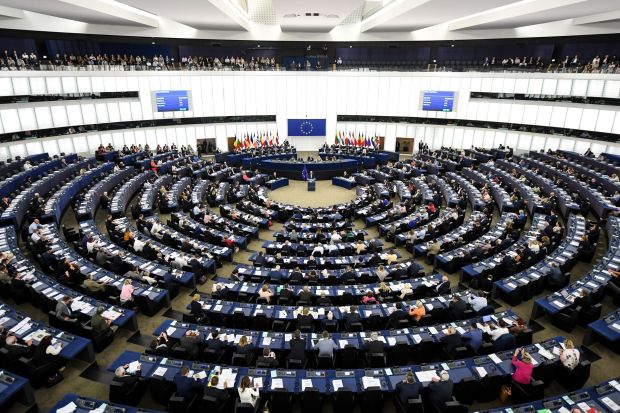


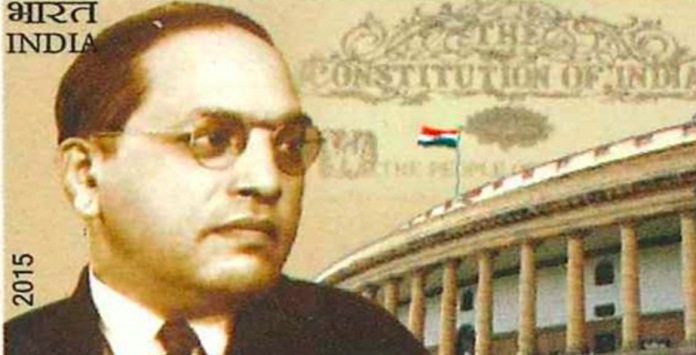




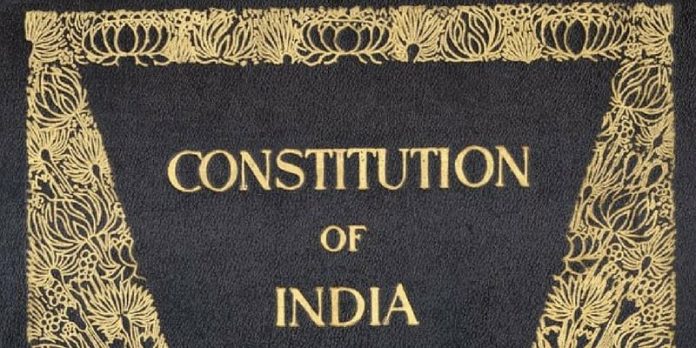



 Allow notifications





