This article is written by Gautam Badlani. It provides a comprehensive overview of the Berne Convention and explains the scope and importance of the Convention. The article also explains the various revisions made to the Convention over time and makes certain suggestions regarding future revisions of the Convention. The article also explains how the Berne Convention has influenced the copyright regime in India.
It has been published by Rachit Garg.
Table of Contents
Introduction
The past few decades have witnessed growing awareness about the need to protect the Intellectual Property Rights (IPR) of authors and inventors in their works. Many multilateral treaties and conventions have also been formulated with a view to achieving a coordinated global approach towards the protection of IPR. One such convention is the Berne Convention for the Protection of Literary and Artistic Works. It aims to protect the rights of the authors of literary and artistic works. The Berne Convention was adopted in 1886.
The Berne Convention, which was signed by only 10 countries at its inception, has more than 180 signatories today. Only the countries that are signatories to the Berne Convention can qualify to be members of the World Trade Organisation. This serves as a major incentive for countries to adhere to the Berne Convention.
Copyright and Berne Convention
The core of the Berne Convention deals with copyright. Copyright laws aim at protecting the economic and moral rights of authors in their work. The copyright laws confer an exclusive right on the authors to exploit and reproduce their works for economic benefits. The Berne Convention envisages setting up a uniform international copyright regime for the protection of authors.
At the time of the signing of the Berne Convention, different nations had different laws relating to copyright. Many nations did not provide adequate copyright protection to the authors.
Historical background of Berne Convention
Prior to the enactment of the Berne Convention, the Paris Convention for the Protection of Industrial Property (PCPIP) was enacted in 1883. This convention was the first major international convention aimed at protecting the intellectual property rights of creators and inventors.
The Convention covered patents, industrial designs, service marks, and geographical indications. It provided uniform minimum standards for the protection of trademarks, which had to be adhered to by the signatory countries. It provided for the establishment of an international bureau to oversee the effective enforcement of the provisions of the PCPIP.
Victor Hugo, the President of the Association littéraire et artistique internationale and a former Senator of France, was one of the biggest supporters of the Berne Convention. He campaigned for the creation of an international agreement aimed at promoting the intellectual property rights of authors.
Prior to the enactment of the Berne Convention, there was no coordination and integration among the copyright laws of different countries. Thus, if a work was registered as a copyright in France, it enjoyed legal protection only in France but could be legally reproduced in any other country without any prior approval from the author.
The initial version of the Berne Convention was signed in 1886 by only 10 countries. Spain, France,the United Kingdom and Switzerland were among the initial signatories of the Berne Convention. It was adopted at a conference held in Berne, Switzerland and thus the Convention was named the Berne Convention. While the conference was also attended by the representative of the United States, the United States decided not to join the Berne Convention.
The Convention, which was initially signed by only 10 countries, has more than 180 member countries today. Countries such as North Korea and Somalia have not yet joined the Berne Convention. The Convention helped shape the copyright laws of many countries.
Need for Berne Convention in IPR
Prior to the inception of the Berne Convention, various countries had enacted their own domestic legislation relating to the copyright of literary and artistic works. These national laws had various conceptual differences, which led to inconsistencies between the copyright regimes of different countries. Despite their differences, an underlying common feature among all the national copyright laws was that they applied only to their respective countries. Thus, domestic works were extended copyright protection only within their own countries. However, these works were also distributed in other countries.
Many countries entered into bilateral agreements that conferred reciprocal obligations on the signatories to recognise and protect the copyrights granted in the contracting states. However, a major drawback of these agreements was that they were neither comprehensive nor uniform.
Thus, a need was felt for an international copyright framework that could facilitate international cooperation. This led to the signing of the Berne Convention, which fostered international coordination towards the protection of copyright.
Basic principles of Berne Convention in IPR
The Berne Convention is based on four basic principles:
National treatment: The Berne Convention provides that works originating in any one of the member countries should be afforded the same protection in other member countries as are afforded by the countries to their own nationals.
Automatic protection: Under this principle, the works are conferred with national treatment without any formality or registration. The protection is conferred by the very creation of the work and is not subjected to any formality.
Independence of protection: According to this principle, the protection afforded to a foreign author in a member country is independent of the degree of protection in the country of origin.
Minimum standard of protection: Under this principle, each member state is required to grant a minimum level of protection, as stipulated under the Convention, to the works of foreign authors.
Overview of Berne Convention in IPR
Literary and artistic works vis-a-vis Berne Convention
Article 2 of the Convention describes ‘literary and artistic works’. It includes all the works in the literary, artistic, and scientific domains, irrespective of the form of the work. Choreographic works, cinematographic works, and musical works also fall within the domain of ‘literary and artistic works’. These works are the subject-matter of the convention.
It is pertinent to note that the convention also protects scientific works. Scientific works are protected if they are present in the form of books or films. The definition also covers oral works such as lectures and addresses. These works are not present in written form.
Article 2(2) empowers the member nations to enact domestic legislation to classify certain works that would not be protected unless they are reduced to some ‘material form’. Formal registration as well as reductions in writing can qualify to fall under the expression ‘material form’. The object behind this requirement is to have evidence of the existence of the work.
Translations and adaptations of artistic, musical and literary works would also be protected as original works. Similarly, encyclopedias can also be protected by virtue of the unique arrangement of their content. However, the convention does not extend protection to news items.
The works covered under Article 2 enjoy protection in all the countries that are signatories to the Berne Convention. The Berne Convention protects the interests of the authors as well as the legal representatives and assignees of the authors.
The Convention covers all such works that, at the time of its commencement, had not fallen into the public domain by virtue of the expiration of the period of protection.
Authors protected by Berne Convention in IPR
As per Article 1, the countries to which the Convention applies collectively constitute a ‘Union’. The Convention extends protection to the authors, who are nationals of any of the countries of the Union. Moreover, even if the author is not a national of any of the nations of the Union, the Convention would extend protection to the author in respect of such works which are published by the author in any of the countries of the Union.
The Convention applies to authors of cinematographic works if the maker of the cinematographic work is a resident of any of the Union’s countries. If any architectural work is located in any of the countries of the Union, then the Convention would extend to the author of such work.
In the case of literary and artistic works, the person whose name appears on the work in the usual manner shall, in the absence of any material to the contrary, be presumed to be the author of the work. Similarly, the person or corporation whose name appears on a cinematographic work in the usual manner is, in the absence of proof to the contrary, presumed to be the maker of the cinematographic work.
Rights of the authors under Berne Convention
Article 5 provides that the authors of works protected by the Convention shall enjoy all such rights in the countries of the Union that the laws made by the respective countries confer on their nationals. Thus, the authors enjoy copyright protection in all the Union countries as per the laws applicable to the respective nations. The protection shall not be subjected to any formality.
The Convention thus casts an obligation on the signatories to confer the same copyright protection on domestic and foreign authors. However, the countries of the Union are free to determine the extent of protection to be conferred on the authors and the mode of redressal to be made available to them.
Article 8 provides that the authors have the right to make translations of the works. They may even authorise someone else to make translations or reproductions of their works.
In the case of dramatic and musical works, the authors have the right to authorise the performance of their works in public. They may also authorise the broadcasting of their work to the public and cinematographic adaptations of their works.
Moral rights
Apart from the economic rights to exploit the work, the Convention also recognises the moral rights of the authors. The authors would be entitled, even after the transfer of their economic rights, to claim authorship over their work and to be protected from any distortion, modification, or mutilation of their work that may be prejudicial to their interests.
The Berne Convention was referred to by the Delhi High Court in the case of Amarnath Sehgal v. Union of India (2005). In this case, the plaintiff had sold a mural to the Government of India for display at the Vigyan Bhawan. The government subsequently took down the mural from the Vigyan Bhawan and dumped it in a store. The mural had also been damaged due to the maltreatment by the government. The plaintiff pleaded that the ill-treatment of the mural was a violation of his moral rights. The Court referred to Article 6bis of the Berne Convention, which casts an obligation on the signatory countries to respect the moral rights of the copyright holders. The Court thus ruled that the petitioner was entitled to receive back the mural with some damages.
In Raj Rewal v. Union of India (2019), the issue before the Court was whether an architect who has copyright over a building has a right to restrain the owner of the land, on which the building is constructed, from demolishing the building. The Court held that the requirements of urban planning outweigh the moral rights of the architect. Technical and economic requirements necessitating the modifications of a building outweigh the moral rights of the architect. Thus, the Court concluded that the owner of the land has the full right to dispose of or destroy the building constructed on the land. The moral rights of the architect do not outweigh the rights of the owner over the land.
Term of protection under Berne Convention
The protection granted to the authors under this Convention shall extend up to 50 years after the death of the author. In the case of works of joint authorship, the 50 year period shall be computed from the date of the death of the last author.
In the case of anonymous and pseudonymous works, the protection period is limited to 50 years after the public becomes aware of the work.
However, in the case of cinematographic works, the signatory countries can limit the protection period to 50 years after the work has been made publicly available. Similarly, in case of photographic works, the term of protection can be restricted to a minimum of 25 years.
The countries are free to grant protection for a term exceeding the period stipulated by the Convention. Thus, while the Convention sets a minimum limit for the term of protection, there is no ceiling period prescribed by the Convention.
Free use in certain cases under Berne Convention
Article 10 enumerates the conditions under which the free use of the copyrighted works would be permissible. It states that where the copyrighted work has been made publicly available, it shall be lawful to make quotations from the work, provided that such quotations are in accordance with the fair practices of the trade.
Moreover, the countries may enact legislation to authorise the free use of copyrighted works for teaching purposes. The countries may also authorise the use of the works for reporting current events to the public.
However, in both of the aforementioned cases, it is necessary to mention the source and the author of the work while making use of the copyrighted works.
Infringing material
Unauthorised copies of a copyrighted work shall be liable to be seized in accordance with the national laws of the countries of the Union.
Assembly and its composition
Article 22 stipulates the establishment of a convention in which the governments of the Union countries will be represented by their respective delegates. The Assembly would take steps for effective enforcement of the Convention. It would appoint an Executive Committee and review the report and recommendations of the Executive Committee.
The Assembly would also adopt the biennial budget of the Union and draft other financial regulations of the Union. The Assembly selects the non-signatory countries that are to be admitted as observers.
The quorum for the meetings of the Assembly is half of the total delegates. Each country has one vote in the Assembly. Abstention from voting is not considered a positive or negative vote by default.
The Assembly has to meet at least once every two years and has the freedom to decide its own procedure.
Executive Committee
The Assembly would select the countries that would be the members of the Executive Committee. The number of members of the Executive Committee shall correspond to one-fourth of the total member countries of the Assembly. While electing the members of the Executive Committee, the Assembly gives due consideration to ensuring equitable geographic representation.
The Executive Committee is responsible for preparing the agenda for the Assembly and submitting yearly audits to the Assembly. It also ensures that the policies of the Union are effectively implemented.
United International Bureau
Like the PCPIP, the Berne Convention also provided for the setting up of an international bureau to ensure the effective enforcement of the Convention. Article 24 deals with the constitution and functions of the Bureau. The Bureau is responsible for collecting and publishing information relating to copyright protection. All the countries of the Union have to communicate their copyright laws and regulations to the Bureau.
The Bureau conducts studies related to copyright protection and suggests revisions to the Convention.
In 1893, the International Bureaux established under the Paris Convention and the Berne Convention were merged to form the United International Bureau for the Protection of Intellectual Property.
In the year 1970, the name of the United International Bureau was changed to World Intellectual Property Organisation.
Special Agreements
By virtue of Article 20, the countries of the Union are free to enter into special agreements among themselves with the objective of granting copyright holders more extensive rights than those granted by the Convention.
Finances
The budget of the Union is derived from the
contributions made by the different countries,
the fees charged by the Bureau for providing services and assistance to the Union countries
Rents, gifts, and interests
Royalty on the publications of the Bureau
Each country in the Union has to make a certain contribution towards the budget of the Union. If any country has arrears of contribution which exceed the amount due from it in the preceding two years, then the voting rights of such country in the organs of the Union would be suspended.
Denunciation of Berne Convention in IPR
The Convention is to remain in force indefinitely. Member countries may denunciate the Convention by submitting a written address to this effect to the Director General. The denunciation would become effective after the expiry of 1 year from the date of communication of the written address to the Director General. It is pertinent to note that a country cannot denunciate the Convention within a period of 5 years from the date of joining the Union.
Dispute settlement under Berne Convention
Article 33 provides the mechanism for the resolution of a dispute arising between Union countries in relation to the interpretation of the Convention. Any such dispute has to be primarily resolved through negotiation. If the dispute cannot be resolved through negotiation, then either of the disputing countries can approach the International Court of Justice. However, the disputing countries may also agree on any other mode of dispute settlement.
The country which invokes the jurisdiction of the International Court of Justice (ICJ) has to communicate its decision to the International Bureau. The International Bureau, in turn, informs all the other countries of the Union about the matter brought before the ICJ.
Administration
The Berne Convention is administered by the World Intellectual Property Organization (WIPO). The administrative functions performed by WIPO include collecting and publishing information relating to the protection of copyright. Each member state is required to communicate all new copyright laws to WIPO.
WIPO also participates in all the meetings of the Assembly and makes preparations for the conferences held for revision of the Convention.
Major amendments to the Berne Convention
The Berne Convention, at the time of its origin, was based on the needs and requirements of industrialised European countries. However, after the Second World War, the political map of the world changed significantly, and a need was felt to revise the Convention. The newly independent states were considering the possibility of adhering to the Convention. The Convention was amended to meet the concerns of the newly independent developing countries. The developing countries demanded easier access to copyright works for educational needs and technological developments.
1896 Revision of the Berne Convention
The 1896 Amendment authorised the Union countries to frame laws empowering domestic authorities to seize pirated companies of original works enjoying legal protection.
The original 1886 Convention stated that newspaper articles can be freely reproduced unless the author expressly prohibits the reproduction or translation. However, the 1896 Amendment made an exception for serial stories and tables in newspapers and provided that the serial stories and tables could not be reproduced without the sanction of the author. Thus, while the original version placed an obligation on the authors of the newspaper articles to prohibit reproduction, the amendment shifted the obligation on the imitators to seek the prior sanction of the author.
1908 Revision of the Berne Convention
The 1908 Amendment recognised the right of owners of literary and artistic works to translate their works. Article 8 states that the owners of literary and artistic works have the exclusive right to make or authorise the translation of their works.
The biggest change brought about by the 1908 Revision was the prohibition of formalities. The 1886 as well as the 1896 versions provided that the authors of the literary and artistic works would be protected in all the member countries so long as they satisfied all the formalities imposed by the home countries. However, it became difficult to prove to the competent authorities of the foreign countries that the author had complied with the formalities of the home country. Thus, the 1908 Revision prohibited the imposition of formalities on foreign authors.
Formalities relating to the existence of the copyright as well as the exercise of the copyright are prohibited. Thus, no specific conditions or formalities can be imposed on foreign authors for invoking the judicial process or seeking injunctions or damages. It is pertinent to note that formalities relating to general litigation such as paying the filing fees or other procedural requirements, would not qualify as formalities. Only if such formalities, other than the general procedural conditions, are imposed specifically on foreign authors would such formalities be barred by the Berne Convention.
1914 Revision of the Berne Convention
An additional protocol was added to the Berne Convention in 1914. The 1914 Protocol provided that if any non-Union country fails to protect an author of any of the contracting states, then the concerned contracting state can restrict the protection granted to the subjects or citizens of such non-Union states.
1928 Revision of the Berne Convention
The 1928 Amendment provided that the newspaper articles relating to religion, politics and economics can be freely reproduced by the press, but the source of the original article must be clearly indicated.
The 1928 Amendment brought moral rights within the scope of the Berne Convention.
1948 Revision of the Berne Convention
The 1948 Amendment provided that short quotations from newspapers shall be lawful in all Union countries. Moreover, excerpts from literary and artistic works can be permitted by the Union countries with the help of suitable legislation for educational and scientific purposes.
1967 Revision of the Berne Convention
The 1967 Amendment authorised the Union countries to permit the reproduction of literary and artistic works through domestic legislation in special circumstances. However, such reproduction must not be unreasonably prejudicial to the legitimate interests of the author and must not be in conflict with the normal exploitation of the work.
One of the major aims of the 1967 Amendment was to encourage developing countries to join the Berne Convention. Thus, a special protocol was adopted for developing countries. The minimum copyright term was reduced from 25 years to 10 years for photographs and from 50 years to 25 years for other works. It was believed that the developing countries were reluctant to grant protection for longer periods.
Moreover, the laws could be made by the member countries authorising the grant of compulsory licences in relation to literary and artistic works. However, the compulsory licences could be granted only after a period of 3 years from the first publication of the literary or artistic work. If the author does not make or authorise the reproduction of his work within a period of three years, then the compulsory licence can be granted for the reproduction of the work for educational and cultural purposes.
The amendment focused on providing broader exemptions for teaching and research work. Prior to the 1967 Amendment, there were no provisions in the Berne Convention which provided for exemptions for educational and teaching purposes. The Amendment provided that the countries can, by national legislation, authorise the justified use of artistic and literary work in the form of illustration, sound recordings and broadcasts provided that the such reproduction or translation is for educational purposes.
1971 Revision of the Berne Convention
By the 1971 Amendment, an appendix was added to the Berne Convention which contained certain special provisions for developing countries.
This amendment permitted the developing countries to deviate from the minimum standards of protection under certain conditions. The amendment also permitted member countries to frame laws facilitating the grant of non-exclusive and non-transferable compulsory licences. These licences can be granted in special circumstances for the purposes of research, education and scholarship. However, provisions must be made to ensure just compensation for the authors and to ensure true translation and reproduction of the work.
A compulsory licence for translation can be granted only for the language generally used in the concerned developing country. Compulsory licences relating to translation can be granted 3 years after the first publication of the work. These licences can be granted if the work has not been made available, within 3 years of its publication, in the language generally used in the concerned developing country.
In respect of reproduction, the compulsory licences can generally be granted 5 years after the first publication of the work. However, for works relating to physical sciences and technology, the licence can be granted 3 years after the first publication and for works relating to drama, fiction and poetry, the compulsory licences can be granted 7 years after the first publication.
When a compulsory licence is granted under the Appendix, it is necessary to indicate the name of the author on all the translations and reproductions of the work. The original title of the work should also be indicated on all the copies and translations. Compulsory licences cannot be used for exporting the copies or translations of the original work.
Another major highlight of the 1971 Amendment was that it allowed the member countries to recognize folklore as part of their national heritage. Any member country can confer protection on such unpublished works whose author is unknown but which can reasonably be presumed to have been created by a national of such country. The member countries can designate a competent authority, through national legislation, to represent the author of the unknown work. The competent authority would protect and enforce the rights of the unknown author.
India and the Berne Convention
It is pertinent to note that India has been a member of the Berne Convention since 1887. By virtue of Article 31, when Britain became a signatory to the Berne Convention, it signed the Convention on behalf of all its colonies. It was felt that if the colonies were not brought within the scope of the Convention, then it could lead to inter-colonial piracy.
Thus, India became a member of the Convention in 1887, by virtue of the application made by the United Kingdom on September 5, 1877. Subsequently, in 1928, a declaration of continued application was made by India.
India initially opposed the Berne Convention and demanded reforms in the Convention. India wanted broader exemptions for research and educational purposes. In the 1967 Stockholm Conference, the developing countries, led by India, had formed a block and had been successful in securing major exemptions.
However, the Conference was severely criticised by the developed countries, and the 1967 Revision did not come into force. In 1971, Article 34 was inserted, which provided that once Articles 1 to 21 and the Appendix come into force, no country can make a declaration under the Stockholm Act of 1967. The 1971 Revision is often regarded as a fatal blow to the attempts of the developing countries to bring reforms to the Berne Convention.
India initially demanded a reduction in the minimum term of copyright protection. However, by the 1992 Amendment to the Copyright Act, 1957 the term of copyright protection in India was enhanced from lifetime plus 50 years to lifetime plus 60 years. This change was inspired by the upcoming expiry of copyright over the works of Rabindranath Tagore. By the Amendment, the copyright protection over the works of Rabindranath Tagore could be extended by a period of 10 years.
The Copyright Act, 1957 is also based on the Berne Convention. It incorporates economic as well as moral rights. In compliance with the Berne Convention, it does not impose any unreasonable formalities on the foreign authors.
The Indian copyright regime also makes certain exemptions to permit the use of protected works without the permission of the author. Such use is permitted for research, criticism, reporting of current events and educational purposes.
MRF Limited v. Metro Tyres Limited (2019)
Facts
In MRF Limited v. Metro Tyres Limited (2019), the Delhi High Court had to determine the scope of protection afforded to cinematographic films under the Copyright Act. In this case, the plaintiff had produced an advertisement and claimed to be the author of the advertisement. The defendant, who was engaged in the same business as that of the plaintiff, produced a similar advertisement. The plaintiff filed an infringement suit.
Arguments
The defendant contended that the Copyright Act prohibited only physical copies of cinematographic works produced by duplication. Since the defendant’s advertisement was not a direct copy of the plaintiff’s advertisement, it was not barred by the Copyright Act. The plaintiff, on the other hand, contended that the Copyright Act should be interpreted in light of the Berne Convention and should cover such works which materially and essentially resemble the original work.
Judgment
The Delhi High Court rules that the interpretation of the Copyright Act should be in consonance with the Berne Convention. The Berne Convention protects cinematographic work as an original work and work of authorship. Thus, courts must assess cinematographic works in the same way as they assess original literary and artistic works. Article 14bisexpressly provides that the author of cinematographic works shall enjoy the same rights as the authors of other original works.
The Court thus held that works which are substantially, essentially and materially similar to original cinematographic works would be barred by the Copyright Act. However, in the present case, the defendant’s advertisement was found not to be materially and substantially similar to the advertisement of the plaintiff. Thus, the suit for infringement was dismissed.
DU Photocopy case
Facts
In the Chancellor, Masters & Scholars v. Rameshwari Photocopy Services (2016) (popularly known as Delhi University Photocopy case), certain international publishers had filed a suit against Delhi University and Rameshwari Photocopy Shop for alleged infringement of copyright works. The Photocopy Shop was selling copies of course material to the students. This course material had been prepared by the teachers of Delhi University and it contained portions of some of the books of international publishers. The international publishers objected to the unauthorised use and reproduction of their work and filed a suit before the Delhi High Court.
Arguments
The plaintiff argued that the unauthorised use of their works was a copyright violation and thus pleaded for an injunction. The plaintiffs pleaded that the defendants should be held liable under Section 51 of the Copyright Act.
The defendants argued that the Copyright Act as well as the Berne Convention makes special exceptions for educational purposes. Section 52 of the Copyright Act permits unauthorised use of copyrighted works for educational purposes and this provision is based on the Berne Convention.
Judgment
The High Court noted that the Berne Convention permits privy countries to enact domestic legislation permitting the unauthorised use of copyrighted works for teaching purposes. The Berne Convention only requires that such unauthorised use should not prejudice the legitimate interests of the author. Moreover, the unauthorised use should be justified and compatible with fair practices.
The Delhi High Court held that Section 52(1)(i) permits the unauthorised reproduction of copyright works by a teacher and pupil in the course of instruction. This provision also extends to reproduction of copyrighted material by an educational institution or its agent for educational provisions. Thus, the High Court refused to issue an injunction against the Photocopy Shop and Delhi University.
The Court ruled that the photocopies of the compilation of relevant portions of different books would not constitute copyright infringement if the reproduction was made for educational purposes. The educational institutions do not need to obtain a licence from publishers to distribute course packs to their students.
Impact of Berne Convention on the US and developed countries
The developed countries had been the pioneers of the Berne Convention. Most of the copyright works originate in developed countries, and thus, the developed countries had been advocating for strict copyright laws and fewer exceptions.
The United States was initially reluctant in joining the Berne Convention. The United States laws mandated registration of copyrighted works but did not protect moral rights. Joining the Berne Convention required the United States to amend its domestic laws. Ultimately, the United States (US) joined the Berne Convention in 1988. The US enacted the U.S. Berne Convention Implementation Act of 1988 to make changes to its copyright laws and make them compatible with the Berne Convention.
Suggestions
With the advancement of digital technologies and digital publication, there is scope for further improvement in the scope and mechanism of the Berne Convention. The Berne Convention relates only to the protection of foreign authors by Union countries. However, the Convention does not govern how the member countries should protect their domestic authors. Thus, the member countries can enact laws contrary to the spirit of the Berne Convention, provided that those laws apply only to domestic authors.
The purpose of the Berne Convention was to protect the rights of the authors and thus, it should prescribe certain minimum standards of protection for domestic authors.
Artificial Intelligence
The Berne Convention should be revised to include provisions relating to copyright on Artificial Intelligence (AI) generated works. The Berne Convention can provide a uniform mechanism relating to the copyright of AI works, and this mechanism can be adopted by the member countries.
The Berne Convention does not contain an adequate definition of author. The Convention should specify whether AI would qualify as an author or not. The Berne Convention does stipulate that if the name of a person is indicated on the literary or artistic work as the author then such a person would be presumed to be the original author of the work in the absence of proof to the contrary. This suggests that natural as well as legal persons would qualify as authors since the name of legal as well as natural persons can be indicated on literary and artistic works.
Conclusion
The aim of the Berne Convention is to lay down an effective and uniform mechanism for the protection of the rights of the authors of literary and artistic works.
The Berne Convention was intended to be routinely revised in order to make it fit to meet the challenges and needs of the contemporary times. However, no major change has been made to the Convention since 1971. Thus, the Convention does not adequately meet the concerns of the copyright holders, particularly in view of the rapid development of digital publications.
Frequently Asked Questions (FAQs)
What is the concept of droit d’auteur?
Droit d’auteur is a French term which means ‘right of the author’. It refers to the French copyright law of the 18th century. The Berne Convention was inspired by French law. Droit d’auteur aimed to secure the publishing rights of the authors and editors. The King used to grant privileges to the authors and editors under which the editors had the monopoly over the publication of the work.
How is droit d’auteur different from the copyright law applied in the common law countries?
The copyright law of the common law countries developed in the 18th century almost parallel to the concept of droit d’auteur.
The primary difference between the two was that the copyright law of the common law countries was concerned only with the economic rights of the authors and aimed at protecting their commercial interests. However, droit d’auteur recognizes the personal relationship between the author and his work. Thus, it protects both the moral as well as economic rights of the authors.
Which country is the ex-officio member of the Executive Committee of the Berne Convention?
Switzerland is the ex-officio member country of the Executive Committee. The remaining members are elected by the Assembly.
The right to profession is one of the fundamental rights of every citizen of India conferred under Article 19(1)(g) of the Constitution of India, which says that every Indian has a right to choose and exercise any kind of work, trade or business anywhere in India, but it should not be against the public at large or against the laws of India. Our Parliament has imposed reasonable restrictions in the interest of the general public while carrying out the work, trade or business under Article 19(6).
Now the question arises here is prostitution also a profession or a business under this article 19(1)(g), or is it an offence because in brothel houses, a large number of women are inclined into this profession with or without their wishes or because of their customary procedures, which they have to follow irrespective of their wishes?
Legal point of view of prostitution
Prostitution is not an offence per se under the Indian Penal Code but sexual exploitation, seducing someone, running brothels, pimping, soliciting, etc. are penalised under Section 2 (f) of the Immoral Traffic Prevention Act, 1956. And these acts of prostitution shall attract punishment under Sections 366A, 366B, and 370A of the Indian Penal Code, 1860.
The answer to this is that prostitution is not illegal in some countries. It is a legally recognised profession in the following countries:
Finland
Costa Rica (Central America)
New Zealand
Bangladesh
Germany
In India, the scenario is different. Prostitution is neither completely illegal nor legal. In some circumstances, it is legal; in others, it is illegal. If a person he/she involved voluntarily as a profession, either because of the customs or because there is no other alternative way of living, it can be considered legal. But owning and managing a brothel is illegal. The persons who are involved in this and inclined poor and miserable women into this profession shall be liable for the punishments under the provisions of law.
Legal provisions for protection of sex workers
Provisions of law that are made for the protection of sex workers are as follows:
Under the Immoral Traffic Suspension Act 1956, “prostitution can be legally done, but soliciting people and luring them into sexual activities is illegal. And prohibited by law, if any person involved in this kind of work shall be penalised.”
The law does not make prostitution “per se illegal,” but at the same time, the use of brothels, living off the earnings of prostitution, pimping, soliciting, luring others into prostitution in prison or elsewhere, and prostitution in public places, etc. are the crimes that are punishable by law.
From the above, we can consider that prostitution is not a crime if it is done or practised voluntarily as a profession because the person involved in it believes that there is no other means of living for their livelihood, and also in cases where this prostitution is their tradition or custom.
Kajal Mukesh Singh & Ors. vs. State of Maharashtra (2020)
This was a criminal petition filed against the orders of the Learned Metropolitan Magistrate, Special Court for ITPA, Mumbai, which was confirmed by the Hon’ble Sessions Judge Dindosh. The Hon’ble Court quash the orders of the Hon’ble Sessions Judge Dindosh and also find lacunas in the judgement of the Learned Metropolitan Magistrate, Special Court for ITPA, Mumbai.
Facts of the case
It was the case of three major women, who are between the ages of 23- 25, who were caught by the police during a sting operation conducted to catch the persons who were supplying the women with prostitution work.
At the time of the raid on the said guest house, the police had only arrested these three women and failed to catch the main accused, Mr. Nijamuddin, who is behind the activity and for whom the sting operation was being conducted and produced these women before the Hon’ble Judge after one day.
The police failed to produce records of the details of the officers and panchas who were involved in that operation, along with the owner of the brothel house, Mr. Nijamuddin, the main accused, who was supplying the women for prostitution to the guest house. When the case was presented before the Metropolitan Magistrate, 54th Court, Mazfaon, Mumbai, the Hon’ble Judge did not go into the details about where the victim girls had been kept between September 28, 2023 and September 30, 2019. and further did not mention how long the victim girls should be kept in Navjeevan Mahila Vasatigruha and without giving any opportunity to the victim women, they gave their verdict.
Aggrieved by the order of the Court when the victim approached the Additional Sessions Judge, Dinoshi, the Court also confirmed the same judgement. Aggrieved by the orders of both courts, the appeal was preferred before the Hon’ble High Court of Mumbai, where the Hon’ble Bench of Hon’ble Justice P.K. Chavan allowed the petition and ordered in favour of the accused women .
Judgement of the Court
The Hon’ble Court, after considering all the facts and submissions made by both the counsels and after pursuing the produced records, quashed the impugned order passed by the Metropolitan Magistrate, which was also confirmed by the Additional Sessions Judge, Dindoshi. And directed that the petitioners be enlarged at their liberty from Navjeevan Mahila Vastigruha, Mumbai. They can continue their stay if they wish. And also directed to petitioners to present before the trial court their evidence and provide their complete residential address along with their phone number to the investigation officer. The Hon’ble Court also directed the Special Magistrate to ensure that there would be no influence on the victims during the recording of their evidence.
Significance of the case law: After this judgement, prostitution cannot be considered an offence if it is done with consent and without any force and when it is the livelihood of the women and a traditional customary practise.
Changes that came in the legal system after this judgement
The Supreme Court order sets limits on police actions while dealing with cases relating to sex workers and puts sex workers and their children on par with the rest of the people in society. There should not be any kind of harshness by considering them the offenders.
The police department is directed that when a sex worker comes forward with a complaint, it will be treated as any other complaint, and she will not be treated as an offender but as a complainant.
It is also directed to the Police and Health Department that any sex worker who is a victim of sexual assault should be provided with all facilities available to a survivor of sexual assault, including immediate medical assistance. This assistance must be in line with Section 357 of the Code of Criminal Procedure of 1973 and the guidelines and protocols for survivors and victims of sexual violence issued by the Union health ministry.
The Apex Court, after observing all the problems faced by the prostitutes, said as follows: “Needless to say, this basic protection of human decency and dignity extends to sex workers and their children, who, bearing the brunt of social injustice and stigma attached to their work, and are removed to the fringes of the society by depriving from their right to life and personal liberty which conferred by the Constitution of India , hence let live them with dignity and their children can lead a secure life in the society on par with the other citizens of the society”.
The SC order also prohibits forcible separation of children from their mothers, who are sex workers. The order stated, “Further, if a minor is found living in a brothel or with sex workers, it should not be presumed that he/she has been trafficked. In case the sex worker claims that he/she is her son/daughter, tests can be done to determine if the claim is correct and if so, the minor should not be forcibly separated.”
After this judgement, many other cases were also filed in which landmark judgements were delivered that were in favour of the rights of sex workers.
Other landmark judgements
Gaurav Jain vs. Union of India & Ors. (1997)
In this case, the Supreme Court ruled that sex-workers should be rehabilitated through self-employment schemes and invited the states to devolve procedures and principles to ensure that the sex-workers would also enjoy their fundamental and human rights.
Budhadev Karmaskar vs. State of West Bengal (2011)
In this landmark case, the Hon’ble Supreme Court held that “the right of the sex workers to live with dignity under Article 21 of the Constitution of India, the difficulty of the sex workers is that they are in that field not because they like it, but because poverty drives them to it. Due to the disgrace from society regarding their profession, this should not deprive their fundamental right to life and personal liberty.”
C.P Raju vs. State of Kerala (2014)
In this case, it was held that only authorised officers will be permitted to conduct the investigation and arrest and the power cannot be delegated to anyone. Magistrate an order for arrest and removal, direct custody of the rescued persons or close down the brothels and evict sex workers. The act also has provisions to make available institutional rehabilitation for rescued sex workers.
Conclusion
Sex workers are also people who should not be deprived of their fundamental and human rights for the work in which they are involved, either because of poverty, custom, tradition, force, or any other reason. However, they are still entitled to the same fundamental human rights as everyone else. These rights include the right to life, liberty, and security of person; the right to equality before the law; the right to freedom of expression; the right to freedom of association; and the right to work.
Sex workers may be drawn into the industry for a variety of reasons, including poverty, lack of education or job opportunities, or family or societal pressure. They may also be victims of trafficking or sexual exploitation. Regardless of the reasons why they enter the sex trade, sex workers are entitled to the same human rights as everyone else.
Some people argue that sex workers should not be entitled to the same human rights as other workers because they are engaging in illegal or immoral activities. However, the fact that sex work is illegal or considered immoral does not mean that sex workers should be deprived of their human rights. All people, regardless of their occupation, are entitled to the same fundamental rights and freedoms.
Sex work must not involve the trafficking of women and children. Sex-workers must be given proper awareness regarding alternative occupations by providing necessary training for those who wish to leave prostitution, as there is always a threat of ill treatment from society, insecurity for their children and diseases caused by the work. Proper guidance and encouragement must be provided to the sex-workers who wish to leave the work by providing education and vocational training to build confidence in them, which helps them to lead a dignified life on par with the other members of society.
“To put people behind walls or bars and do little or nothing to change them is to win a battle but to lose a war. It’s wrong. It’s stupid. It’s expensive.” ……
Warren Burger (Former Chief Justice of US Supreme Court)
Have you ever thought of the evolving roles of police in our society? The thoughts from former Chief Justice Warren Burger throw light on the need for a shift from a deterrent model to a reformative model of law enforcement.
Over the years, our country has been observing a change in its criminal justice system. The police are a law enforcement agency that sets the criminal law into motion. A shift towards reformation was needed to ensure humanistic treatment of the accused, where the focus is not on inflicting pain but on rehabilitating and reintegrating both the accused and offender within society. The reformative approach focuses on improvement rather than punishment. In this article, we are trying to figure out the implications of a reformative approach to arrest for society.
History of police
Way back in the year 1857, after the “Sepoy Mutiny,” a need was felt by the British officers to secure themselves and their families. So, they brought the Indian Police into existence. Initially, the role of the police was quite narrow; it was restricted only to safeguarding the families of the British. Gradually, after the commencement of the Constitution, its role extended to the protection of society, ensuring peace and maintaining law and order in society. The main task of the police is to arrest the wrongdoer and present him in court. Earlier, this arrest was itself punitive, like using force by carotid hold/choke hold, pulling through the collar, or dragging through the hair, which was brutish.
The Law Commission of India, in its 177th Report on Law Relating to Arrest, has suggested making some changes in the criminal laws to embed harmony between liberty and the societal interest in the maintenance of peace, law and order. It has also suggested some steps to make police accountable for their acts, both executive and welfare.
The Law Commission has suggested that the health, safety, and wellbeing of the arrestee should be the responsibility of the detaining authority. Let us delve deeper into the multifarious purposes that underlie the arrest.
Purpose of arrest
Arrest has been a crucial weapon in the hands of law enforcement agencies for a long time. Arrest is carried out to apprehend the wrong-doer, to create fear in the minds of society, to prevent further crime and to secure the presence of wrong-doer during the trial for fairness. Arrest is also emphasised to protect victims, prevent destruction of evidence, and seek assistance of wrong-doer(s) during investigation
Arrest can be initiated even for suspicion or reason to believe. After arrest, there are several rights of the arrested person, as directed by the Hon’ble Supreme Court in the case of D.K. Basu vs. State of West Bengal (1997).
Therefore, the main purpose of arrest is to bring the arrestee before the Hon’ble Court and set the criminal law into motion. And to deliver a message to society that no one is above the law.
Key features of arrest
Traditionally, police are the first responders to a crime scene. Police respond to offences after their commission. It starts with a visit to the crime scene, followed by a search and seizure and the arrest of the offender. Reactive policing does not do anything to eradicate crime; however, it does deter society from committing crime further.
Key features of arrest are:
Response to the scene of crime: Not all crimes are subject to visitation by the police. Only grave crimes, as per the schedule of the Criminal Procedure Law, are subject to police intervention. Police necessarily visit only for cognizable offences.
Law enforcement: Whenever a new law comes into existence, the police, in the capacity of the executive, take responsibility for its execution. It becomes vigilant on the first day of the enacted law. It starts looking for the lawbreakers.
Keeping an eye on habitual offenders: There are some people who are repeatedly arrested either for the same offence or different offences. Such wrong-doers are called habitual offenders. The police maintain a specific register for such wrong-doers.
Deterrence: Traditional policing, as inspired by the colonial era, always acts as a deterrent law enforcement agency, always setting the example of creating fear in the minds of the public.
Accountability and liability of police officers: Police officers are responsible for bringing wrong-doers before the Hon’ble Court as well as disrupting peace in their area.
Not so effective in stamping out crime: Traditional police do not do anything to reduce the opportunity of commission of crime; they only apprehend the offender after he carries out the offence. Police don’t care about eradicating crime with the help of residents in residential areas and with the help of shopkeepers in commercial areas.
Strained relations with the community: Police create fear in the minds of the public that they will severely punish the wrongdoer. Police come to the spot with batons and show anger by face. This makes the public feel uncomfortable while communicating with the police and answering the police’s questions. If police come to anyone’s home even to ask about their well-being it is taken as a factor of fear. Police also misbehave with people to implement coercive actions to get the people to do the way police want from them; for example, during festival season, it rebukes vendors about the placement of their kiosks. It does not set an example of peace-making agency.
Bad police image: The image of police in the eyes of the public is the result of various challenges and expectations. There is an ideology of public for police on the one hand and an ideology of police for policing on the other. Being the executive branch of Government, police also execute certain commands of higher officers or politicians that take away the confidence of the public, like mass-firing, use of baton, tear bombs, etc. Other instances are the use of excessive force, custodial death, political interference, lack of independence, inadequate training, and lack of resources, including the non-availability of PCR at times of urgency.
While traditional policing has been reactive, a paradigm shift was needed towards some proactivity. Prof. Herman Goldstein carried out research and proposed a transformative or reformative approach to policing, which is known as Problem Oriented Policing (POP).
Problem oriented policing
This way of policing is different from traditional policing. While traditional policing focuses on crime, Problem Oriented Policing focuses on the problem itself. Anything that causes harm to the citizens is a problem. Problems are created by conditions or situations; instead of carrying out an investigation, police officers must regularly analyse the condition or situation with the help of citizens or NGOs before the commission of a crime or the prior arrest of any wrongdoer. Traditional policing deals with investigation after the crime; Problem Oriented Policing deals with problem analysis. The police have to proactively address the underlying problem so that crime can be stamped out beforehand.
To implement the following model, it was introduced. Have you ever thought about how a structured model like SARA is a paradigm shift to proactive policing.
The SARA Model
This SARA model emerged as a valuable strategy towards a proactive approach. This is a problem-solving method. The SARA model stands for scanning, analysis, response, and assessment. The SARA model is a problem-solving model commonly used in proactive policing to address and solve problems within a community. It provides a systematic and structured approach to problem-solving in the context of community-oriented policing. Here is a list of the required steps:
Scanning
This is the first step, which involves identifying and defining problems within the community. This may involve assessing patterns of crime, which means how many ways a crime has been committed. For example, theft can be committed as car battery theft, daytime theft, or nighttime theft. Or identifying hotspots of crime.
The police, with the help of the community, NGOs or any volunteer, collect information to understand the problem(s).
Analysis
Once the problems are assessed and understood, a thorough analysis is conducted, which involves collecting and analysing data and studying trends to predict the future.
It is important to gain an all-round understanding of the problems to develop a strategic plan to nab the offender or reduce the opportunity for crime.
Response
Response means now is the time to do something to reduce the occurrence of crime. Responses can take various forms, like psychological intervention, group counselling, educational programmes, or even traditional methods.
Response is a holistic approach that involves the roles of various stake-holders viz., the community, police, forensic experts, sociologists, and criminologists.
Assessment
Without a follow up or feedback, everything will be futile. For constant improvement, it is required to march with the pace of time. So, it is important to assess the effectiveness of the implemented measures.
Police, the community and volunteers assess the outcomes to see if they were desired or not. Or how do we refine our measures to suit the needs of society?
Conclusion
Recently, there has been a growing recognition of the need to shift the focus of law enforcement from pure reactivity to proactivity. Many agencies have begun to incorporate the rudiments of community policing, problem- acquainted policing, and the SARA Model (Scanning, Analysis, Response, and Assessment) to further address the root causes of crime, engage with communities, and take a visionary approach to crime prevention. While reactive policing remains a critical element of law enforcement, it is increasingly seen as part of a larger strategy that also includes prevention, community engagement, and the pursuit of corrective measures. This evolving approach acknowledges the limitations of traditional styles and seeks to promote not only responsibility but also rehabilitation and crime reduction by addressing the morning conditions that foster lawlessness. Moreover, traditional styles of arrest that concentrate on reactive policing have played a significant part in maintaining law and order. Still, as law enforcement agencies adapt to the changing conditions and prospects of their communities, a more holistic approach that encompasses prevention, community engagement, and corrective measures is becoming increasingly important. By balancing reactive policing with visionary strategies, agencies can better address the root causes of crime and work collaboratively with communities to produce safer and more vibrant surroundings for all dwellers.
“Globalised world needs a police, from autocratic reign to liberal administration, from lathi wielding to help the needy, from Khaki wearing to people friendly, imposing penalties to building trust, from division to unity, and from fear to happiness.”
This article is written by Arya Senapati, and the article attempts to analyze the principal provisions of the Act comprehensively while examining its implementation, challenges to implementation, and recommendations for future progress.
Table of Contents
Introduction
One of the key concepts governing democracy is the decentralisation of governance and the distribution of power to establish efficient functioning and administration of law and order. Through this idea, the local self-governance system developed in India and attempted to foster community participation in the policy implementation and decision-making process. Following the norm, the state of Tamil Nadu legislated the Tamil Nadu Panchayat Act, 1994 (hereinafter referred to as “the Act”), which became a milestone in implementing the concepts of local self-governance in the state. The Act was enacted with the simple motive of empowering the grassroot levels of communities and local people to sustain themselves through participative democracy to ensure effective governance. This also helped to shape the state’s administrative landscape. The preamble of the Act provides excellent insight into the purpose of the Act and its core themes. The preamble talks about the importance of democratic values and highlights the role of citizen’s participation in democratic processes. It talks about how the formation of local self-governance bodies can help in the decentralisation of power and also in community development. It highlights the necessity of the involvement of marginalised communities in the decision-making process for creating an inclusive governance body.
Evolution of the Panchayat System in Tamil Nadu
While analysing the development or evolution of the panchayati system in Tamil Nadu, one can see the dynamism of the system and the historical shifts that it has gone through in the form of legislative amendments. It has undergone many progressive changes and has kept up with the pace of societal transformations to meet the demands of modern democracy and foster healthy local self-governance. The origin of the panchayat system in Tamil Nadu can be traced back to the colonial period. Still, the contemporary system that is followed currently is essentially a reflection of post-independence growth and progress.
Pre-independence era
In the pre-independence era, local governance of villages and rural areas was primarily the responsibility of primitive village councils. The councils had the leadership of local administrators and influential people of the village. These structures essentially had an informal nature but reflected the ideology of self-governance through customary community practices. These bodies primarily focussed on resolving all forms of conflict and addressing local problems. Even though they were largely successful, the lack of structure, binding force, and formal recognition created certain issues related to power imbalances.
Post-independence era
As India attained independence, the leaders demanded a shift of focus towards decentralization of power and promotion of local self-governance in India. These ideologies became an important topic of national discourse and discussion. The Gandhian principles laid out by the father of the nation, Mahatma Gandhi, led to the constitution of self-governing institutions. The Gandhian philosophy called for decentralization of power, welfarism values, self-reliance, public solid resolve, self-governance and equality for all. To further the national policies, Gandhian philosophies, and spirit of democracy, the state of Tamil Nadu took multiple initiatives to establish a legally recognised formal panchayati raj system. It also started efforts and initiatives towards formally recognising these administrative bodies. One significant step towards recognising the spirit of local self-government was made through the Madras Village Panchayats Act, 1950.
Developments in Tamil Nadu Panchayat Act
As decades passed, significant changes and progress were seen in the field of the panchayat system through legal reforms. These reforms primarily focused on improving the panchayat system by filling up the loopholes and addressing issues of power and function. To that extent, the Tamil Nadu Panchayats Act, 1958, became a significant step in introducing structural reforms in the process of creation of Panchayats in villages, municipality, and district levels for a tier-based governance system. This Act symbolised the transition from informal village councils to properly defined, legally recognised and formally functioning panchayats and local self-governing bodies.
As time progressed, in 1992, the 73rd Constitutional Amendment Act became a significant point in the history of self-administration in India. The Act had a vital impact on the structure and relevance of the panchayat system in Tamil Nadu. This particular Constitutional Amendment Act created the basis for the first formal three-tier Panchayat system and highlighted the importance of establishing a system of local autonomy and community-based participatory democracy. Furthering the constitutional ethos and values laid out in the 73rd Constitutional Amendment Act, the government of Tamil Nadu enacted the Tamil Nadu Panchayat Act, 1994, which helped the government fulfill its obligation towards the national ideals of decentralization of governance.
In recent years, the state government of Tamil Nadu has undergone specific positive changes to make the panchayat system stronger and more efficient. The changes have primarily been in the form of government efforts towards reviewing the implementation of the Act, taking capacity-building measures to understand the system’s loopholes to address the challenges and pave further the way towards creating efficient functioning of local governance institutions.
Despite these changes and progress, certain obstacles still exist towards the full realization of local self-governance. These challenges have been mainly in the form of administrative capacity, resource allocation, political dynamics, etc. The governance landscape is constantly evolving and presents multiple paths for incorporating modern technology and digitalisation into the forums of power. In the centre, the government has taken significant initiatives towards establishing e-governance and digital democracy, but the same must also trickle down to the grassroot level.
Objective and applicability of the Tamil Nadu Panchayat Act 1994
The Tamil Nadu Panchayat Act, 1994, was enacted with the primary goal of furthering the objective of decentralized democracy and making the systems and institutions of local self-governance solid and formal. The Act deals with multiple aspects, like the creation, constitution, powers, and functions of various tiers of panchayat bodies in the state of Tamil Nadu. It attempts to distribute the multiple types of powers and functions between the tiers of panchayats and empower the decision-making bodies of the people of the communities. The Act intends to address the implementation of initiatives related to development projects at the ground level. It attempts to include representation from various groups in the marginalized sections of society, which provides for Scheduled Castes, Scheduled Tribes, and women to have an intersectional decision-making process.
The Act creates various authorities and offices under its folds, assigns them particular functions to fulfil and entitles them to certain powers. As a presiding officer for the three-tier system, the Act creates the offices of president, vice-president, chairperson, and vice-chairperson. The Act also assigns authority to the executive authority, commissioner, and secretary for the process of scrutinising and supervising the implementation of certain schemes and duties assigned to the respective tiers in the three-tier system.
The Act is applicable throughout the state of Tamil Nadu and rules over the creation of the panchayat system, its powers, and its functions in the sphere of self-governance at the grassroot level.
Important definitions
Section 2 of the Act deals with the essential definitions and attempts to cover and describe the terminologies used throughout the Act.
Panchayat (Section 2(21)): refers to the three tiers, which are village panchayats, panchayat unions, and district panchayats, which are formed under this Act.
Village Panchayat (Section 2(37)): It refers to the panchayat responsible for a particular revenue village or a group of contiguous revenue villages.
Panchayat Union (Section 2(23)): Panchayat Union refers to a body of self-governance that consists of a group of village panchayats within specified jurisdictional limits.
District Panchayat (Section 2(9)): Refers to the tier that constitutes a panchayat for each panchayat district of Tamil Nadu.
Gram Sabha (Section 2(13)): Refers to a group of people registered in the electoral roll of a village that constitutes a village panchayat.
Chairman (Section 2(3)): Refers to the elected head of the three bodies – village panchayat, the panchayat union, and the district panchayats.
Panchayat Village (Section 2(25)): refers to the revenue village, which will have a village panchayat.
Overview of key provisions in Tamil Nadu panchayat Act 1994
The Tamil Nadu Panchayat Act is a comprehensive piece of legislation that became a milestone in shaping the landscape of politically decentralized governance in the state of Tamil Nadu. In the three-tier system of governance, at the bottom tier we have the village panchayat, panchayat union councils in the mid-tier and district panchayats at the top tier. The various features or provisions that make the Act wholesome are:
Panchayati Structures
Section 3 – Gram Sabha: The provision deals with the creation of a gram sabha to create a village plan, approve the plan, and deal with the budgeting aspects of the village governance and administration meticulously. They also approve the audit report of the village panchayat and scrutinize the progress of various projects and their implementations, including but not limited to government schemes. The Gram Sabha always provides guidance and recommendations to the village panchayats, which must abide by the said recommendations. Every Gram Sabha meeting is supervised by the President and the Vice President of the Gram Sabha. In case both the President and the Vice President are absent, a member selected by other members presides over the meeting. It is pertinent to note that there are specific territorial limits or jurisdictions for each tier of governance. It specifies the extent of the territory of geography on which the administrative powers and functions of each tier, namely village panchayats, panchayat unions, and district panchayats, would apply. This distinction helps to prevent the overlapping of powers and focuses the system on a particular area.
Constitution of Panchayats
Section 4 – Formation of Panchayat Villages: This Section deals with the framework or constitutions of village panchayats in terms of deciding its members, the number of seats, the criteria for their selection, etc. It states that the panchayats are constituted through direct election to highlight the significance of democratic representation at the grassroots level. The Inspector declares with a notification that a specific local area comprises a revenue village, some revenue villages, or a portion of a revenue village as the “Panchayat Village” for the administration and delineation of territoriality.
Section 8 – Strength of Village Panchayat: This Section states that the Inspector will specify the number of members of a village panchayat based on the population of the villages constituting the panchayat as a whole. The number of members can be altered by the inspector from time to time by notification. In any case, the number can be at least 5 or more than 15.
Section 9 – Duration of Village Panchayat: Every Village Panchayat has a tenure or term of five years from the date of the first meeting post-election unless dissolved, the tenure remains constant. If dissolved, a fresh election is conducted to constitute the body before six months of the dissolution date.
Section 10: Election of Village Panchayat Members: The Act prescribes the process of election for members of the village panchayats. One person cannot contest for election in more than one ward. A person who contests for election as a member cannot compete for the position of President of the Village Panchayat or member of the Panchayat Union Council or District Panchayat.
Section 11: Reservation of Seats: This Section attempts to achieve inclusive representation for women and marginalized communities in the administrative and decision-making bodies. It states that a certain number of seats must be reserved for people belonging to Scheduled Castes and Scheduled Tribes based on the proportion of the total number of seats to be filled in each village panchayat. Seats shall also be reserved for women belonging to the SC and ST categories at least 1/3rd of the total seats reserved for SC and ST members. Seats shall also generally be reserved for women, not less than one-third of the total seats to be filled in village panchayats. The reservation of seats will cease to have effect once the effect of Article 334 of the Indian Constitution also ceases.
Panchayat Union Councils
Section 15: Formation of a Panchayat Union Council: The state government can notify any particular area as a development block to implement the national extension service scheme or community development projects for the administration. These areas get notified as “Panchayat Development Block.” Each Panchayat Development Block will have a Panchayat Union.
Section 17, 18 Term and Tenure: The Panchayat Union Council will have elected members for a duration of five years if it remains undissolved. If it undergoes dissolution, a fresh election must be conducted within six months of the date of dissolution.
Section 19: Election of Members: Panchayat Union Councils will comprise people elected from wards constituting the panchayat Union, and the number of members will be proportionate to the region’s population based on the last census. A person is ineligible to contest from more than one ward or more than one panchayat union council. A person contesting the election for being a member of the panchayat Union Council becomes ineligible to compete as a member of Village Panchayat, District Panchayat or a village panchayat president.
Section 20: Reservation of Seats: Seats shall be reserved for people from Scheduled Castes and Scheduled Tribes and women from the community to seek adequate representation and inclusivity in the decision-making and governance bodies.
District Panchayats
Section 24: Formation of District Panchayat: The government, via notification, creates a district panchayat for the administration of a particular district or portions of the municipality, town, or industrial township. The district panchayat will be considered a corporate body with perpetual succession.
Section 25: Constitution of District Panchayat: The district panchayat will consist of elected members, members of the House of People, members of the state legislative assembly for the constituencies within the district, and members of the Council of States registered as electors within the district. All these members have the right to participate in district panchayat proceedings.
Section 26: Election: Members are elected from the wards, forming the distinct as per the method prescribed by the government from time to time. A person is ineligible to contest from more than one ward or more than one panchayat union council. A person contesting an election for being a member of the Panchayat Union Council becomes ineligible to contest as a member of Village Panchayat or District Panchayat or a president of Village Panchayat.
Section 32: Reservation of Seats: The provision provides for the reservation of seats for women and people from Scheduled Castes and Tribes for inclusive representation in decision-making bodies. Seats for SC and ST individuals are reserved based on the proportion of their population in the district. Seats are to be reserved for women belonging to SC and ST communities; however, the same should not be less than one-third of the total seats reserved for SC and ST individuals. Seats are to be reserved for women in general, not less than one-third of the total seats in the district panchayat.
Qualification and disqualification of Members
These Sections deal with the qualifications and disqualifications of being a member or president of the panchayat.
Section 33: Qualification of Candidate: A candidate whose name is present in the electoral roll of the panchayat and has attained 21 years of age is qualified to contest for election as a member or president of the panchayat.
Section 34: Disqualification of Government Officers and Servants: No officer holding office as a government servant, village administrative officer, or village servant for the state or central government is qualified to contest for election. An officer who used to hold office but has been dismissed for corruption or disloyalty is disqualified for five years from the date of dismissal.
Section 35: Persons convicted of offences related to elections are also disqualified from contesting panchayat elections for six years from the date of conviction.
Section 36: If a person is declared by a court to be of unsound mind, is not 21 years of age, and does not appear on the electoral roll, then the person is not eligible to be a voter for the panchayat elections.
Section 37: Enlists a large number of offences for which, when a person is convicted, they become disqualified to contest elections. Some of the offences include: promoting enmity between people of different religions, bribery, undue influence, cruelty towards a woman by husband or relative, preaching or practicing untouchability, adulteration of food, insulting national flag, etc.
Section 38A: If a person is a member of a state legislative assembly or of either house of the parliament, then the person is disqualified to be the president, vice-president, chairman, vice-chairman or member of the panchayats.
President and Vice President of Village Panchayats
Every village panchayat will have a president and a vice-president for efficient administration.
Election of President (Section 43): The election of the president shall take place from the names of those who appear in the electoral roll of the village in the prescribed procedure. The election of the president shall happen at the same time and place as the election of members of the panchayat. Every president is elected for a term of five years.
Election of Vice President (Section 44): The Vice President is elected from the elected members of the village panchayat based on the procedure prescribed.
Functions of the President (Section 46): The president is tasked with the responsibility of convening meetings of the village panchayat and gram sabhas. He has the right to access all the village panchayat records, and he must discharge his duties as per the power bestowed upon him by the Act. He must also see to the implementation of all the schemes and programmes given to the village panchayat for implementation. He shall be the point of correspondence between the village panchayat and the government.
Chairman and Vice Chairman of Panchayat Union Council
Every Panchayat Union Council will have a chairman and vice chairman for administration and governance.
Section 50: Election of Chairman: The chairman is elected from the elected members of the panchayat union council as per the procedure prescribed.
Section 51: Election of Vice Chairman: The vice chairman is also elected from the elected members of the panchayat union council as per the procedure prescribed.
Section 52: Function of Chairman: The Chairman is tasked with the duty of convening meetings and discharging duties prescribed by the Act. He shall have access to all the records and the point of correspondence for communication with the Government.
Chairman and Vice-Chairman of District Panchayat
Every district panchayat will have a chairman and a vice chairman for administration purposes.
Section 56: Election: As soon as the members of a district panchayat are elected, they shall elect a chairman and vice chairman within themselves. It is pertinent to note that there shall be a reservation of seats for the Chairman, Vice Chairman, President, and Vice President of all three tiers for women and people belonging to the SC and ST communities as well as women belonging to the SC and ST communities.
Members of the Panchayat structures and their rights
Section 81: Every member has certain rights. They can seek the attention of the executive commissioner or the secretary towards any negligence in the executive of work assigned to the panchayat or towards any waste of the panchayat property and may provide suggestions for improvement. They have the right to move resolutions to the President and Chairman on administration matters. They shall have access to panchayat records after giving notice to the Executive Authority or Commissioner.
Executive authority, commissioner and secretary of village Panchayat
Sections 83 and 84: The government has the power to appoint, by notification, any person based on the rules and procedures as the executive authority of a village panchayat for fulfilling certain functions with powers bestowed upon him. He has the power to implement the resolutions of village panchayats. He controls all the officers and servants of the village panchayats and fulfils any other function conferred upon him by the Act.
Section 85: The government shall appoint a commissioner for every Panchayat Union Council who shall be a Development Officer appointed under the National Extension Service Scheme. He shall attend meetings but not with the right to move resolutions or vote, carry the resolutions of the panchayat council into effect, furnish periodical reports on progress and tax collection, control all the officers and servants under the council and perform any other duties bestowed on him based on this Act.
Sections 87 and 88: The government shall appoint an officer not below the rank of Divisional Development Officer as the Secretary for the District Panchayat. He shall supervise the implementation of all district panchayat projects, attend meetings, carry out resolutions, furnish periodic reports on progress, control all the officers and servants under the council and perform any other duties bestowed on him based on this Act.
Procedure of Panchayats
Section 89: Every meeting is presided over by the president or the chairman, and in their absence, the vice president or vice chairman, as the case may be and in their absence, a member selected by other members. The presiding authority decides all the matters to be discussed in a meeting.
Section 90: Every panchayat must meet and conduct business at a specific time and place. Two meetings shall never be apart by more than sixty days.
Section 91: Members having a conflict of interest in any matter shall not be allowed to discuss or vote on those matters. The President or Chairman, has the power to prohibit any particular member from voting upon being satisfied that they have an interest in the matter being voted upon. Such a prohibition can be challenged, but the decision of the meeting is final.
Section 92: The minutes of every meeting must be recorded and provided to all the members within 48 hours of the meeting and shall be submitted to the inspector within three days.
The three tiers – their powers and functions in Tamil Nadu
The Panchayat System in Tamil Nadu has been differentiated into three active tiers of levels of administration to maintain parity in jurisdictions, powers, and functions. Each tier has an important role in administering and conducting local governance. Let’s explore the three tiers and their unique governance roles and functions. A fresh election will be held in cases of casual vacancies in the president’s office.
Village Panchayats
Constitution: One village panchayat is constituted for each revenue village or a group of revenue villages to define their jurisdiction and allow for smooth governance and administration.
Composition: Every village panchayat has elected representatives who carry the position of president and specific ward members. The population of the village decides the number of ward members.
Functions:
Regional Planning (Sections 116-118): Village panchayats are entrusted with the duty of creating and supervising the implementation of a plan of action related to the field of local development, which can be in the form of developing infrastructure, managing public health conditions and maintaining healthy levels of sanitation.
Economic Growth (Sections 110 and111): The village panchayats play an active role in the promotion of economic ventures inside the villages for the purpose of growing the spirit of entrepreneurship. They also help in the field of economic development by providing support to farmers and agriculturists, promoting small-scale and cottage industries and initiating initiatives for livelihood maintenance.
Social Justice (Sections 116-118): This is one of the most important functions of a village panchayat. They are entrusted with the responsibility of managing programs aiming to alleviate poverty, maintaining official documentation for births and deaths and taking any initiative necessary for the development of society and the promotion of community welfare efficiently.
Local Governance: This is the primary responsibility of village panchayats, as they are bodies of local self-governance and are entrusted with the power to make decisions on any issue or subject that has an impact on the welfare of the village and its population.
Panchayat Unions
Constitution: Panchayat Unions consist of a number of village panchayats within a certain jurisdictional limit or specified area.
Composition: Panchayat Unions consist of representatives who are elected democratically and include a chairperson and ward members and representatives who represent each village panchayat under the supervision or limits of the union.
Functions:
Planning and Coordinating (Sections 112 and 113): The panchayat unions are entrusted with the responsibility of conducting development initiatives across all village panchayats within their jurisdiction. They also scrutinise all initiatives taken by village panchayats to provide an overview of their progress and address obstacles.
Rural Progress (Section 115): The panchayat unions are focused on activities that would result in the development of rural areas. These activities include the promotion of agricultural initiatives, giving support to rural industries and any other economic growth projects.
Poverty Eradication (Section 115): This is a socio-economic responsibility wherein the Panchayat Unions are entrusted with the responsibility of addressing the problems and difficulties faced by financially struggling people. They also take initiatives to alleviate or eradicate poverty from the lives of people under their jurisdiction.
Maintaining Infrastructure (Section 126): While the village panchayats are entrusted with the responsibility of building infrastructure and developing it through various construction projects, the panchayat unions are responsible for managing it and preventing any damage or degradation. They usually maintain the public amenities, utilities, grazing grounds, and playgrounds.
District Panchayats
Constitution: Each revenue district has a district panchayat to look over its governance and administration in Tamil Nadu.
Composition: Each district panchayat has representatives who are democratically elected and have positions of a Chairperson and member representing each constituency based on territory inside the district.
Functions (Section 163-166):
District-Wide Planning: District Panchayats have a very important responsibility of developing plans of action for initiating economic progress in each district and conducting projects that lead to social justice and societal growth and development.
Supervision: They are the higher authorities that supervise the progress of projects undertaken by the village panchayats and the panchayat unions. They are entrusted with the power to monitor the development of each project, and they can do it by seeking project updates and reports of progress from relevant stakeholders.
Approving Schemes: If certain schemes are undertaken to be implemented throughout the district, then the district panchayats have the responsibility of reviewing the schemes and approving their implementation after understanding their feasibility.
Fiscal Oversight: The district panchayats are responsible for monitoring the monetary progress and performance of the subordinate tiers of panchayats and handling financial responsibilities effectively.
Additional and Supplementary Powers and Functions
Financial Independence: Each level of governance has a level of financial autonomy and must levy taxes and maintain the duty of collecting revenue from members of the panchayats. Monetary funds are provided by the state government, and every level of governance maintains funds, which are in the form of Panchayat Funds.
Committees and Councils: Panchayats have to form committees, which are in the form of Standing Committees and District Planning Committees, and each of these committees has certain functions and roles to fulfil in terms of decision-making and development at various levels of administration.
Development Initiatives: Panchayat Development Planning Committees and Development Authorities are pivotal in creating and supervising plans that are essential for maintaining economic and financial growth and promoting social welfare.
The three tiers of the Panchayat System in Tamil Nadu are formulated to maintain governance at every level and provide upliftment to the local public. They facilitate grassroots democracy and participative decision-making processes and foster connections between relevant stakeholders. The distinction of functions and distribution of power helps maintain an efficient form of administration through public development initiatives, growth projects and interconnected governance structures. These unique roles and functions are essential to creating an efficient self-governance mechanism.
Statutory powers and functions of the three tiers
Section 110: Duty of Village Panchayat to provide for certain matters within the limits of its funds like construction, repair and maintenance of village roads, lighting of public places, drainage construction, street cleaning, public toilets, maintenance of burial grounds, maintenance of public wells, etc.
Section 111: Power of village panchayat to offer for matters related to and make provisions for: planting and preserving trees, opening public markets, controlling fairs and festivals, public landing places, public slaughterhouses, public reading rooms, literacy centres and other utilities.
Section 112: Panchayat Union Council to provide for the construction, repair and maintenance of public roads, construction of water works, dispensaries, child welfare centres, poor houses, orphanages, shops and stalls, elementary schools, epidemic prevention measures, control of fairs, veterinary relief, birth and death statistics, cottage industries, and improvement in agriculture.
Section 113: Panchayat Union Councils are entrusted with the execution of the National Extension Service Cheme for the development of the regional community.
Section 120: The village panchayat is responsible for all unreserved forests vested in it under this Act, which shall be administered for the benefit of the village.
Section 123: The government can, by notification, add to the function of the Panchayat Union Council, which it needs to abide by.
Section 132: Any communal property or income of any particular revenue village is entrusted to the village panchayat for the benefit of the village.
Panchayat Union Fund and Village Union Fund
Every administrative body requires funds for implementing projects and conducting their business with ease. In this regard, Section 185 calls for the constitution of a panchayat union fund and a village panchayat fund for each panchayat union and village panchayat. For each panchayat union, a general fund and an education fund are created.
The Panchayat Union General Fund shall include the receipts of the proceeds from local cess, local cess surcharge, surcharge on duty and entertainment tax. It also includes fees on licenses issued by the Panchayat Union Council. Fees levied on markets, fees for occupation of road, use of choultries, etc.
The panchayat union education fund, on the other hand, will include local education grants paid by the government, fines and penalties levied, income derived from the endowment, and sums received for elementary education.
Village Panchayat Fund includes all the house tax or any other tax or cess levied, professional tax, proportionate share of proceeds of the local cess, local cess surcharge, surcharge on the duty on transfers of property, entertainment tax received by the Village Panchayat, income derived from fisheries, fees for temporary occupation, etc.
Implementation of the Tamil Nadu Panchayat Act 1994 – Challenges and Recommendations
The success of any legislation depends largely on the efficacy of its implementation, the obstacles it faces in terms of implementation, and how those obstacles are countered effectively. The effectiveness of any Act can be analysed by studying the extent of its judicious implementation. Let’s have a look at the implementation status of the Act.
Areas of implementation
Public empowerment: The Act has empowered the local public and has governed their needs effectively by maintaining the ethos of decentralised decision-making and allowing communities to be autonomous and self-governing in every way possible. Through community participation and participatory democracy, local communities are empowered effectively.
Devolution of powers: Distribution of powers in the fields of administration, finances, planning and governance. Panchayats have a very influential effect on making sure that the local authorities are involved in the process of societal development and growth.
Social inclusion: The process of social inclusion is governed by facilitating diversity in representation bodies. The Act makes space for allowing inclusivity and diversity in the decision-making process. This allows a diversified view of social issues and an intersectional problem-solving approach.
Development projects: The Act creates a formal legal framework for developing plans towards establishing projects related to development and infrastructure for the upliftment of local communities and community-involved projects.
Challenges for Implementation
Lack of resources: A lot of panchayat bodies fail to secure enough monetary support and financial backing for undertaking projects towards the development of infrastructure and growth. The lack of funds creates a major obstacle to developing public amenities and utilities and also to maintaining the administration effectively throughout. The resource problem also leads to delays in the completion of projects and makes people lose faith in the administrative abilities of the institution.
Administrative capacities: The lack of a well-structured and well-functioning administrative setup at the regional level is a major reason for failures in the administrative operations of the local bodies. Many panchayats have a dearth of proper administrative capacity in India, which becomes a reason for their inefficiency.
Political involvement: There are multiple situations where political influences in these self-governing bodies have led to power imbalances, corruption and malice in many ways. These political influences have an adverse effect on the impartial and fair decision-making process as they try to fulfil their own agenda and forget the interests of the community.
Awareness and capacity building: Lack of awareness, education, political knowledge and administrative ideas in the elected members as well as the members of the community often affects effective governance or administration of the local areas. There must be capacity-building exercises to address the unique challenges and initiate effective governance.
Infrastructure deficiency: Lack of infrastructural developments in both physical and technological spheres can affect the progress of the community and maintain the proper progress of infrastructural issues. This also affects the digitalisation of administration and can hamper areas of communication and data storage.
Lack of coordination: Issues of coordination that exist amongst various tiers of panchayats and different administrative departments of the governments of the state can highly impact the wholesome level of planning and implementation of development projects. Having strong communication and coordination can help in achieving coordinated progress and development for all projects.
Election lacunas: There are many conflicts and loopholes that exist in the process of election, and that leads to a lot of disputes and conflicts that delay the process and create irregularities in the process. This has a larger consequence for the smooth functioning of the panchayats. Disruptions in the election process affect the impartiality and fairness of representative democracy.
Community Involvement: Even though the main object of the Act is to engage the community and the local public in participating in the process of self-governance, their lack of interest in actively and meaningfully engaging in the process can lead to disruptions and obstacles in the efficient administration and functioning of the bodies.
Recommendations for countering the challenges
Capacity building: There must be investments made by the government in the field of building a strong capacity for all stakeholders to make them capable of administering the right way. They must invest in training programs and skill development initiatives for the members of the panchayat who are democratically elected by the people.
Financial support: There must be newer sources of financial support for the panchayat bodies and local self-governing institutions. The Government must explore newer avenues for the increased generation of financial resources for administration.
Transparency in governance: The self-governing institutions must always maintain transparent functioning to counter the involvement of political and corrupt elements. Having an accountable and transparent governance mechanism helps build community trust in the functioning of the institutions.
Digitalisation and technology integration: The local self-governing bodies must always try to incorporate modern technological solutions for data management, information processing, security and accessibility in terms of maintaining efficient coordination between the government and panchayats.
Community awareness building: There must always be initiatives to promote awareness amongst the people of the community. There must be attempts to create a well-functioning culture of community involvement in the sphere of local governance.
Coordination between various departments: The panchayat bodies must actively attempt to maintain meticulous coordination between the various departments of the government for effective scrutinisation of projects, infrastructural developments and the progress of initiatives and schemes.
Reviewing and amending: There must be efficient periodical review procedures in place to review the progress of initiatives and projects undertaken by the panchayat bodies and systems. By ensuring a proper legislative formal procedure for reviewing and scrutinising the process. This allows for making changes and implementing regular action plans for the development of public works.
While certain obstacles come in the path of absolute meticulous implementation of the Act, there need to be certain changes in the system to address the loopholes and hindrances effectively and immaculately implement the law.
Conclusion
The Tamil Nadu Panchayat Act is a diverse form of legislation that attempts to facilitate the national ideals of decentralised governance and grassroot level of democracy. It attempts to create a legal framework for local decision-making and formulates the process of election of stakeholders, the powers, functions and duties of each body and its members, and a complaint resolution mechanism for the same. While there are impeding obstacles in the path of implementation, with the right redressal actions and mechanisms, they can be dealt with effectively to establish a fair, impartial and immaculate self-governance body in Tamil Nadu. To conclude, it is fair to say that the Act is an excellent piece of legislation that can serve as a model for governance and administrative regulations for other states as well. Through multiple progressive amendments, the final shape that the Act has taken is sustainable and functional and carries forward the spirit of participative democracy meticulously.
This article is written by Shivani Kumari. This article extensively covers the origin of the right to privacy as a fundamental right. It discusses the current legal developments that have made the right to privacy a fundamental right. It provides a description of events where the Constituent Assembly of India considered including privacy as a right in the Constitution of India. The article discusses the various international treaties that recognise privacy as a basic human right. It sheds light on how privacy was dealt with before it was guaranteed the status of fundamental rights. The article further deals with the judicial pronouncements of the Indian courts that have recognised privacy as a fundamental right. It discusses the right to be forgotten as a facet of privacy rights. At last, it critically appraises the Digital Personal Data Protection Act, 2023, the law for data protection in India.
Table of Contents
Introduction
It is often said that humans are social animals. Yet there are some aspects of human life that the individual wants to keep to himself or the selected person he wants to share them with. Privacy has been declared one of the essential facets of liberty guaranteed to an individual. The term privacy has been derived from ‘privatus‘, a Latin word meaning private, secret, or personal, different from what is public or does not belong to the state. Thus, the word ‘privacy’ entails the sense of something belonging to oneself, something that the individual would not want to share with others.
Richard B. Parker in his book Privacy wrote “Privacy means the control over whom and when various parts of us can be sensed by others.” By ‘various parts’, he means our body parts, our voice, and the product of our bodies. It also includes the objects with which we are very closely associated and which are only accessible to us. ‘Sensed by others’ means that they have seen, smelled, heard, tasted, or been touched by others.
The right to own something includes a bundle of rights concerning that thing, such as the owner’s right to sell it, gift it, or even destroy it. They also have the right to be protected from someone else stealing it, using it, transferring it, or destroying it without their consent.
What is the right to privacy
Privacy means the state of being alone and keeping one’s personal matters and relationships secret. The Black’s Law Dictionary defines it as “the right that determines non-intervention in secret surveillance and protecting an individual’s information. It is of four categories. First, physical: an imposition whereby another individual is restricted from experiencing an individual or situation. Second, decisional: the imposition of an exclusive restriction on an entity. Third, informational: the prevention of searching for unknown information. Fourth, dispositional: the prevention of attempts made to know the minds of individuals.”
The concept of privacy is not new. However, the concept of recognising privacy as a fundamental right is modern. Ancient Greek society had two spheres, Polis and Oikos, where the former referred to the public sphere like the city and the latter referred to household affairs. However, in nineteenth-century America, there were common law principles and constitutional and statutory protection for the right to privacy.
The Right to Privacy, a Harvard Law Review article published by Boston law partners Samuel D. Warren and Louis Brandeis in 1890, is credited with recognising the right to privacy and creating a new tort as an invasion of personal privacy. In their published article, the Boston Partners proposed a remedy for invasion of personal privacy by the press. The renowned jurist Roscoe Pound, Dean of Harvard Law School (1916-1936), opined about the article that “it did nothing less than add a chapter to our law.”
International recognition of the right to privacy as a fundamental right
The international community has identified the right to privacy as a basic human right that serves as the basis for several other rights. Privacy, as a right, is recognised in the Universal Declaration of Human Rights (UDHR), 1948, and the International Covenant on Civil and Political Rights (ICCPR), 1966. Article 12 of the UDHR and Article 17 of the ICCPR provide legal protection to persons against ‘arbitrary interference’ with one’s privacy, family, correspondence, home, reputation, and honour.
Apart from universal treaties like UDHR and ICCPR, special conventions for the protection of the rights of special groups also recognise and protect the privacy rights of those communities. Article 16 of the Convention on the Rights of the Child,1989 provides children protection of the law from arbitrary and unlawful invasion of their privacy, home, correspondence, and family, and also safeguards their honour and reputation from unlawful attacks. Similarly, Article 14 of the International Convention on the Rights of All Migrant Workers and Members of Their Families, 1990, provides protection to migrant workers and their families from unlawful interference in their privacy, home, and correspondence, or unlawful attacks on their honour and reputation.
The regional groupings have also recognised the right to privacy and granted protection to their citizens along the same lines. Article 8 of the European Convention on Human Rights and Fundamental Freedom grants the citizens of the European Union the right to respect for private and family life, but subject to certain restrictions in the interest of national security, health or morals, the well-being of the country, and protection of rights and freedoms of others. Article 21 of the Arab Charter on Human Rights, 2004, grants protection from arbitrary interference and attacks on one’s privacy, family matters, or correspondence. Article 16(8) specifically protects the security and privacy of convicted persons in all circumstances. Article 11 of the American Convention on Human Rights guarantees the protection of the law against arbitrary or abusive interference in one’s private life and family, his home or correspondence, or attacks on honour or reputation. Article 1 of the Convention for the Protection of Individuals with regard to Automatic Processing of Personal Data states that the objective of the Convention is to respect human rights and fundamental freedoms, especially the right to privacy. The Asia-Pacific Economic Cooperation Privacy Framework provides for the protection of informational privacy during the free flow of information in the Asia-Pacific region.
Right to privacy in different countries
With the increasing amount of personal data in the new data-driven world, it is pertinent that different countries have come up with their own data protection and privacy legislation. According to the United Nations Conference on Trade and Development (UNCTAD), 137 out of 194 countries in the world have privacy and data protection legislation. Countries in Asia and Africa have shown wide acceptance of privacy legislation, with 57 and 61 percent of countries, respectively, having enacted privacy protection laws. The international data protection legislation is based on the five global privacy principles.
Notice: advising visitors, users, readers, and users of the policies to protect personal information;
Choice and Consent: providing people with the choice to consent or not to the collection, storage, use, or management of personal information;
Access and Participation: ensuring that the information-tuned data is used by the correct people within the security protocols;
Integrity and Security: ensuring that there are proper measures to secure the data and that there is no unauthorised access to the data;
Enforcement: ensuring that the site, service, solution, and platform are aligned with regulations that enforce compliance.
The European Union took the first move to encode the General Data Protection Regulation (GDPR) of 2018 to protect and guard the data of its citizens against unwarranted invasion and processing. The GDPR serves as the basis for almost all the data and privacy laws around the world, with countries moulding it to suit their situations. The European data protection laws provide stringent punishment and hefty fines for data breaches.
The Fourth Constitution Amendment of the US Constitution is referred to as guaranteeing protection against unwarranted lawful invasion. In the US, in the absence of formal law at the federal level, the states have their own data protection laws, with California being the frontrunner. In 1972, California amended its Constitution to include privacy in the list of inalienable rights. Pursuant to the amendment, the legislature of California has enacted several laws to protect the privacy of its citizens, viz., the Online Privacy Protection Act, the Privacy Rights for California Minors in the Digital World Act, and the California Consumer Privacy Act, (CCPA) 2020 . CCPA provides robust data and privacy protection mechanisms. The law enables its residents to ensure how their personal data is being collected and for what purposes it is used. It gives its citizens a right to institute a suit if the data is subjected to unauthorised access, exfiltration, theft, or disclosure or if there is a violation of the duty to implement and maintain reasonable security procedures and practices to protect the personal information of the person.
The people of China are guaranteed the right to privacy and protection from unlawful search and intrusion of their homes and correspondence through Articles 39 and 40 of the Constitution of the People’s Republic of China. The Civil Code, 2021 (through Book Four Personality Rights Chapter VI pg.186-188), and the Personal Information Protection Law, 2021, regulate the processing of personal informational data in China. The privacy law in China is largely focused on regulating private entities and corporations while collecting and handling personal data. The law has a wide ambit for the government to use the data for monitoring and undertaking surveillance actions on its subjects.
Constituent assembly on the right to privacy
The Advisory Committee on Fundamental Rights was tasked with formulating a draft of the fundamental rights of the citizens. Eminent members, like Harman Singh, K. M. Munshi, and Dr. Ambedkar, staunchly advocated for the inclusion of privacy as a right. Inspired by the Czech Constitution, Harman Singh stated in his note on fundamental rights, “Every dwelling shall be inviolable”. Dr. Amedkar, in his note, mentioned the protection against unreasonable searches and seizures. The Sub-Committee on Fundamental Rights proposed two rights. First, the right to the inviolability of one’s home is protection against unreasonable searches and seizures; second, the secrecy of correspondence. However, Sir B.N. Rau, K.M. Pannikar, and A. K. Ayyer dissented against the proposals, citing that it could hinder the process of law enforcement. Finally, the Advisory Committee on Fundamental Rights did not approve, and the rights were not included in the report.
In the Constituent Assembly, Mr. Kazi Syed Karimuddin moved an amendment to protect the privacy of individuals from unreasonable state interference, searches, and seizures along the lines of the American and Irish Constitutions. Dr. B.R. Ambedkar replied, accepting his amendment, that the Criminal Procedure Code has the provision to provide a safeguard against such interference. However, privacy was not given a mention in the Constitution. The amendment to include these rights was moved several times, but the moves could not gather consensus, and the assembly moved forward, leaving the provision undecided.
Article 21 of the Constitution and the right to privacy
Article 21 is the heart of the Constitution of India. It guarantees the right to life and personal liberty to every person, whether a citizen or non-citizen residing in India. It is the base of all other rights that are provided by the Constitution because life is an essential element for enjoying other rights such as freedom, equality, or religion. The Article includes in itself all other rights that are necessary for a human to live to its full potential, such as the right to health, the right to a clean environment, the right to sleep peacefully, the right to livelihood, the right to free legal aid and speedy trial, or the right to privacy.
The right to privacy has been described as the concomitant of the right to life and personal liberty from the very beginning. The Supreme Court in the case of Kharak Singh v. State of Uttar Pradesh (1963) has held that the right to life does not mean just the mere animal existence, it means the right to enjoy life with all the limbs and faculties of a human body. It includes access to all the means that make life worth living. A person cannot be said to live his life when someone is keeping a continuous watch on him, even though he is not physically confined.
The term liberty in the Article means that an individual has control of all aspects of his life and enjoys his personal space without any unnecessary interference. The judgement by the Supreme Court in Maneka Gandhi v. Union of India (1978) has widened the scope of liberty. Anything that is there to curtail liberty should be backed by a legislative procedure, which is free from arbitrariness and is just, fair, and reasonable. In K.S. Puttaswamy v. Union of India (2017), finally, the Supreme Court elevated the right to privacy as an intrinsic part of the right to life and personal liberty.
Privacy is not an absolute right but is subjected to reasonable restrictions
Just like the other fundamental rights, the right to privacy is also not an absolute right, and it can be curtailed in some situations. The exception to the right to privacy is twofold: first, the reasonable restrictions that can be put on the exercise of privacy as a fundamental right, such as the national interest, or where there is a threat to the sovereignty of India, public order, decency or morality, contempt of court, or incitement of an offence, and other reasonable restrictions provided under Article 19 of the Constitution of India. Another aspect of the exception to the right to privacy is that it can be subjugated when there is a conflict between the right to privacy and another fundamental right that serves the public interest, as was the case in Mr. X v. Hospital Z (1998), where the petitioner was denied the right to privacy as it was more important to uphold the right to health of his fiance.
Justice (Dr.) D. Y. Chandrachud in the Puttaswamy Judgement (2017) laid down the test of proportionality. It meant that the invasion of privacy must be in proportion to the need for interference. The test lays down the following criteria to be fulfilled in order to qualify as an exception to the right to privacy:
Such an act of interference must be sanctioned by the law, and there should be a due legal procedure for such interference. The law and the legal procedure must be just, fair, and reasonable, and they must be free from manifest arbitrariness.
The law should be backed by a legitimate and reasonable state’s interest so as to provide unnecessary state interference.
The method, nature, and quality of the interference must be proportionate to the objects, needs, and purposes sought to be fulfilled by the law.
Right to privacy and government surveillance
Surveillance, in its literal sense, means to keep watch over or observe someone. The government has been undertaking surveillance activities to keep track of criminals and suspects. The purpose of surveillance is to prevent crime or terrorist activities, maintain law and order, and protect the national interest. There are laws that give governments the power to monitor the activities of certain classes of people through searches and seizures, telephone tapping, decryption of messages, and inspection of their correspondence. In the tech world, surveillance is also done through CCTV cameras, scrutinising the emails and online activities of a person. The Information Technology Act, 2000; the Indian Telegraph Act, 1885; followed by the Telegraph (Amendment) Rules, 2007, provides the government to issue surveillance orders.
As per Section 5 of the Indian Telegraph Act, the central or state governments can issue orders to intercept messages on the grounds of public emergency or public safety or when there are circumstances that make it expedient to issue such orders. Among other grounds, the government can issue interception orders if there is a threat to the public order, security of the state, sovereignty and integrity of India, friendly relations with the state, preventing the commission of an offence, etc.
Rule 419A of the Telegraph (Amendment) Rules, 2007, gives power to the Secretary of Home Affairs of the Central Government and the Head In-Charge of the Home Department of the State Government to issue an order of interception to any agency in their respective jurisdiction. This power can be exercised by the Officer of the Home Department of either the central government or the state government, not below the rank of Joint Secretary, in unavoidable circumstances.
Section 69 of the Information Technology Act, 2000, provides the power to the central government and state governments to issue orders for monitoring, intercepting, and decrypting any information transmitted, received, or stored in any computer resource.
The agencies authorised under the IT Act and IT Rules, 2009, by the order of the Ministry of Home Affairs are the Central Bureau of Investigation (CBI), National Investigation Agency (NIA), Narcotics Control Bureau (NCB), Research and Analysis Wing (RAW), Intelligence Bureau (IB), Enforcement Directorate (ED), Directorate of Revenue Intelligence, Central Board of Direct Taxes (CBDT), Commissioner of Police (Delhi), and Directorate of Signal Intelligence (for Jammu and Kashmir, the North East, and Assam).
However, the power of surveillance can be misused by governments. They use these powers to create an environment where each and every action of the person is monitored, suppressing dissenting opinions. These actions amount to the infringement of the right of privacy of the person being surveillanced. The incidents of Pegasus Spyware attacks and Cambridge Analytica are the examples where the governments allegedly tried to surveil persons. The incidents were criticised as a dangerous attack on the right to privacy of the persons so affected.
The surveillance provisions were challenged in the cases of M.P. Sharma v. Satish Chandra (1954), Kharak Singh (1963), and Govind v. State of Madhya Pradesh (1975) on the ground of breach of privacy. However, the Supreme Court gave different opinions in all these cases. In the case of M.P. Sharma (1954), it was held that the power of search and seizure is not a violation of right to privacy, as no such right is guaranteed by the Constitution. Further, these powers are necessary for the maintenance of law and order and for proper discharge of police duties.
In Kharak Singh’s case (1963), the Apex Court did not recognise the right to privacy but declared that the night visits to the house of the appellant for surveillance purposes were violative of his right to life and liberty. The majority opinion upheld other activities, such as secret picketing or monitoring and reporting the movement of the suspect, as valid and held that these orders are issued against a certain class of people who are suspected of committing crime. The minority opinion of Subba Rao and Shah, JJ., held that all the surveillance activities were unconstitutional and violative of the right to life and personal liberty of a person. A person cannot enjoy his liberty if he is under the fear of being watched every time. By observing this, the court impliedly accepted the concept of the right to privacy, despite denying it in express terms.
In Govind v. State of M.P. (1975), the Apex Court firmly held that the surveillance provisions under the Police Regulation were on the verge of violating the right to privacy. The court observed that these powers must only be used in a strict sense of community security and should not be used as a regular duty of the police to visit each and every person who is released from jail at the end of his conviction.
In PUCL v. Union of India (1997), the Supreme Court upheld that the power exercised by the CBI under Section 5 of the Telegraph Act to intercept the telephonic conversation, in the absence of fair and reasonable procedural safeguards, was violative of the right to privacy. The court held that every person has the right to freely converse over the phone without the fear of intrusion.
In 2012, Justice Puttaswamy challenged the Aadhar Scheme in Supreme Court of India on the very same grounds that the government, by compulsorily collecting the biometric data of all individuals, will have more power to surveil the acts of every person. It will create a situation of the surveillance state. He contended that compulsory collection of biometric data is against the right to privacy of the person. The Apex Court took almost five years to decide the case, and finally, in 2017, it held that the right to privacy is a fundamental right, and in the age of growing technologies, the informational privacy of a person needs to be protected more efficiently. The right to privacy is not an absolute right, but nevertheless, it can be restricted only on the basis of due procedure established by law. The government should ensure the proper mechanism to protect the personal and biometric data of individuals. It should use the data only for the purpose for which it is being collected and must refrain from using it for any surveillance purposes.
Furthering the judgement in Puttaswamy’s case (2017), the Bombay High Court in Vineet Kumar v. CBI (2019), set aside three interception orders of the Ministry of Home Affairs of India against the petitioner on the grounds of violation of the right to privacy and also ordered the destruction of intercepted records.
Brief history of right to privacy in India
The right to privacy has evolved from being protection against unnecessary state intervention in the lives of its subjects to the right to informational privacy, protecting individuals’ sensitive personal information from unwanted and unlawful attacks by the state or even non-state actors. The development of these technologies has brought new challenges to protecting the data of individuals from cyber attacks, identity thefts, and data breaches. M. P. Sharma v. Satish Chandra (1954) was the first case in India on the grounds of protection from unnecessary searches and seizures. Even when privacy was not given the status of a fundamental right, the courts had time and again iterated that the right to life and personal liberty cannot be enjoyed to the fullest if there is an unlawful invasion in someone’s personal life. The Indian Judicial System has largely followed American jurisprudence while dealing with privacy issues. The protection against unwanted interference was granted by the principles of common law. Justice Subba Rao, through his dissenting opinion in case of Kharak Singh (1963), held that the right to life and liberty does not mean mere animal existence; it means life to live with human dignity. The right to be alone is a facet of the right to privacy. In the matter of Mr. X v. Hospital Z (1998), it was held that the right to privacy is not an absolute right and that it can be subverted to serve the large public interest and public health. In the case of R. Rajagopal v. State of Tamil Nadu (1995), it was decided by the Aex Court that unauthorised publication of a person’s life without his consent is violative of the person’s right to privacy, and hence the right to freedom of speech and expression must be exercised with the duty of not intervening in the privacy of a person. In the case of State of Maharashtra v. Madhukar Narayan Mardikar (1991), it was held by the Supreme Court that every person has the right to privacy and can seek the protection of the same, even when the person is a woman of easy virtue. All the discussions and confusion about the status of the right to privacy were settled by the Supreme Court in Justice K.S. Puttaswamy v. Union of India (2017). It was held that the right to privacy is an intrinsic part of the right to life and personal liberty under Article 21 of the Constitution of India. The judgement especially declared that, in this new technological era, the personal data of a person, especially his biometric data, forms valuable information and can be used by another having unauthorised access; hence, protection of informational privacy needs to be guaranteed. No party, even if it is the government, can have unauthorised access to the personal data of an individual. The cases that led to the recognition of privacy as a fundamental right have been dealt with in the following section.
Important judicial pronouncements on the right to privacy in India
The right to privacy is not solely recognised in the Constitution of India. However, with the development of laws on the rights constructing the right to personal liberty and dignified life, the right to privacy has been recognised as its integral component. The Hon’ble Supreme Court of India has given full-fledged recognition to the right to privacy as a fundamental right in the celebrated case of Justice K.S. Puttaswamy (Retd.) v. Union of India (2017), popularly known as Privacy Judgement.
Here is the series of cases that led to the recognition of the right to privacy as a fundamental right in India.
M.P. Sharma v. Satish Chandra (1954)
Four years after the enforcement of the Constitution, protection from infringement on privacy by search and seizure by police was sought before the Supreme Court of India by the Dalmia Group, the largest industrial conglomerate of India at the time.
Facts of the case
On November 19th, 1953, the Registrar of the Joint Stock Companies, Delhi, logged information with the Delhi Special Police Establishment about the alleged fraudulent practices being adopted by M/S. Dalmia Jain Airways Ltd. (Company). The allegation was made based on the report of the investigating officer appointed by the government under the Companies Act. The report showed that the company was involved in organised attempts to misappropriate and embezzle its funds and declare a substantial loss from its inception. It was alleged that the company had concealed the true state of affairs from its shareholders, carried out fraudulent transfers, and made wrong and false entries in its books of accounts. The director and chairman of the company, Seth R.K. Dalmia, was also accused of committing fraud using this company and other companies which he controlled through his nominees.
The District Magistrate, on an application based on the above information (F.I.R.), issued the search warrants. The searches were conducted simultaneously at 34 places, and voluminous documents were seized from there.
M/S Dalmia Jain Airways Ltd., along with other companies, filed the petition in the Supreme Court challenging the constitutionality of Section 96(1), Code of Criminal Procedures, 1868, which allowed the search and seizure of places and documents, as the section was violative of the fundamental rights provided under Article 19(1)(f) and Article 20(3) of the Constitution of India.
Issues involved in the case
Does the search and seizure of documents under Sections 94 and 96 of the Code of Criminal Procedure amount to compelled production violating the principles of Article 20(3) of the Constitution of India?
Is the right to privacy guaranteed by the Constitution of India?
Judgement of the court
The Eight- Judge Bench of the Supreme Court held that the search and seizure are only a temporary interference in the right to hold property searched and articles seized. The statutory recognition of the procedure is necessary and is a reasonable restriction to the right under Article 19(1)(f). The search and seizure of documents is not compelled production of documents and hence cannot be a violation of Article 20(3).
The power of search and seizure is the power of the state for the protection of social security. The intention of the Constitution-makers was not to subject this to the right to privacy.
Kharak Singh v. State of U.P. (1963)
It was acknowledged that the right to life under Article 21 does not mean mere ‘animal existence’ but rather a dignified human life. The Hon’ble Supreme Court did not use the word privacy while striking down the provision of domiciliary visits on the rationale of privacy. However, this judgement noted that privacy is not a constitutionally protected right in India.
Facts of the case
The petitioner in this case, Kharak Singh, was charged with dacoity but was released due to a lack of evidence. The police included him in the list of “history sheeters,” and he was put under surveillance under Regulation 236 of the U.P. Police Regulation. The regulation of surveillance provisioned for secret picketing of the house, periodical inquiries by the officers not below the rank of Sub-Inspector of the repute, habits, association, occupation, income, and expenses of the suspect, domiciliary visits to the house at night, reporting of movement by chowkidars, verification of movements and absence by inquiry slips, and collection of records in the history sheet of all information bearing on conduct. The petitioner challenged the constitutionality of Chapter XX of the U.P. Police Regulation Act under Article 32 of the Constitution.
The respondents took the defence that the provisions are not an infringement of rights guaranteed under Part III of the Constitution; even if they are, they are made in the interest of public order and to enable the police to discharge its functions efficiently.
Issues involved in the case
Whether “surveillance” under Chapter 20 of U.P. Police Regulation constitutes infringement of fundamental rights provided under Part III of the Constitution of India.
Judgement of the court
This case was decided by a six-judge bench of the Supreme Court, with the dissenting opinions of Subba Rao and Shah, JJ. The majority held the domiciliary visits under Regulation 236(b) by the police officer to check the presence of the accused in his house at night as unconstitutional and the rest of the provisions for surveillance as constitutional. The court opined that other terms like picketing or shadowing were not impeding the suspects from moving freely and hence were not violative of the rights guaranteed under Article 19(1)(d) or Article 21 of the Constitution.
The dissenting justices were of the opinion that all the provisions for surveillance were unconstitutional. The right to move freely does not only guarantee freedom from physical hindrances to movements; it guarantees the freedom of moving freely without being watched, noticed, or the movements being traced. The rights in Articles 19 and 21 are two distinct rights. The right to move freely is an attribute of personal liberty, but it is wrong to say that the right to move freely is carved out of the right to liberty. The right to be left alone is a facet of the right to privacy.
Govind v. State of Madhya Pradesh (1975)
This is the first case in India that extensively discusses the right to privacy. The constitutionality of the police surveillance of criminals on the list of “history sheeters” was again challenged before a three-judge bench of the Supreme Court.
Facts of the case
The petitioner, through the writ petition under Article 32, had challenged Regulations 855 and 856 of the Madhya Pradesh Police Regulations under Section 46(2)(c) of the Police Act of 1961. The petitioner averred that he had been conceived as a habitual offender and faced consistent domiciliary visits and other surveillance activities by the police. This amounts to serious infringements of his rights guaranteed under Article 19(1)(d) and Article 21. Therefore, the challenged regulation should be struck down for being in violation of fundamental rights.
Issues involved in the case
Whether Regulations 855 and 856 of the Madhya Pradesh Police Regulations were unconstitutional
Judgement of the court
The bench dismissed the petition and held that the regulation made under the provision of the Police Act has the force of law and was made in furtherance of the object of the Police Act to prevent the commission of a crime; hence, it is not an infringement of a fundamental right provided under Article 21 but a reasonable restriction on the rights of a certain class of persons who are determined to lead a criminal life.
The bench further noted that the right to privacy is not explicitly stated in the Constitution and assumed that though it emanates from the right to liberty, the right to move freely, and the right to speech, it cannot be an absolute right and should be subjected to the compelling public interest. The law infringing the right to privacy must satisfy compelling state interests.
However, the court interpreted the regulation in a narrow way to prevent it from being struck down. It also noted that the challenged regulations are on the verge of being violative of fundamental rights, and hence, the state should revise the old police regulations. The surveillance should be reduced to the clearest cases of community security, not as a routine function of the police to visit every person whose conviction ends or is released from jail.
State of Maharashtra & Ors. v. Madhukar Narayan Mardikar (1991)
In this case, the Supreme Court held that even a woman of “easy virtue” has the right to protect her privacy, and it would not be open to any person to violate her private space at his whims. The court further disagreed with the Bombay High Court’s assessment, which dismissed the testimony of Banubi on the grounds that she was an unchaste woman and her testimony could not be believed to ruin the career of a public official.
Facts of the case
A police inspector, the respondent, allegedly committed forceful sexual intercourse with a woman, Banubi, by entering her hutment. The women resisted him and filed a written complaint against him. Pursuant to the written complaint, a departmental inquiry was conducted against the respondent. The inquiry found him guilty of “perverse conduct,” and he was dismissed from his duty.
The respondent filed a writ against the order of departmental inquiry in the High Court of Bombay, Nagpur Bench. The High Court set aside the departmental inquiry and held that the testimony of Banubi could not be relied upon as she is a woman of doubtful character. The order of the High Court was challenged in the Supreme Court through a Special Leave Petition.
Issues involved in the case
Whether the High Court was justified in disbelieving the testimony of Banubi while assessing the guilt of the respondent.
Whether the Respondent was given sufficient materials to meet the charges against him.
Judgement of the court
The Supreme Court held that the High Court had ousted its jurisdiction by reconsidering the evidence. Further, the High Court had erred by placing the decision that the testimony of Banubi could not be relied upon to convict the accused. The testimony of the Banubi is corroborated by the testimony of her husband and the shifting testimony of two constables who followed him on the raid. The Supreme also considered that she was being honest about her antecedents and could not file a false complaint against the police official, knowing that she has a bad reputation. Thus, the Court found the police official guilty of the offence and held that even a woman of easy virtue enjoys the right to privacy and is entitled to the protection of the same.
In 2023, the Supreme Court of India, through CJI D.Y. Chandrachud, has recently released a Handbook on Combating Gender Stereotypes, which prohibits the calling of women by derogatory words such as unchaste or concubine. All these words were a reflection of pervasive stereotypes against women. It is a positive step towards making a society that respects the dignity of a woman, ensuring her societal justice.
R Rajagopal v. State of Tamil Nadu (1995)
This case is famously known as the Auto Shanker Case. The right to privacy was dealt with against the right of the media to publish the autobiography of a prisoner exercising the right to freedom of speech and expression under Article 19(1)(a).
Facts of the case
The editor and publisher of the Tamil Weekly Magazine Nakkheeran prayed through a writ petition under Article 32 for the issuance of an appropriate order restraining the Tamil Nadu State police authorities from taking any action against the petitioner and obstructing them from publishing the autobiography of Gauri Shanker. Shanker, a condemned criminal, was confined in prison for committing murders. The petitioner averred that Shanker had written his autobiography in the prison itself and had given the power of attorney to his advocate for the publication of the same in their magazine. It is the right of the petitioner under Article 19(1)(a) to publish the autobiography. The State Police is obstructing the publication of the autobiography because it reveals the connection of various politicians and IAS and IPS officers with the prisoner.
The prison authorities contended that the alleged autobiography was not written by Shanker, and publication of the same would amount to a violation of his right to privacy. They further said that the allegation of tutoring the prisoner was baseless.
Issues involved in the case
Whether any person could prevent another person from publishing his life story or biography if such unauthorised writing impinges on the person’s right to privacy;
Whether the press is entitled to publish the unauthorised accounts of a person’s life via the right to speech under Article 19(1)(a), and if such publication violates the right to privacy of a person or causes defamation, whether any remedy is available for it;
Whether the public officials or the state could maintain defamation and place prior restraint on the publication of defamatory material;
Whether the prison officials are entitled to act on behalf of the prisoner and prevent the publication of his biography to protect his rights
Judgement of the court
The Supreme Court held that the publication of a person’s life story without his consent is violative of his right to privacy, and the person is entitled to damages for injuries resulting from an unauthorised invasion. The right to privacy, though not explicitly mentioned in the Constitution of India, is the penumbra of the right to life and personal liberty under Article 21. The right to privacy entails the right to be let alone.
The court further held that the actions of public officials or public figures are open for scrutiny by the public in general, as citizens have a legitimate interest in their actions regarding public issues and concerns. The court referred to the decisions of the U.S. Supreme Court in Griswold v. Connecticut (1965) and Roe v. Wade (1973)which discussed the infringement of privacy by the State, and New York Times Co. v. Sullivan (1954) which held that the public has a legitimate interest in the conduct of public officials and figures, and the freedom of the press extends to debating the conducts of public officials in matters pertaining to public matters. Public officers cannot invoke infringement of privacy rights with respect to their conduct in the discharge of official duties; however, they have the right to claim damages for false publication motivated by malicious intention. Thus, there is a need to maintain a balance between the right to privacy and freedom of the press.
No prior restriction can be put on any publication merely on the grounds of suspension that such publication will amount to a violation of the privacy of individuals. The state is under the heavy burden of justifying publication as an attack on privacy for the imposition of restraint on such publication.
PUCL v. Union of India (1997)
This is the first PIL case to challenge the constitutionality of a law as violative of the right to privacy. The Civil Society Organisation People’s Union for Civil Liberties filed a petition in the Supreme Court contending that Section 5(2) of the Indian Telegraph Act, 1885, gives the state executives the power to tap the phones of individuals in certain circumstances as a stark attack on the individual’s privacy.
Facts of the case
The Central Bureau of Investigation published a report on the telephone tapping of politicians by Mahanagar Telephone Nigam Limited (MTNL) at the request of government officials. The report revealed several procedural flaws in the phone tapping. The PUCL filled a writ petition in the Supreme Court of India challenging Section 5(2) of the Telegraph Act, which allows the Central and State Governments to intercept messages on the grounds of public emergency or safety, sovereignty and integrity of India, and friendly relations of India with foreign states, as violative of the right to privacy enshrined in Articles 19 and 21 of the Constitution of India.
Union of India, the respondent argued that the provision was not an infringement of any right and, if declared unconstitutional, would jeopardise the public interest. The phone-tapping power can be invoked only by the officer appointed on this behalf by the central or state government. If any person wants to challenge the act of phone tapping, they can approach the government for suitable action. Further informing the person about their phone tapping would defeat the purpose of the action.
Issues involved in the case
Whether Section 5(2) of the Indian Telegraph Act was used to infringe the right to privacy.
Whether there was a need to provide procedural safeguards in order to prevent indiscriminate phone tapping and preclude arbitrariness.
Judgement of the court
The Apex Court held that the right to privacy is guaranteed under Article 21 of the Constitution by referring to the previous judgements in MP Sharma’s case, Kharak Singh’s case, Gobind v. State of M.P., and Rajagopal’s case. The right to have a telephonic conversation without intrusion is a part of the right to privacy under Article 21 and cannot be curtailed except by procedures established by law. The court noted that the procedural safeguards for fair and reasonable exercise of substantive power of surveillance were not given in the provision; therefore, the provision lacks the sanctity of reasonable restriction that can be invoked to curtail the fundamental rights of individuals. However, it did not strike down the challenged Section 5(2) of the Indian Telegraph Act but laid down detailed guidelines for the exercise of surveillance power by the executive in a just, fair, and reasonable manner. The Court did not accept the petitioner’s argument that prior judicial scrutiny was the only safeguard against interception orders and laid down the following guidelines:
The Home Secretary to the Central or State Government could only pass the orders of the telephone tapping, with the power to delegate its authority only in emergency situations.
The authority, before passing the order, must satisfy itself that it is necessary to obtain the information through such orders only.
The order of interception would cease to have effect after two months from the date of its issue, if not renewed, and the total period of operations would be limited to a total period of six months only.
A detailed report should be maintained of the intercepted communications and procedures followed therein.
The intercepted communication shall be used only for the minimum necessary purpose and shall be destroyed after retention has become unnecessary.
The central and state governments shall constitute a Review Committee to assess compliance with the law.
All these cases have proven to be seminal in identifying privacy as a right and have served as the basis for establishing the right to privacy as a fundamental right. The later judicial developments in the series are discussed hereinafter.
Mr. X v. Hospital Z (1998)
In this case, there was a conflict between two rights emanating from the right to life and personal liberty under Article 21, the right to marriage and the right to health. It was decided that the right to privacy is not an absolute right and can be subjugated when the purpose is to serve the larger public interest.
Facts of the case
The appellant was a Grade 1 Assistant Surgeon under the Government of Nagaland. He was ordered to assist a patient to the hospital. He was asked by the hospital to donate his blood to the patient. The hospital, based on his blood samples, found that he was HIV+ and disclosed this information. This disclosure resulted in the annulment of the marriage of the appellant. Additionally, he had to face ostracization at the hands of his family and relatives. As a result, he had to leave Nagaland. He went to Madras. He filed a petition with the National Consumer Dispute Redressal Commission (NCDRC) claiming damages against the hospital for breaching his confidentiality under medical ethics. The Consumer Forum dismissed his petition and asked him to approach the Civil Court for the proper remedy.
The appellant then filed an appeal in the Supreme Court on the grounds of a violation of medical ethics for not maintaining confidentiality and violation of his right to privacy under Article 21 of the Constitution. He argued that the hospital had breached its duty as to the rule of confidentiality, citing the Hippocratic Oath, the International Code for Medical Ethics, and the Indian Medical Council Act, 1956. He also contended that every person has a right to marriage, and the hospital was under a duty to maintain his secrecy.
Issues involved in the case
Whether the respondent has violated the right to privacy recognised under Article 21 of the Appellant as well as the duty to maintain confidentiality as per medical ethics
Judgement of the court
The Supreme Court of India studied and analysed the Code of Medical Ethics in India and the guidelines issued by the General Medical Council of Britain with respect to the exception to the rule of confidentiality in case of the HIV and AIDS-positive persons. The court found that the exception to the rule of confidentiality in cases of persons suffering from HIV and AIDS is recognised and disclosure is permissible in the public interest. The court observed that the negligent or unlawful communication of these life-threatening communicable diseases is punishable under Section 269 and Section 270 of the Indian Penal Code, 1860. Hence, the appellant in this case was under moral duty to inform his fiance about his disease.
The court further observed that every right of one person does not necessarily cast a correlative duty on another person, and the right to marry is one of such rights. By referring to the provisions of the Hindu Marriage Act, 1955; the Dissolution of Muslim Marriage Act, 1939; the Indian Divorce Act,1869; and the Special Marriage Act, 1954, the court observed that matrimonial systems are based on a healthy body and moral ethics. It provides venereal disease as a ground for divorce if one of the parties to the marriage is suffering from venereal disease. Thus, the right to marry and the duty to inform his or her proposed partner about the ailment are vested in the same person.
The court therefore suggested that it is the moral duty of the persons suffering from HIV, AIDS, or another venereal disease to inform his proposed partner about their ailment, and the right to marry cannot be enforced by the court of law till the disease is cured, and therefore, till then, the right to marry remains suspended.
The court further held that when there is a conflict between a person’s right to privacy and another person’s right to health, which serves the larger public interest, the right that serves the public interest or public morality would be enforced by the courts. The right to life includes the right to live a healthy life, enjoying every function of the human body in its prime condition. The appellant in this case has breached the right to be informed of his fiance (Ms. Akali) by not letting her know about his ailment. The respondent hospital in the present case cannot be said to have violated the rule of confidentiality or caused the breach of the right to privacy of the appellant.
Mr. X v. Hospital Z (2002)
In 2002, a three-judge bench of the Supreme Court, in a petition filed by the appellant under Article 32 turned application overruled the previous decision of the court in this matter except to the extent of holding that the appellant’s rights were not affected by the disclosure of his HIV positive information to his fiance and family. The court passed this decision considering the fact that the court, in its previous decision in the present matter, had surpassed its jurisdiction in deciding the rights and devising the exception to the rule of confidentiality for persons suffering from HIV or AIDS in general.
Hinsa Virodhak Sangh v. Mirzapur Moti Kuresh Jamat (2008)
The Supreme Court in this case held that the restriction on slaughterhouses for a temporary period of time during the Jain Festival Paryushan is not a violation of the constitutional right to trade of the petitioners. The validity of two regulations by the Ahmedabad State Corporation and the State of Gujarat were upheld by the Supreme Court, which the High Court of Gujarat had earlier declared unconstitutional. Justice M. Katju noted in his obiter dicta that the dietary preferences of a person are a part of his personal autonomy and right to privacy under Article 21 of the Constitution, while referring to the case of R. Rajagopal v. State of Tamil Nadu (1995), which declared that the right to be let alone is included in the right to privacy.
Facts of the case
The matter in the Supreme Court was brought by a Special Leave Petition against the order of the High Court of Gujarat, which declared the two regulations unconstitutional against Article 14 and the right to carry trade, profession, or business under Article 19(1)(g) of the Constitution. The impugned regulations provided for the closure of municipal slaughterhouses in the state during the Jain Festival of Paryushan. The High Court found them unconstitutional as they were an infringement on the rights of meat sellers and eaters. The High Court relied on the Judgement of the Supreme Court in the matter of Mohd. Faruk v. State of Madhya Pradesh (1970) – a Five Judges Bench thatheld that the sentiments of particular sections of people were irrelevant while imposing any prohibition. Aggrieved by the decision of the High Court, Hinsa Virodhi Manch brought this appeal to the Supreme Court to represent the cause of the Jain community.
Issues involved in the case
Whether a short-term restriction on selling meat would violate the rights guaranteed under Article 19(1)(g) of the meat traders without the restriction being reasonable under Article 19(6)
Whether these short-term restrictions affect the right to life under Article 21 for regular meat-eaters.
Judgement of the court
The Supreme Court at first pointed out that the decision of the Supreme Court in Mohd Faruk’s Case had been implicitly overruled by the Seven Judges Bench of the Supreme Court in State of Gujarat v. Mirzapur Moti Kureshi Kassab Jamat and Ors. (2006). Another case, Mohd. Hanif Qureshi v. State of Bihar (1959) which validated the total ban on cow slaughter law in Bihar referred to by the High Court, is also partially overruled by the State of Gujarat v. Mirzapur Moti Kureshi Kassab Jamat and Ors. (2006). The Supreme Court allowed the argument of the petitioner that a nine-day restriction on the slaughterhouses is not against the right to trade under Article 19(1)(g) and the right to life under Article 21, as the meat eater can source meat from neighbouring areas.The Court noted that India is a secular country, and protecting the interests of every religious, cultural, and linguistic community should be taken good care of by the state. The states of Gujarat and Rajasthan are home to many people who have faith in the Jain religion. Non-violence (Ahimsa) is a basic and integral tenet of Jain philosophy. The festival of Paryushan is very significant for the Jain community as they undergo penance during this period; therefore the closure of slaughterhouses for the period of Paryushan is valid and not against the constitutional protected rights under Articles 19 and 21 of the Constitution of India.
The Supreme Court referred to its decision in the case of State of Madras v. V.G. Row (1952) to test the reasonableness of the regulations. The V.G. Row case provided that while deciding the validity of the regulations, the courts should not only consider the duration and extent of the regulation but also the manner and circumstances in which they were being implemented. The Court cited the case of Om Prakash & Ors. v. State of U.P. & Ors. (2004) that validated the Municipal Bye-law imposing prohibition on the sale of meat, fish, and eggs in Rishikesh as the purpose of the visitors there is largely religious in nature, and host communities are strictly vegetarian.
However, the Court also noted that imposing restrictions on slaughterhouses for a considerable period of time without valid justification would render many people unemployed in the slaughter industry. Additionally, the non-vegetarians will be forced to be a little more vegetarian.
Jamiruddin Ahmed v. State of West Bengal (2008)
Facts of the case
In this case, an appeal was made to the Supreme Court. The Senior Police Officials of the rank of Additional S.P. conducted raids in the house of the appellant in a remote village at midnight under the Narcotics Drugs and Psychotropic Substances Act, 1985 (NDPS Act). The raids were challenged for non-compliance with the second proviso to Section 42(1) of the NDPS Act. The second proviso appended to Section 42(1) provides that the authority exercising the powers under the Act has reason to believe that the warrant for search or authorization Cannot be obtained without offering an opportunity to the offender to conceal the evidence or facility for the escape; the authority may enter and search such building, conveyances, or enclosed spaces after sunset and before sunrise after recording his grounds for the belief. The officials did not record the grounds for the reasons to be recorded for the midnight search without a search warrant.
Issues involved in the case
Whether a raid conducted under Section 42 of the NDPS Act without recording the reason was legal.
Judgement of the court
The Supreme Court had declared the search illegal because, despite having sufficient time to record their reason in writing for the search without a warrant in the appellant’s house, the authorities did not record the grounds for the same. The judgement was set aside, and the appellant was set free from jail. The court observed that the statute for compliance was directory in nature in clear terms and should be complied with scrupulously. In the statutes like NDPS Act, which provides stringent punishments, when a power of search, seizure, or arrest without warrant is conferred upon the authority under the Act, compliance with the conditions precedents is a prerequisite. Non-compliance with such provisions will result in a breach of the right to privacy of persons.
Ram Jethmalani & Ors. v. Union of India (2011)
This case is related to the failure of the government to address the routing of monies generated from unlawful activities by national and legal entities to foreign banks, especially in tax-haven countries with strict secrecy laws. The court noted that persons’ right to privacy cannot be breached unless they have committed an unlawful act allowing the disclosure of information about the persons against whom the investigation was completed and the proceedings were initiated. However, it refused the disclosure of information about persons against whom the investigation was not completed. The Supreme Court noted that “the right to privacy is an integral part of the right to life under Article 21 of the Constitution. This is a cherished constitutional value, and it is important that human beings be allowed domains of freedom that are free from public scrutiny unless they act in an unlawful manner.” The right of citizens to seek protection of fundamental rights under Article 32 needs to be balanced against the right of persons under Article 21.
Facts of the case
Citizen India, a civil society organisation of former bureaucrats, social activists, and well-known professionals, filed a petition in the Supreme Court, drawing the court’s attention toward various media reports and scholarly articles that revealed large amounts of unlawful money being secreted away from India in foreign bank accounts. The petitioners alleged that the government is not addressing this issue efficiently, highlighting the pattern of dereliction of duty in Hassan Ali Khan’s case and the case of Kashinath and Chandrika Tarapuriya. The government has not initiated any investigation or prosecution, despite the issue of the show cause notices. The petitioners have asked the government to provide a list of the persons who have bank accounts offshore, especially in Liechtenstein. They also asked for the formation of a SIT headed by former Supreme Court judges for a proper investigation of the cases.
The petitioners argued that the government is using the Double Tax Agreement (DTA) as an excuse to conceal information from the public.
In its reply, the government submitted that a high-level committee is coordinating the investigation in these cases and there is no need for SIT. It further contended that under the DTA, the government cannot reveal the name and particulars of persons who have lawfully deposited their money in foreign banks, as it would be against their right to privacy. The government, however, submitted that the details of persons against whom the investigation has been completed and proceedings have been initiated can be disclosed, but not of those against whom the investigation and proceedings are pending.
Issues involved in the case
Whether the government had lapsed in its duty to conduct a proper investigation, and further, whether there is a need to form SIT.
Whether disclosure of the name of the person holding black money in offshore bank accounts violates their right to privacy.
Judgement of the court
The Supreme Court, being unsatisfied with the report placed by the government and the performance of the high-level committee, ordered the appointment of the SIT to monitor the investigation and prosecution in the matters concerning unlawful monies in foreign bank accounts, especially in the case of Hasan Ali and Tarapuriyas.
The court analysed the clauses of DTA and held that the agreement does not provide for complete secrecy and that it is the duty of the government to provide information to the court and the petitioners. However, the court also noted that merely having a bank account in a foreign country is not grounds for disclosing the details of a person’s bank account unless the government finds some unlawful activities being done through these accounts through a proper investigation. The court allowed the disclosure of information about persons against whom the investigation was completed and the proceedings were initiated, and refused the disclosure of information of persons against whom the investigation was not completed, noting that the citizens’ right to seek information under Article 32 and the citizen right to privacy under Article 21 need to be balanced.
In Re: Ramlila Maidan Incident v. Home Secretary, Union of India & Ors. (2012)
The Supreme Court took suo moto cognizance of the suppression of a peaceful protesting crowdsleeping in the Ramlila Maidan of Delhi by the government at midnight hours of 12:30 am. The Court held that to impose Section 144 of The Code of Criminal Procedures, 1973, there must be a co-existence of material facts, imminent harm, and the requirement to take immediate steps to prevent the harm. The right to sleep and the right to privacy are integral parts of the right to life under Article 21, just as the right to eat, to drink, etc. The state is under a duty to protect these rights of persons from unlawful and unreasonable intrusion by others.
Facts of the case
On June 4, 2011, Baba Ramdev staged a hunger strike protest against the Government of India for its inaction against black money. At about 11:30 pm, the police team headed by the Joint Commissioner of Police met Baba Ramdev and told him that permission to conduct the camp had been withdrawn and Baba Ramdev would be detained. In just one hour, at about 12:30 am, the Central Reserve Police Force and the Rapid Action Force were deployed to evacuate the Ramlila Maidan. The forces used tear gas, water cannons, and batons on the protestors, which led to injuries to many people and the death of one person.
The Supreme Court took suo moto cognizance of the incident. The Amicus Curiae submitted to the court that the imposition of Section 144 of Cr.P.C. was unreasonable, was politically motivated based on mala fide intentions, and that an increase in the number of persons attending the event cannot be a ground to apprehend violence. The government resorted to undue use of force by deploying water canons, tear gas, and batons with the motive to quell the protest. The Bharat Swabhiman Trust, the organisation of Baba Ramdev, submitted that they have obtained a NOC from the Commissioner of Police to conduct the event in Ramlila Maidan.
The Delhi Police submitted that permission was given to conduct a yoga camp, not to organise a hunger strike. Further, the imposition of Section 144 Cr.P.C. was done by viewing the number of people that could join the protest the next day. It was also contended that the violence was used in response to violent incidents breaking out among the protesters, which resulted in injuries to police officers.
Issues involved in the case
Whether the imposition of Section 144 of the Code of Criminal Procedure, 1973, led to the violation of the right to peaceful assembly, the right to freedom of speech and expression, and the right to life guaranteed under Articles 19 and 21 of the Constitution.
Decision of the case
The decision in this case was given by a two-judge bench of the Supreme Court comprising Justice B.S. Chauhan and Justice Swatantra Kumar. Justice Chauhan, in his concurring judgement, discussed the right to sleep and the right to privacy as integral parts of the right to life. The court extensively discussed the various aspects relating to the restrictions that could be imposed on the exercise of fundamental rights. The Court referred to its judgement in State of Madras v. V.G. Rao (1952), wherein it was held that the reasonableness of the restriction depends upon the circumstances and the manner in which the restrictions are being imposed, the evil sought to be remedied, the level of urgency needed to address the evil, the duration and extent to restriction and the prevailing conditions at that time. It held that the imposition of Section 144 could only be reasonable when it is not arbitrary and excessive and possesses a direct and proximate nexus with the object sought to be achieved. The order under Section 144 must be in writing, and the public should be given appropriate notice and time to evacuate the place. The government failed to establish that there existed any compelling circumstances that necessitated the imposition of Section 144 at midnight hours in the present case.
Justice K.S. Puttaswamy (Retd.) v Union Of India (2017)
The watershed decision in the judicial history of India recognised the right to privacy as a distinguished fundamental right under Article 21 of the Constitution of India. The decision of this case laid the foundation for the identification and protection of other liberties in India such as, the decriminalisation of adultery in Joseph Shine v. Union of India (2018), decriminalisation of consensual same-sex relationship in Navtej Singh Johar v. Union of India (2018), etc. The Supreme Court of India observed that the concept of privacy entails the natural right of a person to have autonomy in the choices made by him regarding core aspects of life.
The contemporary age of technological advancements has been regarded as the “era of ubiquitous dataveillance, the systemic monitoring of the communications and actions of individuals through information technology.”
Facts of the case
Justice Puttaswamy, a retired High Court Judge, in 2012 challenged the Constitutionality of the Unique Identification Authority of India (UIDAI), popularly known as the Aadhaar Scheme of the Government of India. In 2016, the policy was given legislative backing by the enactment of the Aadhar (Targeted Delivery of Financial and Other Subsidies, Benefits and Services) Act, 2016 (hereinafter referred to as the Aadhaar Act). Similar petitions were also filed to challenge the constitutionality of the policy and the vires of the Act. The policy sought to create a unique identity for Individuals by collecting their biometric data, consisting of their iris and fingerprint, so as to ensure the direct and targeted delivery of welfare schemes to the people in India. The petitioner challenged the policy on the ground that mandatory collection of biometric data by the government so that the individual can avail of government services is a violation of the right to privacy under Article 21 of India. It is against democratic values and may lead to a surveillance state.
The Union of India and UIDAI, in its counter-affidavit stated that the right to privacy is not a fundamental right, relying on the Judgment of the Eight Judges’ Bench of the Supreme Court in the M.P. Sharma case
Issues involved in the case
Whether the right to privacy is a fundamental right under Part III of the Constitution of India.
Why a Nine Judges’ Bench in Justice K.S. Puttaswamy (Retd.) v. Union of India (2017)
Earlier, the matter was heard by the bench of the Supreme Court, consisting of three Judges. The Bench observed that though the Eight-Judge Bench of M. P. Sharma’s case and the Six-Judge Bench of Kharak Singh’s case had decided that the right to privacy is not a fundamental right in India, the decision of the smaller benches in Govind v. State of M.P., R. Rajagopal v. State of Tamil Nadu, and People Union of Civil Liberties v. The Union of India has identified privacy as a constitutionally protected right following the decisions in A.K. Gopalan’s case, Maneka Gandhi’s case, and R.C. Cooper’s case. Therefore, there is a state of confusion about whether privacy is a fundamental right or not under the Constitution of India. The issue needed to be authoritatively decided by a bench of appropriate strength.
The matter was referred to the Constitutional Bench of nine judges to authoritatively resolve it. The nine-judge bench, comprising the then Chief Justice of India, J.S. Kehar, and Justices D.Y. Chandrachud, R.K. Agarwal, S. A. Nazeer, J. Chelameswar, S.A. Bobde, R. F. Nariman, A. M. Sapre and S.K. Kaul, JJ. delivered six concurring yet unanimous judgements and decided that the right to privacy is a fundamental right and can be traced to Articles 14, 19, and 21 of the Constitution of India.
Judgement of the case
The Supreme Court, through an order dated August 24, 2017, passed the following orders:
The decisions in the cases of MP Sharma and Kharak Singh stand overruled, which held that the right to privacy is not protected under the Constitution of India.
The right to privacy is an intrinsic part of the right to life and personal liberty under Article 21 and a part of freedoms guaranteed by Part III of the Constitution of India.
The following section provides the crux of the judgements delivered by Dr. D.Y. Chandrachud, Chelameshwar, S. A. Bobde, Nariman, Sapre, and S.K. Kaul, JJ.
Judgement by Justice Chandrachud (for J.S. Kehar, J., the then CJI, Nazeer, and Agarwal JJ. and himself)
The judgement overruled the previous judgements in MP Sharma’s case and the Kharak Singh’s case to the extent they held that the Constitution of India does not protect the right to privacy of an Individual.
The judgement in the case of ADM Jabalpur v. Shivakant Shukla was also overruled to the extent that the right to life and liberty, including the right to privacy, can be surrendered in an emergency.
It was held that the right to privacy is a concomitant right to life and personal liberty protected under Article 21. It is a natural right that is inalienable to human existence and is not a boon granted by the state. Although the right is not absolute, it does not amount to usurpation of legislative function.
The core of privacy lies in the ability of individuals to control the vital aspects of life and safeguard the autonomy exercised by them in decisions of personal intimacies, the sanctity of family life and sexual orientation, matters of home, and marriage.
Judgement by Justice J. Chelameshwar
The right to privacy has three important aspects: repose, sanctuary, and intimate decisions, which are essential for the liberty of an individual. The right to liberty can be enjoyed to its full potential unless it is backed by privacy. A liberal state must protect freedom and prevent an unnecessary state’s intrusion into the life of an individual. The right to privacy is not an absolute right and has to be identified on the nature of claimed interest. The legislation restricting the right to privacy must pass the test of strictest scrutiny of compelling state interest and withstand the just, fair, and reasonable standard.
Judgement by Justice S. A. Bobde
The right to privacy is distributed under all the rights guaranteed under Part III and takes the form of the right which enjoyment is curtailed. Therefore, the act of the state violating privacy, along with passing the test of just, fair and reasonable under Article 21, must also pass the test applicable to that Article.
The right to privacy may be guaranteed both under fundamental rights and common law. As a fundamental right, it is protected against the state, whereas, in common law, it is safeguarded horizontally between individuals.
The right to privacy is an inalienable human right and is a necessary basic condition to exercise the right to liberty. The essence of privacy is the right to be let alone and the right to seclude oneself from intrusion in any manner. It also entails the negative autonomy of not doing a specific act. A reasonable restriction can be put on the exercise of the right to privacy.
Judgement by Justice Fali Nariman
Justice Nariman, in his judgement, propounded that the right to privacy may not be an absolute right, but it is an inalienable right. It can be traced to Article 21 and can also be found in other liberties guaranteed in concurrence with the nature of the right claimed. It will develop on a case-by-case basis. Privacy is a multifaceted concept that encompasses all the aspects of non interference in the personal life of a person.
He referred to the dissenting judgements of Justice Subbarao in Kharak Singh’s case, Justice Fazl Ali in A.K. Gopalan’s case, and Justice Khanna in ADM Jabalpur’s case.
During the time of MP Sharma’s case, fundamental rights were interpreted in separate, watertight compartments exclusive of others rights, but the time has changed since Maneka Gandhi’s case. The fundamental rights are to be read inclusive of other rights provided. The intent of the constitutional assembly was to provide an organic constitution that could be interpreted with the passage of time. The right to privacy must be discussed in the light of ongoing technological advancement. Privacy in the context of India includes protection against intrusion into the personal life of a person, informational privacy, and protection from the dissemination of personal information. The principles enshrining the cardinal values of fraternity and dignity of individuals can only be achieved when individuals are given autonomy in making their choices.
Judgement by Justice Sapre
He highlighted that the right to privacy can be traced to Articles 21 and 19, and also to the Preamble to the Constitution as well. The society that follows the rule of law must cherish the multifaceted and inalienable right to privacy, but the right is subject to some restrictions that are necessary for protecting moral, social, and potent public interests.
Judgement by Justice S. K. Kaul
Justice Kaul discussed the right to privacy from the prism of the right to individual autonomy and right to non-interference in one’s personal life by the state and non-state actors. He highlighted that the concept of liberty, equality and dignity in the Preamble are the abstract principles that need to be interpreted to incorporate the past, present, and future liberties.
Technological advancements have made room for intrusion in the personal life of an individual by the state and non-state parties as well. It is therefore imperative to protect the privacy of an individual. The state must bring a law that balances the privacy concerns of individuals with legitimate state interests.
He also stressed that the law should serve the interest of all, not just the majority. The sexual autonomy of an individual must be protected as an attribute of privacy.
The Test of Proportionality and Legitimacy: Puttaswamy v. Union of India (2017)
While upholding the right to privacy as a fundamental right, the Court also held that the right to privacy is not absolute and can be subjected to fulfilling the legitimate state’s interests, such as protection of other fundamental rights, national security, public interest, including scientific and historical research purposes, prevention and investigation of crime, etc.
To determine the criteria of a legitimate state’s interest, the court, through Justice S.K. Kaul, laid down the Test of Proportionality and Legitimacy. It held that any intrusion into the right to privacy must be in accordance with the procedure established by law, which is just fair and reasonable.
The following test of proportionality and legitimacy must be applied to limit the state’s discretion:
The action of the state must be sanctioned by the law.
The proposed action must be backed by a legitimate aim in a democratic society.
The extent of interference must be proportionate with the need of interference, and
There must be procedural guarantees against abuse of such interference.
Justice Chandrachud also laid down a similar test to determine the legitimacy of the state’s interest in intruding on the privacy of individuals.
Justice K.S. Puttaswamy v. Union of India (2018) (2019)
Facts of the case
After the judgement given by the nine-judge constitution bench, the issue raised about the constitutionality of the Aadhar scheme and the Aadhar Act, 2016, was decided by the Five-Judge constitution bench, comprising Chief Justice Dipak Mishra, A.K. Sikri, A.M. Khanwilker, Dr. D.Y. Chandrachud, and A. Bhusan, JJ, in three opinions, with Justice Chandrachud writing the dissenting one.
The matter in the case was related to the informational privacy of an individual. The demographic and biometric information being collected by the state is for the purpose of providing its citizens with a unique identity, for better dissemination of government services, subsidies, and other benefits, and to prevent the dissipation of funds for direct benefit transfers, such as in the public distribution system (PDS), or MGNREGA.
Issues involved in the case
Whether the Aadhar Project created or has a tendency to create a surveillance state, and whether this ground is unconstitutional.
Whether the Aadhar Act, 2016 and Section 139AA of the Income Tax Act, 1961, violate the right to privacy.
Whether children could be brought within sweep of Sections 7 and 8 of the Aadhar Act.
Whether the Aadhar Act could be passed as a “Money Bill” within the meaning of Article 110 of the Constitution.
Submissions made by the state in its defence in Justice K.S. Puttaswamy v. Union of India (2018)
The main contention of the state was that governments allocate about 3% of the GDP towards subsidies, scholarships, education, food, pensions, and other welfare programmes, half of which do not reach the intended beneficiaries. Aadhar is therefore necessary, as there is no other identity document commonly and widely used by the residents of the country. It also provides assurance of authentication of documents.
As regards privacy with respect to iris and fingerprint data, there is no expectation of privacy. They are not capable of revealing any personal information about an individual except for the purpose of identification. Further, they are the most accurate and non-invasive way of identifying an individual. These data are used in biometric attendance, mobiles, and laptops for passwords and other security reasons for private use. 120 countries use these biometric data for issuance of passports.
The state further contended that the Act satisfies the proportionality test and furthers the legitimate state interest by preventing the leakages and dissipation of subsidies and other welfare benefits that are covered under Section 7 of the Aadhaar Act. The Act tries to maintain a balance between two rights, the right to privacy and the right to food, shelter, and employment, under Article 21 of the Constitution, which are to be fulfilled under the positive obligation of the state and are in furtherance of the Directive Principles of State Policy under Articles 38, 39, 41, 43, 47, and 48 of the Constitution of India.
The state refuted the argument of “illusory consent” by submitting that Section 7 of the Aadhaar Act makes the Aadhaar mandatory to avail of the benefits, subsidies and services linked to the Consolidated Fund of India.
Judgement of the court
To answer the very first issue, the Supreme Court noted that the nature of the data being collected for the Aadhar scheme was minimal. It did not collect any information regarding place, purpose, or other information related to transactions. Ample security measures have been taken to ensure the security of data. Only registered devices could be used for authentication. Therefore, it is difficult to profile individuals based on their biometric and demographic data. However, the court reduced the time limit for storage of data provided in the Act from five years to six months under Regulation 27.
To the question of whether the Aadhar Act violates the right to privacy, The court noted that it meets the threefold criteria of the test laid down in the Puttaswamy judgement (2017), that is
the legality, means backed by the law;
need, defined in the terms of a legitimate state’s interest, and
proportionality, which is a rational nexus between the objects sought to be achieved and the means employed to achieve it.
The court further noted that Section 139AA of the Income Tax Act, which makes the linkage of Aadhar with PAN mandatory, is not unconstitutional, but the mandatory linkage of Aadhar with bank accounts is not valid as it does not satisfy the test of proportionality, and therefore it was struck down.
On the issue of whether children can be brought under the sweep of Sections 7 and 8 of the Aadhaar Act, the court held that the parents can take the decision on their behalf; however, they have the option of opting out upon attaining the age of majority.
The Court validated the passing of Aadhar as a “Money Bill” within Article 110 of the Constitution, as the expenses incurred in the process of achieving the objectives of Aadhar, which are the grant of subsidies and other benefits, were to be met out of the Consolidated Fund of India.
The Court also struck down some provisions of the Aadhaar Act as unconstitutional. The court struck down Section 47 of the Act, which empowered only UIDAI to be a complainant in cases of violation of the Act, and directed that any person who has been aggrieved or a victim can file a complaint against breach.
Further, the court struck down Section 57 of the Act, which allowed the private entities to use Aadhar. The court observed that the term “any purpose” is vulnerable and can be misused to manipulate private data.
Justice Chandrachud, in his dissenting judgement, held that the passing of Aadhar as money bill was unconstitutional. He noted that the Act lacks privacy safeguards, such as the individuals must have the right to access, correct and delete data. There should be consented collection and detention of biometric data. Furthermore, the retention period needs to be specified. The individual must be given an option of opting out.
He pointed out that Aadhar poses the risk of creating a surveillance state, which is violative of informational self-determination, informational privacy, and the protection of data. The Aadhar Act is violative of Article 14 in absence of robust regulatory and monitoring framework for data protection. An individual must not be compelled to compromise his or her right to privacy to avail themselves of food and other welfare services.
Vinit Kumar v. Central Bureau of Investigation (2019)
Facts of the case
In this case, the Ministry of Home Affairs of India made three interception orders to intercept the telephonic calls of the petitioner between October 2009 and February 2010 under the Indian Telegraph Act, 1885, Section 5(2) on the charge of bribing public officials to obtain favour in credit.
The interception of the telephonic communication of the petitioner by the government was challenged on the grounds of a violation of the right to privacy. The High Court of Bombay, referring to the Judgement of Puttaswamy (2017), set aside the three interception orders. Further, the Court did not allow the use of the recorded conversation as evidence against Kumar and ordered the destruction of copies of intercepted messages or recordings.
Judgement of the court
The High Court of Bombay observed that the order of interception to be valid must satisfy the test of proportionality and legitimacy as laid down in Puttaswamy’s case (2017). The order of interception should,at first, be sanctioned by law; second, it must be necessary in a democratic society; third, the extent of interference should be proportionate to the need for interference; and lastly, there must be a procedural guarantee to safeguard against abuse of that interference. The Court refuted the argument of the CBI that the order was made on the ground of public safety. It was noted that three interception orders were not sanctioned by law, hence not valid.
Brief overview of privacy laws in India
The right to privacy was first recognised as guaranteeing protection against the unwanted interference of the state, barring the physical liberty of the person, as a violation of their right to privacy. The journey has been so far that the biometric and digital data of a person is also protected under the ambit of the right to privacy.
Legislative provisions on protection of privacy in India
Before the enactment of the Digital Personal Data Protection Act, 2023, there was not an exclusive law in India that dealt with the protection of the privacy of individuals. The issue raised in Puttaswamy’s case (2017) highlighted the need for a robust data protection mechanism in India, which was time and again iterated by the Supreme Court.
Indian Penal Code, 1860
However, there were provisions in different laws that provided for the protection of certain aspects of privacy. Such as Section 354C of the Indian Penal Code, 1860, which makes the act of voyeurism an offence; Section 354D punishes the act of staking, including the act of online stalking; and Section 228A, which prohibits the disclosure of identity of victims of certain offences.
The Information Technology Act, 2000
The Information Technology Act, 2000, has served as a source of protecting data till date. The Act was enacted to provide legality to e-commerce and fight cybercrime issues. The Information Technology Act was amended in 2008 to make it more comprehensive towards addressing the problems of the internet and technological advancements such as cybercrime, phishing, online voyeurism, and data theft.
Section 66A prohibits the sending of inappropriate, inaccurate, dangerous, or misleading messages through online communication with the intention of “causing irritation, discomfort, fear, humiliation, hindrance, harm, criminal intimidation, hostility, hatred, or ill will.”
Section 67 and Section 67A prohibit the transmission of obscene and sexually explicit material online and provide punishment of imprisonment for five years with a fine of up to ten lakhs on the first conviction and imprisonment for seven years with a fine of ten lakhs on the subsequent conviction.
Section 69A empowers the Central Government to ask any agency or intermediary to restrict the public access to certain information if it is deemed to be a threat to India’s sovereignty, national security, or public order.
However, the Supreme Court in Shreya Sighal v. Union of India (2015) struck down Section 66A in its entirety. At the same time, it upheld Section 69A as constitutionally valid.
The Digital Personal Data Protection Act, 2023
The enactment of the Data Protection Act for India has been long sought. The first draft data protection bill was tabled in Parliament in 2018 under the title Personal Data Protection Bill, 2018. The draft was prepared by the Justice Srikrishna Committee ( a committee formed by the Ministry of Electronics and Information Technology). The bill was sent for reconsideration as it mandated the data fiduciary to maintain at least one copy of serving copy of customers’ information in India so that it would be easy for law enforcement agencies to access the information. This mandatory requirement posed a serious threat to privacy by allowing the state to process the personal data. The regulatory framework established by the bill was given minimal autonomy, and it would have worked largely under the central government.
Other two bills were also presented in the Parliament in 2019 and 2021, but both were withdrawn due to inadequacies present in them in providing a robust legal mechanism to secure the digital data of Indians.
Finally, on 11th August 2023, the Digital Personal Data Protection Act, 2023 (DPDP Act) was enacted, which provides a roadmap for protecting the digital data of individual citizens.
Key Features of the Digital Personal Data Protection Act, 2023
The Act defines personal data as the “information that relates to identified or identifiable individuals.”
The Act is applicable to the processing of digital personal data within India where such data is (i) collected online or (ii) collected offline and is digitised.” The Act also applies to the processing of data outside India, which means offering goods and services in India.
Data processing means the full or partial automated operation of digital personal data. It includes the collection, storage, use, and sharing of data.
Consent is central to the Data Protection Act. The processing of personal data can only be done after obtaining the consent of the individual. A notice must be given before seeking consent, which shall include the details of the personal data collected and the purpose of the processing. The consent can be revoked at any time. The consent on behalf of the minor will be provided by the parent or legal guardian.
In certain cases, there would be no requirement for consent for legitimate purposes, such as
specified purposes where the individual has voluntarily provided the data,
provision for government benefits and services,
medical emergency, and
employment.
The Act allows transfer of data outside India, except in a few countries, which shall be notified by the Central Government.
Stakeholders in the Digital Personal Data Protection Act, 2023
The act provides for the following stakeholders relating to the industry of data:
Data Fiduciary: It is the person who, either alone or in conjunction with others, determines the purpose and means of processing personal data. Section 10 gives power to the central government to notify certain data fiduciaries or certain classes of data fiduciaries as significant data fiduciaries.
Data Principal: The person to whom such personal data relates is the data principal. In the case of a child or a person with a disability, the parents or lawful guardian of the person shall be the data principal.
Data Processor: The data processor is the person who processes the data on behalf of the fiduciary. The data fiduciary and the data processor are the different stakeholders.
Consent Manager: As defined in Section 2(g) of the Act, a consent manager shall be a person registered with the data protection board. The function of the data protection board shall be to act as a single platform for enabling data principals to give, manage, review, and withdraw their consent, whenever needed through accessible, transparent, and interoperable platforms.
Data Protection Officer: The individual appointed by the significant data fiduciary.
Data Protection Board: The Board is tasked with protecting the personal data of individuals, receiving complaints and conducting inquiries into the matter of data breaches, imposing penalties, and awarding remedies to the aggrieved data principles.
Data Protection Board under the Digital Personal Data Protection Act, 2023
The act provides for the establishment of the Data Protection Board of India under Section 18, Chapter V. The chairperson and members shall be appointed for two years and shall be eligible for reappointment.
The eligibility criteria for the Chairperson of the Board or Members of the Board are discussed in Section 19(3), which provides that the person should be a person of integrity, ability, standing, and knowledge or practical experience in the fields of communication and digital technology, data governance, dispute resolution, the digital economy, and techno-regulation. At least one member shall be an expert in law. The board shall monitor compliance with the Act and also hear the grievances of the affected persons.
Functions of the Data Protection Board under the Digital Personal Data Protection Act, 2023
The powers and functions of the Data Protection Board of India are given under Section 27 of the Act under Chapter VI. The Board shall perform the following functions, namely:
to provide urgent remedial and mitigation measures in case of a personal data breach and investigate the same;
to inquire in the matter of data breaches on a complaint received by the data principle on breach of the obligation of the consent manager and impose a penalty for the same;
to inquire into the matter of breach of personal data by the data fiduciary on receipt of a complaint from the data principle or reference made by the central government for such breach and impose a penalty;
to inquire and impose penalties in event of breach of registration conditions by the consent manager;
to inquire and impose a penalty on the reference made by the central government regarding breach by intermediary of obligation under Section 37(2), i.e., non-obligation of the direction issued by the central government to an intermediary.
Exemptions to the Rights of Individuals and Obligations of Data Fiduciaries in the Digital Personal Data Protection Act, 2023
The Act provides for certain situations where the right of data principle or the obligation of data fiduciary (except data security) shall not apply, such as;
investigation and prevention of crimes;
enforcement of legal claims and rights;
processing of data by government entities for security of state or public order, and
research, archiving, or statistical purposes.
Criticism of the Digital Personal Data Protection Act, 2023
Excessive Delegated Legislation: The Data Protection Act has attracted several criticisms by the experts and academia. They have highlighted that there is excessive delegated legislation in the Act that may lead to excessive exercise of power or arbitrariness in decisions by the authorities.
No Compensation to the Aggrieved Data Principal: The Act provides no compensation to the aggrieved data principle for the breach of data. Further, the provision of the Information Technology Act of 2000 that provided the compensation has also been repealed. The General Data Protection Regulation of the European Union provided for compensation to aggrieved data principals.
Voluntary Undertaking Clause: The “Voluntary Undertaking” Clause in Section 32 is the most debated part of the Act. The very purpose of the enactment of the DPDP Act, 2023, is hit by this clause, as any unscrupulous data fiduciary may get themselves absolved of the penalties after making a declaration of voluntary undertaking.
Independence of the Data Protection Board: Concerns over the Independency of the Data Protection Board have also been raised. The central government has the power to appoint the chairperson and members of the board. The Bill of 2019 provided for the selection committee to appoint the chairperson and the members of the board.
Right to be Forgotten and Data Portability: No provisions have been provided for the right to data portability that were provided in the Bill of 2019. The Joint Parliamentary Committee has also recommended the inclusion of these rights for maintaining transparency, autonomy, and giving individuals control of their data. The European GDPR also recognises these inviolable rights.
Exemptions to Government: The Act has exempted the government from asking for the consent of individuals while processing it for security purposes or to maintain public order. It may result in the intrusion by the government into the personal life of an individual, the profiling of the individual, and a surveillance state.
Right to privacy and right to be forgotten
The right to be forgotten is considered part of the broader right to privacy. Whereas, the right to privacy prevents the publication of information, the right to be forgotten requires the removal of information from public resources. In the age of technology, where each and every action of an individual creates a digital footprint, it is pertinent that the right to be forgotten be included in the right to privacy. The right to be forgotten calls for the ability of an individual to get the information removed or deleted from the databases, such as the right of an accused to get his name struck from the list in case he is not convicted. The right to be forgotten entails that an individual is able to remove their digital footprints that have been created by the use of the internet about their choices, preferences, contacts and so on.
The right to be forgotten has been recognised in the recent case of Google v. Agencia Española de Protección de Datos, Costeja Gonzalez (2014) by the European Court of Justice. The court ruled that the citizens of the European Union have the right to get their name removed from the search engine if it is no longer relevant. It further ruled that the right to be forgotten is not absolute and can be denied if the publication is in the exercise of freedom of speech and other legal obligations.
Rout v. State of Odisha (2020)
The High Court of Odisha, through Justice S.K. Panigrahi observed that the right to be forgotten is in sync with the right to privacy. Every victim has the right to get materials removed from the internet through an approaching court that is against her dignity and reputation.
In this case, the accused forcibly committed sexual intercourse with his classmate, recorded the incident, and uploaded it to facebook with a fake ID of the victim. After being caught by the police, he deleted the videos. The court, while rejecting his bail plea, observed that the victim or the prosecution may approach the court for proper order to the intermediary to remove the objectionable content from their database.
The petitioner was an American citizen of Indian origin. He visited India in 2009 and was charged with the offences under the Narcotics and Psychotropic Substances Act, 1985. Though he was acquitted of the charges, any potential employer had access to judgement, and hence, he was not able to get the job in america.
Issues involved in the case
The issue of the case was whether the court’s Judgement can be removed from online platforms.
Judgement of the court
The Delhi High Court, through Justice M. Pratibha Singh, noted that the above issues entail the perusal of two rights, viz., right to privacy, the right to information of the public, and the maintenance of transparency. Considering the loss caused to the petitioner in terms of his social life and career prospects, the court gave him interim relief and ordered the removal of the case name from the databases by Indian Kanoon and directed to block any results appearing from the searches of Google or Yahoo, or similar search engines.
Conclusion
The right to privacy has been given the status of a constitutionally protected right. Jurisprudence is the result of the judicial intellect of the judges. The Court has proven itself to be the true protector of fundamental rights by recognising new rights as per the changing needs of society. The forms of protection sought for privacy have also changed over the years. At the earliest stage, it was to protect the individual from an unwanted state’s interference in their day-to-day life. Later, the protection of privacy was sought against the unwanted interference in the personal life of an individual by the press, and thus it was recognised that there is a need to maintain a balance between one’s right to information, the right to publish information, and another’s right to privacy to keep one’s matters confined to oneself. It has also been established that, though the right to privacy is an intrinsic part of the right to life and personal liberties under Article 21 of the Constitution, it is not absolute and subject to reasonable restrictions. In the new age of technology, where the personal data of individuals is being extensively used by state and non-state entities, it has become imperative to protect the data of individuals from theft and other data breaches. The Puttaswamy Judgement has played a pivotal role in recognising the right of informational privacy of the individual. It paved the way for the enactment of the Data Protection Act. However, the data protection law has been criticised for certain lacunae. In order to strengthen the belief of the people in the data protection law, the government should consider the recommendations being given by the experts.
Frequently Asked Questions
Is the right to privacy a fundamental right in India?
Yes, the right to privacy has been granted the status of fundamental right in the Constitution of India under Article 21. The 9-Judges Bench of the Supreme Court of India in Justice K.S. Puttaswamy v. Union of India (2017) unanimously recognised that the privacy of the persons is protected under Article 21 of the Constitution. The judgement also laid down that the right to privacy though a fundamental right is not an absolute right. It can be limited by imposing reasonable restrictions. Privacy forms a part of liberty enjoyed by a person and can be restricted by due procedure established by law.
When can the right to privacy be restricted?
The right to privacy can be restricted in the case of legitimate state’s interests. The legitimate interests of the state means the situations such as protection of other fundamental rights, national security, public interest, including scientific and historical research purposes, prevention and investigation of crime, etc. The Supreme Court has also laid down the test of proportionality that needs to be applied while determining whether the restriction imposed on privacy is right or wrong. The following test of proportionality and legitimacy must be applied to limit the state’s discretion:
The action of the state must be sanctioned by the law.
The proposed action must be backed by a legitimate aim in a democratic society.
The extent of interference must be proportionate with the need of interference, and
There must be procedural guarantees against abuse of such interference.
Does India have the Data Protection Law?
Yes, the Parliament of India has enacted the Digital Personal Data Protection Act, 2023 in August 2023, with the purpose of protecting the personal data of Individuals from being breached. The Act obliges the data fiduciaries to take necessary organisational and technical measures to protect the personal data of individuals. The Act provides that the personal data of any individual can be stored and used for processing only after obtaining the consent of the individual. Further, the individual has the power to remove this consent whenever he/she wants. The data fiduciaries have to appoint a consent manager for this purpose. The data must be used only for the purpose for which the consent has been obtained and should be removed from the database, once the purpose is completed, following the principle of purpose limitation. The Act also provides for the establishment of a Data Protection Board, a body that will be responsible for receiving the grievances of data breaches and providing remedies for the same. The board also has been given powers to make inquiries and impose penalties in the matter of data breach on the guilty party.
IPR refers to a bundle of legal rights that are conferred on either the individual or an entity that creates something intellectual, allowing it sole control of its use as well as commercial exploitation thereof. Article 27 of the Universal Declaration of Human Rights by the United Nations also states that “Everyone has the right to the protection of the moral and material interests resulting from any scientific, literary or artistic production of which he is the author”. Thus, it emphasises the significance of intellectual property rights.
Different components of IPR
The different components of IPR are:
Copyright
Patent
Trademarks
Trade Secrets
Industrial Secrets
Geographical Indications
Plant Variety Protection
Database Rights
Layout Designs of Integrated Circuits
Copyright, its essentials, and its importance
One of the vital constituents of IPR, as mentioned above, is copyright. However, the Copyright Act of 1957 is an umbrella that oversees this legislation in India. The term ‘copyright’ refers to certain rights on original literary, artistic, or creative works granted to creators only concerning their use and distribution. Under Section 13 of the Act, copyright exists in original literary, dramatic, musical, cinematography, sound recording, and artworks, all of which are exclusively protected.
Section 14 of the Copyright Act of 1957 safeguards the intellectual property rights of an author’s created literary, artistic, and creative works to protect the author and encourage the production of such works. This kind of protection ensures not only profitable results but also encourages creativity and cultural development and promotes economic growth as an element of support for creative industries. Section 55(1) of the Copyright Act of 1957 offers civil liabilities for copyright infringements, and Section 63 of the Copyright Act of 1957 outlines criminal sanctions for a violation of copyright laws. Therefore, it should be highly noted that copyright, being the critical basis for IPR, is one of the major pillars in world trade, technology transfer, and the constant spurring of innovativeness in several sectors, serving as a cornerstone in the complex interdependence between personal rights and collective rights.
In India, any work that desires to gain copyright protection must be guided by the stipulations provided under the Copyright Act of 1957. Section 13 of the Act states different classes of subjects that are entitled to enjoy copyright protection: literary, artistic, musical, dramatic works, cinematography film, sound recording, and computer programmes. Nonetheless, Section 17 of the Copyright Act of 1957 states clearly that the author is the first owner, except for the exceptions set out under Section 17 of the Act. Besides, Section 14 of the Act gives unique owners, including reproduction, communication to the general public, and adaptation. The duration of copyright has also been made clear under Section 22 of the Copyright Act, 1957, which generally involves life plus sixty years but depending on the type of work, it can vary. The Act spells out consequences associated with offences committed under it as well as remedies available afterward in Chapter XI of the Copyright Act, 1957. Fair use of copyright material is covered by Section 52 of the same chapter of the Copyright Act. The relevant section also protects the use of copyright material for reasons like research, criticism, and news reporting. Hence, the basics provided under the Copyright Act of 1957 led to a robust framework for copyright protection and a balanced approach towards intellectual property in India.
What is Creative Common Licence (CCL)
Today, we live in a world that calls for an efficient tool for the protection of any IPR, and the Creative Commons licence operates on the contrary in the copyright sphere. However, as opposed to the traditional approach that gives each work exclusive property with regards to copyright, CCL balances out this approach by allowing the original owner/creator to customise their permissions, as they can either allow or deny commercial use of their work. In addition, it is possible to understand that CCL allows the owners of copyrightable work to inform the world about how they wish their work to be shared, used, or built upon.
The unique CCL concept, which is halfway between traditional copyright and personal proprietorship, bridges individuals and joint creation. Based on the assumption that knowledge is a public good, it promotes the sharing of thoughts and remixed content as well as the creation of a worldwide intellectual repository. Section 52 of the Copyright Act of 1957 in India can be regarded as a proviso that grants limited use privileges to the existing copyright laws; similarly, some facets of the CCL are similar in this respect. Despite Section 52 having some exemptions to exclusive rights under copyright, it is not a literal instance of a Creative Commons licence but just a statute allowing the unauthorised use of copyrighted material.
It is notable as well as worth remembering that, at its foundation, the whole idea of CCs was created by the organisation of CCs in the private sector out of choice and voluntariness rather than by legal mandates. There are no specific statutes governing Creative Commons licences in India so the organisation creates and supervises CCL.
Historical development of the copyright law
Role of the printing press
King Richard III allowed the printing press into England, while in 1440, Johann Gutenberg invented it in Germany and it arrived in England in 1483. Thereafter, as King Richard III lifted the prohibition on the import of manuscripts and books, a pathway opened up for these authors; hence, Great Britain became the major hub of printing, not only in the UK but throughout Europe.
Nonetheless, it is imperative to note that, upon accession of the system of privilege in 1529 under the rule of King Henry VIII, the crown was able to secure a monopoly on the printing business. The development of this institution resulted in the creation of the Stationer’s Guild, bringing together people engaged in manuscript writing and copying. Eventually, the guild became a company whose members enjoyed the privilege of re-printing the work throughout the ages without any other person being allowed to publish it.
After King Henry had forbidden imports of books and paper-ware in 1553, with a view to boosting local publishers and printers, the Stationers Company got the royal charter from Queen Mary I, who bestowed on it the right of control over publishing. Under Queen Mary I’s Charter, only the Stationers’ Guild representatives were allowed to publish books and control the book trade. The Queen made an exclusive grant to the company, which gave it considerable power over the publishing of books in England.
Through this royal charter, the Stationers’ Company tried to shield their membership and keep everything in order within the book market. Consequently, the demand for tighter control resulted in the passage of two acts, namely, the Licencing Act of 1661 and that of 1662.
Licencing Act of 1661
One of the landmark moments in regulating the print and publishing industries was during the reign of Charles II, when the Licencing Act of 1661 was enacted. This Act gave the company exclusive rights to printing and thus cemented its control over the publication industry. The stationary company also received the only permission for authorization and censorship of everything that was printed. Hence, one could rightly argue that its purpose was to curb unrestrained printing of sedition-able writings and put up a mechanism to monitor what got printed to make sure it wasn’t illegal printouts, hence expanding the role of the stationer and paving the way towards more censorship.
Licencing Act of 1662
Another step taken towards tightening the stranglehold on the stationery over print and publishable material was through the Licence Act of 1662, which made it possible for the stationery to determine what could be considered legal or not. There was tighter censorship in this Act, as well as enhanced control over the information reaching the open source community.
Nevertheless, some fruits were born out of the two acts, among them forcing authors to seek a licence from the stationers ‘company before printing their works and formalising authors’ contributions to creation. The idea that authors should have rights to their books resulted from the procedure of registering with the Stationers’ Company and the arrival on the scene of a structured publishing industry. A paradigm shift from a licence system to acknowledgment that creative works are valuable sparked the transition to statutory copyright, which eventually led to a complete legal framework for the intellectual property protection of authors.
Statute of Anne, 1710
The Statute of Anne, adopted in 1710, has special importance within the historical development of the Copyright Law. However, this statute is significant as it represents the first limited copyright term of 14 years with an option of renewal for 14 years more if the writer lives during the initial period. As such, it offered a new angle to the prior belief that artists do not deserve to be recognised for their creative productions.
Nevertheless, the Statute of Anne had more role than just establishing a rule that recognised the power of authors and gave birth to numerous such provisions in copyright laws across the globe. It is, therefore, this principle that came up with, such as the limited terms or authorial rights, and thus developed several constitutional provisions and international agreements.
Copyright Act of 1911
The legislative enactment of the Copyright Act in India unified and transformed the system regulating copyright. It was instituted during the British colonial period and superseded others, covering many categories including literature, music, visual artwork, etc. Moreover, it added a term of fifty-year protection afterlife, protected unreleased content, did not require registration, and developed short enforcement procedures. Recognising authorship entitlements was an important step forward, culminating with the passage of the Copyright Act of 1911. This was a starting point and opened the door for other milestones in the development of Indian copyright law according to worldwide practice.
Evolution of copyright law in India
Pre-independence
The copyright law in India has been in existence since colonial times, when the East India Company enacted its first copyright legislation in 1847. Earlier legislation was merely a reflection of existing legal tendencies, mimicking the English laws of the time. For example, the act sets the duration of copyright as an author’s life plus 7 years, which is approximately 42 years. The state was also authorised to authorise retroactive grants of publishing licences in cases where the copyright holder refused to consent. All copyright suits were in the jurisdiction of the highest local civil courts at the top levels. Initially, this led to a new copyright framework, which was later replaced by the 1914 Copyright Act. However, in the year of 1914, the modern copyright law was mentioned as not existing in the Indian context This Act followed the 1911 English Act and served to facilitate communication among literary pieces in the British colonies. It also expanded the scope of copyright beyond images and music into all other forms of art like literature, drama, and others.
Post-independence
This process began after India gained its independence in 1947 when it promulgated new legislation in 1957, which replaced the pre-independence Act of 1911. Indeed, it came into force on January 19 The trademark law restored a lot of the features that were in the copyright, including most. For this reason, it developed a copyright desk under the Registrar of Copyright to facilitate the registration of books and all other kinds of creative work. Additionally, it had set up a copyright board that handled similar copyright cases.
This demonstrated that the post-independence legislature aimed at rebranding the copyright law, making it responsive to contemporary cultural affairs and technology. Through this, the copyright office and board demonstrated landmarks in building steadier and faster reactions to Indian copyright issues.
Nature and scope of copyright law
Nature
Essentially, copyright is a collection of statutes created to preserve the intellectual output produced by man. Once an original work is created and stored in any physical form, including writings, music, art, and software, it gets an automatic right to arise immediately. On the other hand, copyright is exclusive in all rights reserved aspects, as it includes the owner’s legal authority for reproduction, publication, public performance/display, derivative work, and adaptation, among other rights arising from the original works. This exclusivity ensures recognition and payment due to artistic efforts, as well as limited ownership terms. This means other people can only borrow protected work with its clearance under “all rights reserved.” It stems from having sufficient stimulus for art production within a creative author interest setting.
Scope
Copyright scope identifies the extensive reach of protection and the limits associated with it. Copyright is an umbrella term that covers various creative inventions, including literature, music, artworks, and computer programmes, among others. Copyright protection usually lasts seventy years after the life of the original creator and thus enables lifetime ownership of works of art by artists and their next of kin. Copyright is a natural right but not necessarily absolute; some restrictions, including fair use, allow one to use copyright materials for purposes such as criticism, review, teaching, or research. It additionally covers protection for both published and unpublished work. Despite the progress of the digital era, this situation stirs debates on balancing the interests of right holders with the public right to information and creativity. Therefore, copyright refers to a fluid notion that depends on the prevailing technological trends, culture, and international movement of creative thoughts.
Objectives of the copyright law
In essence, while the subject of copyright law changes time after time in response to the societal needs of each country, the main underlying objectives that brought about the emergence and subsequent evolution of copyright law are timeless and cannot be altered. These basic principles, in the form of their objectives, can be understood in the following of the following:
Promoting creative expression and compensation
Copyright law gives an author the right to use his or her work to promote science and useful arts. This primary role is aimed at giving incentives to artists, including writers, composers, painters, designers, producers, and so forth, for providing their works.
Balancing rights and expansion of knowledge
The principle underlying this law is meant to achieve a balance. This is done by safeguarding the copyright expressions of the developers on one hand, while at the same time ensuring that anyone can freely build on or draw ideas from a particular work. Copyright protects one’s work from being copied by allowing others to build on the knowledge and ideas within one’s work.
Harmony between copyright owners and public welfare
In the Copyright Act of 1957, there is a need to achieve a compromise between a copyright holder’s interests and those of the public. It recognises the significance of the doctrine of fair use and incorporates provisions that protect the interests of both copyright owners and the public at large.
Other important objectives enshrined in the Copyright Act, 1957
It is also necessary to mention some of the other important objectives contained in the Copyright Act, 1957, apart from those that have been mentioned earlier. They comprise the promotion of creators’ rights such as copyright for musical, literary, and artistic works, and film; also, this sector involves the protection of various forms of creators’ rights such as copyright for musical, literary, and artistic works, and cinematic film; also, this sector involves the protection of intellectual property through this legal structure as well as encouraging creativity in both the creators and the members of the public.
The above-discussed objectives were also highlighted by the Madras High Court in the Case of Sulamangalam R. Jayalakshmi And … vs. Meta Musicals And Ors. (2000), wherein the Court, while discussing the objectives of the Copyright Law, said that “copyright law is to preserve the fruits of a man’s effort, labour, talent, or test from annexation by other persons.”
Contemporary trends in copyright legislation
Artificial intelligence
Artificial intelligence in the creative domain signifies a new development that confronts established copyright principles. Today, AI algorithms can independently create different artistic outputs, including music, paintings, literary literature, etc. Although this innovation is revolutionary, it presents tough issues in respect of property rights, authorship, and even the violation of copyrights.
Some of the major difficulties experienced as a consequence of using AI include determining the rights and ownership of AI-generated works. However, traditional copyright laws vest ownership in human authors, leaving a predicament when artificial intelligence algorithms generate material without actual human involvement. Legal disputes are centred on the issue of granting copyright between a human who develops and uses the AI algorithm’s code, AI’s works being in the public domain or a new legal framework that recognises AI works independently.
Moreover, it also creates some apprehensions regarding copyright issues in AI. The originality of copyright works is threatened by AI algorithms, which produce almost indistinguishable content if trained using copyright works. Therefore, determining the degree of similarity threshold for infringement becomes critical because classical copyright law protects original works.
With the increase in these AI works, legal frameworks are being reviewed to keep up with the changes brought along with these works. In some countries, they are considering changes to copyright legislation that will specifically touch upon rights to products created by artificial intelligence and solve the problem of the ownership of such works. Therefore, taking into account the changing environment, there is a need to exercise caution in a multidisciplinary manner by involving legislators, lawyers, technicians, and stakeholders from the creative industry to develop appropriate solutions that preserve the rights of authors concerning AI-generated content under copyright.
Fair use in the digital age
As discussed and provided in Section 52 of the Copyright Act, which provides for a careful line between protecting copyright owners’ rights and fostering creativity and invention, free speech. Fair Use is of great importance in today’s time, as information is easily accessible through the Internet, social media, etc.
Digital space has greatly enhanced the accessibility of information, artworks, and copyrighted materials, enabling people to copy and exchange such content much faster and easier than in the past. Section 52 outlines reasonable practices for fair dealing with literary, dramatic, musical, and artistic works (except for computer software) towards certain goals, including private use, research, critique, and reviews. The dissemination of information and different innovative ideas is made possible by this allowance.
Parodies, memes, and many other forms of digital content creation have become elements of digital culture. Section 52 is critical since it protects comic and sarcastic users, who are also part of fair use when they change other people’s material.
Moreover, the digital era has seen a dramatic transformation of education as well as research into e-resources. Educators, students, and researchers are provided with a wide range of fair use provisions under Section 52 for using copyrighted materials in online educational settings, realising the transformative role of those activities.
The user-created content on social media is now an expression of creativity. For instance, Section 52 makes it possible for individuals to include other copyright materials in their productions, such as videos and fan art. Nonetheless, this fluid boundary between fair use and copyright infringement online has raised controversies and takedowns, as both copyright holders’ and authors’/users’ rights are equally important yet competing.
Apart from these creative actions, fair use also overlaps with digital conservation. Fair Use permits libraries and museums, as well as various cultural institutions, to continue with digital storage and preservation for purposes of promoting learning and information sharing, allowing people to continue learning more about our heritage and culture.
However, the emergence of the digital era has come with new issues and debates. The ease of replicating as well as sharing digital content raises concern about how the market value of copyrighted work will be affected. In addition, copyright holders state that it is detrimental for fair use to be interpreted in a wide sense because this hinders creators’ opportunities to exploit their works and eventually kills creativity and innovation in the industry. Automated filtering and copyright enforcement on the digital platform can also result in excessive takedowns and false positives that stifle fair use activities. Striking a balance between the rights of copyright holders and those of users and creators continues to be elusive in the ever-changing digital sphere.
Role of digital platforms
Digital technologies, such as social networking sites, video sharing, streaming services, and online selling, have become an essential aspect of day-to-day living. They have changed the way we produce, consume, and disseminate information. The following part discusses how these mediums engage with copyright law.
Content distribution and accessibility
The distribution of content has also been affected by digital platforms and now content creators can deliver their products to a global market. Though such an approach avails opportunities for exposure, content creators face the challenge of IP protection. Effective mechanisms should be put in place for handling and eradicating copyright infringement on platforms.
Copyright enforcement and compliance
Copyright infringement should be addressed by platforms to ensure that copyrighted material is not utilised without proper authority. Technologies, reporting channels, and terms of service are some ways used to avoid infringement. Platforms have potential legal issues around copyright and need to address them appropriately or face legal consequences.
Copyright licencing and revenue sharing
Such agreements are commonplace among digital platforms that operate legitimately, purchasing various kinds of content with a view towards commercialisation and redistribution. Content creators get paid for music or video-on-demand streams through negotiations. Revenue sharing is an arrangement of redistributing earnings between creators, platform providers, and copyright owners.
Safe harbour provisions
Several states have statutory safe harbours exempting digital platforms from direct liability for user-generated copyright violations. The platforms must meet such requirements as notice and notice-based proceedings. The main purpose of this is to try to strike a balance between copyright protection and the need for users’ material.
Copyright education and policy advocacy
Users are educated on copyright laws through digital platforms. They issue guidelines and policy notes to politicians and copyright stakeholders concerning copyright laws.
Challenges
Despite progress, challenges persist and those are:
Scalability: The reason for this is due to the massive volumes of user-generated content that are hard for platforms to effectively identify and address copyright infringement with.
Fair use considerations: Fair use of user’s user-generated content can never be easy; it is more than a simple issue of transformative use, market impact, and other such parameters that need to be looked at for determining fair use, and that too with great care.
International copyright compliance: While working under strict global jurisdiction, platforms have to deal with different copyright rules applicable in various states.
Deepfake and AI-generated content: Deepfake technologies and AI-generated content create threats regarding copyright infringement, thus calling for proper detection and management by such platforms.
Impact of international law: Digital copyright is greatly influenced by international law, which is significant because it enables the online distribution of content worldwide. The international law of the internet involves exploring how international law affects copyright protection, enforcement, and harmonisation in the virtual world.
International treaties and agreements: Some of the key international treaties, such as the Berne Convention and the WIPO Copyright Treaty, provide minimum standard protection with respect to global copyright protection. They promote joint efforts among countries and set up ways of ensuring compliance and tackling copyright abuse at the international level.
Cross-border enforcement challenges: Copyright enforcement is difficult with a borderless internet. It is tackled by international law through cooperation, information sharing, and cross-border enforcement measures. Examples of such treaties are the WIPO Internet Treaties, which facilitate international cooperation in fighting against digital copyright violations.
Digital Rights Management (DRM) and Technological Protection Measures (TPMs): It is also essential to note that international law attaches much significance to DRM as well as TMP to safeguard digital copyrighted works. For example, the WIPO Copyright Treaty articulates international standards on these techniques, seeking a balance between the needs of copyright holders and those of users and consumers.
Territoriality and geoblocking: Digital copyright has posed concerns over the territorial issue and geo-blocking that limits access based on location. Discussions about territorial rights, licensing, and international content availability are affected by international law and treaties. Striking a balance between the interests of copyright holders, distributors and the global user base presents challenges.
International copyright exceptions and limitations: Copyright protection has its importance but international laws recognise exceptions and limitations to be used in cases such as education and research. The WIPO Copyright Treaty and TRIPS afford countries the freedom to define specific exceptions that may be culturally, educationally, or socially necessary.
Harmonisation efforts: The main objective of international law is to achieve uniformity concerning rules and procedures that define copyright protection as well as enforcement worldwide. It also helps in promoting uniformity, leading to a reduction of legal issues and enhancing international trade and collaboration. Organisations like WIPO contribute significantly to these harmonisation efforts through discussions, research, and guideline development.
Drawbacks of the Copyright Act
Any legal framework in itself has certain weak points, as is the case with the Copyright Act. Some of the notable lacunae in the Copyright Act include:
Technological challenges: In modern times, evolution is taking place faster than existing copyright laws. Perhaps the Copyright Act cannot be relied upon to address issues such as online piracy, digital rights management, and the protection of digital content in the future.
Globalisation and cross-border issues: Copyright infringements happen mainly over borders and it’s hard to maintain these laws because of the international nature of the Internet. However, it may not go as far as to address issues in international copyright concerning synchronising copyright laws across various legal forums.
Ambiguity in the fair use doctrine: However, fair use cannot be underestimated in balancing between copyright protection and free speech that might become subjective. In this light, fast-developing digital information and content development can be made clearer by defining specific rules for fast-developing digital information and content development as a fair use.
Duration of copyright protection: Such actions have led to discussions about the period of protected copyright, which is different from various types of works. Such proponents would argue that despite the already long terms provided, their duration might still be too limiting for access to works by the public in the general domain and their subsequent creative uses.
Challenges in enforcement: However, it gives rise to certain practical problems with copyright enforcement, particularly on the Internet. Other amendments that are needed in this act include dealing with the crime of border infringement, naming the offenders and punishing them accordingly, as well as the role of the internet service providers under the circumstances of copyright enforcement.
User-generated content and remix culture: The copyright protection vs. artistic liberty debate becomes more complicated in an environment characterised by a free flow of user-generated content that gets remixed into new artistic works. Nevertheless, the act may require modification in order to conform itself to the advancements in making and sharing content online.
Orphan works: These other problems involve orphans whose authors cannot be found or traced. For orphan works, such provisions should, however, be clear and give some degree of balance to the needs of the works’ users as well as the prospective but not traceable owners.
Access for persons with disabilities: It is now vital to make copyrighted work available to disabled people. It should be noted that in this case, it is necessary to consider how to resolve a conflict between people who are disabled and copyright owners.
History and origin of Creative Common Licences (CCL)
CC was proposed because it turned out that old, rigorous copyright rules are not compatible with modern technologies anymore. Creative Commons emerged due to the Sonny Bono Copyright Term Extension Act (CTEA), which extended the copyright term by an extra twenty years. Lawrence Lessig, a Stanford Law Professor, found this law unconstitutional as it conflicted with the constitutional purpose of copyright: providing creative rights as well as creating limited monopolies for authors. Lessig became the counsel for Eric Eldred (Eldred vs. Aschecroft (2003)), a website publisher, who challenged the Act on the grounds of unconstitutionality. Ultimately, he succeeded, albeit in the US Supreme Court. At an ironic point in time, however, the CTEA (or the Microbabies Protection Act) was enacted, which extended copyright terms to such an extent that Steamboat Willie was about to enter the public domain.
Taking into account Eldred’s targets—freedom of access to the works created on the Internet and having a powerful community of content providers—in 2001, Lessig, along with others, started the Creative Commons project. However, in 2002, Creative Commons licences were designed for public distribution and use at no cost. These are free and public licences as opposed to the ‘all rights reserved’ regime, whose users only enjoy the benefits and ignore obligations, as it has become common for those who wish to share their These CC licences, which are internationally compatible, give creators the power to let their creative works be spread under copyright rules.
The issue was global in scope, and the intent of Creative Commons was precisely to address international rather than just American copyright obstacles. The trailblazers realised that a looser and more flexible framework had to be established for the communication of communal intellectualism in a modernised society. Currently, millions of creators worldwide use Creative Commons licences to create a more free approach to information sharing.
Creative Common Licence in India
The presence of free information and ready-to-utilise quality knowledge is critical for development in India; CC is making significant contributions under such circumstances. It is also a must to emphasise that several entities, including Wikimedia India, Acharya Narendra Dev College, and The Centre for Internet & Society, are engaged in various elements of CC licences in India. There was an important milestone for CC-India that took place in 2013. It was at this time that the Government of India released materials produced by NCERT under the CC-BY-SA 3.0 licence, thereby enabling users to adapt.
However, students, as consumers of information, unlike most people, are yet to understand what CC licences entail. There is a rampant accessibility of content over the Internet, which has promoted a situation known as “remix culture,” in which people make and recycle huge amounts of materials. However, copyright laws limit the use of already existing material; thus, creativity is restricted for lay creators. This is where creative commons come in by offering different licensees under the “some rights reserved” principle, which allows creators to specify particular conditions (attribution, share-alike, non-commercial, and no derivative).
Therefore, in India, where monopolisation is generally looked down upon, Creative Commons could be an appropriate alternative. In 2007, Creative Commons was launched in India by IIT Bombay. It was relaunched in 2013 together with the CIS (Centre for Internet and Society), Wikimedia India, and Acharya Narendra Dev College. Despite their problems, there are works in India, such as films and music videos, that come with Creative Commons licences. This is an indication of an emerging culture of openness and shared ownership. Moreover, the relaunch of Creative Commons India in 2013 points out the likelihood of creating a knowledge resource-sharing culture in the country.
Nature and scope of the Creative Common Licence (CCL)
Nature
The idea behind CCL is to allow a flexible and universally recognised approach concerning granting permission over creations. These licences ensure one of the basic principles of copyright, which is that a licensor shows the use of his work by others with some flexibility. These licences are relatively lenient and give creators varying degrees of freedom. Anyone can understand, simplify, or use any of the given licences’ terms. In line with this, the core of CCL lies in seeking a fine line between accessibility and restraints. Striking balance between these two sides, i.e., safeguarding authors’ right to own their work and having it widely reproduced and consumed by the public. The copyright licences cover topics such as credit, commercial use, sharing, and the granting or forbidding of adaptations. Therefore, CCL generates worldwide open action, transparency, cooperation, and sharing.
Scope
CCL covers a broad spectrum of creative works, including books, paintings, songs, and films. These licences offer a simple, universal framework with which authors may specify the terms under which they allow others to appropriate their products, creating a worldwide culture that values both reciprocity and cooperation. In the different spheres of education, art, science, and online content, the creators can specify their conditions of usage and add to a shared, connected world. This makes their approach to copyright user-friendly, clear, and very adaptive for the modern creative environment.
Types of Creative Common Licence (CCL)
Different types of CCL cater to varying degrees of openness regarding the dissemination of creative works and permission for others to share or remix such works. The six main types of CCL provide a spectrum of choices:
CC BY 4.0 (Attribution): It has the lowest restriction level, enabling others to share, edit, make improvements, and construct new works upon it all within conditions of attribution and commercial use.
CC BY-SA 4.0 (Attribution-ShareAlike): Like the first licence, it allows the remodelling, editing, and development of the work into other versions to sell the products; however, every subsequent version must carry the same licence.
CC BY-ND 4.0 (Attribution-NoDerivs): The type of this licence is CC BY-NC-ND, which means that redistribution, including commercial and non-commercial, is allowed under the condition of passing the work unmodified and as a whole regarding the original author.
CC BY-NC 4.0 (Attribution-NonCommercial): The latter grants permission for others to remix, tweak, or make improvements in the work while remaining non-commercial with other new works.
CC BY-NC-SA 4.0 (Attribution-NonCommercial-Share-Alike): Similar to the above licence, except that all new works must be licenced under the same terms.
CC BY-NC-ND 4.0 (Attribution-NonCommercial-NoDerivs): The third one is restrictive and it allows users to download works and share them with others where they should acknowledge their source; however, they cannot alter the works nor use them for commercial purposes.
Advantages and disadvantages of Creative Common Licence (CCL)
Advantages
The advantages of CCL are:
Increases visibility and collaboration: The platform boosts the presence of your work since it is publically available on the internet, enables others to copy or download your work for free, and thus shares it with numerous parties, hence boosting collaborations. Doing so will ensure that people will be keen on publicising, sharing, and building upon your work within those boundaries, giving due credit.
Encourages sharing and innovation: CCL especially helps in the growth and development of works that are in the public interest because it allows for additions, changes, and improvements to earlier content by other people. For example, this is very beneficial to open-source code, medical discoveries, academic research, and so on, whose development thrives on collaboration.
Retains copyright ownership: Consequently, CCL lets you keep your copyright and outlines the terms under which you can share, sell, or modify your work. This will give a system of use for your work to other people.
Ensures proper attribution: The Creative Common licence mandates that users of your work give you appropriate credit as the original creator. These attributions are not just about saving your image; they also help you build a network of mutual support and respect among artists in general.
Disadvantages
The disadvantages of CCL are:
Irrevocable licence: After a Creative Commons licence is issued, it may not be revoked. However, you don’t have the right to revoke this licence for future usage. The previous users will still use the licence under the initial conditions.
Free usage of your work: However, when you are using a Creative Commons licence, you allow your work to be used without paying anything. Your work can be used by users without a licence fee. Besides, you also cannot claim compensation if someone makes money using your work, except in the case of a non-commercial licence.
Ambiguity with derivative works: The copyright status of a derivative work may be unclear as well. However, if somebody comes up with a modification of your first work and this new one differs from the original, the question will arise as to the compliance of an original CC licence. This may cause conflict over who owns or should own the new production, as well as other related intellectual property rights issues.
Relevant case laws concerning Creative Commons Licence (CCL)
Jacobsen vs. Katzer (2008)
Background: In this case, Jacobsen published software distributed under an Attribution-Share Alike Creative Commons licence. Katzer failed to follow the terms of the licence while using the software.
Outcome: Jacobsen won the case and the legal enforcement of Creative Commons licences was confirmed. It stated that a breach of such licence agreements could result in copyright infringement suits.
Great Minds vs. Office Depot, Inc. (2018)
Background: In this case, the Great Minds non-profit published their educational material using a Creative Common attribution – noncommercial – share alike licence (CC BY – NC – SA). Office Depot copied them without permission, charged for them and sold them outside of licence terms.
Outcome: The court stated that the acts of Office Depot were copyright infringements. This implies that failure to follow the CCLT can constitute copyright infringement against a creator.
Artifex Software, Inc. vs. Hancom, Inc. (2017):
Background: In this case, Artifex sued Hancom for copyright infringement, claiming that Hancom had violated the CC licences.
Outcome: Courts ruled that Hancom had infringed upon a copyright, thereby underscoring the need to adhere to the requirements set out in Creative Commons licences.
Overall implications
Together, these case laws highlight the enforceability and importance of Creative Commons licences (CCL) within the domain of copyright law. However, courts continue to uphold the validity of CCL terms, ordering infringers to pay damages as they have been found guilty of breaching agreements. The above cases demonstrate why users and entities must stick to what is spelled out in Creative Commons licences so as not to contravene copyright laws. These decisions state how serious CCL is and its meaning to have an appropriate and legal atmosphere where people will understand, accept, and follow those conditions included within the Creative Common Licence.
Creative Common Licence (CCL) vs Copyright
In navigating the vast landscape of digital content, two pivotal frameworks shape the rights and permissions associated with creative works: Creative Commons Licences (CCL) and Copyright. While both are guardians of creators’ intellectual property, they embody distinct approaches. Creative Commons, denoted as “CC,” serves as a standardised identity system within existing copyright laws. In contrast, copyright bestows exclusive rights automatically upon a work’s creation. Delving deeper, let’s explore the nuanced differences between these two systems.
Definition
Creative Commons Licence (CCL): Public licences allow creators to tailor rights granted to the public, offering a spectrum from liberal to restrictive permissions.
Copyright: A legal right automatically granted to creators upon the creation of an original work, providing exclusivity over its use and distribution.
Purpose
CCL: Geared towards granting authors and artists flexibility to share their work while retaining control over its usage.
Copyright: Aims to empower creators with control over their intellectual property, deciding who can use, share, or modify their work.
Duration
CCL: Duration aligns with the underlying copyright, mirroring its length.
Copyright: Typically lasts for the life of the author plus 70 years, contingent on jurisdiction and work type.
Rights granted
CCL: Varies based on the chosen Creative Commons identity, from open use with attribution to more restrictive licences.
Copyright: Grants exclusive rights like reproduction, distribution, and performance, necessitating permission from the copyright holder.
Main objective
CCL: Focused on fostering sharing, collaboration, and creative reuse while enabling creators to retain specific rights.
Copyright: Aimed at safeguarding creators against unauthorised use, ensuring control over the distribution and use of their work, often for monetization.
Conclusion
The intricate world of copyright is where the Creative Commons licence (CCL) intersects with creativity, sharing, and innovation. Copyright is a sturdy legal protection that automatically gives creators exclusive rights to the works that they create. Nevertheless, Creative Commons presents another option of varying permissions for the creators to choose how their works should be distributed and used.
There has always been a tension between copyright owners’ rights and the demands of the digital age for accessibility and collaboration in the background story. Particularly in the digital era, where disputes and challenges exist from digital parodies down to e-learning and user-generated content on social networks, fair use doctrines try to find balance.
A landmark event in copyright history, the Sonny Bono Copyright Term Extension Act sparked an important origin story for Creative Commons. In the year 2002, this legislation prompted a movement led by Lawrence Lessig and gave rise to Creative Commons. Creative Commons provides revolutionary licences that have made it possible for creators across the globe to share works with certain terms set, fostering a culture of collaboration and transparency in the process.
Six variations of Creative Commons licences define its nature and scope, enabling varying degrees of openness. They have diverse functions, including free copies (CC BY), non-commercial, and no derivative works (CC BY-NC-ND).
It is important to understand the benefits and drawbacks associated with Creative Commons. Although it increases visibility and promotes sharing, it also has its downside – it is an irrevocable licence; anyone can use your work freely. There are notable cases like Jacobsen vs. Katzer that prove the validity of CC licences, underscoring the significance of complying with the established conditions.
Creative Commons plays an important function in promoting free access to knowledge in India. Examples of such initiatives include, for instance, the National Repository of Open Educational Resources (NROER).
There is a basic distinction in the approaches adopted in comparing Creative Commons with copyright. The concept of “some rights reserved” is fundamental to Creative Commons in contradistinction to Copyright’s ethos of “all rights reserved,” which has fostered a culture of open sharing and collaborative efforts. The existing partnership between Copyright and Creative Commons illustrates changes in intellectual property theory to adapt to the evolving digital environment. Understanding both of these systems is crucial not only for creators but also for consumers as well as the entire society, as it helps strike a perfect balance in the world of creativity about the protection and accessibility of creative works.
This article has been written by Mudit Gupta. This article discusses all the necessary details about Schedule VII of the Companies Act, 2013 and other related legislations that talk about Corporate Social Responsibility for companies within the jurisdiction of India.
Table of Contents
Introduction to Schedule VII of Companies Act, 2013
“In a free enterprise, the community is not just another stakeholder in business, but is in fact the very purpose of its existence.”
– Jamsetji Tata
Corporate Social Responsibility (CSR) has become a very important aspect of corporate governance, reflecting how businesses have evolved in their role within society. In India, the Companies Act, 2013 brought about a change in CSR by introducing Schedule VII, which mandates companies to allocate a portion of their profits towards environmental initiatives. This provision not only breaks away from corporate norms but also signifies a shift in businesses perceptions of their responsibilities towards society.
The inclusion of Schedule VII in the Companies Act, 2013 was a very important moment for India’s regulatory framework. This Schedule acts as a guiding principle for corporations to fulfil their obligations towards society and the environment. It clearly outlines the areas and activities that qualify as CSR expenditures, providing companies with both clarity and flexibility when designing and implementing their CSR endeavours.
The importance of Schedule VII goes beyond its requirements. It emphasises that businesses are more than profit driven entities; they are parts of the communities where they operate. Therefore, it is crucial for them to actively engage in activities that contribute to the well being and progress of these communities. Schedule VII of the Companies Act, 2013 aims to promote an environment that prioritises both success and social responsibility.
This article aims to offer a legal analysis of Schedule VII of the Companies Act, 2013. It will explore the context and reasons behind its inclusion, thoroughly examine its provisions, and evaluate the challenges and consequences that companies face when complying with CSR requirements. Furthermore, this article will delve into the evolving interpretations of CSR by examining court cases and judicial statements that have influenced its understanding.
As we delve into the complexities of Schedule VII, it becomes clear that CSR is no longer an act of philanthropy for companies; rather, it is now a legal obligation with substantial implications for their operations and reputation. The objective of this article is to shed light on the framework surrounding CSR in India, offering insights for legal professionals, corporate leaders and scholars seeking to understand how corporate social responsibility has evolved in the country.
Meaning of Corporate Social Responsibility (CSR)
Let us first understand the term ‘Corporate Social Responsibility (CSR)’ in detail. When companies operate in a particular region, they utilise the resources of that area, and their business flourishes on the demand created by the population of that region. To pay back to society, companies invest a share of their profits in welfare activities from which direct profits are not intended. This responsibility of the companies to contribute back to the society is termed corporate social responsibility, and these activities done for contributing are termed CSR activities.
History of CSR under Schedule VII of Companies Act, 2013
Corporate Social Responsibility plays a crucial role in business strategies by emphasising a corporation’s duty to society that goes beyond mere profit generation. In India, the implementation of the Companies Act, 2013 was a moment in establishing CSR as a requirement obligating specific companies to allocate funds for social welfare initiatives. To truly grasp the significance and relevance of Schedule VII within the Companies Act, 2013, which outlines CSR activities, it is essential to delve into the historical evolution of CSR within India.
The idea of CSR in India holds deep historical and cultural significance. Throughout history, Indian businesses have often adhered to the principle of “dharma,” or duty, which includes a sense of responsibility. This guiding philosophy has encouraged businesses to contribute to the betterment of society even before formal regulations were established.
In the period leading up to India’s independence, prominent business figures such as the Tatas, Birlas and Bajajs made contributions towards institutions, healthcare facilities and community development projects. These acts of philanthropy set an example for CSR practices in India.
After India gained independence in 1947, the government began to place emphasis on the role of businesses in nation-building and social development. The First Five Year Plan, which was enforced from 1951 to 1956, explicitly acknowledged the responsibilities of the companies towards society. This notion gained further traction during the Second Five Year Plan, which was enforced during the period of 1956-1961. This five year plan created some fruitful impact as corporations were encouraged to invest in areas such as education, healthcare and rural development. The rise of public sector enterprises during this era also played a role in promoting CSR. These enterprises were mandated to allocate a portion of their profits towards social development activities, making a contribution to the growth of CSR initiatives.
These events initiated CSR activities in the post-independence era of our country.
Introduction of CSR in India
Schedule VII of the Companies Act, 2013, provides a comprehensive framework for companies to engage in CSR activities. It mandates that certain categories of companies must allocate a portion of their profits towards CSR initiatives. Specifically, the section requires companies meeting the prescribed financial thresholds to spend at least 2% of their average net profits over the preceding three financial years on CSR activities. These activities are expected to benefit society at large and should fall within the areas mentioned in Schedule VII itself.
Key provisions relating to the CSR
Eligibility criteria: According to Schedule VII of the Companies Act, 2013, only companies with a net worth of Rs. 500 crore or more, a turnover of Rs. 1,000 crore or more, or a net profit of Rs. 5 crore or more during any financial year must comply with CSR obligations.
Prescribed CSR activities: Schedule VII lists a range of activities that qualify as CSR initiatives, such as eradicating hunger and poverty, promoting education, gender equality, and environmental sustainability, among others. Companies can choose from these areas to develop their CSR projects.
Board oversight: The board of directors is responsible for ensuring compliance with CSR requirements. They must constitute a CSR committee, which oversees the implementation of CSR policies and projects.
Disclosure and Reporting: Companies must disclose their CSR initiatives in their annual reports, specifying the amount spent and the projects undertaken. Non-compliance must be adequately justified.
Scope of CSR under Schedule VII of Companies Act, 2013
Schedule VII of the Companies Act, 2013, is a critical component of the CSR framework. It specifies the activities that qualify as CSR activities and provides clarity on the types of projects and initiatives that companies can undertake to fulfil their CSR obligations. These activities are broadly categorised into thirteen areas:
Healthcare- This category of CSR includes eradication of poverty and malnutrition, hunger, making available safe drinking water, and promoting health care, including preventive health care and sanitation.
Education and skill development- This category of CSR activities includes livelihood enhancement projects, promoting education, including special education and employment enhancing vocational skills, especially among children, women, elderly, and the differently abled.
Gender equality and empowerment- This category of CSR activities includes empowering women, promoting gender equality, measures for reducing inequalities faced by socially and economically backward groups, setting up homes and hostels for women and orphans, and setting up old age homes, daycare centres and such other facilities for senior citizens.
Environment- This category of CSR activity includes ensuring environmental sustainability, ecological balance, protection of flora and fauna, animal welfare, agroforestry, conservation of natural resources and maintaining the quality of soil, air and water.
National heritage- This category of CSR includes protection of national heritage, art and culture, including restoration of buildings and sites of historical importance and works of art; setting up of public libraries; and the promotion and development of traditional arts and handicrafts.
Armed forces- This category of CSR activities includes measures for the benefit of armed forces veterans, war widows and their dependents.
Sports- This category of CSR activities includes training to promote rural sports, nationally recognized sports, paralympic sports and Olympic sports.
Relief fund- This category of CSR activities includes contributions made to the Prime Minister’s National Relief Fund or any other fund set up by the Central Government for socio-economic development and relief and welfare of the Scheduled Caste, the Scheduled Tribes, other backward classes, minorities and women.
Rural development- This category of CSR activities includes all kinds of rural development projects, including infrastructure projects run for the benefit of those areas.
Technology incubators- This category of CSR includes contributions or funds provided to technology incubators located within academic institutions that are approved by the Central Government.
Slum area development- This category of CSR activities includes all initiatives taken for slum area development and all infrastructural projects that are started for the development of the slums.
Swachh Bharat- This category of CSR activities includes all sorts of contributions to the Swachh Bharat Kosh set up by the Central Government for the promotion of sanitation and the Clean Ganga Fund (CGF) set up by the Central Government for rejuvenating the river Ganga.
Disaster management- This category of CSR initiatives includes all activities that are done for disaster management, including relief, rehabilitation and reconstruction activities.
Establishment of CSR Committee under the Companies Act, 2013
Corporate Social Responsibility (CSR) has become increasingly important in India with the implementation of Section 135 of the Companies Act, 2013. This regulation requires companies to allocate a percentage of their profits towards initiatives that contribute to the betterment of society and the environment. The fundamental idea behind this mandate is to create an influence on society that extends beyond profit making endeavours.
Criteria for establishing CSR Committee
The requirements of CSR provisions mentioned in Schedule VII of the Companies Act, 2013 mainly rely on the situation and organisational setup of a company. As per the Act, the following types of companies are required to constitute a CSR Committee:
Companies with a net worth of INR 500 crore or more
Companies with a turnover of INR 1,000 crore or more
Companies with a net profit of INR 5 crore or more during the preceding financial year
Companies falling under the ambit of this criteria have to allocate a minimum of 2% of their profits earned over the past three financial years towards CSR initiatives. It’s worth noting that these CSR obligations are applicable not only to Indian companies but also to foreign companies operating in India that meet the prescribed criteria.
Responsibilities of the CSR Committee
An important aspect of the implementation of CSR is the establishment of a Corporate Social Responsibility Committee (CSR Committee) within the company’s structure. This committee plays a role in ensuring that CSR initiatives are in line with the objectives outlined in Schedule VII of the Companies Act, 2013.
The CSR Committee is a key institution for the effective execution of CSR activities by companies falling within the purview of Section 135. It serves as an intermediary between the company’s management and CSR projects. The primary responsibilities of the CSR Committee include:
Formulating CSR Policies: The committee is given the responsibility of creating and proposing a CSR policy to the board. This policy usually outlines the activities that will be carried out, the regions in which they will take place, and how they will be implemented.
Budget allocation: Determining the expenditure for corporate social responsibility (CSR) initiatives while ensuring compliance with legal obligations is one of the main responsibilities of the committee. Generally, this allocation of funds should not be more than 2% of the net profits from the preceding three fiscal years, as stipulated in the relevant legislation.
Monitoring and implementation: Another important responsibility of the committee is to oversee the implementation of CSR projects, monitor their progress, and ensure they align with the CSR policy and Schedule VII. This helps in the effective implementation of the policy designed and helps attain the social impact desired from such activities.
Reporting and disclosure: Regularly reporting the CSR activities in the company’s annual report, specifying the projects undertaken, the amount spent, and the impact created, is one of the key tasks of the CSR committee, as it helps in maintaining transparency among the stakeholders.
Exercising due diligence: Due diligence of the CSR activities ensures that the company’s CSR activities are conducted in compliance with relevant laws and regulations and do not discriminate against any stakeholder group.
Importance of CSR Committee
The establishment of the CSR Committee is important. As per Section 135 of the Companies Act, 2013, the committee should consist of three directors, with at least one being an independent director. This composition ensures that there is a representation that facilitates decision making and governance.
The Companies Act 2013 includes a list of CSR activities in Schedule VII. While it may not encompass every option, this Schedule serves as a guide for companies to choose projects that will have a positive impact on society. It covers the major areas that need to be addressed. The activities mentioned in Schedule VII cover areas such as reducing poverty, promoting education, improving healthcare, ensuring sustainability and many more.
The CSR Committee plays a role in ensuring that the chosen CSR projects align with the categories specified in Schedule VII. Additionally, they should strive to strike a balance between local and national initiatives so that their CSR endeavours benefit both their community and society at large.
Impact of CSR on corporate practices in India
The implementation of CSR has led to various significant impacts, both positive and negative, on corporate practices in India. Some of these are discussed in the following two categories:
Positive Impacts
Enhanced corporate accountability: Promoting transparency and accountability within corporations CSR obligations necessitates that companies disclose their initiatives, policies and expenditures related to responsibility. This further leads to building trust for the companies.
Positive social and environmental impact: Companies have actively engaged in a range of environmental initiatives, which have brought about changes in society. These efforts have resulted in advancements in education, healthcare and infrastructure within communities that the companies serve.
Stakeholder engagement: Engaging with stakeholders has become increasingly important for companies. Nowadays, customers, investors and employees take into account a company’s CSR initiatives when making decisions. Implementing CSR efforts can greatly improve a company’s reputation. It also enhances its brand value.
Collaboration with NGOs and social enterprises: Numerous companies have partnered with Non-Governmental Organisations (NGOs) and social enterprises to successfully carry out Corporate Social Responsibility (CSR) initiatives by utilising their specialised knowledge and capabilities.
Negative Impacts
Risk of greenwashing: Certain corporations might use CSR as a way to engage in greenwashing, which is a deceptive strategy where they present themselves as environmentally conscious, without actually making significant improvements. This does not deceive the public. It undermines the overall credibility of CSR.
Tokenism: There is another concern raised about how companies may engage in what’s called “tokenism” when they fulfil their CSR obligations. This means that some businesses might prioritise CSR initiatives that have an impact rather than addressing more substantial societal or environmental challenges. Such behaviour can undermine the essence of CSR and result in a negative perception from the public.
Diversion of funds: One major worry revolves around the situation where a company’s funds are redirected from its core business operations towards corporate social responsibility initiatives. This problem arises when organisations are obligated to allocate a portion of their profits, towards causes they may end up diverting funds from crucial business activities, like research and development expansion or employee well being. This diversion can impede growth and innovation, potentially impacting the company’s long term sustainability.
Lack of accountability: The absence of measures and effective monitoring systems to ensure compliance with CSR initiatives can lead to companies not fulfilling their commitments adequately. When there is supervision, companies might redirect funds meant for CSR to engage in superficial efforts that make their social initiatives appear positive without actually achieving tangible results.
Case Studies
PDKF and Airbnb collaboration
Corporate Social Responsibility (CSR) is an integral aspect of the corporate landscape in India, governed by the Companies Act, 2013. In the Act, Schedule VII lists the activities that are considered Corporate Social Responsibility (CSR). It urges companies to contribute to gender equality and empowerment causes. An excellent example of CSR collaboration is the partnership between the Princess Diya Kumari Foundation and Airbnb, which showcases how corporate entities are dedicated to uplifting the society.
The Princess Diya Kumari Foundation is an organisation that was created by Princess Diya Kumari of Jaipur, who is a prominent member of a royal family in Rajasthan. The foundation, established in 2013, is dedicated to fostering growth, empowering women, enhancing education and improving healthcare services in Rajasthan and other regions. PDKF engages in initiatives such as providing healthcare aid to communities, supporting entrepreneurs and preserving the cultural heritage of Rajasthan.
Airbnb, a company operating in the hospitality industry, has demonstrated a dedication to social responsibility in accordance with Schedule VII of the Companies Act, 2013. This provision under the schedule mandates that companies allocate a portion of their profits to CSR endeavours. Airbnb has contributed towards its corporate social responsibilities under the Act by collaborating with organisations and governments to address important concerns such as affordable housing, disaster response and the advancement of sustainable tourism.
Primary Focus of the collaboration
The collaboration between PDKF and Airbnb exemplifies the potential synergy between a traditional philanthropic organisation and a tech-driven multinational corporation. This partnership focuses on two primary areas:
Heritage preservation: Rajasthan, famous for its history, is a destination for tourists. However, the ongoing maintenance of landmarks and historical sites presents a challenge. In order to address this issue directly, PDKF and Airbnb have joined forces to launch initiatives focused on rejuvenating and preserving these heritage sites in Rajasthan. Through these efforts, they actively contribute to the growth of the tourism industry in the state.
Community empowerment: The partnership between these two organisations extends beyond collaboration, encompassing a shared commitment to uplift and empower communities through training and employment prospects in the hospitality and tourism fields. Airbnb’s expertise in the hospitality industry aligns seamlessly with PDKF’s mission of skill enhancement and economic empowerment. This collaborative effort does not only generate employment opportunities; it also enhances the overall standard of services offered to travellers.
CSR Initiative by Reliance Industries
Reliance Industries, under the leadership of Mukesh Ambani, has demonstrated a robust commitment to CSR activities. Their CSR initiatives cover a wide array of areas, including education, healthcare, rural development, and environmental sustainability.
Eradicating extreme hunger and poverty:Reliance Foundation, the philanthropic arm of Reliance Industries, actively supports programmes which are aimed at reducing poverty and hunger. These initiatives are aligned with the first objective of Schedule VII, which encourages companies to contribute to poverty alleviation for the lower strata of the society.
Promoting education: Education is a key focus area for Reliance’s CSR efforts. Through initiatives like the Dhirubhai Ambani Scholarship Programme, Reliance is promoting education, especially for underprivileged children. This is in line with the second objective of Schedule VII which primarily discusses promoting education.
Promoting gender equality and empowering women: Reliance Industries has taken various steps to promote gender equality, including creating opportunities for women in the workforce. This is in consistency with the third objective of Schedule VII, which emphasises gender equality and women empowerment in society.
These are some of the CSR initiatives, among many others, that are done by the Reliance Foundation, which is the CSR unit of Reliance Industries.
Tata’s CSR initiative for national heritage
Tata Group has made significant strides in preserving India’s national heritage. Through various initiatives and partnerships, the group has taken steps to protect and promote cultural, historical and artistic treasures across the country. Some notable examples of these efforts include:
Support for museums and art galleries: The Tata Group has long been a patron of museums and art galleries across India. They have provided support and logistical assistance in the preservation and display of artefacts, paintings and sculptures that showcase India’s cultural heritage.
Heritage restoration process: Tata Group has been actively engaged in the preservation and restoration of sites, landmarks and significant buildings. Their efforts have included projects like the ‘refurbishment of the Ahilya Fort’, which dates back to the 17th century, in Maheshwar and the ‘Jamshedji Jeejeebhoy Agiary’, a 19th century building located in Mumbai.
Promotion of traditional art and crafts: The Tata Group has been actively involved in supporting artisans and craftsmen, ensuring the preservation of art forms. Through their promotion and sale of crafts, textiles and artwork, the group has played a significant role in safeguarding India’s cultural heritage.
These are some of the CSR initiatives taken by the Tata Group to promote the national heritage of our country.
CSR spending trends in India
India has seen steady growth in CSR spending in recent years. The same is clearly evident from the comparative CSR report given on the national CSR portal. In the financial year 2021-2022, India saw an expenditure of Rs. 25,932.79 crore on CSR activities. This has grown from Rs. 17098.57 crore in the financial year 2017-18. The health sector has been the most prominent one for CSR activities by companies in India, followed by the education sector. The major companies contributing to CSR activities include Reliance Industries Limited, Tata Consultancy Services, Infosys Limited, ITC Limited, NMDC Limited, Mahanadi Coalfields Limited and Wipro Limited. Maharashtra has received the maximum contribution through CSR in India, followed by Karnataka, Gujarat, Tamil Nadu and other states. In the financial year 2021-22, about 10,443 companies spent more than the prescribed amount, which is 2% of the average net profits of the previous 3 years, on CSR activities. In the financial year 2020-21, this number was 9,935.
These stats clearly indicate that the companies are making efforts to get involved in CSR activities with the motive of bringing about positive change in society.
Impact of CSR Rules, 2021 on Schedule VII of Companies Act, 2013
The CSR Rules, 2021 have introduced some changes and clarifications that affect the implementation of CSR activities under Schedule VII of the Companies Act, 2013. The changes brought upon are discussed in the following sub-points.
Eligible CSR Activities
The CSR Rules, 2021, have expanded the list of eligible CSR activities beyond what is specified in Schedule VII. Companies now have the flexibility to undertake CSR activities in areas such as research and development, incubators, and contributions to technology incubators.
CSR Reporting and Compliance
The CSR Rules, 2021 provide a more structured framework for CSR reporting and compliance. Companies must now adhere to the reporting formats and disclosures specified in the Rules, ensuring greater transparency and accountability.
CSR Impact Assessment
While the Companies Act, 2013, did not explicitly mandate CSR impact assessment, the CSR Rules, 2021 encourage companies to assess the impact of their CSR projects. This shift emphasises the need for measurable and sustainable CSR initiatives.
Conclusion
The inclusion of Schedule VII, in the Companies Act, 2013 has played a role in promoting responsible business practices in India. This legislation mandates that certain eligible companies allocate a portion of their profits towards activities that benefit society and the environment.
Since its implementation, Schedule VII has brought about changes in the landscape of India. It has encouraged businesses to move beyond their profit oriented goals and actively engage in addressing environmental challenges. The government’s commitment to addressing a range of concerns is evident through the specific focus areas outlined in Schedule VII, including poverty alleviation, education, gender equality and environmental sustainability.
Moreover, the obligation for companies to set up a CSR Committee and formulate a defined CSR policy has fostered transparency and accountability in the utilisation of CSR funds. This guarantees that CSR activities are in line with the company’s principles and are carried out efficiently.
Although Schedule VII has made progress in promoting CSR practices in India, there are still challenges to overcome. Ensuring the utilisation of CSR funds is the most prominent challenge. Measuring the impact of CSR initiatives to ensure sustainability requires constant monitoring and evaluation. Furthermore, there have been discussions regarding the definition of a “qualifying company” and suggestions for inclusivity to encourage businesses to engage in CSR activities.
In the years to come, it will be crucial for various stakeholders, like the government, businesses and civil society organisations, to join forces and improve upon the CSR framework mentioned in Schedule VII. By tackling obstacles and embracing developments in CSR, India can forge ahead in creating a corporate sector that not only drives economic growth but also serves as a driving force for positive social and environmental transformation.
Frequently Asked Questions (FAQs)
What is Schedule VII of the Companies Act, 2013?
Schedule VII is a part of the Companies Act, 2013, which outlines the activities that qualify as Corporate Social Responsibility (CSR) initiatives for companies in India.
Which companies are required to comply with CSR provisions under the Companies Act, 2013?
As per the Companies Act, 2013, companies with a net worth of Rs. 500 crore or more, or a turnover of Rs. 1,000 crore or more, or a net profit of Rs. 5 crore or more in a financial year are required to comply with CSR provisions.
What are the key CSR activities mentioned in Schedule VII?
Schedule VII includes a list of CSR activities such as eradicating hunger and poverty, promoting education, gender equality, healthcare, environmental sustainability, and more.
How much should companies spend on CSR activities?
As per the Companies Act, 2013, companies must spend at least 2% of their average net profits of the preceding three financial years on CSR activities.
Can companies collaborate with other organisations for CSR activities?
Yes, companies can collaborate with other entities, including non-profits, for CSR projects. They can also establish their own CSR foundations or trusts.
Is there a reporting requirement for CSR activities?
Yes, companies are required to disclose their CSR initiatives in their annual reports, specifying the projects undertaken and the amount spent.
Are there any tax benefits associated with CSR spending?
Yes, CSR spending is eligible for tax benefits under Section 80G of the Income Tax Act, 1961 allowing companies to deduct the amount spent on CSR from their taxable income.
How is average net profit calculated for the purpose of section 135 of the Act?
To determine the expenditure on CSR initiatives, it is necessary to calculate the profit as per Section 198 of the Act. This calculation should exclude the items mentioned in rule 2(1)(h) of the Companies (CSR Policy) Rules, 2014. The net profit of a company can be derived by making certain adjustments specified in Section 198 of the Act, such as excluding capital payments and receipts from income tax and setting off losses. Profit before tax (PBT) is used to compute profit in accordance with Section 135 of the Act.
Is there any portal whereby NGOs can approach companies for CSR funding?
Yes. There are a number of portals that can be used by NGOs to get CSR funding. These include the MCA Portal, CSRBOX etc.
This article is written by Harsh Raj. The article examines the origin, development and relations between Constitution and Constitutional democracy. The article further deals with the condition of the Constitutional democracy in different countries of the world and the challenges faced by the Constitutional democratic countries and its future.
Table of Contents
Introduction
“Samjnana” which means the collective consciousness of the people is one of the principles of democracy in the Rig Veda. It would be totally justifiable to say that the principle of democracy originated from the Vedas, as the Sabha and Samiti are mentioned in both the Rig Veda and the Atharva Veda. But, due to the changing times and among different principles and definitions of democracy, the definition given by US President Abraham Lincoln, that is, “Democracy is a government of the people, by the people, and for the people,” is widely acknowledged and most known. In a democratic country, the Government is restricted by the Constitution and its provisions like the division of power where different organs carry out their work within their jurisdiction. There are three organs of the Government i.e. the Legislature which makes the law, the Executive that applies the made law, and the Judiciary that interprets the law. Sometimes, the different organs of the Government start interfering in the other’s jurisdiction and that results in the declining principle of Constitutional democracy as it prevents the concentration of power. There are so many countries that have a Constitution but they have failed to protect the basic rights of the people and the power is concentrated in one place. It can be said that the term “Constitutional Democracy” means the adopted Constitution of any democracy where the power of any organ of the Government is limited and restricted to some extent.
What is Constitutional democracy
A democracy is a form of governance in which the people directly or indirectly decide on laws, policies, leadership, and other important matters pertaining to the state. The Greek word democratic, which was first used to describe the political structures that several Greek city-states, most notably Athens, had at the time, was formed in the middle of the fifth century BCE from the words demos (“people“) and kratoms (“rule“). So, the meaning of democracy is a system in which the Government of a Country is elected by the people. In a republic, the people are the independent entity that grants legitimacy to the republic’s institutions. The Government is managed by, for, and for the people.
Constitutional democracy is a type of democratic Government that uses the Constitution, a set of rules that determine how a Country is run. The core principle of the governance lies in the Constitution itself which is freedom of speech, freedom of the press, and freedom to profess religion freely etc. One of the most important aspects of Constitutional democracy is the separation of power by which all the organs of the Government i.e. legislature, executive, and judiciary carry out their operation within their jurisdiction. The role of the Constitution in a democracy is vital as it gives a legal framework to establish law by the representatives of the people.
History and origin of constitutional democracy
The origin of the word “Democracy” can be found in the Greek word “Demokratia” where Demo means people and Kratos means rule. An Athenian Political leader ‘Cleisthenes’ in 507 B.C. introduced the system of Political reform known as “Demokratia” which was the first known democracy in the world. However, the Greek democracies survived only for two centuries but “Cleisthenes” was later recognized as the father of Democracy.
There is no exact definition of Constitutional democracy, unlike democracy. The concept of Constitutional democracy has developed over a long period. The ideas of the colonial world have affected considerably the development of its concept. The colonial super-power, England, developed the concepts of representative Government and established the idea of supremacy and the rule of law by passing the Bill of Rights in 1689 which abolished the privileges and special power of the lords. The specific rights of the people led to the development of a common law system that has evolved. In this system, people turn to common law principles for protection in case their rights are threatened by any organ of the Government. All humans are born with certain rights like the right to life and the right to liberty among others. These are called natural rights which were also advocated by John Locke. The concept of natural rights was highly influenced by the creators of Constitutional democracy. The examples of Constitutional monarchies are Japan, Morocco, Sweden, and the UK. In a Constitutional democracy, the electorate chooses the president to head the executive branch and the legislators to represent them.
Today, the majority of nations including the US, Australia, Canada, and UK among others, adopt a form of Constitutional democracy. Many nations that have adopted Constitutions, meanwhile, have not been able to limit the power of the Government. For instance, the Russian Federation’s Constitution guarantees its citizens’ rights to free expression and the freedom of religion in addition to calling for autonomous governing authorities. However, the administration of Russia is controlled by one party, and the concentration of power in Russia is so high that the press is totally controlled by the Government, as the report of the Press Freedom Index 2023 shows Russia ranked 164 out of 180 countries. Hence, it is widely accepted that Russia is an authoritarian state.
Types of constitutional democracy
The concept of Constitutional democracy and its principles developed over a long period. It is a Government where people vote for their representatives. Constitutional democracy is often called a liberal democracy as both consist of the common elements of free and fair elections, separation of power among the different organs of the government, rule of law, equality before the law, and equal protection of the law, among other principles.
The idea of its creation is affected largely by the idea of a post-colonial era where the colonial superpower England played an integral role in the development of the concept of representative democracy with the law of 1689 which limits the power of monarchs that granted specific rights to people. In England’s History, the idea of common law also thrived. The experience of long colonial times gave a different shape to the Constitutional democracy that resulted in the later development of the different types of democracy that are as follows-
Direct democracy
Direct democracy is a type of Government where the citizens of the country participate directly in the decision-making. It may operate via assembly, Referendum, etc. where citizens vote on issues. It can also be understood as a full-scale system of political Institutions. The term direct democracy is often used as the process of electing representatives by a direct vote instead of the Electoral College under which a set of electors who are selected to elect a candidate to particular office. Often these represent different organisations, political parties or entities, with each organisation, political party or entity represented by a particular number of electors or with votes weighted in a particular way.
The historical references to direct democracy can be traced back to the ancient city of Greece, particularly Athens where decisions were taken by the assembly of some 1,000 male citizens later, people’s assemblies were used in many Swiss cantons and towns as well as in town meetings in some American colonies and states. In recent times, it is understood as the system that consists of decision-making Institutions. In a direct democracy, the people (citizens) have the power to make decisions, and thus, they are the rulers. They take charge of policy decisions.
Indirect democracy
Indirect democracy is a form of Government where listed public opinions are made by their representatives for their welfare. The representatives are accountable for their steps to the people. In this political system, citizens of the country vote for representatives to handle legislation, unlike direct democracy where all the citizens directly vote on laws or other issues. Indirect democracy is also known as the representative democracy and most of the modern democracies are the indirect democracy that includes India too.
The earliest known practice of representative democracy was prevalent in ancient Rome. During the period of ancient Rome, meetings were held in public spaces in 509 BCE. The Romans called their state a republic that derives from the Latin word Respublica which means a thing that belongs to the people. The USA and France have played a major role in the spread of representative democracies.
Essential attributes of constitutional democracy
Constitutional democracy is a type of democracy where the Constitution is the supreme law of the land and people of the same democracy enjoy a considerable amount of freedom and various organs of the Government are independent of each other. There are various essential attributes of Constitutional democracy; some of them are the following:
People are a source of the Constitution’s power
The people are the ultimate source of the authority of the Government which derives its right to govern from their consent. The introductory parts of the Constitution i.e. the Preamble start with “we the people” which indicates that the ultimate sovereign are the people. “Sovereignty” means the independent authority of the State, not being subject to the control of any other State or external power.
Limitation of Government
The principle of limited Government deals with the principle that no Government power can be exercised without restriction. It is a principled form of rule in which all Government officials and organs have some form of restriction on their power. India has a written Constitution, unlike the UK Constitution. The Government is restricted and is obligated to follow the laws that are given in the Constitution.
Unitary, federal and confederate systems
Unitary and federal systems are the most common ways of organising Constitutional democracies. There are also associations of states called confederations. In a unitary system, the Central Government has full power, which it may delegate to subordinate Governments. In a federal system, power is shared between a Central Government, which has full power over some matters, and a set of subordinate provincial or state Governments that have power over other matters. In a confederation, a league of independent states, which retain full sovereignty, agrees to allow a Central Government to perform certain functions, but the Central Government may not make laws applicable to individuals without the approval of the member states.
Limitation of the power of the organs of the Government
It can be said that the limitation of power by the provision of the separation of power is one of the most essential attributes of Constitutional democracy to maintain its sanctity. Each one of the organs has to work within its jurisdiction and not interfere with others. Various theories, such as the Rule of Law, under which the power of making laws is separated institutionally from the power of enforcing the laws, equal protection of the law, and equality before the law. Free and fair elections are pivotal to the quality of a country’s governance, and checks and balances help to reduce mistakes and prevent improper behaviour in organizations. These theories, among others, came forth to defend the theory of constitutional democracy if any of the organs began to interfere in other people’s affairs.
Equality, Justice, and Freedom
Constitutional democracy promotes political equality and economic equality, where citizens are encouraged to participate in political affairs equally, and a level playing field where every citizen has the same access to the same wealth, respectively. It also promotes justice and makes sure that justice and legal aid can be afforded by the poor too. Freedom from various perspectives, like freedom of expression, conscience, and religion, is an essential attribute of the functions of Constitutional democracy.
Checks and Balances
The checks and balances theory has played a very important role in maintaining justice. According to this theory, different agencies or branches of Government have adequate power to check the powers of other branches. Checks and balances may include the power of judicial review—the power of courts to declare actions of other branches of Government to be contrary to the Constitution and therefore null and void.
Principles of constitutional democracy
For the survival of constitutional democracy, the support and acceptance of certain principles by the people and their representatives are important.
The rule of law, which means that everyone is subject to the law and no one is above the law, even the highest body of the country, is an important principle of constitutional democracy.
The power to make laws is with the legislature, which is elected by the people, not with any other organ of the Government.
The supremacy of constitutional law is an integral principle of constitutional democracy. The Constitution describes the kinds of laws the Government has the power to make and places limits on the power of the Government to make certain kinds of laws.
A constitutional democracy also requires a commitment to the idea of sovereignty, which means the will of the people is the ultimate source of power. The people are watchdogs to ensure that laws are followed properly.
The protection of minority rights is also important. Constitutional democracy guarantees some rights to everyone, irrespective of their status as a minority or majority.
Constitutional democracy must also assure stability in society and have enough flexibility to adapt to changing conditions and accommodate societal change.
Advantages and disadvantages of constitutional democracy
Advantages of constitutional democracy
Peaceful transfer of the Government
A free and fair election is an important advantage of Constitutional democracy, and every election is stipulated by the peaceful change of the Government, as the elections are conducted within a regular interval stipulated by the Constitution, which makes it easy to change a Government.
Voting rights to elect the representatives
The right to vote is one of the basic rights in a democracy. People elect their representatives directly or indirectly. In India, the right to vote is guaranteed under Article 326. The Article reads as elections to the House of the People and Legislative Assembly in every State in India are based on adult suffrage, allowing all citizens aged 18 and above, who are not disqualified due to non-residence, unsoundness of mind, crime, or corrupt practices.
Protection of the basic fundamental human rights
Meaning of human rights is the natural rights that are available to every person in the world irrespective of man-made land boundaries. It is the responsibility of the Government to protect these rights. In any Constitutional democracy, natural or basic human rights are protected even if the person is a citizen of the different countries as the Constitution of a Constitutional democratic country contains provisions that protect the basic fundamental human rights. And it is not just the provisions that protect the rights; there is also a responsibility on the state to do the same. And the courts are the saviours in these cases. For example, the Indian Constitution protects the life and liberty of the non-citizens of India under Article 21.
Good governance
Constitutional democracy ensures good governance through the election of a representative. The elected representatives were aware of the social problems that were on the ground and tried to wipe them out and make an attempt to promote the interests of the people for the people. The Government always works towards good governance due to the fear of elections, as the Government knows that they can be easily voted out of power once they lose popular acceptance and if they do not ensure good governance.
Protection of equality
Equality before the law and equal protection of the law are the two principles of equality in the Constitution. Where equality before the law means that law must be administered equally among those who are equals, Alongside, Article 14 ensures equal rights to sue and be sued for the same action for all subjects, regardless of race, religion, caste, social status, wealth, or influence. It guarantees similar treatment and jurisdiction, eliminating special privileges. The principle of equal protection of the law is a positive concept that means that all persons in similar circumstances shall be given the same rights and liabilities. It essentially means that equals are to be treated equally, and there must be no discrimination amongst them. Equals and unequals cannot be put on the same footing and treated without discrimination. So, it can be said that Constitutional democracy is a type of democracy where any type of discrimination concerning gender, caste, creed, or religion is discouraged and leads to legal action.
Disadvantages of constitutional democracy
Delay in decision
The different organs of the Government took time to pass any decision that resulted in the unnecessary delay and various negative impacts and if the delegated legislation were passed, they curtailed the fundamentally available rights.
Upward corruption
In recent times, It is seen that Constitutional democracy has failed to reduce the increasing Corruption. The increasing lobbying and nepotism in the election and other Government organisations led to higher corruption. According to the report on the Corruption Perception Index 2021, we can see the declining ranking of Constitutionally democratic countries like the USA, Canada, and Australia.
Continuous election
The Subsequent elections of Constitutional democracy are too expensive to operate. Public property of the county was used at various times and the elected representatives, politicians, and political parties were busy in the election which if not happened frequently could be used elsewhere for good governance and the welfare of The people and the Representative would have more time to work for the people.
Minority rights
The rights of minorities more or less come under threat on grounds. They were obliged to obey the decision of the majority. Their representation is unequal in the vivid places and organs of the Government.
Ignorance of the political system
The participation of voters in elections is very low. According to the report of the Election Commission of India, the voting percentage stood at only 67.6% in the 2019 general election. It often led to the representation of the candidates who were not suited for the post. Ignorance also emanates due to the lack of political education.
Constitutional democracy in India
The Constitution of India was adopted by the constituent assembly on 26th November 1949 and came into force on 26th January, 1950. The Indian National Congress passed a historic resolution in 1929, declaring January 26, 1930, as “Independence Day” for India. President Nehru hoisted the tricolor, which was celebrated for 17 years. The Constitution of India was adopted on January 26, 1949, reflecting national pride. India has a written Constitution unlike the un-written Constitution of the U.K. where every principle is mentioned that gives shape to India’s legal political system of governance. Here, the meaning of the earlier discussed principles that are mentioned in the Constitution is the ideas that enable a nation to not only practice Constitutional life in documents but also in spirit. India is a country of Constitutions and Constitutional democracy. It can be said that India is a country of Constitutional democracy due to the following reasons-
Elections
Election is one of the primary attributes to determine the validity of the Constitutional democracy of a country. Free and fair elections were held subsequently from 1951-52 in India, unlike its neighbouring countries. For example, In the case of Pakistan, the military influences the election and as far as China is concerned the Communist Party of China rules the same. India also has a multi party system that ensures and gives different open options before the people.
Basics natural and fundamental rights
Citizens are granted various rights that include different fundamental and natural rights. For example, the Constitution guarantees equality before the law under Article 14, under which the state shall not deny any person equality before the law or equal protection of the law within the territory of India. Under Article 15, which prohibits discrimination based on religion, race, caste, sex, and place of birth, Further, the Constitution of India also gave some rights that are natural to foreign nationals, like protection of life and liberty under Article 21 and the right to primary education. The Government not only grants these rights but also protects them through Articles 32 and 226, under which a person can file a suit in case of violation of their fundamental rights in the Supreme Court and High Court, respectively. Those who cannot afford legal aid are provided with free legal aid services as per Article 39A of the Constitution. Further, the concept of public interest litigation was brought for the protection of the legal rights of the poor or for those who cannot afford to knock on the door of the court.
Independent organ of the Government
The doctrine of separation of power under which the power and functions of all the three organs of the Government i.e. legislative, executive, and judiciary are divided and any organ of the Government should not control or interfere with the exercise of its functions by another organ. The theory of checks, and balances, where separate branches are empowered to prevent the actions of other branches and are induced to share power, and the principle of rule of law. However, the principle of the rule of law is nowhere defined in the Constitution but the different pronouncements of the courts viewed it as an integral part of good governance. The principle of the rule of law signifies that the people should be governed by the accepted rules instead of the rules that are arbitrarily taken by the rulers. Other provisions and statutes also ensure the independence of the various organs of the Government. Any organ of the Government is supposed to work within the jurisdiction and not interfere in other jurisdictions.
Independence of Judiciary
The judiciary is one of the most important organs of the Government that protects the rule of law and ensures the supremacy of law. In India, we have a hierarchy of courts that goes from the lower courts, high courts (Article 214-231), and Supreme Court (Article 124-147). The Supreme Court is said to be the guardian of the Constitution and has the power to declare any law null and void if the same is found to be unconstitutional and pose a threat to the basic structure of the Constitution. The court ruled in S.P. Gupta v. Union of India (1982) that judges ought to enforce the rule of law with fearlessness. This is the basis of the concept of independence of the judiciary. Further, in the case of Advocates-on-Record Association & Anr. v. Union of India(1993), the Supreme Court noted that the independence of the judiciary is essential for democracy to work properly. The court also opined that as long as the judiciary is kept apart from the legislative and executive branches, rights and powers would never be curtailed.
Freedom
The Indian Constitution under Article 19 guarantees freedom of various types including fundamental rights of free speech (Article 19 (1) (a)) fundamental rights to assemble peaceably under Article 19 (1) (b), the formation of associations or unions under Article 19(1) (c), movement throughout the territory of India freely under Article 19 (1) (d), and residing and settlement in any part of the territory of India under Article 19 (1) (e) and Article 20 protection in respect of conviction for offences were granted. Further, Article 21 protects life and personal liberty and states that no person shall be deprived of his life or personal liberty except according to procedures established by law. Article 22 protects against arrest and detention in certain cases. Article 23 prohibits the forced labour and trafficking of human beings. Article 24 prohibits the employment of children in factories. It further reads, No child below the age of 14 years shall be employed to work in any factory or mine or in any other hazardous employment. Article 25 guarantees freedom of conscience and free profession, practice and propagation of religion. The Constitution also guarantees other types of freedom via its various provisions.
Role of Judiciary in constitutional democracy
The independence of the judiciary is one of the most vital principles of constitutional democracy. The judiciary protects against the concentration of power. It invalidates laws violating the Constitution, preventing the centralization of power. An impartial judicial system defends minority rights and upholds the rule of law. In India, the power of judicial review of the judiciary is such a power of the judiciary under which a law or any action of the executive can be declared unconstitutional if it does not fit with the principles of the Constitution. There are so many times when the role of the judiciary becomes important in saving constitutional democracy.
The Supreme Court, in the case of Kaushal Kishore V. State of U.P.(2023), has held that the right to freedom of speech cannot be restricted to protect the fundamental rights of another individual. Thus, the Court in this case has held that the state has to protect the right to life and personal liberty even against non-state actors, and the right to freedom of speech and expression could only be curtailed by the list of reasonable restrictions laid down under Article 19(2) of the Constitution. In other landmark judgments of the Keshavananda Bharati Sripadagalvaru V. State of Kerala(1973) case, the Supreme Court established the Basic Structure Doctrine and limited the power of the legislative. The Court has also ruled that Parliament has the authority to amend the Constitution, but not its basic structure. This historic decision of the judiciary has served as the touchstone of Indian constitutionalism.
In another case, the Indian Judiciary has laid an example of the supremacy of the Constitution, i.e., the case of Indira Gandhi v. Raj Narain(1975), where the court ruled that no one is above the law, not even the highest body of the country in terms of power. In another case, Supreme Court Advocates-on-Record Association & Anr. vs. Union of India(1993), the Supreme Court found that the NJAC, proposing a greater role for the executive in judicial appointments for transparency and accountability in the selection process, violated the principles of separation of power and independence of the judiciary that formed part of the basic structure of the Constitution and declared the NJAC Act unconstitutional.
Constitutional democracy around the globe
USA
The United States of America is the oldest democracy in the world where citizens vote for their Government officials. It is governed by the written Constitution that was ratified in 1789. It was considered revolutionary in its time and later became the model for dozens of countries. It contains the preamble, seven articles and several amendments among other provisions that describe the way how Government is structured and operates. The Constitution of the USA stands fully on the criteria of Constitutional democracy due to the following attributes-
Branches of the Government and their power
The first three articles of the Constitution of the USA describe branches which are Legislative (congress), Executive (office of the president), and Judicial (federal Court system). It further contains the doctrine of separation of power and Checks and balance theory that prevents any one of the organs from becoming dominant and also bars from interfering in others’ jurisdictions.
Working of the federal system
Articles 4 to 7 describe how the federal system works. Article 4 describes the relationship between states and the people. Article 5 states the two ways to change or amend the Constitution. Article 6 describes the supremacy of the Constitution, the supreme law of the land. And finally, Article 7 states that the Constitution has to be ratified by the state conventions of at least nine of the thirteen states.
Israel
Israel has no written Constitution. It is one of the five countries in the world that operates entirely or partially as per the uncodified Constitution that consists of both material Constitutional law which is based on judicial pronouncement and action taken by the organ of the Government and the provision of the statutes.
Israel follows a parliamentary system of democracy that consists of legislative, executive, and judicial branches. The presidency, the Knesset (parliament), the Government (cabinet), and the Judiciary are its institutions. It is based on the essential attributes of Constitutional democracy like the doctrine of separation of power, checks and balances and the executive branch is subject to the confidence of the legislative branch and law-guaranteed independent judiciary. Free and fair elections are held regularly. The entire country is divided into 120 electoral constituencies. People cast their vote for a political party to represent them in the Knesset (parliament) on election day.
Germany
The Federal Republic of Germany is a democratic and federal parliamentary republic and the Government derives its authority from the Constitution, the Grundgesetz which came into force on May 23, 1949. After the establishment of the federal republic, Germany adopted a parliamentary system of Government where the chief of state is the president and the Government is headed by the chancellor, who is elected by the majority of the vote. The basic law laid down that the state derives its authority from the people. Authority is divided among the legislative, executive, and judicial branches which are responsible for the administration of justices. Separation of power is the core principle in the Constitution of Germany. The independence of the judiciary is ensured. The basic law of Germany stipulates the respect for human dignity.
Japan
Japan is a country of Constitutional monarchy with a system of civil law. The democracy in Japan is stable with regular elections and a thriving free press. Three main features have to be maintained by the Japanese Constitution that includes sovereignty, pacifism, and different fundamental human rights. The citizens of Japan have a right against discrimination and racism. Alongside this, the Japanese Constitution also gives welfare rights, like, right to life and dignity, right to liberty, and the pursuit of happiness among others.
Russia and North Korea
The 1993 Constitution declares the Russian Federation a democratic, federal, and law-based state with a republican form of Government. The Constitution is characterized by the power struggle between the executive and legislative branches. Under this, the president is vested with significant power that includes the power to appoint PM, Key Judges, and cabinet members and can declare an emergency and enforce the law and he is the commander-in-chief of the armed forces. However, Russia is a country that has adopted a Constitution but has failed to limit the power of Government as the Russian Government is dominated by allies of its president, who are also members of only one political party. According to the world’s point of view, the Government controls the press, suppresses opposition leaders, makes laws that imprison members of minority religions as well as atheists, and also harshly with the protesters.
An even more extreme example is the Democratic People’s Republic of Korea (aka North Korea). North Korea has a Constitution that includes a legislative branch, but in reality, power rests almost exclusively in a single man, the supreme leader. North Korea is therefore a dictatorship.
Future of constitutionally democratic countries
The future of Constitutional democratic countries depends on the participation of citizens, and it looks promising because the citizens are taking charge of knowing and understanding their rights. Following are the aspects that promise a better future for Constitutionally democratic countries:
Participatory Constitution
The participatory form of the Constitution grants citizens the opportunity to participate directly or be involved in decisions that have a sizable impact on their lives. The roles of citizens, either physically or non-physically, play a crucial role in ensuring a happy and good future for Constitutional democracy.
Referendum
Referendums are innovative solutions that give citizens greater decision-making power. It allows citizens to vote on a particular issue and to express their thoughts. It is one of the initiatives that guarantees higher participation of citizens and ensures a better future for Constitutional democracy.
E-Democracy
It is a term used to indicate the variety of proposals made to increase the participation of citizens in democracy via the use of information technology. It is one way to educate the citizens, which results in the improvement of electoral politics and minimises malpractices. However, on the other hand, Constitutional democracy faces challenges. The biggest challenge of Constitutional democracy is autocratic Government, where power is vested in a single hand and a single organ. Everything is controlled by the Government. There is no freedom of speech, the media is suppressed, and there is no concept of opposition.
Conclusion
It can be concluded that Constitutional democracy is the ideal system of governance which is discovered as yet because it is the only system where every citizen of the country can participate somehow in the Government. It is the system where power is not concentrated in one hand. And it ensures equal participation of every person in the society and provides ample opportunities to the last people in the line. However, it is a bitter truth that a country may have a Constitution but not Constitutionalism. A country may be a democracy on paper that contains every principle which can make it a Constitutional democracy but doesn’t implement it on the ground. There are several instances in India’s neighbourhood where Constitutionalism does not exist despite the existence of a Constitution.
Frequently Asked Questions(FAQs)
How many countries are there which do not have a written Constitution?
There are five countries that operates through an unwritten/uncodified Constitution. These are Israel, New Zealand, San Marino, Saudi Arabia, and the United Kingdom.
How many times has the Indian preamble been amended? And is the preamble a part of the Constitution?
The preamble has been amended only once in 1976 by the 42nd Constitutional amendment act which added the term Socialist, Secular, and Integrity into the preamble. After the judgement of Kesavananda Bharati Sripadagalvaru v. State of Kerala(1973), it was accepted that the preamble is part of the Constitution. It can be amended under Article 368 of the Constitution, as a part of the Constitution but the basic structure of the preamble cannot be amended.
The concept of basic structure doctrine was formally introduced in which year?
In 1973, the basic structure doctrine was formally introduced with rigorous legal reasoning in Justice Hans Raj Khanna’s decisive judgement in the landmark decision of Kesavananda Bharati Sripadagalvaru v. State of Kerala(1973). Previously, the Supreme Court had held that the power of Parliament to amend the Constitution was unfettered.
What is Constitutionalism?
Constitutionalism is the concept of the workings of the Constitution. It is a process of putting the Constitution into practice and testing the Constitution as it works among the people that it was made in the initial time to govern.
A contract is an agreement that is enforceable by law. In today’s world of litigation, contracts form the basis for any association with each other, and at the time of association being at stake, contracts also act as evidence for litigation. The modes of discharge of such contracts can be performance, by agreement, by the impossibility of happening, by lapse of time, by operation of law, or by breach of contract. Discharge of contract is defined under Sections 56 to 63 of the Indian Contract Act of 1872, wherein the agreement is made for the performance of an impossible act and is void. Thereafter, Section 62 deals with the effect of novation, rescission, and alteration of contract, which states, “If the parties to a contract agree to substitute a new contract for it or to rescind or alter it, the original contract need not be performed.” The existing research revolves around the basic concept while lacking the in-depth significance of the existing trend of contractual importance, which in turn reaps large monetary losses to contracting parties who need the laws to support them. Broadly, discharge happens in two ways, one being the termination of the contract by the parties themselves and the other being termination as ordered by the court of law. As a whole, discharge of contract refers to a scenario that does not require the termination of contractual obligations.
Types of discharge of contract by way of agreement
Novation
Novation is when an existing contract that is agreed upon by the parties is substituted with a whole new contract between the same or different parties. Novation requires a valid new contract and the consent of involved parties to such a contract, and the existing contract should be a live one and not expired. Intention is the main ingredient in innovation. If the intention to end the previously existing contract is not present, then the new novated contract is not valid at all, and the older contract itself becomes valid. Novation is of two types, one being the change in the terms of the contract and the second being the change in parties to the contract.
Illustration: Suppose A is a party to the contract with B and A owes B an amount of Rs. 10,000. Thereafter, A enters into another arrangement with B, whereby he gives a property as a mortgage to B; the worth of the property is, say, Rs. 5000. This is hereby a novation of contract whereby the old contract is overridden by the new contract.
In Morris vs. Baron & Co. (1918), Morris entered into a contract (contract 1) with Baron for the supply of several cloth pieces. There was a conflict wherein Morris asked for payment for the cloth he supplied, whereas Baron, in turn, claimed damages for the delayed delivery of the remaining cloth. Later, the parties, by way of parole, entered into an arrangement (contract 2) by which they withdrew the proceedings. Morris paid 30 pounds as damages to Baron for delayed delivery of cloth pieces, whereas Baron was to pay the amount for the supplied cloth pieces as well as, if needed, demand the delivery of remaining cloth pieces from Morris. The point of context is whether the parties to Contract 1 rescinded the whole contract and substituted it with Contract 2.
Thereby, it was held by Lord Dunedin that, whether there was a cancellation of the contract or just a change of terms, it solely depends upon the intention of the contracting parties.
In Mrs. Salima Jabeen vs. National Insurance Co. Ltd. (1998), Salima Jabeen has entered into a contract with the insurance company, i.e., an insurance contract against any fire accident. The insurance amount was Rs. 23 lakh. Thereafter, her property was set on fire by militants, causing damage to the property. She claimed the insurance and got a satisfactory amount of Rs. 6,61,772, which was termed to be the final amount and has released the insurance company from the contractual obligations. Therefore, it was held that she is in no way eligible for any further claim of the remaining insurance amount.
In Godan Namboothiripad vs. Kerala Financial Corporation (1997), the Kerala Financial Corporation has issued a loan to one Mr. Gopinath for a vehicle purchase, wherein Gopinath has to pay the money in instalments. After a while, Gopinath failed to pay the installments, and after that, the corporation seized his vehicle. Thereafter, the appellants have issued an equitable mortgage for the payment of the remaining amount. The court held this to be a novation of contract. Hereafter, Gopinath is no longer the debtor, according to the new arrangement through novation.
In the case of Nagendra Kumar Brijraj Singh and… vs. Hindustan Salts Ltd. (2000), Hindustan Salts Ltd. advertised a few job positions with a wage scale on their website. Nagendra Kumar subsequently joined the office, wherein he signed a contract on his first day that had a different wage schedule and was not the same as displayed on the website. Subsequently, he went to the court of law, stating he was being paid less and not as mentioned on the website. The Gujarat High Court held the company not liable and further, it was held that Nagendra Kumar cannot claim the mentioned amount on the website as he has signed a wholly different contract that amounts to a novation of contract.
Alteration
Alteration is when only certain terms of the contract are altered and the contracting parties to the agreement remain the same, and they must mutually agree to the alteration of the existing contract. The best example is a change in time or a change in date in a contract of sale that is mutually agreed upon by both parties.
In the case of United India Insurance Co. Ltd. vs. M.K.J. Corporation (1996), it is stated that good faith is the main essential ingredient, as no major alteration to any contract can be made without the consent of both parties to the contract.
In the case of Kalianna Gounder vs. Palani Gounder and Anr. (1969), the Supreme Court here referred to the concept of the notion of significant alteration, whereby if there is no significant alteration that is not addressed to the one party by the other, other than this minor alteration, everything monetary and clauses remain the same, then in such a case the contract remains valid.
Remission
Remission is when contracting parties agree to accept a lesser sum or lesser performance of what was actually agreed upon while entering into the contract. This can happen for a variety of reasons, such as if one party is unable to pay the full amount or if the parties agree that the original terms of the contract are no longer fair or reasonable.
Remission can be either partial or full. In a partial remission, the parties agree to accept a lesser sum or lesser performance than what was originally agreed upon. In full remission, the parties agree to cancel the contract entirely.
Remission is a common way to resolve disputes between contracting parties. It can be a more cost-effective and efficient way to resolve a dispute than going through the courts. However, it is important to note that remission is not always possible. If one party is unwilling to accept a lesser sum or lesser performance, then the parties may have to go through the courts to resolve the dispute.
There are a few things to keep in mind when considering remission:
First, it is important to make sure that all parties are in agreement with the terms of the remission.
Second, it is important to get the remission in writing. This will help to avoid any confusion or misunderstandings later on.
Finally, it is important to note that remission does not always extinguish the original debt. If the parties later decide to enforce the original terms of the contract, the creditor may still be able to collect the full amount of the debt.
For example, if A has promised to pay only Rs. 2000 for his existing debt with B of Rs. 5000, B accepts it in full satisfaction and accord (satisfaction and accord as stated in the England Law). Such a kind of agreement refers to remission, whereby B cannot further make any claim on A to pay the remaining amount.
Rescission
Rescission is defined under Section 62 of the Indian Contract Act of 1872. Rescission is the dissolution of the contract by the contracting parties having a mutual agreement. In such a scenario, there is a complete shutdown as the old contract is dissolved and no new contract comes in place of the dissolved one. For example, A enters into a contract with B stating that he will make delivery of certain goods to B on a certain date and time. But before the agreement comes into play itself, they decide not to move forward with the terms of the agreement, thereby rescinding the contract.
Waiver
Waiver is when one of the contracting parties relinquishes the right of the other party, and the other party is relieved from his obligation as promised in the contract. For example, A and B are good friends and A has said to B that if B sings a song for A, then A would buy a shirt for B. B eventually sings a song for A but B thereafter forbids taking the shirt from A, which A accepts and gives his consent to. Such an instance is called discharge of contract by waiver.
In M. Sham Singh vs. State of Mysore (1972), M was sent to the US on a scholarship by the state, which stated that if he came to India for work, he would be given work by the state in six months; otherwise, the contract would remain voided. The state failed to provide work to M within six months and the state had to surrender its rights as claimed by M.
Merger
Merger is when a part of an inferior right initially promised in the contract now shifts into a superior right, and the inferior right is now merged and vanishes.
For example, if you own a house and you take out a mortgage on the house, the mortgage is a superior right to your ownership interest in the house. This means that if you default on the mortgage, the lender can foreclose on the house and sell it to recoup their losses. In this case, your ownership interest in the house is extinguished because it is inferior to the mortgage.
Another example of a merger is when you buy a car and take out a loan to finance the purchase. The loan is a superior right to your ownership interest in the car. This means that if you default on the loan, the lender can repossess the car and sell it to recoup their losses. In this case, your ownership interest in the car is extinguished because it is inferior to the loan.
A merger can also occur when two or more contracts are combined into one. This can happen if the contracts are related to the same subject matter and if they are executed at the same time. For example, if you sign a contract to buy a house and a contract to take out a mortgage on the house, the two contracts can be merged into one. A merger can have a number of legal consequences. For example, if two contracts are merged, the terms of the merged contract will be controlled. This means that if there is a conflict between the terms of the two contracts, the terms of the merged contract will prevail.
Mergers can also affect the rights of third parties. For example, if you merge two contracts, a third party who has a right under one of the contracts may not be able to enforce that right under the merged contract.
Merger is a complex legal doctrine with a number of potential consequences. It is important to consult with an attorney if you are considering merging two or more contracts or if you are involved in a legal dispute that involves a merger.
Conclusion
Discharge of a contract means completion of that particular contract. When the rights and duties of the parties are established, the contract is discharged. Due to the elasticity of the use of contracts and the varied language used to frame clauses, contracts are sometimes not vivid, which may lead to uncertainty or a lack of knowledge and understanding of the contract law. Most of the contracts today are subjected to erroneous understanding, thereby leading to nonperformance and litigation. Contracts, being the sole documentation of promises on a regular as well as commercial basis, need more customisation and standardisation. The looping law of the ages needs a touch of today’s emerging development, with an increased aid of research on the discharge of contracts.
This article is written by Susanna Sharma. In this article, the author discusses all about how Indian lawyers can qualify to practise law in the UK. The author also discusses the relevant practice areas, the attractive benefits and some frequently asked questions by Indian lawyers willing to practise in the United Kingdom.
Table of Contents
Pathway to being a multi-jurisdictional lawyer : an introduction
Practising law is not restricted to only one jurisdiction anymore; law graduates and lawyers from one jurisdiction can practise law in various other jurisdictions around the world. There are numerous opportunities for Indian lawyers, subject to the conditions and minimum requirements set by different countries and their bar regulations.
For example- In order to practise law in the United States of America, Indian lawyers have to sit for the United States bar test. Each of the states in the US has its own bar rules and regulations, and most of them only accept lawyers who have studied at a law school recognized by the American Bar Association (ABA). Additionally, Indian lawyers can complete their LL.M. from any ABA-accredited university in the USA and sit for the Bar exam.
Similarly, Indian lawyers who want to practise law in the UAE must hold a valid law degree and have at least 3 years of experience in India before being eligible to practise law in the UAE. In order to specifically practise in Dubai, Indian lawyers have to procure permission from the Dubai Legal Affairs Department.
In this article, we specifically discuss the opportunities for Indian lawyers in the United Kingdom. Indian lawyers who wish to move abroad and practise law in the UK can do so, provided they fulfil certain essential requirements. These requirements have been set forth to ensure that the minimum qualifications required to efficiently practise law in the UK are met. As you read through this article, you will get an idea of how to navigate your journey to practising law in the United Kingdom.
Criteria to practise in the United Kingdom
Finishing a law degree and acquiring a licence from India is not enough to practise in the UK. Candidates have to meet certain important criteria in order to be eligible. The main criteria for practising law in the UK as a solicitor is qualifying for the Solicitors Qualifying Exam, or SQE. Only after qualifying for this exam can Indian lawyers or lawyers from any other jurisdiction around the world, including the UK, practise law in the United Kingdom.
The recent Memorandum of Understanding signed between the Bar Council of India and the Bar Council of England and Wales has further helped widen the legal markets in the UK for Indian lawyers. Indian lawyers are free to practise any type of law including the English and Welsh law in the UK. Lawyers can either work as barristers or solicitors in the UK. One of the ways of practising law in the UK is by qualifying the SQE and working as a solicitor.
Qualifying the Solicitors Qualifying Examination (SQE)
As stated above, the Solicitors Qualifying Exam is the main examination that needs to be cleared by all those who want to practise in the UK. The SQE route was introduced in 2021; prior to this, lawyers who were willing to practise in the UK had to take the Legal Practice Course (LPC).
Now, lawyers from all around the world, including those from the UK, must clear the SQE before being eligible to practise as solicitors. The SQE is uniform for all aspirants, as a result of which it provides a level playing field.
This examination is divided into two different assessments:
The examination is conducted by the Solicitors Regulation Authority and is held periodically, giving the candidates ample time to plan their SQE route and begin their career as a solicitor in the UK.
SQE 1
The first step is to clear the SQE 1. The SQE 1 is generally conducted twice a year, in the months of January and July, and the dates of the examination are revealed to the candidates well in advance. It is a computer based test that consists of multiple choice questions, and each question is followed by five possible answers. The candidates must choose the suitable answer to each question.
Syllabus for SQE 1
The SQE 1 is conducted to test the theoretical and practical knowledge of the candidates. It is divided into two assessments-
Functioning Legal Knowledge 1
The FLK 1 assessment covers the following areas of law-
Business Law and Practice
Law of Contract
Law of Tort
Dispute Resolution
The legal system of England and Wales
Constitutional and Administrative Law and the European Union Law and legal services.
Functioning Legal Knowledge 2
The FLK 2 assessment covers the following areas of law-
Property Practice
Trusts
Land laws
Criminal law and Practice
Wills and the administration of estates
Solicitors accounts.
The SQE 1 also examines the candidates on ethics and the professional conduct of a solicitor in both FLK 1 and FLK 2. The exam has been crafted in such a way that it tests the candidates on the basis of their knowledge of the law and also their competency to effectively practise law in the UK. While attempting SQE 1, each candidate is expected to possess the knowledge of a newly qualified solicitor.
Detailed information regarding the particulars of SQE 1 and its syllabus has been written and explained by iPleaders for the convenience of the aspirants and can be found here.
SQE 2
Qualifying for SQE 2 is the second step towards becoming a solicitor in the United Kingdom. From 2024 onwards, SQE 2 will be held four times a year. Earlier, SQE 2 was held in three sittings, which were usually conducted in the months of April, July, and October.
Syllabus for SQE 2
The SQE 2 is aimed at testing the practical skills of the candidates in the field of law because the functioning legal knowledge of the candidates is already tested in the SQE 1. The exam is divided into two assessments-
Oral Assessment
The oral assessment of the SQE 2 consists of the following:
Advocacy
Client Interviewing
Completion of attendance note or legal analysis
The oral assessments are designed to evaluate the candidates on the basis of their ability to understand the matter at hand, apply the relevant laws, and present articulated arguments in order to provide relief to the client. Candidates must possess the basic knowledge expected of a young solicitor to deal with clients and speak well.
Writing Assessment
The written assessment of SQE 2 is a computer based assessment. It consists of the following:
Case and matter analysis
Legal research
Legal writing
Legal drafting
The writing assessment is conducted to evaluate the candidates on the basis of their ability to efficiently conduct legal research and their drafting prowess. The ability to conduct extensive research, draft various legal documents, and make good arguments is a very important skill set for all solicitors. The drafts and writings must be clear and concise, and candidates must clearly understand the matter at hand before beginning the assessments.
An extensive and detailed description of SQE 2 and its syllabus is provided by iPleaders in an article here, for your easy reference.
Additional requirements under Solicitors Qualifying Examination (SQE)
Along with qualifying for the Solicitors Qualifying Examination, candidates willing to practise law in the UK must also fulfil the following additional essential requirements:
Have a bachelor’s degree
The first and foremost criterion to sit for the SQE is to have a bachelor’s degree; this degree does not necessarily have to be a law degree; even candidates who have graduated with a non-law degree can sit for the SQE. However, it is a must for the candidates to have completed their bachelor’s degree.
Have relevant work experience
It is very important for a solicitor to possess relevant work experience in the field of law. The Solicitors Regulation Authority (SRA) has stated that in order to qualify as a solicitor, candidates must have at least 2 years of qualifying work experience. This work experience has to be in the legal field; this experience can be gathered before the SQE or after the SQE as well. This qualifying work experience can include working in a law firm, working as a paralegal or in a law clinic, etc. The work must be to provide legal services and not other experiences unrelated to the legal field and services.
Fulfil the character and suitability requirements
The SRA has set out certain character and suitability requirements that are expected from a solicitor in the United Kingdom. If any candidate does not fulfil these character and suitability requirements, they cannot be enrolled and admitted as a solicitor in the UK. The SRA mostly looks into the following factors in the assessment of the candidates for their selection:
Any criminal history or conviction records of the candidate for any offence
Any offence which is related to education, such as cheating
Any disciplinary action taken against the candidate
The financial conduct of the candidate and matters such as bankruptcy, etc.
These matters are closely looked into by the SRA so that the solicitors are able to fulfil their duties without any burden or incapacities.
Exemptions provided to Indian lawyers
It is essential for all candidates who are willing to practise as solicitors in the UK to qualify for the Solicitors Qualifying Examination. However, exemptions are provided toqualified lawyers from some specific jurisdictions, which also include India.
The SRA has stated that qualified lawyers from certain jurisdictions are exempt from sitting the SQE 2 as a requirement to qualify as a solicitor and practise. This exemption is provided to lawyers from some jurisdictions because it is expected that the qualified lawyers from these jurisdictions already possess the skills and knowledge that are tested by SQE 2 and are expected from a solicitor practising in the United Kingdom.
Please note: The exemption for Indian lawyers is only with respect to SQE 2 and not SQE 1. The candidates will have to qualify SQE 1 first in order to be eligible to be exempted from sitting in SQE 2.
Types of exemptions
The SRA has stated that there are two kinds of exemptions from SQE 2. They are:
Agreed Exemption
Under agreed exemption, qualified lawyers from 25 jurisdictions around the world are provided full exemptions from sitting in SQE 2. They do not have to sit in SQE 2. Some of the jurisdictions that are provided with agreed exemptions are Austria, Finland, Germany, Scotland, etc. Indian lawyers do not have an agreed exemption.
Individual Exemptions
The SRA also provides for individual exemptions in certain jurisdictions around the world. Qualified lawyers from a total of 60 jurisdictions have the choice to apply for this individual exemption from SQE 2. The SRA will decide each individual exemption application on a case by case basis. Examples of some jurisdictions that are provided with individual exemptions are Australia, Bangladesh, France, Hong Kong, India, etc.
Indian lawyers are eligible to apply for individual exemption from SQE 2.
Eligibility to apply for Individual Exemption for Indian lawyers
Advocates from India are eligible to apply for exemption from SQE 2 if they fulfil the following essential requirements:
The advocate is enrolled with the Bar Council of India by qualifying the All India Bar Examination
The advocate has 2 years or more of legal work experience. It must be noted that the work experience must be full time only
The candidate must possess a reference letter from the senior or any institution stating the work experience, the kind of work done, time period of work and the remuneration received
The candidates must possess a certificate of good standing from the Bar Council of the State.
The SRA, on its official page, has listed the jurisdictions eligible to apply for individual exemptions. It includes advocates from the following states in India:
Assam
Delhi
Goa
West Bengal.
However, if you are an Indian lawyer and are not enrolled in any of the above-mentioned four states in India, which are Assam, Delhi, Goa or West Bengal, do not be disheartened. Indian lawyers from other states can also apply for exemption through fresh exemption.
To apply for a fresh exemption, Indian lawyers from states other than those mentioned in the official list of the Solicitors Regulation Authority have to make an application with the SRA for an exemption. They must fulfil the following essential requirements:
The candidate must be enrolled as an advocate with the Bar Council of India,
The candidate must have 2 years or more of legal work experience,
Have a certificate of good standing from the Bar Council of the State where they are enrolled,
A letter of reference stating the work experience, type of work, the period of work and the remuneration received from the senior,
The candidate must provide evidence of experience in any of the following legal areas:
Criminal litigation practice, including representing the clients at the police stations
Dispute resolution
Practice in property matters
Will and probate
Business laws.
So, Indian lawyers from any jurisdiction possessing these minimum qualifications and requirements can apply for an exemption from SQE 2, and the SRA will decide each application on a case by case basis.
Fees for exemptions
All Indian candidates applying for individual exemptions from the states of Assam, Delhi, Goa and West Bengal or advocates from other states applying for fresh exemption have to pay a certain amount of money as a fee for exemption. The SRA has stated that the application fee for exemption is £265 only.
Solicitors Qualifying Examination (SQE) for non-lawyers
If you have completed your studies and graduated in a subject other than law and are now interested in shifting your career to law and practising as a solicitor in the United Kingdom, it is never too late. The SRA has stated that candidates from non-law backgrounds can also sit for the SQE and become solicitors. Non-law graduates also have to take the same route as law graduates to practise as solicitors in the UK.
Any graduate who is not a law student can appear for the SQE and start practising in the UK if they fulfil the following requirements:
The candidates must have completed a bachelor’s degree in any of the subjects
They must exhaustively prepare for the SQE
Give the SQE 1
Give the SQE 2
Gain the mandatory two years qualifying work experience
Satisfy the requirements of the SRA for character and suitability to practise in the UK
Then, you are qualified to become a solicitor in the UK.
Timeline of SQE for the year 2024
Here is a quick timeline of dates of the examination in 2024 for candidates aspiring to sit for the SQE
Solicitors Qualifying Examination 1 (SQE1) dates
Cycle
Booking Dates
Date of Examination for FLK 1
Date of Examination for FLK 2
Examinable law and practice cut-off date
Date of Result
January 2024
4th October 2023 to 15th November 2023
15th January 2024 to 19th January 2024
22nd January 2024 to 26th January 2024
15th September 2023
14th March 2024
July 2024
10th April 2024 (10:00 AM) to 22nd May 2024(05:00 PM)
15th July 2024 to 16th July 2024
22nd July 2024 to 23rd July 2024
15th March 2024
10th September 2024
Solicitors Qualifying Examination 2 (SQE 2) dates
Cycle
Booking Dates
Date of Oral Assessment
Date of Written Assessment
Examinable law and practice cut-off date
Date of Result
January 2024
18th October of 2023 to 7th December 2023
1st sitting-6th February 2024 to 7th February 2024
30th January 2024 to 1st February 2024
30th September 2023
29th of May 2024
2nd sitting- 8th February 2024 to 9th February 2024
April 2024
10th January 2024 (10:00 AM) to 20th March 2024 (05:00 PM)
1st sitting-7th May 2024 to 8th May 2024
30th April 2024 to 2nd May 2024
30th December 2023
28th August 2024
2nd sitting-9th May 2024 to 10th May 2024
3rd sitting-14th May 2024 to 15th May 2024
4th sitting-16th May 2024 to 17th May 2024
July 2024
24th April 2024 (10:00 AM) to19th June 2024 (05:00 PM)
1st sitting-31st July 2024 to 1st August 2024
13th August 2024 to 15th August 2024
31st March 2024
26th November 2024
2nd sitting- 6th August 2024 to 7th August 2024
3rd sitting- 8th August 2024 to 9th August 2024
October 2024
10th July 2024 (10:00 AM) to18th September 2024 (05:00 PM)
1st sitting- 23rd October 2024 to 24th October 2024
5th November 2024 to 7th November 2024
23rd June 2024
Will be notified
2nd sitting-29th October 2024 to 30th October 2024
3rd sitting-31st October 2024 to 1st November 2024
Preparation for Solicitors Qualifying Examination (SQE)
The Solicitors Qualifying Examination is a tough nut to crack, especially since it has a vast syllabus and Indian lawyers would have to read and accompany themselves with the laws in the United Kingdom. This is a time-consuming process. Thus, preparation has to be thorough and exhaustive. Even though Indian lawyers can apply for exemption for the SQE 2, they must clear the SQE 1. Here are some tips and tricks to help Indian lawyers and aspirants prepare for the SQE:
Tips and tricks to prepare for both SQE 1 and SQE 2
Here are a few tips and tricks which will help Indian lawyers prepare for the SQE and successfully start their career as a solicitor in the UK. Following these important pointers will help in the overall preparation strategy, such as becoming familiar with the syllabus, taking regular mock tests, etc.
Understanding the syllabus
The first step to preparing for the SQE is to familiarize oneself with the examination, its syllabus and the question pattern. If candidates are familiar with the syllabus, it will give them a brief idea of how to navigate their journey of preparation and plan their time accordingly. The SRA has exhaustively explained the particular portions from each of the chapters included in the syllabus; hence, it is important to read the syllabus carefully.
Refer to the past year questions and sample papers
After a thorough understanding of the syllabus, it is essential for the candidates to familiarize themselves with the questions that are likely to be asked in the exam. The SRA has provided sample papers for both SQE 1 and SQE 2 on their official website. Candidates can also go through the past year papers to see the pattern and the types of questions that may be asked. These questions will also give the aspirants a fair idea of the difficulty level.
Choose a preparation strategy
After having understood the syllabus and the questions, it is important for the candidates to choose a preparation strategy. While the exam is tough and requires rigorous preparation, some may choose to prepare on their own, while others seek coaching and guidance. Every candidate should choose their strategy after carefully looking at their own strengths and weaknesses. Lawsikho has designed excellent courses for both SQE 1 and SQE 2, and the candidates can check the links to see if the course suits their requirements and preparation strategy.
Mock tests and practice
It is important for candidates to test their knowledge as they prepare for the SQE. In both SQE 1 and SQE 2, candidates are evaluated heavily on their functioning legal knowledge and their knowledge of some important laws; hence, candidates must sit for as many mock tests as possible to solidify their preparation. Lawsikho, in its preparation course, also provides many mock tests, which will help you test yourself and your management of time, which will ultimately help in the examination.
Strengthen your English language
If you want to practise in a particular jurisdiction, it is important that you are comfortable with the language prevalent in that area; otherwise, it will be a barrier to your day-to-day practice as a solicitor. Thus, it is important for candidates to strengthen their grasp of the English language as they prepare to sit for the SQE. Good command over the English language will help solicitors practise without any barriers, effectively building networks and practise.
Familiarise yourself with the technology
It is important to note that the SQE is a fully computer based exam, except for the oral assessment in the SQE 2. It is important that candidates are aware of using and playing around with basic technology so that they can avoid getting flustered during the main exam.
Continue your preparation
It is important for candidates to continue their preparation rigorously, continue to read, revise and test their knowledge and success will surely follow your hard work.
Relevant practice areas for Indian lawyers in the UK
After qualifying for the SQE and fulfilling all the requirements, Indian lawyers can start their practice in the United Kingdom; however, many lawyers may also face uncertainty regarding which field of law to choose. Here is a list of some of the relevant practice areas that Indian lawyers may choose to establish their practice as solicitors in the UK:
Alternative Dispute Resolution: One of the most sought after areas of the law by solicitors and lawyers all over the world is dispute resolution. Candidates can establish their practice in dispute resolution, especially methods of alternative dispute resolution that have been on the rise, such as arbitration, mediation, etc.
Corporate Law: Solicitors in the UK also have the choice of practising corporate law, it provides a large scope for solicitors to indulge in various laws relating to companies and their day to day functioning, and it also provides opportunities for more work and huge pay.
Technology Law: Technology law is growing at a very fast pace, and it has many opportunities to offer the lawyers of this generation. As a technology lawyer, one will have to ensure that the technologies and services provided are in compliance with the laws, provide legal advice and vet various agreements entered into by the clients.
Mergers and Acquisitions: In today’s business world, the number of mergers and acquisitions has only risen, this provides an excellent opportunity for solicitors to practise M&A laws in the UK. As a mergers and acquisitions lawyer, one will have to closely monitor various deals, agreements and ensure compliance with all the regulations and requirements.
Law relating to Intellectual Property Rights: Much similar to tangible properties, intellectual property is also a booming area of law. Trademarks, patents, copyrights, designs, geographical indications, etc. are some of the intellectual property rights areas that a solicitor can practise. Filing for trademarks and patents, ensuring compliance and drafting agreements are some of the major functions of an IP solicitor.
Labour law: Labour law is no doubt a very flourishing area of practice in the law, companies and workplaces all around the world have to comply with the relevant labour laws to effectively carry on their business and services.
Property practice: Property practice is an evergreen area of the law that solicitors can always opt for. The areas of will, probate and other property practices are always in demand and provide an enriching experience for the practitioners.
Real estate laws: Real estate laws are an important part of day to day lives. People enter into real estate transactions on a daily basis, and it is a very active field of law. Real estate lawyers draft various agreements, carry out registrations, ensure due diligence, and carry out multiple other works.
Criminal Law: Another major area of practice in the UK is criminal law. Solicitors can advise their clients on various criminal matters ranging from petty theft to major criminal offences, prepare petitions and applications, prepare clients for examination and cross-examination, etc.
Human Rights Law: The area of human rights law is very varied and vast. It encompasses broad ranges of rights around the world necessary for human beings. As a human rights lawyer, one has to advocate for the basic rights of humans and deal with various issues such as immigration, civil liberties, data privacy, etc.
Environmental law: Environmental law is also a prominent area of practice in the UK. As an environmental lawyer, one has to advise companies and businesses on their responsibility towards the environment and comply with various environmental norms laid down, to avoid risks to the business.
Personal injury law: Solicitors can also practise in the field of personal injury and claim for negligence. A major part of the job is to assist people in claiming compensation for any personal injury suffered by them, through various accidents such as road accidents, workplace accidents, etc.
Tax Law: Another major area of practice in the UK is the taxation law. It involves dealing with various individual clients and big businesses and helping them to mitigate their tax liability. It also involves providing advice to the clients on their tax liability and its implications.
The above-mentioned areas of law are some of the most prominent areas of practice for Indian lawyers in the UK. The sea is very vast and solicitors can take up numerous practice areas.
Benefits of practising as a lawyer in the UK
Practising law in India is a very enriching experience. Indian laws and the judiciary have now seen a rise in new practice areas over the years. Intellectual property laws, technology law, cross border transactions and the related laws, and various alternative methods of dispute resolution have opened the doors for lawyers all over India. When transactions cross borders, it is only practical and beneficial for Indian lawyers to cross borders and practise laws in foreign countries too, since practising law is no longer bound to one jurisdiction only.
Indian lawyers wishing to practise law in the UK must pursue their dreams and expand their legal reach and growth. This expansion of legal practice will add feathers to your accomplishments and make you much more knowledgeable.
Some of the benefits of practising law in the UK can be pointed out as follows:
Greater number of opportunities
Practising law in more than one jurisdiction opens up more opportunities for lawyers. Being a lawyer, it is important to build networks and a strong clientele, and practising law in the UK will be helpful in opening up more opportunities. Lawyers can delve into new areas of practice and new clients.
Big law firms
The United Kingdom is home to various big and mighty law firms that provide solicitors with plethora of new and different works, which provides an enriching experience for the solicitors. The employment opportunities are numerous, and law firms are always looking for talented solicitors.
High payscale
A high paying job is always a great motivator to work hard and learn more. Solicitors in the UK are paid a handsome salary for their work. The average salary of a fresher solicitor in the United Kingdom would be between £50,000 and £60,000 each year. This salary will only increase with experience and an increase in work and clientele.
Career growth
A career as a solicitor in the UK also promises the opportunity for tremendous career growth. As you travel across countries, meet new people, and handle new legal cases and matters, it adds to your accomplishments and career chart. It opens you up to more opportunities in the future to establish a successful practice.
Increased professional value
No doubt the tag of a solicitor in the UK adds a distinct badge to your work profile and positively impacts your professional life. People recognise you for your intellectual prowess and the ability to practise laws in various jurisdictions other than India. It brings a sense of pride and joy.
Tips and tricks to practise law in the UK
To practise law in a foreign jurisdiction is a dream that is shared by many Indian lawyers; it adds more merit to your work and achievements, as we discussed earlier. However, it also brings various challenges along with it, so here are some tips and tricks that may be useful in navigating your practice life in the UK:
Build your network
Law is one of the professions where networking is of great importance. A good lawyer is known by his or her work and networks. Indian lawyers must start building a good network with fellow Indians as well as other solicitors practising in the UK and various law firms. It gives them the required exposure to various practice areas and different kinds of clients, which will be helpful in the long run.
Building a strong social media presence through apps such as LinkedIn is a very good way of networking in this age. Connect with lawyers who are in a similar field of law and practising in the UK. Highlight your skills and experiences in your profile and expand your connections, this will help you catch the eyes of various recruiters as well as possible clients.
Sharpen your legal skills
Simply qualifying the SQE is not enough to establish a successful practice in the UK; it is important that solicitors hone and sharpen their skills gradually and regularly. Indian lawyers must practise and develop some very important skills, which can be done via remote legal work as well as studying and preparing for the SQE. These legal skills include drafting various contracts and agreements, conducting due diligence, writing content for various law firms, corporate advisory, legal research, etc. These will help the lawyers have a fair idea of the job market and requirements in the UK.
Choose your area of law wisely
Indian lawyers planning to practise in the UK must also choose their own area of law in which they have expertise. While it is necessary for a lawyer to have knowledge of all the laws, it is also important to have your own expert field, where you master and provide excellent services. With various up and coming areas of law, lawyers can choose any area of the law, such as intellectual property, technology law, mergers and acquisitions, etc., that will turn out to be more profitable in the near future.
Master the English language
To practise law in the UK without any language barrier, Indian lawyers must master the English language. In the UK market, Indian lawyers would be competing with others who are proficient in the language. Communication is a very important aspect of practising law. Effective communication can attract clients and their confidence; hence, one must master the English language to compete with other solicitors in the UK and establish their practice.
Read and keep up to date
As a foreign lawyer practising in the UK, it is very important for Indian lawyers to be familiar with and understand the laws of the UK clearly. Solicitors must continue to read and refresh their understanding of the laws and keep up with any recent developments. The law is ever changing and it becomes important for Indian lawyers to work extra hard.
Have faith and do not give up
Going to a foreign nation and practising law is a challenging endeavour. Even with the right skill sets and networks, one might face challenges and turbulence; however, it is important to continue to try and keep up the hard work. Your rigorous hard work will pay you tenfold in the future.
Job opportunities for Indian lawyers in the UK
After qualifying the SQE exam and enrolling as a solicitor in the United Kingdom, Indian lawyers can get access to various job opportunities in the UK. Some of them are:
Associate or a Consultant in a law firm
The United Kingdom is home to various law firms, and Indian lawyers qualifying as solicitors can apply to any of the law firms for the position of legal associate or legal consultant. This mainly involves a wide range of work ranging from corporate to technology, property practice, etc., and provides a great learning opportunity.
In-house Counsels
Solicitors can also work as in-house counsels for various business and corporate offices. Nowadays, the demand for in-house counsels has increased, and the working hours of in-house counsels are flexible compared to law firms. This has made in-house counsels a very attractive job prospect for solicitors.
Sole Practitioners
Indian lawyers also have the option to carry out their own individual practice in the UK after successfully qualifying the SQE and enrolling themselves as solicitors. While establishing an individual practice is a very difficult process, with the right connections, networking and financial understanding, one can start their own practice.
Partnership with other Solicitors
Solicitors also have the option to enter into a partnership with other solicitors and practise in the UK. This is a great way to start your practice in partnership and establish your roots in the legal market.
Lectureship
Qualifying as a solicitor not only opens up the way for legal fieldwork but also various legal academic works in the UK. Indian lawyers who are enthusiastic about entering the academic field can also take up lectureships in the United Kingdom. This will provide a great learning and teaching experience and exposure for an individual.
Frequently Asked Questions (FAQs) on SQE
Is the SQE tough to crack?
The Solicitors Qualifying Exam is a prestigious exam that requires rigorous preparation for candidates to pass. However, nothing is too tough if we prepare well. It is conducted in two phases to test the solicitors, and with the right strategy and mind frame, candidates can clear the exam.
What are some good courses in India to crack SQE?
It is always helpful to seek guidance when possible. While many candidates have the ability to self-study and manage their time to study, some may require special attention and guidance to effectively manage their time and preparation strategy. Thankfully, nowadays, most of the planning and compilation of study materials are done and are offered by various organisations as courses.
What is a good time to start preparing for the SQE?
There is no particular time stamp to start preparing for the SQE. Each candidate is different, with a unique set of strengths and weaknesses; thus, judge your abilities and start accordingly. However, it is always advised to give yourself 10 to 12 months to extensively prepare for the examination.
Can a non-law graduate sit for SQE?
Yes, a non-law graduate can also sit for the SQE to qualify and practise as a solicitor in the UK. The SRA has stated that it provides equal opportunities to candidates who are from non-law backgrounds to study and take the exam. However, a candidate must have completed his or her bachelor’s degree in any of the subjects. After which, they can follow the same route as a law student, which is to prepare for the SQE and sit for both SQE 1 and SQE 2, gain the necessary work experience of 2 years, and start practising.
How many times can I attempt the SQE?
An Indian lawyer planning to become a solicitor in the UK has made a limited number of attempts to qualify for the SQE. The SRA has prescribed that each candidate will be provided only three attempts to qualify for both SQE 1 and SQE 2.
It is also noteworthy that these three attempts must be taken within 6 years of the first attempt of the candidate. Thus, it is important for candidates to study and prepare well and make wise use of the attempts provided.
Frequently Asked Questions (FAQs) by Indian lawyers about practising law in the UK
Do I need to know good English to practise law in the UK?
Yes, it is extremely important to have a good grasp of the English language in order to practise law in the UK. Practising law requires the lawyer to be able to communicate freely, draft well and argue, these can be done only if the solicitor knows the local language which is used by the people and the court. Thus, it is essential that Indian lawyers have a good understanding of English.
Is an Indian law degree valid in the UK?
Yes, an Indian law degree is valid in the United Kingdom. The SRA, in its evaluation of the SQE, has provided individual exemptions to Indian lawyers, i.e., Indian lawyers who have qualified and enrolled in India as advocates and have the relevant work experience are eligible to apply for exemption from sitting in the SQE 2. Thus, an Indian law degree is of great value in the UK.
Will previous work experience be helpful to practise in the UK?
Previous legal work experience is very helpful for Indian lawyers in their journey to practise law in the UK. At least 2 years of legal work experience by an advocate in India will help the lawyer by providing him or her with an exception from sitting in the SQE 2. Not only that, it also provides a learning experience for the lawyers and prepares them for the challenges to be faced in the legal industry in the UK as well.
What is the difference between a solicitor and a barrister in the United Kingdom?
A solicitor refers to lawyers who have qualified for the Solicitors Qualifying Examination and all the essential requirements set by the Solicitors Regulation Authority, and they are admitted to the roll of solicitors. On the other hand, barristers are lawyers who must have completed an undergraduate degree in law, subsequently qualify for the Bar Practice Course, and complete the final practical stage of pupillage to practise as a barrister in the United Kingdom.
The work of a solicitor generally revolves around providing legal advice to the clients, drafting agreements and contracts, and also sometimes representing the clients in the court. On the other hand, barristers are mostly engaged in courtroom appearances, and solicitors are engaged in law firms.
However, this difference has only blurred over time.
Do solicitors represent the clients in court?
Earlier, solicitors were mostly only engaged in legal work in law firms and offices, such as dealing with clients, drafting, etc., and representation in court was done by barristers, but nowadays, solicitors also represent clients in court.
How much money do solicitors make while practising in the UK?
The earning opportunities for Indian lawyers as solicitors in the United Kingdom are very promising. The starting salary can be anywhere between £50,000 and £60,000 in a year, this salary is only going to increase over time. This makes the job of a solicitor a very sought after profession.
Conclusion
There are plenty of opportunities in the field of law for students and lawyers who are willing to take a chance and make a difference. The dream of crossing borders and practising law in a different jurisdiction such as the United Kingdom is huge, and with the right preparation and dedication, one can achieve it successfully.
Invest in your dreams, work hard and prepare, and the practice of law will help you cross borders and establish your legal practice all over the world.







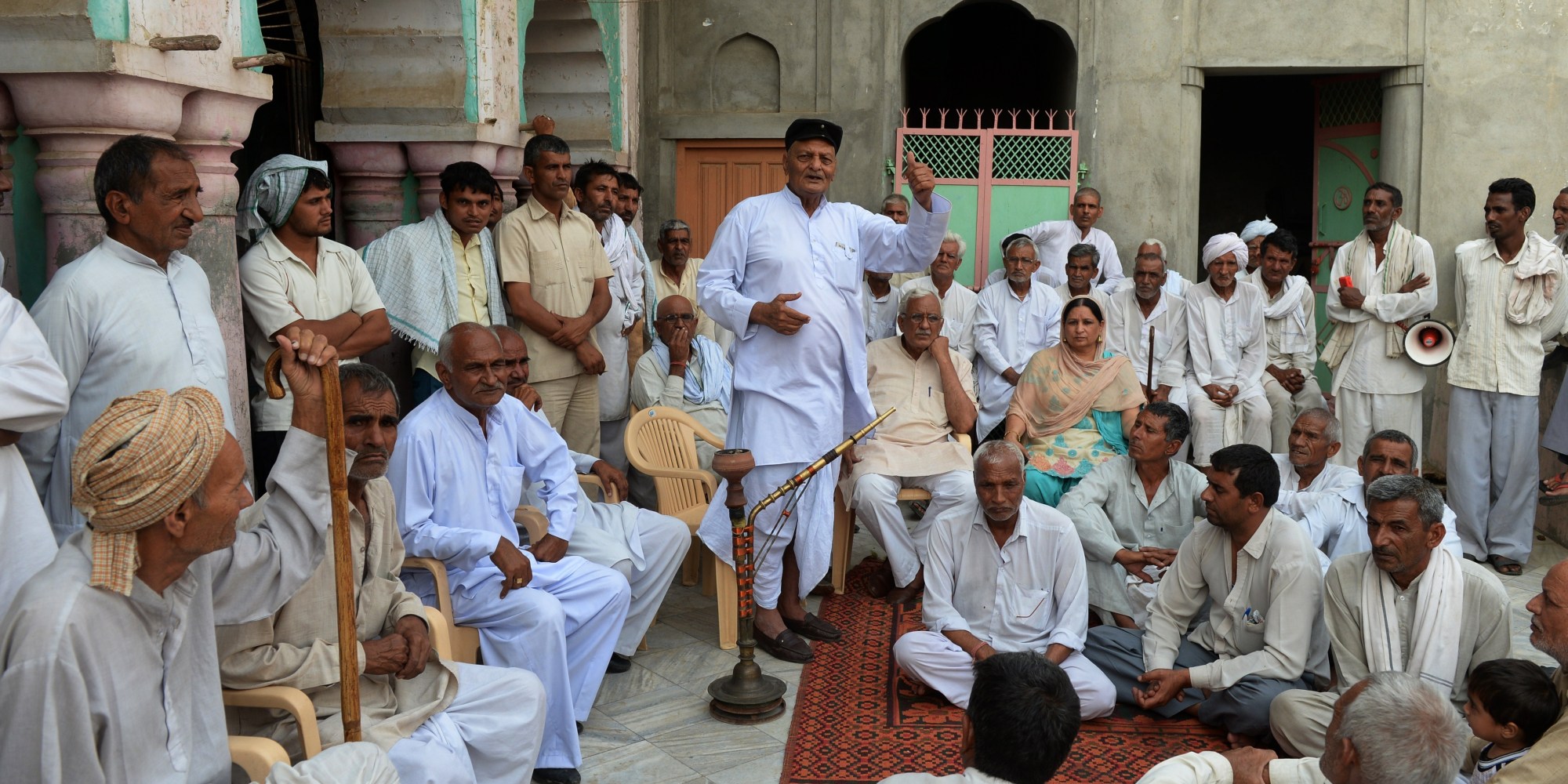








 Allow notifications





