Sexual harassment of women in the workplace is a global problem. This issue has been widely addressed by countries by making legislation and laws to eliminate the problem of sexual harassment of women in the workplace. This is a socio-legal problem. India is a patriarchal society where the majority of the workforce consists of males. This problem was initially ignored; however, the participation of women in the country’s workforce increased to 37 percent in 2022-23 up from a mere 23 percent in 2017-18 There has been a constant need to provide a safe work environment for women, free from sexual harassment. A survey done by the Women’s Indian Chamber of Commerce and Industry’s (WICCI) Council of Ethics, in which 1,101 females participated, found that approx. 50% of women experienced “physical contact or advances” or inappropriate touching at least once at the workplace.
Though a lot of measures are being taken to bridge this gender bias and encourage women to come out and work, providing a safe working environment free from sexual harassment of women is a key focus area of the authorities.
Despite the formulation of rape laws, other relevant legislations and the Sexual Harassment of Women at Workplace (Prevention, Proibition and Redressal) Act of 2013 it is still to be seen how much of the guidelines have been implemented and executed and what has been the outcome of the enactment. The purpose of this article is to review the impact of the Act on providing a safe working environment for women, free from workplace sexual harassment. What are the challenges the management faces in implementing the provisions of the POSH Act 2013 at the workplace?
Genesis of the POSH Act
Articles 14, 15, and 21 of our Indian Constitution guarantee the right to equality and the right to life as the fundamental rights provided to every citizen of India. However, due to the deep-rooted gender bias, Indian women to date face workplace sexual harassment. Over the years, few brave women have raised their voices against this social evil, which shaped the legal framework for the present day POSH Act of 2013.
Bhanwari Devi was appointed as a sathein (friend) by the Rajasthan government in 1985 as part of the Women Development Project of the state government. In 1992, the Rajasthan state government launched a campaign against child marriage. Bhanwari Devi, as part of this campaign, made attempts to persuade the family of the high-class Gujjar community against marrying a 9- month-old girl. This angered the high-class Gujjars, who on September 22, 1992, brutally raped her.
However, in 1995, the District Court acquitted all five accused. Under pressure from the women activist groups, the state government appealed against the judgement in the High Court Till 2007, only one hearing was held in her matter. While justice still eludes her, it has been instrumental in paving the way for the POSH Act of 2013. Women’s activists and lawyers have propagated the view that Bhanwari attracted the ire of her rapists solely based on her work. The petition, filed by Vishakha and four other women’s organisations under the collective platform of Vishakha, resulted in what is popularly known as the Vishakha Guidelines. The landmark judgement of August 1997 provided the basic definitions of sexual harassment in the workplace and laid down guidelines to deal with it.
The Act gives a framework for the prevention, prohibition, and redressal of workplace sexual harassment complaints, both in organised and unorganised sectors. It provides guidelines for creating awareness, conducting training, and setting up the complaint redressal mechanism to address complaints of sexual harassment.
The Act gives an explicit definition of sexual harassment in Section 2(n), as a behaviour that is unwelcome, sexual, subjective in nature, impact, not intent matters, and often occurs in a matrix of power.
The Act provides forms of workplace sexual harassment, i.e., what constitutes inappropriate behaviour:
Quid Pro Quo (literally ‘this for that’), i.e., an implied or explicit promise of preferential/detrimental treatment in employment.
Hostile work environment.
The Act expands the definition of workplace u/s 2(O) of the POSH Act 2013 to include any place visited by the employee arising out of or during the course of employment, including transportation provided by the employer for undertaking such a journey. As per definition, the workplace includes both organised and unorganised sectors.
The Act has laid down detailed guidelines on:
How to form the Internal Committee.
The manner and form in which the complaint is to be made.
It lays down the inquiry procedure to be followed by the internal committee and its powers. The Internal Committee has the power of a civil court, and any complaint before it has to be decided within 90 days.
It provides for efforts to be made by the internal committee for conciliation at the request of aggrieved women.
It lays down the detailed provisions for submitting the inquiry report.
Factors to be looked into while awarding any compensation.
The Act lays down in detail the duties of the employer:
Providing a safe working environment.
Creating awareness about penal consequences of sexual harassment.
Organise workshops to create awareness about the POSH Act, 2013.
Providing necessary facilities to the internal committee for dealing with the complaint and conducting an inquiry.
Assist in securing the attendance of respondents and witnesses
Access to information at the IC for inquiries on a complaint.
Provide assistance to the aggrieved woman.
Cause to initiate action.
Treat sexual harassment as misconduct under the service rules and initiate action for such misconduct.
Monitor the timely submission of reports by the internal committee.
Section 27 of the Act states that the offence under the POSH Act is non-cognizable. No court inferior to that of a Metropolitan Magistrate or a Judicial Magistrate of the first class shall try any offence punishable under this Act.
Critical analysis of the POSH Act
Even after 10 years of implementation of the POSH Act, 2013, its provisions have not been properly implemented and executed. The Supreme Court of India, while deciding on the Aureliano Fernandes vs. State of Goa (2023) matter, made the following observations in the implementation and execution of the POSH Act 2013:
The success of the POSH Act depends on a properly constituted internal committee (the Internal Complaint Committee is now called the Internal Committee (IC)), a local committee. An improperly constituted internal committee is an impediment to conducting inquiries on sexual harassment complaints, and a half baked inquiry may result in punishing the innocent.
The Court referred to an article in a leading newspaper that conducted a survey on 30 national sports federations, out of which 16 do not have an internal committee to date, and wherever the internal committee has been constituted, it does not have a stipulated number of members or an external member.
There is a need to create awareness amongst employees about the POSH Act and their rights and encourage them to proactively report any such incidences of sexual harassment. The employees should be made aware of the facts, i.e., the procedure for filing a complaint, conducting an inquiry and the consequences they will face if the complaint is found to be true or false.
The Court gave the following directions/observations to rectify the problems :
The Union of India, all state governments and union territories need to conduct a time bound survey to determine whether all concerned departments, ministries, government organisations, public sector undertakings, etc. have constituted IC / LC strictly in compliance with the provisions of the POSH Act, 2013.
All entities shall make the following information available on their website i.e. details of the Internal Committee, their e-mail ID and contact numbers, the procedure prescribed for submitting an online complaint, relevant rules, regulations and internal policies, etc. The information posted on the website needs to be updated from time to time.
A similar exercise shall be undertaken by all the statutory bodies of professionals at the apex level and the state level (including those regulating doctors, lawyers, architects, chartered accountants, cost accountants, engineers, bankers and other professionals), by universities, colleges, training centres and educational institutions, and by government and private hospitals/nursing homes.
Immediate and effective steps shall be taken by the authorities/ managements/employers to familiarise members of the ICs/LCs with their duties and how an inquiry ought to be conducted upon receiving a complaint of sexual harassment at the workplace, from the point when the complaint is received until the inquiry is finally concluded and the report is submitted.
The authorities/management/employers shall regularly conduct orientation programmes, workshops, seminars, and awareness programmes to upskill members of the ICs/LCs/ and to educate women employees and women’s groups about the provisions of the Act, the Rules, and relevant regulations.
The National Legal Services Authority (NALSA) and the State Legal Services Authorities (SLSAs) shall develop modules to conduct workshops and organise awareness programmes to sensitise authorities/managements/employers, employees and adolescent groups to the provisions of the Act, which shall be included in their annual calendar.
The National Judicial Academy and the State Judicial Academies shall include in their annual calendars orientation programmes, seminars and workshops for capacity building of members of the ICs/LCs established in the High Courts and District Courts and for drafting Standard Operating Procedures (SOPs) to conduct an inquiry under the Act and Rules.
In light of the aforementioned, it needs to be observed that even after 10 years of the POSH Act, 2013, there are so many lapses and lacunas in its implementation and execution in the government sector itself. What about the private sector and the unorganised sector?
Drawbacks of the POSH Act
The Act has laid down unrealistic responsibilities in the hands of the employer: The entire onus of the implementation of the provisions of the POSH Act, 2013 has been imposed on the employers. Many times, due to a lack of proper resources, personal bias, and lack of awareness, since this is not their area of expertise, there can be serious lapses in the implementation of the provisions, which leads to defeating the purpose of the Act itself.
Failed implementation of the POSH Act in the informal sector:The Act provides for constituting local committees to cater to the unorganised sector. However, a study conducted by the Martha Farrell Foundation in 2018 revealed that many districts in the country have either failed to establish the committees or aren’t very active as they are not aware of their roles. The central government has not allocated budgets to the state government for implementing the provisions of the Act.
Failure on the part of the government to ensure effective implementation of the provisions of the POSH Act: The government has imposed the entire burden on employers to ensure a safe working environment for women. It has not provided any robust mechanism to ensure that the provisions laid down in the Act are implemented or not. Even government organisations have failed to constitute the Internal Committee and conduct the necessary awareness and training.
Subjectivity around the interpretation of the various provisos of the Act: Though the Ministry of Women and Child Development, along with the POSH Act 2013, has also issued POSH Rules, many times serious lapses have been seen in the implementation of the Act. Though it is socio-legal legislation, the organisations lack expert knowledge and understanding of the Act, as it does require legal expertise to ensure proper implementation of the Act. The Internal Complaint Committee has the power of the civil court and needs to follow the principles of natural justice, but the people on the committee are laymen. They lack legal knowledge to understand the implications and interpretation of the various provisions, which at times has led to serious lapses in dealing with the complaint.
Gender Bias Act: The Act only addresses sexual harassment issues faced by women; it has not considered men or LGBTQ individuals. However, it does allow organisations to frame their own gender-neutral internal POSH policy. However, many times it’s seen that instead of solving a problem, it tends to create a bigger problem, as a gender-neutral internal posh policy can be used as a tool for retaliation. Therefore, it is advisable to have a balanced act that provides an equal opportunity for all employees to be heard.
Fear of Retaliation: As per the naturewise reports of the complaints received by the National Commission for Women for the year 2020, only 201 complaints were filed of sexual harassment of women in the workplace. This shows the failure of the Act. Women are still not comfortable reporting issues of sexual harassment, as it is considered taboo; they fear retaliation from colleagues, family members, etc. Since it is social legislation, the onus lies on society to ensure a safe environment for women to raise their concerns, and at the same time, it is the responsibility of the government to ensure that the victims feel comfortable sharing their concerns.
Recommendations for the POSH Act
The POSH Act should be placed under the Labour Ministry: The effective implementation and interpretation of the POSH Act should be placed with the Labour Ministry. As of date, the Act is vague around the definition of competent authority. The implementing authority is the Ministry of Women and Child Development, whereas from a compliance and audit perspective, the reporting is to the Ministry of Corporate Affairs, though the subject pertains to labour issues. Thus, making it nobody’s responsibility, there is no serious accountability around the implementation of the provisions of the POSH Act.
The government must create a robust mechanism for implementing the Act and data collection: The government must create a robust mechanism for implementation of the provisions of the Act, ensuring that the Internal Committee is properly constituted, complaints are raised without fear of retaliation, and they are properly heard and decided. A nationwide awareness drive and employee survey must be conducted to collect the data.
Conduct etiquette training and life-skills training in schools, colleges and corporations: Sexual harassment is a social issue, mainly due to the wide gender bias in society. There is a need to conduct gender sensitization workshops, life-skills workshops, etiquette training, and legal awareness workshops at the school and college levels. The workforce needs to be sensitised to the POSH Act 2013.
The Internal Complaint Committee should be replaced with a complaint committee at the district Level: We have district consumer forums and labour forums; similarly, instead of POSH complaints being dealt with by the Internal Committee, which is mostly incompetent to deal with such complaints, an expert complaint redressal forum must be created that is proactive, competent and empowered enough to deal with such complaints.
Conclusion
Sexual harassment is a social issue unless and until we, as a society, adopt an attitude of zero tolerance towards such heinous acts. We will not be able to address these issues. Indian society has been a male-dominated society, and making laws favouring women doesn’t solve the problem until and unless we educate the society and remove this deep-rooted bias.
Also, any law or provision is ineffective until and unless it is implemented for which active participation of all the stakeholders is required, that is, the Government, Judiciary, members of civil society, NGOs, etc.
This article is written by Kajal Arora. The article delves into the intricacies of domestic enquiry in accordance with the framework of the Indian labour law. The article further explores various procedures and key concepts associated with the domestic enquiries, while also analysing basic principles followed while conducting domestic enquiry.
Table of Contents
Introduction
Domestic enquiry is initiated against the person who does something wrong while they are at their workplace. It forms a crucial aspect of the labour laws, as it provides for a mechanism that helps to resolve disputes that arise in the workplace. This enquiry is an internal enquiry conducted usually by the employer to address the issues that arise in the course of employment. Failure to hold a domestic enquiry in such cases of misconduct or indiscipline is considered to be a blatant violation of natural justice and the constitution. The domestic enquiry holds the delicate balance between the employer and employee’s rights. Rooted in the principles of due process, domestic enquiry is crucial for a safe workplace. This article seeks to understand the intricacies of domestic enquiry, its purpose, principles involved, procedure, legal framework and recent cases on the subject.
Meaning of domestic enquiry in Labour Law
The process of ‘enquiry’ is understood as an investigation or an examination conducted specifically for a matter and ‘domestic’ refers to something within an existent entity. Thus, a conjoint reading of the two words signify that the term means an internal enquiry that takes place within a company or an organisation involving some breach of company’s rules or policies.
The key features of the domestic enquiry include adherence to the principles of natural justice. Other than that, the enquiry initiates with the formation of the enquiry committee and ends with disciplinary action on the employee or no action at all. In the decision of Provincial Transport Services v. State Industrial Court (1963), the Apex Court clarified that domestic enquiries are mandatory and dismissing the employee without conducting a fair and just domestic enquiry is against the principles of natural justice.
It cannot be denied that domestic enquiry holds cardinal value in the realm of employment and industrial relations. The reason for the same is that through the internal investigation, the issues of misconduct within the employee’s workspace are resolved. This mechanism of domestic enquiry provides fairness and justice to the accused employee, while also upholding the basic tenets of natural justice. Further, they help foster a work culture that is healthy and efficacious.
Objective of domestic enquiry in Labour Law
Needless to state that the aim of conducting a domestic enquiry is that the allegations so levelled against the accused employee will be investigated. This enquiry helps to establish the truth of the matter. It is only through the enquiry that the investigation into the allegation is made and if found to be true, disciplinary action would be taken on that based on the severity of the alleged conduct. The domestic enquiry serves the purpose of upholding the principles of natural justice and building a safer and contributive work environment. In short, the following are the objectives to be achieved from domestic enquiry:
Protecting the rights of employees
Fair and unbiased forum for investigation
Evaluation of case based on merit
Adherence to due process
Timely and effective dispute resolution
Promoting feeling of safety in workplace
Prevention of discriminatory practices by employer
Evolution of domestic enquiry in Labour Law
The concept of domestic enquiry is not something new. It has been present in the Indian system even when there was no regulatory framework to deal with it. In the pre-industrialization era, there was a significant power imbalance between the employer and employee relations. It further led to the emergence of the labour movement with active advocacy for the rights of employees, which developed the need for its framework. The current domestic enquiry system was based on the labour laws of the early 20th century. The Industrial Disputes Act, 1947 plays a pivotal role in establishing the comprehensive system of domestic enquiries. The act recognized the significance of fair and just procedures while dealing with disciplinary matters.
Legal framework governing domestic enquiry in Labour Law
It must be noted that the Industrial Disputes Act does not specifically provide for domestic enquiry, but the rules concerning the same have been framed under the Industrial Employment (Standing Orders) Act, 1946. This Act is made applicable only for large workplaces where there are more than 50 workmen employed, and smaller establishments are not covered by this Act. The schedule of the Industrial Employment (Standing Orders) Act, 1946 provides for matters in which standing orders can be passed under the Act. The ninth entry to the schedule states that matters concerning suspension or dismissal for misconduct and acts or omissions that constitute misconduct. Furthermore, Entry 17 of the Schedule IA of the Standing Orders Rules, 1946 makes the employer liable if there is default in proper and faithful observance of the standing orders.
Industrial Dispute Act, 1947
Though Industrial Dispute Act does not specifically provide for domestic enquiry, it does entail that a person has right to get remedy if he has been dismissed from service without proper enquiry. Section 11A of the Industrial Disputes Act, 1947 states the powers to the labour courts and tribunals to give appropriate relief in case a workman is discharged or dismissed from service. In reference to the same, the Supreme Court in the decision of Workmen of M/s Firestone Tyre and Rubber Co. of India v. Management and Ors. (1973) had the opportunity of explaining the Section. The facts were such that the respondent company made tyres in Bombay and distributed them in Delhi. The employees were in conflict with the employer on firing one of the employees. In this case, the Supreme Court has held that “if a domestic enquiry has been held and a finding of misconduct is recorded, the authorities under the Act have full power and jurisdiction to reappraise the evidence and to satisfy themselves whether the evidence justifies the finding of misconduct. But where the enquiry is found to be defective, the employer can lead evidence to prove misconduct before the authority.”
Constitution of India, 1949
Not only that, but the Constitution of India, by the virtue of Article 311(2) provides that no person can be dismissed or removed from his employment unless an enquiry is held, he is informed of the charge levelled against him, and he is given an opportunity to defend himself. However, it must be noted that the provision is applicable for enquiries in the course of employment in general and not for the domestic enquiry alone.
Are provisions of the Evidence Act applicable on domestic enquiry?
Another important thing to be considered is that the rules of the Indian Evidence Act , 1872 have no application to domestic enquiry. Section 1 of the Evidence Act states the extent of the Act. It states that the Act is applicable only on judicial proceedings in or before any Court, and it is a settled law that the domestic enquiry is not a judicial proceeding, thereby ruling out the applicability of the Evidence Act. It was also reiterated in the decision of State of Haryana v. Rattan Singh (1977) that the rules of evidence do not apply for domestic enquiries.
Principles of natural justice followed in domestic enquiries in Labour Law
While procedural laws such as the Code of Criminal Procedure (1973) or Civil Procedure Code (1908) are applicable to trials or civil disputes, in case of domestic enquiries, the principles of natural justice become the guiding light. The following principles of natural justice are required to be complied with in case of a domestic enquiry:
The right to fair hearing to both the parties;
The rule against bias;
Giving of reasonable notice to the accused;
Acting fairly and not arbitrarily.
The right to fair hearing implies that the accused employee would also get proper opportunity to present his case, give relevant evidence, cross-examine witnesses and be heard by an impartial and unbiased authority. The maxim audi alteram partemwhich literally means to ‘hear the other party’ relates to this principle of fair hearing. The rule against bias requires that the enquiry so conducted should be impartial and free from any bias.
People involved in the process should not only be impartial, but also appear to be impartial. The maxim of nemo in propria causa judex, esse debet stands for this principle and literally means that no one should be a judge in his own case. Strictly applying these principles goes on a long way to ensure that the proceedings conducted against the employee are fair and transparent.
In the case of Ghatge and Patil Transport Private Ltd. v. BK Patel and Ors. [II LLJ Bom. HC 121(1984)], the Bombay High Court in this case ruled that the principle of natural justice has to be followed in domestic enquiry. Further, the domestic enquiry should be fair and impartial. Thus, disallowing a request on the behalf of the accused employee to appear through a legal practitioner is illegal.
Unfair trade practices
The Industrial Disputes Act, 1947 under its Chapter V-C prohibits any ‘unfair labour practices’ and also imposes penalty for the same of six months imprisonment or one thousand rupees fine or both. The term ‘Unfair Labour Practice’ has been defined under Section 2(ra) as the practices that are mentioned in the Fifth Schedule of the Act. As per the Entry 5(f) of the Fifth Schedule of this Act, if a workman is dismissed or discharged from his employment in “utter disregard of the principles of natural justice in the conduct of domestic enquiry or with in undue haste” also constitutes an ‘unfair labour practice’. It means that the principle of natural justice must be taken into consideration while deciding upon the case of misconduct through internal enquiry. If any of the principles is violated in the course of enquiry, it would amount to unfair labour practice by the employer.
Procedure for domestic enquiry in Labour Law
A domestic enquiry is quite similar to a court trial, only with a few variations. As mentioned before, domestic enquiry happens when an employee does something wrong. The enquiry is not conducted by the judicial officers of the court of law, but by the employer or committee set up for that particular purpose. So, the major variation between a domestic enquiry and court trial is that it does not happen in a “court of law” and is not conducted by “judges”. The procedure followed in a domestic enquiry is as follows:
Preliminary enquiry
The first step of the domestic enquiry is conducting a preliminary enquiry against the employee. This enquiry is not detailed and is only limited to the facts. The aim of this enquiry is to find out if there is material substantial enough to establish a case against the employee or not. If there is enough evidence, only then the next step of the process is pursued, otherwise, the proceedings are dropped there and then. If the charges are false and frivolous, then the preliminary enquiry may be useful and prove that there are no good reasons to continue the investigation. The concept was well explained in the decision of Amulya Ratan Mukherjee v. Deputy Chief Mechanical Engineer (1960), that preliminary enquiry is a fact-finding enquiry that is not at all formal. It can be an ex parte investigation only so that the real facts of the case are decoded.
Charge sheet
In the next stage of the process, there is a charge sheet filed against the employee that specifies the allegations levelled against him, after which the employee is given an opportunity to give his defence. This is, undoubtedly, the most crucial stage of the whole enquiry, as it establishes the grounds on the basis of which the employee is charged. The charge sheet plays an important role for the accused as well as it is in this stage that he gets to know about the accusations levelled against him and only then he can prepare for his defence. It is for this reason that charges need to be clear and precise; they must stem from strong evidence and not mere suspicions or hearsay. It should not only mention the misconduct alleged, but also state the requisite details of the same, such as the date and time of its commission. The terminology used in the charge sheet must be similar to that of the standing orders so that the employee can understand the meaning of the charge and proceed accordingly. In one of the cases titled Powari Tea Estates v. Barkataki (1964), the Hon’ble Supreme Court held that the charge must be framed in such a manner that it does not create a wrongful apprehension in the mind of the accused in regard to his guilt. It must only state about the misconduct alleged. Not only that, the charge sheet must be signed by the competent authority to gits value.
The charge sheet must include the following information:
Name of the employee accused of the misconduct;
The employee number;
The address of employee;
The allegation of the misconduct;
Date, time, and place of occurrence of misconduct;
The relevant Section and clauses under the Standing orders;
Explanation of the same; and
if there is a written report in the matter, then the report also must be attached.
If the employee is to be suspended pending the enquiry of the offence, the charge sheet must also mention that “taking in consideration the severity and the gravity of the accusation, the employee is to be suspended” for a certain period of time. In the case titled Sur Enamel and Stampingworks Ltd. v. Their Workmen(1963), the Supreme Court stated that an enquiry can be held to be proper only when it fulfils the following requirements:
The accused is properly informed of the charges levelled against him.
The witnesses are examined in his presence.
He is given a fair chance to conduct cross-examination of all the witnesses.
The final report of the committee or the enquiry officer is reasoned.
Service of the charge sheet
Once the charge sheet is prepared, it must be delivered to the employee and evidence of its delivery also must be recorded. To make the service of the charge sheet valid, there must be two witnesses at the time of the service. In case, the accused employee refuses to take the delivery of the charge sheet, then the same must be sent to their last known address.
Response to the charge sheet
After the accused employee receives the charge sheet, he is supposed to give his defence against the charges levelled. The employee may either admit all the allegations or deny them. He can also choose not to give an explanation for the allegations. In the case of TATA Engineering and Locomotive Company (1960) v. Labour Court, Jamshedpur, the Patna High Court has discussed that in case the accused employee wishes to deny the allegations made against him in the charge sheet, then the burden of proving that the allegations are false lies on him only.
Enquiry committee
Depending upon the defence of the employee, the employer then sets up an enquiry committee to conduct the domestic enquiry. The committee so setup must be impartial and unbiased. If a person has any personal connection with the complainant or the accused employee, or who is an interested party, or who has issued the charge sheet, or who is willing to be a witness in the enquiry, should not be a member of the enquiry committee. The enquiry can be conducted against a person individually or for more than one employee if their accusation is common. Before initiating the enquiry, it is crucial to confirm that the accused understands the accusation made and if he pleads or does not plead guilty against it. It must be remembered that there is no rigid way of conducting the enquiry. The Indian Evidence Act, 1872 has no application here, but only the rules of natural justice are made applicable.
Role of the enquiry officer/ enquiry committee
This enquiry committee or the enquiry officer is responsible for gathering all relevant evidence, conducting examination of all the witnesses and admitting necessary documents etc. The committee or the officer so appointed must be fair, honest and impartial. They need not follow any rules of procedure, but must adhere to the principles of natural justice. They play the role of judge in the process and have a lot of power. After the committee submits its findings, the accused employee is also given the opportunity to present his case, rebut the findings of the committee and lead relevant evidence. It is the responsibility of the committee or the officer to ensure that there is information on all necessary points before a decision is finally made. They should conduct examinations of all the witnesses properly. Not only that, the committee must be liberal and considerate as well. They should not ask demeaning or scandalous questions. They should not behave in a biased manner. The enquiry must be completed as expeditiously as possible. To ensure that the enquiry is finished as soon as possible, the committee should do the following-
Decide on the first date of hearing and convey the same to the employee concerned.
Allow people who are required for the procedure such as the delinquent employee himself, the presiding officer, representative of the employee or any concerned witnesses in the proceedings.
Not to allow any unnecessary adjournments.
Ensure that the employee is present during all the stages of enquiry.
Confirm that the charge sheet has been received.
Read and explain the charges to the accused employee and ask if he wishes to plead guilty.
Also ensure that the representative of the employee is representative of the registered union and no other lawyer represents them.
If he is not available then another lawyer may be the representative of the employee but only with the permission of the disciplinary authority.
Conduct timely examination and cross-examination.
Once all the examinations are over, record it and sign it by all those who are present there.
Though the role of the enquiry committee or the enquiry officer is substantial, they do not have the power to order payment of any subsistence allowance, salary, incentive, perks etc. They cannot order the transfer of the employee, or punish him; neither can they order his suspension nor termination.
Thereafter, based upon all the evidence and relevant factors, the committee submits their report to the employer to make a final decision as to the disciplinary action needed to be taken against the employee. They should properly analyse whether the charge against the accused is proved or not. If it is not supported by cogent evidence, then no further action should be taken. The order issued by the enquiry committee should be clear and explanatory.
The charge sheet, the evidence, record of the enquiry and the finding all must be submitted to the disciplinary authority. Once the order is made, then the disciplinary action against the employee is taken. It simply refers to actions taken by the employer against the employee to redress the issues arising. It may include warning issued to the employee, performance improvement strategies, fine, withholding, or reduction of salary for a certain time period, loss of privileges, suspension, demotion or even, termination etc.
Domestic enquiry in Labour Law when guilt is admitted
However, there also may be cases where the accused employee admits his guilt in regard to the accusation against him. Certainly, his admission of guilt simplifies the process to a great extent and also expedites the disciplinary process. However, even when the guilt is admitted, the principles of natural justice should be scrupulously followed till the conclusion of the enquiry. It must be noted that no doubt, admission of guilt does expedite the process, but it is not always true in each case and may even lead to failure of justice. So, it is essential that the admission of guilt is analysed in great detail before any disciplinary action is taken against the employee. The Supreme Court held in the case of Channabasappa Basappa v. State of Mysore (1970)that admission of the facts of the case would amount to a valid admission of guilt.
In the decision of Central Bank of India v. Karunamoy Banerjee (1967), the Apex Court elaborated that rules of natural justice must be followed in domestic enquiry. Generally, the burden of proving the truth of allegations is on the management that makes the accusation, but where the accused employee admits his guilt, then to ask for evidence would be an empty formality. So, if an employee admits guilt, then there is not any necessity for domestic enquiry. In another case titled Natavarbhai S. Makwana v. Union Bank of India (1984), the Gujarat High Court states that even when the employee admits his guilt, the misconduct has to be established. The admission gains any relevance only when the misconduct has been proved.
Essentials for admissions of guilt
In order to ensure that the admission of guilt does not lead to an unfair disciplinary action against the employee, it must fulfil these essentials:
It should be a voluntary admission of guilt and must not be forced, coerced from the employee.
It should also be unequivocal admission, meaning thereby that it must be clear and certain acknowledgement of guilt and should not be vague and ambiguous. The Apex Court had held in the case of Jagdish Prasad Saxena v. State of Madhya Pradesh (1960)that if the admission of guilt is not clear and unambiguous, then it would be a serious infirmity in the process of domestic enquiry.
The employee should be aware of the circumstances of the case and also the ramifications of his guilt. If he is kept in the dark about the true nature of the case, the admission will not hold good.
The admission also must be unconditional, as held in the case of ACC Babcock Ltd. v. Bhimsha (1987).The admission would be valid only if it is not dependent on the fulfilment of conditions or reservations. It should be unequivocal admission without any hesitation, conditions and qualifications.
Moreover, the recording of the admission must be done in a fair and transparent manner so that the guilt can be verified if need be. As in some cases questions are raised at a later stage, so, if there will be recording of the admission, then it can be used to prove that the admission in question was given without any undue influence, and it was voluntary.
Payment of subsistence allowance when enquiry is pending
As per the Section 10Aof the Industrial Employment (Standing Order) Act, 1946, in case the employee is suspended then the employer shall pay him subsistence allowance. The term ‘subsistenceallowance’ refers to the monetary allowance that is provided by the employer to the employee when he is suspended from his employment while enquiry against him is conducted. The objective of giving subsistence allowance is to help the employee cover his basic living expenses when he is suspended.
The subsistence allowance shall be at the rate of 50% of the wages which the workman was entitled to immediately before the suspension, for the first 90 days of suspension and at the rate of 75% for the remaining period if the delay in completion of the disciplinary proceedings against the workman is not directly linked to the conduct of the accused. If the employee is aggrieved by the order issued by the disciplinary authority, then he can make an appeal to the appellate body against the decision of the disciplinary authority.
Issues in domestic enquiry in Labour Law
Even though there is a well-established legal framework for domestic enquiries in India, there are still a few concerns that may crop up in the domestic enquiries. These proceedings are very time consuming leading to more and more delays in the conclusion of the process and abating the efficiency of the proceedings. Another issue is that of inadequate representation for the employees. In most of the cases, a member of the trade union sits with the employee in the enquiry however, in cases where there are no trade unions or employee groups, their representation might be a bigger deal. The domestic enquiry relies on the principle of rule against bias, but avoiding bias is another challenge. Ensuring that people involved in the domestic enquiry are impartial and unbiased is extremely difficult.
Difference in domestic and departmental enquiry
Though both of the terms, domestic enquiry and departmental enquiry, are considered to be synonymous, there is a slight difference in both of them. The term ‘domestic enquiry’ is used to refer to the enquiry that is undertaken in companies or organisations against alleged misconduct by an employee. However, the term ‘departmental enquiry’ refers to when an investigation is conducted against a governmental employee.
S. no.
Basis of difference
Domestic enquiry
Departmental enquiry
1.
Meaning
It is an internal enquiry conducted by the employer to examine allegations of misconduct or violations to rules or policies of the company.
It is a formal investigation that is conducted by a specific department within the company to examine any issue in relation to conduct or performance of the employee.
2.
Nature of the enquiry
Internal enquiry is conducted by the employer within the company organisation or industry
Internal enquiry is conducted within a department of a company
3.
Decision making
Decisions pertaining to the domestic enquiry are taken by the employer
Decision making lies with the departmental head
4.
Conducted by
An enquiry officer of the enquiry committee appointed for this purpose
Committee exists within the department itself
5.
Ambit
Wider ambit as covers the entire organisation
Narrow in ambit as it is only limited to the concerned department
Relevant cases
Here are some relevant cases on the topic of domestic enquiry in labour law:
Union of India v. T R Verma (1957)
In the decision of Union of India v. T.R. Varma (1957),the petitioner, challenged his dismissal from service through writ filed under Article 226 of the Constitution of India. He stated that the evidence Act wasn’t followed in the enquiry, and he was not given reasonable opportunity of being heard. The court firstly decided that writ petitions under Article 226 shouldn’t be entertained when there is an alternative remedy available. The court emphasised that Evidence Act, 1872 has no application to enquiries as it’s not a judicial proceeding. But even though, Evidence Act has no application to domestic enquiry, the court said that the principles of natural justice would still apply. These principles require that the employee against whom a charge sheet has been issued must have the chance of producing relevant evidence, and the evidence of the employer must be taken in his presence. He must have the opportunity of cross-examining the witnesses and whatever evidence is given against him, he must have an opportunity to explain his stance on them before they are considered to be evidence.
Associated Cement Company v. The Workmen (1963)
In this decision, the court discussed the importance of conveying the enquiry to the accused. The facts of the case were such that several workmen were responsible for misconduct at several incidents. They obstructed the workers from entering into the factory, shouted slogans, caused cessation of work, went on a strike and also instigated other workers to resort to violence and disrupted work. So, a domestic enquiry was initiated against all the accused employees and they were dismissed from the service. But, later on it was decided by the tribunal that the enquiries were against the principles of natural justice and so the tribunal reinstated all the workers. So, when the case reached the apex court it was decided that the domestic enquiry was unfair as the accused got no right to be heard and that the workman should be given proper intimation of the date on which the enquiry is to be held so that he gets full time to prepare his defence.
Cooper Engineering Ltd. v. P. P. Mundhe (1975)
In the case of Cooper Engineering Ltd. v. P. P. Mundhe (1975), the workman was faced with the charge for soliciting contributions within the premises of his workplace. He denies the allegations, and thus a domestic enquiry was held. The enquiry officer conducted the enquiry and submitted a brief report, after which the employee was dismissed without proper reasons. In this case, the Supreme Court set aside the domestic enquiry, stating that the fairness of the domestic enquiry is of utmost importance and must be decided as a preliminary issue. As in this particular case, the employee was dismissed without stating a proper reason, such a dismissal was deemed to be against the principle of natural justice.
Union of India v. Mohd Ramzan Khan (1990)
The Apex Court, in the decision titled Union of India v. Mohd Ramzan Khan (1990),held that every accused employee has a right to be represented against the finding made by the enquiry committee to the disciplinary authority. In this case, a question arose if the amendment to Article 311 of the Constitution impacted the delinquent employee’s right to receive a copy of the enquiry report. The court decided that despite the 42nd Constitutional Amendment that eliminated the second stage of enquiry, the employee still had a right to get a copy of the report.
Crescent Dyes and Chemicals Ltd. v. Ram Tripathi (1992)
In the case of Crescent Dyes and Chemicals Ltd. v. Ram Tripathi (1992)the workman was charged for alleged misconduct and thereby dismissed from service. Later on, an inquiry committee was set up. He sought representation from a lawyer in the domestic enquiry however, he was denied the same as the lawyer wasn’t a member of a recognised trade union. Thereafter, an ex parte enquiry was held that led to his dismissal. He filed for appeal against the dismissal.
The Supreme Court held that the refusal of representation was justified, as the right to representation can be restricted by statutes. The statute here being the industrial disputes act, 1947. The delinquent doesn’t have any inherent right to be represented unless the law provides for it. The principles of natural justice do not extend to a right to be represented by a counsel. Resultantly, the court set aside the decision of the High Court and held the decision of the committee to be valid,
Conclusion
It cannot be overstated that the domestic enquiry is essential to the Indian labour law regime, as they make an effort to maintain harmony and cordial relations within an industry and ascertain that the workplace is safe and just for every employee. It reflects the commitment to fairness and due process in our legal system.
Though there is an established legal framework to deal with domestic enquiries, the concept of workplace is evolving regularly, bringing new challenges and a dire need to simplify these procedures. With this continuous evolution, there is a pressing need for reformation in the framework of labour law that guarantees adherence to principles of natural justice and also streamlines domestic enquiries. This endeavour of balancing the need for discipline and fairness in domestic enquiry with the protection of the rights of the workers is like threading a fine needle and must be done scrupulously.
Frequently Asked Questions (FAQs)
In the context of the Indian labour law, what is the meaning of domestic enquiry?
As per the Indian labour law, a domestic enquiry refers to an internal investigation that is conducted by the employer to investigate into a breach of code of conduct or company’s policies by any of its employees. It is a formal process that aims to evaluate the allegations against the employee and arrive at a finding to take disciplinary action against him.
When and on what grounds can the domestic enquiry be initiated against an employee?
The employer has a right to initiate an enquiry against the employee if he has reasons to believe that the employee has been involved in some misconduct, violation of code of conduct or policies and rules that calls for a disciplinary action. Having a reason to believe is sufficient, he need not have strict proof of the same but only cogent reasons. Having mere suspicion or believing in hearsay is not sufficient.
What role does the employer play in the domestic enquiry?
The employer undoubtedly plays a crucial role in the process, as he is responsible for initiating action and then esnruing that the whole process is fair and transparent and does not violate the rights of employees. He appoints the enquiry officer or the enquiry committee and assures that the investigation is impartial.
Does the employee have a right to legal representation?
Yes, the employee has an absolute right to be represented. Generally, he is represented by a representative of the trade union but in exceptional cases, he can even get a lawyer of his own choice but this must be done with permission of disciplinary authority.
Is the process bound by Code of Civil Procedure, Code of Criminal Procedure or Indian Evidence Act? If not, then what are the rules governing the process?
No, a domestic enquiry is not in the nature of a judicial proceeding and hence procedural laws and evidence law has no application in the proceeding. Rather, it is governed by the principles of natural justice.
What actions can the employer take against the employee after the domestic enquiry?
Based on the findings of the enquiry, the employer can issue him warnings, impose fine on the employee, suspend or terminate his employment. The action taken must be proportionate to the misconduct alleged and proved.
In what time period should the enquiry be completed?
There is no specific time period for which the domestic enquiry must be completed. But, the rules of natural justice expect that the enquiry is completed as soon as possible, without any unnecessary delays.
What rights does the employee have in the domestic enquiry?
The domestic enquiry is conducted in such a manner that the rights of the employee are not infringed. He has a right to be heard, right to be informed of the charges against him, right to be represented, right to present his defence, cross-examine the witnesses, and the right to have an impartial and fair enquiry.
What recourse does the employee have if they think that the domestic enquiry was unfair or unjust?
If the employee believed that the domestic enquiry was not fair and just, then they have the option of appealing the decision within the organisation or even seek legal recourse through labour tribunals and courts.
This article is written by Aadrika Malhotra. This article talks about confidentiality and the breach of it in detail. Confidentiality is the cornerstone of any contractual relationship. It is added to ascertain that any private information of a party is not disclosed to any third party. If such a breach arises on the part of any of the parties, there shall be stringent punishment.
Confidentiality is the obligation to keep something secret or private and use it while maintaining its confidentiality. The degree of something being confidential can extend to something or some information that the provider has directed to be confidential. This information can only be accessed by people who have the authorization to do so. It is an ethical principle that not only applies to legal documents but to all work-related documents as well. This information must stay between the contract holders (the persons privileged with this information) and should not be released to a third party. Faithfulness is dependent on loyalty, and confidentiality is a virtue that shall be maintained by those who are faithful. This article talks about the breach of confidentiality in detail while laying emphasis on the several clauses and laws related to it.
What is the need for confidentiality
The data-centric environment is growing, and so is the need for confidentiality. Every commercial deal talks about confidentiality, and there are some clauses in every contract to protect this information from any third party. The most important aspect that arises from such an agreement is the disclosure of the fact that such information shall be held confidential on the part of the receiving party from the disclosing party. To understand better;
Confidential information is any information that is privileged to the co-signing parties for which there is a need for non-disclosure from the parties entering into a contract.
Businesses have personal information that is to be dealt with utmost security. If this information flows to any other party aside from the contract, there shall be a breach of trust as well, which will lead to the leakage of important information between the parties, harming the businesses.
A trust is entrusted between the parties to a contract, be it a trade secret, an employee, a higher-up, or simply a business contract. It may be a new product, a client, important information, or a huge trade secret. These, if revealed, will have adverse effects on any business.
Breaching these confidentiality agreements can lead to the cancellation of any future business deals or even costly legal actions.
What is considered confidential information
Confidential information is any personal data that is shared with someone, a group of people, organisations, or businesses. Such data can be anything related to a substantive contract that is declared between two or more parties. The simplest example of this is that a lawyer may have access to your personal case documents, though they would have the legal obligation to keep them confidential from other parties.
Business plans, trade secrets, intellectual property, or judicial records are all parts of confidential information. A trade secret is anything from a formula, practice, process, design, instrument, pattern, or compilation of information that is used by another person or company to gain an advantage over another person or company. These secrets or skills are unknown to others and are kept confidential at all times.
For example, if A approaches B to get a consultation for starting a business that B is engaged in as well. Here, B gives A some knowledge about the business and the successful strategies. So, both A and B have discussed a trade secret that shall not be disclosed by A to another party. For information to be trade secret, it should be something that is not readily known to other people in the business; there should be some commercial value to its secrecy; and there should be some reasonable steps negotiated to maintain the secrecy of such information.
Any data that includes formulas, patterns, programmes, codes, devices, methods, techniques, or processes, that:
Is not exclusively present or available in the particular kind of business it belongs to.
Has commercial value for its secret.
Is exclusively under the control of the person liable for keeping it secretive.
Confidentiality in a contract
Confidentiality is addressed through clauses in a contract. There can also be a separate NDA (non-disclosure agreement) or a separate confidentiality agreement for this matter. The nomenclature of the contract may be either unilateral or mutual. These contracts are basically presented to potential employees, customers, partners, suppliers, or contractual indemnifiers during or after a business deal or employment period.
Confidentiality can be of three types in a contract:
Employee Information: Let’s say you just applied for a job. Now, you will enter into a contract with the company that is employing you. At the time of recruitment, you will provide certain personal information to the company, like your home address, ID details, date of birth, or licence number, all of which will be stored in the HR department. This data is therefore confidential, and after entering into a contract, it will be the duty of the company to safeguard your information to prevent any misuse of the same.
Management Information: Management is the core of a business, and whatever takes place between them or whatever communication is held between them is strictly confidential. Confidential information might include any communications, employee relations, layoffs, disciplinary actions, investigations, terminations, misconducts, or feedback.
Business Information: This mostly includes trade secrets on which the entire business runs. It can be anything from processes of converting raw materials to recipes for food products, manufacturing methods, cleaning formulas, clientele, or computer programs. Such information can be anything that the general public is not aware of and shall be kept secret.
There are several ways in which an employer can safeguard confidentiality in a contract. Confidentiality in a contract can be addressed by certain confidentiality clauses or NDAs. These prevent the signing party from divulging any sensitive information or trade secrets interchanged during board meetings, communications, contracts, or anything else. Whatever the contract or the industry may be, a confidentiality clause protects companies who want to file for damages for their information being disclosed.
A confidentiality contract can forbid employees from going to the press, from its contractors, stooping partners from IP rights, or even limiting disclosure for business. These contracts can include employee agreements, purchase agreements, client agreements, or business associate agreements. Non-compete clauses are not always enforceable by law but are dawned upon. This is a way that everybody knows what is expected of them in a contract.
What is breach of confidentiality in a contract
A breach of confidentiality occurs when someone discloses some information that was meant to be kept confidential. The disclosure may be intentional or unintentional, though the violation is punishable even if there is no mens rea. For example, a breach of confidentiality occurs when a lawyer reveals information given to him during professional conversations, which is forbidden by federal laws. Here, what we are talking about is attorney-client privilege. It is something that you, as a client, disclose to your lawyer, which the lawyer has the duty or legal responsibility to keep confidential.
To simply term it, breach of confidentiality is the illegal use or disclosure of confidential information by unauthorised access, either intentionally or unintentionally. If we take an example, let’s say the Coca-Cola case. Here, three employees offered the company’s trade secrets to PepsiCo. Their charges were laid on the grounds of stealing information and secrets that included a drink sample from the company. The sample was labelled detailed and confidential, for which they were sentenced for 8 years and other employees for 5 years, along with a fine of $40,000 for restitution.
All administrative and marketing businesses are online, with higher confidentiality risks and confidential matters online in their databases, especially if a company’s greatest asset is its intellectual property. This intellectual property is a confidential matter, along with the asset of protecting the proprietary software. There are several marketing strategies, exclusive products, processes for manufacturing products, corporate branding, and more.
This has increased the need for more security software and access to a lot of confidential information during work, which leads to employees posing the biggest threat to company confidentiality. They might do so by divulging ideas, digital records, and other information, for which there are some ways in which an employer can preserve the company’s integrity.
Breach of Confidentiality by Employees and Employers in the Legal, Medical, and Other Professions
There are several laws endowed on employers to prevent the sale or division of data that may harm their employees. Social Security or bank account numbers are confidential information, including home addresses or credit card information. The risk of foreclosure is always present due to the risks of theft, robbery, or identity theft with confidential data that employers should protect in the workplace.
There are several companies that have distributed several innovative services and do have to keep some data about them with the manufacturing details. These details are confidential to protect the ideas from theft by competitors. There are several secrets that might be leaked by the employee that might harm the employer, which leads them to sign confidentiality agreements not to disclose the company secrets if their contract ends.
When we talk about the medical profession, there are some circumstances that allow the disclosure of confidential information by professionals. The data is revealed only if the patient freely agrees to the breach and is fully informed of the disclosure. If a patient’s conscience is affected, the disclosure can be made with implied consent. If anybody belonging to the medical profession exposes any confidential data about which they were informed by their patients even after their death, that constitutes a breach of confidentiality, which may lead to their licence being stripped.
When a lawyer discloses confidential data to other people, it constitutes a breach of confidentiality during professional discourse to obtain legal advice. The principle of attorney-client privilege guarantees that even if the clients confess their guilt, lawyers cannot use it against them in a court of law. There are several circumstances where this might not apply:
The attorney thinks that the client might commit a crime he intended to commit in professional conversations.
The attorney might disclose the data if the client intends to commit fraud.
If some other people are present apart from clients and attorneys.
All workforce members have a duty to protect confidential information. The breach of this duty includes the following:
If you are accessing confidential data without any reason to do something. There are several workers who are prohibited from accessing their own records and those of family members, relatives, and others.
Getting unauthorised access to some people.
Leaving confidential data in unattended places.
Not having proper authorization to disclose confidential data.
Discussing confidential data with someone else.
Improperly disposing of confidential data.
Disclosing data for unauthorised purposes.
Examples of breach of confidentiality
When we talk about confidentiality, it becomes really crucial to build business bonds. Let’s consider some examples of breach of confidentiality:
Someone steals a company laptop with confidential data.
An employee steals confidential data.
An employee discloses information like bankruptcies and any other data they deem to be non-confidential.
An employee sends an email to a client’s competitor with confidential data.
An employee talks about confidential data somewhere else.
The recruiter sends someone’s resume to someone.
The personal trainers offer a personal training programme to other clients.
Laws related to breach of confidentiality
Indian Contract Act, 1872
Section 27 of the Indian Contract Act, 1872 states that every agreement forbidding a person to restrain from any awful occupations is void, as affirmed by Article 19(1)(g) of the Constitution. There are non-compete and non-disclosure agreements in relation to trade secrets that are covered by this provision. A non-compete agreement denies access to the person or seller to do something for a given period of time in specified areas.
Right to Information Act, 2005
Section 8(1)(d) of the Right to Information Act, 2005, states that no citizen is obliged to obtain data regarding any commercial confidence or trade secrets. These are intellectual property that are supposed to be emitted only for the greater public motive, which has to be balanced between their right to access data and also to preserve the confidentiality of their companies.
Indian Penal Code, 1860
Section 405 of the Indian Penal Code states what a criminal breach of trust is. This section makes a person liable for punishment if he misappropriated any property entrusted to him contrary to the use for which it was entrusted.
“Whoever is entrusted with property in any manner or has some control over the property dishonestly misappropriates or converts the property to his own use, which might or might not be in violation of the directions as stated by the laws prescribing the mode in which such trust is to be discharged. There might or might not be a legal contract, express or implied, that has to be made by the trustee before handing over the property, from which the alleged offender wilfully suffers if the other person is said to have committed a breach of trust.
Information Technology Act, 2000
Section 65 of the IT Act, 2000 states the punishment of tampering with documents, stealing, destroying, or altering any data, or causing someone else to do so, some or the other computer source codes, which have to be kept confidential by the laws. However, trade secrets are much more than what is stored or written. Trade secrets are expertise that someone gains through their intellect, experience, skills, and knowledge, which might not constitute a computer source code.
Section 72 of the Information Technology Act, 2000, gives the penalty for the breach of confidentiality and privacy. If any person who has such powers as mentioned under this Act or rules and, in its furtherance, secures access to any electronic record, book, register, correspondence, information, document, or other material without the consent of the person concerned with these items or makes any other person do so, shall be punished with imprisonment for a term which may extend to two years, or with fine which may extend to one lakh rupees, or with both.
Draft National Innovation Act, 2008
The Department of Science and Technology introduced the Draft National Innovation Act, 2008, (hereinafter referred to as “the Act”) with the object of codifying and consolidating the confidentiality laws to protect confidential data, trade secrets, innovations, and others. Chapter VI lays down the provisions for the protection of trade secrets, titled Confidentiality and Confidential Information and Remedies and Offences.
Section 8 of the Act states the right of parties to set out terms and conditions that they want to be followed in a confidentiality agreement while signing contracts. There are confidentiality and non-disclosure contracts in place to prevent their employees from disclosing the company’s trade secrets and other confidential data. Section 8(3) of the Draft National Innovation Act, 2008 provides for confidentiality arising from non-contractual relationships or in equity, which arise from a notion of confidence.
Section 10 of the Act states the remedies for the protection and preservation of confidentiality from all kinds of orders or threatened misappropriations.
Section 11 of the Act states the exceptions to misappropriation of confidential data that is involved in the public domain, data derived independently, or data that has to be held confidential for the public good by a court of law.
Section 12 of the Act provides for mandatory and permanent injunctions. This is an extensive section providing for preventive or mandatory injunctions restraining the misappropriation of confidential data when any other remedy, like damages, is dissolved. Section 13 of the Act provides for such damages, and Section 14 of The Act provides immunity for acts done in good faith in accordance with breach of confidentiality.
Remedies for breach of confidentiality
Injunctions
In several cases, the plaintiff does not want monetary compensation but wants the data to be kept confidential from the public by the court order of injunctions. The court orders the defendants to refrain from further utilising or disclosing trade secrets or data to prevent the use of proprietary data from causing irreparable harm.
Accounts of profit
This remedy forbids the defendants from obtaining any profits from the breached data and forbids them from utilising it for their own purposes.
Damages
Damages are the remedy that is most sought after in cases of breach of confidentiality, such as punitive damages to punish the wrongful conduct of the breached data and to recover the plaintiff’s loss.
Credit card, debit card, bank account, and other payment instrument details with the financial records
Physical and physiological, with medical records and history
Passwords and Biometrics
There are reasonable security practices laid out for these rules to be practised when it comes to confidentiality. Several procedures are laid down for the data that the corporation or any person on behalf of the corporation collects, receives, possesses, stores, deals with or handles. This data is required to be stored in confidentiality and not be disclosed when talking about personal sensitive data. If any breach occurs, the corporation or any other person performing on their behalf may be held liable for the suit of claims and damages.
The Information Technology Rules only apply to corporate bodies or people present in India as clarified by a press note issued by the Ministry of Communication and Information Technology wherein the press note stated the same as mentioned above.
Rule 3 of the 2011 Rules provides for several items to be listed as confidential or sensitive personal data. This includes data that is inter alia to the security of a person, such as passwords, credit cards, debit cards, biometrics, medical conditions, and other data that is freely available or accessible to the public and is generally not considered confidential data.
Rule 4 imposes certain details on corporate bodies that have to get confidential data for their privacy policies and to make the data accessible to everybody else. The privacy policy that is to be followed has to be clearly published on the corporate organisation’s websites or portals and also have the details of the data to be followed on the website as well as the purpose for which it has to be followed with reasonable security concerns to be undertaken for the confidentiality of that data.
Rule 5 provides for the corporate bodies guidelines to be followed while collecting this confidential data, and the corporations have to follow these guidelines:
Get consent from the person the data belongs to and fax or email the person before collecting any confidential data about that person that is provided by some mode of telecommunications.
The data about a person that is to be kept confidential cannot be received unless it is for lawful or necessary uses, will be used for the purpose intended by that data, and will only be retained for the time frame that is intended to be retained for
The corporations must ensure that people who are providing the required data are well aware of the specific purpose for which it is being collected and the recipients of that data. The corporations must provide the names, addresses, and contacts of the agencies involved in retaining and collecting the data;
Not to retain the data more than is required by the people for which purpose it was collected and can be lawfully used and is as such required for the time for which it is collected and will be used;
Give the chance to the people whose data is collected to review the data, make changes, and correct the data;
Give the people the opportunity to not provide the data before it is collected and stored;
Keep the data collected secure, and
Appoint grievance officers to the people who gave their data with their contacts and names on the website to address any grievances from the people as soon as possible.
Rule 6 states that all corporate bodies must always seek the permission of the people before providing any data to other sites or people. If a government agency takes such actions, no prior permission is required because they are mandated by law or might be an order of the law itself. Rule 8 states that corporate bodies must follow reasonable security processes and procedures in compliance with international standards to maintain data security.
Consequences of breach of confidentiality
When you are authorised with confidential data, you have the duty not to publicise it or export it somewhere else. The employees that have access to that data have the obligatory duty not to publicise that data and there are some consequences of a breach of proprietary:
Termination
Since the employees who disclose confidential data are malicious and are no longer needed by the employers, this leads to their termination. The employer has the legal right to terminate the employees who breach even if there is no confidentiality clause signed up, which is also a breach of the agreement.
Lawsuit
There are several instances of a lawsuit being filed against several employees for breaching confidentiality agreements by the employers, like the cases where secrets have been revealed for the loss of the business and the employees had to pay punitive damages.
Criminal charges
If the breach of confidentiality leads to infringement of copyrights or intellectual property, it can lead to several criminal offences as well.
Reputations
The employee’s reputations can be tarnished if they derange data in the place of business with long-term harm to the employment.
Prevention of breach of confidentiality
The data that is stored with employees as confidentiality is supposed to be confidential and protected at all costs. There are several ways to prevent breaches:
Improve training
There is confidentiality training for every employee when they are employed by a company, which stresses the importance of locking computers and not discussing clients in public places. If you work with freelancers, it’s also important that they understand your confidentiality policies. This may involve freelance training sessions and the use of freelance non-disclosure agreements.
Use contract law
Organisations should require each staff member to sign an employee non-disclosure agreement (NDA). NDAs can help protect both the organisation and the client in the event of a breach. Additionally, NDAs make it very clear what information can and cannot be shared.
Limit access to sensitive data
Organisations should restrict access to sensitive data. Confidential information should be kept on a need-to-know basis. Staff who do not need access to data to complete daily tasks should not be granted access. The fewer people who have access to sensitive data, the less likely a breach is to occur.
Use passwords and encryption
Data should be protected using passwords and encryption. This can reduce the risk of cybercrime and prevent a third party from accessing data if a company device is lost or stolen.
Get the right business insurance
Business insurance will not prevent breaches from occurring. However, professional indemnity insurance can protect your business should a costly breach occur. Cyber insurance can also be a good option for organisations that store a lot of sensitive data in the cloud.
For organisations and employees alike, understanding confidentiality is a basic professional responsibility. For this reason, ensuring policies are functional and up-to-date is an essential part of modern management.
Important case laws
American Express Bank Ltd. v. Ms. Priya Puri (2006)
Facts of the case
This case covers the plaintiff as a banking company and the defendant as their employee as the head of wealth management. The plaintiff made a statement that the defendant quit the bank, went off to work at one of its competitors, and used the bank’s data to pitch in clients for the current bank. The plaintiff filed a suit for a permanent and mandatory injunction to restrain the defendant from using any trade secrets of the bank with her employment places as a result of the breach of confidentiality that allegedly occurred, which the plaintiff proved by showing the terms and conditions of the employee’s code of conduct in the letter of appointment that was acknowledged by the employee as well. The defendant claimed that the clients are well-known and anybody can reach them without any contacts or trade secrets. The defendant also claimed that she made those contacts herself with the clients and obtained the data from their directories. The bank does not have proprietary rights to those relationships and thus cannot stop the defendant from using those connections.
Issues raised
Whether the respondent used the confidential data to breach confidentiality and use trade secrets for her own gain?
Judgement
Here, the Delhi High Court held that the plaintiff had not produced enough evidence to show that a breach occurred or that they had any exclusive rights over those connections. The respondent merely had customer data which would not benefit her in any way to make the customers switch to her with minimal records.
Sandhya Organic Chemicals Pvt Ltd & Ors v. United Phosphorus Ltd & Anr (1997)
Facts of the case
The appellant has approached the court in an appeal against the order passed against him previously for interim injunctions. This restricted the appellant from using the manufacture of AIP and ZnP for any purposes of his own. The plaintiff was sued in the previous case because he had covenanted not to divulge any confidential data gained during the employment period. Here, the plaintiff used the know-how of using phosphorus to develop the substances for the company, the court ruled that he breached confidentiality. The plaintiff has stated that the trial court ignored the rules of Order 39 of the CPC. He further claimed the trial court had virtually decided the verdict without a trial and granted interim relief when the plaintiff had no proprietary rights on the trademark and could not sue him or obtain an injunction over the terms of the contract.
Issues raised
Whether a service covenant for confidentiality exceeding the term of employment is void?
Judgement
The High Court held that unless a patent or design is already registered, there are no proprietary rights that the plaintiff can claim, and if there is a covenant that is signed to extend after the term of employment, it will be void.
Escorts Const. Equipment Ltd. v. Action Const. Equipment P. Ltd. (1998)
Facts of the case
This case deals with the issue of the manufacture of some Pick-N-Carry mobile cranes that were constructed by design that the plaintiff owned as used by the defendant. The defendants submitted drawings which were identical to that of the plaintiff with specific identifiable marks as well.
Issues raised
Whether the defendants had breached confidentiality by stealing the designs of the plaintiff?
Judgement
The decision of the court relied on gauging the extent of data that could be transferred by someone and in what manner it would be transferred. The Delhi High Court prohibited the transfer of any confidential data, technical know-how, the details of the administrations of the manufacturing process that were used to build that particular product, or any other matters pertaining to the organisations that the manufacturers gained from previously working with. The confidential data can be protected by the employer even after the employment period of the people involved in deploying and using it, even after on-disclosure clauses. These clauses are set in place to safeguard the goodwill of a company or its assets that consist of such data that can be harmful to the reputations of their trade secrets and other employers as well.
RK Dalmia v. Delhi Administration (1962)
Facts of the case
In this case, section 405, i.e. criminal breach of trust was discussed in terms of breach of confidentiality. The case talks about property being any intellectual property as referred to in section 405 of the Indian Penal Code.
Issues raised
Whether property can be movable property as defined under the Act?
Judgement
It was held by the Supreme Court that property can be anything, including trademarks, secrets, patents, or other copyright, as there is no specification of movable property in the scope of property that is protected in non-disclosure agreements. The property can be intellectual property, which, during any employment contract, is revealed to the people being employed and cannot be protected from any other people. So, there can be other contractual or non-contractual agreements preventing the employees from disclosing this data.
Narayan Chandra Mukherjee v. State of Bihar (2000)
Facts of the case
The case talks about an employee who accepted the role of CEO of a rival company while the defendant was still working or was employed with the old company. The employee signed an agreement when he was employed by the company that he would not divulge any data that is confidential to the company and is shared with him. The employee did the contrary and divulged all major trade secrets and official documents of the company, including official trade secrets, equipment, plans, and other documents.
Issues raised
Did the employee collude to commit a breach of confidentiality while divulging the data?
Judgement
The complainant was held liable for the breach of confidentiality for entering into a conspiracy and committing a criminal breach of trust.
Homag India Private Ltd. v. Mr. Ulfath Ali Khan & Other (2012)
Facts of the case
This case deals with the Indian subsidiary of the Homaga Group, which provided machines and other factory installations for the furniture and house construction industries. The defendant was employed by the plaintiff as a service engineer, after which he was given two promotions in 2009, during which he was given access to some confidential data. After some time, the defendant left the company to go work for the other defendant. When the employment was being terminated, the plaintiff noticed that the defendant had sent several emails detailing the confidential data, like commissioned reports, offers, technical details, and others, that was given to the defendant by the other defendant in the case. The defendants colluded and were going to build another private limited company.
Issues raised
Whether the use of the plaintiff’s data can be considered a breach of confidentiality?
Whether the two defendants colluded to form a separate company?
Judgement
The Karnataka High Court granted an injunction against the defendants based on the data and held that the defendants colluded to set up a private rival company.
Burlington Homes Shopping Pvt. Ltd. v. Ajnish Chibber (1995)
Facts of the case
The case revolves around the plaintiff, who is a mail order service company that publishes several mail order catalogues that are given to the select list of clients of the plaintiff with several items as well. The plaintiff claimed that on severing its relationship with him, the defendant was the competitor as he entered into a mail order business as well. The plaintiff said the defendant had obtained the databases to create relationships with the plaintiff’s clients for his own business. The plaintiff asked for an injunction for this matter, and the defendant argued that the plaintiff did not have a copyright over the databases, which does not make the databases a copyrighted property.
Issues raised
Whether the defendant has committed a breach of confidentiality and whether the databases were copyrighted data as the plaintiff claims.
Judgement
The court held that to determine an imitation of a work, there are several things to consider, and while going through the floppy drives of the defendant, the court found several entries that were word to word similar to those of the plaintiff.
Mr. X v. Hospital Z (1998)
Facts of the case
The plaintiff here is a person who was tested HIV+ in hospitals, and one of those hospitals disclosed it to his future spouse. The plaintiff moved the court to collect damages against the hospital for breach of confidentiality because the doctor disclosed the data illegally, which led to the spouse calling off the marriage.
Issues raised
Whether the respondent could be held liable for acts of good faith while breaching confidentiality?
Judgement
The court determined while deciding the case that indeed the plaintiff had the right to privacy to the data, though the future spouse also had the right to lead a healthy life. Since the latter enforced public morality, the court had to rule in favour of that right and passed the rule that the disclosure of a serious disease to another person of interest is not deemed a breach of confidentiality.
Conclusion
A breach of confidentiality arises when a person entrusted with confidential data about something or someone that is authentic and is the proprietary right of someone or something breaches the trust that was laid on him and commits the offence of breach of confidentiality. The remedies for a breach of confidentiality can be achieved through injunctions or compensations. In the corporate world, where a large amount of data flows, breaches of confidentiality are hard to get rid of easily, and this is why several legislations have been put in place for such damages. Since the corporate world has loads of data that is disseminated on a large scale, provisions for breach of confidentiality need to exist to lead the course of punishments for the offenders.
Frequently Asked Questions (FAQs)
What are the major consequences that arise from a breach of confidentiality of clients?
The major consequences of a breach of confidentiality clause by clients include lawsuits, injunctions, damages, employee terminations, and loss of business relationships. This breach occurs when a confidentiality agreement is stamped upon by another as a result of a loss of trust and other material damages inflicted on the plaintiff.
Under what circumstances can someone breach confidentiality?
There are several conditions under which it becomes absolutely essential for people to break confidentiality for the greater good. If the client is in immediate danger to themselves or to others, there are no restrictions on breaking confidentiality. In another circumstance that might occur where the other person cannot protect themselves from another imminent threat, it becomes essential to breach confidentiality. Other situations when it becomes essential to lay out some secrets or data are when someone has to obtain payments for their work or someone else’s work. There might be several circumstances where a breach of confidentiality might be required by federal laws as well.
How do you keep data confidential?
There are several ways in which you can maintain confidentiality by carefully disseminating the data for which it is intended. You must always verify the identity of the person you are disclosing this data to so that you will know that there is a need for them to know such data.
What are the disadvantages of a breach of confidentiality?
The person who discloses confidential data makes the other person suffer losses but also makes himself suffer some other effects as well. The offender will suffer a huge loss of money, confidential data, valuable trade secrets, relationships, proprietary data, and damage to their reputations.
Can a pre-existing relationship between the parties determine the confidentiality of information?
When we talk about pre-existing relationships between parties to a contract, a duty of confidentiality does arise due to the fact that the other person knows certain data about the other and can be expected to maintain confidentiality. In the case of Attorney General v. Guardian Newspaper Ltd. (1990), the court of the UK diluted the presumption of equitable remedies. The court held that whether or not the offender is aware of the confidentiality bestowed to him, he shall be held liable for the breach. The data that is being held confidential must have the nature to do so, the circumstances to be in, the obligations to keep it, and the authorizations for the use of such to be confidential.
A company is a legal entity/legal person/artificial person that is created and required to be incorporated under the Companies Act of 2013. It functions under the command of the Board of Directors; whatever decision is to be taken on a day-to-day basis is to be taken by the Board of Directors. It is a separate legal entity from its owners, and it can own property, enter into contracts, and sue and be sued. A company is managed by a board of directors, who are elected by the shareholders. The board of directors is responsible for setting the company’s overall direction and making major decisions, such as approving mergers and acquisitions, issuing new shares, and declaring dividends.
There are two main types of companies: public companies and private companies. Public companies are companies whose shares are traded on a stock exchange, while private companies are companies whose shares are not traded on a stock exchange. Public companies are subject to more regulations than private companies, and they must file regular reports with the Securities and Exchange Commission (SEC). Private companies are not subject to as many regulations, and they do not have to file regular reports with the SEC.
Companies can be formed for a variety of purposes, such as to manufacture products, provide services, or invest in real estate. Companies can also be formed for charitable purposes. The most common type of company is a for-profit company, which is formed with the goal of making money. Nonprofit companies are formed with the goal of providing a service or pursuing a charitable purpose, and they do not have to pay taxes. Companies can be a valuable tool for entrepreneurs and businesses of all sizes. They can provide a structure for raising capital, managing risk, and expanding into new markets. Companies can also help to protect the personal assets of their owners.
Company formation
In the formation of a company, the promoter of the company plays a greater role. He is the person who searches for potential investors and approaches the registrar of companies for incorporation of the company, which involves various stages. The formation of the company generally involves three stages, i.e., the pre-incorporation stage, the incorporation stage and the post-incorporation stage. This article deals with all three stages, such as its promotion, its process of incorporation, and the benefits of incorporation.
According to Section 3 of the Companies Act of 2013, a company can be of the following types:
Public company
A public company is a company that is owned by the general public. This means that the company’s shares are traded on a stock exchange, and anyone can buy them. Public companies are subject to more regulations than private companies, and they must disclose more information to the public.
There are a few key differences between public and private companies. First, public companies must register with the Securities and Exchange Commission (SEC). This means that they must file regular reports with the SEC, including their financial statements and other important information. Private companies are not required to register with the SEC.
Second, public companies must have a board of directors. The board of directors is responsible for overseeing the company’s management and ensuring that it is operating in the best interests of the shareholders. Private companies do not have to have a board of directors.
Third, public companies must have a public float. This means that a certain percentage of the company’s shares must be held by the public. The public float requirement is designed to ensure that there is a liquid market for the company’s shares. Private companies do not have to have a public float.
Fourth, public companies must disclose more information to the public than private companies. This information includes the company’s financial statements, its board of directors, and its executive compensation. Private companies are not required to disclose as much information to the public.
There are a number of advantages to going public. First, it can provide the company with access to capital. When a company goes public, it can sell its shares to the public and raise money to fund its growth. Second, going public can give the company a higher profile. When a company’s shares are traded on a stock exchange, they become more visible to investors and the general public. Third, going public can provide the company with a better credit rating. When a company is publicly traded, it is more likely to be able to borrow money from banks and other lenders.
Private company
A private company is a company that is not publicly traded. This means that the company’s shares are not listed on a stock exchange and are not available for purchase by the general public. Private companies are typically formed by two or more people who want to own and control the company themselves. There are a number of advantages to forming a private company, including:
Privacy: Private companies are not required to disclose their financial information to the public. This can be a major advantage for companies that want to keep their financial information confidential.
Flexibility: Private companies have more flexibility than public companies in terms of how they are managed and operated. This can be an advantage for companies that want to be able to make quick decisions and take risks.
Tax benefits: Private companies may be eligible for certain tax benefits that are not available to public companies.
However, there are also some disadvantages to forming a private company, including:
Lack of liquidity: The shares of a private company are not liquid, which means that they cannot be easily sold. This can make it difficult for private companies to raise capital.
Limited access to capital: Private companies may have limited access to capital as they are not able to tap into the public markets for financing.
Increased risk: Private companies are not subject to the same level of regulation as public companies. This can increase the risk of fraud and other financial problems.
Overall, there are both advantages and disadvantages to forming a private company. The decision of whether to form a private company or a public company is a complex one that should be made on a case-by-case basis.
One person company
One person company (OPC) is a type of company that is formed by a single person. It is a relatively new type of company in India, having been introduced in 2013. OPCs are subject to the same laws and regulations as other types of companies, but there are some key differences.
One of the main advantages of an OPC is that it is easier to set up and run than a company with multiple shareholders. There is no need to hold a shareholders’ meeting or prepare a shareholders’ agreement. The OPC can be managed by the sole shareholder, who can also be the company’s director.
Another advantage of an OPC is that it is taxed at a lower rate than other types of companies. OPCs are taxed at the same rate as individuals, which is currently 30%. This can be a significant saving for OPCs, as the corporate tax rate is currently 34%.
However, there are also some disadvantages to OPCs. One disadvantage is that the sole shareholder has unlimited liability for the company’s debts. This means that if the company is unable to pay its debts, the sole shareholder can be held personally liable for them.
Another disadvantage of an OPC is that it may be more difficult to raise capital than a company with multiple shareholders. This is because investors may be reluctant to invest in a company that is controlled by a single person.
Overall, OPCs can be a good option for small businesses that are owned and operated by a single person. They are easier to set up and run than other types of companies, and they are taxed at a lower rate. However, sole shareholders should be aware of the risks involved in owning an OPC, such as unlimited liability for the company’s debts.
The companies formed under Section 3 of the Companies Act, 2013 may be either limited by shares, limited by guarantee or unlimited.
In the formation of a company, the promoter of the company plays a greater role. He is the person who searches for potential investors and approaches the registrar of companies for incorporation of the company, which involves various stages. The formation of the company generally involves three stages, i.e., the pre-incorporation stage, the incorporation stage and the post-incorporation stage. This article deals with all three stages, such as its promotion, its process of incorporation, and the benefits of incorporation.
Pre-incorporation stage or promotion
In this stage, the promoter comes in and searches for potential investors to invest in the idea developed by the promoter himself or any other person. Here, the promoters try to ensure the investors invest, after which they can incorporate the company. The term ‘promoter’ is defined under Section 2 (69) of the Companies Act of 2013. A promoter is the one who has been named as such in the prospectus of the company or is identified by the company in the annual return referred to in Section 92, or he has control over the company directly or indirectly, or on whose direction the Board of Directors are accustomed to act.
Other than the investors, the promoter also brings in labour, raw materials, managerial ability, machinery, etc. After deciding to launch the company, the next step for the promoter is to incorporate the company.
Incorporation stage
The Registrar of Companies (ROC) is a regulatory authority that handles the management and filing of companies. Every state has different ROCs and according to the jurisdiction in which you are incorporating the company, the ROC will be allotted.
For incorporation, address proof is needed and MCA also allows for the residential addresses to be the company’s registered addresses. Any address can be used as the company’s registered address and for its verification, the conveyance deed and electricity bill can be used. Once you are incorporated, all your correspondence concerning your filings and any issues will be done with the ROC of that particular jurisdiction.
For incorporation of the company, the simplified pro forma for incorporating the company electronically is the SPICe form. Another identical term for the SPICe form is INC-32 given in the Companies Act of 2013. INC-32 or SPICe, consists of two parts:
Part A:- For the company’s naming.
Part B:- Incorporation (all other details of the company, PAN, TAN, GST, registration, state insurance, bank account details, DIN details).
Prerequisites of incorporation
The prerequisites for the incorporation of a private limited company are as follows:-
The number of members must lie between 2-200.
At least two directors and two shareholders are required.
Each director must possess a Directors Identification Number (DIN)
PAN card copies of directors/shareholders and passport copies for NRI subscribers are required.
Process of Incorporation
This is the process to incorporate a private limited company in India:
Obtain a Digital Signature Certificate (DSC). A DSC (of class 2) is required to file documents electronically with the registrar of companies through the website of the Ministry of Corporate Affairs. It can also be bought from a licenced authority in India, such as e-Mudhra, or CDAC. The certificate can be in the form of a soft copy or on a USB drive(e-token).
Obtain a Director Identification Number (DIN) This can be obtained by filing Form DIR3 for each director. Some standard documents are required to be attached to the form, such as proof of identity, proof of residence (e.g., passport, voter ID card, driver’s licence, ration card, PAN card number), a photograph and a verification. But this is applicable only when there are more directors than three, as for up to three directors, the application can be made within the SPICe form itself.
Approval of Name For this purpose, the Reserve Unique Name (RUN) service can be used for the reservation of the name. One can directly go for approval of the name in the SPIce form but the RUN service has one advantage as it allows to reserve two names while the SPICe form allows only one name to be reserved. The name should not be similar to any existing company name. And it should not violate any provisions of the Emblems and Names (Prevention of Improper Use) Act of 1950. Later, the name can also be altered according to Section 13 of the Act.
e-Memorandum of Association and e-Article of Association
A Memorandum of Association (MOA) is defined under Section 2(56) of the Companies Act 2013. It is the basis on which the company is built. It defines the constitution, powers and objects of the company.
The Articles of Association (AOA) are defined under Section 2(5) of the Companies Act. It states all the rules and regulations relating to the management of the company.
e-MOA must be prepared in Form INC-33 and the e-AOA in Form INC-34 and it should be digitally signed by the subscribers and witnesses. (For one person company, the MOA shall contain the name of the nominee of the OPC and the nomination in Form No. INC-3). The e-MOA and e-AOA should be linked with the SPICe form.
PAN and TAN Applications PAN and TAN applications can be made in the SPICe form itself; they will be auto-generated after submission of the INC-32 or SPICe form. A PAN card will be issued by the Income Tax Department.
Allotment of Corporate Identification Number (CIN) or Certificate of Incorporation After the filing of Form INC-32, and payment of the fee, the form will be verified by the MCA portal and if all the details and attachments are provided correctly, the company will be allotted a CIN that contains 21 alphanumeric digits, e.g., U00000AP2020PLC123456, which distinguishes it from another company. The number contains 21 alphanumeric digits This means the certificate of incorporation of the company is issued in Form -11. The MCA will send an email containing the PAN, TAN and Certificate of Incorporation.
Certificate of Commencement of Business After getting a certificate of incorporation, the second step is to file for a certificate of commencement of business. And after obtaining the Certificate of Commencement of Business, you can start your business (applicable for public companies only). A private company can start its business as soon as it gets a certificate of incorporation.
Time required to register a private limited company
The time required for registration depends from state to state but nowadays registration of a company has become a fast process as all the documents are filed in a single application with MCA. Usually, it takes around 10 days for the whole process, which includes approval of DIN, name, and incorporation.
Advantages of Incorporation
A company is required to be incorporated under the Companies Act of 2013. This can be for various reasons, such as:
Separate legal entity- Once the company is incorporated, the owner of the company can differentiate between the properties owned in his capacity and those owned by the company. This means if any problem arises tomorrow, including bankruptcy or creditors coming behind the company, they can only sue the company, not the founder or the promoter of the company. This protects the founder from litigation related to the attachment of property.
The right to sue and to be sued- Now the company enters into agreements and signs contracts in its name or on its behalf. It allows the company to file lawsuits against other parties and to be sued by other parties. This right is essential for the protection of the company’s interests.
In the past, companies could only sue and be sued in their own name. This meant that the company’s shareholders were personally liable for any judgements against the company. This was a significant risk for shareholders, as they could lose their personal assets if the company was sued and lost. To protect shareholders from this risk, many jurisdictions now allow companies to enter into agreements and sign contracts in their name or on their behalf. This means that the company, rather than its shareholders, is liable for any judgements against the company. This is a significant benefit for shareholders, as it limits their personal liability for the company’s debts.
Perpetuity or perpetual succession- A company shall not be due until and unless an application is made for winding up. Even if all the personal assets of the founders are gone, the company will run as usual.
Transferability of its shares- As per the Companies Act, the shares of an incorporated company are easily transferable. A shareholder can transfer his share without seeking permission from the Board of Directors because shares are assets of the person.
Limited liability- The person investing in the company or shareholders has very limited liability, only to the extent that the person has invested in the company; e.g., if you have invested 1 crore, then at any point in time your liability cannot exceed 1 crore. But in the case of sole proprietorships and partnerships, whatever profit or loss you are making at the end, all liability lies with you.
Taxation on a company falls under the lowest regime of 25%, whereas 30% is for partnerships and limited liability partnerships. There are two broad aspects on which a company shall pay taxes:
On the profits made.
Some taxes are deducted and submitted while the profit is distributed to its shareholders, as the shareholders are entitled to receive the profits made by the companies in dividends in proportion to their shareholding.
Employee’s Stock Option Schemes (ESOPs)- This scheme is available only for company structure. If the company wants, it can give its employees the option to subscribe to its shares. The company feels that the employees have added to and given benefits to the company; e.g., when Google was getting listed, most of its employees, including chefs, had ESOPs and at that time they sold their shares and earned crores of dollars. Paytm, an Indian-listed entity, is another example of an ESOP.
Raising capital- Even though the registration of companies requires a lot of compliance, entrepreneurs prefer it as it helps them raise capital through equity and expand and limit their liability.
Trustworthiness- Companies in India are registered under the Companies Act, 2013 with the Registrar of Companies (ROC) and the details of the company and its directors can be accessed by anyone through the website of the Ministry of Corporate Affairs (MCA). So it can be seen as more trustworthy.
Conclusion
The formation of a company requires many compliances but entrepreneurs prefer this structure for its limited liability nature. They are registered with MCA through its website.
The formation of the company generally involves three stages, i.e., the pre-incorporation stage, the incorporation stage and the post-incorporation stage. Incorporation involves obtaining DSC, DIN, TAN, PAN, approval of name, and a certificate of incorporation.
Incorporation of the company leads to many benefits, like perpetuity, right to Sue and to be sued, limited liability, trustworthiness, raising capital with ease, ESOPs, etc.
Gatekeepers of governance play a significant role in maintaining effective corporate governance. They possess a responsibility to safeguard the interests of stakeholders, including shareholders, employees and the public. These gatekeepers can be both internal and external, and they include auditors, lawyers, directors, regulators and other professionals.
Usually, NEDs have the same legal duties, potential liabilities, and responsibilities as their executive counterparts. They are put on the same level when fulfilling their roles on the board of directors. In fact, all the directors should possess a broader perspective on corporate and business matters. However, NEDs are specifically selected for their independence, initiative, calibre and specific personal qualities.
Who are NEDs
Non-executive directors (NEDs) are independent members of the board of directors. They look after sensitive cases like executive pay, contribute to policymaking, and monitor the actions of executive directors for the protection of the interests of stakeholders. NEDs ensure compliance with the requirements of corporate governance.
NEDs also play a role in setting the company’s strategic direction and providing guidance to the executive team.
There are a number of important responsibilities that NEDs have, including:
Overseeing executive compensation: NEDs are responsible for ensuring that executive compensation is fair and reasonable. They also need to make sure that executive pay is not excessive and that it is aligned with the company’s performance.
Contributing to policymaking: NEDs should provide input on the company’s strategic direction and help to develop policies that will help the company achieve its goals.
Monitoring the actions of executive directors: NEDs should monitor the actions of executive directors and ensure that they are acting in the best interests of the company. They should also be prepared to take action if they believe that the executive directors are not acting in a responsible manner.
Ensuring compliance with corporate governance requirements: NEDs should ensure that the company is complying with all applicable corporate governance requirements. This includes requirements related to financial reporting, risk management, and internal controls.
NEDs play an important role in ensuring that companies are run in a responsible and ethical manner. They provide oversight of the executive team and help to ensure that the company is meeting its strategic objectives. NEDs also play a role in protecting the interests of stakeholders, such as shareholders and employees.
NEDs (non-executive directors) can also be seen as senior executives within the group companies of promoters and majority shareholders.
Their expertise and experience in the field make them the most eligible and valuable members of the board.
Appointment and remuneration
Section 152 of the Companies Act, 2013 states that for the appointment of NENIDs, they need the approval of shareholders through an ordinary resolution. According to sections 164 and 167 of the act, they may also go through disqualification and vacation of office, respectively. Their remuneration can be in the form of sitting fees for attending meetings, commissions based on net profit, or fees for any professional services given to the company. In cases of loss or inadequate profit, their remuneration may go under the limitation specified in the 5th schedule of the act. Where a situation arises in which a NENID on the board of a listed company gets remuneration exceeding 50% of the total remuneration payable to all NIDs, the approval of shareholders is required for such payment.
Role and responsibilities
The basic duty of NEDs is to provide creative contributions and improvements to the boards. They don’t get involved in the day to day management of a company but they keep their eyes on executive activities . They are also known as external directors.
They are included to bring:-
Independence
Special knowledge
Wide experience
Impartiality
Personal qualities to the board
They provide a valuable viewpoint and expertise to the board, which helps in the decision-making process of the board.
They have a better impact on the board’s balance, commitment, perception and perspective. They come up with the board’s strategic direction, efficiently solving problems, communicating with third parties, ensuring the meeting of audit requirements and participating in remuneration and board appointments.
Because they are well-versed in the operation and strategic objectives of the business, they play a vital role in improving the quality of board and committee meetings.
Role in the NRC
NENIDs (Non executive non independent directors) can effectively communicate the perspective of promoters or majority shareholders pertaining to the appointment of the CEO and CFO to the Nomination and Remuneration Committee (NRC) members. The promoter’s backing adds credibility and influence to the decision-making process for the NRC’s recommendation to hold weight in general meetings. NENIDs play a vital role in ensuring alignment between the Nomination and Remuneration Committee (NRC) and the promoter or majority shareholder, especially in important fields such as succession planning for key positions such as MD/CEO/CFO. They provide valuable feedback on performance and have a crucial role in replacing underachieving CEOs in group companies.
The board of directors is responsible for hiring and firing the CEO, and they often rely on the input of the executive committee to make these decisions. The executive committee is made up of the top executives in the company, and they have a unique perspective on the company’s performance and the strengths and weaknesses of the CEO. The board of directors will often defer to the executive committee’s recommendation when it comes to hiring or firing a CEO.
The executive committee also plays a role in developing the CEO’s performance goals and providing feedback on their progress. The CEO is responsible for achieving the goals that are set for them by the board of directors, and the executive committee can help to ensure that the CEO is on track to meet those goals. The executive committee can also provide feedback on the CEO’s performance, and they can recommend changes to the CEO’s strategy or approach.
The executive committee plays a vital role in the governance of a company. They provide valuable feedback on performance, and they have a crucial role in replacing underachieving CEOs. The executive committee can help to ensure that the company is managed effectively and that the CEO is held accountable for their performance.
Role in the audit committee
NENIDs (Non-Executive Non- Independent Directors) provide important insights into the Audit Committee’s discussion by elaborating on the business reasoning behind related party transactions (RPTs) and inter-corporate investments. Because of their extensive knowledge of the group, NENIDs can effectively convey the synergies, economies of scale, and overall commercial justification for proposed RPTs within the group.
Mediator between the management team, controlling shareholders and independent director
NENIDs (Non executive Non independent directors) play an important role in developing a strong and positive relationship between executive directors and independent directors as neutral arbitrators. MD/CEO or other WTDs appreciate the advice of NENIDs when they control the perspective of majority shareholders. NENIDs have a big role in ensuring everyone has equal access to important information and promoting transparency and alignment. These can be seen in various ways:-
NENID’s input on the right issues is highly appreciated by the management team, as it offers valuable insights into whether the majority shareholder would support it.
The NENIDs play an important role in:
Expressing their perspective on merits and demerits or advantages and disadvantages of significant acquisition offer to the promoter or majority shareholders.
Relaying the promoter’s point of view on the proposal to the management team.
Key responsibilities
These are some key areas where NEDs play a vital responsibility:-
In the development of a strategy, challenging and providing input.
They examine management performance and where necessary, they assist with succession planning.
NEDs fetch important external contacts and opinions to grow the effectiveness of the corporation and the board.
They play a crucial role in ensuring the accuracy of financial information, financial controls and risk management systems.
Fiduciary duties
According to Section 166 of the Act, all directors, including NEDs, are under fiduciary obligation. But some people assert that NENIDs have a fiduciary duty to its promoter or majority shareholder who nominated them. The Rolata judgement has made it clear that every director’s fiduciary duty is primarily towards the company. So, the NENIDs have to work in the best interest of the company and the stakeholders. Well, being part of the company should be prioritised.
However, it is important to prioritise being part of the company. This means that NENIDs should always act in a way that is in the best interests of the company, even if it may not be in the best interests of the stakeholders. For example, if a stakeholder requests that the NENID do something that would harm the company, the NENID should refuse to do it. This is because the NENID’s primary responsibility is to the company, not to the stakeholders.
There are a few reasons why it is important for NENIDs to prioritise being part of the company. First, NENIDs are employees of the company, and as such, they have a duty to uphold the company’s values and interests. Second, NENIDs have access to confidential information about the company, and they have a responsibility to use this information responsibly. Third, NENIDs are in a position of trust, and they have a responsibility to act in a way that is consistent with that trust.
It is important to note that prioritising being part of the company does not mean that NENIDs should ignore the interests of the stakeholders. NENIDs should always try to find a way to balance the interests of the company and the stakeholders. However, if there is a conflict between the two, the NENID should always prioritise the interests of the company.
Liability
According to regulatory architecture and the judiciary, Non-Executive Non-Independent directors are also independent directors in terms of liability. Section 149(12) gives equal immunity to these directors as independent directors. Various liability clauses and various other statutes governing corporate offences put them at the same standard as the other directors.
In case of any act or omission, they are equally responsible as other directors, and they cannot say that they are only obeying the directions of majority shareholders.
In a ruling by Madras High Court, the Court has held that if there is a case of a pharmaceutical company in which the company is producing sub-standard drugs, then NEDs shall be equally responsible even when they are not involved in the day-to-day affairs of the company.
Challenges and reforms
NEDs don’t appear in day-to-day management but they provide oversight and strategic guidance with the help of their expertise and experience in the field. Some challenges that they may face include ensuring effective corporate governance, managing conflicts of interest, staying updated on industry trends and balancing stakeholders’ interests. These challenges should be faced with integrity and professionalism.
Less control of things
As they are not working in day-to-day management, they cannot have as much control as others have on boards. It would not be easy to sit back in decision and policy-making, even when you have important inputs to provide. However, their suggestions can make a huge difference even when they are not involved in day-to-day management.
NEDs are part of organisations, but at the same time, they are separate and distinct. Other than working in a team, they provide only their advice and opinions.
Conclusion
If NENIDs disagree with the decision of the board, it will only be recorded in the board or committee minutes and not disclosed to stakeholders. For better protection of stakeholders’ interests, it shall be beneficial to alter the Act and make it mandatory for companies to disclose any dissent recorded by NENIDs in the director’s report for the financial year. This will increase transparency and accountability. It will be beneficial if the regulators can set some visible and objective boundaries for estimating the performance of NENIDs. These boundaries can provide a strong foundation for the NRC to effectively estimate the performance of NENIDs. This will ensure transparency and accountability in the estimation process.
It will be really helpful to alter the Act and to prepare a dedicated code for NENIDs, similar to the code of the Independent Directors. This code can provide comprehensible directions for their professional conduct, define their roles and functions and establish a clear process to share information with the controlling shareholders. A separate code of NENIDs will ensure their responsibility and actions are well-defined and consistent. The role of each director comes with its own set of challenges; they contribute important insight to help the company thrive.
In this article, Anupam Pandey and Danish Ur Rahman S analyse the case of the People’s Union for Civil Liberty v. the Union of India in light of the right to food being a fundamental right of an individual. Through the course of this article, the authors analyse the various intricacies related to the right to food, like the welfare schemes and policies of the government and, most importantly, the functioning of the Public Distribution System within the country. They also dwell into the essential concept of Continuing Mandamus and the role played by it throughout the case.
It has been published by Rachit Garg.
Table of Contents
Introduction
One who is born into this world has an inherent and inalienable right to life. Mere animal existence and fulfilling the animal needs of a man cannot be considered to be part of a proper life and livelihood. A person should not be arbitrarily deprived of his life by anyone. Article 21, incorporated in Part III of the Indian Constitution, guarantees the right to life and livelihood. “The right to food is an inbuilt and inalienable part of the right to life that cannot be compromised on any ground. The right to live guaranteed in any civilized society implies the right to food, water, a decent environment, education, medical care, and shelter.” “The right to an adequate standard of living for an individual and for his family, including food, clothing, housing and the continuous improvement of living conditions, is also included under the wide ambit of the right to life and personal liberty under Article 21 of the Indian Constitution.”
Despite gaining independence from the British decades ago, the lack of technology, modernization, transparency, accountability, and incapacity has left the nation under the clasp of slavery to unhygienic conditions, malnutrition, and undernutrition, and devoid of other basic life amenities. Considering the fact that the right to food is one of the most basic necessities and rights of an individual, a writ petition was filed by PUCL in the Supreme Court against the State to protect the right to food.
Right to Food
Living a life with dignity should not be considered a dream but rather a reality. However, in several developing and underdeveloped countries, it is still considered to be a dream for many families. An individual’s human rights could be compromised on many grounds, and food is one such ground, depriving a person of his human rights.
The right to food ensures an opportunity for appetite and access to safe and nutritious sustenance. Several key human rights principles are fundamental to guaranteeing the right to food:
Availability: The quality and quantity of the food should not be compromised and it should be available to every human being on the planet to satisfy their dietary needs.
Adequacy: The quantity and quality of the food should be adequate so that a person can survive a normal life and exist in this world.
Accessibility: Food should be physically and economically accessible in ways that do not interfere with the enjoyment of other human rights.
Sustainability: Food should be secure or accessible and should not compromise with either present or future generations.
Non-Discrimination: There should be no discrimination regarding the accessibility to food, as well as the means and entitlements for its procurement, on any ground such as caste, creed, race, colour, sex, language, age, religion, political or other opinions, birth or other status, which constitutes a violation of the right to food.
Right to Food under Universal Declaration of Human Rights (UDHR)
The Universal Declaration of Human Rights (UDHR) is an international document adopted by the United Nations to ensure the human rights of all humans. The UDHR has declared that everyone who has been born has an inherent right to a standard livelihood adequate for the good health and well-being of himself and his family. The well-being includes food, clothing, shelter, and medical care.
The United Nations in 1948 was the first to declare access to food a right through the Universal Declaration of Human Rights, and after that, it was inculcated in the International Covenant on Economic, Social and Cultural Rights (ICESCR), and India is a party to it. India also joined political affirmations like the 1996 Rome Declaration of the World Food Summit by vowing to keep its political promise to guarantee its citizens access to satisfactory sustenance such as food and shelter.
Under International Law, the right to food is protected by:
Article 25 of the Universal Declaration of Human Rights
Article 11 of the International Covenant on Economic Social and Cultural Rights
Articles 24 and 27 of the Convention on the Rights of the Child
Article 25 of the Universal Declaration of Human Rights, 1948 declares that everyone on earth has the right to a standard of living adequate for himself and his family concerning health and well-being. This well-being includes food, clothing, medical care, and housing.
The right to adequate food was originally adopted in the UDHR under Article 25, but it was more explicitly developed in the International Covenant on Economic, Social and Cultural Rights (ICESCR), which was approved in 1966 and enforced 10 years after the date of its approval in 1976. Article 11 of the ICESCR states that the right of everyone to an adequate living also includes the right to food.
In November 1974, the United Nations General Assembly convened the World Food Conference, which adopted 22 resolutions and Universal Directions to eradicate Hunger and Malnutrition. All the participating countries affirmed the implementation of the declaration passed by the United Nations. There are certain conventions that deal with the Right to Food for any particular group, like the Convention on the Rights of the Child, where the conventions insist that every single child is provided with an ample amount of nutritious food.
Right to Food under the Indian Constitution
The Indian Constitution is progressive and dynamic, and it seeks to ensure justice, equity, and liberty for every citizen of India. The right to food is not a fundamental right explicitly mentioned in Part III of the Indian Constitution, but it can be derived from Article 21. Article 21 envisages the right to life and livelihood, which implies that to live, one needs food and bereavement of food would explicitly imply bereavement of the right to life.
Article 47 in Part IV of the Indian Constitution, under the directive principles of state policy, reads, “The State should consider its primary duties as improving the standard of nutrition, the standard of living of the citizens and improving public health. The State should also consider the prohibition of the consumption of intoxicating and harmful drinks and drugs except for medical purposes.” It implies that it shall be the duty of the state to provide an adequate amount of nutritious food to people for their sustainability and standard of living.
The right to food is one of the most basic fundamental rights that is required to achieve economic democracy. A few years ago, with mass hunger prevalent in India, the nutrition indicators in the country had drastically dropped, portraying a situation of “silent emergency” emerging within the nation. The nutrition situation in India a few years before the case of PUCL v. Union of India was a ‘silent emergency’. The right to food can be achieved through three different approaches: through democratic practice, through legal action, and public perceptions.
The PUCL v. Union of India case focuses on recognizing the right to food through legal action, and the right to food can be achieved by linking it with other social and economic rights like the right to education, the right to work, the right to health, and the right to information. There should be other kinds of intervention from the government for the realization of the right to food as a fundamental right, like reviving the DPSP in Part IV of the Indian Constitution.
Thus, after amalgamating Article 21 and Article 47, it could be inferred that the right to food is not an explicit fundamental right but an implied right under the right to life and personal liberty.
PUCL approached the Supreme Court under Article 32 of the Constitution for the enforcement of fundamental rights with the issue of the writ of mandamus.
People’s Union For Civil Liberty v. Union Of India (UOI)
Facts of the case
In 2001, it was observed that the Food Corporation of India (FCI) godowns, which were about 5 km away from the city of Jaipur, were overflowing with grains. The grains were rotting due to the fermentation of rainwater, which had percolated down in the grain stock as it was kept outside the godowns. There was a village near the godown where the village people were eating in rotation, classically called “rotation eating” or “rotation hunger,” where some members of the family ate on one day and the remaining persons ate on the other day. In 2001, 60 million metric tons were in the Food Corporation of India (FCI) godowns, whereas the buffer stocks required were 20 million metric tons. The government had 40 million metric tons above the buffer stock but still people were dying of starvation—such were the reports all over the country. In response to that, the PUCL in Rajasthan filed a case, which came to the Supreme Court.
Lack of purchasing power, massive unemployment, natural disasters (i.e., droughts), and other factors resulted in the starvation and death of many poor people and are still a hanging knife in the neck of the country. According to figures from the Government of India, thirty-six crore people are living below the poverty line and there are more than five crore people who are victims of starvation. In response, the PUCL sought recognition of the right to food under the Supreme Court in 2001.
India’s Public Distribution System (hereinafter referred to as “PDS”) is the world’s largest and most comprehensive edifice to safeguard national food security and it is responsible for the procurement and distribution of food grains at a reasonable price to both farmers and consumers. The petition pointed out that the distribution of food grains is irregular and arbitrary and there has been a lack of transparency in the distribution system.
Questions raised in People’s Union For Civil Liberty v. Union Of India (UOI)
Advocate Colin Gonsalves and his group filed the PIL of PUCL v. UOI, which brings up three related issues and requests the Supreme Court’s supposition on issues concerning the right to food in India. The issues relating to this case are:
Who is responsible for the wastage of several amounts of food grains in the government godowns when there were several deaths due to starvation?
Whether the right to life and personal liberty under Article 21 also includes the right to food?
If Article 21 includes the right to food, whether the government must fulfil that right for people who cannot afford food?
Petitioner’s argument in People’s Union For Civil Liberty v. Union Of India (UOI)
The Supreme Court has evolved the ambit of the right to life to a vast extent and it has also inculcated the right to food as a part of the right to life in many of its previous judgments, like Francis Coralie Mullin v. The Administration (1981), wherein it was held that Article 21 is not just limited to mere animal existence but a life with dignity. And hence, the right to life also includes the right to food. The writ has been filed in response to the government’s action, which negated its obligation to supply food to the drought-hit region, due to which many people starved to death.
Petitioner’s reasoning
Due to the negligence of the state, the public distribution system had been vastly disrupted, which eventually led to the restriction of distribution to people living below the poverty line since 1997. The inadequacy of the government was also contended regarding giving relief work to the people to earn a means of livelihood.
Petitioner’s prayer
The petitioner requested the Supreme Court to intercede, issue a writ of mandamus and direct the administration:
To implement the famine code in the famine-hit states.
To release the surplus stored food grains to meet the shortage of food grains.
To revise the PDS framework and frame a fresh scheme and policy of public distribution for scientific and reasonable distribution of grains to poor people at subsidised rates.
Interim decisions
The Court attested to the privilege of sustenance, i.e., the right to food, as an important constituent to maintain Article 21 of the Constitution of India, which ensures the fundamental and human right to “life with human dignity.” The Supreme Court directed that every PDS shop that has been shut down should be re-opened within one week of the order. The Food Corporation of India (FCI) was directed to make sure that food grains don’t go wasted and should be provided to the village people in the drought-hit area.
The states were given the duty over the execution of the accompanying plans: the Employment Assurance Scheme, which may have been supplanted by a Sampurna Gramin Yojana; the Mid-day Meal Scheme; the Integrated Child Development Scheme (ICDS); the National Benefit Maternity Scheme for Below Poverty Line (BPL) pregnant women; the National Old Age Pension Scheme for old people of more than 65 years; the Annapurna Scheme; the Antyodaya Anna Yojana; the National Family Benefit Scheme; and the Public Distribution Scheme for BPL and APL families. Furthermore, issues of incessant shortages, man-made dry seasons and starvation were highlighted as real zones of concern. An order regarding the residence of homeless people was sought out and the government was made to construct night shelters.
With the continuance of the case and the passing of the interim orders, the Supreme Court gradually defined the right to food in terms of the right to life and the policies that the government requires to fulfil this obligation under Article 21.
Result of interim decision
The interim orders in the case of PUCL v. Union of India had a great impact on society because of their focus on social welfare and social well-being. The Supreme Court took every possible step to enhance the right to food in the country. The various results of the interim orders are discussed in detail in the upcoming part of the article.
Commissioners of the Supreme Court
For the effective implementation of the interim orders passed by the court, the commission was created on May 8, 2002. It was created to address the grievances of the people related to the food entitlement schemes. It appointed advisors for each state to address and refer the grievances to the Supreme Court. In order to achieve its primary objective, which was to ensure the proper implementation of the Supreme Court’s interim orders, the Commission collected and analysed data from the state and central governments regarding food and employment schemes.
D.P. Wadhwa Committee
The Supreme Court appointed Commissioners to monitor the execution of the various welfare schemes framed by the Government of India for the benefit of the poorer and deprived sections of society. It also appointed a High Powered Committee headed by Justice D.P. Wadhwa, a former Judge, called the Central Vigilance Committee. It was the duty of this committee to monitor the Public Distribution System (PDS) and the violation of any interim order passed by the court in this case.
National Food Security Act
On June 4, 2009, the President of India addressed the Parliament and announced that the government would enact new legislation – the National Food Security Act—that would provide a statutory basis for a framework that would assure food security for every individual. The primary focus of the act is on the PDS of food grains and it further intensifies the need for monitoring of its execution mechanisms.
PUCL v. UOI and Public Distribution System (PDS)
The aspect of continuing mandamus was witnessed in the case of PUCL v. UOI for 16 years and aided in the regulations and changes made in the Public Distribution System to make it effective and useful. In the original petition, it was requested by the PUCL from the court to order the government to frame a fresh scheme of public distribution system for scientific and reasonable distribution of grains. Its work would be to grant food grains at a subsidised rate to families with ration cards on a reasonable basis.
Public Distribution System (PDS)
Before People’s Union for Civil Liberties (PUCL) v. Union of India (2001), the Public Distribution System had a very long history. It was one of the most important government schemes that revolutionised food distribution to needy people.
History of Public Distribution System (PDS)
The Public Distribution System of essential food commodities came into existence during World War II in India, but the PDS for the distribution of food grains to families happened in the event of critical food shortages in the 1960s. The Public Distribution System is not just helpful to families with food shortages but also to the farmers from whom the government buys food grains at fair prices for distribution in Fair Price Shops (FPSs).
The Public Distribution System (PDS) is a system to manage the scarcity of food in the country by distributing foodgrains at affordable prices to families and individuals who need them. It is one of the most crucial government policies for the prevention of scarcity of food among the common public and for the management of the scarcity of food.
Under the scheme of the PDS, commonly used commodities like rice, wheat, sugar, dal, cooking oil, and kerosene are distributed to the public at affordable prices. The Public Distribution System is jointly operated under the responsibility of both the Central and the State or Union Territories governments.
Responsibility of the Central Government in the Public Distribution System
The Central Government’s responsibility is to ensure that there is a bulk allocation of food grains supplied to the State and Union territories for distributing those food grains through the PDS stores to the public. The Central Government is responsible for procuring, storing, and transporting food grains to the State and UTs.
Responsibility of the State/UT Government in the Public Distribution System
The State or Union Territory government is responsible for identifying the families eligible for the food grains distributed at affordable prices in the PDS stores, issuing the ration cards to the families, and supervising the PDS stores’ functioning. PDS stores are also described as Fair Price Shops (FPSs).
Targeted Public Distribution System (TPDS)
The Targeted Public Distribution System is another food management scheme initiated by the Central Government to distribute food grains to poor families who fall under the Below Poverty Line (BPL). The States used state-wise poverty estimates from the Planning Commission for the years 1993-1994, for the identification of the poor. The TPDS provided a little excess amount of food grains to the families who come under BPL. Also, the price was reduced to 50% for Below Poverty Line families; this was possible because the Above Poverty Line families were required to pay 100% of the economic cost so that the families in BPL could benefit.
Antyodaya Anna Yojana (AAY)
The Antyodaya Anna Yojana (AAY) was a step ahead of the TPDS, wherein it directed the TPDS among the poorest of poor segments of the BPL. It was found in a National Sample Survey Exercise that about 5% of the total population of India is hungry and sleeps without even two square meals a day. The Antodaya Anna Yojana (AAY) was launched in 2000, covering more than one crore of the poorest of the poorest families under BPL.
The Antyodaya Anna Yojana provided food grains to the poorest of the poorest families at a subsidised rate of just Rs. 2 per kg for wheat and Rs. 3 per kg for rice. The distribution cost, along with the margin given to retailers and dealers, was to be borne by the State/UT government. The Antyodaya Anna Yojana (AYY) scheme was initially provided to the one crore poorest of the poor families, but it has been extended to cover nearly 2.50 crores of such families.
The first expansion happened in the year 2003-2004 when the AAY scheme was expanded to 50 lakh BPL families, which are headed by widows, terminally ill persons, disabled persons, or persons aged above 60 years. The second expansion in the year 2004-2005 further expanded to 50 Lakh more families who were at risk of hunger and they included landless agricultural labourers, primitive tribal families, and rural craftsmen like potters, weavers, blacksmiths, hand cart pullers, snake charmers, etc. The third and final expansion of 50 lakh more families happened in the years 2005-2006.
PUCL v. UOI interim orders on Public Distribution System
The interim orders issued by the Supreme Court regarding the Public Distribution System can be classified into two categories, interim orders passed before the formation of the D.P. Wadhwa Committee, and interim orders passed after the formation of the D.P. Wadhwa Committee. The Wadhwa Committee was influential in the passing and implementation of the interim orders passed by the Supreme Court.
Interim orders before the formation of the D.P. Wadhwa Committee
The D.P. Wadhwa Committee was not created initially in the case of PUCL v. UOI, but it was created after the passing of several interim orders by the Supreme Court. The D.P. Wadhwa Committee solely focuses on giving reports and recommendations on the subject of the Public Distribution System.
The PUCL v. UOI order of 23 July 2001
This interim order had the Supreme Court’s opinion that the utmost importance to be given to the distribution of food through PDS is to the aged, disabled, infirm, pregnant and lactating women, and destitute men, women, and children who are at risk of starvation as they and their family members lack funds to provide food for themselves. The Supreme Court, through this first interim order of the writ petition PUCL v. UOI, directed all the States to check all the PDS shops and if any of them were closed, it ordered the same to be reopened and operating within one week of the date of this interim order.
The PUCL v. UOI order of 17 September 2001
In this interim order, the Supreme Court was dissatisfied with the States and the Union Territories for failing to identify the families falling within the Below Poverty Line (BPL) under the Antyodaya Anna Yojana. The Attorney General had listed out the States and the Union Territories that failed to identify the Below Poverty Line families.
The PUCL v. UOI order of 28 November 2001
The Supreme Court, while passing this interim order on the writ petition of PUCL v. UOI, focused mainly on two issues regarding the Public Distribution System (PDS) and the Antyodaya Anna Yojana (AAY).
Interim Order on Public Distribution System
The Supreme Court stated in this interim order that there has been full compliance from the Union of India regarding the allotment of foodgrains to the Targeted Public Distribution System (TPDS). The Supreme Court directed the Union of India to take the necessary steps in the States that are showing instances of non-compliance. A direction was given to the States by the Supreme Court to complete the process of identification of BPL families and to issue the cards for the PDS shops, and an order was passed for the commencement of distributing 25 kg of food grains per month to the eligible families.
Interim order on Antyodaya Anna Yojana
The Supreme Court stated in this interim order that there has been full compliance from the Union of India regarding the allotment of foodgrains to the Antyodaya Anna Yojana (AAY). The Supreme Court directed the Union of India to take the necessary steps in the States that are showing instances of non-compliance. A direction was given to the States by the Supreme Court to complete the process of identification of the beneficiaries for the distribution of the food grains. The Supreme requested that the States and the Union Territories provide the food grains free of cost to the families who could not afford to buy the food grains even under AAY due to penury.
The PUCL v. UOI order of 08 May 2002
The Supreme Court ordered clarifications from the Union and the States regarding the issue relating to the non-identification of the BPL families and the Supreme Court asked to work out a policy to redress the same. The Union and State governments were directed to ensure that the ration shops remain open throughout the month and the details of the same should be displayed on a notice board. In this interim order, the Supreme Court Commissioners were appointed to redress complaints regarding the interim orders and to supervise the implementation of the Supreme Court orders. The Commissioners were asked to get help from the NGOs if needed. The appointed Supreme Court Commissioners were Dr. N. C. Saxena and Mr. S. R. Sankaran.
The PUCL v. UOI order of 29 October 2002
The Supreme Court, in this interim order, gave one last chance to the States and the Union Territories to publicise the orders passed by the Supreme Court along with their translation in the regional languages. The Supreme Court, through this order, ordered that each State should appoint one officer for the assistance of the Supreme Court commissioners. The Court held that if any starvation deaths occur in the States, then the respective Chief Secretaries will be held liable.
The PUCL v. UOI order of 02 May 2003
This interim order from the Supreme Court played a major role in the Public Distribution System by regulating some authorities. The Supreme Court ordered the Union government to evolve a system wherein all eligible poor families are identified as BPL families. The BPL families who could not buy the food grains by paying the full amount in the ration shops were now allowed to buy them in instalments. The Supreme Court ordered the cancellation of the licences of the ration shop dealers in the following circumstances:
When the PDS stores or the ration shops are not open on time,
When the stores overcharge for the food grains,
If the stores make fake entries in the Below Poverty Line family cards,
If the stores retain the Below Poverty Line family cards,
If the stores engage in black marketing of the food grains.
The Supreme Court ordered to give Antyodaya Cards to the following people
All the primitive tribes;
The widows and other single mothers and women who do not have regular support;
Old persons aged 60 and above who do not have any regular support;
Families and households that have a disabled adult with no assured subsistence;
Aged, disabled, destitute, infirm men and women, pregnant and lactating women;
Households where family members have to take care of their members who are old, who lack mental and physical fitness, and who are disabled.
The PUCL v. UOI order of 20 April 2004
The Supreme Court, in this interim order, directed the States and Union Territories governments not to use the BPL criterion for the selection of Antyodaya beneficiaries in respect of tribes. The Supreme Court ordered the issuing of the Antyodaya Anna Yojana (AAY) cards to all the tribes immediately.
The PUCL v. UOI order of 09 May 2005
The Supreme Court of India, in this interim order, directed the States and the Union Territories governments to respond to the suggestions and complaints made by the Supreme Court commissioner on matters of the Public Distribution System.
The PUCL v. UOI order of 12 July 2006
The Supreme Court formed a committee, headed by former Supreme Court Judge Justice Wadhwa, to look into various issues regarding the Public Distribution System (PDS). The Supreme Court commissioner, Dr. N.C. Saxena, will assist the committee.
Justice D.P. Wadhwa Committee
The Central Vigilance Committee on the Public Distribution System, headed by Justice D.P. Wadhwa, was passed on the interim order of July 12, 2006, which had a significant impact on the right to food campaign. The Committee was primarily directed to focus on four main issues relating to PDS and was asked for remedial recommendations for the same issues. The Committee was directed to focus on:
The method of appointment of dealers in the FPS;
The viability of commission payable to dealers;
The proper functioning of vigilance commissions for PDS.
Appointment of dealers in the PDS
The Committee focused primarily on the eligibility conditions of the dealers to be appointed, the proper functioning of the shop premises, the time for the selection process, and the procedure for renewal of Fair Price Shops (FPS). The Committee gave certain recommendations dealing with the appointment of dealers in the PDS and they are summarised as:-
The existing guidelines regarding the appointment of dealers should be consolidated and should be published through the press and on the Internet through the website of the Department for information for the use of the general public;
The prescribed time of 56 days is to be reduced to 42 days required for the completion of the selection process of the dealers in the PDS shops;
Where the FPS needs new dealers or when the FPS is facing any vacancies, the person who is going to be appointed as a dealer should be a resident of the concerned circle where the FPS is located.
The Department’s guidelines for creating an FPS in any particular area only when there is a minimum of 1000 cards available in the area should be strictly followed. This can prevent the unnecessary establishment of FPS shops.
Cooperative societies or women’s self-help groups are to be considered while allocating dealerships for FPS vacancies.
The viability of commission payable to dealers
The committee focused on the inconsistency in paying the commission to the PDS dealers. The dealers were not getting enough commissions for various reasons, ranging from less enrolment of food cards for the particular FPS or PDS shop, delay in supply of food grains, unequal distribution of food or ration cards, higher transportation costs, short supply of goods, and a commission cutoff too low by the government. Thus, the committee focused on the above issues and made recommendations, which are summarized below:
The Department of Food, Civil Supplies, and Consumer Affairs (“Department”) should take over the transportation arrangement more seriously and the cost involved in the transportation should be based on the actual cost of the food grains instead of the selling cost.
The Department should focus on reducing the present unequal distribution of food cards by an FPS to increase the commission payable to the dealers.
An automated system of payment by commission is to be made to improve the delay in the payment. E-banking should be favoured.
Incentives are to be given to the dealers if they manage to sell other commodities in addition to essential food grains like rice and wheat.
The delay in delivery of the food grains to the PDS shops should be fixed with accountability.
The cost of transportation should not be the responsibility of the dealer but of the State government, as the dealer was paying Rs.15/- per quintal towards transportation.
The proper functioning of vigilance commissions for PDS
There are vigilance committees like the Circle Advisory Committees and Citizens’ Watch Committees that monitor the functions taking place in the PDS. The committees primarily focus on complaints regarding the non-availability of rice, wheat, sugar, etc., malpractices taking place that affect the common man, malapportionment of weight in the PDS shops, and black marketing of food grains. Hence, the committee set up certain recommendations, which are summarised below:
District-wise vigilance committees should be constituted with appropriate powers and responsibilities by scrapping the present Circle Advisory Committees and Citizens’ Watch Committees.
No vigilance committee meeting should be cancelled or postponed because the area MLA could not chair the meeting. In case the area MLA is absent, the Assistant Commissioner of the concerned district should chair the meeting.
The State level vigilance committee should hold a meeting once a quarter to review the proper functioning of the district vigilance committees.
The selection and appointment of members of the vigilance committees should be made more transparent by involving the common public and household women, and the women should be the ration card holders of the concerned FPS.
A toll-free helpline number for attending to consumer complaints relating to the PDS should be created.
Interim Orders after the formation of the D.P. Wadhwa Committee
The PUCL v. UOI order of 10 January 2008
The Supreme Court accepted the report of the Wadhwa Committee on the functioning of the Public Distribution System and also directed it to extend its functions throughout the country and submit a report on the same within six months.
The PUCL v. UOI order of 10 January 2008
The Court in this interim order observed that about 50,000 metric tons of wheat had been destroyed and were not fit for consumption, according to the Wadhwa Commission’s Report. Hence, the Court ordered the State and the Union governments to focus on the issue of the storage of food grains and directed that the godowns should hold only that much food grain that can be properly preserved. The Court directed the end of the system of delegating the function of food grain storage to any storage agency.
The Supreme Court in this interim order directed the government to have stringent policies in matters relating to corruption and also directed the government to regulate the usage of bogus cards and initiate criminal proceedings against the bogus cardholders who don’t submit them back.
The Supreme Court directed that the ultimate effect of PDS should be on the poorest of the poor. It ensured that every poor person should have at least two square meals a day and directed the abolition of providing food grains to the Above Poverty Line families altogether.
According to the Justice Wadhwa Committee’s report, there will be less stealing if wheat flour is provided instead of whole wheat, and hence the Court suggested the Centre and the States do the same.
PUCL v. UOI and Integrated Child Development Services (ICDS)
Another main issue addressed by the case PUCL v. UOI is the regulation of the Integrated Child Development Services (ICDS), which is governed by the Ministry of Women and Child Development. ICDS was launched in 1975 with the objectives of improving the nutrition and health status of children in the age group of 0-6 years, reducing mortality, malnutrition, and school dropout among children, helping the child develop proper physical, and psychological and social growth, and enhancing the normal health of both the mother and the child after pregnancy. ICDS aimed to achieve the above objectives by providing immunization, supplementary nutrition, health check-ups, preschool non-formal education, and health and nutrition education through Anganwadis. Anganwadi (courtyard shelter) is a type of rural child care centre where the functions of ICDS are performed at the rural level.
PUCL v. UOI interim orders on Integrated Child Development Services (ICDS)
The ICDS is another major issue that was focused on by the Supreme Court in the writ petition of PUCL v. UOI. The main motive of this scheme is the proper growth and development of preschool children in an integrated way in rural and urban areas.
The PUCL v. UOI order of 24 April 2004
The Supreme Court, in this interim order, directed the Central and State governments to have a disbursement center regarding the ICDS in every area that has a population of more than 300 people. The Supreme Court directed the State and Union Territories government to provide each child of up to 6 years of age with food containing at least 300 calories and 8-10 grams of protein; each pregnant and nursing woman with food containing at least 500 calories and 20-25 grams of protein; each malnourished child with food comprising at least 600 calories and 16-20 grams of protein; and each adolescent girl with food having the sufficiency of at least 500 calories and 20-25 grams of protein.
The PUCL v. UOI order of 13 December 2006
The Supreme Court ordered the Government of India to sanction and operate at least 14 lakh Anganwadis (AWDs) within December 2008, prioritizing the population of SC and ST habitats. The Supreme Court also ordered the government of India, under any circumstances, not to increase the upper limit population for the opening of AWDs.
The Government of India was directed to maintain the upper limit of one Anganwadi per 1000 population and the lower limit of one Anganwadi per 300 population. If any community or slum dwellers have no Anganwadis where there are more than 40 children below the age of six, such communities are to be entitled to “Anganwadi on Demand” within 3 months from the date of demand for a new Anganwadi.
This interim order universalized all the ICDS services like supplementary nutrition, nutrition, health education, immunisation, referral, growth monitoring, and preschool education to every child under the age of six, every pregnant and nursing woman, and every adolescent girl. The Chief Secretaries of the States and Union Territories were held accountable for the proper implementation of the ICDS.
PUCL v. UOI and Mid-day Meal Scheme
The mid-day meal scheme in schools has been one of the most revolutionary steps taken by the government of India that provides free meals for school students. Reducing dropouts due to extreme poverty and eradicating extreme hunger are the objectives of the mid-day meal schemes. It first originated in the State of Tamil Nadu under the then Chief Minister K. Kamaraj. Around 12 crore school students benefit from the mid-day meals. Mid-day meal schemes have proven to be effective in the realization of the right to food as they enable the students of the most socially and economically vulnerable group of society to get nutritious food in schools.
PUCL v. UOI interim orders on Mid-day Meal Scheme
Mid-day meal schemes were not as prioritized as the Public Distribution System in the interim orders of the Supreme Court, but the interim orders relating to the mid-day meal schemes made by the Supreme Court set out stringent standards for supervising and implementing the mid-day meal schemes.
The PUCL v. UOI order of 28 November 2001.
This interim order from the Supreme Court gave new guidelines as to the nutritious amount of food that is to be provided to the students. The Supreme Court in this interim order recognized the full compliance of the Union of India concerning the mid-day meal schemes and also directed the Union of India to take the required action if any of the states show instances of non-compliance in this matter.
The Supreme Court ordered the states that were distributing dry rations instead of cooked meals to the students to distribute cooked meals within 3 months in the following manner:
To at least half of districts of the State according to the level of poverty within the time period of 3 months.
To the remaining part of the State within a further time period of 3 months.
The Supreme Court in this interim order directed the State governments or the Union Territories to implement the mid-day meal scheme to provide every poor child who is studying at government-assisted schools with a prepared meal having a nutritious value of a minimum of 300 calories with 8-12 grams of protein. It further directed the State Governments and Union Territories that such meals should be provided to the students for a minimum of 200 days in a year.
The Supreme Court directed the Food Corporation of India (FCI) and the Union of India to ensure that fair quality good grains are provided for the mid-day meal scheme on time, and the Court further directed the States and the Union Territories, along with FCI, to do a joint investigation of the quality of the food grains. If the food grains are not of fair quality, they are to be replaced as soon as possible.
The PUCL v. UOI order of 24 April 2004
The Supreme Court in this interim order, declared that all the states have to implement the mid-day meal scheme and directed the Centre to provide funds for the same. The Supreme Court also directed the Centre to reply to the suggestion that the Centre should share a part of the scheme’s conversion cost, made by the Abhijit Sen Committee. The Court suggested that Dalit people should be preferred when appointing cooks and helpers.
PUCL v. UOI and other schemes
The Supreme Court in the case of PUCL v. UOI was not limited to passing interim orders on matters directly relating to the right to food but even passed orders on matters that indirectly related to the right to food. As discussed above, the right to food can only be achieved by achieving other economic and social rights. The Supreme Court has also focused on these issues. For instance, the National Family Benefit Scheme (NFBS) focuses on the right to food by giving compensation to BPL families if their primary breadwinner dies, as without the only provider in the family, there would be no access to food. Further,the National Maternity Benefit Scheme (NMBS) focuses on the right to food by providing aiding funds to BPL pregnant women so that they do not suffer from malnourishment during pregnancy. Finally, by passing interim orders on the issue of homelessness, the Supreme Court aimed at preventing deaths due to extreme poverty and starvation. These schemes, along with the relevant decisions of the Supreme Court, have been discussed below.
PUCL v. UOI and National Family Benefit Scheme
The National Family Benefit Scheme is part of the National Social Assistance Programme. The Scheme provides a lump-sum cash amount of Rs. 10,000 to Below Poverty Line families in case the family suffers the death of a primary breadwinner if he is between the ages of 18 and 65. The cash assistance would be Rs. 5,000 in case the death is due to natural causes and Rs. 10,000 if the death is due to an accident, and the assistance is paid to the surviving head of the family. The Supreme Court focused on this scheme in the PUCL v. UOI interim order of 28th November 2001.
The PUCL v. UOI order of 13 December 2006
The Supreme Court ordered the proper implementation of the National Family Benefit scheme along with other food-related schemes and directed that the BPL families should be paid the amount of Rs. 10,000 within four weeks after the death of the breadwinner through the local Sarpanch. The Court ordered that the State or Union Territories governments should not discontinue or withdraw the benefits of this scheme to the BPL families without the Supreme Court’s permission.
PUCL v. UOI and National Maternity Benefit Scheme
The National Maternity Benefit Scheme is another scheme under the National Social Assistance Programme that was an attempt to introduce the “maternity benefits” in the nation’s social security system. The pregnant women of the BPL families would get a lump-sum cash amount of Rs. 500 for up to two live births. The payment should be made before 8-12 weeks after the delivery. It was found that in 2003-2004, only two percent of the total pregnant women were aided by this scheme, and the scheme was practised with long delays because of its application procedures. The Supreme Court passed two interim orders relating to this scheme.
The PUCL v. UOI order of 28 November 2001
The Supreme Court directed that the National Maternity Benefit Scheme be properly implemented along with other food-related schemes. Like the National Family Benefit Scheme, this scheme should not be discontinued or withdrawn by the State or Union Territories governments without the permission of the Supreme Court.
The PUCL v. UOI order of 09 May 2005
The Supreme Court refused the Government of India to provide maternity benefits through a new scheme called Janani Suraksha Yojana (JSY) instead of the National Maternity Benefit Scheme(NMBS) and the reason for this refusal was that it was not clear whether the new scheme covered all the benefits available under the NMBS. The Supreme Court ordered the government to submit further information relating to JSY and asked the Commissioners to file a report on the same.
PUCL v. UOI and Homelessness
In the case of Chameli Singh v. State of Uttar Pradesh (1995), the Supreme Court emphasised the importance of the right to shelter and held that shelter for a human is not just mere protection of his life and body but is a home that allows him to grow mentally, physically, spiritually and intellectually. The Supreme Court further stated that the right to shelter is not just a right to a roof over one’s head; rather, it is a right that has all the infrastructure necessary to lead a life.
Homelessness is another major issue addressed in the interim orders passed by the Supreme Court in the case of PUCL v. UOI. The issue of homelessness was first addressed by the Supreme Court because of the alarming number of deaths of homeless people due to extreme weather conditions, mostly due to the cold weather.
The Supreme Court, through its interim orders, imposed the duty on the Union of India and the State Governments to prevent the deaths from taking place due to the lack of shelter at all costs. The Supreme Court, through its various interim orders, passed directions on constructing new night shelters, repairing the damaged night shelters, providing dwelling units for the homeless people, providing healthy and hygienic drinking water, and providing heat blankets in case night shelters are yet to be constructed.
Right To Food Campaign
An association of the individual and the organisation was created for the implementation and securing of people’s right to food as a result of the 2001 petition known as the Right to Food Campaign. The Campaign carried out its task as a decentralised association of independent food security-oriented organizations and was sponsored by designated members of national networks and invited members of local food campaigns. The Campaign was successful in inclining the interim decisions towards the downtrodden and disadvantaged sections of society.
Important judgements on the Right To Food
Chameli Singh and Ors v. State of U.P. and Anr. (1995) decided, “Everyone has the right to a standard of living adequate for the health and well-being of himself and his family, including food, clothing, housing, medical care, and necessary social services.”
In the case of Olga Tellis & Ors v. Bombay Municipal Corporation (1985), the definition of the right to life was sorted out in the context of the right to livelihood and the Court decided, “If the right to livelihood is not treated as a part of the constitutional right to live, the easiest way of depriving a person of his right to life would be to deprive him of his means of livelihood to the point of abrogation.”
InC.E.S.C. Ltd. v. Subhash Chandra Bose (1991), the Court held that the right to health is a part of the right to live and considered the Universal Declaration of Human Rights and the International Conventions of Economic, Social and Cultural Rights, which have included the right to food, leisure, fair wages, decent working conditions, etc., as a part of the right to life.
Simply put
This case can be considered to be one of the most successful public interest litigations. The case was active for almost two decades, during which the court monitored every government scheme related to food and sought its proper implementation.
N.C. Saxena, the Food Commissioner, said in one of the instances that “Food is political. That could be a very big reason why this case had the kind of impact it did. However, the court is only concerned with rights enshrined in the Constitution. Implementation of the orders, however, happened as a result of many factors.”
The food campaign reached its apex and succeeded in achieving its primary objective. Judicial activism can be seen in this case as the court analysed all the government schemes related to food and directed them to frame a new framework for PDS. An emphasis on the National Food Security Act (2013) was laid in this case, which would work for the benefit of the people.
Continuing mandamus
A single mandamus order by any Constitutional Court is not sufficient in some cases when the fundamental rights of a huge group of persons are in question. Continuing Mandamus is a series of judicial remedies passed in a particular amount of time. Unlike traditional mandamus, wherein the Courts could pass an order on a specific matter, a continuing mandamus allows the Courts to provide a series of orders.
The most important application of the continuing mandamus is that the supervision of the judiciary is present throughout the case. The Courts are actively involved in the process and check whether the remedies granted by it are being executed. The continuing mandamus also allows the Courts to be flexible in the evolution of the case to prevent inefficiency. Another application of continuing mandamus is that the Court uses them not only to pass continuous orders but also to check whether the interim orders passed are being enforced.
The methods of protecting and recognizing the rights of individuals change from time to time. Hence, a single mandamus order can’t be efficient for a long period of time. Continuing Mandamus is often used in cases where the impact on society is huge, like education, corruption, environmental rights, social justice, public health, and the list goes on.
The case of T.N. Godavarman v. Union of India (1996)is a classic case where the Supreme Court used continuous mandamus for more than 22 years. The case was filed as a writ petition by the people who live in the Nilgiri forest, seeking a remedy from the Supreme Court of India to prevent the huge amount of deforestation in the forest. The Supreme Court, through this case, spread its ambit to matters having a huge public impact, like the depletion of bio-diversity, increased amount of pollution degrading the environment, damage to life support systems, etc. The Court in the interim orders, established a body for the fund management of the funds that were provided for afforestation and supervised the utility of those funds.
The right to food is also a matter of huge public importance, as hunger and malnutrition are still prevailing in India. Thus, a continuing mandamus is a very efficient process by the Supreme Court to attain the desired justice of food for everyone.
In the case of Dr. Subramaniam Swamy v. Union of India (UOI) and Ors. (2002), the Delhi High Court applied various applications of the continuing mandamus to monitor the criminal proceedings of an accused, which were registered by the respondents of the case.
Is continuing mandamus a judicial overreach
The Supreme Court has proved many times in its decisions that it is the protector of the Fundamental Rights of citizens. The Supreme Court of India, through the writ petition of PUCL v. Union of India, made a revolutionary move in recognizing the right to food as a fundamental right under Article 21 of the Indian Constitution. Still, it has judicially overreached by undertaking most of the functions, which are the functions of the executive organ of the government. It is to be noted that the judiciary has no expertise in engaging in policy matters, which is the function of the legislative organ of the government. Even though the Court passed the interim orders in PUCL v. Union of India for the common good of society it did so in a way that looked like judicial overreach.
In this case, the Supreme Court not only passed orders but also formed a committee and appointed Supreme Court Commissioners to supervise the implementation of the interim orders, thus undertaking the functions of the executive organs. Though judicial overreach in most cases proved to be effective, it is considered bad in a democracy as the judiciary enters the functions of the legislature and the executive by crossing their functions. The main purpose of the continuing mandamus is to hold the governments of the Union and the States accountable, but it should not be done in an overreaching way.
Disposal of the PUCL v. Union of India
On the date of 10/02/2017, the final judgement for the landmark case of Right to Food (PUCL v. Union of India) was delivered by the Supreme Court of India, thereby putting an end to the interim orders passed through continuing mandamus for more than 16 years to provide and protect the right to food for every individual.
Conclusion
The case was instituted on April 16, 2001 and since the inception of the case, 427 affidavits were filed by the respondents and petitioners, and 71 IA’s (interlocutory applications) were filed as well. The case has contributed significantly to the consolidation and expansion of the National Campaign on the Right to Food. It has highlighted the new facet of Article 21 while emphasising on the grievances of an indigent and downtrodden section of society. It also shed light on how corruption, incapability, lack of transparency, and accountability of the government could deprive an individual of his basic necessities. With an aim to bridge the gaps within the governmental institutions and departments, several interim orders were passed to deal with the main issues regarding the public distribution system and various government schemes for the welfare of the people. Throughout the case, the Hon’ble Supreme Court upheld the right to food as a constitutional right. This case eventually led to the enactment of the National Food Security Act, 2013 and a drastic improvement in the accountability and transparency of the public authorities regarding food distribution was also witnessed, with the Supreme Court being extremely vigilant on the matter.
Another significant counterpart highlighted by the case of PUCL v. Union of India was that of Continuing Mandamus. Continuing mandamus is a series of orders passed by the Court instead of just giving a single judgement, and it proved to be one of the rarest of the rare cases that applied continuing mandamus by constantly passing orders and simultaneously supervising the same. With the help of continuing mandamus, the Supreme Court in this case passed orders indirectly relating to the right to food by supervising schemes like NFBS, NMBS, and homelessness. It also aided in the formulation of the Supreme Court commissioners and committees to supervise the proper implementation of the interim orders. The extensive implementation and use of continuing mandamus in this case has proved that instead of a single judgement to address an issue at hand, a more innovative continuing mandamus can do the same along with supervision.
Frequently Asked Questions (FAQs)
How Does the Supreme Court supervise interim orders?
The District Collector is bound to register any complaint relating to the violation of Supreme Court orders. There are various other ways through which even the normal public can supervise the implementation of the interim orders of the Supreme Court. A public hearing can be done to draw the public’s attention to the issue, and community actions can be taken through associations like the vigilance committee for the PDS, the Parents Teachers Association (PTA), or the Village Education Committee (VEC) to monitor the implementation of the midday meals. The initiation of litigation in the High Court can also help in case there is a violation of the Supreme Court’s interim orders.
There are two cases in the name of PUCL v. Union of India. What is the difference between them?
While there are two cases in the name of PUCL v. Union of India, the subject matter in these two cases is separate from one another. The case of PUCL v. UOI, which was filed in 1997, dealt with the violation of the right to privacy through telephone tapping. On the other hand, PUCL v. UOI, which was filed in 2001, dealt with the right to food.
What is continuing mandamus and why is it used?
Continuing mandamus is a process by which the Supreme Court passes a series of orders and also supervises the implementation of the same. The reason for issuing continued mandamus is that sometimes the problem at hand cannot be solved by a single decision and constant orders and continuous supervision is needed to solve the particular problem.
Students of Lawsikho courses regularly produce writing assignments and work on practical exercises as a part of their coursework and develop themselves in real-life practical skills.
LawSikho has created a telegram group for exchanging legal knowledge, referrals, and various opportunities. You can click on this link and join:
This article is written by Amandeep Kaur. The author has discussed in detail the long journey of Section 377 of the Indian Penal Code (IPC), its history, challenges faced, and finally the decriminalisation of Section 377. This article has been further updated by Shefali Chitkara. The author has tried to explain certain terms that were used in the judgement, like privacy and freedom of expression, more clearly by referring to various judgements that followed the aforementioned judgement. Further, the author has tried to explore the aftermaths of the judgement, the Yogyakarta principles and the significance of the judgement. The author has also mentioned a few initiatives that were taken by the government for the upliftment of the LGBTQIA+ community.
Table of Contents
Introduction to struggle of the LGBTQIA+ community
India is among the 28 Asian countries to legalise homosexuality and recognise LGBTQIA+ rights. The judgement passed in Navtej Singh Johar and others v. Union of India (2018) has brought a change in the lives of many people in the country. Prior to this remarkable judgement, the community did not have such rights, as homosexuality was criminalised under Section 377 of the Indian Penal Code, 1860 (hereinafter referred to as IPC).
People have the misconception that the whole of Section 377 of the IPC has been struck down by the court in the present judgement, but the same is not true. Section 377 is still valid to the extent that it criminalises the non-consensual sexual intercourse between persons of the same sex. However, the court has decriminalised this section to the extent that it punishes consensual sexual acts between the members of this community. This provision was technically applicable to unlawful sexual acts by heterosexuals as well, but it was widely used to prosecute and harass queer community members.
Many petitions were filed against this provision in the early 1990s, but the same were continued to be dismissed by the courts. Finally, Naz Foundation, an NGO which addresses issues of sexuality and HIV/AIDS prevention filed a petition, which was heard by the Delhi High Court as a matter of public interest in 2006. The Naz Foundation, which initially contested the constitutional validity of Section 377, referred to the 2001 incident in Lucknow. In this case, HIV prevention workers distributing condoms to homosexuals were arrested on charges of conspiring to commit an offence. In this way, it was continued to be misused to even punish consensual sexual acts of adults of the same sex. However, on the other side, some organisations that challenged the unconstitutionality of Section 377 in the Supreme Court in the Suresh Kaushal case have argued that the decriminalisation of homosexuality would be detrimental to the institution of marriage and involve young people in such homosexual activities.
In the present case, a writ petition challenging the constitutionality of Section 377 was filed by five individuals from the community, namely, Navtej Singh Johar, Ritu Dalmia, Ayesha Kapur, Aman Nath, and Sunil Mehra.
Historical background of Section 377 IPC
Homosexuality was not considered a crime or penalised in ancient India. There have been many instances that proved this point, such as:
Khajuraho Temple is a famous temple situated in Madhya Pradesh and is decorated with many sculptures reflecting the sexuality of ancient India. It was built in the 10th century by rulers of the Rajput Chandela Dynasty. There may not be any other temple in India that depicts all the emotions of human nature. These sculptures also display homosexual acts, which proves the existence of homosexuality even at that time.
Manusmriti, a law code that was followed by a majority of the people at that time. Itprescribed punishmentfor homosexual acts performed by either man or woman. It proved the existence of homosexuality; however, it did not approve such acts.
Arthashastra, popularly known as Kautilya’s Arthashastra could be taken as another proof of the existence of homosexuality during that period, as the manualimposed a dutyon the king to penalise those who indulged in homosexual acts.
Who criminalised homosexuality
This is a question that every person of the LGBT community is curious to know. IPC was framed by the British Colonial Rulers in the 19th century. The whole code was based on the then existing British laws and was full of complications, and Section 377 was one of them.Section 377 of the IPC was framed according to the Buggery Act, which was a law of the 16th century.
The Buggery Act, 1533
This legislation has categorized all homosexual acts, sexual activities involving animals, and sodomy as unnatural offences. This Act was passed by the Parliament of England in 1533, when King Henry VII was ruling. It has defined buggery as any act that is against the will of God. All these unnatural offences were punishable by death under this Act. Thomas Macaulay, who was heading the first law commission of India had brought this law to India as Section 377 of the IPC.
Challenges to Section 377 IPC
NGO- AIDS Bhedbhav Virodhi Abhiyan (ABVA)
The very first challenge faced by Section 377 was in 1994. A petition was filed by the NGO for the first time in the Delhi High Court for decriminalising this section. After observing homosexuality in the Tihar Jail, the workers of the NGO wanted to distribute condoms among the inmates, however, the superintendent of Tihar Jail who was Kiran Bedi at that time disapproved this as it would encourage homosexuality. Subsequently, this petition was dismissed in 2001. In response to the same, a review petition and then a Special Leave Petition was filed which has been dealt in the case below.
Naz Foundation v. Government of NCT and Ors. (2009)
Facts of the case
Earlier, a PIL filed by the Naz Foundation in 2001 was dismissed. Also, a review petition filed by them was again dismissed for challenging the constitutional validity of Section 377, which criminalises homosexuality. In response to this, a SLP was filed in 2006 in this case. This NGO was working for the prevention of HIV/AIDS and therefore had interaction with such sections which also included homosexuals. According to the NGO, this section of society was extremely vulnerable to HIV, as this particular section faced discrimination and abuse from the public and was also neglected by public authorities. According to the petitioner, Section 377 of the IPC is also violating some of the fundamental rights of homosexuals, such as Articles 14, 15, and 21 of the Indian Constitution.
Issues raised
Whether Section 377 of the IPC is violative of Articles 14 and 15?
Whether Section 377of IPC is violative of Article 21?
Whether Section 377 of IPC is unconstitutional?
Arguments from the petitioner’s side
According to the petitioner, Section 377 of the IPC, which criminalises homosexuality, is outdated and needs to be modified according to the needs and wants of modern society.
Section 377 is also violative of the right to life under Article 21 of the Indian Constitution as private consensual sexual relations are also covered under the ambit of the right to privacy which is protected under Article 21.
Section 377 also discriminates on the basis of sex, i.e., based on their sexual orientation, as mentioned in Article 15, which violates another fundamental right of homosexuals.
Moreover, Section 377 of the IPC, which penalises “unnatural sexual acts,” has no rational connection to the classification created between procreative and non-procreative sexual acts.
On the above-mentioned arguments, it is submitted by the petitioner that Section 377 of the IPC which criminalises private, consensual sexual activity between two adults, needs to be scrapped.
Arguments from the respondent side
According to the affidavit submitted by the Ministry of Home Affairs, Government of India, Section 377 was included in the IPC in order to prevent cases of child sexual abuse. They have also submitted that such acts cannot be considered legitimate just because two adults have consented to them. Moreover, interference by public authorities is permissible in private and family life for public safety and protection of health and morals.
The National Aids Control Organisation (NACO) has agreed to the contention made by the petitioner, i.e., that the homosexual community is extremely vulnerable to HIV/AIDS. According to their report, there are 25 lakh homosexuals who are under the high-risk behaviour group. NACO has also mentioned various methods to be adopted in order to control the high numbers of this community getting infected with HIV in their affidavit.
Respondent No. 8 is a coalition of 12 organisations that represents child rights, women’s rights, human rights, health concerns, as well as the rights of same-sex desiring people, including all those who identify as “lesbian, gay, bisexual, transgenders, hijra, and kothi persons”. Respondent No. 8 supports the contentions of the petitioner and urges the need to end discrimination under Section 377.
Section 377 denies another right i.e., the. right to live with dignity, as provided under Article 21, by criminalising the identity of a person based on their sexuality.
Homosexuals constitute a separate and considerable section of society which is denounced by Section 377. This community is forced to live according to society and is often exposed to harassment, exploitation, and humiliation by people around them.
Several countries, like the US, England, Australia and Canada, have already decriminalised consensual sexual acts among homosexuals and unnatural acts.
A desire to delete Section 377was also expressed by the Law Commission in its 142nd report. According to this, Section 377 was only meant to criminalise non-consensual sex and child abuse, but now, after amendments in Section 375 to Section 376E in the IPC, there is no need to have Section 377in the Indian Penal Code.
Section 377 is now meant to target a particular community and discriminate against them on the basis of their gender and sexual identity, which is unfair and thus violative of Article 14 of the Indian Constitution.
The court also noted that sexual orientation is a ground parallel to sex, and Article 15(2) of the Indian Constitution prohibits discrimination on the basis of sexual orientation.
The court declared Section 377 of the IPC as unconstitutional as it violates Articles 14, 15 and 21 of the Indian Constitution. However, Section 377 will continue in cases of non-consensual sexual acts and sexual acts involving minors, i.e. a person below 18 years of age.
Suresh Kumar Koushal and Ors. v. NAZ Foundation and Ors. (2013)
Appeal
This case is filed as an appeal against the above-mentioned judgement on Section 377 of the IPC, i.e., against the case of NAZ Foundation v. Government of NCT and Ors.
Issues raised
Whether Section 377 of the IPC violates Articles 14 and 15 of the Indian Constitution?
Whether Section 377 of the IPC violates Article 21 of the Indian Constitution?
Whether Section 377 of the IPC is unconstitutional?
Arguments from the appellant side
The statistics that the NACO represented in the previous case are not sufficient to prove that Section 377 of the IPC is the reason behind the vulnerability of the LGBTQIA+ community to HIV/AIDS and that decriminalisation of the section will lead to a reduction of such cases.
Section 377 does not discriminate on the basis of sexual orientation and is gender neutral as it refers to all the genders involved in the acts mentioned in the respective section. They also argued that this section refers to carnal intercourse and such acts, which have the tendency to cause harm to both individuals participating in such an act. Therefore, Section 377 is not violative of Article 21 of the Indian Constitution, i.e., the right to privacy and dignity guaranteed under it, but is just protecting the people of the country from being exposed to incurable diseases such as HIV/AIDS.
Section 377 is not a hindrance to the personality development of homosexuals or does not affect their self-esteem in any way. The High Court in the previous judgement made a wrong observation as its observation is based on the reports prepared by academicians, which cannot be relied upon. Hence, Section 377 does not breachArticles 14 and 15 of the Indian Constitution.
Another argument made was that Section 377 was enacted in the IPC in order to protect social values and morals. The appellants also referred to the “order of nature” and have discussed in detail that each and every organ of a human body is assigned some functions that, if abused, go against nature and will lead to the obstruction of the Indian social culture and structure.
The founding fathers of the Indian Constitution never intended to include sexual orientation within the term ‘sex’. Moreover, considering the principles of health and morality of the people of the country, restrictions can be imposed on the right to sexual orientation.
Indian courts do not have the right to legislate any statute. The Delhi High Court, instead of striking down Section 377, would have left the task of deciding the constitutionality of Section 377 to Parliament.
Arguments from the respondent side
Article 21 guarantees human rights and individual autonomy, and therefore, sexuality is covered under its domain, which is being violated by Section 377. Scientific observations have proved that consensual sex between people of the same gender is not against the “order of nature”. Moreover, this section deprives the LGBTQIA+ community of living with full moral citizenship.
Section 377 also diminishes the human dignity of individuals by making them criminals based on their sexual personality. Moreover, criminalising sexual acts between homosexuals also violates their right to health protected under Article 21, as such a section of society is impaired by health services and is therefore more vulnerable to HIV/AIDS.
The expression ‘carnal intercourse against the order of nature’ which has been used by the appellants over and over again has not been defined anywhere in the statute. Moreover, this section is vague and arbitrary in nature, as the people it is targeting do not even know the true intention of this section because no clear prohibition has been specified by it.
Section 377 marks a difference between carnal intercourse against the order of nature and carnal intercourse, which is not against the order of nature, but there is no such legislation guiding this point, which makes the difference arbitrary. Therefore, in the absence of any legislative guidance, it is supposed to be decided by the Court.
Another important argument made was that the Court should take into consideration changing values and society. Social values and morals laid down 50-60 years ago cannot be the same now. Change is the law of nature, and Section 377 is a pre-constitutional statute that needs to be looked upon by the judicial officers of law.
Judgement
The High Court and the Supreme Court have the authority to declare any law enacted before or after the Constitution of India as void if it violates any of the rights mentioned in Part III of the Constitution.
Declaring any law as unconstitutional is one of the last options available to the High Court and the Supreme Court, and if any law is declared unconstitutional, then it is the duty of the courts to give an appropriate remedy that is in favour of the constitution.
The Apex Court also mentioned that both the High Court and the Supreme Court do not have to strike down legislation or law just because it is not used or the beliefs of society have changed. The courts can strike down a law only if it is proven beyond a reasonable doubt that it is infringing on constitutional provisions.
It was noted that Section 377 is a gender neutral provision and does not target any particular group of society but criminalises those acts which if committed by a person irrespective of their age or consent, will constitute an offence.
The writ petition filed in the Delhi High Court by the respondents in this case lacked various aspects, such as cases that involved harassment and assault on sexual minorities by the public and public authorities. Moreover, it did not mention any incidents of discriminatory behaviour by state agencies towards homosexuals which led to the denial of their human rights.
The Bench of the Delhi High Court overlooked the small fraction of the country constituting lesbians, gays, bisexuals and transgenders. Considering the fact that people prosecuted for committing an offence in the past 150 years do not even amount to a total of 200, it cannot be declared that Section 377 of the IPC is violative of Articles 14, 15 and 21 of the Indian Constitution.
If any law is misused by police authorities or any other state authority, it doesn’t mean that it is ultra vires or unconstitutional. Every court must consider only relevant factors while deciding the constitutionality of any legislation.
The Supreme Court after hearing the arguments from both sides, concluded that Section 377 of the IPC is not unconstitutional and does not violate any right contained in the Indian Constitution.
Navtej Singh Johar and ors. v. Union of India and ors. (2018)
This judgement has not only been a transformation for millions of lives but also a stepping stone towards a progressing society. The five-judge bench overruled the Suresh Kaushal judgement as mentioned above by focusing on the doctrine of progressive realisation of rights and holding that the goal of a progressive society should always be looking forward.
Appeal
This case is an appeal against the judgement given by the Supreme Court in the previous case of 2013.
Coram
CJI-Dipak Misra, Justice A.M. Khanwilkar, Justice Rohinton Fali Nariman, Justice D.Y. Chandrachud, and Justice Indu Malhotra.
Issues raised
The main issue here was about the constitutionality of Section 377 of the IPC.
The court dealt with these major issues in finally upholding the constitutionality or unconstitutionality of Section 377 IPC:
Whether it violates Articles 14 and 15 of the Indian Constitution for discriminating against individuals on the basis of sexual orientation or gender identity?
Whether it violates Article 21 by penalising consensual acts between the members of that community?
Whether it violates Article 19(1)(a) by criminalising the gender expression of the whole community?
Submissions from the petitioner side
Homosexuality is very natural and not any kind of illness. It is a reflection of personal choice, and its criminalisation will lead to the violation of Article 21 of the Indian Constitution by affecting the dignity and gender identity of an individual.
Non-acceptance of the community by society at large does not mean that any member of that community is an alien, and therefore there is a need for recognition of the rights of the LGBTQIA+ community, which constitute 7-8% of the Indian population.
Section 377 is a product of the Victorian era, where sexual activities were considered a reproductive process only. This section is the sole reason that the whole community is suffering discrimination and abuse and will continue to suffer if homosexuality is criminalised again.
If Section 377 is retained under the IPC without making any changes, it would lead to the violation of various fundamental rights of the community, like right to freedom of expression, the right to privacy, and the right to equality.
It was also mentioned that people who choose inter-caste marriages are the same as people who choose a partner of the same sex, as it is their right to choose. Society may disapprove of inter-caste marriages, but it is the obligation of the court to enforce the constitutional rights of every citizen. The position of the LGBTQIA+ community is the same; even though the majority disapproves of them, it is the duty of the court to protect their constitutional and fundamental rights.
There is no reasonable classification between natural and unnatural sexual acts, and even the expression “carnal intercourse against the order of nature” used in Section 377 is not defined anywhere. Thus, Section 377 is arbitrary and violates Article 14.
The section is also violative of Article 15, as it discriminates on the basis of the sex of their partners, which is prohibited under this Article.
Submissions from the respondent side
It was submitted that decriminalisation of Section 377 would destroy the entire family system in India, and many corrupt young Indians would take this as a trade and start using homosexual activities for money. Moreover, individuals indulging in such activities are often more likely to contract HIV/AIDS.
They also contended that the political, economic and cultural heritage of countries where consensual homosexual acts have been decriminalised is very different from a very diverse country like India.
Further, fundamental rights are not absolute, and decriminalisation will leave all the religions practised in the country as objectionable and will lead to the violation of Article 25 of the Indian Constitution, which also needs to be given due consideration.
They also submitted that, despite decriminalising the section, clarifications can be added to define every word that is controversially mentioned in the section. The section will then target only those people who are doing non-consensual acts.
Furthermore, the main reason behind criminalising carnal intercourse against nature is to protect citizens from the harmful consequences in order to promote the objectives of the criminal laws of our country.
Article 15 prohibits discrimination on the basis of sex and not sexual orientation, therefore, Section 377 of the IPC is not a violation of Article 15. It is also not violating Article 14, as the section only mentions a particular offence along with its punishment.
Judgement
The court stated that it doesn’t matter how minuscule the LGBTQIA+ section is; they too have the right to privacy, which includes individual autonomy and sexual orientation. Their choice of partner might be different, but that does not mean they will be punished for it. Section 377 does curtail their human dignity and their personal choice, therefore violating their right to privacy which is covered under Article 21.
The main objective of retaining Section 377 under the IPC is to protect women and children from being abused and harassed by non-consensual carnal intercourse, but consensual carnal intercourse, which is performed by the LGBT community, is neither injurious to children nor women. Moreover, non-consensual acts have already been referred to as an offence under Section 375 of the IPC which implies that Section 377 is redundant and discriminatory and targets only one section of society and is therefore violative of Article 14 of the Indian Constitution, rendering it unconstitutional.
Our Constitution is liberal, and it is not possible that the right of choice will be absolute. Therefore, a few restrictions have been imposed on this right as well. However, the right to choose a partner for sexual relationships is completely a matter of personal choice which cannot be restricted. Whereas, Section 377 of the Indian Penal Code restricts the right of this community to choose a partner for sexual activities and is therefore irrational and arbitrary.
Public order, decency and morality are the grounds which can impose reasonable restrictions on the fundamental right of expression under Article 19(1)(a). Any act done in affection by any member of this community in public does not in any way disturb the public order or moral values until it is decent enough and is not obscene for the society at large. However, Section 377 is again unconstitutional in the sense that it does not connect with the criteria of proportionality and violates the fundamental right of expression of the LGBTQIA+ community.
The Supreme Court declared that Section 377 is unconstitutional to some extent as it violates Articles 14, 15, 19 and 21 of the Indian Constitution and therefore overruled the judgement given in Suresh Koushal and ors. v. Naz Foundation and ors. It also declared that Section 377 would punish only non-consensual sexual acts committed against any adult, sexual acts against any minor and even bestiality.
Highlights of the judgement in Navtej Singh Johar v. UOI
Section 377 only affects a miniscule minority, and there cannot be any reason to deny the right to privacy to such a minority community.
The objective is to prescribe a punishment for such individuals who engage in carnal intercourse against the order of nature, with the aim of protecting women and children. However, there is no rational nexus of this objective with the classification on the basis of sex under Section 377, since unnatural offences are already made punishable under Section 375 and also under the Protection of Children from Sexual Offences Act (2012).
The court has also noted that the arbitrariness of this section is also reflected as it does not distinguish between consensual and non-consensual sexual acts which have been done for other offences.
The court also noted that the consensual private sexual acts of the members of this community neither disturb public order nor public decency and morality. Therefore, it violates even the fundamental right to freedom of expression under Article 19(1)(a) of the Indian Constitution.
Constitutional morality, not societal morality, must guide a decision on whether any provision of an Act violates the fundamental rights.
The Yogyakarta principles on the application of international law in relation to issues of sexual orientation and gender identity have to be applied by Indian courts as a part of Indian law.
Since homosexuality is natural and is not unique to humans, this group cannot be penalised for having carnal intercourse against the order of nature under Section 377 of the IPC.
Procreation is not the only reason for which people come together; it is the freedom of choice of two consenting adults, and if they choose otherwise, it cannot be said to be against the order of nature.
The members of the queer community are entitled to all constitutional rights and liberties as other citizens of society.
The members of this community are entitled to all the benefits, including equal citizenship without any discrimination and equal protection of the law.
As per Section 3 of the Mental Healthcare Act, 2017, “mental illness” has been determined in accordance with nationally and internationally accepted medical standards and homosexuality is neither a mental disorder nor a mental illness, it is a normal human sexuality.
Even medical and scientific authorities have established that consensual sexual intercourse between homosexuals is not against the order of nature and could not fall under Section 377.
Sexual autonomy and orientation are intrinsic parts of the identity and dignity of an individual.
When there is no reason for the state to continue the existing provision of the law penalising homosexual couples who have caused no harm to others, it is clear that the provisions of the constitution have been transgressed.
The basic characteristic of any crime is that it should injure a third party or society, but the consensual private sexual acts of the queer couple neither cause any injury to any third person nor cause any threat to society.
This delay in recognising that homosexuality is a completely natural condition was on account of ignorance of the majority, due to which it owes an apology to the queer community for the delay in providing justice.
The consensual sexual relations of homosexual adults cannot be in any way classified along with the offences of bestiality, sodomy, and non-consensual sexual relations.
The fundamental rights are available equally to majority and minority groups, and fraternity being enshrined in the Preamble aims at accommodating differences of ideology and culture to protect and promote diversity.
The court noted the difference between Sections 375 and 377 of the Indian Penal Code and stated that the difference lies in the element of consent, but the same discriminates between hetrosexuals and homosexuals. Thus, the punishment should be for non-consensual acts and not consensual acts.
“Cessante Ratione Legis Et Cessat Ipsa Lex” which means when the reason for a law ceases, then the law itself ceases. This is the rule of law, and Section 377, being the product of the Victorian era, deserves to be abolished since the rationale has long since disappeared.
By penalising and criminalising consensual sexual acts of homosexual couples, this section has become an easy way of prosecuting and even persecuting the members of this community without any reason.
Individual autonomy and reformation
The court, through this judgement, has reaffirmed that an adult individual has the autonomy to choose their partner; this autonomy is viewed as liberty, which demands no interference in anyone’s private life. It has paved the way towards the reformation of orthodox opposite-sex relations by giving legal recognition to queer relationships. Such recognition is much needed in order to extend the ancillary rights that flow from them, including the right to inherit property, seek maintenance on divorce, and seek remedy in cases of domestic violence.
The law now seeks to protect individual autonomy in every aspect of life, including the right to choose whom to marry. In the case of Shafin Jahan v. Asokan (2018), the Kerala High Court granted custody of a 24 year old girl to her father as she was allegedly brainwashed for marriage by a Muslim man. But this was reversed by the Supreme Court, and the court observed that she did not suffer from any mental incapacity and thus had the right to choose.
The Yogyakarta Principles
The Yogyakarta principles prohibit discrimination on the grounds of gender identity and sexual orientation, and India is a signatory to these principles. Though these are not binding, it is our duty to respect the international treaties and fulfil the international obligations under Articles 51 and 253 of the Indian Constitution, the court in the case of National Legal Services Authority v. Union of India, (2014) has also relied on these principles. In the present case as well, the court noted that Section 377 does not conform to these principles and is thereby liable to be struck down.
These principles were outlined in Yogyakarta, Indonesia, in 2006 by twenty-nine human rights experts from all over the world.
Application of interpretation of statute in Navtej Singh Johar v. UOI
The Hon’ble Supreme Court has applied the Golden Rule of Interpretation while interpreting Section 377 of the IPC in order to bring justice, as the same would not be possible under the literal rule of interpretation. The Supreme Court made a reference to the interpretation of the word ‘sex’ under Article 15 in National Legal Services Authority v. Union of India (2014), as per which the word includes both gender and biological attributes. Thus, discrimination on the ground of sex would also mean discrimination on the ground of gender identity. The word includes people who do not recognise themselves as male or female as well.
While interpreting, the court refused to consider the doctrine of presumption of constitutionality of a statute of such old laws as they have not been made by democratic powers, i.e., there can be no such presumption attached to a pre-constitutional law like the Indian Penal Code. Further, the court had used external aids to construction, like foreign constitutions, laws, and the views of different jurists on this subject matter. The same can be referred to by Indian courts to find confirmation of the conclusion reached by it.
Significance of the judgement in Navtej Singh Johar v. UOI
For decriminalising consensual sexual acts of same-sex couples, this judgement holds persuasive value in other countries which have continued to penalise and criminalise homosexuality till now. Moreover, nothing can be more significant in these times than the court of law recognising and giving equal rights to a third gender by giving them an equal chance of raising their voices against the injustice and torture they have faced from society. Society is now in a position to understand that sexual orientation is no longer a mental illness or stigma but a natural condition wherein anyone can be attracted to any other person, whether of the same gender or a different gender.
Further, the judiciary has upheld the values of the Constitution through the principle of “transformative constitutionalism.”. If the discriminatory practices against this community persist, then the Indian court would be said to have failed in their duty towards the people, which would lead to killing the hopes of many people.
Furthermore, the judgement has tried to break the oppressive structures of the society. Another instance which is well-known for the same is the case of Arunkumar v. The Inspector General of Registration (2019). In this case, it was held that a marriage between a Hindu transwoman and a Hindu man would be valid under Section 5 of the Hindu Marriage Act, 1955 and that sometimes to see the obvious, one needs to look at the love and not just the physical vision of something as demanded by law. This judgement will help to eliminate all sorts of police harassment and discrimination by society and the community will now be able to push for more progressive laws in their favour.
A tribute to transformative constitutionalism
The judgement has proved that one needs to grow with the changing society, and with the same objective, even amendments are made to the statute to accept and make people accept transformations. The judgement has helped correct a basic error of constitutional reasoning. Everywhere, the people from this community are forced to behave or act in a certain way than they actually are, and this has resulted in mere silence, denying the other members the opportunity to understand them. The sensitisation through this judgement has proved to be uplifting for the society thereby making them a part of a diverse, plural Indian society.
The principles and ideals that are given under the Constitution are meant to bring about and must aim at bringing about changes in societal beliefs. Along with recognising the rights of individuals in the long run, transformative constitutionalism also aims at providing adequate opportunities for people to develop socially, economically, and politically. It focuses on a transformation from an archaic society to a pragmatic society.
Two-pronged test under Article 14 of the Indian Constitution
The two-pronged test is performed to see whether there is any violation of Article 14 of the Indian Constitution. In order to determine the violation, the courts have to check if there is a rational nexus with the object sought to be achieved by such a law. The court has to see whether the law is under-inclusive or over-inclusive. A law is under-inclusive if it fails to consider all those who are part of a problem. However, the same is over-inclusive if it regulates even those who are not part of the problem. This determination is dependent on the rational nexus test.
Judgments referring to Navtej Singh Johar v. UOI
State of Tamil Nadu and another v. National South Indian River Interlinking Agriculturalist Association (2021)
Facts of the case
In this case, the State of Tamil Nadu formulated a scheme which granted loan waivers to small and marginalised farmers as they suffered greater harm because of a lack of capacity. This was challenged before the Madras High Court, but the High Court called the scheme to be arbitrary and directed the appellants to grant the same benefit to all the farmers, irrespective of their landholdings. This was then challenged by the appellants before the Supreme Court.
Issue raised
Was the scheme formulated by the State of Tamil Nadu for granting loan waivers to small and marginalised farmers constitutionally valid?
Was it a reasonable classification under Article 14?
Judgement given
The Supreme Court noticed that the purpose behind such a scheme is to restore the hopes of the small farmers and uplift them, and this objective of promoting the welfare of small and middle class farmers to secure social justice has already been recognised under Article 38 of the Indian Constitution. Any of the climate changes and unexpected natural calamities affect farmers with small holdings more as compared to those with large holdings. Also, the small farmers belong to economically weaker sections of society. Thus, the scheme was specially meant for them and is totally justified. To examine the two-pronged classification test under Article 14 in the present case, the court looked for the Navtej Singh Johar judgement, i.e., “the law cannot be tested on the anvil of majoritarian morality but on constitutional morality”.
Supriyo v. Union of India (2023)
Facts of the case
The petitioners, being members of the LGBTQIA+ community in this case, have requested that the Supreme Court recognise their right to marry regardless of their sexual orientation under the Special Marriage Act, 1954, the Hindu Marriage Act, 1955, and the Foreign Marriage Act, 1969, by enforcing the fundamental rights under Articles 14, 15, 19 and 21 of the Indian Constitution. They demanded protection against discrimination and also the right to dignity, equality, autonomy, and freedom of expression. The extension of the right to marry and the right to adopt for non-heterosexual couples was opposed due to the societal and cultural history of our nation, and the other reason was opposition by the majority of the people.
Issues raised
Is the right to marriage available to the LGBTQIA+ community, and can their marriages be recognised?
Is their exclusion under the Special Marriage Act, 1954, amounting to discrimination under Article 14 of the Indian Constitution?
Judgement
The matter was brought to the court after the Supreme Court recognised their individual autonomy and gender identity and gave them the right to choose their partner in the Navtej Singh Johar case. Now, their demand for recognising their marriage under the prevalent laws to bring them on equal footing with heterosexual couples was rejected by the court for being a subject of Parliament. Further, by 3:2, they ruled against allowing for adoption by homosexual couples. According to all the judges, only the Parliament has the power to make laws on same-sex marriages. Also, if a transgender person wants to marry a heterosexual person, their marriage can be recognised under the prevailing laws. Further, they have no right to a civil union without any legal framework. The challenge to the Special Marriage Act was also dismissed. Judges have also agreed to the establishment of a High-Powered Committee to examine the aspects of same-sex marriages and directed the States to ensure that the rights of such couples are not violated and to secure them against any involuntary medical treatment.
Recently, on November 1, 2023, one of the petitioners filed a review petition with the Supreme Court for being self-contradictory and unjust.
Aishat Shifa v. State of Karnataka and Ors. (2023)
Facts of the case
In this case, the university in Udupi banned a hijab-wearing girl from entering the university for violating school conduct, which prevented her from attending classes. The university allowed the wearing of hijabs on campus but did not allow them to attend lectures. The Karnataka Education Act,1983, also stated that all students shall act in a fraternal manner, and this Act also gives power to the government to issue instructions to universities in this regard. The government issued an order dated February 5, 2022, which stated that uniforms as mandated by the state government should be worn and that students who follow certain religious principles were found to have made a negative impact on equality in universities. This order of the government was appealed before the High Court of Karnataka but was dismissed. The same was then appealed in the Supreme Court.
Issues raised
Is the government order dated 5th February, 2022 arbitrary and contrary to Articles 14 and 15 of the Indian Constitution?
Does the compulsory requirement for students to wear a prescribed uniform violate the fundamental rights under Article 19(1)(a) and 21 of the Indian Constitution?
Is wearing a hijab an essential religious practice under Article 25 of the Indian Constitution?
Judgement given
A split opinion was delivered by the two-judge bench of the Supreme Court in the appeal. Justice Hemant Gupta had affirmed the decision of the High Court of Karnataka, and Justice Sudhanshu Dhulia favoured the appellants. Due to this split verdict, the case has now been referred to a larger bench of the Supreme Court. According to Justice Sudhanshu Dhulia, apart from the Essential Religious Practice test, the court should look more into the freedom of conscience of the people. The court referred to the Bijoe Emmanuel case and also the case of Navtej Singh Johar (the present case) for highlighting the importance of individual autonomy, personal choice, and reasonable accommodation. There cannot be denial of education merely because someone is wearing a hijab, and the same cannot be a public order problem. According to him, wearing a hijab is purely a matter of choice under our constitutional framework, and it is not a matter of essential religious practice but of conscience and belief.
X v. Principal Secretary, Health and Family Welfare Department, Government of NCT of Delhi and Another (2022)
Facts of the case
In this case, there was a 25 year old pregnant woman who approached the Delhi High Court to ask for the termination of her 23 week pregnancy. She was unable to proceed with the pregnancy since she was financially incapable and also unmarried, and her partner had also declined to marry her. She requested to end her pregnancy as per Rule 3-B(c) of the Medical Termination of Pregnancy Rules (MTP Rules), 2003 and Section 3(2)(b) of the Medical Termination of Pregnancy Act, 1971. The High Court stated that the woman was legally disqualified under the Act to do so. Therefore, on 21st July, 2022, she filed an appeal before the Hon’ble Supreme Court.
Issue raised
Can an unmarried woman end her 23 week pregnancy under Rule 3-B of the MTP Rules, 2003, or it discriminates against an unmarried woman to a safe and legal abortion?
Judgment
The Supreme Court has stated that there is no proper reason not to include unmarried or single women under the Medical Termination of Pregnancy Rules and excluding them would contravene Article 14 of the Indian Constitution. The freedom of choice is available to both, an unmarried woman and a married woman, and both of them have reproductive autonomy and dignity under Article 21 to make decisions. In ruling about the individual autonomy of a married or unmarried woman, the court also referred to the decision in the Navtej Singh Johar case, which also talked about transformative constitutionalism. Further, the court also noted that if a married woman had non-consensual sexual intercourse with her husband, then the pregnancy in such cases can also be ended without their husband’s consent.
Similarly, this judgement has also been praised for recognising individual autonomy and disregarding all discrimination on any ground. This is an example of transformative or progressive reforms in the statutes to uphold the rights of the people.
Initiatives taken for the LGBTQIA+ community
There are few initiatives taken at national and global levels for the inclusion and upliftment of the community. A document by the International Labour Organisation has been released on “Inclusion of LGBTQIA+ persons in the world of work” for providing recommendations for their upliftment and equal opportunities at the workplace and providing them equal treatment as well. There is also the Transgender Persons Act, 2019, which defines a transgender person, provides for their recognition and prohibition against discrimination and also provides for a National Council for transgender persons under Section 16. The Act also provides for certain obligations of the government and other educational institutions towards transgender people. The Transgender Persons (Protection of Rights) Rules, 2020, were also formulated, under which the National Portal for Transgender Persons was launched. A scheme for ‘Garima Greh Shelter Home’ for Tansgender Persons was also developed to provide them with safe shelter.
Conclusion
So, now that homosexuality has been decriminalised by the Hon’ble Supreme Court of India, the reaction of society is still a challenge for the whole LGBTQIA+ community. Unfortunately, there are few organisations even now, such as the All India Muslim Personal Law Board and the Jamaat-e-Islami Hind, that have expressed their disappointment towards the verdict given by the Apex Court on Section 377. There also exist organisations and parties, namely, Amnesty International, the RSS, CPI(M), and the UN, that are satisfied with the given verdict. According to the surveys conducted by various LGBTQIA+ activists in different parts of the country, life is much better and simpler for the LGBTQIA+ community. Every society needs time to accept any change. The time is not far when society will accept the LGBTQIA+ community and all their rights.
The court read down Section 377 to exclude consensual sexual acts between same-sex adults, but the section will continue to apply to non-consensual sexual acts, sexual acts against children, and also bestiality. The courts have always been used to unlock social progress, and as an example, they have struck down the deep-rooted stigma of criminalising homosexuality as an unnatural offence. Through this judgement, the court has helped to recognise the members of the community as well as their fundamental rights, and now it is the time to reconsider their marital rights in light of the case of Shakti Vahini v. Union of India(2018), wherein the court held that the right to choose a partner is a part of the right to life under Article 21. Also, the right to marry has already been recognised under Article 12 of the European Convention on Human Rights, Article 16(1) of the Universal Declaration of Human Rights, 1949, Article 23(2) of the International Covenant on Civil and Political Rights, 1966, and Article 23(1)(a) of the United Nations Convention on the Rights of persons with disability, 2006.
This judgement has addressed decades long battles against marginalisation and discrimination of this community. There has been a continuous demand for justice by these members, and even the courts have stood for them, but now it is time for Parliament as well to fulfil their demands in order to uphold constitutional values. Though the path to transform the law and suppress oppressive social structures is difficult and long, with this judgement, nothing is impossible now.
Frequently Asked Questions (FAQs)
Which section criminalised homosexuality?
Section 377 of the IPC criminalises homosexuality as an offence against the order of nature.
Has Section 377 been struck down after the Navtej Singh judgement?
No, Section 377 has been partially struck down and partially held valid, through which it still criminalises non-consensual sexual acts among homosexuals.
Which judgement upheld the constitutional validity of Section 377?
Suresh Kumar Kaushal v. Naz Foundation reversed the judgement given in Naz Foundation v. Government of NCT, Delhi and held that Section 377 is constitutionally valid and not violative of our Constitution.
Which rule of construction was applied by the court in the present case?
The court applied the golden rule of interpretation in the present case of Navtej Singh Johar v. Union of India.
Which organisation started with the struggle to decriminalise homosexuality?
Naz Foundation was the NGO which started with this struggle by filing a petition before the Delhi High Court in 1994.
Are the marriages of homosexuals recognised under the Hindu Marriage Act or the Special Marriage Act?
No, their marriages have still not been recognised under any Indian law, and they have filed a review petition against the same before the Hon’ble Supreme Court.
Which all fundamental rights were violated when members of LGBTQIA+ community were punished under Section 377?
The court has noted in the present judgement that the criminalisation of homosexuality violated Article 14, 15, 19(1)(a), and 21 of the Indian Constitution.
Are bestiality and sexual acts against children still criminalised under Section 377 of the IPC?
Yes, since Section 377 was partially struck down, it still makes bestiality and sexual acts committed against the children against the order of nature a punishable offences.
What was the major reason behind this struggle?
This struggle was aimed at ending the discrimination and harassment against the queer community and granting them all the rights that heterosexuals have.
Students of Lawsikho courses regularly produce writing assignments and work on practical exercises as a part of their coursework and develop themselves in real-life practical skills.
LawSikho has created a telegram group for exchanging legal knowledge, referrals, and various opportunities. You can click on this link and join:
A contract is the term that is defined under subsection (h) of Section 2 of the Indian Contract Act of 1872, that “an agreement should be enforceable by law.” There is no definition for quasi contracts under the Indian Contract Act, but we can see the provisions that covered quasi-contracts under the statute of the Act 1872, from sections 68 to 72. The term quasi-contracts is the combination of two words, “quasi” and “contract.” Quasi means nothing but “Pseudo,” which is not a real contract. For a valid contract, there must be an offer, acceptance, consideration and the capacity to contract. A contract that is formed without any offer or acceptance but is still enforceable by law is a quasi-contract. Quasi-contracts are based on the principle of the Latin term “Quantum Meruit,” which denotes “as much as he deserved.” It purely depends on the doctrines of equity and justice.
For example: A and B made a contract where A agreed to deliver the dress to B’s residence and B promised to pay Rs. 3000 for it after delivering it to him. Here, A mistakenly delivers the dress to C’s residence instead of B. When C got home, he assumed that the dress was an anniversary gift and got it. Here, there was no contract between A and C but the court considered this a quasi-contract and ordered C to either pay for the dress or return the dress to A.
We have to note one important thing that quasi contracts differ from the other contracts actually made by the parties. Quasi -contracts are considered a legal tool to prevent one party from benefiting unjustly from the other party without incurring any expenses or contractual relationship.
Essentials of contracts and quasi-contracts
The essentials of the contract are explained under the provisions of Section 10 of the Indian Contract Act:
There should be an agreement between the parties that is enforceable by law.
Both parties should give their consent to act upon the same thing, and the consent should not be based on any force or coercion.
The contract must be made by the competent parties.
The consideration and the object should not be unlawful, i.e., against law.
It must be registered when the law in force requires it.
The following are the essentials in the quasi contracts:
It is created by the promise or relationship, not by the actual contract.
Right in personam.
It is based on the principle of “prevention of unjust enrichment of one person at the cost of another.”
There is no agreement between the parties.
A valid contract is not required under this contract.
Doctrine of quasi-contracts
Fairness and equity
It would be unfair when one party is getting benefits and the other party is suffering. To ensure that no party is unjustly enriched and each party is treated fairly, it depends on the principles of fairness and equity. Fairness means that each party is treated equally and has the same opportunities. Equity means that each party’s needs are taken into account and that those who are most in need are given the most help.
There are a number of ways to ensure fairness and equity in a situation where one party is getting benefits and the other party is suffering. One way is to require the party that is benefiting to pay compensation to the party that is suffering. For example, the company that is polluting the environment could be required to pay for the clean-up of the pollution or to provide financial assistance to the people who are living near the factory. Another way to ensure fairness and equity is to regulate the activities of the party that is benefiting. For example, the government could pass laws that require companies to reduce their pollution or provide safe working conditions for their employees.
Ensuring fairness and equity is important for a number of reasons. First, it helps to create a more just and equitable society. Second, it can help to prevent conflict and social unrest. Third, it can help to promote economic growth and development.
Restitution
The compensation should be provided by the party who received the benefit to the conferred party to rectify any profit obtained by one party at the expense of another. This is necessary to ensure that both parties are treated fairly and that no one party is unfairly enriched at the expense of another.
There are a number of ways to calculate compensation. One common method is to use the difference between the value of the benefit received by the party who received the benefit and the value of the benefit that would have been received by the conferred party if the benefit had not been conferred. Another method is to use the reasonable cost of providing the benefit.
In some cases, it may be difficult to calculate compensation. For example, if the benefit is intangible, such as a good reputation, it may be difficult to determine its value. In these cases, it may be necessary to use a more subjective approach, such as determining the amount of compensation that would be fair and reasonable in the circumstances.
The amount of compensation that is awarded will depend on the specific facts of the case. However, the goal of compensation is to ensure that both parties are treated fairly and that no one party is unfairly enriched at the expense of another.
Prevention of unjust enrichment
The important principle of a quasi contract is to prevent unjust enrichment and to treat the parties fairly when one party gains a benefit from the other party without any proper justification. A quasi contract is a legal fiction created by the courts to prevent unjust enrichment. It is not a real contract, but it is treated as if it were a contract for the purposes of enforcing the obligation to pay for a benefit received.
Quasi contracts are created when one party receives a benefit from another party, but there is no valid contract between the parties. This can happen in a variety of situations, such as when:
A person provides services to another person without being asked.
A person pays for goods or services that are never delivered.
A person is injured or suffers damages as a result of another person’s negligence.
In these cases, the courts will step in to prevent unjust enrichment by requiring the person who received the benefit to pay for it. The amount of the payment will be based on the reasonable value of the benefit received.
Quasi contracts are designed to ensure that parties are treated fairly when one party gains a benefit from the other party without any proper justification. By preventing unjust enrichment, quasi contracts help to promote justice and fairness in the law.
Nature of remedy
Quasi-contracts are not actual contracts but rather legal obligations that arise out of a person’s actions or omissions. They are created by the law to prevent unjust enrichment, which occurs when one person benefits at the expense of another.
There are two main types of quasi-contracts:
Constructive trusts: These arise when a person has been unjustly enriched by another’s mistake or wrongdoing. For example, if someone receives money that was mistakenly sent to them, they have a duty to return it.
Equitable estoppel: These arise when a person has led another to believe that they will perform a certain act, and the other person relies on that belief to their detriment. For example, if someone promises to sell you a house and you take steps to prepare to move in, they cannot later back out of the deal.
Quasi-contracts provide a legal remedy for the parties to restore the affected party to their rightful position. For example, if someone is unjustly enriched by another’s mistake, the court may order them to return the money. If someone is led to believe that they will perform a certain act, and they rely on that belief to their detriment, the court may order the other person to perform the act.
Quasi-contracts are an important part of the law because they help to prevent unjust enrichment and to protect people from being taken advantage of. They provide a way for the courts to ensure that people are held accountable for their actions and that everyone is treated fairly.
Basis of contracts
Contracts are based on the basis of formation and performance.
Formation:
Express – The contracts are either in oral or written form.
Implied – Gestures or actions are used in implied contracts.
Performance:
Executed- It is a fully executed contract signed by both parties, even though the requirements were not met.
Executory- An executed contract is one where the contract has already been executed but has not been fully executed, i.e., to fulfil the remaining obligations as stated in the agreement.
Unilateral- It is like one side of the coin on which only one party has to perform its obligations.
Bilateral- Each party agrees to perform their obligations from each side.
Types of contracts and quasi-contracts
Contracts
Valid contract- Valid contracts are contracts that are legally binding to the parties. Provision 10 of the Act defines the essentials of a valid contract.
Void contract- Contracts that are valid when they were originally made by the parties but, in due course, become void due to some circumstances.
Voidable contract- When contracts are executed by force, undue influence, mistake, misrepresentation or coercion, they should not be legally enforceable. It becomes void.
Contingent contract- A “contingent contract” is a contract to do or not to do something if some event, collateral to such a contract, does or does not happen.
Unenforceable contract- A contract that cannot be enforced by the court due to issues like technical defects in the contract, lapse of time and so on.
Illegal contract- An agreement that has been created against law or public policy is considered an illegal contract. For example: selling marijuana drugs to the public.
Quasi-contracts
Necessaries supplied to incapable person: (Section 68)
When the necessities are supplied by the person to whom he is legally bound to support and incapable of entering into the contract, the supplied furnished person is entitled to reimbursement from the property of such incapable person.
Illustrations: A supplies B, a lunatic, with necessaries suitable to his condition in life. A is entitled to be reimbursed from B’s property.
Reimbursement of person which he is interested (Section 69)
A person who is willing to pay when another is bound by law to pay, and therefore who pays it, is entitled to reimbursement by the other.
Illustration: “D” is a landlord. Y holds one of D’s lands on a lease in Chennai. The revenue from D’s land is in arrears, payable to the government. The land ends up being advertised for sale by the government. Under the revenue law, if the land is sold, it will result in the annulment of Y’s lease. To stop the sale, Y pays D’s dues. In such a situation, D is bound to pay back Y.
Obligation to pay for non-gratuitous acts: (Section 70)
When an individual lawfully works on something or delivers for another person, not intending to do it so gratuitously and another person enjoys the benefit, the latter is bound to pay the compensation for the former in respect of the things done or delivered.
Illustration: A, a salesman leaves some grocery items at B’s door by mistake and B treats the goods as his own. B is bound to pay A for them.
Responsibility of finder of goods: (Section 71)
Any person who finds the goods and takes them into his custody that do not belong to him possesses the same responsibility as the bailee.
Liability of person when something is delivered by mistake or under coercion (Section 72)
When money has been paid or delivered by a person by mistake or under coercion, he must repay or return it.
Illustration: A and B jointly owe 100 rupees to C, A alone pays the amount to C, and B, not knowing this fact, pays 100 rupees over again to C. C is bound to repay the amount to B.
Advantages and disadvantages of quasi-contracts
The main advantages of a quasi contract involve the concept that these legal tools depend upon the principle of unjust enrichment and prevent one party from getting unjust benefits from the other party without incurring any expenses or contractual relationship. Therefore, it protects the aggrieved party and provides legal remedy to him by compensating for the damages incurred by him.
However, there are also some cons involved in quasi contracts. There is no provision for recovery of a higher amount than that which has been received by the plaintiff. Thus, no person is charged more than the amount he originally received under the contract; he cannot demand compensation as the whole amount has not been recovered. Even though a quasi-contract is considered a legal remedy, a plaintiff can get relief only after he proves his losses due to the breach of contractual obligations by the defendant.
The recovery of quasi contracts
Under quasi -contracts, there are three situations for the recovery:
There should be an absence of a contract that allows the plaintiff to be compensated.
The existence of the contract is not enforceable.
The plaintiff’s receipt of some type of benefit while breaching an existing contract.
Role of quasi contract and the court
Generally, disputes between the parties will arise when there is overpayment for the services or goods rendered by one party to the other based on the actual contracts. When there is no agreement between parties, the court will create a quasi-contract as a substitute for a contract to prevent unfair enrichment and promote fair treatment or equity between the parties involved in the dispute.
Differences between contracts and quasi-contracts
Contracts
Quasi-Contracts
There should be an offer, an acceptance and an agreement.
It is a Pseudo-contract and there is no agreement.
The liability of the contract involved between the parties.
It wholly depends on equity, justice, and a good conscience.
It is a right, both personal and legal.
It is strictly available against one person only and not against the entire world. i.e., right in personam only.
It is created by contract.
It is created by law.
Case laws
State of Haryana vs. Raja Ram (2017)
According to the Supreme Court of India, the existence of a legal contract is not necessary for the creation of quasi-contracts. In this instance, the court emphasised the importance of the unjust enrichment principle and the avoidance of unfair benefits in figuring out the obligation resulting from a quasi-contractual connection.
State of Rajasthan vs. Basant Nahata (2019)
The Rajasthan High Court ruled that a quasi-contract can arise when a party makes payments on behalf of another party, and such payments are not voluntary or without any obligation. The Court held that the party making the payments is entitled to reimbursement or compensation based on quasi-contractual principles.
State of Madhya Pradesh vs. Sahi Infracon India Pvt. Ltd. (2021)
The Madhya Pradesh High Court held that the principle of unjust enrichment is a crucial factor in determining the liability arising from a quasi-contractual relationship. The Court ruled that if one party has received a benefit or advantage at the expense of another, the principle of restitution should be applied to restore the aggrieved party to their original position.
Conclusion
Quasi-contracts act as an important legal remedy that fills the gaps in contractual relationships and wholly depends upon the principles of restitution, the prevention of unjust enrichment and the promotion of equitable outcomes. When quasi contracts are not formed by express agreement, it is imposed by law to prevent the loss of one party from unjustly benefiting at the expense of another.
Individuals, businesses, and legal practitioners can navigate contractual relationships more effectively and ensure equitable outcomes by comprehending the principles and legal framework surrounding quasi-contracts. Quasi-contracts play an important role in promoting fairness, upholding restitution, and preventing unjust enrichment within the legal landscape. Understanding and applying these principles contributes to a more just and equitable society in the realm of contractual obligations.
A contract deals with the legal framework that enables each party to determine the terms and conditions of their agreement, which facilitates the performance of the contract and provides for remedy in case any breach happens in its performance. As per Section 10 of the Indian Contract Act of 1872, the essential prerequisites that must be complied with by all the agreements to get transformed into a contract are free consent, competency of both parties, consideration and lastly, the object of the contract must be lawful and the subject matter must be legitimate and void.
Section 2(e) of the Indian Contract Act considers agreement as “every promise and every set of promises, forming consideration of each other.” It implies that an agreement could be written as well as oral. The Indian Contract Act makes no discrimination in the enforcement of oral and written contracts. But, when observed from a practical point of view, it can get very difficult to prove the existence or exact terms of an oral contract in case of any dispute between the parties. A written contract is granted preference over an oral one as per Section 59 of the Indian Evidence Act. When a contract is drawn up in written form, it clearly explains all the terms and conditions and also serves as a legally enforceable instrument that provides clarity by giving accurate records in case of disagreements.
Admissibility of oral evidence
The Indian Contract Act recognises both oral and written contracts, and either of these two modes could be used to make or modify the contract. Section 59 of the Indian Evidence Act of 1872 mentions that a written contract is the preferred mode in the case of documentary evidence as it gives the most perfect picture of its content. The scope of further modification/alteration in any contract is narrowed down by imposing certain restrictions on the admissibility of oral evidence under the Indian Evidence Act of 1872 and the Indian Registration Act of 1908.
In the case of S. Saktivel (Dead) By Lrs. vs. M. Venugopal Pillai And Ors. (2000), the question that was raised in this appeal was whether any parol evidence could be let in to substantiate a subsequent oral arrangement in order to rescind or modify the terms of a registered settlement deed. To which the Hon’ble Supreme Court held – “ Once under law a document is required to be in writing, parties to such a document cannot be permitted to let in parol evidence to substantiate any subsequent arrangement that has the effect of modifying earlier written documents. If such parol evidence is permitted, it would divest the rights of other parties to the written document. We are, therefore, of the view that the subsequent oral arrangement set up by the defendant-appellant cannot be proved by the parol evidence. Such evidence is not admissible in evidence.”
Under the Indian Registration Act of 1908
Section 48– This Section of the Registration Act talks about the situation where there is an evidentiary conflict between documentary and oral evidence. It gives preference to registered written documents over any oral agreement or declaration in the case of a non-testamentary transfer. In such cases, it considers the written document more valid. If the oral agreement or declaration is followed by the delivery of possession, then the oral agreement or declaration could be taken into consideration. The registered document may be superseded by an oral agreement or declaration if it is accompanied by or follows the delivery of possession, which qualifies the transfer as legal under the Act. This Section is read with Section 54 of the Transfer of Property Act of 1882, which permits the sale of any immovable property of a value less than 100 rupees by either a registered deed or by an oral agreement followed by delivery.
Under the Indian Evidence Act
Section 91 and Section 92 of the Indian Evidence Act predominantly deal with the admissibility of oral evidence in the case of written documents. These provisions are guided by the principle of the best evidence rule, which is to be followed while dealing with the admissibility of oral evidence in the case of written documents.
Section 91 defines that if there is a contract, grant, disposition, or any matter that is mandatorily required by law to be documented in the form of writing, then that document could be admitted in court only when it is proved by the original or main document.
Section 92 of the Indian Evidence Act states that when the terms and conditions of any written document are proved as per Section 91, then such terms and conditions cannot be amended or modified by admitting any oral evidence between both parties or their representatives. However, any third person, apart from both parties to the contract and their representatives, is free to admit any oral or written evidence to prove and claim any variations in the terms of the contract under Section 99 of the Indian Evidence Act. The restriction is only imposed on the parties and their representatives.
Furthermore, Section 92 of the Evidence Act of 1872 states six instances under which oral evidence can be given to modify or amend any written contract.
Proviso 1 to Section 92- Oral evidence of any such fact that would invalidate any document or disentitle any person from receiving the benefit of any decree or order on the account that such title or benefit was obtained through fraud, intimidation, etc., want of due execution or any party being incapable of contract, failure of due consideration or mistake in fact or law.
This includes evidence of:
Fraud: A false statement of fact made with the intention of deceiving another person and causing them to act on that statement.
Intimidation: The use of threats or force to coerce someone into doing something they do not want to do.
Illegality: An act that is prohibited by law.
Want of due execution: A failure to follow the proper procedures for executing a document.
Incapacity to contract: A lack of legal capacity to enter into a contract.
Failure of due consideration: A lack of adequate consideration for a contract.
Mistake in fact or law: A misunderstanding of the facts or the law that led to a contract being entered into.
Proviso 2 to Section 92- In case there exists any separate oral agreement with respect to any matter on which the whole document is totally silent,. Then, such an agreement could be admitted orally. Provided the terms and conditions of such an oral agreement cannot be inconsistent with the original agreement.
For example, if the original agreement is silent on the issue of whether or not the parties are responsible for their own attorneys’ fees in the event of a dispute, then the parties may enter into an oral agreement that each party will be responsible for their own attorneys’ fees. However, if the original agreement states that the parties will share the cost of attorneys’ fees equally, then the parties cannot enter into an oral agreement that one party will be responsible for all of the attorneys’ fees.
Proviso 3 to Section 92- In case there exists any separate oral agreement that acts as a prerequisite to any contractual obligation. Then, such an agreement could be admitted orally. Any oral agreement that proves the condition precedent to the attachment of any obligation under any such contract, grant or disposition of property under a written contract may be proved by adducing oral evidence.
Proviso 4 to Section 92- Contracts that are mandatorily required by law to be in writing and registered cannot be changed orally. The above mentioned provisos are not applicable to such contracts that are legally required to be registered and to be in written form. This is because these contracts are already considered to be of a more formal nature and do not require the additional protection of being able to be changed orally. For example, a contract for the sale of real estate would typically be required to be in writing and registered. This is because real estate is a valuable asset, and it is important to have a clear and unambiguous record of the terms of the sale. If the contract could be changed orally, it would be more difficult to enforce the contract and to protect the rights of the parties involved.
A contract for the sale of a used car would not typically be required to be in writing or registered. This is because a used car is a less valuable asset, and the parties involved are less likely to have a dispute about the terms of the sale. If the contract could be changed orally, it would not have a significant impact on the parties involved. The distinction between contracts that are required to be in writing and registered and those that are not is important because it helps to ensure that contracts are clear, unambiguous, and enforceable.
Proviso 5 to Section 92- Any doubt or ambiguity resulting from any custom or usage that is expounded upon in the document may be clarified orally. If there is any confusion regarding any word that has a distinctive meaning locally, then oral evidence could be adduced to clarify the intended meaning and in what sense it was used at the time of contract formation. Provided that the meaning intended to be attached cannot make the document inconsistent with the original contract.
Proviso 6 to Section 92- This clause gives the parties the opportunity to explain how the written document provisions apply to the existing facts. It explains the manner in which the language of the document relates to the existing facts. For example, if the document states that a party is obligated to pay a certain amount of money, this clause would allow the party to explain how that obligation arises from the existing facts. This clause can be helpful in clarifying the meaning of the document and ensuring that all parties understand their obligations.
Role of NOM clause
In recent years, the world has become more global and more accepting of e-commerce. Commercial contracts are becoming part of one’s everyday life, and rules around such contracts are becoming stringent. To develop people’s faith and invoke their confidence in the process, the “No Oral Modification” clause has emerged.
As per this clause, any modification or alteration to such contracts could only be done in writing and it needs to be signed by or on behalf of the contracting parties. Any oral modification under this clause is strictly prohibited. This clause is added to show that both parties have the clear intention to make the modification process strict and formal, as it could only be done through written means.
In 2018, England Court, in the case of Rock Advertising Limited vs. MWB Business Exchange Centres Limited (2018), held that any change after the insertion of the NOM clause in the contract could only be done in the way the NOM clause states. It held NOM’s effectiveness and said that “it continues to bind until the parties have expressly (or by strictly necessary implication) agreed to do away with it, which would give the parties most of the commercial benefits of certainty and the avoidance of abusive litigation about alleged oral variation for which its proponents contend.”
Recently, the Singapore Court of Appeal, in the case of Charles Lim Teng Siang and Anr. vs. Hong Choon Hau and Anr. (2021), discussed the legal implications of No Oral Modification (NOM) clauses. The Court held that the existence of the NOM clause raises the presumption against oral modification and if the party wants to claim any oral modification contrary to the terms of the NOM clause, then they must give strong evidence to counter this presumption. The doctrine of equitable estoppel could be a valid reason to prevent one party from enforcing a written contract.
The NOM Clause has been adopted as a constant practice in commercial contracts by various countries, such as the USA, the United Kingdom, Singapore and India. This clause is significantly important as it changes the process of alteration in the contract and makes any modification in the commercial contract very formal. Thus, it helps prevent misunderstandings that can come with oral changes and makes it simpler for organisations to manage decisions about variations and other situations by clearly defining who has the authority to amend them.
Conclusion
In conclusion, as per the Indian Contract Act, all the oral agreements are legally enforceable in court. However, it is highly recommended that one always adhere to the written language while making a contract. A contract, when reduced to the composition of text, has great value and carries more weight in cases of dispute. The scope of oral modification has narrowed down and the commercial world is shifting towards the NOM clause, which gives preference to the written document and makes oral modification more restrictive.
Globalisation is taking the whole world on a single stage, and e-commerce is making trade happen between citizens of various different countries. Amidst all the circumstances, it is crucial for all the countries to make the contract statutes more formal and user friendly. Adding a NOM clause to the contract gives more confidence to both parties.
This articleis written by Naincy Mishra. This article deals with a detailed explanation of the UAE Labour Law, which got presidential assent in February 2022. It discusses the provisions of this law and their importance to the country’s socio-economic development.
It has been published by Rachit Garg.
Table of Contents
Introduction
For any thriving society, it is fundamental to ensure fair and just treatment for its workforce. The labour laws of a country safeguard the rights, dignity and equitable treatment of the employees within the country’s economic landscape. They form the backbone of a balanced relationship between employers and employees, thereby fostering an environment of stability, security, and mutual respect. As the cornerstone of social justice, these laws play a crucial role in shaping the economic prosperity as well as the societal well-being of the country. The UAE Labour Law got presidential assent in February 2022. As the country continues to carve its mark on the global stage, the provisions of this law serve as the bedrock, safeguarding the interests of both employers and employees.
Let us now take a look at the Chapter wise content of the UAE Labour Law.
Chapter 1 of UAE Labour Law : definitions and general provisions
This Chapter lays out the definitions of the terms used in this law as well as several general provisions, such as language of the records, categories to which the law shall not be applicable, priority charge while giving out payments under the law, exemption of costs while taking an action under the law, provision relating to an amicable settlement between the parties, etc.
Definitions
Unless the context requires otherwise, Article 1 of the first Chapter of the law lays down the meanings of various terms and expressions for the purposes of the present law.
Employer
An ‘Employer’ has been defined as any natural or legal person who is employing one or more than one worker in return for any kind of wage.
Worker
A ‘Worker’ means any male or female who is working in the service or under the management or control of an employer, though out of his sight, for a wage of any kind. This term also applies to labourers and employees who are in the service of an employer and are governed as per this law.
Firm
A ‘firm’ is any economic, industrial, technical or commercial unit where personnel are employed and which is set up with the objective of producing marketable commodities or providing any kind of service.
Employment contract
An ‘employment contract’ may be defined as any agreement that is concluded between an employer and an employee, for a definite or an indefinite term, in which the employee undertakes to work in service of the employer and under his control and management, and in return, the employer undertakes to pay a certain wage.
Work
The term ‘work’ has been defined as any human effort that may be intellectual, technical or physical which is exerted in return for a wage, irrespective of whether the work is permanent or temporary.
Temporary work
The expression ‘temporary work’ can be defined as an assignment that is to be carried out within a specific time period.
Agricultural work
The expression ‘agricultural work’ has been defined as the work which involves ploughing, cultivation, harvesting, or breeding of cattle, poultry, silkworms, bees and the like.
Continuous service
The expression ‘continuous service’ is defined as an uninterrupted service under the same employer or his legal successor, from the date the service has commenced.
Wage
The term ‘wage’ can be defined as any consideration in the form of cash or in kind which is given to a worker in return for his service rendered under an employment contract, whether on an annual, monthly, weekly, daily, hourly, piecemeal, output or commission basis.
The definition further elaborated that the term wage shall include the amount of living allowance and any grant given to a worker in the form of a reward for his honesty or efficiency. However, where any grant is given as a reward for honesty, it is provided that such amounts must be stipulated in the employment contract, must be in the firm’s internal regulations, or are so customarily granted that the firm workers consider them part of their wage, and these are not considered donations.
Basic wage
‘Basic wage’ has been defined as the wage that is specified in a valid employment contract, and this is exclusive of any allowances.
Occupational injury
An ‘occupational injury’ can be defined as any work-related disease that is listed in the schedule attached to the law or any other injury sustained by a worker during or by reason of carrying out his duties. In fact, any accident that is sustained by a worker while on his way to or back from work shall also be considered an occupational injury; however, such a journey to and from work must have been made without any break, lingering or diversion from the normal route.
Labour department
For the purposes of this law, the ‘labour department’ means the branches of the Ministry of Labour and Social Affairs that act as in charge of labour affairs in the emirates of the Federation.
General provisions
Chapter I further lays down some general provisions from Articles 2 to 8 regarding the language of the records, categories to which the law shall not be applicable, priority charges while giving out payments under the law, exemption of costs while taking an action under the law, provisions relating to an amicable settlement between the parties, conditions contrary to this law, and the manner of calculation of periods and dates under the law.
Language of the records
Article 2 of the law provides that the language which shall be used in any records, contracts, files, data, etc. provided for in this law or in any orders or regulations issued for the implementation of this law shall be Arabic. In fact, it shall also be the language in which the employer issues instructions and circulars to its employees. It has been further given that where the employer has used any other foreign language on any such document besides Arabic, the Arabic version of such document shall prevail.
Non-applicability of the law
Article 3 of the law lays down the categories to which the law will ‘not’ be applicable.
Thus, the law will not apply to:
The employees of the Federal Government, governmental departments of the emirates of the Federation, municipalities, federal and local public authorities and corporations, and employees recruited against federal and local governmental projects.
The members of the armed forces, police and security.
Domestic servants who are employed in private households, and the like.
Other than those farming and grazing workers who work in agricultural establishments engaged in processing their own products and those permanently employed in the operation or repair of mechanical equipment required for agricultural work.
Priority charge for due payments
Article 4 states that any payment that is due to an employee or to his beneficiaries as per this law will constitute the first priority charge on all the moveable and immovable properties of the employer, and the same has to be paid immediately after settlement of any legal expenses, amounts due to the public treasury, and Sharia’s alimony being awarded under the Islamic Law to wife and children.
Action taken under the Law
As per Article 5, at all stages of litigation and execution, the court fees shall be exempted from being paid for any action that is initiated by any employee or his beneficiaries under this law. Moreover, any such action shall be dealt with in an expeditious manner. However, if there is non-admission or dismissal of a case, then the court may order the plaintiff to pay the expenses, wholly or partly.
Amicable settlement
Without prejudice to provisions regarding collective labour disputes under this law, if the employer, worker or any beneficiary disputes his or her respective rights given under this law, he has to file an application to the competent labour department, which will summon the parties and take necessary action for amicable settlement of such dispute.
However, if an amicable settlement cannot be reached, then within two weeks, the dispute is referred to the competent court by the Department under a memorandum which shall contain summary of the dispute, arguments of both parties, and the Department’s comments on the dispute.
Within three days from the date of receipt of the application, the court shall fix a hearing date, and the parties shall be notified accordingly. The court may also summon a labour department representative to explain the content of the submitted memorandum.
In all cases, any claim for any right given under this law shall be heard if it is brought to court within the lapse of one year from the date of accrual. Moreover, a claim must comply with the procedures stated in this Article for it to be admitted. Thus, Article 6 mandates the parties to approach the labour department, which shall try for an amicable settlement and refer the dispute to the court in case such a settlement doesn’t take place.
Conditions contrary to this Law
Article 7 states that any condition that is contrary to this law shall be rendered null and void unless it is more advantageous to the worker.
Calculation of the Dates
According to Article 8, all the periods and dates referred to under this law shall be calculated as per the Gregorian calendar. Thus, under this law, unless otherwise specified in the employment contract, a calendar year will be considered 365 days and 30 days will be considered a calendar month.
Chapter 2 of UAE Labour Law : employment terms related to workers, children and women
This chapter is categorised into four sections in order to lay down the provisions relating to employment of workers, children and women. Further, it also includes some provisions that are common to the employment of children and women.
Section I: employment of workers
Right to work
Article 9 states that work is an inherent right for UAE nationals. The provisions prohibit the non-nationals from being part of any work within the State except in accordance with the conditions stated under this law or its executive orders.
Article 10 further provides that in employment, when the national workers are not available, preference shall be given:
workers of other Arab nationalities, or,
workers of other nationalities.
As per Article 11, a section shall be established within the labour department for the employment of nationals, and it shall have the following functions:
To procure suitable employment opportunities for nationals
To assist employers by supplying national workers when they make such a demand
To register unemployed nationals or nationals who are seeking better employment in a special register. However, every registration must be made at the applicant’s own request. On the day of application, each registered jobseeker shall be issued a certificate of registration free of charge. Such a certificate shall be assigned a serial number and it shall contain the applicant’s name, age, residence address, occupation, qualifications and any past experiences.
When an employer recruits any unemployed national, he shall notify, in writing, the labour department within 15 days from the date of recruitment. Such notification has to specify the employee’s name, age, date of employment, specified wage, kind of work assigned to him, and his registration certificate number (Article 12).
Employment to non-nationals
According to Article 13, any non-national may be employed in the UAE only on prior approval of the labour department and after obtaining an employment permit as per the procedures and regulations laid down by the Ministry of Labour and Social Affairs (hereinafter as the MoLSA). A special section shall be established within the MoLSA to deal with the employment of non-nationals and the functions of such a section shall be specified in a ministerial resolution.
Conditions for work permit
An employment permit to a non-national shall be granted only if the following conditions are fulfilled:-
The worker must possess the professional competence or educational qualifications that the country needs.
The worker has entered the country lawfully and has satisfied the conditions prescribed in the residence regulations in force.
Importantly, in order to give its approval to the employment of non-nationals, the labour department must be satisfied that no unemployed nationals registered with the employment section are there who are capable of performing the required work (Article 14).
Cancellation of work permit
As per Article 15, the MoLSA may cancel a work permit granted to a non-national if:
the worker continues to be unemployed for more than three consecutive months.
the worker no longer meets one or more conditions based on which the permit was granted.
it is satisfied that there is a qualified national to replace the non-national worker, and in that case, the non-national worker continues to remain in his job until the expiry of his employment contract or of his employment permit, whichever is earlier.
License to supply non-national workers
Any natural or legal person can serve as an agent for the recruitment or supply of non-national workers only if he is duly licensed to do so, i.e., he will need a licence for the same by order of the MoLSA. Every license may be issued only to nationals, and in other cases, its issuance is considered necessary.
Further, every licence is valid for a renewable period of one year and is subject to the supervision and control of the Ministry. It is worth noting that if any placement office affiliated with the Ministry or any authority approved by the Ministry is already operating in the area and is acting as an intermediary in labour supply, then in that case no such licence shall be granted to any person.
No such licensed agent or labour supplier is allowed to demand or accept any commission or material reward from any worker in return for employment, be it before or after his admission to the employment. He shall also not charge the worker for any expenses thereby incurred, except where prescribed or approved by the MoLSA.
Immediately after assuming employment, the persons supplied by any such agent or labour supplier will be considered employees of that employer and will have all the employees’ rights of the entity in which they are employed. These workers will relate directly to their employer, and there will be no involvement on the part of the agent. In fact, the agent’s function and his relationships with the employees will end as and when they are supplied to and employed by the employer.
Section II: employment of children
Article 20 prohibits the employment of children below the age of 15.
Further, before employing a child, an employer has to obtain and keep the following documents:
A birth certificate, or its official extract, or any age estimation certificate issued by a competent medical officer and duly authenticated by competent health authorities.
A medical fitness certificate for the required work is issued by a competent medical officer and duly authenticated.
A written consent from the child’s guardian or trustee.
Things to be taken care of
It is the duty of the employer to keep a special register of children at the workplace, which shall contain each child’s name, age, full name of his guardian/trustee, child’s place of residence, the date of employment of the child, and the job in which he is employed (Article 22).
A child shall under no circumstances be made to work at night in an industrial enterprise. The term “at night” means a period of a minimum twelve consecutive hours, including the period from 8 p.m. to 6 a.m. in the morning (Article 23).
No child shall be employed in any job which is defined as hazardous or detrimental to health by the MoLSA, and the MoLSA shall make such definitions in a resolution after consulting the concerned authorities (Article 24).
The maximum working hours for children shall be six per day, intercepted by breaks for rest, food or prayer, which in aggregate shall amount to not less than a full hour. Such breaks are arranged in a manner that no child works for more than four successive hours. Thus, a child can’t be made to remain at the workplace for more than seven successive hours (Article 25).
Children can’t be asked to work overtime, to remain at the workplace after their prescribed working hours, or to work on a rest day (Article 26).
Section III: employment of women
As per Article 27, any employed woman shall not be required to work at night. Here, “at night” means a period not less than eleven successive hours, including the period from 10 p.m. to 7 a.m. in the morning.
Circumstances where an employed woman can work at night:
Where work is disrupted by a force majeure in the entity.
If she is executive manager or a technical staff member,.
Work in health services and other businesses, as the MoLSA specifies, if the female worker is not normally engaged in manual work.
Importantly, no woman can be employed on any job which is hazardous, arduous or physically or morally detrimental or on any work specified by the MoLSA.
Maternity leave
According to Article 30, every female worker is entitled to fully paid maternity leave for a period of 45 days, including both prenatal and postnatal periods. To avail of this right, it is necessary that she has completed at least one continuous year of service with her employer. However, any female worker who has not fulfilled this condition shall also be entitled to maternity leave, but with half pay.
The provision further states that if a female worker has already exhausted her maternity leave, she may be absent from work without pay for a maximum period of 100 consecutive or non-consecutive days if such an absence is due to an illness and she is unable to resume her work. For this, a medical certificate issued by a duly authorised or authenticated health authority shall document such illness, confirming that the illness has resulted from pregnancy or delivery. It is important to note that the leave provided hereinabove shall be exclusive of the other leave periods.
As per Article 31, every female worker nursing her child during the 18 months following her delivery shall, in addition to any prescribed rest period, be entitled to two additional breaks (neither exceeding half an hour) daily for this purpose. These two additional breaks shall be considered part of the working hours and shall not result in any reduction of wage.
Equal pay for equal work
Article 32 states that a female worker shall get a wage that is equal to that of a male if she performs the same work.
Section IV: rules common to employment of children and women
According to Article 33, the Minister of Labour and Social Affairs is empowered to exempt any charitable and educational institution from all or some provisions of the preceding two Sections of this Chapter, if the objective of such institutions is to provide vocational training or education for children or women. However, for this exemption to take place, it is necessary for the internal regulations of such institutions to specify the nature of activities that are undertaken in these institutions by the children and women, their employment terms and their working hours, which shall be congruent with the actual endurance of the children and women.
As per Article 34, persons who shall be held punitively responsible for observance of the provisions of Sections II and III of this Chapter are:
Employers or their representatives.
Guardian or trustee of a child, husband or guardian of a woman, or trustee of a minor woman who has consented to the employment of such child or woman contrary to the provisions of this Law.
Chapter 3 of UAE Labour Law : employment contracts, records and wages
This chapter is again categorised into four sections. It talks about the employment contracts between the employer and employee, their necessary ingredients, definite and indefinite term contracts, apprenticeship contracts for vocational training, documents to be maintained by the employer, wages of the workers, deduction of wages, minimum wages, etc.
Section I: individual employment contracts
Article 35 states that every employment contract shall be written in duplicate, and its copy should be delivered to the worker and the employer. However, if there is no written contract, then adequate proof of its terms may be established by admissible means of evidence. The necessary contents of every employment contract are the date on which the work begins, the date of its conclusion, the type and place of work, the duration of the contract (if definite), and the amount of the wage.
Probation
Article 37 provides that a worker may be employed on probation for a maximum period of six months. During this period, the employer may terminate his services without notice or severance pay. Importantly, no worker shall be placed on probation for more than once with the same employer, and where a worker successfully completes the probation period and then continues in employment, the said period shall be considered part of his period of service.
Duration of a contract
Article 38 states that an employment contract may be for a definite or an indefinite term. Where it is a definite term contract, it should be for a maximum of four years. However, the term may be renewed for an equal or shorter term by mutual agreement. When the contract is renewed, the renewal period is considered an extension of the original term and is added to it while the total period of service of the worker is calculated.
Where, after expiry of the initial term of the contract or completion of the agreed work, the parties continue to follow the contract without any explicit agreement, the original contract is considered to have been extended on the same conditions, except the term of the contract.
When any principal operation or any part thereof is subcontracted by the employer to a third party, then such third party shall be solely liable for all the entitlements of employees engaged in such subcontracted work in accordance with this law.
Indefinite term contract
According to Article 39, an employment contract shall be considered as an indefinite term contract from its inception only if it:
Is unwritten;
Is concluded for an unspecified period;
was originally written and concluded for a definite term but the parties continued performing it after its expiry without any written agreement between them; or
was originally concluded as having no specific duration or that is recurrent by nature, but the contract continued after completion of the specified work in it.
Section II: apprenticeship and vocational training contracts
As per Article 42, an apprenticeship contract can be defined as a contract by which the owner of a firm undertakes to provide full vocational training to another person who is above 12 years of age, and such other person, in turn, undertakes to work for the employer during the training period as per the mutually agreed terms of service and duration. It is worth noting that the vocational training under this provision shall be given as per the professional standards in that regard.
Things to take care of
It is very important to take care of a few things with regard to an apprenticeship contract:-
It must be in writing; otherwise, it shall be rendered null and void (Article 42).
The employer or training provider must be sufficiently qualified and experienced in the relevant vocation or trade. Moreover, the firm must satisfy the technical requirements and facilities necessary for providing such training (Article 42).
Every such contract shall contain details about the contracting parties or their representatives, the procedures, duration, phases, and subject of the training (Article 45).
It shall also specify the wage to be paid during each phase. Importantly, the minimum wage payable in the final phase should be as prescribed for identical work, and it shall not be fixed on a piecemeal or output basis in any case.
An apprentice who is a major may conclude the training contract himself. On the other hand, an apprentice under the age of 18 years shall be represented by his natural guardian, legal trustee, or personal ad litem (Article 43).
In the contract, the employer may undertake to employ the trainee upon completion of the period of training.
Duty of the Labour Department
According to Article 44, every apprenticeship contract is required to be made in at least three copies, one of which is deposited with the competent labour department for the registration and endorsement. The department may ask the parties to delete any clause that is contrary to this law. Where the department does not make any comment/objection within one month, the contract is deemed to have been endorsed with effect from the date it was deposited. Thereafter, an endorsed copy shall be kept by each party.
Training and certificate
It is the duty of the employer to give a trainee sufficient time to acquire theoretical knowledge and train him throughout on the principles of the occupation and the required skills. The employer has to issue a certificate to the trainee on completion of each phase of training and also a final certificate on completion of the total training period (Article 46).
Before starting training for an apprentice below 18 years of age, he shall have to undergo a medical test in order to determine his ability to carry out the work involved in the profession for which the training is sought. If there are specific physical and health requirements for such a profession, then the medical report shall specify whether the training candidate meets such physical and psychological requirements (Article 49).
Powers of the Minister of Labour and Social Affairs
Articles 50 to 52 talk about the power of the Minister of Labour and Social Affairs regarding matters relating to the apprenticeship and the training provided under this law. The Minister has the power to issue resolutions to regulate training after consulting the public institutions. It can be related to the period of the training, theoretical and practical programmes, testing conditions, certificates, establishment of vocational training centres, and acceptance of a specified number or percentage of national trainees or students of industrial and polytechnic institutes and centres by the entities.
Section III: records and files
Article 53 states that every employer having five or more workers shall keep a special file for each worker, which shall contain his name, job, age, nationality, residential place, marital status, employment date, wage and any adjustments relating to it, penalties that have been imposed on him, occupational injuries and diseases that he sustains and if he is terminated from the service, the date of and reasons for such termination. It is also the duty of the employer to create a leave card for each worker, which shall be kept in the employee’s file. The leave card is required to be divided into three parts- for annual leaves, sick leave and other leaves. Thus, the employer, or his representative, will be required to record all leaves taken or requested by the worker on this leave card.
Further, Article 54 lays down the duty of the employer having 15 or more workers. As per this provision, he is required to maintain the following records and documents:-
A wage register containing the workers’ names by the employment date, amount of each worker’s daily/ weekly/ monthly pay, fringe benefits, piecemeal or commission pay, days of work and the date of termination.
An occupational injuries register shall contain all work-related injuries and occupational diseases sustained by the workers and the entry shall be made immediately upon knowledge of the employee.
Basic work rules specify the timings of daily work, weekly rest, official holidays and necessary measures and precautions to be taken to prevent work-related injuries and fire hazards. Moreover, these rules should be conspicuously displayed at the workplace. These rules or any amendment made to them shall become effective only after they have been endorsed by the labour department within 30 days of its submission.
Disciplinary rules, also containing the disciplinary actions imposable upon defaulting workers, and conditions and circumstances of such imposition. These rules must be conspicuously displayed at the workplace, and shall become effective only after being endorsed by the labour department within 30 days of their submission.
Section IV: wages
According to Article 55, the wages are paid in legal tender on a working day, at the place of work, and in the official national currency. It is the duty of the employer to make sure that the workers who are employed on a yearly or monthly wage basis are paid at least once a month and at least once every two weeks to all other workers. Moreover, in the case of workers who are employed on a piecemeal basis, the daily wage shall be calculated as an equivalent to the average wage received for actual days of work during the six months preceding the termination of their service. It is also worth noting that evidence of payment of any wage should be in the form of documentary proof, admission, or oath and any agreement to the contrary shall be rendered null and void. Moreover, any monthly-paid worker can’t be transferred to the daily, weekly, hourly or piecemeal paid category without his written consent.
Deduction of wage
Article 60 states that the employer can’t deduct any amount of money from a worker’s wage in respect of private claims. However, there are certain exceptions to this rule:-
Repayment of loans or money advances paid to the worker in excess of his entitlements. However, in this case, the amount deducted can’t exceed 10% of the worker’s wage.
Contributions required by the law towards social security and insurance schemes.
Contributions to a provident fund or for repayment of loans due for the same.
Contributions towards any welfare scheme or for any other privileges/ services provided by the employer and approved by the labour department.
Fines are imposed for any offence committed by the worker.
Any debt exacted in execution of a court ruling. However, it should not exceed one-fourth of the wage due to the worker. Moreover, where there are several debts or creditors, the maximum deduction allowed is up to half the worker’s wage, and the same is divided pro rata among the creditors after payment of any legal alimony to the extent of one quarter of the worker’s wage.
Deduction of wage in case of loss or damage
Article 61 states that where either through his own fault or because of violating the instructions of the employer, a worker causes any loss, damage or destruction to any tools, machines, products or materials owned by or in the custody of the employer, the employer has the power to deduct such amount as may be necessary for repair or restoration from the worker’s wage. However, the deducted amount shall not exceed the wage of five days for each month. Nonetheless, if the worker has money or any other source of income, then the employer may request the competent court for permission to deduct a higher amount.
Minimum Wage
Article 63 of the law talks about minimum wages to be paid to the workers. It states that the minimum wage and the cost-of-living index payable to workers in general or in a particular area or occupation is fixed by a federal decree based on a proposal made by the MoLSA and approved by the Council of Ministers. The minimum wage so decided must be such as to ensure that it is sufficient to meet the basic needs of the worker and guarantee his livelihood.
Chapter 4 of UAE Labour Law : terms related to working hours and leaves
This chapter is divided into two sections. The provisions of this Chapter talk about the normal working hours for the workers, the breaks allowed daily for rest, meals etc., overtime and payment for the same, annual and sick leave, etc.
Section I: working hours
For adult workers, Article 65 of the law fixes the maximum working hours as eight hours per day and 48 per week. However, this may be increased to 9 hours per day in the case of commercial establishments, hotels, cafeterias, security services etc. as may be notified by the Minister. In fact, it may also be reduced in the case of arduous or health-hazardous work. Two during the month of Ramadan shall reduce the normal working hours. The periods spent by the workers travelling between their home and place of work will be excluded from their working hours.
The employer is duty bound to post up a timetable which must show the weekly day off, hours of work and rest periods that apply to workers of all classes, at the main entrances which the workers use and in a conspicuous position at the workplace. Moreover, a copy of this timetable is also to be sent to the competent labour department.
Breaks
As per Article 66, a worker should not work for more than five successive hours without taking breaks for rest, meals and prayer (the breaks in aggregate should not be less than one hour). It is important to note that the breaks will be exclusive of the working hours. Nevertheless, in the case of factories and workshops, the work is organised in the form of successive shifts of day and night. However, often, the work has to continue uninterrupted for technical and economic reasons, and in these cases, the manner of taking breaks for rest, meals and prayer will be as specified by the Minister.
Overtime
Often, the circumstances of the work may require a worker to work for more than normal working hours; any such period in which the worker worked in excess shall be considered as overtime, and for this, he shall receive the stipulated wage of his normal working hours in addition to a supplement of at least 25% of that wage. Articles 67 to 69 talk about overtime.
In case the work circumstances require a worker to work overtime between 9 p.m. and 4 a.m. in the morning, then the 25% supplement will be substituted by 50% in the above provision.
The maximum actual overtime must be two hours per day, unless the work in which the worker is engaged in is essential to prevent a substantial loss or a serious accident or to eliminate or alleviate the impact of the accident.
Friday
Article 70 states that Friday is the normal weekly rest day for all workers except the daily-paid workers. However, in case a worker is put on duty on that day due to some reason, he shall be compensated with a substitute rest day or be additionally paid a supplement of at least 50% of his basic wage. Further, Article 71 strictly prohibits any worker from being required to work for more than two successive Fridays, but the daily-paid workers are excluded from this.
Applicability of this Section
According to Article 72, there are certain categories of persons to which this Section will not apply:-
Individuals in senior executive, managerial or supervisory positions, as specified by the Minister, if such positions confer upon the incumbents the powers of an employer over workers.
Crew of marine vessels and seamen serving under special service conditions on account of the nature of their work. However, it doesn’t apply to the port workers who are engaged in stevedoring and related operations.
Section II: leaves
Article 74 specifies the occasions on which all the workers will be entitled to leave with full pay. They are –
one day each for New Year’s Day (Higra) and New Year’s Day (Gregorian);
two days for Lesser Bairam;
three days for Greater Bairam and Eve;
one day for the birthday of Prophet Mohammed; one day for Al Isra and Al Mi’raj; and
lastly, one day for National Day.
It is crucial to abide by the leave granted when in need and to get back to work after the leave expires. Article 89 states that if any worker fails to resume work after the leave expires, then the wage for the period of his absence will be automatically forfeited, with effect from the day immediately after the last day of the leave.
Moreover, as a general rule, an employer is prohibited from dismissing a worker or serving a notice of dismissal on him when he is on a leave discussed in this Section. The employer can obviously do so where he is allowed under this law to dismiss a worker without notice or without the gratuity. For example, Article 88 strictly prohibits any worker who is on annual/ sick leave to work for another employer and where his employer establishes otherwise, the worker may be terminated without notice and payment for leave period may also be denied by the employer.
Payment for working on holidays
Article 81 states that when, out of necessity, a worker is put on duty during public holidays or days off for which he was otherwise entitled to full or partial pay, he shall be granted substitute leave in respect of such days and 50% of his wage. If he is not granted substitute leave, he will be paid 150% of his basic wage by the employer for the days he has worked.
Annual leave
According to Article 75, for every year of service, all the workers will be entitled to an annual leave:
At least two days a month, where the worker’s period of service is more than six months but less than one year.
At least 30 days a year, where the worker’s period of service is more than one year. In case the service of a worker is terminated, he will get annual leave in respect of fractions of the last year.
Fixing the date of commencement of the annual leave and its division into maximum two periods if deemed necessary by the employer is allowed under the law. Moreover, any holiday stipulated by any law or an agreement, and any other days of leave due to sickness, which may fall within the ambit of annual leave are considered its integral part.
For the annual leave days, the workers are entitled to their basic wage and if applicable, the housing allowance as well. And when a worker is put to duty for whole / part of his annual leave, and those leave days were not carried forward to the next year, is it the duty of the employer to pay him his normal wage along with an allowance in lieu of leave, for the actually worked days and the same shall be calculated based on his basic wage. However, the employers are strictly prohibited from making a worker to work more than once in two successive years during his annual leave. It is worth noting that as per this law, before a worker goes on annual leave, his employer is obliged to pay him the full wage due to him in addition to the leave pay prescribed by law.
In fact, as per Article 79, the workers who are dismissed or who leave their job after the notice period are also entitled to be paid for any accrued annual leave days, to be calculated based on the worker’s wage as on the date when the leave became due.
According to Article 81, when a worker is put on duty on public holidays or during the days off for which he is otherwise entitled to be paid fully / partially, then substitute leave for such days along with his half wage will be granted to him and if he is not granted a substitute leave, then he is entitled to be paid 150% of his basic wage for the days worked.
Sick leave
Article 82 requires a worker who contracts an illness other than a work-related injury to report his illness within a maximum of two days and thereafter, the employer shall take necessary measures immediately for his medical examination in order to verify his illness.
Some important points regarding sick leave:-
No sick leave shall be given during the probationary period (Article 83).
A worker who falls ill after completion of three months after the probationary period, while he is in continuous service of an employer, is entitled to a sick leave for maximum 90 days, successive or otherwise, in respect of each year of service, to be calculated as:- full pay for the first 15 days; half pay for next 30 days; no pay for any further subsequent periods (Article 83).
If the illness of the worker is a direct result of his own misconduct (eg. consuming alcohol / narcotic drugs), he will not be granted sick leave (Article 84).
An employer is allowed to terminate the worker’s services who has failed to come back to work after all his sick leaves are extinguished (Article 85).
If a worker has to resign from his job due to illness before the lapse of the first 45 days of his sick leave and the cause of resignation is accepted by the employer’s medical practitioner / government medical officer, then it is the duty of the employer to pay him the wage due for the remainder of the first 45 days as referred (Article 86).
Special leave for pilgrimage
As per Article 87, once in the course of his entire service, every worker is entitled for a special leave of maximum 30 days for performing pilgrimage but without pay and such leave can’t be deducted from other leave periods due to him.
Chapter 5 of UAE Labour Law : terms related to safety of workers and social care
The safety and protection of the workers are paramount for an entity which has to be consistent with the idea of human rights as well. Thus, Chapter 5 of the UAE Labour Law lays down provisions related to the workers’ safeguards and protection, and health as well as social care.
Workers’ safety
According to Article 91, it is the duty of the employers to provide appropriate safety measures for the workers’ protection against occupational injuries, diseases, fire and other hazards as specified that may take place during the work. For this, even the workers are required to use protective gear and clothing supplied to him and to comply with all instructions given to them by the employer. Further:-
All the instructions indicating the possible measures for prevention of fire and safeguarding the workers must be written in Arabic or any other language known to the workers and must be displayed at conspicuous position at the workplace (Article 92).
First-aid boxes (one for every 100 workers) containing medicines, bandages, antiseptics, etc. must be provided at the workplace (Article 93).
In terms of hygiene and giving a sound environment, it is the duty of the employer to ensure that the workplace is perfectly clean, ventilated and there is adequate lighting, drinking water and toilets at the workplace (Article 94).
One or more medical practitioners must be arranged to carry out general medical examinations of the workers exposed to any of the occupational diseases. These examinations are to happen at regular intervals of maximum six months and the cases of occupational disease among workers and of resulting deaths must accordingly be informed to the employer as well as the labour department (Article 95).
The Minister of Labour and Social Affairs along with the Minister of Health have the duty to lay standards of the medical care facilities to which the employer will comply (Article 96).
It’ll be unlawful to bring any kind of alcoholic beverages into a workplace for consumption or to allow a drunk person to enter or remain on the premises (Article 99).
As per Article 101, for the areas that are remote from the towns and that are not covered by regular means of transport, the employer is duty bound to provide suitable means of transport, living accommodation, water fit for drinking water, adequate food supplies, first-aid facilities and recreation and sports facilities. Amongst this, other than the food supplies, cost of all other services shall be borne by the employer.
Chapter 6 of UAE Labour Law : disciplinary rules
Article 102 lays down the disciplinary measures that may be imposed on the workers by their employer or his representative. These are warning; fine; suspension from work with reduced pay for a maximum of 10 days; denial/deferment of periodical allowance where applicable; denial of promotion where applicable; dismissal without prejudice to severance pay; and dismissal with denial of all or part of the severance pay (it may not be imposed for reasons other than those specified in Article 120). These disciplinary penalties will be imposed in circumstances specified by the disciplinary regulation.
However, certain considerations must be taken into account:-
If a worker has committed an act outside the workplace which is unrelated to the work/ employer/ the responsible manager, then no disciplinary measure can be taken against him.
It is unlawful to impose more than one penalty or to combine a disciplinary penalty with any deduction in the worker’s wage.
Any penalties given under Article 102 can be imposed on a worker only after he has been notified about the charges (nature, penalty, reasons, future penalty if act repeated, etc), his defense has been heard and allowed to be investigated, and all of this has been recorded in his personal file.
Any worker can be charged with a disciplinary offence only within 30 days from the date it was detected and any disciplinary penalty can be imposed only within 60 days from the date of when enquiry was completed and worker was found guilty.
Imposition of fine
Article 104 of the law states that a fine under this chapter may be expressed as either a specified sum or an equivalent to the salary of a worker for a particular period. Moreover, the fine set for any individual offence cannot exceed the equivalent of wages of five days and it’s prohibited to deduct the wages of more than five days in any given month to settle fines imposed on a worker.
As per Article 105, it is necessary to record the fines imposed on workers in a special register, also specifying the worker’s name, his wage, and why and under what circumstances the fine was imposed.
The amount collected in terms of the fines is to be placed in a special account and its monthly proceeds will be used to meet the cost of workers’ social welfare.
Denial of periodical allowance and promotion
Article 106 says that when the worker is denied the periodical allowance, it is allowed only once in any year and it can be deferred for a maximum of six months. On the other hand, Article 107 says that when a worker is denied a promotion, the same can be done only for one promotional cycle and thereafter, if he meets the requisites, he shall be promoted at the immediate next promotion cycle.
Article 108 further provides that when any worker is so denied/deferred of the promotion or periodic allowance, the financial benefit accruing to an employer from such denial/ deferment shall be entered in a special register, also showing the worker’s name, his wage, and why and under what circumstances such action was taken. The amount so accrued is to be placed in a special account and its monthly proceeds will be used to meet the cost of workers’ social welfare as notified.
Chapter 7 of UAE Labour Law : termination and severance pay
Article 113 to 141 of this law have provisions relating to the termination of an employment contract, abandonment of the work by a worker or a non-national worker, arbitrary termination of a worker, repatriation expenses, etc. Further, provisions relating to severance pay in the employment contract are given.
Section I: termination of employment
Article 113 lays down the circumstances in which an employment contract can be terminated:-
When the parties mutually make an agreement but the consent of the worker is given in writing;
When the terms of the contract are expired, unless otherwise extended as per this law expressly or implicitly;
For convenience of either party to an indefinite term contract, however, the provisions of this law regarding the notice and valid grounds of termination have been followed without any arbitrariness.
Article 114 further states that any such contract can’t be terminated because of the death of the employer unless the subject of the concerned contract is connected with him. However, it does not apply in case of the death of the worker or his total disability to work. Furthermore, notwithstanding partial disability, if a worker is capable of performing other work consistent with his state of health, then at the request of such worker, the employer shall assign him that other work if available and accordingly, pay him the wage normally paid to workers of such jobs, without any prejudice to the entitlements or compensation due to the worker under this Law.
Upon expiry of the contract, every employer has to provide the worker with an end of service certificate free of charge and the certificate has to specify the starting and ending dates of the service, total period of service, nature of the work he was performing, and his last wage and supplements. Moreover, he has to return any certificates, documents, tools etc. belonging to the worker.
Dismissal of a worker
Article 120 of the law empowers the employer to dismiss a worker without notice if he:-
Assumes a false identity or nationality or if he submits forged certificates or documents;
Is on probation and gets dismissed during or at the end of the probationary period;
commits a fault that has resulted in substantial material loss to the employer, but for this, the employer has to notify the incident to the labour department within 48 hours of knowing it;
disobeys instructions regarding safety of work or workplace, however, it is necessary that such instructions are in writing and posted at a conspicuous place and if the worker is illiterate, are verbally communicated to him;
defaults his basic duties laid in the contract and fails to rectify it despite a written interrogation and a warning of dismissal on repetition of such default;
is finally convicted of a crime against honour, honesty or public morals by a competent court;
reveals any confidential information of his employer;
is found drunken or under influence of a narcotic drug at the time of working hours;
assaults employer, manager in charge or any of his workmates during the work hours; or
absents himself from work for more than 20 non-successive days in one single year, or for more than seven successive days, without any valid reason.
Abandonment by a worker
There are circumstances where a worker can also abandon his work without any notice. Article 121 lays down the same:-
If the employer fails to honour his obligations towards the worker, as stipulated in the contract or under this Law.
If he is assaulted by employer or his legal representative.
Arbitrary termination of a worker
As per Article 122 of this law, the service of a worker is said to be arbitrarily terminated by his employer if the ground for such termination is irrelevant to the work. More particularly, when it has arisen out of a formal complaint that the worker has filed with the competent authorities or a legal action initiated against the employer that has been proved to be valid.
Article 123 further provides for the recourse to be taken in case of arbitrary termination by the employer. In such a case, as per this provision, the employer may be ordered by the competent court to pay him a compensation and this compensation will be assessed by the court considering the nature of the work, extent of damage sustained by the worker and his service period. However, it is provided that such compensation should not exceed the worker’s wage for three months. It is further provided that the worker’s right to the gratuity and any compensation in lieu of notice as per this law shall not be prejudiced.
Article 124 is worth mentioning here as per which, a worker’s service can’t be terminated for lack of medical fitness before all the periods of leave legally due to the worker are exhausted by him and any agreement which is against this provision shall be null and void, even if they are concluded before this law has come into effect.
Abandonment by a non-national worker
Article 128 provides that in case of a definite term contract, when a non-national worker abandons his work before his contract ends without any valid reason, he is barred from taking up new employment for one year from the date of departure, even if the previous employer consents. Other employers are also prohibited from hiring or keeping them in service during this period.
Article 129 is with respect to indefinite term contracts. It says that when a non-national worker notifies his employer that he wishes to terminate his contract but he actually leaves the work before expiry of such notice period, then he is barred from taking up new employment for one year from the date of departure, even if the previous employer consents. Other employers are also prohibited from hiring or keeping them in service during this period.
It is important to note that these two provisions will not be applicable to a non-national worker who, based on the original employer’s consent, gets the approval of the Minister of Labour and Social Affairs before taking up any other employment.
Repatriation expenses
Article 131 provides that when a contract expires, the employer bears the cost of repatriation of the worker to his point of hire or to any other mutually agreed point. When a worker joins another employer upon his contract expires, the new employer is responsible for the worker’s repatriation when their service concludes. Without prejudice to the foregoing, if the employer fails to return the worker or to pay his repatriation expenses, the same will be carried out by the competent authorities and then they will recover expenses by the employer through legal means. However, if the contract ends due to the worker’s fault and he has the means, then he is accountable for his repatriation expenses.
Points to be considered:-
Here, the term “repatriation expenses” of the worker means the amount of his travel ticket, travel expenses of his family and the shipping cost of his personal effects, as given in the labour contract or in policies of the firm.
A worker who has been given accommodation by his employer needs to vacate the accommodation within 30 days from the termination date of his service.
A worker can not overstay in the accommodation beyond the specified period for any reason. However, for this it is necessary that the repatriation expenses, severance pay and any other entitlements that the employee is bound to pay are paid by the employer as per the contract, firm’s policies, or the law.
Section II: severance pay
At the end of employment, Article 132 provides for a severance pay to be given to a worker who has completed one or more years of continuous service. It shall include:-
The wage of 21 days for each of the first five years of service.
The wage of 30 days for each additional year of service.
It is however provided that the total amount of severance pay should not exceed two year’s wage and it shall not include the days of absence from work without pay while calculating the period of service. The wage used as a basis for calculating the severance pay shall also not include whatever is given to the worker in kind, or allowance related to housing, transport, travel, overtime pay, representation, cashier, education of children, recreational and social facilities, and any other bonuses or allowances. Importantly, the severance pay will be paid to a worker for any fraction of a year he actually served but he should have completed one year of continuous service.
This law also gives the right to the employer to deduct any amount that is owed to him by a worker from his severance pay (Article 135). It is also provided that if a worker under a definite term contract abandons his employment at his own initiative before expiry of the contract period, he will not be given severance pay unless his service period is continued for more than five years (Article 138).
Forfeiture of severance pay
Article 139 of this law provides for forfeiture of the entire severance pay by a worker in certain circumstances:-
His dismissal from service due to any reason mentioned in Article 120 or when he abandons his service so that he is not dismissed as per Article 120.
When he abandons his service of his own accord without notice (if there is an indefinite term contract) or before he has completed five years of continuous service (if there is a definite term contract).
Chapter 8 of UAE Labour Law : terms related to compensation for occupational injuries
Schedules 1 and 2 of this law contain several work-related injuries and occupational diseases. Article 142 states that if any such injuries/ diseases listed therein are sustained by a worker, the employer/ his representative has to report the matter immediately to the police and the labour department (or its local office) having jurisdiction where the place of business is located. Such a report must contain the worker’s name, age, occupation, address, nationality, brief account of the accident, its circumstances and the medical aid or treatment provided.
When the report is received by the police, it shall carry out necessary investigation and make a report containing statements of the witnesses, employer/ his representative, injured (if his condition so permits); and specification as to whether the accident was work-related/ deliberate/ result of a gross misconduct of the worker. After completing the investigation, police has to send copies of the report to the labour department and the employer. The labour department may also request a supplementary inquiry from the police or may conduct one on its own if deemed necessary.
Cost of treatment
Article 144 states that the cost of treatment of the worker in a government or private local medical centre will be borne by the employer till the time he recovers or is proven disabled. It will include costs of residence in a hospital or sanatorium, surgical operations, x-ray and medical diagnosis, medicines and rehabilitation equipment, supply of artificial limbs and other prosthetic appliances for a disabled person and any transport cost related to the worker’s treatment.
Report by attending physician
Article 147 provides for a report to be compiled by the attending physician when the treatment has been finalised and send the copies of the report to the worker as well as the employer. In the report, he shall specify nature and cause of the injury, date of its happening, extent to which it is work-related, period of treatment, its result (whether permanent or other disability), degree of disability (if any), whether it is total or partial, and the extent to which the disabled worker is fit to resume his work despite the disability.
Further, if a matter involves dispute relating to the extent of a worker’s physical fitness for work, degree of disability etc., the Ministry of Health takes up the matter and a medical board is set up by it which consists of three government medical officers to find out the disputed facts. The board may seek assistance from experts it believes are capable of doing the same. Finally, the decision of the board shall be final and submitted to the labour department so that necessary measures can be taken for its implementation.
Cash allowance
Article 145 of the law provides that where a worker is unable to carry out his work due to injury, it is the duty of the employer to pay him a cash allowance which shall be equal to his full pay throughout the treatment period or for 6 months, whichever is shorter and where the treatment period exceeds six months, the employer can reduce the allowance by one-half for further 6 months or until the time he fully recovers/ is declared disabled/ dies, whichever occurs first. Moreover, the cash allowance is calculated:-
for monthly, weekly, daily or hourly paid workers – based on the last wage received, and
for the workers paid on a piecemeal basis – based on their average daily wage.
Partial and Total Disability
Article 150 states that where due to a work-related injury/ occupational disease, a worker is rendered partially disabled permanently, he is entitled to get the compensation at the applicable rate specified in the two schedules, which is multiplied by the applicable death compensation amount as provided hereunder in Article 149. It is worth mentioning that the compensation paid to a worker in case of his permanent total disability will be the same as that payable in case of his death.
Death of a Worker
Article 149 of the law lays down provision in case of death of a worker resulting from any work-related injury or occupational disease. In such a case, his family members are entitled to compensation equal to his basic wage for one year and the amount of compensation shall be between 18000-35000 Dirhams.
The amount of compensation to the worker is calculated based on the last wage received by him before his death and it is distributed among his dependents in accordance with Schedule 3 attached to this Law.
Here, the expression “deceased worker’s family” means the following persons who were dependant wholly or substantially on the deceased worker’s income for their subsistence at the time of his death:-
widow(s);
children-
Sons below 17 years of age;
Sons below 24 years age who are regularly enrolled in educational institutions; and sons too mentally or physically incapacitated to earn their own living.
The term “sons” also includes the sons-in-law of the husband and of the wife who were dependent on the deceased worker at the time of his death;
Unmarried daughters, including unmarried daughters-in-law of the couple dependent on the deceased worker at the time of his death;
parents;
brothers and sisters as per the prescribed conditions.
No compensation in certain cases
No one should be benefitted from his own wrong. On the basis of this rule, Article 153 of the UAE Labour Law states that no compensation for an injury or disability shall be given to an injured worker if the inquiries undertaken by competent authorities establish any of the following:-
he willfully brought his injury with an intention of committing suicide or for obtaining compensation/ sick leave, or for any other reason;
when the injury occurred, he was under influence of narcotic drugs or alcohol;
he intentionally violated the safety instructions which were posted at conspicuous positions at the workplace;
his injury/ disability was a result of gross and deliberate misconduct on his part;
he refused to submit to medical examination or undergo treatment ordered by a medical board without any good reason.
In these circumstances, the employer can’t be required to provide for the worker’s treatment or to pay him any cash allowance.
Chapter 9 of UAE Labour Law : terms related to collective labour disputes
Article 154 defines a “collective labour dispute” as a dispute between an employer and his workers, which involves common interest of all or a group of workers in a firm, occupation, trade or professional sector. Further, Article 155 says that both the parties shall strive to make an amicable settlement in any such dispute, however, if they fail in doing so, these procedures shall be followed:-
The workers have to submit their complaint/ claim in writing to the employer and a copy to the labour department.
The employer shall reply to it in writing within seven working days from the date of receipt. Also, send a copy of the reply to the labour department.
If the employer doesn’t reply within the prescribed time limit or if the reply does not lead to the dispute settlement, the labour department shall mediate an amicable settlement, either at its own initiative or at request of one of the parties to the dispute.
Where claimant is the employer, his complaint is required to be submitted directly to the labour department which will mediate between the parties for an amicable settlement of the dispute.
If the mediation of the labour department also fails to reach a settlement of the dispute within ten days, the dispute then shall be referred to the competent conciliation committee for determination and accordingly, both parties shall be informed in writing.
The parties to the dispute shall pursue it before the conciliation committee till the time a settlement is reached.
The decision of the committee shall be issued by majority vote within two weeks of the reference.
The decisions of the committee shall be binding on the parties subject to their written agreement in this regard before the committee. If there is no such agreement, an appeal against the decision may be made within 30 days by either party or both of them to the Supreme Arbitration Board, otherwise such decision shall become final and enforceable.
Supreme Arbitration Board
Article 160 provides for the setting up of a board called the “Supreme Arbitration Board” within the MoLSA to settle collective labour disputes. The Board will be empowered to finally and conclusively settle all the collective labour disputes referred to it by the parties concerned. It’ll take its decisions by majority vote stating the grounds on which the decisions are based. The parties on which a final decision has been rendered can not raise it again except where the parties have mutual agreement between them.
Composition of the Board
Chairman – The Minister of Labour and Social Affairs and in his absence, the Ministry’s Under Secretary or Director-General.
Member – A Federal Supreme Court judge appointed by order of the Minister of Justice on the nomination of the plenum of the Court.
Member – A person of high integrity, knowledge and experience in the relevant area and is appointed by order of the Minister of Labour and Social Affairs.
Two alternate members may be appointed from the same categories as the two principal members, to take their place during their absence or inability to serve. Principal and alternate members shall be appointed for a renewable term of three years.
Article 165 states that the decisions of the Board for settling the collective labour disputes will be applicable in collaboration with the competent authority in each Emirate.
Chapter 10 of UAE Labour Law : terms related to labour inspection
Chapter 10 provides for labour inspection to be carried out by special inspectors affiliated to MoLSA and having specified powers and authority for the same. They must carry identity cards during inspection (Article 166). The arrival of the inspectors must be notified to the employers or their representatives and it is their duty to provide the inspectors with all necessary facilities and information so that the inspectors can efficiently carry out their duties.
Functions of labour inspectors (Article 167)
They have to ensure proper compliance with this Law, for instance, with the employment terms, wages, and workers’ protection during work hours, as well as their health and safety, and the employment of juveniles and women.
They need to extend technical information and advice to employers and workers so that they can efficiently comply with the provisions of the law.
They have to alert the competent authorities about any shortcomings in the existing law and make appropriate recommendations regarding the same
They need to record violations of this law or its executive regulations and orders.
If they find any violation during an inspection, they have to make a report documenting it and then submit it to the competent labour department for taking necessary action against the offender.
For any inspection, they can request the competent administrative authorities and police to provide any required assistance. They are also accompanied by a specialised medical practitioner if the inspection is related to the health aspects of the work.
Subject to the priority right to employment to the nationals and in addition to the general mandates relating to the appointment of the employees, the labour inspectors have to be fairly impartial and without any direct interest in the establishments they inspect and are required to pass a special professional ethics test after completing a training of minimum three months.
Powers of labour inspectors (Article 170)
They are empowered to enter any firm at any hour of the day or night (within working hours) without any prior notice.
They can interrogate the employer/ workers either in private or in the presence of witnesses and can examine and obtain copies and extracts of any document required to be kept as per this Law.
They have the power to take samples of any material used in the industry or its operations suspected to have a harmful effect on workers’ health or safety, so that they can be analysed in authorised laboratories and the degree of danger can be ascertained. The result of such an examination will be notified to the employer for him to take appropriate measures accordingly. The inspectors may require the employers to make alterations to the installations or plant used in the facilities, within defined time limits.
They are empowered to ensure the notices and announcements are posted at the workplace as per the Law.
Reports by Chief Labour Inspector
Article 176 provides for a monthly and an annual report to be prepared by the Chief Labour Inspector in the area whose copies are sent to the labour department. The monthly report shall contain the labour inspection activities, inspection aspects, and the number and types of violations committed. However, the annual report contains the results and effects of the inspections and his comments and proposals on the same.
Annual report by MoLSA
According to Article 177, every year, the MoLSA draws up an annual report on inspection activities in the State. This report contains all matters related to the Ministry’s supervision of the labour law implementation, for instance, provisions governing the inspection; officials in charge of inspection; statistics of the firms subject to inspection, number of workers, number of inspection visits and tours made by the inspectors, violations committed, penalties imposed, and the work related injuries and occupational diseases.
Chapter 11 of UAE Labour Law : terms related to penalties
Without prejudice to any harsher penalties provided in any other law, Article 181 specifies certain categories of individuals who may face imprisonment up to six months or a fine ranging between 3000 Dirhams and 10000 Dirhams:
Those who breach any essential provisions of this Law, its executive regulations, or orders.
Any person who obstructs, prevents, or tries to hinder an official entrusted with enforcing the provisions of this Law, its executive regulations, or orders, whether by actual force, violence, or threats.
Any official responsible for implementing this Law, or an official who reveals after his service has ended any confidential work-related information, patent rights, or other work methodologies he came across in their official capacity.
Enforcement of the fine rulings
Article 182 states that execution of the fine rulings shall not be stayed. A fine applicable to an employer for an offence shall be multiplied by the number of workers against whom the offence was committed, not exceeding three times the maximum prescribed fine. This applies to violations against the following provisions and their respective executive regulations and orders:-
Violation of provisions of Article 13.
Violation of provisions in Section II and Section III of Chapter 2.
Violation of provisions of Chapter 3.
Violations of Articles 114, 124, 125, 128, 129, 142, 144.
Points to be considered
Article 183 states that where an offence occurs within one year from the date when the court pronounced judgement for a similar offence committed by the same individual, the penalty may be doubled.
As per Article 184, except as stipulated in Articles 34, 41, and 126, penal proceedings actions will be initiated against the manager responsible for the company. Moreover, it can also be brought against the owner of the firm if there exist grounds to believe that such owner was aware of the circumstances constituting the offence.
The employer fails to fulfil his obligations under this Law, the concerned labour department holds the authority to issue an order specifying the violation committed and instructing him to remedy it within a specified time period. If the violation remains unaddressed within the specified duration, the department will carry out the required remedial work at the expense of the employer and subsequently recover the same.
Article 186 provides that the labour department should initiate action against any guilty employer/worker only after they have been extended advice and guidance and, wherever necessary, warning in order to remedy the violations they are guilty of.
Chapter 12 of UAE Labour Law : terms related to concluding provisions
This is the concluding chapter of the law. It contains provisions related to the territorial jurisdiction of the labour departments, validity of inconsistent provisions and permissibility of making favourable rules for the national workers.
Territorial jurisdiction
To apply this law, the concerned labour departments and their territorial jurisdiction will be named by the Minister of Labour and Social Affairs. The heads of such departments of the MoLSA will be the judicial officers for the purposes of the application of this law (Articles 187 and 188).
Inconsistent laws
This law repeals any provision inconsistent with its own provisions (Article 189).
Favorable rules for national workers
If proposed by the Minister of Labour and Social Affairs, the Council of Ministers may adopt rules more favourable to the national workers (Article 191).
Conclusion
Overall, it can be concluded that by establishing this new labour law, the Government of UAE has taken an imperative step towards safeguarding the rights of employers as well as employees. Moreover, it also facilitates bringing more flexibility into the workplace as a result of which, market efficiency will be increased. In fact, provisions like equal pay for equal work will help bring about change in the mindset of the individuals thus, contributing towards a better society. However, towards its enforcement by the UAE entities, it’ll be important to account for the implementation of some of its major provisions relating to additional leave under the law such as the maternity leave, study leave and the paternity leave. Furthermore, it is also important to incorporate these provisions in the Employee Manual and Code of Conduct of every entity in the country so that there is an informed citizenry.
Frequently Asked Questions (FAQs)
What are the functions of the Minister of Labour and Social Affairs under the UAE Labour Law?
The primary functions of the Minister of Labour and Social Affairs are to prescribe the rules, procedures and forms to be followed by the public and private employment agencies, their manner of coordination of activities, and the conditions for licensing private employment agencies and labour suppliers. The Minister also issues resolutions prescribing the occupational classification tables based on which the recruitments are made.
What is the limitation period for an action to be initiated under the UAE Labour Law?
According to Article 6 of the UAE Labour Law, the limitation period is one year.
Can a child work as per the UAE Labour Law?
Yes, a child above the age of 15 can work under the UAE Labour Law.
Does the UAE Labour Law allow for probation?
Yes, as per Article 37, a worker may be employed on probation for a period which should not exceed six months.
Is subcontracting allowed under the new Labour Law of the UAE?
Yes, according to Article 41, an employer may subcontract any principal operation or its part to a third party.
Is Friday a rest day as per the UAE Labour Law?
Yes, as per Article 70, Friday is the normal weekly rest day and if a worker is put to work on the said day, he shall be compensated with a substitute rest day or an increment in the wage.
Students of Lawsikho courses regularly produce writing assignments and work on practical exercises as a part of their coursework and develop themselves in real-life practical skills.
LawSikho has created a telegram group for exchanging legal knowledge, referrals, and various opportunities. You can click on this link and join:













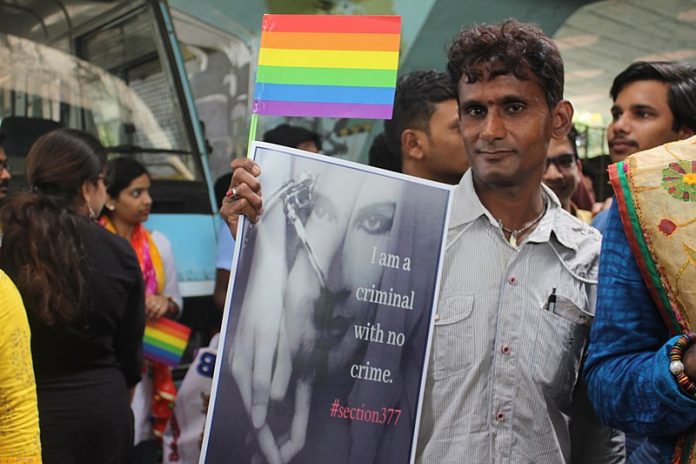






 Allow notifications





