Download Now
Home Blog Page 16

Performance criteria for listing: an overview

0

This article has been written by Vivek Srivastava pursuing a Training Program to Crack the Independent Directors’ Exam from Skill Arbitrage.

This article has been edited and published by Shashwat Kaushik.

The background

Companies, like humans, have a life cycle. They are born (through incorporation) and they die too (for reasons of insolvency, bankruptcy, etc.). In between, like humans, they traverse through distinct phases such as infancy (ideating, setting up, venturing into the business space); adolescence (rapid growth and expansion); maturity (well-established, stable customer base, consistent revenue, efficient operations); and finally reaching an end of life (may close, get  acquired, go bankrupt). Like humans, companies may transition through a midlife crisis when they face competition and technology obsolescence. There can be some transitory phases, like a midlife crisis, when the company may face stiff competition or obsolescence in its products, services or technology. 

As humans, while navigating through various phases, the company too needs to have resources to move on to the next phase. Resources required by the company include man, method, material, machines and most importantly, money. The promoters of the company, i.e., the persons who incorporated it, will have individual limits to get everything required by the company at all times and hence need to access external resources.

The common denominator for all resources is money.

Stocks and listing

Stocks denote the fractional ‘ownership’ of the company. And ownership, in the most preliminary sense, would mean a claim on the company’s earnings and assets. For a startup with just two founders, both the partners have 50% of the stocks, unless otherwise structured differently and own half the company each. But when they need more resources (money) to fuel future plans and growth, they need to dilute (sell) their ownership with others in exchange for money.  Owners of shares are called shareholders. And companies sell shares to shareholders to fulfil funding needs to grow their business. The share value here is the market value of the share.

There are regulated and monitored marketplaces (also called exchanges) where shares can be sold by the companies and bought by shareholders, collectively called ‘traded’. In India, we have 2 exchanges: the National Stock Exchange (NSE) and the Bombay Stock Exchange (BSE), where the shares are traded, i.e., bought and sold, after they are ‘listed’ or made available for the transactions on the exchange. Thus, listing means the formal admission of securities of a company to the trading platform of the exchange, i.e., the marketplace for shares. There are distinct reasons also why companies resort to listing, such as:

  • Access to Capital for Growth – being the most fundamental reason.  
  • Enhanced Visibility among buyers, which helps to expand its market and customer base
  • Enhanced credibility among the investor public due to compliance with regulatory norms, transparency through disclosures and reporting during operations.
  • Liquidity stimulated through buying and selling
  • Sharing of risks with multiple owners

Listing is not compulsory under the Companies Act 2013/1956. However, it becomes mandatory when a company wants to offer shares to the public through an IPO (Initial Public Offering). As mentioned earlier, the purpose of an IPO is to raise capital and access to liquidity by offering shares to the public. The process to bring about an IPO is outlined by the stock exchanges of India – the National Stock Exchange and the Bombay Stock Exchange.

The Securities and Exchange Board of India (SEBI) regulates the IPO process. SEBI has a critical role to secure the interest of the investors and reduce the chances of scams leading to defrauding the public. Expert advisors like underwriters, lawyers, auditors, and accountants are generally required to help the companies in the overall compliance and relevant documentation. 

Criteria for listing

There are certain pre-conditions/eligibility norms laid by SEBI, NSE & BSE if a company wants to get listed. These eligibility criteria, prima facie, establish that only those companies that conform to a specific level of fiscal stability, corporate governance, disclosures and transparency can be listed. While the framework for eligibility largely remains the same, there are different benchmarks for large organisations (Mainboard)  and SME (small/medium enterprises) going for listing. In addition, SEBI came up with the Innovators Growth Platform (IGP) in 2019 to support the startup ecosystem in India and provide an alternative to technology startups to list. 

The Mainboard & SME IPO process is briefly explained as follows:

Mainboard IPO for companies with paid-up capital exceeding Rs. 10 crore.
 SEBI requirements Profitability routeThe most fundamental requirement is that the tangible assets of the company, which could be in the form of real estate, machinery, inventory, finished goods, etc., must at least be Rs. 3 crore for each of the 3 earlier years of its operations.
Out of the above, there should not be more than 50% of the tangible assets in the form of cash or cash equivalent. This could mean cash in hand for bank deposits.
Another requirement is that the average PBT, i.e., operating profit (before tax), should be at least Rs 15 crore in any of the three years out of the last five years of operations.
In case the company has undergone a name change, at least 50% of the revenue generated in the previous year should be from the business carried out by the company under the new name.
  

The financial size of the issue must not exceed five times the pre-issue net worth.
QIB Route(alternate route genuine, capable and legitimate companies failing tomeet profitability parameters)Qualified Institutional Buyer Route
Under the QIB route, at least 75% of the net offering must be made to qualified institutional buyers. This is the minimum allotment requirement.
If the above minimum allotment requirement cannot be met, then the IPO subscription money must be refunded.  
 Listing requirements at NSEThe most initial requirement at NSE is that the market capitalisation of the company must be > Rs. 25 crore.
For the reasons of credibility, at least one promoter must have at least  3 years of relevant industry experience.
The companies which are going for an issue size of less than Rs 500 crore must have a Positive net worth  
After the issue is raised, the paid-up equity of the company must exceed Rs 10 crore.
 Listingrequirements atBSE The requirements pertaining to the equity and market capitalisation for listing at BSE are the same as applicable for NSE.  
As for NSE, the minimum paid-up capital must exceed Rs 10 crore after the issue.
Also, the size of the issue must exceed Rs 10 crore.
 Other/Misc.Other administrative and miscellaneous requirements are primarily to ensure that there is no illegitimate involvement from either the company or its promoters. The sum of such requirements are– 
There must neither be any pending proceeding nor a pending winding-up petition at NCLT against the issuer/company under the Insolvency and Bankruptcy Law (IBC 2016).
There must not be any pending disciplinary action at any statutory body or legal forum against the company founders, promoters, directors, or selling shareholders.
 The promoters/directors/founders/investors/issuing company must not be barred from accessing the capital markets as of the date of application.  
The promoters/managers/founders/investors must not be affiliated with another company that is excluded from access to capital markets.
The promoters, directors, founders, or investors should not be defaulters of any bank or government organisation for timely discharge of its obligations.
The promoters/directors/founders/investors must not be pronounced as fugitive offenders as defined in the Fugitive Economic Offenders Act 2018.
The promoters should individually or collectively own at least 20% of the equity after the IPO.            
In addition to the above, there are requirements for proper documentation and disclosures, including some self-certifications.
SME IPO  The paid-up capital of the company issuing the SME IPO must be limited to Rs 25 crore after the post-issue.  Unlike Mainboard IPOs, SMEs can get listed on only one of the platforms: NSE or BSE.
 SEBI requirementsThe requirement from SEBI is that there should at least be 50 prospective allottees for the IPO.  
Mandatory market making for at least 3 years from the date of listing. To be available for trading.
The issue must be 100% underwritten.
The merchant bankers must underwrite 15% on their own account.
The minimum application and trading lot size must not be less than Rs. 1,00,000.
 Listing requirements at NSE The first and foremost requirement at NSE is that it’s only Indian companies who can participate in the IPO, which means that the company must be incorporated under the Indian Companies Act 1956/2013.
 
The companies must have been under continuous operations for at least 3 years preceding the IPO.
The promoters should individually or jointly hold at least 20% of the share capital after the issue.
At least one of the promoters of the company must have relevant industry experience prior to the IPO.
The operating profit and net worth of the company must be positive for at least 2 out of 3 fiscal years.
 Listing requirements at BSE The companies that are appraised and funded by NABARD, SIDBI, banks (other than cooperative banks), and financial institutions can have a relaxation on the 3-year prior existence requirement.
The company must have a positive Operating profit (i.e. Earnings before Interest, depreciation and tax) for at least2 out of 3 last financial years, including the recent year
The debt/equity ratio of the company should not be more than 3:1, i.e., the company must not be excessively leveraged or under debt.
 Other / misc.Other administrative and miscellaneous requirements are primarily to ensure that there is no illegitimate involvement from either the company or its promoters. 
Largely the same as for Mainboard IPO, primarily ensuring no material regulatory or disciplinary action has been taken against the applicant company or its directors/founders/promoters by any stock exchange or regulatory agency in the last three years.
In addition to the above, there are requirements for proper documentation and disclosures, including some self-certifications.

Conclusion

In summary, listing on an stock exchange is an important milestone in the journey of an organisation. Regulatory authorities like SEBI and trading platforms like NSE and BSE have laid down some minimum criteria in the areas of financials, transparency, governance, etc. that qualify the companies wanting to go for listing.

Another stakeholder likely to be discussed in future assignments are the ‘Investment Bankers’. They act as an intermediary between the company and the stock exchange and carry out the listing process on behalf of the organisation. They provide valuable guidance and advice to the organisation while ensuring compliance and documentation support for the organisation.


Download Now

AI for startups: an insight into leveraging technology for growth

0
AI

This article has been written by Arshi pursuing a Training program on Using AI for Business Growth from Skill Arbitrage.

This article has been edited and published by Shashwat Kaushik.

Introduction

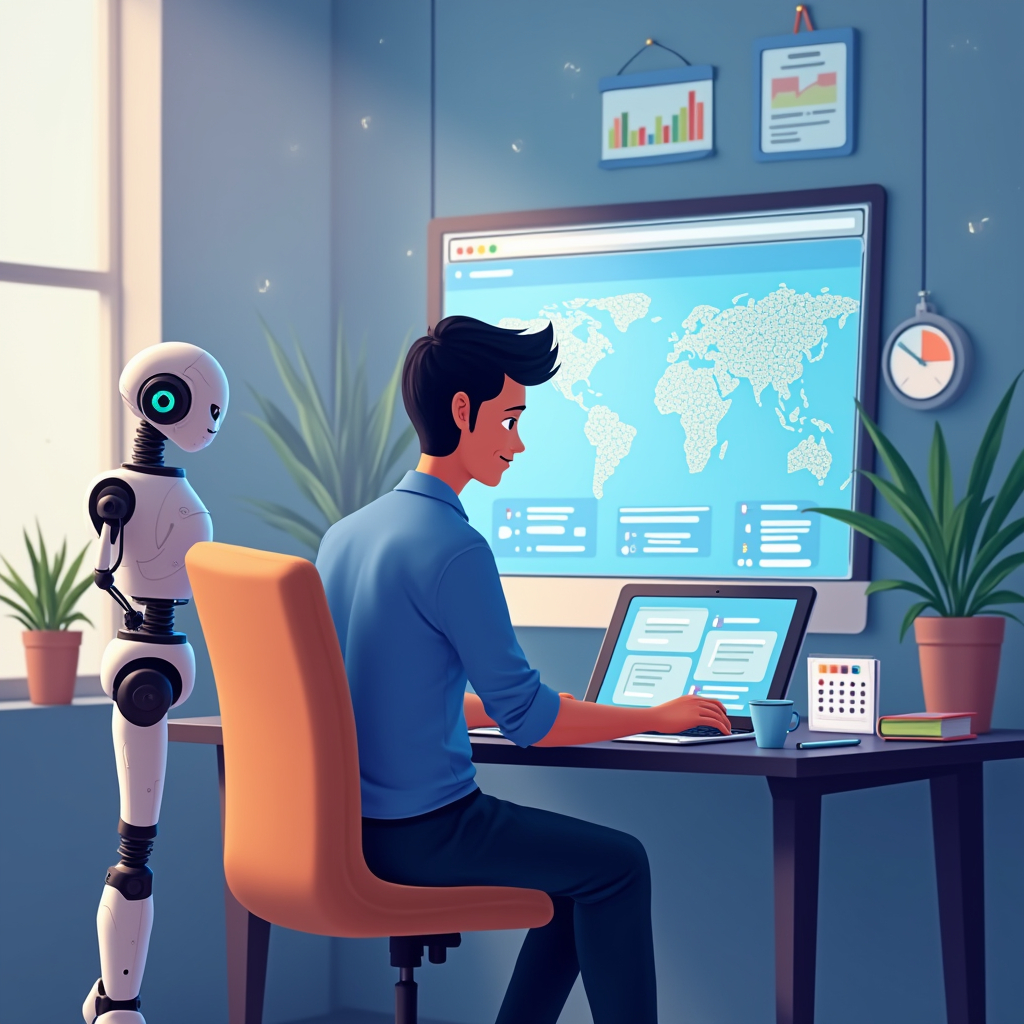
In the rapid and competitive business world, AI (artificial intelligence) stands out as a prominent tool for startups. The word ‘startup” in the business world itself denotes that setting up a new venture is an initial stage of business and it worked with limited resources and a small team. AI helps in varying ways to expand the business by providing new innovations and by increasing the work efficiency, which ultimately leads to better performance of the service or product and enhances customer satisfaction. For startup founders or new ventures, leveraging AI in strategising to optimise the resources promotes efficiency, innovation and growth.

AI in startups

Artificial intelligence (AI) varies from different technologies that can help in startups in many ways to reduce the cost, decrease the workload on humans and increase the efficiency of services or products:

Automate task 

Startups have minimal resources to start with so implementing AI can reduce the workload and make the tasks efficient by making a few tasks self-operated. For example, AI can automate data entry, customer support, scheduling any tasks or management of inventories.

Customer experience

AI helps the business to enhance the customer experience or customer satisfaction by evaluating their pattern and preferences and can offer products or services based on their online footsteps or by providing prompt customer support at any moment This eventually helps to enhance customer experience and engagement and improve their satisfaction by swiftly resolving the issues.

Data-driven strategies

Startups need to scrape vast amounts of data like customer preferences, sales analytics and much more, so AI can help in analysing these datasets quickly, which humans might miss and uncover the insights and trends. This helps ventures to upgrade their decisions, better strategies and outcomes by researching the market and doing competitive analysis.

Product development

AI helps by evaluating the user’s experience and interaction with products and identifying the loopholes to improve the product or services which meet the needs of customers. 

Marketing approach

AI helps the businesses boost their sales and reduce the cost by targeting the right audience by analysing the customer preferences, patterns and preferences to carry forward the right marketing approach. AI helps in the effectiveness of efforts by producing better ways of marketing campaigns or advertisements to target the customers.

Integrating AI in startups

To leverage AI successfully and get the most out of it, startups need to implement AI strategically.

Data collection

Data plays an important role in AI for startups; there is a requirement for investment in data collection and storage and establishing policies, protocols and measures for the safety of data and its integrity.

Focus on talent

In startups, creating the right team is the key to the successful implementation of AI. It involves the hiring of AI experts, machine learning engineers and so on and so forth for the accomplishment of effective AI strategies.

Start small and scale

Startups should implement AI in a specific area and then, with time and positive outcomes, it expands exponentially throughout the company. It gives them the time to test the technology and assess its effectiveness.

Identify high-leverage areas

To start the implementation of AI, identify the area which is significantly impactful. This may be the areas which involve data analysis, customer interactions or repetitive tasks, so AI helps in automating the task, enhancing customer engagement or improving the data analysis procedure. 

Leverage existing AI tools and AI experts

For startups to begin with AI, building from scratch needs time and money. Initially partnering with existing AI tools helps them to explore the latest technology, sources and knowledge. It helps them to implement the technology in an effective manner.

Monitor and improve

Startups need to closely monitor how their AI systems are working to ensure they’re meeting their goals. This involves setting up important measures and frequently reviewing the AI’s outcomes to discover areas for enhancement. Always keep an eye on your AI tools and gather user feedback.

Manage ethical and legal issues

Startups must have some measures to handle ethical and legal issues involving AI. It involves developing guidelines and policies to protect data, its integrity and transparency. Additionally, they keep their eyes on relevant laws and make sure to follow them.

Challenges on implementing AI in startups

Data

Data quality and quantity are most important for the effective function of AI. In the beginning, startups struggle to obtain useful information and AI systems require a large amount of information to improve. Small ventures must learn how to gather and manage information effectively to achieve the best outcomes from AI.

Financial barrier

For startups with limited or minimum budgets, developing artificial intelligence can be expensive. For instance, making AI systems, purchasing necessary software, and hiring skilled workers can cost a lot. However, the benefits of AI over time may be worth the initial expenses, making it a good investment for many small companies. Creating and using AI tools can take a lot of work and money, so small companies need to manage their money and resources well to avoid using too much. 

Resource constraints

To implement AI, hiring experts can be expensive, and it is not always possible to collaborate. It requires special skills and most of the startups may not have the in-house experts to develop and use AI. To combat this, small companies might need to invest in training or partner with firms that focus on AI. It can be difficult for startups to attract skilled sources so by offering good salaries, opportunities for career growth, and a positive work environment can help solve this challenge.

Regulatory issues

AI presents challenges such as data privacy and the risk of people losing their jobs. It’s crucial for startups to understand these issues and try to solve them. They must ensure to implement and adopt the regulations that lead to transparent and responsible use of AI. 

Streamlined AI with existing system

Adding AI to the existing system can be challenging. Startups need to be prepared for the obstacles, as this can be time-consuming and cause problems. To effectively merge AI with their current system, they must be ready for the potential issues.

Future of AI in startups

The prospects for AI in new businesses are positive. As AI technology improves, it will get simpler and less expensive for new businesses to use. This will open up new opportunities for creativity and growth in various fields.

Ethical AI

As artificial intelligence is becoming more common in today’s world, it is important to make sure that it is being used ethically. Startups have to guarantee that their AI systems are fair, transparent and accountable, and this can happen by creating guidelines, checking the system regularly and also talking with experts. Startups must use transparent AI models to maintain transparency and honest AI methods to gain the trust of both employees and the consumers, which in turn will also help in the growth of the company.

Innovative products and services

With the time AI technology improves, more new ventures will offer AI-based products or services. It benefits startups across various industries like finance, healthcare, retail and more. For example, a small company for the hiring process with AI-driven tools can quickly scan and analyse resumes to select the perfect candidate for a specific role, or a company in finance could create platforms for investing that use AI. As advancement in machine learning or automation leads the way for innovation, these special tools that focus on specific markets provide better privacy, transparency and speed.

Latest trends in AI

Artificial intelligence has become a major part of a number of industries in the last 10 years. A substantial increase in the use of AI and machine learning tools, applications and platforms has also occurred because these technologies help in automating tasks in fields such as healthcare, law, manufacturing, law, finance, retail, real estate, accounting and digital marketing.

Companies have now started to invest more in AI R&D to make it easily available for everyone. The predicted income of AI software is expected to exceed $310 billion, which  shows that AI will continue to grow in the future.

Conclusion

In the coming years, AI can be a major advantage for startups. It does take over the routine tasks, provides useful information or data, and creates personalised experiences which help ventures stay ahead of their competitors.

Download Now

Building a personal brand through corporate governance leadership

0
Corporate Law

This article has been written by Swetaleena Panda pursuing a Personal Branding Program for Corporate Leaders from Skill Arbitrage.

This article has been edited and published by Shashwat Kaushik.

Introduction

The world of business is always changing and evolving. In today’s world, it’s not enough for the executives to simply stand out; they also need to find a way to successfully lead their organisation in this fast-paced world. Building an impactful brand that adheres to all the principles of corporate governance has become a strategic imperative. Strong governance leadership not only drives the growth of corporate performance but also showcases the adherence of the executives and leaders to integrity and excellence and makes their brand of themselves evident. 

Before going to explore how corporate governance leadership can be integrated within personal brands and create magic in the corporate world, let’s understand what corporate governance leadership is and what personal branding

Personal branding

‘Out of sight is out of mind.’

It is common in human psychology that people tend to forget when things are not visible or no longer present in their periphery. Well, personal brand is here for not to let that happen with one’s identity. Technically, personal branding can be defined as a process that one follows to define whatever he or she stands for as an individual by promoting and representing the same in various ways. However, one of the explanations mentioned by Harrison Monarth in one of the Harvard Business Review articles, ‘What’s the Point of a Personal Brand feels more connected, i.e., he defines personal branding as an approach to intentionally crafting one’s actions and behaviour to influence people to view you or create a reputation of you as you want them to see you as. Here reputation is not just building the image to be presented but also taking accountability and carrying credibility to present your values that you claim.

Corporate governance and corporate governance leadership

The discussion doesn’t end with only personal branding. Another factor that contributes to the growth of business significantly is the corporate governance practices that a company adopts. The modern-era competitive corporate world primarily demands accountability and transparency from boards and executives. So strong corporate governance is no longer a nice-to-have factor, rather it is a must-have factor for long-term business success. Good corporate governance practices ensure improved financial performance and better risk management, stronger investor confidence, greater transparency, and regulatory compliance, which lead to higher market valuation in later stages. 

According to the definition given by Investopedia, corporate governance is the set of practices, principles, and rules by which a company is managed. First and foremost, the board of directors is the foundation of corporate governance for any given company. They intend to ensure transparency, fairness, a sense of responsibility, accountability, and risk management in the organisation through corporate governance. In another way, governance comprises rules, resolutions, policies, etc. to manage corporate behaviour. 

To build and maintain a sustainable business, leaders must have the right code of ethics in place. Hence, leaders need to adopt a corporate governance leadership style to drive appropriate strategic moves, oversee management and ensure alignment of corporate practices concerning regulation and compliance along with shareholder’s and stakeholder’s expectations. As emphasised in one of the articles published by McKinsey, Satya Nadella’s tenure as CEO of Microsoft is a classic example of corporate governance leadership. He has believed and acted on establishing the right culture, which enables new concepts and new ideas to blossom.

Importance of personal branding for executives and leaders

Having a strong personal brand is very important these days. It boosts the reputation of the company and also brings people’s trust in the company more. If you’re looking for opportunities, building a personal brand can help you a lot in getting noticed and getting clients. It helps to stand out in a competitive job market to come in focus to potential employers. Hence, it acts as a key driver in successful career growth. As per a study conducted by CareerBuilder during the hiring process, 70% of companies use social media to assess prospects. A LinkedIn survey has demonstrated that by being approached by recruiters and getting job offers, chances increase by approximately 40% for individuals who have built well-defined personal brands. It facilitates networking and mentorship opportunities by presenting the authority and expertise of professionals in their respective fields. 

According to an article published in Forbes, more often executives with sturdy personal brands are treated as leaders in the industry as they get perceived as reliable and authentic. This perception influences high-profile opportunities such as various industry engagements, board positions, etc. According to a survey by Edelman, around 67% like their CEO, depending on that leader’s personal view on different social issues. A brandfog survey explains how around 75% of C-Suite executive leaders and professionals believe that having a personal brand built by the right engagement over social media enables them to present their organisation as more trustworthy and reliable. The Weber-Shandwick survey says for up to 44% of the market value of any company, credit can be given to the social reputation of its CEO. 49% of various executive professionals admit that a strong brand of CEO not only just attracts the right investors and customers but also the right talents. 

In another survey, it has also come up that up to 44% of the market value of any company is attributable to its CEO’s social reputation. The numbers are loud enough to prove the fact that personal branding for executives, leaders, or any other high-profile roles is very crucial. 

Hence professionals who aim to transition to high-profile careers in executive roles or leadership roles such as CEO, board member, CFO, etc. must consider creating their brand representing corporate governance principles as the centre of their value system. As aspiring leaders and executives, their code of ethics towards strong decision-making should reflect in their brand to attract and foster trust among investors and stakeholders. By creating corporate governance-centred personal brands, professionals can raise their bar for integrity.

Now time for ‘how’

By now, you must have understood the importance of personal branding and corporate governance leadership for high-profile roles. Hence, now it is time to deep dive into how to build a personal brand through corporate governance leadership.

A professional can build a personal brand the value centred around corporate governance by

  • Following a well-planned strategy to share your thoughts and insights on different platforms is always an effective way to present your thought leadership side of yourself.
  • Many professionals who have already positioned themselves as thought leaders do suggest contributing to articles and journals in various industry publications, delivering talk shows, and participating in discussions that take place in various online forums. 
  • Being deadbeat is completely a red flag for any executive or leader in building their brand. Becoming a board member just for the sake of becoming neither adds value to the organisation nor to the individual itself. Rather, it hurts one’s reputation. Hence, active participation in committee work, board activities, and industry associations automatically adds to your brand reputation. 
  • In building a brand, the power of knowledge can not be ignored. Collaboration and networking with other professionals in similar fields is one of the most effective ways to acquire knowledge and stay up-to-date concerning emerging trends.
  • Continuously building expertise in your field is important to maintain your brand reputation. 
  • As mentioned earlier as well as out of sight out of mind, showcasing expertise on various professional platforms like LinkedIn and online and offline forums helps to position oneself as a go-to person on governance issues. 
  • Various online/offline workshops, conferences, certification programs, etc. are the best opportunities to stay advanced in domain knowledge and learning best practices.
  • Regular assessment of one’s own profile helps to continue improving oneself and also improves the credibility of the brand.

How do you carry what you have created

One’s brand should be a reflection of who he or she is. It is not just about creating the brand image; rather, it is to live it in all possible ways and demonstrate the value in real life as well. Hence, being authentic and genuine in your words and actions creates a stronger brand. One represents the brand that one has created of its own by:

  • Presenting oneself professionally.
  • Using communication and actions that reflect your core values, which also align with your brand values.
  • Demonstrating good governance in your decisions and actions rather than just preaching over it. 
  • Keeping ethical standards and the right leadership practices raised.
  • Managing a crisis effectively instead of allowing it to break your brand reputation.
  • Demonstrating calm and decisive leadership.
  • Practising authentic, clear, transparent, and empathetic communication, especially in crisis times.
  • Staying open to learning and adapting and displaying commitment toward continuous improvement.
  • Staying assertive to learn from mistakes.
  • Advocating for positive change through your brand.
  • Promoting best practices that can be or should be adopted in corporate governance.
  • Inspiring others to adopt the best of governance through your words and actions in different forums.
  • Being a frontier for diversity and inclusion on boards.
  • Being open to learning a wider range of perspectives and considering all possible aspects to have effective and efficient decision-making. 
  • Recognising the importance of a well-formed governance approach as a leader.

Overcoming challenges in personal branding for corporate leaders

Personal branding for corporate leaders is crucial in shaping their reputation and building trust with stakeholders. However, it often comes with its own unique set of challenges. Here’s an elaboration on these challenges and strategies to overcome them:

Balancing authenticity and professionalism:

  • Authenticity is essential, but leaders must maintain a professional image.
  • Strategy: Create a personal brand that aligns with the company’s values while showcasing your personality and expertise.

Time constraints

  • Corporate leaders often have limited time for personal branding activities.
  • Strategy: Prioritise activities that have the greatest impact and delegate tasks when possible.

Managing negative feedback

  • Criticism and negative feedback are part of personal branding.
  • Strategy: Respond gracefully, learn from criticism, and don’t take it personally.

Avoiding overexposure

  • Too much self-promotion can damage your reputation.
  • Strategy: Maintain a balance between visibility and discretion, focusing on quality over quantity.

Adapting to changing landscapes

  • Personal branding requires adapting to evolving technologies and social media platforms.
  • Strategy: Stay informed about the latest trends, embrace new opportunities, and be open to learning.

Measuring success

  • It can be difficult to quantify the success of personal branding efforts.
  • Strategy: Define clear goals, track engagement metrics, and seek feedback from clients and stakeholders.

Maintaining consistency

  • Consistency is key to building a strong personal brand.
  • Strategy: Develop a content calendar, create a style guide, and establish a routine for creating and publishing content.

Dealing with misrepresentation or misinterpretation

  • Others may misinterpret or misrepresent your personal brand.
  • Strategy: Clarify your message, communicate your intentions clearly, and address misunderstandings promptly.

Balancing personal and professional life

  • Personal branding can blur the lines between personal and professional lives.
  • Strategy: Set boundaries, allocate specific times for personal branding activities, and maintain a healthy work-life balance.

By addressing these challenges and adopting effective strategies, corporate leaders can build strong personal brands that enhance their reputation, influence, and leadership effectiveness.

Conclusion

A personal brand may be created one time but it keeps evolving as an individual grows through new learning and experience. A personal brand is not just based on recognition; rather, it has a strong positive impact, which can influence and lead to creating a more sustainable and ethical system. A true leader stays open to adopting various strategies to leverage your corporate governance role to keep the brand reputation intact and aligned with the right code of ethics and responsible business practices.  

Download Now

­­Integrated risk assessment (IRA): identifying and mitigating business risks

0

This article has been written by Girija Menon pursuing a Training program on Using AI for Business Growth from Skill Arbitrage.

This article has been edited and published by Shashwat Kaushik.

Introduction

Business is an area, whatever the sector it may be, that comes with its big share of risks. The higher the risk, the better the returns. Strategies and calculations may go wrong for plenty of reasons. Some could be internal, and some external. Good business sense means holding on when the conditions do not favour it, capitalising when the situation is in favour, and hitting a balance when it’s a smooth path. Managing business according to the environment is in itself a big strategy that needs experience, knowledge, research, and capabilities.

Risks in business vary from business to business. Some could be seasonal, some periodic, and some depend on the environment (political and social) in the country. Risks are an integral part of any business and understanding and solving them is what eventually makes good business sense. A holistic approach to identifying, analysing, and managing risks across different layers in a professional manner is what is needed. Risks can be interconnected across various aspects of a business and can have cumulative effects on an organisation.

The primary purpose of the IRA is to enable better solutions, devise strategies, and enable better decision-making. Integrating various types of risks, such as financial, operational, environmental, and strategic, IRA helps prioritise them to take action as per their intensity on the business.

Understanding integrated risk assessment 

IRA or Integrated Risk assessment can be defined as a comprehensive approach to evaluating and managing risks, taking into consideration various factors and perspectives across multiple platforms.  It involves the assessment of data and information collected from different disciplines like environment, science, toxicology, economics, epidemiology and social circumstances / situations.  Assessing risks that emerge from these factors, which may pose a hazard to human health and wellbeing. 

Identifying types of risks is the first step in IRA. The types of risks normally faced by businesses are :

Financial risk

Financial risks in business are threats or situations that lead to loss and less profitability, and with financial risks, there is even a good chance of a business failure.  It’s very important to see a financial situation going from bad to worse, plan for the same, and manage the risk, which in a way, is indeed the most important because financial management and business run parallel, and if one falls off track, it’s not long before the business itself collapses.

Financial risks have various subcategories.  These risks can arise from various sources and affect businesses in different ways. Understanding these risks is crucial for effective financial planning and risk management. Here are the main types of financial risks in business:

  • Credit Risk: When a client or customer is unable to fulfil their financial obligation for work or services that they have utilised from the company.
  • Market Risk: Price fluctuation, interest rate changes, FX rules/rate changes, and changes in stock prices are a few that affect the business.
  • Liquidity Risk: Financial obligation that the business cannot meet and when they are not able to raise funds or convert assets into funds at short notice.
  • Compliance Risk: When the business is unable to meet rules and regulations and comply with them, the risk of being blacklisted or fined by the government is huge

Operational risk

These risks arise from internal operations like equipment failure, human errors, and technically related failures. There are also a few external events that can be categorized as operational risks. Both these risks (internal and external) can disrupt smooth business operations, which in turn impacts the business financially.

Strategic risk

Decisions on the strategic page like market competition, customer preferences, technological, and bad strategic planning.  Loss is a definite outcome of ineffective business strategies.  Bad planning and lack of execution too can be classified as strategic risk.   Strategic risks have a big impact on the business’s long-term goals, market standing, and sustainability.

Compliance risk

Regulations can originate from various sources, including local governments, international bodies, and industry-specific organisations. These regulations cover a wide range of areas, such as data protection and privacy (e.g., GDPR, HIPAA), labour and employment laws, environmental standards, financial reporting and accounting practices, and industry-specific requirements.

Consequences of non-compliance

The consequences of failing to comply with these regulations can be severe and may impact various parts of an organisation:

  • Financial repercussions: Organisations found in breach of regulations can face substantial financial penalties, which can vary depending on the seriousness of the violation and the applicable laws. In addition to fines, organisations may incur legal fees, litigation costs, and potential settlements, all of which can be loss of financial resources and impact profitability.
  • Reputational damage: Non-compliance can severely damage an organisation’s reputation and end stakeholder trust. Negative publicity, media scrutiny, and social media backlash can lead to a loss of customer confidence, strained relationships with business partners, and difficulties attracting and retaining talent. A damaged reputation can take years to rebuild and can have long-lasting effects on the brand’s value and market position.
  • Operational disruptions: Regulatory violations may require operational changes, such as modifying processes, implementing new controls, or even temporarily suspending operations. These disruptions can lead to delays in service delivery, supply chain bottlenecks, lost business opportunities, and decreased productivity.
  • Legal liabilities: In some cases, non-compliance can expose company directors, officers, and other employees to personal legal liability. This can include fines, potential imprisonment, and disqualification from holding certain positions. Legal action can also result in costly and time-consuming litigation, diverting valuable resources away from core business activities.
  • Strategic implications: Regulatory risks can derail strategic initiatives, such as market expansion plans, mergers and acquisitions, and product launches. Non-compliance can also hinder innovation efforts, as organisations may need to allocate significant resources to address regulatory issues instead of investing in research and development.

Overall business impact

The negative effects of regulatory and compliance risk extend far beyond immediate financial losses. They can permeate every facet of an organisation, affecting its operational efficiency, financial stability, strategic direction, and long-term sustainability. A proactive and comprehensive approach to compliance is essential for mitigating these risks and safeguarding the organisation’s future. This includes:

  • Implementing a robust compliance framework: Organisations need to establish a strong compliance framework that includes clear policies, procedures, and controls. This framework should be regularly reviewed and updated to ensure it remains aligned with evolving regulatory requirements.
  • Conducting regular risk assessments: Organisations should proactively identify and assess regulatory risks, taking into account the specific industry, geographic location, and business activities. This allows for targeted risk mitigation strategies and resource allocation.
  • Providing compliance training and awareness: Employees at all levels should receive regular training on relevant regulations and compliance procedures. This helps to foster a culture of compliance and ensures that employees understand their responsibilities.
  • Monitoring and auditing compliance: Organisations should implement monitoring and auditing mechanisms to track compliance performance, identify potential issues, and take corrective action as needed.
  • Engaging with regulators and industry bodies: Maintaining open communication and collaboration with regulators and industry bodies can help organisations stay informed about regulatory changes, address potential concerns, and demonstrate a commitment to compliance.

By taking a proactive and comprehensive approach to regulatory compliance, organisations can effectively manage risks, protect their reputation, and ensure long-term success in an increasingly complex regulatory environment.

Reputational risk

When the reputation is dented by way of negative publicity, poor product reviews, scandals, and nowadays social media backlash.  Damage has deep consequences.  The trust factor, the success of the company, and the market value of the company are hit badly.  Reputational risks are most often interconnected with other types of risks like operational, strategic, and compliance–eventually all of them leading to financial loss and loss of customers and investor confidence.

Market risk

Risks from the external market environment, economic downslides, consumer behaviour gone south, competition pressure, and shift in market demands. A financial loss always happens when market conditions do not favour.  A rippling effect on investments, assets, and operations on the negative side will take place.  Market risks are influenced by factors like natural disasters, economic downslides, political unrest, and even situations like a pandemic that hit the world in 2020–21.

Environmental risk

When a risk relates to the environment, such as natural disasters, climate change impacts, resource scarcity, and laws about the environment, they can significantly impact the supply chain of the business.

Technological risk

Technical or technological risks like cybersecurity, outdated technology, system failures, and data breaches.  There exists a range of potential issues with technology and the reliance of business on technology.  It impacts the business operations, financial stability, and reputation of the industry.

Human resource risk

Human factors like talent shortages, employee attrition, labour disputes, and safety issues relating to the workplace or employees. Risks that arise in business from managing and dealing with employees. Human beings can be complicated, and managing them and the risks that come with their contribution to the business is an important factor that needs a lot of attention and balance.

Political risk

Government policies, unrest on the political front, trade law, and restrictions. This kind of risk affects the company and leads to a downslide. Since every kind of risk is interwoven, one kind of risk also negatively impacts other areas of the business.

Project risk

Delays in meeting deadlines and project objectives. There are risks in a project that could negatively impact the completion of a project.  Some of the risks are timelines, budgets, project outcomes, and quality. Managing project risk is crucial if the business has to meet its goals and objectives.

Health and safety risk

Health risks like accidents, pandemics (like the COVID-19 pandemic, which the world has seen in 2020/21), and non-compliance with health and safety regulations can cause a great deal of damage to the workforce, customers, and visitors.  Like all other risks, a health risk too can be the reason for other sections of the business to be rattled in more ways than one.

Global risk

Risks from international markets and operations, tensions across borders that shake trade issues, cultural differences, and FX volatility reasons. Managing global risks is crucial if the company has to survive in the overseas market. If there is a problem in the overseas area, it definitely will also impact domestic business. Long-term damage can be caused if this risk is not managed in time and efficiently.

Supply chain risk

A chain that disrupts businesses like supplier failures, transportation disruptions, inventory shortages, and quality issues. It affects the flow of goods and services to the customer.  This risk has no specific reason and can have many reasons, viz. economic, environmental, geopolitical, technological, and operational factors. Management of this is crucial for the smooth flow of the business from end to end.

Innovation risk

In today’s rapidly changing business landscape, innovation is essential for survival and growth. Companies must constantly introduce new products, services, and technologies to stay ahead of the competition and meet rising customer demands. However, innovation also comes with risks.

Failing to innovate can be just as dangerous as innovating itself. If a company doesn’t keep up with the latest trends and technologies, it risks becoming outdated. Competitors who are quicker to adopt new ideas and processes will gain an advantage. This can result in lost market share, decreased revenue, and business failure.

While innovation is necessary, it’s not without downsides. Implementing new ideas, technologies, and processes can be costly and time-consuming. There’s also a risk that these innovations won’t be successful, either due to technical issues, market rejection, or unforeseen consequences. This can lead to financial losses, reputational damage, and a loss of confidence among stakeholders.

Companies need to be bold and willing to take risks, but they also need to be cautious and strategic. This means carefully evaluating innovations, considering both the rewards and the risks involved.

Key considerations for managing innovation risk

  • Market research: Thoroughly research the market to understand customer needs and preferences, as well as the competitive landscape.
  • Feasibility studies: Conduct feasibility studies to assess the technical and financial viability of new ideas.
  • Pilot projects: Test new ideas on a small scale before full implementation.
  • Risk mitigation strategies: Develop strategies to mitigate potential risks, such as diversifying innovation efforts, securing intellectual property, and building a culture of innovation.

By taking a proactive and strategic approach to innovation risk, companies can maximise their chances of success and minimise the potential downsides. Innovation is essential for long-term growth and competitiveness, but it’s important to remember that it’s not without its challenges.

Mitigating strategies to reduce business risks

An integrated approach to managing risks requires a holistic approach and working on them in isolation never works. Mitigating risks requires management and strategies to be in place.

Mitigating identifiable risks by way of a comprehensive management plan tailored to the needs, goals, and kind of business is most important. Constant monitoring and review of strategies, keeping a watch on their effectiveness

  • Monitoring: Continuous and stringent risk monitoring and review will ensure mitigation strategies are implemented on time.  It’s an ongoing process that requires assessment and adjustment at regular intervals.
  • Technology and tools: Today tools and technology with specialised software aid in risk assessment, facilitate data analysis, automate processes, and provide in-depth and real-time insights into potential risks.
  • Case studies: Examples from case studies that have implemented risk assessment strategies and improved on them are a great way to learn, make changes, and fine-tune the in-house processes.

Some of the examples that can be cited are as follows:

Case study: The European Union’s REACH (Registration, Evaluation, Authorization and Restriction of Chemicals) regulation requires companies to assess and manage the risks posed by chemicals they manufacture or import.

Improvement: This regulation has greatly improved the reduction of risks caused by chemical substances. Better protection of human health and the environment has been observed. 

Case study: During the COVID-19 pandemic, various countries conducted risk assessments to restrict the spread of the virus and keep the public health departments informed. 

Improvement: These assessments helped implement cautions like lockdowns, masks, mandates and vaccination schedules which led to reduced transmission. Today, COVID-19 is not something to fear as it was during the pandemic. 

Case study: Banks and financial institutions conduct risk assessments to evaluate credit risk, market risk, operational risk, etc.

Improvement: This helps institutions mitigate risks, therefore ensuring stability, resilience and the ability to hold ground even during economic downturns.

Conclusion:  Risks are part and parcel of life and even more in business. Some are foreseen, some strike with no warnings. Being prepared at all times is when good strategies, tools, education, upgrading, and updating work for the benefit of the business.

When implemented properly and effectively, integrated risk assessment indeed is a powerful tool for managing risks across multiple sectors and disciplines. It helps the business to systematically approach, understand, evaluate and reduce risks. The ripple effect is safer environments, healthier communities and stronger societies.

References

Download Now

Why is corporate compliance important for businesses: an analysis

0

This article has been written by Biatris Kharkongor pursuing a Training program on Zero to Success: For Aspiring Content Writers from Skill Arbitrage.

This article has been edited and published by Shashwat Kaushik.

Introduction

In today’s dynamic business world, operating modes have changed drastically from the traditional offline version to dynamic online digital platforms. Multiple business developments exist ranging from large to medium start-ups and laws, regulations, policies, standards, and ethical behaviour.  Knowing and implementing in your organisation and business is challenging. 

The competition is huge and every business strives for perfection to stand out. Hence, the need to be up-to-date and consistent is the need of the hour for every business to survive and thrive well in this digital world of business. And how to achieve that?

Corporate compliance means adhering to a set of rules or laws. It is the systematic approach that every business or company needs to adapt itself to relevant rules, regulations, standard policies, and ethical behaviours.  

Corporate compliance requires that every company or business must comply with these rules, laws and regulations at various levels: be it international, state, regional, or even local. 

Failing to meet them will result in fines and penalties for violations of rules, hamper business growth and development, and cause employees dissatisfaction and a lack of trust in the customers and shareholders.  Worse than that, it might heavily bring a downfall in your business as more capital is required to bear fines, etc.

In this article, we will go deeper to understand what corporate compliance is and why corporate compliance is important in today’s businesses. 

What is corporate compliance in business

The word compliance in its definition is ‘the action of complying with  command’. In corporate business, compliance, in  a nutshell, refers to the way businesses, companies, firms, and organisations adhere to the rules, regulations, standard policies, and ethical practices governing their operations. 

Incorporating compliance ensures safety and consistency in business, as laws and regulations are fully employed and frequently monitored in all spheres. 

Corporate compliance starts with creating a compliance framework. This is followed by implementing and monitoring various policies, programs, and procedures like training employers, regular audits, risk testing, and ongoing checks to ensure the operations are legally and ethically compliant. 

Compliance is for all big and small businesses. It can ensure smooth business functioning and growth. It can actively help identify and mitigate potential risks that result in fines and lawsuits.

Businesses, companies, and organisations must comply with the rules and regulations set by various authorities at local, state, and international platforms. Thus, proper knowledge, understanding, and practices of the applicable laws and regulations are required for the smooth functioning of businesses. 

Compliance is an ongoing process. Staying informed and updated with the daily changes in advance helps greatly. Thus, corporate compliance is vital for every business.

State the importance of corporate compliance

The topmost priority of incorporating corporate compliance in any industry of any size is relatively simple, i.e., to identify and avoid risks in operating a business. If the industry fails to comply with the laws and regulations, it might lead to heavy fines and penalties and hamper growth in many aspects.

Here is the importance of corporate compliance for your industry.

To avoid legal penalties and fines

For any business or company to be protected from violations and run smoothly, one must ensure the business operates according to the laws and regulations at all costs. This will reduce legal risks like penalties and fines and boost the growth and reputation of the industry.

Failure to adhere to legal laws will harm the company’s reputation and credibility and the cost incurred on court hearings and appearances affects the industry.

Protect business image and reputation

Trust and loyalty must be cultivated to strengthen your business reputation when dealing with clients in every aspect of your operation. Clients invest in businesses and organisations that are compliant with them. Thus, maintaining a trustworthy relationship between them is everything in business.

Promotes retention of employees

The initiatives taken by any industry to create rules, regulations, policies, procedures, and ethical practices to operate and frequently monitor will guarantee employee satisfaction. 

You can conduct compliance training programs so that every employee will know how to behave and act in the industry. It creates a deeper relationship between the industry and its employees.

As a result of this, the employees have a sense of safety that there rights are being protected and the old employees are well aware of the compliances as well. With good onboarding training, employees are able to handle sensitive information properly and protect data breaches.

Finally, the employees will continue working with the same organisation with dedication because of the good working environment. They will also inform the administration about any misconduct or violations that may occur in the company, which in turn will contribute to the smooth working of the organisation.

What are the different types of compliance

Different types of corporate compliance are implemented in sectors that the organisation adheres to follow. These compliances are imposed by the government bodies like rules and regulatory standards and the policies, ethical practices are created within the organisation. 

The different types of compliance are as follows:

External compliance

External compliance refers to adherence to the rules, laws, and regulation standards set by the government body for the organisation. The organisation must follow these rules to operate the business in a compliant environment, protect employee rights, and help to build trust in clients, stakeholders, etc. 

Certain acts, laws, and standard rules exist under external compliance. Some of these are: 

  • Registration of the organisation and operations
  • Tax filing
  • Annual reporting and 
  • Labor laws

External compliance is further divided into two subtypes: 

Statutory compliances:

The state and the central government established these statutory compliances to ensure the welfare and protection of the employer-employee relationship. In India, organisations must adhere to the list of statutory rules. These rules are meant to be applied to all organisations; however, some are exempted depending on the size, nature, and operation. 

Regulatory compliance:

Regulatory compliances refer to the laws and rules established by regulatory bodies.  Regulatory compliances in India are listed to pay close attention to implementing in the business. The regulations focus on organisation-specific standards and practices.  

Internal compliance

Internal compliance refers to the policies, procedures, and ethical standards created within the organisation that must be adhered to. Internal policies or rules within an organisation are made to ensure smooth working of the organisation and to ensure that the organisation meets with goals.

Internal compliance also includes these:

  • Employee safety, welfare, and protection

Internal policies must provide employees with a code of conduct. This encourages employees to work professionally and ethically in a compliant, friendly working atmosphere.

  • Data privacy policies

One important internal compliance policy is to protect sensitive and confidential data. Internal compliance must employ data and privacy compliance regulations such as HIPPA, GDPR, COPPA, etc.

  • Financial compliance

Incorporating accuracy and transparency is challenging for a business in the financial realm but is a must-do to make business stay in the long run. Maintain all financial records, like financial reporting and bookkeeping, to meet all financial standards and policies.

  • Health and safety regulations

To ensure a healthy and safe working environment, it is essential to implement health and safety regulations and procedures in business.

How to create an effective corporate compliance program and ethical behaviour

Creating a relevant corporate compliance program is a difficult thing to do.  You need prior planning before this and implementing a compliance program. The Federal Sentencing Guidelines for Organisations (FSGO) highlight eight (8) components that are required for an effective compliance program.

Therefore, here are a few steps to help you start a useful compliance program for your business and employees.

  1. Set clear goals and establish compliance infrastructure

First and foremost, you must have clear goals and objectives in your business to create an effective compliance program. The governing body (Board of Directors) must have knowledge of the framework and operation of the compliance and what it entails.

Appointment of the overall person, like the Chief Compliance Officer or Chief Audit Executive, is required. He must be given sole authority over resources i.e., financial and human resources and to enforce complaints and direct access to report directly to the board.

They need to implement compliance at all costs and monitor the effectiveness of the compliance programs regularly internally. Know the pros and cons to help you choose the most fitting regulations and standards in a compliant business.

  1. Assess the current scenario

Annually, semi-annually, or quarterly is a must-do risk assessment to know the progress of your current compliance practices. In doing this, you can identify if there are any risks of misconduct, legal violations, or non-compliance in your business and take necessary steps in areas that need immediate solving action, and improvement.

  1. Get stakeholders / Board of Directors input

The senior management and board of directors are the most important people in implementing compliance plans and ethics effectively. Having an excellent team and sufficient financial resources are highly important. They must be knowledgeable about the implementation of compliance programs. They need to encourage ethical practices and talk about compliance programs to be implemented.

Your compliance program won’t run by itself: you will need one compliant officer, many officers, or special staff depending on the size of your business or organization. A well-planned compliance program helps establish a healthy working space that values rules and ethical behaviors among its members and customers.

  1. Create standard policies and procedures

The organization and business must create clear, concise, written standard policies and procedures. It has to be readable and accessible to all employees at any point in time. Include all the guidelines regarding reporting misconduct, violations, etc.  These need to be regularly reviewed and updated to comply with changes in laws and regulations for business trends.

  1. Organise compliance program training for all employees

Once policies and procedures are done, conducting comprehensive training is very important.  Right from the governing body, executives, leaders, employees, and if needed, customers and third-party agents need to receive proper training. 

They must know compliance programs: laws and regulations, policies and ethical behaviours, and their roles and responsibilities to implement individually and as a team. The training must also include compliance with cybersecurity and other regulations so every employee exercises his duties to improve the company’s growth. 

  1. Run internal auditing, monitoring, and reporting

Frequent audits are important internally to avoid future risks. When companies stay updated with all the new compliance regulations, it improves business and prevents violations or any misconduct that might happen in the future.

Maintaining compliance is not a one-time thing; it demands continuous efforts. You regularly monitor all operations and adhere to corporate compliance policies and standards. Utilise the monitoring tools to identify potential risks, prevent them, and protect the company. A company must use monitoring tools to identify potential risks and prevent and protect the company.

Lastly, reporting every detailed follow-up of the activities or risks in the business is mandatory. The governing body and senior management leaders must know this. Reporting must be presented directly to the assigned persons, like the Audit Committee of the Board of Directors. 

  1. Improve your compliance program with compliance management tools

Many compliance management tools are available today like training tracking, audit support,  policy management, etc. to track your ongoing compliance program. You can create a feedback channel for the employees to help identify whether the compliance programs are fully employed.

  1. Risk assessment

The need to monitor and update the risk management programs to solve illegal actions in a compliant manner is a must. The first function of risk assessment is to identify and solve the most serious risk and most likely to occur. 

The risk-ranking system to identify potential misconduct depending on its severity and occurrence provides an effective tool to take appropriate risk management as provided in the compliance program. Areas with high-ranking risks are first prioritised to solve first.

Apart from the above effective compliance program, an ethical culture or behaviour in the organisation and business must be cultivated. It will foster healthy, open communication among the employees operating in it. Ethical behaviour strengthens them and further prevents misconduct, violations, etc. 

Compliance programs and ethical practices enhance the growth and development of an organisation.  Both require frequent reviews and modifications to keep this compliance program well-aligned with the recent changes in regulations and policies of the state and within the organisation.

What are the advantages of corporate compliance

  1. Enhances customer trust

The first and most important thing for any company is to develop client trust. Companies which work in accordance with the laws, regulations, rules, policies and ethics make customers feel safe from fraud as their rights are protected.

Customers easily agree to purchase the goods made by such companies because of a sense of security, but this is not the case with companies that do not comply with laws. This attracts customers, increases brand awareness, manages risks and helps in boosting the company’s overall growth.

  1. Government laws and regulations

Companies that comply with the laws and regulations set by the government can work without any fear. In order to show that a company has complied with the laws and regulations, the compliance must be presented in the office of the senior management or the board of directors. When a company is incorporated, its operations must be in adherence with the rules and regulations in every aspect and within a dedicated time. This helps in solving the risk associated with legal violations and reduces penalties and fines, etc.

  1. Protects the company from legal action

Data protection compliance. When a company complies with the laws and regulations, its financial losses like penalties, fines and lawsuits are also reduced.

A company also has to promote safety measures. When a company follows all the laws and regulations, the confidential data of its clients also remains protected.

  1.  Employee engagement and retention

The compliance officers have full authority to exercise compliance. They must ensure that the governing bodies know compliance laws, rules, regulations, policies, and ethical behaviour and exercise them at all costs.

Training needs to be conducted for employees of various departments on company compliance programs and policies. Also, training on specific equipment for specified employee experts in the field is a must. 

The compliant company will attract talented employees to work for them in the long run. Monitoring and regular reporting on compliance practices will foster a healthy working atmosphere and increase profits in the organisation.

Whether a dormant company requires to adhere to corporate secretarial compliances

A dormant company is a company that is not actively trading or carrying on any business activities. However, even though a company is dormant, it is still required to comply with certain corporate secretarial requirements.

Why is it important for a dormant company to adhere to corporate secretarial compliances?

There are a number of reasons why it is important for a dormant company to adhere to corporate secretarial compliances.

  • To maintain its legal status. A company’s legal status is dependent on its compliance with the law. If a company fails to comply with the law, it may be struck off the register of companies and dissolved.
  • To protect its directors and officers. Directors and officers of the company can be held personally liable for any debts or liabilities of the company if it not properly managed. By complying with corporate secretarial compliances, directors and officers can help to protect themselves from personal liability.
  • To avoid penalties. Companies that fail to comply with corporate secretarial compliances may be subject to penalties, such as fines or imprisonment.

What are the corporate secretarial compliances that a dormant company must adhere to?

The corporate secretarial compliances that a dormant company must adhere to include the following:

  • Filing an annual return. Every company, including dormant companies, is required to file an annual return with the Companies House. The annual return must contain information about the company’s directors, officers, and shareholders, as well as its financial statements.
  • Keeping statutory registers. Companies required to keep a number of statutory registers, such as the register of directors, the register of shareholders, and the register of charges. These registers must be kept up-to-date and be available for inspection by members of the public.
  • Holding annual general meetings. Every company is required to hold an annual general meeting (AGM). The AGM must be held within 18 months of the company’s financial year-end.

Conclusion

Corporate compliance in business is mandatory as many challenges come into play. Many companies of varying sizes evolve every day.  Plus, there are different types of compliance, i.e., internal, regulatory, statutory, and, external compliance set by the central and state governments.  

Also, the company itself sets rules, policies, and ethical practices to be complied with to promote a healthier, compliant working environment. Having well-crafted, relevant compliance programs and ethical practices helps a company to increase trust from customers, shareholders, and third-party agents and boost the company’s reputation. 

Effective compliance program training must be provided for every employee in the organisation.  Regular monitoring, reporting, and auditing of the operations of these compliances must be done frequently.

Finally, the governing body, i.e., the senior management and board of directors and the compliance management teams or Chief Compliance Officer must ensure compliance programs and ethical practices are implemented at all costs for the smooth working of the company, the satisfaction of the talented employees, and the fulfilment of customers.

References

Download Now

Sustainable forest conservation: legal considerations for corporates

0
Image source - https://bit.ly/3lX4I37

This article has been written by Farheen pursuing a SEBI Grade A Officer (General Stream) Test Prep Course from LawSikho.

This article has been edited and published by Shashwat Kaushik.

Introduction

To sustain means to keep somebody or something alive in a healthy state and conservation means to utilise a resource with not much wastage which makes sustainable forest conservation understandable.

Meaning of the forest

The forests are the land surfaces that have a dense amount of various kinds of trees from which humans get wood and many more resources. The wildlife exists in the forests and there live different species of reptiles, mammals, insects, etc. The air in the forests is purer than in cities as the trees absorb carbon dioxide and release oxygen. The forests, wildlife, etc fall under the ambit of the environment.

Forests cover 31% of the global land but are not equally distributed around the globe. Almost half the forest area is relatively intact, and more than one-third is primary forest. More than half of the world’s forests are found in only five countries which are Brazil, Canada, China, the Russian Federation and the United States of America.

Understanding environment

The environment helps living beings to survive. The word ‘environment’ is derived from the French word ‘environner’, which means ‘to encircle’ or ‘to surround.’ The environment includes land, water, air, forests, wildlife etc. It comprises air, water, land and living things like human beings, animals, forests and much more. For a healthy environment it is important to preserve, conserve and sustain the natural resources as they are nature’s gifts and are not created by people.

Understanding ecosystem

The conservation of the natural resources results in a balanced ecosystem. An environment is the surrounding of the living things whereas an ecosystem is the interaction of those living things. Nature is a perfectly aligned systematic structure which helps in the balance of the ecosystem. The food chain in the forests is unlikely to change unless disturbed by man’s activities. The distortion of human beings in the exploitation of the resources available in forests affects the ecology adversely. The excess of deforestation causes harm and nearly destroys the ecosystem of the forest resulting in the imbalance and non-sustenance of the forests. 

Sustainable forest conservation

Natural resources such as wood, timber, rubber, bamboo, various essential oils, etc. can be termed forest resources. For a healthy environment a balanced ecosystem is necessary. Sustain forestry intends to fulfil the necessities of human beings while making sure that there is low to no wastage of the natural resources in consequence to which the ecosystem of the forest would be preserved for years. It also means to take care of the wildlife.

In simple terms, sustainable forest conservation means the proper use with the minimal wastage of the resources while maintaining the balance of the ecosystem and environment without causing fatal harm to the biodiversity, productivity, regeneration capacity, etc for the aim to fulfil economic growth potential.

Considering the importance of forests, sustainable management is essential to ensure society’s demands don’t compromise the resource. Sustainable forest management offers a holistic approach to ensure forest activities deliver social, environmental, and economic benefits, balance competing needs and maintain and enhance forest functions now and in the future.

Sustainable forest conservation consists of the maintenance, conservation, and enhancement of ecosystem biodiversity, including the prohibition of genetically modified trees and climate-positive practices.

Necessity of sustainable forest conservation

The trees produce oxygen through the process of photosynthesis. As the only source of oxygen production that exists are trees, it becomes inevitable to comprehend that trees are imperative and of vital importance. Infrastructural growth with nationwide development is persisting, resulting in felling of numerous trees. Conservation of the forest is essential, as the core need for survival of the living things comes from the trees.

The trees and soil of the forests purify the polluted air and contaminated water, which gets mixed with the harmful chemicals. The forests are shelters for the wildlife present in it. Many people are dependent on the forests as it provides water, fuels, day-to-day day life necessities, etc.

The extensive land which is rich in the best soil required to grow plants and crops essential for humans, are the forest lands and the land helps prevent soil erosion and conserve the best soil. The forest plays a vital role in the global water cycle.

As per studies, it is recorded that human health improves while encountering nature. It is also proved through scientific analysis that visits to a forest have shown a positive benefit on conditions including cardiovascular disease, respiratory concerns, diabetes, and mental health.

Necessity for enacting forest conservation laws

The forest-dwellers residing in the forest depend on forest resources. Due to deforestation, the population of forest-dwellers and mammals, birds, reptiles, and amphibians has declined on an average by 69% since 1970.

The deforestation continued to take place, resulting in the loss of biodiversity. Since 1990, it is estimated that some 420 million hectares of forest have been lost through conversion to other land uses, although the rate of deforestation has decreased over the past three decades. Between 2015 and 2020, the rate of deforestation was estimated at 10 million hectares per year, down from 16 million hectares per year in the 1990s. The area of primary forest worldwide has decreased by over 80 million hectares since 1990.

Laws enacted for forest conservation

The concern for the environment, wildlife, and natural resources brought the law relating to its conservation. The preservation and conservation of forests is a pressing issue, and every person, organisation, and institution has an obligation to protect the natural gifts. Global deforestation was very high in the 1980s and hence the Forest Conservation Act of 1980 was enacted to suppress the deforestation. The section 2 of the act deals with the restriction of non-forests activities taking place. It simply means that deforestation cannot be done for growing other plants like tea, spices, etc.

The Indian constitution is the first constitution in the world that made provisions for the protection of the environment. The 42nd amendment inserted Article 48A which provides that the state should protect and improve the environment and safeguard the forests and wildlife of the country. Part IV was also inserted in the 42nd Amendment by which it was the fundamental duty of the citizens to improve the environment, including forests, rivers, lakes, etc, and have compassion towards the other living creatures.

Case laws relating to forest conservation.

In the Nature Lovers Movement vs. The state of Kerala the court exercised the Article 51A(g) the government had passed orders to assign 10,000 hectares of forest land to unauthorised occupants/encroachers without obtaining prior approval of the Central Government. The court observed and decided that the state shall not do so without the prior approval of the Central Government and take into consideration the importance of Forest Conservation Act, 1980.

In Sitaram Chhaparia Vs. State of Bihar, the Patna High Court held that the protection of the environment is a fundamental duty under Article 51A (g) of the Constitution, the state is obliged to ensure that it directed the closure of a tyre retreading plant set up in a residential area, which was emitting carbon dioxide and other obnoxious gases, causing great harm to the residents of the locality as well as to the environment.

Legal considerations for corporates

The organisations or individuals who have legal rights and obligations carry out beneficiary activities on the forest lands. Such institutions or persons work for the betterment of the degraded forests, to implant a forest-based organisation, to make easily available the aid to the farmers and to provide consultancy in raising bio-aesthetic plantations. The functioning of these corporations differs from state to state.

The activities consist of a number of initiatives which aim to improve the health and productivity of forests. These include:

  • Forest restoration: This consists of establishing measures to rehabilitate areas that have faced deforestation, overexploitation, or other types of degradation. Activities may include reforestation, afforestation, and soil conservation measures.
  • Establishment of forest-based organisations: The organisations take various forms, such as community forest management groups and cooperatives, for private enterprises. They are typically involved in sustainable forest management practices, including the harvesting and processing of forest products.
  • Supporting farmers: This method consists of providing technical assistance, training, and financial support to the farmers who have been engaged in agroforestry or other sustainable land-use practices.
  • Consultancy services for bio-aesthetic plantations: This involves providing expert advice and guidance on the establishment and management of plantations that are designed to enhance the aesthetic value of landscapes while also providing ecological benefits.

The specific roles and responsibilities of these organisations or individuals vary depending on the legal and regulatory framework placed within each state or jurisdiction. However, their overarching goal is to promote the sustainable management and conservation of forest resources while also ensuring the well-being of   communities that depend on these resources for their livelihoods.

In addition to the activities mentioned above, these entities may also be involved in:

  • Forest monitoring and research: This includes surveys and research to assess the health and stats to forest ecosystems, as well as monitoring the impacts of various management practices.
  • Forest fire prevention and control: This involves implementing measures to prevent and suppress forest fires, which can cause significant damage to ecosystems and property.
  • Wildlife conservation: This includes protecting and managing wildlife populations within forest areas, and well as promoting habitat restoration.
  • Engagement of communities: This consists of working with local communities to raise awareness about the importance of forest conservation and to promote sustainable resource use practices.

Overall, the organisations and individuals having legal rights and obligations to conduct beneficiary activities on forest lands play an important role in ensuring the long-term health and sustainability of the ecosystems. Their work is essential for achieving a balance between the need for economic development and environmental protection.

Future directions:

  • Forest management: Promoting sustainable forest management practices that balance ecological, social, and economic objectives is crucial to the long-term health and productivity of forests. This involves adopting management approaches that maintain forest ecosystem integrity, conserve biodiversity, and provide a range of ecosystem services while supporting local livelihoods.
  • Community-based forest management: Empowering local communities to participate in forest management decisions and benefit from forest resources can be an effective strategy for promoting sustainable forest management and conservation. This approach recognises the valuable knowledge and stewardship of local communities and fosters a sense of ownership and responsibility for forest resources.
  • Financing mechanisms: Exploring innovative financing mechanisms, such as payments for ecosystem services, carbon markets, and impact investing, to provide additional resources to forest conservation and sustainable management. These mechanisms can incentivise sustainable land use practices, reard forest conservation efforts, and attract private sector investment in forest-based initiatives.
  • Technological advancements: Leveraging technological advancements such as remote sensing, GIS, and artificial intelligence can enhance forest monitoring and management capabilities. These technologies can provide valuable data and insights for assessing forest health, detecting illegal activities, and informed decision-making.

Conclusion

Conservation of forest will have a positive impact on the environment along with for human well-being. Environmental conservation and forest preservation can be achieved by the thought of creating a better world to live in, the thought of giving a better world to everyone, to the present as well as to the future generations, who must share the Almighty’s great gifts of clean environment and abundant natural resources on the planet Earth.

References

Download Now

All you need to know geriatric healthcare and aging

0

This article has been written by Deepanshi Saxena pursuing a Remote Freelancing and Profile Building Program from Skill Arbitrage.

This article has been edited and published by Shashwat Kaushik.

What is geriatric healthcare

At a growing age, everyone needs different types of care. Geriatrics care is specially provided for elderly people who live alone and need special care to perform their day-to-day activities with a feeling of independence. However, any age group can benefit from these services.

To define it more in detail it would be easy to say such services are for older people to provide home care, diabetes care, trained attendants at home, diagnostics at home, physiotherapy at home, chronic health care at home, dementia care at home, Alzheimer care at home, etc.

Physicians who are experts in this care for elders are commonly known as geriatrics. These services are provided in four ways: medical care, therapeutic care, preventive care, and rehabilitative care.

Medical care provides proper monitoring to elders who are facing any medical issues and need to take medicines timely. In any medical emergency, appropriate medical attention & care are required for these elders.

Therapeutic care provides cures for disease and remedies for treatment.

Preventive care provides preventive measures for any illness even before anything happens.

Rehabilitative care provides treatment for particular serious diseases and ensures prevention and care for improvement. Mainly, it includes physical and neurological rehabs.

What is the need forgeriatric healthcare

These days most of the elders live alone and due to the high cost of medical facilities, they are unable to take care of themselves by availing of these medical services. Most children provide this type of care for their parents as they either live abroad and physically cannot be there with them all the time to take care of them; also, the elder people love their independence and do not opt to live with their children in some cases.

If we see the ratio of elder people in every house, it’s 1:7, where 15 million of them are living alone. Tamil Nadu has the highest number of elder people, which is 9.2%, while Jammu and Kashmir has the lowest number of elder people, which is 5.8% only.

Few elders are facing serious medical issues like cancer, dementia, Alzheimer’s, heart disease and so on. This type of geriatric healthcare should become more popular to reach the most needy people.

The Geriatric Healthcare provides not only physical support but also mental support. They also offer regular monitoring of prescribed medicines as per the schedules, health check-ups on time and keeping them under proper diet as per their health conditions. Also, assisting them with regular exercising, walking, yoga and so on helps them with providing fitness to the body and mobility to muscles and the overall body.

What do geriatric healthcare offers

The wide range of services offered by geriatric healthcare are not only for elder people but also for those who need these services. The services include not only medical services but also non-medical services. Geriatric care not only provides medical care but also overall support to elderly people who live alone and want to live comfortably in their homes close to their relatives and friends. They provide home care services, which let people live in a homely environment where they pay attention to every small need of them.

Helping follow the proper daily routines to keep them active and feel good, to help them perform daily physical activities like walking in the park, morning yoga, going to the temple, light exercises, etc.

Boosting mental health helps them have a proper emotional balance. Sometimes people deal with depression or other mental traumas and just need to live with someone who can take care of them and make them feel like family. Comforting care makes them feel lively.

These geriatric care not only help them cope with mental stress and maintain physical strength but also prepare food for them as per their health, take them to doctors as per schedule, get them regular health check-ups, etc.

Geriatric healthcare units provide services for bedridden patients, companionship services, support for daily activities, hospital attendants, physio & rehabs and nursing at home.

What are the 5Ms of geriatric healthcare

Geriatric healthcare comes under the 5Ms which are mind, mobility, medications, multi complexity and matters most to me.

Mind includes keeping the mind healthy and uplifting the moods by changing the environment, making it more comfortable and happy. This also keeps them away from stress and fighting against depressive minds. Focusing on managing their forgetfulness issue, sometimes patients with dementia also need special focus on this.

Mobility includes the overall functioning of the body, where fall prevention should be most important for 80-plus elderly or seriously ill patients. After a certain age, people find it difficult to walk and perform daily tasks due to stiffness and pain in joints, muscles and bones, which make them fall suddenly and unable to balance their body.

Medications involve guiding proper medications to elderly people, who sometimes take unnecessary medicines without even having proper knowledge about possible side effects. Giving only those medicines that are important for the treatment is the main focus here.

Multi-complexity includes taking care of all the complexities that come with different factors like age, medical conditions and so on. Not only serious illness but normal challenges are also there with old age people.

Matters Most means that should be the priority of patients or elderly people should be the Geriatric caregiver’s priority. Maintaining a healthy way out for them to feel good is the key. Providing them with transportation at the time of any kind of need is also very necessary.

By following these 5Ms most organisations work in the same direction to provide the best care to those in need.

What defines ageing

With the growing age after 60 years, the impact of molecular and cellular damage can be easily seen. Where vision loss, cataracts, hearing loss, difficulty in walking, performing day-to-day activities, pain in different body parts like back, shoulder, knees etc, diabetes, high blood pressure, cardiac issues, and so on take place.

Ageing is defined by four categories mainly-metabolic, immune, hepatic and nephrotic. Physical aspects that occur in aging-Greying and Thinning of Hair, Sagging Skin, Teeth Loss, Wrinkles, Fine Lines, Weakening Muscles, Eye-Sight, Bone Density, Decreased Lung Capacity etc.

Ageing is the challenge faced in performing day-to-day routines whether it is going to the temple alone, going to the market to buy vegetables or groceries, visiting doctors regularly, purchasing medicines, going to the park, and doing regular tasks under supervision is very important for older people.

Cities with rising geriatric healthcare services

The government of India has taken significant steps towards securing the rights of the elderly. In 2007, the Indian Parliament passed a bill known as the Maintenance and Welfare of Parents and Senior Citizens Act.

In continuation with this, a few more programs are there, i.e., the National Programme for the Health Care of the Elderly (NPHCE), which was launched in 2010, includes all kinds of healthcare services for old age people.

National Health Mission (NHM) provides financial support to those who are unable to get the benefit of health centres because of many constraints. Similarly, the Integrated Programme for Older Persons (IPOP) also provides financial support to state governments and non-government organisations.

In India, with the growing demands of geriatric care, a few cities are showing a large presence, e.g., Chennai, Bangalore, Hyderabad, Pune and Delhi NCR. These are a few metro cities where the expansion of older people’s health services can be easily seen. Also, there are a few other cities Kochi, Ahmedabad, Jaipur and so on.

Conclusion

As the government has taken multiple steps, such geriatric health care can be booked both online and offline. Also, a few units are working for underprivileged people, expanding the old age homes with all possible facilities, taking care of them, and providing free medicines can also be added.

Enhancing the best home care services should also be the main focus that too in cost cost-effective range. If we talk about the charges in metro cities like Bangalore, 24/7 Caregiver services at home are available for Rs. 25000-Rs. 70000, old age homes are available for Rs. 10000-Rs. 25000, and eldercare services range from Rs. 15000-Rs. 25000. The basic average cost ranges from Rs.10000-Rs. 30000 per month. These costs should also be affordable for the maximum number of people to benefit from this.

Some insurance companies have also introduced elder care plans to provide maximum facilities and medical support at the time of any medical need. Thus, we should hope to create the best environment for the elderly in the coming years rather than discriminating against and abusing them for already facing different challenges in day-to-day life.

References

Download Now

The criminalisation of vehicular homicide: an insight

0

This article has been written by Shruti Sharma pursuing a Certificate Course in Advanced Criminal Litigation & Trial Advocacy from LawSikho.

This article has been edited and published by Shashwat Kaushik.

Introduction

Vehicular homicide is a punishable criminal offence that occurs when a person is killed by means of a vehicle or involving a vehicle. When the illegal or unlawful use of a motor vehicle or negligent use of a motor vehicle leads to the death of a person, a vehicular homicide has been committed. There are various provisions in the Indian legal system that criminalise vehicular homicide. This article provides an insight on the criminalisation of vehicular homicide.

What is criminalisation

Criminalisation is the legislation that makes an act or an omission illegal or unlawful. The act of making an act or an omission unlawful or against the law is termed criminalisation.

Criminalisation, or criminalisation, in criminology is “the process through which the behaviour is transformed into a crime and the individual is transformed into a criminal.” Criminalisation is the criminal sanction that contains both preventive and deontological features. Although criminalisation is often justified, it has its own drawbacks. It takes away important rights to which people are ordinarily entitled. It has coercive prohibitions that deprive people of their speech. A common example of the drawback of criminalisation can be the right to freedom of speech and expression granted under Article 19(1)(a) of the Constitution of India, which can become a crime if it is covered under the exceptions given under Article 19(2).

Criminal justice in India

The Indian criminal justice system consists of the police, the prosecution, the judiciary and the correctional system, which was earlier based on the Indian Penal Code, 1860 and now lays its foundation on the new criminal law.

Bhartiya Nyaya Sanhita, 2023, which replaced the earlier act, i.e., the Indian Penal Code. The Sanhita lays down the laws and procedures that govern the criminal acts in India. The Sanhita ensures that the victims are provided with justice, simultaneously ensuring that the accused of criminal activity are provided with their respective rights while upholding the principle of “presumption of innocence,” often expressed as “presumed innocent until proven guilty,” coined by Sir William Garrow.

Components of criminal justice system

The Indian criminal justice system consists of the police, the prosecution, the judiciary and the correctional system.

Types of punishment

The act of punishing someone is the punishment. And the process of punishment for a crime is known as penology. Earlier, Section 53 of the Indian Penal Code, 1860, mentioned five kinds of punishments, which included death, imprisonment for life, imprisonment (rigorous or simple), forfeiture of property and a fine; however, the new criminal code, The Bharatiya Nyaya Sanhita under Section 4, provides for an additional punishment, i.e., community service.

Death

The death penalty is capital punishment. It is given in the rarest of the rare cases. It can be provided for sections 65, 66, 70, 71, 103, 104, 107, etc. of The Bharatiya Nyaya Sanhita, 2023.

Case laws

Jagmohan Singh vs. State of Uttar Pradesh: In this case, the court upheld the constitutional validity of capital punishment.

Rajendra Prasad Etc. etc vs. State of Uttar Pradesh: In this case, the Court ruled that the death penalty should only be imposed in extraordinary circumstances and that a special reason should be recorded for doing so.

Imprisonment for life

Imprisonment for life means being in jail for the whole of the remaining life period of the criminal’s natural life. As per Section 57 of IPC and Section 6 of BNS, life imprisonment is 20 years in calculating the fraction of terms of life.

Imprisonment for life cannot be simple; it is always rigorous.

Case law

Gopal Vinayak Godse vs. State of Maharashtra: The Supreme Court held that imprisonment for life meant imprisonment till the remainder of the life of the convict unless curtailed by any commute/remission or reprieve according to constitutional or statutory law.

Imprisonment: rigorous or simple

Rigorous: In rigorous imprisonment, the convicts work as labourers and are assigned with hard work like cutting stones, digging, etc.

Simple: In simple imprisonment, the convicts are kept under prison without any hard labour.

Forfeiture of property

Forfeiture of property means the seizure of the property or any assets of the convicted by the government. The assets or the property can be both movable and non-movable.

Fine

A fine is the most common punishment. It is the monetary punishment. The convicted person has to pay a fine as a punishment for the offence.

Community service

Community service has been introduced as a new form of punishment under Section 4(f) of Bharatiya Nyaya Sanhita, 2023. Community service shall mean the work that the court may order a convict to perform as a form of punishment that benefits the community, for which he shall not be entitled to any remuneration. The punishment of community service has been given in 6 sections of BNS, which include sections 202, 209, 226, 303(2), 355, and 356(2).

Vehicular homicide

The term vehicular homicide can be broken into vehicular and homicide. Vehicular means “involving or by means of vehicle or vehicles,” and the word homicide comes from a Latin term homicidium, which is a combination of homo, meaning “man” and cide meaning “killing”. Thus the killing of a person by means of a vehicle or involving a vehicle is known as vehicular homicide.

The victim in vehicular homicide can be either in the vehicle, such as a passenger, or not a person in the vehicle, such as a pedestrian. Vehicular homicide is an offence in the majority of countries in the world.

Criminalisation of vehicular homicide

Vehicular homicide is a punishable criminal offence that occurs when a person is killed by means of a vehicle or involving a vehicle. When the illegal or unlawful use of a motor vehicle or negligent use of a motor vehicle leads to the death of a person, a vehicular homicide has been committed.

Is a car accident an offence in India

Yes. Depending on the circumstances, such as the nature of the accident, criminal elements such as negligent driving, excessive speed, driving under the influence of alcohol, hit-and-run cases, or vehicular homicide (when a person is killed due to the negligent or reckless driving of the vehicle), an accident may incur criminal liability.

Sections related to vehicular homicide in India

There are various provisions that relate to vehicular homicide in India. Various provisions of IPC and BNS relate to vehicular homicide. A few of the provisions are provided below:

Section 279 IPC or Section 281 BNS provides for the provision on rash driving or riding in public. The section reads, “Whoever drives any vehicle or rides on any public way in a manner so rash or negligent as to endanger human life or to be likely to cause hurt or injury to any other person shall be punished with imprisonment of either description for a term which may extend to six months, or with a fine which may extend to one thousand rupees, or with both.” Under this section, ‘endangering human life’ is given wide meaning and thus includes fatal accidents also.

Section 304 IPC or Section 105 BNS provides for punishment for culpable homicide not amounting to murder. The section reads as, “Whoever commits culpable homicide not amounting to murder shall be punished with imprisonment for life, or imprisonment of either description for a term which may extend to ten years, and shall also be liable to a fine, if the act by which the death is caused is done with the intention of causing death or of causing such bodily injury as is likely to cause death; or with imprisonment of either description for a term which may extend to ten years, or with a fine, or with both, if the act is done with the knowledge that it is likely to cause death, but without any intention to cause death, or to cause such bodily injury as is likely to cause death.”

Section 304A IPC or Section 106 BNS provides for causing death by negligence. The section reads, “Whoever causes the death of any person by doing any rash or negligent act not amounting to culpable homicide shall be punished with imprisonment of either description for a term that may extend to two years, or with a fine, or with both. In the case of George vs. State of Kerala (2024), the Supreme Court said that no minimum sentence is prescribed for conviction under Section 304A IPC or Section 106 BNS and Section 338 IPC or Section 116 BNS: The Supreme Court alters the sentence in a negligent driving case.

Hit and run law

The Bharatiya Nyaya Sanhita, 2023, introduced a new hit-and-run law under Section 106(2). The section reads, “Whoever causes death of any person by rash and negligent driving of vehicle not amounting to culpable homicide and escapes without reporting it to a police officer or a magistrate soon after the incident, shall be punished with imprisonment of either description of a term which may extend to ten years, and shall also be liable to a fine.” This section faced backlash. The protesters had several concerns, which included fear of mob violence, unintentional accidents, lack of differentiation between rash driving and negligent driving, excessive penalties, etc. And wanted reconsideration of the law. Keeping in view the concerns of the protestors, the Central Government didn’t bring into force Section 106(2), although the Sanhita came into force on 1st July, 2024.

Recent cases

Pune Porsche car crash

The recent Pune Porsche car crash case is an unrivalled example of vehicular homicide. The accused was charged with Section 304 and 304A of the Indian Penal Code and various other sections of the Motor Vehicles Act. The car crash occurred when a minor boy driving his Porsche car under the influence of alcohol crashed into two IT professionals, resulting in casualties.

This was a high-profile case that involved a minor under the influence of alcohol who drove his Porsche car into a motorcycle, resulting in two fatalities. However, the driver was granted bail on conditions that included writing an essay, working with traffic police, and attending psychiatric treatment. The father of the accused was also granted bail.

The case outraged calls for stricter laws for holding parents/guardians and minors themselves accountable for their acts. The case also highlights the systematic corruption and casual approach of serving alcohol to minors and road safety.

Nagpur ram jhula hit-and-run case

The incident occurred when a woman under the influence of alcohol brushed the wall of a bridge and later hit an Activa at high speed on Nagpur’s Ram Jhula bridge, resulting in fatalities. The Nagpur bench of the Bombay High Court rejected the anticipatory bail of the woman, observing that any case of drunk driving resulting in death amounts to culpable homicide. Later, the case was transferred from the local police station to the state crime investigation department owing to the lapse of the initial investigation.

Mumbai BMW car accident case

In this case, a luxury car collided with a stationary vehicle in Mumbai, resulting in the deaths of two individuals. The driver was accused of speeding and being under the influence of alcohol. Like the Pune Porsche car crash case, it sparked discussions about road safety, reckless driving, and the need for stricter enforcement of traffic laws in India.

Conclusion

The killing of a person by means of a vehicle or involving a vehicle is known as vehicular homicide. The victim in vehicular homicide can be either in the vehicle, such as a passenger or not a person in the vehicle, such as a pedestrian. Vehicular homicide is an offence in the majority of countries in the world. Vehicular homicide is a punishable criminal offence that occurs when a person is killed by means of a vehicle or involving a vehicle. Although there are various provisions in the Indian legal system that criminalise the offence of vehicular homicide, there’s still a need for more laws that are rigid and flexible at the same time so that no victim is denied justice and no innocent is convicted.

References

Download Now

Overview of capital markets in India: key concepts

0
Capital market
Image source: https://rb.gy/xc0p0e

This article has been written by Navaneeth sarma M S pursuing a Training Program to Crack the Independent Directors’ Exam from Skill Arbitrage.

This article has been edited and published by Shashwat Kaushik.

Overview of capital markets in India

The capital market plays an important role in the economic development of any country by channelling savings and investment between capital suppliers (individual investors, institutional investors) and users (businesses, government). This article provides an overview of the capital market in India, key concepts, and regulatory framework. And related important tools meaning and structure of the capital market, long-term financial market.

Definition of capital market

A capital market is a financial market through which long-term debt or equity and other debt or equity-backed securities are traded. It primarily consists of two segments:

Primary market

In the primary market for the first time, securities are offered and sold on the same marketplace. Businesses access funds here by presenting their stocks or bonds to the public. Before moving to the subsequent modules, it is important to recall some well-known examples of capital sales such as Initial Public Offerings (IPOs).

Secondary market

After the issue of the securities, they are bought and sold between buyers and sellers in the secondary market. BSE and NSE are two significant stock exchanges, which are located in India, where most of these trades are carried out.

Key instruments in the capital market

Equity: This is ownership in a firm and is traded out in the form of shares. The over-the-counter market has expanded remarkably; the number of retail investors in the Indian equity market is escalating rapidly. Equity involves the sale of ownership rights in organisations to the public to obtain funds. 

Debt Instruments: These are loans and include bonds and debentures, which involve the issuance of bonds or debentures to the concerned borrower. Bonds pay fixed or floating interest to the investor at predetermined intervals and the repayment of the face value at the bond’s maturity. Fixed-income securities that dominate the capital markets of India are as follows: government bonds and corporate bonds.

Derivatives: A derivative is a financial product, the payoff of which hinges on an underlying asset or a set of assets. Derivative products that are traded on the Indian capital markets include futures and options. 

Mutual Funds: Stocks or securities are acquired by a mutual fund through contributions from different investors who invest in it. This is among the widely embraced investment instruments in India, providing a chance for small investors to diversify their investment portfolios. 

Foreign Institutional Investors (FIIs): Foreign Institutional Investors have keeping importance in the Indian capital market. The impact of their investments helps in increasing liquidity and market depth and thus caters to a higher capital inflow in the Indian markets.

Regulatory framework 

Indian capital market is controlled mainly by the Securities and Exchange Board of India (SEBI) which was established in 1992 with its main objectives of safeguarding investor’s interests and maintaining fair trade practices in the capital market. SEBI regulates the market and has rules and regulations for all the participants, like issuing companies, brokers, and institutional investors.

SEBI’s role

The Securities and Exchange Board of India (SEBI) plays a crucial role in the Indian capital market. Its primary responsibilities include:

  • Regulation of securities issuance: SEBI oversees the process of issuing securities to the public, ensuring compliance with regulations and protecting investors.
  • Supervision of stock exchanges: SEBI regulates and supervises the operations of stock exchanges in India, ensuring fair and transparent trading practices. It sets listing requirements, monitors trading activities, and takes action against any irregularities.
  • Market surveillance: SEBI monitors the market for any fraudulent or manipulative activities, such as insider trading, market manipulation, and price rigging. It investigates suspicious trading patterns, conducts enquiries, and takes enforcement action against violators.
  • Investor protection: SEBI works to protect the interests of investors by promoting investor education, facilitating investor grievance redressal, and ensuring fair treatment by market intermediaries.
  • Promoting corporate integrity: SEBI encourages ethical business practices and corporate governance among listed companies. It mandates disclosures, promotes transparency, and takes action against companies that violate regulations.

SEBI’s efforts have been instrumental in curbing market malpractices, enhancing investor confidence, and fostering a healthy capital market in India.

Reserve Bank of India (RBI):

While primarily known as the central bank of India, the Reserve Bank of India (RBI) also plays an important role in the capital market, mainly in areas of debt securities and foreign exchange.

  • Regulation of debt securities: RBI regulates the issuance and trading of government securities, corporate bonds, and other debt instruments. It sets guidelines for issuers, monitors market activity, and ensures the smooth functioning of the debt market.
  • Management of foreign exchange: RBI manages the country’s foreign exchange reserves and regulates foreign exchange transactions. It sets exchange rate policies, monitors capital flows, and intervenes in the market to maintain stability.

RBI’s involvement in the capital market complements the role of SEBI and contributes to the overall stability and development of the financial system. 

Growth and evolution of India’s capital markets

There has been some considerable evolution in the capital market of India over the period. In this market after independence, there was low float and low interest by the equity investors. Although there has been slow growth and limited trading floors during the early years of development, the change came from the economic liberalisation that was initiated in the 1990’s and also the formation of SEBI.

They also pointed out that India’s shift toward the use of technology has also boosted the capital markets. As a result of the dematerialisation of shares, the issues related to stock market investment have become popular among a large number of people and online trading platforms have made this possible. Algorithm trading and higher contributions by SCN and FIIs have also helped in still improving the efficiency of market depth.

Capital markets for economic growth 

Capital markets facilitate economic growth by:

  • Raising capital for businesses: Capital markets are being used by the company to obtain funds that are necessary for expansion, product development, and others. It aids the firms in being able to reinvest their profits back into the company and create more jobs in the process. 
  • Wealth creation for investors: Equivalent capital markets provide investors with the chance to make their riches. The stock prices, when analysed for the long term, show that they have a higher rate of inflation than the returns offered by other conventional forms of investment, such as fixed deposits in a bank.
  • Resource allocation: Capital markets, which are international, help in channelling funds to the appropriate sectors in the economy; hence, better resource allocation.

Issue relating to capital markets 

In India, despite its rapid growth, India’s capital markets face several challenges:

  • Market volatility: The stock market of India is very volatile to the world economy changes. Market instabilities such as shifting oil prices, increased political risk, or shifts in the exchange rates destabilise the market, resulting in decreased investors’ confidence.
  • Regulatory issues: Despite SEBI’s regulatory success in maintaining market stability, regulatory overlaps a few arenas, such as algorithmic trading and non-banking financial companies (NBFCs).
  • Low financial literacy: It has been seen that financial literacy is still a marginal concept in India and hence there is limited participation from the sides of the retail investors in capital markets. It reduces market depth as well as the increased involvement known to be the key to long-term growth.
  • Liquidity constraints: While FIIs have brought better liquidity, thus making the markets more liquid; one cannot, however, say that segments such as corporate bond markets are very liquid. Investors in most other markets complain of a poor liquidity environment making it hard to source adequate funds from these corporations.

Recent trends and innovations 

Rise of ESG investing

ESG factors play an essential role in the investment process nowadays and are highly valued by investors. Investors, including institutional and retail investors, are now looking forward to firms and organisations that have sustainable business policies.

Increased participation of retail investors

With the help of trading platforms and applications becoming easily available, retail participation has increased in the last few years. This trend has been even more pronounced by the COVID-19 pandemic, where many people looked for new investment products.

Digital transformation

It is noteworthy that India’s capital markets are quite digitised. Bots are not highly automated now; they allow real-time trades and improved settlement processes and transparency. This has also led to the limitation of expenses and the expansion of markets.

Emergence of REITs and INVITs

REIT and INVIT are the new forms of investment products where investors can invest in real estate and infrastructure projects, respectively but without holding any physical property. Liquid securities provide systematic income besides introducing diversification in investment choices in the market.

Conclusion

The capital markets in India are one of the main important components of the country’s financial infrastructure. It assists companies to access capital and investors who invest their money by increasing their worth through the market, hence contributing significantly to the development of the economy. The challenges include fluctuations in the global markets, a strict regulatory environment, and relatively low financial awareness, and the Indian capital market is poised to continued growth with the introduction of technology, a rise in retail investors, and new financial products.

By sustaining reforms, improving the regulations, and emphasising education, India’s capital markets can explore much more from their perspectives, a fact that gives the required financial support system for the country to achieve the long-term economic goals of India.

References

  • https:>http://www. nextias. com/blog/capital-market/ 
  • https:// www. investopedia. Com/terms/c/capitalmarkets. asp
  • Gunjan Malhotra. (n. d. ). “Indian Capital Markets: Opportunities for Development and Concerns. “ XVI International Conference on Economics”.
  • yoti Mittal. (n. d. ). “Capital Markets in India: Organization and Development. ” ICSI.
  • https:>www. drnishikantjha. com/booksCollection/Ch 5 The Capital Market. pdf
  • https:> //www. assocham. org/uploads/files/Indias-Capital-Market. pdf

Download Now

Key points for technology transfer agreements: an overview

0

This article has been written by Harishchandra Namaji Sukhdeve pursuing a Diploma in International Contract Negotiation, Drafting, and Enforcement Course from LawSikho.

This article has been edited and published by Shashwat Kaushik.

Introduction

I still remember a very innovative advertisement from yesteryear by Tata Steel. While showing visuals of daily household life, it used to say, ‘We touch every aspect of your life.’ It would end with a banner, ‘We also make steel’!

It’s the same thing about technology. It impacts every aspect of business and of our lives too, especially after the advent of information technology, which made data crunching super simple and yet effective.

Technology drives all aspects of businesses, from company management systems to CRMs to marketing strategies, from product design to development to commercial production.

And, in the current economic scenario, innovations in and driven by artificial intelligence are happening in a big way.

Even the enterprises that do not appear to be technology-based are impacted by technology in some way or another.

Technology is the new form of property, the intellectual property (IP). The TTAs are meant to safeguard the rights in IP. Intellectual property comes in four broad categories: patents, trademarks, copyrights, and trade secrets. 

Nations of the world rose, well in time, to realise the impact of technology on world trade. They swiftly moved from GATT (General Agreement on Tariffs and Trade) to TRIPS (Trade-Related Aspects of Intellectual Property Rights Agreement) in 1995.

The World Trade Organisation (WTO) was formed to negotiate and enact various covenants to regulate world trade with a level playing field. The main concerns are about certain minimum standards for the protection of intellectual property.

Significance of technology transfer

Technological innovation and adaptation are crucial elements in maintaining a competitive edge for any business. Technology transfer, which involves the sharing of knowledge, trade secrets, expertise, or facilities between entities, often accompanied by limited or exclusive rights in patents, copyrights, and trademarks, plays a pivotal role in this process.

The motivations behind technology transfer are diverse. For some businesses, the goal is to increase production capacity, while for others, it’s about developing innovative products and processes or refining existing ones. Technology transfer can also be leveraged to boost sales or simply to remain viable in a competitive market.

In an increasingly globalized and interconnected world, the ability to effectively transfer and adapt technology is more critical than ever. Businesses that can successfully harness the potential of technology transfer are better positioned to thrive in the face of rapid technological advancements and evolving market demands.

Technology transfer helps foster economic growth through collaborative usage of technology for commercial activities and expansion in market reach.

It accelerates the commercialisation of technology for the developers and owners of intellectual property.

Every business enterprise, be it an MSME or a large conglomerate, even start-ups depend upon some kind of technology from third-party providers so that they need not have to divert their focus from their core business to develop technology or know-how.

The technology transfer arrangement can take care of their needs for better processes and informed strategies for business growth.

Technology transfer facilitates the optimum usage of resources for the greater public good.  

Significance of TTA

Unlike other business agreements, the TTAs have to be constructed to be dynamic and fluid because of the fast speed of advancements in technology necessitating continuous updates and adaptations.

The technology transfer is a highly complex process. Many legal, commercial, and geographical considerations need to be taken care of. 

The complex nature of TTAs necessitates special attention to certain aspects to safeguard the interests of the transferor and transferee, to minimise disputes, to comply with regulations and taxation laws, and to conform to global business ethics.

The TTA defines the rights and obligations of the parties regarding ownership, usage, and protection of the IP.

It could be an instrument for the exchange of ideas for more innovations. Whatever form it takes, it will always precede with extensive negotiations between the parties concerned.

While the broad aspects might be handled by the parties, the final negotiations and drafting of the TTA will need to be handled by professionals with in-depth knowledge of contract laws and specialists in the subject matter of technology under transfer.   

Types of TTAs

The Technology Transfer Agreement, singly or in combination, may result in the assignment of intellectual property rights directly or as part of a sale or merger.

It could be a bilateral or multilateral joint venture agreement, a franchise agreement, or a licensing or usage agreement.

With the advent of information technology, geographical barriers are shattered. Therefore, international technological collaborations must fulfil the FEMA (Foreign Exchange Management Act, 1999) requirements and obtain Reserve Bank of India (RBI) approvals.

There is an automatic approval route for certain international collaborations. Where it is not, it should pass the evaluation from the Project Approval Board (PAB) of India.

Technology Transfer Agreements cover a wide range of legal contracts used to facilitate the sharing and commercialisation of technology, knowledge, and intellectual property between parties. These agreements are important for promoting innovation, collaboration, and economic growth. Some of the most common types of technology transfer agreements include:

  • Technology transfer licensing agreements: These agreements grant one party (the licensee) the right to use, manufacture, and/or sell a technology owned by another party (the licensor) in exchange for royalties or other compensation.
  • Assignments of intellectual property rights: In these agreements, one party transfers ownership of intellectual property rights, such as patents, copyrights, or trademarks, to another party.
  • Confidentiality agreements: Also known as non-disclosure agreements (NDAs), these agreements protect confidential information shared between parties during technology transfer negotiations or collaborations.
  • Collaborative research agreements: These agreements establish a framework for joint research and development projects between two or more parties, outlining the scope of work, ownership of intellectual property, and allocation of costs and benefits.
  • Consultancy agreements: These agreements engage one party (the consultant) to provide expert advice or services to another party (the client) in a specific area of technology or expertise.
  • Sponsored research agreements: These agreements provide funding from one party (the sponsor) to another party (the researcher) to conduct research in a specific area, with the sponsor often retaining rights to the research results.
  • Material transfer agreements: These agreements govern the transfer of physical materials, such as biological samples or chemicals, between parties for research or commercial purposes.
  • Contract research agreements: These agreements outline the terms and conditions for one party (the contractor) to conduct research on behalf of another party (the sponsor), including the scope of work, deliverables, and ownership of intellectual property.
  • Academic spin-off agreements: These agreements facilitate the creation of new companies (spin-offs) based on research and technology developed within universities or research institutions.
  • Joint venture agreements: These agreements establish a new business entity jointly owned and operated by two or more parties to pursue a specific technology-based project or business opportunity.
  • University research-based start-up agreements: These agreements support the creation of start-up companies based on research and technology developed by university faculty, students, or researchers, often providing access to university resources and intellectual property.

These agreements play an important role in fostering innovation, driving economic growth, and facilitating the transfer of technology from research institutions to the marketplace. By clearly defining the rights, responsibilities, and obligations of each party, these agreements help to mitigate risks, protect intellectual property, and ensure a fair and equitable distribution of benefits.

Challenges to be addressed in TTA

The development and implementation of new technologies is a complex and expensive process fraught with uncertainty. Research and development costs can be exorbitant, and the outcome of such endeavors is never guaranteed. Even after a new technology is developed, it may require extensive modification to meet the specific needs and capabilities of the end user.

Furthermore, the development of innovative, first-of-its-kind products is hampered by a chronic shortage of experts with the requisite skills and knowledge. The costs associated with patenting and protecting new technologies from pirates, infringers, and unethical competitors can be substantial. Legal remedies for intellectual property theft are often time-consuming, costly, and ineffective.

Technology transfer in certain fields like pharmaceuticals, agriculture, defence, mineral or space exploration, and communications could be highly complicated and regulated.

These aspects need to be addressed carefully by the owner of the intellectual property to safeguard his income and business reputation.

At the same time, the buyer should also conduct due diligence on intellectual property. The ownership of patents, trademarks, copyrights, and trade secrets and their validity and enforceability should be verified.

It should also be verified if there are any third-party rights in the IP and associated infringement risks, if any.

Components of TTA

While the basic components of TTA will be as those of any standard contract, certain special components will have to be elaborated with utmost clarity.

The TTA may consist of many agreements as annexures and appendices to address the peculiarities about the nature of technology transfer.

Definitions should be clear and consistent to the intent of the contract without any scope whatsoever for two contradictory meanings.

It should be clearly stated whether the technology transfer is for “contract manufacturer” or otherwise based on the OECD guidelines (Organisation for Economic Co-Operation and Development Guidelines, 2022).

Specific unique features of the technology under transfer be clearly defined with the obligations of the owner and end user.

The mode of supply of technology could be in the form of expertise, on-site specialists, or products or services with or without remote support by way of updates and adaptations. These aspects should be clearly spelt out in the TTA.

The extent of rights given to intellectual property by the transferor to the transferee should be elaborated with consequences for breaches.

Aspects related to terms of licence period, events of termination, automatic or with notice, post-termination support, period, and how long, if any, should be taken care of.

Obligations as to liabilities, warranties in the event of data loss or other damages, incidental costs involved in the usage of technology, etc., should be clearly spelt out.

Responsibility for taxes and duties such as GST (Goods and Services Tax), Customs Duty, Transfer Pricing, etc., should be clearly understood in the light of court judgements and Organisation for Economic Co-Operation and Development Transfer Pricing (TP) Guidelines for Multinational Enterprises and Tax Administrations.

The governing law and arbitration process in the event of disputes should be clearly specified.

The TTA should conform to the provisions of the Competition Act, 2002. The Competition Commission of India is empowered to invalidate the anticompetitive agreements to prohibit abuse of dominance by enterprises.

The TTA will be deemed anticompetitive if the owner of IP abuses his dominant market position and imposes unreasonable terms. The following technology transfer agreements may be deemed anti-competitive and thus null and void:

  1. Patent pooling, in which two or more businesses join and cross-licence the relevant technology to prevent others from purchasing it.
  2. Tie in arrangements that require the acquirer to purchase both the patented product and the other product from the patentee.
  3. Forbidding the licensee from using technology from a competing enterprise.
  4. Restricting the licensee’s ability to dispute the legality of intellectual property rights.
  5. Fixing the price at which the licensee will sell the licenced goods, etc.

Relevant legislations in India

Main Legislations Governing TTAs in India

  • The Indian Contract Act, 1872: This foundational legislation encompasses all facets of contracts within India, laying out the essential elements for a valid contract, such as offer, acceptance, consideration, and the capacity of parties. It also addresses issues like breach of contract, remedies, and the enforceability of contractual terms.
  • The Patents Act, 1970 (as amended): This Act governs the protection and enforcement of patent rights in India. It defines what inventions are patentable, outlines the process for obtaining a patent, and establishes the rights and obligations of patent holders. Amendments to the Act have aimed to align India’s patent regime with international standards and promote technological innovation.
  • The Trademarks Act, 1999: This legislation deals with the registration and protection of trademarks, which are distinctive signs used to identify goods or services. It sets out the criteria for trademark registration, the rights conferred by registration, and the remedies available for trademark infringement.
  • The Copyright Act, 1957: This Act protects original literary, dramatic, musical, and artistic works. It grants copyright holders exclusive rights to reproduce, distribute, perform, and display their works. The Act also provides for exceptions and limitations to copyright protection, such as fair use.
  • The Competition Act, 2002: This Act aims to promote fair competition in the marketplace and prevent anti-competitive practices. It prohibits agreements that restrict competition, abuse of dominant market position, and mergers that substantially lessen competition. The Competition Commission of India is the regulatory authority responsible for enforcing the Act.
  • The Foreign Exchange Management Act, 1999: This Act regulates foreign exchange transactions in India. It governs the flow of foreign currency into and out of the country and aims to facilitate external trade and payments. The Act is administered by the Reserve Bank of India.

Additional Considerations:

While these are the primary legislations governing TTAs in India, other laws and regulations may also be relevant depending on the specific nature of the technology transfer and the industry involved. These may include:

  • The Information Technology Act, 2000: This Act deals with electronic commerce, cybercrime, and data protection.
  • The Environment Protection Act, 1986: This Act regulates activities that may have an impact on the environment.
  • Sector-specific regulations: Depending on the industry, sector-specific regulations may apply, such as those governing pharmaceuticals, telecommunications, or biotechnology.

Key Considerations for Drafting TTAs:

When drafting TTAs in India, it is crucial to ensure compliance with all applicable laws and regulations. It is also important to consider the specific needs and objectives of the parties involved and to address potential risks and challenges. Seeking legal advice from qualified professionals is highly recommended.

Conclusion

The Technology Transfer Agreements emanate from the TRIPS Agreement of the WTO to safeguard the rights of enterprises in intellectual property. There are four broad types of IP: patents, trademarks, copyrights, and trade secrets.

The key idea behind TTAs is to foster global economic growth through the collaborative use of technology with the necessary safeguarding of the interests of the parties concerned.

However, the parties concerned must carry out extensive negotiations about the availability, suitability, and affordability of the technology. The buyers should carry out due diligence on IP through appropriate specialists. 

The owner and buyer both should carry out due diligence about the extent permissibility of technology transfer as per the laws of respective countries. Due diligence is also necessary to assess the risks of infringement and the robustness of the legal framework of the country for risk mitigation.

In any technology transfer, several legal acts of the respective countries may be involved. Even in bilateral technology transfer within the country, the third-party IP rights may involve regulations of the foreign country.

The TTA should take care that none of its clauses violate the laws of the land. 

Download Now
logo
FREE & ONLINE 3-Day Bootcamp (LIVE only) on

How Can Experienced Professionals Become Independent Directors

calender
28th, 29th Mar, 2026, 2 - 5pm (IST) &
30th Mar, 2026, 7 - 10pm (IST).
Bootcamp starting in
Days
HRS
MIN
SEC
Abhyuday AgarwalCOO & CO-Founder, LawSikho

Register now

Abhyuday AgarwalCOO & CO-Founder, LawSikho