Download Now
Home Blog Page 180

Bilkis Bano case

0

This article is written by Upasana Sarkar, a student at Jogesh Chandra Chaudhuri Law College. This article gives a detailed analysis of the Bilkis Bano case and how the convicts were released on remission.        

It has been published by Rachit Garg.

Introduction

In this article, we will discuss in detail Bilkis Yakub Rasool vs. Union Of India (2023), (“the Bilkis Bano case”). It happened at the time of the Godhra riots, which took place in 2002. This incident occurred after the Sabarmati massacre, in which about 60 Hindus were killed. They were the passengers on the Sabarmati train. They were going on a pilgrimage. The train was set on fire when it was in the district of Godhra. For this massacre, Hindu mobs went on a rampage. They were blaming Muslims for that incident. They attacked all the Muslims residing there and in the neighbourhoods. 

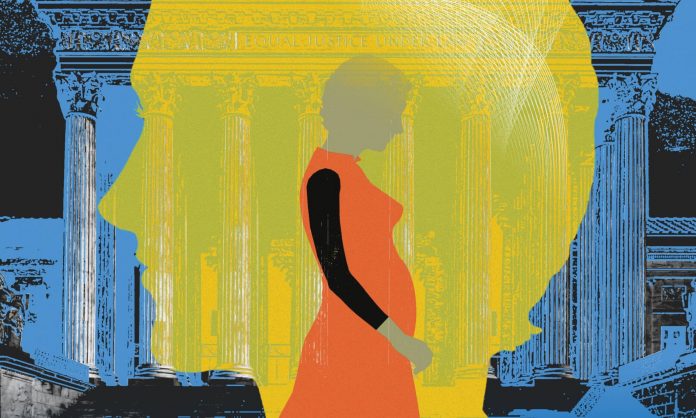
This case is about a girl named Bilkis Bano, who belonged to the Muslim community. She was gang-raped during the time when she tried to flee with her family members. She was five months pregnant at the time she was raped. The violent mob not only raped her but also killed almost all the members of her family. 

This incident enraged people all over the country. For the commission of this crime, 11 of them were convicted and sentenced to life imprisonment. This verdict was passed by a division bench. The bench was composed of KM Joseph and BV Nagarathna as judges of the Supreme Court. The crimes committed by them were so ‘horrendous’ that the Court had to punish them with rigorous imprisonment. 

After a few years, in 2022, the prisoners were given a ‘Special Remission’ through a new module. It was an important part of the 75 years of independence celebration known as ‘Azadi Ka Mahotsav’. So, the 11 convicts were freed from prison after they completed a 14-year imprisonment sentence. Not only the victim, Bilkis Bano, was aggrieved by the decision of the Gujarat Government, but many other people in the country were against the acquittal judgement of the convicts. She submitted a petition against their premature release. 

This article will discuss in detail every stage of the case, i.e., conviction for rape, grant of remission; and the question of the convict’s right to practice law.  

Background of the case

The Bilkis Bano case took place at the time of communal riots that were happening between Hindus and Muslims. The incident occurred in Gujarat on 3rd March, 2002, in the district of Dahod. The victim, Bilkis Bano, was afraid of being caught up in such a situation, so she decided to flee there with all her family members. While trying to get away from there, they were captured by twenty to thirty Hindus. Then she and other women in her family were gang-raped by them. She was 21 years old and five months pregnant at that time. Not only was she raped, but seven of her family members were also murdered by the convicts. After learning about the incident, all the people in the state got enraged. Due to the occurrence of this incident, the government had to face heavy criticism from different sections of society. This dreadful incident again portrayed how crimes against women are increasing day by day in India. 

When that horrific incident occurred, she remained unconscious for more than three hours. After recovering from that state, she went to the police station to file a complaint. Before going to the police station, she borrowed some clothes from an Adivasi woman. Bilkis Bano contended that the police declined to add all the relevant information that was necessary for the case while registering the FIR. Therefore, not finding any other way, she went and reported about it to the National Human Rights Commission (NHRC) and then to the Supreme Court, which asked for a CBI enquire. The NHRC played an important role in supporting the victim. In March 2002, J. S. Verma, the former Chief Justice of India, met Bilkis Bano in Godhra at a relief camp that was organised by the Human Rights Commission. The NHRC supported and helped her by providing a senior advocate and former Solicitor General as her counsel who would defend her before the Supreme Court. When the enquire began, within a month, the accused were arrested and produced before the Gujarat High Court. During that time, the accused made threats to kill her. Bano moved to the Supreme Court and spoke about the death threats that she was facing. So the Supreme Court decided to move that case from the Court of Gujarat to the Court of Maharashtra for a fair and unbiased investigation.

Investigation before the CBI inquiry

  • Before the CBI inquiry, no proper investigation was conducted by the police of the Gujarat police station in the initial stage.
  • The tampering of the evidence was done by conducting a medical examination after several days of the incident so that proper evidence could not be discovered. Purposely, the medical examination was delayed so that crucial and important evidence was lost. In the later stage,  It was proven in court, and so the police officers and the doctors were charged with tampering with evidence.
  • When Bilkis Bano went to register her complaint, the police initially refused to register the First Information Report (FIR). Later, when they did, they left important details and information about the incident while lodging the FIR.

Inquiry by the CBI

  • The Supreme Court directed the CBI to enquire into the matter when Bilkis Bano submitted a petition. It transferred the case to the Mumbai Sessions Court for a free and fair trial. 
  • The Central Bureau of Investigation (CBI) conducted a proper inquiry and submitted a charge sheet where the names of 19 accused came to light, which included police officers and doctors who also tried to cover up the crimes that happened.
  • The CBI investigated the matter and prepared a report. They conducted a thorough investigation into that incident. They discovered all the relevant information that was required for the case. 
  • They also discovered some bodies of the victim’s family members without any skulls. Then the proceeding was held in the Mumbai Sessions Court.

Decision of the Mumbai Sessions Court

  • When she got death threats, she went to the Supreme Court to fight for justice. She reported that a proper investigation had not been done by the Gujarat police station. So the Apex Court ordered the transfer of the case to the Mumbai Sessions Court.
  • The Mumbai Sessions Court dealt with the case, and the trial began in 2008. 
  • The Mumbai Court passed its judgement in 2017, convicting 11 accused as the offenders of the crime, which also included a police officer. The rest of them were acquitted, as not enough evidence was present against them to show that they had committed the crime.
  • They were sentenced to rigorous life imprisonment and a fine for their crimes. So that people in the future will fear committing such dreadful crimes. They were held guilty under Section 302 and Section 376(2), which are to be read with Section 149 of the Indian Penal Code, 1860.
  • Section 149 of the Indian Penal Code, 1860, deals with the offence of unlawful assembly. When more than five people join together with a common object and any member of that unlawful assembly commits an offence, all the members are considered guilty of that offence. In this case, about twenty to thirty people, in furtherance of a common object, gang-raped and murdered the family members of Bilkis Bano. So, they were convicted of committing rape and murder. 
  • The verdict given by the Sessions Court was affirmed by the Mumbai High Court in May 2017, and the Government of Gujarat was directed by the Supreme Court to provide the victim with a job, housing, and an amount of fifty lakh rupees. 
  • A police officer, one of the convicts in the case, was given a sentence of life imprisonment. The rest of the accused were sentenced to seven years imprisonment. The Court also ordered them to pay a fine of fifty lakh rupees.
  • In May 2017, the Bombay High Court upheld the life imprisonment sentence of the 11 convicts. Those who were released by the Trial Court as they had no direct involvement in the case were convicted by the High Court. They were acquitted from imprisonment by the Trial Court on the grounds that they were caught up in that situation and had no direct participation in the case.

Appeal to the Bombay High Court by the convicts and CBI

Convicts convicted by the Session Court appealed to challenge the judgement of the Session Court. The CBI, on the other hand, appealed for greater punishment for the convicts. They wanted the death penalty for the three main perpetrators of the offence.

Contentions of the victims

Advocate Shobha Gupta was acting as the lawyer of the petitioner, who contended that the crimes that the convicts had committed were pre-planned. They formed a criminal conspiracy to rape the victim and kill other members of her family. It was not something that they did on the spur of the moment. While the victim was fleeing with her family members, the convicts desperately chased them in order to catch them and murder them. The convicts were so bloodthirsty that they did not even hesitate to rape a five months pregnant woman. They gang-raped her so brutally that she lost consciousness. Not only did they rape her and other women in her family, but they also killed her first child by smashing her to death on a rock. After that, they gang-raped and killed the victim’s mother. They did not hesitate a single bit to kill her cousins, aunts, uncles, and four minor brothers and sisters. They have murdered them in such a way that they cannot be identified. All their heads and chests were smashed, and only seven of the victim’s family members’ bodies could be recovered. 

The petitioner argued that any person committing such an inhuman act does not deserve any leniency. The victim was constantly begging them for some mercy and requested that they leave. But the convicts did not even show them a bit of mercy. So the counsel concluded by saying that the Court should take into consideration the grievousness of the crime before passing any judgement in this case.

Contentions of the convicts

The convicts in this case submitted an appeal stating the facts that the victim had given birth to a child after that incident, which portrays that she had not been gang-raped as has been said. They also argued that the evidence shown by the CBI was all fabricated by them. There was no evidence that shows that the members of the victim’s family had been killed, as their bodies were not recovered, which would prove them guilty of the commission of murder. 

Decision of the Bombay High Court

The Bombay High Court acquitted Bhagora and others but upheld the convictions of 11 other convicts in the case. The Trial Court released Bhagora and others, as they claimed that they had not participated in the crimes for which the conviction was passed. They were simply caught in the web of circumstances. So they were released from prison. The judgement of the Trial Court was reversed by the Bombay High Court. The Bombay High Court had charged five policemen and two doctors on the grounds of tampering with evidence under Section 201 and not performing their duties under Section 218 of the Indian Penal Code, 1860

However, HC has forbidden capital punishment, as it was held that the death penalty is awarded in the rarest of circumstances. 

Supreme Court’s decision on the appeal of the convicts 

After hearing both parties, the Supreme Court dismissed the appeals of the convicts. The appeals filed by the two doctors and four policemen were rejected on 10 July, 2017. The Supreme Court stated that the judgement of the Mumbai Sessions Court was in no way faulty as there was ‘clear-cut evidence’ against them. It also said that the High Court of Bombay had unreasonably acquitted the other convicts in the case. So the Supreme Court affirmed the decision of the Session Court and upheld the conviction of Bhagora and others who were acquitted earlier by the Trial Court.

Plea for remission

Radheshyam Shah, one of the convicts in the case, pleaded for his premature release in the Gujarat High Court after serving more than 14 years of his sentence in prison. But the Gujarat High Court rejected his petition and denied his premature release from jail. So, he moved to the Supreme Court and appealed there for his premature release by following the Gujarat government’s July 9, 1992 policy on remission.

Radheshyam approached the Apex Court and requested that it release him on remission as he had already spent 15 years and 4 months in prison. His lawyer argued that though he was given life imprisonment by a CBI Court in Mumbai, he has the right to apply for premature release on remission after completing 14 years in jail. He was sentenced to life imprisonment in 2008, and so he moved to the Court seeking remission as he had already completed a 14-year sentence that was considered the period of life imprisonment.

The Supreme Court, after hearing the convict’s arguments, gave the power to the Gujarat Government to decide whether he could be granted release in accordance with the 1992 Gujarat remission policy within two months or not.

Points to be highlighted 

  • The plea for remission was filed by one of the convicts in the Gujarat High Court in 2022 under Section 432 and Section 433 of the Code of Criminal Procedure, 1973.
  • The Gujarat High Court could not accept the plea for remission as the case was not under its jurisdiction. Since the case was moved to the Mumbai Court and the trial was held there, the plea for remission can only be granted by the Mumbai Court.
  • When he moved to the Supreme Court with the plea for remission and pleaded that he had spent more than 15 years in prison, the Court held that the Gujarat High Court had the right to deal with the remission policy of the convict as Gujarat was the State of occurrence of the incident and the remission policy of the year 1992 would be followed and not the 2014 one.
  • A committee was formed by the government, as stated by the Supreme Court, to look into the issue of remission. The committee came to a unanimous decision in favour of the remission of all the convicts in the case and decided to grant them release. The Prime Minister of India approved their remission plea and ordered the premature release of all the convicts. This decision caused global outrage as the convicts had gang-raped a pregnant Muslim woman and murdered her family members without showing a bit of mercy.

Laws relating to remissions 

  • The approval to be released on remission can be granted by the Court only on certain grounds, such as birth or death anniversaries of prominent leaders. The prisoners can seek remission only if certain circumstances arise.
  • When a convict is sentenced to life imprisonment, it means that he should remain in prison for his entire life. However, the State and the central governments can release the convicts from prison only when they have served a sentence of 14 years imprisonment by remitting their prison term, but not before that. This act of releasing prisoners from jail by the government is known as remission.
  • The Constitution of India, under Article 72 and Article 161, gives power to the President and the Governor, respectively, to grant pardon, suspend, remit, or commute a sentence passed by a Court. The sentence must be commuted by these two dignitaries. The Judiciary has stated that when a prisoner is released from imprisonment by way of remission, the Court must be informed about it, and the grounds for release must be reasonable and fair. The decision must not be taken arbitrarily.
  • Section 432 of the Code of Criminal Procedure, 1973 grants power to the State Government to release a prisoner by granting remission, as prisons are considered a state subject. However, this power to remit prisoners from jail has certain limitations that are given in Section 433A of the CrPC.
  • Section 433A states that a prisoner serving a sentence of life imprisonment for a crime where the punishment of death has been commuted cannot be given the benefit of remission unless he has completed a term of 14 years imprisonment.

Remission policy of Gujarat

This policy states that for initiating the process of remission, the opinion of the district magistrate, chairman of the jail, and police officer of the concerned district needs to be taken into consideration by the inspector general, as well as the report of the advisory board committee and the behaviour of the convicts. But the 2014 Remission Policy bars the government from granting remission to the prisoners by prematurely releasing them for a heinous offence like rape or murder that has been investigated by the CBI. 

In short, it can be concluded that the prisoners got remission only because the 1992 remission policy was followed. If the new one was followed, then the convicts would not have been released, as the release is barred under this 2014 remission policy.

Reasons for consideration of the 1992 remission policy

The proceedings in the Bilkis Bano case started in 2004 in Mumbai after its transfer from Gujarat. The 11 convicts in the case were released on remission by following the 1992 remission policy because the Supreme Court had decided that this policy would be prevalent for all cases up to the year 2008, and these convicts were sentenced in 2004. It was prevalent at the time of the convicts’ conviction. So when the appeal was filed in the Supreme Court of India, it directed the Gujarat High Court to follow the 1992 remission policy and not the 2014 one. 

All cases whose judgements were given after 2008 would follow the 2014 remission policy. This 2014 remission policy puts limitations on the government’s release of prisoners who are convicted of rape and murder. So, the Gujarat Government has the power to decide whether to release the convicts or not. 

Remission awarded in Bilkis Bano case

All the convicts were granted remission as they had completed 14 years of their sentence. So they were released from prison on 15th August, 2022. This release of the convicts on the day of independence enraged all the people globally, leading to a mass revolt against the government’s decision. This decision of the government was criticised by journalists, activists, opposition parties, and many more. They were released on the grounds of ‘good conduct’ by the prisoners. The 1992 remission policy was followed while releasing them from jail.

Criticism of the release of the convicts

  • Bilkis Bano and other family members who survived the attack criticised the release of those criminals by remission and decided to submit a petition to the Supreme Court challenging the decision.
  • This case was one of the landmark cases against communal rights and crimes against women that are happening every day in some parts of the country.
  • This remission was criticised by many journalists, activists, and politicians as these convicts were released after committing such inhuman crimes against innocent people.

Review petition filed by Bilkis Bano and other PILs against remissions 

When Bilkis Bano learned about the release of the convicts on remission, she filed a review petition in the Supreme Court. Several other people, such as CPI(M) leader Subhashini Ali, independent journalist Revati Laul, former vice-chancellor of Lucknow University Roop Rekha Verma, and Trinamool Congress MP Mahua Moitra, also submitted a Public Interest Litigation (PIL) on the ground of remission of the 11 convicts by the Gujarat government, which allowed them to walk out of jail freely after committing the horrendous crime of gangraping the victim and all the women in her family and murdering 14 family members. In any case, it is not the duty of the Government to exercise its power in the interest of the public or in favour of the convicts. This grant of remission was challenged before the Supreme Court on 23rd August, 2022.

When all the convicts were released from prison on 15th August 2022, Advocate Shobha Gupta, the counsel of Bilkis Bano, filed a review petition against the premature release of Radheshyam Shah, Jasvantbhai Nai, Govindbhai Nai, Bipin Chandra Joshi, Shailesh Bhatt, Kesarbhai Vohania, Bakabhai Vohania, Pradeep Mordhiya, Mitesh Bhatt, Rajubhai Soni, and Ramesh Chandana, the 11 convicts in the case.

Many Public Interest Litigations (PILs) were filed against the decision to release those convicts who had committed such heinous crimes. Indira Jaising, the Senior Advocate, was the counsel in one such PIL. The Supreme Court decided to hear all the arguments of people who filed PILs in the Bilkis Bano case and decide whether they had locus standi to submit them. Sidharth Luthra, the Senior Advocate who was the counsel of one of the convicts, argued that others had no right to file PILs where the petitioner herself was present in court and had already submitted a petition against the premature release of the convicts.

Response of the Convicts on review petition against remission 

Sonia Mathur, advocate of Bipin Chandra Joshi, who was another convict, argued that only the state alone has the right to challenge the decision of the court. The victim has no right to do it. She also argued that his client is not liable for the government’s decision. The State should be held accountable for its mistake in granting remission. She further stated that she knows the incident that happened with the victim cannot be undone by paying compensation. But she was given a job, accommodation, and compensation that is so far the highest in any rape case as a matter of the right of the victim as opposed to the rights of the convict. 

Mathur also contended that the convicts have been released from prison only after they have fulfilled all those conditions that are necessary for premature release, and no outsiders have any right to file PILs as they do not have the locus standi to interfere at the remission stage. She also upheld the decisions of various top Courts that have passed judgement in favour of the premature release of convicts on remission.

Response of the Supreme Court

After hearing the arguments of Adv. Mathur, the bench questioned why the jails of India are still so crowded if, in fact, all the prisoners who have completed 14 years of sentence are released on remission in the view of reforming them. The Advocate further informed the Court about the illness of Joshi’s wife. His wife was suffering from cancer. She also told the Court that the portion of his compensation, which is Rs. 6,000, had already been paid in 2019, and no objection was made by the Trial Court while accepting the fine. The Bilkis Bano case hearing was decided to resume again on 31st August, 2023.

The Supreme Court asked various questions to the Gujarat Government about the release of convicts on remission.

  • It was asked whether they had considered the gravity of the offences that the convicts had committed before releasing them.
  • It was also asked whether the convicts were granted parole frequently or not at the time of their life imprisonment sentence.
  • The Court also questioned if the Gujarat Government had applied the uniform standards that are followed in other cases of murder while releasing the convicts in a murder case.
  • The Apex Court asked the Gujarat Government whether they had kept in mind the intensity of the crimes that had been committed by the convicts while granting them release by showing leniency.

Current status of the review petition 

When the Gujarat Government prematurely released the 11 convicts in the case on remission, Bilkis Bano filed a review petition against the order of the Gujarat Government. On 18th April, 2023, the Supreme Court of India slammed the Gujarat Government for the premature release of the rape and murder accused convicts. It was the duty of the Government to understand the gravity of a case before releasing any convicts from prison. The Supreme Court observed that they should not have been released from jail after committing such horrendous offences. Those persons who gang-raped a pregnant woman and other women in her family and murdered her family members had no right to get out of prison. 

Justice K. M. Joseph stated that it is the Government’s responsibility to exercise its power in a way that is beneficial for the people of the State. He went further and asked the Gujarat Government whether they were comparing the murder of 14 helpless people who were the victim’s family members with the murder of a single person. He also said that a massacre can in no way be compared with the murder of a single person. 

The Gujarat government and the Centre decided to challenge the order passed by the Court. So they required all the relevant documents related to remission. It was done by them by submitting a review petition on 27th March, 2023. But the bench was strongly against such a proposal. Hence, they disapproved of it. The Supreme Court gave them time so that they could decide whether to submit the review petition or not. The Court also asked them for a time extension of parole that has been granted to the convicts during their life imprisonment sentence. It was also observed by the Court that the State Government’s power to grant remission could not be amended by judicial review unless and until the remission order was given arbitrarily by the government.

Rights of convicts to practice the legal profession

The matter about the right of the convicts to practice the legal profession came to light when Radheshyam Shah, while defending his premature release on remission, said that he had completed more than 15 years of life imprisonment in jail from the total sentence, and he was given relief by the Gujarat Government for his good conduct. Advocate Malhotra, Radheyshyam Shah’s counsel, stated that there was not a single case filed against his client within a year of his release from jail. He used to practice as a lawyer in a tribunal Court who claimed compensation in motor accident cases. After his release, he again started practicing law. 

The Court stated that he is only released from jail on remission, which means that his sentence is reduced. But that does not mean he is not a convict. Being a convict, he has no right to practice law unless the Bar Council of India (BCI) grants him the license to practice, as law is supposed to be a noble profession. So, the Court asked his lawyer whether he got that license or not. His lawyer said that he had no knowledge of it. 

Applicable provisions of the Advocates Act

According to Section 24A of the Advocates Act, 1961, any person who is convicted of an offence that involves moral turpitude is prohibited from enrolling as an advocate. This Section states that he will be again qualified to practice as a lawyer when two years have passed since the person was released or dismissed. It means that his disqualification would be removed after the lapse of two years from his date of release. It was also contended by Advocate Malhotra that the Government of Gujarat agreed to release him only after getting no objection from Godhra’s Jail Superintendent and the remission committee, along with the recommendations and approval of his premature release from the Home Department and the Union government.

Highlights of the case

  • This incident took place after the Sabarmati train massacre, where two bogies of the train were burned, in which Karsevaks were returning from Ayodhya. It killed 59 Karsevaks on February 27, 2002.
  • On 3rd March, 2022, a riot broke out in Limkheda taluka of Gujarat’s Dahod District. After seeing the convicts setting fire to homes on Bakr-Id day and robbing the possessions of the Muslims, Bilkis Bano, who was a resident of Radhikapur village in Dahod district, decided to flee. 
  • Bilkis Bano, the victim of the case, ran away with her fifteen family members, which included her three-and-a-half-year-old girl, and took shelter in Chapparwad village. They stayed in a field that was connected to a dirt track going towards Pannivella village.
  • While fleeing from the village, they were attacked by about twenty to thirty people who assaulted and gang-raped Bilkis Bano, her mother, and three other women in her family. Of the 17-member group of Muslims from Radhikapur village, all were murdered except a man and a three-year-old child. Eight of their bodies had been recovered, whereas others were smashed in such a way that they could not have been identified.
  • Between 2002 and 2003, when Bilkis Bano tried to register a complaint against the accused, the local police officers constantly refused to register it, stating that she was unable to provide proper evidence. Not only that, they even threatened her to drop the case or else they would take legal action against her. 
  • In December 2003, Bilkis Bano had no other option but to approach the Supreme Court of India, where she filed a guilty plea. 
  • The National Human Rights Commission (NHRC) and Supreme Court took up the case and directed a CBI investigation.
  • In January 2004, the CBI, after a thorough investigation, gathered all the evidence and arrested all the accused against whom the complaint was registered.
  • In August 2004, Bilkis Bano stated her concern about the chances of the evidence being tampered with. The witnesses in the case had also been threatened, so they might also face potential harm. Therefore, the case was moved from Ahmedabad to Mumbai.
  • In January 2008, the Mumbai Sessions Court held the accused guilty of criminal conspiracy, raping Bilkis Bano, and murdering her family members. So 11 of them were awarded life imprisonment for committing these crimes. They appealed to the High Court, requesting that it reverse the decree of the Trial Court.
  • In July 2011, the CBI submitted a petition and requested the Bombay High Court to hang the convicts in the case.
  • In July 2016, the Bombay High Court decided to hear the case of the convicts who had filed an appeal in the High Court against the decree of the Trial Court where they were punished for gang-raping the victim and murdering her family members.
  • In September 2016, the Bombay High Court refused the request of the convict’s lawyer, who wanted to re-examine the witnesses in the case.
  • In December 2016, the decision of the Trial Court was reversed by the Bombay High Court. It was done on the basis of an appeal submitted to the High Court by the accused in the case, who were punished with life imprisonment. The High Court did not affirm the appeal petition submitted by the CBI to hang three convicts in the case because the death penalty is awarded in the rarest of the rare cases.
  • In May 2017, the Bombay High Court, after hearing both sides, affirmed the life imprisonment of the 11 convicts in the case that was awarded by the Trial Court.
  • On 15 May, 2022, one of the convicts submitted an appeal to the Supreme Court, stating that he had served a sentence of more than 15 years in prison. So he filed an appeal in the Apex Court, requesting that it grant him a release.
  • On the day of Independence, all the convicts in the case were released from prison. On 15th August, 2022, the Gujarat High Court, following the 1992 remission policy, freed them from Godhra jail. 
  • On 7th August, 2023, the Supreme Court decided to hear the pleas against the release of convicts on remission.

Conclusion

In India, crimes against women are increasing day by day. The case of Bilkis Bano is also one such case where the men portrayed anger by raping women who were not at all part of the Sabarmati massacre. This case caused an outrageous revolt against crimes like rape and murder that are happening against women in this country. This case portrayed how the courts of India failed to provide justice to these innocent victims. The decision of the Gujarat Government was criticised as they released those rapists and murderers on the day of Independence. The Gujarat Government released them on 15th August, 2022. When the convicts appealed for premature release, the remission policy of 1992 was followed instead of the 2014 one, and as a result, they were acquitted. The Supreme Court of India, which directed the Gujarat High Court to release those convicts, also had to face criticism from the people from different spheres of society. The justice system in our country is working in a way that favours criminals and not innocent victims. The convicts were released because of the implementation of the 1992 remission policy. Though the new guidelines for the remission policy of 2014 were adopted in Gujarat, they were not implemented for the prisoners in the Bilkis Bano case. Seeing that, a writ was submitted under Article 32 of the Constitution of India. However, the Supreme Court stated that it would not be applicable in this case. Therefore, the old remission policy favoured those rape-accused criminals, and Bilkis Bano lost the fight.

Frequently Asked Questions (FAQs)

What are the new norms that are included in the remission policy?

The new norms grant remission to some specific prisoners, which are as follows-

  • The prisoners were either women or transgender and had reached the age of 50 years.
  • The male prisoners who had served fifty percent of their sentence in prison and had completed the age of 60 years, where the period of general remission would not be taken into consideration.
  • The physically challenged or disabled prisoners who had served fifty percent of their jail sentence with seventy percent disability.
  • The prisoners who are terminally ill.
  • The prisoners had already completed two-thirds of their jail sentence, which is six percent of the total term.
  • The indigent prisoners who have completed their sentence but are still in prison. The reason is that they are too poor to pay the fine imposed on them. So the new norm waives off the fine for these poor prisoners.
  • Prisoners with no past criminal records who have committed an offence at a young age, which is between 18 and 21 years and have completed fifty percent of their jail sentence are also eligible to be released on remission.

What are the exceptions to the new norms of the remission policy?

The above people are eligible to be released on remission. But the following people would not be eligible to be released on remission-

Whether the remission of a prisoner can be challenged?

In the recent case of Smt. Shireen v. State of U.P. (2022), the Allahabad High Court observed that remission means releasing a prisoner earlier before the completion of his sentence. In short, remission reduces the sentence of a prisoner through an administrative process. Therefore, the premature release of a convict on remission can be challenged in a Court of Law.

What are the grounds on which remission can be granted?

In the case of Laxman Naskar v. Union of India (2000), the Supreme Court stated the grounds that should be taken into consideration before releasing any prisoners on remission. The court should determine-

  • Whether the incident that occurred is an individual act of offence or affects society as a whole. 
  • Whether the prisoner who has committed a crime has any chance of repeating that crime in the future or not.
  • Whether the prisoner has enough potential to commit that crime again or has lost it.
  • Whether the purpose of keeping the convict in prison has been served properly or not. 
  • the socio-economic status of the family members of the prisoners must also be taken into consideration.

References


Students of Lawsikho courses regularly produce writing assignments and work on practical exercises as a part of their coursework and develop themselves in real-life practical skills.

LawSikho has created a telegram group for exchanging legal knowledge, referrals, and various opportunities. You can click on this link and join:

https://t.me/lawyerscommunity

Follow us on Instagram and subscribe to our YouTube channel for more amazing legal content.

Download Now

All you need to know about the United Nations Security Council and targeted sanctions

0

This article has been written by Akshat Rawat, pursuing a Diploma in US Tax Compliance and Paralegal Work from LawSikho and edited by Shashwat Kaushik. 

It has been published by Rachit Garg.

Introduction 

The nations that were a part of this organisation when it was founded are now considered United Nations member states. According to UN Charter Articles 24, 25, and 103, these countries were required to abide by the Chapter VII resolution. What exactly is this Chapter VII resolution, though? The UNSC (United Nations Security Council) has the authority to uphold peace and security under this chapter of the UN Charter. The Security Council takes action if there is a whiff of any threat or form of aggression that endangers world peace and security. The operations might be military or non-military, according to UN Charter Article 41. Once more, this authority has the power to impose sanctions on these countries or any other organisation that may also be subject to economic sanctions.

It all began with economic sanctions on Iraq, which subsequently led to the imposition of further measures known as “Targeted Sanctions.” This penalty was implemented in order to target specific people rather than the entire country. The 1267 Sanctions regime of targeted sanctions was implemented against the Taliban and al-Qaeda as a response to this problem, but new legislation also brought up several other concerns. The UNSC was unable to offer a better alternative or a remedy for the innocent people who suffered the consequences of the flawed delisting procedure. We shall provide our arguments and viewpoints in this research paper, and we’ll critique the UN using the Articles of the UN Charter as support. We will also talk about whether or not the UNSC is subject to any international laws. The discussion will turn to the UNSC’s disregard for the rule of law and finish with a new discussion of the delisting process. In between all these main topics, we will also discuss a few international cases that will help us find flaws in the delisting process. We will also entrench our discussion over Articles 1, 25, 41, 42, and 103 of the UN Charter. In this research paper, we will also express our opinion and show our stand as to which side we are in. All this will be concluded in the conclusion part.  

History of targeted sanctions

Continuing the discussion from above, Resolution 661 was the name of the action taken against Iraq in the year 1990 that included economic sanctions as well as certain military measures. These sanctions had a negative impact on citizens in the country, particularly children, the impoverished, and the elderly. The government’s decision to take this measure, which affects the most disadvantaged population in the nation, was a major failure. Among the most at-risk categories, 100,000 fatalities were documented. The UN and the human rights authorities (save the children) were prompted to intervene and change the system as a result of this sort of governmental activity, which ultimately took the shape of “targeted sanctions.”

What are targeted sanctions

The idea behind targeted sanctions was simple: rather than applying them to the entire country, why not only a certain group of people, protecting innocent civilians from their effects? Targeted sanctions can be discussed in a variety of ways, but we will only touch on those that are important to us. Again, the goal of the penalty is to exert coercive pressure on the targeted entity or individuals who are the focus of the acts rather than on innocent bystanders, and though this new idea was severely attacked at first, many further adjustments were made to it throughout time.

Personal opinion

I thought it was a positive move for the UN and the Human Rights Authority to introduce this adjustment into the system. The organisation always prefers to go down a route that is more successful in terms of punishment for the wrongdoer and less harmful for the innocent, despite the fact that many individuals suffered both before and after this shift. Although obtaining 100% efficiency is unachievable, significant goals can be accomplished, as shown by the change in the topic of targeted sanctions, which was more effective in the 2000s than it was before.

Resolution 1267

Resolution 1267, which the Security Council enacted at its 4051st meeting on October 15, 1999, was a fantastic and well-admired targeted sanction against the Taliban/Al-Qaida. This occurred in August 1998, when Osama Bin Laden and his allies attacked the US embassies in Nairobi, Kenya, and Dar es Salaam, Tanzania, coupled with a conspiracy to assassinate American citizens living across their respective countries. However, they weren’t the only contentions made in the resolution. There has been a serious violation of international peace and security when claims of the existence of terror groups and training camps are made. Additionally, these resolutions often result in travel bans, financial freezes, and other types of restrictions that might serve to curb certain types of activity that could jeopardise global peace and security. 

The faulty procedure

These stated targeted people are then added to a “Consolidated List” and are referred to as the listed people. Additionally, there is a delisting method called the “Focal Point Procedure” that allows any person or organisation to contact a UN delisting agency and submit their request. A board makes the decision to delist that specific person or business. The decision to delist that specific person or business is made by a board of 15 members, and it must be unanimous. Everything here seems so simple, but when allegations of a flawed delisting process were made in 2006, as the 1267 sanction regime tried to include more and more people, it came under heavy fire. As a result, many Higher National Authorities, NGOs, and affected individuals, as well as NGOs and affected individuals, claim that the particular regime is failing when it comes to protecting the rights of those targeted individuals. It was therefore evident that these kinds of problems may contribute to the legitimacy of the rule. One person who was included in these targeted sanctions in Canada in June 2009 was detained and later charged with an unspecified offence. The Canadian Federal Court determined that, overall, the individual was not even given his basic rights, such as the right to a hearing, and was not even permitted to provide any kind of evidence. Similar events occurred in Belgium when a person was mistakenly listed, and this further demonstrates a flaw in the delisting procedure for those people. In this instance, two spouses were classified under the 1267 regime for their involvement in supporting al-Qaida, and when they requested assistance in their own nation for the delisting process, they received none. Furthermore, those two people asked for assistance from the HRC (Human Rights Committee), but Belgium argued that the HRC lacks jurisdiction because United Nations anti-terrorist sanctions have already carried out these orders. These orders have already been carried out by United Nations anti-terrorist sanctions and they are now required to be carried out under Chapter VII of the Charter. However, the HRC determined that Belgium had failed to uphold its ICCPR (International Covenant on Civil and Political Rights) commitment to protecting the rights of that couple, and it further compelled Belgium to offer an appropriate remedy. 

Youssef Nada has been identified as a global terrorist in the case of Nada (Youseef) vs. State Secretariat for Economic Affairs and Federal Dept. for Economic Affairs (2007), and his name is also included on the “Consolidated List,” a blacklist maintained by the UN Security Council. He also filed a petition with the SECO (State Secretariat for Economic Affairs) after the authorities were unable to obtain enough evidence to support the charges against him. However, the SECO rejected the petition and stated that Chapter VII of the UN Charter binds Switzerland, which is bound by Chapter VII of the UN Charter and cannot review the petition. This error strengthens a harmful international mechanism. There are several such circumstances of this nature when the issue of due process of law arises. The main problem is the flaw in the international procedure, which constantly casts doubt on the listed person’s authenticity as a mistake in identification.

Should UNSC abide by these international laws

The question whether or not the UN Security Council must abide by these international rules has not been addressed in the charter because the security council is a political organization that has been given authority under Chapter VII of the Charter. We shall attempt to weigh the advantages and disadvantages of this system as other scholars provide their arguments in support of or against it. While it is asserted that the UNSC will be able to intervene and resolve the issue quickly in the absence of any international obligations, this is another weak legal defence that simply puts expediency ahead of righteous justice. However, in the circumstances listed above, this system allows the people to receive justice. However, even the International Court of Justice has asserted that the UNSC must abide by international laws when taking actions that have an external impact, but Articles 103 and 25 both state that these obligations take precedence over inconsistencies between international treaties and customary international law, respectively. As a result, there are many researchers and authorities who have divergent viewpoints, which causes us to put an end to this argumentative conflict.

The Security Council is not mentioned as being exempt from these international norms in Chapter VII of the UN Charter, and we may thus argue that even though it holds the highest position, the UNSC is not permitted to have unlimited authority. The ICTY (International Criminal Tribunal for Yugoslavia) ruled that the UNSC is subject to international law, even in the Tadic case. It has also been claimed that these international organisations are subject to some constitutional restraints and that nothing in the UN Charter implies that the UNSC is “legibus solutus.” Further giving it a new scope of interpretation. Even in the Genocide Convention case, British lawyer and former ICJ Judge Hersch Lauterpacht rejected the idea that the UNSC is free to carry out any act without being bound by international law. Even in the Lockerbie case, it was not explicitly stated that the UNSC is free to carry out any act without being bound by international law. (Para 99, pg. no. 118) (Separate opinion of Judge Lauterpatch)

Further, Article 42 of the UN Charter, if read properly, can also help us understand that the UNSC has to take actions to maintain peace and security and is further obligated to follow the international law of necessity to act for that cause. Article 1 of the Charter talks about maintaining peace, security and justice, which means that the UNSC has to take measures in such a way that they are in accordance with international law. 

Opinions and arguments

Since natural law will always take precedence over all other principles, changes will be made in accordance with contemporary developments. The current tendency is to broaden the application of these international customary norms in order to make them more equitable and to uphold the rule of law. Additionally, the UNSC should be subject to this legal procedure in regard to the theme of the targeted sanctions. Since the UNSC tends to be the supreme authority under Chapter VII of the Charter and Article 1 of the Charter contains a section linked to human rights, those who are named and who seek to be removed from the list are not treated fairly. It appears that the Charter was not thoroughly crafted and also leaves little room for the states to act. It would be a grave error to take away the rights that were promised in the first Article of the Charter. I remain in favour of the UN taking action on all of these concerns, but the system should be changed in order to prevent the fulfilment of the Charter’s promises and the continuation of these sorts of human rights violations.

Non-compliance with the due process

The resolution 1904, which was added to the 1267 sanction regime, creates the possibility of sight or what we may refer to as an “Ombudsperson.” The ombudsperson has been given the authority to examine and evaluate the council’s decisions and the entire delisting procedure in order to make the necessary changes. Still, the problem with this is that they were not given enough authority to make any changes and to offer relief to those who were inadvertently listed as targeted individuals under UN targeted sanctions. It may be argued that the first phase, which gives the ombudsperson very little authority, violates the legal requirements for due process. Further, the regime shows flaws in the legal criteria where the ombudsperson has not been given powers that are binding in nature and are there just for show. Since the sanction committee will be the only authority to make decisions, the role of the ombudsperson has been neglected, even though they compile all the vital information at the end. The discrepancy lies in the hands of the sanctions committee. These kinds of so-called alterations in the sanctions regime show non-compliance with the due process of the law and are non-beneficial for anyone. It would have been beneficial if the sanctions committee had heard those targeted and listed individuals other than the ombudsperson and made effective decisions. This functioning of the committee seems like they lack the motivation to work and are hungry for their powers. 

Conclusion

I shall stand within the UN based on the examination of the problem indicated above and after learning all the pertinent details. Although I disagree with the changes made by the UN to several resolutions, the issue of adherence to due process of law continues to exist. However, it is true that national governments are required to abide by the body’s operation, despite the fact that it is quite ambiguous. The UNSC can provide this solution of a fair method, but one element that can be addressed is having conformity with the due process of law, which can further increase faith in the faulty procedure. On analysing the procedure of targeted sanction, we know it can’t be 100% efficient, but it certainly is a better initiative to initiate and a better way to treat those targeted individuals. The only issue with the delisting procedure is not a small fault but also not a flawed theory. These measures have so far been able to maintain peace and security for the whole world, and I hope they will be able to continue. A good alteration is required by the UNSC to change this fault in the system, which has put spots on its reputation. Along with some human rights angles, these flaws have devastating outcomes for innocent people, and furthermore, they should be remedied at the ground level.

References

  • (n.d.). Retrieved from icj-cig.org: chrome-extension://efaidnbmnnnibpcajpcglclefindmkaj/https://www.icj-cij.org/public/files/case-related/91/091-19930913-ORD-01-05-EN.pdf 
  • Drezner, D. W. (2011). Sanctions Sometimes Smart: Targeted Sanctions in Theory and Practice. International Studies Review.
  • Martino, A.-M. (2014). Reform of the UN Targeted Sanctions Regime – Mission Accomplished? SIAK-Journal − Journal for Police Science and Practice.
  • RESOLUTION 1267 (1999. (1999, October 15). UNSC – United Nation Security Council .
  • Tzanakopoulos, A. (2009). An Effective Remedy for Josef K: Canadian Judge ‘Defies’ Security Council Sanctions through Interpretation. Blog of the European Journal of International Law.
  • WILLIS*, G. L. (n.d.). SECURITY COUNCIL TARGETED SANCTIONS,DUE PROCESS AND THE 1267 OMBUDSPERSON.
  • Youssef Nada v State Secretariat for Economic Affairs and Federal Department of Economic Affairs, Administrative appeal judgment, Case No 1A 45/2007; ILDC 461 (CH 2007); BGE 133 II 450. (2007, November 14 ). Retrieved from Oxford Reports on International Law in Domestic Courts: chrome-extension://efaidnbmnnnibpcajpcglclefindmkaj/https://www.eui.eu/Documents/DepartmentsCentres/AcademyofEuropeanLaw/CourseMaterialsHR/HR2009/DeWet/DeWetBackgroundReadingCase8.pdf

Students of Lawsikho courses regularly produce writing assignments and work on practical exercises as a part of their coursework and develop themselves in real-life practical skills.

LawSikho has created a telegram group for exchanging legal knowledge, referrals, and various opportunities. You can click on this link and join:

https://t.me/lawyerscommunity

Follow us on Instagram and subscribe to our YouTube channel for more amazing legal content.

Download Now

What makes a merger unsuccessful : an analysis 

0

This article has been written by Avanish Bangera pursuing Diploma in M&A, Institutional Finance and Investment Laws (PE and VC transactions) and edited by Shashwat Kaushik. This article provides insight into the reasons why mergers and acquisitions fail as well as some famous cases of M&A failure.

This article has been published by Sneha Mahawar.​​

Introduction

In the current state of affairs, due to acute competition, it is very difficult for companies to grow on their own. Therefore, companies try to achieve growth through inorganic means, i.e., by either acquiring company/companies or merging with another entity. The mergers and acquisitions transaction takes place between the companies to benefit their businesses through economies of scale, economies of scope, synergising their businesses, opportunistic value generation, increased market share, managing higher levels of competition, access to talent, diversification of risk, faster strategy implementation and tax benefits. The various types of merger transactions prevalent in India are slump sales, asset purchases, and schemes of amalgamation, among others.

Timeline of mergers and acquisitions

According to the report of the “Macrothink Institute,” world over mergers and acquisition transactions went through several waves or phases, starting:

  • 1897-1904- The objective of the merger was to have monopoly in the market;
  • 1916-1929- The objective was to have oligopoly in the market;
  • 1965-1969- In this period, most of the deals were conglomerate in nature;
  • 1981-1989- This was the period when the concept of hostile takeover began;
  • 1992-2000- In this period, mergers happened in banking and telecom sectors;
  • 2003-2007- In this period, mergers took place in the metals, oil & gas, utilities, telecom, banking and health care centres. 

In the current years, a boom in mergers and acquisitions could be noticed, especially in the Information Technology (IT) sector.

Legal aspects of mergers and acquisitions

Whenever a company acquires or merges with another, extensive due diligence is carried out, such as financial, legal, title (in some cases), intellectual property rights, and many other due diligence exercises based on the requirements of the transaction. In a similar way, even the acquired company carries out its due diligence on the acquiring company with respect to their credibility in the market, their background checks, etc. 

Such mergers can take place either by way of asset purchase or slump sale (Section 2(42C) of the Companies Act 2013) or as per the provisions of the Companies Act, 2013 (“the Act”) provided from Sections 230 to 234 with due process of law through a scheme of arrangement and/or amalgamation.

Why do mergers fail

Despite the fact that merger deals synergise the business, add economies of scale and various other factors that enhance the performance, profitability and increase in market share of businesses, the flip side of the story is that many of the merger deals have miserably failed in the past and can fail in the years to come.

A report from Harvard Business Review titled “Don’t Make This Common M&A Mistake” by Graham Kenny states that –

“According to most studies, between 70 and 90 percent of acquisitions fail. Most explanations for this depressing number emphasise problems with integrating the two parties involved. That’s perfectly true, but my experience suggests that integration problems are particularly severe in cases you wouldn’t necessarily expect when the acquisition is a related diversification, that is, a “complementary” business, which the acquirer understands quite well.”

It is evident from the above that for any merger deal, one of the most important issues that needs to be addressed is the integration problem. Besides the integration issues, there are a lot of other reports that suggest various other factors that lead to the failure of any merger deal. Some of them are explained below-

  • Paying a high price for the acquisition- A company’s valuation is misconceived many times, and an acquiring company ends up paying beyond a tangible value for the target company. 
  • Inadequate due diligence- In many of the merger deals, the acquirer company relies on the target company, wherein the target company only portrays the good parts of the business, thus hiding crucial information that would lead to undervaluing its business or any such risky information due to which the deals might fall through. The acquirer often fails to identify potential risks that may pose a major setback for them.   

Hence, it becomes essential for an acquirer to hire professionals to carry out due diligence prior to acquiring any company. They carry out in-depth due diligence on the target company, scrutinising their accounts, legal and statutory compliance with relation to their short-comings, location and premises with respect to proximity, etc.; information on business competition; the target company’s products and services; contracts; and statutory and legal requirements, among other things.

  • Clarity in understanding the target company’s business- Sometimes even a thorough due diligence of the target company may not be enough to have a successful merger deal. A thorough research and analysis may be required to be carried out by the acquiring company, such as on the target company’s market share, their customers, customer reviews, etc.
  • Poor communication- In a merger deal, the parties’ intent should be clear and honest and they are required to maintain transparency with respect to disclosure of information.  All the doubts should be settled immediately by both parties. This is not the case with many of the merger deals, which has led to their failure. Poor communication has been a common issue that not only takes place between the parties to merger but also within the key managerial person and the employees, because of which they are not able to express their intent, leading to poor interaction between them.
  • Cultural differences- the acquiring company’s inability to implement an appropriate strategy to mix and match the culture of the acquired company may lead to low employee productivity, which further leads to lower profit. Cultural integration should be done so that employees willingly collaborate, share, support and team together with a single motive.
  • Regulatory issues- It becomes important for one to carefully understand the intricacies of the Securities & Exchange Board (SEBI) Regulations and the Companies Act, 2013 provisions and Insolvency and Bankruptcy (IBC) Laws for any merger and takeover deals, as they may cause hurdles at some point in the future if not adhered to. One of such things is that a shareholder causes legal difficulties by dissenting from the approval of the mergers or by disagreeing with the business’s decision to merge, which could result in forcing it to pay appraisals to the shareholders as a remedy.

Besides the above, there are many more deal-specific issues that surface only during the merger process.

M&A

Some failed merger deals

AOL and Time Warner- The reason for the merger failure was that the companies did not envisage rapid change in technology, which led to a decline in the trend of using dial of internet access due to the dot com bubble.

Quaker Oats and Snapple- The merger failed for various reasons, such as paying an excessive price for the deal. Quaker Oats even ignored the warning given by Wall Street, saying that “the amount is excessive to acquire the company.” Besides this, due to bad management, Quaker Oats did not know how to bring in skill sets and utilise the experience to initiate operations in the company. The result is that Quaker Oats has to sell Snapple within 27 months of its acquisition.

Google and Motorola- The merger is an example of the bad functioning of the company from the side of Motorola. The products were bad; the quality was degraded and they did not match Google’s grade.

HDFC and Max Life- This merger failed to qualify under the sectoral guidelines as set out under Section 35 of the Insurance Act, 1938. This Section can prohibit any merger of an insurance company with a non-insurance company. The main motive to enter into the merger was to cut costs and avoid the difficulties of raising an IPO. This example is perfectly suitable for regulatory failures.

Flipkart and Snapdeal- The major reason for the failure of this merger was that Snapdeal had a huge tax liability because of its very complex structure. Secondly, employees did not have unity; they always had negative thoughts or disappointment in themselves. Apart from these, there was a lack of consensus among shareholders, which led to the issue of the differential payout. Moreover, the ‘non-solicit clause’ of Flipkart for five years would create conflicts in the future as it was an e-commerce company. This resulted in Flipkart calling off the merger with Snapdeal.

Conclusion

The number of failures in mergers and acquisition deals that have taken place around the world to date were purely due to the negligence of the parties to research and analyse the deal and ego clashes with the top management. This has set an example and has become an eye opener for all those intending to merge. Despite the failure of some of these deals, mergers and acquisitions have been a booming business worldwide in recent years. Therefore, it is necessary for the parties to the merger to learn from the mistakes that have happened in the past and strictly adhere to crucial issues such as carrying out processes of due diligence in an extensive way, understanding the motive and intent of entering into mergers and acquisition deals, and coming out with a robust strategy and plan by involving all the top management, who should keep aside all the ego issues and work as a team. Apart from this, they should learn to maintain a cultural balance among employees in the newly formed company. 

Although there were merger deals that failed in some transactions, there are certain merger deals that have been most successful. To name some of them – Mittal Steel and Arcelor Steels; Flipkart and Myntra; Tata Motors and Jaguar; and many more.

References

Download Now

Significance of Fair Labour Standards Act, 1938 and Equal Pay Act, 1963

0

This article has been written by Naresh Kumar TV, pursuing a Diploma in US Tax Compliance and Paralegal Work from LawSikho and edited by Shashwat Kaushik.

It has been published by Rachit Garg.

Introduction

The Fair Labour Standards Act of 1938 and the Equal Pay Act of 1963 were established by the United States of America. This Fair Labour Standard Act has been known for its significant development in areas like minimum wages to be provided for labour,  overtime pay for work that is done by labour, and the rights of child labour and its absolution. Due to this Act, there was a well-improved right to labour in and around the United States of America. These Acts gave the required regulations to the employers, who did not have a basic understanding of the labourers who worked for them and, in turn, earned profits exploiting them. These Acts particularly spoke about the rights of the labourers, who, in accordance with the earlier time specified, did not theoretically have a conscience. The equal pay for equal work disregard of gender was the key essential for the success of FLSA Act. Coming to the Equal Pay Act of 1963, this Act came after 23 years of the FLSA Act, which made a difference from its previous act (FLSA Act). This Act brought about amendments that the FLSA Act failed to comply with between the labourers. Equal pay for equal work, regardless of their gender, was the vital significance of this Act. This Act paved the way for the prohibition of sex-based pay for the labourers who intended to augment the equal energy, effort, and skills that were required to comply with the work given to them.  The FLSA and EPA are different sides of the same coin but they addressed issues to their maximum. The FLSA made an effort to categorise a wide area of problems that were faced by the labourers, whereas the EPA made an effort only to abolish discrimination at the workplace and made a fair deal in giving compensation to those who suffered gender inequality. 

Fair Labour Standard Act and its significance

The Fair Labour Standard Act is a Federal Law that originally originated in the United States of America.  It established the various areas of difficulty the labourers faced. It was conferred by the Wage and Hour Division of the United States Department of Labour. The following is the basic ideology that the Act brought to the past and the present labour changes that we follow even today and in the future. 

“Had we lived, I should have had a tale to tell of the Hardihood endurance and courage of my companions which would have stirred the heart of every Englishman. These rough notes and our dead bodies must tell the tale, but surely, surely, a great rich country like ours will see that those who are dependent on us are properly provided for.”

These words from Robert Falcon Scott provide for the sufferings of the officers and labourers before this Act was enacted in the United States and its allied states of America.

Minimum Wage

The minimum wage is the concept of giving a labourer a basic guarantee and assurance that for the work done and how much work he has put in, there will be an amount that will satisfy his needs and wants. Even if his/her comfort and luxury wants are not satisfied, he can expect necessities that will be fulfilled in accordance with his metes and bounds.

Overtime pay

Overtime pay means that if the labourer works an extra 40 hours per week, the employer is bound to pay an extra amount of pay for the work done in excess. This Act provides that the pay must be one and a half times more than the regular pay that the labour receives as his consideration amount.

Child labour  

This Act provides social as well as physical security for children. Children are the future building blocks of society. So it is essential to provide for the minimum age requirements to work as a child in a workplace.  As a child, this Act prohibits that child from doing hazardous work, and it also does not allow dangerous work to be done. The key feature is that it sets criteria and limits for the hours of work done by the children.

Exemptions and penal charges 

This Act exempts white collar employees and high-level paid jobs, etc., which require a lot of skill sets, and it also contains penal charges for employers who do not authenticate with this Code. 

The hindrance that this law faced was that it was amended so many times. It failed to address the issue in the first instance and there were many due diligence requirements for the attorneys to address in this Act.

Equal Pay Act, 1963 and its significance 

The Equal Pay Act focuses on gender discrimination to be abolished, and it is enforced and enacted by the Equal Employment Opportunity Commission, which is known as the EEOC.   It is effective against illegal discrimination. It also perjures if the discriminations are against persons’ race, colour, religion, sex, national origin, age, disability, or genetic information and it should condone all these circumstances and make them feel safer for their hard work put inside of an employer.

The EPA requires and authenticates that both men and women should be given equal pay regardless of their gender.

Equal pay for equal work done   

Equal pay of wages must be given to the persons regardless of their gender if they specifically do substantiate work; if the work is required to be done, it should be done partially or equally by both genders and credit must be given to them by way of consideration, which is to be given again equally on the basis of gender equality.

Scope of FLSA and EPA 

The Scope of FLSA and EPA is large but it also faces difficulties in bringing them down to the underground level. The FLSA and EPA are the acts that are mainly to abolish gender discrimination but there are also challenges in them; they are listed below

Enforcement challenges 

To prove there is discrimination in regards to the employer, it is difficult because women may do a lot of mind work, whereas men may tend to do physical work more than women, so instances may prove that men do a lot more hard work than women. So no penal charges may be made against the employer for providing more consideration to the men or vice versa.

Limited scope 

These Acts alone cannot abolish the inequality that exists; it should start with the conscience of each employer who is ready to give an equal wage in accordance with the effort they put towards his/her development, excluding their labour needs.

Occupational differences

The labourers towards their skill must be given wages or pay not by their gender but because men and women aren’t physically equal in size or work made indifferent. So according to their criteria, the position or skill they acquire must be given valuable consideration before any consideration is made towards them.

Relevant case law

A significant case related to the EPA is the landmark decision of Ledbetter vs. Goodyear Tire & Rubber Co. (2007). In this case, Lilly Ledbetter, an employee of Goodyear, filed a lawsuit alleging gender-based wage discrimination. Ledbetter claimed that she had received lower pay than her male counterparts for many years.

The United States Supreme Court, in a 5-4 decision, ruled against Ledbetter. The Court held that Ledbetters’ claim was time-barred because she had filed her complaint more than 180 days after the alleged discriminatory compensation decision was made. The Court’s’ Interpretation of the statute of limitations under the EPA limited the scope for employees to seek remedies for past wage discrimination.

Following this decision, there was a significant public outcry, leading to the passing of the Lilly Ledbetter Fair Pay Act in 2009. This law overturned the Supreme Court’s decision and clarified that each paycheck affected by discriminatory compensation constitutes a separate violation under the EPA, thereby extending the statute of limitations for filing a claim.

Conclusion

 The FLSA and EPA were not easy to enact and after enactment, there were serious amounts of amendments due to the  changing labour practises that happened. There were changes in the relationship between the employer and the labour force. For instance, in ancient times, the labourers were treated as slaves, whereas after the present date, the employees or labourers are treated with dignity and given equal pay for equal work. As far as these laws are concerned, they are essential for the day to day practises of labourers. Through these Acts, equality is retained for labourers. Overall, the FLSA and EPA played a vital role in today’s laws and i conclude by stating these acts continue by stating the on going young labourers suffering and sculpting them to somehow become efficient persons of tomorrow’s economy.

References


Students of Lawsikho courses regularly produce writing assignments and work on practical exercises as a part of their coursework and develop themselves in real-life practical skills.

LawSikho has created a telegram group for exchanging legal knowledge, referrals, and various opportunities. You can click on this link and join:

https://t.me/lawyerscommunity

Follow us on Instagram and subscribe to our YouTube channel for more amazing legal content.

Download Now

Corporate governance and quality of CSR disclosure : lessons from an emerging economy

0

This article has been written by Paras Gupta, pursuing a Diploma in US Corporate Law and Paralegal Studies and edited by Shashwat Kaushik.

It has been published by Rachit Garg.

Introduction

Corporate governance plays a vital role in the success or decline of any company, for it is the guiding principle on which the plans and operations of any company depend. For corporate governance to be company and stakeholders friendly, it must be led by Corporate Social Responsibility (CSR), and maintaining the quality of CSR is something that the companies of the present era find difficult. In India, after the pandemic, there has been a decline of 4% in the total CSR expenditure spent by the top 500 companies in the country. The reasons given for the same are many, be it lesser revenue generation, diversification of funds or any other reason, but the solutions kicked off for the same are none.

Corporate Social Responsibility is a panacea for every company that is on the verge of dissolution, for quality CSR means a good impact on public image and a good impact on public image means attraction and retention of investors. Corporate Social Responsibility is something that companies lack in today’s time and is primarily responsible for them remaining stagnated at one position, seeing no hope for success and a dark future ahead. 

What is corporate governance

Corporate governance is a set of laws, rules, and processes that are the driving force behind the regulation and operation of a company. It is an interaction between various participants embodied in a company to make a roadmap on which the company will proceed and is essential in shaping its performance. Since corporate governance furnishes a framework for attaining a company’s objectives, it practically encloses every sphere of governance, from company disclosure and performance measurement to internal controls and action plans.

Good corporate governance is essential for any company, as it can facilitate the raising of capital, help build trust with public officials, the community and investors, and potentially lessen the risks of financial loss and corruption. It will further promote long-term returns, opportunities and economic viability and is a game plan for long term success and strength. On the other hand, bad corporate governance is something that a company should be feared of, as it will not only affect the trust of investors in a company but can also be a cause of the dissolution of a company as it can ultimately lead to a tussle between the stakeholders and the board of directors. Hence, there is no doubt that a company with good corporate governance performs better in commercial terms than a company with bad corporate governance.

4 P’s of corporate governance

Corporate governance is a complex beast. That’s why it has been divided into the four P’s by many government experts. These four P’s stand for the following:

  1. People: The journey of 4 P’s is cyclical, in which people stand supreme. People are a crucial stratum of a company, as they are the ones responsible for policy formation, developing a consistent approach to achieving the objectives of the policies, evaluating their outcomes, and using those outcomes to the advantage of the company.
  2. Purpose: Without a sense of purpose, no company, whether private or public, can achieve its full potential. Purpose is something for which people organise themselves into a company. This can vary between making a purpose and accomplishing a purpose. Purpose is something for which a company’s policies are formed. It may seem pointless and irrelevant to type up the minutes of a meeting but ultimately, these minutes are the ones that contribute to making the business effective enough to accomplish its stated purposes.
  3. Process: Process stands third in the count of 4 P’s. Governance is a process by which a company achieves its stated purposes and that process is developed by analysing the company’s performance. Over time, these processes are refined in order to achieve their purposes and it’s always a smart step to keep an eye on your governance processes. Though it may look hard enough to make the processes function, once they do, one can see the limitless help that they can provide to a company to help it grow.
  4. Performance: Performance stands last in this cyclic chain of 4 P’s as the aim of all the above P’s is to improve a company’s performance. Performance analysis is a key skill in any industry. To look at the results of a process, to find loopholes that led to its failure and to come up with solutions to improve it is part and parcel of a governance process.  

Essential elements of corporate governance 

M&A

It is pertinent to be aware of the essential elements or guiding principles of corporate governance in order to make this process effective. The following are the essential elements of corporate governance:

  1. Risk management: Risk management is the identification and prioritisation of risks followed by the economical and coordinated application of resources to minimise, monitor and control the impact of unfortunate incidents. Basically, corporate governance aims towards the formation of such policies for the minimization of risks that can hamper the growth of a company. Furthermore, it is also important for the board and management to be aware of the risks and make all relevant parties aware of them in order to maintain their trust and worthiness
  2. Responsibility: The board acts as a cynosure here, for it is responsible for management activities and oversight of corporate matters. Recruiting and hiring a CEO is a prime responsibility of the board. Moreover, the board is responsible for acting in the best interest of its investors and the company.
  3. Accountability: It is pertinent to note here that the board and the company’s leadership are accountable for assessing the company’s potential, capacity and performance. Moreover, the board is accountable for explaining the purposes of the company’s activities and the results of its conduct.
  4. Fairness: For any organisation to be successful by leaps and bounds, it is important that there is fairness in the making of the policies and the system of governance. Similarly, it is with corporate governance. The company’s policies must treat vendors, employees, shareholders and communities fairly and with equal consideration.
  5. Transparency: The board must ensure transparency in its system of dealing with the stakeholders by providing accurate, timely and clear information about the conflict of interests, risk management and financial performance. 

What is corporate social responsibility

Corporate Social Responsibility is a type of self-regulation model for a company whereby it integrates its social and environmental concerns with the aim of social accountability and making a positive impact on society. CSR is generally understood as a “Triple-Bottom-Line Approach” whereby a company achieves a balance of environmental, economic and social imperatives while addressing the interests of its stakeholders. 

CSR is generally categorised into four categories i.e. philanthropic responsibility, environmental responsibility, economic responsibility and human/ethical responsibility. The company makes a concerted effort to operate in such a way that, while addressing all these responsibilities, it also addresses the interests and benefits of its investors and stakeholders. Hence, it helps in improving the positive brand image of the company while simultaneously improving various aspects of society.

Importance of corporate social responsibility in corporate governance

The importance of Corporate Social Responsibility in corporate governance:

  1. Improves customers’ perception of your brand: To stand out among the competition, it becomes pertinent that people have an optimistic attitude towards your company. Whether you are a public or private company, people will approach you only when you have a socially conscious image. Stakeholders, employees and consumers prioritise CSR when choosing a company or a brand and they hold corporations accountable for effecting social change with their practises, beliefs and profits. 

The Kantar Purpose 2020 study shows that a purposeful brand with positive insight in people’s eyes grows twice as fast as its competition. Moreover, over a period of 12 years, brands with high perceived positive impact had a brand value growth of 175%, compared to 86% for medium positive impact brands and 70% for low positive impact brands. 

  1. Attraction and retention of employees: Sustainability strategy is a prime factor in how today’s employees seek to work. The next generation of employees prefers to work for companies that follow the Triple-Bottom-Line Approach, i.e., planet, people and revenue, to those that don’t..

The Porter Novelli Purpose Tracker 2021 shows that 64% of people believe that it is no longer acceptable for companies to be silent on the issues of social justice, while 56% of people believe that companies that do not talk about social justice issues in their policies are out of touch and are not preferred by employees. 

  1. Increases your appeal to investors: By demonstrating a developed and purposeful Corporate Social Responsibility, a company is bound to become more influential and appealing to future and current investors. CSR goes hand in hand with social, environmental and governance metrics that help quantify the company’s social  efforts by external analysts and this becomes a key factor for investors’ continued interest and consideration.

Laws on corporate governance and CSR in various countries

Countries have passed various laws to deal with corporate governance with an effective CSR. Some of those countries and their laws are as follows:

India

In India, Section 135 of the Companies Act of 2013 deals with it. It was rather a bold attempt by the government of India to keep businesses accountable while improving corporate governance and business in India. Section 135 of the Companies Act, 2013, deals with the formation of a CSR committee in a company. It provides that a company whose net worth is more than INR 500 crores or more, whose turnover is INR 1000 crores or more or whose net profit is INR 5 crores or more must spend 2% of its average net profits of the last three financial years on CSR activities. 

The Companies Act, 2013, has been recently revised by the Government of India. The procedure for dealing with unspent CSR funds and the cost calculation of conducting social impact assessments of CSR activities have been amended. The amendment states that businesses with any spare amount of Corporate Social Responsibility must set up a Corporate Social Responsibility committee, which will oversee the implementation of CSR activity rules. The law now requires the companies to use their unspent amount earmarked for CSR activities in their accounts within three financial years and also requires the companies with a CSR budget of over INR 10 crores or more in their accounts to carry out an independent impact assessment of their activities with regard to their social responsibilities. 

USA

In the USA, though consumer preferences for companies with environmental and social accountability are growing, it is a sort of soft law there. Any US regulation or statute does not enforce Corporate Social Responsibility but is rather seen as obligatory by most companies because of internal norms and consumer expectations.   

United Arab Emirates (UAE)

In the UAE, CSR activities are mandatory for companies and to enforce this, there are also laws there. The registration in the CSR portal is mandatory for foreign companies whose businesses are carried out in the UAE, commercial companies that are legally registered and indirectly and directly owned companies of the federal government, whereas it is optional for free zone companies, cooperative societies, individual firms and civil and professional companies. Various types of social responsibilities taken on by the company include making dolls for refugee children, planting trees, cleaning the beach in furtherance of protecting marine life, roundtable sessions on corporate sustainability and charity runs.

Switzerland

The Swiss Code of Best Practice of 2014 defines corporate governance as including all principles to safeguard sustainable company interests. Principle 9 of the code provides that the board of directors should be guided by the “goal of sustainable corporate development”. Moreover, the rule under Swiss Corporate Law Reform 2023 requires the companies and enterprises indulged in extractive industries to publish a report of the payments given to the gender quotas and government agencies in furtherance of Corporate Social Responsibility. 

CSR disclosure and corporate governance challenges

Corporate governance and CSR Disclosure deal with the following challenges:

  • Failure to consider its panoramic view: The companies have failed to consider the panoramic view of the CSR disclosure because of their narrow perception of this subject. CSR has its impact both on the environment and society, and it impacts mostly all the stakeholders, which is paramount for the companies to realise in order to create new opportunities and use them to pass through every roadblock to their success.
  • Harmonising the interests of the shareholders with the company’s development goals: The integration of the interests of the shareholders with social responsibility and the creation of sustainable and shared value has become a big challenge for the companies. The companies are mostly left in the dubious position of deciding whether to give more preference to the interests of the stakeholders or its social responsibility rather than harmonising both for the simultaneous development of the interests of the stakeholders and its social responsibility.
  • Greenwashing: Greenwashing refers to the unethical and deceitful practise used by companies in order to mislead their customers and investors into thinking that they are an environment-friendly company, thereby making a positive impact on their minds.  Being profit-driven, as many companies are, helps them increase their consumer base without doing much about their responsibility for the environment and society. 
  • Lack of participation by the communities: The inadequate competition between the communities and organisations and the lack of interest of the communities for which Corporate Social Responsibility is to be undertaken act as a major setback towards the driving force of CSR. Moreover, not enough efforts are made to instill confidence and spread the activities of CSR among people.
  •  Lack of strategic planning: Strategic planning is mandatory for the success of any initiative in which companies fail massively. Due to a lack of strategic planning, innovation, proper experimentation and engagement, companies fail to make a meaningful impact on their strategic efforts. 
  • Lack of transparency: Transparency helps various stakeholders get a proper insight into the issues relevant to them. The more important CSR is for a company, the more important transparency is for it to build trust among corporations and communities. But the companies nowadays practise window-dressing that hides a lot of information from the stakeholders, which comes in between the building of trust among them.  

Conclusion  

For a company to write milestones in its success story, it is pertinent for it to make CSR its paramount concern. After the pandemic has shattered the economies of many and the hopes of none, it is important for the companies to take initiatives in order to build a quality CSR, keeping in mind and uprooting everything that comes in their path to achieve the same. It is time for the emerging economies to take some lessons from the emerging economies that have prioritised Corporate Social Responsibility over their profit motive if they want to stand firm with head and shoulders above; otherwise, that time is not too far away when the emerging economies will be seen rattling in this competitive field.

References


Students of Lawsikho courses regularly produce writing assignments and work on practical exercises as a part of their coursework and develop themselves in real-life practical skills.

LawSikho has created a telegram group for exchanging legal knowledge, referrals, and various opportunities. You can click on this link and join:

https://t.me/lawyerscommunity

Follow us on Instagram and subscribe to our YouTube channel for more amazing legal content.

Download Now

Equal employment opportunity and participation of women in the transport industry

0

This article has been written by Dhanalaxmi Patwardhan, pursuing a Diploma in Labour, Employment and Industrial Laws for HR Managers from LawSikho and edited by Shashwat Kaushik.

It has been published by Rachit Garg.

Introduction

Flight Lieutenant Har Raj Kaur Boparai, the IAF’s first and only woman pilot of the heavy lift transport aircraft C-17 Globemaster, has taken part in Operation Kaveri – India’s mission to bring back its citizens safely from the strife-torn Sudan.

This news is of special significance for two reasons-

  • The way India takes complete responsibility and care of its citizens in such a crisis situation, and 
  • increased opportunities for women in diverse roles. First and only woman pilot, that too, for transport aircraft. 

This, certainly, is the beginning of a changing society and work culture with respect to inclusivity and responsibilities without gender bias or social perception.

Current reality/impact of women’s participation in transport

Transport plays a crucial role in the mobility of people in a growing economy. It has become an inseparable part of our lives. Thus, it becomes imperative to strengthen all aspects of the sector in order to ensure its accessibility.

The sector is traditionally dominated by men and India is no exception to this. Though the government has introduced reservation schemes, training centres, and certain facilities, especially for women, the ratio of women’s participation is not encouraging. According to the 2021 census, India has 100 girls for every 107 males but the working population in India shows a different picture. The Honourable Prime Minister, Mr. Narendra Modi, in the 82nd edition of Mann Ki Baat, has also spoken for women’s empowerment, emphasising education, skilling and microfinance as three pillars of women’s empowerment. Despite the population ratio per the Niti Aayog report, just 27 females per 1000 work in transport as compared to 117 males per 1000. Initiatives such as the extended Maternity Benefit, the crèche facility, and allowing night duty for women while keeping their safety in mind have been taken to encourage women’s participation, but still, the societal outlook towards jobs in transport for women is unwelcoming. Statistics say that globally, women comprise 8% of the workforce in the transport industry and 15% of the workforce, specifically in India.

Challenges for women in transport industry

Workplaces are not designed for a female workforce and lack basic amenities like separate restrooms or bathrooms for female staff. There is very little possibility of a good washroom facility for women working at warehouses or at level crossing railway gates. The mind-set of management towards providing such basic facilities to the low level employees, forces women to stay away from such jobs. This naturally limits the contribution of women to the workforce in such areas and their choices are left to desk jobs or clerical and administrative jobs, where they have better access to safety and basic hygiene.

The same is true in the case of road travel. Generally, we see that truck drivers halt in groups at roadside Dhabas in shared accommodation. As there are no dedicated and secure accommodation facilities for women for such long distance hauls, women hesitate to take up such jobs.

Having less participation in such jobs leads to meagre possibilities for career progression and rising in the higher decision-making ranks of organisations. This further impacts the introduction and development of basic women- friendly workplace infrastructure. This is why employment opportunities in the airline industry, such as pilots, air hostesses and customer service executives, are greater as compared to Railways for loco pilots or Guards (8% of the total workforce) or road transport. However, for a managerial position, the ratio of women employees in railways is around 13%, which is encouraging. The recent increase in women ticket checkers as well as women bus conductors is a sign of a change in societal perception and workplace mentality. But it is still limited to short distance travel.

Roles in the transport industry are perceived as mentally stressful, requiring more physical strength, with odd timings and hard to deal with considering the varied range of customers. That is why, generally, women are not encouraged to choose transport and logistics as part of their formal education.

Dipti Vaidya, founder of Nashik-based Pick Up & Drop agency, said, “Acceptance of women as delivery girls is still a concern in Tier 2 and Tier 3 cities from prospective employees as well as end customers. Actually, there are ample opportunities for women in the delivery segment, as it offers flexible hours. After completing the household responsibilities, they can opt for 4 to 6 hours of work and be financially independent”.

In the 21st century also, the delivery girls have to face sarcastic questions from customers like “why have you chosen such a role in delivery service?” or comments from family pointing out “it is not good to move door to door, wait at the roadside for next order,” etc. This certainly makes the job unglamorous and most of the delivery girls leave the job in a month’s time.”

This gives us the message that we, as a society, should learn to dignify every job. Dipti even feels it necessary to employ a male supervisor, as the delivery boys are more comfortable with a male authority than a female.

The demand for dedicated and willing employees exceeds the current unskilled labour market. Women are considered to be more dedicated, loyal and focused on work completion. They have a greater sense of responsibility and a greater desire to provide a better lifestyle for the family, especially for the children.

Most of the clients of ‘Hojayega’ are women from the apparel, bakery, and tiffin service segments who require a quick and reliable delivery platform. A lot of women and even the maternity hospitals prefer and are more comfortable with delivery girls rather than delivery boys for their orders.

The new age of female startups

Despite all the inherent challenges, the new age start-ups as well as logistics giants like Mahindra Logistics have taken initiative in the de-genderisation of roles in this industry. ‘Hey DeeDee’ is a delivery start-up founded by Revathi Roy, employing all women riders. The aim is to create job opportunities for women in a male dominant field.

Even the e-commerce giant Amazon operates two very successful women only delivery centres in Thiruvananthapuram and Chennai and is planning on launching more such centres in the near future. Mahindra Logistics has started hiring women drivers in Kerala and Delhi. Uber and Ola taxi services are hiring women drivers in big ways.

Training and up-skilling have an important role to play in creating such equal employment opportunities. ‘Hey DeeDee’ and ‘EvenCargo’ are working at the grassroot level to identify the women from various communities, provide them with proper training ranging from 45 to 90 days and then employ them in field jobs. They also incorporate safety training for these women. It enhances their skills and boosts their confidence. In 2014, the Chartered Institute of Logistics and Transport in India launched WiLAT( Women in Logistics and Transport) with the aim of encouraging more women to join the sector and also providing further training to those already in it.

Steps towards increasing women’s participation in transport

Merely announcing equal opportunities and openness for gender equality will not suffice. It has to be backed by concrete actions in both infrastructure and regulatory measures.

  • Glamorising and incentivising the job- Offering good pay-outs for jobs in the transport industry will make the challenging job more lucrative than doing a low-paying job for an eligible female workforce. Only monetary gain will make the job more attractive, initially.
  • Marketing- The opportunities in transport should be marketed widely. The women should be educated about the challenges and means to overcome them, as well as benefits attached to them.
  • Reservations in managerial positions- It is observed that change is sometimes forced in order to establish an acceptable norm over a period of time. Reservations in managerial positions will create a safer environment for discussing women’s issues openly and increase their bargaining power for basic rights.
  • Educating men-workforce on adapting to change- Involving men in this initiative of organisational and societal change through training will help establish a mutually supportive and cooperative culture at the workplace.

Conclusion

The new generation, especially females, is more open to accepting so-called physically tricky and challenging jobs. They place work priorities on an equal pedestal with family, unlike the earlier generations and consequently have greater aspirations too. They are more vocal about their problems and getting them resolved, on one side, and more resilient with a “I can and will do it” attitude, on the other. This is quite an encouraging sign for the times to come.

If organisations focus on certain parameters like basic women-friendlywomen- friendly infrastructure, respect, equal opportunities and safety at the workplace, it will be a welcoming and encouraging field for women to consider a career in.

References


Students of Lawsikho courses regularly produce writing assignments and work on practical exercises as a part of their coursework and develop themselves in real-life practical skills.

LawSikho has created a telegram group for exchanging legal knowledge, referrals, and various opportunities. You can click on this link and join:

https://t.me/lawyerscommunity

Follow us on Instagram and subscribe to our YouTube channel for more amazing legal content.

Download Now

Trademarks and principle of territoriality

0

This article has been written by Monjima Tia Ghosh pursuing Diploma in Advanced Contract Drafting, Negotiation and Dispute Resolution and edited by Shashwat Kaushik. This article gives you an overview of the Principle of Territoriality and its modern day application.

This article has been published by Sneha Mahawar.​​

Introduction

The principle of territoriality is an old and well-established principle that states that trademark owners can’t argue infringement if someone has an identical trademark in a country where they are not registered. This principle, in essence, is to ensure that a company cannot extend its trademark even to places where it has no business and, in turn, no connection with the people of that country. The principle, in its most basic sense, seems absolutely logical.
However, with globalisation and the advent of the internet, the boundaries of territories are increasingly becoming fickle. Even brands that do not have any business in the country are often known by the countrymen of that country, who associate a kind of quality with the products of any brand carrying that trademark. In such a situation, should the brand still not be allowed to argue infringement in that country? The Principle of Territoriality or famous Marks Doctrine, states that if a trademark is well known in a country, even though there is no business connection, if a trademark is well known amongst the people of a country as belonging to a certain company or organisation, then in the event that anyone in that country uses the same trademark, that person can be held liable for trademark infringement. However, even that doctrine carries geographical elements that cannot be effectively applied to the internet.

The principle of territoriality and how it applies in the Indian context

Trademark law seeks to give the owner of the trademark the right to be the only one selling goods with the mark it uses to identify itself and stop anyone else from using a mark to sell goods that could create a presumption that the former’s company is selling the goods. However, this right is not unlimited. Geographically speaking, this right only exists to the extent of the borders of the country in which the mark has been registered. This is known as the principle of territoriality. The Principle of Territoriality has been recognised by the Madrid System.

As an obvious consequence of the same, domestic trademarks cannot be considered to infringe any trademarks present in a different country. And vice versa. And if an international brand tries to enter a country’s market where there’s already a brand with the same trademark, the former will be seen to be infringing on the existing trademark rights. The landmark case in this regard is the Maja case, in which the German court used the argument that if another seller used a trademark owner’s mark and sold it in a particular area, that would be considered unauthorised usage of the mark. The same applies when an international brand tries to export its goods to a country where the trademark is held by someone else; this is an unauthorised use of the mark.

However, this border becomes wider if countries choose to follow the same legal regime. For example, in the case of all the EU countries deciding to be governed by the same trademark law, the rights of a trademark holder would extend to the borders of all EU countries, but again, beyond that, the principle of territoriality applies.

In the Indian legal system there has been a recognition of both, the principle of universality in several cases such as the case of Milmet Oftho Industries & Ors vs. Allergan Inc (2004) in which the Apex Court stated that it didn’t matter if the owner of the mark was not importing goods in India if the owner of the mark was the 1st in the world market, and simultaneously Indian courts have also recognized the principle of territoriality, such as the court Intellectual property appellate board of India in the case of Jones Investment Co vs. Vishnupriya Hosiery Mills stating that in case of trans-border companies claiming infringement, even though they do not intend to enter the Indian market any time soon, the  domestic trademarks would be given primacy. This has given rise to a certain kind of confusion about which principle really applies in India.

The Supreme Court of India has clarified the same in a recent case. In the recent case of Toyota Jidosha Kabushiki Kaisha vs. M/S Prius Auto Industries Ltd. (2017), the Supreme Court of India, after perusing a range of English and Australian courts, upheld the principle of territoriality, stating that for an international brand to be able to effectively argue that there was an infringement in India, it would have to show that there has been ‘a spillover of the reputation and goodwill of the mark’.

While the Court stated that it’s not necessary for there to be a business connection, there needs to be ‘explosive or ground-breaking’ evidence to prove the contention of infringement by an international brand. Further, the Court stated that mere international presence is not enough; it needs to be shown that there’s goodwill associated with that brand specifically in India. Hence, the current law of the land when it comes to trademarks is that the principle of territoriality takes primacy, and while it is refutable, it carries an extremely heavy burden of proof, and the same lies on the party contending infringement.

When it comes to the principle of territoriality, goodwill is seen as encompassing two elements that can exist independently. The first element is the zone where sales of that brand take place. It’s essentially an indicator of how big your presence is in the market. The bigger the presence, the higher the possibility of effectively arguing for goodwill. The second element is the zone within which the brand’s reputation using that mark is known. In the age of the internet, this zone takes primacy, as while a brand might be selling only in California, using social media, knowledge of the same could have spread across the world. Someone could have shared a story of something extremely kind that a barista did in a café in California, and the same could go viral on the internet, creating a worldwide impression about the café and its trademark. In such a case, would the same count as a sufficient spill? Considering the Toyota case, it might be extremely difficult to prove so, as while there is a clear international presence, it doesn’t seem to show a specific presence in India.

That brings us to the question of whether the principle of territoriality really is the best principle to guide us in the age of trademarks. 

The principle of territoriality and its application today

A restaurant in Delhi called Bukhara gained a lot of fame and became known as one of the best restaurants. Information about the same travelled worldwide through the internet. Now a few people in New York have opened a restaurant by the same name in New York City. People, having heard of Bukhara and how its food is amazing, flocked to the restaurant in New York. However, this restaurant had no connection to the one in Delhi, and unbeknownst to them, they were actually helping a few New Yorkers make money off a brand that they did not have any right over. In this case, if we were just to follow our gut, the same would seem to be a trademark infringement. However, the courts in the USA said otherwise. On a reading of the principle of territoriality, the court stated that a trademark registered in India would only have protection in India and not in the USA. It’s also important to notice that Bukhara did not have any business connections in New York at the time, but now if, in the future, the Delhi based restaurant ever wants to open a restaurant in New York, it will be the one seen to be infringing copyright. 

Several brands and people keep making websites online with different logos that they come to be recognised by; however, these marks or logos are mostly not registered under the law. This means that for these people to argue trademark infringement, they have to come under the famous Marks Doctrine. One of the most common exceptions to the principle of territoriality is the famous marks exception. The principle of famous marks states that if a mark is well known enough among the people of a certain territory, even if it is not registered in that area, it deserves copyright protection. It’s a fairly simple and well known principle. 

However, the principle is based on an understanding of geographical locations and in the age of the internet, it becomes difficult to efficiently ascertain how wide the extent of protection for a sign goes. Section 11(9) of the Trademarks Act, 1999 states that for something to be a well-known principle (which is further explained under Section 2(1)(zg) of the Trademarks Act), all that’s required is for the public to know your mark well enough. Under the Act, it doesn’t matter if you have a business in India; that is not a requirement to allow you to claim protection. 

Additionally, it’s not easy to apply this principle when it comes to internet entities. The first problem when trying to ascertain how big the circle of influence of a brand is is the fact that on the internet, anyone from any part of the world can open a website. Does the fact that a few people from, say, Florida ended up looking at my website mean that I should get trademark protection there? Moreover, there’s the problem of what should be understood by a person looking at a website under the law. Is it merely the fact that they opened certain websites, or should it be that they also spent a substantial amount of time on that website, and if yes how long can be considered substantial enough? 

A model for the age of internet

The first and most important thing: a working internet framework for trademarks and the principle of territoriality would include incorporating the internet as a method of deciphering the territorial limits of a trademark’s protection instead of purely geographical location. Now, to apply the famous Marks doctrine, there need to be certain criteria laid down. The first criteria would be the same for internet trademarks as for other trademarks, that is, if the people of a specific area know of the website and its mark. The second would also be common, if sales were being made in the area. The third, however, would be new. The third criteria would consider the density of the population that knows about the website in a certain area. 

This density should be ascertained at a specific percentage, such as ten to fifteen percent of the population in a certain area should know about the website, and the way to check this would be that from that specific area, 10-15 percent of the population owning internet services should know the brand. Merely one or two people knowing about a website from a certain area would not be enough for the same to qualify as a famous mark in that area. The fourth thing that should also be checked is if that area anyway had a different brand with the same trademark that’s extremely popular amongst the people; in that case, all the sales or views from a certain percentage of people should be further scrutinised to ensure that the people weren’t all ending up on the website owing to confusion. 

And lastly, anytime such marks are identified, they need to instantly register their sign in that area since anyone from around the world could make the same sign otherwise. It’s also important to consider if the impression made was strong enough. This can be measured by the amount of time people spend on the website. If people were only there for a minute or two, the sign of that website could not have created enough of a lasting impression. Still, if the majority of the viewers spent a substantial amount of time on the site, then its sign is likely to have left an impression in their minds. Another important aspect of determining if a site makes a lasting impression is to check how often a viewer has gone back to the site.

Alternatively, there is another probable model. This model would entail creating an international body that would reign sovereign in all cases regarding Internet trademarks, have a specific act governing the same, and have a requirement of immediate registration anytime someone online thinks their mark should be a trademark. However, this would lead to the creation of an absolutely new legal regime, one that would not respect the state’s power of sovereignty; hence, this model is extremely unlikely.

Conclusion

The traditional principle of territoriality cannot effectively control a trademark regime where the internet exists because the world boundaries differentiating the territories within which a trademark can have a considerable reputation have changed. The internet has made sharing information from one corner to the other extremely easy, and online websites have led to people buying products from a brand and recognising brands from across the world. In such a situation, a re-reading of the principle is vital to ensure that there’s a framework that can deal with the plethora of trans-national cases that are bound to come up. The new model that has been proposed with its perimeters, including the density of sales and views from an area, the number of repeaters to a website, as well as how long a person has spent on a website, can help establish if there really is a reputation that the people with the trademark of the website/brand have attached. The re-reading will also ensure that the existing trademark laws will be able to encompass the changing scenario and its rising legal issues instead of requiring a new legal regime to come into play. 

References

Download Now

Is abortion legal in the United States

0

This article is written by Pujari Dharani, a B.A.LL.B. student at Pendekanti Law College, affiliated to Osmania University, Hyderabad. The article exhaustively talks about the current legal status of abortion in the United States, including abortion laws and various landmark judgments.

It has been published by Rachit Garg.

Table of Contents

Introduction

Abortion is defined as the termination of a pregnancy by the removal or expulsion of the foetus. There are two kinds of abortions, namely, spontaneous abortion and induced abortion. Spontaneous abortions are also known as “miscarriages”, which occur naturally before the twentieth week of pregnancy without any human intervention. On the other hand, induced abortions are performed artificially, i.e., abortion takes place with human intervention and is also termed “intentional abortions”.

Generally, abortion laws are concerned with the latter type, i.e., induced abortions, not spontaneous abortions, which occur naturally without any medical process. Whether induced abortions are legal or not depends on the laws of the specific country, irrespective of what the United Nations Organisation (UNO) stipulates. Likewise, we have to check the laws of the United States of America (USA) to determine the legality of abortion in their nation.

On the question of abortion, public opinions are majorly divided into two categories. One is those people who prefer choice-based abortions and demand a similar policy from governments. These people are known as “pro-choice advocates”. Second, the people who stress the importance of the life of an unborn child and oppose abortions. These are known to be “pro-life advocates”. 

This article discusses one of the most controversial public policy issues that has lasted for many years in the United States, namely, abortion and its legality. It has become the most debatable issue among the public since the Roe v. Wade (1973) decision, where constitutional protection is provided for obtaining abortion. Presently, the abortion debate is again appearing on television and in newspapers due to the recent Dobbs v. Jackson Women’s Health Organization (2022) judgement.

Women’s abortion rights : an international human right

The right to obtain an abortion is given to a woman in recognition of her right to reproductive autonomy, which is inclusive of the broader “right to bodily autonomy”. Conferring this right to women also provided them with the freedom to determine how their lives should be carried forward. As per the abortion activists and a few legal experts, if the right to bodily autonomy is not given to women, it would be against their dignity because they deem that deciding on aspects relating to their lives, especially reproductive choices, is included under the “right to dignity”. Besides this, by providing a right to safe abortion, the state simultaneously also provides the right to health, the right to life, and the right to personal liberty. Therefore, abortion supporters demanded the state provide abortion rights to women and prevent such incidents by spreading awareness regarding safe sexual practices.

According to pro-choice advocates, a woman has the right to continue or terminate her pregnancy. Such a decision will not only affect the life of the unborn baby but also have a great impact on the rest of the woman’s life, including her education, career, personal life, and mental well-being. We also know childbearing and child-rearing are most likely performed by women themselves. And, hence, this decision to continue or terminate the womb shall be rightfully conferred on none other than women.

Furthermore, it is noteworthy to mention that continuing pregnancy in a few circumstances and delivering a disabled child will come with a lot of mental issues for women and their families. In the case of an unintended pregnancy before marriage, she has to face social ostracism throughout her life in some conservative societies. Because unwanted pregnancies and other serious cases, such as the child being born paralyzed or with any genetic disorder, involve psychological trauma, it is better to give women the right to choose abortion to save their mental health.

Whether a foetus has the ‘right to life’ 

Criminal litigation

Whether a foetus has the ‘right to life’ is vital to answer before determining whether an abortion can be considered murder and for various other legal purposes. The opinions held by political parties in the US are mainly divided into two types,  namely conservatism and liberalism, and both fundamentally differ in their opinions on this issue. 

Conservatives encourage conferring the right to life to a foetus from the very moment of conception, whereas liberals deny giving such a right to the foetus as it does not take the form of a human being. 

Now, the major question is when the foetus will attain the status of ‘personhood’ in the eyes of the law. If we look at the 1973 decision passed by the Supreme Court of the United States (SCOTUS), in Roe v. Wade, it held that a foetus, before becoming viable, will not be called a person and that the right to life cannot be given to a foetus as such a right can only be given to a ‘person’. Justice Blackmun, in the Roe case, did not answer when a foetus shall attain personhood due to the absence of a consensus in scientific and sociological ideology and stated: “When those trained in the respective disciplines of medicine, philosophy, and theology are unable to arrive at any consensus, the judiciary, at this point in the development of man’s knowledge, is not in a position to speculate as to the answer.” Instead, the Court said that ‘person’ as explained in the Fourteenth Amendment of the US Constitution, does not include unborn children and decided that constitutional protection is granted to the foetus’s right to life if personhood is established. 

However, in a recent case, Dobbs v. Jackson Women’s Health Organization (2022), foetal personhood was established by virtue of medical development and social understanding in these 49 years. This means that, at present, laws will provide all legal rights available to a person to a foetus even before its viability. Even before the Dobbs case, a federal foetal personhood law, i.e., the Life at Conception Act of 2021, which confers foetuses or embryos with the constitutional right to life from fertilisation, was presented before Congress.

Finally, to answer this important legal question, one will look at the Constitution of the US, which does not define the term ‘person’. Hence, the answer will be decided based on the structure of the Constitution, the jurisprudence of the Supreme Court, and, most importantly, historical understanding and practices. The legislature cannot be involved in this issue as the Constitution of the US does not empower it to grant personhood or not under the 14th Amendment, instead, the states have the power to decide upon the question of whether the foetus has the right to life. This sovereignty of the state is also recognized by the Supreme Court in various cases, including Roe and Dobbs.

Whether abortion is the murder of the foetus

There are two well-known positions on this question of whether abortion is considered the murder of the foetus. On the one hand, liberals believe that the value of the mother’s life is more important than the survival of the foetus after it attains viability. Before viability, the liberals accept the removal of the foetus in the interests of the mother who is bearing such a pregnancy. In the case of extreme liberals, the pregnancy can be terminated at any point in time before the delivery of a baby. On the other hand, conservatives accept abortion before the quickening, which happens around 16 to 20 weeks. After the quickening, abortions are supported by conservatives only in exceptional circumstances, like when the mother’s life is in serious danger. An extreme conservative outrightly opposes abortion once the foetus is conceived, unless and until it is conducted to save the life of the pregnant lady.

Besides these two stands, there is a middle way as well, i.e., the moderate view. In this view, it is justifiable to allow abortion if it is caused by a criminal act such as rape, if the mental or physical health of either the mother or unborn child or both will be disturbed, once the baby is delivered, or in any other similar cases.

Apart from all these different stands, current scientific understanding tells us that a foetus has been a human being since its existence, as elucidated by Robert L. Stenger. The same trend can be seen in the laws of various states as well. At present, around 38 states consider abortion a homicide due to the enforcement of “foetal homicide laws”. The murder statute of California is the best example which diverted from the decisions made in the Roe case and made the killing of a foetal person a murder. These criminal charges and prosecutions imply that there is a growing interest to protect foetuses.

An account for and against abortion

It is pertinent for a legal professional to learn various arguments on both sides of abortion before moving forward with US abortion laws.

Arguments against abortion

The following are arguments against the practice of abortion.

  • According to the Society for the Protection of Unborn Children, the guiding principles of the UN Charter, the Universal Declaration of Human Rights (UDHR), the International Covenant for Civil and Political Rights (ICCPR) and other UN Treaty Documents uphold that every unborn child has the right to life.
  • Legalising abortion would decrease birth rates as well as fertility rates which is not a good sign for an economy like the US, according to economists. This is also known as the ‘slippery slope argument’.
  • Allowing abortion is against social norms and moral values, as per the United States Conference of Catholic Bishops. According to their opinion, legalising them would cause grave danger to mankind and the welfare of the community. Legalising abortions has terrible consequences, one of which is undermining other significant societal standards and values.
  • Maintaining a stable population is essential for both social and economic concerns. Especially when the US is witnessing very low population growth, which is a bad sign for its economic progress, abortions should not be allowed. If allowed, it will also contribute an economic burden to the US, according to the National Center for Biotechnology Information.
  • One argument from abortion opponents concerns the physical and mental well-being of the pregnant woman. According to a study that was published in the Scandinavian Journal of Public Health, a young adult woman generally may tend to experience subsequent depression after obtaining an abortion.

Arguments in favour of abortion

The following are arguments in favour of legalising abortion.

  • The Committee on the Elimination of Discrimination against Women (CEDAW) deems the act of forcing a woman not to terminate her pregnancy a form of violence based on gender in certain scenarios. The UNO further asserts that not allowing a woman a reasonable opportunity to choose abortion is not just against her rights concerning her health, equality, autonomy, and dignity, but also violates an obligation of the State, that is, to stop instances of unwanted pregnancy.
  • The UNO does not accept the ‘slippery slope argument’, which claims that an economy experiences more abortions when such states legalise them. Conversely, the UNO says the occurrences of unsafe abortion grow when it is criminalised or banned.
  • The moral aspect of abortion is denied by women’s rights activists because the morality of abortion is not the same in every society, as contemplated by those who are against abortion. In a few societies, abortion is regarded as highly immoral, and in other societies, like ancient Greek and Roman societies, abortion due to medical emergencies is acceptable.
  • Women, including minors, who were subjected to rape and became pregnant because of such sexual violence, generally chose to abort the child, which was conceived against their will, inhumanely. Most importantly, she will face severe mental problems if the pregnancy continues. In these cases, the woman should be provided with free and quality-based medical services, including access to abortion. The reason for the abortion in these scenarios is that such unwanted pregnancy and delivery involve psycho-social effects for a mother’s lifetime. In the case of a minor being pregnant, these also affect children due to the ignorance and immaturity of the minor mother.
  • Supporters of abortion put forward a psychological argument. Unwanted children will likely receive negligent treatment by parents and have an unhealthy upbringing, which may lead to experiencing childhood trauma in some circumstances. In this regard, it is essential to differentiate the right to dignified life from the right to life.
  • The American Psychological Association (APA) confirms that there is no proven relationship between abortion and a woman’s mental health from a medical perspective. Additionally, research by the University of California San Francisco (UCSF), which was published in the journal Obstetrics and Gynecology, estimated that less than one-fourth of one per cent of abortions happening in the US led to serious health issues.
  • According to the data provided by the Pew Research Centre, it was evident that the demand for abortion will always exist in American society unless it is removed with the use of coercive and police-state techniques, which is not desirable for a democratic nation like the US. Hence, whether it is legalised or not, the abortion rate remains inelastic. If abortions are allowed, the report is sent to the authorities. If it is not legalised, then the abortions will be conducted illegally, and no reporting will be done.
  • Due to prohibitive laws which ban the performance of abortions, the risks and complications during and after abortions are due to a lack of adequate medical facilities. According to a study published by the National Center for Biotechnology Information, the rate of mortality and associated diseases will increase if abortions are not legalised, which harms the welfare of society.
  • If abortion is illegal in a country, the woman is indirectly forced to complete the process of pregnancy, deliver the child, and take up all parental obligations against her will and interests. This may be considered a form of punishment for a woman, as she is not able to exercise her liberty due to the restrictive abortion laws.

Statistical record on abortions in the US

Before moving on to the core topic, it is worth considering viewing the statistics about abortions happening in the US. The Centers for Disease Control and Prevention (CDC) is the authorised public health agency in the US to conduct research, collect data through survey systems, and provide information on various diseases. In this way, one of the functions of the CDC is to conduct Abortion Surveillance to record the number of pregnant women, who underwent the legally induced abortion process, and other demographic features like maternal age, gestational age, number of previous births, marital status, etc. Such data was documented from 48 reporting areas in the US during the period from 2007 to 2016, which is the most recent year in which surveillance was reviewed.

In those reporting areas, the total number of abortions conducted in 2016 was 6,23,471. The decreased percentage of reported abortions from 2007-2016 is 24%. Coming to the abortion rate, which was defined and calculated as the number of abortions per 1,000 women who are aged between 15–44 years, it was recorded to be 11.6 abortions per 1,000 women in 2016 in these areas, which is observed to be 2% fewer than the previous year’s rate, i.e., 11.8.

According to a study on the demographic features of the women who underwent abortions, they will most probably be white, young, unmarried, and residents of the US’s metropolitan cities. It is also reported that white-unmarried women are more likely to opt for abortion than their black counterparts.

Legal and illegal abortions

Legal abortions are abortions that are allowed or legalised by the government through legislation. Sometimes, the government may permit abortions only in exceptional cases. In that scenario, abortions in such exceptional cases are legal abortions, and the remaining abortions are deemed to be illegal abortions. Therefore, where there is a lack of reasonable justification for conducting an abortion, no legality will be attached to those abortions.

Mostly, legal abortion is backed by legal reasons, such as when the life and health of either the mother or the baby, or both, are at risk if the baby is delivered. Whereas illegal abortions are purely due to personal desires such as financial, unwillingness, or other unreasonable grounds.

Furthermore, legal abortions follow all the rules and regulations laid out by the government in legislation or statutes. For instance, legal abortions are openly conducted by the doctor who is authorised to perform the medical process, which is not the case with illegal abortions, which are often performed secretly and by quacks.

Reasons for legal abortions

In the above-stated CDC’s Abortion Surveillance System, it was found that 18% of pregnancies in the US were aborted in 2016. According to the CDC’s 2016 report, the following are the causes of abortions in the US.

  • Lack of proper availability of healthcare services.
  • Minimum access to contraceptive measures.
  • Lack of awareness about birth control methods like contraceptives, etc.
  • Lack of sex education, especially in developing countries.
  • Lack of comprehensive family planning services.
  • Increase in unwanted pregnancies.
  • Impact of the economic change on family planning and fertility preferences.

Reasons for illegal abortion

Abortion is said to be illegal when the government does not permit it or when it is not performed as per the state’s laws. For example, if a licensed doctor did not perform the abortion, then such an abortion is deemed to be an illegal activity. These abortions go unreported and are performed in secrecy.

In the US, such incidences of illegal abortion were widespread, i.e., one million each year, before 1973. However, it has substantially declined since 1973, due to the landmark judgement given by the US Supreme Court in Roe v. Wade (1973). The causes of illegal abortions in the US are as follows:

  • Minimal accessibility of legal abortion services due to long distances, heavy legal formalities, the low population of abortion providers, especially licensed doctors or clinicians, or any other reasons.
  • Strict rules and regulations by the states, like mandatory waiting periods, parental consent laws, legal limitations and constraints on abortion providers, etc.
  • Even if legal services are accessible, the charges are exorbitant, and, hence, the poor will choose illegal abortions.
  • To maintain secrecy due to the moral and religious stigma attached to the issue of abortions. Thus, cultural and religious factors also influence women’s decisions to obtain abortions.
  • Growth in unwanted pregnancies.

Unsafe abortions

Access to safe abortion is a well-established and well-recognized human right in various international legal frameworks. A few among them are the United Nations, the African Commission on Human and People’s Rights, and the European Court of Human Rights. It is noteworthy to mention that unsafe abortions occur not only in states where abortion is criminalised or prohibited but also in states where it is legal and allowed. Moreover, these unsafe abortions are the major cause of maternal deaths, according to the United Nations Population Fund (UNFPA)’s State of the World Population Report 2022.

Reasons for unsafe abortions

The reasons for unsafe abortions are as follows:

  • Lack of registered healthcare professionals who will be trained to perform abortions.
  • Lack of medical equipment and other necessary medical facilities for conducting abortions.
  • Lack of sufficient resources, especially financial resources, for poor women.
  • Lack of awareness among uninformed people about unsafe abortion practices, especially their implications.
  • Abortion practices come with a lot of social and economic costs.

Why are abortion laws necessary in the US 

For American society and, for that matter, in any other society, laws were formulated to put forth a particular pattern of human behaviour as a guide that is imposed on people to comply or not behave in a way contrary to those. In a well-organised democratic society, laws are made to protect both the welfare of the community and individual liberty. Here, restricting the public from exercising their liberty is allowed even in democratic societies, but the rationale should be a strong argument for the greater good.

The legislature, while drafting laws, will also consider whether a state can intervene in individual liberty and, under which scenarios, whether it is legally acceptable. It is said that the legal perspective and functions of the law are more considered in these issues than social considerations. The same formula applies to the concept of abortion. Abortion laws were formed to permit abortion or not and, if permitted, under what circumstances, and to regulate such activity.

Good abortion-permissive laws should be multi-dimensional and consider to include the following:

  1. Abortion shall be conducted only by eligible and trained medical professionals.
  2. An abortion shall only be conducted on a woman when she consents to such a medical process, and, most importantly, to the risk involved in it.
  3. The State should keep an eye on the impact of abortion laws on people, especially whether the laws are practical and beneficial regarding psycho-physical effects on patients and population size, among other aspects.
  4. Provision of better medical services and facilities during and after the abortion of the foetus from the womb.

US abortion laws

There is no particular federal law that governs and regulates the abortions that occur throughout the US. Rather, different states have their own independent statutes that govern the performance of abortions and other related aspects that apply only to the extent of their jurisdiction. And the number of enactments increased after the final judgement in Roe v. Wade (1973). For example, in 1972, 134 abortion bills were passed, and four of them were enacted. In 1973, when the ruling was given in Roe v. Wade, 260 bills were introduced, and 39 of them were enacted.

These laws passed by the respective states deal with numerous aspects of abortion so that the performance of abortions in their states is fully regulated and controlled. The said few aspects are provisions regulating hospitals that are permitted to undertake the task of abortions; guiding the government about the funding for medical insurance for abortions; inserting rules and regulations regarding the abortion reporting system that has to be followed mandatorily or voluntarily; incorporating obligatory conditions like consent of the woman, spouse, and parents; among other aspects.

US gag rule

Origin of the gag rule

In 1984, US President Ronald Reagan announced his new international family planning policy at the international population conference that happened in Mexico City and, hence, became popularly known as the “Mexico City policy”. This policy prohibited all kinds of funding from the US government to any Non-Governmental Organisations (NGOs)  that functioned for or promoted abortion-related activities, either directly or indirectly, even though the US then allowed abortions. This policy is said to be the first incarnation of the gag rule. It continued to be implemented in the US even without the approval of Congress until Bill Clinton assumed the office of president in 1993 and did away with the policy, which was his first official activity as president of the US.

One of the major objectives of Bill Clinton’s administration during his initial years was to create huge amounts of funds for international family planning. The same was also evident in 1994, from the statements made by US officials at the International Conference on Population and Development (ICPD) in Cairo. During this period, the US made its highest contribution to global population aid, i.e., $585 million.

Again, in 1995, when the Republican Party came into power, the US government prioritised the Mexico City policy once again. Finally, in 1999, the bill regarding the global gag rule was passed by the US Congress.

What does the law of gag rule stipulate

The law regarding the gag rule stipulates that non-American groups or organisations should not involve themselves in funding the abortion-related activities of US citizens. It also prohibited them from making efforts or engaging in any other activities with the intention of altering the foreign countries’ governmental policies about abortion.

The United States Agency for International Development (USAID) defined the above-stated second stipulation. It stated the following activities as ‘altering’ an abortion law or policy.

  1. Negotiating with politicians or government officials regarding their abortion laws or policies, either in favour of or against.
  2. Making efforts to influence public opinion regarding such abortion policies with the help of mass media and any other means. This is done with the intention to change those laws through public pressure and demands.
  3. Conducting any other similar media programs and demonstrations for such purposes.

However, the following activities by an organisation are permitted.

  • Supporting amendments to the present policies for better medical treatment for the injuries caused due to abortions, either legal or illegal.
  • Expressing views against abortions that are performed without the consent of the woman undergoing it or obtained consent by employing coercive methods.
  • Demanding to remove or mitigate legal consequences suffered by women and seeking decriminalisation of abortions.
  • Encouraging agencies to carry out research in order to gather factual information and acquire scientific data regarding the incidence of abortions in the US. Once, the relevant knowledge is collected, engage in activities of transferring them to the appropriate authorities for better use.
  • Funding and participating in seminars for conducting a discussion on abortion laws or policies, but the agenda should not be to alter the laws.

US laws regarding abortion reporting

Having statistics is very essential when the disputed issue is part of public policy, such as abortion. Hence, as previously stated, the Centers for Disease Control and Prevention (CDC) work to collect data about various aspects of abortions occurring in the US. The CDC collects data voluntarily provided, i.e., there is no mandate to submit all records for every medical facility. Therefore, voluntary reporting is very important to secure complete data about the occurrence of abortions in the country and other related aspects.

Because of the recognised importance of abortion reporting, various states in the US came up with laws that require the submission of reports about abortions conducted in every hospital or other medical facility, including attending physicians.

40 states mandate that medical facilities issue abortion data. Although each state has its own separate statute specifically dealing with abortion, its provisions are more or less similar to one another. However, states like New York, Rhode Island, Hawaii, Colorado, and Virginia are legally responsible for collecting and reporting abortion under broader statutes that deal with foetal death reporting or death certification rather than enacting exclusive statutes only for abortion.

Usually, such laws mandate medical facilities to file a report on each abortion conducted and submit it to the state department of health, state registrar, or state vital statistics office on a regular basis, such as a few days after the abortion or once every month. After this, the agency that collected such abortion data publishes it in the public domain regularly.

Furthermore, 19 states have regulations that put forth guidelines for the implementation of the provisions of abortion statutes and also ensure the smooth functioning of the reporting system.

Landmark judgments : US judiciary on abortion

The US abortion laws experienced major twists and turns because of the following three landmark judgments.

Roe v. Wade (1973)

Background

Until 1973, undergoing the process of abortion was considered illegal, irrespective of how justifiable it was. For example, even in the case of a pregnancy caused by rape, giving birth would result in the death of either the mother or child or the child being born with physical disabilities.

It was recorded that thousands of children were born with serious disabilities during the late 1950s. The drug named ‘thalidomide’, which was consumed by pregnant ladies to cure sickness during pregnancy, was blamed for such physical disabilities.

Rubella, or German measles, an epidemic, was outbroken in the entire US after the thalidomide scandal. Due to this epidemic, pregnant women and their unborn foetuses suffered a lot. Children born after surviving rubella were mostly born with a variety of disabilities, like being born with heart issues, liver damage, or being deaf.

The first popular incident happened in 1962. At that time, abortions were illegal, but a television host in Arizona named Sherri Finkbine travelled to Sweden to abort her fifth pregnancy, not with the intention to kill her baby but rather to save the child from a miserable life, as she found out from doctors that her baby was going to be born without a limb. She was further informed about the reason behind it, i.e., a harmful drug she was consuming during her pregnancy as a part of medication without knowing that the consumption would lead to physical disabilities in her child. Sherri was widely criticised for her actions at that time and even lost her job.

Due to the above-stated and unstated problems that were faced by mothers and babies, many medical experts, one among them being Alan Guttmacher, advocated abortion and urged the government to treat it as another medical process that was to be decided between a patient and doctor.

Above all, before Roe v. Wade, women who sought abortions for their unintended pregnancies were forced to choose illegal abortions due to the prohibition of abortions in the US at that time. Such women suffered both medically and emotionally because of the low-quality medical facilities. Those illegal abortions are costly as well as risky.

Importance of Roe v. Wade

Through its judgement in Roe v. Wade, the US Judiciary intervened in the name of judicial review and judged upon the controversial public policy issue of the legality of Texas abortion law. This landmark decision by the Supreme Court of the United States (SCOTUS) did away with various states’ legislation that made abortions illegal and removed legal restrictions on migrating from one state to another for abortion. The case may also be called just “Roe”.

This is the case through which the right to abortion of American women is recognized as a fundamental right under the right to personal privacy as conveyed in the 14th Amendment to the US Constitution, which was enacted in 1868. In this case, constitutional protection is, finally, given to the woman’s limited abortion rights under the 14th Amendment.

This case is exemplified by exercising the theory of judicial review for the result of social change, which is essential for the progress and development of American society.

Facts of the case

In this case, the plaintiff was Texan Norma McCorvey. But the title of the case contained the word ‘Roe’ because she filed this suit under the pseudonym of ‘Jane Roe’ to protect her identity. The defendant was Henry Wade, who was a legendary attorney in the Dallas County (Texas) District at that time. In 1969, the plaintiff became pregnant at the age of 21 and decided to abort for the third time. Her first two pregnancies were also discarded due to her struggle with drug and alcohol use. But now, the reason for the termination of the third pregnancy is the fear of losing her job as a waitress at a local hotel. However, as per the laws in Texas, abortions are legal only when they are performed to save the life of the mother. Nevertheless, the plaintiff went on to file a class action lawsuit, representing herself and other women who are suffering from the same problem, through Sarah Weddington and Linda Coffee, attorneys who represented Norma McCorvey in federal court. She submitted before the court that the Texas law is unconstitutional due to its uncertainty and violation of privacy rights.

Decision at the District Court

In the Northern District of Texas, the District Court, which was presided over by a three-judge bench, quashed the afore-stated Texas law, which abolished abortions unless the life of the mother is in danger. The Court interpreted the law as unreasonable and unconstitutional. It further ruled that the right to reproductive choice was implicitly included in the 9th and 14th Amendments. In this respect, the Court went on to quote a few statements from a famous case of abortion, i.e., Griswold v. Connecticut (1965), which states: “The Constitution guaranteed the right of choice over events which, by their character and consequences, bear in a fundamental manner on the privacy of individuals.

Later, to stay the implementation of the federal District Court judgement, the case was put on the fast track to the Supreme Court. A few days before the issue of the said judgement, a girl was born to McCorvey but adopted by unknown adoptive parents.

Final judgement in Roe v. Wade

The central ruling of this case is allowing abortions throughout the US until the moment when the foetus is capable of living, widely known as “foetal viability”, as per the wording of the 7:2 majority judgement. Usually, foetal viability is reached around 23 or 24 weeks of pregnancy. The rationale behind such language in the judgement rather than fixing a particular number is that the rights of the unborn foetus and the mother are separated at this moment. Many nations in the world that allow abortions fix a similar time limit. Once the foetus is said to probably survive at some point, abortion is commonly not permitted except in rare situations.

The ruling stated that the termination of pregnancy is allowed not only because the woman’s or child’s life and health are in danger but also because legal permission is extended to the case of unwanted pregnancies as well. But the only condition put forth by the Supreme Court is that the foetus should not be viable. Furthermore, the Supreme Court held that it is a constitutional and fundamental right for every woman in the US to choose to obtain an abortion. To be more clear, the final judgement by the Supreme Court can be divided into the following three parts.

  1. The Court explicitly gave constitutional recognition to the right to obtain an abortion for every US woman. However, such a right can be exercised by a woman without any involvement of the state but only before her foetal viability because, after the foetus is capable of surviving outside the womb of the mother and can become a contributing member of society, the state will have a strong argument to prevent women from using their right to elect the medical process of abortion.
  2. The general rule, as said earlier, is to prohibit the medical process of abortion after foetal viability. Nevertheless, the state has the authority to lay out a few exceptions to the above general rule. That means the state will allow abortion even after foetal viability, but only under a few exceptional circumstances, such as when the delivery of a child may endanger the life and health of the mother or other similar circumstances. Thus, the decision to conduct an abortion rests mostly on the approval of the physician and the woman.
  3. Protection of both the health of the mother and the life of the baby is equivalent and is also an obligation of the state. Also, the state shall always have an interest in this respect.

Thus, the judgement laid down the above principles, which shall have to be followed by the US federal government, both central and state, and can never be contrary to each other; indeed, these principles shall complement one another. After this, the Court allowed the privately-owned hospitals to refuse to engage in such abortions, which are criticised by abortion supporters.

Impact of Judgment of Roe

  • After the issue of the final verdict in Roe v. Wade which legalised induced abortions in the entire US, the number of abortions conducted, both legal and illegal, increased substantially to almost 1.6 million in 1980 from 0.6 million in 1972 and continued the same trend till the 1990s. The rise in the availability of abortion services is one of the reasons for such an increase in abortions in the US.
  • The positive effect of the Roe verdict is a greater reduction in illegal abortions in the US. This effect may also be one of the reasons for the increase in legal abortions due to the availability of such services.
  • The legalisation of abortion mitigated the expenses caused by a woman obtaining an abortion because 90% of the abortions were performed in women’s houses during 1980-1999, as compared to 56% in 1972.
  • As abortions in the US became legal, women underwent the medical process of abortion even earlier. For example, in 1980, more than 50% of the women terminated their pregnancy before the 8th-week gestation. In this way, obtaining abortions at the initial gestational age is devoid of complications and safer for the health of the women. Hence, this is a positive impact.
  • The replacement of illegal and unsafe abortions with legal and safe abortions led to a decline in medical issues for women, and subsequently, their admission to hospitals was reduced gradually. According to the estimates from the National Hospital Discharge Survey, between 1970 and 1977, there was also a decrease in the number of women hospitalised due to the complications of illegal abortions. In addition, individual hospitals on the East and West Coasts reported the same trend, which is again beneficial for public health.
  • In the aftermath of the Roe v. Wade judgement, the government encouraged scientific research on what method or procedure is much safer for abortion. One such study is the Joint Program for the Study of Abortion (JPSA). As a result, abortions conducted in the first trimester were considered safe.
  • Another advancement in the field of education after the Roe judgement is to facilitate the necessary training for all physicians or other medical professionals to acquire the requisite skills to perform an abortion as well as to be able to treat subsequent medical complications.
  • Due to the improved efficiency among doctors who conduct abortions, abortion-related morbidity, and mortality also dropped drastically. The number of deaths due to abortion per million live births decreased from nearly 40 in 1970 to eight in 1976.
  • Even poor women have access to safe and better abortion facilities, whereas, in the past, only the privileged had access to those.
  • The cost that may be incurred for obtaining an abortion is reduced due to healthy competition between private hospitals which have attempted to render better medical services. Thus, abortions are financially accessible too.

From the above-stated impact, we can conclude that Roe v. Wade provided safe abortions to all women in the US.

Public opinion on the Roe judgement

Public opinion is very significant on political issues, especially sensitive and controversial topics like abortion. Hence, public opinion is also worth considering when analysing the legal perspective of this issue.

Most women applauded the Roe judgement for its bold move. Many women were relieved from the mental and psychological trauma they suffered when undergoing abortion procedures for legitimate and justifiable reasons. Even legal and medical experts appreciated such judgement for various reasonable effects, which are discussed above.

On the other hand, after the Roe judgement, the public protested to stop governmental funding for the purposes of abortions and, in furtherance of this object, make amendments to the US Constitution. Many states introduced legislation that curtailed Medicaid reimbursements for abortions or limited them only to the extent of medical emergencies. Such demands and statutes will go against the constitutional right to abortion and make it more difficult to get better access to abortions.

Despite the widespread protest against the laws, it has legal effect. That is, in most of the states in the US, Medicaid reimbursements are not available, and even if they were provided in a few states, they were backed by innumerable legal formalities.

Planned Parenthood of Southeastern Pennsylvania v. Casey (1992)

The case, Planned Parenthood of Southeastern Pennsylvania v. Casey (1992), shortly known as ‘Casey’, directly dealt with the question of the continuing relevance of Roe’s judgement. At that time, there were many rumours about overriding the ruling of Roe v. Wade, and the abortion question was transferred to Congress and legislated upon. But most of the judges in the present case decided not to reverse the Roe ruling, which provides an effective right for a woman to choose the termination of her pregnancy.

Importance of Casey

The case is famous and vital on several fronts. One of them is that many theories and concepts were taken into account while deciding upon the main question in Casey. Even though the Roe decision is narrowed down in this case, the judges of the present case, namely, Justice O’Connor, Justice Kennedy, Justice Souter, Justice Stevens, and Justice Blackmun, preserved the qualified right to abortion and its constitutional status by relying on the concepts of “substantive due process”, “principles of institutional integrity,” and “the rule of stare decisis”. It further went on to explore the essence of adolescents’ and women’s rights.

This way, these are just a few of the various other topics that were dealt with by the Court. The most noteworthy and significant topic is the interpretation and acceptance of “legitimacy theory” or “principles of institutional integrity,” based upon which the Court refused to overturn the Roe decision.

Legitimacy theory

The legitimacy theory describes that a state shall abide by democratic principles so that the subjects of that country will voluntarily be obedient to such authorities and their directives. Such “legitimacy” may also be called “institutional virtue”, not “institutional power”.

It explains that authoritativeness will automatically be attached to the state when the people will naturally believe that they have a moral duty to comply with the judicial interpretation and decision, not because of its correct interpretation but because of its being an authority or part of the state.

Here, it is important to consider that a state cannot always employ coercion or spend money to secure obedience to the court’s decisions from the people, and, at the same time, it cannot exist in the absence of authoritativeness. That is where legitimacy comes into the picture, which is deemed to be the best method through which voluntary acceptance of the court’s interpretation by the people is possible, especially when it is dealing with the most controversial and widely-discussed public policy issues such as abortion rights.

Thus, the Court can obtain support and compliance from people with its decisions when it upholds its legitimacy, but not through using force. This conveys that people automatically accept the decisions of the courts when the ruling is based upon legitimate principles; if it is the other way around, they refuse to obey the same.

Maintaining the legitimacy of the court is, therefore, the reason the Supreme Court did not overrule the Roe Judgment in the Casey case because if overruled, it would be termed unjustifiable, undermining the court’s power, and making it difficult to function in the name of ‘Supreme Court of the Nation’.

The Supreme Court rightly emphasised the importance of public views and acceptance as a means to uphold its power. In this aspect, we can say that the US courts usually take public views into account while deciding a case.

Dobbs v. Jackson Women’s Health Organization (2022)

Civil-Litigation-Practice,-Procedure-and-Drafting_696X293-

Unexpectedly, the decision that was supposed to be taken by the US Supreme Court in the case of Dobbs v. Jackson Women’s Health Organization (2022) was leaked way before. In responding to this leak, the Secretary General of Amnesty International said, “Any regression in protection of the right to abortion would not only stand to damage the global perception of the United States; it would also set a terrible example that other governments and anti-rights groups could seize upon around the world.

Finally, on June 24, 2022, the US Supreme Court delivered its final judgement, through which the decision taken in the cases of Roe, which conferred the right to abortion on all women in the US, and Casey, which maintained the legal validity of this right, was overturned by a 6-3 majority and gave effect to prohibiting abortions in all states of the US. Such a decision was taken to safeguard the right to life of the unborn baby, which is one of the state’s obligations. 

Facts of the case

The Gestational Age Act, which applies to the extent of the territory of Mississippi State, prohibits abortions for women whose gestational age is more than 15 weeks. The law also provides exceptions, such as if the case involves a severe foetal abnormality or any other medical emergency, where abortions are allowed.

Jackson Women’s Health Organization challenged this statute in the federal District Court of the US, contending that the statute is not in adherence to the decision of Roe. The 15-week stipulation violates the Roe judgement, which permitted abortions before foetal viability, which probably occurs around 24 weeks. The District Court decided in favour of the respondents, Jackson Women’s Health Organization, and ordered the restraint of the enforcement of the Mississippi law.

Later, petitioners appealed to the Supreme Court and argued that the statute is backed by constitutional validity and that it is the decisions of Roe and Casey that are made with flaws and an illogical basis.

Observations of the Supreme Court

As per the US Constitution, rights that are mentioned in the Constitution and other legitimate rights will be protected by the courts. In this regard, legitimate rights are those that are “firmly established in the history and tradition of the country” and “underlying in the concept of ordered liberty.” But the majority opinion, in this case, is that the right to abortion is not protected as a constitutional right, and there is no ground to establish the same. Justice Samuel Alito, one of the judges who presided over the present case, said that the right to abortion is neither a constitutionally guaranteed right nor a legitimate right because it was not recognized in the US Constitution and did not fulfil the conditions to fall under the category of legitimate right. The Court thus held that the Constitution of the US did not confer abortion rights to American women.

Moreover, the majority of the judges termed the cases of Roe and Casey “egregiously wrong” and opined that the judges in the Roe case erroneously stated that the right to abortion has constitutional validity. When the 14th Amendment to the US Constitution came into force in 1868, three-fourths of the US considered the medical process of abortion at any phase of pregnancy a criminal offence without any exceptions. But this history was not taken into consideration while granting constitutional validity to abortions in the case of Roe. The Court observed in this way: “Roe either ignored or misstated this history, and Casey declined to reconsider Roe’s faulty historical analysis.” The Supreme Court, indeed, took that history, which was dominated by a patriarchal mindset, in which there were no abortion rights for women.

Another major observation by the Supreme Court is that there is no evidence value to the fixation of the 24th week as a foetal viability age because no medical study has proved the same. Even the World Health Organization (WHO) could not find the exact week in which the foetus would be capable of surviving. No scientific basis for such fixation is another reason for considering the Roe judgement as illogical in the majority opinion of the judges. In this respect, Chief Justice Roberts accepted the reasoning of the majority opinion and dispensed with the rule of foetal viability.

The current legal status of abortion in various states in the US

Women enjoyed the right to abortion for more than half a century until the Dobbs case in 2022. Now, through Dobbs, the Supreme Court has restored the public and their representatives to their previous status by giving them regulatory powers regarding the issue of abortion because of its association with ethical questions. Hence, it is for the US Congress or legislatures of states to decide upon the legal status of abortion by following a democratic procedure.

Though the judgement is not obligatory in the US states, it resulted in legal debates between states on the question of whether the 2022 SC judgement enforces the prosecution of abortion providers and others who render such services to women. However, on the basis of the federal system they follow, it is up to individual states to make decisions on the legality of abortions under their jurisdiction. In this regard, presently, 14 states, i.e., half of the US, gave effect to this SC ruling and prohibited abortions; among them, a few states have implemented such harsh laws that stipulate no exceptions for victims of rape and incest. Such laws that are aimed at prohibiting abortion are known as “Abortion trigger laws”. Conversely, the New York Times said, in other states, abortions continued to be legal under certain conditions, and the Supreme Court has laid down a few new legal safeguards since the SC decision. Let us look into the legal status of abortion in each state.

Alabama

In the state of Alabama, through the Alabama Human Life Protection Act, abortion is prohibited as well as seriously punished as its performance is criminalised as a Class A felony. Even the attempt to commit abortion is deemed a Class C felony. It does not provide a right to abortion and fund them. Thus, the Code of Alabama regards an unborn child as a person without considering the viability principle.

However, there is an exception under which the medical process of abortion is allowed. That is when a serious health problem for the pregnant lady is predicted by a licensed physician in Alabama. The additional requirement for those cases where there is no medical emergency is the decision of the said physician has to be written by another physician which will be prime facie evidence that the abortion is allowed. Additionally, the woman who underwent the procedure is exempted from criminal or civil liabilities.

Arizona

The Criminal Code of Arizona punishes doctors who perform a partial-birth abortion and subsequently murdered a human foetus by classifying this offence under a Class 6 felony. The punishment may be imprisonment for up to two years, or a fine, or both. But, this law exempts the cases where abortion is necessary to protect the life of a mother who is suffering from a physical disorder, illness or injury due to such pregnancy. In case of commission of this felony, the woman is not liable, either in criminal prosecution or civil action.

With regard to the performance of abortion solely because of the foetus’s sex or race, or parent’s race, or the child’s genetic abnormality, the persons who knowingly use force or threat for such performance will be punished. Such sex-selection or race-selection abortions or abortions based on the genetic disability of the unborn child are criminalised as a Class 3 felony. Even advertising to provide abortion services is termed as an offence of misdemeanour.

Abortion Fund of Arizona, a programme of pro-choice, is functioning to ensure that abortion services and other medical care are available to those women in Arizona who seek it. The restrictions on availing abortions in Arizona are provided here.

Arkansas

According to the Arkansas Unborn Child Protection Act, knowingly aborting a foetus is prohibited except in situations like medical emergencies or saving the life of the woman. The commission of abortion is not categorised in this Act. The punishment prescribed is a jail term of a maximum of 10 years or a fine minimum of $10,000 or both. In this state too, the mother will not be guilty even if she undergoes the process of abortion. However, if the abortion is caused due to the medical treatment by the licensed physician which accidentally or unintentionally led to the physical injury or death to the foetus. Furthermore, the Act allowed dealing, trading or consuming contraceptive measures.

Kentucky

Kentucky’s Human Life Protection Act categorised the following intentional acts as Class D felonies. 

  • Administering, prescribing, procuring, or selling any medicine, drug or other similar things to a pregnant woman to cause an abortion; or 
  • Performing any procedure by use of any instrument upon a pregnant woman to cause an abortion.

Here too, there are a few exceptions where abortion is not a felony. The Act permitted licensed physicians to make a reasonable medical practice for protecting both mother and the unborn child and, in cases where the abortion is required to save the mother from dying or permanent physical damage to a mother’s life-sustaining organ. It is not a felony if the abortion is the result of medical treatment by a licensed doctor.

Louisiana

The performance of the abortion either by the physician or any other person is held unlawful by Louisiana Senate Bill 342, irrespective of the consent given by the pregnant lady. The punishment for abortion is imprisonment at hard labour, above one year and below ten years, and penalty, greater than $10,000 and lesser than $100,000. Furthermore, late-term abortion is punished more severely. The pregnant lady will not be subject to the punishment for abortion. Contraceptives or emergency contraceptives are allowed.

Oklahoma

As per the Oklahoma Senate Bill 612, intentionally conducting or attempting an abortion on a mother is prohibited except to save her life. The punishment for this felony is either confinement in the custody of the Department of Corrections for up to a period of ten years, a penalty of not more than $10,000, or both. The mother will be excluded from the charges of felony. Contraceptive measures are not made illegal.

Texas

Texas’s health and safety code prohibited abortion. Inducing or performing an abortion is a felony of the second degree and is punished with a minimum civil penalty of $100,000 except in the following cases.

  • If it is done unintentionally;
  • If it is done by a licensed physician;
  • Because of a medical emergency to save the mother from death or any physical impairment which is caused due to the pregnancy, the doctor performed it. Provided it is made out of reasonable judgement and made all attempts to save the unborn child’s life;
  • If it is caused due to the medical treatment by the licensed doctor.

 The code stated that the mother who obtained an abortion is not made responsible either criminally or civilly.

Utah

The abortion law of Utah is elaborately and clearly elucidated under various provisions of Title 76 Chapter 7 Part 3 Utah Code. According to this code, abortion is allowed in the state of Utah by fulfilling the below requirements.

  • The medical procedure of abortion has to be conducted by a physician; 
  • The physician whose duty is to abortion has to report the same to the concerned law enforcement agency;
  • The medical process shall be performed in the hospital unless any medical emergency compelled the doctors to perform in some other place.
  • Gestational age should be below 18 weeks.

If the gestational age is above 18 weeks, still it is legal under a medical emergency which is as follows:

  • Women may die if abortion is not performed;
  • Serious bodily harm like permanent impairment of an important organ of the woman;
  • The foetus may not have compatibility of life due to the foetal abnormality as per the two physician’s reasonable judgement expressed in their medical records.

Unlike other states, the pregnancy caused to a child under the age of 14 years due to rape or incest is allowed to abort. The only condition is that the gestational age should not cross 18 weeks.

Tabular representation of the current legal status of abortion in other states

StateLegality of abortionClassified asExceptionsPunishment
AlaskaLegal
CaliforniaLegal
ColoradoLegal
ConnecticutLegal
DelawareLegal
FloridaIllegal after 6 weeks of pregnancyFelony of the third degreeWhen the mother has a risk of permanent impairment of her major organ; when two doctors certified in writing that the unborn child has a fatal fetal anomaly; if the woman is a victim of rape, incest or human trafficking, provided the gestational age should be less than 15 weeks and submit a police report to the physician.Punished as provided in s. 775.082, s. 775.083, or s. 775.084
HawaiiIllegal after 15 weeks of gestational ageClass C felonyTo save the life of the pregnant lady, to prevent irreversible physical impairment; when pregnancy is the result of rape, in the case of an adult woman, and incest, in the case of a minor girl.Imprisonment of up to 5 years or a penalty of up to $1,000 or both.
IdahoIllegalFelonyTo preserve the life of the mother in case of medical complications or emergencies; provided it should be performed in a properly maintained and equipped hospital.A penalty of up to $5,000 or imprisonment between 2 years to 5 years or both.
IllinoisLegal
IndianaIllegalLevel 5 felonyTo save the life or physical health of the mother; when the pregnancy is caused due to rape and incest; when there is a lethal fetal anomaly.Imprisonment for a minimum period of 1 year to a maximum period of 6 years with an advisory sentence of 3 years, or a fine not exceeding $10,000.
IowaIllegal after 20 weeks of gestational ageThis area of law is still evolving.Medical emergency
KansasIllegal after 22 weeks of gestational ageClass A person misdemeanourTo preserve the life of the mother; To prevent permanent physical impairment.
Maine Legal before viabilityAfter viability, abortion is allowed to protect the life or health of the woman.
MarylandLegal up to the foetal viability
MassachusettsIllegal before 24 weeksTo preserve the life, or physical or mental health, of the pregnant lady; If a lethal foetal anomaly is diagnosed; If there is a foetal anomaly of such seriousness that the unborn child does not have compatibility of life outside the uterus.
MichiganLegal
MinnesotaLegal
MississippiIllegalTo save the life of the mother; if the pregnancy is caused due to the rapeThe medical professional who commits will be punished by taking his or her licence.
MissouriIllegalClass B felonyTo save the woman from dying.Imprisonment will be in the range of 5 to 15 years.
MontanaIllegalFelonyWhen the medical risk to the woman arises out of such pregnancy; Imprisonment of the period between 5 to 10 years, or penalty of not exceeding $50,000, or both.
NebraskaIllegal after 12 weeksTo save mother’s life; caused because of rape or incest; fetal anomaly is detected.
NevadaLegal within 24 weeks of pregnancy
New HampshireLegal before 24 weeks of pregnancyAfter the limit, abortions are allowed only in case of lethal foetal anomaly and to preserve the life of the woman.
New JerseyLegal
New MexicoLegal
New YorkLegal
North CarolinaIllegalClass D felonyMedical emergency, provided it should be performed before 20 weeks of pregnancy by a licensed doctor and in a certified hospital.Fine up to $250,000.
North DakotaIllegalClass C felonyTo preserve the life and health of the woman; in cases of rape and incest, provided it should be performed during the initial six weeks of pregnancy.Imprisonment for a period not less than 5 years or a fine of $10,000 or both.
OhioThe state is still deliberating on the legality of abortion
OregonLegal
PennsylvaniaLegal
Rhode IslandLegal
South CarolinaLegal if performed before 22 weeks of pregnancy
South DakotaIllegalClass 6 felonyTo safeguard the pregnant lady’s life with an appropriate medical decision by a physician.Either imprisonment up to two years or a fine or both.
TennesseeIllegalClass C felonyTo prevent the death of the pregnant lady, irreversible impairment of her major organImprisonment for a period up to 5 years or a fine of $10,000 or both.
VermontLegal
VirginiaIllegal Class 4 felonyTo prevent the death of the mother.
WashingtonLegal before foetal viabilityAfter foetal viability, abortion can be conducted to protect the life or health of the mother.
West VirginiaIllegalFelonyLicensed medical professionals find there is a non-medically viable foetus, ectopic or medical pregnancy.Imprisonment in a state correctional facility for a period ranging between 3 years and 10 years.
WisconsinIllegalClass H felonyTherapeutic abortion performed by a physician in a licensed maternity hospital provided it should be necessary to save the mother’s life.Imprisonment of a period not exceeding 15 years.
WyomingBanned, but it was blocked temporarily by a court order.FelonyTo prevent the death of the woman; risk of death due to the serious impairment of the life-sustaining organ of the woman; the unborn child suffered from an accidental or unintentional injury or died due to medical treatment; when pregnancy is caused out of incest or sexual assault, provided the victim should be a minor girl and reported to the concerned law enforcement agency; when the unborn child has a lethal fetal anomaly or if it is a molar pregnancy.Imprisonment of up to 5 years or a penalty of not more than $20,000 or both.

The aftermath of overturning Roe v. Wade

Widespread criticism of Dobbs

The supporters of the Roe judgement blamed the overrule in the Dobbs case. They praise the Roe decision for its right and stable decision, which allowed women to obtain an abortion before foetal viability and, at the same time, strongly prohibited them from post-fetal viability. Alongside this, it also ordered the US government to regulate the medical process of abortions by imposing numerous rules and regulations and enacting statutes. Allowing abortions then protected the lives and health of many American women. But, now, this is not possible as many states are following Dobbs’ judgement.

In a time where many nations are moving towards the legalisation of abortion, a well-developed nation like the US taking such a U-turn by overriding Roe is not appreciable by women’s rights advocates.

A few judges, namely Justices Stephen Breyer, Elena Kagan, and Sonia Sotomayor, harshly criticised the judgement of Dobbs and said that the rule of law is replaced with Judges’ rule. These judges believed that the decision was delivered merely out of wrath and termed it disastrous. Many other abortion activists, journalists, and other experts condemned the Dobbs decision for removing women’s right to make their most crucial life decision. Further, the dissenting judges said this judgement will curtail the rights of women and their status as free citizens.

Additionally, taking such a decision on the most important public policy issue solely based on a historical approach seems unreasonable to many Americans. Also, it did not confirm the basic principle, i.e., that change of law shall happen with changing times.

Finally, the dissenting opinion of the judges was expressed in the following way:

With sorrow—for this Court, but more, for the many millions of American women who have today lost a fundamental constitutional protection—we dissent.

Impact on in vitro fertilisation

The effect of this US ruling, which overturned Roe v. Wade, is extended to fertility treatment, including IVF (in vitro fertilisation), as well.

IVF is a process in which mature eggs are extracted from a woman’s ovaries and are fertilised by sperm in the laboratory itself. After fertilisation, eggs, known as “embryos”, are relocated to the uterus of the woman. In this process, to ensure the accomplishment of the object of the IVF treatment, doctors often retrieve more than one egg for the process of fertilisation so that if either of them is fertilised, the object is fulfilled. However, in the case of both eggs being fertilised, only one egg is transferred to the woman’s womb. The remaining fertilised eggs are commonly not used.

Coming to the ratio of babies born out of IVF, according to data from the US Center for Disease Control and Prevention (CDC), more than 2% of the children born in the US were conceived through the process of IVF.

Many fertility doctors are concerned about the wording of a few states’ laws that broadly ban abortions. Most states describe that the ‘life’ of a human begins at the moment of fertilisation itself, and ‘embryos’ are considered children. Unused and discarded embryos in IVF are, therefore, legally categorised as abortions and are regarded as illegal. Thus, it was said that the impact of the US judgement goes beyond womb abortion.

Besides this, a few legal experts anticipate that lawmakers might bring ‘personhood bills’ which consider embryos as persons, in the eyes of the law, and put IVF at risk by criminalising the practice of discarding embryos.

Comparative analysis between Indian and American abortion laws

Indian abortion laws

Before the enactment of the Medical Termination of Pregnancy Act, 1971 (hereinafter referred to as the “MTP Act”), abortion was a crime in India under Section 312 of the Indian Penal Code, 1860. The rationale behind the criminalization of abortion is to eliminate instances of female feticide.

In the most recent case, X v. The Principal Secretary, Health and Family Welfare Department and Anr. (2022), the Supreme Court of India approved an abortion of an unwanted pregnancy of an unmarried woman in her 22-week gestational period. In this way, India is going towards international human rights standards by adopting liberal abortion laws.

Although the MTP Act allowed abortion, it inflicted many restrictions on women who sought an abortion, especially unmarried women. According to the MTP (Amendment) Act, 2021, a pregnant woman undergoes an abortion under the following conditions:

  • During the first 20 weeks, if a medical practitioner gave assent to it.
  • Between 20 to 24 weeks, if two medical practitioners gave assent for it.
  • After 24 weeks, if a medical board of three specialist doctors makes a decision resting with a judge in favour of abortion, after examining the woman’s diagnosis report. This is a rare situation and applies only when a woman has a severe foetal abnormality, which is mostly not detected before 20 weeks.

Sadly, despite legalising abortions, there is still a social stigma attached to it in Indian society.

Click here to learn more about the MTP (Amendment) Act, 2021.

Difference between Indian and American abortion laws

Basis of differentiationIndian abortion lawsAmerican abortion laws
The current legal status of abortionObtaining abortions in India is legal under a few circumstances.Obtaining abortions in the US is illegal.
Case laws in which abortion is legalisedSuch legalisation of abortion is possible mainly due to the case, K.S. Puttaswamy v. Union of India.Roe v. Wade is the case due to which abortions were legal in the US for almost half a century until the Dobbs case.
Central law governing abortions in their countryThe Medical Termination of Pregnancy Act, 1971 is the central law that has to be followed by all Indian states.There is no central law regulating abortions. It is the public and their elective representatives in the states who have to enact separate statutes for their states.
The gestational period limit for abortionUntil the 24th week, aborting pregnancies with the approval of a doctor is allowed. Abortion after the 24th week is also legalised under medical emergencies.Previously, the Roe decision legalised abortions until foetal viability. But now, the Dobbs judgement has altogether banned abortions.

To learn more about the comparative study of abortion in India and the USA, click here.

Conclusion

After the Dobbs case, the legal right to abortion conferred in the case of Roe was overturned by the Supreme Court of the United States. The Court further authorised governments in the states to decide on the abortion question. Therefore, the legal position on abortion in the US varies and depends on the individual states’ decisions.

Due to the non-compliance of the guidelines and recommendations by various international organisations by the US Supreme Court in the Dobbs case by delivering such harsh decisions prohibiting abortions, the US is receiving wide criticism from around the world.

However, almost all states provided a few exceptions like extraordinary medical circumstances, even if they banned abortion practices in their states. A few states among them allowed abortion in cases of rape or incest, recognising the psychological trauma the pregnant lady would face. A very few states, contrary to the Dobbs judgement, did not ban abortion and continued to consider it legal medical practice.

Frequently Asked Questions (FAQs)

What are the measures, other than legal sanctions, that help to reduce abortions in the US?

One of the major reasons for illegal abortions is unwanted pregnancies. Approximately 84% of teenage pregnancies are caused without an intention or desire to conceive. Most of these pregnancies will be terminated either legally or through illegal means. So, to reduce abortions, unwanted pregnancies should be avoided, which is possible with the help of contraceptive measures. Such a decrease in the proportion of unintended abortions was witnessed by the US during 2011-13 i.e., a reduction from 51% in 2008 to 45% during 2011-13. Such mitigation is assumed to be due to the use of contraceptives among adolescents before any physical activity.

Therefore, awareness and use of contraceptives will contribute a lot to the reduction of abortions in the US, or, for that matter, in any other country. Such contraception methods should be easily accessible to people of all ages and be available at no cost, or at least be cheaper in price. Additionally, barriers to access to contraception, such as lack of awareness, lack of youth-friendly services, and inadequacy in client-centred counselling, among other things, should be prevented. Only when these measures are taken by the government will the use of contraception methods increase, along with a reduction in unwanted or unplanned pregnancies and, subsequently, low abortion rates.

What is the present legal status of abortion in the US?

In Dobbs v. Jackson Women’s Health Organization (2022), abortion was made illegal and unconstitutional, which empowered the states to regulate abortions in their respective states. Hence, there is no single and uniform legal position in the US on the abortion question. Since the Dobbs case, the legality of abortion has varied from state to state. A few states followed this Supreme Court judgement and banned abortions, whereas other states continued to allow the termination of pregnancies under certain conditions. However, the common point in almost all states is that abortion is prohibited after the 24th week unless the life of the mother is under threat. Before the 24th week, to obtain an abortion, many states imposed a few legal procedures, such as following waiting periods, undergoing the counselling process, imposing legal rules on abortion providers and clinics, and any other requirements pertaining to the health of the pregnant woman.

As per the US Constitution, what are the rights available to an unborn child?

Constitutional rights are given only to “persons”, not to a foetus or embryo. Hence, a foetus will acquire rights, as provided by the Constitution, at the moment when it obtains personhood. However, when a foetus transforms into a person is still an unsolved medical question. Presently, there is an argument that life starts at conception, based on which a few states have enacted foetal personhood laws. However, as the US Constitution does not define the word “person”, the states have the sovereignty to decide upon the same. 

How can the gestational weeks of a pregnant woman be estimated?

There is no perfect machine that can calculate the gestational weeks of pregnancy. provided that many women do not know about their pregnancy on the first day itself. Hence, doctors take the first day of a woman’s last period as the first day of her pregnancy to approximately calculate the gestational week. This method is called Naegele’s Rule among the medical community and is 200 years old. This method is also criticised for its flaws. Despite its criticism, the method is still widely used by doctors and courts because there is no other proper rule to calculate a pregnant woman’s gestational weeks.

Can an American woman who seeks an abortion go outside the US to legally undergo such a medical process?

According to a study published by the National Center for Biotechnology Information, it was found that many women who want to abort their pregnancy but, at the same time, the laws to which they are subject prohibit the same, generally take recourse to go outside the US, where obtaining an abortion is legal. Presently, such practices by American women are not illegal, but they will always be associated with legal risk by an aggressive prosecutor. Hence, one should consult a good attorney before travelling to a neighbouring state for an abortion.

References


Students of Lawsikho courses regularly produce writing assignments and work on practical exercises as a part of their coursework and develop themselves in real-life practical skills.

LawSikho has created a telegram group for exchanging legal knowledge, referrals, and various opportunities. You can click on this link and join:

https://t.me/lawyerscommunity

Follow us on Instagram and subscribe to our YouTube channel for more amazing legal content.

Download Now

Dispersal of unlawful assembly by civil force : a human rights issue

0

This article was written by Asama Biswas, pursuing a Diploma in Domestic & International Commercial Arbitration from LawSikho and edited by Koushik Chittella.

It has been published by Rachit Garg.

Introduction

Dispersal means spreading or scattering any meeting of a group of people or mass by way of force. An unlawful assembly refers to any assembly that is not lawful in nature. Civil force simply means any force, such as the police, but it does not include the military or the armed forces. Human rights are very basic, including the right to live peacefully. Most of the fundamental rights guaranteed under the Indian Constitution are similar to human rights. This topic can be understood by studying these concepts:

  • Unlawful assembly
  • Dispersal of assembly by civil force, 
  • Human rights in connection with assembly, 
  • Prevention of unlawful assembly, 
  • Violation of human rights.

What is an unlawful assembly

An assembly, whether lawful or unlawful, is a question of law. The provisions related to “Unlawful Assembly” are available under Section 141 of the Indian Penal Code, 1860. It can be said that an assembly of five or more persons is designated as an Unlawful assembly only if the common intention or object of the assembly is to commit a crime by any means. Section 141 also states that an assembly may be peaceful at the beginning, but subsequently it could be unlawful, and that would also be an unlawful assembly under this Section. 

To attract Section 141 of the IPC, a few conditions given under the Section must be satisfied. They are:

  1. The number of individuals assembled must be at least five or more.
  2. There must be a common object/intention that is unlawful.
  3. All of the persons assembled must be aware of the unlawful common object.
  4. The assembly is to overawe by criminal force, or show of criminal force, obstructing any lawful duty of a public servant.
  5. Resisting the execution of any law or legal process.
  6. Commission of mischief, criminal trespass, or any other offence.
  7. By means of criminal force, not to deprive any person’s enjoyment of rights.
  8. By means of criminal force, not to enforce any rights or supposed rights.
  9. To compel anybody to do what he/she is not legally bound to do.

All offences referred to in any of the provisions of the code for which punishment is provided would automatically fall within the expression “other offence,” which has been used in Section 141.

Dispersal of assembly by the use of civil force

Under Section 129(1) of the Code of Criminal Procedure of 1973, any executive magistrate or officer in charge of a police station, or in the absence of such an officer, any police officer above the rank of sub-inspector has the power to disperse any unlawful assembly. Such an executive magistrate or police officer may apply force to disperse the assembly if it doesn’t disperse ordinarily. But he may not require the assistance of an officer or member of the armed forces under this Section. The executive magistrate or police officer has further power to arrest and confine the persons who formed the assembly. The punishment for this, can only be in accordance with the law. Whereas, Section 130 CrPC provides for the use of armed forces to disperse unlawful assembly.

Re-Ramlila Maidan Incident vs. Home Secretary And Ors. (2012)

Facts of the case

The facts of the instant case were that Ramdev Baba, along with his followers, agitated against corruption and stated that the then ruling Government made efforts to bring black money illegally parked by tax evaders in foreign bank accounts back into the country. The Delhi Police claimed that Baba Ramdev instigated his followers to resort to violence, compelling them to take action, and had withdrawn permission to set up a camp. Later, the police informed Ramdev that the permission to set up a camp had been withdrawn and that it would lead to detention. At around 12.30 a.m., while everyone was sleeping, a large number of police and armed force personnel reached the location of the assembly and committed violence against them, mentioning that it was an unlawful assembly under Section 129 of the Indian Penal Code, 1860. The Supreme Court took suo moto action against this incident. 

Issue involved in the case

Whether the assembly is an unlawful assembly under the provisions of Section 129 of the IPC?

Judgement of the Court

The Supreme Court ruled that the use of violence was not justified as the protestors were sleeping and the assembly could not have been qualified as an unlawful assembly. Hence, it does not fall under the ambit of Section 129.

Human rights in connection with assembly 

Article 19(1)(b) of the Indian Constitution provides the right to assemble peaceably, without arms. This Article will protect the rights of individuals assembling peacefully only if it is without arms/weapons. Article 21 provides for the protection of life and personal liberty and states that no person shall be deprived of his life or his personal liberty except according to a procedure established by law. Under the provisions of the Constitution, everyone is entitled to all the rights and freedoms without any distinction of any kind, such as race, colour, sex, language, religion, political or other opinion, national or social origin, property, birth, or other status. Furthermore, no distinction shall be made on the basis of the political, jurisdictional, or international status of the country or territory to which a person belongs, whether it be independent, trusting, non-self governing or under any other limitation of sovereignty.

Prevention of unlawful assembly

Section 144 of the CrPC deals with urgent cases of nuisance and apprehended danger. The Magistrate, empowered by the state government on this behalf, would proceed and issue an order in writing stating the material facts of the case and under the manner provided in Section 134 of the CrPC, to prevent apprehended dangers such as unlawful assembly, a disturbance of the public tranquillity, a riot, an affray, etc. in an emergency. The order so issued shall be valid for two months, unless the state government notifies that the order of the Magistrate shall be valid for a period not exceeding six months. This notification can be altered or rescinded by the state government on its own or on the application of the aggrieved person.

Dharam Pal Singh vs. State of Uttar Pradesh (1975)

In the instant case, the Supreme Court held that when only five persons have been named and charged for Unlawful assembly under Section 129 of the IPC, if one or more of them are acquitted (set free), the remaining accused cannot be convicted for unlawful assembly as the number of persons would be less than five. The Court also stated that if it is proved that some other persons were also present but could not be identified, then the other accused can be convicted of unlawful assembly.

Violation of human rights

Every citizen of India has both fundamental rights and human rights. These rights include the right to assemble peacefully, right to form association, right to demonstrate peacefully, etc. As India is a Democratic nation, it is important to protect taking part in strikes, rallies, and events of protest, raising the voice of the deprived class of society, as they are granted by our democracy. 

In a Democratic country like India, the political party gaining the confidence of the majority forms the Government. So while the Government may, in the ordinary course of politics, suppress the critical voices of innocent people, it can be prevented by the above provisions. Sometimes, even the inactivity of the civil force helps the commission of unlawful assembly. Hostile and frivolous application of Section 144 of the CrPC violates the right to assemble peacefully. Therefore, it can be said that in some cases, emergency, lockdown, and even hyperactivity of civil force violate the most essential right of life: the right to assemble peacefully.

Relevant judicial precedents

Mazdoor Kisan Shakti Sanghatan vs. Union of India (2018)

In this case, the Apex Court held that the right to protest and the right to assemble strengthen democracy, but that these rights are not of unlimited scope. The State could make only reasonable restrictions in the interest of public order and could make regulations in aid of a peaceful assembly. Quoting the Apex Court “An unarmed, peaceful protest procession in the land of “Salt Satyagraha, fast-unto-death and “do or die” is no jural anathema”.

Himant Lal K. Shah vs. Commissioner of Police (1972)

In this case, it is an unconditional right to hold a public meeting at every public place, much less on a public thoroughfare or street in the country, as a necessary incident of the fundamental rights of either free speech or assembly.

Conclusion

Article 19(1)(b) of the Indian Constitution guarantees the right to assemble peacefully. It can be said that Article 21 is a booster in this context and that every right is subject to some reasonable restrictions, whether fundamental or ordinary. Enjoyment of one’s rights must not violate the rights of others. Restrictions on unlawful assembly are in the interests of the common man. Every law abiding citizen should avoid unlawful assemblies. At the same time, the Government should not employ its power to disperse lawful assemblies and impose criminal liabilities on the members of any assembly. In a democratic country like India, people are becoming more vigilant to reduce the abuse of power on the part of the Government.

References


Students of Lawsikho courses regularly produce writing assignments and work on practical exercises as a part of their coursework and develop themselves in real-life practical skills.

LawSikho has created a telegram group for exchanging legal knowledge, referrals, and various opportunities. You can click on this link and join:

https://t.me/lawyerscommunity

Follow us on Instagram and subscribe to our YouTube channel for more amazing legal content.

Download Now

All you need to know about compulsory licencing

0

This article was written by Ria Roy, pursuing a Diploma in General Corporate Law & Practice: Transactions Governance & Disputes from LawSikho and edited by Koushik Chittella.

It has been published by Rachit Garg.

Introduction

India is a country rich in culture, and the importance given to cultural activities is immense in our country, and music is a major part of that. Hence, it becomes necessary to have special copyright laws in place to ensure that no one is deprived of enjoying that cultural aspect, neither the producer nor the consumers. One such provision under the Copyright law is compulsory licencing. In simple words, it can be said to be a provision that lets the licencee use the work without prior approval from the owner of the copyright. This article briefly discusses the compulsory licencing of a sound recording and related provisions in the Copyright Act, 1957.

What is a licence

A licence acts as a tool to transfer copyright interests. It allows a licencee to use a copyrighted work with some restrictions in exchange for some consideration.

What is Compulsory licencing

Compulsory licencing is a statutory provision that allows a licencee to use a work of copyright without requiring approval from the owner of the copyright while at the same time protecting the rights of the copyright holder by preventing infringement. 

For example, subject to certain other conditions, a piece of music can be publicly broadcasted without authorisation from its author if he gets a royalty for it. Such a licence can be obtained by an order of the Commercial Court, subject to certain terms and conditions being fulfilled. 

The Berne Convention

The Berne Convention plays a vital role in the history of compulsory licencing under copyright law. India became a signatory to the Berne Convention on April 28, 1928, and adopted compulsory licencing under Articles 9 and 11 of the Berne Convention. This is the inspiration behind the conception of Section 31 of the Indian Copyright Act, 1957.

Laws governing compulsory licencing of sound recordings

The general process for obtaining a compulsory licence is submitting an application to the Commercial Court, justifying the reasons for granting the licence. The Court then makes an inquiry into the circumstances to analyse the merits of such a licence. If it is satisfied with the results, it directs the Registrar of Copyright to grant the licence to the applicant. The Order also contains conditions such as the amount of royalty to be paid, the duration of the validity of the licence, and such other terms as it may deem fit.
The various categories or circumstances under which an application for a compulsory licence may be made are available under Sections 31-31D of the Act. They are:

  • Section 31 of the Indian Copyright Act, 1957, gives provisions for compulsory licencing of a copyrighted sound recording or music if it is kept away from the public by refusing its republication, performance, or broadcast in a public domain. 
  • Section 31A of the Indian Copyright Act, 1957, outlines the procedure for obtaining a compulsory licence in case of an unpublished sound recording or in case of a published sound recording that is not accessible by the public in India if the creator of such recording is dead or cannot be located or contacted. 

In order to qualify for an application to the Commercial Court under this clause, the applicant must publish his proposal in a major daily English newspaper in India, and if it involves a translation of the copyrighted work, it should also be published in a newspaper of the translation language.

  • Section 31B of the Indian Copyright Act, 1957, provides compulsory licencing of copyright works if it can be shown that they profit or benefit persons with disabilities. The Court must be satisfied that the application was made in good faith. Concerns of the copyright owners will also be considered, and after that, the Court can direct the Registrar of Copyrights to grant the licence along with the manner of publication to be followed.
  • Section 31C of the Indian Copyright Act, 1957, provides in vast detail, the conditions for obtaining a licence for creating a cover version of a sound recording or a musical work:
  1. Sound recordings of said work must have been made earlier with the approval of the copyright holders or licencee. 
  2. The sound recording must be made in the same medium as the last recording if it continues to be in commercial use.
  3. The person intending to make the sound recording must give notice of his intention.
  4. Samples of the cover version or labels must be provided in advance.
  5. Royalties in respect of all copies must be paid to the owner of the copyright in advance.
  6. The sound recording should not be advertised or packaged in any manner that may mislead the public regarding the identity of the artist and hence take undue advantage of the owners. The involvement of any performer or entity related to the previous and original sound recording must not be implied.
  7. It must be clearly stated on the product that it is a cover version. 
  8. Before 5 years have passed from the date of creation of the original sound recording, no alteration must be made to it, unless it is a technical necessity, if it has not been made, or without the permission of its author.
  9. One royalty must be paid for each copy of the sound recording in each year. The amount to be paid is a minimum of Rs. 50,000, unless the Court fixes a lower minimum based on the lower potential circulation of the work in a less popular language or dialect.
  10. Registers containing details of existing stock, as may be prescribed, must be made available to the copyright holder or his authorised agent for inspection. 

If a complaint regarding the violation of any requirement is found valid, the Commercial Court can order ex parte (without consideration for the licencee) that further copies of the sound recording not be made. 

  • Section 31D of the Indian Copyright Act, 1957, lays out terms and conditions for obtaining a compulsory licence for the broadcasting of a sound recording:
  1. The broadcasting organisation must give notice of its intention along with details of the duration and territorial coverage of the broadcast.
  2. The Commercial Court will fix the rate of the royalty. The rates of royalty for radio broadcasting and television broadcasting are different. An advance may be required to be paid to the copyright owners.
  3. The names of artists of the original work must be announced along with the broadcast, except if it is communicated by way of a performance. 
  4. No fresh alteration must be made to the sound recording except if required from a technical standpoint or to shorten the work for broadcasting convenience.
  5. Records or books of account in respect of the broadcast must be maintained in the prescribed manner and made available to the copyright owner or his representative for inspection. 

Elements of a compulsory licence of a sound recording

The elements of a compulsory licence for a sound recording are:

  1. The rights and works licenced should be clearly specified. The more specific it is, the less scope there will be for misuse.
  2. The rate of royalty that is to be paid as consideration.
  3. The duration until the licence is valid.
  4. Geographical boundaries where the licence is applicable may be set.
  5. Terms of use as to in what manner and extent the copyrighted work may be used, produced, modified, or broadcasted.
  6. Any other terms and conditions to protect the copyrighted work from being misused.
  7. Termination clause, in which circumstances licence rights will cease.
  8. Breach of terms, compensation, or specific performance in such a case.

Significance of a compulsory licence

A compulsory licence limits a copyright holder’s rights by allowing other parties to produce, use, or sell copyright content without the copyright holder’s approval. The fundamental aim of a compulsory licence is to ensure that copyrighted content is accessible. Copyright laws exist to protect the results of the hard work and creative ideas of artists. However, there is also a social obligation to make such works available for fair use and enjoyment by the public. Sometimes, copyright holders refuse to part with their work. It would seem that a licence obtainable without the artists’ permission is in violation of the goals of copyright. But, it is also necessary to prevent the breach of the public’s rights, to keep the free flow of ideas running, or even for academic purposes. A compulsory licence protects the rights of both the artist and the audience and strikes a perfect balance between the two.

A question that may arise in this context is why an artist would unreasonably refuse something that may make his work even more famous. The answer to that is very cliche: “It is human to make mistakes.” Apart from a bad business decision, there may be insecurity and other negative emotions.

It must be noted that a compulsory licence does not only exist to majorly benefit the licencee. The author or their kin gain additional income. In situations such as the artist being dead or untraceable, it also helps to honour the artist’s work or help it gain the recognition and praise it deserves. 

Breach of terms of a compulsory licence

Dealing with copyright disputes can be costly and time-consuming. If the terms of the licence have loopholes or the licencee’s activities are not monitored meticulously, undue advantage may be taken. Conversely, the reputation of the copyright holder, the artist’s reputation may be tarnished due to acts like poor reproduction of the sound recording.

Breaching the terms of a licence can be considered a breach of contract or a copyright infringement, depending on the type of breach, whether material or non-material. In the absence of such terms specifically mentioned, the Court will analyse and award appropriate remedies to the infringing party.

Customarily, these remedies may be provided:

  • Civil remedy of injunction (ceasing the licence rights or payment of compensation).
  • If the copyright infringement falls under the definition of an offence, the penalty for the same would be six months of imprisonment and a fine of Rs. 50,000/-.
  • Specific compensation for any loss or damage to the copyright holder.

Relevant case laws

Entertainment Network (India) Ltd. vs. Super Cassette Industries Ltd. (2008)

  • The question raised in the instant case was whether, if a compulsory licence had already been granted to a broadcaster, another broadcaster did not qualify for it anymore. The Hon’ble Supreme Court held that such an interpretation was not justified. It would mean favouring only one licencee, which would be anomalous to the purpose of Section 31. Literal interpretation should be avoided if it leads to absurdity. So, it is wrong to contend that a compulsory licence can be granted to only one broadcaster. It will depend on the Copyright Board whether such subsequent licences should be granted or not.
  • The Hon’ble Supreme Court refused to lay down principles of valuation because each case would have its own different circumstances and merits. Apart from the unique facts, the Copyright Board may have to take into consideration infringements already committed and to what extent.
  • The question was raised whether unreasonable terms for a licence agreement implied refusal. The Supreme Court held that refusal may not be explicit. Willingness to grant a licence on unreasonable terms will also mean refusal.

Super Cassette Industries Ltd. vs. Music Broadcast (P) Ltd. (2012)

  • The Hon’ble Supreme Court in the instant case held that the Copyright Board did not have the power to grant interim compulsory licence. It would amount to near-final relief if granted, and even regular courts have to exercise such powers with great caution.
  • The Hon’ble Supreme Court held that a compulsory licence encroaches on the rights of a copyright holder, so it can only be granted if there is public interest involved, mere financial gain is incidental.
  • The Hon’ble Supreme Court, explaining what can be considered unreasonable, stated that it could be decided only after the owner of the copyright was given a full hearing opportunity. If the creator feels that republication or performance of his sound recording will be so controversial that it will endanger his life, it is not “unreasonable”.

Conclusion

Contrary to what its name suggests, a compulsory licence is not something that a copyright owner is mandatorily required to grant. It is more like an obligatory licence that is granted in the interest of the public or the audience of the copyrighted work without breaching the rights of the copyright owner in the process. A musical work, poetry recital, audiobook, etc. in the form of a sound recording is created for the very purpose of entertaining the public. It would seem to go against the principles of natural justice if such enjoyment was unreasonably barred. As long as the creator of a sound recording gets paid consideration for his effort and creativity and is recognised and applauded for his achievement, there may be no reason left to stop the creation from being popularised more. Therefore, a compulsory licence in such a case is imperative to set things right.

References

  1. https://legalserviceindia.com/legal/article-10073-compulsory-licensing-under-copyright-law.html
  2. https://www.iiprd.com/impact-of-compulsory-licensing-on-music-rights-under-copyright-law/
  3. https://www.scconline.com/

Students of Lawsikho courses regularly produce writing assignments and work on practical exercises as a part of their coursework and develop themselves in real-life practical skills.

LawSikho has created a telegram group for exchanging legal knowledge, referrals, and various opportunities. You can click on this link and join:

https://t.me/lawyerscommunity

Follow us on Instagram and subscribe to our YouTube channel for more amazing legal content.

Download Now
logo
FREE & ONLINE 3-Day Bootcamp (LIVE only) on

How Can Experienced Professionals Become Independent Directors

calender
28th, 29th Mar, 2026, 2 - 5pm (IST) &
30th Mar, 2026, 7 - 10pm (IST).
Bootcamp starting in
Days
HRS
MIN
SEC
Abhyuday AgarwalCOO & CO-Founder, LawSikho

Register now

Abhyuday AgarwalCOO & CO-Founder, LawSikho