The article has been and edited by Shashwat Kaushik and published by Rachit Garg.
Table of Contents
Introduction
The age-old adage “Location, Location and Location” has stood the test of time. But caveats pop up regularly. New infrastructure developments like a flyover or a business park could alter the neighborhood’s attractiveness. Urban planners always think of ideas like satellite towns and alternate connectivity modes to decongest and drive demand away from congested core areas.
Spatial Dependence in Real Estate refers to the phenomenon where the values of neighbouring properties influence the value of a property. The concept is rooted in the belief that properties in close proximity tend to have similar characteristics, which impact their prices. In this discussion, the viewpoints of key stakeholders are analysed along with the resulting price implications for the consumer.
What is spatial dependence
The study of spatial analysis can be conducted on various parameters, like geographic, economic, and topological. Every geographic point has some degree of uniqueness. Spatial dependency parameters can either be positively or negatively correlated. Therefore, spatial autocorrelation is required for regression models.
A famous use case of spatial analysis was by Dr. John Snow, a British physician, who identified the source of cholera in the London epidemic of 1854. Dr. John Snow used mapping and spatial analysis to identify clustering patterns of this disease around water pump locations in London.
Figure 1: A variant of the original map drawn by Dr. John Snow.
Spatial dependence in real estate
Spatial dependence is a critical factor in real estate market analysis as it helps investors understand market dynamics and make informed investment decisions. To borrow a concept from the field of winemaking, an analogy can be drawn with “Terroir”. Terroir is a French term that refers to Land and the sense of place. The terroir of every place on Earth is unique, as no two places have the same geography, climate, or topography. Urban Agglomeration economies result from businesses and amenities clustering together, creating a positive impact on property values. The desirability of neighbourhoods depends on locational attributes like proximity to schools and access to transportation.
Real estate valuation
In a real estate property valuation, a simple but powerful valuation method is the “Comparable Method”. Prices of similar properties in similar locations are used as reference benchmarks. A trained valuer will identify key property attributes and factor premium or discount factors to compare and arrive at the right property value accurately.
The simplicity of this valuation method is also the reason behind its success, especially for under-development or empty properties. By considering this spatial dependency component, the comparable method or market data approach can be strengthened.
Measuring spatial dependence and econometrics
Several statistical techniques are available. The most commonly used technique is spatial autocorrelation analysis, which examines the similarity of property prices within a given locality. It helps identify spatial patterns and clusters of high or low property values. The primary measures of autocorrelation analysis are Moran’s I and Geary’s C.
Moran’s I
Moran’s I measures the overall spatial association between property values, ranging from -1 (indicating complete dispersion) to +1 (complete spatial dependence). A positive Moran’s I suggests positive autocorrelation, which indicates high-value properties tend to be located near other high-value properties, while low-value properties tend to be close to other low-value properties.
Geary’s C
Geary’s C is another spatial autocorrelation factor, ranging from 0 (complete spatial dependence) to 2 (complete spatial dispersion). A low Geary’s C indicates positive spatial autocorrelation, which clusters properties with similar property values.
Spatial Regression Models (SRMs) are used to understand the relationship between property prices and various factors of spatial dependence. Spatial Dependence correlates with housing affordability indexes. Using spatial econometric techniques provides a powerful tool for understanding the complexities of property pricing. Through these models, the strength and direction of spatial dependence can be determined. Hotspots and clusters of similar prices can be identified. This information is vital for policymakers, real estate investors, and developers, as it allows them to target specific locations and neighbourhoods for investment options or potential for revitalisation.
Willingness to pay
The “willingness to pay” of potential consumers compliments the supply-demand characteristics of that market. There is a positive correlation between property prices and a high perceived liveability index. Amenities like schooling, public transportation, supermarkets, retail malls and other amenities have a positive impact on demand and prices. In the UK, property prices are positively correlated with factors such as educational institutions and pubs.
Proximity premiums for views of natural water bodies like lakes are factored into property price models. These models predict the willingness to pay more for access and views. Using mapping tools like GIS (Geographic Information System) and LIDAR (Light Detection and Ranging), geographical references can be tagged for pricing purposes. LIDAR is a remote sensing method that provides an accurate representation of the topography and vertical components of the landscape.
Impact of spatial dependence on key stakeholders
A few examples from across the world have been used to illustrate the significance:
The San Francisco Bay Area is known for its sky-high property prices, driven by strong spatial dependence. Neighbourhoods like Silicon Valley, near major global tech giants, have experienced significant price appreciation, making housing unaffordable for many residents. The spatial dependence exacerbates the affordability crisis as high demand drives up prices across this region. Blue-collar workers bear the brunt as they cannot find affordable housing within their proximity.
London faces an identical challenge, as central areas like Mayfair and Kensington are in high demand due to their cultural significance and prestige. Property prices across the neighbourhood are high, making rental options or homeownership unattainable for the vast majority.
The prism of spatial dependence is best understood by looking at the issue from the viewpoints of various stakeholders. Appreciating various viewpoints helps stakeholders develop innovative, win-win solutions.
Viewpoints
Policy makers
Spatial dependence can cause disparities in housing affordability. In areas with high spatial autocorrelation, prices are closely related, and therefore housing affordability can be a challenge. For example, in major cities like New York or London, properties in desirable neighbourhoods are highly valued, and housing affordability for residents is a major challenge. Issues like displacement of low-income residents, gentrification, and a lack of housing options for essential workers need to be addressed. Policymakers encourage mixed development through zoning regulations and targeted assistance for a more balanced community.
Studies have shown that spatial dependence exists in both urban and rural areas. Proximity to city centres, employment hubs, and school districts has a significant influence on urban areas. In rural areas, access to natural resources and scenic views can impact property prices. Spatial dependency is crucial not only for consumers but also for urban planners and policymakers. By recognising the element of spatial autocorrelation, policymakers can better allocate resources to improve existing neighbourhoods and plan future townships.
More importantly, areas that exhibit negative dependence must be targeted, thereby boosting property values. Nuisance elements and negative premium factors could be identified, and efforts could be made to mitigate these elements. Policymakers can use spatial dependence analysis to identify neighbourhoods that require targeted intervention. A negative spatial correlation could be corrected with specific revitalisation interventions. These initiatives can boost demand and property prices. Understanding the spatial correlation of property prices can be used for zoning regulations, transportation planning and the distribution of public resources for a more balanced community. Sustainable and equitable growth by enhancing the quality of these neighbourhoods.
Investors
Real Estate markets are influenced by many factors, and understanding the spatial dependence of property prices is critical for investment decisions. Supply and demand theory helps us understand some factors affecting real estate prices. This helps investors identify areas with high potential or areas that are currently undervalued.
Understanding how property prices are affected by neighbourhood factors helps long-term investors make informed decisions. Understanding potential drivers in the neighbourhood will be valuable while seeking long-term gains. By identifying spatial dependence and analysing historical data, predictive price forecasts can assess market potential. Price bubbles or market corrections can be forecasted.
Supply and demand
Demand and supply forces are needed to understand the pricing of real estate. The demand-supply graph shows the market equilibrium, where buyers are willing to buy and sellers are willing to sell. At the intersection, the price and the volume match, and there is equilibrium. Any point on either side of this intersection would represent a mismatch.
Figure 2: A graph illustrating the demand and supply dynamics.
The market is in equilibrium, with supply equal to demand. If prices are lower than equilibrium prices, then demand will exceed supply (D>S). This will create a shortage, pushing prices up to the equilibrium price. This is also called a sellers’ market.
The opposite happens when prices exceed the equilibrium price (S>D). There will be an oversupply, pushing prices down to the equilibrium price. This is called a buyer’s market.
If there is an overall increase in demand on account of population growth, income growth or other factors, the overall housing market will see upward demand growth. This results in the demand curve and the equilibrium price also moving upwards. Generally, income and population tend to increase with time, causing prices to move upward over time.
A change in construction costs, staff costs, or new design standards could cause a change in the supply curve. As the production cost increases, equilibrium prices move upward, affecting the demand curve. If a locality has land scarcity or strict development guidelines, the supply curve would have a steeper slope, and prices would increase rapidly over time.
Real estate developers
The neighbourhood of a property plays a vital role in its pricing. The social index of liveability and proximity of school districts and workplaces are vital to understanding that area’s demand. Property strategists must take cognisance of these factors while they conduct best-use feasibility studies for proposed projects. Unless their new project is massive in terms of scale and amenities, it might be difficult to change the underlying characteristics of a particular neighbourhood.
To analyse the spatial dependence of real estate prices, planners employ various statistical tools and econometric models. Studies carried out globally have confirmed the presence of spatial autocorrelation. This implies that properties in desirable neighbourhoods tend to exhibit positive spatial dependence, leading to high prices. These studies have shown that spatial dependence extends beyond directly adjacent properties. This spatial autocorrelation extends to properties several blocks away, which could present opportunities for developers. By considering the spatial context, developers can decide on property acquisition and development strategies.
Consumers
Both buyers and sellers should consider this spatial relationship while transacting real estate. Real estate prices tend to follow a K-type movement based on the quality of construction. New construction in the same locality has the competitive pressure to be similarly priced. But after a few years, developments with superior quality of construction and communities tend to command a significant price premium over the neighbourhood. Assessment of intangibles like the quality of the community is easier in developed neighbourhoods.
An interesting counterpoint is that of acceptability. Accessibility is the strongest in well-developed CBDs, but affordability has reduced drastically. The availability of land parcels for developing larger communities is a severe constraint. Does this mean the rich live close to the well-developed CBD areas while the poor live in distant suburbs? Like everything in life, the answer is not necessarily true.
The question arises would a person prefer a larger home with a long commute or a smaller home close to the workplace? Oftentimes, families make a conscious choice to move to greener spaces. Millennials and Gen Z have different approaches to investing compared to earlier generations.
Real estate price maps
Numerous factors have been discussed and numerous stakeholders’ viewpoints have been analysed. Bringing all these factors and viewpoints together, demand can be visualised using Real Estate Heat Maps. This Geo-visualisation (GVis) combines geographic information to include spatial analysis. Emerging micro-markets based on future growth can be visualised by identifying real estate trends. A property heat map helps investors discover emerging markets before they become investment hotspots. By identifying the hottest real estate markets early, stakeholders can capitalise on lower property prices and benefit from future growth.
Figure 3: An example of a property heat map pinpointing emerging markets.
Limitations and challenges
While spatial dependence provides valuable insights, it is not without challenges and limitations. A key challenge is the availability of accurate data. Data sources like the census for population numbers can be dated, especially in fast-growing cities with a high migrant population.
Another challenge is the identification of causal relationships. Spatial dependence helps identify associations between property prices but does not establish causality. Factors other than spatial proximity, like local amenities, may drive demand. No two properties in this world are identical, as the factors discussed in this paper can influence the overall product offering. The concept of terroir has been discussed, as have various factors that can influence the spatial dependence of the price of a particular property.
Conclusion
The economic value of spatial dependence on real estate prices reveals how impactful this element is. Integrating spatial dependence into statistical models helps enhance the accuracy of property valuations. The age-old real estate adage “Location, Location, Location” still holds. Ultimately, understanding spatial dependence empowers and contributes to improving neighbourhood communities and urban landscapes.
Students of Lawsikho courses regularly produce writing assignments and work on practical exercises as a part of their coursework and develop themselves in real-life practical skills.
LawSikho has created a telegram group for exchanging legal knowledge, referrals, and various opportunities. You can click on this link and join:
Legal research is an integral part of the study and practise of the law. Before the digitalization of legal resources, it was a strenuous task to find relevant material from the plethora of books, journals, statutes, judgements, and other sources of information. Now, due to readily available online sources of information to conduct research from, the very nature of legal research has evolved. Researching on the web is faster, more efficient, and more accurate. The importance of being well-versed in using the web to our advantage is felt now more than ever. As the legal profession is rapidly evolving in the digital age, web-based legal research is becoming the norm. The internet has become a primary platform for legal research, which is causing lawyers to shift from print to digital sources. This switch is lucrative as it offers to enhance the competence, efficiency, speed, and accuracy of legal research. The article delves into findings from surveys and studies to provide compelling evidence as to why lawyers need to embrace web research. A proactive approach to integrating web-based research into legal education and practise is advocated by exploring the benefits, downsides, and transformative potential of using technology in the legal field. With data indicating the increasing popularity of online research among legal professionals, lawyers need to leverage digital resources to add value to their organisations, provide competent representation, and adapt to technological advancements.
Reasons to use web for legal research
The saying that “Research on the internet is no longer a luxury; it is a necessity” proves true in the 21st century. But before legal research professors and law school librarians completely abandon the effort to get students to learn how to research offline, we will determine whether the print primary sources, secondary sources, and finding tools on which many of us have been primarily trained are truly becoming an endangered species. The Internet is increasingly becoming a primary platform for conducting legal research. Findings from a variety of studies and surveys point towards the same conclusion as well. So, There are various compelling reasons for lawyers to make the switch and start doing legal research on the web.
Convenience and efficiency
Web-based legal research is extremely helpful because it’s easy and convenient. It has decreased the need to go through hundreds of journals, newspapers, or printed copies of recent judgements, statutes, and regulations. Lawyers can now easily type a relevant keyword in an online search engine to produce multiple findings to support a specific legal issue or decision. This expedites the research process and efficiency of legal research, making it easy for lawyers to amass a wealth of relevant information quickly without breaking a sweat. Surveys conducted by the ABA show that the majority of lawyers use the internet for legal research, whether from paid or free sources online. The results of the survey showed that 42 percent of lawyers start research with search engines like Google, while 34 percent start with paid online resources and Only a small minority of 37% said they still regularly use print materials for legal research. Seven percent said they never use printed materials during research.
Enhanced reliability
Legal resources online have an edge over their printed counterparts as they are more readily edited and can be trusted to cite the most recent authority on a topic. Nowadays, even amendments and changes in law are quickly made available online. Such prompt updates make online legal research a faster and more convenient way for lawyers to ensure that a case has not been reversed or overruled. Thus minimising the risk of relying on outdated or overruled facts. Moreover, there have been increased instances of government entities and courts posting information directly on the web because of the low cost of digital publication. This, in turn, has raised expectations for competence in research. In such an environment, a lawyer must use some form of web-based research to make sure that the primary sources that he cites are up to date and have not been overruled.
Addition of web-based legal research to the college curriculum
Increasingly, even the curriculum of law schools includes tutorials and classes on how to do online legal research through platforms like SCC, Manupatra, etc. Law schools around the globe have recognised the dire need for young law students to be proficient in web-based research. This change in college curriculum reflects how the world around us has changed and how the need to make students tech-savvy is felt by law schools producing young professionals to meet the demands of the legal profession.
Economics of law publishing
Another reason why lawyers need to learn how to effectively use the web is due to the high cost of acquiring printed legal sources. The high costs of printed legal sources, coupled with cheaper access to digital publications, are leading to a paradigm shift in the way lawyers perform legal research. This shift can be seen in the way government and official platforms publicise information strictly online to reduce costs, as making and distributing printed versions of official legal sources is more expensive compared to publishing the material online. People are likely to continue replacing printed official versions with online versions. So, if a lawyer decides to abstain from using the internet for research, he will likely miss key sources that a judge expects to see cited and will fall below the standard for competence.
Access to a broad range of documents
Another advantage is the broad range of documents that are available on the internet that are not easily available in print. Such obscure documents include policy statements, forms, studies, reports, and smaller information collections. Law libraries do not necessarily carry these documents in print within their collections. They rely on the Internet as the major source of access to these materials. Such documents have the potential to add strength to a lawyer’s case if used correctly.
Citing non-legal sources
There has been a substantial increase in instances where a wide variety of non-legal sources like dictionaries, news articles, and academic journals from a variety of disciplines are cited. So, a competent lawyer must be up-to-date with both legal and non-legal sources. A lawyer is more likely to come across such non-legal sources online through a relevant internet search than in real life through a printed copy.
Competence and ethical duties
A lawyer has some ethical duties to fulfil and should have a basic level of competence to handle a case. The model rules of professional conduct guidelines issued by the ABA emphasise that lawyers should be competent and possess knowledge about technology to effectively represent their clients. The ‘duty to Google’ has become increasingly important due to certain information being readily available on the internet, which creates an expectation that it must be discovered and examined. Many states in the US have included in their rules that “lawyers must stay abreast of relevant technologies” as it helps them improve their practise. In the future, we may see the Bar Council of India impose such requirements on lawyers as well.
Increases chances of competing with big-law firms
A small law firm or solo practitioner can benefit from web-based legal research, as these digital platforms help speed up time-consuming and laborious tasks. Larger firms often have an advantage because of the extensive number of paralegals, associate partners, and clerks working for them. But small law firms and solo practitioners can easily compete with them by harnessing technology. Technology enables lawyers to accomplish more with fewer resources, which helps them thrive in their law practise.
Important to stay relevant
The ability to use technology in everyday practise is essential for lawyers as the legal landscape is changing rapidly, especially with the rise of AI technology. The need for lawyers to be able to utilise AI in their practise is essential to remaining relevant. For example, Machine learning models like GPT-3 can assist lawyers in legal research by quickly scanning the data and providing relevant information.
Conclusion
It gets difficult to articulate a fixed standard for legal research as the nature of law and legal research is very dynamic. But, from the above discussion, we can safely conclude that legal research on the internet will continue to be important for lawyers. There is a dire need for lawyers to become efficient with doing legal research online, as it has many potential benefits, like ensuring that the information that you cite is recent. Also, there are a plethora of legal and non-legal sources available for free on the internet that a lawyer can use to increase the strength of their case. So, any lawyer hoping to avoid public ridicule should review the online resources. The researcher must also be aware that web research has its pitfalls because not all the material published online is fact-checked and accurate. The reliability of the material can vary depending on its source. Sticking to a reputed online source is better to ensure the reliability of the material. A safe option will always be to opt for paid services, as the information on such platforms gets thoroughly checked and reviewed to ensure accuracy. In conclusion, integrating web-based legal research is pertinent for lawyers striving for accuracy, reliability, and fast access to information. The findings from surveys conducted by the ABA and other resources also agree that web-based research is the predominant way for lawyers to conduct research. As the legal profession continues to embrace technological advancements, lawyers must acknowledge the power of web-based research and proactively incorporate it into their practise and education.
Students of Lawsikho courses regularly produce writing assignments and work on practical exercises as a part of their coursework and develop themselves in real-life practical skills.
LawSikho has created a telegram group for exchanging legal knowledge, referrals, and various opportunities. You can click on this link and join:
Legal research is an integral part of the study and practise of the law. Before the digitalization of legal resources, it was a strenuous task to find relevant material from the plethora of books, journals, statutes, judgements, and other sources of information. Now, due to readily available online sources of information to conduct research from, the very nature of legal research has evolved. Researching on the web is faster, more efficient, and more accurate. The importance of being well-versed in using the web to our advantage is felt now more than ever. As the legal profession is rapidly evolving in the digital age, web-based legal research is becoming the norm. The internet has become a primary platform for legal research, which is causing lawyers to shift from print to digital sources. This switch is lucrative as it offers to enhance the competence, efficiency, speed, and accuracy of legal research. The article delves into findings from surveys and studies to provide compelling evidence as to why lawyers need to embrace web research. A proactive approach to integrating web-based research into legal education and practise is advocated by exploring the benefits, downsides, and transformative potential of using technology in the legal field. With data indicating the increasing popularity of online research among legal professionals, lawyers need to leverage digital resources to add value to their organisations, provide competent representation, and adapt to technological advancements.
Reasons to use web for legal research
The saying that “Research on the internet is no longer a luxury; it is a necessity” proves true in the 21st century. But before legal research professors and law school librarians completely abandon the effort to get students to learn how to research offline, we will determine whether the print primary sources, secondary sources, and finding tools on which many of us have been primarily trained are truly becoming an endangered species. The Internet is increasingly becoming a primary platform for conducting legal research. Findings from a variety of studies and surveys point towards the same conclusion as well. So, There are various compelling reasons for lawyers to make the switch and start doing legal research on the web.
Convenience and efficiency
Web-based legal research is extremely helpful because it’s easy and convenient. It has decreased the need to go through hundreds of journals, newspapers, or printed copies of recent judgements, statutes, and regulations. Lawyers can now easily type a relevant keyword in an online search engine to produce multiple findings to support a specific legal issue or decision. This expedites the research process and efficiency of legal research, making it easy for lawyers to amass a wealth of relevant information quickly without breaking a sweat. Surveys conducted by the ABA show that the majority of lawyers use the internet for legal research, whether from paid or free sources online. The results of the survey showed that 42 percent of lawyers start research with search engines like Google, while 34 percent start with paid online resources and Only a small minority of 37% said they still regularly use print materials for legal research. Seven percent said they never use printed materials during research.
Enhanced reliability
Legal resources online have an edge over their printed counterparts as they are more readily edited and can be trusted to cite the most recent authority on a topic. Nowadays, even amendments and changes in law are quickly made available online. Such prompt updates make online legal research a faster and more convenient way for lawyers to ensure that a case has not been reversed or overruled. Thus minimising the risk of relying on outdated or overruled facts. Moreover, there have been increased instances of government entities and courts posting information directly on the web because of the low cost of digital publication. This, in turn, has raised expectations for competence in research. In such an environment, a lawyer must use some form of web-based research to make sure that the primary sources that he cites are up to date and have not been overruled.
Addition of web-based legal research to the college curriculum
Increasingly, even the curriculum of law schools includes tutorials and classes on how to do online legal research through platforms like SCC, Manupatra, etc. Law schools around the globe have recognised the dire need for young law students to be proficient in web-based research. This change in college curriculum reflects how the world around us has changed and how the need to make students tech-savvy is felt by law schools producing young professionals to meet the demands of the legal profession.
Economics of law publishing
Another reason why lawyers need to learn how to effectively use the web is due to the high cost of acquiring printed legal sources. The high costs of printed legal sources, coupled with cheaper access to digital publications, are leading to a paradigm shift in the way lawyers perform legal research. This shift can be seen in the way government and official platforms publicise information strictly online to reduce costs, as making and distributing printed versions of official legal sources is more expensive compared to publishing the material online. People are likely to continue replacing printed official versions with online versions. So, if a lawyer decides to abstain from using the internet for research, he will likely miss key sources that a judge expects to see cited and will fall below the standard for competence.
Access to a broad range of documents
Another advantage is the broad range of documents that are available on the internet that are not easily available in print. Such obscure documents include policy statements, forms, studies, reports, and smaller information collections. Law libraries do not necessarily carry these documents in print within their collections. They rely on the Internet as the major source of access to these materials. Such documents have the potential to add strength to a lawyer’s case if used correctly.
Citing non-legal sources
There has been a substantial increase in instances where a wide variety of non-legal sources like dictionaries, news articles, and academic journals from a variety of disciplines are cited. So, a competent lawyer must be up-to-date with both legal and non-legal sources. A lawyer is more likely to come across such non-legal sources online through a relevant internet search than in real life through a printed copy.
Competence and ethical duties
A lawyer has some ethical duties to fulfil and should have a basic level of competence to handle a case. The model rules of professional conduct guidelines issued by the ABA emphasise that lawyers should be competent and possess knowledge about technology to effectively represent their clients. The ‘duty to Google’ has become increasingly important due to certain information being readily available on the internet, which creates an expectation that it must be discovered and examined. Many states in the US have included in their rules that “lawyers must stay abreast of relevant technologies” as it helps them improve their practise. In the future, we may see the Bar Council of India impose such requirements on lawyers as well.
Increases chances of competing with big-law firms
A small law firm or solo practitioner can benefit from web-based legal research, as these digital platforms help speed up time-consuming and laborious tasks. Larger firms often have an advantage because of the extensive number of paralegals, associate partners, and clerks working for them. But small law firms and solo practitioners can easily compete with them by harnessing technology. Technology enables lawyers to accomplish more with fewer resources, which helps them thrive in their law practise.
Important to stay relevant
The ability to use technology in everyday practise is essential for lawyers as the legal landscape is changing rapidly, especially with the rise of AI technology. The need for lawyers to be able to utilise AI in their practise is essential to remaining relevant. For example, Machine learning models like GPT-3 can assist lawyers in legal research by quickly scanning the data and providing relevant information.
Conclusion
It gets difficult to articulate a fixed standard for legal research as the nature of law and legal research is very dynamic. But, from the above discussion, we can safely conclude that legal research on the internet will continue to be important for lawyers. There is a dire need for lawyers to become efficient with doing legal research online, as it has many potential benefits, like ensuring that the information that you cite is recent. Also, there are a plethora of legal and non-legal sources available for free on the internet that a lawyer can use to increase the strength of their case. So, any lawyer hoping to avoid public ridicule should review the online resources. The researcher must also be aware that web research has its pitfalls because not all the material published online is fact-checked and accurate. The reliability of the material can vary depending on its source. Sticking to a reputed online source is better to ensure the reliability of the material. A safe option will always be to opt for paid services, as the information on such platforms gets thoroughly checked and reviewed to ensure accuracy. In conclusion, integrating web-based legal research is pertinent for lawyers striving for accuracy, reliability, and fast access to information. The findings from surveys conducted by the ABA and other resources also agree that web-based research is the predominant way for lawyers to conduct research. As the legal profession continues to embrace technological advancements, lawyers must acknowledge the power of web-based research and proactively incorporate it into their practise and education.
Students of Lawsikho courses regularly produce writing assignments and work on practical exercises as a part of their coursework and develop themselves in real-life practical skills.
LawSikho has created a telegram group for exchanging legal knowledge, referrals, and various opportunities. You can click on this link and join:
Recently, the Indian State Legislative Assembly Election was declared by the Election Commission of India. As expected, almost every political party publishes their election manifesto. In democratic countries like India, USA, Canada, etc., election manifesto plays a vital role in elections to reach voters. This article discusses the legal enforceability of the election manifesto.
Election manifesto
An election manifesto is a type of document which is published by a political party or contested candidate during their election campaign to approach voters about when they will be elected and come into power they will fulfil or work on policy/ programme/scheme/plans. An election manifesto contains various sets of promises and commitments towards voters like social welfare, external and internal security of the nation, economy, political and administrative reforms, etc. Some famous election manifestos include Garibi hatao by Mrs Indira Gandhi during the 1972 election campaign, “Manifesto” by Mr. Narendra Modi in 2014, etc. Now, we discuss the legal enforceability of the election manifesto.
Legal enforceability of election manifesto
The legal enforceability of the election manifesto means that commitments and promises made in that manifesto will be legally binding and should be fulfilled after coming into power. If they fail to meet commitment, then they will go through legal proceedings. This election manifesto legally enforced by various tools are as follows.
Election Commission of India (ECI)
This constitutional body frames the Model Code of Conduct in which all political parties have to follow guidelines so no one can try to indulge unfair practice. ECI ensures that these political parties should contest a “free and fair election,” so, these promises in the election manifesto should be fair and practical and uphold constitutional values like the integrity of the country, secularism, and democracy principles. The Supreme Court held “free and fair elections” to be a basic structure of the Constitution in the five-judge bench in Indira Nehru Gandhi v. Raj Narain (1975).
Election Commission framed the guidelines and made these a part of the Model Code of Conduct some are:
Guideline VIII 3 (ii) “provides that political parties should avoid making those promises which are likely to vitiate the purity of the election process or exert undue influence on the voters in exercising their franchise.”
Guideline VIII.3 (iii) inter alia states that: “in the interest of transparency, level playing field and credibility of promises, it is expected that manifestos also reflect the rationale for the promises and broadly indicate the ways and means to meet the financial requirements for it. Trust of voters should be sought only on those promises which are possible to be fulfilled.”
Legal precedents concerning manifesto
S. Subraminam Balaji v. State of Tamil Nadu & Others (2013)
In this case, the Supreme Court of India acknowledged the helpless voter’s situation following the election and ordered the Election Commission to develop election manifesto guidelines after discussing with all recognised political parties. In light of this, the Election Commission created the rules and included them in the Model Code of Conduct. The court determined that while the promises made in the election manifestos cannot be considered “corrupt practices” under Section 123 of the Representation of People’s Act, 1951, it is unavoidable that the giving away of freebies of any kind impacts voters.
Ashwini K Upadhyay v. Government of National Territory of Delhi (2021)
In this case, the Apex Court observed that a poll manifesto does not have statutory backing and, hence, its enforceability is not within the purview of the courts and, therefore, rejected the prayer of the petitioner in that case to give a direction to Delhi Government to pass Jan Lokpal Bill and Swaraj Bill, as promised by Aam Aadmi Party in their party manifesto.
Pros and cons of legal enforceability of election manifesto
Pros
Fixing political party integrity and accountability towards their election manifesto.
Secure voter’s interest and avoid the trap of false promises.
Upheld democratic values and strengthened the trust of voters.
Political parties and contested candidates take elections seriously to fulfil political promises made in the election.
Roadmap to development of the nation in upcoming years. Development is the central theme in elections, so political parties focus on the economic, social, and political upliftment of people.
Cons
Increase chances of freebies scheme to appeasement towards people.
Political parties will be doing work on the majority of people’s interests so that hampers minorities’ interest
That can emerge conflict over fundamental rights, i.e. Right to Freedom of Speech and Expression.
The hidden motive of political parties cannot be reflected because of the legal enforceability of the election manifesto.
Difficult in coalition type governments to implement election manifesto
Election manifestos around the world
United States of America
In the USA, the election manifesto is mandated to be issued two months before election day. As there is no central electoral management body. Thus, electoral authorities do not have any role with respect to election manifestos.
United Kingdom (UK)
In the UK, the election manifesto made vital, more concrete policy choices and their budgetary implications. Parties must add a financial paragraph in the election manifesto and submit it to the Court of Audit (if it exists), which calculates how realistic this manifesto is. The electoral authority issues guidelines for campaign materials, which also apply to manifestos.
Bhutan
In Bhutan, political parties must submit their election manifesto to the Election Commission before the National Assembly Election. The Election Commission can scrutinise and filter out matters in the Election Manifesto. Once the Manifesto is approved it will be issued to the public. The election manifestos in Bhutan can be issued three weeks before the election day.
Suggestions
Model Code of Conduct strictly followed and monitored by ECI also enforces various Supreme Court judgments and guidelines.
Take the registered political party’s opinion and make an amendment in the Representation of Peoples Act, 1951, that ensures political parties accountability made in the election manifesto.
Give more power to ECU with regard to the surveillance manifesto and implementing promises made in the manifesto by the party or candidate.
The sanctity of election manifestos needs to confirm their accountability to parties, and failure of promises must invite legal consequences in the form of restrictions on contesting elections or punitive punishment.
The most important thing is to create awareness among voters and people through civil society, arrange seminars in various platforms like colleges, schools, public places, etc., and use social media to educate.
Conclusion
As we discussed earlier, the election manifesto plays a vital role in the elected government. For a pragmatic and realistic election manifesto, it should be legally enforceable. This legally enforceable policy would make politics more accountable and transparent. Moreover, it is important for the government to keep the promises made in the manifesto and work towards achieving the goals outlined to maintain the voters’ trust and ensure sustainable economic growth.
Students of Lawsikho courses regularly produce writing assignments and work on practical exercises as a part of their coursework and develop themselves in real-life practical skills.
LawSikho has created a telegram group for exchanging legal knowledge, referrals, and various opportunities. You can click on this link and join:
This article is written byGaurav Raj Grover, a law student at Lloyd Law College, Greater Noida and Diksha Paliwal. The article talks about the introductory part of the Constitution of India, i.e., the Preamble. Before this, it gives a brief introduction to the meaning of the term Constitution followed by a detailed discussion of the term ‘preamble’. It further talks about the historical background of the Preamble as well as the Constitution. In the later part, it discusses the critical elements of the Preamble along with some important judicial pronouncements that helped in a better interpretation of the purpose and use of the Preamble.
It has been published by Rachit Garg.
Table of Contents
Introduction
26th February 1948 and 26th January 1950 embarks the two remarkable events in the legal chronicles of India. These dates mark the public release of the Constitution and its enforcement, respectively. This resulted in the birth of a new republic in the world. Before delving further into the article, the question that arises is, what does the term ‘Constitution’ mean? In common parlance, it connotes a document having special legal sanctity. It sets out the legal framework and the predominant functions of all the governing bodies of a State. It further lays down the principles that will govern the operation of these organs.
The fundamental law of the land, i.e., the Constitution deals with the institution of the State and its organs. By setting up a legal framework, the Constitution regulates the relationship between the State and its population. Also, it constrains and restricts the powers bestowed upon the State and its instrumentalities.
The introductory part of the Constitution, which reflects the core constitutional values embodied in the Constitution, is termed the ‘Preamble’. It is drafted to explain certain crucial facts and substance before diving into the provisions of the Act or statute. It sets out the aims and objectives of the statute, which it intends to achieve.
The article in its initial part gives a brief introduction regarding the Indian Constitution, its historical background and its salient features. It then explains the meaning of the term ‘Preamble’ from a general perspective and then discusses the Preamble of the Constitution of India, its history, its objectives, key components and the important amendments done in the Preamble. Further, it deals with important judicial developments pertaining to the Preamble of the Constitution.
Before discussing in detail the preamble to the Indian Constitution, let’s have a brief overview of the Constitution.
Constitution of India, 1950
The Indian Constitution is a statute containing provisions which establish the powers of the State and its instrumentalities, citizen’s rights, and the relationship between the state and its population. The enforcement date of this remarkable legal document is 26th January 1950. The Constitution of India is undoubtedly a product of research and deliberations of the body of eminent representatives of the people. It is certainly not a product of a political revolution. It is the result of the hard work of these distinguished representatives who wanted to improve the administration of the country and in general, improve the existing system of the country. In order to have a better understanding of any Constitution, having a look at the historical process and events which led to its enactment plays a very significant role. The historical background helps in having a better insight and understanding of its provisions and the purpose behind it. Let’s have a brief overview of the critical events that led to the enactment of the lengthiest written Constitution in the world.
Historical Background of the Indian Constitution
Under the British regime, India was divided into two parts, namely, the British provinces and the princely states. In the British ruling period, the Union of India was a combination of more than 550 princely states in addition to approximately 52 per cent of the Indian territory, which was under the direct rule of the Britishers, namely the British provinces. In order to understand the historical background of the Constitution, getting a hold of the events of the colonial period is sufficient, since the main political institutions originated and developed in that period only. Our Constitution has significantly adopted many provisions from the Acts and Rules enacted by the British and the Constitution’s Preamble is the result of the principles written by the Constituent Assembly.
The enactment of the Constitution has been a result of various events which are broadly divided under various phases. These events can be classified under the following period as discussed in the below-mentioned subheadings.
1600-1765: The coming of the British
Initially, the British came to India for trading in the year 1600. The Britishers started trading under the company named British East India Company. The company derived its constitution, authorisation to work, privileges, and other powers from a Charter signed by Queen Elizabeth in December 1600. By way of this Charter, the company had a monopoly over trading in India. Initially, the period was 15 years which was later extended. The management of the company was in the hands of a governor and 24 other members who had the authorization to carry out and organise the trade expeditions in India. Such authorization and power were vested through the Charter. Eventually, when the Britishers made so much money with trading, they started establishing their trading centres with the consent of Indian rulers in several places of India. The Britishers even managed to get permission from the Indian rulers to retain their own laws. These concessions gradually paved the way for the Britishers and the Crown to exercise undivided sovereignty throughout British India.
In the year 1601, a new Charter was enacted by the Crown which granted the East India Company legislative power, thereby empowering them to make rules, laws and ordinances for the good governance of the company. This legislative power granted to the company was not a power to legislate or rule a foreign territory but was just restricted to the trading concerns of the company. However, these charters that bestowed the company with various powers were of great significance as these were the gems out of which ultimately the Anglo-Indian Codes were developed. Later on in the year 1609 and 1661 similar powers were granted by the Crown, thereby affirming the earlier charters.
In the year 1726, a new charter was enacted which had great legislative significance. Previously, the legislative powers were vested in the Court of Directors in England. However, these people were not well-acquainted with the prevailing conditions of India. Hence, a decision was taken by the Crown that the law-making power be vested with the ones who are acquainted with the Indian conditions. Accordingly, the Charter gave power to the Governor and a Council that constituted three other members, for formulating bye-laws, rules and ordinances along with penalty provisions in case of contravention of laws. The Charter further established the Mayor’s Court in Calcutta, Bombay and Madras, thereby introducing English laws into the Presidencies.
In the second half of the 18th century, the death of Emperor Aurangzeb led to instability in India due to which India became a battleground of rival contesting principalities. Britishers took advantage of this chaotic situation and established themselves as the master of the Indian subcontinent. This gradual shift of power to the Britishers was due to the Battle of Plassey (1857), which was fought between the East India Company and Sirajudullallah (the then Nawab of Bengal). Britishers won this battle and thus the foundation of the British Empire was laid in India.
1765-1858: Beginning of the British Rule
Around 1765, Emperor Shah Alam granted the responsibility of collecting revenue to the East India Company. This eventually led to the handover of the administration of the civil justice system up to a certain extent. This year is often regarded as the year of starting the era of territorial sovereignty by the East India Company over India. However, the company did not start to take over this task of revenue collection immediately, the reason being the unfamiliarity with the revenue collection system. The Britishers decided that for the time being let the Indians perform the task, but they appointed English officers to supervise the working of the system of revenue collection. This system proved very harmful for the Indians as the Britishers started exploiting the Indians.
In the year 1772, a committee was formulated by the Crown to look into the working of the Company, and the results were published after the inquiry. The Crown came to know about the insufficiencies of the company, and hence a new Regulation Act was enacted by the Parliament. This Regulating Act of 1773 holds great importance in the history of the Constitution. It was for the very first time that a right was conferred on the Parliament to regulate the matters of the company. This Act mainly enacted the following things- recognition of the government of Calcutta, change in the Company’s Constitution, Presidencies of Madras and Bombay were brought under the Control of Bengal’s Governor General, and an establishment of the Supreme Court in Calcutta.
Later on, to remove the ambiguity and irregularities of the Regulating Act of 1773 a new Act, i.e., the Regulating Act of 1781 was passed. This Act came up with certain new provisions like- the exemption of government employees from certain punishment for the actions done while they were on duty, questions pertaining to the jurisdiction, a clarification regarding what laws were to be applied by the Supreme Court provided, and Governors under various capacities were empowered to make laws.
In the year 1784, Pitts India Act was enacted which separated the political affairs from the commercial affairs of the Company. The Court of Directors were authorised to manage the commercial affairs of the company whereas a committee consisting of six members was constituted for managing the political affairs of the Britishers. Later on, the Charter Act of 1813 snatched the monopoly of trading from the British East India Company. The Charter also asserted better control over the power bestowed on the various Councils.
The Charter Act of 1833 in a way centralised the power of the Britishers. It appointed a Governor General Of India, who was previously titled the Governor General of Bengal. A council under his leadership was also formulated which was empowered to make laws and regulations for both Britishers as well as the Indians living in British India. The Act also appointed a law member who had no say in the executive matters and was purely directed to deal with the law matters. The previous laws were called Regulations, however, the Acts from 1833 were the Acts of Parliament.
Thereafter, in 1853 a new Charter was enacted which in a way though not expressly introduced the concept of separation of powers. This Charter of 1853 separated the executive machinery from the legislative machinery. Also, the concept of local representatives was introduced in the Indian Legislature for the first time. These Acts certainly paved the way for the transfer of Indian sovereignty to the Crown almost completely.
1858-1919: End of British East India Company’s Rule
The establishment of a double government via the Pitts India Act 1784 failed miserably. The Company was also not having proper control over the affairs of the country and was also losing trade profits in many regions. Simultaneously, the people of India were furious because of the atrocities caused by the Britishers. The first war against the Britishers, i.e., the Sepoy Mutiny of 1857 came as a shock before the Britishers. All these adverse circumstances against the company’s ruling led to the enactment of a new Act by the Parliament, which came to be known as the Government of India Act 1858. This Act transferred the ruling of India to the Crown from that of the British East India Company. India was now governed and ruled by Her Majesty. The Crown on its behalf empowered the Secretary of India who was assisted by a Council, comprising 15 members to manage the affairs of India. The Act also constituted the Secretary of the State and the Council as a corporate body which was capable of suing and being sued in India and England. This Act officially established the “direct rule by the Crown”.
In the later period, the Indian Council Act of 1861 was enacted, which formed the basis of or the beginning of representative institutions. Indians for the very first time were associated with the matters of government, especially with the work of legislation. This Act holds great importance in Constitutional history. Firstly because it associated Indians with law-making and secondly because it granted power of legislation to the government of Bombay and Madras. In a way, it granted internal autonomy to the Provinces.
In the year 1892, a new Indian Council Act was passed. This Act introduced three important things, namely, the introduction of election systems, the number of members in the Central and Provincial Councils was increased and the Council’s functions and tasks were enlarged. This Act laid the foundation of the representative government. However, it still had some differences pertaining to various provisions like an election system, lack of representation for certain people, etc. and hence the Indian Council Act of 1909 was enacted which was also associated with the Morley- Minto Reforms.
The 1909 Act introduced an increase in the size of Legislative Councils for both Central as well as Provincial. The Council was also conferred with the right of holding discussion and moving a resolution on the financial statement, however, they were not conferred with the power of voting.
1919-1947: Introduction to Self Government
This phase holds a remarkable place in Constitutional history as the most important Act, i.e., the Government of India Act, 1919 which was a result of the Montagu Chelmsford Report was passed. The Act established the concept of responsible government along with introducing the idea of federal structure. For the first time, a Public Service Commission was established. It also introduced the concept of dyarchy in the Provinces.
The Act of 1919 had various shortcomings. Along with that, the Britishers faced an increasing demand for formulating better reforms and this resulted in the appointment of the Simon Commission. A report was submitted by the commission, after which the report was discussed at a Round-Table Conference. This Conference has members of the British government as well as the State rulers. After the recommendations of the report and the discussions made at the conference the Government of India Act, 1935 (hereinafter referred to as Act of 1935).
The Government of India Act, 1935 introduced the dyarchy system at the Central level which was initially established at the Provincial level. The Act further officially marked the beginning of the autonomy of the Provinces. It also established the concept of the federal legislature which was to consist of two houses, namely, the Council of States and the Legislative Assembly. A more stable and regulated government with a better separate legislative system was formulated. Also, the provision for the distribution of legislative power between the centre and the provinces was introduced. Not only this, the Act also established a Federal Court. This court was supposed to have one Chief Justice along with a maximum strength of 6 other judges.
The Indians were still not happy with the Britishers and wanted Swaraj. Hence, the British then sent Sir Stafford Cripps to negotiate with the Indian leaders and to secure their cooperation in the World War. Certain proposals like the making of a constitution body, responsibility for control and defence, etc. were made by the Britishers, however, the Indians rejected them. The Indians wanted the Congress in the Cabinet Government.
Later on, in 1946 the Cabinet Mission came to India with certain recommendations by the British which were accepted. The proposal included the lapse of the paramountcy of the Crown, the setting up of a Constituent Assembly for making the Constitution, the set up of an interim government and the existence of a Union of India constituting both British India as well as the states.
In 1947, the Indian Independence Act was passed. This Act provided the establishment of two independent Dominions, namely, India and Pakistan from the fifteenth of August, 1947. A Governor-General for each Dominion was to be appointed by the King. The Act empowered the Constituent Assemblies of both Dominions to frame laws for their territories. This Act ended the paramountcy of British rule in India. It further stated that until the Dominions frame their respective Constitutions, they were to be ruled by the provisions of the Act of 1935.. Thus, the British rule in India came to an end.
1947-1950: The framing of the new Constitution
With the ceasing of the rule of the Britishers, a new challenge was standing in front of the Indian leaders. They wanted India to stand as an independent nation, along with establishing a democracy based on the principles of equality, justice, liberty and fraternity.
The Constituent Assembly after several debates and meetings, released its first draft of the Indian Constitution in January 1948. The citizens were given eight months to suggest amendments to the draft of the Constitution that was published in 1948. After a sitting of 2 years, 11 months and 18 days, India received its Constitution. Initially, the Constitution was a compilation of 395 articles spread in twenty-two parts and eight schedules.
Salient features of the Indian Constitution
Every Constitution is unique in its way. The Indian Constitution was developed in the mid-twentieth century which in a way benefited the making of the Constitution. By this time, various countries across the world had developed their constitutions. This helped the makers to draw a vast amount of knowledge pertaining to various laws, rules, government systems, etc. Analysing these constitutions and understanding what provisions could be taken from various constitutions helped in making our Constitution much better. The influence of different laws from different parts of the world is quite pervasive. Our Constitution in its unique way turned out to be an excellent document having distinctive features. Though we might have taken certain provisions from the Constitutions of other countries, our Constitution has created a separate path, new patterns, and approaches of its own. Let’s have a look at the salient features of the Constitution of India.
Lengthiest written Constitution
Our Constitution is the lengthiest written constitution in the world having detailed provisions pertaining to almost all the important aspects that a democratic country must consider. The original draft of the Constitution consisted of 395 Articles and eight Schedules.
Elaborate preamble
The preface of the Constitution, i.e., the Preamble, is a very detailed and elaborate document. It does not grant any power, rather it gives a purpose and direction to the Constitution.
Socialist, welfare and a secular state
The word ‘socialist’ was initially not present in the preamble of the Constitution of India. It was inserted by the 42nd Amendment in 1976. Also, our Constitution establishes India as a welfare state. The Constitution also states that our Country is a secular state, i.e., despite being a country of religion, the Indian Constitution stands for a secular state of India.
Parliamentary form of government
The Constitution establishes a parliamentary form of Government, both at central and state level. In this system, the executive organ of the government is responsible to the elected legislature.
Fundamental rights and duties
The Constitution guarantees the people certain rights and these rights are enforceable by law. These fundamental rights are enshrined under Part IV of the Constitution. Apart from this it also confers certain duties and obligations on the people which are enshrined in Part VI-A of the Constitution.
Federal structure
The Constitution of India is federal in nature. The Indian Constitution establishes a dual polity, i.e., the government at the central and state level.
Independent judiciary
The Constitution of India establishes an independent judiciary, which is free from the other organs of the government.
A unique blend of rigidity and flexibility
The amendment procedure of the Constitution is neither very flexible nor is it rigid constitution, leaving zero scope for amendment. The Constitution is a living document having a unique blend of rigidity and flexibility.
Objectives of the Indian Constitution given in the Preamble
The Constitution of India reflects a symbol of unity in diversity, uniquely crafted by the makers of the Constitution to adequately protect the interests of every person and community. The striking features of the Constitution, exemplify the herculean task done by the makers to achieve the objectives the Constitution sought to achieve.
As said by Dr. B.R. Ambedkar, “Constitution is not a mere lawyers’ document, it is a vehicle of Life, and its spirit is always the spirit of Age.” The makers of the Constitution desired an ideal model of governance that would serve the country with the needs of its people being the priority. This Constitution, with the farsightedness and visionary leadership of some of the eminent personalities of that time, was framed with the objective of promoting harmony in the country, along with maintaining equality, liberty, justice, and fraternity in the country. This document of significant importance has served the country and worked as a beacon for the nation for the past 75 years.
With a long vision for the future in mind, the objectives that the Constitution sought to achieve are mentioned as under:
Sovereignty
The starting words of the Preamble of the Constitution, i.e., “we the people of India”, make a clear announcement that the ultimate sovereignty rests with the people of India and the government and its organs derive its power from the people of India. The word also connotes complete political freedom. A Country free from all external forces and a will of its own.
Socialism
Our Constitution has several provisions that clarify our country’s policy of promoting a welfare state, which is free from exploitation in all spheres in existence. The state is duty-bound to work in order to promote social order, where social, economic and political justice supersedes all the institutions of national life. The main motive of socialism is providing “a basic minimum to all”.
Secularism
The term means that the state will have no religion and all the religions will have equal protection. The ideal concept of secularism in our country upholds that the state is not guided by any religion or religious consideration.
Justice
The term ‘Justice’ comprises three elements that complete the definition, which is social, economic, and political. Justice among the citizens is necessary to maintain order in society. Justice is promised through various provisions of Fundamental Rights and Directive Principles of State Policy provided by the Constitution of India.
Equality
The term ‘Equality’ means no section of society has any special privileges and all the people have been given equal opportunities for everything without any discrimination. It means removing all types of discrimination from society to build a healthy environment for people to live in. Everyone is equal before the law.
Liberty
The term ‘Liberty’ means freedom for the people to choose their way of life, and have political views and behaviour in society. It means no unreasonable restrictions can be imposed on the citizens in terms of their thoughts, feelings, and views. But liberty does not mean freedom to do anything, a person can do anything but within the limit set by the law. Anything that creates public disorder can not come under liberty. It is important to understand that liberty in no way means ‘absolute liberty’. These limits or reasonable restrictions are set by the Constitution to avoid injuries in the name of liberty.
Fraternity
The term ‘Fraternity’ means a feeling of brotherhood and an emotional attachment to the country and all the people. It refers to a feeling which helps to believe everyone is the child of the same soil and is connected with each other. Brotherhood is above social norms or regulations, it is the relationship above caste, age, or gender. Fraternity helps to promote dignity and unity in the nation. The preamble of the Indian Constitution does not grant any power or superiority to anyone while it gives direction and purpose to the Constitution. It only gives the fundamentals of the Constitution.
Unity and integrity of the nation
The Preamble and the Constitution by emphasising on the word fraternity, make it clear that the country seeks to foster unity amongst its people. In order to retain the independence of our country, which was the gift of our freedom fighters, keeping the unity and integrity of the nation intact is of significant importance.
What is the Preamble?
In general, Constitutions all over the world consist of a Preamble in order to facilitate a better understanding of the ideals and goals of the legal document. Although, the length, pattern, content and form of the Preamble of different Constitutions may vary from each other, sometimes significantly while other times a very minor difference. Put simply, a preamble is nothing but an introductory part of an act, statute, bill, or any other document. It gives a brief idea of what the document exactly purports.
The preamble of the Constitution of India is an introduction of the Constitution which includes the sets of rules and regulations to guide the people of the country. The inspiration and the motto of the citizens are explained in it. The preamble can be considered as the beginning of the Constitution which highlights the base of the Constitution.
Meaning and definition
A preamble to a statute is the preliminary statement of reasons, which ultimately makes the enactment or passing of that statute desirable. The preamble being the introductory part of the statute or any other document is usually placed before the starting of the main substance of the document. A Preamble can also be regarded as a declaration that the legislature makes containing the reasons for the enactment of the statute. It is that introductory part which helps in the interpretation of the provisions of the statute and any ambiguity that exists in those provisions. It may be used as a concise explanation of the statute.
The term ‘Preamble’ as defined in the Oxford Advanced Learner’s Dictionary connotes an opening statement that elucidates the purpose of any book, document, philosophy, bill, statute, etc. Whereas, the term is defined as a preface or an introduction, mainly to an Act of Parliament which gives reasons and purposes for its enactment, in the Chambers Twentieth Century Dictionary.
Talking about the legal definition, the famous Black’s Law Dictionary defines it as a clause that exists at the beginning of a Constitution or statute, consisting of an explanation regarding its enactment and the objectives for which it is passed. Merriam-Webster Dictionary defines it as an introductory statement made for the purpose of clarifying the intent of the law and for mentioning the reasons for the enactment. Whereas, Britannica Dictionary defines it as a statement that is made at the introduction of a legal document, which generally gives the reasons and explanation for the parts that follow.
Functions of a Preamble
The preamble is said to set the stage for a document, statute, bill or Act. It is an introductory or expression statement that underlines the values, aims, objectives and principles of the Constitution. It is the preface reflecting the goals and objectives of the makers of the particular bill, statute, etc. Its major function is to recite and explain peculiar facts of the enactment which are crucial to explain and recite before understanding and diving into the enactment. Further, it can also be used as a document that will restrict the scope of certain expressions contained in the document or for providing an explanation and introduction to the definitions that are present in the enactment.
The preamble is construed as an important means that reflects the intentions of the statute and is a key to understanding the statute. Generally, it states or professes to state the object and purpose of the legislature behind the enactment. Put simply, a preamble is meant to function as a legitimate aid in consulting for the purpose of clarifying any ambiguity that exists in any clause, section or schedule. Thus, a preamble reflects the source of the document, contains the enacting clause of the document, and declares the rights and freedoms that the document will provide.
Apart from this, a preamble majorly has an interpretational value. It helps in interpreting the provisions of the document, and it also acts as the source of interpretation of statutes which are the product of the document to that preamble.
Preamble of the Indian Constitution
The preamble to the Constitution aims to introduce the purpose behind the provisions of the Constitution. The inspiration and the essence based on which the Indian Constitution has been drafted is embodied in the Preamble. It is the part highlighting the goals and principles of the Constitution. The Preamble of the Constitution of India embodies the ideology and the authority of the Constitution.
The preamble paves the way for a better interpretation of the provisions of the Constitution. Thus, it is a legitimate aid in interpreting the provisions of the Constitution. In the Constituent Assembly debates, Sir Alladi Krishnaswami opined that Preamble is something that expresses “what we thought for or dreamt for so long”. It has been assigned “the place of pride”, by the makers of the Indian Constitution. It breaks open the mind of the makers and helps them in realising the general purpose behind the enactment of various provisions of the Constitution. In the case of Kesavananda Bharti v. State of Kerala (1973), Justices Shelat and Grover opined that the Preamble of the Constitution of India embodies in an earnestly religious form all the ideals and aims for which India has dreamt for so long and struggled, during the entire colonial period.
Historical background of the preamble
One of the first assignments that the Constituent Assembly was required to do was the crafting and drawing up of the aims, objectives and guiding principles that will form the basis of the Constitution. The principles and objectives that were to be formulated were supposed to reflect the democratic spirit that the Constitution of India stood for.
An expert committee was appointed by the National Congress in 1946. The committee in its meeting dated 22nd of July drafted a ‘declaration’ that contained the objectives of the Constitution. Based on the contents of this draft, Nehru moved a draft resolution, which came to be known as ‘Objectives Resolution’. It was presented before the Constituent Assembly on the 13th of December, 1946. Apart from this Nehru delivered a long speech mainly talking about the broad features, objectives and aspirations of the Constitution. After being debated at length this resolution was adopted by the Assembly on 22nd of January, 1947.
The main contents of this objective resolution are briefly stated as under:
The firm resolution of the Constituent Assembly to declare India as an independent sovereign republic which shall be governed in future by the Constitution.
That, the territories of India that were under the British and the other provinces that were under the indirect rule of the British, shall together constitute and form a ‘Union of India’.
The said territories that will form part of the Union of India, shall be autonomous units, which will possess powers and shall function as a government.
That, the powers and authority of the state units shall be derived from the people of the Independent sovereign.
All people of India shall be secured and guaranteed justice, social, economic and political; equality of status, of opportunity, and before the law; freedom of thought, expression, belief, faith, worship, vocation, association and action, subject to law and public morality.
The minorities, depressed and backward classes of people and people from tribal areas shall be provided adequate safeguards.
That, the republic shall have sovereign rights on land, sea, and air according to justice and the law of civilised nations, and the integrity of territories shall be maintained.
That, the country has a rightful and honoured place in the world and is willing to contribute to the promotion of peace, harmony and welfare of mankind.
The founding fathers described the objective resolution as “something that breathes life in humankind”. It was also regarded as a kind of spiritual preamble that will permeate each and every section, clause and schedule of the Constitution.
Thereafter, B.N Rao settled a draft of the Preamble which can be read as; “We, the people of India, seeking to promote the common good, do hereby, through our chosen representatives enact, adopt and give to ourselves this constitution”.
The draft settled by B.N Rao was reproduced before the Constituent Assembly, on the 4th of July, 1947. The Union Constituent Assembly decided that the Preamble of the Constitution of India will be based on the Objective Resolution. Later on, Nehru suggested that the drafting of the Preamble should be postponed until the Partition.
The Drafting Committee of the Assembly decided that the Preamble should be restricted to contain the essential features of the new India and its basic socio-political objectives, along with the other matters that were dealt with in the Objective Resolution. After a number of sitting and lengthy debates, a redrafted Preamble was put forth by the Constitution. After a few changes like replacing the word ‘Sovereign Indian Republic’ with the expression ‘Sovereign Democratic Republic’, the word ‘unity of the nation’ was replaced by ‘unity and integrity of the nation’, adding the word ‘fraternity’ which was not presently originally in the Objective Resolution, and eliminating the clause pertaining to safeguarding provisions for minorities and other backward classes.
After a number of amendments were moved and rejected, the preamble was formulated containing the language and the spirit of the objective resolution up to a great extent. The draft of the Preamble was finalised after the finalisation of the Constitution so that it can be in consonance with the Constitution.
Some words from eminent personalities to define the Preamble
The above discussion clearly states the significant role that the Preamble of the Indian Constitution plays in not just interpreting the Constitution of India but in understanding the intent and purpose of the enactment, dealing with the ambiguity of certain expressions, etc. Below are some phrases and statements used for defining the preamble by some eminent personalities.
Sir Dyer CJ states that the preamble is the “Key to open the minds of the makers of the Constitution”, Shri K.M. Munshi states it as the “horoscope of over Sovereign Democratic Republic”, and Sir Earnest Parker terms it as the “keynote to the Constitution”. Sir Pandit Thakur Das Bhargava connotes it as “a most precious part of the Constitution. It is the soul of the Constitution. It is key to the Constitution”. Nehru while emphasising the goals and objectives of the Preamble said that it is a “firm resolution and a solid promise”.
Who wrote the Preamble of India and the date of its adoption
The Preamble of the Indian Constitution is predominantly based on the ‘Objective Resolution’ written by Jawaharlal Nehru. As discussed in the above paragraphs, Mr Nehru the objective resolution, based on which the current preamble exists, was introduced on December 13, 1946, and 22 January 1947, marks the date of acceptance of the resolution by the Constituent Assembly.
The Preamble to the Constitution, also called the spirit, backbone and soul of the Constitution reflects anything and everything that the Constitution aims to achieve. It was adopted on 26th November 1949 and its enforcement date is 26th January 1950 also known as Republic Day.
Components of Preamble of the Indian Constitution
The components of the preamble are:
We the people of India
The opening words of the preamble show that the people of India are the source of authority and that the Constitution of India is the result of the will of the people of India. It means power lies with the citizens to elect their representatives and they also have the right to criticise their representatives.
In the case of Union of India v. Madan Gopal Kabra (1954), the Apex Court opined that the people of India are the source of the Indian Constitution as written in the Preamble.
The Preamble by the will of the people declares India as a ‘sovereign’, ‘socialist’, ‘secular’, ‘democratic’, and ‘republic’. These four terms reflect the nature of the Indian State.
Let’s have a brief overview of these terms.
Sovereign
The preamble of the Constitution states that India is a Sovereign State. The term ‘Sovereign’ means the independent authority of the state. It means the state has control over every subject and no other authority or external power has control over it. So, the legislature of our country has the powers to make laws in the country with restrictions keeping in mind imposed by the Constitution.
Sovereignty, in general, has two types: external and internal. External sovereignty means the sovereignty in International Law which means the independence of the state against other states while internal sovereignty talks about the relationship between the state and the people living in it.
In the case ofSynthetic & Chemicals Ltd. v. the State of Uttar Pradesh (1989), the Supreme Court decided that the word ‘sovereign’ means that the state has the authority to control everything within the restrictions given by the Constitution. Sovereign means supreme or independence. This case helped in differentiating between external and internal sovereign. This case proposed that ‘No country can have its own constitution unless it is not sovereign’.
Socialist
The term ‘Socialist’ was added after the 42nd Amendment, 1976, during the emergency. The term socialist denotes democratic socialism. It means a political-economic system that provides social, economic, and political justice.
Mrs. Indira Gandhi explained socialist as ‘equality of opportunity’ or ‘better life for the people’. She said socialism is like democracy, everyone has their own set of interpretations but in India socialism is a way for the better life of the people.
In the case ofExcel Wear v. Union of India (1978), the Supreme Court found that with the addition of the word socialist, a portal was opened to learn the judgments in favour of nationalisation and state ownership of the industry. But the principle of socialism and social justice can not ignore the interest of a different section of the society, majorly the private owners.
In the case ofD.S. Nakara v. Union of India (1982), the Court held that “the basic purpose of socialism is to provide a decent standard of life to the people living in the country and to protect them from the day they are born till the day they die”.
Secular
The term ‘Secular’ was also added by the 42nd Amendment Act, 1976, during the emergency. The Constitution states India as a secular state as the state has no official religion. The citizens have their own view of life and can choose their religion as they like. The state provides full freedom to the people to practise any religion of their choice. The state treats all religions equally, with equal respect and can not discriminate between them. The state has no right interfering with the people with their choice of religion, faith or idol of worship.
Important Components of Secularism are:
The right to equality is guaranteed byArticle 14 of the Constitution.
Discrimination on any grounds such as religion, caste, etc is prohibited byArticle 15 and16 of the Constitution.
Article 19 and21 of the Constitution discuss all the freedoms of the citizens, including freedom of speech and expression.
Article 44 of the Constitution abandoned the fundamental duty of the state to enact uniform civil laws treating all citizens as equal.
In the case ofS.R. Bommai v. Union of India (1994), the nine-judge bench of Apex Courts found the concept of secularism as the basic feature of the Constitution.
In the case ofBal Patil v. Union of India (2005), the Court held that all religions and religious groups must be treated equally and with equal respect. India is a secular state where people have the right to choose their religion. But the state will have no specific religion.
The term ‘Democratic’ is derived from the Greek words where ‘demos’ means ‘people’ and ‘Kratos’ means ‘authority’. These terms collectively mean the government is constructed by the people. India is a democratic state as the people elect their government at all levels, that means, union, state, and local or ground level. Everyone has the right to vote irrespective of their caste, creed or gender. So, in a democratic form of government, every person has a direct or indirect share in administration.
In the case ofMohan Lal v. District Magistrate of Rai Bareilly (1992) , the Court stated that Democracy is a philosophical topic related to politics where the people elect their representatives to form a government, where the basic principle is to treat the minority the same way people treat the majority. Every citizen is equal before the law in the democratic form of government.
In the case of Union of India v. Association of Democratic Reforms (2002), the Court states that the basic requirement of a successful democracy is awareness of the people. A democratic form of Government can not survive without fair elections as fair elections are the soul of democracy. Democracy also improves the way of life by protecting human dignity, equality, and the rule of law.
Republic
India has a republic form of government as the head of state is elected and not a hereditary monarch like a king or queen. The term ‘Republic’ is obtained from ‘res publica’ that means public property or commonwealth. It means the power to elect the head of the state for a fixed term lies within the people. So, in conclusion, the word ‘republic’ shows a government where the head of state is elected by the people rather than any birthright. The term as embodied in our Preamble, firmly connotes that the country will be run by the people and not by the wills and whims of the ones elected. Everything and anything shall be legislated, executed and governed by keeping the will of the people of the country as a priority.
Justice, Liberty, Equality and Fraternity
The Preamble further declares to secure all the citizens of the country ‘justice’, ‘liberty’, ‘equality’ and ‘fraternity’.
Justice
As discussed earlier also, the term justice is to include social, economical, and political justice.
Social Justice – Social justice means that the Constitution wants to create a society without discrimination on any grounds like caste, creed, gender, religion, etc. Where people have equal social status by helping the less privileged people. The Constitution tries to eliminate all the exploitations which harm equality in the society.
Economic Justice – Economic Justice means no discrimination can be caused by people on the basis of their wealth, income, and economic status. It means wealth must be distributed on the basis of their work, not with any other reason. Every person must be paid equally for an equal position and all people must get opportunities to earn for their living.
Political Justice – Political Justice means all the people have an equal, free and fair right without any discrimination to participate in political opportunities. It means everyone has equal rights to access political offices and have equal participation in the processes of the government.
Liberty
The word liberty includes freedom or liberty of thought, expression, belief, faith, and worship.
Equality
The term equality connotes equal status and opportunity to every person.
Fraternity
Lastly, the term fraternity aims to maintain the unity and integrity of the nation along with a pledge to protect the dignity of every individual.
Adoption date
It comprises the date of its adoption which is November 26th, 1949. It is pertinent to note here that the Preamble was drafted after the making of the Indian Constitution. However, the commencement date of both is marked as 26th January 1950.
Preamble as an aid in interpretation of the Constitution
As discussed below, the Apex Court has made it clear that Preamble forms a part of the Constitution, although this does not mean that Preamble has got the authority to override the express provisions enunciated in the Indian Constitution. In case the terms used in any of the Articles mentioned in the Constitution have two meanings or are ambiguous, Preamble acts as a valuable aid in interpreting and understanding the purpose of that provision. An assistance can be taken up to a great extent from the objectives enshrined in the Preamble.
Justice Sikri while emphasising on the significance that the Preamble holds, in the case of Kesavananda Bharati opined that, “It seems to me that the Preamble of our Constitution is of extreme importance and the Constitution should be read and interpreted in the light of the grand and noble vision expressed in the Preamble.”
The Preamble was even used and relied upon while imposing implied limitations on the power of amendment given to the Parliament under Article 368 of the Constitution.
In the case of Randhir Singh v. Union of India (1982), the Supreme Court while taking into considerations the key words of Preamble, held that Article 39(d) of the Constitution also includes “equal pay for equal work”, which is a constitutional right, irrespective of the gender. Our preamble expressly provides for providing equality of status and opportunity to its people and in pursuance to this, the court acknowledged equal pay for equal work as a constitutional right.
Preamble of the Indian Constitution, different from the Preamble of an Act
As far as the Preamble of the Indian Constitution is concerned, it stands entirely on a different footing from the preamble of any other Act. Generally, the preamble of any Act in general, is not enacted by the legislature, and this is the reason why its use is limited to removing the ambiguity of the provisions of an Act, and hence the interpretation is restricted to helping with the ambiguity of the provisions present in the Act. However, as far as the Preamble of the Indian Constitution is concerned it was enacted and adopted by the Constituent Assembly in the same manner and procedure as that of the Constitution.
This fact can further be corroborated by the history of the Preamble. Initially, the Preamble was introduced in the Constituent Assembly in the form of Objective resolutions. These resolutions were the first few substantive issues that were to be discussed and decided as the guide for further deliberations. The Preamble was finalised at the end, i.e., after the completion of the entire Constitution. The reason behind this was that the makers of the Constitution wanted to be consistent with the Constitution since it is a part of it.
Is the Preamble a part of the Constitution
The Preamble is the preface of the Constitution. It contains the ideals and principles of the Constitution and reflects the purpose or the objectives that the Constitution sought to achieve. Punit Thakur Das (elected to the central Legislative Assembly) while a debate going on in the Constituent Assembly emphasised on the significance of the Preamble and said that, “the Preamble is the most precious part of the Constitution. It is the soul of the Constitution. It is a key to the Constitution. It is a jewel set in the Constitution.”
The question whether the preamble is a part of the Constitution or not was a topic of debates for a long time and was finally settled in the Kesavananda Bharati case (as discussed in the later section). In order to understand whether or not the preamble is a part of the Constitution, the two cases, namely the Berubari Case and Kesavananda Bharati case play an important role. Initially, the view taken by the highest court was that the Preamble is not a part of the Consitution of India. However, later on, the same was reversed in the Kesavananda Bharti case.
Let’s have an overview of the above mentioned two cases.
The Berubari Union and…. v. Unknown (1960)
The Berubari Case arose through a presidential reference underArticle 143(1) of the Constitution, which was on the implementation of the Indo-Pakistan Agreement related to Berubari Union. The issue before the court was to decide whether Article 3 of the Constitution gives Parliament the power to give any part of the country to a foreign country. The second issue before the court was whether the legislative action necessary for complying with the Nehru-Noon Agreement. However, the relevant part for this article is limited to the question of the Preamble being part of the Constitution, which was also dealt with in this case.
Through this case, the Court stated that ‘Preamble is the key to open the mind of the makers’ but it can not be considered as part of the Constitution. The court while saying so, relied on a quote by a renowned Professor Willough of America, wherein he has emphasised on the fact that the Preamble to the American Constitution has never been a source of power. The Professor said and I quote “it has never been regarded as the source of any substantive power conferred on the Government of the United States, or on any of its departments. Such powers embrace only those expressly granted in the body of the Constitution and such as may be implied from those so granted.”
Kesavananda Bharati v. State Of Kerala and anr. (1973)
This case created history and holds great importance. A bench comprising 13 judges was constituted to hear this landmark case, wherein the question before the court was, whether the Parliament has the power to amend the Preamble and the extent to which this power can be exercised. Along with this the petitioner also challenged the 24th and 25th Amendment of the Constitution. The Court, in this case, has held that:
The Preamble of the Constitution will now be considered as part of the Constitution.
The Preamble is not the supreme power or source of any restriction or prohibition but it plays an important role in the interpretation of statutes and provisions of the Constitution.
So, it can be concluded that preamble is part of the introductory part of the Constitution.
After the judgement of the Kesavanand Bharati case, it was accepted that the preamble is part of the Constitution. The court relied on various excerpts from the Constituent Assembly, wherein it was contended that Preamble will be a part of the Constitution. So, as a part of the Constitution, it can be amended under Article 368 of the Constitution, but the basic structure of the preamble can not be amended. Because the structure of the Constitution is based on the basic elements of the Preamble.
The question whether a preamble can be amended or not by the Parliament under the amending powers enunciated under Article 368 came before the Apex Court for the first time in the Kesavananda Bharati case. The court held that, since the Preamble is a part of the Constitution it can be amended, however, the scope for the same is limited. It cannot be amended in a way that the proposed amendment destroys the basic features. It was opined that the premise of our Constitution is largely based on the basic elements embodied in the Preamble. In the event of destruction or removal of any of these elements, the purpose and objective of the Constitution will not be served. The amending power of the Parliament in no manner connotes that it has the right and authority to take away or disrupt the fundamentals and the essential characteristics of the Constitutional policy. Doing so will only result in wrecking up the Constitution entirely.
Since the enactment of the Constitution of India, it has been amended multiple times. The Constitution is a living document and it is important that any law changes as per the needs of the society. However, the only instance of the Preamble being amended was in the year 1976. This amendment was introduced by the then government led by Indira Gandhi which left the Preamble in its present form. The three terms that were added by this amendment were secularism, socialism, and integrity. It was not that these concepts were not a part of the Constitution prior to this amendment. These concepts were merely spelled out clearly in this amendment by expressly mentioning these terms in the Preamble.
The two changes brought by the 42nd Amendment Act, 1976 are mentioned as under:
42nd Amendment Act, 1976
The 42nd Amendment Act, 1976 was the first act ever to amend the preamble of the Constitution. On December 18th, 1976, ‘Socialist’, ‘Secular’, and ‘Integrity’ were added to the preamble to protect economic justice and eliminate discrimination whatsoever. Through this amendment, ‘socialist’ and ‘secular’ were added between ‘sovereign’ and ‘democratic’, and ‘Unity of the Nation’ was changed to ‘Unity and Integrity of the Nation’.
This amendment of introduction of the two words namely, ‘socialist’ and ‘secular’ was done by Section 2 of the Amendment Act, 1976. Also, the replacement of the term “unity of the nation” with “unity and integrity of the nation” was mentioned in Section 2 of the Amendment.
However, the Apex Court in the case of S.R. Bommai case held that even though the addition of the term Secularism in the Preamble was done in the later stage by the Act of 1976, the provisions of the Constitution contained the concept of secularism, though not directly.
Interpretation by the Supreme Court
The preamble was finalised after the complete crafting of the Indian Constitution. In the Berubari Union Case, the Supreme Court held that the preamble is the key to open the minds of its makers, however, it cannot be treated as a part of the Constitution. The Preamble must be considered as the guiding principle for the provisions of the Constitution.
In the Kesavananda Bharati case, the Supreme Court changed its previous decision and accepted the preamble as part of the Constitution which means it can be amended under Article 368 of the Constitution. This landmark case, by including the preamble as a part of the Constitution, opined that preamble constitutes an important part. It embodies the fundamentals underlying the Constitution. It was further stated that “Preamble is unamendable, and it cannot be varied altered or repealed” and that the “Preamble is a part of the Constitution and relates to the basic structure or framework of the Constitution”.
So, in the end, the preamble of the Constitution is considered a beautiful preface to the document as it contains all the basic information like the objective and philosophy of the Constitution.
15 facts you didn’t know about the Preamble and Indian Constitution
The original Constitution of India was written by Prem Bihari Narain Raizada in calligraphy with a flowing italic style.
The original copies of the Indian Constitution written in both Hindi and English are present in special helium-filled cases, in the library of the Parliament of India.
The Indian Constitution consists of 25 parts with 448 articles and 12 schedules, which makes it the longest-written constitution of any sovereign country in the world.
The Constituent Assembly took exactly 2 years, 11 months, and 18 days to complete the final draft of the Indian Constitution.
Around 2000 amendments were made before finalising the Constitution.
The preamble of the Constitution of the United States of America also starts with ‘We the people’.
The concept of fundamental rights came from the American Constitution as they had nine fundamental rights for the citizens.
The 44th amendment deleted the Right to Property as the fundamental right which was given under Article 31 of the Constitution as ‘No person shall be deprived of his property save by authority of law’.
The Constitution of India is considered as the best Constitution as it tries to change the errors or mistakes in it. Because of this, the Constitution had more than 100 amendments in the past.
The page of the preamble along with all the other pages of the Constitution were designed and decorated by the renowned painter Beohar Rammanohar Sinha of Jabalpur.
The Constitution of India is a handwritten Constitution that was signed on 24th January 1950 by 284 members of the Constituent Assembly, where 15 of them were women came into force on 26th January, two days later from signing.
The final draft of the Constitution was completed on 26th November 1949 and it came into force after two months on 26th January 1950 known as Republic Day.
Many provisions are adopted from various Constitutions by our drafting committee while drafting the Constitution.
The concept of liberty, equality, and fraternity in our Preamble was adopted from the French Motto of the French Revolution.
Conclusion
In conclusion, the preamble is an integral part of the Constitution and is widely appreciated as the quintessence of the soul, spirit, and backbone of the Constitution. The preamble highlights the fundamental values and guiding principles of the Constitution. The preamble declares that the citizens of India accepted the Constitution on 26th November 1949, but the date of commencement of the Constitution was decided to be 26th January 1950.
The very purpose of the enactment of the preamble to the Constitution was served after the amendment done in the year 1976, which substituted the term ‘sovereign democratic republic’ to ‘sovereign socialist secular democratic republic’. The Preamble to the Constitution epitomises the aspiration of the people of India.
Article 394 of the Constitution states that Articles 5, 6, 7, 8, 9, 60, 324, 367, 379, and 394 came into force since the adoption of the Constitution on 26th November 1949 and the rest of the provisions on 26th January 1950. The preamble of the Constitution of India is one of the best preambles ever drafted, not only in ideas but in expressions as well. It contains the purpose of the constitution, to build an independent nation that protects justice, liberty, equality, and fraternity which are the objectives of the Constitution.
Frequently Added Questions (FAQs)
The Supreme Court in which case opined that secularism was an important part of the Constitution even before the 1976 Amendment Act?
The Supreme Court in the case of S.R. Bommai v. Union of India (1994), opined that the concept of secularism has been embedded as an essential feature of the basic structure of the Constitution and has been a significant part of constitutional philosophy even before the 42nd Amendment. The court also held that “secularism is the bastion to build fraternity”.
In which case the concept of fraternity was discussed for the first time in detail?
In the case of Indra Sawhney etc. v. Union Of India And Others (1992), the concept of fraternity was used in two significant issues namely, to defend the provision of reservation embodied in the Constitution in regards to fraternity, and also to discuss its effects on fraternal relations when used in a misguided manner. The concept of fraternity which is laid down in our preamble was used to justify the practice of reservation for backward segments of the society in order to bring progress in the vulnerable sections of the society.
Is the Preamble part of the basic structure doctrine of the Indian Constitution?
The objectives enumerated in the Preamble forms a part of the basic structure doctrine of the Consitution of India. As per the doctrine, the Parliament has an unlimited powe to amend the Constittuion. However, the amendment must not disrupt the basic structure of the Constitution. As discussed in the article, it is the settled position in law that a Preamble forms the part of the Consitution amd hence just like the Constitution it can be amended as well, keeping in mind the basic structure doctrine. As far as what constitutes the basic structure of the Constitution, it was left for the courts to decide as per the facts and circumstances.
Preamble to the Constitution: The Heart, the Soul and the Goal of the Indian Constitution, RHIDDHIMAN MUKHERJEE AND DIBYANGANA DAS, [Vol. 4 Iss 2; 233], International Journal of Law Management & Humanities
Introduction to the Constitution of India, 11th edition, Brij Kishore Sharma
Students of Lawsikho courses regularly produce writing assignments and work on practical exercises as a part of their coursework and develop themselves in real-life practical skills.
LawSikho has created a telegram group for exchanging legal knowledge, referrals, and various opportunities. You can click on this link and join:
This article has been written by Arka Biswas and edited by Shashwat Kaushik.
Table of Contents
Introduction
The governments of various countries started focusing on initiatives in corporate social responsibility (CSR). The European Union countries decided to legislate, mandating corporations submit their CSR activity reports. Canada and Denmark also passed similar legislation. Some countries, like India and Indonesia, went a step further and enacted laws that made not only disclosure but also spending on specific CSR activities mandatory.
However, the consequences of such a mandate model were not as satisfactory as desired. Experts have proposed an incentivising model to implement CSR activities by corporations.
What is CSR
CSR stands for “Corporate Social Responsibility”. The term Corporate Social Responsibility (CSR) depends on whether a business has social commitments beyond gaining profits. An organisation is responsible not exclusively for its investors but for every one of its stakeholders- clients, workers, suppliers, competitors, the government, and the social community. As a corporate resident, it should satisfy its financial, legal, moral, and ethical obligations.
It was introduced in India by the Companies Act of 2013. Section 135 of the Companies Act mandates that every company having a net worth of rupees five hundred crore or more, a turnover of rupees one thousand crore or more or a net profit of rupees five crore or more during any financial year shall have to constitute a Corporate Social Responsibility Committee of the Board consisting of three or more directors, out of which at least one has to be independent. The Board’s report will disclose the composition of the Corporate Social Responsibility Committee. The committee will plan and recommend to the Board a Corporate Social Responsibility policy indicating the CSR initiatives that will be undertaken by the corporate firm as specified in Schedule VII of the Companies Act.
Schedule VII of the Companies Act, 2013 is a list of activities that companies can undertake as part of their Corporate Social Responsibility (CSR) initiatives. The Schedule was included in the Companies Act, 2013 to encourage companies to contribute to society beyond their core business activities.
The Schedule lists the following activities as part of CSR:
Eradicating hunger, poverty, and malnutrition
Promoting education, including vocational education and skill development
Promoting gender equality and empowering women
Reducing child mortality and improving maternal health
Combating human immunodeficiency virus (HIV), acquired immune deficiency syndrome (AIDS), malaria, and other diseases
Ensuring environmental sustainability by preserving natural resources, protecting flora and fauna, promoting agroforestry, and maintaining the quality of air, soil, and water.
Protecting national heritage, art, and culture by preserving historic sites, monuments, and artifacts.
Promoting traditional knowledge and practises of indigenous and local communities to preserve cultural diversity and promote sustainable development.
Providing support for armed forces veterans, war widows, and their dependents.
Promoting sports by providing training and support for rural sports, nationally recognised sports, and Paralympic sports.
Contributing to socio-economic development and relief by donating to the Prime Minister’s National Relief Fund or other funds set up by the Central or state Governments to benefit scheduled castes, scheduled tribes, other backward classes, minorities, and women.
Any other activities prescribed by the Central Government from time to time.
Background
The Companies Act was implemented in India on April 1st, 2014, and it became the first law in the world to require companies to allocate 2% of their profits towards CSR initiatives. Upon examining the impact of this regulation and peer pressure on corporate firms’ CSR practises, it was discovered that the Act could not achieve its goal of 2% expenditure. However, it did result in a substantial increase in the reporting of CSR expenses, and companies ended up spending 1% of their profits on CSR initiatives. Although this falls short of the target, it still represents a significant improvement.
Furthermore, research has shown that the previously effective and statistically significant influence of peer pressure on encouraging CSR initiatives diminishes after the implementation of the Act, which establishes a new standard for CSR expenditures. This suggests that the regulation has resulted in the displacement of internal motivations for CSR by external factors.
Regulating corporate behaviour
Corporations must comply with numerous daily regulations, some of which are designed to promote good corporate citizenship or social responsibility. These regulations, which are often tailored to specific industries, can conflict with the primary corporate objective of maximising profits for shareholders. Positive law plays a significant role in defining standards and limits for corporate behaviour. Additionally, various regulations aimed at promoting corporate social responsibility require corporations to disclose their behaviour, resulting in market forces and consumer pressure that can influence corporate behaviour. Both approaches to guiding corporate behaviour have advantages and disadvantages but they represent the diverse range of tools that the government can use to shape corporate behaviour and promote corporate social responsibility.
Adverse effects of mandating CSR expenditures
The CSR policy is often aligned with the socialist policies of the state. The primary objective of mandating CSR is to encourage companies and business organisations to undertake activities that benefit society as a whole. The CSR order expects organisations to disclose their CSR activities in their annual reports freely, assuming that if the firm neglects to spend the necessary sum on CSR and does not clarify the reason for such neglect of expenditure in the Board of Director’s annual report, then, at that point, the firm and its officials are liable to fines and punished with imprisonment under the provisions of the Act. In addition to the “spend-or-explain” provisions, the CSR regulation requires companies to establish a CSR committee consisting of at least three board members, with at least one being an independent director. This committee is responsible for overseeing the company’s CSR activities and expenditures.
There are several reasons why a relationship between earnings management and CSR may not exist when CSR activities are mandated by the government. For instance, when companies are required to engage in CSR due to the Act, it is improbable that such activities will enhance their reputation. Additionally, economic idleness or signalling is unlikely to play a role for most companies when all firms that meet the government-mandated thresholds are required to comply with the mandate. Thus, among the arguments for a negative correlation between CSR and earnings management, only the link between CSR and ethics remains relevant in the context of mandatory reporting of CSR expenditure. In other words, if instituting CSR reporting increases the ethical consciousness of managers after the Act, then earnings management may decrease.
Mandating Corporate Social Responsibility can give rise to various malicious acts on the part of the management. Many companies resort to illegal methods to show records of CSR activities instead of actually complying with them. The records produced are far from reachable in reality. On top of that, it can also give rise to unethical piling up of money in the hands of the corporate in the name of the expenditure inculcated on the CSR activities.
Status before mandating CSR
Religious traditions such as daan, seva, and zakat have operated in India for centuries and have helped shape the relationship between the privileged and the dispossessed. Historically, the majority of philanthropy in India has been directed towards religious institutions, and this trend continues today. During the 19th century, early industrialists in India established corporate giving practises through trusts and endowed institutions controlled by members of business families. Following World War I, a new wave of business philanthropy emerged that drew business leaders into the political struggle for independence. It is widely recognised that M.K. Gandhi had close relationships with influential industrialists and proposed a concept of corporate trusteeship in which business leaders should be mindful of their responsibility as fiduciaries of society’s assets.
The Indian state’s role significantly increased in the years immediately following Independence, while the business sector took a backseat in efforts to advance development. Dissatisfaction eventually resulted from the State’s failures to combat poverty and promote economic progress. In 1991, India’s economy underwent liberalisation, ushering in a new era of globalisation and rapid growth in overall wealth.
The increasing wealth gap between the richest and poorest in India has led to new approaches in the corporate sector’s efforts to address social issues, and has prompted the government to seek the help of the thriving business community. The current state of CSR in India is noteworthy due to a shrinking State, a more globalised economy, and significant disparities between the commercial and social spheres. Since 2010, all Central Public Sector Enterprises (CPSE) have been following CSR guidelines issued by the Director of the Ministry of Heavy Industries and Public Enterprises. However, the Companies Act of 2013 finally addressed this issue by introducing Section 135.
Incentive based approach and probable outcomes
Many Indian companies have been contributing to society through CSR arms and foundations since their inception, like Tata Group and Aditya Birla Group, among many others. So, CSR is not a completely new concept in the Indian context. CSR advocates claim that it has the potential to generate income on its own. They assert that a business with environmentally friendly operations may benefit from more sales from clients who support its stance. It might draw in idealistic workers who put in extra effort or accept lower pay. Its initiatives might result in tax breaks or subsidies.
It is argued that incentivising CSR can be a better approach for several reasons, such as:
First, mandating CSR can be seen as a form of government overreach. Companies are already subject to a wide range of regulations, and adding yet another layer of mandatory requirements can be seen as burdensome and unnecessary. Incentivising CSR, on the other hand, allows companies to voluntarily choose to engage in socially responsible activities, rather than being forced to do so.
Second, mandating CSR can be seen as a form of “greenwashing”, where companies are simply doing very little to comply with the regulations rather than truly committing to making a positive impact. Incentivizing CSR, on the other hand, provides an incentive for companies to go above and beyond the minimum requirements in order to truly make a difference.
Third, incentivising CSR can lead to more innovation and creativity in how companies approach social and environmental issues. When companies are free to choose how to engage in CSR, they are more inclined to develop unique and innovative solutions, rather than simply follow a set of mandatory requirements.
The rise in CSR activities and the implementation of several rules of conduct over the past few decades are excellent indicators of the rising need for CSR activities. The public image of the company serves as an incentive for businesses to participate in CSR initiatives; businesses with poor reputations will lose customers and suffer financial losses. Furthermore, when the business was led by a Leader who had the intention of giving back to society, the corporations also carried out CSR initiatives on their own. To have a stronger impact, however, there is a need for further motivation for corporations to adhere to CSR beyond these rationales
Socially Responsible Investing (SRI) can be considered an additional motivator for large companies to abide by their corporate social responsibility. The objective of this paper is to demonstrate the correlation between SRI and CSR. It will also establish an increase in SRI and the integration of environmental, social, and governance criteria into the financial framework to support the significant influence of responsible investing on the CSR endeavours of companies.
Socially responsible investing involves considering the social and environmental impact of investments, in addition to their financial performance. Non-financial indicators are taken into account by investors, leading to a positive or negative analysis of the investment. This framework is sometimes referred to as sustainable and responsible investing, or green investing. Incorporating SRI into the present market involves investing in companies that meet specific standards of corporate social responsibility.
Conclusion
Companies that prioritise CSR initiatives often implement them voluntarily, and many businesses already embrace socially responsible investment strategies that align with ESG principles. This approach is more efficient than mandated CSR and strengthens the case for eliminating mandatory CSR requirements. Examples of voluntary CSR activities that support the bottom line while contributing to the greater good include manufacturers investing in employee training and soap companies promoting handwashing. Profitable businesses inherently benefit society by creating jobs and income, addressing social needs, paying taxes, and enabling the conversion of savings into capital that generates returns for investors. Furthermore, these companies foster innovation and creativity that promote societal welfare.
Many businesses go above and beyond to address issues with the environment and socioeconomic underdevelopment. They start to attract ethical investors. Finally, requiring CSR is comparable to imposing an additional tax and expecting businesses to use the funds for their own purposes.
Additionally, because investors who respect its environmental grade will be content with relatively modest profits, its capital expenses may be lower than normal. However, it might be challenging to demonstrate that any particular CSR activity actually helps businesses bring in more money or pay their employees less. Additionally, there is no concrete proof that capital costs are decreasing, although this may be due to the difficulty in obtaining the long-term data necessary for a thorough examination.
In conclusion, while mandating CSR may seem straightforward, it can lead to negative consequences such as government overreach and a lack of true commitment. On the other hand, incentivizing CSR allows companies to make a positive impact voluntarily, and can lead to more innovation and creativity in how companies approach social and environmental issues.
This article has been written by Nitin Kumar and edited by Shashwat Kaushik. This article is a critical analysis of the case of Vikash Kumar vs. Union Public Service Commission and Others (2021).
Table of Contents
Introduction
Before we begin with our article, we should understand some major terms:
Disability- It is a condition of the body or mind (physical or mental) that limits a person’s movement, senses, or activities.
Scribe- He/She is a person who writes or word processes a student’s dictated answer in exams. Generally, students who have some impairment restricting the ability to hand-write, or type may require a Scribe (sometimes referred to as an ‘Amanunesis’)
Scribe candidate- When a candidate takes a test and is not able to write or comprehend the question sheet due to Dyslexia, visual impairment or inability to write because of loss of fingers or hands, such candidates are given the option of hiring an Amanunesis, also known as a transcriber or scribe, to assist him, who writes down what the student dictates.
Reasonable accommodation- It is mainly making adjustments so that equal and fair opportunities could be given to a disabled person to qualify for the work or a job assigned to him or to enjoy equal employment opportunities.
Everyone is born unique in this world, having abilities and capabilities and some have disabilities as well. Disability can be physical or mental and in some cases, it can be both. Our Constitution provides equality for all to fulfil their dreams of becoming good human beings and better citizens who can contribute to the Nation at their best.
Those who suffer some kind of physical disability should be kept on par with physically fit people by providing them with specific allowances or any aid or help if needed to support them in overcoming the obstructions that may come their way while they are performing at their best in their academics. In one case titled Vikash Kumar vs. Union Public Service Commission and Others (2021), the appellant was suffering from writer’s cramp and wanted a Scribe but was denied the services of a scribe.
Facts of the case
In August 2016, the appellant obtained his MBBS degree from the Jawaharlal Nehru Institute of Post-Graduate Medical Institution (JIPMER). Later, the Appellant undertook the Civil Service Examination (CSE) in 2017. He requested permission to use a scribe, but the Department of Personnel and Training issued CSE Rules 2018, which stated that a candidate cannot use a scribe unless he or she is blind, has a locomotive disability, has cerebral palsy, or suffers from at least 40% physical impairment. The appellant’s application for a scribe for CSE 2018 was denied because his impairment was less than 40%. The handicap of the appellant did not fulfil the benchmark criterion.
Being aggrieved against the impugned rejection order, the appellant filed a case putting his grievance before the Central Administrative Tribunal. Meanwhile, the Appellant also applied for a disability certificate from Ram Manohar Lohia Hospital. The Tribunal allowed the appellant to attend the examination with a scribe in the interim order passed by them. The results of the preliminary examination were declared but the results of the appellant’s examination were not published. The Tribunal later dismissed the interim order because the court did not receive any disability certificates from Ram Manohar Lohia Hospital.
The appellant filed a case with the Central Administrative Tribunal (CAT) after feeling dissatisfied with the Tribunal’s rejection order. Meanwhile, the appellant obtained a disability certificate from Ram Manohar Lohia Hospital. In its interim judgement, the Tribunal authorised the appellant to attend the examination with a scribe. The preliminary examination results were announced, but the appellant’s results were not. The Tribunal eventually invalidated the interim decision because the court had not secured an impairment certificate from Ram Manohar Lohia Hospital.
The Tribunal also stated that the appellant claimed a Scribe, neither for his CSE 2017 examination nor for his MBBS graduation examination. The Tribunal also rejected the certificate of disability issued by the National Institute of Mental Health and Neuroscience (NIMHANS) in Bangalore because it failed to mention the extent of the disability. The appellant filed a Writ Petition before the High Court of Delhi. The appellant also produced a medical disability certificate from NIMHANS Bangalore, which confirms his disability. The High Court of Delhi upheld the order passed by the Trial Court, reasoning that the appellant did not clear the preliminary examinations of CSE 2018, for which he was provided with a Scribe. Aggrieved by the Order, the Appellant decided to file an appeal to the Supreme Court of India.
In addition, the Tribunal noted that the appellant did not request a Scribe for his Civil Service Examination 2017 exam or his MBBS graduation examination. The Tribunal also rejected the National Institute of Mental Health and Neuroscience (NIMHANS) Bangalore certificate of disability as the amount of disability was not specified. The appellant filed a writ petition in the High Court of Delhi. Additionally, the appellant presented a medical disability certificate from NIMHANS Bangalore, confirming his status. The High Court of Delhi upheld the Trial Court’s ruling, citing the appellant’s failure to pass the CSE 2018 preliminary exams, for which he had been assigned a scribe. Aggrieved by the Order, the appellant decided to file an appeal with the Supreme Court of India.
Issues involved in the case
The issues involved in the case are:
If the person does not qualify for the benchmark percentage set in CSE Rules 2018, will be denied the use of a scribe even if he is suffering from physical incapabilities?
Whether or not the CSE Rules 2018 contravene Section 20(2) of the Rights of Persons with Disabilities Act 2016, which permits a reasonable accommodation to those who have physical disabilities?
Arguments of the appellant
The appellant’s counsel stated that the appellant falls within the category of Section 2(S)(3) of the RPWD Act, 2016, which defines a “person with a disability”.
The appellant’s counsel further stated that the writer’s cramp or dysgraphia, is a physical disability and for proving the same, he referred to Section 2(d)(4) of Schedule of the RPwD Act 2016, in which a list is given for disabilities that are called “special learning disabilities,” and the said list contains dysgraphia.
Ld. Counsel of the appellant further submitted that the SCE Rules 2018 are violative of Section 20(5) of the RPwD Act 2016 as they only provide “reasonable accommodation” to the candidates who are physically disabled. Only candidates who are blind, have a locomotive disability, suffer from cerebral palsy, or have a physical disability of more than 40 percent can get scribes. But it fails to provide accommodation to those who are physically disabled but are excluded from the exceptions mentioned by the SCE Rules 2018.
Ld. Counsel for the appellant has also contended that the SCE Rules 2018 only provide scribes to a limited number of people who are physically disabled, hence violating Article 14 and Article 16(1) of the Constitution of India.
Ld. Counsel for the appellant has also given examples of other academic institutes like Delhi University and the Institute of Chartered Accountants of India (ICAI) that recognise the writer’s cramp as a physical disability and provide scribes for the candidates or students who are suffering from such a disability.
Arguments of the defendant
Ld. Counsel for the defendant contended that every person who has physical disabilities above the benchmark as prescribed has to prove the same through a medical certificate that is issued by a Chief Medical Officer (CMO) of a Government Health Care Institution. A medical certificate that is issued must mention the disability of the candidate and should also mention the need for a scribe. As far as the present case is concerned, the appellant stated himself to be a benchmark candidate but no certificate was submitted with regard to the same.
Ld. Counsel of the defendant further contended that the Ministry of Social Justice and Empowerment (MSJE) has given the opinion that the writer’s cramp or dysgraphia, is not a disability. It only creates difficulty in writing.
Ld. Counsel for the defendant has also submitted that the term writer’s cramp is not included in the Schedule of the RPwD Act. Ld. Counsel further submitted that as the examination for Civil Services is a competitive examination, the board must act as a platform to provide every candidate with a fair and equal chance to succeed. If the Rules for allowing scribes were made more lenient, then candidates who do not actually need a scribe would have an unfair advantage over those who do.
Judgement of the Court
The Apex Court, while setting aside the judgement and order passed by the High Court, allowed the appeal at hand. This was the further opinion of the Supreme Court that the criteria adopted for “benchmark disability” should not cause any obstruction in denying a scribe when a person/candidate is suffering from a disability. The aim of bringing the RPwD Act 2016 into existence was to give an equal and fair opportunity to all persons, even if they are suffering from natural disabilities. The main aim of “reasonable accommodation” was to provide prospects for the disability of those who are not covered by “benchmark disability” and to bring them to parity with non-disabled candidates. The Supreme Court has also laid stress upon the two-judge bench judgements in V. Surender Mohan vs. State of Tamil Nadu (2019), a case in which “reasonable accommodation” was provided to the candidate with the disability even though he did not fulfil the criteria provided under “benchmark disability”.
Further, in the latest WP filed before the Supreme Court in Dhananjay Kumar vs. Uttrakhand Public Service Commission and Anr. (2013), in which case also the petitioner was suffering from writer’s cramp (task-specific focal dystonia) and requested for providing a scribe, the Supreme Court issued an ad-interim direction to provide a scribe to the petitioner for giving an examination while referring to the principles laid down in the present case, i.e., Vikash Kumar vs. Union Public Service Commission & Ors. (2021).
Conclusion
The Apex Court basically laid stress on the concept of “reasonable accommodation”. Equal opportunity is to be given to each and every candidate, taking into account their disability. It is always kept in mind that the person who is in a wheelchair may not need a scribe but the person whose fingers are not working properly does. The decision passed by the Apex Court helps in bringing equality of opportunity to the appellant, who was suffering from writer’s cramp and provided the assessment to a scribe.
When demonetisation 2.0 was announced on May 19, 2023, the mind went back to November 8, 2016. At that time, Rs. 500 and Rs. 1000 notes became no longer valid tender from the next day onwards. There was chaos and long lines outside all banks for many days and months.
On May 19, 2023, the Reserve Bank of India announced that Rs. 2000 notes will be valid legal tender till September 30, 2023, which means that Rs. 2000 notes will not be legal tender from October 1, 2023 onwards.
However, it will be a boost to the Indian economy if we implement it strategically. We can do this by recovering black money and fake currencies, promoting growth in digital transactions, encouraging people to file Income Tax Returns and curbing anti national terrorism activities, thereby pushing our economic growth. The success of any demonetisation mainly depends on its effective implementation.
Definition
A process in which certain currencies are no longer legal tender. This announcement is made either by the government or by the Reserve Bank of India.
Demonetisation refers to the act of invalidating a country’s existing currency notes or coins of a certain denomination. It can be replaced either with new notes or coins of the same denomination or another denomination. It is mostly initiated either by the government or the Reserve Bank of India.
Background
In India, the demonetisation process has taken place three times.
1946: Rs. 1,000, Rs. 5,000, and Rs. 10,000 currency notes were demonetised to control hoarding of black money and illegal transactions.
1978: Rs. 1,000, Rs. 5,000, and Rs. 10,000 banknotes were demonetised to combat corruption, black money, and tax evasion.
2016: On November 8, 2016, Prime Minister Narendra Modi announced the demonetisation of Rs. 500 and Rs. 1,000 banknotes to fight against black money, corruption, and counterfeit currency.
Now, the Reserve Bank of India has announced on May 19, 2023, that Rs. 2000 notes will be legal tender till September 30, 2023 and after that, they will not be valid legal tender. It is also being called ‘Demonetisation 2.0.’
The Reserve Bank of India announced that, with effect from May 20, 2023, 2000 notes can be exchanged at their regional office and in other banks. The Reserve Bank of India has further said that these notes can either be exchanged or deposited until September 30, 2023. However, there is a capping limit of Rs. 20000/- can be exchanged in a day. This means that in a day, a person can deposit 10 notes of Rs.20000/- only.
Why was the decision to demonetise announced by Reserve Bank of India
The RBI says that the Rs. 2000 denomination bank notes were introduced in November 2016 to meet the currency requirements of the economy after the withdrawal of legal tender of Rs. 500 and Rs. 1000 denomination notes in circulation at that time. Subsequently, bank notes in other denominations became adequately available and hence this objective was met. Therefore, printing of Rs. 2000 notes was stopped in 2018-19. Currently, Rs. 2000 denomination bank notes are not commonly used by the general public. The total value of these banknotes in circulation has declined from ₹6.73 lakh crore at its peak as of March 31, 2018 (37.3% of Notes in Circulation) to ₹3.62 lakh crore, constituting only 10.8% of Notes in Circulation on March 31, 2023. The stock of other denominations of bank notes is enough to meet the requirements of the people. This decision is in pursuance of the “Clean Note Policy,” a policy to ensure the availability of good quality notes to members of the public. The objective of this policy of the Reserve Bank of India is to give good quality currency notes and coins to the citizens and to withdraw the soiled notes that are currently in circulation.
Reasons to announce demonetisation
There are various reasons to announce demonetisation, which are listed below:
Recovery of black money
The main step in demonetisation is the recovery of black money by hoarders to retrieve undisclosed wealth held illegally. This will strengthen the economy by increasing tax revenues and ensuring a fair and equitable distribution of resources in society.
To curb anti-national and terrorist activities
The government continuously strives to curb anti-national and terrorism activities by implementing robust security measures and enhancing surveillance. Through demonetization, the government aims to disrupt illegal financial channels used by terrorist organisations, which forces them to look for alternative means of financing.
Rise in income tax filers
The government intends to encourage more people to file their Income Tax Returns through this demonetisation. A huge rise in income tax filers was seen post demonetisation in 2016. For the individuals who were evading tax before 2016, notices were sent to them by the Income Tax Department to give them accountability for the notes deposited in the banks.
Digitisation of financial transactions
There is a basic shift from traditional cash-based transactions to electronic methods of payment through online payment, net banking, mobile wallets, digital banking, etc. Digitisation offers many benefits, like speed, convenience and efficiency. It accelerates economic growth and reduces the need for physical currency, thereby enhancing transparency.
Reduction in fake money in circulation
Demonetisation plays a key role in reducing the fake money in circulation. By invalidating high value denomination notes, counterfeit currency printing will be disrupted, which will decrease the circulation of fake money. This will have a positive impact on the overall economy, which will strengthen the economy’s integrity.
To use cashless transactions frequently
With the use of digital payment methods like credit cards, debit cards, mobile wallets, and online transactions, it facilitates smooth transactions. Cashless transactions have become very convenient and enhance transparency, as digital records are easy to maintain. It reduces the risks associated with physical cash and also ensures transparency in financial transactions.
The Supreme Court’s verdict
On January 2, 2023, in Vivek Narayan Sharma vs. Union of India, the Supreme Court of India upheld the decision of demonetisation by the Mr. Naredra Modi led Government with a 4.1 majority, saying that there was no flaw in the decision making. The RBI has also supported demonetisation.
After Prime Minister Narendra Modi announced demonetisation of high-value currency notes of Rs 500 and Rs 1000 on November 8, 2016, a plea was filed in the Supreme Court of India challenging the decision on November 9, 2016. There were many writ petitions to challenge the decision in various High Courts. Transfer petitions were filed by the Union of India, seeking the transfer of all such Writ Petitions filed in the High Court to the Supreme Court of India. The Bench headed by then chief justice T. S. Thakur referred the question of validity of the decision and other questions to a larger bench of five judges for authoritative pronouncement on December 8, 2016. The Supreme Court observed that the initiative by the Central Government was targeted to address various issues, including the practise of hoarding black money, counterfeiting, terrorist activities, drug trafficking, fake currency, money laundering, and hawala transactions. It is beyond doubt that the said measure was well initiated. This measure demonstrates foresight. The best intentions and noble objects for the betterment of the Nation were put forth. The measure has been regarded as unlawful only on a purely legalistic analysis of the relevant provisions of the Act and not on the objects of demonetisation.
Current scenario
RBI has not printed Rs. 2000 notes from the past 3 years during 2019-20, 2020-21 and 2021-22 as per the RTI, which was replied by Bharatiya Reserve Bank Note Mudran (P) Ltd. It further disclosed that Bharatiya Reserve Bank Note Mudran (P) Ltd. printed 3,542.991 million pieces of Rs 2,000 notes in the financial year 2016-17, which drastically came down to 111.507 million notes in 2017-18 and was further reduced to 46.690 million notes in 2018-19.
RBI also gave instructions to the Banks that if any 2000 notes are deposited in the bank, that note will not be circulated by the bank for circulation and has to be deposited back with RBI. Only 10% of currency notes are in circulation. Generally, most working class people do not have any Rs. 2000 notes with them. So there is no panic mode among the public.
How this demonetisation is different and boosts the Indian economy
However, this demonetisation is different than the last one, which is explained below :
People in 2016 had to make long queues in the banks for note exchange as the Government had banned notes of 500 and 1000 with immediate effect from 08-11-2016 onwards, and they no longer became legal tender.
Now people can shop for capital goods of their choice with the 2000 notes denomination. The seller cannot refuse to take the Rs. 2000 note, as it is still a valid tender. Only the small vendors will be reluctant to take the 2000 notes because of exchange problems. But they can turn this opportunity into a good business strategy and increase their turnover, which in turn will help our economy.
Digitisation helps the Indian economy move forward in such situations and slowly, India has reached the stage where the smallest shopkeeper / vendor is using digital transactions, which has helped them increase sales. It has become very convenient. People don’t have to carry money and withdraw money from banks by standing in long queues.
Conclusion
Many people feel that it will have a disruptive effect on our economy. There is also a question as to why common people are inconvenienced again. Also, why is it being introduced again when almost 99% of the currency notes are back at the Reserve Bank of India. Currently, there will be a sharp fall in GDP, thereby affecting its growth rate, but India will soon be the fastest growing economy in the world.
From past experiences, if executed strategically, it might yield several positive outcomes.
Firstly, it could curb the circulation of black money and illicit transactions, encouraging a shift towards transparent financial practises.
Secondly, encouraging citizens to adopt cashless transactions and digital payment methods would pave the way for a more efficient and accountable financial ecosystem. This could lead to a reduction in corruption, which will enhance investor confidence and strengthen the financial sector, thereby facilitating smoother transactions.
However, the success of demonetisation in 2023 depends on meticulous planning, seamless execution, and effective communication. A striking balance between the anticipated benefits and the challenges that come with such demonetisation remains essential to maximising the positive impact.
Students of Lawsikho courses regularly produce writing assignments and work on practical exercises as a part of their coursework and develop themselves in real-life practical skills.
LawSikho has created a telegram group for exchanging legal knowledge, referrals, and various opportunities. You can click on this link and join:
A patent is a special right granted by the government to inventors for a specific period of time. To obtain a patent, inventors must disclose their invention fully. In return, they gain the exclusive power to stop others from making, using, selling, or importing the patented invention without permission.
Following are a few important roles played by the patent system:
Recognition and rewards for inventors.
Promotion of technology transfer.
Knowledge sharing and advancement.
Economic growth and competitiveness
Encouragement of small businesses and startups
Protection of intellectual property.
The Patents Act regulates the patent system in India. The patent system in India is regulated by the Patents Act, 1970. It was amended by the Patents (Amendment) Act, 2005. In the original Patent Act of 1970, both the product and the process patents were protected. The patent time period lasts for 20 years The Patents Rules, 2003, provide further guidance on patent-related procedures
The US patent system protects inventions through patents, trademarks, and copyrights. George Washington signed the first US Patent Act in 1790, shaping patent laws. The USPTO receives numerous patent applications, highlighting the importance of protecting inventions.
Patentability criteria
India
Patentability requirement under Section 2(1)(j) of the Indian Patent Act, 1970:
Novelty- Section 2(1)(l) new intention and not in public domain or knowledge
Inventive step or it must be non-obvious (Section 2(1)(ja))
Capable of industrial application (Section 2(1)(ac) )
Subject matter registration under
Excluded Subject matter (Section 3 of the Indian Patent Act 1970)
Inventions relating to atomic energy (Section 4 of the Indian Patent Act, 1970)
Adequately described or enabled (for one of ordinary skill in the art to make and use the invention)
Claimed by the inventor in clear and definite terms
What cannot be patented:
The laws of nature
Physical phenomena
Abstract ideas
Literary, dramatic, musical, and artistic works (these can be copyright protected).
Inventions, which are:
Not useful (such as perpetual motion machines); or
Offensive to public morality.
Examination process
India
An application for a patent grant is usually not made public for 18 months from the date of filing or the date of priority, whichever is earlier (Under Section 11A). After this period, the Controller will generally publish the application in the journal within one month from the end of the 18-month period or one month from the date of the request for publication (as per Rule 24A of the Patents Act, 2003). To request an application under Section 11A (2), Form 9 is used.
To request an examination under Section 11B of the Indian Patents Act, 1970, Form 18 is used. The request for examination should be made within 48 months from the priority or filing date. If the applicant or any interested person fails to request an examination, the application will be considered withdrawn. An applicant can request expedited examination in certain situations by submitting Form 18A and paying the required fee.
When a request for examination is made, the Controller will assign an examiner to assess the application. The examiner will review under Section 12 of the Act whether the application meets the requirements of the Patents Act, 1970 and associated rules, check for any lawful grounds to object to granting the patent, consider the findings of investigations conducted, and address any other relevant matters as prescribed. The examiner searches for anticipation by previous publication and by prior claim under Section 13 of the Act.
The Controller will quickly notify the applicant of the gist of the objections raised by the examiner and, if requested, allow the applicant to hear their case. The applicant is required to comply with the requirements within a period of 6 months from the date of this First Examination Report (FER), which can be extended by 3 months. Once the objections have been overcome, the Indian Patent Office may grant a patent.
United States
After assignment for examination, the examiner will review the application contents to assess their compliance with the legal requirements for allowance. The examination involves studying compliance with legal requirements (e.g., utility, double patenting, non-statutory double patenting) and conducting a comprehensive search through U.S. patents, patent publications, foreign patent documents, and available literature. The purpose of the examination is to determine if the claimed invention is new, useful, or non-obvious and if the application satisfies patent statute requirements and rules of practise.
The examiner’s decision is communicated through an “office action” sent either to the attorney/agent of record or directly to the applicant if unrepresented. An office action is a communication from the patent office that explains why an application does not meet certain legal requirements, as specified in Sections such as 35 U.S.C. 102, 101, 103, and 112. It highlights deficiencies related to novelty, utility, eligibility, non-obviousness, and written description. The office action allows the applicant to address and resolve the issues raised by the patent office.
The applicant must submit a written response. The response should identify alleged errors in the office action and provide a point-by-point reply to each objection and rejection. It should offer arguments, evidence, or amendments to support the applicant’s position and address the issues raised in the office action. It is important that the response demonstrate a sincere and legitimate effort by the applicant to move the case forward towards a final decision or allowance, rather than merely making a general claim of examiner error.
The opportunity to amend the disclosure and present arguments against the examiner’s decision is provided at no additional cost, as long as the response is submitted within the specified timeframe indicated in the office action. When making amendments in response to a rejection, it is crucial for the applicant to clearly explain why the amended claims are eligible for a patent, considering the prior references or objections cited. Furthermore, the response should effectively demonstrate how the amended claims successfully address and overcome the cited references, rejections, or objections.
Promptly respond to office communication to avoid additional fees or application abandonment, as the reply period is specified in the office action and a delayed response may result in restrictions. Consider scheduling an interview with the examiner for clarification. After responding to the first office action, a second office action may be issued, potentially labelled “final,” requiring a more limited response.
Options after a final office action include
Filing a reply after final under 37 CFR 1.116 or under the After Final Consideration Pilot 2.0 that addresses all rejections and objections.
Filing a Request for Continued Examination (RCE) in order to continue prosecution of your application, or
Filing a Notice of Appeal with the Patent Trial and Appeal Board (PTAB)
Various programmes are available to assist applicants during the examination and after final rejection. Failure to address rejections within six months from the mailing of the final rejection may lead to application abandonment, unless prosecution is reopened or conditions for allowance are met.
Patent prosecution and amendments
India
Pre-grant oppositions and post-grant oppositions
During the period between patent application, publication and grant, anyone can oppose the grant of the patent. The opposition is done through a written representation. The grounds for opposition are specified in Section 25(1) of the Patents Act.
Within one year of the publication of a granted patent, any interested person can give notice of opposition to the Controller. The opposition can be based on grounds specified in Section 25(2) of the Patents Act.
Amendments and corrections
The Controller has the authority to allow amendments to an application for a patent, a complete specification, or related documents. This can be done upon an application made under Section 57 of the Patents Act of 1970. It can only be made in the form of a disclaimer, correction, or explanation. No amendments are allowed unless they incorporate actual facts. Amendments to a complete specification are generally not permitted.
United States
Amendments and restriction requirements
As per 37 CFR 1.221(b), the Office will only grant a request for correction to a published patent application if it makes a material mistake. Requests for corrections to a patent application publication caused by a USPTO error must be submitted in writing.
The AFCP (After Final Consideration Pilot 2.0) Response Form (PTO-2323) is designed to authorise additional time for examiners to search andand/or consider responses after final rejection. Examiners have the option to use the additional time to schedule and conduct an interview with the applicant if the applicant’s response does not bring the application to a state ready for approval.
During this interview, they can discuss the results of their search and/or consideration with the applicant. The applicant, irrespective of whether the submission was considered under AFCP 2.0, has the option to request an interview with the examiner. This opportunity is outlined in MPEP 713.
Patent litigation in the US has shifted to trials conducted by the PTAB of the USPTO. PTAB trials provide faster timelines, lower costs, and a narrower focus than district courts or the ITC. PTAB trials offer an alternative venue for resolving patent disputes. The PTAB allows for more efficient and streamlined proceedings. PTAB trials are explicitly designed for patent-related cases, ensuring specialised expertise and understanding. The PTAB offers a forum for challenging the validity of patents.
PTAB trials provide a cost-effective option for addressing patent disputes and potential infringement. The PTAB provides a range of adversarial post-grant proceedings, which include Inter Partes Review (IPR), Covered Business Method (CBM), and Post-Grant Review (PGR). These proceedings allow interested parties to challenge the validity of a patent after it has been granted, providing an avenue for resolving disputes and addressing potential issues with the patent’s claims.
IPR focuses on patent validity challenges related to anticipation and obviousness, with limited prior art allowed. CBM and PGR proceedings allow for a wider range of legal challenges, addressing subject matter eligibility, enablement, indefiniteness, and written description support.
Patent grant and timeline
India
Grant of patent and publication
After a patent is granted, the information is published for public inspection. The patent’s date is based on the application filing date recorded in the register. Legal action for infringement can only be taken after the date of publication of the patent application.
Post-grant procedures
To maintain a patent’s validity, renewal fees stated in the First Schedule must be paid. The fees for a patent are due at the end of the second year from its date, as well as subsequent years. These payments must be submitted to the patent office before the expiration of each respective year. Multiple years’ renewal fees can be paid in advance. If a patent is granted more than two years after filing, fees for that period can be paid within three months from the recording date. An extended payment period of nine months from the recording date is allowed.
In India, patent grants usually take 3-6 years from the date of application filing.
United States
Grant of patent and publication
If the examiner determines that the applicant’s application meets the patent requirements, the applicant or their legal representative will receive a Notice of Allowance. This means the applicant is entitled to a patent. The Notice of Allowance specifies the fees required for patent issuance. The Applicant must pay these fees within 3 months of receiving the notice to avoid application abandonment. This deadline is non-extendable.
If the Applicant has additional inventions disclosed in their application or improvements to their current invention that were not previously disclosed, they may choose to file additional applications (Divisional, Continuation, or Continuation-In-Part) to pursue patent protection for this subject matter. The USPTO now issues electronic patent grants (e-Grants) for all patents.
In the United States, the official fee for patent issuance must be paid within three months of receiving the allowance notice. Annual fees are due at 3.5, 7.5, and 11.5 years from the patent issuance. A 5-month grace period is provided to pay the fees without surcharge. Late payment with a surcharge is allowed within six months after the specified period. Advance payment is not an option for patent fees.
US patentees can file a reissue application within two years of the original patent grant under 35 U.S.C. § 251. The reissue application allows them to correct errors and omissions and expand the scope of their original patent.
The reissued patent provides greater protection for the invention if specific requirements are fulfilled. Ex parte reexamination, which is governed by 35 U.S.C. §§ 302-307 allows individuals, including the patent owner, to request a review of any claim in a patent. The requester must submit a written request, fee, relevant prior art, and explanation of its applicability to the claim(s) to the USPTO. This procedure enables a review of the patent’s validity based on the submitted materials.
Obtaining a patent can take two to three years, known as patent prosecution. However, the process can become longer and more complex if the patent faces opposition or if the USPTO requests additional information.
Recent developments and reforms in Indian Patent Laws
The patent fees for educational institutions have been significantly reduced by 80% to encourage their participation in research and development (R&D) activities. The amendment to the Patents Rules, 2003 allows all educational institutions to avail the benefit of reduced fees, expanding it beyond government-owned recognisedrecognized institutions.
The expedited examination system, initially introduced for patent applications filed by startups, has been expanded to include eight additional categories of patent applicants. This system allows for the augmentation of manpower by recruiting new examiners, resulting in faster patent grants. The fastest granted patent under this system was issued just 41 days after filing the request. It is expected to take half the time (average 24-30 months) for the final disposal of patent applications from the filing date.
Fast tracking through the patent prosecution highway programme
A Bilateral Patent Prosecution Highway (PPH) pilot program has started between the Indian Patent Office (IPO) and the Japan Patent Office (JPO). Guidelines have been published for requesting expedited examination under the PPH program. Applicants can request expedited examination by following the prescribed procedure and submitting relevant documents to the Office of Later Examination (OLE).The number of PPH requests in IPO is limited to 100 cases per year, with a maximum of 10 requests per applicant. Special status for the expedited examination should be requested online using the prescribed form. The timelines for filing a request for expedited examination are as per the Patents Rules, 2003.
Other provisions of Patent (Amendment) Rules, 2021:
Online application and granting of patents
Video-conferencing for patent case hearings
Revamped websites and real-time dissemination of IP information
Promotion of digital processes in patent application and granting
Startups Intellectual Property Protection (SIPP) scheme facilitates Startups by providing assistance and reimbursement of professional charges for filing and processing their applications.
A feedback/complaint mechanism is available on the IPO website to address stakeholders’ suggestions or grievances regarding the functioning of IP offices. A dedicated team promptly responds through email.
DPIIT, in collaboration with the office of CGPDTM and Cell for IPR Promotion and Management (CIPAM), conducts regular awareness activities to disseminate information and knowledge about IPR. These activities target schools, universities, industries, legal and enforcement agencies, and other stakeholders, often in partnership with industry associations.
Key changes in US Patent Laws and regulations
The U.S. patent system underwent significant changes with the enactment of the America Invents Act (AIA) on September 16, 2011, introducing comprehensive reforms to the patent system.
Following are the major changes-
On March 16, 2013, the AIA changed the U.S. patent system from “first-to-invent” to “first-inventor-to-file,” aligning it with global patent norms. The effective filing date of a patent application, not the date of invention, determines priority under the new system.
AIA allows third parties to submit prior art to the USPTO for consideration in pending patent applications. USPTO can use the submitted material to reject claims in the application. The procedure is inexpensive and straightforward, but not without risks.
Inter partes re-examination was replaced by inter partes review (IPR) proceedings, which are more trial-like. Post-grant review (PGR) proceedings were added, allowing for broader grounds for invalidity. Ex parte re-examination remained largely unchanged as a means of challenging patent validity.
The AIA introduced supplemental examination, allowing patent holders to address withheld or misrepresented information, potentially avoiding allegations of fraud. If a substantial new question of patentability is raised, an ex parte re-examination may be ordered, but it should be carefully considered due to costs and time.
The AIA expands the prior commercial use defence in U.S. patent law, allowing trade secret holders to use a business method despite a later patent covering that method. The defence applies to all technologies and a wider range of defendants, requiring commercial use at least one year before the effective filing date or public disclosure of the claimed invention. The defence is personal and transfers only to the entire enterprise or related business line.
The AIA restricts false marking suits to specific situations, such as when filed by the United States or by someone who has suffered competitive harm, and it allows virtual marking, enabling patentees to associate an article with a patent number through a free website link marked as “Patent” or “Pat.”
Under the pre-AIA system, patent applicants could use interference proceedings to challenge competing applicants’ claims of invention dates. Still, the AIA replaces these with derivation proceedings that have a higher burden of proof, limited filing window, and lower complexity, while also introducing miscellaneous changes to patent prosecution at the USPTO.
Impact on the patent grant process
Under the AIA, the requirement to disclose the “best mode” of carrying out an invention remains, but failing to do so no longer results in the patent being declared invalid. The omission of the best mode can now be corrected without penalties or consequences for the validity or enforceability of the patent.
AIA allows companies to apply for patents on their own behalf, whereas previously only individual inventors could apply. The company-assignee can file a substitute statement. A substitute statement can be filed by the company-assignee if the inventor is unavailable, deceased, legally incapacitated, or refuses to provide an oath or declaration.
The AIA simplifies the inventor’s oath or declaration process by allowing the use of a post office or work address, removing the requirement to state being the “first” inventor, and eliminating the need to list the inventor’s citizenship. An assignment document can serve as an inventor’s oath or declaration by including the necessary statements. The filing of the inventor’s oath or declaration can be postponed until the patent application is nearing the granting stage.
Conclusion
The patent grant processes in India and the United States share similarities in terms of patentability criteria and examination procedures. However, there are notable differences in subject matter eligibility, response requirements, and post-grant procedures. Recent reforms in India aim to expedite patent grants and encourage research and development.
Key similarities and differences
Similarities between Indian Patent Act and US Patent act
Aim to provide exclusive rights to inventors.
Requirements for novelty, usefulness, and non-obviousness.
Time-limited monopoly (20 Years) for patentees.
Provisions for compulsory licensing.
Mechanisms for filing and examination of patent applications.
Recognition of industrial applications.
Disclosure requirements.
Require non-obviousness as a criteria for patentability, but the testing methods differ.
Differences between the Indian Patents Act and the US Patents Act
In India, the patent laws state what cannot be patented, while in the US, the laws take an illustrative approach by stating what can be patented.
India’s patent laws do not permit the patenting of the mere discovery of processes, machines, or products, while the US patent law allows for utility patents covering novel, useful, and non-obvious processes or machines.
In India, third parties have the option to oppose the grant of a patent within six months of its publication, while in the US, third parties can submit prior art to the USPTO during the examination process.
Indian patent law does not allow for minor changes or extensions to already granted patents, while US patent laws grant this flexibility.
The Indian courts may have relatively less expertise in patent law than the US courts.
Indian Patent law does not allow software patenting alone, requiring it to be accompanied by hardware or computer inventions, whereas software patents are granted in the US.
Indian patent law does not permit the patenting of new and novel business models, while the US allows for such patents.
Indian patent law does not have a provision for plant patents, whereas the US allows for the patenting of new plant discoveries or inventions.
The patent examination in the US is considered to be more stringent and rigorous compared to India.
In Indian patent law, it is permissible to pay renewal fees for multiple years in advance, whereas in US patent law, advance payment of patent fees is not allowed.
The Indian PTO does not have a system for extending the patent term, while in the US, the USPTO provides a system for extending the patent term in certain circumstances, such as delays caused by the patent office during the examination process.
In India, patent infringement proceedings can commence only after the patent has been granted, whereas in the US, they can be initiated after the patent application has been published.
In India, patent infringement cases are handled in civil court, which may lead to a slower and less effective legal process and potentially lower compensation for the patent holder. The United States has a stronger legal system. Patent infringement cases are heard in federal courts, which provide better remedies and enforcement options. This enhances the protection of patents for holders in the United States.
Overall, US patent laws offer more flexibility than Indian patent laws due to the conditions set for what can be patented.
Students of Lawsikho courses regularly produce writing assignments and work on practical exercises as a part of their coursework and develop themselves in real-life practical skills.
LawSikho has created a telegram group for exchanging legal knowledge, referrals, and various opportunities. You can click on this link and join:
This article has been written by Shraddha Pandey and edited by Shashwat Kaushik.
Table of Contents
Introduction
A contract creates legal binding on the parties who come together to form responsibilities and legal obligations on each other in exchange for goods and consideration. It is basically a promise between the parties and they mutually agreed on certain terms and conditions. If anyone from either party doesn’t fulfil the duties as per the contract, then either party has the right to enforce the contract in court.
While drafting the contract, there are many aspects and several keys that need to be considered and addressed for the effectiveness of the contract and for legal enforcement.
Key points while drafting a contract
Key points that one needs to keep in mind while drafting a contract are:
Ambiguity
A contract should be written with a clear vision in mind, considering each party’s needs, duties, rights, terms, and conditions. As a result, when drafting the contract, the main and mandatory clauses are the obligations and responsibilities; it should be coherent, and the people involved in it should comprehend it.
Legal conformity
The drafter must follow the contract work obligations requirements in accordance with all applicable laws and regulations. There will be consequences if the appropriate laws are not acknowledged. Understanding and upholding the pertinent legislation is crucial for protecting the party’s interests.
Risk distribution
When a contract is executed between two or more parties, several things are covered that fall under the scope of the specific Contract. Every such contract contains numerous risks and liabilities that the parties must anticipate before accepting and duly acknowledging the contract. Risks and liabilities can be appropriately allocated among contracting parties based on their understanding of the scope of work and the services performed.
Including the right solutions
In the event that the contractual parties commit a breach or default during the terms of the contract, certain pre-calculated remedies are applied to the defaulting parties. Remedies, such as damages, specific performance, termination rights, etc., to protect the interests of the non-defaulting parties. Such remedies must be approved prior to execution or signing by the parties.
Non-disclosure and confidentiality
This clause covers the confidentiality of each piece of information, if there are any and lets each party involved in it be aware of the information that needs to be protected, or there will be consequences for leaking the confidential information. But if the information comes into the public domain, then either party will not be responsible for it. The purpose of the confidentiality clause is to maintain certain secrecy between the contractual parties regarding sensitive and proprietary information. Even before the execution of the contract, the provisions to protect such confidential information from unauthorised use and disclosure, the obligations of the parties and the remedies for a breach of the contract must be clearly specified. The confidentiality clause can be mutual or as per the requirements of the scope of work or services that are being provided by the parties.
Mechanisms for resolving disputes
This clause was included in the contract with consideration for the work and issues that might come up in the future when carrying out the agreement, as well as any difficulties that might be encountered by the parties while carrying out the agreement or not. If a dispute arises later, the parties will designate an arbitrator, mediator, or negotiator to handle it. As opposed to arbitration, litigation takes longer and costs more money.
Some crucial analysis needed to be conducted before drafting
With the foregoing introduction, we now have a better understanding of the critical elements that must be taken into account while creating the contract. It is critical that we undertake a full study and that, while designing it, we ensure that the contract meets and protects the interests of all parties involved. Here are some crucial analysis to conduct
The parties which are involved in the contract
The parties’ legal names, addresses, and contact information will be explicitly stated at the beginning of the contract. Assuring that the information has been gathered from their legal identification evidence. This procedure must be followed to avoid confusion.
The scope and the objective of the contract
The contract’s scope and purpose are the primary work or intention for which the contract was created. In simple terms, the work that both parties must do for each other is the scope and the objective. Depending on the nature of the work, there will be duties as per the scope of the contract that parties will be accountable for not performing or not performing in accordance with the contract.
Terms and conditions
Analysing and determining the essential terms and conditions to be included in the contract, the drafter will include the essential obligations, timeframes, payment conditions, and delivery requirements, as well as any other special clauses relating to the contract.
Considerations
In the contract, the terms of payment, fines, and whether there are any other costs or fees for each party are all covered by the financial terms and conditions.
Confidential and intellectual property clause
In essence, this clause serves as a safety net for each party, protecting them from one another and preventing them from abusing any confidential information that would be exchanged throughout the contract’s execution.
Dispute resolution
Dispute resolution refers to the process by which the involved parties in a contract will resolve their disputes and any disagreements that may arise during the execution of the contractual relationship. It’s basically a designed mechanism provided for resolving the dispute in a shorter period rather than approaching the litigation method. In specific dispute resolution, the method chosen depends on the nature of the contract and the parties preferences.
Some of the dispute resolution methods are as follow:-
Negotiation
The parties involved in the dispute will have a direct discussion and find a solution that is mutually agreed upon. This is an informal way to resolve the dispute without approaching the formal litigation process.
Mediation
Mediators are the third neutral party that assists the parties in resolving their differences and opting for a solution. The mediator helps the involved parties communicate and identify common interests. It depends on the parties involved in the contract if they agree with the suggestions given by the mediator; if they don’t, they are not obligated to follow the suggestions.
Arbitration
This is a formal way to resolve the dispute. The involved parties will approach the arbitrator and the arbitrator will act as a private judge. The parties can appoint one or more arbitrators, depending on their preference and the nature of the case or dispute. The arbitrator’s decision will be known as the award, which will be binding on the parties and enforceable by law.
Termination
The circumstances under which the termination of the contract will take place. If some of the situations occur and go against the party, the contract will be terminated.
Indemnification
In other words, indemnification also means a hold harmless provision for the contracting parties. It is also insurance compensation for damages or losses caused during the contract term. The act of paying or promising to pay someone an amount of money if they suffer damage or loss.
Limitation of liability
It puts a ceiling on how much you can actually be responsible for paying in damages. Limitation of Liability can be expressed in various ways, such as monetary caps, exclusion of specific damages, or a combination of both. It protects parties from financial burdens and potential bankruptcy resulting from unforeseen circumstances or events beyond their control.
Force majeure
It addresses the unforeseen events or circumstances that will occur and are beyond the control of the party or humans (e.g., Acts of war, natural calamities) because of which the party is in no position to fulfil their obligations and duties as per the contract. Force majeure is a contractual provision that allows the parties to take a temporary pause on their contractual obligations or the performance of the contract for a specific period. In the process, no liability for non-performance will be imposed on the parties.
Severability
A provision in the contract that allows the rest of the clauses to remain in force even if a certain clause becomes unenforceable or illegal. It provides the capability of being separated as a clause. It preserves the remaining valid part of the contract.
Other clauses may be included in the contract; it is not required that only the above-mentioned clause be included. It will depend on the parties’ circumstances as to how the clauses will be designed to preserve their natural rights and interests.
Conclusion
Drafting a contract is an important step in every commercial transaction since the written contract should clearly express the rights, obligations, and responsibilities of the parties involved. As previously stated, the contract should have a clear point of view regarding its legal compliance and risk allocation, and there should be revision and review of the drafted contract to ensure it contains all of the fundamental yet crucial things. Basically, to draft a proper and effective contract, the drafter must recognise all parts of the law and regulations, as well as the parties involved in the contract. The contract’s jurisdiction Addressing the primary issue that will occur in the future and making things legal and obvious for everyone are the key and basic things that must be considered when establishing any type of contract.













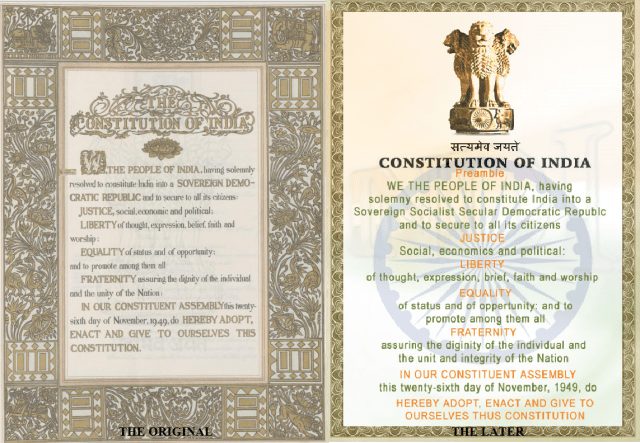











 Allow notifications





