Download Now
Home Blog Page 363

Umair v. State : case analysis

0

This article is written by Dnyaneshwari Patil, from RTMNU Babasaheb Ambedkar College of Law, Nagpur. In this, she analyses the judgement passed by the Delhi High Court in Umair vs State regarding the inherent power of the High Court and recent Supreme Court judgements on similar matters. 

Introduction

The inherent power of the High court under Section 482 of the Code Of Criminal Procedure, 1973, is extraordinary and needs to be exercised with great caution, care, and circumspection before undertaking the scrutinisation of the complaint/FIR/charge-sheet in deciding whether the case falls under exceptional circumstances. Section 307, which is an attempt to murder, is a non-compoundable offence. Non-compoundable offences are more severe and grave in nature in which both the parties and the society at large are affected. In this, the accused cannot be allowed to be free with some settlements. In Mohammed Umair v. State and Anr (2021), the impugned question was whether the High Court of Delhi could exercise its jurisdiction under Section 482 Cr. P.C to quash the FIR on the ground that the parties have entered into a compromise.

Facts of the case

When the accused was disputing with his mother, the complainant urged him not to argue with his mother; however, the accused began abusing and assaulting the complainant and fought with him. It was alleged that the accused slapped the complainant, and when the crowd gathered around them, the accused threatened the complainant and went to his home. It was alleged that the accused stabbed the complainant in the stomach. According to the MLC doctor, the current case is one of a physical attack with a reported stab wound in the abdomen. The incident happened near the home address. A charge sheet has been filed against the complainant mentioning that he has sustained severe injuries. Later, the accused/petitioner was granted bail. This petition was filed on the pretext that the parties had agreed to settle their issues after the engagement of their parents and well-wishers. A settlement deed was also filed.

The decision of the Court

Putting reliance on the case of Gian Singh v. the State of Punjab (2012), in which the power to quash an FIR/complaint, based on a compromise reached between the parties, by the High Court under Section 482 Cr. P.C was held in affirmative. It quoted that, “Inherent power is of wide plenitude with no statutory limitation, but it has to be exercised in accord with the guideline engrafted in such power viz: 

(i) To secure the ends of justice, or

(ii) To prevent abuse of the process of any court.

In what cases power to quash the criminal proceeding or complaint or FIR may be exercised where the offender and the victim have settled their dispute would depend on the facts and circumstances of each case, and no category can be prescribed.”

The court took into consideration that the accused was a 21-year-old adult, having a whole life before him, without any criminal antecedent, and he had not absconded. After the perusal of the charge sheet, it was found that the complainant slapped the petitioner. Consequently, the petitioner felt insulted and therefore, he took a knife from a vegetable vendor and stabbed the complainant in anger. Both the parties live in the same area. The accused have already spent a month in custody. Thus, the court held that they are inclined to quash the FIR under Section 482 as the 21 years old adult has an entire life ahead of him, and the parties have entered into a settlement.

Analysis

The Court referred to various judgements, including the case of Gian Singh v. The State of Punjab (2012). In the said judgement, the Court held for refraining from quashing criminal proceedings if the offence committed is of a serious nature or when the public interest is involved. However, if the offence is of civil nature, or if the possibility of the conviction is remote and the continuation of the proceedings will bring about grave injustice to the accused, then the High Court may quash the criminal proceeding.

The High Court referred to the case of  State of Rajasthan v. Shambhu Kewat (2013), where it was observed that the scope of Section 320 and 482 Cr. P.C. are both similar and different.  There are both similarities and differences between compounding and quashing of cases on the basis of compromise, and therefore the High Court has the sound discretionary power to quash the criminal proceeding in view of a compromise. The power under 320 is cribbed, cabined, and confined, whereas Section 482 is vast, unparalleled, and paramount. The Criminal court power while compounding an offence is limited by Section 320 of Cr. P.C., and is guided totally through it, while the material on record drives the inherent power of the High Court to form an opinion on whether or not to quash a criminal complaint. The exercising of this power is to meet the ends of justice, even though the ultimate effect of this may be acquittal or dismissal of an indictment.

Similarly, in Narinder Singh v. the State of Punjab (2014), the Supreme Court held affirmative that the High Court can quash the criminal proceedings in case of non-compoundable offences in exercising its inherent power under Section 482 of the Cr.P.C. It took into consideration the Gian Singh Case. However, it further held that the inherent power should be used cautiously. Even if the offence under Section 307 is severe, the court makes sure whether the incorporation of Section 307 is for the namesake or there is adequate evidence to show it.

Guidelines laid down by the Supreme Court

In the State of M.P. v. Laxmi Narayan (2019), the larger bench of the Supreme Court laid down specific guidelines by which the High Court can settle the disputes between the parties while exercising power under Section 482.

Whether the offence committed is a crime against the society or an individual

The inherent power of the High court should not be exercised in those prosecutions where the offences are of severe nature, such as murder, rape, dacoity, etc., or offences of extreme mental depravity. These offences are not private but have an immense impact on society at large.

Whether the offences are predominantly civil in nature or criminal in nature

Those criminal cases that are primarily civil in nature, such as conflict arising out of commercial transactions, or family disputes, or marital relationships should be quashed if the parties have settled the dispute among themselves.

Heinous and serious offences

The High Court should refrain from quashing criminal proceedings of severe and heinous crimes. Offences under Section 307 of the IPC fall under this category. However, the decision should not be rested merely on the fact that the offence falls under Section 307 of the IPC but whether the incorporation of Section 307 is solely for namesake or there was substantial evidence to prove it. Thus, regarding this, the High Court looks into the injury’s nature, such as whether the injury is on the vital organ or not, nature of the weapon used, etc. Although the inherent power can be exercised only after the evidence is collected through investigation and the charge sheet is filed, not when the matter is still under investigation. Whether the chances of prosecution are strong or bleak should also be a guiding factor in deciding the impugned question.

Special statutes

The High Court must refrain from quashing the criminal proceedings if the offences fall under a special statute like the Prevention of Corruption Act,(1988), or are committed by the public servant while working in that capacity.

Conduct and antecedent of the accused

The offences conducted are private in nature and do not affect society at large. In this, the court should take into consideration the antecedent of the accused, the conduct of the accused, whether the accused absconded, if he did, then why did he abscond? How did the accused manage to enter into the settlement in the first place? etc.

Recent judgements passed by the Supreme Court on a similar subject

new legal draft

State of Madhya Pradesh v. Kalyan Singh (2019)

In this case, the state filed an application against the High Court, which ordered the quashing of a criminal proceeding against an accused under Section 307, 294 and Section 34 of the Indian Penal Code. The Supreme Court held that the High Court made a grave mistake in quashing the criminal proceeding under Section 482 by taking note of the accused’s criminal background. Further, it reiterated the observations made in Gulab Das and Ors. Vs State of Madhya Pradesh (2011), where it was held that despite the settlement between the parties, the offences that are not compoundable under Section 320 Cr. P.C cannot be allowed to be compounded. 

Ramawatar v. State of Madhya Pradesh (2021)

In this case, a civil dispute arose between the appellant and the complainant over the ownership and possessory rights of a piece of land. Further, it took an ugly turn, and the appellant allegedly threw a brick on the complainant and made slur remarks on her caste. Thus the complainant filed an FIR under the Schedule Caste and the Scheduled Tribes ( Prevention of Atrocities Act ), 1989 read with Section 34 of IPC. The trial court convicted the accused and sentenced him to undergo imprisonment for six months along with a 1000 Rs fine. The appellant challenged the conviction before the High Court; however, the same was dismissed. Before the Supreme Court, it was submitted that the matter had been settled between the parties; further, an application was filed for compromise. 

The impugned question raised was whether criminal proceedings arising out of Scheduled Caste and the Scheduled Tribes ( Prevention of Atrocities Act ), 1989, can be quashed, invoking the power under Section 482 Cr.P.C. and Article 142. It was held that the sole fact that the offence falls under the special statute would not refrain the High Court from exercising power under Section 482 of Cr.P.C. and Article 142 of the Constitution. The Court held that when the offence is of private or civil nature and is not committed due to the caste of the victim, even though the offence comes under the SC/ST Act, and further also the Court believes that the objectives of the Act would not be in contravention even if the impugned offence goes unpunished, then the Court can consider quashing under the said Section.

Conclusion

The Judgement passed by the High Court in Umair vs State is not bad in itself. The Court took into consideration the young age of the accused, who has a whole life waiting for him. However, the inherent power should be used with caution while quashing the FIR/charge-sheet of criminal proceedings, especially non-compoundable offences when the parties have entered into a compromise. In the above case, the accused, in a fit of anger, allegedly stabbed the victim with a knife. The act itself is a severe step taken by the accused in a fit of rage. However, a person capable of stabbing a person in the abdomen due to which the victim suffered severe injuries should not be allowed to be set free after a month of staying in custody. By considering all the facts the court, instead of quashing the criminal proceedings, Court could have decreased the quantum of the punishment given to the accused. 

Reference


Students of Lawsikho courses regularly produce writing assignments and work on practical exercises as a part of their coursework and develop themselves in real-life practical skills.

LawSikho has created a telegram group for exchanging legal knowledge, referrals, and various opportunities. You can click on this link and join:

https://t.me/joinchat/L9vr7LmS9pJjYTQ9

Follow us on Instagram and subscribe to our YouTube channel for more amazing legal content.

Download Now

Society’s consent in marriage of two consenting adults : a growing issue in India

0
Image source - https://bit.ly/3pkmnSy

This article has been written by Oishika Banerji of Amity Law School, Kolkata. This article discusses society’s consent as a hindrance in the marriage of two consenting adults thereby leading to the contravention of both fundamental and individual rights of the adults. 

Introduction 

Marriage has been and remains an integral part of Indian society. In India, marriage is a sacrament as it takes place not between two individuals but between two families, and therefore, this sacrosanct union of two individuals comes with certain challenges with respect to society and its perception of marriage. The institution of marriage, like other social phenomena, has been undergoing significant changes. Taking the children’s opinions for their marriage, the marriage’s diminishing stability, and the bridegroom’s family’s increased greed are some of the visible changes in the institution of marriage. Economic progress, technological advancements, greater materialism in society, and legislative attempts are only a few of the significant causes that have led to changes in the institution of marriage.

The Hindu Marriage Act, 1955 recognizes marriage as a contract between two individuals and thus abiding by Section 10 read with Section 14 of the Indian Contract Act, 1872, free consent between the parties is an essential ingredient of a valid contract. Although Indian law clarifies the need for free consent between the parties getting married, society’s beliefs and thought-process often overpower legal force. The judiciary has many times stepped in to avoid existing laws from getting degraded by stringent ignorance from the people of the society. This article intends to highlight how society’s consent holds more face value in comparison to the consent of two adults wanting to get married with respect to India and how the Indian judiciary has time and again arrived at such scenarios protecting the consenting adults from facing unnecessary harassment. 

Society and marriage : the age-old friendship

Fundamentally, marital relationships govern human behaviour amongst people of different sexes. It has evolved and progressed in tandem with humanity’s socioeconomic advancement. It’s a social proclamation of a new connection. It has a significant influence on social welfare since it is a demographic occurrence. Kinship is seen as a primary realm of the kinsmen. The kinship system, which is made up of families and other forms of kin groups, is one of the most essential structural subsystems of any civilization. 

Because not everyone can afford a socially acceptable union, family, community, and clan, rebellions become unavoidable. Without the backing of their families, many couples marry in small, private ceremonies, while others forgo even that formality and begin living together. This ‘disobedience’ to community standards is sometimes regarded as so dangerous that the family believes the only way to redeem themselves is to engage in ‘honour killing.’ The Indian courts, notably the constitutional courts, have consistently defended the rights of couples who engage in such daredevilry, especially against anticipated murder. But a recent judgment delivered by the Punjab and Haryana High Court has brought in serious concerns on the citizen’s hope about the Indian judiciary.

The High Court of Punjab and Haryana declined to provide protection to a live-in couple on the grounds that the Petitioners sought a ‘stamp of approval’ on their live-in relationship under the guise of requesting protection, putting their lives at risk. The Court’s remark has pierced the reasonable society’s conscience. When the couple sought the High Court in need of protection after leaving their community’s orthodox and life-threatening clutches, it was the court’s constitutional responsibility to preserve their life and liberty in line with the law, rather than relying on supposed morality. This is a textbook example of egregious injustice that requires the Supreme Court’s quick involvement.

Legal protection available for consenting adults getting married

Unlike Article 16 of the Universal Declaration of Human Rights, the Indian Constitution does not specifically recognize the freedom to marry as a fundamental or constitutional right. Marriage is controlled by many statutory enactments, but its recognition as a Fundamental Right has only come about as a result of Supreme Court judgments in India. Article 141 of the Constitution makes such a statement of law binding on all Indian courts. 

Article 21 of the Indian Constitution guarantees the Right to Marry the person of one’s choice. The Right to Life is guaranteed by the Constitution. This privilege may only be taken away by legislation that is substantively and procedurally fair, just, and reasonable. Intrinsic to the liberty which the Constitution guarantees as a Fundamental Right is the ability of each individual to make decisions on matters central to the pursuit of happiness.

In Justice KS Puttaswamy (retd) and others v. Union of India and others (2018), a Constitution Bench of nine Justices of the Supreme Court of India dealt extensively with the issue of choice. The Court had unanimously concluded that “the Right to Privacy is safeguarded as an integral aspect of the Right to Life and personal liberty under Article 21,”. In paragraph 81 of Justice Dr. DY Chandrachud’s majority opinion, the Court stated that the fundamental Right to Privacy in India would cover at least three aspects: 

  1. Privacy of the person, 
  2. Informational privacy, and 
  3. Privacy of choice, which protects an individual’s autonomy over fundamental personal choices.

The third point among the aforementioned points includes the Right to Marry a person of his or her own choice. 

The Prohibition of Child Marriage Act, 2006, the Guardians and Wards Act, 1890, the Majority Act, 1875, the Family Courts Act, 1984 and the Protection of Women from Domestic Violence Act, 2005 are other notable legislation existing in India that stands for a person’s Right to Marry.  Thus not only do we have statutory provisions promoting the Right to Choose and Marriage as an integral part of the Right to Life and Personal Liberty, but the Indian courts have also delivered progressive judgments that have remained robust precedents to abide by in this regard. 

Growth of Khap Panchayats and their dominance 

Khaps are caste and community-based assemblies in northern India that have a voice on a variety of topics, including marriage, dowry, and children’s education, based on ancient practices. They are mainly composed of senior men from the Jat group. The Supreme Court had ruled in Shakti Vahini v Union of India & ors (2018), that any attempt by Khap Panchayats or any other assembly to hinder or prohibit two consenting adults from marrying is totally ‘illegal,’ and established preventative, corrective, and punitive measures in this respect. The Court’s decision was based on a petition brought by Shakti Vahini, a Non-Governmental Organization (NGO) in 2010. The Petitioner had asked the Court to order the states and the federal government to implement a strategy to prevent honour murders. 

The Indian courts and their viewpoint on consenting adults wanting to get married 

The Supreme Court, as well as other Constitutional Courts, have often recognized that a static judicial interpretation of the Constitution would suffocate the spirit of the Constitution in a country undergoing fast social and economic development. A citizen of India has the Right to Protect their own privacy, as well as the privacy of their family, marriage, reproduction, maternity, child-bearing, and education, among other things. The freedom to marry a person of one’s choice is enshrined in Article 21 (Right to Life and Liberty) of the Constitution, according to the Supreme Court, which overturned a Kerala High Court ruling that annulled Hadiya and Shefin Jahan’s marriage in 2017. Two distinct lengthy concurring judgments were issued by the three-judge bench, one by Chief Justice Dipak Misra and Justice A M Khanwilkar and the other by Justice D Y Chandrachud. 

Lata Singh v. State of Uttar Pradesh (2008)

Lata Singh v. State of UP, a 2006 case involving an inter-caste marriage, was one of the early instances dealing with society’s barriers to adults getting married with mutual free consent. The Supreme Court ruled that because the Petitioner was a major, she had the Right to Marry whoever she chose and that there was no statute prohibiting an inter-caste marriage. The verdict, on the other hand, was limited to the facts of the case and did not constitute a “statement of the law” by the Court. The Court did, however, specifically accept the Petitioner’s ability to pick her own spouse.

Re: Indian Woman says gang-raped on orders of Village Court published in Business & Financial News (2014)

Newspaper reports of a 20-year-old Indian woman being gang-raped on the instructions of a village court were taken up by the Supreme Court suo motu. Because the woman had a connection with a man from a different caste, the local court or community panchayat issued their penalty. The Supreme Court emphatically stated that “An intrinsic part of Article 21 of the Constitution would be the freedom of choice in marriage. Such crimes are the outcome of a State’s ineptitude or unwillingness to defend its citizens’ Fundamental Rights. Article 21, which deals with the Right to Life and Personal Liberty, is a broad article that encompasses the inalienable Right to Marry the person of one’s choice”. 

Mayra Alias Vaishnavi Vilas Shirshikar and Anr v. State of UP and Ors. (2021)

The Allahabad High Court, in an extremely commendable, courageous, cogent, composed, and convincing judgment titled Mayra alias Vaishnavi Vilas Shirshikar and others vs State of UP and others  (2021), dealt with a batch of 17 petitions that were concerned with an interfaith marriage contracted by the Petitioners who sought protection from the Court, while underscoring that Uniform Civil Code (UCC) is long overdue thereby calling upon the Central Government to implement the mandate of Article 44 of the Constitution of India. The Hon’ble High Court made the following observations: 

  1. The State and private respondents are prohibited from interfering with the Petitioners’ Right to Life, Liberty, and Privacy as men and women. Taking the same into account, the Court ordered that the Petitioners’ safety and protection should be ensured by the police authority of the individual districts whenever asked or required.
  2. Once the two adult persons agree to engage in valid and legal matrimony, the consent of the family, the community, the clan, the State, or the Executive is not required. Their willingness must be delivered piously, gracefully, and dignifiedly. The Marriage Officer/Registrar cannot refuse to register a validly solemnized marriage and/or demand that the district authority approve the conversion in case of inter-faith or inter-caste marriages.
  3. The duty of the court is to uphold the right and not to abridge the sphere of the right unless there is a valid authority of law. The choice of a partner, whether within or outside marriage, lies within the exclusive domain of each individual.
  4. Marriage’s intimacies are contained inside an inviolable zone of seclusion. Questions of faith have no bearing on an individual’s full freedom to pick a life partner.
  5. Interfaith marriage is not prohibited by the Unlawful Conversion Act of 2021. The Marriage Registrar/Officer does not have the jurisdiction to refuse to register a marriage simply because the parties have not secured the requisite conversion consent from the district authorities. This type of permission is optional and not required. If construed otherwise, the Act would fail to pass the rationality and fairness test and would fail to meet the requirements of Article 14 and Article 21 of the Indian Constitution.

Swaleha Hussain v. State of Uttarakhand & another (2021)

“Adults, of course, have the freedom to marry whoever they want. As a result, neither family members nor acquaintances of the family should use any form of pressure” stated a Bench of Chief Justice Raghvendra Singh Chauhan and Justice Alok Verma of the Uttarakhand High Court in a recent case of Swaleha Hussain v. State of Uttarakhand & another (2021). The Uttarakhand High Court ordered the Uttarakhand State and the Director-General of Police to ensure that if a complaint is received about threats made to a young couple or those about to marry, an FIR is supposed to be filed right away, and severe action is to be taken against the perpetrators. 

Significantly, the Court noted that it is inundated with criminal applications from those who are about to get married or who have already got married. In many of these situations, the Court remarked that people who are engaged in an inter-caste and inter-community marriage, or marriage against the family’s desires, face threats from family members or anti-social groups.

Navjet Singh Johar and others v. Union of India (2018)

A five-judge Constitution Bench of the Supreme Court of India in Navjet Singh Johar and others v. Union of India (2018) declared Section 377 of the Indian Penal Code, 1860, a colonial-era provision that criminalized homosexual relations, unconstitutional to the extent that it prohibited voluntary sexual intercourse between two consenting adults. Whether the Right to Marry exclusively applies to heterosexual couples rather than same-sex couples was answered by the Court in this landmark decision.

Justice Chandrachud in the present case had observed that members of the LGBT community “are entitled, like all other citizens, to the entire spectrum of Fundamental Rights, including the liberties protected by the Constitution, as well as equal citizenship and “equal protection of the law.” As a result, once members of the LGBT community are “entitled to the entire spectrum of constitutional rights,” it is clear that same-sex couples planning to marry must be granted the basic right to marry the person of their choice. If such a right is denied, individuals can undoubtedly go to the constitutional courts to have their fundamental and inherent rights enforced.

Conclusion 

It is extremely necessary for a society and its people to think progressively when it comes to matters of societal importance. Over-concern about the marriage of two consenting adult individuals often takes a back step in the process of societal development. Education and awareness are the two key elements that can contribute to regulating positive changes within a society thereby helping in the metamorphosis of the thought-process of individuals of every age group living in a society. Laws can help to be a catalyst in driving the society towards an optimistic outlook to some extent, but it is the perception and mindset that needs to change for this Indian society when it comes to marriage. 

References 

  1. https://www.researchgate.net/publication/323525314_Significance_of_Marriage_as_Social_Institution_in_Indian_English_Writings.
  2. https://www.outlookindia.com/website/story/supreme-court-declares-khap-panchayats-illegal/310063.
  3. https://www.livelaw.in/top-stories/supreme-court-live-in-couple-ph-high-court-socially-morally-unacceptable-remark-order-protection-175308.
  4. https://scholarship.law.columbia.edu/cgi/viewcontent.cgi?article=1483&context=faculty_scholarship.

LawSikho has created a telegram group for exchanging legal knowledge, referrals and various opportunities. You can click on this link and join:

https://t.me/joinchat/L9vr7LmS9pJjYTQ9

Follow us on Instagram and subscribe to our YouTube channel for more amazing legal content.

Download Now

Critical analysis of Egypt’s new cyber law

0
Cyber law

This article is written by Smaranika Sen from Kolkata Police Law Institute. This article deals with Egypt’s cybercrime laws.

Introduction 

We are now almost at the end of 2021, and every aspect of our lives is somewhat dependent on the internet. The pandemic showed us that almost everything under the sky is possible, starting from work from home to online health checkups and so on, the list never ends. However, as we know that every coin has two sides, the same is true with the enormous growth of the internet. In 2020, the commission of cybercrime was rampant worldwide. Research by Deep Instincts showed that in the year 2020, the malware increased by 358% overall and ransomware by 435% as compared to 2019. Some other highlights of the research were: cyberattacks on Android phones were 263%, manipulation of Microsoft Office documents by 112%, malicious activity almost 653%. 

Thus, with the advancement of technology and the reign of the internet all over the world, it is crucial to have legislation in the cyber arena. Lately, Egypt has introduced its new cyber laws. A lot of discussions, controversies have been observed regarding this new cyber law. Through this article, I will analyze, and try to highlight the key features of Egypt’s new cyber law. 

Anti-Cyber and Information Technology Crimes Law 

This Anti-Cyber and Information Technology Crimes Law (Law No. 175 of 2018) was introduced in Egypt on 15th August 2018. The purpose of the enactment of the law was to regulate internet activities, complement the media, and the press laws in Egypt. This law has emphasized deeply the activities of media and the press; especially penalizing the production of fake news, unlicensed online activity, etc.

Overview of the law 

The law is composed of 45 Articles. The authority of the law is the National Telecommunication Regulation Authority of Egypt and the competent Minister is the Minister of Communications and Technology Affairs of Egypt. The law is addressed to:

  • Both natural and legal persons
  • Managers of legal persons
  • Internet service providers
  • Web administrators
  • State officials

The law penalizes various crimes like crimes related to the infringement of:

  • Surpassing the Right of Access
  • Unlawful sniffing
  • Data, information, and information systems integrity
  • Website design
  • State information systems
  • Information network integrity
  • Privacy and unlawful information content

Highlighting provisions of the law 

Encroaching on the security of information networks, systems and technologies

This provision is contained in Article 13 of Chapter 1. It recognizes the crime of unrighteous benefit from the telecommunications and information services and the technology thereof. The provision states that if any person is found out unduly using any network system or any means of information technology in communication services, audio services, or visual broadcasting channel, they will be punished with imprisonment with not less than three months along with a fine ranging from not less than ten thousand Egyptian Pounds to not more than fifty thousand Egyptian Pounds. Based on the crime, the punishment can also be either of these two penalties.

Crimes committed by information systems and technologies fraud and encroachment 

This provision is contained in Article 23 of Chapter II. It mostly recognizes crimes against credit cards, services, and electronic payment tools. This provision states that any person who is caught unduly accessing numbers and data of bank credentials, or of any modes of e-payments will be punished with imprisonment with not less than three months along with a fine ranging from not less than thirty thousand Egyptian Pounds to not more than fifty thousand Egyptian Pounds. Based on the crime, the punishment can also be either of these two penalties.

If it is found that the person has committed such crime in the view of obtaining funds or services from a third party, then such person will be punished with imprisonment with not less than six months along with a fine ranging from not less than fifty thousand Egyptian Pounds to not more than one hundred thousand Egyptian Pounds. Based on the crime, the punishment can also be either of these two penalties.

If it is found that the person has committed such a crime of obtaining funds and services from a third party and has been able to seize such funds and services for himself or for anyone else, he will be punished with imprisonment not less than one year along with a fine of not less than one hundred thousand Egyptian Pounds.

Crimes related to invasion of privacy and illegal content

This provision is contained in Article 25 of Chapter III. The provision states that if anyone is found infringing any family principle or value of Egyptian society, or sells any private data to any website or e-system without one’s consent, or sends an email without one’s consent, or publishes any kind of information or image which is personal without such person’s knowledge irrespective of the fact that such information is true or false; he will be punished with imprisonment with not less than one year along with a fine ranging from not less than fifty thousand Egyptian Pounds to not more than two hundred thousand Egyptian Pounds. Based on the crime, the punishment can also be either of these two penalties.

If any person has committed this crime against any public legal person, then such person will be punished with imprisonment along with a fine ranging from not less than one hundred thousand Egyptian Pounds to not more than three hundred thousand Egyptian Pounds. Based on the crime, the punishment can also be either of these two penalties.

These were some of the crucial offences that were recognised in the anti-cybercrime law of Egypt.

Critical evaluation of the law

As already stated above, cyber laws are very important for every State now. However, it goes without saying that every legislation must be enacted and implemented in such a way that it is beneficial for the common people. At times, it is observed that certain legislations are implemented in such a way that it becomes detrimental rather than beneficial to commoners. 

Regarding the anti-cybercrime laws of Egypt, a lot of protests, debates, and discussions took place. Let us analyze the issues in detail below:

What is the issue

Censorship

The most critical issue that had been observed regarding this law was the legalization and the reinforcement of censorship. According to a statement published by Reporters Without Borders, the anti-cybercrime law legalized and reinforced censorship along with blocking websites. It also criminalized the usage and operation of these websites. Article 7 states the procedures and decisions issued in respect of the site block writs. It states that if any broadcasting of websites both inside or outside the State display any images, films, or public materials etc., or jeopardizes national security or is in contravention with this law, then such broadcasting would be deemed as an offence. In such situations, the Government grants the investigating authority the power to block those websites. 

Public reaction

Various citizens and especially the media personnel and journalists have emphasized the point that these provisions are curbing the right to freedom and expression. The ambit of threat to national security is too widened to the extent of curbing commoner rights. Some people have stated that previously, in Egypt a lot of sites have been blocked under the purview of security reasons and authorities have arrested various news journalists, news bloggers, news editors, satirical bloggers, etc. Even a mere visit to a banned website is a punishable offence. 

Increased liability of web administrators and managers

Another critical issue faced by this law is the provisions related to the liability of web administrators band managers. Article 27 of the law deals with crimes committed by the site administrator. It states that any person who manages, creates, or uses any website or private account which aims to commit any punishable crime or facilitates to do the same, then such person will be punished. The accused will be punished with imprisonment with not less than two years along with a fine ranging from not less than one hundred thousand Egyptian Pounds to not more than three hundred thousand Egyptian Pounds. Based on the crime, the punishment can also be either of these two penalties. 

Article 29 states that if any person responsible for managing a website or private account or information system or email exposes the same to crime then such person will be punished with imprisonment with not less than one year along with a fine ranging from not less than twenty thousand Egyptian Pounds to not more than two hundred thousand Egyptian Pounds. Based on the crime, the punishment can also be either of these two penalties. It further states that if someone commits the same due to negligence, then such person will be punished with imprisonment with not less than six months along with a fine ranging from not less than ten thousand Egyptian Pounds to not more than one hundred thousand Egyptian Pounds. Based on the crime, the punishment can also be either of these two penalties

Article 35 states the criminal liability of legal persons. It states that if the manager of legal person becomes aware of the fact that certain entities or websites have been victims of crime and does not inform the same competent authority, then such person will be punished with imprisonment with not less than three months along with a fine ranging from not less than thirty thousand Egyptian Pounds to not more than one hundred thousand Egyptian Pounds. Based on the crime, the punishment can also be either of these two penalties.

Article 36 states that if the manager of the legal person is aware of the crime or facilitates the crime in the view of obtaining the interest of himself or for a third party, then such person will be punished with a similar penalty as imposed on the original perpetrator of the crime.

People’s reaction

The provisions as stated have triggered a lot of people and enhanced public debate. Their question was that, will the managers or owners, or admins of any websites face criminal liability for any user-generated crime. According to certain people, the law could prosecute them. However, it can be stated that Article 27 gives a very broad spectrum to state offences. Thus, a lot of acts come under the purview of it, even though from a general perspective, it cannot be treated as a criminal offence. A narrow interpretation could have been beneficial. The broad spectrum of Article 27 could also hold web administrators liable for such acts which are technically beyond one’s control. 

Other issues

Articles 25, 29, and 39 are defined very broadly. The interpretations might be victims of a lot of mistakes. Therefore, more narrowed or accurate definitions could be beneficial.

Conclusion

The anti-cybercrime law of Egypt has certain provisions which are too broad to be accurately interpreted. The issue regarding censorship cannot be overlooked as Egypt ranks 166th out of 180 countries in the World Press Freedom Index. It clearly shows that the journalists there are not given enough freedom to free speech and expression. However, it goes without saying that a proper judgment regarding this law could only be given after its implementation in the country for some time.  

References


Students of Lawsikho courses regularly produce writing assignments and work on practical exercises as a part of their coursework and develop themselves in real-life practical skills.

LawSikho has created a telegram group for exchanging legal knowledge, referrals, and various opportunities. You can click on this link and join:

https://t.me/joinchat/L9vr7LmS9pJjYTQ9

Follow us on Instagram and subscribe to our YouTube channel for more amazing legal content.

Download Now

Essential clauses in a trademark licensing agreement

0

This article is written by Aditya Rastogi, pursuing a Diploma in Advanced Contract Drafting, Negotiation, and Dispute Resolution from LawSikho

Introduction

Trademark licensing is one of the most common methods of monetising the intellectual property of individuals. Organisations, by licensing the trademarks which are owned by them, grant the licensee with the right to use their respective registered trademark. In the year 2020, Hero MotoCorp and Harley-Davidson entered into a licensing agreement through which Hero MotoCorp was granted the exclusive right to develop and sell premium motorcycles under the Harley-Davidson brand name. Similarly, Walt Disney also licensed its relative trademark to its producers so that they could use the mark on agreed products.  

A huge number of brands are choosing to license their respective trademarks in order to expand their businesses as well as to generate greater revenue from their own brand name. The most common and important factor in a business arrangement is the licensing agreement. Both the parties i.e. the licensor and the licensee should necessarily ensure that the signed license agreement is comprehensive and clear in nature and covers all future possibilities. In the cases where the license agreement is not properly drafted, it could result in future litigation and could also impact the commercial interests of both parties. This article aims to explain some of the important clauses in a trademark licensing agreement.

Important clauses in trademark licensing agreement

In every licensing agreement, there are some clauses that should compulsorily be incorporated in order to ensure that the rights and obligations of each and every party are clearly laid down. 

Preamble 

It plays a very important role in clearly identifying the parties to the agreement i.e., the licensor and licensee, and also states the other details of the parties, like their registered offices and their location. It clarifies if the agreement is binding upon the representatives, successors, or assignees of the parties to the agreement.

Grant clause 

This clause is again a very important clause in a trademark licensing agreement because it grants the licensee the right to use the licensor’s trademark. It must clearly lay down the extent to which the rights are granted to the licensee. The granted right can be with respect to exclusive or of the non-exclusive type; or kind of a transferable or the non-transferable one; the geographical limit within which one of the parties that is the licensee is provided the right to use the given mark; all the goods and services on which the licensee can use the relevant trademark; whether the given right to sub-license will be granted to the party which is the licensee. In the cases where the trademark is licensed on an exclusive basis, the agreement should necessarily specify or state all the relative terms and conditions which if not fulfilled will permit the licensor to cancel the entire exclusively given license.  

Rights and liabilities 

The agreement should necessarily contain a clause that is clearly indicative of the rights and obligations of each of the parties. The licensor’s obligation must involve the fact ensuring the value with regard to the trademark is purely maintained, and adequate technique of marketing and advertising is done in conformity to the relevant extent. The licensee’s obligations must extend into ensuring the quality of goods and all the services upon which a licensor’s trademark is mentioned and used, and is also maintained. Both the parties must also lay down all the obligations or the roles of each of the parties in cases where there is a third-party infringement of the registered trademark. 

Royalties clause 

All the clauses pertaining to the royalties with regard to a licensing agreement must specifically lay down all the methods of calculation of the relevant royalty which is to be paid by the licensor to the licensee. It should also state all the terms related to the payment i.e., the manner inclusive of the timeline for all payments of royalties, including the documentation mentioning the calculation of royalties. 

It is extremely important that both the parties are made accountable for the late payments and also, provide a detailed description of the manner in which such a situation shall be addressed. The licensor should also be provided with the right to audit all the royalties which are paid and the agreement should necessarily specify the kind of frequency of all the audits.  

Product and process stewardship clause 

The particular clause in the agreement must specifically state all the responsibilities of both the parties with respect to safety, including the environmental, and all possible kinds of social impacts, on the goods which are produced under the relative trademark. It must further be mentioned that the licensee in the future is also responsible and must adhere to all the state and local safety rules prevalent with reference to the process, product, employee, and customer safety.  

Quality control clause 

Since it is one of the most important aspects of trademark licensing, the agreement should necessarily provide for the provision where the licensor shall exercise the quality control practice over the goods given to the licensee i.e., should provide all the complete details of the respective design, as to how the trademark should be used and all the different types of products which should be placed and promoted in future, whether in future there will be inspections by the licensor and their frequency, etc. The clause must also clearly specify the process for disposing of all the kinds of goods that do not meet the required standards. 

Termination clause 

This clause must clearly lay down all the conditions as to when a party may possibly terminate the signed agreement. It can be either terminated on completion of the term of the license agreement, or on the breach of obligations in the agreement by either of the parties, prior to the expiry of the term of the agreement. If the party is to be awarded an opportunity to rectify the breach, the same shall be clearly stated and the time period within which the rectification is to be made, must also be specifically mentioned. 

Governing law clause 

It is another important clause in the agreement which specifies the law that will govern the agreement during its effectiveness. This clause has its own particular significance in the cases where the parties belong to different jurisdictions. The governing law clause is instrumental when it comes to determining the rights and liabilities of the parties to the agreement and also the remedies which are available to them in case of a breach, and so on and so forth. 

The governing law clause is extremely significant when it comes to the interpretation of clauses that are contained in this agreement. The governing law clause must include jurisdiction that is well connected in regard to the transaction which is entered into between the parties depending upon the principles that govern the private international law. 

Dispute resolution clause 

The disputes related to the agreement can arise at any point of time. Therefore, it is very important that the drafted agreement includes a clause that is relevant to determining the resolution mechanism in the case where any dispute arises between the parties. Parties often choose arbitration as it is neutral in nature with regard to proceedings, especially in the cases of cross-border licensing agreements. Parties’ right to choose is another characteristic of arbitration that makes it one of the most preferred modes for dispute resolution amongst parties where there is licensing agreement. 

Insurance clause  

The licensing agreement generally contains the insurance clauses that are included in order to protect the licensor from any kind of future third-party claims which might arise against the licensee. This can include the extent of loss or damages, or the fee and expenses to be incurred by them due to such future third-party claims. 

Confidentiality clause  

In a licensing agreement, it is very common that both parties have their own confidential information with regard to the other party. It would be quite prudent to have clauses related to confidentiality. Both the parties should be entitled to utilize the confidential information throughout the duration of the agreement, however, such information should not be disclosed to any third party. 

The licensing agreement must have a provision for the return of the exchanged confidential information made between the parties as soon as the agreement is terminated. It is extremely essential to clearly mention to which information will be considered as ‘confidential’ in nature and under what situations such information could be expected to be disclosed. 

Conclusion

It is extremely important that the trademark licensing agreement is perfectly drafted and is comprehensive so that it eliminates potential disputes which might arise in the future between the parties. Further, it is also very important to remember that every licensing agreement which is drafted is different because it is based on the kind of commercial arrangement between the parties.  Thus, it is important to be clear with regard to the interests of both parties to the agreement and then draft the respective agreement accordingly. Parties should seek the assistance of attorneys who are experienced, in order to ensure that the relative agreement is well-drafted and inclusive of all the accurate rights of each party reflected in the trademark license agreement ensuring that the interests of both parties to the agreement are considerably safeguarded.

References

  • docs.google.com/spreadsheets/d/1X30BgDUESlsYK-RB4MyWtYuT6_9Cuh41MXA-ty0VJZM/edit#gid=324164889
  • https://www.ny-trademark-lawyer.com/the-nuts-and-bolts-of-a-trademark-licensing-agreement.html

Students of Lawsikho courses regularly produce writing assignments and work on practical exercises as a part of their coursework and develop themselves in real-life practical skills.

LawSikho has created a telegram group for exchanging legal knowledge, referrals, and various opportunities. You can click on this link and join:

https://t.me/joinchat/L9vr7LmS9pJjYTQ9

Follow us on Instagram and subscribe to our YouTube channel for more amazing legal content.

Download Now

Is consent of family needed when two adults decide to marry : SC answers

0

This article is written by Yash Kapadia. Through this article, we shall provide a case summary wherein the Supreme Court has answered whether consent of one’s family is required or not when two adults decide to marry. 

Introduction

In India, as we all know, marriages are often decided when the family of the bride and groom both agree to it. However, considering the modern 21st century, sometimes the families do not agree to the marriage. If the couple still marries, does it make the marriage null or void or illegal? Is the consent of the family of the couple marrying each other a prerequisite? 

A division bench of the Hon’ble Supreme Court comprising Justice Sanjay Kishan Kaul and Justice Hrishikesh Roy answered the above question in the landmark case of Laxmibai Chandaragi B & Anr. v. State of Karnataka & Ors. [Writ Petition (Criminal) No. 359/2020] pronounced on February 8, 2021.1

Through this article, we shall provide a case summary of the aforementioned case including the facts, issues, submissions and judgement followed by an analysis of the decision. 

Facts

One Mr. Basappa Chandaragi reported his daughter, Ms. Laxmibai Chandaragi, Petitioner No.1 in the present case, to be missing since 14th October 2020 at the Murgod Police Station in Savadatti Taluk, Belagavi District. In response to the complaint, a missing person’s First Information Report was filed and the Investigating Officer gathered the missing person’s parents and relatives’ statements as well as their phone numbers. After accessing the call details, it was evident that Petitioner No.1 was in contact with Petitioner No.2 Mr. Santosh Singh Yadav. 

It is pertinent to mention that both parties are well educated. The Petitioner No. 2 is an M.Tech from NIT, Tiruchirapalli, while Petitioner No.1 is an M.A.B.Ed. Petitioner No. 2 had got a placement as an Assistant Professor in Jain College of Engineering, Belagavi, Karnataka while Petitioner No.1 was a Lecturer in Karnataka Lingayat Education Society Pre-University College, Bailhongal and in the course they fell in love with each other during these assignments. 

During the course of the investigation to find Petitioner No. 1, it was discovered that she and Petitioner No. 2 traveled from Hubli to Bangalore and then to Delhi through Bangalore without informing her parents and went on to marry Petitioner No. 2. Petitioner No.1 revealed the fact of her marriage to her parents by sending them a marriage certificate via WhatsApp on 15th October 2020.

Considering that a missing complaint was filed, the Investigating Officer went to Ghaziabad where Petitioner No. 1 resided and demanded that Petitioner No. 1 appear at the Murgod police station to provide a statement that she was married so that the case might be concluded. This was also followed by a letter written by Petitioner No. 1 to the Investigating Officer (IO), indicating that she was married to Petitioner No. 2 and that due to imminent threat from her family members she would be unable to visit the police station. The IO, however, refused to close the case. In fact, the Investigating Officer told Petitioner No. 1 that unless she returned to Karnataka, they would in turn file a kidnapping case against her husband i.e. Petitioner No. 2 at the request of her family members.

In the aforesaid circumstances, the Petitioners filed the present petition before the Hon’ble Supreme Court under Article 32 of the Constitution of India, claiming that she was subject to dual jurisdiction because she lived with Petitioner No. 2 in Uttar Pradesh while she was from Karnataka. The petitioners submitted that they were being threatened by the uncle of Petitioner No. 1. They also sought protection from the Allahabad High Court, but the petition could not reach the board for an urgent hearing even after pressing for it for approximately a month.

Issue

Whether the First Information Report should be quashed because both parties consented to marry at their own will.

Judgment

The Supreme Court ruled that the procedures arising from the Murgod Police Station, Belagavi District, Karnataka, First Information Report were annulled. 

Court’s view on the Investigating Officer’s approach 

The Apex Court stated its dissatisfaction with the way the IO handled the investigation. It stated that if the IO could have visited the residence of Petitioner No. 2, he could have recorded the statement of Petitioner No.1 at the place where the petitioners were residing rather than insisting and calling upon the petitioners to come to the local police station at Karnataka thereby delaying the investigation. Moreover, the IO’s move to threaten the Petitioner with false charges on her husband if she did not come to Karnataka to give her statement was seriously disregarded and condemned by the Apex Court. The Bench stated that its interference would not be required if the IO did his job responsibly. For this reason, it was also suggested that IO must be counselled and programs must be devised to train the police personnel to handle such cases. 

The Apex Court whilst citing the forward-thinking approach stated that nowadays educated younger boys and girls choose their life partners which, in turn, is a departure from the earlier norms of society where caste and community used to play a major role in deciding such things and one must adapt to it.  

Where can a statement be taken

The Court stated that the Petitioner No. 1’s marriage certificate and her chat with the IO, in which she said that she is not missing but is living with her husband and voiced concern for her safety in returning to her hometown to record her statement, clearly demonstrated the truth of the issue. The officer can record the statement wherever the subject feels safe and secure, rather than imposing coercion that their statement would only be recorded if they are accompanied to the specified police station. 

Case laws cited and relied upon

The Apex Court relied on the case of Shakti Vahini v. Union of India, 2018 wherein the Apex Court stated that the consent of the family or the community or the clan is not necessary once the two adult individuals agree to enter into a wedlock and that their consent has to be piously given primacy. “The choice of an individual is an inextricable part of dignity, for dignity cannot be thought of where there is erosion of choice. Once the fundamental right is inherent in a person, the intolerant groups who subscribe to the view of superiority class complex or higher clan cannot scuttle the right of a person by leaning on any kind of philosophy, moral or social, or self-proclaimed elevation.

This Court reiterated as stated in Shafin Jahan v. Asokan K M & Ors, 2018 that our society is undergoing a transformation period which is extremely crucial. Marriage’s intimacies are contained inside an inviolable zone of privacy, where even concerns of faith have the least impact. Article 21 of the Indian Constitution was determined to include the right to marry a person of one’s choice.

The Bench stated unequivocally that any person’s matrimonial affairs are covered by the Right to Privacy, which is now a basic right under Article 21 following the Supreme Court’s judgment in the case of K.S Puttaswamy v. Union of India, 2017. Article 21 guarantees the freedom to choose one’s life partner, which is the most intimate of all the rights that make up personal liberty. The Court stated that intimacies of marriage lie within a core zone of privacy, which is inviolable and even matters of faith would have the least effect on them. The right to marry a person of choice is therefore held to be integral to Article 21 of the Constitution of India. 

Final Order

Therefore, the FIR against the Petitioner was ordered to be quashed and the present writ was disposed of with the hope that the parents of Petitioner No. 1 willingly accept her marriage and re-establish their relationship. 

Analysis

  • In my opinion, the way the inquiry was conducted did not reflect well on the police department or the IO particularly. Petitioner No. 1 presented her marriage certificate, which clearly indicated that she was married to Petitioner No. 2 and that she was afraid to come to the police station because she felt intimidated and threatened by her family’s actions. The Hon’ble Supreme Court chastised the Investigating Officer for using such tactics and ordered that he be sent for counselling to learn how to handle such situations. This sets a strong precedent as well as an example to various IO’s handling similar matters and displays the Court’s stern views on such ways in which investigations are taking place. 
  • The parents of Petitioner No. 1 were opposed, but the parents of Petitioner No. 2 were in favour of the nuptials of both the well-qualified petitioners who are majors and Hindus. This goes on to show that being educated, it brings more convincing that both the petitioners know what they are doing and are clearly not disputing their love for each other. The only backdrop is the Petitioner No. 1’s family who were not accepting the person their daughter has married, which is not something new in today’s modern times. 
  • The Apex Court correctly stated that younger educated boys and girls picking their life partners is a departure from earlier societal conventions in which caste and community used to play a prominent role, but it is also a step forward in reducing caste and community tensions. Such children, however, fear threats from their elders, and the courts have stepped in to help them. This also sets an example to parents as well as children that there is nothing illegal or void in marrying someone when there is consent and willingness from both ends. 
  • While citing and relying on judicial precedents the Supreme Court correctly stated that two mature adults can choose to enter into matrimony and the agreement of the family, community, or clan is not required and that their consent must be given primacy.
  • Reliance was also placed on the case of Asha Ranjan v. State of Bihar, 2017 that an individual’s choice is very complicatedly linked to dignity because dignity cannot be thought of in the absence of choice. The concept of ‘class honour’ or ‘group thinking’ is unlikely to surrender to such a right of choice.
  • Marriage’s intimacies are contained inside an inviolable zone of privacy, where even concerns of faith have the least impact. Article 21 of India’s Constitution was held to include the right to marry a person of one’s choice.

The Court also stated that individual autonomy, including in matters of family and marriage, is essential to an individual’s dignity. The Supreme Court also stated that even the Bench hoped that the parents of Petitioner No. 1 would see reason and recognise the marriage, allowing both petitioners to resume social activity. Quoting Dr. B.R. Ambedkar’s remarks from “Annihilation of Caste,” stated that alienating the child and son-in-law under the guise of caste and community will scarcely be a desired social exercise.

Conclusion

The right to choose a life partner is a fundamental right guaranteed under Article 21 of the Constitution of India. We also learn that an IO cannot compel someone to travel to a specific police station to record a statement nor can police threaten someone with false charges as the same is deprecated by the Apex Court. 

In this instance, the Apex court slammed the IO and other police officials for not only forcing a woman to record her statements at a police station, but also for threatening her with a false case that her parents may file with the police, resulting in her husband’s incarceration. This sets a strong precedent to be followed in ongoing and future cases that are similar. 

In drawing things to a close and answering the question of whether the consent of family is needed once two adults have decided to marry, the answer is no. In any circumstances where two adults have voluntarily agreed to enter into matrimony, there is no need for clan, family, or community approval. i

References


Students of Lawsikho courses regularly produce writing assignments and work on practical exercises as a part of their coursework and develop themselves in real-life practical skills.

LawSikho has created a telegram group for exchanging legal knowledge, referrals, and various opportunities. You can click on this link and join:

https://t.me/joinchat/L9vr7LmS9pJjYTQ9

Follow us on Instagram and subscribe to our YouTube channel for more amazing legal content.

Download Now

Dying declaration : a weapon for justice or revenge

0
Image source - https://bit.ly/2M37wsX

This article is written by Jaagatjot Singh, pursuing Diploma in US Corporate Law and Paralegal Studies from LawSikho

Introduction

The dying declaration has its foundation in the maxim ‘Nemo Moriturus Praesumitur Mentire‘, which means ‘a man will not meet his maker with a lie in his mouth’. This declaration is also called Leterm Mortem, i.e. words said before death. In layman’s terms, a dying declaration is a declaration or statement made by the person who knows his death is certain. He/she states his or her cause of death in this declaration, which is why it is said that one would not lie on his/her deathbed. This has great significance in the court of law as it leads to some serious accusations against the defendant. A dying deposition is sometimes confused with, the concept of dying declaration but these both are distinct with just one thin line between them, which is the fact that a ‘dying deposition’ is recorded by a Magistrate in the presence of the lawyer of the accused whereas ‘dying declaration’ usually recorded in the presence of  Magistrate and doctors to eliminate chances of false implication. 

If the dying declaration was not admissible in the courts, it would have exonerated several offenders of their heinous acts. However, in some cases, admissibility of this declaration could also lead to a prejudicial decree against someone innocent. Admissibility of the dying declaration as a shred of evidence is in itself a strong course of action taken by the courts to grant justice to the deceased, and there lie no chances of cross-examination, as this could only happen in exceptional circumstances. Recognition of this law under English law and in what cases the dying declaration plays a significant role will be understood as we move further in this article. 

Dying declaration under Indian Law

Dying declaration is defined under Section 32(1) of the Indian Evidence Act, which states-

“When a person makes the statement as to the cause of his death, or as to any of the circumstances of the transaction which resulted in his death, in cases in which the cause of that person’s death comes into question. Such statements are relevant whether the person who made them was or was not, at the time when they were made, under the expectation of death, and whatever may be the nature of the proceeding in which the cause of his death comes into question”.

How should a dying declaration be made?

Dying declaration can be made through writing, orally, through actions, or in the form of a narrative. But it is preferred that it should be written in the vernacular, which the patient understands and speaks. Usually, it is in the form of questions and answers, which requires extra vigilance to avoid errors while recording the answers.

Dying declaration under English Law

A dying declaration is considered as evidence under English Law but only in cases of homicides and not in civil cases or other criminal matters. It is considered that the declaration made under articulo mortis should not be neglected but considered with respect.

Dying declaration is recognized only in homicides for the following reasons:

  • That the deceased would have been the only eyewitness to the crime.
  • It is in the public good to punish the offender for manslaughter.
  • The apprehension of impending death is considered equivalent to a situation under oath, as the maxim states- one doesn’t die with a lie on their lips.

It is paramount for the person making the declaration to die, as death is the subject of the charge. In contrast, in India, it is not mandatory for the person making the declaration to die, as in such a case, the statement made by that person can still be considered a piece of evidence.

Hearsay evidence is not accepted in the court, but the dying declaration is an exception to this rule

As the name suggests, hearsay means something that is not directly heard and has no credibility until proven with facts. A statement that is provided under hearsay has no merit in the law until proven, as this is known to be second-hand information.

Section 60 of the Indian Evidence Act mentions clearly that oral evidence must be direct. The person should directly see, hear, or sense the fact to allow it to be admissible as evidence in court. However, hearsay evidence is clearly secondary evidence.

Generally, hearsay evidence is not admissible, however, there are some exceptions under which it is admissible. One of such exceptions is the dying declaration as the information provided by the deceased on his death bed cannot be validated. If the same declaration is completely disregarded, it would lead to a miscarriage of justice. Hence, this exception is a must. To avoid any tampering with the declaration by the witnesses, it is made sure that the witness during the cross-examination does not try to hide or lie as they would be liable under the offence of perjury. But such evidence can still impact the proper functioning of the court while passing a decree because such evidence is neither given under oath, nor the veracity of the matter can be analyzed via cross-examination, nor can the maker be questioned.

Evolution of evidentiary value of dying declaration

The dying declaration has evolved with time and has been taken as evidence by the Court even in such cases where the evidence was available in various forms like written, oral, or signs.

To begin with, came the case of K. R. Reddy v. Public Prosecutor [1976 (3) SCC 618], the court observed :

1. The dying Declaration is admissible as evidence under Section 32 by the Court and is not made under oath, making it impossible to validate the same via cross-examination.

2. The court has to apply the scrutiny and the closest circumspection of the statement before acting upon it. 

3. Great solemnity and sanctity is attached to the words of a dying man because a person on the verge of death is not likely to tell lies nor to connect a case to implicate an innocent person. Yet, the court has to be on guard against the statement of the deceased being a result of either tutoring, prompting or a product of his imagination. 

4. The court should be satisfied with the declaration and it should be ensured that force or threat did not influence the statement made by the deceased and the person was fully conscious while making the statement.

In Sham Shankar Kankaria v. the State of Maharashtra (2006), the Hon’ble Apex Court held that “The situation in which a person is on death bed is so solemn and serene when he is dying that the grave position in which he is placed, is the reason in the law to accept the veracity of his statement. It is, for this reason, the requirements of oath and cross-examination are dispensed with.  If the dying Declaration is excluded it will result in a miscarriage of justice because the victim being generally the only eyewitness in a serious crime, the exclusion of the statement would leave the court without a scrap of evidence”

In State v. Maregowda (2002 (1) RCR (Criminal) 376 (Karnataka), it was held that a suicide note is also considered to be evidence under Section 32(1) as a dying declaration.

In the case of Pakala Narayana Swami vs Emperor (1939), even the statement by the wife that her deceased husband had gone running some errands was enough to qualify as a dying declaration as in this case, the wife stated that ‘her husband had gone to Berhampur to take payment’ and this was considered as a dying declaration.

This case was crucial as it stated that even the circumstances or documents or statements that act as collateral to the case can also be admitted under the evidence as a dying declaration.

In a very recent case of  Satpal vs State of Haryana (2021), also known as the Kerosene oil Burn case, the husband lit his wife on fire after an argument by pouring kerosene on her. After being hospitalized due to 90% of her body having suffered burns, she was only able to state the incident. Because of the statement given by the wife in such a critical condition, the Court admitted her dying declaration as evidence.

During the admissibility of this statement, questions were raised by the accused regarding the authenticity of the statement as the victim’s relatives were also present and it was possible that under their influence his wife accused him of the crime. Despite such objections, the court stood firm on its decision to include this declaration as evidence and punish the accused.

The same happened during the Nirbhaya rape case in 2012 and during the Hathras rape case as well wherein a threatening letter by the upper caste accused was also considered a dying declaration by the court.

Dying declaration cannot always act as the sole factor to punish the accused as stated in the first case reference. The courts have to adhere to the surrounding circumstances as well to understand the credibility of such a Declaration. In Jayamma & Anr. v/s. State of Karnataka, the SC reversing the High Court’s decision refused to consider the dying declaration of the victim as there were plenty of loopholes during the investigation and while recording the declaration proper measures were not taken either by the police or the doctors. And the court stated that: “When the dying declaration has been recorded in accordance with the law, and it gives a cogent and plausible explanation of the occurrence, the Court can rely upon it as the solitary piece of evidence to convict the accused.”

Factors to keep in mind while recording a dying declaration 

1. Recording by a Judicial Magistrate:

If the victim fears that his death is impending and if the police officers also believe that the victim would not survive till the trial, they may apply to the Chief Judicial Magistrate for recording the dying declaration.

2. Declarant should be fit and conscious before making the statement: 

The Judicial Magistrate should satisfy himself that the victim is in a fit condition to be able to give a statement and should also get a fitness certificate from the doctor for validation.

3. Signatures or thumb impressions should be obtained as a matter of verification by the victim.

4. In cases where the recording is done by the police officers or the medical examiner, they should mention the state of mind of the victim at the beginning of the recording.

5. The dying declaration must be complete and the objective should be to know the cause of the attack or death.

6. The declaration should not be concerned with someone else’s death but one’s own and there should not be more than one declaration made, as if they contradict each other, the declaration would lose its value.

7. The statement should not be based on influence or coercion and should be spontaneous. Declaration recorded in question-answer form is quite helpful and helps know the cause of the attack.

Conclusion 

Dying declarations have acted as weapons in the hands of those victims whose lives were ruined by someone they knew. They allow one to fight for justice even during the last few moments of their life. In recent years, Section 32(1) of the Evidence Act has helped various victims get justice, such as in the Nirbhaya gang-rape case, Hathras gang rape case, dowry death cases etc. The admissibility of the dying declaration no doubt raises questions in certain cases where the accused is actually innocent but as every coin has two sides, this doesn’t allow the judiciary to ignore the dying declaration as a piece of crucial evidence. 

Keeping aside the religious justifications such as the belief that death in itself acts as an oath for a person and one does not meet his maker with a lie in his mouth, the courts should scrutinize the circumstances of the case before coming on to a conclusion. If in the case where the declaration seems doubtful, the court can refuse to admit the same. There have been instances in cases of domestic violence where sometimes even if the victim’s cause of death is different, they still tend to get back at their violent spouse by accusing them for their death as a means to exact revenge which, in many instances, is considered to be genuine by the court considering the history of violence. This is why it is of paramount importance for the judges to get into deeper facts and phase out the false accusations or statements in the declaration, if any.

References

  1. https://www.repository.law.indiana.edu/cgi/viewcontent.cgi?article=1004&context=facpub
  2. https://www.theleaflet.in/supreme-court-clarifies-law-on-dying-declaration/
  3. https://delhihighcourt.nic.in/writereaddata/upload/CourtRules/CourtRuleFile_P9S0NL6U.PDF
  4. https://districts.ecourts.gov.in/sites/default/files/gundla%20Radhika%20Article%20by%20II%20ADM%20-%20Cogency%20OF%20Dying%20Declaration.pdf
  5. https://www.thehindu.com/news/national/no-rigid-standard-for-acceptance-or-rejection-of-dying-declaration-says-supreme-court/article34176669.ece

Students of Lawsikho courses regularly produce writing assignments and work on practical exercises as a part of their coursework and develop themselves in real-life practical skills.

LawSikho has created a telegram group for exchanging legal knowledge, referrals, and various opportunities. You can click on this link and join:

https://t.me/joinchat/L9vr7LmS9pJjYTQ9

Follow us on Instagram and subscribe to our YouTube channel for more amazing legal content.

Download Now

Critical analysis on recent reversion of farm laws

0

This article has been written by Oishika Banerji of Amity Law School, Kolkata. This article provides a critical analysis on the reversion of the three farm laws as announced by the Prime Minister of India. 

Introduction

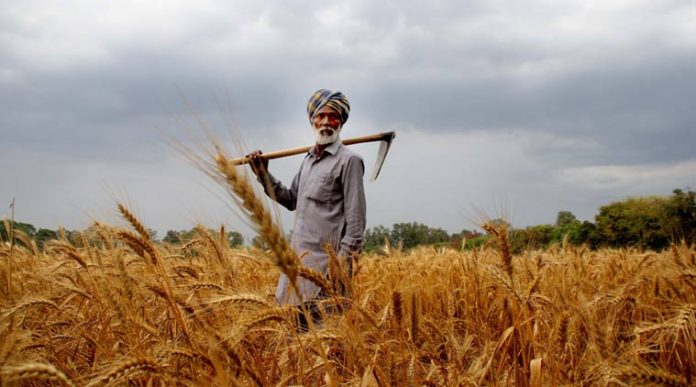
The three farm laws that had led to farmers outrage all across India, initiating a year of sustained protests by them, breathe a sigh of relief on 19th November, 2021 as Prime Minister Narendra Modi has agreed to their requests and stated that his administration will remove farm laws enacted by his government to reform the country’s agriculture industry. It was clear that India’s old system, which encouraged farmers to raise massive grain surpluses, needed to be changed. The protestors were concerned that the speed with which the regulations were approved, as well as the scope of the changes they entailed, would cause crop prices to plummet. Mr. Modi’s government contended that allowing market forces to operate would aid in the system’s repair. Although the farmers’ welfare has been of paramount consideration for the Indian Government, farmers seem to not be satisfied with the decision of the government as they are left further frustrated with India’s lack of attention to their needs. This has become a subject-matter of discussion for a few days now. This article aims to critically analyze the reversion of the three farm laws introduced by the Government of India. 

The three farm laws introduced by the Government of India

The journey of the three farm laws, namely, The Farmers Produce Trade and Commerce (Promotion and Facilitation) Act, 2020, The Farmers (Empowerment and Protection) Agreement on Price Assurance and Farm Services Act, 2020 and The Essential Commodities (Amendment) Act, 2020 began on June 5, 2020, when the President of India promulgated three ordinances that served as the forerunners to these Acts. The purpose behind introduction of the aforementioned Acts has been provided hereunder: 

  1. The Farmers Produce Trade and Commerce (Promotion and Facilitation) Act, 2020: This Act allowed farmers’ goods to be traded intra-state and inter-state outside of the physical premises of Agricultural Produce Market Committee (APMC) markets and other markets notified under the state APMC Acts.
  2. The Farmers (Empowerment and Protection) Agreement on Price Assurance and Farm Services Act, 2020: This Act established a national framework for contract farming by requiring a contract between a farmer and a buyer before any farm products are produced or reared.
  3. The Essential Commodities (Amendment) Act, 2020: It is an Act of the Indian Parliament passed in 1955 to assure the delivery of specific commodities or items whose supply, if disrupted due to hoarding or black-marketing, would have a negative impact on people’s daily lives. This includes food, medications, and fuel (petroleum goods), among other things. The Amended Act of 2020 empowers the Central Government to control the production, supply, distribution, trade, and commerce in certain commodities with an aim to increase competition in the agriculture sector, enhance farmers’ income, and liberalize the regulatory system while protecting the interests of consumers.

Politics has paralyzed the discussion over agricultural law,  economics, and administration. As a result, it is necessary for legislators, administrators, economists, policymakers, and other concerned individuals to analyze how these laws have evolved. The three laws passed by the Parliament try to assist farmers in reaping economic benefits; nevertheless, they have been hampered thus far by antiquated legislation, manipulated markets, and entrenched interests-driven corruption. This is in addition to macro-factors such as India’s transition from food shortages to surpluses. Farmers in India were concerned that they would lose more than they would gain as a result of the new Farm Laws 2020, therefore they took their protest to the streets. After 11 rounds of unsuccessful talks between the Government and the Farmers’ representatives, on 11 January 2021, the Supreme Court stayed the implementation of the three Farm Acts 2020 and constituted a four-member Committee to make recommendations on the same. 

The reason behind the reversion of the farm laws

Union Minister Piyush Goyal applauded the move to abolish three farm rules, claiming that it will improve the “climate of mutual concord” in society. Several other dignitaries across the nation have welcomed the Prime Minister’s decision as well. But what is the reason behind such a decision remains a question. Socio-economic as well as political reasons have equal weightage in answering such a question. The declaration comes just before important provincial elections in Uttar Pradesh and Punjab, where farmers are a powerful voting group. Hundreds of thousands of farmers have been protesting for months, potentially hurting Bharatiya Janata Party’s chances in both polls. The administration had so far refused to bend from its position, which the protestors claimed would jeopardize their livelihoods, resulting in the longest standoff since Prime Minister Modi took office seven years ago. While Prime Minister Modi has previously reversed policy decisions made by his administration, including on land laws, they had not resulted in long-running popular demonstrations like the year-long farmer’s protest.

Repealing of the three farm laws : aftermath 

There are three major consequences that are assumed to take place because of the reversion of the three farm laws: 

  1. Distress to farmers because of the lower water table in Central Punjab, rising air pollution resulting from farming practices, and misuse of free power supply to the farmers.
  2. Detrimental for investment in logistics and infrastructure which only private sectors could do. 
  3. Uncertainty of assured MSP to farmers henceforth. 

Water table going down in Central Punjab, rising air pollution and free power supply to farmers

  1. In the past two decades, the groundwater table in Punjab has been falling at the rate of 25-30 centimeters(cm) a year. The most common cause for groundwater extraction is for agricultural reasons, especially for water-intensive crops like wheat and rice. Wheat-rice agriculture accounts for 60 to 70 percent of Punjab’s total farmed acreage. The Central Pool’s reliance on groundwater is alarming as nine lakh tubewells pump out groundwater to irrigate and produce 60% of the wheat and 40% of the rice. 
  2. Stubble burning is an important contributor to air pollution in and around Delhi. In 2020, the stubble burning in Delhi’s pollution had peaked at 42% on this day. In 2019, on 1 November it amounted to 44% of Delhi’s PM2.5 pollution.
  3. Tube wells are frequently said to include an auto-start switch. They start pumping water as soon as electricity is turned on, even if it isn’t needed. Various agricultural specialists have sneered at the free power supply, claiming that it is causing several states to waste a valuable resource. Punjab has an average of 34 tube wells per square kilometer of net planted land. The combination of a state policy of free power for agriculture and a central policy favorable to paddy production has resulted in indiscriminate groundwater exploitation. The situation has reached a tipping point, and a shift from current behaviors is required to ensure that the future generation has sufficient natural resources to use.

The three aforementioned points hint at the anticipated issues surrounding the agriculture sector of India which needs to be addressed immediately. The major prey to such rising issues which are being ignored by the Indian farmers will be the small and marginal farmers (farmers with landholdings of less than a hectare) in the near future. Taking note of the depleting level of groundwater in major pockets of grain production of India raises concern not only for that region but for the country as a whole. One cannot ignore the contribution of stubble farming in the increase in air pollution in and around the Delhi NCR region. The enforcement of the farm laws would have addressed these concerns taking into consideration the welfare of the Indian farmers. 

Detrimental for investment in logistics and infrastructure which only private sectors could do

  1. If ten million investors participate in the agriculture sector, the government can easily generate more than $20 billion, which can be used to rescue Indian farmers from a life-or-death reliance on the monsoon or on generosity via minimum support price escalations, both of which have a negative impact on the budgetary position. It’s shocking that millions of Indian farmers’ fates are determined by the weather so many decades after independence. 
  2. Crop storage facilities will allow farmers to sell when they choose, rather than being obliged to sell due to the risk of spoilage. The government’s initiative to develop an electronic national agriculture market, as well as recent revisions by the Securities and Exchange Board of India to introduce commodity options contracts, need to be supported by investment in irrigation and storage. Without such infrastructure, the agriculture industry of India would not be able to expand at a quicker rate.
  3. Achieving a long-term economic growth rate of ten percent or more will lift tens of millions of people out of poverty. The government had been making good progress. Investing in farm infrastructure can help India reach double-digit growth escape velocity.

The absence of effective logistics and infrastructure functions is the biggest detriment for the Indian agricultural sector. Even though a huge amount has been pumped into this sector by means of the 2021-2022 Union Budget, neither the government schemes nor various policies that have been brought about to ensure farmers’ welfare, can fulfill the need for potential infrastructure and logistics that are much required for the poor farmers of India. By means of these farm laws, the government was trying to connect private entities with the farmers so that the former could invest in building the required infrastructure by purchasing machinery, storage facilities, logistics, etc. For the government of a developing nation alone, it is not possible to fund the farmers thereby looking after all of their needs, for a long period of time. Private corporations would have smoothened the process if the laws were allowed to be implemented. 

The future of the MSP demand by the farmers 

The MSP guarantee became the major area of contention in the farmers’ protest. Farmers are concerned that permitting farm product commerce outside of the APMC may result in fewer purchases by government agencies in the permitted mandis. The protesting farmers claimed that the new legislation would render the MSP system obsolete, leaving them with no guaranteed income from farming. The three clear reasons as to why the government seems reluctant to the MSP system operating in India are provided hereunder: 

  1. The MSP system is both politically and financially unsustainable for the government. According to some economists, India’s MSP system is one of the most expensive government food purchase programs in the world. 
  2. Around 7,000 APMC mandis may be found around the country, where government entities such as the Food Corporation of India (FCI) buy farm commodities. However, due to a lack of funding, the FCI and other organizations are only able to acquire rice and wheat in practice. The FCI offers these foodgrains at a reduced price to Below-Poverty-Line (BPL) families through the Public Distribution System (PDS). This is a welfare-oriented or loss-making practice.
  3. The MSPs have been steadily increasing, causing the FCI to pay more for agricultural commodities and endure more losses since the PDS rates have remained nearly constant. Under the government’s current MSP system, growing food costs put pressure on the fiscal deficit in the annual budget. This is why, during the last few years, every administration has attempted to find a way out.

It is interesting to note that the procedure for granting MSP to the farmers every year is political and not legal in nature. This is because India does not have a codified farm law for assuring MSPs to farmers. This has always been a concern for the farmers of India. According to Anil Ghanwat, a member of the Supreme Court-appointed committee on agricultural legislation, if a law is passed ensuring Minimum Support Prices (MSP) for crops, the Indian economy will suffer a catastrophe. With the law, if the procurement process fails at some point, no one will be allowed to acquire the product since getting it for less than the MSP is prohibited, and dealers would be prosecuted. He further added that “we are not opposed to MSP, but we do believe that open-ended procurement is a concern. We needed 41 lakh tonnes of grains for buffer storage, but only 110 lakh tonnes were available. If an MSP legislation is passed, all farmers would demand MSP for their crops, and no one will be able to profit from it.” 

The farm laws would have been a boost for the farmers as an investment in agriculture would have been more taking care of the basic needs of a farmer for production which would have automatically increased the income of the farmers. As the farmers perceived that the farm laws would have eaten them alive as the private entities would have come into play, the three farm laws could not see the light of the day. 

Conclusion 

It is disheartening to see that the government, even after a year of constant effort, failed to successfully communicate its policies and ideas by means of the three farm laws to the farmers of the nation. On November 24th, Bills to repeal the three new agriculture legislation were presented to the Union Cabinet for approval, and the same was approved subsequently. After the Parliament reconvenes for the winter session on November 29, the repeal Bills will be introduced. 

Farmers, on the other hand, remain steadfast in their demand that the protest be ended in exchange for the fulfillment of their outstanding requests. The Samyukta Kisan Morcha (SKM) leader Balbit Singh Rajewal had said that they will send an open letter to Prime Minister Modi about their unmet requests, which include the mandate and membership of the MSP committee, the removal of proceedings against protesting farmers, and the Electricity Bill 2020. Farmers are also seeking restitution for those who died as a result of the demonstrations. Thus, even though the farm laws have been repealed, there remains a long undiscovered path that the government should adopt to make the lives of the farmers better. 

References 


Students of Lawsikho courses regularly produce writing assignments and work on practical exercises as a part of their coursework and develop themselves in real-life practical skills.

LawSikho has created a telegram group for exchanging legal knowledge, referrals, and various opportunities. You can click on this link and join:

https://t.me/joinchat/L9vr7LmS9pJjYTQ9

Follow us on Instagram and subscribe to our YouTube channel for more amazing legal content.

Download Now

Sexual consent in online dating : legal analysis

0
Image source - https://bit.ly/3cnWVpm

The article is written by Ansruta Debnath, a student of National Law University Odisha. This article focuses on the rising concerns with regard to sexual consent in online dating. Relevant legal provisions have been discussed along with the way forward.

Introduction 

Dating apps have become a convenient, accessible and affordable means through which people interact. As a result, their popularity has grown exponentially in recent years. With easy accessibility and inclusiveness of the queer community, online dating apps are a go-to for anyone who wants to engage in romantic relationships. Before the COVID 19 pandemic, dating apps were fairly popular. After the lockdown was imposed, these applications experienced phenomenal growth. With everyone reeling from social isolation and lack of intimacy, online relationships are where they found solace. 

With increased use, came increased problems as well. Dating apps, apart from their positive aspects, have also become plagued with increasing instances of sexual harassment. In light of these events, it becomes important to renew the conversation on these issues as well as on the intricacies involved in online dating and sexual consent.

Consent through dating apps 

Consent is the voluntary agreement with something or to do something. It occurs through communication. The definition of consent is largely dependent on context. 

Sexual consent comes from a continuous dialogue between people on boundaries and what someone is comfortable with. It should be clear and definitive to ensure maximum transparency. Consent for one sexual activity does not imply consent for something else. Moreover, consent can be withdrawn at any point in time. Thus, it is important, safe and recommended to periodically check with your partner(s).

All these principles become important especially in the age of modern dating. With technology and devices guiding dating, there are high chances of proper consent getting lost. It is important that all parties involved ensure that the others involved in the online relationship are completely comfortable with all activities they are engaging in. If sexual consent is being given under pressure, it is not valid consent.

Top dating apps like Tinder have renewed and reinvigorated conversations about sexual consent in dating apps. Launching a campaign through print media, Tinder introduced a new method of looking and understanding consent. Instead of “no means no”, it is better to describe proper consent as “only ‘yes’ means yes”. Only complete affirmation of the proposed activity should be considered valid consent. Anything in-between is not consent.

Types of consent in online dating

Consent signaling

This is when parties utilize a dating app’s interface to convey their implied consent to sexual activity without any clear confirmation of consent. Simply put, by using the app and without any overt affirmation, you agree to sexual behaviors. Users must recognize that such an app is designed to assist them in locating sexual partners.

Major problems of sexual consent arise in these apps. Because these apps are used for sexual activity, someone might unknowingly end up agreeing to something that they do not actually want.

Affirmative consent

Before meeting in person, the parties announce their open consent to engage in sexual acts. This is verbally reconfirmed face-to-face later when they meet. It requires the parties to provide permission that is devoid of any doubt. Many applications, like Tinder, advise users to obtain consent from one another before participating in sexual activity. This is a much more secure method of giving and receiving consent.

Affirmative consent is now incorporating within itself the concept of enthusiastic consent. Enthusiastic consent is a modern concept of consent that emphasizes a positive statement of assent. Simply said, enthusiastic consent implies seeking a “yes” rather than a “no.” This is the basis of Tinder’s campaign. However, seeking for a “yes” should not be mistaken for getting a “yes” any way possible- doing that will amount to coercion.

Positive body language such as smiling, keeping eye contact, and nodding can be used to show enthusiastic assent either vocally or nonverbally. These cues may not always indicate consent, but they are extra features that may indicate permission. However, it is still required to get verbal confirmation.

A person’s “yes” should mean “yes” and their “no” should mean “no” for any sexual proposition under the affirmative model of consent. Furthermore, this model assumes that the woman has not consented to any sexual activity until she is explicitly questioned and says “yes”. In case of a “no”, any act along the lines of sexual intercourse would be considered as rape, according to Section 375 of the Indian Penal Code, 1860.

When is consent not given?

Indian Penal Code,1860 describes consent negatively in Section 90. According to Section 90, consent is not considered to be given-

  • Under a misconception of fact.
  • Under fear of injury or hurt to themselves or any other person of interest.
  • By a person who is of unsound mind or is intoxicated.
  • By a child under twelve years of age.

Further explanation of consent is given in Section 375 of the Penal Code. Consent is described as an unequivocal voluntary agreement. Consent should be given either verbally or nonverbally through gestures.

However, in the age of online dating, it is better to consider only verbal express consent as valid forms of consent.

Why discuss sexual consent in dating apps?

Online dating has negative aspects as well. Because these apps can provide anonymity as well as require GPS locationing, they have also been breeding grounds for sexual harassment or worse.

According to a paper published by the Australian Institute of Criminology (Under the Government of Australia), one 2020 study analysed case files collected between 2018 and 2019 at an Australian metropolitan clinical forensic medicine service. Of the 76 case files for alleged sexual assault matters where the complainant underwent forensic examination, 15 percent involved an offender the victim had met on a dating app. Another survey analysed 666 college students with various sexual orientations from four universities in Hong Kong in 2015. This study reflects a trend seen worldwide, even in India.

Data from a 2020 Pew Research Center survey indicates that many women face harassment on dating services and apps. 57 percent of female online daters aged 18 to 34 stated they had received sexually explicit messages or photographs that they had not requested. This is also true for adolescent females aged 15 to 17, who have reported getting similar communications. All this data indicates the need to discuss and increase awareness of this issue.

Precautionary measures

Owing to the high incidence of abuse and breaches of consent in dating apps, it’s important for precautions to be taken-

  • Users should understand the purpose of a dating or related app before using it.
  • It is recommended to not share too many photographs and personal information in one’s profile.
  • Caution should be exercised during communication through apps- sensitive personal information should not be shared.
  • It is important to wait and check the credibility of someone before engaging in any kind of sexual activity with them.
  • A few initial dates should be located in crowded public places- it is better to avoid isolated ones.
  • At least one family member or friend should be aware of the specifics of the location where the partners have decided to meet.
  • Consent should be given with absolute uncertainty. If one feels uncertain, it is better for the other partner to back away and talk it out. On the flip side, if one feels uncertain then it is absolutely alright to take a step back and say “no”.

Legal remedies in case of breach

In case, wrong happens to someone, Indian laws provide appropriate legal remedies. They are enumerated below-

Indian Penal Code, 1860

  1. Section 292– This Section penalises spreading or circulating obscene books, images etc. and gives a punishment of imprisonment that can extend up to two years as well as a fine of two thousand rupees.
  2. Section 354A– This Section describes and punishes sexual harassment. Harassment will include an act of a man involving unwelcome sexual advances, demands for sexual favors, sexually colored remarks and forcefully showing pornography to women. Punishment involves maximum punishment of rigorous imprisonment for one year.
  3. Section 354B– Punishment for assault or use of criminal force on a woman to disrobe her has been given in this Section. Minimum punishment has been ascribed as three years of rigorous imprisonment which can be extended to seven years. Fine can also be imposed.
  4. Section 354C– Voyeurism is penalised through this Section. Voyeurism is the act of watching or capturing images of women while they are engaging in acts done in privacy. Maximum punishment has been prescribed as seven years of imprisonment. Fine can also be levied.
  5. Section 354D– This Section penalises stalking. Stalking has been said to include following or making repeated contact with a woman against her will, monitoring her activities through the internet etc. Whoever commits the offence of stalking shall be punished on first conviction with imprisonment which may extend to three years, and shall also be liable to fine. For second and subsequent conviction five years of maximum punishment and fine has been prescribed.
  6. Sections 375 & 376– Sexual intercourse without consent will be considered rape as given in these Sections.
  7. Section 503– This Section can be applied in case consent has been forced by criminal intimidation. 

Information Technology Act, 2000

The IT Act also enumerates and gives remedies to certain types of crimes that might take place through dating apps-

  1. Section 66E– This Section says that whoever intentionally or knowingly captures, publishes, or transmits an image of a private area of another person without his or her consent, in circumstances that violate that person’s privacy, shall be punished with imprisonment for up to three years or a fine not exceeding two lakh rupees, or both. 
  2. Section 67- Punishment for publishing and transmitting obscene materials in electronic form has been described here. A person convicted of this offence shall be punished on first conviction with imprisonment of either description for a term which may extend to three years and with fine which may extend to five lakh rupees and in the event of second or subsequent conviction with imprisonment of either description for a term which may extend to five years and also with fine which may extend to ten lakh rupees. 
  3. Section 67A– This Section says that anyone who publishes or circulates any material containing sexually explicit act or conduct will be punished with five years of imprisonment (first conviction) or seven years (subsequent convictions) along with a fine.

In Majeesh K Mathew v. State of Kerala (2018), Mathew was accused under Section 67 of IT Act, 2000 and Section 354A of IPC. The Kerala High Court held that making comments on social media which contain sexually explicit content against a woman amounts to online sexual harassment. 

Conclusion and the way forward

The need for increasing awareness of this is apparent. The initiative taken by various online dating apps to raise awareness on what constitutes valid consent is commendable. But stricter mechanisms must be implemented by the apps to ensure that people don’t become victims of harassment. Sayings like “there is a yes in a no” need to be systematically eradicated from the minds of people.

A major change that must be implemented is the transformation of laws to being more gender-neutral. Even when the IT Act is somewhat neutral, the Indian Penal Code is definitely biased, with its provisions framed to protect only women from men. It becomes important to acknowledge that women are not the only victims of online sexual harassment. That is an archaic notion that is extremely dangerous. Men are often victims of such crimes but their experiences hardly come to light and are generally ignored. Moreover, laws should not only be for the two genders. They should include and protect within their ambit all genders in the gender spectrum. 

References

  1. Indian Penal Code, 1860
  2. Information Technology Act, 2000
  3. Mobile dating applications and sexual and violent offending, Kamarah Pooley and Hayley Boxall, Australian Institute of Criminology
  4. Will online dating amount to sexual consent?
  5. What Consent Looks Like
  6. Online Dating in 2021: Cyber Safety Precautions for Women
  7. What Is Sexual Consent? | Facts About Rape & Sexual Assault.
  8. The darkest side of online dating.

Students of Lawsikho courses regularly produce writing assignments and work on practical exercises as a part of their coursework and develop themselves in real-life practical skills.

LawSikho has created a telegram group for exchanging legal knowledge, referrals, and various opportunities. You can click on this link and join:https://t.me/joinchat/L9vr7LmS9pJjYTQ9

Follow us on Instagram and subscribe to our YouTube channel for more amazing legal content.

Download Now

Analysis of Iran Nuclear Agreement

0
Principle of Neutrality
Image source - https://bit.ly/2SsRjPU

This article is written by Daisy Jain, pursuing B.COM.LLB (Hons) from the Institute of Law, Nirma University. This is an exhaustive article which deals with the analysis of the Iran nuclear agreement.

Introduction 

The Iran nuclear deal, formally known as the Joint Comprehensive Plan of Action (JCPOA), was signed in July 2015 by Iran and numerous international countries, including the United States. In consideration of billions of dollars in lifting sanctions, Iran pledged to destroy much of its nuclear program and disclose its sites to more thorough foreign scrutiny. Defenders of the Agreement claimed that it would help avoid a resurgence of Iran’s nuclear weapons program, reducing the likelihood of confrontation between Iran and its neighboring enemies, such as Saudi Arabia and Israel. 

Meanwhile, since President Donald Trump removed the United States from the agreement in 2018, the accord has been at risk. Iran has restarted some nuclear activity in retribution for the US exit and lethal assaults on notable Iranians in 2020, including the one by the US. President Joe Biden stated in 2021 that the US will revert to the agreement if Iran returns to adherence, though Iran’s officials have demanded that Washington first eliminate sanctions. In nuclear talks, Ebrahim Raisi, a conservative cleric elected president of Iran in June, has signaled that he will adopt a tougher stance than his previous one.

The parties involved

The Joint Comprehensive Plan of Action (JCPOA), which took effect in January 2016. Places constraints on Iran’s civilian nuclear enrichment program. The five permanent members of the UN Security Council (Russia, China, the United States, France, and the United Kingdom) including Germany, commonly referred to as the P5+1, were at the core of discussions with Iran. The European Union was also present. Some of the middle eastern powers were also present such as Saudi Arabia, for example, said that they should have been notified or engaged in the negotiations because they would be the most impacted by a nuclear-armed Iran. Israel was outspoken in its opposition to the pact, claiming it was too mild.  

What were the primary goals

The P5+1 aimed to slow down Iran’s nuclear development to the extent where pursuing a nuclear weapon would probably take a year, giving international powers time to answer. In the run-up to the JCPOA talks, US intelligence agencies predicted that if no agreement was reached, Iran could create adequate nuclear material for a bomb in a matter of months. Iran’s efforts to become a nuclear-weapons state alarmed participating nations, who anticipated a new conflict in the region. Israel has conducted anticipatory military action targeting alleged nuclear sites in Syria and Iraq and may do so against Iran, potentially provoking retaliation from Hezbollah in Lebanon or delays in oil transport in the Persian Gulf. Saudi Arabia has also stated that if Iran ultimately deploys a nuclear bomb, it is eager to acquire one. 

As a participant in the Nuclear Non-proliferation Treaty, which has been in effect since 1970, Iran had initially promised to refrain from developing nuclear weapons. Nevertheless, when the Pahlavi monarchy was deposed in 1979, Iranian elites explored this technology covertly. (According to US intelligence analysts, Iran stopped working on nuclear weapons in 2003 but proceeded to collect nuclear technology and experience). Before the JCPOA, the P5+1 had been engaging with Iran for years, proposing numerous concessions to the Iranian leadership to stop enriching uranium. Following President Hassan Rouhani’s reformist victory in 2013, the parties reached a preliminary agreement to lead discussions towards a broader settlement. Iran, for its role, requested the JCPOA to be relieved of international sanctions that had depleted its economy by more than $100 billion in just the years 2012–2014. 

What agreement did Iran and other signatories make?

Nuclear restrictions

Iran agreed in this agreement that it would not enrich any more plutonium and uranium, both of which might be used in nuclear weapons. It also made measures to verify that its services in Fordow, Natanz, and Arak, which are enrichment plants, were only used for civilian purposes, including as medical and industrial research. The agreement restricts the types and numbers of centrifuges Iran can use, as well as the amount of enrichment and the volume of its enriched uranium reserve. (Mined uranium contains less than 1% of the uranium-235 isotope needed in fission processes, which is amplified by centrifuges.) Uranium that has been enriched to a concentration of 5% is used in nuclear power plants, while uranium that has been enriched to a concentration of 20% can be utilized in research reactors or for medical purposes. Nuclear weapons require high-enriched uranium, which is 90 percent enriched.)

Monitoring and verification

Iran promised to ultimately execute a mechanism allowing the International Atomic Energy Agency (IAEA), the UN’s nuclear investigator, unrestricted entry to its nuclear services and possibly undisclosed outposts. The inspections are meant to prevent Iran from developing nuclear weapons covertly, as it has purportedly undertaken in the past. The International Atomic Energy Agency (IAEA) has produced quarterly reports to its board of governors and the UN Security Council on Iran’s nuclear undertakings. The Joint Commission, which comprises representatives from all of the negotiating parties, oversees the agreement’s implementation and addresses any issues that may emerge. IAEA inspectors can seek admittance to suspected, undisclosed installations with a majority vote of its members. The organization is also in charge of transferring nuclear-related or dual-use materials. 

Sanctions relief

The European Union, the United Nations, and the United States have all agreed to suspend their nuclear-related sanctions against Iran. Meanwhile, many other US sanctions against Iran persisted in place, some dating back to the 1979 hostage crisis. They address issues like Iran’s ballistic missile development, backing for terrorist organizations, and human rights violations. Despite its commitment to eliminate sanctions on oil exports, the US maintained budgetary transaction restrictions, which have stifled foreign trade with Iran.

Weapons embargo

After five years, the parties consented to relax a UN prohibition on Iran’s sale of customary weapons and ballistic missiles if the IAEA determines that Iran is only involved in civilian nuclear activity.

Enforcement of Iran nuclear deal

If any participant believes Iran is breaking the terms of the agreement, the UN Security Council may consider whether to keep sanctions relief in place. This “snapback” method is in place for ten years, after which the UN sanctions will be lifted indefinitely. The US stated its plan to reintroduce sanctions in April 2020. The other P5 nations reacted angrily to the measure, claiming that the US could not execute the system autonomously because it had exited the nuclear deal in 2018. The deal had a rather easy start. In early 2016, the IAEA verified that Iran had completed its preliminary commitments, and the US, EU, and UN retaliated by removing or postponing sanctions. Most importantly, US President Barack Obama’s administration lifted secondary sanctions on the oil sector, allowing Iran to increase its oil exports to levels similar to those before the sanctions were imposed. A total of $100 billion in frozen Iranian assets was also unfrozen by the US and many European countries. 

The US earlier withdrew from JCPOA because it identified the JCPOA’s ephemeral nature and lack of limits on Iran’s ballistic missile development as key flaws. Trump again chastised Iran for its activities in Syria and throughout the region, which he described as ‘malign behavior’. Meanwhile, since President Trump pulled the US from the agreement in 2018 and reintroduced debilitating banking and energy sanctions, the Pact has been on the verge of collapsing. Trump argued that the agreement neglected to acknowledge Iran’s ballistic missile development and regional proxy warfare and that the sunset clauses would allow Iran to obtain nuclear weapons in the long term. Iran lambasted the US for breaking its promises and chastised Europe for bowing to American unilateralism. France, Germany, and the United Kingdom developed INSTEX, a barter mechanism to permit transactions with Iran outside of the US banking system, in an effort to keep the accord alive. The system, though, is exclusively intended for food and medication, both of which are currently free from US sanctions. Following the United States’ exit, numerous nations, including US allies, proceeded to buy Iranian oil under waivers provided by the Trump administration, and Iran kept its promises. However, the waivers were terminated a year later, with the goal of totally eliminating Iran’s oil shipments.

Iran’s current nuclear activity

In 2019, Iran began breaking agreed-upon limitations on its stockpile of low-enriched uranium and commenced enriching uranium to greater quantities in reaction to the other signatories’ actions, which Tehran contended constituted violations of the accord (though still far short of the purity required for weapons). It also resumed heavy water manufacturing at its Arak plant and began enriching uranium at Fordow, rendering the isotopes generated there useless for medicinal reasons. 

Iran made more paces away from its nuclear obligations in 2020 due to continued attacks on its interests. Iran said in January that it will no longer limit its uranium enrichment after the aimed execution of a prominent Iranian general, Qasem Soleimani, by the US. It started building a centrifuge manufacturing centre at Natanz in October to supplant one that was wrecked months before in an attack on Israel. In November, Iran’s Parliament enacted a measure that resulted in a significant increase in uranium enrichment at Fordow, in retaliation to the killing of a renowned nuclear scientist, which is also blamed on Israel. Iran imposed novel constraints on the IAEA’s capacity to monitor its sites the subsequent year and promptly terminated its inspection agreement with the agency.

Impact of JCPOA on the Iranian economy

Iran’s economy experienced severe years of economic downturn, currency depreciation, and hyperinflation earlier to the JCPOA, owing mostly to sanctions on its energy sector. As Iran recovered trading partners, notably in the EU, inflation eased, currency rates steadied, and exports—particularly of oil, agricultural goods, and luxury items—soared. Iran started exporting more than 2.1 million barrels per day after the JCPOA went into action (approaching pre-2012 levels, when the oil sanctions were originally put in place). These changes, however, did not result in a large boost in the budget of the normal Iranian household. 

The expiry of oil export sanctions waivers and the reintroduction of US sanctions in 2018 has harmed a crucial source of government revenue once again: oil and petroleum commodities constitute 80% of Iran’s exports. Oil shipments have fallen below 300,000 barrels per day by the middle of 2020. In October of that year, the US placed sanctions on eighteen major Iranian banks, forcing the Iranian rial to depreciate substantially against the dollar. Meanwhile, plenty of non-nuclear penalties imposed by the US have exacerbated the problem. Multinational corporations are afraid of being sanctioned by the US if they engage in business with sanctioned Iranian organizations linked to the Islamic Revolutionary Guard Corps (IRGC), which controls several industries. With international trade being stifled by sanctions, black marketplaces have proliferated, benefitting the IRGC at the cost of the rest of the economy.

Legal aspect of the Iran nuclear agreement

Federica Mogherini, the EU’s High Representative for Foreign Affairs and Security Policy, has frequently asserted the agreement’s international aspect. She also stated in 2017 that any country that violated the agreement would be in breach of UN Security Council Resolution 2231. The JCPOA was established in international law by this decision, and “all member states are deemed to be obligated by its implementation.” Officials from the Obama administration in charge of the accord, however, claimed that it was not legally binding, describing it as a series of “political commitments” instead of a formal treaty or executive agreement. Many analysts point out that the resolution’s sections that legally bind Signatories are those that maintain Iran’s current arms and missile technology embargoes.

Impact of Agreement on India

The historic nuclear agreement between Iran and key world powers has allowed Tehran to resume normal trade relations with a number of countries. Despite punishing sanctions, India was one of a bunch of nations transacting billions of dollars in trade with Iran well before the deal was made. The easing of sanctions will have far-reaching consequences for Delhi, which seeks to rekindle its economic and strategic ties with Tehran. 

Oil imports from Iran

The present value of bilateral trade between India and Iran is around $14 billion (£8.96 billion), with the balance of trade significantly favouring Tehran. Last year, Indian exports to Iran totaled $4.2 billion. India buys oil mostly from Iran but has been impeded by international sanctions. As a result of the restrictions, India has been paying Iran Indian rupees, with the funds held in an Indian bank account. In fact, the nation has yet to pay Iran approximately $6.5 billion in outstanding oil payments. Delhi, the world’s fourth-largest oil user, is now free to buy Iranian oil but will have to pay in dollars. Due to high shipping costs, importing items or delivering shipments to Iran is currently costly. India hopes that the lifting of sanctions will make it easier for businesses to ship goods.

Machinery, tools, and non-agriculture commodities

India has been supplying Iran with vehicle parts, tools, motors, and chemicals. While India’s commerce with Iran seems to have long-term advantages in the post-sanctions environment, industry leaders are wary that some sectors may be severely impacted. Ajai Sahai, the Director-General of the Federation of Indian Export Organisations, said that “the Eastern European manufacturers of low-end products such as spanners, hand tools, and auto parts will compete with Indian exporters. Due to the depreciation of the euro in recent years, we will face severe competition from European manufacturers”.

Infrastructure projects

In Delhi, there are fears that a more proactive Iran will strike a harder bargain because it will have a wider range of clients and partners from around the world. In 2008, Indian companies unearthed oil and gas in Iran’s Farzad B gas field. They have already invested roughly $100 million in the facility’s development, but due to sanctions, production has been halted. As signals arose that sanctions on Iran might be lifted after the nuclear deal, New Delhi brought in a delegation to negotiate the project after dragging its feet for years. According to rumours in the Iranian news, Tehran has denied India’s bid and intends to auction the site instead. If there is indeed a tender process, Indian companies will find it impossible to contend with French, American, and Chinese oil companies, who will come in with vast resources and cutting-edge technology. Russia and China, which have backed Iran, may try to turn their goodwill into economic and business gains. India also signed a $233 million contract to deliver more than 150,000 tonnes of rail tracks to Iran’s railway development. However, rumors claim that Iran wants to renegotiate the arrangement in order to lower the price because the euro has depreciated against the dollar. Iran also claims that if sanctions are eased, it will receive greater offers from other nations, such as Turkey. According to reports, India has decided to fund the entire scheme through a separate mechanism. 

New opportunities

However, it is not all unfortunate for Indian businesspeople. According to exporters, Indian companies may suffer short-term losses but will benefit in the long run. India is Iran’s main rice supplier, and it has the potential to expand its agriculture exports, such as sugar and soybeans. India’s pharmaceutical and IT industries can benefit as well. “Because of the restrictions, several of India’s largest pharmaceutical and textile companies were hesitant to do business with Iran. As a result, it will provide a significant boost to Indian exports”, Mr. Sahai explained. 

Strategic partnership

India’s efforts to gain a presence in the region are aided by Iran’s strategic location as a gateway to Central Asia. The two countries agreed to collaborate on the development of the Chabahar port in southern Iran. Two existing berths at the port will be leased and converted into container and multi-purpose cargo terminals by Indian companies. It will create a new economic route to Central Asia once it is operational. “In the unavailability of a land route through Pakistan to Central Asia, a road and rail network via Chabahar port is crucial for India.” It will pave the way for trade with Central Asia and Afghanistan. The port will assist India in sending commodities to those countries via road and rail networks. 

Conclusion

The benefits and drawbacks of such a historic agreement were passionately contested. The majority of viewpoints, assertions, and criticisms were frequently political in nature. European leaders remain hopeful that an agreement can be re-enacted in order to limit Iran’s nuclear activities. Nonetheless, it looks that the Iran nuclear deal is on life support for the time being.

References


Students of Lawsikho courses regularly produce writing assignments and work on practical exercises as a part of their coursework and develop themselves in real-life practical skills.

LawSikho has created a telegram group for exchanging legal knowledge, referrals, and various opportunities. You can click on this link and join:https://t.me/joinchat/L9vr7LmS9pJjYTQ9

Follow us on Instagram and subscribe to our YouTube channel for more amazing legal content.

Download Now

When a child’s sexual autonomy becomes an object of legal dichotomy : Satish v. State of Maharashtra

0
Legendary Lawyer
Image Source: https://bit.ly/2HrQhiO

This article is written by Ekata Deb, studying at Brainware University, Barasat and pursuing Certificate Course in Advanced Criminal Litigation & Trial Advocacy from Lawsikho.

Introduction 

This article discusses the implementation of Section 7 and Section 8 of the POCSO Act, 2012 and also narrates the importance of the POCSO act in today’s society. However, in 2021- a very ‘disturbing’ judgment came up in the month of January from Bombay High Court on the matter of Satish v. State of Maharashtra, wherein the court had held that to draw attraction to the offence under Section 7 of the POCSO Act, 2012 i.e. Sexual assault on children, skin-to-skin contact or direct physical contact is very much important, and on the basis of that the accused was acquitted from such a charge and only convicted under Section 354 IPC with a minimum punishment of 1 year along with other charges that had to run concurrently. Such a thing was mainly taken care of in the Bombay High Court order due to the benefit of doubt given to the accused arising upon some ambiguity or contradiction from the prosecution statements as laid down by the golden thread rule of criminal jurisprudence.

However, upon appeal at Hon’ble Supreme Court of India, the then Chief Justice SA Bobde had stayed the Bombay High Court order giving acquittal of the accused person. On 18th November, 2021, upon a case titled Attorney General of India v. Satish and others, the Hon’ble Supreme Court of India gave the final verdict clearly discussing the non-sufficiency of direct physical contact or skin-to-skin contact. The final verdict discusses that if there is the presence of any offending behavior of the perpetrator on a child i.e. any behavior having sexual intent or of similar inappropriate action, accompanied by an indirect touch, i.e no physical or skin-to-skin contact, such an act can attract Section 7 and punishment Section 8 of the POCSO Act, 2012 against the perpetrator. The apex court commented that the main objective of having such an act will get diluted if the court starts to put a strain on the implementation and operation of such statute laws. 

Discussion on Section 7 and Section 8 of POCSO Act read with Section 354 of IPC

Section 7 of the POCSO Act, 2012 says whoever, “with sexual intent touches the vagina, penis, anus or breast of the child or makes the child touch the vagina, penis, anus or breast of such person or any other person, or does any other act with sexual intent which involves physical contact without penetration is said to commit sexual assault.

Section 8 of the POCSO Act, 2012 says “whoever commits a sexual assault shall be punished with imprisonment of either description for a term which shall not be less than three years but which may extend to five years, and shall also be liable to fine.

Section 354 of the IPC, 1860 says. “Assault or criminal force to woman with intent to outrage her modesty.—Whoever assaults or uses criminal force on any woman, intending to outrage or knowing it to be likely that he will thereby outrage her modesty, shall be punished with imprisonment of either description for a term which may extend to two years, or with fine, or with both.”

Importance of interpretation of ‘comma’ in the statute law

In the matter of Dr MK Salpekar v. Sunil Kumar Shamsunder Chaudhari, 1988 AIR 1841, 1988 SCR Supl. (2) 339 Hon’ble Supreme Court of India had already held the importance as well as the relevance of comma in statute law. Not delving deeper into this mentioned case, it is briefly placed that this instant case relates to Section 13(3) v of the CP and Berar Letting of Houses Rent Control Order, 1949. Where the counsel contended that, the phrase, and does not reasonably need the house is a condition meeting both the situations, as in when the tenant securing an alternative accommodation as well as has left the area for four months. The Supreme Court however had chosen to disagree stating the comma before or is applicable only when the tenant had already left the area for a continuous period of 4 months. The punctuation ‘comma’ in the sub-clause after “alternative accommodation” and before the rest of the sentence indicates that the last part of the sub-clause namely “and does not reasonably need the house” governs only the part of the sub-clause. However, this controversy is academic in nature because when a court is called upon to decide whether another building available to the tenant can be treated as alternative accommodation, it has to consider whether the other building is capable of reasonably meeting the requirements of the tenant on vacating the disputed premises. The adjective “alternative” by itself imports this as a condition. And this aspect has been thoroughly gone into by the courts below and necessary findings have been recorded against the appellant.

Similarly in this instance Section 7 of POCSO ACT, 2012, the comma placed before, “or does any other act” hereby clearly states that the physical contact without penetration is going to apply for categories of any other act. Here the fact of the importance of physical contact without penetration i.e. in other ways skin to skin contact with sexual intent was very much arbitrarily showed.   

It is also a fact that, in criminal jurisprudence, nothing is an offence that is not specifically prohibited by law. Criminal Statutes are verily constructed upon strict adherence to the golden thread rule of presumption of innocence unless proved guilty until the law specifies the reverse onus of proof. Now that the statutes are definite but if there is an ambiguity, the benefit of doubt goes in favour of the accused, hence in the same way, the Bombay High Court order over the session trial on Satish v. State of Maharashtra seems to not sound that controversial, as the waves had turned out since 19th January, 2021.

However, the Hon’ble Supreme Court had set aside such an order of the Bombay High Court, and the entire legal dichotomy on the importance of sexual intent as a main ingredient over the physical contact to draw an offence under Section 7 of the POCSO Act and the subsequent punishment as mentioned in Section 8 of the POCSO Act. 

Briefing of Bombay High Court Judgment

In the matter of Satish v. State of Maharashtra, on a POCSO issue, the Hon’ble Bombay High Court on 19th January 2021 had recently acquitted the accused from the offence of sexual assault under Sections 7 and 8 of the Protection of Children from Sexual Offences (POCSO) Act, 2012. 

In this case, where the  accused had caught hold of a child aged 12 years, confined her in his room and tried to outrage her modesty, the Bombay HC held that since such an act of outraging of modesty and touching inappropriately with sexual intent was not clearly citing any specific detail as to whether the salwar was removed or not, and also whether he inserted his hand inside top and pressed her breast, would not fall under the ambit of the offence of ‘sexual assault ‘attracting Section 7 and 8 of POCSO Act, 2012.” 

Hence, with all the golden thread rules of the benefit of doubts and presence of ambiguity in the law, the Bombay High Court had verily convicted the accused only under Section 354 of the Indian Penal Code, (IPC), 1860 with only one year of rigorous punishment and a fine of Rs 500/-, in default to suffer one month of rigorous imprisonment. However, the accused was also convicted of other offences u/s 342 IPC i.e. punishment for wrongful confinement of only 6 months of rigorous imprisonment and a fine of Rs 500/-, in default to suffer one month of rigorous imprisonment.

Importance of physical contact v. sexual intent to draw Section 7 of POCSO Act

The Bombay High Court – Nagpur Bench in its ruling in January delivered by Justice Pushpa v. Ganediwala had held that, without any direct physical contact between the minor- prosecutrix and the accused that is when there is no skin to skin contact with sexual intent without penetration the accused would not be held guilty of sexual assault under Section 7 & punished under Section 8 of the POCSO Act, 2012.  However, a three bench judge at the Supreme Court of India, by its judgment on 18th November, 2021 has set aside the said Bombay High Court judgment. The matter took its severity at the Apex court, after a day of the Bombay High Court ruling, when the Attorney General of India, K.K. Venugopal mentioned the matter terming the said judgment as ‘disturbing’ before the Supreme Court. 

The bench then led by then Chief Justice of India, SA Bobde, stayed the acquittal of the accused under the POCSO Act. With the 18th November, 2021 judgment the Hon’ble Supreme Court of India had set aside the Bombay High Court’s interpretation. The Supreme Court commented that no judge should strain plain words mentioned on the statute that may likely destroy the legislative intent. The Nagpur- single Bench of the Bombay High Court had interpreted that the words physical contact under Section 7 of the POCSO means a direct physical contact that is skin-to-skin contact with sexual intent without penetration. 

Discussion of Bombay High Court and final verdict on Satish v. State of Maharashtra

In the case of Attorney General for India v. Satish and another, the Hon’ble Supreme Court of India was hearing the appeals filed by the Attorney General of India, the National Commission of Women and the State of Maharashtra against the judgment of the Bombay High Court.  Wherein, the Bombay High Court ruled out that, groping a child’s breasts without having skin to skin contact, that is touching a child’s breast covered by cloth with sexual intent would amount only up to molestation as per Section 354 of IPC, 1860 but never would amount to the grave offence of sexual assault under the Protection of Children from Sexual Offences (POCSO) Act.  The single bench Judge of Bombay High Court Justice Pushpa Ganediwala sentenced the 39-year-old man under Section 354 of IPC, 1860 acquitting him from Section 7 and 8 of POCSO, 1860. Also, the quantum of punishment was minimum imprisonment of 1 year citing the benefit of doubt as the minor-prosecutrix being below 12 years could give a valid statement in the eyes of law. Moreover the single bench Bombay High Court had also cited a small contradiction in the words of Salwar and knickers from the mother of the Minor Prosecutrix here in the Prosecution witness no-01. 

On 18th November, 2021, the bench comprising Justice Umesh Lalit, Justice S Ravindra Bhat and Justice Bela M Trivedi held that, if the word touch or physical contact under Section 7 of POCSO is restricted, then it will not just be too absurd but also the same will destroy the entire purpose of having such an act which is to protect the children from facing sexual offences. Hence such a ruling with the absurd interpretation not just limits the operating manual of the law to protect the citizens but also subverts the intention verily. While discussing Section 7 of the POCSO Act, the Apex court held that the Section covers both direct i.e. physical contact and skin-to-skin contact along with indirect contact i.e. without skin-to-skin contact.  This is also a fact that the intention of touching a child inappropriately or touching a child with an offending behavior in itself is sufficient to attract Section 7 and Section 8 of the POCSO Act, 2012 against the offender, irrespective of the fact that, whether there was a direct physical contact or not.  The Apex court chose to make a note that, “while such reasoning in the High Court Judgment trivializes insensitively the statute along with legitimizing an unacceptable behavior undermining a child’s dignity as well as autonomy by unwanted intrusions. 

Conclusion

The legislative intent behind the enactment of the POCSO Act was to provide additional layers of protection to the child victim and deter all forms of sexual offences, which may be inflicted upon a child, thereby hindering their holistic and healthy growth. Therefore, the purpose of the POCSO Act is to specifically provide protections to children apart from the protections that have been otherwise provided in the IPC contained in the provisions pertaining to sexual offences, including the provision pertaining to ‘penetrative’ sexual assault contained in Section 375 of the IPC, which provides for the definition of Rape. In contrast, the POCSO Act goes beyond the IPC and provides for a specific provision dealing with the subject of ‘non-penetrative’ sexual assault; however, the same has been disabled by the absurd and redundant interpretation of the single judge, which is also disjointed from the legislative intent of the Parliament, which is evident from the Scheme of the Act itself.

References

  1. https://indiankanoon.org/doc/158325618/
  2. https://indiankanoon.org/doc/490863/
  3. https://main.sci.gov.in/supremecourt/2021/2286/2286_2021_32_1501_31537_Judgement_18-Nov-2021.pdf
  4. https://www.theleaflet.in/explainer-interpreting-sexual-assault-why-high-court-rulings-continue-to-shock-us-part-i/
  5. https://factly.in/review-sc-issues-directions-for-expeditious-adjudication-of-claims-related-to-motor-accidents-claims-tribunal/
  6. https://www.jurist.org/news/2021/01/india-supreme-court-suspends-bombay-high-court-judgment-on-definition-of-sexual-assault/
  7. https://www.theleaflet.in/disrobing-pocso-act-satish-versus-state-of-maharashtra/
  8. https://www.legalserviceindia.com/legal/article-4835-two-judgements-disrobing-pocso-act.html

Students of Lawsikho courses regularly produce writing assignments and work on practical exercises as a part of their coursework and develop themselves in real-life practical skills.

LawSikho has created a telegram group for exchanging legal knowledge, referrals, and various opportunities. You can click on this link and join:

https://t.me/joinchat/L9vr7LmS9pJjYTQ9

Follow us on Instagram and subscribe to our YouTube channel for more amazing legal content.

Download Now
logo
FREE & ONLINE 3-Day Bootcamp (LIVE only) on

How Can Experienced Professionals Become Independent Directors

calender
28th, 29th Mar, 2026, 2 - 5pm (IST) &
30th Mar, 2026, 7 - 10pm (IST).
Bootcamp starting in
Days
HRS
MIN
SEC
Abhyuday AgarwalCOO & CO-Founder, LawSikho

Register now

Abhyuday AgarwalCOO & CO-Founder, LawSikho