With this viewpoint in mind, “justice delayed is justice denied, and justice hurried is justice buried” the idea of alternative dispute settlement developed in India. Alternative dispute resolution (ADR) is the most successful and efficient method of settling conflicts between parties by allowing for a low-cost and quick trial. However, as the use of alternative conflict resolution grows, so do the challenges that come with it. With the implementation of the recent amendments to the arbitration laws in India, the Arbitrability system has taken a sharp turn and made the prospects for arbitration in India look bright. It is a bid to make India a favoured arbitration venue for both Indians and international parties and in order to contend with global arbitration seat attractions such as Singapore and London, Courts have started taking a staunch pro-arbitration stance these days. The MNCs preparing to invest in India have been looking at this shift with a lot of hope.
India was not the only country in the arbitration system to implement several steep changes to assist the “facility to do business.” To maintain its top position as the most favoured arbitration venue, Singapore has also revised its Rules of Arbitration (SIAC Rules) to such magnitudes so as to bring about some sheer improvements in its rules.
Arbitration in India
The Government of India has sought to make the country’s arbitration system more robust. It has taken a lot of measures to make it possible but it has not been able to realize a desirable business environment to its satisfaction. The Government attempted in 2001 to change the country’s arbitration laws but failed. Then it attempted again in 2010, but that attempt was even aborted. Eventually, on October 23, 2015, the President released an ordinance integrating the substance of major decisions taken over the two decades, including the recommendations of the 246th Report of the Law Commission.
The Arbitration and Conciliation Bill 2015 was subsequently passed on 17 December 2015 in the Lok Sabha and Rajya Sabha with minor changes to the amendments adopted by the Order. It was eventually signed by the president on 31 December and the act came into force on 23 October 2015.
Even with these recent amendments that brought a dramatic reform to India’s arbitration rules, much remains unanswered. The matters where Indian parties with foreign seats and arbitration in the event of oppression and mismanagement within a corporation are problems that are still suffering due to differences of opinions between different high courts.
It is clear that this new amendment in 2015 to the Arbitration Act has streamlined a relatively easier route for International Commercial Arbitration to take place with headquarters in India and shows promising prospects of India becoming an arbitration centre for future arbitration, but there are still some concerns that have been left out of the amendment and that would affect future applicability and efficiency.
Section 44(b) of the Arbitration and Conciliation Act 1996 now, after the amendment, specifies that the international award is made not only in a reciprocating territory but that the reciprocating territory is notified in the Official Gazette by the Central Government. With only about 50 (fifty) countries notified as reciprocating territories, the room for implementing international arbitral awards is considerably reduced. The government should either notify most countries in the Official Gazette or delete the obligation of Section 44(b) to notify reciprocating territories in the Official Gazette.
Another effect we can see is that the Law Commission Report had recommended the addition of “emergency arbitrator” to the definition of “arbitral tribunal” under Section 2(d) of the Arbitration Act in order to provide constitutional recognition to the “emergency arbitrator” as given under some institutional rules. Many international arbitration laws recognized the idea of “emergency arbitrator” and gained popularity for its effectiveness. The recommendations made in this regard by the Law Commission Report were not adopted, and this is a significant omission that is likely to impact arbitration in India.
Issues in arbitration
Issue no 1. applicability of the Amendment Act
New Tripur Area Development Corporation Limited v. M/s. Hindustan Construction Co. Ltd. & Ors
The Madras High Court has dealt with the interpretation and applicability of Section 26 of the Amendment Act. The Madras High Court concluded that Section 26 of the Amendment Act does not apply to post-arbitral proceedings and that a fresh application under Section 36(2) is required under the modified regulations, enforcement proceedings must have stayed while an arbitral award is being challenged. Due to the absence of the phrase “in relation to,” the court concluded that the terminology used in Section 26 of the Amendment Act only pertains to arbitral procedures and not court proceedings. The post-arbitral procedures stage is not covered by Section 26 of the Amendment Act.
Electrosteel Castings Limited v. Reacon Engineers (India) Private Ltd
Issue no 2. arbitrability in cases of oppression and mismanagement
Oppression and mismanagement disputes in India are regulated by Sections 241 and 242 of the 2013 Companies Act. Section 242 of the 2013 Act (or Section 402 of the 1956 Act) provides for reliefs provided in such cases by the National Companies Law Tribunal(‘ NCLT’)[ formerly known as the Company Law Board(‘ CLB’)]. Very often, the company’s arrangement with its members allows provision for arbitration as a dispute resolution process. The 2013 Act posits no limit on the settlement of Oppression and mismanagement related matters. But are those controversies arbitrable?
The question of whether a disagreement can be settled by arbitration is referred to as the arbitrability of a case. While Section 8 and Section 45 of the Arbitration and Conciliation Act 1996 (“Law 1996”) need not clearly state that “arbitrability of the dispute” is a requirement for sending arbitration proceedings, the courts have ruled them as such. The subject of the referral should be one over which the tribunal has jurisdiction.
Booz Allen and Hamilton Inc. v. SBI Home Finance Ltd., (2011) 5 SCC 532
The Supreme Court was deciding the scope of Section 8 of the 1996 Act in an appeal and ruled that the judicial authority seized of the matter must examine if the reliefs requested in the lawsuit can be determined and awarded in the arbitration.” The Court relied on the decision in Haryana Telecom, where dispute for winding up of a company was held to be a matter where the arbitrator was unqualified to rule since only the court has the authority to provide that remedy under the law. Therefore, instances involving proceedings in rem had to be resolved by public fora, whereas situations involving proceedings in personam might be sent to arbitration. The Court did remark, though, that this was not a hard and fast rule, and that conflicts over subordinate rights in personam arising from a right in rem might be arbitrated. Following the ruling in Sukanya Holdings (P) Ltd. v. Jayesh H. Pandya, 2003 (5) SCC 531, the Court remarked that a cause of action could not be divided under section 8 of the 1996 Act.
Issue no 3. cross-cultural difficulties in arbitral practice
The reality would be that the present, well-established arbitral system arose from a litigation-based environment. In pursuit of a single standard, the international arbitration community works to discover answers to simple challenges and integrate the many ways to solve global disputes as it develops. Examining witnesses, the utilisation of written petitions and proceedings; witness statements; and demonstration and application of international and global commercial laws are all instances of cross-cultural disparities that may influence arbitral proceedings.
Conclusion
To conclude, we can see how the improvements in arbitration systems in well-known arbitration centres and India provide a beam of hope for involved parties in lengthy arbitral proceedings and a better possibility of conducting accelerated arbitral hearings all over the world with low procedural expenses. Each institutional arbitration centre, whether it is the Singapore International Arbitration Centre or the LCIA, is trying to be the first choice of parties entering into arbitration agreements. It is indisputable that the prevailing amendment to the Arbitration Act has made it extremely easy for International Commercial Arbitration to take effect with a seat in India, and it indicates that India has a promising future as an arbitration centre, but there are still some concerns that have been left out of the amendment and will have an effect on its prospective applicability and efficacy. Given that the drive behind the 2015 and proposed 2018 reforms are for India to take its place on the world stage of arbitration it is unlikely that India will adopt rules that are out-of-sync with leading arbitration jurisdictions.
Students of Lawsikho courses regularly produce writing assignments and work on practical exercises as a part of their coursework and develop themselves in real-life practical skills.
LawSikho has created a telegram group for exchanging legal knowledge, referrals, and various opportunities. You can click on this link and join:
Contracts are an essential part of our daily lives, especially for individuals in the corporate world. The primary goal of entering into a formal, legal contract with another party is to legally bind them and obligate them to complete the agreed-upon work. The failure to perform a contract results in a contractual liability being imposed on the party who fails to perform the contract. To solve this issue, the Indian Contract Act, 1872 defines the essential nature of a contract and outlines the rights and obligations that bind a party after they engage in a contract with one another. Due to the ongoing pandemic, every sector of the economy has suffered a significant setback in terms of commitments, completion, and performance stemming from contracts. There are normally two parties involved in the performance of a contract: one who receives the money upon successful completion of the work assigned, and the other who pays the money upon due performance. “A promise to execute an act which, after the contract is made, becomes impossible, or, by reason of some event which the promisor could not avoid, unlawful, becomes void when the act becomes impossible or unlawful,” says Section 56 of the Indian Contract Act of 1872.
Performance of contracts
If two parties have formed a contract, the contract’s performance, or the fulfillment of the work or the aim for which the contract was formed, must be accomplished. There would be a breach of contract if the performing party failed to perform the contract, and in such an instance, the defaulting party would be required to pay a specified amount of compensation to compensate for the loss suffered as a result of the breach.Non-performance of a contract is addressed in two parts of the Indian Contract Act, 1872, namely Section 56 (Impossibility of performing the contract after its execution) and Section 32 (Impossibility of performing the contract after its execution) (Contingent contract). The Act’s Section 37 deals with the obligations of contracting parties, each party is obligated to fulfill his contractual obligations unless the performance is waived or excused by the Contract Act or any other law. A performance under section 37, for example, may be waived by the agreement under Section 62.
Force Majeure Clause
The basic foundation of this section is the term ‘impossibility,’ and it can be determined from a simple reading of the section that the current pandemic scenario is related to this section and that it can also be invoked on our contractual responsibilities. Force majeure clauses in a contract, on the other hand, do not excuse a party’s non-performance in its entirety; rather, they suspend it for the period of the force majeure. As a result, there may not be a total termination of the force majeure clause; instead, the agreement may be cancelled or temporarily suspended due to the existence of a force majeure clause.
In the recent case Standard Retail vs. G.S. Global Corp., steel was being brought into the country and it was contended that steel, as an important item, had to be excluded from the use of the force majeure clause. Because it is a private contract, the Bombay High Court’s single bench has said unequivocally that force majeure will not be considered in that specific case. In this context, the Government of India declared the outbreak of the Covid-19 pandemic to be a force majeure with respect to contract performance in February 2020, but it did not include private commercial contracts within its purview. However, it clarified that it may have assuasive value by stating that “coronavirus should be considered as a case of naturopathy.” “A force majeure clause does not totally exonerate a party’s non-performance, but rather suspends it for the duration of the force majeure,” it says. Force majeure must be declared as soon as it arises, and it cannot be claimed after the fact. If any reason of force majeure prevents or delays the execution in whole or in part of any duty under the contract for more than ninety days, any party may cancel the contract at its discretion without any financial repercussions.”
However, in circumstances where the contract’s performance cannot be excused due to force majeure, the contract can still be absolved under Section 56 of the Indian Contract Act, 1872, which deals with the doctrine of frustration. There is, however, a distinction to be made between philosophy of frustration and force majeure. One of these is the doctrine of frustration, which applies in circumstances where the contract was silent on any such unlikely event, whereas a force majeure provision in a contract identifies all such events that will excuse the contract’s execution for the time being.The occurrence of a force majeure event is merely the first stage in deciding whether a contracting party is entitled to some relief in carrying out their obligations. The required measures to invoke a provision will depend on the exact wording of the contract itself, as is the nature of a force majeure incident. The following are the most prevalent conditions for invoking a force majeure clause:
i) Demonstrating that the force majeure event has a sufficient impact on an actual contractual obligation – force majeure provisions will often specify the level of impact required on a party’s capacity to perform its contractual commitments – a challenging business environment will often not suffice;
ii) When a contract’s provision is triggered, the parties are usually required to give written notice; and
iii) Mitigation – Parties are normally expected to mitigate the force majeure event’s impact.
There is minimal common law redressal available where parties do not have or do not apply force majeure contractual terms. Protections or excuses under common law for parties who are unable to perform their contractual obligations are few, and those that do exist are narrowly defined and enforced.Parties affected by COVID-19 who are unable to rely on contractual terms for non-performance are restricted to common law defences such as frustration. Frustration happens when an incident occurs that causes contractual responsibilities to differ radically, substantially, or fundamentally from those anticipated by the parties due to circumstances beyond their control. Frustration is contrasted from situations where execution has become merely onerous, difficult, or unreasonably expensive, as in the case of force majeure events.
While COVID-19 may cause frustration or impossibility, asserting that a contract is frustrated or impossible is a high bar to clear. It’s also worth noting that, unlike most force majeure provisions, common law remedies call for the entire contract to be terminated, rather than a more customised solution like allowing a delay or relieving a party of certain obligations. Given how the nationwide lockdown has disrupted business in every sector, as evidenced by the quarterly GDP report, it will come as no surprise if there is an increase in the number of cases relating to contractual rights enforcement in a desperate attempt to eliminate the enforcement of force majeure clauses.
In the absence of a force majeure clause, the parties may seek to enforce the doctrine of frustration under Section 56 of the Act, and it may be a challenge for the court and the tribunal to determine whether this situation qualifies for temporary suspension of contract performance by invoking the force majeure clause or rendering the contract void with the enforcement of Section 56 in its entirety.
Waiver
Contracts are agreements that are made voluntarily. Similarly, contract enforcement is a voluntary act. It is possible to opt not to insist on rigorous adherence. This can raise difficulties about whether and to what degree rights have been waived. Depending on the conditions, contractual rights can be surrendered “totally or partially.” A decision to refrain from enforcing a contractual right can be a beneficial concession that serves as the foundation for a new agreement, but the new agreement should preferably be carefully structured. Otherwise, the decision might easily devolve into a squabble. Waiver of contractual rights is a question of intent, and intent is often difficult to show. Because the purpose to waive is frequently a matter of fact, failing to make one’s intention clear and unequivocal might result in the worst kind of dispute: a protracted one.
Contract measures intended to prevent conflicts over potential waivers and contract amendments may not be effective. Many written contracts, for example, have a clause indicating that contractual amendments must be made in writing. The state of New York has enacted a legislation requiring that such provisions be followed. However, the highest court in New York has ruled that the statute’s protection against oral alterations can be rendered ineffective in two situations. The first is when “the oral agreement to modify has been carried out to completion”; the second would be when “partial performance” is “unequivocally referable to the oral modification.” Furthermore, even if neither of the statute’s exceptions apply, a party may still be precluded from enforcing the original, written agreement if a judge determines that doing so would be unfair.
When one party to a written agreement induces another to rely on an oral change in a significant and substantial way, the first party may be estopped from invoking the legislation to prevent proof of the oral modification.Despite the fact that events are unfolding swiftly, parties to commercial contracts are recommended to take the time to make their objectives about contract modification as clear as possible.
Defence of impossibility
The statute refers to situations in which performance as agreed has been made impracticable by the occurrence of a contingency whose non-occurrence was a common assumption on which the agreement was made, or by adherence in good faith with any relevant foreign or domestic government oversight or order, whether or not it later demonstrates to be invalid. The majority of the time, impossible defences fail. Financial hardship, for example, is rarely sufficient on its own. However, an impossibility argument can be supported by a government directive that interferes with the contract. Even if the government direction is informal, the impossibility defence can succeed. A US company had a contract with a Swedish company to send radio parts to Iran and other nations, according to a decision ruled by a Federal Appeals Court interpreting New York law. After that, the US Company reached an arrangement with the US government to stop exporting parts to Iran. When the Swedish company sued for breach of contract, the court decided that the US company’s good faith compliance with the government’s informal rules constituted an impossible defence.
Emergency orders and related government instructions are being issued at an alarming rate these days. Restaurants, entertainment venues, and commercial gyms in New York City have been told to shut down their main operations. Most organisations in New York State have been directed to ensure that at least 50% of their personnel work remotely. Recently, the Governor of New York State stated that this figure will be raised to 75%, and that interior areas of retail shopping malls throughout New York and neighbouring states will be required to close. Certain contract claims may benefit from an impossibility defence based on these government directives.
Other contractual obligations
Aside from force majeure clauses, many contracts will address temporary disruptions, such as allowing a supplier to skip a commodities supply on notice and with compensation if applicable. Depending on the circumstances, a disruption like this may or may not be considered a material breach of termination conditions. Every contract will be unique in this regard, and contracts should be thoroughly scrutinised for any temporary “out” provisions.
Business interruption insurance
Organisations having business interruption insurance should check their policy to see if business losses caused by an outbreak or pandemic are covered or excluded. Business interruption insurance often covers income losses caused by physical damage to property, but it may also cover disruption caused by pandemics or government-ordered closures. Examine the notification periods and any procedures that must be followed in order to file a claim.
Conclusion
Despite the hardships created by the epidemic, most contracts will still be enforceable. Wherever possible, force majeure clauses shall be construed by the courts to give temporary reliefs, but these temporary reliefs will not render the contract unenforceable in its entirety. Even fewer contractual connections will be harmed as a result of the epidemic, given the government’s lockdown is only temporary and will be removed soon. If a contract is deemed to be frustrated as a result of the epidemic, the party that got the benefit is required to refund it to the other party under Section 65 read with Section 56 of the Act. Increased costs and delays in fulfilling obligations as a result of the lockdown are matters that the courts should address. The Supreme Court’s precedents plainly show that these considerations alone would not be enough to cause a contract to be frustrated. A party utilising a contract’s force majeure provision must show the courts that it has taken genuine steps toward fulfilling its commitments. The COVID-19 lockout will exacerbate the challenges that already exist in overburdened court institutions, potentially leading to a lengthier case pending times. As a result, wherever possible, parties should explore renegotiation and settle disagreements by reaching a mutual agreement. To resolve and find out-of-the-box solutions for these difficulties, expert mediators are recommended. It may be more practical for parties to avoid lengthy and expensive litigation. The COVID-19 pandemic has underlined the significance of cooperation among individual citizens of the country in limiting the pandemic’s spread, and now parties must work together to successfully transition into the post-COVID-19 world.
Students of Lawsikho courses regularly produce writing assignments and work on practical exercises as a part of their coursework and develop themselves in real-life practical skills.
LawSikho has created a telegram group for exchanging legal knowledge, referrals, and various opportunities. You can click on this link and join:https://t.me/joinchat/J_0YrBa4IBSHdpuTfQO_sA
Follow us on Instagram and subscribe to our YouTube channel for more amazing legal content.
Intellectual Property Rights is a field of Law which is very much in use nowadays and we can hear this term commonly when any dispute arises between Companies and people. Intellectual Property can be said to be the creation of someone’s mind or we can say that it is the creation of someone’s intellect and the person gets protection for his intellectual property and he even gets the rights pertaining to that intellectual property and that is why it is called intellectual property rights of that person. Law provided protection to the person for the creation of his intellect in the form of copyrights protection, trademark, patent, design, geographical indication etc. There are some issues that the bartenders and the industry professionals are required to know with respect to Intellectual Property. In India, there is no specific jurisprudence related to protection of intellectual property being applied in cases of liquor but in other countries bartenders tend to look for a protection mechanism through which they can protect the cocktails and other drinks that they have developed from unauthorized use. Through this article we’ll explore the IPR protection that bartenders can avail of to protect the cocktails and other drinks developed by them.
Terminology
It can be said that the mechanisms which are there for the protection of Intellectual Property Rights (“IPR”) can be used in the alcoholic drinks so that the bartenders and the creators of unique drinks/cocktails can protect their creations. Some of the terms which are mostly used in the IPR regime are:
Patents: Patent is something which protects the invention of a person. Regarding cocktails, patents can be granted to a unique tool or instrument which is used for making the cocktail, even the novel or innovative process for making cocktails can also get the Patent protection if it can be proved to be innovative and can qualify the requirements for granting the Patents. It is important to note that once a patent is granted then this protection remains for 20 years with the person to whom this protection is granted.
Trademarks: trademarks on aluminium cans can be used to protect the Brand, Logo, Word Mark, Slogans, Product names etc. the unique quality of trademark is that it remains valid till the time it is in use. So a cocktail can be given a unique name and can be trademarked after which it will remain associated with its creator.
Copyright: Copyright is the protection which is granted to literary, dramatic, artistic, musical, and other types of creations like photographs etc. Some think that the recipes of the cocktails can be protected with the help of the copyright but it is not possible as the recipes of the cocktails are considered as facts and the facts can’t be protected. Copyright protection is granted for a fixed term. Copyrights protection can be granted to the photographs of the cocktails, but copyright protection cannot be given to the recipes. An important thing to consider here is that both the Copyright and the trademark vest automatically in favor of the person.
Trade Secret: Trade Secret can be understood from the term itself, that something which is a secret and used by a person in his trade or business comprises a trade secret. So something which is not known by the general public and which is being used by the person for his business is Trade Secret. Some of the recipes that are used in the bar can be considered to be their Trade Secret. The classic example of this is the formula for preparation of Coca Cola, which is a Trade Secret and the Coca Cola company uses that recipe or formula in their business and no one knows about the unique recipe, in the same way the bars can protect their recipes of cocktails as Trade Secret. In relation to cocktails, when it comes to their recipes which can be considered their Trade Secret, in those recipes the ingredient would not be one which would be important rather the ratio in which those ingredients are to be mixed would also be very important.
Questions related to IPR in the field of cocktails
So after understanding how the IPR pertaining to cocktails can be tackled and which protection can be availed by the bartenders and the bar owners, now some questions to understand the above issue are to be taken into consideration.
When a bartender makes a particular signature cocktail in a bar and then leaves that bar then can he ask the bar administration to take out his signature cocktail from their menu?
No, it cannot be removed from the menu of that bar until and unless the bartender has executed a specific agreement in that regard. The default position is that if a bartender develops a cocktail while under the employment of a particular bar then that bar will have the ownership right on that cocktail as it was developed under the employment.
If a bar owner asks any consultant to make a list for the cocktails, then can that bar owner prevent that consultant from selling the listed cocktails to some other people?
No, the bar owner cannot prevent that consultant from selling those cocktails to others. The only option is that the bar owner and the consultant can execute an agreement in that regard, otherwise the consultant is free to use the recipe which he developed in your bar while under your employment in any other place or to any other client.
Can a bar owner stop another bar owner from making and selling the drink which was developed in his bar?
Yes, if in case the first bar owner who has developed that drink in his bar has acquired the trademark on that drink then he can prevent the other bar owner. If in case the other bar owner is making the same drink with same ingredients but has given it a different name then in that case the former bar owner can protect it if he has got protection from Trade Secret.
Case study
The manner in which a trademark on a cocktail can be enforced or implemented is when that trademark is owned by a Brand. Here we can take the case of Bacardi. Bacardi has attained huge success in that. Bacardi made a cocktail and then acquired the trademark and then forced bars to use their name when making and selling the Bacardi cocktail. Another similar case was that of Pusser’s, they own a trademark for a popular tiki drink known as Painkiller. It is said that they have stolen the recipe from a bar on the British Virgin Island. Pussers force every bar which advertisedPainkiller on their menu to prepare the same with Pusser’s and the Pusser’s even sued a bar in New York that was named as Painkiller and this case was finally won by the Pusser’s and that bar in New York was directed to change its name to PKNY. After some time the bar PKNY was closed because it went out of business and other bar also in order to show some solidarity to the PKNY has started dropping the drinks of Pusser’s from their Menu but that has not impacted Pusser’s much.
So above case study is a classic example where a bar has been shut because it has infringed the trademark on a cocktail. But the important issue which has to be considered here is that when the action as above is being taken by a company then it does affect its PR in the market and as a result of that the Business of that company is being hampered and even the revenue of that company is being affected, SO it is not of that much favor to a company which brings suit from infringement against the bar for trademark infringement.
Conclusion
In conclusion, it can be said that preventing someone from making a drink developed by a particular bar and bringing action against violators for the sake of prevention is not much worth it, as that affects the reputation of the bar or the company to which that recipe or trademark of the drink belongs. The most suitable option is having a contract, with the bartender, and with the other bars. In case of a contract with a bartender, it can be written in the contract that whichsoever drink is being developed by him while in employment in the bar, the bar will have ownership of the cocktails recipe, similarly a contract can be entered into by the bar having trademark on the cocktail with other bars in which it can be agreed that the creator of the particular drink has acquired trademark over it and the other bars will use the trademarked cocktail with the name of the bar which developed it. So in the above way the Intellectual property rights over cocktails can be protected. But the first requirement is that the intellectual property rights over cocktails need to be recognized.
Students of Lawsikho courses regularly produce writing assignments and work on practical exercises as a part of their coursework and develop themselves in real-life practical skills.
LawSikho has created a telegram group for exchanging legal knowledge, referrals, and various opportunities. You can click on this link and join:https://t.me/joinchat/J_0YrBa4IBSHdpuTfQO_sA
Follow us on Instagram and subscribe to our YouTube channel for more amazing legal content.
This article is written by Daksh Ghai, from Symbiosis Law School, Noida. The article provides a brief overview of the bias and difficulties women face in the legal sector, which is in stark contrast to men’s experiences.
Table of Contents
Introduction
Historically, the law has been a major motivator of societal development. Despite its long history of inflexible traditions, the law has proven to be extraordinarily adaptable when it comes to changing views on what society is ready to accept as the norm. Equal opportunity in the workplace has become an expectation in modern culture as a direct outcome of legal activity. Most professions today have adopted an inclusive culture that values variety in terms of gender, colour, ethnicity, disability, sexual orientation, and other categories. However, the legal profession has been reluctant to adapt.
The gender composition of the legal profession has changed dramatically during the previous three and a half decades. During that time, the number of women enrolling in law school and entering the profession has increased steadily, from a few early pioneers to about equal representation with males.
History of the Indian legal fraternity
India, like many other countries, had its own distinctive legal evolution story. India has some of the strongest legal writings in the world, dating back to the ancient period, which has benefited the then-societal set-up in moving forward by properly regulating ways. India has always demonstrated its richness in legal fundamentals and understanding, whether it was during the Vedic era when smritis and shastras were expounded by significant luminaries who ushered knowledge in the fields of law and administration, or during the Indus valley civilization when the civil law system was always given a high value.
With the arrival of Britishers in India, a slew of changes occurred in the sphere of law and how it was applied on the ground, some of them were so purposeful that the government decided to keep those laws in place after independence to regulate society with the fewest changes feasible. Women’s participation in the Indian legal system was non-existent in ancient times.
Though many Indian women defied the restraints and went ahead of their time to pursue their search for knowledge in numerous sectors in later times, they remained outside of the legal realm till the turn of the twentieth century. Cornelia Sorabji, India’s first female lawyer, was authorised to practise in the Allahabad High Court in 1924, making her the first in the league to join this male-dominated environment. She was not only the first woman in the world to study law at Oxford University, but she was also the first woman in the world to represent women in the male-dominated world of legal professionals. She was the first woman to take the Civil Law Examination, but she was unable to receive a degree because women were not permitted to receive a law degree in the United States until 1920. However, due to male bias and discrimination, she was only allowed to provide opinions instead of pleading any case.
This advancement in the Indian judicial system came after a long period of trial and error. Two major judicial pronouncements in this regard, namely In Re: Regina Guha v. Unknown, (1916) and In Re: Miss Sudhansu Bala Hazra v. Unknown, (1921), and the concomitant enactment of Legal Practitioners (Women) Act, XXIII, 1923, were prominent among the considerations. The main issues raised in both of these lawsuits were that when the female population of India obtains a law degree from a recognised university under a specific Act, they should be allowed to appear as a pleader in a court of law and that there are no provisions in the current legislation for the profession that prevent female law degree holders from practising publicly. It ushered in a wave of societal change, and as a result, the above-mentioned legislation was enacted, paving the way for female law students to join the Indian legal profession.
Structural inequality : the root of the problem
Despite its many virtues, the legal profession has long been a bastion of conservatism and gender inequality. It has been many years since women were granted the right to vote, but gender inequality persists, and it is timely that the issue receives the attention it deserves. Women were not allowed to practise law until a few years ago, which is relatively recent in the context of the legal profession’s long history. The structure of the profession is tilted toward men. Even though we have moved on to different models, the foundations, and the created structures around them, remain largely the same, implying that law firms have historically been constructed in a way that supports male supremacy and precludes modern-day living. It assumes a lot of cultural assumptions from the time period that have subsequently been proven to be outdated and ineffective. This structural inequality also creates the perfect conditions for a culture to thrive in which it is possible to perpetrate and get away with harassment; a male-dominated managerial class rarely questioning a shared set of assumptions, beliefs and behaviours, that polices itself as it sees fit.
Challenges faced by women being legal professionals in India
If the current scenario is taken into consideration, it can be construed that female law aspirants are entering into the profession with leaps and bounds. If the law universities’ students are taken into account, the gender ratio will be optimistic in terms of the equal presence of girls and boys.
Firstly, the proportion of the female participants in the practice and the judiciary, their presence in higher judicial posts. Secondly, the degree of conducive environment provided to the female legal professionals at their workplace.
Babasaheb Bhim Rao Ambedkar had said, “I measure the progress of a community by the degree of progress which women have achieved”. It took approximately 40 years for the first woman judge, Justice Fathima Beevi, to be appointed to the Supreme Court, and 68 years for Justice Indu Malhotra to be directly appointed among six male judges. Despite the fact that the Supreme Court now has three female judges, it does not appear that the first female Chief Justice will be appointed anytime soon. Five male justices have already been named to succeed the current CJI until 2025. Pakistan recently appointed Justice Ayesha Malik as the first woman Chief Justice of Pakistan.
The next problem that has been brought up is the favourable working environment. When we talk about a healthy environment, we’re talking about things like having the freedom to work in an environment free of physical or mental harassment, having a safe and sanitary workplace in which to develop a healthy mental capacity, and so on. When female lawyers face discrimination based on preconceived notions of ability and aptitude, unequal pay for equal work, career breaks due to maternity leave, denial of promotions in the workplace, and sometimes due to their own dwindling behaviour while balancing between their work and personal lives, the issue of mental harassment enters the picture. The majority of corporations are unwilling to invest in female talent. They see maternity leave and benefits as a financial burden.
The legal profession in India has evolved in terms of form and content, taking numerous paths along the way to its current state; women are now an integral part of the system. When we talk about a healthy environment, we’re talking about things like having the freedom to work in an environment free of physical or mental harassment, having a safe workplace to develop a healthy mental capacity, and so on.
When female lawyers face discrimination based on preconceived notions of ability and aptitude, unequal pay for equal work, career breaks due to maternity leave, denial of promotions in the workplace, and sometimes due to their own dwindling behaviour while balancing between their work and personal lives, the issue of mental harassment enters the picture. The majority of corporations are unwilling to invest in female talent. They see maternity leave and benefits as a financial burden.
On the other hand, sexual harassment is a typical occurrence in the legal sector. The “Sexual Harassment of Women at Workplace (Prevention, Prohibition, and Redressal) Act, 2013” includes a broad definition of the phrase “sexual harassment.” However, when the term “workplace” is construed, courts are explicitly excluded from the definition, hence the Act’s applicability is limited.
Furthermore, when it comes to female advocates who practise, there is no employer-employee relationship. As a result, they must rely on the internal committees established to address the issue. Though, in recent years, the Supreme Court of India has established a gender sensitization committee (Supreme Court Gender Sensitisation and Internal Complaints Committee (GSICC)) to deal with sexual harassment issues on its grounds.
However, most high courts in India lack complaints committees that would investigate sexual harassment charges. Even if they do, they are mostly inoperable. Some courts in India are grappling with the lack of sufficient sanitation facilities for their female attorneys, which is one of the most basic needs one should have while at work. Furthermore, overcrowding in courtrooms frequently leads to an unpleasant environment.
Male domination
In addition, the legal profession has major issues with toxic masculinity and male control of top positions, which enables for inappropriate behaviour to flourish.
In a survey done by Legal Week in late 2017, two-third of female respondents said they had encountered sexual harassment at work, with 51% saying it happened more than once, while a survey of female barristers indicated that many women still face harassment and discrimination at the Bar. Behind the harassment is a structural issue that disadvantages women in other long-term, significant ways, as male-governed and male-centric workplaces and career paths ensure that women earn less on average than men, have fewer opportunities for advancement, and are expected to shoulder disproportionately high levels of parenting responsibilities compared to male parents, often at the expense of career advancement.
Stance of the Indian Legislature and Judiciary
The Indian legislature has taken some constructive moves to address the issue of gender imbalance. In India, laws have recently been implemented to support and promote gender imbalance in the workplace:
The Companies Act, 2013, under Section 149 states that every publicly listed company has to appoint a women director on its Board.
Working Women Hostels for ensuring safe accommodation for working women away from their place of residence.
Position in the judiciary
The Indian judiciary was active in encouraging women to enter the legal profession, eventually appointing Hon’ble Justice Anna Chandy to the Kerala High Court as the country’s first female judge. The path of women in the legal profession can very easily be described as a process of continuing challenge. Even in India, where women were given political rights such as the right to vote and the right to contest elections at the same time as men, a hard battle had to be waged for women to be able to practice as legal professionals. Anna Chandy from Kerala became India‟s first woman judge in 1937. She was promoted to the Kerala high court in 1959, the first woman judge to make it to a high court.
Since the Supreme Court of India was established in 1989, all 93 judges who have served on the all-powerful highest Court have been men. For decades, women have been denied access to legal education, but few of those who have made a difference by pursuing it did not have an easy road to walk on. According to the pattern in the Indian judiciary, it took nearly four decades for a woman to be appointed to the Supreme Court of India after it was founded. Only seven female judges have served on India’s Supreme Court to date. A female senior lawyer was only directly appointed as a Supreme Court Judge in 2018. Many in the legal world regard Indu Malhotra J.’s direct transition from the bar to the bench as smashing a huge glass ceiling, as it has cleared the way for more female advocates to be immediately nominated as Supreme Court judges. The court’s previous six female judges were all elevated from the high court, with M. Fathima Beevi J. being the first to do so in 1989. Her appointment shows the status of women in the bar and the recognition of the talent of women.
Suggestions
The remedies and suggestions for a subject as complicated as this, which is deeply embedded in the very fabric of the ‘civilised’ humanity’s culture, cannot be simple. We must attempt to solve the problem at multiple levels.
The most immediate solution to the issue of gender imbalance in the legal profession is for the country to adopt family-friendly regulations that favour women lawyers. To end gender discrimination, regulations must be implemented immediately that allow professionals of all genders to properly balance their professional and personal life. Paternity leaves, flexible work schedules, and child care should all be included in such rules, which are especially important to women lawyers who have sacrificed their personal life in order to progress in their profession.
In the long run, a shift in people’s attitudes at work will be required. The entire society, as well as the workers, must be educated and sensitised. Gender roles must be abandoned, and society must consider the interests and abilities of female lawyers to be on par with those of their male counterparts.
Employers’ roles in this process should be to notice how gender bias pervades their operational structures, gain a better knowledge of how the environment formed by these structures influences individual behaviour, and adjust their operational structures to eradicate that bias.
One of the most important goals should be to ensure that women receive fair performance evaluations and are promoted based on their merit, not their gender. Employers must know that employees are frequently rated based on preconceptions associated with groups to which they belong rather than their individual performance in order to achieve this.
There are some specific institutional changes that need to be implemented in the Indian setting at the Bar and in the Judiciary to address the issue of gender imbalance. Women in the legal profession must band together to build an organisation that can investigate workplace gender disparities while also ensuring that no woman feels alone in her struggle against a structural and societal evil. In cases of gender imbalance in the legal profession, it is equally critical that such organisations and associations are led by capable leaders to avoid any form of caste or class prejudice.
Conclusion
Finally, although more women are entering the legal profession, they are not in the same positions as males. Rather than focusing on the gender of the practitioner, arguments that the simple arrival of women must create a difference in the practise of law should look at the work circumstances where different methodologies might be used. Breaking down internal obstacles produced by the existence of sex-role assumptions and norms dictating that women should be subordinate to males in public and private life is the first step toward making the profession more women-friendly. While the ambivalence that women experience when attempting to balance their traditional domestic roles with their professional roles, as well as the profession’s male-centric approach, cannot be eliminated overnight, small steps must be taken to make it more feasible for women to succeed in the profession. The Delhi High Court’s intention to open a crèche for the daycare of children of women advocates and court employees is one such initiative. Small steps are being taken to make it more viable for women to have a successful legal career with such actions; but, these are only drops in the ocean, and much more needs to be done for any substantial change to occur.
Students of Lawsikho courses regularly produce writing assignments and work on practical exercises as a part of their coursework and develop themselves in real-life practical skills.
LawSikho has created a telegram group for exchanging legal knowledge, referrals, and various opportunities. You can click on this link and join:
https://t.me/joinchat/J_0YrBa4IBSHdpuTfQO_sA
Follow us on Instagram and subscribe to our YouTube channel for more amazing legal content.
This article is written by Daksh Ghai, from Symbiosis Law School, Noida. The article provides a brief overview of India’s position in implementing the SDG, as well as the different initiatives which are taken by the government to accomplish the goals by 2030 and the challenges the government faces in doing so.
Table of Contents
Introduction
The sustainable development goals (SDGs) are a framework for a better and more sustainable future for everyone. The United Nations (UN) General Assembly held its 70th session on September 25, 2015, with the goal of advancing the Millennium Development Goals’ success, adopted the document “Transforming Our World: The 2030 Agenda for sustainable development,” which includes 17 sustainable development goals and 169 associated targets.
The sustainable development goals (SDGs) came into effect on January 1, 2016. The sustainable development goals (SDGs) are a set of global goals that integrate social, economic, and environmental aspects of development. Furthermore, the SDGs are universal (meaning they apply to all countries, developed, developing, and least developed), because everyone is interdependent and indivisible; thorough and participative measures to bring everyone together are required to ensure that no one is left behind. Countries are in charge of monitoring and reviewing progress toward achieving the goals and targets at the national level until 2030. As per the report, India’s rank has fallen to 120 out of 165 countries in 2021. India had also slipped to 117th place in 2020, down from 115th place in 2019.
Sustainable development goals and India
India’s involvement in goal-setting and target-setting
India has vociferously pushed for the concerns of developing countries as a member of the Open Working Group (OWG) tasked with preparing a proposal on the SDGs. India emphasized the importance of quick and inclusive economic growth in moving large numbers of impoverished people out of poverty. It has also stated that, while much has been accomplished in terms of infrastructure development, bringing development to all segments of society remains a major problem. All developing countries around the world continue to face these issues. India has taken the position that the SDGs must be a development agenda. While poverty eradication and development through inclusive economic growth remain at the top of the development agenda, these massive challenges will necessitate extra resources and capacity-building activities. As a result, India has prioritized international collaboration to aid development, as well as suitable methods of execution, such as increased Official Development Assistance (ODA) and technology transfer on favorable terms to aid developing countries.
Measures taken for implementing SDGs in India
NITI Aayog
The NITI Aayog has been in charge of overseeing the national implementation of the SDGs. The NITI Aayog has completed the mapping of all SDGs, Central Ministries, and Centrally-sponsored schemes as part of the implementation process; NITI Aaayog has also consulted with other stakeholders at the national and regional levels, including states and union territories.
The 2030 Agenda’s integrated character necessitates governments working beyond policy silos and setting ambitious and interconnected economic, social, and environmental goals that extend beyond short-term political cycles. The Indian government is operating with strategic visioning, prioritization, and implementation methods. The Indian government is dedicated to achieving sustainable development goals.
The government has launched a range of national welfare and development projects as part of its commitment to achieving the SDGs. In the spirit of the sustainable development goals’ motto of “Leaving No One Behind”, the government is committed to ensuring “Sabka Saath, Sabka Vikas, Sabka Vishwas.” The NITI Aayog is in charge of issuing the SDG India Index, a report on India’s progress toward the United Nations’ sustainable development goals. First, the research formalized how the SDGs could be measured using existing public data on India’s sustainable development, and then it compared SDG attainment across states, identifying both achievements and investment priorities.
The Ministry of Statistics and Programme Implementation
One of the important participants in the implementation of the SDGs is the Ministry of Statistics and Programme Implementation. Indicators are essential for tracking progress and determining the extent to which targets and goals have been met. In India, the Ministry of Statistics and Programme Implementation (MoSPI) has created 306 national indicators in line with the 169 SDG targets and the Global Indicators Framework. In addition to the 306 indicators, 62 priority indicators have been established for measuring India’s most essential developmental goals.
The MoSPI has taken many initiatives to resolve data gaps for SDG indicators. The Ministry meets with line Ministries/Departments and their respective Custodian Agencies on a regular basis. MoSPI, NITI Aayog, and the United Nations, represented by the United Nations Resident Coordinator Office (UNRCO) in New Delhi, India, have signed a Tripartite Memorandum of Understanding (MoU) on support for data, indicators, and statistics for monitoring the Sustainable Development Goals (SDGs) in India. The MoU’s overarching goal is to collaborate on issues relating to statistical monitoring of SDG Goals and Targets, including the use of new technologies, capacity development to track SDG-related outcomes, and any other challenges that may arise.
MoSPI has formed six theme-based Sectoral Committees on SDGs, with members from relevant data source Ministries, UN Agencies/development partners, research institutions, and others, to collaborate on developing a methodology for SDG global indicators in the Indian context, as well as identifying data gaps in SDG monitoring. The discussions held in these groups have proven to be extremely beneficial in improving the SDG monitoring framework. The six sectoral committees’ themes are as follows:
i. Food security, agriculture, and poverty;
ii. Labour & employment and education;
iii. Health and gender-related issues;
iv. Climate change and the environment;
v. Capacity building and good governance;
vi. Big data, artificial intelligence, blockchain, and machine learning for SDGs.
Monitoring and evaluation
In order to measure the progress of the developmental objectives and targets, review and monitoring have been given much significance in the SDGs. The United Nations Resolution emphasizes the significance of follow-up on a national, regional, and global level. For evaluating the progress of the SDGs, a Global Indicator Framework with 247 indicators has been established. The High-Level Political Forum on Sustainable Development (HLPF) has also been established at the global level. It plays a key role in the global assessment and reporting of the SDGs, as well as providing further direction.
Voluntary National Review
Countries are urged to conduct regular national and subnational reviews of progress as part of their follow-up and review systems. Both developed and developing countries are recommended to participate in these reviews, which will be voluntary and state-led. As a result, these are referred to as Voluntary National Reviews (VNRs). The purpose is to allow the sharing of experiences, such as achievements, problems, and lessons learned, in order to speed up the implementation of the 2030 Agenda.
Progress in terms of goals
Goal 1: No poverty
By 2030, Goal 1 aspires to eradicate poverty in all of its forms worldwide. This entails not just lifting earnings over the official poverty line, but also doing it in a way that takes into account the different social and economic circumstances of women, children, and other vulnerable groups. That involves putting in place social safety nets, ensuring disadvantaged groups have access to economic resources, making direct investments in vulnerable areas, and devising disaster mitigation techniques.
The official poverty line in India is defined as the bare minimum required for food, education, health, electricity, and transportation. In 2011, the National Statistics Office’s Suresh Tendulkar Committee determined this line to be 27.2 Rs/day in rural regions and 33.3 Rs/day in urban areas, whereas the Reserve Bank’s Rangarajan panel determined it to be 32 Rs/day in rural areas and 47 Rs/day in urban areas. Both of these definitions have been criticised as being too low and politically motivated to indicate progress in lifting people out of poverty, and both were less than half of the World Bank’s 1.25 USD/day international poverty level at the time. As of 2019, 2.9 percent of the population lived on less than $1.90 a day, the World Bank’s current extreme poverty line.
The government has supported several social protection measures for the poor and vulnerable in order to alleviate the crushing poverty, particularly in rural areas. The government began piloting universal healthcare initiatives through the Ayushman Bharat scheme, which provides comprehensive primary healthcare as well as secondary and tertiary care to 100 million families in the country. India has achieved the position of a low-middle-income country, and extreme poverty is becoming less prevalent.
The southern states of Kerala, Tamil Nadu, and Andhra Pradesh have had the most success in reducing poverty, with isolated triumphs in the Northeast and the Himalayan state of Uttarakhand. With the addition of Goa, Haryana, Himachal Pradesh, and Punjab, the aforementioned states have already met or are on their way to meeting the GOI aim of halving the national poverty rate. Andhra Pradesh, Kerala, Tamil Nadu, and Telangana are among the Indian states having the highest rates of health insurance coverage, which is crucial for avoiding poverty. Various central and northern states ranging from Bihar in the east to Maharashtra in the west, on the other hand, have struggled to reduce poverty, partly due to a lack of rural opportunities and partly due to urban influences. Nearly 40% of the population of Chhattisgarh lives below the national poverty line.
Goal 2: Zero hunger
Goal 2 strives to eradicate all forms of hunger, malnutrition, and the structural factors that contribute to it. This includes achieving the World Health Organization’s targets of a 40% decrease in stunting in children under the age of five and a 5 percent reduction in childhood wasting. In India, malnutrition is endemic. India is home to 24% of the world’s malnourished, as well as 30% of stunted children under the age of five, whereas wasting affects 21% of children under the age of five.
Early childhood malnutrition is exacerbated by a high rate of anaemia in pregnant mothers, with India having the highest prevalence of anaemia in pregnancy. This aim can be met by focusing on sufficient nutrition for adolescent females and pregnant women. Increasing agricultural production and small farmer incomes by improving access to agricultural supplies, services, and market possibilities is one way to alleviate the structural factors that cause hunger. It also entails increasing access to improved seeds and investing in agricultural research, rural infrastructure, and crop genetic diversity at the national and international levels. Finally, it necessitates the development of long-term food production methods that boost productivity while also increasing soil health and sustaining climate resilience and flexibility.
One of the first steps towards improving nutrition outcomes in a country with a population of over a billion people and little available land for agriculture is to simply increase the amount of food that farmers can produce. The Green Revolution in the 1950s and 1960s was the first wave of agricultural intensification in India. Since 1950-51 (when the Green Revolution was largely implemented in Punjab’s northern region), agricultural yields of food grains have increased by more than fourfold, reaching 2,070 kg/hectare in 2014-15, with significant variance between states. Continued productivity gains, with an emphasis on women and indigenous people, will create market results that will allow undernourished households to purchase larger quantities of higher-quality food.
Punjab, Kerala, Goa, Sikkim, and a cluster of Northeastern states bordering Myanmar’s border have made the most progress in overcoming sustainability challenges relating to food production and hunger.
States’ SDG index scores for Goal 2 range from 19 to 80, while UTs’ SDG index scores range from 27 to 97. Kerala and Chandigarh, respectively, is the best-performing state and UT. In the category of Front Runners, seven states and four UTs earned a spot (score range between 65 and 9. In the Aspirants category, however, eleven states and two UTs dropped behind (with index scores less than 50).
Goal 3: Good health and well being
The third sustainable development goal, ensuring good health and well-being, begins with lowering maternal, neonatal, and under-5 death rates. It entails eradicating major communicable and neglected tropical illnesses epidemics, as well as drastically lowering the incidence of non-communicable diseases (NCDs).
It also encompasses substance addiction prevention, road deaths and injuries, and deaths due to air and water pollution and poor hygiene. Countries must attain universal health coverage, which includes access to reproductive health care, inexpensive medicine, and immunizations, in order to develop a system that can accomplish all of this. Increased health financing, recruitment, and training increased ODA to the health sector, and the implementation of health risk reduction and management techniques are all ways to achieve this. Five national-level indicators have been identified to monitor India’s progress toward Goal 3 of Good Health and Well-Being, which capture four of the 13 SDG targets for 2030.
The five indicators are –
(i) Maternity Mortality Rate;
(ii) Under-five Mortality Rate;
(iii) Immunization coverage in children;
(iv) Tuberculosis incidence; and
(v) Health workforce.
India now has a life expectancy of 68.8 years, which is comparable to that of many developed countries. High rates of maternal and infant mortality are a severe drag on life expectancy. India has a neonatal mortality rate of 21.7 per 1000 live births and a child mortality rate of 28.3 deaths per 1000 live births, both of which are somewhat higher than the national targets established by the SDGs.
In India, nearly 5.8 million people die from non-communicable diseases (NCDs) such as diabetes and respiratory disease every year or in other words, 1 in 4 Indians has a risk of dying from an NCD before they reach the age of 70, and according to World Bank Report, India has the highest road accidents i.e. 4.5 lakh road accidents per annum. India plans to halve each of these rates.
States’ SDG index scores for Goal 3 range from 59 to 86, while UTs’ SDG index scores range from 68 to 90. Gujarat and Delhi, respectively, are the best-performing states and UTs. In the category of Front Runners, twenty-one states and all UTs received a spot (score range between 65 and 99. No state or territory was included in the Aspirants category (with an Index score less than 50).
Goal 4: Quality education
Quality education is a bedrock of long-term development, as it promotes economic growth, social mobility, and community cooperation. Despite this, many countries continue to struggle to offer students free and quality primary and secondary education, a problem that SDG 4 attempts to address. Quality education entails equal access to all stages of education for all genders, aptitude levels, and social groups, as well as high levels of unified literacy and numeracy proficiency. It also involves ensuring that kids and adults have the essential skills and competencies to compete in the labour market, which extends beyond childhood. Finally, good education makes students better citizens.
With a net primary enrolment rate of 96.82% percent and a secondary completion rate of 83.22%, India has made significant progress in making education accessible to children. However, Indian schools continue to fall short in terms of educational quality.
The lack of quality can be explained in part by the environment of classrooms, where just 81.2 percent of teachers have completed the needed training. Classroom overcrowding is also an issue, with just 70.4 percent of primary and secondary schools having a pupil-to-teacher ratio of less than 30.
The Indian government recognises the difficulties that the country’s education sector faces and has devised innovative programmes to address the many demands and issues. Samagra Shiksha, Sarva Shiksha Abhiyan (SSA), Rashtriya Madhyamik Shiksha Abhiyan (RMSA), and Teacher Education (TE) are some of the programmes. Shala Kosh, and Shaala Saarthi are some of the digital efforts that are assisting to promote technology in the education sector.
States’ SDG index scores for Goal 4 range from 29 to 80, while UTs’ SDG index scores range from 49 to 79. Kerala and Chandigarh, respectively, are the best-performing states and UTs. In the category of Front Runners, five states and three UTs earned a spot (score range between 65 and 99). In the Aspirants category, however, nine states and two UTs dropped behind (with Index scores less than 50).
Goal 5: Gender equality
Six national-level indicators have been identified to monitor India’s progress toward the goal of gender equality, which captures four of the nine SDG targets for 2030.
The six indicators are as follows:
(i) Sex ratio at birth;
(ii) Wage gap (male/ female);
(iii) Domestic violence;
(iv) Women in leadership;
(v) Ratio of female labour force participation rate; and
(vi) Family planning.
India has mostly failed to fulfil its own national targets for gender equality to this point and does not look to be on track to do so by 2030 without significant social reforms. Discrimination begins at birth when practices like sex-selective abortion and infanticide contribute to widening gender gaps.
With states like Kerala and Odisha having natural female birth rates of 959 and 948 per 1000 boys, respectively, India as a whole has a six-percentage-point disparity between the number of girls and boys born. In Haryana, there are only 831 girls born and registered for every 1000 males, resulting in a ten-percentage-point gender gap. Gujarat, Maharashtra, Punjab, Rajasthan, and Uttar Pradesh aren’t far behind, with 854, 878, 889, 861, and 879 girls born and registered per 1000 boys, respectively. Domestic life and the labour market are both affected by systemic prejudice.
Domestic violence is common once women are mature enough to have a partner, with 30.9 percent of ever-partnered or married women reporting partner violence in the previous 12 months. Early marriage, especially in rural regions, stymies efforts to provide education to girls and lowers the workforce participation rate.
States’ SDG index scores for Goal 5 range from 25 to 64, whereas UTs’ SDG index scores range from 33 to 68. The top performances among the States and UTs are Chhattisgarh and the Andaman & Nicobar Islands, respectively. In the category of Front Runners, no state received a spot (score range between 65 and 99). Two UTs (Andaman and Nicobar Islands and Puducherry) qualified for the Front Runners category. In the Aspirants category, fourteen states and three UTs trailed behind (with Index scores less than 50).
Goal 6: Clean water and sanitation
People are healthier and more productive when they have access to clean water and sanitation. Water shortage, poor water quality, and poor water hygiene have a severe influence on low-income households’ food security, livelihood options, and educational possibilities around the world. SDG 6 assures that everyone has access to clean water and sanitation, and it represents the fact that it is receiving more attention in the global political arena.
The 2030 Agenda emphasises that the sustainable management of freshwater resources and ecosystems is critical to social development and economic growth. Between 2002 and 2016, groundwater in India was depleted at a rate of 10-25 millimeters per year. The average rainfall decreased from 1,050 mm in the 1970 Kharif — summer cropping–season to less than 1,000 mm in the 2015 Kharif. With nearly 600 million Indians experiencing high-to-extreme water stress–where more than 40% of available surface water is used annually–and about 200,000 people dying each year due to insufficient access to safe water, the situation is likely to worsen by 2050, when water demand will outstrip supply.
Through the Swachh Bharat (Clean India) initiative, clean water and sanitation have become conspicuous causes for the national government. Several major states, including Rajasthan, Punjab, Maharashtra, Kerala, and Gujarat, have mandated the building of individual household toilets in rural regions, according to the NITI Aayog. Although the problem of open defecation remains unaddressed, with only 1.7 % of villages found to have community toilets; education and investment have resulted in a significant improvement in just the last five years. Improved sanitation has also aided in the improvement of the safety of drinking water sources.
States’ SDG index scores for Goal 6 range from 54 to 100, whereas UTs’ SDG index scores range from 61 to 100. With a score of 100, Goa and Lakshadweep are the highest performers among the States and UTs, respectively. In the category of Front Runners, twenty-five states and six UTs were selected. Two States and one UT belonged in the Performers category, despite the fact that no State/UT was behind in the Aspirants category.
Goal 7: Affordable and clean energy
Energy plays a key role in fuelling the engine of growth, and its importance in the evolution of society cannot be overstated. It is at the heart of practically every important global dilemma and opportunity that has anything to do with launching a business, expanding food production, or improving incomes. Sustainable energy is a chance to change people’s lives, economies, and the environment. SDG 7 strives to improve energy efficiency, expand renewable energy use, and promote modern, sustainable energy for all.
India has made significant efforts in developing the electrical system throughout the country, with 96.7 percent of the population now having access to electricity. Despite India’s enormous renewable energy resources, the country’s energy system is still based on fossil fuels and is highly carbon-intensive, producing 1.6 million tonnes of CO2/tonne of electricity. A very small fraction of the population has access to clean fuels for activities such as heating and cooking in their homes, demonstrating that the difficulty of decoupling energy production from carbon is not restricted to the power grid.
For Goal 7, the SDG index score ranges from 50 to 100 for States and 71 to 100 for UTs. Fifteen states and five UTs have been placed in the Achievers category (with an Index score of 100), while twelve states and three UTs have been placed in the Front Runners category (score range between 65 and 99).
Goal 8: Decent work and economic growth
SDG 8 aspires to promote long-term economic growth by increasing productivity and promoting technological innovation. Promoting policies that foster entrepreneurship and job development, as well as effective efforts to eliminate forced labour, slavery, and human trafficking, are critical to achieving this goal.
By 2030, the goal is to achieve full and productive employment as well as decent work for all women and men, as well as to minimise informal employment and the gender wage gap, and to promote a safe and secure working environment for both men and women.
By the year 2030, India hopes that every citizen, male or female, including people with disabilities, would have a respectable job that contributes to the country’s GDP. To achieve this goal, the government has launched a number of initiatives aimed at increasing job opportunities, improving skill development, and speeding economic growth for the general public. Prime Minister’s Employment Generation Programme (PMEGP), Start-up India, Skill India, Pradhan Mantri Kaushal Vikas Yojana, and others are some of the programmes.
States’ SDG index scores for Goal 8 range from 36 to 78, while UTs’ SDG index scores range from 47 to 70. Himachal Pradesh and Chandigarh, respectively, are the best-performing States and UTs. In the category of Front Runners, seven states and three UTs earned a spot (score range between 65 and 99). Three states and one UT, on the other hand, trailed in the Aspirants group (with Index scores less than 50).
Goal 9: Industry, innovation, and infrastructure
Among numerous targets, SDG 9 aims to construct quality, reliable, sustainable, and resilient infrastructure, support economic development and human well-being, and facilitate sustainable and resilient infrastructure development with an emphasis on affordable and equitable access for everyone. Infrastructure investment in areas such as transportation, irrigation, electricity, and others is critical for many countries’ long-term prosperity.
Industrial growth has been a critical phase in the economic development of all countries that have achieved high-income status thus far. While India is an outlier in terms of its reliance on the services sector for development, a resilient, sustainable, and inclusive industrial sector, and infrastructure network can nonetheless contribute to the creation of quality jobs and the equitable distribution of economic gains.
In terms of digital and communications infrastructure, the country’s urbanised areas already have astonishingly high levels of teledensity. With 247 mobile subscribers per 100 people, Delhi tops the country, while Gujarat, Himachal Pradesh, Kerala, Punjab, and Tamil Nadu have all reached 100% teledensity.
In remote rural areas, the Indian government has made substantial efforts to build both physical and digital infrastructure. For example, the government committed to connecting all selected, isolated habitations to all-weather roads through the Pradhan Mantri Gram Sadak Yojana, whose third phase was approved in July 2019. The initiative, which entails a 125,000-kilometer road construction investment, aims to connect targeted areas not only to transportation, but also to agricultural markets, higher secondary schools, hospitals, and other institutions that are necessary to foster an environment of innovative, inclusive growth.
States’ SDG index scores for Goal 9 range from 24 to 72, while UTs’ SDG index scores range from 23 to 66. Gujarat and Delhi, respectively, are the best-performing states and UTs. Six states and one university received a spot in the Front Runners category (score range between 65 and 99). In the Aspirants category, however, fourteen states and six UTs lagged (with Index scores less than 50).
Goal 10: Reduced inequalities
Inequalities in income and wealth are substantial, and they are expanding over the world. SDG 10 strives to minimise income disparities within and between nations based on age, gender, disability, religion, and economic or other status. Inequality is not only a roadblock to progress; it also deprives individuals of opportunity and, as a result, contributes to extreme poverty.
The SDGs principally call for the growth rate of the poorest 40% of the population to match or exceed the national average per capita growth rate when it comes to addressing economic inequities. According to self-reported inequality data from the NITI Aayog, which looks at rural and urban areas separately, India appears to be evenly distributing economic gains across social strata. The Palma Ratio, which divides the GNI share of the wealthiest 10% of the population by that of the lowest 40%, yields a ratio of 1.41 in urban areas and.92 in rural areas, according to the NITI Aayog. While investments in lowering inequality should be made in metropolitan regions, rural areas already meet the government’s objective level of economic equality.
In Indian society, economic disparity is not the only type of exclusion. While women’s labour force exclusion is a concern, India’s large transgender population is similarly underrepresented in the labour force, participating at just 64% of men’s rates and disproportionately in low-wage, dangerous jobs. India’s labour laws do provide certain protections for workers, but only for a narrowly defined part of the formal workforce, implying that wage protection rules may increase rather than reduce inequality.
States’ SDG index scores for Goal 10 range from 41 to 88, while UTs’ SDG index scores range from 62 to 100. Meghalaya (Achiever, with an Index score of 100) and Chandigarh (Achiever, with an Index score of 100) are the best-performing States and UTs, respectively. In the category of Front Runners, twenty states and six UTs were selected (score range between 65 and 99). Four states, on the other hand, trailed in the Aspirants group (with Index scores less than 50).
Goal 11: Sustainable cities and communities
New jobs and possibilities have been created as a result of urbanisation, as well as led to a reduction in poverty. Cities play an important role in the development of nations because they provide opportunities for people to grow economically and socially. By improving resource utilisation and focusing on lowering pollution and poverty, urban spaces can address the constraints of rapid urbanisation, including requirements to provide basic services, electricity, and housing while concurrently reducing greenhouse gas emissions.
By 2050, 68% of the world’s population would be living in urban areas. As a result, ensuring that cities are sustainable entails ensuring that a large and rapidly rising part of the population can benefit from living in such an environment. Rather than relegating the marginalised to slums and informal settlements, sustainable cities provide safe and affordable housing to everybody. The health, wellness, and sustainability of India’s cities are still threatened by a lack of cooperation within city governments, between city governments and state governments, and between state governments.
India’s urban areas have an average yearly PM 2.5 level of 90.9 g/m3, while in Delhi, it is 150 mg/m3, which is significantly beyond the World Health Organization’s recommended range. Although cities like Ahmedabad have led the way in establishing new land management and urban planning strategies, piecemeal land management on the urban-rural periphery also contributes to high levels of urban sprawl. Furthermore, poorer regions of Indian cities continue to be devoid of open, secure public places, notably green space.
The national government created the Pradhan Mantri Awas Yojana initiative in direct reaction to India’s limited affordable urban housing stock to satisfy demand resulting from this wave of rural-urban migration that is fueling the growth of slums.
States’ SDG index scores for Goal 11 range from 39 to 91, while UTs’ SDG index scores range from 56 to 98. Punjab and Chandigarh, respectively, are the best-performing States and UTs. In the category of Front Runners, twenty-two states and five UTs were selected (score range between 65 and 99). Three states, however, trailed in the Aspirants category (with Index scores less than 50).
Goal 12: Responsible consumption and production
SDG 12 strives to guarantee that consumption and production patterns are responsible. Responsible consumption can be defined as the use of services and related products that respond to necessities and improve quality of life while reducing the use of natural resources and toxic materials, as well as the emission of waste and pollutants over the life cycle of the service or product so as not to jeopardise the needs of the future generation
By 2030, countries must develop strategies to manage and utilise all-natural resources sustainably and efficiently, according to SDG 12. This encompasses chemical and e-waste environmental management, business sustainability reporting, and the elimination of market inefficiencies that increase harmful resource usage, such as fossil fuel subsidies.
It also entails encouraging sustainable public procurement processes and providing foreign assistance to developing countries in order to help them strengthen their technological capability for sustainable production and consumption. This goal aims to reduce the material consumption per capita of both developed and developing countries.
To this point, India’s per-capita resource consumption has remained low, owing to the country’s high population density and low material prosperity. Only 2.4 kilograms of e-waste is produced per capita each year, along with 6.2 kg of sulfur dioxide (one of the principal consequences of coal combustion) and 12.9 kg of nitrogen surplus from fertilizer and other industrial operations. India’s trash generation rate is very low in comparison to the developed countries, with only 300 grams of non-recyclable waste created per inhabitant on a daily basis.
In some ways, enhancing responsible consumption and production patterns can only be addressed at the institutional level, where recycling laws can be enforced, municipal waste collection can be expanded, and partnerships between economic actors and secondary markets for used goods and resources can be formed. However, by incorporating sustainable development into national education curricula and mainstreaming sustainability into public debates, tremendous progress can still be done. In this regard, India has taken the lead.
Supreme Court order made environmental education a core requirement in primary, secondary, and higher education, and while many schools are still working on developing a successful sustainability curriculum, some initiatives have already gained acclaim and renown, with track records showing the ability to scale up smoothly at the national level. India, the world’s second-most populous country, has around 17.5 percent of the world’s people yet only 2.4 percent of the world’s land area. This necessitates the development of a comprehensive legislative framework targeted at improving resource efficiency, reducing waste and polluting activities, and promoting the deployment of renewable-energy-focused technology.
States’ SDG index scores for Goal 12 range from 47 to 99, while UTs’ SDG index scores range from 50 to 95. Tripura and Ladakh, as well as Jammu & Kashmir, are the best-performing states and union territories, respectively. In the category of Front Runners, twenty-three states and five UTs were selected (score range between 65 and 99). Goa, on the other hand, lagged in the Aspirants category (with Index scores less than 50).
Goal 13: Climate action
The goal of SDG 13 is to take immediate action to fight climate change and its consequences. The world is facing rising sea levels, harsh weather conditions, and growing greenhouse gas concentrations, all of which are endangering the lives of all people, particularly those living in coastal areas. With the rising greenhouse gas emissions, bold plans and rapid action on climate change mitigation and adaptation, including access to money and increased capacities, are required.
Goal 13 focuses on increasing resilience and adaptability to climate-related hazards, as well as incorporating such measures into national policies. It concentrates on both early warning and impact mitigation. It underlines the importance of international cooperation and commitment in this regard.
India is following its SDG commitment to climate change, which focuses on making countries responsible for their Paris climate targets. According to the Climate Action Tracker, the country produces an average of 1.9 tonnes of CO2 per capita from energy production, which is low compared to China and the US but high compared to the world’s least developed countries and is on track to exceed its Paris target by 2030. India, which accounts for 6.9% of global carbon emissions, has pledged to cut its GDP-based emissions intensity by 33-35 percent by 2030. As of 2018, investments in solar energy have surpassed those in coal, and the government has made a big effort to increase the usage of CNG and electric vehicles in the transportation sector.
With eight sub-missions, India’s National Action Plan for Climate Change (NAPCC) is a programme to prevent and adapt to the negative effects of climate change. The strategy attempts to achieve India’s developmental goals, with a focus on lowering the economy’s emission intensity. Government initiatives to build disaster-resilient societies have resulted in a significant reduction in the number of people killed or injured in disasters over time. India met its pre-2020 emission intensity reduction objective and is now working on its post-2020 targets.
States’ SDG index scores for Goal 13 range from 16 to 70, while UTs’ SDG index scores range from 18 to 77. Odisha and the Andaman and Nicobar Islands, respectively, are the best-performing States and UTs. In the category of Front Runners, six states and three UTs earned a spot (score range between 65 and 99). Ten states and two UTs, on the other hand, trailed in the Aspirants group (with Index scores less than 50).
Goal 14: Life below water
Rivers, lakes, seas, and oceans encompass more than 70% of the earth’s surface and play an important part in life support. The temperature, chemistry, currents, and life of the world’s seas govern global processes that keep the planet habitable for humans. Goal 14 commits governments to conserve and use oceans, seas, and marine resources in a sustainable manner. It focuses on reducing marine pollution, ending illegal and damaging fishing activities, and managing and safeguarding marine and coastal ecosystems in a sustainable manner, all while expanding scientific knowledge, research, and technology transfer to improve marine health.
The development of India has had a substantial negative influence on the health of the country’s oceans and waterways. India’s Exclusive Economic Zone has a 58 out of 100 Ocean Health Index, based on ten distinct parameters, putting it in 191st place out of 221 countries and dependencies.
The management and conservation of the coastal and marine environment are governed by a number of national and subnational laws. India has also ratified a number of international conventions concerning the use of seas and their resources, notably the UN Convention on the Law of the Sea. The Online Oil Spill Advisory System, an online tool for anticipating the path of oil spills, was established in 2015. Furthermore, the 2015 National Oil Spill Disaster Contingency Plan has been updated to incorporate significant national rules as well as current international norms. Furthermore, the government uses the Coastal Ocean Monitoring and Prediction System to monitor levels of marine pollution at several points throughout the country’s coastline. India is also constructing a Marine Observation System along its coastline in order to better understand coastal processes and monitor water quality.
The nine coastal states’ SDG index scores for goal 14 range from 11 to 82. Orissa and Andhra Pradesh fall into the Front Runner category (scores ranging from 65 to 99, including both), whereas Tamil Nadu is classified as an Aspirant (score less than 50). The remaining six coastal states are categorized as Performers. (Score range of 50 to 64.)
Goal 15: Life on land
The goal is to maintain, restore, and promote the sustainable use of terrestrial ecosystems, as well as sustainable forest management, combating desertification, and halting and reversing land degradation, while also incorporating ecosystems and biodiversity into national and municipal planning. It also aims to encourage the fair and equal distribution of the benefits derived from the use of genetic resources, as well as to prevent poaching and trafficking of protected flora and wildlife. In other ways, India has made significant headway in protecting and rehabilitating natural regions.
India’s development trajectory has transformed forests and wild animal habitats into collateral damage as a result of rapid population increase and the spread of agriculture throughout practically the whole subcontinent. Many of India’s most populated states, which were historically significantly lusher and greener, now have very little forest cover. Only 3.53 percent of Haryana, 6.12 percent of Punjab, and 6.88 percent of Uttar Pradesh are covered with forest.
States’ SDG index scores for goal 15 range from 43 to 93, while UTs’ SDG index scores range from 27 to 85. Arunachal Pradesh and Chandigarh, respectively, are the best-performing States and UTs. In the category of Front Runners, thirteen states and four UTs were selected (score range between 65 and 99). Four states and one UT, on the other hand, trailed in the Aspirants group (with Index scores less than 50).
Goal 16: Peace, justice, and strong institutions
Sustainable development requires peace, stability, and effective governance based on the rule of law and supporting the ideals of equality, human rights, and justice. The 2030 Agenda aspires to drastically reduce all types of violence while also collaborating with governments and communities to eradicate conflict and insecurity. Promoting the rule of law and human rights, as well as decreasing the flow of illicit armaments and enhancing the participation of developing nations in global governance organisations, are critical components of this process. Goal 16 also focuses on the prevention of abuse, exploitation, human trafficking, corruption, and bribery, as well as the creation of accountable and transparent institutions.
Since the governmental structure and institutions were inherited from British colonisation, India has had a highly decentralised government with the central government lacking the capacity to administer specific responsibilities. However, India has made progress in making its government more efficient and accountable to its population, notably since 2015.
The Aadhaar system, a biometric identification database that provides a centralized mechanism for residents to register with public institutions and make their demands known, has been one of the most significant advancements in enhancing the supply of government services. All citizens must be properly registered with the government in order to participate equally in their public institutions. India has had a long-standing goal of registering all births, which it has accomplished in some states but not in others. Bihar has the lowest birth registration rates in the country, standing at 73.7% percent.
Through transparent and responsible institutions at all levels, India aspires to build an atmosphere of peace, justice, and good governance. India has made a number of steps to meet its goals. India’s citizens are empowered by a powerful framework of rights-based legislation. The Right to Information Act of 2005 allows citizens to request information from public authorities, ensuring that institutions are transparent and accountable.
Goal 17: Partnership for the goals
The final goal is to form partnerships between governments, business organisations, nonprofits, and civil society for sustainable development goals to achieve their full potential. Goal 17 establishes criteria for countries to fully mobilise domestic resources for sustainable development through more taxation and lower debt payment, while also attracting resources from abroad through improved remittance policies, increased ODA and FDI, and investment promotion regimes. On the technological front, it makes use of North-South cooperation to preferentially share the knowledge and materials that poorer countries need to get on their feet, particularly by boosting the usage of ICTs (Information and communication technologies) across national and international markets.
Improving Tax Compliance and Capacity
India has a tax-to-GDP ratio that is much lower than the BRICS average. As a result, there is a lot of room for increasing domestic resources by broadening the tax base and improving the tax administration system. The Indian government has pledged to carry out an ambitious tax reform programme, by including the Goods and Services Tax (GST) and direct tax reforms to boost domestic resource mobilisation, while also pledging to keep public debt at manageable levels in the medium term. The Swachh Bharat Cess (Clean India Cess) is an innovative tax that has been imposed to raise funds for the Clean India Mission.
Strengthening Sub-National Governments
The states and municipal governments in India will be at the forefront of putting the SDG strategy into action. A paradigm change is taking place in the budgetary relationship between the national government and the sub-national governments. The tax devolution to states was enhanced by the Fourteenth Finance Commission from 32% to 42% of the divisible pool. Furthermore, special purpose grants for universal primary education, health, employment, affordable housing, and urbanisation create a strong collaborative fiduciary foundation for achieving the SDGs.
Technology Facilitation Mechanism (TFM) for SDGs
TFM is a new mechanism established by the Addis Ababa Action Agenda for making technologies available to developing nations for the implementation of the SDGs. India has made it clear in its submissions that developing, deploying, disseminating, and transferring technology to developing nations demands immediate action. This involves a continuous focus by all countries on improving enabling environments, simplifying access to technology, and leveraging private sector resources for finance.
India’s challenges in achieving the SDGs
Defining Indicators
Developing appropriate metrics to adequately monitor the development of the SDGs is one of India’s biggest difficulties. India’s track record reveals that it has struggled to establish useful indicators for measuring outcomes. The availability of hand pumps and tube wells has muddled the definition of “safe” drinking water, and official figures claimed that 86 percent of Indians had access to safe drinking water, putting them ‘on track’ to meet the MDG objective on drinking water. In India, however, the number of waterborne infections and diarrhea-related mortality is relatively significant.
Financing SDGs
India has the biggest number of people living below the international poverty line, despite its best attempts to eradicate poverty. According to the World Bank estimate from 2013, 30 percent of the population lived on less than $1.90 per day. Despite rapid economic growth, one-third of the world’s 1.2 billion extremely poor lived in India alone in 2010, according to the United Nations MDG 2014 report. At today’s levels of public and private investment in SDG-related industries in poor countries, a $2.5 trillion yearly financing gap remains between 2015 and 2030. Only greater private sector investments, particularly in infrastructure, food security, and climate change mitigation, can close this gap. India is a country where according to a new analysis, achieving the SDGs in India by 2030 will cost roughly $14.4 billion.
Conclusion
India has shown its strong commitment to the global goals in the last several years, after the SDGs were adopted in September 2015. India’s dedication is shown in its efforts to electrify rural families, ensure that girls attend school and stay in school, offer sanitation and housing for all, equip young people with the skills they need to compete in the global labour market, and more. India has also made significant progress in the use of data for effective policymaking and monitoring scheme progress against the targets.
Students of Lawsikho courses regularly produce writing assignments and work on practical exercises as a part of their coursework and develop themselves in real-life practical skills.
LawSikho has created a telegram group for exchanging legal knowledge, referrals, and various opportunities. You can click on this link and join:
https://t.me/joinchat/J_0YrBa4IBSHdpuTfQO_sA
Follow us on Instagram and subscribe to our YouTube channel for more amazing legal content.
Way back in 2008, I created my first account on a social networking site. It was a nice experience to connect with everyone and socialize virtually. However, I never predicted that a decade later I will be writing about sensitive issues associated with accounts on social networking sites and the issues are Data Privacy, Personal Data, Sensitive Data, Non-Personal Data, etc. At that time, I was unaware of the existence of these terms and the relevance they will carry with them in future. Presently, data is a new currency and the regime of data privacy has witnessed evolutions and credit goes to the evolution of the internet.
If today someone asks me, what is the most valuable asset for any organisation ranging from recent technologies to launching a product in the market, for taking any strategic decisions, targeted audience for any kind of advertisement, etc., my answer will be Data. Today, all the vital functions of our day-to-day life have “e” added as a prefix, e.g., e-commerce, e-marketing, e-education, e-meeting, e-shopping, e-advertisement, etc. With the introduction of the internet in our life, most of the activities are taking place virtually on platforms like Instagram, Facebook, etc. these platforms are very user friendly and user compatible, however, the only concern with the use of these platforms is collected data.
A huge amount of personal data, non-personal data, sensitive data, etc, is collected and we are unaware of this. Another concern is the process taken while collecting, storing, and handling the collected data. To address this issue, General Data Protection Regulation (GDPR) was introduced in the European Union and in the same line, different jurisdictions have introduced respective data privacy laws. We need to see how these platforms are complying with the Data Privacy Laws.
Instagram and data privacy policy
The quotation “Everything under the sun is governed by Law” is perfect for our current discussion. Similarly, social networking sites like Facebook, Instagram, etc. are governed under IT and Data Privacy law. These social networking platforms have a Data Privacy Policy which discloses the type of data collected, the process for data collection, the duration for which data can be stored, permission taken before data collection, etc. Instagram has a privacy policy that governs the collection and processing of data associated with the users. The policy drafted by Instagram must be in line with the privacy policy of respective jurisdictions. In the present case, data policy is drafted for:
a) Types of data to be collected.
b) Steps for collecting the data.
c) Scenario for using the data.
d) Permission whose data to be collected.
e) Timeline for storing the data.
f) Different Intermediaries.
g) Scenarios and restrictions regarding data transmission.
h) Removal and erasing of data.
The data collected by Instagram include:
1. Information (such as racial or ethnic origin, philosophical beliefs or trade union membership) could be subject to special protections under the laws of the country.
2. Information related to the people, Pages, accounts, hashtags and groups that we are connected to and how we interact with them across Instagram Products.
3. Contact information if we choose to upload, sync or import it from a device (such as an address book or call log or SMS log history).
4. Information about the purchase or transaction. This includes payment information, such as your credit or debit card number and other card information, other account and authentication information, and billing, delivery and contact details.
5. Information such as the operating system, hardware and software versions, battery level, signal strength, available storage space, browser type, app and file names and types, and plugins.
The list is very exhaustive and when it comes to the use of collected data, the reasons as given in their website are:
1. To improve and personalize their products.
2. To communicate with users.
3. Promoting safety and integrity.
4. Research and innovation for social good.
The page also discloses information related to the deletion of the collected data. Once the account is deleted, all the information related to the user will be deleted automatically. Instagram will store the data until it is no longer necessary to provide services and Facebook products or until the account is deleted.
Presently, India has no statutory provisions to govern the collection, processing and transferring of personal data except Section 43 of the Information Technology act, 2000. However, this section is not sufficient to govern all issues that crop out of the domain of Data Privacy. Considering the situation, the Personal Data Protection Bill, 2019 is tabled in Lok Sabha which is in line with the General Data Protection Regulations(GDPR) enacted by the European Union. This bill includes Processing and collection of personal data, non-personal data, sensitive personal data, its limitation and other requirements for that, retention of personal data and its resections, transparency and accountability measures, penalties and contributions, appellate tribunals, etc. The bill is very exhaustive and covers all the issues related to personal data.
Personal Data Protection Bill and Instagram Privacy Policy
Some of the important aspects of the bill when it comes to the responsibility of the person or company collecting personal data:
a) A notice has to be given while collecting the data.
b) The right of a person whose data is being collected, to withdraw his consent and the procedure for withdrawing the consent of the personal data being processed based on the consent.
c) If the personal data is not collected from the person personally, then the source from where the data is being collected.
d) How to deal with sensitive personal data.
Discrepancies with the compliance of the Instagram Data Privacy Policy
Out of numerous points, few points have been noted down here. There are a lot of discrepancies when it comes to the compliance of the Instagram Data Privacy Policy with the Personal Data Protection Bill. A few of them are:
1) No disclosure includes personal data, non-personal data and sensitive personal data.
2) There is no disclosure about the notice that needs to be served to the person whose data is being collected.
3) How to handle the data which falls under the purview of sensitive personal data.
4) The situation in which the data is to be transferred outside the territory.
5) Liability in case they are not complying with the rules and regulations associated with the collecting, processing, storing and retention of the data.
6) The Act is considered as an offence and penalties for offences.
Right to privacy and case laws
In Kharak Singh’s case, it was established that the Right to Privacy is a fundamental right. Even in the case of Puttuswamy Vs the Union of India, it was declared that the right to privacy is a fundamental right. Once it is declared as a fundamental right, no one is allowed to infringe upon it without our permission. However, numerous players are collecting and using our personal data without our permission. They are liable under the law for snatching our fundamental rights and we are legally authorised to deny the same.
Impact of Personal Data Protection Bill
Once the bill is passed and THE Personal Data Protection Act come into existence, all the companies or players or organisation collecting data need to:
1. Make changes in their data privacy policy.
2. Amendment in clauses to make it compatible with the provisions of the act.
3. Offences and Penalties for offences.
4. Vacancies and appointment of personnel to look into the matter which is relevant as per the act.
5. Inclusion and definition of different terms and applicability.
6. Applicability of different laws of the land which will govern any particular situation.
7. Difference between different types of data and scenarios when the specific type of data is collected.
8. More awareness among the employees regarding data privacy and for the same to be included in CSR activities.
The list may stretch to the number of pages, but companies have to keep in mind that data privacy is a fundamental right and any unauthorised act or illegal act will be treated as a criminal activity.
Conclusion
The Data Privacy Policy of Instagram has numerous clauses from the aspect of privacy laws. However, a lot of amendments and additions are required when it comes to jurisdiction based issues. Different jurisdictions have different laws and the same should reflect in the privacy policy of Instagram. The awareness toward the importance of personal data is less in developing countries as compared to developed countries. Once everyone develops awareness and concern about their data, its importance, repercussions when data privacy is infringed, and different rights related to data, Instagram has to amend its policy and take stringent steps towards the protection and safety of the data collected.
A few years back, the Cambridge Analytica controversy cropped up which was associated with data leakage and there was a compromise with the personal data. To avoid these types of incidents in future, there has to be some roadmap and its proper implementation. This also demands time to time amendments in the clauses to be on par with the Data privacy laws of the respective Jurisdiction.
Students of Lawsikho courses regularly produce writing assignments and work on practical exercises as a part of their coursework and develop themselves in real-life practical skills.
LawSikho has created a telegram group for exchanging legal knowledge, referrals, and various opportunities. You can click on this link and join:https://t.me/joinchat/J_0YrBa4IBSHdpuTfQO_sA
Follow us on Instagram and subscribe to our YouTube channel for more amazing legal content.
An employment contract is an agreement that is entered into between an employer and an employee, which mentions the terms and conditions of the contract that need to be followed by them. This employment contract becomes binding on both the parties after they have signed the contract and after signing of this contract, if either party violates any terms of the contract or fails to perform their duties that are mentioned in the contract, then the party who is in default will be held legally responsible for their actions. In other words, when either party fails to perform their duties which they have agreed to while signing the contract or violates any term of the contract, then it will be known as ‘Breach of Contract’. The party in default will be held legally responsible for such a breach. Through this article, the author seeks to explore how damages are calculated and the various modes of recovery when there is a breach of the employment contract.
How are damages calculated when an employment contract is breached?
When a contract of employment is signed between an employer and an employee, there are certain terms and conditions that are mentioned in the contract which need to be followed and when they sign the contract, it means that the parties to the contract have agreed to terms and conditions mentioned in that contract. In the case of a breach by an employee or breach by an employer, the party who is in breach of the terms and conditions of the contract will be held liable for such breach and will have to pay the damages to the other party who has suffered because of such breach.
For instance, not paying an employee the fixed wage as stated in the contract or refusing the benefits to an employee to which he is entitled to as per the contract would constitute a breach of the contract. Similarly, let’s take an example where an employee has committed a breach. So, for instance, when it is clearly mentioned in the terms of the contract that the employee should refrain from disclosing some confidential information of the company to anyone, but the employee has done so, then in such a case, the employee has committed the breach and he will be held liable for the same.
In the subsequent parts of the article, we will sew what types of damages can be claimed when such a breach of contract takes place:
Expectation damages
This is awarded when the other party has been promised a certain amount of bonus in the contract. Suppose the employer has promised to pay Rs. 1,00,000 as a bonus to the employee at the end of the year if he is able to complete all the tasks within or before the time frame within which he was asked to complete the task. Here, if the employee has fulfilled the condition of the employer and at the end of the year, the employer has given him Rs. 50,000 as a bonus for his work, then in such case the employee can ask for another Rs. 50,000 which was promised to him by the employer. This amount is the ‘expected damage’ that the employee was entitled to receive but didn’t receive because the employer breached the terms of the contract. In expectation damages, the measure of damages to be obtained is the difference between what was given and what was promised to the injured party, along with consequential and incidental expenses minus any payments received from the breaching party as a result of the breach.
However, employees are legally obliged to “mitigate” the damage caused by the breach of contract. This means that employees must take appropriate measures to minimize economic losses, such as finding another job. The employee’s damage is deducted from the amount that the employee actually earned or should have earned with reasonable effort.
For example, Stefan has a three-year employment contract that states that he can only be terminated for “serious financial misconduct” during the term of the contract. The contract provides for an annual salary of Rs. 15,00,000 plus benefits. Two years later, Stefan was fired to allow the company’s new CEO to bring in his own management team. Stefan can’t just spend a third of the year in front of the television on the sofa and then demand Rs. 15,00,000 plus the value of his accomplishments. Instead, he has to find a new job.
If he finds one, he can ask the court what he’s lost in being fired. If Stefan dutifully looks for a new job and then finds out four months later that he is being paid Rs, 25,000 less per month (with similar benefits), he can go to court t for Rs. 7,00,000: Rs. 5,00,000 for the four months in which he was unemployed plus Rs. 2,00,000 in order to offset the difference between the contractually agreed income he should have earned for the next eight months ($ 25,000 x 8).
The duty to mitigate damages falls on Stefan as it is the plaintiff that must take all reasonable steps to mitigate the loss he has sustained as a consequence of the defendant’s wrong, and, if he fails to do so, he cannot claim damages for any such loss which he ought to have avoided reasonably. In this particular example, Stefan cannot claim damages for the months he sat at home if he did not put in efforts to get hired in a job with similar pay, status etc.
Liquidated damages
Some employment contracts contain provisions on liquidated damages. The terms of the contract stipulate that if a breach occurs, one party must pay the other party a certain amount decided while negotiating the contract. Liquidated damages as compensation are used to compensate for breaches that are difficult to assess in monetary terms. However, these terms are relatively few in the employment contract. (It is usually easy to find out what employees have lost in terms of the salary and benefits.) If your contract includes a liquidated damages clause, you can claim that amount in court.
For example, if the Company has employed a Construction Company to construct a building in one year and has agreed to pay such amount as agreed between them, and they have put a liquidated damages clause in the contract which says that if either party breaches the contract and leaves the work in between, then in such case the party who has committed the breach will have to pay Rs, 10,000 per day as liquidated damages for such breach and if the breaching party does not pay the amount as agreed, then in such case they can move to the Court for claiming such amount.
Compensatory and punitive damages
Compensatory and punitive damages are awarded for emotional distress. They are typically limited to cases that involve harassment and/or discrimination. Emotional stress compensation (sometimes called pain and suffering compensation) and punitive damages are damages designed to punish the employer for, particularly unwarranted harassing and discriminatory behaviour. However, you cannot obtain them in breach of contract.
Attorney’s fees
The employee can receive the attorney’s fees in cases of breach of contract if he has filed the case- only when there is a clause related to attorney’s fees in the contract. Otherwise; the Court also has no right to ask the employer to pay the attorney’s fees of the employee, if there is no clause related to the same in the employment contract.
Limits to recovery for breach of employment contract
There are certain limitations on breach of employment contract for claiming damages. It is not necessary that the non-defaulting party will always receive damages for breach of the terms of the contract. They will receive the compensation for breach only when they are able to prove that they have suffered a real financial loss. Employees are not entitled to receive compensation for damages related to pain and suffering, i.e., emotional stress, and also, they are not entitled to punitive damages.
There are certain situations under which damages to the party will either be reduced, or they will not receive it at all. Following are the situations mentioned below:
‘At will’ clause
This type of clause is generally not there in the employment contract in India. Employment at will is one of the clauses of employment contracts in the U.S. which means that an employee can be terminated from his job at any time by the employer for any reason, but the reason must not be an illegal one. Likewise, an employee can leave his job at any point in time. This also means that an employer can also change the terms of the contract at any point in time without any notice and consequences. For example, an employer can alter the salary of the employee or can terminate the benefits that the employee was receiving. One thing that must be noted here is that this situation does not apply in situations where the employer has unlawfully terminated the employee.
Foreseeable damages
When an employer and employee enter into the contract, they have the knowledge that if they commit a breach, then there will be potential consequences that might arise naturally as a result of said breach. Recovery of those damages is allowed for the damages that were reasonably contemplated by the parties to the contract, at the time the contract was made, as a probable result of a breach. The breaching party should have had knowledge about the likely consequences of the breach. For example, when an employer has informed his employee that these are some tasks that need to be completed within a few days and if he is not able to complete the work within the stipulated time as informed to him, then they will have to face a huge loss. Knowing full well the probable consequences of inaction and thus, a resultant breach of contract, if the employee still doesn’t finish the work as stipulated in the contract, he cannot argue that he didn’t have enough knowledge about the situation to have contemplated those likely damages.
Proof of damages
In cases where the non-breaching party cannot provide clear and verifiable proof that they are entitled to such damages, the court has specifically held that the court is competent to award reasonable compensation in a case of breach even if no actual damage is proved to have been suffered in consequence of the breach of contract.
Suppose an employer has hired an employee as manager for his business (Liquor business). When the contract was entered, there was a certainty that the manager would have the job but when the government imposed a ban on liquor, then the contract between them became uncertain because the business which they were running became illegal in the eyes of law and they can no longer run their business in that state, the employee can claim damages even though no real damages have arisen.
Duty to mitigate
When an employer and employee enter into a contract, it is their duty that they must mitigate all the situations in order to make sure that they will not suffer any loss and even if any of such events arise before them, then they should be able to mitigate as much as they can. The duty to mitigate is a common law principle that requires an employee to minimize their losses or the damage they have suffered, after being terminated.
The rule of mitigation must be applied with discretion. A man who has already misplaced himself by breaking his contract has no right to impose new and extraordinary duties on the aggrieved party. For example, if an employee has been wrongly terminated, he must make reasonable attempts to find a new job that is comparable in status, honour etc. to the employee’s old job. If they wait to be employed again because they were wrongfully terminated and did not, therefore, put efforts towards gaining new employment, their employer may be able to argue for a reduction in the damages that he is supposed to pay.
Conclusion
To conclude, we can see that the employee or employer will not receive damages for the breach of the contract in every situation. There are certain duties and responsibilities on their part that they should follow in order to get the damages they deserve when the breach has actually happened, and mitigate the situation properly.
Students of Lawsikho courses regularly produce writing assignments and work on practical exercises as a part of their coursework and develop themselves in real-life practical skills.
LawSikho has created a telegram group for exchanging legal knowledge, referrals, and various opportunities. You can click on this link and join:
This article has been written by Maneesh Johari, CEO, Buzan Centre Pune, India.
Table of Contents
Introduction
The world is changing at a faster rate than it did maybe a decade ago. One of the most important aspects of our lives is – availability of humungous information on any & every topic under the sun (and beyond).
Global Village
The world is becoming a global village in its’ true sense. It is a well-known fact that companies in the US & Europe outsource their ‘call centre’ work, their back-end operations to people in Asian countries. And these calls could also be completed in real time… instantly.
While on a call – doesn’t it irritate you that after asking a question, you are put on ‘hold’ for a while? It is quite possible that the agent at the other end of the line – needed to look up the answer to your question – by referring to a written note somewhere. The time taken to locate the relevant part, then read it and comprehend it so that it could be communicated coherently – would be the cause of the ‘hold’. This time could vary from a minute to maybe 15 minutes – depending on the skill & expertise of the agent, and the complexity of the question.
Another example of a ‘global village’ that it coming up fast. There are many global options opening up for the lawyers community of late. They would be required to read, comprehend, understand, ‘connect-the-dots’, reflect on possible implications from a variety of sub-sections – from various nations etc. – so that they are able to give a better recommendation to their international clients, who might have global operations and the local laws impact various aspects.
Skills needed
Lawyers need to scan a huge amount of information. They then need to identify possible articles & sections that might work FOR and AGAINST them. They need to read thoroughly ALL these documents – to prepare their case better and also to counterattack the points of the opponent. While reading, they need to understand the context & reflect on its’ implication in their case. Copious Note-making would be needed. Arranging these notes in a manner that they could be referred to in an instant would help. Remembering which note is relevant and where it would be found – is another major skill required. Fumbling to locate relevant papers, facts, figures when it matters most – might adversely impact their image & confidence.
All these for EACH and EVERY Case!
How many cases do these lawyers work on – on a regular basis?
Are lawyers equipped & trained to do these super-human activities well enough?
Or could they do with some help here?
Reading
Let’s explore the most important one: ‘READING’
Do reflect & answer these 2 questions:
How many hours a day do you normally read for?
What would you guess your reading speed {__ words per minute} to be?
Do take a moment to ponder…
What were your figures?:
(1) ____ hours daily;
(2) ____ words per minute
Now, imagine a situation where you’ve been able to DOUBLE the speed of reading WITH understanding..
What difference would it make to you?
Measure
It is said that ‘what can be measured – can be improved’. Most people know more about the speed of their vehicles – but are clueless about the speed of an activity that takes up maybe 3 to 6 hours of their life – DAILY !
Do appreciate that ‘reading’ implies WITH Comprehension. If you read without understanding – you are basically just looking at ink!
One way to find out your ‘Raw’ reading speed could be to set a timer for one minute and start reading any page. Remember to mark the start and end points. Now simply count the number of words read. This gives you your Raw Reading Speed directly in ____ number of words a minute. If you have the opportunity to check for ‘comprehension’ too – it would be great. This could help you ‘benchmark’ your present state.
To know your ‘Effective’ Reading speed – you need to multiply the Raw speed with the Comprehension percentage.
Eg. If your raw speed is 200 words a minute with a comprehension level of 60% (ie. You managed to answer 3 questions correctly out of 5) – then your ‘Effective’ reading speed would be 200 x (60/100) = 120 words per minute.
In case you’d be interested in knowing your Raw & Effective reading speeds more accurately – you could click on this link:
There is quite a lot of material that they need to browse through initially – to just locate the relevant material that they need to read seriously.
Having found the relevant passages – they then need to read it WITH understanding. It has been found that most people tend to re-read the material to grasp it better.
All these activities tend to reduce their effective reading speeds and soon they run out of time!
So, then, they need to either forgo reading the additional material earmarked for reading (and risk omitting potentially important information) or else they need to request for an extension of time!
The third {and preferred} option could be to complete reading all that they needed to read – within the given time….
But, for this to happen– they would need to do just one thing.
Learn HOW to READ FASTER – with understanding.
Once they do this – it would change the way they perform.
Brain research shows that ‘the faster you read – the better for comprehension and better for concentration’ (the brain does not get a chance to wander!)
This is precisely what lawyers need – ability to go through the matter faster – with improved understanding & focus.
“Speed Reading” is no longer a ‘good to know’ skill – it is now a MUST HAVE one.
LawSikho has created a telegram group for exchanging legal knowledge, referrals and various opportunities. You can click on this link and join:
“Chehre” a mystery/thriller Bollywood film based on criminal law, battled a copyright infringement suit right before its release. Its case has reinforced certain established principles under Indian copyright law while also shedding light on the procedural requirements in a quia timet action and applications for temporary injunctions.
In India, copyright subsists in original literary, artistic, dramatic, and musical works, cinematograph films, and sound recordings (Section 13 of the Copyright Act, 1957). A copyright owner has the right to reproduce the work in any form, issue copies, communicate it to the public, etc.
Facts of the case
The plaintiff-appellant, Uday Prakash, instituted a suit before the District Judge, Ghaziabad, claiming copyright infringement of his literary work titled ‘Highway-39’ (referred to as “copyrighted work”).
The said copyrighted work was registered in 2007 with the Copyright Office at New Delhi under Registration No. L-28822/2007. Subsequently, he filed an appeal against the order by the District Court rejecting his application for temporary injunction.
The plaintiff claims to have discussed his copyrighted work with an acquaintance, Mr. Mazhar Kamran (cameraman). The plaintiff alleged that, in June 2019, that he became aware through a “reliable source” that Mr. Anand Pandit (Defendant-Respondent no. 1) was producing a movie titled ‘Chehre’ that was based exactly on the same ‘plot and premise’ as the plaintiff’s copyrighted work. Rumi Jaffery, the director of the said impugned work, is the second defendant-respondent in the present case.
Contentions from the defendants side
The suit was based on hearsay, conjectures, and surmises as no details of the ‘reliable sources’ were pleaded by the plaintiff. There was no proof that the plaintiff had shared his script of the copyrighted work with Mazhar Kamran or that Mazhar Kamran, in turn, passed on that intellectual property to the defendants.
The plaintiff had failed to disclose facts and documents in support of the cause of action. The plaintiff had also failed to disclose that the copyrighted work is an original literary work, that defendant no. 1 had access to the copyrighted work, and that the script of the feature film is substantially similar to the copyrighted work.
It was contended that the plaintiff merely rests his case on speculation that was far from one that meets the minimum standard of proof.
At best, it can be construed as a quia timet action, where the burden of proof is much greater on the plaintiff in comparison to action for injunction, where an actual injury is sustained by the plaintiff contra-distinguished from an apprehended injury. It is further argued that the reasonable apprehension about an apprehended injury must arise from credible information, the particulars whereof are duly pleaded, that is utterly wanting.
A civil suit cannot be a fishing or roving inquiry but must be based on established principles of law and accurate pleadings. It is urged that the plaintiff’s application for discovery was objected to by the defendants on facts and grounds recognized in law. The Trial Judge never directed the defendants to submit the script for the Court’s perusal. It has been particularly urged before this Court that the defendants’ script that is the basis of the feature film and the copyrighted work, both are inspired by a theme of the mock trial contained in the novel titled “A Dangerous Game”.
A comparison of the two scripts may show a similarity between the common theme, but the treatment of the subject by each party is different and thus, it cannot be dubbed as an infringement of the plaintiff’s copyright. It is an action that is designed to prevent the defendants from commercially exploiting the feature film, which is an upcoming project nearing fruition. There is no unimpeachable evidence of the kind and degree required to make out a prima facie case in an action that is essentially quia timet.
The plaintiff chose to approach this Court in the appeal at the eleventh hour. Any embargo on the release of the film would have a devastating effect on the rights of the third parties. It would lead to irreparable injury to the defendants and many others who have entered into an engagement with them.
Contentions from plaintiff side
It was urged that the defendants’ script was not made accessible to the plaintiff and so he could not be expected to plead details of the comparison between the feature film and the copyrighted work.
The defendants’ plea that belated approach to this Court against the impugned order on the eve of the release of the movie disentitles the plaintiff to relief is misplaced because the whole nation had plunged into a deep and devastating crisis about time on account of the second wave of the COVID-19 pandemic.
The defendants’ contention that the suit is a quia timet action based on a mere apprehension is now no longer open, nor was it ever open. It is something that has to be seen in the plaintiff’s favour.
The conduct of the defendants is mala fide, unscrupulous, and fraudulent as their project seeks to financially capitalize on the plaintiff’s creativity, labour, and scholarship.
The plea of the defendants not to interdict the release of the movie on the ground that investments worth hundreds of crores of rupees have gone into its production is abominable.
Judgment by the Appellate Court
Factors to be considered for grant of interlocutory injunction
Temporary injunction matters are reputed to be decided on affidavits, with copies of documents annexed.
Three essential factors to be considered here are:
Firstly, the plaintiff must establish his prima facie case,
Secondly, the irreparable loss that he would sustain from a refusal of the injunction, and;
Thirdly, the balance of convenience.
The Court in the present case stated that there was no doubt that these essential factors are not required to be established by the evidence of the kind that is expected to be led at the trial. But, it does require a prima facie case to be established and the two other ingredients by some evidence that can be led on affidavits. The first requirement about a prima facie case postulates that the case pleaded in the plaint, on the foot of which alone, the case for a temporary injunction stands, should disclose prima facie and not after a searching inquiry that must await trial, that a triable case is made out.
Whether a prima facie case is made out or not, is intrinsically connected to the cause of action regarding infringement of the copyright alleged
a) A mere discussion of a work involving intellectual intricacies with another is not a case enough to impute that other with knowledge of its contents; and knowledge good enough to share it with a third party.
To establish a prima facie case, in an action for infringement of copyright, there have to be pleadings to establish that the literary work, of which the plaintiff claims infringement should be shown to be the plaintiff’s original literary work, in the sense that the work is at least original rendition of a known theme with the plaintiff producing it, employing his knowledge, labour and skill. In addition, it has also to be established that the defendant had access to the plaintiff’s work and that the offending script is substantially similar to the plaintiff’s script.
In the present case, the Court observed that there is no doubt that the plaintiff holds a copyrighted work. But beyond that, the pleadings are utterly vague. There is an assertion to the effect that the plaintiff discussed the copyrighted work with Mr. Kamran, but it does not say that he showed the copyrighted work to Kamran or handed it over to him. Therefore, there is a very vague case pleading about the intermediary who could have possibly palmed off the copyrighted work to the defendants, on coming to know of its contents.
b) The plaintiff does not name the source through which he came to know that the feature film is based on a script that is a plagiarized version of the copyrighted work. The terms employed in the relevant pleadings are “reliable source/sources from the film industry” which can hardly go to make for a prima facie case or a triable case for the grant of a temporary injunction in an action for infringement of copyright.
c) Prima facie, the plaintiff never had the chance to see what the contents of the script leading to the feature film were, the movie having not been released as yet and certainly not until the time the suit was filed. The plaintiff has inferred that it is a copy of his work based on some hearsay, that he has expressed through vague allegations in the plaint, describing them as reliable sources from the film industry. The entire action is, therefore, based on the plaintiff’s conjecture. This cannot be the basis of an action for infringement of copyright. (Zee Entertainment Enterprises Ltd. v. Sony Pictures Network Pvt. Ltd. (2017 SCC OnLine Bom 409).
Quia timet action
Quia timet means “because he fears or apprehends”. It is a settled principle that in an action that is quia timet, for an injunction to be granted on a threat of injury, the evidence about threat should be through some tangible evidence laid before the Court. An injunction of this kind cannot be sought by a plaintiff on bald assertions based on hypothetical facts. (Graigola Merthyr Company Limited v. Mayor Alderman and Burjesses of Swansea, [1928] Ch. 235).
The film “Chehre” has done its full gestation and would be released by the defendants in the morning hours tomorrow, but it is not the mere release of the film, that would afford the plaintiff a cause of action prima facie to maintain a quia timet. He would have to demonstrate from a case duly pleaded and evidence good enough to support entitlement to a temporary injunction on basis that the copyrighted work and the script leading to the feature film are prima facie so similar in the treatment may be of a common theme, that it is no more than an offending copy of the plaintiff’s copyright. But the Court held that this has not been sufficiently pleaded and proved by the plaintiff.
Infringement of copyright is not about the novelty of the work, but about its originality
In the present case, the Court compared the two scripts and observed that the two scripts prima facie are distinctly different treatments of the same theme. The theme is similar to that of the novel “A Dangerous Game”, authored by Friedrich Durrenmatt. But, that is not what is relevant. What is to be seen is whether the plaintiff’s treatment of the theme in his original way has been plagiarized. A very old theme may receive a different and distinctive creative development at the hands of different individuals. Both would be entitled to the copyrights of their originality. The commonality of the theme would not offer any cause of action for infringement.(XYZ Films v. UTV Motion Pictures/ UTV Software Communications Ltd, 2016 (67) PTC81 (Bom)).
Conclusion
Apart from the above-mentioned points, the appellate court also stated that unpublished copyright, unregistered or registered, is protected intellectual property. It cannot be plagiarized merely because the owner of the copyright has not published it until the time of infringement. And thus, the remark by the District Judge that the copyrighted work though registered as an unpublished document is extraneous to the consideration of a case for grant of a temporary injunction is irrelevant here. Thus, we see that the case has reiterated the fundamental principles governing copyright law in India.
Students of Lawsikho courses regularly produce writing assignments and work on practical exercises as a part of their coursework and develop themselves in real-life practical skills.
LawSikho has created a telegram group for exchanging legal knowledge, referrals, and various opportunities. You can click on this link and join:
This article is written by Nikita Arora from Trinity Institute of Professional Studies. This article gives an overview of the Policy’s provisions and how they will interact with the upcoming Personal Data Protection Bill, 2019 (‘the PDP Bill’).
Table of Contents
Introduction
The Health Data Management Policy was approved by the Government of India on December 14, 2020, according to the Ministry of Health and Family Welfare (‘MoHFW’). The Policy was first launched in September 2020 as part of the National Digital Health Mission (NDHM), a government initiative to digitize India’s healthcare system. More precisely, the Policy is the first step towards incorporating security and privacy by design principles into the proposed digital health framework, as well as defining data protection minimum standards.
The organizations participating in the NDHM, as well as the partners/persons who are a part of the National Digital Health Ecosystem (NDHE), are included in the draft policy’s framework. Entities and individuals who have been given an ID under the draft policy, healthcare practitioners, health care providers who collect, store, and distribute health data in electronic form in connection with purchases, drug manufacturers, medical device manufacturers, insurers, research bodies, and regulatory bodies such as the MoHFW are among them.
The achievement of the highest possible level of health and safety for all people of all ages as a result of a preventive and promotive health care focus in all developmental policies, and equitable access to high-quality health care services without financial hardship for anyone.
The Ministry of Health and Family Welfare established a committee headed by Shri J. Satyanarayana to create an implementation mechanism for the National Health Stack in response to the NHP’s clear goals for adopting digital technologies.
This committee created the National Digital Health Blueprint (NDHB), which lays out the foundations and a strategy for implementing digital health systematically and holistically.
Objectives
The NDHM expects to achieve the following distinct objectives:
To build-cutting edge, digital health system, manage core digital health data, and build the infrastructure needed for seamless data exchange;
Constructing a single source of truth for the clinical institution, healthcare professionals, health personnel, medication, and pharmacies by establishing registries at the required level;
To establish a health record registry based on international standards that is freely accessible to patients, healthcare professionals, and service providers, and is based on the individual’s informed consent;
To encourage the creation of enterprise-class health application system, with a particular emphasis on achieving the health-related sustainable development goals;
To coordinate with the states and union territories to achieve the vision while adhering to the best practices of cooperative federalism;
To ensure that private-sector healthcare institutions and practitioners effectively collaborate with public-sector health authorities in the creation of the NDMH, using a combination of prescription and promotion;
Established health information systems should be improved by ensuring their compliance with specified requirements and integration with proposed NDHM;
To promote the adoption of appropriate initiatives to ensure the quality of healthcare;
To make provisions for improving the quality and effectiveness of government at all levels;
To promote improved health sector management through the use of health data analytics and medical research;
To enable health professionals and practitioners to use clinical decision support (CDS) systems;
To ensure national portability in the delivery of health care services;
To persuade all national digital health stakeholders to follow open standards.
Definitions
The policy has coined several new terms that may be useful in interpreting and applying them. Quoting some examples, such as, the term “Personal Health Identifier,” which refers to information that could be used to identify a specific data principal and distinguish it from others. The policy distinguishes between “Harm” and “Significant Harm” with “Harm” referring to bodily injury, identity theft, financial or property loss, loss of reputation or humiliation, loss of employment, any discriminatory treatment, blackmail or extortion, and any denial or withdrawal of service. Any restriction placed or suffered directly or indirectly on speech, movement, or any other action arising out of a fear of being observed or surveilled that is not reasonably expected by the data principle, as a result of an evaluation decision about the data principal. The term “Significant Harm,” on the other hand, refers to harm that’s largely caused due to the nature of the personal data being processed, the impact, continuity, persistence, or irreversibility of the harm.
The policy proposal and the PDP Bill also define ‘De-identification’ as a mechanism by which identities from personal data are deleted or masked with other values or names. Similarly, both the documents prohibit agencies from re-identifying from de-identified datasets, whether consciously or unknowingly. Personal health identifiers may be used to re-identify people, according to the policy proposal. According to the blueprint, competent authorities can use Public Health Information Services (PHIs) for re-identification, for example, to track the spread of notified diseases, make timely public health decisions, and so on. Due to the existence of the details, such data is categorized as sensitive personal data under both the policy proposal and the PDP Bill. It contains information about the individual’s finances, fitness, sex life, genetics, caste, and so on. The following changes are made to the list of such data in the Policy Proposal:
Financial data should contain information about a bank account payment instrument.
Health data is described as information about one’s physical, psychological, and mental health.
Medical records and history, as well as knowledge about clinical conditions and medications, such as the electronic health record, electronic medical record, and personal health record, may be considered sensitive personal data.
Health ID
The creation of heath id is proposed in the draft policy. A data principal can request the development of a health id, which allows them to participate in the NDHE environment at no cost. Any personal data processing required for the development of such an ID must be performed in compliance with the draft policy. The National Health Authority (NHA) may specify how the health ID is created, and the data principal’s Aadhaar number or any other identification document specified by the NHA may be used to authenticate the health ID. A data principal’s data will be connected to his or her health ID, and any data principal in possession of a health ID will be considered the owner of that personal data. Similarly, a health practitioner may request a free health practitioner ID, which will be needed to participate in the NDHE.
Certain key compliances
The drafted policy stipulates a range of criteria for the collection and processing of personal and confidential personal data. Only with the permission of the data principal may data controllers collect or process personal or sensitive personal data. The purposes for which personal data will be limited to those that the NHA may define. Certain standards, such as openness, accountability, and fair security policies and procedures, are also expected from data controllers. Data processors must sign confidentiality and non-disclosure agreements that resolve data protection and privacy concerns as part of a data contract.
Rights of data principles
The policy proposal serves as a “guideline document” for regulating the massive quantities of data that will be produced and processed as a result of his architecture. The importance of protecting the privacy of sensitive health data is, without a doubt, the guiding force behind the initiative. It aims to expand on the Personal Data Protection Bill, 2019 (PDP Bill,2019), which is currently being debated in the House of Commons. Building a digital health environment has long been recognized as beneficial. Better access to health information through primary, secondary, and tertiary care, improved decision-making for service delivery, and testing for new solutions are just a few of the benefits. The policy proposal and the PDP Bill, 2019, both seek to provide a legal structure under which organizations in the health ecosystem can carry out such activities. The policy proposal states right away that no person will be entitled to any rights above those provided by other existing laws, which will likely include the PDP Bill, 2019, and any rules and regulations enacted under it until it is passed by parliament.
Sharing of sensitive and personal data governance structures
For confidential personal data, the PDP Bill expressly forbids obtaining consent through “inference from behavior in a sense.” In contrast, no such ban exists in this Policy Proposal. Furthermore, the data fiduciary is not obligated to provide individuals with the option of separately consenting to the use of various types of confidential personal data. As opposed to obtaining clear and positive consent, data fiduciaries may be required to infer consent from the patient’s behavior.
The PDP Bill also permits the collection of personal data without permission in the event of a medical emergency involving the data principal or another individual to provide medical care or health services. Under the policy proposal, data fiduciaries are also eligible for the exemption. The language used in the policy proposal and the PDP bill differs by a few words. Where data is not obtained from the data principal, a privacy notice must be issued at the time of collection, or as soon as reasonably possible afterward. The privacy notice must be provided before the collection of personal or sensitive personal data, and each time such data is processed for some new or previously undisclosed purpose, according to the policy proposal. The two documents have a lot in common when it comes to the substance of the privacy notice that must be issued to receive consent. Under the terms of the policy proposal, three additional pieces of information must be presented. These are:
The data collection process or mechanism.
The identification and contact information for the data fiduciary.
The process for dealing with grievances, inquiries, and processing, storage, and transmission process and procedures.
Furthermore, information about the cross-border transfer of personal data is not required to be included in the privacy notice under the policy proposal. This is most likely due to the government’s plan to make health and medical data processing mandatory within India. The policy proposal also mandates that the privacy notice be available in as many languages as the organization plans to offer its service, by the informed consent provision.
Health policy and programs in India
The imposition of responsibilities is where the PDP Bill and the policy proposal diverge the most. Under the PDP Bill, 2019, all data fiduciaries in the digital health environment have responsibilities close to those of “important data fiduciaries”. The data protection authority may notify an individual as a significant data fiduciary under Section 26 of the PDP Bill based on factors such as volume, sensitivity, or risk of harm from processing personal data, among others. These duties, on the other hand, are placed on all data fiduciaries by the policy proposal. This is most likely to recognize the importance of the information that will be processed in the health ecosystem.
Though the right to erasure is still included in the PDP Bill, the policy proposal specifically mentions erasure when the handling of personal data violates certain data privacy principles or when the original reason for collection is no longer valid. Besides, where personal data cannot be deleted due to legal requirements or excessive efforts on the part of the data fiduciary, the policy proposal recommends using over-writing, anonymization, or other methods of data removal from live systems; these options are exclusive to the proposal. Before any processing operation can take place, the PDP Bill requires that the data fiduciary and the Data Processor sign a contract. The policy proposal goes even further, requiring the Data Processor to undergo due diligence and the signing of a confidential and non-disclosure agreement between the two parties. Furthermore, data can only be exchanged with a Data Processor that has a legitimate need to know.
Conclusion
As the government attempts to digitize the medical sector, the Digital Health Management Policy is a watershed moment in the medical industry, allowing for Improved data Management and access to better medical care for individuals. Besides that, telemedicine is a pioneer of digital patient care and is also cost-effective. Concerns over patient’s data security and the lack of a rock-solid data protection act, on the other hand, pose a significant problem and should be a major priority.









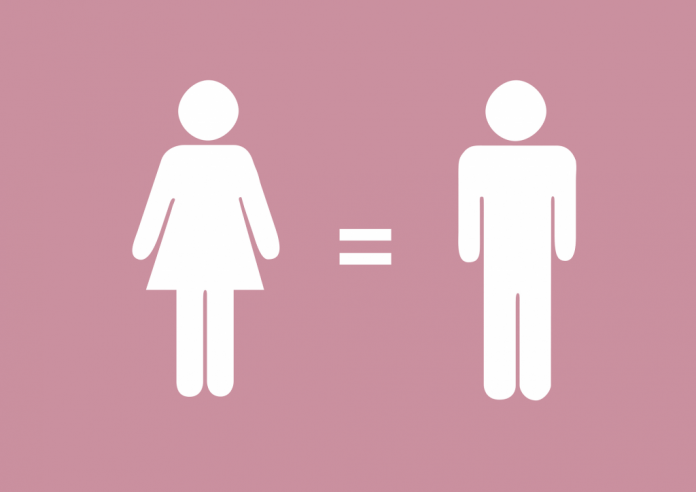













 Allow notifications





