
Download Now
Home Blog Page 488

Media Law as an emerging attractive career

0
Image source: https://bit.ly/2HtqTfI

This article has been written by A. Thiruthi. The article has been edited by Khushi Sharma (Trainee Associate, Blog iPleaders) and Vanshika Kapoor (Senior Managing Editor, Blog iPleaders).

Introduction

Media is an enthralling universe. It is always enticing and equally demanding, whether on large displays or with superstars. The media’s power is strong enough to not only shape young minds and hearts but also to elicit a massive clamour among the population in the event of discontent. Media law has recently arisen as a massive field of study for young advocates. According to IBEF’s analysis, the Indian media and entertainment sector is predicted to develop at a Compound Annual Growth Rate (CAGR) of 13.9% from US$ 19.59 billion in 2016 to US$ 37.55 billion in 2021, above the global average of 4.2 percent. Media is no longer limited to radio and television. There is theatre, cinema, social media, YouTube, Netflix, and a plethora of new application-based video-streaming platforms. Recent instances, particularly those involving the Film Certification Board (CBFC), demonstrate that the resources necessary to meet the demands associated with such specialisation in media law are extremely rare.

With fewer than two three well-known companies in this arena and less than a handful of lawyers specialising in media law, the field offers a wealth of options and competitive compensation. With over 15 lakh practising lawyers, the majority of whom work in mediocre or low-wage jobs, media law firms pay above-average salaries, whereas media houses pay a living wage.

Media Law

Media law is the body of law that regulates the production and use of media. Media law can apply to a wide variety of media types, including broadcast television, the internet, and print media. Media law practice encompasses all legal issues that may arise during the production or consumption of various forms of media. What can be written and aired is governed by media law. Intellectual property law is also a part of this field of law. For example copyright and ownership. The law of the media is separated into groups based on the sorts of activities that each have their own set of regulations, norms, case law, and so on.

Pros of Media Law Study

The benefits of media law study are described as follows:

  1. “Media law” encompasses a variety of legal disciplines, making it an ideal introduction to the law system for journalists and practitioners, and a fertile arena for law students to revise and practise.
  2. Media law provides an excellent opportunity to examine society’s numerous conflicting rights and interests, as the rights to free expression, information, and a free press compete with other critical rights such as reputation, a fair trial, privacy, confidentiality, intellectual property, and national security, as well as the right to be free of discrimination in all its forms.
  3. It is an excellent illustration of the news media’s position in the world’s diverse political systems, as governments choose different points at which free expression should be restricted. One should discover that freedom of expression exists on a continuum, with some nations having less limitations and others having worrying levels of repression.
  4. Just as certain governments and individuals may shackle truth, media law sheds light on so-called ‘fake news’ and ‘false news’ by explaining how truthful and reasonable reporting and publishing can receive specific safeguards and how courts can reward ethical research and reporting.
  5. Media law cases are frequently fascinating depictions of human faults, egos, and temptations, and occasionally resemble Shakespearean tragedies in which good reporting exposes power abuse.
  6. Problem-based media law education provides realistic insight into how a thorny legal scenario could arise and guides you through the process of determining a plan of action after analysing the legal risks. In some countries, robust and genuine journalism can still be produced within the confines of the law.
  7. Instances and reforms affecting media law are frequently in the news, giving importance and factual accuracy to one’s study as we observe real-world cases involving real persons disputed in courts and covered by the news media.
  8. Lastly, as all laws need to be changed, and as a result, one can get involved in the ongoing process of media legal reform. One will get an understanding of the reform process, have access to past reform proposals, and have the ability to propose your own reforms in fields of interest. 

Legislations

India’s media business has grown at an astonishing rate within the last few years. The Indian government has facilitated the expansion of this business by liberalising and lowering entry barriers for international investors, most recently with the liberalisation of broadcasting sector standards. Numerous facets of the industry have seen extraordinary improvements and the use of cutting-edge technologies to stay current. The application of technologies has been broadened to all stages of content development, digitization, and globalisation. This sector has grown steadily and continues to do so now. The laws that govern the media industry and the worlds of television, cinema, radio, music, and online advertising all fall under the purview of media law. The governing processes and legal frameworks that control the media industry’s growth in India are governed by our media law. Media law generally comprises business, financial, intellectual property, public relations, and privacy rules.

Numerous Acts have been established within India during the years to address the legal challenges confronting the media business:

1. Press and Registration Books Act, 1867This Act was implemented to regulate printing presses and periodicals for the purpose of preserving and registering books. It was a watershed moment in the history of media law. It featured provisions governing the registration of books, the disclosure of press keepers and newspaper publishers.

2. Vernacular Press Act, 1878 – This Act was enacted to strengthen the control over the language used in the press. It was enacted with the primary objective of eradicating Amrit Bazar Patrika, which was deemed bilingual within this Act.

3. Indian Telegraph Act, 1885– This Act granted the Government the sole authority to grant telegraph licences. It authorised the government to intercept messages and seize licenced establishments in the event of a public emergency or in the name of public safety.

4. Press Act, 1910 – This Act’s primary feature was that it authorised the government to compel any newspaper in circulation to provide security.

5. Indian Press Act, 1931– The Defence India Act was enacted in 1914 to enforce press restrictions. In 1930, the Indian Press Ordinance strengthened government control over the press. In 1931, the Indian Press Emergency Act was enacted. In 1947, the Government created a Press Enquiry Committee, which issued recommendations for repealing the 1931 Act and replacing it with the Press (Objectionable Matter) Act, 1951.

6. Copyrights Act, 1957 – This Act, together with the 1958 Copyrights Rules, was implemented to provide exclusive rights to an author or creator of an original work.

7. Cinematograph Act, 1952-With the enactment of this Act, the cinematographed film was certified. Provisions for the examination of films and their approval for unrestricted or confined use by particular categories of individuals were enacted.

8. Cable Television Network Act, 1994 – This Act governs cable operators’ operations by requiring mandatory registration under specific circumstances. Under the Cable Television Network Rules, 1994, the Program and Advertising Code restricts the substance of any programme or advertising.

9. Trade Marks Act, 1999 – This Act protects names, titles, letters, words, and other distinctive words or artwork associated with media.

10. Right to Information Act, 2005 – This Act expanded India’s media freedom and provided provisions for potential free speech.

Legal opportunities

Media law is a synthesis of established legal disciplines such as contract law, IP law, and commercial law. As a result, the business draws on a variety of practise areas, necessitating the expertise of entertainment lawyers in a variety of legal disciplines.

The majority of media attorneys specialise in either litigation or transactional law. Transactional lawyers are primarily concerned with agreements and contracts. Their primary responsibilities include creating contracts for clients, ensuring that contracts are adhered to, and negotiating commercial arrangements with clients. On the other hand, litigation attorneys are more concerned with defending their clients in the event of a lawsuit. Along with protecting their clients, they litigate on their behalf when necessary. As a result, many attorneys are adept at both criminal and civil law.

  • Law firms- India has a smattering of nationalised firms that specialise in media law. This category includes firms like DSK Legal, Dhir & Dhir Associates, and AZB & Partners among others. The majority of India’s biggest law firms have specific teams to handle media law matters. These firms essentially have legal teams who handle contracts, compliance, intellectual property, dispute resolution, data protection, mergers and acquisitions, and digital forensics, among other things.
  • Media and entertainment companies- Massive media conglomerates like Yashraj Films, Viacom, and others produce films and television shows for the media and also maintain digital presences on platforms such as Prime Amazon, YouTube etc. Music labels such as T-Series and Saregama, as well as their distribution businesses such as Reliance Entertainment, Eros, and others, also venture into show and film production. Print media companies such as HT Media (Hindustan Times), The Hindu and others have a sizable audience to target and a prominent internet presence. These media conglomerates have their own legal departments that collaborate with business teams to design and negotiate contracts, manage and acquire talent, litigate and protect their intellectual property. These firms collaborate with law firms and attorneys to ensure that they understand the legal requirements from a business standpoint.  Thus, in-house counsel working for a media or entertainment organisation must understand the company to a particular depth and level in order to advise and safeguard the company’s best interests successfully. By bridging assignments with legal departments, these in-house counsels develop knowledge in several sectors of the entertainment business, paving the road for promotion to general counsel.
  • Independent lawyers- This line of labour involves an independent legal counsel who aims to protect the interests of media firms, entertainers, and others, and is the individuals who appear in court on their clients’ behalf in order to obtain essential relief. Several legal professionals have made significant contributions to this industry, including Kapil Sabil, who introduced the Amendment Bill to the Copyright Act. These attorneys’ primary responsibility is to strike a balance between client interests and applicable law. These entertainment attorneys are the ones who protect freedom of speech and expression regardless of the circumstances and who stand up to the highest courts of law to defend the business. As a result, the experience required of a media and entertainment lawyer is highly distinctive, relying heavily on specific talents and industry knowledge.
  • Local practice- While the majority of media attorneys work for larger news organisations, even a small-town lawyer may confront media law during their practice. On-air talent is employed by local television stations for their local news programmes. Contract negotiations for an on-air talent may be handled by a local attorney. Local television stations’ contracts frequently include a non-compete provision prohibiting personalities from going on-air for a rival company for a specified period of time. A local media attorney may diligently negotiate a non-compete agreement on behalf of their client or may even contest the legality of a non-compete provision in a media contract. Local TV networks may occasionally have disagreements with their network companies in addition to on-air talent. The majority of community television stations are privately owned and run. When a network has a disagreement with a TV network, the television network may seek assistance from a local lawyer.

Why should one become a media attorney

Media law is a fascinating field of study. Media lawyers can represent businesses or celebrities they have seen on television. Additionally, media lawyers provide crucial work to society’s understanding of free speech rules and the constraints that can be imposed on various forms of media creation. Lawyers who practise media law must be excellent communicators since they advise clients on a variety of various areas of law that affect the media, such as trademarks, copyright, employment law, and dispute resolution. Lawyers seeking enthusiasm and a challenge may find media law to be an exciting and challenging legal speciality.

Conclusion

India cannot thrive as a nation devoid of media and entertainment. Movies, memes, and music have a significantly greater emotional impact on humans than any other way of entertainment generally available to humanity. Due to the industry’s ongoing evolution, it is highly improbable that it will slow down. With the rapid advancement of technology, interest in discovering and acquiring new, distinctive, and unusual forms of entertainment, such as web series, is increasing. Indian media and entertainment is among the world’s fastest expanding businesses. The industry is extraordinarily diverse, highly fragmented, and highly diversified. There is presently an increase in film production investment and a decrease in the shelf lives of films that make it to the theatre. As technology advances and entertainment becomes more accessible to India’s enormous population, the influence that this business currently plays in our daily lives cannot be diminished. As a result, the ever-expanding business necessitates an ever-adaptive legal framework to ensure peace and order. If the prospect of defending free speech and expression, reading about the legislation that protects very creative and innovative media, negotiating contracts excites you, then media law is the career for you.


LawSikho has created a telegram group for exchanging legal knowledge, referrals, and various opportunities. You can click on this link and join:

https://t.me/joinchat/J_0YrBa4IBSHdpuTfQO_sA

Follow us on Instagram and subscribe to our YouTube channel for more amazing legal content.
Download Now

‘Animus’ and ‘Corpus’: requisites for possession of immovable property under Specific Relief Act, 1963

0

This article is written by Anamika Mishra student of Faculty of law, University of Delhi.

Legal position : analysis and decision

Halsbury’s Laws of England the word “possession” is used in various contexts and phrases. However, traditionally, Possession is factual propinquity betwixt a man and an object, whereby, a man can factually possess an object that he does not even own. It is a de facto exercise in the claim to an identifiable property and a fellow to ownership. Possession is in fact what ownership is in right enforceable at law to or over the thing. Conclusively, In legal gesture, possession is nine points in the law. In Supt. and Remembrancer of Legal Affairs Case.

It was observed that “Possession”, implies a right to corpus and a fact of animus; the right to enjoy appreciated qua the right of property and the fact of the real intention. The term “Enjoyment” is the physical control over the property without any interference. Herein, as mentioned above, the right to property ( corpus possesionsis ) and the real intention to possess the property ( animus possidendi) are the requisites for stating the matrix of possession. In other words, Pictographically, the inner circle in the outer circle will be the fact of possession and the outer circle will be the fact of ownership. Ownership is a sum total of rights of possession, dispossession and even the right of the destruction of one’s own property. While Possession is In pari causa potior est conditio, That is, every man can keep what he has got, unless and until someone else proves to have a better title.

The legal position as summarised by the Honorable Supreme Court in Abdul Rahim v. S.K. Abdul Zabar regarding the requisites of attainment of Possession as under:

‘A person is said to be in possession of a thing or of immovable property, when he is so placed with reference to it that he can exercise exclusive control over it, for the purpose of deriving from it such benefit as it is capable of rendering or as is usually derived from it.’

Statutory discourse

This has been discussed at length in The Specific Relief Act of 1963( hereinafter, ‘SRA’). The fons et origo of this act is on the lines of Ex aequo et bono, that is, equity and good conscience. It is oriented with the Jurisprudential essence of the Jurist, Nathan Roscoe Pound, that is, the purpose of the law is to accelerate the process of social levelling, that is, the purpose is to balance the interest in the society at large. This is also termed as the doctrine of Social Engineering, wherein, the interest of society is harmonized in order to avoid conflict. The Jurisprudential essence of SRA is a mirror to Pound’s theory, inter alia, the substantive law does provide a remedy, that is, Ubi jus ibi remedium,  where there is a right, there is a remedy, but in order to do a balancing of interest, the SRA provides “adequate” remedy, id est, additional and independent remedies besides remedies provided under other contractual laws. 

Chapter I of Part II of the SRA provides for specific relief to recover possession of the property. Section 5 and Section 6 bestows the relief of recovery of possession of the immovable property. As per the provision under definition clause 26 of Section 3 of the General Clauses Act 1897 , “immovable property” shall include land, benefits to arise out of the land, and things attached to the earth, or permanently fastened to anything attached to the earth.

Section 5 of the SRA 

It is merely a declaratory provision that provides a right of relief to the party “entitled” to the possession of an identifiable property as regulated by Section 9 of the Code of Civil Procedure, 1908 ( hereinafter, ‘CPC’ ). Section 9 of the CPC is the gateway of civil litigation. If Section 5 had not been inserted in the SRA, still the party seeking relief could have sought the relief under Section 9 of the CPC. In terms of Section 5 of SRA, a suit for possession has to be filed having regard to the provisions of the Civil procedure Code.

The term “entitled” has a wide ambit. It covers both Ownership Title and Possessory Title.

Illustrative explication

Supposedly, Seller (A) owner of (X) property agrees to sell to Buyer (B). The sale deed is then Registered as per Section 54 of the Transfer of Property Act, 1882 and Section 17 of the Registration Act, 1908 . As a result, The Buyer is now ‘entitled’ as an owner to the said property and endowed with ownership rights, interest and title. The ownership title includes Possessory rights, Dispossessory rights, and even Destructory rights as well. It purports and operates to create, declare, assign, limit or extinguish any right, interest and title in the subject matter property. 

Supposedly, Mortgagor (A) lends money in lieu of his mortgaged property from the Mortgagee ( B) and provided him with the right to possess the subject matter property. This is a case of Usufructuary Mortgage. Herein, the Mortgagee will have the possessory rights, interest, title over the property until the money lend by the Mortgagor is recovered. The Mortgagor cannot dispossess the Mortgagee because his Possessory rights include the right to possession and dispossessing even against the owner who obstructs and dispossess the person in title of Possessory rights.

Section 5 has to be read with Article 64 and Article 65 of the Limitation Act, 1963 (hereinafter, ‘Act, 1963’)

Section 5 SRA read with Section 64, the Act 1963 provides for the situation wherein the party seeking relief is on the ground of Settled possession and not on title. The party seeking relief will not be allowed to raise his title at the outset rather he just has to prove his settled possession in the subject matter property within 12 years of dispossession. In a 2 Judge bench, judgment delivered by M.M Shantanagoudar J. in Poona Ram v. Moti Ram, 2019 Supreme Court emphasized on the essence of Settled possession, such possession which has existed for a sufficiently long period of time and has been acquiesced by the true owner and not a mere stray or intermittent act of trespass.

It must be an effective possession and title in such possession is superfluous. It is also well settled that even the owner of the property can get back his possession only by resorting to the due process of law. If the trespasser is in settled possession of the property belonging to a rightful owner, the rightful owner cannot interfere in his possession and dispossess him by taking law in his own hands but he has to knock the doors of Justice Mechanism by taking a due course of law. Since prior peaceful possession is per se proof of title, as mentioned under Section 110 of the Indian Evidence Act, 1872 (hereinafter, ‘IEA’), that is, possession to be prima facie proof of ownership and to prove otherwise, the burden lies upon the party claiming otherwise, herein, the law will aid who is dispossessed by injuncting even the rightful owner subject to the law of limitation.

Illustrative explication

Assuming, (A) gives his vacant property to his brother (B) to stay for time being. Afterwards, (A) dies and his son (C), now being the owner through intestate succession asks his uncle to vacate the said property given by his father to him. (B) refuses to vacate the property house and as a result (C) took the law into his own hands to dispossess him. In consequence, (B) files a suit under Section 5, SRA read with Article 64, Act, 1963 for recovery of possession of the immovable property on the basis of settled possession. Herein, since (B) was in settled possession of the subject matter property as given by his brother and defendant’s father, and was dispossessed, he has a right to claim the relief even against the owner on the ground of Settled possession and dispossession thereof. However, while filing the suit, the plaintiff (B) cannot raise title at the very inception, but after pleading settled possession, the defendant ( C) can raise his title, that is, of ownership through intestate succession, and then after the defendant raised his title, now the plaintiff can raise his ‘better title’ if any. If the defendant succeeds in proving his better title over the plaintiff’s pleading of settled possession, then he will certainly be able to get the suit dismissed.

The purpose policy is to prevent a person from using force and to dispossess without consent otherwise than in due course of law as given in East India Hotels Ltd. V. Syndicate Bank.

Section 5 SRA read with Section 65, the Act, 1963 is purely on the basis of ‘Title’, that is, Ownership or Possessory title. The moment parties become ‘adverse’ to each other, the right accrues upon the party to file a suit within a period of 12 years from the defendant being adverse to the plaintiff under this clause. Taking the example above, the moment (C) asks his uncle to vacate the property, and the uncle ( B) refuses to vacate, the parties become adverse to each other and right to recover possession accrues upon ( C) under Section 5, SRA read with Article 65, Act 1963. 

Section 6, SRA

Section 6 of the SRA is on the same lines. The Cause of action, that is, the legal right to possess and denial of such right is in a like manner with the provision of Section 5 read with Article 64 laid above. The only difference lies is in the fact that as per section 6, the question of title cannot be raised by either party. It provides for a summary proceeding and the idea behind is to provide an immediate remedy within 6 months limitation period to claim relief of possession to a person who has been dispossessed unlawfully by any person notwithstanding having a better title. The law does not allow a person to take law in their own hand and not take the road of due process of law. 

Herein, even if the person is in a casual possession, still the dispossession cannot be allowed without taking the recourse of law. A similar point was in Sopan Sukhdeo Sable v. charity Commr. The law will hand over the property to the plaintiff, herein being a casual possessor even if it belongs to the owner because he has dispossessed him unlawfully, without any relief of appeal and review. A Revision under Section 115 of the CPC can be filed in exceptional circumstances. However, the defendant has a right as per Clause 4 of Section 6, SRA to file a regular suit establishing his title ( Section 5, SRA read with Article 65, Act 1963 ) and in the event of his succeeding, he will be entitled to recover the said possession. As a result, the decree in the favor of the plaintiff will become inoperative. The law in order to do equity to one party will never do inequity with another party. Therefore, if the law provides for speedier remedy in case of dispossession even if the person has no title, the law also provides for the remedy in Clause (4) of Section 6 as no one will be allowed to acquire property if they were merely allowed to stay in the premises gratuitously or as a caretaker or as a relative etc.

With a combined and comprehensive reading of these sections, the genesis of the Specific Relief Act is more understandable, that is, (1) He who comes to court must come with clean hands; (2) He who seeks equity must do equity. And Equity follows Law. Equity must supplement the existing law to do complete justice. Therefore, in cases wherein, there is equal equity, the law shall prevail.


LawSikho has created a telegram group for exchanging legal knowledge, referrals, and various opportunities. You can click on this link and join:

https://t.me/joinchat/J_0YrBa4IBSHdpuTfQO_sA

Follow us on Instagram and subscribe to our YouTube channel for more amazing legal content.

Download Now

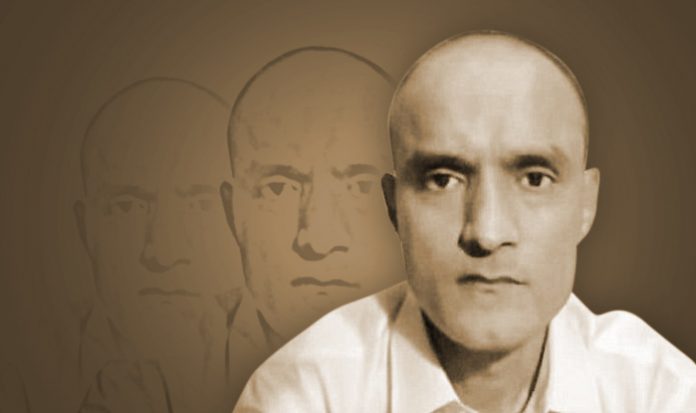
An analysis of the Kulbhushan Jadhav case (India v. Pakistan)

0
Kulbhushan
Image source -https://rb.gy/g6oafn

This article has been written by Jeezan Riyaz and edited by Khushi Sharma (Trainee Associate, Blog iPleaders).

Material facts 

On 03.03.2016, Kulbushan Jadhav was arrested by Pakistan and on 24.03.2016, the military establishments and law enforcement agencies of Pakistan accused Jadhav of being a spy, having crossed over from Iran and was caught in southern Pakistan, i.e. Balochistan. In the meanwhile, Pakistan also shared a video, wherein Jadhav is seen confessing to the allegations leveled against him.

On 23.01.2017, The external affairs minister of Pakistan sent a “Letter of Assistance for Criminal Investigation against Indian National Kulbhushan Sudhair Jadhav” to the High Commission of India in Islamabad but no response was received. On 29.03.2016, India claimed all the allegations leveled against Jadhav to be baseless as he is a retired naval officer and was illegally kidnapped by the Pakistani authorities from Iran. In addition to this, the Indian government sought Consular access for Kulbushan Jadhav from Islamabad which was denied. As many as 16 requests from New Delhi were turned down by Pakistan over the course of 1 year. On 10.04.2017, the Pakistani Military Court sentenced Kulbushan Jadhav to death on account of “Espionage and Terrorism.”

On 14.04.2017, the Indian government demanded an authentic copy of the charge – sheet and verdict of the military court of Pakistan which sentenced Jadhav to death and further requested Consular access for Jadhav. On 08.05.2017, aggrieved by the stance taken by Pakistan and lack of cooperation shown by them, in granting Consular access to Kulbushan Jadhav, India approached the International Court of Justice at the Hague Netherlands against the decision of Pakistan’s Military Court that awarded a death Sentence to Mr. Jadhav. On the very next day, the ICJ stayed Jadhav’s execution.

After much deliberations and negotiations between New Delhi and Islamabad, on 10.11.2017, Pakistan allowed the visit of Mr. Jadhav’s wife on ‘humanitarian grounds ‘and further extended the offer for his mother as well, it also assured India of the safety of the visitors and their free movement. In nutshell, Kulbhushan “Sudhir Jadhav was a 50-year-old retired Indian Navy Officer who was sentenced to capital punishment by the Military Court of Pakistan. The charges against Jadhav for which he was being sentenced to death was ‘Espionage and Terrorism.’

Issues

“The issues that arise for consideration of this Court are:” 

Questions of law

  1. Whether the sentence awarded by Pakistan’s Military Court is illegal?
  2. Whether Pakistan has violated the standards laid down by the Vienna Convention on Consular Relations (VCCR) and International Covenant on Civil & Political Rights (ICCPR) by not granting Consular access to Kulbushan Jadhav?
  3. Whether or not the ICJ had jurisdiction to preside over the present matter and entertain an application therein?
  4. Whether the Vienna Convention on Consular Relations were implicitly inapplicable in cases of terrorism or espionage?
  5. Is“Pakistan’s demand correct that India should assist in the investigations of the case concerning Jadhav which will serve as a precondition to granting consular access to India pursuant to Article 36 acceptable or is the obligation under Article 36” unconditional?
  6. Whether the 2008 bilateral agreement entered into between India and Pakistan supersede the already existing Vienna Convention on Consular Relations?
  7. Whether the rights enshrined in the bilateral agreement limit the applicability of VCCR?
  8. Whether ICJ has jurisdiction in the present matter under Article 1 of the Options Protocol?

Arguments on behalf of the Republic of India

The counsel, Mr. Harish Salve, Senior Advocate, appearing on behalf of the Republic of India, instituted proceedings against Pakistan“under Article 36, paragraph 1 of the Statute of the ICJ, and Article 1 of the Optional Protocol to the Vienna Convention on Consular Relations Concerning the compulsory settlement of Disputes (Optional Protocol) alleging violations of the VCCR by Pakistan”.

  1. The Counsels, appearing on behalf of the Republic of India, stated that the military court of Pakistan had sentenced Kulbushan Jadhav to death and accordingly our request for granting consular access to Jadhav is a matter of right of every individual under Article 36(1) of the VCCR and Pakistan has denied that more than 16 times and therefore is a clear violation of article 36(1) of the VCCR from Pakistan.
  2. The counsels further submit that Article 73(2) of the VCCR, provides that “nothing in the present Convention shall preclude States from concluding international agreements confirming or supplementing or extending or amplifying the provisions thereof”, and therefore under no circumstances, a bilateral agreement entered into between India and Pakistan will take supremacy over the already established provisions of VCCR and therefore the provisions of VCCR will take supremacy and will be applicable in the present matter.
  3. The obligations “under the VCCR may be enhanced or clarified by bilateral treaties, but cannot be diluted or undermined, as affirmed by authoritative interpretation of the VCCR and general principles of treaty law, including Article 41(1) of the Vienna Convention on the Law of Treaties. Also, the reservations stated in Article 36(2) of the ICJ statute, is independent of and not a mere prerequisite to invoking the authority under Article 36(1) of the ICJ Statute, and accordingly, VCCR is the rightful authority to be referred to in matters of consular access.

Failure of Pakistan in providing consular access to Kulbushan Jadhav (violation of Article 36 of the VCCR)

  1. The counsels, on behalf of the Republic of India, suggests that it’s the lawful right of any detained person in an alien state to have direct correspondence with the nationals of his own country for the purposes of a fair trial and accordingly the phenomenon governing the same is known as consular access
  2. The counsels further submitted that the consular officer shall have the right to converse, communicate and visit any detained individual of its country in an alien country or foreign territory and shall have complete freedom with respect to communications.
  3. Therefore the right of legal representation cannot be denied at any point of time no matter what, as consular access is one of the main prerequisites of ensuring that a fair trial takes place in accordance with international law and international humanitarian law.
  4. In simple terms, Pakistan did not respect and oblige by the covenants of VCCR, ICCPR, ICJ statute and has created a gross error in its application submitted to the International Court of Justice: (a) by not providing adequate information to India about the detention of Mr. Jadhav and that too without delay, (b) by not informing the detainee about his lawful right and remedy; and (c) by denying India and its consular officers the imprescriptible right of Consular access, guaranteed to them under Article 36 of the VCCR.

Abuse of rights 

The counsels submit that prima facie denial of all the lawful rights by the Islamic Republic of Pakistan is itself evidence of the fact there has been a gross abuse of rights. Not only this denying one a right to a free and fair trial is a gross error and completely against the tenets of ICCPR, thereby making a grant of consular access one of the main prerequisites for a free and fair trial. Therefore the justification provided by Pakistan that grant of consular access is only provided if the other country accepts and provides proof that the detainee in question is their national is completely baseless as a fact in question is only addressed if it’s in dispute and in the present case Pakistan has always mentioned Kulbushan Jadhav as an Indian national and as per the reasoning of Pakistan, but they are also guilty of not providing India with consular access when the question of nationality was prima facie very clear and without any ambiguity.

Remedies 

In the final limb of its submissions, the Counsels, appearing on behalf of India made it very clear as to what they are looking out for from this settlement in ICJ. The remedies that India wants from the Islamic Republic of Pakistan were submitted by the counsels, which were as follows:

  1. Suspension of the death penalty with immediate effect keeping in mind the ratio laid down by the ICJ,
  2. The declaration “that the sentence by the Pakistani military court was “brazen defiance” of the Vienna Convention on Consular Relations (VCCR) and the International Covenant on Civil and Political Rights (ICCPR) since Pakistan had not given India consular access to Jadhav.
  3. Pakistan should annul the decision of its Military Court and make retrenchments for the release of Kulbushan Jadhav.
  4. The Court should further declare that the sentence awarded by the military court was in complete violation of the VCCR, ICCPR and the tenets of International law and accordingly the Republic of India is entitled to ‘Restitution in integrum’, i.e. restoration of the position of the detainee in question to pre-arbitrary arrest position which will mean the deportation of Kulbushan Jadhav back to India.

Arguments on behalf of the Islamic Republic of Pakistan

The Counsel, Mr. Khawar Qureshi, Legal Counsel & Advocate, appeared on behalf of the Islamic Republic of Pakistan and stated that India has committed 3 main mistakes in the present matter while responding to its allegations. Pakistan submitted that there has been an abuse of the process, abuse of the rights, and unlawful conduct on the part of India as they did not accept the mere fact that:

  • The VCCR doesn’t have the applicability and the requisite jurisdiction to adjudicate upon cases of espionage and terrorism mainly due to the inherent nature and heinousness of such crimes.
  • A bilateral agreement has already been entered into between India & Pakistan, back in 2008, where it’s stated in plain simple words that in cases of “arrest, detention or sentence made on political or security grounds”, the states are free to decide the merits of the case based on their own discretion. Also since the 2008 bilateral agreement already exists, it overrides the applicability of the VCCR.
  • The reservations made under Article 36(2) of the ICJ statute are almost equally admissible and acceptable as those of cases under Article 36(1) of the statute are. Therefore if there exists a treaty or an agreement, which has force of law, it ipso facto becomes a valid treaty or an agreement adhered to by the parties.

Therefore India cannot invoke the jurisdiction of Article 36 of the VCCR in the present matter because of the existence of the 2008 bilateral agreement already entered into by the parties.

Abuse of process

The Counsels on behalf of the Islamic Republic of Pakistan stated that India has violated certain procedures as a matter of its procedural right and that validly constitutes an abuse of power. Firstly, it violated the process by requesting the ICJ to take resort to procedural measures thereby stopping the execution of Kulbushan Jadhav. India undermined the mere fact that Pakistan allows every person, a constitutional right of filing a clemency petition, 150 days after the award of death sentence and so it was the same in the case of Mr. Jadhav. Therefore India undermined what Pakistan calls ‘highly material facts’ and thus violated the process by approaching ICJ when the appropriate remedy was there to stay the execution of Jadhav.

  1. Secondly, India violated the provisions of Article 2 and 3 of the Optional Protocol to the VCCR by not providing Pakistan to take recourse to other forms of dispute resolution mechanisms as is envisaged in the said Articles. It is expected of the parties to notify or inform the other party that a dispute arose and the same has to be solved within a period of 2 months, not by approaching the ICJ but an appropriate tribunal or a forum for the same. Both these measures clearly state that India has violated the process and as a matter of fact, they cannot subject Pakistan to the Jurisdiction of ICJ.

Abuse of rights

The Counsels for Pakistan, in their next limb of submissions, submitted that India should be held accountable for abuse of rights by not corroborating in further investigations into the case of Kulbushan Jadhav as:

  • Firstly, India blatantly refused to provide clarity on the nationality of Jadhav by means of arranging his actual Indian passport bearing his name; even it had an explicit duty to do so.
  • Secondly, India’s cold stance on helping Pakistan carry out further investigations wherein India was requested by Pakistan, to assist in carrying out the criminal investigations into Mr. Jadhav’s activities.
  • Thirdly, India had assisted Jadhav in carrying out various activities related to espionage and terrorism and there is enough material on record to prove the same. India provided Kulbushan Jadhav with a “false cover name authentic passport” and therefore violated certain anti-terrorism laws and thereby the counsels, on behalf of Pakistan, would request the ICJ to invoke certain United National Security Councils Resolution against India with respect to the same as what they did was completely an abuse of rights.

India is guilty of its unlawful conduct

  1. The Counsels, on behalf of the Islamic Republic of Pakistan, humbly submits that the admissibility of India’s claim/application is concocted on the mere fact that they are guilty of alleged unlawful conduct. In addition to this, the Counsels, request the ICJ to dismiss and not accept India’s stance, as they are supposed to come to the court with clean hands, and accordingly the principles of “ex turpi causa [non oritur actio]” and “ex injuria jus non oritur” apply in this case as well.
  2. Failure of India to respond to Pakistan’s request of assistance to carry out further investigation into the criminal matter of Kulbushan Jadhav, helping Jadhav by providing him a fake forged passport to carry out activities such as espionage and terrorism against Pakistan and disregarding the 2008 bilateral agreement between the parties is an indication of the fact that they have not come to the Court with clean hands, and accordingly, their application should be dismissed as it lacks merit.

Therefore, on behalf of the Islamic Republic of Pakistan, as counsels, we would like to submit before the hon’ble ICJ that since India has not assisted Pakistan in carrying out investigations into Jadhav’s matter and not establishing Jadhav’s national identity is in itself evidence of the fact that they are denying him to be an Indian, as a result of which the demand for seeking Consular access stands dismissed as establishing valid nationality is a prerequisite for the same.

Concrete judgment

The ICJ delivered the judgment with an overwhelming majority of 15:1 ratio. The judgment delivered by the majority pointed out mainly with the question of violation of article 36 of VCCR. As per the court’s observation, the main dispute between both countries is about ‘consular assistance’ of arrest, detention, trial, and sentencing of Kulbhushan Jadhav. Both the countries besides being the members of VCCR are also members of “Optional Protocol to the Vienna Convention on Consular Relations concerning the Compulsory Settlement of Disputes” without any reservations or declarations.  The court had observed that the jurisdiction of the case comes about from Article 1 of the “Optional Protocol” and does not breach any of the international treaties’ asides from VCCR. Therefore, it has legitimate jurisdiction under Article 1 of the Optional Protocol as alleged by the State of India regarding the violation of VCCR.

The“three objections raised by the State of Pakistan regarding the abuse of power, abuse of rights and unlawful conduct by the State of India were dismissed and India’s application was admissible. Further, the court also held that Pakistan has acted in breach of the agreement and failed to fulfill its obligations as per Article 36 of VCCR. The State of Pakistan had failed to inform Kulbhushan Jadhav about his rights which he had under Article 36(1)(b), by not informing India about the arrest and detention of Jadhav and lastly by denying the access of Jadhav by the Consular Officers of India. These were all part of the VCCR agreement which Pakistan had agreed without any reservations or declarations. Hence, the court has found Pakistan to be in violation of international laws.”

With respect to India’s demand of “restitution in integrum”, The Court recalls that “[i]t is not to be presumed . . . that partial or total annulment of conviction or sentence provides the necessary and sole remedy” in cases of violations of Article 36 of the Vienna Convention (ibid., p. 60, para. 123). Thus, the Court finds that these submissions made by India cannot be upheld.

Ratio Decidendi

In view of the facts presented and precedents drawn:

  1. The Court with respect to Pakistan’s argument stated that the ICJ does not have jurisdiction to hear cases wherein the detainee’s in question are guilty of offences related to espionage and terrorism, explained in VCCR Article 36, when read in its “context and in light of the object and purpose of the Convention,” did not exclude from its scope “certain categories of persons, such as those suspected of espionage. In the Court’s view, “it would run counter to the purpose of that provision if the rights it provides could be disregarded when the receiving state alleges that a foreign national in its custody is involved” in acts of espionage.”
  2. The ICJ further explained that the 2008 Agreement —which provided that “each side may examine a case on its merits” in situations of “arrest, detention, or sentence made on political or security grounds”—could not be read as denying consular access. In its view, “if the Parties had intended to restrict in some way the rights guaranteed by Article 36, one would expect such an intention [would have been] unequivocally reflected in the [2008 Agreement],” which was not the. The ICJ explained that the 2008 Agreement could only “confirm, supplement, extend or amplify” the VCCR and could not displace Pakistan’s obligations under Article 36.
  3. As regards“India’s claim based on the Vienna Convention, the Court considers that it is not the conviction and sentence of Mr. Jadhav which are to be regarded as a violation of the provisions of the Vienna Convention. In the Avena case, the Court confirmed that “the case before it concerns Article 36 of the Vienna Convention and not the correctness as such of any conviction or sentencing”, and that “it is not the convictions and sentences of the Mexican nationals which are to be regarded as a violation of international law, but solely” certain breaches of treaty obligations [on consular access] which preceded them.”
  4. With“regard to India’s contention that it is entitled to restitution integrum and its request to annul the decision of the military court and to restrain Pakistan from giving effect to the sentence or conviction, and its further request to direct Pakistan to take steps to annul the decision of the military court, to release Mr. Jadhav and to facilitate his safe passage to India, the Court reiterates that it is not the conviction and sentence of Mr. Jadhav which are to be regarded as a violation of Article 36 of the Vienna Convention. The Court also recalls that “[i]t is not to be presumed . . . that partial or total annulment of conviction or sentence provides the necessary and sole remedy” in cases of violations of Article 36 of the”Vienna Convention. Thus, the Court finds that these submissions made by India cannot be upheld.
  5. The Court stated that the evidence of no communication or consular access provision by Pakistan would form a ground for extracting necessary jurisdiction. On satisfying the requirement of jurisdiction with such observation, the Court mandated clarifications on questions of law and fact, thereby admitting the dispute under the Vienna Convention and held that the alleged acts of terrorism or espionage cannot exclude the scope of jurisdiction of the Court under the Convention. An important observation made was that a bilateral agreement couldn’t possibly limit the jurisdiction of the Court under the ICJ statute or under Vienna Convention.
  6. The ICJ stressed upon the mere fact that it was the duty of Pakistan to inform and provide India with Consular access at the earliest and the reasoning given by Pakistan that failure on the part of India to accept the detainee as their citizen would bar the process of granting them the consular access is completely baseless as it lacks merit because a fact in a question is explained when its in dispute, not merely when its quite clear. To throw more light on the same, Pakistan merely mentioned Kulbhushan as an Indian Spy on multiple occasions, which is prima facie indication of the fact that they were aware of his nationality. Not buying this argument at all, The ICJ held Pakistan guilty of violating the provisions of VCCR by denying consular access and at the same time held them guilty of not accepting the provisions of optional protocol, 1969 as well.

Conclusion

In the instant matter, the researcher clearly agrees and concurs with the reasoning and judgment of that of the Honourable International Court of Justice as there are many substantial points to be appreciated.  Also, there are a few grounds given on which the researcher does refuse to agree with the view taken by the Court. A counterbalanced view of both the opinions and findings are to be presented here conveniently. 

Merits 

  1. The Court was correct in its stance in holding Pakistan liable for violating the provisions of VCCR, ICCPR and the mere fact that VCCR will be applicable over and above the domestic legislation, i.e. the 2008 bilateral agreement entered into between the parties.
  2. The Court was correct in it’s reasoning that Article I of the Options Protocol provides for the jurisdiction of the ICJ to preside over matters concerning the said protocol.
  3. The Court deduced a proper analogy that only a fact that is in dispute is to be addressed so the stance taken by Pakistan that India did not help them to carry out criminal investigations against Kulbushan Jadhav is an indication of the fact that India denied them of Jadhav being an Indian citizen and accordingly the right to consular access is out of the equation, is completely baseless as there is enough material on record to prove that Pakistan was aware of Jadhav’s nationality and time and time again they have used the term ‘Indian Spy.’
  4. The Court was correct in dismissing India’s stance with respect to restitution in integrum as it is against the tenets of International law because the Official Secrets Act of Pakistan enables the detainees to file for a review petition and therefore passing an order for deportation of Kulbushan Jadhav back to Indian territory will be against the principle of fairness and will undermine the constitutional apparatus of Pakistan as a law or a ruling is given effect to if there’s a lapse in the system.

Demerits 

  1. The Hon’ble Court was correct in its approach about the applicability of the VCCR but as a researcher, the Court did not read into the provisions of the 2008 bilateral agreement as to why the parties can decide the cases on their own merit if there is a threat to the sovereignty, social order and political apparatus of the country. The researcher is neither disputing the validity of the VCCR nor going against its application over and above the bilateral agreement, the only concern stands to be that the Court should have given a plain harmonious reading to the provisions of the bilateral agreement to understand the gist with regards to the same.
  2. As per the researcher, the Court did not lay much emphasis upon Article II and III of the Optional Protocol concerning the compulsory settlement of disputes 1963 in the same way they did for the Article I of the same protocol. The main reasons for the same were not clearly established as the issue of dispute resolution before submitting the said application before the ICJ was kept out of the question. 

These were the two demerits of the case as per the researcher’s point of view. The researcher does agree with all the other findings of the Court and the way in which it used the given precedents as binding and distinguished the non-binding ones. 


Students of LawSikho courses regularly produce writing assignments and work on practical exercises as a part of their coursework and develop themselves in real-life practical skills.

LawSikho has created a telegram group for exchanging legal knowledge, referrals, and various opportunities. You can click on this link and join:

https://t.me/joinchat/J_0YrBa4IBSHdpuTfQO_sA

Follow us on Instagram and subscribe to our YouTube channel for more amazing legal content.

Download Now

All you need to know about communication surveillance laws in India

0

This article is written by Shivam Gupta and Payal Golimar.

Introduction

In the era of development when technology is growing rapidly all over the world and benefiting the people around it, people are finding newer and different ways of committing crimes. Therefore, development in the recent decade in the field of technology contributed immensely toward the growth of cybercrimes. It is the essence of such offences, that they can be committed without a visible appearance – anonymously and sitting far away from victims. And to make people liable for misusing the technology, we need an entirely different set of regulations dealing with this sector while keeping in mind the constantly changing nature of the sector, also what can be the possible ways of committing crimes under this sector.  So, the crimes committed with the use of technology are commonly known as cybercrimes such as E-mail spoofing, forgery, cyber defamation, web jacking, DoS Attacks, and many more. It is to be noted here that, in the present study we are primarily concerned with communication surveillance.

Communication surveillance means monitoring, intercepting, collecting, or preserving the data/information communicated or generated with the use of technology by the third party that can be the government agency, a private company, or any other malicious actor. Advancements in communications have provided us with many ways to access a wide range of networks via which to communicate. With the growth of communication technology from telegraphs to redlines and mobiles to the internet, for people, it becomes easy to communicate. Supervision over electronic communication is needed in the interest of public safety, sovereignty, the integrity of India, and for security purposes.

Henceforth, due to many reasons, surveillance, in this sector becomes a major issue. So, the major national laws covering communication surveillance in India are the Indian Telegraph Act, 1885 an ancient one, and the recent Information Technology Act, 2000. These acts empower the Indian government to monitor and intercept communications.

However, the history of surveillance can be traced back to time immemorial and in the history of surveillance “state” always plays an important role. As surveillance is increasing the questions with regards to privacy are arising as rightly stated by sociologist David Lyon, “the spread of technology within societies will lead to their increased surveillance and subsequent lack of privacy”. Now, as in the recent Indian legal system, the concept of privacy is termed as the constitutional right and hence the issue arises, as up to what extent a person is subjected to surveillance by the appropriate authority. Henceforth, this notion ultimately raised many questions on the existing legal framework of surveillance. In the present study, an effort has been made to analyse some of the provisions pertaining to the surveillance laws in India that have an impact on privacy issues.

Position under international law

One of the basic human rights and is important for every human being for its identity is the right to privacy and it is also recognised by international law such as under Article 12 of the Universal Declaration of Human Rights, Article 17 of International Covenant on Civil and Political Rights, Article 14 of United Nation Convention on Migrant workers, Article 16 of United Nation of the protection of the Child. Article 10 African Charter on the Rights and Welfare of the Child, Article 5 of the American Declaration of the Rights and Duties of man, Article 11 of the American Convention on Human Rights, Article 21 of the Arab Charter on Human Rights, and Article 8 of the European Convention for the Protection of Human Rights

When we talk about communication surveillance it is kind of a breach of privacy of an individual because according to International Principles on the Application of Human Rights to Communication Surveillance (IPAHRCS), Communication Surveillance is defined as “Communications surveillance in the modern environment encompasses the monitoring, interception, collection, analysis, use, preservation and retention of, interference with, or access to information that includes, reflects, arises from or is about a person’s communications in the past, present or future.” It also defines the term “Communications” which “include activities, interactions and transactions transmitted through electronic mediums, such as the content of communications, the identity of the parties to the communications, location-tracking information including IP addresses, the time and duration of communications, and identifiers of communication equipment used in communications”. 

The importance of Communication Surveillance is that it is important for the National Security of the state. Therefore, it can’t be banned even if it breaches the privacy of an individual. In Uzun v. Germany, the European Court of Human Rights examined an application alleging a breach of Article 8 of the European Convention on Human Rights, in which the applicant’s data was collected by investigative authorities via the Global Positioning System (GPS) and used against him in a criminal case. In this case, the petitioner was accused of being involved in left-wing extremist bombings. The Court unanimously decided that Article 8 had not been violated and ruled as follows: Mr. Uzun had been placed under GPS monitoring in order to investigate multiple cases of attempted murder for which a terrorist group claimed responsibility and to prevent additional bombings. As a result, it fulfilled the objectives of national security and public safety, as well as crime prevention and victim rights protection. It had only been requested after less intrusive means of inquiry had been insufficient, and it had only affected Mr. Uzun when he was travelling with his accomplice’s automobile. As a result, he could not be claimed to have been under constant and thorough observation. Given the severe nature of the inquiry, the Court determined that Mr. Uzun’s GPS monitoring was reasonable. 

The IPAHRCS provide some principles which the states should consider while doing communication surveillance which are-

  1. There should be a legitimate aim for doing surveillance.
  2. There should be the necessity of such surveillance and if there are other methods that will not affect human rights then they should be explored first. 
  3. Any surveillance must be legal and prescribed by law.
  4. Only adequate surveillance should be done which can help in achieving the purpose. 
  5. Before starting surveillance, it must be established that the need for surveillance is more important than the breach of the right to privacy of an individual.
  6. Competent judicial authority must be established and the due process of law should be followed.
  7. Individuals must be notified of surveillance. If notifying the individual will defeat the purpose of surveillance then it can be avoided. 

Surveillance in India

As per Indian laws, Surveillance is prohibited, nevertheless, surveillance conducted by the government is legal if a proper legal channel is followed by the appropriate government. In the legal regime of technology, the concerned laws governing communication surveillance in India, are:

  1. THE INDIAN TELEGRAPH ACT, 1885 
  2. THE INFORMATION TECHNOLOGY ACT, 2000 
  3. THE INFORMATION TECHNOLOGY RULES

The Telegraph Act which was enacted way back in India majorly deals with the interception of calls by the government. The government derives its right of interception from Section 5 of The India Telegraph Act, which states, “Power for Government to take possession of licensed telegraphs and to order interception of messages”. Section 5(2) of the Act grants the central or state government authority over the transmission, interception, and retention of any communication if the following criteria are met:

  1. If it is essential in the interests of India’s sovereignty and integrity,
  2. State’s security,
  3. Friendly relations with other nations,
  4. Public order, and
  5. Lastly for preventing incitement to the commission of an offence.

The clause’s proviso restricts the interception of communications of “press messages” of the correspondents who are “accredited to the Union government or state government”.

Another major law dealing with communication surveillance is the Indian Information Technology Act, 2000. The statute primarily addresses data interception., which means it governs digital surveillance. Accordingly, it can be said that the IT Act has broadened the horizons of surveillance as compared to the previous act i.e., The Telegraph Act, 1885. To understand this, we need to first look at the provision. According to Section 69 of the Information Technology Act, “Power to issue directions for interception or monitoring or decryption of any information through any computer resource”. This provision vests authority in either the central or the state governments “to intercept, monitor or decrypt or cause to be intercepted or monitored or decrypted any information generated, transmitted, received or stored in any computer resource”. Provided, if such information is required:

  1. In the interests of India’s sovereignty and integrity,
  2. Defence of India,
  3. State’s security,
  4. To maintain friendly relations with other nations, or
  5. To maintain public order, or
  6. for preventing incitement to the commission of any cognizable offence relating to above, or
  7. For investigation purposes.

Section 69 of the IT Act is more extensive in this regard, as it grants the government broad powers to intercept information because section 69 broadens up the categories of conditions that need to be fulfilled by the government before the interception of any information. Surveillance can now be carried out by the appropriate authority even for the investigation of any offence. It is important to emphasize here that there is no reasonable nexus to draw as to what types of offences are subject to government surveillance. Furthermore, section 69 of the IT Act exempts the obligation of “public emergency” and “in the interest of the public safety” as specified by section 5 of the Telegraph Act. Henceforth, section 69 has broadened the scope of surveillance by the government.

Lastly, in addition to the Indian Telegraph Act and the Information Technology Act, the Information Technology Rules are also in place in India for the procedural governance of surveillance. The IT (Procedures and Safeguards for Interception, Monitoring and Decryption of Information) Rules 2009, majorly deals with the procedural requirements. The IT Rule, 2009 specifies the comprehensive method and safeguards for the interception of information, including safeguards such as recording the grounds for interception and the directives for the interception shall not exceed beyond the period of 60 days, it can be further extended up to 180 days, not beyond that, destruction of information or record so obtained through interception within 6 months, etc.

Recently, in the year 2018 government has ordered under Rule 4 provides that “the competent authority may authorize an agency of the Government to intercept, monitor or decrypt information generated, transmitted, received or stored in any computer resource for the purpose specified in sub-section (1) of Section 69 of the Act”. This step was taken up by the government to improve transparency and accountability and to handle crime and terrorism.

Apart from the legislative wing, the Indian judiciary also time and again set up the guidelines through precedents for the interception of the information or record by the government.

Indian jurisprudence

The right to privacy is not a fundamental right before the judgement given by the nine-judge bench of the Supreme Court of India in the case of Justice K.S. Puttaswamy and Ors. v. Union of India (UOI) and Ors. After this ruling right to privacy was included under the ambit of Article 21 of the Constitution of India. The judgement overruled the rulings of M.P. Sharma v. Satish Chandra, District Magistrate, Delhi, and partially overruled the judgement of Kharak Singh v. State of Uttar Pradesh as both the judgements say that the right to privacy is not guaranteed under the Constitution of India. 

In this ruling Justice D.Y. Chandrachud believes that, a person has to live with dignity and privacy is one of the necessities for any human being for the fulfillment of dignity and also an important aspect for achieving the goal which protection of life and liberty intended to achieve. He is also of the opinion that if a law encroaches upon the privacy of an individual then that law must be in accordance with the fundamental rights given in the Constitution of India. If there is an invasion of privacy it should be justified under Article 21 on the basis that a law that allows such infringement must establish a procedure that is just, fair and reasonable. He stated a three-fold test for any law which establishes a procedure for infringement of privacy. After passing this three-fold test such law can be held valid. The three requirements are – 

  1. Legality which postulates the existence of law. 
  2. Need, defined in terms of a legitimate state aim. 
  3. Proportionality ensures a rational nexus between the objects and the means adopted to achieve them.

He further goes on to say that “Informational privacy was a facet of the right to privacy. The dangers to privacy in an age of information can originate not only from the state but from non-state actors as well. Present Court commend to the Union Government the need to examine and put into place a robust regime for data protection. The creation of such a regime requires a careful and sensitive balance between individual interests and legitimate concerns of the state. The legitimate aims of the state would include for instance protecting national security, preventing and investigating crime, encouraging innovation and the spread of knowledge, and preventing the dissipation of social welfare benefits. These were matters of policy to be considered by the Union government while designing a carefully structured regime for the protection of the data.” Therefore, if the government had to do surveillance on someone then that surveillance should justify the three-fold test and also the balance need to be maintained between state interests and individual interests. Justice Jasti Chelameswar further added further reasoning to it that only where their compelling state interest and there is very urgent need to get into the privacy of someone then only right to privacy can be infringed of any person. 

Another fundamental right that is affected by surveillance is freedom of speech and expression which is guaranteed under Article 19(1)(a) of the Indian Constitution. In the judgment of People’s Union for Civil Liberties v. Union of India, the Supreme Court of India held that telephone tapping of any person infringes the right of free speech and expression which is guaranteed under Article 19(1)(a). Court also held that if there are no rules which can be used to avoid improper and unwanted interception or disclosure of messages, there is always a risk of infringement of fundamental rights under article 19(1)(a) and article 19(2). 

Conclusion

There is always been a grey area between surveillance and privacy concerns, and it is not only common in India but in the entire world, the question remained unanswered. At the same time, in India, privacy right is a constitutionally protected right and hence for unnecessary invasion, the government can be held accountable. In current Indian laws, surveillance is declared to be illegal but some exceptions are provided to the government for security purposes where surveillance is permissible. However, sometimes the language of the law is not so clear and they are interpreted or there are many possible interpretations of one term which just broadens up the surveillance power of the government. Henceforth, technology laws that misconstrue the main objective of the law should be amended or revoked. 

In the period of digitalization, private and public players are coming up with advanced technologies and some of them are invasive beyond reasonable limits for instance Pegasus spyware. It’s spyware developed in Israel, which is used to tap phones, encrypted messages, audio, etc. this surveillance tool was developed to help the governments to monitor crimes. Now, many questions have been raised on the objective of Pegasus spyware, when the wire, reported that this surveillance tool was used by the Indian government to spy on hundreds of people like Indian journalists, political leaders, constitutional heads, dissidents, activists, and private individuals. Which has shaken the foundation of the Indian democracy as opined by Mr. Kapil Sibal, “it is an assault on privacy, human dignity & value of our republic” during the course of proceedings. The question now is to what degree the government can violate an individual’s right to privacy in the interest of national security. The answer to this question lies in our democratic setup itself. In the ongoing case over the use of Pegasus spyware centre contended that for national security purposes only the virus will be used. Supreme Court has yet to give the final verdict.


LawSikho has created a telegram group for exchanging legal knowledge, referrals, and various opportunities. You can click on this link and join:

https://t.me/joinchat/J_0YrBa4IBSHdpuTfQO_sA

Follow us on Instagram and subscribe to our YouTube channel for more amazing legal content.
Download Now

Pharmaceutical advertising in India : prohibited or regulated under the drug laws of India

0
Image source: https://rb.gy/pkfgsm

This article is written by Aastha Verma, pursuing B.A.LL.B from Kalinga University, Raipur, Chhattisgarh. The article describes the provisions of the various laws which prohibit pharmaceutical advertising in India with its exceptions.  

Introduction

Drugs play a very important role in the management of ailment and illness in human life. Medical practitioners are given a responsibility to prescribe various drugs according to the requirements of the individuals. However, various pharmaceutical companies indulge in advertising about medicine and medical devices and create doubt about the legality of these advertisements. They advertise through newspapers and television which misleads the general public and due to false beliefs, they start spending their time and money and thereby cause harm to themselves. Therefore, the government is concerned about the unethical marketing of medicines and medical devices. Thus, to protect the people from being exploited, the government has introduced various acts that prohibit such illegal activities. While the prohibition on promoting healthcare professionals are in place, there are some general guidelines that advertisers need to follow, else, they would be held responsible. The pricing of medicine is decided by the Drug Price Control Order, 2013 and National Pharmaceutical Pricing Authority has the authority to fix the ceiling price after which the importers cannot increase the price more than the Maximum Retail Price (MRP). The Ministry of Health and Family Welfare is also trying to introduce online portals for the sale and supply of medicines. Here, the article has mentioned the various acts in detail.       

Advertisement of drugs 

Advertisement of various drugs is very common in electronic media. Pharmaceutical companies are still doubtful about the legality of these advertisements. Various acts are made related to the regulation of the drug laws in India. The promotion of medicinal products in India is regulated by Drug and Magic (Objectionable Advertisement) Act, 1954 (DMRA). The Act prohibits the advertisement of drugs that suggests or leads to the use of drugs for the diagnosis or the prevention of the disease or conditions specified in the schedule. Originally the schedule contained 54 diseases. In a recently amended DMR Act, the list of diseases was expanded to 78. It will also apply to the AYUSH (Ayurvedic, Yoga and Naturopathy, Unanni, Siddha, and Homeopathy) drug makers.         

Section 3 of the Drug and Magic Remedies (Objectionable Advertisement) Act, 1954 (DMRA) prohibits the advertisements of certain drugs for the treatment of specific diseases and disorders. The Schedule of DMRA provides a list of diseases whose advertisement is strictly prohibited. The Section prohibits the advertisement which is related to-

  • the procurement of miscarriage of women or prevention of conception in women, or
  • the maintenance of the capacity of human beings for sexual pleasure, or
  • the correction of menstrual disorder in women and girls, or 
  • any of the diagnoses of any such disease or condition specified in the schedule.     

Section 4 of DMRA prohibits the misleading advertisement of drugs if they directly or indirectly give a false impression related to the drug, make a false claim of the drug, or are false or misleading in any material particular. 

Section 5 of DMRA prohibits the advertisement of magic remedies for the treatment of the diseases enlisted under the schedule.

Section 7 of DMRA provides punishment to the persons who contravene the provisions of the act. In case of the first conviction, the person will be liable for imprisonment which may extend up to six months or a fine, or both. In the case of a subsequent conviction, he could be imprisoned for a term which may extend up to one year, or be charged a fine, or both. 

Section 10 of DMRA provides the jurisdiction to try the offence punishable under the Act to which the Judicial Magistrate of the first class will look at the case. 

DMRA does not prohibit advertisement but it should be allowed with respect to certain types of drugs by various notifications by the Minister of Health and Family Welfare. The Central Government notified that the provision of Section 3(a) of DMRA is related to the prevention of conception in women and Section 6 does not apply to any advertisement related to the contraceptive and should be approved by the government.

Section 14 of DMRA permits the kind of advertisement in the following –

  1. Any sign board or notice displayed by the registered medical practitioner on his premises indicating the treatment for any disease, disorder, or condition specified in Section 3 of the Act.  
  2. Advertisement relating to drugs sent to registered medical practitioners confidentially. 
  3. Advertisement of drugs publically by taking the prior permission from the government. 
  4. Any treaties or books dealing with diseases from a bona fide scientific or social standpoint.

Uniform Code of Pharmaceutical Marketing Practices (UCPMP Code)

The Code prohibits any inducement of healthcare professionals to prescribe, sell, supply, or recommend the use of particular medicines and by the notification from the Ministry of Home and Family Welfare, these restrictions apply to medical devices as well. It is also applicable to medical devices. Further, the Code prohibits pharmaceutical companies from extending the healthcare profession to any travel facilities inside and outside the country. Additionally, the standard Indian laws against corruption and bribery will apply in the event of a violation of these laws, and the culprit can also be prosecuted under the penal laws of India.

Online advertising

The DMRA defines advertisement under Section 2(a) of the Act as ‘any notice, circular, label, or other documents’ and ‘any announcement orally or by means of producing or transmitting light or sound or smoke’. These regulations are also applicable in online advertisements. Another recent development in this regard has been introduced by the Ministry of Family and Health Welfare, the draft of DMRA (Amendment) Bill, 2020, which aims to include online advertisement under the definition of advertisement.

Online supply of drugs

There is no Indian law that regulates the online sale and supply of medicine and medical devices. The Ministry of Health and Family Welfare has issued a draft notification to amend the Drugs and Cosmetic Act, 1940 to regulate the online sale of drugs, which has to be approved by the government. The draft notification prescribes a procedure for e-pharmacy registration, for the sale and distribution of drugs through the e-pharmacy portal.

Pricing of drugs

The pricing of medicine in India is controlled by the Drug (Price Control) Order 2013 (DPCO). The pricing obligations under DPCO apply to the importers, manufacturers, and marketers of the medicine and its device. The obligations are as follows –

  • The Maximum Retail Price (MRP) of the product must not be increased by more than 10% within the 12 periods of time duration. 
  • If the importer or distributor increases the MRP of the product by more than 10%, he shall be liable for the overcharged amount along with the penalty and interest from the date of the price increase.
  • All importers and distributors have to submit the price revision of the product to the dealers, hospitals, and government in Form V prescribed under DPCO.   
  • The National Pharmaceutical Pricing Authority (NPPA) has the authority to fix the price of the medicine and the medical devices under extraordinary circumstances, for the welfare of the public at large. 
  • After the price is fixed by the authority, the importers or manufacturers have to fix the MRP which will be equal to or below the ceiling price. 
  • The ceiling price of the medicine and the medical devices listed in the national list of essential medicines is fixed by NPPA.

Note – India does not have a mechanism for the reimbursement of drugs.      

Advertisement for Ayurvedic drugs 

The Drugs and Cosmetic Rules, 1945 provides for the advertisement of Ayurveda products and holds that under Rule 170, advertisement of AYUSH is strictly prohibited unless a unique identification number is obtained from a proper licensing body. In the case of Amit Singh Anr. v. State (2011), the Delhi High Court held that an attempt to bring the new innovative technology to the notice of the public can in no manner be termed as an advertisement to the sale and use of any particular drug.   

Pharmaceutical marketing practices

The Organization of Pharmaceutical Producers of India (OPPI) is a non-governmental scientific organization that is an active member of the International Federation of Pharmaceutical Manufacturers and Associations (IFPMA). The OPPI provides guidelines for pharmaceutical marketing which is based on the IFPMA Code Pharmaceutical Marketing Practices. It provides good guiding principles which may be followed for better marketing of medicine and medical devices. OPPI Code also provides for the requirement of information contained in the advertisement of medicines.

Judicial precedents

In the case of Hamdard Dawakhana v. Union of India (1959), the Supreme Court held that the main purpose of DMRA is to prevent people from self-medicating concerning various diseases. Self-medicating in cases of serious diseases may lead to deleterious effects on the health of individuals and affect their well-being. Some people tend to induce others to restore to self-medication, through advertisements. Therefore it is necessary to have a complete check and compel manufacturers to route their products through recognized sources and test them properly. Thus advertisements should be done in the interest of public health. The Supreme Court further held that DMRA does not only prohibit the advertisement of drugs and medicines but also covers all the advertisements which are objectionable and unethical and promote self-medication or self-treatment.

The Supreme Court held Section 8 to be unconstitutional, and a portion of Section 3(d) of the DMRA was amended.

In the case of Sablok Clinic v. The State of Delhi (1984), the Sablok clinic had advertised that they prescribe medicines that could increase the sexual capacity of the users. The Sablok clinic pointed out that the complaint was filed after the period of limitation prescribed by Section 468 of the Code of Criminal Procedure (CrPC), 1973. The Court could not take cognizance of the offence after the expiry of one year. A notice was directed by the trial court in pursuance of the complaint to Sablok clinic. None of the doctors replied to the notice for more than a year, and thereby, the complaint was barred by time. The petition was allowed and the proceeding against the respondent was canceled.

In Cipla Ltd v. State of Tamil Nadu (2019), the Madras High Court resolved the query about the advertisement of ‘Ek Pill’, an emergency contraceptive, by stating that the petitioners were granted prior permission by the Drugs Controller General of India (DCGI), which was later rescinded. However, the High Court held that since on the day of advertisement, the permission of DCGI was in effect, the petitioners were not under default under the DMRA.   

In the case of Mahesh Ramnath Sonawane v. Union of India (2014), the Supreme Court clarified the scope of drugs under DMRA and held that the definition of a drug under Section 2(b) of the Drug and Cosmetic Act, 1940 was found to be inclusive with a broad scope. It is not limited to a single type of medicine or medical device. Marketing of any substance cannot be used to promote self-medication.

Conclusion

It is common practice in India for pharmaceutical companies to advertise their area of business, infrastructure, research capability, etc. The Drugs and Magical Remedies Act was brought in force to control the advertisement of drugs, aiming to prohibit self-medication. By analyzing the various acts and rules, it could be concluded that the advertisement of all drugs is prohibited unless permitted by the Central government licensing authority, either by the law itself or by notification. These acts provide for the consistency of advertisements with the approved prescribing information, prohibition of certain types of advertisement, and penalties against the breach of the mandatory requirements.

References

  1. https://www.legalserviceindia.com/legal/article-5977-pharmaceutical-advertising-in-india-and-its-legal-complications.html
  2. https://poseidon01.ssrn.com/delivery.php?ID=317112116088091092094115121005106004053017063051087026113099078127097031102127075024053029061030029060000113126127116022014067053061042009079098026120124066019071100059050000007072082070083111020110064072031101071015105068121100086088114011109017081122&EXT=pdf&INDEX=TRUE
  3. Pharmaceutical Advertisements in Indian Scientific Journals: Analysis of Completeness of Information Content (ijpsr.info)

Students of LawSikho courses regularly produce writing assignments and work on practical exercises as a part of their coursework and develop themselves in real-life practical skills.

LawSikho has created a telegram group for exchanging legal knowledge, referrals, and various opportunities. You can click on this link and join:

https://t.me/joinchat/J_0YrBa4IBSHdpuTfQO_sA

Follow us on Instagram and subscribe to our YouTube channel for more amazing legal content.

Download Now

The Kesavananda Bharati case and sustainable constitutionalism

0

This article has been written by Satyajit Pattanaik and has been edited by Khushi Sharma (Trainee Associate, Blog iPleaders)

Introduction 

“There could be no place for a child safer than the lap of its mother surrounded by her very Aanchal, and there could be no place for the Indian constitution safer than being in the lap of the Judiciary covered with the shield of its Doctrine of Basic Structure.” 

The evolution of basic structure doctrine in the case of Kesavananda Bharati v. the State of Kerala (1973) is considered to be one of the sustainable contributions to the Global Constitutional Jurisprudence by the Indian Judiciary through Judicial Activism.  Amidst the tussle of power between two prominent organs of the state, namely; the legislature and the Judiciary, the decision of the Supreme court in the Kesavananda case played a determinable role in establishing a balance between these two powerful organs. The contributions of three eminent personalities namely, Justice H.R Khanna, Adv. Nani Palkhivala and German Professor Dietrich Conrad played a sacrosanct role in the evolution of the said doctrine which has made Constitutionalism in India sustainable. 

The Judicial activism reflected in the case of Kesavananda Bharati v. State of Kerala (1973) is considered to be one of the greatest contributions of the Indian Judiciary to the global constitutional jurisprudence. Being the case decided by the largest bench of the Indian Supreme Court, it’s prudent analysis, it’s foresight for the prospective contingencies along with the risk pertaining to the emasculation of the very constitutional ethos, and coming with a sustainable panacea for the same will keep enlightening the prospective legal scholars. 

Kesavananda Bharati breathed his last on the 6th of September, 2020. The litigation carried by his name played a sacrosanct role in keeping the Indian Constitutional democracy alive. This article discusses the aforesaid. 

The Indian Constitution and its development

In the early 70s, the Indian Constitution was going through a sensitive time as it had to witness serial developments in it. At that time the case of Kesavananda Bharati v. State of Kerala (1973) played a determinable role. Apart from Kesavananda himself, there were three people whose contributions were worth admiring, they were namely; his highness Justice H.R Khanna, Eminent Lawyer Nani Palkhivala and German Professor Dietrich Conrad. 

In a Constitutional Democracy, the Constitution holds the position of supremacy and here, the existence of “Constitutionalism” is sacrosanct. Constitutionalism denotes the concept of Limited government as it believes in the fact that unlimited power of the government jeopardizes the life, liberty and property of an individual.  

The legislature, executive and the judiciary are emanated from the Constitution. By virtue of the Doctrine of Separation of Power and Doctrine of Checks and Balances, there exists a sensitive balance between these three organs. Each organ functions by staying within its own limit. The popular government i.e. the government with the majority of the support acquires the ruling position through an election in consonance with the democratic principles. During its tenure, the concerned leaders being the executive heads of respective ministries, by virtue of the huge public support and their majority in the legislature, they do whatever they want; they can make and implement any law and if any law impedes the Constitution then they may alter it accordingly.

Let’s take two examples. Firstly, the American Constitution. The American Constitution was drafted in the year 1787 and it came into force in the year 1789. Apart from the Preamble, it contains 7 (seven) sections in total. Till 1992 there were 27 (twenty-seven) amendments made to the American Constitution. American Constitution is considered to be rigid, hence bringing an amendment in it is a herculean task. Since its inception, the American Constitution contained no provision pertaining to Judicial Review (Reassessment of laws i.e. the executive orders and its decisions by the Judiciary). In the year 1803, through its decision in the landmark case of Marbury v. Medison (1803), introduced the system of Judicial Review. By using the power of Judicial Review the court can scrutinise the constitutionality of legislation or other executive orders. This principle is considered to be a kind of shield against the arbitrary actions of the government. 

The second example is Germany. During the period of 1919 to 1949, the Weimar Constitution was in force. This Constitution contained provisions through which an amendment could be brought by the method of voting of more than two-thirds majority of the legislature. This Constitution was considered to be flexible. The position behind this was that there must be procedures for the amendment to the Constitution in the larger public interest. 

Negative repercussions of the developments

Let’s discuss the negative repercussions of the aforesaid. In the year 1934, Adolf Hitler was elected in accordance with the Constitution and became the President, Chancellor and head of the Army by practicing malicious tactics with the help of the Nazis. But after coming into power he made the Weimar Constitution all dead by allowing the government to make law without the consent of the Parliament and hence, became a dictator. 

This article has discussed the aforesaid concepts in line with the provisions of the Indian Constitution and the judicial activism of the Indian Judiciary. The system of Judicial Review does exist in the Indian Constitution. Indian constitution being a derivative constitution, it has borrowed the concept of Judicial Review from the American Constitution. This concept has been embedded in many provisions of the Constitution of India, viz, Article-13 of the same.  

The Constitution of India envisages specific provisions for amendment and the appropriate provision is Article- 368. According to clause (2) of Article 368, sometimes support of 2/3rd of the members present and voting will suffice and sometimes, in addition to that majority the concept of 1/2 of the States is needed. While making amendments the provisions like Article 13 and 9th schedule are to be given paramount consideration. Article- 13 envisages that the law contravening the fundamental rights under Part- III are to be declared void and if legislation is listed in the 9th schedule of the Constitution, it is insulated from the realm of Judicial Review. (Art. 31-B of the Indian Constitution)

The land acquisition legislation abridging the then Right to Property of the citizens shortly after the Constitution coming into force and the enactment of some socialist laws in the 70s, such as the bank nationalization incident etc. which warranted the institution of a plethora of petitions before the judiciary retaliating these laws and subsequently the main issue cropped up as to; what is the amending power of the Parliament under the Constitution? Is this limitless? Are the opinions of the parliamentarians correct or the opinions of the fistful judges correct? 

The decision of I.C. Golak Nath v. State of Punjab (1965) came in 1967. In this judgment, the Hon’ble Supreme Court opined that the Fundamental Rights cannot be abrogated and considered the Fundamental Rights to be so sacrosanct and transcendental that even the unanimous votes of the members of the parliament would not be sufficient to emasculate their significance. However, the government, later on, tried to unarm the decision of Golak Nath. According to the amendments (i.e. first, fourth and seventeenth amendment introduced in the year 1951, 1955 and 1964 respectively) challenged in the Golak Nath Case (1965), the parliament could bring an amendment to any of the provisions of the Constitution. 

Subsequently, the Kesavanada Bharati case (1973) came into the picture. 

Background of the case 

Swami Kesavananda took birth on 9th December in the year 1940. He happened to be a priest of the Ednir Math of Kerala province. The concerned government by using the Kerala Land reforms Act, 1963 (Amended in 1969) tried to convert the property of the math into state acquired Property. The priest Swami Kesavananda by going against this attempt knocked on the door of the court. This case was concluded with a historical transformation.

There were basically two questions: What is the amending power of the parliament? What is the significance of Judicial review in the constitutional amendment and to what extent? 

For hearing up the matter a large bench of 13 (thirteen) judges was constituted. The bench was headed by Chief Justice A.K Sikri. The hearing was continued for a long period of 68 (sixty-eight) days. On both sides, there were teams of experts. Adv. Nani Palkivala was the head of the council for Kesavananda and the opposite side was headed by the then Advocate General of Bombay H.M Seervai and the then Attorney general of India Mr. Niran Dey. Mr. Nani Palkivala argued for 31 days and Mr. Seervai argued for 21 days. Both were from the Parsi community and were from Bombay. Both were experts of Constitutional law. Mr. Nani Palkivala in his arguments was repeatedly putting the examples of the Weimar Constitution, Adolf Hitler and the experiences of Germany. And for this, he had to face a lot of questions put by the bench. Palkiwala presented a special theory in his argument. And the special theory was the “Doctrine of Implied Limitation.” This doctrine was invented by German Professor Dietrich Conrad. Professor Dietrich Conrad out of his experience concluded that by harnessing the limitless power enshrined in the German Constitution, how Adolf Hitler had destroyed the entire Constitution. Prof. Conrad stated the fact that the Parliament and the Prime minister are the product of the Constitution and there exists an implied limitation in the amending power of the Indian Constitution. The power of amendment can never alter the very edifice of the Constitution by crossing the implied limit. 

Professor Conrad (1939-2001) was a professor of the law department of South Asian Institute. In the year 1965, Prof. Conrad on account of the Banaras Hindu University delivered a speech on the implied limitation of the amending power. In his speech he threw light on the German Experience and Article 368 of the Indian Constitution.

Basing upon these principles, Mr. Palkivala (1920-2002) argued that the parliament does have the power to amend the Constitution but it cannot alter the very basic structure of the Constitution. In the end, the Hon’ble Supreme Court came with its decision on 24th April 1973. 

This day was the last day of service for the then Chief Justice A.K Sikri. In that decision 7 (seven) Judges were on different sides and 6 (six) judges were on another side, which means it happened to be a 7:6. In this decision there were two principles laid down, those were namely;

  1. The Legislature can alter any part of the constitution. (Golak Nath Overruled)
  2. The Supreme Court by accepting the principles of Implied limitation declared the basic structure of the Constitution which cannot be emasculated by way of amendment. 

Hence basing upon the “Doctrine of Implied Limitation,” the “Doctrine of Basic Structure of the Constitution” was evolved and concretized. According to this Doctrine, the legislature can amend any part of the Constitution without touching its basic structure. Because of this decision, the amending power of the legislature remained intact and the power of the Judiciary with regard to the power of  Judicial Review remained uninterrupted.  So the legislature can amend the constitution, but whether it is affecting the basic structure of the Constitution or not is to be determined solely by the Judiciary.  Hence checks and balances have to be established between the legislature and the executive on one side and the Judiciary on the other. This became a historic decision and is still persisting.

This decision has another dramatic side too. We saw the 7:6 ratio. However, in reality, Justice H.R. Khanna (1912-2008) gave this matter a considerable turn. Interestingly, at the end of his decision, he emphatically opined that the emasculation of the basic structure is not at all included in the amending power of the constitution. 

Just Imagine, if Justice H.R Khanna had not stated this opinion in the end, then what could have been the repercussions! If we go for a close analysis of the decision of J. Khanna, then, it can be found that he is the one who executed the Doctrine of Implied Limitation on the power of the legislature in amending the very fundamental law of the land. Hence, in the end, his opinion created history. 

Another fascinating fact was that Priest Kesavananda had never met Mr. Pakliwala and he was quite astonished by seeing his name in the Newspaper time and again.

Conclusion

Let us come to the conclusion. It was concretized that in the Indian constitutional system the Constitution is supreme. Besides, it was also concretized that the legislature has the power of amendment and at the same time the judiciary is also strong enough with its power of judicial review. Nevertheless, the basic structure of the Indian Constitution is not changeable. The decision went in a direction to preserve the constitutional democracy in our country so also the ‘Constitutionalism’ by limiting the amending power of the legislature.  The decision also sensitized the popular and influential political leaders not to get converted into dictators. Prof. Conrad, Prominent lawyer Mr. Palkiwala and Justice Khanna had already departed to heaven and in the end, Swami Kesavananda also left this world in the year 2020. It goes without saying that the former trio must have paid a grand welcome to Swami Kesavanada and thanked him for his contribution and role in keeping constitutional democracy and constitutionalism alive and sustainable. Heartfelt greetings to all the four veterans for their prudent and unquestionable contribution to the Global Constitutional Jurisprudence and for showing the very path to make the concept of Constitutionalism sustainable expansion.


Students of Lawsikho courses regularly produce writing assignments and work on practical exercises as a part of their coursework and develop themselves in real-life practical skills.

LawSikho has created a telegram group for exchanging legal knowledge, referrals, and various opportunities. You can click on this link and join:https://t.me/joinchat/J_0YrBa4IBSHdpuTfQO_sA

Follow us on Instagram and subscribe to our YouTube channel for more amazing legal content.

Download Now

Role of artificial intelligence in law

0

This article has been written by Sanjana Shikhar, a 2nd-year student of Faculty of Law, Banaras Hindu University, and has been edited by Khushi Sharma (Trainee Associate, Blog iPleaders)

Meaning of artificial intelligence

Artificial Intelligence (AI) is a phrase coined by John McCarthy, the father of AI. The Oxford Dictionary defines Artificial Intelligence as “the theory and development of computer systems able to perform tasks normally requiring human intelligence, such as visual perception, speech recognition, decision-making, and translation between languages. (see here) Simply described, artificial intelligence (AI) is a vast discipline of computer science whose purpose is to develop systems that can operate autonomously and intelligently. It can be described as an intelligent machine capable of thinking, understanding, and acting on its own, as well as the ability to replicate certain human behaviour. As a result, Artificial Intelligence is a system that has the capability and ability to solve problems that we humans would normally solve using our natural intelligence. To elaborate further, the goal of AI development is to meet the need for and desire for automation in today’s fast-paced human lives. Artificial intelligence (AI) is currently being used to do mundane or even difficult tasks.

Artificial intelligence in the Indian legal profession

Each breakthrough in the field of law has been revolutionary, from typewriters to computers, from using libraries solely for legal study to using internet portals to find relevant case laws, from fax machines to emails. Now is the moment for AI to enter the legal profession. Although the legal services market is one of the largest in the world, it is also believed to be under-digitized in its operations. The legal profession is fairly conventional in its approach and hesitant to adopt new technologies. It’s time for us to accept that Artificial Intelligence has the potential to transform the way lawyers currently work and the way law is viewed in India. As stated by Justice D.Y. Chandrachud, “technology is relevant insofar as it fosters efficiency, transparency, and objectivity in public government. AI is present to provide a facilitative tool to judges in order to recheck or evaluate the work, the process, and the judgments.” The primary purpose is to give common people greater access to justice in the long run. 

The AI Task Force Report was the first phase in India’s Artificial Intelligence framework, and it was used to examine artificial intelligence in depth. The Ministry of Commerce and Industry established this task force, which is led by N. Chandrasekaran, Chairman of Tata Sons, to examine the financial benefits of AI and determine how it can benefit India. (see here) The Task-force stated its vision “To embed AI in our Economic, Political and Legal thought processes so that there is the systematic capability to support the goal of India becoming one of the leaders of AI-rich economies”.(see here)

The nature of the Indian legal profession is such that the entire procedure is done manually since the legal sector is still believed to be labour-intensive. As a result, AI is still in its early phases, with many older champions believing that technology should not be employed extensively since it may eventually take over man, and so avoiding the idea of AI in legislation. Having said that, there are many tech-savvy lawyers, as well as large law firms, who are taking full advantage of technological innovations in order to get an advantage over their competitors. We all know that the Indian legal system is extensive, with our Constitution alone being the world’s longest; as a result, with changing times, it’s critical to use AI in law to cope with the dynamic environment. In the field of legal research, lawyers can use machine learning technology to get unmatched insight into the legal world in a matter of seconds. Cyril Armarchand and Mangaldas is one such firm that has recognized AI’s capabilities and is enthusiastically adopting it. CAM has achieved history by becoming the first Indian law practice to license “Kira,” a machine learning program developed by Kira Systems in Canada. This AI-based software can handle a lot of things, which saves a lot of time and effort. The “Kira” technology is used to analyze legal papers, locate and spot any potential dangerous areas, and extract provisions from various legal documents.

Current state of artificial intelligence in law

The legal services market is one of the world’s largest, with a global value of almost $1T. At the same time, it remains under digitized. For better or worse, the legal profession is tradition-bound, notoriously slow to accept new technologies and lawyers are still at ease with and depending on solutions developed years ago. (see here)

This probably will alter in the next few years. AI has the potential to transform the way lawyers work and how the law is viewed in India. This procedure is in progress.

In the realm of law, one of the most significant disruptions that AI can make is in the field of legal research. The Indian legal system is continuously changing, and lawyers may gain a unique insight into the legal sphere in seconds using Artificial Intelligence.

An artificially intelligent research platform can complete research in seconds, and whether a law firm has 400 lawyers or a single practising lawyer, AI can balance the costs of legal research while maintaining a consistent level of quality. It can equip lawyers with efficient tools to help them become better at advising clients.

Application of artificial intelligence in the legal world

Various areas of AI in the legal sector can be discovered with adequate research and careful comprehension of the legal industry by IoT app development companies. The current Artificial Intelligence applications in the industry can be categorized into six main parts: 

  1. DUE DILIGENCE: Lawyers use Artificial Intelligence tools to perform due diligence and uncover background information. In light of the current scenario, developers have opted to integrate a slew of new features, including agreement review, legal inquiry, and electronic media for this section of the industry.
  1. PROGNOSTICATION TECHNOLOGY: Artificial Intelligence (AI) aids in the generation of outcomes for legal investigations and agreement evaluations. This characteristic of AI programming appears to be extremely beneficial to legal firms and industries.
  1. LEGAL MECHANISM: Lawyers can obtain information points from prior or past instances using Artificial Intelligence technologies. They can also utilize this data to keep track of the judge’s instructions and forecasts. This technology is likely to become increasingly important on a global scale in the near future.
  1. DOCUMENTING MECHANISM: Different types of software arrangements are used in the legal industry to develop papers that aid in the collection of data and information. In the law firm industry, there are numerous documents that are useful. As a result, it is really beneficial.
  1. INTELLECTUAL POSSESSION: Artificial intelligence algorithms demonstrate lawyers how to examine massive IP files and extract meaning from a variety of attractive texts.
  1. ELECTRONIC RECEIPT: Lawyers used to make their own receipts for a long time. The billings of lawyers were turned electronic after AI software development technology was applied in these businesses.

AI technology is seen to have the potential to increase efficiency. With the aid of the machine learning algorithm input provided to the app, Artificial Intelligence works on numerous algorithms capable of speeding up document verification and processing activity. For a variety of reasons, simply removing manual tasks is insufficient to integrate artificial intelligence into the company’s infrastructure. Rather, because of increased competition among businesses, there has been an increase in demand on enterprises to use AI. Legal firms that use Artificial Intelligence can work faster and pass savings to clients and other related businesses more quickly. Companies lack the ability to automate this process and find legal services to be a little more expensive than other firms in the industry. However, it is unclear how the transition will take place. Law companies with a larger financial budget are expected to adapt to AI technology more steadily and quickly. New startup firms and tiny businesses, on the other hand, maybe able to begin with a productivity-driven approach that is automated and progressive in comparison to the larger corporations.

Face of future law firms

In the last few years, the legal business has seen a significant increase in competition. Understanding technological changes and client requirements have become critical for law firms. Those who turn a blind eye to these changes will become obsolete in the next few years.

Future law firms would be very different from what we see now. Let’s have a look at some of the qualities that advance legal companies would have:

1. CLIENT SERVICE INNOVATIONS:

In future, the way clients are served and handled will significantly change. Law firms would approach their clients with fresh ideas and more genuine and cost-effective legal solutions. Currently, law firms in India bill their services based on the billable hour technique; however, this billing method will become outdated in the future. To better serve their clients, law firms should consider rethinking their pricing practices and implementing a Performance-Based Pricing Strategy [PBPS]: As the name implies, this price plan is client-friendly, as clients will only be charged once they meet their goals and same would strengthen the professional relations between the clients and Law Firms.

2. FOCUS ON HIGHER PROFITS:

Nowadays, law firms are concerned with raising income, and if we look closely, we can see that competition among law firms has been expanding steadily, but demand for legal services has remained stable, making revenue growth extremely difficult. As a result, law firms will focus on better profitability and margins in the future rather than revenue.

3. MAKING TECHNOLOGY THE FOUNDATION FOR GROWTH:

We’ve seen a considerable increase in the introduction of new AI-based solutions targeted at making the legal sector more efficient and client-friendly in recent years. Various legal tech startups have emerged to better the lives of lawyers and law firms, ranging from E-Discovery tools to contract drafting automation. AI -based legal solutions assist law companies in becoming more efficient, lowering expenses and increasing revenues. The future law firm will incorporate these technologies, and collaborate with other businesses to develop AI-based solutions that’ll benefit the legal industry.

4. FOCUS ON BRAND VALUE:

In the future, law firms will place a greater emphasis on their brand presence. A single piece of negligent advice from a few employees can ruin a firm’s reputation, thus law firms must rely on AI-based legal solutions and platforms, as well as tech-savvy lawyers, to grow their brand value. On the other hand, law firms must increasingly host conferences and participate in cross-border seminars and workshops.

Areas in the realm of law stand out as potential for AI use

  1. CONTRACT REVIEW

Contracts are the lifeblood of the economy; without them, no business transactions can take place. Nonetheless, the process of concluding a contract is excruciatingly time-consuming. It may delay negotiations and prevent companies from achieving their goals. Human mistake is common, no surprise given that attention to minutiae is essential and the fact that contracts can be thousands of pages lengthy.

The idea of automating this process is being pursued by startups such as Lawgeex and LexCheck. These firms are working on AI systems that can automatically ingest proposed contracts, evaluate them in detail using natural language processing (NLP) technology, and determine which parts are acceptable and which aren’t.

  1. CONTRACT ANALYTICS

The first step is to sign a contract. Staying on top of the agreed-upon conditions and obligations after the parties have signed a contract may be a major problem. This problem is especially serious for large firms, which will have millions of outstanding contracts with thousands of distinct counter-parties spread over multiple internal divisions.

Companies currently operating in the dark about the nature of their contractual ties to an alarming degree. AI can help tackle this problem. NLP-powered solutions are being developed that extract and contextualize critical information across a company’s full body of contracts, making it simple for all stakeholders to grasp the nature of the company’s commercial commitments.

Sales teams will be able to track when contracts are up for renewal, allowing them to take advantage of revenue opportunities. Procurement teams may stay on top of existing agreements’ details, giving them the power to renegotiate as necessary. Regulatory teams might keep a broad view of a company’s operations in order to ensure compliance. Finance teams can make sure they are always ready for M&A and due diligence.

  1. LITIGATION PREDICTION

A few AI teams are developing machine learning models to anticipate the outcomes of pending cases, using the corpus of relevant precedent and the facts of the case as inputs. As these forecasts become more precise, they’ll have a significant impact on legal practice.  Law firms are beginning to utilize them to plan ahead of time their litigation strategy, expedite settlement negotiations, and reduce the number of cases that need to go to trial. 

Blue J Legal, based in Toronto, is one such company working on an AI-powered legal prediction engine, with an initial concentration on tax law. According to the business, its AI can accurately anticipate case outcomes 90% of the time.

  1. LEGAL RESEARCH

Legal research is an area where machine intelligence is making headway. Legal research used to be a labor-intensive procedure, with law students and firm associates searching case law volumes for relevant precedent. With the introduction of personal computing recently, this procedure has gone digital, and lawyers increasingly undertake research using computer applications such as LexisNexis and Westlaw. These outdated technologies lack intelligence beyond rudimentary search functionality.

In recent years, a new wave of firms has developed, all aiming to use improvements in natural language processing to transform legal research. These platforms go beyond mechanical keyword matching to bring up the most relevant existing legislation. 

Impact of AI on the Indian judicial system

When we look at the Indian court system, we can see that there are judicial delays. The judiciary is overburdened with over 3 Cr. pending cases, which causes unwelcome delays in administering justice to the people, and as the phrase goes, justice delayed is justice denied. As a result, various efforts are being taken to improve the current situation, such as cutting vacation duration and improving judging strength, but it is time to do more, which is where Artificial Intelligence comes into play (see here). Every year, a large number of cases of a similar character are filed, necessitating the use of data science and artificial intelligence (AI) to assist courts by employing predictive technology to provide critical information about ongoing cases based on prior cases of a similar nature. According to studies, AI can be very useful at the evidence stage, which is a critical point in any case. Because it is such an important stage in any case, it consumes a significant amount of court time. AI-assisted analysis can assist judges in making quick decisions. Multiple delays are a common feature of this stage for various reasons such as delay due to Investigation in charge, absence of witnesses, etc. The function of AI technology in such situations would be to predict potential delays, which would benefit judges because they would know ahead of time what causes the above-mentioned delays in similar cases, such as murder. This predictive technology will be beneficial because judges will be able to handle the workload of each case appropriately. It will also assist judges in taking proactive measures to prevent witnesses from becoming hostile by providing them with additional police protection.

One of the most significant recent developments was the Chief Justice of India, S.A. Bobde, recently stating in an interview: “We have a possibility of developing Artificial Intelligence for court system. Only for the purpose of ensuring that the undue delay in justice is prevented.” He also made it clear that AI will not be replacing human discretion or judges. Sharing more insights he further stated that “It is only the repetitive, mathematical and the mechanical parts of the judgments for which help can be taken from the machine learning system…we are exploring the possibility of implementing it.”(see here)

This is undoubtedly one of the most significant points: the Chief Justice of India believes that incorporating AI technology into the legal and judicial systems will be beneficial. If it is implemented with an appropriate legislative framework specifying norms and regulations, it will substantially assist the Indian judicial system.

AI-related start-ups and their impact

  1. SPOT DRAFT:

Shashank Bijapur, a Harvard Law School alumnus, and Madhav Bhagat, a former Google employee, founded this AI-based start-up. This AI-powered company can examine legal documents and decrease paperwork by allowing clients to write business contracts. This ground-breaking tool allows clients to draft and sign contracts, it also has features of automatic reminders and payments.

  1. CASEMINE:

.This is a site for legal research. This start-up aims to use artificial intelligence (AI) to create connections between diverse case laws, making it easier for legal researchers to conduct in-depth and thorough studies.

  1. CASEIQ:

This machine-learning software works as a legal assistant in researching case laws, analysing the legal language and acting as an assistant by pointing out any potential points of law that may be missing, suggesting alternative arguments, and highlighting relevant judgments and case laws for thorough legal research.

  1. NEARLAW:

This Mumbai-based start-up provides AI-based legal solutions to lawyers and law firms. NearLaw is reported to be utilizing NLP technologies to assist in legal matters by understanding case rankings.

  1. PRACTICE LEAGUE:

This is a legal tech law business based in Pune that has employed AI to revolutionize the working model for over 8,000 lawyers. According to reports, this company is collaborating with tech heavyweights like Google and Amazon to integrate AI capabilities into its products.

Use of technology and AI during Covid-19 in law

People’s life has been impacted by the covid-19 epidemic. In the realm of law, it has undoubtedly made lawyers and judges see the value of technology and the necessity of employing AI and machine learning software to complete their tasks. As a result of the social isolation that has resulted in a lockdown, the courts are only dealing with urgent matters via video conference and e-filing of legal documents, as ordered by the Supreme Court(see here). In the case of Swapnil Tripathi v. Supreme Court of India, (see here) the Supreme Court of India acknowledged the notion of live streaming of proceedings, with the exception of specific situations such as rape and matrimonial cases. 

As Justice Sikhri properly points out, “the wheels of justice cannot be stopped because of lockdown.” Delivery of justice is under essential services, and technology has played a critical part throughout Covid-19, from e-filing to e-payment of court fees, among other things. The Delhi High Court has even gone a step further by establishing e-rooms, which are completely paperless courtrooms where people can check their case facts on their internet portal. Given the circumstances we all find ourselves in, technology is the one friend who will be with us for a long time. It is therefore time to embrace technical breakthroughs, including AI, and go forward on the path of growth.

AI: a lawyer’s replacement?

Many innovative solutions have been introduced in the legal field, improving the productivity of lawyers, contract analysis, trademark search software, legal research software, and much more. However, none of the AI-based software aims to replace lawyers but is instead improving the authenticity and accuracy of research and analysis.

In India, the legal profession is still evolving, and more AI-based and automated aiding tools and software are on the way. These AI-based automated aiding software will not replace the lawyer’s profession, which requires analysis, decision-making, and stratification, but will instead make them more efficient and competent while automating numerous clerical jobs.

Challenges of AI in law

  1. NOT COMPLETELY ACCEPTED BY LEGAL PROFESSIONALS:

When we look at India, artificial intelligence in law is still in its infancy. Lawyers are hesitant to adopt this technology because they believe it will have a negative impact on employment. They fear that technology will supplant a lawyer’s or a legal clerk’s primary source of income, resulting in increased unemployment across the country. Most senior legal professionals are hesitant to change their routines and want to practice in the traditional way, without the use of artificial intelligence.

  1. THE LEGAL PERSONALITY OF AI IS NOT DEFINED:

Artificial intelligence’s legal personality is not explicitly defined elsewhere in contemporary law, and robots are complicated in nature, making it impossible to determine whether ordinary laws and norms would apply in the same way. As a result, unless the rights and obligations of AI-driven devices and tools are clarified, there will be misunderstanding, because the current legal system does not hold a robot liable for its own actions or omissions.

  1. LACK OF PROPER SYSTEMS AND DATA:

Machine learning is based on algorithms that are fed into computer systems, and the machine then acts on them. One of the major barriers to using AI technology in India is that there is outdated technology and machines being used, the data is frequently incomplete, and the machine will not be able to perform accurately unless a large chunk of reliable data is provided to it. (see here)

  1. COSTLY:

AI machines are sophisticated machine systems capable of learning and responding on their own, which necessitates a significant financial commitment. The majority of AI-driven machines are manufactured by foreign corporations, making it even more difficult for small and midsized law firms to obtain them; only large law firms can afford them.

  1. PRIVACY AND PROTECTION OF PERSONAL DATA:

It’s critical that AI-driven machine learning robots are built in such a way that the parties’ personal information is kept safe and secure. Because machine learning works with large amounts of data, it is even more critical that the legal framework ensures that the data is not misused, that confidentiality is maintained, and that a fair due process is followed, and that a security layer to prevent privacy breaches is implemented.

In 2018, the NITI Ayog released a policy paper titled “National Strategy for Artificial Intelligence,” which considered the importance of AI and how it can be used in various sectors in India. In the 2019 Budget, it also proposed the launch of a national AI program(see here). Despite all of these advancements on the technological front, India still lacks effective legislation that regulates and controls the AI industry.

Conclusion and suggestions

Advances in technology have undoubtedly altered the legal industry’s outlook; it can be concluded that AI in the field of law has numerous benefits: it has aided legal professionals in quick research; it can assist judges in decision-making processes with its predictive technology; it is useful for law firms for due diligence work, data collection, and other tasks, all of which make their work more efficient; and it is useful for law firms for due diligence work, data collection, and other tasks, all of which make their work more efficient. Despite its numerous benefits, AI cannot replace lawyers. It can assist them in certain areas of work, but AI lacks strategic thinking and is not creative in the same way that humans are. Robots lack emotional intelligence and empathy, as well as the ability to improvise in front of a judge. Incorporating AI into the legal business has numerous problems, including the fact that it is still vulnerable to a variety of hazards, necessitating the creation of a comprehensive legal framework to control Artificial Intelligence and prevent it from exploiting its clients’ data. Only when we have a legal framework guiding AI’s behavior in order to reduce the hazards associated with it will we be able to reap the full benefits of AI. 

To ensure AI’s inclusion, we need to take a balanced approach. Here are a few suggestions:

1) A solid regulatory framework that clearly states the obligations and liabilities of this intelligent machine must be created.

 2) The accountability aspect must be considered in order to govern its behavior. 

3) To safeguard privacy, tougher data protection regulations are required. As a result, the solution is not to take a back seat and avoid technological breakthroughs, but to embrace them and use AI to our benefit by putting in place the necessary legislation to protect the interests of its users.


Students of Lawsikho courses regularly produce writing assignments and work on practical exercises as a part of their coursework and develop themselves in real-life practical skills.

LawSikho has created a telegram group for exchanging legal knowledge, referrals, and various opportunities. You can click on this link and join:https://t.me/joinchat/J_0YrBa4IBSHdpuTfQO_sA

Follow us on Instagram and subscribe to our YouTube channel for more amazing legal content.

Download Now

The conflict between the Transgender Persons Act, 2019 and the NALSA v. Union of India verdict of 2014

0

This article is written by Harsh Gupta pursuing BA.LLB from School of law, HILSR, Jamia Hamdard. This is an exhaustive article which deals with the dichotomy between the judgement of Nalsa v. UOI and the Transgender Persons Act, 2019 in a comprehensive manner.

Introduction

The Transgender Persons  Act, 2019 and its accompanying rules of procedure collectively collapse under the weight of the NALSA judgment as well as the right to equality, dignity, bodily autonomy, privacy, self-identification, and freedom from unwarranted medical intervention. Several important terms are vaguely defined in that act, such as ‘transgender’ and ‘discrimination’. Additionally, the legislation does not make any specific provisions for civil or criminal remedies in the guarantee against discrimination for individuals with an intersex variation. The Act also provides a punishment of up to two years imprisonment and a fine for sexual abuse of transgender people. Cis-women, however, are often punished harsher, even facing life imprisonment for sexual assaults. As envisaged in Article 14 of the Indian Constitution which guarantees equal protection of the law to all persons, the application of different punishments based on the sexual orientation of the individual does not exhibit any discernible difference and does not satisfy the reasonable classification test and the standard of arbitrariness. Here, the author explains the differences between the Transgender Person Act, 2019 and the proposed ruling in NALSA v. Union of India (2014).

Overview of the Transgender Persons Act, 2019

The recent passing of the Transgender Persons (Protection of Rights) Bill, 2018, by the Lok Sabha has caused concern. There have been protests on the streets and campaigns against parliamentarians by transgender and intersex rights activists. Doesn’t it seem ironic that all of this is being done to prevent the law from being passed? Why is there such strong opposition to this bill? The following are the main concerns.

Taking gender into account

The Supreme Court had affirmed in its landmark judgment in NALSA v. Union of India that transgender and intersex persons have a constitutional right to self-identify as male, female, or transgender without medical intervention. According to the Court, “Each person’s self-defined gender identity and sexual orientation is integral to their self-determination, dignity, and freedom, and no one shall be forced to undergo medical procedures or hormonal therapy to obtain legal recognition.” In other words, medical procedures should not be a pre-requisite for any identity document for transgender and intersex individuals, nor should a mental health assessment be required. A requirement for a person to submit proof of medical treatment or a mental health assessment of their gender identity violates two rights of a person: the right to dignity and the right to be free from unwarranted medical treatment.

In Section 6 of the 2018 Bill, a District Screening Committee is established to recognize transgender people. The Screening Committee consists of a chief medical officer and a psychologist/psychiatrist, indicating that medical and psychological tests would be required for a change of gender identity. The Bill does not permit gender change without medical or psychological treatment.

Also, the Bill denies the recognition of gender identity as male or female. Identity certificates can only be issued to transgender people. Contrary to the Supreme Court’s decision, under this policy, people will automatically be classified as either male, female, or transgender. The policy will also require intersex people to choose gender identities as ‘transgender.’

A law that allows people to change their gender without surgery was first introduced in the U.K. in 2004 under the Gender Recognition Act. There are now other countries, including Argentina, Ireland, and Denmark, that allow people to self-declare their gender instead of being approved by a panel of experts.

The 2018 Bill should be amended and the District Screening Committee needs to be removed. This Bill should state explicitly that no medical or mental health examination will be required and applicants will simply be required to submit an affidavit attesting their gender identity change request.

Reservations are not provided

Throughout Bill’s debate, reservations for transgender and intersex persons have always been demanded, since these are seen as crucial for their social inclusion. Not only was this mandated by the Supreme Court in NALSA, but also by the Rights of Transgender Persons Bill 2014.

Surprisingly, the 2018 Act makes no provision for reservations. According to Section 10 of the Act, educational and employment discrimination would be prohibited, however, these protections are meaningless if transgender individuals are unable to gain access in the first place. The principle of equality requires that the transgender and intersex community be provided with horizontal accommodations in education and employment so that they can access their basic social rights. In the new Rights of Persons with Disabilities Act 2016, there were reservations of 5% in education and 4% in government jobs. It is therefore surprising that the 2019 Act does not include similar provisions.

Lives are being criminalized

Anyone who forces a transgender person to beg is committing a crime in Section 19 of the Transgender Persons Act, 2019. There are serious ramifications to this. The trans and intersex communities have a large number of people who are engaged in begging and sex work because they are discriminated against and have few other options. Members of the transgender community would be criminalized under this provision. In light of the Delhi High Court’s ruling that criminalizing begging itself is unconstitutional, this offence should have no place in the 2019 Act. Transgender people have been criminalised for too long for being in the streets and public, and including this offence in the Act will further criminalize them.

The Act is seriously flawed in all of these ways. It does not have a whole range of positive rights such as those for trans and intersex persons about the inheritance of property, adoption, and freedom from domestic violence, or rights for participation in politics and the right to health, including free sex reassignment treatments. Similarly, it does not criminalize sexual violence against transgender and intersex individuals. Transgender persons do not have a criminal claim for sexual assault under the current law, which has gender-specific provisions.

Transgender and intersex persons should take advantage of this opportunity to ensure their constitutional rights are respected. 

Supreme Court’s judgment in NALSA v. Union of India

Facts 

A case was filed by the National Legal Services Authority of India (NALSA) to recognize persons who do not fit into the male/female gender binary, including persons who identify as a ‘third gender’. The Apex Court clubbed two writ petitions which were filed to protect the rights and identity of the transgender community. NALSA, which was established by the Legal Services Authority Act, 1997, filed one writ petition. Poojaya Mata Nasib Kaur Ji Women Welfare Society also filed a Writ Petition No. 604 of 2013 seeking similar relief for Kinnars, a TG community.

As an asserted Hijra, Laxmi Narayan Tripathy represented the transgender community before the Court and expressed his suffering for the recognition of gender identity in the third gender category. Tripathy argued before the Court that when they are denied their right to practice their sexual orientation because they are not recognized as a third gender, they lose that right. It violates their right to equality and equal protection of the law guaranteed by Article 14 of the Constitution and their right to dignity guaranteed by Article 21 of the Constitution.

Issues 

From the facts, it is evident that the petitions raise substantially the issue of ‘gender identity’, as the primary issue in the case. The issue has two facets:

  1. Whether a person who is born as a male with predominantly female orientation (or vice versa), has a right to get himself/herself to be recognized as a female as per his/her choice more so, when such a person after having undergone the operational procedure, changes his/her sex as well;
  2. Whether transgenders (TGs), who are neither males nor females, have a right to be identified and categorized as ‘third gender’?

Judgment

To protect the rights of transgender persons under the assurance provided in the Constitution of India, it has been declared: 

  • Hijras and Eunuchs, apart from binary gender, belong to the ‘third gender’ under the provision of part III of the Constitution.
  • Transgender individuals have been guaranteed the right to decide their gender identity, and the State has to protect their legal recognition as a ‘third gender’.
  • It directed the government to develop mechanisms to protect the rights and ensure the welfare of ‘third gender’/transgender persons.

Defining ‘Third Gender’

A person’s right to self-identify their gender was upheld by the court. Furthermore, it declared that hijras and eunuchs can recognize themselves as ‘third gender’.

As the Court clarified, gender identity does not refer to a biological characteristic but rather to an individual’s ‘innate perception of gender’. Therefore, it held that no third-gendered person should be subjected to any medical examination or biological test that would violate their right to privacy.

Fundamental rights

The Court interpreted ‘dignity’ under Article 21 of the Constitution to include diversity in self-expression, which allowed a person to lead a dignified life. It placed one’s gender identity within the framework of the fundamental right to dignity under Article 21.

Further, it noted that the right to equality (Article 14 of the Constitution) and freedom of expression (Article 19(1)(a)) was framed in gender-neutral terms (‘all persons’). Consequently, the right to equality and freedom of expression would extend to transgender persons.

According to the report, transgender people suffer “extreme discrimination in all spheres of society,” which constitutes a violation of their right to equality. Additionally, it included the right to express one’s gender “through dress, words, action, or behaviour” as part of the freedom of expression.

It is expressly prohibited to discriminate based on a person’s ‘sex’ in Article 15 and Article 16. Court held that ‘sex’ does not only refer to biological characteristics (such as chromosomes, genital features, and secondary sexual characteristics) but also to ‘gender’ (based on self-perception). As a result, the Court held that discrimination based on ‘sex’ included discrimination based on gender identity.

Therefore, the Court held that transgender people have fundamental rights under Articles 14, 15, 16, 19(1)(a) and 21 of the Constitution. To recognize the rights of transgender persons, the Court also referred to core international human rights treaties and the Yogyakarta Principles.

Further directions

To fight the stigma against transgender people, the court held that public awareness programs were necessary. The state and federal governments were also directed to take several steps to advance the transgender community, including:

  • Making sure all documents recognize the ‘third gender’
  • Recognizing third gender individuals as a ‘socially and educationally backward class of citizens’ entitled to reservation in educational institutions and public employment.

Significance

India has only recently legalized the recognition of non-binary gender identities and fundamental rights for transgender individuals. This is a landmark decision. As part of the judgment, the Central and State governments were directed to take proactive measures to guarantee the rights of transgender people and the same should be ensured by the State during all times.

The conflict between the Act and NALSA judgment 

In NALSA v. Union of India, transgender people were given equal protection under the Constitution, and their rights were to be guaranteed. Individuals’ rights are recognized when they self-identify as belonging to a particular gender. Moreover, the Supreme Court ruled that ‘sex’ discrimination extends not only to biological sex but also to the ‘innate perception of one’s gender’, i.e. the gender that the trans individual identifies with. It was acknowledged that gender identity plays an integral role in defining one’s personality and is a basic tenet of leading a dignified life. Despite being a landmark judgment and an important milestone in the transgender community’s struggle for equal rights, it did not guarantee their equal treatment or provide a path to a life of dignity.

As a result of the 2014 judgement, the Parliament has introduced a series of bills addressing the rights of transgender people. Most recently, the Transgender Persons (Protection of Rights) Act of 2019 was introduced in July 2019. Since it nullifies the NALSA judgment, the transgender community has responded negatively to it. They claim that the new law will not only be insufficient but that it will also revert the gains made to secure the rights of transgender people.

The NALSA ruling recognized the principle of ‘self-declaration as the only legal means by which gender can be determined, sans psychological or medical evidence. Similarly, the verdict held that any insistence on sex reconstruction surgery is immoral and illegal. In this case, the ruling followed the best practices and standards of international law. The United Nations, for example, requires that medical and legal processes of gender reassignment for transgender people be separate, including the removal of evaluations from psychologists, physicians or other experts.

Specifically, the Transgender Persons Act 2019 mandates under Section 5 that to legally recognize a transgender identity, an individual must apply for a ‘Transgender Certificate’, which will label their gender as transgender. As part of the new rules, however, the individual must submit a psychologist’s report for the ‘Certificate of Identity’. Additionally, if the individual undergoes surgery to change their gender to male or female, they need to obtain a ‘revised certificate’ from the District Magistrate. If they can submit proof of their gender confirmation surgery, then the District Magistrate has the power to judge the ‘correctness of the application. It is cumbersome and intrusive to identify and reassign genders under this draft rule. As far as judging accuracy is concerned, the rules are unclear. Furthermore, administrators do not need to undergo any training in the subject matter. In addition, to exacerbate humiliation, the inclusion of psychologists, medical proofs, and district administrators goes against the recognition of the right to ‘self-declaration’ outlined in NALSA.

Abusing transgenders is a punishable offence with a jail term of six months to two years under Section 18(d) of the Transgender Protection Act, 2019. It can lead to a life sentence or even death for a crime against a cisgender woman (a person who identifies as their gender at birth). The provision of a lesser punishment reinforces the unequal status of the trans community. Furthermore, the Act is ambiguous regarding the rights and benefits of trans individuals. According to the verdict, the government must establish affirmative action measures to increase transgender representation at educational institutions and in government positions.  

Conclusion 

The Apex Court, in NALSA vs Union of India, accorded the transgender community an equal constitutional status under the Indian legal matrix for the first time, recognized their fundamental rights under Part-III of the Constitution, including, among others, gender equality and self-dignity. According to the Indian Constitution, Article 15 explicitly prohibits any discrimination based on gender, any violation of these rights amounted to a violation of human rights. 

However, the judgment offered no legislative framework to operationalize the rights promulgated by the court, despite maintaining the cherished principles of equality, freedom, and freedom of expression. The Transgender Persons (Protection of Rights) Act, 2019 to provide a statutory basis for constitutional rights and establish procedures to enforce them, was enacted in December 2019. Note that the previous three drafts of this Act, introduced in 2014, 2016, and 2018, lapsed in the Parliament for their regressive provisions, such as the establishment of a ‘screening committee’ to determine if a person was transgender. Thus, the 2019 Act removed many of these reprehensible provisions and sought to prohibit discrimination against transgender people while advocating for welfare provisions for historically marginalized communities.

References  


Students of Lawsikho courses regularly produce writing assignments and work on practical exercises as a part of their coursework and develop themselves in real-life practical skills.

LawSikho has created a telegram group for exchanging legal knowledge, referrals, and various opportunities. You can click on this link and join:

https://t.me/joinchat/J_0YrBa4IBSHdpuTfQO_sA

Follow us on Instagram and subscribe to our YouTube channel for more amazing legal content.
Download Now

Hate speech in India : an analysis in light of Section 153A and 295A of IPC

0

This article is written by Anushka Singhal, a student of Symbiosis Law School NOIDA. In this article, she discusses Sections 153A and 295A of the IPC.

Introduction

Every freedom comes with certain restrictions, there is no concept of absolute freedom. Our Constitution gives us a plethora of fundamental rights, freedom of speech and expression being one of them. Article 19(2) of the Indian Constitution lays down the right to freedom of speech and expression but with reasonable restrictions. These reasonable restrictions are not per se defined under the Indian Constitution but through other laws like Indian Penal Code,1860 (IPC) restrictions are laid down. Sections 153A and 295A of the IPC lay down such restrictions that aim to punish those spreading religious enmity.  

Section 153A

Section 153A of the Indian Penal Code lays down the provisions for punishing those who –

  1. By words, signs, pictures, or other similar things spread disharmony among people belonging to different caste, creeds, religions, regions, languages or any other group of the same kind. 
  2. Disrupt the public harmony and tranquillity.
  3. Prepare armed forces of a particular religion or group with the purpose of inciting violence against another group or religion.

Such persons can be punished with imprisonment of up to three years. And if the above activities are carried out in a religious institution then the punishment prescribed can be extended up to five years of imprisonment. Thus in totality, this section resolves to preserve the integrity of our country. India is inhabited by a diverse group of people and we are known to the world as a country with ‘unity in diversity,’ thus anyone who threatens this harmony is punished under the criminal law. 

This Section is nowadays used in a variety of cases but it is interesting to note that once it was on the verge of being deleted from the Constitution. The famous case of Tara Singh v. The State (1951) challenged this section saying that it was in contravention of Article 19(2) of the Indian Constitution. It was after the First Amendment that the words “in the interest of public order” were added, this section escaped the threat of being declared as contrary to the law. 

Section 295

Section 295 of IPC lays down the provisions for punishment in the cases wherein a person with malicious intention damages, destroys, or defiles any religious symbol or ideal or anything which is seen as sacred by a group of people. A person committing either of the above-mentioned things would be imprisoned for a term that can extend up to two years or will be fined or will be punished with both fine and imprisonment. Unintentional acts are not covered under this Act. Jan Mohd. v. Narain Das (1883) is one such case, wherein a person without any mens rea to spread hatred removed some stones from a dilapidated mosque and was not held liable. But in cases where the act is intentional, like in Saidullah Khan v. State of Bhopal (1995) where a person is aware of the fact that the object is sacred, he is held liable. 

Section 295A

Section 295A of the IPC lays down a punishment of imprisonment up to three years, fine or both for people who maliciously insult or attempt to insult a religion or religious feelings of a group of people by words, gestures or things alike. The offence under Section 295-A is non-bailable and non-compoundable and the police can easily invoke Section 41 of the Code of Criminal Procedure,1973 (CrPC). Both these sections i.e. 153A and 295A are related to religion, the distinction being that the former deals with creating enmity between two groups and the latter lays down provisions for those who insult a group or religion. 

Religious enmity in India

India is famous for its diversity but as it is rightly said, “Too many heads, two many headaches.” The instances of religious enmity in India are numerous and with rising intolerance, the incidents are on the rise. The first such religious enmity was seen during the partition and since then with riots like Godhra riots, Bengal riots, Muzaffarnagar riots etc. The religious enmity has made its presence in the public. Vote bank politics through hate speeches have incited violence in the country leading to curfews and loss of lives. The Shri Krishna Committee which was constituted to report on the infamous Bombay riots held that the riots arose due to some articles in newspapers like ‘Saamna’ and ‘Navakal’. This report held a particular political group liable for inciting violence among the people. The advent of technology proved to be fuel for the already ignited fire and we had tweets and Whatsapp messages leading to disharmony. The Baduria riots in Bengal were incited by one such tweet by a class eleventh student who posted an objectionable post of Prophet Mohammed. Similarly, hearsays have led to mob lynchings like in the Akhlaq incident where the victim was killed on mere suspicion. Sections like 153A are needed to curb the enmity between different religions. Hate speeches, texts, and movies aggravate the already poor situation and those aiming to spread violence for their selfish interests are punished under these sections.

Need for religion-specific laws 

Britishers had already framed Section 153A of the Indian Penal code but Section 295A came into existence after a well-known incident. In 1927, a book called ‘Rangeela rasul’ was published which talked of the marital and sex life of the Prophet Mohammed. This book garnered a lot of hatred from the followers of Islam. The publisher was first arrested and then he was acquitted. When the publisher came out of jail, he was killed by a man called Ilm-ud-Din. Muslims of the country demanded a law that would punish anyone insulting the religion or religious symbols. Thus came Section 295A of the IPC with the Criminal Law Amendment Act,1927. Freedom of speech is an indispensable right. Even the international community through the Universal Declaration of Human Rights considers this right as the highest aspiration of the common people. The American Constitution is very liberal when it comes to freedom of speech and expression. But in the aftermath of World War II, when people realised that there was an obvious link between racist propaganda and the holocaust, the international community started recognising hate speech. Even the US has removed hate speech from constitutionally protected expression. There is an ardent need for religion-specific laws as religion being a sensitive issue can easily sow the seeds of hatred among communities. To ensure that in the garb of freedom of speech and expression, people do not propagate abhorrence, there arose the need for religion-specific laws. We had the law of sedition vide Section 124A of the IPC but it was felt that this law was not enough to curb the separatist tendencies and thus Sections like 153-A, 153-AA and 153-B were enacted.

Relevance of “intention” to hurt feelings

To charge someone under either of these Sections i.e.153A and 295A one needs to prove ‘mens rea’ i.e. the intention. The crimes committed under these sections should not be unintentional. Ramji Lal Modi v. State of U.P (1957) is an authority when it comes to ‘intention’. 

Let us delve deeper into this case

Ramji Lal Modi v. State of U.P (1957)

Facts

 An article was published in a Hindi daily called ‘Amrita Patrika’, about a donkey on which protests were carried out by Muslims of Uttar Pradesh. He was charged initially but was then acquitted. There was another magazine too that was called ‘gaurakshaka’. It also published an article for which it was charged under Section 153-A and 295-A. Ultimately, he was charged with 295-A only. The petitioner contended that the Section was ultra-vires and went against Article 19(2).

Judgment

The Court held the petitioner liable. It also said that the Section was not ultra vires and it resolves to punish not for all acts but for those acts which are done with deliberate malicious intent.

Mahendra Singh Dhoni v. Yerraguntla Shyanmmdar and Another (2017)

Facts

In this case, the petitioner was charged under Section 295-A and his complaint was pending before the Additional District First Class Magistrate of Anantapur, Andhra Pradesh. His photograph was printed on a magazine and the words ‘god of big deals’ was written with certain symbols of gods. A complaint was filed against him and the publisher as well.

Judgment

The Hon’ble Court quashed the FIR as the case did not fulfil the requirements of 295-A as there was no intention on the petitioner’s part.

The courts have also taken not only intention but also the reasonableness factor. The Court in Ramesh v. UOI (1988) talked about reasonable conduct.

Ramesh v. UOI (1988)

Facts

 In this (1988), A film named ‘Tamas’ was being screened on television. The film was based on a famous academy award-winning writer’s novel which was being read in the universities for a long time. The petitioners alleged that the screening of the film would be against Section 153-A.

Judgment

The Court held the respondents not liable and said that the effects of a film, TV show etc. have to be seen from the perspective of a reasonable man and as English cases have laid down, a reasonable man is the one ‘on a Clapham omnibus’.

Need to avoid trivial cases in the name of religion

There has been a trend in the applications being filed under both these sections. Even trivial criticisms and comments are being charged under Section 153-A and Section 295-A of the IPC. In order to satisfy their followers, political leaders file cases in the name of religion. The rising intolerance and the advent of social media have led to an increase in such cases and the concern is that 295-A is a non-bailable offence and once a case is filed under this Section, the situation becomes very difficult for the person charged with the offence. Last year during November-December,  an FIR was filed against the makers of a film called, ‘A suitable boy’, on an alleged kissing scene in a temple. Such FIR’s ring an alarm for all of us. One needs to avoid trivial issues like this and should refrain from using the draconian sections for them. Criticisms like those done by music composer and singer Vishal Dadlani should be taken in a good spirit and not every tweet or comment should be taken as insulting. In a case relating to Terrorist and Disruptive Activities (Prevention) Act,1987 (TADA), the Hon’ble Court warned against vague laws that give excessive powers to judicial magistrates and policemen and thus victimise the innocents. Therefore, before filing a case under Section 153-A and 295 one should carry out a balancing exercise. The outrage of an individual needs to be separated from the sentiments of a group collectively and it should be left at the discretion of the viewers as a whole to consider something as objectionable or not.

Criticism of the sections

These sections have acted as a barrier in exercising the right to freedom of speech and expression. Their excessive use has undermined their importance and there is a need to reconsider them. Recently the Hon’ble Supreme Court has said that we need to reconsider Section 124-A of the Indian Penal Code. The Court said that it is a colonial period law and thus there is a need to reconsider the same. In the light of the above-mentioned statement, one can also demand some amendments in Sections 153-A and 295-A. It should be made necessary for the police or the judicial magistrate to decide whether the complaint passes the reasonability test or not. In the absence of adequate provisions, the law is being blatantly misused and the sobering reality is that a large number of persons in various fields, including actors, writers, and artists, have borne the brunt of this draconian provision. Even humour or smart criticism that is critical for a healthy democracy is being censored or removed as it does not meet the already set standards of decency and morality. The matter of  Wendy Doniger’s book ‘The Hindus: An Alternate History,’ is a good example wherein Penguin India had to decide not to release the book in India when the book faced a case of Section 295-A. The publishers then decided on an out-of-court- settlement. The government is even planning to materialise the recommendations made by the Law Commission and the expert committee headed by T.K Vishwanathan on adding sections 153-C and  505-C to the IPC. But before adding these two provisions, the government must try to fix the loopholes that are associated with Sections 153-A and 295-A of the IPC.

Conclusion

India is a sovereign, socialist, secular and republic country, says our Preamble. Thus, to live up to the spirit of our preamble and to ensure that our sovereignty and secularity are maintained, no one should be allowed to insult the religion of the other. As rightly said every right comes with a duty and restriction, the right to freedom of speech and expression is also affected by duties and restrictions. One should criticise and comment but not at the cost of hurting the feelings of others. The Indian Penal Code through these Sections ensures that we live in harmony and follow the Gandhian ideology of ‘live and let live.

References


Students of Lawsikho courses regularly produce writing assignments and work on practical exercises as a part of their coursework and develop themselves in real-life practical skills.

LawSikho has created a telegram group for exchanging legal knowledge, referrals, and various opportunities. You can click on this link and join:

https://t.me/joinchat/J_0YrBa4IBSHdpuTfQO_sA

Follow us on Instagram and subscribe to our YouTube channel for more amazing legal content.

Download Now

Oyo v. Zo Rooms : case analysis

0
Image Source: https://rb.gy/m9ki2k

This article is written by Sharad Yadav from the Institute of Law, Nirma University. This article will help you understand the dispute between these two companies, which leads the case before the Arbitration Tribunal.

Table of Contents

Introduction

The issues between the two companies date back to 2015 when Zo Rooms, the hotel accommodation chain owned by Zostel Hospitality, was shut down after the merger talks between the two companies failed. After having a long conflict between the two companies, the Supreme Court-appointed the former CJI Justice A.H. Ahmadi as an arbitrator for resolving the dispute between two companies.

Facts of the case 

The dispute between the Oyo and Zo started back in 2015 where SoftBank-backed Oyo had taken the Tiger Global-backed Zo Rooms over the alleged theft of its copyright material, but the Delhi High Court on 21 April 2015 issued a stay order against the preceding of Zo Rooms. Despite this legal battle, in late 2015, Oyo was reported to have explored a potential acquisition of Zo Rooms, but after two years of speculation, the merger fell flat in the year 2018. Soon after the merge talk failed, Oyo filed a complaint against Zostel Hospitality for continuous inconvenience and harassment by the Zostel founder on 16 January 2018, related to criminal breach of trust, cheating, and misrepresentation of data. Zostel, who filed the separate petition on 2 February 2018, stated that Oyo had acquired its assets, data of employees, hotel properties under the disguise of accelerating the acquisition process and now completely refused to pay the dues for the business acquisition.

Oyo, in the statement, stated that “the allegation related to a long expired and non-binding term sheet, is completely false to suggest that Oyo benefitted from the talk since business has been faltering at that stage. Also, there was no response to a list of issues identified during our diligence process, including significant liabilities and unpaid dues as well as undisclosed contingent liabilities. Oyo also stated that it has been harassed by Zostel and its directors and claimed that Zostel was too intimidating to submit their unreasonable demands.”

After having long months of legal battle, finally, the Supreme Court, by the order dated 19 September 2018, accepted the arbitration petition by Zostel and appointed former Chief Justice of India, Justice A M Ahmadi as a sole arbitrator. Oyo was represented by prominent lawyers like Dr Abhishek Manu Singhvi, Salman Khurshid, among others, while Zo Rooms was represented by Abhishek Malhotra, a Managing Partner at TMT Law Practice.

Issues raised before the Arbitral Tribunal

Whether the Arbitral Tribunal has the jurisdiction to entertain claims of Claimant no. 3 to 17?

Argument by the Claimant

The council for the claimants submitted that it is well-settled law that non-signatories to the arbitration agreement can be parties to the arbitration. Arbitration clauses in the term sheet have a wide amplitude and include the claims of claimant nos 3 to 1. They also relied upon clause 16 of the term sheet and the order dated 19.08.2019 passed by the Tribunal dismissing the respondent’s application under Section 16 of the Arbitration And Conciliation Act, 1996 in which claimant no. 3-17 were allowed to participate in the proceedings.

Argument by the Respondent

Counsel for the respondent submitted that a non-signatory third party could not be made a  party to an arbitration proceeding. The judgment passed in Chloro Controls and Cheran Properties where the SC held that an arbitral award can be enforced against a non-signatory, does not apply to the fact and circumstances of the present matter. The power to implement third parties exclusively lies within the courts and not with the Arbitral Tribunal.

Award by Tribunal 

After listening to the arguments by both parties, the Tribunal said that the decision in Praveen Enterprises, 2011 where the Court ruled that a counterclaim is an independent proceeding and cannot be dismissed merely for the reason that the arbitration proceedings are dismissed by the Arbitrator is no assistance as the said judgment dealt with the requirement of notice under Section 21 of The Arbitration And Conciliation Act, 1996. The said judgment would not be applicable to the present case as the facts are not the same. Hence in view of the law which was laid down in the Alupro Building Systems Pvt. Ltd, 2017 and in view of the mandatory requirement of Section 21 of the Act has not been complied by the claimant no. 3 to 1, and the Tribunals held that, it has no jurisdiction to entertain the claims of claimant no. 3-17.

Whether claimant No. 2 and 3 have waived their right to raise any claims, and hence their claims are not maintainable?

Arguments by the claimant

It was submitted by the claimant’s counsel that neither claimant no.2 nor claimant no.3 had waived off their right to raise the claim before this Tribunal. It is stated by the counsel that claimant no.2 is not only the signatory of the term sheet but also a beneficiary to the transaction The personal involvement of claimant no.3 in the negotiations and discussions  related to the execution of the term sheet showed that claimant no.3 had not waived it’s right to raise a claim before the Tribunal.

Arguments by the respondent

It was submitted by the respondent’s counsel that the arbitration petition before the Supreme Court was preferred by only claimant no.1, and claimant no.2 was only a proforma respondent and did not enter an appearance before the Supreme Court. The notice invoking arbitration dated 25.01.2018 was issued only to claimant no.1 and not any other claimants. therefore the Claims of claimant 2 and 3 cannot be maintained.

Award by Tribunal

Tribunal, after going through the arguments by both parties, stated that it does not consider it fit to entertain the claims of claimant no.2 and claimant no.3 are signatory to a term sheet but not served a notice under Section 21 to the respondent. Hence, the claims of claimant no.2 and claimant no.3 were not maintainable. 

Whether the term sheet dated 26.11.2015 is a non-binding or a binding, valid and an enforceable agreement as alleged by the claimants?

The nature of the term sheet dated 26.11.2015 remains one of the main focal points of the disputes that have arisen in the present matter.

Arguments by the Claimants

It was claimed by the claimant that the term sheet is binding, while the respondent has vehemently argued that it is non-binding.

Mr Malhotra, the learned counsel for the claimants’ argued before the Tribunal that the term sheet was a complete contract and contained the respondent offered to acquire the Zo Rooms business. The conduct of the parties, subsequent to the execution of the term sheet creates a binding contractual obligation on the parties, which applies to the signatories as well as non-signatories. Parties, by way of conduct, waived the non-binding preamble of the term sheet and created a binding and enforceable contract.

Some of the instances which are pointed by Zo Rooms to show term sheets were binding are given below:

  • Zo Room stated that due diligence was completed by 14 December 2015, and the respondent was satisfied with the outcome. They relied upon the respondent’s email (due diligence confirmation email) dated 14.12.2015, which shows that Oyo went through the due diligence document which was shared with him and did not have any further requisition.
  • A public announcement made by Softbank (Oyo shareholder) on 10.02.12 declared the acquisition of Zo Rooms.
  • Minutes of the meeting, dated 22.02.2016, showed that the company completely endorses the deal and is extremely happy.

Arguments by respondent

It was argued by the respondent that the term sheet does not constitute any binding agreement as claimed by Zo Rooms. A term sheet is an agreement that is not recognized by the law. The term sheet was signed only for the purpose of further discussions, and it was terminated vide correspondence dated 17.09.2016 and 19.09.2016.

On the argument of the non-binding nature of the term sheet waived by the parties. It was stated by the Oyo counsel that claimants (Zo Rooms) were not given any explanations, which shows that the non-binding nature was waived by the parties and converted the term sheet into a binding contract. Respondents stated that the cases Reveille Independent LLC v. Anotech International (UK) Ltd. and RTS Flexible Systems Ltd. v. Molkerei Alois Muller Gmbh & Co. Videocon Telecommunication. v. Bharat Sanchar. could not be applied in the present case as the cases do not apply to the facts of the present case.

Award by the Tribunal

After carefully examining the case, the Tribunal stated that the term sheet demanded claimant no.1 to fulfil many conditions as a closing obligation, and the term sheet was not as a mere exploratory document. It was duly executed by claimant no.1 and the respondent. A complete reading of the term sheet does not support the version taken by the respondent.

Whether there was any consensus ad idem between the parties on the draft definitive agreements stipulated under clause 7 of the term sheet, which is dated 26.11.2015?

Arguments by claimants

It was argued by the claimant’s council that consensus ad idem had been achieved in respect of the definitive documents. After the instruction and consensus ad idem, the claimants brought the stamp paper for the execution of the definitive documents. They relied on the email dated 31.03.2016, which was sent by Ms. Nikita (Counsel of the respondent) and an email by Mr. Vinay Thakur (One of the respondent’s officials), which shows that they were giving the details of the stamp paper which was to be brought on the same day. 

The only reason due to which the definitive documents were not executed was because of an unsupportive attitude and stand which was taken by the Venture Nursery. The counsel had placed the reliance upon the testimony of claimant’s witness Mr. Abhishek Bhutra and Mr. Dharamveer Chauhan along with the email sent by Mr. Gautam Mago sequoia capital dated 26.01.2016). It is shown by the claimants that the email dated 02.03.2016 exchange between the counsel for Respondent and Claimant had committed to concluding the transaction as per the agreement.

Arguments by the respondent

Oyo’s counsel argued that the parties had no intention to be bound in the absence of finalization of the definitive documents. It is not the claimant’s case that there is a waiver of this requirement. The council also argued that claimants’ witnesses admitted that signing would be essential to show confirmation of acceptance of the terms of definitive agreements, and the claimants can not claim that the definitive documents were entered into orally.

Additional documents and data were given to process the documents for a demerger instead of transferring the business. It was contended that the claimant’s stand seems contradictory as on the one hand, they stated consensus of definitive documents, while on the other hand referred to a new understanding in the statement of claim.

Earlier drafts of definitive documents were no longer relevant in the case as new documents were required to be agreed upon in terms of the new understanding. Hence, the argument which said that consensus was arrived at by the claimants and the respondent by March 2016 can not be believed. The council tried to bring attention to the fact that the draft placed on the records by the claimant showed that Zo Hostels business was also to be acquired, but the claimant relied on the email dated 10.02.2016 which clearly stated that Zo hostels business was not to be transferred. Contradictions on this show that drafts could not have been final.

The email dated 08.04.2016 and 10.04.2016 were relied upon to show that there was no consensus between the claimant (they wanted to carry out changes in the drafts) and the respondent. Even if there was any consensus on the drafts of the definitive agreements, the claimants have by their own conduct given up the transaction as contemplated under the draft definitive agreements. The version of the definitive agreement in the statement of claims had not been identified or produced with the statement of claims.

The definitive document that the claimant relied upon showed that there were a total of 10 agreements to which there were 33 parties who were signatories to at least 1 of the said agreement including but not limited to all shareholders of the claimant no.1 (shareholders of the respondent and the key employees of claimant no.1. This clearly shows that the claimant themselves, one of the signatories, had objections to the documents. Hence, it is incomprehensible how it can claim that the documents had been agreed upon between them.

Award by the Tribunal

The Tribunal observed that the document placed on the record showed that the parties were inclined to close the deal. It is observed that the revision of the definitive document and their finalization were significantly affected by the events pertaining to the issue raised by the Venture Nursery. It was essential that the definitive agreements be amended to include the changes as proposed by the Venture Nursery, but such a document never came to be finalized by the parties. Therefore, the Tribunal held that there could not have been a complete consensus ad idem on the draft definitive agreements.

Whether as stated by the claimants, they are ready and willing to perform their obligation under the term sheet dated 26.11.2015 and to execute the draft definitive agreements as contemplated under the term sheet

Arguments by the Claimants

It was submitted by the counsel for the claimants that they were ready and willing to perform their obligation and execute the draft definitive agreements contemplated under the term sheet. He stated that the claimant performed all closing obligations under the term sheet independent of action performance by the respondent. The obligation which remains unfulfilled is the execution of the finalized definitive document and the withdrawal of litigation that was pending by both parties.

It was after the transfer of the claimant’s business (a hotel), and employees to the respondent, that the claimants were informed about the issues raised by the Nursery (respondent minority shareholder).

The claimant relied upon the mail, which was dated 08.04.2016 and 10.04.2016, which was addressed by claimant no.8 to the respondent, asking the exact dates of execution of the final definitive document. They cited the case of Ramesh Chandra Chandiok v. Chunilal Sabharwal,1971 for responding to the question of readiness and willingness as one of construction of facts and details or particular of a case from which the readiness and willingness can be inferred. It was shown by the testimony of the claimant’s witnesses to show that the claimant was ready and willing to close the transaction; it was the respondent who was not willing to perform their obligation even after gaining the benefit of the bargain.

Claimants are the following instances in support of the argument that they were willing to perform their obligation:

  • They purchased the stamp paper at the instruction of the respondent.
  • Conversation between Mr. Dharam Veer Chauhan and Mr. Ritesh Agrawal where they on multiple occasions asked the status of the transaction from the respondent after the exit of Venture Nursery.
  • Testimonies of the claimant’s witness Tarun Tiwari categorically stated that while claimants were willing to transfer whatever the respondent had asked them to for many of the items, had received no instructions.
  • Special Purpose Vehicle (wood light Interior) was created in 2017 as required under the alternative structure of court-approved demerger.
  • Efforts were made toward amicably resolving the pending litigation between the claimant and respondent, which was a closing obligation under the term sheet.

All the obligations under the term sheet were performed except the withdrawal of litigation and execution of the finalized definitive documents, which remained due to the respondent’s lack of willingness to perform its obligations.

Arguments by the respondent

The counsel for the respondent stated that the claimants had failed to prove unconditional readiness and willingness at all times in order to fulfil their obligation under the term sheet and the definitive agreements. 

Counsel for the Respondent submitted the following things:

  • They submitted that the claimants had not pleaded that they were ready to perform the obligation under the term sheet.
  • Claimant no.1 had completely failed to transfer its business, IPRs, to the respondent.
  • They did not comply with the non-compete obligation; they continued to operate the business.
  • They, by their own conduct, gave up the transaction contemplated in the term sheet and the draft definitive agreements.
  • The claimants had failed to prove that they performed all their obligations under the term sheet and were ready to perform the obligations that were required at all material times.

Award by the Tribunal

The Tribunal, after going through the arguments by both the parties, held the issue in favour of the claimant as the claimant was ready to perform their obligations under the term sheet and execute the draft definitive documents.

Whether the claimants are entitled to specific performance of the term sheet by directing the respondent to issue 7% of the present share in favour of claimant no.2 to 17 pro-rated to their respective shareholding of claimant no.1?

It was argued by the claimant that they were entitled to the specific performance of the term sheet dated 26.11.2015. And the respondent denied the claimant’s submission. The parties reiterated the arguments advanced earlier in support of the submission.

Award by the Tribunal

The Tribunal previously, on one of the issues, held that parties could not arrive at consensus ad idem in respect of the definitive document. The term sheet was a binding document, and the claimant did everything to complete their obligation under the same. The claimant can not be held responsible for the acts and omissions of the respondent.

This Tribunal held that claimant no.1 was entitled to claim for the relief of allotment of shares. The definitive documents could not be executed because of the problems created by the shareholder of the respondent (Venture Nursery). The respondent had committed a breach of obligations under the term sheet, and the claimant did everything within their control to complete their obligations under the term sheet. 

Hence, the claimant could not be held responsible for the acts and omissions of the respondent. Therefore, the claimant is entitled to specific performance of the respondent’s obligation. However, as definitive agreements were yet to be executed, the Tribunal held that the claimant was entitled to take appropriate proceedings for specific performance.

Whether the claimants are able to prove loss of goodwill and are entitled to any kind of damage to the extent of 17 million USD?

Arguments by the claimants

It was submitted by the counsel of claimant’s that they were entitled to damages on account of loss of goodwill, reputation and inconvenience caused to them. Under Section 21 of the Specific Relief Act, 1963, compensatory damages can be awarded to the party. The non-performance of obligations by the respondent and lack of payment for consideration  of the transaction has adversely affected the reputation and inconvenience caused to the claimant. 

At the time of the transaction, claimant no. 1 was the 2nd largest player in budget hotels. Within one year of its buildup, it grew up to 4000 rooms with a credible customer rating. The respondent failed to honour its obligation and committed a breach of contract due to which the goodwill of claimant no. 1 was severely impacted.

Arguments by the respondent

It was argued by the respondent that the claimant was not entitled to any kind of damages on account of loss of goodwill, reputation or inconvenience caused. The evidence affidavits show that there was no basis for such a claim.

The claimant failed to place even a single document on record, which showed that there was a loss of goodwill. In the view of the law laid down in the case of Ghaziabad Development Authority v. Union of India,(2000) the said relief was liable to be rejected on the ground of lack of evidence.

Award by the Tribunal

The Tribunal ruled out that the claimant is entitled to specific performance. The Tribunal did not deem fit to grant relief in respect of loss of goodwill to the claimant. The same was dependent on the outcome of the proceeding for specific performance.

Whether the cost will be borne by the claimant or respondent, and if so, to what amount?

Arguments by the claimants

It was submitted by the claimant’s counsel that the claimant had undergone a huge loss in business and goodwill. The respondent had benefited by acquiring the 1st claimant’s hotel business and had committed a breach of contract. 

Therefore here, the respondent is a defaulting party, and it is a settled law that the defaulting party will bear the costs of the dispute under adjudication. The claimants had sought the entire cost of the proceedings along with the cost of payment of the stamp duty for procuring the stamp paper.

Arguments by the respondent

The respondent denied that the claimant was entitled to any kind of costs. It was argued by the respondent’s counsel that the entire proceeding ought to be awarded in favour of the respondent in addition to the costs for the application under Section 27 of the Arbitration and Conciliation Act,1996 already granted in favour of the respondent via order dated 22.06.2020.

Award by the Tribunal

After hearing the counsel of both the parties, the Tribunal gave the ruling in favour of the Claimant.

Statement of Zo Rooms

After the Arbitration Tribunal’s announcement of the judgment, Paavan Nanda, who is the co-founder of Zo Rooms, stated that he won the three-year-long legal battle against Oravel Stays, which owns and operates the hotel chain Oyo with regard to the breach of a binding agreement. Beyond the monetary compensation, it was the fight for our rights and reputation”.He stated that Oyo had breached the term sheet signed on 26 November 2015 by not executing any deal. Zo Rooms completed its obligation under the agreement and transferred the business but Oyo failed to transfer the 7% of share to Zo Rooms which led to the recently concluded Arbitration proceeding. He also said that “we are extremely relieved with the judgment that the Tribunal has pronounced after evaluating all the evidence produced by us over the last three years”.

Rejection of claims by Oyo

Oyo rejected the claims by Zo Rooms that the Arbitration Tribunal had granted any kind of relief in terms of receiving ownership by Oyo. According to the last estimate Oyo was valued at $9 billion when it raised Rs 54 Cr. from Hindustan Media Ventures. Oyo also stated in the statement that the final award purports to provide Zostel with a right to initiate appropriate proceedings and sought execution of the definitive agreement while there was no specific remedy that was granted except their prayer for a cost which Oyo vehemently opposed in all avenues available under the law of the land. The company stated that it is finding legal remedies to challenge the tribunal ruling as it treated a non-binding document such as a term sheet as a binding document.

Conclusion

The Arbitration Tribunal, headed by sole Arbitral the former CJI Justice A.M Ahmadi, ruled in favour of Zo Rooms. Now it’s going to be interesting to see what will happen next. As Oyo, in its statement, stated that they are finding legal remedies to challenge the Tribunal order. It’s going to be a huge loss for Oyo if its 7% of shares get transferred to  Zo Rooms.

References


Students of Lawsikho courses regularly produce writing assignments and work on practical exercises as a part of their coursework and develop themselves in real-life practical skills.

LawSikho has created a telegram group for exchanging legal knowledge, referrals, and various opportunities. You can click on this link and join:

https://t.me/joinchat/J_0YrBa4IBSHdpuTfQO_sA

Follow us on Instagram and subscribe to our YouTube channel for more amazing legal content.

Download Now
logo
FREE & ONLINE 3-Day Bootcamp (LIVE only) on

How Can Experienced Professionals Become Independent Directors

calender
28th, 29th Mar, 2026, 2 - 5pm (IST) &
30th Mar, 2026, 7 - 10pm (IST).
Bootcamp starting in
Days
HRS
MIN
SEC
Abhyuday AgarwalCOO & CO-Founder, LawSikho

Register now

Abhyuday AgarwalCOO & CO-Founder, LawSikho