Download Now
Home Blog Page 487

What is the contract of tenders : overview

0

This article has been written by Gauransh Vyas pursuing the Diploma in Advanced Contract Drafting, Negotiation and Dispute Resolution from LawSikho. This article has been edited by Dhruv Shah (Associate, Lawsikho) and Dipshi Swara (Senior Associate, Lawsikho). 

Introduction

A tender is an offer in writing to the contractors/suppliers to execute some specified work or supply some material within a fixed time frame. A tender document which is also called Request for Tender (RTF) contains the quantity which has to be supplied, specifications of the work to be carried out, time frame in which the work has to be completed, conditions of contract, plans and drawings. Many a time, we see Request for Tenders (RTF) in newspapers, it may be for construction work, engineering or the supply of some specific goods. The interested parties to the RTF submit their bids and the most attractive bid gets selected and awarded with the tender. A tender document cannot be submitted as the Letter of acceptance (LOA) because it cannot bind a contractor to complete assigned work. This is the reason both parties sign a contract of tender which binds the contractor to complete the assigned work as per the terms of the contract. It usually contains the same terms and conditions as in RTF.  

What is tendering? 

Tendering, in its simplest form, is the process by which an organization or an individual that needs certain types of goods/services invites interested parties to submit a proposal or bid to provide these goods/services. This invitation in a formal way is referred to as a Request for Tender (RFT). The organization that invites others to submit a proposal or a bid is called the buyer and the party that responds to the request is called the Supplier.

Example: Due to an increase in the number of students, Happy High School decided to build a new building and published a request for tender (RTF) in a daily Newspaper and for the same KCC construction company submitted a proposal. In this example, the school is the buyer and the construction company is the Supplier.

Importance of tendering

Tendering can be beneficial for both the buyer and the supplier if done in a proper manner. There is a great opportunity for the bidders to suggest innovative solutions by providing their expertise at a competitive price. And the buyers are also keen to take advantage of these opportunities as they can choose the best bid as per their needs at a cheaper price.

Applicable laws

  • In India, there are no particular laws for  tenders.  A tender is simplyan invitation to an offer. In response, one party signifies its willingness with a view to obtaining the assent of another party, the interested party submits an offer or perform the prerequisite conditions to participate in a tender which is considered as an offer to a contract under Section 2(a) of Indian Contract Act, 1972
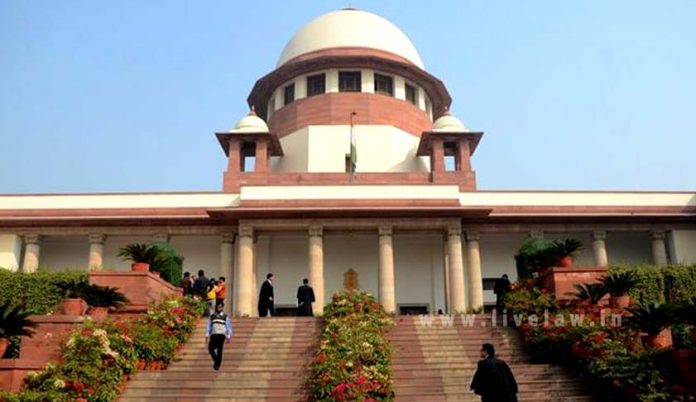
  • In the case of Meerut Development Authority vs. Association of Management Studies [(2009) 6 SCC 171] the Supreme Court considered a tender as an offer. A tender is something that invites and is communicated to notify acceptance of an invitation. It must be unconditional and in the proper form, the person by whom a tender is made should be able to perform and must have the willingness to perform his obligations.
  • A contract of tender is governed just like other contracts by the Indian Contract Act, Code of Civil Procedure, Indian Arbitration and Conciliation Act, etc. When a contract specifies that Indian laws shall be applicable as relevant laws,  even if the parties to the contracts are from different jurisdictions, only the laws of India shall apply.
  • An Indian company entering into a contract of tender in a foreign country to execute a work in foreign must have to comply with the laws where work has to be done and the relevant laws that govern the contract as agreed by both the parties at the time of signing the contract.
  • Furthermore, if all the parties to the contract choose laws of a third country as the applicable law then that law becomes relevant in that case. Also if the parties to the contract decide to resolve all future disputes as per the rules of any international Arbitration Center like ICA, ICC, SAIC, etc. then those rules also become relevant.

Governmental procurement laws and policies

  • Governmental procurement in India is derived from the Indian Constitution. Article 53 of the Indian Constitution gives executive power of the Union of India to the president. The president by his order vests  the financial power of the Union of India with  the Finance Ministry. These powers are delegated to the subordinate authorities under General Financial Rules, 1947 which were revised in 2005 then again in the year 2017.
  • All governmental procurement must follow the principles laid down in the General Financial Rules (GFR), 2017. The GFR outlined the procurement procedure, contract management, and financial management principles. Chapter 6 of GFR 2017 deals with procurement of goods and services and chapter 8 deals with contract management. 
  • There is no central legislation that governs governmental procurement and contract of tender in India. Each state and union territory has its own rules, guidelines, or legislation relating to government procurement and government procurement contracts, based on broader principles of GFR 2017.

Judicial review of the contract of tender

An invitation to a tender cannot be open for judicial review. However, a limited judicial review may be available in case it is established that an invitation to tender is discriminatory or in favour of a particular party and made with a view to eliminating others from participating in the bidding process.

In the case of Michigan Rubber (India) Ltd vs. The State of Karnataka, the Supreme court had cleared circumstances under which a judicial review is warranted. The court laid down the following principles to be considered before any judicial scrutiny:

  • Article 14 of the Indian constitution talks about equality before law, prohibition of discrimination and fairness in action by the State. Judicial review is only applied to the extent that the State must act in a fair manner and not for any ulterior motives.
  • If the Government acts validly in awarding a contract by inviting tenders, the interference by courts shall be limited.
  • In formulating conditions for tender documents and contracts of tender, greater freedom is required to be exercised by the state authorities unless the actions are found to be misused.
  • Certain qualifications or preconditions for tenders have to be laid down to eliminate incompetent parties and to make sure that the parties responding to an invitation of the tender have the resources and capacity to successfully execute the work. 
  • If the State authorities act reasonably and in the interest of public good in awarding a contract of tender, the interference by the courts again shall be restrictive. To carry on business with the Government does not come under the ambit of fundamental rights and no person can claim under Article 19(1)(g).

Therefore, before interfering in a tender or a contract of tender a court must ask itself the following questions:

(if) Is the process or decision made by the authorities in favour of someone or made with mala fide intentions?

(ii) Is the process or decision made by the authorities so irrational and arbitrary that the court can construe that the concerned authority is not acting reasonably as per relevant laws?

(iii) Is public interest affected?

Most common types of tenders

  • Open Tendering: It’s a process where an invitation to tender is put in the public domain like in the newspaper with all prerequisite conditions mentioned. The interested suppliers who are eligible are required to submit all required information and the tender awarded based on the selection criteria stated by the organization.
  • Selective Tendering: A selective tendering is only open to a selective number of suppliers. The suppliers may be selected through an open tendering or the organization may select the supplier from the suppliers or businesses they have previously worked with.
  • Multi-Stage Tendering:  In multi-stage tendering, an organization selects a suitable supplier for specific work in a single project as per the contract requirement. It is used when there are  a large number of respondents.
  •   Invited Tendering: In invited tendering, an organization itself invites a supplier to perform the contract. It is usually used in emergencies or when there is a need for specialist work.

E- Tendering process

E-tendering is another name for electronic tendering. It refers to the digital tendering process, handled by software. The manual tendering process can be long and time-consuming. Usually takes three months or more, which is costly for both the buyer and supplier. The E- tendering process is designed to speed up the tendering process and to ensure that the work to be done for the government or a private entity is done in a fair manner.

Steps involved in filling an e-tender

Step 1: The government authorities or organizations publish the tender advertisement on their e-tendering platforms. The entire details including eligibility criteria and prerequisite conditions are mentioned in the advertisement. Firstly check the eligibility and be prepared with all prerequisite conditions.

Step 2: For filling e-tender, the bidder must have a Class-III Digital signature certificate (DSC) in his name from a licensed Certifying Agency. Click here to see licensed Certifying Agencies.

 Step 3: Bidders need to enroll themselves at the online tendering platform of the governmental agency or the organization that published Requests for Tender (RFT) to generate user ids and passwords.

Step 4: One needs to upload the requisite documents as mentioned in Request for Tender (RFT) and register the bids online.

Step 5: Mostly there is a payment gateway for e-tendering which a bidder has to pay.  After the online payment, a bidder has to submit his bid candidacy before the last date.

Step 6: Finally, the bid results get published online on the portal of the organization.

How do contracts of tender work?

  • A contract of tender is a contract between the buyer who publishes a Request for Tender (RTF) and the tenderer who is awarded the tender after examining his bid. 
  • In this contract, both the parties outline their expectations, general behaviour and the bounds on the relationship between them in a much more detailed manner than Request of Tender (RTF) such as a description of goods/services being provided, how and when the buyer is expected to pay, whether the contract is exclusive or not, what warranties, representative and guarantee are being provided, penalties for delay, etc. A contract of tender must have clauses for dispute resolution and governing laws in case anything goes south.
  • A contract of tender becomes legally binding on the signing parties when it has been printed on non-judicial stamp paper or receives an e-stamp.

Stamp value on a contract of tender

  • The value of stamp paper would depend upon the state in which it has to be executed. Each state and Union territory in India has different provisions with respect to the amount payable on these types of contracts. 
  • For example, Madhya Pradesh has its own Stamp duty Act The Indian Stamp (Madhya Pradesh Amendment) Act, 2016 and also has its Stamp duties as per the type, nature and monetary value of the specific agreement. Click here to see the Stamp duty chart of the State of Madhya Pradesh. 
  • Most of the major transactions in India happened in the State of Gujarat because of their low Stamp duties, registration charges and various attractive policies offered by the Gujarat State Government.

Conclusion

The important pointers of the article can be summarised in the following manner:-

  • In India, there is no particular legislation that governs tendering. They are governed by the Indian Contract Act, the Code of Civil procedure Code, the Arbitration and conciliation Act, etc.
  • All the government procurements must adhere to the principle laid down in General financial Rules 2017, prepared by the ministry of finance.
  • In this new age of the digital era, e-tendering is widely used. As it speeds up the tendering process, reduces expenses and also ensures fairness. Now anyone from any part of the world can participate in the e-tendering process.
  • A very restrictive judicial review of the contract of tender may be available when it is established that the terms of a tender are in favour of a particular bidder.
  • A contract of tender becomes legally binding when it is printed on non-judicial stamp paper or e-stamp and signed by both parties. The value of stamp paper would depend upon the state in which it has to be executed.

Students of Lawsikho courses regularly produce writing assignments and work on practical exercises as a part of their coursework and develop themselves in real-life practical skills.

LawSikho has created a telegram group for exchanging legal knowledge, referrals, and various opportunities. You can click on this link and join:https://t.me/joinchat/J_0YrBa4IBSHdpuTfQO_sA

Follow us on Instagram and subscribe to our YouTube channel for more amazing legal content.

Download Now

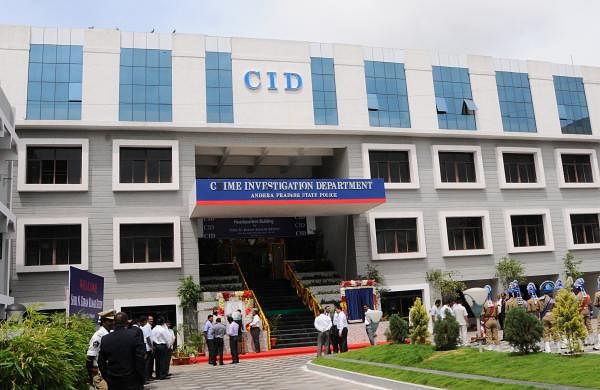
Functioning of the Crime Investigation Department (CID) of India

0
Image Source: https://bit.ly/3EMr9iu

This article is written by Harsh Gupta from the School of law, HILSR, Jamia Hamdard. This is an exhaustive article which deals with the power and functions of the Crime Investigation Department in detail.

Introduction

Indian Police Crime Investigation Department (CID) conducts investigations and gathers intelligence. The British Government established it in 1902, following the recommendations of the Police Commission. CID’s Crime Branch is a special wing in the CID headed by the Additional Director General of Police (ADGP) with assistance from the Inspector General of Police (IGP). It investigates serious crimes such as riots, forgery, counterfeiting, and cases referred by the state government or the High Court. Additionally, the CID has an Anti-Human Trafficking & Missing Persons Cell, an Anti-Narcotics Cell, a Finger Print Bureau, and an Anti-Terrorism Wing. Since every state has its own Police Manual which contains the power and functions of CID, so here, the author has referred to the Jharkhand Police Manual and thereby mentioned its rules to explain the power and functions of CID.

Functions of CID

Despite popular belief, the Indian police have a department known as the Criminal Investigation Department or CID. However, its media counterpart is more dramatic. Typically, the Criminal Investigation Department of a state is the intelligence or investigation wing of the state police. Moreover, it helps the police deal with certain types of cases. Shortly, it functions as the State Police Department, but with more advanced features. CIDs have two core functions, intelligence, and investigation, as have been outlined above.

According to Section 410 of the Jharkhand/Bihar Police Manual, CID has several functions to perform. The Police Department performs such functions differently. CID performs the following functions:

  1. The following chart details the collection and distribution of information regarding professional cases and crime classes:
  • Dacoity;
  • Highway, railway, or mail robbery;
  • Counterfeiting coin or stamps, forging notes, uttering of being in possession of counterfeit coins or stamps or forged notes;
  • Drugging of poisoning by professional poisoners;
  • Swindling;
  • Action against criminal gangs such as cases under Sections 400 and 401 of the IPC and proceedings under Sections 109 and 110 of CrPC;
  • An organized crime syndicate that operates beyond the boundaries of a single district;
  • Such crimes for which the Inspector-General issues a special order.
  1. To inquire and investigate the above crimes; to advise, assist, or control them, as circumstances require. Moreover, in serious crimes, when the local authority seeks the assistance of the CID with the approval of the inspector general or government of the state. The CID also assists local police by searching for information about foreign criminals and such matters as requested by the local police for assistance.
  2. In cases where there is fraud involving telegraphic receipts or railroad receipts, postal fraud, international criminal movement, or the like, the department may be enlisted or directed to assist.

In addition to this, the crime investigation department performs the following additional functions due to the complexity of crime and the working conditions:

  • Registration, investigation, detection, and prosecution of a specified class of cases and cases entrusted by the DGP and Government.
  • In prescribed situations, conducting inquiries as per established procedures.
  • Implementing the Criminal Intelligence System and crime analysis to improve the prevention, detection, investigation, and prosecution of criminal cases, as well as updating the Crime-Criminal Information System and crime and criminal records.
  • Investigations and related matters relating to crime investigation and criminal records maintenance in the State and with other States and National Institutions/Organizations.
  • SCRB, FPB, and their modernization should operate in an efficient, professional, and independent manner.
  • On matters of investigation and prosecution, advise, assist, and report to the DGP and Government.
  • Reports and returns must be submitted on time to the appropriate central and state government agencies.
  • Parliamentary and Assembly questions about crime and other matters pertaining to State Police, except those that are purely administrative in nature.
  • Launch rescue operations in human trafficking cases and provide post-rescue victim care and protection in coordination with non-government organizations.
  • Maintain a database of r/o cases under trial, court dispositions, and court orders.
  • Assess judgments for appeals and prepare a report.
  • Identify all legal and criminal law references and summarize your findings.
  • Providing support to the prosecution with the use of research and coordination with I/Os in important cases.
  • Photographic cell issues police personnel identification cards.
  • Maintain a dog squad and assist the district and Special Branch in locating criminals, checking for narcotics, explosives, and anti-sabotage measures.
  • In addition to providing advice and technical support to the district police, the CB-CID will take on full responsibility for the case investigation or send one or more of their specialists to assist them, which might include visits to crime scenes, technical support, crime-related intelligence, and information, and crime analysis advice, as well as obtaining assistance from other states and countries.

Difference between CID and CBI

Meaning

The CBI investigates crimes concerning national or international interest. The CID is the state police department that enquires into offences committed within its jurisdiction.

Establishment

On the recommendation of the Police Commission, the British government established the CID in 1902. A Special Police Establishment was established as part of CBI in 1941 (SPE).

Area of operation

CID has jurisdiction over a particular state only, while CBI has jurisdiction over the entire country.

Cases

Those filed with the CID go to the State government and High Courts, whereas those filed with the CBI go to the Supreme Court, Federal Government, and State government.

How to join the agency?

To join the CID, the candidate can either join the state police force and be promoted to the concerned department based on the service record, or they can pass the UPSC Civil Services examination.

CBI requires candidates to qualify for the Civil Services Exam and to become IPS officers to become group A officers. The SSC CGL exam is also required for becoming a sub-inspector of the CBI.

Investigating squads and offices

The CID sets up specialized squads to investigate cases. Each squad has officers who investigate the cases related to it. Squads shall consist of the following types:

  • Cheating and defalcation squad,
  • Forged note and counterfeiting squad,
  • Murder squad,
  • Railway Crime squad,
  • Eve teasing prevention squad.

The department needs a certain type of office to accomplish its work efficiently. Furthermore, they help in deriving conclusions from collected data. The department is supported by the following branches:

  • Finger Print Bureau,
  • Laboratory,
  • Photo Bureau,
  • Dog Squad whose branches can be set up in other districts also,
  • Missing Persons Bureau, and
  • Juvenile Aid Bureau.

Distribution of information

Normally, information is distributed through the Criminal Intelligence Gazette. Supervisors are responsible for instructing their subordinates to make intelligent use of this publication.  Officers should not limit their interest to matters concerning their own police station, subdivision, or district, but should send any information they might require on all subjects mentioned in this Gazette to their Superintendents for transmission to the Criminal Investigation Department.    

Definition of “enquiry” and “investigation”

The definition of an enquiry under Section 2(g) of CrPC refers to any enquiry other than a trial conducted under the CrPC by a Magistrate or Court. Under Section 2(h) of the Criminal Procedure Code, an investigation is any action taken by a police officer or a person (other than a magistrate) with the permission of a magistrate to gather evidence. The word “enquiry” refers to the process of collecting information before making an “investigation”. Under Sections 156 and 157 of the CrPC, an officer-in-charge of a police station is empowered to conduct an investigation when there is reason to suspect the commission of a cognizable offence.

Criminal Intelligence Bureau

To be able to combat professional and organized crime effectively, the Criminal Intelligence Bureau provides Investigating Officers with all available information on a specific criminal or crime class. Information is compiled and classified in the bureau. The Criminal Intelligence Bureau keeps in touch with the District Crime Bureaux located in the offices of District Superintendents so that both parties can share information:

References to Criminal Intelligence Bureau

When a case occurs in which from the criminal’s modus operandi it appears that a record could be kept in the Criminal Intelligence Bureau, the Superintendent must contact the officer in charge of the bureau immediately. It is the responsibility of Circle Inspectors to inform their district headquarters promptly of such cases so that referrals can be made without delay. In ordinary cases, a written reference will suffice, but in the event of an important cause, or if it appears that such a course is likely to be advantageous, an officer should be deputed to consult the bureau directly. References must be followed as soon as possible. 

Responsibility of Deputy Inspector-General, Ranges, and CID

When control is assumed, the responsibility for general control is transferred from the Range Deputy Inspector-General to the Deputy Inspector-General, Criminal Investigation Department. As far as possible, the Criminal Investigation Department shall give directions for investigation in such cases and their investigators will conduct the investigation themselves under Rule 431. The local district force will provide full assistance. However, such general control includes the determination of the broad lines of enquiry or investigation, as well as such supervision of the conduct of the same thereafter as will prevent serious errors or irregularities; whilst Superintendents, except in the special eases mentioned in Rule 426, are responsible, under such general control, for the details of enquiry or investigation within their districts. If the Deputy Inspector-General, Criminal Investigation Department is only required to advise or assist, the Range Deputy Inspector-General remains in charge, and the Deputy Inspector-General, Criminal Investigation Department shall keep the Range Deputy Inspector-General informed. In Rule 245, you will find the rules regarding responsibility for oversight of prosecutions.

Powers of CID

People are developing with every passing second in the dynamic environment. There is always a new way to commit a crime. Advances in technology have led to cybercrimes, for example. Nevertheless, technology allows us to achieve previously impossible goals. As a result, it directly leads to the greater complexity of crime and working conditions. The Criminal Investigation Department has several other powers besides its regular functions. These are some of the powers of the Criminal Investigation Department:

  • CID has the power to investigate, detect, and prosecute certain types of crimes. These cases are assigned to the Deputy General of Police and the Government.
  • Under the Indian Civil Procedure Code and Criminal Procedure Code, it can conduct inquiries as per prescribed procedures.
  • Crime and criminal information systems are maintained by CID. The criminal intelligence system is also planned and organized by them. Furthermore, they also have the capability of maintaining records.
  • State-wide and national investigations are coordinated by CID with entities and institutions throughout the country. In addition to investigating crimes and keeping criminal records, it also conducts investigations into crimes.
  • Ensure that SCRB (State Crime Record Bureau) and FPB (Finger Print Bureau) function efficiently, professionally, and independently.
  • CID advises assists and reports to the Deputy General of Police and the Government on matters related to investigations and prosecutions in certain cases.
  • For the State Police, CID provides information to Parliament and Assembly regarding crimes. There are, however, certain administrative information exceptions.
  • NGOs work with CID in direct coordination to provide post-rescue assistance to victims of Human trafficking.
  • In charge of maintaining the R/O database as well as court dispositions and judgments.
  • Additionally, they examine and report on judgments given by subordinate courts for appeals.

Conclusion

As a result of all the attention we’ve given to CID, it’s clear that it has a significant role to play in the state. Nevertheless, it primarily works behind the scenes. As important as the police department’s functions are those of the CID. Nevertheless, CID has control in certain areas where the police department has no authority. As a distinct feature of CID, CID is also able to keep records of crimes and criminals executed.

References 


LawSikho has created a telegram group for exchanging legal knowledge, referrals, and various opportunities. You can click on this link and join:

https://t.me/joinchat/J_0YrBa4IBSHdpuTfQO_sA

Follow us on Instagram and subscribe to our YouTube channel for more amazing legal content.

Download Now

Why did China block Tencent’s Huya-DouYu merger

0

This article is written by Krati Agarwal, pursuing Diploma in M&A, Institutional Finance and Investment Laws (PE and VC transactions) from LawSikho. The article has been edited by Amitabh Ranjan (Associate, LawSikho) and Dipshi Swara (Senior Associate, LawSikho).

Introduction

In July this year, a merger in the technology sector was blocked by the Chinese Regulatory Authorities for the first time. This merger was proposed between the two biggest live-streaming gaming companies in China, namely, Huya Inc. and DouYu Inc. The deal was proposed as early as 2020 by Tencent, the organizer of this merger. This came as a shocker to the world, as China has always favoured mergers in the Technology sector for economic gains and rarely disallowed one. The merger was blocked on anti-competitive grounds by the State Administration for Market Regulation, the Competition Regulator of China. This article will discuss the reasons for blocking the merger, its implications and also see what China has in store for its technology sector.

Why did China block this merger?

Chinese Authorities have openly allowed mergers and acquisitions of entities operating in the technology sector since the boom of technology a decade back. This has allowed the Technology sector to go unregulated and freewheeling the antitrust laws. The most recent example of such acquisitions is Alibaba’s purchase of Cainiao in 2019, Ele.me in 2019, Tencent’s purchase of SuperCell in 2016. Collectively there have been 14-billion-dollar acquisitions by the country’s three titans in the Technology sector Alibaba, Tencent and Baidu. This incident sets a precedent as many excerpts from around the world have called it the “end of a shopping spree for tech companies”. 

Huya and DouYu are rivals as they operate in the same market and have a history of slapping lawsuits on each other for years. Tencent, being an early investor in both these companies, planned to merge them and control the market.

The Tencent merger was blocked on antitrust grounds. It is important to analyze the shareholding pattern of Tencent in Huya and DouYu to understand this. Tencent is the world’s biggest online gaming publisher with popular games like mobile versions of PUBG, Call of Duty, etc. and enjoys massive market control around the world.  It holds a 36.9% stake in Huya and over a third stake in DouYu. The planned merger stipulated Huya controlling the entirety of DouYu’s shares which in turn would have been controlled by Tencent as a whole.  If these companies would have merged, Tencent would have been controlling around 70% of the market share in the online game streaming industry of China. Such market dominance is not warranted as it not only leads to monopolistic pricing but also kills innovation. 

A giant in any market can significantly control and influence the economy of a nation. It is an undeniable fact that the bigger a company holds shares in a market; the bigger control it has over-influenced the behaviour of the public. The gaming industry as a whole plays a significant part in youths’ lives. The Communist Party in China successfully gave a blow to the potential ruckus Tencent would have made not only on the economy but also on the youth. 

Legal standpoint

Competition law regulates anti-competitive practices by the companies that have a tendency to disturb the market and economy. If two or more companies operating in the same market decide to enter into an agreement that can result in anti-competitive gains, such agreements are known as horizontal agreements/arrangements. These arrangements are not allowed under Competition law. This usually happens when two rival companies, who independently have a good market share decide to merge together in order to dominate in the market. Such arrangements are always viewed with scrutiny by the regulator. An example of such can be the merger of Amazon-Flipkart. As they are rivals and hold a significant market, their merger will lead to the domination of the market. Here, Huya and DouYu operated in the same market and were rivals. If the proposed merger would be allowed (as per which Tencent would control Huya which will be controlling DouYu) it would have led to an anti-competitive horizontal agreement. 

Another important point to be noted is the aspect of Vertical Arrangement. Vertical arrangements are between two companies operating in a vertical supply chain. An example can be a manufacturer deciding to enter into a sole distributor agreement with its retailers. This is anti-competitive as the retailer can only sell the manufacturer’s products which lead to less variety to consumers. Here, Tencent operates in the upstream gaming market and the two companies in the downstream live streaming market. This merger would have created a vertical arrangement between the entities. As per the Regulator, this arrangement gives a chance to Tencent to engage in foreclosure tactics at both levels, namely, input and consumer foreclosure. Hence, this should be better set aside. 

Implications on market

There are positive implications of this decision on the market. Had this merger been allowed, 70% market share and dominance would have been in the hands of Tencent, which would have the power to manipulate prices, products, behaviours and alike. The positive implications of this decision are:

  1. Competition in the live streaming gaming platform will make sure all the companies operating in this market offer high quality of services for comparable prices or even lower prices than their competitors. This will generally drive down the costs low and benefit the public.
  2. Competition is directly proportional to consumption. The more easily a gaming service is available, the more will be its usage. Hence, it is advantageous to all the platforms, not only Huya and DouYu.
  3. It drives innovation. This is based on the principle of differentiation. In order to survive and have an edge in the market, all the companies will continuously try to differentiate their products/services from the others. 
  4. It decreases lethargy and increases efficiency. There is no incentive to do smart and beneficial business if there is no competition in the market. But there is always a drive to do better if there are many players who are constantly trying to drive one’s business down.

What is China planning for Big Tech?

China has suddenly woken up to antitrust issues and has started slamming Big Tech companies fines worth millions for their aggressive mergers in the last decade. China was proactive in competition aspects when a foreign company was involved, but this is the first time a merger between domestic companies faced the brunt. This reflects the attitude of Chinese Authorities to regulate the Technology market with a deeper lens. 

This attitude can be highlighted with some recent examples. E-commerce giant Alibaba was fined a billion dollars for an antitrust dispute this year, food delivery giant Meituan has an anti-monopoly probe going on currently. Apart from heavy regulations in competition aspect, China has ruled out its Data Laws this year, aiming to localize all the data of technology companies in the mainland itself, not allowing personal data of any citizen to be used for processing, and has issued heavy compliance mechanism for technology companies to adhere to. This shows a trend towards micro-managing the generally unregulated internet sector/companies. 

Conclusion

A healthy economy blooms in a competitive market. Competition not only ensures ample choice for the consumers but also keeps the prices in check. If a company holds a dominant position, then it can easily be assured of its sales and it would stop innovating as it has no competitor to be better from. Thus, the legal basis of controlling competition has its own social and economic reasons. 

Competition is the major driver of innovation. After its plan of merger was denied by the authority, Tencent has decided to boost up its own gaming platform app called Penguin Esports by assembling a design and operations team. This can be another positive implication of the merger blockage. 

References

  1. https://variety.com/2021/biz/asia/china-merger-live-streaming-huya-douyu-tencent-1235016402/
  2. https://www.cbinsights.com/research/bat-billion-dollar-acquisitions-infographic/
  3. http://competitionlawblog.kluwercompetitionlaw.com/2021/08/22/huya-douyu-and-tencent-china-music-group-a-new-normal-for-chinese-merger-control/
  4. https://www.thestar.com.my/tech/tech-news/2021/07/19/beijings-decision-to-block-tencents-douyu-huya-merger-deal-marks-end-of-freewheeling-internet-era-in-china
  5. https://thediplomat.com/2021/08/chinas-personal-information-protection-law-and-its-global-impact/
  6. https://www.globaltimes.cn/page/202104/1222175.shtml
  7. https://www.zdnet.com/article/alibaba-slapped-with-record-2-7b-antitrust-fine/
  8. https://www.gamesindustry.biz/articles/2021-07-06-tencent-driven-douyu-and-huya-merger-blocked-by-chinese-antitrust-regulator
  9. https://techcrunch.com/2020/08/10/tencent-huya-douyu-merger/

Students of Lawsikho courses regularly produce writing assignments and work on practical exercises as a part of their coursework and develop themselves in real-life practical skills.

LawSikho has created a telegram group for exchanging legal knowledge, referrals, and various opportunities. You can click on this link and join:

https://t.me/joinchat/J_0YrBa4IBSHdpuTfQO_sA

Follow us on Instagram and subscribe to our YouTube channel for more amazing legal content.

Download Now

Determining the constitutionality of the President’s rule in the name of the COVID-19 pandemic

0
Image source - https://bit.ly/3uHfdJe

This article is penned down by Pranjali Aggarwal of the University Institute of Legal Studies, Panjab University, Chandigarh. The article deals with the constitutionality of the imposition of President Rule in the name of the COVID-19 pandemic.

Introduction

The Coronavirus has affected the entire world- from the Leaning Tower of Pisa to the Statue of Liberty. In India, the continuous spread of the virus has exacerbated the conditions. Despite the adoption of several measures, the end of the pandemic does not seem to be a reality in near future. The cases are snowballing and in some states, the conditions are worse than others. The pandemic has exposed the incompetency and inability of the state to manage and combat situations like pandemics. Several people including the Aam Aadmi Party (AAP) MLA Shoaib Malik, the Union Minister Ramdas Athawale, the Lok Janshakti Party (LJP) spokesperson Abhay Kumar Singh have demanded the imposition of President rule in Delhi, Maharashtra, and Bihar respectively, asking Centre Government to come forward and help states to battle this pandemic as states are not able to deal with the situation.

President’s Rule

As the term itself suggests, President’s Rule refers to the imposition of direct control of the President over the state, and all the powers vested with the state government are dissolved for the time being. With the imposition of the President’s Rule, the Governor becomes the constitutional head of the state on the behalf of the central government. Dr BR Ambedkar called it ‘the dead letter of Indian Constitution’ because he believed that it would not be used but contrary to his opinion this provision has been used numerous times. It is also called ‘State Emergency’ or ‘Constitutional Emergency’.

This power to invoke President’s Rule is vested with the President and is envisaged under Article 356 of the Indian Constitution and can be used in two cases:

  1. If the report is presented by the Governor of the state or in any other circumstance that evokes the satisfaction of the President that president’s rule should be invoked in the state in the wake of justice or interest of the public at large.
  2. If the President is of the opinion and is satisfied that the state government is not working according to the provisions of the Constitution of India and the Constitutional machinery in the state has broken down.

Some situations in which Article 356 can be invoked are as follows:

  • The Chief Minister of the state is not elected by the state government within the prescribed time limit decided by the Governor of the state.
  • The ruling party loses the majority because of any reason and the no-confidence motion is passed in the state legislature.
  • The condition of insurgency, rebellions, etc have exacerbated in the state and the state government is unable to combat the issue.
  • Postponement of the state elections due to any reason (war, epidemic, etc).

Tenure of President’s Rule

Once the President’s Rule is proclaimed by the President under Article 356, it stands for six months initially, if it is not revoked. President’s Rule can extend up to a total of three years, subject to the approval of Parliament every six months as a general rule. This duration was restricted by the 44th Amendment Act, 1978. After the 44th amendment, the President’s Rule cannot exist beyond the period of one year in the following cases:

  • A national emergency is declared in the state.
  • The Election Commissioner of India has announced the difficulty to conduct assembly elections in the state.

The aftermath of imposition of President’s Rule

  • The governor is conferred with the power to govern the administration of the state on behalf of the President. The state’s Chief Secretary and other advisors (appointed by the Governor) can assist in administration.
  • The Parliament can exercise the executive power of the state as declared by the President.
  • It leads to the dissolution of the state assembly.
  • In cases when the Parliament is not in session, the President can issue Ordinances regarding the administration of the state.

Revocation of the President’s Rule

The President’s Rule in the state can be revoked in the following ways:

  • The President can make a subsequent proclamation that revokes the president’s rule. This proclamation is not subject to the approval of the Parliament. Generally, such proclamation is issued by the President when the leader of the state government present his willingness to form the state government as he has acquired the desired majority in the assembly; or
  • If the Parliament did not approve the extension of the President’s Rule after six months of such imposition. In such a case, it gets automatically revoked.

Laws in India to manage COVID-19 outbreak

The Government of India is managing and controlling the spread of pandemic through the provisions of the Epidemic Act, 1897 which confers special powers to tackle the outbreak and spread of epidemics, and the Disaster Management Act, 2005 which provides the legal framework to the government through which restrictions on movement can be imposed, action against rumour-mongering can be instituted and funds to deal with such emergencies can be arranged. This Act ordinarily covers mishaps like earthquakes, tsunami, floods, or other natural calamities rather than including any disease. But on 14th March 2020, the corona pandemic was brought under the ambit of the Disaster Management Act, 2005 by declaring it as a “notified disaster”. The National Disaster Management Authority (NDMA) is the central agency responsible to supervise and regulate disaster management in the country under this Act.

Constitutionality of demands for the President’s Rule during COVID-19

The Central Advisory issued by the Central government as per the Epidemic Diseases Act, 1897 is to be seen as ‘directions’ by the Union Government to the State Government according to Article 256 of the Constitution of India. And as per Article 256, the state government must exercise its executive powers to comply with the laws made by the Parliament as well as the directions issued by the Union government. Article 257 of the Constitution prescribes that the state should exhibit its executive powers in such a manner that no negative impact of prejudice is caused to the Union government while exercising its powers and even offers the power over the Union government to give any directions to ensure the same.

If the states do not comply with these directions issued by the Centre to deal with the COVID-19 pandemic which has taken a toll physically, monetarily, emotionally on humans, then the central government is justified to invoke the President’s Rule in the state as non-compliance to such orders can lead to grave consequences.

To impose president rule in any state, the situation in terms of gravity and magnitude of the issues should be far more serious. It should be evident that the state is unable to deal with the situation and thus, the President has to step in to administer the state. The most imperative factor that is to be kept in mind is that there must not be a single factor that leads to such a grave situation of public disorder and distress, but all the factors and circumstances should be studied together to achieve a decision.

Moreover, as per the report of the Sarkaria Commission, the failure of constitutional machinery can be caused by ‘physical breakdown’ also. The physical breakdown can be caused due to natural calamities, epidemics, or disasters, because of which the state government paralyzes and is unable to exercise its powers.

If we consider the situation of Maharashtra during this pandemic, the NCP-led government was not able to take adequate steps to prevent this situation and prevent further casualties. The guidelines laid down by the centre regarding the imposition of the lockdown, arrangements of PPE kits, medicines, etc were not met by the state. And this situation could be seen as not following the Centre’s orders to its letter and spirit, and thus if the president’s rule is imposed in such a case, based on the report of the Governor, it would have been justified and it could not be regarded as an unconstitutional or arbitrary decision. Here, the question involved is regarding the safety of lives of thousands of people, because non-compliance with the orders of government would directly endanger human life and thus president’s rule can be invoked in the interest of the public at large. Moreover, since the guidelines are not met by the state government, it could be concluded that the state government is not working according to the constitutional machinery. 

No doubt, there have been several instances in the past where the provisions of Article 356 were misused by the Central Government to gain control over the state where the central government was not in power. In 1954, Jawahar Lal Nehru dissolved Andhra Pradesh’s Government, dismissed the EMS Namboodiripad-led Communist government in Kerala in July 1959, etc. Similarly, it was done by the Janata Party when it came to power. There are at least 21 instances during the period 1975-1979 that can be considered as examples of the misuse of the President’s Rule in India.

But since the passing of the landmark judgment of SR Bommai vs. Union of India by the Honourable Supreme Court of India in the year 1994, it has been made clear that this provision should be used sparingly; only in unusual circumstances, when no other alternative is catering to the need, and with extra caution. The power to impose President rule is restricted and is no longer an arbitrary power. In this case, it was held that the:

  • The power of the President to suspend state government by imposing President Rule is not absolute.
  • The proclamation of President Rule is subjected to the approval of both the houses (Lok Sabha and Rajya Sabha).
  • The President can only suspend the legislative Assembly of the state till the time the Parliament is deliberating over the approval of the proclamation.
  • If the Parliament does not approve it, the proclamation lapses after two months.
  • Moreover, the Presidential proclamation under Article 356 can be brought under the ambit of judicial review.

Thus, the unconstitutional proclamation by the President almost came to an end because several measures to safeguard the interest of the state were laid down in this judgment.

Situations in which President’s Rule during COVID-19 pandemic can be called unconstitutional

If President Rule is imposed based on the incompetency and total failure of the State to tackle the exacerbating situation during Covid, it could be held constitutionally valid. President’s Rule in the name of COVID-19 will be considered unconstitutional in the following cases:

  • If the State Government is not given adequate chances to employ different measures and strategies to curb the spread of the virus.
  • If the President on the report of the governor ordered the imposition of the President’s Rule in haste and did not consider and analyze the whole situation.
  • If invoked only to strike down the government belonging to a rival party and there was no breakdown of machinery.
  • If the rationale behind imposing the president’s rule is to provide ‘good governance’ in the state, due to the current government not being able to fulfil the parameters of good governance. This cannot be considered a reasonable justification for the breakdown of state administration as held in the SR Bommai case, and thus imposing President’s Rule in such cases would not be justified.
  • The fact pointed out by the Sarkaria Commission, that there could be some cases where the power administered by the officials of the state may not comply with the Constitution strictly. In such cases, the breach could not be taken as a failure of state machinery. Because if such a principle is followed every state will be under President Rule.

Conclusion

The demand for President Rule in the name of the COVID-19 pandemic is not at all unconstitutional if the President opines that there exist enough reasons to impose the President’s Rule in the state. The situation of the state should be such that even after employing all measures, the state government is not able to contain the situation. The fact that the state is not adhering to the guidelines of the state despite failing miserably while tackling the situation can also justify the imposition of President’s Rule. Article 356 can only be instituted in situations of grave necessity and cannot be used as a political tool by political leaders. The phrase ‘failure of constitutional machinery’ is not defined in the Constitution, but the report of the Sarkaria Commission includes such calamities or epidemics also if they disrupt the functioning of the state. Thus, if the President is so satisfied delving over all the circumstances, the proclamation of the president’s rule will be relevant. The only thing that is to be kept in mind is the imposition should be the last resort, not a first choice. 

References


LawSikho has created a telegram group for exchanging legal knowledge, referrals, and various opportunities. You can click on this link and join:

https://t.me/joinchat/J_0YrBa4IBSHdpuTfQO_sA

Follow us on Instagram and subscribe to our YouTube channel for more amazing legal content.

Download Now

Reiteration of clean slate theory : Ghanashyam Mishra and Sons Pvt. Ltd. v. Edelweiss Asset Reconstruction Co. Ltd.

0
bailment meaning
Image source: https://bit.ly/2WXQI98

This article is written by Abhilekh Tiwari, pursuing Certificate Course in National Company Law Tribunal Litigation from LawSikho. The article has been edited by Aatima Bhatia (Associate, LawSikho) and Dipshi Swara (Senior Associate, LawSikho).

Introduction

Hon’ble Supreme Court of India, on April 13th, 2021 held in the matter of Ghanashyam Mishra and Sons Pvt. Ltd. v. Edelweiss Asset Reconstruction Co. Ltd. that post-approval of the resolution plan, no creditor including any government or tax authority will have any claim against the corporate debtor.

Resolution professional after being appointed makes a public announcement inviting all the claims from the creditors. Thereafter, resolution applicants put forth their prospective resolution plans which are then approved by the Committee of Creditors. Once the resolution plan is approved, no further claims can be put forth before the Resolution Professional. It has been iterated in this judgement that the creditors including government and tax authorities are also not entitled to recover any claim post-approval of the resolution plan.

Factual background

Multiple Special Leave Petitions were filed before the Supreme Court arising from the cases Electrosteel Steels Ltd. v. State of Jharkhand and Ors., M/s Monnet Ispa & Energy Ltd. and Anr. v. State of Odisha and Anr., Ultratech Nathdwara Cement Ltd. v. State of Uttar Pradesh and Ors. and Ghanashyam Mishra and Sons Pvt. Ltd. v. Edelweiss Asset Reconstruction Co. Ltd. The facts of all these cases are pretty similar as in communications issued to the operational creditors, mainly tax authorities, that post-approval of the resolution plan, all the pending recovery actions the Corporate Debtor shall stand withdrawn. The tax authorities did not participate in the Corporate Insolvency Resolution Process (CIRP) and hence the High Court held that the resolution plan is not binding on the State Government. Hence, the appeal was made before the Supreme Court.

Issues raised before the court

  1. Whether post-approval of the resolution plan, any creditor inclusive of the Central or State Government is bound by it under Section 31(1) of the Insolvency and Bankruptcy Code, 2016 (IBC)?
  2. Whether post-approval of the resolution plan, any recovery proceedings can be filed by any creditor including Central Government or State Government?
  3. Whether the amendment to Section 31 is clarificatory or substantive in nature?

Relevant provision

Section 31(1) of the IBC states if a resolution plan is approved in accordance with Section 30 and the Adjudicating Authority is satisfied, then the plan shall be binding upon employees, members, creditors, guarantors and other stakeholders involved in the resolution plan.

Section 3(10) of the IBC states the definition of Creditor as any person to whom the debt is owed and includes financial or operational creditor, secured or unsecured and any decree-holder.

Section 5(20) of the IBC states the definition of Operational Creditor as any person to whom an operational debt is owed or assigned or transferred to that person.

Section 5(21) of the IBC states the definition of Operational Debt as any claim pertaining to goods or service, employment-related debt or any statutory dues payable to Central or State Government or any local authority.

Point 7 of the Insolvency and Bankruptcy Code (Amendment) Act, 2019 (no. 26 of 2019), states that after the words member, creditors the following words are to be inserted: “including the Central Government, any State Government or any local authority to whom a debt in respect of payment of dues arising under any law for the time being in force, such as authorities to whom statutory dues are owed”.

Analysing the decision of the court

Issue 1 and 2

Section 31(1)

The bare reading of Section 31(1) makes it clear that the post-approval of resolution plan if approved by the Adjudicating Authority then the resolution plan would be binding on all the stakeholders including the Corporate Debtor and its members, creditors, employees and guarantors. There are various details stated in the information memorandum under Regulation 36 of  Insolvency and Bankruptcy Board of India (Insolvency Resolution Process for Corporate Persons) Regulations, 2016 (CIRP Regulations) so that the prospective resolution applicants can refer to all the liabilities and then prepare a resolution plan which can ensure extinguishment of the liabilities and make the Corporate Debtor running again.

Speech made in parliament

The Hon’ble Supreme Court referred to the speech made in parliament while interpreting the amendment made to Section 31. It was clear through the speech made by the Finance Minister on July 27th, 2019 that the amendment was binding on the Government and hence post-approval of the resolution plan, the government cannot make any claims. It is hence clear that no differential treatment towards Central or State Government can be made for filing their claims.

Mischief rule

The Supreme Court stated that the mischief that was carried on before the amendment was sought to be removed. Due to ambiguity in the wordings of Section 31(1) of the IBC, the Central and State Government continued the proceedings despite the approval of the resolution plan which was certainly not the legislative intent and was a mere misinterpretation of the Section. It was observed by the legislature that certain tax authorities were not abiding by the IBC on the ground of omission in Section 31(1). The mischief rule seeks to remove mischief that was carried out previously through legislation or amendment. The mischief of misinterpretation of Section 31(1) was sought to be removed through the 2019 amendment.

Legislative intent

It was stated by the Supreme Court that the legislative intent of Section 31(1) of the IBC was to hold all the claims so that the resolution applicant began with a ‘clean slate’. If the clean slate theory is not acknowledged then the purpose of the code will be defeated. The resolution plan can never be successful if time and again new claims will arise. Clean slate theory in the context of IBC means that the business is revived and will begin with a fresh start. 

Harmonious construction of certain Sections

Any statute must be read as a whole to infer its true meaning. Harmoniously referring to the definition of Creditors, Operational Creditors and Operational Debt under Section 3(10), 5(20) and 5(21) of the IBC respectively, Supreme Court pointed out that the debts owed to the Central or State Government are covered under the category of ‘Operational Debt’. And hence, even if Section 31(1) does not specifically state about the Central or State Government, they are within the broad category of ‘creditor’ as under Section 3(10) of the IBC and the definition of Operational Creditor under Section 5(20) include the government authorities as well. Furthermore, the term ‘other stakeholders’ in Section 31(1) would anyway bring tax authorities or any other creditor to whom statutory or other dues are owed.

Reliance on Essar Steel v. Satish Gupta and Ors.

Earlier in the case of Essar Steel v. Satish Gupta and Ors., it was held by the Supreme Court that the successful resolution applicant cannot be suddenly faced with undecided claims post the approval of the resolution plan. If the claims are presented post-approval of the resolution plan then it would be difficult for the resolution applicant to run the business of Corporate Debtor.

Issue 3

The Supreme Court referred to the Statement of Objects and Reasons of the Amendment Bill through which it was evident that the amendment was clarificatory in nature. The amendment clarified that the approved resolution plan will be binding on the Central and State Government or any local authority to whom the debt is owed including tax authority. Since the amendment is clarificatory in nature, it has to be applied retrospectively.

Analysis of the case

The main objective of IBC is to revive the financially distressed company and return the debt owed to the creditor in a timely manner. If time and again new claims pop up then it would eventually become impossible to revive the Corporate Debtor in a timely manner. However, it should be noted that if the liability is yet to be crystalised then the government authority will not be sending the claim and hence to prevent the giving up of the amount there should be an option of sending a contingent claim.

Conclusion

The Supreme Court finally upheld the clean slate theory and clarified that the successful resolution applicant will be required to proceed with the existing claim and no claim can be imposed on the successful resolution applicant post the approval of the resolution plan. Despite Section 31(1) of the IBC do not specifically state about the Central and State Government being bound by the resolution plan, however, applying the doctrine of harmonious construction while reading the definitions of Creditor, Operational Creditor and Operational Debt and further focusing on the term ‘other stakeholders’ under Section 31(1), it can be inferred that the Central and State Government or any other authority including the tax authorities are covered within the ambit of Section 31(1) of the IBC and are hence bound by the resolution plan.

References

  1. https://ibbi.gov.in/uploads/legalframwork/e4abe155c7c4a5e6eb66291650fdee24.pdf
  2. https://www.mca.gov.in/Ministry/pdf/TheInsolvencyandBankruptcyofIndia.pdf
  3. https://ibclaw.in/wp-content/uploads/2019/08/Insolvency-and-Bankruptcy-Code-Amendment-Act-2019-05.08.2019.pdf

Students of Lawsikho courses regularly produce writing assignments and work on practical exercises as a part of their coursework and develop themselves in real-life practical skills.

LawSikho has created a telegram group for exchanging legal knowledge, referrals, and various opportunities. You can click on this link and join:

https://t.me/joinchat/J_0YrBa4IBSHdpuTfQO_sA

Follow us on Instagram and subscribe to our YouTube channel for more amazing legal content.

Download Now

How to draft a PIL in environmental matters

0

This article is written by Sanskaar Singhal, student of Geeta institute of Law, Kurukshetra University.

Public Interest Litigation (PIL) is introduced by Justice P.N. Bhagwati. It is not defined under any statute or act but in simple words, It refers to the litigation filed in a court of law by an individual, NGO or group of people to secure public interest such as Terrorism, Road safety, Pollution, Constructional hazards etc. Its main aim is ensuring justice to all seeking justice in an issue having public interest at large and thus promoting public welfare.

PIL on environmental matters

“Environment is not our property to destroy, it’s our responsibility to preserve”. Nobody has the right to destroy the environment we all live in, but everyone has a right to a clean and sustainable environment. If any person tries to infringe our right to a sustainable environment then the law gave us the power to file a suit against that person and if it infringes the right of the public at large then a PIL can be filed against him. Petitions concerning environmental pollution, maintenance of heritage and culture, forest and wildlife, ecological balance, the integrity of flora and fauna and all other issues of public importance are increasing tentatively. Ganga water pollution case, Delhi vehicle pollution case, Dehradun limestone quarrying case, all these cases were brought to attention by PILs. It is noted that the development of PIL in environmental matters is pit against our country’s substantial environmental degradation. In Environment PILs, people usually ask the state to take a particular action where their basic environmental rights are infringed compelling the government to prevent such illegal activities.

Our Constitutional provisions provide the basis for the drafting of environmental laws in the country. Article 48-A of our Indian Constitution provides for the protection and improvement of the environment and safeguarding of forests and wildlife. Also, Article 51-A (g) deals with the fundamental duties related to the environment. The SC in the case of Rural Litigation and Entitlement Kendra v. State of U.P, held that the right to proper environment and protection of nature’s gift is conceded under Article 21 of our Constitution. Other environmental legislation like the Water (Prevention and control of pollution) Act, 1981, the Environment protection act, 1986 and the Air (Prevention and control of pollution) Act are enacted under Article 252 and 253 of the constitution by Parliament. 

The SC broadens the scope of the Right to life and granted the State, the power to restrict any dangerous industrial activity to protect the environment and the right of people to live in a healthy and unpolluted environment in the case of M.C. Mehta v. Union of India. Also indirectly, the right to a healthy environment is approved by the court in the MC Mehta group of cases.

Drafting a PIL in environmental issues (Format)

1. Cover Page: It includes only the main information like the name of the court, names of the petitioners, jurisdiction and PRN (Petition reference number).

2. Memo of Parties: It includes only the name and registered address of petitioner/s and respondents/s. If there is any change of any of the addresses then it shall be communicated by him to the court and thereafter updated address shall be registered in the petition.

3. Urgent Application: This clause is to be included only if the petition is to be considered immediately. The urgency of prayer is addressed to the registrar of the concerned High court or Supreme court. It will be accepted only if the notice of motion and an advance copy is personally sent by the petitioner to the respondent.

4. Notice of Motion: It is a formal notice to respondent/s in a petition with an intention to seek a specific relief in an action for the petitioner/s and also informing the proposed date of hearing. If due to any reason, the petition is not listed for hearing on a proposed date or within three days of the proposed date then a fresh notice of motion as another annexure should be served to the respondent/s stating the updated specific date of hearing.

5. Synopsis and List of Dates: It includes the summary of facts and arguments concerning the matter of dispute in chronological order by consecutively numbered paragraphs. This clause also includes the complete list of the dates of relevant events.

6. Index: This clause includes all important headings of clauses along with annexures with proper pagination.

7. Preamble: This clause must include the specific name of the court, the basis of the court’s jurisdiction, the petition reference number, the cause title and the description of the petition. Then, it also contains the names of petitioner/s and respondent/s. 

8. Main Body: This clause of the petition includes the Question(s) of law:

  • The opening paragraph of the main body must include that the present writ petition under the relevant Articles of the Constitution is filed in a mode of public interest litigation, with no personal interest of the petitioner but for the benefit of the country or the public at large. Petitioner should also state that he is not guided by any personal motives or gains for any other person and he is filing the PIL on his own (if any personal interest is present, it must be disclosed and the details for that particular person or class of persons should be provided). No one in PIL has the right to wavier of the locus-standi. The petition will be permitted by the court only if the court is satisfied that the carriage of proceedings is within the competent hands of a person who is genuinely concerned with the public interest without being affected by any personal gains.
  • It is proclaimed that the petitioner/s have done enough research on the subject matter and has consulted all the individuals or groups affected. Also, he should be diligent while gathering details for use and it should be taken into consideration that a good cause can be lost if PILs are filed on the basis of half-knowledge or without proper research or if done by petitioner/s not competent to raise such issues may lead to rejection of petitions as it may affect third party rights.
  • If the petitioner plan to attach some photos, he must retain the negatives and take an affidavit from the photographer and he should be careful enough to retain all the bills.
  • The complete details of respondent/s including his name, designation, area of work and address must be furnished. If the petitioner is not an individual but an organization then the names of the office bearers should be mentioned. To the best of the petitioner’s knowledge, No other person or body other than the mentioned should be affected by the orders sought by them.
  • It should also be mentioned that whether the petitioner/s have the required means to pay if any cost is imposed by the court, if not then the source of funding must be disclosed. If borne by petitioner/s then it should be affirmed by him that he is bearing the litigation cost including the advocate’s fee and his travel expenses.
  • If the petitioner/s had made any efforts for the case then it should also be mentioned and also state whether he has sent representation in this regard. If yes, then show the details of such representation and reply from the authorities concerned along with copies.
  • If PILs or other cases, if any, are filed by the petitioner himself or by anyone else for the same matter of dispute before any court of law then the details for the same should be provided including the case number, status, the court and a brief summary of the order passed. If there any costs had been awarded or any awarded against the petitioner in those cases or whether any appreciation has been passed then it must also be mentioned and also if any commission or statutes were instituted. The complete list of officials and information regarding the case should be stated. If any interim reports are constituted then that complete report must be attached as an annexure with the petition. If the matter is held before the court for the first time then it must also be mentioned.
  • If any judgement or order passed earlier in any court of law relating to the subject matter of dispute then all the references and court orders should be added here. To provide detailed descriptions they can be attached as an annexure.
  • The source of information for the facts pleaded should also be provided. All important and supporting information and documents such as studies, statistics, news articles or if the petitioner himself verified the facts by personally visiting the place then they should be collected and submitted before the court of law as evidence.

9. Grounds: In this clause, the facts of the case and a brief articulation of legal grounds is clearly mentioned. Grounds are stated with mentioning specifically all the particular statutory or constitutional provisions violated or if there is any administrative instruction. All these relevant statutory and constitutional provisions must be quoted and annexed.

All the annexed documents and information must be registered with the main PIL so that there will be no requirement of any separate application for this purpose. They must bear an annexure mark which should consist of the letter ‘P’ followed by serial wise pagination of all the documents.

10. Averments: In this clause, it is stated that whether the petitioner has not filed any other petition, suit, claim or proceeding for the same subject matter of dispute before any court of law or tribunal throughout the country of India. If filed and then withdrawn then it must be affirmed that petitions filed at any other courts are not being prosecuted further and are being withdrawn for this petition. A petitioner has no better remedy than that of a petition.

11. Interim Relief: There are several kinds of relief available under this clause. It may include any interim measures or orders that are taken according to the case urgency. The court may order for an early interim measure until the final order is passed to secure the interest of the public. Some of the common interim measures can be following:

  • Prohibition of Deforestation in specific areas.
  • Setting up a scheme for compensation of victims.
  • Making early provisions for the discharge of sewage.
  • Closure of any industrial unit/s emitting toxic or harmful gases or substances.
  • Reopening of a unit with subject to extensive directions and regulations.
  • Appointing any committee, commissioner or environmental specialist to look into the issue while inspecting all the allegations and submit the report before the court. These appointed officers or committees may also be vested with the power to settle the matter in accordance with the public interest.
  • Senior advocates may also be appointed as Amicus curiae to assist the court in a petition to fasten the proceedings and ensuring that the court process is not being misused.
  • If there is any prayer of interim relief made after filing the writ petition then it should be made by a separate application supported along with an affidavit.
  • If any interim relief is claimed, then the petitioner should provide respondent/s with copies of such petition along with all the supporting documents of plea and shall contain a statement to the effect.
  • In certain cases, it can also be pleaded to pass the interim order as the final decision if required.

12. Prayers: Mention in this clause, if there are any specific remedies or reliefs expected by the petitioner/s. In the favour of public interest, it may also be prayed that the court shall pass such orders or directions as may be deemed necessary according to the facts and circumstances of the case.

  • It must be sworn and signed by the petitioner that this petition is filed by him in person or if by any other ways then it must be specified. The lawyer consulted by the petitioner should also stamp his identity as well. At the end of PIL, It must also include the date and place where the petition is signed.

13. Affidavit: The writ petition must be accompanied by an affidavit duly sworn and signed by the petitioner in which he humbly affirms that every information provided and prayer about the case is true and correct to the best of his knowledge and belief. Then the deponent, as well as the assigned lawyer, must confirm and sign the document.

Grounds for rejection of a PIL

  1. Malicious Petitions.
  2. Not impleading necessary parties.
  3. Delay from the part of petitioner without any reasons provided.
  4. Res Judicata (If rejected by any competent court of law).
  5. Infructuous petition.
  6. Misrepresentation or suppression of facts.

Conclusion

Public interest litigations provide an opportunity for individuals, groups or organizations to raise legal challenges before a court of law regarding any areas of law to secure public interest. Although it has faced many challenges from time to time like the failed implementation of directives from courts, Frivolous petitions for private or political reasons and increasing limitations by the SC, it still continues to serve as a ray of hope for protecting public interest especially in environment-related matters. Everyone has the right to a healthy and sustainable environment but along with this right comes a responsibility to preserve our environment against all odds. If anyone tries to infringe our right to a healthy and sustainable environment or try to go against public interests then a PIL can be filed against that individual, group or institution. The Government, people and institutions should adhere to environmental pillars for sustainable development.


LawSikho has created a telegram group for exchanging legal knowledge, referrals, and various opportunities. You can click on this link and join:

https://t.me/joinchat/J_0YrBa4IBSHdpuTfQO_sA

Follow us on Instagram and subscribe to our YouTube channel for more amazing legal content.
Download Now

Right to equality : a comparative study between Hindu and Muslim Personal Laws

0

This article has been written by Spandana Reddy, from Symbiosis Law School, Hyderabad. The article has been edited by Khushi Sharma (Trainee Associate, Blog iPleaders) and Vanshika Kapoor (Senior Managing Editor, Blog iPleaders).

Abstract

The disparity that exists within the framework of the family is one of the most subtle yet prevalent fields of sexism against women in today’s world. In all Islamic countries and regions, Muslim women are voicing against this kind of prejudice and advocating towards modernization of laws and practices to foster equality and justice within the community. This article discusses key discriminatory clauses in personal laws, as well as individuals’ attempts to push for substantive reform of Muslim and Hindu family laws. Utilizing contemporary progressive scholarship on equality, justice, and indeed the development of sexual identity in secular law, cultivating an examination as to why and how alteration of procedural laws is achievable; coping with obstacles to law the reform which persists in common even within the religious framework, and observing strategies often used women’s groups in many other nations to campaign for restructuring is all part of an event.

Since India is a multi-religious nation, the applicability of Personal Law is entirely dependent on individual religious affiliations. Personal law is the branch of law dealing with the legal problems which an individual or his or her family encounter. In certain terms, personal law refers to the organization of laws regulating a person in cases such as divorce, marriage, child custody, inheritance, succession, power of attorney, and so on. Personal Law is interpreted as “that body of law that applies to an individual or a matter solely based on his or her belonging to or being affiliated with a particular religion from a religious standpoint”.

Articles 14 and 15 are compatible with constitutional guarantees protecting religious and ethnic groups. According to the restricting factors of Article 25, religious practices that contradict gender equality will theoretically be banned without violating the Constitution. It’s worth noting that the term “personal law” wouldn’t feature in either of the religious clauses in the Constitution. Like the above-mentioned equality provisions, religious personal law continues to fly under the radar, escaping constitutional review amid apparent violations of gender equality.

Review of literature

The present research is a subject explicit and consequently, the survey of writing articulates that no direct sources are existing on the current subject. The researcher has played out an individual verification as to what laws are pertinent to such cases. As the current context deals with the comparative study of Hindu and Muslim Personal laws. To obtain a clear picture of the same, the researcher refers to “Law of Marriage, Maintenance, Separation, and Divorce” and “Indian Law of Marriage & Divorce” which are the comprehensive book on the law of Marriage, Divorce, and Maintenance and gives a detailed explanation of the same concerning various English and Indian cases as well. 

Sundari Krishna’s journal “Personal Laws and the Constitution, and Edoardo Vitta’s “The Conflict of Personal Laws” propose and examine the inequality in Hindu and Muslim laws which continues to exist underneath the guise of “personal rule”. On the other hand, “Religious Personal Laws as Non-State Laws: Implications for Gender Justice” article argues that constitutional experts must understand the importance of identifying binding arbitration clauses and assume responsibility for the enormous power they possess as discourse writers. They are indeed the experts who should dissect religious personal rules. These are essential for a meaningful discussion about what sort of family law will be genuinely non-oppressive. In all of the previously obtained articles, the researcher analyzed the reference lists and the compilation methodology is in line with the prior assessment of the research and observations in the literature.

Principles of Administrative Law”, authored by M.P. Jain was one of the books that bolstered the research since it offered an incessant flow of case law that corresponded to the legislative changes. There’s been a multitude of pivotal decisions that have elucidated core concepts in contemporary discussions. There was a whole myriad of advances in the development of equality in the personal laws by courts and legislators, but one of the book’s limitations has been that it failed to accommodate the entirety of them, although it eventually managed to embrace a few. The above-mentioned books and articles had assisted to compare the references made in the assessment of the topic. The researcher is mainly dependent on legislation, judicial precedents, and the conclusions are based on the same.

Research methodology

The present concept necessitates doctrinal research to better interpret and examine the right to equality in the personal laws of Hindu and Islamic religion, which is also the core of the current topic.  The researcher pays attention to abstract terms and definitions by interpreting numerous concepts of personal laws developed by various jurists and freedom of speech and expression as it is the fundamental right under the Indian Constitution, and perhaps even critical, understanding its, own exceptions through the analysis of judicial precedents applicable to the current frame of reference. As the expression “gender justice” emerges within their scope, and constitutional guidelines encompass both the proceedings, a reference to the latter will help to demonstrate that statute should indeed aim to establish gender justice standards in family law.

Research objectives

The objectives of the current research are to:

  1. To assess in detail the primary elements that make up the idea of equality in Hindu and Muslim domestic laws.
  2. To construe the juridical doctrines in order to ensure that corrective action is taken even when the consciousness of theological commitment abandons the commitments and there is no menace to an individual’s privacy and livelihood.
  3. To acknowledge how the exemptions and religious restrictions in the respective personal laws are narrowly designed and implemented.
  4. To evaluate whether the facts in the aforementioned circumstances endorse or refute the Indian Constitution’s Equality.
  5. To assess and examine the modifications introduced into the picture by favoring majoritarianism in the country through jeopardizing vulnerable individuals.

Research questions

  1. Whether Articles 14 and 15 are compatible with constitutional guarantees protecting religious and ethnic groups?
  2. Whether the essence of religious commitment deserts the affirmations that are the apparatus of an inquest in courts of justice, is there any assurance for assets, credibility, or existence?
  3. Whether the Hindu and Muslim communities’ domestic law became more egalitarian and even substantially more advantageous to women over time?
  4. Whether the above-mentioned equality provisions attempt to carry under its horizon, resisting constitutional scrutiny notwithstanding these gender equality breaches?
  5. Whether the administration has stepped over the line and altered statutes that directly fall within the religious activity, and representatives of a particular demographic had to deal with the repercussions implicitly or explicitly?

India’s religious freedom : contemporary issues and the Supreme Court as clergy

Religion is a requisite element of human society. After the freedom of speech and expression and right to life and personal liberty, freedom of religion is considered as the fourth essential significant civic liberty. The Constitution of India provides personal liberty as well as recognizes the sovereignty of the individuals with his or their act of Worship. The Indian Supreme court, on the other hand, has modernized religious belief by narrowing the scope of this liberty through the adoption and persistent usage of essentiality rest. The tribunals have overtaken the responsibility of evaluating certain theological practices that constitute crucial and non-essential. Furthermore, the Judiciary has interpreted the criterion inaccurately, altering the process of evaluating essentiality on countless occasions, substantially jeopardizing religious rights. This section investigates recent verdicts to highlight how and why the essentiality doctrine also has a deleterious effect on freedom of conscience.

The case for religious conscience

Since the dawn of civilization, religious belief has always been at the pinnacle of public civilization. Although different academia indicates that certain communities and kingdoms survived without religion, it’s not a widespread belief.  Religion is and always has been an intrinsic and indisputable constituent of human existence. This propensity is indeed very apparent in Indian culture. Indians, in particular, are congenitally religious.

Indian society demonstrates a clear propensity toward a largely religious orientation, according to the analysis. Sir Harcourt Butler stated, “Indians are fundamentally religious, whereas Europeans are fundamentally secular. Religion is perhaps the most crucial component in Indian society.” Religion also had a humongous influence on the development of Indian culture. As a result, India’s metamorphosis into a secular nation inside the mid-twentieth millennium was indeed an important societal, geopolitical, and theological upheaval.

The founding fathers emphasized that no institution will be prioritized above others and therefore any religious belief can be embraced. Individuals will be inclined to express and practice their faith within their personal lives, and indeed the government, notwithstanding a constitutional responsibility to do otherwise, wouldn’t establish a Uniform Civil Code. Additionally, the administration shall refrain from interfering in matters of religion as long as things do not jeopardize existing constitutionally guaranteed rights. Only as result, one might also argue that India’s fundamental organizational culture proceeded further establishing a “melting pot” and secured multiple identities.

From the initial stages, the significance of religious liberty was acknowledged throughout democratic India. Gandhi felt persuaded that authentic spirituality, which was just a private issue to him, builds networks of unity among mankind with its pure, comprehensive, and ethical shape. The founders envisioned that freedom of thought, conscience, and religion will indeed achieve stability and foster brotherhood to a nation wracked by division and a culture weakened by untouchability. Religious freedom—the ability to observe, contemplate, and analyze empower one to be religious in the traditional sense. And, instead of promoting fanaticism, it should foster mutual understanding. The essentiality test, established by the Indian Supreme Court, has circumscribed the ambit of legislatively mandated freedom from religion.

Indian secularism, the essentiality test, and the rule of law

History of secularism

In India secularism isn’t intended to establish a barrier between state and religion. In contrast to the West, India’s secularism was crafted to ensure that minority’ heritage, spirituality, and ethnicity will be preserved; however, an authoritarian ideology will not be foisted upon anyone. Minority groups also have a proximity duty to retain their dialects, manuscripts, and civilizations alive. Citizens now have the authority to propose and oversee academic institutions, particularly universities, of their discretion. Since they are operated by minorities, such organizations cannot be prohibited from federal aid. Right-wing parties criticize fundamental liberties and they see these as appeasement minority groups.

The very first argument secularism has been embraced as a cornerstone since it facilitates the eradication of sectarian violence by equal opportunity among all religions. This egalitarian concept applies beyond the provision that everyone has the opportunity to profess their belief, which itself is entrenched in Article 25 of the Constitution’s constitutional freedoms chapter.

The second issue for secularism’s incorporation as a basic objective is because “secularism goes beyond equality and freedom to declare that the state is not associated with any specific faith.” As a consequence, secularism was attempted to guarantee dissidents that perhaps the administration will not give precedence to the predominant society’s belief. This particular distinctive conviction defines the certifications of a Secular nation.

To summarize, secularism was implemented to serve crippling sectarian conflicts, to secure the integrity of minority groups, and also to stem the tide here that nation should affiliate with the predominant religious belief. As a result, it emerges that spirituality wasn’t anticipated to be shunned. The Indian Constitution planned to develop a democratic culture founded on intellectual progress in addition to integrating the government’s heterogeneous milieu through offering for their combination of neutrality. Mostly as consequence, it emphasized also that the administration also should meddle in matters of religion if societal prosperity necessitated so.

The Supreme Court as clergy

In the Madras v. Sri Lakshmindra Shirur Mutt case, the Supreme Court of India solved this quandary. It was recognized that the expression “religion” in Article 25 extends to all religious rituals and ceremonies. Throughout this way, the judicial branch has undertaken forever to adjudicate what constitutes a religious belief. The essentiality technique is a procedure used by the Tribunal Court to determine whose fundamental religious beliefs are shielded underneath the Indian Constitution’s freedom of religion provision. The Courts Rule on the question of essentiality is as follows: “First, religious matters will be distinguished from secular practices.” It is an onerous challenge. Secondly, the conduct in inquiry must also be constituted an intrinsic component of a secular community at large religion.

Third, unless action is generally viewed as an “essential and important component of” a theology, it “will not be automatically considered ‘a matter of religion’ if it has been demonstrated… to have stemmed from conspiracy theories.” Consequently, the Court shall examine the claims of religious practices for protection under Art. 26(b) with great care.

The “Gram Sabha of Village Battis Shirala v. Union of India case exemplifies the hazards of this essentiality test. Members of a specific community asserted that obtaining and worshipping a living snake during Nag Panchami, a ritual wherein the snake is consecrated and dairy is presented, was always a crucial component of their theology in this instance. The Apex Court found that its activity couldn’t be a fundamental practice of the petitioners’ faith, relying on a scholastic chronology of the Dharma Shastras, which seem to be Hindus’ general religious scriptures.

The Commissioner of Police & Ors vs Acharya J. Avadhuta and Anr deals with the Tandava Dance case, wherein the Calcutta High Court determined that the tandava dance had been an indispensable activity of the Ananda Margi faith, however, annulled by the Supreme Court. In 1966, the Court Rejected a finding by the Calcutta High Court that tandava dance constituted an obligatory ritual of the creed. This erroneous reasoning could put an end to religious ceremonies in 1955. The court claimed that the Tandava Dance just can’t be acknowledged since the religious belief didn’t even exist until after the religious doctrine was constituted. 

As a result, under Article 25(1) of the Constitutional Provisions, freedom of conscience is an enumerated power in the perspective of introspective affiliation of thoughts. When a religious organization perceives religious rituals as incredibly important, this has a community right under Article 26(b). The United States Supreme Court Justice Black observed in Engel v. Vitale , “Religion is too intimate, too precious, too holy to accept its’ unhallowed distortion’ by a civil magistrate”.

Religious politics, individual liberty denied, and social instability

The current section examines how numerous previous rulings and political jargon, or, shall we speak, conceits, works against the fundamental beliefs of personal liberty. Anti-conversion laws, affirmative action, are examples of ideological turbulence in India.

Anti-conversion laws

The prohibition of religious conversions is among the most prominent constraints on religious liberty. Humans contend that the Court’s Decision in Stanislaus v. State of Madhya Pradesh,—the most notable case upon matter undermines an individual’s freedom of conscience. The Supreme Court observed the competence of anti-conversion statutes in the states of Madhya Pradesh and Orissa in this judgment. Although the Orissa High Court had pronounced the ordinance unenforceable, the Supreme Court upheld this.

Religious conversion is indeed an extremely complicated, multilayered procedure of personal decision that includes feelings of inadequacy and disenchantment in one’s current beliefs or activities. The government has no obligation to compel this incentive over its civilians. One should have the freedom to exercise or adhere to any religious belief they would like.

Anti-conversion legislation, on the other hand, had already poured this autonomy into jeopardy. Similar regulations, it’s been asserted, are all in violation of the Establishment clause as they obstruct the “propagation” of religion. Notwithstanding this, the Supreme Court of India reaffirmed their constitutionality. The Judiciary clarified that Clause 1 of Article 25 “does not offer the right to convert… another individual to its religion but that does allow the capacity to disseminate or perpetuate one’s belief through an articulation of its fundamentals.”

According to the Indian Catholic Indian council, the Highest Judiciary’s judgment in the Stanislaus matter was constituted inaccurately and culminated in social instability. The freedom to promulgate for both the liberation of others would be already guaranteed by Article 19(1)(a) of the Constitutional Provisions, which guarantees freedom of expression. The right to convert was entrenched in Article 25 of the Indian Constitution. It is indeed a rite of passage for the court to determine its stance on proliferation unambiguously.

Affirmative action

Political authorities have experienced declining individuals’ choice and freedom by forbidding people from deciding to leave the Hindu religion, even though their interior self-concepts encourage them to do otherwise. The presidential decision that certain Hindus are eligible for affirmative action privileges infringes on religious rights and generates communal instability. Non-Hindus weren’t included in the Scheduled Caste classification. Although Hinduism is Hindu religion, the principle of inward affinity is virtually destroyed whenever regulatory elites emphasize premium on conversions. In a country as large as India, contesting in the “open category” rather than the “reserved category” essentially entails expulsion from academic organizations and government positions.

According to Ravi Agrawal, the presidential order is in blatant violation of Article 15(1), which declares religious belief a forbidden foundation for any Government regulation. According to him, the Judicial system has contentedly accommodated itself to the majoritarian ideology on this subject in the distant years. The Administration’s mandate ought not to be extended to someone who converts from Hinduism, he continues, as the conversion doesn’t quite influence a convert’s economic or emotional stature.

The essentiality criterion has curtailed religious freedom in India, generating alarm amongst minorities, this, in turn, disrupts the entire Indian community. On August 2, 2017, a constitutional bench headed by Chief Justice ruled that religious- rights, subject to limitations, are unconstrained. The Court of India has retained that ‘personal law’ is enshrined in the Constitution under Article 25. On this point, Justice Kurian took it a step even further asserted that, according to certain boundaries, the freedom of religion established by the Constitutional Provisions is arbitrary. This seems to be, without the need for hesitation, the ultimate expression of religious freedom in India.

Assessment of Hindu and Muslim Personal Laws

The nature of their primary texts, the Veda and the Koran, is one of the major discrepancies between Dharma and Sharia law. Owing to the existence of the God entity or Atma, the Ved considers humanity to be a single entity. Islam is unique in that it divides humanity into two groups: Muslims, who are believers, and Kafirs, who are non-believers. One of the most significant differences between the two is how minorities, especially women, are treated (Davis, 2007).

Maintenance rights of the wife:

Maintenance as an assertion has its antecedents in an enlightened community’s basic system of justice. In the case of Badshah v. Urmila Badshah Godse and Anr, the Highest Court outlined the explanation underlying authorizing maintenance “Maintenance is granted to boost the underprivileged and fostering egalitarianism, or fairness and individual dignity. People’s correlations are determined by the principles. All of this symbolizes the societal ideals.” In India, respectively individual and public statutes provide for the desire to access alimony, but such entitlement cannot be withdrawn via a contract towards the contrary. Maintenance might well be bestowed all across the course of negotiations (maintenance pendente lite) or even at the termination of litigation (preservation ultimate) (i.e., permanent maintenance). Married women, offspring, and family members do have the opportunity to demand compensation. Nevertheless, husbands (being unable to support themselves) remain subject to assistance within certain personal legislation.

Maintenance under the Criminal Procedure Code

Maintenance underneath the Criminal Procedure Code is democratic in composition, since it empowers any woman, regardless of creed or beliefs, to appeal the tribunal. The principle of sustenance is contractual which is included in Sections 125128 of the Code of Criminal procedure. The spouse, children, and family members could all obtain maintenance within this subsection. Sections 125 to 128 produce accurate, comprehensive, and comparatively small remedies for all those who overlook and vehemently oppose their vulnerable dependents.

Section 125 of the Civil procedure code empowers a man to support his family (who is otherwise unable to maintain herself). In “Bhuwan Mohan Singh v. Meena & Ors, the Court ruled that Section 125 has been conceptualized to alleviate the anguish, agony, and monetary hardship of the woman leaving her marital home again for definitions cited within clause because then the Tribunal could perhaps render reasonable adjustments and that she and her children when they’re with her, can indeed be maintained. Prosperity often does not entail that someone is living an animal’s suffering. A woman does have the legal freedom to survive in a certain capacity as she would have resided in her husband’s residence.

Under Section 125 of the CrPC, a woman has the right to acquire both transitory and perpetual sustenance. Furthermore, addition, as defined in Clause 125(1)(b), the term “wife” embraces a divorced woman. The Supreme Court ruled in Sunita Kachwaha v. Anil Kachwahathat a fiancee’s maintenance ought not to be withheld because she’s had a stream of revenue.

The Protection of Women from the Domestic Violence Act Of 2005

In addition to a decree of assistance under Section 125 of the Criminal Procedure Code or indeed any regulation in existence, a disgruntled spouse is obliged to judge under Section 20 of the PWDA. The standard of care should be substantial, reasonable, equitable, and proportional to the offended individual’s standards of living. The phrase “wife” in Section 125(1) primarily corresponds to a legally married wife, as per the Supreme Court decision in “Savitaben Somabhai Bhatiya v. the State of Gujarat. Conversely, the apex court recently held in “Chanmuniya v. Virendra Kumar Singh Kushwahathat although a female in a live-in relationship isn’t constituted a lawfully wedded spouse under Section 125, nevertheless can still seek maintenance under the “Protection of Women from Domestic Violence Act, 2005”.

Claim for maintenance under personal laws

Historically, a Muslim woman can only claim maintenance within Islamic laws as outlined in the Quran, whereby a male partner was only legally obliged to pay his spouse assistance during the duration of ‘iddat’. In Islam, iddah or iddat corresponds to the time resulting in the death of a partner or perhaps a relationship breakdown after which a female is forbidden from marrying another person. The responsibility of a Muslim under the Islamic jurisprudence of maintenance (nafaqa) originates unless the plaintiff appears to lack the resources or wealth to maintain oneself. But, in the groundbreaking Shah Bano case, the Law Commission recommended that even a Muslim woman is competent to maintenance under Section 125 of the Criminal Procedure Code, 1973, notwithstanding Muslim personal law.

Muslim Women (Protection Of Rights On Divorce) Act, 1986

The Ordinance had been contentiously termed historical laws enacted by India’s legislature in 1986 to defend the interest of Muslim women who’ve been alienated through, or have reached dissolution by, respective spouses, and to also do it for things associated or otherwise after such dissolution. The Bill was enforced by Rajiv Gandhi’s administration to overturn the Shah Bano decision. With an overwhelming majority, the Rajiv Gandhi administration implemented the Muslim Women (Protection of Rights on Divorce) Act, 1986, which modified the Supreme Court’s secular verdict.

Under this context, it’s worth noting that the Muslim Women (Protection of Rights on Divorce) Act, 1986 (hence referred to as MWA) became adopted promptly after the Mohd. Ahmad Khan v. Shah Bano Begum ruling, establishing, among several other things, that a Muslim woman is entitled to collect from her spouse. A Muslim man is compelled to continue providing sustenance to his divorced wife even during iddat time under Section 3 of the MWA. This section has indeed been misconstrued throughout the old days to indicate that the husband is only contractually compelled to support his wife “during” the iddat time. In the landmark decision of Daniel Latiffi v. Union of India, the Supreme Court recognized that the compensation granted by the male family member during the period of iddat equally extends to the timeframe after the period specified. Additionally, under the MWA, a divorcee who is unable to support oneself after the iddat phase could indeed seek sustenance through her relatives, or the State Wakf Board when she has no family members.

Maintenance under Hindu Personal Laws

The Hindu Marriage Act of 1955 and the Hindu Adoption and Maintenance Act of 1956 govern women’s maintenance under Hindu Personal Law. The husband is accountable for the wife’s alimony under Section 18 of the Hindu Adoption and Maintenance Act, 1956. An estranged spouse has not constituted a wife for this act. Only the married woman is addressed by this clause. The partner is obligated to defend her for the longest time. He is indeed entitled to help women even though woman lives independently from him if the divorce is appropriate for any of the circumstances outlined in this chapter. The structure of this component also is specific to women.

The allowance for maintenance under Section 25 of the Hindu Marriage Act, 1955, on the other hand, is perceived separately. Either the wife or the wife might pursue legal action for alimony under that same clause. Anyone party may terminate a sustenance complaint with the trial. It isn’t just confined to the woman. Moreover, the criteria for evaluating whether or not someone who receives maintenance are sexual preference. It signifies that perhaps the metric for women is distinctive than that for men.

In the case Kanchan v. Kamlendra The husband is only deemed to assistance from his spouse if he is mentally or physically incapable of earning an adequate identity Whereas, as established in the context of Manokaran v. Devak i, the woman is entitled to maintenance if it has been shown that she doesn’t even have a substantial extra source of income during any moment during the court hearing. Both as a corollary, the wife primarily needs to demonstrate that she lacked the necessary and autonomous livelihood. The husband, on the other hand, must establish that he is unable to work. Elsewhere in the instance of Chitra v. Dhruba, it was already put in place that maintenance not only does indicate the provision of services for one’s basic needs; it moreover signifies that the applicant must have been in the identical feeling of convenience like the other spouse. Mostly as a consequence, the degree of maintenance cost must always be established proportionately.

Personal laws with respect to dissolution of marriage

Whenever it pertains to separation, the Indian legislature has a spindle apparatus, meaning there have been numerous ways to get it across various marriage laws, as opposed to the universal civil code prevalent in many Western countries. Divorce law in India is now governed by six different statutes. The “Hindu Marriage Act (HMA) of 1955 is followed by Hindus, Buddhists, Sikhs, and Jains. The Dissolution of Muslim Marriages Act (DMMA) of 1939 was enacted by Muslims. The Parsi Marriage and Divorce Act (PMDA) of 1936 were passed by the Parsis. The Christians’ response to the 1869 Indian Divorce Act (IDA). The Special Marriage Act of 1956, the fifth enactment, controls all weddings that do not fall within the scope of the previous enactments.”

Dissolution of marriage under the Hindu Personal Laws

Divorce was formerly unprecedented in Hindu law since matrimony was seen as an irreversible tie between a man and a woman. Manu stated that perhaps a woman cannot be liberated by her man in either manner, including by selling or relinquishment, indicating that its relationship cannot be dissolved in either sense. Despite Hindu rules don’t allow for relationship breakdown, it has been found that if something is acknowledged as a long-standing convention, it has locus standi.

Marriage is perceived as a fundamental connection among Hindus. As stated earlier there was no mechanism for dissolution before the Hindu Marriage Act of 1955. Divorce had been too unconventional a proposition for Indian contemporary society. The impassive sufferers of such a rigorous regime have been the women. Nonetheless, times have changed, consequences have altered, and the social hierarchy has transformed. Currently, the law permits you to get out of an unsatisfactory marital by ending the relationship in a legal proceeding. Women are the ultimate recipients of such a regulation as they no longer have to suffer needlessly as a consequence of their husbands’ mistreatment or discrimination.

Hindu Marriage Act of 1955

The Hindu Marriage Act of 1955 made significant changes to Old Testament practice, invoking the structural components of Hindu marriage and divorce law. For the first time, Section 13 established the principle of divorce, allowing a party to file a plea for divorce and seek a divorce decree if the other party fails to meet such marital responsibilities, such as cruelty or adultery. Women have been given certain special protection under Section 13 (2) of the Act.

Section 5 (ii) of the Act made bigamy unconstitutional. Polygamy remained permissible in Hindu Mythology tradition until 1955 when it was forbidden by a 1948 law in the state of Bombay. Under Section 494 of the Indian Penal Code, a Hindu husband can now be convicted for bigamy. The three theories that are followed in the jurisprudence are fault theory, mutual consent, irretrievable breakdown.

In India, a fault hypothesis relationship can indeed be terminated when one of the spouses is accountable for a marital infraction committed against another spouse. The recourse was just attainable to the wrongly accused partner. Infidelity, Dereliction of duty, Reversion, Leprosy, Inhumane treatment, and other causes have been enumerated in the Hindu Marriage Act among reasons for divorce for Hindu women. Any ideology has both advantages and disadvantages. Their appropriateness largely depends on circumstances. Here a nutshell, our nation’s policymakers ought to address the dispute with delicacy after carefully evaluating its long-term repercussions.

Position before advent of Islam

Arabs in the pre-Islamic era gave the husband’s privileges of dissolution were unrestricted. Men still have the right to abandon their wives anywhere at moment, for any causative agent or even no justification. The very first monotheistic religion to explicitly accept separation as a means of dissolving a wedding. Men may charge their spouses of adulterous, discard her, and abandon those with enough prominence to prevent additional applicants in Islam, although they would’ve been exempted from whatever formalized sustenance or statutory penalties. Individuals may indeed nullify their separation and remarry yet again if they choose to desire.

In the earlier ages, women had no authority to divorce their spouses under their discretion. Woman only can leave her husband unless he has outsourced that authority with her or if they have collaborated. A female can move on with her life by Khula or Mubaraat unless they have settled. Before the Dissolution of Muslim Marriage Act of 1939, a Muslim wife seemed to have no right to divorce unless her man falsely accused her of fornication (lian), was demented, or was impotent.

introduction of the Dissolution of Muslim Marriage Act, 1939

Divorce by unanimous understanding is a modern creation in Islam. The break-down hypothesis of separation precludes the jury from delving into the circumstances for a marriage and family disintegration. Islam’s philosophy was to refrain from taking martial proceedings to a courtroom as much of it as conceivable. The Dissolution of Muslim Marriage Act of 1939 additionally stipulates a multitude of distinct criteria under which an Islamic woman may have her wedding annulled by an order of the court. The Prophet Muhammad recommended his adherents eschew relationship breakdown since it was the lowest of all authorized activities. The Messiah instituted a modification in the pre-Islamic dissolution device to minimize women from being exploited as well as provide them a status equal to males, along with spiritual, political, and commercial security.

In comparison to Hindu law, Muslim law has remained relatively unchanged. Even though India’s Constitution was ratified approximately seven decades ago, a Muslim man could now marry up to four women, and also the archaic rule of polygamy has not been abolished. The Muslim wife wasn’t even provided any privileges to dissolve the marriage under archaic tradition, but she was offered some rights under the Dissolution of Muslim Marriage Act, 1939, that are minimal and insignificant in contrast to the Hindu wife’s rights under the Hindu Marriage Act. Furthermore, the majority of such benefits were just eligible if the contract hasn’t even been established.

Hindu and Muslim law of succession

Hindu law of succession

On the death of a Hindu man, the Hindu Succession Act of 1956 ushered in a progressive change in Hindu law, granting a Hindu wife, daughter, or mother an equal share to the sons. In practice, a Hindu mother has precedence compared to a male partner under contemporary law. A daughter has become a coparcener in a Hindu undivided family, entrusting herself to the same benefits in the Hindu-Undivided family estates as a Hindu son, along with the rights to demand a separation of its family and, through addition, the joint property, according to the 2005 Amendment. The law of succession can indeed be divided into two main categories:

TESTAMENTARY SUCCESSION: Ownership (distinct, segregated, indivisible) descends as per the “will” of the individual who bought and has an interest in the business. It encompasses, among several other things, fundamental regulations concerning the succession of wealth to dependents.

INTESTATE SUCCESSION: Whenever a person is dead before establishing the power of attorney testament, the pieces of legislation the mechanism of decentralization of the deceased’s assets to descendants based exclusively on personal association with the departed are enforced.

Assessment of succession under Muslim law

A bereaved individual’s possessions would transmit through intestate testamentary or succession. Testamentary inheritance is ascertained by the deceased person’s willpower bequeath. In contrast to Talaq ul Biddat, Islamic jurisprudence’s inheritance principles previously encountered minuscule condemnation. Ignoring the fact that throughout old Islamic rule, Muslim women acquired rights of inheritance, the legislation of inheritance is substantially skewed in favour of males and contemptuous of women. Here is a corollary, a son retains twice more than a daughter in a deceased father’s property, and even in some scenarios, even a Muslim woman’s inheritance is diminished.

The Shariah law of succession (non-testamentary succession) is indeed a synthesis of pre-Islamic customs and Prophet-established norms. The Quran is the underpinning for the preponderance of Islamic jurisprudence. Upon paying for cemeteries, securing Conveyancing of Administration from the grand jury, compensation for personalized services to the departed within three months of his mortality, indebtedness, and endowments, the residual assets remain entitled to inheritance.

In contrast to Talaq ul Biddat, the succession laws of Muslim jurisprudence had received little criticism. Although Muslim women had inheritance rights under old Muslim rule, the law of succession is significantly prejudiced in favour of men and intolerant towards women. As a result, a son in a deceased father’s estate earns double as much for a daughter, and even a Muslim woman’s contribution becomes even smaller in certain circumstances. In comparison to Hindu law, which is more equitable and sometimes even potentially detrimental towards women, it seems oppressive and abhorrent.

Equality before the law

Article 14 of the Constitution of the Republic of India emphasizes the notion of equality before the law. The concept wasn’t of autonomous Indian descent but was profoundly affected by American and British legislation. It’s also predicated on the very last element of Section I of the Fourteenth Amendment, namely stipulates that neither state has the right to withhold equal protection under the law to any individual within its purview.

In the simplest form, equality before the law entails there should be no prejudice between equals. There seems to be no deprivation of the underlying entitled to access constitutional protection when all persons belonging to that certain class or group being considered equivalent underneath the legislation. Moreover, this will not necessitate that the very same law is applied uniformly to everyone people across all scenarios.

The Constitution of India precludes the administration from discriminating against an individual merely based on creed, gender, region, sex, or birthplace, or indeed any number of other conditions. In circumstances, labour and employment or recruitment towards any institution underneath the government, Article 16 (1) mandate that almost all residents will have equality of opportunity. Untouchability (a severe impairment caste-based) is prohibited under Article 17.

The objective of the lawsuit, the State of Bombay v. Balsara , was the Bombay Prohibition Act, which incorporated essential constitutional provisions. The legislation indemnifying armed forces dispensers from its administration was questioned. The oppression was complicated by the fact it was discriminatory, inconsistent, and outrageous. The enactment was considered to be accurate even by the apex Court. This was asserted that army personnel were only a distinct class, and said there was nothing inappropriate with turning them away.

Implementing sex equality through law in India

During the formulation of the Constitution, the conundrum of gender equality was a contentious issue. Nehru and his law minister, B. R. Ambedkar (a lower-caste man), have both been overtly and passionately determined to eradicate gender and caste inequities. The Constitutional Provisions were written with this concentration in consideration. Quotas and many other positive discrimination initiatives for marginalized groups are overwhelmingly backed in Indian tradition (dating back to the early 20th century). In several other lines, the founders envisioned egalitarianism as a cessation to institutionalized dominance and racial grounds on both race and sexual orientation.

In the case of Mary Roy v State of Kerala, the Supreme Court of India declared that the Travancore Christian Act, whereby guarantees girls only one-fourth of the part of their fathers’ legacy and allocates a proportion of each daughter’s property to the Christian religion, is discriminatory. The judgment seemed acrimonious (in Alia as its Council interpreted the amendment retroactively to 1951, endangering numerous preexisting fortunes), and Catholic priests condemned this from the podium.

According to Nafees Hijab, the personal legal framework possesses numerous serious flaws, particularly sexual equality and religious liberty. For the time being, she considers promoting domestic restructuring as the greatest option. Nevertheless, she contends that the judiciary ought to spend significantly stronger consideration to Fundamental Rights. Judges in the Hijab must prohibit disrespecting communities and therefore should exercise caution while interacting with the situations of religious and ethnic minorities.

The 73rd and 74th Amendments, which were initially contested by several progressives, have traditionally offered 33 percent of the seats in panchayats, or local councils, that were hitherto based on gender. The 85th Amendment, which would implement an equivalent mechanism of reservations also at a national scale, has overwhelming acceptance. Although many of the mainstream parties profess to favour the Amendments, it’s not been taken into account because caste-based organizations lack sufficient influence. In the Indian context, the 85th Amendment promises to become a vital aspect in ensuring gender equality.

When more women get involved in the political process from across the nation, it is indeed imperative to designate additional woman attorneys and magistrates who have a profound awareness of women’s issues. Establishing constitutional equity in the representation of Muslims will undoubtedly be fundamental towards any long-term settlement of the personal-law dilemma, as it is the justified perception of marginalization encountered by several Muslims that compels individuals to adhere to ancient traditions so tenaciously.

Conclusion

The researcher would like to conclude that Articles 14 and 15 are commensurate with the federal constitution shielding religious and cultural minorities. Religious ceremonies that undermine gender equality will presumably be abolished without breaking Federal Law, as per Article 25’s quarantine. The researcher believes that jurists have clarified the meanings and definitions of equality and human rights in numerous cases and therefore have proclaimed just several legislations null and void since they discrimination on the grounds of sexuality, race, and ethnicity. The term “personal law” would not appear in either of the Constitution and bill of rights theological sections, as shown by the subsequent paragraph. Religious legal rights, such as the elsewhere here equality measures, continues to fade into the background, eluding constitutional scrutiny despite obvious infringement of gender equality. The researcher considered all conceivable interpretations of equality and its various caveats, although, with the aging process, the court also recommended just several improvements which might contribute to the accomplishment of an individual’s discretionary rights, which were incorporated in the analysis of the article.


LawSikho has created a telegram group for exchanging legal knowledge, referrals, and various opportunities. You can click on this link and join:

https://t.me/joinchat/J_0YrBa4IBSHdpuTfQO_sA

Follow us on Instagram and subscribe to our YouTube channel for more amazing legal content.

Download Now

Abridging disparities and reforms in interstate migrant policies in India

0
Image source - https://bit.ly/3whrtR3

This article has been written by Rakshit Kapoor. The article has been edited by Khushi Sharma (Trainee Associate, Blog iPleaders) and Vanshika Kapoor (Senior Managing Editor, Blog iPleaders).

Abstract

The developing countries identify migration as an integral income-generating strategy to abridge the income gap of the population. In India, Migration is still viewed as an adaptive survival strategy. Interstate migrant workers who have been employed in a different state has been seen in staggering significant magnitude, yet what has been the harsh identification of such migrants is low wages, hazardous working conditions and poor supply to their essential needs and services.

Adding to the distress of interstate migrants, the sudden nationwide lockdown in wake of rising cases of COVID-19 Lockdown brought their livelihoods to a miserable halt and the pandemic precipitated a severe crisis of mobility. 

The migrants were not only crunched between the directives of public policy and their inadequacies to reach their home state but millions lost their livelihoods when the factories or businesses were shut down. 

The Constitution envisages within Fundamental Rights as the right to freely move and work yet the experience of the workers is quite contrary to the egalitarian principles stated in the Constitution.  The various diluted labour legislations form a disparity to the protection and entitlements of the vulnerable labours. The challenges faced are not only limited to identity issues or accommodation problems and mental crises but also exclude from optimum access to finance and political inclusion.

With the economic growth hinging on the mobility of labour, the need of the hour was to reckon the contribution of migrant workers and return the same for their security and well-being. The rewarding opportunity sees the light of day not only in temporal nature which the migrants received from the Apex Courts and respective governments but also the reform to consolidate and amend the legislation relating to social security was enacted. The paper critically analyses the disparities prevalent, the distress suffered and the reforms that aim to heal.

Pedagogy of migration

Migration is the demographic movement of people caused by barometric changes of socio-economic and political conditions to establish a new permanent or semi-permanent residence both internally i.e., between states and globally and hence they form a chain of rural to rural, rural to urban, urban to rural and urban to urban.

The term migrant per se has not been defined under the regimes of international law but to bring it under an umbrella of understanding, it represents a person who moved away from his or her usual place of residence for a variety of reasons and may also include smuggled migrants exploited for work or flesh trade.

The legal migration, however, takes place due to a plethora of reasons including struggles of survival, chasing prosperity, education or closing the disparity of underdevelopment and poverty. It is majorly done by the most vulnerable and disfranchised group in India.

J.K. Galbraith in 1979, recognized migration as the oldest action against poverty, and the modern understanding of poverty evinces from the underprivileged class suffering due to population pressure and finite resources. And such an agglomeration witnesses 456 million migrants in India as per the official 2011 data, and over 600 million as per estimates of Prof. Rajan in 2020. This means roughly half of India can be brought under a blanket of a Migrant.

Further, interstate migration has been well recognized since the constitution of India, guarantees all Indian citizens, the fundamental right to reside and settle in any part of India.  Further, the directive of Right to work was peculiarly elucidated by Hemalatha Devi’s research. Both of this when combined together with increasing social networks providing a common medium has simply driven the slope of migrant percentage to a whopping high and a need to move to chase affluence or undertake a vast array of work in Industries from states like UP, MP, Rajasthan to significant employers or the migrant magnets in Maharashtra and Kerala.

Migration in India is a two-sided sword, it not only helps achieve the targets of the migrants but also contributes to the economic sector of the nation by being the backbone of several sectors such as construction, fishing, agriculture and hence, contributes to 10% of India’s GDP. Furthermore, the number of women migrant have even seen a hike by 129%.

Understanding the disparity of interstate migration

In India, despite the enormous numbers of migrants, and the importance of migration but fiscally and socially is significant, yet there are integrated barriers that not only create a set of inequality but often leads to social disarticulation which hinders growth. Migrant workers in India face unfortunate yet unique challenges and thus are not able to develop socio-economically. Some of these disparities are:

Loss of Identity

Invisibility or fragmentation is one of the major challenges, migrants face at a national level. Due to the high diversity in India, and the interface between the migrant provider states and migrant magnet states is quite different. Hence, the workers remain unrecognized in a pool of local and regional levels and this highly subcontracted works often leads to an informal lack of their documentation and thus, a loss of accountability. This not only creates a barrier of language or diversity but also creates a loss of identity as one does not even have representation or adequate bargaining power due to cultural dominance in local unions.

Missing narrative of Gender

As already noted, women outnumbered men in internal migration, an orthodox school generalizes the inherent reason of marriage and associates migration to accompany the in a patriarchal society and puts a face of men to the migrant crowd, but the contemporary understanding outreaches this stereotypical picture and moves forth to recognize the concept or nuclear and working couples and understands that even if the marriage was the reason of the migration it simply became a  relocation in the job for many. Though the upliftment has been well recognized at promising levels the barriers to inequalities have been exacerbating. The gender-based challenges not only restrict to discrimination in the market, but they often fall prey to harassment- physical and sexual, trafficking and bondage leads to common factors of lack of safety and paves a narrative of gender disparity which impacts a major chunk of migrants.    

Lack of Social and Health Protection

Migrant workers often have a hanging sword on their heads about occupational and social safety. Not only does the work impose a risk of instability and unsafe practices e.g., dangerous scaffolding for construction workers, lack of proper ventilation for mining workers, no safety gears for manufacturing units and fumes of surrounding chemicals.

Apart from such risks and hazards which could lead to impairing disabilities, crush injuries or even deaths, social protection poses another set of problems such as poor access to proper housing, sanitation, health care, or hygiene facilities. This not only ends with the living borne disparities but also extends to lack of financial security as according to an ILO report one out of every three workers did not even receive minimum wage.

All these factors accumulate together for the migrants to compromise on their social security and find such little room before falling prey to highly exploitative circumstances especially by the interstate migrants in uncertain times.

Vulnerability in uncertain times

The disaster management system deals with debris removal, contingent case management and help cope up with disasters but the crisis of uncertainty that dawns upon the migrants in these challenging times often pose a greater threat and are seldom recognized. The rapid spread of pandemics precipitated a severe ‘crisis of mobility. 

India implemented a nationwide lockdown on March 24, 2020, and had caused a wave of panic in the veins along with the contagious COVID-19 in many. The devastating concerns of rising cases and closed industries paved a predominant attempt to return. Whilst the whole country was busy dealing with the rising pandemic and trying to stay indoors to get protection and boost immunity, the migrants were yet again neglected and, in an attempt, to return without functional transportation and closed state borders. Several of them realized the shortcomings and had a lack of survival instincts hence, some wanted to return to their native places to their agriculture, family or simply because they did not have any other option. This vulnerability was hitherto simply invisible to the eyes of people and the government until the millions of migrants including the elderly, pregnant women and children really started walking across hundreds of kilometres with limited food and essential supplies carrying their belongings. The hardships did not end walking under the scorching but nearly 200 migrants were killed in road accidents in a period of 2 months. 

Most of the migrants did not have recourse to collect their wage arrears or have insurance for the hardships caused in the journey or to repay the loans. 

In some areas or villages, the dwellers too, discriminated by the insiders out principle by laying barricades to exclude the migrants and treated them as outsiders and outcasted them in fear of the stigma of being carriers.

The deficit aggravated mental health due to lack of any assistance, mental breakdown and to avoid resistance of aggression, mistreatment and a dreadful grievous apathy.      

The life of interstate migrants become nothing but a catastrophic event in this pandemic and subsequent lockdown and a need to build an integrated and holistic intervention system to bring about reform and abridge the disparities faced by migrants stuck in the hinterland.

The legal framework and steps undertaken

Apart from the fundamental right to reside and work in India, the migrants got aided by several civil society efforts. The government too aimed to regularize the migrants to help achieve their rights and be entitled to social protection. 

Apart from Draft code, 2020 for potentially strengthening the wage policy, several states have too passed ordinances to help the impacted worker’s abilities and their need for fair wage.

Another code so enacted consolidated 13 acts regulating health, safety and working conditions. This has also expanded the definition of ‘Interstate migrant workers’ as directly employed, self-employed to ensure no one falls out of social security measures and includes all workers who migrate to another state and their monthly family income does not exceed Rs. 18,000/-. Further, in lieu of millions losing work and depending upon self-employed livelihoods, the definition further covers the self-employed migrant workers.

Yet another code replaces 9 laws related to social security which even furthered the concerns of maternity benefits and unorganized social securities. Apart from such gender-based and social concerns, there are central shortcomings revolving around the migrant disparities which have been aimed to consolidate to a Code on Industrial Relations to increase the threshold to smaller establishments and engagements of ID Act, Trade Union Acts and Standing Order Act.

Urban policies of governance have catered for the slewing indifferences between the states and balance the empty loopholes to fill them with domicile-based documentation, proof of employment and local amenable governance for inclusion in electoral rolls and ration fulfilment.

Nor only have the legislature taken steps to form an airtight governance system, even the judiciary took cognizance of the hardships. The circular migration was recognized as a lack of interest of settlement and unwillingness to commit to the industry and this paved way to policy gaps and the extent of sufferance was immense. Apart from interstate migrants, the 600 million were not crisscrossing between the borders but the executive and local authorities and organizations such Aajeevika and SEWA helped set camps and supply essentials to migrants providing sustainable advocacy for workers.      

Conclusion

Amidst the rising migration process, the Apex Court had come as a boon to the migrants by bringing in extra-ordinary reforms wherein it had directed the state and centre to:

Aid and expedite the process of transportation and to provide for Shramik Special trains within 24 hours of receiving the request. 

It had further asked to formulate employment schemes by the personal labour and skillset of workers and to form a detailed welfare plan.

It had further asked to withdraw all the police complaints registered in lieu of breaking lockdown norms.

The process helped the migrants in a small run but the pandemic situation is still prevalent. The lockdown lasted 3 months but the industries became operational in phases, with expanded working hours and limited staff. Even the trains which aimed to facilitate the transportation eventually ended at least 80 deaths of migrants confirmed by Indian Railways.

This hardship sees no end as the workers who still seek to return but having migrated back are living a life of contingency as the second wave of Covid-19 had impacted the lives of migrants again and in a more deteriorating stage. With the country breaking all statistics and recording over 1 Lakh daily cases of Covid-19, the migrant magnet state of Maharashtra itself contributes to over half of it and the Chief Minister warns of a total lockdown and has already shown the red flag to private offices and markets.

The road ahead for the migrants lie on the two-bladed sword, wherein the catastrophic event of opening and closing affecting the economical balance and the lack of medical care paves a flaking situation and hence, the stringent and expeditious reform policies be undertaken to abridge the crumbling backbone of migrants in India.


LawSikho has created a telegram group for exchanging legal knowledge, referrals, and various opportunities. You can click on this link and join:

https://t.me/joinchat/J_0YrBa4IBSHdpuTfQO_sA

Follow us on Instagram and subscribe to our YouTube channel for more amazing legal content.

Download Now

Witness protection programs around the globe

0
Image Source -https://bit.ly/3d0Cv4q

This article has been written by Sonia Shrinivasan. The article has been edited by Khushi Sharma (Trainee Associate, Blog iPleaders) and Vanshika Kapoor (Senior Managing Editor, Blog iPleaders).

Introduction

It is a well-established fact in criminal jurisprudence that witnesses, in any case, are crucial to determine the outcome to ensure that justice is served. In its most basic and simplest form, a witness can be said to be any person having knowledge of an event. Renowned legal thinkers like Jeremy Bentham, while realizing their importance, have described them as the eyes and ears of justice.

Who is a witness?

The Oxford Dictionary defines a witness as ‘one who gives evidence in a cause; and an indifferent person to its party, sworn to speak the truth, and nothing but the whole truth.’

The Ballentine’s Law Dictionary defines a Witness as ‘someone with sufficient knowledge of a matter, to testify in regard to it.’

The Black’s Law Dictionary defines a witness as a person under oath having any evidentiary value. 

To sum it all up, a witness can be understood as someone having or possessing knowledge about certain matters and agrees to testify orally or in writing, about whatever they know, in reference to a thing or incident they know or claim to know.

Witnesses may be of many kinds- 

  • Eye witness- Also known as a percipient witness, an eye witness is a person who has obtained the knowledge of the fact/ issue in question through his/her own senses of smell, touch, hearing, etc.
  • Expert witness- A person specializing in a certain field, having more than adequate knowledge, aiding in the corroboration of other material evidence. Eg. fingerprint experts, handwriting experts, etc.
  • Crown Witness- A former accomplice in a crime, who incriminates the co-accused persons charged with the same offence to settle for a lesser punishment, certain immunities, and it is these witnesses who seek the protection of their families and themselves under Witness Protection Programs.

What is their importance?

All those familiar with criminal jurisprudence will agree with the fact that when it comes to ensuring the functioning of the trial, witnesses occupy a position of great importance. Many jurists have gone so far as to describe them as the ‘foundation’ of any trial- whether civil or criminal, on whose shoulders the fate of the case depends.

However, it is seen that being a witness in crucial cases comes with challenges of its own- which have been discussed in length in this article.

Need for witness protection programs 

Witnesses in contemporary times are faced with numerous challenges on their own. Since they are crucial in determining the outcome of any trial between two parties, they often involve serious crimes of fraud, assaults, sexual crimes, etc. Such trials open up the possibilities of the witnesses on either side being subjected to inducements, intimidation, political pressure, corruption, the hostility of witnesses, corruption, etc. 

The consequences of these pressurizing instances lead to the witnesses being reluctant to depose in courts, retract from their earlier depositions resulting in vitiating the entire trial and ultimately leading to miscarriage of justice.

The litigation system, both civil and criminal, has often been subject to the common critique that it has led to the marginalization of witnesses, giving very little or almost zero recognition to the rights of witnesses.

Due to the reasons mentioned above, witness protection programs are necessary to prevent any miscarriage of justice, restore human dignity in witnesses, and realize their immense importance in a country’s justice system.

Witness protection programs

In its simplest sense, witness protection programs can be understood as security programs for those threatened to refrain from testifying or induce them to falsely testify before the court of law, usually provided by the local police authorities. This protection may be required, during the trial or after the pronouncement of the judgment, depending on the seriousness of a case. This kind of protection is usually given in cases involving organized crimes, war crimes, etc.

Witness protection programs around the world

United States of America (USA)

Among all the countries globally, the United States of America has the most extensively formulated witness protection program- known as the United States Federal Witness Security Program, WITSEC. The WPA was formally established under the Organized Crime Control Act of 1970, and before that, the Federal Bureau Agency was well known to give new identities to protect such witnesses.

Many of the federal states of the USA are known to run their own specific witness protection programs, though less extensive than their central counterpart, majorly focusing on those crimes not covered by the central law. These states include the likes of New York, Illinois, Washington, Connecticut, Texas, etc.

The law enforcement agencies conduct an extensive assessment, taking into account the threats and danger involved, with a major focus on the credibility and seriousness of these threats. When these threats come off as serious enough, these agencies use specialized funds to provide assistance to keep these witnesses safe and ensure that they are able to testify in court. 

These funds are also used in the relocation, rehabilitation (in the form of housing & health care, vocational training, etc.) of such witnesses and their families.

Australia

Australia is credited with having formed the ‘model’ legislation in the sphere of witness protection, titled ‘The Witness Protection Act, 1994’; which has formed the basis of various regional witness protection programs in the continent.

China

China has enacted the ‘Witness Protection Ordinance, 2000’ to provide the needed assistance to the witnesses along with their families and those closely associated with them.

United Kingdom

The Criminal Justice & Public Order Act, 1994 and the Youth Justice and Criminal Evidence Act,1999 consist of penal provisions regarding threatening and intimidating witnesses and provides for the courts to direct special measures for the protection of witnesses, and the judiciary is empowered to issue anonymity orders for such witnesses, under the Coroners and Justice Act, 2009.

Presently, the United Kingdom Protected Persons Service (established in 2013) is responsible for the protection of such persons, under the supervision of the National Crime Agency, and it carries out its operations through the local police personnel.

Germany

Germany has boasted of such programs since the 1980s, but it was only in 1988 when the Witness Protection Act was formally adopted, which included the use of video recordings and other relevant technologies to record the witness’ testimony. With time, this legislation has evolved in order to serve as guidelines to ensure witness protection

India

When it comes to discussing the Indian scenario on the witness protection schemes/programs, various statutes contain different provisions.

  • The Unlawful Activities (Prevention) Act, 1967: Section 44 talks about the protection of witnesses. According to the said section, the courts are empowered to take adequate measures for keeping the address and identity of a witness a secret upon being satisfied and having sufficient reason to believe that the life of such a witness is in danger, and these reasons must be recorded in writing. The section also specifies that, in order to protect the identity of such a witness, the proceedings may be held at a different place (to be decided by the court) and avoid mentioning the name or other personal details while issuing orders, judgments, or directions in the hearing of the case. Any person found guilty of contravening the said provisions of the Act is subject to imprisonment of not less than three years and a fine.
  • The National Investigation Agency Act, 2008:  Section 17 of the NIA Act talks about protecting witnesses. Along with containing provisions exactly similar to that of Section 44 of the UAPA, the section prohibits publishing any sensitive witness’s name and personal details, even if the matter is in furtherance of public interest. Any contravention of the provisions of the section attracts three years imprisonment with a fine to the tune of one thousand rupees.
  • Maharashtra Control of Organized Crimes Act, 1999: Section 19(2) of the said Act provides for keeping the identity and address of the witness a secret on the application made before it by the public prosecutor.
  • The Code of Criminal Procedure, 1973: Section 195 A of the Code provides that whoever threatens any person with an injury, either to him, his property, or his reputation, with the intention to coerce him to testify falsely, such an offence is punishable with imprisonment up to 7 years or with fine or both.
  • The 198th Law Commission Report: In its 198th report, the Law Commission recommended a consultation paper titled ‘Witness Identity Protection and Witness Protection Program,’ for the country to launch its own WPA at all stages of a trial, i.e., during the investigation, commencement and continuance of judicial proceedings and after the pronouncement of the judgment; through the introduction of a Witness Protection Bill, 2015:
  • It recommended forming a witness protection cell, responsible for compiling information in a report, to be presented to the judge for examination and granting protection to any of the witnesses in the program.
  • It also provided for the constitution of the National Witness Protection Council and State Witness Protection Councils to further the aims of the Witness Protection Program.
  • Along with suggesting stringent provisions for punishment for those contravening the Act, the report also suggested safeguards to be put in place to protect the witness’s identity and provided for the transfer of cases from the original jurisdiction to ensure that the witness is able to depose freely.
  • However, as fate would have it, the Bill was shelved due to non-consensus among the states and union territories. 
  • Judicial Pronouncements:  in Zahira Habibullah Sheikh & Anr v State of Gujarat & Ors the Supreme court highlighted the growing need for protecting the witnesses to uphold the ideal of conducting free and fair trials.

In 2003, the Delhi High Court issued exhaustive guidelines in the matter of Neelam Katara v Union of India & Ors.

Ultimately, in Mahendra Chawla & Ors. v Union of India & Ors, the Supreme Court legally recognized the central government’s draft Witness Protection Scheme, 2018, and issued a direction, directing all states to implement the same until the implementation of a Parliament made law in this matter. This draft consisted of provisions providing for the protection of the witness’ identity, their relocation, and monitoring and reviewing on a follow-up basis.

International Declarations & Treaties

Since the protection of witnesses in furtherance of justice, is a matter of protection of one’s basic, fundamental human rights; there have been attempts at the international level to pursue states to enact such protection laws at the domestic levels, for the welfare of its citizens.

The Declaration of the Basic Principles of Justice for Victims of Crime and Abuse of Power was adopted by the United Nations in 1985, according to which the states, in order to minimize any inconvenience to victims, their families and witnesses, protect their privacy and to ensure their safety from any kind of threatening and intimidation from the accused(s).

The United Nations Convention Against Trans-National Organized Crimes, 2000 mandates its signatory states to undertake the necessary steps to curb any kind of retaliatory measures, intimidation, and threats to witnesses in criminal proceedings pertaining to offenses like corruption, human trafficking, sexual assault, etc.

Conclusion

In today’s world, most of the countries in the world find themselves affected by crimes on a large scale. These crimes include smuggling of drugs, assaults of varied nature, terrorism, etc. Therefore, such witness assistance and protection programs play an important role in securing the ends of justice. However, practical experiences suggest that such programs are implemented to their fullest capacity in countries that have great monetary resources in their hands. Such protection programs need to be built through international cooperation in order to realize their fullest potential. Statutory provisions are a must to fully protect such witnesses’ rights to provide a proper legislative framework for effective implementation.


LawSikho has created a telegram group for exchanging legal knowledge, referrals, and various opportunities. You can click on this link and join:

https://t.me/joinchat/J_0YrBa4IBSHdpuTfQO_sA

Follow us on Instagram and subscribe to our YouTube channel for more amazing legal content.

Download Now

Payroll disclosure regulations in India : an unaddressed issue

0
Image source - https://bit.ly/39Ee7W2

This article is written by Parth Jain and Priyam Agarwal.

Introduction

Oftentimes, people say that they can live without money or rather money is just a piece of materialistic paper. However, the other side of the coin is a little different. Money forms the basis of livelihood in a clustered family. Earlier, generations may have lived through by exchanging goods for goods but in a modern society where everything is measured through wealth, money plays a very significant role. It is with money that a ‘quality life’ is accompanied by good education and thereafter business begins. A subject often sacred or rather personal when becomes the parameter to secure employment, becomes debatable when disclosed in a place most irrelevant.

Salary disclosure history is one of the most controversial policies in the private sector around the world. Although this common practice of the companies has caused disputes between employers and employees, the companies have presented a favourable argument in this case, that, these policies are conducive to the determination of salaries according to the expectations of the candidates, to which employees believe that disclosing payroll history is the main cause of the wage disparity and gender pay gap. In order to discuss this further, firstly we need to understand the definition of Payroll disclosure which is three-fold. 

First, where an employer is required by a state, country, or city agency to provide information about the salary of a particular employee (usually an officer). Another definition of this term is for future employees who may be demanded to disclose their payroll record in a job interview, as a measure to screen, rate and compare applicants, to set compensations, or negotiate salaries. Disclosure of salary can also mean the revelation of salaries and earnings among colleagues; however, such practices are barred by the companies under non-disclosure policies.

While such practice of inquiring potential candidates about their previous salary may seem conventional and harmless superficially, it may have, although inadvertent but harmful consequences, including debarring qualified candidates from job opportunities structurally relegating women to lower pay which has already been persisting due to discrimination and employers relying on salary history for hiring and determining compensation, is a quintessence of systematic bias. Inquiries about future applicants’ pay history are causing controversy for the role of these inequalities in the broader discussion of the fairness of men and women wages. Using previous inputs to determine remuneration, wage discrimination for women is likely to persist.

Salary disclosure

In order to contemplate the issue in question, it is important to acknowledge the viewpoint of the people concerned in this matter i.e, employer and employee., as to what they think should be done and what is correct in this situation. As per the survey conducted in 2015, by Randstad workforce 360, it was observed that most people changed their jobs with the aim of receiving a better pay, likewise, Linkedin members expressed similar views explaining that job changes may sometimes stem from a desire to correct compensation. However, when the HR manager asks for the current payroll, it will weaken the enthusiasm of the employees and create a vicious circle that is difficult for the employees to break, and it also destroys the reasons for changing jobs. Many cartels also believe that businessmen who indisputably demand pressure from candidates are shortsighted. Many people also pointed out that this is no longer a practice in developed countries, it is outdated and should be phased out. In a contradicting statement, Amit Das, CHRO, Times group (BCCL), expressed that salary history is required for a correct estimate of what to pay the candidate.

 “The organisation will not be able to pay the candidate as per the expectation in the absence of salary history. There will be a total mismatch in terms of expectations and what is given.” particularly emphasising on the matter that merely prohibiting the questions alone does not prevent employers from offering candidates a lower salary. It also does not protect employees who demand higher wages in their current or subsequent organizations. Also, historically low-paid women and men will not be able to estimate their value in the employment market in any manner. Therefore, the arguments in the previous parts clearly indicate that candidates cannot obtain the highest salary for a given position because disclosing salary history to the employer increases the possibility of bias.

Therefore, they accept the offer that the employer considers appropriate based on the previous salary Evaluation. This constitutes one of the major reasons for wage disparity and the gender pay gap. Due to such practices, employees who are receiving lower pay historically will end up receiving less than others in the same position, especially in the case of women. The foremost reason for this persisting problem is that there is no legal provision that allows the hiring manager to inquire about the current salary of a potential employee, and there is no legal provision that prevents him from doing so. But this has become a common practice in India and is also despised by many candidates. In addition, to reduce such practices, hiring managers should get quotes and must provide candidates with the best quotes and negotiate as best they can.

Why India needs a salary disclosure regulation? 

The ban on asking a candidate seeking employment about their salary is a topic for fresh debate. Already 18 states in the United States have banned employers from asking candidates about their past salaries unless they voluntarily disclose the same. Germany follows a similar practice whereby employers are barred from taking information about a candidate’s past payrolls. The goal behind the move is to bring an end to gender disparity and unequal remuneration among employees in the same role. As far as India is concerned, we are not very good at copying institutional reforms. Given the Indian job market and concentrated powers enjoyed by the employer, there is a need for India to copy the legislation passed in the United States by the Massachusetts Government. 

The law says mandating equal pay for equal work. In other words, when the candidate is hired, the company must pay based on the candidate’s worth and not past earnings. There can thus be no bias based on previous salaries and undervaluing the worth of employees. India must copy this without a second thought and put more money into the pockets of the middle man. This will boost buying and consumption capacity and an overall increase in the internal economic system will be witnessed. Further India must alter the existing wage and labour policy by enforcing minimum wages for manual casual labour. The challenge as always is the gap between policy on one end and its implementation and enforcement on the other. At the outset, a ban on asking salary history is only going to help employees in the junior to middle- management range. It is common for candidates who join to seek parity and compare their earnings with their batchmates or their fellow employees. This tendency has always existed, and starts from the time an individual bags the first job, and goes on till mid-managerial level. Compensation remains a benchmark of success or satisfaction.

Limitation to implement salary disclosure laws in India 

Payroll confidentiality or secrecy is one of the difficult things to maintain in Indian workplaces. As in other nations, businesses take proper care to ensure that the payroll info of employees stays confidential. However, in India, a business has to go through a number of additional challenges when it comes to payroll confidentiality. 

Policy implementation

The Prime Minister Narendra Modi himself acknowledged in his maiden Town Hall meeting that last-mile delivery is as important as policies. What is difficult to gauge is if that is a statement of intent to increase efficiency and accountability, or a statement of resignation that the last mile is often within the states. At any rate, the policy cannot be held hostage to delivery corruption and inefficiency. It must herald the future. These policies are no-brainers ripe for leverage. It can leap frog a society caught in the below net struggle. It is good for liberal economics. Good for labour. Good for the state, good for families. 

Role of Culture 

For a business venturing into Indian markets for the first time, there are certain considerations of Indian workplace culture that render payroll confidentiality as an integral and difficult thing compared to Western countries. Employees here in India are often more open when it comes to sharing their salary details than their counterparts in the West. In fact, it is quite common for a colleague to ask about the salary of his/her colleague, which is perceived by westerners as indiscreet. In addition, Indians lay greater emphasis on the hierarchy at workplaces than Westerners. In India, this often means that employees expect the differences in salary reflect years of experience or seniority rather than technical expertise or soft skills. 

Tax & legal obligations 

Many companies create a separate department for payroll, while others make it part of their human resources department. However, these two methods are often inefficient and can lead to costly, time-consuming and unnecessary errors. SMEs, in particular, may not have the time or capability to administer payroll across multiple time zones. These operational concerns alone motivate many multinational businesses to outsource payroll for international offices; however, there remain important compliances that further complicate payroll processing in India. 

Complex Payroll Procedure

Payroll for India-based staff can be especially difficult because it requires administrators to comply with India’s challenging tax laws. The sometimes fluid nature of India’s regulatory. The environment requires administrators to adopt payroll procedures and systems that are flexible enough to allow for new compensation structures. Failure to comply with tax laws or new payroll regulations can invite unwanted attention from the authorities, while unanticipated changes to salary structures can demotivate and alienate staff.

Word of Caution

Businesses that outsource payroll take an important first step towards creating a culture of confidentiality in the office place. The trickle-down effect goes beyond payroll: employers that outsource payroll maintain the confidentiality of employees’ financial and personal information, but also help create a professional atmosphere where employees value confidentiality, which can in turn improve service provision. Businesses that outsource payroll keep employees’ salary details limited to a small number of Senior staff and the payroll service provider. The service provider will maintain critically information – such as employees’ salary structure, social security contribution, professional tax payable and tax deducted at the source – that is important for both salary payments and tax compliance.

References

[1]https://www.india-briefing.com/news/importance-payroll-confidentiality-india-10630.html [2]https://www.workplacefairness.org/salary-history-disclosure

[3]https://www.theemployerreport.com/2019/03/salary-history-bans-sweep-the-us-while-most

 -global-efforts-to-close-the-gap-target-transparency/

[4]https://www.peoplematters.in/article/talent-acquisition/would-you-reveal-your-current-sala

 ry-to-your-future-employer-15334

[5]https://www.shrm.org/resourcesandtools/tools-and-samples/policies/pages/salary-history-p

 olicy.aspx


LawSikho has created a telegram group for exchanging legal knowledge, referrals, and various opportunities. You can click on this link and join:

https://t.me/joinchat/J_0YrBa4IBSHdpuTfQO_sA

Follow us on Instagram and subscribe to our YouTube channel for more amazing legal content.

Download Now
logo
FREE & ONLINE 3-Day Bootcamp (LIVE only) on

How Can Experienced Professionals Become Independent Directors

calender
28th, 29th Mar, 2026, 2 - 5pm (IST) &
30th Mar, 2026, 7 - 10pm (IST).
Bootcamp starting in
Days
HRS
MIN
SEC
Abhyuday AgarwalCOO & CO-Founder, LawSikho

Register now

Abhyuday AgarwalCOO & CO-Founder, LawSikho