Download Now
Home Blog Page 512

Taliban takeover and analysis of the current situation in Afghanistan

0
Image Source: https://bit.ly/3yDi9If

This article is written by Akshita Gupta, from Symbiosis Law School, Noida. This article discusses the current situation of Afghanistan and how the Taliban is a threat to the neighboring countries of Afghanistan.

Introduction

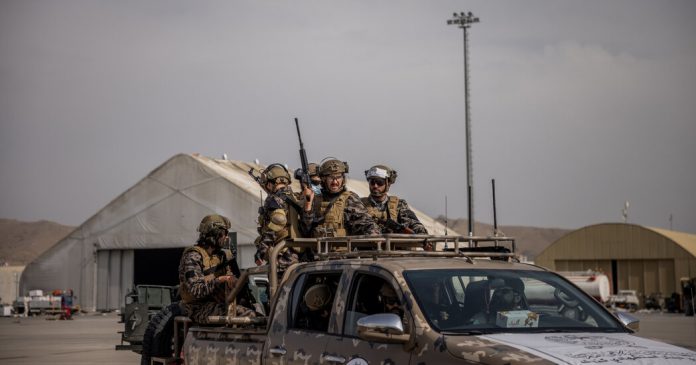
After 20 years, the Taliban militant group has reclaimed power in Afghanistan. On August 15, 2021, the Taliban took control of Afghanistan by seizing Kabul and completely taking over the country in a rapid assault that saw provinces and warlords fall without resistance. The bleak situation arose after the United States opted to pull out of Afghanistan its soldiers after two decades of service. US President, Joe Biden announced earlier this year that the US will remove its soldiers from Afghanistan for the first time since the 9/11 attacks. The US has spent over a trillion dollars in the country, according to the President, and has attained its goals.

The Taliban saw this move by the US as a chance to entirely take control of major states in Afghanistan and outrun the Afghan forces. The Taliban insurgents began killing citizens and breaking into their homes, kidnapping girls and women, raping them, and treating them inhumanely. People from all around the country flocked to airports in an attempt to flee their homes as soon as possible. Afghanistan’s turbulent climate will surely have an influence on the local economy, but it will also have an impact on international markets.

Talibans in Afghanistan

Formation of Taliban

Mullah Mohammad Omar, a Pashtun tribe member who became a mujahideen commander and helped throw the Soviets out of Afghanistan in 1989, created the Taliban in southern Afghanistan. Mullah Omar founded the organization in Kandahar in 1994 with roughly 50 supporters to combat the insecurity, corruption, and criminality that engulfed Afghanistan during the post-Soviet civil war.

As Afghans grew dissatisfied with the country’s insecurity, the Taliban rapidly conquered Kandahar and the capital, Kabul, in 1996. The Taliban quickly enforced stringent Islamic laws banning television and music, prohibiting girls from attending school, and requiring women to wear burqas from head to toe. Bin Laden was given haven by the Taliban while planning the September 11 terrorist strikes.

When the Taliban refused to hand over bin Laden as demanded by the US, American soldiers invaded Afghanistan and overthrew Mullah Omar’s administration.

While mounting an insurgent struggle to reclaim power in Afghanistan, Mullah Omar and other Taliban commanders sought refuge in Pakistan. The US and the Taliban inked a historic agreement in February 2020, outlining a 14-month timeline for the US to remove all of its forces from Afghanistan. In the meantime, discussions between the Taliban and the Afghan government to end the war have stalled.

Purpose of the Taliban’s fight

The Taliban are seeking to destabilize Kabul’s US-backed administration and reimpose their harsh interpretation of Islam across the country. Taliban commanders claim they want to build an inclusive government that is not a danger to the West, but the group has reimposed severe rule in the areas it controls.

Leader of Taliban

Mullah Omar died in 2013, although his death was not announced by the Taliban until 2015.

Mullah Omar’s successor, Mullah Akhtar Mohammad Mansour, was murdered by a US drone strike in Pakistan in 2016. Mawlawi Haibatullah Akhundzada, a Pashtun from Kandahar who formerly led the group’s Islamic courts, has led the organization since then. The Taliban’s decisions are guided by a council of leaders stationed in Pakistan, known as the Quetta Shura.

Taliban’s sources of income

The Taliban rely heavily on the illegal drug trade in Afghanistan for funding. Taxes are levied on poppy growers and heroin makers in the areas of Afghanistan that the organization controls. In addition, the Taliban levy fees on businesses and exploit illicit mining throughout the country. Supporters in Pakistan and the Gulf provide money to the organization regularly. According to analysts from the North Atlantic Treaty Organization, the Taliban rise by $1.6 billion per year.

Recognition of Taliban by neighboring countries of Afghanistan

With the Taliban regaining power in Afghanistan, the next big ambition for the neighbors is for them to concede the organization. It is the polishing of old friendships for some, while it is either the warming up of relationships or the reluctant acceptance of the new reality for others. Pakistan, Saudi Arabia, and the United Arab Emirates were the only states to acknowledge the Taliban when they first took control in 1996. Apart from that, no other government had acknowledged the militants’ ability to successfully control the country. However, this time they are unwillingly attempting to find ways to engage with the group in order to avoid future significant clashes.

In light of recent negotiations, the EU has declared unequivocally that there is no rush to recognize them. Individual governments in France and Germany, on the other hand, are hardly recognizable as states, and it is not even relevant to them at the moment. The Prime Minister of the United Kingdom’s ‘take your time’ attitude obviously encourages utmost caution before recognizing the violent group. Surprisingly, the two foes of the US, Russia and China, are spearheading the charge to make overtures to the Taliban.

Russian Prime Minister Vladimir Putin said that the Taliban movement currently controls nearly the entire territory of the country, including its capital. These are facts and they must act in accordance with them, not allowing the Afghan state to disintegrate. The Chinese government, on the other hand, sees no other option to protect the interests of Chinese Muslims and has promised not to interfere in Afghanistan’s domestic affairs.

In the case of the United States and India, the issue appears to be much more serious, and the steps have been diplomatic. The US troop withdrawal has raised many questions, to which Biden’s reasons for legitimacy validation and respect for human rights have been stated. However, for India, the security of the concerned Indian nationals living in Afghanistan, as well as the fear of an expected re-alliance between the Taliban and pro-Pakistani militants, are of great importance at the moment. Eventually, what will happen will happen, but for now, the countries are busy evacuating their people from Afghanistan and figuring out how to deal with the Taliban’s current instability in the most diplomatic way possible.

US Army’s withdrawal from Afghanistan

On the 8th of July 2021, Joe Biden stated unequivocally that: 

  1. The country must meet its obligations under the February 2020 agreement made by the erstwhile Trump administration. 
  2. The country’s twin objectives of bringing justice to Osama Bin Laden and preventing Afghanistan from becoming a base for terror attacks on the US and its allies have been met. 
  3. The US “did not go to Afghanistan to construct a nation”
  4.  Afghans must band together and do what “they want and deserve.”
  5. Afghanistan’s present establishment has received and will continue to get the necessary tools, training, and equipment.
  6. Visa regulations would be modified to make it easier for Afghans who collaborated with the US to enter the country, and essential facilities would be made available to them.

US peace deal

Background

The United States proceeded to Afghanistan in October 2001, just weeks after the 9/11 terrorist attacks, to combat terrorists (Al-Qaeda) and rebuild the country with stability. The longest war in history was the 19-year conflict between the United States and Afghanistan. The Afghan war was estimated to have cost $2 trillion and resulted in the deaths of over 3500 American and coalition personnel.

Thousands of people have died in Afghanistan, both civilians and soldiers. After all of this, the Taliban was the most powerful force since the United States was founded. The hinterlands were mostly in charge of half of the country. For a long time, the war was stuck in a stalemate, and despite the efforts of both US Presidents, Barack Obama and Donald Trump, to send more troops, the conflict remained stalled. The US, which only wanted to leave Afghanistan, had no other option.

Features of the peace deal

Withdrawal of the US troops

The US drew 8600 troops from a total of 14000 troops in 235 days. Within 14 months, all of the troops had been demobilized. With the recognition of the new agreement, the partners and alliance in the Afghan security operation known as “Resolute” reduced their military presence in the country. A total of 17000 troops from 39 countries were part of the resolution.

Taliban commitment

They will not allow any member, individual, or group, including al-Qaeda, to utilize Afghan soil if their security is threatened by the US and its allies, who have excluded India.

Exchange of prisoners

The US committed to begin working immediately with all essential parties on a plan for the release of 5000 Taliban and 1000 government prisoners by March 10, 2020, with the assurance of measuring the structures.

Intra-Afghan peace talks

Throughout the negotiations, the Taliban was confronted with the Afghan government’s rejection of US direct talks, and they decided to begin Intra-Afghan negotiations on March 10, 2020. The agreement was made public and did not include any provisions for the Taliban, such as reducing attacks on government forces and implementing the pact’s annexes, which detailed the classified negotiations. The de facto fifth provision in the current statement revealed the spokesman for US military command in Afghanistan (Military Times, 6th May 2020).

Violence reduction

The sides were formed by verbal commitment, which reduced violence by 80%. The report took more than ten weeks to complete and was judged on how well the five fundamental pillars of the US-Taliban peace agreement were implemented. The US and the Taliban kept their reciprocal obligations to each other, including the intra-Afghan prisoner swap, peace negotiations, and a reduction in bloodshed that had been hampered by delays and setbacks.

What is at stake as U.S. soldiers leave Afghanistan?

The United States has spent trillions of dollars trying to stabilize Afghanistan and prevent it from becoming a new haven for terrorist organizations such as Al Qaeda and the Islamic State who may plot strikes against the United States and its allies. A fast collapse of the US-backed Afghan government would be a moral and political setback for western dominance and interests in the region, where Pakistan, China, India, and Russia are all vying for strategic advantages. While the Taliban has committed to keeping extremist groups out of Afghanistan, western diplomats are concerned that the group would not follow through on its promises.

Taliban is a threat to Afghanistan’s neighboring countries

It is not only India that is concerned about the return of the Taliban but also other Asian nations are concerned since the Taliban is considered a security headache to them. Irrespective of this fact, Pakistan and China are looking for a way to gain an advantage in Afghanistan, Asia’s strategic heartland.

India’s concerns

Since April 2020, when the Taliban’s return was in its early stages and COVID-19 had surfaced as a threat, the consulate has been temporarily closed three times. India closed its consulates in Herat and Jalalabad at the time. India is concerned about the safety of approximately 3,000 Indian nationals and diplomats now stationed in Afghanistan.

For the record, India, like the rest of the world, has backed Afghan President Ashraf Ghani in his fight against terrorism. After the country was decimated by the previous period of civil conflict between the Taliban and government-backed troops, India became a partner in Afghanistan’s reconstruction.

Since 2001, when American soldiers drove the Taliban out of Kabul, India has contributed an estimated $3 billion in reconstruction. There is no official communication line between India and the Taliban. During the first Taliban rule in Afghanistan in the 1990s, it had proven costly. However, India is not the only country concerned about the Taliban’s return to Afghanistan. The development is believed to be the main topic of discussion at the Shanghai Cooperation Organisation‘s two-day meeting of foreign ministers in Dushanbe, Tajikistan’s capital, where nearly 1,000 Afghan soldiers fled for their life after being surrounded by the Taliban.

Pakistan’s worry

Pakistan, which is thought to be heavily involved in the Taliban’s operations in Afghanistan through the Pakistan Army’s Inter-Service Intelligence (ISI), has its concerns with the Taliban’s rise. Pakistan shares a long border with Afghanistan, and the Taliban’s growth has exacerbated anxiety and insecurity among non-Pashtun ethnic groups, particularly along the border. On the Pakistani side of the border, it could lead to inter-tribal militia confrontations.

When the Taliban took control of Afghanistan the last time, it also targeted border districts in Pakistan’s Balochistan and Khyber Pakhtunkhwa provinces.

According to reports from Pakistan, residents, particularly in Balochistan, are concerned that they will once again be deprived of their agricultural lands and forced to relocate. Pakistan is dealing with a rebellion in Balochistan as a result of the Pakistan Army and other government agencies allegedly persecuting the Baloch ethnic population. According to recent reports, Pakistani Prime Minister Imran Khan is reaching out to Baloch leaders as Taliban pressure intensifies on Pakistan’s borders following the United States’ withdrawal from Afghanistan. Then there is the Taliban in Pakistan, which is distinct from the Taliban in Afghanistan. The Pakistan Taliban aim to impose a stricter Sharia law on Pakistan than what is currently in place.

China’s intention

Through its restive Xinjiang province, China shares a tiny border with Afghanistan. According to the report, the Taliban has a soft spot for Uighur Muslim organizations fighting China’s communist authority. China is concerned that if Afghanistan is settled, the Taliban will aid the East Turkestan Islamic Movement (ETIM). The ETIM is a separatist group in China’s Xinjiang region, which is home to Uighur Muslims. Xinjiang shares borders with the Badakhshan region in Afghanistan, which the Taliban recently took from Afghan government forces.

The UN classified the East Turkestan Islamic Movement in Xinjiang to be one of the deadliest terror organizations in 2006 and outlawed it. The restriction was only abolished by Donald Trump’s administration in 2020.

China is building a route across Afghanistan’s Badakhshan province to its own Xinjiang Uighur Autonomous Region through the famed Wakhan Corridor. The Wakhan Corridor, once completed, will provide direct access to Chinese territories in Xinjiang.

Concerns of countries from Tajikistan to Russia

Afghanistan shares borders with Iran, Pakistan, Tajikistan, Turkmenistan, Uzbekistan, China, and India (however Pakistan has occupied sections of India’s Ladakh territory since 1947-48). Except for Iran and Turkmenistan, all of these countries are members of the Shanghai Cooperation Organization, which met in Dushanbe. Russia, Kirghizstan, and Kazakhstan are also founding members of the SCO.

Tajikistan and Uzbekistan are concerned that the Taliban’s resurgence may result in ethnic migration into their territories. In the 1990s, the Taliban formed its first rule, declaring then-Afghan President Burhanuddin Rabbani, a Tajik, to be anti-Pashtun.

Kazakhstan, Kyrgyzstan, and Turkmenistan are all concerned about a rise in Islamic radicalism. Several Islamic extremist groups with ties to Afghan organizations are functioning in various nations.

Russia has a long history in Afghanistan, and it is now in discussions with the Taliban. Any spillover impact from the Taliban’s control of Afghanistan throughout the region jeopardizes the country’s strategic interests, particularly in Uzbekistan and Tajikistan.

The economic impact on Afghanistan

It is self-evident that after the Taliban took control of Afghanistan, the country’s economy would have taken a step backwards. With so many people already leaving the country and others wanting to leave, the economy is projected to continue to deteriorate, putting the country’s economy in even more jeopardy. According to the Asian Development Bank, more than 47% of the country’s population was already impoverished in 2020, and 34.3 percent of those with jobs live on less than $1.90 a day. The reasons for the same are most households are reliant on the low-productivity agriculture sector for income, due to security concerns, corruption, and political instability, which have all impeded private-sector development. Unemployment was at 11.7 percent in 2020, pre-Taliban control when people began fleeing the country and some women were sacked from their jobs. The economy currently appears to be more vulnerable because future financial support is unknown.

Due to the government’s instability, the International Monetary Fund (IMF) has announced that it will halt its financial assistance to Afghanistan. Afghanistan already relies significantly on international help, which will now be cut off as a result of the terrorist group’s takeover.

The export of valuable minerals from Afghanistan, which had been a reliable source of revenue, would come to a standstill, severely affecting the economy.

Recent Taliban attack

In Afghanistan, two ISIS-K bombs exploded outside the Kabul airport, killing at least 100 Afghans and 13 American servicemen. There has been an increasing mood of total terror among citizens as the deadline for evacuating nationals from the country approaches. Several civilians, including children, have been murdered in recent US drone and missile assaults. Afghan refugees and students in India have staged many protests, pleading with the government to assist them to secure the safety of their stranded families and relatives in Afghanistan.

In addition, there have been some rallies by women activists in Afghanistan and a few other nations for the protection of their democratic rights, but the governments have not provided enough support as of now. The suffering of 150 stranded Indians at Kabul’s Hamid Karzai airport has been highlighted in recent updates, with claims that they are not being permitted to enter and that no authority is available to assist them.

Furthermore, according to the UN Food Chief, if the UN agency fails to raise $200 million by September, Afghanistan will face yet another disaster, as the country already faces economic collapse as a result of foreign countries and institutions withholding support and monetary reserves after Islamist Taliban militants took control of Kabul on August 15.

Refugee crisis 

There has been an increase in population pressure in several countries as a result of the influx of Afghan refugees. Afghan migrants are among the most resilient refugee populations on the planet. People have been uprooted from their homes during the last four decades, either never to see them again or, even if they do, to have their lives swept away by a new outbreak of war and bloodshed, forcing them to relocate elsewhere in the country or become refugees once more. It appears to go on forever.

The UN’s Refugee Agency has begun to pressurize various nations with the problem of the rising population once again, predicting a huge migration of Afghans. The United Nations has warned that up to 500,000 Afghans may flee the country by the end of the year, urging neighboring countries to keep their borders open. The new disaster adds to the 2.2 million Afghan refugees currently in neighboring countries and the 3.5 million internally displaced Afghans.

Several nations, including Canada, Australia, the United Kingdom, India, and the United States, have stepped up their evacuation efforts and are now taking refugees. However, unlike the previous migration crisis in 2015/16, the EU may not accept as many refugees as it did previously (over a million), owing to political considerations and/or a greater capacity to deter and repatriate illegal migrants. Since the last crisis, the EU has beefed up its border and established the Frontex coast-guarding agency. Many EU countries, including Germany, Austria, and Greece, have been working hard to avoid a repeat of the huge migration in 2015/16, partly due to worries of voter reaction.

According to early 2021 data from the UN Refugee Agency, Pakistan already has 1.4 million Afghan refugees, while Iran has roughly a million. The number of undocumented Afghans is thought to be much higher in both countries. As a result, Afghan migrants may find it difficult to seek asylum in the EU. Although countries continue to provide humanitarian aid to civilians, the future uncertainty for refugees appears to be unfavorable, as an increase in the number of unregistered and illegal immigrants has led countries to avoid exodus from Afghanistan in order to maintain their country’s population, particularly during the coronavirus pandemic.

What does Afghanistan’s future hold?

The current situation in Afghanistan does not seem to come to an end in the near future. Afghanistan’s aid has already been halted by the International Monetary Fund (IMF). Few countries refuse to recognize the Taliban as a government, and it will continue to be viewed as a terrorist organization. As many have pointed out, the US and its coalition allies have a moral obligation. There is a crisis right now and whatever happens, next will be inexorably related to decades of bloodshed and interference.

The Taliban’s rules, particularly those targeting women, do not bode well for the future of the country. Women who are being targeted by the Taliban must be removed immediately.  Due to the continuous violence, drought, and the Covid pandemic, millions of Afghans are on the verge of starvation, according to the World Food Programme (WFP), which has released a statement urging political authorities to take necessary actions as soon as possible.

Analysis of the current situation

With the Taliban’s abrupt takeover of Afghanistan on August 15th, 2021 (after two decades), the advent of crisis after crisis seemed to have only just begun. Knowing that the geopolitical realities of the Afghan state have been fundamentally shifting over the last few months and days, the reactions of many states across the world are both startling and not surprising. The ignominious withdrawal of US soldiers from Afghanistan has ushered in a period of predicted but unknown turbulence for not just Afghanistan but also India, China, Pakistan, the Middle East, Central Asia, Turkey, Qatar, and the United States.

Furthermore, the huge exodus of civilians from the state will undoubtedly alter the global and regional power balance. Other than Pakistan, Russia, and the United Arab Emirates, no government is in a hurry to acknowledge the extremist group’s dominance and ability to successfully control the country. Currently, Afghanistan, particularly Kabul, is in a state of panic as a result of many bombings and rocket strikes carried out by terrorist groups, notably ISIS-K, and US forces, murdering hundreds of vulnerable civilians (including children) through no fault of their own.

This acquisition will likely have a large-scale impact on Afghanistan’s economy as well as other economies throughout the world if it hasn’t already. When it comes to India, the imminent political changes in Afghanistan will cost the country billions of dollars, hurting bilateral trade and large investments in the country. Other nations, on the other hand, will undoubtedly face increased pressure from increased Afghan refugees, resulting in a new crisis of mass departure from Afghanistan and a detrimental impact on their economies. Furthermore, the current state of events in Afghanistan is leading to another humanitarian disaster, with the World Food Programme (WFP) warning of impending hunger for the country’s population. The current situation in Afghanistan will not be stable until the government is formed which works for the betterment of the population.

Conclusion

The Taliban takeover has lulled many activists into a deep slumber, fearful of a potential danger to their democratic rights, particularly women’s security, and, more importantly, of the state becoming a Jihadi Harvard, Columbia, and Oxford, as articulated by Afghanistan’s best voice. At this moment, India and other countries are recommended to avoid becoming each other’s rivals and instead take a united stance to avoid future disputes, particularly because every country is combating the coronavirus pandemic. Overall, it will be interesting to see what happens in the next few days as the Taliban consolidates its power across the country.

References


LawSikho has created a telegram group for exchanging legal knowledge, referrals, and various opportunities. You can click on this link and join:


Follow us on Instagram and subscribe to our YouTube channel for more amazing legal content.

Download Now

How would you draft a net listing agreement in real estate

0
real estate law

This article is written by Nikita Arora, pursuing Diploma in Advanced Contract Drafting, Negotiation, and Dispute Resolution from LawSikho.

Introduction

Real estate agents can assist customers in reaching their objectives. Everyone wants their real estate transaction to be as smooth and painless as possible, whether they are purchasing their first home or selling a home to relocate to a new location to begin a new life. People, understandably, want to get the best price possible on their real estate acquisition or sale. No client wants to overpay for a home, and no client wants to sell a home at a loss. 

Understanding certain industry jargon is also important, whether you are a prospective real estate agent learning the ropes of the real estate business or a prospective homeowner wanting to employ an agent or broker. It will not only keep you updated throughout the process, but it will also assist in understanding your options, regardless of which side of the transaction you are on.

In this article, we will look at how terms in a net listing agreement in real estate are drafted.

What is a net listing?

In a net listing, the owner establishes a minimum amount that he or she wants to receive from the sale of the property and allows the broker to keep any amount above the minimum as a commission. While the seller gets what he or she wants for the sale, in this case, it creates a conflict of interest for the broker by violating the broker’s fiduciary responsibility to put the client’s interests ahead of his or her own. As a result, internet listings are often regarded as unprofessional.

An example of a net listing agreement

Consider a basic example to better understand how net listing agreements work in reality. Assume a couple owns property in North India. They intend to relocate to the other side of the country within the next two months due to a new job opportunity. They need to sell their house immediately. The couple decides to work with a local real estate agent on a net listing agreement. Both parties agree on a starting price of 2 crore rupees for the house. In this case, the real estate agent keeps anything over 2 crore rupees. If they sell the house for Rs. 2,10,75,000, their commission will be Rs. 10,75,000. However, if they only sell the house for Rs. 2,10,50,000, the commission will be Rs. 10,50,000. The surplus is paid to the real estate broker under a net listing agreement. 

The consequences of using a net listing agreement

Operating under a net listing agreement has some advantages and disadvantages, just like any other sort of pricing structure. However, net listing agreements are sometimes regarded as particularly dangerous for real estate professionals.

On one end of the range, a real estate agent may work with a seller who accepts a relatively cheap price, possibly substantially lower than what is merited given market conditions. As a result, a real estate agent may put forth a lot of effort but receive little to no cash remuneration.

On the other end of the spectrum, a real estate expert who is overly successful (receives a price substantially over what the seller expected) may face legal action from their client. If a client’s property sells for significantly more than they expected, they may feel taken advantage of. Even in places where net listing agreements are legal, regulators frequently try to dissuade real estate brokers from adopting them.

Essentials of net listing agreements

The following are some of the most critical clauses addressed by a typical real estate listing agreement:

  1. The amount of commission you’ll pay your agent: This is typically 5 percent to 6 percent of the sale revenues. When selling your home, negotiate the commission with the agent.
  2. The sole right to sell: This provides your agent with the only right to sell your home for the life of the contract. Other sorts of arrangements with an agent are possible, but the exclusive relationship will be your agent’s preferred option.
  3. Duration: Your listing agreement will be for a specific period, such as three or six months. A shorter listing agreement is preferable. If you are dissatisfied with the agent’s services, you have the option of leaving and finding another agency. A lengthier listing agreement is ideal from the agent’s standpoint since the agent will be doing a lot of work to get the house ready to sell and will not want to risk losing a commission just as the property is beginning to gain serious attention.
  4. Clause of safety or protection: Even though the contract includes an expiration date, it will almost certainly include a clause that protects the agent or broker after that date. This stops you from attempting to avoid paying an agent’s commission by finding a buyer while the agency is representing you but deferring the sale until your listing agreement ends. If you are terminating the agreement because you want to change listing agents, you should include an exception in the contract; nevertheless, if that agent sells rapidly and your condition entitles the first agent to a share, you may owe two commissions.
  5. Duties: The listing agreement may specify the activities that the listing agent is authorized to carry out on your behalf. Read everything carefully to ensure you understand everything. If there are any specific tasks you wish to double-check, the agent will handle them.
  6. Representations: The agreement may also require you to verify certain facts, such as that you are in a legal position to sell the property and that no one else has an ownership stake in it to your knowledge.
  7. Resolution of disagreements: The agreement will most likely indicate how you will handle disagreements that you cannot resolve informally with the agent, such as through mediation or binding arbitration.

Modifications to a standard net listing agreement

To build their listing agreement, most real estate listing agents use standard forms developed by state or local Realtor groups. However, do not sign unless you have properly read the document, and do not be hesitant to request adjustments or amendments.

Agents may be resistant to changing their standard agreements because they have used them without incident in the past. However, if you’re unhappy with anything, there’s no reason it can’t be modified. Small adjustments can be written directly on the contract and initiated, while larger changes can be made on separate addendums and referred to in the contract itself.

Furthermore, in a net listing agreement, a broker may push buyers to hang out for higher sale prices to obtain a bigger commission. Legitimate offers on the house may be rejected by a dishonest broker, especially if they are too near to the net price and hence not profitable to the broker.

Sample net listing agreement 

Open Net Listing Agreement (address of licensed real estate agent)

Owner: ___________________________           Co-owner: __________________

Phone: _________________

Address: ______________________________

Email address: ___________________________________

Terms and conditions of  net listing agreement 

  1. This is a net listing agreement whereby the seller shall receive the proceeds above upon the closing of the sale by a licensed real estate agent. The agent shall determine the sales price of said property, employ marketing methods, bear all costs associated with selling and deliver to the seller the net proceeds as stated above at the time of closing, less any outstanding obligation as noted below. Seller understands that the difference between the actual sales price and the net proceeds amount received will be retained by the real estate agent as a commission. 
  2. Seller gives the real estate agent the right to sell the property herein described at the price and terms set forth in this contract or at any other price or upon any other terms accepted by the seller during this contract upon any other terms accepted by the seller during this contract, upon which seller agrees to pay the real estate agent a commission of the difference between the actual sales price and the net proceeds amount. 
  3. This agreement shall be effective for a period of twelve months from the date set forth below. 
  4. All proceeds from the sales of the property will be disbursed to the seller at closing. 
  5. This agreement does not permit the real estate agent the right to make use of the property.
  6. In the event of a sale of property, notification to the management company will be the responsibility of the real estate agent.
  7. In the event of default by the purchaser, the earnest money shall be paid 50% to the real estate agent and 50% to the seller after payment of the title search fees, if any.
  8. Seller agrees to pay for any title search costs incurred, if a clear title cannot be issued or if seller defaults.
  9. The real estate agent shall present an offer in full compliance with net proceeds and terms of this agreement, which is refused by seller(s), seller(s) agrees to pay the real estate agent a commission of the difference between the actual sales price and net proceeds. 

Additional terms and conditions

Seller shall not be responsible for recording fees, documentary stamps, intangible taxes, other closing costs. 

Seller shall be responsible for all outstanding obligation(s) against said property, including, but not limited to association fees, taxes, special assessments, estoppels, judgement or mortgages. Any outstanding obligation(s) shall be deducted from the net proceeds above at closing.

There is no guarantee that your timeshare interest can be sold at any particular price within any particular period of time. 

Owner Signature________________                    Date__________________

Co-Owner Signature_______________                Date__________________

Licensed Real Estate Agent____________            Date___________________

Conclusion

Clients benefit from the assistance of real estate agents in achieving their goals. Undernet listing agreements, the broker can keep any amount above the minimum as a commission. Agent for real estate ‘Net listing’ is a term used by real estate agents and brokers to describe the process of negotiating the terms of a sale. Net listing agreements are sometimes viewed as risky, especially for real estate professionals. If a client’s property sells for significantly more than expected, real estate agents may be taken advantage of. Net listing agreements, like any other pricing structure, have advantages and disadvantages. A typical listing agreement may include several critical clauses. For the duration of the contract, the agent will have sole authority to sell your home. If you are dissatisfied with the services provided by the agent, you have the option of leaving and finding another agency. Everything should be read carefully to ensure that you understand everything.

If real estate agents are dissatisfied with their listing agreements, they may be hesitant to change them. Small changes can be written directly on the contract and initiated, whereas larger changes can be made on separate addendums and referenced in the contract. 

References


Students of Lawsikho courses regularly produce writing assignments and work on practical exercises as a part of their coursework and develop themselves in real-life practical skills.

LawSikho has created a telegram group for exchanging legal knowledge, referrals, and various opportunities. You can click on this link and join:

Follow us on Instagram and subscribe to our YouTube channel for more amazing legal content.

Download Now

What is cybersquatting in the Indian Trademark Act

0
Image Source- https://bit.ly/3dgo7nK

This article is written by Janhavi Sitaram Dudam who is pursuing a Diploma in Intellectual Property, Media and Entertainment Laws from LawSikho.

Introduction

Daniel J. Boorstin said that: “An image is not just a trademark, a design, a slogan, or an easily remembered picture.” It is a cleverly crafted personality profile of a person, organisation, business, product, or service. Domain names on the internet have a huge market of their own. The world is experiencing a new revolution in the area of communications, which has provided a plethora of new opportunities for cyberspace.

The internet’s increasing importance has transformed it into a powerful platform for companies to promote, advertise, and sell goods and services. Unfortunately, cybersquatting, which is the result of deceptive and illegal conduct, has risen as well. In this article, we will understand the meaning of cybersquatting and how it interferes with a brand identity. The article will also reflect on how social media platforms have given rise to new forms of cybersquatting. In light of this, we will discuss the cases involving cybersquatting and the remedies available.

Cybersquatting : meaning and forms

According to the United States Federal Law known as Anti-Cybersquatting Consumer Protection Act, cybersquatting (also known as domain name squatting) is the act of registering, trafficking in, or using a domain name with the bad faith intent of profiting from the goodwill of someone else’s trademark. The cyber squatter then attempts to sell the domain to the individual or corporation that owns the trademark included within the name at an inflated price.

The word “squatting” comes from the act of occupying an abandoned or unoccupied space or building that the squatter does not own, rent, or have permission to use. Cybersquatting, on the other hand, is distinct in that the domain names that are being “squatted” are (sometimes but not always) paid for by the cyber squatters during the registration process. Cyber squatters normally demand much higher rates than the ones they paid for it. Some cyber squatters make disparaging remarks about the individual or business the domain is supposed to serve in order to persuade the subject to purchase the domain from them. Others monetise their squatting by posting paid links to the actual site that the user likely wanted through advertisement networks.

There are a variety of realistic forms of cybersquatting that attract attention, which come under the broader category of cybersquatting. Typosquatting, classic cybersquatting, cyberpiracy, and pseudo cybersquatting are examples of these variations. The “classical cybersquatting” is the simple registration of a domain name based on a trademark with the intention of selling it to the trademark’s legitimate owner for a profit.

The use of trademarks in domain names with the goal of attracting more traffic to a list of similar web pages identified by a common name is referred to as “cyberpiracy.” While “pseudo cybersquatting” is described as the registration of a domain name without actually using it or connecting it to any online web pages or active website. These are also known as “blocking registrations,” and they aim to prevent legitimate right holders from using domain names. All of the above actions are classified as different types of “cybersquatting.”

The importance of brand identity and value of goodwill

Two primary assets are considered when valuing a business. The two types of assets are tangible and intangible. Real estate, machinery, and inventory are examples of tangible assets. Intellectual property, brand recognition, and goodwill are examples of intangible assets that are not physical. Brand recognition and goodwill are closely linked to the value of the business, despite the fact that they are intangible assets.

The value of someone identifying your brand is known as brand recognition. A brand may include product features, logos, slogans, and so on. The Chevrolet logo, for example, is known as the “bowtie” and brings with it some stereotypes. Similarly, Ford’s emblem is also known as the “blue oval”. The primary problem with brand value is that the name itself – is the value of the brand. It takes a combination of psychology, sociology, economics, and field research to figure out how much a brand is worth.

Interbrand publishes an annual list of the “World’s Most Valuable Brands”, which is based on three factors: financial forecasting of future revenue associated with the brand, the brand’s role as a percentage of total revenue, and brand strength, which includes metrics like visibility and loyalty.

For 2020, the five most valuable brands were:

These are five businesses that are widely recognised for their high quality and are known by almost everyone on the planet. Maintaining a strong brand identity is critical for business owners. If you’re a small-town car dealer or a national marketing firm, the success of your company is determined by its brand name. 

Goodwill, like brand value, is an intangible asset that serves as a monetary value for otherwise unquantifiable intangible assets. When one business buys another, goodwill is calculated. For example, if Company A pays $100 million for Company B and Company B’s tangible and intangible assets are valued at $90 million, then Company B has goodwill worth $10 million. Maximizing brand value for a business owner also leads to long-term success, and goodwill is the valuation of that intangible value in the sense of selling the company.

Social media : new target for a cyber squatter to tarnish the brand

With the emergence of social media platforms like Facebook, Instagram, and Twitter, a new form of cybersquatting has arisen, in which trademarked brands or names of dignitaries or public figures are registered on popular social media websites. Because of the popularity of social media platforms, businesses have built profiles on these sites in order to gain more customers. To develop strong credibility and goodwill for their signs, social media websites have started providing verification tags to prominent organisations.

While Tony La Russa’s lawsuit against Twitter was voluntarily dismissed, his case demonstrated the dangers of these websites’ new username features. The manager of the St. Louis Cardinal, Tony La Russa, had filed a cybersquatting complaint against Twitter. The issue was that a Twitter account containing La Russa’s name had posted a photo of La Russa with the caption “Hey there!” Tony La Russa is now using a Twitter account.”

This profile urged Twitter users to follow La Russa’s profile to stay up to date on his activities. The notifications were obnoxious and defamatory, according to La Russa. La Russa was informed that the profile’s maker had done so in bad faith and profited from La Russa’s trademark. After the parties had resolved the issue, La Russa filed a voluntary dismissal. The use of offensive tags and the reservation of usernames are particularly harmful to trademark owners. Facebook agrees that username infringement can be a big deal, particularly if someone else is attempting to create a reputation using a trademark that the rightful owner of a trademark has spent a lot of time developing. 

Cybersquatting through username infringement prevents the trademark owner from using the well-known username, preventing him from using his trademark on that social media platform. A reservation of a username by bad faith may also tarnish and damage the mark’s credibility. The trademark owner loses leverage of his trademark’s credibility when someone reserves a username with malicious intent.

Remedies for cybersquatting under trademark law

There is currently no law in India that addresses cybersquatting crimes. To prevent potential cybersquatting crimes, we need stringent laws that provide penalties for cyber squatters. Victims, on the other hand, should take the following measures to recoup their losses caused by cyber squatters:

A. The victim can bring arbitration proceedings under the Internet Corporation for Assigned Names and Numbers (ICANN)

 The victim has the following option against cyber squatter-

  • Filing a case against India’s multiple courts.
  • Can send a cease-and-desist notice to the cyber squatter. A passing-off order can be obtained by the victim against the cyber squatter.

B. UDRP- Uniform Dispute Resolution Policy

The Uniform Dispute Resolution Policy (UDRP) was introduced by the Internet Corporation for Assigned Names and Numbers (ICANN) and is a part of the registration agreement you electronically agree to when you buy a domain name from a website such as BigRock, GoDaddy, or others. To begin a proceeding under the UDRP, the trademark owner must choose one of the authorized service providers. For example, Asian Domain Name Dispute Resolution Centre (ADNDRC), Canadian International Internet Dispute Resolution Centre (CIIDRC), WIPO, etc. 

As per Para 4(a) of the UDRP, a complainant must prove all three elements below-

  1. a domain name is identical or confusingly similar to a trademark or service mark in which the complainant has rights; and
  2. The infringer has no rights or legitimate interests in respect of the domain name; and
  3. The domain name has been registered and is being used in bad faith. The following conditions, in particular, but not limited to, if considered by the panel to be present, shall be proof of the registration and usage of a domain name in bad faith for the purposes of paragraph 4(a)(iii):
  • circumstances stating that domain name is registered solely for the purpose of selling, renting, or otherwise transferring the domain name registration to the complainant, who is the owner of the trademark or service mark, or to a rival of that complainant, for valuable benefit in excess of recorded out-of-pocket costs directly related to the domain name.
  • A domain name is registered in order to prevent the owner of the trademark or service mark from reflecting the mark in a corresponding domain name, provided that infringer has engaged in a pattern of such conduct; or
  • The infringer has registered the domain name primarily to interrupt a competitor’s business; or
  • By using the domain name, the infringer has intentionally attempted to attract, for commercial gain, Internet users to his website or other online location, by creating a likelihood of confusion with the complainant’s mark as to the source, sponsorship, affiliation, or through the endorsement of his web site. 

C. INDRP – .In Domain Name Dispute Resolution Policy

The .In Domain Name Dispute Resolution Policy (INDRP), which is significantly similar to the UDRP, would be applicable to ‘.in’ domain names. According to the INDRP Policy, someone who believes a domain name registered by the .IN Registry infringes on their legitimate rights or interests can file a complaint with the .IN Registry and pay the appropriate fees. The complainant must meet the same requirements as those mentioned in paragraph 4(a) of the UDRP Policy and paragraph 4 of the INDRP.

Cases related to cybersquatting

1. Tik Tok Case 

Fotios Tsiouklas and Alan Gokoglu, two Australian friends, predicted that the app TikTok would become a famous brand So, they bought tiktoks.com for $2,000 shortly after it launched. Bytedance, TikTok’s parent company, offered Tsiouklas and Gokoglu $145,000 to purchase the domain. The pair, however, decided to keep the domain and launch a “follower growth” business, offering a “follow-for-follow” service. They also charge a fee to help people develop their following.

Bytedance filed a cybersquatting lawsuit against TikToks.com in August 2020 after a failed negotiation attempt for the tiktoks.com domain. According to the WIPO administrative panel decision report, the company filed an amended complaint in September 2020, which included the following domains:

  • Growtiktok.com,
  • Tktokcharts.com
  • Tiktokexposure.com, and
  • Tiktokplant.com.

In this case, the ‘bait-and-switch’ tactic is used by the respondent intending to benefit from the confusion. Respondents would provide services to raise user fame on the complainant’s TIKTOK social media site without the complainant’s permission and in breach of the complainant’s terms of use policy, which could result in the suspension of the complainant’s customers’ accounts, causing the complainant’s business to be disrupted. The panel directed the pair of friends to transfer all five domains to the complainant by January 13, 2021.

2. Amul 

Amul is one of India’s largest dairy firms, with the fiscal year 2019-2020 revenue turnover of more than 38,550 crore Indian rupees (approximately US$5.28 billion, or 385,500,000,000 Indian Rupees). Someone purchased the following domains and created phishing sites for the company, making it a target of cybersquatting:

  • Amuldistributor.com
  • Amulboard.com
  • Amufran.org.in
  • Amuldistributorindia.com

The fraudsters activity-

  • Created bogus bank accounts in Amul’s name and 
  • Sent fake forms via email as part of their scheme. 
  • To become an Amul distributor and franchisee, they asked to pay a fee. 
  • On the website, they ran recruitment scams in which applicants were asked to pay a fee to apply for jobs.

From 2018 to 2020, a scam was executed. Finally, Amul released a public notice about the scams and took legal action to resolve the situation.

Measures taken by online platforms to protect the content

Twitter, Facebook, and other social media platforms have taken measures to combat cybersquatting. Most of these measures will be addressed below-

  • Facebook 

If registered trademarks are infringed on, Facebook reserves the right to recover usernames. Trademark owners are responsible for reporting any trademark infringement to Facebook through a “username infringement form.” Furthermore, Facebook usernames need “mobile number authentication,” which means that in order to obtain a username, the user must validate their account using their mobile device.

  • Twitter 

Cybersquatting is prohibited by Twitter’s name squatting regulation, which eliminates the existence and incidence of “username for sale” accounts. Selling or extorting money or other forms of payment in return for usernames on Twitter would result in the extorter’s account being suspended. Non-parody impersonation is also prohibited under Twitter’s “Impersonation Policy.”

If an account gives out incorrect details or causes others to be confused, it is said to be guilty of impersonation, and those accounts can be permanently suspended. The criterion used by Twitter to define satire is whether or not an average person will realise the fake profile is a joke. Finally, following the La Russa suit, Twitter introduced “Verified Accounts” to prevent “identity confusion.” The “verified account” insignia on a profile indicates that it is a genuine and legal account.

  • Instagram

Instagram is the most popular social media platform among the millennial generation. As the number of Instagram users grows, measures have been taken to prevent cybersquatting. The concept of a “verified account,” is a safeguard against identity confusion taken by Instagram. A blue tick on an Instagram profile indicates that it is a “verified account,” which means that the social media site has verified that it is the authorised profile for the individual or brand it represents.

Conclusion

Cybersquatting has a cascading impact on society’s social and economic interests, so it should be prosecuted to provide a deterrent effect. Governments all over the world are looking at cybersquatting as a serious problem. To combat cybersquatting, different countries have implemented a variety of initiatives. 

For example, The Anti cybersquatting Consumer Protection Act (ACPA) in the United States, allows a trademark owner to sue the infringer of a domain name for damages. Uniform Domain Name Resolution (UDRP) is a service provided by the World Intellectual Property Organization (WIPO) on an international level. ICANN’s Uniform Domain Name Dispute Resolution Policy (UDRP) is a tool for settling conflicts over domain names and trademarks. In countries like India, where there are no cyber laws to prevent domain name disputes, the .INDRP (.In Domain Name Dispute Resolution Policy) process is used to settle such cases. 

References


Students of LawSikho courses regularly produce writing assignments and work on practical exercises as a part of their coursework and develop themselves in real-life practical skills.

LawSikho has created a telegram group for exchanging legal knowledge, referrals, and various opportunities. You can click on this link and join:

Follow us on Instagram and subscribe to our YouTube channel for more amazing legal content.

Download Now

Hiring a business energy consultant : the pros and the cons

0
Image Source: https://rb.gy/b4wroa

Introduction

Business energy consultants become a necessity over time, especially if your business’ growth seems to be consistent every year. If you are thinking of hiring a consultant but still isn’t sure if it is the right move for you, this article may help you out.

We are breaking down both the advantages and disadvantages of hiring a business energy consultant to manage your utilities. Keep reading to know more.

What are business energy consultants? 

Business energy consultants or utility brokers are trained professionals. Their main job is to help businessmen handle the utility aspect of their business. This includes electricity, water, and gas. Their goal is to hook their clients up with the most reliable suppliers in the country that can offer cost-effective rates. 

It is advised that you switch energy suppliers regularly — about every one to two years, depending on the contracts. This is to give you opportunities to explore the market and look into more affordable energy prices. The thing is, electricity, gas, and water prices constantly fluctuate, and you want to take advantage of the time that they are at their lowest. Your business energy consultant can help you with precisely that. 

They can find you the best prices in the market, help you compare them, and do all the jobs for you. This alone is enough to convince you to hire one for your team. However, there can still be a few occasional cons. So, for you to fully assess if you need a business energy consultant or not, read the pros and cons of hiring one. 

What are the pros and cons of hiring a business energy consultant?

Pros

You can guarantee that you will save more money

Unfortunately, there really are times where you suddenly notice that you are overpaying for your utilities. There are several reasons for this, but one is your supplier might be charging you unfair rates. The good thing about it is you can get out of it with the help of your business energy consultant. They can advise you on what you can do and ultimately find a strategy for you to cut down your costs. In addition, they can find you a better supplier you can switch to and help you find ways to reduce your consumption as well. But one thing is for sure: you have so much to save if you hire your own consultant.

new legal draft

They give you access to leading suppliers

Consultancy firms have a wide network of top suppliers in the country. Choosing the right firm and consultant can give you access to that network. Having the best supplier for you means you are getting cost-efficient and value for money services.

Receive comprehensive comparison of business energy prices

When trying to find a new supplier, one of the hardest parts is dealing with a long list of prices and quotations from multiple prospects. You also have to look into each and of them and see which one will be the most cost-effective for your company. With a business energy consultant, you do not have to worry about that. They’ll be the ones looking for the right suppliers for you and make you a comprehensive summary of which one is the most suitable for your needs and why.

They provide tailored services

The best business energy consultant would provide tailored services or services that are specified depending on the client and their needs. Generic utility services or ones that are “one size fits all” are not going to work effectively for you. This is why you have to also look for reliable consultants.

Expect a stress-free utility switch or renewal

Your consultant can do everything for you from start to finish. We have already mentioned how they can find you the best rates and connect you with the best suppliers. However, this is not where their job description ends. They can also help you construct and review contracts, manage your bills, and serve as your long-term advisor with anything about utility finances.

You get to have more free time for yourself

Ultimately, once you have let your energy consultant handle everything for you, you can now have more free time on your hands, which you can spend focusing on other parts of your company or giving time to your family and yourself. One thing people do not realize is how much managing business utilities can take up so much of your time and energy.

They offer a wide variety of services

We have talked to you about how an energy consultant helps you with your business. But their job does not stop there. The best firms offer several other services you can avail like bill validation and such. So, we told you, your energy consultant is like an all-around assistant with everything related to your utilities.

Cons

Their services are not free

Of course, since they are working for you, there will be professional fees. Fees for business energy consultants vary from one firm to another. You just have to look for one that is credible and has rates affordable for you.

They may be inaccessible to some

Due to restrictions, it can be through financial aspects, location, and such, some businessmen may not be able to find a consultant for them. But with the help of the internet, nothing is impossible nowadays.

There are still uncertainties

Unfortunately, the services are not risk-free. Although your consultant’s ultimate goal is to give you the best services, find you the most suitable suppliers, there are still potential unforeseen circumstances that may affect the results. 

Bottomline

Of course, to avoid all of these cons, you have to hire the best and most credible energy consultant there is. Look into the top electricity business consultants and work with them. If you have no idea where to start, the best place would be the internet. Most consultancy firms nowadays have their websites. You also have to do your part and be involved as much as possible. The key is finding the right person you can trust with your company’s utility aspect, one that can deliver satisfying and successful services.


LawSikho has created a telegram group for exchanging legal knowledge, referrals, and various opportunities. You can click on this link and join:

Follow us on Instagram and subscribe to our YouTube channel for more amazing legal content.

Download Now

Indian foreign policy during the COVID-19 pandemic

0
COVID-19
Image Source - https://rb.gy/0obcyj

This article has been written Riddhiman Mukherjee and Easaa Roy.

Abstract

The COVID-19 pandemic has had unprecedented casualties to public health since its incidence, manifestations of which include socio-economic malfunctioning of domestic sectors followed by the domino effect of the food crisis, unemployment and labour issues or be it International Trade, or alliances between different Nations and their relations. According to the reports by the World Health Organization (WHO), the COVID-19, the pandemic has been extremely catastrophic. It has also affected various countries with humanitarian crises and emergencies which in turn has led to various changes in the functioning of the domestic contemplation and policies, versus other countries.

This article involves detailed information about what changes have been brought in India’s Foreign policies with different countries like America, China and other countries in times of the COVID-19 pandemic.

Introduction

Foreign policies of a country are general objectives that guide the activities and relationships of one state in its interactions with other states. The development of foreign policy is determined by the domestic considerations, policies, behaviour of other states, or plans to facilitate specific geopolitical designs and alliances.

In India, this portfolio is handled by the Ministry of Foreign affairs, which is a government agency responsible for the conduct of foreign policy in India. It has the third-largest military expenditure, fifth-largest economy by GDP nominal rates, the third-largest economy in terms of purchasing power parity and has the fourth largest armed forces.

It is a nuclear power, a global power and a potential superpower with a significant say in the global affairs of the World. It is a member of the Commonwealth of Nations due to it being a former British Colony and BRICS which stands as an acronym of major emerging economies of the world including Brazil, Russia, China, South Africa and India. India was the founder of the Non-Aligned movement and is also part of the ‘Neighbourhood first’ policy by SAARC (South Asian Association for Regional Cooperation) and the ‘Look East Policy’ which aims to forge more extensive economic and strategic relationships with other East Asian countries. Under the ‘Vaccine Maitri’ initiative, India earlier exported vaccines to 90 countries and had also received foreign aid from 25 countries. Moreover, India’s regional prevalence was based on previous historical ties, material aid, and political influence.

US delays in vaccine raw material approvals

The U.S and India partnership was initiated on a shared commitment for freedom, democratic principles, equality of all its citizens, and human rights. The United States and India have also shared similar interests in promoting global security, firmness, and economic prosperity, by means of trade, investment, and integration.

But during the second wave of COVID-19 pandemics, there was a delay in the process of approval, on behalf of the United States for exporting raw materials, which was required for the manufacturing of vaccines in India. Moreover, on public request, Mr Adar Poonawala, the CEO of Serum Institute of India, played a crucial role in this outrage against the vehement notion on which the premises of Indian foreign policies were primarily built upon.

Though the US later had rectified its stance on this issue and the entire US leadership promptly started working towards sending medical aids to India. In addition, they also reached out to the Indian leadership, Narendra Modi via phone calls. Internally, New Delhi has learnt the climacteric lesson of pragmatism and is expected to recalibrate its joviality in displaying its penchant towards the United States in the past 4-5 years.

India’s Foreign Minister Jaishankar, has so far revolved around increasing vaccine production and distribution, during his visit to New York and Washington. He had also put an emphasis on an agreement, during the Quadrilateral Security Dialogue leaders, the summit in March. The Foreign Minister also pushed for an intellectual property rights waiver on vaccines, endorsed by Biden, and on other products such as medical devices and personal protective equipment. The foreign minister has met with corporate interrogators, including a new global task force, which further helped in mobilizing donations for India.

India-China relations

India had imposed a ban on Chinese companies Huawei and ZTE for 5G trials in India. This was contrary to what Ravi Shankar Prasad (the Indian minister for electronics and IT) said in December 2019. Back then he said that all the companies would be allowed to take part in the trials for 5G services, including Huawei and ZTE.

The prime reason being, the border standoff in Ladakh wherein almost 20 Indian soldiers lost their life. Moreover, China had also made a lot of attempts to stop WHO from doing their investigation, regarding the emergence of the virus in Wuhan. In addition, even the latest G7 foreign minister’s meeting in London, (where India’s Prime Minister was also invited as a guest), had raised their concerns about the Chinese role in this pandemic.

India has been considering trying to reduce its dependency on China, for which they have the discussion over the Free Trade Agreement (FTA) between India and other European Union, after the gap of 8 long years. The Supply Chain Resilience Initiative, launched by Japan, Australia and India recently is yet another way through which India is trying to seek alternative methods of the supply-chains, which currently is fortuitous on China.

India-Bangladesh relations

On 15th March 2020, Bangladesh prime Minister Sheikh Haseena participated in an online video conference with leaders of SAARC countries at the invitation of Prime Minister Narendra Modi in regard of the current scenario of the Covid -19 pandemic. India and Bangladesh share an excellent bilateral relationship due to common languages, heritage, history, and cultures. and since the agenda of this meeting was to stop the spread of the virus, several cooperative measures were discussed. extended three tranches of medical assistance including 30,000 surgical masks, 15,000 headcovers, 50,000 surgical latex gloves, 100,000 Hydroxychloroquine medicine tablets and RT-PCR test kits capable of running 30,000 tests in March- April 2020 to Bangladesh. India’s top health professionals have also given online training to healthcare officials of Bangladesh in light of treating Corona patients.

In 2021, the Government of India had given 2 million Covishield vaccines as a gift to Bangladesh for helping them overcome the pandemic. The Government of Bangladesh, BEXIMCO Pharmaceuticals Limited of Bangladesh and the Serum Institute of India (SII) have signed a trilateral MOU to procure 3 crore doses of COVID-19 vaccine from the SII.

Impact of India’s foreign policy during COVID-19

Now the question that arises here is that how is the foreign policies during the COVID-19 pandemic going to impact India in future. After the second wave of COVID-19, India was reported with almost around 4000 deaths every day, which prompted India to accept foreign aids after a long gap of 17 years.

COVID-19 pandemic leading to the disintegration of India’s Regional Primacy

To begin with, the first policy of neighbourhood first, which focused on improving the relations between India and its neighbouring countries, have gone astray, due to the COVID-19 pandemic which led to the ruination of India’s regional primacy, including the extended neighbourhood. Although India’s relations with its neighbouring countries are good, if we start comparing India with China, we would see that China has gained a lot more ground than India. For example, China’s investment in Sri Lanka as compared to India is huge. And therefore, there is a high possibility that these South Asian countries might start supporting China in future, which will ultimately lead to the downfall of India’s primacy.

Affecting India’s desire to contribute to the Quad

In addition, if we talk about the extended neighbourhood of India, which includes the Indian Ocean region or the Indo pacific region, will also go for a toss. COVID-19 has turned out to be a huge challenge for India. It has brought in a lot of economic slackening, along with a huge rate of unemployability as well. As a result of which there will be a huge impact on India’s ability and inclination to contribute to the Quad (which is a strategic dialogue between the US, Australia, Japan and India), and to the Indo-Pacific region. India is currently so invested and busy with resolving its own internal matters that it cannot focus on increasing its military budget, nor can it focus on coming up with some modernisation plans. Therefore, India’s contribution to the growth of Quad might be a little uncertain or undetermined in the coming years, which in turn might benefit China again.

With the increasing number of deaths and covid cases, India has now become somewhat more dependent on foreign aids and thereby transferring itself from Atmanirbhar Bharat to Vishwa Nirbhar Bharat. This later might as well create an interrogation mark on India’s leadership skills. We now have more than 30 countries helping us, fight against COVID-19, and in return, even India has helped a lot of countries. Now if we are to compare China’s situation with that of India’s we can see that China has somewhat been able to come out of this impact and has emerged to be much stronger as compared to India, in fighting the COVID-19 pandemics.

More specifically if we talk about the impact of the second wave in India, which turned out to be extremely devastating, India to some extent, is forced to be more placatory towards China. This might again be a threat to India’s leading capacity, which in turn would benefit China. China will start gaining more and more importance, not only in South Asia but also in the Indo Pacific Region.

US-China Relations

The impact of India’s foreign policy on the US can be another topic for discussion. United States has never been a true partner of India, but ever since 2014, with BJP’s rule at the centre, we have started becoming closer to the US. But now the question that arises here is that, will the US continue to support India at times of adversity? As we have already seen that how China in the long run might gain more power as compared to India, if India doesn’t use this as an opportunity to gain more importance, by implementing better modernization plans and by showing its leadership skills.

But India after the second wave could not increase its global investment and compete with China in reducing the number of deaths and covid cases, due to which chances are that the US might stop supporting India and back off in the longer run. China is currently being a threat to the hegemony of the US, and in order to stop that, the US has no other option but to support India. This is because India is the only country in the south Asian region that can counter China. But if India doesn’t use this as a golden opportunity to gain more importance, by imposing challenges on China, US and China relations might get better in future.

The intrusion of India’s Strategic Space

The second wave of COVID-19 in India has brought in a lot of economic distress. As a result of which there has been a lot of unemployment. Therefore, India’s current focus is entirely on its domestic development. Regardless of covid, Bengal elections were held. Therefore, taking into consideration the domestic economic conditions and the political conditions, India might keep its focus on domestic matters rather than focusing more on foreign matters or policies. In other words, COVID-19 pandemics will definitely impact India’s strategic autonomy in future. It is currently dependent on other countries in order to fight against COVID-19. As a result of which India has become more conciliatory.

Nonetheless, India has this opportunity of showing its leadership skills in the South Asian countries, which can possibly lead to the rejuvenation of SAARC. The South Asian Association for Regional Cooperation (which was established in the year of 1985), is an economic and political organization of eight countries in South Asia, namely Bangladesh, Bhutan, Maldives, Nepal, Pakistan, Sri Lanka and India. Later, Afghanistan joined as the 8th member of the SAARC in 2007. It aims to promote economic, social and cultural development within the South Asia region. India can also use this situation as an opportunity to get the collective focus of other countries, on the region’s health multilateralism in order to promote mutual assistance at times of emergencies, like this COVID-19 pandemic.

Conclusion

The post-COVID-19 pandemic scenarios would, to some extent, limit India’s usual course of business in foreign matters. But at the same time, if India can use this situation as an opportunity to challenge China’s strategic autonomy, then it can definitely enjoy or gain more importance in the future as compared to China. If we look back, the Indian Ocean tsunamis in 2004 was a natural catastrophe that devastated Chennai, Tamil Nadu and Andaman Nicobar islands, but India stood firm on its grounds and set a benchmark precedent of recovery and even offering foreign aid to neighbouring countries.

This provides a ray of hope for the dominance of India and a possibility of India’s Coming of help to its allies and strengthens its position among them in this Pandemic scenario as well. India has the capacity of mass manufacturing vaccines and this should be leveraged in a spirit of collaboration. India’s lurking in the mid-space amidst the US-China skirmish is expected to stop and we will have to take sides. Relation with Pakistan is expected to remain the same with terror infiltrations being made even in the Covid scenario, Chinese manufacturing model of go for the cheapest is also expected to remain the same including India’s notion of economic nationalism to take a backseat with the pre-pandemic global supply chain to undergo change. It is expected there will be committees to screen investments from China.

Evin Feigenbaum coined the term ‘Managed enmity’ which can be applied toUS-China strategic competition, India has to wait out for the best opportunities when it comes to taking sides. Even five years ago where the possibility of China taking over was just a possibility, today Nepal is taking on India on a border dispute at the behest of another power i.e China. China’s entrenchment is clearly a challenge to India and until India can come up with realistic alternatives by creating jobs that use the skills and talents of the vast population available at hand.

References


LawSikho has created a telegram group for exchanging legal knowledge, referrals, and various opportunities. You can click on this link and join:

Follow us on Instagram and subscribe to our YouTube channel for more amazing legal content.

Download Now

All you need to know about unanimous shareholder agreement

0

This article is written by Saroj Chauhan, pursuing a Diploma in Advanced Contract Drafting, Negotiation, and Dispute Resolution from LawSikho.

Introduction

Managing a successful business needs quick decisions, careful balancing of competing priorities, and meticulous organisational planning. Organisational planning, while sometimes disregarded – especially as a business grows quickly – is the glue that holds the company together no matter what. By-laws, articles, corporate legislations make the organisation of companies smoother. In that context, it is important to understand one’s rights and responsibilities as a shareholder as it is critical to maintaining the company’s long-term viability and success. There may be times when shareholders wish to agree on things that are outside the scope of the corporation’s legislation and operating documents. Shareholders will be able to do this thanks to the unanimous shareholder agreement, which is an agreement in which shareholders specify their obligations to one another and help govern shareholder behaviour in certain circumstances.

A unanimous shareholder agreement (“USA”) is a shareholder agreement that: 

  • is signed by all shareholders when it is first signed; 
  • binds future shareholders regardless of whether they sign; and  
  • removes, in whole or in part, the duties and powers of the corporation’s directors to the extent that shareholders assume them.

A unanimous shareholder agreement (“USA”) is intended to limit or revoke the powers of a corporation’s board of directors in whole or in part. A USA is much more than a contract; it permits shareholders to deviate from the corporate governance standards that apply to business corporations. Through this article, the author seeks to understand the ‘Unanimous Shareholder Agreement’, the advantages and disadvantages that it poses, and the effect of having a USA on both majority and minority shareholders. 

Advantages of a unanimous shareholder agreement

The fundamental benefit of a USA is that it usually incorporates provisions in two areas: decision-making and share transfers, which are especially useful in the event of deadlocks or an unexpected transition in share ownership as a result of, say, a shareholder’s insolvency or death.

When there are two or more shareholders in a closely held corporation, a USA is normally preferred. The process of forming a USA can also be quite advantageous, especially during the early phases of the company’s formation, because it establishes expectations and creates provisions that will ideally prevent future lengthy, expensive, and sometimes devastating disagreements.

Why adopt a unanimous shareholder agreement?

Shareholders face certain risks as a result of their ownership of a corporation’s stock; a USA can help to mitigate and manage these risks. In addition to various other factors, if a corporation has a majority shareholder, it may be beneficial to minority shareholders to negotiate a USA. A minority shareholder spending significant capital, for example, may seek specific safeguards from the majority or significant shareholder. A USA could be a valuable measure for averting future shareholder disputes. If a dispute arises, a USA might be able to significantly minimise the expenses of the dispute.

Important provisions or clauses to be incorporated while drafting a unanimous shareholder agreement

Governance, management, and control provisions

The governance section of such an agreement will include provisions for the board of directors and its committees, as well as shareholder approval of specific actions. A USA may enforce specific rules for the appointment of the board of directors, as well as the removal of individual members from the board. A minority shareholder, for example, may want to know that if she invests, will she be guaranteed a seat on the board of directors. She can ask all stockholders in a USA to agree to this. Shareholders in a USA can negotiate for additional safeguards such as requiring a supermajority or unanimous vote on some crucial matters or expanding the list of actions that require shareholder consent.

Restricted powers

To begin with, shareholders in the USA have the ability to limit the powers of the directors. Such a restriction can take many forms, and it may or may not need the shareholders’ indirect engagement in the corporation’s management. One way is to change the majority-vote rule for the board’s adoption of decisions. This can be accomplished by increasing the required number of votes, demanding a special majority, or establishing a veto privilege. Another option is to require shareholder approval before board decisions are made. Despite its popularity, many people prefer to avoid the latter technique since its two-step decision-making procedure has the potential to drastically slow down decision-making.

Sample : A, B, and C are the owners of XYZ Corporation. A controls 80% of the voting shares, whereas B and C each control 10%. A, B, and C make up the board of directors. To prevent B and C from being able to make all corporate choices at the expense of A, some significant business decisions may be subject to A’s concurring vote. As a result, A retains authority over such decisions while allowing minority shareholders to participate in the corporation’s day-to-day management.

Withdrawal of powers

The option to relieve directors of their duties permits shareholders to take on some or all of the powers that the board of directors would normally have. This has the advantage of allowing shareholders to not only exercise direct control over the corporation’s affairs but also to commit in advance to how they would vote on decisions made under these new powers, something that directors are unable to do. However, it should be noted that reducing directors’ powers carries risk because once a USA takes effect, the shareholders will be responsible for the directors’ responsibilities and liabilities.

Sample: The option to relieve directors of their duties permits shareholders to take on some or all of the powers that the board of directors would normally have. This has the advantage of allowing shareholders to not only exercise direct control over the corporation’s affairs but also to commit in advance to how they would vote on decisions made under these new powers, something that directors are unable to do. However, it should be noted that reducing directors’ powers carries risk because once a USA takes effect, the shareholders will be responsible for the directors’ responsibilities and liabilities.

Share transfer 

Most USAs require that share transfers be conditional on the receiver being a party to the USA as a general rule. The following clauses may also be included in this rule:

Right of first refusal

Existing shareholders must first match a bona fide offer from a third party to purchase a shareholder’s shares, which could prevent a third-party purchaser from becoming a shareholder if it is determined that it is not in the company’s best interests.

Shotgun provision

This clause comes in handy if the relationship between shareholders deteriorates and one party wishes to leave. It enables a shareholder to determine the terms and price at which he or she is willing to sell or purchase shares from another shareholder. The other shareholders decide whether to acquire the given shares or sell their own based on the terms and conditions presented, depending on the scenario.

Piggyback or tag along provision 

This clause permits additional shareholders to include their shares in the agreement with the third-party buyer if a shareholder desires (and is able) to sell their shares to a third-party buyer. This allows those extra owners to “tag along” and leave the organisation.

Sample clauses 

 Restrictions on transfer

  1. No Shareholder may transfer any of his or her Shares unless and until the Articles and this Agreement expressly enable it (the “Permitted Transferee”). Any attempted Transfer of Shares that is made in violation of this agreement is invalid. Any Transfer of Shares made in violation of this agreement will not be approved or ratified by the board of directors or the shareholders, and the corporation will not allow any such transfer to be registered on the corporation’s share register for the shares.
  2. All rights of the Shareholder purporting to make the Transfer shall be suspended and inoperative from and after the date of the attempted transfer, unless otherwise expressly provided in this agreement, and no person shall be entitled to vote such Shares or receive dividends or other distributions until the Transfer is rescinded by the transferor and transferee.
  3. Any transfer of shares to a permitted transferee is contingent on the shareholder entering into and agreeing to be bound by the terms of the shareholder agreement contained herein, or such alternative shareholder agreement as the parties may mutually agree.

Confidentiality 

This provision protects stockholders from illegal disclosures of confidential information. It’s especially important when the shareholders are also critical company employees with access to sensitive information.

Non-compete and non-solicit

For a set period of time, these rules limit the capacity of shareholders to compete with the firm or to recruit staff away from it. Depending on their level of involvement with the organisation, these provisions may apply to shareholders in different ways. As previously said, key personnel will very certainly be subjected to more stringent rules.

Dispute resolution

These clauses establish channels for settling a variety of disagreements. The numerous processes may include a unilateral choice by one of the parties, negotiation, mediation, arbitration, and buy-sell/shot-gun clauses, depending on the disagreement in question. A buy-sell/shot-gun clause is an offer made by one shareholder to another to purchase all of the shares of the other shareholder for a set price.

In each situation, the decision must be made after a thorough debate among the shareholders, and it will be based on their unique demands and circumstances. Declaring and paying dividends, issuing shares, appointing officials, and making decisions outside of the normal course of business are some of the more prominent examples.

It should be remembered that for the USA to be legal, it must be signed by all shareholders, regardless of whether or not their shares contain voting rights. The USA shall bind all future shareholders, providing they are informed of its existence, in addition to these signing shareholders. Any shareholder or creditor of the corporation shall be able to consult a copy of the USA, which must be retained as part of the corporate records.

Finally, unless otherwise specified in the merger agreement, a USA expires immediately if the corporation becomes a reporting issuer under the Securities Act or if the business merges pursuant to a long-form amalgamation.

While the conclusion of a USA may appear straightforward at first glance, there are other crucial factors to consider. As a result, we advise that you get legal advice before signing one.

Conclusion 

The conditions of a USA are determined by the parties’ individual needs and must be adjusted to handle their specific risks and objectives. A USA should plan for future events that are reasonably anticipated to occur, as well as offer flexibility for dealing with unforeseen circumstances. The structure and membership of the board, the division of management between the board and shareholders and among shareholders, exit rights and other limits on share sales, and the conditions of any existing governing instruments will all need to be considered and negotiated at the outset. While negotiating a USA can be difficult, it is typically easier to negotiate equitable provisions for foreseen concerns before an event occurs than it is to do so after the fact.

References 


Students of LawSikho courses regularly produce writing assignments and work on practical exercises as a part of their coursework and develop themselves in real-life practical skills.

LawSikho has created a telegram group for exchanging legal knowledge, referrals, and various opportunities. You can click on this link and join:

Follow us on Instagram and subscribe to our YouTube channel for more amazing legal content.


Download Now

Gaushalas & problem of stray cattle in India

0
Image source - https://bit.ly/3hs4u0O

This article was written by Arundhati Roy, an intern at RTI Cell, iPleaders. 

Introduction

India being an agricultural country, the cattle plays a predominant role as a backbone of the agricultural sector. The Britannica defines the term “Cattle” as domesticated bovine farm animals raised for their milk, meat, hide, transport, power, and entertainment. Cattle include cows, bulls, oxen, or calves. In India, cows and bulls are revered as sacred. The cow, who is worshipped as Vahana of Lord Krishna and Bull or ‘Nandi’ as Vahana of Lord Shiva, holds a supreme place among the other deities in Hindu culture. Significantly, India has the largest bovine population, above 300 million, along with the biodiversity of 43 indigenous cattle breeds and 13 Buffalo breeds.

Notwithstanding, the cow is considered sacred, the cows, bulls, calves, buffaloes, and oxen in India are lamentable. Human beings have become mere mercenaries who would go to any extent to extract profit from the bovines. India, which is the world’s largest milk producer, contributes 22% to global production and has a dairy market valued at INR 11,357 Billion in the year 2020. However, behind this booming dairy industry lies a grim reality, i.e., the success is achieved at the cost of the lives of the cows and buffaloes. According to a report by PETA India, it has been found out that many cows and buffaloes, which are explicitly used for dairy purposes, are manipulated genetically by way of injecting with synthetic growth hormones so that they can have huge udders. These udders contribute to producing a massive quantity of milk than what they would produce naturally. Also, it is reported that some of the farmers in India are engaged in the wrongful act of injecting the cows with oxytocin, which is not just illegal but an unnatural as well as a harmful way to boost the production of milk.

Not only this, the owners of these cows and buffaloes fail to provide them with adequate food and shelter; instead, they are found roaming in the middle of the street searching for food. A common sight in India is watching the cattle eat from roadside garbage, which consists of unhygienic stuff. The pathetic condition of the cattle does not end here; whenever any owner feels that these bovines are unprofitable to them, they sell them to slaughterhouses. Though laws are there to prevent the bovines from such suffering, such as the Prevention of Cruelty to Animals Act, 1960, respective States have their own Acts to prevent the slaughter of cows and buffaloes, the directive of the Supreme Court in support of anti-slaughter laws, their suffering has not ceased to exist. An analysis of the problem of stray cattle and the schemes launched by the government in the purview of the prevailing scenario of the condition of the cattle has been done in this article.

The problem of Stray Cattle

It is pertinent to note that the owners abandon cattle that have lost their utility. These cattle are called stray cattle who roam in the streets in search of food or are sighted sitting in the middle of the street as they have no place or shelter. Cattle are kept in a shelter only till the time they provide benefit to their owners. It is infelicitous that the cows and bulls who are worshipped as deities are forsaken or neglected. Cattle are an important resource, support the agricultural system, and thereby contribute towards nutritional security. In January 2020, the Union Ministry of Fisheries, Animal Husbandry, and Dairying had released the 20th Livestock Census, which stated that there are over 5 million stray cattle in India. 

In 2012, a livestock census was conducted in the state of Madhya Pradesh, and it is astonishing to know that the state has a population of 19.7 million cows and bulls, which is one cow for every third person. According to the director of Directorate of Animal Husbandry and Veterinary Services, Madhya Pradesh, approximately 50% of the entire cattle population is in the non-breedable category and could be called unproductive, in the state of MP.” These stray cattle are abandoned, and they have to sustain themselves on their own. Rajasthan houses a population of 13 million cattle. Despite appointing committees by the Government of Madhya Pradesh to take into consideration the issue of stray cattle and proposal of stringent punishment for abandoning cattle, it’s often found to be insurmountable to recognize the owners of the deserted cattle. Moreover, farmers can barely feed themselves, let alone their animals, assailed by drought, famine, and flood-like calamities. In such cases, they are left with no other option but to abandon their uneconomic cattle. 

It is to be noted that, in the past few decades, the superfluous focus has been given to crossbreeding, and the indigenous ones are neglected. This is also one of the factors contributing to the population of stray cattle. The problem of stray cattle is mostly in cities as they become a cause of concern as well as sometimes become a menace for the transport system and the general public. However, the abandoned cattle in villages raid crops to feed themselves, thereby causing damage to crops and the farmers. It has been asserted by the owners of these cattle, including marginal farmers, that once they become infit, their rearing is economically non-beneficial. Thus, they are either deserted completely or are sold to slaughterhouses to get monetary gain from their flesh. The government has intervened numerous times to solve the issue relating to stray cattle. This draws our attention towards the need to examine whether these cattle are really unfit or useless as they are called so. 

Gaushalas for the protection of the Cattle

A Goshala or Gaushala is a protective shelter for cows in India. According to Merriam Webster, Gaushala is a shelter provided to the homeless or unwanted cattle that often also serve as a center for breed improvement and study of bovine nutrition and welfare. The term Goshala is composed of two Sanskrit terms, “go” or “cow” and “shala” or shelter, i.e., “Goshala,” which is also a Sanskrit term. Gaushala is a place where cattle are treated with respect and dignity. In ancient India, uneconomic, old, deserted cattle were given in Gaushalas.

As per the solution given by the Government authorities, to cater to the need of an increasing number of stray cattle, the only viable option is to send them to the Gaushalas. This can be induced from the initiative “Rashtriya Gokul Mission,” which the Central Government has undertaken to support Gaushalas and raise their numbers so that the stray cattle can be directed towards Gaushalas (Cow Shelters). 

What is Rashtriya Gokul Mission (RGM)

The Rashtriya Gokul Mission was launched in December 2014, with an investment of Rs 2025 crore for the development and conservation of indigenous breeds through selective breeding in the breeding tract and genetic upgradation of nondescript bovine population. The scheme consists of two main elements viz. National Programme for Bovine Breeding (NPBB) and National Mission on Bovine Productivity (NMBP).

Objectives of the Mission 

The Rashtriya Gokul Mission has been launched to achieve the following objectives:

  1. To develop and conserve indigenous breeds.
  2. To breed improvement program for indigenous breeds to improve the genetic makeup and increase the stock.
  3. To enhance milk production and productivity of bovine population by increasing disease-free high genetic merit female population and check on the spread of diseases.
  4. To upgrade nondescript cattle using elite indigenous breeds like Gir, Sahiwal, Rathi, Deoni, Tharparkar, Red Sindhi.
  5. To distribute disease-free high genetic merit bulls for natural service.
  6. To bring all breedable females under organized breeding through AI or natural service using germplasm of high genetic merits.
  7. Arranging quality Artificial Insemination (AI) services at farmer’s doorstep.
  8. Creating an e-market portal for bovine germplasm for connecting breeders and farmers.
  9. Increasing trade of livestock and livestock products by meeting out sanitary and photo sanitary (SPS) issues.
  10. Selecting breeding bulls of high genetic merit at a young age through the application of genomics.

insolvency

Establishment of Gokul Grams under RGM

The setting up of Gokul Grams is envisaged under the Rashtriya Gokul Mission. The Gokul Grams are principally integrated cattle development centers to develop indigenous breeds, including up to 40% nondescript breeds. The objectives are laid down as follows:

  1. Promotion of indigenous cattle rearing and conservation in a scientific manner.
  2. Propagation of high genetic merit bulls of indigenous breeds.
  3. Optimization of modern Farm Management practices and promotion of Common Resource Management.
  4. Utilization of animal waste in an economical way, i.e., cow dung, cow urine.

Implementation of the RGM

Under the Rashtriya Gokul Mission, the Central Government had sanctioned INR 197.67 Crores for establishing 21 Gokul grams (Cattle Centres) all over the country. But the government has failed to implement the Mission, which was prima facie introduced to conserve the native cattle breeds. The scheme’s failure to implement the scheme can be inferred from the fact that not a single Centre can be seen on the ground until 2016. Moreover, many states have not taken any endeavor for carrying out the program, which manifests their disinterest towards the Mission. Till the year 2019, only 4 Gokul Grams have been established in the following cities: Varanasi, Mathura, Patiala, and Phora, while the remaining 17 Gokul grams are work in progress. 

Management of Gaushalas

Animal Rights Activist and Union Minister Maneka Gandhi had brought into notice the prevailing condition of Gaushalas in India. She had further framed Standard Operating Procedures (SOP) for running the Cow shelters of the Gaushalas, not as a Government initiative but as an activist of animal rights.

According to her, “There’s cow protection, and there is cow protection.” Gandhi had expressed concern over the poor maintenance of the Gaushalas all over India, leading to high mortality rates of animals given shelter there. She pointed out that around 122 million cows are found in India as per the 19th Livestock Census conducted in the year 2014. It is not explicit how many of them find their way to Gaushalas, including bulls, oxen, and buffaloes. 

In a question asked in the Parliament in 2014 about the Gaushalas in the country, it was stated in the reply that “there are about 3,030 gaushalas in the country, of which 1325 are run by the various animal husbandry departments of the States. While the grants which are given to these gaushalas are covered under the grassland development category of the National Bovine Mission.”

Maneka Gandhi had said, “Majority of the gaushalas in the country are poorly run wherein the abandoned and old animals are kept in a small enclosure. The mortality rate in gaushalas is 10% a month. The idea behind writing the manual is to make such shelters more sensitive to the need of the animals that are sought to be saved and also make them financially viable.”

In the majority of the shelters, the living conditions are horrifying, including the ones run by government agencies. The animals are fed poorly; their diet lacks the nutrition required by their bodies. Adding to their suffering, they are kept in unhygienic conditions and do not have any qualified veterinarians. The Hingonia Gaushala, run by the Rajasthan Government, is an example of this wherein 500 cows died in 10 days last year.

Maneka Gandhi’s Manual on Maintenance of Gaushalas

“A gaushala may have a mandir (temple) in it venerating the cow, but it rarely has a sick bay in which the animal is treated,” reads the foreword to the Gaushala manual of Maneka Gandhi.

The foreword to the Gaushala manual further reveals how the cows are being handled in the Gaushalas. It says that “after some time the gaushalas degenerate into semi dairies. The group controlling the gaushalas starts segregating the milking cows from the old and sick ones. These are fed better, made to breed, and the milk is collected and distributed among these people. The calves are often sold on the sly to butchers.”

The manual addresses many issues concerning the maintenance and welfare of the gaushala. Following are the points which have been explained in the manual as follows:

  • Procedure for construction of an Animal Shelter
  • Kind of food to be served to the animals
  • Consists of protocols of how they can be rescued 
  • Procedure for disposal of Carcasses
  • Kind of veterinary services for the animals
  • How to manufacture eco-friendly products from cow-dung

All the above points have been covered through the 12 chapters in the Gaushala manual. Recommendations in the manual include that gaushala should approach companies to ask them to finance the gaushalas through corporate social responsibility funds, which will help build modern sheds, solar units, and biogas plants.

Conclusion

To address the problem of stray cattle, it is not sufficient and efficacious that they are kept in Gaushalas; the government needs to look beyond that and should consider taking up other options to protect stray cattle from suffering as well as to protect the public from the menace caused by these stray cattle. MP Kunwar Pushpendra Pal Singh brought up this issue of stray cattle in Parliament. He demanded a national-level stray cattle board to be set up to look after abandoned animals. He had argued that setting up gaushalas is not the solution to the problem of stray cattle. He suggested that the government should pay farmers Rs 2000 per bull during the agricultural season. If cattle-rearing is promoted, people will not abandon their animals. Moreover, if animals are tagged with the owner’s information, they can be traced back to their owners. The suggestions put forth by MP Kunwar Singh should be reckoned with.

Also, the way gaushalas are working in the country, what good can it do to the stray cattle, and to what extent. The Rashtriya Gokul Mission, an initiative of the government too, has not achieved the desired goals. An initiative to support gaushalas and indigenous breeds of India, though an advantageous move, the strive to implement it has been lacking on the part of the State Governments. Therefore, to deal with the issue of stray cattle, Maneka Gandhi’s recommendations made in her Gaushala Manual should be taken up by the government while taking the effort to implement the RGM strictly, and along with this, the government should consider taking up other alternatives to tackle stray cattle.

References


LawSikho has created a telegram group for exchanging legal knowledge, referrals, and various opportunities. You can click on this link and join:

https://t.me/joinchat/J_0YrBa4IBSHdpuTfQO_sA

Follow us on Instagram and subscribe to our YouTube channel for more amazing legal content.

Download Now

Managing human conflict with strays

0
Image source - https://bit.ly/3ty05hI

The article was written by Anaya Tulankar, an intern at RTI Cell, iPleaders. 

What is animal-human conflict? 

Human-animal conflict occurs when animals pose a genuine and recurrent threat to the source of revenue or security of people, leading to the harassment of that species. Retaliation against the species responsible often results in conflict about what should be done to cope with the situation. Although this is not a novel situation, people and animals have coexisted for ages; it is becoming more recurrent, grave, and extensive. 

This conflict is a worldwide threat to sustainable development, food security, conservation in urban and rural landscapes, etc. In general, the consequences of the Animal-Human conflict include: crop destruction, reduced agricultural productivity, competition for grazing lands and water supply, livestock predation, injury and death to humans, damage to infrastructure, and amplified risk of disease spread among wildlife and livestock.

Many countries are starting to specifically include human-wildlife conflict in national policies and plans for wildlife management, development, and poverty mitigation. The cross-sectoral alliance between forestry, wildlife, agriculture, livestock, and other relevant sectors is key at the national level.

In this article, we will make stray animals and their conflict with humans the main focus.

Stray animals and human conflict

Human and animal conflicts are no longer constrained to wildlife sanctuaries in countries such as India. In a fast-urbanizing world, human-animal conflicts have reached our doorsteps, literally. In an appalling occurrence in Delhi a few years back, a monkey snatched away an infant from its house and partially ate the baby’s head in front of his mother before the mother could react. In another shocking incident in 2017 in Delhi, a group of stray pigs snatched away an infant from his mother and ate him before he could be saved. Incidents of stray dogs mauling children are also not very uncommon. Similar incidents are regularly found in the media almost daily and have been reported even from abroad. Let us articulate the problem caused by ‘the strays’ one by one.

Human- Stray dogs’ conflict

The day-to-day term for dogs usually seen on the streets is ‘stray.’ Scientists prefer using the less value-loaded term ‘free-ranging’ for such dogs that are not under the direct control of a person or are not prohibited from wandering. We will use the term ‘stray’ for this article.

Stray dogs of India have coexisted with humans from the Vedic ages. The vicinities in which we live belong to them, as much as to us. In fact, they had lived in some areas long before humans moved there. So just wishing away won’t help; better is to take some action. There exists no ‘magic switch’ which, when pressed, will resolve the issue.

The most familiar difficulties concerning these dogs hinge on overpopulation and incidents consisting of barking or chasing behaviours by packs of dogs, dog bites, and inhabiting or damaging private property.

Over 90% of India’s reported human rabies cases are from rural areas, where people often do not have rapid access to vaccines or may rest on traditional and faith healers that are completely vain against this deadly virus.

The hastily rising street dog population does not only contribute to conflict with humans but is equally grim for homeless animals who undergo daily adversities and often violent human behaviour to subsist. Consequently, the solution must be one of equilibrium and impartial respect for all life forms.

India has up to 59 million street dogs and suffers roughly 20,000 human cases of the rabies virus yearly. These figures are the highest globally and intimately linked to each other as dogs facilitate over 99% of human rabies cases, largely through bites. 

Mass killing or relocation of dogs makes the problem worse. Dogs are territorial animals; if they are moved from a specific area, the void formed will cause other dogs to migrate here. These new dogs may not be vaccinated or sterilized. Hence it is healthier in the long haul to sterilize all the dogs in the area than to get rid of them.

Lack of sterilization and incompetence of local and municipal authorities lead to the above hazards. As per WHO studies in developing countries, sterilization is the only scientific method for controlling the stray dog population.

In 1993 the policy of mass killing of stray dogs was discarded because it was a massive failure; not only had the incidence of rabies gone up, but the population of stray dogs had also increased. It was also terribly inhuman to mass-kill the helpless animals.

The Administration then passed the Animal Birth Control (Dogs) Rules, 2001, and as amended in 2010 and ordered the local bodies to organize the Animal Birth Control (ABC) Program to control the street/stray dog population and prevention of rabies.

 The Animal Birth Control (Dogs) Rules, 2001 comprises provisions for sterilization and vaccination of stray dogs to confine the stray dog population, circumvent rabies, and reduce the human-dog conflict. But the implementation of these rules is still deficient. 

Human- Stray cats’ conflict

The speedily increasing population of stray cats is resulting in needless pain and suffering to these animals. The stray cats are habitually found in Chawls, fish markets, building compounds, and even hospitals, causing trouble for the residents.

 An array of problems like health risks, accidents, the nuisance of persistent noises, cat-fights, mating, and littering inside residential premises are caused due to these free-ranging cats. Stray cats are a cause of deadly diseases communicable to humans and domestic cats, comprising of rabies, scratch fever, allergies, toxoplasmosis, feline distemper, and secondary bacterial contagions. They are not sterilized and are neither managed rabies medicines nor any de-worming techniques by the municipal and civic institutions. 

Therefore, there is an urgent need to circumspect the situation and try to gain control over this sorry state of affairs that is escalating for the worse.

The Animal Welfare Board of India has been repeatedly asked for authorization to include stray cats in its animal birth control program under which dogs are also sterilized.

An advisory was issued from the AWBI (Animal welfare board of India) in 2018 with rules and methods relating to the sterilization of stray cats. Even after the issuance of such an advisory, the municipal bodies have not started to take this problem seriously, and the statistics of unhygienic environment, accidents due to cats, rabies are only increasing.

Human-Stray cattle conflict

India has over five million stray cattle, as per the 20th Livestock Census released by the Union Ministry of Fisheries, Animal Husbandry, and Dairying in January 2020. Cows and buffaloes wandering the streets and eating from garbage bins are common in nearly every part of India. Stray cattle account for 21% of cases of road accidents in India.

 Even though there have been multiple government interventions, the problem persists. The abandonment of cattle is unfortunate as they are quite an important resource, contributing to nutritional security and solidification of local livelihood.

Numerous lives have already been lost, and many have been injured due to accidents involving stray cattle. The root cause of the problem is the unplanned dairies inside and around the city. The owners, after milking the cattle, leave them loose so that they can graze outside.

Free-roaming or wandering stray cattle come from illegal or unlicensed roadside dairies and cattle sheds. These cattle dose on busy roads, block traffic, and cause traffic jams and accidents. This menace is never taken seriously. The corporation leaders are hesitant to rein in the strays, and the cattle catchers are fearful and disinterested in their work.

Statutes in India relating to Stray animals

  • The Constitution of India: 

Article 51A(g) of the Constitution of India says:

“It shall be the duty of every citizen of India to protect and improve the natural environment including forests, lakes, rivers, and wildlife, and to have compassion for living creatures.”

Along with the above duty, animal protection is supplemented by the Directive Principle of State Policy under Article 48A, which lays down that;

“The State shall endeavour to protect and improve the environment and to safeguard the forests and wildlife of the country.”

  • The Animal Birth Control Rules, 2001: 

The Animal Welfare Board of India (AWBI) has developed a set of guidelines for all municipalities directing the implementation of the Animal Birth Control (ABC) program, also referred to as ABC Rule. These rules provide for sterilization and vaccination as a means of stabilizing/reducing stray dog populations and eliminating the risk of rabies (Section 3). The ABC rules lay down guidelines for the carrying out of local Animal Birth Control programs (Section 7). They also prohibit the relocation of stray dogs (Section 7). 

The Animal Welfare Board of India is implementing the Central Sector Scheme of Birth Control and Immunization of stray dogs by providing grants-in-aid to the Animal Welfare Organizations registered with the Board and Local Bodies which are implementing the ABC program and applying to the Board.

 It is said by the Ministry of Home Affairs that the constancy in dog population is attained when 70% of their population is disinfected. Rabies could be cleaned out & Human-Dog conflict contained if the ABC Rules are adhered to in letter and spirit.

This act also referred to as the PCA, prohibits any person from inflicting, causing, or if it is the owner, permitting, unnecessary pain or suffering to be inflicted on any animal. The Act makes it a crime to beat, kick, torture, mutilate, administer an injurious substance, or cruelly kill an animal and provides for fines and imprisonment. Following are sections in the PCA that relate to stray animals:

  1. Street dogs are safeguarded under the PCA, and rules formed under Section 38 of the Act.
  2. It is a criminal offense to poison street dogs under Section 11 of the PCA.
  3. It is illegal to relocate stray animals under Section 11(1)(i) and Section 11(1) (j), PCA.
  • Indian Penal Code: 

Sections 428 and 429 of the Indian Penal Code make it illegal to maim or cause injury to any animal with a monetary value greater than Rs 10. It is illegal to throw acid on cows. 

The Code also makes it illegal for cars to intentionally injure or kill dogs, cats, and cows on the street. Punishment is a fine of Rs 2000 and/or a jail term of up to five years.

Important Cases

  1. Animal Welfare Board of India Vs. People for Elimination of Stray Troubles and others

The case branches from a Bombay High Court verdict that had permitted municipal authorities in Maharashtra to kill street dogs generating “nuisance.”

Through the progression of the case, the Animal Welfare Board had in 2016 presented the ‘implementation framework for street dog population management, rabies eradication and reducing man-dog conflict” before the Court.

The Board submitted that the Animal Birth Control (Dogs) Rules, 2001, propose the procedure for street dog population management, guaranteeing rabies extermination, and decrease in human-dog struggle resting on scientific research and commendations of the World Health Organization.

But the fact of the matter is that the application of the rules in most States was insufficient, disorganized, culminating into failure to attain the anticipated outcome.

After the Animal Welfare Board’s submission before the Supreme Court, that lest the term “nuisance” was clearly defined, the order of the High Court could not be executed, the court stayed the High Court’s order and gave a verdict saying that culling was permitted as per the Rules and Act. The Court said that there should be a humanitarian way of killing dogs.

  1. Animal Welfare Board of India and another v. Ombudsman for Local Self Government Institutions and others (2006 KHC 561)

 This is a Division Bench verdict of the Kerela High Court for Local Self Government Establishments and others (2006 KHC 561) where the Division Bench decided that there has to be higher concern with the life of human beings than that of stray dogs. The right to live as preserved under Article 21 of the Constitution of India is a fundamental right, and it would take primacy over Dog Rules.

Conclusion

The method to solve this problem is not by doing away with dogs or dog-feeders, but by having designated feeding spots and times and regular ABC drives subsidized by the state through municipal corporations.

The ineptitude of sterilization and vaccination drives has made both stray animals’ and human lives miserable. This is an issue of liability that should be addressed at the ministry level. If India is to meet the WHO’s goal of being free of diseases spread by the ‘strays’, then citizens will have to come together unanimously and humanely to claim satisfactory funds for effective sterilization drives.


LawSikho has created a telegram group for exchanging legal knowledge, referrals, and various opportunities. You can click on this link and join:

https://t.me/joinchat/J_0YrBa4IBSHdpuTfQO_sA

Follow us on Instagram and subscribe to our YouTube channel for more amazing legal content.

Download Now

Defamation of celebrities : analysis in the light of Ravindra Jadeja’s defamation suit against AAb Tak newspaper

0
Image source: https://blog.ipleaders.in/defamation-2/

This article has been written by Sai Manoj Reddy. L pursuing a Certificate Course in Advanced Civil Litigation: Practice, Procedure and Drafting from LawSikho.

Introduction

We often hear celebrities filing defamation suits against newspapers or media houses. It became quite a news when Indian cricketer, Ravindra Jadeja filed a defamation suit against a Rajkot based newspaper called Aab Tak. The newspaper had published reports of the cricketer having contacts with a person accused of charges of land grabbing and extortion. 

Before we delve into the case, it’s important to understand to why defamation suits are filed. Next to life, a man cares most for his reputation in society, some people prefer death over living a life of ignominy and disgrace. We have seen many cases where young people, celebrities, authors, businessmen etc., have committed suicide when something lead to them losing reputation and status in the society. We have even heard about the stories of Rajput women committing suicide by jumping into fire rather than getting caught by the Moghul invaders and living a life of disgrace and shame at the cost of their reputation. . It can also be a great motivator. On careful analysis of the human mind, one will find this element of longing for the name and reputation as the basic motive of most of the actions. Celebrities, authors, scientists, sports persons, lawyers and even a common man have in the innermost recesses of their hearts a longing to earn a name in the society. Thus, law gives protection to a man’s reputation, as it gives protection to his life and property using  the law of defamation.

 What is defamation?

Defamation refers to any  deliberate false communication, either written or spoken, that can harm a person’s reputation or decreases the respect, regard or confidence of a person; or induces disparaging, or a hostile or disagreeable opinion or feeling against said person.”

If we go a little deeper into the definition of defamation then there are two types of defamation which can be written (libel) or oral(slander). When defamation is caused by a printed or published material then it is called libel and when it is caused by oral manner like public speeches, interviews etc., then it is called slander.

Brief facts of the case filed by Ravindra Jadeja

Famous Indian cricket player Ravindra Jadeja had filed a defamation suit in 2015 against a Rajkot based newspaper called Aab tak. The newspaper has published an article in November 2014 where it has stated in the news report that Ravindra Jadeja has links with a criminal and land grabber Mr. Bali Dangar who is facing charges for extortion and land grabbing among other crimes. Denying this alleged link with the criminal Ravindra Jadeja has filed a defamation suit against the newspaper and its editor Mr. Satish Mehta demanding Rs.51 Crores as damages for the false report published by the newspaper which has damaged the reputation and status in the society.

Mr. Hiren Bhatt, the lawyer representing Jadeja in this has said that “The paper had published the news without verifying it and the news has damaged the reputation of my client. Jadeja has no links or has never met Dangar in his life.” He also said that a show cause notice had been issued to the newspaper but there was no reply hence Jadeja was left with no other option but to file a suit in the court seeking damages for loss of reputation.

The legal framework of defamation in India

In India, defamation is both a civil as well as a criminal offence. Under civil law, defamation is punishable as a tort by awarding damages to the victim/claimant. Under criminal law defamation has been dealt under Sections 499 and 500 of the Indian Penal Code, 1860. Criminal defamation is classified as a bailable and non-cognizable offence which means police can arrest the offender only after obtaining a warrant from a Court.

There is also another aspect to the law of defamation and the fundamental right to free speech under Article 19 of the Indian Constitution. Article 19 gives freedom of speech to the citizens of India and at the same time this is not an absolute right. There are some reasonable restrictions allowed to the freedom of speech and defamation is one of such reasonable restrictions.

 Essentials of defamation in India

  • Generally for any action/publication to be called as defamation, it is required that the publication has to be false or incorrect and it should have been done without the consent of the allegedly defamed person/victim. 
  • Words or pictures are interpreted according to common usage in everyday life and in the context of publication. 
  • Injuring feelings does not amount to defamation; there must be loss of reputation to the person allegedly defamed. It is not necessary that the defamed person/victim be named but it must be ascertainable. 
  • There are some cases where a class of persons or an association is considered to be defamed only if such publication refers to all of its members particularly if the class or association is very small- or if particular members are specially imputed.

As we have seen earlier in this article, there are two types of defamation: libel and slander. The damages recoverable and the way the court tries these two types of defamation is completely different. Generally, the lawsuits filed for libel undertake to redress all injurious consequences of the defamation under the category of general damages, and if the defamation involves loss of reputation it is called special damages if the defamation involves specific economic loss then damages are claimed under this category. Whereas in a lawsuit for slander one can only recover special damages; however, jurisdictions in some countries do not make this distinction between libel and slander and treat defamation as one.

Essentials in criminal defamation

As we have seen earlier in the article Criminal Defamation is defined under Section 499 of the Indian Penal code (IPC) and the punishment for it is given under Section 500 of IPC. The definition under Section 499 is a very broad one with four explanations and ten exceptions to it. If any person is found guilty of defamation under Section 499 then he will be punished with a simple imprisonment for up to two years or with a fine or with both as stipulated under Section 500 of IPC.

Essentials under criminal defamation are:

  1. The publication has to be either in words, signs etc., directing towards certain person or group of persons;
  2. The intention of the person to defame other;
  3. The publication has to be intended to harm the reputation of a person or group of persons;
  4. The offence has to be proved beyond a reasonable doubt;

If the publication falls under any of the exceptions given in Section 499 of IPC then it is not considered as defamation and those exceptions can be used as defence in proving that the publication does not constitute the offence of defamation. Some of the defences provided are truth, good faith for larger public good, criticism of a public servant doing his duties, publication of true proceedings of court, opinions on merits or work of an author.

Essentials in civil defamation

As we have seen earlier in the article civil defamation is tried as a tort. A person who is defamed has to file a civil suit for damages before a court. The damages claimed can be general damages or they can also be specific damages like economic loss etc.

Essentials in civil defamation are:

  1. Statements made or published must be false and incorrect;
  2. The publication has be made without the consent of the defamed person/victim;
  3. Publication to be in such a way that it injures the reputation of the person or a class of persons;
  4. The publication has to be directed towards a person or group of persons;
  5. The publication has to be available to the public in general or to a reasonable amount of people.

In simple words, for a case of civil defamation it must be proved that the statement made is false, written, defamatory and published.

The defences in civil defamation are similar to that of criminal defamation. Truth and reports based on true incidents are the biggest defences in civil defamation cases.

Analysis and conclusion in the light of Ravindra Jadeja’s case

Based on the explanation of the legal framework and essentials of the defamation case the present case filed by Ravindra Jadeja falls under the category of civil defamation. A civil suit has been filed by him for damages in tune of Rs.51 Crores.

The information regarding whether the damages are general or specific has not been given out yet but we can say that in the case of Ravindra Jadeja there is a high chance of him losing on many brand deals and cancellation of existing commercial contracts by brands due to the defamatory report published by the Aab tak newspaper linking Jadeja to a criminal who is facing charges of extortion and land grabbing. All it is needed for a brand to cancel a contract is a slightest change in public perception of a celebrity. This defamatory news report might have caused huge economic loss to Jadeja as it degraded his reputation in the eyes of all the people who read the news report and believed it to be true.

There are many similar examples where a newspaper publishes some report speculating or alleging something negative against a famous person, due to which they suffer huge economic losses due to a chain reaction of perception change in the eyes of people and companies and brands backing out of contracts entered with such famous persons. One of the best examples recently is the divorce of Hritik Roshan and him losing brand deals where he was casted for portraying a husband or father. Another recent example is the famous cricketer Sourav Ganguly who was brand ambassador for Fortunegroup’s refined oils where he says “Freedom refined oils are best for heart health” when he got a heart stroke the brand stopped showing those ads immediately. As I said, the slightest change in perception in the eyes of people is all it takes for celebrities and famous people to lose huge contracts and economic losses.

In the light of the above I would like to conclude that, defamation against famous personalities and celebrities is a very sensitive issue which can cause huge economic losses and sometimes even ruin their career. Courts in India have a tough job balancing the fundamental rights and defamation in such types of cases. In many landmark cases the Hon’ble Supreme Court has after a detailed scrutiny and references to plethora of cases on each subject matter, resorted to the rule of harmonious interpretation and adopts the doctrine of balancing of fundamental rights.

References

  1. https://ili.ac.in/pdf/paper10.pdf.
  2. https://lexlife.in/2020/05/03/defamation-law-in-india.
  3. https://www.indiatoday.in/education-today/gk-current-affairs/story/indian-cricketer-ravindra-jadeja-filed-defamation-suit-against-rajkot-newspaper-236759-2015-01-21
  4. https://www.sportskeeda.com/cricket/ravindra-jadeja-files-defamation-suit-against-rajkot-newspaper.

Students of Lawsikho courses regularly produce writing assignments and work on practical exercises as a part of their coursework and develop themselves in real-life practical skills.

LawSikho has created a telegram group for exchanging legal knowledge, referrals, and various opportunities. You can click on this link and join:

Follow us on Instagram and subscribe to our YouTube channel for more amazing legal content.


Download Now

Marine pollution : the impact of oil spill and plastic waste on the marine life

0
Image source: https://bit.ly/2FJa1N8

This article has been written by Harsha Singh.

Abstract

The detrimental effects of plastic waste, oil spills, chemicals fertilisers, etc. on marine life was studied in this article. Marine creatures are vastly affected by plastic debris and chemicals to the point of mutations and even death. Marine pollution jeopardizes their survival rate especially when many sea animals are either close to extinction or have already gone extinct. The article focuses mainly on the oil spills that happen in numerous accounts everywhere which leads to sea creatures’ mutation, affecting the insulation ability of them and even birds which depend on dipping in the water bodies for food. 

Their affected insulation ability leads them to develop Hyperthermia which further leads to death. Some ways to prevent such oil spills along with examples of accidents that have happened in the past years has been discussed in this paper. Finally, the article discusses the role of big corporations in greatly harming marine life and destroying their ecosystems. Different industries such as the energy-producing industry, the plastic producing industry, the agrochemical industry i.e. the companies producing chemical pesticides, and lastly the meat and dairy industry have been focused on addressing how all these industries harm the water bodies one way or another. 

Introduction

Marine pollution is a growing problem in today’s world, day after different coastal areas are getting affected, the water bodies are getting polluted more and more despite the promises of the authorities in charge and the will of the people. Sea animals are getting harmed and are going extinct at a very fast pace and that isn’t good for the environment at all. Marine pollution is the polluting of the water bodies where most of the pollutants travel from land to the water. There are many pollutants but mainly chemicals and trash are the biggest culprits in this case. The chemicals from factories such as pesticides, travel to the water bodies through smaller water bodies such as a river and enter the larger body to further contaminate it. The chemicals from oil spills are also a big cause of concern as they hugely harm marine life. Trash mainly includes plastic waste which comes in as a pollutant in many ways as it’s one of the most common types of material found in every household but the big corporations have a much larger hand in contributing to plastic waste. Another type of pollutant is energy waste. Emitting greenhouse gases cause ocean acidification which further harms marine life. 

Oil Spills

Oil spills are the process of spilling oil on the surface of a water body. It happens a lot more than one can imagine. Small oil spills can happen when refuelling a ship while large spills happen when factory pipelines burst, big oil tankers sink or drilling goes wrong. Either way, oil spills are very harmful to marine life and the ecosystem in general. One of the largest accidental oil spills in history was in the Gulf of Mexico where a newly installed cement well cap was installed by the deepwater horizon to seal a dwelling burst. The spill rose to the platform and ignited, killing 11 workers and injuring 17. The spill amounted to some 134 million gallons of oil which made the gulf completely unavailable to the people who depended on it for some time and severely damaged the marine life there. A lawsuit was followed in which the company BP gave a total of $65 billion dollars to the people affected. This was the case in 2010. 

However, things aren’t getting any better with the destruction the oil spills are creating. Just this year in the month of February tons of tar washed up at the coast of Israel from Roshhanikara to Ashkelon. It also affected the southern coast of south Lebanon. Sightings stated that multiple sea creatures like fishes, turtles etc. washed up on the beaches covered in black. The government states the entire ecosystem of the coast has been damaged and that clean up will take months to years.

Similarly, currently in Trinidad, due to the negligence of The Paria Fuel Trading Company Limited, oil has been spilling from the pipeline of their refinery ‘Pointe a Pierre’ into the gulf of Paria covering the vast majority of the water body in oil. The company stated that they’ll take immediate action for the same and start a cleanup process however not much action has been taken yet. Gary Aboud, corporate secretary of the Advocacy group Fishermen and Friends of the Sea (FFOS) stated that the oil keeps spilling and they have contacted IMA, EMA, the ministry of energy however they got no response and fishing is dying in that area.

These kinds of disastrous situations keep happening and the people responsible don’t take full responsibility and nature keeps getting tampered with and damaged.

The Mauritius oil spill situation also happened last year where ‘The Wakashio’, one of the biggest bulk carrier ships, was taking an oil shipment from China to Brazil through the Indian ocean. However, on 25th July 2020, the ship struck a coral reef near the Mauritius southeast coast and broke up little by little letting out around 1000 tons of toxic fuels in the water body destroying the livelihood of so many fishermen and tourism workers. Over 50 dolphins and whales died judging by the carcasses of their bodies which washed up on the coasts. The government decided to shield the company and there was no transparency in this case.

Effects of oil spills on marine life

The National Oceanic and Atmospheric department of the US lists multiple threats to marine life that are caused by oil spills:

  • Because of oil spills, the insulating capacity of sea creatures like otters get destroyed and water-repelling capacity of birds also gets severely affected due to which birds and mammals can get hypothermia which can also result in death.
  • Sea turtles can get trapped in the oil and mistake it for food. Dolphins and whales can also inhale the oil which will further affect their lungs, overall respiratory system and reproductive system. 
  • A lot of birds and animals also ingest the oil when they are cleaning themselves.
  • An adult fish, because of the oil, can experience reduced growth, enlarged lives, fin erosion and reproductive impairment.

Prevention of oil spills

Prevention of oil spills is very necessary considering just one time is enough to destroy the whole ecosystem of a water body including killing and mutating sea animals. The prevention can start by:

  • Giving the crew basic and thorough training regarding Containment of oil in refineries and shipments. 
  • They should make sure that all the nuts and bolts are properly secured. 
  • Tankers and shipments should be changed in time so that old and poor condition doesn’t threaten an unexpected leak. 
  • A good sum of money should be spent on the infrastructure which contains the oil so that it is of good quality and sustainable. 

Role of big corporations in harming the marine life

When it comes to destroying nature, big corporations take the lead. The huge chunk of waste they produce harm both the environment on land, air and water. They exploit nature to capitalize on it and in turn throw more waste into it. Plastic waste has been the highlight for quite some time when it comes to spreading awareness regarding marine pollution. But plastic waste is just one type of waste as in addition to its carbon emissions and oil also are part of the pollution of water bodies. In 2019, the 24/7 wall street combined and made a list of 20 corporations that play a major role in polluting the ocean.

For energy corporations

Saudi Aramco, the Saudi based gas giant took the first place by being the biggest emitter of Greenhouse gases in the fossil fuel sector according to the CDP. The burning of fossil fuels emits greenhouse gases which then cause ocean acidification which is a harmful process to the water bodies.

Gazprom, the state owned Russian gas giant and National Iranian Oil took second and third place respectively in this sector.

Plastic waste

The Atlanta based beverage corporation, Coca Cola took first position at being the world’s biggest plastic waste producer, polluting the oceans and sending plastic particles in the food chain as researched by Greenpeace and Break free in 2018. In 2018 it was also revealed that the beverage company uses 3 million tones of plastic packaging every year.

The research by Greenpeace and Break free also concluded that the North Carolina based beverage company PepsiCo and the Swiss company Nestle take second and third place respectively for being one of the biggest producers of plastic waste.

Agro chemical companies

The German based pharmaceutical company called Bayer became the  biggest supplier of seed and agricultural chemicals. These pesticides flow into the rivers and from there it is further carried into the oceans polluting the water bodies becoming a non point source of water pollution. These chemicals enter the coastal ecosystems and damage them.

Before Bayer, the Switzerland based Chinese owned company used to be the largest supplier of seed and agricultural chemicals however in 2017 it became the second largest company in this sector. Another German based company known as BASF took third place.

Meat and dairy industry 

Meat farming contributes to emission of greenhouse gases which in turn cause ocean acidification which further causes great harm to the marine ecosystems. Additionally according to PETA it takes around 2,500 gallons of water to produce a pound of meat. JBS, the Brazilian multinational company is the world’s biggest meat processor. According to the Institute of Agriculture and Trade Policy and the international non-profit organization called GRAIN, JBS is also the biggest individual greenhouse gases emitter in the global food industry.

Arkansas based Tyson foods and Minnesota based Cargill , a privately owned corporation take second and third places for the corporations responsible for some of the biggest greenhouse gases emitters according to the Institute of Agriculture and Trade Policy.

Conclusion

According to UNESCO, land based sources such as agricultural runoffs, pesticides, factory chemicals and untreated sewage including plastic add up to 80% of the marine pollution. The United Nations Environment Programme estimated in 2006 every square mile of ocean has around 46,000 pieces of floating plastic. Plastic debris causes the death of around a million seabirds every year and more than 100,000 marine mammals. 

The CIEL in 2020 reported that out of 275 million metric tons of plastic that is produced each year, 12 million of it finds its way to the water bodies wreaking havoc for marine life and ruining their ecosystems. Not only are the sea creatures being affected by this pollution where fish genetics are getting changed and mutated, human life is also being compromised. WHO stated that globally , nearly 2 billion people use a drinking water source contaminated won’t feces and harmful chemicals  which can transmit diseases like diarrhea, cholera, dysentery etc.. Every year, different countries as a whole try to battle marine pollution however the waste which ends up in the water bodies and contaminating them just keeps on increasing each year. 

Common folks are trying their best to reduce their plastic usage such as the banning of plastic straw trend which started around 2018, many big chains like McDonald’s and Starbucks replaced their plastic straws with paper ones or made their cups drinkable. This made showed a lot of growth in many places for example, in a research conducted by the Ocean Park Conservation foundation reveals that plastic straw usage in Hong Kong from 2017 to 2020 went from 1.7 billion to 1 billion signifying a 40% drop but the research further stated that it’s overall plastic waste increased 10% from 2017 to 2018 proving that merely stopping the consumption of plastic straw doesn’t do much for the overall plastic wastage. Aside from individuals, big corporations are responsible for a huge chunk of waste in the ocean as stated in this paper. They pledge to do better but their waste just keeps on increasing. In the end , all sectors have to be taken into consideration when it comes to battling marine pollution because it is coming from everywhere.


LawSikho has created a telegram group for exchanging legal knowledge, referrals, and various opportunities. You can click on this link and join:

Follow us on Instagram and subscribe to our YouTube channel for more amazing legal content.

Download Now
logo
FREE & ONLINE 3-Day Bootcamp (LIVE only) on

How Can Experienced Professionals Become Independent Directors

calender
28th, 29th Mar, 2026, 2 - 5pm (IST) &
30th Mar, 2026, 7 - 10pm (IST).
Bootcamp starting in
Days
HRS
MIN
SEC
Abhyuday AgarwalCOO & CO-Founder, LawSikho

Register now

Abhyuday AgarwalCOO & CO-Founder, LawSikho