
Download Now
Home Blog Page 526

Implementation of Animal Birth Control Rules, 2001 : a reality check

0
Image Source: https://bit.ly/3syUk2Q

This article has been written by Arundhati Roy, an intern at iPleaders.

Introduction

Dogs are the most familiar animals with whom humans come across every day. India has an approximate population of 35 million stray dogs, i.e., homeless dogs and roam hither and thither around human dwellings and settlements. While dogs are categorized as either pets or stray dogs, the stray ones account for 70% of the dog population globally. Despite dogs being the most domesticated animals, stray dogs possess three types of threats to humans: transmitting rabies, overpopulation, and then dog bites and their aggression. As per the data collated, India witnesses 20 million cases of dog bites and 20,000 deaths by rabies every year. 

Therefore, to protect the humans from the menace caused by these stray dogs as well as to protect their own lives, the World Health Organization (WHO) has formulated the “Animal Birth Control (ABC) Programme,” which is regarded as the pragmatic approach to not only control the overpopulation of street dogs but to exterminate rabies as well. 

The Government of India has adopted WHO’s ABC program by enacting the Animal Birth Control (Dogs) Rules, 2001, and carried out amendments in the same in 2010. With this Enactment, the Government has made it mandatory for the local bodies to implement the Animal Birth Control (ABC) Programme to control the street/stray dog population and prevent rabies. The Animal Birth Control (Dogs) Rules, 2001, has been legislated to provide sterilization and vaccination of stray dogs, control the population of stray dogs, and prevent rabies. The present article is a comprehensive interpretation of the ABC (Dogs) Rules, 2001, as well as a check on its implementation.

What is the “ABC program”?

The Animal Birth Control Programme involves a process of sterilization to control the population of stray dogs combined with an anti-rabies (ABC-ARV) vaccination to prevent rabies. According to WHO, the success rate of the ABC program relies on sterilization of 70% of the dog population in a particular given area within one reproductive cycle, which is normally 6 months.

Animal Birth Control (Dogs) Rules, 2001

The Animal Birth Control (Dogs) Rules, 2001, has been enacted under sub-section (1) of Section 38 of the Prevention of Cruelty to Animals Act, 1960 (59 of 1960). Under Section 38(1), the Central Government is empowered to make rules to carry out the purposes of the prevention of cruelty to Animals Act, 1960, by notifying the same in the Official Gazette and subject to the condition of previous publication. The ABC rules came to force on 25th December 2001. Amendments were made in the ABC (Dogs) Rules in the year 2010, which consisted of 5 amendments in Clauses and Rules of ABC (Dogs) Rules, 2001.

Salient features of the ABC (Dogs) Rules, 2001

  1. The local authorities such as the municipal corporations, municipalities, gram panchayats are responsible for implementing the rules.
  2. The local authority shall be responsible for sterilization and immunization of the street dogs with the aid of animal welfare organizations and private individuals.
  3. A monitoring committee composed of an eight-member team who are concerned with animal welfare in all aspects shall be part of such a team constituted by the local authority under Rule 4 of the ABC Rules.
  4. Under Rule 4 a Committee is constituted who shall be responsible for planning and management of dog control programs under these rules.
  5. Rule 7 mandates that all the dogs caught will be tagged for identification purposes, and it will be ensured that the dogs are released in the same area after sterilization and vaccination.
  6. The activities which the Committee undertakes shall be brought to public notice by announcements and advertisements.
  7. The dogs shall be captured by using humane methods such as lassoing or soft-loop animal catchers such as those prescribed under the provisions of Prevention of Cruelty (Capture of Animals) Rules, 1979.
  8. Under Rule 9, dogs who are diagnosed as incurably ill or lethally wounded dogs by a skilled veterinarian appointed by the committee shall be euthanized humanely during the specified hours.
  9. The process of euthanizing incurably ill and mortally wounded dogs will be done by administering sodium pentathol for adult dogs and Thiopental Intraperitoneal for puppies by a qualified veterinarian or euthanized in any other humane manner approved by the Animal Welfare Board of India.
  10. It has to be ensured that no dog shall be euthanized in the presence of another dog. The person responsible for euthanizing shall make sure that the animal is dead before disposal.
  11. Under Rule (4), if a dog is discovered who has a higher likelihood of being infected with rabies, it has to be kept in isolation until it dies a natural death. The reason behind isolation is that normally death occurs within ten days of contracting rabies. Therefore, the premature killing of suspected rabid dogs has not been advised as it prevents the true incidents of rabies from being known and stops authorities from taking the appropriate action.

“Local Authority” under ABC Rules

 Rule 2 (e) of the ABC (Dogs) Rules provides the definition for  the term “Local Authority.” It states that “Local Authority” means a municipal committee, district board or other authority for the Animal Birth Control (Dogs) Rules, 2001 time being invested by law with the control and administration of any matters within a specified local area.

Animal Welfare Organization under ABC Rules

Rule 2 (b) defines the term “Animal Welfare Organisation” which means and includes the Society for Prevention of Cruelty to Animals and any other welfare organization for animals which is registered under the Societies Registration Act of 1860 (21 of 1860) or any other corresponding law for the time being in force and which is recognized by the Animal Welfare Board of India.

Who shall be the members of the Monitoring Committee formed under Rule 4 by the Local Authority?

The Monitoring Committee shall be an 8-member team, who are as follows:

  1. Commissioner/Chief of the local authority, who shall be the ex-officio Chairman of the Committee. 
  2. There should be a representative from the Public Health Department of the local authority. 
  3. There should be a representative from the Animal Welfare Department if any of the local authorities.
  4. The monitoring committee must essentially have a veterinary doctor. 
  5. There should be a representative of the district Society for Prevention of Cruelty to Animals (SPCA). 
  6. The monitoring committee shall include at least two representatives from the Animal Welfare Organizations operating within the said local authority. 
  7. Then, there must be a representative of the people who is a humanitarian or a well-known individual who has experience in animal welfare in the locality.

What are the functions of the Committee?

Rule 5 specifies the functions of the Committee, which are stated below:

  1. To provide directives for catching, transportation, sheltering, sterilization, vaccination, treatment, and release of sterilized vaccinated or treated dogs.
  2. To authorize veterinary doctors to decide whether to euthanize critically ill dogs or fatally injured or rabid dogs after proper diagnosis in a painless manner only.
  3. To spread public awareness, solicit cooperation and funding.
  4. To specify the guidelines for pet dog owners & commercial breeders from time to time.
  5. To conduct a survey of the number of street dogs by appointing an independent agency.
  6. To monitor dog bites, whether from pets or stray dogs, then determine the cause of the dog bite and identify the area where the incident occurred.
  7. Take into consideration national and international development in the field of research about street dogs’ control and management development of vaccines and cost-effective methods of sterilization, vaccination, etc.

What are the obligations of the local authority as per the ABC (Dogs) Rules, 2001?

Rule 6 states the obligations/duties of the Local Authority. The local authority is responsible for providing the following:

  1. Establishing a sufficient number of Dog shelters which Animal Welfare Organizations may manage.
  2. Provide dog vans for capturing and transportation of street dogs.
  3. Each dog van should have one driver & 2 trained dog catchers.
  4. An ambulance cum clinical van as a mobile centre for sterilization and immunization.
  5. Installation of Incinerators to dispose of carcasses.
  6. Periodic repair of shelter or pound.
  7. Conduct such sterilization and immunization of street dog population if the local authority thinks it appropriate.
  8. It is the duty of the local authority to recompense the Animal welfare organizations the expenses of sterilization/immunization at a rate which is to be fixed by the Committee on a fortnightly basis based on the number of sterilization/immunizations done.

Capturing of dogs for sterilization/immunization

Rule 7 (1) provides that dogs shall be captured on the basis of:

  1. Specific complaints (about dog nuisance, dog bites, or rabid dogs) received by a Dog Control Cell, which is to be set up by the local authority in consultation with the monitoring committee.
  2. For general purpose will be on such dates and time to be specified by the Committee.

Under Rule 7(2) of the ABC (Dogs) Rules, the dog capturing squad must be accompanied by a representative of an Animal Welfare Organisation nominated for the purpose.

Some important stipulations prescribed under Rule 7 of the ABC (Dogs) Rules, 2001

  1. According to the Animal Birth Control Program target, only a stipulated number of dogs shall be caught by the van.
  2. It is the duty of the local authority to maintain a record of the dogs captured wherein it has to be mentioned the name of the area/locality, capture date and time, names of persons in the dog squad on that particular day, and particulars about dogs captured such as the number of male dogs, number of female dogs, number of puppies, etc.
  3. Rule 7(6) further mandates that all the dogs who are captured shall be brought to the dog kennels/dog pounds managed by the Animal Welfare Organisations (AWOs).
  4. The veterinarians shall examine captured dogs once they reach dog pounds. Thereafter, healthy and sick dogs should be set apart from each other. Appropriate treatment should be given to ailing dogs in the hospitals which are run by the Society for Prevention of Cruelty to Animals (SPCA)/other institutions.
  5.  It is further provided that the dogs be sterilized and vaccinated only after they receive the proper treatment.
  6. The veterinarians of the hospital run by the Society for Prevention of Cruelty to Animals (SPCA), Animal Welfare Organization, or other dog shelters shall supervise the sterilization/vaccination of the dogs.
  7. Rule 7 (7) states that not more than one lot of dogs at a time shall be brought for sterilization, immunization at one dog kennel, or dog pound, and these dogs shall be from one locality. It is to be made sure by the authority that no two lots which are from different localities or areas shall be mixed at the same dog pound or dog kennel.
  8. Rule 7 (8) mandates that it is indispensable for every dog kennel to have space that suffices for proper housing and enables free movement of dogs. Further, such dog kennels must have decent ventilation and natural lighting and hygiene should be maintained. There should be proper arrangements for drinking water and food shall be made for dogs while in confinement.
  9. Rule 7 (9) imposes a duty to ensure that no Female dogs found to be pregnant shall have to go through abortion (irrespective of pregnancy) and sterilization and they should be released until they safely deliver the litter. 

Implementation of the ABC rules

The rules prescribed under the Animal Birth Control (Dogs) Rules, 2001, conform with WHO’s ABC program. These rules must be implemented right after their enactment; only then the ABC program can achieve its purpose in its entirety. However, it is pertinent to note that, although the Municipal Corporations of various cities carry out the ABC programs, it is not incongruous with the ABC (Dogs) Rules, 2001. 

In practical terms, the method in which the ABC programs are effectuated abjures most of the provisions of the Rules, which can be explicitly called as outright contravention of such Rules. In most of the cases, the local authority has not constituted any monitoring committee under Rule 4 of the said Rules. In the absence of such a committee, the functions stipulated for it are performed by none, which is again an alarming situation as it can be inferred that the Animal Birth Control program for dogs is conducted without any adherence to the rules. Moreover, there is no infrastructure or mobile ambulance available for performing the sterilization of the dogs. And even if a mobile ambulance is available, it is not being used for the purpose. The Rules mandate that every dog capturing squad should consist of a representative of an animal welfare organization. However, whenever a dog catching van arrives in the streets, it only has dog catchers who are not even well-trained and a driver. The place which the local authority calls animal birth control or ABC centres are in a pathetic condition. 

Nor are there animal shelters or kennels established for keeping and examining the dog captured before the performance of their surgeries. As a result, these dogs who are brought up for surgery either die during or after the surgery and sometimes due to overdosage of anesthesia. It is doubtful whether the local authority appoints a skilled veterinary doctor. Also, since no proper record is maintained while capturing a dog, they are not released back to where they were captured. Consequently, these ABC programs become mass killing programs.

In the matter of Animal Welfare Board of India vs. People to eliminate strays, the Supreme had directed all the State Municipal Corporations, Municipal Committees, District board, and local bodies to follow the PCA Act, 1960 and the ABC (Dogs) Rules, 2001. The SC had held that “It is the duty and obligation of the Animal Welfare Board of India to see that these rules are followed with all seriousness. It is also the duty of all the municipal corporations to provide infrastructure as mandated in the statutes and rules.

Conclusion

Before the ABC program was developed, there used to be mass culling of dogs. In order to avert the mass culling of dogs, the ABC program was developed by WHO and adopted by the Government of India in the form of ABC (Dogs) Rules. The only intention is to prevent the overpopulation of dogs by capturing them to neuter or sterilize them, vaccinate them against rabies, and release them back to the areas where they were captured. 

To conclude, it can be said that, in view of the circumstance presently prevailing, it is the need of the hour that these rules be implemented strictly while adhering to the rules. The Central Government, the State Governments, Local Authorities, and the Animal Welfare Board should act in cohesion to see that these rules are implemented. There should be proper funding or budget allocated for this purpose, the establishment of Animal shelters, better infrastructure as directed by the Hon’ble Supreme Court of India. With the correct approach, the ABC program will be able to achieve its objective, thereby a balance can be obtained between compassion for dogs and the lives of human beings, and both of us can co-exist harmoniously.


LawSikho has created a telegram group for exchanging legal knowledge, referrals, and various opportunities. You can click on this link and join:

https://t.me/joinchat/J_0YrBa4IBSHdpuTfQO_sA

Follow us on Instagram and subscribe to our YouTube channel for more amazing legal content.

Download Now

How do online currencies like bitcoin change the concept of fiat currencies

0
bitcoin
Image Source: https://rb.gy/gzty2p

This article is written by Rashmi Jha, from Amity University, Mumbai. It is about the present and future of cryptocurrency and its value in decades.

Introduction

Despite the continuous growth of technology and interconnection in the past half-century, the transition from commodity-backed currency to legal tender has been the largest and most sustained change in the recent international monetary order. In 2008, Satoshi Nakamoto launched Bitcoin. A white paper that advocated decentralization and cryptographic verification of digital currency as a substitute for national paper currency and created the era of tokens. Blockchain-based cryptocurrency represents an alternative to traditional currency systems such as legal tender. By eliminating the influence of the government and central bank, digital currency can theoretically control the funds of institutions and return them to people. It took a while for the world to get this idea, and despite its inherent potential, cryptocurrency suffered a nightmare reputation in its first decade. Corporate criminals, unhealthy investors, and institutional opposition have changed the public’s perception of emerging asset classes. 2017 was definitely not helpful because speculators and Initial Coin Offerings (ICOs) seized the opportunity to make money quickly, usually at the expense of naive investors. Fortunately, since then, the focus has steadily shifted from cryptocurrencies as speculative assets to trying to solve many problems faced by consumers and businesses around the world in a faster and cheaper way. However, most ordinary people still face major obstacles to using cryptocurrency in their daily lives. With the popularization of digital currency and eventually replacing legal currency as the dominant currency system, this needs to be resolved.

History of Bitcoin

The idea of Bitcoin is not new. David Chaum, before the cryptographic protocol, wrote the paper about payment systems by using blind signatures; since then many cryptographers have written about improving the security and efficiency of digital currencies. However, the lack of security, decentralization, and transparency led to the extinction of all these methods. After the Bitcoin open source code was released, Satoshi Nakamoto himself dug the first 50 BTC to demonstrate the method to online observers. The first real Bitcoin transaction took place in May 2010, when Florida programmer Laszlo Hanyecz sent 10,000 Bitcoins to a British volunteer who then ordered two for Hanek for $25. Today, 10,000 BTC is worth more than 10 million U.S. dollars. Interest in Bitcoin, especially in computer fanatics, led to the creation of the first Bitcoin exchange Mt.Gox. Before the establishment of Mt.Gox, users could only “mine” their own bitcoins. However, the introduction of Bitcoin exchanges means that users can now use fiat currency to buy change. On the first day of the transaction, Mt. Gox sold 20 bitcoins and sold one bitcoin at the price of 4.96 cents. The first and only vulnerability was discovered in 2010 in Bitcoin’s verification mechanism, which allowed hackers to mine large amounts of Bitcoins. However, the code was quickly patched and the erroneously “mined” bitcoins were removed from the blockchain. There was not a single vulnerability in the Bitcoin verification mechanism or the Bitcoin blockchain. In addition, according to a former White House communicator Jamie Smith, the Bitcoin blockchain has never been hacked and is considered virtually impossible to hack.

On a more advantageous note, the first Bitcoin ATM launched in Vancouver in 2013. The ATM allows clients to withdraw their bitcoins in Canadian bucks and it additionally allows them to deposit Canadian bucks, which have been quickly transformed into their Bitcoin wallets. Currently, there are 956 Bitcoin ATMs in fifty-five countries. Additionally, numerous outlets started out accepting Bitcoin as a method of payment; appreciably Overstock.com, Reddit, OkCupid, WordPress, Microsoft, Expedia, and Virgin Atlantic. By the end of 2014, it might be treating Bitcoin as an asset in preference to a currency which means that any capital profits from promoting or “mining” bitcoin are treated the identical manner as promoting shares.

Fiat money system

Fiat money is the financial framework that has steadily evolved throughout the last not many hundreds of years and has become the all around the world predominant framework throughout the most recent couple of many years. A broadly utilized understudy coursebook of financial matters characterizes it as “cash without inherent esteem that is utilized as cash in view of government order”. At the end of the day, printed notes and stamped coins (and bank stores) just have esteem because the government proclaimed them “legitimate delicate” to release obligation. The public authority requests charge installments in legitimate delicacies, subsequently encouraging demand for the money.

The macro-mechanism of fiat cash creation is a transaction among monetary and money-related strategies, overseen by an institutional arrangement consisting of the public authority depository, the national bank, and business banks. The mechanism consists of five steps i.e,

  • It begins with deficiency spending, which implies the public authority needs to go through more cash than it as of now has, possibly on account of political guarantees made before a political decision. Government has two choices to address shortfall spending. One of the two alternatives (leaving the third, defaulting on the obligation, aside) is the financial approach. However, increasing government rates is normally a disagreeable move for a chosen government
  • Along these lines stays the choice to acquire cash by giving government bonds. As bonds are advanced with a fixed financing cost, the public authority successfully submits current and future citizens to new, extra public obligations.
  • To create income, the public authority depository holds bond barters, in which just a chosen gathering of business banks (“essential sellers”) is permitted to delicately, i.e., to make offers. The banks bid to purchase parts of the public obligation to procure interest with it.
  • In alleged open market activities, the national bank can buy explicit sorts of protections in the open market, straightforwardly from other market players. As partners in these open market activities, business banks offer these bonds to the national bank, at a benefit.
  • To pay, the national bank essentially uses the computer to increase the credit record of the separate essential Seller on its accounting report, hence calling new cash into reality as it were much more the same as printing cash than it is to acquire.

Fiat v. Bitcoin

Every effective form of currency must act as a medium of exchange, store of value, and unit of account. Both fiat currencies and cryptocurrencies provide this utility, but they differ in several key parameters. Fiat money is legal tender, and its value is linked to government-issued currencies such as the U.S. dollar, while encrypted currency is a digital asset whose value is determined by its blockchain. The distribution of fiat currencies requires intermediaries, while cryptocurrencies rely on distributed and decentralized networks to achieve trustworthy transactions.

  • Utility of Money

All important types of money should go about as a store of value, medium of exchange, and unit of account. Without satisfying these necessities, cash can’t accomplish versatile utility. 

Store of Value

All types of money should perform as a store of value. However, there should be boundless confidence that money will give its value. For example, when a company issues a $100 receipt to a client, it should be certain that the $100 has something similar (or for all intents and purposes something similar) esteem 30 days out. Without esteem strength, there’s no impetus to utilize something like cash, as the danger of debasement is excessively high.

However, all the fiat currencies are dependent, there are many exceptions that in a matter of fact of currency inflation and ineffective financial system and while this early time of evolution in the cryptographic money and blockchain space has been set apart by huge market unpredictability, the rise of Stablecoins (value stable computerized resources with basic guarantee structures) fortifies the utilization instance of advanced cash as a store of significant worth. Fixing digital currency worth to a hidden resource (fiat cash, crypto, or an item) has brought a dependable store-of-significant worth usefulness to cryptographic forms of money.

Medium of exchange

Money is accepted as a medium of payment. Both sides in a transaction must share the perception of value. For example, let’s say someone offers to pay their babysitter in Monopoly money. Because Monopoly money has no perceived value (outside the context of a Monopoly game), the babysitter would not accept it as a form of payment.

However, many were reluctant to acknowledge digital money as a type of installment when it was first presented in 2009. Notwithstanding, the quick development and selection of advanced money markets show a developing acknowledgement of digital currency on both the individual and the institutional level. For instance, in Fall 2020 PayPal started offering U.S. account holders the capacity to exchange some digital currencies — Bitcoin, Ethereum, Bitcoin Cash, and Litecoin to begin — and it intends to stretch out this support of select worldwide business sectors in the first half of 2021. While fiat money stays the prevailing mode of trade, cryptographic money is making up exceptional ground as an ever-increasing number of individuals start to understand the worth of advanced resources.

Unit of account

To work as a unit of account, money should have the option to cost monetary exchanges by successfully designating the worth of various items and administrations all through the economy comparable to one another. For instance, a $500 sleeping pad is more significant than a $20 hat.

With fiat money, the financial approach by central banks is utilized to deal with the worth of every money according to other people. By printing cash or changing financing costs for acquiring, governments attempt to raise or lower the worth of their fiat money. The worth of each crypto unit relies upon winning crypto market costs. 

To be a legitimate unit of account, every unit of cash should likewise be distinguishable. For instance, a fiat dollar can be separated into quarters, dimes, nickels, and pennies. Cryptographic money is especially appropriate towards distinctness since it is advanced in nature. For instance, BTC is detachable into units as little as one satoshi, which is 100 millionth of a solitary bitcoin. 

Past these prerequisites, cash should likewise be tough, convenient, uniform, restricted in supply, and generally acknowledged. It’s clear that the fiat cash we use today meets these measures, henceforth its general use.

Issuance and government

A significant analysis of fiat money is that it needs inborn worth, rather than getting recognizable worth from its status as lawful delicate. Fiat cash’s worth is inseparably connected to choices made by focal specialists, in particular governments and national banks, in regards to their money-related and financial strategy. For fiat money to be given, a national bank essentially provides the request. On the other hand, the digital currency gets inherent worth from its local blockchain, where money-related approaches are straightforward and composed into the convention’s codebase. While digital forms of money regularly have no financial arrangement, recall that their money-related strategies are dependent upon the administration and agreement instruments of the actual convention, instead of a solitary, central position. Most blockchain networks today depend on agreement systems known as Proof of Work or Proof of Stake to mint new coins and many, yet not all, have a limited inventory of coins customized into the convention. When stamped or printed, both cryptographic money and fiat cash can be bought on trades and held as speculation, exchanged for different resources, or traded and spent in kind for labour and products.

The exchange of value

Aside from cash trades, exchanges utilizing fiat money happen inside the conventional financial foundation. As a rule, a mediator is important to work with the trading of assets between two gatherings. Individuals who use Mastercards or monetary administrations applications to buy basic foods do as such through installment innovation organizations like Visa or PayPal. Individuals sending cash to family members in another nation draw in wire administrations dealers like Western Union to work with the exchange. 

Exchanges utilizing cryptographic money, nonetheless, happen by means of blockchain without the requirement for an incorporated delegate, in a flash giving the framework’s clients more opportunity. Exchanges are approved and recorded by a dispersed, decentralized organization of members via that blockchain convention’s agreement component.

Money is evolving

As history has demonstrated, cash and the frameworks that support it will keep on advancing. From cowrie shells to crypto, the structure and innovation may change, however, the prerequisites and utilization with respect to esteem, trade, and bookkeeping continue as before. While fiat cash is as yet the predominant type of cash, digital currencies and the blockchain innovation that support them might just address the following stage in the development of cash.

How is digital currency influencing emerging economies

Virtual and real two financial matters are passed through the force of the organization for its fruitful activity. Both individuals however are running for the arising economy and advanced money which will want to tackle issues without actual money.

In contemporary, virtual top not many digital forms of money are over the blockchain effect on socio-economy where the arising economy is increased. Be that as it may, the tremendous effect of customary data sets has low execution, however, blockchain performs through its functionalities. Arising the world financially connected to most innovation areas, not simply the advanced cash where innovation is encapsulated in brilliant contacts for the following property, energy, market, credits, medical services uphold scholastic records, etc. A decade ago, international monetary instruments collided due to solid innovative methodology For example trades credit default however ongoing investigation demonstrated changing to blockchain framework has a solid effect on security arrangement frameworks in 2018. 

The only difference that makes this technology unique is network mining with a hash function. Many miners who do not use this technology take advantage of the enormous computing power provided to them instead of investing in cryptocurrencies. This is reported as the number of interest rates increases, for example, computing power and its transactions are processed through the network. Mongolia’s good environment has created millions through its trading business.

The future of blockchain technology will conquer the world only because of solutions, not because of the availability of traditional technologies. In short, socioeconomic results are the result of an increase in the number of innovative technologies. Then, the digital economy responds to the challenge in one way. The increase in the number of developers, scientists, and IT professionals worldwide. But in some cases, such as the future Bitcoin halving of certain cryptocurrencies, the rewards for new miners are reduced within their profit margins. Otherwise, if there are still opportunities in the existing market, new miners will benefit.

The rise and fall of Bitcoin

Cryptocurrency prices have fallen since their peak in December last year. Bitcoin is by far the most popular cryptocurrency in the world. It is currently trading at $38,553.36 and its peak price is more than US$63,000. The loss of two-thirds of other cryptocurrencies resulted in the same sharp drop in prices. The quarter in which investors leave the market. Surprisingly, cryptocurrency prices have risen exponentially due to investors’ expectations of their future prospects, so the current crisis occurs after a year of abnormal profits.

Bitcoin transaction methods are usually super secure but at the cost of inefficiency. We previously described how its blockchain works and the cryptographic hash behind it. However, this safe and computationally intensive operation has recently caused criticism of Bitcoin. It is believed that the general “mining” of Bitcoin uses as much electricity as the entire country of Argentina. Proponents of Bitcoin counter that most of the electricity used for Bitcoin comes from renewable energy or energy and cannot be exported profitably to the rest of the network.

Elon Musk’s tweets had a huge impact on cryptocurrencies. Most of Bitcoin’s December and January gains can be attributed to some of its Bitcoin maxims. But in the past month or two, he began to oppose Bitcoin on Twitter, citing his electricity consumption. (You might want electronics to be available instead of running Tesla). Your tweet narrowed the steepness of Bitcoin. It may also be that all the people who were tired of the control of incentives at home during the new crown virus and cryptocurrency transactions in 2030 are now out.

It may also be just a dried-up blister. The argument for using Bitcoin for short-term transactions may still be valid, but the long-term “savings factor” is like gold or tulip bulbs: it all depends on what the “big fool” pays you. The path to an asset with little intrinsic value (unlike a lucrative property or business that can generate continuous cash flow).

This shows that Bitcoin has experienced long-term peaks and troughs many times. The long-term trend has risen, which is what die-hard Bitcoin holders are counting on. This time, a large number of alternative cryptocurrencies and concerns about their consumption may change. A lot of energy, so a lot of carbon dioxide is produced. For simple transactions, other cryptocurrencies can do the job faster and cheaper.

What drives the movement of the Bitcoin price

  • Availability of Bitcoin: People mine Bitcoin by adding and checking new blocks on the Bitcoin chain. These people are called Bitcoin miners. In return for their hard work, they receive Bitcoin for every block they add or process. The reward for miners in each block is halved. 210,000 Bitcoins were mined, which took about four years. Since there can be up to 21 million bitcoins in the network, and more and more people want to buy bitcoins, the price of course has risen due to the high demand.

  • Governance and fork: The hard fork requires Bitcoin miners and those involved in the verification process to follow new rules and protocols, which increases the volatility of Bitcoin prices. When this happens, some Bitcoin miners may choose to leave the company instead of complying with the new agreement. Fork for various reasons. After the fork, miners who still follow the old protocol will not become part of the Bitcoin network, and their Bitcoin will be converted into the new currency, which will have a direct impact on the Bitcoin price.

  • Investors’ emotions: Some people who buy bitcoin trade it as legal tender, while others buy it as an “investment.” Those who invest money in Bitcoin do this to make a profit and exchange their money over time. After Bitcoin Cash. When the price rises, these people will start to exchange their bitcoins for U.S. dollars, euros, or other currencies. When this happens, it affects the price of Bitcoin, because higher exchange rates indicate that speculation is causing volatility.

Will these currencies still be alive in a decade

Bitcoin is not the future, but now, cryptocurrencies are already ruling there, or at least they say that, well, accept it, so can I buy my new machine with Bitcoin? This is Tesla. But can you use it to buy a new smartphone? Not really. Hey, maybe pizza on Friday night? No, you still need to use fiat currency for this. Will I succeed? Will Bitcoin and other cryptocurrencies replace the rupee, the U.S. dollar, and other fiat currencies? Well, it’s difficult. 

Technically, if the recipient and the sender are the same, anything can be considered money, so the exchange system has existed for many years, and people exchange rice for flour or salt for sugar until they realize that it’s not everything. It is available or can be grown in the same amount. This makes some foods more valuable than others. For example, 1 litre of gasoline is more expensive than 1 litre of water.

The normal currency has helped achieve some stability and has given value to every good and service. Some believe that normal currency will lose its value over time. The main concerns about it were also around the centralisation of fiat currency which gives power to banks and governments over the hard-earned money of people. After the 2008 financial crisis, cryptocurrency became a means of diversifying funds. There is a group of people who believe that as more and more people start to buy these coins, their value will rise and they can appear as a substitute for normal currency.

This possibility cannot be ruled out. As we know, money has evolved and changed its face over the years. In fact, banknotes did not become popular until the 17th century. Many issues may prevent Bitcoin and cryptocurrencies from replacing the U.S. dollar and rupee.

The governments of various nations may not be given crypto as a method of payment. Several of them have already imposed bans and restrictions, restricting the cap potential to change in cryptocurrencies. At the start of this year, the Indian authorities began making plans to impose a whole ban on cryptocurrency and had additionally proposed an invoice for the same. It has softened its stance because then and believes that the inspiration is previous but, isn’t inclined to just accept crypto as actual money. Instead, it is making plans to list cryptocurrency as asset elegance with the intention to take it toward actual property rather than real money. Every financial system is constructed on authority to manage its forex. This permits the authorities to determine how a great deal of forex ought to be revealed in reaction to the outside and inner pressures. If cryptocurrencies update the rupee or dollar, that energy is taken away. For example, Bitcoin has positioned a cap of 21 million. In this manner, there are 21 million Bitcoins within the global, and extra can’t be minted. 

Bitcoin seems difficult to completely replace the rupee, the U.S. dollar, or any other fiat currency. The coexistence of the two is more practical, so the rules become more important because cryptocurrencies are now susceptible to tweets or user reactions. Large investors, participants, stakeholders, observers, and even government decisions. The legal framework protects you from all of this. Another factor is that there are several cryptocurrencies in the right market, but only a few, including Bitcoin and Ethereum, such as Dogecoin, Shiba Inu, and other memetic currencies, can and should not have the same level of trust. Accept and allow it to exist in the system. Most investors don’t view cryptocurrencies as a payment method, but instead, use them to invest and grow rapidly compared to stock markets or mutual funds. Coins have not changed their IP addresses in the past few years, which means that most of the time people are hoarding them. Even countries like the United States with a higher adoption rate than India are far from truly accepting cryptocurrencies.

There is a great chance that digital currency will be the future by the end of the decade, physical wallets may disappear and you will store money on your smartphone, but this money may not only be encrypted currencies. Try to use their digital currency, also in India. There are reports that the Reserve Bank of India has launched a digital rupee in the near future, and its lifespan may exceed that of cryptocurrencies. But for now, our lives will exist by investing in different forms of cryptocurrency or will use bitcoin as commodities or assets.

Conclusion

Presently, Bitcoin doesn’t fulfill the desire to be considered as currency because it is not effective as a medium of exchange, unit of account, or store of value. Bitcoin is currently a scarce digital asset with limited supply. The limited supply and deflationary pressure make Bitcoin highly speculative. Compared with other cryptocurrencies that are also decentralized, anonymous and unregulated, the only value of Bitcoin lies in its network. This makes Bitcoin vulnerable to potentially superior alternatives. In addition to technical issues such as scalability, the biggest obstacle preventing Bitcoin from becoming a fiat currency substitute is its volatility. Even more than the scarce supply of fiat currency.

Bitcoin and fiat cash is running on two various stages, yet the reason for the ease of use is to be the same for our socio-economy to arise. Be that as it may, the impediments of illegal exchanges can bring weak outcomes for expected exercises from abnormalities and absence of perception. Audit conversation suggests we create and upgrade the calculation structure for the digital currency rather than customary or regular fiat cash which could be advanced as far as quick exchange and shielded from cyber-attacks.

References


Students of Lawsikho courses regularly produce writing assignments and work on practical exercises as a part of their coursework and develop themselves in real-life practical skills.

LawSikho has created a telegram group for exchanging legal knowledge, referrals, and various opportunities. You can click on this link and join:

Follow us on Instagram and subscribe to our YouTube channel for more amazing legal content.

Download Now

Liquor and the right to privacy – examining the limits of privacy in India

0
right to privacy
Image Source: https://bit.ly/2KMWUgo

This article is written by Aporva Shekhar from KIIT School of law. This article is a brief analysis of the cases filed against the prohibition of liquor because it violates the right to privacy.

Introduction

The case of Rajiv Piyush Patel v. State of Gujarat (2020) was dismissed on the ground of maintainability initially as the opposing counsel for the state had pointed out that the writ petition cannot appear for an appeal after the Supreme Court had already upheld the prohibition in the case of State of Bombay v. F.N. Balsara (1951). But the petitioners then stated that the grounds for the new petition were the right to privacy and manifest arbitrariness, and both were very recently given recognition and hence the Supreme Court could not have passed a decision based on these considerations originally in the above-mentioned case. And therefore the Gujarat High Court had to reverse its original stance passed in the case of Rajiv Piyush Patel v. State of Gujarat. This case has brought forth new considerations for the judiciary to analyse with respect to the validity of the prohibition law.

Grounds for challenging the prohibition

On June 21st, 2021 the Gujarat High Court admitted petitions challenging the validity of the prohibition law on liquor in the state of Gujarat. The petition targeted the prohibition on two grounds, being that it violated the right to privacy and on the principle of manifest arbitrariness.

Fundamental rights aspect

In the historic judgement of KS Puttaswamy v. Union of India (2017), the Supreme Court of India gave recognition to the right of privacy as a fundamental right guaranteed by our Constitution. With reference to the right of privacy, the prohibition in parts of India has been challenged as being violative of this fundamental right. The argument put forth by the challengers was that the right to drink alcohol within one’s home comes under the ambit of the right to privacy. Various attempts have been made to define privacy and therefore different interpretations exist. Black’s Law Dictionary describes it to be the right of an individual to be exempt from unnecessary public interference. The right to privacy can be further bifurcated into two broad categories, namely being that of personal and information-related privacy. Personal privacy refers to the right that extends to protect an individual and their personal space from unnecessary interference as explained in the Black’s Law dictionary. Information privacy refers to the protection granted to personal information such as bank details, passwords and other technical information whose release could impact an individual’s life. In the current context, the right of privacy being referred to is that of personal privacy. In today’s age of connectivity, privacy is an important asset that protects us from unwanted interference from government and institutions in our lives. The landmark case of K.S. Puttaswamy v. Union of India(2017) the right to privacy was given recognition under Articles 14, 19 and 21 by a nine-judge bench.

The country does not have any specific laws protecting privacy but the existing fundamental rights have been given a broader ambit to include the right to privacy. The concept of the right to privacy is a recent development in India, given recognition in 2017. The petitioners in the present case against the liquor prohibition in Gujarat contended that the right to privacy was not recognized in the original case file in 1950. A constitutional bench passed another similar judgement in 1994, dealing with the petitions challenging the validity of statutory rules prohibiting liquor trade by private institutions in the case of Khoday Distilleries Ltd. v. State of Karnataka (1994). The main issue in this case that was dealt with by the courts was whether such a prohibition was violative of Article 19(1)(g), the court answered negatively to this question of law and relied on the provisions given under Article 47 of the Constitution to justify their observation. The court further added that institutions harming public interest can be completely prohibited with other institutions being permitted to operate with reasonable restrictions. But the existing stance of law with regards to the right to privacy and drinking liquor is that legitimate State interests must take precedence in given circumstances over the recognized right of privacy.

Manifest arbitrariness

Manifest arbitrariness is a recently developed legal principle that is being used to strike down legislation that is in conflict with the provisions of Article 14 of the Constitution. Although there is no clarity regarding its application, it includes all legislations that are made capriciously based on prejudice and as opposed to reason or fact to be arbitrary in nature. Plenary legislation can only be invalidated in cases where the Act is patently perverse or illegal, and hence the courts give precedence to the intent of the legislature in most cases. Determining the validity of plenary legislation should be guided by judicial restraint in all cases. There are conflicting views given by various judgements as to the validity of arbitrariness and the counsels’ reliance upon the doctrine to invalidate legislation on that ground has made it imminent for a larger bench to decide its validity once and for all.

Opinion of the courts

So far, all the judgements with reference to petitions against the prohibition of liquor laws have been in favour of the state rather than the petitioner and even in cases where several sections of the probation acts were struck down the Act as a whole remained valid. Courts have previously established that there exists no right in cases of trades that are injurious to health. The States have been empowered by the Constitution to undertake welfare activities and make an attempt to increase the level of nutrition and overall well-being of its people. And as such the activities of prohibition and curtailment of injurious and intoxicating substances comes under the purview of state jurisdictions. While several people of the years have argued that such unnecessary government interference amounts to arbitrariness and violating one’s fundamental rights, the courts have concurrently sided with the legislative intent of the states to terminate social evils. It has been established by several decisions that the interest of the public takes precedence over the right to privacy. As such in the present case as well, it might be argued that the judiciary might arrive at the same conclusion that alcohol consumption which is considered as a social evil needs to be regulated by the state even if it violates the right to privacy.

Since the right to privacy is a relevantly new fundamental right that has been recognised, it does not have any relevant precedent determining its ambit with reference to liquor consumption. But we can equate the intent of the judiciary from similar judgements that adjudicate the dispute regarding the prohibition of alcohol and the fundamental right of trade as mentioned under Article 19. The judiciary has reiterated its stance, again and again, stating that a citizen may not claim any fundamental right with reference to activities that are inherently pernicious and abhorrent. If this principle established by the judiciary is taken into account then the act of drinking itself might be considered as a pernicious abhorrent activity and hence even if drinking within one’s house came within the purview of the right to privacy, it might not be accepted by the courts. It is a novel subject matter and hence only the court’s decision can provide some clarity upon the extent of the right to privacy and the prohibition of liquor.

Relevant judicial precedents

Maneka Gandhi v. Union of India (1976)

This landmark case widened the ambit of Article 21 of the Constitution allowing for the wider interpretation of the terms life and liberty as described under this article. The Ministry of External Affairs refused to provide any reason to the petitioner for the confiscation of her passport citing the reason to be the interest of the general public. In response to this, the petitioner filed a writ petition against the order, challenging it under Article 32 in the Supreme Court, contesting that the impugned order violated her personal liberty and fundamental right under Article 21. The Court decided that the mere existence of an unreasonable law is not grounds enough to violate the fundamental rights of a person.

Justice K.S. Puttaswamy v. Union of India (2017)

In this case Justice K.S. Puttaswamy, a retired High Court judge, filed a writ petition to challenge the UPA Government’s Adhar Card scheme. A three -judges bench on 11th August 2015, ordered a bench of appropriate strength to decide whether the right to privacy exists as a fundamental right by asking them to examine the validity of judgements in the cases of, Kharak Singh v. State of Uttar Pradesh(1962) and M.P. Sharma and Ors. v. Satish Chandra(1954). Originally this matter was referred to a five-judge bench and subsequently, on 18th July 2017, this matter was referred to a nine-judge bench. A landmark unanimous decision was given on 24th August 2017 after much deliberation by the bench overruling the earlier case and establishing that the right to privacy comes within the ambit of Part II under Article 21 of the Constitution of India.

State of Bombay and Anr. v. F.N. Balsara (1951)

This case mainly focused on the ambit of the Bombay Prohibition Act 1949 and whether alcohol-infused drugs and toiletries are also covered under the above-mentioned Act, and should their sale, distribution and production be prohibited. The Doctrine of Pith and Substance was applied in this case to determine the true intent and nature of the above-mentioned legislation. The petitioner contended that the above-mentioned statute was violative of Article 19(1)(g) and therefore should be declared void. The above-mentioned Act as a whole was not declared void by the Supreme Court, but rather the parts that were not in conformity with Article 19(1)(g) were scrapped, that were concerned with sale, distribution and production of alcohol-infused drugs and toiletries.

Kerala Bar Hotels Association v. State of Kerala (2015)

This case mainly focused on the Akbari Policy of 2014-15 which enabled several heritage hotels and other five-star and four-star hotels to exclusively serve alcohol in the state of Kerala. The judgement given in this case, which upheld the State Government’s decision to exempt certain classes of hotels from the prohibition compliance was criticised by scholars as it failed to address the argument brought forth against the exemption which stated that the exemption was violating the right to equality under Article 14 of the Constitution of India. But the judgement sought to eliminate the social evil of alcohol addiction by curbing its supply to a limited class of hotels only and disrupting the widespread availability of spurious alcohol.

Anoop M.S. v. State of Kerala (2017)

In this case, the division bench upheld the government’s decision to prohibit alcohol in the Supreme Court while relying on the decision of Kerala Bar Hotels Association v. the State of Kerala(2015). It was decided that the prohibition and regulation of the consumption of liquor do not constitute a violation of the right to privacy. The observation made by the court was that Article 47 of the Constitution empowers and mandates that the state governments should if not entirely curtail but should make an attempt to prohibit and regulate the consumption of liquor. It was further stated that when fundamental rights and the directive principles clash the common good of the society takes precedence and all fundamental rights, the right to privacy is also subject to reasonable restrictions and therefore prohibition in the public interest does not violate the fundamental right to privacy.

Conclusion

The right to privacy is a novel concept, not only in India but also abroad, but after it was given recognition as a fundamental right it also became subject to certain reasonable restrictions. It has been already established that though fundamental rights are guaranteed by the state they do not take precedence over State interests. The right to privacy is still and its associating jurisprudence is still in its nascent stage and needs further clarity that can only be given by the judiciary.

References


Students of Lawsikho courses regularly produce writing assignments and work on practical exercises as a part of their coursework and develop themselves in real-life practical skills.

LawSikho has created a telegram group for exchanging legal knowledge, referrals, and various opportunities. You can click on this link and join:

Follow us on Instagram and subscribe to our YouTube channel for more amazing legal content.

Download Now

How to argue that the “group of companies” doctrine binds a party to an arbitration agreement in an international commercial arbitration : analysis

0
Image source: https://blog.ipleaders.in/reasons-low-success-rate-arbitration-india/

This article has been written by Tanisha Kohli pursuing the Diploma in Advanced Contract Drafting, Negotiation, and Dispute Resolution from LawSikho.

Introduction

It is a cardinal principle of contract law that only the signatories to an agreement are bound by the terms of that agreement; however, a non-signatory party to an arbitration agreement can be bound by the arbitration agreement. In other words, this means that a party can initiate arbitration or be compelled to participate in the arbitration, even if it has not signed the arbitration agreement. An arbitration agreement is considered binding on a non-signatory by making use of the generally accepted principles of contract law, agency, and corporate law. These include principles such as estoppel, implied consent, lifting of the corporate veil, and the group of companies doctrine, among others. The aim of the article is to put forth the arguments in support of the fact that the ‘group of companies’ doctrine binds a non-signatory to an arbitration agreement in international commercial arbitration. 

What is the ‘group of companies’ doctrine?

By the applicability of the group of companies doctrine, where a company that is part of a corporate group, and controls a corporate affiliate that has executed a contract and is involved in the negotiation or performance of the contract, then the company may invoke or be subjected to an arbitration clause contained in that contract, notwithstanding the fact that it has not executed the contract itself.

The group of companies doctrine can bind the claimant and/or the respondent. For instance, the parent company of a subsidiary may wish to invoke arbitration against a third company with which the subsidiary had signed an arbitration agreement. Conversely, the claimant may invoke arbitration against the parent company of a subsidiary, under an arbitration agreement signed between the claimant and subsidiary. 

A landmark decision on the group of companies doctrine is ICC Case No. 4131, between Dow Chemical Company (“Dow”), together with various of its subsidiaries, and Isover Saint Gobain (“Isover”). In this case, several contracts containing ICC arbitration clauses had been signed between many of Dow’s 100% subsidiaries, but not Dow itself. Thereafter, as a result of issues that arose under the contracts, Dow and three of its subsidiaries commenced an ICC arbitration against Isover. Isover contended that the arbitral tribunal did not have jurisdiction to hear claims asserted by Dow, as well as one of its subsidiaries, on the ground that Dow and the subsidiary had not executed the concerned contract. The arbitral tribunal upheld the right of Dow and its subsidiaries to invoke the arbitration clause. The tribunal concluded that “irrespective of the distinct juridical identity of each of its members, a group of companies constitutes one and the same economic reality (une réalité économique unique),” and that the arbitration clause bound all the Dow companies which, “by virtue of their role in the conclusion, performance, or termination of the contracts containing said clauses, and in accordance with the mutual intention of all parties to the proceedings, appear to have been veritable parties to these contracts or to have been principally concerned by them and the disputes to which they may give rise.” A substantial body of international arbitration authority have discussed or relied upon the Dow Chemical as establishing the “group of companies doctrine”.

Not all jurisdictions have had a favorable attitude towards the group of companies doctrine. Thus, the acceptability of the doctrine will have to be determined by the law applicable to the arbitration agreement. Generally speaking, civil law jurisdictions such as France have been more willing to apply the doctrine. English courts on the other hand have rejected the doctrine, stressing the importance of the concept that each company is a separate legal entity, and that the distinction between the parent and subsidiary company cannot be bridged.

Argument 1 : there exists a tight group structure in the group of companies of the non-signatory

For the applicability of the group of companies doctrine, the group structure of the group of companies has to be sufficiently tight wherein one group member has to exercise significant control over the other group member(s), with strong financial and organizational links between the companies. This exercise of control is determined through fact patterns, such as commonly owned intellectual property, financing of one company by the other, common managerial personnel, sharing of assets, offices, and even premises, among others. 

Thus, it can be argued that the non-signatory, for instance, the parent company of the signatory subsidiary, belonged to the same group of companies at the time of negotiation and performance of the main contract and that the group structure is sufficiently tight, wherein in the non-signatory parent company has significant control over the signatory subsidiary. This control can be demonstrated by the relevant facts. For instance, it may be argued that there is a strong organizational link between the companies. The organizational chart of the non-signatory parent company includes people in charge of the performance of the agreements of the subsidiary, including the present main contract. This control is also indicated in the sharing of assets, for instance, a manufacturing plant which is used for the performance of the main contract between the parties is owned by the group of companies.

Argument 2 : the non-signatory has participated in every phase of the main contract

It is highly unreasonable and unlikely that the non-signatory actively participated in the conclusion and performance of the main contract, but it had no intention to be bound or benefited by the main contract.

  1. Negotiation: In Dow Chemical case with regard to the non-signatory Dow Chemical Company (USA), it was stated that “this relationship could not have been formed without the approval of the American parent company, which owned the trademarks under which the relevant products were to be marketed in France.” Arguments along a similar line of reasoning can buttress the argument of the participation of the non-signatory in the negotiation of the main contract. For instance, it may be argued that in case of a manufacturing and supply agreement between the signatory subsidiary and the party initiating the arbitration, this agreement could not have been executed without the approval and involvement of the non-signatory parent company, since the non-signatory parent company owns the manufacturing facility used for manufacturing the necessary products.
  2. Performance: The relevant facts can be relied upon to show the participation of the non-signatory in the performance of the main contract. 

For instance, performance could be evidenced by the following facts:

  1. The CEO of the non-signatory took charge of the transactions under the main contract.
  2. The non-signatory led all correspondence of the transactions under the main contract and confirmed the Purchase Orders under the main contract.
  3. All Invoices for transactions under the Agreement were issued by the non-signatory. The payments under the invoices were made to the bank accounts of the non-signatory. Those payments were not reimbursed to the signatory which is part of the non-signatory’s group of companies. 
  4. Breach of the Agreement: By relying upon the relevant facts, it can be argued that it is the conduct of the non-signatory that led to the breach of the main contract.

Argument 3 : it was the true intention of the parties that the non-signatory is bound by the main contract

The group of companies doctrine is akin to well-recognized principles of agency and implied consent. The common intention of all parties involved is the basis on which this doctrine rests. Written exchanges, such as letters, emails, invoices, and other less formal documents have been accepted as demonstrative of consent. The intention of the parties can be reasonably inferred as to the extension of said Contract and the arbitration clause to the non-signatory by the active participation of non-signatory in the negotiation, preparation and conclusion, and performance of the Contract.

Thus, it can be argued that the conduct of the non-signatory by participating in every phase of the main contract clearly shows that the non-signatory had the objective intended to be a party to the Agreement, and the non-signatory has conducted itself as if it were a party to the main contract. 

Argument 4 : consent to the underlying contract constitutes consent to the arbitration agreement

A party’s consent to the underlying contract carries with its consent to the associated arbitration clause, just as a party’s formal execution of the underlying contract carries with its consent to the arbitration agreement. Despite the separability presumption, it is elementary that a party’s signature on the underlying contract constitutes consent to the arbitration clause contained within that contract. It is in any event compelled by logic (a party’s assent to an instrument presumptively includes assent to all the instrument’s terms). Thus, it can be argued that by consenting to the main contract, as evidenced by its true intention and participation in the main contract, the non-signatory is also bound by the Arbitration Agreement.

Conclusion

It can be argued that a non-signatory to the Arbitration Agreement becomes a party to the Arbitration Agreement by virtue of the applicability of the ‘group of companies” doctrine because there exists a tight group structure in the group of companies of the non-signatory. The non-signatory has participated in every phase of the main contract, it was the true intention of the parties that the non-signatory is bound by the main contract, and that consent to the underlying contract constitutes consent to the Arbitration Agreement. 

References 

  1. GARY B BORN, INTERNATIONAL COMMERCIAL ARBITRATION 1404 – 1524 (2nd ed. Kluwer 2014).
  2. ICC Case No. 4131, IX Y.B. Comm. Arb. 131 (1984).
  3. Interim Award in ICC Case No. 6610, XIX Y.B. Comm. Arb. 162 (1994);
  4. Final Award in ICC Case No. 6519, 2(2) ICC Ct. Bull. 34 (1991); 
  5. Partial Award in ICC Case No. 5894, 2(2) ICC Ct. Bull. 25 (1991); 
  6. Award in ICC Case No. 5103, 115 J.D.I. (Clunet) 1206 (1988).
  7. Bank of Tokyo Ltd v. Karoon [1987] AC 45, 64 (English Ct. App.). ICC Case No. 5894.
  8. Adyasha Samal, Extending Arbitration Agreements to Non-Signatories: A Defence of the Group of Companies Doctrine, 11 KING's Student L. REV. 2 (2020).
  9. Dow Chemical France & Ors v. Isover Saint Gobain, ICC Case No.4131.
  10. GARY BORN, INTERNATIONAL ARBITRATION: LAW AND PRACTICE 69 (Kluwer Law International 2012).
  11. Final Award in ICC Case No. 11160, 16(2) ICC Ct. Bull. 99 (2005) in GARY B. BORN,
    INTERNATIONAL COMMERCIAL ARBITRATION 1515 – 1642 (3rd ed. 2020).
  12. GARY B BORN, INTERNATIONAL COMMERCIAL ARBITRATION 636 – 942 (2nd ed. Kluwer 2014).

Students of Lawsikho courses regularly produce writing assignments and work on practical exercises as a part of their coursework and develop themselves in real-life practical skills.

LawSikho has created a telegram group for exchanging legal knowledge, referrals, and various opportunities. You can click on this link and join:

Follow us on Instagram and subscribe to our YouTube channel for more amazing legal content.

Download Now

Unconstitutionality of Section 377 of IPC : overview of Naz Foundation v. Government of NCT of Delhi

0
Image source: https://www.oneindia.com/india/two-verdicts-on-section-377-sc-to-pronounce-order-at-10-30-am-today-2770337.html

This article is written by Kumari Shalini, a student at Lloyd Law College, Gr. Noida. This article delves into the case of Naz Foundation v. Govt. of NCT of Delhi and discusses the steps taken by the government to uphold the rights of the LGBTQ community.

Introduction

It has become very common to see two genders of the same sex, referred to as ‘homosexuals’, develop an infatuation for each other, and gradually feel connected. However, homosexuality has been taboo in our society, considered “unfaithful” and “immoral”. Sexuality has always been viewed as a challenging issue in present times. In the 21st century, where society has become quite liberal, it fails to a great extent in considering the legal rights of gays, lesbians, transgenders, etc. It is broadly recognized that sex and sexually-oriented minorities experience social and political underestimation in many social orders. The degree of this is a profound factor, contrasting across nations, states, and international areas. Such underestimation brings about types of separation like mental and actual maltreatment, rape, misuse, disregarding, constrained heterosexual marriage, and transformation treatment. This can prompt social and political seclusion and a higher predominance of psychological well-being issues.

In light of this, the Supreme Court of India, on September 6, 2018, legitimized Section 377 of the Indian Penal Code, 1860 making gay sex legal. The SC, in its verdict, mentioned that consensual sex between adults in private space, not harming women or children, cannot be denied as it stands as a matter of individual choice. Based on this case is a documentary by Sridhar Rangayan – ‘Breaking free’, which lucidly gives sufficient evidence through personal experiences of an individual from their real-life journey. It shows that the law is being misused by the police, other officials, and blackmailers to torture and even rape the people of the LGBTQ community.

Naz Foundation v. Government of NCT of Delhi – an overview

The case of Naz Foundation v. The Government of NCT of Delhi (2009) is one of the first case laws wherein Section 377 of the IPC was held unconstitutional, as it discriminated against the LGBTQ community of the country and violated their privacy as individuals. This case was the first milestone in the journey of decriminalizing Section 377 and providing respite to the LGBTQ societies. They sought legislation, which permitted the homosexual majors to have intercourse. Section 377 of the IPC had been introduced during the British period; – the offence under Section 377 of the IPC existed for almost sixty-eight years after we gave ourselves a liberal Constitution. Gays, lesbians, transsexuals, and bisexuals continue to be denied genuine equivalent citizenship even after seventy years of freedom.

In 2009, Naz Foundation, a non-governmental organization challenged the constitutionality of Article 377 under Articles 14,15,19, and 21 of the Indian Constitution under the steady gaze of the Delhi High Court. The foundation argued that Section 377 of the IPC mirrors outdated comprehension of sex which is not welcomed in society. This case constituted a five judge-bench headed by Chief Justice Deepak Mishra and justices RF Nariman, AM Khanwilkar, DY Chandrachud, and Indu Malhotra. The foundation referred to an occurrence in 2001 in Lucknow, where HIV anticipation labourers, who were appropriating condoms to gay men, were captured on the claim that they were plotting to commit an offence. The Naz Foundation additionally said that the arrangement was being abused to turn down consensual sex that is not peno-vaginal. 

In the first instance, the Delhi High Court refused to consider the petition by saying that the petitioner did not have any right to come before the court on this matter. However, the Supreme Court, after hearing from the Naz Foundation, said that it has the right to file the Public Interest Litigation (PIL) before the High Court. 

The Delhi High Court concluded that Section 377 of the IPC cannot be used to punish two consenting adults for sex, as this violates the basic fundamental right to privacy which is an intrinsic element of Article 21. The Honourable Delhi High Court also held that categorizing people based on sex violates another basic fundamental right, i.e, Article 14 of the Constitution, which states that all of us, by virtue of being human beings, enjoy the same human rights and have equal access to them. 

After this landmark judgment, many curative petitions were filed against this ruling. In the petitions, many organizations and social groups argued that the right to privacy does not give the privilege to commit any offence. Also, many of them argued that decriminalisation of Section 377 of the IPC would be a catastrophe for the institution of marriage and this will persuade young minds towards homosexuality and will hamper society’s growth.  

Former Chief Justice of India Deepak Mishra, while penning down the judgment of the Navtej Singh Johar case (2018), quoted on behalf of Justice A.M. Khanwilkar and himself: 

Not for nothing, the great German thinker, Johann Wolfgang von Goethe, had said, ―I am what I am, so take me as I am and similarly, Arthur Schopenhauer had pronounced, ― “No one can escape from their individuality”. In this regard, it is remarkable to quote a few lines from John Stuart Mill – But society has now fairly got the better of individuality, and the danger which threatens human nature is not the excess, but the deficiency of personal impulses and preferences. The emphasis on the unique being of an individual is the salt of his/her life. Denial of self-expression is inviting death. Irreplaceability of individuality and identity is a grant of respect to self. This realization is one‘s signature and self-determined design. One defines oneself. That is the glorious form of individuality.

Views of the Ministry of Home Affairs (MHA) 

The term homosexuality was coined in the late 19th century and used to describe sexual intercourse between members of the same sex. It was declared unnatural by the colonial rules and laws. Section 377 of the IPC has not only been about anal sex or simply intercourse alone, but it applies to homosexuality in general; their mental health, companionship, and an overall healthy relationship between the two partners, which is essential for a stress-free life. In the Naz Foundation case, the affidavit filed by the Ministry of Home Affairs in the Supreme Court had made it clear that it would not make any demands to declare Section 377 of the IPC unconstitutional, which criminalises same-sex relations between two consenting adults in private.  

A much peculiar feature of this case is that contradictory affidavits had been filed by the two wings of the Union of India. The Ministry of Home Affairs sought to justify the withholding of Section 377 on the following grounds: firstly, being it provides prosecution of the individual for the sexual abuse of children, secondly, if removed, it will bring about more delinquent behaviour from the youth and would thereby affect the public interest and social behaviour. 

On behalf of the Ministry of Home Affairs, Government of India, Shri Venu Gopal filed an affidavit and argued that Section 377 does not go under any constitutional fragility. He further stated that an unlawful act cannot be termed legitimate just because the victim consents to it, and that this provision is not violative of Articles 14 and 21 of the Constitution. According to him, it provides punishment for unnatural sex offences and carnal intercourse against the order of nature and does not make any difference between procreative and non-procreative sex. 

View of the Ministry of Health & Family Welfare (MOHFW)

The Ministry of Health and Family Welfare was against the retention of Section 377 of the IPC and presented their affidavits to remove this Section. The Ministry of Health and Family Welfare, in conjunction with NACO (National Aids Control Organization), had filed the affidavit through Shri. M.L. Soni, under Security to the Government of India. He indicated that the strategies adopted by NACO for the prevention and control of the disease HIV/AIDS includes the identification of groups at higher risk and equipping the necessary tools for protection and medical care. The informant asserted that the National Sentinel Surveillance Data of 2005 estimated that the occurrence of HIV in ‘men who have sex with men’ (MSM) is 8%, while when compared with the general population, it is only 1%. The MSM population was estimated at 25 lakh in January 2005. Shri Soni also stated that NACO has developed various programmes for undertaking intercedes among the MSM population and that for the prevention of HIV/AIDS, there is a need for an atmosphere where people indulging in such occurrences may be encouraged not to hide information and avail of the NACO services.

The above-mentioned argument was also made before the Supreme Court by ASG Mohan Jain who in the favour of MoHFW, argued that “because of their risky sexual behaviour, MSM and female sex workers are at a high risk of getting HIV/AIDS as compared to normal human beings”. The Ministry of Health and Family Welfare stated that the continuance of Section 377 has hampered the efforts to prevent HIV/AIDS and has also increased the practices of unprotected sex.

The outcome of the landmark case

Former Chief Justice A.M. Khanwilkar mentioned that the most common argument against criminalizing homosexuality is claiming that the essential purpose of sex is to procreate. In light of this argument, Justice Deepak Mishra wrote: 

With the passage of time and evolution of the society, procreation is not the only reason for which people choose to come together, have live-in relationships, or even marry. They do so for a whole lot of reasons including emotional companionship, and strong bonds. Homer Clark writes-The most significant function of marriage today seems to be that it furnishes emotional satisfactions to be found in no other relationships. For many people, it is a refuge from the coldness and impersonality of contemporary existence. In the contemporary world where even marriage is now not equated to the procreation of children, the question that would arise is whether homosexuality and carnal intercourse between consenting adults of the opposite sex can be tagged as ‘against the order of nature.’ It is the freedom of choice of two consenting adults to perform sex for procreation or otherwise and if their choice is that of the latter, it cannot be said to be against the order of nature. Therefore, sex, if performed differently, as per the choice of the consenting adults, does not make it against the order of nature”.

Thus, the Supreme Court, ruled that gay sex among consenting adults is not a criminal offence. It held that Lesbians, Gays, Bisexuals, and Transgenders possess the same constitutional rights as the other citizens of this country. It termed homosexuality as a biological phenomenon, and any discrimination on this ground would violate fundamental rights.

Conclusion

Regardless of such landmark judgments by the Indian judiciary, India’s sexual minorities still face discrimination in the business, medical sphere and in getting individual rights. This makes them incongruent with the nation’s living, liberal and comprehensive Constitution. It devoids them of their rights and hinders their social growth. Justice Anthony Kenedy, the judge of the US Supreme court, said in Obergefell v. Hodges (2015) that we cannot compromise on the basic human right of marriage and cannot deny them to same-sex people.

The LGTBQ community needs an anti-discrimination law that empowers them to build productive lives and relationships irrespective of gender identity or sexual orientation and place the duty to change on state and society, not the individual. Article 15 of the constitution states that there should be no discrimination based on sex and gender. If we aim to truly eradicate gender discrimination from society, we would have to extend the scope of Article 15 and add grounds of non-discrimination including sexual orientation and gender identity.

The Constitution is perceived and portrayed as a flare of fundamental rights. But in this race, the LGBTQ Community is still far away from the winning line. If we have to normalize the LGBTQ society and their rights, the power and responsibility should be left not only to the government officials, the main strain should be on the civil society to accept the rights of the LGBTQ community and accept them as they are.

 Reference 


Students of Lawsikho courses regularly produce writing assignments and work on practical exercises as a part of their coursework and develop themselves in real-life practical skills.

LawSikho has created a telegram group for exchanging legal knowledge, referrals, and various opportunities. You can click on this link and join:

Follow us on Instagram and subscribe to our YouTube channel for more amazing legal content.

Download Now

Analysis of the agency laws in Kuwait and India

0
Agency
Image Source - https://rb.gy/5wupyy

This article is written by Kavana Rao from Symbiosis Law School, Noida. This article helps us to understand and scrutinize the agency laws in India and Kuwait and further compare them.

Introduction

The law of agency exists when there is a relationship that exists between one party or the person who would be a principal who engages the other party who would be the agent to act for him. Under the law of the agency, the agent is legally authorized to act on behalf of the principal and there exists a relationship of mutual agency, where the principal will be responsible for those acts of the agents that are within the authority of the agent.

Agency laws in India

Chapter X of the Indian Contract Act, 1972 (ICA), which has its basis from the principles of the English common law which deals with the laws relating to the agency.  It governs the rights and duties of the agents and the principals entering into an agency agreement. The agency laws in India are governed under different statutes like the Indian Contract Act, Specific Relief Act, 1963, Income Tax, 1961, Consumer Protection Act, 2019, Trademarks Act, 1999 the Competition Act, 2002, Labour law, etc

In international agreements, the Foreign Exchange Management Act, 1999 (FEMA) and the Reserve Bank of India (RBI) regulates the terms of the agreement entered into by an Indian national/corporate with a foreign partner, which eases the entry of a foreign trader to the Indian market.

Creation of agency

In India, there are a number of ways in which the agency is created by:

  • Direct or express appointment- When a principal, in writing or speech appoints another person as his agent, an agency is created between the two parties.
  • Implied agency- When the agent is not appointed directly is implied or understood through circumstances, conduct, and the relationship between the parties. Agency by Necessity- When one person acts on behalf of the other to save the person from any loss or damage, without explicitly being appointed as an agent, this would lead to an agency out of necessity.
  • Estoppel- In a circumstance where one person behaves in such a manner in front of a third person, so as to represent himself as an authorized agent on behalf of someone and the principal approves of this representation, then an agency of estoppel is created.
  • Ratification- When a person acts as an agent on behalf of the principal without his knowledge, and the principal later ratifies this act, then an agency by ratification is created between the two.

Typical rights and obligations of the agent

Rights

  • Right of retainer

 An agent has the right to keep any salary or costs he receives while acting for the principal.

  • Right to remuneration

When an agent has accomplished the acts that he had been delegated, he has the right to be reimbursed for any expenses incurred in doing so.

  • Right of lien on principal’s property

Until the principal gives him his due remuneration, the agent has the right to hold (keep) any moveable or immovable property of the principal.

  • Right to indemnification

The agent has the right to be reimbursed for all authorized activities he does while performing the principal’s business.

  • The agent has the right to compensation

The agent should be compensated for any injury or loss suffered by its lack due to the lack of skill and competency of the principal. 

Duties

The agent has the duty to perform his or her tasks as per the terms of the agreement and as instructed by the principal. He or she must also not accept any obligation which proves to be inconsistent with the interests of the principal. He or she is also not permitted to unduly enrich himself or herself through the agency contract. 

Consideration

Section 185 of the Indian Contract Act, 1872 states that the agency does not require consideration for the formation of the contract of agency. 

Tax

In India, any income from the contract of agency is subject to taxation under the Income Tax Act, 1961 and is also entitled to tax deductions, subject to the tax treaty between India and that particular country in case of agency contracts between the two countries.

Termination

As per Sections 201 to 210 of the Indian Contract Act, 1872, an agency will be terminated on multiple occasions and the revocation of the agency contracts can either be expressed or implied.

The contract of the agency can be terminated in the following ways:

  1. Revocation by the principal or renunciation by the agency. This is given under Section 203 and Section 206 of the Indian Contract Act, 1872 respectively
  2. The contract of the agency is terminated after the completion of business under Section 201 of the Indian Contract Act, 1872.
  3. Section 201 of the Indian Contract Act, 1872 also gives that the contract of agency is terminated on the death or insanity of either the principal or the agent.
  4. The agency also comes to an end to the principal being declared insolvent.
  5. Lastly, the contract of the agency terminates when the agent has been appointed for a fixed period and that period comes to an end.

It should also be noted that the principal cannot revoke the agency if the authority given to the agent has been fully or partly exercised. In addition to this, the contract of the agency cannot be terminated before the expiry period without a reasonable cause. 

Jurisdiction

India follows a hierarchical court wherein the Supreme Court is at the top of the hierarchical ladder followed by the High Courts, the District Courts, and the Sessions Courts. In an agency dispute, the parties can either initiate litigation in an appropriate court having jurisdiction or can choose an international forum for arbitration. 

Agency laws in Kuwait

The Kuwait legal system has derived most of its laws from Sharia law, English law, Egyptian law, and the Ottoman system. The commercial agency in Kuwait is governed by Law No. 36 of 1964 regulating commercial agencies and Commercial Code number 68 of 1980. Since Kuwait follows open business policies, it encourages bilateral relations which allows a foreign person or entity to penetrate the Kuwait market and conduct business by forming a limited liability company, partnership, or any other form of business entity. Although there are other options for a foreign entrepreneur to enter the Kuwait market, the most followed technique is to appoint a local agent to conduct business and make transactions on behalf of the principal.

Article 1 of the Kuwaiti Law 13 of 2016 to organize Commercial Agencies includes a definition of commercial agency: As any agreement through which anyone – lawfully permitted – to entrust to a merchant or company in the state, to sell or promote or distribute goods or products or provide services as an agent or distributor or franchisee or licensee or the primary importer, in lieu of profit or commission.

Agency registration

It is essential that the agency agreement is properly registered with the Ministry of Commerce and Industry’s commercial agency registration (MCI). An eligible Kuwaiti national or a completely owned Kuwaiti firm incorporated in Kuwait must act as the agent.  It is imperative that the agency agreement is in writing and must include the agent’s and his foreign partner’s names, nationalities, and addresses. The protection of the agent is the primary reason for the registration of an agency agreement. It’s an advantageous arrangement for all parties if the agent is a trustworthy, knowledgeable agent after receiving the proper training.

Classification

The agents under Kuwaiti law is classified into four categories:

  1. Contract agency- It is defined as a contract in which a person undertakes and is engaged in a particular area of activity for the benefit of the principal in consideration of remuneration. The agent will be responsible for the conclusion and the execution of the transactions in the name and on behalf of the principal.
  2. Commission agency- In consideration for remuneration, in a commission agency there is a contract in which the commission agent undertakes in his own name a legal action for the benefit of the principal. They are treated differently in law, and if the agent fixes a higher price than that is fixed by the principal, then he is allowed to keep the difference in the price as his commission.
  3. Distribution agency- Under the distribution agency, the agent undertakes to promote and distribute the products for the foreign trader in consideration of remuneration.
  4. Commercial representative- A commercial representative is defined as a person who is authorized by the principal to carry out some of his business, he or she has limited scope and is allowed to carry out his or her business at his place of business or elsewhere by means of an agreement.

Consideration

The commercial law of Kuwait states that the commercial agency shall be made in consideration for remuneration unless otherwise agreed upon, and if the remuneration is not mentioned in the agreement then it would be determined by the usage or circumstances. The agent is not entitled to remuneration unless he ensures that he has completed the transaction entrusted to him or demonstrates that completing it has become problematic and difficult due to the principal’s actions. For the efforts of the agent and the tasks completed by him, he is entitled to compensation.

Compensation on termination

The Kuwaiti law has compulsory provisions with respect to the termination of the agency agreement. This is given under Article. 3 7 of the Kuwaiti Law 13 of 2016 to organize Commercial Agencies which explicitly provide for fixed-term agency agreements. If the contract is terminated for invalid reasons then the principal is obliged to pay a certain amount as compensation, unless the contract is terminated for a valid reason. Under Article 284, the regulations list three situations in which the agent is entitled to compensation on a transaction:

  1. If the agent has been given an exclusive right under the agency agreement.
  2. If the agency agreement is cancelled without any justifiable or valid reason, and
  3. If the involvement of the agency has led to the development of the principal’s business, further, if the agent had constructed a factory/warehouse or had spent a considerable amount into the business anticipating profit margin, then the agency cannot be cancelled for a minimum period of five years.

Kuwait, though providing for a termination procedure in the agency agreement in accordance with Article. 3 6 of its agency law, requires a breach of the agreement from the trade agent in order to give a right of termination to the principal

Exclusivity

The exclusivity clause is the manufacturer’s or supplier’s requirement not to provide other distributors or agents the right to sell their products in a specific area, as well as the distributor’s or agent’s commitment not to sell products from other manufacturers or suppliers in the same area.

If the principal appoints a territory to the agent, he will be deemed to have an exclusive right within his territory. Under the agency laws in Kuwait, Article 4, which states that the import or distribution of a good shall not be exclusive to the trade agent or distributor and if it were, even with a trademark, all legal conditions must be met.

Tax

Kuwaiti citizens are not obliged to pay income tax in general, and only foreign corporate bodies engaging in commercial activities within Kuwait’s jurisdiction are liable to taxation. The tax rate is set at 15% of net income. It is also essential that all Kuwaiti shareholding firms donate 5% of their net profits to the Kuwait Foundation for Advancement of Science (KFAS), a non-profit organization dedicated to scientific research and development.

Intellectual property rights

Although Kuwait has sufficient laws in place governing the protection and enforcement of IP rights, enforcement of such laws is still a complicated process and tiresome. It is imperative to apply for all necessary trademarks and other relevant IP rights in advance prior to entering the Kuwaiti market.

Penalty

If foreign traders get involved in commercial agency activities in the country, they will be violating the law and further, if the theory is found guilty, then they will be subject to three months of imprisonment and fine. Parties who falsely portray themselves as agents or engage in commercial agency operations in violation of the law will also be liable for a one-month prison sentence and a fine.

Jurisdiction

When the parties enter into agency agreements, the dispute resolution mechanism is also discussed and a suitable jurisdiction would be agreed by the parties in their agreements. To determine the actual position of the agent and the principal, Kuwaiti courts examine the agreement and the nature of the company. It should also be understood that under agency agreements, choosing a foreign court or arbitration may not always be effective, as the Kuwaiti court has the power to take up such disputes if the Kuwaiti partner’s interests are harmed. If the person signing the agency agreement for the local agent does not have express authority to agree to arbitration, a Kuwait court can refuse to enforce it.

Comparison between the agency laws in India and Kuwait

  • In Kuwait, the agency is solely reserved for its own nationals, under specific regulations, whereas in India a foreign trader may be granted an agency without establishing an entity in India.
  • In Kuwait the agency agreements are always registered which require a number of conditions to be fulfilled and is always a written agreement, this provides protection to the agents of their country, whereas in India, the agency is created in multiple ways like through express appointment, implied appointment, through estoppel, and even through ratification. Agency laws in India are less defined and must be interpreted through the circumstances, conduct, and relationship of the parties. 
  • The agency agreement in Kuwait requires a consideration of the formation of the agreement, the same does not apply in the agency contracts in India, there is no requirement for consideration for the formation of the agency relationship.
  • In Kuwaiti, their citizens do not have to pay the income tax and only foreign corporate entities engaged in commercial activities within the territory of Kuwait will be mandated to pay taxes. Whereas in India, any income generated from the agency relationship will be subjected to taxation under the Income Tax Act, 1961.

Conclusion

In contrast to other countries, India lacks a specific law or a comprehensive regulation that deals only with the agency laws in the country. The stringent and comprehensive regulations of the Kuwaiti laws protect the rights of the agents in their country. Hence, the Indian lawmakers and courts must strive towards making the agency laws more comprehensive to ensure that the agents in the country are not treated unfairly.

References


LawSikho has created a telegram group for exchanging legal knowledge, referrals, and various opportunities. You can click on this link and join:

Follow us on Instagram and subscribe to our YouTube channel for more amazing legal content.
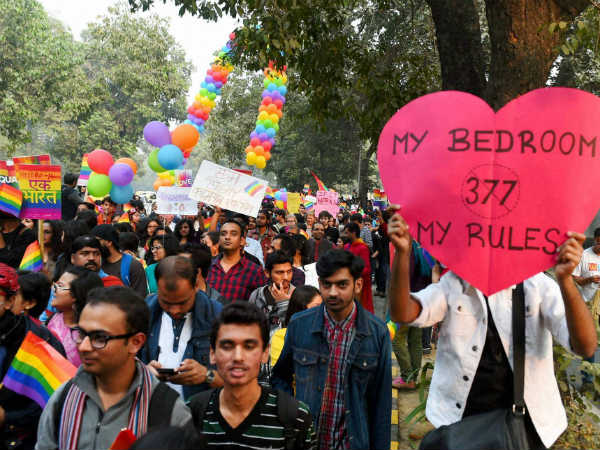
Download Now

Cryptocurrency exchanges and their usage in money laundering

0
Image source: https://bit.ly/34x0XH1

This article is written by Ayush Sahay, pursuing a Diploma in Advanced Contract Drafting, Negotiation, and Dispute Resolution from LawSikho.

Introduction

The pandemic didn’t just cause lockdowns but also led to major upward trends in the cryptocurrency (crypto) market. In July 2020, tweets from Barack Obama’s, Joe Biden’s, Elon Musk’s, Bill Gates’, and Jeff Bezos’ handles made the headlines, requesting other Twitter users to pay 1,000 US Dollars (USD) worth of Bitcoin (BTC) to a wallet address mentioned in the tweet in exchange for 2,000 USD worth of BTC.

BTC has become a synonym for cryptocurrency, a virtual currency that cannot be counterfeited because of its encryption and use of blockchain technology, which works as a ledger, containing all the information of every crypto sent or received by any individual. In recent years, people worldwide have started showing their interest in cryptocurrency, especially in El Salvador, which has embraced it by requiring businesses to accept BTC as a legal tender. This article seeks to analyse the entirety of cryptocurrency exchanges, especially the issues with cryptocurrency exchanges and their usage in money laundering. 

Issues on cryptocurrency and cryptocurrency exchanges in India

In 2018, a circular was issued by the RBI, which stated that all financial institutions like commercial and co-operative banks, small financial institutions, payment banks, and NBFCs should restrict themselves from dealing in cryptocurrency and refrain from doing business with any company that deals in cryptocurrencies. However, the Supreme Court in its judgement in the Internet and Mobile Association of India v. Reserve Bank of India in 2020 decided to stick down the ban that RBI had imposed on dealing in cryptocurrencies, stating that this was against Article 19(1)(g) which allows for any profession, occupation, trade or business to be practised, under the doctrine of proportionality.

In 2019, a high-level Inter-Ministerial Committee submitted a report that recommended that there be a complete ban on Private Cryptocurrency. But it was informed that the Government is looking to implement the ‘Cryptocurrency and Regulation of Official Digital Currency Bill, 2021’ which will take into consideration the previous suggestions of the committee but with a few exceptions. It also implied that the Reserve Bank of India (RBI) may be given the opportunity of issuing its own cryptocurrency.

In March 2021, companies have been given the directive to disclose all their transactions, profits or losses, the amount held and information regarding their deposits or advances they have received from anyone for trading or investing in Cryptocurrency from the financial year 2021-2022 as per the amendments made to Schedule III of the Companies Act, 2013.

In May 2021 Paytm Payments Bank, ICICI Bank and YES bank decided to distance themselves from cryptocurrency exchanges. For example; CoinDCX, WazirX etc. because of the growing concerns over their regulatory framework. The investors of these exchanges suffer because the banks are refusing to be a payment gateway or aggregator to these exchanges. All Indian cryptocurrency exchanges are facing a limitation in rupee deposits, which causes the investors to lose out on taking advantage of the cryptocurrency market’s volatility. The industry players seek clarity with regards to the judgment given by the Supreme Court and reaffirmation from the RBI to save this industry from going into darkness.

Why doesn’t the central bank like cryptocurrency?

The issues that the central bank has with cryptocurrency are:

(i) Cryptocurrencies have no underlying asset.

(ii) They are highly volatile. 

(iii) They aren’t centralised, making them a major concern for any financial system and since cryptocurrencies and their dealings are often regarded to be the same as gambling, their use until the time a regulatory framework is in force would hamper the operations of the financial system.

Why and how do cryptocurrencies miners help in keeping a track of the transactions that happen over cryptocurrency exchanges?

The job of cryptocurrency miners in simple terms is to verify the cryptocurrency transaction that took place. But their job doesn’t end there. No person would be willing to go through the entire process of verifying transactions for no remuneration. So for a BTC miner to earn remuneration, they need to make sure of two things:

  1. That they verify the transaction; and
  2. That they are the first miner to verify such a transaction.

Now, these transactions are not complex algorithms but are rather a race to find a 64-digit hexadecimal number which either has to be less than or equivalent to the hash value of the target number, essentially making it a guessing game because achieving such a target number is the same as a rolling 16-sided die 64 times to arrive at random numbers.

When both these requirements are fulfilled, a miner then earns their remuneration for verifying these transactions. A BTC miner earns about 12.5 BTC for every transaction they verify, which keeps getting halved at every 210,000 blocks and an Etherum miner receives 2 ETH.

How is cryptocurrency being used to launder money?

Before we understand how cryptocurrency can be used to launder money, we need to understand what money laundering is. The process through which illegally obtained funds are made clean i.e free to be used in the legal economy, without being scrutinized and tracked.

With the arrival of cryptocurrency in recent times, with the already established methods of offshore banking, the darknet and globalization of markets, money laundering schemes have become much more complex.

Even though the process of modern-day money laundering is complex, three basic steps can be used for condensing such complexity:

  1. Placement,
  2. Layering,
  3. Integration.

Placement, the first phase of the process involves converting unlawfully obtained funds into assets that appear to be legitimate. Depositing funds into a bank account controlled by an anonymous corporation or a professional middleman is a common method because they bring large riches into the financial system seemingly out of nowhere, thieves are often most vulnerable to detection at this stage.

Layering is the second phase, which entails making several transactions to further separate the funds from their source. This can take the shape of several account transfers or the acquisition of marketable assets such as high-end cars, artwork, and real estate. Layering is extremely common at casinos, where significant sums of money change hands every second. A money launderer may have their gambling balance made available in other nations by a casino network, or they may work with workers to rig games.

Integration is the final phase, which allows the newly ‘cleaned’ money to re-enter the economy and benefit the original offender. They may put money into a legitimate firm and claim payment by presenting fake invoices, or they could form a phoney charity and put themselves on the board of directors for an excessive salary.

Cryptocurrency in general offers its users a sense of anonymity while also providing an edge to criminals. The framework of BTC exists in anonymity meaning one can hold several BTC wallets with the absence of any metadata to connect such wallets and target one person who owns them all. BTC can be used in 3 ways by criminals to launder money.

1. BTC mixers and Tumblers

  1. These are softwares that allow their users to blend their coins with the coins of other users while maintaining anonymity because the addresses of these BTCs don’t reveal the identity of their owners nor do they provide any metadata that can connect to its owner in the real world. For example if one were to withdraw BTC from an exchange where they have identified themselves, the exchange would record and recognize the withdrawal address as that user’s while blending the black money of criminals thus allowing them to mask the traces between their BTC details and their real-world details. This easy way of masking details creates a web of transactions that because of being untraceable allow for the original sender to be anonymous.

2. Privacy wallets

  1. The usage of privacy wallets has increased because of the drawbacks of BTC mixers. The possibility that the operator handling such a transaction might themselves abscond with the funds deposited by the criminal. The mixer where this blending happens could be a set-up by the law enforcement agencies to monitor criminal activity.
  2. To save themselves from being cheated or monitored, these criminals use privacy wallets. These wallets keep their users hidden from the blockchain network and any transaction of these BTCs allow for their users to be untraceable from any form of blockchain. The usage of these wallets have increased by 2 per cent in 2020 from 2019

3. Crypto casinos

Casinos in general have been a huge arena for money laundering since there is an instant deposit of money with no questions asked. Similarly, crypto casinos don’t care for the source of the BTC deposited, even though one might have to verify their identity to make such a deposit.

Anti-money laundering in the Indian perspective

India at the international level is already a signatory of multiple United Nations (U.N,) Conventions:

(i) International Convention for the Suppression of Financing of Terrorism (1999);

(ii) U.N. Convention against Corruption.

(iii) UN Convention against Transnational Crime and;

India has also been a part of the Financial Action Task Force (FATF) since 2010 which was established in 1989 by the G7 summit in Paris. India has also developed and enforced its Prevention of Money Laundering Act, 2002 (PMLA)

Though there are no procedures laid down for cryptocurrency exchanges that they must be mandatorily followed, many exchanges have taken it upon themselves to ensure that all their users fill in their KYC and enter their PAN card details. These exchanges use the Penny Drop method to conduct the KYC for their users. Penny Drop is the method of depositing Rupees 1 from the bank account of the user to the exchange’s wallet to verify that the bank account details are authentic and also to verify the name which has been registered with the bank and that with the exchange. Many exchanges also use anti-money laundering software which helps them recognize cryptocurrency addresses that have already been blacklisted, but since the blockchain is decentralized in nature and allows for its users to exchange them on a peer-to-peer basis, this makes it handy for criminals to exchange their cryptocurrency through multiple hands. But at the end of the day when a user proceeds to cash out their cryptocurrency, the law enforcement agencies do get to keep a track of any money that has been withdrawn and that has a connection to the blacklisted address because blockchain, which has a transparent structure, allows for all the transactions to be available in the public forum.

How are the current AML regulations vulnerable to blockchain technology?

The current AML regulations are not equipped with provisions that can help regulate any trafficking or money laundering, which uses blockchain technology, owing to the reasons that blockchain technology in itself is encrypted behind numbers.

The people involved in this laundering are aware of the fact that their transactions are under watch, they tend to spread their transactions from double digits to 100’s or even 1000’s. They use a software called the ‘mixers’ where they select a specific number of cryptocurrencies. The mixer further breaks into smaller amounts and then mixes them with other people’s transactions, even those who have nothing to do with this laundering.

Since our AML regulations are not robust enough to monitor such transactions at different levels, they tend to turn into successful cases of money laundering.

The regulatory framework for cryptocurrency assets in India could take two possible approaches

  1. Appropriate changes to the existing legislative framework may be made. This would necessitate making necessary changes to existing laws and regulations. The Information Technology Act of 2000, for example, should be changed to include cryptocurrency assets in the definition of “data,” and the Payment and Settlement Systems Act of 2007 should include systems that enable cryptocurrency asset activities in the definition of “payment systems.” SEBI should also consider digital assets as securities, and laws that apply to stock exchanges should also be applied to digital asset exchanges. The definition of a “reporting entity” under the Prevention of Money Laundering Act of 2002 should include digital asset exchanges. This procedure would also mean making the necessary changes to the provisions of the Indian Contracts Act, the Indian Penal Code, the Tax laws and FEMA Regulations that would be affected by this amendment.
  2. However, the government should also look at the perspective of enacting a robust code, that is, a separate dedicated law to control cryptocurrency assets in India, with an independent regulatory body at the central level to supervise the market. The code must consider the potential hurdles and risks of trading in cryptocurrencies in India, such as exchange hacking, fraud, money laundering, tax evasion, trading manipulation, and other illegal activities, and develop suitable laws and regulations to counteract them.

Conclusion

A possible approach that can be used is the incorporation of new-age machine learning technology that allows for transactions to be monitored using software that uses artificial intelligence (A.I.) to efficiently sort through strings of meta-data to keep a check on possible instances of money laundering. This could be a possible solution because A.I.’s machine learning capabilities will allow it to find patterns in enormous amounts of data while also responding to changes in criminal activity over time. It is a known fact that even if essential safeguards are put in place, the criminal elements will not disappear, they will just find different ways to complete their agenda which is to exploit the system.

Therefore, regulation, oversight and usage of new-age technology to counter such crimes is the way ahead to reduce the number of victims to such crimes.

Due to the grey area in this space regarding the stature that cryptocurrency holds for the RBI and the tensions that arise due to the technological gaps along with the lack of laws that can regulate such technology used, there is a requirement of constant deliberation on and expeditious implementation of such laws.


Students of Lawsikho courses regularly produce writing assignments and work on practical exercises as a part of their coursework and develop themselves in real-life practical skills.

LawSikho has created a telegram group for exchanging legal knowledge, referrals, and various opportunities. You can click on this link and join:

Follow us on Instagram and subscribe to our YouTube channel for more amazing legal content.

Download Now

Securities and Exchange Board of India (Foreign Portfolio Investors) Regulations, 2019

0
SEBI
Image Source -https://rb.gy/fplc29

This article is written by S A Rishikesh, from the Institute of Legal Studies, Shri Ramswaroop Memorial University, Lucknow. This article highlights the new changes brought in the foreign portfolio investment by the Securities and Exchange Board of India (Foreign Portfolio Investors) Regulations, 2019. 

Introduction

The Securities and Exchange Board of India (SEBI) was established on April 12, 1992. The main objective of the SEBI was to promote the development of, and to regulate the securities market and for matters connected therewith or incidental thereto, while also protecting the interest of the investors in securities. On March 26, 2018, SEBI constituted a working group under the chairmanship of Mr. H R Khan. He is a retired deputy governor of the Reserve Bank of India (RBI). The working group had to: 

  1. Advise SEBI on redrafting and simplification of the Securities and Exchange Board of India (Foreign Portfolio Investor) Regulation, 2014.
  2. Advise SEBI to incorporate various circulars and operation guidelines issued by SEBI every now and then within the regulation itself, to the extent possible.
  3. To advise SEBI on other issues related to foreign portfolio investors.

The committee placed its report before SEBI on May 24, 2019; it was published on the SEBI website open for public comments until June 14, 2019. Taking into account the working group’s recommendation and public comments, the SEBI notified the Securities and Exchange Board of India (Foreign Portfolio Investor) Regulations, 2019 on September 23, 2019. This new regulation invalidated the former Securities and Exchange Board of India (Foreign Portfolio Investor) Regulation, 2014.

Foreign Portfolio Investor (FPI)

Capital is very essential for the economic growth of a country and the number of funds required cannot be generated alone from within the country, therefore, the countries advertise themselves as products to attract more and more foreign investment. There are three ways in which a foreign investor can invest in India and they are: Foreign Direct Investment (FDI), Foreign Portfolio Investment (FPI) and Foreign Institutional Investment (FII).

Foreign Portfolio Investment is a direct investment in financial assets such as stocks, bonds, securities of a company located in another country. It depends relatively on the volatility of the market. Foreign portfolio investors are the classes of investors who are not in the management and day-to-day business of the company, unlike FDI. In simple terms, FPI is the holding of financial assets and securities by an investor on foreign soil. Investment in securities on the stock exchange of a foreign country or under the global depository receipt mechanism is an example of foreign portfolio investment. 

FPI investments in India are regulated and are being monitored by the Ministry of Finance and Income Tax Department under the Government of India. They do so with the help of the Securities and Exchange Board of India (SEBI) and the Reserve Bank of India (RBI).

Key changes brought by the regulations of 2019

Re-categorization of foreign portfolio investor categories

Previously, the investors were divided into three categories. The first category of investors was considered low-risk investors because they consisted of heavily regulated entities such as the government and government-related investors. The second category was of medium risk investors it was less regulated as compared to the first category. The last category was the high-risk category of investors because it was the least regulated of them all. But the new regulation categorised them into just two categories. 

The first category consists

A. Investment by the foreign governments and the government-related investors. The example includes central banks, international organisations and agencies, and entities that are 75% owned by the government or government-related investor, directly or indirectly. 

B. University funds and pension funds.

C. Approximately regulated entities, some examples of these are broker-dealers and swap dealers, portfolio managers, investment advisors, investment managers, asset management companies, insurance operations entities and banks.

An appropriately regulated entity means an entity that is regulated by the securities market regulator or the banking regulator of home jurisdiction or otherwise, in the same capacity in which it proposes to make investments in India. 

D. Entities that are from the member countries of the Financial Action Task Force (FATF):

I. Approximately regulated funds; 

II. Unregulated funds whose investment manager is appropriately regulated and registered as a Category I FPI;

III. University-related endowments of such universities that have been in existence for more than 5 years.

E. An entity:

I. Whose investment manager is from the FATF member country and such an investment manager is registered as a Category I FPI;

II. At least 75 percent of which is owned, directly or indirectly by another entity, eligible under sub-clause (ii), (iii) and (iv) of clause (a) of this Regulation and such an eligible entity is from a FATF member country.

Financial Action Task Force (FATF) jurisdiction

It is an international intergovernmental task force. It sets international standards for the member countries to prevent financial illegal activities like money laundering, and terror financing. FATF is also a policy-making body, setting global standards to stop illicit finance. It works to generate the necessary political will and help nations bring in national legislative reforms and regulatory reforms to stop financial illegal activities. 

The jurisdiction of FATF is its members and the organisations that have consented to work together in the form of a single task force towards a common objective laid out in the FATF mandate. As of January 2021, the FATF has 39 members out of which there are 37 countries and two regional organisations the European Commission and the Gulf Cooperation Council

The second category consists

  1. Appropriately regulated funds not eligible as Category I FPI;
  2. Endowments and foundations;
  3. Charitable organizations;
  4. Corporate bodies;
  5. Family offices;
  6. Individuals;
  7. Appropriately regulated entities investing on behalf of their client, as per the conditions specified by the Board from time to time;
  8. Unregulated funds in the form of limited partnerships and trusts.

Who can be a foreign portfolio investor?

  1. The new regulation put an end to the uncertainty concerning non-resident Indians, overseas citizens of India and resident Indians if they can hold a stake in an FPI. The 2019 regulation permits non-resident Indians, overseas citizens of India and resident Indians to be foreign portfolio investors if they can meet the conditions specified by the SEBI. 

The new regulation has made it very clear that Resident Indian (RI) can not be a foreign portfolio investor unless its contribution is made through the Liberalised Remittance Scheme (LRS) subject to the applicant’s Indian exposure is less than 50 percent. The Non-Resident Indians (NRI’s) and Overseas Citizens of India (OCI’s) can be foreign portfolio investors but their contribution should be less than 25 percent and 50 percent respectively of the total contribution. 

Resident Indian, non-resident Indian and overseas citizen of India cannot take the control of applicant unless the applicant is an offshore fund for which a ‘No Objection Certificate (NOC)’ has been issued by the SEBI under the Securities and Exchange Board of India (Mutual Funds) Regulations, 1996.

2. The applicant (other than the government or the government-related investor, resident of a country approved by the government of India) has to be a resident of a country whose securities market regulator is a  signatory of the International Organisation of Securities Commissions Multilateral Memorandum of Understanding Concerning Consultation and Cooperation and the Exchange of Information or has a bilateral Memorandum of Understanding signed with the SEBI.  

3. A bank (other than the central bank), that is a resident of a country whose central bank is a member of the Bank for International Settlements

4. The applicant or any of his investors contributing 25 percent or more should not be a member of the sanctions list as notified by the United Nations Security Council from time to time and should not be a resident of a country whose name is reflected in the FATF list of high-risk countries.

5. The person should be eligible and should fulfil all the criteria as mentioned in the Schedule II of the SEBI (Intermediaries) Regulations, 2008.

6. Any other criteria as specified by the SEBI from time to time.

Opaque Structures

Before this regulation, making portfolio investments in India was not allowed to the FBI’s having an opaque structure. An opaque structure is defined as: “(i) protected cell company, segregated cell company or equivalent, where the details of the ultimate beneficial owners are not accessible or where the beneficial owners are ring-fenced from each other or where the beneficial owners are ring-fenced with regard to enforcement, or (ii) where the applicant or its investor(s) identified on basis of the threshold for identification of beneficial owner have issued any bearer shares or maintain any outstanding bearer shares”.

The 2019 regulation has done away with the concept of opaque structure. But the law on the identification of the beneficial owner has been made more strict as per the recommendation of the H R Khan committee. 

Broad-based criteria

A very significant change from the 1995 regulation is that the requirement of funds to be broad-based does not find any mention in the new 2019 regulation. This is a big step as the rules in the previous regulations were considered complicated and confusing by many potential investors, there is a hope that it will attract new investors and this change will benefit the market. 

Offshore Derivative Instruments (ODI)

The new regulation defines ODI as an instrument, by whatever name called, which is issued overseas by a foreign portfolio investor against securities held by it in India, as it is underlying.

Former regulation specified that ODI’s could be subscribed only by FPI that is regulated by an appropriate foreign regulatory authority and after agreeing to know your client (KYC) norms. The 2019 regulation has removed the ‘regulated by an appropriate foreign regulatory authority’ clause and has permitted the issuance of ODI’s by category one FPI and issuance of ODI’s to persons eligible for registration as category one FPI.  

Investment avenues and the process of disinvestment

The FPI regulations 2019, provide a list wherein FPI can invest in securities. Their specific list of debt securities provided in the earlier regulation has been removed in this one. FPI can invest in any debt security as notified by the Reserve Bank of India (RBI) now and then.

An FPI is required to have a valid registration in case he is holding securities or derivatives in India.  In case the registration is not valid the FPI has one year from the date of publication of the regulation to sell their securities or wind up their open position in derivatives.

Conclusion

As of now, the FPI Regulations 2019 have come to simplify the process for FPI and its compliance. Removing the restriction on the opaque structures and doing away with the requirement of funds to be broad-based are welcome steps. The simplification of FPI categories, just pinning it down to two will encourage new investors to come forward. It can be said that the new regulations provide a stable legal environment to the investors. 

SEBI has gone out of its comfort zone making some bold decisions to make India more attractive to investors. How effective will it be, this will be the answer that will be discussed in the future. Like every regulation, issues will certainly pop up in this too because of the ever-changing dynamic nature of the market.

References


LawSikho has created a telegram group for exchanging legal knowledge, referrals, and various opportunities. You can click on this link and join:

Follow us on Instagram and subscribe to our YouTube channel for more amazing legal content.

Download Now

The unfolding and establishment of absolute liability under Indian Tort Law

0

This article is written by Vaibhav Sachde, pursuing a Certificate Course in Introduction to Legal Drafting: Contracts, Petitions, Opinions & Articles from LawSikho.

Introduction

“Real rights are a result of the performance of duty” Mahatma Gandhi’s famous quote from his first book, Hind Swaraj, is extremely effective in the field of law because it implies that whenever a specific right is granted, it is always accompanied by a duty. From this, it is critical to understand that one person’s duty is another person’s right. For example, each Indian citizen has the right to freedom of movement, and it is our responsibility to ensure that this right is exercised properly; otherwise, the right will be abused, defeating the purpose of the right. Similarly, the right to the enjoyment of one’s property entails a duty of care toward the surrounding environment and people, which is why the tort of strict liability was established to protect such rights and to enforce such duties. After years of this provision, a new one was added as a supplement to address the need for stricter regulation in the industrialization and globalisation eras. Thus, with the development of strict liability, the tort of absolute liability was introduced. Absolute liability is one in which the duty is breached despite the lack of fault on the part of the right holder. However, this no-fault liability applies only in limited circumstances where the activities conducted pose a constant threat to society. Following the 1986 oleum gas leak in Delhi, when strict liability was deemed insufficient in certain circumstances, absolute liability became a part of Indian tort law. 

In this article, we shall try to understand absolute liability and learn why and how this liability was introduced in the Indian legal scenario. Further, we will be examining the effects of absolute liability on the landmark case of the Bhopal gas tragedy and the passing of the Public Liability Insurance Act, 1991.

Absolute liability : concept and origin

Absolute liability refers to the legal liability under tort and criminal law in various jurisdictions worldwide. While finding its origin it is seen that Justice Blackstone was the first to coin the term “absolute liability.” However, in England, the house of commons and later the house of lords favoured ‘Strict Liability’ over absolute liability. In India, tort law is largely based on English tort law, which is itself based on the principles of English common law. Thus, India adopted the strict liability rule from the English case of Ryland vs. Fletcher. After its use for a long period of time, when P.N. Bhagwati analysed the case of Ryland vs. Fletcher in deciding on the ‘Oleum gas leak’ case, it resulted in the invocation of exemplary damages through the establishment of absolute liability, which was not even recognised by English courts. 

The primary reason for its establishment overtime was the inadequacy of strict liability. In essence, absolute liability can be defined as strict liability without exceptions. Under the rule in Ryland vs. Fletcher, the concept of strict liability included exceptions such as the act of God and the opposing party’s negligence as defences to the strict liability principle.  And further, the rule of strict liability in India is that even if the person is not negligent or did not cause any intentional harm, he could still be liable under the rule when there is an escape of dangerous things in the practice of non-natural use of land. There are certain exceptions to the principle of strict liability, like, Act of God, consent of the opposing party, statutory authority, the act of third party and the opposing party’s negligence. Therefore, in order to establish a non-exhaustive liability for businesses dealing with hazardous substances, absolute liability was established in India. That is because, to avoid liability for the devastation caused by hazardous industries developed in and around densely populated areas, they invoked an exception to the strict liability rule. 

For instance, if a substance that causes damage escapes due to an act of a stranger, such as sabotage, there is no tort under the strict liability rule. However, the rule of absolute liability applies when an enterprise engages in a hazardous or inherently dangerous activity and harm occurs to anyone as a result of an accident while conducting that hazardous or inherently dangerous activity. For instance, in the event of the escape of poisonous gas, the enterprise dealing in such gas is strictly and absolutely liable to all those harmed by the accident, and this liability is not subject to any exceptions applicable to the tortious principle of strict liability under the Ryland vs. Fletcher rule. Such an enterprise owes the community an absolute and non-delegable duty to ensure that no one is harmed. Such an enterprise must conduct its operations safely, and in the event of a loss, the enterprise must be fully liable to compensate for the loss. The enterprise cannot assert that it exercised all reasonable care and that no harm occurred as a result of its negligence. In the case of absolute liability, the quantum of damages is also different than in the case of strict liability. The deep pocket theory is used in absolute liability to determine the amount of consumption. 

The need for absolute liability in India

After understanding the origin and meaning of absolute liability as a concept we will look at the need for absolute liability in India when there was no such concept in English common law which India followed for its tort law structure. So, for this, we first need to look at the case in which the concept of absolute liability was established in India.

The case of the Oleum gas leak

M.C. Mehta v. Union of India arose as a result of an oleum gas leak at the Shriram Food and Fertilisers Ltd. complex in Delhi. The case started when a social activist lawyer, who originally petitioned for the closure of Shriram Industries on the grounds that it manufactured hazardous substances and was located in a densely populated area of Delhi. On 4th and 6th December 1985, while the petition was pending, oleum (O3S-Fuming Sulphuric acid) gas escaped due to a leak in a particular area of Delhi, killing an advocate Practising in the Tis Hazari Court. Many others were also affected, causing widespread distress. 

Following that, the Delhi Legal Aid and Advice Board and the Delhi Bar Association filed applications for compensation in response to M.C. Mehta’s original petition. When these applications were filed, the Court stated that while it is undoubtedly true that the petitioner could have amended the writ petition to include a claim for compensation, the applications for compensation cannot be dismissed simply because he did not. These compensation claims were being made in order to enforce the Constitution’s fundamental right to life, which is enshrined in Article 21 of the Constitution. 

The Apex Court then established the rule of absolute liability y, under which liability would arise for the damages caused without regard to any of the exceptions that come with the principle of strict liability. The Supreme Court held that, despite its stringency, the strict liability rule was insufficient in modern times due to scientific advancements making modern industries even more dangerous and hazardous. We gained a new principle of “absolute liability” for owners of hazardous substance industries as a result of P.N. Bhagwati’s judgments. 

It was a watershed decision that added a new dimension to the field of legal liability in the Indian context. Under the absolute liability rule, those who cause damage will bear unlimited liability for adequately compensating victims. India’s courts have applied this rule in numerous instances to serve as a deterrent. This holds the enterprise liable for any damages or consequences incurred as a result of the inherently dangerous activity being conducted. As a result, it will also require such industries to provide safety equipment to their employees to avoid any mishaps, while protecting their interests and providing them with a refined, safe working environment.

The Bhopal gas tragedy case

In India, the principle of absolute liability developed primarily as a result of the Bhopal gas tragedy. The tragedy occurred in 1984, just prior to the oleum gas leak. Between the terrifying nights of 2-3 December 1984 in Bhopal, Madhya Pradesh, it was discovered that more than 27 tonnes of methyl isocyanate and other poisonous deadly gases had leaked, transforming the city into a gas chamber. The methyl isocyanate (MIC) gas was released from a Union Carbide India Ltd. (UCIL) pesticide manufacturing plant. UCIL is a subsidiary of Union Carbide Corporation (UCC), a multinational corporation headquartered in the United States of America. 

There were allegations that the accident occurred because the majority of safety-measure systems were inoperable and those that were were unable to avert the disaster. as none of the plant’s six safety systems were operational, and Union Carbide’s documents demonstrate that the company designed the plant using unproven’ and untested’ technology and cut corners on safety and maintenance to save money. The toxic gas release engulfed the entire city, killing thousands of people and injuring nearly 1.5 lakh. Its devastating effects were passed onto future generations. Individuals were afflicted with a variety of ocular, respiratory, gastrointestinal, reproductive, and neurological conditions. Pregnant women who underwent abortions, had premature deliveries, and gave birth to infants with fetal abnormalities were among the injured, and the danger to their health is still present. 

The Indian Government filed a case against UCIL in the United States Supreme Court in February 1985, and the case was transferred to India in 1986 on the grounds of forum non conveniens. During that time period, the 1985 Bhopal Gas Leak Disaster (Processing of Claims) Act empowered the Central Government to act as the sole representative of the victims to expedite justice in light of the high volume of petitions filed. However, rather than following the law, the government chose an out-of-court settlement with UCIL for a full and final settlement of $740 million, as well as limiting UCIL’s liability for all civil and criminal claims. This settlement was widely criticised, and a number of review petitions were filed with the Supreme Court challenging the settlement order’s validity. 

The order was criticised primarily because the compensation agreed upon was insufficient for all victims and the absence of a reopener clause would preclude any future claim against UCIL. All of these contentions were rejected by the Supreme Court in its October 3, 1991 judgment, which upheld the validity of the settlement order except for the clause quashing criminal proceedings. One of the major issues surrounding this tragedy was the issue of absolute liability, and the rule of absolute liability was established in preference to strict liability. The UCC’s defence of sabotage was rejected, and the M.C. Mehta v. Union of India principle was applied. 

Being completely liable forces the party to plan for the worst-case scenario, even if it is highly improbable, reducing the likelihood of any mishap to zero. Even if the company adhered to its stated policy of taking all necessary precautions, they bear responsibility. When applied correctly, this principle not only serves as a deterrent to businesses from taking adequate precautions against unforeseen events but also makes them fully liable for any resulting accident. If the settlement order had been upheld, UCIL would have been held accountable for the sufferings of each and every victim of this tragedy, as well as compelled to provide necessary and adequate compensation, thus satisfying the concept of proportionate justice. By establishing this principle in this case, it is possible to conclude that the principle of absolute liability evolved in India primarily as a result of the awakening caused by the Bhopal Gas Leak Tragedy and the ‘Oleum gas leak’ case.

After examining the cases and analysing the court’s decisions, it is clear that as India started developing industrially and economically, an increasing number of industries and factories emerged. Many of them dealt with hazardous substances, posing a threat to society and the environment. As previously demonstrated, when damages were caused to society as a result of negligence or even without fault, the liable individuals escaped through strict liability exceptions or were required to pay a small amount of compensation under the strict liability rule. Thus, in order to change this, a stronger liability had to be established. This became apparent, particularly in India, because India experienced one of the worst disaster nights in history on the 2nd and 3rd of December 1984, when the Bhopal gas tragedy occurred. This was the world’s worst industrial disaster, killing thousands of people and wreaking havoc on people’s health to date. It raised public awareness about the importance of social protection and the need for industrial owners to exercise due diligence. Following that, a case was filed for the gas leak, and while the case was still pending, and oleum gas leak occurred in Delhi, causing havoc throughout the country. In that case, stricter rules were necessary, as strict liability alone was insufficient to punish these large companies and compensate society. Thus, the oleum gas leak case marked a watershed moment in India’s absolute liability regime.

As seen above, in order to make the industrialists compensate the victims for the loss caused to them and to prevent them from evading their responsibility due to the exceptions available under strict liability, it was important to establish the principle of absolute liability. This also brings us to a point where we need to see how the principle of absolute liability is more suited in case of environmental damages:

  1. In the case of absolute liability, the discharge of anything dangerous does not have to be from your land; it is also applicable to those injured outside the premises, which aids in the administration of justice.
  2. In the case of strict liability, the rule applies only when the use of land is non-natural, whereas, in the case of absolute liability, the rule applies when the use of land is natural as well as non-natural. This improves people’s protection in all circumstances. 
  3. Compensation must be proportional to the size and capacity of the enterprise in absolute liability. This section establishes that the greater the size and prosperity of the enterprise, the greater the compensation that must be paid. Thus, in the case of absolute liability, exemplary damages are awarded, whereas, in the case of strict liability, compensatory damages are awarded. This will indeed benefit the public welfare and provide adequate punishment for the wrongdoer.

Strict liability was adopted from a 120-year-old case because society had changed significantly and environmental protection was necessary as a result of industrialization. As a result, a rule was required that was compatible with the social and economic structure of contemporary society, and thus the rule of absolute liability was applied.

new legal draft

Implementation of absolute liability in India

After establishing the necessity of such liability, we must examine how it was implemented in the Indian context, as the tort of absolute liability was established differently in India than other torts, as seen before it was not derived from English law. Even in the ‘Oleum gas leak’ case,  Bhagwati. J states that “We have to develop our law and if we find that it is necessary to construct a new principle of liability to deal with an unusual situation which has arisen and which is likely to arise in future on account of hazardous or inherently dangerous industries which are concomitant to an industrial economy, there is no reason why we should hesitate to evolve such principle of liability merely because it has not been so done in England.”

This concept was necessary as per the Indian scenario because the exemptions under strict liability were misused to skip the liability. Following adoption, it was observed during implementation that the principle of absolute liability was viewed as a tool for preventing mass destruction or avoiding mass mortal danger. However, in subsequent cases, courts applied this concept whenever and wherever the well-being of any individual was at stake, which resulted in courts upholding absolute liability in the case of a single death without mass destruction of property or pollution of the environment.

Effect on the Public Liability Insurance Act, 1991

The oleum gas leak and the Bhopal gas tragedy not only resulted in the introduction of absolute liability in Indian tort law but also in the adoption of numerous measures to ensure its proper and effective application, such as the passage of one of the most important acts for claimants of absolute liability, the Public Liability Insurance Act, 1991.

This Act was enacted with the primary goal of providing immediate relief to victims of accidents involving hazardous substance handling following the implementation of absolute liability. The act accomplishes this goal by establishing a fund for public liability insurance that can be used to compensate victims. According to the Act, anyone who engages in inherently dangerous or hazardous activities should have insurances and policies in place that cover him against liability and provide compensation to victims in the event of an accident or injury. This liability is based on the strict liability and absolute liability rules (also known as “no-fault liability” principles). The term “inherently dangerous or hazardous substance” refers to any mixture, preparation, or substance that, due to its properties, can cause serious harm to humans, animals, plants, property, or the environment. Additionally, if a substance is inherently dangerous or hazardous due to its handling, the defendant faces absolute liability.

The Vizag gas leak case

Even though we have seen such great progress in the implementation of absolute liability. The recent case of the Vizag gas leak raises a question on this because the terrifying gas leak during the times of pandemic disrupted the living of people therein.

The case occurred when On May 7, 2020, a polymer factory owned by LG Polymers India Private Limited released Styrene Gas, killing eleven persons and injuring thousands more. The leak was alleged to be the result of the company’s failure to meet the compliances entailed in the ‘Manufacture, Storage, and Import of Hazardous Chemical Rules 1989,’ which in effect requires a company to maintain certain emergency plans for preventing onsite and offsite damages to the plant and its surroundings. After inspecting and analysing the location in issue, the National Green Tribunal (NGT) took Suo moto cognizance of the occurrence and formed a five-member committee to submit a report on the event. 

According to the tribunal’s interim order, the industry was only required to obey the consequences of the Polluter Pays Principle and the strict liability principle. And in the final judgment, it was held that the relevant business needs to pay Rs. 50crore in damages, the NGT ruled that the company is only strictly responsible for the harm it caused. It reaffirmed the rationale for using just one principle, saying that the Polluter pays Principle is fully within Indian jurisprudence and may be expressly applied to the industry in this instance to guarantee environmental protection.

As we have seen above the use of absolute liability, we can establish that it would be more justified if the court would have applied the principle of absolute liability in the present case based on the ‘Oleum gas leak’ case. This is because as we know the basic necessity to establish absolute liability is the presence of the hazardous substance and under Rule 2(e) and Entry 583 of Schedule I of the Manufacture, Storage and Import of Hazardous Chemical Rules 1989, Styrene Gas is clearly understood as a hazardous gas. Further, it can be well established from the facts of the case that the gas escaped the company’s facilities, causing casualties and other broad problems in its area, thus satisfying the criterion of harm caused by the dangerous chemical. It also damaged the environment since it was revealed that the business had been disregarding environmental control rules, which consequently played a role in the leak. This all deducts us to establish that the case facts satisfied all the necessities of absolute liability and thus clearly making a case under absolute liability and not strict liability.

Moreover, it is an explicit violation of Section 17 of the NGT Act, 2010 because the National Green Tribunal Act of 2010 has completely embraced the idea of absolute liability and requires the Tribunal to use this even if the catastrophe was caused by an accident. It solely accepts absolute or no-fault responsibility. That is, a hazardous business is responsible even if the disaster was an accident and not the result of the company’s carelessness. 

Conclusion

In India, the evolution of absolute responsibility from strict liability was a watershed moment in tort law, and the oleum gas leak case is a landmark judgment in the history of the Indian judiciary. In India’s industrialization period, there was a need to preserve both the environment and the people.

Industrialization cannot be accomplished at the expense of the environment or human life. Prior to the advent of absolute liability, it was common for defendants to walk away unscathed from major catastrophes due to unnatural or unexpected circumstances or the lack of mens rea. To meet necessary fairness in such instances, absolute liability evolved. This phase aided in resolving a slew of issues that arose as a result of unexpected incidents. The regulation addresses not just compensation and economic losses, but also the severity of environmental problems. As the environment is the most critical factor that sustains human existence on Earth, and each individual has a right to a safe and healthy environment. It is true that development is impossible without change, and therefore it is essential to adapt any rule that falls inactive as a result of societal alteration. In the court, a gradual approach is essential, as was the development of absolute responsibility.

While the development of responsibility is unquestionably a significant advancement in Indian legislation, but its execution remains inadequate even three decades after its inception. As a result, progress is required in implementing the concept in order to justify its adoption of absolute liability in the Indian context.

References


Students of Lawsikho courses regularly produce writing assignments and work on practical exercises as a part of their coursework and develop themselves in real-life practical skills.

LawSikho has created a telegram group for exchanging legal knowledge, referrals, and various opportunities. You can click on this link and join:

Follow us on Instagram and subscribe to our YouTube channel for more amazing legal content.

Download Now

Future of IP laws : how will AI pose a threat to IP laws

0
Artificial Intelligence

This article has been written by Vikash Dhaka, pursuing the Diploma IPR, Media and Entertainment Laws from LawSikho

Introduction

This is 2021, where we are surrounded by technology; from smartphones to robots, technology has drastically evolved. Today, we have developed robots that can work better and faster than human beings. There is no doubt about the accuracy of the work done by technology. However, it is mankind who created technology. If we look at a few movies like  The Terminator, released in 1984, which depicted how machines took over human beings’ work. Back then we assumed that such things were wild fantasies created by the director of the film but, today we can see how technology has equipped manual work. In this article, I will be discussing the impact of AI on IP laws and whether AI can be a threat to IP rights or not.

Background

AI is not something very unusual. We all are very familiar with AI. When machines work in a human-like manner, we call it AI. AI is a mixture of various disciplines such as science, mathematics, sociology, philosophy, etc. There are different opinions on the development of AI. Some say that AI will replace human beings and will become stronger than mankind while others applauded the development of AI and claimed that it will improve the quality of human life.

As we all know that the work created by our intellect or mind is protected by IP laws. However, when it comes to AI, ownership of IP rights over the work created by AI is a mystery today. Our IP laws protect the work created by human beings, not machines. So, the key question is how will IP laws deal with such creations. 

The conflict between AI and IPR

It is quite surprising that many big companies such as Microsoft and IBM have filed patent applications on AI and have been issued a patent over  AI technologies. There is no doubt that there is a huge market for AI in the future. Many companies are investing billions in AI development. There are three categories of AI given by the World Intellectual Property Organisation (WIPO). These are perception systems, natural- language systems, and expert systems.

‘Perception Systems’ deal with the imitation of human senses by AI. ‘Natural-Language Systems’ deals with the meanings and grammatical errors of words used by the AI. At last, ‘Expert Systems’ is associated with the complex problems solved through the data present in the AI.

There are many people who believe that AI in the coming years can file and grant patent applications that can be a threat to the rationale behind IPR laws. Intellectual property laws are meant to protect the work created by the human intellect. IP laws deal with the work produced by the creative mind. The United States Copyright Office had rejected the application for protecting the work produced by a  machine in 2016. They further said that copyright law exists to protect the work created by the creative mind. The European Union has prepared a draft regarding the possible dangers to mankind because of AI’s capacity of knowledge and intellect. The report stresses limiting AI’s capacity to prevent future harm.

There is no doubt that with each passing day, we are innovating in the field of AI. Many debates are going on regarding the applicability of IP laws on AI. Many copyright offices have declined the application to give protection to the work created by Machines. The other prominent question is that if AI created a new invention without the intervention of humans, will AI have a right to protect the same under patent law? Can AI be an owner of the invention created by it? What about the distribution of rights such as Ownership rights? Can AI enforce its rights? What about the damages if an AI infringes upon other’s rights? How will the damages be determined and who will pay the same?  These questions have gained importance in the field of AI. 

Today, if we look at different IP-related laws in the world, these laws are unable to answer such questions. For instance, as per US Patent Laws, the inventor is referred to as a living being who invents or discovers the invention/discovery. So, it is pretty clear that US patent laws don’t include inventions created by machines. There is a dire need felt by various countries to revisit their IP-related laws in order to include the work created by AI machines.

AI and copyright

Copyright empowers the author to protect his work. The work can be literary, musical, dramatic, artistic, etc. The rationale behind Copyright is to protect the work of the creative mind or intellect of the human being. With the advancement of technology, AI can create original work without any human interference. Today, it is a concern whether the work created by an AI is protected or not. If we look at the Indian Copyright law, it seems difficult to protect the work created by the AI. So, we can divide the work of AI into two categories. The very first will be the work created by the AI with human interference and the second will be the work created by the AI without human interference. 

When an AI creates work with human input, we can say that there is a contribution of the human intellect in that work. So, the same can be protected under IP laws. But, when the work is created by the AI itself without any human intervention. The said work may or may not be eligible for copyright. The law is still vague under such circumstances but the experts believe that the person who created the AI in such a way that it can generate or create original work without any human inputs, can enjoy the protection under the copyright. The above statement seems logical but there are no laws as such in the present scenario.

AI and patent

It is certain that AI will create a ruckus in the patent industry. There are different perspectives raised by many Law firms and Jurists on whether the invention created by the AI should be granted a patent or not. If the patent is granted to the same, who will be the owner-AI or the software developer of the AI? There is one group that supports the idea that the invention created by AI should be granted a patent. They believe that it will help in developing more innovative machines in the future. While the other perspective is that it will hinder the technology development as there will be a monopoly of certain groups and an increase in research cost as well.

Another major challenge is to determine whether the invention created by AI is obvious or not. As technology improves or upgrades every now and then, there is great uncertainty and complexity in determining the obviousness. Apart from this, who will be liable if there is an infringement of patents by an AI. There is no room for doubt as AI is absolutely capable of infringing others’ patent rights. Will the AI be held liable or the software developer of the AI? Is there a way to determine the liability of AI?

AI and trademark

From the Google Home Speaker on Koffee with Karan to Siri on iPhone, we all use AI technology in one way or another. Today, we don’t ask friends what to wear as we have started to take fashion advice from AI. From smart refrigerators to smartwatches, we have fulfilled our day-to-day commitments with the help of AI. When we order or search for anything on any online shopping platform, we find the top brands in the list. However, there is a great possibility that AI can hamper the competition in the market because of its selective approach. Our search history plays an important role and accordingly, AI shows the result. It is very challenging to determine how AI can infringe trademarks. There is a dire need for new rules and regulations in the trademark with respect to AI.

Conclusion and suggestions

It is very clear that today’s IP laws are insufficient to deal with AI-related inventions and work. Every passing decade, we are entering into a different dimension in technology. Back in 2000, we were not aware of smartphones. But today, every second, an individual acquires an android phone, smartwatch, iPhone, etc. From fingerprint locks to face IDs, we all use AI in our smartphones. Even if we look at the super developed nations like the US, they also don’t have laws to deal with AI’s work. The European Union is also pondering on the laws related to AI. 

All IP laws talk about the works or inventions created by human beings. Copyright specifically talks about the work that is created by the creative mind of humans and is eligible for protection. Similarly, the patent laws talk about the inventions made by human beings and the same goes for trademark laws as well. 

The author strongly believes that it is the demand of recent times to modify the IP laws with respect to AI. AI should not be the owner of its work or invention, rather the software developer should be the owner and be held liable for the acts committed by the AI. 

References


Students of LawSikho courses regularly produce writing assignments and work on practical exercises as a part of their coursework and develop themselves in real-life practical skills.

LawSikho has created a telegram group for exchanging legal knowledge, referrals, and various opportunities. You can click on this link and join:

Follow us on Instagram and subscribe to our YouTube channel for more amazing legal content.



Download Now
logo
FREE & ONLINE 3-Day Bootcamp (LIVE only) on

How Can Experienced Professionals Become Independent Directors

calender
28th, 29th Mar, 2026, 2 - 5pm (IST) &
30th Mar, 2026, 7 - 10pm (IST).
Bootcamp starting in
Days
HRS
MIN
SEC
Abhyuday AgarwalCOO & CO-Founder, LawSikho

Register now

Abhyuday AgarwalCOO & CO-Founder, LawSikho