Download Now
Home Blog Page 525

The problem of ‘hoarding’ and ‘black-marketing’ in India : an analysis in light of the current pandemic

0
Image source - https://bit.ly/3xrEXKZ

This article is written by Surya P Maurya.

Introduction

The pandemic has had a very serious impact on overall health care services in India and it has become more disruptive by the failed market system. During the COVID-19 pandemic, the problems faced by the people have been exacerbated by the institutional lack of necessary supplies like oxygen, medicines and unavailability of hospital beds. Huge demand for hospital beds, medicines, medical devices gave hoarders and black marketers an opportunity to fill their pockets. Fake Remdesivir and other essential medicines were being manufactured and sold in different parts of India at a very high price. The rural markets are more vulnerable to these predators. Many cases have been reported where it was found that cheap antibiotics were being sold as Remdesivir and fire extinguishers oxygen cylinders. Many people have lost their family members and friends during the first and second wave pandemic due to hoarding of beds, medicines and medical equipment.

Third wave of COVID-19 pandemic is expected to hit India in the coming months, therefore, the need of the hour is to take strong action against such hoarders and black marketers to curb black marketing of essential medicines, beds and also sale of fake medicines and medical devices.

Many laws exist in India to deal with such unfair practices such as Indian Penal code (1860), the Essential Commodities Act (1955), the Drugs and Cosmetics Act (1940), the Prevention of Black-marketing and Maintenance of Supplies of Essential Commodities Act (1980), the Legal Metrology (Packaged Commodities) Rules, the Disaster Management Act (2005) and the Epidemic Act (1897). Various agencies involved at different levels are now tasked with proper implementation of these legislations to prevent such type of hoarding and black marketing during the upcoming third wave of this COVID-19 pandemic.

What is Black Marketing?

Black Marketing is an exchange of goods and services which takes place outside the reach of government agencies. There is no clear definition of ‘Black Marketing’ given under any statute in India but the Supreme Court has attempted to deal with this issue. In the case of Rameshwar Lal Patwari v. State of Bihar[1], Supreme Court has held that black marketing has at its base a shortening of supplies because black market flourishes best when the availability of commodities is rendered difficult. Hon’ble Court has further stated that it has a definite tendency to disrupt supplies when scarcity exists or scarcity is created artificially by hoarding to attain illegitimate profits. Indulging in black marketing is conduct which is prejudicial to the maintenance of supplies.

The goods and services involved in these transactions may be illegal, meaning dealing in those goods and services are prohibited by law, for example, prohibited drugs, prostitution, counterfeit currency, trafficking in human etc. or there can be a transaction of legal commodities and services in a prohibited manner. Black marketers involved in these transactions are motivated to earn profits and evade tax. Due to the illegal nature of these transactions they are generally done in cash. The impact of Black marketing on economy is always negative and devastating because these activities are not recorded and taxes are not paid.

We have seen one of the worst forms of Black marketing in India during the COVID-19 pandemic i.e., Black marketing of essential medicines and equipment. Organised criminal groups have adjusted to the opportunities arising from the COVID-19 pandemic to exploit the vulnerabilities and gaps existing in health and criminal justice systems.[2] Many cases of Black marketing and selling of fake medicines have been reported during the pandemic. False medical products raise serious concern for public health system as these products cannot treat any disease instead it may cause serious health problems.

What is Hoarding?

The term ‘Hoarding’ can be defined as the purchase of a commodity with the intention to sell it in future at a higher price when it is understock or not available in the market. In Kamla Prasad v. Distt. Magistrate[3], the Supreme Court held that the word ‘hoard’ in the context means ‘to amass and deposit in secret and that is the reason why the petitioner did not display the stock position in respect of these scheduled commodities in his business premises was that he wanted to hoard and conceal them as the same would create scarcity of the commodities in the market and vitally affect the maintenance of services and supplies essential to the community’.

This is an act of creating illegitimate monopoly over the market and taking undue advantage of people who are helpless and have no other option but to purchase the commodity from the hoarder. Hoarding and Black marketing are interrelated as the persons involved in hoarding purchase large quantity of basic or essential goods and sell it in the black market at extremely high prices when goods are high in demand. During the COVID-19 pandemic we have witnessed that how hoarding of oxygen concentrators and medicines created panic shortage. Oxygen concentrators were imported from China and were being sold at an exorbitant price of Rs. 50,000 to 70,000 a piece as against its cost of Rs. 16,000 to Rs. 22,000.[4] Generally in the process of hoarding, there is involvement of a single person who acquires large quantity of goods but in some cases it has been seen that more than one persons are involved who enter into an agreement with the supplier(s) to limit the supply of goods in the market.

Laws prevailing in India to curb the current menace of black marketing and hoarding of COVID-19 medicines and equipments

During the COVID-19 pandemic when many people were suffering due to institutional lack of medical supplies, some greedy people saw it as an opportunity to fill their pockets from helpless people. Government has failed completely to curb the malpractices of hoarding and black marketing in various parts of India. In this situation, it becomes important to discuss the current prevailing laws to deal with the rise of hoarding and black marketing of medical essentials.

The Essential Commodity Act, 1955

Section 3 of this Act empowers the Central Government to control the production and distribution of essential commodity from time to time. Central Government can control price of such commodities also and non-compliance government’s direction may lead to imprisonment.[5]

In exercise of powers under this Act, Central Government has notified the Drugs (Price Control) Orders in 2013.[6] This order prescribes maximum retail price (MRP) at which the drug shall be sold to the consumer. Therefore, selling of any drug in excess of the maximum retail price is contravention of the Drugs (Price Control) Orders, 2013 and the same is punishable under the Essential Commodities Act. The Drugs Pricing Control order 2013 was issued by the National Pharmaceutical Pricing Authority which operates under the Ministry of Chemicals and Fertilizers. National Pharmaceutical Pricing Authority set maximum pricing for drugs and also monitor the prices.

The Prevention of Black Marketing and Maintenance of Supplies of Essential Commodities Act, 1980

This law was enacted with an object to provide for detention in certain cases for the purpose of prevention of black marketing and maintenance of supplies of commodities essential to the community and for matters connected therewith.

Section 3 of this act empowers the government officials of the rank of District Magistrate, Police commissioner, or a Secretary of the State government to pass preventive detention order of any person who is acting in any manner prejudicial to the maintenance of supplies of commodities essential to the community. This Act allows for preventive detention of any person who could be either themselves committing as well as the detention of any person instigating someone else to commit an offence under the Essential Commodities Act, 1955.[7]

Section 6 of this act provides that any detention order made under section 3 shall not be invalid or inoperative by the reason that the person was detained outside the limits of the territorial jurisdiction of the Government or officer making the order, or that the place of detention of such person is outside the said limits.[8]

Section 13 provides that the maximum period for which any person may be detained in pursuance of any detention order shall be six months from the date of detention; Provided that nothing contained in this section shall affect the power of the appropriate Government to revoke or modify the detention order at any earlier time.[9]

However, for the application of any provision of this act with respect to a particular commodity, it is necessary that such commodity is declared to be an “essential commodity” by the government under the Essential Commodities Act, 1955.

On March 31, 2020, the National Pharmaceutical Pricing Authority, issued an order stating that medical devices would now be classified as ‘drugs’, and will be regulated under the Drugs Pricing Control Order, 2013 read with the Essential Commodities Act, 1955.

Through this order, the maximum retail price of the medical devices was monitored by prohibiting any person from increasing the maximum retail price of any drug by more than 10% of the maximum retail price during preceding twelve months. Disobedience of this order may result in penalty upon such person who may be a manufacturer, importer or any other person.[10]

After this order the National Pharmaceutical Pricing Authority issued an Office Memorandum on 29th June, 2020 to monitor maximum retail price of two very medical equipment used during COVID-19 Pandemic, Pulse Oximeters and Oxygen concentrators. Along with this memorandum a notice was also issued to all importers and manufacturers to submit maximum retail price details under the Drugs Pricing Control Order, 2013. This again reminded that the maximum retail price of medical devices cannot be increased more than 10% in next twelve months.[11]

Although the hike in maximum retail prices is being monitored after this order, the above mentioned two medical devices have yet to been declared as essential commodities under the specific provisions.

However National Pharmaceutical Pricing Authority in an order on 25th September, 2020, noted that Medical Oxygen is an Essential Public Health Commodity and the price limit for Liquid Medical oxygen was set at Rs 15.22 per cubic meter, and for Oxygen Inhalation in a cylinder was set at Rs 25.71 per cubic meter.[12] This order was extended in March 2021 for a further six months.

The Drugs and Cosmetics Act, 1940

This Act was enacted with an object to regulate the import, manufacture, distribution and sale of drugs and cosmetics. We saw many examples of fake Remdesivir being produced marketed in during the COVID-19 pandemic. The problem of fake and sub-standard drugs isn’t new but during the second wave of current pandemic it became worst.

Section 17A of this Act defines ‘Adulterated drugs’ as drugs (a) which consists in whole or in part, of any filthy, putrid or decomposed substance; or (b) if it has been prepared, packed or stored under insanitary conditions whereby it may have been contaminated with filth or whereby it may have been rendered injurious to health; or (c) if its container is composed, in whole or in part, of any poisonous or deleterious substance which may render the contents injurious to health; or (d) if it bears or contains, for purposes of colouring only, a colour other than one which is prescribed; or (e) if it contains any harmful or toxic substance which may render it injurious to health; or (f) if any substance has been mixed therewith so as to reduce its quality or strength.

Section 18 of this Act provides that the ‘State Government’ may by notification, prohibit the manufacture and sale of any drug which is not of a standard quality, or is misbranded, adulterated or spurious.

Penalty for manufacture, sale, etc., of drugs in contravention has been provided under Section 27. This section states that any drug deemed to be adulterated under section 17A or spurious under section when used by any person for or in the diagnosis, treatment, mitigation, or prevention of any disease or disorder is likely to cause his death or is likely to cause such harm on his body as would amount to grievous hurt within the meaning of section 320 of the Indian Penal Code solely on account of such drug being adulterated or spurious or not of standard quality, as the case may be, shall be punishable with imprisonment for a term which shall not be less than ten years but which may extend to imprisonment for life and shall also be liable to fine which shall not be less than ten lakh rupees or three times value of the drugs confiscated, whichever is more.[13]

This Act as we can see clearly tries to addresses the problem at hand but it fails due to poor implementation. Mashelkar Committee report of 2003 on ‘A comprehensive examination of drug regulatory issues, including the problem of spurious drugs’ states that “…although the Drugs and Cosmetics Act has been in force for the past 56 years, the level of enforcement in many States has been far from satisfactory. The non-uniformity in the interpretation of the provisions of laws and their implementation and the varying levels of competence of the regulatory officials were the main reasons for this less than satisfactory performance… the problems in the regulatory system in the country were primarily due to inadequate or weak drug control infrastructure at the State and Central level…”.[14] The Committee noted with dismay that most of the prosecution cases pertaining to offences related to spurious drugs remain undecided for years. There is no greater deterrent than a ‘severe’, ‘sure’ and ‘swift’ punishment.[15]

The Epidemic Diseases Act, 1897

This Act was enacted with an object to prevent the spread of Dangerous epidemic diseases. The provisions of the Epidemic Diseases Act were invoked in March, 2020 when the coronavirus started spreading throughout the country. Disobedience of any regulation/order made under this Act is punishable under Section 188 of the Indian Penal Code, 1860.[16] The scope of this Act has been widened when many unethical and illegal activities were reported during the pandemic. Persons who were found to be indulged in these malpractices were charged with other provisions under the Indian Penal Code as well such as for cheating under section 420, criminal breach of trust under section 405 etc.

Judicial crackdown on ‘hoarding’ and ‘black marketing’

The central government and various state governments took it upon themselves to fight with the malpractices of Hoarding and Black marketing but due to widespread cases of these unethical practices and lack of proper dedicated legal mechanism to deal with it, governments were seen to be struggling. Meanwhile, the Courts have started taking actions that were necessary to combat the unethical practices of hoarding and black marketing. Several High Courts, especially during the second wave of ongoing pandemic have directed the concerned authorities to crack down on hoarding of medical supplies.

During the second wave of this COVID-19 pandemic, the Delhi High Court in the case of Bram Health Care Private Ltd. v. Union of India[17] had directed that all the medicinal supplies and equipment are to be sold at either maximum retail price or below such price. The HC also observed while acknowledging huge demand of oxygen, essential medicine, medical equipment and the unethical practices surrounding it, that it was the time to fix the maximum retail price of these medical supplies for proper management and treatment of covid. Court also issued certain directions regarding the overcharging of ambulance services and other essential services.

In Manisha Chauhan v. Govt. (NCT of Delhi)[18], Delhi High Court asked the Central government as well as the Delhi government not to wait for court orders for taking strict action against hoarding and black marketing of medicines and medical equipment needed for COVID-19 patients. Petitioner in this case had sought setting up of fast-track courts to deal with the cases of hoarding and black marketing of covid essential medical supplies.

The High Court of Uttarakhand in Anu Pant v. State of Uttarakhand[19], called for affixing of QR Codes on Remdesivir packets. The Court was of the opinion that it is the constitutional mandate and the moral duty of the State to protect its people from the pandemic. The State must provide real-time critical information to its citizen. The state could not act in a reckless manner during this situation. The Court issued a number of directions to the State government, and also urged the government to motivate those people who have recovered to donate their plasma. Further, it stated that in case any pharmacist is discovered to be hoarding, or selling Remdesivir over the permissible price, the concerned Drug Inspector shall take action against the concerned pharmacist, but strictly in accordance with law.

The Allahabad High Court also directed the State government to take strict action against those who are hoarding medical supplies and are involved in their black marketing.

The Hon’ble Supreme Court in its suo moto order[20] during the second wave of COVID-19 pandemic, directed the central government to take action against the selling of many covid essential medicine and equipment at unreasonable price. The court also highlighted the problem of fake medicine being sold in the market.

The Court also directed the Central government and governments of the States/Union Territories to file fresh affidavits about the steps taken to ensure due availability of essential drugs, including Remdesivir and Favipiravir among other prescribed drugs and the modalities which have been set up for controlling prices of essential drugs, for preventing hoarding and for ensuring proper communication of the requirements at the level of each District by the District health authorities or Collectors to the Health Departments of the States and thereafter by the states to the Union Ministry of Health and Family Welfare so that the projected requirements are duly met and effectively monitored on a daily basis.[21]

Suggestions to curb ‘hoarding’ and ‘black-marketing’ of medical supplies

  • Hoarding and Black-marketing of medical supplies during medical emergency situation should be made an offence under the India Penal Code and shall put under non-bailable and cognizable offences category.
  • Setting up a task force in every district to deal exclusively with these problems.
  • Affixing of QR Codes on all essential medical supplies to curb sell of fake items as suggested by the Uttarakhand High Court.
  • Removal of ambiguity and lack of coherence in the prevailing legislation to prevent the rampant acts of hoarding and black marketing.
  • Proper execution and implementation of the directions given by concerned authorities regarding sell of medical supplies at or below the maximum retail price.
  • Carrying out an audit of supply, distribution and utilization of oxygen supply in the hospital to prevent hoarding cases.
  • There shall be a uniform plan for disaster management for the whole of the country to be called the National Plan under the Disaster Management Act.
  • Notification should be issued under the Essential Commodities Act to classify concentrators which is still out of its ambit as “essential commodities till the pandemic is completely over.
  • To curb this problem entirely, people should also take their responsibility to not to involve in such activities and should stop buying products from black markets.

Conclusion

The second wave of this ongoing pandemic has ended with so many difficulties. The country faced a severe shortage of medical oxygen which resulted in so many deaths. Parallelly, acts of Hoarding and Black marketing of essential medical supplies have acted as straw that broke the camel’s back that is our entire healthcare system. As we are heading towards the third wave of the COVID-19 pandemic, the need of the hour is to deal with these problems with utmost priority. If strong action is not taken to prevent these unethical practices, it will create a burdensome situation for not only for the government but also entire country. Therefore, at this time of pandemic, every individual needs to understand his/her responsibility and do not get involved in any such activities. To be victorious against the third wave, we need to respond collectively.

References

[1] AIR 1968 SC 1303

[2] WHO, Global Surveillance and Monitoring System for substandard and falsified medical products: executive

summary (Geneva, 2017), p.5. Available at https://www.who.int/medicines/regulation/ssffc/publications/GSMS_ExecutiveSummary_EN.pdf?ua=1

[3] (1975) 1 SCC 314

[4] Outlook Web Bureau, 29 May 2021, Oxygen Concentrator Hoarding Case: Delhi Court Grants Bail To Businessman Navneet Kalra, Outlook, https://www.outlookindia.com/website/story/india-news-oxygen-cylinder-hoarding-case-delhi-court-grants-bail-to-businessman-navneet-kalra/383863, Accessed on 3rd July, 2021.

[5] Section 3 The Essential Commodity Act, 1955

[6] https://www.nppaindia.nic.in/wp-content/uploads/2018/12/DPCO2013_03082016.pdf, Accessed on 4th July, 2021

[7] Section 3 The Prevention of Black Marketing and maintenance of supplies of Essential Commodities Act, 1980

[8] Section 6 The Prevention of Black Marketing and maintenance of supplies of Essential Commodities Act, 1980

[9] Section 13 The Prevention of Black Marketing and maintenance of supplies of Essential Commodities Act, 1980

[10] https://pib.gov.in/PressReleaseIframePage.aspx?PRID=1609670, Accessed on 5th July, 2020 at 1PM

[11] Office Memorandum by National Pharmaceutical Pricing Authority for Monitoring MRP of Pulse Oximeter and Oxygen Concentrator under DPCO, 2013, http://www.nppaindia.nic.in/wp-content/uploads/2020/06/OM-on-Pulse-Oximeter-and-Oxygen-Concentrator-29.06.2020.pdf, Accessed on 5th July, 2021 at 1:30 PM

[12] Gazette Notification: Price cap for Medical Liquid Oxygen and Oxygen Inhalation (Medical Gas) in cylinder, http://www.nppaindia.nic.in/wp-content/uploads/2020/09/222006-1.pdf, Accessed on 6th July, 2021

[13] Section 27(a) of The Drugs and Cosmetics Act, 1940

[14] Report of the expert committee on a comprehensive examination of drug regulatory issues including the problem of spurious drugs, https://pharmaceuticals.gov.in/sites/default/files/MashelkarCommitteeReport.pdf, Accessed on 7th July, 2021 

[15] Bibek Debroy, (May 13, 2021), Black marketing during the pandemic comes from longstanding, systemic flaws, The Indian Express, https://indianexpress.com/article/opinion/columns/black-marketing-during-the-pandemic-comes-from-longstanding-systemic-flaws-7312722/, Accessed on 7th July, 2021

[16] Section 2(1) of the Epidemic Diseases Act : ‘When at any time the [State Government] is satisfied that [the State] or any part thereof is visited by, or threatened with, an outbreak of any dangerous epidemic disease, the [State Government], if [it] thinks that the ordinary provisions of the law for the time being in force are insufficient for the purpose, may take, or require or empower any person to take, such measures and, by public notice, prescribe such temporary regulations to be observed by the public or by any person or class of persons as it shall deem necessary to prevent the outbreak of such disease or the spread thereof, and may determine in what manner and by whom any expenses incurred (including compensation if any) shall be defrayed.’

[17] Bram Health Care Private Limited v. Union of India, 2021 SCC OnLine Del 1834

[18] Manisha Chauhan v. Govt. (NCT of Delhi), 2021 SCC OnLine Del 2018

[19] Anu Pant v. State of Uttarakhand, 2021 SCC OnLine Utt 432

[20] In Re: Distribution of Essential Supplies and Services During Pandemic, 2021 SCC OnLine SC 355

[21] Ibid.


LawSikho has created a telegram group for exchanging legal knowledge, referrals, and various opportunities. You can click on this link and join:

Follow us on Instagram and subscribe to our YouTube channel for more amazing legal content.

Download Now

Challenges faced by Nike to protect its intellectual property

0
Image Source: https://rb.gy/sqz2ga

This article is written by Eriobu-Aniede Onyekachi, pursuing Diploma in US Intellectual Property Law and Paralegal Studies from Lawsikho.

Introduction

Breaking into new market frontiers is not an easy feat. It takes a calculated effort, diligence, compliance, consultations and risk assessment to launch successfully into a new market. Expanding from a fashion brand to a lifestyle and athletic brand has some intellectual property (IP) implications for Nike Inc.  Nike’s dominance in the world of sports and its ability to launch into new markets thrive on its ability to protect and project its brand’s logo, image, and visibility, through intellectual property protection, staff commitment, confidentiality, IP due diligence, and extensive research, endorsement, advertisement and collaboration with consumers and partners. Nothing stands out as much as the identity that Nike has created for itself across the globe that has left a lasting impression in the minds of consumers. Indeed, every organization must strive to create an identity of its own in the market for consumers’ patronage and collaborations because branding is what creates and defines a company’s identity. Branding brings about goodwill, value, visibility and partnerships, and contributes towards making the product the consumer’s ‘first choice’. This article seeks to explore the challenges encountered by Nike in keeping their IP protected while staying as a ‘first-choice’ brand.

The challenges of being a popular brand : Nike

Being a popular household and a global brand has its pros and cons. Big brands like Nike have remained successful despite expansions due to their most valuable asset, intellectual property. They safeguard their assets both internally and externally through confidentiality and IP tools that prevent third-party reach. IP gives them a higher bargaining power when collaborating, and builds a defence wall from infiltration and dilution

Intellectual property is territorial and thus arises the need for protection of intellectual Property Rights in multiple jurisdictions which has traditionally not been time and cost-effective. This disadvantage has been mitigated by WIPO through treaties on IP that binds member states that are signatory to these treaties in such a way that through one single system such as the Madrid Protocol, a mark is registered across any designated state of choice. 

Apart from registering marks in various regions, big brands always have to police their brands, fishing out infringers, seeking collaboration from infringing acts (partnership, distributorship, license agreements, etc), suing for infringement, and also by preventing leaks of confidential information and trade secrets from their establishments by ensuring the inclusion of a strict confidentiality clause in all contracts.

The unauthorized use of brands by third parties harms the brand in many ways; from dilution to economic losses, to destruction of goodwill and loss of partners and investors. 

Upcoming brands tend to think that they are entitled to identify with a similar brand without first making consultations and getting the necessary approval from the appropriate authorities; some do so out of ignorance and; unfortunately for them, ignorance of the law is not an excuse. Brands like Nike have not been spared in this regard and more often than not suffer huge losses borne out of brand dilution that leads to numerous lawsuits with cost implications.

Effect on a global market

Big brands usually have an online presence through their websites and online stores and as such, face online challenges such as plagiarism, counterfeiting and other cybercrimes that are targeted to divert customers from genuine websites of the brand and cause losses to them. 

The internet age has made the world a global market whereby within the comfort of one’s home, one can make purchases in any part of the world and pay the equivalent of their local currency. Reality has brought more challenges for popular brands. Notwithstanding that, Nike since 2019 has focused more on selling directly to consumers and as such has invested in e-commerce, the building of tech like a foot-scanning app that tells users their accurate shoe sizes, opening more stores, and trying to clean up intermediary marketplaces including Amazon. Nike has also had its fair share of cybercrimes but has managed it well by keeping customers’ feelings at the heart of its decision not to file lawsuits.

A big brand like Nike also faces the challenge of becoming generic itself through its widespread reach and usage. The brand is often the most valuable asset of a company and – its exclusivity is what sets it apart from its competition. If you get to the stage where you no longer have that, the brand becomes generic. Twitter has raised concerns about its brand becoming generic in its IPO filing which reads: “There is a risk that the word ‘Tweet’ could become so commonly used that it becomes synonymous with any short comment posted publicly on the internet, and if this happens, we could lose the protection of this trademark.” Nike has through its launch of a series of brands for its sneakers, reduced the risk of becoming generic.

Any business that wants to remain relevant must continue to be competitive and innovate through research and collaborations. In recent times, big and popular brands like Nike have embraced the concept of open innovation

Open innovation is a business management model for innovation that promotes collaboration with people and organizations outside the company which boosts the flow of ideas but means that secrets and confidential information are shared with outsiders and thus this concept has its downsides.

Nike managers describe the fascinating feeling of sharing the company’s patents. Earlier in the 2000s, Nike had developed a “green rubber” that lowered production costs and slashed toxic emissions by 96%. The company offered up this technology and the Canadian outdoor equipment company, Mountain Equipment Co-op, licensed it to apply the same products. 

With a large presence comes the challenge of being closely watched by the media and competitors. The nature of Nike’s business opens it up to criticism for every one of its mistakes. For instance, Nike made headlines for its unfair treatment towards Olympic sprinter Allyson Felix, a female athlete it was sponsoring. The athlete confirmed that Nike wanted to reduce her pay by 70% after she was put to bed because she was unable to maintain her previous performance levels. Nike, which has always been at the top of its game has since changed the contract terms for female employees and athletes to protect their pay during pregnancy.

At the very root of all the challenges big brands face is their internal policy. Company policies are a set of documented rules that establish standards of proper procedures and employee behaviour. These policies vary depending on the nature of your business and the philosophy of an establishment. A look at Nike’s internal policy is essential for this paper.

Nike’s code of conduct

It is not enough for an employer to conceive its roadmap, it is more important to make the employees understand and abide by the vision of the employer, else the objectives and target goals cannot be achieved. NIKE has a Code of Conduct that offers its team the basic legal framework and behaviours for decisions. The Code is an overview of the laws, regulations, and company policies that offers a shared vision and outlines what Nike and how Nike works in a world of constant change. Compliance with the code by the team and board members is what preserves the trust that others have placed in Nike. 

Nike’s policy on reputation

A brand’s goodwill can open it up for bigger and better deals, this ranges from keeping a close policy on matters that can be detrimental to the trust that has been built over the years. These are certain issues that; if the media gets a hold of, can become a catastrophe for any organization. Hence, an organization like Nike has necessary checks in place to ensure it is not prosecuted by the media. This they do by ensuring that their staff and team members adhere to their policies on:

  1. Bribery and corruption,
  2. Gifts and hospitality,
  3. Product safety,
  4. Trade compliance, 
  5. Business relationships,
  6. Fair competition data privacy insider trading.

Nike’s policy on assets

Internally, employees are enjoined to protect Nike’s assets as they would their assets both tangible and intangible, they are enjoined to safeguard these assets from damage and improper use. Any popular brand should put asset protection at its forefront because of what it stands to lose should there be a leak or mismanagement of information such as its trade secrets. Hence Nike expects among others that their staff adhere to these simple but risky steps in dealing with their assets:

  1. Use of Nike-approved applications in sending confidential information outside the company.
  2. Save confidential information using Nike-approved tools, not personal laptops or portable devices.
  3. Never share nonpublic information on the internet or social media. 
  4. Lock up unattended devices. 
  5. Lock your computer screen when you leave your desk. 
  6. Avoid leaving work devices in vehicles, if it can’t be avoided, keep them out of sight. 
  7. Don’t leave confidential information on printers or whiteboards. 
  8. Avoid viruses and malware; don’t click on attachments or links you don’t trust. (If you receive an email with an attachment you don’t trust, you should contact Nike Cyber Defense Center)
  9.  Never share your Nike password with anyone. 
  10. Nike Technology will never ask for your password. Be unique; don’t use your Nike password for external accounts. 
  11. Always be aware of what’s on your screen while in an aeroplane, on a train, or any other location someone might be able to see your screen.
  12. Above all is the confidentiality term in their contracts.

Nike’s IP strategy

It is expected that successful brands such as Nike have IP strategies that are responsible for their success. IP strategy consists of a series of measures, that are formulated and implemented by organisations both internally and externally to encourage and facilitate the effective creation, development, management, and protection of their IP. 

Nike keeps a good IP portfolio and has a great IP team whose duty is to conduct  IP due diligence and risk assessment before decisions are made with regards to the brands, such as a decision to sue an infringer. They file for registration of a new IP before it goes into the market and ensures that all IP is renewed as and when it is due, conduct IP valuation and ensure that Nike Inc. is compliant with necessary regulations.

Case analysis of Nike’s IP protection challenges

Nike v. Warren Lotas (A Competitor)

In a swiftly-settled but closely-watched case involving Nike and Warren Lotas, Nike filed an injunction to stop the distribution of sneakers that were deceptively similar to Nike’s sneakers by Warren Lotas on the ground of committing brand infringement and dilution. Asserting that it had not consented to look-alike sneakers such as Warren Lotas X Staple Pigeon OG, Warren Lotas Freddy Broccolini Chanclas,  Warren Lotas Toxic Green, and Warren Lotas Jason Voorhees Dunk Low” styles – and did not authorize Lotas’ pre-sale offering or their release. The parties thereafter “entered into a confidential settlement agreement”.

Some Nike’s products and logo Warren Lotas’ infringing products and logos

Nike

Warren Lotas


An endorsement deal between Nike and Virat Kohli

Nike had an initial endorsement contract with Virat Kohli from January 1, 2007, to December 31, 2007, and later signed a fresh contract for the period between August 1, 2008, to July 31, 2013, for exclusive endorsement rights with a clause for another one-year extension as provided in clause 8 of the contract. At the point of extending the contract beyond 2014, Kohli on June 6, 2013, wrote to Nike of its intent not to extend and Nike sued.

Nike accused Virat Kohli, their brand ambassador of breaching their endorsement contract by disagreeing to continue with its brand. The Karnataka High Court ruled in favour of Virat Kohli stating that he could sign endorsement deals with other brands as per his convenience while the prayer to maintain the status quo until the appeal to the supreme court was rejected. This case was a big blow on Nike.

A claim by a former employee Jaqua v. Nike Inc.

A former employee who was employed as a Clark in 1980 conceived an idea and allegedly informed one of the defendant’s vice presidents. He was not employed to develop shoes. He later improved on the idea and made a prototype of the shoe. He believed he would be compensated for his idea but left the defendant’s employment in 1982. In 1986, Nike started a shoe line called Aqua Sock, allegedly from its former employee’s idea. Nike contended that the matter was statute-barred under tort for over two years but the court ruled that there was an implied contract that gave a cause of action in contract and the plaintiff was entitled to compensation.

Nike has through these internal and external legal matters tightened up its policies and especially contract terms to reflect that it’s a brand that operates a good feedback mechanism. For instance, staff who present their ideas on the table are compensated adequately and female employees and brand ambassadors are better remunerated. This goes on to show that any brand that wants to succeed must maintain a proper feedback mechanism as it’s one of the ways to know and address the ill feelings of consumers.   

Way forward

Life was much easier for big brands before the age of the technology boom that has made it more difficult for organisations like Nike Inc. to keep their IP away from third party infringements unlike when its design sketches were made and stored on paper. Although then, they had the challenge of such papers being dumped outside of the Michael Jordan Building where Nike’s designers were then located.

There had been instances of security breaches that occasioned the launch of a “Keep It Tight” education program for employees, to make them more aware of security threats online. Securing internal breaches and being able to keep a close watch over competitors and third-party distributors is sacrosanct. Nike has also addressed this issue by taking its markets to the doorsteps of consumers through its online stores and by building tech such as a foot-scanning app that tells users their accurate sizes.

Nike’s team has a sense of belonging and all-inclusiveness through staff welfare and policies that gives the team the liberty to explore within the safe zone of its IP internal policies. Adequate remuneration, compensation and reward for staff ideas that are put on the table for research and development. Nike has also, through its policies, devised mechanisms that would make the productive staff of the company remain within the organization through sponsoring staff holidays, health insurance and payment of incentives and rewards for hard work.

The fact that the sports giant puts clientele before its hunger to go after infringers and get compensated is to be appreciated. Exploration of alternative dispute resolution is also admirable as this helps to keep a check on confidential matters, save litigation cost and time, and preserve consumers’ trust in their chosen brand. There is a sense of maturity in the team’s operations as seen in the way they addressed issues about women employees and promoters after the Olympic sprinter Allyson Felix’s saga.   

The rise to fame is not all rosy for big brands as the challenges faced are enormous and capable of shifting focus. Big and famous brands are encouraged to maintain IP due diligence, strict confidential clauses in their contracts and safeguard confidential information, keep internal checks such as is kept by Nike Inc, maintain feedback mechanism, reward every trace of staff hard work and always do a risk assessment on its infringement matters.

References


Students of Lawsikho courses regularly produce writing assignments and work on practical exercises as a part of their coursework and develop themselves in real-life practical skills.

LawSikho has created a telegram group for exchanging legal knowledge, referrals, and various opportunities. You can click on this link and join:

Follow us on Instagram and subscribe to our YouTube channel for more amazing legal content.

Download Now

Protection of medical institutions from cyber attacks around the world

0
Image source: https://rb.gy/kx5jyx

This article is written by Jyotiranjan Mallick, pursuing a Diploma in Cyber Law, FinTech Regulations, and Technology Contracts from LawSikho.

Introduction

The covid pandemic resulted in a mass disruption of the entire global system in terms of economy, health services, and industries. The pandemic stalled decades of development and businesses creating an environment resulting in the quarantine of millions of people in their homes. The pandemic also exposed the vulnerability of the health care regime which was nearly on the brink of collapse, effectively forcing the government to stall the liberties of citizens by imposing curfews. This also showed the dark side of cyber-attacks that are conducted to debilitate medical institutions for a number of purposes. Cyber-attacks have also targeted critical health infrastructure causing massive security failures for critical health information. Attacks on healthcare also cause direct harm to healthcare officials and patients. The cyber-attacks in the medical facilities have massive implications since it globally has a deep-rooted societal impact which poses dangers to health and human life.

The covid-19 has accelerated the rise of technologies in the health space in the form of digital health, the use of telehealth for consultation by the patients or using sophisticated technologies. In spite of the threat received from such instances of cyber-attacks, hospitals and health institutions have not upgraded themselves with technology or manpower to tackle the same. As many hospitals have failed to properly segment their networks, such an unsecured network is vulnerable and prone to cyber-attacks.

The cyber threat to medical institutions

Rapid cyber-attacks are evolving with the advancement of technologies. Although attacks on medical institutions aren’t a new phenomenon, however, the advent of covid 19 has resulted in an alarming level of such attacks. Vaccine research centres are easy targets of cyberespionage, hospitals are the prime targets where the central health database is hacked to be later recovered by paying bitcoin as ransom. Healthcare professionals and international health organisations are targeted with a blend of disinformation campaigns to dismantle government credibility. These are some of the prime methods with which health institutions are attacked with cyber malware. 

One of the primary sources of attack is ransomware which creates both short and long-lasting consequences. This specifically involves the fact that they may jeopardise the technical system that manages the digital health data of the patients. This data then can also be used to create a model for extortion resulting in increased cooperation among cybercriminals who have sought to maximize their profits. 

The root cause for the threat to medical institutions from cyber-attacks is fragile digital infrastructure. Cybercriminals are exploiting the complex, vulnerable and sometimes outdated healthcare digital environments including medical devices and IT infrastructure. Although big hospitals and healthcare institutions have equipped themselves with sufficient tech and manpower to tackle such cyber-attacks however, most of the smaller and mid ranging health institution chains do not have the capacity to resist the same. This makes a large number of such institutions prone to cyber-attacks. The lack of a proper healthcare cybersecurity team is compounded by a lack of human resources to effectively tackle such problems by improving resilience and recovery.  

What are the prime reasons that fuel cyber-attacks on medical institutions?

Attacks on healthcare are low-risk, high-reward crimes. Criminals and state actors are joining forces against healthcare with varying motives and agendas. 

  1. Lucrative international business – Medical institutions are a hub of sensitive personal data related to health. The medical records of patients and the activities associated with hospitals and organizations have a high monetary value due to the risks being associated with the same. The healthcare sector represents a financial opportunity in the eyes of cyber threat actors. Healthcare data has a monetary value. While prices fluctuate, a medical record of a single individual can be sold for an average of USD 250 in the underground markets. The duty of secrecy provided by an institution to its customer and patients provides value to such data and cyber hackers play on this vulnerability. 
  2. Geopolitical interests –  Cyber-attacks on the critical infrastructure of an enemy nation serve as a  hard tool for showing the cyber prowess of a nation. This has been significantly seen in recent days when cyber-attacks by China and Russia are being orchestrated to serve geopolitical interests and exert influence. State actors are especially targeting COVID19-related research and development – including data on vaccines and treatments – in an attempt to gain a competitive edge. 
  3. Lack of reporting cyberattacks in medical institutions – As previously depicted, the reputation of a medical institution or organization depends upon the protection of sensitive personal data of the individuals. In the event of a cyber-attack, organizations tend to under-report such matters so as to protect the repute and resist from facing any legal troubles in terms of liabilities and prosecution. 

How are cyber-attacks conducted on medical institutions?

  1. Disruptive attacks – attacks that use ransomware and malware pose serious repercussions to the digital health data of the individuals. This in turn affects the ability of a medical institution to provide medical facilities. The malware is launched to the central health database through various factors such as illegal download, activity from unauthorized sites etc. which ultimately results in system crashes and data theft. The covid pandemic resulted in the rapid insurgence of such activities where leaked data was used to claim ransom in terms of cryptocurrencies.  While some parts of data stolen from these organisations are used to extort ransoms, a significant portion is also left for it to be auctioned creating a commercial racket of digital health data. 
  2. Data breaches – the monetary value of sensitive medical data results in a number of data breaches. Data breaches can take place in terms of using computer malware, inducing viruses in the central health repository.
  3. Disinformation operations – healthcare organizations have been at the centre of cyber-enabled information operations, which comprise the exfiltration, manipulation, and dissemination of information. This was prominently observed during the covid pandemic when a number of misleading campaigns were led to spread rumours about aspects related to vaccines and their effects.

What steps can be taken to protect healthcare institutions from cyber-attacks?

Domestic law and jurisdiction are the first avenues to consider when discussing the healthcare context and attacks against hospitals and medical facilities. One of the prime methods can be attributed to strong actions by state and non-state actors to eliminate the proliferation of cyber-attacks in medical centres.  State actors can contribute by framing a strong framework for dealing with cyber disputes while simultaneously resolving cross-border cyber-attacks through international resolutions. State actors should cooperate among themselves to form inter-party treaties to tackle legal immunity that is given to the operation of domestic laws to foreign citizens from where the cyber-attacks originated. To respond to and stop internationally conducted cyber-attacks under the principle of due diligence, state actors must take all feasible measures to prevent or stop an attack that emanates from its territory or infrastructure under its jurisdiction or control, as long as they are aware of it. The same principle should be applied to non-state actors, in which the private actors should be held accountable and must provide support in terms of tackling such cyber-attacks. This can be supported by uniform application of international laws for states to recognize, in a timely manner. Apart from the state and non-state actors, cyber-attacks can be prevented by taking proactive measures in terms of using updated security and defence against malware, equipping necessary human resources that are capable of dealing with such issues and using anti-virus for phishing. The EU, through GDPR, has made data security an integral part of law and India is taking strong steps to have robust data protection and data security law.

Conclusion 

The threat of cyber-attacks has to be solved not only by the means of law and policies but also by proactive measures by medical institutions and organizations by equipping themselves with sufficient defence. There continues to be an outbreak of these attacks, further stressing the urgency of the matter at hand. Building the cyber resilience of a hospital is vital and it is a shared responsibility. This has to be achieved by creating awareness in the medical domain towards the field of digital safety, training all levels of staff members to take proactive measures to ensure the safety of the critical data of the patients, and considering the option of optimising the existing tools of cyber safety through more efficient systems. Users (i.e., clinicians and administration staff) should undergo training and should practice digital hygiene, decision-makers should enforce the proper policies and consider cybersecurity in purchasing decisions, and manufacturers should equip their products with the appropriate cybersecurity measures. The IT team of the hospitals and medical centres can solve a great deal of the problems by enforcing proper cyber-safe policies and employing counter theft measures such as auto-checking suspicious URLs in e-mails for linked malicious code, whitelisting trustworthy websites and applications, as well as blocking Flash, advertisements and untrusted JAVA code on the Internet. Other manual techniques can be employed in the form of changing default passwords and regularly updating security configurations on laptops, servers, workstations, firewalls, etc. The importance of tuning the digital health data to appropriate legal standards of a nation must be kept in mind to avoid any repercussions in terms of the data breaches, this can be achieved by employing the latest standards of safety efficacy mechanisms reasonably prescribed in industrial standards. 


Students of LawSikho courses regularly produce writing assignments and work on practical exercises as a part of their coursework and develop themselves in real-life practical skills.

LawSikho has created a telegram group for exchanging legal knowledge, referrals, and various opportunities. You can click on this link and join:

Follow us on Instagram and subscribe to our YouTube channel for more amazing legal content.

Download Now

All you need to know about the Assam Cattle Preservation Act, 2021

0

This article has been written by Sanjay Choudhury pursuing B.A.LLB from Goalpara Law College (Gauhati University).

Introduction

In our country, the cow is treated as a sacred animal and is a life-supporting being that needs protection and gives reverence. It has been a long major concern regarding the sale, consumption, export of meat and cattle beyond and within the borders of Assam state. Earlier there were no laws that could regulate the illicit large-scale smuggling of cows, especially to Bangladesh. Meat exports rose to 211% in the year 2016 and lakhs of cows were seized along the Indo-Bangla border. Considering these issues, Assam’s new Chief Minister Himanta Biswa Sarma tabled the Assam Cattle Preservation Bill, 2021 to replace the old Act (Assam Cattle Preservation Act, 1950) and bring further to it.

During the course of this article, I will be covering some important provisions of this Act relating to prohibition of cattle slaughter, transportation of cattle, who are the competent authorities for issuance of certificate for cattle slaughter, prohibition on the sale of beef and its products beyond an area limit, penalties for contravention of the provisions, its exemptions, etc.

Objectives and applicability 

The prime object of this Act is to protect and preserve the cattle as mentioned in the schedule from being slaughtered without any authorization, illegally transported, consumed near Hindu majority areas. The Act shall be applied to the whole of the state of Assam.

Important definitions and schedule of cattle in the Act

Cattle – means an animal specified in the schedule of the Act.

Slaughter – means killing by any method whatsoever and includes maiming and inflicting physical injury which in the ordinary course shall cause death.

Beef – means flesh of cattle in any form whose slaughter is prohibited under this Act.

Transport of cattle – means transport by any vehicle including boat, vessel, etc., and/or transportation of cattle on foot.

Veterinary officer – means an officer of Animal Husbandry and Veterinary Department of Assam.

Seven cattle names have been given in the schedule that would come under this Act:

  • Bulls;
  • Bullocks;
  • Cows;
  • Heifer;
  • Calves;
  • Male and female buffaloes; and
  • Buffaloe’s calves.

Constitutional provision with regard to the ban on cattle slaughter

Due to the majority Hindu population in India, there was an urge among the people that cows should be protected due to attachment of religious sentiment and a wave was spread through letters and telegrams to the lawmakers to make legislation on the prohibition of cow slaughter. Therefore, while framing the Constitution, our forefathers have inserted in Article 48 for raising the standard of Animal Husbandry and preservation of cattle by avoiding slaughter. Earlier it was recommended that cow slaughter be included in the fundamental rights section of the Constitution but later, on the advice of Dr. Ambedkar, it was incorporated in the Directive principles of state policy.

Article 48 states that The organization of agriculture and animal husbandry The State shall endeavor to organize agriculture and animal husbandry on modern and scientific lines and shall, in particular, take steps for preserving and improving the breeds, and prohibiting the slaughter, of cows and calves and other milch and draught cattle”.

Salient features of this Act

Section 4: Prohibition of slaughter of cattle – No person shall slaughter any cattle or cause or offer it to be slaughtered. However, the killing of cattle by accident shall not be considered as slaughter under this Act.

Section 5: Prohibition of slaughter of cattle without a certificate from competent authority – Only with the prior approval in the form of a certificate obtained by the registered Veterinary Officer under the Animal and Husbandry Department, a fit cattle can be slaughtered in a registered slaughterhouse.

No certificate shall be issued by the authority if it is of the opinion that the cattle is less than fourteen years of age and it has become permanently incapacitated due to accident or deformity, provided it is not a cow, heifer, or calf.

All issuance and refusals of the certificate shall be maintained as records for future reference. A prescribed fee shall be levied for obtaining such a certificate. In case any certificate is not issued, the order shall be final and one cannot go to court to seek their redressal. 

Section 6: Prohibition of slaughter of cattle at places other than slaughterhouse – Every cattle under this Act shall be slaughtered in a slaughterhouse which is licensed and recognized by the government, provided the State Government may exempt certain places of worship or certain occasions for the slaughter of cattle other than cow, heifer or calf for religious purposes.

Section 7: Prohibition on the transport of cattle – No person shall transport any cattle:

  • From any other state entering through Assam to any place outside the state of Assam. 
  • Nor any movement to and from the state of Assam.
  • Nor to be transported within the state boundaries of Assam without any valid permit.

 The valid permit will be given only for agricultural and animal husbandry purposes along with some prescribed fees. If a person transports any cattle without any permit then it shall be deemed that the cattle are being transported for slaughter purposes.

Exception – There shall be no permission required for carrying cattle within a district to any grazing field or for any agricultural or animal husbandry purpose nor any permission needed for purchases and sales from the Animal market within a particular district.

Section 8: Prohibition on sale of beef and beef products – Selling of beef or its products directly or indirectly within the radius of 5 km of any temples, satras, or any other religious institutions belonging to the Hindus are strictly prohibited also no permission shall be granted in those areas inhabited by Hindu, Jain, Sikh and other non-beef eating communities.

Section 11: Power to enter, inspect, search, seizure and detain – This Act has given the power to a Police officer, not below the rank of Sub-inspector or a registered Veterinary officer or any person authorized on behalf of the government to enter in such premises for inspection and seize such vehicle or conveyance which may be used for commission of an offense and also detain such culprit and take him to the nearest Magistrate.

Appeals

Once these above provisions are contravened and if an order is passed against Sections 7 and 11, the aggrieved person shall have thirty days to file an appeal to the Session Judge in that jurisdiction for such seizure or detention. After a reasonable opportunity of being heard, the Judge may pass an order as it deems fit.

Penalties and offenses

One shall be punished with imprisonment of a minimum of three years and a maximum of eight years and a fine of not less than three lakhs rupees which may extend to five lakh rupees or both if the person contravenes Sections 5,6 & 7 of the Act. All offenses under this Act shall be cognizable and non-bailable which allows the police to detain or arrest the suspect without any warrant. For committing the same offense again the punishment shall be doubled.

If the suspect has absconded or is concealing himself, the police officer not below the rank of Superintendent of Police has the authority to publish the name and photograph of the absconder in the locality where he resides. All abatements and attempts to commit offenses is also punishable under this Act.

Exemptions

There are certain exceptions that shall not apply to some category of cattle under this Act:

  • Where any cattle is undergoing any experimental or research or operated upon vaccine lymph or serum by an institution under the control of the Government both State and Central.
  • Where slaughter of any cattle is done for the interest of the public health after being certified by the Veterinary Officer.
  • Where any cattle are suffering from infectious or contagious diseases which may be harmful to other cattle and slaughter of that cattle is permitted by the Veterinary Officer.
  • Where slaughter of cattle is allowed during religious occasions excluding cow, heifer, and calf.
  • Where slaughter of cattle is permitted for feeding the flesh to the animals in the state zoo (excluding cow, heifer, and calf).

Difference between the old and the new Act

The old Act lacked many provisions that could not protect the cattle or restrain from illicit transportation and the new act came with more strict measures to block the loopholes in the previous act. The major differences are:

  • One extra cattle has been added in the Act i.e. Heifer.
  • Cattle excluding cow, calf, and heifer shall be permitted for slaughter in slaughterhouses rather than any other places prescribed by the State Government. 
  • In the old Act, power was given to the officers to enter and inspect premises if they had reason to believe that an offense is likely to be committed, but newly they have been empowered to search, seize and also detain the offender.
  • Penalties have been increased from six months to a minimum of three years of imprisonment and a fine of one thousand rupees to a minimum of three lakh rupees.
  • In the old act only on occasion such as Id-uz-Zuha cattle could be slaughtered but in the new act, slaughter shall be permitted excluding the cattle such as cow, calf, and heifer.

Conclusion

Though the policymakers have brought this Act into effect considering the above-explained issues, it is likely to pose a problem for the Christian majority neighboring states such as Nagaland, Meghalaya, and Mizoram where beef is consumed. This Act does not intend to bring any communal disharmony and hurt the sentiments of those who worship this animal which has been a tradition for ages. 

References

  1. https://assam.gov.in/sites/default/files/2021-07/Assam-Cattle-Preservation-Bill-2021.pdf
  2. https://legislative.assam.gov.in/sites/default/files/swf_utility_folder/departments/legislative_medhassu_in_oid_3/menu/document/The%20Assam%20Cattle%20Preservation%20Act%2C%201951_0.pdf
  3. https://scroll.in/article/998735/cow-protection-was-a-sensitive-subject-in-india-even-when-the-constitution-was-being-framed
  4. https://www.timesnownews.com/india/assam/article/cattle-preservation-bill-passed-in-assam-assembly-no-more-sale-of-beef-within-5-kms-of-temples-details/798813
  5. https://www.thehindu.com/news/national/other-states/assam-cow-protection-bill-meghalaya-will-raise-issue-if-state-is-affected-cm/article35246373.ece

LawSikho has created a telegram group for exchanging legal knowledge, referrals, and various opportunities. You can click on this link and join:

https://t.me/joinchat/J_0YrBa4IBSHdpuTfQO_sA

Follow us on Instagram and subscribe to our YouTube channel for more amazing legal content.

Download Now

Child marriage & solutions through the eyes of Afghanistan

0
Image source - https://bit.ly/3h1L0QB

This article is written by Ishita Pal from JIS University of Kolkata.


“If a girl of my age gets married, it’s not good. I have a different perspective from many. Going to school doesn’t spoil a girl – quite the contrary.”– Aydoudate Abdoulaye, 15, Mali[I]

What is Child Marriage?

Child marriage refers to a formal marriage or an informal union between a child and an adult or between two children. While the frequency and prevalence of the child marriage has decreased throughout the world; from 1 in 4 girls married a decade ago to approximately 1 in 5 today[II].

Does COVID-19 put any impact on child marriages?

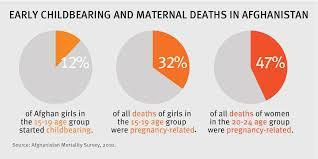
Before the COVID-19 pandemic, more than 100 million girls were expected to be married before their 18th birthday in the next decade. Now, it is extremely horrible that up to 10 million more girls will be at risk to be married as becoming child brides as a result of this pandemic. 12 million girls are married before attaining the age of 18 (18 years old – which is the legal age to be an adult); over 650 million women alive today who were married before attaining the age of 18 years. The list of past child brides who are now adults and the future expected child brides are too long. The reasons behind the child marriage are poverty; social norms, insecurity of girls, gender inequality, making girls disproportionally affected by the practices and so on. The child marriage comes with certain results like teenage pregnancy; death of the child bride for the torture done by her in-laws and husband for dowry after marriage; the dowry system arrives here mainly and also the insecure future of the child bride; the problems regarding her marriage life because in this stage, the child bride is an immature girl.

Teenage pregnancy

 The teenage pregnancy is the main reason for the diseases and deaths of child brides during the labour or after the birth of baby of those child brides. It is therefore essential to take decisive action to stop the child marriage rapidly as soon as possible. We are the present generation; it’s our duty to give the upcoming generation a better world, a safe world mainly for girls. 

Child marriages in Afghanistan 

Afghanistan is one of the countries in South Asia. The capital of Afghanistan is Kabul. Kabul is known for its historical gardens, bazaars and palaces, mosques etc. The capital of Afghanistan is also known as the Paris of Central Asia. 28% Afghan girls are married before attaining the age of 18 and 4% Afghan girls are married before attaining the age of 15. Afghanistan is a partner developing country of the Global Partnership for Education (GPE). Afghanistan ratified the Convention on the Rights of the Child in 1994, which sets a minimum age of being married is of 18 years. Afghanistan ratified the Convention on the Elimination of All Forms of Discrimination Against Women in 2003, which obligates states to ensure free and full consent of marriage. Afghanistan co-sponsored the 2013 and 2014 UN General Assembly resolutions on child, early and forced marriage. Afghanistan has committed to eliminate the child, early and forced marriage by 2030 in line with the target 5.3 of the Sustainable Development Goals. During the time of Voluntary National Review at the 2017 High Level Political Forum, the government of Afghanistan highlighted that it is working to reduce the number of girls who marry before the legal age to 10% by 2030.

Girls’ Education Policy

In February 2019, Afghanistan launched a policy called “Girls’ Education Policy”. According to UNICEF, the policy includes all the provisions to reduce the child marriage through the intersectoral collaboration. Afghanistan also have received support from UNICEF to ensure universal civil registration by 2024, including birth registration as a sustainable intervention to combat child marriage. At present, Afghanistan is in the stage of insecurity as Afghanistan is attacked by Taliban. The Afghan children is also very unsecured. Afghan child has many rights under Chapter 3, Article 12 (1) of the Child Protection Act[III], it covers everything from the mental to physical rights of a child containing every single right that should be there. Afghanistan is trying to make their people comfort as well as the Afghan children. 

Afghanistan is working on the initiative to eliminate child, early and forced marriages by 2030. UN Children’s Fund (UNICEF) and the UN Population Fund (UNFPA)[IV] helps to stop the child marriage as soon as possible to support those already married and expected to be married girls in 12 countries containing Afghanistan also. On a broader scale, Afghanistan is a part of United Nations and is willing to achieve the goal of completing the initiative taken by UNICEF and UNFPA. The United Nations Sustainable Development Goals calls for global action to end this violation by 2030.

Possible solutions 

  • Addressing the roots of child marriage by educating the people of the child brides’ families and the child bride also, so that they can understand about the bad side of child marriage.
  • Encourages people of the world to protect their girl child from marriage, in return they will be given an informative reward which will be a medium of earning for their family like small shops, jobs in the country and so on. 
  • Appeals to member states to offer them for access to digital resources of Education with which they can spread the knowledge throughout the country.
  • Further recommendations for government to adopt the digital education and digital system everywhere so that the education to the people can be provided by expert Psychologists by this method, experts will be able to convince the people of country by teaching with counselling.
  • Urges government to increase the availability of the records of the girls under 12 years of age, so that by these records, we can identify the expected future child brides and start counselling.
  • Calls upon government to improve the urban areas of the country and change the people’s lifestyle as much as they can because after all, government are there to think about and to solve the problems of their people.

References

  1. https://www.unicef.org/protection/child-marriage
  2. https://atlas.girlsnotbrides.org/map/afghanistan/
  3. https://www.khaama.com/an-overview-of-childs-rights-in-afghanistan-legislation-and-restrictions-of-implementation-8790876/
  4. https://www.un.org/youthenvoy/2016/03/new-un-initiative-aims-to-protect-millions-of-girls-from-child-marriage/

LawSikho has created a telegram group for exchanging legal knowledge, referrals, and various opportunities. You can click on this link and join:

https://t.me/joinchat/J_0YrBa4IBSHdpuTfQO_sA

Follow us on Instagram and subscribe to our YouTube channel for more amazing legal content.

Download Now

All about the Geneva Convention

0

This article has been written by Shivani Singh.

Introduction

Henry Dunant was a rich man from Geneva, Switzerland. Once for the expansion of his business, he reached the town called Solferino, Italy. In 1958, he found that the war was going between Italy, France, and Austria, and that war was called the Battle of Solferino. This battle led to the casualty of over 40,000 soldiers, of which 23000 were from Austria, and Austria lost the battle. After Accentuating all this in Italy, he was expedient, and without any discrimination between Italy, France, and Austria, he wanted to help them and initiated people to help who are not well or injured.

Dunant observed that Austrian soldiers who were injured and disabled were killed in Italy. Moved by the plight of the wounded, he wanted to help them out, and people who witnessed his work were touched by his gesture and joined it.

At this time, the phrase Tutti-Fratelli was very much used, and this phrase means that we all are brothers after returning to Switzerland; he wrote a book named Memory of Solferino in his book, he just not only shared his experience that at the time of war the loss which was faced by both of the countries whatever the country is facing and feeling and whichever country wins the war or who so has lost the war the country always feels bad about the warriors they have lost.

Dunant gave suggestions in his book. In his book, he also suggested prepositions, and the first preposition which he told was:-

Voluntarily relief society here Dunant meant to say that every country should make a voluntary relief society who without discrimination, help the injured people.

Also, at an international level, we should make an agreement that lays down principal to be followed during the time of war.

Dunant shared his book with all the leading European political and military leaders, and he received a positive reply from all of them; in the years 1963 to discuss the suggestions of Dunant books, a world meeting was called, and this meeting leads with two objectives, for humanitarian aid, there must be:-

  • Creation of a permanent relief agency or government relief agency.
  • An international treaty to allow a neutral third party to provide aid in a war zone and that party should not be threatened by any means. To fulfill the first objective, the International Committee of the Red Cross was formed and 12 countries came together and signed an agreement, and for the fulfillment of his proposed second objective on 26th August 1864, the 1st Geneva Convention was formed.

For the formation of both of the organizations, Henry Dunant was awarded the first Nobel Peace Prize.

The 1st Geneva Convention was made in 1864, which states that at the time of war, conditions of the wounded and the sick in the armed forces in the field, how will they be treated, and on which condition they should be kept. The wounded shoulders should not be tortured and should not be given unnecessary pain. 

If the opponent gets injured, it’s their duty to fight the battle and must provide proper medical facilities. Anyone who, through religion, is involved in war should not be captured.

In 1906 2nd Geneva Convention was held, which states the protection of the wounded, the sick, and the Shipwrecked Military Personnel at Seas.

Issues 

After the 1st World War, it was clear that the countries were not taking these conventions seriously, the article and the treaties were taken for granted, and there were many things that were actually happening in the war field which were not covered in the first and 2nd Geneva Convention, and for it in the year 1929, the 3rd Geneva Convention which talked about Prisoners of War according to the convention Prisoners of War should be kept in a humanitarian condition also this Convention states that for these prisoners the International Red Cross Society will act as the neutral third party and will keep an eye over the prisoners of war.

The 3rd Geneva Convention, 1929, was signed and ratified by many nations, including Germany; at the time of the 2nd World War, the Geneva Convention could not stop; provisions of the Convention were grossly breached, especially by Germany. In 1929 Germany had signed the Geneva Convention, but at the time of the 2nd World War,  the Convention was infringed, and the civilians who were not involved were tortured. Jews were sent at the concentration camp large-scale ethnic cleansing, holocausts, scientific experiments on captured soldiers, and Jews had to face Biological Experiments and because of it 4th Geneva Convention in the year 1949 took place.


Percentage of POWs that Died

Russians POWs held by Germans

                  57.5%

German POWs held by Russians 

                  35.8%

American POWs held by Japanese

                  33.0%

German POWs held by Eastern Europeans

                  32.9%

British POWs held by Japanese

                  24.8%

German POEs held by French

                    3.5%

German POWs held by Americans

                  2.58%

The 4th Geneva Convention was a type of expansion, and it talked about the protection of non-combatants. They are the ones who directly don’t participate in war, for example, the injured ones, children, older people, pregnant women; this Convention covered all such people. Defining element of this Convention was the provision regarding prisoners of war and Non-Combatants (civilians). The 4th Geneva Convention 1949 Modified and Updated according to the lesson from the 2nd World War, every country in the is a party, and thus, this instrument is universally applicable.

4th Geneva Convention provides 6 rights to POWs

  1. Must not be tortured and mistreated. 
  2. They are only required to give Name/Rank/DOB/Serial no./Place where they got captured.
  3. They must receive suitable housing and an adequate amount of food.
  4. They should not be treated; differently, no discrimination should be made.
  5. They have the right to correspond with their family and receive care packages.
  6. The Red Cross has the right to visit POWs and examine their living conditions.

Main rules of Geneva Treaty

  • A person who is not taking part in war must be protected and respected Humanely in all circumstances.
  • It is forbidden to kill or injure an enemy who surrenders.
  • Wounded and sick shall be cared for by the party in power.
  • Capture combatants and civilians must be protected against the act of violence.
  • Everyone shall be entitled to benefit from fundamental judicial guarantees.
  • No one shall be subjected to physical or mental torture, corporal punishment, or cruel or degrading treatment.
  • It is prohibited to employ weapons or methods of warfare of a nature to cause unnecessary losses or excessive suffering.

Role of Geneva Convention in ABHINANDAN rescue case

India joined the Geneva Convention on 9th November 1950 on 27th February when our external spokesperson Ravish Kumar confirmed that Pakistan Jet tried targeting Indian Military Installations short of MIG-21 LOST, and also Wing Commander Abhinandan. 

Geneva Convention played a vital role in rescuing our Wing Commander as per the third Geneva Convention, and the Convention applies to all cases of declared war or of any other armed conflict which may arise between two or more of the signatories even if the state war is not recognized by one of them. 

Article 4(A) of the Third Geneva Convention provides protection to prisoners of war or those who have fallen into enemy hands and fall into one of the six categories listed in the potential of the residents taking up arms as mentioned in Article 4(A) of the Third Geneva Convention. This is a situation in which land has not yet been seized, but is being invaded by an external force, and local residents of places in the line of invasion take up arms to oppose and protect their homes. There is no requirement that the invasion catches the populace off guard. 

In fact, such taking up arms also refers to a circumstance in which the people taking up weapons have been informed of the invasion but have not had enough time to organize themselves in accordance with Article 4(A) of the Third Geneva Convention, sub-paragraphs 1 and 2. In order for this rule to apply, it must be in the public interest. The protection provided to prisoners of war under the Third Geneva Convention begins when they are captured by the enemy and ends when they are finally released and repatriated. 

The term “fall into the power” refers to situations in which “soldiers became prisoners without fighting, for example following a surrender,” as well as those in which “persons specified in Article 4(A) of the Third Geneva Convention were captured during the conflict.” 

Article 13 

Prisoners of war must be treated humanely at all times. Any unlawful conduct or omission by the detaining power that results in the death or serious endangerment of a prisoner of war in its custody is prohibited and will be considered a major breach of the present Convention.

No prisoner of war may be subjected to bodily mutilation or medical or scientific experimentation of any type that is not authorized by the prisoner’s medical, dental, or hospital treatment and carried out in his best interests.

Similarly, prisoners of war must be protected at all times, especially from acts of violence or intimidation, as well as insults and public curiosity. Retaliatory measures against prisoners of war are forbidden.

Article 118

RELEASE AND REPATRIATION OF PRISONERS OF WAR AT THE CLOSE OF HOSTILITIES. After active hostilities have ended, prisoners of war must be liberated and repatriated as soon as possible. In the absence of stipulations to the above effect in any agreement reached between the parties to the conflict with a view to ending hostilities, or in the absence of such an agreement, each of the detaining powers shall establish and implement a plan of repatriation following the principles outlined in the preceding paragraph. In either situation, the prisoners of war must be informed of the actions that have been taken. In all situations, the costs of repatriation of prisoners of war must be shared equitably between the detaining Power and the power on which the detainees rely. This apportionment will be made based on the following criteria: 

  1. If the two powers are contiguous, the power on whose territory the prisoners of war rely bears the costs of repatriation from the detaining power’s frontiers.
  2. If the two powers are not contiguous, the detaining power bears the costs of transporting prisoners of war over its own territory as far as its frontier or port of embarkation nearest to the region of the power on whose territory the prisoners of war rely. The parties concerned must agree on a fair division of the remaining repatriation costs among themselves. Any delay in the repatriation of prisoners of war would not be excused by the conclusion of this agreement.

What happens if any country breaks the rule of war

Usually, every country has formed a legal framework to follow the rules described under this Convention. If any country breaks the law of the Geneva Convention, then the sovereign of that state will punish his armed forces then the country themselves play a vital role in enforcing the Geneva Convention. I am taking the guarantee that we will follow the Geneva Convention and if the rules I’m not followed then one will be punished.

If any country has infringed the rule prescribed and the government of such a country is not punishing their army, UNSC (United Nations Security Council) will intervene, and all the countries together can be forced to take over the trial and give punishment.


LawSikho has created a telegram group for exchanging legal knowledge, referrals, and various opportunities. You can click on this link and join:
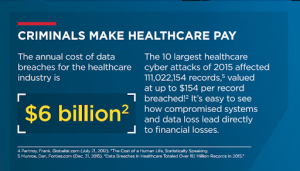
https://t.me/joinchat/J_0YrBa4IBSHdpuTfQO_sA

Follow us on Instagram and subscribe to our YouTube channel for more amazing legal content.

Download Now

Why are games like Dream11 not considered as betting : regulation of online games in India

0

This article has been written by Sai Manoj Reddy. L, pursuing the Certificate Course in Advanced Civil Litigation: Practice, Procedure and Drafting from LawSikho.

Introduction

Online fantasy sports and gambling is a very interesting topic to read about because there is a lot of grey area ungoverned by any statute till recently. All the legislations in India date back to the colonial era where the concept of online betting/gambling was non-existent and consequently there is no provision in any of the gambling laws to deal with online betting/gambling today. The rapid development of technology, internet connectivity, and the use of smartphones for basically every single thing in one’s life has made the online gaming industry grow in an exponential manner. The concept of online fantasy sport is also one such development. It initially started without financial elements, but during the past 6-7 years, the financial element was introduced and this industry has become a billion-dollar industry now. Naturally, when any business becomes highly profitable, all eyes fall on it and thus people have started filing lawsuits on the online fantasy sports platforms and online gambling platforms as well.

In this article, we will dive deep into the legal framework of gambling-related laws in India, analyse what happened in the Ludo Supreme case and how Dream 11 escaped from falling into the category of gambling.

Legal framework on gambling and betting in India

The legal framework and statutes related to gambling in India is a very interesting topic to read about. We all know that gambling has been a part of Indian culture since historic times. The most popularly known instance in Indian history relating to gambling is the story of Pandavas losing all their wealth to Kauravas in a game of dice in the Mahabharata.

Gambling in India began to be legally governed when it became a British colony. The British came up with legislation called the Public Gaming Act, 1867 (from here on referred to as “PGA”) with a view to providing for “the punishment for public gambling and the keeping of common gaming-houses in the United Provinces, East Punjab, Delhi, and the Central Provinces.”  PGA is a general statute that governs gambling in India and it is a Central Act. However,  PGA is not the only statute that governs gambling in India, many states have their own state-specific gambling laws. The Constitution under List II of Schedule 7 empowers the states to enact laws related to gambling in the states. At the same time, not all the states have specific laws related to gambling in India, some states have adopted PGA as their legislation and other states have enacted their own legislation to regulate and govern gaming/gambling activities within their territory.

It is very interesting to note that most of the gambling legislations that are in force in India have been enacted prior to the advent of virtual or online gambling and there have been no amendments to these legislations to include online gambling and betting which is a multi-billion dollar industry in itself. These so-called gambling legislations still deal only with in-person gambling and have no provisions about online gambling anywhere.

States that have adopted the central legislation are Bihar, Chhattisgarh, Chandigarh, Haryana, Himachal Pradesh, Jharkhand, Manipur, Madhya Pradesh, Punjab, Uttarakhand, etc.; many states enacted new statutes to govern betting and gambling in their states, including but not limited to:

  1. The Andhra Pradesh Gaming Act, 1974;
  2. The Assam Game and Betting Act, 1970;
  3. The Goa, Daman, and Diu Public Gambling Act, 1976;
  4. The Gujarat Prevention of Gambling Act, 1887;
  5. The Kerala Gaming Act, 1960;
  6. The Bombay Prevention of Gambling Act, 1887; and
  7. The Rajasthan Public Gaming Ordinance, 1949.

In general, gambling is an illegal activity in India in most of the states. Even though its popularity has been mounting and huge revenue is being generated by gambling and betting in India, lawmakers and the judiciary have always been averse to legalising any type of gambling. The only exceptions in India are the states of Goa and Sikkim which have allowed some types of gambling in their state-specific legislation. India still continues to enforce the pre-independent gambling legislation enacted during the British era, but it is very interesting to note that the UK has changed its gambling laws by allowing almost all forms of gambling in light of the changing societal norms of their country. In the UK, sports betting is a multi-billion dollar industry and most of the professional football teams are sponsored by such betting companies.

Based on the above legal framework, it is clear that there are extensive restrictions on gambling activity in India and the legislations are also haywire and different in many states. Some states allow certain categories of gambling and some allow none. There is no uniform legal stand-in India regarding gambling. However, it is pertinent to note that all the gambling legislation in India has excluded something called ‘game of skill’ from the purview of gambling activities in India. We will discuss what a ‘game of skill’ is further in this article as there have been numerous debates all over the world regarding what can be considered as a ‘game of skill.’

Game of chance vs. game of skill

A chance is generally dependent on probability and complete luck and if a game is based on complete luck it can be called a ‘Game of Chance’ and where a game needs the skill of the player to succeed then it can be called a ‘Game of Skill.’ This is just a simple explanation but the line between the two is very thin. As subtly put in a Mondaq Article the main points of difference between the two can be explained as below:

Game of chance

Game of skill

The outcome is strongly influenced by some randomizing device, such as dice, spinning tops, playing cards, roulette wheels, or numbered balls drawn from a container.

The outcome is mainly determined by mental or physical skill, rather than chance.

It may have some skill element to it, but chance generally plays a greater role in determining its outcome.

It may have elements of chance, but skill plays a greater role in determining its outcome.

Based on the element of luck, coupled with the skill to a certain extent.

Based on one’s knowledge and expertise of the subject.

One where success primarily depends on chance but is not altogether devoid of skill.

One in which success primarily depends on the superior knowledge, training, attention, experience, and adroitness of the player.

The element of chance predominates over the element of skill.

The element of skill predominates over the element of chance.

 Based on the above explanation we can see that no game is completely based on either ‘skill’ or ‘chance’. Hence, it is safe to say that a game where skill predominates, can be called a ‘game of skill’ and a game where chance predominates can be called a ‘game of chance.’

The Supreme Court in the case of Dr. K.R. Lakshmanan v. State of Tamil Nadu, has defined the game of skill as “one in which success depends principally upon the superior knowledge, training, attention, experience, and adortiness of the player.” In the same case, the Supreme Court has held that the game of horse racing is a game of skill as betting on the horses in a race involves evaluative skills and various other factors like skill and management of the jockey/rider of a particular horse. 

Online gambling

In the modern age after the invention of the internet and smartphones, technology has advanced so much that online gaming/gambling/betting has become a huge business by itself. In the current world, everyone is connected through high-speed internet and a person sitting in India can indulge in an online gambling/betting event happening on the other end of the world through a foreign betting website. The best example is the English Premier League (Football league) which has a huge fan base in India. Many people bet on the football matches happening in the UK and other parts of Europe through numerous foreign betting websites that have servers outside India. Even though betting is illegal in most parts of India, this cannot be curtailed as the act is not technically happening in the territory of India.

At this point in India, only Sikkim has a specialised legislation called Sikkim Online Gaming (Regulation) Act, 2008 for controlling and regulating online gambling/betting and imposing taxes on the same. More recently the State of Telangana also amended its gaming statute and included online gambling as a part of the statute that falls within the definition of gambling. Except for these two instances, there is no law in India as of now to regulate online gambling and it is a grey area.

Case of Ludo Supreme

LUDO is a very popular board game in India and has historic roots dating back to the depictions of it on the walls of Ajantha-Ellora caves as well as in the epic of Mahabharata. LUDO was limited to physical board games played by a family or friends sitting together before the advent of the internet and smartphones. In the 21st century, with the advancement of gaming technology and internet connectivity LUDO has become an online game that can be played by people competing with each other across the globe online. The greatest benefit of the online version of  LUDO is that it allows everyone to play the game with their friends and other players sitting in front of a mobile or computer screen in different corners of the world.

Ever since  LUDO was created, many app developers have created various versions of it and made it available on the Google Play store or the Apple app store where people can download the game and play it. It is interesting to note that even though the game became so popular 99% of the LUDO games online do not involve any financial stakes or money to be put as a stake to play the game. This was not the case with the “LUDO Supreme App” where this version of LUDO was made by a private company called Cashgrail Private Limited and it involved financial stakes.

A petition was filed against the LUDO Supreme before the Bombay High Court by a person known as Keshav Ramesh Muley (from here on referred to as ‘Petitioner’). In this case, the Petitioner has stated that he came across a few youngsters in their teens playing the game and enquired to them about it. The youngsters told him they could earn money easily by playing this game. The Petitioner had further researched about this and found many videos on streaming websites saying that money can be easily won in LUDO Supreme. The Petitioner further went on and downloaded the game and found out that you can actually link your bank account to the game and play it using real money as an entry fee and the winner will get most of the money pooled by all four players playing the game and some of the money goes to the company as hosting fees.

Based on the above facts and circumstances, the Petitioner argued that the prize money was not a notional or fictional currency but it was real money of value. He further argued that since the makers of the game are retaining a certain amount from this game, it shows that the company is making profits from the game and there is no scope of skill involved in the game and is purely based on the chance of you getting the right numbers on the dice rolled. The Bombay high court has sought a reply from the Government of Maharashtra in deciding whether LUDO supreme is a game of chance or skill.

How Dream 11 escaped from being categorized as an online gambling platform?

Online fantasy sports have gained a great number of participants in the past 10 years. Initially, these online fantasy sports had started in the US and Europe in the sports of baseball, basketball, and football. In a fantasy sport, the format typically involves the participants playing the role of a coach/manager of the team having a limited budget and power to buy and sell players before each game week. Basically, fantasy sports emulate real-life sports and the participants are given points based on the performances of real-life players on the ground/pitch. This craze for fantasy sports has slowly seeped into India by the introduction of fantasy IPL which is the cricket version of fantasy sport. Initially, there were no financial stakes, and participants used to play the fantasy sport just for bragging rights among friends and for the  love of their sport. But in the past 6-7 years, fantasy sports with financial stakes like Dream 11, My Circle 11, etc., have started becoming famous. It is estimated that the Indian gaming market value was around USD 300 million in 2016 which increased to 1 billion dollars in 2021.

Dream 11 is the market leader in India and naturally, all eyes are on them. When they started making huge profits and cases were filed against them. The first case was filed in Punjab High Court, Varun Gumber v. Union Territory of Chandigarh and others, where the Petitioner had moved to the court stating that the Dream 11 is a game of chance and falls under the category of gambling. The Petitioner contended that he had downloaded the app and played the games on it and lost almost 50,000/- rupees.

The counsel appearing for the Dream 11  explained the whole process of how the fantasy sports in Dream 11 works. He explained that participants will select among different sports available on the app like cricket, football, kabaddi, etc., and if it is cricket a participant has to select a match and then select 11 players from the two teams that are going to play the match. After selecting the players the participants enter into a contest with lots of other similar participants. The points that the participants get depends on the real-life performance of the players in that particular match and after the end of the match, the participant with the highest score will get a major chunk of the prize money. The counsel also explained that participants need to have a lot of knowledge about the sport and the attributes of the players and conditions of the pitch, type of match, etc. in order to succeed in this fantasy sport. There is a very tiny portion of chance and a major portion of skill involved in this game and hence it does not fall under the category of the game of chance/gambling.

The Punjab High Court after hearing both parties has made the following observations regarding the functioning of Dream 11 where a user while participating was required to:

  • Use a considerable amount of skill, judgment, and knowledge while picking his team/players.
  • Assess the relative worth and form of a player in comparison to other players available to draft.
  • Abide by the rules while evaluating a player’s statistics as well as the strengths and weaknesses of such players.
  • Make sure that his draft does not contain a significant amount of players from a single real-world team.
  • Evaluate and analyse many other factors like climate conditions, type of match, type of pitch, the form of players, geographical location of the match played, etc.

After observing all the above points the Punjab High Court also relied on the landmark judgment of Supreme Court, K.R. Lakshmanan v. State of Tamil Nadu; where the apex court had observed that horse racing is a game of skill because betting on the horses in a race involves evaluative skills and various other factors like skill and management of the jockey/rider of a particular horse. In a similar manner, the court held that Dream 11 also includes utilisation of users’ skill and knowledge of the game to be successful and not mere chance or luck, hence it does not fall under the category of gambling. The petitioner had preferred a special leave appeal to the supreme court which was also dismissed summarily upholding the judgment of the Punjab High Court.

Conclusion

In conclusion, firstly, we can all agree without a doubt that the laws related to gambling in India need a complete revamp as soon as possible to include all the latest developments in the gambling industry. Secondly, with the development of technology, the borders between the states and countries have vanished and people online are interacting and gambling with people across the country and the world. Hence, there is a need for a uniform law related to gambling as the current situation is completely haywire and each state has different legislations giving permissions for different kinds of gambling. Finally, coming to the case of Dream 11, it is established that only a tiny part of the entire game involves luck or chance and most of it depends on the skill, knowledge, and analysing the ability of the users and the same has been confirmed by the apex court as well so until someone proves otherwise; this is the current position of law and the Dream11 platform will not be considered as a gambling platform under the Indian laws.

References


Students of LawSikho courses regularly produce writing assignments and work on practical exercises as a part of their coursework and develop themselves in real-life practical skills.

LawSikho has created a telegram group for exchanging legal knowledge, referrals, and various opportunities. You can click on this link and join:

Follow us on Instagram and subscribe to our YouTube channel for more amazing legal content.

Download Now

A study of the liabilities of directors, officers and key professionals associated with a company

0

This article is written by Mohd. Hashim Miyan, an LL.M student from School of Law, Galgotias University.

Introduction

Directors, through the board process and on their own as authorized, are responsible for carrying out the business and managing the affairs of the company. One important aspect of a limited liability of companies is that liabilities of a company are its own and the directors normally are not liable for the same.

However, apart from this general rule, numerous exceptions have been created by Companies Act and various other laws to hold the directors or other “officers-in-charge” responsible for various defaults of the company as directors are the one who are responsible for the company’s actions, omissions and decisions. In Indian law, this is a very important aspect of corporate governance.

From point of view of directors, including directors of startup companies (usually founders become directors in the company, funded companies may have investor directors as well) it is very important to know about various duties that they are required to perform under a large number of statutes as well as the consequences of failure to perform those duties. Besides, third parties having a dispute against the company may involve the directors in various proceedings. This chapter will assist in understanding these risk factors associated with directorship of a company in India.

Liabilities of Directors of a Company 

Liabilities of directors of an Indian Company may arise under the Companies Act, 2013 or under other legislations that apply to the company due to the nature of its business. Responsibility for violations under the Companies Act is placed on the ‘Officer in default’, as defined under the Act. Liability of directors under other legislations applicable to the company is discussed later in this chapter.

Liability for violations of the Companies Act

The Companies Act imposes liability for violation of its provisions on all persons who qualify as ‘officers-in-default’. An officer of a company includes any director, manager or secretary or any person in accordance with whose directions or instructions the Board or any one or more directors is or are accustomed to act. The following persons are deemed to be liable for any non-compliance (in the same order as mentioned below) as ‘officers in default’ unless any of them can prove that he was not in-charge of the affairs of the company at the time when the offence occurred:

  • The managing director,
  • The whole-time directors,
  • The manager,
  • The secretary,
  • Any person in accordance with whose directions or instructions the board of directors (“Board”) is accustomed to act, any person charged by the Board with the responsibility of complying with that provision of the Companies Act. However, this excludes persons who give advice in professional capacity – for example, a lawyer or an accountant, or another business consultant who is engaged by a company to provide advisory services.
  • Where there is no manager/managing director or where no person has been specifically charged with the responsibility for any compliance, all the directors on the Board are deemed to be officers in default.

The Companies Act 2013 adds additional categories of persons who can qualify as officers in default:

  • Key managerial personnel.
  • Any person who has been authorized by the Board of Directors for specific functions such as filing or distribution of accounts or records – such a person must authorize, participate or fail to take active steps to prevent the default, in order to be liable.
  • Every director who is aware of the violation, or with whose consent or connivance the violation has taken place is also liable as an officer in default. How can awareness or connivance in an action which leads to violation of a statutory provision be established? The Companies Act 2013 clarifies that directors who have received information about any proceedings of the Board of Directors from which a violation can be inferred, or have attended or participated in such proceedings without objecting to such a violation can be inferred.
  • With respect to issue or transfer of shares of a company – share transfer agents, registrars and merchant bankers to the issue or transfer can also qualify as officers in default, even though they are not strictly speaking officers of the company, and are merely appointed by the company for performing very specific functions. This provision is largely relevant to public companies which are either listed on a stock exchange or immediately prior to their listing on the exchange.

Which persons qualify as key managerial personnel?

A Chief Executive Officer, managing director, manager, company secretary, whole-time director, chief financial officer qualify as key managerial personnel of the company. Apart from these persons, the government may prescribe other categories of officers who will qualify as key managerial personnel.

At present the Ministry of Corporate Affairs have directed to the Registrars of Companies that there should be proper application of mind on the part of an in deciding whether a person to be implicated is an ‘officer in default’ by examining the Annual Return (i.e. FC.4), Form DIR-8 and DIR-12 database available in the Registry.

While most liabilities have monetary consequences, certain offences such as authorizing the issue of a misleading prospectus to an investor, are punishable with imprisonment and fine. Few other examples of offences that can lead to imprisonment are-

  • Inducing or attempting to induce a person by a false or misleading statement to enter into any agreement to buy shares of the company;
  • Default in maintaining proper books of accounts for 2 (two) years prior to commencement of winding up;
  • Default in notifying that the company is in liquidation, on every invoice, order for goods or business letters issued by the company (any officer, manager);
  • For wrongfully obtaining possession of the property of the company or wrongfully withholding any property in their possession (any officer or employee of a company);
  • Destruction, alteration, or falsification of books with intent to defraud or deceive any person;
  • Making false representations to induce anyone to give credit to the company, and with intent to defraud creditors, conceal property of the company.

While imprisonment has been prescribed, it is relatively rare that a director is imprisoned for violation of Companies Act. Most offences under the Companies Act are non-cognisable (i.e. an arrest would require a warrant), except for certain offences by companies relating to acceptance of deposits from the public. A shareholder is generally not held responsible or liable for the acts of its nominee director.

Liabilities arising from duties to minority shareholders

We have covered the obligation to disclose conflicts of interest earlier. Let’s examine the duties of directors towards shareholders in more detail – if the majority shareholders are dissatisfied with the actions of directors, they can at any time galvanize support (only ten percent of shareholders are required to call an extraordinary general meeting) and remove them from office by passing an ordinary resolution.

What can the minority shareholders do if the actions taken by the directors are prejudicial to their interest? Do the directors have duties towards depositors? Under the Companies Act (both 1956 and 2013), any group of shareholders who own at least 10 percent of the shares can approach the tribunal claiming that the affairs of the company are being carried out in a manner that is prejudicial to public interest or the interest of the members or is oppressive to its members (Oppression and Mismanagement Claims).

The tribunal has wide powers to issue corrective measures, which includes stipulating measures for appointment of directors, removal of directors, recovery of any fraudulent amounts by a manager or director, setting aside of agreements or other necessary measures as it may think fit in such applications. Apart from the reliefs permitted with respect to Oppression and Mismanagement Claims, Section 245 of the Companies Act, 2013 has also specifically permitted class action suits, which will now enable shareholders or depositors to file applications claiming monetary compensation or damages against directors, auditors, experts, consultants and advisors or other persons for incorrect or misleading statements made to the company or fraudulent or unlawful actions.

Liabilities under other legislations

  • Labor Laws:

Depending on their operations, companies involved in construction or manufacturing or employing labourers (usually in excess of 20) are expected to comply with various labor legislations for social welfare, which typically require employers to obtain various permissions or licenses, maintain registers, submit forms to labor departments, or make financial contributions for the benefit of labourers. Failure to comply with applicable provisions of such laws can attract penalties.

  • The Building & Other Construction Workers (Regulation of Employment and Conditions of Service) Act, 1996 states that if any of the provisions of this Act are not adhered to (provisions include fixing appropriate work hours, taking adequate safety and on-site protection measures, etc.), and such offence is committed by a company, with the consent or connivance of, or is attributable to any of the directors of the company, then such person shall be deemed to be guilty of that offence. Violations of this Act can attract penalties which include both civil fines and imprisonment.

For instance, directors guilty of contravention of the provisions regarding safety measures under this Act are punishable with imprisonment for up to three months, or with fine up to INR 2,000/- or with both. Where an employer fails to give notice of the commencement of his building or other construction work, he is punishable with imprisonment up to three months, or with fine up to 2,000/- or with both. 

  • The Contract Labor (Regulation and Abolition) Act, 1970 has similar provisions. The duties of the company would include a requirement to register with statutory authorities (and make regular reportings) if a construction site/establishment employs a certain number of contract labourers, making adequate arrangements to provide certain required amenities such as canteens, rest rooms, clean drinking water and first aid, and the regular payment of wages to the contract labourers. It should be noted herein that in the investee company there would typically be a number of contract labourers used for construction work. Contravention of any of the provisions of this Act or any rules made thereunder may attract imprisonment up to 3 months and a fine of up to INR 1,000/-.
  • The Industrial Disputes Act, 1947 (“ID Act”) provides the machinery for the settlement and investigation of disputes of the workers of an industrial establishment/undertaking (subject to specific facts and circumstances, a construction site may qualify as an ‘industrial establishment or undertaking’). The ID Act also prescribes a punishment for certain actions, which are considered offences under the act. If such offence is committed by a company, any person including a manager or a director who was in charge of the affairs of the company at the time when the offence was committed may be held liable. Penalties for any offence under the ID Act can range from fines up to INR 5,000/-, or in some cases, imprisonment up to the extent of one year, or a combination of both, depending on the nature of the non-compliance.
  • Other welfare legislations can also apply to the establishment such as the Payment of Bonus Act, 1965, the Equal Remuneration Act, 1976, the Employees’ Provident Fund and Miscellaneous Provisions Act, 1952 (“EPF Act”), the Employees State Insurance Act, 1948, etc. Under these legislations, every person who at the time of commission of a violation was responsible for and in charge of the conduct of the business of the company is liable and may be punished with imprisonment and/or fine accordingly.

The director of a company that fails to make contributions on behalf of employees to the provident fund established under the EPF Act can be punished with a minimum penalty of imprisonment for 6 months and fine of INR 5,000/- which may extend to 3 years and INR 10,000/- respectively.

Depending on their operations, companies, especially those involved in construction or manufacturing in India are expected to comply with various Indian environmental legislations that aim to prevent and contain environmental pollution. The primary laws that may apply are the Air (Prevention & Control of Pollution) Act, 1981 and the Water (Prevention & Control of Pollution) Act, 1974 and several rules and regulations framed there under.

Punishment for various offences under Environmental Laws can be imprisonment up to 6 years and/or fine, depending on the nature of the offence and degree of non-compliance. For instance, failure to renew an existing license is considered a relatively minor non-compliance that may be punishable with a late fine if not renewed within the specified extended time limit provided in the respective legislations. However, discharge or emission of any environmental pollutants in excess of the prescribed standards is considered a serious offence that may attract criminal prosecution, especially if the non-compliance leads to loss of life or property.

Liability under Tax Laws:

Contravention of tax laws in India can lead to imprisonment and/or fines, the magnitude of which can vary according to the nature of the offence. Few examples are mentioned below-

  • Failure to deduct tax at source is punishable with imposition of fine to the extent of the amount of tax failed to be deducted. 
  • A willful attempt to evade tax may be punishable with imprisonment that may extend up to 7 years with fine under the Income Tax Act.
  • Making a false statement in any verification required under the Income Tax Act will be punishable with imprisonment which may extend to 7 years or with fine.

In case of offences committed by companies, in addition to the company, every person including a director, manager, secretary or other person who was in charge of the company for the conduct of its business can be held liable, unless such person can show that the offence was committed without his knowledge or that he had exercised all due diligence to prevent the commission of such offence.

Under some of the statutes such as the Income Tax Act, 1961, and the Central Sales Taxes Act, 1956 if the tax cannot be recovered from a private company under liquidation, then the persons who were directors for the period of non-payment of taxes can be held jointly and severally liable for the payment of such tax. If such directors can prove that the non-recovery cannot be attributed to any gross neglect, misfeasance or breach of duty on their part in relation to the affairs of the company then they cannot be held liable.

Liability under exchange control laws

The Foreign Exchange Management Act, 1999 (“FEMA”) and the rules and regulations made pursuant to the FEMA regulate cross-border transactions between Indian companies on the one hand and non-resident entities on the other. Where a company contravenes the provisions of FEMA, every person who was in charge of, or was responsible for the conduct of the company at such time, can be held personally liable for the contravention. However, if such proves that he had exercised due diligence in undertaking the activities of the company, he shall not be held responsible for such contraventions. Note that there cannot be any imprisonment for violation of FEMA.

Liability under Negotiable Instrument Act

This is a rather common source of trouble for directors of a company. The Negotiable Instrument Act, 1881 (“NI Act”) makes the director of a company liable to be punished by imprisonment and fine if the company’s cheques are dishonored by the bank on account of insufficiency of funds etc, and it can be proved that the offence was committed with the consent or connivance of, or is attributable to, any neglect on the part of the said director. The NI Act provides for criminal liability of responsible directors and the penalty may consist of imprisonment up to 2 years or a fine that is twice the amount of the cheque dishonoured or both. Liability under the NI Act attaches to a director in the following circumstances:

  • Such director was ‘in charge of’ and responsible for the company for the conduct of the business of the company at the time of the commission of the offence; or
  • Where such director was not in charge of the business of the company, but the offence was committed with his consent or connivance, or due to any neglect on his part.

Non-executive directors, who are not involved in the management of the funds and issuance of the cheques of the company, are typically not held liable under the NI Act.

Investors typically try to ensure that their nominee directors are appointed as non-executive nominee directors of the investee company. They may require such position to be explicitly recorded in the corporate records of the company, such as:

  • The minutes of the meeting as well as the text of the resolutions passed at the Board and/or the general meeting of the company for appointing the investor director;
  • The register of directors maintained by the company; and 
  • The relevant forms (Form No DIR – 8) and documents filed by the company with the relevant registrar of companies in connection with the appointment of the director.

Delegation: Delegation of administrative functions of the Board, to identified directors (typically managing or executive directors) and/or officers of the company is an important tool for mitigating the personal liability of non-executive nominee directors. Most administrative functions of the company can be delegated by the Board. However, unless the articles specifically authorize the Board, it is not permitted to delegate their powers that involve the exercise of judgment and discretion. The Board is also not permitted to delegate powers that have been specially conferred on it by the shareholders or under law. However, the duty of the Board or where the responsibility is vested with a specific director or committee of directors, such director or such committee, is to exercise reasonable and adequate supervisory powers over such delegated duties.

The extent of delegation permissible is contingent on the requirements of the business in which the company is engaged and the provisions of the articles of association. The larger the business carried on by the company, the more numerous and more important the matters that would be left by the directors to the officers of the company.

  • Action points to protect innocent directors from potential liability 

Even though the statutes discussed above impose personal liability on, inter alia, the directors of the company, such liability can be mitigated if it can be demonstrated that a director has no executive/administrative role in the company, is not responsible for the day to day management and/or was not responsible for compliance with the statutory provisions which were not complied with. In some instances, a director may avoid personal liability if it can be demonstrated that the director has exercised due diligence in ensuring compliance with the requirements of applicable laws and the contravention/offence was committed without his knowledge, consent or connivance.

However, such a director will also need to make judicious use of information available to him through the board process and act diligently to be able to claim benefit of this exception. If a non-executive director has knowledge of a particular violation of law and ignores to take reasonable steps to mitigate the same and if his actions convey acquiescence to the violations he can be held liable.

  1. Record-keeping measures: The records of the company and the minutes of meetings of the Board/shareholders of the company should clearly record the nature and extent of delegation of responsibilities and duties by the Board, to specific directors and/or officers, executives of the company and the names of such directors, executives and officers should also be recorded.
  2. Measures for identification and allocation of responsibility: It should be ensured that administrative functions (such as maintaining statutory books and registers, filing all documents and returns with relevant governmental agencies, including the registrar of companies, etc.) and the day to day management of the company are properly delegated to identifiable directors/officers of the company.

Further, all compliances with environmental, labor and all other laws having penal consequences should also be delegated to identified directors/officers of the company. It should also be ensured that the extent of powers delegated to directors/officers is in accordance with the provisions of its articles of association.

It should be ensured that all governmental and regulatory filings, to the extent practical, identify the directors, officers and/or executives who are responsible for the day to day administration of the company and complying with the requirements of applicable laws.

Conclusion

By carefully considering adherence to due diligence and the specific types of actions required in areas such as employment, environment, taxation, and corporate governance, the liability risks of Company’ directors and officers can be mitigated. As always, taking and following the advice of a qualified attorney who is well informed about the details of a company’s specific situation will be an important step in ensuring compliance.

References

  1. Dhaval Gusani, Duties and Officers Liability in India, November 26, 2020, available at: Directors and Officers liability in India (taxguru.in)
  2. Surabhibairathi, Directors & Their Liabilities, available at: Directors & Their Liabilities (legalservicesindia.com)
    3. Shipra Sayal, Duties & liabilities of director, April 23, 2021, available at: Duties & liabilities of director – Law Times Journal
  3. Anubhav Pandey, Liabilities of directors after dissolution of a company, November 2, 2017, available at: Liabilities of directors after dissolution of a company – iPleaders
  4. Sunil Bharti Mittal v. Central Bureau of Investigation
  5. Iridium India Telecom Ltd. v Motorola Inc.
  6. Companies Act, 2013
  7. Jorchester Finance Co Ltd v. Stebbing 1989 BCLC 498 Ch D
  8. In P. K. Nedungandi v. Malayalee Bank Ltd A I R (1971) SC 829.

LawSikho has created a telegram group for exchanging legal knowledge, referrals, and various opportunities. You can click on this link and join:

https://t.me/joinchat/J_0YrBa4IBSHdpuTfQO_sA

Follow us on Instagram and subscribe to our YouTube channel for more amazing legal content.

Download Now

A peek into the society for Prevention of Cruelty to Animals in India

0
Image source - https://bit.ly/3kWgvMT

This article is written by Arundhati Roy, an intern at RTI Cell, iPleaders.

Introduction

Since time immemorial, animals have been facing abuse and cruelty at the hands of humans. There is rampant animal abuse in every nook and corner of the world, whether rural or urban areas. It has been found out that dogs, horses, cats, and livestock are the animals whose abuse is reported the most. In the wake of rising animal cruelty cases, it entailed the need to set up a Society for prevention of Cruelty to Animals (SPCA). The first SPCA can be traced back to 1824, which was organized in England to prevent the abuse of carriage horses when automobiles were yet to be invented. The horses were subjected to cruelty in various forms, such as using them as carriage through chilly winters and roasting hot summers, with the least concern for their health. The carriage horses were hardly given any rest, food, or water, as the carriage drivers were only interested in making money for themselves. With the aid of the first SPCA, it became possible to pass laws for the regulation of the carriage-horse business.

Thereafter over the years, the society brought within its ambit all dogs and other animals who were treated with cruelty. It is significant to know that the first Indian Society for the Prevention of Cruelty to Animals (SPCA) was established by Colesworthy Grant in the year 1861 in Calcutta. The motive behind the setting up of SPCA in India was to prevent the suffering of strays caused due to animal experimentation undertaken by the Britishers. To regulate the SPCAs in India, the legislators enacted the Prevention of Cruelty to Animals (Establishment and Regulation of Societies for prevention of Cruelty to Animals) Rules, 2001. It’s been 20 years since the Rules for the establishment of SPCAs were enacted, however, only a handful of SPCAs are working towards that direction. Therefore, it is indispensable to know the current state of affairs regarding the establishment of SPCAs in all districts of India and to comprehend the provisions of the Prevention of Cruelty to Animals (Establishment and Regulation of Societies for prevention of Cruelty to Animals) Rules, 2001.

Society for Prevention of Cruelty to Animals (SPCA)

A Society for the Prevention of Cruelty to Animals (SPCA) is a non-profit organization found worldwide working for the welfare of animals. SPCAs lay down their own set of guiding principles & mode of functioning with respect to safeguarding the animals from cruelty & unnecessary infliction of pain while working independently of each other.

What is Prevention of Cruelty to Animals (Establishment and Regulation of Societies for prevention of Cruelty to Animals) Rules, 2001?

 By virtue of Section 38 (1) of the Prevention of Cruelty to Animals Act, 1960 (59 of 1960), the Prevention of Cruelty to Animals (Establishment and Regulation of Societies for prevention of Cruelty to Animals) Rules, 2001 was enacted. These Rules have been prescribed with the objective of mandating the establishment of such a Society in every district of India. 

The term “Society” has been defined under Rule 2 (e) of the PCA (Establishment and Regulation of Societies for prevention of Cruelty to Animals) Rules, 2001 which means Society for Prevention of Cruelty to Animals (hereinafter referred to as SPCA) established in any district under the Societies Registration Act, 1860 (21 of 1860) or any other corresponding law applicable in a state and shall include the existing SPCA functioning in any district.

Important Definitions under the Rules

  • Rule 2(d) defines the term “local authority” which means a municipal board of municipal committee, a State Animal Welfare Board, district board or any local animal welfare organization authorized by any law for the control and administration of any matter relating to animals within specified local areas.
  • Rule 2(c), the term “Board,” means the Animal Welfare Board of India under the Act. 
  • “Animal Welfare Organization” defined under Rule 2(b) means a Welfare Organization for animals which is registered under the Societies Registration Act of 1860 (21 of 1860) or any other corresponding law for the time being in force and recognized by the Board or the Central Government.

Society for Prevention of Cruelty to animals in a district 

Under Rule 3 (1) Every State Government has been mandated to establish a society for every district in the State which is to be called as the SPCA in that district, by notification in the Official Gazette, as soon as may be and in in any event within six months from the date of commencement of these rules.

Provided that any society for Prevention of Cruelty to Animals functioning in any district on the date of commencement of these rules shall continue to discharge its functions till establishment of the SPCA in that district under these rules.

Managing Committee of the Society

Rule 3(2) states that the State Government or the local authority of the district shall appoint the Managing Committee of the Society composed of a Chairperson to be appointed by the State Government or the local authority of the district, as the case may be with the concurrence of the Board. The Managing Committee shall consist of such number of other members as may be considered necessary by the State Government or the local authority of the district subject to the condition that-

(i) there shall be no less than two members who shall be representatives of the Animal Welfare Organizations which are diligently involved in the work of prevention of cruelty to animals and welfare of animals preferably from within the district; and

(ii) there shall be no less than two members who shall be the persons elected by the general body of members of the Society.

Duties and Powers of the Society

Rule 3(3) provides that Society shall provide assistance to the Government, the Board and local authority in carrying out and implementing the provisions of the Act and to make such bye-laws and guidelines as it may deem necessary for the efficient discharge of its duties.

Rule 3(4) states that the Society, or any person authorized by it in this behalf, if it or he has reasonable grounds for believing that any person has committed an offence under the Prevention of Cruelty to Animals Act, 1960, then the Society or such authorized person may require such person to produce immediately any animal in his possession, control, custody or ownership, or any license, permit or any other document granted to such person or required to be kept by him under the provisions of the PCA Act and may stop any vehicle or enter into any premises in order to conduct a search or inquiry and may seize an animal in respect of which it or such authorized person has reason to believe that an offence under the Act is being committed, and deal with it in accordance with law.

Rule 3(5) states supplementary to the powers which are conferred by these rules, the State Government may, in consultation with the Board, bestow such other powers upon any Society for exercising the powers and discharging the functions assigned to it under these rules.

Infirmaries (Hospitals) and animal shelters

Rule 4 provides for setting up of infirmaries and animal shelters:

(1) Sufficient amount of land and other amenities shall be provided by every State Government to the Society for the purpose of constructing infirmaries and animal shelters.

(2) It is mandated for very infirmary and animal shelter –

(i) to have veterinary doctor who shall be permanent along with other staff for the efficacious running and maintenance of such infirmary or animal shelter; and

(ii) an administrator who shall be appointed by the Society.

(3) Every society shall supervise the overall functioning of the infirmaries and animal shelters under its control and jurisdiction through its administrator or otherwise.

(4) All cattle pounds and pinjra poles owned and run by a local authority shall be managed by such authority jointly with the Society or Animal Welfare Organisations.

Regulation of SPCAs

Rule 5 states the manner in which the SPCAs are to be regulated. They are are as follows:

  1. An annual report is to be submitted by every Society to the Board incorporating the activities which are undertaken by it for the welfare of animals and the steps or measures taken by it to implement various provisions of the Act and the rules made thereunder.
  2.  The SPCAs are required to have their accounts appropriately audited by a chartered accountant or any other body authorised by law within a period of one month from the date of its accounts having been worked out by its managing committee.
  3. The annual report and the annual accounts submitted by the Society shall be scrutinized by the Board who may be give any directions to the Society for improvement of its functioning including the supersession of the managing committee of the Society with a view to give effect to the provisions of the Act and the rules made thereunder.

Provided that the opportunity of personal hearing to the office bearers of the Society or any representative authorised by it, shall be given by the Board before giving direction of its supersession and holding of fresh elections for electing a new managing committee as per bye-laws of the society.

4. The Board is empowered to give any direction to any Society in the interest of smooth and efficient functioning of the Society including the procedure for holding the election of the managing committee of the Society, utilisation of financial resources and management of assets of the Society with a view to give effect to the provisions of the Act and the rules made thereunder.

Prevailing situation of the SPCAs in India

Despite the enactment of the above-stated rules for the setting up of Society for Prevention of Cruelty to Animals in every district, it is dismaying to see the existing condition of the SPCAs in India. Pertinently, there are many State Governments who show apathy in taking initiatives to form the SPCAs. Consequently, there has been failure on part of the State Governments to implement the above said rules which is in violation of Rule 3 of the Prevention of Cruelty to Animals (Establishment & Regulation of Societies for prevention of Cruelty to Animals) Rules, 2001. As per Rule 3 of the said Rules, it is mandatory for every State Government to set up SPCA in every district within 6 months from the date of commencement of the PCA (Establishment & Regulation of Society for prevention of Cruelty to Animals) Rules, 2001.

According to a report by the Times of India, most of the government bodies such as the State Animal Welfare Boards or the Local Authorities who are responsible to ensure that the provisions of the PCA Act in consonance with the other rules enacted under it, are complied with, lack compassion for animals. Moreover, it has been observed by the animal rescuers that the animal shelters which are funded or run by the Government maintain poor hygiene. Not only this, if data is collated from every part of our country the number of SPCAs is very less compared to the number of districts we have in aggregate. And adding to the woes of animals excluding a few among many established District SPCAs, most of it are dormant. 

While filing a complaint against one of the shelter homes for animals run by the SPCA in Chandigarh, the animal lover said that, “This SPCA should be booked for mishandling poor animals and it is hell for animals, which is extremely understaffed. It is evident that the members are not compassionate enough to take care of these needy animals.” Predominantly, those shelter homes which are run by the SPCAs or the State Animal Welfare Board are ineffective in functioning. In many instances, it has been complained by the Animal rights activists that these SPCAs do not respond to calls seeking help. Often, the SPCA officials cite inadequate funding as the root cause of their inability to perform their duties. Instead of the State run SPCAs, animal lovers rely over private NGOs or foster homes for animals to take proper care of animals in need.

Supreme Court on Establishment of SPCAs & State Animal Welfare Boards

The Hon’ble Supreme Court had in the year 2008, in the matter of Geeta Sheshmani v. Union of India & Anr. directed that the “States, which have not constituted the State Animal Welfare Boards to constitute within a period of 3 months and also to see that the Society for Prevention of Cruelty to Animals (SPCAs) be also constituted in every district as contemplated under these rules.”

Notwithstanding the above judgment by the Supreme Court of India, the State Governments have failed to comply with the above decision of the SC by failing to set up the State Animal Welfare Board as well as the SPCAs.

Conclusion

Apparently, owing to the prevailing circumstances with respect to the SPCAs, it can be said that the Government authorities should wake up to an epiphany that animals too have a right to life under Article 21 and that we humans must have compassion as envisaged by Article 51A(g) of the Constitution. Every Government body, whether at the Central or State level, should commence taking measures to set up State Animal Welfare Board and ensure that every district has its own effectively functioning SPCA. Adequate funding should be provided to the SPCAs to have all the facilities as mandated by the PCA Act, 1960. There should be a monitoring body at the Central as well as State level to keep a vigil on the operation of District SPCAs. And with the assistance of strict enforceability of the PCA Act, the sufferings of the animals can be prevented.


LawSikho has created a telegram group for exchanging legal knowledge, referrals, and various opportunities. You can click on this link and join:

https://t.me/joinchat/J_0YrBa4IBSHdpuTfQO_sA

Follow us on Instagram and subscribe to our YouTube channel for more amazing legal content.

Download Now

Overview of key M&A regulations in Croatia

0

This article has been written by Akshay Verma pursuing the Diploma in M&A, Institutional Finance, and Investment Law from LawSikho.

Introduction

Croatia is a nation at the crossroads of Central and Southeast Europe on the Adriatic Sea. Croatia is a tiny and complex market but plays a crucial role in the political and economic stability of Southeast Europe. In the year 2019, 44 M&A deals were consummated in Croatia. M&A transactions are not only consummated for growth and generating new ideas. There is also a chance that the companies merge to destroy competition and to create a monopoly in the market. To keep these activities of companies in check, all countries have their merger control laws or regulations which restrict these activities of companies. Merger control enforcement continues to grow around the globe. 

Do you know how M&As are regulated in Croatia? The Croatian Competition Act regulates mergers in Croatia. The Croatian Competition Agency is the regulatory authority responsible for reviewing and assessing combinations. In this article, I will talk about key M&A regulations in Croatia. To begin with, let us look at the impact of Covid-19 on M&A deals in Croatia. 

Impact of Covid-19 pandemic on M&A deals in Croatia 

The beginning of 2020 saw an unprecedented challenge in the form of the Covid-19 pandemic. Even though the number of recorded M&A transactions in Croatia was only down by one compared to 2019, in 2020 the total value of recorded M&A transactions amounted to USD 380 million i.e. 40% less than in 2019 however, various high-profile and high-level deals attracted the attention of the public. The biggest M&A transaction in Croatia in 2020 was the acquisition of Infobip, an IT and telecommunications organization, by One Equity Partners, an arm of the US investment bank, JP Morgan Chase. 

The major transactions that occurred in 2020 have not only brought significant capital to Croatia but also put the nation on the M&A map of Europe and the globe. However, apart from the worldwide trends, the growth of the M&A market in Croatia will primarily depend on internal factors such as business conditions in Croatia such as legal certainty, tax legislation, and the attractiveness of organizations and technologies seeking investors. Now, let us look at the regulatory authority that controls mergers/combinations. 

Regulatory authority 

The Croatian Competition Agency is the regulatory authority responsible for reviewing and assessing combinations. The CCA autonomously and independently performs the activities within its scope and powers regulated under the Competition Act. The CCA is responsible for the delivery of its objectives to the Parliament of Croatia. Now, let us look at the definition of control. 

Definition of control

The Croatian Competition Act provides that an entity is deemed to have direct or indirect control over another entity if the controlling entity: (i) has more than half of shares in the controlled entity; (ii) may exercise more than half of the voting rights; (iii) has the right to appoint more than half of the members of the Supervisory Board, the Management Board or the appropriate management bodies of the controlled entity, or (iv) is otherwise entitled to manage the business of the controlled entity.

What constitutes a merger? 

According to the Croatian Competition Act, a transaction subject to merger control is defined as a transaction whereby: 

  1. Two or more previously independent undertakings amalgamate into one undertaking;
  2. An undertaking acquires direct or indirect control or prevailing influence of one or more undertakings or in part or parts of other undertakings, for instance by acquiring the majority of shares or holdings or a majority of voting rights; 
  3. There is a change of control over an undertaking that arose in some other way prescribed by the Croatian Company’s Act and accompanying bylaws (e.g., certain entrepreneurial contracts). 

Acquisition of minority interest 

Acquisition of minority interest that does not emerge in a change of control over a business is not subject to merger control. However, if an acquisition of a minority interest provides someone with de facto control over a business, the transaction will be subject to merger control. This is, for example, the case if the purchaser is granted veto rights regarding decisions that are important for the strategic behavior of the business or if the remaining shares are spread over a huge number of shareholders and the acquired shares de facto provide the purchaser with a decisive influence on general meetings. 

Thresholds that determine whether a merger notification must be filed 

A merger notification must be filed if the following thresholds are met:

  1. The combined annual global turnover of all the parties to the combination amounts to at least HRK 1 billion in accordance with the financial statements for the financial year preceding the combination if at least one of the parties to the combination is established and/or has a subsidiary in the Republic of Croatia, and 
  2. The total turnover of each of at least two parties to the combination in the Republic of Croatia amounts to at least HRK 100,000,000 in accordance with the financial statements for the financial year preceding the combination. 

There are special rules applicable for combinations in the media market. For the media market, combination filing is mandatory regardless of the size or turnover of the parties. 

Transactions that are exempted from filing a merger notification 

The Croatian Competition Act specifies that there is no need to file a combination notification in the following situations:

  1. Where financial undertakings or other credit institutions, investment funds, or insurance organizations whose daily activities include transactions and dealing in securities and are temporarily in possession of interests of an undertaking acquired with the desire to resell, provided that they do not exercise voting rights in such a manner as to influence competitive conduct of that undertaking. The disposal has to take place within one year of the date of acquisition. 
  2. Where control is transferred onto a professional insolvency administrator or liquidator who has powers under the applicable insolvency legislation; or 
  3. Share acquisition as a result of an internal restructuring of affiliated undertakings. 

As a result of the EU’s “one-stop-shop” principle, the Croatian combination control rules do not apply if the thresholds for EU combination control are exceeded and the European Commission has not referred the combination to the Croatian Competition Agency.  

Treatment of joint ventures 

When a joint venture is established by two or more independent undertakings that work as an independent economic entity on a more lasting basis, it constitutes a combination subject to combination control. A joint venture that is not “full function”, because it does not perform all the functions of an economic entity, on a lasting basis, is not subject to combination control but maybe scrutinized under the general restriction on anti-competitive agreements. Whether a joint venture is considered “full function” or merely “cooperative” depends on the level of dependence of the joint venture on its parents and to what extent an independent presence a joint venture possesses in the market. 

Process of filing a merger notification 

A combination notification must be filed when a binding agreement has been concluded, a controlling interest has been acquired or a takeover bid has been published. There is no specific deadline, but the transaction may not be implemented before the combination has been approved by the CCA. The CCA may agree to handle a notification before a binding agreement has been concluded or a public takeover bid has been announced if the parties can show a good faith desire to agree or- in case of a public takeover bid- if the parties have publicly announced a desire to make such a bid. However, in practice, the CCA does not handle such notifications in case of public takeover bids. 

There are two forms available: one for the simplified notification (see here) and one for full notification (see here). Simplified notification may be possible in each of the cases given below:

  1. Two businesses establish or acquire a joint venture that will only have insignificant business in Croatia; 
  2. A business goes from having joint control to having sole control over another business;
  3. The combining parties are not active on vertically connected markets or same markets;
  4. The combining parties are active on identical markets but do not have a combined market share exceeding 15% in Croatia;
  5. The combining parties are active on vertically connected markets but there are no horizontal overlaps and none of the parties have market shares exceeding 25% in Croatia on those connected markets.

The CCA may always request a full notification even if the obligations for simplified notification are present and even after having accepted and declared a simplified notification complete.

For a combination notification, whether simplified or full, the following documents should always be supplied:

  1. The most recent audited annual financial statements and annual reports for each of the parties to the combination;
  2. Documentation regarding undertakings that have been acquired or sold after the conclusion of the most recent financial year;
  3. All documents concerning the combination, regardless of whether the combination is brought about by the agreement between the parties to the combination, public takeover bid, or acquisition of a controlling interest;
  4. Overview/group chart of each of the parties to the combination;
  5. Excel file with contact information for most significant competitors, suppliers, and customers;
  6. Any documentation on which the parties have based their market definition and assessment of market shares;
  7. A non-confidential version of the notification (to be supplied to the third parties) and;
  8. Documentation of payment of the applicable filing fee.

For full notification, a range of further documents may be relevant including reports, analysis, minutes of board meetings, and similar documents related to the combination. The filing fee for combination control notification is HRK 7,000.

Consequences of implementing a merger without approval 

The parties may be fined if the combination is implemented before the approval of the Croatian Competition Agency. The amount of the fine will be fixed based on the gravity, nature, and duration of the infringement, and the fine cannot exceed 10% of the parties’ global turnover. Furthermore, the combination may be prohibited, and the CCA may decide to split up the combined entity or take any other steps essential to restore efficient competition. 

Judicial review 

A party to the combination may file an administrative lawsuit to the High Administrative Court of the Republic of Croatia within 30 days from the delivery of the CCA’s decision. The court shall decide on 

  1. Violations of substantive competitive law regulations;
  2. A material breach of the procedural provisions;
  3. Incompletely or incorrectly facts; and 
  4. Wrong decisions on the administrative-penal measure (i.e., fine) and other issues decided by the CCA. 

The administrative lawsuit does not suspend the execution of the decision, except in the part of the decision that relates to the imposed administrative-penal measure.

Conclusion 

To recapitulate, the Croatian Competition Act regulates mergers in Croatia. The Croatian Competition Agency is the regulatory authority responsible for reviewing and assessing combinations. There are special rules applicable for combinations in the media market. For the media market, combination filing is obligatory regardless of the size or turnover of the parties. The parties may be fined if the combination is implemented before the approval of the CCA. Any decision by the CCA can be challenged in the High Administrative Court of the Republic of Croatia within 30 days from the delivery of the CCA’s decision.  

References 

  1. https://www.mergerfilers.com/guide.aspx?expertjuris=Croatia. 
  2. http://www.aztn.hr/uploads/documents/eng/documents/COMPETITION_ACT_2009_1.pdf.
  3. https://www.trade.gov/knowledge-product/croatia-market-overview.
  4. https://www.devex.com/organizations/croatian-competition-agency-aztn-114067. 
  5. https://practiceguides.chambers.com/practice-guides/corporate-ma-2021/croatia/trends-and-developments.

Students of Lawsikho courses regularly produce writing assignments and work on practical exercises as a part of their coursework and develop themselves in real-life practical skills.

LawSikho has created a telegram group for exchanging legal knowledge, referrals, and various opportunities. You can click on this link and join:

Follow us on Instagram and subscribe to our YouTube channel for more amazing legal content.

Download Now
logo
FREE & ONLINE 3-Day Bootcamp (LIVE only) on

How Can Experienced Professionals Become Independent Directors

calender
28th, 29th Mar, 2026, 2 - 5pm (IST) &
30th Mar, 2026, 7 - 10pm (IST).
Bootcamp starting in
Days
HRS
MIN
SEC
Abhyuday AgarwalCOO & CO-Founder, LawSikho

Register now

Abhyuday AgarwalCOO & CO-Founder, LawSikho