This article has been edited and published by Shashwat Kaushik.
Table of Contents
Call-to-action (CTA) and strategies to create persuasive CTAs
In today’s tech-driven era, decisions, thoughts or desires are one click away from becoming reality. Taking action is far easier than in older times. It’s like opening the window to catch up with the world. As almost 90% of the world’s population has access to smartphones and a similar number of people have access to any microcomputer, the marketplace is in the hands of audiences. In this virtual, competitive marketplace, content is the backbone for delivering the message to the audience. So now comes the role of Call-To-Action ‘CTA’.
What is call-to-action (CTA) and how does it play a foundational role in running businesses
In today’s times of virtual shopping and virtual services, when consumers are browsing for the product or surfing the net, scrolling and exploring, all the diverse business domains can grow and sustain themselves merely through call-to-actions (CTA). All the digital platforms or digital malls, which are the hubs, can deliver services or products only through this very first bridge between the consumer and the provider.
A call-to-action is a phrase or word that prompts consumers to take the action of clicking. CTA directs to the digital platform of the business, whether it is the landing page of a website or any social media platform. This very first step in showing interest by the consumer is the first sign of conversion. Whatever the conversion goal of a business, it opens up a window. A few clear and directional words or small phrases play important roles in supporting the business conversion goals. Buy now, learn more, get started, etc. are very basic examples of CTAs.
How can the power of CTA be enhanced
Using a creative, persuasive phrase or a few clear, directional words with some USPS can greatly benefit. In the competitive digital world, it is time to develop strategic planning for creating compelling Call-To-Action content. To use the convincing power of words needs careful planning. Understanding the intent of consumers and encouraging them to take action by clicking needs meticulous planning.
As Call-to-Action is an action-oriented button, it should be focused on achieving great success. No doubt, the background content, whether it’s a post or any form of display, plays a great part, but the strategy of this small prompting button can trigger consumers to respond. This small corner of the advertising creative inspires the visitors to take the desired action.
Strategies for creating compelling call-to-action in content
Strategies are the series of activities or tactics aimed at achieving specific goals and creating compelling CTAs. These must be the deliberate steps taken to guide users towards a specific goal, whether it’s making a purchase, signing up for a service, or engaging with content.
Before planning the strategies, it is important to know the different examples of basic CTA in the context of different platforms:
The E-commerce websites are confident of ‘Add to Cart’, ‘Shop Now’, and ‘Buy Now’ kinds of CTAs.
For capturing information on potential customers for lead generation, the CTAs ‘Download for free’, ‘Register’, etc. are common.
Social media platforms display ‘Follow us on Twitter’ ‘ Like’ ‘Subscribe us’ types of CTAs.
Landing pages of websites offer mainly ‘Fill out the form’ kinds of CTAs, displayed as a form.
Popular brands offer well-researched CTAs aligned to their tag lines.
Various strategies to develop creative CTAs
Clear and direct- The CTA should clearly convey action to the reader. Using action words to let viewers about the specific action is a great way of prompting viewers to take action.
Eye catching– It should be able to grab attention by visually standing out. The bold fonts, gradients, contrasting colours and button size selection according to the advertising creative ensure easy visibility. The attractive graphic of the CTA and the special visibility enhance the chances of clicks.
Addressing the viewer– By making it personalised, adding the word ‘you’ can create magic. It creates a sense of belongingness for the viewer. Phrases can be relatable to their desires or pain points.
Value addition– Using compelling content of offers like- free trials, discounts and solution-oriented action verbs can easily drag the viewers to take action.
Exclusive feeling– Make the audience feel privileged by adding words that convey exclusivity, like ‘VIP access’, and ‘Exclusive offer for members only’, to make the audience feel special.
Invoke curiosity- Using phrases like ‘Discover what Next’ , ‘Try your Luck ‘ or ‘ Ready for Surprise’ are some examples of phrases that anticipate viewers responses.
Rewards to motivate- Something extra like a ‘bonus gift’ can encourage the action of the viewers.
Try out different formats- Try out different ways to display CTA, like the use of POP-UPS, Banners, Different sizes and shapes of buttons, hyperlinks, etc
Provide assurance- To comfort your audience, using content like ‘hassle-free returns’ or ‘your satisfaction-our concern’ in the creative can prompt them to take action.
Use of powerful words-Words like ‘Free’, ‘New’, ‘Exclusive’, ‘Proven’, and ‘Save’ can capture attention and compel users to take action.
Create FOMO- The words and phrases like ‘Last Chance’, Limited Edition’, and ‘Don’t Miss Offer’ create FOMO, deliver a feeling of urgency and trigger the viewers to take action. A high-quality image that suits the business can deliver a good FOMO.
Add social proofs– Incorporating testimonials and reviews motivates the users to make up their minds. This type of content instills a feeling of security in users. Adding social proof spreads a sense of security among viewers.
Addition of reassuring statements- Include reassuring statements or guarantees to alleviate concerns, such as ‘No credit card required’ or ‘Money-back guarantee’. This type of content will take away the hesitations of viewers.
Maintain brand identity-Remain true to your brand voice across all communication channels. The language and phrases should resonate with your brand’s values.
Optimise for mobiles- Ensure that your CTAs are mobile-friendly and easy to interact with on smaller screens. It should enhance the user experience and encourage conversions on mobile devices.
Highlight benefits- By explaining how your product or service will solve their problems or improve their lives, you can be more compelling and persuasive. So highlighting the benefits directly strikes human psychology.
Illuminate the problem, then offer the solution- Sometimes viewers become immune to problems unless they are made to feel them. The content triggering pain points and offering great solutions easily prompt viewers to take action.
Using Numbers In CTAs– Including the pricing information in the Ad copy close to CTA increases the chances of conversions. When someone looks at the content with numbers like ‘discount percentage’ or ‘only at’ he or she becomes inclined to take action.
A/B testing- Experimenting with your CTAs is not a big deal. All the tactics play an important role but there is always scope for experimentation. By changing and comparing different variables like button size, colours, borders or backgrounds through metrics like click-through rate or conversions, it can be found out which CTA is performing better.
Conclusion
Creating a compelling call-to-action using suitable tactics according to the niche can achieve great success for business goals. Crafting well-planned CTAs and implementing them is a game of trial and error. The main thing that must be taken into consideration is that there should be relevance to the USPS offered. To understand the audiences, their intent, their pain points, or their desires and to target them with relevant CTA copy, it is a must. If CTA fails to deliver the intent of consumers, it can lose their trust forever.
Additionally, it is of paramount importance that the placement of the call-to-action button not interfere with the flow of information being grabbed by the consumer. The goal should be to capture the audience’s attention at the right moment, whether the CTA is embedded in the video or displayed on the ad copy. A CTA should also not be placed only at the end of an article or blog, as consumers rarely go to the end of articles. CTA embedding should be nearest to the content hook. Compelling CTAs only work best if the content consumed by the consumer has an impacting factor.
Lastly, the careful development of strategies for creating compelling call-to-action and their implementations is a game of understanding human psychology. To enhance the effectiveness of CTAs, it is essential to go with the testing, tracking and optimisation processes. For developing strategies for creating compelling call-to-action (CTA), a thorough understanding of the business and its products or services is a must. The CTA phrase plays its own great part, but the content about the business connects emotionally to the audience, so if the relevant content and hooks clearly demonstrate value to the consumer, the well-thought CTAs are going to achieve business goals at a nice pace. By using these methods and ideas, content creators can encourage people to act, build strong relationships, and help their businesses grow.
The adoption of artificial intelligence in legal practice has steadily increased, and there is a need for accuracy, time-consuming legal drafting, and efficiency, including contract review, legal prediction, legal research, and document extraction and parsing. Artificial intelligence could make more accurate guesses about how cases will turn out and easily find out the mistakes in legal drafts, and this software allows legal professionals to quickly scan and search large databases. One of the key areas where AI is having a significant impact is contract review. AI-powered tools can analyse large volumes of contracts quickly and accurately, identifying potential risks and inconsistencies and ensuring compliance with legal requirements. This can save lawyers countless hours of manual review, allowing them to focus on more strategic and complex aspects of their work.
AI is also being used to improve legal predictions. By analysing historical data and identifying patterns, AI algorithms can make informed predictions about the outcome of legal cases. This can help lawyers better advise their clients, develop more effective strategies, and negotiate more favourable settlements.
In the realm of legal research, AI is being used to develop powerful search engines and knowledge management systems that can quickly and easily find relevant legal information from a vast array of sources. This can save lawyers significant time and effort and help them stay up-to-date on the latest legal developments.
Advantages of using AI in legal documents
Artificial intelligence improves the efficiency of legal work by way of automation. Artificial intelligence (AI) can be used to manage legal documents. In fact, legal AI tools can automate repetitive tasks and process bodies of text in seconds. And another thing is finding an accurate risk assessment, and AI tools can review any piece of legal information in real-time because AI-powered technology can access more relevant data faster and better. It is ensuring that practicing advocates are empowered to provide better strategic and good advice.
AI can also decrease the efficiency and cost of litigation. By automatic, time-consuming methods and tasks. One of the most significant benefits of AI in law is increased efficiency. The use of AI can significantly improve the accuracy of legal work. The introduction of AI can also bring consistency to legal tasks, and it works with the same level of accuracy every time.
Legal documents
Legal documents such as contracts, agreements, and other legal documents are mutual promises between two parties. Legal documents are essential for a court of law. Legal documents are playing a major role in legal proceedings. It is valid proof in a court of law that aids a person in taking legal action during any kind of dispute.
AI tools for creating legal documents
With AI, we can create such pleadings, contracts, agreements, and a lot of other paperwork in court. And it is beneficial for lawyers to easily complete so many papers. AI tools can give the best pleadings and contract drafting in a short amount of time.
AI in legal document analysis
AI tools are revolutionising this process by offering quick, efficient, and increasingly accurate analysis of legal documents. These tools utilise natural language processing, machine learning, and other advanced algorithms to rapidly review and extract pertinent information. This capability is significantly enhancing efficiency in legal research and document review.
Instead of investing more time in drafting, reviewing, analysing, researching and other paper work, lawyers can use AI tools because they automatically give them what they want in legal work. AI can also find out the mistakes in our drafts. Some AI tools will even generate contract summaries and contract abstracts for legal documents, making it easy to cut through the important key points.
Role of AI in legal documents
Legal AI tools are capable of extracting and analysing important data from legal documents. AI Powered tools and ideas have become absolute necessary assets in the legal field, providing solutions to many disputes.
Document findings and review
AI-driven e-finding platforms use employee machine learning code to easily identify, classify, and assign importance to relevant documents in litigation cases. These systems analyse most of the documents and rectify the risk process. Identifying the relevant documents and providing information about the review process can be completed within a few minutes. Document review is one of the most time-consuming aspects of artificial intelligence technology. AI tools are also used to provide valuable analysis for legal document reviews and analysis.
Compliance execution
Legal divisions and compliance groups use AI to review and classify regulatory documents, ensuring observance of ever-evolving legal requirements. AI can rectify the changes in regulation and alert the appropriate partner. Functions of AI in legal work include mergers and acquisitions, regulatory compliance, and contract observation. These AI tools are likely to complete the legal tasks easily and quickly. These AI tools are a better way to complete one task quickly within a short time.
Legal research
AI-operated legal research platforms can review wide databases of citations, providing legal professionals with brief summaries, pointing out precedents, and providing insights to judges at all times. AI algorithms to analyse the judgement data, summarise the key points from a particular case, and easily find out what we actually need in our case. AI systems have a high probability of success. Predictive analysis can also help lawyers manage legal risk and client satisfaction. By providing insights into the potential case incomes and outcomes, legal experts help them decide about pursuing legal action, settling, or exploring other options.
Contract review
AI-operated contract review tools extract and summarise important clauses, obligations, and cut-off points from contracts. This not only accelerates contract review but also minimises the risk of contract non-compliance. Contract review and analysis means examining the key points in legal documents like contracts, agreements, and pleadings, and on the other side, AI tools find out the potential risks and compliance requirements.
The process significantly requires time and effort from legal professionals and involves studying complex documents.
Parsing legal documents using AI
Data parsing is the process of converting data from one form to another. It is widely used for data structuring, such as extracting information from legal documents. Document parsing involves examining the data present in a document and extracting useful information from it.
Most lawyers are overflowing with documents and find it challenging to sort through them all. Document parsing can significantly help lawyers, as it automates data extraction, enhances accuracy, and saves time. Document parsing uses AI technology to analyse different formats, such as contracts, agreements, emails, or even any type of PDF file, and extract the key details you need. This technology can identify specific patterns and structures within the document, such as headings, paragraphs, and tables, and extract the relevant information from them.
For example, in a legal contract, document parsing can extract information such as the parties involved, the date of the contract, the terms and conditions, and the signatures of the parties. This information can then be stored in a structured database or spreadsheet for easy access and analysis.
Document parsing can also help lawyers with tasks such as due diligence, contract review, and legal research. By automating the extraction of key information from legal documents, document parsing can significantly improve the efficiency and accuracy of these tasks.
In addition to its use in the legal profession, document parsing is also used in other industries such as finance, healthcare, and insurance. It can be used to extract information from a wide range of documents, such as financial statements, medical records, and insurance policies.
As AI technology continues to develop, document parsing is becoming increasingly sophisticated and accurate. This makes it an essential tool for lawyers and other professionals who need to extract information from large volumes of documents quickly and accurately.
There are basically two approaches to parsing:
Rule-based parsing- Rule-based parsing used predefined rules and identified the particular patterns in the legal documents. This is particularly suitable for structured legal documents such as contracts and agreements.
Learning-based parsing- Learning-based parsing uses machine learning and pre-trained natural language processing modals to recognise complex terms. Parsing is used to convert the data to a form that the device can understand and act on. It is similar to providing a translation so an english speaker can understand text in another language.
Extraction of legal documents using AI
Extraction of legal documents using AI involves utilizing advanced artificial intelligence (AI) techniques to identify, extract, and organize key information from legal documents. This process, also known as document parsing, aims to automate the manual and time-consuming task of manually extracting data from legal contracts, agreements, and other legal documents.
AI-powered document extraction works by employing natural language processing (NLP) algorithms to analyse the text within a legal document. These algorithms are trained on vast datasets of legal documents, allowing them to recognise patterns, identify relevant information, and extract specific data points with high accuracy.
The extraction process typically begins with data preprocessing, where the AI system converts the legal document into a structured format, such as machine-readable text. This involves removing formatting elements, extracting text from images or scanned documents using optical character recognition (OCR), and normalising the text to ensure consistency.
Once the document is preprocessed, the AI system applies NLP techniques to extract the desired information. This can include identifying entities such as names, addresses, dates, and amounts; extracting specific clauses and provisions; and recognising legal concepts and terms.
The extracted data is then organised and structured in a way that makes it easily accessible and understandable. The AI system may generate reports, spreadsheets, or databases that summarise the key information extracted from the legal document. This allows legal professionals to quickly and easily access the most relevant data without having to manually review the entire document.
The benefits of using AI for legal document extraction are numerous. It can significantly reduce the time and effort required to extract information from legal documents, enabling legal professionals to focus on more strategic and value-added tasks. Additionally, it can improve the accuracy and consistency of data extraction, minimising the risk of errors or omissions.
Furthermore, AI-powered document extraction can facilitate compliance with regulations and standards, as it ensures that all relevant information is captured and documented. It can also enhance collaboration and decision-making by providing a centralised repository of extracted data that can be easily shared among different stakeholders.
As AI technology continues to advance, the capabilities of legal document extraction will continue to expand. In the future, we can expect to see AI systems that can not only extract data but also interpret and analyse the extracted information, providing valuable insights and recommendations to legal professionals.
Challenges in extracting legal extraction
Legal document extraction presents a unique set of challenges that make it a difficult component of current legal practice:
Data format variability:
Legal documents exist in various formats, including PDFs, Word documents, images, handwritten notes, and even scanned copies.
The diversity of formats poses a significant obstacle to AI technology, making it challenging to extract information accurately and consistently. Different file formats have different structures and layouts, requiring specialised techniques to handle each type effectively.
Complex and ambiguous language:
Legal texts are known for their complex and ambiguous language.
The use of specialised legal terminology and jargon, along with the intricate sentence structures and grammar, makes it difficult for AI systems to understand the context and meaning of legal documents.
The same term can have different meanings in different legal contexts, further complicating the extraction process.
Requirement for high accuracy:
Legal document extraction must be highly accurate to avoid legal errors that could have significant consequences.
Even minor inaccuracies can lead to misunderstandings, disputes, and potential legal liabilities.
Achieving high accuracy requires careful consideration of linguistic nuances, legal context, and the ability to handle exceptions.
Volume and scalability:
Legal practitioners often deal with large volumes of documents, such as contracts, agreements, court filings, and regulatory documents.
The ability to extract data efficiently and at scale is crucial for timely legal analysis, research, and decision-making.
Scalable AI solutions are necessary to handle the high volume of documents and ensure timely processing.
Data privacy and security:
Legal documents often contain sensitive and confidential information, including personal data, financial details, and trade secrets.
Ensuring data privacy and security during the extraction process is paramount to maintaining compliance with legal regulations and protecting the interests of clients and organisations.
Robust security measures and encryption techniques are essential to safeguarding the integrity and confidentiality of extracted data.
Addressing these challenges requires advanced AI techniques, such as natural language processing (NLP), machine learning (ML), and deep learning (DL) algorithms. By leveraging these technologies, legal professionals can improve the accuracy, efficiency, and scalability of legal document extraction, ultimately enhancing legal practice and decision-making.
The future of legal document parsing and extraction
The future of legal document parsing and extraction holds tremendous potential for revolutionising the legal industry. With the rapid advancements in artificial intelligence (AI), we can expect to witness significant transformations in the way legal documents are processed, analysed, and extracted.
One of the key areas of focus will be the development of more sophisticated AI tools capable of nuanced analysis and interpretation. These tools will be equipped with advanced natural language processing (NLP) capabilities, enabling them to understand the context and semantics of legal documents. This will allow them to extract critical information, such as clauses, obligations, and key terms, with greater accuracy and efficiency.
Moreover, AI-powered legal document extraction tools will become increasingly adept at recognising patterns and identifying inconsistencies within documents. This will be particularly valuable in identifying potential risks, uncovering hidden clauses, and ensuring compliance with regulations. By automating these processes, AI will reduce the time-consuming manual labour currently required, allowing legal professionals to focus on more strategic and value-added tasks.
Another exciting aspect of the future of legal document parsing and extraction is the integration of AI with other technologies. For example, blockchain technology can be utilised to ensure the security and authenticity of extracted data. Machine learning algorithms can continuously learn from new documents, improving the accuracy and efficiency of the extraction process over time.
Additionally, advancements in cloud computing and distributed systems will enable AI-powered legal document extraction tools to be deployed on a large scale. This will allow multiple users to access and collaborate on documents simultaneously, enhancing teamwork and streamlining workflows.
As AI technology continues to evolve, we can expect to see even more innovative applications within the legal document parsing and extraction domain. AI-powered tools will assist in conducting legal research, drafting contracts, and providing real-time insights into complex legal matters.
Overall, the future of legal document parsing and extraction with AI holds immense promise for transforming the legal industry. By automating tedious tasks and providing deeper insights, AI will empower legal professionals to work more efficiently, effectively, and strategically.
Conclusion
The integration of AI in legal document extraction and parsing is a significant leap forward for the legal world. It promises enhanced efficiency, accuracy, and cost-effectiveness, all while transforming the role of legal document parsing and extraction, which is poised to be dynamic and innovative, with AI playing an important role. As these technologies continue to evolve, they will significantly reshape the landscape of legal practice, offering new opportunities and effectiveness but also requiring careful consideration of ethical and regulatory frameworks. Most of the legal documents have a standardised fixed format with only the signatory data and some other contracts related to data change. With better parsing and extracting of legal documents, clean-up gets automated, and its importance cannot be understated. By automating the extraction and analysis of legal information, we reduce legal risks and gain a competitive advantage in the legal domain.
This article is written by Sharvani Madugula, pursuing the Lord of the Courses Judiciary Course, from LawSikho, and edited by Koushik Chittella. This article provides a brief overview of the battle against doping in sports in India, highlighting the key features of the National Anti-Doping Act, 2022.
Table of Contents
Introduction
Doping, in simple words, means the use of a substance or a technique to improve the performance of an athlete. In sports, it involves the use of drugs that are called performance-enhancing drugs (PED) in competitive sports, which gives the athlete various benefits, including a higher chance of winning the competition. It is a concerning problem all around the world that could be controlled through the implementation of rules and regulations.
Performance-enhancing drugs: meaning
Performance-enhancing drugs are drugs banned by competitive gaming authorities as they help increase performance in the human body. They are mostly used by sportsmen, military personnel, and bodybuilders to enhance their performance in their respective fields. Some students who seek to increase their academic performance also use drugs like cognitive performance-enhancing substances. The most commonly banned drugs are anabolic steroids, diuretics, stimulants, growth hormones, etc., and some of the above-mentioned drugs are to be taken under strict prescriptive supervision by health experts, failing which may lead to severe health risks for the person using them.
Effects of consuming PED
Athletes should prioritise their health; they should not opt for winning by consuming wrongful means that are banned. Consuming PEDs affects the human body in numerous ways; most of the risks primarily affect the cardiovascular, respiratory, hormonal, central nervous system, and mental health. Some of the health risks associated with the intake of PEDs are sudden heart attacks, irregular heartbeats, depression, anxiety, infertility, suicidal thoughts, and addiction to drugs. Some over-the-counter medicines (OTC) are also banned from usage along with PEDs due to their similar effects.
PEDs are a concern
The use of performance-enhancing drugs may show instant results, which may be fruitful to athletes, but they don’t care about the long-term health effects caused by the usage of such drugs, due to which athletes may also lose their reputation, which further leads to the forfeiture of their medals and prizes won before. This may even happen due to a lack of guidance and proper supervision. The World Anti-Doping Agency (WADA) introduced its anti-doping programme to promote genuine sports along with player protection by controlling the breach of moral values in competition. This helps players engage themselves with game spirit and promote a clean sporting culture. These anti-doping rules are needed to promote healthy sports and protect the health of players from banned drugs. Many countries have already had their own legislation for doping activities in sports.
Causes of engaging in doping
Some causes that engage athletes to participate in such activities are:
Lack of awareness: Athletes are not aware of the rules specified by WADA, and there is no proper guidance given to athletes about the consequences of such prohibited drugs.
Winning pressure: Athletes engage in consuming banned drugs due to their efficiency to carry out the performance effectively. Due to the pressure of winning, athletes seek easy and unethical choices for winning the competition. This may happen due to the fear of losing reputation if lost in the sport.
Lack of Governance: Till 2022, there was no proper legislation to regulate doping activities, and no strict penalties were sanctioned, which led athletes to continue to choose immoral ways.
Consequences that arise due to doping
There are various consequences that affect the athlete, including:
Damage to Reputation: In addition to health risks, it also affects the reputation of players.
Loss of sponsorship: Athletes who are caught doping may lose their opportunity to get sponsored for further events.
Effects on young players: Players may get influenced by the easy and unethical ways of winning the competition; such consumption leads to suspension at very young ages.
Overall, the integrity and fairness of the sporting culture may be tarnished, which may also cast a negative impression on players.
Legal framework in India
World Anti-Doping Agency
The World Anti-Doping Agency (WADA) was formed in 1999. It is an international, independent organisation located in Canada. It was formed to promote healthy sports and protect the rights of players. It was an outcome of the International Olympic Committee’s (IOC) first world conference on doping. It was a non-profit organisation with the primary role of developing, harmonising, and coordinating anti-doping across all sports and countries. It ensures that the standards are being followed and that proper implementation of the World Anti-Doping Code. Such ensuring is done through investigations, research, and educating sportsmen and others about the regulations. It distributes the list of prohibited substances at least once a year to its signatories. It also provides exemptions for the use of prohibited substances in the case of therapeutic use; it is also called Therapeutic Use Exemptions (TUE). More than 650 sports organisations and many governments have adopted the code. Governments are bound by the rules and regulations, even though this is a non-governmental document. It was ratified and implemented by the UNESCO International Convention against Doping in Sports, which was the international treaty unanimously adopted by 191 governments at the UNESCO General Conference in 2005 and came into force in February 2007.
India was one of the signatories to the United Nations Educational, Scientific, and Cultural Organisation (UNESCO) International Convention against doping in sports. India signed the said convention in 2005 and ratified it in November 2007. As a result of the said convention, to fulfil the commitments made, it established the National Dope Testing Laboratory in 2008 and the National Anti-Doping Agency in 2009.
National Dope Testing Laboratory (2008)
The National Dope Testing Laboratory (NDTL) was initially established in 1990. NDTL was an autonomous body established under the Ministry of Youth Affairs and Sports, Government of India. It was accredited by the National Accreditation Board for Testing & Calibration Laboratories (NABL) in 2003 and the World Anti-Doping Agency (WADA) in 2008. It aims to get permanent accreditation from the International Olympic Committee (IOC). For numerous national and international events, the lab has completed sample testing successfully. It was authorised to test both urine and blood samples of humans. NDTL is the only testing laboratory in India for human dope testing in sports, so the need for the implementation of more laboratories for testing is frequently highlighted.
National Anti-Doping Agency (NADA) (2009)
NADA was established as an autonomous body to regulate doping activities in sports under the Society Registration Act, 1860, in 2009. Due to a lack of regulatory legislation, challenges were high in the eyes of the law. Sanctions were imposed without proper backup regulations. To address the challenges faced in doping in sports. A bill has been presented and passed in both houses, and the same was given assent by the president on August 12, 2022.
National Anti-Doping Act, 2022
The Anti-Doping Act of 2022 was the turning point in the battle that was running against doping activities in sports. The Act encompasses several key provisions that aim to safeguard the integrity, fairness, and credibility of sports. Here are some features of the Act:
The main objective of the Act was to provide for the constitution of NADA in order to regulate anti-doping activities in sports, irrespective of the category of sports.
The aforesaid Act gives effect to UNESCO, International Convention against Doping in Sport, and adheres to such other obligations and commitments thereunder and for matters incidental thereto.
It also discussed the health risks of athletes.
The Act aims to fight against the use of prohibited substances by athletes in sports.
It provides a legal framework regarding doping-related issues by all means.
A National Board for Anti-Doping in Sports has been established.
It provides a mechanism for testing and investigation.
It also mentioned adjudication of cases as well as penalties for violations of rules.
A list of prohibited substances and methods is also identified and mentioned.
An outline of procedures for sample collection, handling, and analysis has been mentioned for the reliability of the testing process by authorised agencies.
Penalties for athletes have been imposed in a very strict manner in cases of violation of rules.
Penalties may be in the form of fines, a provisional suspension, or a complete ban from sports.
The Act also gave authorities the power to disqualify from competition and forfeit all existing medals and prizes won.
It highlighted the need for establishing more testing laboratories.
The Act also focused on the awareness programmes that had to be created among players by educating them about the rules and prohibited substances.
The Act not only speaks about the awareness of athletes but also coaches, parents, and other interested parties.
The Act promotes clean and ethical sport culture and encourages compliance with anti-doping regulations.
This Act also encourages cooperation and collaboration with international anti-doping organisations, law enforcement agencies, and sports federations for effective combat against doping.
Role of NADA
The Act gave various powers to the National Anti-Doping Agency, and an agency was set up as the apex body responsible for coordinating and implementing anti-doping activities. Here are some crucial features of NADA:
It plays a major role in investigations, testing programmes, and enforcing rules and regulations of doping correctly.
The primary responsibility of implementing the provisions of the Act was given to the agency
The agency has power to constitute some kind of committee for discharge of its functions.
It also gave it the power to form one or more investigation teams with as many experts as it deemed fit.
Recent cases of doping in India
In a report produced by WADA in 2022, out of the 26 nations that were tested, India tops the list of doping offenders with 125 adverse analytical findings (AAF) out of 3865 samples that have been sent for testing in the form of urine, blood, and dried blood spots. In a global comparison of tested samples, India is the only country with more than 100 positive results, with the highest percentage of 3.2% AFFs.
India ranked as one of the worst doping rule violations countries across the world, it ranked as second-highest country according to the test conducted by WADA in 2022.
Recently, an eight-year ban has been imposed on Nirmala Sheoran by the disciplinary panel of NADA because of a positive result for a banned substance in the test conducted. It was her second ban after failing the dope test in 2018. She was tested positive for anabolic androgenic steroids (AAS) and testosterone, which help in muscle building and enhancing strength. Before her four-year ban in 2018, she was a gold medalist in the women’s 400-metre race of the Asian Athletics Championship held in 2017 at Bhubaneswar. She also completed the Rio 2016 Olympics.
Cases of Doping in Minors
Doping in sports is not only limited to adult athletes; a vast number of minors have also been engaged in taking banned substances in competition. In a global study conducted by the WADA, India was named the second worst country in a 10 year history of doping cases of minors. Russia tops the list, followed by India. A minor is defined as a person who is under 18 years of age, according to the WADA code. The youngest minor who was sanctioned for a doping violation was a 12-year-old.
Other doping cases that caused outrage in India
Prithvi Shaw: He was given an eight-month ban in 2019. He tested positive for terbutaline, which is commonly found in cough syrup.
Yusuf Pathan: During a domestic game held in Delhi, Pathan tested positive for the same banned substance that was found in Shaw’s result. BCCI handed out a five-month ban in 2018.
Sanamacha Chanu: She was a weightlifter who was tested positive for the second time in 2010, after being tested positive at the 2004 Athens Olympics.
Monika Devi, India’s lone entry to the 2008 Beijing Olympics, missed her event chance after testing positive for an anabolic salt.
Narsingh Yadav, who was banned for four years due to a positive test result for banned anabolic steroid, alleged that there was a conspiracy to prevent him from participating and to damage his reputation, but failed to prove it.
Renjith Maheshwary was a triple jumper from Kerala and was suspended for three months in 2008 on the result of testing positive in a urine sample produced. He was suspended by the Athletics Federation of India.
Seema Punia, a discus thrower, tested positive for a banned substance in 2000, which resulted in stripping off the gold medal she won at the Chile event. Later, she was tested positive for another banned substance usage, but was cleared of all AFI charges.
Conclusion
The major turning point towards controlling doping activities in India was providing a legal framework by introducing the National Anti-Doping Act of 2022. This Act gave powers to NADA, and a primary objective of the agency has also been directed, which aims at ensuring honour and transparency in sports. Along with the establishment of the National Board and a head for the same, there are still some measures that have to be taken into account for more accurate results in development. We have also witnessed a number of minor doping cases in recent times that highlight the need to educate athletes at a very young age about the clean sports system and avoiding health risks. Sustainable development must be there to uphold the values and honour of sporting culture. That can be achieved only through the collective efforts of each and every agency by upholding their responsibility, as it has been a continuous journey for years. So we have to be watchful and take an active look at the protection of players and sports.
Accused? Guilty? Or a victim ? Are you afraid of the police? Well, why would you not be? Of course, we are scared, not because of the position they hold but because of the harm they can cause. Harm? What possible harm can the police, the guards of the society do ? They can; as we often hear about the use of the third degree on the accused, manipulation, abuse and other questionable tactics. Let’s know what this is all about.
Custodial violence- A situation where the accused is also a victim. This is because of the infliction of harm or torture upon the accused during the period of custody by the enforcement authorities. Though not defined under any law, it is well established by judicial precedents and by deriving it literally.
To understand this better, first we should know the meaning of custody. It means, the protective care or guardianship of someone or something. Here, it means keeping someone in prison or detaining them until they can be tried in court. This is done to limit the movement of the accused. It is of two types- police custody and judicial custody. In police custody, the suspect is put in lockup until presented to the magistrate. However, in judicial custody, the person is in the custody of the magistrate and he is put in jail.
The second term we should understand is VIOLENCE- it is any behaviour involving harm, hurt, damage or killing someone or something. It can be via verbal, physical, psychological or sexual methods.
Physical violence- It is causing bodily harm to a person in custody. It involves beating, bashing, hanging, force-feeding, mutilation, electrocution, and many other ways that can render injuries to a person. These injuries can also result in death due to exhaustion.
Verbal/psychological violence- This is a method of torturing a person mentally. It involves saying harsh things, manipulating, or questioning the dignity or character of a person. These give a person trauma, which breaks them as a person and renders them confessing for the things that they might not have even done.
Sexual violence- Coercing somebody to get involved sexually without their consent. It includes rape, sodomy, etc. It humiliates a person to the extent of breaking down, as it is an attack on their dignity.
All this is part of the third degree used by the police for interrogations and getting confessions.
Custodial violence in India
According to a report published by the National Human Rights Commission (NHRC) of India, there were 2152 deaths reported in judicial custody and 155 related to police custody in the year 2021-22. This represents a significant increase compared to previous years and raises serious concerns about the state of human rights in the country. Gujarat has emerged as the state with the highest number of custodial deaths, accounting for a large proportion of the total cases.
The National Campaign Against Torture (NCAT), an independent human rights organization, has also released a report on custodial deaths in India. According to their findings, there were 111 custodial deaths reported in 2020. This number is particularly alarming given that the country was under a strict lockdown due to the COVID-19 pandemic, which resulted in reduced movement and fewer interactions between law enforcement officials and the public.
The high number of custodial deaths in India is a matter of grave concern and reflects systemic issues within the criminal justice system. These deaths often involve allegations of torture, ill-treatment, and denial of basic rights, such as access to medical care and legal assistance. The impunity enjoyed by perpetrators of custodial violence further perpetuates this cycle of abuse.
It is essential for the government to take immediate and concrete steps to address this alarming situation. This includes implementing effective measures to prevent custodial deaths, conducting prompt and impartial investigations into all cases of custodial violence, and ensuring accountability for those responsible. Additionally, there is a need for comprehensive reforms of the criminal justice system to ensure that it operates in a fair, transparent, and humane manner.
Civil society organisations, human rights activists, and the media have a crucial role to play in highlighting the issue of custodial deaths and advocating for change. By raising awareness and demanding accountability, they can help create a conducive environment for the realisation of human rights in India.
Causes of custodial violence
Custodial violence in India is a complex issue influenced by several interconnected factors. Some of the primary causes include:
Inadequate training: Law enforcement and correctional officers often lack sufficient training in handling individuals in custody, understanding their rights, and de-escalating tense situations. This can lead to misunderstandings, excessive force, and violence.
Stressful working conditions: The demanding and stressful nature of law enforcement and correctional work can contribute to officer burnout, frustration, and aggression, increasing the likelihood of violence against detainees.
Lack of accountability: Insufficient oversight and a culture of impunity within law enforcement agencies can enable officers to use excessive force without fear of consequences, perpetuating the cycle of violence.
Overcrowding in prisons and jails: Overcrowded facilities exacerbate tensions between inmates and officers, creating an environment where violence is more likely to occur. Limited resources and inadequate staffing further contribute to this problem.
Discrimination and bias: Systemic biases based on caste, religion, or ethnicity can lead to disproportionate targeting and mistreatment of certain groups by law enforcement, increasing their vulnerability to custodial violence.
Absence of independent oversight: The lack of effective independent oversight bodies to investigate allegations of custodial violence allows abuses to go unchecked and unpunished.
Public indifference and normalisation: Widespread apathy or acceptance of custodial violence as a norm can create an environment where such abuses are tolerated and even encouraged.
Frustration of policemen due to the unresponsive attitude of the suspect. The long duration of duties annoys them further, as they want to get the confession and be done with the job.
Pressure from higher authorities to get the work done as quickly as they can. Therefore, the officers opt for violence as a way to get any information or lead.
There is a lack of fear among the officials because of the loopholes available in the system.
As a punitive action, the use of force is adopted. Officials feel the urge to take matters into their own hands before the trial starts and use violence as an action for punishment.
Greed for money. Police officers might torture a person for extracting money.
Lack of implementation of stringent rules and laws among police officials. This adds to the reason for such treatment of the persons in custody.
Police training is not taken seriously, and it does not include training on humanitarian basis. Thus, the prisoners are treated as some sort of punching bag and not humans.
There are several other reasons for the violence that takes place by the police. Such instances can also lead to the death of a person. Deaths due to violence or torture under police or judicial custody are called custodial deaths.
Are you wondering about all this chaos and the absence of laws? Well, this is India, the world’s largest democracy and one with the world’s biggest constitution. Thus, the absence of laws can never be the case in India. There are many laws that protect the rights of the accused or suspected.
Under the Constitution
There are several fundamental rights that protect a person:
Article 21 of the Indian constitution, titled “Protection of Life and Personal Liberty,” enshrines the fundamental right of every individual to life and personal liberty. This right encompasses more than mere existence; it encompasses the ability to live a life with dignity, free from unlawful interference. The essence of Article 21 is that no person can be deprived of their life or personal liberty except through a procedure established by law. This means that the government cannot arbitrarily take away a person’s life or liberty without following due process and providing adequate safeguards. The right to life under Article 21 extends to the right to live with dignity. It includes the right to basic necessities such as food, clothing, shelter, healthcare, and education. It also includes the right to a clean and healthy environment, as well as the right to be free from torture, cruel, inhuman, or degrading treatment.
The right to personal liberty under Article 21 encompasses the freedom to move freely within the territory of India, the freedom to choose one’s occupation, the freedom of speech and expression, the freedom of assembly and association, and the freedom of religion. These freedoms are essential for the development of an individual’s personality and for the realisation of a just and equitable society. Article 21 acts as a bulwark against arbitrary state action and protects individuals from unlawful encroachment on their fundamental rights. It empowers the judiciary to review the actions of the government and ensure that they are consistent with the principles of natural justice and fundamental rights.
Protection against excessive punishment- Article 20- provided to a citizen, foreign person who is accused. Article 20(1) states that no person shall be granted punishment greater than what is prescribed by law at the time of the offence committed. Article 20(2), states that no person can be punished more than once for the same (or one) offence. Article 20(3) states that a person can not be compelled to testify against themselves.
Rights for detention and trial- Article 22- provides the procedure and time instructions for holding an accused under police custody. The person should be informed of the grounds for arrest; they should be presented in front of a magistrate within 24 hours of the arrest; and they should not be tortured while in custody.
Under the Indian Penal Code, 1860
Section 302- A police officer who murders an accused in custody shall be punished for the offence of murder under Section 302.
Section 304- A police officer can be punished for custodial death under ‘culpable homicide not amounting to murder’ (Section 304). The provisions of ‘causing death by negligence’ under Section 304 can also be attracted if the case falls within its ambit.
Section 306- If the victim commits suicide and it is proved to be due to the abatement of the police officer, the police officer is punished.
Section 330 & 331– If hurt or grievous hurt happens to an accused to extort confession, it is punishable under 330 and 331.
Section 342– Police officers shall be punished for wrongful confinement.
Role of magistrate
As the Indian judicial system is in a hierarchy format, the first step into it is via Magistrate. The position of a magistrate is an important one, as he is the first ray of hope for an accused. The role of a magistrate can be well understood by knowing about his duties-
After FIR, direct the police officer to conduct investigation, if not already started. The report must be asked of them. To also ensure that a copy of FIR is also uploaded on the internet.
The reason for the arrest of the suspect is needed by the magistrate. The grounds for arrest are submitted to the magistrate in the report. This is done to ensure that no arrest is false or out of revenge by the police against the person. It also determines if the person should continue to be in detention.
The arrested person is to be presented in front of the magistrate within 24 hours. This is the start of a trial. Here, a decision for further inquiry and detention is made.
The magistrate has to ensure the medical examination of the person detained. To ensure that no torture is done at the hands of the police.
Audi alteram partem- the magistrate has to ensure that the accused is well represented by a lawyer to ensure a free and fair trial. If the accused does not have a lawyer to represent them in court, it is the magistrate’s duty to appoint one to the accused.
In cases of custodial deaths, the magistrates have to set up an inquiry under Section 196 of the Nagrik Suraksha Sanhita, 2023. This inquiry must be done by a judicial magistrate instead of executive magistrates for a fair trial. People’s Union for Civil Liberties v. State of Maharashtra14, the Supreme Court held that the inquiry in the cases of death by police torture must be invariably conducted by the judicial magistrate, who is empowered to take cognizance of offences under Section 176 CrPC (now Section 196 of the Nagarik Suraksha Sanhita, 2023).
The guidelines of NHRC (National Human Rights Commission) must be followed by the magistrate.
The performance of these duties by the magistrates will ensure protection for the accused in custody.
A case where police officials were held liable for custodial deaths and the state was made liable for the compensation-
The case of Rajakannu vs. State of Tamil Nadu, commonly known as the “Jai Bhim” movie case, was a significant legal battle that shed light on the issue of custodial deaths and police brutality in India. The case primarily revolved around a habeas corpus petition filed under Article 226 of the Indian Constitution, where the petitioner, Rajakannu, sought the presence of her husband, Chandran.
According to the petition, Chandran was taken into police custody on suspicion of theft but never returned home. Rajakannu alleged that the police had killed Chandran during custody, secretly disposed of his body, and filed a missing persons report to cover up the crime. The petition was accepted by the court on April 21, 1993.
The police presented their own narrative of the events, claiming that Chandran had escaped from custody. However, the court later found this version of events to be false. Through extensive investigations and arguments, the court concluded that Chandran’s death was a result of custodial torture and brutality. The police officials involved in the case were held accountable for their actions.
The court sentenced the police officials to 14 years of imprisonment, along with compensation to Rajakannu for the loss of her husband and the trauma she had endured. The case highlighted the importance of upholding the fundamental rights of citizens and ensuring that law enforcement agencies operate within the boundaries of the law.
The Rajakannu vs. State of Tamil Nadu case became a landmark judgement in the fight against custodial deaths and police excesses. It set a precedent for holding police officers responsible for their actions and emphasised the need for transparency and accountability within the criminal justice system. The case also brought national attention to the plight of marginalised communities, who often face discrimination and abuse at the hands of law enforcement officials.
Role of magistrates in preventing custodial violence
Magistrates play a crucial role in safeguarding the well-being of individuals in custody and preventing custodial violence. By exercising their authority and responsibilities, magistrates can make a significant impact on upholding the law and protecting human rights.
Here are some key ways in which magistrates can contribute to preventing custodial violence:
Ensuring proper training: Magistrates can advocate for and oversee the provision of comprehensive training programmes for law enforcement and correctional officers. This training should focus on topics such as de-escalation techniques, communication skills, and the appropriate use of force. By ensuring that officers are equipped with the necessary knowledge and skills, magistrates can help to prevent situations that may lead to violence.
Holding officers accountable: Magistrates have the authority to hold law enforcement and correctional officers accountable for acts of violence or misconduct. This can be done through various means, such as conducting independent investigations, reviewing incident reports, and issuing sanctions. By holding officers accountable, magistrates send a clear message that custodial violence will not be tolerated and that officers must adhere to the highest standards of conduct.
Monitoring conditions of confinement: Magistrates can regularly inspect jails and prisons to assess the conditions of confinement and ensure that individuals are treated humanely and with dignity. This includes monitoring for overcrowding, inadequate access to medical care, and unsanitary living conditions. By addressing these issues and advocating for improvements, magistrates can help to create a safer and more humane environment for individuals in custody.
Encouraging alternative sentencing: Magistrates can play a role in reducing the number of individuals in custody by promoting alternative sentencing options, such as community service, probation, and restorative justice programmes. This can help to alleviate overcrowding in jails and prisons, which is often a contributing factor to custodial violence. By supporting alternatives to incarceration, magistrates can contribute to a more just and effective criminal justice system.
Collaborating with stakeholders: Magistrates can foster collaboration and dialogue among various stakeholders, including law enforcement agencies, correctional institutions, community organisations, and advocacy groups. By working together, these stakeholders can develop and implement comprehensive strategies to address the root causes of custodial violence, such as poverty, mental health issues, and substance abuse.
Educating the public: Magistrates can play an important role in educating the public about the issue of custodial violence and the importance of preventing it. This can be done through public speaking engagements, media interviews, and social media campaigns. By raising awareness and promoting understanding, magistrates can help to build a more informed and engaged citizenry that is committed to upholding the rights of individuals in custody.
While the provided text does not explicitly list famous instances of custodial deaths in India, the gravity of the issue is implied throughout the discussion. The detailed exploration of causes, the role of magistrates in prevention, and the emphasis on accountability and oversight strongly suggest that custodial deaths are a recognised and concerning problem within the Indian legal system.
Instances of custodial deaths
Here are some well-known instances of custodial deaths that have garnered significant public attention and outrage in India:
Jayaraj and Bennicks
Jayaraj and Bennicks, a father and son duo, tragically lost their lives in Tamil Nadu, India, due to alleged police brutality. The incident occurred during the COVID-19 lockdown, when they were arrested for violating lockdown regulations. On June 19, 2020, Jayaraj, a cellphone shop owner, and his son Bennicks, a college student, were detained by police officers in the southern Indian state of Tamil Nadu. The arrest was made for violating lockdown rules, which restricted movement and gatherings to prevent the spread of the coronavirus. Witnesses reported that the police officers took Jayaraj and Bennicks to a police station, where they were allegedly subjected to severe physical abuse. The officers reportedly beat them with batons and kicked them repeatedly. The father and son were also allegedly denied medical attention, despite their pleas for help.
The abuse continued for several hours, and eventually, Jayaraj and Bennicks succumbed to their injuries. Their bodies were then taken to a local hospital, where they were declared dead on arrival.
The incident sparked outrage and protests across India. People expressed anger and demanded justice for the victims. The Tamil Nadu government ordered a judicial inquiry into the incident, and several police officers were suspended.
The judicial inquiry revealed that Jayaraj and Bennicks were subjected to custodial torture and denied basic human rights. The report concluded that the police officers responsible for their deaths should be held accountable and punished accordingly. The incident highlighted the issue of police brutality in India and raised concerns about the excessive use of force by law enforcement officials. It also emphasised the importance of respecting human rights and upholding the rule of law, even during challenging times like a pandemic.
Manmandir Kaur case
Manmandir Kaur, a young woman from Punjab, India, became a symbol of the fight against custodial violence and the struggle for justice for victims of police brutality. Her tragic death in 1993, while in police custody, sparked a landmark judgement by the Supreme Court of India, setting a precedent for the right to compensation for victims of custodial violence.
Manmandir Kaur’s story began on a fateful day in 1993, when she was arrested by the police in Punjab. The circumstances surrounding her arrest remain unclear, but it is believed she was accused of petty theft. While in police custody, Manmandir Kaur was subjected to severe torture and physical abuse. She was brutally beaten, sexually assaulted, and denied medical attention.
The news of Manmandir Kaur’s death sent shockwaves across the nation. Public outrage grew as reports of her horrific ordeal came to light. The case gained national attention, and human rights activists and lawyers took up her cause.
The Supreme Court of India took cognizance of the case and ordered a thorough investigation. The investigation revealed that Manmandir Kaur had been subjected to unimaginable cruelty and torture while in police custody. She had been beaten with batons, kicked, and sexually assaulted. The police had also denied her food and water, and she was not provided with any medical care.
In 1997, the Supreme Court delivered a landmark judgement in the Manmandir Kaur case. The Court held that the police officers responsible for Manmandir Kaur’s death were guilty of custodial violence and awarded her family compensation for her unlawful killing. The judgement also laid down important guidelines for the treatment of persons in police custody, emphasising the right to humane treatment and the prohibition of torture and other forms of custodial violence.
The Manmandir Kaur case became a turning point in the fight against custodial violence in India. It highlighted the urgent need for police reforms and raised awareness about the plight of victims of police brutality. The Supreme Court’s judgement set a precedent for holding police officers accountable for their actions and provided a ray of hope for victims of custodial violence and their families.
These are just a few examples of the many cases of custodial deaths that have been reported in India. Such incidents highlight the urgent need for reforms in the criminal justice system to prevent such tragedies and ensure the safety and well-being of all individuals in custody.
Conclusion
Violence done to a person when arrested is custodial violence. A topic of grave concern requires attention from the root cause. The cause is insensitivity towards prisoners. The officials tend to forget that prisoners are also human beings. Thus, the implementation of stricter laws and proper training of police officers is the need of the hour. These will help reduce the number of cases of custodial violence. With help from the country’s eminent judicial system, we can curb the evil of custodial violence.
World Intellectual Property Organisation, or WIPO, is an international platform for information, collaboration, services, and policies related to intellectual property that was founded in 1967. The mission of the WIPO is to lead the development of a balanced and effective international property (IP) system that enables innovation and creativity. The Trade-Related Aspects of Intellectual Property Rights (TRIPS) agreement is a multilateral agreement on intellectual property, administered by the World Trade Organisation (WTO).
Intellectual Property: meaning
It is an intangible property that comes into existence through human intellect. Intellectual property refers to the creations of the mind or the products of the human intellect. Such as inventions, the creation of literary works, artistic works, dramatic works & musical works, sound recordings, trademark logos, service marks, and industrial designs used in trade. The definition, as per the WIPO, is that intellectual property refers to the creations of the mind, inventions, literary and artistic works, designs, symbols, names, and images used in commerce. It is divided into two categories:
Industrial Property and
Copyright and neighbouring rights.
Intellectual property is an intangible property that comes into existence through human intellect. Such creations & inventions are like literary and artistic works, designs, and marks used in commerce that are protected under copyrights. Industrial property is classified as patents, trademarks, and industrial designs protected by the legislation of the Patents Act, the Trademarks Act, and the Designs Act, which enable the inventor to earn monetary benefits and to prevent infringement. The creators and inventors are thus allowed to benefit from their creations. These are the legal rights governing the use of intellectual property.
Types of IP rights
The various types of IP are:
Copyrights,
Patent,
Trademark,
Designs,
Geographical Indications, and
Trade Secrets.
These intellectual property rights are governed by Intellectual Property laws such as
Copyrights Act, 1957;
Patents Act, 1970;
Trademarks Act, 1999;
Designs Act, 2000;
Geographical Indications of Goods Act, 1999.
Purpose of Intellectual Property Rights
To protect the literary, musical, dramatic, and artistic works of the author and also the software algorithms of the developers. Copyright protects the original works of authorship, such as music, books, and artwork, under the Copyrights Act, 1957.
To protect the patentability of inventions, innovation by the inventor that has industrial application, novelty, uniqueness, and stability in its characterization is protected under the Patents Act, 1970.
To protect the companies that use their logos, names, and characters in the market to provide better goods and services to consumers, they are protected under trademark protection. Trademarks protect words, designs, or symbols that identify a product or service under the Trademarks Act, 1999.
To protect the designs and shapes of the ornaments, a combination of lines, colours, configurations, and patterns that are in 2D or 3D form or in both forms is protected under the Designs Act, 2000.
Trade secrets include confidential and proprietary information such as algorithms, customer lists, and manufacturing processes. Maintaining the secrecy of such information is crucial for tech startups. Trade secrets protect confidential information from being disclosed to the public.
All these above-mentioned protections are intended to monetize the creation of inventions and prevent infringement by others. That is the main purpose of the development of IP. Most vitally, digital technology-based inventions and innovations are nowadays growing bigger. So, the protection of those inventions is a must to prevent infringement and to monetize the invention.
Importance of IP in digital technology based startups
Intellectual property rights provide startups with legal protection for their work, which helps them run their businesses successfully in the market. The proliferation of digital technologies has led to a surge in the number of tech-based start-ups worldwide focusing on creative innovations in products, goods, and services. Such startups must face unique challenges related to IP, given the rapid pace of innovations, global competition, and the need to protect IP. The other important pointers here are:
In a competitive marketplace, protection by IP enables startups to preserve and exercise unique and differentiated products or services. Here, one of the important factors for a startup is to keep up with their innovative steps through this protection. According to studies, 39% of the startups have patents in AI technology, and they receive 56% of the overall funding. Past studies have established that startups with registered IPs are most likely to receive funding for product commercialization. It can guide the IP strategy of a startup as well as impact investment decisions and valuable considerations.
IP also stands as a beacon of importance in the captivating world of start-up valuation. IP protections help digital technology-based startups develop and maintain their potential value in the market and amplify their allure to investors and stakeholders.
For market expansion, protected IP can be used to enter new markets and expand a startup’s reach, as it reduces the risk of limitation.
Competitive Edge: IP protection gives tech startups a competitive edge by preventing others from copying their innovations. This exclusivity can help attract investors and partners.
Revenue Generation: IP can be monetized through licencing or selling rights to third parties. Tech startups can generate income from their IP assets.
Attracting Investment: Investors are more likely to support startups with well-protected IP as it demonstrates a commitment to long-term success and potential returns.
Protecting Innovations with patents
Patents grant the holder an exclusive right, which is for a limited period. This right prevents others from using, making, selling, offering for sale, or importing the invention that was patented. Hence, it serves as a defensive mechanism against infringement by competitors. The purpose of patent protection for digital technology-based startups is to protect their inventions by patenting them by filing a patent application with the Patent Office 20 years from the date of application. To secure funds and investments. Protected under the Patents Act, 1970. Patent protection for digital technology-based startups can enhance a startup’s valuation, serving as a tangible proof of the innovative capabilities inherent in the organisation. They demonstrate to investors and potential acquirers that startups have a unique, defensible technological asset that enhances the startup’s investment and generates revenue through licencing.
In H. Lundbeck A/S vs. Symed Labs Limited (2021), the court upheld that startups need to understand patent laws and protect their innovative technologies through patents.
In Ericsson vs. Xiaomi in 2016, Ericsson filed a lawsuit against Xiaomi in India for allegedly infringing on 8 standard-essential patents (SEPs). This case highlights how patent holders like Ericsson leverage the legal system to demand significant royalties and licencing fees for the use of their SEPs, underscoring the complexities around patent disputes and licencing agreements in the technology industry
Securing a competitive advantage with trademark
The trademark protection of the company logos, marks, and brand name has increased the potential of the products and services in the competitive market. Digital tech-based startup company logos, marks, and shapes are all protected under the Trademarks Act. The trademark protection tenure is 10 years. After the licence period is completed, you could renew the same mark in the registry. A trademark protects the start-up’s brand identity and brand value to capture the marker’s reputation and become an intangible asset that captures potential earnings. To increase the investments, brand valuation, and quality of the products and services you offer, distinguish their products or services from competitors, and assure the public of the consistent quality they expect from your startup, help build trust.
In Satyam Infoway Ltd. v. Sifynet Solutions Pvt. Ltd. (2004),the Supreme Court held that domain names are subject to trademark law and can be protected against passing off, even though there was no specific law governing domain names in India at the time.
Safeguarding Creativity with Copyright
To ensure the copyright protection of the literary and artistic work of the company and prevent unauthorised use, the startup must decide to copyright the original works of the company. Protected under the Copyrights Act, 1957. Protection lasts for the life of the author and an additional 60 years. They protect original creative works, including software code, user interfaces, and documentation. Technology-based startups can protect their software, codes, and algorithms to prevent revenue loss, earn investment, and demonstrate the protection before investors obtain the investments.
The role of IP in startup valuation extends beyond mere perception and desirability. These assets serve as invaluable indicators of a startup’s ability to survive in the market, secure long-term success, and secure funds and investments. And also defend its market position as a barrier to potential competitors. The presence of patents, trademarks, copyrights, and trade secrets signals the investor to invest in its secure strategic partnerships and fulfil its vision.
Maximising trade secrets
Safeguarding trade secrets requires implementing strict security protocols and non-disclosure agreements (NDAs) with employees, contractors, and partners. Regular training and awareness programmes can help maintain confidentiality. Any design, formula, procedure, or other intellectual property that is confidential and lends a business a competitive edge against its competitors is referred to as a trade secret. While its importance is often overlooked as intellectual property, trade secrets are crucial information that contributes to a start-up’s success and valuation.
An IP portfolio will be of immense value only if it’s perfectly aligned with assets that bring the most value to a business. For example, patents are the most important assets of a tech company, while trademarks are the most important IP of a popular consumer brand. Trade secrets will likely be the most valuable intellectual property of companies that deal mostly with data. Intellectual property serves as a valuable asset for start-ups because it protects the business against imitators, paves the way for numerous growth opportunities, and builds confidence in investors.
Digital technology-based startups like AI and OTT
Technologies such as artificial intelligence (AI), blockchain, and quantum computing are changing the way we approach intellectual property. It has the potential to revolutionise patent searches and IP analytics, making the process more accurate and efficient. Blockchain technology offers new ways to prove the authorship and ownership of a specific intellectual property, enabling transparent and tamper-proof record-keeping. Navigating these issueswill be a key task for startups in the digital-tech industry.
In Star India Pvt Ltd v. Moviestrunk.com 2020, the court addressed copyright infringement concerning the online streaming of TV shows. Star India’s rights were upheld, emphasising the need to protect digital content.
Navigating the IP landscape in the world of generative AI is complex due to the dynamic nature of the technology and the evolving legal framework regarding it. How can AI-generated creations be patented? Who owns the rights to an AI-generated work? and how to attribute authorship in the case of autonomous content creation. These are the questions that remain unanswered. Startups should work closely with IP attorneys who specialise in AI-related matters to address these challenges effectively. The need for protecting the IP rights of AI is generative.
To protect inventions & innovations,
A defensive strategy to prevent infringement;
Licencing opportunity & competitive advantage
To raise funds for investment.
Decisions regarding IP strategy
The key decisions here would be as follows:
Patenting v. Trade Secret Protection
As digital technology-based start-ups emerge as AI startups, OTT companies must decide whether to protect their brand, logos, goods, services, and code under patents or trade secrets. Patent protection is a strong legal protection and expensive, whereas trade secret protection is less expensive and not that much stronger in legal position. As well as bringing investors into the market for trade.
Patent strategy for startups involves identifying patentable assets, conducting a patent search, prioritising patent applications, and considering patent provisions to protect innovations and trade secrets from infringers. IP strategy for the companies to protect their inventions and their trade secrets to become successful in the market without any infringements or any claim made against you for infringement. Intellectual property protection, trademark protection, patent protection, and copyright protection are the best IP strategies to protect the invention and the products of goods and services.
Licencing v. Enforcement
The startups must decide whether to licence their technologies or enforce their IP rights through legal action based on several factors, such as the valuation of the assets. It depends on the assets of the startups for licencing and to enforce the rights of the assets with the larger companies to make funding and investments. Based on the licence, only investors come forward to invest. None the less, no investor would like to invest in such companies. licencing the start-up companies based upon the IP involved, for example, if the patent invention startups like Pharma companies & to protect the marks, logos, and names of the products, goods, and services of the startups under trademark licencing and copyright licencing of the digital technology content made the company get licencing from the registry. These are the licencing requirements to encourage more investments and development in the market and to prevent revenue loss or IP infringement.
Competition v. Collaboration
These startups must decide whether to compete individually in the market or to collaborate with the companies; that depends on the nature of the technologies. The competition must be large to become competitive in the market. Startups like AI must compete individually with others. For instance, Chat GPT, Bing, Perplexity, and Jenni AI. OTT companies are also similar to AI companies, either competing individually or collaborating with other OTT companies.
Dynamics of IP management in Startups
Identification and protection of the assets, including patents, copyright, trademarks, and trade secrets. And valuation of their IP assets. They monetize their IP rights against infringements and enforce the rights they claim to defend against infringements. And collaborate with the companies and strategies to be developed by the startups to attain their market position and goals. This involves providing training in IP management. To protect the digital technology-based startups, the licencing of the startups, and the dynamics of the IP strategy to pull the market value of the products and services.
Conclusion
The discussion combined the most important insights from these studies to develop a framework for ventures, technologies, and IP strategies to develop in a digital economy. These IP protections are made for digital technology-based startups to support them in becoming successful marketing competitors, at the economic level of the startups. For tech startups, intellectual property protection isn’t just a legal necessity but a strategic imperative. Safeguarding innovations through patents, copyrights, trademarks, and trade secrets is crucial for long-term success. By implementing a robust IP protection strategy, tech startups can secure their competitive edge, attract investment, and position themselves for sustained growth in a highly competitive landscape. Furthermore, engaging legal professionals with expertise in intellectual property can be an invaluable asset for startups. IP forms the backbone of startups, safeguarding innovative ideas through patents, trademarks, copyrights, and designs. By using this digital technology, startups can protect their assets and unlock new growth opportunities, paving the way for their success in the dynamic, competitive market.
This article is written by Soumya Lenka. The article concerns itself with the background of the case, the pertinent facts, the arguments on both sides and the Court‘s reasoning while delivering the verdict. The case delves into the constitutional validity of the Bombay Sales Tax Act, 1952, which was passed by the Bombay State Assembly and concerns pertinently the validity of the Act and the accompanying rules with regard to Article 286 of the Indian Constitution.
Table of Contents
Introduction
The case is set in the wake of Indian independence and is concerned with the constitutional validity of the Bombay Sales Tax Act, 1952, with regard to Article 286(1), which deals with restrictions as to the imposition of tax on the sale or purchase of goods and 286(2) of the Indian Constitution. The case revolves around the concept of domestic double taxation and serves as a landmark precedent in connection with the doctrine of severability, the doctrine of occupied fields, and the doctrine of repugnancy. The Precedent also hovers around Article 14 (Right to Equality) and whether there has been a violation of the right to equality by the impugned legislation by the State of Bombay.
Details of the case
Case name: State of Bombay vs. United Motors (India) Ltd
Petitioner: State of Bombay
Respondent: United Motors India (Ltd.)
Case type: Civil Appeal
Court: Supreme Court of India
Bench: Honourable Justices Patanjali Sastri, B. K Mukherjee, Vivian Bose, Ghulam Hasan, and P.N. Bhagwati
Author of the Judgement– Justice Patanjali Sastri
Date of Judgement: 30.03.1953
Citation: (1953) 4 SCC 133
Petitioners represented by – Advocate General of the State of Bombay, M. P. Amin, along with Senior Counsels, M. Desai and G. N. Joshi
Respondents represented by – Ld. Counsels N. M. Seervai and J. B. Dadachanji
Background of the case
In the year 1952, the Bombay State Assembly passed the Bombay Sales Tax Act, 1952. Along with the Act, a set of rules accompanying the legislation also came into effect. The Rules were known as the Bombay Sales Tax Rules, 1952. The Act was intended to regulate the sales tax regime of the state. Section 5 of the Act provides that a general tax is to be levied on every dealer whose annual turnover with respect to sales within the State of Bombay exceeds Rs. 30,000.
Section 10, in addition to Section 5, provided for a special tax. It stated that every dealer whose turnover with respect to the sales of ‘special goods’ exacerbates beyond Rs 5,000 annually is under an obligation to pay the special tax to the State government. The term special goods refers to a niche class of consumer goods. These classes of goods generally come from a specific company and have a great brand value attached to them.
Section 2 of the Bombay Sales Tax Act provides for the definition of the term ‘sale’ for the purposes of the legislation. The term ‘sale’ as defined under Section 2(14) provides that sale is any transfer of property in goods for cash, deferred payment, or other valuable considerations.
An explanation to the provision provides that the ‘sale’ here refers to any sale of any goods that have actually been delivered in the State of Bombay for consumption, irrespective of the fact that the property in the goods has passed via any other state during the transaction.
Further Rules 5 and 6 of the Bombay Sales Tax Rules, 1952, brought forth the deduction for a set of sales while considering the taxable turnover. The exemptions occur when the sale is (a) in the course of the import of the goods into, or the export of the goods out of, the territory of India and (b) in the course of inter-state trade or commerce in consonance with what Article 286 provides.
There is an additional condition for the sales to be exempted from the application of Sections 5 and 10 of the Act. Under Rule 5(2), it is required that the goods should be consigned or transported by railways, aircraft, ships, or boats registered for carrying cargo or motor transport via post.
Facts of the case
After the enactment of the impugned legislation, several petitions were filed in the Bombay High Court under Article 226 of the Indian Constitution by several companies (registered under the then Indian Companies Act, 1913) and partnership firms. All of these petitioners (now respondents) were carrying on the business of buying and selling motor cars in the State of Bombay.
It was challenged that Sections 5 and 10 of the Act and the accompanying rules are ultra vires the very power of the state legislature with regard to the restrictions imposed on the state legislatures by virtue of Article 286 of the Indian Constitution.
It was further alleged that the Act and its provisions are contrary to the constitutional principle of the right to equality guaranteed under Article 14 of the Indian Constitution. It was alleged that the Act and its provisions are patently arbitrary, and the classification made in the legislation is discriminatory per se and arbitrary on the ground that the classification does not fulfil any legitimate purpose. Hence, the legislation is to be struck down.
They prayed that a writ of mandamus be issued by the Hon’ble High Court of Bombay to prevent the State of Bombay from imposing any of the provisions of the contentious Act. It was challenged that Article 19(1)(g) which guarantees the freedom to practice any profession or to carry on any occupation, trade, or business to all citizens, is violated by the Act and the assisting rules.
The Act required registration of certain businesses by the dealers and obtaining a licence as a condition of carrying businesses or dealerships in the concerned market. It was thereby challenged that this condition restrains the traders from freely carrying on with their commercial activities, and hence, it was challenged by the respondents that the Act should be rendered wholly void and that it is without any sanction of law.
In retaliation to the allegations of the respondents, the State of Bombay argued that the Bombay Sales Tax Act, 1952, was brought by the State Assembly to serve as a complete and a comprehensive legislation regulating the sales market and provided for a machinery to deal with questions of concern within the Act and also answer the questions arising about the constitutionality of the same.
It was submitted that on a reading of the provisions of the act in consonance with each other, it becomes quite evident that the Act is constitutionally valid and there is no violation of any fundamental rights. The Act serves as a comprehensive manual for the state’s tax regime, and hence, the allegation that it is constitutionally invalid is a baseless allegation, and there is no ground for the maintainability of such a petition under Article 226 and the demand for the issue of the writ of mandamus is to be struck down.
It was submitted that the provisions of the Act and the concerned rules do not in any manner stand in contrast with Article 286(1) and (2) of the Indian Constitution. Further, there has been no infringement of fundamental rights guaranteed under Articles 14 and 19(1)(g) of the Indian Constitution by the concerned provisions of the enactment.
The Ld. judges of the High Court of Bombay, after hearing the contentions from both sides held that it is important to go into the competency of the State Legislature of Bombay with regard to the enactment of the legislation. Coming to the question of infringement of the fundamental rights envisaged by the Indian Constitution under Articles 14 and 19(1)(g), the Court was of the opinion that the issue is not important to the locus of the case around which it revolves and maintained silence.
On the merits, it was held by the High Court that the definition and scope of the term “sale” as used for the purposes of the Act are extremely wide and have the three categories of sale exempted by Article 286 from the imposition of sales tax by the States.
Hence, it was observed by the Court that the wide definition is patently arbitrary and void per se as it stands in contravention of Articles 14 and 19 of the Indian Constitution. It was further observed by the Court that the use of the word ‘sale’ in Section 5 and Section 10 of the Bombay Sales Tax Act when read in consonance with the definition of the word ‘sale’ in Section 2 (14) of the Act, makes it quite evident that Section 5 and Section 10 have to be struck down because they stand in contrast to Article 286(1) and (2).
Hence, the Court was of the opinion that no offending provision of the Act is severable from the remaining entire legislation and that all the parts of the provisions originate and have their inception in the definition of sales as provided under Section 2(14) and hence, the court rendered the whole Act arbitrary and void.
In determining the validity of the Bombay Sales Tax Rules, the court held that the rules originate from the Bombay Sales Tax Act and are an accompanying or assisting piece of legislation. Hence, it was of the opinion that it would not have any more legal validity as its mother enactment lacks the sanction of law as already declared by the Court. The Court therefore held the entire set of rules as void.
The State of Bombay was not satisfied with the verdict of the Hon’ble Bombay High Court Bench, and hence, a civil appeal under Article 132(1) of the Indian Constitution was filed in the Hon’ble Supreme Court of India to adjudicate the matter.
Issues raised
Whether the Hon’ble High Court of the Judicature of Bombay erred in law in rendering the entire Bombay Sales Tax Act, 1952, void?
Whether the Hon’ble High Court of Bombay was judicially sound in rendering the accompanying Bombay Sales Tax Rules, 1952, also void of being patently arbitrary and in contravention of the Indian Constitution?
Laws involved in State of Bombay vs. United Motors (India) Ltd. (1953)
The Bombay Sales Tax Act, 1952
Section 2 of Bombay Sales Tax Act
This provision provides for the definition of the term ‘sale’. The term ‘sale’ as defined under Section 2(14) provided that sale is any transfer of property in goods for cash or deferred payment or other valuable considerations.
Section 5 of Bombay Sales Tax Act
It provided that a general tax is to be levied on every dealer whose annual turnover in respect to sales within the State of Bombay exceeds Rs. 30,000.
Section 10 of Bombay Sales Tax Act
Section 10- This provision of the Act provided for a special tax .It stated that every dealer whose turnover in respect to the sales of ‘special goods’ exacerbates beyond Rs 5,000 annually is under an obligation to pay the special tax to the State government.
Bombay Sales Tax Rules, 1952 – These rules were made to accompany the mother legislation and provided for rules.
Rule 5 (2) of Bombay Sales Tax Act
It requires that the goods should be consigned or transported by railways, aircraft, ship or boat registered for carrying cargo or motor transport via post to be exempted from the sales tax.
Arguments of the parties
Petitioners
The Petitioners were represented by the Advocate General of the State of Bombay, M. P. Amin, along with senior counsels, M. Desai and G. N. Joshi. The Ld. Counsels were in sharp opposition to the view and reasoning of the Hon’ble Bombay High Court in rendering the entire Bombay Sales Tax Act, 1952, void. Further, they argued that the Court did not exercise judicial procedure and scheme by not even considering the state’s objection to the allegations of the respondents they had made in their petition challenging the validity of the concerned enactment. \
It was further submitted by the Ld. Advocate General of Bombay that the writ petition was filed by the respondents in the Hon’ble Bombay High Court under Article 226 of the Indian Constitution. So, it was very necessary that there was an allegation as to the violation or infringement of any fundamental rights guaranteed by the Constitution, which in this case is also present. It was submitted by the Petitioners that the Bombay High Court, without dealing with the allegations of the respondents, found that the Act and its provisions violate their fundamental rights with regard to Article 14 and Article 19, and so it renders the Act unconstitutional. Hence, it was argued that the Court has contravened the procedure envisaged under Article 226 of the Constitution.
The Petitioners stated that it is a settled principle of Indian constitutional jurisprudence that, in the case of any petition under Article 226 or 32, the courts cannot issue a writ when any fundamental rights are not infringed. But the peculiar fact of this case is that the Hon’ble two Judge bench of the Bombay High Court refrained from answering or delving deeper into the allegations as to such a violation. Hence, the whole direction is in itself a contravention of the procedure established by law.
The Ld. Counsels appearing on behalf of the petitioners further went to elucidate and explicate the scope of Article 286 and the explanation attached thereto. It was submitted that the scope and meaning of Article 286(1)(b), as well as the accompanying clause 2, have not been rightly interpreted by the Hon’ble Bombay High Court. It was contended that clause 1(b) of Article 286 nevertheless prohibits the imposition of tax on sales where the sale or purchase of the goods or services takes place in another state, but that doesn’t mean that the state of delivery is the only State in which the sale or purchase has taken place. Such a construction of the provision dehors the real ambit and intention with which it was inculcated into the Indian Constitution.
To substantiate the contention, it was stated that if that was the intention, then definitely, without any impediment, the decision of the Ld. High Court bench would have been correct, but to the very contrary, the position of such inculcation seemed to be different. It was argued that the Article does not deter the state through which the goods or services pass from imposing a tax on them. They added that the state of delivery is not the only state in which the sale or purchase takes place. Thus, every state via which the goods pass is to be considered a place of sale. Hence, it is very necessary to understand that the sale of goods also takes place in the states via which it passes. They submitted that the non-obstante clause is of a wide ambit and there is no implicit or explicit interpretation possible which asserts that the state of delivery can only impose a tax on the goods and not the state via which the goods are transported. Thus, the state of delivery as well as the states via which the goods pass have the power to impose taxes.
The Ld. Counsels submitted that the whole delivery, purchase/sale phenomenon is not a straight jacket phenomenon. In some cases, when goods are delivered from one state to another, there is a direct disposition of goods between the state of buying and the state of delivery or purchase. In most cases of consignment of a large quantity of goods, the products are transported via a number of states before they get to their deemed state of delivery. Hence, Article 286 nevertheless bars the states from imposing tax on sales purchases in cases of such direct consignment or disposition of goods between traders in either state as well as the inter-state transactions, except in the state of delivery where the goods are consumed. However, they had a strong objection to the construction that the states are under an absolute bar to levy taxes. He stated that this bar is applicable only to a few cases. He stated that in cases of interstate trade or transactions of a huge scale, the clause would not be applicable.
Relying on this argument, he submitted that to construe that clause 1(b) absolutely bars the state passing to impose or levy tax on the goods passing via them to their delivery state would render the true purpose of Article 286 mundane. Hence, it was contended that the State of Bombay is empowered to levy tax on integer state sales or purchases, and the provisions of the Bombay Sales Tax Act, 1952, are not in contravention of Article 286 and should be declared valid.
Coming to the expression of “inter-state trade and commerce” as used in Article 286(2), a unique construction of the term “inter-state trade” was put forth by the Ld. Counsel on behalf of the petitioners. It was submitted by the Ld. Advocate General that it may be construed to mean transactions between the trader of one state and that of another. So, the prohibitive clause nevertheless bars taxation on such transactions by other states than the state of delivery but it nowhere hampers the power of the states to levy tax on sales or purchases in the course of dealings between a trader and a consumer.
The Ld. Counsels put forth a unique contention to further substantiate their stance and validate the enactment of the Bombay Sales Tax Act, 1952. It was contended that in order to elucidate the true meaning of Article 286, it has to be read in consonance with Article 246 (3) read with entry 54 of List 11 of the Seventh Schedule to the Constitution. The scheme provides that the Legislature of any state has the implicit power and authority to pass any legislation regulating the tax on sales of goods or purchases for the whole of the state or any part thereof, and the only exemption or prohibition is with regard to taxation on print media.
The Ld. Counsels appearing for the Petitioner submitted that on a combined reading of Entry 54 and that of Article 286, it becomes quite evident that the expression “for such state or any part thereof” as used in Article 286 cannot be construed to mean that the restriction that the sale or purchase referred to must take place within the territory of that state. All that it means is that the laws with regard to the imposition of the tax on sales or purchases of goods must be for the purpose of the state enacting the legislation. So, a state is empowered to pass legislation regulating taxation on sales or purchases for the purposes of the state, and nowhere does it mean that the state must only be the delivery state, as alleged by the respondents.
So, it is to be held that in the case of sales tax, it is not necessary that the sale or purchase take place within the territory of the state in the sense that all the ingredients of the sale or purchase take place within the territorial limits of the state. These ingredients involve the initial agreement to sell or purchase, the transaction of goods in pursuance of such agreement thereof, and the subsequent delivery of the goods. Hence, it was contended that if any of the activities mentioned as ingredients of the sale take place within the jurisdictional as well as the territorial limits of the state, the state is so empowered to tax on such sales, provided, of course, that such transactions ultimately lead to a concluded sale.
Further, it was submitted that when the whole scheme of Article 286 is read with Articles 301 and 304, it becomes quite evident that the states have the legislative freedom and authority to impose taxes on inter-state transactions, provided that such taxation is in the public interest of the state.
The Ld. Counsels argued that the Constitution and its provisions must be read in consonance with one another. A unilateral construction will not suffice in cases of complex matters. Hence, the Centre-State relations, which in itself is a complex issue, and the facets of the same cannot be construed by relying on a single provision. For determining the taxing powers of the state in cases of inter-state sales, Article 286 must be read in consonance with Article 246 (3), 301, 304, and entry 54 of List II of the Seventh Schedule. Thus, the Bombay High Court Bench erred in taking into account only Article 286 to interpret the power of the state in relation to taxation, and that it should have relied on the allied provisions for a comprehensive understanding. Hence, they argued that the Bombay Sales Tax Act, 1952, should be declared valid and not ultra vires of the Indian Constitution.
Respondent
The Respondents, represented by Ld. Counsels N. M. Seervai and J. B. Dadachanji, argued that the High Court of Bombay was right in upholding that the Bombay Sales Tax Act, 1952 is unconstitutional and ultra vires of Article 286.
The Ld. Counsels asserted the opinion of the Bombay High Court that Article 286 and the impugned clauses 1 and 2 absolutely bar any other state other than the state of purchase or delivery from imposing a tax. The Counsels argued that the Bombay State government by empowering the State of Bombay via the impugned Bombay Sales Tax Act to levy tax on sales of goods and services not being consumed in the state has contravened the scheme as envisaged under Article 286 and is in absolute contravention of the Constitution and is void on the face of it
It was further contended that the contentions and the interpretations relied on by the petitioners lack any legal force. The contention that Article 286 is not applicable in all cases and that the expression ‘inter-state trade and commerce’ in clause 2 of the article is applicable only to certain cases is invalid. Article 286 is clear in its language, and there is no ambiguity whatsoever in the language, which gives an indication that the state has a discretionary right in most cases to levy tax on sales in other states or in cases where the goods pass through the state. The provisions are clear, and the only construction possible is that the state of delivery only possesses the power to levy or impose tax on sales and neither the state of export nor the states via which the concerned goods pass.
It was contended that Rules 5 and 6 of the Bombay Sales Tax Rules, 1952, nevertheless comply with the scheme envisaged under Article 286. On the other hand, there is a condition that the goods should be consigned by a railway, shipping, aircraft company, or country boat registered for carrying cargo or public motor transport service, or by registered post. This is in absolute contravention of Article 286. It was contended that Article 286 does not leave any scope for states to impose any additional conditions, and hence the Bombay Sales Tax Rules, 1952, are void.
It was contended by Ld. Counsel Seervai, that Sections 5 and 10 of the impugned Act fixed Rs. 30,000 and Rs. 5,000 as the minimum taxable turnover for general tax and special tax, respectively, which is in violation of the constitutional doctrine of equality as envisaged under Article 14. It was contended that such a classification is discriminatory and patently arbitrary with regard to Article 14 of the Indian Constitution. It was argued that there is no rationale behind such an imposition of taxable turnovers and that such a classification discriminates between sellers whose turnovers are less than 30,000 and 5,000, respectively, and those whose turnovers are more.
It was contended by the respondents (in the initial petition) that the Bombay Sales Tax Act, 1952, being totally ultra vires of the Constitution, lacks any legal validity. Hence, any condition whatsoever that impinges on the freedom of the dealer and businesses to act in a constrained manner is wholly a void condition and would be in contravention of Article 19(1)(g). The Act provided that licensing for certain businesses as a requirement for carrying business in the state or via the state. It was argued by the Respondents to be an attack on the freedom of trade and occupation as enshrined under Article 19(1)(g) of the Indian Constitution.
Judgement in State of Bombay vs. United Motors (India) Ltd. (1953)
The five Judge bench in a 4:1 majority held that the Bombay Sales Tax Act, 1952, is not absolutely invalid and does not entirely contravene Article 14 and Article 286 of the Indian Constitution. However, the Court was of the opinion that clause 1 of sub-rule 2 of Rule 5 of the Bombay Sales Tax Rules, 1952, was ultra vires as it explicitly provided that in order for the exemption mentioned under Article 286 to be applied for the sales in the state, the goods shall be consigned only through a railway, shipping or aircraft company or country boat registered for carrying cargo or public motor transport service or by registered post. A portion of an enactment or provision which is constitutionally invalid can be separated from the rest of the provisions if the remaining part of the legislation complies with the constitutional scheme as per the doctrine of severability. Hence, in the impugned case, the Court held that the sub-rule 2 is severable from other rules of the Bombay Sales Tax Rules, 1952, as this does not affect the whole structure of the rules as well as the mother enactment, i.e Bombay Sales Tax Act, 1952.
The rationale behind this judgement
Meaning and Scope of Article 286
Before going into the constitutional validity of the Bombay Sales Tax Act, 1952, the Court held that it is very important to delve into the actual scope meaning, and the nature of the restrictions placed by Article 286, its clauses and what does it entail as a prohibitive provision on the state legislatures. The contention that Article 246(3) provides powers to the state legislature to legislate and impose taxes on sales or purchases even in cases where the State imposing tax is not the state of delivery was held to be incorrect. The majority opinion of the Court held that Article 286(1) and (2) imposes restrictions on the state power and there needs to be construction on the basis of a combined reading of both the provisions as contended by the Petitioners. The Court was of the opinion that Article 286 imposed certain restrictions on the State and the State doesn’t have any explicit or implicit powers whatsoever to enact a law imposing or authorising tax on any sale of goods or purchases occurring in other states.
The majority opinion of the Court was that only the ‘State of delivery has the right to impose tax on sales and not any other state’. It held that if that was the intention of the Constitution makers, then they would have never inculcated Article 286(1) and (2) into the constitutional scheme. The sole purpose of inculcation of Article 286(1) and (2) is to prevent the multiple taxation on sales of goods by the states. Hence, the Court was of the view that the State is under an absolute bar to impose such tax on sales where the sale takes place outside the state.
Meaning and Scope of the Bombay Sales Tax Act, 1952
Coming to Articles 301 and 304 of the Indian Constitution, the Court refuted the contentions of the Petitioners held that interstate commercial transactions, including sales, are outside the purview of the taxing powers of the states, which do not constitute the State of delivery. Article 304 is an exemplary provision that can only be invoked and used with the prior consent of the President and is hence, subject to ratification by the Parliament.
Coming strictly to the validity of the Bombay Sales Tax Act, 1952, the Court held that the Act must be read in consonance with the Rules (the Bombay Sales Tax Rules, 1952) so as to have a comprehensive understanding of the whole scheme of taxation. The Court held that Rules 5 and 6 of the Bombay Sales Tax Rules, 1952, provide for the exemption on tax as has already been provided under Article 286 of the Indian Constitution. The Court held that Rule 5 Clause 1 of sub-rule 2, which provides that the exemption of tax on sales is only applicable when the goods are transported via railways, shipping, aircraft company or country boats registered for carrying cargo, public motor transport services, or by registered post, is invalid as it goes against Article 286 and provides the state with the powers to tax on sales of goods which are consigned via any other mode. Clause 1 of Sub Rule 2 of Rule 5 was held, as per the majority opinion, to be constitutionally invalid and ultra vires of the legislative powers of the state and hence, contravening the Constitution. The Court held that this part is severable by the Doctrine of Severability and, hence, does not have any huge impact on the Constitutionality of the entire Act and the accompanying rules.
Sections 5 and 10 of the Act
The Court held that Section 5 and Section 10, which are the two pertinent sections of the impugned Act, explicitly provide for a tax regime on all sales made within the territorial limits of the State of Bombay, and the accompanying Section 18, which lays the tax on purchases, is restricted in its scope and cannot be construed to take into account all those sales which take place outside the jurisdictional limits of the State of Bombay. Hence, the Court held that the intention of the Act is crystal clear and there can be no ambiguous interpretation. The majority opinion of the bench held that the concerned provisions of the Act impose a tax on only the sales taking place within the limits of the state, in which every state is empowered under the Constitution of India.
Whether there was a violation of fundamental rights
In regard to whether there has been any violation of Article 14 and Article 19(1)(g) by the imposition of tax, it was held that the imposition of tax is a valid use of the legislative machinery by the state as there was a need for a regulatory mechanism for the same in the State of Bombay in the impugned case. Sections 5 and 10 of the Bombay Sales Tax Act, 1952, provide that taxable turnovers are those where the sales are more than 30,000 and 5,000 for the imposition of “general tax” and “special tax,”respectively. This was alleged by the Respondents to be in contrast to Article 14 of the Constitution, as there seemed to be no purpose for such discrimination. The Court, refuting the allegations made by the Respondents, held that there is a purpose behind such a differentiation.
It held that the purpose behind such a clause would be to facilitate trade by small dealers and traders. By fixing the minimum limits for the sales of goods or purchases to come into the bracket of taxation, the State of Bombay has ensured that the small traders and businessmen who have a very low sales and are engaged in small scale business with very minimal turnover annually are exempted from the obligation to pay taxes. It was done in the opinion of the majority bench of the Court, not only to facilitate small scale businesses and industries to come up in the market but also to enable them to sustain in the market. If they are imposed with the burden of taxes at such an early stage of their business, these businesses will not be able to grow in the market and will eventually perish.
It was also observed by the Ld. Judges that the State of Bombay would have thought that it is not administratively feasible to impose and collect taxes from minuscule and nascent commercial setups that have no organisational framework or facilities. Hence, the Court held that Sections 5 and 6 of the Bombay Sales Tax Act, 1952 are valid and that the classification sought for or provided for is reasonable and prudent on the account of the state. Hence, the Court held that the state has acted well within the contours of the law in inculcating such provisions in the impugned act and that there has been no violation of the constitutional principle of equality enshrined under Article 14 of the Indian Constitution, absolutely negating the contention of the respondents.
Coming to Article 19(1)(g) and the freedom of trade and occupation enshrined therein, the Court here also negated the contention of the respondents that there has been any violation of this fundamental principle whatsoever by the passing of the Bombay Sales Tax Act, 1952. The Bombay Sales Tax Act, 1952 provided licencing as a pre-condition for businesses to carry on with their commercial activity in the state or via the state. The Respondents contended that, as the Act is ultra vires, any condition arising out of the enactment that curbs the freedom of trade and occupation in any manner would be in contrast to Article 19(1)(g) of the Constitution.
The Court, in its majority opinion, held that the Bombay Sales Tax, 1952, was brought into force by the State of Bombay to regulate the unorganised tax regime of the state. To have a robust tax regime, it is very pertinent that, in the very first place, the commercial or business sector of the state is organised and for that, the State of Bombay was obliged to enforce the licencing of businesses as that’s the only way to organise the sector. So, the Court saw no force and legitimacy in the allegations of the Respondents and held that the State of Bombay had a purpose in bridging a requirement of licencing as a condition to carry on businesses, and that is to regulate the sector and to facilitate a strict and robust tax regime for the state. Article 19(1)(g) nevertheless enshrines the freedom of trade and occupation but the freedom is subject to reasonable restrictions by the state for the greater good of the nation. The Court hence held that the prior condition of licencing is a prudent condition imposed by the state under the impugned provisions of the Act and is hence, not in violation of the freedom of trade, occupation, and business as provided under Article 19(1)(g) of the Indian Constitution.
Analysis of the case
The landmark case serves as a precedent for the limits of the state’s powers with regard to taxation. Broadly, the verdict sheds light on the actual scope of the restrictions put forth by Article 286 of the Indian Constitution. Most importantly, the case serves as a milestone in establishing the constitutional principle of ‘no multiple taxation’ enshrined under Article 286. It also sheds light on the doctrine of severability and its true nature. Further, the case also deals with the fundamental doctrines of equality and freedom of trade enshrined under Articles 14 and 19. The Court establishes the fact that fundamental rights are nevertheless pivotal and of utmost reverence in the Constitution but the same are not absolute and are subject to restrictions by the state for the greater good of the nation. Nevertheless, such restrictions should be reasonable or not, depending on the peculiar facts and circumstances of each case. The Court also established the pivotal principle of construction of statutes that any provision of a statute or legislation needs to be read in consonance with the accompanying provisions to elucidate and explicate the true meaning of the provision. A unilateral reading does not suffice in most cases. In the impugned case, the Court reiterated this principle of construction by refuting the allegation of the respondents that the definition of ‘Sales’ in the Bombay Sales Tax Act, 1952, is ultra vires of the Constitution. It held that the Act must be read in consonance with the Bombay Sales Tax Rules, 1952, to understand its true scope and meaning.
Conclusion
Indian constitutional law is a very peculiar subject and the framers of our Constitution have drafted it with a vision for the future. They have inculcated Article 286 because they were certain that multiple taxation may be a problem for the economy of the country in the future. This foreseeability of our constitution makers is what makes our constitution, one of the finest legal documents in the history of mankind. Further, it is noteworthy to assert that the Indian judiciary has truly acted as the guardian and protector of constitutional values in a true sense. The case shows and establishes the fact that time and again, Indian judicature has shown commendable judicial prowess and has acted as a bar to irresponsible legislative tyranny trying to subvert constitutional ethos.
Frequently Asked Questions (FAQs)
The concept of restrictions as to the taxing powers of states has been mentioned in which Article of the Indian Constitution?
The constitutional restrictions as to the imposition of tax on the sale or purchase of goods by the states are dealt under Article 286 of the Indian Constitution
Which provision of the Bombay Sales Tax Act, 1952 provided for a special tax?
Section 10 of the Bombay Sales Tax Act, 1952, provided for a special tax in this case. It stated that every dealer whose turnover with respect to the sales of ‘special goods’ exacerbates beyond Rs 5,000 annually is under an obligation to pay the special tax to the state government.
The case reestablishes the constitutional bar on what kind of taxation?
The case reestablishes the constitutional bar on multiple taxation by the states. Multiple taxation is a kind of exploitative taxation where the states, which are neither the state of delivery nor the state of consumption, impose taxes on the sales of goods or services passing through them. It creates an unnecessary burden on the market and is averse to economic growth.
Students of Lawsikho courses regularly produce writing assignments and work on practical exercises as a part of their coursework and develop themselves in real-life practical skills.
LawSikho has created a telegram group for exchanging legal knowledge, referrals, and various opportunities. You can click on this link and join:
https://t.me/lawyerscommunity
Follow us on Instagram and subscribe to our YouTube channel for more amazing legal content.
This article is written by Arya Senapati. It attempts to cover the legal principles outlined in the case of Ganduri Koteshwaramma & Anr vs Chakiri Yanadi & Anr (2011) through a detailed analysis of its facts, issues and judgement. It shall also cover all important legal provisions and aspects involved in the case dealing with the Hindu Succession (Amendment) Act, 2005.
Table of Contents
Introduction
The Hindu joint family is a unique institution in India. It owns and disposes of properties for the benefit of all its members. Owing to the multiple rights and interests of various members of a family that jointly owns a property, property disputes are common in most Indian families. From the greatest epic, “Mahabharata”, to the most landmark cases in the current times, property disputes have always been a topic of discussion in India. The devolution of interests in a Hindu joint family is ideally done through the Mitakshara system of succession. The Mitakshara system creates the concept of coparcenary, which governs the mode of succession for gaining an interest in a property. Coparcenary is obtained by birth into the joint family in an ideal situation. If a Hindu person dies without making a will, he is referred to an intestate. Intestate succession is governed by the Hindu Succession Act, 1956, which follows the Mitakshara system of devolution of interests through survivorship, which basically means that the survivors who survive the intestate’s life are the ones who shall receive interest in his property. The law also consolidated many different legal principles and practices of devolution of interest.
Through the folds of history, women did not gain any interest in the coparcenary property and were not considered absolute coparceners. A daughter did not have any right over their intestate father’s property like a son did. This also gave birth to the system of dowry, which led to many problems and posed a threat to gender equality and the independence of women. As society developed and feminist movements demanded equal treatment of women, the legislature understood the importance of women having rights over coparcenary property equal to their male counterparts. This led to the Hindu Succession (Amendment) Act, 2005, which stated that women would have the same rights and liabilities with respect to coparcenary property as men. They shall get equal shares in the property as their male counterparts do. They shall also attain the status of a coparcener by birth. This revolutionary move solidified the claim of women to the coparcenary property. This led to conflict as most cases related to partition were already pending in courts. The question which irked the courts was whether the amendment modified the outcome of the cases pending decision while the amendment was passed. This led to many landmark judgements, one of which is the case of Ganduri Koteshwaramma & Anr vs Chakiri Yanadi & Anr (2011). Such cases also dealt with the question of the possibility of a retrospective application of the amendment and the consequences it poses in the outcomes of various property disputes as women started filing applications claiming shares in coparcenary property in pending partition suits of immovable properties. Therefore, it was necessary for the judiciary to lay down a proper interpretation of the amended provisions and clarify the effect it has on such cases to protect and propagate the objects of the amendment act properly.
The case arises from a special leave petition to the Supreme Court. The appellants and the respondents are the sons and daughters of one Chakiri Venkata Swamy. They are siblings in relation. The 1st respondent (originally the plaintiff) had filed a suit for invoking partition. This suit was filed in the Court of Senior Civil Judge, Ongole, and it impleaded his father, Chakiri Venkata Swamy (1st defendant), his brother Chakiri Anji Babu (2nd defendant) and his two sisters (the appellants in this case) as the 3rd and 4th defendant, originally.
The case was filed with respect to scheduled properties A, C, and D, which were coparcenary properties. The plaintiff alleged that he, the 1st defendant and the 2nd defendant have 1/3rd share each in the property. There’s another property called “B”, which belonged to their mother, and he claims that all the parties to this case have an equal share of 1/5th of the property belonging to their mother. During the pendency of the suit, the 1st defendant died in 1993.
The Trial Court, in its judgement and preliminary decree dated March 19, 1999, held that the plaintiff was entitled to 1/3rd share in Schedule A, C and D properties and was also entitled to the 1/4th share in the 1/3rd share left by the deceased 1st defendant. As per the scheduled property B, the plaintiff was entitled to only 1/5th of the share as per the Trial Court.
In the instant appeal before the Supreme Court, the conflict does not relate to the Schedule B property but is limited to the Schedule A, C and D properties. The Trial Court had also ordered a separate enquiry into the mesne profits of the properties.
The said preliminary decree provided above was amended on September 27, 2003, which declared that the plaintiff was entitled to an equal share as the 2nd, 3rd and 4th defendant in the 1/5th share left by the 1st defendant in the scheduled property B. Furthering the decision given in the preliminary decree dated March 19, 1999, and the amended version of the decree on September 27, 2003, the plaintiff filed two applications before the Trial Court. The first one was to pass a final decree setting out the terms, and the second was to determine the mesne profits. The Trial Court, in furtherance of the applications, appointed a commissioner for the division of the scheduled properties and so far directed the commissioner to submit his report after the enquiry. After completing his enquiry, the commissioner submitted the report.
While the report submitted by the commissioner was being considered and before the final decree was passed, the Hindu Succession (Amendment) Act, 2005, came into effect on September 9, 2005. By virtue of the said 2005 Amendment Act, Section 6 of the Hindu Succession Act, 1956 was substituted. Concerned with the 2005 Amendment Act, the present appellants of the case before the Supreme Court (who were originally 3rd and 4th defendants) filed an application for passing a preliminary decree in their favour with regards to the partition of the schedule properties A, C and D. They sought the partition of the said properties into four equal shares and the allotment of one share each to each of them by metes and bounds and for the delivery of the possession of the properties.
The application, which was made by the 3rd and 4th defendants, was challenged by the plaintiff. As regards the 2nd defendant, he accepted that the 3rd and 4th defendants are entitled to the share that they are claiming by virtue of the 2005 Amendment Act, but he also submitted that by virtue of the shares, they should also be liable for the debts burdening the family.
After hearing the parties and their contentions, the Trial Court passed an order dated June 15, 2009. In the said order, the Trial Court allowed the application of the current appellants (3rd and 4th defendant) and decided that they were entitled to the re-allotment of shares in the preliminary decree and they must receive 1/4th share each as well as separate possession of the scheduled properties A, C and D.
This order made by the Trial Court was challenged by the plaintiff (current respondent 1) in the Andhra Pradesh High Court through an appeal. A single-judge bench of the High Court allowed the appeal and set aside the order made by the Trial Court by virtue of an order dated August 26, 2009.
Based on the order of the Andhra Pradesh High Court, defendants 3 and 4 challenged the order through a Special Leave Petition to appeal in the Supreme Court against the order.
Legal issues involved
Are the appellants entitled to equal shares in the scheduled properties A, C and D?
Are they also entitled to separate possession of their shares in the said properties?
How does the 2005 Amendment influence the division of coparcenary properties for Hindu females?
Contentions of the appellants
The Hindu Succession Act, 1956, post amendment, substituted Section 6. The said section can take effect retroactively and apply to all the ongoing/ pending lawsuits related to the partition of properties and therefore, should also apply in this case to provide them with their deserved shares. The modified Section 6 of the Hindu Succession Act provides the appellant with an equal share of the coparcenary property, and therefore, the challenge made by the respondent, their brother, is not well founded.
They argued that the preliminary decree for partition, which was granted in favour of the respondent, is not a final settlement and merely interim. Therefore, the decision given in the preliminary decree can be changed to reflect the substance of the changes brought about by the amendment. The ruling provided in the preliminary decree is merely temporary in nature, and therefore, it must be updated to reflect the real substance of the modification.
Contentions of the respondent
The respondent contended that the amendment to the Hindu Succession Act, 1956, cannot be applied retrospectively. The claim was that the preliminary decision for partition was final and, therefore, couldn’t be changed to reflect the revisions made by the amendment.
The respondent claimed that retrospective application would lead to ambiguity and multiplicity of the litigation and, therefore, it should not be allowed. As per the respondents’ contentions, the preliminary decree was conclusive and irrevocable.
High Court’s decision
The High Court observed that In the recent past, the parliament’s amendment to Section 6 confers upon the daughters the status of a coparcener equal to that of a son. Based upon the claim of the daughters, respondents 1 and 2, i.e. defendants 3 and 4, filed an application under Order XX Rule 18 of the Civil Procedure Code, 1908, which applies only to the preparation of a final decree. It must be emphasised that a final decree must always be in conformity with the preliminary decree. If a party wishes to alter or change a preliminary decree, the only course open to him is to file an appeal and seek other remedies. As long as the preliminary decree subsists, the allotment of shares cannot be done in a manner different from what is mentioned. Therefore, the amendment cannot have any effect on the allotment of shares mentioned in the previous preliminary decree, even when the final decree is yet to be passed.
Supreme Court’s decision in Ganduri Koteshwaramma & Anr vs. Chakiri Yanadi & Anr (2011)
The Supreme Court laid down the following opinion on the law and the facts of this instant appeal:
The Hindu Succession Act, 1956 was enacted with the intention of codifying the laws relating to intestate succession among Hindus, and this brought about many changes in the settled laws on succession. The changes were made without affecting the special rights given to the members of a Mitakshara Coparcenary. The legislature was of the opinion that the non-inclusion of daughters in the Mitakshara Coparcenary led to severe gender-based discrimination and, therefore, intended to change the law with necessary provisions. Owing to this intention, the 2005 Amendment came into effect. The statement and object of the said amendment mention that the exclusion of females from the Mitakshara coparcenary Property entails that females cannot inherit the ancestral property in the same way as their male counterparts. This law, which excludes daughters from participating in the coparcenary ownership, not only contributes to discrimination on the grounds of gender but also leads to subsequent oppression of the fundamental right to equality guaranteed by the Indian Constitution under Article 14. With regard to rendering social justice to women, it is necessary to include them in the coparcenary property system.
Keeping the above object in consideration, the parliament, through the amendment, substituted Section 6 of the Hindu Succession Act, 1956 and added a completely new section which stated that from the commencement of the Amendment, the Hindu joint family, which is governed by the Mitakshara law, will include daughters and coparceners. Daughter shall obtain coparcenary the same way as their male counterparts, which is through birth. The daughters shall have the same rights in the coparcenary property as their male counterparts. The daughters shall also have the same liabilities in regard to the coparcenary property as that of a son.
The provision to Section 6 stated that nothing contained in this provision shall affect or lead to invalidating any disposition, alienation, partition, or testamentary disposition which has taken place before December 20, 2004.
The provision also stated that once the amendment is in effect, no court shall acknowledge the right to file proceedings against a son, grandson or great-grandson for recovering any debt due from his father, grandfather or great-grandfather merely on the ground of pious obligation mentioned under the Hindu law to discharging such ancestral debt. Any debt contracted before the commencement of the amendment shall not be affected by this provision.
The provision ultimately states that the law contained in it will not apply to any partition made before December 20, 2004. Partition here refers to any partition made by execution of a deed of partition which has been duly registered under the Registration Act, 1908 or any partition effected by a decree of the court.
The new Section 6 makes a great case for the parity of rights in the coparcenary property among male and female members of the joint Hindu family on and from September 9, 2005. The parliament has conferred substantive rights on coparcenary property on daughters by virtue of this amendment. The daughter of a coparcener shall now be treated as a coparcener and attain the coparcenary by birth. The declaration under the amended provision that daughters and sons shall have the same rights and liabilities under the Mitakshara coparcenary property is unambiguous and unequivocal. Therefore, from 9th September 2005, a daughter is entitled to a share in ancestral property and is a coparcener as if she had been a son.
The right given to daughters under the Mitakshara law towards the property of a Hindu joint family is absolute except for the few circumstances mentioned under the proviso appended to subsection 1 of Section 6. The categories that are treated as exceptions to Section 6 render it inapplicable on disposition or alienation, including partition of any property before December 20, 2004, and testamentary disposition of any property before December 20, 2004.
Based on the definition of partition under this provision, it becomes relevant to find out whether the partition was effectuated by a decree of the court or a deed of partition duly registered under the Registration Act, 1908. The question that stood before the court is whether the preliminary decree passed by the Trial Court on March 19, 1999 and amended on September 27, 2003, deprived the appellants of the benefits conferred by virtue of the 2005 Amendment Act even though the final decree for partition was not obtained.
The Supreme Court stated that it is a settled legal position that the partition of a joint Hindu family can be effectuated through different modes. In the instant case, the partition was not affected before December 20, 2004, either by a registered instrument of partition or by a decree of the court. Partition has multiple stages, and the decree provided by the court was only at the stage of determination of shares, which was mentioned in the March 1, 1999 decree, which was later amended on September 27, 2003, in addition to the report provided by the commissioner.
Coming to the law on preliminary decrees, the Supreme Court stated that preliminary decrees determine the rights and interests of parties. It is well established that the suit for partition cannot be disposed of by the application of a preliminary decree; partition can only be effectuated through a final decree which divides the Hindu joint family through metes and bounds. Once the preliminary decree is passed, the suit doesn’t stop. The suit continues till the passage of a final decree. In case of events and supervening circumstances taking place between the preliminary decree and final decree, nothing can impede the courts from amending the preliminary decree or passing another preliminary decree to redetermine the rights and interests of parties as per the changed circumstances.
The Apex Court referred to a previous three-judge bench decision in the case of Phoolchand and Anr. vs. Gopal Lal (1967),. In this case, the court held that there is nothing in the Code of Civil Procedure, 1908, which prevents the courts from passing one or more decrees of a preliminary nature given the circumstances of the case justify the same, and it becomes completely necessary to do so in partition suits when after the preliminary decree, certain parties die, and shares are therefore augmented. Insofar as partition is concerned, there is no doubt that if an event transpired after the preliminary decree necessitating a change in shares, the court can and must do so without any prohibitions. Because the Code of Civil Procedure doesn’t explicitly contemplate the possibility of issuing a second preliminary decree, it cannot be said that it prohibits the same. It must not be ignored that a case continues up until a final decree is drawn and the court has the jurisdiction to decide all the disputes which may arise after the preliminary decree, especially in the case of a partition suit.
The Apex Court then referred to its own previous decision in the case of S. Sai Reddy vs. S. Narayan Reddy and Ors. (1990), wherein the court was presented with a case which involved a question similar to the one presented in front of the court in this appeal. The case related to a pendency of proceedings in a suit for partition before the Trial Court and prior to the passing of a final decree, the 1956 Act was amended by the State Legislature of Andhra Pradesh, which consequently declared unmarried daughters entitled to the share in the joint family property. The unmarried daughters, who were respondents in the case, made an application to the Trial Court claiming their shares in the joint family property after the state amendment. The Trial Court, in its judgement, rejected the application on the ground that a preliminary decree was already passed and specific shares were declared, and therefore, it was not open to unmarried daughters to claim a share in the property by virtue of the state amendment. The unmarried daughters, as a consequence of this decision, preferred revision before the High Court of Andhra Pradesh, which set aside the order of the Trial Court and declared that the unmarried daughters were, in fact, entitled to shares in joint family property. The High Court further directed that the Trial Court must determine the shares of the unmarried daughters as per the amendment. The appellant challenged the order of the High Court in the Supreme Court, which gave the view that a partition can be affected by various modes. When a suit for partition is filed in court, the preliminary decree determines the shares of the party, followed by the final decree, which allows the specific properties and directs the partition by metes and bounds. Till the time a final decree is passed allotting the allottees the possession of the immovable property, the partition is not complete. The preliminary decree allotting shares doesn’t complete the partition process but is merely one stage of the overall process. During the pendency of the final order, the shares are liable for variation with regard to supervening circumstances. In this case, it is clear that only a preliminary decree was passed and the final decree was yet to be passed. The final decree could be passed by virtue of the provisions amended by the state amendment. The intervening event here is the amendment made by the state, which has the effect of varying the shares of the respondents just like any other supervening development. Considering that the legislation is beneficial and has the objective of empowering women who are a vulnerable part of society, it is necessary to attach a liberal construction to the provision. For this said reason, the courts cannot equate the concept of partition that the legislative has kept in mind in the current case with a mere severance of the status of a joint family, which is affected by an expression of desire by a member of the joint family. The partition that the legislature assumes is undoubtedly a partition that is complete in all respects and irreversible. A preliminary decree can merely declare the shares, but the partition is effected through metes and bounds prescribed in the final decree. The daughters, therefore, cannot be deprived of the benefits conferred by the amended provisions, and any other contradictory view will result in depriving them of fair benefits of gender equality.
Based on the above decision, the Supreme Court stated that the principle laid out is completely applicable to the current appeal. It surprised the Supreme Court that the High Court did not consider the points of the ruling provided in the above case while making the order.
As per the Supreme Court, the High Court was clearly erroneous in not appreciating the substance of Order 20 Rule 18 of the Civil Procedure Code. The Apex Court held that in a suit that governs the partition of an immovable property if such a property is not assessed for the revenue payment made to the government, the passing of a preliminary decree is necessary to declare the share of the parties. In such a case, the court would then prepare for passing the final decree. In the Phoolchand case, the law is clear that the Civil Procedure Code provides no prohibition on passing more than one preliminary decree, and even after one preliminary decree is passed and the final decree is pending, the shares allocated can be revised if any supervening circumstances arise. The court holds the power to revise the previously passed preliminary decree or pass a new preliminary decree altogether based on the changed circumstances like state or central amendments to the law. A suit which deals with the partition of an immovable property runs till the passing of a final decree and extinguishes once the final decree is passed. It is not founded in law that once a preliminary decree is passed, it cannot be modified. This idea is a wrong interpretation of the law. A court is empowered to make variations to a preliminary decree till a final one is passed. It is to be emphasised that the rights of parties to partition suit must be finally decided in that suit alone and no other proceeding.
Section 97 of the Civil Procedure Code provides that whenever a party is aggrieved by a preliminary decree passed by a court and does not prefer an appeal to such a decree, he shall be precluded from disputing its correctness in any appeal which may be preferred from the final decree. It is to be noted that this law does not, however, prevent the courts from modifying, amending or altering the preliminary decree in case of changes in events and other supervening circumstances, even when no appeal is preferred.
Based on these principles, the Supreme Court allowed the appeal and set aside the impugned decision of the High Court as it was against the settled law of Phoolchand and S. Sai Reddy established by the Apex Court. The Supreme Court further ordered the Trial Court to start preparing the final decree as per the order of the Supreme Court, keeping in mind the amendments made to the Hindu Succession Act, 1956.
Critical analysis of the judgement
The judgement is significant as it clarifies both procedure and substance in relation to provisions regarding the equal status of daughters as coparceners by virtue of the 2005 amendment. It is a progressive judgement that holds that the daughters can claim their shares in a coparcenary property even when a suit of partition is pending during the commencement of the amendment, as the final decree deciding the rights and shares has not yet been passed. It also clarifies on the procedural side that a court can pass multiple preliminary decrees in a partition suit or amend a previous preliminary decree in account of any change in event or supervening circumstances like amendments so as to reflect the intention of the amendment in the final decree. This case cleared up the confusion regarding the rights of a daughter to coparcenary property and the effect of the provisions. It has also served as a guiding authority for many cases which arose after it. The only point of criticism is that it leads to a lot of confusion and ambiguity regarding the prospective or retrospective application of the provisions of the case. These ambiguities were cleared later in the cases discussed below to provide detailed clarity to the legal issues.
Related landmark case laws
There are many other recent cases that are landmark decisions on the interpretation of Section 6 of the Hindu Succession Act, 1956, which can help in understanding the coparcenary rights of a daughter in a more elucidated manner. They are:
Danamma Alias Suman Surpur and Anr vs. Amar and Ors. (2018)
In this instant case it is an appeal preferred from the decision of the High Court, which upheld the decision of the Trial Court and, in essence, denied to give coparcenary rights to the appellants who were born prior to the commencement of the 2005 amendment act. The brief facts of the case state that Mr. Gurulingappa Savadi, the propositus of a Hindu undivided joint family, passed away in the year 2001 and left behind his widow and four children. Out of the four children, two were sons and two daughters, namely Danamma and Mahananda, who are the appellants of the case. In the year of 2002, Amar, the son of the intestate, filed a suit for a partition deed for the separate possession of the joint family coparcenary property, and he denied any shares to the daughters on the claim that they were born prior to the amendment of the act and they had also received dowry when they got married which can be treated as a relinquishment of any share in the coparcenary property. The Trial Court, in its decision, stated that the daughters were not coparceners as they were born before the commencement of the Hindu Succession Act and also rejected the argument that they had received their share as dowry at the time of their marriage as they did not hold any share in the property. Upon appeal, the High Court upheld the decision of the Trial Court on similar grounds. The High Court made its judgement in 2007, and during the pendency of the suit, the 2005 amendment was passed, which crystallised the rights of daughters as coparceners.
The issues that arose were: (A) Can daughters be denied their share of the coparcenary property merely on the grounds of their being born before the enactment of the act? and (B) Will the 2005 Amendment make daughters coparceners by birth the same way as sons?
Based on the issues, the Supreme Court held that Section 6 of the amended Hindu Succession Act, 1956, must be liberally construed or interpreted so as to further the object of the law and the intention of the lawmakers to provide a level ground for women and to establish gender equality. Based on this idea, the amendment act must be applicable to all daughters irrespective of the fact that they were born after or before the enactment of the law. The confusion regarding the retrospective or prospective application of Section 6 first arose in the case of Prakash vs. Phulavati (2015), and the Supreme Court held that any amendment to the substantive provision of law in itself is prospective unless the contrary is intended by the statute either in an implied or express manner. The Supreme Court stuck to the literal interpretation of Section 6 and stated that both the father and daughter should be alive on the day of the enactment of the amendment act. The judgement, however, did not provide any clarity on the implication of the statute and did not look into the intent of the legislature while interpreting the same.
The Supreme Court took all the previous precedents into consideration and stated that the language of the statute must be literally interpreted, and as a consequence, Section 6(1) shall be prospectively applied, and other subsections will have retrospective application. This is done so as to provide a harmonious interpretation of the provisions and intention of the lawmakers behind the same. Since the amendment was brought during the pendency of the suit, the Apex Court clarified that the rights of the daughter did not lapse merely because a preliminary decree was passed, and the amendment shall be applicable to the final decree of the court. The court held that it did not matter that the daughters were born before the enactment of the act. What matters is they were alive during the Amendment Act of 2005 and, therefore, should have the same rights as sons. The Apex Court also held that daughters will have the same status as coparceners by birth as their male counterparts.
Vineeta Sharma vs. Rakesh Sharma (2023)
This case is one of the most recent landmark cases dealing with the coparcenary rights of a woman. The previous decisions in Phoolbati and Dannama created a lot of confusion and ambiguities. The Supreme Court established a three-judge bench to resolve the issues, provide an accurate interpretation of the provision, and clear all the confusion around it. The Apex Court relied on various authorities and precedents and held that the joint Hindu family property is an unobstructed heritage. In such a property, the right of partition is absolute and is conferred on a person by virtue of their birth. Contrasting to this, the separate property is an obstructed heritage in which the right to ownership and partition is obstructed by the death of the owner of the separate property. In the case of obstructed heritage, the right is not based on birth but depends on the death of the original owner of the property. Based on these observations, the Apex Court held that the right to partition is created by the birth of a daughter in an unobstructed heritage, and it is immaterial whether the father was alive or dead when the amendment was effected. This decision, therefore, overruled the decision made in Prakash vs. Phulavati (2015), and held that the coparcenary rights pass from a father to a living daughter and not from a living coparcener to a living daughter. The court ruled that the effects of the provisions contained in Section 6 of the Act are neither prospective nor retrospective but retroactive in nature. It means that the equal right of coparcenary will be given to the daughter from 9th November 2005, but is based on the past event, which is the birth of the daughter. The effect is called retroactive because if the daughter hadn’t taken birth in the past, it would have resulted in no creation of rights for the daughter. This approach cleared the confusion and ambiguities laid down in the previous decisions.
The court further stated that notional partition cannot be equated to actual partition. Notional partition is a creature of legal fiction, and it should be used and implied to permissible limits only to fulfil the purpose for which it was created. The court clarified that the shares ascertained in a notional partition are not final and depend upon the birth and death of a coparcener. As a consequence of this principle, a daughter can rightfully claim a share in the joint family property even if the notional partition is done prior to 9th November 2005, as the notional partition is not an actual partition. The oral partition cannot be claimed as a defence to these principles.
Conclusion
When the makers of the Constitution included Article 14, which is the right to equality under the Indian Constitution as a fundamental right guaranteed to every citizen irrespective of their sex, gender, class, caste, religion, etc., they intended the same virtues to reflect in all the legislations made by the state which had a prospect of treating two classes equally. In the case of succession, the class is gender. The Amendment Act of 2005 to the Hindu Succession Act, of 1956 was a progressive step taken much later to rectify the unjust history of gender discrimination, but the language of the provisions led to much confusion. So much so that even in 2023, almost two decades after the amendment, the judiciary is attempting to clarify the real meaning and interpretation of the provisions. The case of Ganduri Koteshwaramma & Anr vs Chakiri Yanadi & Anr (2011) was a point of initiation of the attempt to interpret the provision, which was settled almost a decade later in Vineeta Sharma v. Rakesh Sharma (2023). Therefore, it is important to understand the progression in the interpretation of the statutory provisions regarding the coparcenary rights of a daughter through the authority of various cases and precedents laid down by the court.
Frequently asked questions
What is the provision regarding the ownership of separate property of a Hindu female?
Section 14 of the Hindu Succession Act, 1956 states that the separate property of a Hindu female makes her the absolute owner of the said property, which includes her stridhan but does not include any restricted estate.
Which class of heirs do daughters fall in?
Daughters, just like sons, are treated as class 1 heirs. It basically means that when a Hindu male dies intestate, his properties shall devolve upon the Class 1 heirs first. Class 1 heirs include sons, daughters, widows, children of predeceased sons and daughters and mother.
How much share is a daughter entitled to?
As per the general rules of succession of the property of a Hindu male under the Hindu Succession Act, 1956, the daughters are entitled to 1 share just like the sons and widows. In case the daughter dies before the intestate, the surviving children of the daughter shall receive the one share that she was entitled to.
What is the difference between a notional partition and an actual partition?
While the notional partition is a legal fiction, the actual partition finally determines the rights of the party. The notional partition can be affected by the birth of a new coparcener or the death of an existing coparcener, but the actual partition is final in nature.
Can a court pass more than one preliminary decree in a partition suit?
Yes, there is no provision in the Civil Procedure Code which prevents the court from passing multiple preliminary decrees or amending an existing preliminary decree before a final decree is passed. Whenever a supervening circumstance arises, it is the duty of the court to amend the previous preliminary decree or pass a new one.
What is the meaning of metes and bounds as mentioned in a final decree of partition?
The phrase “metes and bounds” basically relates to a surveyor’s description of a parcel of property, which is carefully measured using distances, angles and directions, resulting in a legal description of the land.
Is it necessary for the father and daughter to be alive for the daughter to claim equal shares in the coparcener property?
No. The daughter needs to be alive during the commencement of the 2005 Amendment Act but the father being alive is not necessary as daughters attain coparcenary by birth. Coparcenary doesn’t pass from a living father to a living daughter.
Students of Lawsikho courses regularly produce writing assignments and work on practical exercises as a part of their coursework and develop themselves in real-life practical skills.
LawSikho has created a telegram group for exchanging legal knowledge, referrals, and various opportunities. You can click on this link and join:
Thisarticle is written by Dilpreet Kaur Kharbanda. It is an effort to delve into all the aspects of a promissory note, as well as its types and essentials. The main focus of the article is to explain promissory notes from the angle of Section 4 of the Negotiable Instruments Act, 1881. Furthermore, it explains different types of promissory notes and also how a promissory note is different from a cheque and a bill of exchange. A series of precedents is also explained to understand the evolution that the subject has undergone over the years.
Table of Contents
Introduction
Money makes the world go around, is a very commonly used phrase. Every household and every business runs on money, and the most common and old form of exchange is cash. If we pick up an Indian currency note of ₹10, we can find ‘I promise to pay the bearer ten rupees’ written on it. Our minds must be tickled to know what that means. To put it in the simplest words possible, it is a promise made by the issuer, that is, the Reserve Bank of India, to the bearer of the currency note that they would never fail to pay the said amount. The same can be established by reference to Section 26 of the Reserve Bank of India Act, 1934, which provides that the Bank is liable to pay the value of the banknote. A currency note can be said to be a promissory note from the Reserve Bank of India to the bearer of that currency note.
Promissory note finds its place under the Negotiable Instruments Act, 1881. Section 13 of the Negotiable Instruments Act, 1881 defines negotiable instruments as ‘apromissory note, bill of exchange or cheque payable either to order or to bearer’. Negotiability is the main characteristic of negotiable instruments. ‘Negotiable’ means transferable, and ‘Instrument’ means a written document by which something is conveyed from one person to another. When a promissory note, bill of exchange or cheque is transferred to any person, in a way that person becomes the holder thereof, the instrument is said to be negotiated. The definition provided under Section 13 is criticised by few jurists on the basis that it provides what it includes and does not give the exact definition of negotiable instruments and that the Negotiable Instruments Act, 1881 is confined only to the three instruments, that is, promissory notes, bills of exchange and cheques.
The basics of a promissory note, starting from the essential ingredients, to its format, the parties involved, and different types of promissory notes that are made according to the specific needs, are discussed in detail in the article. Furthermore, a difference is drawn between a promissory note and a cheque and between a promissory note and a bill of exchange.
Promissory note under Section 4 of Negotiable Instruments Act, 1881
Section 4 of the Act defines a promissory note as an instrument in writing (not a bank note or a currency note) containing an unconditional undertaking, signed by the maker, to pay a certain sum of money only to, or to the order of, a certain person, or to the bearer of the instrument.
Contents of a promissory note
The basic content of a promissory note is:
Date: The promissory note should mention the date on which the promissory note is drawn.
Place: The place should be mentioned in the promissory note, where the note is made or drawn by the promissory.
Amount: The specific amount of money that is promised by the drawer to be paid, should be clearly mentioned.
Promise to Pay: An unequivocal promise to pay a specific sum of money has to be mentioned in the promissory note.
Parties Involved: The names of the drawer (the person who promises to pay the money) and the drawee (the person to whom the payment is to be made) should be clearly mentioned.
Signature: The promissory note should be signed by the drawer.
Terms of Payment: The time within which the payment would be made, either on demand or at a particular future date, should be mentioned.
Format of a promissory note
The usual form of a promissory note is as follows:
Essential ingredients
Written form
The very first essential of a promissory note is that it must be in written form. It may be printed or lithographic. A promise made orally does not constitute a promissory note. Additionally, the note should be signed by the maker.
Express undertaking to pay (Promise to pay)
There must be an express undertaking on the part of the maker of the promissory note to pay the amount specified. A mere acknowledgement of the debt is not a promissory note. The same was held in the case of Nawab Major Sir Mohammad Akbar Khan vs. Attar Singh (1936).
At the same time, a mere receipt of money also does not amount to a promissory note, even if it may contain terms of repayment. The undertaking to pay the amount must be expressed and not implied. A reference can be made to the case of Bal Mukund vs. Munna Lal Pammi Lal and others (1970), where the debtor had not expressly promised to pay the specific amount, but there was an acknowledgement of indebtedness with regard to the definite sum of money, which was to be paid on demand, was held to be a valid promissory note under Section 4 of Negotiable Instruments Act, 1881. Furthermore, the amount specified in the promissory should be specific and not a lump sum.
Let’s take an example:
‘A’ promises in writing to pay ‘B’ a sum of ₹50,000 after deducting the rent that ‘B’ owes to ‘A’. For a promissory note to be valid, the amount mentioned in the note should be specific. Thus, in this case, the promissory note drawn by ‘A’ is not valid.
Promise should be unconditional
The promise to pay the money should be completely unconditional and not based on any event or condition. The exception here can be an ordinary condition or an experience of mankind that is bound to happen one day or the other. For example, the death of a person may not be definite, but it is bound to happen. So, if ‘A’ puts up a condition in the promissory note that she will pay the sum specified to ‘B’ after ‘C’ dies, it is a condition but does not make the promissory note invalid because such a condition is bound to happen.
Reference can be made to the judgement of the Kerala High Court in the case of S.S. Namboori vs. Mathai Abraham (1973). The condition posed in the case was that the petitioner agreed to settle the accounts as per the promissory note after the litigation came to an end. The court held that such a condition made the promissory note invalid as the promise was conditional, and it was uncertain as to when the litigation would come to an end, even though it would come to an end someday.
Promise with respect to money only
The promise made in the promissory note must be with regard to the money only. Therefore, a promise made to deliver jewellery in a written form with all the essentials of a promissory note cannot be considered to be a promissory note. Moreover, the amount of money payable must be certain or definite.
Certainty of parties involved
The promissory note must clearly mention the name of both the maker and the payee. Therefore, both parties must be indicated with certainty on the face of the instrument. The reference for the same can be made to the case of Lala Jethji vs. Bhagu (1901), where the promissory note was made in the form of a Khata book. It provided the specific amounts to be paid, but there was no specific mention of whom the amount was to be paid. Therefore, it was held that uncertainty with regard to any of the parties makes the promissory note invalid.
Payable to order
The basic rule of a promissory note is that any person who has the negotiable instrument has the right to recover a definite amount of money. Section 4 of the Act uses the terms ‘to the bearer’ and ‘to the order of’. Payable to the bearer means that any person who has that promissory note can recover the money specified in it. Let’s take an example:
‘A’ gives a signed promissory note to ‘B’ saying that he will pay ‘B’ a sum of ₹5,000/- and delivers that instrument to ‘B’, then in that case ‘B’ can recover the said amount from ‘A’ as a bearer of the instrument.
Payable to order means that the promissory note states the name of the person in favour of whom such a pro-note is made and also uses the words ‘to his order’. From the combined reading of Section 1 of the Negotiable Instruments Act, 1890 and Section 31 of the Reserve Bank of India Act, 1934 clarifies that only the Reserve Bank of India and the Central government have the power to issue promissory notes payable to the bearer on demand. Similarly, a bill of exchange can be drawn payable to the bearer but not on demand. Let’s take an example to understand it:
The promissory note states that ‘A’ promises to pay ‘B’ or to his order a sum of ₹5,000/-. Here, in the first instance, the money would be recoverable by ‘B’. However, if ‘B’ endorses at the back of the promissory note and delivers it to ‘C’, then ‘C’ being the bearer of the instrument, on the order of ‘B’, can recover the amount from ‘A’.
Parties to a promissory note
There are two parties to a promissory note:
Drawer: The person who promises (promissory) to pay another person a specific sum of money and draws the instrument is called the drawer or maker of the promissory note.
Drawee: The person in whose favour a promissory note is drawn or issued is called a promisee or payee or the drawee of the instrument.
If the payee further transfers the right to recover the specified amount mentioned in the promissory note by endorsing it, then the person to whom the right is endorsed is called the endorsee.
Examples
Section 4 of the Act itself provides illustrations to simplify the process of understanding the concept of promissory notes. Let’s take some examples apart from the ones provided in the Section.
Richard borrows ₹25,000 from Samuel and promises in writing to repay the debt within a month from the date of borrowing.
All the essential elements provided under the Act are met, and hence, this is a valid promissory note.
Jacob promised to pay Adam ₹2,000 when he won the lottery.
One of the essentialities of a promissory note is that the promise to pay should be unconditional. Hence, the promissory note is invalid due to a condition imposed, and there is no such situation where it can be said that it was bound to happen or that Adam was bound to win the lottery.
Andrew draws a promissory note mentioning all the amount of debts which are due but does not mention to whom the specific amount of money is payable.
Hence, due to uncertainty as to who the specific parties to the instrument are, the promissory note is invalid as per law.
Types of promissory note
The basic purpose of a promissory note is the same in all the scenarios, but to meet the needs of different circumstances and businesses, promissory notes can be divided into the following types:
Simple promissory note
The most basic yet fundamental type of promissory note is known as a simple promissory note. It forthright involves a promise made by the borrower to repay the amount borrowed from the payee at a specified date with interest (if applicable) and signed at the end. Such a type of promissory note provides flexibility and, at the same time, a legal binding between the parties to the promissory note.
Demand promissory note
This type of promissory note is similar to a simple promissory note, but instead of a specified date mentioned on the instrument, the words used are ‘on demand of the payee’. This means that the lender can demand the amount lent at any time.
Let’s take an example:
‘A’ runs a printing business under the name of Graphic Printers. ‘A’ buys all the required material like ink, flex, and paper from ‘B’ on credit, which is recorded in the form of a demand promissory note. Here, ‘B’ can demand the outstanding payment of the materials from ‘A’ at any time.
Commercial or secured promissory note
Commercial or a secured promissory note is backed by collateral, which means that if the borrower defaults or is unable to repay the amount, that collateral can be retained to recover the outstanding debt. This collateral can be anything, including property, machinery, or any other valuable asset of the borrower.
Let’s understand with an example:
‘A’ secures a loan of ₹25,00,000/- to buy a car. In such a situation, the vehicle (car) would be considered collateral. If ‘A’ is unable to repay the amount on the date decided on in the promissory note, then ‘B’ has a right to seize that car of ‘A’ and can recover the outstanding amount lent.
Informal or unsecured promissory note
As the name suggests, informal or personal or unsecured promissory notes are not backed by any collateral. This type of promissory note works solely on word of mouth or the trust in the person promising to repay the specific amount borrowed.
Let’s understand with an example:
‘A’ borrows a sum of ₹5,000 from her relative ‘B’ and promises to repay the said amount within a month. Here, there is no collateral involved. If, in such a situation, a promissory note is drawn by ‘A’, it would be a personal promissory note that would work solely on the promise made by ‘A’ and the trust imposed on her by ‘B’.
Here, as there is no collateral involved, if ‘A’ does not repay the amount borrowed, the only recourse is filing a civil suit.
Convertible promissory note
In convertible promissory notes, there is an option with the lender to convert the money lent (debt) into equity. Generally, such promissory notes are drawn where investors or lenders put up their money in startups in the hope of substantial future gains.
Let’s understand with an example:
Catherine, owner of XYZ fintech firm, lends a sum of ₹1.5 crore to a fintech startup using a convertible promissory note. If, after five years, the startup does well, then Catherine can choose to recover the money lent (debt) in the form of equity shares of the company.
Such a type of promissory note has a two-way advantage: the startups get their investments, and the investors get an option to have equity participation in the startup.
Student loan promissory note
As the name suggests, a student loan promissory note is drawn by a student with regard to the loan that he or she has taken to finance the education. The major elements of such a promissory note are similar to that of any other promissory note but the difference lies with regard to the repayment schedules, allotment of grace periods for repayment, deferment and forbearance options and other terms that may one way or another makes the entire process a bit lenient for the students.
Let’s take an example:
‘A’ takes admission to Stanford. To pay the tuition fees he takes a loan from ABC Bank and signs a student loan promissory note.
This kind of promissory note may contain terms like a schedule for repayment of the loan by a monthly payment of ‘X’ amount starting four months after graduation for a period of ‘Y’ years. There may be terms providing a forbearance option like temporary reduction or pause in the payments during financial hardships or during his further studies.
Real estate promissory note
A real estate promissory note serves as a legally binding agreement between the borrower of the money, that would be the person who is the buyer or the developer of a property and a lender, which would in a situation involving property would be a bank or a mortgage company or a private investor. Such a promissory note serves a specific purpose where the buyer makes a promise to repay the specific amount to the lender, secured by the real estate property itself.
Investment promissory note
This type of promissory note is mainly used in private investment transactions. An investment promissory note is a promise made by the borrower (a company) to an investor, to repay the specific amount of money that has been invested. It’s a way for a company to borrow money from someone who wants to invest in them. The amount borrowed is invested by the borrower in his company or some project and is repaid with interest to the investor within a specified period of time.
In such cases, the creditworthiness and financial stability of the issuer must be assessed properly before the investment is made.
The borrower of the money often provides the lenders or the investors, with a fixed amount of return and investment opportunities in return for raising capital for the expansion of the company or for completion of any specific project.
Difference between a promissory note and a cheque
Sr. No.
Basis
Promissory Note
Cheque
1.
Definition
A promissory note is defined under Section 4 of the Negotiable Instruments Act, 1881 as a written promise by the maker to pay a certain sum of money to the payee, either on demand or on a specified future date.
A cheque is defined under Section 6 of the Negotiable Instruments Act, 1881 as a written order directing a bank to pay a specified sum of money from the account of the drawer to the account of the payee.
2.
Parties Involved
There are two parties involved:Maker (one who draws the instrument)Payee (to whom the money is paid).
There are three parties involved:Drawer (writer of the cheque)Drawee (bank)Payee (person to whom payment is made).
3.
Involvement of Bank
The bank is not involved at any stage.
The bank is directly involved in the process, and it is the drawee.
There is no requirement for stamping in the case of cheques.
5.
Signature
There is a mandatory requirement for the maker’s signature on the note.
There is a mandatory requirement for the drawer’s signature.
6.
Payment
A promissory note can be payable on a future date specified on the instrument, or it can be payable on demand.
A cheque is payable on demand. The cheque issued must be presented for payment within the validity period of three months from the date of its issuance.
7.
Grace Period
There is a grace period of three days from the date mentioned on the promissory note.
There is no grace period in the case of a cheque once it is presented to the bank for payment.
Difference between a promissory note and a bill of exchange
Sr. No.
Basis
Promissory Note
Bill of Exchange
Definition
A promissory note is defined under Section 4 of the Negotiable Instruments Act, 1881 as an unconditional written promise made by one person to another to pay a specific sum of money, either on demand or on a future date and is signed by the maker
Bill of exchange is defined under Section 5 of the Negotiable Instruments Act, 1881 as an unconditional written order from one person to another, directing the person to whom it is addressed to pay a specified sum of money to a third person or to the bearer of the instrument on demand or on a future specified date.
Parties Involved
There are two parties involved:Maker (one who draws the instrument)Payee (to whom the money is paid).
There are three parties involved: Drawer (one who makes the order)Drawee (to whom the order is made)Payee (to whom the payment is to be made)
Acceptance
There is no need for the acceptance of the drawee in the case of a promissory note.
It is mandatory that a bill of exchange must be first accepted before the payment can be demanded against it.
Type of instrument
It is a promise to pay.
It is an order to pay.
Liability of the party
The maker of the promissory note has the primary and absolute liability.
The liability of the drawer of the bill of exchange is secondary and conditional upon non-payment or non-acceptance of the bill of exchange by the drawee.
Protest of dishonour
Protest for dishonour of the promissory note is not required and no notice is served on the drawer In the case of dishonour of the instrument.
Protest of Dishonour is required if the bill is a foreign bill and notice is mandatory to be served on all the parties concerned with the transaction.
Validity period
A promissory note has a validity for a period of three years that starts from the date of its execution.
A bill of exchange has no validity period.
Copies
There is no legal provision that allows copies of a promissory note.
Bill of Exchange can have copies.
Important precedents surrounding Section 4 of Negotiable Instruments Act, 1881
Nawab Major Sir Mohammad Akbar Khan vs. Attar Singh (1936)
The Honourable Bombay High Court, while differentiating between a receipt and a promissory note, held that a document may seem to be a promissory note and thus can also seem to be negotiable if there are no elements prima facie mentioned indicating it to be non-transferable.
The court further observed that receipts and agreements are generally not meant to be negotiable. A receipt for money includes the terms for repayment. What the court took into consideration was that the defendants, who were experienced money lenders, did not use the special paper required for a promissory note. Instead, they used a stamp suitable for a simple receipt. Since the document used was mainly a receipt, even with a promise to repay, it cannot be considered to be a promissory note.
Kundan Mal vs. Nand Kishore (1994)
In this case, the honourable Rajasthan High Court, while considering whether the document in question was a promissory note or not, observed that three things should be looked into:
The intention of the parties at the time of execution of the document,
Reference should be made to the surrounding circumstances in which the document has been executed and its negotiability in the popular sense, and
Attention should be paid to the substance of the document.
Taking all the above-mentioned pointers into consideration, a difference can be drawn between a mere acknowledgement or receipt of consideration and a promissory note.
M. Nyamathulla vs. A. Chitaranjan Reddy (2008)
In this case, the division bench of the honourable Andhra Pradesh High Court tried to interpret the difference between a bond and a promissory note. The court went to the extent of explaining the importance of using a comma. The court pressed upon the use of the comma succeeding and preceding the word ‘to the order of’ in Section 4 of the Negotiable Instruments Act, 1881 and observed that the comma used indicates that a specific sum of money must be paid to or to the order of the bearer of the instrument. The honourable court went ahead and exclaimed that had there been no use of a comma in the provision, the present reading of that provision would not have been permissible, and hence, there would have been no difference left between a bond and a promissory note.
The Court further put forth that thelegislature clearly intends that a promissory note must include an unconditional promise to pay a specific amount of money to a particular person or to their order. One cannot separate the sentence into two, to mean that the promise can be either to the named person or to their order. Splitting the sentence would make it confusing and illogical. Additionally, the court stated that for a document to be a promissory note, it must include the words ‘to the bearer’ or ‘to the order.’ These words must be read together, not separately.
Mallavarapu Kasivisweswara Rao vs. Thadikonda Ramulu Firm (2008)
In this case, the honourable Supreme Court took into consideration Section 118 (a) of the Negotiable Instruments Act, 1881, which provides that a court is under an obligation to presume that a promissory note was made for consideration till the point something contrary is put forth. Furthermore, the initial burden with regard to the same is on the defendant to prove that consideration is non-existent by bringing on record the facts and circumstances supporting the non-existence of the consideration. The court referred to the judgement of the Supreme Court in the case of Bharat Barrel & Drum Manufacturing Company vs. Amin Chand Payrelal (1999), the court observed that if the defendant can show that it is unlikely or doubtful that there was a valid consideration, or that the consideration was illegal, the burden of proof shifts to the plaintiff. It is then upon the plaintiff to prove that the consideration existed. If the plaintiff fails to do it, they will not get any relief based on the negotiable instrument. However, if the defendant cannot show that there was no consideration, the plaintiff is entitled to the presumption that a valid consideration exists under Section 118(a).
The court in the present case upheld the observation made by the court in the Bharat Barrel case and hence held that as per the facts of the case, the promissory note was duly executed by the defendant, and once the execution of the promissory note has been proved, the benefit under Section 118 (a) of the Act passes on to the appellant because the respondents had failed to discharge the initial burden.
Conclusion
Section 4 of the Negotiable Instruments Act, 1881 deals with promissory notes, which are an effective way of giving and taking loans, making clear the amount borrowed, repayment plan, interest rate, and other details. The precedents set by the courts over the years have widened the scope of the instrument but, at the same time, clarified the minute elements that need attention to differentiate a promissory note from a receipt, bond or mere acknowledgement of payment.
There are benefits of drawing a promissory note as it provides clear and legally binding terms, reduces misunderstandings, and offers legal options if the borrower fails to repay. It is also flexible and much easier to create and understand as compared to the complex loan contracts to a common mind.
However, there are certain downsides. Promissory notes often do not have collateral, which makes it riskier for lenders in the case of a borrower making a default. Another issue is that once the terms are agreed upon, they are hard to change without making a new note. Another downside is the fixed interest rates; they can be bad if the market drops.
Overall, promissory notes are a straightforward and enforceable way to document loans but there is a need for careful consideration of the terms and potential risks that come with it for both the parties involved.
Frequently Asked Questions (FAQs)
Do currency notes fall under the category of promissory notes?
Yes, the currency notes fall under the category of promissory notes. They are bearer promissory notes. The answer to the question may seem contrary to Section 4 of the Negotiable Instruments Act 1881, which provides the definition of promissory notes and specifically excludes currency or bank notes. The reference should be made to the judgement of the Allahabad High Court in the case of Re: Section 25 of Indian Paper Currency Act, 1923 vs. Unknown (1928), where the court specified that drawing a promissory note for the payment of money payable to bearer on demand is specifically prohibited under Section 25 of the Indian Paper Currency Act 10 of 1923. Section 25 has been replaced by Section 31 of the Reserve Bank of India Act, 1934.
Is the principle of Nemodat quod non habet applicable to negotiable instruments?
Negotiable instruments are an exception to the principle of Nemodat quod non habet, which means that a person cannot transfer a better title than he himself has. So, any person taking a negotiable instrument in good faith and for value becomes the true owner of that negotiable instrument, even in a case where he takes the instrument from a thief or a finder of the instrument.
Justice Willis defines a negotiable instrument as “the property which is acquired by anyone who takes it bonafide and for value notwithstanding any defects of the title in the person from whom he took it”.
Thus, it does not matter from whom the instrument is taken. The defect in the title does not pass forward with the instrument provided it is taken in good faith and by paying the value of the same.
Are promissory notes subject to stamp duty?
Promissory notes must be sufficiently stamped with revenue stamps in accordance with the Indian Stamps Act, 1899. Reference must be made to Sections 3, 35, 62 and Item 49 of the Schedule to the Act.
Avatar Singh, Introduction to Negotiable Instruments: Negotiable Instruments Act, 1881, Eastern Book Company, 2016.
Students of Lawsikho courses regularly produce writing assignments and work on practical exercises as a part of their coursework and develop themselves in real-life practical skills.
LawSikho has created a telegram group for exchanging legal knowledge, referrals, and various opportunities. You can click on this link and join:
A mutual fund operates by pooling capital from investors to acquire a collection of securities, such as stocks and bonds, which are managed by a professional fund manager. The structure of the mutual fund is three-tiered, beginning with the establishment of a trust, which includes sponsors, trustees and asset management companies. At the heart of the mutual fund is the “sponsor”, who is responsible for promoting the fund, attracting investment and setting up its structure. Once a mutual fund is established, the external parties are relieved of any financial or non-financial obligations. In the initial stages, the promoting entity retains responsibility before any robust accountability systems are in place. Given the crucial role of sponsors in mutual funds, the Securities and Exchange Board of India (SEBI) imposes strict criteria for qualifying as a mutual fund sponsor. The market trends indicate that despite their significant role, once a mutual fund achieves a certain level of assets under management, it becomes well-established and gains credibility, reducing the sponsor’s importance, which arguably could be phased out. Recent statistics show that the Indian domestic mutual fund industry has doubled its assets under management over the past five years, highlighting a significant growth potential and opportunity for new entrants to play a significant role in this expansion.
In April 2022, a working group was formed to assess the role and qualifications of the mutual fund sponsors. This group proposed alternative eligibility criteria for private equity players and potential mutual fund sponsors and explored the feasibility of self-sponsored asset management companies as a part of their study.
Mutual fund
Mutual funds are investment vehicles that offer a convenient and accessible way for investors to pool their capital and gain exposure to a diversified portfolio of securities. By investing in a mutual fund, individuals can benefit from the expertise of professional fund managers who conduct thorough research and analysis to make investment decisions.
The process of mutual fund formation involves the collection of capital from numerous investors, which is then invested in a portfolio of various securities, including stocks, bonds, and other financial instruments. This diversification aims to mitigate risk by spreading investments across different asset classes and industries, reducing the impact of any single security’s performance on the overall portfolio. The selection of specific securities is guided by the fund’s investment objectives, which are outlined in its prospectus.
The prospectus serves as a vital document that provides investors with essential information about the fund, including its investment strategy, risk profile, and fees. Each fund typically has a specific investment mandate that outlines the types of securities it can invest in and the geographical regions or sectors it focuses on. Some funds may prioritize income generation through dividend-paying stocks or bonds, while others may aim for capital appreciation by investing in growth stocks.
The management of mutual funds is entrusted to professional fund managers who possess in-depth knowledge of the financial markets and a proven track record of successful investing. These fund managers are responsible for making investment decisions, buying and selling securities, and managing the portfolio’s overall risk exposure. Their expertise and experience enable them to navigate market fluctuations and identify investment opportunities that align with the fund’s objectives.
Mutual funds offer several advantages to investors. They provide an easy and convenient way to invest in a diversified portfolio without the need for extensive research or individual security selection. Moreover, mutual funds typically have lower investment minimums compared to directly purchasing individual securities, making them accessible to investors with varying capital levels.
However, it’s important to note that mutual funds are subject to market risks, and their performance can fluctuate based on economic conditions, interest rates, and geopolitical events. Investors should carefully consider their risk tolerance, investment goals, and time horizon before selecting a mutual fund. Additionally, fund expenses, such as management fees and operating costs, can impact the overall returns. Through these pooled resources, investors earn returns over time based on the capital they have invested. The fund manager, who is an investment professional, oversees the allocation of these funds into various securities, including stocks, bonds, gold and other assets, aiming to generate potential returns. Investors share in the gains or losses of the investment in proportion to their contribution to the fund.
Who is a sponsor
Under Regulation 2(x) of the Mutual Funds Regulations, a “sponsor” refers to an individual or a legal entity that plays a crucial role in establishing a mutual fund. The sponsor acts individually or in collaboration with another corporate body to initiate the process of setting up the fund.
The sponsor assumes significant responsibilities in the formation and operation of the mutual fund. These responsibilities include:
Compliance with regulatory requirements: The sponsor must ensure that all necessary regulatory approvals and licences are obtained before the mutual fund can commence operations. This involves liaising with relevant regulatory bodies, such as the Securities and Exchange Board of India (SEBI), to obtain the requisite approvals.
Establishment of asset management company: The sponsor is responsible for setting up an asset management company (AMC) to manage the investment portfolio of the mutual fund. The AMC is a separate legal entity that is responsible for making investment decisions, managing the fund’s assets, and providing investment advisory services to unitholders.
Creation of mutual fund trust: The sponsor must establish a mutual fund trust. This trust serves as the legal structure that holds the assets of the mutual fund and acts as a custodian of unitholders’ investments. The trust is managed by a board of trustees who are responsible for overseeing the fund’s operations and ensuring that it complies with all applicable regulations.
Fund raising: The sponsor plays a crucial role in raising funds for the mutual fund. This involves marketing the fund to potential investors, such as individuals, institutions, and corporate entities. The sponsor must ensure that all funds raised are invested in accordance with the fund’s investment objectives and risk profile.
Compliance with reporting and disclosure requirements: The sponsor is responsible for ensuring that the mutual fund complies with all reporting and disclosure requirements prescribed by regulatory authorities. This includes providing regular updates to unitholders on the fund’s performance, investment strategy, and any material developments affecting the fund.
The sponsor’s role is vital to the successful operation and management of a mutual fund. The sponsor’s expertise, financial resources, and commitment to regulatory compliance contribute significantly to the protection of unitholders’ interests and the overall integrity of the mutual fund industry.
Ownership structure of MF
The ownership structure of mutual funds in India is a three-tier structure comprised of sponsors, trustees and asset management companies, respectively. The mutual funds are created by the sponsors and they work similarly to those of a promoter of a company. The funds are overseen by the trustees and asset management companies.
The trustees, with the approval of SEBI, holds the property of the mutual fund for the unit holders. A mutual fund is created by collecting money from investors, pooling the same and subsequently investing it in diversified securities based on pre specified objectives. The asset management companies deduct the expenses and then distribute the profits earned from the investment to each investor.
The issue and need pertaining to including PE as sponsors
SEBI has proposed an alternative eligibility criterion to facilitate the entry of private equities in the mutual funds sector. According to this proposal, the sponsors should put in capital into asset management companies to ensure a liquid net worth of not less than Rs. 150 crore, and the asset management companies must maintain a liquid net worth of Rs. 100 crore until they record profit for 5 consecutive years, along with a 40% sponsor stake and a minimum capital contribution that has to be locked in for 5 years.
Even though the initiative taken by SEBI is highly advantageous and would introduce positive changes in the market, it also carries a potential threat as it could create barriers to entry because it relies on net worth-based eligibility criteria, which would favour wealthy individuals over those with innovative ideas and ethical business practices but lack the wealth.
Private equities often prefer investing in existing asset management companies, in contrast to starting a new venture from scratch. They operate on a large scale and the net worth eligibility criteria do not pose a prohibitive barrier to them as they have a high capacity to put substantial capital into ventures.
Considering these factors, they have a high ability to mobilise capital efficiently and scale a business rapidly, which would be a good reason to permit PE involvement in mutual funds, which could lead to a symbiotic relationship between fund managers and private equity players, where the managers could provide the expertise and PE players could provide the capital, which will create a collaborative and growth environment of industry and market knowledge, expertise and financial resources.
The working paper proposed a reduction in the ownership stake of sponsors in asset management companies from 40%, which is the current percentage of stake for improving inclusivity and opening avenues for other shareholders, which could foster strategic guidance and attract top talent, which could act as a driving force of growth and innovation in the industry.
Eligibility criteria for sponsor
Regulation 7 of the MF Regulations provides the eligibility criteria for the sponsors of a mutual fund, which emphasises a sound track record, a general reputation of fairness and integrity in all business transactions, putting in place the necessary resources for the setting up of a mutual fund, fit and proper requirements, etc., as mentioned above. The Working Group, after a detailed study of various requirements and global best practices, recommended a two-pronged approach. It has been recommended that while the existing eligibility requirements be further strengthened to ensure that only high-quality entities qualify, an alternative set of eligibility requirements may also be introduced to enable the qualification of entities, including private equity funds, who do not qualify based on the main eligibility criteria to be considered sponsors. However, the alternative set of eligibility requirements should be such that there is no regulatory arbitrage.
The main eligibility criteria proposed are:
Sound track record
The current criteria for operating in the financial services sector include conducting business for a minimum of five years, maintaining a positive net worth throughout this period and having a sponsor whose net worth exceeds the proposed capital contribution to the asset management company in the form of a positive liquid net worth.
In situations where there is a shift in control of an existing Asset Management Company (AMC) due to the acquisition of shares, the sponsor is required to demonstrate a solid commitment to preserving the financial stability of the AMC. To achieve this, the sponsor must maintain a positive liquid net worth or secure external funds that are equivalent to the aggregate par value or market value of the shares being acquired.
This requirement is imposed to ensure that the AMC has sufficient financial resources to meet its obligations and to protect the interests of investors. By maintaining a positive liquid net worth, the sponsor demonstrates that it has the financial capacity to support the AMC’s operations and to absorb any unexpected losses. Alternatively, by securing external funds, the sponsor provides a cushion of financial support that can be tapped into if needed.
The amount of funds required to be maintained or secured is determined by the aggregate par value or market value of the shares being acquired. This ensures that the AMC has sufficient resources to cover the potential liabilities associated with the acquired shares and to maintain compliance with regulatory requirements.
The sponsor’s commitment to maintaining positive liquid net worth or securing external funds is a key factor in obtaining regulatory approval for the change in control of the AMC. It demonstrates that the sponsor has the financial strength and resources to ensure the ongoing viability and stability of the AMC. Additionally, the sponsor must have recorded profits after accounting for depreciation, taxes, and interest in at least three or five years immediately preceding the most recent year.
These requirements are reviewed as follows:
Net profits must be recorded in each of the immediately preceding five years after accounting for depreciation, tax and interest.
The average net annual profit over the preceding five years, after accounting for depreciation, interest & tax, should be at least INR 10 crore.
These requirements will remain in place.
SEBI has stated that the existing “fit and proper” requirements are adequate and do not need further review as they were recently evaluated.
The AMC is required to maintain positive liquid net worth of INR 50 crore on a continuous basis. The sponsor is responsible for ensuring that the AMC complies with this requirement of maintaining the minimum positive liquid net worth.
The SEBI Consultation Paper has proposed an alternative set of eligibility requirements to enable entities, including PE Funds, who do not qualify based on the existing eligibility criteria, to be considered as sponsors of mutual funds. The following are proposed as alternate eligibility criteria for sponsors of mutual funds:
The proposed sponsor must sufficiently capitalise the asset management company with a minimum contribution of at least INR 150 crore.
The AMC must maintain a positive liquid net worth of at least INR 100 crore continuously until it has achieved five consecutive years of profitability
The sponsor is responsible for ensuring the AMC consistently meets the minimum positive liquid net worth requirement.
The capital that contributes to AMC, up to the required minimum of INR 150 crore, will be locked in for 5 years. Additionally, the sponsor’s minimum 40% stake in the AMC will also be locked in for 5 years.
The sponsor must appoint personnel with sufficient experience so that the combined experience of the CEO (chief executive officer), COO (chief operating officer), CRO (chief regulatory officer), CCO (chief compliance officer), and CIO (chief investment officer) totals at least 30 years.
The proposed sponsor must meet the adequate capitalization requirements and maintain a positive liquid net worth equal to the additional capitalisation needed to ensure the minimum capitalisation of the AMC to acquire an existing AMC. The sponsor must also demonstrate a firm commitment to the aggregate par value or market value of the shares to be acquired, whichever is higher.
Fit & proper requirements applicable under the existing eligibility route also apply to the proposed sponsors under the alternate eligibility route.
Additionally, the SEBI consultation paper, among other things, recommended the following additional criteria/ safeguards to be made applicable to PE Funds to qualify as mutual fund sponsors:
Additional criteria proposed
The private equity funds or their managers must have a minimum of five years of experience as a fund or investment manager and in making investments within the financial sector. Additionally, the manager must have managed and drawn down capital totaling at least INR 5,000 as of the application date.
“Associate” or “Group Company” of the Manager of the sponsor PE Fund; Investee companies in which the shareholding held by the Funds or Schemes which are managed by the fund manager of the proposed sponsor PE Fund is 10% or more; and Any investee company in which sponsor PE Fund has more than 10% investment or the directors of sponsor PE Fund/ corporate sponsor has board representation will be included in the definition of “Associate” or “Group Company” in case of a mutual fund where a PE Fund owns the majority.
Off market transactions will not be allowed between the mutual fund schemes and the sponsor PE funds or between the schemes/funds managed by the manager of the sponsor PE funds or investee companies of the schemes/funds of sponsor PE funds where the sponsor holds more than a 10% stake or has board representation.
The mutual fund sponsored by the private equity funds are prohibited from participating as an anchor investor in the public issuance of a company where any of the schemes or funds managed by the sponsoring PE fund have an investment of 10% or more or have board representation.
Conclusion
The new eligibility will allow new players, including private equity funds previously ineligible to act as sponsors, to enter the mutual fund market. This change will facilitate increased capital flow into the industry, enhance and encourage competition, foster innovation and provide easier consolidation and exit options for existing sponsors.
In order to ensure a balanced transition, SEBI has to devise several provisions that would accommodate private equity participation, ease the sponsor exit and safeguard unitholders’ interests against potential market imbalances and disruptions. As the Indian mutual fund industry evolves, the implementation of these proposals will be highly crucial and important, considering the established operational dynamics of the market.
Even today, people with disabilities and the general public are unaware of their rights. That is why they are facing a lot of challenges and hardships in their lives. So in this particular article, the readers are going to learn and know about the Key Provisions of the Rights of Persons with Disabilities Act, 2016, (hereinafter referred to as the “Act”), which can be invoked by persons with disabilities as well as by the common man. This article will help them understand the important definitions and key provisions of the Act.
Objectives of the Act
The Act was enacted in 2016 and received presidential assent on December 27, 2016. It became operational on April 19, 2017. It replaced the previous Act, which was the Persons with Disabilities (Equal Opportunities, Protection of Rights and Full Participation) Act, 1995. By bare reading of the preamble of this act, it is abundantly clear that it aims to uphold the dignity of persons with disabilities (hereinafter referred to as PwD) and prevent any kind of discrimination faced by PwD in the country. The act also ensures the full participation and inclusion of PwD in society.
The Act is substantive as well as procedural in nature.
Before reading this article, it is important to know, who is a person with a disability? Section 2(s) of the Act defines “person with disability” as a person who is unable to perform as a consequence of his/her physical, mental, intellectual, or sensory unfitness.
Who is eligible to enjoy the rights & facilities given under the Act
As per the Act, “only” persons with benchmark disabilities” are eligible to enjoy the rights and facilities given under the Act.
And Section 2(r) of the Act, defines “person with benchmark disability” as a person with not less than 40% (forty percent) of a specified disability. The specified disability can only be certified by the certifying authority.
And in the Act itself, it is given that who is the certifying authority ?
As per Section 57(1), which provides that the appropriate government shall designate persons, who have the requisite qualifications and experience as certifying authorities who shall be competent to issue the certificate of disability.
The above-mentioned definitions are important for the readers to understand before reading the whole article because, as per the Act, only persons with benchmark disabilities are going to benefit.
And if the person has less than forty percent of disability and they are facing any kind of discrimination, then in that case they can move to avail themselves of the rights given under Constitution of India or under the provisions given in other penal laws like the Indian Penal Code of 1860, etc.
So far, we have understood who a person with a disability is. Now, another question will arise in the minds of readers about the categories of disabilities. So in the Act itself, there is a Schedule attached to it, which categorises the disabilities into 21 types.
Following is the list:
Blindness
Low-vision
Leprosy persons
Hearing Impairment
Locomotor Disability
Dwarfism
Intellectual Disability
Mental Illness
Autism Spectrum Disorder
Cerebral Palsy
Muscular Dystrophy
Chronic Neurological Conditions
Specific Learning Disabilities
Multiple Sclerosis
Speech and Language Disability
Thalassemia
Hemophilia
Sickle Cell Disease
Multiple disabilities, including deaf-blindness
Acid attack victims
Parkinson’s disease.
The above-mentioned schedule clearly specifies the categories of disabilities, which is important for the reader to understand. Only the persons, who come under this exclusive list given by the government have the right to invoke the provisions of the Act.
Now we come to another aspect of the Act. In most of the sections of this Act, the readers will find the terms “appropriate government” and “local authority.” So what does it mean ? Section 2(b) of the Act defines the term “appropriate government” as having two types first as a central government and a state government. In relation to the Central Government or any establishment wholly or substantially financed by that Government, or a Cantonment Board. In relation to a state government or any establishment wholly or substantially financed by that government, or any local authority other than a cantonment board.
So under most of the provisions of this Act, the liability is on the appropriate government and local authority to ensure that PWD can avail themselves of and invoke the rights and facilities given under the Act.
Before moving forward, one important point to be noted here is that the authorities mentioned above come under the definition of “state,” which is given under Article 12 of the Constitution of India.
The definition of the state under Article 12 is applicable for invoking fundamental rights. Which means, whenever your fundamental rights have been violated, the aggrieved party can directly move to the Supreme Court under Article 32 and to the High Court under Article 226. After understanding the important terms, which are frequently used in the Act. Now come the provisions, which provide the rights and empower PWD.
The first and foremost right is given under Section 3(1) of the Act, which provides that it is the duty of the appropriate government to ensure that PWD enjoys the right to equality, life with dignity and respect for his or her integrity equally with others.
Even a similar right has been given under Article 14 of the Indian Constitution, which provides that it is the duty of the state to ensure equality before the law and equal protection of the laws for its citizens. Another clause of Section 3(3) provides that no person with a disability shall be discriminated against on the ground of disability.
The act has itself provided the definition of “discrimination” under Section 2(h), which states that discrimination in relation to disability means any distinction, exclusion, or restriction on the basis of disability and fundamental freedoms in the political, economic, social, cultural, civil or any other field and includes all forms of discrimination and denial of reasonable accommodation.
Even Article 15 of the Indian Constitution prohibits discrimination on grounds of religion, race, caste, sex, or place of birth.
Another clause of Section 3(4) of the Rights of Persons with Disabilities Act, 2016 (RPwD Act) in India provides an important safeguard against discrimination on the basis of disability. It states that “only” on the ground of disability shall no person be deprived of his or her personal liberty. This clause ensures that individuals with disabilities cannot be arbitrarily detained or confined solely due to their disability. It recognises that disability should not be a reason for limiting a person’s freedom of movement or autonomy.
The purpose of this clause is to protect the rights and dignity of persons with disabilities by preventing their unlawful detention or confinement based solely on their disability. It emphasises that disability should not be a barrier to personal liberty and that individuals with disabilities have the same rights to freedom of movement and personal autonomy as everyone else.
This clause is particularly significant in light of the historical and ongoing discrimination faced by people with disabilities, including forced institutionalisation and segregation. It serves as a legal safeguard against such practices and promotes the principle of equality and inclusion for persons with disabilities.
It also aligns with the United Nations Convention on the Rights of Persons with Disabilities (CRPD), which recognises the right of persons with disabilities to live independently and to make their own choices. The CRPD emphasises that persons with disabilities have the right to choose where and with whom they live and to not be deprived of their liberty unlawfully or arbitrarily.
Overall, this clause in Section 3(4) of the RPwD Act plays a crucial role in upholding the rights of persons with disabilities and preventing discrimination based on disability. It ensures that individuals with disabilities are not deprived of their personal liberty solely due to their disability and promotes their right to live independently and make their own life choices.
A similar right can also be found under Article 21 of the Indian Constitution, which protects the personal liberty of its citizens.
Before moving on to the other key provision of this Act, it is pertinent to note that the highlighted words (like – right to equality, life with dignity and respect, discrimination on the grounds of disability, and personal liberty) in Section 3 have a wider meaning and their origin can be traced to the Indian Constitution. Especially under Part III of the Indian Constitution.
Section 4 of the Act, specifically dedicated to the rights and entitlements of women and children with disabilities, plays a crucial role in ensuring their well-being and equality within society. This section outlines the responsibilities of the appropriate government in safeguarding their rights and promoting their full participation in all aspects of life.
As per Section 4(1), the appropriate government is entrusted with the duty to ensure that women and children with disabilities enjoy their rights equally with others. This entails creating an environment where they have equal opportunities to access education, employment, healthcare, and other essential services. It also involves implementing measures to prevent discrimination and promote inclusivity in all spheres of life.
The government is required to take proactive steps to identify and address the specific needs of women and children with disabilities. This may include providing reasonable accommodations in educational institutions, workplaces, and public spaces to ensure their full participation. Additionally, the government must work towards raising awareness about the rights of women and children with disabilities, challenging societal stereotypes and prejudices, and fostering a more inclusive and understanding society.
Section 4 of the Act recognises that women and children with disabilities often face unique challenges and barriers due to their intersectional identities. As such, it emphasises the need for tailored interventions and policies to address their specific vulnerabilities. By focusing on their rights and entitlements, the Act aims to create a more equitable society where women and children with disabilities can live with dignity, respect, and independence.
Now, another question that is bound to come to the minds of the readers is, where to go when your rights have been violated? So, the answer to the above-mentioned question can be found under Section 7(2) of the Act, which provides that any person or organisation who or which has reason to believe that an act of abuse, violence or exploitation has been, is being, or is likely to be committed against any person with a disability can inform the local executive magistrate within whose jurisdiction such incidents occur.
Now comes the very crucial question, what will a police officer do after receiving a complaint? Is he bound to take action? Well, the answer to this question is given under Section 7(4), of the Act, which provides that any police officer who receives a complaint or otherwise comes to know of abuse, violence or exploitation towards any person with a disability shall inform the aggrieved person about his or her rights. Not only this, it is the duty of the police officer to provide details of the local executive magistrate and of the nearest organisation or institution working for persons with disabilities.
As per Section 7(4)(c), it is the duty of the police officer to inform the aggrieved person about the right to free legal aid.
It is pertinent to note here that under Section 7(4)(c), the right to free legal aid has been provided, which means that persons with disabilities in this country have been conferred with the right to free legal aid. For example, as per Chapter VI, Rule 9, of the Delhi Legal Services Authority Regulation 2002, persons with disabilities are eligible for free legal aid services. Likewise, other states also provide free legal aid to people with disabilities in their respective states. Even Section 12(3) of the Act imposes a duty on the National Legal Services Authority and the State Legal Services Authorities constituted under the Legal Services Authorities Act, 1987, to make provisions including reasonable accommodation to ensure that persons with disabilities have access to any scheme, programme, facility or service offered by them equally with others.
Where should I go if police officials or any other department are not helping us
In that case, Section 75(1)(b) and Section 80(b) come into play. As per Section 75(1)(b), if the matter is related to which the Central Government is the appropriate authority, then the Chief Commissioner of Persons with Disabilities shall inquire into the matter suo-motu or otherwise and take up the matter for corrective action.
Section 80(b) if the matter is related to which the state government is the appropriate authority, then the state commissioner of persons with disabilities shall inquire into the matter suo-motu or otherwise and take up the matter for corrective action.
Last but not least, it is important to know that, what is the punishment for contravention of provisions of the Act or rules or regulations made thereunder?
As per Section 89 of the Act, any person who contravenes any of the provisions or rules of this Act shall be punished with fine.
Landmark judgements surrounding Rights of Persons with Disabilities Act, 2016
Rajive Raturi vs. Union of India & Ors. (2018)
In this case, the Hon’ble court had directed the Bar Council of India (BCI) for Law Colleges and the UGC for other Colleges/Universities to constitute a Committee for persons with disabilities to undertake a detailed study for making provisions with respect to accessibility, pedagogy and also to suggest the modalities for implementing those suggestions, their funding and monitoring, etc. Not only this the Committee will have to lay down the time limits within which such suggestions could be implemented.
Jeeja Ghosh & Anr vs. Union Of India & Ors (2016)
The facts of the case, in a nutshell, are that Ms. Jeeja Ghosh is a disabled person who suffers from cerebral palsy. During a journey from Kolkata to Goa via airline. She was ordered by the staff of SpiceJet Ltd. to get off the plane because of her disability.
Aggrieved by the incident, she filed a Writ Petition under Article 32 of the Constitution of India, stating that the behaviour of airline crew was discriminatory.
The Hon’ble Court said that Jeeja Ghosh was not given appropriate, fair and reasonable treatment for which she was required to show due sensitivity and the decision to de-board her in the given circumstances was an example of a total lack of sensitivity.
The Hon’ble Court found that SpiceJet acted in an insensitive manner and awarded Rs. 10, 00, 000 as damages.
Avni Prakash vs. National Testing Agency (2021)
The fact of the case, in nutshell, was that the petitioner was suffering from dysgraphia with 40% permanent disability. When she appeared for the National Eligibility and Entrance Test (NEET), she was denied the relaxation.
The Court observed in this case that the National Testing Agency (NTA) was bound to follow the Guidelines on Written Examination. It was further observed that it was the duty of the NTA to ensure that all the designated centres were aware of the provisions made for persons with disabilities and that reasonable accommodation could be denied to them.
State Of Kerala vs. Leesamma Joseph (2021)
In this case, the issue was whether the persons with disabilities were entitled to reservation in promotion.
The Hon’ble Supreme Court has observed that the intention of the 1995 and 2016 Act is to ensure that the PWD are provided with equal opportunity, and such an opportunity can be provided only by granting them reservation in promotion.
Conclusion
From the title of this article, it is clear that the objective behind writing this article is to empower persons with disabilities and to discuss the key provisions of the Rights of Persons with Disabilities Act, 2016. That’s why all the sections of the RPWD Act, 2016 have not been discussed. The sections that have been discussed above are sufficient and can be invoked in cases of violation of any right given under the Act. Particularly Section 3 of the RPWD Act, 2016. The rights and entitlements given under Section 3 have a wider meaning and scope. For example- Section 3(1) – the right to equality, life with dignity and respect for his or her integrity equally with others. Section 3(3) – No person with a disability shall be discriminated against on the ground of disability. Section 3(4) – No person shall be deprived of his or her personal liberty only on the ground of disability.
So if any person with a disability faces any discrimination, whether it is related to accessibility, healthcare, access to justice, education, employment, sporting activities, etc., they can rely on Section 3 of the Act, and in case any person needs any assistance to invoke this section or any provisions of this Act, they can rely on Section 7(4)(c), where the right to free legal aid has been provided. Which means they can directly call the State Legal Services Authority and ask for legal assistance. Although, as per Section 39 of the RPWD Act, 2016, it is the duty and responsibility of the appropriate government to do awareness campaigns for persons with disabilities, being a citizen of India this is also our moral duty to empower persons with disabilities by spreading awareness about their rights.












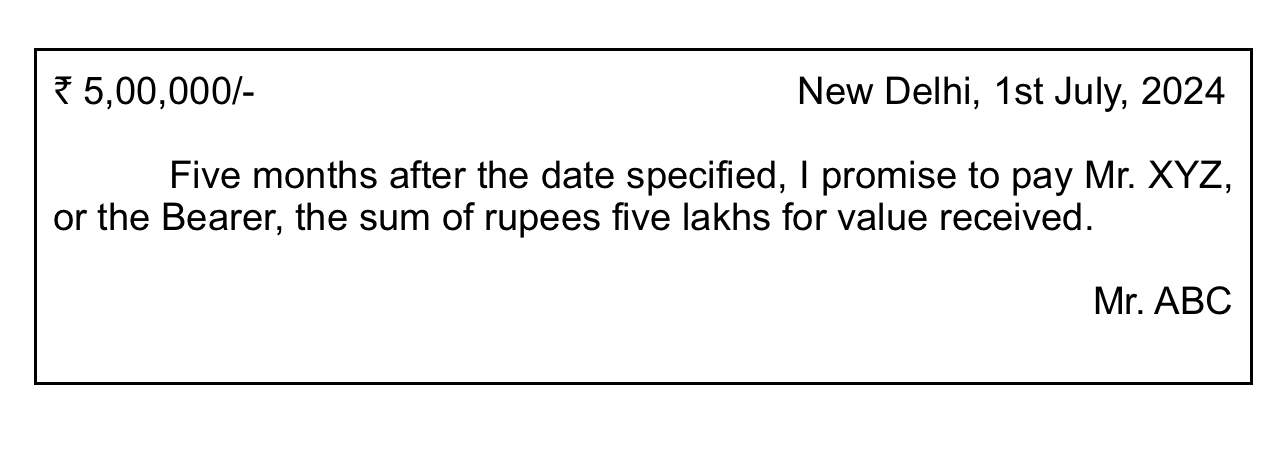

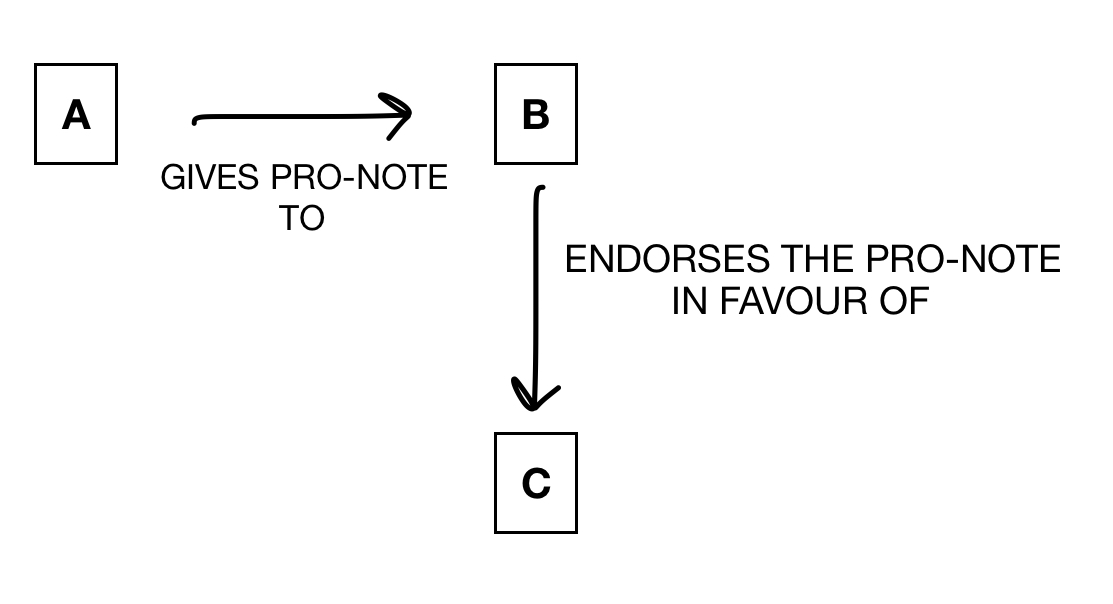 take an example to understand it: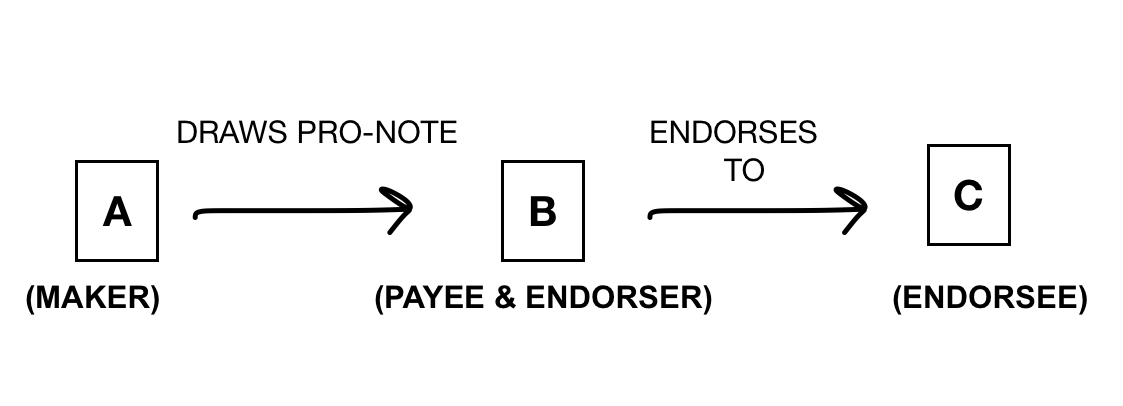




 Allow notifications





