Sustainable development is development that meets the needs of the present without compromising the ability of future generations to meet their own needs.
Environmental, social and governance (ESG) criteria are a set of standards for a company’s operations that socially conscious investors use to screen potential investments. ESG factors have become increasingly important in the last several years when it comes to merger and acquisition (M&A) deal-making, including deal values and decisions.
ESG indicators cover a wide range of issues, including but not limited to shareholder’s rights, board management and decision making, environmental risks and regulations, climate change resilience, human rights issues, etc. It helps in evaluating an organisation’s ability to retain customers, employees and growth opportunities.
The relationship between ESG factors and transactional commercial risks and possibilities is becoming more widely acknowledged. Due to this, businesses are now using ESG-driven criteria to assess the investment target’s economic viability and potential for long-term sustainable value creation, while ESG reporting refers to the disclosure of data covering the company’s operations in three areas: environmental, social and corporate governance. It provides a snapshot of the business’s impact in these three areas for investors.
Environment
Environmental criteria may include a company’s energy use, waste, pollution, natural resource conservation, and treatment of animals. The criteria can also help evaluate any environmental risks a company might face and how the company is managing those risks. For example, there might be issues related to its ownership of contaminated land, its disposal of hazardous waste, its management of toxic emissions or its compliance with government environmental regulations. Companies not considering these environmental risks may face unforeseen financial risks and investor scrutiny.
Social
The social criterion examines how a company fosters its people and culture and how that has ripple effects on the broader community. Factors considered are inclusivity, gender and diversity, employee engagement, customer satisfaction, data protection, privacy, community relations, human rights and labour standards.
Social criteria look at the company’s business relationships, like:
Does the company donate a percentage of its profits to the local community or encourage employees to perform volunteer work there?
Do the company’s working conditions show the right regard for its employee’s health and safety?
Are other stakeholder’s interests taken into account?
Governance
Governance considers a company’s internal system of controls, practices and procedures and how an organisation stays ahead of violations. It ensures transparency and industry best practices and includes dialogue with regulators. Factors considered are the company’s leadership, board composition, executive compensation, audit committee structure, internal controls and shareholder rights, bribery and corruption, lobbying and whistleblower programmes. Key factors considered in governance include:
Leadership and board composition:
The tone set at the top by the company’s leadership is crucial.
The composition of the board of directors influences governance decisions, with diverse backgrounds and independent directors strengthening oversight.
Executive compensation:
Alignment of executive compensation with long-term performance and shareholder interests promotes responsible decision-making.
Audit committee structure:
A robust audit committee structure, comprising independent directors, enhances financial reporting integrity and risk oversight.
Internal controls and shareholder rights:
Implementing comprehensive internal controls ensures compliance with laws and regulations, safeguards assets, and mitigates financial risks.
Protecting shareholder rights, including access to information, voting rights, and dividend distributions, fosters trust and transparency.
Lobbying and whistleblower programs:
Engaging in responsible lobbying activities within the confines of the law promotes transparency and ethical influence on policy decisions.
Implementing effective whistleblower programs provides a safe channel for employees to report misconduct and encourages ethical behaviour.
Differences between ESG and CSR
Aspect
Environmental, Social & Governance (ESG)
Corporate Social Responsibility (CSR)
Definition
Comprehensive framework encompassing environmental, social, and governance factors.
a subset of corporate responsibility, mainly focusing on social aspects and philanthropy.
Scope
Broader and more comprehensive, covering environmental sustainability, social practices and corporate governance.
Often narrower, with a primary focus on social and community-related initiatives.
Regulatory mandate in India
The regulatory framework related to environmental, social and governance (ESG) is not found in any one piece of legislation but comes under various pieces of legislation, including: the Factories Act, 1948; the Environment Protection Act, 1986; the Air (Prevention and Control of Pollution) Act, 1981; the Water (Prevention and Control of Pollution) Act, 1974; the Company’s Act, 2013; and the Securities and Exchange Board of India, 2015 (Listing Regulations).
Section 135 of the Company’s Act, read with the Company’s (Corporate Social Responsibility Policy) Rules, 2014, makes it mandatory for certain companies with a specified net worth, turnover or net profit. Eligible companies are required to annually spend at least 2% of their average net profits from the last three financial years on CSR.
Examples of Indian companies
Tata Group emphasises sustainability and ESG factors.
Reliance Industries has a significant CSR presence.
Is ESG relevant to M&A in India
ESG assumes a lot of significance in Indian mergers and acquisitions, as investors are increasingly favourably looking at companies that are ESG compliant, and therefore, if, as a company, you are ESG compliant, whether in terms of having robust anti-corruption policies, anti-money laundering policies, employee policies, or being environmentally sound, the chance of attracting good investors at a high valuation is very high.
For instance, a company that has poor environmental policies and is into manufacturing and therefore is vulnerable to a fire hazard that can cause accidents in the factory or a poor money laundering policy would really find it tough to attract good investors and that good valuation.
Also, customers are increasingly looking to do business with companies that are ESG, which gives some companies a significant competitive advantage over their competitors. Lastly, even employees are looking to stick around companies that are Pro ESG in their outlook and therefore, in order to attract and retain top talent, a company will be advised to be ESG compliant.
In India, while ESG norms have been in play since 2009 through voluntary compliance, it is only recently that the Securities Exchange Board of India (SEBI) came up with mandatory ESG disclosure requirements for the top 1000 listed companies. Further, financial institutions have also been asked to rely on voluntary guidelines on ESG risk management, issued by the Indian Banks Association (IBA), while providing finance to companies. It is applicable to both private and public companies.
The new ESG disclosure requirements are based on the Global Reporting Initiative (GRI) Standards and cover a wide range of ESG topics, including:
Environmental: Climate change, energy consumption, water use, waste management, and biodiversity.
Social: Employee relations, labour standards, human rights, and community engagement.
Governance: Board diversity, executive compensation, and anti-corruption measures.
Companies will be required to disclose their ESG performance on an annual basis and will be subject to review by SEBI. The new requirements are expected to have a positive impact on the Indian economy and environment by encouraging businesses to adopt more sustainable practices.
Here are some of the potential benefits of mandatory ESG disclosure requirements:
Enhanced transparency and accountability: Mandatory ESG disclosure will help to make companies more transparent and accountable for their ESG performance. This will allow investors, consumers, and other stakeholders to make more informed decisions about the companies they interact with.
Increased sustainable investment: Mandatory ESG disclosure will help to attract more sustainable investment to India. Investors are increasingly looking for companies that are committed to ESG and are willing to put their money behind them.
Improved competitiveness: Mandatory ESG disclosure will help Indian companies to become more competitive in the global market. Many countries are adopting mandatory ESG disclosure requirements, and Indian companies need to keep up with the trend in order to remain competitive.
The new mandatory ESG disclosure requirements are a positive step forward for India. They will help to enhance transparency, accountability, and sustainability in the Indian economy.
What are investors and lenders looking for in M&A transactions considering ESG
Banks, who themselves have their own net zero commitments, want the company’s compliance with ESG factors in M&A transactions and are interested in looking at the company’s performance to lend them money. Big businesses think about the supply chain when they are providing opportunities for transactions and that drives the behaviour of the supply chain. Investors and lenders also want to look at the stringent reporting of ESG compliance. For each criterion, there are metrics to report on. Data is collected for each metric and these metric values are compiled together to give a final ESG score. Organisations with good ESG are considered proactive businesses with lower investment risks.
What ESG related risks should be considered in M&A
Financing
Acquirers should consider the impact of ESG on the costs and availability of financing, both in terms of acquisition financing and the ongoing financing of the acquired business post acquisition. The cost of capital may effectively increase for businesses that underperform on ESG criteria, as lenders often prefer to lend to greener, more sustainable ventures. Bank zone investors are pressing them to increase lending to renewable energy and decrease lending to traditional fossil fuel extraction.
Regulatory risk
The evolving ESG regulatory landscape requires companies to keep abreast of the latest ESG standards globally and domestically. The broad range of areas subsumed within ESG includes climate and energy, diversity, pay equity, cyber security, forced labour and ethical business practices.
Investment engagement and ESG activism
Boards and management should pay significant attention to ESG matters and M&A transactions, as they remain a top priority for investors. The trend would likely increase, as the growing body of evidence suggests. The companies that perform better on ESG criteria tend to have lower costs of capital and greater revenue growth potential in the context of M&A transactions, The board and management should be prepared to demonstrate how ESG considerations are sufficiently assessed and managed in investor presentations and transaction negotiations. Unaddressed ESG risks can cause bumps in the road when trying to obtain the required shareholder’s approvals for a transaction.
What focused due diligence needs to be done
Before an acquisition or other investment transaction, an acquirer should have a good understanding of the target’s ESG profile to assess the accretive or dilutive impact of such a transaction on the combined company’s aggregate ESG profile. In the initial target identification process, the threshold question that an acquirer would typically consider the strategic fit of relevant targets or assets is relevant in the ESG context as well.
Increasing significance of ESG in M&A
Value creation: Sustainable practices often translate into long-term value. Companies with strong ESG credentials are more likely to secure investor and consumer trust, thus enhancing their value. Buyers are increasingly interested in acquiring such companies.
Regulatory compliance: Governments worldwide are introducing stricter ESG regulations. M&A deals must align with these evolving standards to avoid compliance issues and future costs.
Reputation management: In the age of social media and instant information sharing, a tarnished ESG reputation can quickly erode market value. Acquiring a company with poor ESG performance can spell disaster for a buyer’s reputation.
Stakeholder expectations: Investors, consumers, and employees are becoming more ESG-conscious. Companies that fail to address these concerns risk alienating stakeholders. M&A decisions must align with these evolving expectations.
Risk mitigation: ESG factors are now recognised as sources of risk. Companies with poor ESG records may face legal liabilities, reputational damage, or operational disruptions. In M&A, thorough due diligence includes assessing these risks.
Challenges of ESG integration in M&A
In India, there are currently no enacted laws relating to ESG other than the compulsory Business Responsibility and Sustainability Reporting (BRSR) framework, which requires disclosures to be made by the top 1000 companies’ market capitalization as mandated by the Securities and Exchange Board of India. Except for BRSR disclosures, there is no reliable information database about the ESG credentials of any company in India. This makes it difficult for stakeholders to make informed investment decisions.
Another challenge is integrating ESG norms into a set of standard principles. Since ESG norms are still evolving (and ESG issues are inherently endogenous), standardising ESG compliance criteria is difficult. While it may be possible to create a broad ESG framework, region and industry-specific variations will remain.
Another issue is the lack of awareness and the absence of proper governance and legal requirements outside of BRSR. While companies recognise the importance of ESG, they may not be willing to invest the necessary resources to implement ESG practices. This is because, currently, awareness about the long-term impact of ESG is still less significant in India, especially compared to Europe or the United States.
Some contractual protection that should be used
Representation and warranty clause: The companies shall make sure that a target company is in compliance with ESG regulations and that there are no material liabilities relating to ESG.
Indemnification clause: It is included to make good on losses done by the defaulting party in case of breach related to ESG matters, covering damages, and compensation because of non-compliance.
Audit rights clause: To allow buyers to conduct periodic ESG audits to ensure continuous compliance with agreed ESG standards.
Insurance clause: To obtain coverage for potential ESG-related liabilities.
Termination clause: In case of any material breach related to ESG matters, the non-defaulting party may terminate the deal.
Dispute resolution clause: A mechanism for resolving disputes related to ESC matters through arbitration or mediation.
Post-closing integration
Following closing, having a detailed road map of changes to be implemented based on ESG diligence facilitates the integration period and minimises the potential risk of continued misconduct that could cause us legal and reputational harm post-acquisition.
The acquirer should ensure that appropriate ESG policies and reporting of an equivalent scope and standards are implemented by the target, communicated effectively to the relevant stakeholders and enforced by management to expedite the transition process.
Case study of a successful M&A with strong ESG considerations
One example of a successful merger and acquisition (M&A) that incorporated strong ESG considerations is the acquisition of Burt’s Bees by Clorox in 2007. Burt’s Bees, a personal care products company, had a strong commitment to environmental sustainability, which was a key factor in Clorox’s decision to acquire the company.
Clorox, a multinational manufacturer and marketer of consumer and professional products, was looking to expand its portfolio into the natural products market. Burt’s Bees’ commitment to environmental sustainability, ethical sourcing, and natural ingredients made it an attractive acquisition target.
Clorox recognised the value in Burt’s Bees’ ESG commitments and sought to preserve and enhance these values post-acquisition. Clorox continued to operate Burt’s Bees as a standalone business, maintaining its commitment to sustainability and natural ingredients. This acquisition has been successful, with Burt’s Bees continuing to grow and expand its product offerings while maintaining its commitment to ESG principles.
Case study of an M&A where ESG issues resulted in deal failure
Another case where ESG issues led to M&A complications is the attempted acquisition of Energy Solutions by Waste Control Specialists (WCS) in 2016. Energy Solutions, a nuclear waste disposal company, was set to be acquired by WCS, a company that also specialises in the treatment and disposal of nuclear waste.
However, the deal faced significant opposition from environmental groups and some government officials due to concerns about the environmental and public health risks associated with nuclear waste disposal. These stakeholders argued that the merger could lead to a near-monopoly in the sector, potentially reducing incentives for the company’s use of nuclear waste responsibly and safely.
In response to these concerns, the U.S. Department of Justice sued to block the deal on antitrust grounds. Although the company contested the lawsuit, it eventually decided to abandon the merger in 2017 due to the ongoing legal challenges and public opposition.
Conclusion
Research from data management firm ESG Book shows that ESG regulation has increased by 155% over the past decade, reflecting the rapid growth of sustainability-based policy interventions. This sharp rise is only expected to continue, as markets look for more effective and transparent ways to drive capital to sustainable businesses and outcomes.
As ESG gains more significance, market forces will drive companies to re-evaluate their ESG policies. Similarly, the ongoing attempt at global standardisation of ESG principles (which has its own challenges) will also drive legal reform in India.
At this point, Indian companies need to understand both the relevance and the inevitability of compliance with ESG principles. This is a permanent change and not merely an investor trend. The prudent approach would be to introduce future-ready policies and strategies that are cognizant of ESG and hence capable of helping companies build sustainable businesses, attract investors and ensure long-term, sustainable returns on their investments.
An organisation is defined by the effectiveness of the employees working in it and not by its physical infrastructure. Employee engagement is therefore one of the most important factors that affects a company’s growth and success. Progressive company leaders and senior HR executives today are looking towards technology to enhance their employees’ experiences and boost engagement. Generative AI, an artificial intelligence solution, is one such technology that helps in engaging employees and thereby leading to organisational success. Generative AI thus plays a crucial role in keeping the organisation a step ahead of its competitors.
But what exactly are the dynamics between generative AI and employee engagement? How exactly does it work?
Enhancing communication with chatbots
Chatbots, one of the applications of generative AI, are generally used by companies to communicate with and engage with employees. Being a high visibility application, it is popularly used by employees for instant responses to their queries and concerns. This stream of instant and authentic communication not only provides comfort but also fosters trust within the employees.
While on one hand the chatbots can help the employees in real-time get answers to frequently asked questions and provide them with HR related information, on the other hand, these AI powered chatbots can be deployed to enhance employee engagement “by generating personalised messages, newsletters or announcements.”
Personalized learning and development
AI uses data to analyse employee’s skill-sets, preferences and goals, and based on this, AI driven systems can recommend courses, resources and training to upskill the employee and thereby further his career. This further helps to foster trust and loyalty amongst the employees, as he feels that the company is interested in his individual career growth.
Also, by automating routine tasks, AI allows employees to focus on more important and creative aspects of their KRAs. This shift in focus from routine tasks to higher-value tasks, in turn provides opportunities for skill development, which in turn fosters job satisfaction.
Generative AI can analyse future industry trends and forecast skill gaps that will need to be filled in the future. Senior executives and HR heads can use this information to upskill capable employees within the workforce to help bridge this skill gap and be future ready. This approach to learning and development gives employees within the organisation the chance to enhance their skills by receiving relevant training and thus they stay engaged, leading to job satisfaction. This creates a win-win situation by contributing to both employee growth and organisational growth.
Optimizing work-life balance
Having a healthy work-life balance reduces stress and ultimately leads to job satisfaction. Generative AI-powered scheduling tools create optimised work schedules by considering the employee’s preferences, personal commitments, and peak productivity hours. This leads to employee’s well-being, engagement, and work commitment.
Another way Generative AI can have a positive impact on employees’ well-being is by analysing indicators such as work-load and stress levels and providing senior executives/management the insights to initiate timely measures for promoting a healthier work-life balance.
Assessing employee well-being can be automated using AI. AI can analyse certain indicators, such as work hours, workload and stress levels, to reveal the level of well-being of the employee.
Generative AI also helps to identify the factors or drivers, be they reward and recognition programmes, flexible work arrangements or career growth opportunities, that have the biggest impact on employee engagement. This information can then be used to motivate the employee on an individual level. The effectiveness of all such initiatives taken by the HR or reporting senior executive to motivate the employee can be measured in real-time. This measurement enables timely adjustments to maximise effectiveness, address any concern or even capitalise on the positive impact of these initiatives.
Fostering an inclusive culture
Generative AI can eliminate all biases in the hiring process by screening job applications, identifying and removing all information that may unconsciously lead to bias. AI thereby helps create a culture of diversity and inclusiveness in the organisation.
Biases in the performance evaluation processes can also be identified by AI algorithms, thus promoting objectivity and fair play This ensures that talent and hard work are recognised and acknowledged, irrespective of the personal characteristics and background of the employee. Reward and recognition programmes are thus enhanced by AI, which recognises and removes biases from performance data, identifying employees who may have been overlooked and ensuring equitable distribution of recognition efforts.
The resultant diverse workforce helps boost employee morale and engagement.
Generative AI can be used to analyse the values and beliefs that influence employee engagement and thus reveal cultural insights entwined within the organisation. This analysis can help in devising an engagement strategy that is in alignment with the organisation’s unique culture and, in turn, creates a sense of shared purpose and belonging amongst the employees.
‘Trust’ is the most important influencer that directly impacts employee engagement. The HR department, along with the senior executives of an organisation, can today make use of the technological advancements made in generative AI to foster and build trust in the employees towards their organisation and enhance employee engagement. For the success of any business, it is imperative to build a ‘Culture of Trust’, for it is trust that drives open communication, enhances motivation, enables effective leadership, and fosters employee well-being and a positive organisational culture. Today, the most powerful tool that can help build trust and enhance employee engagement is generative AI.
Predictive analytics for employee retention
“Employee engagement analytics is like having a superpowered microscope that allows you to zoom in and examine the intricate details of your workforce’s satisfaction, motivation, and overall engagement levels.”
By analysing various data points generated by senior executives through surveys, feedback, employee performance reviews, and perhaps even social media interactions, AI analytics can predict the level of employee engagement, employee sentiments and the current state of mind of the employees. The analysis throws up red flags in employee sentiments, giving the employee’s reporting senior executive an opportunity to pre-empt any thought in the employee’s mind to resign from his post.
But why is analysis so important for any company? This is because employee engagement has a cascading effect; thus, employee engagement gives rise to employee happiness, which in turn enhances employee productivity, loyalty and a longer stint in the same company.
In fact, in the initial stage of recruitment itself, AI can help in application screening and choose the best fit candidate, thus improving the quality of the employees hired and long-term employment.
The initial days of a new hire are very crucial and it’s important that the new employee feels settled in at the earliest. AI eases out and streamlines the initial routine documentation and other paperwork and initiation processes like induction and training, thereby giving the employee a comfortable experience and making him start on a positive footing.
Recruitment comes at a cost and losing valuable talents causes an even bigger cost to any company. Therefore, predictive analytics is a very valuable application of generative AI. AI can predict which employees are at a higher risk of exiting the company by analysing employee behaviour patterns and historical data. This analysis gives the company the opportunity to take pre-emptive steps to retain the employee in case he is a valuable talent.
Effective ways to implement generative AI-powered employee engagement
Implementing generative AI-powered employee engagement strategies can revolutionise the way companies engage with their workforce. Here are expanded insights and practical steps to effectively implement generative AI in employee engagement:
Identify key areas for enhancement:
Analyse existing employee engagement surveys and feedback to identify areas where generative AI can make a significant impact.
Focus on aspects such as personalised learning and development, enhancing communication and collaboration, and fostering a sense of belonging.
Choose the right AI platform:
Evaluate various generative AI platforms based on their capabilities, ease of use, and integration with existing HR systems.
Consider factors like scalability, security, and compliance to ensure a smooth implementation.
Integrate with HR processes:
Seamlessly integrate the chosen AI platform with HR processes such as onboarding, performance management, and internal communications.
Leverage AI-generated insights to automate tasks, streamline workflows, and make data-driven decisions.
Personalise employee experiences:
Utilise generative AI to create personalised content and recommendations tailored to each employee’s preferences and career aspirations.
Offer relevant training materials, skill development suggestions, and mentorship opportunities based on individual needs.
Foster a culture of learning:
Implement AI-powered learning platforms that provide employees with access to a wide range of courses, certifications, and personalised learning paths.
Encourage employees to engage in continuous learning and skill development to adapt to evolving job requirements.
Enhance communication and collaboration:
Use AI-generated summaries and insights to facilitate effective communication between employees and managers.
Leverage AI-powered chatbots and virtual assistants to provide real-time assistance and support.
Promote a sense of belonging:
Create AI-driven employee communities and discussion forums where employees can connect, share ideas, and collaborate on projects.
Use AI to analyse employee sentiment and address concerns promptly.
Measure and evaluate impact:
Continuously monitor and evaluate the impact of generative AI on employee engagement.
Collect feedback from employees to assess their satisfaction with the AI-powered initiatives.
Make adjustments based on the evaluation results to optimise the employee engagement strategy.
By implementing generative AI-powered employee engagement strategies, companies can foster a more engaged, productive, and innovative workforce, ultimately driving organisational success in the digital age.
Benefits for enterprises on implementing generative AI-powered employee engagement
Benefits for enterprises from implementing generative AI-powered employee engagement:
Increased productivity: Generative AI can help employees be more productive by automating repetitive tasks and providing them with real-time assistance. This can free up time for employees to focus on more creative and strategic work.
Improved employee experience: Generative AI can help to create a more positive and engaging employee experience by providing personalised recommendations and support. This can lead to increased job satisfaction and reduced turnover.
Enhanced decision-making: Generative AI can help enterprises make better decisions by providing them with data-driven insights and recommendations. This can lead to improved operational efficiency and increased profits.
Reduced costs: Generative AI can help enterprises reduce costs by automating tasks and improving operational efficiency. This can lead to significant savings over time.
Increased innovation: Generative AI can help enterprises innovate by providing them with new ideas and solutions. This can lead to the development of new products and services, and increased market share.
Improved risk management: Generative AI can help enterprises manage risk by identifying potential problems and providing mitigation strategies. This can help protect enterprises from financial loss and reputational damage.
Increased compliance: Generative AI can help enterprises comply with regulations by providing them with up-to-date information and guidance. This can help to avoid fines and penalties.
Improved customer service: Generative AI can help enterprises provide better customer service by providing customers with personalised support and recommendations. This can lead to increased customer satisfaction and loyalty.
Reduced bias: Generative AI can help to reduce bias in the workplace by providing fair and unbiased recommendations. This can lead to a more inclusive and diverse workforce.
Increased employee creativity: Generative AI can help stimulate employee creativity by providing them with new ideas and perspectives. This can lead to the development of new products and services, and increased market share.
Improved employee well-being: Generative AI can help to improve employee well-being by providing them with support and resources. This can lead to a healthier and more productive workforce.
Overall, generative AI has the potential to revolutionise the way that enterprises engage with their employees. By implementing generative AI-powered employee engagement solutions, enterprises can improve productivity, employee experience, decision-making, and innovation.
Conclusion
Senior executives and HR heads will need to strategically work together to implement and incorporate AI into all the above-mentioned engagement initiatives. All business heads of the organisation can streamline their division’s processes such that they can “make data-driven decisions that positively impact employee experiences and overall organisational success.”
It is imperative that HR personnel and business divisional heads are well trained so that they are familiar with the AI tools and processes before they are implemented.
Generative AI has proved to be a powerful tool for organisations aiming to create high-value human capital, which will help leverage their company ahead of their competitors. It is therefore imperative for HR leaders of such companies to understand the full potential and benefits of generative AI and then use the tool in alignment with company goals.
Generative AI is set to reinvent HR roles and modes of operation. It allows senior executives to make data driven informed decisions that drive employee engagement and give impetus to organisational success.
We know the current era is full of AI (artificial intelligence), which is a rapidly evolving technology based on the stimulation of human intelligence into machines. In simple words, it can do things such as recognise patterns, make decisions and judge like humans. Freelancers can make effective use of AI to get clients & grow a successful career. Freelancers can save a lot of time and effort by using AI based lead generation tools to identify potential clients based on specific criteria such as industry, location and job roles.
Freelance bidding
Let’s understand the concept of bidding. Freelancers can see the jobs or work posted by clients on freelancing websites. After analysing the requirements, they can send detailed proposals with their relevant experience, bid amount and delivery time.
This is a way of bidding.
Every platform has a unique way to offer work. Freelancer and Upwork have the concept of bidding. On the other hand, a Fiverr client will come to you directly by checking your gig. The gig concept is totally different. Bidding concepts are like a freelancer who needs to put in some effort to get clients.
Before sending a proposal, freelancers should look over the following steps for fruitful bidding.
Strong profile – List your skills and add your best projects to portfolio
Understand customer requirements – Read task description carefully and ask questions if you need any clarifications.
Customised bid for every proposal – Customisation in every proposal is required because you need to show your relevant skills or projects according to client requirements.
Responsive communication and doubt clarification- Prompt reply builds trust and professionalism. To avoid misunderstandings, you should clarify requirements with the client.
Being a technical person, I would like to mention the following points.
> A proper demo of your work or expertise in the relevant skills should be reflected on your portfolio.
> Add relevant certifications on your profile
> Describe challenges you faced in past projects and how you overcame them. This showcases problem-solving skills
> Stay informed about the latest trends and updates in your technology and expand your skill set accordingly
> Participate in freelancer communities or forums to network with other developers and potential clients.
AI in freelance bidding
“AI in Freelance Project Bidding” indicates the incorporation of artificial intelligence technologies into the process of bidding for freelance projects. This could involve using AI tools, algorithms, and techniques to optimise various aspects of the freelancer’s approach.
How will AI be helpful in this? This question may come to your mind now. AI in bidding proposals will be like “Save time, stand out and Win”. There are lots of AI tools available that can increase your chances of successful bidding.
Chatgpt
There are a number of chatbots available on the internet that can be used by many freelancers and the most well known one is ChatGPT. Most technical people are aware of this. Chatgpt will create a proper template or format for your proposal.
Cover letter generating tools
Your profile with summarised content matters. AI tools like AI Writer, Jobscan can create cover letters based on your given description and skills.
In freelance bidding, some AI- driven smart strategies are needed to be considered. Here are some important factors.
Proposal tailoring – As I said earlier, you can use AI for customised bid proposals for personalisation. Freelancing platforms like Freelancer, Upwork offer this feature. The leading freelancing platform Upwork has its own proposal generator tool, which is featured nowadays and gaining popularity day by day and freelancer.com, with premium account, offers AI bid writer tool for proposals. This is based on the NLG (natural language generation) model.
Predictive analysis– Lots of AI tools like Kaggle, DataRobot, or Google Cloud AI are available for predictive analysis before the start of the project.
Pricing strategies– Dynamic pricing plays an important role when you want to set price ranges based on project complexity and market trends. This algorithm is integrated into platforms like Freelancerr, Upwork and Fiverr. Skill matching strategies. Most websites have this algorithm to match skills according to client requirements. Be open to discussions but ensure any adjustments in pricing are fair and reflective of the scope of work.
Feedback analysis – AI will be helpful in the strategy of feedback analysis, where client’s feedback will be analysed to improve services. View rejection as an opportunity to improve your approach and refine your strategies. e.g., MonkeyLearn, Lexalytics, or Google Cloud Natural Language API
Automated Response Systems- This system consists of chatbot frameworks. If added to your freelance profile, it will provide responses to common client queries. I will be helpful in collecting the requirements.
Automated Skill highlighting – This involves key extraction tools . This tool takes keywords related to the skills from description and highlights them in the proposal.
Strategies for android developer
Being an Android app developer, I would like to mention strategies to win technical projects. I am giving an example for Upwork/ Freelancer platform. Check the following key points.
Create a strong profile
Highlight your experience, skills, and expertise as an Android developer.
Include a professional photo and detailed bio that showcase your strengths and background.
Upload samples of your previous Android projects to demonstrate your capabilities.
If you have relevant certifications or have completed courses in mobile app development, mention them in your profile.
Search for relevant projects:
Use Upwork’s search filters to find Android development projects that match your skills and interests.
Look for projects that align with your expertise, experience level, and availability.
Understand requirements:
Review project descriptions thoroughly to understand the client’s requirements, objectives, and deliverables.
Identify key project details such as technology stack, project scope, deadlines, and budget.
Customise your proposal:
Tailor your proposal to each project by addressing the client’s specific needs and requirements.
Highlight your relevant experience, skills, and qualifications as an Android developer.
Showcase your understanding of the project scope and your approach to delivering high-quality results.
Provide relevant samples of your previous Android projects to demonstrate your capabilities.
Set a competitive bid:
Consider the project scope, complexity, and your level of expertise when setting your bid amount.
Be competitive with your pricing while ensuring it reflects the value you’ll deliver.
Clearly outline what’s included in your bid and any additional services you can offer.
Communicate promptly and professionally:
Respond to client messages and inquiries promptly to demonstrate your professionalism and commitment.
Clarify any questions or doubts you have about the project before submitting your proposal.
Follow up:
If you haven’t heard back from the client after submitting your proposal, consider sending a polite follow-up message to express your continued interest in the project.
Deliver quality work:
Make sure you are delivering the best quality work at the time discussed.
Communicate regularly with the client to provide updates, address any concerns, and ensure satisfaction with the final deliverables.
This is the technical example with all the steps. The same steps can be followed for your role with respect to details.
Benefits
The use of AI will definitely help in saving time for freelancers.
Expand on ideas and outlines.
Efficiency – AI based project management tools are helpful in managing your schedule as well as resources.
Research for new projects based on your work and skills became easy to use.
Client satisfaction – AI tools for client interaction like scheduling meetings and prompt responses can make them satisfied.
Freelancers can stand out differently with their unique way of proposing.
Provides solutions for every problem.
AI is very helpful for tedious tasks.
AI algorithms can analyse vast amounts of data to make informed decisions, leading to better outcomes and insights.
Limitations
You are using AI tools for freelancing bidding without reviewing them, which will be risky for you. These tools are not 100% accurate. Some personal touch is needed
To avoid AI generated mistakes,. In the case of proposals, they should appear real. Always make sure that you are reviewing content before submission.
Chat GPT 3.5 has data that was last updated in 2022. So, always make sure you are using the latest information.
Sometimes, human beings can face a lack of common sense. Because if we use AI blindly without understanding the concept or applying any logic. I will definitely be affected by common sense.
Continuous use of AI will also affect creativity and productivity of people.
AI may affect problem solving skills.
AI bidding platforms might face security risks, potentially exposing clients’ sensitive data.
Conclusion
To succeed in winning bids on any freelancing platform, freelancers must understand, personalise, and communicate effectively. By leveraging AI strategically, you can optimise your bidding approach, increase your chances of winning projects, and stand out in the competitive freelance landscape.
These five secrets include utilising AI for personalised proposals, analysing market trends with predictive analysis tools, implementing dynamic pricing strategies, matching skills to client requirements using AI algorithms, and analysing client feedback to improve services. Overall, integrating AI into the bidding process can significantly enhance freelancers’ chances of success in securing projects and thriving in the freelance market.
This article has been written by Dhriti Thingalaya. Here, the author attempts to present significant changes that took place after the remarkable judicial decision that changed the fate of abortion laws in the USA. This is an elaborative article on different areas of abortion laws in Texas. It also gives an overview of how the law has progressed over the past few years by giving a timeline of those years and extensively explaining the Heartbeat Act and its aftermath.
Table of Contents
Introduction
The abortion laws in the US vary significantly from state to state, as different states impose different restrictions on the procedure of abortion. The levels of banning or restricting abortion policies differ based on the stages of pregnancy, with certain exceptions. Some states permit abortion up to a certain point in a woman’s pregnancy, while other states allow it at all stages of a woman’s pregnancy period. There are also states where abortion is legal, but it comes with several limitations, like gestational limits and waiting periods between counselling and the actual abortion procedure. In many states, women seeking an abortion are required to receive counselling that includes information about the procedures, potential risks and alternatives to abortion, and insurance restrictions that cover abortion services or any such ban on specific procedures after a certain gestational stage.
The current legal status of all the states in the USA is that of broad discretion provided to prohibit or regulate abortion. There are several judicial pronouncements from 1973 to 2022 that have changed the fate of women’s right to get an abortion in the USA for different states. One such renowned judgement is based on the Supreme Court ruling in Roe v. Wade (1973). In this case, the Supreme Court affirmed the right to liberty in the Constitution of the United States, 1789, specifically safeguarding personal privacy. This protection extends the right to make decisions regarding pregnancy. Notably, the Roe decision raises reproductive decision-making to the same level as that of other fundamental rights, like the right to life and right to equality. But this ruling was reversed 49 years later in the 2022 Dobbs v. Jackson’s case in 2022. This case took away the constitutional rights to abortion and paved the way for states to ban abortion, abandoning the age-old principle that was followed and ruled that there is no constitutional right to abortion.
With the overturn of Roe v. Wade by the Supreme Court of the USA in June 2022, abortion policies are now in the hands of each state. After the immediate effect of the above-mentioned decision, the majority of states in the USA have taken quick action by reframing their policies. But one of the largest states that had a huge impact with this ruling is the state of Texas. This state has banned nearly all abortions, and the goal here, in this article, is to identify the different aspects of Texas abortion law and the policies framed by various states in the USA with respect to the new law in force.
History and evolution of Texas abortion laws
History of abortion laws in Texas dates back to 1854. The General Law of Texas, 1854 criminalised the act or attempt to procure the miscarriage of any pregnant woman. Since then, various other laws were formulated along with judgments which caused a huge upheaval in the abortion laws of Texas. In the subheading below, the date-wise development in Texas abortion law is discussed in detail.
Timeline of Texas abortion laws
1925 laws
The Texas laws of 1925, also known as pre-Roe laws, still find their significance in recent times, as the legislature never really removed them from their statutes despite the fact that they were declared unconstitutional by the remarkable Roe v. Wade judgement. In Dobbs vs. Jackson’s ruling of 2022, Attorney General Ken Paxton indicated that there was potential for the enforcement of these laws.
Before Roe v. Wade, many states in the United States had either banned abortion or had strictly restricted it. These laws created in the 19th and 20th centuries mostly targeted those who performed abortions rather than women seeking the procedure. The main goal here was to protect pregnant women and their unborn babies from any harm.
In the early 20th century, almost all states prohibited abortion, but social change in the following decades, driven by movements like women’s suffrage and feminism, led to a push for more political and sexual freedom for women. In 1967, Colorado became the first state to expand the circumstances under which a woman could legally have an abortion. By 1970, 11 more states had similar changes and 4 States had completely removed criminal penalties for abortion during early pregnancy.
During this time, abortion rights advocates challenged existing state laws in courts, arguing that they were unclear or violated privacy or equal protection rights guaranteed by the U.S. Constitution. However, state and lower federal courts often rejected these arguments, leading to a complex legal landscape regarding abortion rights.
1973: Roe v. Wade finds Texas abortion laws to be unconstitutional
The Supreme Court in this case efficiently weighed women’s right to privacy against the state’s interest in safeguarding potential life. According to the decision passed in this case, states were permitted to regulate abortion based on the changing extent of the pregnancy stages. During the second trimester, states could impose restrictions to safeguard mental health, while a full-fledged ban on abortion is only possible during the third trimester.
1993: Planned Parenthood v. Casey introduces “viability” standard for abortion laws
In this case, the U.S. Supreme Court not only affirmed the precedent set by Roe v. Wade, but it also introduced abortion laws. This case also restores the ‘undue burden standard’. And assesses whether the law is placing a significant obstacle in the way of a woman seeking an abortion before the foetus reaches viability. This ruling reversed Roe’s trimester framework, granting states the authority to regulate or restrict abortion once the foetus achieves viability and can survive outside the womb. This case also overturned Roe’s “trimester” structure, instead allowing states to regulate or prohibit abortion once the foetus was “viable” and able to survive outside the womb.
2003: Women’s Right to Know Act
This law requires the doctors performing an abortion to provide all the necessary information regarding the risks and medical support given to the patient during the abortion procedure. The law also requires that all abortions at 16 weeks of gestation or later be performed in an ambulatory surgical centre, which is basically a mini-hospital. Not one of Texas’ 54 non-hospital abortion providers met the standard of an ambulatory surgical centre when the law took effect in 2004.
2011: Sonogram required
In 2011, the HB 15 Bill was enacted, which was related to informed consent to an abortion. It required the physician to mandatorily provide sonogram services for at least 24 hours before performing an abortion procedure. The law requires the physician who is to perform the abortion to display the sonogram images in a manner consistent with current medical practice so that the woman undergoing that process can clearly see them. Then, the doctors are required to provide a verbal explanation of the results of the sonogram image in a manner that even a layman can understand. The verbal explanation would include a medical description of the dimensions of the embryo and foetus, the presence of cardiac activity and the presence of external and internal organs.
The patient has the right to see the sonogram and hear the heartbeat. It should be noted that pregnant women may choose not to get the description of the sonogram if the pregnancy is the result of assault or incest, if the patient is a minor, or if the fetus has an irreversible condition. So, this is what the Texas law requires, a sonogram’s explanation before performing an abortion
2013: Forbidding abortion at or after 20 week post fertilisation
The Texas legislature introduced House Bill 2, which brought in additional restrictions on clinics performing abortions and also on the distribution of abortifacient drugs (drugs used to perform medical abortions). HB2 requires physicians performing abortions to be granted admitting powers. Admitting powers are special powers granted by hospitals to doctors to allow them to admit patients for treatment within 30 miles of the concerned hospital, where the abortion was performed.
HB2 also required the doctors to check the post fertilisation stage and prohibited doctors from performing abortions if it was seen that the foetus was 20 weeks or older. Further, all abortion care facility providers are required to adhere to the standards of ambulatory surgical centres (mini-hospitals). Apart from that, this law also allowed only doctors to distribute oral abortifacients. While distributing and administering those drugs, they need to follow a state protocol, including a mandatory follow-up visit within fourteen days.
2016: New restrictions on minors
In the case ofWhole Woman’s Health v. Hellerstedt (2016), the Supreme Court invalidated certain abortion laws in Texas, deeming them unconstitutional as they placed an undue burden on access to abortion. The court specifically ruled that admitting privileges at nearby hospitals and imposing surgical centre standards on abortion clinics constituted significant obstacles to women seeking abortion services.
2017: Texas banned coverage in the Insurer Plan and tissue disposition during partial birth abortions
The health insurance plan must not include abortion care, as Texas law has banned insurers from including coverage plans for abortion, requiring people to buy a separate plan for abortion care. The 85th Legislature’s SB 8 added two new subchapters to the Women’s Right to Know Act. Subchapter F, which prohibits “partial-birth” abortions, has been termed by Congress as crossing a line from abortion to infanticide. Subchapter G prohibits “dismemberment abortions, which is a previous method of practicing infanticide.”
2019: Texas legislature Senate Bill 22
This Bill bans government entities from entering into partnerships or providing any medical assistance or otherwise to the clinics that are affiliated with providing abortions. This further cuts off vital support to low-cost clinics, which people rely on for basic healthcare facilities. Further, in the same year, Texas House Bill 16 was passed, criminalising abortion providers who do not provide medical treatment for the foetus if born after an abortion.
2021: Texas Heartbeat Act
The Senate legislature passed Senate Bill 8 (SB8). This law bans abortion after 6 weeks of pregnancy; sometimes this time lapses even before a woman knows that she is pregnant. This unprecedented law also authorises private individuals to file a civil lawsuit for providing, detecting, or aiding abortion after a foetal heartbeat is detected. The law also incentivizes those individuals who successfully sue an abortion provider by offering at least $10,000.
2022: Dobbs v. Jackson Women’s Health Organization overturns Joe v. Wade
In the case of Dobbs v. Jackson Women’s Health Organization (2022), the Supreme Court of the US passed a judgement overturning the wrongly interpreted Roe v. Wade’s case. It was found that the right to access abortion was not included in the US Constitution. This case then gave all the states the liberty to frame their own abortion policies without restriction. This significant case proved to be a potential trigger listed in Texas’s trigger law. This potential trigger then led to the prohibition of many abortions, with effect from August 25, 2022.
Historical decision of Roe v. Wade and overturning of Texas abortion laws
Facts of the case
In this case, Norma McCorvey, whose legal pseudonym is Jane Roe, a pregnant woman, filed a lawsuit against Henry Wade, who was the district attorney of Dallas County, Texas, at the time. She was denied the right to abort her child, which breached her privacy rights as mentioned in the Fourteenth Amendment.
A Texas doctor also came to the forefront alongside Jane Roe for supporting her cause of action, asserting that the state’s abortion laws were too vague to follow. He was also detained for violating the provision of the State Penal Code of 1857, the statute that was in existence at that time, wherein Texas was under a near total ban on abortion unless it was done to save the mother’s life. At that time, abortion was illegal in Texas, except in the case where it was carried out to protect a mother’s life; otherwise, it was a criminal offense to get an abortion or even provide an aid for the same. Thus, in this lawsuit, Jane Roe challenged the constitutionality of the Texas abortion law, which banned abortion. And it was claimed by her that such a law violated her right to privacy, which was guaranteed under the Fourteenth Amendment of the Constitution of the US.
Before this case went to SC, it was decided by the US District Court, which had given its verdict in favour of Jane. To this end, the opposite party appealed to SC.
Issues raised
Does the Constitution protect or recognize women’s right to terminate her pregnancy by abortion?
Arguments advanced
Each side presented several arguments before the Supreme Court; here the author has highlighted the important ones.
Texas defend absolute restrictions
States have the right to frame policies regarding health, maintaining medical standards, protecting prenatal life, and safeguarding the interests of the public at large.
The contention in Roe v. Wade centred on the recognition of a foetus as a person protected by the Fourteenth Amendment.
Safeguarding pre-natal life since its conception is a compelling interest of the state.
Roe claims absolute privacy rights
Joe Roe and others involved based their case on the following arguments.
The Texas abortion law violated individuals 14th Amendment rights.
The Texas abortion law encroached upon protected zones of marital, familial and sexual privacy guaranteed by the Bill of Rights.
The right to have an abortion is absolute, maintaining that an individual has an unequivocal entitlement to terminate a pregnancy at any time, for any reason and through any means of their choosing.
Supreme Court’s decision
The US Supreme Court listened to the arguments of both parties. First, the court did consider that abortion falls under privacy rights. Privacy rights in the USA stem from the “Due Process Clause” of the 14th Amendment. Although the Due Process clause does not itself expressly articulate the right to privacy, the Supreme Court officially recognized this right in 1891. In the landmark case of Roe v. Wade, the Court further affirmed the right to privacy, establishing it as a constitutional protection within the broader framework of individual liberties.
The Court was a little unconvinced with the state’s defense regarding constitutional protection of the foetuses since its inception; rather, it says that the Constitution protects those who are “born or naturalised.” Also, there is no specific definition for “person.” So, after full-fledged research over unborn children’s cases, it was recognized that the unborn children have never been recognized in the law as persons in the whole sense.
In this significant case, there is a discussion that takes on a spiritual undertone by mentioning different views on when life begins. In the Jewish faith, life is believed to begin at birth, whereas in the prevailing view held in Catholic beliefs, life begins at conception. Doctor’s views vary. They tend to believe that life commences before birth. The Supreme Court, in Roe v. Wade, established that determining when life begins is not within the purview of individual states. Contrary to accepting an absolute right to abortion, the Court opted for a nuanced approach, crafting a framework to balance state interests with privacy rights.
Acknowledging the potential conflict between the rights of pregnant people and the state’s interest in protecting potential human life, the Court delineated the rights of each party by dividing pregnancy into a trimester based structure:
First Trimester
The Court determined that during the initial 12 weeks of pregnancy, a state cannot impose regulations on abortions beyond ensuring that the procedure is conducted by a licensed doctor in medically safe conditions.
Second trimester
In the subsequent 12 weeks, the Court ruled that a state may regulate abortion provided that regulations are reasonably linked to the health of the pregnant individual.
Third trimester
During the final semester of pregnancy, the court recognised that the state’s interest in safeguarding potential human life takes precedence over the right to privacy. Consequently, the state may restrict or prohibit abortions in the third trimester of pregnancy. The state’s interest in protecting the potential human life outweighs the right to privacy, except when necessary to save the life or health of the pregnant individual.
This structured approach seeks to address the inherent tension between the rights of pregnant individuals and the state’s interest in protecting life, offering a very nuanced framework for abortion regulations based on the progressing stages of pregnancy.
Cases surrounding Texas abortion laws
Planned Parenthood v. Casey (1992)
In 1992, the Supreme Court conducted a reassessment of the principles established by Roe v. Wade during its review of Planned Parenthood v. Casey. While reinstating pregnant women’s right to choose abortion, the court departed from the trimester based framework set by Roe and instead introduced a new standard centred on foetal viability- the stage at which a foetus can potentially survive outside. It means abortion cannot be allowed after the foetus has obtained foetal viability.
Foetal viability is generally considered to occur around seven months into pregnancy (28 weeks), although it can be as early as 24 weeks. This revised standard reflects a nuanced understanding of the evolving medical capabilities and realities surrounding foetal development.
Whole Women’s Health v. Hellerstedt (2016)
In 2016, the Supreme Court evaluated Texas abortion regulations, including a law imposing stringent requirements on abortion clinics. The case challenged a Texas law known as H.B.2, which imposed restrictions on abortion clinics. The decision emphasised the importance of protecting women’s access to safe and legal abortion.
June Medical Services v. Gee (2020): Overturning admitting privileges requirement
In 2020, the Supreme Court, in a 5-4 decision, declared the Louisiana abortion statute unconstitutional. The statute required doctors performing abortions to have admitting privileges at a nearby hospital. Chief Justice John Roberts sided with liberal justices, citing the precedent set in Hellerstedt. Both decisions highlight the safety of abortions’ procedures and reinforce the principle that states cannot impose unnecessary burdens on access to abortion services.
Dobbs v. Jacksons Women’s Health Organization (2022)
Dobbs v. Jackson Women’s Health Organization (2022), centred on Mississippi’s Gestational Age Act (2019), which prohibited abortion at 15 weeks. Unlike previous challenges, Mississippi explicitly urged the Supreme Court to overturn the Roe v. Wade Judgement. The 6-3 decision made by the Justices was released on June 24, 2022, which actually overturned the Roe v. Wade judgement. This significant change tightened the abortion restrictions to the point that residents now cannot even seek abortion services. This decision has also opened doors for outright bans on abortion.
Facts of the case
In 2018, Mississippi passed a law called the Gestational Age Act (2019), which banned abortions after 15 weeks, allowing exceptions only for medical emergencies or severe foetal abnormalities. The Act also stated that, upon violation of this Act, penalties in the form of licence suspension would be imposed on abortion providers. Jackson Women’s Health Organization challenged this law, questioning its constitutionality. Thomas Dobbs, a Mississippi state health officer, filed a petition for the Supreme Court to review the case. The key question was whether all the previability restrictions on elective abortion are unconstitutional.
Arguments of the parties
Mississippi’s arguments: They claimed that the state does not guarantee a right to abortion and that states can ban it if it is related to legitimate government interests. They emphasised the 10th Amendment and claimed that the 14th Amendment’s “liberty” does not include abortion as a fundamental right since historical practices treated abortion as a crime. Mississippi also criticised the viability line used in the previous decisions.
Women’s Health Organization arguments: The Jackson Women’s Health Organization argued that abortion is protected by the 14th Amendment, linking it to the concepts of body autonomy and liberty. They highlighted that federal courts have consistently considered viability in their decisions.
Decision of the case
Justice Alito, writing for the majority, stated that the Constitution doesn’t expressly support a right to abortion. The court argued that abortion isn’t deeply rooted in U.S. history and traditions. They emphasised that before Roe v. Wade, most states tried abortion as a crime. The court rejected the idea that abortion is a fundamental right and left the regulation to the states, suggesting it’s a matter for public debate.
Implications of judgement
With abortion not recognized as a fundamental right, state regulations or state abortion laws will now face rational basis review. This gives states more freedom to regulate abortion for legitimate reasons, subject to a strong presumption of validity when challenged constitutionally.
Texas Heartbeat Act, 2021
The Texas Heartbeat Act, 2021, came into effect on September 1, 2021. It prohibits abortions once a foetal heartbeat is detected. The law significantly reduces access to abortion services, mainly prohibiting abortions after 6 weeks of gestation. This legislation protects pre-born children in Texas, which marks the first instance since the Supreme Court’s Roe v. Wade’s decision that a law protecting pre-born well before viability was implemented.
One of the unique features of this law is that it can be enforced by any private individual rather than being directly enforced by the State, or an employee of the state, or a local government entity. This means that any private citizen can file a case against any person who performs or induces an abortion or aids or abets an abortion once a foetal heartbeat is detected. While the woman seeking an abortion is not charged under this Act, this Act is so broad that it can impact other health professionals, receptionists at a health care clinic, family members and relatives, and Uber drivers who drive women to abortion clinics. The individual filing the lawsuit against these people does not need to demonstrate any family connection; a successful case in their favour will entitle them to a minimum of $10,000, and their legal fees will also be covered.
History of Texas Heartbeat Act, 2021
Passing a law that prohibits abortion after 6 weeks when a foetal heartbeat is detected has been a longtime priority for many pro-life Texas legislators. In 2013, House Bill 59 was introduced by a state representative, Phil King. However, this Bill did not pass. In 2019, again, House Bill 1500 was jointly introduced with the same intention to ban abortion after 6 weeks of pregnancy. However, HB 1500 also failed to pass.
The Texas legislators did not lose hope and came back stronger in the year 2021 with an even better approach, i.e., the Texas Heartbeat Bill, State Bill 8, which was introduced by State Senator Byan Hughes. The other day, a Companion Bill, 1515, was filed by State Representative Shelby Slawson in the Texas House of Representatives. In March, the Senate State Affairs committee reported SB-8 favourably with a 7-2 margin and in April, House Public Health Committee similarly reported HB 1515 favourably by 6-4 margin. Subsequently, on May 6th, HB 1515 successfully passed the Texas State House and on May 13th, SB 8 cleared the Texas State Senate. Then the law was signed by Texas State Governor Greg Abott, who said: “Our creator endowed us with the right to life and yet millions of children lose their right to life every year because of abortion. In Texas, we work to save those lives.”
Till date, 13 US States have enacted Heartbeat laws but most of them have been struck down by state Supreme Courts or US Supreme Courts. The legislations enacted by the States were framed mostly in a way that bestows powers upon the individuals to sue the State officials for enforcing an unconstitutional law. Because these laws directly challenge the federal protection under Roe v. Wade which acknowledges the right of women under the constitutional right to privacy whether to have an abortion or not. On the other hand, Texas law adopts a different framing. The newly framed Texas law emphasised on the privatisation of enforcement which evaded the judicial review and protected the state officials from being sued for violating the Constitution, which literally makes the law durable and difficult to challenge.
Following the introduction of the newly enacted Act, which came into effect on September 1, 2021, it has withstood several challenges, like the one wherein the constitutionality of the Texas abortion ban was raised in the Supreme Court on December 10, 2021. In a 5-4 decision, the Supreme Court decided not to stop the controversial Texas ban. This law has been active since September 1, 2021, making it illegal to have an abortion after around six weeks of pregnancy. The Court dismissed a big part of the legal challenge, saying that healthcare providers couldn’t sue healthcare professionals like judges or attorneys general. A small part of the case against the Texas Medical Board continued in the Federal Court, but on March 22, the Texas Supreme Court stopped that too. This decision essentially supports Texas’s unique way of enforcing the law, letting private citizens sue those involved in abortion procedures. As a result, it practically puts an end to most abortion access in Texas. This situation raises more concerns about constitutional rights and how state and federal courts interact.
Recent updates indicate that Texas abortion laws remain restrictive, with legal challenges facing significant roadblocks. The enforcement mechanism allowing private citizens to sue continues to be a controversial aspect of these laws, contributing to the ongoing debate over reproductive rights and legal authority.
Rationale behind Texas Heartbeat Act, 2021 and significance of a heartbeat
When naming the Act, Texas lawmakers acted strategically and not scientifically. The choice to reference heartbeats and emphasise the significance of vital life functions allowed Texas Republican legislators to further their political agendas and advocate for the right to life. The selection of the name also chose to highlight the objective of the law, which was to prohibit abortions that occur at any point after an ultrasound detects a “foetal heartbeat,” which can be detected as early as six weeks as defined in the statute.
The scientific community, after analysing it completely, has come to the opinion that the name of the Act is misleading and inaccurate. Dr. Nisha Verma, an OB-GYN specialising in abortion care and providing an abortion facility, asserted that the activity recorded during an ultrasound at an early stage of gestation is actually electrical impulses and not a true heartbeat. Further, Dr. Verma made a statement saying that “the sound that you hear is produced by an ultrasound machine and the sound of a heartbeat is only created through the opening and closing of valves, which don’t exist at six weeks of gestation.” Doctors say that “heartbeat” is not a medically precise term in early pregnancy because the embryo at six weeks of gestation is only four weeks old and does not possess a fully developed heart. Hence, any activity detected is called electrical or cardiac activity. Medical practitioners are concerned with the law’s six-week time limit and its impact on individual patients.
Exceptions to abortion bans
Texas abortion law accepts only 2 exceptions in House Bill 3058. It allows doctors to provide abortion care for the following conditions-
when a patient’s water breaks too early for the foetus to survive; or
when the patient is surviving an ectopic pregnancy.
So, it creates an affirmative defense for doctors and health care who perform an abortion in two scenarios:
An ectopic pregnancy (which is when a fertilised egg implants and grows outside the main cavity of the uterus); and
A premature rupture of the amniotic membrane in a pre-viable embryo (in other words, the mother’s water broke before the embryo was viable).
Following the decision of the Supreme Court in Dobb’s overturning Roe v. Wade, considerable attention has been diverted towards State abortion bans and the exceptions they incorporate. However, discussions about this aspect of the Texas abortion law often tend to obscure the reality and the practical challenges that it might present, and even the reports indicate that despite falling within the categories of exception, people are facing problems accessing abortion. However, there is no accurate number of people seeking abortion under exceptional circumstances. But after the significant decision in Dobb’s case, the number of individuals receiving abortion care is very low.
Also, the exceptions provided under this Bill are vague, narrow and non-clinical definitions, effectively limiting healthcare provider’s ability to cater to the needs of pregnant women. Instead, these decisions are resisted upon the states or clinics. Moreover, some states have multiple bans in effect, often creating complexities with contradicting definitions, requirements, exceptions, and standards, creating complexities and confusion for clinicians and patients. Following are some of the exceptions to the abortion ban.
To prove this defense, the defendant must show that he or she exercised reasonable medical care or treatment for the complications that were arising out of the pregnancy. It is to be noted that, as an affirmative defense, this exception may not prevent an arrest and prosecution; if proven, it would mean that the tag of a crime committed will not be attached.
This Act also protects pharmacists and pharmacies who provide drugs or medications to a doctor to whom this defense applies. This new law went into effect on September 1, 2023.
Under Texas’ abortion ban, the health exception is confined to situations involving a “life-threatening physical condition aggravated by, caused by, or arising from a pregnancy that poses a serious risk of substantial impairment of a major bodily function unless the abortion is performed or induced.” To warrant intervention through abortion care, a health condition must not only be “life-threatening” but must also be directly connected to or exacerbated by the pregnancy.
This stringent criterion implies that many serious health conditions unrelated to pregnancy might not qualify for an exception. The challenge arises, particularly in cases where the termination of a pregnancy is necessary to initiate medical treatment. Determining whether the pregnancy itself aggravates the underlying condition and thus qualifies for the exception can be a complex and uncertain process. This restrictive interpretation may pose difficulties for clinicians and women seeking abortion in cases where the health implications are not explicitly linked to the pregnancy itself.
Legal parameters that govern policies of Texas abortion law
Following are some of the important questions that give an overview of the legal aspects of the Texas abortion laws.
Who can be criminally prosecuted under the Texas abortion Law
The Texas Abortion Law allows for the criminal prosecution of individuals who perform, aid, or intend to perform or aid an abortion. While the person receiving abortion is not subject to prosecution, those providing assistance may face legal action. This group includes medical professionals such as doctors and nurses, family or friends who provide financial assistance for the procedure, pharmacists selling abortion medication and individuals involved in the transportation of the patient to the clinic. For example: Uber and Lyft have publicly stated that they will cover the legal fees of their drivers who aided the person receiving an abortion.
Who can criminally prosecute under Texas abortion law
Texas district attorneys have the authority to criminally prosecute abortions. One of the district attorneys in the State, named Sharren Wilson from Tarrant County, announced her office will enforce Texas Abortion Law. Nevertheless, other district attorney offices across the state, specifically in Dallas, Austin, and San Antonio, have publicly made a proclamation that they would abstain from prosecuting under the charge of abortion.
Who can sue under Texas abortion law
Almost anyone has a legal capacity to sue those who carry out or aid in performing abortions under the Texas abortion law.
Does the rapist have the right to sue a victim if she aborts a pregnancy
No, the rapist or perpetrator of sexual assault or incest does not have any right to sue the victim or any individual who provided or assisted the victim in receiving an abortion.
Can a legal sex partner sue under Texas abortion law
Yes, it is legally viable for a man who has impregnated a woman through legal, consensual sex to sue the person who provides or aids in abortion.
Can multiple plaintiffs sue the same defendant for the same abortion in Texas
Yes, multiple plaintiffs can sue the same defendant, but only one of them can collect the damages and then divide the amount amongst the other plaintiffs because then it would be unfair upon the defendant to pay the relief amount more than once.
What is the time limit for the plaintiffs to sue someone for getting or aiding in the procedure of adoption under Texas abortion laws
Plaintiffs have a time limit of 4 years from the time an abortion occurred to file a lawsuit against a physician or any relative for performing or aiding in an abortion.
Does the Texas abortion law allow plaintiffs to sue anyone across the state
Yes, under Texas abortion laws, it is permitted for the plaintiff to sue anyone across the State.
Is it legal in Texas to make use of contraceptive methods for birth control
Birth control methods, including emergency contraceptives like Plan B or any other morning pill, are legally allowed under Texas abortion laws. These medications help prevent pregnancy within 72 hours after unprotected intercourse. It is important to note that Plan B pills are different from other types of medication pills, and they must be used explicitly within the given time frame under the Texas abortion laws.
How do policies of a state influence access to abortion coverage within a state
The limitation of abortion coverage in the healthcare insurance of all the states in the USA began right after Roe v. Wade decision was announced. Some states use their own funds to provide medical care for abortions under the direction of the courts. However, the Hyde Amendment of 1997 (a legislative provision barring the use of federal funds to pay for abortion except to save the life of a woman) banned federal funding for abortion, with exceptions to pregnancies that endanger the life of the woman or result from rape or incest.
Following the enactment of the Affordable Care Act (ACA) (2010), there was a renewed legislative effort aimed at limiting abortion care, particularly in private insurance plans. The Affordable Care Act maintained the constraints of the Hyde Amendment and additionally empowered states to restrict abortion coverage in Marketplace plans. In certain states, these restrictions went beyond the limitations set by the Hyde Amendment. Only a few states have introduced laws that include abortion coverage in both medical and private insurance plans.
Following the Supreme Court judgement overturning Roe v. Wade, 14 states have banned abortion and all the states have the power to frame their own policies. Each state will then come up with a different approach for accessing abortion coverage.
Medicaid Coverage Limitation (33 States & DC) – In these States, Medicaid coverage for abortion is in line with the Hyde Amendment, which allows it only in cases of rape, incest or life endangerment.
Private Insurance Coverage Limitation (11 States) – These States have a law prohibiting the inclusion of abortion coverage in private insurance policies sold in the State, with certain exceptions.
State marketplace coverage Limitations (26 States) – Laws in these States prohibit abortion coverage in plans sold on state marketplaces, with specific exceptions outlined in the legislation.
No coverage Limitation (6 States) -These States do limit abortion coverage in private or state marketplace, and the state Medicaid programme permits the use of state funds (non-federal) to pay for abortion
Requires Abortion Coverage in Medicaid (10 States)- These States mandate that all fully insured group and individual plans provide abortion coverage. Nine of these States do not impose any cost sharing for abortion. New Jersey allows cost sharing if similar services in the plan also allow cost sharing.
The Texas Heartbeat Act is concerning because it delegates enforcement powers not only to state officials but also to private individuals who have no connection with the pregnant women or their family members. These individuals have the right to take legal action against any person involved in the abortion procedure by incentivizing those third party individuals up to $10,000 who brought a suit against the people involved in the abortion procedure This unique procedural approach is a deliberate effort by the legislature to avoid judicial review of the Act’s constitutionality. Adding to the complexity of the federal law regarding whether a lawsuit can be brought against private persons. It was seen in the Supreme Court’s December 2021 ruling in Whole Woman’s Health v. Jackson, wherein it is clearly stated that abortion providers cannot file a suit against any state officials or state court clerks due to the novel procedure that is being set out. These technical entanglements effectively hamper the standard legal avenues for testing the law, preventing a constitutionally guaranteed right from being upheld when those responsible for its enforcement cannot be held accountable.
Moreover, the Act appears to disregard the usual legal Doctrine of Standing, which typically restricts who can bring a lawsuit under what circumstances. Typically, only those individuals can bring a suit before the judicial institution who have been inflicted with serious personal injury or any sort of harm. Contrary to that, this Act allows third party individuals to invade the rights of those who are involved in abortion procedures by giving them financial incentives for filing suits against abortion providers; this can be the case even if they have not been personally affected. This approach raises questions about fairness and adherence to established legal principles.
Socio-economic health
The main concern of this whole scenario is that it is a matter of choice and how it is impacting the lives of individuals, especially women. There are real world implications that get lost in the prevailing narrative. A financially weaker group of women will be the most affected by this ban. It is those women who have no means or very little means for accessing reproductive care and other related facilities who will be affected the most.
Based on the provisions of the Act, women seeking an abortion face significant challenges, as they must now travel out of states where abortion is legal for up to 24 weeks. Unfortunately, the financial burden associated with travel expenses gravely affects the poorest women. Historically, privileged women have had the resources to access the necessary reproductive care, showcasing the existing disparities, while the law is expected to safeguard individuals who face barriers to executing their constitutionally protected medical rights. The Texas Heartbeat Act lays a burden on individuals belonging to low income groups and under-privileged socio-economic backgrounds.
Irrespective of the prevailing abortion discourse, the law should reflect the aid and protection of its vulnerable constituents rather than catering to political motivations. The Texas Heartbeat Act, by not accounting for mitigating circumstances, effectively denies these women the protection they need.
Maternal health
There are several reasons that make this Act distinct from the previous laws that were enacted with regard to abortion. One of the unique features of the Act is that when most women are unaware of their pregnancy report, which is during the six-week stage of pregnancy, the law strictly prohibits abortion. One of the exceptions that contributes to the abortion ban is “medical emergencies.” This implies that only if the mother faces a threat of death or a serious risk of substantial impairment will the law, in such a life-threatening circumstance, allow abortion under the current Texas abortion law.
There are multiple other reasons why women choose to undergo abortions; these may include selective reduction in gestation cases wherein the mother is pregnant with many children and must choose which pregnancy to carry forward with, or foetal reduction for twin- twin transfusion and many other reasons may be involved.
The recently enacted laws show less regard for maternal medical conditions, failing to consider situations where continuing a pregnancy heightens the risk of heightened disregard even if it doesn’t meet the criteria for a medical emergency. Conditions like cardiomyopathy, lupus, and nephrotic syndrome are some of the examples prevalent in a significant percentage of pregnancies and need to be taken into account. Critically, this Act is focused on the wellbeing of the foetus, overlooking the nuanced circumstances that often accompany the gestation process.
Post-enforcement nightmare
All the citizens have the right to challenge the law after it is enforced. However, this comes with its own challenges. This is crucial because it seems the main objective of the Texas abortion law is to discourage individuals from challenging state officials, provided that they take the risk of going against the law and performing abortions after the law has been enforced. This requirement of waiting until the law is in effect acts as a substantial deterrent, as it forces individuals to take the risk of breaking the law before they can contest it in court. Technically, there is a way of challenging the Act in court after its enforcement, but this raises fairness concerns. Drawing a parallel connection between Griswold v. Connecticut (1965), where doctors had to break state laws to challenge abortion restrictions and seek constitutional redress. The Texas Heartbeat Act intentionally introduces procedural hurdles to frustrate these rights. Such a mechanism is concerning as it sets precedents for other laws to practice similar procedural tactics to hinder constitutional rights in the future.
Fundamental rights denied
The Texas Heartbeat Act appears to be intentionally crafted to challenge the reproductive rights of women in Texas. The Act, by restricting abortion access, is seen as a direct challenge to the established legal framework that protected women’s reproductive autonomy. This implies deliberate effort to reshape the landscape of reproductive rights, marking a significant shift from the precedents set by Roe v. Wade.
It is a deliberate attempt that has been made to prevent people from challenging the law and to shield the lawmakers and state officials from being questioned by the judiciary. Critics argue that the restrictive abortion laws infringe upon a woman’s right to make personal medical decisions, limiting her access to a constitutionally protected choice. The laws are seen as imposing undue burdens on individuals seeking abortion services, which, in turn, impact their fundamental rights as recognised under the Constitution. This perspective is rooted in the belief that access to safe legal abortion is intertwined with broader notions of individual freedoms and rights.
Privacy rights of women
Enforcement of the Act by any third party scheme is problematic, as it sets out a dangerous precedent for other states to frame their own bills in connection with abortion care. Legislative members of the Republican Party of Florida have also drafted a Bill that is a replica of the aforementioned Act. The Act’s private enforcement mechanism violates constitutional rights and invades the privacy rights of women. The Act’s private enforcement mechanism violates a woman’s life by allowing private citizens or third party members to enforce the law. This promotes vigilantism by accepting suits filed by private persons who have no connection to the party being sued for indulging in the procedure of abortion. And the suit that is filed may extend its liability to anyone involved in the abortion. The impact of this Act will have a far-reaching effect on the rest of the country. Women will have to travel long distances; women will live in fear that their private rights are being violated by private citizens; and some may even forgo having an abortion to save the members of their family, friends, and those who are providing them professional assistance in terms of abortion care from being sued.
Conclusion
The Texas Heartbeat Act has received extensive media coverage since its implementation, and the contested stance of Texans on its impact is clearly evident. The data from the Texas Department of State Health Services indicates that the state saw a considerable reduction in the number of abortions performed. However, along with the decline in abortion rates, it was also seen that there was a rise in mail-order chemical abortions and a growing number of Texas women obtaining abortion services in other states.
Furthermore, Texas also witnessed a rise in birth rates, reaching an approximate figure of 5,000 births. This analysis suggests that nearly half of the unborn children deemed vulnerable to abortion were protected by the Texas Heartbeat Act.
This study marks one of the initial examinations of a state law implemented post Roe v. Wade, providing substantial protection to the pre-born. It adds valuable research to the existing body of research, demonstrating the sensitivity of abortion rates to legal regulations and highlighting the life-saving impact of pro-life laws.
Frequently Asked Questions (FAQs)
Is consumption of Plan B pills legal in Texas?
Yes, it is legal to consume them. Nevertheless, the Texas abortion laws permit access to emergency contraceptives and birth control, such as Plan B or another morning-after pill, which is highly effective in preventing unplanned pregnancy if taken within 72 hours after unprotected sex. Also, one must know that there is a difference between Plan B pills and medication abortion pills.
Difference between medication abortion pills and Plan B pills?
Medication pills are taken orally after consulting a doctor; these pills include mifepristone and misoprostol. It leads to a heavy menstrual period, resulting in the end of pregnancy. Emergency contraception, also called morning after pills, works by preventing or delaying ovulation after unprotected sex. Plan- B pills are one such example of the same.
What is the law on ectopic pregnancy in Texas?
The Heartbeat Act that came into effect allows abortion in two cases; one of them is ectopic pregnancy. This describes a pregnancy that is not viable, either due to the embryo implanting outside the uterus or the diagnosis of preterm premature rupture of the membranes (PPROM). PPROM involves the situation where an individual’s amniotic sac ruptures before the fetus reaches a stage where it can survive outside the womb. Both conditions are life-threatening unless treated by an abortion and make live births impossible.
Does the Texas law make exceptions resulting from rape or incest or to protect the life of the mother?
Under Texas abortion laws, there is no such exception for rape or incest. However, it does permit abortion in cases of medical emergency, but those instances are very narrowly designed and do not cover every instance in which women’s health would be at risk. It allows for abortion only if the pregnancy would cause serious harm that can be life-threatening for the mother’s life or could lead to impairment of a major bodily function.
Students of Lawsikho courses regularly produce writing assignments and work on practical exercises as a part of their coursework and develop themselves in real-life practical skills.
LawSikho has created a telegram group for exchanging legal knowledge, referrals, and various opportunities. You can click on this link and join:
The fintech industry has revolutionised the financial industry worldwide. India witnessed the revolution in 2015, when several startups set up their businesses in the Indian market. Thereon, the Indian fintech industry has seen exponential growth, placing it at 3rd rank among the countries with the most fintech startups in the world, followed by the United States of America and the United Kingdom. Fintech marketing is expecting a compound annual growth rate (CAGR) of 31% by 2025, where the expected growth is up to 150 billion dollars.
In 2021, the Indian fintech industry raised 10.6 billion dollars and applied for IPOs, mergers and acquisitions to boost growth. Post Covid-19 Pandemic Fintech companies like Paytm, Google Pay, Bharatpe, etc. have seen exponential growth.
According to a report, out of 100 startups that turned into unicorns in 2022, 21 startups were fintech unicorns.
The fintech industry has improved the overall banking industry. From a Rs 69 trillion transaction in 2019 to an expected rise in growth of Rs 238 trillion by 2025. The fintech industry has grown exponentially, making people’s lives easier and improving the financial market a lot. The fintech industry has raised huge investments from venture capitalists and investors.
Understanding India’s fintech industry
Fintech stands for financial technology. Over the years, the fintech industry has evolved a lot and has become a part of everyday financial activity across the globe. It is used to make customers lives easier by delivering innovative solutions, applications, and services in the financial sector. This has led to huge cost reduction and increasing convenience for customers through technology. Fintech use several technology like Blockchain, Cloud Computing artificial intelligence, etc. It focuses on improving convenience and provided more accessible and efficient financial services to the public.
India, post demonitisation has seen significant growth in the fintech industry. The adaptation of technology and the use of digital payments are prevalent. It is being implemented even in the rural parts of the country.
Rural India is also becoming well versed with fintech application like digital payments, lending, etc. There are fintech startups that are helping rural India grow, which we shall discuss further. There is still a large population in India that is not well versed in the banking system so fintech is a farfetched thing for them. Cash is still the mode of payment in several parts of the country. If the Indian fintech industry becomes accessible and is able to tap into the rural population, it will soon be the biggest player in the fintech industry in the world, considering the population of the country.
Types of fintech
There are several ways fintech is used to cater to financial services. Some common types of fintech include:
Payment and digital wallet
According to Cashlessindiagov.in, “a mobile wallet is a way to carry cash in digital format. You can link your credit card or debit card information on your mobile device to the mobile wallet application or you can transfer money online to the mobile wallet. Instead of using your physical plastic card to make purchases, you can pay with your smartphone, tablet, or smart watch. An individual’s account is required to be linked to the digital wallet to load money in it. Most banks have their e-wallets and some private companies do. e.g. Paytm, Freecharge, Mobikwik, Oxigen, mRuppee, Airtel Money, Jio Money, SBI Buddy, itz Cash, Citrus Pay, Vodafone M-Pesa, Axis Bank Lime, ICICI Pockets, SpeedPay, etc”-
Online lending and P2P
Fintech startups tend to create a connection between the borrower and the lender, removing the traditional banking intermediary by providing loans through an online platform and creating a link between buyer and seller. Eg: Prosper
Digital banking
Operating the banking system through a mobile application and removing the barrier of a physical branch for financial services is known as digital banking. This system makes banking really effective and convenient for the customers.
Crowdfunding and fundraising
Crowdfunding and fundraising are basically raising money from donors and investors for startups, social cause and projects through online platforms. It creates a link between the donor and the donee. In India, there are fintech platforms like KETTO, Impact Guru, etc. that have raised huge amounts.
Wealth management
Financial markets leverage technology using artificial intelligence and machine learning to optimise the stock market, making trading easier and more convenient for investors. More investors tend to invest in stocks, Mutual funds, bonds, etc. This solution has led to huge amounts of investor investment in the market, which can lead to the exponential growth of the economy. E.g.: Zerodha, Motilal Oswal, Groww, etc.
Personal financing
These solutions help people manage their finances with ease and create a digital accountability system for tracking their finances. Eg: MINT
Regulatory tech
Regulatory Tech has leveraged technology for optimisation and making regulatory compliance easy. These include KYC, AML, etc.
India’s positioning in fintech industry on global level
In an article published by Livemint, India is ranked 3rd among the countries with the highest number of unicorn fintech startups in 2023. India has a total of 17 fintech startups that have turned unicorns as of 2023.
India is expected to grow and achieve the following numbers by 2030:
Fintech Market- 2.1 trillion Dollars
Payment Landscape in transactional volume- 10 trillion Dollars
Digital Lending Market- 720 Billion Dollars
Insuretech Market- 88.4 Billion Dollars
Wealthtech Market- 237 Billion Dollars
Indian fintech startups have received major funding from several investors. Even though funding dipped from 5.6 billion dollars to 2 billion dollars in 2023 by 63%. Still, India stands strong in the fintech industry as the third highest funded ecosystem globally.
Impact of Fintech in rural areas
After demonetization, India saw the need to adopt technology in financial activities. More than 2/3rd of the Indian population resides in rural India. The need for financial technology and literacy has become a must in the population too. Unlike western countries, India remains behind in the fintech sector even though it has the second largest population in the country. It is due to a lack of commercial banks, infrastructure facilities, availability of electricty, illiteracy, theft, etc. that India is behind.
The usage of fintech has increased in rural areas a lot in the following years. Prime Minister Narendra Modi’s vision of Atmnanirbhar Bharat is fueled a lot by digitalization, which is gaining popularity on a substantial level in India.
Ways adopted to increase income in rural areas
Fintech expanding in rural areas has helped a lot in reducing poverty. Ways adopted to increase income in rural areas are:
Access to financial services and investment opportunities
The digitization of banking and payment has removed the geographical barriers faced by people. India has witnessed rapid growth in the fintech industry in rural areas. Now people can open bank accounts, make payments and transfer funds conveniently at the tip of their fingers. E.g.: apps like Google Pay, Paytm, PhonePe, etc. are used to transfer money digitally instead of going to the bank to deposit or transfer the money physically. This has made investments as well as transfers easier, leading to people experiencing growth in their income.
Lending services
Fintech startups have made the sanctioning of small loans and microfinances much easier for people in rural areas. Growth and expansion of businesses as well as farmers in rural areas have become significantly easier, helping in the reduction of poverty.
Agritech industry
Agricultural distribution has been a cluttered market in the past. With agritech startups coming up, they’ve tailored services according to the convenience and needs of the farmers. By providing them with financial, environmental, and market trends, techniques, etc., it enhances their ability to make informed decisions. With agritech and fintech startups coming into play, farmers will receive better payments for their produce, an increase in their income, and connections to buyers in the market through online platforms.
Employment opportunites
Growth in fintech startups has increased employment opportunities for people in rural areas. By making them equipped with skills pertaining to services provided at service centres, call centre and other digital places in rural areas. This has also upskilled people in rural areas, making them more employable.
Fintech startups offering financial services in rural India
There are several fintech startups that are helping rural areas bridge the financial gaps in India. I have mentioned a few startups here:
Banksathi
Banksathi provides customers with production recommendations in a variety of financial categories, including bank accounts,credit cards, demat accounts and insurance policies, by leveraging technology. It has an IRDA (Insurance Regulatory and Development authority) approved insurance licence, which is eligible and allowed to offer a diverse portfolio of financial products, providing the most affordable insurance options for Tier 2, 3 and remote locations in India. It has a network of 1.5 million financial advisors providing service across 18,000 pin codes.
Propelld
Propelld is a bangalore based fintech startup specialising in education lending. Access to education and improvement in India’s gross enrollment ratio (GER) is the main aim of the startup. It aims to do so by removing financial barriers to provide the right education by providing customised and personalised loans based upon students conditions and preferences. It focuses on providing financial aid to the students based on their potential, contrary to the traditional lending system.
Bharatpe
Bharatpe is a fintech startup aimed at providing digital payment solutions to small companies and merchants. It aims at providing services like UPI payments, payments via QR codes, and credit and debit card payments. It is also a lender to merchants and small enterprises for business expansion, providing them with loans under a stipulated time of 24 hours with less documentation.
Khatabook
Khatabook is an app that provides the function of digital ledgers designed to track transactions and outlay to assist small businesses. It enables small businesses to keep a digital ledger, create invoice and remind clients to make payments. It’s available in several languages and has a presence in more than 700 locations.
Benefits of fintech for growing business in India
Fintech has brought significant changes to Indian businesses, especially in the startup ecosystem. Small businesses have benefited alot lot from the fintech coming into play, including auto regulation, lending,wealth management, etc. Fintech is cost effective as well as convenient for startups, helping them grow exponentially without having to worry about many things and allowing them to focus on building their businesses.
According to an article published by Razorpay, young startup founders face major obstacles. These obstacles are:
Gathering capital;
Tax compliances;
Accounting and regulatory compliances;
Time management amidst high growth; and
Detailed financial insights for better decision making.
Fintech in India is used in several aspects by founders. We’ve already discussed the type of fintech in the fintech section of this article.
Recent developments in fintech industry in India
The Reserve Bank of India (RBI) is planning to establish a fintech repository and a new cloud facility by April 2024. It has assigned the task of setting up and operating to Indian Financial Tech and Allied Services (IFTAS), which is a new wholly owned subsidiary.
Measures expected to be taken by RBI:
Increasing unified payment interface (UPI) payment limit to hospitals and educational institutions from Rs 1 lakh to Rs 5 lakh per transaction.
Bringing Web-Aggregator of Loan Products (WALPs) to regulate the borrowing and lending markets.
Foreign exchange market risk to increase operational efficiency and risk management
Changes to be made in the fintech industry in India under the Digital Personal Data Protection Act, 2023:
Enhanced Data Security and Cybersecurity Measures
Strengthened Regulatory Framework for Personal Data Protection
Promoting Trust and Encouraging Fintech Adoption
Increased Transparency in Data Processing and Storage Practices
Protection Against Data Breaches and Unauthorised Data Access
Legal Backing for Data Transfers and Sharing
Promotion of Responsible Data Collection and Processing Practices
Legal framework governing fintech in India: an overview
The legal framework governing fintech in India is a complex one, with various laws and regulations applicable to different aspects of the sector. The primary laws include:
Reserve Bank of India Act, 1934
The Reserve Bank of India (RBI) Act is the principal legislation governing the financial system in India. Under the Act, the RBI is responsible for regulating the banking sector, including non-banking financial companies (NBFCs). Many fintech companies, such as digital lending platforms and payment intermediaries, fall under the regulatory ambit of the RBI.
Payment and Settlement Systems Act, 2007
This Act provides the legal framework for the regulation of payment systems in India. It empowers the RBI to authorise and supervise payment system operators, including fintech companies involved in digital payments.
Companies Act, 2013
The Companies Act of 2013 serves as the cornerstone of corporate governance and regulation for companies in India, encompassing various sectors, including the burgeoning fintech (financial technology) industry. This comprehensive legislation establishes the legal framework and outlines the requirements for the registration, operation, compliance, and disclosure of fintech companies in India.
Key aspects of the Companies Act relevant to fintech companies:
Registration and incorporation:
The Companies Act prescribes the process for registering a fintech company in India, outlining the required documentation, procedures, and fees.
Fintech companies can choose to incorporate as private limited companies, public limited companies, or limited liability partnerships (LLPs), depending on their specific circumstances and business objectives.
Compliance and reporting:
Fintech companies are subject to various compliance requirements, including filing annual financial statements, maintaining statutory records, and complying with regulatory guidelines issued by the Reserve Bank of India (RBI) and other relevant authorities.
The Act also prescribes the format and frequency of financial reporting, ensuring transparency and comparability for stakeholders.
Disclosure requirements:
Fintech companies are required to make certain disclosures to the public, such as their financial performance, major contracts, related-party transactions, and any material changes in their business operations.
These disclosures are intended to provide investors, creditors, and other stakeholders with accurate and timely information to make informed decisions.
Securities and Exchange Board of India (SEBI) Act, 1992
The Securities and Exchange Board of India (SEBI) Act, 1992, is a significant piece of legislation in India that established the Securities and Exchange Board of India (SEBI) as the regulatory authority for the securities market. SEBI’s primary objective is to protect the interests of investors, promote the development of the securities market, and regulate the activities of market participants.
One of the key areas where SEBI plays a crucial role is in regulating fintech companies involved in various activities such as crowdfunding, peer-to-peer lending, and trading in crypto assets.
Information Technology Act, 2000
The Information Technology Act provides the legal framework for electronic transactions, data protection, and cybersecurity in India. It is applicable to fintech companies that collect, process, and store sensitive financial data.
Consumer Protection Act, 2019
The Consumer Protection Act (CPA) serves as a crucial framework to safeguard the rights of consumers, encompassing those who use fintech products and services. The act recognises the rapidly evolving nature of the financial technology industry, ensuring that consumers are adequately protected in their interactions with fintech companies.
Key obligations for fintech companies:
Fair and transparent services:
Fintech companies must provide consumers with clear and concise information about their products and services, including terms, conditions, fees, and risks involved.
They must avoid deceptive or misleading marketing practices that could potentially harm consumers.
Effective complaint handling:
Fintech companies must establish robust and accessible complaint handling mechanisms to address consumer concerns promptly and efficiently.
They must ensure that complaints are investigated thoroughly, and appropriate resolutions are provided to consumers in a timely manner.
Consumer privacy protection:
Fintech companies are required to implement robust measures to protect consumer privacy and data security.
They must obtain informed consent from consumers before collecting, using, or sharing personal information, adhering to strict data protection principles.
Key trends that are expected to shape the fintech industry in India
Here are some of the key trends that are expected to shape the fintech industry in India in the coming years:
Increased adoption of mobile banking and digital payments: The number of people using mobile banking and digital payments in India is expected to increase significantly in the coming years. This growth is being driven by factors such as the increasing availability of smartphones and the internet, the government’s push for digital payments, and the increasing number of fintech companies offering mobile banking and digital payment services.
Development of new fintech products and services: Fintech companies are constantly developing new products and services to meet the needs of their customers. These products and services include things like mobile banking apps, digital wallets, lending platforms, and insurance platforms.
Government support for the fintech industry: The Indian government has been supportive of the fintech industry and has taken a number of steps to promote its growth. These steps include the establishment of a regulatory sandbox for fintech companies, the launch of a fintech innovation fund, and the creation of a fintech working group.
Increased competition in the fintech industry: The fintech industry in India is becoming increasingly competitive, with a number of new companies entering the market. This competition is expected to drive down prices and improve the quality of fintech products and services.
The fintech industry in India is expected to play a major role in the country’s economic growth in the coming years. The industry is expected to create jobs, boost financial inclusion, and improve the efficiency of the financial system.
Conclusion
With the evolving fintech industry in India and globally, several new innovations and technological developments are expected in the future. It will increase efficiency and convenience for customers, making there lives easier. India is growing at a very rapid pace in the fintech landscape. It is expected to grow exponentially and reach even the remote villages, giving them opportunities and making their lives easier and better.
Biotechnology is an interdisciplinary science that involves the use of principles and processes from the fields of biology, chemistry, genetics and related disciplines to manipulate living organisms for a desired outcome. Biotechnology basically engages in the strategic transfer of the desired gene from one organism to another. This facilitates the introduction of novel properties or characteristics into the recipient organism. The process of gene transfer is accomplished by the use of genetic engineering techniques, namely recombinant DNA technology (rDNA).
Biotechnology is emerging as a powerful tool in the field of agriculture, where it has given rise to genetically modified organisms (GMOs). GMOs are manipulated at the genetic level for their specific traits. The outcome of these manipulations can solve global problems of food security, crop diseases, environmental sustainability, etc. However, the introduction of GMOs into the environment involves complex legal issues that require careful consideration. This article explores the role of biotechnology law in governing the research, production and application of GMOs nationally and internationally. First, understand the advantages and disadvantages of GMOs.
Advantages of GMOs
Increased crop yield
The primary advantage of GMOs is their potential to increase crop yield significantly. GMOs are engineered to be resistant to pests, diseases and environmental changes in order to enhance productivity. GM plants are also enhanced with a better post harvest shelf life. This will prove to be a boon in the agriculture sector that can ensure sufficient food availability on a global scale.
Improved nutritional content
GMOs provide scope for altering the nutritional value of crops. This has been a boon to the parts of the world addressing malnutrition issues in their populations. The nutritional value of staple crops can be enhanced through genetic engineering, e.g., biofortified crops containing enhanced levels of important vitamins and minerals.
Reduced dependence on pesticides
Genetically modified plants are resistant to pests and diseases. This minimises the health risk farmers are exposed to while using pesticides and other chemicals. These GM plants are able to shield themselves from common plant diseases, which would otherwise lead to crop loss and economic loss for farmers.
Adaptation to climate change
GM plants are engineered to withstand extreme weather conditions and ensure a resilient food supply. Food tolerant crops are genetically modified to withstand waterlogging and, hence, prevent yield losses. Drought tolerant crops are a boon to regions prone to irregular rainfall. They can withstand water scarcity and maintain productivity in the region. Rising global temperatures have a dangerous effect on crop growth; heat resistant crops are promising solutions to this global issue.
Economic benefits for farmers
Crop loss due to pest attacks and diseases is minimised. Crop loss due to weather conditions is reduced. Decrease in the use of chemicals and pesticides. All these factors, together, result in high incomes and improved livelihoods for farmers. This, in turn, contributes to national economic growth.
Disadvantages of GMOs
Environmental concerns
Releasing genetically modified organisms into the environment raises concerns about potential ecological consequences. Cross-breeding with wild species can result in unintended effects on non-target organisms and disruption of ecosystems. These are the environmental risks associated with GMOs.
Unknown long term effects
The long-term effects of GMOs on human health and the environment remain uncertain. As these organisms are relatively new, there is a lack of extensive research on the potential consequences of their widespread use.
Biodiversity threats
The widespread adoption of genetically modified crops, especially those resistant to herbicides, may lead to monoculture and threaten biodiversity. This may, in turn, reduce crop diversity, making agricultural systems more susceptible to pests and diseases.
Corporate control and patents
The commercialization of GMOs often involves the patenting of genetic sequences, leading to concerns about corporate control over the global food supply. This raises ethical questions about access to genetic resources and the concentration of power in the hands of a few multinational corporations.
Ethical and social concerns
The genetic modification of organisms raises ethical questions about interfering with nature’s law and the potential consequences for future generations. Social acceptance of GMOs varies, and concerns about transparency, labelling, and consumer choice are significant issues.
Biotechnology law
Biotechnology law involves a legal framework, which makes it an important body to govern various aspects of the biotechnology sector. These include research and development, production, intellectual property rights, the development and use of genetically modified organisms (GMOs), environmental risk assessment, and consumer protection. The law ensures that all biotechnological practices comply with legal standards. Biotechnology law maintains a balance between promoting innovation in the field of biotechnology and safeguarding public health, environmental sustainability and ethical considerations.
Regulatory framework
The inception of the Indian biotechnology industry can be traced back to the establishment of the Department of Biotechnology (DBT) under the Ministry of Science and Technology in 1986. As the world’s pioneer government department exclusively dedicated to the biotechnology sector in India, DBT holds a pivotal role. It oversees and regulates various aspects, including research and development, as well as the manufacturing and commercialization endeavours within the biotechnology sector in the country.
Another governing body for biotechnology in India is the Genetic Engineering Approval Committee (GEAC) under the Ministry of Environment, Forest and Climate Change (MoEF&CC). This committee is responsible for the assessment of proposals related to experimental field trials and the release of genetically engineered (GE) organisms and products into the environment.
Numerous committees have been established under the auspices of the relevant ministries to oversee and regulate activities related to the handling, production, storage, testing, and release of genetically modified materials in India. Endowed with statutory authority, these committees play a crucial role in ensuring compliance with established guidelines. Composed predominantly of scientific experts and personnel from the Department of Biotechnology (DBT) and the Ministry of Environment, Forest and Climate Change (MoEF), these committees contribute to a comprehensive and scientifically informed governance framework.
In India, biotechnology law is governed by a number of acts and policies depending upon its applicability in the sector. Some acts and policies are mentioned below:
The Patents Act, 1970: This Act governs the grant of patents for inventions in all fields of technology, including biotechnology. It provides for the protection of new and innovative inventions and sets out the criteria for obtaining a patent.
The Drugs and Cosmetics Act, 1940: This Act regulates the manufacture, sale, and distribution of drugs and cosmetics in India. It also includes provisions for the regulation of clinical trials of new drugs and vaccines.
The Environment Protection Act, 1986: This Act provides for the protection and improvement of the environment, and includes provisions for the regulation of biotechnology activities that may have an impact on the environment.
The Genetic Engineering Appraisal Committee (GEAC): This committee is responsible for the approval of genetically modified organisms (GMOs) in India. It reviews applications for the import, export, and use of GMOs and makes recommendations to the government on whether or not to approve them.
The National Biotechnology Development Strategy (NBDS): This strategy was launched by the government of India in 2007 and aims to promote the development of biotechnology in India. It includes a number of initiatives to support biotechnology research and development and to create a favourable environment for the biotechnology industry.
The Biotechnology Regulatory Authority of India (BRAI): This authority was established in 2013 and is responsible for the regulation of biotechnology in India. It has the power to issue regulations and guidelines and to enforce the provisions of the various biotechnology laws and policies.
These are just some of the key acts and policies that govern biotechnology law in India. The field is constantly evolving, and new laws and policies are being developed to address the challenges and opportunities presented by biotechnology. Some other laws are:
The Plants, Fruits and Seeds [Regulation of Import in India] Order 1989 was issued under the Destructive Insects and Pests Act of 1914;
The Guidelines for Generating Preclinical and Clinical Data for rDNA Therapeutics of 1999;
The Drug Policy of 2002;
The Biological Diversity Act of 2002
The Rules for the Manufacture, Use/Import/Export and Storage of Hazardous Microorganisms/Genetically Engineered Organisms or Cells of 1989, notified by the Ministry of Environment & Forests on December 5, 1989, under the Environment and Protection Act of 1986;
The Regulations and Guidelines for Recombinant DNA Research and Biocontainment of 2017;
The Guidelines for Research in Transgenic Plants & Guidelines for Toxicity and Allergenicity Evaluation of Transgenic Seeds, Plants and Plant Parts of 1998;
The National Seed Policy of 2002; and
The Seeds Act of 1966.
Intellectual property rights protection in biotechnology
Intellectual Property Rights (IPR) are an important aspect of biotechnology law, which imparts different forms of protection such as patents, trademarks, and trade secrets. The Indian system of IPR allows patent protection on the methodology of making the substance that will be used as medicine or a drug and the product as a whole. The Biotechnology Patent Facilitation Cell (BPFC) was established by the Department of Biotechnology (DBT) in July 1999 to help provide patenting facilities to biotechnologists and to create awareness and understanding among biotechnologists about the development of the IPR sector. The Council of Scientific and Industrial Research (CSIR) is another government body involved with IPR, with the slogan “Patent or Perish. India has signed the Trade Related Intellectual Property Rights [TRIPs] Agreement of the WTO.
Biosafety in biotechnology
Due to the threat associated with the release of GMOs into the environment, many countries have developed biosafety regulations to address the risks. The Convention on Biological Diversity (CBD) adopted the Cartagena Protocol on Biosafety on January 29, 2000. The Biosafety Protocol seeks to protect biological diversity from the potential risks posed by genetically modified organisms as a result of biotechnological advancements. India is a part of the CBD and a signatory to the Cartagena Protocol on Biosafety, January 2003. In India, the rDNA Safety Guidelines, 1990, revised in 1994, state that biosafety measures must be taken for contained research activities, large scale environmental release of genetically modified agricultural and pharmaceutical materials and also for screening transgenic plants and seeds for toxicity and allergenicity. The guidelines should be followed prior to the commercial release of genetically modified technologies or organisms.
Conclusion
Presently, biotechnology is playing a key role in a variety of sectors, namely, pharmaceuticals, biochemistry, bioremediation, immunology, genetics, molecular biology, stem cell research, embryology, cell biology, biodegradation and biosciences. Biotechnology has transformed the ability to use fundamental principles of life sciences to address global challenges and improve the quality of human life. Biotechnology Law is a regulatory body that safeguards and ensures that the benefits of GMOs are used responsibly and ethically.
This article is written by Shristi Suman. The article aims at analysing the right to equality guaranteed under Articles 16, 17 and 18 of the Indian Constitution. An attempt has also been made to delve through the history of these provisions and highlight the judicial precedents in such regard.
Table of Contents
Introduction
The fundamental rights conferred upon citizens are provided under Part III of the Constitution. These rights include the right to equality, the right to freedom, the right against self-incrimination, and the right to life. The right to life is provided under Articles 14-18 of the Constitution. These rights provide that there shall be equality before the law and equal protection of laws. To treat equal citizens as equals, the state has provided the citizens with the right to equality, which can be enforced in cases of violation of such rights.
Article 16 of the Constitution provides the right to equal opportunity in the case of public employment. No citizen shall be denied the right to equal opportunity and representation in cases of public employment. Article 17 provides for the abolition of untouchability. The right enshrined under Article 17 is to ensure that all forms of social disability are done away with. Article 18 of the Constitution provides for the abolition of titles, which states that no person shall receive titles either from the state or from a foreign state. A detailed analysis of these provisions has been provided hereunder.
Right to equality of opportunity in public employment : Article 16 of the Indian Constitution
Article 16 of the Indian Constitution guarantees equal opportunity to all citizens in matters related to employment in the public sector. Article 16(1) states that there shall be equal opportunity for the citizens in the matter of employment or appointment to any office under the State. The provision of equality is only applicable to the employment or offices which are held by the State. The State is still free to lay down the requisite qualifications for the recruitment of employees for the Government services. The Government can also pick and choose applicants for the purpose of employment as long as the applicants have been given an equal opportunity to apply for the Government service.
Article 16(2) lays down the grounds on which the citizens should not be discriminated against for the purpose of employment or appointment to any office under the State. The prohibited grounds of discrimination under Article 16(2) are religion, race, caste, sex, descent, birthplace, residence, or any of them. The words ‘any employment or office under the state’ mentioned in clause 2 of Article 16 implies that the said provision refers only to public employment and not to the employment in the private sector.
Article 16(1) and (2) lay down provisions for equal opportunity of employment in the public sector. However, it is stated in clause 3 of Article 16 that nothing in this article shall prevent Parliament from making any law which prescribes to the citizens who are appointed to any office under the State in regard to any requirements as to residence within that State or Union territory prior to employment or appointment to any office under the State.
Article 16(4) of the Indian constitution provides for the reservation of services under the State in favor of the backward class of citizens. The State shall decide whether a particular class of citizens is backward or not. Therefore, the State shall lay down acceptable criteria in order to ascertain whether a particular class of citizens is a backward class or not.
Equal pay for equal work
A question of equal pay for equal work was raised for the first time in the case of Indian Oil Corporation vs. Chief Labour Commissioner (2018). The issue before the High Court of Gujarat was whether the contractual laborers of the Indian Oil Corporation were entitled to equal wages like the permanent employees of the Company. In 1992, it was found by the Labour Commissioner that the work which is done by the contractual laborers is similar to the permanent employees and consequently, an order was passed by the Labour Commissioner making Rule 25(2)(v) of the CLRA Rules applicable. In 2013, Gujarat High Court stated that the Labour Commissioner was wrong in only taking into consideration the nature of the work of the contractual laborers and permanent employees. Other aspects such as quality of work, the capability of the individual, qualification, work experience, etc. should have also been taken into consideration.
It was stated by the Court that in order to equate the two sets of employees i.e. laborers on contract and permanent employees not only similarity of designation and work has to be taken into consideration but the mode of recruitment, nature of work, value judgment, responsibility on the individual are also required to be taken into consideration. It was observed by the Court that the permanent employees are required to be qualified according to the job, they need to go through a written examination which the contractual laborers are not required to and there shouldn’t be an obligation on the employer for equal pay for equal work. The labor union then approached the Hon’ble Supreme Court against the judgment given by the Gujarat High Court.
The case as observed above was now been remanded on the question of the status of the contract laborers. The issue before the Court was mainly dependent on the Constitutionality of Rule 25(2)(v) of the CLRA Rules.
This Rule states that:
“In case where the worker is employed by the contractor in order to perform the same kind or similar kind of work as a worker who has been directly employed by the principal employer of the establishments, then the wage rates, holidays, hours of work and other conditions of service of the worker who has been employed by the contractor shall be the same as the worker who has been directly employed by the principal employer of the establishment in which the workers are working for the same or similar kind of work.”
It was stated by the Court that it is clear that the parity between contractual laborers and permanent employees under the CLRA Rules is dependent on the similarity of work they perform and not on the mode of recruitment or qualifications. The Supreme Court in order to decide the case referred to the judgment of Randhir Singh vs Union of India (1982). The case was a landmark judgment on the constitutional validity of equal pay for equal work. Equal pay for equal work is also a Directive Principle in the Indian Constitution. In the said case the Supreme Court grounded equal pay for equal work under Article 14 of the Constitution and stated that in cases where all “relevant considerations are the same”, the government can not deny equal pay for equal work simply by performing the bureaucratic maneuver i.e. by separating the workers into different posts, or to different departments. The example of drivers was taken to decide the case. According to the Court “there is not even the slightest doubt that the drivers in the Delhi Police Force perform the same functions and duties as other drivers in service of the Delhi Administration and the Central Government”, and hence, equal pay for equal work was attracted.
The phrase “same functions and duties” used by the Court resembles the language of the CLRA i.e. “same or similar work“. However, subsequent to the judgment in the case of Randhir Singh, the Supreme Court broadened the principles by passing a number of judgments. The Court through judgments passed a number of principles on equal pay for equal work including mode of recruitment, qualifications, etc. Equality of work was no longer related only to the kind or character of the work done by the workers but was also related to positions which the workers held in the office. In other words, the Supreme Court effectively converted the requirement for equal pay for equal work.
According to Article 16(2) of the Constitution, there shall not be any discrimination between the citizens on grounds of religion, race, caste, sex, descent, place of birth, residence or any of them in respect of employment or office under the State. The words ‘any employment or office under the State’ makes it clear that the said Article applies only to public employment. In the case of Indira Sawhney & Ors. v. Union of India (1992), the Supreme Court held that there shall be a separate reservation for citizens belonging to other backward classes in central government jobs. The Court ordered the exclusion of citizens belonging to the creamy layer of other backward classes and economically poor citizens of forwarding castes for the purpose of reservation in central government jobs. The Court also stated that the upper limit of the reservations shall be not more than 50%.
The Constitution 77th Amendment Act, 1995
Since 1955, the Scheduled Caste and Scheduled Tribes have been provided with the facility of reservation for the matter of employment and promotion under the office of State. The Hon’ble Supreme Court, in Indra Sawhney case held that the reservation of Government jobs under Article 16(4) is limited to the appointment of the citizens belonging to the said classes and it cannot extend to a reservation in the matter of promotion. However, the Court’s decision in the matter of promotion affected the citizens belonging to Scheduled Castes and Scheduled Tribes adversely as they were not represented well in Government services. Since it is the State’s duty to protect the interests of the Scheduled Castes and Scheduled Tribes, the Government decided to continue the existing policy of reservation in promotion for the Scheduled Castes and Scheduled Tribes. In order to carry out the practice which existed before the landmark judgment of Indra Sawhney, it was necessary to amend Article 16 of the Indian Constitution by inserting a new clause (4A) in the said Article.
For the purpose of reservation in matters of promotion of Scheduled Castes and Scheduled Tribes, Clause (4) was inserted in Article 16 of the Constitution by 77th Amendment. It was stated in Clause(4) that nothing in Article 16 of the Constitution shall prevent the State from making any provision for reservation in matters of promotion to any posts in Government services in favor of the Scheduled Castes and Scheduled Tribes.
Non-exclusion of “Creamy layer” in backward class
The ‘creamy layer’ has been defined by the Supreme Court as a class of society that are relatively forward and educated than the other members of the Other Backward Classes. The people who belong to the ‘creamy layer’ are not eligible for government-sponsored educational and professional benefit programs. In Indra Sawhney v. Union of India (II), The Bench analyzed the usage of the terms “caste” and “class”. It was stated that Article 16(4) of the Constitution has to be read together with the rest of the Constitution including Article 15(1) that prohibits the state from discriminating against any citizen on the grounds of caste. Considering the above, employing caste as a determinative factor in ascertaining the backwardness of the citizens is contradictory to the constitutional vision of a casteless society.
The issue which was before the Court was that:
(i) Whether the classification on the basis of caste is permissible?
(ii) Whether there is a rational nexus to such caste-based classification for the advancement of backward classes of citizens?
The Court observed that a classification based on caste is impermissible in light of Article 15(1) of the Constitution. The judgment given by the Court whittled away the distinction between “caste” and “class” upholding the non-exclusion of creamy layer in backward class.
The Constitution (81st Amendment) Act, 2000
The Government through the 81st Amendment Act, 2000 introduced Article 16(4B). The Amendment allowed reservation in promotion to the 50% upper limit which is set on the regular reservations. The Amendment permitted the Government to carry forward unfilled vacancies from previous years. This Amendment was called as the Carry Forward Rule.
Before 1997, the vacancies which were reserved for the Scheduled Castes and Scheduled Tribes and were not filled up by direct recruitment because of the non-availability of the candidates belonging to the Scheduled Castes or the Scheduled Tribes were treated as “Backlog Vacancies”. These vacancies were then treated together as a distinct group and were excluded from the upper limit of reservation i.e. 50%. In the landmark judgment of Indra Sawhney, the Supreme Court held that the total number of vacancies to be filled up on the basis of reservations in a year including the reservations by the Carry Forward Rule shall not exceed the upper limit of fifty percent. As total reservations in a year for the Scheduled Castes and Scheduled Tribes along with the Other Backward Classes had already reached forty-nine and a half percent and the total number of vacancies to be filled up in a year was not allowed to exceed fifty percent and so the filling up of “Backlog Vacancies” became difficult. Therefore, in order to implement the said judgment and maintain the upper limit of reservations, an Official Memorandum dated August 29, 1997, was issued which stated that the fifty percent upper limit shall apply to current as well as “Backlog Vacancies”.
Due to the adverse effect of the aforesaid Memorandum on the Scheduled Castes and Scheduled Tribes, various organizations including the Members of Parliament in order to protect the interests of the Scheduled Castes and Scheduled Tribes approached the Central Government. After taking into consideration, the various representations by the organizations and Members of Parliament, the Court reviewed the position and decided to make an Amendment in the Constitution so that the vacancies which were left unfilled can be considered as a separate class of vacancies. Such a class of vacancies shall not be considered together with the other vacancies of the year. It was stated that carry forward rule will be applicable for unfilled (backlog) vacancies but it must not violate the 50% upper limit rule. Together all the reservations must not exceed the 50% upper limit. The Backlog vacancies were thus, allowed but the upper limit of the reservation remained 50%. This Amendment in the Constitution enabled the State to restore the position as it was before passing of the Memorandum dated August 29, 1997.
The Constitution (85th Amendment) Act, 2005
The Government servants who belonged to the Scheduled Castes and Scheduled Tribes enjoyed the benefit of seniority because of the reservation of promotion in Government services. The judgments of the Supreme Court in the cases like Union of India vs. Virpal Singh Chauhan (1995) and Ajit Singh vs. State of Punjab (1966) led to the issue of the O.M.(official Memorandum) dated 30th January 1997. The Memorandum adversely affected the interest of the Scheduled Castes and Scheduled Tribes in the matter of promotion who worked under Government. Subsequently, many representations were made by various quarters including Members of Parliament to protect the interest of the Government servants who belonged to Scheduled Castes and Scheduled Tribes.
The Government reviewed the position in the light of views received. The 85th Amendment was introduced in order to extend the benefit of reservation in favor of the citizens belonging to Scheduled Castes Scheduled Tribes in matters of promotion with consequential seniority. The Amendment substituted the words “in matters of promotion to any class” the words “in matters of promotion with consequential seniority, to any class” in Article 16 (4) of the Constitution.
M. Nagaraj v. Union of India
The case of M. Nagaraj v. Union of India (2007) was related to reservation of Scheduled Castes and Scheduled Tribes and dealt with Articles 16 (4A) and (4B) of the Constitution. It was held in this case that in order to grant reservations to Scheduled Castes and Scheduled Tribes, the State must collect ‘quantifiable data’ to demonstrate their backwardness. It was held that the concept of the creamy layer will also apply to the Scheduled Castes and Scheduled Tribes and therefore, they would not be entitled to any such reservations. Further, the decision was altered as it was argued by the Attorney-General of India that both the holdings were incorrect as they were contrary to the judgment which was given in Indira Sawhney vs Union of India (non-exclusion of creamy layer in matters of reservations).
Report of Justice Ram Nandan Committee
Ram Nandan Committee was appointed to differentiate the creamy layer from other backward classes of citizens. A report was submitted by the Committee in 1993 which was accepted. By an Act of Parliament, the National Commission for Backward Classes was established in 1993. The Commission considered inclusion and exclusion of the citizens from the lists of castes that are notified to be backward for the purpose of job reservation. The Commission also evolved a formula in order to determine the criteria which will be applicable to differentiate the creamy layer from other backward classes.
It was stated by Ram Nandan Committee in its report that reservation should not be provided to OBC children of constitutional functionaries i.e. President, Judges of the Supreme Court and High Courts, employees of central and state bureaucracies above a certain level, public sector employees, and members of the armed forces and paramilitary personnel above the rank of colonel. The reservation would not be applicable to the children whose parents are engaged in trade, industry or in professions like medical, law, chartered accountancy, income tax consultancy, financial or management consultancy, engineering, or is a film artist or is involved in any other film profession, or is an author, playwright, sportsperson, sports professionals, media professional or any other vocations of like status, whose annual income is ₹ 100,000 (Rs 1 lakh to Rs 6 lakh for a period of three consecutive years (the amount has been changed from the amount which was specified in the year 1993 by the committee.
Disabled candidates
The Indian Constitution provides for equal rights and opportunities to the disabled citizens. The disability should be 40% or more and must be certified by a medical practitioner. The disability also includes blindness, visual impairment, hearing impairment, locomotor disabilities, etc. The Constitution aims to put the disabled citizens in an equal position with other citizens. In order to achieve this aim, the Constitution has made provisions under Article 15(1) and (2) for reservation of disabled citizens under Government services and institutions which are run by the Government.
Article 29(2) of the Constitution provides similar rights to the disabled people in matters of education. It has been stated in the Article that no citizen shall be denied admission into any educational institution maintained by the State or receiving aid out of State funds only on the ground of disability.
National Commission for Backward Classes
In the case of Indra Sawhney vs Union of India, the Court directed the Government to create a body for inclusion and exclusion of the citizens from the lists of castes that are notified to be backward for the purpose of job reservation. Subsequently, the Parliament passed the National Commission for Backward Classes Act in 1993 and constituted the National Commission for Backward Classes.
The 102nd Constitutional Amendment, 2018 provides a Constitutional status to the National Commission for Backward Classes (NCBC). The Commission has the authority to examine complaints and welfare measures of the citizens who belong to backward classes socially and educationally.
The Commission works for the citizens who belong to Backward classes and monitors all the matters related to it in order to safeguard the backward classes of citizens. NCBC also performs such other functions which are important for the protection, welfare and development and advancement of the socially and educationally backward classes.
Abolition of untouchability : Article 17 of the Indian Constitution
Article 17 of the Constitution provides that untouchability in any form is abolished and forbidden. The enforcement of any disability arising out of “untouchability” shall be an offence punishable in accordance with the law. For the longest time in India, untouchability as a practice has continued to exist. The practice of untouchability includes dividing people into classes, wherein one or more “upper classes” do not engage with the “lower classes”. Documented evidence of division of labour among classes of people is the perfect instance of untouchability practice.
Untouchability has not been defined in the Constitution. So, it has to be interpreted in the literal sense only. In Bangalore Woollen, Cotton and Silk Mills Co. Ltd. v. State of Mysore (1957), the Karnataka High Court noted that the literal construction of the word “untouchability” would include the persons who are, either temporarily or otherwise, treated as untouchables, so as they are suffering from an epidemic disease or a contagious disease, or are excluded from social gatherings on the basis of social observance relating to marriage and death. The definition provided by the Karnataka High Court aptly explains the form of untouchability that prevailed in India.
The Protection of Civil Rights Act, 1955
To curb the practice of untouchability, the Untouchability (Offences) Act, 1955, was enacted. The objective of the Act was to prescribe punishment for the preaching and practice of untouchability in the enforcement of any disability. The punishment prescribed by the Act for any form of untouchability is imprisonment for a term of not less than one month and not more than six months, along with a fine of not less than one hundred rupees and not more than five hundred rupees.
However, it is pertinent to note that the Act did not define the term “untouchability”. This was one of the major shortcomings of the Act, and hence the Committee on Untouchability, Economic, and Educational Development of the SCs was appointed to examine and propose changes to the Act in order to make it more effective. The Act was then amended to be renamed the Protection of Civil Rights Act of 1955, wherein the term “civil rights” was defined to have emanated from Article 17 of the Constitution. Another crucial change brought about by the amendment was that the offences were made non-compoundable in order to increase the gravity of the punishments.
In Devrajiah v. B. Padmanna (1957), the Karnataka High Court held that since the Untouchability (Offences) Act, 1955, does not define the term “untouchability”, it would include untouchability in every form, as it is prohibited under Article 17 of the Constitution.
A constructive view on the abolition of untouchability was taken by the Hon’ble Supreme Court of India in the case of Sabarimala Temple Indian Young Lawyers’ Association v. State of Kerala (2018). Justice Chandrachud stated that the issue of untouchability is not a technical rule; rather, it would include all social prejudices. The ban on entry of women into the Sabarimala Temple would also amount to untouchability.
Article 17 is one of the major cornerstones of the fundamental right to equality. The caste system has prevailed for decades in India. The colonial rule only added to the division of castes. This led to a disparity between the individuals on the basis of the socio-cultural habits they followed. The majority termed themselves the elite group, while the minority was treated as untouchables. They were not allowed to worship in community temples, share community resources such as river waters and forests, denied opportunities to study in public schools, denied opportunities of public as well as private employment, etc. While framing the Constitution, the Constituent Assembly noted the disparities and disrespect shown towards the class of people and added Article 17 as a relief. Article 17 was adopted by the Constituent Assembly unanimously, as no person denied the importance of the right against untouchability.
Abolition of titles : Article 18 of the Indian Constitution
Article 18 of the Constitution states that the state shall confer no titles to any individual except military or academic distinction. The scope is not limited to a citizen being conferred a title by the Government of India; rather, it extends to a citizen accepting a title from a foreign state, and even a foreign citizen, while he or she is holding an office of profit in India, accepting a title from a foreign state. A perusal of the debates of the Constituent Assembly would suggest that the framers did not want any classification of people by way of title. It was even iterated in the Constituent Assembly debates that if a person accepts any title, they shall forgo their citizenship of India. It would fall under the residuary powers of Parliament to cease the citizenship of the said person. Thus, it can be said that the fundamental right under Article 18 is more of a duty towards ensuring the right to equality.
Balaji Raghavan v. Union of India (1996)
In this case, two writ petitions, in Kerala High Court and Madhya Pradesh High Court (Indore Bench), respectively, were filed by the petitioners pleading the issuance of the writ of mandamus in order to prevent the respondent from conferring any awards, namely, Bharat Ratna, Padma Vibhushan, Padma Bhushan, and Padma Shri (hereinafter called “National Awards”), which would fall under the scope of “Titles” as postulated by Article 18. Stating that the titles are not violative of the provisions of the right to equality, the Hon’ble Supreme Court dismissed the writ petitions. It was held by the Court that the objective of the provision was to prohibit any conferment of title so as to create a hierarchy among the individuals. However, the national awards were conferred on those citizens who provided extraordinary services in their respective fields and furthered national interests. These awards, in no way, discriminated on any of the grounds of race, sex, colour, religion, etc. Moreover, these awards furthered the Directive Principles of State Policy under Article 51A(f). Thus, the national awards were held to be constitutional and did not fall under the heading of “titles” under Article 18.
However, it is pertinent to note that the Court took cognizance of the fact that the state did not follow a proper method for determining the persons to whom the state shall confer national awards. Thus, it was recommended that a committee be formed to work with proper procedures regarding the same.
Indira Jaisingh v. Union of India (2017)
This case relates to the issue of whether the title “Senior Advocate” forms a part of the “Titles” stipulated under Article 18 and violates the fundamental right to equality. The petitioner in this case was a senior advocate designated by the Bombay High Court. She had been practicing as an advocate for several decades at the Hon’ble Supreme Court. She challenged the rules relating to the designation of senior advocates at the Apex Court and averred that rectification of the procedure was necessary. The Court took into consideration the procedures of various jurisdictions as regards the designation of a senior advocate, including but not limited to Singapore, Australia, Ireland, etc. It was held by the Court that the designation as a senior advocate was based on the merits of the practitioners and was hardly a title. Noting that the procedure was not uniform amongst the various high courts, the court laid down the parameters that are to be considered for any designation of a practitioner as a senior advocate. These factors include:
Number of years of practice: 10 points for experience of 10-20 years, 20 points for experience above 20 years.
Judgements (reported and unreported), areas of expertise, pro bono work done by the practitioner: 40 points.
Publications: 15 points.
Test of personality and suitability on the basis of the interview: 25 points.
Conclusion
Right to equality is not a simple concept as it is perceived to be. The Indian Constitution aims to achieve a society in which all individuals are provided with an equal opportunity. The developments which have been made in the light of right to equality under the Constitution have uplifted the Indian society. The Courts have given various interpretations through the judgments so as to achieve the aim of equality which the framers of the Indian Constitution intended.
The fundamental right to equality has been enshrined under Articles 14 to 18 of the Constitution. Collectively, these rights ensure that citizens are treated equally by prohibiting the state from discriminating on the basis of religion, race, caste, sex, or place of birth. However, this right is often misconstrued as being an absolute right to equal opportunities for all. Rather, this right guarantees equal protection for equals and unequal treatment for unequals. The state has the duty to ensure that every person is provided with an opportunity in every aspect, i.e., education, employment, entertainment, use of natural resources, etc. Generally, the right to equality is enforceable against the state. However, in certain circumstances, such as in the case of Article 17, it can be enforced against private citizens as well. The right to equality is not just related to enjoyment of rights; it also includes certain duties upon the citizens, such as in Articles 17 and 18. These duties ensure that the right to equality is not frustrated.
FAQs
Whether the right to equality is only enforceable against the state?
The right to equality has been provided from Article 14 to Article 18 of the Constitution. While Articles 14, 15, and 16 are an obligation on the state to not discriminate among the citizens, Articles 17 and 18 are obligations not only on the states but on the citizens as well. The gravity of the obligation under Article 17 makes it enforceable against private citizens as well, and the courts have observed the same in various instances.
Whether the state can provide differential treatment while providing public employment?
Yes, the state can provide differential treatment while providing public employment under Article 16 of the Constitution. The purpose of the right to equality under Article 16 is to treat equals on equal footing and unequals on unequal footing. If the state has a reasonable nexus to treat different classes of people differently, it would not be unconstitutional to do so.
References
Indian Constitutional Law, M.P. Jain (2018).
Constitution of India, V.N. Shukla (2022).
Constitutional Law, Mamta Rao (2021).
Students of Lawsikho courses regularly produce writing assignments and work on practical exercises as a part of their coursework and develop themselves in real-life practical skills.
LawSikho has created a telegram group for exchanging legal knowledge, referrals, and various opportunities. You can click on this link and join:
Home and health are the two most precious assets one can possess in life. As much as we treasure and build our homes to give us comfort, rest and security, we should also treasure and take care of our health in order to feel healthy and fit. It is only then that we will be able to enjoy the gifts and possessions this life has to offer. An unhealthy body and mind will only rob us of the little and big pleasures that one can enjoy. Having said that, we should not rule out the fact that the human body can fall prey to unexpected internal and external attacks that take a toll on the patient and their loved ones. Very recently, I lost my father to serious health complications. He was hospitalised for 2 weeks after a massive heart attack and then he was under home care for a month, after which we lost him after his second stint in the hospital for a few days. This is when we understood the significance of home healthcare and nursing services and how this area needs serious attention from the government and/or the healthcare sector/ministry in our country.
What is home healthcare
Home healthcare and nursing are the services and care that can be given to a patient at home. It can be for any illness or injury in the comfort of your home. It is less expensive and also more convenient, as it aims to provide all kinds of services at home, starting from doctor consultations to providing medications and other skilled facilities that one can only get in hospitals. For example, my father was at home for a month after getting released from the hospital with a massive cardiac arrest, which led to many of his organs not functioning optimally. He was put on a catheter as his bladder was not functioning properly due to poor blood circulation. So we needed regular help from an expert nurse who would visit only when he was free from duty to come over and address issues leading to leakage, bleeding, infections, cleaning and disinfecting, etc. A doctor would also visit once a week, depending on his free time, to check on his vitals and get other updates on his well being. There would also be blood and urine tests done on a regular basis. So there was a lot of coordination that the family members needed to undertake in order to ensure that the patient was getting the right and timely treatment and attention.
Who all need care at home
So there are many aspects to providing home healthcare and nursing services to patients at home.
Kind and intensity of illness
The intensity and kind of the illness is important to understand the services required for home healthcare and nursing. In case of a patient recovering from an injury or a surgery, the patient will need assistance and care with regular dressing, bathing, movement and physiotherapy, medication, etc.
However, a person with a critical illness or a chronic illness may need more assistance. It may be that the patient is bedridden or has restricted movement. So besides timely medication, that person may need assistance with sponging, eating with help, timely checking of vitals, cleaning after urination and/or defecation, ensuring that there are no bedsores formed, turning their sides from time to time, etc.
Age of the patient
The age of the patient is very important to understand the kind of healthcare and nursing services that have to be offered. In the case of a child, a lot of attention is required to be given, as they are very sensitive and scared when in pain or experiencing any discomfort. So besides the parents, the healthcare provider or nurse has to be very intuitive and establish trust with children in order to be able to administer any medication. This is also true for the elderly or geriatric people who need constant assistance for medical or age related issues. In addition, they also need constant supervision and a companion to communicate with for their emotional well being.
Country or region
In India, these services need to go a long way in order to be professionally delivered. Trained nurses in India mostly move out of the country in order to earn more. The rest are absorbed by public and private hospitals and nursing homes. They work in 12 hour shifts, which leaves them with hardly any time or energy to take up care services for home patients. India is also juggling with a shortage of these nurses and many issues like low skills, a lack of empathy, mistreatment and much more. Therefore, people are left with no option but to employ medically untrained nurses from remote areas with no or very basic skills (sponging, cleaning soiled patients, washing and cleaning the patients belongings). They also lack empathy towards the patients, as they find it to be a monotonous job. They are not educated enough to have meaningful conversations with patients.
Overall benefits of home care and nursing services
Working members and other members taking care of household chores and other family activities can get a sigh of relief when there are skilled people to take care of the patients. Sometimes the process of recovery is a time-consuming process and it becomes a tough exercise for any one or other family members to juggle between the caregiving activities for patients and other family responsibilities, along with jobs as well.
Sometimes the care is so complex and critical that it is not possible and also not advisable for a non medical practitioner, like a family member, to administer such care. For example Care for diseases and conditions such as Traumatic brain injury, Spinal cord injuries, Ventilator care, Monitoring vital signs, administering intravenous medications, osteomy/gastrostomy care, feeding tube care, catheter care, etc.
When it comes to home healthcare for differently abled individuals and/or elderly individuals, it definitely requires a long term arrangement where either a family member takes up the entire responsibility, which is not a very feasible option in nuclear families, or the best option is to hire services from healthcare professionals categorised under personal care and companionship services. The services include assistance with self-care, such as grooming, bathing, dressing, and using the toilet; enabling safety at home by assisting with ambulation and transfers (e.g., from bed to wheelchair, wheelchair to toilet); and fall prevention. Assistance with meal planning and preparation, light housekeeping, laundry, errands, medication reminders, and escorting to appointments Companionship and engaging in hobbies and activities, Supervision for someone with dementia or Alzheimer’s disease
Home healthcare services also include providing occupational therapies, physiotherapies, speech therapies, etc., which are long term treatments and can be easily done at home.
Conclusion
To conclude, I would like to emphasise the fact that India has a long way to go to be able to provide the best home healthcare services. My personal experience is that home healthcare and nursing services are still in their nascent stages. There are very few hospitals that are initiating such services. We had the privilege to avail such services during my father’s illness, but there is so much to improve in terms of professionalism, accountability, coordination, lack of expertise, lack of empathy, etc . Although we have the advantage of a huge population, a lack of knowledge and expertise is one of the key reasons that people are not able to perceive home healthcare and nursing services as a rising and prospering industry.
On the other hand, Western economies have already been working and developing home healthcare and nursing services by decentralising these departments and engaging local municipal bodies to provide effective and better healthcare services to patients with the aim of helping patients recover, become more independent and self-sufficient and, above all, bring stability and avoid any further deterioration in conditions. Also, depending on the kind of care needed, they have been providing customised care to patients. Western countries have a very holistic approach when it comes to providing healthcare services at home. They have been involving community services at local levels to identify patients and individuals who are alone and need someone to take care of them at home. The goal has been to give less stress to family members of patients and elderly people and increase quality of life in a holistic way. There are proper processes in place for providing awareness and facilitating their homecare and nursing services. Living an independent life is what everyone strives to achieve in western countries, and ensuring this life for all is what the homecare and nursing services aim to provide.
The article seeks to provide a brief overview of the Central Goods and Services Tax Act, 2017 by analysing some of its major provisions and also discussing judicial precedents in this regard.
Table of Contents
Introduction
For the longest time, indirect taxation of goods and services in India was a subject under the State Legislature. The states had the authority to decide and levy indirect taxes under the heads of cess, VAT, service tax, etc. This resulted in inconsistency among the states on the grounds of what kind of taxes were to be levied and at what rate. Another major problem arose during the inter-state transport of goods, as it allowed double taxation on the same goods by different states. To cater to this problem, there were various recommendations for introducing a unified indirect tax system in India. After various recommendations and discussions, in 2016, the indirect tax regime in India was replaced by a unified system known as the Goods and Services Tax (GST).
Under the GST system, the principle of ‘One Nation, One Tax’ has been adopted by the Legislature. The GST Council has been established to make recommendations on the rates of tax on goods and services in both intra-state as well as inter-state commerce. The tax levied is distributed equally between the Centre and the states. This article focuses on the historical background, structural framework, and crucial jurisprudence revolving around the GST system.
Historical background of Central Goods and Services Tax Act (CGST), 2017
The concept of GST has not been new to India. As early as 2000, it was the Kelkar Task Force on Indirect Taxes that first proposed to bring a unified indirect tax system in India. The recommendation was made with the following objectives:
Reduce the cascading effects of tax
Simplify compliance for the common man
Unify the fragmented indirect taxes
Cooperative federalism
Thereafter, certain recommendations were given by the Task Force, which included the following:
Both the Center and states should have a common tax base.
Both the Center and states should remove the existing taxes that prevailed in their respective jurisdictions.
Both the Center and states should have independent power to fix tax rates, yet both must come together to coordinate and decide the taxes to be imposed
Both the Center and states should adopt a mechanism for cooperative revenue sharing.
The Constitutional Amendment also gave way to the formation of a GST Council, which shall be responsible for providing recommendations on various issues surrounding GST laws. As regards the executive wing, the Central Board of Indirect Taxes and Customs (CBIC) replaced the erstwhile Central Board of Excise and Customs (CBEC) and functions under the Ministry of Finance. For adjudication of disputes, recently, the GST Appellate Tribunals (GSTAT) have been formed in various states. Hence, it can be said that CBIC, the GST Council, and the GSTAT function together to give effect to the GST laws.
Key provisions in Central Goods and Services Tax Act (CGST), 2017
Definition clause (Section 2)
Actionable claim
Section 2(1) of the Act defines an actionable claim. It makes reference to Section 3 of the Transfer of Property Act, 1882, and assigns the same meaning. Reference to Section 3 of the Transfer of Property Act reveals that an actionable claim is a claim to a debt that entitles a ground of relief to the beneficiary. Such interest/benefit may be existent, accruing, conditional, or contingent. However, it does not include mortgage/hypothecation. The definition is relevant to understanding some of the recent judgments on the law, which have been discussed in the latter section. In Gurdip Singh Sachar v. Union of India (2019), the Hon’ble Bombay High Court held that the amount pooled in an escrow account for operating an online fantasy game constitutes an actionable claim as the same are to be distributed among the winning. Other examples of actionable claim, as held in H. Anraj v. Government of Tamil Nadu (1985), would include negotiable instruments, a claim to arrears, a right to recover insurance money, etc.
Composite supply
Section 2(30) of the CGST Act defines composite supply as a supply that consists of two or more supplies that are naturally bundled and supplied in conjunction with one another. Here, there is a principal supply and other supplies complement the principal supply. For example, Mr. A from Kolkata supplies certain goods to Ms. B in Delhi. The goods are packed, insured, and transported through a courier. The services of courier, packing, and transportation form part of the composite supply, and the main supply of goods is the principal supply. Another example of a composite supply could be the supply of a mobile phone, wherein the inclusion of a charger, earphones, and other phone accessories forms part of the composite supply.
Exempt supply
Exempt supply, as defined in Section 2(47) of the Act, means the supply of goods or services in the following three categories:
Goods/services which attract nil or zero rate of tax
Goods/services that are wholly/partly exempt from the levy of GST
Exempt supplies under Section 2(72) of the CGST Act, 2017 (covered in latter part)
Goods
Goods have been defined in Section 2(52) of the Act. It states:
“goods means every kind of movable property other than money and securities but includes actionable claim, growing crops, grass and things attached to or forming part of the land which are agreed to be severed before supply or under a contract of supply;”
Hence, the definition of goods has been kept broad enough under the Act to include all sorts of movable property as well as actionable claims, growing crops, and things attached to the land. Article 366(12) of the Indian Constitution defines goods to include all materials, commodities, and articles. Hence, it makes it clear that goods include both raw materials as well as finished products. This view has also been upheld by the Hon’ble Supreme Court in Ch. Tika Ramji v. State of Uttar Pradesh (1956).
Further, it is also pertinent to mention the ruling of the Hon’ble Supreme Court in the case of Tata Consultancy Services v. State of A.P. (2004), where it was held that a good must be capable of being abstracted, consumed, extracted, transferred, transmitted, delivered, stored, and possessed, irrespective of whether such good is tangible, intangible, corporeal, or incorporeal. Further, in the case of Commissioner of Sales Tax, Madhya Pradesh v. Madhya Pradesh Electricity Board (1968), the Hon’ble Supreme Court held that the term ‘movable property’ to interpret goods should be given a broad purview. As regards the supply of electricity, it cannot be said that the same is immovable merely because it is intangible or cannot be moved or touched.
Mixed supply
Mixed supply has been defined in Section 2(74) of the Act and means a supply where certain goods are supplied together, though they are not naturally bundled. Though a single price is charged for such a combination, they may not always necessarily/naturally be sold together. In a mixed supply, there is no principal supply. For example, a gift hamper containing a mix of chocolates, juices, packed food items, cold drinks, etc. Another example could be a case where a company sells a pencil box along with a pencil, eraser, sharpener, and ruler and charges a single price.
Non-taxable supply
Non-taxable supply has been defined under Section 2(78) of the CGST Act, 2017. At the time of the introduction of GST, certain items were kept outside the purview of GST, as many of the states were reluctant owing to the significant source of revenue from such goods or services. Some of these include petrol, diesel, alcoholic liquor, etc. All such categories of goods and services are non-taxable supplies. GST cannot be levied on these supplies nor can credit be claimed.
Principle supply
Principal supply has been defined in Section 2(90) of the Act and is relevant to the concept of composite supply. Principal supply refers to the supply of goods or services that constitutes the predominant element in the entire bundle.
Services
Services have been defined under Section 2(102) of the CGST Act, 2017 and given a wider connotation than the term ‘goods’. It states:
“services means anything other than goods, money and securities but includes activities relating to the use of money or its conversion by cash or by any other mode, from one form, currency or denomination, to another form, currency or denomination for which a separate consideration is charged.
The term has been given a much wider scope to ensure that the Department can tax anything under the sun, even if such supply does not qualify as goods.
Scope of supply (Section 7)
Section 7 is the charging Section of the Act. It forms the basis for the Government to charge taxes. The provision elaborately provides for the definition of supply and what is excluded and included in the definition of supply. The supply of all forms of goods and services, whether by way of sale, transfer, barter, exchange, licence, rental, lease, or disposal, will be covered under the definition of supply. Such a supply should be made by a person for consideration in the course of business. Six parameters to understand the concept of supply have been enlisted below:
Involves either goods or services
Made for a consideration
Made in the course or furtherance of business
Must be a taxable supply
Must be made by a taxable person
Must be made within the taxable territory
It is crucial that Section 7 is read along with Schedule I, Schedule II, and Schedule III. Schedule I provides for certain activities that must be treated as supply even if made without consideration. Schedule II mentions certain activities and specifies whether they are to be treated as supply of goods or services. Schedule III provides for activities or transactions that are neither treated as supply of goods nor services.
Composite and mixed supply (Section 8)
Section 8 of the Act provides for the taxability of composite and mixed supply. For composite supply, the rate of tax is determined on the basis of principal supply. However, in the case of a mixed supply, it is determined on the basis of the good/service that attracts the highest rate of tax.
Levy and collection (Section 9)
Section 9 of the Act gives the power of levy and collection of taxes to the Government. It provides for a levy of tax, which shall be known as the central goods and services tax, i.e., CGST. It is important to know that CGST is only levied on intra-state supplies of goods and services, i.e., transactions that take place inside the state. If the supply of goods and services takes place outside the state, then it is considered as inter-state supply of goods and services, and an integrated goods and services tax is levied on such transactions. This can be understood with the help of the following illustration and chart:
Mr. A, residing in Maharashtra, carries on the trade of selling electronic devices. Ms. B buys a mobile phone worth Rs. 20,000, on which GST is levied @18%. The treatment of GST will differ based on the destination of Ms. B since GST is a destination-based tax.
Case 1 – When Ms. B resides in Maharashtra
In such a case, the transaction will be considered an intra-state supply of goods and CGST and SGST will be levied. Here, SGST is Maharashtra Goods and Services Tax (MGST). Hence, 18% GST (Rs. 3,600) will comprise 9% CGST and 9% MGST (i.e., CGST = Rs. 1,800 and MGST = Rs. 1,800).
Case 2 – When Ms. B resides in any state other than Maharashtra
In such a case, the transaction will be considered as an inter-state supply of goods and IGST will be levied. Accordingly, IGST will be levied at 18% (i.e., IGST = Rs. 3,600).
The provision provides that the maximum CGST that can be levied by the Government is 20%, which means the entire GST can be 40%. However, in the current GST regime, the highest tax slab rate has only been 28%. Additionally, certain goods, such as petroleum crude, high speed diesel, motor spirit, natural gas, and aviation turbine fuel, are currently exempt from the levy of GST; the Government can levy tax on these goods pursuant to a notification based on the recommendations of the GST Council.
Lastly, the provision also empowers the Government to notify the categories of taxable persons who shall be responsible for payment of tax on a reverse charge basis and also those electronic commerce operators who may be deemed suppliers if goods or services are supplied through them.
Composition levy (Section 10)
Section 10 of the Act provides for the option of a composition levy. It is an alternative scheme, especially designed to cater to the small taxpayers in the country. For a small-scale business, compliances under GST might become cumbersome and complicated, thereby defeating the objective of GST to simplify the taxes. Hence, a business with an aggregate turnover of less than one crore fifty lakhs in the previous financial year can opt for the composition scheme. For certain special category states, which include the seven north-eastern states and Uttarakhand, the aggregate turnover is considered to be seventy-five lakhs.
The rate of tax prescribed for persons opting for the composition scheme is as follows:
S. No.
Category of Person
Rate of GST
1.
Manufacturers
2%
2.
Supplier of food/drink other than alcohol
5%
3.
Traders or any other supplier eligible for composition levy
1%
The following conditions are required to be met by a person opting for the composition scheme:
They cannot raise any tax invoices.
They are not eligible to collect tax on any supply of goods/services.
The recipients of supply made by composite dealers cannot claim input tax credit.
Entities opting for composition levy cannot claim input tax credit.
Such entities must clearly state on invoices that they have opted for composition levy.
Such entities must mention ‘composition taxable person’ at their place of business.
Additionally, the following categories of entities are not eligible for the composition scheme:
Casual taxable person or non-resident taxable person
Persons making inter-state outward supply of goods/services
Person making supply of goods not covered under GST law
Suppliers of services other than restaurant services
Manufacturers of ice-cream, pan masala, tobacco or aerated water
Suppliers whose aggregate turnover exceed the stipulated limit
Suppliers making any supply of goods through any e-commerce operator covered under Section 52 of the Act
Time of supply of goods and services (Section 12-14)
Time of supply of goods (Section 12)
The time of supply of goods, in accordance with Section 12, can be understood with the help of the following table:
S. No.
Type of supply
Time of supply of goods
1.
Supply of goods on forward charge basis
Earlier of two dates:Date of issue of invoice or the last date on which the invoice was ought to be issuedEarlier of the date on which the payment is credited in the bank of supplier or the date on which amount is credited in the books of accounts of the supplier
2.
Supply of goods on reverse charge basis
Earlier of three dates:Date of receipt of goodsEarlier of the date on which the payment is credited in the bank of supplier or the date on which amount is credited in the books of accounts of the supplierDate immediately following thirty days from the date of issue of invoice
3.
Supply of voucher
Identifiable supply of voucher (i.e. the supplier is aware for what category of goods such a voucher will be used, such as a voucher by Pizza Hut) – Date of issue of voucherIn all other cases (such as an Amazon voucher), – Date of redemption of voucher
4.
Other miscellaneous cases
Where periodical return is filed – Date on which such return is filedIn all other cases – Date on which the tax is paid
Time of supply of services (Section 13)
Time of supply of services, in accordance with Section 13, can be understood with the help of the following table:
S. No.
Type of supply
Time of supply of goods
1.
Supply of goods on forward charge basis
Earlier of three dates:Earlier of the date of issue of invoice or the date of receipt of paymentEarlier of date of provision of service or the date of receipt of payment, if invoice is not issued in the stipulated timeThe date on which the recipient shows the receipt of services in his books of account, if the above conditions are not applicable
2.
Supply of goods on reverse charge basis
Earlier of two dates:Earlier of the date on which the payment is credited in the bank of supplier or the date on which amount is credited in the books of accounts of the supplierDate immediately following sixty days from the date of issue of invoiceIf the above conditions are not applicable, then the date on which the recipient shows the receipt of services in his books of account
3.
Supply of voucher
Identifiable supply of voucher (i.e. the supplier is aware for what category of services such voucher will be used, such as a voucher by a restaurant service provider) – Date of issue of voucherIn all other cases – Date of redemption of voucher
4.
Other miscellaneous cases
Where periodical return is filed – Date on which such return is filedIn all other cases – Date on which the tax is paid
Change in rate of tax in respect of supply of goods or services (Section 14)
The general practice is to identify the time of supply in accordance with Section 12 or Section 13, depending on whether the supply is of goods or services. However, there might be situations where the Department has changed the rate of tax prevailing on certain particular goods or services. In such a case, it becomes difficult for taxpayers to understand whether the old or new tax rate will be applicable.
To resolve this issue, Section 14 comes into play. It is important to remember that in all instances, there will be three factors – time of supply, date of issue of the invoice and date of payment. If two of these factors fall before the change in tax rate, the old rate will be applicable, and vice-versa. The same can be understood with the help of the table below:
Change of tax rate before the supply
Change of tax rate after the supply
When the invoice is issued and payment is received subsequent to the change, then the time of supply will be earlier of the date of payment or the date of issue of the invoice.Accordingly, the new rate will be applicable.
When the invoice is issued and payment is received before the change in tax rate, then the time of supply will be earlier of the date of payment or date of issue of invoiceAccordingly, the old rate will be applicable.
When the invoice is issued prior to the change in tax rate and payment is received after the change of rate of tax, then the time of supply will be the date of issue of invoice.Accordingly, the old rate will be applicable.
When the invoice is issued is prior to change in rate and payment is received after the change in tax rate, then the time of supply will be the date of payment.Accordingly, the new rate will be applicable.
When the invoice is issued after the change in tax rate and payment is received prior to the change in tax rate, then the time of supply will be the date of receipt of payment.Accordingly, the old rate will be applicable.
When the invoice is issued after the change and payment is received prior to the change in tax rate, then the time of supply will be the date of issue of invoice.Accordingly, the new rate will be applicable.
Value of supply (Section 15)
Section 15 provides that the value of supply shall be transactional value, which means the actual price paid by the buyer to the supplier. This condition is applicable only to those situations where the buyer and supplier are not related and price is the sole consideration for the supply. Where such a prerequisite is not fulfilled, reference must be made to Rules 27 to 35 of the CGST Rules, 2017.
Further, an explanation to Section 15 defines related persons and includes officer/director/partner in one another’s business, employer and employee, members of the same family, directly/indirectly control a third person or are controlled by a third person, or if a person holds more than 25% of the stock.
Input tax credit (Sections 16 and 17)
Eligibility and conditions for input tax credit (Section 16)
Section 16 is one of the most important provisions in the entire CGST Act, as it provides for the concept of input tax credit (ITC). GST was aimed with the object of removing cascading effect of taxes. This object is fulfilled through the mechanism of the ITC itself. In simple terms, a taxpayer receives credit of the amount of its inward supplies, which can be adjusted against the amount of its outward supplies. This ensures that the burden of taxes charged at multiple levels of the supply chain is not entirely on the end customer.
Section 16(1) provides that a registered person shall be eligible for ITC for all those good/services that are used in the course or furtherance of their business. Hence, it is imperative to note that goods or services that are used for personal consumption cannot be taken into account. Yet, we may observe that people tend to show their personal expenses in their business accounts to gain deductions from taxes. In order to curb this situation, Section 17 was imbibed into the Act to disallow credit on certain supply of goods and services. The same has been discussed in the latter part.
As regards Section 16(2), it provides conditions for availment of credit. It provides for five basic conditions, which are as follows:
The recipient possesses tax invoice, debit note, or any other tax-paying document issued by the supplier of goods/services.
Details of invoice/debit note have been furnished by the supplier in its outward supplies in GSTRR-2B.
The recipient has received the goods or services.
Tax has actually been paid to the Government in respect of such goods and services.
Return has been furnished by the recipient under Section 39 of the Act.
Lastly, Section 16(4) also culls out one condition for the eligibility of the ITC. It provides that, in respect of any invoice or debit note for the supply of goods or services or both, credit must be claimed:
Prior to 30th November following the end of financial year to which such invoice or debit note pertains, or;
Furnishing of the relevant annual return, whichever is earlier.
Apportionment of credit and blocked credit (Section 17)
As Section 16 provides for conditions for the eligibility of credit, Section 17 stipulates the conditions by virtue of which credit cannot be taken. As has been previously mentioned, credit can be taken for only those transactions carried out in the course or furtherance of business. This has been provided under Section 17(1) of the Act. Further, credit cannot be taken in those instances where the supply of goods or services are exempt supplies. Clauses (a) to (i) of Section 17(5) provide specific instances where credit cannot be availed. Some of these instances include motor vehicles with capacity of less than 13 people, membership of a club or fitness/health centre, works contract for construction of an immovable property, goods for personal consumption, etc. The object of specifically excluding these supplies is that the Revenue assumes that such supplies are mostly used as end consumption; providing credit on these supplies would create a means to escape the taxes.
Registration (Sections 22 to 24)
Chapter VI of the Act provides for the eligibility and procedure of registration. It states the conditions under which registration shall be required by a person or entity and cases where registration is not mandatory. It also provides for amendment, cancellation, and revocation of registration. Some of these pertinent provisions have been discussed hereafter.
Persons liable for registration (Section 22)
Section 22 provides that any supplier who crosses the aggregate turnover in a particular financial year is required to be registered under the Act. Aggregate turnover means the total amount of supplies made by a supplier, whether on his own account or that on behalf of his principals. The limits for aggregate turnovers for goods and services are as follows:
Normal category states
Special category states
Goods
Forty lakh rupees
Twenty lakh rupees
Services
Twenty lakh rupees
Ten lakh rupees
If any entity is engaged in the supply of both goods and services, the turnover relating to services, i.e., twenty lakh rupees and ten lakh rupees, will apply, depending on the category of states.
Special category states are those states that have been accorded special status owing to their socio-economic and geographical conditions. These include Assam, Nagaland, Himachal Pradesh, Manipur, Meghalaya, Sikkim, Tripura, Arunachal Pradesh, Mizoram, Uttarakhand, and Telangana. All other states are considered to be in the normal category.
As regards cases where the business is transferred as a going concern or the business is merged or amalgamated, the aggregate turnover will be calculated from the date such transfer is actually effected or the date when the new entity receives the certificate of incorporation pursuant to an order of a court or tribunal.
Persons not liable for registration (Section 23)
As per Section 23, a person shall not be required to register under the Act if satisfying any of the two below-mentioned conditions:
A person is exclusively engaged in the supply of goods and services which are non-taxable or wholly exempt under the Act
A person is an agriculturist only engaged in supply of produce cultivated from the land
Further, on the recommendations of the GST Council, the Government may specify other instances where registration may not be mandatory. To exemplify, vide Notification No. 05/2017 (Central Tax) dated June 19, 2017, the Government notified that suppliers who are exclusively engaged in supply of goods or services taxable under the reverse charge basis, shall not be mandatorily required to register under the Act.
Compulsory Registration (Section 24)
Section 24 carves out cases where a person is mandatorily required to be registered under the Act even if such supplier does not cross the specified aggregate turnover. These cases are as follows:
Person engaged in inter-state supply of goods and services
Casual taxable persons who make taxable supplies
Persons who are required to pay tax under reverse charge mechanism
Persons who are considered deemed suppliers as per Section 9(5) of the Act
Non-resident taxable persons making taxable supplies
Persons required to deduct tax in accordance with Section 51 of the Act
Persons making supply on behalf of other persons as agent etc.
Input Service Distributor
Electronic commerce operator required to collect tax at source in accordance with Section 52 of the Act
Person engaged in supply of OIDAR (online information and database access or retrieval) services from outside India to a non-registered person in India
Such other class of persons as notified by the Government
Returns (Chapter IX)
Since GST follows the mechanism of self-assessment, taxpayers are required to file a return providing all the requisite information relating to their outward and inward supplies, input tax credit, etc. Unlike the erstwhile regime, returns are to be mandatorily filed online by the taxpayer. This helps the Government with proper record keeping and easy identification of any irregularities through technological assistance. Some of the most relevant provisions in this regard are discussed hereafter.
Furnishing details of outward supplies (Section 37)
Section 37 provides for furnishing details related to outward supplies. Outward supply refers to the sale/supply of goods or services by the supplier. All the details related to outward supplies is required to be furnished in Form GSTR-1 and must be filed on or before the 10th day of the immediately succeeding month. This means that such a return is required to be filed on a monthly basis. Only the following categories of persons are exempt from filing this return:
Input service distributor
Non-resident taxable person
Composite dealer
Person deducting tax at source
Person collecting tax at source
Supplier of OIDAR services located in non-taxable territory providing services to a non-taxable online recipient
Furnishing details of inward supplies (Section 38)
Section 38 provides for furnishing details related to inward supplies. Inward supplies refer to those supplies purchased by the supplier and used in the course or furtherance of business. Details related to inward supplies are provided in Form GSTR-2A and Form GSTR-2B.
GSTR-2A is a system-generated statement of inward supplies based on the information furnished by the outward supplier of such goods or services in GSTR-1 (normal supplier) or GSTR-4A (composite dealer). For example, Mr. A bought certain raw materials for his business from Ms. B. Ms. B will furnish GSTR-1 as part of her outward supplies. From this data, the GST portal will automatically recognize the transaction with Mr. A and the same will be reflected in GSTR-2A of Mr. A. The information is updated on a real-time basis and is considered an auto-generated return on every 12th day of the immediately succeeding month.
GSTR-2B is also an auto-generated statement and it provides information relating to the eligible input tax credit of the assessee. It is a static statement and is available only once a month.
Furnishing of returns (Section 39)
Section 39 further stipulates a monthly return required to be filed by all taxpayers except the categories as already specified in Section 37. It provides for filing of a summary return as per Form GSTR-3B which is to be filed on or before the 20th of the month succeeding the month for which the return is furnished. GSTR-3B contains a summary statement of all the outward supplies, inward supplies, eligible ITC, liability under reverse charge, etc.
Refund (Section 54)
We have already discussed that the GST law provides for the facility of input tax credit to prevent the cascading effect of taxes and make goods and services more economical for the common man. However, in certain situations, it may happen that excess credit is accumulated in the electronic credit ledger of the taxpayer and cannot be utilized. Resultantly, Section 54 of the Act provides for a refund of tax. It mentions two situations in which tax can be refunded.
Firstly, the goods/services are zero-rated supplies and no payment of tax has been made. This means that the taxpayer has accumulated credit due to the payment of tax on input supplies but the output supplies are zero-rated, as a result of which excess credit gets accumulated.
Secondly, the rate of tax of input supplies is higher than rate of tax of output supplies, resulting in an inverted duty structure. This may be understood with the help of an example. Supposedly, the input supplies are taxed at 18% but output supplies are taxed at 5%. Resultantly, there will always be a situation of excess accumulated credit.
It is only under these two conditions that the provision permits for refund of tax. Additionally, the Department may notify other cases where refunds may be given pursuant to the recommendations of the GST Council.
Inspection, Search, Seizure and Arrest
Power of inspection, search and seizure (Section 67)
In order to protect the legitimate dues of the Government, Section 67 of the Act provides for mechanisms of inspection, search, seizure, and arrest. However, it must be remembered that these mechanisms must be used sparingly by the Department only to recover the taxes and not as a mode to harass them. Hence, for all these actions, it is mandatory that the officer must be at least of the rank of Joint Commissioner and he must have a reason to believe the existence of the following circumstances:
Suppression of information related to stock of goods or services
Claimed excess input tax credit
Contravention of provisions of Act or related rules with an intention to evade taxes
Transporting/keeping goods which have not been duly taxed or manipulation in stocks/accounts to evade tax
Power of arrest (Section 69)
Arrest under Section 69 is considered to be among the harshest modes of recovery under the GST law. It is only to be used in extraordinary circumstances and as a last resort. An order for arrest can be made only on the commission of offences mentioned under Section 132 of the Act. Hence, arrest can be done only when the tax escaped involves huge amounts, i.e., two hundred lakhs rupees or such taxpayer is a repeated offender. The Commissioner is empowered to order for arrest and may authorize any central tax officer in this regard.
Demands and Recovery of Tax
In case any taxable person fails to discharge the tax obligations within the prescribed period, the Department may demand initiate proceedings for recovery of such tax. GST follows the mechanism of self-assessment i.e. it is the responsibility of the taxpayer to assess its tax obligations and accordingly deposit the same to the Government. However, if it comes to the notice of the Department at a later point of time that tax has not been adequately or appropriately paid, it may demand and recover such taxes. Chapter XV of the Act deals with the same.
Demand of tax in cases other than fraud, willful mis-statement or suppression of facts (Section 73)
Section 73 states that the Department may send a show-cause notice to the taxable person to prove why it should not be liable under the Act to pay any additional amount where it appears to the officer that there is non-payment of tax, short payment of tax or wrongful availment or utilization of input tax. It is imperative to note that this provision is applicable only in cases of a bonafide error and not in cases involving fraud, willful mis-statement or suppression of facts. Such notice must be issued at least three months before the expiry of three years from the date of furnishing of annual return relating to the financial year for which the tax has not been paid.
Pursuant to the show-cause notice, the taxpayer can either pay the tax within thirty days along with interest. In such a case, no penalty shall be levied on the taxpayer and no further proceedings would be conducted on the same matter by the Department. Secondly, the taxpayer may dispute the amount and reply to the show-cause notice. Based on the representation, the officer can finally issue an order determining the final tax liability of the person along with interest and penalty (not exceeding 10%). The order must be passed before the expiry of three years from the date of furnishing of annual return relating to the financial year for which the tax has not been paid.
Demand of tax in cases of fraud, willful mis-statement or suppression of facts (Section 74)
As opposed to Section 73, Section 74 is applicable in cases involving an element of evasion of tax by the taxpayer, i.e., fraud, willful mis-statement or suppression of facts. The notice must be issued at least six months before the expiry of five years from the date of furnishing of annual return relating to the financial year for which the tax has not been paid. Here as well, similar procedure applies i.e. the taxpayer can either pay the amount within thirty days or dispute the amount by replying to the show-cause notice.
If the taxpayer decides to pay the taxes, interest and penalty (upto 25%) will be applicable. In case of dispute, representation will be made by the taxpayer and consequently, an order will be passed by the proper officer. The order must be passed before the expiry of five years from the date of furnishing of annual return relating to the financial year for which the tax has not been paid.
In both of these provisions, the time limits (three and five years) hold much relevance, as the law deems it fit that, pursuant to the expiry of such time, a taxpayer cannot be harassed and be made liable for tax obligations (if any) which existed years ago.
Section 78
Section 78 provides that where an order is passed by the officer under Section 73 or Section 74, the taxpayer must pay the amount within three months from the date of service of such order, failing which, the Department can initiate recovery proceedings against the person. Different modes of recovery have been provided in Section 79, as discussed hereafter.
Section 79
As per Section 79, the Department may initiate recovery proceedings against the taxpayer in the following ways:
Deducting the amount from owed money under the control of officer (Rule 143)
Detaining or selling the goods (i.e. auctioning) of the taxpayer which are under the control of officer (Rule 144)
Executing the decree by the civil court (Rule 146)
Attaching the movable or immovable property of the taxable person (Rule 147)
Recovery with assistance from Collector, Deputy Commissioner or other authorities (Rule 155)
Reference may be made to this article for further information on different modes of tax recovery by the GST Department.
Liability to pay in certain cases (Chapter XVI)
Chapter XVI of the Act provides for certain special instances where the person or entity liable to pay GST has been specified. This is to ensure that, in the event of happening of these special cases (such as liquidation of a company or transfer of business, etc.), the Government does not face any loss of revenue.
Transfer of business (Section 85)
The Section provides for the determination of liability for payment of tax where any taxable person transfers the business by the following modes:
Sale
Gift
Lease and license
Hire
Any other mode
Where the transfer is made in any of the aforementioned modes, whether wholly or in part, both the seller of the business as well as the recipient of the business shall be jointly and severally liable for tax obligation upto the date of transfer. The tax obligations include the payment of tax, interest, penalty or any other amount arising therefrom. Moreover, it becomes irrelevant whether such tax was determined prior or subsequent to the transfer.
Principal-agent relationship (Section 86)
Section 86 provides for cases where the agent either receives or supplies the taxable goods on behalf of the principal. In such a case, the agent is primarily responsible for the payment of taxes. However, since the agent is acting on behalf of the principal, both the principal and agent will be jointly and severally liable for the payment of tax on such goods.
Amalgamation or merger of companies (Section 87)
Section 87 deals with instances where two or more companies have entered into a scheme of merger or amalgamation and have engaged in the supply of goods and services with one another. If, by virtue of an order of court or tribunal or otherwise, the arrangement takes effect from a date prior to the date of passing of the order, even then, the transactions between the two entities upto the date of order will be included in the turnover of supply or receipt. This means that irrespective of the date of effect of arrangement, the date of passing of order shall be relevant to determining whether the transactions between the entities are considered to be distinct (in order to make them taxable). Further, their status as distinct companies shall be valid till the date of passing of the order, pursuant to which, their registration certificates will be cancelled by the Department.
Liquidation of a company (Section 88)
Section 88 aims to protect the revenue of the Government in cases where the taxable person, being a company, goes into liquidation. Section 88 aims to protect the revenue of the Government in cases where the taxable person, being a company, goes into liquidation. It provides that the where the court or Tribunal passes an order of liquidation for the company, then the person appointed as receiver or liquidator of the company is required to intimate its appointment to the Commissioner within thirty days of appointment. Pursuant to such intimation, it is the duty of the Commissioner to ascertain the amount of tax, interest, and penalty that is required to be paid or likely to be paid by the company. After ascertaining the tax obligation, the Commissioner must intimate the same to the receiver or liquidator within three months from the date of intimation of appointment of receiver.
In a case where such liquidation is that of a private company, and tax obligation determined becomes impossible to be recovered, whether before or after the liquidation, then all the persons of the company who were directors at the time when tax was due, shall be jointly and severally liable for the tax obligation. The only exception to the liability is if the director is able to prove that “such non-recovery cannot be attributed to any gross neglect, misfeasance or breach of duty on his part in relation to the affairs of the company”.
Directors in a private company (Section 89)
Section 89 is somewhat similar to Section 88 in application but it concerns private companies in general and is not only limited to instances involving liquidation. In a case where any payment of tax, interest, or penalty is due from a private company, and such tax obligation becomes impossible to be recovered, then all the persons of the company who were directors at the time when tax was due, shall be jointly and severally liable for the tax obligation. The only exception to the liability is if the director is able to prove that “such non-recovery cannot be attributed to any gross neglect, misfeasance, or breach of duty on his part in relation to the affairs of the company”. Further, if a private company is converted into a public company and tax, interest or penalty is not recovered before the conversion, then the directors cannot be made liable at a latter point post conversion. However, personal penalty could still be imposed on such director.
Partners in a firm (Section 90)
Section 90 burdens the partners of a firm where a firm fails to discharge any tax obligation under the Act. The firm as well as each of the partners are jointly and severally liable for paying such tax, interest, or penalty, unless any contract or law provides for the contrary. In case a partner seeks retirement, such retiring partner or the firm must intimate the Commissioner about the date of retirement by a notice. Moreover, it is the responsibility of the partner to ensure that all the tax obligation, whether determined or not, must be discharged as on his date of retirement. The failure of the same would cast a liability on the partner for payment of tax. Lastly, if the firm or partner fails to intimate about the retirement within one month, the liability of the partner towards the tax obligations of the firm would continue till such intimation is actually received by the Commissioner.
Additionally, the Act also provides for special instances relating to the liability of guardian and trustees (Section 91), court of wards (Section 92) etc.
Advance ruling (Chapter VII)
The Act provides for a new level of grievance redressal mechanism, as was previously provided under various erstwhile indirect tax laws. Chapter XVII of the Act deals with advance ruling. An advance ruling is a decision passed by an Authority for Advance Ruling or Appellate Authority for Advance Ruling on certain specified issues. Such decision-making authorities are part of the executive wing itself. Some of the important provisions in this regard are discussed hereafter.
Application for advance ruling (Section 97)
An assessee has the option to make an application for an advance ruling in accordance with Section 97 of the Act read with Rule 107A of the CGST Rules. It is important to note here that an application for advance ruling can be made with regards to only that supply of goods or services that are being undertaken or proposed to be undertaken by the applicant. It cannot be made for transactions that have already happened in the past. Section 97(2) provides that an advance ruling can be sought on the following matters:
Classification of goods or services
Applicability of any notification on the applicant
Determination of time and value of supply of goods or services
Admissibility of credit
Determination of liability to pay GST on any supply
Requirement of registration for applicant
Identification of a transaction as a taxable supply under the law
Appellate Authority for Advance Ruling (Sections 99 and 100)
Section 99 provides for the constitution of an appellate body. Section 100 entitles an assessee or applicant with the right to appeal before the Appellate Authority for Advance Ruling. Such appeal is required to be filed within thirty days from the date of original ruling in accordance with Rule 106 of CGST Rules.
Applicability of advance ruling (Section 103)
Section 103 mentions two aspects of applicability of an advance ruling. Firstly, it provides that an advance ruling shall be binding on the applicant, i.e., the assessee, and the concerned revenue officer. This means that such advance ruling cannot be used as precedent in other cases and it only has persuasive value for other assessees. Secondly, the advance ruling shall be applicable only if the law, facts, and circumstances in the original case remain the same. For example, if an assessee significantly modifies its goods, which might result in difference in classification of such goods, then it may again apply for an advance ruling and the previous rulings shall cease to apply.
Mechanism for appeal and revision
Under GST, where the Revenue is of the view that there has been short payment of tax or credit wrongly availed, tax paid is inadequate or there is any such circumstance, a demand-cum-show cause notice is issued by the Commissioner. Pursuant to representation by the assessee, an order is passed by the concerned Commissioner (adjudicating authority). Section 107 provides that an appeal can be made against such order before the Commissioner (Appeals) who is considered to be the Appellate Authority.
Constitution of Appellate Tribunal and qualification of members (Sections 109 and 110)
Section 109 of the CGST Act, 2017 provides for the constitution of the Appellate Tribunal and its benches. Further, the qualifications and conditions for service of the judicial and technical members of the Tribunal have been prescribed in Section 110 of the CGST Act, 2017. However, both of these provisions posed various constitutional challenges. One of the most important of these challenges relates to the composition of benches, where two technical members and one judicial member were prescribed. Further, there were various difficulties caused by the qualifications prescribed for technical and judicial members, such as members of the Indian Legal Service being eligible for appointment as judicial members.
Owing to these difficulties, the constitutionality of these provisions was challenged on the basis of Article 14 and Article 50 before various judicial forums. The Hon’ble Madras High Court, in Revenue Bar Association v. Union of India (2019), struck down various clauses of Section 109 and Section 110. Accordingly, the Finance Act, 2023, substituted both Sections 109 and 110. The amended provisions now provide that a Bench will comprise of four members – two technical members (one from state and one from Centre) and two judicial members. Further, qualifications for both technical and judicial members have also been amended to bring it in consonance with the Indian Constitution.
Offences and Penalties (Chapter XIX)
Section 122 provides for twenty-one different offences. These offences can be categorised and understood with the help of the table below.
S. No.
Category of offence
Particulars
1.
Fake or wrong invoice
Supply of goods or services without issuing any invoice or issues a false invoiceIssue of invoice or bill without actual supply of any goods or servicesIssues invoices using GST number of another taxable person
2.
Fraud
Submission of fake financial records with an intention to evade taxFailure in providing adequate information or providing false information during proceedings
3.
Tax evasion
Collection of GST from recipients but failure of submitting the same to the government within three monthsObtains a fraudulent refund of CGST/SGSTAvailment/utilization of input tax credit without actual receipt of goods or servicesWillful suppression of sales to evade GST
4.
Supply or transport of goods
Transportation of goods without proper documentsSupply or transportation of goods despite having knowledge that they are bound to be confiscatedDestruction or tampering of seized goods
5.
Other offences
Failure to register under GST if requiredFailure to deduct TDS or deducts less amount than stipulatedFailure to collect TCS or collects less amount than stipulatedTakes or distributes ITC being an input service distributorFailure to maintain proper books of accounts
For all such offences, penalty is imposed at the rate of 100% of the total tax evaded or at least ten thousand rupees, whatever is higher.
Transitional provisions (Sections 139 and 140)
We have already discussed how a number of taxes were subsumed into GST at the time of its introduction. Accordingly, the rights and liabilities of the assessees under these taxation laws were also required to be transferred into GST. For instance, CENVAT credit accumulated in a taxpayer’s VAT account must be carried forward along with the tax obligations in the GST regime. In furtherance of the same, Section 139 and Section 140 of the Act read with Rule 117 of CGST Rules was introduced.
Section 139 of the Act provides for provisional registration of taxpayers who were already registered under the erstwhile tax laws. This provision is now redundant as such registrations have already taken place. Section 140 relates to transitional credit of the CENVAT amount which was pending in a taxpayer’s account at the time of introduction of GST. The aim of the provision was to ensure a smooth transition of the taxpayers to the GST regime. However, the provision has been in dispute on multiple occasions.
Rule 117 of the CGST Rules provided for furnishing GST TRAN-1 Form and GST TRAN-2 Form within ninety days from introduction of GST. Nevertheless, for the longest time, the GST portal had multiple technical glitches and the forms were regularized only a couple of months. Resultantly, the deadline for filing of both the forms was revised multiple times. Directions were also given by different High Court on various occasions where the taxpayer could not file the form due to technical faults on part of the Government. Finally, the Hon’ble Supreme Court, in Union of India v. Filco Trade Centre Pvt. Ltd. (2022), directed the Central Government to open the portal for one last time and also issue guidelines in such regard. Consequently, Ministry of Finance laid down the guidelines vide Circular No.180/12/2022-GST dated September 09, 2022.
Yet, it is imperative to note that issues regarding transitional credit continue to arise. Taxpayers still knock the doors of the courts as taxpayers still struggle to get their credit while others have accumulated transitional credit which can no longer be utilized by them.
Recent landmark judgments on GST law
Gameskraft Technologies Private Limited v. Directorate General of Goods Services Tax Intelligence (2023)
Gameskraft is one of the recent judgments of the Hon’ble Karnataka High Court which held rummy to be a game of skill. The case gained importance as this was the highest-ever demand made by Revenue in the last six years of GST implementation. The Department issued a show-cause notice on the contention that rummy, being a game of chance, amounted to ‘gambling or betting’ as per Entry 6 of Schedule III of the CGST Act. The Court negated this contention and held that GST could be levied only on the platform fee charged by Gameskraft and not on the entire betting amount.
Yet, it is pertinent to note here that pursuant to this judgment, an amendment was made by the Legislature in the CGST Act which overrided the judgment. In the current scenario, GST is levied on the pooled amount at the rate of 28%. To exemplify this, supposedly, two players put Rs. 1000 each at stake and the gaming company charges 10% platform fee, which in this case would be Rs. 200. Prior to the amendment, GST would be levied at 18% on platform fee i.e. GST would be Rs 36. However, as a consequence of the amendment, now GST would be charged at 28% on Rs. 2000 i.e., 560.
Munjaal Manishbhai Bhat v. Union of India (2022)
In this case, the question pertained to the levy of GST on the sale of land. Entry 5 of Schedule III of CGST Act, 2017 provides that sale of land shall not be considered as a supply of goods or services, thereby no GST could be levied on such a transaction. However, subsequently, Paragraph 2 of Notification No. 11/2017-Central Tax provided that in case of a construction contract where supply involves both sale of land as well as supply of construction services, the value of land shall be mandatorily deemed as one-third of the total value of the total value of supply. Accordingly, the said Notification was challenged based on Entry 5 of Schedule III.
The Hon’ble Gujarat High Court held that such mandatory deeming fiction would be bad in law. There might be cases where the value of land may be more than one-third of the total value of supply and vice-versa as well. Such a situation results in arbitrariness causing violation of Article 14. It goes beyond the purpose of the provision that was meant to be served. Further, the Notification, being a delegated legislation, surpasses the supreme legislation, by levying GST on supply which has been exempted by law itself.
Lastly, the Court held that as regards the cases where the value of both supplies is not distinguishable, the Revenue must resort to the valuation rules (discussed above in Section 15) rather than arbitrarily fixing a particular ratio.
Safari Retreats (P) Ltd. v. Chief Commissioner of Goods & Service Tax (2019)
In this case, the Petitioners were engaged in the construction of shopping malls. In the process, they acquired large supplies of various raw materials and input supplies involving enormous amount. However, by virtue of Section 17(5)(d) of the CGST Act, the Revenue denied input tax credit on these supplies as Section 17(5)(d) provides that no credit shall be given for construction of immovable property. The contention of the Petitioner was that in case of denial of credit, the entire project would be futile and they would run into losses, thereby violating their right to carry on their business under Article 19(1)(g).
Reading down the provision, the Hon’ble Odisha High Court held that credit should be disentitled only if there would not be any further tax incidence to serve the purpose of Section 17(5). The provision intends to cover only those cases “where the immovable property is sold after grant of completion certificate.” However, in the present case, the property would be retained by the Petitioner for letting out the shops on rent and hence, the Petitioner must be entitled to the credit. It is pertinent to note here that the Department has appealed against the decision and the case (SLP No. 26696/2019) is currently pending before the Hon’ble Supreme Court for final adjudication.
Conclusion
The system of taxation of goods and services under GST regime has proven to be a successful step in eradicating the challenges of indirect taxation in India. One of these major challenges was the cascading effect of taxes which was solved by the introduction of the input tax credit. The role of the judiciary has also been commendable in giving effect and deriving proper interpretation to the provisions of the Act. The law gave birth to a beautiful structure namely the GST Council, where both the Centre and states collectively discuss issues pertaining to GST. Lastly, it is hopeful that soon, the GST Appellate Tribunal will also be effective so that the burden of higher courts is reduced and taxpayers are able to adopt a definite tax position.
Frequently Asked Questions (FAQs)
Is registration mandatory under the CGST Act?
Yes, registration is mandatory if any person crosses the prescribed limits as discussed above. However, one may choose for composition levy which is a simple form of registration and is preferable for small-scale businesses.
What is the difference between output GST and input GST?
Output GST is the tax that the taxpayer is required to pay to the government based on his sales. On the other hand, input GST refers to the tax owing to the purchases made by a taxable person which are used in the course or furtherance of the business.
Is CGST levied on all kinds of transactions?
No, CGST is only applicable on intra-state supplies i.e. where the recipient of supply is in the same state. It is levied along with the specific SGST.
Can advance rulings be cited before authorities?
Though there is no prohibition on citing advance rulings of other persons. However, it must be remembered that they are binding only on the taxpayer and officer. Hence, they only have a persuasive value and not binding value before courts and other judicial authorities.
Students of Lawsikho courses regularly produce writing assignments and work on practical exercises as a part of their coursework and develop themselves in real-life practical skills.
LawSikho has created a telegram group for exchanging legal knowledge, referrals, and various opportunities. You can click on this link and join:
The Balfour vs. Balfour (1919) case was heard by the King’s Bench Division in England in 1919. It is the first landmark case addressing the parties’ intention to create a legal relationship for a valid contract. The case is about a married couple’s agreement. This case is important from an Indian perspective, as there is no express provision related to the intention of a contract under the Indian Contract Act of 1872.
Facts of the case
The couple got married in 1900 and went to Ceylon, as the husband was working under the Government of Ceylon under the Department of Irrigation. They stayed there till 1915, when they came to England as the husband was on leave.
In August 1916, when the husband’s leave was up and he was returning to Ceylon, he entered into an arrangement with his wife to provide her with £30 per month during her temporary stay in England due to her medical condition, so that she could maintain herself.
When the husband failed to make the payment, the wife sued him and claimed the money due under an alleged verbal agreement. This matter first came before Sargant J., under whom the wife commenced the proceeding for restitution of conjugal rights in March 1918. In July 1918, she obtained the decree nisi and in the same year, in December, she obtained an order for alimony.
Sargent J. held that in marriage, the husband was under an obligation to maintain his wife. Before leaving for Ceylon, the husband entered into the above mentioned arrangement with his wife. The wife’s assent to the said arrangement is sufficient consideration to constitute a contract. Subsequently, Sargent J. made the decision in favour of the wife.
Aggrieved by this decision, the husband appealed to the King’s Division Bench of England.
Issues involved in the case
After hearing the facts, the King’s Division Bench came up with the following issues in Balfour’s case:
Whether the arrangement between the couple constitutes a contract or was it just a part of a domestic arrangement in amity?
Arguments made on behalf of the husband
It was argued on behalf of the husband that the couple had no separation agreement. The arrangement was temporary due to the wife’s medical condition, after which she rejoined the company of her husband in Ceylon.
The wife also agreed to the arrangement and did not make any kind of bargain or consideration, which has led to a contractual obligation.
Arguments made on behalf of the wife
The wife’s side made the argument by quoting the case of Eastland v. Burchell, stating that when husband and wife live separately by mutual consent, the wife has the right to demand maintenance as per her needs but she loses the authority to pledge his credit. Also, the wife is as capable of making an agreement with her husband as she is with any other person.
Judgement of the Court
The judges came to the decision that the lower court made the wrong decision as the arrangement between the couple does not constitute a contract. The King’s Division Bench allowed the appeal filed by the husband. They opined that the promise made by the husband that he will provide the wife with £ 30 per month and the wife’s assent to it is in no way a consideration or a bargain, which is an essential requirement to constitute a contract.
The arrangement was merely of a domestic nature, made between the couple living in amity and involved no separation agreement. The promise made by the husband was only until his wife returned to Ceylon and joined his company. They did not make the promise with the intention that they could sue each other if one failed to fulfil it. In a domestic relationship, in order to prove that a contract has been made, the party has to prove that there were more than mere mutual promises between the parties. In this case, the onus to prove that the arrangement constitutes a contract was on the wife, which she failed to do.
Analysis
In commercial agreements, the presumption is that the parties have the intention to make the contract legally binding. However, in domestic or social agreements, the contracts are binding or not and the party’s intention to create a legal relationship depends on the circumstances of the case, except in cases of separation or splitting up. For instance, agreements between husband and wife, parent and child, and agreements between friends or relatives are examples of social or domestic relationships.
Significance of the case
Landmark precedent: Balfour vs. Balfour is considered a landmark case in contract law, as it established the principle that the intention of the parties is crucial in determining the existence of a legally binding contract.
Objective approach: The court adopted an objective approach, focusing on the outward manifestations of the parties’ intentions rather than their subjective thoughts and feelings.
Contextual analysis: The court considered the context of the agreement, including the relationship between the parties and the purpose of the promise, in determining the parties’ intent.
Impact on contract law: Balfour vs. Balfour has influenced the development of contract law, particularly in common law jurisdictions, by emphasising the importance of objective factors in assessing the parties’ intentions.
Cases related to social or domestic agreements
McGregor vs. McGregor (1888)
Before Balfour vs. Balfour, a case, McGregor vs. McGregor (1888), came before the Court of England. In this case, the agreement between husband and wife was held to be legally binding because they willingly entered into an agreement to live apart and agreed that the husband would provide maintenance to the wife and in turn, the wife would refrain from pledging his credit. Whereas in the Balfour case, the parties did not have the intention to create a contract or that they would sue each other in case one party failed to fulfil the promise. Both cases were different in respect to the facts and circumstances.
Merritt vs. Merritt (1970)
The case, Merritt vs. Merritt (1970), is another example of agreement between husband and wife. In this case, husband and wife decided to live separately and the house in which they were living was on mortgage. The wife stayed and the husband left the house. They decided that the husband would provide the mortgage payment to the wife and she would pay it off. The wife made this arrangement, signed by the husband on a piece of paper. The court held that the parties had the intention to be bound by the legal contract and create a legal relationship.
Jones vs. Padavatton (1969)
Jones vs. Padavatton (1969) is a case between a mother and her daughter. In this case, the mother persuaded her divorced daughter to study for the bar in England and offered that she would provide her with the allowance for the same. After some time, the mother came to England and bought a house. The daughter came to stay with her mother. They both stayed in one part of the house and gave the other part away on rent. The mother gave the rent to her daughter to cover her expenses. Later, some differences arose between the two, and the mother asked her daughter to evict. The daughter then took the matter to court, claiming that her mother was legally bound to fulfil the promise made to her. The court found that no agreement was made between the mother and daughter and there was no intention to create a legal relationship.
Parker vs. Clark (1960)
The case of Parker vs. Clark (1960) is related to an agreement between relatives. This case is an exception to social agreements, as in this case the promise between uncle and aunt and their niece and her husband was held to be legally binding because of the serious consequences suffered by the niece and her husband. In this case, what happened was that the uncle and aunt were getting old so they asked their niece and her husband to live with them, and in return, they offered them a share of the house. The niece and her husband accepted the offer. They sold the house and went to live with them but when they fell off, they were denied the share given to them by the uncle and aunt.
Coward vs. Motor Insurance Bureau (1963)
The case of Coward vs. Motor Insurance Bureau (1963) is an example of an agreement between friends. In this case, Mr. Coward and his friend had a simple arrangement between them and did not have any intention to create a legal relationship. Mr. Coward agreed to share the expenses of petrol in return for his friend giving him a lift on his motorcycle to work. When there was an accident and Mr. Coward got injured, so he reached out to the insurance company to indemnify him. The insurance company asked for evidence from Mr. Coward to show that he was a paying passenger, which he was unable to show.
Conclusion
The Indian Contract Act does not expressly provide for the provision that the parties must have an intention to create a legal relationship. In my opinion, it is also not necessary, as the intention of the parties can be found from the facts and circumstances of the case, which vary from case to case. Also, it is generally the case that there is no intention to create a legal relationship between the parties in social engagements. Thus, a mere promise to go for a walk or to watch a movie cannot be considered an agreement that could be enforced in a court of law.
It can be concluded that a mere domestic obligation between the spouses cannot be held valid or made enforceable in court. The matrimonial tie between the husband and wife creates an obligation towards each other. It does not mean that whenever one of the spouses fails to fulfil the obligation or there is a difference of opinion between the husband and wife, they will sue each other and take the matter to court. These matters will only burden the court with unnecessary litigation, which would only waste their time.














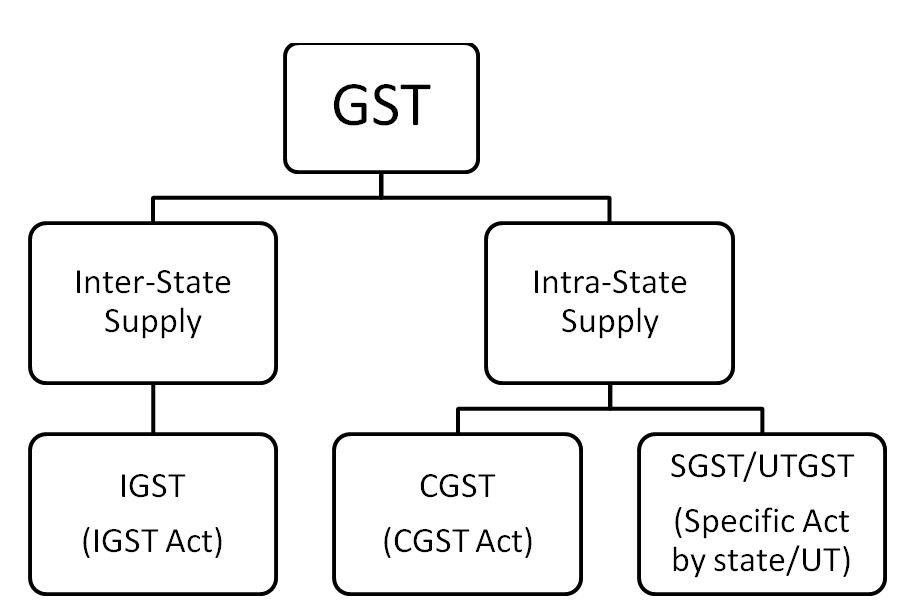


 Allow notifications





