This article is written by Gautam Badlani. This article gives a comprehensive analysis of Section 13 of the Companies Act, 2013. It enlists the statutory requirements that a company has to fulfil while altering its name, registered office or objects. The article also highlights the shift in statutory norms relating to the alteration of the Memorandum of Association from the 1956 Act to the 2013 Act.
The Memorandum of Association is a sacred document for a company that defines the scope of its operations and the relationship that it shares with the shareholders. The Memorandum is like the constitution of the company and if the company performs any activity that is contrary to its constitution, then such activity is deemed to be void in law.
Memorandum of Association (MoA)
The Memorandum of Association (hereinafter MoA) lays down the basic features of a company. It states the name of the company, its registered office and its objectives. Section 2(56) of the Companies Act, 2013, states that Memorandum is the “memorandum of association of a company as originally framed or as altered from time to time in pursuance of any previous company law or of this Act”.
Name clause
The name clause contains the name of the company. Since a company is an artificial juristic person and has an identity distinct from that of its members, it must have a name by which it can enter into contracts and purchase property. The name of the company must not be similar to that of an existing company. Moreover, the company must not adopt a name whose use is prohibited by the law of the land. In the case of a public company, the name of the company ends with ‘Ltd.’ and if the company is a private company, then the name of the company ends with ‘Pvt. Ltd.’.
Registered office clause
The company must specify the name of the state in which it is going to establish its registered office. If, after incorporation, the company decides to shift its registered office to any other state, then the company will have to alter its MoA through a special resolution. In the case of the transfer of a registered office, the company is also under an obligation to ensure that its creditors are not adversely affected by the transfer.
Object clause
The objects clause embodies the purpose and objectives for which the company is formed. Under Indian law, the subscribers to the MoA, known as the promoters, have the absolute freedom to determine the objectives of the company. The 2013 Act stipulates no requirement for separately mentioning the main and ancillary objects. However, the promoters may nonetheless choose to specify the ancillary objects along with the main objects.
The primary purpose of the object clause is to impose certain restrictions on the scope of the company’s activities. It defines the scope of a company’s operations, and thus, shareholders are able to make an informed choice while investing their funds. The objects clause informs the shareholders of the nature of activities in which the company might deploy its funds.
It is pertinent to note that Indian jurisprudence surrounding company law has been very much influenced by British law. As per the Companies Act, 2006 (applicable in the United Kingdom), a company is required to file the MoA and the registration application with the Registrar at the time of the company’s formation. However, the UK law does not make it mandatory to specify the objects of the company in the MoA. It does require the company to specify its name, registered office and the liability of its members.
The MoA may also state any matter that is necessary to be undertaken by the company for the purpose of attaining its objectives. However, even if a company does not mention such matters in its MoA, these operations are usually permitted by way of reasonable construction. The courts of law allow a company to undertake all such actions that are necessary for the purpose of realising its objects.
Liability clause
This clause states the liability that would be borne by the members of the company. For instance, if the members are to bear limited liability, then the MoA must state that the members’ liability would be limited by shares. Similarly, if the liability is to be limited by guarantee, then the MoA must specify the assets that would be contributed by each member in the event of winding up.
Capital clause
The capital clause specifies the nominal capital of the company. It states the paid-up share capital of the company and the number of shares into which the capital is divided. A public company may have equity share capital, preference share capital or both.
A company cannot issue shares in excess of the number stated in the MoA. If the company wants to issue more shares, then it will have to amend its MoA in accordance with the provisions laid down in Section 61. Section 61 empowers the company to alter its share capital and even consolidate its shares by passing a resolution in the general meeting. However, any consolidation of shares that affects the voting rights of the existing shareholders will have to be approved by the National Company Law Tribunal.
Earlier, it was mandatory for a private company to have a minimum paid-up share capital of Rs. 1,00,000. Similarly, the minimum mandatory paid-up share capital for a public company was Rs. 5,00,000. However, the requirement of a minimum paid-up capital was deleted by the 2015 Amendment.
Subscription clause
The last clause of the MoA is the subscription clause, which is signed by the first shareholders of the company. The subscribers declare their intention of forming a company and agree to subscribe to a specific number of shares of the company. These subscribers are also called the promoters of the company. In the case of a private company, the MoA must be subscribed to by at least 2 persons, and in the case of a public company, the MoA must be subscribed to by at least 7 persons.
Alteration of Memorandum of Association (MoA) under Section 13 of Companies Act 2013
Section 13 deals with the process of altering a ‘memorandum’ of a company. Section 2(56) provides that a memorandum means the memorandum of association of a company. Section 2(3) of the Act defines the terms ‘alter’ or ‘alteration’ as the act of making any omission, substitution or addition.
As per Section 13, a company needs to pass a special resolution in order to alter its memorandum of association. In the event of a change in the name of the company or a change in the registered office of the company, the approval of the Central Government would also be required. A company has to file the special resolution and the Central Government approval with the Registrar of Companies.
Till the 1980s, the MoA was considered an unalterable document, and thus the law imposed several restrictions on the alteration of the MoA. The company had to seek approval of external statutory bodies for the purpose of amending its MoA. The MoA defines the most important characteristics of the company, and thus, it is desirable that the clauses of the MoA not be frequently altered.
Even though the provisions relating to MoA alteration have been relaxed under the 2013 Companies Act, Section 13 lays down specific rules for the alteration of the MoA. The provisions of Section 13 apply to the alteration of the name clause, registered office clause, object clause and liability clause of the MoA. The capital clause can be amended by an ordinary resolution.
Position under the Companies Act, 1956
Section 17 of the Companies Act, 1956, deals with the alteration of the MoA. Section 17 provided a list of objectives for which a company could alter its registered office clause or its object clause. Under Section 17, a company could amend these two clauses to:
To carry on its business more efficiently and economically.
To expand the area of its local operations.
To attain its main purpose by new or improved means.
To restrict or abandon any of the objects specified in the object clause.
To amalgamate with any other corporation or to sell off the whole or any part of the undertaking.
Till 2002, a company had to obtain the approval of the Company Law Board to alter its MoA. However, by the 2002 Amendment, Section 17 was amended to provide that the approval of the Central Government shall be taken for alerting the MoA. This provision was adopted by the Companies Act, 2013 as well.
Change in name of company
Section 13(2) of the Companies Act, 2013 provides that the company can change its name only after complying with the provisions of Section 4 and after getting the approval of the Central Government in writing. However, if the change in name of the company merely involves the addition or deletion of the word ‘Private’ resulting from the conversion of a company from public to private or private to public, then the approval of the Central Government may not be taken.
Section 4(2) provides that the name of a company shall not be identical with or too closely resemble the name of an existing company. Moreover, the name shall not be such that its use by the company would amount to an offence under the law in force in India. The name shall not be undesirable in the opinion of the Central Government.
Section 4(3) provides that no company shall adopt a name that indicates that the company has any connection with the Central Government or any of the state governments or local bodies.
The Registrar of Companies enters the new name of the company in the register of companies and issues a fresh certificate of incorporation reflecting the new name of the company.
SEBI (LODR) Regulations, 2015
The Securities and Exchange Board of India (Listing Obligations and Disclosure Requirements) 2015 (LODR Requirements) prescribes certain additional regulations that need to be complied with by a company in order to alter its name. A company can alter its name only after a period of at least one year has elapsed since its last name change. Companies usually change their names to indicate a new business activity in which they are engaged. The LODR requirements states that a public company can alter its name-
Only if 50 percent of the revenue in the preceding year was generated by the new business activity, which is indicated by the proposed name, or
The investment made in the new activity is equivalent to at least fifty percent of the assets of the company.
Effect of change in name clause
It is pertinent to note that a change in the name of the company does not affect the rights or obligations of the company. All legal proceedings initiated against the company by its former name would continue against the company by its new name. Even after the change in name of the company, if any person initiates a suit against the company by its former name, it would be considered a curable defect and would not amount to the initiation of a suit against a non-existent person. However, a company cannot initiate a suit under its former name after adopting a new identity.
Change in registered office
Change from one state to another
A company can shift its registered office from one state to another only after passing a special resolution to that effect and after obtaining the prior approval of the Central Government. Once a company files an application for a change of registered office with the Central Government, the Central Government shall dispose of the application within a period of 60 days.
The Central Government, before granting its approval, would make sure that the company had the approval of its creditors and debenture holders for the change of registered office. A change in the registered office of the company does not merely affect the shareholders of the company; it also impacts the creditors and employees of the company. Thus, in many cases, resolutions permitting the transfer of registered offices are challenged by employees, creditors and minority shareholders. However, the courts are usually reluctant to interfere with the wisdom of the company reflected in the special resolution.
Section 13(4) states that if the company is shifting its registered office from one state to another, then the approval of the Central Government will have to be filed with the Registrars of both states. The new certificate of incorporation will be issued by the Registrar of the state to which the office is being shifted.
Change within the same city or town
It is pertinent to note that the company can shift its registered office from one place to another within the local limits of the same town, city or village without passing a special resolution. In this case, the company will have to hold a Board meeting and pass a Board Resolution authorising the change in registered office. Thereafter, the company will have to file Form INC-22 with the Registrar. The company has to inform the Registrar of the new address within 15 days of the change in registered office.
Change from one city to another within the same state
If a company is shifting its registered office from one city to another in the same state, then it will have to pass a special resolution amending its MoA. However, the approval of the Central Government is not required in this case.
However, Rule 28 of the Companies (Incorporation) Rules, 2014, states that if the transfer of registered office within the same state results in the transfer of the registered office from the jurisdiction of one Regional Director to the jurisdiction of another Regional Director, then the company will have to submit the following documents to the Regional Director-
Form INC-23,
Board Resolution authorising the change of registered office,
Special Resolution authorising the change of registered office,
A declaration that the company will not seek a change in the jurisdiction of the courts where prosecution cases against it are pending, and
A declaration by the Key Managerial Personnel or at least two Directors stating that the company has not defaulted in paying any dues to the workers and that it has obtained the consent of the creditors for the change of registered office.
It is pertinent to note that the MoA has to be altered only if the registered office is being shifted from one state to another. A change of registered office within the same state does not require an alteration of the MoA. This is because the MoA only contains the name of the state in which the registered office is located and not the name of the city or town.
In Re: K.G. Khosla Compressors Ltd. v. Unknown (1997), the management of a company was taken over by a financial institution. The registered office of the company was located in Delhi, but due to the change in management, most of the directors resided in Maharashtra. The company sought to change its registered office on the grounds of management takeover and administrative convenience. The Court held that a change in management was a sufficient reason to permit the transfer of a registered office.
In Re Satyashree Balaji Wires & Cables (P) (2005), the Board held that the decision to shift the registered office of a company from one state to another is a domestic affair of the company, and the shareholders are in the best position to determine whether such a change would be beneficial for the company or not. They are the best judge to determine whether the transfer of the registered office will enable the company to function more profitably, efficiently and economically. The state government cannot object to such a transfer merely because it results in a loss of revenue for the state.
Re: Mackinnon Mackenzie & Co. Private v. Unknown (1966)
An interesting question came up before the Calcutta High Court in the case of In Re: Mackinnon Mackenzie & Co. Private v. Unknown (1966). In this case, a private company had its registered office in Calcutta. However, the Company passed a special resolution to shift its registered office to the state of Maharashtra. The Company stated that most of its business was carried out in Bombay and that it would be administratively more convenient if its registered office was situated in the same city. However, the application was contested by the State of West Bengal.
The State pleaded that the transfer of the registered office from Calcutta to Bombay would lead to loss of revenue and employment opportunities for West Bengal. Moreover, the State contended that the company had failed to prove that the transfer of its registered office would lead to economic gain for the company.
The High Court pointed out that the issue of loss of revenue was irrelevant as loss to one state would be a gain for another state, and thus the effect would be neutralised and there would be no loss for the Republic of India. The state can object to the shifting of a registered office only if the company has some outstanding dues to the state. The application of transfer of registered office cannot be rejected for promoting sectional interests and the interests of the Republic of India and shareholders have to be given primacy. ‘
In Re: Usha Beltron Ltd. v. Unknown (2000)
In this case, the Government of Bihar had granted certain land to the company on the understanding that it would maintain its registered office in Ranchi and would use the land only for such purposes as were specified in the lease. However, the company passed a resolution to shift its registered office from Ranchi to Calcutta. The State Government of Bihar objected to the transfer and stated that this would be a violation of the understanding reached at the time of granting the lease. Moreover, the State Government pleaded that the company had been provided interest free loans and relaxations in electricity and other bills.
However, the Company Law Board allowed the company to transfer its registered office and stated that it is for the shareholders and not the state to decide whether the company can shift its registered office from one state to another or not. The lease deeds did not contain any restrictive clause, and thus, the company was not under any contractual obligation.
Change in object clause
If a company needs to venture into new areas of business, then it will also have to amend the object clause of the Memorandum of Association. However, it is pertinent to note that if a public company has raised money through the issue of prospectus and has some unutilized funds, then, in order to amend the MoA, it will have to:
Publish the details of the special resolution in 2 newspapers (one English and one vernacular language) that are in circulation in the area in which the registered office of the company is located. Moreover, the details will also have to be published on the website of the company.
The shareholders who dissent from the special resolution shall be given an exit option.
Once the special resolution is filed with the Registrar, the Registrar has to certify the alteration of the MoA within a period of 30 days.
A company cannot adopt too broad object clauses. It has to specify the fields in which it undertakes to carry on business. In Re Bhutoria Brothers (1957), the Court held that a company cannot incorporate a single provision in its object clause stating – ‘The Company will carry on all kinds of business’. Such a provision would imply that the company could pursue any business conceivable under the sun. However, the Court also pointed out that a certain degree of flexibility can be allowed while drafting the object clause, and the company may provide that it would pursue any other business that may conveniently and advantageously combine with its existing businesses.
It is pertinent to note that one of the significant changes brought about by the 2013 Companies Act was that it simplified the process for the alteration of objects. The 2013 Act does not stipulate any requirement for sending information to individual creditors, bankers or other lenders. A mere publication of the proposed alteration in national newspapers would suffice.
Under Section 17 of the Companies Act, 1956 (corresponding provision to Section 13 of the 2013 Act), a company had to obtain the approval of the Company Law Board in order to amend its objectives. However, with the 1996 Amendment, this requirement was removed. The alteration of objects has not become a completely internal matter of the company. No approval from any outside agency is required. To some extent, this change has been inspired by British law, which has gone a step ahead and omitted the requirement of stating objects in MoA altogether.
Conclusion
The MoA is a very important document for the company and an important source of information for bankers, creditors, financial institutions, lenders and other creditors. Thus, a company should not be allowed to make alterations to its MoA as a routine practice. The rules laid down in Section ensure that a company is not able to alter its MoA with the intention of defrauding its creditors and shareholders.
Frequently Asked Questions (FAQs)
What is the doctrine of ultra vires?
A company has to confine its operations to the objects specified in the MoA. If the company engages in any act that is beyond the scope of the MoA, then the courts can declare such an act to be ultra vires. Once an act is declared ultra vires, it will be deemed to be null and void and will have no effect.
What is the difference between the Memorandum of Association (MoA) and the Articles of Association (AoA)?
The Memorandum of Association defines the relation between the company and its shareholders, whereas, the Articles of Association contain the rules and regulations that govern the functioning of the company. Moreover, the MoA of a company is publicly available as it contains information that is relevant for potential investors and lenders. On the other hand, the Articles of Association (AoA) are a private document as they merely stipulate how the administration of the company is to be carried out. In case of any inconsistency between the MoA and the Articles of Association, the MoA is given primacy and prevails over the AoA.
Artificial intelligence (AI) is a computer science field that studies and develops intelligent machines. These machines are able to think, learn, and solve problems similarly to humans. AI’s goals include computer-enhanced learning, reasoning, and perception. AI systems can process information, identify patterns, and make decisions autonomously. The progression of data science and computing has simplified the decision-making process. It is used across different industries, from finance to healthcare. Deep learning is a method in AI that teaches computers to process data in a way that is inspired by the human brain.
AI technology has widespread applications across various fields, including speech recognition, surgical robots, image analysis, autonomous vehicles, and natural language processing. It is reshaping industries such as business, finance, chat bots, robotics, cyber security, manufacturing, health, education, transport, farming, and public administration.
AI generated inventions and patentability
The patentability of AI-generated inventions raises complex questions in law and policy. AI- created inventions, such as applications or devices created by smart computers, can perform difficult tasks autonomously. They keep learning and improving themselves over time. Courts and patent offices have rejected applications for AI-generated inventions, with a few exceptions. This is because the patent law is based on the assumption that inventors are humans. Some government bodies and courts have also stated that inventions made with the help of AI cannot be patented.
An American scientist and inventor, Dr. Stephen Thaler, created an AI system called DABUS (Device for the Autonomous Bootstrapping of Unified Sentience). DABUS is a type of ‘connectionist AI’. It uses multiple neural networks to generate new ideas, the novelty of which is then assessed by a second system of neural networks. Through this process, DABUS has autonomously generated two “inventions.” The first was a fractal container (a food container) and the second was a neural flame (a search and rescue beacon). Dr. Thaler’s patent applications have been unsuccessful in New Zealand, Taiwan, Israel, the Republic of Korea, Canada, Brazil, and India. To date, South Africa and Saudi Arabia are the only exceptions, although in both of those jurisdictions, the patents have not yet undergone substantive examination.
The inventorship issue of AI generated inventions has created problems for patentability. There is no clear cut criteria for deciding “autonomously generated” inventions by artificial intelligence (AI). AI systems are playing an increasingly important role in innovation. The question has been asked about how the patent system will protect AI-generated inventions. The traditional patent laws have failed to distinguish between AI as a tool and AI as the primary developer of inventions. The big companies are ready for investment in AI development. But the uncertainty about patenting AI inventions could affect innovation and economic growth.
If AI inventions can’t be patented, there might be less investment in AI technology. Some propose placing AI-generated creations in the public domain for open access and shared benefits. On the other hand, there are arguments in favour of protecting AI work through patents, which incentivise investment and innovation. Some have raised concern that an excessive number of patents for AI inventions could potentially badly affect research and development. The use of AI in innovation introduces risks to trade secrets.
However, the Full Court of the Australian Federal Court suggested a number of options regarding the inventorship of the relevant patents, namely:
the owner of the machine upon which the AI software runs;
the AI software developer;
the owner of the copyright in its source code; and
the person who inputs the data used by the AI to develop its output.
The UK Intellectual Property Office consultation report, Year 2022, identified several options for patent law reform, including:
expanding the definition of ‘inventor’ to include the humans responsible for an AI system that generates inventions;
allowing AI to be identified as the inventor; or
protecting AI-devised inventions by means other than the patent system.
Copyright protection for AI created works
There is an emergence of generative AI systems like ChatGPT, Bard, DALL-E, Midjourney, and Stable Diffusion, which allow people to prompt AI to create literary, dramatic, and artistic works. AI, like humans, can now create art and music by learning from data and patterns. As per existing copyright laws, only humans are treated as creators. In one famous case (Naruto vs. Slater), where a monkey took selfies and PETA claimed copyrights to them, the US Ninth Circuit Court of Appeals rejected the claim of the monkey as creator. So animals cannot own copyright. The authorship of a work is associated with the examination of originality and creative input. The same is the hurdle to getting copyright for AI-created work.
As far as EU copyright is concerned, the work must be original. It must show the author’s intellectual creation and personality. The law is silent about the threshold of originality but emphasises the author’s freedom and creative choices. It must have a personal touch. In most European countries, the work that is human created gets copyright. Only the AI generated work that has a human author’s impact on the outcome is copyrighted. It may not be copyrighted if the AI-created work does not meet a sufficient threshold of originality.
If AI is used as a tool, then humans can retain creative freedom .So the AI-created work becomes copyrightable. If the created work is carried out independently by AI, then the AI generated work faces challenges for copyright. There must be clarity about the legal aspect of AI –generated work. In the U.S., copyright office guidance states that works containing AI-generated content require evidence of a creative contribution from a human author.
Midjourney, an AI tool, serves as an example of generative AI used for generating images from natural language descriptions. Midjourney raises new questions about copyright and fair use. Generative AI (GAI) mainly uses text-based artificial intelligence to create diverse content. GAI models use vast textual input data for learning. It analyses input data patterns to answer user queries. Unauthorised copying and use of data is treated as copyright infringement. GAI’s use of input works for training raises questions about whether it’s permitted or constitutes the preparation of a derivative of work.
Getty Images vs. Stability AI is a classic example of fair use defence. The legal framework for GAI-related IP issues is vague. It significantly impacts the growth of the generative AI industry and intellectual property law in this evolving landscape. This evolving landscape underscores the need for a comprehensive legal understanding of how GAI interacts with copyright law.
AI and trademark
AI algorithms serve the following primary purposes.
AI in trademarks helps applicants register trademarks more easily by suggesting ways to improve applications.
It identifies conflicts between new trademarks and existing rights to prevent potential legal issues.
AI plays a crucial role in simplifying trademark processes and ensuring successful registrations.
In trademark law enforcement, AI is instrumental in spotting unauthorised online use, including social media infringement.
So far, there is one famous case involving the intersection between AI and trademarks, known as Lush vs. Amazon. In this case, Amazon was found guilty of trademark infringement against Lush. Amazon had bid on the “Lush” keyword on Google. It caused people searching for “Lush” to be directed to Amazon. Amazon did not sell actual Lush products. Amazon’s AI system suggested similar products, which led to the court ruling that Amazon was responsible for infringement.
In e-commerce, the increasing use of AI raises concerns about brand manipulation. As AI takes on a more consumer-like role, legal battles may intensify. Courts might need to adapt traditional concepts such as the “average consumer” and “likelihood of confusion” for AI involvement. Due to the involvement of AI in online product ordering, the retail model is transitioning to predictive models. Still, there is a strong emotional connection between consumers and brands.
AI and trade secrets
Generative AI (GAI) is a powerful tool for data analysis and content creation. But it requires extensive input data for training and learning purposes. However, its capability to store vast amounts of information raises concerns about the potential exposure of private and sensitive data. Trade secrets that provide companies with a competitive edge require confidentiality. The US Defend Trade Secrets Act (DTSA) of 2016 mandates “reasonable measures” to keep such information secret. Due to many industries using GAI to create content autonomously, it increases the risk of a trade secret. The specific measures that are considered “reasonable” will vary depending on the circumstances of each case, but may include:
Limiting access to trade secrets: Businesses should restrict access to trade secrets to employees and other individuals who need to know the information in order to perform their jobs. This may involve using access control systems, such as passwords or biometric identification, and requiring employees to sign non-disclosure agreements.
Educating employees about trade secrets: Businesses should educate their employees about the importance of protecting trade secrets and the consequences of misappropriation. This education should include information about the legal definition of a trade secret, the company’s trade secret policies, and the potential penalties for misappropriation of trade secrets.
Implementing physical security measures: Businesses should implement physical security measures to protect their trade secrets from unauthorised access. These measures may include installing security cameras, controlling access to buildings and offices, and using alarms and other security devices.
Monitoring for misappropriation: Businesses should monitor for any signs of misappropriation of trade secrets. This may involve regularly reviewing employee emails and computer files, conducting background checks on employees and contractors, and investigating any suspicious activity.
Companies employing generative AI face challenges in safeguarding proprietary information and sensitive data. It may be vulnerable to leaks. In response, some businesses opt for bans or restrictions on the use of AI to minimise risks. However, the total ban on the use of GAI may have significant costs and potential competitive disadvantages. So the safe use of generative AI requires the implementation of robust security measures and clear policies. To minimise the risks associated with generative AI, it requires creating a culture of awareness within the organisation.
Following are the best practices for secure implementation of generative AI in business
It is essential to implement limitations on access and carefully control the types of data inputs to safeguard proprietary information and sensitive data.
Enterprise versions of generative AI applications, coupled with well-crafted End-User Licence Agreements (EULAs), can offer additional security measures. These agreements should mention the protection or deletion of any data collected by the AI.
It is important to make sure that employees, contractors, and third parties follow the policies on generative AI. Employee education and awareness are essential for reducing risks related to generative AI.
Taking proactive measures and regularly updating and reviewing security measures are essential steps to minimise the risk related to generative AI.
For data protection, encryption and secure data transmission methods should be implemented. There should be a comprehensive incident response plan to address potential breaches promptly.
The security policies should be formulated with the help of legal experts to ensure compliance with data protection laws and regulations. Generative AI applications should be regularly monitored and audited to detect any anomalies or unauthorised access.
Culture of ethical AI use and responsible data handling should be encouraged within the organisation. The risks associated with generative AI use should be assessed regularly in the business context.
To validate the security and compliance of generative AI systems, organisations should consider external certifications or audits. The organisation should engage in industry collaboration to share best practices and stay informed about emerging threats.
Data ownership and AI development
In the digital age, data and AI play central roles in various fields. Data is often compared to oil for its value in decision-making and innovation. AI needs extensive datasets to transform raw data into meaningful insights. The quality and accuracy of data are crucial for achieving business success. AI models heavily rely on the integrity of the input data to generate reliable output. Organised and searchable structured data becomes the foundation for the prediction of emerging trends. Unstructured data provides valuable insights that drive innovation and competitive advantage. Privacy concerns and ethical considerations are important issues in data usage in AI systems.
Adaption to evolving data patterns and maintaining relevance, continuous monitoring and updates of AI algorithms are necessary. Collective efforts by data sharing organisations can lead to industry-wide innovation. To minimise the risk of cyber threats, cyber security measures must be robust to safeguard sensitive data.
GAI models like GPT-4 pose challenges in terms of data ownership and privacy. Privacy related issues include data biases, mishandling risks, and potential identity theft. Privacy can be invaded by AI’s ability to generate realistic images and manipulate misleading material. Advanced AI voice technology increases the risk of impersonation and deception. Privacy rights may be compromised due to a lack of clear consent mechanisms and transparency. To safeguard privacy, there is a need for strong regulations and legal frameworks.
AI relies heavily on carefully selected data sets, especially in machine learning (ML), large language models (LLM), and deep learning (DL) for accuracy. Due to the analysis of vast amounts of input data, AI systems pose privacy and copyright risks.
The “black box” nature of AI makes it challenging to prove intellectual property infringement. Due to the significant data requirements of AI systems, it could potentially lead to legal issues and privacy concerns. Compliance with privacy laws is crucial for responsible AI use for content creation.
Ethical and legal considerations in AI and IPR
Ethical considerations in AI and IPR
Ethical considerations in AI and IPR are:
Algorithmic bias and discrimination based on factors such as gender, race, etc. can occur when systematic errors in computer systems result in discriminatory outcomes, affecting individuals based on protected characteristics.
The responsibility for AI infringement on IP rights for AI-generated content is not clearly fixed by the laws.
To avoid ethical worries and prevent discrimination in AI work, human control is a must.
AI systems should be adapted, considering technology gaps between countries, to ensure fairness, transparency, and accountability.
Present AI systems are unable to understand and incorporate emotional depth and cultural context in generated works.
There is a risk of power concentration in the hands of a few who control AI technology. It might raise ethical concerns about equity and access.
There is debate over AI’s role in creativity, which raises questions about whether AI can fully replace human innovation and artistic expression. Some are afraid that the excess use of AI systems may demotivate humans to invent new things.
Legal considerations in AI and IPR
Legal considerations in AI and IPR are:
Due to rapid evaluation of AI, traditional patent laws are facing challenges in determining inventorship, ownership, and law enforcement.
There are different global views about the requirement of collaboration for organisations to establish legal frameworks and standards for AI technologies.
Worldwide use of AI in Intellectual Property Offices (IPOs) is saving time for examiners, expediting processes, and enhancing trademark application procedures.
For AI adoption globally, there is a requirement for a legal framework addressing technology gaps, energy consumption and job creation challenges. Intellectual property laws are required to accommodate the evolving nature of AI-generated content and inventions.
AI systems require vast data sets, so legal frameworks are needed to regulate data sharing, responsible use and prevent misuse.
Future implications and policy recommendations
The changing landscape of AI and intellectual property calls for proactive policy measures to ensure fair, responsible, and beneficial outcomes for creators, users, and the public.
Ownership of AI-generated creations
There are debates revolving around whether AI developers or users should hold intellectual property rights for AI-generated content. Existing laws allow only work created by human skills for copyright. Patent law only allows humans to be inventors. The law is silent and not clear about AI assisted or AI created work.
Adaptation of IP laws for AI
Recognising AI’s potential as a creator may require adaptations to intellectual property laws. One of the proposals is to include broad user agreements allowing developers to define and negotiate ownership of AI creations. IP laws need updates to regulate works created solely by AI.
Liability challenges in AI evolution
AI systems are involved in diverse tasks. The liability of AI created work poses challenges. It has become difficult to fix responsibility for legal claims, such as copyright infringement or privacy breaches.
Human control and responsibility
There should be a clear cut law regarding the responsibility for harmful actions by AI, especially when operating autonomously. It highlights the need for clear legal status. Legislation should ensure humans can control AI decisions. So creators should be held responsible and pay penalties for AI mistakes.
Recognition and citizenship for AI
Instances like Sophia’s citizenship in Saudi Arabia raise questions about the recognition and legal status of AI. There should be a balance between commercialization and public benefit, considering IP laws and liability concerns.
Ethical considerations in AI development
Ethical issues related to AI-generated content, such as bias and fairness, must be addressed in policy frameworks. AI development practices should be focused on positive societal impacts.
International cooperation on AI policies
The formulation of policies and standards regarding AI creations needs collaboration among nations. There is a need to establish international standards for AI-generated content.
Conclusion
AI and Intellectual Property Rights (IPR) present challenges and opportunities in inventions, copyrights, trademarks, and trade secrets. It highlights key questions on patenting AI creations, copyright protection, and trademark impacts. Raising important issues such as data ownership, ethics, and policy frameworks should be properly resolved. There is a great need for clear regulations to recognise AI as a creator. There is a need for global collaboration for a balanced approach to innovation and intellectual property protection. In this evolving AI landscape, effective laws are essential to ensure human control over AI decisions.
This article has been edited and published by Shashwat Kaushik.
Table of Contents
Introduction
A bank is a financial institution. It provides various services to individuals, businesses, and the government. These services include accepting deposits, providing investment options, providing loans, facilitating currency exchange, etc. But sometimes banks don’t provide good service to their customers. Customers face issues like issuing cheque books, activating dormant accounts, closing bank accounts, etc. To protect against such situations under the Indian Banking System, the customer should first approach the concerned bank. If that customer is not satisfied with the service rendered by the bank, he can seek help under the Banking Ombudsman Scheme. The scheme covers the business of the banking industries and extends to the whole country. It is a quasi-judicial body. Section 35A of the Banking Regulation Act of 1949 deals with the Banking Ombudsman Scheme. It is a fast-track service without any fees.
Who is the banking ombudsman
The Ombudsman is an appellate body where customers can file complaints if that bank fails to address the complaint or if customers are not satisfied with the resolution or explanation given by the bank, so they can approach the ombudsman. An ombudsman is a person appointed by the Reserve Bank of India who is a senior official not below the rank of Chief General Manager or General Manager. The RBI will specify the territorial limits or jurisdiction of the Ombudsman. He will be appointed for 3 years, where extension can be granted up to 2 years, subject to the upper age limit of 65 years. The Ombudsman receives and considers the complaint of the aggrieved party for the settlement of the dispute, either by mediation or conciliation. RBI may appoint one or more of its officers as Ombudsman and Deputy Ombudsman to carry out the functions entrusted to them.
Formation of the Banking Ombudsman Scheme
In India, the Banking Ombudsman Scheme was introduced way back in 1995. Through this scheme in 1995, the Banking Ombudsman was first instituted in India. This scheme was implemented through directions issued by the RBI in terms of Section 35A of the Banking Regulation Act, 1949. It was then revised in 2002. The current scheme became operative on January 1, 2006, and then replaced the Banking Ombudsman Scheme of 2002. Presently, the Banking Ombudsman Scheme of 2006, amended up to July 1, 2017, is in operation.
Scope of the Banking Ombudsman Scheme
The scope of the Banking Ombudsman Scheme includes a wide range of banking services, including:
Deposits: This includes issues related to opening and maintaining accounts, deposits, withdrawals, and interest payments.
Loans and advances: This includes issues related to sanctioning, disbursement, and repayment of loans, as well as interest rates and charges.
Other banking services: This includes issues related to credit cards, debit cards, internet banking, and mobile banking.
The Banking Ombudsman Scheme does not cover the following:
Disputes related to the terms and conditions of a loan or deposit agreement.
Disputes related to investments in mutual funds, shares, or other financial instruments.
Disputes related to insurance products.
Disputes related to non-banking financial companies (NBFCs).
Who can file the complaint
The customer may file a complaint himself as a complainant or through an authorised representative of the Banking Ombudsman Scheme.
To file a complaint under the Banking Ombudsman Scheme, the customer must first approach the bank concerned and try to resolve the issue directly. If the customer is not satisfied with the bank’s response, they can then file a complaint with the Banking Ombudsman.
The Banking Ombudsman will investigate the complaint and try to resolve it through conciliation. If conciliation is not possible, the Banking Ombudsman may issue an award in favour of the customer. The award is binding on the bank and must be complied with within 30 days.
How to file a complaint under the Scheme
Complainant in writing with a signature complaint stating the name and address clearly.
There should be the following things mentioned in the complaint:
Complete the name and address of the bank branch or office.
Facts about the case.
Documentary proof, if any.
Nature and extent of loss.
Relief sought, etc.
The complaint to the ombudsman can be lodged online or offline.
Online complaint: The complainant can submit a complaint online to the ombudsman by filling out an online form on their website.
Offline complaint: Complaints can be filed in physical mode at the Centralised Receipt and Processing Centre (CRPC).
When to approach the ombudsman
In the Banking Ombudsman, one can file a complaint if the reply to a complaint registered with a regulated bank is not received by the request by the concerned bank within 30 days, if the complainant is not satisfied with the reply of the bank, or if the bank rejects the complaint without giving any valid reason for rejecting that complaint. After receiving and considering the complaint relating to a deficiency in banking service, the Ombudsman can pass an award if that complaint is not settled by an agreement within 30 days. The Ombudsman provides a reasonable opportunity for both the bank and the complainant to present their case before passing an award. The complainant can accept the award in full and final settlement or reject it.
What are the grounds on which a complaint can be filed
As per the notification issued by RBI under the Integrated Ombudsman Scheme, 2021, there is no need for a complainant to identify under which scheme he should apply to file a complaint under the Banking Ombudsman Scheme. The RBI made it easy for the complaints of customers to no longer be simply rejected on account of not being covered under the grounds mentioned in the scheme. So, the following are the grounds to file a complaint under the Banking Ombudsman Scheme:
Nonpayment or unreasonable delay in payment; issue of checks, drafts, bills, etc.
Delay or failure to provide banking facilities that were promised by the bank in writing.
Non-acceptance of small-denomination notes or coins tendered without sufficient cause.
Refusal to open a deposit account without any valid reason.
Delay in proceeding with the respective parties’ accounts; nonpayment of deposit.
Nonadherence to RBI instructions related to ATM, debit card, credit card operations, mobile banking, electronic banking services, etc.
Delay in disbursement of pensions.
Refusal or delay in closing the account.
Close the deposited account forcefully without notice or sufficient reason.
Delaying or nonpayment of inward remittances.
Complaints from non-resident Indians having accounts in India about their remittances from abroad, deposits, and other bank-related matters.
No observance of Reserve Bank directives on interest.
Nonobservance of any other direction or instruction of the RBI for this purpose.
Delay or refusal to issue redemptions of government securities.
What are the powers of the banking ombudsman
Very wide powers are conferred on the ombudsman relating to investigations and inquiries into complaints. He can even act suo moto. He can grant relief because, unlike the power of an ordinary court, his powers are not limited. The Ombudsman is vested with the following powers:
Call for certified copies of any document relating to the complaint.
To maintain the confidentiality of the case
Call for any additional information from the bank concerned with the complaint.
The proceeding before the Ombudsman is summary in nature.
The administration of general civil law will be under the supervision of the Ombudsman.
The key responsibility of the ombudsman is to protect citizens rights and freedom.
Hear complaints related to service delivered by the bank, assess those complaints through recommendation, aid in their resolution, and give the award.
Limit on amount of compensation
According to present regulations, ombudsman redressal is allowed for complaints where the compensation amount for any loss suffered by the complainant is limited to 20 lakh rupees. Also, he may award compensation not exceeding 1 lakh rupees to the complainant for mental harassment and agony. The things that the ombudsman considers while passing the compensation are loss of the time of the complainant, expenses incurred by the complainant, harassment, and mental anguish suffered by the complainant.
Achievements of the scheme
The practice from 1995 until now has been expanding the jurisdiction and scope of the ombudsman scheme in the following ways:
Fast redressal of complaints
The grounds to file a complaint are prescribed under the ombudsman scheme. Now the RBI has extended the scope of the scheme to take complaints related to credit cards, inefficiency on the part of bank sales agents to provide promised services without prior notice, imposing service charges on the client, etc. More than 36,000 complaints have been dealt with under this scheme.
The rate of complaint resolution by RBIOs increased to 97.97% in 2021–22, up from 96.59% in 2020–21.
Widened area of coverage of banks
Only commercial banks and scheduled primary cooperative banks have operations under the 1995 scheme. After that, in 2002, the scheme included regional rural banks, the State Bank of India, and subsidiary banks under the definition of the Bank Concerning Banking Regulation Act 1949. Now the scheduled commercial banks come under the latest scheme of 2006.
More recruitment and funding
The RBI decided to increase the funding and recruitment under the scheme. Also, there is an online platform to file an appeal against decisions awarded by the Ombudsman.
No interference by the government
There is no interference by the government in the scheme. Under the supervision of the RBI, it operates directly between the bank and the customer, which prevents unnecessary delays.
Banking Ombudsman Scheme for Non-Banking Financial Companies of 2018
The NBFC ombudsman scheme was introduced by the RBI in 2018 to redress complaints about NBFCs in India. RBI appointed the NBFC ombudsman as a senior official to redress customer complaints against NBFCs for deficiency in certain services covered under clause 8 of the scheme as grounds for complaint.
Time limit for filing a complaint:
Complaints must be filed within one year from the date of the incident or knowledge of the incident.
Process of complaint resolution:
The Banking Ombudsman will acknowledge receipt of the complaint within 15 days.
The Banking Ombudsman will investigate the complaint and try to resolve it through conciliation or mediation.
If the complaint is not resolved through conciliation or mediation, the Banking Ombudsman will issue an award.
The award of the Banking Ombudsman is binding on the NBFC.
Objectives of the Scheme:
To provide a quick and inexpensive forum for resolving customer complaints.
To ensure fair and equitable treatment of customers.
To promote transparency and accountability in the NBFC sector.
Integrated Ombudsman Scheme of 2021
On November 12, 2021, Hon’ble Prime Minister Narendra Modi launched the Integrated Ombudsman Scheme of 2021 by virtue mode. It amalgamates the existing three Ombudsman Schemes of the RBI:
Banking Ombudsman Scheme of 2006;
Ombudsman Scheme for NBFC of 2013; and
Ombudsman Scheme of Digital Transactions of 2019.
Conclusion
Banks being the institutions of financial importance in every part of the world, the resolution of complaints relating to their conduct is also an essential attribute of consumer satisfaction. Therefore, we have a banking ombudsman. The Banking Ombudsman is appointed by the government and serves consumer complaints regarding various banking regulations in our country. As the filing of a complaint with the banking ombudsman is free of charge, it has helped millions of people since its implementation.
India is currently going through a transformational phase. From 4,227 patents granted and registered in the fiscal year of 2013-2014, Indian patent applications also increased and the estimated growth was 31.6%. It exceeded and outdid itself nearly tenfold in the fiscal year 2023-2024, with around 41,010 patents granted and registered until November 15, 2023. The importance of patents is being recognised amongst Indian inventors, creators, and designers. Nevertheless, the patent laws in India require consistent improvement to supervise such a great number of patents registered in India. With nearly five crore backlog court cases pending, document processing delays and a lack of awareness amongst common people and entrepreneurs can have a detrimental effect or slow the growth rate.
The issues within the Indian patent system can be divided into two parts Internal issues and external issues, internal issues related to the operative nature of Patent Law in India and the lacunae that need to be filled since laws require reform considering the current government policies, economic and social aspects The article shall also give an overview of external factors related to the enforcement of patent laws in India, the scope of patent protection and factors affecting it, and technological developments such as AI, spatial computing, and digital advancements that have their own distinctive problems concerning the patent system in India.
Patent law in India
Definition of patent
A right that is personally held and granted by the government, which exclusively allows the right holder/inventor to prohibit others from using the product or a process that is innovative and provides a solution to existing problems, is an exclusive right that authorises the inventor of a patent to produce, create, and sell the product. A patent is also granted for improvements to previous inventions. After the grant of a patent, a period of 20 years is provided to the patent holder from the date of application.
Prior art
Any product or process that is already in existence and can be physically or commercially available anywhere in the world at any time, and with anyone who has already explained or described such existence, which is identical in usage with any created invention of existence, is prior art, and as such, it proves that such invention already existed.
The Indian Patent Act of 1970 serves as the fundamental legal framework governing patents in India. It establishes the criteria and conditions for granting patents, safeguarding intellectual property rights, and promoting technological advancement in the country. Several key sections of the Act hold significant relevance in determining the patentability of an invention. These sections include:
Section 2(1) (j): This section provides the definition of an invention, which includes any new product or process (or any improvement thereof) that involves an inventive step and is capable of industrial application.
Section 3: This section outlines the conditions for the grant of a patent, including requirements such as novelty, inventive step (non-obviousness), and industrial application.
Section 13: This section deals with the non-patentable subject matter, identifying certain inventions that are not eligible for patent protection, such as scientific theories, mathematical methods, and literary, dramatic, musical, or artistic works.
Section 29: This section sets forth the term of a patent, which generally lasts for 20 years from the date of filing the patent application.
Section 30: This section addresses the rights conferred to the patentee, including the exclusive right to make, use, sell, and distribute the patented invention within the territory of India.
Section 32: This section deals with the grounds for opposition to the grant of a patent, allowing third parties to challenge the patentability of an invention based on prior art or other objections.
Section 34: This section provides for the revocation of a patent if it is found to be invalid or if certain conditions are not met, such as failure to pay maintenance fees.
The patentability is tested on three grounds, also known as the NUNs test:
Novelty- No such existence of the product or process, the product or process has to be novel or new.
Utility- Invention has to serve practical utility or provide solutions to the problem, the invention is required to perform according to the claim made; however, speculative or vague performance is not within the scope of practical application.
Non-obvious nature- Any invention that is not prior art or a product or service already in existence.
Impact of TRIPS agreement on Indian IP laws
India became a member of the World Trade Organisation with effect from January 1, 1995, and a party to the TRIPS agreement. Subsequently, after the adoption of the agreement, India introduced multiple amendments to the Patents Act of 1970, the major and most important being the Patent Law Amendment Act of 2005 and 2002.
Patent Term – Increasing the patent term to 20 years after the date of filing under Section 53 of the Patents Act of 1970.
Product Patent Protection- Introduced protection of patents for pharmaceutical products.
Compulsory Licensing- Compulsory licensing is required by third parties and is granted by the government to utilise a patented invention.
Pharmaceutical & Biotech Patents- Under Section 3(d) of the Patents Act, patenting of chemicals, biotech, food processing, drugs, and pharmaceuticals is possible.
Challenges related to patent protection
Delay of grant & procedure
The lethargic or sluggish nature of the process of a grant—the delay of the patent grant within 2 to 6 years from the date of the application process—is a four-step process. The initiation of the process begins with application filing and publication, which can take up to 18 months, as mentioned under Section 11A of the Patents Act of 1970. There are many types of applications, such as ordinary patent applications, PCT national phase patent applications, etc.
Then, secondly, the process of requesting a search and examination mentioned under Section 11B of the Patents Act 1970, which has to be filed within 48 months of the patent filing date/ date of priority. The examination of the patent is conducted by an examiner, exercising discretion to issue an examination report containing objections.
The third step is filing a response against the objections raised in the examination report issued by the examiner. The filing has to be done within 12 months of the issuance date of the examination report. The process is also termed patent prosecution. After all the objections to the examination report have been replied to, if the examiner is satisfied with the responses, he or she may put forward an order for the grant of a patent.
L
Complexity of patent laws
Patent laws vary from country to country, and their interpretation can be complex and challenging to navigate. This complexity can make it difficult for inventors and businesses to understand and comply with the requirements for obtaining and maintaining patents, potentially leading to missed opportunities or legal complications.
Balancing innovation and competition
The patent system aims to strike a balance between protecting intellectual property rights and promoting competition. However, achieving this balance can be challenging, as overly broad or restrictive patents can stifle innovation and hinder the entry of new competitors into the market. Finding the right balance is critical for fostering a healthy and dynamic innovation ecosystem.
Patentability criteria
Determining whether an invention meets the criteria for patentability, such as novelty, non-obviousness, and industrial applicability, can be subjective and challenging. Patent examiners must evaluate a wide range of factors and make judgements based on technical expertise and legal principles. This process can be time-consuming and may result in inconsistent decisions or disputes over the validity of patents.
Patent infringement and enforcement
Enforcing patent rights can be a significant challenge, especially in cases of cross-border infringement. The process of detecting, investigating, and pursuing legal action against infringers can be costly and time-consuming. Additionally, the effectiveness of patent enforcement can vary depending on the jurisdiction and the resources available to patent holders.
Patent trolls
The rise of patent trolls, entities that acquire patents solely for the purpose of asserting them against others in lawsuits, has become a significant concern. Patent trolls often engage in aggressive litigation tactics, even against legitimate businesses, to extract settlements or licensing fees. This can create an environment of uncertainty and stifle innovation, as companies may be reluctant to invest in new technologies for fear of being targeted by patent trolls.
Computer related inventions under Section 3(K)
Under Section 3(k) of the Patents Act of 1970 (hereinafter called the Patents Act), an invention related to mathematics, business methods or a computer programme or algorithm is barred from being patentable. The section is stringent and intransigent and expressly rejects that there is no exception to the patentability mentioned under Section 3(k) of the Patents Act. According to the Guidelines for Examination of Computer Related Inventions (CRIs).
The guidelines consider these factors crucial for the grant of a patent. These inventive steps—technical advancement, innovation, and practical application—can be patented the reason for the barring of patentability by section 3(k) is for the same fact that the claims under the section lack either one or all of the factors of patentability Section 09.03.05.10 of the Patent Manual explains section 3(k) of the Patents Act 1970, wherein, most notably, subsections 1 to 4 provide guidelines in various instances of the claim raised under Section 3(k):
Mathematical Methods- under sub-section 1, wherein, in case of mathematical methods, any form of intellectual or abstract method along with the formulation of the equation, finding square roots, and cube roots are not patentable. For mathematical methods to be patentable, the claim must be practically applicable; the mere addition of mathematical formulae not being the primary subject shall not dismiss the patentability
Business Methods- Under sub-section 2 of Section 09.03.05.10 of the Patent Manual, activities related to commercial and industrial enterprises and transactions of goods and services, the claimed subject matter, if it specifies a technical process partly or wholly for the invention to be created, can be considered for examination, or else a claim for a business method, trade, transaction, or commercial activity is not patentable, as shall be treated as business methods. The Intellectual Property Board (hereinafter referred to as the IPAB) held in Yahoo vs. Controller of Patents & Rediffcom India Limited (2009) that the application filed was not patentable u/s 3(k) of the Patents Act 1970. The IPAB held that such invention falls under the exclusion of Section 3(k) and is not patentable.
Algorithms – Under sub-section 3 – self-explanatory (see sub-section 3 of Section 09.03.05.10 of the Patent Manual)
Computer programmes per se- under sub-section 4 Invention, are not to be treated as rejected for patentability; however, any computer programs/set of instructions/routines and/or subroutines and related products, databases, etc., according to the section in this category, are not intended to grant a patent.
The court, keeping in mind the exclusion of subjects mentioned under Section 3(k) and the Patents (Amendments) Acts, 2005, explained that the term “per se” was added to bar the patentability of computer programmes; nevertheless, the Patents (Amendments) Acts, 2005 subjected the essential factors such as technical advancement, inventive steps, prior arts, etc. To allow the grant of patents related to Computer Related Inventions (CRIs).
The court opined that the controller had misinterpreted Section 3(k) and hence did not outright lead to the rejection of the patent. The possibility of an algorithm used in a computer device contributing towards the technical solution for a technical problem; the computer programme being just the instrument for the technical solution to be implemented for the technical problem.
Since the claimed invention surpassed the negative factors such as being used only for the user interface of a computing device or just being a mere complimentary addition towards the already known devices and mathematical methods, but it also provided solutions to security issues, a two-tier authentication process similar to encryption of devices, by the utilisation of two different cookies for the access of the client computer, which secured computer devices from hackers and possible data breach, hence the court set aside the impugned order passed by the controller and remanded the matter back for the re-examination of the examinations related to inventive step, novelty, and technical advancement, in the purview of the other referred prior arts.
The issue, however, lies in the fact that many inventions may be excluded from patentability under Section 3(k) of the Patents Act of 1970. As such, Section 3(k) exclusions need to be reconsidered in view of worldwide technological advancement and innovation.
Patentability of AI innovation : analysis of AI DABUS
The contemporary age of scientific and technological innovation has pushed the boundaries where the computer or the machine in itself can create and operate autonomously, even though AI still requires minimal control, commands, and direction. AI technology is undeniable and pivotal, like an organ in a body. AI is becoming part of machines, computer devices, cars, drones, robots, etc., but it also seems that it is playing an important role in creating new inventions.
AI technology has progressed at such a fast pace that it generates novel processes and creates new ideas by itself. In 2019, such an AI technology was created by Stephen Thaler, known as the Device for the Autonomous Bootstrapping of Unified Sentence (hereinafter referred to as “DABUS”). South Africa’s patent office granted DABUS AI its first patent for an invention related to a food container product, based on fractal geometry, which has been accepted by the Intellectual Property Commission as well.
Court proceedings concerning “DABUS” patent application filings in various countries
The Patent Cooperation Treaty application (hereinafter referred to as the PCT application) was filed in various countries, such as Australia, the US, the UK, South Africa, New Zealand, Brazil, Canada, Germany, the European Patent Office, and the Republic of Korea.
Common grounds for rejection are:
Inventor- Almost all of the country’s patent laws define an inventor as a natural person, and the definition of an inventor according to the country’s patent laws does not apply to an AI to be considered an inventor.
No specific definition- All the patent laws of the countries did not recognise AI as an inventor.
Patent incentive- One of the most important aspects of granting patents is to provide usage incentives to the inventor; granting the same to the AI as an inventor would nullify the same.
Legal capacity- A non-human entity or a machine does not have the legal capacity to raise objections or file suit if there is any form of infringement of the patent rights or copyright; an AI can not represent itself in court and provide evidence if required.
Legal complication- There is no legislation to provide transfer of patent rights from an AI to a natural person; an AI does not have any fundamental rights nor does it enjoy any rights provided by the constitution.
Trade secrets : an alternative solution to patent for AI-generated and invention
Since AI inventorship requires the support of policymakers through legislation and amendments inclusive of the concept of artificial intelligence as discussed earlier, AI-driven innovations are not currently recognised by the various patent laws of the countries; resolving the same requires time, and the issue has been lingering since 2019 to date.
However, there is an alternative approach to preserving the exclusivity of the innovation created, which is through trademark secrets. The advantages of trademark secrets are that the invention need not be disclosed in the public domain, has an unlimited time, a registration fee is not required and most importantly, the uncertainty of the patentability of the AI invention is avoided.
What is a trade secret
It is one of the IP rights available to rightful holders that keeps the information confidential and is not disclosed in the public domain or published. Information that may be sold or licensed is called a trade secret. Trade secrets have to be commercially valuable; the confidential information may only be known to a certain group of people. The protection of information is both for technical information such as design and pharmaceutical test data. Commercial information such as a list of suppliers and clients, etc., can also be a combination of information and keeping the same provides a competitive edge.
The protection that trade secrets offer against unfair competition, espionage, breach of contract, breach of confidence, etc. Trade Secrets are a go-to option for Non-human innovation, the DABUS case in many courts of different countries, whether it is original, special, or appellate courts all were of the view that the definition of inventor shall only cover a human being or a natural person that has applied its mind to create an invention, for time being it is settled position of law that filing of a patent for non-human innovation with the use of generative AI shall not be covered under the definition of an inventor or declared as an inventor, South Africa is an exception, however for trade secrets to be granted there is no mandatory requirement for an innovation to be recognized in the ambit of being created by a natural person.
Conclusion
The TRIPS agreement, policies, and laws were all formulated for the sake of innovation and advancement. Despite the positive growth of invention and technological flourishment, the contemporary age is moving at a very fast pace, and as such, one must consider the new ways an invention is created, whether it be from a computer device by algorithm and programming or through generative AI. The time is such that laws are required to be amended for the sake of growth and a wider scope of opportunities for inventors; perhaps an amendment to the definition of what constitutes an inventor is required to be re-examined once again considering the overall development of technology.
Backlogs of cases, delays in the proceeding, or infringement of protection provided by the patent rights are abandoned if the concept of novelty is undervalued. Although the Indian Patents Act of 1970 is the law that regulates it, the spirit of the concept of novelty is yet to be imbibed in the Act itself. Policymakers and patent law experts need to consider the enhancement of the patent laws not only in India but all over the world.
The merger of Zee Entertainment and Sony Pictures Network India (through its entity Culver Max Entertainment Private Limited), which the National Company Law Tribunal Mumbai recently approved, has brought considerable attention to the evolving landscape of the entertainment and OTT industries. The merger would result in a combined linear networks, digital assets, production operations and programme libraries of both entertainment giants and would provide a commanding 26% market share.
However, some remarkable challenges on the road to actualization have been caused by the complicated legal issues that resulted in protracted delays. Considering this, we will explore the details of the two primary causes leading to this delay while analysing Corporate Insolvency Resolution Process (CIRP) proceedings against Zee by NCLT Delhi, creditors’ objections and finally the SEBI ban on Punit Goenka, Managing Director of Zee.
Background of the Zee-Sony merger
In December 2021, the cornerstone of this merger was laid. In a tactical merger, both entities came together to fill the gaps in their respective portfolios. Zee’s aim is to strengthen its presence in the world of sports, an area that SPNI has already dominated. On the other hand, SPNI has not ventured into the regional TV market, an area in which Zee is a major player as one of the leaders in broadcasting through regional languages.
As per the terms of the agreement, the Sony Group will have a controlling stake of approximately 51%. Meanwhile, the promoters of Zee would retain 3.99% of the combined shares and the remaining 45.51% of the equity would be held by Zee’s public shareholders.
This merger is a vital strategic crossroads that will provide many benefits to the newly formed conglomerate. With the help of their combined strengths, these companies want to strengthen their position in the market. Shareholders also stand to gain, since the merger is expected to bring about an increase in the value of their shares. At the same time, beneficiaries will be those consumers of content who have the opportunity to benefit from a rich and diverse package that offers something for everyone. Sadly, this major achievement is now burdened with formidable judicial barriers that have brought a number of serious worries.
Zee, known for its dominance in regional TV broadcasting, sought to bolster its presence in the world of sports, a domain that SPNI had already conquered. SPNI, on the other hand, had not yet ventured into the regional TV market, where Zee enjoyed a strong foothold as one of the leading broadcasters in regional languages. This merger presented an opportunity for both entities to leverage their unique strengths and create a formidable media conglomerate.
The merger laid the cornerstone for a new era of collaboration and growth in the Indian media industry. It brought together a diverse portfolio of channels, content, and platforms, creating a powerhouse that could cater to a wide range of audiences and advertisers. The combined entity would have a significant presence across genres, including general entertainment, sports, news, and regional content.
The merger also had significant implications for the media landscape in India. It created a formidable competitor to the likes of Star India, Viacom 18, and Discovery Communications, which had been the dominant players in the market. The combined entity would have the scale and resources to challenge these established players and potentially reshape the competitive dynamics of the industry.
However, the merger was not without its challenges. The integration of two large organisations with distinct cultures and processes could be a complex and time-consuming endeavour. Additionally, the rapidly evolving media landscape, with the rise of digital platforms and changing consumer preferences, presented its own set of challenges.
Despite these challenges, the merger held the promise of transforming the Indian media industry and creating a new era of growth and innovation. It marked a significant milestone in the consolidation of the media sector and set the stage for a more competitive and dynamic media landscape in India.
Legal challenges of the Zee-Sony merger
Zee Entertainment and Sony Group faced numerous legal challenges on the way to the merger, which added difficulties that brought further complications in this corporate environment. These issues included objections raised by different creditors, the disqualification of prominent directors through SEBI and the commencement of CIRP proceedings against Zee Entertainment by Indusland Bank. Each aspect was part of a multilayered legal carpet that added complexities and uncertainties to the merger.
Objections by the creditor
Various creditors of the Zee group, including Axis Finance Limited, IDBI Trusteeship Services Limited, IMAX Corporation, IDBI Bank Limited and JC Flowers Asset Recons, raised objections to the scheme of the merger. They contended that Essel Mauritius, a Zee Group entity, was receiving a non-compete fee exceeding INR 1,100 crore from SPE Mauritius Investment Limited, a Sony Group entity. The objectors argued that such non-compete payment “is bogus and a disguised mechanism to cheat lenders & public shareholders of ZEE. In their quest for honour, the creditors tried to make a channel through which the non-compete fund could act as a means of lugging out debts owed to them.
The NCLT Order held that none of the objectors in question were direct creditors to Zee, nor did they have any contractual privity with Zee. Additionally, the NCLT concluded that the amounts owed to objecting creditors were payable by different entities of Essel Group and there was no contractual agreement between them and Zee. In addition, the NCLT held that, in a way, the creditors were trying to exploit the Zee- Sony merger as part of their recovery effort. The provision on raising an objection to a settlement under Section 230(4) of the Companies Act, 2013 allows any shareholder holding at least ten percent or having outstanding loans amounting to five percent and above. Therefore, the NCLT held that none of the creditors fulfilled the minimum eligibility criteria as per the section to possess any locus standi in proceedings.
CIRP proceedings against Zee entertainment
When IndusInd Bank initiated Corporate Insolvency Resolution Proceedings (CIRP) against Zee Entertainment, a titanic shift took place in the corporate scenario. The first step was the application under Section 7 of IBC along with Rule 4 of the Insolvency & Bankruptcy (Application to Adjudication Authority) Rules 2016. Section 7 of the IBC provides the right to financial creditors to initiate corporate insolvency resolution before NCLT. On the other hand, Rule 4 of the Application to Adjudicating Authority Rules covers all procedural issues concerning such an application.
With an overdue debt of financial giant IndusInd Bank running into 90 crores and above, a figure beyond the critical threshold for Zee Entertainment itself and its proposed merger with Sony Corporation of America (SCA), this is indeed one legal manoeuvre. This application’s filing caused a major impediment to the merger process, obscuring its schedule.
Though the legal dynamics twisted and turned, so did an unfolding narrative. The initiation order by NCLT Mumbai itself faced a temporary halt when an order from NCLAT Delhi effectively suspended it. Nonetheless, the situation was reversed when, ultimately, NCLAT Delhi (same judicial forum) revoked the CIRP order. A key event in the restoration of momentum was a settlement between two major players, Zee Entertainment and IndusInd Bank. In fact, this settlement has simplified the merger process.
Disqualification of director by SEBI
Another hurdle faced by the arrangement was the sweeping move by SEBI, which imposed bans on the Chairman of Essel Group, Subhash Chandra, and Zee’s CEO, Punit Goenka. This ban by the Order of SEBI was rooted in allegations of financial irregularities purportedly committed through entities within the Essel Group. This ban cast a shadow of uncertainty over the prospective role of Mr. Punit Goenka as the future CEO and Managing Director, a position originally designated for him upon the merger and formation of the new corporate entity. Moreover, it significantly impacted Zee’s stock price, causing a substantial decline in the share market. A probe was set in motion by SEBI for an 8-month timeline to investigate the intricacies of the situation in the complex narrative. The ban was challenged in the appeal before the Securities Appellate Tribunal, and in its ruling in late October, SAP reversed the order of SEBI while stating that the continuation of Punit Goenka as the Managing Director in the merged entity would have no impact on the investigation and as even till date the probe has not established the foundational facts; therefore, the interim order would be harsh and unwarranted on the appellant.
NCLT approval of the Zee-Sony merger
Considering the long-term legal challenges encountered by Zee in a bid for a merger, the legality seems to be substantially clearer. The CIRP proceedings were set aside by both NCLT and SAT in their ruling, which revoked SEBI’s order that had granted relaxation from a ban on Punit Goenka for having been holding a position as director at the merged entity. While setting aside the objections by creditors, NCLT Mumbai granted a green signal on the application for merger filed under Section 230-232 of the Companies Act, 2013. Since the official closing deadline, which was due to expire by January 21, 2024, there would seem to be clarity on the horizon, with obstacles placed aside as every relevant stakeholder scrutinises attentively at what is expected of the merger.
With the CIRP annulment by NCLT and SAT’s order, we are proceeding to lift SEBI’s ban on Punit Goenka as the director of the merged entity. However, putting aside the arguments from the creditors. NCLT Mumbai sanctioned a green signal for the merger application filed under Section 230-232 of the Companies Act 2013. The expiring deadline for official closing on Jan 21 makes the merger susceptible to termination. As the negotiations between both parties over the leading role of the merged entity are still under scrutiny and discussion, no common ground has been reached by both parties, while Zee being rigid on the ground of appointing Punit Goenka as the person leading the merged entity has the potential to cause trouble over the closing of the merger.
Conclusion
With numerous challenges faced by various stakeholders in the complicated process of uniting two media giants, the green light from NCLT is not only a great leap but also provides an environment that leads to immense market share and vast resources by both parties in the near future. Zee and Sony’s merger is an apt illustration of the challenging aspects guiding media consolidations to unravel some really intricate legal issues. Going on this trip, the intrinsic complications of such navigating mergers emerge and fatefully show how a visionary strategic capability to deliver interacts with compliance concerning bounds in which stakeholders are aligned. This stresses the importance of determining an optimal level between these components as a criterion for surmounting the intimidating regulatory hurdles specific to such radical changes. In other words, the approval from NCLT is more of a regulatory go-ahead as well as an indication that various strategies and stakeholder teams have worked towards delivering the deal. The merger gives a detailed description of how compliance with the regulatory framework and cooperation among stakeholders act like many already on an intricate but beautifully crafted tapestry to indicate just how important their interactions are in making sense of today’s dynamic business environment.
This article is written by Gautam Badlani. This article analyses the types of jurisdiction that are conferred on the Supreme Court. The Supreme Court has six types of jurisdiction: original, appellate, advisory, review, inherent, and extraordinary jurisdiction. The article comprehensively explains the concept of special leave petitions and public interest litigation and also sheds light on the development of the epistolary jurisdiction of the Supreme Court.
Table of Contents
Introduction
The Supreme Court of India is the court of final appeal and the highest constitutional court. In order to enable it to perform its sacred duties, it has been conferred with a very wide jurisdiction. The Court hears appeals from the orders of the subordinate courts, interprets and upholds the Constitution, safeguards and shields the fundamental rights of the citizens, and resolves inter-state disputes.
At the time of its inception in 1950, the Supreme Court inherited the jurisdiction of the Federal Court. Since then, the practices and procedures of the Supreme Court have undergone significant change. The Supreme Court of India is often called the most powerful national court in any country.
In its 58th Report, the Law Commission of India highlighted the multi-jurisdictional role of the Indian Supreme Court. The Law Commission states that the Indian Supreme Court is a federal court as it has exclusive jurisdiction to decide disputes between and among the Union and the states. It is the highest constitutional court as it is the protector of fundamental rights and the final court of appeal in cases involving substantial questions of law and interpretation of the provisions of the Constitution. It is also the national court, as appeals from the judgments of the high courts can be made before the Supreme Court even where the matter involves ordinary questions of law.
Historical overview of jurisdiction of the Supreme Court
The history of the Supreme Court can be traced back to the Government of India Act, 1935. The Act established the Federal Court, which was responsible for adjudicating the disputes between the federal states and provinces. Furthermore, the Federal Court was also empowered to hear appeals from the High Courts. An appeal from the judgement of the High Court could be made before the Federal Court if the High Court certified that the matter involved substantial questions of law.
However, the Federal Court could make only declaratory judgments. The Court had the power to declare the law but could not seek enforcement of its decision.
The jurisdiction and powers of the Supreme Court are similar to those of the Federal Court. However, in some matters, the jurisdiction of the Supreme Court has expanded beyond that of the Federal Court. For instance, there was no provision in the Government of India Act that empowered the Federal Court to entertain a special leave petition. Thus, in the absence of a certificate by the High Court to the effect that the matter involved substantial legal questions, no appeal could be preferred before the Federal Court.
Article 124 of the Indian Constitution provides for the establishment of the Supreme Court. The Supreme Court became operational on 28th January, 1950, and the first judge to preside over the Supreme Court of India (before independence) was Hon’ble Mr. Justice Harilal Jekisundas Kania.
Original jurisdiction of the Supreme Court
Original jurisdiction is the power of the court to hear and adjudicate upon the matter as the court of first instance.
Article 131 elucidates the original jurisdiction of the Apex Court. It provides that the Court will be competent to exercise original jurisdiction:
In disputes between the Union Government and one or more states
In such disputes, where the Union Government and one or more states constitute one party and one or more states constitute the other party,
In disputes between two or more states
The disputes under this Article must raise a pertinent question of legal rights. No other court has the power to try the disputes envisaged under this Article. The intent of the Constitution makers behind conferring such wide jurisdiction on the Apex Court was to ensure that disputes of such nature were decided once and for all at the highest federal court.
However, the proviso to Article 131 states that the jurisdiction of the Supreme Court can be excluded by virtue of any treaty, agreement, or similar instrument. This Article is based on Section 204 of the Government of India Act, 1935.
Moreover, the wording of Article 131 implies that it has to be read in accordance with and “subject” to other constitutional provisions. Thus, the original jurisdiction under Article 131 can be restricted by other constitutional provisions, such as in the case of disputes relating to the operation and distribution of inter-state river waters (Article 262) or presidential recommendations to the Finance Commission under Article 280.
Apart from these constitutional provisions, Section 25 of the Code of Civil Procedure, 1908, provides that the Supreme Court can transfer any matter from the High Court or civil court of one state to the High Court or civil court of another state.
In the landmark case of State of Bihar v. Union of India (1969), the plaintiff was the State of Bihar, and the defendants were the Union Government (1st defendant) along with Hindustan Steel Limited and Indian Iron and Steel Company Ltd. The plaintiff brought an action before the Court under Article 131, and the primary issue that came before the Court was whether the cause of action could be brought under the aforementioned Article.
The Court held that Article 131 requires the Court to adjudicate only on the legal right concerned, and the Court is not required to adjudicate on the complete dispute. The Court further held that the petition under Article 131 was not maintainable, as the dispute would fall within the ambit of Article 131 only if no private party was involved in the dispute. Even if the private party was impleaded jointly with the government, the petition would be beyond the scope of Article 131.
Restrictions on original jurisdiction
The original jurisdiction of the Supreme Court, under Article 131, cannot be invoked to challenge the constitutional validity of any law passed by the legislature. This limitation was recognized by the Supreme Court itself in the case of State of Madhya Pradesh v. Union of India (2011). In this case, the State of Madhya Pradesh had filed a suit against the Union of India and the state of Chattisgarh. The petitioner was seeking the production of records for certain notifications and orders. Subsequently, Madhya Pradesh filed an amendment application seeking to add another prayer for the declaration of certain provisions of the Madhya Pradesh Reorganisation Act, 2000, as unconstitutional. However, the Supreme Court, while declining the application, observed that the original jurisdiction of the Supreme Court cannot be invoked to challenge the constitutional validity of a central law.
The constitutional validity of any law can be challenged under Article 32, and the Court may exercise its writ jurisdiction to grant the appropriate review. However, it is pertinent to note that in the State of Jharkhand v. State of Bihar (2015), the Court expressed doubts over the correctness of the rationale laid down in the Madhya Pradesh case. The Court observed that, as per Article 131, the jurisdiction of the apex court extends to ‘all disputes’ between the Centre and the states. The dispute may relate to a question of fact or a question of law. Thus, the jurisdiction of the Court cannot be limited by excluding disputes relating to the validity of a central law. The Court thus referred to the decision of the State of Madhya Pradesh v. Union of India to a larger bench for determining its correctness.
Writ jurisdiction of the Supreme Court
Furthermore, the Court enjoys original jurisdiction in matters relating to the enforcement of the fundamental rights of individuals. Any individual can approach the Supreme Court in cases of violation of fundamental rights, and the court can issue writs for granting the appropriate remedy. India adopted the concept of writs from the British legal system, which empowers the courts to issue prerogative writs.
It is pertinent to note that Article 32 provides a guaranteed remedy for the enforcement of fundamental rights. As this Article is included in Part III, the right to invoke the jurisdiction of the Supreme Court for the enforcement of fundamental rights is in itself a fundamental right.
Where a common matter is pending before two or more high courts or before the Apex Court and one or more high courts, the Supreme Court, upon being satisfied that the concerned matter is of public importance, can withdraw the matter from the High Court and proceed to dispose of the matter itself.
Article 139Aprovides that when a matter involving a substantial question of law is pending before the Apex Court and also before any High Court, or where such a matter is pending before two or more High Courts, the Court can withdraw the matter from the High Court and decide the matter by itself.
It is pertinent to note that the original jurisdiction of the Court, with respect to the enforcement of fundamental rights, is appellate and concurrent in nature and not exhaustive. This is essential, as otherwise the citizens would have no remedy but to approach the Supreme Court in the event of a violation of any fundamental rights.
Under Article 138, Parliament can confer original jurisdiction on the Supreme Court through the medium of legislation. For example, the Apex Court is empowered to commence international commercial arbitration by virtue of the Arbitration and Conciliation Act, 1996.
Article 32 provides that the Court can issue the following for the enforcement of fundamental rights:
Habeas Corpus
Writ ordering the production of the detainee before the Court in order to ascertain whether the detention is legal or unlawful. By virtue of the effect of the 44th Constitutional Amendment, which provides that Article 21 cannot be suspended even at the time of a declaration of emergency, the writ of Habeas Corpus can be effectively issued at the time of an emergency as well.
The writ of habeas corpus cannot be used to seek the release of a person who has been imprisoned by a court of law upon being found guilty of a criminal charge. Moreover, the writ of habeas corpus cannot be used as an instrument to interfere with the contempt proceedings initiated by the Parliament or by a court of law.
In AK Gopalan v. State of Madras (1950), Gopalan had been detained under the Preventive Detention Act, 1950. The detention was not based on any trial. A writ of habeas corpus was filed on the ground that the detention was a violation of Article 21 of the Constitution. However, the Court denied the petition on the ground that Article 21 states that a person can be deprived of his personal liberty if the ‘procedure established by law’ is followed. In this case, Gopalan had been detained under the Preventive Detention Act, 1950, which was a law made by Parliament. Thus, the Court held that the detention was valid as it complied with the procedure laid down under the Preventive Detention Act.
In the landmark case of Sunil Batra v. Delhi Administration (1979), Sunil Batra, who was a prisoner in Tihar Jail, wrote to the Supreme Court about the cruel treatment meted out to the inmates. The Supreme Court treated the letter as a writ petition and held that even prisoners were entitled to seek the constitutional protection guaranteed under Article 21 through the medium of writ.
In Rudal Sah v. State of Bihar (1983), Rudal Sah had been charged and imprisoned for the offence of murdering his wife. However, he was subsequently acquitted. Even after his acquittal, the authorities did not release him, and he continued to remain in prison for 14 years after his acquittal. A writ of habeas corpus was filed for his release. The Court ordered that the prolonged imprisonment of Rudal Sah was a violation of his fundamental rights, and the state was directed to pay compensation to him.
Quo warranto
This writ is issued by a court to a public officer, requiring him to explain the authority behind his actions. The public officer is required to prove the authority with which he is holding the office and exercising the powers of the public office. This writ is ordinarily issued against executive officers holding public offices. It is pertinent to note that a writ of quo warranto cannot be issued against a private office.
In University of Madras v. Govinda Rao (1965), the respondent filed a writ petition for the issue of quo warranto, calling upon Anaiah Gowda (appellant no. 2) to show the authority under which he held the post of Research Reader at the University of Madras. The university had prescribed that a research reader should have a first or second class master’s degree from an Indian university or an equivalent degree from any foreign university. The High Court issued the writ and ordered the removal of the appellant from the office on the ground that he did not have the legal authority to hold the office as he did not have a first or second class Master’s degree from any Indian university.
However, the Supreme Court set aside the decision of the High Court and observed that the appointment did not contravene any statute or ordinance and was made in accordance with the recommendation of the Board of Experts. The appellant did hold a Master’s degree from a foreign university and thus satisfied the criterion for appointment. The Supreme Court pointed out that the courts should be reluctant to interfere with the appointments made by the experts. The Court pointed out that the purpose of the writ of quo warranto is to ensure that no person is able to illegally hold a public office in connivance with the executive or due to the apathy of the executive. The courts can issue the writ of quo warranto only if the following two conditions are satisfied:
The concerned office is a public office
The public office is illegally held by a usurper
Mandamus
The Court issues a writ of Mandamus to direct a public official to resume the discharge of his public duty. It is pertinent to note that this writ cannot be issued against a private person, a high court chief justice, the President of India, or the Governor of any state.
In Bombay Municipality v. Advance Builders (1971), a town planning scheme had been prepared by the Bombay Municipality and approved by the State Government. However, the municipality did not take any steps for the implementation of the scheme. The Supreme Court observed that, as per the provisions of the Bombay Town Planning Act, 1954, the municipality was under a statutory duty to implement the town planning scheme. Since the municipality had not been performing its statutory duties, the Supreme Court issued a writ of mandamus directing the municipality to implement the scheme.
Prohibition
The Court issues this writ to prevent a subordinate court from exceeding or usurping its jurisdiction or from acting in contravention of the law. This writ is issued at the time when a subordinate court decides to try a matter in excess of its jurisdiction.
In S. Govinda Menon v. the Union of India (1967), the appellant, who was a member of All India Services, was suspended by the state government after some allegations of misconduct had been raised against him. An inquiry officer was appointed and a show cause notice was issued to the appellant. The appellant filed a writ petition pleading for the issue of a writ of prohibition to restrain the government from proceeding against him. The appellant contended that he had been holding the post of Commissioner of Hindu Religious and Charitable Endowments and since the office of the Commissioner was a corporation sole, no disciplinary proceedings could be initiated against him. However, the Court pointed out that the writ of prohibition can be issued only in three situations. It can be issued where the court or inferior tribunal:
Acts without jurisdiction
Oversteps its jurisdiction
Acts contrary to the principles of natural justice
In the present case, the allegations against the appellant reflected on his integrity as a member of the All India Service, and thus the government was competent to initiate the disciplinary proceedings. Thus, the plea for the issue of a writ of prohibition was declined.
Certiorari
Where the Subordinate Court decides a matter that is beyond its jurisdiction or where the matter is decided in contravention of the natural justice principles, the Court is empowered to issue a writ of certiorari, thereby setting aside or quashing the erroneous decision.
In Central Council for Research in Ayurvedic Sciences v. Bikartan (2023), the Supreme Court pointed out that a writ of certiorari can be issued when the error of law is apparent on the face of the record. The Court further clarified that the writ of certiorari cannot be issued merely in the case of a technical or formal error. The error must be manifest or patent on the face of the record.
Advisory jurisdiction of the Supreme Court
Article 143 confers advisory jurisdiction upon the Apex Court. The advisory opinion of the Supreme Court can be requested by the President on any question of law or fact that is of public importance and where the President considers obtaining such an opinion to be expedient.
Similar to the original jurisdiction, the advisory jurisdiction also stems from the Government of India Act, 1935. Section 213(1) of the Government of India Act, 1935, provided for the advisory jurisdiction of the Federal Court. The essence of this section was incorporated into Article 143 of the Constitution.
It is pertinent to note that the jurisdiction of the Court under Article 143 is merely advisory in nature and is not binding on the President or the Government. The Court does not pass any orders or decrees but merely gives its opinion, on the matter concerned, to the President.
So far, the President has referred 13 matters to the Supreme Court under Article 143.
Landmark case laws
In the landmark case of Re: Keshav Singh, Legislative Assembly, Keshav Singh, along with his colleagues, had printed a pamphlet alleging that one of the MLAs was involved in corruption. Consequently, he was summoned by the Legislative Assembly. While his colleagues appeared before the Assembly, Keshav did not follow the summons on grounds of financial constraints. The Assembly ordered his arrest. A petition was filed before the Allahabad High Court pleading that Keshav’s arrest was unconstitutional.
Subsequently, two judges of the High Court passed an order in favour of Keshav. The State Assembly passed a resolution ordering that the two judges be taken into the custody of the Assembly. The matter went before the Allahabad High Court and was heard by a 28-Judge Bench. The High Court passed an interim order, staying the resolution of the Assembly.
Since the matter involved a dispute between the High Court and the State Assembly, the President sought the advisory opinion of the Supreme Court under Article 143. The Apex Court held that the Allahabad High Court was competent to hear the Habeas Corpus petition filed on behalf of Keshav as well as to pass the interim order against the Assembly resolution, and that the Assembly had no authority to order the detention of the judges.
It is pertinent to note that the Apex Court observed that the advisory opinion of the Court is not binding and that it is at the discretion of the President whether to abide by the opinion or not. However, the opinion carries immense judicial weight.
In the case of M. Ismail Faruqui v. Union of India, the President sought the advisory opinion of the Court on the issue of whether there was a temple at the sight of Babri Masjid. However, the Court held that the President must provide appropriate reasons for seeking the Court’s opinion. The Court further held that it was not bound to provide the advisory opinion where it considered the reasons to be improper. The Court thus refused to give its advisory opinion on the ground that the reference was superfluous.
In Re: Kerala Education Bill v. Unknown(1958), the Kerala Education Bill, 1957, was passed by the Kerala State Legislature, and the President had sought the opinion of the Apex Court on the constitutionality of some of its provisions. The governor had not given his assent to the Bill and had sought the president’s consideration. The issue that came before the Court was whether an advisory opinion could be sought in relation to the provisions of the Bill, which has not yet been incorporated as a statute. The Court made several observations regarding the scope and objectives of Article 143:
The Court observed that Article 143(1) provides that the Court “may” give its opinion to the President on the matter referred to, and hence the advisory opinion is a discretionary jurisdiction of the Court, and the Court is not bound to give the opinion to the President.
However, merely because a Bill has not become applicable as a law, there could be no grounds for the Court to decline to exercise its jurisdiction.
The Court further noted that the purpose of Article 143 is to enable the President to clear his doubts regarding a question of law by referring the matter to the Supreme Court.
The Court held that it would consider only the question that was referred to by the President and that it could not go beyond the scope of the question.
The Court further drew a distinction between the reference made under Article 143(1) and Article 143(2). Article 143(2) provides that where such a matter as provided in the proviso to Article 131 is referred to the Court by the President, the Court “shall” provide its opinion to the President. The proviso to Article 131 excludes the original jurisdiction of the Court in relation to disputes arising out of agreements, treaties, or other such instruments that were entered into before the Constitution came into effect. The Court held that while Article 143(1) makes it discretionary for the Court to give its opinion, Article 143(2) makes it mandatory for the Court to give its opinion in matters referred to by the President.
Appellate jurisdiction of the Supreme Court
Article 132 provides for the appellate jurisdiction of the Supreme Court. The Supreme Court can entertain an appeal against a High Court’s “judgement, decree, or final order” provided that the High Court certifies that the matter involves a “substantial question of law.“
Civil Appeals
Article 133 provides that an appeal can be made before the Supreme Court of India from any judgement, decree, or final order of the High Court if the High Court is satisfied that the matter involves a substantial question of law and the High Court is satisfied that such a question of general importance needs to be determined by the Apex Court. Earlier, only civil matters that involved a dispute of Rs. 20,000 or more could be appealed before the Supreme Court. However, by the Constitution (Thirtieth) Amendment Act, 1972, the financial limit of Rs. 20,000 was removed.
The expression “final order” means an order that would not give rise to any further action. In the case of Ramachand Manjimal v. Goverdhandas Vishindas Ratanchand, a stay order was granted by the judicial commissioner, and it was further certified by him that the order was a final order. However, the Privy Council held that the order did not finally determine the rights of the parties and was yet to be determined. Hence, the order could not be said to be a final order.
Criminal Appeals
Article 134 provides that an appeal from any judgement, sentence, or final order of a High Court in any criminal proceeding can be made before the Supreme Court of India if the High Court certifies that the matter is fit to be appealed before the Supreme Court.
In criminal matters, an appeal can be preferred before the Supreme Court, where the High Court endorses, through a certificate, that the matter be appealed before the Supreme Court. It is pertinent to note that where a review is preferred on the basis of the High Court’s certificate, it is at the discretion of the Supreme Court whether to allow the review petition or not. If the Supreme Court does not accept the certificate of the High Court, then it may permit the appellant to file a special leave petition under Article 136.
In the case of Mohinder Singh v. the State(1950), an appeal was preferred before the Apex Court from the judgement of the High Court of Punjab and Haryana. The High Court upheld the death sentence of the appellant. The Apex Court held that the High Court is to give its certificate only in exceptional cases. Further, the Court permitted the appeal on the ground that it was one of the special cases in which a criminal appeal can be preferred, as the accused had been convicted even though the evidence was insufficient. The Court set aside the conviction of the appellant.
Article 134(2) provides that the Parliament may, by law, expand the criminal appellate jurisdiction of the Supreme Court. In exercise of this power, the Parliament enacted the Supreme Court (Enlargement of Criminal Appellate Jurisdiction) Act, 1970. By this Act, the Supreme Court was empowered to entertain criminal appeals even without the certificate of the High Court if certain conditions were fulfilled. An appeal can be made before the Apex Court without the endorsement of the High Court if either or both of the following conditions are satisfied:
Where a person is sentenced to death by a High Court while reversing the order of acquittal.
Where the High Court withdraws the matter from a subordinate court and conducts the trial and subsequently sentences the accused to death.
In Pritam Singh v. State (1950), it was held that where an appeal is preferred upon the fulfilment of any or both of the aforementioned conditions, then review is claimed as a right.
Matters relating to the Constitution
Constitutional matters do not fall under civil or criminal matters. Appeals from the decisions of the High Court in constitutional matters can be made before the Supreme Court if the High Court certifies that the case involves a substantial legal question that relates to the interpretation of the Constitution. In many cases, the Supreme Court also entertains special leave petitions where appeals relate to constitutional matters.
It is pertinent to note that where an order is passed by a single judge bench of a high court, it is at the discretion of the aggrieved party to decide whether to file an appeal before the Supreme Court or file a revision application before a larger bench of the same high court. In R.D. Agarwal v. Union of India (1971), a judgement was made by a learned single judge of the Delhi High Court, and the learned judge suo motu granted the certificate of appeal under Article 132. However, the aggrieved party did not wish to file an appeal before the Supreme Court. The party filed an application to refer the matter to a bench of the same high court. The Supreme Court held that granting a certificate under Article 132 suo motu was improper, and the choice of the party to seek reference to the matter before a bench of the same High Court cannot be restricted by the grant of a certificate under Article 132.
Review jurisdiction of the Supreme Court
The Supreme Court enjoys review jurisdiction under Article 137 of the Constitution. This Article provides that the Supreme Court has the power to review its own judgments and orders. The review jurisdiction is also envisaged under Part VIII, Order XL, of the Supreme Court Rules, 1966.
A review application can be made before the Supreme Court within 30 days of the concerned judgement. Furthermore, the application must have the certification of an advocate on record.
It is pertinent to note that the review jurisdiction is based on the discretion of the court, and the court may refuse to review its earlier judgement. The Court usually exercises this jurisdiction when an error is discovered subsequent to the judgement and such error is believed to have caused a miscarriage of justice. Furthermore, if any material evidence is discovered subsequent to the judgement and such evidence could not be found earlier despite the best efforts of the party, then the Court may review its judgement. However, the Court will not exercise its review jurisdiction merely for trivial errors.
In the case of Union of India v. Sandur Manganese & Iron Ore Ltd., the review application was filed before the Court on the ground that the Court had incorrectly quoted the Expert Committee Report on which it had relied in the judgement. The Court, however, held that even if the wrongly quoted portion was deleted, the judgement would be the same and, hence, the clerical error could not be a ground for review. Further, the Court held that merely because an alternate view is possible to the dispute could not be a sufficient ground for invoking the review jurisdiction. Only when there is a grave error or omission in the judgement, the Court will permit a review.
Article 137 also provides that the review jurisdiction of the Court is subject to the laws enacted by Parliament under Article 145. Thus, the review jurisdiction of the Court is subject to Order XLVII Rule 1 of the Code of Civil Procedure, 1908. It provides for three grounds on which the review can be conducted. The grounds are
Discovery of new evidence: The aggrieved party may appeal for review upon the discovery of new, important evidence. However, it is pertinent to note that the party applying for review has to show that such new evidence could not have been discovered earlier, despite the exercise of due diligence by the party. If it is shown that the evidence was undiscovered at an earlier stage due to the negligence of the party, then the application would fail.
Apparent error: Where there is an “error apparent on the face of the record,” then review can be permitted by the Court. The error must be a material one and should have adversely affected the appealing party. The error should be patently apparent without the need for any arguments.
In G.L. Gupta v. D.N. Mehta (1971), the Supreme Court permitted a review petition because Section 23C(2) of the Foreign Exchange Regulation Act, 1947, was not brought to the notice of the Court at the time of the proceedings. The Court consequently set aside the imprisonment sentences of the petitioners.
Any sufficient reason: Where the Court feels that there is sufficient reason for permitting the review, it may allow the review application of the aggrieved party.
Inherent jurisdiction of the Supreme Court
The Supreme Court of India also enjoys inherent jurisdiction. Article 71 of the Constitution provides that all disputes relating to the election of the President or the Vice President shall be decided by the Supreme Court of India.
Furthermore, the Court has the power to punish for contempt under Article 129. The Court can take up a contest matter either by itself, i.e., suo moto, or on the recommendation of the Attorney or Solicitor General. Furthermore, any person can file a contempt petition before the court.
In the case of Delhi Judicial Service Association v. State of Gujarat (1991), the Apex Court held that it has the power to punish not only its own contempt but also the contempt of the courts subordinate to it. The Court further held that the power to grant appeals from the order of any court or tribunal within the country confers the Court with “supervisory jurisdiction over all courts in India.”
Extraordinary jurisdiction of the Supreme Court
Special Leave Petition
Under Article 136, the Court has the power to hear an appeal against the judgement, decree, or order of any court or tribunal situated within the territorial limits of India. The power of the Supreme Court under Article 136 corresponds with the power that the Judicial Committee of the Privy Council had in relation to permitting appeals in exercising its Royal Prerogative. The Constitution does not specify any particular conditions under which a special leave petition can be entertained by the Supreme Court. Thus, the Court may, at its discretion, permit any party to file an appeal under Article 136.
The Supreme Court exercises its extraordinary jurisdiction in exceptional cases where irregularity of procedure or violation of the principles of natural justice results in grave miscarriage of justice. It is pertinent to note that the power to entertain a special leave petition is a discretionary power of the Supreme Court, and no person can assert it as a right. Moreover, the special leave petition can be filed against final as well as interlocutory orders or any court or tribunal.
The Supreme Court enjoys wide discretionary power under Article 136. In the landmark case of Pritam Singh v. State (1950), the Supreme Court observed that Article 136 confers wide discretionary power on the Court. However, such power should be used sparingly and only in exceptional cases. The court must grant a special leave petition only when it is shown that grave and substantial injustice has been done to the party. The Court enjoys residue power under Article 136; that is, if a matter cannot be brought before the Supreme Court under its original, appellate or writ jurisdiction, then the Court may admit the matter through a Special Leave Petition. Thus, the Supreme Court held that the scope of Article 136 is very wide, and the Court can entertain an appeal against the order or judgement of any lower court or tribunal if it is satisfied that grave injustice has been done to the party.
Article 136 permits an aggrieved person to file an appeal before the Supreme Court from the judgement or decree of any court or ‘tribunal’. In the case of Engineer Mazdoor Sabha v. Hind Cycles (1963), the petitioner had challenged the award of an arbitrator under Article 136. The Court had to decide whether the arbitrator constituted a tribunal within the meaning of Article 136.
The Court observed that two conditions must be satisfied for invoking Article 136. Firstly, the act complaint must be of a judicial or quasi judicial nature and not merely an executive or administrative act. Secondly, the authority performing such a judicial or judicial act must be a court or a tribunal. The tribunals contemplated under Article 136 must act in a judicial manner and decide the disputes in an objective manner. The essential characteristic that makes a body a tribunal within the meaning of Article 136 is that the body should be established by the state and it should be invested with the state’s judicial power.
In this case, the tribunal had been constituted under Section 10A of the Industrial Disputes Act. The Tribunal was not constituted by an act of the government but by the reference of the parties. The tribunal had been constituted because the parties voluntarily decided to try to resolve their dispute through arbitration. Such a tribunal cannot be considered an industrial tribunal as it is not invested with the judicial power of the state. Thus, the Court concluded that the award of the arbitrator cannot be challenged by way of a special leave petition.
Public Interest Litigation (PIL) and the Supreme Court
The extraordinary jurisdiction of the Supreme Court refers to the power of the Court to entertain public interest litigation (PIL). India adopted the concept of PIL from American jurisprudence. A PIL can be filed by any socially aware person to secure the public interest.
The primary purpose of public interest litigation is to bring justice within the reach of the poor and disadvantageous sections of society. A PIL can be filed before the Supreme Court by a single individual or a group of individuals on behalf of society at large.
The first case of PIL was Hussainara Khatoon v. State of Bihar (1979). In this case, an advocate filed a plea in the Apex Court, drawing the Court’s attention to the inhuman condition in which the undertrial prisoners were kept in Bihar prisons. The Court entertained the PIL and ordered the release of 40,000 undertrial prisoners.
Usually, letters relating to bonded labour, non-payment of minimum wages to workers, neglected children, and letters by prisoners can be treated as PILs. Allegations relating to torture and custodial death may be raised through a PIL. Petitions relating to harassment by police authorities or refusal by authorities to register an FIR may be treated as PILs.
Petitions that relate to parole or premature release are not usually admitted by the Supreme Court through its PIL jurisdiction. Cases that cannot be filed as PILs are:
Landlord-tenant disputes
Service matters and disputes relating to pensions and gratuity
Petitions seeking early hearing of cases before the High Courts and other courts
Petitions relating to admission to medical and other educational institutions.
Petitions relating to the maintenance of wife and children.
In State of Uttaranchal v. Balwant Singh Chaufal (2010), the appointment of the Advocate General of Uttarakhand was challenged on the ground that the state government cannot appoint an Advocate General who is beyond 62 years of age. The appointment had been challenged through a public interest litigation. The Supreme Court observed that there is no constitutional provision that provides for the upper age limit of the Advocate General. The Court lamented that several frivolous PILs were being filed on this issue despite the fact that the Court had clarified the issue, on several previous occasions. The Supreme Court stated that it is important to encourage bona fide PILs and discourage the PILs that were filed for extraneous considerations. The courts should prima facie verify the petitioner’s credentials before entertaining the PIL, and a PIL shall be entertained only if the court is satisfied that it involves substantial public interest. .
Epistolary jurisdiction
The process of writing a letter to a judge seeking justice is known as epistolary jurisdiction. Epistolary jurisdiction is an important facet of public interest litigation. Under this, the court treats a letter as a writ petition and waives all procedural and technical requirements of filing a formal petition. This ensures that the poor and marginalised communities are able to access justice.
The letters received from the general public are placed before the judges, who are appointed by the Chief Justice of India. Epistolary jurisdictions relax the strict norms of locus standi, and there has been a steady rise in the number of letter petitions received by the Supreme Court over the years. The general awareness of public interest litigation and epistolary jurisdiction has also grown in the past few years.
The roots of epistolary jurisdiction can be found in the case of Gideon v. Wainwright (1963), where the United States Supreme Court treated a postcard from a prisoner as a formal petition.
In the Balwant Singh Chaufal case, the Indian Supreme Court highlighted the importance of epistolary jurisdiction. The Court pointed out that a large section of society does not have access to justice because of extreme poverty and ignorance. Thus, the concept of public interest litigation was propelled and encouraged by the judiciary. In order to ensure justice for all, the Court entertains letters, postcards, and telegrams as writ petitions. This separates the Indian judicial system from the other judicial systems in the world. Through this method, the weaker sections of society are absolved of the legal expenses and the cumbersome procedures that are etched into ordinary court filings.
Powers of the Supreme Court
The Supreme Court is empowered to interpret the Constitution, and its interpretation is final.
Article 141 of the Constitution provides binding force to the laws declared by the Apex Court. The judgments of the Court have precedential value when dealing with the same question of law. Furthermore, the judgments of the Court have to be read as a whole. Even the ex-parte decisions of the Court are binding on the subordinate courts.
The Supreme Court established the rules and procedures for its own functioning. Furthermore, the judges of the Apex Court are also appointed on the recommendation of the Court’s collegium.
The Supreme Court has the power of judicial review. It can review the laws passed by the Legislature and declare them void if they are found to be violating fundamental rights or any other provision of the Constitution.
Furthermore, Article 137 provides the Court with the power to review its own judgments and orders.
The Apex Court ensures that the fundamental rights of citizens are not violated and can also issue writs for the enforcement of fundamental rights.
The Court can punish those who refuse to abide by its orders or those who make scandalous and derogatory remarks against the Court. The apex court’s power to punish for its contempt is envisaged under Article 129.
Inter-state river disputes
Article 262 acquires a unique position in the Indian Constitution as it specifically empowers the Parliament to exclude the jurisdiction of all courts, including the Supreme Court of India, over disputes or complaints relating to the control, distribution, or use of the water of any inter-state river or valley. The Parliament has the power to prescribe the manner in which such disputes are to be resolved, and Parliament may, by law, exclude the jurisdiction of the Supreme Court over such disputes.
Parliament has enacted the Interstate River Water Disputes Act, 1956, which bars the jurisdiction of the Supreme Court in matters relating to interstate river disputes. Under this Act, interstate river disputes will be decided by a tribunal constituted by the Central Government. The decision of the tribunal would be final and binding on the parties. However, appeals can still be made against the order of the tribunal to the Supreme Court through a special leave petition. Thus, it leads to an ambiguous situation where Article 262 empowers the jurisdiction of the Supreme Court but still the Court. In State of Karnataka v. State of Tamil Nadu (2016), the Supreme Court observed that once a river water dispute has been adjudicated upon by the Interstate River Water Dispute Tribunal, an aggrieved party is entitled to challenge the decision before the Supreme Court through a Special Leave Petition.
Conclusion
The Supreme Court is at the top of the hierarchy of courts in India. It enjoys a wide jurisdiction and is responsible for ensuring the rule of law in the country and keeping a check on the excesses of the legislature and executive. It is clear that the Supreme Court was conferred with the jurisdiction that was enjoyed by the Federal Court as well as the Privy Council. Parliament can even further extend the wide jurisdiction of the Court. However, no Act of Parliament can curtail or limit the inherent jurisdiction of the Court.
The jurisdiction of the Supreme Court has evolved in the past few decades. The concept of public interest litigation has widened the jurisdiction of the Supreme Court and has ensured that even the poor and downtrodden sections are able to approach the Supreme Court for the enforcement of their rights. Several important matters pertaining to human rights, the environment and social justice have been brought before the Supreme Court through public interest litigation. The epistolary jurisdiction enables the Supreme Court to act as a true guardian of fundamental rights.
Frequently Asked Questions (FAQs)
Which Article confers upon the Supreme Court the power to issue writs enforcing fundamental rights?
Article 32 confers upon the Supreme Court the power to issue writs enforcing fundamental rights.
How wide is the jurisdiction of the Supreme Court of India as compared to the top courts of other countries?
The Supreme Court of India can be said to have the widest jurisdiction as compared to the Federal Courts of other countries. In the United Kingdom, the Apex Court is not empowered to interpret the Constitution. In Ireland as well as Japan, the top courts do not enjoy federal jurisdiction for the enforcement of fundamental rights. The Australian Supreme Court has no advisory jurisdiction.
As far as the US Supreme Court is concerned, the Court does not have the jurisdiction to hear certain appeals from the state courts. In India, the Supreme Court can hear appeals from all lower courts and tribunals. Furthermore, the US Supreme Court does not enjoy advisory jurisdiction either.
In which case was the doctrine of curative petition laid down?
In the landmark case of Rupa Ashok Hurra v. Ashok Hurra(2002), the question arose before the Court whether a second review could be preferred by the aggrieved person after the dismissal of the review petition. The five-judge Constitutional Bench of the Court held that a second review, in the form of a curative petition, can be permitted to rectify any gross miscarriage of justice. The Court thus held that the victim of a miscarriage of justice can prefer a second appeal from the final order of the Court. The Court had held that in the “rarest of rare cases“, due to the fallibility of humans, a need may arise for reconsideration and a second review of the final order for rectifying a gross miscarriage of justice.
The concept of PIL was laid down in which case?
In the landmark case of Mumbai Kamgar Sabha v. M/s Abdulbhai Faizullabhai and others (1976). In this case, an appeal was preferred by the Labour Union in relation to a dispute between the workers and their employers. The respondents contended that since the union was not a party to the dispute, it did not have any locus standi in the matter. The Court, however, extended the locus standi of the Union on the grounds of public interest. This case is considered to have initiated the evolution of public interest litigation in India.
What is the difference between the writs issued under Article 32 and Article 226?
Article 32 deals with the writ jurisdiction of the Supreme Court, while Article 226 deals with the writ jurisdiction of the High Courts. However, Article 32 is a fundamental right, which means that it cannot be suspended even during an emergency. Article 226 is a constitutional right and thus, it may be suspended during a national emergency. It is pertinent to note that the writ jurisdiction of the Supreme Court can be invoked only in the event of an infringement of any fundamental right. However, the scope of Article 226 is wider than that of Article 32 and the writ jurisdiction of the High Courts can be invoked for the enforcement of fundamental rights as well as for the enforcement of any legal right.
Students of Lawsikho courses regularly produce writing assignments and work on practical exercises as a part of their coursework and develop themselves in real-life practical skills.
LawSikho has created a telegram group for exchanging legal knowledge, referrals, and various opportunities. You can click on this link and join:
This article has been written by Yash Dahiya and further updated by Debapriya Biswas. It analyses the landmark judgement, NALSA vs. Union of India, 2014 with a critical perspective while also highlighting the effects of this judgement in the current times.
Table of Contents
Introduction
For over a century, transgender individuals have faced immense discrimination due to not conforming to the traditional ‘male’ and ‘female’ roles set by society. The struggles that they faced due to such discrimination and prejudice against them are multifaceted and profound, encompassing social, legal, and personal challenges. From societal stigmatisation to discriminatory policies, transgender individuals often contend with a lack of acceptance and understanding. In this article, we will explore the struggles faced by transgender people and how it was first addressed in India through the case of NALSA vs. Union of India (2014).
Details of National Legal Services Authority vs. Union of India
Petitioner
National Legal Services Authority (Herewithin referred to as NALSA)
Poojaya Mata Nasib Kaur Ji Women Welfare Society
Laxmi Narayan Tripathy
Respondent
Union of India
Coram
Justice K.S. Radhakrishnan
Justice A.K. Sikri
Citation
AIR 2014 SC 1863
Background of National Legal Services Authority vs. Union of India
Despite what many people in society may believe, genders are not restricted to only males and females. Other genders as well as sexual identities also exist and for the longest time, they have been side-lined by being tormented and discriminated against due to them not conforming to the social perception. The transgender community, or the TG community, is one of them.
Transgender, as one might be aware, is an umbrella term that can be used by anyone who does not conform to the traditionally ‘male’ or ‘female’ gender roles. This includes those who are gender fluid as well as even the people who are agender. Intersex people are also included under this umbrella, making the term transgender a broad concept that covers the whole aspect of the ‘third’ or ‘other’ gender.
Unfortunately, while the concept of transgenders is quite progressive, they are not accepted as readily or widely as the traditional gender roles in society. Instead, transgender people face a lot of abuse and violence just because they don’t come under the universally recognized genders i.e. males and females. They are tortured and do not enjoy the same freedom and rights which the citizens enjoy, let it be basic healthcare or education without discrimination. They are shunned and defamed by society and are considered as untouchables. They are considered and accused as a liability and pain for the nation.
After years of such abuse and torment, a writ petition was filed in the Hon’ble Supreme Court by the National Legal Services Authority, which is a statutory authority that provides free legal aid to the disadvantaged and unprivileged sections of society and resorts to solving their grievances. The organisation works for the betterment of society and thus the petition was filed with the aim to recognize transgenders as a third gender under the law alongside the other binary genders i.e. male and female. Poojaya Mata Nasib Kaur Ji Women Welfare Society and Laxmi Narayan Tripathy who is a renowned Hijra activist also filed a petition. Thus, in totality, two writ petitions for the same cause were filed separately in 2012, which were later heard together due to the similar subject matter.
The petitions were filed because the non recognition of the transgender community, due to their differing gender identity and sexual orientation, stands to be a violation of their fundamental rights enshrined under the Constitution of India, such as Article 14 (Right to equality) and Article 21 (Right to life and liberty), as well as many other basic human rights enshrined under several international conventions and treaties that shall be discussed later in the Article. Transgender people enjoy the same rights and freedoms as cis-gender people, and not recognizing them is a serious violation of such rights.
Historical background of National Legal Services Authority vs. Union of India
The concept of transgenders, let it be Hijras or Kinnars, is not a new or modern one, despite what one might think. The manner in which this community is viewed varies from culture to culture, but almost every culture has some depiction of the transgender community in their history or even mythology, let it be positive or negative. This can be seen especially in Indian mythology.
Mythological Perspective
As mentioned earlier, mythology plays a major role in the formation of culture and the beliefs as well as rituals surrounding it. In Indian mythology, depictions of transgender people are very common. However, despite its frequent occurrence, the depiction of transgender people is not quite clear or explicitly highlighted. In both folk-tales and mythological texts, a lot of humans as well as Gods or spirits, are shown to be fluid in their gender identity; with their genders either vaguely mentioned or their pronouns changing with every situation.
One of the more popular of these would be the example of Princess Amba from Mahabharata. Within the epic, she was a princess who had her life ruined by Bhishm, a prominent character from the same story. To get her revenge, she gained a boon that allowed her to be born as a transgender, or a trans-male, in her next life to kill Bhishm. In the same epic, another character named Budh was cursed to be born ‘without a gender’ as a result of their mother’s infidelity. In a manner, Buddha can be claimed as an agender representative, which also comes under the umbrella term of transgender.
In addition to this, the genderless God Buddha was also depicted to be married to Ila in Mahabharata, who was portrayed to be born as a prince that turned princess in specific circumstances – another depiction of the transgender community in the epic.
In other mythological texts like Ramayana, transgenders are mentioned more explicitly. In this epic, Ram, while going into exile with his wife Sita and brother Lakshman, asked his followers to return to the city. His wordings, while kind, only addressed the ‘men and women’ of the crowd, which was noticed by the Hijras as they found this loophole in order to still follow him to exile. Their action and cleverness impressed Ram a lot, who in turn gave them the power to be able to bless any auspicious occasions like marriages, childbirth, etc. This part of the epic soon became a cultural aspect in Hinduism for both the cisgender and transgender people, which included the Hijras, Kothis and Aravanis.
In many such Hindu mythology and other religious texts, Aravanis, out of all the other transgender people, had the strongest and most mentioned presence. This includes the Kama Sutra, which is hailed as an ancient Hindu text detailing different sexual behaviours and positions. Not only it is a quite progressive text given it was written sometime between 400 BCE and 200 CE, but also quite accepting of queer people like the transgender community, the lesbians and the gays.
The ancient text mentions both homosexuality and transgenders alongside heterosexuality in a very normalised manner, without any negative portrayal. Even in some religious Hindu texts like Rigveda, direct interpretations by many philosophers have shown the correlation between homosexuality and transgenders in their texts. The transgender community has been addressed as ‘tritiyapakriti’ or the third gender, which plays an important part in Vedic and Puranic literature. The term ‘napunsaka’ has been used to show the absence of procreative capability of a person. There are many forms of Shiva, one of which is when he merges himself with his wife Parvathi to become Ardhanari, a very important figure in the Hijra community. In Mahabharata, Aravan son of Arjun and Nagakanya offers himself to be sacrificed to Goddess Kali so that the Pandavs can win the war. But it was in one condition that Aravan had to spend the last day of his life in matrimony.
Unfortunately, Aravan could not find any woman who would agree to marry him as no woman wanted to marry a man who was going to die the next day after marriage. To resolve this issue, Lord Krishna stepped up and transformed himself into his female counterpart, whom we know as ‘Mohini’, to marry Aravan. Many Hajiras from the Transgender community of Tamil Nadu consider Aravan their ancestor and call themselves Aravanis. Hijras also held important positions in courts and posts in administration during the Mughal era in India from the 16th to the 19th century. They had religious authority and gave blessings in religious ceremonies.
Social Perspective
Given the mythological depiction of the transgender community, it can be concluded that the concept of transgender is not modern, just more defined and recognised now. While earlier it only existed as a vague concept, it is now defined and categorised under more detailed terms for the identification and validation of the members of the TG community. However, this does not mean that transgender people only existed in folklore and no one identified as one in the olden times.
A detailed analysis of the historical background of Hijras in the Mughal era is in the book of Gayatri Reddy, “Sex: Negotiating Hijra Identity in South India” – Yoda Press (2006). This book gives clear evidence of the role of eunuchs or transmen in the courts of many Asian emperors, including the Mughal harem. In fact, the role of transgender was mentioned to be quite important in the Mughal harem, given how men were not allowed in the spaces of the harem except the young princes or the emperor himself. Moreover, many Mughal emperors are suspected to have sexual relations with transgenders and other males, as speculated by many historians.
It was the onset of colonial rule that brought the change in society regarding the treatment of the transgender community. The early European travellers in the 18th century could not fathom why the Hijras were given so much respect in the Courts and other prominent institutions, while the rest of the world shunned them for their non-traditional identity.
This extended to the second half of the 19th century when the British colonial administration tirelessly tried to criminalise the Hijra community and deny them civil rights by criminalising homosexuality and labelling it as ‘against the law of nature’. This conservative view of the British colonial government resulted in the complete denial from acceptance of the transgender community from Indian society. As their rigid Christian religious beliefs were preached, the Hijras and other transgender people were pushed aside to be classified as a separate ‘tribe’ or ‘class’ of their own in different parts of India by the colonial administration.
Due to such drastic changes in societal perspective, the representation of the transgender community in the ancient texts and folklore was overwritten and removed to fit the ‘normal’ narrative of only male and female as the two existing genders. Adding the criminalised status of homosexuality, the position of not only the transgender community but the queer community as a whole was dragged down in society as their very existence was held as unnatural.
With the enforcement of Section 377 of the Indian Penal Code, 1860, transgender and homosexuality were not only treated as something illegal and ‘against the law of nature’ but also unholy and sinful [However, the same was decriminalised in the year 2019]. This resulted in the narrative against the transgender community being so widespread that the oppression of people with different sexuality and/or gender identity was already ingrained as a common societal behaviour. By the time people started standing up against it and the reasoning behind this mentality was questioned, it had already been over a century.
Because of such severe discrimination, transgender people did not even have voting rights until the year 1994. Before 1994, they had to identify as either of the two recognised genders, without which they were not allowed to vote. Due to the lack of legal recognition of transgender individuals as a third gender, they also faced a lot of ambiguity and uncertainty in legal procedures.
This ambiguity also resulted in difficulty in accessing medical care since biological information like gender identity was crucial for many such healthcare facilities. Even other basic facilities like education were hindered due to a lack of legal recognition for transgenders. It was not until 2013 that a mass protest was made by famous transgender activists like Gopi Shankar Madurai and Swapna in Madurai Collectorate that these issues were brought to the forefront of the media.
Facts of National Legal Services Authority vs. Union of India
As mentioned earlier in the article, the transgender community has faced a lot of discrimination and violence and still continues to do so even in the present times. They are not allowed medical, educational and many other facilities that other genders can access readily. Due to such severe discrimination, it makes transgender people more vulnerable to abuse and harassment along with severe exploitation, which is violative of not only the fundamental rights enshrined in the Indian Constitution but also several basic human rights established by International conventions and treaties India is a part of, which will mentioned in detail later in the article.
This case, which was filed as a Public Interest Litigation (or PIL) filed in 2012, by National Legal Services Authority. It raised these very points with the aim to recognise transgender people officially as a third gender. Such recognition in the eyes of the law could help in curbing the discrimination faced by the TG community by both society and the legal provisions that governed marriage, adoption, inheritance, succession, taxation, and welfare, which primarily depended on whether or not you are a male or a female.
Since the determination of gender was conducted at an individual’s birth, based on their biological sex, it often did not account for the individual’s gender identity. This later resulted in social and legal turmoil for the transgender individual, as they face discrimination across various walks of life due to their nontraditional identity. Thus, to address this issue, the petition was filed in the Supreme Court by NALSA, who became the primary petitioner, followed by the other petitioners.
Issues of National Legal Services Authority vs. Union of India
The issues that arose before the Supreme Court of India were as follows:
Whether the non-recognition of the Transgender Community was affecting their fundamental rights under the Constitution of India;
Whether a person who is born of one sex, changing their sex through surgery should be identified as the other gender (ex: born male but identifies as a female and vice versa);
Whether there should be an inclusion of a ‘third’ gender to categorise the Transgender Community.
Arguments and reasoning
Petitioner’s side
As mentioned earlier in the article, NALSA was the first and original petitioner of this case, who was later joined by several interveners. They collectively argued that currently, only males and females were recognized under the Indian legal provisions, given how he or she pronouns prevailed over the usage of more gender-neutral pronouns like ‘they’ that could be used for more inclusivity.
The fact that legal measures to protect and cater for the needs of transgender people were lacking was glaringly obvious and contradicted several fundamental and constitutional rights, which included the right to life and liberty, the right to freedom of expression and the right to be protected from discrimination. The petitioners further argued their points by ironing out how each Constitutional provision was violated.
As already known by many, Article 14 of the Indian Constitution enshrines the right to equality, which includes equality before law. This can be extended and interpreted to protect the Transgender community, who are discriminated against based on their gender identity and sexual orientation. Meanwhile, Article 15 specifies protection against discrimination based on sex, race, religion, etc by the State and any other citizen along with the protected grounds such as, restaurants, wells, roads, shops, public grounds, etc., on which restrictions based on such discrimination was prohibited.
Furthermore, Article 16 of the Constitution was also raised as being violated by not legally recognising transgender people as the third gender. This Article states that every citizen of India shall be given equal opportunity in terms of public employment without any discrimination against their sex, race, caste, etc. This could include different gender identities as well as sexual orientations, as seen in the Transgender Community. However, as we have already seen and established, transgender individuals were not given equal opportunities for jobs, education or even medical care due to blatant discrimination due to their non-conformity to the traditional gender roles.
On the other hand, Article 19 of the Constitution guarantees the citizens of India the right to freedom of speech and expression, to form associations and unions, etc. By not legally recognising the transgender community, transgender people are deprived of such rights and freedoms that they cannot even express themselves freely, let alone form support groups and associations to help each other. In essence, this is one of the most important fundamental rights of the Constitution, without which an individual cannot have their overall development in mental, physical, emotional and spiritual capacity.
As it has been seen many times, transgender people are not even allowed to dress in the manner they would like or want to because it is claimed to be against the comfort or view of society, which is a direct violation of freedom of expression. Article 19 includes the freedom of expression, which can be in a variety of forms, let it be through one’s behaviour, dress, words, action or any other manner.
Article 21 of the Indian Constitution also acts as one of the most important fundamental rights, which is interpreted most extensively by the Judiciary to protect personal life and liberty. Just as any other human, transgender people also have every right to live a dignified life with personal liberty and respect. This includes the freedom to live as they want, without any discrimination. Freedom to express one’s gender identity and sexual orientation without oppression can also be identified as an important aspect of Article 21.
In addition to these, the petitioners also listed the many international laws being violated due to such nonrecognition. Most of these laws originated from international treaties and conventions that are made or started by international Human Rights organisations like the United Nations (UN). The UN is an international organisation which was founded in 1945 after World War II to promote peace, security, cooperation, and friendly relations among countries. With its primary goal to prevent conflicts and provide humanitarian aid, the UN has been upholding human rights globally for more than a few decades. After the emergence of the UN, many other international human rights organisations (both governmental and non-governmental) were founded that shared the same goal as the UN. The conventions, treaties and agreements made by these organisations are then ratified or signed by other countries, making them a part of the standardised international law.
The petitioner, in this case, argued that while India was a part of many such treaties and agreements as a signatory, we still were not following the regulations set by the said international laws, some of which are listed below:
Articles 31 and 32 (Application and Interpretation of International Conventions signed by a nation).
The Petitioners also argued that Article 51 of the Constitution was also not followed, which clearly stated that the State shall honour the international law and conventions. This also extended to treaties that India is a part of, which are clearly mentioned above.
Due to the continuous violation of these basic human rights for almost a complete century, the transgender community has suffered through a lot of violence and harassment. Once transgender individuals are legally recognized as a third gender, not only would their quality of life improve but also the discrimination against them would diminish with proper legal remedies that were, at the time, only available to the cis-gender people.
In addition to this, it would become easier and more validating for them to fill out medical and legal forms without fretting over which sex to choose. An accurate little box stating ‘transgender’ would help them a long way, especially in the case of medical care. With the necessary legal recognition, transgender individuals will be able to enjoy all the rights that cisgender citizens get to enjoy without even undergoing surgery to medically reassign their gender.
Respondent’s side
The arguments presented by the Respondents, on the other hand, to defend their stance at not recognising transgenders as an official third gender at the time was that the governments of several states of India were working to set up an ‘Expert Committee on Relating to Transgender’, who shall overlook such issues and prevent discrimination against the transgender community. Even the governments of many states and union territories stepped up to argue that they have taken significant steps to help the transgender community and focused on their welfare and upliftment through schemes and several programmes.
Unfortunately, while these points were made, no actual result could be shown to support the so-called improved status and upliftment of the Transgender Community. The actual recognition through legal provisions or even the improvement of their living conditions was not noticeable at all despite all the claims made by the Respondents.
Judgement in National Legal Services Authority vs. Union of India
The judgement was given on April 15, 2014, by a divisional bench, constituting Justice K.S. Radhakrishnan and Justice A.K Sikri. The judgement held by the bench relied heavily on the opinions and precedents set by many Courts of foreign nations, including the Courts of Australia, New Zealand, Malaysia and even the English Courts following the common law. Firstly the Court emphasised the concept of psychological sex rather than biological sex. In other words, the focus was made on ‘psychological sex’ or the gender identity an individual may identify with. It can differ from their biological sex and that is where the Transgender Community stood.
The Court talked about the case of Corbett v. Corbett (1970), with its complete emphasis on biological sex and its difference from psychological sex. The Court also highlighted the case of Attorney-General v. Otahuhu Family Court (1971), which talks about New Zealand’s standard requiring surgical and medical procedures to effect a transformation. Based on these precedents, the divisional bench held that gender recognition should not be based on the biology of an individual or the biological sex they were born with. Instead, the full importance should be given to the ‘psychological sex’ or the gender identity an individual identifies themselves with.
Before getting into the constitutional harms it is imperative to mention Para 53 of the judgement, which explicitly states that the provisions of any international convention, treaty or agreement that are not inconsistent with the fundamental rights enshrined in the Indian Constitution shall be read together in harmony. It is also said that all those principles discussed on transgenders and international conventions including Yogyakarta principles, which are consistent with the fundamental rights of the Constitution of India, must be recognized and followed. Transgender people are suppressed and are often faced with discrimination in various aspects of life including health, employment, etc. The State has the obligation to protect its citizens and care for their welfare and these citizens include the Transgender Community.
The Court referred to Part 21 of the United Nations Convention against Torture and Other Cruel Inhuman and Degrading Treatment or Punishment, 1984, wherein it is stated that states are obliged to protect all persons regardless of their sexual orientation and/or transgender identity. The Court acknowledged the fact that there is an absence of legislation in the country and it was, therefore, necessary to follow International Conventions as a suitable guideline to frame the much-needed legislation for Transgender people.
The Supreme Court held that transgenders, just as any other citizen of India, fall within the purview and protection of the Indian Constitution. Thus, they should also be able to enjoy all the rights and freedoms as enshrined under the Constitution. These rights include Article 14, the right to equality, which can be enjoyed by any person regardless of their gender identity or sexual orientation. In fact, their citizenship also does not matter for an individual to enjoy this right.
In simpler terms, transgender people are entitled to equal rights and opportunities in education, employment, medical care, etc as any other citizen. They are equally protected under law and any discrimination against them on the grounds of their sexual orientation and/or gender identity shall be violative of this Article.
Similarly, Article 15 also protects transgender people from discrimination on public facilities and grounds while also giving the state the power to make provisions for their upliftment. The Court interpreted Article 15 (4) in the context of this case, stating that the transgender community has faced injustice and discrimination for over a century, making them both socially and educationally backwards. Thus, the State is bound to take proper action to provide a remedy to them.
The Court further declared that Article 19 (1) (a), which protects the right to freedom of speech and expression, also includes a person’s right to express their gender identity and sexual orientation through behaviour, word, dress, action or in any other manner. This Article protects an individual’s freedom to self-identity, self-determination of gender, privacy and personal integrity without the interference of another. The right to self-determination and personal integrity were specifically emphasised.
According to the Court, Article 19 protects not only one’s right to declare and determine their own gender but also the integrity and autonomy of their body and mind. Similarly, the transgender community also has the right to live a dignified life with personal liberty, as enshrined under Article 21 of the Constitution.
The Court also ruled that both the Central and State governments are obligated to legally recognise and acknowledge male, female and transgender as the three official genders. The judgement emphasised the need for full legal recognition for transgender individuals, ensuring their entitlement to healthcare, education, and other civil rights that are enjoyed by every other Indian citizen.
The Court ordered all government documents such as PAN cards, passports, ration cards, etc., to add transgenders as the third gender. The Court further held that as citizens of India who faced injustice for centuries, the transgender community are fully entitled to get the benefit of all schemes and programs launched by the Government irrespective of their population.
In his part of the judgement in the NALSA case, Justice Radhakrishnan highlighted the suffering faced by the transgender community, stating how our society often overlooks the pain and struggles of the transgender community, failing to understand the challenges they face in their daily lives. Only because of their nontraditional gender roles due to their gender identity being dissimilar from their biological sex, they are shunned and exploited. This reflects a societal reluctance to accept diverse gender identity and sexual orientation and according to Justice Radhakrishnan, this mindset needs to change.
From the opening lines of Justice Radhakrishnan, talking about the moral failure of the general public and society’s unwillingness to contain or embrace different gender identities, down to Justice Sikhri’s cognizance of the painful process of transitioning from one gender to another, the judgement shot through with empathy and understanding that both the judges hoped the society could reflect as well.
Thus, with this, the Court held that the Hijras or Eunuchs shall be treated and legally recognised as ‘third gender.’ In addition to this, the Court also issued several instructions to the Centre and State Governments, which included the establishment of dedicated HIV Zero-Surveillance Centers, separate public toilets for transgender people and proper providence of healthcare to transgender individuals in hospitals. They were also directed to create several social awareness schemes for the betterment and welfare of the transgender community as well as to educate the public about the challenges they face, while working towards restoring the respect and trust that the transgender community once enjoyed.
Principles laid down in National Legal Services Authority vs. Union of India
In this landmark judgement, the Hon’ble Supreme Court laid down two major principles or rights:
Right to self-determination
As mentioned earlier in the article, the right of self-determination of one’s gender signifies the right of an individual to declare and decide their own gender identity. It is a freedom most integral to one’s self-expression and identification. The Court highlighted how vital the role of self-determination is and how it lies at the core of the concept of identity. Every human is entitled to the right to determine their self-worth and identity, which shall lead to the realisation of one’s own abilities and the opportunities presented with a clear mind.
This Right was exclusively recognised under Article 19 (1) (a), which enshrines the right to freedom and expression. Every individual has the right to express themselves and that includes the self-declaration of one’s gender identity and sexual orientation. The Court also held that the right to self-determination is inherent to one’s right to life and personal dignity; thus, meaning that it is protected under Article 21 of the Indian Constitution as well.
Right to personal integrity
The other principle laid down in this landmark judgement was the right to personal integrity, which signifies an individual’s right to their body, mind, and soul. The Hon’ble Supreme Court highlighted how every person is entitled to the integrity of the physical and mental aspects of personhood. In simple terms, it means that an individual has complete rights and autonomy over their personhood, which entitles them to the right to privacy of their own body, mind and thoughts. It is a crucial right, without which the overall development of any human can be hampered.
As held in one of the earliest cases of transsexual rights Goodwin v. United Kingdom (1937), the legal recognition of one’s identity, including gender identity, shall be within the freedom of their determination rather than being dependent based on any medical, hormonal or even psychiatric treatment. No transgender person shall be forced to undergo sex reassignment surgery against their will or financial means just for the official recognition of their gender identity.
Forcing an individual to undergo any such treatments or surgeries to attain legal recognition of their gender identity not only violates their right to privacy and body autonomy under Article 21, but also negatively affects their physical and mental well-being. Transgender individuals should have the right and say whether they wish to undergo any invasive medical procedures for the purpose of sex reassignment.
Critical analysis of the judgement in National Legal Services Authority vs. Union of India
Well, we cannot ignore the fact that the TG community for long have suffered and gone through torture, humiliation, and pain. They kept quiet and suffered, but finally, through this judgement, the condition of the transgender community has improved. This judgement has made an impact not only in India but throughout the world. The exclusion of the TG community from participation in society is a major human rights issue. India follows democracy and democracy includes everyone irrespective of their deformation, condition, etc. Everyone should be treated equally and should get equal protection of the law if we go by the three conditions of the Rule of Law, which includes equality.
And while the judgement encapsulates that quite well, there are still some flaws in it. The word ‘Transgender’ is an umbrella term used for people whose gender identity does not match their biological sex or the gender assigned to them at birth. In the case of India, there are a variety of identities, such as Kothi, Transman, Kinner, etc., that are not clearly outlined or mentioned in the judgement. A comprehensive list of replies by commentators and collectives has been posted. In one of them, Gee Imaan Semmalar offers an analysis of the text of the judgement and its possible implications. He terms the judgement as ‘confusing,’ and it combines several transgender identities, for example referring to all Hijras as ‘third gender.’ It is pointed out that in one aspect it tries to promote self-identification but in another way, it is trying to promote more psychological tests.
In simpler terms, while the judgement uplifted the Transgender community with its recognition as the third gender, it failed to highlight the different varieties and spectrums that exist within the Transgender community as well. It does not only include Hijras, as the judgement only managed to mention them as synonymous to transgender. This kind of generalisation leads to both ignorance and a vague legal stance regarding other transgender identities within the community.
In addition to that, the Yogyakarta p rinciples were not accepted in their true spirit and letter. The issue of sexual intercourse too wasn’t looked deep into. The need for separate detention facilities was not taken into consideration. It also doesn’t check on the atrocities of the Transgender community by the police, who do not listen and solve the grievances of the TG community. Thus, the judgement does not address a comprehensive and long-term solution to the challenges faced by the transgender community. Instead, it only focused on the primary aspects of health and education, which, while important, are only the first and basic steps.
While some may fail to recognise it as much of a big issue, this lack of comprehensive and long-term solution could lead to difficulty in the implementation of the judgement by both the State and the Central governments. Especially in the current circumstances where most of the Indian society and government lack insight and understanding of the sufferings faced by the TG community.
In other nations like Australia, the Sex Discrimination Act, 1984 acts as the major legislation to protect its citizens from gender-based discrimination. In 2013, this Act was amended to introduce protection from discrimination based on one’s gender identity and sexual orientation. This included the protection of transgender as well as intersex people from any kind of discrimination based on their identity in many areas of their public life. This Act was also accompanied by the Australian Government Guidelines on the Recognition of Sex and Gender which provided the Australian government a guideline on how to conduct proper tests to maintain identity security and for the policies regarding transgender and other queer identities.
Meanwhile, the Canadian Human Rights Act, 1977 protects the general public of Canada from any gender-based discrimination. It was not until recently in 2017 that the Act was amended to add provisions to protect people with different gender identities and sexual orientations from discrimination. Other identifiable and marginalised groups were also added to protect from such discrimination, which included disabled people as well.
Ireland, on the other hand, has the Gender Recognition Act, 2015 which protects transgender people from discrimination based on their gender identity or sexual orientation while also empowering them with the right to self-declare their gender. The Act not only protects the right to privacy of transgender individuals but also gives them the right to declare their own gender at attaining the age of majority; that is, 18 years. Children younger than the said age, especially those in 16 to 17 years of age can also legally change their gender as per the provisions of the Act.
Similarly in New Zealand, legislations were introduced to protect and empower the TG community, which includes the Births, Deaths, Marriages, and Relationships Registration Act, 2021 which allows transgender people to change their gender legally on all government and official documents without any medical assertion or procedure. Conversion Practices Prohibition Legislation Act, 2022 is another Act that helps protect the citizens of New Zealand from the inhumane practices of conversion therapy along with other kinds of discrimination based on their gender identity and sexual orientation.
In all the nations above, proper legislations were brought in for the protection of their transgender citizens, which also empowered them to self-declare their gender as well as directed the government to set guidelines on how to protect the said marginalised community. In India, however, while the NALSA judgement did set the whole thing in motion, there were yet any strict guidelines to be followed. The instructions given by the Judiciary were quite vague in its essence and were, thus, hardly followed through. The effects of this judgement will be covered in the next segment, where we will also discuss in detail the implementation of the directions given by the Hon’ble Supreme Court and the challenges that were faced during such implementation.
In the end, 15th April 2014 stands to be a crucial day for the transgender community. It’s a very important step and plays a very important role in protecting human rights. And while there is still a long way to go to get equal social recognition for the transgender community, this day became the first stepping stone to the whole journey.
Effects of the judgement in National Legal Services Authority vs. Union of India
After this landmark judgement, a lot of things were set in motion. From public awareness campaigns to schemes to protect the welfare of the Transgender Community, a lot of changes were seen as an after-effect of this case. Since the Court focused on self-determination for gender identification more than biological records, the idea of gender identity being different from biological sex slowly spread through the minds of all Indian citizens.
In addition to this, Indian Courts now started to interpret the legal provisions in both civil and criminal fields in a more gender-neutral manner for easier inclusion of all genders. The official recognition of Transgender people as a third gender helped in acting as a stepping stone to curb the discrimination faced by many queer people in the country.
One such case includes the case of Navtej Singh Johar v. Union of India (2018), where the constitutionality of Section 377 of the Indian Penal Code was challenged. In this case, the Hon’ble Supreme Court struck down the part, criminalising consensual adult intercourse between same-sex couples, which not only helped legalise homosexuality but also validated other gender identities and sexual orientations, like transgender people. And since this particular legal provision was often used to harass people of the TG community as well, its decriminalisation curbed that as well.
Another such case that was affected by this landmark judgement was Jasmine Kaur Chhabra v. Union of India & Ors. (2022), where a PIL was filed to bring attention to the lack of proper public bathrooms or toilets for the TG community. Since transgenders were now recognised as a third gender, they also had a right to have separate toilets than the other two genders. In this case, the Delhi High Court directed the government to construct such toilets within the given time frame. The Delhi government followed through and by 2023, a total of over 296 toilets for transgender people were being constructed, of which 102 were already completed, and the rest were still under construction.
Other than this, since the rights of transsexual people were also discussed now alongside the other minority communities, a lot of welfare schemes were passed by both Central and State governments, like the Transgender Pension Scheme by the Government of Himachal Pradesh and SMILE or Support for Marginalised Individuals for Livelihood and Enterprise by the Central Government, which includes the sub-scheme Comprehensive Rehabilitation for Welfare of Transgender Persons.
Another major development that can be attributed to the effect of this judgement was the introduction of Transgender Persons (Protection of Rights) Act, 2019 or the ‘Transgender’ Act. This legislation aimed to not only protect the welfare of the Transgender community but also criminalise any kind of discrimination against them, based on their gender identity or sexual orientation. The Act also establishes the recognition of transgender people as the third gender and the certification needed for such recognition. Unfortunately, this is exactly where the main criticisms of the legislation lie.
While the Transgender Act aims to protect and empower the TG community, it also acts as a barrier for the same community it tries to protect. Section 7 of the Act states that for an official change in gender and name, the transgender individual needs to undergo a sex-reassignment surgery as given in Section 6 and request a gender verification certificate from the District Magistrate. Subsequently, the application is to be then forwarded to a Screening Committee at the District Level for additional processing and assessment.
This directly contradicts the NALSA judgement since it takes away the power of self-determination of one’s gender identity from their hands, which the Supreme Court explicitly emphasised in the judgement. In addition to that, denying legal recognition to the name and gender chosen by the transgender individual until they get sex-reassignment surgery is violative of Articles 14, 19 and 21. The passing of such legislation was, thus, met with a lot of criticism. The biggest reason for such ignorance was attributed to the lack of awareness and understanding of the transgender community.
Petitions were filed against the Transgender Act, questioning its constitutional validity. One such petition filed is Swati Bidhan Baruah vs The State Of Assam (2021), in which the petitioner raised the grievances faced by the TG community in Assam along with how the Transgender Act was violative of the fundamental rights guaranteed under Articles 14, 15, 16, 19 and 21 of the Indian Constitution. Currently, the petition has been moved to the Supreme Court and the judgement on this case is still pending.
In other nations like Australia, changing a transgender individual’s gender legally does not require any sex reassignment surgery. That is, not only is such surgery optional for the legal change in name and gender of the transgender individual in the official documents but it also does not require any permission or authorisation from the state or the family of the individual. Non-binary genders are also recognised under the Australian government and administration, letting the transgender individual select their own pronouns they would like to be referred to in their official documents. Once such changes are made, the government would issue an identity acknowledgement certificate to the transgender individual to help them change their name and gender in other places as well, such as in their employment.
Meanwhile, in Canada, since it is a federal state, the laws regarding transgenders and their legal identification vary from region to region. However, most regions in Canada have also eliminated the surgical requirement like Australia. Instead of a surgical requirement, they asked for a ‘Supporting certification’ that should be prescribed by a professional therapist or doctor. This certificate confirms the individual’s need for gender identification and confirms what their psychological sex might be.
In Ireland, on the other hand, people are permitted to change the designation of their gender identities through self-determination. In simple terms, a transgender individual can change the gender on their government documents through self-declaration, without any medical certification or any other type of authorization.
Similarly in New Zealand, the Births, Deaths, Marriages, and Relationships Registration Act, 2021 allows the transgender citizens of the nation to self-determine their own gender identity and change their gender in all the legal and official documents without the need for any medical procedure, including the sex reassignment surgery.
In comparison to these countries, India still requires medical certification and sex reassignment surgery, without which on transgender person can officially and legally change their name or gender on the legal documents. Instead of this, we can rely on ‘support certification’ by therapists, like Canada does, for much easier determination of one’s psychological sex. Or even Ireland’s method of self-declaration can also be followed, which will also be harmonious with the NALSA judgement.
Thus, all in all, while the judgement had an overall positive effect on the judicial scenario, many challenges were faced during its actual implementation, as discussed above. The directions given by the Hon’ble Supreme Court took many more years to be properly implemented by the State governments, and even then, a lot of the aspects like separate toilets for transgender individuals were not addressed until another petition was filed in front of the Court.
Conclusion
It is great that now that there is a verdict which makes transgender a separate gender from the binary gender, however,+ all is not over. The transgender community still has a long way to go. battles are not won just like that. A lot of sacrifice and effort needs to be put in. Many people, amidst their own religious ideology, forget that the rights of the transgender are also human rights – not some mere ‘political agenda’ as is argued by many. Denial of their rights and existence for a mere ideology taught by orthodox religious thinking is not only immoral but also inhumane. Judgements like this highlight such facts and help to bring clarity to society.
According to Guari Sawant, who refuses to be addressed as a man, at Hijra Habba (Transgender Amalgamation) event organised by India HIV or AIDS Alliance said that, “if people want to recognize us, then they should recognize us as transgenders.” It has been years since the historic verdict, but Sawant said that “it seemed changing people’s mindsets would take longer.”
“If people have started accepting me as a mother, they will also accept us at workplaces and give us more opportunities,” Sawant hoped. Sawant had adopted a girl, Gayatri, who was about to be sold off in the red-light area of Sonagachi in Kolkata. “I adopted a daughter to show that even we can become mothers. I did it for my justice, for my rights so that people can recognize us,” she said. Not bothered by being stereotyped and judged, Sawant is proud of the identity given by nature.
“Law has identified us as transgenders. It is about who I am. I’m not an alien,” Sawant said. While the fight for transgender rights continues, Sawant stated how they try to find joy in the little things in life. So, in the end, it depends on what we make out of it, and we should remember that our preamble starts with “We the people of India.”
Frequently Asked Questions (FAQs)
Q1 What do cis-gender and transgender mean?
Cisgender refers to when an individual’s gender identity aligns with the biological sex that they were assigned at birth. On the other hand, transgender refers to an individual whose gender identity differs from their biological sex. For instance, if a female assigned at birth also identifies herself as a female, she will be referred to as a cisgender or a cis-female. However, if they identify with the male gender instead, they will be referred to as a transgender male or trans-male.
Q2 Does Transgenders also include non-binary people?
Yes, Transgenders also include non-binary gender identities. Since the term transgender is an umbrella term, it includes all gender identities that differ from the usual ‘male’ or ‘female’ gender identities that are more commonly known. From agender (gender identity where the individual does not identify with male or female) to genderfluid (gender identity that identifies with all genders), all gender identities come under the Transgender terminology.
Q3 What is NALSA?
NALSA, or the National Legal Services Authority of India, is a statutory authority established under the Legal Services Authorities Act, 1987. Its primary purpose is to provide legal aid to the marginalised section of society along with the people who are unable to access legal services otherwise. In simpler terms, it aims to help uplift the weather section of the society and was established for their welfare.
References
M. Seervai, Constitutional Law of India, Universal Law Publishing Co., Reprint 2013.
M. Bakshi, The Constitution of India, Universal Law Publishing Co., 2014.
Dr J.N. Pandey, Constitutional Law of India, Central Law Agency, Allahabad, 37th edition, 2001.
Students of Lawsikho courses regularly produce writing assignments and work on practical exercises as a part of their coursework and develop themselves in real-life practical skills.
LawSikho has created a telegram group for exchanging legal knowledge, referrals, and various opportunities. You can click on this link and join:
The word ‘certainty’ refers to a state where there is little or no chance of doubt about the outcome of an event or an action. For a successful venture in anything, certainty is required at every step. It is certainty that provides determination and assurance to achieve new milestones at every phase of life.
What is a contract
The ‘Contract’ in legal terms is a legal agreement between the two parties in consideration of something in return while performing an activity. It has legal validity and is binding on the parties.
Essentials of a valid contract
A valid and legal contract consists of some essential elements. They are:
Offer- An offer is the first step towards entering into a valid contract. It is the proposal made by one party to another. It is to be accepted by the other party within a prescribed period. The party who makes a proposal is called an offeror, while the other party who accepts that proposal is called an offeree.
Acceptance- The offer made by one party is accepted by the other party after considering the terms of the proposal. This depends on the consensus, i.e., the meeting of minds regarding the terms of the contract.
Consideration- The parties to the contract must exchange something with each other to consider the contract to be valid. It can be tangible, i.e., money or intangible, i.e., confidential information.
Legal intention- Legal intention is the necessary element of a contract; without a legal intention to make the contract, it won’t be legally binding upon the parties.
Capacity to contract- The parties who enter into a contract must be competent, i.e., of a major, sound mind and not under intoxication at the time of making the contract.
Certainty as an element of contract
The element of certainty in a contract reflects the mutual understanding between the parties, which is the most essential requirement in a contract. The parties ascertain that they have understood and substantially accepted all the terms and conditions of the contract.
In the event of uncertainty in the terms of a contract, it becomes difficult for the court to make judgements. At that time, regardless of what loss the party will have to bear, the court has to decide on the basis of the legal intention that the parties had at the time of making the written contract.
For example, A agrees to sell his property to B for Rs. 70,00,000. Without mentioning which property A has decided to sell, he enters into a written contract with B. Here, this will result in a dispute between the parties as the terms of the contract regarding the property lack certainty.
What if certainty is absent in a contract
Certainty is the key element in a contract. The absence of certainty in a contract can lead to various issues, including:
Lack of clarification
Certainty ensures clarity in the terms of the contract. It will make the contract ambiguous, which makes it even more complex for the court to identify the breach done by the defaulting party.
Void contracts
The contract, without any certainty, shall be deemed to be either void-ab-initio or may be voidable at the choice of the non-defaulting party.
Enforceability
Without the element of certainty, the contract cannot be considered valid and will not be legally binding to the court. This will make it difficult for the non-defaulting party, as he shall not be entitled to any reward for the breach done by the defaulting party due to a lack of certainty.
What is certainty of terms and conditions in a contract
In commercial law, certainty ensures the confidence between the parties to have understood all the terms and conditions exchanged about the contract. Lack of certainty had great repercussions for a valid agreement between two parties. Before entering into a contract, each party acknowledges every minute remarks regarding the rights conferred and liabilities incurred upon them against the other party. Each party’s right is an obligation of the other party, which has the liability to fulfil it.
Every commercial activity involves finance, and no person wishes to conduct an act that does not give them any benefit in the form of profits, gains, earnings or the like. For these benefits, he enters into a business relationship with the other party. Furthermore, there are obligations that need to be carried out by the parties, which are considered the terms and conditions. They agree with terms and conditions with mutual consent, having a common intention of gaining something, while remembering that certain terms and conditions are required to be in compliance with the governing laws.
Fearing facing backlash in the future, both parties register their terms and conditions in the form of a contract. Nonetheless, before drafting a contract, one needs to take into consideration that no condition pertaining to the contract is valid if the parties have even a single doubt.
In the event of any doubt arising by any of the parties, it leads to disputes during the course of the contract. Certainty ensures that every bit of the contract is free from vagueness and ambiguity, such that it becomes comprehensive and covers all the major aspects of the agreement.
Thus, certainty plays a vital role here in removing ambiguity and misunderstandings by making each and every clause in the agreement clear and specific. This will further leave no room for confusion in interpreting the terms of a contract. It also protects one party against the other party taking undue advantage of him and consequently exploiting him.
Certainty acts as an alternative when the dispute reaches the court. It enables the non-defaulting party to exercise a right against the defaulting party for the performance or non-performance of an act that is required according to the terms of the contract. This could be done by identifying the core issues in the terms and conditions and rectifying them in advance, or by raising them in court. This enhances the performance standards of the parties to the contract. Therefore, certainty helps not only in preventing disputes but also in resolving them in court.
Significance of certainty in contract terms
Let’s delve into the significance of certainty in contract terms and explore why it is crucial for both parties involved:
Mutual understanding and consent:
Certainty ensures that both parties have a clear understanding of their rights, obligations, and expectations under the contract.
When terms are vague or ambiguous, it can lead to differing interpretations and misunderstandings, potentially resulting in disputes and breaches of contract.
Enforceability:
Courts rely on the clarity of contract terms to determine the intentions of the parties and enforce the agreement accordingly.
Vague or uncertain terms may render the contract unenforceable, making it difficult or impossible to seek legal remedies in case of a breach.
Avoiding disputes:
Clearly defined terms and conditions help minimise the likelihood of disputes arising from differing interpretations.
When expectations are clearly laid out, it reduces the chances of misunderstandings and disagreements, promoting a harmonious contractual relationship.
Protecting legal rights:
Certainty safeguards the legal rights of both parties.
Ambiguous terms may leave room for exploitation or manipulation, potentially compromising the interests of one party or another.
Facilitating contractual performance:
Clear terms and conditions provide a roadmap for the performance of contractual obligations.
Uncertainty can lead to confusion, delays, and potential non-compliance, hindering the smooth execution of the contract.
Minimising litigation costs:
Disputes stemming from uncertain contract terms can lead to costly and time-consuming litigation.
Certainty helps avoid unnecessary legal battles and associated expenses.
Promoting commercial certainty:
In commercial transactions, certainty of terms is crucial for maintaining trust and confidence among businesses.
Clear contractual language facilitates smooth business relationships and encourages investment and collaboration.
Ensuring fair and equitable agreements:
Certainty helps ensure that contracts are fair and equitable for both parties.
Vague or ambiguous terms may create an imbalance of power, leaving one party at a disadvantage.
Achieving certainty in contracts
To achieve certainty in contract terms, parties should:
Use clear and concise language, avoiding legal jargon or technical terms that may be unfamiliar to the other party.
Define key terms and concepts within the contract itself to eliminate ambiguity.
Specify the scope, duration, and termination conditions of the contract clearly.
Include provisions for dispute resolution, such as mediation or arbitration, to address any disagreements that may arise.
Seek legal advice to ensure that the contract is drafted in accordance with applicable laws and regulations.
Case laws on certainty in contract
May and Butcher Ltd. vs. The King (1934)
Facts of the case
The caseMay and Butcher Ltd. vs. The King (1934)was adjudged under English law. In this case, during World War 1, the British Government set up a board to sell the surplus tents of the army personnel that were not in use. The board enters into an agreement with May and Butcher Ltd. to sell the tents. They decided that they would agree on terms related to price and delivery in the future. The company paid the security of £1000 to the government. The composition of the board changed and the new board refused to sell the tents. May and Butcher Ltd. filed the case in court.
Issues involved in the case
Whether the terms regarding the agreement on price and delivery in the future are uncertain?
Judgement of the Court
The Court held that consideration is regarded as the basic element of a valid and legal contract, without which the contract is not enforceable. So, the agreement to agree in the future will be held invalid with regard to price and delivery.
Walford vs. Miles (1992)
Facts of the case
In the case Walford vs. Miles (1992), the defendants agreed to sell both the business and the property to the claimant. The claimant requires the defendants to sign a ‘lockout agreement’ whereby they acknowledge that they won’t negotiate regarding the business and property with the third party. The defendants, after some time, decided to sell the business and property to a third party. The claimants sue the defendants, claiming that the defendants have breached the conditions of the ‘lockout’ agreement.
Issues involved in the case
Whether the ‘lockout’ agreement is enforceable in court, taking into consideration its uncertainty?
Judgement of the Court
The Court held that the assertion of the defendants that the term of agreement is ambiguous is valid as to the fact that it fails to state the duration for which the defendants are restrained from any negotiation with the third party. Thus, there is a lack of ‘certainty’ in the contract, which does not render it enforceable.
G Scammell and Nephew vs. HC & JG Ouston (1941) AC 251
Facts of the Case
In the case of G. Scammell & Nephew Ltd vs. Ouston, Ouston entered into an agreement with G. Scammell to purchase a van from him, subject to the condition that the balance of the purchase price can be paid on hire-purchase terms over a period of two years. However, G. Scammell refused to abide by the terms of the contract, ascertaining that they were too uncertain regarding terms of hire-purchase.
Issues involved in the case
Whether the terms of the contract are too uncertain to comprehend and draw conclusions?
Judgement of the Court
The Court held that the terms of the contract are vague and not transparent as to the terms of the hire- contract; thus, G. Scammell is not obliged to fulfil the terms of the contract.
Conclusion
Certainty in terms and conditions is a significant factor in defining a contract. It provides transparency and clarity between the parties before entering into commercial relationships and they are aware of their roles and responsibilities in making the contract more effective and enforceable under law. This helps in providing better results in business transactions and economic affairs.
India…..stands for free, open and inclusive Indo Pacific Region (IPR) which embraces all in a common pursuit of progress and prosperity… supports a rule based, open balanced and stable environment, which lifts up all nations on the tide of trade and investment….. without returning to the age of great power rivalry and with competition not turning into rivalry.
Maritime operations extend from hinterland national waterways to international seas and oceans. In view of their international nature, the governance of maritime affairs needs to be undertaken globally. Apropos, the United Nations (UN) has promulgated a comprehensive set of rules and regulations as a set of International Maritime Law (ML), which is called the United Nations Laws of the Seas (UNCLOS). Negotiations, disputes and decisions on issues related to territorial waters (TW), contiguous zones (CZ), exclusive economic zones (EEZ), high seas, international straits, archipelagic waters, seabed and subsoil, maritime boundaries, maritime trade practices, environmental protection and maritime security are all addressed in specific IML courts and tribunals.
Out of the specific IML courts and tribunals, the International Court of Justice (ICJ) and the International Tribunal for the Law of the Sea (ITLOS) under UNCLOS serve as major independent maritime judiciaries that offer a platform for nations to bring their disputes to a legal forum. UNCLOS, through its rule-based order, seeks to promote peace, security and cooperation among maritime nations. It is the primary legal governing document of reference for disputes in this domain and highlights the rights, responsibilities and roles of states/ non-state actors at sea, modus of fostering foreign cooperation, and lays down regulations with respect to environmental conservation and sustainability.
Global Locus Standing of Maritime Law (ML)
India’s candid support for the ‘rule based maritime order’ has been clearly depicted by its Hon’ble PM above and India displayed its humility and resolve by complying with the judgement of the International Court of Justice’s (ICJ) on the Indo-Bangladesh maritime dispute case acquiescently, and without adieu. The applicability of international maritime rule based order has been supported globally by maritime nations, ‘though equivocally with caveats by some’. The G7, G20, QUAD and BRICS nations, which comprise the world’s major economies and military powers, uphold the concept of multilateralism, share a common vision of reinforcing a ‘free and open rule based international maritime order’, and emphasise maritime economic conflict resolution, protection of maritime resources, freedom of navigation operations (FONOPS), maritime security and transnational crimes at sea. However, there are many ‘slip twixt cup and lip’ when it comes to enforcing IML/ UNCLOS.
China seldom refrains from using tools of statecraft-manship to gain control of strategic waterways. The Middle Kingdom’s draconian naval interventions in international waters, which are in contravention of the established rule based order, often undermine IML’s implacability and efficacy. The USA, while consistently advocating the importance of ‘open and rule based international maritime order in international forums’, (US) is not a signatory to the UNCLOS. Is Uncle Sam not being slippery Sam? Aren’t Xi JInping’s ‘historical sovereignty lineage claims’ in the South China Sea (SCS), North China Sea (NCS) and IPR a bit too far fetched? Who will bell the dragon, especially with its intentions clearly indicating economic gains at the cost of your neighbours? Who will curtail its expansionist policy?
Enforcing maritime law is like herding fish—slippery and unpredictable. Strategic rivalry, confrontational competitiveness, balance of power precariousness, ideology of power shift from West to East, strategic autonomy of choices, Indo-Pacific regionalism and free & open maritime order complexities had added to its implementation woes. With the United Nation’s compelled compass pointing towards `economic might and military bureaucracy’, maritime jurisprudence considerations get affected. Also, UNO’s ‘vintage organisational structure overtones’ add to prolonged judicial delay. Therefore, many reforms are needed and there are miles to go in this legit nautical domain.
Genesis of International Maritime Law (ML)
The laws in the complex realm of seafaring, intertwined by ancient rules, have helped churn a tapestry of international regulations that have stood the test of time. From the Mediterranean Law via Rhodian Sea Law et al. to UNCLOS, the evolution of these legal doctrines mirrors the ebb and tide of human civilization and its quest to harness the boundless expanse of the oceans. Let’s make inroads to how we reached UNCLOS over the years in subsequent paragraphs.
Perceived origin : tyre, phoenician mediterranean maritime law
While exploring the annals of maritime law, I could not find a ‘single first proponent’ of maritime law (ML); however, its genesis can be traced back from 1550 BCE to 700 BCE, when Phoenicians, (also called Purple People or Can’ani (Canaanites)) built an ancient maritime civilization along the Mediterranean. They carried trade from Tyre (the main island and port city), Sidon and Bybios (all in present day Lebanon) across the Mediterranean Sea via interior waterways to the Red Sea and the mid-Atlantic coast up to the West Coast of Africa, well before the Greeks and Romans established maritime trade connections with them. These Mediterranean towns had special tribunals that addressed seafarer’s disputes in accordance with the Mediterranean Maritime Laws (MMLs). Their political structure supported trade and trade centric foreign policy drafted by an economically savvy merchant class.
Roman laws and Rhodian sea laws
Subsequently, the Egyptians, Greeks and Romans established trade with the Phoenicians and subsequently conquered them in different periods. The Greeks and Romans were all in praise of the Mediterranean Maritime Law (MML) tribunals and ship industry advancements of the Phoenicians. The Romans drafted their laws. The MMLs were amended to include Roman Laws prior to leaving. Subsequently, a few treaties between the three (Romans, Greeks and Phoenicians) got included, and were called Rhodian Sea Laws (RSL) (around 600 to 800 BCE) as they originated from the island of Rhodes (a part of Greece) in the Mediterranean Sea.
RSL maritime code matured with time and by 600 AD. In addition to regulating commercial trade and navigation in the Mediterranean, it also influenced the whole of the Byzantine Empire region, regulated the maritime law in mediaeval Italian cities, laid down regulations with respect to shipwrecks, salvage, and piracy, and included the ‘concept of general averages – ‘liability for the cost of lost or damaged goods’: a practice where all parties involved (shipowners, traders, passengers and non-state organisations) shared the losses in a venture proportionately. Losses were caused by rampant storms, throwing overboard to save the ships, and piracy (by Arab and Slavic pirates). The law became a kind of insurance, dividing the cost of the losses between the shipowner, cargo owners and passengers. However, RSL persisted—whether influential or not in actual practice is debatable – through the 12th century (1101 to 1200 AD) and as the Byzantine maritime commerce diminished gradually in size, amount and strength from 1200 to 1400 AD ( 13th century and beyond), it became obsolete.
French Rolls of Oleron
The Laws of Oleron originated on the island of Oleron in the Bay of Biscay, France, in the 12th century. Also called the Rolls of Oleron, it influenced maritime activities in England, France, Scotland, Flanders, Prussia and Castile. The Rolls were also compiled by the Wisbians from the 13th century to the 14th century). Wisby was the headquarters of the Hanseatic League of Germany until 1361. These maritime laws delved into the shipmaster’s responsibilities, navigational rules, and treatment of stowaways.
Consolato del Mare : Italian Maritime Regulations adopted in Europe
Dating back to the 17th century (1600-1700 AD), Consolato-del-Mare also called “Consulate of the Sea,” – a comprehensive maritime regulations guide that covered maritime governance issues in the city-states of Italy. Interestingly, its use didn’t remain confined to Italy alone. Its influence spread ripples across seas and oceans like a tsunami. Its legislation found recognition and was adopted in multiple maritime communities in Europe, a testament to its universal acceptance. Its legal framework covered a vast array of topics, from providing a maritime compass for merchants, sailors, and rulers alike to addressing traders issues of contracts, insurance, and disputes, thus fostered a sense of order in the busy Mediterranean Sea markets.
A fascinating aspect of this masterpiece maritime code was the treatment of captured goods and ships, and the obligations of ship-owners in treating prisoners of war (POWs). It also delved into the realm of ‘prize law’ and rules for ‘distribution of spoils’ in the event of a successful maritime capture, reflecting upon the need for a structured legal framework to address ‘piracy and privateering’ separately. It provided a blueprint for the conduct of maritime affairs during an era of flourishing trade and exploration. However, Consolato del Mare lost relevance in the 18th century due to a combination of changing economic structures, the emergence of colonial powers with advanced naval technology and vessels, and the rise of the centralised nation-state paradigm, causing a need to shift towards the establishment of a uniform legal system governed by national laws. There was a felt need for a more standardised, internationally accepted modern maritime law capable of addressing on-going treaties and diplomacy, maritime technological advancements and shifts in geopolitical power. As the maritime landscape transformed, the code crafted in the mediaeval era struggled to adapt and paved the way for a more contemporary and globally applicable legal framework.
United Nations Conventions on the Law of the Sea (UNCLOS)
In contemporary times, UNCLOS, enacted in 1982, came into force. It is a comprehensive international framework for the governance of maritime zones and oceans around the world. It delineates the rights and responsibilities of nations at sea and their rights and limitations with respect to maritime boundaries, resource management and environmental protection. UNCLOS I and II sessions held from 1956 to 1960 did not yield a comprehensive treaty, though the sessions laid the groundwork for subsequent UNCLOS-III (1973-1982).
UNCLOS-III was adopted on December 10, 1982, after addressing upcoming maritime technology requirements, maritime boundaries, EEZ concerns, sustainability concerns, and environmental concerns, in addition to other marine resource management issues in international waters. It came into force on November 16, 1994, after being ratified by a sufficient number of countries. It establishes a legal framework governing a broad range of maritime issues, including:
Territorial sea: The convention defines the territorial sea as the waters extending up to 12 nautical miles from the baseline of a coastal state, where the state has complete sovereignty.
Contiguous zone: Beyond the territorial sea lies the contiguous zone, extending up to 24 nautical miles from the baseline. In this zone, the coastal state has the right to exercise control over customs, immigration, and sanitary regulations.
Exclusive Economic Zone (EEZ): Extending up to 200 nautical miles from the baseline, the EEZ gives the coastal state exclusive rights to explore and exploit natural resources, including fisheries and minerals.
Continental shelf: The continental shelf extends beyond the EEZ and comprises the seabed and subsoil of the submarine areas adjacent to the coast. Coastal states have sovereign rights over their continental shelves for the exploration and exploitation of natural resources.
High seas: Beyond national jurisdiction, the high seas are open to all states for navigation, fishing, scientific research, and other peaceful purposes. However, no state can claim sovereignty over any part of the high seas.
Environmental protection: UNCLOS recognises the importance of protecting the marine environment and mandates cooperation among states to prevent and control marine pollution and conserve marine biodiversity.
Dispute resolution: UNCLOS establishes mechanisms for the peaceful settlement of disputes arising from the interpretation or application of the convention. These mechanisms include negotiation, conciliation, arbitration, and adjudication through the International Tribunal for the Law of the Sea (ITLOS).
Role of maritime international courts and tribunals
Many international maritime courts and tribunals play a role in resolving maritime disputes. A few major ones in brief are tabulated below :-
Name of the Court/Tribunal
Role/Locus of the institution
Reference/Location
Nature of Disputes addressed
International Tribunal for the Law of the Sea (ITLOS):
Independent judicial body established by UNCLOS
Established by Part XV of UNCLOS. Headquarters in Hamburg, Germany.
Adjudicates UNCLOS relevant disputes. Is the primary forum for disputes related to the law of the sea, maritime boundary disputes, freedom of navigation, and marine exploitation.Also provides advisory opinions on other maritime matters.
International Court of Justice (ICJ)
While not exclusively a maritime court, the ICJ hears cases related to the law of the sea and maritime boundaries when states/UN submit disputes to it.
The principal judicial organ of the UNO.Established in June 1945 by the UN Charter. Began work in April 1946.Location – Peace Palace, The Hague (Netherlands).
General reference for disputes between states, as per the Statute of the International Court of Justice.
Permanent Court of Arbitration (PCA)
Facilitates arbitration and dispute resolution between states.
The Hague(Netherlands
Has been involved in maritime disputes related to the law of the sea
Adhoc Arbitral Tribunals
Constituted to address specific maritime disputes between states.
As per the directive of the ICJ or UN Security Council mandate.
Establishment and procedures are outlined in specific agreements or conventions between disputing parties
ITLOS Annex VII Arbitral Tribunal
Address disputes submitted under Annex VII of UNCLOS.
Established under UNCLOS, Annex VII
Is the Court of Arbitration responsible for the resolution of disputes relating to the Law of the Sea.
International Seabed Authority (ISA) Administrative Tribunal
Deals with disputes arising under Annex VIII of UNCLOS
HQ located at Kingston, JamaicaIt came into existence on November 16, 1994
Resolution of disputes related to the exploitation of mineral resources in the deep seabed.
Special Arbitral Tribunal under Annex VIII
Established under UNCLOS, Annex VIII
The Hague, Netherlands
Resolution of disputes related to the exploitation of mineral resources in the deep seabed
The choice of an arbitration forum is often a matter of negotiation between the parties. Consent to jurisdiction is a crucial aspect of maritime law. The complexity of the legal issues, the preferences of the parties, and the specific provisions governing the dispute influence the selection of the appropriate forum for resolution.
Conclusion
The maritime laws of antiquity have an indelible influence on the canvas of contemporary legal maritime affairs. Transitions of maritime law from ‘Phoenician Laws to UNCLOS’, have gone through turbulent waters over centuries. UNCLOS, with its current sea legs, is a landmark achievement as it provides a comprehensive international maritime framework for the governance of the world’s seas and oceans. Its evolution reflects the global community’s recognition of a cooperative and equitable approach to the use and protection of maritime resources. The role of international maritime courts and tribunals is undeniably crucial in shaping the legal seascape. ITLOS, ICJ and specialised entities like ISA serve as pillars of justice by providing a mechanism for a peaceful resolution of disputes. Their effectiveness lies in their ability to apply the maritime law and conventions under UNCLOS without pressure, as their judgements set precedents that guide states and shape evolving norms of maritime behaviour.
Consent to jurisdiction is a crucial aspect of ML. The voluntary nature of jurisdiction and the need for the sovereign’s consent lead to selective participation. States choose forums based on their strategic interests, which leads to fragmentation of the conflict resolution mechanism. Further, the intricate nature of maritime disputes – like maritime boundary / resource sharing / environmental issues, – add complexity to the legal proceedings. Strategic confrontation, evolving geopolitical and competing economic interests act as a blockade to upholding the universality of ML. Rule based order on multiple occasions is ignored by the high and mighty. Navigating diligently without bias, between the ‘rights of coastal states’ and ‘freedom of navigation on high seas’, is a challenge for these legal institutions.
In the ever evolving maritime domain, the decisions of legal institutions are important as they contribute to manifest clarity of legal principles. These decisions help foster cooperation; instil stability in maritime affairs, act as a beacon of international cooperation and promote peaceful dispute resolution. The voyage to attain effective and equitable maritime governance is never ending. Therefore, we need to strengthen mechanisms like the UN Security Council and work towards multilateralism so that fathomable decisions given by these legal institutions are implemented in letter and spirit.
This article is written by Ishaan Banerjee and co-authored by Pruthvi Ramkanta Hegde. This article emphasises the purpose and important provisions of the Air Prevention and Control of Pollution Act, 1981. The article further covers the important judicial pronouncements with regard to the same. Further, it discusses various drawbacks of the Air Prevention and Control of Pollution Act, 1981.
Air pollution has been one of the most serious and persistent problems in India. According to the Lancet Study in 2019, air pollution was the cause of 1.6 million deaths fatalities in India. Thus, the urgency for attention and action on this issue needs no further stretching. Many of us must be aware of the plight of Delhi residents in the winter. The winter fog and the smoke from stubble burning, vehicles, carried by the incoming northern winds, combine to make Delhi a ‘gas chamber’. In 2019, Delhi was ranked as one of the most polluted major cities in the world. In these circumstances, we must examine the law framed by India to combat air pollution and determine whether it is enough to combat air pollution. In order to mitigate and control air pollution in India, our lawmakers passed the Air Prevention and Control of Pollution Act, 1981 (hereinafter referred to as the ‘Act’).
Need for Air Prevention and Control of Pollution Act, 1981
Sweden first suggested to the United Nations that there should be a global conference to discuss and prevent pollution and degradation of natural resources. Therefore, with the passing of General Assembly Resolution 2398, the United Nations Conference on the Human Environment was held in Stockholm in June 1972. At this conference, it was decided that the countries would undertake steps to preserve the natural resources, which also include air. Accordingly, the Indian government enacted specific laws under Article 253 of the Indian Constitution for the preservation of natural resources, and the law enacted for air preservation was the Air (Prevention and Control of Air Pollution) Act, 1981.
The Act’s Preamble states that this Act is for the prevention, control, and abatement of air pollution, and the burden of fulfilling such purposes falls on the boards established under this Act.
Scope of Air Prevention and Control of Pollution Act, 1981
This Act applies to the whole of India as enumerated under Section 1(2) of the Act. The Act contains certain definitions which fall under the scope of this Act. Knowing these definitions is important as they will help to understand what qualifies as air pollution according to Indian law so that air polluters can be punished under this Act.
Purpose of Air Prevention and Control of Pollution Act, 1981
In order to control the problem of air pollution the Act has been enacted. The Act has set rules for the establishment of the Air Quality Control Board as per Section 3 and Section 4 of the Act. The main function of the Board is to reduce and control the level of air pollution in India as per Section 16 and Section 17 of the Act. The main purpose of the Act is to improve air quality, by setting rules to control industrial pollution, control pollutant emissions from the industries to protect the environment, and set rules to protect human health. The government has the power to make rules as per Section 53 and Section 54 of the Act whenever it is necessary.
Salient features of Air Prevention and Control of Pollution Act, 1981
What is an ‘air pollutant’ and what is ‘air pollution’?
Section 2(a) defines ‘air pollutant’ as any solid, liquid or gaseous substance that may be harming or injuring the environment, humans, other living creatures, plants or even property. Through the 1987 Amendment, noise was also included in the list of substances that are deemed to be harmful to the environment. Therefore, this Act also provides for the regulation of noise pollution.
Section 2(b) defines ‘air pollution’ as the presence of any air pollutant in the atmosphere.
What Boards are set up under this Act?
Section 2(f) classifies the boards to be set up under this Act under two categories: Central and State Boards.
Section 6 of the Act states that in the case of Union Territories, the Central Board shall exercise the powers of a State Board under that Act, or it may even delegate these powers or functions to any person or body of persons.
Section 2(o) defines ‘State Board’ as a board set up in those states where the Water (Prevention and Control of Pollution) Act, 1974 is in effect and where the State Governments have decided to set up these Boards. This Act also applies to States where the Water (Prevention and Control of Pollution) Act 1974 is not in effect. ‘State Board’ is the same as the ’State Pollution Control Board’.
Therefore, we observe that while the Water (Prevention and Control of Pollution) Act 1974 in the first instance, applies to only those states in which it has been given effect, the Air (Prevention and Control of Air Pollution) Act 1981 applies to the whole of India in the first instance.
Constitution of the boards under Air Prevention and Control of Pollution Act, 1981
Section 3 and Section 4of this Act state that the appropriate powers and functions shall be given to the Central Board and the State Boards respectively, and they shall exercise these powers and not go outside the ambit of these powers.
It shall have a full-time chairman with special knowledge and practical expertise in matters of environmental protection and knowledge and experience in administering institutions dealing with such matters. This chairman will be nominated by the Central Government.
It shall have a full-time secretary, who shall have the qualifications, knowledge and experience in scientific, engineering and management aspects of environmental protection. The Secretary will be appointed by the Central Government.
It shall have not more than five officials nominated by the central government to represent that government.
It shall not have more than five members nominated by the Central Government, chosen from among the members of the State Boards.
It shall not have more than three officials who represent the interests of the fishery, agriculture, or any other industry or trade, which the government may think fit to be represented.
It shall have two persons from the companies or corporations, owned, managed or controlled by the central government, nominated by that government.
Constitution of State Pollution Control Board
Section 5(2) of the Act explains the constitution of a State Board-
A person, nominated by the state government who has special knowledge and practical experience in dealing with issues related to environmental protection, shall serve as the Chairman of the State Pollution Control Board. This chairman may be full-time or part-time. This decision will be left to the discretion of the State Government.
The Board shall further consist of not more than five officials, nominated by the State Government, to serve as representatives of that government.
Not more than five people from the local authorities are nominated by the State Government.
Not more than three officials nominated by the State Government, who are believed to be representing the interests of the industries of fishery, agriculture, or any other industry or trade that the Central Government thinks ought to be represented.
Two persons from companies or corporations owned, managed, or controlled by the State Government, and are nominated by that State Government.
Members’ terms and conditions of services under Air Prevention and Control of Pollution Act, 1981
Section 7 of the Act states the terms and conditions of services of the members. Those are outlined as follows:
Members, excluding member-secretary, will hold up to 3 years of service from the date of their nomination as notified in the official gazette. They will continue until their successors take over.
Members’ term will end if such nominated members under clause (b) or clause (e) of Section 5(2) of the Act, hold relevant office in the state government, corporation, or any related company.
Members can resign by notifying the State Government (for the Chairman) or the Chairman of the State Board. All members can resign except the member secretary. The vacancy occurs upon the resignation of the members.
If the member, except the member-secretary, misses three state board meetings consequently without valid reasons, it is considered that they have vacated their position. Similarly, for those chosen under certain conditions, if they are no longer part of the local authority, they lose their service.
Vacancies in the state board are filled by fresh nominations, and the new member serves for the time left in the term of the member who left.
Re-nomination of the members is allowed.
Disqualifications of members
Section 8 of the Act, prescribed disqualifications for the members to contest as a member of the State Board. According to Section 8(1) of the Act, the following members are considered disqualified members:
A person has been declared bankrupt.
A person has been declared unsound mind by the court of competent jurisdiction.
If a person possesses a criminal record history involving a very serious nature of the offence, as per the view of the State Government.
A person committed an offence under this Act.
If a person directly or indirectly owns or has a share or interest in any business related to machinery, industrial equipment, or any other related devices or instruments for air quality improvement or pollution control.
A person who holds the position of a director, manager, employee, other regular salaried officer, or a secretary in the company that has a contract with the Board, Government, local authority, or government controlled company for air quality programmes.
If a person misuses their power or role in a way that harms the public, as determined by the State Government.
As per Section 8(2) of the Act, if the member falls under any disqualifications as stated in Section 8(1), the State Government can remove such member from their position. While removing the members from their position on any one of the grounds, the State Government needs to issue a written letter for removal and also give the opportunity of hearing to such members. No matter what is stated under Section 7(1) and Section 7(6) of the Act, members will be removed from their services if they are found under any disqualification grounds. Such removed members can’t continue their office until their replacement takes over, and they can’t be nominated again.
Board meetings, committees, and temporary association under Air Prevention and Control of Pollution Act, 1981
Board meetings
Section 10 of the Act prescribes the provisions for the board meetings. Accordingly, the Board established under this Act must conduct a meeting every three months. During these meetings, they follow certain rules on how they discuss and decide on things, as stated under the law. If the Chairman feels that there is something very urgent that the Board needs to discuss and decide on, they can call for a meeting at a time other than the regular three-month interval. After conducting each meeting, the Board has to send a summary of what was discussed and decided to both the Central Board and State Government.
Setting up of committees
As per Section 11 of the Act, the Board has the authority to create different committees. These committees can be made up entirely of board members or a mix of board members and other individuals, depending on the need. Each committee is formed for specific reasons or tasks the Board thinks are important. Once the committee is formed, it will have its own schedule for when and where they meet. They also have specific rules to follow during their meetings, which are in accordance with the Act. If there are other persons on the committee who are not a part of the Board, they can be paid fees and allowances for attending meetings and doing work for the Board. Payment details will be determined in accordance with the Act.
Temporary association of the person with the Board
As per Section 12 of the Act, the Board has the flexibility to bring additional individuals, by following certain rules for specific purposes as per the Act. The individuals who are associated with the boards can participate in discussions relevant to their assigned tasks. However, they do not have the right to vote during the board meeting and are not considered full-time board members for any other purposes. Individuals brought in for assistance are entitled to receive compensation in the form of fees and allowances, in accordance with the Act.
Functions of the Pollution Control Boards
Functions of the Central Board
Section 16 of the Act lays down the functions of the Central Board-
The Board shall make efforts for the prevention, abatement and control of air pollution in the country and may advise the Central Government on the same.
It may plan and implement a nationwide programme for the prevention, control and abatement of air pollution.
It may coordinate the activities of the State and resolve the disputes that arise between them.
It may provide technical assistance to the boards and carry out investigations and research relating to air pollution.
It may plan and implement training programmes for the persons to be involved in those programmes.
It may help combat air pollution through a mass media programme.
It may collect, compile and publish statistical data relating to air pollution and may also prepare manuals, codes or guides relating to measures to combat air pollution.
It may lay down standards for the quality of air and shall perform other functions as prescribed.
The Board may also set up a laboratory or multiple laboratories to enable the Board to perform its functions effectively.
Functions of the State Pollution Control Boards
Section 17 lays down the functions to be performed by the State Boards-
The State Board shall plan and implement comprehensive programmes for the prevention, control or abatement of air pollution. It shall also advise the State Government on such matters.
It shall collect and disseminate information regarding air pollution. It shall organise training and mass awareness programmes regarding air pollution control, prevention and abatement.
It shall inspect, at reasonable times, any control equipment, industrial plant or manufacturing process and give orders to the people in charge to further the purposes of combating air pollution.
It shall inspect and assess the air quality at designated air pollution control areas as it may think necessary.
It shall lay down standards for the emission of air pollutants into the atmosphere from automobiles or industries, or any other pollutant from any source. However, a ship or aircraft cannot come into the ambit of a source.
The State Boards shall also advise the State Government regarding the suitability of any location that is to be used for setting up any industry, keeping in mind the air quality which would be impacted if that industry is set up.
The Boards shall also set up labs in their States, to enable the State Board to perform its functions effectively.
Powers of the Boards
Power to give directions:Section 18 states that the Central Board shall follow the directions of the Central Government while the State Boards shall follow the directions of the respective State Governments. Where a decision of the Central Board and a state government direction are conflicting, the matter shall go to the Central Government for resolution. Where the Central Government thinks that a grave emergency has arisen due to the State Board defaulting in complying with the orders of the Central Board, then it can perform the functions of the State Board.
Section 31A prescribes that the Central Government may issue directions to any person, officer, or authority and such party shall be bound to follow the directions. These instructions should be within the powers and functions of the Board, and include-
Closure, prohibition, or regulation of any industry, process or operation.
Stoppage or regulation of supply of water, electricity, or any other service.
Power to declare air pollution areas:Section 19 of the Act states that the State Government, after consulting the State Board, may declare an area within the State as an ‘air pollution area’. The State Government may also order for the extension or reduction of an air pollution area or may even merge one or more areas to make a new pollution area or any part or parts thereof.
The State Government after consulting the State Board, may also by notification in the official gazette, prohibit the use of any fuel or appliance that may cause or is likely to cause air pollution. The State Government may also prohibit the burning of any material (which is not a fuel) if it causes or is likely to cause air pollution. This is also done after consultations with the respective State Board.
Power to give restrictions for ensuring standards for emissions from automobiles:Section 20 states that the State Government may, after consulting the State Board, issue instructions to the authority responsible for the registration of vehicles under the Motor Vehicles Act 1939 and such authority shall be bound to follow these instructions. This is done to ensure that the standards of emission prescribed under Section 17(1)(g) are complied with.
Restrictions on the use of certain industrial plants:Section 21 talks about setting up industrial plants in compliance with and with the consent of the respective State Board. It prescribes the procedure for making an application to the Board, for which a decision has to be made and intimated to the applicant regarding whether he has permission to set up the plant or not. The conditions are also given for setting up the plant. These should be complied with, otherwise, the permission for the plant can be revoked. The conditions under Section 21(5) are-
The necessary control equipment as stipulated by the State Board has to be installed in the plant. This equipment has to be changed according to the decisions and instructions of the State Board. The equipment has to be kept in good running condition.
Chimneys should be erected when and where the Board so directs.
Persons carrying on industry, etc., not to allow emission of air pollutants in excess of the standard laid down by the State Board:Section 22 states that no person heading an industry shall emit any excess amount of emissions than the standards set out by the State Board.
Power of Board to make application to Court for restraining a person from causing air pollution: Under Section 22A, when the Board believes that there is excess emission being caused by a person running an industrial plant in any air pollution area, then the Board can make an application before the Court to restrain him from doing the same.
Furnishing of information to State Board and other agencies in certain cases: Under Section 23, where any emission over the prescribed limit occurs due to an accident or unforeseen event, the person operating the industrial plant shall report the facts of the same to the State Board and other relevant authorities, to which they shall take remedial action as soon as possible.
Power of entry and inspection: Under Section 24, a person authorised by the State Board shall have the power to gain entry into any place for carrying out the performance of any of the functions assigned to him. He may examine and inspect any control equipment, industrial plant, record, register or any other document or object or any place which he has reason to believe was used for the commission of any offence under this Act. The person in charge of these equipment, plants, records, etc. shall assist the person from the State Board to perform the functions. Not doing so, will be an offence.
Power to obtain information: In Section 25, it is stated that the State Board or any person empowered under it shall have the power to call the person operating such plant or control equipment about any information regarding the type of air pollutant and the amount of emissions released by such plant or equipment. It shall also carry out inspections to verify the same.
Power to take samples from air or emission and procedure to be followed: Section 26(1) states that samples of air or emissions may be taken from any chimney, flue, duct or any outlet as prescribed. The samples shall be admissible in legal proceedings only on the compliance of conditions laid down in Sections 26(3) and 26(4). These are-
The person taking the sample shall notify the occupier or agent of such occupier, of the place from where the sample has been taken.
The sample shall be collected in the presence of the occupier or his agent.
The sample shall be placed in a container, marked, and sealed. The container shall be signed by both the person taking the sample and the occupier or his agent. This sample shall be sent to labs for testing and analysis.
In a condition where the occupier or agent wilfully absents himself, then the sample shall be put into the container and be signed by the person taking the sample only. In a condition where the sample is being taken in the presence of the occupier or agent, and such occupier or agent refuses to sign the container, the person taking the sample shall sign the container.
Air laboratory at the State level
As per Section 28 of the Act, the State Government is empowered to establish air laboratories within a particular state by notifying through its official gazette. States can establish more than one laboratory within the state boundary. The functions of the state air laboratories are determined by the concerned State Government. In order to determine the functions of the air laboratory, the state can consult with the State Board. After consulting with the State Board, the State Government can set the rules and regulations with regard to procedures for submitting air or emission samples for analysis, testing to the laboratory, fee structure, laboratory reports, and some other necessary matters that are essential for the laboratory to perform its activities.
Appeals under Air Prevention and Control of Pollution Act, 1981
As per Section 31 of the Act, if any person is not satisfied with the decision or order of the State Board under this legislation, they can opt for an appeal. Section 31(1) of the Act, states that the appeal shall be made within thirty days from the date of the order which is communicated to the aggrieved person. The appeal shall be made to the Appellate Authority as constituted by the State Government as it thinks fit. However, if there are sufficient reasons for not appealing within thirty days, a higher authority can consider it with discretionary power.
Constitution of the Appellate Authority
Section 31 of the Act prescribes the provisions for the constitution of the Appellate Authority that include:
According to Section 31(2), the appellate authority must have a single or three persons appointed by the State Government.
According to Section 31(3), the rules for appeals, and fee structure will be determined with specific guidelines.
According to Section 31(4), if someone approaches appellate authority as an appellant, the authority will listen to the person appealing with fair procedures and then make a decision as soon as possible.
As per Section 31B of the Act, if a person is not satisfied with the order or decision of the Appellate Authority issued under Section 31, such aggrieved party can make an appeal before the National Green Tribunal, provided that such decisions are taken after the establishment of the National Green Tribunal Act, 2010. The appellant can seek an appeal under Section 3 of the National Green Tribunal Act 2010.
Funds, budget and annual report of boards under Air Prevention and Control of Pollution Act, 1981
Funds
Section 33 of the Act, states the funds of each Board. It states about the management of the funds of the Boards. Accordingly, every State Board has its own fund, which includes money from the Central Government and other sources like contributions from the State Government, fees, gifts, grants and donations. This fund is used to support the Board’s activities. The State Board can spend money from its fund on tasks outlined in the Act. all expenses made by the Board come from this fund. There is an exception for State Pollution Control Boards under the Water (Prevention and Control of Pollution) Act 1974. These Boards have the authority to use their funds for tasks related to preventing, controlling, or reducing air pollution. According to Section 33A, the Board has the power to borrow money, either through loans or by issuing bonds, debentures, or other instruments. This power requires consent or approval from the Central or State Government.
Budget
According to Section 34, each year, the Central Board or the State Board must prepare a budget showing expected income and expenses for the upcoming financial year. The budget needs to be in a prescribed form and submitted to the Central or State Government for review.
Annual Report
Section 35 of the Act, specifies the annual report of each Board includes as follows:
Central Board’s Report
Every year, the Central Board has to create a report that describes every activity that occurred during the past year. This report needs to follow a specific format. Within four months from the end of the financial year, the Board sends copies of this report to the Central Government. The Central Government then has to share these reports with both houses of Parliament within nine months from the end of the financial year.
States Board’s Report
Every year, each State Board also has to prepare a report. It needs to state the previous year’s activities which are made by each State Board. The report copies with the prescribed form need to be sent to the respective State Government within four months from the end of the financial year. The State Government then shares this report with the State Legislature within nine months from the end of the financial year.
Maintenance of financial report under Air Prevention and Control of Pollution Act, 1981
As per Section 36 of the Act, it is compulsory that Central and State boards must be required to maintain correct financial records and accounts of their activities. Every board needs to prepare an annual financial report as set by the Central or State Board. The financial accounts of the board will be audited by an auditor. Appointment of an auditor will be conducted by the State Government or Central Government after getting the necessary instructions from the Comptroller and Auditor-General of India. The auditor has every power to inspect any officers of the concerned board to get each and every financial record, including, accounting reports, books of account, related vouchers, and other documents essential for conducting the audit. After conducting the audit, the auditor has to submit an audited report to the connected State Government or Central Government as the case may be. Finally, the Central Government will present such a report to both Houses of Parliament. Similarly, the State Government will present such a report to the State Legislature.
Penalties and procedures under Air Prevention and Control of Pollution Act, 1981
Penalties
Under Section 37, whoever fails to comply with the provisions of Section 21, 22 and the directions issued under Section 31A, can be sentenced to imprisonment for a term of one year and six months. This sentence can be extended to six years and with a fine, if the requisite compliances under the aforesaid sections are still not carried out, with an additional fine of five thousand rupees every day.
Under Section 38, penalties for certain acts are laid down. These acts are-
Destroying, defacing, removing etc., any pillar, post, stake or notice fixed in the ground under the authority of the Board.
Obstruction of any person acting under orders of the Board from exercising his powers and functions under the Act.
Damaging any property belonging to the Board.
Failure to furnish information to an officer or any employee of the Board, that is required by such officer or employee.
Failure to inform about the excess release of emissions than the standard set by the State Board. Even an apprehension of the release of excess emissions should be reported to the State Board.
Giving false statements to Board authorities when furnishing information.
Giving false information to the Board, for getting permission under Section 21 i.e., permission for setting up industrial plants.
These are offences that shall be punishable with imprisonment which may extend to three months with fine, which may extend to ten thousand rupees or both.
Under Section 39, any order or direction which has been flouted, and for which there is no punishment anywhere in the Act, shall be punishable with three months imprisonment or a fine of three thousand rupees or both. If failure continues, there shall be a fine of an additional five thousand rupees every day.
Section 40 of this Act talks about offences by companies. If an offence is committed by a company, every such person shall be deemed to be guilty, who is directly in charge of the company, who is responsible to the company for the conduct of its business as well as the company itself. He shall be punished according to the provisions of this Act. However, where such an offence was committed without the knowledge of such a person, or where he had made full efforts and due diligence to stop these offences, this person shall not be held liable.
Section 40(2) further states that where the offence was committed after obtaining the consent of the director, manager, secretary or other officer or happened due to the neglect of the aforesaid people, then they shall be deemed guilty and can be punished according to the Act.
Section 40 includes two definitions-
Company: Any corporate body, including a firm or another association of individuals.
Director: In relation to a firm, it means a partner in the firm.
Section 41 talks about offences committed by governmental departments. Where any government department has committed an offence under this Act, then the head of that department shall be liable to be proceeded and accordingly punished. However, if the Head of Department had no knowledge of the committing of these offences, or had practised due diligence to prevent these offences from happening, he shall not be held liable.
Furthermore, as provided under Section 41(2), if such Head of Department had consented to, or neglected to prevent, the commission of these offences, then such person shall be liable to be proceeded against and punished accordingly.
Procedures
Sections 42 to 46 cover procedures. Section 42 states that no suit, prosecution or another legal proceeding shall lie against the government, any officer of the government or any member, employee or officer of the Board, where the actions are done by such body or persons are done or intended to be done in good faith in pursuance of this Act.
Section 43 states that the Court shall take cognizance of only those offences where the complaint is made by-
A Board or any officer authorised under it
Any person who has given notice of not less than sixty days, of the alleged offence and his intention to make a complaint to the Board or an officer authorised by it.
No court inferior to that of a Metropolitan Magistrate or Judicial Magistrate of First Class shall try any offence punishable under this Act.
Section 45 states that the Central Board shall provide information in the form of data, statistics, reports or another form of information etc to the Central Government and the State Board shall also provide information in these forms, both to the Central Board and the State Government.
Section 46 involves a bar of jurisdiction. It states that no civil court shall have jurisdiction in any matter in which an Appellate Authority formed under this Act is empowered by this Act to decide, nor should an injunction be granted in respect of any action taken under the pursuance of the powers of this Act.
Maintaining of register under Air Prevention and Control of Pollution Act, 1981
According to Section 51 of the Act, Every State Pollution Control Board must keep a register. This register includes information about people who have been given permission under Section 21. It also notes the emission standards set by the Board for each of these permissions. Other details required by the rules are also recorded. Register, can be checked by anyone interested or affected by the emissions standards. This means that during reasonable hours, any person or someone authorised by them can look at the register to understand emissions standards and related details.
Priority of the enactment
According to Section 52, the Act has a superseding effect. This means that this legislation has higher authority and overriding effect. That overrides any conflicting provisions in other laws except for the specific exceptions like those related to radioactive air pollution in the Atomic Energy Act 1962.
Judicial pronouncements surrounding Air Prevention and Control of Pollution Act, 1981
M.C. Mehta v. Union of India 1991 (Vehicular Pollution Case)
In this case, a writ petition was filed by M.C. Mehta regarding air pollution caused due to vehicular emissions. He prayed for the Court to pass appropriate orders to prevent pollution. The Court held that environmental protection is the responsibility of the State as enshrined in the Directive Principles of State Policy and Articles 48A and 51A of the Constitution. The Supreme Court observed that the right to a healthy environment was a basic human right and this included the right to clean air, covered under the ambit of Article 21 of the Constitution. In this way, the Court expanded the scope of Article 21 to include the right to a healthy environment and clean air under the fundamental rights. This paved the way for the introduction of lead-free petrol supply in Delhi and paved the way for the introduction of compressed natural gas (CNG). The Court also assisted in setting up a committee that was not just aimed at litigation but also finding long term solutions to the air pollution problem in Delhi. Similarly, inSubhash Kumar v. State of Bihar (1991), it was held that the right to life under Article 21 included the right to a healthy and safe environment, which in turn included the right to pollution-free air and water for the full enjoyment of life. It was held that municipalities and other governmental bodies had an obligation to take positive measures to ensure a healthy environment.
The interesting case of Delhi
Air pollution in Delhi has been a major problem for many years but started coming into the limelight in the 1990s. With the advent of the 1981 Act, pollution control boards were set up and the number of regulations on the environment has heightened.
On the basis of a report of the EPCA, the Supreme Court accordingly issued orders for vehicles to run on compressed natural gas (CNG). This was a major success. However, in the coming years, the number of vehicles increased from 4.24 million in 2004 to more than 10.8 million in March 2018, in addition to an increase in stubble burning and construction activities (many of which are illegal).
Over the years, monitoring stations have been set up across Delhi to measure the amount of particulate matter in the air. Public awareness and efforts have definitely increased, with measures like the Odd-even scheme and Supreme Court orders on cracker bans, and construction activities bans; being implemented.
In 2016, after the heavy smog wreaked havoc in Delhi, the Supreme Court again asked the national government to make a plan to combat such episodes of air pollution. This programme came to be known as the Graded Response Action Plan (GRAP).
This programme entails the identification of high-pollution areas within Delhi through monitoring and measuring air quality, and then identifying the problems and formulating local actions for those areas.
There is no doubt that Delhi still suffers from an air crisis every year. One must understand that this occurs due to a host of factors which need mass action.
Virendra Gaur And Ors v. State of Haryana And Ors (1994)
This case involves disputes over a piece of land in Haryana that is adversely affecting the environment. The court considered environmental concerns by emphasising the importance of maintaining a healthy and pollution-free environment for human well-being. The Municipal Committee in Thanesar had plans for the area and the government of Haryana approved it in 1975. Further one of the landowners gave up part of her area for construction purposes. However, the Government later allowed land to be leased to a private trust, Punjab Samaj Sabha (PSS) for constructing Dharamshala. Meanwhile, people who originally owned that land filed the petition before the court. They claimed that the government had no right to lease the land to the PSS for such construction. They argued that the government’s original plan was for public spaces and the government exceeded its authority. The private trust on the other hand argued that they wanted to construct Dharamshala which was for charitable purposes, which was allowed. The Judiciary, after considering both party’s arguments, held that a clean and healthy environment is crucial for a good life. The government and Municipalities both are vested with the duty to protect the environment. The court found that government decisions to lease the land to the PSS are violative of the original purpose. Further, the court also widens the scope of Article 21 of the Indian Constitution by interpreting that, ‘pollution-free air’ is also a part of the right to life. Having clean air, water, and proper sanitisation is very important for an individual to lead a well-dignified life. The court also cited the Stockholm Declaration of the United States on Human Environment, stating that individuals have the fundamental right to live in an environment conducive to dignity and well-being.
MC Mehta v. Union of India (1996)
In this case, the Honourable Supreme Court ruled for the protection of the Taj Mahal. Accordingly, Indian environmental activist M.C. Mehta filed a Public Interest Litigation (PIL) before the Honourable Supreme Court of India regarding the prevention of the Taj Mahal from harmful emissions being released by some industries. With respect to PIL, the court took cognizance of the issue and marked certain areas as special zones that are known as the Taj Trapezium Zone (TTZ). That encompasses around 10,400 square kilometres. This zone was considered a special zone to combat pollution and to preserve the monument. By considering the urgency of the matter immediate actions were taken by the court. Similarly, factories that were causing pollution by emitting poisonous gas had to close or use cleaner technologies like compressed natural gas. The court while giving the judgement also considered the Varadarajan Committee’s Report and directed the Ministry of Environment and Forest, the State of Uttar Pradesh and the Government of India to create a plan for moving industries gradually in an organised way. While deciding the matter, the court has taken several principles of law that include, the Polluter Pay Principle, Precautionary Principle and ideas of Sustainable Development. The court also ordered the closure of 292 industries in the Taj Trapezium Zone. This case is considered one of the landmark judgments being given by the Honourable Supreme Court.
Union Carbide Corporation v. Union of India (1989)
This case is considered one of the landmark cases in India because of its profound impact on the legal, environmental and corporate governance issues in India. Generally, this case is named as ‘Bhopal Gas Tragedy’. The Honourable Supreme Court of India has upheld the aspects of environmental protection in this case. Accordingly, the pesticide plant, which was owned by the American subsidiary company known as Union Carbide India Limited (UCIL) is situated in the city called Bhopal which is a central part of India. One fine day, a dangerous disaster was caused by the release of methyl isocyanate (MIC) gas. This gas is one of the most toxic gas substances that is used in the production of pesticides. The gas had leaked due to a lapse in precautionary measures, and a lack of maintenance. Suddenly, water entered a storage tank that contained MIC. This resulted in the release of large amounts of poisonous gas into the atmosphere. Due to this incident, so many people died and many suffered a lot of health issues due to the release of toxic substances. When the matter was brought before the Honourable Supreme Court, it was held that Union Carbide Corporation should pay compensation to victims of the gas leakage. The court also widens the scope of Article 21 of the Constitution, which guarantees the right to life. Accordingly, the right to live in a pollution-free environment is also a fundamental right that is stated under Article 21. While deciding the matter, the court also considered the strict liability principle.
MC Mehta v. Union of India (1986)
This case involves an industrial disaster that is causing adverse effects on the environment. The Shriram Food and Fertiliser Gas Leak is about a gas leak that happened in 1985, similar to the Bhopal gas tragedy. Environmental activist MC Mehta filed the petition before the Honourable Supreme Court of India to stop the Shriram Food and Fertiliser industry from reopening after the leak of toxic gas. The court, after considering facts, both parties’ arguments, public interest, and protection of the environment, applied the absolute liability principle. Accordingly, without considering the fault grounds the wrongdoer will be made liable. The court also considered Article 21 and Article 32 of the Constitution. Article 21 which guarantees the fundamental rights of life and liberty, was interpreted as being an important public interest in relation to private companies. However, the Supreme Court ultimately granted temporary permission for the plant to reopen and has formulated several rules that the company must abide by those rules strictly. The court also contended that failure to follow those rules would lead to the closure of the industry.
Mathew Lukose and Others v. Kerala State Pollution Control Board (1990)
In this case, the Kerala High Court upheld the protection of the environment through its decisions. In 1990, the court heard a case, where a company was accused of causing pollution by releasing harmful substances like calcium carbide and acetylene black into nearby streams and air. This pollution caused serious health issues. The court found that the pollution exceeded acceptable limits. Further, it was found that the act is violative of Article 21 of the Constitution of India. The court interpreted the right to life which includes clean air and good health. The court emphasised the fact that industry and life must coexist, but environmental protection is too important. The court also suggested the establishment of a National Environment and Audit Agency with the power to plan, control, manage, and enforce environmental standards. The court recommended that before allowing the company to operate, there should be an environmental audit to ensure it won’t harm the environment.
K. Ramakrishnan v. State of Kerala (1999)
In this case, the petitioner filed this case before the court to stop people from smoking in public places. They wanted the government to take action against those who were smoking in public. The same is considered an offence as per the Indian Penal Code, 1860, which is addressed as affecting public tranquillity and public nuisances. The court decided that smoking in public not only caused air pollution but also harmed the health of people around. It is further stated that smoking in public, whether it is cigarettes, cigars, or any other form, is against the law. It is also violative of Article 21. The court interpreted the right to life also includes the right to lead a healthy life. The court contended that smoking in public places is a public nuisance. It affects everyone in the community.
M/S Pahwa Plastics Pvt Ltd and Anr v. Dastak NGO and Ors (2021)
In this case, the Honourable Supreme Court of India ruled that certain businesses like manufacturing units, cannot operate if they don’t have prior approval for environmental clearance. The key issue in this case was whether a business with about 8000 workers, had obtained Consent to Establish (CTO) and Consent to Operate (COP) from the concerned authority. It could be closed down while waiting for retroactive environmental clearance, even if it was not causing pollution and compiled with pollution control standards.
Drawbacks of Air Prevention and Control of Pollution Act, 1981
While the Act is essential for mitigating air pollution in India, it faces certain challenges. The rules are not consistently enforced, making it hard to control and monitor pollution effectively. The major issue with this enactment is that it mainly focuses on the major sources of pollution like factories and industries, forgetting about other important sources of pollution like landfills, vehicles, and households. When this law was enacted in those periods, these were not major concerns. The study conducted by the Indian Institute of Technology Kanpur in 2015 stated that dust is one of the biggest sources of air pollution. The provisions of the enactment are not updated except in 1987. This change allows the Board to get more powers and punishments for rule breakers. However, this Act still insists officers go into factories and collect the samples in order to check in the laboratory, so even if the new system shows that the pollution control boards can’t use that information to take legal action against factories. It is like having a better way to catch polluters, but the rules have not changed to use it properly. The Act may not grant the pollution control board to make the necessary independent decisions. Similarly, boards may have limited power in making rules and amendments. The Board requires prior government approval for enforcing any critical decisions taken. Sometimes, the punishments for breaking the pollution rules may not be strict. On the other hand, it is difficult to keep a record of the pollution. The provisions do not keep up with new technologies since they are not updated. In 2014, the Environment Ministry appointed T.S.R Subramanian to lead the committee reviewing environmental laws. The Committee expressed the opinion that the provisions of the Air Prevention and Control of Pollution Act are already subsumed in the Environmental Protection Act, 1986, therefore the Air Prevention and Control of Pollution Act should be repealed. MP Gourav Gogai promised to bring many changes to this enactment by giving more authority to the Central Board, in November 2019. However, despite the promise, Gogai has not introduced any new bills or any such amendments.
Several ways to strengthen the Air Prevention and Control of Pollution Act, 1981
In order to improve the legislation, the law needs to be updated by making necessary amendments regularly. The provisions of the Act currently focus on the big industries and factories. The rules and regulations needed to focus on the other sources of air pollution like dust, household wastes etc., for instance, in Punjab and Haryana farmers burn leftover parts of the rice plants in order to get their fields ready for the next crop. Though it helps them to get their field for growing other crops, it creates very thick smoke that causes huge air pollution and affects human health too. The rules also need to keep up with new technology, this is possible only when it is updated as per the new technology. Moreover, both the Central Board and the State Board have to make decisions independently, with less government intervention.
Conclusion
It is observed that the legislation to deal with air pollution is pretty strict and well formulated. It is one of the crucial legislation in India which safeguards air quality and mitigates pollution. Likewise, it encompasses the scientific aspects of managing air pollution with the actions of State and Central bodies. The Pollution Control Boards are bestowed with a wide range of powers and functions to check emission limits and take appropriate action. Robust regulation helps to regulate air pollution and reduces the occurrence of disasters which happen due to negligence. Therefore, “prevention is always better than cure.” However, enforcement still remains lax. Meanwhile, the Judiciary and Government do not often rely on this legislation to regulate air pollution. Many efforts were made to make changes and repeal the Act with an updated one. But enactment still exists the way it is enacted except for some changes made in 1987.
Frequently Asked Questions (FAQs)
Who is responsible for the implementation of the Air (Prevention and Control) of Pollution Act 1981?
The Act is implemented by the Central Pollution Control Board at the national level and the State Pollution Control Board at the state level.
How does the Act address vehicular pollution?
The Act has provisions for the control of vehicular pollution by setting emissions standards for vehicles and promoting the use of cleaner fuels. Section 20 to section 22A of the Act covers different provisions for the control of vehicular pollution.
Can an industry appeal against the decisions of pollution control authorities under the Act?
Yes, industry does have the right to appeal against the decisions of the pollution control authorities. Section 31 of the Act deals with the provisions for the appeal.







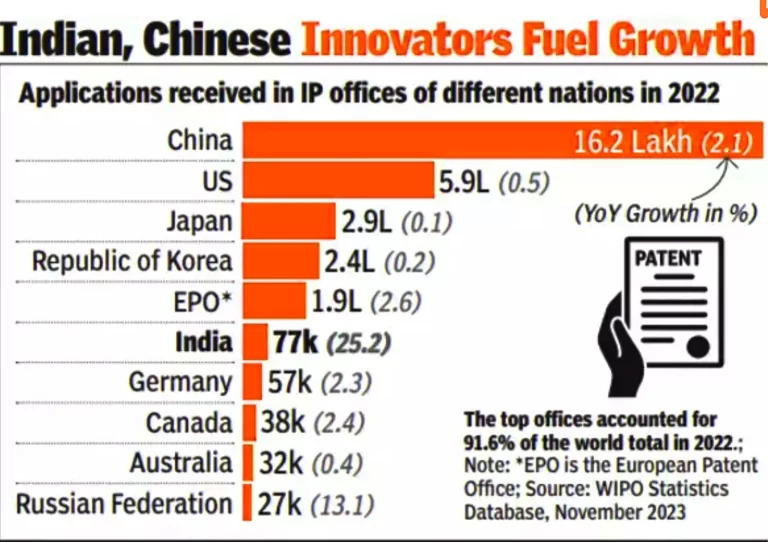






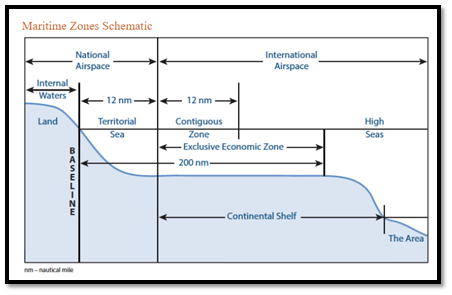



 Allow notifications





