Download Now
Home Blog Page 397

Central Council of Ministers : all one needs to know

0
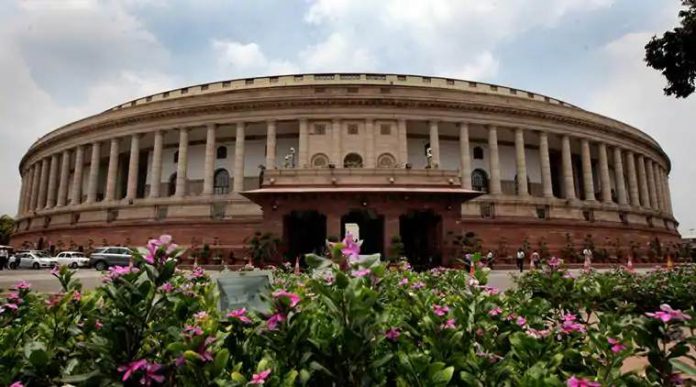
Image source - https://bit.ly/2YsFRbr

This article has been written by Oishika Banerji of Amity Law School Kolkata. This article discusses the Central Council of Ministers in detail. 

Introduction

India has been ornamented with the parliamentary system of government which includes the Prime Minister, and his Council of Ministers being vested with the responsibility of the executive of the nation to govern India’s administrative structure. The Central Council of Ministers plays a key role in helping the ruling government to function in a better way taking into account the increasing complexities of democracy. With a country of 2nd largest population in the world, India is governed by its supreme law, the Constitution of India, 1950 which expressly lays down provisions for the Council of Ministers under Articles 74, and 75 providing with the status of the Council of Ministers, and their appointment, tenure, responsibility, qualification, oath and salaries and allowances respectively. This article provides a detailed analysis of the group of soldiers working behind the Prime Minister with recognition as the Council of Ministers. 

The constitutional recognition

As mentioned before, Articles 74, and 75 of the Indian Constitution sketch out the structure of the Central Council of Ministers. Articles 77, 78, and 88 are also certain provisions that are associated with the Council of Ministers which have been discussed hereunder.

Article 74 of the Indian Constitution 

Article 74 of the Constitution of India deals with the function of the Council of Ministers which is to aid and advise the President of the nation. The provision reads as:

  1. The Prime Minister along with the Council of Ministers will provide aid and advise the President will act in accordance with such advice in order to execute his/her functions. Provided that the President may require the Council of Ministers to reconsider such advice, either generally or otherwise, and the President shall act in accordance with the advice tendered after such reconsideration.
  2. Any confusion concerning the first point will not be a subject-matter of the courts.

It is to be noted that although the Council of Ministers can assist the President in executing his functions, such advice or assistance is subject to reconsideration if asked by the President. 

Article 75 of the Indian Constitution

Article 75 of the Indian Constitution concerns other provisions associated with the Council of Ministers consisting of six clauses namely:

  1. While the President appoints the Prime Minister, the Council of Ministers is to be appointed by the President in alignment with the Prime Minister’s advice.
  2. A minister is supposed to hold his office the way the President wants.
  3. The Central Council of Ministers is collectively responsible to the House of People, or the Lok Sabha.
  4. The responsibility of administering oaths of office, and of secrecy of the ministers according to the procedure provided in the Third Schedule vests of the President. 
  5. For a minister to be part of the Central Council of Ministers, has to be a member of either of the Houses of Parliament for a minimum period of six consecutive months. Absence of which will cease the individual to be a minister.
  6. The salaries and allowances of Ministers shall be such as Parliament may from time to time by law determine and, until Parliament so determines, shall be as specified in the Second Schedule The Attorney General for India.
  7. The 91st Amendment Act, 2003 brought in two addition to Article 75 namely:
  1. The Prime Minister, and the Council of Ministers, constituting the total number of ministers shall not exceed 15% of the total strength of the Lower House of the Parliament.
  2. Members of a political party who have been disqualified on grounds of defection will be disqualified to be designated as a minister, irrespective of whichever House of the Parliament the member belongs to. 

Article 77 of the Indian Constitution

The provision for the conduct of the business of the Government of India has been incorporated under Article 77 of the Indian Constitution that provides primary focus on the President of India who has the power to have his name on every executive action taken by the Indian government. Clause 3 of Article 77 states that it is the President who will be responsible for preparing governing rules for business transactions and allocating such business transactions among the ministers as, and however the President feels. 

Article 78 of the Indian Constitution 

The duties of the Prime Minister have been envisaged in Article 78 of the Constitution of India. The duties of the Prime Minister have been listed hereunder:

  1. It is the responsibility of the Prime Minister to keep the President well informed about the decisions undertaken by the Council of Ministers in association with administrative matters with legislation proposals. 
  2. The Prime Minister shall furnish certain administrative information concerning Union affairs to the President as and when he demands. 
  3. If the President so requires, to submit for the consideration of the Council of Ministers any matter on which a decision has been taken by a minister but which has not been considered by the Council.

Article 88 of the Constitution of India 

Article 88 of the Indian Constitution talks about the rights of the ministers with respect to the Houses of Parliament. Every Minister and Attorney General of India shall have the right to speak in, and otherwise participate in, the proceedings of either House, any joint sitting of the Houses, and any committee of Parliament to which he may be named a member, but shall not be entitled to vote for Officers of Parliament by virtue of this article. 

Nature of advice by ministers

It is by the nature of the advice provided by the Council of Ministers that the relationship between the President and the former can be determined. Article 74 of the Indian Constitution lays down that the Prime Minister with his Council of Ministers is to aid and advise the President to execute his functions. Further, by the 42nd, and the 44th Constitutional Amendment Act, this advice was made binding on the President. The nature of advice has been excluded from judicial review as well. All of these reflect on the fact that the relationship between the President and the Council of Ministers is confidential by nature. The language of Article 74 is mandatory by nature, and therefore the President has to follow the advice given by the Prime Minister, and the Council of Ministers, in order to function. 

Appointment and composition of ministers

As has been discussed above, both appointments of the Prime Minister and the Council of Ministers are done by the President of India. It is only in the latter’s case that the President has to consult the Prime Minister. Therefore, in the case of the appointment of the Council of Ministers, the Prime Minister’s recommendation holds greater value. Ministers are appointed on two grounds:

  1. They are members of either of the Houses of the Parliament;
  2. If they are not members of the Parliament Houses, then within a span of six months he/she must become a member by means of nomination, or election. 

The Council of Ministers comprises of three categories of ministers namely:

  1. The Cabinet Ministers: Responsible for important ministries of the government such as defence, education, health, textile, etc, and deciding on policies thereby assisting the Prime Minister. 
  2. Ministers of State: This class of ministers is further divided into two classes namely independent, and attached to the Cabinet Ministers. In both the cases, the State Ministers work’ in accordance to the guidance, and advice by the Cabinet Ministers. These ministers are restricted from attending Cabinet meetings unless specially invited. 
  3. Deputy Ministers: This rank of ministers is attached to either the Cabinet Ministers, or the Ministers of State, and is responsible for assisting them with duties ranging from administrative to political. 

Along with these three classes of ministers, the parliamentary secretaries are considered to be another group of ministers who are attached to the senior group of ministers and function as an assistant to them to discharge parliamentary duties. 

Oath and salary of ministers

It is the President who administers oaths of office, and secrecy for the Council of Ministers where the latter swears before the former:

  1. To bear true faith and allegiance to the Constitution of India,
  2. To uphold the sovereignty and integrity of India,
  3. To faithfully and conscientiously discharge the duties of his office, and
  4. To do right to all manner of people in accordance with the Constitution, and the law, without fear or favor, affection or ill will.

The Indian Parliament determines the salaries and allowances of the Council of Ministers which varies from time to time. The salary of a minister is the same as a member of the Parliament which is accompanied by free accommodation, travel allowance, medical facilities in accordance with the rank he holds. It was in 2001 when the sumptuary allowance for the Prime Minister was given a rise from Rs 1500 to Rs 3000 per month, followed by the Cabinet Minister from 1,000 to 2,000 per month, for a Minister of State from 500 to 1,000 per month, and for a Deputy Minister from 300 to 600 per month.

Responsibility of ministers

The responsibilities of the Council of Ministers can be categorized into three categories namely:

  1. Collective Responsibility: Collective responsibility is considered to be the underlying principle on the basis of which the parliamentary system as a whole functions. Put simply, collective responsibility refers to ministers owning joint responsibility for their actions to the House of People, the Lok Sabha. Another interpretation of the principle of collective responsibility is that the Cabinet Ministers are bound by the Cabinet’s decision irrespective of whether the former accept it or not.
  2. Individual Responsibility: Article 75 of the Constitution lays down both the concept of collective responsibility and individual responsibility. While the former has been discussed previously, the latter signifies as the ministers holding office on the wish of the President, they can be removed by the President whenever he feels the need. 
  3. No legal responsibility: The ministers are not vested with any kind of legal responsibility which is reflected in the absence of provisions ensuring the same in the Indian Constitution. Followed by this, the Indian courts are also barred from reviewing the advice given by the Council of Ministers to the President.

The Council of Ministers vis a vis a Cabinet 

One often gets confused by the fact as to whether the Council of Ministers and the Cabinet is the same thing or different. The major differences between the two have been listed below:

  1. The Council of Ministers is a much wider body in comparison to the Cabinet. While the former might consist of 70 to 80 members, the latter is concise with not beyond 20 ministers.
  2. The Cabinet is a part of the Council of Ministers which includes two other categories of ministers namely the Ministers of State, and the Deputy Ministers. 
  3. While the Cabinet is vested with collective functions, no such things exist with respect to the Council of Ministers. 
  4. While the Cabinet makes decisions, the Council of Ministers is responsible for implementing the same. The Cabinet also looks after the application of its decision by the Council. 
  5. While the Council of Ministers is collectively responsible towards the Lok Sabha, the Cabinet is responsible for enforcing such responsibility on the Council. 

Conclusion 

The relevance of the Central Council of Ministers cannot be ground on the grounds that it is only with the help of this set of ministers that the actual head of the democratic nation, the Prime Minister can function, and fulfill his roles, and duties for the country and its people effectively. This article, therefore, aimed towards throwing light towards this set of ministers whose contribution often goes neglected under the greater designation of the Prime Minister. 

References 

  1. https://www.india.gov.in/my-government/whos-who/council-ministers
  2. https://www.jyotinivas.org/pdf/e_content/public_administration/union%20council%20of%20minister.pdf
  3. https://www.elections.in/government/cabinet-ministers.html

LawSikho has created a telegram group for exchanging legal knowledge, referrals, and various opportunities. You can click on this link and join:

https://t.me/joinchat/J_0YrBa4IBSHdpuTfQO_sA

Follow us on Instagram and subscribe to our YouTube channel for more amazing legal content.

Download Now

E-signatures : the legal validity

0
Image Source: https://rb.gy/hmf57l

This article is written by Aparimita Pandey, pursuing Diploma in Advanced Contract Drafting, Negotiation, and Dispute Resolution from LawSikho. The article has been edited by Aatima Bhatia (Associate, LawSikho) and Smriti Katiyar (Associate, LawSikho).

Introduction

With the technological advancements in the world and usage of electronic mediums of communication and working, various changes came into being. A new era requires a new system of governance. As society changes and cultures evolve it develops a need for the legislation to be at par with the changing times. One such example is the use of e-signatures in documents. 

What are e-signatures?

Every official document in order to be admissible before law needs to be signed, attested or authorised by any person or parties associated with that document. Signatures play a very vital role in the matters of daily transactions and affairs. A document without the signature of the bearer is not valid before the law. As technology advanced, various sectors of the economy and governance shifted to a paperless system of working. This aided the process of functioning while making it smooth and efficient at the same time. Hence, this brought into the picture the concept of e-signatures. In India, electronic signatures are regulated by the Information Technology Act, 2000 (IT Act) and certain rules such as Digital Signature (End Entity) Rules, 2015; Information Technology (Use of Electronic Records and Digital Signature) Rules, 2004 and Information Technology (Certifying Authorities) Rules, 2000. Section 4 of the Information and Technology Act, 2000 gives legal recognition to electronic records. Section 5 of the Information Technology Act, 2000 provides legal recognition to electronic signatures wherein it is stated that if any law provides that any document should be affixed using signatures of the bearer such authentication would be considered valid if it is done through digital signature in a manner as prescribed by the Central Government. Section 10A in the Information Technology Act, 2000 gives validity to contracts formed through electronic means.

The Indian Evidence Act, 1872 recognises the validity of e-signs as proof of presumption to an electronic agreement. It recognizes electronic records as documentary evidence. Section 65-B of the act makes the e-signature admissible in Courts. Section 67 A of the Indian Evidence Act, 1872 propounds that the signatory has to prove that the e-signature belongs to him/her in any case wherever the dispute regarding e-signatures arises. As per the Section 3A of the Information Technology Act, 2000 which is based on Article 6 of the United Nations Commission on International Trade Law (UNCITRAL) the basic requirement for an electronic signature to be valid are that it must be reliable and that it may be specified in the second schedule

Types of e-signatures that are valid

The term E-signatures and Digital signatures are often used interchangeably; the only difference between the two is that e-signatures do not require a particular technological process to be followed while digital signatures require a specific technology to be generated. These cannot be tampered with easily and are more reliable.

The Information Technology Act, 2000 recognises two types of valid e-signatures:

  1. An electronic signature that facilitates the signing of a document through online services. It can be done by people having an Aadhaar Card number which has a unique identification number for every individual issued by the government of India. The e-signature services integrate with an app interface which can then be used by users to apply e-signatures to any online document by confirming their identity through OTP using the eKYC service. The e-signature services work in accordance with guidelines provided by the government.
  2. Digital signatures require a specific technology called a hash system or asymmetric cryptosystem in order to be generated. It requires a two-way cryptographic protection system which is a pair of private and public keys. It is unique for each user and can be used to develop signatures. Users obtain a reputed Certifying Authority in the form of a digital certificate.

Conditions for validity

  1. The signature creating data and the authentication data should be linked to the signatory or the authenticator and not to any other person.
  2. The data for generating the e-signature should be at the time of signing in the control of the signee.
  3. Any changes or alterations that are made after affixing the e-signature or data are detectable.
  4. It is issued by a Certifying Authority based on e-authentication specified in Form C of Schedule IV of the Information Technology (Certifying Authorities) Rules, 2000.

The electronic signatures as per section 1(4) of the Information Technology Act, 2000 are not applicable for the following:

  • A negotiable instrument other than cheques as defined under section 13 of the NI Act, 1881.
  • A Power of Attorney as defined under section 1A of the Power of Attorney Act, 1882.
  • A trust as defined under section 3 of the Indian Trust Act, 1882
  • Any contract of sale, lease or conveyance of immovable property or any interest in such property.
  • A will as defined under section 2 (h) of the Indian Succession Act, 1925 including any other testamentary disposition.

Government use of e-signatures

There are various departments of the government that accept electronic records authenticated with digital signatures. Such departments are the Ministry of Finance, Department of Revenue, Ministry of Corporate Affairs, etc. Digital signatures are a preferred mode of execution in the case of e-filings with the Ministry of Corporate Affairs. Even the RBI has allowed certain small fiancé banks and payments banks to rely on electronic authentication for the purpose of acceptance of the terms and conditions of the bank. The Electronic Signature or Electronic Authentication Technique and Procedure Rules, 2015 brought a drastic change into the validity of e-signatures to be used in India. It gave more power to the Controller of the Certifying Authority and made it capable of regulating and governing the procedure for using e-authentication methods. The Central Government is the sole authority for proving validity to e-signatures. It holds with it the power to formulate the various technical and reliable aspects of an e-signature to be valid.

Digital Signature Certificate (DSC)

In order to prove the authentic nature of an electronic document, the Central Government has appointed a Controller of Certifying Authorities who has the power to grant the license to the Certifying Authorities to issue digital signature certificates to the users. Such a digital Certificate comprises the owner’s name, public key, date of expiration of the public key, serial number, digital signature as well as the name of the issuer. The creation of digital documents that is done only through the certifying authorities is considered trustworthy since it is regulated by the Central Government. 

Such Certificates are of various types which could be used for only signing, encryption or signing along with encryption. Any person that wishes to avail of a Digital Signature Certificate can file for an application to the certifying authorities for issuance of an Electronic Certificate along with the prescribed fees.

Conclusion

As the world has advanced to a new medium of functioning where e-signatures are now a part of every other transaction or affair and where such a new system of working is duly recognised by the government through legislations a proper understanding of the procedures and laws for the common public has become essential. The Information Technology Act, 2000 defines and elaborates upon e-signatures profoundly. There is still a need for development in the system of authentications in order to make it an easier process for the general public. Methods that are less prone to fraud and tampering should be used and any glitches that leave a scope of risk should be avoided while transacting through e-signatures. 

Since e-signatures are binding and have a similar legal effect it is essential for users to be cautious while using them. A wider scope of usage of e-signatures opens up a possibility of efficient working mostly in the sectors of finance, banking and legal matters. It is a hassle-free method of authentication and thus has a very wide scope for the coming future. The world has shifted to the online medium wherein professionals and users are using e-signatures on a daily basis, it is important to have an efficient system of authority tackling the loopholes of the presently functional laws and regulations. Electronic encryption is more or less a modern phenomenon and hence remains to be a complex process. It further specifically defines where these e-signatures can be used and where they are not admissible which further showcases a clear picture of India’s stand towards the legality of the e-signatures. Considering the current times where the virtual way of being has become a necessity for every individual proper caution and guidelines regarding the consequences of using e-signatures should be provided in professional setups. E-signatures possess the possibility to represent the biggest opportunities to accelerate a shift towards digitization. India’s vision of Digital India can be aided through a better mechanism of authentication and frequent use of e-signatures. Mandating usage of e-signature authenticated via certifying authorities in places where physical signatures are unnecessary can work as a way forward. It would further make the process of transaction remote and efficient in nature for both the signatory and other authorities involved.

References

  1. https://www.adobe.com/content/dam/dx-dc/pdf/uk/electronic-signatures-in-india-uk.pdf
  2. https://lunarpen.com/blog/electronic-signature-law-india/#Suitable_Use_Cases_for_E-Signatures
  3. https://blog.ipleaders.in/digital-electronic-signature/#DSC_under_the_Information_Technology_Act_2000

Students of Lawsikho courses regularly produce writing assignments and work on practical exercises as a part of their coursework and develop themselves in real-life practical skills.

LawSikho has created a telegram group for exchanging legal knowledge, referrals, and various opportunities. You can click on this link and join:

https://t.me/joinchat/J_0YrBa4IBSHdpuTfQO_sA

Follow us on Instagram and subscribe to our YouTube channel for more amazing legal content.

Download Now

Challenges faced while working at law firms and how to overcome them

0
Consulting a lawyer
Image Source - https://rb.gy/urktqi

This article is written by Yash Kapadia. This article maps the challenges faced when one starts to work at a law firm and ways to overcome or be prepared for those challenges. 

Introduction 

Working at a prestigious law firm is preferred by most law graduates. Since the very first year of law school, we are told to aim to bag a job at one of the top five law firms. A high-paying job is the number one priority for most lawyers. However, sometimes this high-paying job comes at a cost. Sadly, no one tells us about how to perform at a law firm, thrive, deliver and grow in an extremely competitive environment. 

You can get a job at a law firm because the interview went well, your CV is exceptional, or maybe you performed really well during your internship. The real problem arises once the law school graduate fails to perform or achieve the standard of expectations set out for him. When that situation arises, the employer may choose to fire the employee. 

Challenges faced while working at law firms

Most law firms hire around 50-75 graduates a year (even after the pandemic). Unfortunately, most of them leave or get fired within a period of two years. Your entrance exams or the semester exams from law schools do not prepare you for a job at a law firm. Some of the challenges faced by most of the law graduates while working at a law firm are enlisted below:

Knowledge deficit 

If a fresh associate is dealing with a merger or acquisition of a foreign or even an Indian client, they might have to learn a lot of different rules, laws, regulations like FDI policies, RBI Circulars, etc. which sometimes they may have never come across or dealt with in-depth even during their internships. Being well conversed with the legal jargon and also business jargon is very important. When such scenarios come to you at 100 miles per hour, and you do not possess knowledge about anything related to that transaction, you are bound to make errors or take more time than usual, which may lead to creating a not-so-worthy first impression. 

Skill deficit

For example, if a due diligence report has been prepared and a fresh first-year associate is asked to prepare an executive summary first draft or is asked to prepare a comprehensive note on deal compliance or file an FC-GPR form, and they have no idea or are completely blank when asked to do such work, they are at a huge skill deficit at the mercy of someone who they need to ask as to how to do that work.

Obscene work hours

It is public knowledge that lawyers have to work obscene work hours at law firms. It is important to note that this is not the fault of the law firm but of the lawyers who probably do not meet their deadlines and therefore have to sit at work for long hours. These long work hours may be a result of some repeated errors or failing to meet the required standards being made in a particular transaction or drafting a particular court document that has to be submitted the next day. Mid-level lawyers often complain about the long work hours they are experiencing at law firms, which is creating a hostile environment for them in and outside work life too. It is pertinent to understand that the obscene work hours are mostly because of deadlines not being met and not because a partner unnecessarily asks his team to stay in the office and in their cubicles to stay back till the clock strikes 1-2 a.m. 

Excessive competition

As mentioned earlier, most of the top law firms recruit more than 50 fresh graduates every year, excluding some lateral hirings at the law firm. As we all know, more lawyers are graduating every year and the competition is increasing for entry-level jobs and survival of the lawyers in these roles every year. The competition faced by each one of the associates is cut-throat where another lawyer of the same designation from another law firm, smaller in size, wants to grow and take a similar position at a bigger law firm with better work and pay. Constant performance at work is required which is monitored and observed by immediate seniors as well as all others ending to the top brass of partners. 

Utmost diligence

At a junior level, it is more important to be diligent in the work provided. What is needed to be proved is that you are a reliable associate who can do the given work with utmost diligence. Perfectly proofread documents, no typos, no formatting errors, keeping all documents/briefs ready before a particular matter. However, if these things are not taken care of and such minor mistakes are not avoided, it reflects on the quality provided by the law firm as a whole. Anything done that decreases the value of the law firm would only leave a negative impact and firing in a worst-case scenario. 

Clear communication

Excellent communication skills are required to keep on track and talk to people and colleagues around. When anyone is able to communicate in a clear and concise manner, is able to explain to their team or point out errors made in a clear way then that is considered to be an added skill. The way an associate can talk is a skill that is mastered by a few and helps to stay ahead of the curve of only being good at the work assigned, especially at top-tier law firms. Therefore, having a good command of English and being well conversant with another language like Hindi, Marathi or a widely used native mother tongue is an added advantage a fresh lawyer can have apart from their legal skills. 

How to overcome these problems 

Problems are present in every profession but the way a person sees them and overcomes them depends on their mindset. The mindset needs to be set and knowledge needs to be present well before a law student starts working at a law firm. There are various ways anyone can overcome the obstacles that they may face while working at a law firm with the correct mindset. It is pertinent to state that all these problems have to be overcome whilst one is a law student and some after experiencing the associate position. The following are certain approaches to adopt and take care of to overcome the challenge that any fresh graduate faces at a law firm: 

Choose an area of interest and develop practical skills

Pick an area of interest with more opportunities, more openings on a year-on-year basis. Taking a large practice area solves this problem like corporate law, litigation or arbitration, IPR. Teams handling funds, employment law are niche and smaller as compared to other fields. However, if one genuinely likes a niche area, one needs to work much harder to excel at that niche area like competition law. 

When we speak of practical skills, we mean the very areas and the basics from where the work of that area of law starts. For an M&A transaction, one needs to be well conversant with the Companies Act, Takeover Code, FDI Policies, NCLT Rules. For banking, one must know the details of what includes in a loan agreement, share-purchase agreement, how to find out relevant RBI policies. All of these skills can only be observed through internships, enrolling for online courses on the Companies Act, etc.

Command over English

Truth be told, if one doesn’t know English, people generally think of that person as not being smart. Therefore, if the English language, be it writing or communicating, is not really good, one must work the most on it because all that goes around is English and legal jargon all around. The play of words in various agreements is extremely precise where even a colon, a comma can entirely change the meaning of a sentence and can lead to a huge dispute while interpreting it. Hence, take up courses on the English language, practice writing legal articles, read various agreements, suits, court documents to understand how English is conversed amongst fellow lawyers through documents. 

Build strong relationships

Relationships can be built at any stage in life when a person has the intent to do so. In the field of law, law students often never build relations with their seniors as the only agenda is to intern at an XYZ law firm. There are few who stay in touch with their seniors who they interned under and sort guidance from on a regular basis. If good relations are built with your seniors while interning and even while working as fresh graduates, it will compound one day to become strong connections and part of your network. Lawyers and seniors too like the confidence of interns to approach them and stay in touch with them. Furthermore, they like to guide the junior i.e. intern and make sure to make them understand their mistakes so that they are not repeated. Considering today’s times, your network and connections determine to display a lot about a person and these relations can last a lifetime.  

Find a mentor who has excelled in your area of interest

With technological advancement in today’s times, all one has to do is build a network and ask someone to guide you in the area of law you are genuinely interested in. In fact, there are various blogs that have started to only focus on providing a mentor to law students like Mentorology. Regardless of the geographical location, a mentor can help a mentee through technology today. However, this must start when one is a law student and not a law graduate. The reason being, when one graduates and searches for a job, there is a strong connection and bond already built with a mentor who has already excelled in your field of interest and has helped to make a career trajectory that helps one be ahead in the curve of practical skills. All one has to do is keep trying until someone says yes to be a mentor. 

Find the answer to “How will you add value to the team?” 

This is one of the best ways to stand out in a team while receiving a job offer. Work on some sort of skills and find out how that would add value to a particular team you’re interviewing for. The skills developed while being a law student will come into play when one answers this question. For an interviewer to ascertain the reason for hiring, more attention is paid towards how the interviewee is different from the others and what advantages would be provided from the interviewee’s end. 

If internships at law firms fail, approach startups

Startups are as hungry in search of talent and if one does not secure an internship at a law firm, startups must be approached. A law student must approach them to provide legal services and any other sort of due diligence required to be complied with. Startups are probably the best place for a budding lawyer to work at. Working at a startup teaches one to communicate professionally, follow instructions and also work in an extremely professional manner to maintain the decorum of that company. However, law students only focus on securing internships at law firms. If they are unsuccessful, they sit at home wiling away their time. In fact, one must approach a startup so that a lot can be learnt about law, growth and strategies too. All of these skills learned will compound and be put to use when one applies for jobs or works as an associate at a law firm. 

Conclusion

It is evident from what has been stated above in this article that working at a law firm is no cakewalk. The long working hours, the heavy competition, the stress, the politics in some cases are all to be taken into consideration. However, the good part about it is there are ways to overcome them and also be on guard when one has to start working at a law firm. There are a set of skills discussed above that need to be acquired and internships must be secured in order to overcome most of the challenges. Probably, taking unconventional moves like enrolling for a rigorous course in the initial years of your law school can set you way ahead in the curve of knowledge possessed by one’s counterparts. With the Ed-tech sector bolstering and reaching new highs, it is recommended that every student must experience some sort of course in the area of their interest to understand its practical applicability in the real world. As the times and approaches change, we must adapt to them.  


LawSikho has created a telegram group for exchanging legal knowledge, referrals, and various opportunities. You can click on this link and join:

https://t.me/joinchat/J_0YrBa4IBSHdpuTfQO_sA

Follow us on Instagram and subscribe to our YouTube channel for more amazing legal content.

Download Now

Breach notification under PIPA Alberta

0

This article is written by Devagni Vatsaraj, pursuing Diploma in International Data Protection and Privacy Laws from Lawsikho. The article has been edited by Zigishu Singh (Associate, LawSikho) and Smriti Katiyar (Associate, LawSikho).

Introduction

PIPA is an acronym used for the Personal Information Protection Act. There are private sector focussed privacy statutes that govern the collection, use, disclosure and management of personal information in Canada such as the Personal Information Protection and Electronic Documents Act, PIPA Alberta, PIPA British Columbia, and Quebec Privacy Act. PIPA Alberta applies to such private sector organizations, businesses and non-profit organizations which are provincially regulated under the jurisdiction of Alberta, and is applicable for the protection of personal data of the data subjects. Further, the Act provides the data subjects with the right to access their personal information.

PIPA was originally introduced as a Bill in the Alberta legislature on 14th May, 2003 as Bill No. 44 and subsequently came into effect on 01st January, 2004. The Act has been time and again amended to incorporate changes that would be beneficial to the interests of the data subjects and crucial to protect their rights. Stating herein in chronological order, the Act has been amended by Personal Information Protection Amendment Act, 2005, Adult Guardianship and Trusteeship Act, 2008, Personal Information Protection Amendment Act, 2009 and Personal Information Protection Amendment Act, 2014. 

Privacy breach under PIPA Alberta

Notifying the data breach

Privacy Breach refers to the unauthorized access to, or loss or disclosure of, personal information of the data subjects. When such a breach occurs, the organisation must notify the concerned authority of Alberta (more particularly mentioned herein below). The organisation should also be vigilant and contact their insurance agent for cyber coverage. Further, they must notify the affected parties of the data so breached. The law does not define how promptly an organisation must report the breach occurred but merely states that a notification to the authorities as well as data subjects must be given without unreasonable delay.

Section 34.1 of the Act states that “An organization having personal information under its control must, without unreasonable delay, provide notice to the Commissioner of any incident involving the loss of or unauthorized access to or disclosure of the personal information where a reasonable person would consider that there exists a real risk of significant harm to an individual as a result of the loss or unauthorized access or disclosure.”

The authority concerned has resources that assist the organizations in determining if there is an actual breach or is it just a suspected or an alleged breach; what to do in such circumstances and in understanding how the risk should be assessed. These resources include the Privacy Breach Report Form that may be used while reporting the breach to the Privacy Commissioner and Practice Note to Report Breaches to the Commissioner, which assists the organisations in meeting the requirements of Section 19 of the Act while reporting the infringement with the Privacy Commissioner. 

Data protection authority

The province of Alberta Privacy Commissioners, more particularly, Office of the Information and Privacy Commissioner of Alberta (OIPC), has the authority to review complaints and accordingly, formulate orders and dispose of the matters. The OPIC has the powers to direct an organization to give or refuse to give to the data subjects access to their personal data, as the case may be; overlook that the legislation is adhered to, requiring an organization to destroy personal data collected in contravention of the Act, etc.

Reporting data breaches to data subjects

With the permission of the OIPC, an organisation may indirectly notify the data subjects. If the OIPC has expressly ordered and the organisation fails to notify the data subject, the Privacy Commissioner may make such orders as it may consider appropriate. Further, when taken to court, the organisation may be directed to pay damages to the data subjects so affected, for the loss/harm incurred by them.

However, there are circumstances wherein the organisations are exempted from notifying the breach to the data subjects. As stated earlier, the Privacy Commissioner may or may not require the organisation to give notice to the data subjects and hence, under circumstances where the OPIC has not ordered to give notice, the organisation is not required to tender the same. When there is no significant risk/harm to individual data subjects as a result of the data breach of the personal data of such data subject, the organisation is not required to tender a notice. 

What are the breaches that must be reported and how to file the report?

An organisation must keep itself in the place of a data subject and consider whether the breach that has occurred, would pose a significant threat to the data subject or should the breach not be reported, would cause loss/harm to the data subject; if the answer to such question is in affirmative, the organisation must notify the OIPC of the privacy breach. The OIPC comes down heavily on the organisations and lays down that reporting reasonable breaches is not a requisite only when a class of subjects are affected but is also necessary even when the rights of a single individual have been compromised. 

Reporting a breach with the OIPC must be done expressly, i.e., the report must be clear, in a language generally understandable, without ambiguity and in writing. An organisation must generally include the following in its mandatory privacy breach reporting:

  • Circumstances of the breach;
  • Date or time period when the breach occurred;
  • Personal data involved in the breach;
  • Assessment of harm caused to the data subjects as a result of such breach;
  • Estimated number of individuals’ impacted;
  • Steps were taken to reduce the risk of harm;
  • Steps were taken to notify impacted data subjects;
  • Contact person of the organisation.

The OIPC may require the organization to notify data subjects so affected by the breach. While notifying them, the organizations are required to provide the following information to the data subjects:

  • Circumstances of the breach;
  • Date or time period when the breach occurred;
  • Personal data involved in the breach;
  • Steps were taken to reduce the risk of harm;
  • Contact person.

Fines and penalties

Under PIPA Alberta, the penalty may arise when an individual/organization collects, uses or discloses personal data of the subjects in contravention of the law or when it attempts to gain and/or gains access to personal data; fails to comply with the order of the OIPC. Fine is also levied when an organisation takes adverse action against an employee who acted as a whistleblower and has exposed the undesirable working of the organisation. 

An individual that commits such an offence as listed above is liable to pay a fine of up to $10,000 and such penalty for an organisation amounts up to $100,000. The same has been particularly described in Section 59 (2) of the Act.

Prevention of privacy breaches

Though the Act requires that an organisation follow reasonable policies and practices in order to meet its obligations, it does not specifically state or define such practices. Former FBI Director, Robert Mueller at the San Francisco cyber security conference remarked, “I am convinced that there are only two types of companies: those that have been hacked and those that will be. And even they are converging into one category: companies that have been hacked and will be hacked again.” This stresses the importance of the security system and the need to avoid even the most innocent of mistakes. The organisation needs to be diligent in how they handle and protect the personal data of the data subjects.

The organisations must undertake measures to implement reasonable practices to minimize the risk of a privacy breach. This includes disabling email address autofill; implementing office policies or industry-standard policies, as the case maybe, related to data retention and disposal; training the staff to ensure that they are aware of the policies; conducting regular cyber security tests to help identify risk scenarios and measures to mitigate the same and ensuring that appropriate security software safeguards are in place.

Conclusion

Entities are encouraged to report the privacy breach with the Commissioners, who may be able to guide them towards the most effective measures for mitigating the risk and ensuring compliance of the obligations of the Act. The entities need to keep the personal data of the subjects only for so long as may be required to fulfil the purpose for which it is collected, used or disclosed. They must retain the personal data only to comply with the business requirement and for legal purposes. When such purpose is fulfilled, and the data is no longer needed, it should either be destroyed or securely made anonymous.

References

  1. Section 34.1 of the Act – Personal Information Protection Act, Statutes of Alberta, 2003
  2. Privacy Breach Report Form – Office of the Information and Privacy Commissioner of Alberta
  3. Practice Note to Report Breaches to the Commissioner – Office of the Information and Privacy Commissioner of Alberta
  4. Section 19 of the Act – Personal Information Protection Act, Statutes of Alberta, 2003
  5. Office of the Information and Privacy Commissioner of Alberta – OPIC
  6. mandatory privacy breach reporting – Organisation responsibilities for protecting personal information
  7. Section 59 (2) of the Act – Personal Information Protection Act, Statutes of Alberta, 2003
  8. “I am convinced that there are only two types of companies: those that have been hacked and those that will be. And even they are converging into one category: companies that have been hacked and will be hacked again.” – The Federal Bureau of Investigation – Speeches

Students of Lawsikho courses regularly produce writing assignments and work on practical exercises as a part of their coursework and develop themselves in real-life practical skills.

LawSikho has created a telegram group for exchanging legal knowledge, referrals, and various opportunities. You can click on this link and join:

https://t.me/joinchat/J_0YrBa4IBSHdpuTfQO_sA

Follow us on Instagram and subscribe to our YouTube channel for more amazing legal content.

Download Now

Law concerning recruitment and firing of workers

0
Image source - https://bit.ly/38Q5NT3

This article is written by Ankeeta, pursuing Diploma in Labour, Employment and Industrial Laws (including POSH) for HR Managers from LawSikho. The article has been edited by Prashant Baviskar (Associate, LawSikho) and Smriti Katiyar (Associate, LawSikho).

Introduction

Labor law is a concurrent topic under India’s Constitution, which means that the country’s labour and employment laws are controlled at both the federal and state levels. The Industrial Job (Standing Orders) Act (IESA), 1946, and the Industrial Disputes Act (IDA), 1947, as modified, are the two primary federal legislation that governs employment termination.

The Shops and Establishments Act, which has been passed in most states with slight variances in implementation procedures, also regulates the Indian labour market. The Shops and Establishments Act governs labour and employment in any location where a trade, business, or profession is conducted. Furthermore, the application of state laws varies depending on the employer’s business activities, as described in the laws and supporting guidelines.

There is no uniform procedure for terminating an employee in India due to the nature of Indian labour regulations. An employee’s employment may be terminated in accordance with the conditions of the particular labour contract between the employee and the employer. Similarly, the terms may be governed by labour regulations in the nation. Employers should be aware that the requirements of labour contracts are superseded by Indian labour laws, thus any termination policy or clause mentioned in a contract should be reviewed against the law by a specialist.

If there is no labour contract or if the labour contract does not specify how the employee will be terminated, the employer must abide by state law. In this case, an employer must fire the employee in accordance with India’s unique, state-specific labour laws.

When there is no labour contract or when the labour contract does not specify a manner of termination, the situation falls within the authority of the state’s labour laws. This is due to the fact that employment contracts in India are not required to be in writing by law.

In India there are many types of employees and employers

In India, there are primarily two categories of employers and two types of employees recognised by the law.

Employers come in a variety of shapes and sizes, including:

  1. Establishments– This phrase encompasses a wide range of employers.
  2. Factories– This phrase refers to employers who work in the manufacturing industry.

Employees come in a variety of shapes and sizes.

  1. Employees– A phrase that encompasses all employees in whatever capacity.
  2. The term “workmen” was coined in 1947. Workmen are employees who are not in administrative, supervisory, or management positions.

Types of employment termination

Termination on one’s own accord

An employee who voluntarily leaves his or her job with a corporation is referred to as a voluntary termination. This might include personal motivations for an employee, such as obtaining a new and better job, retiring from a profession, or launching their own business. This might also be attributed to a constructive dismissal for professional grounds. When an employee is unsatisfied with his or her workplace, it is referred to as constructive dismissal. They may be subjected to harassment, low pay, lengthy work hours, and a long commute, among other things.

Termination without warning

When an employee is forced to quit a company against their choice, this is known as involuntary termination. During layoffs, terminating employees, downsizing, and other situations, a firm may choose involuntary termination.

Downsizing and layoffs

Layoffs and downsizing are terms used to describe a company’s decision to reduce its staff. Employees that are downsized are frequently fired without cause. Companies reduce and rearrange their personnel to save money. When a firm goes bankrupt or merges, downsizing is frequent. Layoffs can also occur when an employee’s skill set is no longer relevant to the company’s current needs.

Losing your job

Employees may be dismissed as a result of poor work performance or because their actions and attitudes cause problems in the workplace. A 30-day notice is not required in many countries, including India, when an employee is fired for misbehaviour. Before being dismissed, employees who have been fired for breaking business policies must be given the opportunity to defend themselves.

Unlawful dismissals

An employer has total control over anyone he or she hires and fires in his or her company. However, an employer, on the other hand, cannot terminate an employee without good reason. In many countries, firing an employee based on caste, race, colour, gender, or other factors is unlawful. An employee who has taken maternity leave or a leave of absence, or who has revealed organisational wrongdoings, cannot be dismissed for these reasons.

If your organisation is found guilty of unfairly firing employees, you must pay them and either restore or give equivalent job opportunities. If companies are found guilty of wrongful termination, they may face financial penalties.

Contractual termination

The method for ending employment is usually extremely explicit in most employment contracts. This is most common when the termination is mutually agreed upon, and in particular when contractual employment is for a specified amount of time. Consultants with international organisations, for example, or interns at private companies, for example, frequently have set job terms.

Unless a new contract is provided or the terms of the existing contract are changed, an employee is regarded as dismissed at the end of such a contract. Employees who are fired by their employers are frequently given one month’s notice or paid one month’s salary in lieu of notice, as is the case in most countries.

Termination under the law

As previously stated, any termination must adhere to federal and state laws, which take precedence over contract provisions. When there is no specified method for termination, however, state law becomes extremely relevant. In such cases, state law becomes the standard for dismissing an employee. State legislation varies depending on the employer’s business practises.

In Indian states there are laws that control the dismissal of employees

We’ll look at state regulations regarding termination in a few of India’s most popular investment destinations in the next section.

Delhi Union Territory’s state labour legislation

According to the Delhi Shops and Establishments Act of 1954, an employer cannot fire an employee who has worked for the company for more than three months without providing at least 30 days’ notice or a severance pay. If misbehaviour is the reason for termination, the employer is not required to give notice. In such cases, however, the employee should be given a reasonable opportunity to clarify the accusation before being fired.

Maharashtra has a state labour legislation

According to the Maharashtra Shops and Establishments Act, an employer cannot fire an employee who has worked for the firm for more than a year without providing at least 30 days’ written notice. If an employee has worked for more than three months but less than a year, the employer must provide at least 14 days’ notice. If the employee is being fired for misbehaviour, the notice is not required.

Karnataka and Tamil Nadu have state labour laws

An employer cannot fire an employee who has worked for the company for more than six months unless there is a “good cause,” according to the Karnataka Shops and Establishments Act of 1961 and the Tamil Nadu Shops and Establishments Act of 1947. A month’s notice is also required from an employer. There is no need for notice or a payout if the reason for termination is misbehaviour.

Andhra Pradesh’s State Labor Law

According to the Andhra Pradesh Shops and Establishments Act, 1988, an employee who has worked for at least 6 months would not be entitled to a notice period. In the notice of resignation letter, the employee has the right to state and explain the Separation.

West Bengal has a state labour law

According to the legislation, the employer must provide a 30-day notice period to the employee. The Act nevertheless applies to the institution even if there are no employees entitled for gratuity payments. This might happen within 30 days after the termination date.

Rajasthan’s State Labor Law

According to the Rajasthan Shops & Commercial Establishments Act, 1958, no employee who has been in continuous work for less than six months can be fired without receiving a month’s notice.

In India there are rules controlling the dismissal of employees

The decision to fire an employee is most likely based on one of the reasons listed above. Whatever the reason for terminating employees, every company must adhere to specific federal and state regulations. Here are the six most crucial guidelines to follow before firing your staff.

When it comes to dismissing employees, a 30-to-90-day notice period is common. The Industrial Disputes Act of 1947 stipulates that when more than 100 employees in a manufacturing facility, mining, or plantation unit are laid off, government clearance is necessary. Terminating employees in other industries just need a government notice.

An employee can be legitimately discharged from an organisation for one of the following reasons under Indian labour laws:

  • Disobedience or full insubordination.
  • Theft, dishonesty, or fraud.
  • Wilful loss or damage to the employer’s possessions.
  • Accepting bribes or receiving unlawful gratifications.
  • Absence of more than ten days without seeking leave.
  • Attendance was a little late.
  • Disruptive conduct in work.
  • Workplace negligence.

When companies lay off employees for a variety of reasons, the policy stipulates that the last person to join the company must also be the first to go. When the company rehires for the same or similar job responsibilities, the dismissed employees should be given first priority.

When a company terminates a pregnant or maternity leave-seeking employee for the sake of convenience, they risk violating the Indian constitution’s Maternity Benefit Act of 2017.

Non-solicitation provisions are restricted in scope, whereas non-compete agreements are not enforceable under Indian law.

In India, most states have legislation allowing for up to 10-15 days of paid vacation each year. Employees can also take up to ten days of sick leave and additional ten days of unpaid leave. Employees who request leave under these circumstances are not deemed dismissed.

Employee termination HR checklist

Here’s a brief guide to some of the steps that must be followed when dismissing staff.

Examine the company’s human resources policy

Before giving a termination notice to any employee, it is necessary to review your company’s HR guidelines and policies. Every business has its own set of protocols for dealing with various circumstances.

Consult the employee contract

The employment agreement will detail the notice time, severance pay, and other benefits that must be provided to the employee in the event of termination. This agreement is frequently signed at the start and acts as a valuable reference that may be used in a court of law.

Publish a notice

Serving a notice is an important aspect of terminating an employment. 30 to 90 days before termination, a severance notice must be delivered. This notification must be in writing and provide a detailed explanation of why the employee is being fired.

Agree on a severance package

Employees who retire, get laid off, or reach the end of their contractual obligations are eligible for severance pay. Employees who have worked for a year or longer shall be paid one month’s wages. Employees must be granted three months’ pay if they are being laid off in a protected industry. Employees are entitled to gratuity payments after five years of continuous employment under the Payment of Gratuity Act.

Employee protection and access to the courts in the event of a conflict

A fired employee has the legal right to appeal to his or her jurisdictional authority. For one of the following reasons, the employee might file a lawsuit in court:

  • An employee was fired by his or her company for no apparent cause.
  • The employee has not been found guilty of any wrongdoing and maintains his innocence.
  • The employee believes their dismissal was made on unjustified grounds.

An employee must first construct a case and obtain clearance from their local labour authority before seeking remedy of any of the following concerns. The matter may be handled by jurisdictional conciliation officers, industrial tribunals, or labour courts if consent is given. The Indian Industrial Act of 1947 was enacted to address the problems of workers in the manufacturing industry.

Conclusion

Wrongful termination, or not following due process as defined by the respective state laws, will result in legal punitive consequences for the employer. In addition, the courts may order the employer to pay fines and award additional compensation to an employee that was terminated.

Employers that review labor laws and, explicitly, state procedures for terminating employees in their contracts, significantly reduce the potential for labor disputes related to the termination of an employee.

Beyond this, however, employers must ensure that management teams and HR professionals are fully briefed on termination procedures. Contracts can protect employers; yet, management teams and HR professionals must ensure labor law compliance to protect them from any adverse litigation.

There are many laws in every sector ( public sector, private sector) for the protection and welfare of different kinds of workers, (permanent, contractual, part time) but very few people know the proper use of it to avoid exploitation by the employer. Many workers enter the contract agreement/bond without reading and without knowing the legal prospect and conditions of the contract. To avoid the misuse of laws workers enter into trade unions which give them a sense of security. But there is a need to make workers aware of their rights and laws, which would affect them

References


Students of Lawsikho courses regularly produce writing assignments and work on practical exercises as a part of their coursework and develop themselves in real-life practical skills.

LawSikho has created a telegram group for exchanging legal knowledge, referrals, and various opportunities. You can click on this link and join:

https://t.me/joinchat/J_0YrBa4IBSHdpuTfQO_sA

Follow us on Instagram and subscribe to our YouTube channel for more amazing legal content.

Download Now

Is Indian law equipped enough to deal with deepfakes

0
Image source: https://techcrunch.com/2020/07/16/europes-top-court-strikes-down-flagship-eu-us-data-transfer-mechanism/

This article has been written by Jai Khurana, pursuing a Diploma in Cyber Law, FinTech Regulations and Technology Contracts from LawSikho. It has been edited by Prashant Baviskar (Associate, LawSikho) and Smriti Katiyar (Associate, LawSikho).

Introduction

“Technology is a useful servant but a dangerous master”

-Christian Louis Lange

We live in a world full of constant advancements in technology. No area has been left unexplored and technological development is at its pinnacle. However, a question arises:, is technology being used for the welfare of all human beings? If  technology has a dark side, why are we still  working to develop and reach further heights in that specific field? Let’s take an example, imagine that you are working and living a normal life, but one day while exploring the vast world of the internet, you find yourself involved in adult, graphic and demoralizing acts which you had never consented to or did.

Imagine another situation where the sole credit of your acts has been snatched by an anonymous person who just made a face replacement of his face by your face. This kind of situation may trigger astonishment and fear for many. With the advancement of technology, this hypothetical situation, however, has come to be true.

What is deepfake?

A deepfake in layman’s language can be defined as when there is deep faking of someone’s identity by using multiple tools like photoshop. Deepfake actually found the terminology and was brought to light in 2017, when a Reddit user had used the technology to swap the face of celebrities with adult stars. The meaning of deepfake can be derived from the term itself- ‘Deep’ is Deep learning and ‘fake’ is faking it out. Deepfakes use facial mapping technology and AI that swaps the face of a person on a video with  the face of another person. 

One must have seen the deepfake videos ranging from the speech of Mr. Barack Obama delivering fake news to Mr. Mark Zuckerberg stating that Facebook is exploiting their users’ information and infringing privacy. It is nearly impossible to find any discrepancies and one can be easily convinced that it is genuine. This has led many countries including America to encourage research in deepfake detection technologies and has placed deepfake prizes. Many  social media handles like Facebook also encourage bug bounty to find ways through which deepfake content can be detected. 

Now the main question arises, what are the laws which are protecting us from the deepfakes?

India’s ground on deepfakes

Deepfake has deep roots in India where it is majorly used in politics, the film industry, pornography, and even in cases of revenge- defamation. From the cases ranging from deepfake depicting Mr. Manoj Tiwari insulting the state government of Delhi, the Aam Aadmi Party speaking English and Haryanvi, to the generation of pornographic content, example being that of Ms. Rana Ayyub, it is pertinent that the deepfake can cause major harm to the person himself or herself being targeted as well as the society, by injuring  sentiments, thoughts, and perspectives of the people.

In another case a corporate company named Rephrase.ai made a deepfake of Mr. Hrithik Roshan, showing  him congratulating his fans. However, Mr. Hrithik had licensed Rephrase.ai to use his face and make him say anything for confectionery Cadbury. Even if the  acts done are legal, there is still a requirement of Laws governing the use of deepfakes.

Indian Legislation is still not equipped with provisions that can keep check and balance for deepfakes. However, Indian Laws do provide a block of laws that challenge deepfakes indirectly:-

The Constitution of India

Right to privacy

Deepfakes function by using one’s identity, face, or features. This leads to violation and infringement of the right to privacy bestowed by Article 21 of the Constitution of India. Not only in the realm of physical and spatial privacy but also in protection, preservation, and the flow of personal information. Over the years through a series of judgements, the judiciary has shown an attentive inclusive approach in recognizing, protecting, and conserving the right to privacy as a part and parcel of fundamental rights in the democratic state. In tune with the constitution of India, the concept of privacy has evolved and developed both horizontally as well as vertically. Horizontally (within the individual) it has included sexual autonomy as part of privacy, whereas vertically (state and individual) it imposes an obligation on the state to protect and conserve the right to privacy of every citizen. On the basis of the above discussion, it is clear that the right to privacy is an integral part of the right to life and personal liberty and other freedoms guaranteed in articles 19 and 21 of the Constitution. 

Taking reference from the landmark Puttaswamy’s judgment, the Supreme Court in Indian Hotel and Restaurant Association (AHAR) v. The State of Maharashtra, considered the data stored in CCTV footage is the personal information of the person. The court held that “complete surveillance of activities through CCTV cameras inside the premises of dance bars is excessive and disproportionate. The monitoring, recording, storage and retention of dance performances causes unwarranted invasion of privacy and would even subject women bar dancers to threat and blackmail”. As the CCTV footage provides a strong source for identifying an individual it becomes part of his information which attracts the right to privacy.

The Indian Penal Code, 1860 

Defamation

Section 500, The Indian Penal Code, 1860 states that a person shall be punished for a term which may extend to two years, or be charged a fine or both if s/he has committed the crime of defamation as mentioned in Section 499, The Indian Penal Code, 1860. By using deepfakes, a victim faces harm and damages as he is shown to be involved in obscene acts which s/he never planned or did thus affecting morally, socially, and financially.

Forgery

According to section 463 of The Indian Penal Code, 1860, making (a part/ full) of a false document or electronic record for the purpose of causing injury or damages is called forgery. Section 468 The Indian Penal Code, 1860 states the provision where a forged document is represented as genuine with the intent of cheating. Deepfakes can also be regulated by section 469 The Indian Penal Code, 1860 as it provides the framework and punishment when a forged document is used to harm one’s reputation. Originators and promoters of the deepfakes can be regulated and punished u/S 471 The Indian Penal Code, 1860 as the section provides the punishment in case where a person has a knowledge/ reason to believe that the said document is forged and still moves forward to use it in a dishonest manner..

Sedition

If a person or a group of persons try to/ do use deepfakes to provoke hatred and anti-national sentiments against the rule of law or the presiding Government or bring contempt against the nation and democracy, then they have committed the crime of sedition u/S 124A The Indian Penal Code, 1860.

Criminal Intimidation

Section 506 The Indian Penal Code, 1860 specifies the law and punishment where a person criminally intimidates another person to do/ abstain from doing an act. Hence, if someone is found to threaten somebody via spreading his/ her picture or video then he is liable under section 506 The Indian Penal Code, 1860

Voyeurism

Section 354C prescribes the punishment for the act of voyeurism where a person is found involved in seeing, capturing any picture of any person for using it in intimate scenes and he/she can be regulated and punished u/S 354C, The Indian Penal Code, 1860.

The Copyright Act, 1957

Copyright infringement by deepfakes

Section 52: The section discusses  the concept of fair dealing, though doesn’t explain it and further states the areas and scenarios in which there is no infringement of copyright. Here, deepfakes do not come under the umbrella of exceptions mentioned in section 52 of the Copyright Act, 1957. Hence, any offence committed via using deepfakes would be termed as copyright infringement.

Rights of the owner 

Section 57 gives the author of the content the power to restrain or claim damages for any mutilation or distortion of content that can damage the author’s reputation. Additionally, the moral right of the author in his work was recognized by the Delhi High Court in Amarnath Sehgal v. Union of India.  The author can claim damages for infringement of his moral right in respect of distortion, mutilation, or otherwise modification in his work that would be prejudicial to his honor or reputation.

However, copyright infringement is not the best way  to deal with deepfakes as the  ownership of the image/ film lies with the producer of the image/ film and thus cannot be challenged.

The Information Technology Act, 2000

Deepfake involved with computer-related offences

Section 66 D of the Information Technology Act, 2000 holds the provisions for the case where a communication device or computer resource is used mala-fidely for cheating to personate. In other words, a person is made to say and do acts using technology and thus is used for the purpose of cheating. Also, there is a violation of privacy under section 66 E of the Information Technology Act, 2000 when deepfakes are used to invade someone’s privacy by capturing, publishing or transmitting someone’s intimate pictures or videos.

Publishing sexual content

Deepfakes containing pornographic content come under the ambit of section 67A and 66 B, Informational Technology Act, 2000. The sections outline a  fine and appropriate punishment for the publication and transmission of sexual and explicit content involving both adults and children. Thus, many sites including Pornhub have banned deepfake sexual content.

Intermediaries’ liability

The liabilities of intermediaries can also come into question as the intermediaries are the platforms where the deepfake content is posted and thus are regulated by Section 79 of the Information Technology Act, 2000. The section states that the intermediary may take down the content in question after realization/ knowledge of the presence of such content or Court order. However, in the case of Myspace Inc. v Super Cassettes Industries Ltd, the Court held that in circumstances of copyright infringement, the intermediaries are required to take down infringing content upon receiving a notification from private parties without necessarily receiving a Court order. 

As per the Information Technology Rules, 2021, SSMIs i.e., Social Media Intermediaries (Intermediaries which have registered users above a notified threshold) are required to appoint certain personnel who will need to keep a check and identify the originator of the information and certain types of content. The rules also provide the regulations to the intermediaries to provide a grievance settlement mechanism to solve the issues/complaints/ grievances of the users.

Conclusion

Recently in his response to deepfake technology, India’s IT minister had assumed the use of deepfakes to be limited for the circulation of fake news. However, deepfakes can be used solely for entertainment and yet infringe on someone’s privacy. Therefore, along with spreading awareness about this novel technology to the masses, adequate attention should be given by the government towards the challenges posed by deepfakes, before they become a menace in India.

Deepfakes have a lot of potential such that they can influence the way we see the world ; however, the negative toll is heavier in this scenario. Thus, there is a major need for laws in India  that regulate deepfakes and similar technology  to keep checks and controls over any potential nuisance that  can cause harm to society and mankind. A committee can also be formed just as proposed in the U.S.A i.e., National Deepfake and Digital Provenance Task Force. Till the time appropriate laws are not implemented , deepfakes should be banned to maintain peace and harmony. 

References


Students of Lawsikho courses regularly produce writing assignments and work on practical exercises as a part of their coursework and develop themselves in real-life practical skills.

LawSikho has created a telegram group for exchanging legal knowledge, referrals, and various opportunities. You can click on this link and join:

https://t.me/joinchat/J_0YrBa4IBSHdpuTfQO_sA

Follow us on Instagram and subscribe to our YouTube channel for more amazing legal content.

Download Now

Blog competition winner announcement (Week 2nd September 2021)

0

So today is the day! We are finally announcing the winners of our Blog Writing Competition for 2nd week of September 2021 (From 6th September 2021 to 12th September 2021). 

We’d like to say a big thanks to everyone for participating! It has been a great pleasure receiving your articles on a different legal topic, they were all amazing! 

And now we’d like to congratulate our top 5 contestants, who become the undoubted winners. They will receive Prize money of Rs 2000, LawSikho store credits worth Rs. 1000 and a Certificate of Merit from team LawSikho.

They will also get an opportunity to intern at iPleaders under the mentorship of Ramanuj Mukherjee, Abhyuday Agarwal, Harsh Jain, and Komal Shah. Their articles will get published on the iPleaders blog (India’s largest legal blog). Click here to see other perks available to them.

Their entries (see below) received maximum marks based on the average marks given by the panel of editors, and have been crowned the winners!

S.noNameAbout AuthorArticle
1Priyanshi SoniIntern‘Due diligence’ : types and significance of a legal team for entrepreneurs 
2Oishiki BansalInternWTO’s agreement on agriculture – can India legally guarantee a minimum support price to its farmers without contravening its obligations under this agreement
3Ms Aporva Shekhar InternDifference between damage and damages
4Niharika AgrawalInternAnti-piracy reforms with respect to media law
5Sneha MahawarInternIs claiming of bail a right : answering in light to judicial precedents 

Meet our next 5 contestants who made it to top 10 here. They will receive a Certificate of Excellence from team LawSikho.

They will also get an opportunity to intern at iPleaders under the mentorship of Ramanuj Mukherjee, Abhyuday Agarwal, Harsh Jain, and Komal Shah. Their articles got published on iPleaders blog (India’s largest legal blog). Click here to see other perks available to them.

S.noNameAbout AuthorArticle
6Divyanshi SinghInternConsumer Protection Act, 2019 and the legal profession 
7Anindita DebInternThe confrontation between the colonial government and the Supreme Court : The Cossijurah case
8Arya MittalInternA comparative analysis of federal courts in Switzerland and the United States
9Hema ModiStudent pursuing the Diploma in Cyber Law, FinTech Regulations, and Technology Contracts from LawSikhoZomato’s security breach and data leak : all one needs to know
10Nikhil ShindeStudent pursuing Certificate Course in Competition Law, Practice And Enforcement from LawSikhoCompetition Law regime in Singapore

Click here to see all of the contest entries.

Our panel of judges, which include the iPleaders Blog Team, chose the winning entry based on how well it exemplified the entry requirements.

Certificates will be sent on the email address given by the contestant while submitting the article. The contestants have to claim their prize money by sending their account details as a reply to the mail in which they received their certificate within 1 month (30 days) of the date of declaration of results and not afterwards. 

For any other queries feel free to contact Vanshika Kapoor (Senior Managing Editor, iPleaders) at [email protected]

LawSikho credits can be claimed within twelve months from the date of declaration of the results (after which, credits will expire).

Congratulations to all the participants!

Regards,

Team LawSikho


Students of Lawsikho courses regularly produce writing assignments and work on practical exercises as a part of their coursework and develop themselves in real-life practical skills.

LawSikho has created a telegram group for exchanging legal knowledge, referrals, and various opportunities. You can click on this link and join:

https://t.me/joinchat/J_0YrBa4IBSHdpuTfQO_sA

Follow us on Instagram and subscribe to our YouTube channel for more amazing legal content.
Download Now

The Modern Slavery Act of Australia

0
Image source: https://rb.gy/9ckagf

This article is written by Shohom Roy, from Symbiosis Law School, NOIDA. This article analyses the Modern Slavery Act, 2018 enacted by the Commonwealth of Australia.

Introduction

Slavery is one of the worst practices that have plagued our societies. The notion of slavery had originated as a means of punishment for criminals and subjects of a state defeated in war. This practice had flourished under the European colonizers who imported slaves from poor countries in order to work in their plantations, factories etc. The usage of people as commodities hurts the very idea of a civilization and active global initiatives had been undertaken to eradicate slavery.

In 1981, Mauritania was the last country in the world that abolished slavery. Modern slavery is a disguised form of slavery that commercially exploits the disadvantaged sections of our society. It exists in almost all kinds of places including some of the most developed countries in the world. The Commonwealth of Australia has implemented the Modern Slavery Act, 2018 in line with the global initiatives to eradicate the evil of slavery taken by the United Nation’s International Labour Organization and the Walk Free Foundation. The Act is modelled after the Modern Slavery Act, 2015 which was enacted and implemented in the United Kingdom. The Modern Slavery Act seeks to bind all Australian corporate entities earning more than 100 million Australian Dollars.

Traditional slavery and modern slavery

The slave trade flourished under the Roman Empire and continued even after its decline. The European colonizers operated a Transatlantic slave trade between Europe, America and Africa. A huge number of African men, women and children were sent as slaves to work in European plantations and factories. These slaves were traded for essential products and this slave business continued for more than 400 years before it was abolished around 1807. 

The reports of the Global Slavery Index indicate that more than 40 million people are captured in the modern slave trade. There is extremely high gender disparity with more than 71 per cent of the modern slaves being women. Some of the major forms of modern slavery are:

  • Human trafficking includes the exploitation of people for prostitution, labour, marriage or organs. 
  • Descent-based slavery, in which children of former slaves are passed down like commodities amongst the slave owners, is akin to the traditional form of slavery. 
  • Forced marriage includes marriages in which individuals are married off and held captive against their wishes.
  • Bonded labour is where people are trapped in an oppressive cycle of borrowing money with an exorbitant amount of interest and then working endlessly for the lender upon failure to repay the debt.
  • Child slavery includes child soldiers, child marriages, child trafficking and all sorts of commercial exploitation of children.

Differences

Traditional slavery was a legal trade operated by militarily powerful states, whereas modern slavery is a disguised business that is prevalent in almost every section of society. Modern slavery is more widespread in comparison to the traditional slavery existing in the earlier centuries. The advantages of globalization and technological progress have benefited the slave traders due to improved access to vulnerable sections all across the globe with quick, inexpensive modern transportation and low risk.

A major difference between the traditional slavery and modern slavery is profitability and disposability. The modern slave trade industry generates annual revenue of more than $150 billion with the earning from each slave much higher than what it used to be. More than 4 million people are enslaved every day and modern slaves are regarded as disposable due to the sheer amount of human resources available in the slave trade. The exploitation of vulnerabilities of every kind for commercial gain and inexpensive methods of getting rid of slaves has made modern slavery more formidable than traditional slavery.

Similarities

The transportation of traditional slaves mirrors the human trafficking businesses prevalent in today’s world. The mental and physical agony of the slaves is similar in both traditional and modern slavery. The usage of violence, threats and deceptive recruitments methods are common across traditional and modern slavery. Bonded/forced labour remains the most typical form of slavery even today. 

Modern slavery in businesses

The world is frequently reminded of the underground modern slavery that exists in the sweatshops of Latin America, the fisheries of Thailand, the cotton industry of China, the agricultural businesses in the Philippines and even the construction of FIFA stadiums in Qatar. The practice of modern slavery has now reached almost every aspect of our society. Modern slavery is different from hazardous working conditions and below minimum wages. The vicious practise of modern slavery usually attracts poor and vulnerable people and then forces them into labour using threats, debts or violence. Almost 24.9 million people are enslaved in the bonded labour market which is associated with some of the most popular international brands. Supply chains are so diverse that businesses are unaware of the practices prevalent in various stages of product procurement. Modern slavery is rampant with slaves working in the cotton industry, mining, garments and transportation.

Provisions under the Commonwealth Act of the country for business entities

The Modern Slavery Act, 2018 (Cth) mandates the submission of an annual Modern Slavery Statement by an entity including Commonwealth companies based in or operating from Australia with a consolidated revenue of more than AUD 100 million AUD 1.1 million. 

Reporting period

The reporting entities are required to submit the Modern Slavery Statement within six months from the end of the entity’s fiscal year. Due to the unexpected pandemic caused by the COVID-19, an extension of three months has been permitted.

Reporting entities

The Act specifies that Australian entities and other business entities must have their principal governing body in Australia and a consolidated revenue of more than AUD 100 million in order to fall under ‘reporting entities’. Moreover, the Commonwealth itself falls under the definition of reporting entities and publishes its own annual Modern Slavery Statement. Other Australian entities can voluntarily submit an annual Modern Slavery Statement as per the guidelines mentioned in the Act. When an entity is unaware of its capability to meet the consolidated revenue threshold, the annual Modern Slavery Statement must be prepared beforehand and in case the entity earns more than AUD 100 million, it must submit the statement.

Effects of the Act

The reporting entities must submit the annual Modern Slavery Statement to the Minister of Home Affairs. The statements are kept in an online public repository known as the Modern Slavery Statement Register that can be easily accessed for free. Though there are no penalties for failing to comply with the Act, the Ministry of Home Affairs can request a written explanation within 28 days from the reporting entity. Subsequent non-compliance can lead to the publication of the entity’s identity along with the willful failure to submit the Modern Slavery Statement by the Ministry of Home Affairs. Thus, the Modern Slavery Statements can have a major influence on the key stakeholders, suppliers and potential investors of the business entities. 

Importance of business entities reporting to the authorities in mitigating modern slavery

The reporting entities must undertake certain practices before preparing the annual Modern Slavery Report. The foremost step must be to understand and raise awareness about the meaning of ‘modern slavery’. The Modern Slavery Act defines ‘modern slavery’ in accordance with the Commonwealth Criminal Code and international law and encompasses all kinds of activities that are associated with human trafficking, bonded and forced labour, child labour, deceptive recruitment etc.

Procedures and policies

The reporting entities must conduct a risk assessment procedure to identify potential risks of modern slavery in these entities’ operations and supply chains. It must also assess the risk of modern slavery in the organisation’s investment portfolio.

Upon identifying such vulnerable areas the reporting entities must undertake policies and procedures to tackle the issue of modern slavery. Policies can include modifying contracts with existing suppliers, training and educating all individuals associated with the entity about the possibility and implication of modern slavery. The reporting entities can develop a process of response and remedy including an employee grievance redressal mechanism which must be immediately implemented whenever modern slavery is identified. The establishment of an independent body with extensive authority to ensure compliance with human welfare laws can be an essential step towards managing modern slavery risks.

The annual Modern Slavery Statement can therefore prove to be extremely useful to the Australian authorities to meet global commitments of eradicating slavery. It would also protect the business entities from legal, reputational and financial problems of being associated with slavery.

The Modern Slavery Statement

The annual Modern Slavery Statement seeks to distinguish the reporting entity along with its structure, activities and supply chains. The Statement requires the reporting entities to describe any potential risk of modern slavery persisting within any entity owned and controlled by the reporting entity and supply chains associated with it. The reporting entities must disclose the steps taken by it to assess and address potential risks along with due diligence and remediation procedures. The annual Modern Slavery Report should give a fair overview of the entity’s present situation and the impact of its anti-slavery policies in the future.

Though the Modern Slavery Statements should be filed by a single reporting entity, the Act has provisions to allow Joint Modern Slavery Statements by an entity owning and operating multiple business entities within the Australian territory. The Commonwealth’s Modern Slavery Statement published under this Act can initially serve as a guideline for the Australian reporting entities.

Human rights violations in major corporate entities

The principle behind the formulation of human rights law is to keep a check on the immense power of the authorities over the general public. The current territorial framework of tackling human rights abuses fails to hit the mark when dealing with major multinational corporations. These transnational companies have an immense influence on the rights of a huge number of people. The Organisation for Economic Co-operation and Development (OECD) Due Diligence Guidance for Responsible Business Conduct and the United Nations Guiding Principles on Business and Human Rights highlight the importance of due diligence in a business while dealing with the potential negative impacts by their direct operations or through indirect ones like supply chains. However, the bonafide intention behind corporate social responsibility is inadequate in dealing with the prevalent corporate mindset of favouring profit over people. This highlights the role of home countries in ensuring compliance with human welfare laws on an extraterritorial level. The Modern Slavery Act, 2018 takes into consideration the need to regulate entities based in or operating from Australia and combat the modern slavery existing in their supply chains. 

The most widespread form of modern slavery is forced labour and more than 50 per cent of the forced labour market exists in the Asia Pacific region. In light of the innumerous reports of human rights violations amongst the Uyghurs living in the Xinjiang region of China, the Australian government has taken an initiative to fight the modern slavery existing in the Chinese regions by ensuring major corporate entities with a huge network of supply chains fall under the ambit of the Modern Slavery Act. This has even raised awareness amongst Australian businesses about the existence of modern slavery in their supply chains. Recently, corporations like Cotton On Group and Target Australia have stopped their supply of cotton from China. Therefore, the Modern Slavery Act can prove to be truly instrumental in tackling the modern slave trade in the Asia Pacific region.

Conclusion

The Modern Slavery Act, 2018 has not been implemented to certify that reporting entities are slavery-free but to ensure that multinational organisations are fully committed to the cause of human welfare and understand the impact of modern slavery in both their operations and supply chains. The Modern Slavery Statements mandated by the Act highlights the clear framework built by the reporting entities and their effectiveness over time. Keeping in line with the Commonwealth legislation the New South Wales Government passed the Modern Slavery Act, 2018 (NSW) with a lower consolidated revenue requirement. The implementation of the NSW Act is under the supervision of the Anti-Slavery Commissioner of New South Wales. The NSW Act penalises non-compliance with fines extending up to AUD $ 1.1 million.

The Commonwealth Act has been unable to create a model of accountability and brings only a small number of major Australian entities under its ambit. However, it is a promising piece of legislation that highlights the efforts of the government in eradicating modern slavery in global supply chains and business entities. 

References


Students of Lawsikho courses regularly produce writing assignments and work on practical exercises as a part of their coursework and develop themselves in real-life practical skills.

LawSikho has created a telegram group for exchanging legal knowledge, referrals, and various opportunities. You can click on this link and join:

https://t.me/joinchat/J_0YrBa4IBSHdpuTfQO_sA

Follow us on Instagram and subscribe to our YouTube channel for more amazing legal content.
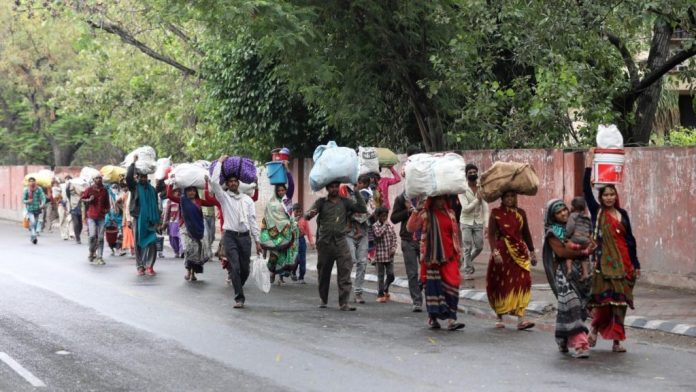
Download Now

Role of mergers and acquisitions in value creation

1
Blogs websites merger acquisition lawyers
Image source: https://bit.ly/2VHM56a

This article is written by Sakshi Deo, pursuing Diploma in M&A, Institutional Finance and Investment Laws (PE and VC transactions) from LawSikho. The article has been edited by Tanmaya Sharma (Associate, LawSikho) and Smriti Katiyar (Associate, LawSikho).

Introduction

The primary purpose of creating a business is to generate value. Giving something valuable in exchange for something more valuable is the definition of value creation. For shareholders, owners, and stakeholders, value generation might mean different things. During the early stages of a business, an owner may try to create value for himself by earning returns that not only exceed his capital costs but also reach his desired return on investment. As the company grows, it must also consider the interests of other stakeholders in terms of creating value. Essentially, the company seeks to match the value expectations of its customers, resulting in increased sales of its goods and services. Companies acquire other companies as global competition grows. As a means of increasing shareholder value, owners seek higher top-line growth. A merger or acquisition makes sense only if it results in operational and/or financial benefits that the individual entities could not achieve on their own, hence generating value for both principal firms’ shareholders.

Observation

Mergermarket and Casa Business School surveyed 600 worldwide senior corporate leaders from various countries and industries about their experiences with value creation through mergers and acquisitions. As a result, while 92% of acquirers stated they had a value creation strategy in order for their most recent deal, just 61% of buyers thought their most recent acquisition added value. From the standpoint of a seller, 42% of divestors agreed that their most recent transactions generated value when compared to the value the business would have earned if it had not been sold. Around 13% of respondents indicated their most recent disposal added considerable value, while 35% said it cost them money.

Simply stated, some acquirers place an emphasis on incorporating hard tangible assets in order to maximize value. However, they overlook the intangible assets, which are just as vital as hard assets (e.g. people and culture). Acquirers’ failure to establish synergy, paying too much of a premium, selecting wrong targets and inefficient integration processes could all be contributing factors in failing to create value post a merger or acquisition. The management of the process from merger preparation through post-merger integration determines how much value is created. A solid strategy, a thorough assessment of whether the deal is worth pursuing, and a clear M&A strategy are all part of this process. In their long-term strategy, acquirers should include their value creation plan, as well as their experience in the art of deal-making and cultural obstacles that may obstruct value realization.

Synergy and value can be achieved through careful target selection and well-executed acquisitions. The size gap between the acquiring and target companies, for example, has an impact on value creation. It is doubtful that the target firm will affect value creation if it is substantially smaller than the acquiring company. If the target company’s capabilities are complementary to the acquiring company’s, there is a chance for synergy to be created. However, as the gap between the two narrows and the value created expands, integration frequently becomes difficult. Even if the two companies are of similar size, it results in a value loss. While acquiring a competitive edge through M&A is a viable corporate strategy for expansion, acquirers must understand the importance of transaction selection, deal management and governance, and post-deal integration to continue to be successful.

Deals should be approached as part of a defined clear strategy, with transaction activity aligned with the company’s long-term goals. Capture both organizations’ strengths and what they will require to become a global entity. Strong messaging about a precise and ambitious goal to capture value could operate as a “sharp repellant” to activist investors. Even yet, viewing a deal via an activist lens might help to concentrate attention on what will be accomplished, showing the deal’s short-term merits while clarifying its long-term value-creation promise.

Organizations must take advantage of synergy and transformational potential. Steer the combination for increased profitability and growth, as well as the organizational structure and operational setups that are required. It must look for overlapping operations to save money, such as product offerings, buyers, and markets serviced, as well as technological capabilities and R&D projects. Determine modifications that can add substantial value on their own. Examine possibilities for the combined company’s transformation.

In addition, businesses should make sure you understand every aspect of your comprehensive value development plan, which is more of a roadmap than a checklist. Ascertain that a full and effective procedure for performing the transaction exists, with the required diligence and focus in the value creation planning process across all aspects of the organization. Analyze how each of these value generation activities contributes to the company’s business model, synergy delivery, operating model, and technology ambitions. Starting with due diligence is an excellent idea. Blend the integration program into the transaction logic and set priorities for it based on the strategic and value-creation logic of the merger. Make early decisions about what to incorporate and what to leave out, as well as when to do so. When the agreement is signed, create an integration transition plan that includes the schedule and, in particular, top-level leadership assignments.

Organizations must place culture at the centre of their strategy. Human resources and talent management have an impact on how firms produce value. Many mergers falter because they fail to acknowledge and address cultural differences or clashing management philosophies. Culture influences senior management behaviour, organizational practices, strategy creation, and leadership styles by providing purpose, orientation, and coordination. Mergers and acquisitions are understood as a process in which two different cultures interact and, as a result, the cultures of the companies are accommodated. To succeed, organizations must devote time and resources to the process. Organize events, such as operational visits and activity seminars and training, so that teams from both firms may get to know one another. Address important changes in management practices and processes head-on, stressing new methods of working and the rationale behind them to staff.

Examples of successful value creation and failed value creation post-merger and acquisition

ArcelorMittal and DaimlerChrysler Mergers

ArcelorMittal was a success thanks to rigorous planning and execution, while Daimler Chrysler remained entangled in cultural, operational, and financial challenges.

The mergers of ArcelorMittal and DaimlerChrysler were notable for bringing together two industry giants. In both situations, one of the companies (Mittal and Chrysler) was in a moderate volume-based business, while the other was in the superior segment (Arcelor and Daimler-Benz). The estimated synergy value for ArcelorMittal was set at $1.6 billion, while it was set at $1.4 billion in Stage I and $3 billion in Stage 2 for DaimlerChrysler. Both transactions were estimated to be worth $37 billion. Both the mergers took place in similar macro circumstances, with cross-border operations, capital-intensive businesses, and strong industry-wide leverage.

Here is how the outcome for both the transactions differed

Firstly, before approaching ArcelorMittal Steel spent a significant amount of time and effort conducting due diligence. Before initiating a hostile bid to take over Arcelor, Lakshmi Mittal attempted to reach an amicable agreement. Daimler, on the other hand, seems to have sacrificed due diligence in order to take advantage of tax benefits ($1.3 billion per year) allowed under German law in exchange for a fast track arrangement.

Secondly, in the case of ArcelorMittal, the merger was continuously portrayed as a growth-oriented rather than a capacity-reduction transaction, which alleviated fears about layoffs while still keeping top talent. Employee issues were heard and addressed through a variety of means. Employees at DaimlerChrysler, on the other hand, lived under constant fear of layoffs given the lack of clear communication. Chrysler’s top executives began resigning even before the merger was announced. In addition, the disparity in layoffs between German and American workers created resentment among American workers toward their German colleagues.

Thirdly, all post-merger corporate entities, such as the Board of Directors, in ArcelorMittal had uniform participation from the two firms. The new entity’s headquarters were relocated to Luxembourg, which was formerly home to Arcelor. This aided in the formation of a bond of trust between the two groups. On the contrary, the executive bodies constituted by Daimler Chrysler were slanted in favour of the Germans, which only worsened with time. Parallel management was planned, with two CEOs – Robert Eaton (Chrysler) and Juergen Schrempp (Daimler-Benz) – and two headquarters – Auburn Hill (Chrysler) and Stuttgart (Daimler-Benz) (Daimler-Benz). These plans, meanwhile, were not carried out in spirit. Robert Eaton resigned before the end of his term, and the operational headquarters continued in Stuttgart. Employees at Chrysler felt misled as a result of this.

Fourthly, through various communication channels, ArcelorMittal attempted to resolve the concerns of numerous stakeholders. Daimler Chrysler’s messaging lacked the same level of transparency. The DaimlerChrysler merger was billed as a “merger of equals,” but the CEO of Daimler openly admitted in the year 2000 that the equal partnership was just a ruse to seal the agreement.

Lastly, ArcelorMittal was able to generate value from the merger’s synergies, as evidenced by higher profitability levels than the pre-merger independent firms. In 2007, however, the nine-year merger between Daimler and Chrysler finally ended when Daimler sold its 80.1% ownership in Chrysler to Cerberus Capital Management.

Conclusion

Mergers and acquisitions are widely recognized as useful tools for executing a corporate strategy aimed at maximizing shareholder value. However, this path is not without its drawbacks, and careful preparation of both the execution and post-deal integration stages is required. Many mergers and acquisitions fail to realize the synergies that are frequently touted when a deal is first announced. The bottom line comes down to successful integration after a company has developed its M&A strategy and executed the deal. A solid strategy, a thorough assessment of whether the deal is worth pursuing, and a clear M&A methodology are all part of this process. In their long-term strategy, acquirers should include their value creation plan, as well as their experience in the art of deal-making and cultural obstacles that may obstruct value realization. Whether deals succeed or fail to produce the much-anticipated synergies depends on the management’s ability to merge two organizations into an effective and streamlined operation. Successful integration starts with a strategy that allows those synergies to kick in right away. During the closing stages of a merger, senior management should consider defining an implementation programme as well as a governance framework to maximize the likelihood of synergies materializing.

References


Students of Lawsikho courses regularly produce writing assignments and work on practical exercises as a part of their coursework and develop themselves in real-life practical skills.

LawSikho has created a telegram group for exchanging legal knowledge, referrals, and various opportunities. You can click on this link and join:

https://t.me/joinchat/J_0YrBa4IBSHdpuTfQO_sA

Follow us on Instagram and subscribe to our YouTube channel for more amazing legal content.

Download Now

Role of Security Council in the maintenance of international peace and security : current position

0

This article is written by Aastha Verma, from Kalinga University Raipur, Chhattisgarh. The article describes the present-day role of the Security Council in maintaining international peace and security. 

Introduction 

The United Nations Security Council was established in 1946 under the UN Charter that is responsible for the maintenance of international peace and security of the countries. It is one of the six principal organs of the United Nations. It is the only body in the UN system whose decisions are binding on all its members. The Security Council is a decision-making body,  which imposes legally binding obligations on its members and the council has several tools for the prevention and management of conflicts. The council plays an important role in the governance of the UN system. It possesses responsibilities such as approving the admission of new members to the UN, appointing the Secretary-General and senior UN officials, and conducting elections of the judges of the International Court of Justice (ICJ) with the UN. The Security Council has the authority to establish peacekeeping and special political missions, authorize military enforcement and refer cases to the International Criminal Court (ICC). It has a unique responsibility and decision making power which makes it one of the main organs of the United Nations.

Chapter VI of the UN Charter authorizes the council to make recommendations for resolving the conflicts by various peaceful means and Chapter VII of the Charter authorizes the council for enforcement measures including sanctions and military force. It has developed and refined the use of non-military measures and may send a peacekeeping mission to help the parties to keep opposing forces.     

The Security Council 

The United Nations Charter established six main organs of the United Nations including the Security Council. It held its first session on 17 January 1946 at Church House, Westminster, London. In its meeting, the council adopted the provisional rule of procedure. The provisional rules were the results of lengthy debates in the Security Council. Since its first meeting, the headquarters of the Security Council has been in New York. Also, its representatives have travelled to various cities to hold its sessions. The Security Council is the only United Nations organ that has the power to make decisions that member states are obligated to implement. It has five permanent members, they are – China, UK, USA, Russia, and France. These were considered as military powers when the UN was founded and enjoyed veto power while creating a balance when making decisions on security issues that would be collectively enforced. Veto power can be exercised when a country is against a draft decision to prevent the adoption of that resolution. Ten non-permanent elected members are elected by the General Assembly and retire on rotation every two years. A member who is retiring is not eligible for immediate re-election. The non-permanent member is chosen to have an equitable representation among the geographic region with the other five permanent countries. The presidency is held for a month by every member in a rotation. It rotates alphabetically every month. If the president of a country is directly involved in the dispute then he/she may not be able to preside over the problem which is going to be discussed. Each member has one vote. Article 27 of the UN charter distinguishes the procedural and non-procedural (substantive) matters in the council’s decision making. They are- 

  • All procedure matters are defined as a dispute whose decision is made by the council by the affirmative vote of any nine of its members. 
  • Substantive matters include investigation of disputes or the application of sanctions that require nine affirmative votes including the veto power of five permanent members.

To decide whether the matter is procedural or substantive is itself a substantive question that is decided by the vote of the members. Also, a resolution will fail if seven members vote against the resolution or abstain from voting. The decision of the council is legally binding. Under Article 25 of the UN Charter, the members of the United Nations have to accept and carry out the decision of the Security Council. According to Rule 48, the Security Council conducts its meeting in public and any recommendation to the General Assembly regarding the appointment should be done in private. The Security General keeps the copies of private meetings.     

In June 2020, India was elected to the United Nations Security Council as a non-permanent member and this membership is for the year 2021-22. India was the only country from the Asia Pacific category for the year 2021-22. This is for the eighth time India is a part of the United Nations Security Council. India will be UNSC President in August 2021 and will again preside over the council in August 2022 which will help in creating the border national goals.   

Functions of the Security Council in maintaining international peace and security

The main function is to look after international peace and security. The primary responsibility of the Security Council is to maintain international peace and security and meets whenever peace is threatened.  

  • United Nations Security Council (UNSC) has been passed to support peace processes, solve disputes, respond to illegitimate uses of force and enforce sanctions in situations where peace and security are threatened. 
  • UNSC resolutions have been central for tackling conflict situations and demonstrated extensive joint action to respond to the crises. 
  • The council’s function is to review the UN peacekeeping operation, consult on the issues of the specific countries, and monitor the implementation of sanctions through its committee. 
  • With or without agreement with the national government, the council can take action to protect the civilians from the conflict by allowing access to the cross border for humanitarian organizations. 
  • When there is a conflict the council recommends the parties reach the agreement through peaceful means and appoints a special representative to assist and guide efforts to resolve the conflicts. 
  • UNSC mandates range from protecting civilians to supporting state-building efforts; the list has been more extensive to improve the strategy towards sustainable peace. 
  • The council has the right to direct the government to limit the stockpiling of certain weapons or disarms by nuclear non-proliferation and destruction of chemical weapons. 
  • UNSC has the power to determine the existence of a threat to the peace or the act of aggression and to recommend what actions should be taken.
  • UNSC imposes diplomatic relations severance, financial restriction and penalties, and collective military actions if required. 
  • It has the power to formulate plans for the establishment of a system to regulate armament and to recommend methods of adjusting such disputes or the terms of the settlement.
  • Has the power to call on members to apply economic sanctions and other measures not involving the use of force to prevent or stop aggression. 
  • UNSC has the power to recommend the admission of new members as well as recommend the appointment of the Security General to the assembly, and elect the judges of the International Court of Justice. These recommendations are given to the General Assembly.  
  • Also, investigate any dispute or situation which might lead to international friction.

Security Council’s perspective on Rohingyas 

new legal draft

The Rohingyas Muslims have faced discrimination and repression under the Myanmar government. They were denied citizenship under the 1982 Citizenship Law and they are the group with the largest stateless population in the world. Rohingyas are living in overcrowded camps in Bangladesh to escape genocide and other crimes against humanity. At least 500,000 civilians have been homeless and started coming to Bangladesh. Also, there are reports of burning villages, acts of intimidation, and looting. Women, children, and the elderly were the people who were facing the violation of human rights including sexual violence. These devastating findings pushed some ground-breaking forward movements by international bodies. The United Nations Security Council has strongly condemned the violence against peaceful protest in Myanmar and deep concerns over restrictions on medical facilities, civil societies, labour unions, and journalists as demonstrations continue across the country against the military. A group of Rohingyas filed a criminal case against Myanmar military and civilian leaders. Despite taking a major step at the international level things have remained unchanged for three years. 

A strategy for Security Council to take action in Myanmar

The UNSC, despite having the authority to respond to the crisis and pass binding resolutions, is missing in action. A formal session of the council was held in February 2019, to discuss the Myanmar situation in which only nine votes were needed and there was no veto possible on procedural matters such as the council’s agenda. The UN Commission report found that because of the absence of support of the Security Council which is frequently restrained due to its composition and the system of governance, the option to address the issues in a manner consistent with its value and principle is limited to the United Nations. Polarization among the five permanent members becomes a barrier to the action taken by the Security Council which is creating a threat to international peace and security. Public debate in the council keeps the eye on Myanmar and provides an opportunity to members of the Security Council to reinforce the need for justice for heinous crimes. The General Assembly approached the Security Council and encouraged it to consider the human rights situation and take appropriate action to ensure accountability. Further, the General Assembly added that the Security General should use Article 99 of the UN charter which allows bringing to the attention of the Security Council any matter in which his opinion threatens the international peace and security of the society and links the human rights violation in Myanmar. There is an urgent need to improve the situation of Myanmar as there is a violation of human rights which is affecting the democracy and good governance of the country. Also, the council has to protect the people who are living at serious risk.   

Beyond peacekeeping – recognising the normative power of the UN

The UN’s active presence in the world through its many missions has helped to resolve disputes, prevent conflict from escalating, and promote peace in some situations, but the fundamental issues that have been identified continue to draw criticism. The role of the UN is more successful in spreading the important norms that have ranged from expanding the security agenda to uphold the nuclear taboo. Example – Nuclear Non-Proliferation Treaty (NPT). The NPT regime helped in establishing the shared understanding of what was considered prestigious or legitimate to choose to disarm rather than be classified as rogue nations by the international community.     

Even when the norm has been questioned, such as when the US recognised India as a nuclear weapons state, the essential assumptions of the nuclear non-proliferation norm have never been seriously questioned. Critics might claim that the UN’s achievements in the areas of nuclear disarmament and collective security have been lacking, yet the UN’s actions have clearly hampered armament and potential escalation, pointing to a major success in sustaining global peace and security. 

Conclusion

Since the establishment of the Security Council, it has served as a key forum for addressing security challenges. It is an important organ of the United Nations Organization and plays an important role in maintaining the peace and security of the country. UNSC has various powers through which it can monitor the implementation of sanctions through the committees and can solve the dispute peacefully. In cases where conflict is arising the council may issue ceasefire directives to promote the peacekeeping forces or use enforcement action i.e. sanctions. The permanent members who have veto power prevent the council from fully asserting the role of maintaining peace and security in the country. Due to internal conflict between the members of the UNSC, the general assembly has approached the council and suggested some measures to protect the rights of citizens from risk. Also, the Security Council should keep a check on women, children, and the elderly as they are the ones whose violation of human rights is at its peak.

References

  1. https://www.un.org/securitycouncil/content/what-security-council
  2. https://treaties.un.org/doc/Publication/CTC/uncharter.pdf
  3. https://www.britannica.com/topic/United-Nations-Security-Council
  4. https://www.un.org/en/model-united-nations/security-council

Students of Lawsikho courses regularly produce writing assignments and work on practical exercises as a part of their coursework and develop themselves in real-life practical skills.

LawSikho has created a telegram group for exchanging legal knowledge, referrals, and various opportunities. You can click on this link and join:

https://t.me/joinchat/J_0YrBa4IBSHdpuTfQO_sA

Follow us on Instagram and subscribe to our YouTube channel for more amazing legal content.

Download Now
logo
FREE & ONLINE 3-Day Bootcamp (LIVE only) on

How Can Experienced Professionals Become Independent Directors

calender
28th, 29th Mar, 2026, 2 - 5pm (IST) &
30th Mar, 2026, 7 - 10pm (IST).
Bootcamp starting in
Days
HRS
MIN
SEC
Abhyuday AgarwalCOO & CO-Founder, LawSikho

Register now

Abhyuday AgarwalCOO & CO-Founder, LawSikho