
Download Now
Home Blog Page 506

Access and rights to healthcare of LGBTQ patients : a systematic review

0

This article has been written by Indrasish Majumder. 

Introduction

“Thanks for marriage but we need healthcare” —- Participants at the Trans Pride March on June 16, 2018. 

LGBTQ people face a lot of challenges in social, political, and cultural life — the primary reason being the absence of legal recognition. It is one of the most comprehensible hindrances that often restrict them to employ their rights associated with marrying the person of their preferred gender to child adoption to employment to access healthcare facilities and health insurance schemes. The stigma of being a member of LGBTQ culture is so high that people, especially youth, often fear revealing their sexual identity. Thus, it becomes difficult to identify the actual number of LGBTQ people in a community. 

However, in 1994 Laumann and associates, used the “National Probability Health and Social Life Survey combined with data collected in the General Social Survey”, ascertained that 2.8% of men and 1.45% of women recognize themselves as gay or lesbian, while 7.7% of men and 7.5% of women have homosexual desires. Perhaps the most misinterpreted population inside the spectrum of the LGBTQ community are the bisexual individuals — because for some people the recognition of their bisexuality is continuous and lifelong, while for some sexual orientation is fluid in nature and shifts from being heterosexual to gay or lesbian or vice versa. Thus, mistaken beliefs about bisexuality is often noticed and unfortunately sometimes the healthcare service providers also embrace some of those myths and perceive bisexual people to have emotional and psychological damage. LGBTQ individuals confront almost all the same issues that a regular person faces as they progress through life. In fact, it is noticeable that an LGBTQ individual witness apparently more difficult life cycle issues — like “coming out” of the mainstream sexual orientation and disclosing about the choice of “being different” involves the risk of rejection and ostracism.This article explores and identifies the varying degree of healthcare discrepancy encountered by the LGBTQ community in accessing and utilizing of healthcare services and the multiple manifestations of discrimination they face which stems from heterosexism and traditional views regarding sexuality. The article also talks about the LGBTQ Health rights and demonstrates some effective approaches to protect the healthcare rights of the LGBTQ individuals

Terminology and conceptual understanding

The notion of “sexual orientation” constitutes “a complex, multidimensional construct that reflects an individual’s sexual behavior, attraction and identity that responds to environmental context and may change across the life course” (Laumann et al., 1994; Sell, 1997). People whose sexual orientation is to individuals of the alternate sex are “heterosexual” and those individuals whose orientation is to people of the same sex are “homosexual”, with women who are primarily oriented to other women referred to as “lesbian” and men who are primarily oriented to other men referred to as “gay”. Gender, on the other hand, is defined as a psychological, social and cultural construction of factors that classifies individuals as “male, female, both or neither, with individuals traditionally assigned a gender role at birth based on one’s sex, the anatomy and physiology that determines whether one is biologically male, female or intersex” (Johnson, Mimiaga, and Bradford 2008). The people who specify not to conform to any particular mainstream social norms are regarded as “gender variant” (Gender Education & Advocacy, 2001). This amount of diversity thus demands the necessity of healthcare service providers to approach the LGBTQ individuals (patients) with few or no prior assumptions about them and to have a broadened outlook to the needs of these patients within their cultural milieu. 

Fear of stigmatization and access to healthcare

There exists a varying degree of health discrepancy within the LGBTQ community which includes “access and utilization of programs and services” (Johnson, Mimiaga, and Bradford 2008). For instance, in a study of Women’s Health Initiative (with a sample size of 96000 older women from US), it was demonstrated that heterosexual women are comparatively more insured than lesbian and bisexual women (Valanis et al., 2000). The highest uninsured people belong from the transgender spectrum as most healthcare services associated to transgender issues is not covered by insurance, making transgender health care very expensive (Gay and Lesbian Medical Association et al., 2001)

The social stigmatization associated with the LGBTQ community that results in the feeling of shame, self-hatred which in turn gives rise to low self-esteem, depression, anxiety, alcohol and drug dependence, substance use disorders, panic attacks among other things. Many LGBTQ individuals often witness discrimination or refusals of service from healthcare professionals, or sometimes they often delay or forego care because of concerns of mistreatment or perceived homophobia. A Healthy People 2020 report found that “LGBTQ youth are 2 to 3 times more likely to attempt suicide, more likely to be homeless, and have a higher risk of HIV and other sexually transmitted diseases (STDs).” According to Ryan Thoreson, an LGBTQ rights researcher at Human Rights Watch “Discrimination puts LGBT people at heightened risk for a range of health issues, from depression and addiction to cancer and chronic conditions.” Despite healthcare being a right, when required  LGBTQ individuals often witness a higher number of obstacles to assess and avail the services. Also, at times within the healthcare premises, transgender people often face inappropriate and unprofessional remarks and questions about their sexual preferences and genetalia which results in distrust and apprehension for the healthcare service institution.

Availing healthcare services for the LGBTQ community 

Access or availing healthcare refers to the methods in which healthcare facilities are (or are not) addressable to the LGBTQ community. Even before addressing healthcare service providers, LGBTQ individuals can witness complexity in looking for the particular care they need. If they encounter bias or prejudice, they often do not have an alternative provider available. “Data collected by the Center for American Progress indicates that 18 percent of LGBT people believe that if they were refused care at a hospital, it would be “very difficult” or “not possible” to find an alternative provider.” Although LGBTQ individuals in general have the same basic health needs as do all other people, they also have health needs associated with being LGBTQ. For instance, everyone should undergo early childhood immunizations but due to an identified higher risk, an young adult LGBTQ individual should be routinely immunized for hepatitis A, hepatitis B, and influenza.

In a study it was found that in the United States men who have sex with men continue to be disproportionately affected by HIV/AIDS, accounting for 49% of all HIV/AIDS cases diagnosed in 2005 (CDC, 2006), with depression occurring among 20–37% of infected individuals (Olatunji et al., 2006). However, it is noted that only a few LGBTQ healthcare consumers or organizations have openly voiced the specific needs and concerns of this multicultural group. LGBTQ individuals, particularly non-white, remain “hidden”. They lack the potential for being legitimized and criticality to participate in the design of services that may empower their access and availability to appropriate healthcare. Leidolf and colleagues, in an article titled “Intersex Mental Health and Social Support Options in Pediatric Endocrinology Training Programs,” wanted to analyze the degree to which the mental supportive services available among those “providers most likely to evaluate and treat intersex children and their parents.” The resulting report documented that “69% of programs offered psychological support and 58% had a dedicated mental health specialist on staff”. In spite of these, it was reported that only “19% of patients or families reportedly received psychological support during diagnosis and 15% after diagnosis.” The anecdotes of the respondents advocate that these services were not adequate and were provided on an “as-needed” basis, or simply were not requested by patients. However, the specific reasons for these disparities in accessibility and utilization of psychological health services among these people and their families remain obscure and demand further scrutinization (Leidolf et al., 2008).

However, in some of the recent studies it is noted that LGBTQ consumers, patients, as well as health care advocates, are breaking their silence on care-taking and care-giving. For instance, the American Public Health Association had acknowledged the special health concerns of LGBT populations with a policy statement on the need for research on gender identity and sexual orientation and a subsequent journal issue wholly dedicated to the topic in 2001” (American Public Health Association, 1999; Meyer, 2001) and the inclusion of gays and lesbians in Healthy People 2010. 

The passion and constant effort of advocates of Los Angeles, Santa Clara, Alameda, and Humboldt Counties made the quest for safe and accessible healthcare for LGBTQ population practicable. With their perseverance, they have made it possible to successfully implement transgender health care services. For instance, Danielle Castro, a transgender Latina woman often faced difficulty in availing healthcare services. She believed that she alone was not facing this kind of situation but many other LGBTQ individuals are also dealing with similar sets of issues. She was referred to Transpowerment (a county health program housed at Community Health Partnership created to reduce HIV infection and transmission among transgender people and their partners). She chose to work in that organization as a health trainer (hired by the Pacific AIDS Education and Training Center (PAETC) through their Minority AIDS Initiative funds). As she belonged from the transgender community, she was able to connect Transpowerment to the low-income transgender populations and started a multicultural support group. Danielle realized the need for healthcare services among this group and worked to become an excellent trainer with the guidance of JoAnne Keatley, PAETC Minority AIDS Initiative Program Manager. Shortly after the support, Transpowerment also focused on training to provide services to gay people and other sexual minorities —which help to create an ensuring place where LGBTQ people could get healthcare support and services. 

Availability of standard healthcare services for LGBTQ population in rural areas are more challenging than in urban settings

There are an abundance of accounts and testimonies of people “being denied medical treatment, subjected to verbal abuse and public humiliation, psychiatric evaluation, a variety of forced procedures such as sterilization, State-sponsored forcible anal examinations for the prosecution of suspected homosexual activities, and invasive virginity examinations conducted by healthcare providers, hormone therapy and genital normalizing surgeries under the guise of so called “reparative therapies”. Isolation from healthcare services is very common in rural areas. To further worsen the situation, if an individual belongs from the “other” identity based-groups, then the isolation adds on another layer which creates unruly concoction of healthcare barriers for LGBTQ individuals. The professor of Health behavior Doctor Rob Stephenson has conducted a study on rural LGBTQ people and learnt that failing to “come out” and reveal sexual orientation and gender identity results in decreased healthcare utilization: “Not age or education or income. Nothing else mattered. All that mattered was whether or not your doctor knew you were gay,” Thus the rural LGBTQ individuals carry a burden of anxiety and negative stereotypes within themselves and distance themselves from availing healthcare services.

Providing healthcare to all is the ultimate public health goal 

and the accomplishment of this goal explicitly demands elimination of different levels of discrepancies that exist in the healthcare delivery system among minority population. However, it becomes extremely difficult and complicated for especially sexual minority population (gay, lesbian, bisexual individuals, transgenders) (Avery, Hellman, & Sudderth, 2001; Garnets, Cochran, Goodchilds, & Peplau, 1991). Thus it becomes imperative to conduct population based surveys to understand the priorities for mental health intervention efforts within these communities, however there are limitations that exist in regard of the inferences that are deduced like the sample size of the individuals who open up about their sexual preferences (within this community) is very small (less than 5% in each study) and again some respondents do not feel comfortable enough to reveal their personal information. 

Availability of healthcare services and economic status are closely knitted. In the year 2008, “Transgender Law Center” carried out a survey within the “transgender Californians”, enquiring about their employment, housing and health care status. The resulting report which was found disclosed these statistics: “among 648 respondents: 30% postponed care due to disrespect or discrimination from health care clinicians; 42% postponed care because they could not afford the medical care they needed; and 26% of those who postponed care reported that their conditions worsened as a result.” The condition further exacerbates as the transition related care such as hormone therapy and gender reassignment surgery are often explicitly excluded from the health insurance plans — which seriously affects both the physical and mental health and economic stability of these minority individuals. As a result, it is often seen that these people have to pay out-of-pocket for the cost of hormones or transition related surgeries or mental health therapy — for which they often avail less expensive care from unlicensed practitioners. Such ignorance and discrimination by the insurance companies and medical service providers lead LGBTQ people struggle every day to meet their basic health needs.

“…[T]here is nothing new or special about the right to life and security of the person, the right to freedom from discrimination. These and other rights are universal … enshrined in international law but denied to many of our fellow human beings simply because of their sexual orientation or gender identity”

—United Nations High Commissioner for Human Rights Navi Pillay, 2012

LGBTQ healthcare rights

The human rightse association with LGBTQ health is the right to enjoy the highest “accessible standard of physical and mental health.” The Yogyakarta Principles on the Application of Human Rights Law in Relation to Sexual Orientation and Gender Identity (the Yogyakarta Principles, signed by 29 international human rights expert) were set to motion on March 26th, 2007 who elaborately work on the rights of all people irrespective of their sexual orientation and gender identity. The 17 and 18 of the Yogyakarta Principles convey “the right to the highest attainable standard of health and protection from medical abuses.” The principle states “Everyone has the right to the highest attainable standard of physical and mental health, without discrimination on the basis of sexual orientation or gender identity. Sexual and reproductive health is a fundamental aspect of this right.”

However, LGBTQ individuals witness multiple manifestations of discrimination stemming from heterosexism and traditional views regarding sexuality. Homophobia, ignorance and the stigma associated with it act not only as an impediment to avail healthcare but also operate as a hindrance in the way of research which in turn perpetuates within the cycle of mistreatment. For instance, on 7th August 1995, a 24-year transgender woman named Tyra Hunter was severely injured in a car accident. The paramedical staff arrived at the scene and started treating Tyra, but when they discovered that she had a penis, they stopped providing treatment and began to mock her. Horrified bystanders did nothing but witnessed the incident silently until someone came on the scene and resumed treatment. Tyra however lost her life. Another incident where an LGBTQ individual named Robert Eads (who was diagnosed with ovarian cancer) was refused treatment for one year as more than dozens of doctors did not want to treat him. 

Conclusion and suggestions : accessibility of standard healthcare for LGBTQ people is not a privilege, it’s a right

Some effective approaches to protect health rights of LGBTQ individuals:

  1. Enable LGBTQ individuals to proclaim their gender identity: To achieve the highest attainable standard of health it is essential to allow people to proclaim their gender identity in state documents and other administrative procedures. According to a report of Harvard school of public health “upholding a right to privacy in relation to past and present gender identity, and the ability to change legal identity to protect this privacy, helps to ensure that LGBTI persons are less likely to be subjected to unlawful discrimination, harassment, and psychological harm.”
  2. The right to avail proper Gender affirming Healthcare Services: The freedom to define one’s own gender identity is “one of the most basic essentials of self-determination.” Thus, availing appropriate gender affirming healthcare which includes the freedom to change one’s gender through medical intervention is one of the basic healthcare rights that can impact the LGBTQ community. A patient who has undergone partial gender reassignment surgery alleged that: “…[H]is continuing inability to complete gender-reassignment surgery left him with a permanent feeling of personal inadequacy and an inability to accept his body, leading to great anguish and frustration. Furthermore, due to the lack of recognition of his perceived, albeit pre-operative, identity, the applicant constantly faced anxiety, fear, embarrassment and humiliation in his daily life. He has had to submit to severe hostility and taunts in the light of the general public’s strong opposition, rooted in traditional Catholicism, to gender disorders. Consequently, he has had to follow an almost underground life-style, avoiding situations in which he might have to disclose his original identity, particularly when having to provide his personal code. This has left him in a permanent state of depression with suicidal tendencies.” So, it becomes imperative to facilitate the self-determination of gender identity along with the provision of funding of relevant healthcare procedures.
  3. LGBTQ Individuals in Health Policy Setting: Another way in which the health of the LGBTQ people can be facilitated is through the training of healthcare professionals and service providers to be sensitive enough to the concerns of these people. No healthcare caregivers should treat the identity of the individual rather they should treat the unique needs of the patient. The LGBTQ population should not feel “overlooked or undeserved” when it comes to their healthcare needs and in this regard the health policy makers should prioritize the LGBTQ population group along with the heterosexual consumers. 
  4. Health Education for LGBTQ Population: Another aspect of LGBTI health is the right to educate. “Health education is an important aspect of the right to health for LGBTQ individuals. In many countries around the world, the hetero-norm is reinforced through withholding education about sexual and gender diversity and risking the health of young LGBTQ people in the process. 

References

  1. Connelly, Rosina Avila, and Teri Turner, eds. 2017. Health Literacy and Child Health Outcomes. SpringerBriefs in Public Health. Cham: Springer International Publishing. https://doi.org/10.1007/978-3-319-50799-6.
  2. Johnson, Carey V., Matthew J. Mimiaga, and Judith Bradford. 2008. “Health Care Issues Among Lesbian, Gay, Bisexual, Transgender and Intersex (LGBTI) Populations in the United States: Introduction.” Journal of Homosexuality 54 (3): 213–24. https://doi.org/10.1080/00918360801982025.
  3. https://dash.harvard.edu/bitstream/handle/1/29002602/4969060.pdf
  4. https://cdn1.sph.harvard.edu/wp-content/uploads/sites/2410/2014/03/HHRRG_Chapter-8.pdf.

Students of Lawsikho courses regularly produce writing assignments and work on practical exercises as a part of their coursework and develop themselves in real-life practical skills.

LawSikho has created a telegram group for exchanging legal knowledge, referrals, and various opportunities. You can click on this link and join:
Follow us on Instagram and subscribe to our YouTube channel for more amazing legal content.


Download Now

All about blood donation in India

0

This article is written by Pranav Sethi, from SVKM NMIMS School of Law, Navi Mumbai. This article is an exhaustive analysis of blood donation in India.

Introduction 

Blood safety is one of seven prioritized topics designated by the World Health Organization (WHO). ‘Blood Saves Life: Safe Blood Starts with Me,’ was the topic of World Health Day in 2000. The South-East Asia Region’s (SEAR) member countries acknowledged blood safety as a critical concern. It’s one of the 13 areas in which the WHO has been asked to speed up technical cooperation.

WHO has launched a comprehensive attempt to secure blood safety, particularly in the building up of nations, and to boost the accessibility and purity of blood. Health practitioners in SEAR countries were found to be unfamiliar with the principles and practice of providing high-quality blood transfusion services (BTS). As a result, the WHO’s Quality Management Project (QMP) has been in place since 2001 in all of the WHO’s regions to introduce/strengthen quality in all elements of BTS, with the general goal of enhancing blood safety, adequacy, and quality.

Capacity development in performance monitoring instruction is a crucial element of the QMP since it improves the abilities of BTS personnel in ensuring the quality of medical products and supplies. WHO created a standard programme for this training, which was customized to the requirements of SEAR member countries and field-tested during a regional workshop conducted in Bangkok, Thailand, from March 26 to April 13, 2001. In October 2001, India held a National Quality Management Training (QMT) course. A conference of state blood safety programme officers was held to educate them on the QMP and the value of QMT in ensuring the quality, safety, and adequacy of blood.

Legal considerations

Legal considerations are critical in establishing a foundation for the Indian blood transfusion service (BTS), even as moral concerns help to ensure reliability. Even though all blood banks are licensed, the Drugs and Cosmetics Act has not been updated, putting reliability at risk. The Act does not refer to current procedures like chemiluminescence or nucleic acid testing (NAT). It does not apply to specialized goods such as shared platelet concentrates or customized complete blood, treatments such as erythropheresis, plasma share, stem cell collection, or manufacturing processes such as leukoreduction and irradiation.

An extremely segmented BTS with over 2500 blood banks, combined with a delayed and inefficient dual licensing (state and centre) procedure, is impeding the seamless operation of blood banks. Blood safety is jeopardized by the small size of blood banks. In India, new blood banks are formed by hospitals to suit the needs of insurance companies or by medical colleges to meet the standards of the Medical Council of India (MCI). Because they are prohibited by law from hosting camps, hospital-based blood banks arrange for alternative donations. Blood abuse continues due to a need for new blood, a shortage of components, and a lack of criteria for appropriate transfusions.

Differential retail prices of blood elements are challenging to justify in terms of both science and ethics. Blood safety could be achieved by accrediting blood banks and establishing multilateral testing facilities. The National Aids Control Organization (NACO) and the National Blood Transfusion Council (NBTC) should be more involved in the licensing process. The Food and Drug Administration (FDA) should make it clear that methods or tests aimed at improving blood safety are not prohibited.

Licensing blood donation in India

The Drugs and Cosmetics Act of 1940 and the Drugs and Cosmetics Rules of 1945 classify blood as a “drug.” The drug supervisor became the regulatory framework after blood was classified as a drug. Licensing is just the beginning of the road to excellence. With approximately 2500 blood banks, the Indian BTS is highly fragmented, posing distinct issues.

Eligibility for blood donation

Anyone between the age group of 18 and 75 who matches the donor eligibility requirements can donate blood. The process is generally painless and safe. You will donate approximately 470ml of whole blood during a normal donation. This represents around 8% of the average adult’s blood volume. This volume is replaced in 24 to 48 hours, and red blood cells are replenished in 10 to 12 weeks.

Blood donation types

The most common forms of blood donations are:

  1. Platelets (known as plateletpheresis) – The red cells and plasma are similarly delivered to the donor licensing donation.
  2. Blood – Plasma, red and white blood cells, platelets, antibodies, as well as other elements are included in normal donations.
  3. Plasma (known as apheresis) – During the transfusion, a specific machine separates the plasma from the other elements, and the red blood cells are restored to the donor in cycles.

National blood policy

The Government of India launched the National Blood Policy (NBP) in 2002. The NBP reaffirms the commitment of the government to safe blood and blood constituents and it has well-documented plans in place to make enough resources, technology, and training sufficient to improve transfusion operations. It also explains how to motivate donors and how to use blood safely in therapeutic settings. It has also taken initiatives to improve research and development in the field of transfusion medicine. It is also tasked with verifying that regulation and education are in place to prevent profiteering in blood banks.

Role of national aids control organization

Most of the developments witnessed in our nation during the last decade and a half have been the consequence of licensing, which established minimum standards in terms of space, people, and equipment, as well as support for blood safety from the National Aids Control Organization (NACO). While the pharmaceuticals controller is the regulatory organization, NACO/NBTC has been the primary technical body for developing transfusion medicine guidelines. The National Aids Control Program has developed the NBP. NACO and NBTC have worked jointly to improve blood safety by developing infrastructure, establishing various components separating units, advocating voluntary blood donation, educating employees, and establishing guidelines for blood facilities in India

Drug controller issues licenses to blood banks

The Drugs and Cosmetics Act of 1940 and the Drugs and Cosmetics Rules of 1945 outline the process for obtaining a license for a blood bank. Over the years, the underlying licensing regulations for blood banks have been essentially constant. Minor amendments to the Drugs and Cosmetics laws include raising the donation age from 60 to 65 years old and recognising transfusion medicine as a specialization. The recommendations for establishing blood storage facilities may be the only significant change.

Qualification to run a blood bank

Any individual or organization can propose to start a blood bank. After submission to the drugs controller, drug control officials from both the state and the federal government undertake a combined inspection and offer a proposal to the Central Licensing Approving Authority (CLAA), which is the final authority for granting licenses. This drug controller examination is preceded by a visit by the SBTC, the advisory panel, which grants the drug controller its approval.

Amount of space required

All blood banks must meet minimum requirements for space, equipment, and staff, which are examined at the time of license grant/renewal. In India, the functioning of a blood bank requires 100 square meters for whole blood, 50 square meters for blood components, and 10 square meters for aphaeresis. 

Staff requirements

A person having an MD (doctor of medicine) in transfusion medicine or pathology, a Diploma in pathology with 6 months experience, or an MBBS with 1-year experience in blood banking could be the medical officer. Additional criteria include technicians with a BSc (MLT) or DMLT and staff nurses.

Regulation charge requirements 

It is debatable whether a blood bank should be compliant with the agency of the requirements that supervises the Food and Drug Administration.

Monitoring the country’s 2500+ blood banks is a tremendous effort for the pharmaceuticals regulator, who is already overburdened with medications, equipment, and clinical trial authorization. Blood banking, aphaeresis, cell biology, molecular biology, and treatments are all part of transfusion medicine’s growing super-specialty. Drugs controllers, who are essentially pharmacologists, have no experience in transfusion medicine but are expected to look into blood component quality control (QC), TTI testing, and immunohaematology.

NACO/NBTC is a specialized organization that is well-equipped to govern and supervise blood banks, but it only serves as a consultant. As a result, while the pharmaceuticals controller efficiently monitors the legal requirements of infrastructure, equipment, spacing, and staff, the medical and quality components of transfusion medicine are disregarded. It will be more relevant to regulate by engaging specially selected specialists in transfusion medicine, who will be supplemented by Drug Controllers.

Dual licensing system

The dual-licensing approach for granting or renewing a license has made the licensing procedure extremely time-consuming and inefficient. Non-administrative elements play an essential role in obtaining a license in some regions, just as they do in certain divisions.

Excessive restrictions (License Raj) relating to the system and minimum standards for blood banks should be eliminated and amended more sensibly; problems in upgrading the Act or establishing a framework to audit blood banks are obstructing India’s blood safety measures.

Drugs and Cosmetics Act

Due to various improvements in transfusion science, this requires it to be revised immediately. It’s critical to have a clear understanding of what blood banks can and cannot perform. The Act, for example, makes no provision for leukoreduced and treated blood constituents without which many cancer patients and thalassaemic youngsters would suffer. The Act does not indicate whether leukoreduction and irradiation require a separate license. However, NACO has established national criteria for leukoreduction and irradiation quality control. In the meantime, while the Act is being revised, the researchers propose issuing a directive clarifying that any further method used to strengthen blood safety, such as leukoreduction, irradiation, or NAT testing, does not require a license.

Apheresis licensing

Blood banks must apply for specialized authorization and establish that they have the necessary equipment, space, and personnel to perform apheresis. The Act only specifies plateletpheresis, plasmapheresis, and leukapheresis on donors, but only the products, such as single donor (apheresis) platelets (SDP), plasma, and leukocytes (granulocytes/mononuclear cells), require a license. Many more particular goods must be supplied, such as processed whole blood (whole blood minus platelets or cryoprecipitate).  While it is permissible to administer six randomized donor platelets one after the other, they cannot be aggregated in a closed facility, processed, and administered as a pooled platelet concentration. In Europe, pooled platelet concentrates are utilized as a cost-effective alternative to SDP.

Therapeutic procedures

Numerous blood bankers now are capable of performing specific operations such as therapeutic plateletpheresis, plasmapheresis, leukapheresis, PBSC collection, and red cell exchange. Blood bankers, in collaboration with clinicians, are the best-qualified personnel to execute these operations. On therapeutic operations, the Act needs to be clarified. Using PBSC for classic treatments such as leukemia, lymphomas, aplastic anaemia, myelomas, and hemoglobinopathies, without a doubt, does not require approval. Appendicectomy, hysterectomy, and cataract surgery would all require a license if such were the case. Wherever licensure is lacking but national guidelines are available, accreditation, or a peer-review procedure, could be a viable substitute

Fragmented blood transfusion service

In India, blood banks are established for a variety of purposes. Because they are unable to establish holding facilities, some hospitals open blood banks. Only Regional Blood Transfusion Centers (RBTCs) are allowed to open storage centres, and only a small number of blood banks are RBTCs. Some hospitals establish blood banks because their insurance companies enable them to charge more for their services when they employ a blood bank. To fulfill the requirements of the Medical Council of India, medical colleges open blood banks. Due to mandates from political officials, the government establishes blood banks in several areas. When blood banks are formed for no reason other than to fill a need, and there aren’t enough qualified individuals to run them or enough work to keep them running, quality suffers. The solution is additional blood storage centres, not more blood banks.

Size of blood banks and the methods used to screen donors

Small labs have greater rates of false-negative for human immunodeficiency virus and hepatitis B surface antigen than medium and large labs, according to studies. Rapid tests, which have a delay of almost a week in antibody detection, are used by blood banks with tiny workloads (5-10 donors/day), jeopardizing safety. Except in a few blood banks, QC (Quality control) measures to ensure safety in TTI testing, such as the Levy Jennings chart for ELISA, are essentially non-existent.

Absence of standards for safe transfusion

The National Aids Control Organization/NBTC guidelines only address safe donor and blood concerns, not a safe transfusion, which is the third element of blood safety. Transfusion triggers are only used by a few institutions at most. Furthermore, there are no audits conducted by a qualified technical organization to check that standards are being followed.

Restrictions on holding blood donation camps

According to the Drugs and Cosmetics Act, only licensed RBTCs, government blood banks, the Indian Red Cross Society, and licensed blood banks managed by volunteer or charity organizations are allowed to host blood donation camps. Withholding approval for camps harms many good blood banks and may be a barrier to voluntary blood donation. If we want to reach 100% voluntary blood donation, we need to revisit this law.

Incorporation of new technology and the use of centralized testing

The Drugs and Cosmetics Act makes no description of recent testing technologies like NAT (Nucleic acid amplification testing)/CLIA (chemiluminescence immunoassay) /ELFA (Enzyme-Linked Fluorescent Assay), and some regulatory bodies are likewise unaware of these new approaches. While closing tiny blood banks in a segmented BTS is more challenging than it appears, regulations to centralize TTI (transfusion transmitted infections) testing are not difficult to implement. One of the measures to improve blood safety, according to the WHO, is centralized/regionalized testing. As the first move towards consolidating the Indian BTS, standardized ELISA/NAT testing centres supported by professionals in transfusion medicine, along with an efficient courier system, may be established.

Excessive reliance on testing methods

TTI testing alone isn’t enough to ensure safe blood. The world has progressed from testing to processing techniques, but the Act does not refer to processing technology. While the NACO/NBTC established recommendations for leukoreduction and irradiation as early as 2007, many blood bankers and drug inspectors are unaware of them.

Deficiencies in bedside transfusion controlling and processing

Transfusion indications

Another provision of the Drugs and Cosmetics Act that is rarely followed, probably due to the lack of common guidelines.

Form for requesting blood

“Blood and/or its components shall be distributed on the prescription of a Registered Medical Practitioner,” according to the Act. This guideline, however, is rarely maintained due to realistic constraints. The Act needs to be updated to substitute doctors’ manual signatures with electronic signatures.

Notified consent for transfusion

This provision is an outgrowth of the National Consumer Redressal Forum’s legal mandate. In the case of M. Chinnaiyan vs Sri Gokulam Hospital and Anr., the court ruled that “patient intervention is necessary for blood transfusion surgery entails hazards, but blood transfusion entails even more. Affirmative consent has to be a written document detailing the risks, advantages, and substitutes to transfusion taken after a discourse between the medical practitioner and the transfusion beneficiary. For children and unconscious patients, an informed consent form should be signed by the next family member. In times of extreme transfusions, such as autoimmune haemolytic anaemia, the authors believe it is also preferable to have a neutral witness.

Different viewpoints by various hematologists

Fragmented services

In India, there are more than 900 government-sponsored blood banks, 360 maintained by charitable organizations, 680 affiliated with private hospitals, and roughly 500 controlled by commercial organizations. Some hospitals will only allow blood from their banks to be given to patients. Because hospitals and blood banks do not have well-developed networks, medical personnel may not know where to get blood in an emergency. A helpline was recently established in Mumbai to arrange blood for patients at a predetermined price of Rs450 (£4.60; €5.90; $7.30) per bag.

Harsh Vardhan’s idea, according to N K Naidu, blood bank director at the Indian Red Cross Societies Maharashtra state branch in Mumbai, is “excellent” as individuals will now be familiar with the notion of blood donation. She told The BMJ that “blood is never imported” from other nations since the transportation and storage networks are inadequate. The gap is filled by pressuring family or acquaintances of the sufferers to donate blood. 

According to Samiran Nundy, dean of the Ganga Ram Institute for Postgraduate Medical Education and Research in New Delhi, complicated surgeries are not done at many institutions if there is a blood shortage.

The importance of need is undervalued

According to Amit Sengupta, the associate global organizer in Delhi for the worldwide advocacy network the People’s Health Movement, India has a 31 percent blood shortage, and more voluntary blood donation is required. This amount is significantly higher than the Indian Red Cross Society’s estimate of 25% and is unconfirmed.

“However, this figure [31%] that is constantly quoted is a  possible gross underestimate,” he added. “It is based on present demand, which in turn is based on the present level of treatment access. Treatment access is very low in India, especially in  remote and poorer areas, and hence this cannot be the basis for  calculating actual requirement for blood.”

“There can be no quick fix solutions,” Sengupta says. “The minister’s call for voluntary donations is welcome but does not  adequately attend to a range of issues that need to be addressed.”

Additional blood banks should be established in India, especially in villages, according to Sengupta. He also suggests that new devices and equipment be created to allow for proper blood collection and processing.

Many people, including Sengupta, are advocating for reform in the legislation to require the transfusion of unbanked blood, which, he claims, would make a tremendous impact in rural areas where there are no blood banks. Due to the paucity of donors, blood that has beyond its expiration date is an issue. In January 2012, the All India Institute of Medical Sciences in Delhi disposed of 140 units of packed red blood cells that had reached the end of their shelf life. During 2008 and 2009, the Lord Mahavir Civil Hospital in Ludhiana reportedly squandered 458 units of blood.

Identification of the patient

It is critical to have a documented method/protocol ensuring affirmative (right) patient recognition. Failure to do so could result in incorrect transfusions, which could be interpreted as doctor carelessness. Wrist bands are one technique to accomplish this. The majority of potential severe transfusion responses are caused by clerical errors.

Transfusion monitoring

Following medical supervision, transfusions must be recommended and given. Regular monitoring during transfusion is recommended by national (NACO) guidelines. For delaying responses, many worldwide standards propose monitoring critical indicators well before the commencement of the transfusion (time 0), 15 minutes after the transfusion, the finalization of the transfusion, and 1 hour after the transfusion.

A transfusion card, similar to a medicine card, will aid in accurate and thorough documentation by documenting patient demographic data and vital signs, as well as specifics about the unit provided. 

Inability to combine strong research and development and clinical practices

When established, the Clinical Establishment (Registration and Regulatory) Act, 2010 will help to merge excellent manufacturing processes with good clinical practice guidelines, bringing blood bankers closer to physicians and assisting in the implementation of safer transfusion practices. Admittedly, this is only partially adopted in a few states.

Conditions are, fortunately, improving in India. With NACO’s help, non-governmental institutions have been recognized for increasing voluntary blood donation. Through concentrating on developing technologies, private clinics are attempting to improve quality.

Better testing, such as NAT, antibody screening, antigen typing, better blood bags, leukoreduction, and bacterial detection technologies, must be attributed to the industry.

Transfusion medicine organizations such as the Indian Society of Transfusion Medicine and the Asian Association of Transfusion Medicine deserve recognition for the blood utilization improvements that have occurred.

Whole blood is no longer used, which in several major health facilities technology such as leukoreduction and irradiation are now standard procedure. The Quality Council of India (QCI) runs a National Accreditation Board for Hospitals and Healthcare Providers (NABH) accreditation scheme specifically for blood banks. We also have an Indian National Haemovigilance Program that monitors adverse transfusion reactions in recipients, although participation is limited because these are volunteer programmes.

Hospital-based blood banks are forced to practice substitute donations because they are unable to hold camps. Managed donations are medically opposed, yet they are frequently requested by recipients and clinicians, providing an ethical problem for blood bankers. All blood bankers want to use blood as a blood ingredient sparingly, but the need for whole blood leads to the opposite. At the turn of the century, the transfusion triggers for red cells were set at 10 g/dl, which left little opportunity for anaesthesia errors.

This has altered dramatically over time. Some anaesthetists, on the other hand, refused to deliver anaesthesia unless the haemoglobin level met their expectations, resulting in needless treatments. A blood bank that performs life-saving operations such as erythropheresis and plasma exchange that are not covered by the Act is biologically and ethically proper, but it could be legally improper. Differential tariffs for various blood constituents are prescribed by NBTC primarily on commercial rather than ethical grounds.

If the payment is simply being used for execution, all elements must be charged the same. The community expects blood banks to offer the greatest quality blood for free or at a minimal cost, which is morally correct but financially unfeasible. The administration and staff of blood banks must follow ethical guidelines. To guarantee ethical practices, conflicts of interests affecting blood bank administration and staff must be prevented, particularly concerning manufacturers/suppliers of kits and reagents.

To eliminate bias and ensure that research and morality take precedence over the business in the practice of transfusion medicine, a monitoring structure with checks and balances must be explicitly defined.

The lack of transfusion triggering presents a moral dilemma for blood bankers, as the treating physician’s instincts will always be correct. Blood bankers are seen in the community as business people who sell blood to make a living. In actuality, comparable to other clinical specializations, blood bankers are among the lowest rewarded professions. Drug inspectors, like blood bankers, must have a minimum level of qualification to operate a blood bank.

When examining blood banks, narcotics examiners must get at least a year of training in the fundamentals of blood banking, apheresis, and molecular biology. The medicines controllers should be included in the inspections team which should be chosen from a list of professionals with blood management experience and led by a technical expert.

Conclusion 

The Drugs and Cosmetics Act should be examined in two years to keep up with developing circumstances, and it should be amended to indicate that any element or operation not covered by the Act may be conducted by the blood bank according to NACO/NABH standards. The NBTC should take a more active role in the licensing process. The dual licensing system between the state and the central government must be eliminated, and the licensing process should be streamlined so that permits can be granted or renewed in as little as three months. SBTCs must operate one major, jurisdictional blood bank in each state to gain a sense of how much blood costs and use that information to set service charges for other blood donations.

To assure testing reliability and save costs, commercial players or public-private collaborations must be expected to promote certified provincial testing sites. To make this possible, certain revisions to the Act are required. The focus of inspections and audits should be on improving quality through adherence to standards and protocols, as well as facilitating the efficient operation of blood banks. The adoption of safe transfusion methods should not be hampered by licensing.

References


LawSikho has created a telegram group for exchanging legal knowledge, referrals, and various opportunities. You can click on this link and join:

Follow us on Instagram and subscribe to our YouTube channel for more amazing legal content.

Download Now

Contract requirements for data transfer to a processor

0

This article is written by Rebecca Navgire, pursuing Diploma in Advanced Contract Drafting, Negotiation, and Dispute Resolution from LawSikho.

Introduction

The right to privacy is part of the 1950 European Convention on Human Rights, which states, “Everyone has the right to respect for his private and family life, his home and his correspondence.” From this basis, the European Union has sought to ensure the protection of this right through legislation.

The General Data Protection Regulation (GDPR), implemented on May 25, 2018 by the European Union (EU), has virtually impacted every business that deals with the personal information of EU citizens. This legislation mandates that every EU member, as well as any other country that processes the personal data of EU citizens, must take serious measures to protect such data. In order to comply with the GDPR, data controllers and data processors are required to sign a data processing agreement (DPA).

In this article, we shall try and demystify the contract requirements for data transfers to a processor.

What is the GDPR?

Amidst unintended breaches of personal data and cloud services being entrusted with massive amounts of data, the EU stands up for data privacy and security with the GDPR.

The GDPR is a stringent privacy and security law, spanning over hundreds of pages that set out several new requirements pertaining to the data protection of EU citizens dealt with by organizations around the world. It is a piece of legislation drafted and passed by the EU but applies to any organization that targets or collects data related to people in the EU.

History of GDPR

With the invention of the internet and the immense progress made in technology, the EU recognized the need for modern protections. Ultimately, the European Data Protection Directive was passed in 1995. It established minimum standards of data privacy and security, upon which each member state based its own implementing legislation. Following that, the data protection authority of Europe declared that the EU needed “a comprehensive approach to data protection” and began work on updating the 1995 directive.

The GDPR entered into force in 2016 after being approved by the EU Parliament, and all organizations were required to comply as of May 25, 2018.

Key definitions of GDPR

In the GDPR, a variety of legal terms are defined in great detail. Below are a few of the most important ones that are referred to in this article:

Data protection principles

One must adhere to the seven protection and accountability principles outlined in Article 5.1-2 while processing personal data:

Scope and penalties

Huge GDPR fines await those who do not comply!

The regulation applies to anyone who processes personal data of EU citizens or residents, or who offers goods or services to such people, even if they are not part of the EU. Further, large fines for any violations, capped at €20 million or 4% of global revenue (whichever is higher) are imposed under the GDPR, along with a right to seek compensation for damages for the data subjects. 

There are, however, two tiers of fines, depending on the severity and type of offence. According to the guidelines, for violations of GDPR related to data processors, fines can amount to as much as €10 million or 2% of global revenues.

Whatever the case, signing a DPA and adhering to its terms is much better than paying a GDPR fine.

The supplemental principle 10 (obligatory contracts for onward transfers)

Data processing contracts

  1. A contract is required to transfer personal data from the EU to the United States of America for processing purposes only, irrespective of the processor’s participation in the Privacy Shield
  2. Whether the processing operation is conducted inside or outside the EU, and whether or not the processor is a Privacy Shield participant, data controllers in the EU are always required to enter into a contract if a transfer is for processing purposes only.

The purpose of the contract is to ensure that the data processor:

  • Follows the data controller’s instructions only;
  • Protects personal data against accidental or unlawful destruction or accidental loss, alteration, unauthorized disclosure or access through appropriate technical or organizational measures, and determines whether onward transfer of such data is permitted; and
  • Assists the data controller in responding to individuals exercising their right of access to personal data, depending on the nature of the processing.

3. As Privacy Shield participants provide adequate protection, contracts with Privacy Shield participants do not need prior authorization (as such authorization will be automatically granted by the EU Member States), as is required for contracts with recipients who are not Privacy Shield participants.

Transfers within a controlled group of corporations or entities

  1. When personal data is transferred between two data controllers within a controlled group of corporations or entities, the accountability for onward transfer principle does not always require a contract.
  2. For controlled groups of corporations or entities, data controllers may be able to transfer data in accordance with other instruments, such as EU Binding Corporate Rules or other intra-group instruments, if they wish to maintain the continuity of protection for personal data under the principles. The Privacy Shield ensures that the principles are followed during such transfers.

Transfers between controllers

  1. The recipient or their recourse mechanism needs to be covered by the Privacy Shield if data is transferred between data controllers.
  2. It is imperative that the Privacy Shield organization has a contract with the recipient third-party data controller that provides the same level of protection under the Privacy Shield. Nevertheless, the third party data controller does not have to be a Privacy Shield organization or have an independent resource mechanism, so long as equivalent mechanisms exist.

Why is a DPA required?

Nowadays, businesses rely on the services of third parties for processing personal data. It could be an email client, a cloud storage service, or website analytics software.

As per the European data protection law, personal data of the citizens of the EU can be processed by another party outside of the EU provided that they sign a legal agreement, such as a DPA that shall govern this processing.

A DPA is a legal binding contract between the data controller and data processor either in writing or in electronic form, intended to regulate the terms and conditions under which the personal data of EU citizens may be processed. It lists out the rights and obligations of each party concerning the protection of personal data.

The GDPR may be cumbersome, but it is one of the most fundamental steps of compliance, and necessary to avoid GDPR fines.

Example;

Let’s say an IT outsourcing company ABC Ltd. has been assigned by a customer in the EU to develop a database management system for a healthcare facility. Obviously, this will involve the need to access patient personal and sensitive information. Regardless of the fact that it will not be stored on any device, it falls under “personal data processing.” As a result, terms of protection, processing, storing and using this data must be agreed upon. And the DPA basically stipulates the terms of cooperation. 

Or, in case an organization is a data controller and wishes to transfer data to a third party, for example, a cloud provider, as part of outsourcing, a DPA contract must be signed.

The DPA basics

To comply with the GDPR, data controllers must ensure the protection of the personal data they handle. When handling data, data controllers may choose to outsource certain tasks to suppliers and sub-processors, but they must demonstrate that they also provide sufficient guarantees to ensure the data is protected and used in accordance with the GDPR.

In fact, even if a processor decides to outsource their tasks they must sign a DPA and ensure that the sub-processor complies with the requirements of the GDPR.

The relationship between controller and processor, and their shared obligations

Under the GDPR, it is a shared responsibility of data controllers and data processors to comply with the regulations. Also, the data processors now have directly enforceable obligations.

As per Article 28(3), processing by a data processor shall be governed by a contract or other legal act under Union or Member State law, 

  1. That is binding on the data processor with regard to the data controller; and 
  2. That sets out; 
  • Subject-matter and duration of the processing, 
  • Nature and purpose of processing, 
  • Type of personal data and categories of data subjects, 
  • Obligations and rights of the data controller.

Without clear instructions, data processors cannot process personal data on behalf of a data controller.

The data controllers are responsible for ensuring that data processors are able to guarantee safe processing, as the data processors are required to be GDPR compliant. 

There are several ways in which data processors must assist a data controller, including handling requests from data subjects and performing data protection impact assessments. Also, the data processors cannot hire a sub-processor without the data controller’s consent.

Both the data controllers and processors must maintain records of their processing activities and cooperate with supervisory authorities when requested.

As per the GDPR, even if a data breach occurs on the side of the data processor, the data controller may be held liable. The data processor must therefore be able to provide adequate security to all the data transferred to them by the data controller. 

Contents of Data Processing Agreement

A DPA is essential to ensure the privacy of data subjects’ personal data. We will look at what a DPA is, what it needs to include, and a few examples of DPA clauses.

Having a DPA in place is in your best interest if you are a business owner subject to the GDPR. It not only helps you comply with GDPR but assures that the data processor you are using is qualified and capable. 

Generally, a DPA covers: 

  • Scope and purpose of data processing;
  • What data is processed and how it shall be protected;
  • The relationship between the data controller and data processor.

The controller must be very clear from the outset regarding the extent of the processing being contracted out.

In accordance with the European Data Protection Board (EDPB) Guidelines, entities must analyze their relationships systematically and thoughtfully, and not rely on boilerplate DPAs.

EDPB Guidelines

Article 28(3) of the EDPB Guidelines sets out the following specific terms or clauses that must be included in the contract:

Processing only on the documented instructions of the controller

The data processor must only process personal data in accordance with the data controller’s instructions (including when transferring data internationally) unless it is required to do otherwise by UK law.

Instructions can be documented in any written format, including email. There must be a way to save the instruction so that there is a record of it. 

Duty of confidence

The contract must state that the data processor will obtain a confidentiality commitment from anyone it authorizes to handle the personal data unless that person is already under such a duty by law.

As part of the contract, the data processor’s employees and any temporary workers or agency workers with access to personal data should be covered. 

Appropriate security measures

The data processor must take all security measures necessary to meet the requirements of Article 32 for the security of data processing. In accordance with Article 32, both data controllers and data processors are required to put in place appropriate technical and organisational measures to ensure the security of personal data they process, including, as appropriate: 

  • Encryption and pseudonymisation;
  • Ability to ensure the ongoing confidentiality, integrity, availability and resilience of processing systems and services;
  • Ability to restore access to personal data in case of an incident; and
  • Processes for the regular testing and assessing of the effectiveness of measures.

Using sub-processors

The contract must state that:

  • Unless specifically or generally authorized, the data processor shall not engage another data processor (a sub-processor);
  • When a sub-processor is employed under the data controller’s general written authorization, the data processor should inform the data controller of any changes planned and give the data controller a chance to object;
  • A processor who employs a sub-processor must have a contract in place requiring it to comply with Article 28(3) of the GDPR. The sub-processor should provide sufficient guarantees to implement the appropriate technical and organizational measures in a way that meets the UK GDPR’s requirements. These obligations do not need to exactly mirror those set out in the contract between the data controller and the data processor, but should provide an equivalent level of protection for the personal data; and
  • The data processor is responsible for ensuring that its sub-processors comply with its data protection obligations.

Data subjects’ rights

The contract must require the data processor to take “appropriate technical and organisational measures” to assist the data controller in responding to requests from individuals to exercise their rights.

Assisting the controller

The contract must specify that the data processor shall assist the data controller in complying with its obligations, taking into account the nature of the processing and the available information:

  • Keep personal data secure;
  • Notify personal data breaches to the ICO;
  • Notify personal data breaches to data subjects;
  • Carry out data protection impact assessments (DPIAs) when required; and
  • Consult ICO where a DPIA indicates there is a high risk that cannot be mitigated.

End-of-contract provisions

The contract must state that at the end of the contract the data processor must:

  • Delete or return to the data controller all the personal data it has been processing for it, at the data controller’s choice; and
  • Delete all existing copies of the personal data unless UK law requires it to be stored.

Audits and inspections

The contract must require:

  • The data processor to provide the data controller with all the information that is needed to show that the obligations of Article 28 have been met; and
  • The data processor to allow for, and contribute to, audits and inspections carried out by the data controller, or by an auditor appointed by the data controller.

Analysing the requirement for transfers between controllers

The following things should be taken into account before signing a DPA: 

An important element of a DPA is whether the data processors provide adequate guarantees for the protection of the data. In accordance with the GDPR, a controller can be held liable for a breach of data, even if it originated with the data processor. As a result, it is in the interest of both parties to ensure that the data processor has enough bandwidth to protect all the data transferred from the controller to that processor. Moreover, the data processors should take appropriate measures to minimize the effect of a data breach and notify the data controller promptly of that breach.

To ensure compliance with your original legal basis for processing, the data controller needs to oversee the data processor’s DPA. Data processors should not be able to process personal data for any other purpose than what has been outlined in the DPA. The data controller shall check how the data processor will handle the data they transfer. 

A DPA should be clear and specific. For example, if the controller is going to audit the processor, all the details of the procedure must be specified. By doing this, it will be easier to ensure that data processors and contractors are clear about expectations and that the contract does not contain any weak points. 

Sample data processing agreement

Data Processing Agreement

This Data Processing Agreement (“Agreement“) made on _____ between _____________________ (the “Company/ Data Controller”) and _____________________ (the “Data Processor”) specifies the parties’ data protection obligations, which arise from the Data Processor’s processing of personal data on behalf of the Data Controller under the Contract for Services (“Principal Agreement“).

IT IS AGREED AS FOLLOWS:

  1. Definitions and Interpretation
  2. Processing of Personal Data

Processor shall:

2.1 Process personal data in accordance with this agreement and comply with all applicable Data Protection Laws; and

2.2 Process personal data solely to carry out the obligations under the agreement.

2.3 Not process personal data other than as authorized by the company.

  1. Personnel

The Data Processor shall

3.1 Ensures that any Data Processor personnel who have access to personal data have committed themselves to the obligation of confidentiality outlined in the agreement or are under a statutory obligation of confidentiality.

3.2. Ensure that all Data Processor personnel who must access personal data are fully informed about the sensitive nature of such data and the security procedures to be followed.

  1. Security

4.1 Throughout the term of the DPA, the Data Processor shall implement and maintain and shall procure its Sub-processors to implement and maintain, the appropriate technical and organizational security measures to protect personal data against accidental or unauthorized access or unlawful destruction, loss, damage or alteration and against unauthorized disclosure, abuse or other processing in violation of the requirements, as appropriate, the measures referred to in Article 32(1) of the GDPR.

  1. Sub-processing

5.1 Sub-processors shall not be appointed (or disclosing any personal data to) by the Data Processor unless authorized or required by the company.

  1. Data Subject Rights

6.1 The Data Processor must cooperate fully and assist the Data Controller as much as is reasonably possible so that the Data Controller may respond to data subjects’ rights requests for the exercising of their rights

6.2 Data Processor shall

(i) Notify the Data Controller immediately of any request for the exercise of rights received from data subjects.

(ii) Provide the Data Controller with all the technical and organisational measures necessary to respond to the data subjects’ requests.

(3) While the Data Controller is responsible for responding to the data subjects’ requests, the Data Processor can accept responsibilities for completing a few specific requests, provided that such tasks do not require disproportionate effort from the Data Processor and that the Data Controllers provide written instructions in writing.

  1. Data Protection Impact Assessment 

Data Processor shall assist the company with any data protection impact assessments, and consult with Supervising Authorities or other competent data privacy authorities, required by article 35 or 36 of the GDPR or equivalent provisions of any other Data Protection Law, in relation to the processing of personal data taking into account the nature of the processing and information available to the contracted processors.

  1. Deletion or return of Personal Data

8.1. Upon expiration or termination of the agreement, the Data Processor shall (at the Data Controller’s choice) destroy or return to the Data Controller all data under its control. After 90 days, the Data Processor may delete the personal data from all locations at the Data Controller’s request if the Data Controller has not been given either option. In the event the Data Processor is required to retain any or all of the Data by applicable law, this requirement shall not apply.

8.2. At the Data Controller’s request, the Data Processor shall certify in writing the destruction of the personal data.

  1. Audit rights

Data Processor shall provide the company with all information necessary to demonstrate compliance with this agreement on request, and allow for and contribute to audits and inspections, by the company or an auditor appointed by the company in relation to the processing of the personal data by the contracted processors.

  1. Data Transfer

10.1 The Data Processor shall not transfer or authorize the transfer of personal data to countries outside the EU and/or the European Economic Area (EEA) without the prior written consent of the company. Personal data transferred from an EEA country to a country outside the EEA under this Agreement shall be adequately protected by the parties.

10.2 Unless otherwise agreed, both parties shall rely on EU approved standard contractual clauses for the transfer of such personal data.

  1. General Terms

11.1 Confidentiality. The parties to this agreement must keep this agreement and all information they receive about the other Party and its business in connection with this agreement confidential (Confidential Information), and must not use or disclose this confidential information without the other party’s prior written consent except to the extent that:
(a) The disclosure is required by law;

(b) The information is already present in the public domain.

11.2 Notices. The parties shall provide written notices and communications under this agreement either personally, by post or by email to the address or email address listed in the heading of this agreement or to such other address as notified by the parties from time to time.

  1. Governing Law and Jurisdiction

12.1 This Agreement shall be governed by the laws of _______.

12.2 Any dispute arising in connection with this Agreement, which the parties are unable to settle amicably, will be submitted to the exclusive jurisdiction of the courts of __________ with the right of appeal to ________.

IN WITNESS WHEREOF, this Agreement is entered into with effect from the date first set out below.

The Company
______________________________
______________________________

Processor Company
______________________________
______________________________

Schedule 1: Service Description and Pricing

Schedule 2: Data Processing and Security

Conclusion

Data protection is the fair and proper use of information, it’s about treating people fairly and openly, giving them control over their identity and interactions with others, and reaching a balance between their own needs and the needs of society as a whole. Moreover, it involves removing unnecessary barriers to trade and cooperation and is essential for innovation. 

Data subjects in the EU have more control over how their data is used than ever before, thanks to the GDPR. Any collection of information about individuals for purposes other than personal, family, or household needs to be GDPR compliant. As most businesses outsource their operations, personal data is increasingly flowing between organisations, resulting in a web of responsibility and authority. 

In this article, we have attempted to briefly discuss the contract requirements for data transfers to a processor in light of the DPA.

According to Article 28(3), data controllers, processors, and sub-processors must enter into written contracts, or DPA to share personal data. These agreements detail the roles and responsibilities for the data controllers, processors, and sub-processors and limit the liability. 

Essentially, a DPA provides assurance that the processor or sub-processor performs their due diligence to ensure the privacy of personal data. For instance, if a controller and processor enter into a DPA and the processor experiences a breach, then the DPA would potentially limit the controller’s liability for breaches. 

No matter whether you are the data controller entering into a DPA with the data processor or a data processor engaging with a sub-processor, ensuring that your DPAs meet these requirements can be a challenge. Hence, besides the template provided above, you may also refer to the model clause examples for international data transfers by clicking on this link.


Students of Lawsikho courses regularly produce writing assignments and work on practical exercises as a part of their coursework and develop themselves in real-life practical skills.

LawSikho has created a telegram group for exchanging legal knowledge, referrals, and various opportunities. You can click on this link and join:

Follow us on Instagram and subscribe to our YouTube channel for more amazing legal content.

Download Now

Digitalization and its impact on the Indian legal system

0
Image source - https://bit.ly/2PzK8YQ

This article is written by Anand Singh, a student from the Hidayatullah National Law University (HNLU), Raipur. In this article, the author discusses the ongoing digitalization going on in the Indian legal industry, and its impact on the Indian judiciary. Further, the article also talks about the lack of knowledge about digital services in the help desks of the court, how it affects the digitalization of the courts, and what possible steps can be taken to tackle it. 

Introduction 

Information Technology (IT) advancement has always been a transformative force in any business industry. The focus is on enhancing customer service and utilizing data for improved decision-making on a global scale. The digital India initiative launched by the Indian government is also assisting in the revolutionization of the Indian industries. The legal industry in India has not remained uninfluenced from its effects, but it is still at a nascent stage in the context of digital growth. As legal departments and firms are becoming more conscious of the cost efficiencies provided by IT, the effect of legal technology is quickly transforming their way of operating. Despite the rapid growth of digitalization in the Indian legal system, the lack of digital expertise among the help desks of courts poses a great challenge. The importance of imparting digital education among the help desks of courts cannot be overlooked as in accessing the benefits of virtual or online courts these help desks play a very crucial role.

Growth of digitalization in India and how the legal system is adapting to it

Due to the Coronavirus pandemic, a large component of the legal framework has shifted to an online approach in the last year. As a result of the digitalization of the legal industry, multiple new trends have emerged. The following are some of the revolutions in the Indian legal industry:

Artificial intelligence/ robot advocates

The legal system of India is filled with repetitive paperwork and many other kinds of routine work. Since its inception, Artificial Intelligence (AI) has been able to modify the legal industry and minimize monotonous work such as contract management, and legal research. Cyril Amarchand Mangaldas, one of the leading law firms of India took a major step by establishing a platform for the country’s maiden artificial intelligence project.

Online legal services

With the advancement of artificial intelligence legal services have become more easily accessible. The number of online platforms providing potential clients with the opportunity to connect with lawyers for basic legal services is steadily increasing, ranging from trademark registration, registration, and execution of wills, leases, contracts.

Improved client service

New possibilities for optimizing the lawyer-client interaction are being established by legal technology. The client experience is getting enhanced by a variety of portals and collaboration platforms, such as virtual presence and availability, awareness about the state of the case, and document exchange. 

Virtual courts – a great step towards digitalization

The government is also encouraging the digitization of legal practice, with various initiatives underway to integrate technology into the Indian judiciary. The e-courts mission project, guided by the Supreme Court e-Committee as part of the National e-Governance Plan (NeGP), began the digitization of Indian courts intending to create a more accessible, inexpensive, dependable, and transparent judicial system. The e-Courts initiative has so far been divided into two phases, with the Supreme Court e-Committee seeking proposals for Phase III in 2021, to accelerate the digitization process in the wake of the Covid-19 pandemic.

Phase I 

In essence, Phase I of the e-Courts projects was primarily concerned with hardware installation, or the computerization of the courts till April 2014, with a total expenditure of Rs. 935 crore. The main objective of Phase I was to extend specialized services to litigants, advocates, and the judiciary by computerizing all district and subordinate courts across the country and strengthening the judicial system’s Information and Communication Technology (ICT) capabilities.

Phase II

The main aim of Phase II of the e-Courts project, which began in 2015, was the betterment of software of the digital infrastructure. Phase II was executed, with a total budget of Rs. 1670 crore, to upgrade infrastructure based on increasing technological advancements and remedial action based on data gathered in Phase I, such as access to video conferencing in all the courts and legal aid offices, regular update of data on the National Judicial Data Grid (NJDG), which enables people to track the status of cases all around the country, optimal case process automation, digitalization of case records, etc.

Phase III

The implementation of Phase III is yet to begin. In the Draft Vision Document of e-Courts Project Phase III released by the e-Committee, the primary goal is to establish an “ecosystem” model in which systems interact with one another. The document proposes a digital case registry, a database of case laws, intelligent scheduling, a digital case management framework, e-filing, and open digital proceedings, among other ambitious initiatives, which will be based on an intelligent system that makes decisions based on judicial data.

Key benefits of digitalization of the Indian judiciary

E-filing of cases

Filings are documentation that outlines the facts of the case as well as the legal problems at hand. Before the case is heard by the judges, lawyers must submit these documents to the court registrar. The Indian courts are clogged with innumerable files and limitless stacks of paper, because of the archaic procedures of filing cases. In Singapore, e-litigation is prominent, and incorporating technology into courtrooms has resulted in a significant reduction in paper consumption. It has an electronic filing service (which allows users to file court documents electronically), a service for obtaining information electronically, which enables lawyers to get court document copies. This facility aids the Court in reducing its paper trail, but it also assists lawyers in keeping track of all Court records.

Digitalization of court records

The process of digitizing court records implies scanning previous documents and case information and transporting them to a database. Courts can also utilize technology to minimize crowding, particularly in instances involving minor offences such as traffic violations. A National Data Center will aid in the storage of all information about pending activity, filings, stages, and resolutions, and case subject matters. The technology would compare and assist subordinate courts in efficiently delivering justice in situations where precedents exist.

Online court proceedings

Selected cases can be followed by parties engaged in the case along with public stakeholders such as journalists via the video conferencing service. Live broadcasting of judicial proceedings can assist in eliminating physical obstacles to reach courts, reduce crowding and congestion in courtrooms, encourage greater understanding, and educate public as well as law students about how courts work, and result in the notion of open courts being extended. Courts have also begun to adopt cross-examination and testimonies with the usage of electronic means.

Lack of digital education among the help desks of court – a drawback for the legal system 

Despite efforts like digital India, there are still numerous cases pending in the courts, which is a harsh reality behind this mini-revolutionization of law and justice in this digital era. It is because a vast majority of the Indian population is digitally untrained to comprehend and utilize technological advantages. The ambition of virtual courts will not be realized to its max potential until the general public is adequately educated to take full use of their benefits. Help desks in the Indian courts can play a critical role in addressing this problem. However, despite the digital transition of Indian courts, the help desk services are still far from being fully digitalized due to a lack of digital knowledge among them. The present state of the support help desk is as follows:

The lack of motivation among help desks to upgrade to a more advanced digital infrastructure

For the time being, the help desk’s digital transition is still behind schedule. We are no longer in the 1980s, but despite the emergence of digital transformation projects and technology, users still prefer to reach desk support through phone calls, and even litigants and lawyers prefer to call the IT-support help desk when they need assistance.

Additionally, when some employees are approaching retirement age, they are forced to learn new knowledge and skills (in IT and programming) in order to cope with technological renewal in automation and digitalization. Thus, they lack the motivation to educate themselves about technological advancements. Self-service portals are becoming more popular, still, they are quite rudimentary in their services. There is a significant disconnect between this digital transformation plan, and the use of more efficient digital procedures and AI chatbots.

Even end-users have difficulty in deciding which form to fill out from an IT service management (ITSM) platform or navigating through a bundle of frequently complicated or outdated documents on a portal or knowledge base.

Automation is still not common

The amount of automation at court help desks is still in its early stages, and more than half of the inquiries are not addressed automatically without human involvement. At the help desk level, the adoption of ITSM solutions such as robots, bots, chatbots, more advanced Virtual Agents with Artificial Intelligence, and machine learning is still restricted. Therefore, every little query needs to be addressed by a human, adding unnecessarily to their workload and preventing them from learning about more advanced technological systems.

Consequences of the drawback 

The fundamental concern with this issue is that not everyone is comfortable with the new tools and means of justice delivery, even if everyone has access to decent internet services. The primary aim of the e-Courts project was to make justice more accessible to every section of society, but the lack of expertise of the help desk services, as well as the lack of automation, makes the courts even more inaccessible to the general public. Moreover, the cost-effective factor is also compromised, as, in the end, people have to seek guidance from professionals, due to the lack of knowledge among help desks.

Future ahead and the possible ways to cope with digitalization 

Steps that could be taken to address these issues:

Setting up a national policy

To overcome the existing issues regarding help desk services, by far the most necessary step is to develop a policy that encourages the establishment of more skilled help desks. It is vital to have a well-defined and pre-determined policy framework since it will aid in the development of a definite roadmap and direction for India’s e-courts system.

The need for a better infrastructure

The necessity to improve the current infrastructure is another essential requirement. The government must identify and create the necessary infrastructure for a better functioning automated help desk service that will take up the burden of routine work, to facilitate the e-court initiative.

Organizing training programs

To manage all of the e-data, the government must invest significant resources in workforce training. These include keeping accurate records of notification, summons, warrants, bail orders, order copies, e-filing, and other similar activities for future reference.

Spreading awareness 

Increasing awareness of e-Courts through speeches and seminars can help bring the benefits and convenience that e-Courts can provide in the limelight.

Conclusion 

To conclude, enhancing the quality of courtroom technology is a prerequisite for virtualizing the courts. The fact is that, due to the enormous number of intricacies involved in hearing cases, online delivery of court services is not as straightforward as setting up a videoconference. The total digitization of courts, both at the upper and subordinate levels, can only be achieved through educating help desk services about the IT and digital infrastructure.

References


LawSikho has created a telegram group for exchanging legal knowledge, referrals, and various opportunities. You can click on this link and join:
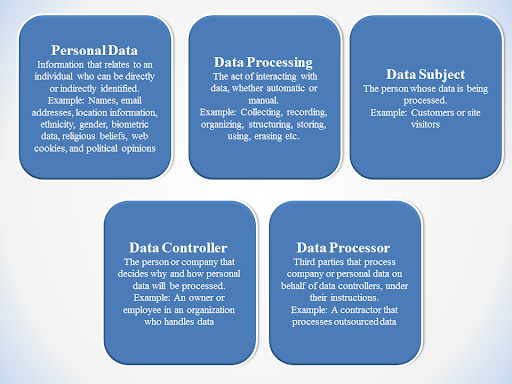
Follow us on Instagram and subscribe to our YouTube channel for more amazing legal content.

Download Now

Termination of football contracts under FIFA jurisprudence

0
Image Source: https://rb.gy/ycq0ew

This article is written by Soham Devlekar, pursuing Diploma in US Contract Drafting and Paralegal Studies from LawSikho.

Introduction

The first evidence of football dates back to the 12th century, its shape changing over the course of time and reaching its origin in Britain during the 18th century. Before medieval times, in villages and towns, this game had been played as “folk football.” The industrial and urbanized landscapes took their lead to enhance the game’s status into a professional sport. Every sport has some boundaries that should not be crossed which will negatively affect the status of the game, the participants, and the viewers, therefore, it will not be widely accepted and will become inaccessible. Keeping this in mind, as this game evolved, there came laws and rules that dictated the dos and don’ts. 

The laws and rules included the number of players a team should have, the parameters of the game, the length of the game, the size of the field and ball, the type and nature of fouls that referees may penalise (for e.g., now shoulder push is not considered as a foul), the offside rule, red card, and yellow card concept, and many other laws that define the sport. These codified rules of football sodality were called Laws of the Game (LOTG). In addition to laws, regulatory bodies and contracts between players and clubs were introduced. 

‘Fédération Internationale de Football Association’(FIFA) is a non-profit organization that delineates itself as an international governing body of football, which is well known in over 200 countries for its football association. The main factors which are involved in the domain of FIFA are contracts and their termination. Interestingly, termination plays a key role in this game because there is an abundance of fortune put up by the stakeholders.

Throughout this article, we will explore the contractual obligations between players and clubs, as well as football contracts and how they are terminated.

What are football contracts?

Let us first perceive the relationship between the football club and a football player, both will come into a contract wherein normally the club has to pay a transfer fee to consummate a transfer of a football player who is under contract with another club. After signing the contract, there is an obligation or importantly a commitment between the player and the club for a specific period whilst deciding at the time of transacting the terms of the contract per se. Unlike other ordinary contractual relationships where the employee can terminate the contract without being held liable for the financial consequences which are discussed.

Definition of football contracts

A football contract inherently means that the club is in control of the players. The contracts for football players are governed by associations of football, including both amateur and professional spheres. These contracts overlap substantially with the contract, tort, and labour law. Furthermore, football contracts also address other issues such as emolument issues, privacy rights, and intellectual property.

How are football contracts drafted?

The football contracts are drafted as per the negotiation inaugurated with the club and the player, where the player’s agent negotiates with the club about all the terms and conditions that are going to be included in the agreement. Generally, a lawyer drafts a football contract.

Importance of football contracts

In order to ensure disciplinary protocols, there needs to be a contract that both players and clubs abide by, and that should act as a guide for any issues between players and clubs. It also assists in reaching the masses, without which, viewership will be diminished. Therefore, there is an importance of contracts in football.

Parties to a football contract

  • Player,
  • Buying club,
  • Selling club, and
  • Player’s agent.

Clauses in football contracts

There are various obligations between a player and a club and a variety of duties imposed on each other which must be followed by both parties till the end of the contract. Football agreements protect the player by assuring that the player gets paid on time and the club is benefited as they can keep a player they do not want to sell or demand a large transfer fee. All these contractual obligations can be agreed upon if there are relevant and precise clauses inserted in the agreement.

There are relatively few sectors where companies will pay huge transfer fees to release an employee from a contract. Colloquially, this does not ensue where an employee is released for a higher fee after his contract ends. Even lawyers are not able to have another law firm or company bid for them in millions of dollars or pounds for the services that they will provide. From this standpoint, one can derive why football players have been given so much importance and sold for millions of dollars. Hence, there should be decisive clauses used in a football agreement to stay away from any repercussions.

Professional football player contracts mostly include common clauses and a standard employment contract format is used. Sample clauses are given below:

  • The effective term of contract 

This clause will contain the exact term of the employment contract when it will start and end date of the contract, also providing the regulation which the contract will comply with.

Example of effective term of contract clause;

  1. The player commences work on: (exact date). 
  2. The contract has been concluded for a specified term and shall expire on: (exact date). 
  3. The player and the club have equal right to enter negotiations for extending the contract by notifying the other party of this in writing at least one (1) month before the date of expiry of the contract in advance.
  • Description of work

It will include all the work the player will do related to the field of football and basically, all the tasks allotted are mentioned in this clause. The description of work could include: 

  1. The player is employed as a professional football player in the terms and conditions provided in the contract.
  2. The main tasks of the player are participating in the club´s training process and participating in matches on behalf of the club.  
  3. Work tasks are provided by and their performance is supervised by the (head) coach.
  • The clause on player’s salary and amounts to be paid by the club

Example of salary, wages and amounts clause;

  1. The monthly gross wages of the player are one and a half (1.5) minimum wage valid in the Country of Spain OR €X (X euros).
  2. Wages are paid once (1) a month on the Xth day of the month following the month of work to the bank account which the player has informed the club about. 
  • Obligations of the player

Which can include coming to training on time, following the instructions of the club, attending all the matches, etc. obligation should also include not to abuse or badmouth the representative club by posting something on social media.

  1. Obligations of the club can include sending the player for national team matches, paying wages and fees on time, taking all the costs for injuries suffered by the player, and keeping the records of the player, keeping the player’s information confidential, etc.
  2. Doping, Match-fixing, and gambling clause (maintaining disciplinary rules and not demeaning the club in anyway).

Example;

  • The player and the club obey current rules concerning doping.
  • Doping is the use of substances and methods which are in the prohibited list regulated by the disciplinary regulation. The parties are aware that the use of doping is forbidden.
  • The player and the club shall comply with all documents of other international football organisations concerning gambling and match-fixing.
  • Disciplinary clause 

Disciplinary clause and dispute procedures clause where the club will investigate and decide upon breaches of contract, or failures to observe the contract (if, for example, a player fails to turn up for training, fights with other teammates or refuses to play for the team).

  1. The club prepares internal disciplinary rules, describing the rules for players’ behaviour, procedures, and sanctions in the case of violations. The club must present the internal disciplinary rules to the player in an understandable manner against signature.
  2. If the player violates any contractual obligation, the club may establish sanctions or a selection of sanctions on the basis of the established disciplinary rules, taking into account the severity of the violation.
  • Termination of the contract 

Termination of the contract is used for e.g., clubs not paying players’ salaries. This clause could include;

  1. The contract expires upon the expiry of its term. The contract entered into for a specified term may only be cancelled extraordinary for just cause.
  2. The contract is terminated between parties prematurely on the basis established in the ________ Act in the Country of _____.
  • Advertising and Representation Rights Clause

Advertising and Representation Rights Clause or club marketing activities clause is used to represent the club and getting involved in club activities for various campaigns for brands and other initiatives presented by the club should be followed.

  1. The player must participate in marketing events established by the club which have the purpose of promoting and advertising the football club;
  2. The player must wear the outfit established by the club at advertising events.
  3. The player must not conclude an individual advertising contract or participate as a player in an advertising event without the mediation or written consent of the club.

Football contracts in FIFA jurisprudence and its importance

What is FIFA Jurisprudence?

FIFA Jurisprudence or FIFA legal system consists of the FIFA Dispute Resolution Chamber (DRC) which was created by FIFA in 2001 to resolve disputes regarding the international status and transfer of players. In the event that a decision made by the Dispute Resolution Chamber (DRC) is not satisfactory, it can be appealed to the Court of Arbitration for Sports (CAS), an international tribunal that arbitrates sports-related disputes.

FIFA and its regulations

Unilateral termination of a football player’s contract is mainly regulated in FIFA’s transfer regulations. Termination of contracts is not an incipient concept in this field of law especially in FIFA’s regulations and its entire jurisprudence. The Regulations on the Status and Transfer of Players (RSTP) is a regulatory framework in FIFA jurisprudence. It is a provisioning mechanism enacted by FIFA which ensures contractual stability and contractual linkage amidst players, clubs, and member associations. 

Moreover, these contracts are executed with the concept of ‘transfer window.’ This word is unofficial and usually used by a layman or the media houses. The Transfer window is the duration given to clubs and players to negotiate the terms. During the transfer process, players are transferred according to the club’s requirements and their performance. Such a transfer is completed by registering the player through FIFA’s regulatory framework. This is mentioned under Article 6 of RSTP as a registration period while Article 5 explains more about registration.

Importance of football contracts in FIFA jurisprudence

  • Stability of the game between players and clubs;
  • The fluidity of relations; 
  • Basic norms for players and clubs’ obligations;
  • Power dynamics playing a pivotal role – where clubs are superior and controllers of the game and players. Football contracts in this jurisprudence act as an equilibrium;
  • Contracts help in the transfer system of players to the clubs.
  • Maintaining safety for the players as well as for the viewers who are watching, as these football contracts have clauses particularly to follow the instructions to maintain the status of the game,
  • Any conflict or dispute impending FIFA jurisprudence can be dealt with prior while mentioning specific requirements in the football contracts;
  • In football, money plays a significant role, big checks, money transfer, clubs’ merchandise, stadiums cost, players demand, etc., hence contracts become an integral part of FIFA jurisprudence to ensure the smooth running of things where stakes are always high.

Termination of contract as per FIFA regulations

What is the termination of contracts?

Termination of contracts conventionally means when two parties to a contract break the obligation which was earlier set. In general, the effect of the termination of a contract is to discharge the parties from their unperformed obligations under the contract. 

In FIFA, termination of football contracts is a termination of the employment contract of a player. Termination plays a pivotal role in this game as it determines if the player and club will discontinue the contract and break the obligations and the repercussions, where the stakes are always high. For example; if it is high-priced and well-known players like Lionel Messi or Cristiano Ronaldo who wants to move to another club there should be a provision of termination or else parties to the contract will not be satisfied. 

Conditions under which contract can be terminated

Just cause

‘Just cause’ generally has no particular definition in the RSTP of FIFA, just cause is a legal term that describes that if an employee is terminated based on their own misconduct, then their employer shall not present them any notice. Hence, the employee has breached the contract of employment by their actions and so their employer has the right to instantly terminate the employee. But in FIFA’s regulations and considering earlier decisions, it refers to the exceptions or circumstances that may allow a club or player to terminate the employment contract between them, without any punishment or consequence. Any unilateral termination outside of “just cause” would attract monetary or sporting sanctions against the defaulting party.

A contract between a football player and a football club can only come to termination in the following situations:

  • The contract expires- when the player’s term is over at the club and the contract ends;
  • The contract is terminated by mutual accidents – when the player and club are mutually agreeing to terminate the contract due to some unfortunate event;
  • The player can terminate the contract with sporting just cause – In this type of termination, the club has failed to meet the contractual obligations which were promised earlier;
  • The club or the player can unilaterally terminate the contract with just cause- Both the parties have equal right to terminate the contract if either of them breaches the terms, conditions or obligations specified under that contract.

When the player terminates the contract?

Just cause in such a case only can be established if the club has breached its contractual obligations. The club’s most consequential contractual obligation towards the player is the payment of wages, and jurisprudence from DRC and CAS unsurprisingly shows that missing or truncated payments of wages plenarily or partly are claimed by football players as a justification for the termination of the player’s contract. If the contractual breach persists for a long time and the violation of obligations is quite clearly seen then the player is entitled to use just cause for terminating the contract unilaterally.

DRC and CAS usually assess the termination of contracts cases of FIFA authority wherein it includes late or reduced salary payments which constitute a just cause for a player to terminate the contract. However, FIFA inculcated a new provision of Article 14 in the RSTP framework. Article 14 states that if a club is unable to provide salary payments to the player and the club is two months late or more of such payments then the player using just cause can terminate the contract provided that the player gives the club 15 days’ notice for paying that outstanding amount. This is included in the first paragraph of Article 14bis of RSTP.

When the football club terminates the contract?

The football club can unilaterally terminate the player’s contract just like the players but it must establish just cause whereas normally players unilaterally terminate the contracts. Jurisprudence from FIFA, DRC, and CAS show that clubs can establish just cause if players breach the contract in an unethical manner for instance if a player does not report for training for a prolonged period or breach the contract by not following the principles or obligations given by the club. 

For instance, players like Adrian Mutu who was sacked from Chelsea FC after he breached the contract by testing positive for cocaine. The greatest of all time, Diego Maradona, is another player who was addicted and tested positive for cocaine while he was at the top. In the 1994 World Cup, he was banned for the stimulant ephedrine and ended the World Cup in disgrace. All these examples represent that a club can terminate the contract unilaterally.

Unilateral termination of the contract

If a player terminates his contract with just cause, due to the club’s unilateral decision to truncate or not pay salaries, the player will be in liberty to sign for another club and his former club will be liable to pay him emolument. In such a situation, the club is liable to pay emolument and will also be at the risk of sporting sanctions. 

However, if the player terminates his contract without just cause or the club terminates the contract with just cause, the player is liable to pay emolument to the club, and with risk sporting sanctions. There must be a protected period of two or three years (also depending upon the age of the player) for sporting sanctions to be imposed. In reality, the player can be suspended from the football matches whereas the club may be restricted from one or more transfer windows.

Sanctions and compensation on termination

1. Article 17 and Sporting Sanctions

We can visually examine that in football contracts customarily, the main criteria are player’s salaries because there are millions of dollars involved in players as well as all the things cognate to this huge spectrum of business. In any scenario, it is ordinarily about the players and their new club and how the transaction is going to be completed with the former player’s club. 

Article 17(3) to (4) describes that the party who has breached the contractual obligations shall be liable to the risk of sporting sanctions with compensation and within a protected period. For sporting sanctions, that can be imposed on a player or a club if either unilaterally terminates the contract without the just cause then the player shall have a restriction of four-month on his eligibility to play for official matches whereas in aggravating circumstances, the restriction will last for six months. In a situation where sporting sanctions are imposed on clubs, the clubs will suffer a ban from registering or buying any fresh players, nationally or internationally, for two entire and consecutive registration periods.

However, jurisprudence from CAS and DRC shows that sporting sanctions are rarely imposed in addition to liability for damages. The principle was first used in FC Pyunik Yerevan v. E., AFC Rapid Bucaresti and FIFA. CAS concluded that FIFA was not obliged to impose a sporting sanction, even if it follows from the wording. This decision by CAS has formed the basis for a practice where the main rule that a sporting sanction should be imposed has almost become an exception.

2. Calculation of compensation

Primarily, if a contract is terminated by the player or the club without just cause and if a player or club has terminated the contract by using just cause, the one who has breached the contract and violated the obligations will be liable for damages in accordance with Article 17

Matuzalem, De Sanctis and Andy Webster are the precedents where CAS, DRC and FIFA decided the compensation paid to the former club while the transfer was payable by the player and the new club. DRC and CAS have awarded compensation during a sizable number of cases that supported the principles of these cases which means that this acknowledged the injured party’s right to be placed within the position it might be if the contract had been properly consummated i.e., the principle of positive interest. A positive interest in lay terms means the time value of money where money today is more than the money tomorrow. Within the method of scheming the compensation, a good variety of things will need to be considered, lending the DRC and CAS panels a good margin of discretion.

When FIFA bestowed the mentioned amendment to RSTP Article 14 (2) and the new Article 14bis, they also introduced amendments to Article 17, which regulates how compensation should be calculated when the player is entitled to compensation. The new article states a transparent methodology of calculation. If the player has not signed with a brand-new club, he will be entitled to a quantity equal to his wages for the remainder of his contract. If the player has signed a contract with a brand-new club, these wages shall be subtracted from the compensation. 

The positive distinction between the worth of the previous contract and therefore the new consent the corresponding period is outlined as “mitigated compensation.” Additionally, to “mitigated compensation,” the player can mechanically be entitled to 3 months’ wages, outlined as “additional compensation”. If the player establishes flagrant circumstances, the extra compensation could also be accumulated from three months up to a maximum of six-monthly salaries, though the compensation might not exceed the remainder price of the untimely terminated contract.

The new formulation of Article 17 clearly offers less area for discretion with regards to the calculation of collectible compensation, compared to the previous formulation. The reasoning for FIFA’s call to alter the availability was that the previous formulation gave the DRC and CAS panels respectable discretion on a way to calculate compensation, which contributed to an outsized degree of uncertainty for the soccer clubs and soccer players concerned in such disputes. Though the new formulation may contribute to more certainty for the concerned parties once a player is entitled to compensation, the previous formulation still applies in cases wherever the club is entitled to compensation.

Paramount case law in the history of football contracts

Union Royale Belge des Sociétés de Football Association ASBL v. Jean-Marc Bosman

This is the most iconic and landmark case in the history of football. It changed the overall transfer market. This gave players i.e., employees and clubs i.e., employers to maintain stability in the contractual obligations put forward by both parties. There is a cardinal concept of unilateral termination of a football player’s contract, usually, the termination of any contract occurs mutually or if either party breaches any terms. This unilateral termination of a player’s contract is regulated in FIFA’s transfer regulations which are ‘Regulations on the Status and Transfer of Players’ (RSTP) in Part IV (Maintenance of Contractual Stability between Professionals and clubs)

In 2001, the agreement between FIFA, UEFA, and the European Union was established due to this ruling issued by the European Court of Justice in 1995. The Bosman Ruling eventuated because the football player Jean-Marc Bosman was denied a transfer to a French club after the expiry of his contract in the existing Belgian club. This ruling gave a right to the football players who wanted to switch to another club after the expiry and give flexibility to the players as well as the club. 

This was extremely impactful, as the player had to take permission or consent of the subsisting club to move to another. This gave rise to the transfer fee structure among players and the club now can charge a good amount of transfer fee if the player has immense potential. Later, FIFA, UEFA, and EU concluded to work together on a new transfer system from 1995 to 2001 and in 2001 there were new regulations amended by FIFA with RSTP which had some changes over the past but the main principles or crux of RSTP remained the same.

Conclusion

Due to the plethora of external factors affecting the football contractual relationships, it is not feasible for the sports to regulate without the provisions. Consequently, RSTP comes into the picture where the regulatory framework sanctions the players and clubs to work systematically. RSTP strikes the balance between the clubs and the players while giving them room for flexibility and acts in an equilibrium. Contracts in football are flexible now, as incipient provisions and advancements are added every year in FIFA’s Regulations while the Just cause concept remains undefined. Just cause is actively utilized in unilateral termination of football contracts but does not have a particular provision in RSTP.

It will be intriguing to optically discern with the advancements taking place in future for just clause provision to be recited in the RSTP provisions. Unilateral termination of contract can be utilized in other sports as well and can be adapted by other fields of practice. Just like the spectators of the game, one can only wait with jurisprudential developments in FIFA to inculcate more of such provisions which will eventually lead to better harmony with clubs and the players. This will eventually change the dynamics of other sports contracts and employment contracts per se as more development is anticipated in the future.

References


Students of Lawsikho courses regularly produce writing assignments and work on practical exercises as a part of their coursework and develop themselves in real-life practical skills.

LawSikho has created a telegram group for exchanging legal knowledge, referrals, and various opportunities. You can click on this link and join:
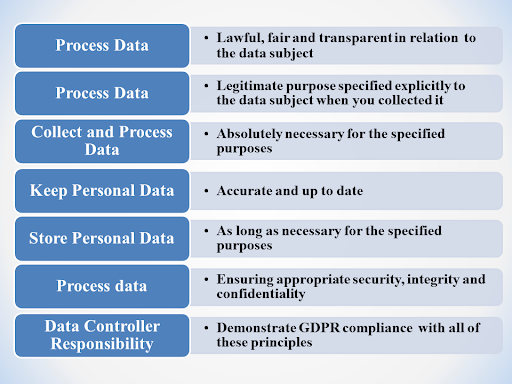
Follow us on Instagram and subscribe to our YouTube channel for more amazing legal content.

Download Now

Star Wars is owned by Disney – Walt Disney’s acquisition of Lucasfilms 

0
Image source - https://lat.ms/2YTt9VH

This article is written by Bhumika Saishri Panigrahi, pursuing a Diploma in M&A, Institutional Finance and Investment Laws (PE and VC transactions) from LawSikho.

Introduction 

The Walt Disney Company was a multibillion-dollar global family entertainment and media conglomerate. Media networks, parks and resorts, studio entertainment, consumer products, and interactive media were the five business segments of the corporation. Walt Disney’s overall income in 2011 was estimated to be around $40.9 billion. In 2006 and 2007, the business made a number of key acquisitions as part of its growth strategy, including Pixar and Marvel. As part of its diversification strategy, Walt Disney bought Lucasfilm Ltd. (Lucasfilm) in 2012. George Lucas, the founder of Lucasfilm and the inventor of ‘Star Wars,’ sold his company for US4.05 billion to ‘The Walt Disney Company.’ George Lucas, who owns a 2.2 percent ownership in the company, will solely serve as a creative consultant for the upcoming films, according to the agreement. Analysts found the deal helpful due to Disney’s post-acquisition of brands like Pixar and Lucasfilm, and predicted that with its aggressive acquisition strategy, Disney will become the largest property owner in the entertainment business. 

Disney’s acquisition of Lucasfilm, the production company behind “Star Wars,” is proving to be one of the best business decisions ever made. The $4.05 billion cash-and-stock purchase was announced on Oct. 30, 2012, and it signalled the beginning of a new era in the Star Wars franchise. In just a few years, Disney would recoup its investment and more. According to comScore, the four Star Wars feature films Disney has produced have generated more than $4.8 billion at the box office. 

Rationale behind the acquisition

The goal was to acquire the Intellectual property and the special effects technology of Lucasfilms. The Star Wars series, in particular, fits nicely inside the Disney intellectual property portfolio, and the strategic and financial consequences of this acquisition are intriguing. The analysts had spent a significant amount of time assessing this transaction and have come to the conclusion that they are uniquely positioned to maximise the value of Lucasfilm’s IP in a way that can generate significant value for the shareholders beyond the purchase price. 

The company has drawn value from Lucasfilm’s intellectual property in a variety of ways. George Lucas and his team have turned Star Wars into one of the most popular and long-lasting family entertainment franchises in history, as well as one of the most popular licenced character goods brands in the United States and around the world.

Acquisition process 

After a meeting between George Lucas and then-Disney CEO Bob Iger during the launch of the Star Tours – The Adventures Continue attraction in May 2011, discussions about the prospect of The Walt Disney Company establishing a distribution contract with Lucasfilm formally began in May 2011. Lucas informed Iger that he was considering retiring and that he intended to sell both the firm and the Star Wars franchise. Disney announced a deal to buy Lucasfilm for $4.05 billion on October 30, 2012, with half of the money paid in cash and the other half in Disney stock. Lucasfilm had previously worked with Disney’s Walt Disney Imagineering division to construct Star Wars and Indiana Jones-themed theme parks for various Walt Disney Parks and Resorts throughout the world. 

Kathleen Kennedy, Lucasfilm’s co-chairman, was named president, reporting to Walt Disney Studios Chairman Alan Horn. She also works as the Star Wars brand manager, collaborating with Disney’s various lines of business to grow, integrate, and optimise the value of this global franchise. Kennedy is a producer on the upcoming Star Wars feature films, with George Lucas working as a creative consultant at first. 

Disney bought the operating businesses of Star Wars, Indiana Jones, and Lucasfilm in live-action film production, consumer items, video games, animation, visual effects, and audio post-production as part of the agreement. Disney also bought Lucasfilm’s entertainment technology portfolio. Employees of Lucasfilm were supposed to stay in their existing places. In the fiscal year 2014, Disney will begin selling Star Wars merchandise. Certain products will be co-branded with the Disney name beginning with Star Wars Rebels. 

The Disney-Lucasfilm merger was approved by the Federal Trade Commission on December 4, 2012, allowing the acquisition to be completed without having to deal with antitrust issues. Lucasfilm Ltd. changed its name to Lucasfilm Ltd. LLC on December 18, 2012, after converting from a corporation to a limited liability company. Disney closed the transaction on December 21, 2012, and Lucasfilm became a wholly owned subsidiary of the company. 

Analysis of the acquisition

The news that Disney was buying Lucasfilms shook the whole Star Wars fanbase in 2012. The revelation elicited a burst of joy from fans eagerly anticipating new Star Wars films. Disney did not disappoint, saying that development on Star Wars Episode VII will begin in 2015. The acquisition of Lucasfilms by Disney is about more than just another trilogy. Before deciding to buy Lucasfilms, Bob Iger sat down and watched all six Star Wars films again. It wasn’t as if he hadn’t noticed them before. He did it this time, though, with a notepad and a pencil in his hand. As Disney was in private negotiations with the franchisee owner, George Lucas, he needed to do some research. Iger needed to know that Lucasfilms still possessed a trove of unreleased material, such as Luke Skywalker, Padme Amidala, and Darth Vader. The Star Wars episodes were originally supposed to be nine, Iger wanted to make sure Lucas had enough intellectual property for Disney to employ. They had, it turned out. 

Lucas kept a detailed record of the Star Wars universe. Lucasfilms had a large database called the Holocron, which was named after a mythical Force-powered crystal cube in the franchise. The real-world Holocro has data on 17,000 personalities from the Star Wars universe who lived on thousands of worlds over the course of 20,000 years. Disney had a hard time processing all of the information.

Iger was really pleased with the purchase. The transaction was a wonderful fit for Iger’s Disney strategy. Bob Iger’s goal is to ensure the company’s creative and competitive future in a period when consumers are spoiled for choice thanks to cable television networks and the Internet’s widespread popularity. 

Disney was able to explore a popular series by acquiring Lucas Films. The average revenue from licencing for Lucasfilm is about $250 million USD. While George Lucas excelled at commoditizing beloved characters, Disney has elevated the practise to an art form. Disney has always been known for its ability to create memorable characters. 

When Disney first began out with Mickey Mouse and Cinderella, Belle, and Snow White from the Grimm Fairy Tales, Iger recognised it as being in Disney’s original action plan. It now has characters like Han Solo, R2D2, C3PO, and Darth Vader to add to its already massive roster of marketable characters thanks to Lucasfilms. Disney issued 37.1 million shares and paid 2.2 billion dollars in cash as part of the merger agreement. The transaction was valued at 4.1 billion dollars based on the closing price of Disney shares on December 21, 2012, which was 50 dollars per share. 

Benefits to George Lucas 

George Lucas did not want LucasFilms’ top management to shift. If Disney’s acquisition of Pixar was any indicator, they did not appear to be leaning in that direction.

Disney believed that keeping those who were familiar with the franchisee was beneficial to the franchise’s growth and expansion. 

Post acquisition results 

Released Star Wars: 

The Force Awakens in December 2015 

  • Over $2 billion at box office 
  • → highest grossing film in the entire history of Disney movies 
  • → 3rd highest grossing film in history (after Avatar and Titanic) 
  • Ripple effects 
  • Toys and merchandise brought in more than $700 million • Star Wars-themed land underway in Disneyland

Conclusion

Disney directly reduced its competitors, such as Pixar and 21st Century Fox, by acquiring them. Since the beginning of the 2000s, when the media had been through a digital revolution, Disney had been challenged by a growing number of competitors who had developed computer-aided animation technology. 21st Century Fox was one of the industry’s largest competitors in the film business. Analyzing Fox’s financial performance before the acquisition reveals that the company was not in the competitive market. To summarise, 

Disney’s recent M&A transactions appear to be profitable. Furthermore, COVID-19 had mainly boosted worldwide media consumption due to isolation and social distancing conditions, which Disney+ would profit from in the next quarters. According to the most recent Q3 report, Disney’s acquisition of 21st Century Fox will continue to benefit the company, as Disney’s Direct-To-Customer segment sales grew to $4 billion, despite a decline in other areas due to COVID-19. As a result, we expect Disney’s M&A plans in the media segments to be successful in the long run. 

References

  1. https://www.investopedia.com/articles/markets/102915/top-5-companies-owned-disney.asp#:~:text=Disney%20acquired%20%E2%80%9CToy%20Story%E2%80%9D%20creator,Marvel%20Entertainment%20for%20%244%20billion. 
  2. https://www.cnbc.com/2018/10/30/six-years-after-buying-lucasfilm-disney-has-recouped-its-investment.html#:~:text=Entertainment-,Disney%20bought%20Lucasfilm%20six%20years%20ago%20today%20and,recouped%20its%20%244%20billion%20investment&text=Six%20years%20ago%2C%20Disney%20bought,billion%20at%20the%20box%20office. 
  3. https://www.investopedia.com/articles/investing/102215/why-star-wars-franchise-so-valuable.asp 
  4. https://insidethemagic.net/2021/03/george-lucas-disney-rwb1/ 
  5. https://dorksideoftheforce.com/2021/04/16/when-did-disney-buy-star-wars/ 

Students of Lawsikho courses regularly produce writing assignments and work on practical exercises as a part of their coursework and develop themselves in real-life practical skill.

LawSikho has created a telegram group for exchanging legal knowledge, referrals, and various opportunities. You can click on this link and join:

https://t.me/joinchat/J_0YrBa4IBSHdpuTfQO_sA

Follow us on Instagram and subscribe to our YouTube channel for more amazing legal content.

Download Now

Five landmark cases on insider trading

0

This article has been written by Jayant Saxena, pursuing an Executive Certificate Course in Capital Markets, Securities laws, Insider trading, and SEBI litigation from LawSikho.

Introduction

The Securities and Exchange Board of India (“SEBI”) Act, 1992 and the SEBI (Prohibition of Insider Trading) (“PIT”) Regulations, 1992, were the first laws addressing insider trading. The idea of prohibiting insider trading of securities was included into Section 195 of the Companies Act, 2013 (“The Act”) by virtue of its enactment. In order to reform the current capital market regulatory framework, SEBI replaced the 1992 regulations with the SEBI PIT Regulations, 2015. Regulation 3 and 4 under PIT Regulations, 2015, deals with the communication of Unpublished Price Sensitive Information (“UPSI”) and trading when in possession of UPSI, respectively. Any information, relating to a company or its securities, such as financial results, dividends, change in capital structure, merger, de-merger, acquisitions, delisting etc., that is not generally available, which upon becoming generally available, is likely to materially affect the price of the securities is considered as UPSI. 

Penalty specified under SEBI Act, 1992 (Section 15G) and Companies Act, 2013, (Section 195) shall not be less than Rs 10 lakhs, may extend to Rs 25 crores or three times the amount of profits made out of insider trading, whichever is higher.

This article will discuss few of the important cases in respect to Insider Trading:

Rakesh Agrawal vs. SEBI

In 1996, Rakesh Agrawal, managing director of ABS Industries Ltd., signed a deal with Bayer AG, a German business, which agreed to purchase 51% of ABS Industries Ltd.’s shares. Following UPSI’s announcement of the acquisition, the accused sold a significant portion of his ABS Industries ownership, which he owned through his brother-in-law, Mr. I. P. Kedia. Considering Mr. Kedia to be a well-connected individual, SEBI held that Mr. Rakesh Agrawal was guilty of insider trading and directed him to deposit Rs. 34 lakhs with Investor Protection Funds of Stock Exchange, Mumbai and NSE (in equal proportion i.e. Rs.17 lakhs in each exchange) to pay any investor who may make a claim afterwards.

On appeal to the Securities Appellate Tribunal (SAT), it was concluded that even if Mr. Agrawal had traded securities while in possession of UPSI, he was not guilty of insider trading because his actions were in the best interests of the company (as Bayer AG was not willing to acquire the company unless it could obtain a minimum of 51% of the shares) and there was no intention to make a profit.

Further, SAT decided that in order to penalise an insider for violating the Regulations, it must be proven that the insider benefited unfairly from the trade. The tribunal also rejected SEBI’s argument that insider trading jurisprudence is founded on the concept of ‘disclose or abstain’, and that an insider in possession of UPSI cannot trade in a company’s stocks until he reveals the UPSI. After revisiting the entire jurisprudence of insider trading on requirement of Mens Rea under Indian legal system, the tribunal held that: “Taking into consideration the very objective of the SEBI Regulations prohibiting the insider trading, the intention/motive of the insider has to be taken cognizance of. It is true that the regulation does not specifically bring in mens rea as an ingredient of insider trading. But that does not mean that the motive need be ignored.”

Hindustan Lever Limited vs. SEBI

Hindustan Lever Ltd. (“HLL”) bought 8 lakh shares of Brook Bond Lipton India Ltd. (“BBLIL”) from Public Investment Institution, Unit Trust of India (“UTI”) two weeks prior to the public announcement of the merger of two companies, i.e., HLL and BBLIL. SEBI, suspecting insider trading, issued a Show Cause Notice (“SCN”) to the Chairman, all Executive Directors, the Company Secretary and the then Chairman of HLL.

London-based Unilever was the parent company of HLL and BBLIL, and were operating under the same management. SEBI determined that HLL and its directors were insiders because they had prior knowledge of the merger. SEBI further determined that HLL was in the possession of UPSI as mentioned under Section 2(k) of the 1992 Regulations, which included any information regarding amalgamation/mergers/takeovers that “is not widely known or published by such company for general information, but which if published or known, is likely to substantially impact the price of securities of that company in the market”. 

Observations made by SAT

The issue before SAT was whether HLL was an insider and the information held by the HLL constituted UPSI. The SAT concurred with the SEBI order that the information accessible to HLL in regard to the merger went beyond self-generated information, i.e., information derived from the company’s own decision-making. In addition, SAT stated that the presence of directors who were common to both HLL and BBLIL, as well as a common parent company in Unilever, indicated that they (i.e., HLL and BBLIL) were effectively managed together. As a result, HLL could be classified as an insider under the 1992 Regulations, and it was reasonable to assume that HLL was privy to the BBLIL board’s decision-making on the merger issue.

SAT observed that even in the merger of two healthy companies, there are synergistic possibilities that might lead to price sensitivity for either company, on the subject of whether the information shared with HLL constituted UPSI. As a result, SAT concurred with SEBI’s judgment that merger information was price sensitive (albeit not “unpublished”).

The outcome of the decision

This decision of the SAT led to an amendment in the definition of “unpublished” under Section 2(k) which stated, “unpublished” means information which is not published by the company or its agents and is not specific in nature.” Explanation — Speculative reports in print or electronic media shall not be considered as published information”. 

By the same Amendment, SEBI also introduced a new provision, Section 2(ha) which defined “price sensitive information” to include any information relating to an amalgamation, merger or takeover as deemed price sensitive information, regardless of whether such information actually has any affect the price of the securities in the market. However, the amendments did not definitively and expressly define “generally available information” and then 2015 regulations finally came out defining what constitutes UPSI by stating “generally available information” under Section 2(1)(e) which stated, “generally available information” means information that is accessible to the public on a non-discriminatory basis;”.

WhatsApp Leak Case

This case involved Shruti Vora in the Institutional Sales Department of Antique Stock Broking Ltd., circulating the price sensitive information of companies like Wipro, Ambuja Cement, Mindtree, Bajaj Auto etc., through several WhatsApp groups. SEBI conducted a preliminary investigation and directed search and seizure operations for 26 entities of the Market Chatter WhatsApp Group, confiscating around 190 devices, documents, and other items. Furthermore, SEBI fined Shruti Vora for sending WhatsApp messages containing UPSI relating to the financial results of the aforementioned companies. Besides, analysts from other brokerages, Parthiv Dalal and Neeraj Kumar Agarwal, were also fined.

new legal draft

The contentions set forth by the accused was the concept of “Heard on Street” (“HOS”) which is a common practice among traders, market analysts, institutional investors etc. The accused further argued that unsubstantiated information is widely shared and even big journals in the US and news agencies like CNBC, Reuters, Bloomberg and Twitter handles share HOS.

SEBI’s insider trading charges against employees of a few stockbroking firms who had ‘forward(ed) as received’ WhatsApp messages regarding unpublished quarterly reports of leading companies were set aside by SAT, who reasoned that SEBI couldn’t find the origin of the messages and was only pursuing those who forwarded them. SAT relied on the fact that generally available information would not be seen as UPSI, and therefore the person just forwarding it would not be considered an “insider”. However, the information may only be labelled as a UPSI if the person receiving it was aware that it was a UPSI, and SEBI has to establish “preponderance of probability” under the circumstances.

The case of Kishore Biyani

Kishore Biyani is the Founder & CEO of Future Group, (brick-and-mortar retailers) and is also the founder of retail businesses such as Pantaloon Retail and Big Bazaar.

SEBI initiated an investigation in the scrip of Future Retail Limited (“FRL”) to ascertain whether certain persons/entities had traded in the scrips of FRL during the period March 10, 2017 to April 20, 2017 on the basis of UPSI, in contravention of the provisions of the SEBI Act, 1992 and SEBI PIT Regulations, 2015.

What was considered UPSI by SEBI in this case?

Composite Scheme of Arrangement between Future Retail Limited and Bluerock eServices Private Limited and Praxis Home Retail Private Limited and their shareholders in 2017 was the concerned UPSI in this matter. It resulted in the demerger of certain business from Future Retail and was expected to have a positive impact on Future Retail’s share price. Future Corporate Resources and FCRL Employee Welfare Trust purchased FRL shares before the scheme of arrangement was publicly announced, and these trades were carried out by involved entities who were aware of the scheme and thus found to have traded while in possession of UPSI, according to SEBI. As per SEBI’s order these trades were authorized by Kishore Biyani and Anil Biyani.

SEBI barred the noticees from accessing FRL stocks for 2 years and ordered Future Corporate Resources, Kishore Biyani, and Anil Biyani to jointly disgorge a sum of over Rs 17.78 crore, with interest at a rate of 12% per year from April 20, 2020 to the date of actual payment. However, the SAT has stayed the SEBI’s order that had barred Future Group CEO Kishore Biyani from accessing the securities market and directed to deposit Rs 11 crore as an “interim measure”. The case is pending before the SAT.

Infosys and Insider Trading

During an investigation around July 2020 by SEBI, there were few entities (Capital One, Tesora Capital etc.) that were found to be involved in trading in the scrips of Infosys (“INFY”), while in the possession of the UPSI, prior to the public corporate announcement. The scrip was in the Future and Option segment (“F&O Segment”) and is a part of SENSEX and NIFTY. 

What was UPSI in this case? 

INFY’s audited financial statements for the quarter ended June 30, 2020 were released on July 15, 2020 to the BSE and NSE. Basic financial elements of the P&L and Balance Sheet (“BS”), as well as significant financial and operational factors that contributed to different aspects of the P&L and BS, were included in the results which altogether constituted UPSI.

The Partners of Capital One and Tesora Capital traded in the F&O segment of INFY scrips prior to the corporate announcement and soon after the announcement, squared off their positions such that net positions were zero and which allowed them to make an illegal gain of Rs 3.06 crores. Along with these entities, Senior Corporate Counsel and Senior Principal, Corporate Accounting Group of INFY were found to be involved in the said transaction. SEBI order stated that these two employees of INFY were in constant touch with each other during June 29, 2021 till July 15, 2021 which led to passing of UPSI with one another and later with the other partners of Capital One and Tesora Capital, implicated here. 

SEBI in its order has impounded the illegal gains as mentioned above and further restricted the entities from accessing the securities market till further orders. The matter is pending before SEBI.

Closing thoughts

On May 21, SEBI fined Rs 1 crore on Indiabulls Venture former non-executive director, Pia Johnson, and her husband Mehul Johnson for violating PIT Regulations by trading the firm’s scrip using USPI. A month back, ed-tech firm Aptech was fined Rs 1 crore for violating insider trading norms. Insider trading cases seem to be surging up as many large corporations such as SpiceJet, Sun Pharma, Future Group etc., seem to be violating the insider trading laws. SEBI still has to go a long way in strengthening the governance of Insider Trading laws as it lacks behind in many ways such as lack of technological expertise wherein it is very difficult for SEBI to catch the offender. Even if SEBI is successful in identifying the offender, establishing insider trading cases is challenging due to the fact that these accusations are usually dependent on circumstantial evidence, making them tough to prove. SEBI does not have the authority or power to tap phones. 

The challenge with existing Indian laws is that they do not have extraterritorial application. Under the current regulations, no inquiry or punishment may be imposed on any foreign national who has committed the offence of insider trading. There are also instances when, despite the fact that an inquiry has been initiated in India, certain evidence is situated outside the country. Additionally, there is no mechanism for obtaining transnational support or assistance in this regard. 

Another challenge is the possibility of getting a consent order. Insider trading cases that are resolved with modest fines convey the impression that insider trading is not a serious crime. However, this is not the case, hence, it must be avoided to ensure that insider trading is not normalised..

References

  1. https://www.thecasecentre.org/programmeAdmin/products/view?id=21694
  2. https://corporate.cyrilamarchandblogs.com/2017/10/insider-trading-hindustan-lever-limited-v-sebi/
  3. https://cbcl.nliu.ac.in/company-law/hinged-upon-conjectures-a-meticulous-study-of-whatsapp-leak-case
  4. https://www.thenewsminute.com/article/kishore-biyani-gets-relief-insider-trading-case-sat-stays-sebi-order-143537
  5. https://www.business-standard.com/article/current-affairs/centre-turns-down-sebi-request-to-tap-phones-in-insider-trading-cases-120082001345_1.html#:~:text=centre%20turns%20down%20sebi%20request%20to%20tap%20phones%20in%20insider%20trading%20cases,-shrimi%20choudhary%20%7c%20new&text=the%20centre%20has%20rejected%20the,book%20those%20doing%20insider%20trading.

LawSikho has created a telegram group for exchanging legal knowledge, referrals, and various opportunities. You can click on this link and join:

Follow us on Instagram and subscribe to our YouTube channel for more amazing legal content.

Download Now

All you need to know about the ASEAN and its importance for India

0
Image source: https://bit.ly/3ls2iHN

This article is written by Astitva Kumar, from Guru Gobind Singh Indraprastha University. This article deals with ASEAN, a driving force behind Asian trade liberalization, and its importance for India. 

Introduction

The Association of Southeast Asian Nations, or ASEAN, was founded in Bangkok on August 8, 1967, by the five founding member countries of Indonesia, Malaysia, the Philippines, Singapore, and Thailand. Brunei Darussalam joined on January 8, 1984, Vietnam on July 28, 1995, Laos People’s Democratic Republic and Myanmar on July 23, 1997, and Cambodia on April 30, 1999.

Brunei, Cambodia, Indonesia, Laos, Malaysia, Myanmar, the Philippines, Singapore, Thailand, and Vietnam form a regional association that fosters economic, political, and security cooperation among its ten members. The ASEAN countries collectively have a population of 650 million people and a combined GDP of $2.8 trillion.

The group has been a driving force behind Asian trade liberalization, pushing efforts to construct one of the world’s largest free trade blocs and completing six free trade agreements with other Asian states. The ASEAN region has a population of almost 560 million people, covers 4.5 million square kilometres, has a combined gross domestic output of nearly US$ 1,100 billion, and commerce worth around US$1,400 billion. 

Objectives

According to the ASEAN Declaration, the association’s goals and objectives are to:

  1. Accelerate regional economic growth, social progress, and cultural development; and
  2. Promote regional peace and stability through a commitment to justice and the rule of law in regional relations and adherence to the United Nations Charter’s principles.
  3. The ASEAN leaders agreed on a shared vision of ASEAN as a concert of Southeast Asian nations, outward-looking, living in peace, stability, and prosperity, bonded together in partnership in dynamic development, and in a community of caring societies in the ASEAN Vision 2020, which was adopted on the 30th Anniversary of ASEAN.

The ASEAN Leaders decided in 2003 to build an ASEAN Community with three pillars: ASEAN Security Community, ASEAN Economic Community, and ASEAN Socio-Cultural Community.

How ASEAN works

ASEAN is led by a chair, who is elected by member states every year and is supported by a secretariat situated in Jakarta, Indonesia. Important decisions are normally made through conversation and consensus, governed by the ideals of non-interference in internal affairs and conflict resolution through peaceful means. Some experts believe that the organization’s decision-making process is one of its biggest flaws.

According to CFR’s (Council on Foreign Relations) Joshua Kurlantzick, “These rules of agreement and noninterference have gradually grown outmoded, and they have hampered ASEAN’s influence on matters ranging from dealing with China to crises in specific ASEAN states.

According to other experts, ASEAN has aided regional stability by defining much-needed rules and fostering a neutral atmosphere in which to solve common concerns.

In Asia, talking and creating relationships is half the battle,” Murray Hiebert, a senior associate of the Southeast Asia Program at the Center for Strategic and International Studies (CSIS) in Washington, told CFR. 

History of ASEAN

ASEAN was founded in 1967 to bring together Indonesia, Malaysia, the Philippines, Singapore, and Thailand to form a united front against communism and promote political, economic, and social stability in the Asia-Pacific region. The Treaty of Amity and Cooperation in Southeast Asia, signed in 1976, emphasizes mutual respect and non-interference in other countries’ affairs.

By the end of the 1990s, membership had more than increased. The end of the Cold War, the ending of Cambodia’s civil war in 1991, and the normalization of US-Vietnam ties in 1995 restored relative stability to mainland Southeast Asia, clearing the door for more countries to join ASEAN.

The organization began to pursue attempts to enhance regionalism with the admission of Brunei (1984), Vietnam (1995), Laos and Myanmar (1997), and Cambodia (1999). In 1995, for example, the members agreed to refrain from creating, acquiring or possessing nuclear weapons.

Faced with the Asian financial crisis of 1997, which began in Thailand, ASEAN countries pushed for greater economic integration. For example, the Chiang Mai Initiative was a currency swap agreement established in 2000 between ASEAN nations, China, Japan, and South Korea to give financial assistance and combat market manipulation.

The ASEAN Charter, a constitutional instrument that gave the organisation legal status and an institutional framework, was adopted by the 10 members in 2007. The Charter outlines the organization’s main values and membership qualifications (East Timor applied for membership in 2011, but not all members are in favour of its admission). The ASEAN Economic Community (AEC), the ASEAN Political-Security Community, and the ASEAN Socio-Cultural Community are the three branches of the community outlined in the Charter

Fundamentals and principles

According to the Treaty of Amity and Cooperation in Southeast Asia (TAC), ASEAN Member Countries have embraced the following fundamental principles in their dealings with one another:

  1. Mutual respect for all nations’ independence, sovereignty, equality, territorial integrity, and national identity;
  2. The right of every State to pursue its national interests without intervention from outside forces;
  3.  Non-interference in one another’s internal affairs;
  4.  Peaceful resolution of conflicts or disputes;
  5.  Avoidance of the threat or use of force; and efficient cooperation among themselves.

The three communities

Community of ASEAN Security (ASEAN Security Community)

Since its founding, more than three decades ago, no tension has developed into armed confrontation among ASEAN Member Countries as a result of political discourse and confidence building.

The ASEAN leaders have agreed to form the ASEAN Security Community (ASC) to expand on what has been built over the years in terms of political and security cooperation. The ASC will work to guarantee that countries in the area live in a just, democratic, and peaceful environment with one another and with the rest of the globe.

The community’s members commit to resolving intra-regional differences solely through peaceful means, and they see their security as inextricably tied to one another and bound by geography, common vision, and aims. Political development, norm formulation and sharing, conflict prevention, conflict resolution, link peacebuilding, and implementation mechanisms are all included. It will be built on the solid basis of ASEAN procedures, values, agreements, and structures, which have grown over time and are enshrined in the following main political documents:

In 1994, ASEAN formed the ASEAN Regional Forum (ARF) to recognize the Asia-Pacific region’s security interdependence. The agenda of the ARF is divided into three stages: 

  • Promotion of trust-building, 
  • Development of the humanitarian intervention,
  • Elaboration of conflict resolution measures.

Australia, Brunei Darussalam, Cambodia, Canada, China, European Union, India, Indonesia, Japan, Democratic Republic of Korea, Republic of Korea (ROK), Lao PDR, Malaysia, Mongolia, Myanmar, New Zealand, Pakistan, Papua New Guinea, the Philippines, Russian Federation, Singapore, Thailand, the United States, and Vietnam are among the current participants in the ARF. The ARF tackles important regional security concerns such as the main countries’ relationship, nonproliferation, counter-terrorism, transnational crime, the South China Sea, and the Korean Peninsula, among others.

ASEAN Economic Community

The ASEAN Economic Community will be the culmination of the ASEAN Vision 2020’s economic integration policies. 2020 aims to establish a stable, prosperous, and highly competitive ASEAN economic area with free movement of goods, services, investment, and capital, equitable economic development, and reduced poverty and socio-economic inequities.

The ASEAN Economic Community will develop ASEAN as a trading bloc and industrial base, transforming the region’s variety into opportunities for economic complementation and transforming ASEAN into a more dynamic and powerful section of the global supply chain. The integration of ASEAN and the enhancement of ASEAN’s economic competitiveness will be the focus of ASEAN’s strategy.

ASEAN has agreed to the following points to move towards the ASEAN Economic Community:

  • Enact new structures and measures to improve the implementation of existing economic initiatives such as the ASEAN Free Trade Area (AFTA), the ASEAN Framework Agreement on Services (AFAS), and the ASEAN Investment Area (AIA);
  • By 2010, air transport, agro-based products, automotive, e-commerce, electronics, fisheries, healthcare, rubber-based products, textiles and apparel, tourism, and wood-based products will have advanced regional integration.
  •  Allow for the free movement of business people, skilled labour, and skills; and
  • Strengthen ASEAN’s institutional tools, particularly the existing ASEAN Dispute Settlement Mechanism, to ensure prompt and legally binding resolution of any economic disputes.

The ASEAN Free Trade Area (AFTA), which was established in 1992, is now operational. Its goal is to boost the region’s competitiveness as a single manufacturing unit. The removal of tariff and non-tariff barriers between the Member States is projected to boost economic efficiency, productivity, and competitiveness.

Tariffs on over 99% of the products on the ASEAN-6’s Inclusion List (Brunei Darussalam, Indonesia, Malaysia, the Philippines, Singapore, and Thailand) were cut to less than 5% as of January 1, 2005. There are no tariffs on more than 60% of these items. The average tariff for ASEAN-6 countries has been reduced from more than 12% when AFTA began to less than 2% now. Tariffs on around 81% of their Inclusion List have been reduced to within the 0-5% range for the younger Member Countries, namely Cambodia, Lao PDR, Myanmar, and Vietnam (CLMV).

The following are some of ASEAN’s other important integration-related economic activities:

  • ASEAN’s Financial and Monetary Integration Roadmap covers four areas: capital market development, capital account liberalization, financial services liberalization, and currency cooperation;
  • Significant inter-state highway and railway networks, including the Singapore to Kunming Rail-Link, important ports, and sea lanes for maritime traffic, inland canal transport, and major civil aviation links;
  • Strategy for Air Travel Sector Integration;
  • National telecommunications equipment and services interoperability and interconnection, including the ASEAN Telecommunications Regulators Council Sectoral Mutual Recognition Arrangement (ATRC-MRA) on Conformity Assessment for Telecommunications Equipment;
  • The ASEAN Power Grid and the Trans-ASEAN Gas Pipeline Projects are trans-ASEAN energy networks; 
  • The Initiative for ASEAN Integration (IAI) focuses on infrastructure, human resource development, information and communications technology, and regional economic integration, primarily in the CLMV countries; and the Initiative for ASEAN Integration (IAI) focuses on infrastructure, human resource development, information and communications technology, and regional economic integration;
  • To encourage intra-ASEAN travel, the Visit ASEAN Campaign and the private-sector-led ASEAN Hip-Hop Pass have been launched; and an agreement on the ASEAN Food Security Reserve has been reached. 

Growth of the ASEAN economy

ASEAN has made significant progress toward regional economic integration and free trade. The ASEAN Free Trade Area was established in 1992 with the goals of establishing a unified market, expanding intra-ASEAN trade and investments, and attracting international investment. Intra-ASEAN trade as a percentage of overall trade increased from around 19 % in 1993 to about 23% in 2017.

More than 90% of items are traded without tariffs across the organisation. Electronics, automotive, rubber-based products, textiles and apparel, agro-based products, and tourism are among the eleven industries prioritised for integration by the bloc.

Despite the advances, favourable trade measures do not cover some of the region’s most vital industries, and socioeconomic disparities among members might make economic integration difficult. The ASEAN Economic Community (AEC), which sets ASEAN’s trade ambitions, is seen by some as a potential catalyst for the further economic union.

In November 2020, ASEAN nations signed the Regional Comprehensive Economic Partnership (RCEP), a free trade agreement negotiated since 2012, with Australia, China, Japan, New Zealand, and South Korea. It also aids in the integration of Northeast and Southeast Asia’s economies. Six free trade agreements with nations outside of ASEAN are also in place.

The ASEAN Socio-Culture Community

  • In line with ASEAN Vision 2020, the ASEAN Socio-Cultural community is tied together in cooperation as a community caring society,
  • The Community will promote social development cooperation aimed at improving the living conditions of disadvantaged groups and the rural population and will seek active participation from all sectors of society, particularly women, youth, and local communities,
  • ASEAN will invest greater resources in basic and higher education, training, science and technology development, job creation, and social protection to guarantee that its workforce is equipped for and benefits from economic integration,
  • ASEAN would continue to strengthen its collaboration in the field of public health, particularly in the prevention and control of infectious and communicable illnesses. Human resource development and enhancement is a critical method for creating jobs, reducing poverty and socioeconomic inequities, and ensuring equitable economic growth.

ASEAN’s ongoing activities in this area include

  1.  The ASEAN Work Programme for Social Welfare, Family, and Population;
  2.  ASEAN Work Programme on HIV/AIDS;
  3. ASEAN Work Programme on Community-Based Care for the Elderly;
  4. ASEAN Occupational Safety and Health Network;
  5. ASEAN Work Programme on Preparing ASEAN Youth for Sustainable Employment and Other Globalization Challenges;
  6. ASEAN University Network (AUN), which promotes collaboration among ASEAN’s seventeen member universities;
  7. ASEAN Students Exchange Programme, Youth Cultural Forum, and ASEAN Young Speakers Forum;
  8. ASEAN Culture Week, ASEAN Youth Camp, and ASEAN Quiz;
  9. ASEAN Media Exchange Programme; and
  10. Framework for Environmentally Sustainable Cities (ESC) and ASEAN Agreement on Transboundary Haze Pollution.

Structure

The annual summit is ASEAN’s highest body (ASEAN Summit). The chairmanship of the ASEAN Summit and Ministerial Conferences has rotated annually in alphabetical order between member states. The ASEAN Secretariat’s headquarters are in Jakarta, Indonesia, and each member is represented by its own foreign minister. ASEAN is further organised into three major community councils: political security, economy, high social culture, each of which is in charge of several sectoral ministerial bodies. ASEAN’s judgement on – on a hierarchical structure, which is treated in tracks. All official decisions made by diplomatic representatives of member nations are included in track one. Practice is mostly concerned with hypothetical policies offered by think tanks and academic institutions and serves as a platform for potential ideas.

Though this system implies that citizens can trickle down to improve the governmental level, the truth is that the majority of ASEAN decisions are taken by top officials without regard for the understanding of the represented masses.

India’s relationship with ASEAN

The substantial changes in the world’s political and economic landscape since the early ’90s as well as India’s march toward economic liberalisation, have prompted India to focus on strengthened and multi-faceted partnership with ASEAN. The ‘Look East Policy’ was born out of India’s need for economic space. The Look East policy has evolved into a vibrant, action-oriented “Act East policy ” in recent years. 

It has made various police airports in the region, such as BIMSTEC, MGC, and others, that involve several ASEAN members. India also takes part in regional forums such as the Asia Europe Meeting (ASEM), East Asia Summit (EAS), the ASEAN Regional Forum (ARF), the ASEAN Defence Ministers Meeting Plus (ADMM+), and Expanded ASEAN Maritime Forum (EAMF).

The partnership between India and ASEAN is a critical pillar of our foreign policy and the bedrock of our Act East Policy. The relationships through a strategic partnership in 2012 was a natural evolution from India’s status as an ASEAN sectoral partner in 1992, dialogue partner in 1996, and summit level partner in 2002. There are 30 dialogue mechanisms between ASEAN and India.

Mission

To improve interaction with ASEAN and ASEAN-centric processes, India has a separate Mission to ASEAN and the EAS (East Asia Summit) in Jakarta, with a dedicated Ambassador

The ASEAN-India dialogue is celebrating 25 years

Throughout 2017, India and ASEAN commemorated 25 years of dialogue, 15 years of summit-level interaction, and 5 years of strategic partnership by holding over 60 commemorative activities in India and through the missions in the ASEAN Member States, culminating in the ASEAN-India Commemorative Summit on the theme “Shared Values, Common Destiny” on January 25th, 2018 in New Delhi.

The memorial exercises incorporated an ASEAN-India regional diaspora occasion in Singapore, a youth summit, a music festival, an artists’ retreat, port calls by Indian Naval Ships, a workshop on the blue economy, a connectivity summit, a gathering to build up our network of think tanks, a dharma-dhamma conference, a hackathon, and startup festival, a global SME summit, a business and investment meet, an expo, a textiles event, an ICT expo, a business council meeting, a Ramayana festival, a film festival and the initiation of an India-ASEAN friendship Park in the core of our public capital, New Delhi. The incredible diversity and depth of these activities created a solid foundation for long-term cooperation.

PM Narendra Modi and ASEAN leaders jointly adopted the Delhi Declaration at the ASEAN-India Commemorative Summit and decided to prioritise maritime cooperation as a major area of cooperation under the ASEAN-India strategic alliance.

As India’s Guest of Honour at the 69th Republic Day Parade, the leaders of ASEAN countries made an extraordinary gesture. It was an honour for India to welcome the leaders of all 10 ASEAN countries at the Summit in such a short period. The India-ASEAN trade and investment relationship has been steadily improving. In 2012, ASEAN and India celebrated 20 years of dialogue and 10 years of summit-level partnership with ASEAN with a commemorative summit held in New Delhi on the theme “ASEAN-India Partnership for Peace and Shared Prosperity” on the 20th and 21st of December.

Cooperation in terms of the economy

The economic and investment relationship between India and ASEAN has been progressively improving, with ASEAN now being India’s fourth-largest trading partner. India’s trade with ASEAN is worth US$ 81.33 billion, or roughly 10.6% of the country’s total commerce. India’s overall exports to ASEAN account for 11.28% of the country’s total.

Both ways, investment flows are significant, with ASEAN accounting for approximately 18.28% of all investment flows into India since 2000. According to DEA (Data envelopment analysis) data, FDI inflows into India from ASEAN nations totaled US$68.91 billion from April 2000 to March 2018, whereas FDI outflows from India to ASEAN countries totalled US$38.672 billion from April 2007 to March 2015. The ASEAN-India Free Trade Area was completed on July 1, 2015, when the ASEAN-India Agreements on Trade in Services and Investments went into effect.

ASEAN and India have also been seeking to improve private sector participation. The ASEAN India Business Council (AIBC) was founded in Kuala Lumpur in March 2003 as a forum to bring together important private sector actors from India and ASEAN countries on a single platform for business networking and idea-sharing. 

Cooperation in terms of socio-culture

A variety of programmes have been hosted to promote people-to-people interaction with ASEAN, including inviting ASEAN students to India each year for the Students Exchange Program, a Special Training Course for ASEAN diplomats, Parliamentarian Exchanges, ASEAN students participating in the National Children’s Science Congress, the ASEAN-India Network of Think Tanks, and the ASEAN-India Eminent Persons Program.

On July 18, 2018, the ASEAN-India Workshop on Blue Economy, co-hosted by the Socialist Republic of Vietnam, took place in New Delhi for the second time. 

Cooperation in terms of security

In the face of increasing traditional and non-traditional problems, politico-security cooperation is a critical and emerging pillar of our relationship. The landscape of common security challenges to our countries is defined by rising terror export, expanding radicalisation through hate ideology, and the growth of extreme violence. Our collaboration with ASEAN aims to develop a coordinated, cooperative response and share it on multiple grounds.

ASEAN has worked tirelessly for 50 years as a regional body founded on consensus to help secure peace, growth, and prosperity in the region. As a result, India prioritises ASEAN in its Indo-Pacific vision of regional security and growth for all. The ASEAN Regional Venue is the principal forum for ASEAN security dialogue (ARF). Since 1996, India has attended this forum’s yearly sessions and has actively engaged in its varied activities. The ASEAN Defence Ministers’ Meeting (ADMM) is ASEAN’s highest level of defence consultation and cooperation. The ADMM+ brings together Defence Ministers from the ten ASEAN countries, as well as Australia, China, India, Japan, New Zealand, the Republic of Korea, Russia, and the United States of America.

Funds

The ASEAN Multilateral Division provides ASEAN countries with project-based financial support. The funds have provided financial support to ASEAN countries.

ASEAN-India cooperation fund

India announced a US$ 50 million contribution to the ASEAN-India Fund at the 7th ASEAN-India Summit in 2009, to support the implementation of the ASEAN-India Plans of Action, which include cooperation in a variety of sectors as well as capacity building programmes in the political, economic, and socio-cultural spheres to deepen and intensify ASEAN-India cooperation. At the 14th ASEAN-India Summit in Vietnam in September 2016, PM recommended expanding the ASEAN-India Fund with an extra grant of US$ 50 million to advance development and capacity building activities. 

ASEAN-India projects

India has worked with ASEAN on several projects in the areas of agriculture, science and technology, space, environment and climate change, human resource development, capacity building, new and renewable energy, tourism, people-to-people connections and connectivity, and so on.

The establishment of tracking, data reception/processing station in Ho Chi Minh City, Vietnam, as well as the upgrade of the Telemetry Tracking and Command Station in Biak, Indonesia, are part of a space project. E-Network for the provision of telemedicine and tele-education in CLMV countries (Cambodia, Laos, Myanmar and Vietnam); Quick Impact Projects in CLMV network for the provision of telemedicine and tele-education in CLMV countries. Aside from the above projects, India has also been supporting ASEAN, particularly CLMV nations under the initiatives for ASEAN Integration, which focuses on the training of English language for Law Enforcement Officers in CLMV nations and training of experts managing capital business sectors in CLMV by the National Institute of Securities Management, Mumbai, which also provide grants for ASEAN understudies for advanced education at Nalanda University, training of ASEAN Civil Servants. 

Delhi Dialogue

The annual Track 1.5 event, the Delhi Dialogue, is held in India to discuss political, security, and economic problems between ASEAN and India. India has hosted 10 editions of its flagship Conference since 2009. The MEA (Ministry of External Affairs) sponsored the 10th edition of the Delhi Dialogue in New Delhi on July 19-20, 2018, on the topic “Strengthening India-ASEAN Maritime Advantage.”

ASEAN-India centre

The heads of Government recommended the establishment of the ASEAN-India Centre (AIC) at the Commemorative Summit in 2012, intending to promote the ASEAN-India Strategic Partnership through policy research, advocacy, and networking activities with organisations and think-tanks in India and ASEAN. The AIC, which was established in 2013, and has served as a resource centre for the ASEAN Member States and India to develop the ASEAN-India strategic partnership and promote India-ASEAN engagement and collaboration in areas of mutual interest. By organising seminars, roundtables, and other events, the AIC has provided advice to policymakers in India and ASEAN on the execution of ASEAN-India connectivity programmes. Workshops, seminars, and conferences on various topics related to the ASEAN-India strategic partnership are also held by the AIC. It engages in regular networking activities with relevant public/private agencies, organisations, and think tanks in India, ASEAN, and EAS (East Asia Summit) countries, intending to provide up-to-date information, data resources, and sustained interaction in order to promote the ASEAN-India Strategic Partnership.

new legal draft

ASEAN-India S&T Development Fund

In November 2007, India announced the establishment of an ASEAN-India Science and Technology Development Fund with a US$ 1 million commitment from India to support joint collaborative R&D projects in Science and Technology at the 6th ASEAN-India Summit in Singapore. The fund was established in 2009-10, and expenditures commenced in the fiscal year 2010-11. This fund has been increased to US$ 5 million from 2016 and 2017.

ASEAN-India Green Fund

On November 21, 2007, at the 6th ASEAN-India Summit in Singapore, India announced the establishment of an ASEAN-India Green Fund, with a US$ 5 million initial commitment from India, to promote cooperative activities in the areas of environment and climate change. Climate change, energy efficiency, clean technologies, renewable energy, biodiversity conservation, environmental education, and other sectors have been highlighted for partnership under the Fund.

Conclusion

ASEAN brings countries with vastly different economies and political systems together. According to 2019 World Bank data, Singapore has the greatest GDP per capita among the group’s members, at more than $65,000, while Myanmar has the lowest, at roughly $1,400. Democracies, authoritarian governments, and hybrid regimes are among the members’ political systems. The region’s demographics vary as well, with different religious and ethnic groups represented. Archipelagos and continental landmasses with low plains and rugged hills make up ASEAN’s geography.

Given the diversity among its members, the bloc is split on how to confront several issues, including China’s claims in the South China Sea, human rights violations, such as ethnic cleansing of Myanmar’s Rohingya minority, and political persecution in member states like Cambodia. And this is why ASEAN plays a very keen role in India’s development as a sovereign nation and a political identity which has the calibre to be well recognised. 

References

  • The consequences of the RCEP trade deal are examined by CFR’s Joshua Kurlantzick- https://asean.org/

LawSikho has created a telegram group for exchanging legal knowledge, referrals, and various opportunities. You can click on this link and join:

Follow us on Instagram and subscribe to our YouTube channel for more amazing legal content.

Download Now

How can the state undo the harm of wrongful convictions

0
Image source - https://bit.ly/3lveRm1

This article is written by Soumali Roy, pursuing a Certificate Course in Advanced Criminal Litigation & Trial Advocacy from LawSikho.

“Better that ten guilty persons escape than that one innocent suffer.”William Blackstone

The licitness of the criminal justice system in India is largely based upon its effectiveness and fairness. We can judge its effectiveness by its ability to detect and investigate crimes, identify the offenders and dispense adequate sanctions. Its fairness depends on its precision and the efforts it makes to conduct a fair trial, to provide effective legal representation and protection to the accused at all points and its ability to convict the guilty and to clear the innocent. It is an established principle that grave injustice and consequential social injury is caused when the law turns upon itself and convicts an innocent person. 

The term ‘wrongful conviction’ refers to the conviction of innocent people due to the miscarriage of justice. They are such organisational accidents where small mistakes combine and create disasters. They are anomalies to an otherwise efficient criminal justice mechanism and can have immeasurable consequences for exonerees. In a wrongful conviction, an innocent gets punished for an offence which he/she did not commit and the real perpetrator roams scot-free. At times a wrongful conviction is not overturned until after the innocent person has been executed. All this leads to the decline of public confidence in the justice system. In our criminal justice system, a victim of wrongful conviction suffers in two ways. Firstly, it is psychological since he suffers from incarceration for a crime he didn’t commit. Secondly, he is subjected to lifelong social loathing and condemnation due to the ineptitude of the criminal justice system.

My article aims to discuss how wrongful convictions are violative of basic human rights, the reasons and consequences of such convictions, the hardships faced by undertrial prisoners and the steps a state can take to undo the harm of wrongful convictions.

Wrongful conviction: a violation of human rights

Wrongful convictions are a violation of basic human rights. Article 14 of the International Covenant on Civil and Political Rights (ICCPR) elaborates on it. It imposes a duty on the state to adequately compensate the person who has suffered punishment as a result of such conviction.

Article 14(6) of the ICCPR declares that if a person by a final decision is convicted of a criminal offence and subsequently, it is found that it was a wrongful conviction. Then the State has to compensate the person who has suffered the punishment due to such conviction according to law. Many States except India have amended their laws after following the above guidelines. Wrongful convictions are also violative of Articles 21 and 22 of the Constitution. Article 21 is there to prevent encroachment of a human being’s life or personal liberty except according to the provisions of law. Article 21 comes to rescue when a person is deprived of his personal life and liberty by the State as defined in Article 12 of the Constitution. In Maneka Gandhi v UOI the Supreme Court gave a new depth to Article 21. The court held that this right is not merely a physical one but also includes within its ambit the right to live with human dignity, free from exploitation. 

Article 22 protects a person from illegal arrest and detention in certain cases. Clause 2 of Article 22 makes it mandatory to produce an arrested and detained person before the concerned Magistrate within 24 hours. Clause 4 says that a person cannot be kept in custody for more than 3 months without the permission of the concerned authorities. Clause 5 says that a person who has been arrested must be made aware of the grounds and be allowed to seek adequate legal representation.

Hardships faced by undertrial prisoners

In Indian criminal jurisprudence, an accused is presumed to be innocent until proven guilty. t. But the situation for undertrials is very peculiar, they are often detained in jails for years only to know later that they are innocent. They are put through physical and mental torture during their detention period and exposed to inhuman living conditions. In a female prison in Raipur, Chhattisgarh the prisoners were kept without food and water for two consecutive days. The sick inmates were neither attended by any doctors nor were allowed to meet or speak to their families. The jail had inmates’ way beyond its capacity and there were no guards to escort the undertrials to the courts resulting in exorbitant delays in settling their cases. The poor inmates were not provided or made known about the legal aid facilities.

The undertrials often lose ties with their friends and family because society attaches a social stigma to them as individuals and community members. They are labelled as criminals without any fault of theirs. Time and again their families are also disgraced and humiliated. Even after they are declared not- guilty by the court their employability is severely jeopardised. What can be more unpleasant than staying in a jail estranged from families, friends, the outer world and society? Being detached from family and society damages the well-being and mental health of the undertrials. On top of that procedural delays develop a prolonged sense of hopelessness and helplessness in the undertrial prisoners. All these often lead to severe mental health problems like stress, anxiety and depression.

According to the Prison Statistics India, 2019 report by the National Crime Records Bureau (NCRB), India’s prisons are overcrowded with an occupancy ratio of 14% more than the capacity. Overcrowding here means more inmates than the capacity or the sanctioned strength of the jail. It is the biggest problem faced by the inmates currently. In the last few years, there has been an enormous increase in the population of the prisons posing a lot of challenges before the prison administration like maintaining the safety and security of the inmates, hygiene issues, controlling the spread of diseases among the inmates etc. States such as Uttar Pradesh (167.99%), Uttarakhand (159.0%), Meghalaya (157.4%), Maharashtra (152.7%) and Chhattisgarh (150.1%) have reported the highest overcrowding rate. Looking at the above scenario it is quintessential to provide reasonable space and facilities in jails.

Case studies on wrongful convictions

  1. In October 1993, a 19-year-old boy named Naseeruddin was at his home in Karnataka, preparing for his exams. One fine day police knocked at his door and took him away in handcuffs. Initially, he was booked for a bomb blast that happened in an educational institute in Hyderabad then he was also booked for a couple of other unresolved bomb blasts. He was booked under the Terrorist and Disruptive Activities (Prevention) Act, 1987 (TADA) (which was repealed two years later) for planting bombs, taking 2 lives and injuring 22 people in 5 trains. He was put into Ajmer Central jail after a confession. In 2005, he was convicted and given a life sentence at a TADA court in Ajmer. In May 2016 the Supreme Court ruled that his confession, taken in police custody was inadmissible and acquitted him of all charges. He was innocent and had to stay 23 years in jail labelled as a terrorist. When he was interviewed he made a statement that “23 years of my life are gone to prove my innocence.”Sab mujhse aage badh gaye, aur main sabse peeche reh gaya. 
  2. In another case, in Assam, a woman named Madhumala Mandal was arrested and held in a detention centre for three years for a crime she had never committed. The case was of mistaken identity. The police arrested her in place of Madhumala Das, who had died long ago. The police didn’t even bother to tally the surnames before arresting them because they thought nobody would care about a poor and illiterate woman. Her physically handicapped daughter kept looking for her mother in the entire village. She was set free after a police officer was sent with a copy of the court’s order for her release. The despondent lady lost three years of her life without any fault of hers. The negligence of the police caused irreparable loss to her and her daughter. 

Why do wrongful convictions occur?

The chief goal of the state and the courts is to see that no injustice is caused to people and adequate remedy is provided to victims. To achieve this goal in totality, the courts need to make sure that a fair trial is conducted. The process of investigation, examination of witnesses and production of the accused in the court needs to be done without any lapses to avoid wrongful convictions.

Wrongful convictions occur due to numerous reasons. Some of them might be:

  1. False or inaccurate testimony given by witnesses.
  2. Lawyers lacking experience in handling cases.
  3. The defence lawyers lacking the resources to vigorously test the prosecution’s evidence during the trial.
  4. Fabrication of evidence. 
  5. Manipulation of the testimony of eyewitnesses. 
  6. Presentation of false forensic evidence.
  7. Negligence on the part of law enforcement officers and prosecutors.

Remedies against wrongful convictions: steps the State can take to undo the harm of wrongful convictions

In India, there is no legislative framework for providing relief to the victims of wrongful convictions. However, one can invoke the writ jurisdiction of the High Courts under article 226 and the Supreme Court under Article 32 of the Constitution for the same. The Law Commission of India in its report on ‘Wrongful Prosecution (Miscarriage of Justice): Legal Remedies’ on August 30, 2018, suggested certain recommendations to provide relief to those who are wrongfully prosecuted:

  1. Legal framework: Amendments must be made in the CrPC to provide adequate compensation to the victims of a miscarriage of justice. The term miscarriage of justice is broad and includes within its ambit wrongful or malicious prosecution regardless of whether it leads to conviction or detention.
  2. Cause of action: The claimant must file a compensation claim stating the cause of action to be that of wrongful prosecution that ended in acquittal. Wrongful prosecution includes malicious prosecution and prosecution without good faith. 
  3. Who can apply: A person can claim compensation for any harm caused to his body, mind, reputation, or property because of the wrongful prosecution.
  4. Special Courts: For speedy settlement of wrongful compensation claims the commission recommends setting up special courts in each district.
  5. Nature of proceedings: Summary proceedings must be followed in the special court for speedier disposal of the case. 
  6. Compensation: The commission recommends amendments to be made to the CrPC to include guiding principles for the court to follow while deciding the amount of compensation. The guidelines must take into consideration the seriousness of the offence, severity of punishment, length of detention, damage to health, harm to reputation, and loss of opportunities.

Further, the commission also recommended that the compensation must include both pecuniary and non-pecuniary assistance. Non-pecuniary assistance includes counselling and vocational training which can help them in finding employment and getting admissions in educational institutions.

Conclusion

The purpose of a criminal justice system is to uphold, preserve and protect the rule of law. It must maintain order, ensure speedy justice, grant sanction and rehabilitate offenders. Our criminal justice system suffers from certain lacunas, one of them being wrongful convictions. They violate the fundamental rights guaranteed to every citizen of India and destroy one of the settled principles of criminal law that an accused is presumed to be innocent unless proven guilty beyond a reasonable doubt. The principle of presumption of innocence has been incorporated in our criminal justice system to make sure that no injustice is meted out to anyone. The prosecution and the defence also must make sure that there is no malpractice, misrepresentation or corruption in the case. 

The criminal justice system needs to maintain the equilibrium and make sure that it is providing sanctions to only the real perpetrators and no innocent is put behind the bars. The system’s main aim is to bring justice to the victims of crime. It can only be done when the actual perpetrator is charged with the crime he has committed and is put behind bars. It has to be kept in mind that erroneous convictions can cause irreparable damage to the personal and social life of the innocent.

References


Students of Lawsikho courses regularly produce writing assignments and work on practical exercises as a part of their coursework and develop themselves in real-life practical skill.

LawSikho has created a telegram group for exchanging legal knowledge, referrals, and various opportunities. You can click on this link and join:

https://t.me/joinchat/J_0YrBa4IBSHdpuTfQO_sA

Follow us on Instagram and subscribe to our YouTube channel for more amazing legal content.

Download Now

Right to self-incrimination and forensic science : a critical study

0

This article is written by Nishtha Garhwal, from Alliance School of Law, Bangalore. The article attempts to study the right of self-incrimination available to an accused and how the application of forensic science in criminal investigations is considered a violation of this right. 

Introduction

The right to self-incrimination is given under Article 20 (3) of the Constitution of India which provides that an accused shall not be compelled to be a witness against himself. Thus, it is like an immunity that is available to the accused. This right is based on a legal maxim ‘Nemo tenetur podre accussare seipsum’ which means that no person is obliged to incriminate himself. 

It is important to note that this right is available only in criminal cases and not in civil cases, unlike the American Constitution where this right is available in both civil and criminal cases. However, in cases where any document or some object is searched for or has to be seized from the possession of the accused, this right to self-incrimination cannot prohibit it. Thus, this right does not prevent taking a thumb impression or signature from the accused. 

Law and science have been associated for a long time. If we go back to history, Imhotep who was the boss doctor of Egypt’s king in the 27th Century, B.C laid down certain guidelines and laws for clinical practices. If we look at India, Charaka Samhita was composed in the 7th Century which talked about the obligations and societal position of a doctor.

In today’s time, science is flourishing and many new innovations in the field of science are emerging. The application of forensic science is quite useful in conducting criminal investigations. It is the field where law and science meet and it plays a crucial role while deciding some cases. Forensic science speeds up and assists the process of providing justice to a person. However, it is often argued that the use of forensic tests in criminal investigation violates Article 20(3) of the Indian Constitution. 

How does the right to self-incrimination work?

The act of self-incrimination is the one where the person who is accused of any offense incriminates himself either explicitly or implicitly. The person who is accused of a crime is presumed to be innocent until he is proved otherwise. The burden of proof is on the prosecution side of a case. It is in fact the duty of the prosecution to prove the guilt of the accused. The accused cannot be made to give any statement or respond to any inquiry using threat or any force that might later be used as evidence against him. 

The purview of Article 20(3) of the Indian Constitution also includes the right to remain silent. This right also immunes the accused to be a witness against himself. The accused gets the protection that threat or any kind of force cannot be used on the accused for the purpose of obtaining any statement from him. In V.S Kuttan Pillai v. Ramakrishnan and Another (1980), it was held by the Court that in order to search for any document or to obtain something from the possession of the accused, a warrant can be issued.

The accused can decide to waive off his right to self-incrimination and if he makes any statement willfully and without any compulsion, the same can be used as evidence against him in the court of law.

Application of forensic science in criminal investigations

In India, the cases take a lot of time, and thus, this results in the delay to provide justice to a person. With the advancement of science, certain improvements are made in the criminal justice system with the introduction of forensic science. Thus, forensic science includes methods from the different fields of science, for example, biology, chemistry, medication to expedite the process of a criminal investigation. 

At the crime location, an examining officer collects all the evidence available on the spot which later on goes to the forensic labs for testing and investigation purposes. The reports obtained from these forensic science tests can serve as evidence in a court of law. In Rojo George v. Deputy Superintendent of Police (2006), it was pointed out by the Court that the conventional methods of investigation are not very useful in the present era where crimes are committed using very sophisticated ways and thus, there is a need to allow tests like narco-analysis. 

The legal provisions related to the application of forensic science in a criminal investigation

The right to self-incrimination provided under Article 20(3) of the Indian Constitution is available only to a person against whom an FIR has been lodged. There are certain components that need to be fulfilled for the right under Article 20(3) to be effective. It is crucial that the person who is accused of an offense is forced to respond to any inquiry or give any statement against himself or in other words be forced to be a witness against himself. If the statement obtained under compulsion from an accused ends up being evidence against him, the right under Article 20(3) can be invoked. 

If any statement that is obtained under force or threat from the accused is presented before the court of law as evidence, it can be rejected by the court. In the Kalawati v. State of H.P (1953), it was held by the Supreme Court of India that if an accused makes any statement voluntarily and without the use of threat or force, then Article 20(3) cannot be applied in that case. The protection under Article 20(3) can only be granted in criminal proceedings and not in civil proceedings and the same was also held in the case of Vidya Verma v. Shri Narain (1956).

Section 53 of the Criminal Procedure Code, 1973 provides that if an accused is arrested and there are reasonable grounds to believe that the medical examination of that person may serve as evidence in the court of law, then it is lawful for a registered medical practitioner to make an examination of the arrested person at the request of a police officer who shall not be below the rank of sub-inspector.

Section 161(2) of the Criminal Procedure Code,1973 provides that an accused shall answer all the questions which are asked by an examining officer truthfully and honestly. However, this section also exempts the accused from answering any question put forth to him that might act as evidence against him which might subject him to punishment. 

Thus, Section 161(2) of Criminal Procedure Code, 1973 along with Article 20(3) of the Indian Constitution provides a right to the accused to remain silent and thus, makes it non-obligatory for the accused to respond to the inquiries that might later be used to incriminate him. In the State of Bombay v. Kathi Kalu Oghad and others (1961), it was held by the Apex Court that any voluntarily self incriminatory statement made by an accused during the time of questioning by a police officer does not amount to compulsion and hence would not attract Article 20(3) of Indian Constitution.

Controversies related to the use of forensic science in the investigation process

The application of forensic science in the investigation of criminal cases is now possible due to the advancement in the field of science. They serve as crucial evidence in criminal proceedings. However, courts are often reluctant to accept such evidence. 

The courts have observed that the reports obtained from forensic tests may not be that reliable. For instance, a DNA test may be ineffective as it gets sullied. Sometimes there is a delay in sending such evidence for forensic tests which might lead to the decay of the evidence and thus, make the reports obtained from such tests less authentic. Therefore, such situations make it very difficult for the courts to be dependent on such types of evidence. 

There are many debates relating to the application of forensic science tests in criminal investigations and their legitimacy. The Indian justice system has depended on forensic science yet the courts can decide to reject such evidence as they are not limited by the reports obtained from forensic tests. 

The legitimacy of DNA Tests

The application of DNA tests has been observed in around 5% of homicide cases and around 3% of assault cases. While DNA tests can serve as strong evidence in the court of law, yet the courts are resistant in accepting evidence based on DNA tests. The DNA test challenges the right to privacy which is inherent under the right to life and personal liberty enshrined under Article 21 of the Constitution of India. 

Many have claimed that forcing to undergo a DNA test violates the right under Article 20(3) of the Indian Constitution as it constitutes an accused giving evidence against himself. However, in some cases, the Court also held that the right under Article 21 of the Indian Constitution is not absolute and includes certain restrictions.

In the case of Kanchan Bedi v. Gurpreet Singh Bedi (2003), it was held that if a person is directed to give a sample for a DNA test, then it does not amount to a violation of the fundamental right to privacy. In Geeta Saha v. NCT of Delhi (1999), a DNA test was directed by the division bench in an assault case.

Legitimacy of the narco-analysis tests

The use of narco-analysis tests has been a matter of great debate as the responses that are given during these tests are not given willfully. The individual does not get a chance to decide whether he wants to respond to the inquiry or not.  Narco-analysis is used in order to interpret the behavior of an accused or suspect. The person subjected to a narco-analysis test goes into a hypnotic stage in the influence of drugs and in such a stage, he is more likely to divulge information. 

In the case of the State of Andhra Pradesh v. Smt. Inapuri Padma (2008), the Court held that Article 20(3) is violated only if the narco-analysis is done on the accused and therefore can be conducted on a suspect. Thus, the narco-analysis of some suspects was sanctioned in this case by the Court. In Ramachandra Ram Reddy v. State of Maharashtra (2004), it was held by the Court that the narco-analysis test does not violate the fundamental right under Article 20(3) of the Indian constitution. 

In the case of Selvi v. State of Karnataka (2010), the reliance and dependency by the High Court on the narco examination and related tests for criminal incrimination was dismissed by the Supreme Court of India. In this case, the court extended the purview of Article 20(3) of the Indian Constitution to include not just the accused but also suspects. Thus, this right was extended to every individual and no one can be made to undergo a narco-analysis test without their consent. It was held that such evidence is not admissible in the Court of law.  

In Santokben Sarman Bhai Jadeja v. The State of Gujarat (2008), the Court held that it was justified to make use of narco-analysis tests in the investigation process as a last resort when all the humanly possible ways to find evidence have been exhausted. It was held that the conduction of narco-analysis test on the accused is not violative of Article 20(3), however, if the self incriminatory information obtained from the accused under such a test is used against him, then it violates the right under Article 20(3) of the Indian Constitution.

Conclusion

Right to self-incrimination under Article 20(3) is available to an accused and a person may choose not to respond to inquiries that may serve as evidence against him in the court of law.  Forensic tests like the narco-analysis test, polygraph test and DNA test pose a challenge to the fundamental right of privacy under Article 21 of the Indian Constitution. It becomes the duty of the officials to make the accused aware of his rights. 

However, forensic science tests have been used in criminal investigations, and reports obtained from them have been used in criminal proceedings. Still, the courts tend to be more inclined towards the old and non-forensic techniques of criminal investigations. Forensic tests like the narco-analysis tests are advised to be used as a last resort when the investigation seems directionless and in cases involving larger public interest like the cases of terrorism.

In my opinion, there is a need for the field of forensic science to develop further in India. India lacks highly skilled examining officers involved in forensic science and thus, forensic science as a subject needs to be taught in universities and colleges. This may lead to the development in the field of forensic science in India.

References


LawSikho has created a telegram group for exchanging legal knowledge, referrals, and various opportunities. You can click on this link and join:

Follow us on Instagram and subscribe to our YouTube channel for more amazing legal content.

Download Now
logo
FREE & ONLINE 3-Day Bootcamp (LIVE only) on

How Can Experienced Professionals Become Independent Directors

calender
28th, 29th Mar, 2026, 2 - 5pm (IST) &
30th Mar, 2026, 7 - 10pm (IST).
Bootcamp starting in
Days
HRS
MIN
SEC
Abhyuday AgarwalCOO & CO-Founder, LawSikho

Register now

Abhyuday AgarwalCOO & CO-Founder, LawSikho