Download Now
Home Blog Page 507

All you need to know about sexism and online politics

0
Image source - https://on.cfr.org/3nx4ikL

This article is written by Somya Janki from the Kalinga Institute of Industrial Technology. This is an exhaustive article that discusses sexism and online politics with a special emphasis on the present-day world. 

Introduction

Pink or other hues of pastel shades are meant for women or girls, while blue or certain dark shades are meant for men. Ever wondered why this stereotype exists. Ever pondered on why the male members are considered to be the bread earners and further why the bread makers are always assumed to be inferior to the men? Well, it all starts with discrimination in genders. This sort of sexism is very much persistent in the present society and can be found in every nook and corner in today’s world whether in the form of income variation and norms to facilitate gender-defined roles.

What is sexism

But coming forth to it, what do we mean by sexism. So, sexism is any kind of prejudice or any kind of discrimination based on sex or gender, specifically against women and girls. The concept of sexism is not very much conspicuous yet it is said to have emerged from the second wave of feminism which has its origin dating from the 1960s to the 1980s. It was most likely modelled on the Civil Rights Movement’s term racism or prejudice or discrimination based on race. So, sexism in simpler terms is a kind of belief one certain gender or sex is superior to the other. This ideology was formulated to impose certain limits and to raise consciousness on the oppression of females but with the advent of the 21st century, its purview did expand further thereby drawing issues concerning transgender and LGBTQ+.

Sexism is usually applied to male domination or patriarchy and the ideological hegemony of male hierarchy. It results in economic exploitations and social domination and the creation of various stereotyped roles and perpetuates sexist attitudes and narratives pertinent to traditional gender roles. It also views females as secondary sex and considers them to be inferior to men especially in terms of logical and rational reasoning and draws out inferences that therefore cannot be god leaders in business, politics, academic, or any other fields and their tasks are confined within the four walls. Extreme forms of sexism are seen in the forms of misogyny or apathy or aversion against women.

Political violence against women

The roles being ascribed for the genders by society have played a major role in politics. During the second wave of feminism, this sexist view had very prevalent that it ought to be a public man and they have roles to play outside the household like to carry out administrative and political works, focusing on their career, having interests in literature, arts while for the other side the private women were quintessential who would confine herself to take care of her family, nurture child/ children or carry out the household or domestic chores.

These gender-defined roles, beliefs, and attitudes have shaped politics into what it is and has led to the germination of political violence in various forms. But it has to be taken into account that political violence is not the mere outcome of the motive of male hegemony while it has certain other factors motivating it but the thing to be unveiled is that although men also suffer from political violence usually it’s much more of physical rather the case of women who are attacked sexually. In the words of Krook and Restrepo Sanín “gendered scripts—shape the form of the attack, even if the motives are something else, such as suppressing dissent or intimidating the opposition.”

But despite these odds, there has been quite a great expansion in the participation of women in politics thereby breaking these stereotypes and in many aspects, it has to be taken into notice that how the participation of women or their presence has brought alteration in the form and nature of politics and even the ideology itself. Yet despite all these, there are a plethora of issues and conflicts relating to women’s participation in politics whether to represent or to choose. From the instances of petty skirmishes to rioting, violence has been perpetuated which further violates human rights itself. In the past, there was this issue of stereotype and at present, there are changes that are not acceptable to the society and especially to the males and to counter it or thwart upon deviant methods like political violence are taken as a tool.

The situation on the ground – statistical data

Violence against women in politics is rampant in many parts of the world. According to a report from the Centre for Social Research and UN Women conducted particularly for South Asia, it had revealed and came to the conclusion that there is a paucity in implementation of legislation and lack of support from both police and the judiciary, and the socio-economic gap and current power structure facilitates these acts of violence specifically in the field of politics. There was this study conducted in India, Nepal, and Pakistan which examined the data of violent acts pertinent from the year 2003 to 2013 to address the nature, cause, and deep analyses of the incident to figure out the reason underlying political violence against women. It interviewed about 800 respondents including the families of election commission official/s, police, and the candidates residing in both rural and urban areas.

It was found that there was a certain increment in the number of women electing but it was also revealed that about 60% of women do not participate in politics due to apprehension of political violence. 90% shared that this was this fear which would make them back away before any participation. And another thing is that in these nations the legislations are too not that effective as such to prevent these offenders from doing such deviant acts. There are very few eminent female leaders and apart very less on par with men participating in politics. So, these acts of violence lead to the deterrence of participation of women in politics.

The study, ‘Violence against Women in Politics’ revealed that the insufficient implementation of laws, lack of support from police and judiciary, the socio-economic divide, and current power structures are the major reasons for violence which is very much evident from the fact that the United States of America is attributed to the trend among the modern and developed nation-states had its first female vice-president as Kamala Harris owing to its history dating far back to more than centuries ago.

Escalated risk during elections

Furthermore, data and reports collected like by ACLED based on political violence targeting women, mainly focusing on public and physical violence have found that the attacks are largely aimed at women like in the case of an Uzbek suicide bomber who killed military officials but largely schoolgirls and also in the Philippines where a politician’s daughter and the ex-wife was kidnapped. And the very well-known is one of the cases in India is that of the assassination of Prime Minister Indira Gandhi.

And further, the motive which rendered them to do such an act was not women but their participative and active role in politics. They were targeted simply because according to the standards of perpetrators women’s participation was outrageous.

Women empowerment and sexism in India

When it comes to India, it is itself personified as Mother India but despite it, there exists a patriarchal form of society where women are bound by the responsibilities of their families, and participation in politics is farfetched, even till now there are certain norms that are responsible for less literacy rate. It has been found that the overall literacy rate is about 64.8 %, the male literacy rate constitutes about 75.3%, and that for females is 53.7%, showing a gap of 21.6 percentage points between both sexes at the national level. And above all about 74% of the labour population consists of women yet they face prejudices. They are provided lesser salaries and wages compared to the male employees or workers who are paid through rose. But there are certain incentives taken by the government to uplift women. Just like women reservation is used as a means of women empowerment to bring equity and certain measures for their protection too have been taken. Despite all these women are not free from sexist views in the patriarchal society.

But that certainly does not limit the sexist views, it has also taken a toll on men with the concept of toxic masculinity. The harmful concept of masculinity focuses on “manliness” revolves around – strength, lack of too many emotions, self-sufficiency, dominance, and sexual virility. Men are considered to be self-sufficient and egoistic to become leaders which even at times strangles an individual’s freedom while considering these views of patriarchal society.

Social media is becoming an arena for harassment and abuse

To date, there exist sexist views in every nook and corner of the world and it has not even left social media. Social media platforms that were meant to ease the communication barrier are now a platform to harass young females. A report from New Delhi, suggests that more than half of the population of young females have met online harassment through these platforms, and in figures represented by Plan International (NGO) it constitutes more than 58%. And a further one in five has either stopped using or significantly reduced the use of these platforms and another one in ten has changed their way to express themselves. These attacks were commonly on Facebook, where 39 per cent of girls polled said they had been harassed, followed by Instagram with a percentage poll of 23, WhatsApp constituting 14 per cent, Snapchat about 10 per cent, while Twitter having over 9 per cent, and TikTok with 6 per cent. Nearly half of girls targeted had been threatened with physical or sexual violence, according to the poll. Many said the abuse took a mental toll, and a quarter felt physically unsafe.

Rights of women 

We live in a society where goddesses are worshipped and even the earth itself is held with the reverence of Mother Earth but we also live in a world where women are brutally raped, harassed, abused, and petted in a way to live by the norms of society. We live in a world where even though society claims how modern it is women are expected to be both a homemaker and a working woman but if men sit back at houses handling the chores it is considered an act of deviance and looked down upon by our society. So to keep it in check there are various rights of women such as:

  1. Right to equal pay or remuneration – According to the Equal Remuneration Act no person can be discriminated against based on their gender or sex when it comes to receiving their paychecks and salary or wages. Working women should receive equal wages as their male employees or colleagues.
  2. Right to dignity and decency – If a woman is held accused then it has to be ensured that examination or anything as such for that matter should be carried out either by a female or in her presence.
  3. Right against workplace harassment – Under the Sexual Harassment of Women at Workplace Act a woman has every right to file a complaint against any kind of sexual harassment at her workplace.
  4. Right against domestic violence – Section 498 of the Indian Penal Code, 1860 (hereafter IPC) protects wife, female live-in partner, or any other woman in a household for that matter from any kind of abuse in the hands of male members. The accused shall be punished with non-bailable imprisonment for a term that may extend to three years and shall also be liable to a fine.
  5. Protection from sexual offences – Various sections under the Indian Penal Code prescribes punishment based on crime to protect the interests of a woman such as Section 326A of the IPC relating to the Acid attack, Section 326B the Indian Penal Code on an attempt to Acid attack, Section 354A the IPC on Sexual harassment, Section 354B on any act with intent to disrobe a woman, Section 354C of the IPC on Voyeurism and further Section 354D of the IPC on Stalking.
  6. Right to get free legal aid – A female victim has the right to get free legal aid or can get help from the Legal Services Authority which would arrange a lawyer for her.
  7. Right not to be arrested at night unless a contrary situation appears and orders from a first-class magistrate are there and also her family could only be interrogated in the presence of a female constable.
  8. Constitutional rights – Other than the above-mentioned rights she has certain fundamental rights as listed:
  1. Article 14 – Equality before the law
  2. Article 15 – Prohibition of discrimination
  3. Article 16 – Equal opportunity in the matters of employment
  4. Article 19 – Freedom of speech and movement and freedom to carry out any profession
  5. Article 21 – Protection of life and liberty, right to privacy
  6. Article 300A – Right to hold property
  7. Article 15 – Reservation rights
  8. Article 51A – Duty of every citizen of India to promote harmony and to renounce practices derogatory to the dignity of women

9. Hindu Succession Act of 1956– It gives women full ownership of the property before or after the signing of the Act, therefore abolishing their “limited owner” status.

Conclusion

When we talk about gender or sex, we refer to every gender, beyond male and female, irrespective of the Orthodox social norms that might call some unnatural and are often neglected in the talks of gender-related issues – like transgender, non-binary, intersex. Therefore sexism could be described as a social construct that creates a compartment solely based on gender or an individual. As reported by the World Economic Forum on the performance of various nations on gender equality, our nation ranked 108th position among 153 countries or nation-states. So, it is no doubt that we have still had a long way to go reach the destination towards the end of gender discrimination and indeed the invar of this journey is filled with a plethora of obstacles and is a long one too.

References

  • Beardall, G., 2011, Breaking the Mold: Understanding Gender and Electoral Violence, Washington, DC: International Foundation of Electoral System
  • Beardall, G., 2013, Gender-Specific Election Violence: the Role of Information and Communication Technologies. Stability: International Journal of Security and Development 2 (3): 60–71
  • Krook, ML., Restrepo Sanín, J., 2016, Gender and Political Violence in Latin America. Política y Gobierno 23: 125–157.)
  • Piscopo, JM., Beardall, G., Bjarnegard, E., 2019, December 3, How is Political Violence Gendered? Disentangling Motives, Forms, and Impacts, Volume: 68 issue: 4, page(s): 916-935, https://doi.org/10.1177/0032321719881812
  • Kishi, R, Pavlik, M, Matfess, H, 2019 Terribly and Terrifyingly Normal: Political Violence Targeting Women. Report for the Armed Conflict Location & Event Data Project, University of Texas, Austin, TX, May
  • IANS, 2020, October 6, 58% of young females on social media have faced harassment, abuse: Survey

LawSikho has created a telegram group for exchanging legal knowledge, referrals, and various opportunities. You can click on this link and join:

https://t.me/joinchat/J_0YrBa4IBSHdpuTfQO_sA

Follow us on Instagram and subscribe to our YouTube channel for more amazing legal content.

Download Now

Association of big data and Competition Law : an analysis with respect to India and Europe in the telecommunication sector

0
competition law

This article is written by Pratyush Bhattacharjee, from Symbiosis Law School, Noida. The article talks about big data and its impact on Competition law. 

Introduction

The introduction of big data into the business realm has completely changed how companies strategize and target their audience in contrast to the traditional approaches. big data as a concept first emerged in the early 1990s and it refers to the processing of large chunks of data to compile it into data sets of large commercial value. 

The concept has largely become relevant since the beginning of the last decade due to a massive rise in the generation of user data owing to the expansion of internet access during that period of time. To put things into perspective, the total amount of data in the world is predicted to reach 175 zettabytes by 2025. This created an opportunity for large business corporates and even start-ups to exploit this user data to predict market trends and patterns much more efficiently. 

How is big data relevant to Competition Law

You may at some point have wondered how social media companies earn money when they are providing you with their services for free. The first explanation that comes to mind is ad revenue but the second is that companies get huge sums from social media and other service providers for their user data. In short, YOU are the product which they are selling.

big data enables companies to utilize user data by compiling it on a large scale to make accurate predictions involving marketing decisions. One of the primary concerns over the usage of big data by enterprises is whether it can create an unfair competitive advantage over their competitors who do not have access to this data.

While some argue that companies holding access to big data create a large barrier to entry because data is difficult to collect, access and process, others are of the opinion that data-rich companies are not an economic threat, but rather an important source of innovation, which policymakers should encourage, not limit. But considering the fact that not everyone in the market has access to the tools and capital required to acquire such a huge amount of usable data is very likely to create a highly concentrated market with high entry barriers. This allows companies to exploit big data by engaging in anti-competitive measures and this is where competition law comes into the picture to ensure fairness in the market.

Big data and Competition Law in the telecommunication sector

The worldwide mobile data traffic was estimated to have reached 30.6 exabytes per month in 2020 when it was just 3.7 exabytes in 2015. This growth in the telecommunication sector over the past few years has also boosted OTT (Over The Top) service providers which have resulted in a rise in intense competition against traditional telecommunication service providers. However, telecom operators have access to rich data sources and large datasets created by their huge customer base which provides them with behavioral data every second of the day which involves messaging patterns, calling, networking along with other types of metadata. 

Big data has aided many mainstream telecom operators in terms of development. For instance, Orange Business Services used big data to enhance the accuracy of their churn detection (measuring the rate at which customers exit a product or service). Verizon developed data centers in California to implement precision marketing in 2014. Telefonica Dynamic Insights, a Spanish company, packaged and analyzed data to obtain reliable predictions of user behavior. 

Telecom service providers in India such as Vodafone Business Services and Bharti Airtel Ltd, apply big data to identify changing patterns and usage with the help of predictive analytics.

The presence of big data in politics

One of the earliest and well-known incidents involving big data’s application in the political arena was the infamous Facebook-Cambridge Analytica data scandal. A British consulting firm named Cambridge Analytica collected personal data from millions of Facebook users without their consent in 2013 through an app called “This Is Your Digital Life” and a digital survey. After acquiring the data of approximately 87 million Facebook users, Cambridge Analytica exploited the data by analyzing it based on the user’s Facebook likes which allowed them to predict sensitive information such as their skin color, sexual orientation, and their affiliation with the Democratic or Republican party. Cambridge Analytica provided this data to the 2016 Presidential campaigns of Donald Trump and Ted Cruz in exchange for millions of dollars which allowed the Republican party to influence voter behavior through microtargeting. 

India is also not impervious to the induction of big data into the political realm. Big data played an important role in the victory of the BJP in the 2019 Lok Sabha election. The 2019 election campaign was created based on the data compiled by a team of information technology professionals who worked very closely with the party workers. BJP micro-targeted voters using data analytics by hiring two consulting firms, Jarvis Technology and Strategy Consulting Private Limited and Association of Billion Minds (ABM). Their strategy was on applying the data to target beneficiaries of central welfare schemes such as “Swachh Bharat”, the aim of which was to achieve universal sanitation coverage, and “Ujjwala”, which offered free cooking gas to poor households.  All of these strategies included the BJP workers and analysts working closely to ensure a focused outreach which resulted in the landslide win for the party in 2019. 

Big data and Competition Law in light of India

Big data was first recognized as a concern with respect to competition law in 2012 by the Competition Commission of India (CCI) in Matrimony.com Ltd vs Google LLC, where it was alleged by the complainants that Google had abused its dominant position in the online search advertising market through search bias and promotion of Google’s own vertical search sites by blending of its verticals’ results in the organic search results as well as manipulating results in the “online search advertising” market. 

Google argued that they had not abused their position by citing Section 4 of the Competition Act, 2002, which states that the sale and purchase of goods need to be involved in cases of ‘abuse of a dominant position’. The CCI, however, dismissed this contention by stating that despite Google providing their search engine services free of cost, in a two-sided market where there is interdependence between users seeking information and businesses advertising their goods and services, information collected from users on every search contributed to Google’s capabilities to generate revenue from targeted advertisements. 

The Competition Commission of India in 2015, imposed penalties amounting to Rs 258 crore on Jet Airways, SpiceJet, and IndiGo after an investigation revealed that the airlines were involved in cartelization in fixing fuel surcharges for transport cargo. The airlines had used algorithms that allowed them to fix fuel surcharges at a uniform rate. This act was found to be anti-competitive since it indirectly allowed the airlines to determine the air cargo transport rates which contravene Section 3 of the Competition Act. 

The question of fairness regarding the use of big data with respect to competition law was brought up once again by the Competition Commission in 2017 while examining the case of  Vinod Kumar Gupta v. WhatsApp Inc. The issue had arisen due to WhatsApp introducing a new privacy policy in 2016, which compelled the user of the App to link their accounts with Facebook which meant that Facebook would have access to the individual’s WhatsApp user data. However, the CCI observed that WhatsApp had allowed its users to opt out of sharing user account information with Facebook within 30 days of the policy changes coming into effect.  

It was stated by the CCI in this case that matters of data security and privacy did not fall within the ambit of the Competition Commission and that such breaches needed to be addressed by other authorities. 

The Personal Data Protection Bill, 2019 was introduced as a step towards the protection of personal data of individuals in India. The bill made it mandatory for fiduciaries collecting personal data to undergo transparency and accountability measures. Personal data could only be collected by fiduciaries as well as transferred outside India if consent is provided by the individual. However, the bill was heavily criticized due to the fact that it would allow the government to access private data or government agency data on grounds of sovereignty or public order.      

One of the biggest challenges that India faces with respect to big data and Artificial Intelligence (AI) is that the Competition Act, 2002 that governs market competition in India, does not include big data and AI within its ambit. The Supreme Court decided in the case of Rajasthan Cylinders and Containers Limited v. Union of India (2014), that the responsibility of ensuring fairness and healthy competition in the market lies with the Competition Commission of India. Therefore, it is imperative to introduce statutes that specifically deal with Data and Artificial Intelligence to make the current Competition Commission better equipped when dealing with cases involving them. 

new legal draft

Europe and its condition with big data and Competition Law

Article 16 of the Treaty of Functioning of the European Union (“TFEU”)  states that “Everyone has the right to the protection of personal data concerning them”. Reading this along with Article 7 of TFEU which identifies the Commission’s obligation to ensure that the laws and policies are applied in a consistent manner, allows for concentrated enforcement through data protection agencies and the commission. 

new legal draft

Gaining an unfair advantage on a competitor by acquiring access to sensitive information is a violation of competition law. A classic example of this can be observed in the case of AKZO Chemie BV v Commission of the European Communities where AKZO Chemie BV, a multinational chemical and fibres group, was fined ECU 10,000,000 for using their dominant position in the market and predatory pricing to eliminate a competing company. AKZO had also paid their customers to reveal the pricing structure of other companies to undercut their pricing.

In the Microsoft/Linkedin merger, the European Commission (EC) had noted that although privacy concerns fell under data protection laws, the acquisition was approved by the EC stating that it could be seen as a non-price competition factor in merger control assessments to the extent that consumers saw it as a significant factor in the quality of the services offered.

Furthermore, a $122 million fine was imposed on Facebook in 2017 by the European Union antitrust regulators when Facebook furnished misleading information during a vetting of its deal to acquire WhatsApp in 2014. The European Commission said that it was technically possible for Facebook to automatically match WhatsApp user’s identities with itself and the staff was aware of this, despite Facebook stating otherwise. However, the imposition of the fine did not reverse the decision of the Commission to clear the acquisition of WhatsApp.

One of the most in-depth investigations of big data regarding competition concerns so far has been the proposed acquisition of the music streaming service, Shazam, by Apple. One of the main concerns of the EC regarding this acquisition was the possession of Shazam’s user data by Apple but it was later found that Apple would only collect the user data from Shazam’s database which the users agreed to share. It was finally held by the European Union Commission that Shazam’s app was not unique in nature and the users could still have access to similar services. The case established a precedent that the quality and uniqueness of the data are also relevant in assessing anti-competitiveness.        

There however exists a legal lacuna in the European Union with respect to jurisdiction in cases of competition law involving big data. This is due to the existence of the European Data Protection Board (EDPB), an independent European body that ensures the consistent and cooperative application of the General Data Protection Regulation (GDPR) across Europe. Due to this, the EC has been unwilling to take action which may be seen as enforcing data privacy laws. This can be observed in the 2014 judgment where the EC greenlighted Facebook’s acquisition of WhatsApp where the commission held that ‘any privacy-related concerns flowing from the increased concentration of data within the control of Facebook as a result of the Transaction do not fall within the scope of the EU competition law rules but within the scope of the EU data protection rules’. This however creates a void since the European Data Protection Board does not have the power to authorize or deny mergers like the European Commission. 

Conclusion 

Nearly all organizations today, irrespective of size, incorporate the use of big data which enables them to target a specific demographic and predict trends accurately. The immense amount of user-generated data has been growing at a tremendous rate since the past decade which has made big data extremely relevant in the business realm. 

While the technology allows companies to function and utilize their resources more efficiently, it also gives rise to various issues such as privacy concerns and the creation of an unfair playing field due to the organizations with access to a large quantity and the ability to process this information which raises the entry barrier in the market for smaller competitors who neither possess the resources to acquire data in such a large scale nor the technology required to process and compile it effectively. It is also not uncommon for data analytics to come at the cost of privacy of individuals who often unknowingly provide data to organizations without their consent as witnessed in the Cambridge Analytica scandal. 

Big data’s widespread use in organizations all across the world proves the importance of regulatory bodies and laws that are capable of addressing the issues that technology like big data and Artificial Intelligence can create in the field of competition law. It is necessary for the law to keep pace with the technology that changes rapidly and becomes more advanced by the minute, to ensure fairness in the field. 

References 


LawSikho has created a telegram group for exchanging legal knowledge, referrals, and various opportunities. You can click on this link and join:

Follow us on Instagram and subscribe to our YouTube channel for more amazing legal content.

Download Now

The juxtaposition between income tax laws and the Insolvency and Bankruptcy Code, 2016

0
insolvency-law

This article has been written by Yash Dhawan pursuing the Certificate Course in Insolvency and Bankruptcy Code from LawSikho.

Introduction

The general taxation regime of India is divided into two kinds of taxes, that is, direct taxes and indirect taxes. Direct taxes are the ones that are levied on the income of the citizens and other entities as well, while indirect taxes are the ones that are levied on the sale or purchase of goods and services. In the case of direct taxes, the burden to pay tax lies on the individual or the assessee directly. On the other hand, in the case of indirect taxes, the burden of collecting and depositing tax lies on the sellers of goods and services instead of the individuals or consumers. The Constitution of India gives a right to both the Central and State Governments to levy and collect taxes.

In order to carry out the objectives of IBC, many amendments have been made to different statutes, such as the Companies Act, the Recovery of Debts Due to Banks and Financial Institutions Act, 1993 (RDBFI), Securitisation and Reconstruction of Financial Assets and Enforcement of Security Interest Act, 2002 (SARFAESI), etc. Income Tax Act also happens to be one of these acts wherein amendments were made to keep the provisions in line with the Insolvency and Bankruptcy Code. Hence, it becomes pertinent to analyze the relationship between IBC and Income Tax Act in order to examine its impact on not only the taxpayers but also other stakeholders in the corporate world, that is, creditors, corporate debtor, resolution applicant, and the liquidator as well. This article will throw light on the interplay between the two frameworks with special emphasis on the case of Leo Edibles & Fats Ltd. v. The Tax Recovery Officer (Central) IT Dept.

The interplay between IBC and income tax laws

While analyzing the interplay between IBC and income tax laws, the main question to ponder upon is whether IBC has an edge over any income tax laws, that is, whether the provisions of IBC will have an overriding effect in case there arises any inconsistency with the income tax laws. The same can be elucidated upon by analysing this question by bringing into its purview Section 238 of IBC. This section provides that –

“The provisions of this Code shall have the effect, notwithstanding anything inconsistent therewith contained in any other law for the time being in force or any instrument having effect by virtue of any such law.”

In order to establish whether or not the provisions of IBC would override the provisions of tax laws, it becomes pertinent to back that up with the landmark judgement of the Supreme Court of India. In the case of Pr. Commissioner of Income Tax v. Monnet Ispat and Energy Ltd., the apex court held that Section 238 of IBC will have the overriding effect on anything that is inconsistent provided in any statute, which also includes the Income Tax Act.

The facet pertaining to the applicability of the Limitation Act, 1963 to various proceedings under IBC has been much discussed. The Limitation Act provides for a specific time period for limiting various steps in a lawsuit and other proceedings as well. In the cases of Speculum Plast Private Limited v. PTC Techno Private Limited, Parag Gupta & Associates v. BK Educational Services Private Limited and Ashlay Infrastructure Private Limited v. LDS Engineers Private Limited and Innoventive Industries Limited v. ICICI Bank & Anr, the National Company Law Appellate Tribunal (NCLAT) collectively held that in the absence of any specific provisions pertaining to the applicability of Limitation Act on the proceedings under IBC, it is open for the courts to analyse and decide whether or not Limitation Act shall apply to those proceedings. Such a decision would have resulted in piling up of insolvency applications and other related suits and appeals. For the purpose of avoiding this, Section 238A was inserted into the Insolvency and Bankruptcy Code. This section provides that –

“The provisions of the Limitation Act, 1963 shall, as far as may be, apply to the proceedings or appeals before the Adjudicating Authority, the National Company Law Appellate Tribunal, the Debt Recovery Tribunal or the Debt Recovery Appellate Tribunal, as the case may be.”

This section clearly implies that the Limitation Act shall apply as soon as any proceedings are constituted before any authority. This also showcases how laws are interconnected, with the Limitation Act being connected to Insolvency and Bankruptcy Code and Insolvency involvement with the Income Tax Act creates a relationship amongst various legislations.

Leo Edibles & Fats Ltd. v. The Tax Recovery Officer (Central) IT Dept. 

Facts of the case

The petitioner, that is, Leo Edibles & Fats Ltd. filed a petition before the High Court. The petition was filed on the grounds that the sub-registrar of Erragadda, Hyderabad did not register its purchase of an immovable property when the liquidation proceedings were going on for VNR Infrastructures Limited during the time when the IT department claimed charge over such above-mentioned property which was preceded by an earlier notice of attachment for dues of taxation by the corporate debtor, i.e., VNR Infrastructures Limited.

Following the order of liquidation by the corporate debtor which was passed by the NCLT Hyderabad, a liquidation estate was formulated. After the estate being declared as a liquidation estate, assets belonging to the corporate debtor were sold through the platform of e-auction. This was when the petitioner bought an asset as he was the highest bidder of a property. Subsequently, the petitioner paid 25 per cent of the total amount as consideration and the rest of the amount would be paid within 15 days. Later, he got to know that the property which was bought by him through the e-auction was attached by the IT Department and therefore the petition was filed by the petitioner.

Judgement of the court

The court ordered the petitioner to deposit the rest of the amount for the balance sale consideration with a condition that the liquidator was not to spend any amounts on any pending orders further on. The court also directed the sub-registrar to register the property in the favour of the petitioner and the IT department was instructed to submit the claims according to Section 53 of the Insolvency and Bankruptcy Code.

Relation of the Income Tax Act, 1961 and Insolvency and Bankruptcy Code with this case

  • Section 178 of the Income Tax Act, 1961 suggests the way the income-tax department shall recover the amount which according to the assessing officer would be enough to provide for tax during the process when the company is under liquidation. Section 178(6) gives effect to this section. Section 178 was effectively not used in this case because the registrar did not register the claims that were put forth by the petitioner with regards to the property which was bought by the petitioner. In the judgement as well, the court gave direction to the registrar to register the property and decided pertaining to the same in favour of the plaintiff, to calculate the taxable amount of the liquidator company.
  • Section 238 of the Insolvency and Bankruptcy Code, 2016, states that the provision of act shall have supremacy over the other laws, which means that the applicability of Section 178 of Income Tax shall not supersede the Insolvency and Bankruptcy Code, 2016.
  • Section 53(1) of the Code lays down a ‘waterfall mechanism’, which states the priority according to which debt is to be paid.

“53. (1) Notwithstanding anything to the contrary contained in any law enacted by the Parliament or any State Legislature for the time being in force, the proceeds from the sale of the liquidation assets shall be distributed in the following order of priority and within such period and in such manner as may be specified, namely: —

(a) the insolvency resolution process costs and the liquidation costs paid in full;

(b) the following debts which shall rank equally between and among the following: —

(i) workmen’s dues for the period of twenty-four months preceding the liquidation commencement date; and

(ii) debts owed to a secured creditor in the event such secured creditor has relinquished security in the manner set out in section 52;

(c) wages and any unpaid dues owed to employees other than workmen for the period of twelve months preceding the liquidation commencement date;

(d) financial debts owed to unsecured creditors;

(e) the following dues shall rank equally between and among the following: —

(i) any amount due to the Central Government and the State Government including the amount to be received on account of the Consolidated Fund of India and the Consolidated Fund of a State, if any, in respect of the whole or any part of the period of two years preceding the liquidation commencement date;

(ii) debts owed to a secured creditor for any amount unpaid following the enforcement of security interest;

(f) any remaining debts and dues;

(g) preference shareholders, if any; and

(h) equity shareholders or partners, as the case may be.”

The debt owed by the income-tax department is not secured and the amount has to go through the consolidated fund of the respective state. Hence, no priority per se needs to be given to the Income Tax department and the waterfall mechanism must be complied with.

  • The Income Tax department stated that Insolvency and Bankruptcy code did not apply to them but the fact that Section 14 of the code states that the moratorium starts as soon as there is an initiation of liquidation.

Sections 178 and 179 of Income Tax Act, 1961 versus Section 53 of IBC

The interplay between Sections 178 and 179 of the Income Tax Act and Section 53 of IBC led to arising of certain issues during the process of liquidation proceedings of various corporations under the Code. The issues pertained to the levying and collection of taxes while the corporate debtor was under liquidation and insolvency resolution was under process. For the purpose of understanding the aspects relating to the relationship between these provisions, one needs to resort to the cases in which such issues first arose. 

  1. One such case is that of LML Ltd., In re, in which the issue that arose was that “under which ‘head’ will the payment of capital gain tax on the sale of assets of the corporate debtor during liquidation fall into.” There were two options under consideration for the same, including the tax under the “liquidation expense” or making it as creditor’s due which would then come under “operational debt”. 

The National Company Law Tribunal (NCLT) held that such tax must fall under the purview of operational debt and the same is liable to be recovered in accordance with the waterfall mechanism which has been provided under Section 53 of IBC. The reasoning behind such a ruling of NCLT could be found in Section 178 of Income Tax Act, 1961 which talks about “company in liquidation”. Sub-clause (6) of Section 178 was taken into consideration for deciding this case. It reads as, “The provisions of this section shall have effect notwithstanding anything to the contrary contained in any other law for the time being in force except the provisions of the Insolvency and Bankruptcy Code, 2016.” The court was of the opinion that the intention of the legislature behind amending this clause of Section 178 was to give an overriding effect to the provisions of IBC, i.e., Section 53 in this case, over Section 178 of the Income Tax Act, 1961.

It is pertinent to note here that the legislature did not amend Section 179 but only amended Section 178. Section 179 provides for the liability of directors of a private company in liquidity in their personal capacity. It provides that, “where any tax is due from a private company and if the same could not be recovered, then, every person who was a director of the private company at any time during the relevant previous year shall be jointly and severally liable for the payment of such tax unless he proves that the non-recovery cannot be attributed to any gross neglect, misfeasance or breach of duty on his part in relation to the affairs of the company.”

  1. Another similar issue was discussed in the case of Pooja Bahry, In re (Liquidator v. Gee Ispat Pvt. Ltd.). In this case, the liquidator sold off a few properties that were given up by the secured creditors and the issue that came up was that, whether that liquidator was required to deposit “capital gains” out of the proceeds of the sold properties and whether that can be included within the “liquidation cost”. The NCLT held that the tax on the gains coming from the sold properties was required to be distributed according to the “waterfall mechanism” under Section 53 of IBC.

TDS versus Section 53 of IBC

In the case of Om Prakash Agarwal v. CIT (TDS), the issue in the hand of the Tribunal was that pertaining to deduction of TDS by the successful bidder who had obtained the bid in favour of himself against one of the assets in liquidation. The liquidator approached the NCLT in order to prevent the bidder from deducting TDS while making the payment for that asset. 

The NCLT, however, rejected the petition and held that the overriding effect as provided under Section 238 would only be applicable to issues pertaining to creditor and debtor and it won’t include issues pertaining to TDS deductions. The reasoning given by the Tribunal was that TDS deduction would not amount to “payment of dues to the government in priority to other creditors” because of the fact that it cannot be considered to be a tax demand or realization of tax by the government as the government is not levying any tax on the corporate debtor. 

It is rather the duty of the purchaser to credit the TDS in pursuance of his purchase to the Income Tax Department. Hence, the NCLT observed and held that Sections 53 and 238 of IBC would not be applicable in the cases concerning TDS deductions.

Other Issues

In addition to the issues that have been discussed above, there exist several other issues and inconsistencies that may arise while the insolvency resolution process of the corporate debtor is in progress or even during the course of liquidation proceedings.

One of those inconsistencies lies under Section 5(13) of IBC which defines the term “insolvency resolution process costs”. It refers to the costs that are incurred by the resolution professional while the resolution process is going on. It also includes other costs such as fees payable to a resolution professional, costs incurred while carrying out the business activities of the corporate debtor, etc. The main issue pertains to levying taxes on all such expenses as to whether an expense would fall under the ambit of “capital expenditure” or “revenue expenditure.” The same was dealt with in the case of CIT v. Akzo Nobel India Ltd. In this case, it was held that the costs of restructuring shall be classified as revenue expenditure and shall be taxed accordingly.

Another issue arises in relation to Section 56(2)(x) of the Income Tax Act, 1961. This section levies taxes on “gifts” and provides that if a person receives a property, except for immovable property, as a gift, in exchange for a consideration which is very less than the “fair market value” of that property by more than fifty thousand rupees, then that person would be liable to pay income tax on for that property and it will be chargeable under the head “income from other sources”. The issue arises in the case of a corporate restructuring process when “lenders convert their outstanding loans into the equity of the borrower company at a price which is less than the prescribed fair market value of such shares.”

Analysing the current position

The Insolvency and Bankruptcy Code was enacted for the purpose of making laws for the rehabilitation of the corporate debtor and reorganisation of the business of the corporate debtor. It also serves the purpose of carrying out insolvency resolution proceedings in a time-bound manner so as to protect the interests of all the stakeholders. The IBC provides that once the resolution plan has been approved by the adjudicating authority after the approval of the committee of creditors, the same is considered to be binding on all the stakeholders who have a stake in the resolution plan. This would also apply to any governmental authorities on whom any taxes are due. The decision as to whether priority must be given to the statutory dues rests with the committee of creditors and after that, the adjudicating authority has the option to consider it in the resolution plan.

The issues that have been discussed above clearly reflect the inconsistencies of various income tax laws in relation to various provisions of IBC and even the objective behind the enactment of IBC. There are still certain challenges and inconsistencies that need to be settled in order to avoid any conflicts between the two laws. It can very well be conclusively settled that the laws relating to taxation have taken a secondary spot when in conflict with the provisions of IBC. However, Section 179 of the Income Tax Act, 1961 still implies that in case the directors of a company are personally liable to pay any taxes, then this liability would still exist for the period of non-recovery of due taxes. Even if the dues are considered as a priority, it would be in contradiction to the essence of Section 53 of the Code that provides for the “waterfall mechanism” for the payment of dues and hence, it would then be considered as overriding the rights of the secured creditors and would go against the objective of the statute. Therefore, the tax dues are generally not considered as a priority over the dues to secured creditors and other financial creditors as well.

Conclusion

The interplay of all of the above-mentioned sections of IBC leads us to a perspective wherein it becomes relevant to assess that the various aspects inherent to taxation cannot be estimated solely by taking into account the analysis of income tax law due to the inadequacy that would come along. Meaning thereby, that it would, therefore, be pertinent to look through the provisions of tax laws, not in a separate mechanism but in a way that it associates its relevance with the insolvency and bankruptcy code. The above-mentioned inadequacy lies in the very fact that ever since the IBC came into the picture, it has widened its scope by expanding its wings into various other legislations.

References

  • Bhumika Indulia, Interplay between tax laws and IB Code during liquidation, SCC Blog (2021), https://www.scconline.com/blog/post/2021/01/23/interplay-between-tax-laws-and-ib-code-during-liquidation/ (last visited Aug 20, 2021).
  • Insolvency and Bankruptcy Code beyond the Tip of the Iceberg, a Deloitte Research Study, accessible at <https://www2.deloitte.com/content/dam/Deloitte/in/Documents/tax/in-tax-ibc1-noexp.pdf>.

Students of LawSikho courses regularly produce writing assignments and work on practical exercises as a part of their coursework and develop themselves in real-life practical skills.

LawSikho has created a telegram group for exchanging legal knowledge, referrals, and various opportunities. You can click on this link and join:

Follow us on Instagram and subscribe to our YouTube channel for more amazing legal content.

 

Download Now

Implementation of Humanitarian Law during armed conflict

0
Image source - https://bit.ly/3tHbsUI

This article has been written by Sneha Jaiswal, currently pursuing BA LLB (Hons.) from Christ (Deemed to be University) Delhi NCR. This article discusses an analysis of the international humanitarian law with regard to its implementation and it clears the ambiguity between the two most baffling concepts of international humanitarian law and international human rights law.

Introduction 

The world as we know it has been and continues to be confronted with the evils of warfare. Throughout human history, groups, collectivities, tribes, states, and others have struggled for resources, land, religion, and political systems. Countless conflicts have happened or are now happening in modern global history. Every country sees the atrocities of wars and the misery that they cause on a daily basis; in addition, conflicts display the death and devastation that they bring as a result. During an armed conflict, International Humanitarian Law governs the conduct of hostilities and the protection of people. The use of force, on the other hand, is not governed by international humanitarian law.

International Humanitarian Law

International humanitarian law is a system of regulations aimed at limiting the impact of armed conflict for humanitarian reasons. It safeguards those who are not or are no longer involved in hostilities, as well as limiting the strategies and techniques of conflict. Its degree is, thusly, subject matter restricted to circumstances of armed clash. International humanitarian law focuses on two areas to attain its main objective: the protection of individuals and limitations on the means and tactics of warfare. The Charter of the United Nations forbids the use of force. International humanitarian law falls under the category of jus in bello, which must be distinguished from jus ad bellum. In armed conflict, jus in bello is deemed to define the conduct and responsibilities of belligerent nations, neutral nations, and individuals engaged in regard to each other and to protect persons whereas Jus ad bellum is traditionally perceived as the body of law which provides grounds justifying the transition from peace to armed force.

Need of International Humanitarian Law

The use of force is prohibited. The threat or use of force against other states is expressly prohibited by the United Nations Charter. Since 1945, war has no longer been an acceptable means of resolving inter-state disputes.

The purpose of both international human rights law and international humanitarian law is to protect everyone’s dignity and humanity. The General Assembly, the Commission on Human Rights, and, more recently, the Human Rights Council have all held the view that in armed conflict, parties to the conflict have legally binding obligations for the rights of those impacted by the war. Despite their differences in scope, international human rights law and international humanitarian law both provide a set of protections to those caught up in armed conflicts, whether they be civilians, those who are no longer actively involved in hostilities, or active participants. Both sources of law applicable to situations of armed conflict provide complementary and mutually reinforcing protection, as recognized by international and regional courts, as well as United Nations agencies, treaty bodies, and human rights special processes.

Nonetheless, in every armed conflict, international humanitarian law must be enforced equally by all parties, regardless of whether their cause is justified. This equality between the belligerents also distinguishes an armed conflict, which is governed by international humanitarian law, from a crime, which is governed only by criminal law and the principles of human rights legislation on law enforcement. In many armed conflicts, serious violations of international humanitarian and human rights law are widespread. Some of these transgressions may even be considered genocide, war crimes, or crimes against humanity in specific circumstances.

Why discuss international norms governing armed conflicts and their consequences when the Charter prohibits the use of force 

The use of force is not fully prohibited by the Charter. States do maintain the right to defend themselves, individually or collectively, against attacks on their independence or territory in retaliation to the use of lawful force or unlawful force.

  • The prohibition on the use of force in the Charter does not apply to internal armed conflicts or civil wars.
  • The use of force by member states in collective action to maintain or restore international peace and security is permitted under Chapter VII of the Charter.
  • Despite the Charter of the United Nations prohibiting wars, they do occur, as we all know. Armed conflicts are an unfortunate fact in today’s society.

The conclusion is pretty much unavoidable, international regulations are required to limit the impact of conflict on people and property, as well as to safeguard certain categories of particularly vulnerable people. That is the purpose of international humanitarian law, which is primarily expressed in the Geneva Conventions and its Additional Protocols, with a significant corpus of customary law serving as a crucial additional source of law.

No more ambiguity between International Human Rights Law and International Humanitarian Law

For many years, it was considered that the distinction between international humanitarian law and international human rights law was that the international humanitarian law applied in situations of armed conflict whereas the international human rights law applied in times of peace. However, modern international law accepts that this distinction is erroneous. Indeed, these days, it is widely acknowledged by the international community that human rights obligations got their origin from the recognition of the inherent rights of all human beings. International human rights legislation continues to apply in conditions of armed conflict, notwithstanding the fact that these rights may be harmed both in times of peace and in times of war.

Furthermore, there is nothing in human rights accords that says they aren’t enforceable in times of armed conflict. As a result, in times of armed conflict, the two bodies of law, international humanitarian law, and international human rights law are seen as complementary sources of responsibilities. While the principles of international human rights and international humanitarian law appear to be extremely different on the surface, they are extremely similar in essence and both protect persons in comparable ways. The most significant substantive difference is that the protection of international humanitarian law is largely dependent on the difference between unidentified civilians and combatants in international human rights law.

The code of conduct to avoid armed conflict

Insofar as international treaties control the conduct of armed hostilities and place constraints on the use of certain weapons, they are dealing with the development, use, and stockpiling of certain weapons that are also deemed as a part of international humanitarian law. These are some of the conventions which maintain a code of conduct related to weapons and military tactics and defend certain categories of people and goods.

Under international humanitarian law, the International Committee of the Red Cross (ICRC) has a unique function. During international armed conflicts, it is obliged under the Geneva Conventions to visit detainees, coordinate relief missions, assist in a family reunion, and engage in a variety of humanitarian tasks. They also provide it with the authority to provide similar services in non-international armed situations. The International Committee of the Red Cross has a well-established role in the interpretation of international humanitarian law and is tasked with promoting its faithful application in armed conflicts, as well as identifying and reporting violations of the law, and contributing to its understanding, dissemination, and development of the law.

International Humanitarian Law limits armed conflict

Humanitarian law has evolved into a complicated set of regulations that address a wide range of concerns. International humanitarian law restricts the use of violence in armed conflicts in order to protect individuals who do not or no longer directly participate in hostilities, while also restricting violence to the level required to damage the enemy’s military capability.

An international armed conflict occurs when one or more states use military force against another, regardless of the causes of the war or the severity of the conflict. There is no need for a formal declaration of war or acknowledgement of the situation. The existence of an international armed conflict, and as a consequence, the possibility to apply International Humanitarian Law to this situation, depends on what actually happens on the ground. It is based on true circumstances.

International humanitarian law achieves a balance between humanity and military necessity in restricting violence and regulating the treatment of those impacted by armed conflict in other ways. International humanitarian law provides for the protection of a number of civil and political rights like the right to life of enemies placed out of action due to injury or damage or judicial guarantees, economic, social, and cultural rights like the right to health, and the right to food, etc. and group rights such as the right to a healthy environment. This is especially true concerning the injured and ailing people, who must be respected, safeguarded, gathered, and cared for. Another essential concept that should be stated is that international law applies to all armed conflicts, regardless of their origin or cause. They must be respected in all situations and with regard to all people who are protected by them, without exception. Discriminatory treatment of war victims based on the notion of just war has no place in current humanitarian law. While the following broad principles apply to all forms of armed conflict, there are two sets of particular rules: one for international armed conflicts and the other for non-international armed conflicts or civil wars.

Implementation of International Humanitarian Law

Sadly, there are numerous incidents of international humanitarian law violations. Civilians are increasingly becoming conflict victims. However, there have been significant instances when international humanitarian law has made a difference in terms of safeguarding civilians, prisoners, the ill, and the injured, as well as limiting the use of barbarous weapons. Given that this corpus of legislation applies only at times of extreme violence, enforcing it will always be a challenging task. Nonetheless, achieving effective compliance is as important as ever. 

The general mechanisms of international law for ensuring respect and sanctioning breaches are even less satisfying and efficient when it comes to the execution of international humanitarian law than they are for other aspects of international law. They are intrinsically insufficient and, in some situations, counterproductive in armed confrontations. It would be incredible if, at least in international armed conflicts, problems originating from violations of International humanitarian law could be resolved peacefully. Indeed, international humanitarian law applies when two states are involved in an armed conflict, demonstrating that they are unable to resolve their differences peacefully.

Only in international military conflicts, a state can be directly harmed by another state’s breach of international humanitarian law. In such confrontations, the damaged state has the most hostile relationship with the violating state possible, resulting in warfare. As a result, it lacks the numerous mechanisms for preventing or responding to violations of international law that are often used to guarantee that international law is followed. The use of force was the most severe response possible to the damaged State under customary international law.

Except in response to a forbidden use of force, it is essentially illegal. Furthermore, a state that has been harmed by a breach of international humanitarian law logically no longer has the option of retaliating with force, because such a breach can only occur in an armed conflict, in which both parties have previously used force. Within the established framework of international law enforcement, the aggrieved State’s only recourse would be an extra use of force consisting of a breach of international humanitarian law itself. 

The Third States may respond in one of two ways in the event of an armed conflict between two states. They can choose sides for simply political reasons or, if connected to international law, for reasons drawn from jus ad bellum, which is traditionally perceived as the corpus of law that gives grounds for the move from peace to military force. They will thus assist the aggressor’s victim, regardless of who breaches the jus in bello, which defines the conduct and responsibilities of belligerent nations, neutral nations, and individuals engaged in regard to each other and to protected persons. Other third states may opt to remain neutral. They can assure respect for international humanitarian law as neutrals, but they will always guarantee that their commitment to respect for international humanitarian law does not interfere with their fundamental decision not to take sides.

What should be done to put the law into effect

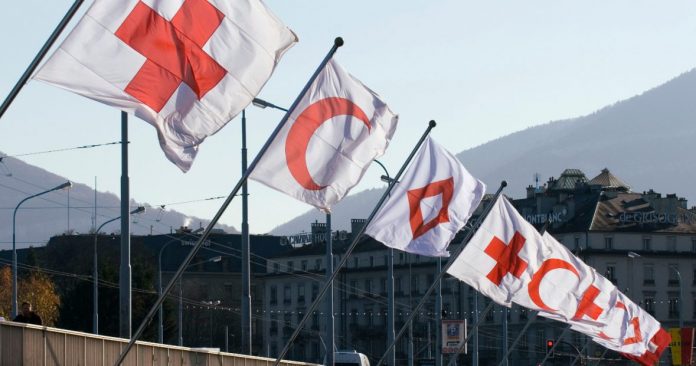
It is necessary to take steps to guarantee that international humanitarian law must be followed to avoid warfare. States have a responsibility to teach their armed personnel and the broader public about their regulations. They must either prevent or punish violations if they do occur. They must, in particular, pass legislation to punish the most egregious breaches of the Geneva Conventions and Additional Protocols, which are considered war crimes. The States must also pass laws protecting the red cross, red crystal, and red crescent emblems. These are symbols of protection that international law grants to the injured and sick, as well as to those who care for them, in armed combat. Significant measures are required at an international level: tribunals should be created to punish acts committed in armed conflicts. The 1998 Rome Statute established an International Criminal Court with the mission of prosecuting crimes such as war crimes. We may all make a significant contribution to conformity with international humanitarian law, whether as people or as governments and other organizations.

Conclusion

The goal of international humanitarian law is to reduce the suffering caused by conflict and mitigate its consequences. Its regulations are the product of a delicate balance struck between the demands of battle or military necessity on one side and the laws of humanity on the other. humanitarian law is a delicate subject that is never tampered with. It must be honored in all circumstances for the sake of the survival of human ideals and, in many cases, simply to safeguard life. Each of us may contribute to a deeper knowledge of the humanitarian law’s major aims and essential beliefs, paving the path for greater respect for them. Better adherence to humanitarian law by all states and participants to armed conflicts will go a long way toward making the world a more humane place.

References 


LawSikho has created a telegram group for exchanging legal knowledge, referrals, and various opportunities. You can click on this link and join:

https://t.me/joinchat/J_0YrBa4IBSHdpuTfQO_sA

Follow us on Instagram and subscribe to our YouTube channel for more amazing legal content.

Download Now

Impact of media on the law-making process : blessing or curse

0

This article is written by Gautami Kamat, an intern at LawSikho. 

Introduction

In democratic societies, power emanates from the people. Laws in such a society have to be in conformity with the fundamental rights of people. Any law that infringes such a fundamental right is considered detrimental to society and is thereby struck down. Participation of people in the lawmaking process in democratic societies is of decisive importance particularly because it ensures transparency between lawmakers and people at large and also keeps infringement of fundamental rights in check. 

Laws are made by the legislature. However, the lawmaking process has an added aspect i.e. the concept of ‘Judicial Review’ that confers upon the judiciary, the right to strike down any legislation that is ultra vires to the provisions of the Constitution of India. This facet of the lawmaking process enables the judiciary to take cognizance of laws that tend to violate constitutional provisions.

The word ‘media’ cumulatively refers to various means of communication. Media not only plays an eminent role in the dissemination of information but also assists the masses in expressing their views by employing debates and discussions so organized. Moreover, it is by far the greatest medium to exercise freedom of speech. Such pronounced importance of media in democracy has earned it the title of “the fourth estate.” Broadly speaking, media can be categorised as press media, broadcasting media, and internet media.

Mechanisms such as judicial review and public interest litigation (PIL) are often adopted in democracies to safeguard the violation of the fundamental rights of the citizens. However, for the healthy functioning of a democracy, it is imperative that the media in such a society plays a dual role:

  • Firstly, it should ensure the coverage of laws made by the legislature and undertake its scrutiny. 
  • Secondly, it should collect the general opinion of the public and bring it to the attention of the lawmaking authorities. 

In the following article, the impact of media on the lawmaking process will be discussed by weighing the pros and cons of such influence and by observing instances when media coverage has resulted in new laws or amendments to existing laws. Further, freedom of the press and its legal status in India will also be briefly discussed.

Impact of media on the law-making process : a blessing

Media as a connecting link between the masses and the lawmakers

  • Media plays a vital role in the lawmaking process in a democracy, especially by bringing new laws into scrutiny by engaging in deliberations and debates that amplify the fundamentals of such legislation, enabling the masses to interpret the law and form a conjecture. 
  • Media also engages in interactive measures whereby it attempts to infer the popular belief on a particular law. 
  • Consequently, lawmakers tend to use the media as a tool to assess the general opinion of the masses on any legislation. 

Thus, one can often observe that the media forms a connecting link between the masses and the lawmakers, having an impact on the law-making process, directly or indirectly.

Which form of media has a greater influence on the opinions of people?

Not all the categories of media have a pronounced effect on the law-making process. For example, In India, statistics show that:

  • Newspapers in the English language have significantly less readership as compared to newspapers in vernacular languages. 
  • Further, a section of society depends on broadcasting media i.e., television, radio, etc., for daily news consumption. 
  • Besides, with the advent of the internet, e-news portals and social media have become the contemporary means of communication and information consumption, owing to their efficiency in dispensing a wide range of information and ease of access that provides a larger platform to the masses to express and to be heard. 

However, in recent times,  digital media has had a greater influence on the opinions of people, thereby also being capable of having a significant impact on the lawmaking process. 

How does the media impact the lawmaking process positively?

When a large number of people are primed by the media about a particular law, they deliberate on the law and form an informed opinion. When popular belief regards a particular law to be violative of fundamental rights, the people protest against it. Such protests expand when they get adequate media coverage, obliging the concerned authorities to reconsider or amend a particular law. 

Media, thus, has adequate potential to persuade the authorities to change the course of the lawmaking process. Such ascendency of the media can be seen on numerous occasions:

  • In the Nirbhaya Rape Case, public outrage against rape and public opinions about the then existing rape laws in the country were tremendously amplified by media, which led to pathbreaking amendments in the criminal law of India, specifically the provisions for rape under the Indian Penal Code. 
  • Similarly, in the case, Justice K. S. Puttaswamy & Anr. v. Union of India & Ors, pressing concerns of the masses regarding privacy were made to be heard far and wide by the incessant media attention that it received, such that the State was compelled to acknowledge privacy concerns, which further paved the way for the judiciary to recognise ‘Right to Privacy’ as a Fundamental Right under Part III of the Constitution of India.

Media particularly succeeds in obliging the authorities by subjecting them to constant public scrutiny, which enhances their sense of responsibility, ensuring a judicious law-making process.

Impact of media on lawmaking process : a curse

As quoted by Yuval Noah Harari in his book ‘21 Lessons for the 21st Century’, “In a world deluged by irrelevant information, clarity is power.” So far, the impact of media on the lawmaking process can be seen as no less than a blessing. As long as the media resolves to provide legitimate and unbiased information to the public regarding laws and to amplify genuine public opinion, it will positively impact the lawmaking process. 

This, however, does not negate the probability of the media running a piece of manipulative narrative about laws and the object that they sort to achieve by fanning misinformation or biased news to the extent that public opinion is mutilated and further amplified. This can have serious implications on the lawmaking process in a democratic society, impeding the lawmaking process. 

Politically motivated media becomes a monstrous threat in such a scenario. The pressure created by the media arises from the information that it provides the masses with as well as the opinion of the masses that arises from such information. Politically biased media will delude the public and significantly alter its beliefs. Controlled media may become incompetent to provide adequate coverage of various laws made in the country. Such media will be ineffectual in persuading prompt action of lawmaking authorities.

Safeguarding freedom of the press

The makers of the Constitution of India were conscious of the importance of the right to freedom of speech and expression. Thus, a constitutional provision under Article 19 was made in order to safeguard this right. This provision also encapsulates freedom of the press.

We observe that ‘Freedom of Press’ has not been expressly mentioned under Article 19(1)(a). This is because, in the constituent assembly debates and deliberations, it was clearly established that the press’, as well as an individual’s right to freedom of speech and expression, are equivalent. Thus, the need to expressly mention freedom of the press was not felt.

Primarily, freedom of speech has three important limbs. They are:

  1. Freedom of access to all sources of information,
  2. Freedom of publication,
  3. Freedom of circulation.

Abridging even one of these limbs would constitute a violation of Article 19(1)(a). 

The judiciary has reiterated the importance of the freedom of the press in a democratic setup in multiple judgments: 

  • In Romesh Thappar v. the State of Madras, the entry and circulation of the English journal “Cross Road”, printed and published in Bombay, was banned by the Government of Madras. This was held to be violative of the freedom of speech and expression, as “without liberty of circulation, publication would be of little value.” 

To preserve the democratic way of functioning of a society, it is essential that people should have a certain degree of freedom to express and propagate their beliefs, ideas, opinions, and thoughts. At the same time, people in such societies have the right to know, which constitutes the fundamental principle behind the freedom of the press. However, with freedom comes responsibility. This is when curtailing misuse by imposing reasonable restrictions becomes imperative.

As such, freedom of the press under Article 19(1)(a) is subject to the restrictions mentioned under Article 19(2). These restrictions keep the misuse of freedom of expression in check. However, there have been instances where the legislature sought to curtail the freedom of the press further by introducing other legislations. 

  • In the case Sakal Papers (P) Ltd. and Ors. v. Union of India, the Daily Newspapers (Price and Page) Order, 1960 was declared violative of Article 19(1)(a) as it imposed a restriction on the number of pages and the size that a newspaper could publish for a particular price was fixed, which was held unreasonable.

Thus, we can conclude that only media that is free from unreasonable restrictions as well as from any element of coercion or bias can successfully influence public opinion which makes it an institution that can significantly affect the law-making process in a democracy.

Conclusion

Having discussed the influence of media on the lawmaking process, we can conclude that; whether such an impact is a blessing or a curse is determined by several factors such as ease of access to media, competency of media as well as freedom of media. However, in contemporary times, it is found that hardly a few laws get media coverage, while most of them make past media attention. 

It is important that the coverage of the lawmaking process by the media should be significantly enlarged to provide information regarding the majority of the laws being made by the legislature. There is an urgent need to curb the menace of politically controlled media that resorts to spreading biased information regarding laws introduced or made, manipulating and often sabotaging public opinion to suit the interests of a particular party. 

References

  • V. N. Shukla’s Constitution of India, 13th Edition.
  • The Media’s Role in Lawmaking: A Case Study Analysis Lotte Melenhorst.
  • Dr Rusha Mudgal & Prof. (Dr.) Pooja Rana, Future of Print and E-Newspaper In India: A Critique, EPRA International Journal of Multidisciplinary Research (IJMR), 159-164 (2020).

Students of LawSikho courses regularly produce writing assignments and work on practical exercises as a part of their coursework and develop themselves in real-life practical skills.

LawSikho has created a telegram group for exchanging legal knowledge, referrals, and various opportunities. You can click on this link and join:

Follow us on Instagram and subscribe to our YouTube channel for more amazing legal content.

Download Now

Rape shield laws : a historical discourse

0

This article is written by Indrasish Majumder.

Introduction

The issue of rape shield laws has been brought in a foray by the highly publicized prosecution of Kobe Byrant the NBA star in light of the charges of sexual assault against him. The internet and social media reciprocated the allegations by dispensing light on the past sexual history of the alleged victim. The trend to glean negative attention on the sexual history of victims reinstates the need for strong rape shield laws safeguarding the decision making power process for jurors in rape trials.

Historically, rape shield laws were aimed towards condemning women for not having led sexually chaste lives. It was insisted by law to consider the importance of the sexual history of a woman in adjudicating the truth of her allegation in a complaint of rape. It was considered more likely that a chaste woman would withstand the sexual advances of the accused and would have lodged a legitimate rape complaint. On the other hand, an unchaste woman was considered more likely to have yielded to the advances of the defendant and to have lied later. Therefore, a powerful informal normative narrative was ingrained in the rape laws; that to procure legal protection, women should sustain an ideal of sexual abstinence in rape crimes.

The second wave of feminism and the enactment of rape-shield laws 

The second wave of feminism of the 1960s and early 1970s can be credited to the implementation of the Rape Shield laws in the United States and it was the wave’s Anti-Rape propaganda that reformulated the notion of rape. Before the 1960s rape was perceived as a sex crime committed by “pathological men” incapable of controlling their sexual desires. With the introduction of concepts such as gender, power differences, and equality during the second wave of feminism, rape was perceived as a medium of power-play reinforcing notions such as masculinity, femininity in a chauvinist hierarchy placing men over women. This viewpoint of rape was revolutionary in defining the crime from the perspective of the survivor, as a matter of paracentric dominion over a woman’s sexuality. 

Consequentially, by the 1980s majority of states had included marital rape in their laws, excluded the requirement to have rape witnesses, decreased the age for statutory rape from twelve to ten, redesigned the definition of consent (particularly in cases of submissions out of fear, lack of consent) and included Rape Shield Laws in their books of the statute. The inadmissibility of the sexual history of the survivor in court inspires the women to report more crimes relating to rape and stand in court with honour deprived of the fear of their past sexual conduct being utilised as a weapon by the defendants, to demean them causing a metaphorical “second rape”.   

Shortcomings of a rape-shield legislation 

However, irrespective of the victim-centric approach of the laws as exemplified by their inclusive stature, there are loopholes. E.G. Rape shield laws often fail to include cases involving women engaged in sexual relations with the defendant, prostitutes, women regularly visiting bars to lure sexual partners and other women deemed similarly licentious. 

Even though the admissibility of a rape complainants’ sexual history is disallowed by most rape shield laws, except under limited circumstances, the exceptions more often than not impact the protections the law approbates to the victims. The “Federal Rule of Evidence 412” enumerates for instance “evidence of a rape complainant’s sexual is inadmissible, except (1) when offered to prove that a person other than the accused was the source of semen, injury, or other physical evidence,” (2) “when it is offered to prove consent and it consists of specific instances of sexual behaviour by the alleged victim concerning the person accused” or (3) “when the exclusion of the evidence would violate the constitutional rights of the defendant.” 

While the first exception, considering its narrow stature may be deemed appropriate, the second and third exceptions to the federal shield, in certain ways, impact the effectiveness of the armour. The second exception for instance creates a crack on the shield. Data from the “Department of Justice” elucidate “sixty-two percent adult” and child rapes are perpetrated by prior acquaintances i.e ex-spouses, boyfriends and in cases of children adult males with whom the child shares a fiduciary relation namely brother, uncle, father etc. The third exception allowing admission on grounds of violating the defendants’ constitutional rights-almost breaks down what is left of the shield after the second exception considering the trend among courts to routinely exaggerate the scope of the constitutional right of the defendant to inquire into the past sexual history of the complainant.

Rape shield laws: a study in the context of India

After the “Jyoti Singh Gang Rape Case of 2012”, the center in an attempt to make “sexual assault laws” robust implemented “the Criminal Law Amendment Act, 2013”. Section 53 A incorporated by the 2013 Act in the “Indian Evidence Act” perceives the character of the victim and her past sexual history with the victim as immaterial in establishing consent.

Provisions in the Indian evidence act protecting survivors of rape 

Section 146 of the Evidence Act amended by the 2013 Criminal Law Amendment Act, 2013 explicated character evidence of the victim does not carry any probative value in trials and denied the admission of questions in cross-examinations for purposes of corroborating the previous sexual experience of a victim in rape cases thereby bridging the unequal power dynamics between the parties. The Legislature has attempted several times to prevent defence lawyers from hurling attacks on the character and credibility of the victim and re-track the trial based on more relevant evidence e.g. lack of injury, consent, which holds more probative value. The Indian Evidence Act does not enumerate any specific circumstances when the rape shield law should not apply thereby approbating an “absolute” shield. The “Indian Penal Code” under “Section 228A” penalizes disclosure of the rape victim’s identity.

Shortcomings of the legislative reforms 

However, partly due to shoddy draftsmanship, irrespective of the legislative reforms, the character of the victim is regularly adduced and questioned. While provisions in statutes allowing the usage of character evidence in rape trials or sexual harassment cases were disallowed in 1983, only in 2002 such a line of questioning was banned, with the incorporation of Section 146 of the Indian Evidence Act”. Even after 2002, there have been instances wherein the names and other details of the rape victims have been published by the Indian Courts in judgments. 

In one such instance the High Court of Bombay in 2017, observed the need to corroborate the testimony of the victim in rape or sexual assault cases, particularly where the women are habituated to sex, and acquitted the man of all charges. It was upheld by the court in such situations there is a possibility for the women driven by an “instinct of self-preservation” to level accusations of rape against the accused. The Bombay High Court effectively in its judgment recognized the relevancy of the past sexual behavior of the victim and mandated for the victim to corroborate her testimony in accusations of rape/sexual assault failing to provide a “rape shield” to victims in-process and leaving him/her victim vulnerable to shaming and criticism.

Considering the micro-linguistic procedures via which evidence is introduced in a rape trial the current Rape Shield Laws fail to consider such intricacies. Inferences concerning the past sexual conduct of a victim are embedded in our social fabric.

Stereotypes concerning survivors of rape and the Indian judiciary 

In the case of State v. Narendra Singh @ Monty, for instance, the complainant a domestic help deployed through an agency, filed a complaint of rape against her employer. In course of the trial and the judgment, the judge made several observations on the nature of domestic helps to falsely accuse their employers of rape to coerce them into submitting to their demands. He noted in the present case that a report of theft had also been filed by the accused, pending against the prosecutrix. The prosecution’s failure to establish beyond a reasonable doubt, of the accused’s guilt, was presumed by the defence lawyer to imply she had lodged a false complaint, more so because of the occupation of the complainant. Presumptions of such kind about certain socio-economic groups in the mind of judges and lawyers adversely influence the outcome of cases.

In another case before the “Apex Court” “State v. Mahinder Singh Dahiya” the prosecution’s description included the victim’s serial monogamous nature. While a description of such kind may not be expressly barred under Section 144A, it influences the mind of the judge, compelling him/her to believe consent on part of the complainant was high. Therefore, when interpreted in this manner, the interactional environment of evidence in testimony, reveals the systemised limitations of “rape shield laws” in the face of “covert descriptive inference”. 

Without completely rephrasing the language of evidence that governs testimony more generally, rape shield laws transform only specific elements of the language of evidence. Therefore, these laws render only a limited effect in terms of assuring the rape victim that her past sexual conduct shall not be relied upon in court to shame or defame her. The ability of a rape reform legislation to revolutionize in this context is limited considering the relation between law and society and how it is deeply embedded in our language practices and social fabric.

Repercussions of stereotypes against the victims on the effective implementation  rape-sheild laws 

In addition to defeating the purpose of Rape shield laws, indirect referencing to the victims’ past sexual conduct and humiliation and objectification that comes along with can render alarming consequences on the physiological health of the victim and society. It dissuades women from reporting crimes of rape. Numerous cases point to the above-stated concern e.g. Bodhisattwa Gautam v. Subhra Chaudhury wherein the court deliberated on the implications of allowing evidence concerning the past sexual conduct of women in court. The court explicitly stated allowing such evidence in court would lead to more cases of sexual assault going unreported in our country and add to the country’s already lamentable statistics on rape trials. 

Using such language prevents the court from getting to the root of the problem and clouds the judge’s application of mind, thereby infringing the victim’s right to a “free trial”. The focus shifts from the accused to the victim and the question changes from whether a rape occurred to whether the victim was capable of being raped, in the first place. The improper usage of “Rape Shield laws” infringes a women’s right to privacy by setting her private engagements to public exhibition. 

Two-finger test 

The two-finger test (often referred to as the “virginity test”) is often used in rape trials to discern if the complainant is used to sexual intercourse. The test before being criminalised in several jurisdictions involved inserting two fingers in the victims’ vagina to determine vaginal laxity; the test is surmised on the belief that the women are sexually active if the vagina was “lax” enough, and if so she may have consented to the sexual assault in question. However, the test was determined as arbitrary because the laxity can be attributed to physical activity and exercise as well. The test was used to prove consent in rape cases in India until a Supreme Court bench comprising of “Justice B.S Chauhan” and “F.H.I Kalifulla” held in 2013 that the test violates a women’s “right to privacy” and suggested to the government the formulation of better medical procedures confirm sexual assault. 

The presumption that a sexually active woman is dishonest is the inherent problem with virginity testing. While the concerns of a woman bringing charges of rape against an ex-boyfriend/husband are justified, the rape shield laws even in such cases can be eclipsed only to the extent of allowing evidence of the victim’s past sexual history with the accused in question and not any third party.

While accusing a woman of leveling rape charges against a former partner out of malice is easy, there is a possibility the accused was seeking revenge on the victim (with whom he was in a relationship) and chose to showcase that by raping her. The uploading of sexually explicit pictures and videos of a person (usually a former partner) without his/her consent (also known as revenge porn) is an example of how men use sex as a weapon to seek revenge on their former partners. The Indian judges must additionally recognize how the law expressly provides for a rape shield to ensure the victims are protected in rape trials.  

Paving the way for a new rape shield law

The trend of computing victims of rape against a prototype of sexual propriety must be spurned as unethical and be exposed to the public. Even though rape shield laws have been critiqued by many lawyers, there has been limited developments on the subject of rape law and narratology. “Legal Narratology” allows us the levy to inquire into how stories are appraised, and if the stories elicit any iota of justice. The prevailing injustice in the current system of rape laws is exemplified upon approaching rape laws through narratology. “Truth Beyond Reasonable Doubt” is the clarion call endorsed by law, however in cases of rape, a fictitious and domineering narrative gains preponderance over the victim’s real experiences. The law must aim to address and rectify this “narrative problem”. It becomes apparent that a new model needs to be formulated via a legal narrative. The model would not be limited to defining rape shield laws as a protective measure but would create a space enabling individual narratives to gain success in court, creating in the process a substructure offering justice and respect to rape victims.

The leering innuendo’s often used in a courtroom trial concerning a victim of rape renders massive irreparable psychological damage. Therefore, the mere consideration of evidentiary rules is not likely to render any success unless the language of evidence is accounted for. The course of courtroom discourse is not mechanically shaped by statutory innovations. The language used in rape trials needs to be empirically scrutinized by the pronouncers of reform, to envisage the success the proposed reform is likely to render. The phallocratic assumptions in a rape trial need to be scrutinized, to make the trial endurable and inspire women to take recourse to law and not any extra-judicial means. 

An important role is played by judges in this respect in influencing the direction the trial steers, the kind of and manner in which the questions are asked. Their inaction is therefore unjustified. Lawyers on similar lines are duty-bound to strike a balance between their roles of operating as officers of Courts and defending their clients. As long as a phallocentric view is adopted concerning a women’s past sexual history in a chauvinistic society, elements of a tormenting rape trial are likely to persist despite reform legislation. However, the same does not imply there is no room for improvement or critique. It is, therefore, the author’s urge to further a dialogue concerning the above suggestions with women across the world that Rape Shield laws shall one day become a matter of intercontinental treaties, namely the “1981 Convention on the Elimination of all Forms of Discrimination against Women (CEDAW)” if not of regional legislations. Rape Shield Laws could become globally particular. It needs to be understood rape survivors prevail across the world and not only where the law safeguards them.

Conclusion

An important function is played by Rape Shield Laws in safeguarding victims from unethical prying by the defence into their past sexual shenanigans to devalue her account of events. However, the shield despite its commendable intentions, when gleaned through legal narratology, propounds an archetypal story of rape that renders a harmful impact on those victims who fail to align their story with the stereotypical dogmas. The protection approbated by rape shield laws, therefore, needs to be refurbished into a consent framework. The law by basing the inquiry on consent would enable the complainant to provide his/her personal account of events, then compelling them to fit in their stories and characters to a socially acceptable “believable” set of events. Therefore, it is maybe time to reinforce the rape shield laws and ensure the achievement of two important purposes i) provide all victims of rape real protection during the trial process ii) safeguard the fundamental function of the criminal trial i.e. seeking the truth. 


Students of Lawsikho courses regularly produce writing assignments and work on practical exercises as a part of their coursework and develop themselves in real-life practical skills.

LawSikho has created a telegram group for exchanging legal knowledge, referrals, and various opportunities. You can click on this link and join:

Follow us on Instagram and subscribe to our YouTube channel for more amazing legal content.

Download Now

Circuit split of CFAA resolved by the Supreme Court

0

This article has been written by Aashish Mittal pursuing the Diploma in US Corporate Law and Paralegal Studies from LawSikho.

Introduction

Everything comes with pros and cons. Undoubtedly, technological developments have made our work as well as our life easier, but there are certain limitations. To bridge the gap between its usage and the limitations certain checks and balances need to be taken care of. One such legislation in the USA is the Computer Fraud and Abuse Act (CFAA) which has paved its way to criminalize the conduct of accessing other computers without authorization and other such activities of similar nature.

Recently the US Supreme Court has held a historical judgment where it has resolved the Split decision between the Circuit Courts in the case of Van Buren v. United States [593 U.S._(2021)]. The circuit courts have relied on two different interpretations of sec 1030(a)(2) of CFAA for a very long time which shall be discussed in this article and how the Supreme Court had held a judgment resolving the split.

In this article, firstly a brief introduction to the legislation CFAA is given, further as to consequences which brought this matter to the Supreme Court and the court siding with the narrower interpretation of the circuit split decision will be discussed. The court’s analysis while deciding the matter also gives a view upon such conducts CFAA is not applicable will be dealt with along the CFAA being the criminal legislation, and lastly the author’s analysis about the court’s decision.

What is CFAA?

The Computer Fraud and Abuse Act (CFAA) is an act codified at 18 U.S.C. 1030, and it was originally enacted by Congress in 1986 to combat and criminalize different forms of computer crimes. Among other things mentioned in the act, this act criminalizes intentionally accessing the computer without the concerning authorization.  

Technological advancements are witnessed and are still increasing which requires time to time amendments and updated regulations to pace with such technology. CFAA has also been amended and modified multiple times to achieve the very objective for which the act was enacted. 

In 1994 CFAA spread its hands in civil matters. The amendment allowed the corporations to bring civil actions against the persons who have gained unauthorized access to the company’s information and used it against them. 

This Act prohibits individuals from obtaining or accessing different categories of information mentioned in the act. The act defines the word “exceeds authorized access” which means accessing a computer without authorization which involves the sort of activities like hacking, password theft, or any similar activities to break into a system or acquire the access credential of the computer; and another term “exceeds authorized access” under section 1030(a)(2) of the CFAA is also defined which is less clear from the given Act’s language and its interpretation is very conflicting, the conduct where an individual access a computer “with authorization” and then obtains the information which he is not entitled to obtain. 

A brief overview of why this matter came to the court

The Circuit Court had two different views related to the legal issue ‘whether an individual under the CFAA has exceeded authorized access by obtaining information from a computer for an improper or unacceptable purpose, for which the same information was not authorized such as misappropriating it or for the purposes such as personal, regional, or unrelated to the access granted’. 

Van Buren, a police Sergeant used the law enforcement database to track down a license number plate of an individual to find out the same individual if he is an undercover officer in exchange for consideration and this act of his was considered to be considered violation of CFAA under sec 1030(a)(2) and the matter came to the Eleventh circuit who broadly interpreting the same held sergeant liable for which sergeant appealed to the Supreme Court in the case accepted the Certiorari of the defendant and the same matter had been taken upon by the court to resolve the split circuit decision and to clear the legislative interpretation of the same.

The above issue had different answers on where the Van Buren claim was litigated and upon which there is a split circuit decision. 

  • First, Fifth, Seventh, and Eleventh Circuit favored broader interpretation of the term “exceeds authorized access.” It states that when there is conduct which a person is authorized to do under CFAA in the computer system such as access files and folders, but the same conduct if used for improper wants, requirements, motives, such as personal or unrelated to the purpose for which such authorization had been granted, than it can be deemed to violate CFAA irrespective of the fact that such persons were legitimately entitled to or has been authorized to access the information for certain purposes.
  • The second interpretation is a narrower one in which the Second, Fourth, and Ninth Circuit were of the opinion that the conduct of a person to access and to use the information for the purposes not related to the access granted does not violate the provisions of CFAA. This is because prima facie the person was authorized to access the data and consequently the motive to use such data for unrelated purposes is immaterial for liability.

The legal issue before the Supreme Court

The long-standing debate of the term ”exceeding authorized access” has been cleared and put an end by the supreme court in the case of Van Buren vs. the United States with a decision in favor of the Ninth circuit narrower interpretation had been favored by the Supreme Court where the issue before the court was whether a person who is authorized to access information on a computer for certain purposes exceeds that access under sec 1030(a)(2) if he accesses the same information for an improper purpose.

Supreme Court decision and its analysis

The Supreme Court in Van Buren’s Case has taken up some constructions and sided with the narrow perspective of interpretation of the Ninth Circuit. A 6:3 majority ruled in favor of the appellant and provided him the liberty to put up the hypothecation of the two terms “without authorization” and “exceeds authorized access.”  part deals with a conclusion that the person can access or cannot access certain areas of the computer database. If he can then the intent behind the same as to how or for what purpose he wants to use is not of value, as prima facie he has the authority to access the same, otherwise broader interpretation will lead to a chance of havoc. This is because it would allow an employer to bring an action against every employee who wishes to work for someone else.

The Court before concluding has to lay their hands on different constructions to satisfy both themselves and the parties as to why the narrower interpretation is more convenient and progressive in the long run:

  1. The statutory construction for which the language of the definition of “exceeding authorized access” in the CFAA has some words which while construing creates some confusion as to whether such terms are of analysis based on intent or otherwise. ‘That the accessor is not entitled so to obtain or alter the words “entitled” and “so” in the language of the definition have been construed by the court and sided with the opinion that irrespective of the intent the same access, if not required in the first place, would not have brought up the question of analysis of intent or any motive. Since the same information was allowed to be accessed by the Sergeant then the intent behind it to use it for any purpose is not required.
  2. Policy Arguments from the side of the government which came up with an issue that whether a broad interpretation is against the congressional intent behind the CFAA and would disrupt statutory harmony with related provisions. If yes, will it grant the side of the government an enormous power and authority to criminalize every act of the employee under the purview of the similar arguments. So, to come up with a better solution and a progressive front the answer to the given issue was to favor the narrower interpretation.
  3. Common Sense as to whether the conduct of the sergeant’s breach of employment policy and his unethical behavior falls within the ambit of CFAA.

After due consideration and listening to the arguments of both sides the court held that CFAA covers and hold those individuals in violation who have to obtain information from those computer databases or files or folders from which their computer does not provide them access and finally stating the reasoning for the same that it “Does not cover the likes of Van Buren, who have improper motives for obtaining information that is otherwise available to them”.

Analysis of the decision of the Supreme Court 

The Supreme Court analyzed and put an end to a long-standing Circuit Split of the CFAA for which the court has reversed the Eleventh Circuit conviction order of Van Buren under the CFAA. It has also provided the interpretation of “exceeding authorized access” which has brought numerous cases under the purview of broader interpretation and passed the orders like in the United States v. John (597 F.3d 263, 271-72 (5th Cir. 2001)) in which an employee downloads confidential information which she was allowed to access for some other purpose unrelated to work, and the court held her to violate CFAA and saying that the defendant exceeded his authorized access by improperly using information that he was authorized to access.

The Supreme Court judgment has opened many gates for researchers and other professionals who require public databases and want to use them for their research as it would dissolve them of the liability from the cybersecurity. Further, creating a narrow liberal interpretation has also made criminal liability on the authorized accessors to know the limit upon which their conduct is protected and what they should and should not do to know that they are not in violation of the same.

It is a progressive step towards the future of computer cybersecurity and also it will protect and prevent employers who harass their present and past employees. In light of the narrower interpretation, the intent behind the definition of “exceeding authorized access’ is to prohibit those accessors who access files from a computer database which they are not allowed i.e., unauthorized access to computers which will result in hacking the system entirely and committing violations of other statutes too.

Conclusion

The Supreme Court is entrusted with a duty to give decisions using the very basic understanding of the issues involved in any case and which satisfies the need of the legal issue as well as provide justice to the parties involved at the same time. It so happens sometimes that some provisions of statutes require interpretation and also to understand the purpose of the Congress behind such provision the courts have to break the language of such provision and try to make the ends meet. In the case of Van Buren v. United States in which the Supreme Court has interpreted Sec 1030(a)(2) of the CFAA which defines the term “exceeding authorized access” which has modified and created the value of the provision as social welfare. 

The Supreme Court has not only protected the employment interests but also has kept in mind the greater good which the judgment will provide as it will allow the development in the fields of research projects, university case studies, and other similar activities which involve the users to access public data and details which are sensitive information and will be allowed only if the access of data is granted by the concerned authority. The narrower interpretation of the term “exceeding authorized access” which the Supreme Court has made, has created a place to harbor development in different fields by making the accessors work with liberty and under no threat of criminal prosecution which will also increase productivity and efficiency.

In the events of such a drastic step to give a liberal way to the accessors to use the information in the way as they think fit, the judgment says that motive behind such information, if the access is granted, is immaterial and will surely in future, increase the chances to evade the liability under the CFAA. The Statute still requires some changes to counter the issue where accessing information and using the same for unwarranted purposes will evade the liability only because the access was provided for the information initially. 

Development and crime go hand in hand and where one finds a way, the other will also prevail, so lawmakers keep on coming with the amendments and changes to balance both. So, to create a balance between development and crime the Supreme Court in choosing the narrower interpretation of the CFAA term “exceeding authorized access”, it is the duty of the lawmakers to come up with a counter solution to not allow the accessors of the information to get away with the liability every time they face criminal prosecution. The statute requires some progressive steps in the area of liability in terms of the motives and the intent to criminalize the potential actions which can damage the other side. 

References

  1. https://www.jdsupra.com/legalnews/supreme-court-resolves-circuit-split-on-1436989/#:~:text=Supreme%20Court%20Resolves%20Circuit%20Split%20on%20Access%20Under%20Computer%20Fraud%20and%20Abuse%20Act,-Alex%20Meier%2C%20Dawn&text=By%20a%206%2D3%20decision,otherwise%20available%20to%20that%20person.
  2. https://www.supremecourt.gov/opinions/20pdf/19-783_k53l.pdf.
  3. https://www.natlawreview.com/article/supreme-court-ends-long-running-circuit-split-over-cfaa-exceeds-authorized-access.
  4. https://www.dlapiper.com/en/japan/insights/publications/2021/01/disputes-issue-2/supreme-court-dives-into-circuit-split-over-the-computer-fraud-and-abuse-act/.
  5. https://freemanlaw.com/computer-fraud-abuse-act-cfaa/.
  6. https://www.wired.com/2014/11/hacker-lexicon-computer-fraud-abuse-act/.

Students of Lawsikho courses regularly produce writing assignments and work on practical exercises as a part of their coursework and develop themselves in real-life practical skills.

LawSikho has created a telegram group for exchanging legal knowledge, referrals, and various opportunities. You can click on this link and join:

Follow us on Instagram and subscribe to our YouTube channel for more amazing legal content.
Download Now

Understanding the Bentley dispute and the need for a rebranded intellectual property

0

This article has been written by Ashutosh Singh, a student of BA.LLB (Hons), at Amity Law School, Amity University Kolkata. The article analyses the Bentley dispute to understand the need for registering the trademark and the need for a rebranded Intellectual Property.

Introduction

Trademark protection is very important and is given by the nature of a company’s business. It is very important for the venture-backed, high growth of business enterprises and it shouldn’t be overlooked. If a business is considering getting a brand then it is important to understand that Intellectual Property (IP) is parked at the intersection between marketing, business, and branding. Copyright, trademark, and design are the relevant IP areas to brands in the market. Identifying the IP right is a better way rather than discussing the contexts in which IP is relevant. Building a brand on solid foundations involves taking account of IP risks and opportunities very early on, so one can avoid the need to undo ill-considered actions.

There is an image problem with Intellectual Property and this is why its importance towards branding is often misunderstood. If one wants to create a brand that will win over people or one is going on a branding exercise then it is important that one focuses on the intersection between marketing, trademarks, branding, and IP. For example, the business of Bentley Clothing was founded in 1962. In 1982, its trademark was registered under class 25 which covers clothing at the UK Intellectual Property Office,1982.

Like many other car brands, Bentley Motors too decided to manufacture a line of clothing under its leading brand name which led to a trademark dispute with Bentley 1962 Limited and Brandlogic Limited (together called Bentley Clothing). The dispute started when Bentley Clothing had approached the car giant in 1998 about the clash regarding branding. In the recent High Court case of Bentley 1962 Ltd. with Bentley Motors Ltd, the Court emphasized protecting intellectual property and the power of trademarks. This article analyses the importance of the Bentley dispute and the need for a rebranded Intellectual property.   

The companies involved in the dispute

Bentley Motors Limited 

The British origin Bentley Motors Limited is a manufacturer and luxury carmaker which is a subsidiary of the Volkswagen Group since 1998. It is headquartered in Crewe, England. W.O. Bentley in 1919 found Bentley Motors in Cricklewood, North London. It soon became known for winning the 24 Hours of Le Mans in 1924, 1927, 1928, 1929, and 1930.

Bentley Clothing

In 1962, Bentley clothing was founded by Gerald Bentley,  43 years later than Bentley Motors which was already established by then. It is headquartered in Wembley, West London. The Lee family bought the firm in 1990 and it moved to Manchester in the coming years. It did not mass manufacture clothes for the general market but for the customers of the high-end luxury market. Its wider fashion group manufactured and designed garments for Burberry, Gieves & Hawkes and Aquascutum, etc. It has also created country wear, sold in Harrods, Farlows of Pall Mall, and Barneys New York. Lees’ clothing group had factories in Rusholme, Wigan, Ripponden, Stretford, and Ashton-under-Lyne. It had also employed 400 staff at its peak.

Bentley litigation

The problem arose when Bentley Motors, an established car company, decided to manufacture a line of clothing under its leading brand name resulting in a trademark dispute with Bentley Clothing. In 2017, the litigation proceedings began at the High Court in London, but both the parties could not resolve the dispute between them. There were also many unsuccessful attempts that were made by Bentley Motors to cancel the Bentley clothing’s trademark. 

Bentley Motors’ name and logo

When in 1962 Bentley Clothing was established, it filed three trademarks in the UK for ‘Bentley’ in 1982, 1998, and 2008 which were related to its clothing, headgear, and accessories under class 25. The Bentley Motors’ branding on its clothing line up till 2000 was its famous ‘B-in-Wings’ logo that is featured on the bonnet of the Bentley cars. Later on, it distributed the clothing line with the catalogues using the ‘Bentley’ trademark alongside its ‘B-in-Wings’ logo. Both the parties attempted to negotiate the overlapping trademarks but the discussions failed. Then Bentley Motors tried to cancel Bentley Clothing’s trademark rights at the UK Intellectual Property Office. After that, Bentley Clothing started a trademark infringement proceeding against Bentley Motors.

The appeal decision

The High Court in London, in 2019 ruled that Bentley Motors had infringed Bentley Clothing’s trademark saying that it could not use the name ‘Bentley’ on its UK clothing range. Moreover, Bentley Motors was told by the court to destroy all clothes carrying the Bentley Motors logo. After this, Bentley Motors appealed to the Court of Appeals (London) and lost.

The Court of Appeal’s(London) Justice Marcus Smith, Lord Justice Lewison, and Lord Justice Arnold upheld the High Court’s decision collectively. They unanimously held that there was no basis for the Court of Appeal to overturn the lower court’s decision. Bentley Motors and Bentley Clothing had simultaneously sold clothes for many years but, Bentley Motors’ attempts to both revoke and develop a clothing line in direct competition to Bentley Clothing’s trademark that too by using an identical brand name would lead to confusion between the brands.

The law behind the judgment

As per the laws in the UK, a registered trademark is infringed when the infringer uses an identical sign which can be a logo or a name without obtaining consent from the registered trademark holder, for its goods or services. This is despite the possibility of confusion created about the trademark for the average consumer. Despite repeated attempts to invalidate Bentley Clothing’s’ trademark and by developing merchandise side-by-side in direct competition with Bentley Clothing using their identical brand name, Bentley Motors had unintentionally abetted in creating confusion between the brands. As a result, while Bentley Motors and Bentley Clothing have sold clothes contemporarily for many years, this case proves that the peaceful coexistence of trademarks is not an option. The main issue in the case was whether the BM mark was one sign or two separate signs combined together i.e. the ‘B-in-wings’ being one sign and the word ‘Bentley’ being the other.

The bench found the following grounds for infringement in this case which are as follows:

  • Double identity as per Section 10(1) of the Trade Marks Act, 1994 – In the Court’s view, the average consumer would sense the BM Mark to be two separate and distinct marks. What this means is that Bentley Motors’ combination sign would be considered as two distinct signs but used simultaneously.  So, it was found that an identical mark to Bentley Clothing’s ‘BENTLEY’ sign was infringed concerning clothing and headgear in the UK.  
  • Likelihood of confusion per Section 10(2) of the Trade Marks Act 1994 – The dominant part of the Combination Sign is the word ‘BENTLEY’. Thus, there was a likelihood of confusion between Bentley Motors’ combination sign and Bentley Clothing’s signs. This was considered to be an infringement concerning clothing and headgear in the UK. On this issue, the Court again ruled in favour of Bentley Clothing. It determined that, despite Bentley Motors’s extensive reputation, on the assumption that Bentley Clothing had made a notional and fair use of its trademarks, there was certainly a likelihood of confusion between Bentley Clothing’s marks and the BM Mark.

Defence about the transitional provisions of the Trade Marks Act 1994 –Bentley Motors advertised in their catalogue of clothing products like jackets, silk ties, caps, and scarves but did not use the mark on the goods themselves, before the Trade Marks Act 1994 came into force. Before the 1994 Act, Bentley Clothing only had protection for knitted clothing, shirts, and waistcoats. The judge said in this case that the defence only allowed Bentley Motors to continue using the mark on jackets, silk ties, caps, and scarves in promotional literature. They were not allowed on the goods themselves meaning that Bentley Motors could not use the combination-sign on clothing at all.

Bentley dispute : an example that IP is due for a rebrand

IP matters a lot in a business of brand extension, and this case amply illustrates that the Davids can easily beat the so-called mighty Goliaths of this world provided they build their businesses on strong intellectual property foundations. On 1 November 2019, Judge Richard Hacon in the High Court finally settled a 20-year long dispute between one of the world’s most prestigious and recognizable car brands, and a small Manchester-based UK clothing company.

The Bentley case highlights the impending dangers of brand extension from one marketplace where the proprietor’s trademark is exceptionally unique and well-known (cars/motors), into a new marketplace (clothing), where the regular consumer may not comprehend that the relevant goods are associated with that particular proprietor. The effect results in potential confusion in the market, as seen in the Bentley case. 

Bentley Motors can’t be blamed for thinking that their brand was too powerful to ever be challenged. The long and steady trespass by Bentley Motors into the clothing sector, despite knowing of the existence of Bentley Clothing’s prior rights, demonstrates a thoughtless arrogance. The loss faced by Bentley Motors shows that even large, reputable trademark proprietors must approach brand extension cautiously. Needless to say, stepping out of an established market sector into a new area comes with risks. This case is a typical example of a win by David over Goliath.

The perils associated with brand extension can be assuaged with careful and considered research of the potential relevant new market. For this, trademark registries and simple online searches are a good place to start. Being open to a series of meaningful discussions with the competitors, when a potential conflict is found, is an overriding factor in avoiding lengthy battles. If the discussions between the parties had not been allowed to break down, in this case, and if Bentley Motors had seriously taken the protection afforded by Bentley Clothing’s Trademarks, this dispute could have been settled long before it reached the High Court. In true David versus Goliath fashion, a small family-run clothing business (Bentley Clothing based out of Manchester), had reigned over Bentley Motors (Volkswagen owned luxury car makers) for the second time in a long and time-consuming trademark dispute.

There is a lot of learning to be done from the Bentley dispute. This case focuses on the importance of the early registration of trademarks. As seen in this case, registering first can enable even the smallest of the companies to succeed against the largest multinationals. Bentley Clothing registered its trademark first and continued to use it.  It established a monopoly over the word ‘Bentley’ for its clothes in the UK, over some time. However, registration of a trademark alone is not sufficient reason for the protection of the trademark. A business/company would have to continue the use of the trademark to retain it till its validity period. Had Bentley Clothing stopped selling its clothesline under the ‘Bentley’ mark, Bentley Motors would have had no trouble taking the brand name.

Let’s take ‘Maruti’ as an example. If a typical consumer sees the word ‘Maruti’ on any object, such as pencil, incense sticks, pair of shoes, or even a type of food, the consumer is likely to think that the product was in some way associated with the popular car brand. This would be the case despite the possibility of there being an unrelated ‘Maruti’ family in regional India running a pencil manufacturing business for example. In this hypothetical ‘Maruti’ example, and in the ‘Bentleys case’, the current system does not assist the average consumer in dispelling confusion but actually contributes to it. The courts will hold the decision in favour of the party that has registered the trademark first, even if the average consumer associates that trademark with a different (but more famous) brand.

An example of a similar approach, where litigation was avoided, can be seen in Burger King’s Australian operations.

Burger King to Hungry Jacks – the Australia case

‘Burger King’ was already registered and in use by a takeaway food shop in Adelaide, Australia. This is the reason for the known brand ‘Burger King’ to operate under the name ‘Hungry Jack’s in Australia. When the well-known international brand Burger King was founded in 1954, it was originally called Insta-Burger King and it grew quickly through franchising and simplified its name to Burger King and the fast-food restaurant created its flagship burger, the ‘Whopper’, in 1957.

Today, all over the world, Burger King is operating in over 18,000 locations. One can walk into a Burger King anywhere and be assured of getting the same standard of food and their whopper everywhere but one won’t find Burger King in Australia because it’s the only place in the world where Burger King is called Hungry Jack’s. When Burger King came to establish in Australia in 1971, it was learned that there was already a local restaurant called Burger King operating there. So, the local Burger King franchisee of the international brand chose to go with the name Hungry Jack’s instead. However, when one walked into a Hungry Jack’s restaurant, it was absolutely identical to Burger King outlets in the rest of the world in every way, except for its name.

Hungry Jack’s tried to purchase the trademark from the local Burger King over the years but failed. Hungry Jack’s became the largest Burger King franchisee outside of the US, even though it didn’t do business under the Burger King name. After a few years, the relationship between Hungry Jack’s and the Burger King Corporation became strained. 

In the mid-90s, the local Burger King trademark in Australia expired. The international head office of Burger King seized the opportunity to open many outlets, immediately in Australia. Hungry Jack’s (alias Burger King) suddenly found itself competing with the international Burger King and Burger King tried to terminate its deal with Hungry Jack’s. This resulted in the two brands having a contentious relationship for more than a decade. However, in 2001, Hungry Jack’s finally won the Burger King rights to all of Australia but surprisingly after all those years and many attempts to acquire the name, the fast-food company decided to keep the Hungry Jack’s name even though it finally had the right to name the entire Australian chain Burger King. It did that as it was slowly building a brand value in the Hungry Jack’s name. The advantage it had was that it was local and firmly established in Australia. To switch after all that time would have been bad business.

Louis Vuitton v. Louis Vuiton Dak (2016)

This case is one shocking example of international trademark infringement.

A South Korean fried chicken restaurant recently lost a trademark conflict with designer Louis Vuitton (LV) where the infringing party could have easily avoided the legal battle, not to mention the huge fine. The fried chicken restaurant Louis Vuitton Dak (LV dak), made the mistake of naming its business very similar to the popular fashion brand Louis Vuitton.

The issue involved here is whether the use of LV’s ‘Toile Monogram’ in its food packaging by the South Korean fried chicken restaurant amounts to trademark infringement and counterfeiting? In the present case, LV sued the restaurant in Seoul Central District Court because it has a global reputation built through years of honest work and its mark has been misrepresented by LV dak.

The Seoul Central District Court stated that there has been damage caused to the image of LV due to misrepresentation by LV dak and hence it is liable for counterfeiting. The Court ruled in the designer’s favour after it concluded that the LV dak name was too similar to Louis Vuitton and in addition to the name infringement, the restaurant’s logo and packaging also were very similar to LV’s iconic imagery.

LV dak was penalized with a hefty fine for non-compliance, after changing their name immediately after the first ruling to LV dak. This case is a lesson for many brands which can avoid similarly expensive legal battles by avoiding mirroring their brand closely after another. The verdict was in favour of Louis Vuitton.

Starbucks v. Obsidian group (2016)

Starbucks in the month of January 2016, filed a lawsuit against a parent company of New York’s Coffee Culture Cafe after they launched a drink called Freddoccino. Starbucks alleges that the drink appears to be similar to Frappuccino and also that the structure of its name also contains a lot of similarities which can confuse the public market and as a result diminish Starbucks brand equity.

First of all, Starbucks owns the trademarked term Frappuccino. Further, Starbucks has also alleged that Coffee Culture has also created deceptively similar packaging to make the term ‘Freddocino’ look like it is trademarked when that is not the case. After the lawsuit was filed by Starbucks, Coffee Culture Cafe had changed the name of the drink to ‘Freddo’, but Starbucks still proceeded with the lawsuit against it. Coffee Culture had an opportunity to avoid trademark infringement by strongly guarding its trademark, which had an annual value of approximately 1.5 billion dollars.

Rebranding strategy for businesses

Companies keep on rebranding their products either for reactive or proactive reasons. A proactive rebranding of a product takes place when a company wants to show or introduce something new or add something new to the product line or modernize its image. On the other hand, reactive rebranding is done when one company merges with another and there is something negative that has come up about the company in the public or the company has received a cease-and-desist letter from the other company or has some brand marketing issue.

A business owner’s most common desire is to establish a brand that is attractive and well-received with their customers and represents their core values. Big businesses like Coca-Cola, Google, IBM, and 3M have taken this idea and made their brands on such a large scale that they are internationally recognized. On the other hand, smaller companies aspire that their brands and logos get recognized in the local markets. If a company considers investing to launch a new brand, then the company needs to think about the trademark rights of its competitors and also about protecting its trademark. Protecting and clearing branding is very important in this ever-increasing globalized business world.

Once a trademark is registered, it remains in force for ten years without any annual maintenance fees payable. A registered trademark can be renewed every ten years for moderate fees. If a trademark is registered earlier then it assures an exclusivity in the use and converts an intangible property into a personal property of the company or individual which can be, mortgaged or licensed to fund a future business activity. Before deciding on business rebranding, one must consider the legal issues involved. Otherwise, the rebranding strategy will be hollow and put your company’s brand equity in danger.

Protect the logo, name, and tagline

The intellectual property rights that cover one’s brand are copyrights and trademarks and it is important to understand how they apply to one’s rebranding strategy. Copyrights protect the brand; they do not stop someone from using similar branding but trademarks on the other hand stop others from using any related brand design or language. A registered trademark safeguards that an identifiable sign, design, or expression which categorizes one’s products or services of a particular source can only be used by the owner. This also ensures that taglines and business names are protected under the trademark law followed in the state/region/country. Copyright on the other hand grants the creator of an original work exclusive rights to its use and distribution and applies to the brand’s graphic elements. So, while copyrights protect the brand, they do not stop someone from using similar branding but trademarks can stop others from using any related brand design or language. Obtaining the proper copyrights and registering one’s business’s trademarks is one of the first steps of the rebranding process.

The logo of an enterprise will only be protected by registering both copyrights and trademarks. Very important to remember here is that copyright law grants ownership specifically to the creator of the logo. So, if the logo has been created by an external graphic designer, ad agency, or brand consultancy as part of the rebranding process, they will become the owners of the copyright unless their contract states otherwise. Therefore, everything must be in writing that the business commissioning the logo owns the copyright, not the contractor.

Earlier trademarks check

This can be done by making sure that the desired new brand is available for the taking. For many companies, their brand is their most important asset. The last thing one’s company needs is to invest in a new brand or product that is already being used by someone else. A trademark search and analysis is a useful tool not only to determine whether the mark is available to register but also to identify potential conflicts or even litigation from a brand owner with superior rights to the trademark. Only a registered trademark grants its owner brand exclusivity and guarantees that other businesses can’t register even the domain names with the trademark. Thus, it is important to ensure that one is not infringing on any other registered trademark, or else it is a waste of time, money, and effort on a rebranding that one can’t own because of infringement which is not even intentional. Making sure that one’s business has an exclusive trademark is a valuable keystone to any rebranding strategy which can be achieved by the following:

  • One should search for earlier trademarks by checking the repository to see currently registered trademarks and pending applications in one’s region.
  • Check in your region how one gets trademark rights. In the United States, trademark rights are granted to the first entity to use the mark and not to the first to apply.
  • Applying early is significant as even a pending application can secure priority to trademark rights even though it hasn’t yet been used.
  • Trademarks are country-specific and if one has an international rebranding strategy, then one must file for trademarks in each country separately.

Acting quickly in case of infringement

The longer branding disputes remain unresolved, the more costly and complicated they become. Thus, it’s in one’s best interest to act swiftly once any copyright or trademark infringement is discovered. Generally, an email or a letter is sufficient for others to stop, however, a formal cease and desist letter can be used just in case they don’t. It is important to ensure that one’s rebranding strategy covers enforcement. 

Keeping some of these intellectual property considerations in mind when adapting the business and products, in modern times can alleviate the risk of disputes, and at the same time protect the valuable brand of the company and other business assets for the future.

Rebranding intellectual property

In today’s world, the plentiful supply of goods and services in the markets has made life very challenging for any type of business. Every business strives to create new and improved goods and services that will deliver greater value to its customers than those offered by competitors. To differentiate their products from their competitors, businesses depend on innovations that reduce production costs and also improve product quality. 

IP needs a makeover in the modern world. It needs a rebrand because people see it as something boring and irrelevant to them. An aspect of rebranding IP is to ensure that IP and its importance are better understood. IP lawyers have a responsibility to speak in plain language, to be less obscure, and to explain IP’s significance whenever the opportunity arises. The problem arises because lawyers just carry out legal steps such as doing availability searches or registering trademarks or drafting agreements. But IP expert lawyers can do so much more to protect the business. People don’t know how much knowledge trademark lawyers have of branding, that could be available to them in alternative ways such as with brand strategy and choosing an appropriate mark.

Selecting a name that is appropriate for the business’ overall strategy requires expertise in trademarks. It is not just to search availability and register a trademark, but also to choose the right kind of name/mark/logo. The brand name of a business is the single most important decision to be made for its identity, yet what constitutes a good name and the right name for the business is poorly understood. It also pays to coach and mentors the people involved in this area.

All businesses, especially those which are well established and have a reputation in the market, have to rely on the effective use of one or more types of IP to have a significant competitive edge in the marketplace. Business leaders and managers now more than ever, require a much better understanding of the tools of the IP system to protect and exploit the IP assets they own. 

Conclusion

In the modern fast-paced world of business, one has to be both innovative and nimble to stay relevant and accessible to their consumers. But, when trying to accomplish a quick marketing strategy, the launch of a new product line, or rebrand, one can easily let intellectual property considerations slip by. IP can be a major strength, or a major setback, if not managed properly. 

When one operates one’s company under a name they have not trademarked, no matter how long one has been in business or how well-known their name is in the local market, they can expect to eventually receive a surprise which is a cease-and-desist letter from a company that owns the trademark to the name one is using for their company. Therefore, it is better to trademark anything important before developing it as part of your brand. Trademarks are irreplaceable assets of every business. They indicate the source of origin of goods and services and help the customers in distinguishing the goods and services of one business from that of another. Trademark indicates toward a superior quality to which the customer associates the product with and they help promote businesses by generating goodwill and brand value. It is on account of this fundamental quality that they have emerged as one of the most sought-after assets of the 21st century over which varied claims are staked every day before the various judicial and quasi-judicial forums/courts.

References


Students of Lawsikho courses regularly produce writing assignments and work on practical exercises as a part of their coursework and develop themselves in real-life practical skills.

LawSikho has created a telegram group for exchanging legal knowledge, referrals, and various opportunities. You can click on this link and join:

Follow us on Instagram and subscribe to our YouTube channel for more amazing legal content.

Download Now

An overview of 12 important cases by former CJ of Allahabad HC, Justice Govind Mathur

0
Landmark judgments
Image source - https://bit.ly/3yBUAPX

This article is written by Daisy Jain, pursuing B.COM.LLB (Hons) from the Institute of Law, Nirma University. This is an exhaustive article that takes an overview of 12 important cases by former CJ of Allahabad HC, Justice Govind Mathur. 

Introduction 

Judiciary plays a very vital role in ensuring justice in society. When it comes to applying laws to particular cases, one of the most important roles of the judiciary is to decipher (help understand or make clear) the law. Every law requires a comprehensive understanding before it can be applied to a particular situation. The judges are responsible for carrying out this role. When it comes to the law, it means what the judges interpret or derive its meaning. Justice Govind Mathur, the former Chief Justice of Allahabad High Court, is known for pronouncing public-centric judgments since his past tenure, from quashing many illegal detentions to the removal of posters attacking the state authorities during the CAA (Citizenship amendment act, 2019) protests.

Justice Govind Mathur : an enlightening detail

Hon’ble Justice Mr. Govind Mathur is an Indian judge who was born on 14th April 1959.  He retired as the Chief Justice of Allahabad High Court on 13th April 2021.

It was during Justice Mathur’s tenure as Chief Justice of the Allahabad High Court of Uttar Pradesh that the state government came under fire for its heavy-handed legislation and rules. When the situation called for it, Justice Mathur did not hold back in calling out the state’s officials, writing in one of his decisions: “the courts are assumed to convey justice, and no court can completely close its eyes if a social inhumane is occurring just before it.” A thorough examination of the database will reveal that Justice Mathur took a pro-free speech, pro-privacy and pro-human rights stance when making decisions in cases and that he had a clear understanding of the Court’s responsibility as a defender of citizens’ fundamental human rights. He took on a number of cases that dealt with these problems on his own initiative.

12 important cases

A brief description of some significant cases heard by Chief Justice Govind Mathur during his time in office as Chief Justice of the Allahabad High Court is provided below.

Nuzhat Perween v. State of Uttar Pradesh

Facts

The case of Nuzhat Perween v. State of Uttar Pradesh was decided on 1st September 2020 by the former Justice Govind Mathur and Justice Saumitra Dayal Singh. Massive protests erupted across the country in response to the implementation of the Citizenship Amendment Bill in 2019. A rally of student protesters gathered at Aligarh Muslim University, on the 12th of December, 2019, and Dr Kafeel and Dr Yogendra Yadav addressed the students on that day. Dr Kafeel Khan delivered a speech to approximately 600 college students gathered at the Bab-e-Syed gate of Aligarh Muslim University in Aligarh, at approximately 18.30 hours. In his speech, he attempted to arouse the religious beliefs of the Muslim students in attendance, as well as to augment hostility, animosity, and discord between the two communities. Dr Kafeel Khan’s speech had a negative impact on the accord between communities, and it led to public disorder.

At Aligarh’s Police Station Civil Lines, a Sub-Inspector of Police filed a complaint against the detenu under Section 153-A of the Indian Penal Code, 1860, which was later dismissed. The offences under Sections 109, 153B, and 505(2) of the Indian Penal Code were later introduced and the detenu was apprehended on the 29th of January, 2020, while the inquiry was still ongoing. As part of the proceedings, Dr Kafeel applied for bail with the Chief Judicial Magistrate of Aligarh on the 10th of February, 2020, and was released on bail the following day. On February 13th, 2020, the Chief Justice ordered Dr Kafeel’s exoneration from prison after the jail officials failed to comply with the Court’s directive via specific messenger. On the following day that is 13th February 2020, the Inspector in charge of Police Station Civil Line, Aligarh, together with the Circle Officer of Aligarh and the Superintendent of Police of Aligarh noted to the Deputy Inspector General of Police/Senior Superintendent of Police, Aligarh, to consider the detention of Dr Kafeel Khan by Aligarh District Magistrate, in compliance with the terms and conditions of subsection (2) of Section 3 of the National security Act, 1980

The order was issued after the District Magistrate of Aligarh instituted the authority granted to him by the National Security Act, 1980. The detention order was ratified by the state government on the 24th of February, 2020, according to the Court records. Following the issuance of an order on the 6th of May, 2020 by the State Government citing authority under sub-Section (1) Section 12 of the National Security Act of 1980, the duration of detention was stretched for a period of six months from the date of detention that is the 13th of February, 2020. The duration of detention was then also extended for another three months from the date the period of six months was originally extended.

The detenu filed four sets of representations after obtaining the order of detention, each acknowledged to a different authority: the State Advisory Board, the Aligarh District Magistrate, the Central government, and the State government. All of the representations were dismissed, and the detention order was accepted. Nuzhat Parween, the mother of Dr Kafeel, filed this petition in which she questioned the legality of the detention order.

Issues

Whether the detention order issued for Dr Kafeel Khan by the Court is valid or is it illegal?

Judgment

While analyzing Dr Kafeel’s original speech, the Court noted that while the person speaking was undoubtedly dissenting from the government policies and while doing so, he provided certain illustrations, none of them were indicative of the circumstances that would necessitate detention. A careful study of the speech reveals no prima facie evidence of an attempt to incite enmity or hostility. Furthermore, the District Magistrate only read and mentioned a few sentences from the speech, completely disregarding the speech’s real intentions.

The Court noted that no hearings for Dr Kafeel’s detention were instituted for approximately two months following the day he delivered his speech to the students at the university. A requisition for an order of detention was made just after the signing of the release order on the 12th of February, 2020 by the Deputy Inspector General/Senior Superintendent of Police, Aligarh, to the District Magistrate, Aligarh, who granted the requirement. The order of preventive detention could have been authorized to avert an onset but not as a punishment or simply as a result of the happenings that had occurred two months prior to the order of preventive detention. Dr Kafeel has already been charged with two different offences in connection with those happenings, according to the information available to the public.

Furthermore, the Court relied on the decisions in Gora vs State of West Bengal (1975), T.A. vs State of West Bengal (1988), Abdul Rahman Vs. State of Kerala & Ors. (1989), and Rajinder Arora Vs. Union of India & Ors. (2006), the Supreme Court observed that there was a total lack of resources on record to link the speech rendered by Dr Kafeel on 12th December 2019, and the hostile incidents of 13th December 2019 and 15th December 2019, which were linked to the grounds of detention and preventive detention. 

The Court debated the lawfulness of the detention on the grounds that the detenu was not given an effective opportunity to be represented as soon as possible. The material provided in prison was a compact disk containing a recording of the speech delivered, but no device for playing the compact disk was provided to the detenue. In the utter lack of such a device, the provision of a compact disk is absolutely non-consequential, and as a result, the provision of a compact disk violates clause (5) of Article 22 of the Indian Constitution. Finally, the record revealed that only radiograms pertaining to the State Government’s plan to extend the detainee’s detention period were provided to the detainee. Despite the fact that the radiograms stated that the exact order would be sent via speed post, nothing else was given to the detenu other than the radiograms.

In the context of these issues, the High Court reached the conclusion that neither the detention of Dr Kafeel Khan under the National Security Act, 1980, nor the extension of his detention are legal under the circumstances. Khan’s detention was deemed “arbitrary” and “illegal” by Justice Mathur, who overturned the detention decision. Justice Mathur even went so far as to say that Khan’s speech was in fact a clarion call for nationwide dignity and harmony, rather than the opposite and that the two were not mutually exclusive.

“A detailed analysis of the speech reveals no evidence of an attempt to incite hostility or violent acts. Aligarh’s peace and equanimity are also not jeopardized in any way by this development. As part of the address, it gives a call for nationwide dignity and harmony among citizens. In addition, any form of violence is condemned in the speech. Although it seems to appear that the district magistrate did a narrow interpretation and acknowledgement of only a few sayings from the speech while completely neglecting the speech’s real intentions,” the Court made the observation.

Name and Shame posters an “unwarranted interference in privacy”

Facts

This petition was registered by the Court as In-Re banners placed on the roadside in the city of Lucknow. In Lucknow, a city in the state of Uttar Pradesh, one of India’s most populous states, the Police Administration and the District Administration displayed banners with private information about certain people. The banners portrayed the addresses, names, and photographs of 50 people who had been alleged of the destruction of property during an uprising against the Citizenship Amendment Act, 2019, which took place in December of 2019. These people were already being pursued in court for allegations of compensatory relief for the destruction of property and property loss to both public and private property that occurred during the protest, which was already underway. On 6th March and 7th March 2020, a large amount of publicity was given to the setup of these banners in newspapers, magazines, and online media.  Following complaints from individuals who had their privacy violated by the showcase of such banners, Hon’ble Justice Govind Mathur, the Chief Justice of the High Court of Allahabad exercised suo-motu cognizance (autonomous action) over the issue and ordered the registration and enumerating of an urgent writ petition for the public interest. The High Court sought a reply from the District Magistrate as well as the Commissioner of Police of Lucknow, asking them to elucidate the existing laws on the grounds of which the banners were installed on the roadside, inducing traffic congestion in congested places and infringing on the right to privacy.

The Respondent State Executive acknowledged that any written law or regulation decisions were not authorized or required. On the other hand, the Respondent objected to the writ petition on several key issues. The Respondent argued that the Court could not bring up its public interest authority because it was only readily accessible to those who were underprivileged.  In this particular instance, the individuals whose information was released on the banners were able to aggravate for their own cause. The Respondent focused on the case of State of Uttaranchal v. Balwant Singh Chaufal and Ors. (2010), to assist this viewpoint. When the banners were assembled in Lucknow, there was a resulting legal remedy. As a result, the bench of the High Court in Allahabad was unable to exercise its jurisdiction. A technical argument was brought up on the basis that, in the nature of public interest litigation (PIL), cognizance of problems could only be obtained by a division bench of the Court and not by a single judge, as was the situation in the current instance. To conclude, the respondent asserted, in essence, that the state regulation was justified, having been taken with the goal of discouraging “mischief mongers” from inflicting harm to public and private property.

Placing such private details on banners has been interpreted as an infringement of the fundamental right to life because it infringes on the privacy of the alleged perpetrator, and the Lucknow Administration has been required to describe why they have chosen to take this action and under what jurisdiction they did so. Thus, the District Magistrate and the Police Commissioner appeared before the Hon’ble High Court of Allahabad through the Advocate General of the Uttar Pradesh Government. While acknowledging that the Lucknow Administration was to blame, the Advocate General refused to dismiss the petition and rather challenged the petition.

Issues

In this case, the following issues were brought up by the Court:

  • If the rights of disadvantaged people are not implicated in this case, does the High Court have the authority to suo-motu file a Public Interest Litigation in this case?
  • Does the Allahabad High Court have territorial jurisdiction?
  • Do the state’s actions result in an unjustified intrusion into an individual’s privacy and an infringement of their fundamental rights?

Judgment

It was held that banners with private details and personal information of people were placed on the roadside without legal jurisdiction in the current case, and the Police Commissioner and the District Magistrate of Lucknow were ordered to take away the banners “immediately” from the roadside.

  • The Court has the authority to suo-motu register a PIL, despite the fact that the intervention of the state does not impact the rights of disadvantaged people, it impedes the constitutional framework of the country by violating the fundamental right to life and personal liberty of the people.
  • The Court can exercise its territorial jurisdiction concerning the issue as in this case, there is no personal injury towards any protesters, rather there is an infringement of constitutional provisions and tyrannic working of the executive officials. 
  • The state’s action of printing protestors’ private information on banners amounts to an unwelcome intrusion into their privacy, which is a violation of Article 21 of the Indian Constitution because the right to privacy is a component of the fundamental right to life and personal liberty.

Mohd. Aman Khan v. Union of India

Facts

Justice Govind Mathur headed the bench in the case of Mohd. Aman Khan v. Union of India (2019). Aligarh Muslim University students began protesting against the Citizenship Amendment Act on 10th December 2019 and were met with verbal aggression, violence, and retaliation from the police on 15th December when they began to demonstrate against the police brutality at JMI. This writ petition was recommended to have any specific instructions, such as the establishment of a ‘Court Regulated and Monitored Committee’ to conduct a judicial investigation into the violent attacks and irrational detainment of students by the Para Military Forces and the State Police at Aligarh Muslim University from December 12th to December 15th, 2019. According to the allegations referenced in the writ petition, on the 15th of December, 2019, the Paramilitary Force and the State Police charged lathi along with firing pellets, tear gas, and rubber bullets for no just and legitimate purpose. They also raided Guest Houses 2 and 3, where the students had taken refuge. In the following two hours, the police decided to break into the hostels. The police were alerted after students assured them that the protestors had scattered and gestured white handkerchiefs at them, but they did not respond. The entire event was captured on video by the C.C.T.V.  An arrest has been made in connection with interfering with and clearing out of proof from the incident that occurred on the premises of Aligarh Muslim University.

Judgment

After considering the above-stated facts, the Hon’ble High Court held that the Commission for the Protection of Human Rights Act, 1993 has the authority to investigate suo-motu or on a writ petition pertaining to students for violations of human rights or mitigation thereof, or for negligence in the avoidance of such violations by a government worker, as provided by the Act. Reported violations of human rights, as well as accused negligence in the prevention of such violations, have been brought to light. The recitation of the facts unquestionably necessitates an investigation. Following a review of the NHRC’s powers, the Court determined that the Commission should investigate the actual scenario. The Uttar Pradesh State Human Rights Commission can also conduct an investigation into this matter. However, regarding this matter, the National Human Rights Commission is already conducting an investigation into similar accusations arising from a complaint filed by the faculty members and the students of Jamia Millia Islamia University. The Bench believes it is appropriate for the NHRC to conduct an investigation into the current situation as well. The Commission has been asked to finish the interrogation within one month and to report its outcomes and suggestions if any to this Hon’ble Court, as soon as possible after the final result of the investigation/inquiry.

According to the Court, the District Magistrate of Aligarh is directed to ensure that all necessary medical assistance is provided to the students who were injured during the lathi charge that took place on December 14 and 15, 2019. Later, the National Human Rights Commission filed a detailed report with the Court, which was later accepted. As a result of the said report, Chief Justice Mathur ordered that “appropriate action” be taken against the delinquent police officers who were found to have engaged in “unnecessarily caning” students of AMU and causing damage to vehicles during student protests against the Central Administrative Agency (CAA).

Bablu Shah v. State of Uttar Pradesh

Facts

In the case of Bablu Shah v. State of Uttar Pradesh, in 2011, the Station House Officer of Moradabad sought permission from the Competent Authority to retain the Petitioner under surveillance due to accused illegal activities.  Following that, the approval for surveillance was granted in accordance with the law. In the case, the Petitioner claimed that his history sheet was accessed as a result of some cases filed in the year 2011, all of which were dismissed, and that the petitioner is no longer associated with any illegal activity that would require his continued surveillance. When it comes to this particular case, the relevant Station House Officer has been providing suggestions year after year to keep surveillance of the petitioner by keeping a history sheet. Because of this, the respondent asserted that simply because the petitioner was acquitted on one count, it cannot be concluded that he is no longer engaged in illegal activity on the other.

Judgment

The State authorities were reprimanded by a bench chaired over by Justice Mathur for restraining a citizen under surveillance.  According to the Court, such surveillance constitutes a violation of the right to freedom of movement and an invasion of privacy. The petitioner’s history sheet should be terminated because, in our interpretation, there is no reason to keep him under surveillance by keeping it up to date. Consequently, the writ petition has been granted in its entirety. As directed by the Court as per Chapter XX of the Uttar Pradesh Police Regulations, the respondents are to discontinue all surveillance of the petitioner, the Court stated.

Re Inhuman Condition At Quarantine Centres And For Providing Better Treatment To Corona Positive

Facts

The petitioner stated in the Public Interest Litigation, “as the potential danger of a pandemic certainly exists and the national health system is unable to meet the needs of the population on a demand-to-demand basis, people have been taking it upon themselves to put a halt to their daily tasks.” The streets and main roads have become secluded, and economic activity in the state of Uttar Pradesh’s large cities has almost come to a complete halt, according to reports. The state’s population is completely under the control of a Coronavirus known as COVID19, and as a result, people are becoming diseased in large numbers each day, establishing a complete spread of infection for every subsequent day. In the hunt for a bed for survival, people are queuing outside each hospital, but only some very fortunate ones are getting an opportunity, and even non-COVID patients and those that have become negative and are experiencing severe respiratory issues as a result of COVID intervention in the lungs are not receiving beds. As a result, the healthcare infrastructure has reached its capacity.

Government hospitals, as well as well-known private hospitals, are unable to meet the needs of the general public in the contemporary age. Aside from that, doctors, medical and paramedical staff, and other healthcare professionals are all fatigued to the point of collapse. Even private hospitals, which have stepped forth to offer their current facilities in order to assist the government during this period of emergencies, are woefully understaffed and underequipped. There have been reports that healthcare professionals at these hospitals are cautious to treat patients who have been infected with COVID. Furthermore, private hospitals are lacking in life-saving drugs such as Remdesivir, and they are in desperate need of oxygen. What’s worse, according to the information we’ve received, certain individuals in private hospitals and the pharmaceutical industry are making money off of this situation. In addition, patients are sometimes given bogus injections to make them feel better.

Judgment

The Allahabad High Court, sitting under the lordship of Chief Justice Govind Mathur and Justice Siddhartha Varma, observed that, despite the fact that the state had authorized directives to curb the menace posed by COVID-19, the general public was not adhering with the directives. The Court ordered that the District Magistrates of each district in Uttar Pradesh be responsible for ensuring that the government’s directives are followed strictly and indisputably in their districts. The District Administration, including the Police Department, has also been informed to guarantee that there is complete masking and that there is no overcrowding in any area. The Panchayat Raj Elections must follow all COVID-19 safety guidelines in order to be valid. In fact, the state government has been required to investigate the “adequacy of vaccination for one and all,” which includes not only citizens over the age of 45, but also students who will be appearing in the Uttar Pradesh intermediate and high school examinations.

Afterward, in the same case, the Court made mention of the migrant workers who were returning to Uttar Pradesh after the countrywide lockdown was declared and took action on their behalf. All migrants must be appropriately quarantined for a minimum of 15 days in facilities that are perfectly sanitized and equipped with adequate food and medical infrastructure, according to the State government’s directive. As part of that process, a bench led by Chief Justice Mathur issued directions in a PIL wanting the regulation of the fundamental rights of migrant workers who had been moving across Uttar Pradesh to reach their homes.

Consider door-to-door vaccination

During the hearing of the petition “re: inhuman conditions at quarantine centres and for providing better treatment to corona positives,” a bench consisting of Chief Justice Govind Mathur and Justice Siddhartha Varma demonstrated their worries over the increase in COVID positive cases and advised the State government to initiate vaccination to all citizens instead of limiting it to those over the age of 45 years. “We believe it is suitable to request that the State Government investigate the feasibility of vaccination for all citizens, rather than just those over the age of 45. The State government should investigate the feasibility of immunizing students who will be taking part in the Uttar Pradesh Intermediate and High School examinations in the future. An organized vaccination program that goes door to door should be established. According to the order, the state government will also evaluate the importance of instituting a night curfew in order to keep late-night and large social events under control. 

War at the Bar : the Tribunal controversy

Bar associations across Uttar Pradesh have called for a boycott of courts in response to challenges concerning the setting up of varied tribunals in the state earlier this year. There was a disagreement over the institution of the Goods and Services Tax Appellate Tribunal and the Education Services Tribunal in the state of Uttar Pradesh. Justice Govind Mathur took suo-motu cognizance of the Education Tribunal dispute and ordered the government of Uttar Pradesh to execute the procedure of enforcing the Uttar Pradesh Education Services Tribunal Bill, 2021. The Education Tribunal, on the other hand, can only be formed with the permission of the High Court, as was explicitly stated earlier. The institution of the Goods and Services Tax (GST) Appellate Tribunal in Uttar Pradesh was also delayed by Justice Govind Mathur in a similar manner to the previous decision. It is important to focus that, following the issuance of these orders, the Allahabad and Awadh Bar Associations termed off their strikes and restarted Court proceedings.

Sunday hearing to hear the case on missing soldier

Facts

During Gandhi Jayanti, which is a national holiday in India, a division bench of the Allahabad High Court convened to hear a habeas corpus petition filed on behalf of an Indian Army soldier who has been missing for more than 14 months. After receiving a letter from the father of Sepoy Rajat Singh, the missing soldier, Chief Justice Govind Mathur convened a bench with Justice Vivek Varma to look into the issue. This letter was regarded as a petition for habeas corpus. As stated in the letter, while representing as a Sepoy with the 28th Punjab Regiment in Pithoragarh, Rajat was “unlawfully deputed” to Colonel (Retd.) A K Dwivedi in Bareilly, and has been missing since the 28th of July, 2018, when he was last seen at the Officers Mess in Bareilly’s Headquarters (UB Area). As written in the letter by the soldier’s father, Updesh Singh, no satisfactory actions were carried out to find Rajat. On the 30th of July, 2018, a police report was filed at the Bareilly Cantonment police station.

Court’s directions

During the course of the Court proceeding, additional government advocate Syed Ali Mortaza, who was addressing the state of Uttar Pradesh, told the court that the investigating officer (IO) in the case had asked that one Lance Naik Balwant Singh be directed to report to the police station for requisite questioning and investigation by the commanding officer of Bareilly military police. However, advocate Mortaza informed the Court that the IO had not received a reply from the government. Then the Court ordered the military police command officer in charge of the Bareilly Cantonment police station to deliver it with all of the information it required about Rajat Singh, which he promptly did. In the Court order, it said, “Taking into account the facts asserted in the petition as well as the orders issued by the learned Additional Government Advocate, we presume it adequate to call upon the Command Officer, Military Police Station Cantt, Bareilly to give all required information with respect to missing person Rajat Singh.”

Human rights of prisoners

Facts

Justice Govind Mathur took suo-motu cognizance in Re: Reference to the condition of District Jail, Basti. Sri Vinay Kumar Jaiswal, Secretary, District Legal Services Authority, Basti, had filed a report to the Hon’ble Administrative District Judge, Basti, regarding his inspection and investigation of the District Jail (Basti). The report was transferred to the Chief Justice for further consideration, and the Chief Justice, in the course of his governmental functions, determined that it was adequate to give the report to the bench to hear it as public interest litigation.

The jail’s miserable condition is described in depth in the detailed report. “It seems that in addition to overcrowding of prisoners beyond its capacity, a number of other defects take place at the District Jail of Basti.” According to the informative report by the Secretary, District Legal Services Authority, Basti has noted an inadequacy of maintaining, sanitation and hygiene, as well as a lack of adequate medical facilities, infrastructural problems, and concerns relating to vocational training.” The report also indicated that the prisoners’ parole applications, which are filed to the authorities, take a long time to be processed. In addition to the lack of a library facility at the prison, there is no resource given access for the implementation of literacy, training, and education programs. The vast majority of the prison’s C.C.T.V. cameras are also not in a condition of functioning.  According to the allegations presented in this report, the prisoners who have contracted coronavirus infection are housed in a different area, but no coronavirus safety procedure is followed in this facility.

Court’s observations

According to the Division Bench of the Allahabad High Court, “the report highlighted indifference on the part of the authorities involved in terms of providing satisfactory prisons, which are required to accommodate both sentenced and under-trial prisoners.” “It is sufficient to assert that the principle of deterrent punishment is giving way to reformative theory in internationally recognized criminal jurisprudence. Our country has acknowledged a combined method, which includes deterrent punishment as well as the reformation of offenders in prisons that are now recognized as reformatories,” the Bench stated. Court went on to say, “it is also well established that prisoners have human rights as well, and whatever specifications are noted in the report are nothing more than essential components for ensuring the application of the rights aforementioned.”

The police assault on Etah Advocate

Background

Justice Govind Mathur took suo-moto cognizance in Re suo-moto cognizance of the police atrocities over an advocate. Sri Rajendra Sharma, a practising lawyer in the Uttar Pradesh district, Etah, was assaulted and thrashed by the police officers, and his family members were bullied and mistreated as a result of the incident.  The police also broke the door of the aggrieved lawyer’s home, and he was also thrown out of his home while he was in an attire of lawyer’s uniform, where he was humiliated and thrashed cruelly by police officers. The entire incident which occurred on December 21, 2020, was recorded in the form of a video, which was released online and drew a great deal of criticism from advocates and bar associations all over the country. 

An official press release issued by the Bar Council of India on December 26, 2020, criticized the incident, describing it as “open gundagardi of the Uttar Pradesh police officers”, and called on the Chief Justice of India along with the Chief Justice of the Allahabad High Court to quickly take some action against the responsible police officers. Furthermore, according to the Press Release of the Bar Council of India, the footage revealed a “hidden agenda” on the part of the police officers and that if such occurrences continue to be untouched, the “Bar will have no other option but to come on streets.” 

Additionally, the Supreme Court Bar Association issued a statement criticizing the alleged assault and describing it as “horrendous and intolerable,” and urging “all relevant government officials to take severe disciplinary action against all responsible for their horrific behaviour, which condemns and infringes the directive of the Rule of Law.” Besides that, the General Secretary of the High Court Bar Association, Allahabad, Mr. Prabha Shankar Mishra wrote a letter to the Chief Justice of the Allahabad High Court seeking that he takes “suo-motu cognizance of the said mishap and carry necessary orders to retain the law and order condition in the state.”

Court’s directions

The issue has been taken up by the Allahabad High Court on a suo-motu cognizance, and a bench consisting of Chief Justice Govind Mathur and Justice Saumitra Dayal Singh has requested a comprehensive report on the issue from the Chief Judicial Magistrate (CJM), Etah, in response to the matter. The Court has ordered the Chief Justice of the Middle District of Etah to handle the case by gathering “all true details, such as sound recordings and digital files, and submitting them to this Hon’ble Court” Aside from that, it has also advised the District Magistrate of Etah and the Senior Superintendent of Police to comply with and present all true details and files as requested by the District Court.

Government can interfere if maladministration is visible in Minority Institutions

Facts

A writ petition, Diocese of Varanasi Education Society and 9 others v. State of U.P. was filed in the Allahabad High Court. The “U.P. Self-Financed Independent Schools (Fee Regulation Act, 2018” was enforced by the Uttar Pradesh State Legislature to monitor and control fees in self-financed autonomous schools in the state of Uttar Pradesh, as well as any matters associated with thereto. The aforementioned act applies to both minority educational institutions and self-financing autonomous schools.

The petitioner, the Diocese of Varanasi Education Society, a minority institution, is challenging the constitutional validity of the act on the grounds that, under Article 30(1) of the Constitution of India, no intervention in the administering of minority institutions can be made by the government authorities, either by the statute or otherwise. It is asserted that minority institutions have the authority to establish their own procedures for admitting students, setting up a significant fee structure, forming a regulatory body, appointing staff, and taking action when a staff member fails to perform his or her responsibilities. According to the learned counsel occurring on behalf of the petitioner, the act violates a significant constitutional right of minority institutions.

Judgment

According to the Court, the right granted to minorities under Article 30 is designed specifically to guarantee equality with the majority and is not aimed to put minorities in a more favourable stance in comparison to the majority. In the case of minorities, there is no opposite unequal treatment.  Laws concerning social welfare, national interest, public order and morality, national security and public wellbeing and hygiene taxation, and other matters relevant to all will be applied fairly to minority institutions as they are to all other institutions. The right to build and supervise educational institutions is not uncompromisingly protected by law. The right to maladminister is also not included in this definition. Educational regulations, as well as the maintenance of academic professionalism, can be ensured through restrictive frameworks. In order to guarantee that the administration is effective in order to fulfill the educational requirements of the institution, checks and balances can be implemented in the administrative process. 

As a result, the Court determined that while Article 30 safeguards minority institutions from intrusion by the government in their establishment and management, it does not preclude the state from ensuring good administration by putting inspections on the circumstances that could lead to “maladministration.” Indulging in fraudulent activities, such as the commercialization of education, is prohibited by the right of minorities to administer educational institutions. If the state meets the requirements of rationality and the test that the legislation applied has a regulative educational character and is suitable to make minority educational institutions more efficient in providing education to minorities, then such legislation is not at all affected by the right shielded by Article 30 of the Indian Constitution. For lack of a better phrase, such a provision is in pursuance of the right granted to such institutions to obtain a comprehensive and brighter educational status.

Religious conversion law

Justice Govind Mathur was also a part of a bench in the case of Ajit Singh Yadav v. State of Uttar Pradesh, in which he issued a notice in the two PILs to the state government challenging Uttar Pradesh prohibition of Unlawful Conversion of Religion Ordinance, 2020. Two Public Interest Litigations (PIL) have been filed in the Allahabad High Court against the contentious ordinance law passed by the Uttar Pradesh government in November 2020, which prohibits religious conversions in the name of ‘love jihad’. One of the two writ petitions has been filed by an individual named Ajit Singh Yadav, who has been represented by attorneys KK Roy and Ramesh Kumar. The Bench, on the other hand, denied any type of interim relief, such as a stay order.

The core argument advanced by the Petitioners is that the ordinance infringes on their fundamental right to religious freedom and their right to alter their religious beliefs. It is alleged that the Unlawful Conversion of Religion Ordinance, 2020 violates citizens’ rights under Articles 14 (Right to Equality), 15 (Prohibition of discrimination on the basis of religion, etc.), 21 (Right to Life), and 25 (Freedom of Religion) of the Indian Constitution and that it is in conflict with the definitive judgment of a Division Bench of the Supreme Court in the case of Salamat Ansari v. State of U.P. (2020). The petitioners had also argued that there was no compelling reason for the state to exert its ordinance-making authority under Article 213 of the Constitution and that the state was unable to demonstrate that there was an unpredicted or severe circumstance that justified the law’s passage.

Conclusion 

Chief Justice Mathur’s attitude to the law can be summarized in the following excerpt, which was included in his speech on the event of Ambedkar Jayanti earlier this year: “Communalism, caste system, regionalism, gender bias, and a narrow-minded approach to socio-political problems are diametrically opposed to our Constitutional ideologies, and we must combat them courageously, justly, and without any hesitation.”

References


Students of Lawsikho courses regularly produce writing assignments and work on practical exercises as a part of their coursework and develop themselves in real-life practical skills.

LawSikho has created a telegram group for exchanging legal knowledge, referrals, and various opportunities. You can click on this link and join:

Follow us on Instagram and subscribe to our YouTube channel for more amazing legal content.

Download Now

Analysing Environmental Law on the basis of vicarious and corporate liability

0
Environmental

This article is written by Vanya Verma from O.P. Jindal Global University. This article talks about environmental law in light of vicarious and corporate liability along with various other principles under which a corporation can be held accountable if found guilty under the offence of harming the environment.

Introduction 

For the first time in human history, the 100 greatest economies in the world are now multinational corporations, rather than countries, according to data from the year 2000. Friends of the Earth International (FOEI) found that Exxon Mobil produced 20.3 billion tonnes of carbon dioxide emissions in its 120 years of existence, demonstrating that these enormous corporations are a severe threat to the environment. Since its founding as the Standard Oil Trust in 1882, Exxon Mobil has been responsible for between 4.7 and 5.3 per cent of all man-made carbon dioxide emissions worldwide. This massive influence on global resources is most likely the result of “legal” behaviour. Illegal corporate behaviour, on the other hand, maybe more damaging and common than previously thought, though it’s difficult to say for sure because no single international agency tracks it. 

This is simply the tip of the iceberg, which is only visible as a result of western countries attempts to collect statistics on these topics. Unfortunately, we do not have such statistics in India to determine the quantity of pollution created by industrial organisations, and even if we did, it would be difficult to verify their accuracy. There are various sectors of corporate activity that have the potential to harm the environment and may hurt the environment when it comes to corporations causing pollution.

The problem of large corporations and globalization 

With the growth of the concept of globalization, there is a growth of global warming. Though no scientific studies as to the proportionality of globalization with that of global warming have been done, apparently one can relate these. 

Companies- national, multinational, and transnational – have grown as a result of globalisation. This creates a new difficulty of regulation for these massive firms, whose budgets might sometimes exceed those of a tiny developing country.

To convict a company of a crime, the prosecution must show that one or more of its agents committed all of the elements of the crime. When a crime occurs in a small corporation, this is relatively easy to do, but the structure of a huge corporation can make prosecution difficult, especially when mens rea is a factor. Where evidence of multiple guilty agents exists, the defence can exploit this ambiguity to create a reasonable doubt as to each agent.

Vicarious and corporate liability- position in India

The well-known principle of respondeat superior, which establishes an individual’s (or company’s) responsibility for an employee’s conduct or omissions from which a benefit accrues, forms the basis of vicarious liability where the plaintiff has incurred loss, damage, or harm as a result. The company’s tortious liability is based mostly on vicarious liability, which is determined by whether or not employees appear to be acting on its behalf. This is more of a civil matter, and the remedy is fines, so it’s not difficult to follow. The earliest legal remedy for reducing environmental pollution is tort law remedies.

Section 2 of the Indian Penal Code 1860 states that everyone is subject to punishment under the Code. Section 11 defines a person as “any Company, Association, or body of persons, whether incorporated or not,” as is customary in common law countries. The identifying approach has been passed down to Indian courts from England. However, until recently, Indian courts would refuse to sentence a legal person for an offence requiring imprisonment. The Supreme Court of India reversed this position in 2005, ruling that where a statute required both imprisonment and a fine, a court could impose only the fine.

The Supreme Court did not address the situation in which the only punishment prescribed is imprisonment; nonetheless, given the discussion in the Directorate of Enforcement, it appears likely that the Court would conclude that companies could not be prosecuted for such offences.

The Court shied away from expressing any opinion stating that “since all criminal and quasi-criminal offences are creatures of statute, the amenability of the corporation to prosecution necessarily depends upon the terminology employed in the statute. The phrase used by the legislator in the event of strict liability reveals an aim that guilt is based on the establishing of the actus reus, subject to the defence of due diligence. The majority of the law is founded on the provisions of the statutes. No particular state of mind is required to be guilty in the event of absolute liability, where the legislature sets an offence where liability arises immediately upon the violation of a statutory prohibition.

In the face of such a statutory offence, corporations and individuals are on equal footing. It’s a situation where the major duty is assumed automatically. The question of whether a corporation could be attributed with the requisite mens rea to prove the guilt arises exclusively in cases demanding mens rea.” The court did not express a view on the matter, therefore the topic was kept open. Probably, the judiciary is yet to unlock the Pandora box of corporate criminal culpability and its relevance in India.

Liability of corporations under Indian environmental laws 

Administrative law is frequently used to classify environmental law. However, in practice, the entire body of environmental law is also criminal law to a great extent. The typical form of environmental law is to impose particular administrative requirements on industry, describing the allowable amounts and quality of polluting emissions, and to punish violators of these requirements as environmental crimes.

India’s environmental laws grew out of another international compliance framework, the Stockholm Conference on Human Environment in June 1972. The Indian legislature was quick to create laws to provide for pollution prevention, control, or abatement, at least in letters devoid of any spirit.

When India’s first environmental legislation, the Water Act of 1974, was enacted, it was similar to the already existing general body of laws. This Act was just a supplement to the licensing-based legislation. Only when the judiciary began to interpret environmental laws more strictly and formulated essential principles for environmental betterment did environmental laws in India truly come into their own. The country’s Apex Court emerged as the saviour of the country’s natural environment, and corporations were required to wear “green glasses.” The Bhopal Gas Leak Disaster in December 1984 adds to the complexity of conserving animals, air, water, monuments, and the environment.

Special provision for corporate offences 

It’s worth noting that the provisions for “corporate offences” are identical across all environmental statutes. For example, the provision for offences by companies under the Air Act of 1981 is as follows:

Offences by companies

When a company commits an offence under Section 40 of the Air Act, 1981, everyone who was directly in charge of, and responsible to, the company for the conduct of the company’s business at the time the offence was committed, as well as the company, is deemed guilty of the offence and is liable to be prosecuted and punished accordingly. If he establishes that the offence was committed without his knowledge or that he exerted all necessary diligence to prevent the conduct of such offence, nothing in this section shall render him responsible for any punishment stipulated in this Act.

Where an offence under this Act is committed with the consent or connivance of or is attributable to any neglect on the part of, any director, manager, secretary, or another officer of the company, such director, manager, secretary, or another officer shall also be deemed guilty of that offence and shall be liable to be prosecuted, notwithstanding anything contained in sub-section (1).

Explanation: In the context of this section –

  1. ‘Company’ refers to any legal entity, which includes a firm or other group of individuals.
  2. ‘Director’ refers to a partner in a firm.

The section’s content exemplifies an ad hoc approach to enforcing criminal liability on corporations. We can see from the provisions that the section on “offences by companies” provides for both corporate and individual culpability for “officers in default.” The aforementioned liability, however, is limited by the requirement of knowledge or a lack of due diligence, permission or connivance.

Furthermore, there is no unique framework for dealing with the environmental damage caused by a body corporate. This renders the Act ineffective and severely limits the applicability of the principles outlined in these Acts.

As nearly the entire Indian industrial sector is now a corporate entity, and because industries fall within the authority of the aforementioned legislation, these laws must be rendered ‘corporate compatible.’ The industries exist solely for profit, and standards cannot be adequately insured unless they are subjected to exemplary financial liability as well as administrative consequences. The sanctions that exist today are largely insufficient; one can readily evaluate this apathy by examining previous Apex Court judgements; it is clear from these judgments that the amount is not even meagerly sufficient to constitute any sanction.

How to put companies behind bars

This was a question to which the Indian judiciary responded in several ways, mostly in instances involving tax statutes. M.V. Javali vs. Mahajan Borewell (1997) was the first case in this line, and the question was whether a company, as a juristic person incapable of being sentenced to imprisonment, could be prosecuted and, more importantly, convicted for committing an offence under the Act (IT Act), which provides for mandatory imprisonment and fines. The court decided by applying statutory interpretation principles to find that the mandatory penalty of jail and fine is to be enforced when it is possible, but where it is not possible, such as in a corporation, a fine will be the only punishment. As previously stated, this stance was reversed in the Assistant Commissioner v. Velliappa Textiles Ltd. (2003), in which the court held that corporate criminal liability could not be imposed without accompanying legislative modifications (judicis est jus dicere, non dare) When both fine and punishment are mandated, a court of law cannot decide that a corporation is merely liable for fine. The Indian judiciary referred to common law cases such as Tesco Supermarkets, New York Central and others when resolving the issue. 

Velliappa was overruled later in 2005 in the case of Standard Chartered Bank v. Directorate of Enforcement (2003), which stated that organisations are not immune from prosecution just because the offences are punishable by obligatory imprisonment. Because the corporation cannot be sentenced to imprisonment, the court cannot impose that punishment; nevertheless, if the company is sentenced to imprisonment and fines, the court can impose a fine that can be enforced against the company. As a result, the judiciary eventually adopted the principle that whenever there is a penalty of jail and a fine for corporations, the provision of a fine applies to corporations. However, the question of what to do about offences that merely carry a sentence of imprisonment remains unanswered.

Inequality arises as a result of the court’s reasoning. For example, a person breaking environmental laws and a corporation breaking the same laws are not on the same level; the ‘individual’ would face both jail and a fine, whilst the “company” would face merely a fine. Furthermore, the fine is set in the context of an ‘individual’ rather than a ‘corporate’ offence, making it extremely low. The fine is a thousand peanuts for corporations, and they would not be concerned about environmental compliance if they were only concerned with paying fines.

Law Commission of India on punishing corporations

Though the Law Commission of India attempted to fix the matter to some extent, it was not implemented, and the situation remains as it is. The provisions, on the other hand, are worth considering. Section 72(a)(1) of the proposed Indian Penal Code (Amendment) Bill, 1972, aimed to give a solution to the aforementioned question in the following words:

Section 72(a)(1) – In any situation where the offence is punishable by imprisonment and a fine, and the perpetrator is a corporation, the Court has the authority to sentence the corporation to a fine alone.

Section 72(a)(2)- When a crime is punishable by imprisonment and any other punishment other than a fine, and the perpetrator is a corporation, the Court has the authority to sentence the offender to a fine alone.

Explanation: For this section, the term “company” refers to any legal entity, including a firm or other group of people.

In paragraph 24.7 of its 41st Report, the Law Commission of India recommended that a provision be added to the India Penal Code to allow the Court to sentence an offender to fine if the offence is only punishable by imprisonment or imprisonment and fine and the offender is a company or other body corporate or an association of individuals.

The Law Commission of India’s 47th report on the “Trial and Punishment of Social and Economic Offenses,” dated February 28, 1972, stressed that imprisonment is necessary for various Acts dealing with economic offences. When the guilty person is a corporation, this clause becomes impracticable, and it is preferable to establish that the court has the authority to impose a fine in such instances. The recommendation was to revise Section 62 of IPC as previously mentioned, but no changes were made.

While dealing with social and economic offences committed by Corporations (including companies, firms, and associations of individuals), the Law Commission noted that because a corporation has no physical body and thus traditional punishments may be ineffective, the real penalty could be inflicted on its respectability, i.e., by way of a stigma. As a result, it was appropriate that the corporation itself be punished, so that the infraction would be associated with the name of the Corporation rather than the name of the director or management, who could be a non-entity in the public view. Levying a fine instead of imprisonment could solve the problem.

Principles for corporate accountability

  1. Governance and the public must prioritise people and the environment over companies.
  2. All policymaking should include public participation.
  3. States should stop implementing policies that jeopardise the environment and human rights.
  4. Corporations should be subject to binding rules both where they are based and where they operate.
  5. Due diligence reporting and cradle to grave responsibility for business products and services should be mandated by states.
  6. States should encourage a race to the top by preventing firms from engaging in activities that are illegal in their home country due to environmental or human rights concerns.
  7. States should develop policies that promote transparency in all corporate and government actions that have an impact on the environment and human rights, including trade, tax, finance, and investment regimes.
  8. Corporations and those who oversee them should be held accountable for environmental and human rights breaches done by firms under their control at home and abroad.
  9. People who have been harmed by environmental or human rights violations should have effective access to redress, including in the home states of the companies if necessary.
  10. The regulatory and policy frameworks that states construct must be enforced.

How businesses affect the environment

A workplace has a significant impact on the environment, both positively and negatively. One’s employer’s environmental practises in terms of using energy to heat and cool the building, bring things in, and eliminate garbage have a significant impact on one’s neighbourhood and the environment.

Some practical examples of how the working world harms the environment include:

  1. Heating and air conditioning systems release greenhouse gas emissions into the atmosphere while also consuming a significant amount of electricity. Many buildings aren’t built with energy-efficient systems or technology in mind, so they use a lot of heat and air conditioning.
  2. Many structures are made of materials that aren’t derived from sustainable resources.
  3. Lighting, air conditioning, computers, printers, and photocopiers all consume a lot of electricity in office buildings. Even when no one is working, the equipment can be left on 24 hours a day, seven days a week.
  4. Offices go through a lot of paper. Despite the fact that more offices are recycling paper, a significant proportion of paper trash still ends up in landfills or incinerators.
  5. People attempting to get to work are squandering time and harming the environment in rush-hour traffic congestion in towns and cities.
  6. Apart from paper, offices generate a lot of other garbage, such as equipment (particularly computers), which corporations upgrade on a regular basis to stay competitive. Electronics like photocopiers and computers can end up in landfills, where they don’t decompose and, worse, leach hazardous chemicals into the ground and water.

Industrial and commercial energy use (from sources such as electricity, product transportation, industrial processes, burning fossil fuels to power boilers and produce steam, and using gasoline to power vehicles) accounts for nearly 30% of total U.S. greenhouse gas emissions, according to the US Environmental Protection Agency.

How companies pollute the environment and one’s health

In today’s political atmosphere, environmental protection is a controversial issue, with many people believing that pollution protection is unnecessary. Environmental contamination, on the other hand, has a direct impact on human health, which can be quite significant and even fatal. Companies and corporations are far too often directly responsible for environmental contamination, which causes serious and long-term illness in those who are exposed. Companies carelessly harm the environment and endanger people’s health and life in a variety of ways, all of which should result in legal culpability.

Below is a list of some of these types of pollution and their potentially harmful health impacts:

  1. Dust hazards and dust exposure, particularly silica dust, can cause fatal lung diseases such as silicosis and lung cancer, as well as a variety of other respiratory disorders such as asthma, emphysema, and chronic obstructive pulmonary disease. Many industries produce harmful dust, including construction, glass manufacturing, dental laboratories, foundries, concrete manufacturing, and many others. When organisations like these fail to take the appropriate precautions to prevent harmful dust from polluting the air and being inhaled by their employees or bystanders, they can be held accountable and prosecuted for their carelessness.
  2. Mismanagement of Waste Products: Waste management can have a number of major environmental and health consequences, particularly if it leaks into a public water source or a public space. This form of water contamination, in particular, can have serious health consequences, especially if you drink polluted water. Water contamination can be caused by chemicals, detergents, food waste products, toxic sludge, and specific metals like lead. Drinking water contaminated with these waste contaminants can cause a variety of long-term difficulties, including developmental abnormalities in children, reproductive problems, gastrointestinal troubles, and neurological illnesses. Many of these disorders are irreversible, affecting a person’s health and quality of life for the rest of their life.
  3. Toxic Chemical Exposure: Companies frequently mismanage dangerous chemicals by inappropriately disposing of them, allowing them to leak into public air and water spaces, and a variety of other methods. Certain chemicals that are released as a result of pollution and waste can cause a variety of dangerous ailments. Pesticide exposure, for example, can cause cancer, reproductive harm, and endocrine problems in the long run. Acute exposure to these compounds can also cause poisoning, which can be lethal.

Companies that have set great environmental examples

Panasonic

Panasonic, a Japanese electronics corporation, was judged by Fortune in 2014 to have the highest perception gap between its actions and what people believe it has done. Sustainability has affected everything from energy-saving production advances to the adoption of recycling-oriented manufacturing as part of the company’s corporate citizenship efforts.

Panasonic’s new North American headquarters is one of the coolest ways it’s doing the walk. The company, which was previously based in suburban Secaucus, New Jersey, relocated to a premium location in downtown Newark in 2013. The initiative was praised as a critical step toward revitalising the struggling city, but it also served Panasonic’s sustainability goals.

Just steps from Newark Penn Station, a key transit node for both local and regional transit, the corporation developed a new LEED-certified skyscraper (gold-certified exteriors, platinum-certified interiors). Because of this connectivity and transit accessibility, the number of workers who commute to work solely by automobile has decreased by nearly half. According to Panasonic’s vice president of corporate relations, the action has taken 500 cars off the road every day.

Walmart

The mega-retailer, Walmart has made certain important sustainable decisions that, due to its vast market position, can have far-reaching consequences.

Walmart’s decision in 2014 to stock products from organic supplier Wild Oats drew attention and acclaim for making organic foods more accessible at lower pricing. That came after a 2013 amendment to the company’s chemicals policy, which aimed to improve ingredient disclosure while also replacing ten dangerous compounds with less harmful alternatives. Walmart had already committed to selling only sustainable seafood.

These regulations all have a direct impact on Walmart’s suppliers, in addition to the direct impact of raising organic food sales and reducing sales of products containing harmful chemicals. Walmart’s backing for organic food boosts the sector and gives organic producers more demand and sales opportunities. Suppliers must comply with tighter requirements or risk losing access to Walmart customers, according to the company’s chemical policy.

Apple

Apple has a reputation for being ahead of the curve, which remains true when it comes to turning green. Apple’s $848 million energy deal with a California solar farm allowed the corporation to use renewable energy to power all of its businesses. A few months later, it pledged to source all of its paper packagings from sustainable sources in order to save the world’s last virgin forests.

Like Panasonic, it has invested in initiatives to help employees cut commute emissions, with 10,000 employees making use of the company’s transit subsidies and 2,700 employees carpooling on commuter buses.

It’s impossible to overlook Apple’s rejection of climate denial. The corporation publicly resigned from the US Chamber of Commerce in 2009 for its stance on climate change. The first sentence of its 2015 Environmental Responsibility Report reads, “We don’t wish to argue climate change.” We want to put a stop to it.” This strong position by an internationally known corporation contributes to the growing support for climate action and sustainable business practices.

Unilever

Unilever has also been praised for its environmental initiatives, most notably ranking first among firms in the 2015 Climate Survey, which drew comments from 624 sustainability professionals from 69 countries. More than a quarter of those polled felt the corporation was the most important contributor to climate change solutions.

Unilever has been an open advocate about the significance of halting deforestation, in addition to strong backing from senior management. The corporation pledged in 2010 to achieve zero net deforestation in ten years, which means that for every acre of forest cut, an equal amount of forest must be replanted. Deforestation has been dubbed the “most urgent climate challenge” by Unilever’s CEO.

The organisation is already exceeding its goals. All of its palm oil came from sustainable sources by 2012, three years ahead of plan, thanks to the purchase of GreenPalm credits, a palm oil offset programme. Rather than stopping there, Unilever is working to ensure that all of its palm oil comes from sustainable sources.

Biogen

Biogen, situated in Massachusetts, has an exceptional track record, having topped the Dow Jones Sustainability Index for biotechnology corporations for two years in a row and been voted the greenest company in the world by Newsweek in 2015. Reaching operational carbon neutrality, the result of a multiyear effort to cut emissions, was a major contributor.

The corporation made expenditures in everything from improving energy efficiency in its facilities to working with suppliers to achieve environmental goals.

This follows the company’s achievement of near-zero-waste status in 2012 (98 per cent of all garbage is diverted), which was achieved by lowering initial operating waste and developing innovative ways to compost and recycle the waste it did generate.

Rather than resting on its laurels, Biogen had set additional ambitious sustainability goals, such as lowering greenhouse gas emissions and water use by 80% by 2020 compared to a baseline year in 2006. It’s also focusing on the final 2% of waste that ends up in landfills, as well as investing in LEED-certified buildings. Don’t be shocked if Biogen continues to dominate top lists in the next few years.

Conclusion

Given the global risks of large environmental deterrents, it is high time for judicial activism, because even while our government is attempting to be as progressive as possible, it is still lagging in filling up the gaps in current legislation. It’s also worth noting that, as our Hon’ble Supreme Court has pointed out, environment and development are two sides of the same coin. If one is changed, the other is bound to be affected as well.

References


Students of Lawsikho courses regularly produce writing assignments and work on practical exercises as a part of their coursework and develop themselves in real-life practical skills.

LawSikho has created a telegram group for exchanging legal knowledge, referrals, and various opportunities. You can click on this link and join:

Follow us on Instagram and subscribe to our YouTube channel for more amazing legal content.

Download Now
logo
FREE & ONLINE 3-Day Bootcamp (LIVE only) on

How Can Experienced Professionals Become Independent Directors

calender
28th, 29th Mar, 2026, 2 - 5pm (IST) &
30th Mar, 2026, 7 - 10pm (IST).
Bootcamp starting in
Days
HRS
MIN
SEC
Abhyuday AgarwalCOO & CO-Founder, LawSikho

Register now

Abhyuday AgarwalCOO & CO-Founder, LawSikho