
Download Now
Home Blog Page 521

Examining Section 50 of the Narcotic Drugs and Psychotropic Substances Act, 1985

0
narcotics

This article is written by Amrit Kaur, from Dr B.R. Ambedkar National Law University, RAI, Sonepat. The article examines Section 50 of the Narcotic Drugs and Psychotropic Substances Act, 1985.

Introduction

Section 50 of the Narcotic Drugs and Psychotropic Substances Act of 1985 (NDPS Act) has always been the ultimate goal of every defence argument counsel in cases stemming from the Act. This Section has traditionally drawn a razor’s edge between acquittal and conviction.

Indeed, the legal position of this Section has always been in flux. In this article, we will try to understand more about Section 50, but first, we will be having a look at the NDPS Act and then will move onto the Section and its important judgments.

The Narcotic Drugs and Psychotropic Substances Act, 1985

In India, the Opium Act of 1857 is credited with establishing drug control legislation. The Opium Act of 1878 and the Dangerous Drugs Act of 1930 followed thereafter. These laws were intended to control and monitor the use of specific drugs in certain cases; they were not founded on any well-defined principles and did not include any overarching measures to address the problem of drug misuse as a whole. Furthermore, they allowed for modest penalties for their violations, such as three years’ prison time for first-time offenders and four years’ prison time for repeat violators. Following World War II, countries began to collaborate on establishing human rights instruments that would allow individuals to live with dignity and respect. 

Article 25 of the Universal Declaration of Human Rights and Article 12 of the International Covenant on Economic, Social, and Cultural Rights, which seek to promote the highest attainable mental health standards, are the clearest manifestations of this general principle in the context of health. Against this backdrop, various international treaties, such as the 1961 Single Convention on Narcotic Drugs and, more crucially, the 1971 Convention on Psychotropic Substances acknowledged the necessity for regulatory regimes and methods to combat drug addiction. The National Drugs and Psychotropic Substances Act, 1985 was thereby created by the Government of India to bring India’s drugs control law up to international standards and carry out these treaties’ objectives.

The Act is commonly considered as a prohibitionist law that aims to combat two types of crimes: trafficking in forbidden drugs, i.e., cultivation, production, distribution, and sale as well as their consumption.

Cases related to the charges defined in the Act were handled by traditional Sessions Courts when the NDPS Act was in its infancy. However, this worsened the long-standing problem of judicial overburdening in Indian courts. To address this issue, the Government of India amended the NDPS Act in 1989, allowing for the formation of specialized courts to deal with the Act’s offences. Therefore, the government has the authority under Section 36 of the Act to establish as many special courts as it finds suitable for the quick settlement of disputes.

When matters are referred to it, a special court has the same authority as a magistrate. The special court has the competence to take cognizance of any offence under the Act based on a report presented to it by the appropriate police authority or a complaint filed by officers of the central or state governments who are authorized to make such complaints.

The amount of penalty under the NDPS Act is determined by the number of drugs found, which is categorized into three categories: small, less than commercial, and commercial. As a result, the sentence might range from rigorous imprisonment for one year, if a small quantity of narcotics is found, to as much as 20 years in prison for a significant quantity of drugs found. It is to be noted here that the Central Government has specified the amount of small and commercial quantities.

The Department of Social Welfare has been designated as the nodal agency in charge of monitoring the activities conducted by various organizations, both public and private, to raise awareness about the harmful effects of drug abuse. The Narcotics Control Bureau is a central organization entrusted with supervising the operations of various law enforcement agencies and ensuring continual compliance with numerous international treaties that India has signed.

Section 50 of the Narcotic Drugs and Psychotropic Substances Act, 1985

Section 50 of the Narcotic and Psychotropic Substances Act of 1985 specifies the conditions under which a person may be searched as per the provisions of the Act. It serves as a protection against the abuse of authority, the harming of innocent people, and the claims of law enforcement authorities fabricating or imposing false charges. To put it in another way, fairness and transparency in the search process have been given top priority under the Section.

Subsection (1) to the Section states that when an authorised officer is going to search an arrested person, he must take him without any undue delay to the nearest gazetted officer or the magistrate if the person to be searched so desires. Subsection (2) states that if the arrested individual makes such a request, the authorised officer may detain him until he is taken before the gazetted official or the magistrate. Subsection (3) states that if the apprehended person is brought before a gazetted officer or a magistrate and the gazetted officer or magistrate determines that there are no reasonable grounds for conducting the search, he shall immediately discharge the person to be searched or otherwise, he shall direct the search on that person.

new legal draft

Sub-section (4) of Section 50 states that only a female officer may conduct a personal search of a female. This rule is analogous to Section 51(2) of the Code of Criminal Procedure, 1973, which states that whenever it is required to search a female, the search must be conducted by another female while maintaining strict decency. Subsections (5) and (6) stipulate that if the authorised officer has grounds to believe that he would be unable to take the arrested person to the nearest gazetted officer or the magistrate, he may search the person and record the reasons in writing for doing so. Within 72 hours, a copy of that report must be submitted to his immediate superior.

Therefore, in other words, Section 50 is obvious and precise, if the person to be searched expresses a wish to be taken to the nearest gazetted officer or magistrate, he cannot be searched until the gazetted officer or Magistrate, as the case may be, instructs the authorised officer to do so.

The judgements

The following are some of the important judgements related to Section 50 of the Act in chronological order:

State of Punjab v. Baldev Singh (1999)

In this case, the Supreme Court of India concluded that the right to be searched before a gazetted officer or magistrate is an extremely valuable right that Parliament has provided to an accused, given the serious consequences that possessing illegal items under the Act may entail. The Court further noted that such a search provides the search and seizure procedure far greater credibility and legitimacy. The Constitution bench in this case, therefore, held that personal search under the Act is a crucial way of collecting evidence of possession, thus the safeguards provided in Section 50 must be strictly followed. It was also ruled that non-compliance with Section 50 would invalidate the conviction of the accused.

State of Himachal Pradesh v. Pawan Kumar (2005)

In this case, a three-judge bench of the Supreme Court of India considered whether the protections given by Section 50 of the Narcotic Drugs and Psychotropic Substances Act, 1985, governing searches of people also extended to bags or other similar items carried by such people.

The hon’ble three-judge bench went on to say that a bag or other similar object cannot be considered as a human body under any circumstances. This was because a person carries such articles based on his physical ability and because carrying such articles involves additional effort and energy, it was determined that such articles cannot be included within the scope of the person as defined under Section 50 of the Act.

Dilip v. State of Madhya Pradesh (2006)

In this case, 5 kg 890 grams of opium hidden in a scooter, was seized from the riders of the scooter. The aforementioned individuals were arrested, but the learned Sessions Judge acquitted them because the mandatory statutory conditions of Section 50 of the Act had not been complied with. The verdict was then overturned by the Madhya Pradesh High Court (Gwalior Bench), and the case was thus taken to the Supreme Court.

The Supreme Court held that “it is now well settled that the offence committed under the Act is a grave one. Procedural safeguards provided therefore in terms of Section 41, 42 and 50 of the NDPS Act should be complied with”.

The Supreme Court relied heavily on an earlier decision by a Constitution Bench in State of Punjab v. Baldev Singh, which ruled that where Section 50 provisions were invoked, compliance was necessary. The Supreme Court, therefore, overturned the High Court’s decision and ordered the appellant to be released immediately.

Vijaysinh Chandubha Jadeja v. State of Gujarat (2010)

In this case, another constitutional bench of the Supreme Court held that the provisions of Section 50 of the Act are mandatory and must be strictly followed and that failure to do so would make the recovery of the illicit article suspicious and invalidate the conviction if the only basis for conviction is the recovery of the illicit article from the accused during a search.

State of Rajasthan v. Parmanand & Anr. (2014)

In this case, opium weighing 9 kg 600 grams was discovered in the responders’ bag, which was also checked along with the search on those individuals. A joint notice under Section 50 of the Act was issued on them before conducting the search, informing them of their legal right to be searched in the presence of a gazetted officer or a magistrate. While the second respondent had given his written consent to be searched by the raiding team, the first respondent had neither signed the body of the notice nor given his consent.

The Supreme Court held that a combined communication of the right available under Section 50(1) of the NDPS Act to the accused would undermine the entire purpose of Section 50. Communication of the aforementioned right to the individual who is about to be searched is not an empty formality. It serves a useful purpose. The majority of offences under the NDPS Act carry stringent punishment and, thus, the prescribed process must be followed meticulously.

The interpretation of this case indicates that if unlawful contraband was recovered from the accused’s luggage, Section 50 of the Act would apply, and non-compliance with the section would invalidate the trial.

S.K Raju v. State of West Bengal (2018)

In this case, the accused was found guilty by the Sessions Court, and the conviction was affirmed by the High Court. An appeal was filed with the Supreme Court, which was allowed and heard by a three-judge bench. In this case, the accused was searched in the presence of a gazetted officer. During the search, charas was discovered inside a black polythene packet that was hidden inside the accused’s jute bag. The bench considered the decisions in Parmanand and Dilip cases, (which have been talked about above) and concluded that because the search covered not only the bag which the accused was carrying but also the accused’s person, therefore Section 50 would be triggered and applied. Since both the person and the luggage were searched in the presence of the gazetted officer, the bench concluded that the provisions of Section 50 had been followed and rejected the appeal.

Conclusion

Considering the Supreme Court’s various decisions, it is unmistakably evident that Section 50 must be followed. The scope of the provision is still unclear as to whether goods brought by the accused person are subject to the provisions of Section 50. In the Pawan Kumar case, a three-judge bench held that articles carried by the person would not be included in the search under Section 50, while in the S.K Raju case, a three-judge bench found that Section 50 would apply if both an article carried by the accused and his person were searched. As a result, there is a need to clarify the scope of what would be included in a search under Section 50.

References


LawSikho has created a telegram group for exchanging legal knowledge, referrals, and various opportunities. You can click on this link and join:


Follow us on Instagram and subscribe to our YouTube channel for more amazing legal content.

Download Now

The confrontation between the colonial government and the Supreme Court : The Cossijurah case

0
Cossijurah case

This article has been written by Anindita Deb, a student of Symbiosis Law School, Noida. The objective of this article is to analyse the famous Cossijurah case, which highlights the conflicts between the Supreme Court and the Colonial Government. 

Introduction

The Cossijurah case is a landmark case in the history of law and order during the Colonial Rule in India. The Supreme Court’s and the Supreme Council’s conflicts gained a peak in this case. While the Supreme Court instructed the sheriff to use force to carry out the court’s commands, the Supreme Council instructed its troops to defend the court’s orders. The Supreme Court also claimed jurisdiction over the entire native population, which the Supreme Council opposed. Because of these anomalies, this case is historically significant.

Background

On October 22, 1774, in Calcutta, Bengal, the Supreme Court of Judicature at Fort William was established. The Regulating Act of 1773 gave it legal status. The Mayor’s Court, which had been in session in Calcutta since 1753, was replaced by this court. Until 1862, when the Indian High Courts Act of 1861 established the High Court of Calcutta, British India’s highest court was the supreme court of judicature.

The Supreme Council of Bengal was also established in Calcutta in 1773 under the Regulating Act of 1773. Until 1833, it was considered the highest level of executive government in British India. The Governor-General presided over this council, which was made up of five members, including the Governor-General himself. Governor-General-in-Council was another name for the council. The council was formally subjected to the British crown and the East India Company’s Board of Directors.

Conflicts over court’s jurisdiction

The conflicts between the Governor-General-in-Council and the Supreme Court are the highlights of the first 6-8 years after the establishment of the Supreme Court of Judicature in Calcutta. 

The Supreme Court’s jurisdiction had been specified in the Regulating Act of 1773, although many issues were left unclear in the Act, causing confusion. This resulted in a tumultuous relationship between the court and the council. The Supreme Court’s official penned jurisdiction, according to the Regulating Act of 1773, was all British subjects in Bengal and anyone employed directly or indirectly by the said United Company. The confrontation between the court and the Governor-General-in-Council became inevitable because the words “directly or indirectly” could be applied to practically everyone who worked for the company. 

From 1774 to 1782, the Supreme Court claimed jurisdiction over anybody resident in Bengal, Orissa, or Bihar after its formation in 1774. For eight years, this was the source of a heated dispute between the Supreme Court and the Governor-General-in-Council. The conflict was finally put to rest in 1782 when the Bengal Judicature Act of 1781 was passed. The Bengal Judicature Act of 1781 limited the Supreme Court’s jurisdiction to people who lived in Calcutta or any British subject resident in Bengal, Orissa, or Bihar. The Act abolished the Supreme Court’s contentious jurisdiction over anyone resident in Bengal, Odisha, or Bihar. 

The Cossijurah Case (1779-80)

Facts of the case

Raja Sundernarain, zamindar of Cossijurah (Kasijora), owed Cossinaut Babu a huge sum of money (Kashinath). Despite Cossinaut Babu’s best efforts, the money was not recovered from the Raja. As a result, he launched a civil suit at the Supreme Court of Calcutta against the Raja of Cossijurah. Raja was arrested when the Supreme Court issued a writ of Capias

Raja went into hiding in order to avoid serving the writ since he was terrified. The Council published a notice alerting all landowners that they did not need to pay attention to the Supreme Court’s proceedings unless they were either an employee of the firm or had consented to the court’s jurisdiction. The Raja was also expressly notified by the council, and the Council further ordered the collector of Midnapur (an Orissa district) to refuse the Sheriff and his men any assistance. As a result, when the Sheriff of the SC arrived with a writ to arrest the Raja of Cossijurah, his people drove him away. 

The conflict of jurisdiction in the case

On the 12th of November 1779, the SC issued another writ of sequestration to seize the property of Raja’s house in order to compel him to appear in court. The Raja was imprisoned by the British, who are reported to have violated the sacredness of the family idol by entering the Zenana. Meanwhile, the Governor-General and Council directed Colonel Ahmuty, the commander of the armed forces, to deploy a strong force to intercept and arrest Sheriff and his party and further release Raja. 

The sheriff and his party were arrested on December 3rd, 1779, and held in confinement for three days. They were then deported to Calcutta as prisoners, but the Sheriff’s party was released by the Council, who also directed Colonel Ahmuty to release any additional writs issued by the Supreme Court. 

Later Developments

Cossinaut Babu filed a lawsuit against the Governor-General and the council members individually. The Governor-General and councilors refused to appear in court because the act was committed while they were acting in their official capacities. The Council announced that those living outside of Calcutta in Bengal do not have to submit to the court and that they will preserve the locals’ interests even if they have to use armed forces.

Army officers refused to let the SC’s officials serve the writ on the Council members. The SC judges and members became enraged and felt humiliated. The SC took proceedings against North Naylor, the Company’s Attorney General because the members of the council were not served with the writ. Since this sentence was deemed “exemplary,” he was committed to prison and no bail was granted.

The members of the council were not exempt from the civil action, despite the fact that no action was taken against them. “If they believed themselves not amenable to the court, they ought to plead to the jurisdiction or demur to the plaint; and if they were dissatisfied with our Judgements, the Charter had given them a remedy via appeal,” Justice Impey said when hearing the matter. The SC would not allow the Councilors to withdraw their appearances, even though it had no legal authority to do so. The conflicts between the council and the court grew. No one was prepared to make a compromise. The plaintiff, Cossinaut Babu, dropped his lawsuit against the Governor-General and his council, as well as the Raja of Cossijurah, on March 12, 1780. 

Observations and questions

The Cossijurah case raises two critical issues that must be addressed:

  1. Whether the Supreme Court had jurisdiction over zamindars.
  2. Who was the decision-making authority in this case?

With regard to the first issue, the councilors could not remove their protection of the Raja of Cossijurah without jeopardising their influence and prestige. In response to the second question, the Supreme Court Judges had the ability to assess the legal status of zamindars, whereas the council did not.

“I genuinely mourn our differences to the Judges: yet it was unavoidable,” Warren Hastings wrote in a letter to John Purling. I believe you will back us; if you do not, rest assured that Bengal, and by consequence, India, would be lost to the British Empire.” The contents of this letter revealed that Warren Hastings valued the council’s power over his friendship with Impey. Warren Hastings proclaimed, “We are on the verge of an open battle with the Court,” when he ordered the military to arrest the court’s Sheriff. 

In response to these events, a petition was sent to the British Parliament in March 1779, signed by all major British residents of Bengal, company servants, and zamindars, protesting the excesses of the SC in Bengal. As a result, a parliamentary committee was formed, which later presented before the parliament a detailed report. As a result, the parliament passed the Act of Settlement, 1781

The Act of Settlement : some key points

The Act of Settlement was a 1781 Amending Act passed by the British Parliament on July 5, 1781, to correct the flaws in the Regulating Act of 1773. The Declaratory Act of 1781 is another name for it. Following are some salient features of the Act:

  • Changes in the Supreme Court’s powers: Previously subjected employees of the company were now exempted from the Supreme Court’s jurisdiction.
  • Jurisdiction in a Revenue Matter: Expressly s Set the Supreme Court’s jurisdiction in revenue disputes to a specific limit.
  • Exemption for Jamindars and landholders: The Supreme Court will not have jurisdiction over anyone who holds the position of a landholder, farmer, or company employee.
  • The company’s provisional court had been recognised.
  • Sadar Diwani Adalat was recognised as the chief court. The Act established the Sadar Diwani Adalat as a court of appeal to handle civil appeals from company courts.

Conclusion

The Supreme Court of Judicature’s early years in Fort William, Bengal, was tumultuous. During these years, there were several conflicts between the Governor-General-in-Council and the Supreme Court. The majority of these disagreements were over who had jurisdiction over certain subjects. Conflicts over jurisdiction between the council and the court were evident in disputed cases such as the Cossijurah Case.

This sequence of confrontations continued until 1781 when the Bengal Judicature Act was passed. It established the Supreme Court’s jurisdiction in respect to the council and resolved disputes between the Governor-General-in-Council and the Supreme Court.

References


Students of Lawsikho courses regularly produce writing assignments and work on practical exercises as a part of their coursework and develop themselves in real-life practical skills.

LawSikho has created a telegram group for exchanging legal knowledge, referrals, and various opportunities. You can click on this link and join:
Follow us on Instagram and subscribe to our YouTube channel for more amazing legal content.

Download Now

Political demonstrations at the olympics : relaxation of rules and the need for further reform

0
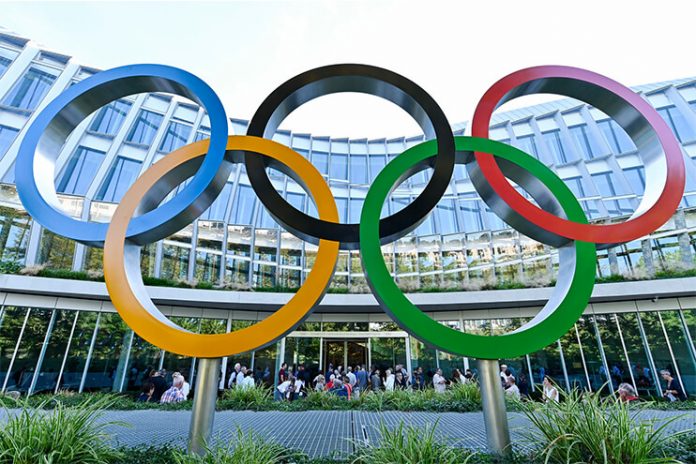
Olympics
Image Source - https://rb.gy/z91br4

This article is written by  Somya Jain, from the Vivekananda Institute of Professional Studies. The article analyses the recent relaxation of rules by the International Olympic Committee for governing the political demonstration made by the players. 

Introduction

Olympics is one of the most recognised platforms for showcasing one’s talent accumulated in sports. The fundamental objective of Olympism, which refers to the philosophy of the Olympic games, is to place sports as a means to develop humankind, preach peace in society through fair competition and international cooperation. But over the years, the players have sought to grab the opportunity of this platform to raise awareness regarding various social injustices and showing their protests against them through several modes of social media. Even after a display of rigorous displeasure by the International Olympic Committee (hereinafter IOC), the athletes fail to adhere to their guidelines and continue to indulge in political demonstrations at the Olympics. However, this practice took a slight turn in this years’ Olympics as the prescribed authority approved to give some relaxation to the players to present their thoughts on this platform. 

Political agendas raised in the Olympics over the years

Before delving into the current situation of political demonstrations in the 2021 Olympics, it is essential to analyse the historical background of these demonstrations. There have been many instances where the players have shown their stance regarding the prevailing social concerns. Although the list of political protests at the Olympics is long-lasting, some of the most highlighted events can be highlighted.

  • The first-ever instance of the political demonstration was noted in the year 1906 Olympic Games in Athens. An Irish track and field athlete Peter O’Connor scaled a 20-foot flagpole in the stadium and waved a green flag with the inscribed words “Erin Go Bragh” which originally meant Ireland forever. This stunt was enacted due to the outrage of Connor for having to perform for Great Britain after a decade-old Irish War of Independence. 
  • One of the most publicised cases was seen in the 1968 Summer Games wherein 200 metres gold medalist Tommie Smith and bronze medalist John Carlos raised their fists during the medal presentation to show their support for the “Black Power” movement. As a result, both were expelled from the Mexico Games. 
  • Olympics have not only been used as a ground for protest by the athletes but rather States have also indulged in such protests. In the 1980 Olympic Games in Moscow, the United States under the presidency of Jimmy Carter boycotted the Olympic games after the Soviet Union refused to withdraw its troops from Afghanistan. Further, Canada, Japan, and West Germany also joined the United States in its boycott. 
  • While reverting back to the current situation of the 2021 Tokyo Olympics, the first political demonstration was initiated by Raven Saunders who won a silver medal in the game of women’s shot put in the 2021 Olympics. In the midst of the medal ceremony, she raised her hands and formed an X while posing for a photo on the podium. According to Saunders, X represented “the intersection of where all people who are oppressed meet”. After recognising herself as black and gay, she claimed that this victory was more than just herself and encouraged people that though there is a large disparage and prejudice, the struggle takes you to the stands of victory. 
  • Similarly, U.S. hammer thrower Gwen Berry raised her right fist twice in the game. Before this demonstration, she also held up a shirt that read “Activist Athlete”. This representation symbolised a stand against racial and social injustice. Following the steps of Saunders, an American fencer Race Imboden also raised his hands forming an X. According to him, his demonstration symbolised solidarity for each other in ending gun violence. Ironically, both the athletes were punished by the US Olympic Committee (hereinafter USOC) for participating in the podium protest in the Pan Am Games in 2019. They both took a knee while the medal ceremony was conducted and subsequently they were put on probation by the USOC for 12 months. 

The dispute underlying the 2021 Olympics

Up until recently, the Olympics followed a trend of disallowing the players for indulging in any political demonstrations or religious and social propaganda. But, on 2nd July 2021, the International Olympic Committee allowed some forms of demonstrations to respond to the growing concerns of the players. Let us discuss these changes and the exceptions brought by the IOC.

The Olympic Charter

The Olympic Charter (hereinafter the Charter) is said to be the codification of all the rules and bye-laws formulated by the IOC. It further establishes the fundamental principle of Olympism. Rule 50.2 of the Charter specifies that “No kind of demonstration or political, religious or racial propaganda is permitted in any Olympic sites, venues or other areas”. Thereby, from 1908, this Rule has been prevalent and is imposed on all the players. 

The main objective of the IOC in implementing the said Rule was to create a sense of solidarity for sports among the players. Since the athletes, participating in the games, belong to different cultures, religions, States, etc. the IOC aimed to separate political agendas from the noble cause of sports. Accordingly, this would prevent over-commercialisation and political controversies from being instituted in the concept of Olympism.

As far as consequences for violating Rule 50 of the Charter is concerned, IOC has reserved the power to disqualify the person or the delegation concerned or withdraw the accreditation granted to the person or the delegation. However, the Charter does not specify any particular punishment for violating Rule 50 by taking part in any type of political demonstration during the Games.  

New reforms

As per the new reforms brought by IOC in regards to the increasing protests, a reasonable amount of relaxation is provided to the players to express themselves through demonstrations at particular places. This change was comprehended after conducting a quantitative study, that was initiated by the IOC Athletes’ Commission (hereinafter IOC AC) in June 2020, surveyed around 3547 athletes, and recommendations were also taken from leading sports and Human Rights lawyers. The study itself appears to have been commenced following a 10 June 2020 resolution by the IOC Executive Board, condemning racism and other forms of discrimination, in response to the widespread international protests triggered by the killing of George Floyd. 

Relaxations and exceptions

According to the new guidelines, players have the freedom to express their views at the following places:

  • In the mixed zone, including before the media;
  • In the International Broadcasting Centre (IBC) or the Main Media Centre (MMC), including when speaking to the media;
  • While conducting a press conference in the venue or in the MMC;
  • During interviews;
  • At team meetings;
  • In traditional media or digital media;
  • Through social media channels;
  • On the playfield before the commencement of the competition like during the introduction of the athlete or the team. 

In contrast, there are some specific exceptions provided by the IOC wherein the players are prohibited from showcasing their politically influenced opinions and demonstrations. These exceptions are:

  • During official ceremonies like Olympic medal ceremonies, opening and closing ceremonies, etc.
  • During competition on the playfield.
  • In the Olympic village.

Guidelines for political demonstrations

Now, while expressing these political demonstrations, athletes are expected to comply with the Olympics principles that are enshrined in the Charter itself. Accordingly, the guidelines are:

  • The expressions demonstrated should be in consonance with the Fundamental Principles of Olympism enumerated in the Charter itself. 
  • These gestures should not be targeted, directly or indirectly, against people, countries, organisations, and their dignity.
  • It should not be disruptive in nature. For example, expressions made while the national anthem of another country was ongoing or physical interference with the introduction of another athlete by way of unfurling a flag, a banner, etc.
  • It should not prohibit or limit the rules of the relevant National Olympic Committee (NOC) and the competition regulations of the relevant International Federation (IF). 

In furtherance of the above guidelines, IOC also highlighted some basic Principles of Olympism in addition to other directions. Principles such as “social responsibility”, “respect of universally and fundamentally ethical principles”, “harmonious development of humankind” and “human dignity” forms the basis of the underlying guidelines and must be strictly adhered to by the players. If anyone is found violating these Principles, he will be acting contrary to the Principles of Olympism and will be eligible for prescribed punishment. 

Sanctions 

Considering the violation of any of the above guidelines, the player will have to bear its consequences. As per Rule 59.2 of the Charter, sanctions can be issued against such persons for violating the same. The prescribed sanctions are:

  • The players violating the provisions will be subjected to permanent or temporary ineligibility or expulsion from the Olympics Games.
  • The IOC can withdraw or disqualify any accreditation given to the concerned players.
  • If there is any disqualification or exclusion of any athlete then any medals obtained by that player will be taken away in regards to the infringement of the Charter.
  • Any benefits of rankings obtained in relation to other events, from which the athlete is not disqualified or excluded, will also be removed along with any medals obtained on the basis of that ranking.

Criteria for evaluation by the IOC

When an athlete is charged with violating the provisions of the Charter dealing with political demonstration, the IOC Disciplinary Commission will be responsible for evaluating that particular case. While evaluating, the commission should ensure that the rights of the athletes like the right to privacy, the right to be heard, etc will remain intact. Further, the athlete should be provided with a representative belonging to the IOC Athletes’ Commission. The IOC must take into account various factors to evaluate a particular case. Some of these factors are:

  • The commission must consider the degree of disruption caused due to the politically influenced actions in the Olympic village or during the official ceremony. 
  • To look whether the expression incited national, religious, or racial hatred subject to the prohibition under international human rights law and whether that resulted in instilling discrimination, hostility, or violence.
  • To protect the principles and values of Olympism, taking disciplinary action is essential.
  • Whether the expression was a one-time event.
  • Whether the concerned athlete undertook such an act at the behest of another or voluntarily.
  • Whether another athlete complained about the expression.

Conflicting views related to Rule 50

Although the relaxations brought by the IOC provide the players with the benefits of expressing themselves, they are not satisfied with the current reforms. Many athletes protested against the new reformative rules stating that the changes do not reflect the commitment to freedom of expression as a fundamental human right nor to racial or social justice in global sports. Recently, more than 150 athletes, academics, and social justice advocates signed an open letter demanding changes to Rule 50 and urging the IOC to “refrain from imposing sanctions on athletes protesting and demonstrating.” Some of the major concerns addressed through the letter are as follows:

  • The signatories demanded that the IOC should refrain from using sanctions against the athletes who are demonstrating and protesting in any Olympic venues or sites including the podium as well. They further stated that these protests do not support any hate speech rather they protect social and racial justice.
  • According to the signatories the word used in Rule 50, “racial propaganda” should be removed from the Charter and to align the Rule with internationally recognised human rights law. 
  • They demanded to amend the Athletes’ Rights & Responsibilities Declaration in accordance with the internationally recognised human rights framework.
  • At last, they demanded to add an Eighth Principle of Olympism focusing specifically on human rights.

On the other hand, the IOC advocates that the new version of the guidelines provides a wide range of opportunities for athletes to express their opinions at various places. The two major arguments raised by the IOC were:

  • Rule 50 of the Charter should stay intact to preserve the neutrality of the games.
  • Further, there are several athletes who support Rule 50 and do not consider social commentary or demonstration at specific areas including podiums or the field of play as appropriate. 

Freedom of free speech and expression : a supposed sham

The concept of free speech and expression has been instilled in international human rights law. According to Article 19 of the United Nations Universal Declaration of Human Rights, every person has the right to freedom of opinion or expression that includes freedom to hold opinions without interference and receive or impart any information through any media regardless of any frontiers. Therefore, political speeches in sports should be encouraged to ensure individual dignity. Merely limiting political speech to press conferences and other such places acts as an impediment in providing the right to free speech and expression. It is nothing but a colourable exercise to show solidarity to the protests, but, in reality, is an act of non-concern.

Considering the fundamental nature of Freedom of Free Speech and Expression, the IOC summarised its understanding of this legal phenomenon as:

  • Although freedom of speech and expression is a universally recognised fundamental human right, it is not absolute. Such a right comes with duties, responsibilities, and obligations.
  • Freedom of speech and freedom of expression may be restricted under a very limited set of conditions, the assessment of which is delicate and varies depending on the circumstances.

The IOC has agreed to the very existence of the freedom of speech and expression yet fails to recognise it completely as a guaranteed right of individual dignity. Restricting the players from expressing themselves freely at several places shows the denial of the Committee in providing the right absolutely. Thereby, the IOC hid under the garb of a supposed sham of free speech and expression. 

Need for further reforms to fill the gap underlying the dispute

It cannot be doubted that none of the Fundamental Human Rights are left unregulated. There should be some regulations to guide the usage of these rights to ensure the necessary balance in society. Similarly, while practising the right of speech and expression in sports, certain guidelines should be effectuated to not impact the athletic culture negatively and protect it from political influence.

The Disciplinary Committee should essentially look for the contents and the intentions behind a particular demonstration. Free Speech should be imparted to all the players irrespective of the place provided that the prominent Principles of the Olympism is observed while practising that right. Values that govern the Freedom of Speech include human dignity (principle 2); inclusion (principle 3); non-discrimination (principles 4 and 6); equality (principles 4 and 6); and fraternity (principle 4). Thereby, any speech violating the above-mentioned Principles can call for disciplinary action.

Many a time, there are situations whereby the players take a stance while being politically motivated without any direct ties to the issue. They may not have a direct relation to the stand or expression that they are demonstrating yet they indulge in such political issues. Such speech should be restricted for the effective working of the free speech model and respecting the privileges given by the IOC. Such speeches destruct the entire event by inviting political intervention and therefore should be prohibited. Thus, a balance should be created between the rights granted and their unwarranted usage. Restricting the Freedom of Speech without any reasonable cause is erroneous in itself. On the other hand, guaranteeing the rights without creating a watchdog for the same is absurd. 

Conclusion

Raising voices against the prevalent social and political issues has led to many advancements in society. The Freedom of Speech and Expression has been granted to the people for voicing their concerns and restricting them without any proper reasons should not be practised. The value that the Olympics hold, empowers the players to share their opinions and views and encourages people by acting as role models. The atrocities faced by the players when brought to such a huge platform create a much larger impact on society than other social publications. It is true that sports and politics cannot be separated and thereby both should be inclusive in nature. By this, it does not mean that negative speech should also be promoted. Players having concocted political agendas shall not be entertained. Therefore, the Principle of neutrality, which is the main objective of the Olympic games should be observed with regard to the Right of Free Speech and Expression irrespective of unreasonable limitations. 

References


Students of Lawsikho courses regularly produce writing assignments and work on practical exercises as a part of their coursework and develop themselves in real-life practical skills.

LawSikho has created a telegram group for exchanging legal knowledge, referrals, and various opportunities. You can click on this link and join:

Follow us on Instagram and subscribe to our YouTube channel for more amazing legal content.

Download Now

Implied terms and their interpretation in a construction contract

0

This article has been written by Satendra Pratap Singh pursuing the Diploma in Advanced Contract Drafting, Negotiation, and Dispute Resolution from LawSikho.

Introduction 

Every contract contains rights and duties of both the parties, breach of which may cause legal action against the party at fault. The rights and duties are generally expressly stated in the contract in order to avoid any future disputes arising out of it. However, the existence of some terms in the contract is so obvious that even if they are not expressly stated, they would be held to be implied by the courts of law. This is known as the “Officious Bystander Test”. Under the said test, a term which has to be implied must be so obvious that it goes without saying, so that, if the parties were making their bargain in the presence of an officious bystander, who was to suggest some express provision for it in their agreement, they would actively subdue him with a common ‘Oh, of course!’ 

The sources of implied terms are varied including inter alia, statutes, common business practice, the intention of the parties, international obligations, and common law precedents established over the passage of time. One such case has to undergo a multi-layered test, in order to imply a term into a contract. The conditions for using implied terms were set out by Lord Simon of Glaisdale, in the case of BP Refinery (Westernport) Pty Ltd vs. The Shire of Hastings, wherein it was held that “for any term to be implied, following conditions must be satisfied:

  • It must be reasonable and equitable;
  • It must be necessary to give business efficacy to the contract so that no term will be applied if the contract is effective without it;
  • It must be so obvious that ‘it goes without saying;
  • It must be capable of clear expression;
  • It must not contradict any express term of the contract. “

For example, though there is no general duty of good faith provided in the Indian Contract Act, 1872, the Delhi High Court had recently held in Association of Unified Telecom Service Providers v Union of India that “Every contract contains an implied covenant of good faith and fair dealing, obligating the contracting parties to refrain from doing anything which will have the effect of destroying or injuring the right of the other party to receive the fruits of the contract.” 

Implied terms in a construction contract

A construction contract is a type of contract which sets the scope of work along with various rights and duties of the parties involving the employer as well as the contractor. The construction industry in India has not subscribed to any standard form of construction contract. However, there are some common implications established over the period: 

  1. The employer is expected to hand over the possession of the construction site within the stipulated time and without any delay. 
  2. Instructions and any relevant information regarding the project shall be given by the employer within a reasonable time.
  3. The contractor shall carry out the work with adequate skill and caution (in a workmanlike manner). 
  4. The contractor is expected to provide goods and materials that are good in quality and reasonably fit for purpose. 

The implications in a contract are based on the principles of equity and good conscience. The judges read the implied terms not because of any external pressure but because of an intrinsic failure. Relying on implied terms turns beneficial to both the parties as many times the parties face a trade-off between the costs and benefits of writing more complete contracts, also helps them to invest their resources in the completion of other areas of the contract. 

How implied terms arise in a contract?

An implied term is a legally binding obligation that derives from the conduct, actions, circumstances, or intention of the parties. It is never in written form and due to lack of documentation, parties may find it hard to enforce it in a court of law. There should not be any unjust benefit to a party at the expense of the other party. E.g.,  If a consumer purchases a product from a shopkeeper, it is implied that the product should be free from any defects and damages. There are two forms of implied contract:

Implied-in-fact vs. Implied-in-law

  1. Implied-in-Fact:  These types of contracts depend on the behavior and actions of the parties. E.g. If there is an agreement between the two parties wherein B has to look after A’s house when A is out of town and in return A gives B $100. This is an oral agreement, still, A gives B $100 for A’s services twice. The third time, A does not give B the consideration of $100 for looking after his house. Accordingly, A would be the party at fault because it is now implied that whenever B looks after A’s house, A gives B $100. 
  2. Implied-in-law: These agreements or contracts arise due to an obligation of justice and to avoid ‘unjust enrichment. It is a remedy that enables the plaintiff to recover a benefit conferred on the defendant. Since the idea of a claim for redress of unjust enrichment did not go well with either the category of the contract or torts, hence they are tagged as claims in the quasi-contract. E.g., if one of the customers in a hotel gets sick while having dinner and the fellow customer Mr. B, who is a doctor, treats him in his hospital and accordingly sends a bill for his services. If it is established that Mr. A got sick after having the food served by the hotel and asks the hotel to pay his hospital bills, then the hotel cannot refuse to pay for the same. 

What are the laws applicable to implied construction contracts?

Generally, there is no specific statute to comply with to carry out a construction contract. The parties are required to comply with the requirements of the Indian Contract Act, 1872  for them to be enforceable. Apart from that, there are various acts that have to be complied with to carry out the construction activity like Industrial Disputes Act, 1947; Workmen Compensation Act, 1923; Minimum Wages Act; etc. Laborers are given the recognition as a workman under Section 2 of Industrial Disputes Act. Which protects their statutory benefits and rights at the hands of the employer or contractor. Further, the contractor is required to get a license under the Contract Labour Act, 1970 if more than 20 workmen are hired for an establishment. Quite often, laborers get injured at the construction sites who are compensated by the contractor under the Workmen Compensation Act, 1923. Legally, laborers are also entitled to timely and minimum payment of wages fixed by the appropriate government under the Minimum Wages Act, 1948 and Payment of Wages Act, 1936. In 2019, the Indian Parliament passed The Code on Wages, 2019 the purpose of which was to amend and consolidate the laws on bonuses and wages. 

What happens if there is a delay in the performance of the construction contract?

In India, the delay in performance is governed under Section 54 and Section 55 of the Indian Contract Act, 1872 wherein the innocent party can (a) terminate the contract and put an end to all the primary obligations of both the parties remaining unperformed (b) claim damages for breach of contract from the party at fault. Also, in the case of the State of Kerala vs. M.A. Mathai, the Supreme Court held that even if the contractor has undergone a contract with the employer not to file a claim for delay in performance of the contract occasioned by an act of the employer, still a claim would be entertained in one of the following conditions i.e., 

a) If the contractor repudiates the contract under Section 55 of the Indian Contract Act, 1872.

b) Employer gives an extension of time and agrees to allow the escalation of rates or compensation for delay by entering into a supplemental agreement. 

c) If the contractor makes it clear that escalation of rates or compensation for delay shall be borne by the employer and the employer accepts the performance by the contractor despite the delay and such notice by the contractor putting the employer on terms. 

Conclusion 

The development of law has seen ‘the five-condition test’ or Penta- test for an implied condition to be acknowledged while interpreting a contract and this test has been witnessed in the case of B.P. Refinery (Westernport) Proprietary Limited vs. The President Councillors and Ratepayers of the Shire of Hastings the test states that for the implied term to be acknowledged it must be: – (1) reasonable and equitable; (2) necessary to give business efficacy to the contract; (3), i.e., The Officious Bystander Test; (4) capable of clear expression; and (5) must not contradict any express term of the contract. However, the Supreme Court of India in the case of Nabha Power Ltd. (Npl) vs Punjab State Power Corporation gave a word of caution and held that the commercial courts shall not be proactive to look to implied terms of the contract and a contract should be read as it reads, as per its express terms because in the modern age there is highly technical expertise with legal brains from all sides required for drafting a contract and implied terms should be read-only when the above mentioned Penta Test comes into play and is extremely necessitated. Lord Hoffman also in a lucid judgment held that the courts do not hold any power to improve any document which they are asked to construe, be it a contract, statute, memorandum of association, Articles of Association, etc. They cannot introduce any terms to make the document fairer and more reasonable instead the only concern shall be restricted to discover what the instrument says. 


Students of Lawsikho courses regularly produce writing assignments and work on practical exercises as a part of their coursework and develop themselves in real-life practical skills.

LawSikho has created a telegram group for exchanging legal knowledge, referrals, and various opportunities. You can click on this link and join:

Follow us on Instagram and subscribe to our YouTube channel for more amazing legal content.


Download Now

Abhishek Chouhan v. State of Madhya Pradesh : Court’s views and personal opinions

0

This article has been written by Anindita Deb, a student of Symbiosis Law School, NOIDA. The article aims to discuss the court’s views and add personal comments on a recent case of rape under the promise of marriage committed in the Ujjain district of Madhya Pradesh. 

Introduction

Cases of rape on the pretext of marriage are a common phenomenon in the legal landscape of India. In India, it was considered a crime, and those who committed it were punished. Marriage is regarded as a holy bond between two individuals. It is more than just a physical relationship; it also entails emotional and spiritual intimacy between partners. Marriage is considered to be undertaken in ancient Hindu rules to achieve dharma (duty), artha (possessions), and kama  (intimate desires). Sexual intercourse or consummation is seen as a Hindu rite that takes place after the marriage ceremony. Consent is extremely important in this physical relationship, and it is required that mutual consent be present at the time of sexual intercourse. That said, taking consent for sexual intercourse under the pretext of a false promise of marriage, would be considered rape and prosecuted under the relevant section of the Indian Penal Code. Some “men’s rights activists” argue that the charges levelled against the accused should be classified as “fake rape cases,” because they are designed to establish the accused’s guilt. However, some advocates argue that these incidents should be prosecuted since they jeopardise women’s positions in patriarchal societies. This article is focused on discussing the question of sexual intercourse under the false promise of marriage that was raised before the Indore bench of the Madhya Pradesh High Court in the case of Abhishek Chouhan v. State of Madhya Pradesh (2021). 

The pretext of false promise to marry, consent, and rape : what are the laws 

The subject of whether sexual intercourse with women constitutes rape if consent was obtained through a false promise of marriage, as defined under Section 375 of the Indian Penal Code, 1860, often appears in court. This false promise of marriage in order to get consent for sexual intercourse is classified as a “misconception of fact” under Section 90 of the Indian Penal Code, 1860. As a result, it would be charged under Section 375 of the IPC because it is not deemed a valid consent in the eyes of the law. The second explanation of Section 375 of the IPC states that rape is punishable if sexual intercourse is carried out without the consent of the victims. 

However, Indian courts have begun to take a different approach to Section 375, interpreting the term “consent” in a broader sense. Several court decisions have interpreted “consent” in ways that go against basic statutory interpretation principles. In some situations, courts have ruled that if a man fails to marry a woman despite making a promise, he cannot be prosecuted under Section 375. To hold an accused guilty under Section 375 of the IPC, strict interpretation of statutes is required. The Karnataka High Court held in Honayya v. State of Karnataka (2000) that mere “breach of promise” would not fall under the definition of “misconception of fact” under Section 90 of the IPC. As a result, the court determined that sexual intercourse obtained with the promise of marriage, which was later broken by the accused, did not constitute rape under Section 375 IPC. The court, however, did not clearly decide that a fraudulent promise to marry did not fall within the category of “misconception of fact,” and instead classified the false promise as a fraud.

According to Section 114-A of the Indian Evidence Act, 1872, in a case for rape under Section 375 of the IPC, if the sexual intercourse by the accused is proven and the question before the court of law is whether the prosecutrix gave consent or not, and she states in her evidence that she did not, the court shall presume that the act was done without her consent. This clause was added to the Evidence Act in order to safeguard women from society’s mass atrocities. 

Abhishek Chouhan v. State of Madhya Pradesh 

Facts of the case

A single-judge bench of the Madhya Pradesh High Court rejected the bail plea of the accused/applicant before the Court has been charged with an offence punishable under Sections 376, 376(2)(N), 366 of the IPC, as well as Sections 3, 4,5-I, and 6 of the Prevention of Children from Sexual Act, 2012. It was stated that he raped the prosecutrix under the pretext of marriage, but his counsel maintained that the accused victim was not a minor at the time of the alleged crime and that she was a consenting participant. It was also claimed that the girl’s parents were opposed to their marriage since the applicant and the prosecutrix are of different religions (the applicant is a Hindu and the prosecutrix is a Muslim), and so he had been implicated in this case. 

The State, on the other hand, claimed that he frequently raped the prosecutrix under the false promise of marriage since October 2018 and then refused to marry her by stating that his marriage was arranged with someone else. After that, when he told the victim that he was getting married to someone else, the prosecutrix tried to commit suicide by consuming phenyl, but fortunately, she was saved.

Issues raised

Following were the issues raised in this case:

  1. Whether sexual intercourse under the false pretext of marriage constituted rape.
  2. Whether consent of the prosecutrix obtained under the “misconception of fact” stated under Section 90 of the IPC.

Court’s observations

After reviewing the records, the Court decided that it was not a case fit for granting bail because the applicant had evidently enticed the prosecutrix into a physical relationship under the pretext of marriage, despite being well aware of the fact that they were of different religions.

The Court stated that, barring a few exceptions, India is a conservative society that has not yet reached such a level (advanced or lower) of civilization where unmarried girls, regardless of their religion, engage in carnal activities with boys just for the fun of it, unless the same is backed by some future promise/assurance of marriage, and that, to prove her point, a victim must not have to resort to committing suicide as in the present case. 

The MP High Court Bench was also of the considered opinion that a boy who enters into a physical relationship with a lass must realise that his actions have consequences and should be prepared to face them, as it is the girl who is always on the receiving end, as she is the one who risks becoming pregnant as well as the social ostracism if the relationship is revealed. You cannot just plead the prosecutrix’s consent and laugh all the way to your house. 

Personal opinions

While reading consent under section 90 of the Indian Penal Code, the judiciary carved out this offence. In such circumstances, there is no deception about the sexual act itself. This case is also not an example of passive submission. Instead, the sexual act is consenting, but it is ruled non-consensual when the marriage promise is broken. 

According to certain feminists, a man’s conviction in a promise to marry case subtly endorses patriarchal marriage and female sexuality norms. Women’s sexual agency is thus grounded in the institution of marriage rather than desire in such cases. Opponent feminists, on the other hand, argue that socially disadvantaged women are frequently enticed into sexual intercourse under the false pretext of marriage and must be provided with a remedy. Because of the socioeconomic background, they claim, women are easy victims of marriage promises.

Comparative analysis

The case before the Madhya Pradesh High Court examines consent and its intersections with sexuality, inter-religious marriage, and violence. The court’s comments during the bail hearing, on the other hand, differ from the customary procedure in courts. 

The Supreme Court considered social conditions such as family objection to be a valid reason to acquit the man in the landmark Deelip Singh v. State of Bihar (2004) judgment. The fault lines were viewed in two ways: whether he had no intention of marrying the lady “since inception” and whether he knew the “consent is provided due to the promise” to marry. While the Supreme Court in Deelip Singh found that the accused’s inability to overcome domestic opposition was a factor in his failure to maintain his marriage promise, it did not find that he intended to do so. The Madhya Pradesh High Court, on the other hand, provides no insight into the context of the accused in the case of Abhishek Chouhan, nor a legal knowledge of his guilty mentality or lack thereof.

The Indian women’s sexuality is portrayed by the High Court as submissive. It undermines consent by defining an ‘Indian woman’ as someone who would never consent to sex outside of marriage. This assumption supports the idea that marriage should always be followed by sex. If there is, it is an anomaly that can only be corrected through post-facto marriage.

Furthermore, the High Court ruled that only a “woman is at risk of becoming pregnant,” implying that the accused must pay the cost of having intercourse. It, too, takes away women’s agency and eliminates their ability to engage with their own subjective world. The court constructs a narrative about docile and victimised “Indian women,” but fails to inquire into what may have prompted the prosecutrix to take her own life. We don’t know anything about the pressures that women face.

We would have known the violence of the so-called consensual relationship and the inconspicuous violence of the familial and social system if the High Court had given the woman a platform to tell her experience. 

While the judgement on this case is still awaited, one shall not ignore the fact that provisions of the law meant to safeguard the interests of women are often misused by women. The complainant woman contended before the court in Mohit Nagar vs State & Anr (2017) that she was engaged in consensual sexual intercourse under the pretext of marriage, but the woman was already married to another person, and all of her arguments were false. The court dropped the criminal proceedings against the accused after noting that the woman had already filed other comparable cases. Hence, the role of consent and scrutiny of claims made by the victim in such cases is crucial in the delivery of a fair judgement. 

Conclusion  

While a murderer damages the physical body of the victim, a rapist degrades and defiles the soul of a vulnerable female, as the Hon’ble Supreme Court of India and State High Courts have observed in a number of rulings. Rape reduces a woman into an animal by shattering the very foundations of her being. A rape victim cannot be considered an accomplice in any way. Rape leaves an indelible mark on the victim’s life. Rape is a crime against a society that infringes on the victim’s human rights. Rape, as the most despised crime, is a devastating blow to a woman’s greatest honour and offends both her esteem and dignity.

The accused made a false promise of marriage with the mala fide intent of deceiving the victim on several occasions, resulting in terrible circumstances for the woman in the society, since many girls are exploited by the fake promise of marriage. These cases are increasing every day because the accused person believes that the law is on their side and that they can easily get away with their crime because the Indian Penal Code, 1860, contains no explicit provision. Therefore,  the legislature must establish a specific legal framework to address cases in which the accused acquired consent for sexual intercourse under the false promise of marriage.

Rape has a long-term impact on the victims’ lives. However, in most cases, sexual assault has devastating implications not only for the victim but also for the victim’s family. In a patriarchal society like India, where women have a poor social position, those close to the victim, particularly family members, are also impacted by unfavourable societal reactions. Sexual abuse victims suffer from a variety of physical and psychological issues. The victim and her family members suffer the most pain and shame as a result of rape. 

References


Students of Lawsikho courses regularly produce writing assignments and work on practical exercises as a part of their coursework and develop themselves in real-life practical skills.

LawSikho has created a telegram group for exchanging legal knowledge, referrals, and various opportunities. You can click on this link and join:

Follow us on Instagram and subscribe to our YouTube channel for more amazing legal content.

Download Now

Giving freedom some breathing space : Allahabad High Court’s landmark judgment on notice under Special Marriage Act

0
decree
Image Source: https://bit.ly/2QJIyBw

This article is written by Raslin Saluja, from KIIT School of Law, Bhubaneswar. The author attempts to highlight the significant portions of the landmark judgment while analysing the same. 

Introduction

The High Court of Allahabad on 12th January 2021 delivered a historic judgment in the case of Smt. Safia Sultana Through Husband Abhishek Kumar Pandey & Anr v. State of Uttar Pradesh (2021). It became the first judgment that tried to deal with the legal asymmetry in the Special Marriage Act, (SMA) 1954. The Single Judge addressed the change required in the present law and put individual choice and autonomy at the forefront.

Facts                                   

In the present case, a Habeas Corpus petition was filed before the High Court of Allahabad by one Mr Abhishek Kumar Pandey (petitioner no. 2) on behalf of his wife, Smt Safia Sultana (petitioner no. 1, detenue). The petitioner no. 1 is a Muslim woman, renamed as Smt. Simran after conversion to Hinduism in order to marry a Hindu man, as per Hindu rituals. After the marriage took place between both the consenting adults with their free will and desire to live together, as per Hindu customs, the father of petitioner no. 1 was not permitting her to live with her husband. Thus the petition claimed that petitioner no. 1 was illegally detained by her father for marrying against his wishes.

The Court then directed the detenue to appear in person before the court in the presence of her father, wherein both of them accepted the aforementioned facts and the father settled with the petitioner no. 1’s decision wishing the couple the best for their future.

The matter could have been dismissed at this stage, but the single judge based on the views expressed by the young couple during their interaction with the court upon their personal appearance dealt with the issue conclusively without being bogged down by the limited scope of procedure in the petition.

Background and issue

The couple had submitted that they would have preferred to solemnize their marriage under the provisions of the Special Marriage Act, 1954 rather than having to convert into Hinduism. However, the requirement of notifying the marriage officers and publishing a 30 days public notice, inviting objections from the public at large before proceeding to marriage under Sections 6 and 7 of the Special Marriage Act would have gathered unnecessary excessive social interference/attention in their free will and invade the privacy of the interfaith couple. Since there are no such impositions in following the personal laws in regard to marriage for publishing notices, inviting objections, petitioner no.1 chose to convert into Hinduism.

The couple stated that similar situations are faced by many individuals in such circumstances also asked for a finding on Sections 4 & 5 of the Special Marriage Act, especially in light of the ongoing cases under the Uttar Pradesh Prohibition of Unlawful Conversion of Religious Ordinance, 2020 (separately under challenge before the Allahabad High Court). They further argued that in consideration of the changing pattern of the society, amendments to SMA as well as the case laws pertaining to freedom of choice, liberty and privacy, these provisions of the SMA require a revisit in order to determine whether the nature of these provisions are mandatory or directory.

The counsel for petitioners further contended that young couples would have preferred to use the Special Marriage Act but they are often not in a position to raise such issues before solemnizing their marriages with a life partner of their choice in order to avoid any unnecessary attention and invasion into their right to privacy. Thus the issue pertained to the constitutional rights of the individuals concerned and their right to make personal choices without the intervention of the state.

Analysis

Justice Vivek Chaudhary agreed to the arguments submitted by the couple and went on to examine and interpret the Central Act i.e. the Special Marriage Act on the touchstone of constitutionality. The relevant sections that were referred are Sections 4 which states the conditions relating to solemnization of special marriages, Section 5 for giving notice of intended marriage, Section 6 for keeping marriage notice book and publication, Section 7 for inviting objection to marriage, Section 8 for the procedure on receipt of the objection, and Section 46 for a penalty for wrongful action of marriage officer.

The Court went back into the history and development of the Act in relation to civil marriages in India before coming to the present-day relevance of the Act. The law was proposed for inter-caste and inter-religion marriages in India for the first time by Sir Henry Maine. It allowed the Indian citizens to marry under the same law instead of their different personal laws. It went through variations ever since 1872 before being revisited and passed after independence in 1954 and continued to be amended from time to time.

Interpretation of the 1954 Act

Thus, the Court had to address the issues of whether the progressing law and the changing social conditions impact the interpretation of Sections 5, 6 and 7 of the Act of 1954 and whether with such changes, the said sections no longer remain mandatory in nature. Furthermore, since the SMA is an ongoing statute, its interpretation should be changing with the present-day situation. To that end, the Court observed that it is their constitutional duty to consider the changes in the social and legal aspects that may have an influence/impact on the interpretation of the provisions of the Act of 1954.

It referred to the case of Satyawati Sharma v. Union of India (2008) wherein the Supreme Court had said that though legislation may be reasonable and rational at the time it was enacted, with change in circumstances, the legislation might become arbitrary and unreasonable and therefore the Court may in its subsequent litigation strike down the same. Similarly, in cases such as Narottam Kishore Dev Verma v. Union of India (1964) & H.H. Shri Swamiji Shri Admar Mutt Etc, v. The Commissioner, Hindu Religious & Charitable Endowments Department (1979), the validity of the respective legislations was in question and the Court observed that the historical consideration upon which these provisions were made may wear out with time and the very foundation of their constitutionality will be destroyed. It referred to the legal maxim “Cessante Ratione Legis Cessat Ipsa Lex”, that is to say, the soul of law is the reason, and when that reason ceases to exist, so does the law itself.

Reports of the Law Commission

As far as the SMA is concerned, the Law Commission Reports reflect the changing circumstances in the society and the need for amending the law in order to adapt to those changes. The amendments that were proposed for the 1954 Act in the 59th Law Commission Report submitted in 1974 acknowledged the changing notion of fairness and justice and their expanding dimensions demanded changes in the structure of law to form a progressive society. That there should not be a huge gap between the letter of law and changing beliefs and customs of the society which dictate the current value system accepted by the community.

Thus, in order to adapt to the changing social norms, further Law Commission reports were submitted proposing changes in the years 2008 and 2012 which were found to be pending for consideration in the present case.

Development of law

Justice Vivek Chaudhary went on to refer and observe a series of judgments starting from 2006. With a similar factual condition, in the case of Lata Singh v. State of U.P. and Anr. (2006), the Supreme Court stated that in a democratic country a person who has attained the age of majority can marry anyone of their choice and is not to be subjected to any violence, instigation or harassment. Other cases that followed were Arumugam Servai v. State of Tamil Nadu (2011) and Bhagwan Dass v. State (NCT of Delhi) (2011).

Later in 2014, in  Indian Woman Says Gang-Raped on Orders of Village Court Published in Business and Financial News Dated 23-1-2014 in Re, the Court declared that the right to freedom of choice in marriage is a fundamental right and inherent aspect of Article 21 of the Indian Constitution. In Asha Ranjan v. State of Bihar (2017), the Court again stated that choosing a life partner is based on individual choice and is a legitimate constitutional right recognized under Article 19 of the Constitution and must not succumb to the concept of group thinking. This similar aspect was discussed at length in Shakti Vahini v. Union of India and Ors., (2018).

In another Habeas Corpus petition in the case of Shafin Jahan vs. Asokan K.M. and Others (2018), the Court emphasized constitutionally guaranteed freedom to be greater than societal values and therefore the individualistic entity of a person cannot be destroyed. An individual’s liberty and autonomy are recognized under the Constitution and marriage is one such exclusive domain wherein a state/law cannot dictate their will.

Throughout all these precedents, the Supreme Court had been repeatedly emphasizing the role of individual autonomy in questions of marriage and held it to be inherent in Articles 19 and 21 of the Constitution.

Right to privacy

The Single Judge then moved to examine the Puttaswamy (2017) privacy landmark judgment of the nine-judge bench in some detail in order to glean the scope of the right to privacy. That life and personal liberty cannot be separated and are the foundational pillars of the Constitution. The right to privacy emerges from them and includes personal choices governing the way of life and preservation of personal intimacies, family, marriage, procreation and sexual integration are all intrinsic for exercising such rights. The Court followed up by critically noting that in Navtej Johar v. Union of India (2018), it had been clarified that, when examining a law for constitutionality, what was important was not its object or form, but its effect. Since it is not the object/form of law that impairs the rights of the citizens but the effect of it which allows the courts to interfere and provide a remedy. Thus, the draftsmen intention is not determinative rather the effect or operation of law is which can infringe the fundamental rights.

After combining all the propositions as declared in the various cases since Lata Singh to Navtej Johar, personal liberty and privacy has been long defined and that;

  1. There is constitutional protection for an individual who can exercise autonomy in making a choice, and
  2. the constitutionality has to be considered by the effect of law.

This led to the conclusion by the Judge that SMA needs to be interpreted in a way that its reporting requirements would have to be read as voluntary, not mandatory:

It referred to interpretations of Section 6 & 7 read along with Section 46 and states that sections are to be implemented in a manner upholding the fundamental rights of people instead of violating them. If upon first plain reading, it is found that they are mandatory then they would be invading fundamental rights of liberty and privacy. Since there are no similar reporting requirements under the various personal laws, the Court observed there was no reason to make the process under SMA more protective/onerous.

Judgment

The Court concluded that:

  • The requirement of notice publication under Section 6 and inviting public objections under Section 7 are not mandatory but are only directory in nature and will be of effect only upon the parties’ request.
  • If the individuals out of their own free will apply to solemnise their marriage under SMA then they can opt for publication of notice in public under Section 6 which by virtue of their free will has been applied and therefore not violative of their fundamental rights.
  • The court made it optional for the parties under Section 5 for the parties to make a request in writing to the Marriage Officer for publication of the notice.

Conclusion

This judgment acts as an important judicial pushback to the increasing interference of the state in matters of marriage including empowering social groups. It has an authentic articulation of liberty as it addresses and signifies a larger element present in the implementation of these laws. Though these concerned sections were present in the SMA from the beginning, they have become a base for future interference (as in the UP ordinance notice requirement).

In a related case which remains pending, a plea was filed before the Supreme Court regarding the requirement of the parties to marriage to disclose their personal details for public scrutiny before thirty days of the date of marriage. Another instance includes various complaints being lodged regarding uploading of e-notice for intended marriage pursuant to which the Kerala Government also decided to stop this practice of uploading scanned copies of notice of intended marriage.

The requirement of public notice and invitation to objection signifies that the matters of most personal and intimate nature involving the exercise of choice are not for an individual to make but requires society’s acceptance too. This keeps society at a higher and dominant position for having control over people’s life choices. This also leaves the concerned individuals with two choices only, either to give up their freedom or be ready to face the societal pressure and persecution which are against the value of constitutional democracy.

References


LawSikho has created a telegram group for exchanging legal knowledge, referrals, and various opportunities. You can click on this link and join:
Follow us on Instagram and subscribe to our YouTube channel for more amazing legal content.

Download Now

Understanding wildlife cybercrime and ways to curb it

0
Image Source: https://bit.ly/2MaYCJq

This article is written by Jyotiranjan Mallick, pursuing Diploma in Cyber Law, FinTech Regulations, and Technology Contracts from LawSikho.

Introduction

The term wildlife constitutes one of the most represented nomenclatures under the ambit of flora and fauna. The term was first used by the famous American zoologist William Temple Hornaday in his book “Our Vanishing WildLife (Its Extermination and Preservation)” which was published in 1913 and came into use in the early 1930s. As per Section 2(37) of the Wild Life (Protection) Act, 1972, “wildlife” includes any animal, aquatic or land vegetation that forms part of any habitat. In the context of the Indian constitution, various safeguards have been ensured for the proper preservation and upkeep of the wildlife including Article 48 A and Article 51A (g) of the Constitution says that “It shall be the duty of every citizen of India to protect and improve the natural environment including forests, lakes, rivers and wildlife, and to have compassion for living creatures”. This signifies the prominence of wildlife in the protection of the environment.

A serious threat to the protection of wildlife around the world is posed by wildlife crimes. Wildlife crime can be defined as taking, possession, trade or movement, processing, consumption of wild animals and plants or their derivatives in contravention of any international, regional, or national legislation(s). In the digital age, wildlife crime is exacerbated by the use of the internet and complex technologies to facilitate the promotion of the sale and purchase of exotic animal products that contribute to the rise of such crimes. 

The use of cyber portals to facilitate such sale and purchase not only results in more wildlife cybercrime but owing to the complexities involved in ascertaining jurisdictions in internet-related crimes, it becomes highly difficult to nab the culprits. This is specifically worrying in the case of transnational cyber wildlife crimes where ascertaining jurisdiction becomes even more complex. The internet also facilitates the advertisement of such crimes while simultaneously allowing anonymity. This unregulated and anonymous nature of wildlife cybercrime, often with little to no monitoring or no enforcement action being taken against wildlife cybercriminals results in further exacerbation of the issue. 

Wildlife offences at a glance

Hunting and the unlawful trading of exotic wildlife species constitute the major chunk of wildlife offences. This includes various activities such as preparation for hunting, poaching the animal, extracting the useful part of the target animal, managing the transport and selling. The list being not exhaustive, these offenders can be classified into two groups. The first is represented by the poachers and hunters who are primarily involved in the execution of a target animal and the second part is represented by the side that creates the demand, this includes the person buying such material for consumption or for trading in arbitrage.

Hunting and poaching of Rhino horns serve as a great source for meeting the demand for medicinal potions, grey parrots are captured to be made as exotic pets for the rich and criminal networks hunt and sell elephant tusks in the global market. The statistics are very grim, in the past decade more than 10,000 rhinos have been killed for their horns. Today the decimation of the population has reduced the mark to less than 28000 around the world. Similarly, the numbers show that more than 20,000 elephants have been killed for their tusks which has resulted in a massive reduction in their numbers. More elephants are killed than are born each year. This same story is also true for the African grey parrot which has been recently listed in Appendix I of CITES, resulting in the total ban of commercial activities involved with such species. These are some of the few examples of how such illegal trade is being carried out through the internet.

Jurisdictional challenges of online crime

One of the crucial aspects of prohibiting wildlife cybercrimes is the process of ascertaining jurisdiction where the wildlife cybercrime took place. The complexity associated with the digitalization of such networks makes it highly difficult to ascertain the jurisdiction. The internet, as previously discussed, facilitates activities from remote locations without the fear of being tracked using sophisticated technologies. Even in the absence of such technologies, the internet allows transnational cyber wildlife crimes wherein two different municipal jurisdictions are involved. The involvement of two or more geopolitical units such as countries makes it more complex to nab the criminal due to certain factors such as lack of mechanism/treaty to determine the place of crime, issues involving the extradition of the criminal from one state to another, the geopolitical conflict between the two nations which halts the processes of ascertaining jurisdiction. 

In the case of internet-related crimes, the same involves numerous stakeholders which include the poacher, the person facilitating the advertisement on the internet, the buyer, the seller, etc. The criminal conduct may originate from any geographical location. The individuals involved may or may not be nationals of the location where the crime is committed. The species being traded may or may not be from that same jurisdiction, and may or may not be legally traded in the jurisdiction where they are offered or purchased. 

These complexities create difficulty in assigning as to whom liability may attach (the seller, the purchaser, the advertiser, the shipper, an individual, a legal entity), in what form (criminal, civil, administrative) and at what amount. One of the key pointers for determining the jurisdiction of a crime is the “territorial principle” wherein the land from where the crime was executed is the place of jurisdiction. 

However, as previously discussed in the case of wildlife cybercrime, even though the place of jurisdiction is the location where such an animal was hunted, it only addresses one aspect of the crime. This is because after the killing of such animals the entire process of wildlife trade is facilitated through the internet which constitutes a separate offence. This offence becomes difficult to investigate due to the complexities associated with ascertaining the jurisdiction through the internet as has been previously elaborated.

Role of social media in facilitating wildlife cybercrime

Social media tends to be a dominant platform in holding the marketplace for the sale and purchase of exotic wildlife products. Although the percentage of social media is less in comparison to the traditional use of online forums and the dark web. However, the growing percentage of its mainstream use is a worrying factor for many. In a 2014 report of International Fund for Animal Welfare(IFAW) report Wanted – Dead or Alive, social media platforms and forums in China were reported to be responsible for more than half the trade as compared to online marketplaces, reflecting a broad change in the online shopping habits of Chinese consumers. 

The popularity of social media platforms was also highlighted in the news when in 2016, Wildlife Justice Commission investigation in Vietnam nabbed an international racket of wildlife traders who used Facebook and WeChat as a part of their operations to sell illegal wildlife products worth US $49.1 million. To curb such practices, platforms like Instagram have come forward and pledged to restrict such activities. Instagram announced that any user searching for posts featuring wildlife will be greeted with a message that the company does not support animal abuse or such activities are prohibited on their platform. 

Way forward to curb wildlife cyber crimes 

The world’s largest conservation forum, CITES, shared measures to tackle wildlife cybercrime through the adoption of Decision 17.92 on Combating Wildlife Cybercrime at the CITES Conference of the Parties (CoP) 17 in 2016. The agreement formulates an effective step to manage legislation, frame policies at the domestic level and establish safeguards both in offline and online mode to ensure curb on such crimes. IFAW, on the other hand, has constantly established its foothold by collaborating with online tech companies to tackle the same. This is done by encouraging them to adopt policies prohibiting the trade of protected species and assisting with the implementation of those policies. 

Apart from the example of Instagram, a number of leading tech giants have come forward in this regard. In 2016, seven companies – namely eBay, Etsy, Gumtree, Microsoft, Pinterest, Tencent and Yahoo! – united to adopt a new policy framework that helps in the early detection of such wildlife marketplaces and in certain cases, prohibit access to the same by reporting the concern to the domestic authority. 

Similarly in 2018, marking an unprecedented coalition to fight such crimes, a total of 21 technology, e-commerce and social media companies including Google, eBay, Etsy, Facebook, Instagram, Microsoft, Tencent, Baidu and Alibaba implemented automation that would prohibit such market place in the very first place. eBay was one of the first online technology companies to introduce a policy protecting elephants by banning the ivory trade on its site in 2009. This was done in collaboration with IFAW, WWF and TRAFFIC to launch the first-ever Global Coalition to End Wildlife Trafficking Online, with the aim of collectively reducing wildlife trafficking across platforms by 80% in 2020.

Under such initiatives, thousands of marketplaces have been removed resulting in a rapid decrease of such marketplaces. However, even after managing such platforms, there still remain numerous challenges for such tech companies. One of the prominent challenges is optimizing the existing capacity to frame such algorithms that can detect such marketplaces, with the evolution of the technology such cybercriminals have equipped themselves with necessary encryption that evades the examination of such activities. Challenge also remains to effectively analyze and manage thousands of such websites that facilitate the sale of such wildlife species. 

Conclusion

Considering the seriousness of these issues, there should be proper coordination among online technology companies, enforcers, policymakers, academics and NGOs to create a counter-strategy to tackle wildlife cybercrime. On a domestic level, national governments, specifically of the nations with rich fauna and high density of wildlife cybercrime, must ensure sufficient capacity is met in terms of technology and human resources to tackle such crimes. Similarly, a great deal of improvement can be made by creating awareness among people to comply with the laws around protected species.


Students of Lawsikho courses regularly produce writing assignments and work on practical exercises as a part of their coursework and develop themselves in real-life practical skills.

LawSikho has created a telegram group for exchanging legal knowledge, referrals, and various opportunities. You can click on this link and join:

Follow us on Instagram and subscribe to our YouTube channel for more amazing legal content.

Download Now

Flexible working : roadmap and its journey ahead in India

0
Image source: https://rb.gy/zj3ak1

This article is written by Yash Kapadia. This article provides a detailed overview of the concept of flexible working and its journey ahead in India and other countries. 

Introduction

The world was hit by the deadly coronavirus (COVID-19) and most countries adopted nationwide lockdowns from March-April 2020 for months which are still in force in a few countries today due to the rising number of COVID-19 cases due to the delta variant. 

Amidst such an unprecedented scenario in the history of mankind, humans still found their way out to work. The words “work from home” became the most common word used by professionals in the service sector. In order for a pandemic to not stop the work of millions of professionals worldwide, companies and firms started to adopt the work-from-home culture where all that is needed is a good running internet connection. 

Whilst working from home for several months now and the decline in the number of COVID-19 cases, various companies, firms and other organisations around the world have started to adopt a new form of work culture called ‘Flexible Working.’ 

Through this article, we shall discuss the meaning, advantages and disadvantages, countries who have adopted this style of working and what stage is India at concerning this transition of work culture. 

Meaning of flexible working

Flexible working describes a type of working arrangement that gives a degree of flexibility on how long, where, when and at what times employees work.1

There are various modes of flexible working and some of them are: 

Part-time 

One is said to work part-time when employees of an organisation are contracted to work for a particular number of hours which is less than full-time working hours. 

Job sharing 

It is a type of part-time job wherein a full-time role is divided amongst two or more individuals and responsibilities are shared between each of them. 

Flexitime

This type of work is where the employee has been given the freedom in his contract to start and end working hours suitable to him. This type is a more result-oriented approach rather than the typical 9-5 working hours. 

Remote working 

Various companies and firms have started a policy of letting their employees work remotely on a permanent basis. This basically means that there are no geographical boundaries from where one can do his/ her work until there is a running internet connection through which the work assigned is completed. Remote work is one of the most widely adopted modes of flexible working currently. 

Compressed hours

This type of work involves fewer days with significantly long working hours rather than working full time spread across the entire week. 

Annual hours

The total number of hours that an employee will be working is pre-decided whereas the number of hours an employee works per week is variable and that may be at the employer’s discretion which week would require more work hours. 

This list is not exhaustive and there may be more flexible approaches organisations may have put to use by making various clauses in the employment contracts or the employee handbook or even so with respect to the organisation’s working policy. 

Advantages 

Flexible working can lead to benefitting the employer as well as the employee. Flexible working comes with a bunch of direct and indirect benefits for businesses. 

When we speak of direct benefits, the expenses of commercial leases that come with physical offices are eliminated. With respect to indirect benefits, there can be an exponential increase in job satisfaction. Time consumed for commuting can be used for the completion of work and deadlines. Employees end up increasing their savings leading to building more wealth or a better quality of life as a whole. Parents too prefer working remotely so they can eliminate childcare costs in western countries. 

In fact, 74% of professionals expect to make remote work a standard regime, 97% of employees do not want to return to the office to work full-time like pre-pandemic times. Furthermore, large tech giant corporations like Twitter and Slack already announced in 2020 that they would be giving all their employees the option to work from home permanently and Salesforce too announced their plan for hybrid work. In a survey conducted by Airtasker, an average of 37 minutes each workday, outside of lunch and standard breaks, where no work was done was reported when workers used to work physically. Remote employees only lost 27 minutes a day to other distractions.2

According to the Chartered Institute of Personnel Development, flexible workers are reported to enjoy significantly higher job satisfaction than those who do not work flexibly. 

Disadvantages 

There is always a downside if we make the effort to ascertain the same. The following are some disadvantages a worker/ business owner may face but would realize only in due course after a passage of time:

Lack of social interaction 

It is universally known that your network is your net worth. Whilst staying in the four corners of your home, one misses out on socially interacting with colleagues which too is a healthy environment to work in. Social skills lead to better growth and even better communication and networking skills which are some of the most important interpersonal skills any individual must possess. 

Distractions in the house

A house is not an office. There are family members who are busy with the daily chores, children who must be given timely attention by parents if they are working from home which leads to disruption in one’s concentration to work effectively for a longer period. 

Difficult to establish a culture

For business owners and executives of the top brass like CEOs who run organisations, it is difficult to establish a culture to be followed when there is no physical interaction with employees. It is exceedingly difficult for them to showcase what values the organisation promotes for better growth. 

IT risks

Information Security problems could be more likely to occur when employees are working from home. There is an increased risk with laptops being taken home and the need for employees to access various servers remotely. Employers must put protocols in place in order to protect company data by installing encryption software and other remote-wipe apps. Daily backups must be taken or important files must be encrypted which may not be too comfortable for people who are technologically backward. 

Considering the backdrop of working remotely, some companies Microsoft, Infosys, Ford Company are looking forward to adopting the hybrid work culture so the employees have a balance of working from home and are open to coming to offices as and when required.3 

Flexible working in India

As a new trend, work from home is bringing to life more telecommuting models, India’s Labour laws and proposed Labour Codes stay tight-lipped on the subject. These legal legislations do not recognize work from home as a viable work category. There have been some recent developments under Labour Codes under which an attempt has been made to endorse work from home and its definitions. Some of those codes are as follows: 

Draft Model Standing Orders for Service Sector, 2020 (“DMSO”) 

Pursuant to Section 294 of the Industrial Relations Code, 2020 the Central Government published a Draft Model Standing Orders for the Manufacturing Sector, Mining Sector and Service Sector. This DMSO is set to be applicable to an employer who has employed more than 300 workers. This Draft model permits an employer to allow employees to work from home on the basis of conditions agreed between both of them. However, even DMSO does not seem to possess enforcement abilities as this model fails to define the words “work from home” and the underlying interpretations, rules and regulations for it. In addition, DMSO might cause certain implementation problems when it would be needed to coincide with various different state laws that have enacted different labour codes.

Code on Social Security, 2020 (“CSS”)

CSS under Section 1(36) states that “home-based worker” means “a person engaged in, the production of goods or services for an employer in his home or other premises of his choice other than the workplace of the employer, for remuneration, irrespective of whether or not the employer provides the equipment, materials or other inputs”. In addition, CSS does not include the definition of work from home and therefore, it is the need of the hour to define such international concepts such as “remote work”, “telework”, “work from home” and “information and communications technology” (“ICT”) even so when many organisations in India are currently working in a remote capacity.

As per the International Labour Organisation (“ILO”), “telework” is defined with two operational definitions. Firstly, “The work is fully or partly carried out at an alternative location other than the default place of work”. Secondly, “The use of personal electronic devices such as a computer, tablet or telephone (mobile or landline) to perform the work”.5 It is regarded as a subcategory of “remote work”, even when both of these are to be carried out outside the default workplace. Furthermore, “work from home”, while being independent of the default workplace, may overlap with “home-based work” defined under CSS, wherein work is carried out at the worker’s home.6 

Under the CSS, the concept of a wage worker has included home-based workers i.e. both being sub-categories of an unorganized worker under CSS.7 Such duplication of definitions is not desirable, especially since different social security schemes are available under CSS, depending on the particular category.

Occupational Safety, Health and Working Conditions Code, 2020 (“OSH Code”)

Earlier, the organizations were obligated to maintain registers under different labour codes in prescribed forms, however, it was silent with regard to the mode of maintenance of registers and organizations used to maintain such registers in physical forms, however, the OSH Code explicitly permits the organizations to maintain the said registers in electronic form.

It’s important to broaden the definition of establishment. OSH Code defines establishment under Section 2(1)(e) as “a place where any industry, trade, business, manufacturing or occupation is carried on in which ten or more workers are employed or motor transport undertaking, newspaper establishment, audio-video production, building and other construction work or plantation, in which ten or more workers are employed or factory, for the purpose of Chapter II, in which ten or more workers are employed, notwithstanding the threshold of workers provided in clause (w) or a mine or port or vicinity of port where dock work is carried out”.8 

With work from home becoming the new standard of work, the interpretation of establishment needs to have a broader scope in order to accommodate the occupational safety and health of workers who work from home. 

This issue must draw the undivided attention of policymakers in India because the newly enacted Labour Codes and the draft Model Standing Orders do not address flexible working clearly in their entirety. CSS allows women availing maternity benefits, the right to work from home on certain conditions. The draft Model Standing Orders provides a choice of work from home and flexible working hours for only employees of the IT sector.

Countries that have adopted laws with respect to flexible work

There are countries that have adopted laws relating to flexible working conditions way before the COVID-19 pandemic struck all of us and some have been open to adopting fresh laws for flexible working conditions in place in the post-pandemic era. The following are few countries that have adopted/adopting flexible working conditions by passing relevant legislations: 

Finland

Yes, this Nordic nation has had policies in place for flexible working hours opportunities for quite some time. This is an outcome of the enactment of its Working Hours Act, 1996. More particularly, Section 13 gives us an overview of flexible working hours. The recently amended Working Time Act, 2019 introduced laws towards creating flexible working arrangements on flexible work hours, flexible working arrangements with further interpretation of ‘working time accounts’. The Act has several other introductions of varied forms of flexibility. Employers and employees may agree to flexible working hour arrangements, subject to regular working time which shall however not exceed 40 hours and further adjustment of excess hours worked. The Act also lays down legislation for maximum working time, overtime remuneration and work done on Sundays, daily breaks and rest periods.  

Flexible working hours in Finland is more of a right than a perk as compared to other countries. Therefore, a law that is two decades old and further laws to come in force that gives the majority of full-time employees the right to decide when and where they work for at least half of their working hours make Finland way ahead in this curve of work culture. 

United Kingdom

The right to request flexible working is set out in Part 8A and Section 47E of the Employment Rights Act, 1996, as amended, and associated regulations9. Since then successive governments have extended the right to wider categories of employees. On 30 June 2014, the right was extended to all employees by the Children and Families Act, 2014. The legislation today includes all employees with continuous employment of a minimum of 26 weeks, notwithstanding parental or caring responsibilities. It is the duty of an employer to consider a request in a reasonable manner and a request to flexibly work can only be refused if the employer can show that one of a specific number of grounds applies. Advisory, Conciliation and Arbitration Service (“Acas”) has issued guidance and a Code of Practice for employers on handling such requests in a reasonable manner. Similar procedures are applied when an employee needs to file requests for a flexible working hour with time off work in order to study or for training. The right to request flexible working doesn’t apply to a few categories of workers, for example, certain agency workers.10 Two-fifth of UK employers believe that the right to request flexible working legislation has been an effective catalyst in increasing the uptake of flexible working in their organisations.11

Australia

On 1st December 2018, a new ruling came out by the Fair Work Commission (FWC) that employees can make a request for flexible work (with regards to the hours, location and/or pattern of their work) and employers need to make a genuine attempt to reach an agreement with regards to the same. If the employers do not accept the request, they need to have a valid and a good reason to back-up their decision of refusal. According to the FWC website, non-casual workers can make a request if they have been employed for at least 12 months and they:

  • Are the parent, or have responsibility for the care, of a child who is school aged or younger;
  • Are a carer (under the Carer Recognition Act, 2010);
  • Have a disability;
  • Are 55 or older;
  • Are experiencing family or domestic violence; or
  • Provide care or support to a member of their household or immediate family who requires care and support because of family or domestic violence.”

It is to be noted that even casual employees have the freedom to make a flexible working request if they have been working for an employer continuously for at least 12 months and there is a reasonable expectation of the work being continued with the employer.

New Zealand

Under Part 6AA of the Employment Relations Act, 2000, all employees have the right to make or have made on their behalf, requesting a variation of their workings at any time. Employers are obligated to respond to requests within a period of one month after receiving them. There are a scarce number of reasons for which employers can decline a request like an inability to recruit additional staff or to reorganise work. The demand for flexible work in New Zealand has been increasing and factors such as an increasing number of working parents and technological advancements mean that legal workplaces that accept and move along the flexible working curve will have an advantage in attracting new and retaining existing staff.

Canada

The new laws in Canada for federally regulated employees give the right to request flexible working after six months’ employment. Employers in federally regulated sectors in  Canada like banks, transportation and communications sectors have had to comply with a new Canada Labour Code from September 2019 (amendments made post the pandemic). This provides rights for “breastfeeding breaks, scraps service requirements for maternity and parental leave, introduces leave for victims of family violence, paid bereavement leave, personal leave (up to five days each year, three of which will be paid, for illness, family responsibilities, etc) and up to five days’ leave each calendar year for an employee who is an Aboriginal person to engage in traditional Aboriginal practices including hunting, fishing and harvesting12

Other countries

In Germany, there is a statutory right to work part-time for a period of one to five years which came into force in January 2019 which can be availed by all employees who meet qualifying requirements without a need to give reasons13. However, this has only been used to a very limited extent to date as employers tend to offer their own more flexible solutions or collectively agreed flexibility programs. 

Spain has expanded its right to request flexible working arrangements to allow employees to make requests for working from home. 

A number of countries outside Europe have strengthened their flexible working laws. 

As part of its wide-ranging reforms to employment law, the Dubai International Financial Centre has specifically recognised the existence of part-time employment and provided for part-time employees to have leave entitlements on a pro-rata basis. 

Way forward

India currently does not have well-equipped legislations as well as interpretation of words like remote-work, flexible work, telework, etc in place as compared to other countries described in this article. However, with a model released this year, we can be certain that India does come up with amendments and new labour laws under its Employment Acts spread across a variety of sectors. 

Countries that have laws in place can be portrayed as examples and statistical data can be referred to in order to see what is best for the development of a country. Considering the impact the pandemic has had around the world, the evolution of how people will work in the future has definitely changed and has already been put into practice in some countries. 

The COVID-19 pandemic has led to a change in the way work is being and will be carried on in the employment sector and as a consequence thereof remote, virtual workplaces are being embraced. In January 2021, ILO released a report titled Working from home: From invisibility to decent work, detailing the growing concerns related to working from home.

This report draws our attention to the Government who must play a catalyst in protecting the work from home employees. This report has made firm suggestions of adopting people-friendly policies into the national legislation at the earliest opportunity. The eye-catching feature of this report is that it also suggests a gender-responsive legal framework with a goal to provide equal treatment to all categories of work from home workers. The report further recommends better compliance, legal protection, occupational safety and social security for industrial-based workers working from home. Most importantly it recommends the ‘right to disconnect’ to a teleworker to ensure that he/she is not over-utilized without paying and it also ensures that a boundary is maintained between work life and personal life.14

Conclusion

The outbreak of the COVID-19 global pandemic has brought about a long-lasting change in the dimensions of working environment and style. Technology has shown that one does not need to be physically present in the office all the time to reach goals or to get a particular work done. In such a scenario, it is the government that has to come up with updated rules, regulations, legislation and codes so that a country can nationally embrace the form of flexible working. Words such as remote work, work from home, work from anywhere, annual hours work, etc must be defined and their scope must be penned down exhaustively and crisply. 

With India coming forward with a model, a well-established set of laws similar to other countries (described above) if put into force, it will change the dynamics of working forever. This will lead to a transition no one might have expected to come into force so soon in India. However, only time will tell what the future beholds in India in terms of a flexible working environment considered to be a legal option. 

References


LawSikho has created a telegram group for exchanging legal knowledge, referrals, and various opportunities. You can click on this link and join:

Follow us on Instagram and subscribe to our YouTube channel for more amazing legal content.

Download Now

Ambush marketing and trademark law in India

0
Image Source: https://rb.gy/90nwd6

This article is written by Shlok Bansal, pursuing Diploma in Intellectual Property, Media and Entertainment Laws from LawSikho.

Introduction

Every corporation strives for its brand awareness and in the process of promoting its brand, it sometimes resorts to methods that are no doubt effective but controversial and unethical. One of those methods is ambush marketing which is also infamously called parasitic marketing. Ambush marketing is more prevalent in international events such as Olympics, Football World Cup, Commonwealth Games where companies, usually competing brands, capitalize to advertise themselves on the event, in which they are not an official sponsor. The aim of the ambushing company is basically to create a misconception in the minds of customers into believing that it has an official association with the said event.

In this article, we will understand the concept of ambush marketing and figure out the various methods by which companies resort to performing it. We shall also discuss the feasibility of Indian law to tackle the issue. The article points out various legislation or amendments brought by countries that define ambush marketing as a specific IPR infringement and fixes liability. 

What is ambush marketing?

Ambush marketing is a marketing strategy where a company hijacks the marketing efforts of another company and tries to steal the spotlight from an event which another company has sponsored. To understand this let us imagine a cricket match being sponsored by Vivo, where Samsung tries to hijack the marketing efforts of Vivo by reserving the seats in the stadium in such a way that whenever the umpire is zoomed in for the decision, people behind him wearing blue Samsung t-shirts are displayed. Vivo’s marketing efforts to expand its brand awareness by investing millions of dollars in sponsoring the match will be shattered when its rival Samsung tries to market and capitalize on an event in which it hasn’t spent a penny.  

It seems that the term ambush marketing originated from the 1984 Summer Olympics in Los Angeles. Where, a Japanese brand, Fuji, had secured the sponsorship for the games. This frustrated its US rival Kodak and in response, Kodak bought a considerable amount of TV advertisement space. Further, Kodak used advertisements to create an impression that it was the official sponsor of the Summer Olympics and thus leading the way for ambush marketing.

In the words of Delhi High Court, “Ambush marketing is opportunistic commercial exploitation of an event. The ambush marketer does not seek to suggest any connection with the event but gives his brand or other insignia, a larger exposure to the people, attached to the event, without any authorization of the event organizer.” 

Types of ambush marketing

Ambush marketing is divided into three main types: direct ambush marketing, indirect ambush marketing, and incidental ambush marketing which are further subdivided into various types which have been explained here.

Direct ambush marketing

Direct ambush marketing is a marketing strategy where a brand starts an aggressive campaign to associate itself with an event or property, the brand tries to get the spotlight, even though it has not purchased any official right in the event as that of the official sponsor. There are mainly four ways to perform direct ambush marketing.

  • Predatory ambushing

Here, just like a predator brand purposely attacks other brand’s advertisement efforts to gain the market share and confuse the public. A classic example of predatory ambushing is from the 1997 Asia Cup (Cricket) where Pepsi was the official sponsor of the event but Coca-Cola bagged the television sponsorship rights for the event. This led to the audience being perplexed as to who is the original sponsor of the Asia Cup.

Another example is from the 1994 Winter games which were sponsored by Visa but American Express snatched away the marketing efforts of the official sponsor in a predatory manner by starting a tagline “So if you’re travelling to Norway, you’ll need a passport, but you don’t need a Visa”. This tagline shattered the marketing campaign of Visa and left it outraged.

  • Coattail ambushing

A coattail is a divided piece of cloth attached to a jacket that hangs down from the back. Coattail ambushing is a marketing strategy where a brand tries to connect itself with an event by using a link instead of becoming an official sponsor of that event.

One of the most notorious examples of coattail ambushing is when Puma, though not being an official sponsor of 2016, Rio Olympic tried to link itself with the event by sponsoring one of the most celebrated athletes Usain Bolt. The athlete on winning the game lifted his shiny golden Puma shoes like a trophy giving Puma a link to connect itself with the event and start its marketing campaign on social media with the hashtags like “When you are @Usian Bolt, you are #ForeverFaster”.

  • Property or trademark infringement

A brand intentionally uses trademarks, logos, symbols, taglines, phrases, or other properties of other brands to advertise its services in a bid to dilute the market space or confuse the customers. For example, the organizers of the Olympic games may employ hundreds of officers across the city devoted to protecting the intellectual property that the brand holds.

  • Self-ambushing

Self-ambushing takes place when the official sponsor of the event performs activities that are beyond the decided terms of the sponsorship agreement. For example, in the 2008 UEFA European Championship, the official sponsor Carlsberg offered goodies with the Carlsberg logo at the tournament. This form of advertisement was not included in the sponsorship agreement, and subsequently, the Carlsberg advertisement violated the rights of another company that was permitted to distribute freebies to the audience at the tournament.

Indirect ambush marketing

The companies to gain brand recognition indirectly attach themselves to the advertising campaign of their rival brands and try to mislead people by using images, photos, symbols, or words. Here the approach of the company isn’t aggressive like direct ambush marketing as the company’s intention isn’t to grab the spotlight but to gain some exposure from the event or marketing efforts of other brands. The ways a company can indirectly ambush its rival brands are mentioned below.

  • Associative ambushing

It is the use of unique slogans, phrases, or say images that are not protected by intellectual property laws and create an illusion that the company has links to a sporting event or property

  • Distractive ambushing

It is a way to distract the audience by setting up a promotional activity like setting up stalls at or near an event, without making any specific reference to the event whatsoever.

  • Parallel property ambushing

It is a marketing strategy where one company starts or sponsors an event that is identical to another event sponsored by its rival brand. Here the objective of the company is to divert customer’s attention from the pre-existing event and capitalize on the main event’s goodwill.

  • Insurgent ambushing

It is a marketing strategy to execute an aggressive promotional activity like a surprise flash mob at an event to maximize brand awareness and to distract the attention of the audience from the official sponsor of the event or the event itself.

Incidental ambush marketing

  • Unintentional ambushing

It is an event where consumers mistakenly identify a non-sponsoring company as an official sponsor due to its prior or expected association with the event.

  • Saturation ambushing

A strategic increase of advertisements in the broadcast media and marketing of a product at the time of an event without giving any reference of the event whatsoever. Further, leading to confusion in the minds of consumers regarding the actual sponsor of the event.

Indian judicial discourse on ambush marketing

Indian judicial discourse on ambush marketing has not proved to be promising for the event organizers. In the absence of any exclusive legislation prohibiting ambush marketing, event organizers have to resort to protection under intellectual property law that provides no guaranteed remedy. A glaring example of this is the case from ICC World Cup 2003 which has been discussed below.

Organizers are compelled to look for options and seek protection against infringement by taking recourse to the Indian Trade Mark Act 1999, the Copyright Act 1957, or the common law of passing off.

Trademark infringement

If an organizer or a sponsoring brand has a registered trademark and if that registered trademark or any similar or deceptively similar mark is used by an unauthorized user, the sponsoring brand or an event organizer can commence proceedings for trademark infringement under Section 29 of the Trade Mark Act 1999

It is to be noted that today infringing brands have been more cautious and have switched to indirect techniques of ambush marketing where the use of their own brand’s name is preferred instead of using any similar or same mark that could be linked to the event. Hence, making the trademark act remedy-less.

One such example of indirect ambush marketing making trademark act remedy-less is ICC Development (International) Ltd. Vs Arvee Enterprises and Anr. The facts of the case are that ICC Development (International) Ltd (the plaintiff) was the organizer of the ICC World Cup 2003 and controlled all the commercial and intellectual property rights relating to the event. In India, the plaintiff had applied for the registration of the trademark on the word “ICC Cricket World Cup South Africa 2003”, logos and the mascot “Dazzler”.

Simultaneously on the other hand the Second defendant “Philips” had organized contests using catch slogans like “Philips: Diwali Manao World Cup Jao” taking words similar to a registered trademark by the plaintiff. To this, the plaintiff contested for trademark infringement but the court rejected its contention and was of the view that Philips is not using any registered trademark by the plaintiff and the world “World Cup” is generic making it open to use.

Copyright infringement

This remedy is most likely to be sought where logos or other original works of authorship are used without a license by third parties. A copyright owner can initiate infringement proceedings under Section 51 of the Indian Copyright Act.

The Delhi High Court in case of ICC Development (International) Ltd. Vs. Evergreen Station, granted an injunction against the defendant only on the grounds of misuse of the World Cup logo though the arguments of the plaintiff were based on the Prima facie case of passing off, unfair competition, and violation of publicity rights. The court, in this case, held the logo to be an artistic work under the Indian Copyright Act.

Passing off

Among the remedies available, an owner of an unregistered trademark can take recourse to Section 135 of the Trademark Act 1999 which is based on the principle that no man may pass his goods as those of others. However, organizers have to fulfil three preconditions before getting a remedy against the act of passing off which are not always easy to establish.

The first one that the event organizer has to establish that he has developed sufficient reputation or goodwill among the general public concerning the event in question, the second requirement is that the event organizer has to show that the third party has made a misrepresentation by way of ambush marketing and has led the public to believe that it has a connection with the event organizers and the last requirement is to prove that organizer has suffered or is likely to suffer damages as a result of such confusion caused by ambush marketer. 

Anti-ambush marketing legislations in various countries

With the rapid increase in the cases of ambush marketing many countries are now enacting legislation that could counter the same. South Africa’s Trade Practice Act of 1976 expressly prohibits ambush marketing. Also, their Merchandise Marks Amendment Act, 2002 gives powers to the Ministry of Trade and Industry to declare certain events as protected once in their territory. 

The Australian government has passed the Sydney 2000 Games (Indicia and Images) Protection Act, 1996 in response to rising ambush marketing cases and has enacted similar laws for hallmark sporting events. New Zealand has also passed legislation to protect organizers from ambush marketers by enacting the Major Event Management Act in 2007. The Chinese government passed the Regulations on the Protection of Olympic Symbols when it hosted the 2008 summer Olympics. The USA also protects the rights of organizers under the Lanham Act. Countries like England, Brazil, and Canada too have taken positive steps to counter-ambush marketers.

Conclusion

India has no particular legislation dealing with ambush marketing and the present laws of intellectual property aren’t competent to tackle various techniques of ambush marketing. This legal lacuna in Indian legislation has allowed ambush marketers to enjoy unlimited profit at the cost of legitimate organizers of an event.

If ambush marketers are allowed to continue with their unethical marketing practices the organizers would find it hard to conduct events in India as they require sponsorships and sponsors would not be willing to invest in those countries where they cannot enjoy the perks of their investment. 

It is time now that Indian legislators start considering the threats of ambush marketing and draft legislations that illegalize the practise of ambush marketing and consider it as a specific IPR infringement. 

References


Students of Lawsikho courses regularly produce writing assignments and work on practical exercises as a part of their coursework and develop themselves in real-life practical skills.

LawSikho has created a telegram group for exchanging legal knowledge, referrals, and various opportunities. You can click on this link and join:

Follow us on Instagram and subscribe to our YouTube channel for more amazing legal content.

Download Now

Blog competition winner announcement (Week 1st July 2021)

0
Image source: https://bit.ly/2WVMFfR

So today is the day! We are finally announcing the winners of our Blog Writing Competition for 1st week of July 2021 (From 28th June 2021 to 4th July 2021). 

We’d like to say a big thanks to everyone for participating! It has been a great pleasure receiving your articles on a different legal topic, they were all amazing!

And now we’d like to congratulate our top 5 contestants, who become the undoubted winners. They will receive Prize money of Rs 2000, LawSikho store credits worth Rs. 1000 and a Certificate of Merit from team LawSikho.

They will also get an opportunity to intern at iPleaders under the mentorship of Ramanuj Mukherjee, Abhyuday Agarwal, Harsh Jain, and Komal Shah. Their articles will get published on iPleaders blog (India’s largest legal blog). Click here to see other perks available to them.

Their entries (see below) received maximum marks based on the average marks given by the panel of editors, and have been crowned the winners!

S.no

Name

About Author

Article

1

Shiraz Rajiv Bhatia

Student pursuing Certificate Course in Real Estate Laws 

from 

LawSikho

Maharashtra Rent Control Act : analysis, loopholes and ways to bridge the gap

2

Manasvee Malviya

Intern

Companies breaking environmental laws : top legislation breakers and their crimes instances

3

Seep Gupta

Intern

The law of rendition and extradition

4

Saswata Tewari 

Intern

A comparison between the 2019 and 2021 budget

5

Dhiya Sadanandan

Student pursuing Diploma in Business Laws for In-House Counsels 

from 

LawSikho

The procedure for partition of Hindu Undivided Family


Meet our next 5 contestants who made it to top 10 here. They will receive a Certificate of Excellence from team LawSikho.

They will also get an opportunity to intern at iPleaders under the mentorship of Ramanuj Mukherjee, Abhyuday Agarwal, Harsh Jain, and Komal Shah. Their articles got published on iPleaders blog (India’s largest legal blog). Click here to see other perks available to them.

S.no

Name

About Author

Article

6

Tanisha Kohli

Student pursuing Diploma in Advanced Contract Drafting, Negotiation and Dispute Resolution 

from 

Lawsikho

Horizontal agreements under the Competition Act, 2002

7

Mannan Gala

Student pursuing Diploma in Advanced Contract Drafting, Negotiation and Dispute Resolution 

from 

LawSikho

How to draft a one-year agreement letter for a teacher

8

Amrita Dasgupta

Student pursuing Diploma in Advanced Contract Drafting, Negotiation and Dispute Resolution 

from 

Lawsikho

How to draft a gym membership agreement

9

Ishita Goyal 

Student pursuing Diploma in Advanced Contract Drafting, Negotiation, and Dispute Resolution 

from 

Lawsikho

All you need to know about limited liability partnership agreement

10

Raslin Saluja

Intern

Concept of virtual rape

Click here to see all of the contest entries. Click here to see our previous week’s winners.

Our panel of judges, which included editors of iPleaders blog and LawSikho team, chose the winning entry based on how well it exemplified the entry requirements.

Certificates will be sent on the email address given by the contestant while submitting the article. The contestants have to claim their prize money by sending their account details as a reply to the mail in which they received their certificate within 1 month (30 days) of the date of declaration of results and not afterwards. 

For any other queries feel free to contact Vanshika (Senior Managing Editor, iPleaders) at [email protected]

LawSikho credits can be claimed within twelve months from the date of declaration of the results (after which, credits will expire).

Congratulations to all the participants!

Regards,

Team LawSikho


Students of Lawsikho courses regularly produce writing assignments and work on practical exercises as a part of their coursework and develop themselves in real-life practical skills.

LawSikho has created a telegram group for exchanging legal knowledge, referrals, and various opportunities. You can click on this link and join:

Follow us on Instagram and subscribe to our YouTube channel for more amazing legal content.

Download Now
logo
FREE & ONLINE 3-Day Bootcamp (LIVE only) on

How Can Experienced Professionals Become Independent Directors

calender
28th, 29th Mar, 2026, 2 - 5pm (IST) &
30th Mar, 2026, 7 - 10pm (IST).
Bootcamp starting in
Days
HRS
MIN
SEC
Abhyuday AgarwalCOO & CO-Founder, LawSikho

Register now

Abhyuday AgarwalCOO & CO-Founder, LawSikho