Download Now
Home Blog Page 523

Political, legal, and human rights crisis in Lebanon

0
Lebanon
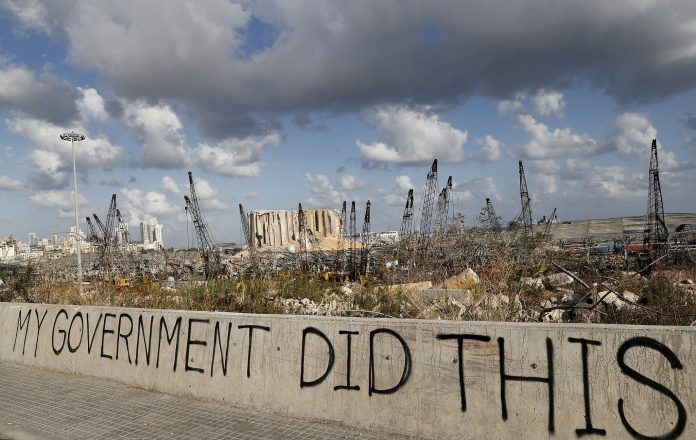
Image Source: https://rb.gy/b4fgzh

This article is written by Daksh Ghai, from Symbiosis Law School, Noida. The article provides a brief overview regarding the political, legal, and human rights crisis in Lebanon which includes multiple government collapses, state illegitimacy, and the state’s violation of human rights.

Introduction

The National Pact of 1943 established a parliamentary republic in Lebanon, with a Maronite Christian President, a Shia Speaker of the Chamber of Deputies (Parliament), and a Sunni Prime Minister sharing power. The law acknowledges 18 different religious groups or confessions. The Syrian civil war has had a particularly negative impact on Lebanon. The flood of Syrian refugees, which has now surpassed one million in a country with a population of 4.4 million, has had a tremendous influence on the country’s socio-economic and religious structure. The Syrian standoff has further exacerbated Lebanon’s already severe domestic political and economic situation.

Political crisis

The confessional system

Lebanon’s population is made up of roughly equal-sized Christian, Sunni Muslim, and Shi’a Muslim communities. Lebanon’s confessional system divides political posts among the country’s religious communities, or “confessions,” in ratios designed to reflect each group’s share of the population—despite the fact that the country hasn’t had a formal census since 1932. A Maronite Christian is elected President, a Sunni Muslim is appointed Prime Minister, and a Shia Muslim is elected Speaker of Parliament. The 128 seats in Lebanon’s Parliament are split evenly between Christians and Muslims, and each seat within an electoral district has traditionally been assigned to a specific religious community under Lebanese electoral law. The 1943 National Pact shaped Lebanon’s confessional system, which was adjusted and formalized by the 1989 Taif Accords, with the goal of encouraging consensus among the country’s sectarian communities, particularly in the aftermath of the country’s civil war. However, many people believe that the need for cooperation between rival political blocs on major issues contributes to political deadlock.

What’s wrong with Lebanon’s politics

Citizens accuse the political elite of abusing state resources for personal gain through patronage and clientelism networks that straddle business and politics. Unlike many Arab countries, Lebanon is ruled by a number of strong leaders and parties who wield power over the country’s numerous sectarian groupings. Quotas are used to distribute positions among the 18 officially recognized religions. Half of the members of Parliament are Christians, and the other half are Muslims. Critics claim that the system has kept the ruling caste in power indefinitely, allowing politicians to prioritize their interests over the needs of the state. The demands of the demonstrators include not only the removal of the elite but also a complete revamping of the system.

Unsatisfactory service

The following comment, from a UN specialist in Beirut, summarises the state of Lebanon’s public services: “We’re dominated by a kleptocratic, corrupt class. Why don’t they just fix the power? They aren’t going to! They give it away for free to their constituents in order to increase their popularity and gain votes. The previous Lebanese governments failed to offer excellent public services to citizens, violating the social contract between the state and the people.”

Inadequate infrastructure

The World Bank report suggested that the country’s infrastructure is in poor condition and requires repair. Lebanese individuals spend an average of 720 hours out of 4,380 days on the road, according to the World Bank’s Urban Development Transport Project. The traffic in Lebanon is mostly caused by the enormous volume of cars surpassing the capacity of the road network. Following the 2006 battle, Qatar and other Gulf states committed financial assistance to the government to help rebuild some of the infrastructures that had been destroyed. The World Bank and other donors have assisted the country in a variety of projects at the national and municipal levels, but more work is needed to establish excellent roads, water networks, drainage, and other infrastructure.

Garbage problem

Lebanon has been ravaged by a waste crisis in recent years. Despite the fact that rubbish collection and disposal are the responsibility of local governments, Sukleen, a private company, was hired to do so. A massive landfill in the heart of Beirut (the Normandy) had overflowed and had to be closed after the civil war. As a result, garbage collection was relocated to the Naameh landfill on the city’s southern outskirts as an emergency and temporary remedy. According to reports, the government was paying Sukleen about $147 per tonne of garbage in 2015, whereas the global average was $75 per tonne and the regional average was $40 per tonne. During this time, the government had not released resources from the “independent municipal fund,” which would have allowed local municipalities to fulfill their commitments of garbage collection and disposal within their jurisdictions.

Decentralizing problems : reliance on municipal-level responses

The responsibility of crisis management was passed to municipalities due to political gridlock at the federal level, where the impact of the influx was immediately obvious. According to a recent Oxfam survey conducted in five districts in north Lebanon, local authorities believe that the Central government is absent, leaving municipalities and local communities to deal with the crisis’ complex issues, such as housing shortages, sewage treatment, healthcare service provision, and security. To deal with the long-running and huge refugee crisis, local governments have limited administrative and governance capabilities. This has resulted in a high level of dissatisfaction among the local community. Municipalities have restricted financial resources as well. The Independent Municipal Fund – a Central, an intergovernmental grant-funding mechanism that transfers resources like taxes and levies from central to local governments – provides them with what they need. The basic demands of the local people and the provision of critical infrastructure frequently deplete municipal resources. 70% of Lebanon’s 1000 municipalities have fewer than 4000 registered residents. An estimated 80% are inefficient in terms of administration and finances.  Deddeh, for example, is a town in El-Koura with a population of 3,993 Lebanese and hosts 2,500 refugees. The local municipal council is composed of four full-time employees: the president of the municipality, an assistant, and two security personnel. Local governments’ ability to ameliorate or respond to the crisis’s significant socioeconomic and political repercussions, such as rising unemployment, intensifying social strife, and humanitarian needs, is hampered by a lack of administrative capacity.

Protest movement

A proposed government tax on internet-enabled phone conversations (via services such as WhatsApp) sparked widespread protests in October 2019, leading to Prime Minister Hariri’s resignation and the collapse of the Lebanese government. The protests, which were considered as some of the largest in Lebanon’s history, reflected wider unhappiness with widespread corruption, inefficiency, and economic mismanagement. Activists, who symbolized a broad economic, political, and sectarian cross-section of Lebanese society, said the protests were primarily motivated by the government’s failure to provide adequate access to basic goods and services, such as employment, health care, water, electricity, and garbage collection. The movement called for political leaders to be replaced by technocrats and attacked Lebanon’s political elites, notably Hassan Nasrallah, the leader of Hezbollah. Hassan Diab, who took over as Prime Minister from Hariri in December 2019, established a new government of non-career politicians, however, these ministers were mostly considered as being tied to traditional political parties and lacking in independence. The possibility of forming a ministerial administration that would drastically marginalize Lebanon’s conventional political elite, many of whom have been in power since the conclusion of the country’s civil war, is divisive and appears to be one of the numerous factors delaying the formation of a government. It remains to be seen whether the protest movement can overcome internal splits and grow into a cohesive political force capable of challenging the country’s long-established political elites. Lebanon’s parliamentary elections are set for 2022, but it’s unclear if the protest movement will be able to compete effectively within Lebanon’s patronage-based political system.

2016-2020 : Multiple Governments Collapse

Hariri Government (December 2016-May 2018)

President Aoun named Saad Hariri as Prime Minister after the election. Hariri was elected to his second term as Prime Minister (he previously served from 2009 to 2011 under President Michel Suleiman). During a visit to Saudi Arabia in November 2017, Hariri briefly resigned. Hariri returned to Lebanon a month later and rescinded his resignation. Following the May 2018 parliamentary elections, his government was considered resigned.

Hariri Government (January 2019-October 2019).

Saad Hariri was re-appointed as Prime Minister by President Aoun in May 2018. After more than eight months of political gridlock, Hariri created a new cabinet in late January 2019. The Hariri cabinet had a majority of 30 members on March 8, reflecting the outcome of the 2018 legislative elections, however, Hariri had to resign again in October 2019 after widespread protests.

Diab Government (January 2020-August 2020).

President Aoun appointed Hassan Diab as Prime Minister in January 2020. The Diab cabinet, which consisted of 20 members, was the first since 2005 to be made up of parties from a single political bloc. Following the explosion at Beirut’s port on August 4, Diab resigned.

Adib Government (resigned before formation).

President Aoun named Mustapha Adib, Lebanon’s ambassador to Germany, as Prime Minister-designate on August 28. Adib resigned less than a month later after failing to meet Amal and Hezbollah’s demand that the Finance Ministry, one of Lebanon’s four “sovereign ministries,” be embroiled in Shi’a control.

2021: Status of government formation

Saad Hariri was reappointed as Prime Minister-designate by Aoun in October 2020. Hariri was unable to assemble a new cabinet in April 2021, despite agreeing to a major demand from Hezbollah and Amal that the Finance Ministry be kept under Shia control for one more appointment. Following a feud between Hariri and President Aoun and his son-in-law, MP Gebran Bassil, Najib Mikati was named as Lebanon’s next Prime Minister, barely 11 days after Saad Hariri resigned as Prime Minister-designate, ending nine months of political gridlock. Mikati ran practically unopposed, garnering 72 votes, 42 MPs did not vote at all. For nearly a year, the country has been without a functioning government and is attempting to modernize its economy in order to gain access to international funding.

State’s Illegitimacy

Lebanon has a parliamentary electoral system wherein the state’s powers are divided among the legislature, executive, and judicial branches, according to the Lebanese Constitution. The legislative branch is the Parliament (or House of Deputies), the executive branch is the government, and the judicial branch is made up of courts and judges. Theoretically, citizens elect their legislative members every four years, and the President of the republic is elected every six years. The President appoints the Prime Minister to form a government after consulting with the cabinet. To carry out its executive functions, the cabinet must first get a vote of confidence from the Parliament. The cabinet changes when the Parliament or the presidency changes, or when a member of the cabinet resigns.

Three elements contribute to the weakening of state legitimacy:

  1. A faulty electoral system and a long term in Parliament.
  2. The judiciary’s and police’s inadequacies.
  3. Existence of illegitimate arms and groups within the state.

Electoral Law

Until June 2017, two major electoral laws were in effect: the “1960 law” and the “2000 law,” both of which were engineered by Syrians. The majority system that underpins these rules meant that those with greater power and influence in the country kept their seats in Parliament, reducing the possibility of minorities being represented. According to the ballot, the candidate who receives the most number of votes wins all of the seats in their electoral district. This meant that, in a sectarian atmosphere, larger sects elected minority’ delegates within those districts. The rule also encouraged “slating” of candidates, in which candidates are picked for election lists based on their chances of winning seats and predicted popularity, rather than their political and economic policies. The election legislation, in combination with corrupt electoral practices (such as vote-buying), has often resulted in elected houses without national legitimacy.

The country was left in anarchy after Syrian forces withdrew from Lebanon in 2005. Without international mediation – especially from Syria, Saudi Arabia, and Qatar – the various state actors could not establish a consensus on any state topic, and the country faced extended periods of political vacuum every time a cabinet or President was to be elected. The current President, Michel Aoun, was elected after 30 months and 45 parliamentary sessions.

The Parliament, which was elected in 2009, was still in office after its four-year term ended. The MPs’ terms were extended at the end of their first term in 2013, and again in 2017 when they passed a new electoral law. In practice, this implies that the public has not voted in legislative elections in nine years and that the current house of deputies, at the very least, does not reflect people’s preferences.

The division of seats by geographic regions and religious groupings is another concern in the parliamentary makeup. To heal the scars inflicted by the war, political/wartime leaders decided in 1989 to divide the 128 parliamentary seats in half between Muslims and Christians (and proportionately within each side). Even back then, it was evident that the separation was made to assure equity, not necessarily to reflect the society’s sectarian distribution. Indeed, there is no precise assessment of the composition of society today because the government has not undertaken a population census since 1932. The idea of a census, according to top government officials and party leaders, is a highly sensitive matter that could lead to civil tensions.

Judiciary and police

According to a recent survey conducted by a Lebanese anti-corruption NGO, people from all political parties, age categories, and geographical locations engage in and perceive high levels of corruption. The fact that less than 15 percent of the sample fully trusts the judiciary is the most startling of their results. 65 percent of those who don’t trust it entirely feel it’s because of political involvement and clientelism, while approximately half believe that it’s because of corruption and bribery. The police and the judiciary are among the top receivers of bribes in Lebanon, according to Transparency International’s Global Corruption Barometer.

Despite the fact that Lebanon has a large number of well-trained lawyers and judges, the judiciary lacks independence from political authority and confessional quotas. There is evidence of a massive backlog of inefficiently processed cases, as well as an unequal treatment before the law, particularly when adversaries have considerable socio-political clout or connections. 

Recruiting prosecutors is frequently influenced by political authority and meddling. Furthermore, military courts have unrestricted authority, which is sometimes used for political purposes. The lack of fair trial principles, defendant rights, and political influence hamper these courts. Furthermore, military courts have unrestricted authority, which is sometimes used for political purposes. The lack of fair trial principles, defendant rights, and political influence hamper these courts. 

Importantly, the judiciary now lacks the integrity necessary to enforce the law and safeguard the Constitution. Evidence demonstrates that political interference in the operation of the courts not only impedes the judiciary’s ability to hold the government and state officials responsible for their acts but also undermines the rule of law’s the fair and equal application to all individuals. Security and order are maintained at the personal or private level, eroding the state’s legitimacy and coercive authority. In addition to failing to uphold civil and criminal law, the judiciary has also failed to hold the government accountable for illegal acts. This is a direct result of the absence of separation of powers among the several institutions of government, notably between the political and judicial branches. Despite the fact that civil society and the media have reported countless failures and corrupt practices by ministers, MPs, and other officials to the judicial authorities, they have failed to take necessary action. Example include:

  1. Embezzlement in the telecom industry by a high-level official and by customs officers. 
  2. The fraudulent deals were made during the 2015 garbage crisis.
  3. Unlawful institutions owned by political leaders, among many others

Furthermore, the police force frequently breaks the law. Lebanon’s civil society has taken to the streets in recent years to oppose the illegitimate government and its corrupt policies. The protests have been met with brutality, unequal force, and heavy armament by the police. Despite evidence of widespread uneven use of force by the police, the authorities have not disciplined the officers in issue, despite the fact that the Constitution protects freedom of expression, movement, association, and peaceful assembly. Furthermore, the army and police in Lebanon are in disarray. They lack political agreement on the scope of their responsibilities, military unity, training, and financing. The Lebanese army receives most of its financing and training from outside sources. The state’s legal and coercive capacity is harmed by a lack of strength, unity, and mandate, as well as significant levels of corruption.

Illegitimate arms

Despite the fact that the Taif Accord called for all armed groups and militias to disarm, this did not happen. The presence of armaments and (heavy) weaponry in the hands of individuals and significant political parties is perhaps the most dangerous to state legitimacy. The remains of the civil war militarisation represent a significant threat to the implementation of law and order in the absence of a strong state. Hezbollah, for example, has created a state inside a state, with a military wing, a political wing, social services for its “constituents,” and near-complete control of the country’s south and some other regions. The party has made peace and war choices without notifying the government, and the group utilized its weapons against fellow Lebanese civilians. Most recently, the armed group has decided to take military action in Syria and become involved in the country’s civil war on its own. This action puts not only Hezbollah’s Lebanese soldiers in jeopardy but also the country’s overall stability.

Some sections of the country still have tribal traditions that function outside of the state’s jurisdiction (most notably in the Bekaa valley in the northeast). They ignore the courts, believing they are above the law, and resort to violence to settle disputes. Some armed and aggressive cells can also be found in Palestinian refugee camps because these camps are not under Lebanese jurisdiction, the Lebanese army does not access them, and their security is entrusted to the camp residents. As a result, a large number of criminals have sought safety within these camps. As a result, transnational armed groups (such as Hezbollah, the Palestinian Liberation Organization, and extremist groups like al-Qaeda) are both a cause and a consequence of the state’s weakness and illegitimacy. Without widespread support, such organisations would not have been able to endure and thrive. Due to the country’s sectarian tensions, each party has given non-state actors their full backing.

Pre-crisis legal framework

Lebanon lacks a clear domestic legal framework to guide authorities’ treatment of refugees, and the country makes no legal distinction between refugees and other immigrants. The ‘Law Regulating the Entry, Stay, and Exit from Lebanon, which dates from 1962, applies to refugees and all other foreigners in Lebanon.

Syrian nationals’ residency and work status in Lebanon is governed by additional legislation. Lebanon and Syria signed a bilateral agreement for Economic and Social Cooperation and Coordination in 1993. This agreement removed limits on migration and enabled nationals of both countries the right to work, reside, and engage in economic activities. Prior to the crisis, it is unknown how many Syrian labourers lived in Lebanon, with estimates ranging from 300,000 to 600,000. Agriculture, construction, commerce, and handicrafts were the most common jobs among Syrians. While Syrian nationals were legally required to get a work permit, neither Lebanese employers nor the Ministry of Labour (MOL) or the General Security Office (GSO) put the law into operation until 2014. According to official numbers, 650 Syrians were formally registered in 2012–2013, with 200 workers renewing their work licenses. 

In terms of labour regulations and social security, Palestinian refugees in Lebanon are subject to different frameworks. In 2010, the National Social Security Fund (NSSF), an independent, public social insurance agency, granted Palestinian refugees in Lebanon the ability to benefit from end-of-service benefits. Despite paying the same payments as Lebanese, they still do not have the entitlement to illness, maternity, or family indemnities. This law does not apply to Syrian Palestinian refugees.

Due to the lack of a distinct law or policy on asylum and refugees in Lebanon, refugees in the country lack access to a national legal framework to protect their rights under international law. Nonetheless, the 1962 law makes a few passing references to forcible repatriation of political asylum seekers. A political refugee deported from Lebanon will not be returned to a country where “his or her life or freedom is threatened,” according to Article 31. Moreover, the GSO was given the power to issue a transit pass to those who do not have travel documentation and are refugees, stateless, or nationals of countries with no representation in Lebanon. Furthermore, the Lebanese government recognises that people who have registered with the UNHCR will not be sent back to the countries that they fled. 

These rules, however, have minimal impact because the Official of Lebanon has deemed the Syrian refugee issue to be governed by government choices rather than by legislation. This is in direct opposition to the Lebanese Constitution, which upholds the Universal Declaration of Human Rights and its commitment to the right to seek and receive asylum. It also contravenes Lebanese legislation as well as a number of international treaties and conventions to which Lebanon is a signatory.

Entry restrictions and legal status

A new administration was created in Lebanon in February 2014, after months of consultation. By April 2014, the country’s refugee population had surpassed one million. This was due in part to the open border arrangement between Syria and Lebanon, which allowed Syrians to freely cross the border and get legal status easily and effectively. Soon, the larger effects of this massive population inflow, combined with an inadequate response directed primarily at the refugees themselves, were apparent: 

  • Economic stagnation, 
  • Assistance delivery issues,
  • Increasing constraints on public services were all blamed on these developments. 

Major moves in response 

  • In October 2014 the new government made two major reforms. To begin, it chose to collaborate with the UN to construct a Lebanon Crisis Response Plan (LCRP) as part of the UN’s Regional Refugee and Resilience Plan in order to lessen the impact of the crisis on Lebanon and its people. 
  • Second, it released a ‘Policy Paper on the Syrian Crisis,’ which attempted to address Lebanon’s displacement crisis. The paper outlines the GOL goals and assumptions regarding the crisis, however, it lacks a clear implementation method and was published late in the refugee response planning process. The GOL declared its intent through the October Policy to:
  1. Cut down on the number of displaced people in its territory by controlling border access; 
  2. Identify rising security concerns, including bolstering municipal police units to manage the displaced population; and 
  3. Mitigate the crisis’ economic effects by, among other things, strictly enforcing laws governing displaced persons and foreigners to protect Lebanese employment generally.

The General Security Office’s Role

  • The General Security Office, which was in charge of all entrance to Lebanon and asylum applications, used its discretionary powers under the October Policy to limit Syrian nationals’ access to specified categories. It also enforced a slew of expensive and time-consuming procedures for controlling the legal status of the individuals in the country. As a result of these policies, the distinctions between people the government considers to be displaced, refugees, and migrants got blurred.
  • Regular checkpoints and other security measures targeted specifically at refugees, such as raids on informal settlements, became part of the October Policy’s implementation as the Lebanese security apparatus worked to ensure a minimal spillover of the conflict into Lebanon and cracked down on armed groups. At the end of 2014 and early 2015, arbitrary arrests and detentions of suspected refugees caught in raids grew more common, as did evictions of entire villages justified on safety grounds.
  • After February 2015, more difficult procedures for renewing residency documents made this technique increasingly troublesome for refugees. As the number of refugees who were unable to renew their documents grew, so did the number of those who were unable to renew their documents. As a result, they became officially ‘illegal,’ putting them in jeopardy of being arrested.
  • The new border controls established seven separate types for Syrian citizens to enter the country. If Syrians seeking refuge in Lebanon fail to meet one of these conditions – which include proving financial stability and plans to return – they are left with only two choices for entering the country. They can enter as a worker with a Lebanese sponsor on the basis of a “previous commitment of responsibility” or under one of the Ministry of Social Affairs’ four humanitarian exceptions, which are based on MOSA’s requirements.

Consequences of the October policy on the refugees

After the October policy Palestine refugees from Syria were accepted under even harsher conditions: 

  • They could only enter if they had an embassy appointment, were transiting to a third country (with documentation of airline tickets and a visa for the third country), or if they submitted a responsibility pledge. 
  • They were not eligible for humanitarian exceptions because of the high charges, as well as the risk of arrest and/or deportation by the GSO; few such refugees have sought the GSO to renew their visas.

Alternatives with the Syrian refugees 

Syrian refugees who arrived in the country before the policy was implemented in October had two alternatives. 

  • They could either sign a promise not to work in order to renew their residency based on UNHCR registration, sacrificing much-needed income for themselves and their family in the process; or 
  • They could renew their residency by getting sponsorship from a Lebanese national (which effectively treats them as migrants). 

Both solutions provide only a sliver of legal protection. Registration with the UNHCR does not grant refugees asylum or legal status. Meanwhile, the Syrian sponsorship system “violates the Lebanese code of labour” and leads to refugee abuse under the guise of sponsorship. As of September 2015, an estimated 57% of Syrians and 90% of Palestine Refugees in Syria lacked legitimate residency documents as a result of these efforts. This jeopardizes their refugee protection, putting them at greater risk of exploitation, abuse, and violations, such as gender-based violence.

Human right crisis

The right to life, liberty, and security

Physical safety

Suicide attacks and explosions occurred on a sporadic basis in Lebanon, posing a threat to the right to life, liberty, and personal security. The majority of the attacks took place in eastern Lebanon and Beirut. Following the deterioration of the security situation in these places, checkpoints have increased, posing a threat to Syrian refugees’ freedom of movement, particularly those without legal status. As a result of the widespread fear of arrest and imprisonment at checkpoints, refugees have been unable to access services or seek jobs outside of their immediate region of residence.

According to recent research conducted in February 2015 by International Alert, 74% of the Lebanese population believes Lebanon is less safe today than it was four years ago. Lack of security, terrorist actions, basic living requirements, unemployment, and the threat of civil conflict have all been mentioned as threats to safety and security.

Gender-based violence

In 2014 and 2015, minor improvements have been achieved in terms of gender equality. Law 293, known as the law to protect women and family members from violence, was ratified with amendments that kept the National Coalition for Legislating the Protection of Women from family violence unsatisfied. The problem with the current form of the law is that it still has some gaps on the issue of custody and it failed to criminalize marital rape. The two amendments mentioned above were not enough to guarantee gender equality and evidence of that was presented in the Gender Gap Report 2015 that ranked Lebanon as the 8th worst country of 145 states in terms of gender equality.

Arbitrary detention and guarantees of a fair trial

With the recent security situation in the country, cases of arbitrary detention have reportedly been on the increase in 2015. In many cases, the deprivations of liberty were not based on a legal decision and were a violation of the rights and freedoms that are protected under the UDHR and ICCPR. Many of the deprivations of liberty were not based on a legal decision and were a breach of the UDHR and ICCPR, which safeguard human rights and freedoms. 

Trial of Michel Samaha

Michel Samaha, the former Minister of Information, was arrested along with his secretary, chauffeur, and two bodyguards in August 2012 when authorities learned of his plans to carry out bomb strikes around the country. Following incriminating proof of his suspected involvement in the scheme, Samaha was referred to the Military Tribunal. Samaha and two other men were charged with “forming an armed gang aimed at committing crimes against the public and subverting the state’s authority” the following month. Samaha’s trial began in June 2013 and was repeatedly postponed after he was detained without a trial for nearly a year, infringing on the most fundamental aspects of the right to a fair trial as required by international standards and giving the incarceration an arbitrary character. Samaha was sentenced to four and a half years in prison in May 2015, a sentence that was met with strong criticism from political factions, and his opponents viewed it as lenient. The Military Court of Cassation granted the military prosecutor’s request to appeal the decision against Samaha in June 2015. The retrial, originally planned for December 17th, was postponed until January 21st, 2016, and finally, Samaha was sentenced to a term of four and a half years which was later increased to 10 years after a retrial.

The state of the courts and the prison

  • According to a recent survey performed by International Alert, more than half of the study’s respondents believe Lebanon’s courts are inaccessible, unfair, ineffectual, and slow. Almost two-thirds of those polled doubted their independence. Members of political parties have a higher good attitude toward the courts, whereas victims of crime have a far more negative attitude toward them. There are also significant regional differences: in the south, the courts are far more popular than in the north. This demonstrates that citizens’ overall perceptions of fairness in court are quite unfavourable, meaning that the likelihood of a fair trial is rather remote. In other words, they are not aware of the concept of a fair trial, and they do not expect it in situations where they may be imprisoned or detained.
  • The practices of the Lebanese criminal justice system have not always followed the spirit of international agreements. In international law, for example, prisoners’ rights are primarily safeguarded and specified by Article 10(1). “All persons deprived of their liberty will be treated with humanity and respect for the inherent dignity of the human person,”. 
  • According to information released by the Ministry of Justice, Lebanon’s convicts are housed in 23 different prisons across the country. Problems with jail facilities and management have been reported on a regular basis, but the government has yet to formulate a coherent response strategy to address the issue. For example, jails are still extremely overcrowded, owing to the lengthy pre-trial procedures as well as the institutions’ limited capacity. 

Torture

Lebanon currently lacks a method to monitor the implementation of international agreements, such as the UN Convention Against Torture (UNCAT). There is also no legislative or policy framework in place to prevent torture impunity, putting persons in detention centres at increased risk of torture and ill-treatment.

Lebanon undertook various measures to implement several procedures and enact laws for the prevention of torture. Institutional instruments for complaints, as well as detection and investigation of torture abuses, were fostered through such processes. Certain state entities have made commitments to these, such as the Internal Security Forces (ISF), which formed a human rights department, a torture committee, a code of conduct, and a memorandum outlining the responsibilities of ISF units in implementing the UNCAT. Unfortunately, despite their importance, these procedures are nonetheless ineffective in terms of preventing torture. The ISF torture committee fails to implement a victim-friendly complaint process, is unable to respond to widespread torture, and, most crucially, is unable and unwilling to report on the cases it has investigated.

Child rights

In recent decades, Lebanon has made significant progress in improving the protection of children within the country. It ratified the Convention on the Rights of the Child (CRC) without reservations in 1991, as well as the Optional Protocol to the CRC on the Sale of Children, Child Prostitution, and Child Pornography in 2004 and the Optional Protocol to the CRC on the Involvement of Children in Armed Conflict in 2002, but did not ratify it.

The Ministry of Education and Higher Education of Lebanon began the Quality Education for Growth National Education Strategy in 2010, which is set to end in 2015. This was established as part of Lebanon’s efforts to reform public and higher education, as well as develop and strengthen vocational and technical education to meet the country’s development and construction needs, as well as revise and develop curricula to reinforce national identity and integration, as well as religious and cultural openness.

During the Global Child Labor Conference in The Hague in 2010, Lebanon established a National Action Plan, pledging to end child labour by 2016. Despite the government’s ongoing efforts to tackle the problem, child labour persists in the form of an increasing number of children living and working on the streets. In Lebanon, street children continue to be one of the most prevalent and visible forms of child labour.

Over 100,000 youngsters are exploited and forced to work in dangerous situations as a result of child labour and illegal trade. According to a study published in February 2015 by the International Labor Organization (ILO), the United Nations Children’s Fund (UNICEF), and Save the Children International (SCI), 1,510 children aged 7 to 14 live or work on Lebanon’s streets for up to 16 hours per day as a result of social exclusion, household vulnerability, and organised crime.

Conclusion

Lebanon has been affected politically, socially, and economically since the Syrian crisis began in March 2011. The consequences of the crisis have continuously deepened in the nearly five years since it began. Today, Lebanon has the world’s greatest per capita refugee population per capita, with one out of every five persons being a refugee, resulting in a 30 percent rise in population. Refugees are spread around the country in over 1,700 locations, with a significant number of those under the age of 18 showing indicators of vulnerability in both refugee and host communities. The Lebanese state’s weakness and capture by self-serving elites are evident; at the moment, the overall estimated cost of the crisis to the Lebanese economy is US$7.5 billion per year, including $1.1 billion in higher expenditure due to increased demand for services.

References


Students of Lawsikho courses regularly produce writing assignments and work on practical exercises as a part of their coursework and develop themselves in real-life practical skills.

LawSikho has created a telegram group for exchanging legal knowledge, referrals, and various opportunities. You can click on this link and join:


Follow us on Instagram and subscribe to our YouTube channel for more amazing legal content.

Download Now

Digital merchandising of apparels and intellectual property laws involved

0

This article has been written by Hema Paliwal pursuing the Diploma in Intellectual Property, Media, and Entertainment Laws from LawSikho.

Introduction

Expansion of e-commerce at Unbelievable Rate resulting in Continuous Rise in IPR infringement Cases. “As per the reports of IBEF (India Brand Equity Foundation) India’s e-commerce will reach the US $ 99 billion by 2024, growing at a 27% CAGR over 2019-2024 with grocery and fashion/apparel likely to be the key drivers of incremental growth”.

Recently a case between Tata Sons Pvt. Ltd.(a holding company of Tata Groups) V/S M/S Electro International has become the talk of the town. Tata sons have owned the domain name www.tatacliq.com since 2015. They found a similar/identical domain name which is www.tatacliqsmart.com owned by Electro International which was being used to deceive the public and sell their products in the name of Tata. Tata group filed a complaint against M/S Electro International for infringing their trademarks and copyrights rights. Interim Injunction has been granted by the court in the favor of Tata Group. The court granted this injunction in favor of the Tata group only because they owned rights in their Intellectual Property. Therefore, people should understand the significance of protecting their intellectual property. As per the reports given by IBEF, there will be a huge jump in India’s e-commerce by 2024 and there will be many more people who will try to infringe your Intellectual Property.  The exceptional growth of e-commerce increases the number of Infringers also increases. Therefore, the purpose of this article is to make people aware of the various IPR laws and to encourage them to protect their Intellectual property which is an asset to their business. Also to provide some information regarding Digital Merchandising which is an important technique to expand your e-commerce business.

What is digital merchandising?

“Digital Merchandising includes all the activities or the techniques used to attract the customer in order to increase the sale on their respective online platforms. Digital Merchandising is also known as eCommerce or online merchandising and the person responsible for all these strategies is known as Digital Merchandiser”.

It includes all the activities starting from showcasing different products on the e-commerce portal, adopting different techniques to engage and attract the customer, converting browsers into buyers and also includes all the after-sale services refund and return policies in order to gain customer satisfaction.

Here are some tools and techniques of Digital Merchandising.

  1. Designing of Homepage 

Homepage is the first page which a customer will look upon after opening the website. It should be neat, simple, well categorized and should include all the headings which shall attract a customer. For example, it should categorise gender-related products, differentiate the bestsellers, high discounted products, recommendations, Coupons and discounts, each and every product should be categorized in their respective categories. The homepage should be attractive, easy to use and well-categorised.

2. Product Description

Each and everything about the product that you are going to sell should be well described in a way of visuals, size descriptions, product descriptions, the delivery time with the terms and conditions related to the product. It should be presented in a way that it deters the scope of confusion in the mind of the customer.

3. Customer Specific Products

By decoding the user’s browser history with the help of technology you will be able to find the taste and preferences of the customer and the seller will be able to provide the product which is of the customer’s choice. This will help in seeking the attention of the customer and will result in sale of the products.

4. Customer Satisfaction Services

The seller should provide services with an easy exchange, easy return, refund, genuine feedback by real customers, recommendations, timely delivery and so on in order to satisfy the customer and which also helps in building the brand value amongst the customers. Customer Satisfaction services are the most important part of e-commerce as these help in encouraging the customer to order the product without any hesitation and insecurities.

5. Designing of e-commerce portal or website

An e-commerce website or application or portal should be designed in such a way that it becomes easy for anyone to operate it. There should be smooth and simple functioning of the website so that it is easy for people from all the age groups to use it.

To survive the strong e-commerce market competition, sellers need to understand and apply digital Merchandising techniques in order to grab the customer’s attention.

Importance of digital merchandising

Digital Merchandising plays a crucial role in today’s world of technology. The success of any e-commerce businesses depends upon the good techniques used by the digital merchandiser. It includes all the activities right from approaching the target market to meet their expectations by providing timely deliveries, exchange, return and refund facilities etc. in order to gain customer satisfaction. 

1. It enables the owner to showcase all of their products under one platform without creating a mess. 

2. It helps in reducing dependency on manpower which helps in cost-cutting.

3. Doing all promotional activities, grabbing people’s attention from all over the globe, advertising various products, with the least amount of manpower, all of this became possible only because of digital merchandising.

4. Digital merchandising is all about adopting all the possible permutations and combinations in order to expand the customer base resulting in multiplication in sales and brand knowledge amongst the general public.

5. People are also benefited by this concept of digital merchandising as it focuses on customer-friendly policies and they also feel happy and comfortable in spending their hard earned money because they trust the brand due to the services provided by them and don’t hesitate to buy the brand. Therefore, it also helps the owner to increase their brand value.

Merchandising of apparels

Merchandising is related to all the activities done in order to increase sales. Digital merchandising of apparel is when the owner uses any digital platform or develops their own platform to sell their apparel using digital merchandising techniques and tricks in order to widen their customer base. This type of merchandising also enables the owner to grab a large size of customer base with less amount of expense incurred. It’s the need of the time as the e-commerce industry has flourished in the last decade and people have become more comfortable in buying products online. Facilities of return, exchanges, refunds have been given to the customers which were not as easily available as on e-commerce platforms now. Owners who shifted on digital platforms have seen an unexpected growth in their sales and Most of the clothing owners have faced failure by not adopting digital merchandising techniques. Owners are providing apparels at lowest possible price to their customers majorly due to cut in their showroom cost which is the main reason behind the popularity of digital shopping platforms. To survive the neck-to-neck market competition, adopting digital merchandising techniques are must.

Platforms such as Myntra, Ajio, Zara, Mango are some examples that use digital merchandising techniques and are growing rapidly.  

Role of fashion and intellectual property

All thanks to e-commerce, because of which it became so easy for the general public to  buy from big brands while sitting at home, that too with so many customer-friendly policies. Even big brands fashion industries follow the digital merchandising strategies in order to reach the customers even though they already carry enough goodwill but still they use this type of merchandising because they know changing with time and technology is the only way to keep their brand’s name consistent in this though market competencies.

Living in the digital world comes with lots of ease in everyone’s lifestyle but hits back with repercussions too. With this digitalization where everything has become so easily accessible that anybody can replicate it and the same is applicable to the fashion industry too. But there is nothing to worry, as with the evolution of time and technology, there has been remarkable growth in the sector of Intellectual Property Laws.

Intellectual property laws protect the rights of the person who by using his own intellect/innovations made any creations, music, designs, writing, inventions or any other work. By protecting your own intellectual property under Intellectual Property Laws, you would be able to restrict the other person to duplicate and sell your own creation in their name and if they do so then they have to face the punishment imposed by various Intellectual Property Laws. Fashion is not only restricted to apparels but they also cover the high brand luxurious goods and products. Designs, unique creations, innovations are the designer’s own intellectual property and in order to protect their own IP there have been sufficient Intellectual property laws. 

Louis Vuitton, Nike, The Hermes Kelly bag, Versace’s medusa motif and many more carry intellectual property rights in their own brand names for their creativity and skills. There are so many renowned brands which have their IP rights reserved. Likewise in India, big fashion brands owners started getting their creative and artistic work rights reserved under IP laws. In August,2017, Rohit Bahl was the first designer in India to copyright all his collections. Anju Modi, Anita Dogra also copyrighted their collections and with their actions people in the fashion industry started having some awareness towards their IP rights.

Trademarks

Trademarks are defined under Section 2(zb) of the Trademarks Act,1999. It states that “marks capable of being represented graphically and which are capable of distinguishing the goods and services of one person from those of others and may include shape of goods, their packaging and combination of colors”.

Trademarks are the most commonly used method to protect the Intellectual property owned by fashion brands. As defined by the Trademarks act,1999, Trademarks are basically words, symbols or logos. Amongst the fashion brands, trademarks are being used to protect their brand name, or logos and also the distinctive feature of a product which carries excessive value to the business. Gucci, Nike, Caprese, Masaba, Sabyasachi, Manish Malhotra etc. got their trademark registered in their respective classes. Fashion brands such as Louis Vuitton and Raymond carry the status of  WELL-KNOWN marks and these well known marks also get the right to get protection across all the classes other than the class in which they got registered. A registered trademark owner enjoys benefits laid down in Section 28 of the Trademarks Act,1999 over an unregistered mark. Trademark registration is valid for ten years and after that, the owner needs to renew the same otherwise it will expire. It’s not necessary to register your trademark but registration adds some rights over the unregistered mark which are difficult to object to, which is why it’s important to get your trademark registered.  

Patents in fashion and clothing

Patent procedures are more complex and costly as compared to trademarks and copyrights. Fashion and clothing is full of lengthy procedures including very minute details. Patent in fashion and clothing is only applicable when the product or procedural invention involves an inventive way which is new or rare. It must contain a very unique way of creating the product. With the help of patents the patentee can enjoy the monopoly over the product/procedure patented and no one can claim rights over it. Some Examples of patents in the fashion industry are ; technology used by crocs shoes, wrinkle-free fabric, UV filtering textiles that are resistant to fire and water repellent textiles and many more. It’s always advisable to patent your invention in order to reduce/eliminate the chances of its replication and enjoy its ownership solely.

Designs

The word “Design” is defined under Section 2(d) of The Designs Act,2000. It says that Design is a feature of shape, configuration, pattern, ornament or composition of lines or colors. Designs deal with the physical appearances of the article. In order to get the design patented, the designs need to be new and should not replicate the prior designs. Designs are very useful for fashion and the clothing industry in order to prevent the replications of the designs. The registration of design gives power to having “copyrights” in the design. Here copyrights mean that the registered proprietor has the authority to use that design on the article under the class which he had registered. Generally, the duration of a registered design of ten years.

Ways in which fashion and apparel can be protected in India

  1. In the form of “artistic work” covered under the Copyright Act, 1957
  2. Features of shapes configuration, patterns and the composition of lines and color patterns under The Design Act, 2000.
  3. Third schedule of Designs Rules,2001 provides an exhaustive list of products and articles in respect of which an application can be made to the controller. 

Critical analysis

If we talk about fashion and its protection in the U.S., design patents are available for designers to protect their designs. Design patent protects the look, ornamentation if it clears the thresholds specified. While applying for a design patent the designer is obtaining rights in features, patterns, prints, etc. and not in the entire product which the designer sells.

The Recent Landmark Case; Star Athlentica, LCC V/S Varcity Brands Inc. talks about the “Concept of Separability ” which means the design applied on an article of clothing is separable from the article of clothing. Therefore, the designers will seek protection only on the design of the article of clothing but not on the article along with the design as a whole.

Whereas, In India, The Copyrights 1957 and The Designs Act,2000 gives protection in designer clothes in two different ways. 

  1. Protection for the design on the garment which doesn’t include the shape/design of the garment itself.
  2. Protection of design/shape of the garment itself attributing to its unique fabric and tailoring.

Rohit Bal was the first Indian designer to copyright its Lehenga design in 2017. The lehenga designed by him doesn’t have any drawing over it. Therefore it was his lehenga i.e., the item itself on which IP rights were reserved. If someone replicates his lehenga even other than its original color, it will still lead to piracy. 

Therefore, Design Laws in India are better and wider than that of the U.S. which also helps Indian designers to protect their design on a wider scope.

Design patents are mostly appropriate for handbags, shoes, jewelry, hair accessories, home decorations. In short design, patents are best fitted for the fashion industry to get their intellectual property rights reserved. Therefore, it’s important to protect your designs with the help of Intellectual Property Laws and eliminate the chances of replications.

Conclusion

Digital merchandising is the concept of the 21st century and people should use this concept in order to flourish their business. Businesses without e-commerce and digital merchandising techniques are just like fish without water. On further observation, we can see all the brands or business owners who used these techniques have flourished at an unmatchable speed. In the Present high-tech life, it’s always advisable to use digital merchandising techniques for the growth and development of your business.

Due to digitalization and the spread of e-commerce, information is so easily available in the public domain which results in very high chances of misuse of one’s IP . But one need not worry as Indian Laws are equipped with various rights for the protection of one’s Intellectual Property as specified under Indian Intellectual Property Laws. By obtaining IP rights over your IP one can enjoy a monopoly over it and stop plagiarism.

 References

  1. https://bulbandkey.com/blog/merchandise/5-types-of-merchandising-you-should-know.
  2.  https://blog.ipleaders.in/ipr-laws-applicable-to-fashion-industry/.
  3. https://www.mondaq.com/india/trademark/704378/role-of-ipr-in-the-fashion-industry.

Students of Lawsikho courses regularly produce writing assignments and work on practical exercises as a part of their coursework and develop themselves in real-life practical skills.

LawSikho has created a telegram group for exchanging legal knowledge, referrals, and various opportunities. You can click on this link and join:

Follow us on Instagram and subscribe to our YouTube channel for more amazing legal content.

Download Now

Judicial perception of domestic violence

0
Domestic violence

This article is written by Shubhangi Katare.  

Introduction 

The patriarchal structure of the society has, since time immemorial, undermined the position and identity of women in society and enabled men to subject women to violence and exploitation. This exploitation takes various forms, including physical, social, psychological, economic, and sexual. Both the cultural and political landscapes in India are impregnated with misogyny that enabled such oppression of women, sometimes in the name of religion and sometimes passed off as social norms. 

In the 1980s, sections 498A and 304B were incorporated into the Indian Penal Code (‘IPC’) 1860 to specifically deal with cruelty faced by married women. The ambit of the given provisions did not include the other myriad number of ways through which domestic violence is perpetrated, and these were to be treated as acts of violence under respective sections of the IPC without placing due consideration to the gender of the victim. However, the enactment of the Protection of Women from the Domestic Violence Act in 2005 is a commendable step towards recognizing and securing the rights of women in various instances of domestic violence. The Act is comprehensive and expansive in its scope, providing effective civil remedies to aggrieved women. While the statutory provisions in both the Act and the IPC provide the courts to adopt and follow its own procedure to dispose of the matters presented before them, the paper argues that the courts must meticulously adjudicate the cases to deliver justice to both the aggrieved women and the respondent without adopting a bigoted approach.

In the article, I have elaborated on the views and approach of the Indian Judiciary towards cases of domestic violence. I have studied the court’s perception on two particularly disputed issues arising in the domestic violence cases, referring to the Indian case laws. The first issue analyses the Court’s interpretation as to what constitutes ‘cruelty’ under section 498A of the IPC, wherein I have argued that in various instances, the court adopted a narrow and prejudicial approach towards domestic violence cases. The second issue elucidates the Court’s view on the inclusion of a ‘live-in’ relationships under the definition of ‘domestic relationships’ under the Act, 2005, and it is argued that such relationships must fall under the above definition to recognize and secure the rights of aggrieved women in such relationships. In the third issue, the Court’s interpretation of ‘shared household’ is briefly examined to highlight the restrictive and exclusionary interpretation adopted by the courts. 

Court’s perception of cruelty 

‘Cruelty’ as defined under the section 498A, states that the perpetrator can only be the husband and/or his relative and includes:

  1. The conduct against the woman, which must be wilful and should have the potential to push a woman on the verge of suicide or cause grave physical injury to the woman, or, 
  2. Harassment of the woman, which is in furtherance to coerce her or a relative of hers to meet an illicit demand of property or valuable security.

Section 498A does not deal specifically with the diverse forms of violence like sexual, verbal, or psychological. It thus defines ‘cruelty’ very broadly, giving discretionary powers to the Courts who have then interpreted cruelty to the disadvantage of women, such as in the case of Arvind Singh v. the State of Bihar. It was held that – “cruelty denotes a state of conduct which is painful and distressing to another,” which is neither inclusive nor lucid in its interpretation. In the case of Savitri Devi v. Ramesh Chand and Ors, the tests to invoke the provisions of section 498A were made stringent while making the presence of ‘mens rea,’ i.e., the intention being the determinant. It is laid down that the cruel conduct must be continuous and wilful, endangering the woman’s life, limb, and physical and mental health while driving her to commit suicide. The court stated that the term ‘wilful cruelty’ would not include ‘matrimonial cruelty,’ thereby constricting the scope of acts of cruelty under the section and implying that ‘matrimonial cruelty’ is of a trivial nature.

The section uses the term ‘grave injury,’ which can be subjectively interpreted to ascertain the gravity of violence in a particular case while ignoring the violence that battered women are subjected to on a daily basis. In one of the cases, the victim was regularly beaten up by her husband, and there were frequent fights between the two when in one such instance, the husband hit the roof and set the wife on fire, the judge acquitted the accused on the grounds that the fight between the couple was due to a mere ‘domestic friction’ and therefore would not fall under the section for the lack of a ‘grave’ reason of the dispute. The individual opinions and biases of the judges on subjects of marriage and matrimony negatively influence the judgments in domestic violence cases.

The interpretation of harassment by the court is also a problematic one because it imposes a standard of continuous commission of harassment. This standard does not account for the fact that different people respond to harassment differently, and instead of a reasonable man’s standard, a victim-centric approach must be followed. The test should be how a woman belonging to the same caste and class, when placed in a similar situation, would react. Although this test would not address the problem of diverse implications of harassment towards different women, it would be wide enough to be used on a case-to-case basis and ensure that women’s perspectives are understood. 

While the courts have mostly narrowed the scope of the application of the section, on the brighter side, it has included ‘mental’ cruelty within its ambit. Mental cruelty includes verbal insults and abuses by using offensive and filthy language, disturbing the mental peace and composure of the aggrieved women.

Studies and reports from NGOs also show that the male abusers who are prosecuted under the criminal provision are rarely meted with severe punishments compared to other severe offenders in violent cases, which lead to the death of the victims. A survey by Sakshi, an NGO in Delhi, revealed that most judges believed that civil remedies, mediation, and conciliation must be adopted in domestic violence cases. Mediation and conciliation delay the process and deters women from going ahead with trials; this is also where women succumb to societal and familial pressure, following which they turn hostile during 498A trials, one of the reasons why most cases do not even reach the stage of trial and the acquittal rate is high. While civil recourse proves to be an efficient and time-saving tool, the criminalization of domestic violence has a deterrent effect as people fear imprisonment and thus increases the severity and stringency of legal responses, which thereby help in rectifying the historical and legal disparities relating to the safeguards provided to the women in cases of violence.

The courts and the Malimath Committee have also alleged the gross misuse of the provision by women, which is, however, not backed by factual statistics or research showing the frequency of such misuse. This indicates how the committee and the courts were acting on mere conjecture. Such attitudes and social organization of the police, courts, and legal system tend to play down and undervalue domestic violence cases. 

The State’s approach should shift from protecting the husbands and relatives against the possible misuse of the law to recognizing such acts of violence and protecting the interests of women, which is the real purpose of the said law. The State feels responsible for protecting the institution of marriage, which is why rising cases of domestic violence is a concern because it directly challenges the conventional understanding of how protected a family should be. This also highlights the urgency for sensitizing the judicial system to better provide for the needs of the abused women by understanding the traditional role of women at home. 

Courts view on the rights of the ‘live in’ partner 

The Law and the legal system have to be construed as a dynamic entity that interacts with the critical as well as the conventional morality of the society, thereby responding and revising several aspects of the society to keep pace with the society. In regard to domestic violence, the courts have interpreted various facets of the problem and helped in reinforcing the notions of domestic violence and the narrations of perpetrators and victims. The traditional dichotomy of public and private spheres has also been reconstructed in the course, thus bringing the private issue of domestic violence into the public sphere. In this section, the perception of the courts on the inclusion of aggrieved women in a ‘live-in’ relationship is studied. 

Section 2(f) of the Act defines ‘domestic relationships.’ The Supreme Court in Indra Sarma v. V.K. V. Sarma and D. Veluswamy vs D.Patchaiammal laid down tests to determine what constituted ‘relationship in the nature of marriage.’ The Court in the case of Veluswamy held that those live-in relationships where the man maintains a woman financially for primarily sexual purposes as a keep or a servant would not be considered as a domestic relationship under the Act. As a result of the Supreme decision, courts now have to consider many aspects of the parties’ relationship. The Court would have to dissect and examine the antecedents of their relationship, providing the judges with the latitude in determining the nature of the relationship and, as a result, allowing subjectivity and personal prejudice of the judges to play a significant role in the ultimate decision. While seeking to strike a balance between the right of women and public policy considerations, the two judgments unjustly restricted the scope of beneficiaries of the Act. It is evident in both the judgments that the judges view women in live-in relationships in an unsavoury light and frown upon them, believing that they contribute to adultery.

The Maharashtra government in 2008 attempted to broaden the scope of ‘wife’ under section 125 of Criminal Procedure to include women in non-marital long-term relationships. The Malimath committee report also recommended that the law should recognize women in such ‘live-in’ relationships so that men do not exploit and take advantage of such partners, which could involve situations when the man would absolve his duties towards his partner without facing legal repercussions. The judiciary should take into account the changing societal structure where people are now actively entering into ‘live-in’ relationships. Relying on the judgment delivered by J. GS Singhvi and J. AK Ganguly in Chanmuniya vs Virendra Kumar Singh Kushwaha and Anrs, I argue that a couple living together for a considerably long time should be treated as a married couple. This legal sanction provided to such relationships would be beneficial in securing and protecting the rights of women who face abuse and violence in such types of relationships. Therefore, live-in relationships must be included under the term ‘relationship in the nature of marriage’ under section 2(f) of the Act.

Court’s interpretation of ‘Shared Household’

Under section 17 of the Act, “every woman in a domestic relationship shall have the right to reside in the shared household.” The Court in the S.R. Batra And Anr vs Smt. Taruna Batra interpreted ‘shared household’ to include only those houses owned or rented by the husband and not the properties self-acquired from the in-laws. This was in contravention to the definition of “shared household” given under section 2(s) of the Act. In most situations, women do not own property which majorly contributes to the fear of abandonment in India. Therefore, the PWDVA included a more comprehensive definition of the term ‘shared household,’ thereby consecrated a woman’s right to reside in the shared household. However, the Supreme Court has significantly abridged this right through the constrictive interpretation followed in the Batra judgment. This renders the relief to be obtained under the DV Act significantly dependent on the susceptivity and proactiveness of the judges to differentiate the facts of the case at hand from those of the Batra judgment. 

Conclusion

Through the course of the paper, I analyzed the Indian judicial perceptions, through the landmark cases, in the matters of Domestic Violence. It is important to adopt a more inclusive and holistic legal response to cater to the developing modern societies to protect women’s rights against exploitation and violence. A systematic and coordinated legal response from the justice system is the need of the hour to protect the interests and dignity of women.

Few suggestions to improve the way domestic violence cases are handled and interpreted in the country could include extensive research conducted by the State to better understand women’s perspectives on what constitutes violence, what judicial interventions are appropriate, and how they might be addressed. The legal system must also apprise itself with the social realities of a woman’s life to effectively deliver justice in cases of violence and exploitation experienced by the women.


Students of Lawsikho courses regularly produce writing assignments and work on practical exercises as a part of their coursework and develop themselves in real-life practical skills.

LawSikho has created a telegram group for exchanging legal knowledge, referrals, and various opportunities. You can click on this link and join:

Follow us on Instagram and subscribe to our YouTube channel for more amazing legal content.

Download Now

How to register a business in Ontario (Canada)

0
Image source - https://bit.ly/3j4sHcQ

This‌ ‌article‌ ‌is‌ ‌written‌ ‌by‌ ‌‌Yash‌ ‌Kapadia‌.‌ ‌This‌ ‌article‌ serves as a guide on how to register a business in the province of Ontario in Canada. 

Introduction

It is universally known that Ontario is Canada’s richest market and is often called the business hub which comprises a population of 14.5 million i.e. 38.3% of Canada’s total population. Ontario also generates the country’s highest personal income.  

Through this article, a brief guide shall be provided on how to start a business in Ontario. However, it is pertinent to keep in mind that there are four types of legal structures for running a business i.e. a sole proprietorship, a partnership, a company, or a cooperative.

Each structure has different and important implications for liability, taxation, and succession. Which kind suits you the best?

Sole proprietorship

An Ontario Sole Proprietorships Registration is governed by Section 14 of Business Names Act (Ontario). It is sometimes also referred to as an Ontario Trade Name. The simplest form of business is a sole proprietorship which is a form of business that is owned and operated by a single entity. Any person can operate as a sole proprietorship under their own name or under another name that has been decided as long as none of the legal designations of other forms of business such as Ltd. or Inc. is added with it. The biggest edge a sole proprietorship has is setting up and administering it as a whole is less complicated and inexpensive. A sole proprietor can declare their business income on their (referred to as “her” collectively) personal income tax form rather than filing a separate tax form as anyone would have to do if he or she chose a corporate form of business ownership. However, on the side of the disadvantage of running a sole proprietorship, personal liability is the biggest disadvantage. 

How to register a sole proprietorship or a partnership?

Choose a business name under which you will operate

If one chooses to run their business under their own name then there is no need to register the business name. However, it is to run on a different name then that particular name must be registered with the Central Production and Verification Services Branch of the Ministry of Government and Consumer Services.

It is to be noted that under the Ontario Business Names Act, a fine of up to $2,000 can be levied against an individual if she fails to register or for registering any misleading or false information. Considering that one has chosen their business name for their sole proprietorship that appears and sounds appealing and will further draw the attention of customers or prospective clients, it is important to learn how to choose a business name that will be legally acceptable. There are certain words as well as expressions that are prohibited to be used. For more reference, Service Ontario enlists the required information on which words and/or expressions are prohibited to be a part of the name of a sole proprietorship.

Do research on the chosen name

By registering the business name, there is no guarantee of exclusivity. One would need to register a trademark for the same. The following are different ways in order to conduct a name search:

  • ServiceOntario Integrated Business Services Application: This search spans Ontario only and charges between $8 and $26 for a report. The Enhanced Business Name Search feature can also be used to ascertain and lay to rest any doubt if someone has already been using the chosen business name.
  • The Government of Canada NUANS corporate name search website. NUANS is a combined search tool of business names and trademarks. A powerful algorithm is put to use by this particular tool in order to bring out a list of names and trademarks similar or identical to the searched name. A NUANS search will lead to a list of companies/ corporations, business names and registered trademarks similar to the name one has searched. The fee for using this approach to research the business name is $13.80 per report. 

After the business name has been selected and a name search by using the tools mentioned above, the foundation is set to go through the real business registration procedure to register a sole proprietorship or partnership. 

Register the business name

At the outset, in order to register a business, the following information needs to be provided: 

  • Name and Address from where business is being operated.
  • Details about the business activity taking place. 
  • The sole proprietor’s name and address to serve posts and legal letters. 
  • A valid email address if the registration has taken place via email.

After the registration, a Master Business License (MBL) is issued which can be used as proof. 

There are various options for registering a business in Ontario, some of them are: 

  • Online registration through ServiceOntario shall cost around $60 for renewal or registration. An MBL will be received via email within a period of two business days after a successful registration. It is to be kept in mind that one can complete other relevant business forms online such as the Retail Sales Tax Vendor Permit (only if required), Employer Health Tax, and Workplace Safety and Insurance Board
  • By using the service of Online Business Registration of the Canada Revenue Agency. In addition, one can further register for other necessary CRA accounts she needs like deduction of payroll or GST registration
  • Lastly, via the public office of the Central Production and Verification Services Branch in person for which forms are available from the branch or at local Land Registry Offices across the province. The fee for registering a business name is $80. The same can also be done online. However, if registration is done in person one can receive their MBL immediately whereas it would take around 20 business days if the same is done online. Lastly, it is mandatory to renew an MBL every five years. 

Register for other certifications, licenses, registrations needed to operate legally

A business license may also be a requisite but it only depends on the type of business a person is running. One has to run their business in accordance with and abiding by the provincial and federal laws which means that she may need to register for workers’ compensation insurance or collect GST/HST. The various types of registration a business requires can be accessed here.

Renew your business name after every 5 years

It is extremely important to keep track and remember that a business name registration must be renewed after a period of every five years. The Government of Canada does not send out any sort of reminder notices therefore re-registering is the business owner’s responsibility. Moreover, if a business name or business ownership changes at any given time, one must re-register the business name following which the registration fee should be paid.

Partnership 

An Ontario Partnership Registration is governed by Section 15 of the Business Names Act (Ontario) and Partnerships Act. A partnership is a type of business organization involving two or more persons as its owners. Partnerships are governed by state laws and therefore a new partnership is registered with the state where it will be doing business. Each partner in a partnership has a share in the profit and losses (as per agreement) may jointly take decisions.

In a partnership, the partners are taxed and not the business. Therefore, the partners have to pay taxes as per the equity they have in the partnership but through their personal tax returns. 

The following are the steps to register a partnership: 

Decide on the type and other details of a partnership

There are various types of partners that are part of a partnership firm like a limited liability partnership, a salaried partner, a dormant partner or an equity partner. 

In Ontario, the most common types are a general partnership or limited liability partnership. A limited liability partnership must be registered as per the Limited Partnerships Act.

Decide on the name of the partnership

The partners must decide on a name that can be registered as per the type of partnership they shall incorporate after mutual discussions. For example, if it is an LLP then the name must also include “LLP” as per Section 15(1)(i) of the Business Names Act in order to be identified as one. 

Registration of partnership with your State

It is necessary for every partnership to be registered by visiting a state’s Secretary of State website and referring to the business or corporations section. This is where one registers their business as a partnership. Most states provide the facility to complete this registration online.

Obtaining an Employer ID 

An employer ID number (EIN) can be acquired from the IRS after the business name, type and location are decided. Almost all businesses need an EIN, even if they don’t have employees on the payroll. The process of acquiring an EIN online can be referred to in detail here or by phone and get the number immediately. 

Another thing to be aware of is that the IRS would never charge for this. Therefore, an employer must be aware of fake application websites too. 

Partnership agreement

A partnership agreement lays down the foundation of the entire business between the partners. The rights, liabilities, regulations, scope of work and various other important clauses are included in it to form a strong foundation on which a business can operate. The Partnerships Act draws down and enlists provisions relating to the nature of partnership (Section 2-4), relation of partners to persons dealing with them under Section 6-19, relation of partners with one another under Section 20-31. In order to draft a well-structured partnership agreement, the service of any lawyer having specialization in contract drafting must be availed of. 

Other licenses, registrations required 

  • For the purpose of sales taxes, if one is in the business of selling taxable products or services then one must register with the State taxing authority.
  • Registration is required to pay federal taxes using the EFTPS payment system. This registration is needed to pay employment taxes if one’s partnership has any employees. 
  • Filing a fictitious name (DBA for “doing business as”) registration with one’s city or county. 
  • One needs to register with the locality to get relevant business permits and licenses, depending on the partnership’s business activities.

Corporation/company

There are advantages and disadvantages in incorporating a business and one must ascertain whether to incorporate it either locally or federally. Incorporating a corporation in a province will create a legal entity only in the state of Ontario and protect one’s corporation’s right and name only in Ontario. However, federal incorporation would allow a business owner to operate anywhere in the country with a name that is protected throughout Canada.

In order to register a corporation in Ontario one must follow the below steps:

1. Choose a name for your corporation

The approach is similar as it was with sole proprietorship or partnership i.e. refrain from using words that imply the business is connected with the Crown, the Government of Canada, a province or territory, a municipality, or an agency of the Crown, government, or municipality without the written consent of the appropriate authority.

2. A name search 

This search is done by a Searcher of Records which provides a confirmation that no one else is running a business or registered trademark with the same or similar name to what one has chosen. A current NUANS report with the incorporation application must be provided. However, this approach can be avoided if a business owner is going to operate a numbered company

3. Articles of Incorporation (AOI) —Form 1 under the Business Corporations Act

As per Section 4 of the Business Corporations Act, one or more individuals or bodies corporate or any combination thereof may incorporate a corporation by signing articles of incorporation and complying with Section 6 of the Act.  An incorporator shall send to the Director articles of incorporation and, upon receipt of the articles, the Director shall endorse thereon, in accordance with Section 273, a certificate which shall constitute the certificate of incorporation. An incorporator shall send to the Director articles of incorporation and any other required documents and information and, upon receipt of the articles, documents and information, the Director shall endorse the articles, in accordance with Section 273, with a certificate which shall constitute the certificate of incorporation. A certificate of incorporation is conclusive proof that the corporation has been incorporated under this Act on the date set out in the certificate, except in a proceeding under Section 240 to cancel the certificate for cause. However, the same can be done online too. 

To complete the AOI online, anyone the following service providers can be used:

If one wants to use the approach of using paper forms then one can purchase business incorporation forms from attorneys or legal stationery stores or even name search houses.  

4. A cover letter

This is used to identify the name of the corporation and people involved, the return address of the corporation, and a contact number for the corporation. If one is registering electronically then the cover letter should be completed online as well.

5. Filing the application

An application must include the completed version of the AOI, the cover letter, a NUANS name search used currently, the NUANS reference number reserved and the NUANS date and the fee.

The application can be filed physically. It can also be filed via mail at the Central Production and Verification Services Branch, or at a Land Registry Office. Both these approaches require a registration fee of $360. The nominal fee is $300 plus the fee charged by the primary service provider if the application is filed electronically.

Other additional documents may be needed but the same depends on what is the opinion of the attorney hired for this process.

Co-operative

A cooperative is a legally incorporated business that is owned and controlled by its Association of Members. A cooperative is able to enter into contracts under its corporate name. The biggest advantage is that the liability for the individual members of a cooperative is limited to the extent of the value of shares held by them in an individual capacity. All legal provisions concerning co-operatives are governed under the Co-operative Corporations Act. 

You can only legally structure your business as a cooperative if your business is organized as, and will be operated as, a cooperative according to the Canada Cooperatives Act. The process is similar to that of a corporation as discussed above in order to register a co-operative. In order to be well versed with the literal definition of a co-operative, requirements for incorporation, membership terms and conditions, the structure of the capital required, the composition of the board of directors, specific provision for specific co-operative sectors one can click here.

For registration of Cooperative form of business, the following documents are required:

  • A cover letter from the applicant stating all information that is required for filing the application.
  • Information whether the cooperative starting in Canada is a nonprofit housing co-operative or a worker co-operative.
  • A complete signed and PDF version of the Articles of Incorporation of the Cooperative business (called Form 3001).
  • Registered Office of the Business and Information on the first Board of Directors (called Form 3002).
  • Nuans Name Search Report– This must be provided to show the relevant authority that necessary steps have been carried out by the company related to the name search and reserving the name thereof. The same should not be more than 90 days old. 
  • If the name has already been approved by Corporations Canada then the approval letter must be attached.
  • The filing fee must be paid as required.

Similar to Corporations, Co-operative can also file applications by email or mail 

Conclusion

The form of business an owner decides to operate in will decide everything i.e. from the administrative costs of setting up and operating the business to the tax planning stage. It is the most important decision that builds the very foundations on which it will work. This should be decided even before a name for the business has been chosen.

However, it is pertinent to remember that the form of business ownership can be changed depending on the circumstances at any given point in time. It is generic that small businesses start out as sole proprietorships and then become corporations at a later date after having made a mark in a particular sector. The easiest way is to pick one of the forms discussed in this article as per your current circumstances and remember to keep evaluating the decision at regular intervals. 

It is extremely important to state that one must employ the services of an attorney to do the registrations within a state or at the federal stage. Having an attorney is like keeping a parachute on your back which will prevent business owners from falling on their face. A licensed lawyer will make sure that all agreements, licenses, registrations, requisites are complied with the relevant state/ federal laws and keep the business owner bulletproof from problems that may come back later as concerning issues

References


LawSikho has created a telegram group for exchanging legal knowledge, referrals, and various opportunities. You can click on this link and join:

Follow us on Instagram and subscribe to our YouTube channel for more amazing legal content.

Download Now

The future of AI and blockchain-powered smart contracts in the Indian legal system

0

This article is written by Vaibhav Sachde, pursuing Legal Writing For Blogging, Paid Internships, Knowledge Management, Research and Editing Jobs from LawSikho.

Introduction

In the technological era, the twenty-first century has improved the techniques of work all over the globe. Technology is increasingly being utilised in all sectors and at all levels. The legal industry makes extensive use of technology for legal research and data storage. And now, the most recent technological advancement is the application of artificial intelligence which is also being used in various areas of the legal field as well. Of the various fields, the rise in the use of AI-powered smart contracts is the talk of the town. This is one of the most sophisticated contract law practices in online commerce protocols for strangers. These are programming codes that are saved and duplicated on the system and are monitored by the blockchain’s computer network. Blockchain technology is also used for these AI-powered smart contracts. In the following sections, we will attempt to comprehend the future of AI-powered smart contracts in the Indian legal system.

AI and blockchain : how they function

Artificial intelligence is the practice of replicating human intellectual processes by computers, most notably computer systems. AI applications include expert systems, natural language processing, voice recognition, and machine vision. Artificial intelligence systems operate by ingesting massive amounts of labelled training data, analysing it for correlations and patterns, and then using these patterns to predict future states. A chatbot-given set of examples of text conversations may learn to create realistic dialogues with people via analysis of millions of cases, while an image recognition software may learn to recognise and describe objects in pictures through analysis of millions of instances. The three cognitive skills on which AI programming focuses are learning, reasoning, and self-correction.

As the name implies, the blockchain technology system is built on a blockchain. This method stems all the way back to 1991 when an idea was discovered to create cryptography to encrypt data in small digital chunks. These blocks are codes that not only encrypt the data but also serve as a timestamp for future reference. A blockchain is a digital ledger of transactions that is replicated and distributed throughout the whole network of computer systems that comprise the blockchain. Each block on the chain contains a number of transactions, and whenever a new transaction occurs on the blockchain, a record of it is added to each participant’s ledger. As a consequence, the data is not only protected, but can also be cross-checked for length, date, and temporal components.

The relation : smart contracts and advanced technology

As previously stated, AI enables the processing of large amounts of data, while blockchain provides security, immutability, and decentralised data storage. Such sophisticated technology with multifaceted capacities may be channelled for many purposes in our daily lives, and in the legal area, we utilise it in the form of smart contracts. These sophisticated technologies cover a wide range of applications, with smart contracts being only one of them. Now we realise how sophisticated technology has aided in the development of smart contracts. 

The AI technology that can be used for smart contracts ranges from rule-based systems, such as expert systems that make choices based on input and rules, to more adaptable systems like logic, neural graphs, and neural networks. Artificial intelligence creates and executes complex smart contracts by using crucial analysis, making them more functional. And the more data AI has, the better its forecasts will be. To that end, when it comes to contract negotiation and determining the best route to reach an agreement, Artificial Intelligence may analyse prior discussions to determine how parties negotiated in the past. As a consequence, AI can recommend the kinds of clauses and wording that will be most effective in obtaining an agreement. Furthermore, its analysis of past contracts enables it to identify factors that were previously unconsidered and subsequently included in future contracts. Because a smart contract is a self-executing document that guides workflow, artificial intelligence may utilise previous smart contracts to analyse the strength of previous workflows and identify potential enhancements that can be employed in the future.

Artificial intelligence systems will be critical for interpreting data from a wide range of sensors and providing it in precise terms on which smart contracts may operate. Contracts that result in actual activities (for example, goods delivery) must, on the other hand, interact with robotic agents and humans. For example, operators and owners of vital energy infrastructure may need insurance contracts against damaging weather conditions and cyber-attacks. Thus, a smart contract would need to determine when the payment event will occur.

These AI-powered smart contracts are not specified in any Indian legislation as of yet, but for a basic concept, they may be derived from one of the notifications issued by the Telecom Regulatory Authority of India (TRAI) in 2018.

According to the notification, smart contracts are digitally encrypted agreements that are formalised using cryptography. Smart contracts are intelligent because they operate on the execution of pre-set instructions while also ensuring regulatory compliance. They also explicitly eliminate any possibility of human involvement or mistake. All of these processes and procedures are documented and handled on all of the systems at the same time. As a result, each party may verify the stage at which the agreement is now operating and whether it has been fully respected or not. The contractual party benefits from such contracts for a variety of reasons, the most important of which is that even if the party wants to modify or alter the agreement to his advantage, he cannot do so after it has been codified.

The difference : smart contracts vs traditional contracts

To get a better understanding of smart contracts, it is necessary to first grasp the distinction between them and traditional contracts. Traditional contracts simply refer to the most fundamental kind of contract. In which the parties agree on the terms of a contract while keeping in mind the transaction’s purpose and ultimate goal. These contracts provide the parties with a very flexible approach to contract amendments. This is definitely not true with Smart Contracts. As a basic comparison, smart contracts provide better security than conventional contracts, as well as fraud protection, cost savings, and immutability.

A brief overview of fundamental differences would be as follows:

Traditional contracts

Smart contracts

Contracts use orthodox methods.

Contracts are made with the help of the latest technologies.

Function in accordance with agreed-upon legal conditions.

The computer program that runs on its own.

It is amendable at any moment with both parties’ agreement making it flexible.

They are exhaustive and cannot be changed at the parties’ discretion.

These contracts are susceptible to manipulation and tampering due to offline methodologies.

These contracts are irreversible as they are secured by blockchain systems.

These contracts are designed to be executed with human involvement.

These contracts aim to keep human involvement to a minimum.

This needed to be written or brought into existence each time for new cases.

Have been designed to lessen the burden and the complexity of writing a new contract each time.

Advantages of smart contracts

 After understanding the distinction between smart contracts and traditional contracts, we can see that smart contracts outperform traditional contracts due to technological advantages. So, in summary, the benefits are as follows:

1. Cost

The operational and administrative expenses connected with the execution of smart contracts are minimal, since there is virtually no human interaction during the execution stage, the cost of the internet is quite low as compared.

2. Reliability

There is no question of clarity because smart contracts are implemented using computer codes. They do not need the use of confusing conversational language as traditional contracts do.

3. Quick and direct contact with customers

Smart contracts do away with the need for middlemen and enable clear, transparent, and direct interactions with customers.

4. Fraud prevention and records management

Smart contracts are stored chronologically on a properly distributed blockchain network, where their outcomes are verified by everyone on the network, ensuring that no one may broadcast or steal other people’s data.

5. Immutable

Because smart contracts’ security and coded structures are unalterable, they become impermeable and unbreakable.

Examining the Indian scenario for smart contracts

The extent of acceptance of AI technology

India, as a developing country, has to stand at par with technological developments around the world to have a good growth rate. As the trend is of such advanced technologies, various government agencies have begun to incorporate blockchain and artificial intelligence into their research and development programs, like the National Policy on Software Products (2019), Framework for Regulatory Sandbox, the Coffee Board’s Blockchain-Based Marketplace in India, and a few more.

Along with the aforementioned programs, there are a few other instances that recognize the importance of blockchain technology, like the indirect relevance mentioned in some of the court decisions. In the High Court of Delhi, a writ petition was filed and allowed for the registration of a patent. The patent claim was previously rejected by the Patent Office on the grounds that it falls under the category of non-inventions. As software is not patentable per se under Section 3 (k) 8 of the 1970 Patents Act, and as we know, artificial intelligence and blockchain are types of software. Thus, this petition emphasizes that simply because an invention is a form of software does not preclude it from being patentable. Rather, we live in a modern era of technology, where the majority of our daily tasks are automated through software advancements over the years. It is extremely orthodox and detrimental to ignore technological advancements such as blockchain and artificial Intelligence. All of these boost a bright future for such advanced technologies.

Though it is true that if a country has a favourable attitude toward such advanced technology, this does not imply that it will embrace smart contracts, but it still creates a brighter opportunity by promoting such technologies.

Indian statutes and the applicability of AI-powered smart contracts

As we have understood the Indian acceptance of the technical requirements of smart contracts. We would look at the acceptance of smart contracts as a concept under the Indian statutes and applicable laws.

Firstly, looking at the basic statute governing all contracts within India, i.e. the Indian Contract Act of 1872 This provides basic regulations for a contract being enforceable. According to Section 10 of this Act, “all agreements are contracts if they hold the free consent of parties willing to contract, for a lawfully accepted consideration and with an object.”

Now relating this to AI-powered smart contracts, we can establish that, as far as the Indian Contract Act of 1872 is concerned, smart contracts seem to be permitted by definition. Because a smart contract entails an offer, acceptance, and compensation in a valid form.

 Secondly, looking at the Information Technology Act of 2000 (IT Act), which deals with cyber law relating to all technologies. The IT Act of 2000 has many sections, like Sections 5 and 10 addressing the significance, use, authentication, and production of Digital Signatures. The IT Act clarifies that if a document or information is required to be validated via the affixation of signatures, the need is considered satisfied if the information is authenticated using a digital signature. As a result, digital signatures serve as authentication mechanisms. Then comes the authority of certifying authorities, the process for granting licenses, and the responsibilities of such certifying authorities. Additionally, regulations governing the granting, suspension, and revocation of such licenses and digital signatures are included. The importance of knowing different types of digital signature procedures is to convey the impression that the government is inferring via these laws that self-generated digital signatures are uncertified and therefore invalid.

Now relating this to smart contracts, we can establish that, as stated before, smart contracts incorporate encryption into the ledger-based architecture. Additionally, smart contracts make use of digital signatures to provide authentication and secure restricted access. The sole exception is that digital signatures generated using blockchain and AI technology are not those allowed by the Information Technology Act of 2000. Self-generated digital signatures are used in blockchain and AI technology. This implies that any purposes for which documents, information, or forms must be authenticated via the affixation of signatures may be accomplished using smart contracts but are not certified under the governing law. 

But to this, we have Section 65B of the Indian Evidence Act 1872, which states that contracts digitally signed shall be admissible in the courts. The government is therefore enabled to take legal action to settle the conflicts between the parties. So, it does not make the existence of smart contracts void. 

Lastly, looking at the validity of cryptocurrencies in India. In March 2020, the Supreme Court under Mobile Association of India vs. RBI reversed the RBI’s 2018 circular which strictly prohibited all regulated entities from dealing in or providing services for the facilitation of virtual currencies on the internet. The Supreme Court said that in the absence of a legal prohibition on the purchase or sale of cryptocurrencies, the RBI cannot impose excessive limitations on their trading. This was also accepted by RBI, making the circular invalid. Thus, there is no issue with cryptocurrencies in India.

The importance of this to the smart contract is that, as seen above, any contract to be a valid contract needs a valid and lawful consideration. As with any other contract, including smart contracts, if you provide a service or sell a product, you expect to be compensated. One of the primary characteristics of smart contracts is that they enable rapid payment across the world in the form of cryptocurrency (which is a form of virtual currency). Thus, the 2018 circular would cause certain barriers, but the judgment has made a more hopeful pathway for the enforceability of smart contracts. Hence, the consideration of virtual currency is valid too in India.

The legal perspective of AI-powered smart contracts in India

Essentially, smart contracts offer a framework for negotiating with parties that may or may not know one another and may also become responsible for risks. While smart contracts are binding under Indian law, if care is not taken while contracting with another party, the penalties of a failed transaction must be borne alone, since the legal system lacks an elaborate framework for regulating smart contracts.

A smart contract may be unenforceable under Indian law in certain circumstances if the consideration for the contract is not reciprocal. This is possible if the contract is unilateral. However, smart contracts that lack mutual consideration are still enforced via code. However, a breach of such a contract would not be considered a breach in Indian courts, as the court would conclude that there was never a contract in the first place due to a lack of mutual consideration, a critical component of a contract.

While the legality of smart contracts in India permits their use, it does not provide legal protection to parties involved in the smart contract who become liable or incur damages. Because there is no regulatory framework in place to govern smart contracts, the law will assist to the extent that the smart contract falls within the bounds of contract law.

Successful instances of smart contracts in the present create future opportunities

In the Bajaj Group, Bajaj Electronics is a major electrical equipment manufacturer. As one of the most important actors in the Indian economy, its commercial operations have an impact on a wide range of industries and suppliers, both inside the firm and beyond. This was due to the fact that Bajaj works with a variety of suppliers and had to verify that each vendor’s transaction had been completed properly before the payment could be made. For its ‘Bajaj Electricals’ verification of delivery’ required a physical bill-of-exchange, and an invoice and further transport papers had to be submitted to Yes Bank to obtain payment.

Because of this, the company decided to look for a quick and secure alternative to replace its manual invoicing system. They settled on blockchain and AI as the answer. In the year 2017, Yes Bank also announced that they have implemented a multi-nodal blockchain transaction to completely digitalize vendor financing for Bajaj Electricals. 

In a very recent development, i.e. in June, 2021, Gujarat-based ArcelorMittal Nippon Steel (AMNS) executed a paperless bill discounting transaction in partnership with ICICI bank. This was referred to as the country’s first domestic paperless bill discounting transaction.

Detailed analysis for future of smart contracts in India

Pestle analysis of smart contracts in India

PESTEL is for Political, Economic, Social, Technological, Environmental, and Legal – these are the elements that influence the operations and performance of any business idea. It is a straightforward framework that is simple to comprehend and use, allowing for a deeper and wider knowledge of the many facets of AI-powered smart contracts. Additionally, it enables us to predict future risks and devise strategies to mitigate or eliminate them. Finally, it will assist in identifying future opportunities.

Political

To begin, one of the primary benefits, when applied to politics, is security, and one of the primary drivers of change is increased transparency in government contracts. The government enters into contracts with a wide variety of parties on a daily basis. It deals with everything from small businesses to agreements with developed countries. Thus, using artificial intelligence and blockchain technology can be an extremely smooth, secure, and transparent process. As a result, its use is extremely beneficial. However, while there has been little progress, there is hope for the future because the banking industry, which is regulated by the RBI, has been adopting such contracts and is in the early stages, which is great hope for its success in the near future.

Moving forward to its political ability, we see that, with analysts forecasting rapid growth worldwide, the use of smart contracts is still relatively new to the market and faces numerous obstacles, most notably government regulations. Government support or opposition has a significant impact on the future of AI-powered smart contracts, both in terms of regulation and public sector adoption. The government can either support or oppose the adoption of such smart contracts in the market, and thus regulations can have a positive or negative effect on their development and widespread acceptance. Though we have seen some progress in support and research for AI technologies, there are no steps taken upfront to widen the scope of AI-powered smart contracts in India. RBI’s willingness to give full assent to cryptocurrencies is lacking. Though there is no ban on it, there is no proper structure for it yet and cryptocurrencies play a large role as considerations in smart contracts, as we have seen before. 

Additionally, due to a lack of global coordination among authorities and diverse legal cultures, there are divergent views on how to best regulate this space. As a result, rules vary by country, depending on the level of technology and economic development in each country, which may affect the rate of adoption of such advanced technologies. Considering this in the Indian scenario, India is still a developing country with less developed technology than other first-world countries, so its ability to adapt or invest in such advanced technologies will take longer.

As a result, we can conclude that additional political efforts are required to ensure a bright future for the use of smart contracts in India. There is a possibility of a realistic approach to smart contracts in the future with multiple research efforts and government support.

Economical

The most significant benefit of smart contracts is the possible decrease in transaction costs as a consequence of the untamperable and self-executing nature of blockchain-based smart contracts. Smart contracts may be signed automatically if specific agreed-upon criteria are fulfilled, and the contents of the contract cannot be changed. Smart contracts have many important features, including improved transactional efficiency, cheaper enforcement, and monitoring costs, and reduced risk. These advantages may lead to reduced operational expenses, which can be passed on to customers, as well as more time to seek new clients or opportunities. Because smart contracts reduce counterparty risk, institutions may be able to conduct business with a broader variety of customers. The potential of using smart contracts not just between financial institutions and customers, but also directly between consumers, which may substantially reduce the expenses of attorneys, advisers, and other middlemen.

Smart contracts have a natural and successful use in supply chain finance, insurance, and consumer credit. Smart contracts can help close the large gap in the availability of financing for small businesses, particularly in developing countries and regions such as India, by lowering the cost of doing business with large commercial or governmental entities and lowering the risk for institutions. Insurance plans are well-suited to take advantage of smart contract automation by scripting certain outcomes to occur if certain criteria are fulfilled. Insurance policies may be made more broadly available by lowering the cost of issuing them and increasing confidence among parties. Similarly, the potential advantages of utilising smart contracts to automate portions of the consumer credit process, such as credit applications, thus increasing customer access to lines of credit.

But certain smart contract characteristics, such as the parties’ potential anonymity may create complications for customer verification and anti-money laundering regulations that require verifying the parties to an agreement. These problems may certainly be resolved by mandating precise technological requirements for the smart contract or the underlying blockchain.

There is considerable worry about the adoption of smart contracts, owing to the breadth of their use in a variety of diverse areas of employment. It immediately jeopardises millions of jobs. As seen before, smart contracts were developed in order to discover a more efficient and cost-effective method of conducting transactions and storing data. There would be no need for bureaucracy. Numerous unlawful practitioners will face significant changes, and there may be a strong reaction to the high rate of redundancy, as well as many individuals being forced to go on an entirely new profession and understand how such technology works in their area. In India, attorneys’ practices are still traditional, which makes it difficult for them to adapt. However, there is one positive side: individuals working in the technology industry will experience an increase in employment.

Thus, we may conclude that it offers significant economic advantages, but it does have certain drawbacks, as anything does. They seem to be solvable in some way.

Social

Today, it is necessary to upgrade old processing systems for contracting. As a step forward toward this, we are witnessing an increase in demand for smart contracts in sectors such as banking in order to get quicker and more effective outcomes. Efficient banking systems will facilitate access to financing and will enable banks to operate more efficiently. As a result of the rise in demand, investment and adoption are unavoidable. Additionally, the government is placing a greater emphasis on resolving the problem of excessive influence in contracting. Smart contracts open up new possibilities for India by establishing ‘digital identities for people who are not already recorded in the system. And the public is primarily concerned with privacy, data storage, and a new degree of security. There have been significant issues with exposed data, including the biggest data breaches in history. 

The public is demanding action and reform on their right to privacy and information data management. Essentially, smart contracts establish confidence via transparency, since users may see previous participants, whose hashes are included in the blockchain. These sophisticated technologies have been designed in such a manner that the need for a middleman/party to handle data and information has been eliminated. This accomplishes the primary objective of protecting data privacy and gives people complete access and control over their data. The fact that smart contracts can address privacy concerns will boost public demand for this system. Also, in the situation of a pandemic and such health threats, paperless online transactions would always be preferred. 

Additionally, once a smart contract transaction is completed and recorded, it becomes irreversible and is connected to the remainder of the transactions on that chain. Individuals in positions of power who were previously able to conceal or cover up unlawful activities will now be exposed due to the inherent transparency of such technology. It will be a significant benefit to society, but there will be resistance and reaction from those who have been exploiting individuals as a result of their use of immoral contract conditions. 

The lack of public awareness of smart contracts at the district level or among small customers may have a major impact on their degree of acceptance. At the moment, such technology is in the early adoption stage of development. However, for mass consumerism to reach its zenith, it must first be recognised by the populace. Many members of the public are unaware of what it is or the various services it offers. Knowledge must be disseminated in order for such technology to develop. India may also encounter difficulties since we lack the technical advances enjoyed by other nations, and, as a result, it may take longer for us to completely integrate smart contracts into our legal system. It may take years for us to completely upgrade their systems and bring them up to par with first-world nations in terms of technology. This may impede the adoption process and lengthen the time required for adoption. 

Despite the difficulties associated with implementing smart contracts in India, they will have a significant effect on the country’s culture and legal system. It provides a reliable means of establishing identification for all parties and identifying corruption and fraud, which are persistent issues in these transactions.

Technology

Due to the flexibility of smart contracts to adapt and alter the level of technology, they serve as a development platform for the legal sector. With the rapid development of technology, there is a great deal of interest and desire for it to pave the way for the next stage of technological innovation. The speed and ease with which contracts may be filed and the quality and validity it offers is the reason why businesses and governments are seeking to embrace it. It has the following characteristics: privacy, security, immutability, transparency, dependability, and process integrity. 

The public sector and private sector have shown a growing need for a systematic approach to data dependability and security. The technology that underpins it allows for the modification of data kept on a node only after it has been approved by all parties connected to the blockchain. This ‘Proof of Work’ system provides businesses with dependable methods for ensuring that all information saved is secure and traceable in the event of future issues. All blockchain ledgers are validated using cryptography, which is a digital signature in layman’s words. This enables the traceability of any account or data that has been changed or generated. Additionally, permission ledgers were established to increase the secrecy of specific chains. This enables businesses to implement access-only systems, which restrict access to specific data to those with permission. However, as is the case with the majority of technology, AI and blockchain are always in danger of hacking and fraud. 

Eclipse attacks occur when a hacker attempts to exploit a system’s vulnerability and targets a particular node/user. Additional research is being conducted in order to create a way of avoiding these hackings, but it will be required only if more businesses opt to invest in it. Security is a significant factor in the reluctance to invest in such technologies: although keeping all legal information has a number of advantages, there is a significant danger of critical and sensitive data being acquired via hacking. Thus, we can show that smart contracts have a significant technical advantage over paper transactions in this area, as the data is never lost. However, certain small issues must be considered to avoid them from becoming major ones.

Legality

Recently, there has been an increase in demand for security in contract formation and signing for paper waste systems for recording and safeguarding transactions and contracts. The new smart contracts streamline, automate, and standardise contracting. Blockchain technology securely saves all legal papers, ensuring that confidential documents are not tampered with and that all legal information is unalterable. It provides security by allowing for the traceability of all papers. As a result, it has become a source of truth for detecting and contesting contract violations. We can ensure the validity of a contract by implementing the consensus process, which ensures that no modifications, revisions, or interference are made after the contract is signed. 

Additionally, smart contracts adhere to the consensus protocols’ proof of work mechanism, obviating any possibility of contract destruction. While the decentralised aspect of the blockchain is a benefit, it has generated an atmosphere of anxiety about the meaning of a lack of authority. This has resulted in a rise in global demand for the security and privacy of legal papers.

To be executed safely and effectively requires suitable controlling legislation. However, there is an issue in India; as we saw before, there is not much legal backing for smart contracts, and further, there are no well-established legal frameworks to govern cryptocurrency transactions, whether in India or elsewhere in the globe. 

A government-designated certifying authority may acquire an electronic signature only according to Section 35 of the Information Act. This creates concerns, since it is the blockchain technology that produces the hash key that will be used to authenticate the smart contract, and there is currently no legal authority that sanctions electronic signatures. Section 88A of the Indian Evidence Act provides that the court presumes the authenticity of an electronic record presented in court but makes no assumptions regarding the contract’s sender. Thus, if a signature acquired through blockchain technology is utilised, it will only complicate the acceptability of a smart contract, since the signature was not collected in accordance with the Information Act. This not only invalidates the blockchain technology’s encryption mechanism for smart contracts but also precludes the filing of smart contracts as evidence before a tribunal.

Additionally, regulating the use of smart contracts would need a sophisticated approach to specifying the kinds of contracts and technology that may be utilised, rather than blanket legality. Apart from these minor technological details, the law will need to address several fundamental legal issues relating to smart contracts. 

The pertinent legal question is whether jurisdictions will consider smart contracts to be legally binding contracts that adhere to the traditional contract pillars of offer, acceptance, and consideration, or whether certain smart contracts will be defined as general terms and conditions or accorded similar legal status. These decisions will be made based on basic legal principles, such as whether an offer, or a conditional offer, has been made, or if particular criteria of fairness and clarity relevant to general terms and conditions have been satisfied. Additionally, if smart contracts become extensively utilised, there will be a greater number of post-execution conflicts, since parties may argue whether a smart contract should have been executed, raising legal problems such as whether the code underpinning a smart contract is admissible as evidence in court. Additionally, for smart contracts to be broadly accessible and solve the problem of financial inclusion, they will need to connect with data sources and government organisations, which introduces a slew of third-party legal concerns. 

The applications and advantages of smart contracts are gaining traction in economic and financial organisations on a daily basis. However, the success of smart contracts will ultimately be determined by the legal and regulatory problems that must be handled correctly to achieve full economic advantages. As smart contracts gain traction, we will almost certainly witness a flood of new legal problems arising from innovative uses, necessitating more complex, and continuously changing, policy and case law to enjoy the advantages of smart contracts.

Environmental

As we can see, there is little environmental concern. Some fundamental elements, such as paperless transactions, are a significant step toward environmental stewardship. While this helps to decrease paper use, it also presents an issue with excessive power and energy consumption. This goes against the trend toward more energy-efficient resources. This may act as a disincentive to investment in such technology, as global warming and environmental pollution continue to be a growing concern. Businesses are investigating new energy-efficient technologies.

SWOT analysis of smart contracts in India

SWOT analysis is a critical technique that assists in evaluating a business idea’s strengths, weaknesses, opportunities, and threats. It will assist us in building on the results of smart contracts and in understanding how to formulate kick-off strategies informally or more sophisticatedly as a real strategy instrument. Additionally, in identifying and resolving issues.


Findings for the future of AI and blockchain-based smart contracts

After conducting a SWOT and pestle analysis on the future of AI-based smart contracts in India, we determined that, despite the numerous advantages and benefits of smart contracts and their application in certain sectors, blockchain technology is still in its infancy and will take time to reach mainstream adoption. And, before embracing the technology, it is necessary to examine the legal and regulatory implications of the technology and smart contracts before they are accepted as a legitimate replacement for conventional contracts.

Additionally, we know that smart contract system are meant to be more autonomous, self-governing, precise, and transparent.

The advantages of digitizing one’s company are many, and the fraud protection, cost savings, and immutability of smart contracts are undoubtedly enormous. Smart contracts may be utilised in a variety of contexts, ranging from payment gateways to utility bills. This almost ensures that smart contracts will form the bedrock of the future global economy and will pervade every aspect of human existence. This cannot be accomplished until all issues have been addressed and a more structured legal strategy has been created.

An approach to a realistic future of AI and blockchain-powered smart contracts 

Artificial intelligence is transforming how we live our lives, and many sectors are using AI. Using blockchain without AI requires businesses to take a step backwards. This is the true cause of smart contracts’ lack of success so far a lack of connectivity between AI and blockchain. The AI smart contract is a much-needed functionality that is currently absent from all major blockchains.

There is little doubt that the adoption and growth of smart contracts is the next step in innovation since they have the potential to immediately save billions of dollars in overhead expenses while increasing overall system efficiency.

However, regulatory concerns remain, particularly in India, where the finer intricacies of a smart contract are not regulated. Without explicit restrictions, widespread use of the technology would require changes to the Indian Evidence Act, 1872, and the Information Technology Act.

Thus, although there has been some progress in terms of legislation and business sector adoption of the smart contract idea, the law is still operating in a grey area. Vigorous commitment is needed to create an elaborate structure to govern the operation of smart contracts in India.

We need to understand that humans are creatures of habit, and we are innately resistant to change. However, given the advantages, adoption seems inevitable. On the other hand, rushing the creation of legislation may not be the best course of action until policymakers have a thorough understanding of the technology.

Conclusion

A deep glance through all the factors affecting AI-powered smart contracts is carried out. And a detailed analysis is done to understand the issue and its solution.

Regardless of the disruptive consequences of AI and blockchain-powered smart contracts, no one can dispute that the prospect of a system without central control is frightening. While blockchain-based technology has been dubbed the “next big thing” after the internet, it still lacks the data localisation and border control that the internet is subject to in one way or another. While we may anticipate the widespread use of smart contracts and Blockchain-based technologies in the future, it is critical to promote a broad understanding of the technology today.

References 


Students of Lawsikho courses regularly produce writing assignments and work on practical exercises as a part of their coursework and develop themselves in real-life practical skills.

LawSikho has created a telegram group for exchanging legal knowledge, referrals, and various opportunities. You can click on this link and join:

Follow us on Instagram and subscribe to our YouTube channel for more amazing legal content.

Download Now

Are offline exams amid a pandemic justifiable

0
https://bit.ly/3ie2qYW

This article is written by Raslin Saluja from KIIT School of Law, Bhubaneswar. The author has briefly analyzed the decisions of the various authorities for conducting offline exams in the backdrop of the pandemic sweeping through the country at a staggering pace.

Introduction

There has been a fluctuating rate at which COVID-19 cases have been progressing. At times the country witnessed an exponential rise imposing stricter lockdowns, curfew timings while on the other hand, cases plummeted loosening the restrictions and returning to the usual course of life. However, it was during the second wave when the country was raging with the virus and increasing number of cases when it was announced that the board exams will be held offline. This decision of the government while the country was facing an unprecedented situation of the high death toll and fatality rate, was highly criticized. There were several online petitions and requests by parents, political leaders, celebrities, etc., taking rounds, however to no avail. To that end, a PIL was filed by the students seeking the cancellation of exams.

Considering the situation, conducting offline exams would be an exercise in futility with wasting time and resources and compromising the safety of individuals. Conducting offline exams for the students can have various consequences for various reasons. An ongoing pandemic is not a usual everyday situation that people might face. With people losing their loved ones, children becoming orphans, families losing their bread earners all around the country, the mental well-being of the people has gone for a toss. With panic all around, these circumstances have triggered anxiety disorders and depression in people.

Reasons why offline exams should not be conducted amid a pandemic

  • Gathering a huge number of students in exam centres can make the area a catalyst for spreading the virus. It can become a hotspot and can trigger a new wave.
  • As a result, it exposes the students and the faculty, other administrative staff at a huge risk of being infected.
  • The standards of online teaching and assignments are not at par with the standards of offline exams.
  • Many schools/universities do not possess the proper infrastructure to hold offline exams in such critical situations.
  • It will cause greater expenditure in developing the requisite infrastructure, booking a large number of exam centres, employing  additional staff for invigilation, sanitization, refreshments, etc
  • Conducting offline exams will take time due to the requirement of maintaining proper security and distancing protocols and avoiding overcrowding the place, thus reducing the duration of the next academic year.
  • It is also of common knowledge that no institution can guarantee 100% compliance with the protocols.
  • It will also affect admission to foreign universities as students will be denied for the inability to submit final results on time.
  • For certain students, who have already appeared for the exams through internal assessments and assignments would face unfair treatment and discrimination if others are made to sit for offline exams.
  • Prolonged academic year, uncertain future have created mental trauma in students.
  • Boards of other countries had already cancelled their exams, leaving Indian students wanting to apply to foreign universities at a disadvantage.
  • Even it will be a task for the teachers to evaluate those answer sheets who will have to be physically present in the centre for spot markings.
  • The conventional exam system puts a lot of strain on students especially when it comes to class tenth and twelfth board exams.
  • Doctors and educationists have strongly advised against conducting offline examinations.
  • There is no reason to believe that students are resistant to the virus unless every student is vaccinated.
  • It is difficult for children to exercise the due caution that is necessary to avert the spread of this highly transmissible disease
  • The mental well-being of students is more important than exams.
  • Proper discussion with students and parents who are the main stakeholders should be taken before making any such decisions.
  • All these reasons combined, it violates Articles 14 and 21 of the Indian Constitution.

Violation of Article 14 of the Indian Constitution

Conducting offline exams violates the right of the students under Article 14 of the Constitution of India, which guarantees the equality of law and equal protection of the law for all persons in the territory of India. The education of a lot of students was affected as earlier in order to ensure safety, all the educational institutes were closed which made an incomparable impact on education. This led to a shift from the traditional teaching-learning pattern. A UNESCO report revealed, in India only over 32 crores of students are hampered due to nationwide lockdown and other restrictions, and at the global level, this number has already crossed 157 crores amongst 191 countries. To check the learning gap and overcome the situation, people around the world resorted to the virtual modes of learning using online platforms like Zoom, Google Meet, etc. This educational crisis thus not only brought us possible alternatives but also informed our inabilities, and infrastructural insufficiency. 

However digital learning has not been very effective as only 24 percent of households have access to the internet, according to a 2019 UNICEF survey with numbers even far lower with only 4% of households having access to the internet in rural India. For some school authorities, though they tried to conduct online classes, less than 5 percent of students had reliable internet access. Then again for students who were dependent on the school/college library for reading material, it was a tough shift.

Since not all students have equal access and opportunity to be able to even attend classes, preparing to appear for offline exams seems rather unfair. For those students who were staying in boarding school who had to move back to their hometown away from their schools and are not having the financial means to reach the center, as well as students hailing from flood-affected states like Bihar, Assam and the North East might have to face severe difficulties in appearing for the exam, which will affect their chances of succeeding and in turn affect their career and future.

Violation of Article 21 of the Indian Constitution

Article 21 provides for the right to life and personal liberty of all persons. This Article may also be invoked as conducting offline exams amidst this medical catastrophe will be irrational, unjust, and unfair. It will lead to a gathering of a large number of students at the exam centres and may lead to a high risk of disease and even death due to the infection. It will expose them to life-threatening health hazards. This violates the fundamental right to life and health of the students.

On the other hand, parents are also in a state of panic besides other financial problems, the paranoia of their child getting infected while reaching the exam centres. For students who were studying in boarding schools and belong to remote areas, they might have to travel and return to another city for the same in times where the transport facilities are also limited. Many are not even convinced to let their children move out alone to study in distant places. The parents were reluctant to send their children and even called the principal and teachers to inquire. Many were also worried considering grandparents being at home and vulnerable to viruses in case children return getting infected. Other concerns include if invigilators/students get detected with the virus during the exam, remaining papers will have to be canceled and students will have to be quarantined.

To conduct offline exams would be to ignore the stress and mental health of the students. Further, the students affected with covid-19 would not be able to appear. In the backdrop of a potential third wave approaching, as long as the students are not fully vaccinated, there is a huge threat to their lives.

Students along with their families have been facing various difficulties. While for students, according to primary research, 90 per cent of them were not mentally prepared and cited reasons such as exam dilemmas and uncertainty. A similar study named Mental Health Implications of the COVID-19 pandemic revealed that during the early onset of the pandemic, 60 percent of Indian college students experienced high stress from the exam and being the worst hit mentally reporting the highest net deterioration in their emotions. Their anxiety and trauma are sure to affect their performance, which the authorities need to realize and keep in consideration. The situation is so critical that media reports informed several suicides. 

Student unrest and virtual protest

Though the idea to conduct offline exams is intended to move forward in their academic year, their collective decisions should be considered the most in consideration of them being the main stakeholders. Earlier when the government had decided to conduct the 10th and 12th examinations offline and other universities were forcing the students to appear for offline college exams, around 5000 students had gone in virtual protests and strikes against the decision. The social media platforms like Twitter were flooded with hashtags #SATYAGRAH_against_exams, #BOYCOTT_exams. As a result, around 300 students even wrote to the sitting Chief Justice of the Supreme Court for the cancellation of their board exams.

Learning from the past

There have been various instances, where states like Karnataka, Uttar Pradesh, etc had opened their institutions, universities for conducting many important entrance exams during the peak covid times at the end of July and August 2020. The news reported that students have shown COVID-19 positive symptoms just after they wrote their exam papers. In Kerala, 5 students have already shown positive symptoms after they come back home from exam centers. 

It was observed that the possibility of students getting infected the most through the violation of protocols in Kerala especially in aspects related to the transportation of students from their homes to the exam centers and crowding of students to discuss their question papers after the exams are over.

Even in Ranchi, as plans for conducting offline practical exams for 22 days for students of 10th and 12th were being made, positive cases were reported in at least five schools. In government schools, around 14 students were found infected whereas 10 cases were detected, including teachers, in 3 private schools.

Earlier in March 2020, when Odisha’s St. Xavier’s College was reopened, about 23 students staying in the hostel premises were found infected due to which the college was sealed and students were asked to return home.

Even in the rallies and campaigns that took place in the elections earlier the previous year, no strict adherence was maintained to the COVID protocols leading to an increase in infections and death dramatically. Thus, all these instances suggest that attempts of reopening schools/colleges for conducting offline exams ultimately resulted in students getting infected.

Petitions before the Court

In addition to these, there were also petitions filed by the Youth Bar Association of India on behalf of a group of 521 students of XII standard of CBSE, ICSE for canceling the offline board exams. The plea stated similar reasons as having been stated earlier for the cancellation of the offline exams. Another petition was heard by the Supreme Court, seeking a directive with respect to the physical examination of the National Institute of Open Schooling (NIOS) exams. This was followed by another plea seeking cancellation of state board exams filed by the “Chief of the India Wide Parents Association” on behalf of 47 students from 23 different states and two Union Territories and three different countries. This ultimately led to the cancellation of the exams and students were to be graded through assessment methods as per the direction of the Court.

Another plea was filed in the Kerala High Court against the conduction of the Kerala Nursing Examination 2021 in offline mode by the Kerala University of Health Sciences. Students were seeking the cancellation of the offline exam in view of the pandemic and, according to the plea, several students who traveled back to the hostel to appear for the exam were later tested positive for COVID-19, thus, posing a great risk to their health and risking the spread of the infection. Thus, we see there has been constant opposition from the students, parents, ministers, and officials towards conducting exams in offline mode. Conducting exams going against the wishes of the main stakeholders involved and not taking their concerns into consideration would be a gross violation of their rights.

Other countries

There are three options available, either to cancel the exams or to suspend them, or take them online in a modified format. Taking them in modified seems most reliable as it will keep the things going. For any exam, in order to measure a student’s progress and eligibility for educational opportunities has to be fair and of standard. It would depend on the content and pattern of the exam, availability of resources, and analysis of the results. If exams are canceled/suspended, then how can fairness/transparency be preserved for granting scholarships and seats. If they continue with the online format, then it demands fair access to all the students.

However, many countries went ahead and decided to call off their offline examination considering the situation. For instance, in Norway, written exams for all three years of high school and 10th-grade students in junior high were canceled. In the U.S, important exams for taking admissions like the SAT were canceled. That said, many US universities were ready to adjust their admissions criteria. Similarly, the International Baccalaureate examinations were not held, instead, a Diploma or a Course Certificate “based on the student’s coursework and the established assessment expertise, rigor and quality control already built into the programs” was introduced.

Other countries like Hong Kong had postponed their Diploma of Secondary Education (DSE) exam followed by the GaoKao University of China, which nearly 10 million students take per year in their entrance examinations, and Colombia, while continuously exploring options for rescheduling.

Countries like the United Kingdom conducted their exams online for the first time for medical school students. The duration of the exam was three hours for 150 questions in an open book format though it required sufficient knowledge to do well in it. U.S used the technique of Advanced Placement (AP) exams, to measure the students’ mastery of content and skills in a specific subject and are used to obtain college credit with resources provided to the students online. The CXC high school exams in the Caribbean to determine the final grades implemented the modified online formats which had multiple-choice questions plus school-based assignments.

Are offline exams justifiable?

As for the reasons stated above, conducting an offline examination does not seem justifiable given the current situation. For a long time, the country has neglected the need for having healthy mental well-being. There have been cases of suicides, anxiety disorders, and depressive episodes of students in the past which have time and again generated a nationwide debate about mental health issues even under normal circumstances. Given the pandemic, mental well-being is at an all-time low. The students should not be pressurized to appear for the same if they are not able to cope up and are not in a position to prepare. It would be unfair for the students to appear for the examination without proper preparation and in a troubled state of condition as their results would have a long-term impact hampering their academic curve. Besides these reasons, the threat of spreading the virus is very real. Due to these reasons, the University Grant Commission in the larger interest of students issued a notification stating cancellation of the same.

Conclusion

Finally, after various efforts made by the students and their parents, the Prime Minister along with the decision of the Ministry of Education on June 1 announced the cancellation of the exams and avoided what could have been a deadly mistake. Thus the need of the moment is to ensure the safety, health, and lives of students as no exam can be more important than the lives of the people of the country. Prevention is better than cure and there is no need for anyone to prove it otherwise. The utmost reasons behind the disagreement for conducting the offline exams are the deep fear of COVID-19 and the health risks that students might face during the whole process. At these times, we all need to cooperate and find ways which are beneficial to all, and with the possibility of offline exams turning into a super spreader event, it should not take place and nor should the students be forced to appear for the same.

References


LawSikho has created a telegram group for exchanging legal knowledge, referrals, and various opportunities. You can click on this link and join:

Follow us on Instagram and subscribe to our YouTube channel for more amazing legal content.

Download Now

GDPR considerations in AI-driven M&A deals

0

This article is written by Nikunj Arora pursuing Diploma in M&A, Institutional Finance and Investment Laws from LawSikho.

Introduction

According to a report by Datasite, Artificial Intelligence (“AI”) will transform the process of mergers and acquisitions (“M&A”) by decreasing the time it takes to perform the due diligence exercise, i.e., from three (03) to six (06) months to less than a month. AI is becoming more and more critical for M&A due to the complexity of trying to unify two separate entities’ technology systems. AI can significantly help in improving the process from start to end and the use of AI in M&A transactions has increased exponentially over the last five (05) years and will continue to increase in the future as technology is improved on and its potential is recognized. 

The capabilities of AI and M&A transactions are endless, as it is used to automate frequent and high-volume tasks so that mundane procedures are nearly eliminated for some professionals. AI can provide a deeper analysis of big data to vastly improve the value of the data to organizations because it can be used to make better-informed business decisions and can also increase the accuracy of its vast neural networks by exploring data in much more detail than is humanly possible. AI can continuously adjust using its learning algorithms for optimal performance. Thus, all of these considerations allow this technology to further develop its intellectual capabilities and answer questions that were unanswerable before AI. When discussing AI, it is hard not to talk about the General Data Protection Regulation (“GDPR”) at the same time. This article talks about how and why GDPR compliance is important in AI-driven M&A transactions.  

Artificial intelligence and M&A

According to Sashi Narahari, CEO of HighRadius, a Fintech enterprise Software-as-a-Service Company, AI-driven automation plays an escalating and more imperative role on the modern-day entities and the repetitive tasks which are executed by one person or one department, are now increasingly left to machines.

He further added and said that through AI-drive processes, the companies can rely less on undocumented processes and institutional knowledge that is unexpectedly lost sometimes in the staffing disruption that can happen after a merger or an acquisition. 

AI has a significant impact on M&A transactions such as the preliminary application of AI assists several entities and financial analysts with gathering and processing information that can be used to make a wide range of M&A-related decisions. While humans do perform the mentioned tasks, AI-supported machines usually carry out such activities much faster than human beings and can have a better recollection of search results.

Benefits of using AI in M&A transactions

The following are the benefits of using AI in M&A transactions:

Benefits

Impact on M&A transactions

Market & Sector data extraction

  • AI is able to extract economic and sector data in real-time allowing the firms/companies to obtain a much more nuanced view of the business reality within the area they are operating in. 
  • This could lead to identifying acquisition opportunities that will likely offer a better return on investment or risk-adjusted returns due to the lack of diverging market perceptions and biases.

Compliance / Due Diligence 

  • AI can provide a detailed and extensive analysis along with sophisticated models of due diligence which can ease the work of lawyers, bankers and consultants while analyzing a deal.
  • Attorneys can use AI to identify all the significant documents that constitute part of an M&A transaction. The AI can then review and identify and highlight the most relevant documents needed.
  • It can detect the discrepancies between the realities of the two firms and highlight areas where further investigation needs to be done to avoid any complexities at the closing of the deal.
  • It can also add a new basis of clarification and analysis that builds upon the traditional due diligence of M&A transactions and can provide a light to the systematic approach.

Company Selection

  • AI helps with company selection by having the ability to identify and track potential targets.
  • It can provide the acquirers with real-time data on how these targets react to different business and economic conditions.
  • For example, consider an acquirer who wants to acquire a real estate company. In such a scenario, AI can gather and provide data such as macroeconomic data, interest rates, property prices and company information. 

Exit Strategies

  • AI can provide firms with exit strategies and better plan post-acquisition steps since it can monitor the company performance, competitive performance, and a bigger picture of market conditions.

Business Valuation

  • AI can support M&A activity in the area of valuation. With the market method of valuation, different types of multiples [such as Earnings Before Interest, Taxes, Depreciation, and Amortization (“EBITDA”) multiples] are extracted from the market to arrive at a valuation of the company.
  • With regards to the market valuation method, to create a live database of EBITDA multiples, AI is used to extract EBITDA and public share data.
  • It is also used to create individualized valuation adjustment formulas based on a wide range of criteria such as the size of the company, sector trends etc. to make better valuation calculations.
  • In Discounted Cash Flow (“DCF“) analysis, the future cash flows of a company are calculated and then the risks are calculated related to those cash flows. AI assists with this type of analysis to gather information and analyze the risk associated with the company’s cash flows. 

Risks of using AI in M&A transactions

Apart from the above-mentioned benefits, there are certainly some risks to consider while using AI and the most significant risk associated with AI is privacy and security.

  • Privacy and security

Cybersecurity can be threatened by the malicious use of AI as hackers can hack into AI software and then program the use of AI for what is not needed, thereby compromising personal data.

According to the survey conducted by Datasite, data security and privacy are still seen as barriers to getting the M&A deals done. The survey showed that thirty-five per cent (35%) of the dealmakers believed that the due diligence exercise can be accelerated through AI. However, the ability to provide Environmental, Social, and Corporate Governance (“ESG”) data credentials and complying with the data privacy regulations by the target company can affect whether a deal succeeds or not. The following are the key findings of the report:

  • Seventy-eight per cent (78%) of the dealmakers said that they have worked on deals where the target company’s ESG credentials hindered the progress of the deal.
  • Forty per cent (40%) of the dealmakers said that the data privacy issues while dealing with AI can be a concern to the deal.
  • Thirty-six per cent (36%) of the dealmakers said that the data privacy or cybersecurity concerns by the malicious use of AI has been the most common issue in the process of the due diligence, thereby, leading to the withdrawal of the deals.
  • More than two-thirds (2/3) of them believed that ESG factors and data privacy regulations can be considered as the most important factors in M&A due diligence by 2025.

In 2016, a UK-based telecom provider acquired a customer database and he was heavily fined when they said that the customer database was hacked. Again, in 2017, the price of the acquisition of Yahoo by Verizon was reduced to three-fifty million dollars ($350 m) after Yahoo disclosed three massive data breaches compromising more than one billion customer accounts.

Impact of GDPR on AI-driven M&A deals

What is GDPR? 

The European General Data Protection Regulation (GDPR) was adopted by the European Parliament in April 2016 and came into effect on May 25, 2018, which was intended to harmonize privacy and data protection laws across the European Union (“EU”). Hence, regardless of where the business is located, if the business collects, stores, or utilizes data from citizens of the EU, then such company/business is subject to these legal requirements. 

The purpose of this legislation is to create consistent and enforceable requirements to protect the right of any EU citizen to the privacy and security of their data.

GDPR applies to any business located in the EU or outside the EU if the company or anyone has any data on EU citizens or collects the data such as subscriber data, or records organizes or stores any of that data and performs any operations on that data. 

AI and GDPR

Though AI is not specifically mentioned in the GDPR, several provisions in the GDPR are relevant to AI. The deployment of AI and big data entails the collection and processing of quantities of data that are related to several individuals and their social relations. 

The study conducted by the European Parliamentary Research Service made the following conclusion on AI and the processing of personal data:

  1. Generally, GDPR provides meaningful indications for data protection concerning AI applications.
  2. The interpretation and application of the GDPR could be in such a way that it does not hinder the application of AI to personal data. It does not put the European companies in a difficult spot by examination with the non-European competitors.
  3. Several AI-related data protection issues do not have an explicit answer in the provisions of GDPR, thereby, leading to uncertainties. 
  4. The guidance should be provided to the companies on how AI can be applied to personal data consistently with the provisions of GDPR. Such guidance can lead to the prevention of costs linked with legal uncertainties.
  5. Guidance should be also provided by the Data protection authorities and the Data Protection Board to the companies on several issues to which precise answers cannot be found in GDPR.
  6. The content of the obligation of the companies to provide information of an AI system needs to be specified concerning the different technologies with appropriate and relevant examples.

Why does GDPR matter in AI-driven M&A deals?

The GDPR is a framework for the regulation of the data and all the EU companies and non-EU companies (which collect, store data of the EU citizens) have to comply with these new rules. In regards to the M&A transactions/deals are concerned, the GDPR has the most impact on the AI-driven due diligence process. In the M&A process, it is important to consider the data protection requirements as soon as possible and ensure that the relevant documents are in place to exclude the risk of liability.

As seen above, AI can provide a detailed and extensive analysis along with sophisticated models of due diligence for the companies, the acquirer company has to be more alert while performing the due diligence exercise on the target company through AI and vice versa. 

Any company, either the acquirer company or the target company, will have to evaluate the other company’s AI system as to how it collects, stores and uses and transfers the personal data of its customers, thereby ensuring that the other company complies with the GDPR rules.

The enforcement directorate has imposed heavy penalties for non-compliance to GDPR to ensure the strict enforcement of the regulation. Article 83 of the GDPR Regulation imposes fines and penalties, hence, if any company violates the data provisions of GDPR, then the penalties for infringement of data protection rules include:

  • Up to EUR ten million (10 m) or two per cent (2%) of the company’s global annual turnover of the previous financial year, whichever is higher, and
  • Up to EUR twenty million (20 m) or four per cent (4%) of the company’s global annual turnover of the previous financial year, whichever is higher.

Several M&A transactions may be interrupted because of concerns over GDPR compliance. The implementation of GDPR can be processed as a major hurdle for M&A deals and many acquirers believed that the compliance and the data protection employed by the target company was the reason a deal did not progress. The GDPR Regulation has increased and will continue to increase the acquirer’s scrutiny of the data protection policies and processes of the target companies. However, the most important part of an M&A deal where the GDPR affects the most is the ‘due diligence as the due diligence plays a significant role in determining the success of not only AI-driven M&A deals but all the M&A transactions of whatsoever nature.

GDPR and due-diligence 

The provisions of the GDPR have added several layers of complexity to the AI-driven due diligence process in M&A transactions. The most common difficulty in the AI-driven due diligence process is that most of the entities believe that they are GDPR compliant when they are not. 

Most target companies have triggered the potential GDPR exposure for the acquiring companies under handling information on suppliers, customers or employees. Therefore, data security has become the topmost priority of the due diligence exercise and several experts have predicted that over the next five years (05) years the impact of GDPR on M&A due diligence can cause great scrutiny of data protection policies and processes of target companies by potential acquirers. 

A survey of more than five hundred (500) M&A practitioners was conducted across Europe, the Middle East and Africa (“EMEA”) region showed that fifty-five per cent (55%) of respondents had worked on M&A deals that didn’t become successful because of concerns about a target company’s data protection and compliance with GDPR. The same survey was conducted in Germany, the Nordics, and in the UK where seventy (70%), sixty-five per cent (65%), and more than sixty per cent (60%) of the respondents respectively felt the same. 

During the due diligence process, the acquirer shall have the opportunity to disclose whether the company is compliant with the provisions of GDPR, including all the details related to any known data breaches. 

The traditional due diligence process has always been complex and time-consuming and hence, AI-driven due diligence processes come into play for the companies. However, the companies (EU companies and companies outside the EU storing data of EU citizens) shall perform this exercise keeping in mind all GDPR-related things to avoid negative surprises later on. If there is no appropriate recognition of the risks and sufficient protective measures being put in place associated with the AI due diligence process, then the result would be lengthy deals and expensive exposure and consequent litigation.

This report gives the following recommendations that can be adopted by the companies to comply with GDPR while performing the due diligence:

  1. Companies can enhance their productivity and speed with technology that supports the digitized (AI-driven) due diligence process.
  2. Companies can maintain confidentiality and ensure compliance. They can ensure security by redacting sensitive data at the word, phrase and image level.
  3. Generation of advanced analytics and insights through secure, flexible and algorithm-based reports and dashboards.
  4. The companies need to make sure that the application which is used for the due diligence is fully compliant with the international and local regulations, as well as the country where the data of such a company is hosted. 

The impact of GDPR in an M&A transaction

The following range of areas can have the impact of GDPR in an M&A transaction: 

  • The viability and structuring

Personal data is exploited for a wide range of purposes in M&A transactions. It may be a key enabler for the target company or may offer potential value to the acquirer company. These parties to the transaction consider to what extent data considerations may impact the viability of the proposed transaction or whether such proposed transaction should adopt a particular structure to enable the exploitation of data.

  • Preparation of sale

From a data protection perspective, the seller gives the most consideration to whether the business is fit for the sale or not. This analysis in some situations leads to the identification of several measures that can be taken in advance to avoid any data-related risks involved. 

  • Non-Disclosure Agreements (NDAs)

In any M&A deal, the NDAs entered by the potential parties include the data protection clauses. In some situations, the sellers may also request the buyers to enter into data transfer agreements which can be used to facilitate international transfers of personal data. 

  • Virtual Data Rooms (VDRs)

The sellers (and to some extent buyers) consider what personal data is shared in data rooms and apply additional control measures so that the personal data is protected. 

  • The Q&A

The purchaser or the acquiring companies are increasingly inquiring questions related to the due diligence process as GDPR has introduced several requirements to implement compliance measures. This can include:

  1. A written record of processing, 
  2. Data protection impact assessments,
  3. Record of data breaches,
  4. Appointment of data protection officer, etc.
  • The terms of the deal

The terms which form part of the deal include specific warranties regarding data protection compliance and these warranties are requested by the buyers which can become lengthy and specific due to GDPR. The introduction of certain requirements under GDPR allows the buyers to request specific warranties for compliance and non-compliance.

  • Completion and post-completion

On completion of any M&A transaction, the personal data is transferred leading to a change in the “controller” of such data. In the cases of transfer of marketing databases, a specific pattern of rules may be outlined for any future activities of the purchaser. 

Apart from the above-mentioned areas, the following factors should be concerned:

  • Companies that acquire or merge with a target company must be in GDPR compliance status.
  • There should be a designation of data protection officer if core activities deal with special categories of data.
  • Existence of record of processing activities of the target company.
  • Data Protection Impact Assessment.
  • Obligations of the controller addressed to the data subject.
  • Reviewing general terms and conditions in the light of GDPR when assessing the target company.
  • The buyer or the acquirer company may negotiate specific indemnity clauses. 

Conclusion

“We understand the implications of GDPR, especially when it comes to due diligence. Our tools, like Integrated Redaction for DatasiteOne, help minimize risks and breaches, which is of utmost concern for everyone involved in the M&A process. We are the most trusted and GDPR-compliant application for due diligence for M&A professionals across EMEA.” Merlin Piscitelli, Chief Revenue Officer, EMEA Merrill Corporation.

Regardless of whether to go about as an acquirer or target, organizations ought to know about the sheer volume of individual information dealt with all through an M&A exchange and the applicable data protection issues at each stage. The personal data covers a tremendous scope of information types, from representative CVs put away in a VDR to IP addresses obtained by the target. Even in clear ‘brick and mortar’ exchanges where personal data isn’t central to the seller’s business, data/information caught and prepared is probably going to incorporate employment contracts, information about disputes and key agreements with providers. 

Nevertheless, GDPR is having an impact on not only AI-driven M&A deals but also all M&A in general.

References


Students of Lawsikho courses regularly produce writing assignments and work on practical exercises as a part of their coursework and develop themselves in real-life practical skills.

LawSikho has created a telegram group for exchanging legal knowledge, referrals, and various opportunities. You can click on this link and join:
Follow us on Instagram and subscribe to our YouTube channel for more amazing legal content.

Download Now

Examining the impact of Mandal Commission Report on Indian reservation policy

0
Image source: https://rb.gy/cadnbr

This article has been written by Vaibhav Sachde, pursuing Legal Writing For Blogging, Paid Internships, Knowledge Management, Research and Editing Jobs from LawSikho.

Introduction

In the current liberal period, a country like India, that has a history of adhering to ‘untouchability, caste system and Varna system in society has always needed a mechanism to combat these practices. Thus, India’s centuries-old discriminatory system is directly responsible for the establishment of the country’s reservation system. In essence, the reservation system is an example of positive discrimination designed to benefit disadvantaged groups. It aims to ease access to government employment, educational institutions, and even legislatures for certain segments of the population that have historically been the victims of discrimination based on their caste identification. This strategy was implemented based on equity, i.e. to provide afflicted castes with equal opportunities and position in society, to socially elevate them, to put them on par with other sectors of society, and for the development of the lowest strata of society.

Background

The concept of caste-based reservation idea was brought in by William Hunter and Jyotirao Phule in 1882 and its implementation can be seen under Minto-Morley reform 1909, Government of India Act 1919 and some other British reforms, but the reservation system used presently, in its true sense, was introduced in 1933 when the ‘Communal Award’ was presented by British prime minister Ramsay Macdonald and further similar basis in “Poona Pact”. This policy did not apply to all affected castes since, following independence, reservations were initially available exclusively to people under SC and ST. The revolutionary reservation policy came into effect in 1991, after the Mandal Commission’s recommendations. This included OBC as well and was viewed as a big step toward the upliftment of all disadvantaged castes.

In this article, we will look at the provisions under the Indian constitution for reservation policy and further will analyse the significance of the Mandal Commission Report in its implementation.

The need of reservation policy

To comprehend the requirement for reservation policy, we will first examine the situations in which it was established and then examine why it remains necessary decades later. Firstly, we observe in history that the Hindu society was divided into Jatis, or classes, which included the Brahmans, Kshatriyas, Vaisyas, and Shudras in ascending order of their social hierarchy with all the privileges also offered in this order. There existed another class of individuals, referred to as “untouchables” which meant “without class.” These untouchables were deemed unfit for society and hence were excluded from it. Theirlife was no less than a slave’s. The epics such as the Mahabharata also mention several occasions where a warrior named Karna was denied the opportunity to demonstrate his abilities only because he was a Shudra and was also called to as a ‘Shudra Putra’ to humiliate him. The once existent caste structure had a significant role in the establishment and growth of India’s Reservation Policy. 

Secondly, when we consider its relevance in the modern day, we find that even in the twenty-first century, discriminatory practises against reserved castes have not been entirely eliminated. As seen in rural villages across India, a ‘Dalit’ is still not permitted to enter communal temples. He is nevertheless regarded ‘DIFFERENTLY’ by the ostensible upper-class. Additionally, there is evidence that they struggle to maintain a minimal standard of living. In 2014, an ActionAid-funded sample study of Dalits in Madhya Pradesh discovered that 65 percent of Dalit settlements were not visited by health field workers. Dalits were denied access to ration shops in 47% of cases, and were given less grain than non-Dalits in 64% of cases. In 2015, 49% of Dalit children under the age of five were underweight and malnourished in Haryana, while 80% of those between 6–59 months were anaemic

Furthermore, there is large data showing the inhumane atrocities faced by them till date.  Additionally, when viewed through the lens of the legal profession, the appointment of a Dalit judge to the Supreme Court after nearly a decade and his critical absence from the five-judge bench deciding on reservation speaks volumes about the misery of those living in penury and the representative character of public institutions. This indicates that although the nation continues to develop, the general mentality remains unchanged.

Significance of Mandal Commission Report

After establishing the necessity and concept of reservation policy, we will examine a critical stage in the formation of the Indian reservation policy i.e the implementation of the Mandal commission’s recommendations. Previously, in India, the reservation was limited to SC and ST citizens. This did not accomplish the objective of truly uplifting all disadvantaged people as a result of past brutality. It was an inherently exclusive policy, necessitating the inclusion of caste, economic, and social indicators to ensure a just reservation policy. So, firstly looking at the events under the Mandal Commission Report the following timeline can be established-

After recognising the need for reforming the reservation policy in 1979, the Janta administration led by Moraji Desai formed a committee to provide suggestions on how to deal with people from socially and educationally backward classes. As a result, a commission presided by BP Mandal was formed (also famously known as the Mandal commission). After conducting extensive research, the commission concluded that OBCs (“Other backward classes”) identified based on caste, economic, and social indicators constituted 52% of India’s population, hence the commission recommended that members of Other Backward Classes (OBC) be granted reservations to 27% of jobs in the Central government and public sector. However, by the time the commission findings were out, the Janta administration had collapsed and the newly elected Congress government of Indira Gandhi and Rajiv Gandhi was unwilling to act on the report owing to its politically controversial character, and it languished for a decade. 

Finally, on 7 August 1990, the National Front administration headed by V.P. Singh announced that it would offer 27% reservations for “socially and educationally backward groups” in central services and public enterprises, based on the Mandal Commission Report and issued the Government Order on 13 August. Additionally, on Independence Day address two days later, V.P. Singh declared its legal execution. This sewed widespread unrest across the nation. When the student community went to the streets to protest, the situation became so violent that they began self-immolating in protest of the government’s actions. This became a symbol of opposition to the policy. As a result, an anticipated lawsuit was filed by Indra Sawhney in the Supreme Court of India challenging the constitutional validity of the Government Order implementing the reservation policy of Mandal Report recommendations. The court determined that the court may reserve up to 50% of educational seats or employment openings and that the creamy layer of income would apply. But this policy implemented was not a whole inclusion of the recommendations; rather it was partly implemented because the Commission’s recommendation’s second part focused on the reservation of seats in central educational institutions for OBCs. This was not available to OBCs until 2006. Thus, the whole Mandal commission report came into effect after dramatic events that necessitated reforms in 2006 and are an integral part of Indian politics today.

A glance of Mandal Commission Report

After comprehending the chronology, we may determine the foundation for the Mandal commission’s findings. Classes were graded on a scale of 0 to 22 by the Mandal Commission. Eleven factors were applied to all castes in a given state that were surveyed. As a consequence of this application, all castes with a score of 50% (11 points) or less were classified as socially and educationally backward, while the remaining casts were classified as ‘advanced.’ Each group’s indications was assigned a different weight. Three points for social indicators, two for educational indicators, and one for economic indicators. They were weighted according to their significance and the country’s need for a reservation for them.

According to the commission, 52% of India’s overall population (excluding SCs and STs) was classified as ‘backward,’ including 3,743 distinct castes and tribes. Beyond that, no data on caste distribution is available. As a result, the commission calculated the number of OBCs using 1931 census data. The number of Hindu OBCs was calculated by deducting the entire population of Hindus, the population of SC and ST, and the population of advanced Hindu castes and communities from the total population of Hindus, which equated to 52%. Assuming that the percentage of OBCs among non-Hindus was approximately equal to the proportion among Hindus, the non-Hindu OBC population was estimated to be 52%.

Thus, having determined that 52% of the country’s population was made up of OBCs, the Commission originally contended that the proportion of reservations for backward classes in public services should likewise be 52%. However, since this would have violated a previous Supreme Court judgment requiring that reservation of posts be less than 50%, the proposed reservation for OBCs had to be set at a level that, when combined with the 22.5 percent reserved for SCs and STs, stays below the 50% limit. In light of this legal requirement, the Commission was compelled to propose a 27% reservation for backward castes alone. Due to the inclusion of the OBC, the connection between caste and economic backwardness became even weaker. 

Further, according to the commission, reservations in government employment and educational institutions, as well as any financial support, would remain a temporary measure until the underlying causes of backwardness were addressed. The most critical single step toward the wellbeing and elevation of all backward classes is a fundamental change of current production relations. 

As a result, we have established how and why the reservation policy was implemented. As previously stated, many recommendations were not implemented and those that were implemented contained inconsistencies that were resolved by the Supreme Court in the Indira Sawhney case(also known as Mandal case). Thus, we will now examine the case .

Indra Sawhney V. Union of India : the Mandal case

This was the case made against VP Singh’s execution of the Mandal Commission’s recommendations. It was heard before a nine-judge bench of the Supreme Court, which ruled that the Union Government’s plan to reserve 27% of government employment for backward classes is legally acceptable, provided that socially advanced people, including the creamy layer, are removed. However, some conditions had to be followed, such as bookings should be limited to original appointments and not promotions, and total reservations should not surpass 50%. As a result, the court partially upheld the two impugned notifications (OM) dated August 13, 1990, and September 25, 1991, as valid and enforceable, subject to the conditions set forth in the decision, which include the exclusion of socially advanced persons—the creamy layer of the backward classes. However, the court invalidated the Congress’s OM reserving 10% of government employment for economically disadvantaged groups among the upper classes.

Thus, we could see that the over reaching policies were removed and an efficient policy was established from the Mandal Commission Report by the SC’s decision :

The case led to certain amendments like 

According to clause 4-A, nothing in this Article shall prevent the state from making any provision for reservation in matters of promotion to any class or classes of posts in the service of state in favour of the Scheduled Castes and Scheduled Tribes which in the opinion of the State, are not adequately represented in the services under the State.

Clause 4-B seeks to end the 50% ceiling on the reservation for SCs/STs and BCs in backlog vacancies which could not be filled up in the previous years due to the non- availability of eligible candidates.

It replaces the words “in matters of promotion to any class” in clause 4- A of Article 16 with words “in matters of promotion, with consequential seniority, to any class.”

Reservation under the Indian Constitution

After understanding what is reservation policy and its need we will look at its provision present under the constitution to protect against such discriminatory practices.

  • Part XVI- concerned with the reservation of seats in the Central and State legislatures for SC and ST.
  • Articles 15(4) and 16(4)- Empowers state and central governments to reserve seats in government services for members of the SC and ST.
  • Article 16(4)- allows the government to offer reservation in promotion and further consequential seniority to SC and ST candidates elevated via reservation. [Inserted by the Constitution (77th Amendment) Act, 1995 and modified via Constitution (85th Amendment) Act, 200]
  • Article 16 (4 B)- Allowing the state to replace empty positions reserved for SCs/STs in the following year, thus nullifying the fifty percent reservation cap on total vacancies for that year. [introduced via the 81st Amendment Act of 2000]
  • Articles 330 and 332- Provide special representation for SCs and STs in Parliament and State Legislative Assemblies, respectively.
  • Article 243D- Permits for the reservation of seats in all Panchayats for SCs and STs.
  • Article 233T- For the reservation of seats in all municipalities for SCs and STs.
  • Article 335- provision to allow the demands of SCs and STs to be considered consistently to ensure the administration’s effectiveness.
  • Article 17- Abolition of untouchability and declares its practice in any form to be an offense punishable under law.
  • Article 39-A – Implementation of equal justice and free legal aid to Economically Backward Classes 
  • Article 45- Duty on the state to raise the standards of living and health of backward classes.

Conclusion

We have seen how the Mandal Commission Report was drafted and by comprehending the situation and the details of the reservation regime, we can conclude that the Mandal Commission Report was a critical step in developing India’s reservation policy. It resulted in significant changes to reservation policy, by increasing the percentage of people who benefited from it. It undoubtedly caused problems for the general population, as their opportunities were diminished, but the reservation policy was necessary to uplift disadvantaged citizens out of the vicious cycle of poverty and discrimination. Numerous amendments and rules were introduced following the Mandal Commission’s Report. Though the report was not perfect, it was significantly improved after it was challenged in the Indira Sawhney case, and a very beneficial reservation policy for OBCs in central government services began in 1992. Moreover, no Union administration has made any significant efforts toward implementing the Mandal Commission’s recommended structural changes. Agriculture, the rural economy’s bedrock, has become economically unviable. So after the implementation of the reservation policy, some important essence of the recommendation needs to be brought in for a more effective result.

References


Students of LawSikho courses regularly produce writing assignments and work on practical exercises as a part of their coursework and develop themselves in real-life practical skills.

LawSikho has created a telegram group for exchanging legal knowledge, referrals, and various opportunities. You can click on this link and join:
Follow us on Instagram and subscribe to our YouTube channel for more amazing legal content.


Download Now

Denotification of national parks to build airport/road : a case study of Shivalik Elephant Reserve and Rajaji National Park

0
Image Source- https://bit.ly/2W14GIS

This article has been written by Arundhati Roy.

Introduction

India is a country that can be called a motherlode of national parks, wildlife sanctuaries, and biosphere reserves, rich in biodiversity and consists of a broad spectrum of flora and fauna. Significantly, India is an abode of 10% of the species found in the world. Conservation International has acknowledged India as one of the 17 mega diverse countries globally, among others. In the year 1992, the Government of India had launched a scheme, ‘Project Elephant,’ sponsored by the Central Government to protect elephants, their habitat & corridors, to ensure the welfare of elephants and mitigate & prevent conflict between the humans and elephants. Till now, the Government of India has by notification created 32 Elephant reserves in India. One of such elephant reserves situated in the State of Uttarakhand is Shivalik Elephant Reserve, notified on 28th October 2002. Located near the Shivaliks is the Kansora- Barkot Elephant Corridor. Shivalik Elephant Reserve spreads over 5000sq km, comprising three protected areas: Rajaji National Park, Jim Corbett National Park, and Sona-Nadi Wildlife Sanctuary, among other forest divisions. It has to be taken into account that it is a home for the highest densities of elephants found in India.  

Girded by the Shivaliks (mountain range of the outer Himalayas), the Rajaji National Park, also a Tiger Reserve, located in the State of Uttarakhand, is prominent for Asian Elephants. Formed of dense green jungles with picturesque beauty and a hearthstone for a wide range of animals such as Asian elephant, Goral, Indian Hare, sloth Bear, King Cobra, Jackal, Bengal Tiger, Striped Hyena, Rhesus Marcus, Indian Porcupine, etc. with over 500 species of birds which includes both residents and migrants species of peafowl, kingfishers, woodpeckers, etc. Interestingly, Rajaji National Park is a pre-eminent habitat of the Great Pied Hornbill, Himalayan Pied Kingfisher, and the fire-tailed sunbird. It is to be noted that the Rajaji National Park is also a part of India’s one of the 32 Elephant Reserves, the Shivalik Elephant Reserve. India’s biodiversity is resplendent for a green panther. However, this biodiversity is under severe threat of extinction due to human intervention and the rapid surge in the exploitation of forest resources for the growing population. Recently, the proposal to de-notify the Shivalik Elephant Reserve to clear the way for the augmentation of Dehradun’s Jolly Grant airport has been in controversy ever since it received the approval of the Uttarakhand State Wildlife Board under the chairmanship of Chief Minister Trivendra Singh Rawat in November 2020. The present article contemplates the pros and cons of such denotification while discussing the decision of the High Court on such a move by the State Wildlife Board.

History of Rajaji National Park

Rajaji National Park is located at the foothills of the Himalayas and spreads over 820.20 sq. km. on both sides of the river Ganges in three districts of Uttarakhand: Haridwar, Dehradun, and Pauri Garhwal. The formation of Rajaji Wildlife Sanctuary out of the forest of Dehradun East Forest Division took place in the year 1948. The name has been bestowed upon the National Park in honor of ‘Chakravarti Rajagopalachari,’ a freedom fighter called ‘Rajaji’ and was the last Governor-General of India. As per the story, during the pre-independence days, Rajaji was visiting the forest area and was offered to shoot at one of its shooting blocks. However, he was so moved by its spectacular beauty that he declined to shoot and wanted to preserve the same. Thereafter, in 1964, the Motichur Sanctuary was formed, and subsequently, the Chilla Sanctuary came into being in 1977. 

In 1983, the Rajaji Wildlife Sanctuary, the Motichur Sanctuary, and the Chilla Sanctuary were integrated into one protected area named Rajaji National Park. The objective behind this was to safeguard the forest area and rich biodiversity of the Shivalik forest. This Park is also the Northwestern Limit of Asian Elephants. Moreover, it provides shelter to the Van Gujjars during the winter season. The term ‘Van’ means forest, and Van Gujjars are one of the few forest-dwelling nomadic communities in the country found in the Himalayas region.

Rajaji Tiger Reserve

Two tiger reserves can be found in the State of Uttarakhand, i.e., Jim Corbett and Rajaji, which are adjoining to each other. It is pertinent to note that the highest density of tigers in the world is in Jim Corbett National Park, and in terms of the number of tigers, it is the second-highest in our country. On 18th April 2015, the Central Government notified Rajaji National Park as Rajaji Tiger Reserve. The area declared as the Tiger reserve comprises an area of 1075.17 sq km; this includes 255.63 sq km of the Rajaji National Park’s buffer zone. Noteworthy to say that the Rajaji-Corbett Tiger Conservation Unit (RCTCU) covers nearly 7500 sq km of reserve forest and consists of approximately 200 tigers along with a population of more than 1500 elephants.

Issues concerning the Airport Expansion Project

  • The issue arose when the proposed area for the expansion of Dehradun’s Jolly Grant Airport constituted a part of the Shivalik Elephant Reserve, which falls within the ambit of a 10 km radius of Rajaji National Park.
  • This proposal was accepted by Chief Minister Trivendra Singh Rawat, who is the chairman of the State Wildlife Board of Uttarakhand.
  • There have been several protests by various environmental activists as well as the local residents who participated in such protests outside Dehradun’s Jolly Grant Airport and condemned the decision of the State Government not just for accepting the proposal but also for allowing the felling of over 10,000 trees in the Shivalik Elephant Reserve, Thano forest for the airport’s expansion.
  • These protests were similar to that of the Chipko movement of the 1970s, as the protestors had tied strings around the trees which were marked for cutting.
  • Another concerning factor is that the proposed expansion will threaten the habitat & corridors of the elephants while endangering other species of fauna found in the Rajaji National Park.
  • Pertinent to note that, according to the Earthquake Zoning Map, the State of Uttarakhand falls in the category of Seismic Zone-IV and V, and annihilating Thano forest will lead to soil erosion, a prominent factor that contributed to the worsening of the 2013 Kedarnath floods, which had made countless lives suffer.
  • The proposal for the expansion of the Jolly Grant Airport project focuses only on the construction and development of infrastructure at the cost of the environment by omitting to take into consideration environmental laws & regulations.
  • Further, the Uttarakhand Government was asked by the Ministry of Environment, Forest, and Climate Change (MoEFCC) to ponder over abstaining the sensitive areas of the Shivalik Elephant Reserve while analyzing the land which is apt for carrying out the expansion of Dehradun’s Jolly Grant Airport.

Dehradun’s Jolly Grant Airport expansion project

As per the law prevailing in India, it is requisite that the Airport Expansion Project of Dehradun must obtain the Environmental Clearance (EC), the Forest Clearance (FC), along with clearance from the National Board of Wildlife (NBWL).

Further, according to item 7(a) of Schedule I of the Environmental Impact Assessment Notification, 2006, which pertains to ‘Airports,’ the Airport Project has been mandated to ensure that it acquires EC. The Expansion Project of the Jolly Grant Airport falls within the ambit of Section 2 of the Environmental Impact Assessment Notification, 2006, which provides that expansion projects which are enlisted in the Schedule must obtain a fresh EC. It is worth noting that the enthusiasts of the expansion project have not yet applied to get an EC.

Section 2 of the Forest Conservation Act, 1980 also mandates the expansion project to obtain a Forest Clearance, as it makes an attempt to divert the use of 87.085 hectares of forest area for non-forest purposes. The land proposed for the expansion project comprises a part of the Thano Reserved Forest and imbricates with the Shivalik Elephant Reserve. Pointing on the Forest Application form, which is Form A Part I, submitted by the exponents of the expansion project on 14th May 2020, recognizes, as part of the proposed Wildlife Mitigation Plan, that the Project falls within the area of the Shivalik Elephant Reserve and is adjoining to Rajaji National Park in an extremely fragile ecological area, providing an opportunity to give rise to a conflict between humans and wildlife.

Moreover, it has been stated by the District Forest Officer (DFO) in the Site Inspection Report dated 20.08.2020 that ‘no rare/endangered/unique species of flora and fauna are found in or near the proposed Project area, and that project is recommended in the public interest.’ This statement is antithetical to the application form (Form A Part I).  

new legal draft

On 04.09.2020 and 08.09.2020, reports have been submitted by the Chief Conservator of Forests (CCF) and Nodal Officer, respectively, wherein they have advocated that there is a public interest in the Project. Surprisingly, the reports have been made without conducting any examination of the proposed site for the project.  

It can be pointed out that the recommendations proposed by the State Government are way more patterned as they suggest that the Project has been initiated in the interest of the public and raises suspicion on the assessment carried out by the authorities to weigh the impact of the Project on ecologically fragile areas. In addition to this, the Project requires the feeling of approximately 9745 trees. 

Despite this, proponents of the project have not undertaken any evaluation of the cost of trees to be felled as they stated in the Forest Clearance Form that ‘no cost-benefit analysis is needed for the expansion project, as it is in the public interest.’ This act of the promoters of the project manifests sheer violation of the MoEFCC guidelines on cost-benefit analysis of projects in forest areas to ascertain whether diverting forestland for non-forest purposes is in the overall interest of the public. It is to be noted further that the Project has not yet obtained a forest clearance.

National Board of Wildlife (NBWL)

The National Board of Wildlife (NBWL) is the Apex body for wildlife conservation and their habitat. It is a statutory body that is constituted under the Wildlife (Protection) Act, 1972. NBWL consists of a 47-member committee. The Prime Minister of India is the head of the committee, and the minister of environment, forest, and climate change is the vice-chairperson. The role played by NBWL is paramount in ensuring the long-term protection of India’s biodiversity.

The airport expansion project falls within the 10km radius of the Rajaji National Park, which mandates the Project to acquire a Clearance from the National Board of Wildlife as per the provisions of the Wildlife Protection Act, 1972. 

The procedure to be followed for development projects which are located within 10 kms of National Park/Wildlife Sanctuary for obtaining Environmental Clearance has been prescribed by the MoEFCC. Prior clearance of the National Board of Wildlife has been mandated for the cases wherein the Eco-Sensitive Zone (ESZ) Notification has not been notified. In the instant matter of Rajaji National Park, the proposed ESZ vide Daft Notification dated 22.05.2018 is yet to be settled. 

Thus, the project promoters need to obtain EC Clearance and NBWL clearance to go ahead with the Project. However, no such initiative has been taken by the exponents of the Project to acquire EC clearance, and their application dated 11.08.2020 for procuring the Clearance from NBWL stands pending before the Standing Committee of NBWL. 

PIL & representation challenging the decision to de-notify

As the expansion project of the airport is in violation of copious amounts of environmental provisions while possessing a threat to the biodiversity of the Shivalik Elephant Reserve as well as the Rajaji National Park, public interest litigation (PIL) has been filed by Petitioner Reena Paul challenging the decision of the State wildlife Board to de-notify the Shivalik Elephant Reserve for the proposed expansion of the Dehradun’s Jolly Grant Airport.

Not only PIL but over 80 advocates practicing at the Delhi High Court had made a representation before the Chief Justice of the Uttarakhand High Court to take suo-motu cognizance of the denotification of the Shivalik Elephant Reserve in the interest of the natural environment and conservation of wildlife and further quash the thoughtless decision of the Uttarakhand State Wildlife Board dated 24.11.2020 to de-notify Shivalik Elephant Reserve. Thereby, restore the protection which has been granted to the habitat and corridors of the wild Indian elephants in the State of Uttarakhand.

It has been stated in the representation that, “The decision prima facie appears to be hasty and short-sighted and taken without due consideration for the natural environment and wildlife conservation, despite the ongoing reality of Climate change and rapidly rising population.”

The representation further asserted that “animals have a distinct persona with corresponding rights, duties and liabilities of a living person,” while stating that the Uttarakhand High Court upheld this in the matter of Narayan Dutt Bhat v. Union of India & Ors.

Suo-Motu Cognizance by the Uttarakhand High Court

On 4th January 2021, a division bench of the Uttarakhand High Court consisting of Acting Chief Justice Ravi Malimath and justice Alok Kumar Verma took suo motu cognizance of the decision of the Uttarakhand State Wildlife Board to de-notify the Shivalik Elephant Reserve for the purposes of carrying out developmental activities. The Uttarakhand High Court took this initiative after receiving representation from the Delhi-based lawyers to take appropriate action in the interest of wildlife conservation and for safeguarding the environment.

The Uttarakhand High Court had then passed an order dated 08.01.2021 by which it stayed the denotification of the Shivalik Elephant Reserve, which is the only elephant reserve of the State.

It is worth mentioning that the Uttarakhand Forest Department told the Union Ministry of Environment, Forest and Climate Change in its reply that the “part of the reserve that is being spared for the expansion of Dehradun Airport is not of high conservation value as the area has very scanty undergrowth such as grasses, herbs and shrubs and the Jhakhan river nearby is also seasonal in which water is available only during the rainy season.”

Despite the stay by the Uttarakhand High Court on 08.01.2021, the State Government of Uttarakhand had notified the de-reservation of the Shivalik Elephant Reserve. 

Averments by Petitioner in ‘Reena Paul vs. State of Uttarakhand & Ors.’

The Petitioner Reena Paul, a resident of Dehradun, on being aggrieved by the decision of the State Wildlife Board dated 24.12.2020, had challenged the same before the Uttarakhand High Court vide Writ Petition No.05 of 2021.

It was submitted in the petition that according to Section 2 of the Forest Conservation Act (FCA), 1980, no State Government is permitted to de-notify any reserved area without seeking permission of the Central Government. In the instant matter, the Uttarakhand State Government has failed to do so and yet issued the denotification order. Thus, accordingly, the Government order per se is in contravention of Section 2 of the FCA,1980.

Moreover, notwithstanding the stay granted by the Uttarakhand High Court, the Government continued to de-notify the Shivalik Elephant Reserve. Thereafter, an interim application was filed in the Court seeking stay of the notification. The learned counsel for the petitioner had submitted that if the notification dated 08.01.2021 were not stayed promptly by this Court, “it may cause irreparable loss to ecology, environment, and to the lives of the wild elephants, who continue to enjoy the protection and conservation of the Shivalik elephant Reserve. Hence, it is imperative for this Court to step in and to control the damage that may be caused both to the wildlife and to the environment.”

The decision of the Uttarakhand High Court

The High Court took into view submissions made by both the parties and observed that “so far, there is no single piece of evidence to show that the Central Government has granted the permission to the State Government to de-notify the Shivalik Elephant Reserve.”

In view of the submissions made, the Court held that “if the notification were allowed to operate and, in case, the proposed area is diverted for the purpose of expansion of the airport, an irrevocable loss would be caused, both to the environment and to elephant population. Moreover, the irrevocable loss would be caused at the cost of violation of Section 2 of the Forest Conservation Act.”

Therefore, the High Court granted a stay which is to be operated till the next date of the case in favor of the petitioner in the light of the above circumstances.

Conclusion

To conclude, the decision granting stay by the Uttarakhand High Court on the denotification of the Shivalik Elephant is a small step towards conserving the environment and wildlife till the interim safeguard exists. However, the fate of the Asian elephants hangs in the balance as their safety is ensured till the matter is adjudicated in finality. It is be noted that the Indian elephant (Elephas Maximus) occurs in the Central and southern Western Ghats, North-east India, eastern India, and in some parts of southern peninsular India, and is found in Shivalik Elephant Reserve. This elephant is an endangered species as per the International Union for Conservation of Nature (IUCN) Red List and is threatened with extinction. 

The Supreme Court of India had upheld the 2011 order passed by the Madras High Court on the Nilgiris elephant corridor, affirming the “right of passage of the animals and the closure of resorts in the area,” in the interest of the environment and wildlife. Though there is a need for developmental activities for the ever-increasing population of humans, it cannot be undertaken by wiping out the biodiversity, thereby causing irreparable damage to ecology as well as the wildlife. Therefore, humans are required to comprehend that the well-being of both lies in taking such decisions which will promote conservation and protection of biodiversity and wildlife.


LawSikho has created a telegram group for exchanging legal knowledge, referrals, and various opportunities. You can click on this link and join:

https://t.me/joinchat/J_0YrBa4IBSHdpuTfQO_sA

Follow us on Instagram and subscribe to our YouTube channel for more amazing legal content.

Download Now

Cyber sabotage of critical infrastructure

0
Cyber law

This article has been written by Buddhisagar Kulkarni, pursuing the Diploma in Business Laws for In-House Counsels from LawSikho

Introduction

Recent years have seen an explosion in the cyber sabotage of critical infrastructure. As bizarre as it may appear, it is a fact that has become so widespread that even the common man has begun to feel its heat. Illegal transactions in one’s bank account to long cyber-attack caused power failures that put a whole city to a halt, such instances have become commonplace in all countries throughout the world. 

Prevalence of cyber sabotage 

When it comes to cyber-attacks, state and non-state actors target computing systems, often those that control a nation’s key infrastructure. Sabotage can be used for many reasons, ranging from the simple disturbance of government services to generate panic to demands for extortion and spying by enemy governments. Certain statistics must be presented to fully grasp the gravity of the issue. According to information presented by the union home ministry based on data reported by the Indian Computer Emergency Response Team (‘CERT-In’), India’s primary cyber-security organisation to the Parliament; in March 2021, the nation saw a stunning 1.15 million cyber-attacks in 2020. This is a twenty-fold rise above the data presented in 2016. Subex, a Bengaluru-based ‘Internet-of-Things’ and cyber security company produced research stating that India is one of the top five most cyber-attacked nations in the world, with threats originating largely from Slovenia, Ukraine, the Czech Republic, China, and Mexico. The majority of attacks target essential infrastructures, such as finance, defense, and industry. Oil and natural gas plants are the most heavily attacked in terms of essential infrastructure.

Recent instances of cyber sabotage

In 2017, India was badly impacted by the WannaCry ransomware crypto worm, which hit 150 nations and over 40,000 computers. During the same year, the Jawaharlal Nehru Port and APM Terminals Mumbai were crippled by another international trojan ransomware. Hackers successfully stole Rs. 94.42 crore from Pune’s Cosmos bank in 2018. This resulted in Rs. 14 crores being routed to a Hong Kong-based bank account and Rs. 80 crores being withdrawn from ATMs in 28 countries. In a separate incident in 2018, hackers gained access to the government’s UIDAI records of 1.1 billion users, which was then freely listed for sale to interested purchasers.

Around the launch of the Chandrayan-2 mission in 2019, CERT-In discovered malware intended for senior ISRO personnel by a North Korean hacker outfit called ‘Lazarus’.

In the same year, by hacking the administrative systems of the Kudankulam Nuclear Power Plant (KKNPP) in Tamil Nadu, hackers were able to collect a large number of records. According to the experts, hackers may be able to more easily target the reactor’s operational systems in the future with the stolen data, resulting in massive physical damage. RedEcho, a hacker organisation with ties with China, recently targeted India’s power stations, ports, and parts of its railways during the Covid pandemic. There has been a considerable rise in attacks against India’s essential healthcare facilities and pharma corporations such as Lupin and Dr. Reddy’s aimed at obtaining important research and patient data during this pandemic. Ransomware attacks on the pharmaceutical industry have surged the greatest.

Types of cyber-sabotage attacks

Attacks on key infrastructure are not linear, which is quite concerning. They come in a variety of forms. It is possible for cyber threat actors to get unauthorised access to personal information through cyber espionage and steal classified, sensitive data or intellectual property. Lazarus, a Chinese-North Korean gang, is suspected of orchestrating the KKNPP attack, which took administrative data.

Cyber-sabotage is increasing as well. There was an outage in Mumbai on October 12, 2020, as a result of cyber-sabotage of the Maharashtra State Electricity Board (MSEB). The cybercrime section detected it as a three-pronged malware attack on the MSEB server, transmitting 8GB of data and attempting forced log-ins from multiple banned IP addresses.

Another type of attack is ‘Sleeper cyber-attacks’. Sleeping malware, like sleeper cells in terrorist groups, is placed/sent to numerous vital systems and then remotely launched to control or damage the infrastructure. A ‘Sleeping malware’, according to a US-based intelligence firm, was behind the MSEB attack, which was part of a bigger cyber-sabotage plot by Chinese offenders RedEcho.

Due to remote working, India is seeing an upsurge in Denial-of-Service (DoS) or Distributed Denial-of-Service (DDoS) assaults. It aims to render computers or network resources inaccessible to its potential users by temporarily or permanently disturbing services, inflicting time and money losses.

Last but not the least, another element in cyberwarfare’s arsenal is cyber propaganda. It’s an attempt to manipulate public opinion by controlling information in any form.

Possible leverage points

It is critical to remember that if governments and companies do not embrace global best practices, all other attempts to harness greater security will be futile.

Here is a three-pronged method to protecting key infrastructure:

1.          The human side

  • In terms of cyber security, humans are seen as the weakest link. Nevertheless, raising knowledge about cyber dangers, teaching people how to detect threats, and giving details about what inspires people to act maliciously can make a major difference.
  • Simultaneously, firms must recognise cyber security as a crucial component of their overall well-being and build a strong policy to ensure it.
  • Cyber security personnel or a team that is dedicated to the cause might be quite beneficial. A team can handle a large amount of information while also providing round-the-clock protection and supervision of operations. It can protect the firm by incorporating new technologies such as network detection and response solutions for improved cyber situational awareness against growing dangers.
  • A company can also teach those in charge of Operational Technology (OT), which deals with Industrial Control Systems (ICS) and essential infrastructure. 

2.          Tackling technology

  • It is essential for companies in charge of vital infrastructure to cover the complete spectrum of cyber security prevention, reduction, and response. 
  • Furthermore, reaction and recovery should not be confined to internal/internet-based technological configurations. To implement dynamic policies, companies should engage in OT network design and segmentation.
  • It’s also important to set up security controls and separations to reduce the risk of fault or deception.  OT teams should also include secure remote access so that they may assess and respond to risks from any location.
  • Technology integrations such as ICS protocol awareness for threat identification, proactive monitoring, and preventive control across IT/OT and diverse OT segments might be advantageous. Companies must also invest in data backup and access control for OT systems.

3.   Process scrutiny

  • Procedures should be prioritised by critical infrastructure companies.
  • Risk assessment and management enable organizations to weigh the economic and operational costs of safety precautions. Assessment of risk identifies threats and analyses the chance of their occurrence, while risk treatment is the process of taking action after recognizing threats. Cyber security audits should also be conducted by the companies to identify any cyber security hazards to operational technology.
  • To determine the success of cyber security, and industrial control system must establish metrics and evaluate the time between threat detection and action. A few essential measures that users should activate are: Mean time to detect (MTTD), mean time to resolve (MTTR), and mean time to contain (MTTC).
  • Supply chain security, which deals with the management of cyber security requirements for IT systems and corporate operating procedures that operate as standards for incident response, risk assessment, and control administration, are also essential.

What is an insider threat?

  • Insider threats in computer security are threats posed by people within an organisation, such as current or former workers, consultants, and allies. These people can misappropriate network access and assets to intentionally or unintentionally reveal, change, or erase confidential material.
  • Details regarding a company’s security measures, consumer and employee records, login permissions, and confidential financial data are all examples of information that could be stolen.
  • Insiders pose a substantial risk to companies because of their legitimate access to their companies’ data, systems, and networks. Employees who are experiencing financial hardships have found it easy to carry out cheating using the tools they use at work every day.
  • Other employees have stolen confidential information, proprietary knowledge, or intellectual property from their employers, motivated by financial concerns, greed, vengeance, the desire to gain a competitive advantage, or the desire to impress a future employer.
  • Moreover, in retaliation for unpleasant work-related events, technical personnel have exploited their technological abilities to damage their employers’ computers and networks.

The Insider Threat Study was launched in January 2002 by the Carnegie Mellon University Software Engineering Institute’s CERT Program (CERT) and the United States Secret Service’s (USSS) National Threat Assessment Center (NTAC).

 The Insider Threat Study has so far produced two reports. One study looked into malicious insider incidents in the banking and financial industry [Randazzo 2004]. The other studied the insider attacks in every key infrastructure sector in which the insider attempted to harm the company, a person, or the data, information system, or network of the business [Keeney 2005].

 The CERT project team felt it was critical to use the Insider Threat Study’s wealth of experimental observations to focus on communicating the “big picture” of the insider threat problem—the complicated conversations, relative degree of risk, and unforeseen consequences of policies, processes, technology, insider psychological issues, and corporate culture over time.

 As a result, the MERIT project was born. MERIT is an acronym that stands for Management and Education of the Risk of Insider Threat.

Considerations about Insider IT Sabotage in General

 The following are the general considerations concerning insider IT sabotage.

The risk of committing IT sabotage was higher for most insiders due to personal predispositions

Personal biases explain why some employees behave maliciously while peers subjected to an identical environment do not. Certain forms of visual attributes can be used to identify personal biases:

  • Severe mental health issues — Alcohol and drug addiction, panic attacks, physical spouse abuse, and seizure disorders are examples of observables from instances.
  • People skills and prejudice in decision-making — Aggression and coercion of colleagues are examples of observables from instances, as are major personality conflicts, unprofessional behaviour, personal hygiene issues, and an unwillingness to conform to norms.
  • A history of breaking the rules — Examples of case observables include detentions, hacking, security breaches, bullying reports, and abuse of travel, time, and money.

Due to unfulfilled aspirations, most insiders who committed IT sabotage were dissatisfied 

All of the insiders who perpetrated IT sabotage in the MERIT incidents had unfulfilled aspirations. In the Insider Threat Study IT sabotage cases, 57 percent of employees were judged to be unhappy. 84 percent were driven by vengeance, and 92 percent of all employees attacked after a negative work-related incident such as dismissal, a disagreement with a current or previous company, a downgrade, or a transfer.

Examples of unmet expectations include inadequate salary/bonus, lack of promotion, restrictions on online actions, restrictions on the use of company resources, invasions of privacy in the workplace, diminishing authority/responsibilities, considered unfair job requirements, and poor colleagues’ relations.

The risk of insider IT sabotage increased in most cases by difficult events, including organizational sanctions

Before their attack, 97 percent of the insiders in the MERIT cases who conducted IT sabotage had one or more stressful occurrences, such as sanctions or other unfavourable work-related events. The majority of insiders who conducted IT sabotage in the Insider Threat Study cases did so after being fired or suspended from their jobs.

Bad performance assessments, scolding for undesirable behaviour, suspensions for too much absenteeism, downgrading due to poor achievement, limited responsibilities and internet access, payor bonus disagreements, absence of severance packages, new supervisors recruited, divorce, and death in the family are all demanding occurrences that have been observed in cases.

Behavioral antecedents were often observed in insider IT sabotage cases but were overlooked by the company

In the MERIT incidents, 97 percent of the insiders who conducted IT sabotage were flagged by managers or colleagues for suspicious behaviour before the event.

Drug use, fights with colleagues, violent or threatening behaviour, improper purchases on company accounts, mood swings, poor work quality, absence or tardiness, sexual harassment, cheating about qualifications, violations of dress code, and poor hygiene have all been observed as behavioural antecedents in cases. Direct contraventions of clear company policies and procedures were common behavioural antecedents. 

Companies failed to detect technical antecedents in many cases

In the MERIT cases of insider IT sabotage, 87 percent of the insiders executed technical antecedents to the attack that went unnoticed by the company.

The download and use of hacker tools, omission to create backups, omission to document systems or software, unsanctioned access to customers’ or colleagues’ systems, system access after termination, unsuitable internet access at work, and the setup and use of backdoor accounts have all been observed as technical antecedents in cases.

Insiders produced or used unknown management access paths to put up their attack and hide their identity or steps. Most insiders attacked after termination

In the MERIT cases, 75 percent of insiders who carried out IT sabotage made access channels unknown to the company. In the Insider Threat Study of IT sabotage incidents, 59 percent were past employees, 57 percent did not have official system access at the time of the attack, and 64 percent used distant access.

In many of the cases examined, insiders exploited privileged system access to take technical measures to set up the attack before they were terminated.

Insiders, for example –

  •             formed backdoor accounts,
  •             fitted and ran password crackers,
  •             fitted remote network administration tools,
  •             fitted modems to gain access to the company’s systems, and
  •             exploited weak security controls in termination procedures.

Many of these actions generated or permitted the use of previously undisclosed access channels.

IT sabotage was made easier by a lack of tangible and electronic entry controls

In the MERIT IT sabotage cases, 93 percent of insiders took advantage of lax access protections.

Access control flaws observed in cases include:

  •  colleagues’ computers being left ignored while logged in,
  •  the potential to generate accounts unknown to the company,
  • the potential to publish code into production systems without validation or awareness by the company, and
  • inadequate impairing of electronic and physical entry at termination.

Repercussions for targeted companies 

Important discoveries

  • Insider activities resulted in cash losses for corporations, as well as detrimental effects on their company operations and reputational damage.
  • Incidents have an impact on the facts, systems/networks, and parts of the company.
  • The insider targeted many areas of companies for sabotage.
  • Insiders harmed particular individuals in addition to causing harm to companies. 

Suggestions

  • Policies and procedures should be developed to ensure the survival of important assets.
  • Backup and data recovery processes must be followed and evaluated regularly.

Policies and procedures should be developed to ensure the survival of important assets

  • Insiders had plenty of opportunities to understand which assets were most vital to the company’s business and to use flaws in those resources or their management to do harm.
  • Essential applications and computer systems may be particular targets of insider attacks, risk management for resource survival should be considered.
  • By attacking applications, insiders harm enterprises by directly interfering with crucial processes linked with such applications. Some companies are obliged to negotiate with insiders for the recovery of the data or hire outside expertise to try to recover it.
  • Network breaches not only cause immediate harm but also disrupt normal modes of communication, raising unpredictability and interruption in organisational processes – including recovery from the attack. This is particularly true with insider attacks because insiders are well-versed in corporate communication mechanisms and may explicitly strive to disrupt such communications during an attack. Companies can limit this impact by multi-homing: keeping trustworthy communication channels outside the network with enough ability to ensure key operations in the case of a network loss.
  • Companies need to deal with possible insider threats proactively. Steps must be taken to make sure that a workspace in which procedures are routinely assessed guarantees their longevity and robustness in the face of attacks by well-placed people. Vital company data must be securely safeguarded and evaluated regularly. The level of the impact seen in these circumstances justifies the price of such solutions.

Backup and data recovery processes must be followed and evaluated regularly

  • Standard protective procedures, particularly backups, will not always be successful in the face of insider threats.
  • There have been reports of attackers deleting backups, stealing backup media, or other acts that could not be reversed owing to malfunctioning backup storage.
  •  In one instance, the employee erased crucial data that he was aware was not backed up, as he was the person in charge of backups.
  • To defend against insider threats, companies must ensure that backups are not only done and checked regularly, but that the medium and data are also safeguarded from alteration, stealing, or deletion.
  • Consolidation of important assets and backup destruction allowed some insiders to increase the severity of their attack by eliminating unnecessary copies and routes for recovery.
  •  Consolidation minimises asset dispersal and duplication, both of which are critical components of viable operations.
  • While consolidation can improve a company’s productivity, it is important to make sure that backups are done regularly and are safeguarded to provide continuity of operations in the case of loss or damage to consolidated data.

Conclusion 

Cybercriminals are aiming at OT networks because they believe they can cause more disturbance than IT systems. OT is at the heart of systems that, if violated, could result in outages of important services. As a result, a committed security provider is needed to accurately manage each of the three aspects of cyber security: individuals, procedures, and technology. AI-enabled tools are capable of identifying, protecting, detecting, responding to, and recovering systems.

Furthermore, the danger is not limited by geographical boundaries. To keep up with the unusual ways of disturbance that hackers rapidly adapt, this area of cybersecurity laws and regulations requires a rapid upgrade. Detailed legislation will eliminate this discrimination and make sure a more rigorous mechanism to deal with the twenty-first-century curse of cyber-attacks on vital infrastructure.

It has been discovered that the dynamic systems approach aided in structuring and focusing the team’s dialogue. This was significant because team members came from various fields such as psychology and information security. Using accessible empirical data, system dynamics modeling can tide over this scientific gap and convert the best available evidence into recommendations for policies, procedures, and tools to limit insider danger. The hackers are constantly improving their arsenal. As a result, staying updated on them is critical. 

References


Students of LawSikho courses regularly produce writing assignments and work on practical exercises as a part of their coursework and develop themselves in real-life practical skills.

LawSikho has created a telegram group for exchanging legal knowledge, referrals, and various opportunities. You can click on this link and join:
Follow us on Instagram and subscribe to our YouTube channel for more amazing legal content.


Download Now
logo
FREE & ONLINE 3-Day Bootcamp (LIVE only) on

How Can Experienced Professionals Become Independent Directors

calender
28th, 29th Mar, 2026, 2 - 5pm (IST) &
30th Mar, 2026, 7 - 10pm (IST).
Bootcamp starting in
Days
HRS
MIN
SEC
Abhyuday AgarwalCOO & CO-Founder, LawSikho

Register now

Abhyuday AgarwalCOO & CO-Founder, LawSikho