
Download Now
Home Blog Page 561

Investment trends in venture capital

0

This article has been written by Ishita_Raghav pursuing the Diploma in M&A, Institutional Finance, and Investment Laws (PE and VC transactions) from LawSikho.

Introduction: venture capital funding

Venture Capital funding which is usually funded by Venture capital firms, high net worth individuals etc is provided in the form of institutional funding to start-ups during their expansion stage, however,  in today’s times, this principle is not just limited to the expansion stage, but rather the venture capital financing is attracted (and proven beneficial) to almost all the stages of the business growth.

What attracts venture capital investors to invest in these small (and often risky) businesses is that they are exceptionally brilliant commercial ideas with revolutionary products/services and upgraded technology. Other than the primal and high returns, venture capital investors seek to gain influential control over the businesses in the long run and thus they invest in exchange of either equity shares or ownership stake or acquisition of voting rights. Moreover, for venture capital investors, diversification is an unwritten rule. They seek investments in multiple opportunities thus not limiting their own goal/ objective with the high and more realistic return.

Recent emerging trends in venture capital investments

  1. Zebra Trend

As against the famous “Unicorn” trend, the “Zebra” trend of funding is known for investing in companies that are profitable, sustainable, and beneficial to society. Zebra companies aim to generate annual revenue between $5 million to $1 million. They may not be techno-savvy companies but are often seen as technology-enabled.

The factor that aids Zebra companies to act as a goldmine is that they are more receptive to consumer’s growing demands and are flexible to change its course and functions in order to fulfill the same. Where the Unicorn companies like Uber can change the way of working and bring revolutionary products (and services), it is the Zebra companies that can boost up the local communities, economically. America’ Rockmyrun, is one such Zebra company that performs the way Spotify music app does, but it has the application more suitable and approachable for running enthusiasts and other sportspeople.

Zebra companies are realistic companies, they aim to strive for both revenue generation and culture inclusion, together, without killing the other objective. 

  1. Cryptocurrency trend

Much similar to other traditional investment markets, cryptocurrency investments establish a gateway of entry in the cryptocurrency market. The cryptocurrencies or the blockchain industry is relatively much newer in age and thus curtails high-risk factors as compared to other industries, especially considering the fact that, these days, technology scams are also rampant.

In the United States of America, venture capital firms sign up for cryptocurrency investments through the execution of Simple Agreement for Future Token (SAFT). SAFT documents are offered by cryptocurrency developers wherein the SAFTs are considered as tradable securities and the tokens issued have to comply with securities regulations of the territory. The Supreme Court of the United States, by taking a progressive stand, announced the Howey Test, wherein the Securities and Exchange Commission v W.J Howey Co, determines the validity of a cryptocurrency transaction be considered in lieu of regulations.

So how different is cryptocurrency investment from traditional investments? The crypto-induced start-ups that seek funding must foremost, organize for a well-prepared pitch along with a working product that can influence the decisions of these venture capitalists. In other words, as these investments are not easy to decipher, businessmen should develop a white paper that can act as a road map for investors. 

Another advantage for start-ups that have already gained VC funding previously, is that they automatically obtain a higher standing as against other upcoming investments, which are often nothing short of scams promising a higher return to investors. This is because prior investments create reassurance and reliability and further protects and promote the image of much riskier crypto start-up companies. 

Interestingly, in order not to miss out on golden opportunities, many VC firms in the States have rather enthusiastically invested in cryptocurrencies. Major crypto VC firms in the US include Galaxy Digital (founded by former billionaire Michael Novogratz), Digital Currency Group, Yeoman’s Capital, Pantera Capital, and Winklevoss Capital (now one of the billionaires in the market) amongst the others.

The growth of cryptocurrencies as seen in other countries make us believe the great potential it can have in India. When opportunities allow, Indian investors must join the bandwagon.

  1. SAAS sector

Even with the pandemic leaving an effect in almost every industry, Software As A Service (SAAS) investments have proved to be beneficial for many players in the market. Rather the ongoing pandemic has increased the demand for more cloud-based models that are efficient and economic at the same time. The demand is challenging corporations to transform into digital space, which in turn is increasing the consumption of SAAS and other cloud service providers. 

What makes this technology product different from others is that the SAAS products allow users to use the application (or platform) directly on their computer device via an internet connection, for running and updating, without the need to download it.  The highlight of this investment is that there are so many services that can be run by SAAS technology, thus the game is not just limited to few dominating players but rather the playground is available quite easily for entrepreneurs, which means, good opportunities for investors. 

In India, the esteemed “India Venture Capital Report 2021”” made an observation last year that the country has noticed continuous and growing investments in technology and SAAS products. So much so, sectors including SAAS, consumer tech, fintech accounted for 75% investments in total as compared to the previous year’s investment at 65%. Further, it is predicted by certain private companies that Indian SAAS companies will further continue to increase 6 times in profit by the end of year 2025. The SAAS investments in India, both in vertical SAAS (example, Zenoti) and horizontal SAAS sectors (example, Freshworks) have been catching attention from global investors such as SoftBank, Tiger Global Management, Falcon Edge Group, and the like.

In the international regime, VC firms such as Ventech, DN Capital, Notion Capital, Point Nine, aggressively invest in SAAS start-up models and are successful in increasing revenue multi-fold.

4.Theme Investing

More recently, the investors are keen on actively investing in more “more focussed” investments that can achieve greater allocation of illiquid assets and wider portfolio rather than traditional investment schemes.  The success in thematic investments depends upon a deep understanding of the long-term economic, political and social impact of these investment opportunities.

Previously, thematic investors were considered as highly risky as they contained restrictive portfolios, however, in recent times, investors have undertaken creative ways in gaining advantageous thematic investment. 

As for the advantages to investors, thematic investments do prove to be beneficial in many forms, such as, it envisages opportunities for investors to focus on hot trends where capital can be diffused in higher range; due to extensive research on the ongoing trends, detailed and thorough research is required which ultimately creates value addition in these investments. To make the very best of thematic investments, venture capitalists often rely on step by step procedure, such as- 

1) Defining and considering the thematic trend

This is the primary stage where an internal assessment is undertaken to consider all the available investment trends with possible gains that can be achieved from them. Factors that should be considered in shortlisting the trends in stage are, whether is it short-term or conjectural? What could be the material implications upon the success of such businesses? Are the general public and researchers enthusiastic about the developments of these possibilities?

2)Multiple and greater impact of trends

Instead of merely focussing on the implications of one theme over a region, it would be beneficial for investors to consider the conjectural and multiple impact of business over more than one region or society. In other words, investors should be able to identify and revenue generation of one sector over other subsectors.

3) Selection of themes

Prioritizing themes at this stage is important. Factors such as, investible value gaining from these themes, the ability of the theme to be differentiated from the other, if the theme is within the current portfolio and investment policies. 

4) Creating an investment thesis

The investment thesis here discuss the practical aspects of the investment theme where a thesis should be formed describing how and why value would be created in a certain investment period of time. Later on, a thesis should be formed regarding the industry impact by the success of the trend.

5)Building the Portfolio

The last step would be creating a scan and screen process highlighting the best possible theme with distinctive features, potential targets compared against the success rates of each trend with another. Depending upon the size of the portfolio, further facts like complementary assets can be considered.

  1. Portfolio Diversification

Portfolio diversification is a technique to reduce risk that is otherwise possible due to concentration of investments in either one sector, firm or industry. The investment in this category is not just limited to shares but also in stocks, assets, and bonds. That being said, it is again a no guaranteed solution of higher return, but it can definitely save investors when they make long-run investments. For example, if an investor’s portfolio only encompasses stock of the airline industry, any drastic change in the airline policies or pilot’s going to strike will have the drastic capacity of reducing the market value of these investments. However, if the same investor had few stocks invested in other transportation systems, the damage caused by the airline’s loss can be counterbalanced when people prefer such other transport for their means. With the same principle, investors choose to diversify their funds to not just be limited to one sector but in all possible angles that can be complementary to their invested sectors.

Alternatively, when investments are invested in very different (rather opposite) industries, the loss caused by one company can be compensated by the growth in shares of a completely opposite company.

However, there are some obvious troubles while engaging in diversified portfolios such as the ability to handle multiple portfolios. Besides, diversified portfolios can prove to be expensive as not all investment vehicles will cost the same. Thus, it is not enough that an investor stays content with multiple investments in different companies but keeps a close eye on the developments on these shares. Investors must stay abreast to the changes in their invested companies and realized when to move out

Conclusion  

In India, many venture capital firms are making skyrocketing investments in various business avenues which are slowly and surely showing the good results. The very famous venture capital firm namely, Sequoia Capital India, often invests in healthcare, consumer, and financial sectors and has recently invested in Practo, JustDial, iYogi. Whereas, Blume Venture, has been recorded to invest in Carbon Clean Solutions, EKI Communications, companies that are largely focussed on the internet and software sectors. Another recommended venture capital firm, Accel Partners, has invested in Bookmyshow, Flipkart, BabyOye companies. 

Needless to say, the hope and growth of India in investing in venture capital looks bright, making opportunities for upcoming investors more beneficial. 

References

  • Edward Chin, ‘Forget Unicorns. We Need More Zebra Startups.’ (Linkedin.com, 2019) 
  • Christian Beck, ‘5 Trends Transforming The World Of Venture Capital – Better Product By Innovatemap’ (Better Product by Innovatemap
  • Anatol Hooper, ‘Venture Capital Financing In Crypto, Explained’ (Cointelegraph, 2019). 
  • Neha Alawadhi, ‘India Got VC Investments Worth $10 Bn Last Year, 7,000 New Startups: Report’ Business Standards (2021).
  • Stephanie Holloway, ‘7 Hottest Trends You Should Invest In’ (Hive Life Magazine, 2020) 
  • Priya Rajan and Hower, ‘The Rise Of Global Saas From India | Silicon Valley Bank | Silicon Valley Bank’ (Svb.com, 2021) 
  • Maricel Sanchez, ‘5 European VC Firms Focusing On Saas Startups That You Should Know | EU-Startups’ (EU-Startups, 2021) 
  • Vincent Bérubé, Sacha Ghai and Jonathan Tétrault, ‘From Indexes To Insights: The Rise Of Thematic Investing’ (mckinsey.com
  • Nick Lioudis, ‘The Importance Of Diversification’ (Investopedia, 2019) 
  • J.B Maverick, ‘Concentrated Vs. Diversified Portfolios’ (Investopedia, 2020) .
  • ‘Venture Capital Funds: Top 10 Venture Capital Firms In India’ (Coverfox Insurance).

Students of Lawsikho courses regularly produce writing assignments and work on practical exercises as a part of their coursework and develop themselves in real-life practical skills.

LawSikho has created a telegram group for exchanging legal knowledge, referrals, and various opportunities. You can click on this link and join:

Follow us on Instagram and subscribe to our YouTube channel for more amazing legal content.


Download Now

Maternity Benefit Act, 1961 in light of Preeti Singh v. State of UP and ors.

0
The Maternity Benefits Act, 1961

This article is written by Akshita Rohatgi, a student at GGSIP University, New Delhi. This exhaustive article covers the impact of the Maternity Benefits Act,1961, and the judgment Preeti Singh v. State of UP on Section 153 of the U.P. Financial Handbook.

Introduction 

It has been well recognized that the economic empowerment of women is required for the development of any nation. This is especially significant in South Asian ones, where their participation in the workforce is abysmally low. Female workforce participation in India rests at a meagre 20.8%. This is widely recognized as a major reason for the slow growth of the country.

However, simply giving better opportunities to women is unlikely to erase the effects of centuries of discrimination. Even in an idealistic case where the genders are provided with the same opportunities in the economic sphere, discrimination in family life, social sphere, and stereotypes about weaker capabilities of women would continue to exist.

To rectify the problem, we need empowerment schemes based on the principle of affirmative action- one that recognizes the lack of a level playing field. Maternity benefits are one way of doing that. The average family unit in India still views the mother as the nurturer and the father as the breadwinner, and while progress is being made, it is slow and unlikely to go away anytime soon. As an interim relief, maternity benefits are needed to ensure that women are not forced to leave their jobs if they bear a child.

Maternity Benefit Act, 1961: an insight 

Establishments covered

The Maternity Benefits Act, 1961 law that allows female employees paid leaves from work. The purpose of the law is to allow the newly- designated mother to care for herself and her newborn child. 

The Act applies to shops or establishments that employ more than ten people on any given day. It is also applicable to government-controlled factories, mines and plantations, and those that employ acrobatic, equestrian, or other such performers. Its application can also be extended to other establishments by the state governments. 

However, it does not extend to employees covered by the Employees State Insurance Act, 1948, since the Act already covers maternity benefits. 

Further, in the case of Delhi, the Act applies to all establishments, including commercial establishments covered under the Delhi Shops and Establishments Act, 1954. However, this applies to establishments save for the ones already covered by the Employees State Insurance Act. 

The eligibility criterion for women

A woman must have been working under the given establishment for at least 80 days in the past year (12 months) to be eligible for benefits under this Act. In case of death of the woman, the benefit would be paid only up to the date of death. In case of the child’s death, the benefit will be extended till the date of death. The Act also allows women to negotiate more favourable terms, than the act allows. 

2017 amendment

The maternity leave, under the Maternity Benefits (Amendment) Act, 2017, was increased from 12 to 26 weeks. The benefits may be availed up to 8 weeks before delivery, and the remaining after childbirth. However, in case the woman has two or more than two surviving children, the duration of leave would be reduced to only 12 weeks. For those adopting a child below the age of three months or surrogate mothers, 12 weeks of leave may be availed.

Further, after the expiry date, the employers may grant women a ‘work from home’ option, depending on the nature of the work and the employer. For establishments that employed 50 or more people, a creche or childcare facility was made mandatory. 

The amendment allowed a medical bonus of Rs. 3,500. Additionally, a benefit of Rs. 6,000 was provided for pregnant women and lactating mothers, under the National Food Security Act, 2013.

The provision in case of inconsistency

Section 27 of the Act provides a route for what would happen in case another law contrasts with its provisions. The Act would prevail over any provisions of the legislation inconsistent with it. 

Other Acts offering maternity benefits

Working Journalists (Condition of Service) and Miscellaneous Provisions Act, 1955  

This Act offers 12 weeks of maternity leave to a woman working in a newspaper establishment. Concerning eligibility, the woman must be employed for at least a year of service and must produce a medical certificate from an authorized medical practitioner. The employer, at their discretion, may extend this to 3 months from the date of start of the leave, or six weeks from the same, whichever is earlier. The Act also provides for maternity leave in cases of miscarriage or abortion, however, it must not exceed six weeks.

Employee State Insurance Act, 1948  

This Act applies to those earning less than Rs. 21,000 per month, for 26 weeks. It covers non- government factories. Thus, it is for the benefit of those women who work in low-income jobs. Additionally, it contains a provision to extend its application to other establishments, provided they employ more than 20 people. Several states have availed of this option, extending applications to places like shops, hotels, etc. The Act also provides for payment of an additional Rs. 5,000 in confinement (labour resulting in a living child, or labour after 26 weeks of the pregnancy), where necessary medical facilities are not available under the Employee State Insurance Scheme. 

Factories Act, 1948

The Factories Act, 1948, applies to all factories that use power and employ ten or more workers; or do not use power and employ 20 or more workers [Section 2(m)]. Section 79 allows maternity leave along with maternity benefits for 12 weeks. The Employee State Insurance Act and the Maternity Benefits Act supplement the working of this act.

The case: Preeti Singh v. State of UP and ors.

Facts of the case

In the given case, the respondents granted the petitioner maternity till the date of 28th December 2019. Later, the petitioner filed for another maternity leave, from 17th March 2021 to 12th October 2021.

This was rejected a day before the leave was to come into effect, on 16th March 2021. The ground cited was that the next leave was sought before the two year period of the earlier leave being up. 

Arguments

Uttar Pradesh Financial Handbook contains U.P. Fundamental Rules made by the governor of the state. Rules under it are also called ‘Subsidiary Rules’. It is framed under Section 241 (2) (b) of the Government of India Act, 1935.

Section 13 of the Uttar Pradesh Fundamental Rules deals with provisions of maternity leave. The respondents relied on Section 153(1) of Uttar Pradesh’s Financial Handbook. The provision was inserted by the Uttar Pradesh Fundamental Rules 56 (Amendment and Validation) Act, 1975. It stipulated that there must be a minimum period of two years between the first and second maternity leave. Unless so, the second leave can not be granted.

The petitioner submitted that the issue in dispute in the present case had already been decided by Allahabad High Court in Richa Shukla v. State of U.P 2019. This contention was not disputed by the respondents- the state. 

Smt. Richa Shukla v. State of U.P. and ors.(2019)

The Allahabad High court’s 2019 judgement in Smt. Richa Shukla v. State of U.P. and others was reiterated in the present case. The facts of this case are largely similar to Preeti Singh. The employer denied maternity leave to his employee based on Section 153 of the U.P. Financial Handbook. The court denied this contention, relying on Section 27 of the Maternity Benefits Act, 1961, The provision stipulates that the 1961 Act would prevail over laws inconsistent with it, irrespective of whether the inconsistent law is made before or after it. 

Findings of the Court 

The Court relied on Smt. Richa Shukla v. State of U.P. in the given case, quoting extensively from it.

The Court reiterated Section 5 of the Maternity Benefits Act. The provision entitles every employer to be liable to women who avail maternity benefits i.e., paying her the average daily wage for the period of her absence.

It also laid down that women would not be entitled to maternity benefits if they have not worked in the employer’s establishment for at least 80 days in the past 12 months (provided the woman immigrated to Assam, and was pregnant at the time of immigration). This was the only limitation in this context. There was no parallel provision in the Act as the UP Handbook. 

Most importantly, Section 27 of the Act states that provisions of the 1961 act shall override anything inconsistent with it. Thus, the stipulations in Rule 153(1) of UP’s Financial Handbook would be overridden by the Act.

The Court concluded that the respondent committed a patent error in relying on the Financial Handbook. Consequently, it granted the petitioner her prayer.

Legal Impact

The Hon’ble High Court’s judgement sets a precedent for similar cases under the Working Journalists (Condition of Service) and Miscellaneous Provisions Act, 1955. The judgement may be relied on in future cases where Section 153 of the U.P. Financial Rules is used to nullify maternity benefits under the Union legislation. This would be considered to be legally unsound as Section 16 of the Working Journalists (Condition of Service) and Miscellaneous Provisions Act, 1955 has a similar saving clause as the Maternity Benefit Act. Thus, a denial of maternity leave under Section 153 of the U.P. Financial Rules would not be allowed. 

Social Impact

The Allahabad High Court judgements reiterated the importance of maternity leaves.  It denied the employer’s attempt at looking at loopholes in the law to deny women this leave, acknowledging the special hurdles she faces because of the patriarchal society. Additionally, it gave precedence to the Maternity Benefit Act, which aims at gender justice, instead of the one limiting its scope and consequently denying its objective. Thus, this judgement upholds values of equity and affirmative action, allowing women to be able to participate in the workforce more freely. It is another tiny step to rectifying our skewed sex ratio in labour participation of women in India. 

However, the judgement also highlights how employers try to look for loopholes out of paid maternity leave benefits. This is a unique problem in India, as maternity benefit laws in most other countries place the onus on the government to provide maternity benefits. This is the case in Australia, Canada, and France. In India, the employers are to provide them. This is a significant critique of the Maternity Benefits Act. This causes employers to keep looking for ways to avoid complying with the provisions of the Act- the cost of paying wages during the 26 weeks and, in some facilities, the cost of maintaining a creche facility.

In many cases, employers shy away from hiring women employees to avoid this scenario. It is estimated that around 11 Lakh to 18 Lakh jobs for women will be lost in the four years pursuing the implementation of this act. This provision, in such cases, ends up acting to the detriment of the objective of the act. This makes a powerful case for governments offering Maternity Benefits, or in the least, sharing the cost with employers.

Conclusion

The judgement in Preeti Singh v. State of Uttar Pradesh and ors. (2021) makes it clear that the provision of a minimum duration of two years between maternity leaves is not mandatory to avail benefits. It also reiterates an important principle of constitutional law by giving precedence to the provision that categorically lays down that it would prevail over others. 

In the future, there is a possibility that Section 153 of the U.P. Financial Rules may be challenged in the court for being inconsistent with the provisions of the Maternity Benefit Act. The argument of the state-level rule being inconsistent with a central law may also be invoked. The plea might be invoked to strike down the parts of the U.P. rules inconsistent with the central law as unconstitutional.

References


Students of Lawsikho courses regularly produce writing assignments and work on practical exercises as a part of their coursework and develop themselves in real-life practical skills.

LawSikho has created a telegram group for exchanging legal knowledge, referrals, and various opportunities. You can click on this link and join:
Follow us on Instagram and subscribe to our YouTube channel for more amazing legal content.

Download Now

Samir Agrawal v. Competition Commission Of India & Ors. : a case analysis

0

This article has been written by Sonia Shrinivasan.

Introduction

Most of us in our daily lives have used Ola and Uber to travel in and around our cities, at least once. More often than not, we might have come face to face with a notification while confirming our booking, informing us about a sudden temporary increase in the total cab fare, owing to various factors. The fares of cabs surge when demand exceeds the supply, the number of people requesting rides is greater than the available no. of cabs. The surge is added to the fixed base fare of the cab.

Ola and Uber create algorithms that calculate the number of requests at any point and equate it with the number of cabs. Higher the demand, the higher the surge, the higher the profit. Presently, Uber takes 20 percent of the total fare as commissions.

The mechanism of the algorithm is similar to that of ticket pricing of airlines.

This is known as surge pricing, which is said to have been based on the concept of dynamic pricing, i.e., changes in prices due to corresponding changes in the demand-supply factors.

The said concept was first introduced in 2012, based on observation in Boston, wherein late on weekend nights; the company noticed a spike in unfulfilled requests as the drivers clocked off their systems right before the partygoers were supposed to go home; giving rise to a demand-supply imbalance, resulting in unsatisfied customers.

Uber addressed this specific problem by replicating the idea of ‘highest bidder wins,’ with 80% of the total fare going to the cab driver.

The concept of dynamic pricing is not new in India; Airlines do it during high-demand seasons, food delivery sites do it when they are overburdened with orders, Taxi rental services did it way before the introduction of Ola and Uber.

This momentary increase in the base fare has recently been a cause of concern for many, mainly because many times, this surge is so high that commuters end up paying more than 3-4 times the normal fare.  As a result, the entire issue of surge pricing has been challenged legally, holding giant cab operators like Ola and Uber responsible for the said surge and make it known to the masses the entire concept and rationale behind this pricing strategy.

Facts of the case

The appellant/informant in the said case was an independent practitioner of law and a consumer of the services provided by the respondent aggregators, by means of an application addressed to the Competition Commission of India, urging it to look into the alleged anti-competitive practices of two cab service providing platforms- ANI Technologies Pvt Ltd along with Uber India Systems Pvt Ltd, Uber B.V. and Uber Technologies Inc.- popularly known as Ola and Uber respectively; claiming that the pricing algorithms applied by the respondent parties for calculating the cab fares curtail the liberty of the said cab drivers to compete amongst each other, thereby contravening the provisions of the Competition Act, 2002

Upon request for an inquiry into the said allegations before the Competition Commission of India, and subsequent appeals to the authorities established by the Competition Act, 2000, it was ascertained by the authorities that no such foul play between the aggregators was detected, and hence the all-anti-competitive charges against Ola and Uber were dismissed; resulting in an appeal to the Supreme Court in December 2020; wherein the matter was decided by a three-judge bench of the Supreme Court.

What does the law state?

Hereby are certain definitions mentioned under Section 2 of the Act:

Section 2(c): Cartel

Includes an association of producers, sellers, distributors, traders, or service providers who, by agreement amongst themselves, limit, control, or attempt to control the production, distribution, sale, or price of, or trade-in goods or provision of services.

Section 2(f): Consumer 

It means any person who-

  1. Buys any goods for a consideration which has been paid or promised or partly paid and partly promised, or under any system of deferred payment and includes any user of such goods other than the person who buys such goods for consideration paid or promised or partly paid or partly promised, or under any system of deferred payment when such use is made with the approval of such person, whether such purchase of goods is for resale or for any commercial purpose or for personal use;
  2. Hires or avails of any services for a consideration which has been paid or promised or partly paid and partly promised, or under any system of deferred payment and includes any beneficiary of such services other than the person who hires or avails of the services for consideration paid or promised, or partly paid and partly promised, or under any system of deferred payment, when such services are availed of with the approval of the first-mentioned person whether such hiring or availing of services is for any commercial purpose or for personal use. 

Section 3(1)

No enterprise or association of enterprises or person or association of persons shall enter into any agreement in respect of production, supply, distribution, storage, acquisition, or control of goods or provision of services, which causes or is likely to cause an appreciable adverse effect on competition within India.

Section 3(3)

Any agreement entered into between enterprises or associations of enterprises or persons or associations of persons or between any person and enterprise or practice carried on, or decision taken by, any association of enterprises or association of persons, including cartels, engaged in identical or similar trade of goods or provision of services, which—

Section 3 (3)(a): directly or indirectly determines purchase or sale prices.

Section 3(4)

Any agreement amongst enterprises or persons at different stages or levels of the production chain in different markets, in respect of production, supply, distribution, storage, sale or price of, or trade-in goods or provision of services, including-

Section 3(4)(e): resale price maintenance, shall be an agreement in contravention of sub-section (1) if such agreement causes or is likely to cause an appreciable adverse effect on competition in India.

Section 26(2): Procedure for inquiry under Section 19

Where on receipt of a reference from the central government or a state government or statutory authority or information received under section 19, the Commission is of the opinion that there exists no prima facie case, it shall close the matter forthwith and pass such orders as it deems fit and send a copy of its order to the central government or the state government or the statutory authority or the parties concerned, as the case may be.

Section 53B: Appeal to Appellate Tribunal

The central government or the state government or a local authority or enterprise or any person, aggrieved by any direction, decision or order referred to in clause (a) of section 53A may prefer an appeal to the Appellate Tribunal.

Arguments by the petitioner

The appellant in the said case alleged that the popular cab aggregators- Ola and Uber fixed the prices without considering the choices of the riders and drivers (Transportation Service Providers- TSPs), exercising total control over the same, unilaterally.

Furthermore, it was alleged that ever TSP is made aware of this one-sided control on pricing, which is implicative of collusion between the aggregators and the TSPs, thereby creating a ‘hub and spoke’ cartel between the two; and that there was no need for a separate agreement on restricting prices since it was common knowledge that there existed zero competition on pricing.  All this consequently violates Section 3(3) of the Competition Act, 2000.

The appellant further submitted that the apps run by the aggregators could not fix/restrict prices for their users since it was against the law of the land. The apparent option with the TSPs to switch over to another platform proves to be without any meaning since the customers eventually end up running into another cartel run by Ola.

Answering the issue of whether the appellant is entitled to approach the Apex Court in the said matter, it was submitted that the applicant fell within the definition of “any person” under Section 19(1)(a) of the Act, which includes an individual who can file information virtually like an FIR in a criminal case can be filed by anybody.  

Arguments by the respondent

Respondent 1, i.e., Ola Cabs, alleged that there did not exist any competitive behaviour with their existing business model and that it merely acts as an intermediary connecting the two ends of the supply chain- the commuters and the cab drivers. 

The question of forming and operating a cartel under Section 3(3) of the Competition Act, 2000, which requires the existence of an agreement between members at the same level of supply chain engaged in identical services does not arise since the aggregator (Ola) and the affiliated drivers are not on the same level of the supply chain, and there exists no agreement between Ola and its drivers or the drivers themselves regarding fixing or restriction if cab fares. Both, the drivers as well as the commuters have an option of ‘multi-home’ through which they can plough their vehicles on any platform of their choice without incurring serious costs.

Clarifying the pricing mechanism of its app, it was submitted that the app-specific pricing algorithm considers multiple variables- time, distance, weather, and the availability of cabs in an area while determining the cab fare, thereby making it humanly impossible for anyone to fix/restrict prices. 

On the other hand, in its reply, Uber stated that the pricing mechanism offered by it is similar to that adopted by metered taxis and auto-rickshaws operating at different times of the day. Also, its drivers have the liberty to charge lower than the amount displayed on the app, thereby eliminating any apprehension of overpricing. Among other liberties available to its drivers, Uber stated that its drivers had the option of playing passengers not using the app.

Its defence stated that its pricing algorithm protects the commuters from the TSPs quoting and charging arbitrary high prices. It added that its surge pricing model took into account the factors of demand and supply in specific areas and cities and was in total compliance with the rules framed by the government under relevant laws of the land.

Obiter dicta

Highlighting the observations and findings of the Commission and the National Competition Law Tribunal, the Apex Court confirmed their orders, while holding that no prima facie case existed against the respondents. There existed no apparent collusion between the Cab Aggregators- Ola and Uber, who used different pricing algorithms to quote potential cab fares on their respective mobile applications. 

Commenting on the allegations of forming ‘hub and spoke’ cartels, which in common parlance means the facilitation of cartels through a third party, do not apply to this case. The Apex Court upheld the findings of the Commission and held that the app-specific algorithms take into account numerous factors on the basis of comprehensively large data sets comprising of time of the day, traffic situation, special conditions/events, festival, weekday/weekend which all determine the demand-supply situation, etc. 

Consequently, every fare displayed on the app is unique to every consumer. For a cartel to operate successfully, there needs to exist a prima facie arrangement regulated by a third party (hub), which facilitates the exchange of sensitive information. In the present case, the algorithmic pricing cannot be deemed to be indicative of collusion between the drivers and aggregators. The reason behind this ruling is the fact that whenever a commuter book a ride during any time of the day, the same is accepted by an anonymous driver available in an area, who has no opportunity to coordinate his prices and actions with the rest of the TSPs; consequently, minimizing the opportunity of operating a cartel.

Precedents

The respondents questioned the appellant’s locus stand, stating that even if the appellant was considered to be an ‘informant’ u/s 19 of the Act, he could not be said to be a ‘person aggrieved’ empowered to file an appeal u/s 53B of the Act, citing the court’s decision in Adi Pherozshah Gandhi v HM Seervai, Advocate General of Maharashtra. The three-judge bench, citing A Subhash Babu v State of AP held that the meaning of the expression ‘person aggrieved’ should be understood in its widest sense, unlike in Adi Pherozshah Gandhi (supra.), since the Act deals with practices having an adverse impact on competition, affecting the consumers’ rights negatively.

new legal draft

Referring to the Apex Court’s judgment in Competition Commission of India v Steel Authority of India, the court reaffirmed the roles of the Competition Commission of India along with NCLAT while performing inquisitorial functions; their doors must be kept wide open in order to serve the public interest.

Ratio decidendi

A three-judge bench of the Supreme Court, headed by Justice RF Nariman, while dismissing the appeal, unanimously upheld the concurrent findings of CCI and NCLAT, it was held that Ola and Uber do not facilitate cartelization or anti-competitive practices between drivers, who are independent individuals, who act independently of each other, so as to attract the application of section 3 of the Act, thereby legalizing the concept and theories of surge pricing.

Conclusion

The concept of surge pricing in India has been present for a better part of the 2000s, in one form or another. With respect to surge pricing on cab service providers, it started gathering headlines first during the initial days of application of the ‘odd-even rule in the NCT of Delhi, wherein commuters have alleged paying almost 4.7 times the actual fares, earning criticism from the respective government and as a result, the surge pricing was declared to be illegal in the NCT. Soon after, similar instances were reported in major cities like Bengaluru, and around September 2020, the government of Karnataka banned surge pricing in the state.

With the state governments actively being concerned for its citizens regarding the issues centring around surges, the Ministry of Road Transport and Highways decided to step in to give a uniform solution to this problem and finally, in November 2020, issued guidelines under the Motor Vehicles Act, 2020; bringing aggregators like Ola and Uber under a framework, by fixing a ceiling for surge pricing. According to these guidelines, the surge pricing cannot be more than 1.5 times the base fares, and the cab aggregators are free to charge 50 percent lower than the base fare. Under these guidelines, cancellation of bookings will attract a penalty of 10% of the fare not exceeding Rs. 100.


LawSikho has created a telegram group for exchanging legal knowledge, referrals, and various opportunities. You can click on this link and join:

Follow us on Instagram and subscribe to our YouTube channel for more amazing legal content.

Download Now

What are the rights of trade unions in India

0
Image source: https://rb.gy/lj8jot

This article has been written by Shraddha Vasanth, pursuing a Diploma in Labour, Employment and Industrial Laws (including POSH) for HR Managers from LawSikho.

Introduction

Collective bargaining is a fundamental right of every citizen and trade unions have a crucial role to play in ensuring that the rights of the workers are upheld. Towards this end, the trade unions have been vested with several rights as well as obligations. This article throws light on the rights of trade unions in India. However, it is important to discuss the importance of trade unions in a developing country like India. It can be done by looking at its history of origin and the role that it plays in a particular industry. The relevance of trade unions will also be discussed in the light of legal provisions and case laws which highlight both the rights as well as the obligations of trade unions. At last, a clear demarcation is made between the rights of recognised unions and unregistered unions.

Trade unions : introduction and a brief history

The industrial revolution began in Europe in the early 1700s, which continued well into the 1900s. The economy was shifting from being agrarian towards one dominated by machines and manufacturing. It was during this time that the concept of industry emerged, various forms of technologies were being created, it was also a time in history that was filled with scientific discoveries and inventions. All of this led to a standardisation of processes of manufacture and the goods produced. This large-scale manufacturing is what is known as “industry” in modern parlance. Massive economic and technological changes naturally brought in huge shifts in the socio-cultural aspects as well and in the initial phase, it led to abject poverty among people. Their employment and job security were in question as labour was being replaced by technology. Moreover, they were being paid paltry wages for long hours of work, and were subjected to abuse and often worked in unhygienic conditions.  

While the industrial revolution and technological innovations continued, the old ways of doing trade were being replaced by joint-stock companies. This essentially put money, ownership and power into the hands of several people, thereby creating an entire class of rich entrepreneurs apart from royalty. This further created a divide between the already poor labour class. Thus, these 2 classes i.e., the owner-employer and labour dominates the discussion of trade unions. The exploitation of labour, meagre wages, job insecurity, terrible working conditions demanded that power be regulated, thereby bringing about the concept of collective bargaining. This led to the formation of trade unions. 

During the time of the industrial revolution, India was a colony of British rule, hence the same model of trade was replicated in India as well. While the Europeans essentially came to India to source raw materials, India soon became a market for finished goods and a source for cheap labour under the British regime. With this, the exploitation of labour began, especially, in early industries like textiles, jute, cotton, railways etc. A need was felt to lend a voice to the workers and hence, the first Trade Union was established in India in 1851 when the Bombay Textile Mills was formed. With this, trade unions also emerged in the jute mills of Calcutta in 1954. Several labour unrest and agitation began in the 1860s and 1870s. This led to the setting up of the first factory commission to study and recommend solutions to the problems of factory workers. Consequently, the first Factories Act was passed in 1881, it was however, ineffective. 

In 1890, N. M. Lokhande led a workers’ rally, which eventually led to the formation of the first organized trade union in India, called the Bombay Mill Hands Association. Post this, several others like the Ahmedabad Weavers (1895), Jute Mills, Calcutta (1896), Bombay Mill workers (1897), Madras Press Workers (1903) etc. were established.  

A major breakthrough was the enactment of the Trade Unions Act, 1926 which gave statutory recognition to the cause of labour and provided for the registration and governance of unions. With India being a huge market for labour, several trade unions have been established since then, some notable ones being, the Bharatiya Mazdoor Sangh, the Indian National Trade Union Congress, the All India Trade Union Congress, the Hind Mazdoor Sabha, the Centre for Indian Trade Unions, Self-employed Women’s Association of India (SEWA). 

Role of trade unions

The very purpose of unions in the labour market is to voice the issues faced by the workers in their employment, hence the role played by trade unions is critical. This is called collective bargaining; it is the process by which the employees/workers put forth their issues before the management or the employer. This is usually done through the unions by placing the charter of demands before the employers. The issues are then negotiated for and an agreement is reached which then becomes binding on the employer as well as all the workers.

Some of the functions they perform and the matters that are negotiated upon most often are:

  • Securing better wages and benefits to workers,
  • Improving their bargaining power in order to create a level playing field for the workers, 
  • Supporting workers in disputes with the management through negotiations and strikes,
  • Securing better working conditions for workers,
  • Availing of better wages, compensation packages and social security benefits, 
  • Regularisation of employment. 

Laws regulating trade unions and rights of registered unions 

The critical role played by the unions is backed by several prominent legislations; there are 3 major laws that govern the functioning of trade unions in India. The legislation and the rights bestowed upon the unions under the various provisions are explained below:

1. The Constitution of India

The essence of unionism and bargaining is laid down in Article 19(1) of the Constitution of India which provides to all its citizens the fundamental right of freedom of speech. Clause (c) of Article 19(1) includes the right to form associations or unions. The Supreme Court has extended the meaning of this right to also include the right of the members to conduct meetings and the right to discuss their problems and put-forth their views in the case of All India Bank Employees vs National Industrial Tribunal

2. The Trade Unions Act, 1926

The Trade Unions Act, 1926 (the “TU Act”) regulates the constitution and governance of trade unions. Section 2(h) of the Act defines the term trade unions under to mean any combination which is formed for the purpose of regulating the relations between

  • workmen and employers
  • workmen and workmen
  • employers and employers or
  • for imposing restrictive conditions on the conduct of any business or trade.

Trade unions can be temporary or permanent and registered or unregistered. However, registration is recommended as it enables better rights and bargaining power. The process of registration involves the submission of applications by 7 or more persons, who are engaged or employed in the establishment or industry; such persons need to subscribe their names to the rules of the trade union. The registration can be made only if atleast 10% or 100 workers are members of the union at the time of registration. The application has to be submitted with the names, addresses and occupations of the members, name of the trade union and its objects etc.; which needs to be drawn up in accordance with the rules.

Registered trade unions enjoy a variety of rights with respect to their operations, these are briefly explained below:

  1. Rights associated with a body corporate – By virtue of Section 13 of the TU Act, a registered trade union is a body corporate; and as such, it shall have a perpetual succession and common seal and shall have a right to: 
  • hold and acquire properties, both movable and immovable, under its own name,  
  • right to enter into contracts, and 
  • the right to sue and be sued.

b. Right to provide funds for political purposes – Section 16 of the TU Act permits a trade union to constitute a separate fund to provide contributions to political parties. The provision also lists the objects for which the funds may be provided. However, it has to be noted that the members cannot be compelled to contribute funds towards these activities.   

c. Immunity from certain criminal and civil proceedings 

  • Section 17 provides immunity against criminal proceedings initiated under Section 120B(2) of the Indian Penal Code to the office bearers and members for any actions undertaken by them pursuant to an agreement entered into to further the objectives of the trade union, as provided in Section 15, some of which includes payment of salaries, compensation, allowances etc. to office bearers, payment of expenses of the union, conduct of trade disputes and other objects permitted by the appropriate government. However, no immunity shall lie in cases where an offence has been committed. 
  • Section 18 provides immunity to the office bearers and members of the trade union against any act done in continuance or furtherance of a trade dispute, only on the ground that such acts induce another person to breach an employment contract or interfere with the trade or business of the other person. The immunity also extends to any tortuous acts done in contemplation or furtherance of a trade dispute by an agent of the trade union. In such a case, it is required to be proven that such an act was done without the knowledge of or contrary to the instructions given by the executives of the union. The provision, however, does not provide any protection against acts of violence by the member/office bearer.

d. Right to enforce agreements in restraint of trade – Section 19 makes it valid for a registered trade union to enter into agreements that are otherwise invalid on account of being in restraint of trade.

e. Right to change of name, right to amalgamation and dissolution – A trade union has a right to change its name under Section 23 of the TU Act. Additionally, the trade union can also amalgamate with another union under Section 24 and also apply for dissolution under Section 27.

Along with the abovementioned rights, trade unions are also vested with certain obligations, such as:

  • Spending the funds of the union only towards activities permitted under Section 15.
  • The statutory duty is to keep the books of accounts available for inspection to the public. [Section 20]
  • Provide notices of change of name, amalgamation and dissolution [Section 25]
  • Submission of annual returns/ general statement to the registrar of trade unions [Section 28

3. The Industrial Disputes Act, 1947

The Industrial Disputes Act, 1947 (the “ID Act”) essentially provides mechanisms for settlement of disputes of workmen and employers and other such related activities. Though the ID Act does not specifically provide the rights, trade unions play a significant role in resolving industrial disputes; hence they are inherently vested with inherent rights in these matters. Some of them are:

  1. Right to represent the workers in the Works Committee constituted under Section 3 of the ID Act and before the dispute resolution forums such as the Conciliation, Labour Courts, Industrial Dispute Tribunal, National Industrial Tribunal etc. [Section 36],
  2. Right to represent the individual worker, who is a member, before the grievance settlement authorities constituted under Section 9C, 
  3. Right to strikes as per the procedure mentioned in Sections 22 and 23,
  4. Right to negotiate on behalf of the workers regarding lay-off, retrenchment, dismissal, compensation, compensation in case of transfer/ closure of undertakings, working conditions etc., 
  5. The draft standing orders have to be reviewed and approved by the trade unions as per the Industrial Employment (Standing Orders) Act, 1946 prior to certification by the certifying officer [Section 3]. The same applies in the case of modification of standing orders as well [Section 10]. The trade unions also have a right to appeal if they are aggrieved by the order of the certifying officer with regard to any of the matters/terms of employment or working conditions specified in the standing orders [Section 6]. 

The ID Act also casts a duty on the unions to not indulge in unfair trade practices [Section 25T, read with Schedule V]. Some unfair practices include advising or instigating illegal strikes, coerce workmen to join or refrain from joining the trade union, refuse collective bargaining, instigating coercive actions such as willful ‘go slow’, ‘gherao’ of managerial staff, indulging or inciting violence or intimidation etc. It is thus essential for unions to follow the procedures laid down in the legislation while exercising their rights.

Rights of unregistered trade unions

While the registered trade unions enjoy several rights, the same cannot be said for unregistered unions. The unregistered trade unions, per se, have no rights except to represent their members. In cases where the union has a considerable number of workmen as its members, they can raise industrial disputes and put forth their negotiations. Since such a union would have support from the workers, it would be necessary for the employer to maintain good relations with them. 

The fact that unregistered trade unions or unions whose registration has been cancelled have no rights either under the ID Act or the TU Act was established by the Supreme Court in the B. Sreenivasa Reddy vs. Karnataka Urban Water Supply & Drainage Board Employees Association & Others

Rights of recognised trade unions

While the trade union may be registered, to make the bargaining process more effective, it is also necessary that the concerned establishment/ employer recognizes the union for the purpose of negotiation and settlement. There is no specific central law that provides for recognition of unions, however, many states have enacted such laws, for eg, the Kerala Recognition of Trade Union Act, 2010, the West Bengal Trade Unions Rules, 1998, the Maharashtra Recognition of Trade Unions and Prevention of Unfair Labour Practices Act, 1971 etc. provide specific rules and procedure for recognition of unions as the sole bargaining agent for its workers. Additionally, the Code of Discipline, adopted by the 15th Indian Labour Congress provides the procedure for recognition. 

As per Clause VIII of the Code of Discipline, recognized trade unions enjoy the following rights vis-à-vis the unrecognised unions:

  1. Right to raise issues and enter into collective agreements with employers, 
  2. Right to collect membership fees and subscriptions,
  3. Right to put up notices and make announcements at prominent places in the premises of the undertaking,
  4. Right to hold discussions with employees and employers for the purpose of either prevention or settlement of disputes,
  5. Right to representation on the grievance committee, joint management councils, and other non-statutory bipartite committees like the welfare committee, canteen committee etc. 

With the implementation of the Industrial Relations Code, 2020 round the corner, the Central Government has also tabled the Industrial Relations (Central) Recognition of Negotiating Union or Negotiating Council and Adjudication of Disputes of Trade Unions Rules, 2021. Once this becomes effective, there will be a central framework for the recognition of trade unions. 

Some important judgments 

There are some very important case laws that help in better understanding the role and rights of trade unions, some of them are briefly given below:

  1. In the Workmen of Indian Bank vs. Indian Bank, the Supreme Court noted that every trade union is a body corporate, and as such, has all rights inherent to body corporates. It was also laid down those office bearers and executives of trade unions had every right to indulge in union activities both during and after office hours and that the management/ employer is obliged to provide their co-operation to legitimate union activities being carried on by them.
  2. In Balmer Lawrie Workers’ Union, Bombay and Another vs. Balmer Lawrie & Co. Ltd.  and Others, the Supreme Court decided on the existence of a multiplicity of trade unions, and while taking note of the differences between the rights of recognized and unrecognized unions, held that recognition of a trade union aids in effective bargaining.
  3. In the case of RML Hospital vs. Wellington Hospital Workers’ Union, the Supreme Court held that the workers and unions have a right to peacefully ventilate their grievances but have no right to agitational resources that put other’s lives and hospital services in peril.
  4. In B. R. Singh vs. Union of India, a strike was recognised by the Supreme Court as a valid mode of dispute redressal. 
  5. In the West India Steel Company Ltd. vs. Azeez, the Kerala High Court the trade union can espouse the cause of workers, however, an individual executive or union leader does not have a right to stop a worker from attending to work or otherwise obstruct the work of an establishment.

Conclusion

The growth of an economy depends on the growth of corporations, which in turn depends on its workers and employees. This is possible only in the presence of an environment that allows the workers to voice their grievances and opinions on matters that directly or indirectly concern their employment. Most often, power vests in favour of the employers, so balancing that with providing equal, if not more, powers to the workers is absolutely necessary. This is where the importance of trade unions comes in. 

Though political interference, a multiplicity of unions, lack of unity amongst unions, low membership, non-recognition or non-registration pose problems in the effective functioning of unions, largely they have been successful, especially in the unorganized sector. Moreover, with unions growing in the technology sector in states like Karnataka, Tamil Nadu, West Bengal, Kerala and Maharashtra, the trade union movement is certainly growing. With changes such as negotiating union and their recognition, streamlining of the process of grievance redressal in the newly introduced Industrial Relations Code, 2020, the significance and role of trade unions is sure to continue.  

References


Students of LawSikho courses regularly produce writing assignments and work on practical exercises as a part of their coursework and develop themselves in real-life practical skills.

LawSikho has created a telegram group for exchanging legal knowledge, referrals, and various opportunities. You can click on this link and join:

Follow us on Instagram and subscribe to our YouTube channel for more amazing legal content.

Download Now

All about the Maharashtra Electric Vehicle Policy, 2021

0
image source: https://bit.ly/3hcxmsS

This article is written by Gyaaneshwar Joshi, a student of the Faculty of Law, Jamia Millia Islamia, New Delhi. This article discusses the Maharashtra government’s new policy to incentivise electric vehicles under Maharashtra’s Electric Vehicle Policy, 2021.

Introduction

The Government of India is promoting the faster adoption of Electric Vehicles (EVs) by introducing various schemes and campaigns to provide benefits to the customers. Looking at the total market share of electric vehicles in Press Information Bureau reports released in 2019, India’s total market share in buying EVs is only 0.06% compared to 39% in Norway and 2% in China. 

Currently, several state governments are working efficiently to achieve the target set by the central government for making India a 100% electric vehicle nation by 2030. In 2017, the government of Karnataka introduced the Karnataka Electric Vehicle & Energy Storage Policy, 2017 and became the first-ever state to roll out an Electric Vehicle Policy.

In 2018, the Maharashtra government introduced an Electric Vehicle Policy on the same grounds to facilitate the faster adoption of electric vehicles. On 13 July 2021, the state government, by introducing new amendments in its EV policy, cleared the vision to make Maharashtra an Electric Vehicle Hub of India.

FAME I Scheme

In 2013, the Government of India unveiled the National Electric Mobility Mission Plan, 2020 and launched the “Faster Adoption and Manufacturing of Electric Vehicles in India” aka (FAME India) scheme in April 2015 for two years, i.e. till March 2017. The government further extended the tenure of the scheme up to March 2019. The primary purpose of the FAME scheme was to reduce the pollution level and save the government’s revenue on crude oil imports from other countries. 

The Government of India set a goal under the FAME-I scheme to switch 100% government vehicles and 30% private vehicles over electric by 2030. Under this scheme, the central government approved Rs. 895 crores to incentivise approximately two lakhs of electric cars. But unfortunately, this scheme ended as a failure and achieved the target of only a thousand electric vehicles to the Indian roads. 

FAME II incentives

After taking back the FAME- I scheme, which remained effective until 31 March 2019. In February 2019, the Government of India launched Phase-II of FAME India for three years, which is currently operational and granted a budget of Rs. 10,000 crore towards demand incentives and creation of charging infrastructure in various smart cities of India. The scheme’s objective is to encourage electric and hybrid vehicles adoption by offering upfront incentives and developing efficient charging infrastructure in various smart cities and highways. 

Reasons behind the introduction of Maharashtra E-vehicle Policy, 2021

Maharashtra introduced various alluring incentives with the FAME scheme and under the state’s EV policy but hardly witnessed a rise in its total sale capacity of e-vehicles. It has generally four significant reasons:

  1. High purchasing price of EVs.
  2. Lack of products and designs as compared to ICE vehicles.
  3. Lack of charging infrastructure.
  4. Less awareness about EVs and their benefits.

Looking at the slow uptake of electric vehicles, the Government of Maharashtra decided to revisit and upgrade the previous Electric Vehicle Policy of 2018. Considering the drawbacks in its previous policy, the state government introduced the “Maharashtra Electric Vehicle Policy, 2021” to accelerate EV sales and enhance their production and strengthen the necessary infrastructure in the state. 

Under the new policy, the state government sanctioned Rs. 930 crore to shift towards EV mobility, which has validity up to 31 March 2025. The new policy aims to make electric vehicles 10% of all new vehicle registrations in the state and 25% electrification of public transport by 2025. The government plans to electrify all new government vehicles from April 2022 under this policy.

Mission & vision

The Maharashtra Electric Vehicle Policy, 2021 majorly focuses on ‘incentivising’ personal use of two-wheelers & four-wheeler vehicles. Maximum benefits are available for early buyers, which can be availed until 31 December 2021. 

The state government planned to subsidise the first 1 lakh EV buyers eligible for an incentive of Rs. 5000 determined by the size of the vehicle and the capacity of its battery. All vehicle models approved under the FAME II scheme are eligible to avail of these incentives in addition to the state incentives provided by the Maharashtra government under the FAME II scheme.

Demand-side incentives 

Vehicle segment

Incentive available 

Number of vehicles to be incentivised 

Maximum incentive per vehicle (in Rs.)

e-2W

INR 5000/kWh

1,00,000

10,000

e-3W Autos

INR 5000/kWh

15,000

30,000

e-3W Good carrier

INR 5000/kWh

10,000

30,000

e-4W Cars

INR 5000/kWh

10,000

1,50,000

e-4W Good carrier

INR 5000/kWh

10,000

1,00,000

e-buses

10% of vehicle’s Ex-factory cost

1,000

20,00,000

The state government set aside an additional early bird incentive price for up to Rs. 15,000 for e-2 wheelers, capped at 40% of the vehicle cost and subsequently Rs. 75,000 for e-3 wheelers that are available on vehicles purchased before 31 December 2021. 

Electric cars and SUVs (e-4W) have an incentive amount of Rs. 5,000 depending on the battery capacity. Also, the incentive rates differ with the amount of power used by the car battery. Under the new scheme, the incentive amount for an e-4W car is available on the sales of the first 10,000 motor vehicles with a maximum of 30 kWh battery power (with reference to the above chart).

The state government has planned to boost EVs in public transport and aimed at 25% electrification of public transports by 2025 in six urban centers, i.e. Mumbai, Pune, Nagpur, Aurangabad, Amravati, and Nashik. Aggregators such as e-commerce companies, delivery or logistic players are also encouraged to use electric vehicles for their product delivery. This policy exempts all e-vehicles from road tax and registration fees and aims to electrify 25% of the urban fleet by 2025.

Need to encourage electric vehicles

Scooter’s India Private Limited launched India’s first electric vehicle as a three-wheeler, Vikram SAFA in 1996. But the trend of electric vehicles could not last for long because of the high cost of EVs and the lack of supporting infrastructure in front of their fossil fuel counterparts. 

The faster adoption of electric vehicles can be helpful to achieve India’s target in UN sustainable development, which has one such goal of making the world’s environment pollution-free by 2030. Undoubtedly, electric vehicles are environment-friendly means of transport than petrol-diesel-run vehicles, which are major pollutants in urban areas.

Electric vehicles can be beneficial for those metropolitan cities which are often engulfed with smog. Therefore, every state government must bring up these new-generation EV policies to gradually increase the market share of e-vehicles and spread awareness in the population about the benefit of its usage.  

Provisions of the policy and their importance

The government of Maharashtra has planned to give an extensive boost in infrastructure and manufacturing facilities of electric vehicles in the state. The most commonly expressed concern for EV buyers today is the lack of availability of charging infrastructure within the cities and highways. The new policy proposes to set up around 2500 charging stations in seven major urban cities and four highways, i.e. Mumbai-Pune, Mumbai-Nashik, Mumbai-Nagpur, Pune-Nashik. The state government decided to set up 1500 charging stations in the greater Mumbai region, Pune- 500, Nagpur and Nashik- 150, Aurangabad- 75, Amravati- 30, Solapur- 20. 

Incentives are available on setting up the first 15,000 slow charges and 500 fast chargers on private land. Urban local bodies are also encouraged to provide property tax rebates to residential owners for installing private charging infrastructure. For the upcoming projects, the state government has made EV-ready parking spaces mandatory in 20% residential apartments, 25% in institutional and commercial complexes, and 100% in government offices. 

Impact of the policy on the economy

Maharashtra aims to be India’s top electric vehicle producer in terms of annual production capacity. The state government incentivised EV production facilities, advanced chemistry cell battery factories, and EV manufacturing plants and targets to establish at least one ‘Giga Factory’ for manufacturing hydrogen fuel cells. 

The provisions under the new policy will open a gateway of opportunities to Maharashtra’s youth and ease the state government’s efforts to invite more EV companies to set up their factories in Maharashtra. The Maharashtra government has decided to waive off stamp duty and exempt electricity duty payments, which will help EV companies to run a successful yet profitable business in Maharashtra as compared to other states. 

Why are EVs expensive?

The main reason behind the EVs’ high price is their components, especially the batteries. EV battery comprises lithium-ion cells and uses expensive metals such as lithium, cobalt, nickel, and manganese. Mass production of these batteries is a challenge, and supply chains are minimal. The existence of natural resources like lithium, cobalt is also limited. Moreover, the technology used in EVs is relatively newer, and demand and awareness about the vehicle are quite lower. 

Therefore, several state governments are introducing new EV policies to cater to the needs of EV buyers and introducing various alluring incentives to boost the production and sale of electric vehicles. 

Maharashtra’s neighbour Gujarat has unveiled an Electric Vehicle Policy in 2021 and became the only Indian state to offer the lowest price EVs. Maharashtra by promising attractive incentives has exempted all EVs sold in the state till 2025 from paying road taxes. The government of Maharashtra has planned to increase the manufacturing capacity and create an all-around infrastructure for the efficient use of electric vehicles.  

Other countries with Electric vehicle specific policies

The variety of supporting policies given by several countries is helping to expand the sales of electric cars, with recent electric cars shares approximately 4.6% in worldwide car sales. Significant fiscal incentives provided by several countries geared up the sale of electric vehicles and put forward a need to establish more EV manufacturing and battery industries to increase the competition in the E-vehicles market. Several countries are providing attractive incentives to reduce the price gap of EVs with other conventional vehicles. Norway became the first country to adopt EV policies in the 1990s and subsequently adopted by some nations like the United States in 2008 and China in 2014. 

European Union

Several European countries are currently providing EV subsidies and incentive measures. European Union has approved the ‘EU Green Deal’ to reach climate neutrality by 2050. In December 2020, the EU published the next generation’s “Sustainable and Smart Mobility Strategy” with an action plan to fulfil the target of Zero Emission Vehicle (ZEV) transportation. Subsequently, in early 2021, nine European states have urged European Commission to phase out petrol and diesel cars to facilitate the timely transition towards zero-emission mobility. 

United States

The United States rolled out SAFE (Safer, Affordable, Fuel Efficient) for model years 2021-26. Currently, several states at the federal level have encouraged more robust EV policies. They are following California Low Emissions Vehicle pollutant and GHG Emissions regulations, representing about a third of US car sales. On 23 September 2020, the governor of California issued an Executive order to set up an action plan to achieve the 100% target of selling zero-emission new cars and passenger light trucks by 2035. Other state-level policies such as Low Carbon Fuel Standard support EV adoption, especially in the heavy-duty vehicle sector. 

Japan

Japan is consistently working on the target to achieve carbon-neutral status by 2050. In December 2020, the Ministry of Economy, Trade, and Industry (METI) prepared the “Green Growth Strategy” to fulfil that purpose. 

Japan is currently looking forward to working on an action plan to electrify all new passenger cars by the mid-2030s. In 2020, the sale of EVs dropped more than overall car sales, after which Japan took measures and doubled subsidies for all passenger ZEVs. In 2020, the government exempted tax liabilities on BEVs, PHEVs, and FCEVs for two years. Therefore, in January 2021, electric cars sales increased around 35% as compared to January last year.  

Canada

Canada supports key infrastructure and ZEV incentives to reach its target of becoming a zero-emission country by 2050. The government sets a 100% ZEV sales target to be achieved by 2040. 

In 2020, the federal investments announced USD 1.2 billion to spend on the low carbon and zero-emission fuels fund to increase mass production and usage of low-carbon fuels. The government allocated additional funds to build up major infrastructure and ZEV deployment programs.  

Chile

Chile’s government’s “National Electromobility Strategy” aims to have 40% electric cars in private stock by 2050 and 100% public transport by 2050. Chile’s Energy Roadmap 2018-22 targets to bring a ten-fold increase in the sales of electric vehicles in 2022 compared with 2017 when the scheme started. 

The country’s new energy efficiency policy aims to reduce energy intensity by at least 10% by 2030. The government is currently running alluring subsidies for electric taxis and on the installation of home charging points.

Conclusion

The Central government has set up only selling electric vehicles by 2030 in its National Electric Mobility Mission Plan. However, the experts have predicted that the transition to e-vehicles may take longer than 2030. 

Undoubtedly, EVs are environment-friendly means of transportation, but there are chances that battery manufacturing companies of electric vehicles can increase carbon dioxide (CO2) emissions in the atmosphere. The extraction of rare earth elements like lithium, nickel, and cobalt required to produce batteries is another challenge that needs to be done carefully with utmost precautions.

References


LawSikho has created a telegram group for exchanging legal knowledge, referrals, and various opportunities. You can click on this link and join:

Follow us on Instagram and subscribe to our YouTube channel for more amazing legal content.

Download Now

How government simplified entity incorporation to promote Ease of Doing Business in India

0
Image source: https://rb.gy/cglpyk

This article is written by Anmol Garg, who is pursuing a Diploma in International Business Law from LawSikho.

Introduction

In the Ease of Doing Business (EODB), a report published by World Bank, India currently ranks 63rd and moved up 14 places as against its 77th rank in 2019. Not only this, but India also improved its ranking in 7 out of 10 indicators. All these achievements have been a result of continuous efforts of the government’s policies and the policy with the most positive results is the ‘Make in India’ policy which has attracted a lot of foreign investment. Over the last couple of years, India has tried to improve the business environment in order to make it more welcoming and appealing for not only the entrepreneurs but also for investors(both national and international) who are looking to invest in projects in India and the stakeholders. The Indian Government has the vision to be one of the Top 50 countries which are most preferred in terms of doing business. For this, the government has taken various initiatives, launched a number of schemes and reforms, made amendments in the Company Act, and issued rules simplifying the process of incorporation. These steps and the main aim behind them will be discussed in detail in this article.

What does the ease of doing business represent?

The Ease of Doing Business Report is a kind of index that is released by the World Bank annually. It depicts the ranking on the basis of difficulties and easiness in starting a business in the country. A higher rank on this index means that the laws, procedures, and legislation of that country are easier, simpler, transparent, faster, and more cohesive for incorporating a new business in that country as compared to a lower-ranked country. There are a total of 190 countries that are judged across 12 categories and the overall rank is decided on the basis of the aggregate of the scores in all these categories. The categories are as follows-

  1. Starting a business,
  2. Construction permits,
  3. Ease in getting electricity,
  4. Registration of  property,
  5. Credit facility/policy,
  6. Protection of  minority investors,
  7. Taxes to be paid,
  8. Cross-border trading regulations,
  9. Enforcement of contracts,
  10. Insolvency resolutions, 
  11. Availability and employment of workers,
  12. Government interference and mandatory practices. 

The final rank is decided by the World Bank on the basis of their ranks in each of these categories and the weights of these categories in the overall ranking. The higher the ranking of the country means higher is the attractiveness of the regulatory environment in terms of the policies of that country.

As discussed above, India currently ranks 63rd but has moved up 14 places as compared to its previous ranking report. India is also the only country in the world that has been making substantial progress and jumping up the ranks by huge margins consecutively for three years. As per the latest reports, New Zealand is ranked No.1 in the Ease of Doing Business Index.

Steps were taken by the government to promote Ease of Doing Business in India

In pursuance of its objective to provide more ease of doing business, the government has taken various steps to simplify the process, reduce the paperwork and formalities and infuse greater transparency to achieve more compliance. Today, the process for acquiring registration of a new company has been simplified so that a company can get registered within 7days without visiting any government offices for approvals in India. Most of the forms are available online and can be filled out in a day if all the required papers are ready. Following are some of the steps taken up by the government in relation to the incorporation of a company to promote ease of doing business-

  1. SPICe+(SPICe Plus)form – The latest and the most reformative initiative taken by the Ministry of Corporate Affairs (MCA) has been replacing the SPICe-form with the SPICe+ form. The SPICe+ form is an integrated e-form providing more than 10 services by three Central Government Ministries and Departments, namely, Ministry of Corporate Affair, Ministry of Labour, and Department Revenue in the Ministry of Finance; three State Governments, namely, Maharashtra, Karnataka, West Bengal, and NCT – Delhi. Thus, it not only saves time, money, and effort but also results in a smaller and compact procedure and reduces the overall time taken in the incorporation procedure. The SPICe+ form came into effect on 7th June 2021 and is applicable to all the new companies applying for incorporation. 

 The SPICe_ form can be divided into parts.

  1. Part A for name registration
  2. Part B for other services like-
  • Incorporation,
  • DIN allotment,
  • Issue of PAN,
  • Issue of TAN,
  • Issue of EPFO registration (Employees Provident Fund),
  • Issue of ESIC registration (Employees State Insurance),
  • Issue of Profession Tax registration for the states of Maharashtra, Karnataka and West Bengal,
  • Opening of a Bank Account in the name of the company,
  • Allotment of GSTIN (if applied for), 
  • Registration of shops and establishments in New Delhi.

SPICe+ form is an integrated form where a person can first apply to reserve a name for their company and then proceed to apply for the mandatory licenses and registration numbers required for it or it can just proceed with Part B applications directly. This form provides all the necessary registrations which are usually required to be taken by a new company in one e-form and the person does not have to juggle between different websites for filling out different forms for registration.

Before the SPICe+ form, when the SPICe form was introduced, it had relaxed the rules in terms of affidavit i.e. people were no longer required to submit a declaration on affidavit separately. Additionally, no fee is to be paid for all the incorporations whose authorized capital is less than 15lakh rupees which substantially reduced the cost of incorporation. All these benefits and changes are still carried on under SPICe+ as well.

2. AGILE-PRO-S  form– The Fourth Amendment to the Companies (Incorporation) Rules, 2014 released in 2021 issued a new set of rules, and amongst it the AGILE-PRO-S form was released which replaces the earlier AGILE-PRO form. AGILE-PRO-S form or INC-35 form is the form that is to be compulsorily filed along with the SPICe+ form at the time of incorporation of the company. Before the Amendment, this form was used to apply for the following services-

  1. Goods and Services Tax Identification Number (GSTIN),
  2. Employees State Insurance Corporation Registration (ESIC),
  3. Employees Provident Fund organization registration (EPFO),
  4. Profession tax registration,
  5. Opening of bank accounts,

Now, after the Amendment, this form also allows applying for a-

f. Shop and Establishment Registration.

All the new businesses falling under this category will have to mandatorily apply for a Shop and Establishment Registration through this form only. With this Amendment, the companies will not have to apply for this registration separately and wait for a long while to receive this as the Shop and Establishment registration could be applied through this e-form at the time of filing all initial registrations along with the SPICe+ form. This reduced the hassle, time taken in getting a business registered and also saved on cost for the companies as no separate fee for this has to be paid and one single fee for the whole AGILE-PRO-S form is enough.

  1. RUN Facility- The Ministry of Corporate Affairs had also launched the RUN Services (Reserve Unique Name) which came into effect from 23rd February 2020. The RUN facility is an e-form that needs to be filled out in order to reserve a name for the company at the time of its incorporation or when changing the name of an existing company. Before applying to reserve a name through RUN, a person shall have an MCA Account, Corporate Identity Number (CIN), and the documents related to the proposed name (if any are required to be produced). The name (if approved) is valid for only 20days from the date of approval and all the other formalities like filing off the SPICe+ form, etc. need to be completed within this time span, or else the name approval will get canceled. In one RUN application, two names at the max can be proposed and after that, a new form will need to be filled. 

The RUN facility has replaced the INC-1 which was to be filed and has instead provided a kick-start to the process of incorporation. It has also eased the whole process and provided a way for the company to apply for the approval of the names and continue with the other formalities at the same time. With the introduction of this RUN facility, there was more transparency and clarity among the people regarding the whole process and as a result, there was also a significant fall in the rejection rate of the names. The RUN also allowed people to apply for name approval without a Digital Signature Certificate (DSC) which was a relaxation for all.

Through the Amendment, 2018, MCA made certain changes in the rules regarding Limited Liability Partnerships (LLP). With this Amendment, MCA introduced the RUN-LLP form and the FiLLip form. Both these are e-forms. The RUN-LLP form replaced both the LLP-1 and LLP-2 forms which were to be filed with the respective ROC, thereby reducing the time period of receiving registration and FiLLip can be understood simply as the SPICe+ form in respect of LLP registration. Just as SPICe+ and RUN services facilitated the process of incorporation of a company, these two forms eased the process of incorporation of an LLP. 

4. Central Registration Centre (CRC) – In order to promote ease of doing business in India, the Ministry of Corporate Affairs under the Government Process Re-engineering (GPR) took an initiative and established the Central Registration Centre in 2016 under Section 396 of the Companies Act, 2013. The CRC was established with the main objective of providing speedy incorporation services which are in line with the global standards and practices. GPR basically includes a three-step approach to increase the efficiency of the approval process which involves using advanced software, making necessary changes to the existing rules, and appointing those professionals who are good at their job as so to reduce the manual work time taken. The CRC is the body that was constituted to make sure that the application of the companies who have applied for their incorporation is cleared within D or D+1days where D stands for the date of the payment. This has resulted in a faster clearing period of the application and because of these efforts, the whole process at the maximum takes 4-5days.

5. Incorporation of Section 8 companies – All the companies which are non-profit organisations are to be registered under Section 8 of the Company Act. The Ministry of Corporate Affairs in 2019 notified rules and simplified the registration process for them as well. Before 2019, such organizations were required to fill INC-12 in addition to all the other forms. INC-12 was an e-form that is to be filled out to acquire a license to function as a non-profit organisation, however, with the amendment now, this form has been merged and consolidated into the SPICe form and all the registrations and licenses can be acquired by the Section 8 companies through just one form. This amendment resulted in less cost and time for these companies which further promoted the ease of doing business.

6. Exemption to private companies – As per the Companies Act, 2013, all private companies were required to maintain a minimum paid-up capital of 1 lakh. This meant that to get a company registered as a private company, shares of the value of 1 lakh rupees shall be invested in by the shareholders. To promote ease of doing business and simplify the process of their registration, the Ministry of Corporate Affairs removed the requirement of minimum paid-up capital through the Companies (Amendment) Act, 2015.

7. Major amendments to the Companies Act, 2013 – The Companies Act has been amended a number of times in order to change or issue new rules which are in pursuance of increasing the ease of doing business in India. MCA removed the requirement by private companies to have the minimum paid-up capital. It also amended the Act in order to do away with the requirement of a common company seal. The background/field check before allotting the shop and establishment registration was also removed. No registration fee is charged from companies having an authorised capital less than 15 lakhs. 

Issues that arose

Till now, around 48 initiatives have been taken by the government to promote the ease of doing business. Though India has made commendable progress and has tried to implement policies that are beneficial to all but these policies have also had their drawbacks. These rankings highlight our strong points which can help us to attract more FDI but at the same time, it also highlights our weaknesses which can sometimes even overpower our strengths. Though India ranks 63rd in the overall EODB ranking, it ranks 165th in the ‘Enforcement of Contracts’ category. This is alarming for all the investors who are looking to invest in India. To understand the drawback more, if we compare the contract enforcement mechanism in Singapore, on average it takes only about 165 days to enforce a contract, however, it takes almost 4 years in India. This can be one of the reasons why Singapore will be more attractive to an investor or an entrepreneur as it provides them with more security and assurance.

Recently, in view of the pandemic, the government made changes to the Insolvency and Bankruptcy Code to promote ease of doing business and suspended the initiation of insolvency proceedings for a period of 1 year. Even though it is beneficial for the promoters as they do not lose control over the company for another year, it is disadvantageous for the creditors of that company as they will not be able to recover their debts from the company in any manner and their money would be stuck in that company for a while now. 

India is moving forward towards infusing technology in its legal system with online hearing of the courts but it needs to make a lot of changes in it like the drafts of policies lie before it for a long time before they are finalized and the businessmen suffer in anticipation. Amendments and rules take a lot of time to be notified and even being implemented after their notification in the official gazette. There are a high number of backlog cases before the judiciary along with a shortage of officers. India shall try to recruit more officers and maybe create more specialized courts and conduct hearings in a fast track manner so that at least our enforcement mechanism can improve which will, in turn, impact the working of the judiciary and also promote the ease of doing business as it can lead to more assurance in the minds of investors.

Conclusion

In order to cope with its vision of being in the top 50 countries that are preferred for doing business, the government has undertaken a number of policies, reforms, issued notifications, rules and amendments and all these have shown positive results as India has been able to jump up its position consecutively for 3 years. India has its best ranking at 13th rank in the availability of credit category. Various policies have been launched apart from amending the companies act like the Make in India, Atmanirbhar Bharat, etc. The hopes of the government are high but it still needs to implement more changes to the system as the whole process in India still takes almost 7 days whereas, in other countries, it is just a matter of hours. India has managed to reach 63rd place from 130th place but it still has a long way to go. 

References


Students of Lawsikho courses regularly produce writing assignments and work on practical exercises as a part of their coursework and develop themselves in real-life practical skills.

LawSikho has created a telegram group for exchanging legal knowledge, referrals, and various opportunities. You can click on this link and join:

Follow us on Instagram and subscribe to our YouTube channel for more amazing legal content.

Download Now

Instances of animal cruelty in India

0
Image source - https://bit.ly/3itRhWx

This article is written by Akshita Gupta, pursuing BBA LLB from Symbiosis Law School, Noida. This article discusses different instances of animal cruelty in India, the recent Bruno case.

Table of Contents

Introduction

Animal welfare refers to the animals’ quality of life and how well they cope with their circumstances and environment. It refers to man’s interaction with nature. Humans have been known to domesticate animals since time immemorial. Animals are not only used for husbandry and agriculture in India but they are also revered as gods and goddesses. Animal welfare is addressed in India’s constitution and other legislation. Aside from that, India’s top court has recognised animal rights on several occasions. Animal cruelty is widespread in India, despite the country’s efforts to protect and safeguard animal rights. There are many instances of animal cruelty on a daily basis that are not being reported. 

Recently, Kerala High Court took suo moto cognizance of the brutal killing of a dog named Bruno by three persons in Thiruvananthapuram. The present article has been written to state different instances of animal cruelty in India.

A look at different instances of Animal Cruelty in India

Animals are not only kept as domestic animals but are also worshipped by people in India. Despite the fact that there are numerous laws, conventions, treaties, court declarations, government efforts, and projects in place, we have failed to protect the voiceless.

Every day, many acts of animal cruelty occur, yet they are rarely reported.

Stray dog thrown by man into the Upper Lake of  Madhya Pradesh

In September 2020, after a video of the man throwing a dog into a lake circulated on the internet, youth in Bhopal was arrested by the Shyamla Hills police station. After animal lovers filed a complaint with Bhopal Deputy Inspector General (DIG) of Police Irshad Wali, a case was filed against him under Section 429 of the Indian Penal Code (IPC) and other sections of the Prevention of Cruelty to Animals Act.

The incident occurred on VIP Road, which connects the old and new city when a guy threw a stray dog into the Upper Lake while filming a video that was later shared on social media. In the viral video, the man is seen standing on the walkways near the lake in the late evening hours, picking up one of two dogs roaming nearby and throwing it into the lake while giggling and looking at the person filming the video. While in police detention, accused Salman told reporters that he shot the video for fun and accepted that he made a mistake. He apologized for his actions by holding his ears in front of the TV camera.

Pregnant Bison killed for its meat in Malappuram

In the Malappuram region of Kerala, a pregnant Indian bison, popularly known as gaur, was slaughtered for its meat in a cruel crime. The local police received a tip about a wild animal being poached on the night of August 10 and raided the place as a result. Six men in the Puncha Forest region had killed a bison, and roughly 25kg of meat was seized from their homes during the raid. Further examination of the animal’s bones and carcasses indicated that the animal was pregnant at the time of its death.

The bison was allegedly shot near Poopathiripara by the men. They dumped the bones, carcasses, and other hunting equipment in the forest after butchering the animal. Following the slaughter, more than 200 kilograms of meat were distributed. Despite their attempts to flee during the raid, the accused were apprehended and arrested. Six men were arrested and brought to court the next week of the event.

After eating cracker-filled fruit, a pregnant elephant dies

The demise of a pregnant elephant in Kerala sparked outcry across the country. In quest of food, a wild elephant strayed out of Silent Valley Forest and into a nearby village. She allegedly ate a pineapple loaded with strong crackers that were provided to her by a man. When she bit  the fruit, it exploded in her mouth, fracturing her jaw. She then went to Malappuram’s Vellar River and stood in the water for hours. Despite efforts to save her, the elephant died many hours later. The cracker-filled fruit, according to forest police, was used as bait to kill wild animals. 

Kitten burnt alive in Hyderabad

A virtual manhunt has been launched by animal rights group Humane Society International’s India chapter for an unidentified man who set a cat on fire and shared a video of the incident on a social media platform. The group also offered a Rs 50,000 prize to anyone who could identify the criminal. Although no human words are audible in the video, the unlucky kitten’s urgent mewing can be heard. The kitten appears to be feeble because it does not attempt to run rapidly or do anything other than crying weakly before collapsing to the ground and taking its final breath.

Cruel act by Dog lover in Punjab

Gurinder Singh, a 26-year-old man from Punjab’s Kapurthala, was detained after being caught in the cruel act of purposely running over a stray dog. A total of 12 dogs were rescued from his home. The arrest comes a day after BJP MP and animal rights activist Maneka Gandhi uploaded a video of him supposedly running his car over a dog, leaving it in great pain and eventually bleeding to death on Twitter, based on CCTV footage.

The video received a lot of attention on social media. The dog was spotted limping away toward the walkway, leaving a pool of blood in the road where he was lying.

The accused was later discovered to be a dog breeder and seller who used to sell canines to dog-fighting rings. After residents contacted People For Animals (PFA) activists, an FIR was filed. Singh’s automobile registration number, which was captured on CCTV, was used to identify him and track him down.

On the basis of a complaint by a representative of People for Animals, Singh was charged under relevant sections of the Prevention of Cruelty to Animals Act and the Indian Penal Code.

In Bhopal, a 55-year-old man rapes a cow; arrested for unnatural sex

The humiliating episode occurred on July 4, 2020, at around 4 a.m., when the 55-year-old man went to a dairy in Sundar Nagar and allegedly participated in unnatural sex with a cow, according to Bhopal police. The gruesome incident was caught on camera by the dairy’s CCTV camera. After reviewing the area’s CCTV footage, authorities apprehended Sabir Ali and charged him with unnatural acts of sexual perversion against an animal under section 377 of the Indian Penal Code, 1860.

Ayodhya cow rape  

A man was captured on CCTV camera rapping calves at a shelter in Uttar Pradesh’s Ayodhya district in May 2019. Following the alleged crime, the man was apprehended. Rajkumar, a resident of the Gonda district’s Nawabganj region, was named as the suspect. He was a regular visitor to the shelter in question. The incident was found after volunteers assisting in everyday activities in the Kartilya Baba Ashram, discovered CCTV footage of an unknown individual rapping animal.

Following the incident, the shelter volunteers decided to keep a tight eye on the man. After that, the accused went back to the shelter and tried to sexually abuse the animals once more. However, he was apprehended by volunteers who had been waiting for him.

Jallikattu Bull killed by three intoxicated men

In Tamil Nadu’s Krishnagiri district, three inebriated men stoned a Jallikattu bull to death. The event, which occurred on June 5, was made public on Thursday after a video of the animal’s cruelty was extensively circulated on social media. K Vetrivel, 35, of Papparapatti, who is the village administrative officer (VAO) in Channasandra, owned the bull. He had been caring for the deceased bovine for almost two years. The bull had competed in some Jallikattu events, according to Vetrivel. When Vetrivel arrived at the farm, he discovered the bull had died. The bull’s mouth was injured, and his horns were broken. Vetrivel assumed it had hit the tree and died as a result. The body was taken to a morgue for an examination and then buried. Vetrivel saw a video on social media of three inebriated men pelting stones at the now-dead bull. The bull became furious after being hit by the stones. When it tried to strike the three inebriated men who were bothering it, its horns snapped. After the inquiry into the FIR was filed against them, none of them were detained.

Hanging of monkey in Telangana 

The Federation of Indian Animal Protection Organizations (FIAPO) has denounced the execution of a monkey in Telangana’s Khammam district. The animal abuse incident was exposed after a video of the incident went viral on social media, causing outrage.

In Ammapalem village, the monkey was hanged from a tree. The incident was captured on film, and it showed the animal fighting for his life with two dogs snarling at him. Lathis were also sighted in the hands of some villagers. The monkey was said to have been murdered because he wandered onto a farmer’s field.

FIAPO urged the government to fulfill its social obligation towards animals around the country by recognizing and protecting their rights. It stated that the government must approach the problem comprehensively and create a balance between animal and human rights.

Three people have been detained in connection with the matter, according to Sathupalli Forest Range Officer A Venkateswarlu.

Dog chained and dragged through two-wheelers in Mumbai

Someone in Mumbai chained a stray dog to a vehicle and dragged it to death in a heartbreaking act of animal cruelty. The dog’s body was discovered near the ONGC colony in Bandra-Kurla Complex. Meanwhile, an anonymous person has been charged in connection with the case by the BKC police station. A rag was tied around the dog’s front legs. The dog’s body, which was allegedly hauled to a distance after its limbs were attached to a vehicle, was discovered by a local journalist. The animal’s body was discovered on the side of the road, its eyes bulging and blood seeping from its body.

What are the changes required in PCA Act, 1960?

In the next monsoon session of parliament, the social media storm has been lobbying for a revision to the decades-old Prevention of Cruelty to Animals Act. The Animal Cruelty Prevention Act was passed in 1960, which went into effect in 1974, mandates punishment and/or fines for a variety of animal cruelty offences, but animal groups call the penalties “meagre” at best. The maximum penalties for a first-time offender are only fifty rupees, according to this draconian regulation.

Animal activists are using the hashtag #NoMore50 to call for the law to be changed in order to punish egregious animal abuse. The Union Ministry of Fisheries, Animal Husbandry, and Dairying suggested changes to the sixty-year-old statute in February of this year.

Despite the proposal’s introduction, no action was taken by the legislature during that session. As a result, animal advocates are mobilizing just before a new session of parliament begins in order to lobby for the passage of these measures.

Past Amendments: The law has not been amended in the past. According to Chinny Krishna, the former vice-chairman of the Animal Welfare Board of India (AWBI), the AWBI drafted an Animal Welfare Bill in 2011 and submitted it to the Ministry of Environment and Forests (now, Ministry of Environment, Forests and Climate Change). The government, on the other hand, took no action. 

What are the proposed amendments?

Previously, any adverse act of cruelty was punishable by fines ranging from Rs 10 to Rs 50. Beating, kicking, tormenting, starving, overloading, overriding, and mutilating an animal fall under this category. In its place, the proposed draft states that if an individual or an organization causes an animal to die as a result of their actions, they could face a penalty of up to 75,000 rupees or triple the animal’s worth.

Kerala HC took suo moto on Bruno Case

Another case of animal mistreatment has been recorded in Vizhinjam’s Adimalathura. After being attached through the neck to the hook of a fishing bait on a boat, a pet dog was beaten to death. The body was then tossed into the water. In connection with the event, police have filed charges against three people, two of whom are children. 

The high court renamed the suo moto case on animal cruelty prevention as ‘In Re: Bruno’ (In the matter of Bruno), calling it an appropriate monument to the unfortunate dog. The court initiated the PIL following the brutal killing of a dog named Bruno by three teenagers on Adimalathura beach in Thiruvananthapuram on June 28.

The court also ordered the Animal Welfare Board of India (AWBI) to develop a practicable action plan to raise public awareness and educate citizens about animal rights, as well as their obligations and responsibilities in this regard. The bench added that immediate action is essential in this regard so that the horrible incidence reported recently does not recur in the future, and asked AWBI to file a report within one month.

The court also stated in the judgment that the state’s veterinary hospitals and related infrastructure facilities are in desperate need of upgrading and that the state government should take action.

The government should also provide district administration with the authority to investigate accusations of animal abuse and apartment by laws prohibiting residents from having pets of their choosing.

Animals protection laws in India

Constitutional provisions

Various Articles in the Indian Constitution were created to safeguard and preserve the rights of animals in India.

  • Part IV of the Constitution contains The Directive Principles of State Policy, which includes Article 48, which enables the state to manage agricultural and animal husbandry on modern and scientific lines, as well as protect breeds and outlaw the slaughter of cows, calves, and other milch and draught animals.
  • Article 48A says that the state shall make every effort to protect and defend the environment, the forest, and the wildlife, and states that the state shall make every effort to preserve and safeguard the environment, the forest, and the wildlife.
  • Part IV A of the Constitution declares that every citizen has basic fundamental rights, which include a duty to maintain and improve the natural environment under Article 51A(g). The Indian Constitution also gives the parliament and state legislatures the right to create legislation to combat animal cruelty and to protect wild animals and birds, as stated in Article 246 read with the Constitution’s Seventh Schedule. The Panchayat is empowered to create legislation on animal husbandry, dairying, and poultry under Article 243G and the Eleventh Schedule of the Constitution.
  • Article 243W, when read in conjunction with the Constitution’s Twelfth Schedule, allows municipalities to enact rules regarding cattle pounds and the prevention of animal cruelty.

Indian Penal Code 1860

  • Section 428 of the Indian Penal Code, 1860, stipulates that causing mischief by killing or maiming any animal worth ten rupees is punishable by two years in prison, a fine, or both.
  • Section 429 of the Indian Penal Code, 1860, stipulates that murdering or maiming any designated animal of any worth, or of a value of 50 rupees or more, is punishable by five years in prison, a fine, or both.

Prevention of Cruelty to Animals Act, 1960

The Prevention of Cruelty to Animals Act of 1960 was created to protect animals from unnecessary suffering and cruelty. It is a law that applies just to animals.

It prohibits anyone from engaging any animal in any type of fighting or shooting competition. The Act makes it mandatory for an animal’s owner to provide adequate food, shelter, and care.

The Wildlife Protection Act of 1972

The Wildlife Protection Act of 1972 was enacted to protect and preserve wildlife animals while also preventing illegal wildlife trading and smuggling. It protects the world’s endangered species.

Conventions

The United Nations Convention on Migratory Species (CMS) is an environmental convention that establishes a framework for the preservation and conservation of migratory species and their habitats. India is a signatory to the treaty. The 13th CMS conference was organized in India.

Judicial Pronouncements

Our judiciary, in addition to many laws and treaties, plays an important role in the protection and maintenance of animal rights and welfare in India. The judicial activism on animal protection is as below:

Animal Welfare Board of India vs. Nagaraja & Ors.

The Honourable Supreme Court of India found in favour of the Animal Welfare Board of India  (AWBI) in this case, and Jallikattu was banned. It further stated that Article 51A(g) of the Indian constitution is the Magna Carta of animal rights in India and that Article 21 of the constitution extends the right to life to all living beings, including animals.

Abdul Hakim Qureshi vs. State of Bihar

The Honourable Supreme Court ruled in this case that a blanket ban on cows did not violate Muslims’ religious freedom. Article 48 of the constitution only applies to cows, calves, and other animals with the ability to produce milk or work as drought animals, not all cows or cattle.

People for Ethical Treatment of Animals vs. Union of India 

The Bombay High Court ruled in this case that any film wanting to use an animal must first acquire a No Objection Certificate (NOC) from the Animal Welfare Board of India.

N.R Nair and Ors. vs. Union of India

The court ruled that the constitution’s legal rights do not apply only to people, but also to animals.

Gauri Maulekhi vs. State of Uttarakhand and Ors.

The court ruled that an animal cannot be subjected to needless pain and suffering for the sake of consumption. It violates Section 11(3)(e), Prevention of Cruelty to Animals Act, 1960.

Karnail Singh and others vs. State of Haryana

The Punjab and Haryana High Court proclaimed all animals to be legal entities, as well as declaring Haryana residents to be people in loco parentis (in place of a parent). Legal personhood is not restricted to human beings, according to the court.

Government Initiatives

More than 100 million animals suffer and die every year as a result of chemical, pharmacological, food, cosmetics, and medical research, according to a report by PETA (People for the Ethical Treatment of Animals). 

Fortunately, the subject of animal abuse has recently acquired worldwide attention and is being taken seriously by the Indian government. The administration has taken several bold steps toward making the country cruelty-free. The following initiatives have been taken by the government:

Captive Dolphin Shows are prohibited in India

According to the Ministry of Environment and Forest of the Indian government, which issued a directive in May 2013 prohibiting the acquisition and exploitation of dolphins for entertainment reasons. It also adopted a policy instructing state governments to deny any Dolphinarium authorization.

Imports Of Animal-Tested Cosmetics Are Prohibited

In November 2014, India became the first country in South Asia to prohibit the import of animal-tested cosmetics. India has become the first cruelty-free zone in South Asia as a result of this daring move.

Jet Airways Commits To Protecting Shark Population And Marine Ecosystem

In response to Humane Society International/petition, India’s Jet Airways has banned the shipment of shark fins on its carriers in order to conserve the world’s diminishing shark population. Jet Airways, an Indian airline, sets a precedent for the rest of the world.

Government Orders To Stop Illicit Animal Movement To Nepal

On November 4, 2014, India’s Ministry of Home Affairs issued an order to the paramilitary Sashatra Seema Bal to stop illegal animal movement to Nepal and to prohibit cattle transport without a license.

This measure is in response to the Gadhimai Festival in Nepal, where tens of thousands of animals were sacrificed, with 70% of those animals being illegally smuggled from India.

To combat such smuggling and criminal acts, the Ministry of Home Affairs adopted certain strong measures.

Notice by Punjab and Haryana High Court

On a plea submitted by the Federation of Indian Animal Protection Organizations, the High Court of Punjab and Haryana issued notice against the confinement of egg-laying hens in battery cages in March 2014. The cages are no bigger than an A4 sheet of paper. This type of mistreatment is illegal under Section 11(1)(e) of the Prevention of Cruelty to Animals Act and is also barbaric. The Indian government has worked to establish a cruelty-free environment for animals in India through these measures.

Wildlife Conservation Initiatives by Government of India

The Wildlife Protection Act of 1972 protects wildlife creatures in India. To safeguard and maintain the diminishing status of many extinct creatures, wildlife conservation projects were started.

The Government of India has invested in many conservation programs in order to safeguard and conserve wildlife, biodiversity, ecological stability, and ecosystem maintenance. The following are a few of them:

Project Tiger

In 1972, the Indian government launched a wildlife conservation project known as Project Tiger. It has benefited not only the conservation of tigers but also the environment as a whole. The Ministry of Environment, Forestry, and Climate Change is funding this initiative. There are roughly 48 tiger reserves spread throughout more than 17 regions, all of which are involved in determining the number of tigers and their habitat, as well as other activities. The national board for wildlife advised forming a task force known as the tiger task force to oversee the project’s implementation across the country. From 268 tigers in nine reserves in 1972 to 2000+ tigers till 2016 speak about the success of the project.
Project Elephant:

In 1992, the Indian government launched Project Elephant, a program aimed at conserving elephants and their habitats, as well as their development in many ways. It also takes into account issues involving human-elephant conflict and strengthens and protects elephants from unnatural death.

Crocodile Conservation Project

Another successful attempt by the Indian government to save Indian crocodiles is the Crocodile Conservation Project. Crocodiles are nearly extinct as a species. The project’s goal is to increase the number of crocodiles in the wild by breeding them, establishing sanctuaries, and improving their management. 

We were able to restock 4000 alligators, 1800 crocodiles, and 1500 saltwater crocodiles thanks to the crocodile conservation initiative.

UNDP Sea Turtle Project

The  Project was launched in November 1999 by the Wildlife Institute of India, Dehradun, for the conservation of Olive Ridley Turtles. The initiative is for ten coastal Indian states, particularly Orissa, where they worked on sea turtle breeding and habitat preservation to prevent unnatural deaths.

Apart from this, the Indian government has launched programs such as the Indian Rhino Vision 2020, Project Hangul 1970, Project Snow Leopard 2019, and others.

Conclusion

Animal laws in India were enacted decades ago and are no longer appropriate for society’s current socioeconomic situation. Animal rights advocates and various NGOs have been lobbying for changes to animal laws in India, but the authorities have taken no practical action thus far.

Moreover, under Article 51A(g) of the Indian Constitution, it is our responsibility to safeguard and preserve animal rights. Animal cruelty has escalated substantially over the years due to a lack of effective controls. By expanding the reach of Article 21 of the Indian constitution, the courts have played a critical role in defending animal rights.

Using animals for religious sacrifice or entertainment, or for any other activity that amounts to animal cruelty, should be avoided and made illegal. Every such practice should be thoroughly probed by the Animal Welfare Board, the government, the courts, and non-governmental organizations (NGOs). Animal life is not in the hands of humans, and we must coexist peacefully.

References


LawSikho has created a telegram group for exchanging legal knowledge, referrals, and various opportunities. You can click on this link and join:

Follow us on Instagram and subscribe to our YouTube channel for more amazing legal content.

Download Now

Right to be forgotten and the Constitutional dilemma

0
Image Source: https://rb.gy/meolry

This article is written by Parul Chaudhary, pursuing Diploma in International Data Protection and Privacy Laws from Lawsikho.

Introduction

The right to be forgotten is a concept of online privacy where individuals are vested with the right to ask businesses and organisations to erase their personal information from their systems and servers. That would essentially mean that their private data will not pop-up during internet searches and in other search engines or directories. The idea has emerged from the French adaptation of the same as droit a l’oubli that encompasses within itself the right to privacy as well as the right to be forgotten, especially directed at the print and online media. This notion is based on the view that every person should be granted the freedom to carry on with their lives privately and freely without having to worry about the events of the past or the stigmas related to it. The fundamental right to privacy gives everyone the autonomy to robe oneself in obscurity, if one wishes to, and get his/her personal data deleted from the internet. But as it is apparent from the very nature of the internet that a process to erase data is not as simple as it looks. The worldwide web is a highly interconnected network where data deleted from one source does not ensure that the data is truly gone from the internet. It travels through a myriad of servers and gets stored at different locations over the cloud. So, it is difficult for organisations to comply with a right to be forgotten request in its absolute form.

In this article, the author has attempted to analyse the position of the right to be forgotten as it emerged and the dilemma that has been created thereby between Articles 19 and 21 of the Constitution of India, 1950.

But before that let us have a quick glance at how the international framework recognises the particular right:

The European Union General Data Protection Regulation stance

The General Data Protection Regulation (GDPR) which was passed in 2018 by the European Union (EU) bloc encapsulates the right to be forgotten. The GDPR grants statutory recognition to the right to be forgotten in the form of the right to erasure under Article 17, Recitals 65 and 66. The individual or “data subject”, as is defined under Article 2 of the GDPR, is granted the right to ask the “controller” to erase the private data without undue delay. The “controller”, as mentioned above, is the body that is responsible for processing the personal data. The ‘undue delay’ is deemed to be approximately a month as per the GDPR website.

Case laws that dealt with the right to be forgotten Internationally

This right has gained limelight after the case of Google Spain v. AEPD & Mario Costeja (2014) (Google v. Spain), in which Mr. Costeja objected to the data that was being processed and displayed by the tech giant Google when his name was entered on their search engine on the ground that it is irrelevant in contemporary times and is harming his reputation in the society. The European Court of Justice held that Google will have to delete the object data or links that are being displayed as a result of a simple name search of Mr. Costeja, thereby ruling in favour of recognising a right to be forgotten. However, this right is incomplete in the sense that the said data will not be displayed when Mr. Costeja’s name is searched on Google’s search bar, but that does not mean that the said data has been deleted from the internet. It is still very much present and lingering around and may pop up in some other search result or as internet archives.

However, the position is still dicey when it comes to whether an individual in the EU can request the search engine operator to remove a link beyond the territorial scope or not. This confusion has risen from the ruling of the Court of Justice for the EU in Google v. CNIL (2019), where the judgement was pronounced in favour of Google that such a request for erasure will not bind the operator to de-link the particular data on all versions of its search engine worldwide.

The GDPR puts forth the idea that continuing to disclose personal information is a matter of individual choice and the individual should have control over it with regard to its erasure from the internet. It tries to create a fine balance between information and oblivion. It is also in harmony with Article 15 of the GDPR that grants the data subjects to know what information is being processed by the controller. If the data subject feels that a particular data should not be processed or kept by the controller, he can exercise his right to be forgotten by requesting deletion of the same. The controller, on the receipt of such request, will also have to inform 3rd parties with whom such data has been shared that erasure of that data has been requested. If it has been published online in the public domain, then reasonable steps must be taken to remove the links to or replicate that data. However, as mentioned earlier, it is a qualified right and is subject to limitations.

As per Articles 6, 7 and 13(1)(c) of the GDPR, the organisations have to provide a lawful basis for collecting the personal data of any data subject. It may be express consent, legitimate interests, essential for a binding contract, public interest, or for any legal duties towards the State. So, if the lawful basis claimed is no longer applicable, then the data subject may make a request to the organisation for the erasure of his personal information. For instance, if the user withdraws consent, or objects to the processing of his personal data for marketing materials, the organisation cannot continue to use his data for those purposes. In case any private data is being processed unlawfully, it will not only be a breach of the law but will also be a ground to request erasure. If the data has become irrelevant, unlawful or unnecessary to store for the organisation, it may be deleted at the request of the data subject. Also, the onus is upon the organisation or data controller to confirm that the identity of the person who requests deletion matches with the person to whom the particular data corresponds.

Limitation of the right to be forgotten

However, the right to be forgotten is a conditional right and the organisation may reject the request for the erasure of data in the following conditions:

  1. If the data is being stored or processed in compliance with any law currently in force, or in the interest of the public and public health; or
  2. If the data is a significant part in scientific, historical, or statistical research, etc. wherein deletion of that data will greatly hamper the research; or
  3. If the data is important information in a legal claim or defence; or
  4. If the request is unfounded and excessive, and the same can be justified with reasons before an Information Commissioner.

If the organisation decides not to comply with the request for deletion, it should inform the data subject about the reasons for not doing so, and such data subject shall have recourse to complaining before a supervisory body or the court against such decision of the organisation.

The Indian approach

India’s cyber regime is primarily governed by the Information Technology (IT) Act which was passed in the year 2000. It does not talk about any such right that a person may have which empowers him to ask the organisations to delete his data and be forgotten. However, after the EU began recognising it and there was an ongoing debate, especially after the Justice Puttaswamy judgement in 2017, the Indian government decided to establish a committee in order to deliberate over the IT laws and the data privacy regime of the country. It was headed by a retired Supreme Court Judge, Justice BN Srikrishna and this committee report suggested the draft Personal Data Protection (PDP) Bill which is currently before the house of the parliament awaiting to be passed.

Insight into Personal Data Protection (PDP) Bill

The PDP Bill is consent centric in the way that lawful consent must be obtained from the data subject before his/her personal data can be processed. It makes the deployment of privacy by design vital for the functioning of data processors. Unlike the EU GDPR, the PDP Bill does not use the term “data subjects” or “data controllers”, instead uses “data principles” and “data fiduciaries” in place of them respectively. 

This draft Bill acknowledges the right to be forgotten, as the right against continued disclosure, which should be granted to individuals with regard to the extent of their personal information that is being revealed on the internet. People should have a right to demand delinking of their present life with the misleading or embarrassing events that might have occurred at some point in their past, especially if it is irrelevant in the present day. This right has been granted to the data principal against the data fiduciary under Section 27 of the PDP Bill to “limit, delete or correct the disclosure of the personal data on the internet”. The monitoring and enforcement of these regulations are proposed to be performed by the Data Protection Authority, as per Section 27(2) of the PDP Bill, which is to be set up as an autonomous regulatory body.

However, the right to be forgotten is not an absolute right. Section 62 of the PDP Bill requires the union government to appoint an Adjudicating Officer for monitoring all such requests about personal data disclosure or deletion.

In 2014, an Indian citizen, for the first time, cited the judgement of the EU Court in Google v. Spain to request an Indian website to erase certain links as an application of his right to be forgotten. However, the website, Medianama.com, refused to comply with the request stating that the judgement was not binding on India and there is no such provision to request deletion under the current IT rules.

The Constitutional quandary

The right to be forgotten falls under the ambit of the right to privacy, which itself is covered under the umbrella of the right to life and personal liberty under Article 21 of the Indian Constitution. The right to privacy has been read into Article 21 by the infamous judgement of Justice K.S. Puttaswamy v. Union of India (2017), wherein the Supreme Court of India declared privacy as a natural right that is essential to enjoy a dignified life. Every individual has a right against anyone who tries to breach his/her privacy without a legitimate reason or a legal basis. This right also entails withholding certain information about oneself if it is too revealing, misleading, private or sensitive data. Naturally, if this data has been made accessible to any third party or to the public, then the individual should also have a right to be forgotten in order to protect his privacy. 

Of course, this right cannot be absolute and certain data cannot be requested to be deleted which are of public importance or of national security. For instance, one cannot ask the union government to delete one’s Aadhar information. It will not be done so because it is national data collected by the government for the purposes of efficient administration of its citizens. Data collected, stored or being used for national interest overrides any lack of consent or the right to erasure. So, the right to be forgotten is limited in nature and requires approval by the competent authority for it to be enforced.

However, on one hand, where Article 21 paves the way for the right to be forgotten to be read into the Constitution, on the other hand, Article 19 stands as a hindrance. Article 19(1)(a) talks about the freedom of speech and expression that has been granted to all citizens of the country. So, the right to be forgotten is essentially stepping over somebody else’s right to speech and expression. Also, all citizens have the right to information that has been read into Article 19, whereby every citizen has the right to know the information that is in the public interest. The conflict arises when a heinous crime victim claims his/her right to be forgotten about the data that links him/her to that incident, and on the other hand, the convict of that crime cannot claim his right to be forgotten by the media. So, this proves that the right is qualified in nature and is not equally available to all at the same time.

The decision of the competent authority to retain or remove a particular piece of information from the internet will also have a significant impact on the freedom of the press in the nation. The media has a tendency to compare and contrast the behaviour or statements of people who are in the public eye with their previous behaviours or statements. The right to be forgotten will be a threat to such activities.

Also, procedural confusion may arise about whom to approach, the Central Information Commission or the Data Protection Authority, in case a citizen wants access to particular information.

Conclusion

The right to be forgotten is a qualified right, and a rather difficult one to implement. It requires permission from the competent authority who is at a discretion to grant or not grant such a request, based on what they consider to be or not to be in ‘public interest’. There is an overlap between privacy and transparency. The internet cannot be asked to remove all the undesirable data about an individual in order to ensure his right to be forgotten. In that case, all the accessible information will forever be only partly true. A line must be drawn between the information that can be kept private and removed on request and the information that is necessary to be disclosed in the public interest.

However, to guarantee this right under the Constitution of India, there needs to be an amendment made into Article 19(2), which states the limitations over the right to freedom of speech and expression, to include privacy as a ground. The PDP Bill shall strive at striking a balance between Article 21 and Article 19 by harmoniously construing one’s right to privacy and others’ right to information. The confusion regarding the competent authority should also be resolved. Conflicts must be minimized by the judiciary as well, so that uniform precedents can be set for the right to be forgotten matters. Also, this right will have no significance if the data in question is not erased globally. For this extraterritorial application, the international law on data protection should be expanded to include the right to be forgotten which will then be implemented universally in order to ensure the real essence of this right.

References


Students of Lawsikho courses regularly produce writing assignments and work on practical exercises as a part of their coursework and develop themselves in real-life practical skills.

LawSikho has created a telegram group for exchanging legal knowledge, referrals, and various opportunities. You can click on this link and join:
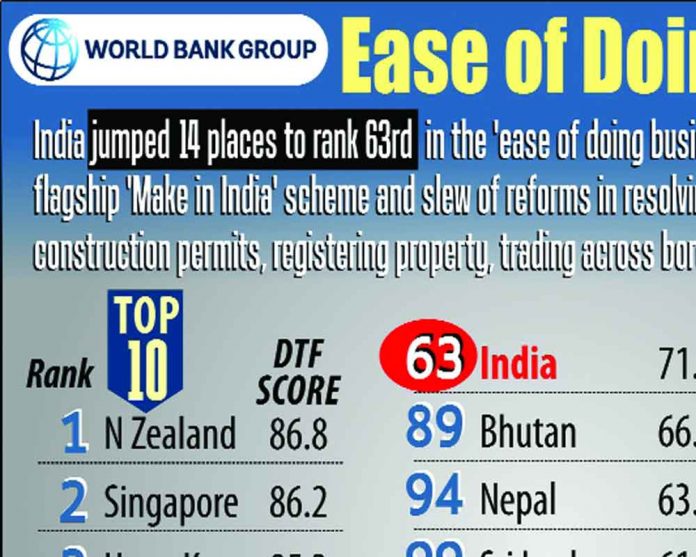
Follow us on Instagram and subscribe to our YouTube channel for more amazing legal content.

Download Now

Legal analysis of medical privacy and health insurance in US

0
Image Source: https://rb.gy/gaswps

This article is written by Kaushik Bhattacharjee, pursuing Diploma in International Data Protection and Privacy Laws from Lawsikho.

Introduction

Alex was running for a big promotion in his company. He was undoubtedly the best candidate for that role. His anxiety started to affect his work performance. He initially pretended everything’s a-okay. He was scared about the outcome he might face if he visits a professional. But when it was at its highest intensity, he had to consult a doctor. That medic prescribed a few tests including Acetylcholine (ACh) and Acetylcholinesterase (AChE). With adverse results in hand, that doctor declared him to be suffering from a severe anxiety disorder.  Things could have stopped there but as it was a networked hospital of his office, his employer got notified and eventually, his promotion went to someone else. 

This article will reflect on the importance of protecting medical data as it forms a vital part of the right to privacy. The legal framework of USA on medical data and privacy as well as the importance of health insurance in USA is discussed in detail.

Medical data and medical privacy in the US

The above story is an imaginary one. But medical data and privacy related to that is very much vital to someone’s overall image in the society. Medical privacy revolves around medical data or health data of an individual or a population. Health data can be any data related to someone’s health conditions and quality of life. This data can be aggregated in various ways. Whenever an individual visits a health care professional, he may be asked various questions to appropriately assess his state of issues. He may be asked to undergo a few tests also. His answers to the questions of the medic as well as the findings of his medical examinations together create a set of medical data for him. 

Before the advancement of technology, health care systems used to collect most of the health-related data. Individuals move between places of healthcare systems; they interact with healthcare providers and health information gets produced out of this interaction. These places include clinics or doctors’ chambers, pharmacies, paying for insurance companies, hospitals, diagnostic laboratories, and senior homes. Information is also collected through participation in clinical trials, surveys conducted by health agencies, medical devices, and pathological tastings. This information, once collected, sorted and recorded properly, becomes health data. This data typically includes a record of services received, clinical outcomes consequent of those services. Moreover, in this age of information technology advancement, one’s visiting, joining, promoting, liking health related websites or social media groups do also contribute to that individuals’ health data.

In the US it is an age-old practice to record individuals health data. This record gets revisited from time to time by various authorities like employers, insurance providers, law enforcement agencies. It has often been seen that depending upon someone’s health record, that person is rewarded or deprived of certain facilities. But the problem is that not all health conditions deserve to be treated alike. For example, consider the example of the introduction. Even if a person suffers from a severe anxiety disorder, it is not guaranteed that his work performance will get impacted by that. It may and it may not also. Most of the time it will not as it is a curable condition. So, denial of promotion on the basis of such a report may not be entirely justified. Moreover, unauthorized disclosure of private medical information is not at all justifiable unless it is done by the rule of law.

Healthcare Insurance Portability and Accountability Act (HIPAA)

This scenario was very much real for many individuals. Companies had access to detailed updates regarding employees’ health insurance as well as their exact health status. At the same time, patients remained in the dark and weren’t able to receive their own medical records. This was a problem. The only way to protect one’s health information at the time was not to have any created in the first place, preventing patients from seeking the care they needed. As it was a rampant practice before 1996, the Federal Government under the Presidentship of President Bill Clinton passed the Healthcare Insurance Portability and Accountability Act (HIPAA) 0n 21st August 1996.  It was enacted primarily to upgrade and modernize the flow of healthcare information, determine how personally identifiable information maintained by the healthcare service providers and healthcare insurance industries should be protected from theft, fraud and unnecessary or unauthorized access.

There are following five sections of HIPAA rules which are known as titles:

  1. Title I deals with health care access, portability, and renewability of insurance.
  2. Title II is related to preventing health care fraud and abuse; administrative simplification along medical liability reform.
  3. Title III is about tax-related health provisions governing medical savings of individual accounts.
  4. Title IV deals with the application and enforcement of group health insurance.
  5. Title V is about revenue offset governing tax deductions.

Medical privacy and HIPAA

After its enactment in 1996, HIPAA took great care about individuals’ medical privacy in its Title II that is Preventing Health Care Fraud and Abuse; Administrative Simplification; Medical Liability Reform. The Standards for Privacy of Individually Identifiable Health Information (“Privacy Rule”) was established, for the first time, and a well-structured national standard was set for the protection of certain health information of the individual members of the society. 

The U.S. Department of Health and Human Services (“HHS”) designed, drafted and consulted the general citizens before issuing the Privacy Rule to implement the requirement of the Health Insurance Portability and Accountability Act of 1996 (“HIPAA”). The privacy rule standards determine how the individuals’ health information which is named “protected health information (PHI)” can be used and disclosed by organizations subject to the privacy rule. These entities are named “covered entities”. At the same time, it also formulated a standard for individuals’ regarding their privacy rights to help them understand and control how their health information is likely to be used. The main motto of the Privacy Rule was to ensure that individuals’ health information is adequately protected while allowing the flow of health information required to provide and promote the best quality health care and at the same time to take sufficient steps to protect the general public’s health and wellbeing. Some of the features mentioned below are there in ‘HIPAA’ privacy rules.

To whom it applies

All the administrative simplification rules along with the privacy rule, apply to the individuals attached with health care namely, health plans, health care clearinghouses, and to any health care provider who sends and receives health information to another party in electronic form.

What is protected information?

Any kind of health information which is also called “individually identifiable health information” held or transmitted by a covered entity, are protected. This includes:

  • Past, present or future physical or mental health condition of an individual, 
  • the provision of health care to the individual, or 
  • the past, present, or future payment for the provision of health care provided or to be provided to the individual.

Uses and disclosure that is permitted

A covered entity has permission, to use and disclose protected health information, without an individual’s authorization, for the following reasons: 

(1) To the individual whose information is that; 

(2) Treatment, payment, and health care operations; 

(3) Opportunity to agree or object; 

(4) Arrival of a situation which is otherwise permitted for use and disclosure; 

(5) Public interest and benefit activities; 

(6) For the purposes of research, public health and health care operations are a small subset of data. 

Covered entities have to apply the highest standard of professional ethics and best judgments in deciding which of these permissive uses and disclosures can be made.

Authorised uses and disclosure

Individual’s written authorization must be obtained by a covered entity for any kind of use or disclosure of any part of his PHI that is not for treatment, health care operations, payment or otherwise permitted or required to be followed by the Privacy Rule

What is health insurance?

America has seen multiple health insurance laws since the introduction of medicare by President Harry Truman in the year 1945. As of 2019, 92% of American citizens were covered by some kind of health insurance. Only 8% of citizens were out of the coverage. Multiple laws contributed to bringing such a high percentage of individuals under the cover of medical insurance. ‘HIPAA’ as well as the “Affordable Care Act” or in short Obamacare, both contributed to achieving this.

Role of HIPAA

Insurance portability, renewability is covered under Title I of HIPAA. Title I covers something that is quite familiar today that is insurance reform. But it is to be kept in mind that Title I only covers employer-provided plans. Plans that are individually financed fall under the Affordable Care Act.

HIPAA Title I makes it easier for an individual to change jobs without losing his health coverage and limits his new health plan’s ability to deny coverage based on a medical condition that he had before getting the coverage which is termed as a pre-existing condition. It also empowers the person with added opportunities to enrol in a new group plan or individual health insurance policy and prohibits discrimination against him by the new plan or insurance provider. Under HIPAA, employer health plans may not be able to refuse health coverage for a new employee with pre-existing conditions as long as certain conditionalities are met.

HIPAA also provides an extra opportunity for those who have previously declined health coverage with their employer’s insurance plan to enrol at a date outside of the plan’s open enrollment period. For example, special enrolment situations occur when:

  • Cessation of spouse’s insurance coverage because of divorce, separation or death.
  • Once someone attains 18 years of age and comes out of parent’s insurance plan.
  • Termination of employment of spouse and termination of insurance along with that event.
  • Changes in employment conditions like full time to part-time making the employee not eligible for insurance coverage.

Under HIPAA, individuals or their family members cannot be denied eligibility or benefits or charged more for the coverage based on certain health factors. Insurers cannot use the following factors as reasons for denying medical coverage:

  • Health condition;
  • Medical conditions (physical or mental);
  • Previously made claim record;
  • Past receipt of health care;
  • History of medical support required previously;
  • Genetic information, or;
  • Disability.

Role of Affordable Care Act

The “Affordable Care Act (ACA)” is a healthcare reform bill signed into law by President Barack Obama in March 2010. Formally known as the “Patient Protection and Affordable Care Act”, nicknamed “Obamacare”, the law includes a list of healthcare policies intended to extend health insurance coverage to millions of uninsured Americans

Sweeping changes to the U.S. healthcare system was witnessed with the introduction of ACA. Maximum attention was drawn towards the following things: 

  • Allowing offspring’s to be covered under their parents’ insurance plans until they turn 26.
  • Allowing businesses and individuals to compare plans and only after that opt for coverage through state health insurance exchanges.
  • Expanding Medicaid eligibility to bring more people under its umbrella.
  • Making subsidies available on the state health insurance exchanges for a bigger group of individuals.
  • Enforcing a stringent standard for health insurance policies.
  • Restraining employers from requiring employees to wait for more than 90 days for health insurance eligibility.
  • Premium Rate increase of more than 10% needed public justification; insurance companies needed to spend 80% of premiums on actual healthcare services.
  • Insurers may not cancel insurance coverage arbitrarily in response to an illness.
  • A few specific preventive care is included at no additional cost to the insured person.
  • Individuals remained free to choose any physician within the plan’s network and may use an out-of-network emergency room without penalty if there is a real emergency.
  • The insurance holder is granted the right to appeal to the authorities whenever an insurer denies payment for healthcare services.

The most controversial part of the original ACA was the individual mandate, whereby a provision requiring everyone to have healthcare coverage was brought forward. They had to get it either from an employer or through the ACA or another source or face tax penalties. The mandate was obliterated in 2017.

Conclusion

Americans have seen multiple laws in their health care sectors. Recent laws, though not full proof and complex to implement and comply with, achieved their desired object to a great extent. Not only do these laws ensure the privacy and secrecy of the patients but also, they are successful in increasing the coverage of health insurance among common Americans. Thus, it can be concluded that individuals now can feel comfortable going to a doctor to receive treatment without fear that it will be the talk of the office break room the next day.

 References


Students of Lawsikho courses regularly produce writing assignments and work on practical exercises as a part of their coursework and develop themselves in real-life practical skills.

LawSikho has created a telegram group for exchanging legal knowledge, referrals, and various opportunities. You can click on this link and join:

Follow us on Instagram and subscribe to our YouTube channel for more amazing legal content.

Download Now

Analysis of Hong Kong’s amendments to its data laws which might drive away tech companies

0
Image Source: https://rb.gy/c8fun6

This article is written by Srishti Agrawaal, pursuing Diploma in International Data Protection and Privacy Laws from Lawsikho.

Introduction

During the protests of 2019 that took place in Hong Kong in reference to the Anti-Extradition Law Amendment Bill movement, the practice of “doxxing” came under scrutiny after the police officers were targeted as their personal details were released online. This detail so released did not just contain their own personal details but also the information related to their houses and went as far as leaking the information of the schools of their children, thus threatening the security of their families as well. 

This act raised concerns over the amount of data collected by social media platforms and the protection of the same. Hong Kong is an important city for tech giants such as Facebook, Google due to the presence of its servers that collect the data and preserve them for the smooth running of these tech companies. During the protests, social media was rightfully termed as the battleground, as it had played a large role in the documentation, organisation and assembly of large-scale protests.

The cybersecurity loopholes were largely exposed and exploited to their maximum extent in these protests. This led the Government of Hong Kong to propose an amendment to the existing data privacy laws and introduce anti-doxxing laws. 

What is doxxing? 

Doxxing is the act of maliciously publishing the personal details of the users and spreading their private information without their consent. This information could be related to the victim’s real name, their house addresses, their social security number, their bank account details etc., thus it is an alarming threat to the users. Though doxxing as a term emerged in the 1990s, it has recently been used in cultural wars, where the rival gangs would reveal information about the opposite group due to differences in opinion, thus bringing the virtual fight to the real world. The main purpose behind revealing the information of the victim remains the intent to threaten, humiliate or even punish them. 

As per the proposed amendments, any person found guilty of doxxing could face a penalty charge of up to 1 million Hong Kong Dollars and/ or a prison sentence of up to 5 years. 

What got the social media giants worried?

As per the latest reports a coalition of the companies such as Google, Facebook, Twitter etc. citing the threat to the security of their employees in Hong Kong, wrote a letter to the Centre for retracting the proposed law on anti-doxxing, as they fear that the companies would be made vicariously liable for the doxxing of anybody if the information leaked is collected by the said companies and has been promised to be protected by the same. These companies have cited that the vague definition of “doxxing” could give arbitrary power to the authorities that could be equivalent to the powers of the police force. 

While acknowledging the “serious” nature of the problem, the industry group said the proposals to limit free expression were overbroad, ambiguous and a “completely disproportionate and unnecessary response,” particularly “excessive” plans to hold platforms, and their staff, criminally liable for the content they “have no control” over. The letter also provides for an amicable solution in the form of disinvestment and halt to all operations in the city of Hong Kong. 

The alleged national security law is argued to be an encroachment on the freedom of speech and expression and human rights, thus adding more to the adverse conditions in the business environment for the social media giants. 

The law that prevailed earlier

The data privacy law that prevailed earlier was the Personal Data (Privacy) Ordinance, popularly known as PDPO. The organisations that were involved in the processes of collecting, holding or using personal data had to mandatorily comply with the regulations laid down under this law, additionally, they also had to comply with the Six Data Protection Principles that were contained in Schedule 1 of the PDPO. These six principles are the foundation of the data protection law in Hong Kong. 

The law prevalent covers both the public and the private sectors. The law was established in the year 1996 but underwent major amendments in the year 2012 that was majorly focused on direct marketing regulation and enforcement with respect to the use of personal data. 

Basic requirements with which data collectors must comply

The six DPPs set the basic requirements with which data collectors must comply in the handling of personal data. The principles are as follows: 

Principle 1: Purpose and manner of collection of personal data

This principle states that data should only be collected if the same is a required necessity for any lawful purpose that has a direct connection to the activity of the data user. It shouldn’t be excessive and must be adequate in nature, that is as much as required, nothing more. They also had the duty to inform the data subjects of the purpose of collection, the transferees of the data if any, whether it is mandatory to provide data, what would be the repercussions for not providing the same, what steps need to be undertaken for correction of the said data. 

Principle 2: Accuracy and duration of retention

This principle states that the data collector must have updated and accurate information. It also states that the data collected must not be retained longer than the required time or must delete information once the purpose is fulfilled. Even if the services of a data processor are engaged the same principle is applicable to them as well, regardless of the fact that they are not present in the city of Hong Kong. This principle is read with Section 26 of the PDPO that entails the duty of ensuring the deletion of data once the purpose for the collection of the same is complete. 

Principle 3: Use of personal data 

If the data collected has to be used for another purpose then the prescribed consent of the data subject must be obtained.   

Principle 4: Data security requirements 

This ensures that the data users must undertake all the responsibility for the protection of the data so collected against unauthorized or accidental processing, erasure, loss of use. 

Principle 5: Privacy policies

Data users have the obligation for declaring the purposes for holding the data and their policies and practices on how they handle the data. 

Principle 6: Data access and correction 

This principle instead of implying a duty upon the data collector gives the right to the data subject to undertake methods to ascertain whether the data user holds any of his or her personal data and to request a copy of the personal data, the data so collected can be corrected as well if the need be. 

As per the laws of data protection, as provided by the PDPO, one can infer that the data collection by data user is allowed but it is subject to certain conditions and only if the conditions are fulfilled it is allowed for the data of the user and also the data subject to be used. 

Hong Kong is renowned for being one of the first countries in Asia to have enacted data protection laws. The proposed amendments to the data protection laws can be argued to be brought under the pressure of the police forces and the adjudicating authorities, during early 2020, the social media giants such as Facebook, and Google had denied the authorities access to the data of the protestors. As had been stated before, social media was one of the many battlegrounds of the protests and had thus been a crucial medium of helping the virtual world meet the real world, thus the Hong Kong authorities wanted to access the data of such organisers which had been promptly denied by the social media companies. 

The arguments of the tech giants about the definition of doxxing being too vague must be looked into and corrected as the same as the authority of introducing some new loopholes which may potentially be exploited by the authorities. Too much power on either hand is always a dangerous thing. 

The tech giants are well within their rights to collect data and use the same as this is their main activity and the same has been authorized by the PDPO as well. One question that the authorities in Hong Kong can ask; is about the transparency and the protection of the data collected. 

Conclusion

Doxxing is an unethical practice and is rightfully so condemned by the cyber world. It has given rise to cyber-bullying and cyber-harassment and has made the users of the cyber world feel threatened. The introduction of anti-doxxing laws can be seen as both a positive and a negative. If enacted it would ensure stricter protocols for the protection of user data and stricter punishment for wrongful usage. On the other hand, one can argue that the fears of the tech giants of being made vicariously liable are not baseless for sometimes even if proper protection is ensured, the data leaks occur, then the question of who is responsible would be raised. 

Clearer instructions and definitions must be ensured in the amendment, as per the threat to the tech giants, they need to understand that the anti-doxxing being criminalized is a good effort towards proper cybersecurity. The circumstances under which the law is being enacted should also be taken into consideration as well as it indicates whether the law is bent towards benefiting the government or to benefit the citizens; if the tech giants make good on their threat of quitting Hong Kong, it could prove to be a fatal blow to the economy of the city.

References


Students of Lawsikho courses regularly produce writing assignments and work on practical exercises as a part of their coursework and develop themselves in real-life practical skills.

LawSikho has created a telegram group for exchanging legal knowledge, referrals, and various opportunities. You can click on this link and join:

Follow us on Instagram and subscribe to our YouTube channel for more amazing legal content.

Download Now
logo
FREE & ONLINE 3-Day Bootcamp (LIVE only) on

How Can Experienced Professionals Become Independent Directors

calender
28th, 29th Mar, 2026, 2 - 5pm (IST) &
30th Mar, 2026, 7 - 10pm (IST).
Bootcamp starting in
Days
HRS
MIN
SEC
Abhyuday AgarwalCOO & CO-Founder, LawSikho

Register now

Abhyuday AgarwalCOO & CO-Founder, LawSikho