Download Now
Home Blog Page 583

A comparative analysis of EIA Draft, 2020 and IAA, 2019

0
Image source-https://rb.gy/yegzmq

This article is written by Varchaswa Dubey from JECRC University, Jaipur. This article reflects the comparative analysis based on the research undertaken by the author. The article also aims at providing a better understanding of the EIA draft, 2020 and the IAA, 2019.

Introduction 

Environmental Impact Assessment (EIA) is “a systematic and integrative process for considering possible impacts before a decision being taken on whether or not a proposal should be approved to proceed”. EIA estimates the impacts of the proposed projects on the environment. It also evaluates the different aspects of the proposed project concerning the environment and alternatives of the project which shall preserve the environment. 

Impact Assessment Act refers to the new set of rules and regulations in Canada which lays down the procedure, timelines, factors, compliance, and participation mechanisms of impact assessment. The act aims to meet its environmental obligations and its commitments in respect of climate change. 

Origins of the drafts 

The history of environmental impact assessment can be traced back to the United States of America where the US passed the National Environmental Policy Act of 1969 intending to encourage productivity among humans and the environment and to prevent the factors which will cause damage to the environment, biosphere, health, and welfare of humans. 

In India, the roots of EIA are influenced by the National Environmental Policy Act, 1970, which most of the nations in the world have signed and adopted to preserve their environment. The EIA, 2020 is proposed to repeal and replace Environmental Impact Assessment, 2006 and make amendments to the Environment (Protection) Act, 1986. In the case of Sterlite Industries Ltd. v. Union Of India (2013), the Supreme Court of India highlighted the grounds on which administrative actions could be challenged and emphasised the impacts of the acts on the environment. 

The roots of the Impact Assessment Act, 2019 can be traced back to the Canadian Environmental Assessment Act, 2012, which lays down the procedure, timelines, factors, compliance, and participation mechanisms of impact assessment. 

What is the EIA draft, 2020 

The EIA draft is the procedure falling under the Environment (Protection) Act, 1986 which ceases the industries and other projects from operating without proper site analysis where such a project is proposed to be established. The draft also aims at improving and preserving the quality of the environment. 

The procedure enshrined under EIA endeavours that every small or big project must go through a rigid process undertaken to allow the industries to operate without having any impact on the environment.

The projects falling within the scope of EIA are coal and minerals, infrastructure development, thermal, nuclear, real estate, hydropower, and other industrial projects. 

The EIA is a significant procedure for the evaluation of the impact on the environment caused by the proposed projects. In this process views of different people are taken into account before giving the authority to the projects to begin operating. 

Under the 2020 draft, according to the notification of the government of India, the draft is enacted to make the procedure of the EIA more transparent by the introduction of the digital system, in online mode. However, some environmentalists claim that such a draft will weaken the traditional EIA procedure. 

What is the environmental impact statement?

Environmental impact statement refers to the statement prepared when there is a proposal of an industry or infrastructure: 

  • Time description of the proposed plan : It includes the tentative time required in construction, the operation period of the industry, and when such industry is supposed to be shut down, and what are the alternatives of the proposed industry. 
  • Nature and effects on the environment : It includes determining the nature of the project and what are going to be the aftereffects of the proposed project. 
  • The chances of natural calamities : The possibilities of natural calamities, especially earthquakes, are determined in the area where a project is proposed. 
  • Quality of the soil, water, and air : The quality of the said factors is essential to determine because good soil, water, and air are not only the concerns of the government but also of industries. 
  • Impact on wildlife : The effects on vegetation, wildlife, and other species located around the area of industries should also be preserved and therefore, an industry may not be allowed to operate if it is determined that its operation will destroy the flora and fauna. 
  • Economic efficiency : To get the maximum results from the establishment of a project, the project must be economically beneficial for the government and the industry or the project itself.  
  • Human resources : Human resources refer to the availability of the humans who shall operate in the industry and, if it is foreseeable that human resources may be a problem or may cause problems to the environment, then such industry may not be allowed to operate. 
  • Pollution : The proposed project must clearly state that no pollution will be caused by such industry, like air, noise, and water pollution. 

What are the objectives of EIA, 2020 

The draft aims at: 

  • Determining, analyzing, predicting, and authorizing the overall effects of activities that are proposed to be established at a particular place regarding the environment of the respective place. 
  • It identifies the aftereffects of any project or activity which shall affect the environment if the authority is given to such agency or company to operate. 
  • It promotes the safeguarding of the environment by preventing the industries from operating in a manner that will degrade the environmental conditions of a place. 

Critical analysis of the EIA, 2020

  • Post-facto clearance: The EIA reserves the practice of post-facto clearance, which means that despite a project or industry operating without any environmental safeguards, or in the absence of any clearance from the government, the industry shall be allowed to operate under the jurisdictions of EIA, 2020. It also means that if any violation is being caused by the industries or projects, then there are high chances of such industries getting away without any liability. 

Such provisions are very likely to destroy innocent human lives, like the Visakhapatnam gas leak where an LG polymer plant has been operating without any environmental clearance, taking away the lives of 12 and affecting hundreds of others. The infamous Union Carbide Corporation v. Union Of India (1989) (Bhopal gas tragedy) which was responsible for more than 15,000 lives was also a result of poor environmental safeguards and improper machines.

  • The 2020 draft is likely to hinder the voice of those communities who will be directly affected by the environmental degradation which shall result in poor living and health conditions. The role of the public was significant in the process of EIA as whenever there was a proposal for a project or industry, the public’s opinions were always taken into consideration before allowing the projects to operate.
  • Another grave concern is the exception of more than 40 types of exceptional projects which do not require any environmental clearance of any kind, including the activities of clay or sand by manual mining, digging of well for irrigation or drinking water purpose, coal, and non-coal mineral prospecting, etc.  

In the case of Keystone Realtors Pvt. Ltd V. Shri Anil v. Tharthare & Ors. (2019), The Supreme Court of India held that the draft amendment was not adopted in subsequent amendments to the EIA Notification. It assists the officials in not just evaluating and mitigating the impacts but also in accessing the compliance of the obligations. 

What is IAA, 2019 

The Impact Assessment Agency is established to prepare and have a tool to assess the aspects of environmental projects and how they shall affect the health, social life, and economy of the country. The IAA bestows a procedure for evaluating the impacts of major projects which are being operated in Canada. 

The Impact Assessment Agency of Canada is the competent authority that is responsible for the working of the projects which are being carried out in Canada on their watch, and the agency directly reports to the Minister of Environment of Canada. 

What are the objectives of IAA, 2019 

  • To encourage sustainability and rights of citizens, especially the right to have a clean environment. 
  • To bestow a reasonable and fair procedure concerning the impact assessment which shall promote competitiveness and innovation among projects. 
  • To prevent any foreseeable damages which shall take place due to poor working of the industries allowed to operate without any prior assessment. 
  • To ensure the effectiveness of the established industries do not violate the rights of citizens to have a clean environment, and especially those who reside near industrial areas. 

What is the process of IAA, 2019 

Phase 1 – planning 

It is a stage of 180 days where the proposed project is introduced to the impact assessment procedure, and concerned people determine the issues and problems with the proposed project (if any). It also gives brief details about the proposed project and responses to issues that arise against the proposed project. 

Phase 2 – impact statement 

This stage stretches from 180 days to 3 years max and determines and evaluates the impacts of the proposed projects and a statement is prepared by the agency concerning the guidelines met by the proposed projects. 

Phase 3 – impact assessment 

It is a stage of 300 days max where the impacts of the proposed project are considered with the sustainability of the proposed project. Also, it considers the factors like rights of those who may get affected by the proposed project, knowledge, and culture, etc. 

Defined in Section 22(1) of the IAA, the factors which are considered in impact assessment are the purpose and need of the project, alternatives available for the project, knowledge provided to the indigenous people, to what extent the project shall be sustainable, change in the project caused by the environment, comments of public, etc. 

Phase 4 – decision making

It is a phase of 90 days where adverse effects, whether direct or incidental, which violate the rights of the public are determined by the environment minister or by the governor in council according to Section 60(1) and Section 62 of the IAA, 2019, and such evaluation must be in the best interest of the public, according to Section 63.

Phase 5 – post decision 

This stage objects to the accuracy of the impact assessment report laid down and verify the steps which shall be taken to make the assessment more effective. The decisions taken before this stage may be amended by the Minister of Environment, including to add or remove a condition present, according to Section 68(1) of the IAA, 2019.

Critical analysis of the IAA 

The IAA, 2019 has repealed the Canadian Environmental Assessment Act, 2012 which was also the main legislation concerning the protection of the environment in Canada region-wise. The drawbacks of IAA are: 

  • The IAA, 2019 has not only stretched the powers of the only environmental agency in the country but also has placed more responsibilities on the agency, which makes the agency responsible for any negative impacts on the environment. 
  • Currently, more than 70 projects are being operated under the IAA, including renewable energy, oil and gas, marine and freshwater, mining, nuclear, hazardous waste, federal lands, etc., and most of the projects. 
  • The introduction of the early planning phase refers to the communication with people and the public at large which shall be affected by the proposed projects, however, such phase not only makes the process lengthy, and exhausting government and private funds, but also it may promote corruption and suppression of the voice of those who may get affected by the proposed projects. 
  • The main issue with the IAA, 2019 is the absence of compulsory requirements for strategic and regional assessment, and merely conducting assessments fails to consider the after-effects which follow the establishment of a project causing degradation of the environment. 
  • The provision of public participation is vague and does not provide compulsory public participation at all stages of a project, further, the rights of indigenous people may get affected due to poor legal framework.  

Comparative analysis of EIA, 2020 and IAA, 2019 

Objectives of EIA, 2020 and IAA, 2019

The EIA, 2020 was drafted with the objective of economic development in India, however, to achieve this, India has made a significant number of compromises since India has fallen to 168/180 in the Environmental Performance Index, 2020. Although the 2020 draft was enacted with the purpose of making the process more transparent, the draft was criticised because it ignores environmental protection, international laws, etc. 

The IAA, 2019, was drafted with the aim of inserting new legislation concerning environmental laws replacing the 2012 legislation. The 2019 legislation provides procedures, factors, etc. concerning environmental protection in Canada. Canada ranks 20 in the Environmental Performance Index, 2020. 

Classification of projects under EIA, 2020 and IAA, 2019

The EIA, 2020 categorizes the project through different phases like A, B1, and B2. This categorization is based on the type of project, the impact of the project on the environment, area required by the project, and the conditions, if any required to be applied in the project. 

The IAA, 2019 on the other hand, all the projects which are under the jurisdiction of the 2019 legislation come under the project list which describes all the physical activities that shall be a designated project and requires an impact assessment. The list contains all the physical activities which shall fall within the jurisdictions of the Minister of Environment. The projects under IAA are categorized into 5 different phases, i.e. planning, impact statement, impact assessment, decision making, and post-decision.

Community engagement under EIA, 2020 and IAA, 2019

The EIA, 2020, takes community engagement under consideration and a significant aspect under the EIA, 2020 is that it prepares an environmental impact statement before allowing industry to operate. A statement of issues that are raised by the public is also prepared in the local language or the official language of the state however the draft does not provide much scope for community engagement compared to the earlier draft. 

The IAA, 2019 on the other hand, in its Preamble highlights the importance of public participation in the impact assessment process, including the planning phase and it states that the public should have access to reasons concerning decisions related to impact assessment. The assessment under the planning phase is of 180 days, where public opinions are considered, where the public raises its issues concerning the proposed project. 

What is the legal framework concerning the right to the environment

The right to have a clean and healthy environment is one of the basic requirements of human rights since no human right can be enforced without a clean environment, and therefore it is vital on the part of the state to provide its citizens with a clean and healthy environment.  

The mainstream legislation regarding the right to a clean environment is the Stockholm Declaration, 1972, which states that – “Man is both creature and moulder of his environment, which gives him physical sustenance and affords him the opportunity for intellectual, moral, social and spiritual growth.” The Stockholm Declaration bestows a fundamental right to freedom, equality, and adequate conditions of life, in an environment that allows a lifestyle of dignity and well-being. It also places a responsibility on humans that only they are responsible for the protection and improvement of the environment for themselves and future generations. 

The Rio Declaration on Environment and Development, 1992 also aims at international agreements among the states which shall promote the protection of the environment. The Rio declaration also states that humans are entitled to a healthy and productive life in harmony with nature and places a responsibility on the state to only exploit its resources to an extent that its activities do not cause damage to the environment. 

The International Covenant on Economic, Social, and Cultural Rights, 1966 also refers to the improvement of all aspects of environmental and industrial hygiene. 

The Convention on the Rights of the Child also places a duty on the state to tackle disease and malnutrition, including primary health care, and make available adequate nutritious foods and clean drinking water, considering the risks of environmental pollution. 

The Indigenous and Tribal Peoples Convention, 1989 states that special measures must be taken to safeguard the persons, institutions, property, labour, culture, and environment of the concerned people. 

Conclusion 

By analyzing both the policies it can be determined that both the policies lack one or another factor which results in poor environmental conditions in the jurisdictions of both policies. Although the EIA is a broader and widely accepted policy in nature, it still lacks certain factors which are to be rectified by the concerned states.  

The IAA, on the other hand, has jurisdiction only in Canada and yet still lacks certain parameters which shall affect the environment of the country. 

It can be underscored that both the policies lack one aspect or other and none of the policies have resulted in improved environmental conditions, in fact, the EIA, 2020, shall have more adverse effects compared to IAA, 2019. 

References 

  1. https://www.canada.ca/en/impact-assessment-agency/corporate/mandate/president-transition-book-2019/iaac.html 
  2. https://www.canada.ca/content/dam/iaac-acei/documents/mandate/president-transition-book-2019/overview-impact-assessment-act.pdf 
  3. https://www.wcel.org/blog/canadas-proposed-new-impact-assessment-act-good-afar-far-good 
  4. https://cprindia.org/sites/default/files/Reduced%20Regulations%20and%20Increased%20Exemptions_Part%20I_30.07.pdf 
  5. https://blog.ipleaders.in/environmental-impact-assessment-notification-2020/ 
  6. https://thelawblog.in/2020/11/05/comparative-analysis-eia-draft-2020-v-iaa-2019/ 
  7. https://www.who.int/hhr/information/Human_Rights_Health_and_Environmental_Protection.pdf 

LawSikho has created a telegram group for exchanging legal knowledge, referrals, and various opportunities. You can click on this link and join:

https://t.me/joinchat/J_0YrBa4IBSHdpuTfQO_sA

Follow us on Instagram and subscribe to our YouTube channel for more amazing legal content. 
Download Now

Environmental activism in India

0
Environmental-activism
Image Source: https://rb.gy/pa8ulp

This article is written by Vanya Verma, from Alliance University, Bengaluru. This article talks about environmental activism in India and the recent and famous environmental movements that took place in India.

Introduction

When it comes to deciding between development and environmental protection, climate action has traditionally taken a back seat, but current circumstances are forcing us to reconsider the time we have left. If the climate crisis is not addressed, the world will be on the verge of disaster. That is certainly how one feels in light of current political and social happenings. However, increased awareness through protests, particularly among the youth, gives us a ray of hope.

Environmental activism

Environmental activism is the bringing together of numerous groups of people and organisations to work together in the social, scientific, political, and conservation fields to tackle environmental concerns. These persons and organisations are all members of the green movement, green living, or environmental sustainability, and they all share a commitment to environmental protection and preservation. Coming up with answers to environmental problems is the most important philosophy these people have in terms of ideas is coming up with the solutions to the environmental problems. Environmental activism has been active in India through various environmental movements that have a long history in India, starting with the Chipko movement. Further, we will study what environmental movements mean and then the recent and the most famous environmental movements in India whose reference is used to date.

Environmental movement

The environmental movement can be defined as a social or political movement aimed at environmental conservation or improvement. The terms “green movement” and “conservation movement” are both used to describe the same thing.

Environmentalists advocate for the sustainable management of natural resources. These movements often stress the protection of the environment because of the changes in public policy. Many movements are centred around ecology, health and human rights.

Environmental movements range from highly structured and formally established activities to completely unorganised ones. The spatial scope of various environmental movements ranges from being local to almost global.

Recent environmental movements in India

Save Dehing-Patkai

This movement began as a response to the National Board of Wildlife’s (NBWL) decision in April 2020 to allow North-Eastern Coal Fields (NEC) to opencast mines in 98.59 hectares of the Dehing-Patkai Wildlife Sanctuary. Coal India Limited (CIL) had been mining on 57.2 hectares of the newly permitted territory since 2003, according to an RTI filed by activist Rohit Chaudhary. The 111.19-hectare sanctuary, called the “Amazon of the East,” is home to over 40 species of animals, 300 kinds of birds, 40 species of reptiles, and 100 varieties of orchids. It has the greatest variety of wildcats of any place on the planet. Logging, hunting, and illicit mining are already problems in the Elephant Reserve, and granting these activities legal status will only exacerbate them. Human-animal conflicts will increase as the habitat diminishes.

Members of the All Assam Students’ Union (AASU) and the All Assam Matak Youth Students Union conducted a human chain protest in the Tinsukia district earlier in May. People all around the country, including celebrities like Adil Hussain, Randeep Hooda, and Joi Barua, used the hashtag #SaveDehingPatkai to stage online protests. The Forest Man of India, Jadav Payeng, had appealed to the Centre to rethink its judgement. Coal mining operations have been temporarily halted by the NEC, and the Guwahati High Court has directed both the Centre and the State to submit all relevant documents.

Save Aarey

Several petitions against the felling of the Aarey Colony for the Mumbai Metro Rail Corporation Limited’s (MMRLC) metro 3 car-shed were denied by the Bombay High Court at a time when the rest of the world was moving towards climate action. The ‘Save Aarey’ protest marches began when the car shed project was approved in August, and they gained strength after that. Aarey is the only national park in the world that is located within the city limits of a major city; it is home to not just flora and fauna, but also to many tribal tribes that have been displaced by various government initiatives.

On September 1, 2019, a group of concerned people, environmentalists, students, and activists marched to the streets with posters to form a human chain to show their opposition to the move. In the midst of this, HC cleared the way for cutting trees. Following its dismissal, the Brihanmumbai Municipal Corporation (BMC) authorities cut around 2000 trees in an incomprehensible rush on the night of October 4th.

Protesters began streaming into Aarey to safeguard Mumbai’s “green lungs.” Over the weekend, the police used lathi charges on them, and many of them were arrested for several hours in various police stations around Mumbai. Until October 6, Section 144 came into effect. Things appeared optimistic when newly elected Chief Minister Uddhav Thackeray ordered the shed’s construction to be halted. However, the problem persists, with little possibility of restoring the forest to its former glory.

Save the Sundarbans

The Sundarbans, the world’s biggest mangrove forest, are located in the Ganga and Brahmaputra river deltas. They are home to Bengal tigers and saltwater crocodiles, among other animals. The majority of it is in Bangladesh, with the remainder in India. It covers an area of 10,000 square kilometres and is home to a variety of wildlife, including the Royal Bengal Tiger. However, the world’s largest intact mangrove forest is rapidly dwindling due to rising sea levels and cyclones, which are becoming more common as a result of climate change.

In May 2020, hurricane Amphan, the worst cyclone in the Sundarbans since 1737, left a trail of devastation. Thousands of people are now totally dependent on relief camps after livelihoods were destroyed, people were relocated, and embankments were breached. Because of a more noticeable rise in sea level than anywhere else, the mangrove forests are at risk, which could eventually lead to a severe migration issue among the local inhabitants. #SavetheSundarbans has become a popular hashtag on social media. Concerned folks resorted to donating to organisations working on the ground, initiating dialogue about this asset like the Amazon or Australian Bush, and made art to spread awareness amid a global pandemic.

Climate action strike

Students in major cities such as Delhi, Mumbai, Bengaluru, Kolkata, and Chennai staged peaceful protests in prominent city centres during the third week of September 2019, responding to Greta Thunberg’s call for mass protests to urge governments to take decisive action on the issue of climate change. This was mostly led by youngsters, who used inventive slogans to emphasise the seriousness of global warming. The goal was to raise awareness about the potential impact of a 2-degree shift on the globe.

Environmentalists like Bittu KR spoke out, emphasising how the government needs to pay attention to actual policy objectives and go beyond token afforestation to show its commitment to the environment. It was part of a global show of solidarity in the battle for climate justice and to highlight the urgency of the issue.

#RighttoBreathe Protest

As the Air Quality Index (AQI) fell to 494, the nation’s capital was plunged into an environmental calamity. Toxic pollution engulfed the city, making even breathing dangerous to one’s health in Delhi. On November 5, nearly 1,500 people gathered at Amar Jawan Jyoti, India Gate, for a protest organised as a result of several social media campaigns. The success of these protests in forcing government action on climate change was underlined by Leonardo Dicaprio. 

The Supreme Court ordered state governments to address the issue of crop and garbage burning, and the Centre agreed to spend the Green Climate Fund to battle hazardous air pollution, but the air quality remained abysmal.

Following the shutdown, Delhi had “clean” air, but the quality began to deteriorate progressively. Despite government measures such as the Odd-Even Scheme, New Delhi has been the world’s most polluted city for the previous two years. It only goes to highlight how serious the problem of global warming is. To battle air pollution and safeguard the safety of its residents, the government must implement more stringent policy measures.

With extraordinary storms, bushfires, deforestation, spiking pollution, rising sea levels, habitat loss, and islands disappearing, it seems pointless to even consider that the threat isn’t genuine. 

Famous environmental movements in India

Chipko Movement 

The Chipko movement in the central Himalayan region in the early 1970s is credited with establishing modern environmentalism and environmental movements in India. The Chipko movement, which was started to defend Himalayan forests from destruction before independence, has its origins in the pre-independence era. During the early decades of the twentieth century, many protests against colonial forest policies were organised. People’s main demand during these rallies was that the forest’s benefits, particularly the right to fodder, be distributed to locals. These fights have continued in the post-independence era, as independent India’s forest laws are identical to those of colonial India.

During the year 1973, ‘Chipko’ [chipak jayenge – to hug] was born. The forest department declined to give ash trees to the Dasholi Gram Swarajya Sangha (DGSS), a local cooperative centred in the Chamoli regions, to create agricultural tools in early 1973. The forest department, on the other hand, assigned ash trees to Symonds Co., a private firm. The DGSS was prompted by this occurrence to protest the injustice by lying down in front of lumber trucks and burning resin and timber warehouses, as was done during the Quit India movement. When these tactics proved inadequate, one of the leaders, Chandi Prasad Bhat, recommended hugging the trees, and thus ‘Chipko’ was born. This type of protest was crucial in convincing the private enterprise not to cut down the ash trees. As a result of its success, the movement extended to other nearby communities, and the movement came to be known as the Chipko movement internationally. From its inception, the Chipko movement focused on environmental issues such as forest depletion and soil erosion.

The Chipko movement’s success was due to three main factors:

  • First is the intimate relationship between local people’s livelihoods and the nature of the movement. Chipko is seen by the locals as a war for fundamental survival, which has been denied to them by the state’s institutions and policies (Guha, 1989). Furthermore, the uniqueness of the Chipko movement is due to the peculiarity of the locality where it took place, the engagement of women in household sustenance, and the overwhelming support for anti-alcohol campaigns.
  • Second, the nature of agitation in this regard is to be considered. Chipko, unlike other environmental initiatives, has completely adhered to Gandhi’s nonviolent freedom struggle tradition. 
  • Third, the simplicity and sincerity of leaders such as Sunderlal Bahuguna, as well as their connections to national leaders such as Mrs Indira Gandhi, other politicians, and officials, contributed significantly to the movement’s success.

The Chipko movement’s demands were as follows:

  1. Complete  stoppage on commercial tree cutting; 
  2. Traditional rights should be recognised based on people’s basic needs
  3. Making the arid forest green by increasing people’s participation in tree cultivation
  4. Formation of village committees to manage forests
  5. Development of forest-related home-based industries and making raw materials available as well as money and technique for it
  6. Priority to be given to afforestation considering local conditions, varieties and requirements.

What makes the Chipko movement unique is that it served as a predecessor and direct inspiration for several subsequent popular movements in defence of community rights to natural resources. These conflicts sometimes centred around woods, and other times they evolved around the control and the usage of pasture, mineral, or fish resources.

Appiko Movement 

Villagers in the Western Ghats of Karnataka’s Uttara Kannada region initiated the Appiko Chalewali movement in September and November 1983, inspired by the Chipko movement. Commercial tree felling for timber extraction resulted in the devastation of the forest in this area. Contractors cut the region’s natural trees, causing soil erosion and the drying up of perennial water resources. Forest dwellers in Sirsi’s Saklani hamlet were prohibited from collecting usufructs such as twigs and dry branches, as well as non-timber forest products for fuelwood, fodder, honey, and other purposes. Their customary rights to these things were taken away from them.

In September 1983, a group of women and youth from the region decided to start a Chipko-style movement in South India. Women and children from Saklani and neighbouring villages travelled five miles to a nearby forest and hugged trees. They forced the state forest department’s fellers and contractors to stop felling trees. The populace asked that all green trees be cut down. The movement lasted 38 days, forcing the state government to finally give in to their requests and rescind the order for tree removal. For a while, the government halted the felling of trees, which was then resumed after a while. The inhabitants of the area backed the movement. The contractors’ daily wage labourers who were engaged to fell trees also stopped working.

The movement reached its second phase in October, which took place in the Bengaon forest. The forest was largely on mountainous terrain and contained a mix of tropical semi-evergreen species. The forest was vital to the existence and livelihood of the region’s residents, who were mostly tribal or indigenous people. The disappearance of bamboo as a result of the commercial felling of trees deprived them of a basic source of material for baskets, mats, and other products. The sale of these things was their main source of income. When the felling of trees did not cease, the movement began. The movement was very natural. Local indigenous people hugged trees to prevent them from cutting them down, and the government eventually had to intervene. Local indigenous people embraced trees to prevent the government from cutting them down, and the government eventually was forced to give in to their demands. Similar movements began in other locations, such as Husri. It also sparked a grassroots movement in the area.

The Appiko movement became a symbol of people’s power over natural resource rights in the face of the state. The protest spread to Nidgod village in Siddapur taluka in November, prohibiting the state from commercially chopping trees in the region’s deciduous forest. 

The Appiko movement was successful in achieving its three goals: 

  1. Protecting existing forest cover;
  2. Replanting trees on degraded regions;
  3. Utilising forest wealth while keeping natural resource conservation in mind. 

The movement also raised awareness among peasants in the Western Ghats about the environmental threat presented by commercial and industrial interests to their forests, which served as their primary source of nutrition. The Appiko movement, like the Chipko, reintroduced Gandhi’s method of protest and mobilisation for a sustainable society while maintaining the balance between man and nature.

Narmada Bachao Andolan (NBA) 

The Narmada River Project spans three western Indian states. Gujarat, Madhya Pradesh, and Maharashtra. No other development project in India has pushed the scale and severity of eco-development issues to such a high level of informed debate, political mobilisation, and grassroots activity like this one. The controversy surrounding this project has posed several challenges to the government at all levels, while also allowing it to establish and strengthen ties with civil society organisations and non-governmental organisations (NGOs) on both a national and international level. This project influenced India’s political debate on alternative development.

The Sardar Sarovar Project, an interstate multi-purpose project with a huge dam at its end in Gujarat, was being developed on the Narmada River, India’s fifth longest river with a length of 1312 kilometres. 

With its two megaprojects, the Sardar Sarovar Project and the Narmada Sagar Project in Madhya Pradesh, the Narmada Valley Project is the world’s largest single river valley project to create the world’s largest man-made lake.

The project’s repercussions, on the other hand, are fairly obvious and disturbing. The reservoir would engulf 37,000 hectares of land, including 11,000 hectares of forest. Around one lakh people will be displaced from 248 villages in Gujarat, Maharashtra, and Madhya Pradesh. The project was started by the state government because Gujarat was one of India’s most water-scarce regions, with a severe lack of water for domestic, commercial, agricultural, and industrial requirements. Furthermore, between 1985 and 1988, the state had one of the greatest droughts in its history, bolstering the need for this endeavour.

Critics, on the other hand, see it as “the world’s worst man-made ecological disaster” and believe it is unsustainable. It should be noted that the Narmada project was initially intended to be an irrigation project with a 161-foot-high dam. It was later discovered that if the dam’s level was raised to 455 feet, water could be technologically harnessed, making it a multipurpose dam. As a result, state governments began asking for funds not only from the federal government but also from the World Bank.

In 1946, plans for damming the river Gora in Gujarat arose. In 1961, Prime Minister Jawaharlal Nehru laid the foundation for the construction of a 49.8-meter-high dam. The dam planners thought that a much larger dam would be more profitable after analysing the new maps. The only issue was reaching an agreement with Madhya Pradesh and Maharashtra, two adjacent states. 

In 1969, the Indian government established the Narmada Water Disputes Tribunal, after years of negotiations attempting to agree on a feasible water-sharing formula. Ten years later, it announced its award – the Narmada Water Disputes Tribunal Award. The award envisaged that land should be made available to the ousters at least a year before submergence. 

The World Bank approved a $450 million financing for the largest dam, the Sardar Sarovar, in 1985, before the Ministry of Environment even cleared the Narmada Valley Development Projects in 1987. In reality, work on the Sardar Sarovar dam site has been going on in bits and pieces since 1961, but it got serious in 1988. 154 questions were raised about the government’s promises of a relocation and rehabilitation programme. As a result, each state established a people’s organisation to handle these issues. Soon after, these disparate groups merged to create the Narmada Bachao Andolan (NBA), or Save the Narmada Movement, led by social activist Medha Patekar.

It should be noted that the NBA began as a campaign for knowledge on the Narmada Valley Development Projects, but has since evolved into a fight for just rehabilitation for the tens of thousands of people who would be displaced by the Sardar Sarovar Dam and other huge dams along the Narmada River. When it became evident that the project’s size made proper damage and loss assessments impossible, and that restoration was impossible, the movement challenged the project’s entire foundation and called into doubt its claim to development.

The NBA demanded that all development on the Narmada Valley Development Projects be formally halted in 1988. More than 50,000 people from all over India gathered in the valley in September 1989 to promise to combat “destructive development.” Thousands of villagers marched and paddled to a small town in Madhya Pradesh a year later to renew their vow to drown rather than agree to be relocated. Under pressure, the World Bank was obliged to establish the Morse Commission, an independent assessment commission. Its report, the Morse Report, was published in 1992. The report “endorsed all the main concerns raised by the Andolan (NBA). 

The Pamela Cox Committee was appointed by the Bank two months later. It was also referred to as  “a sort of patchwork remedy to try and salvage the operation” that was exactly what the Morse Report cautioned against. The World Bank eventually withdrew from the Sardar Sarovar Project due to the international controversy caused by the Report. The Gujarat government decided to raise $200 million and move on with the project.

Many of the project’s concerns have yet to be resolved. What is more essential, though, is that the Movement has been successful to a considerable extent.

The achievements of the movements are:

  • In 1993, the World Bank left Sardar Sarovar.
  • Construction of the Sardar Sarovar was halted between 1994 and 1999.
  • Foreign investors have pulled out of the Maheshwar dam project. 1999-2001.

The NBA is unique in that it emphasised the significance of people’s right to inform themselves, which the authorities eventually forced them to accept under media and public pressure. It was successful not only in mobilising hundreds of thousands of people from many walks of life to put pressure on the State government for its anti-people policies, which impacted and displaced thousands of tribals from their homes and livelihoods. It also drew a lot of support from around the world. 

Bishnoi Movement

This movement started in 1700 at Khejarli located in Rajasthan’s Marwar area. The leaders of this movement were Amrita Devi and Bishnoi villagers from Khejarli and the adjacent villages. The goal of this movement was to prevent sacred trees from being cut down by the king’s soldiers for the construction of a new palace.

Amrita Devi, a female villager, could not handle seeing her religion and the village’s sacred trees destroyed. She hugged the trees and urged others to do so as well. This movement resulted in the deaths of 363 Bishnoi residents.

The teachings of Guru Maharaj Jambaji, who founded the Bishnoi faith in 1485 and established precepts prohibiting harm to trees and animals, influenced the Bishnoi tree martyrs. When the monarch learned of the incidents, he hastened to the village and apologised, ordering the soldiers to stop logging operations. Soon after, the maharajah declared the Bishnoi state a protected area, prohibiting the destruction of trees and animals. This legislation is still in effect in the region today.

Save silent valley movement

Save Silent Valley is a non-profit organisation dedicated to preserving the area. It started in 1978. Silent Valley is an evergreen tropical forest in Kerala, India’s Palakkad district.

Leaders in the Silent Valley protests included the Kerala Sastra Sahitya Parishad (KSSP), an NGO, and poet-activist Sughathakumari. This movement aimed to prevent a hydroelectric project from destroying the Silent Valley, a wet evergreen forest.

The Kerala State Electricity Board (KSEB) had suggested a hydroelectric dam across the Kunthipuzha River that runs through Silent Valley. The Planning Commission approved the project in February 1973, at a cost of around Rs 25 crores. 

Many people were concerned that the project would submerge 8.3 square kilometres of undeveloped moist evergreen forest. Several non-governmental organisations (NGOs) were outspoken in their opposition to the project and encouraged the government to cancel it.

In January 1981, Indira Gandhi declared that Silent Valley would be protected, in response to unrelenting public demand. The problem was re-examined by the Center in June 1983, through a commission chaired by Prof. M.G.K. Menon. The Silent Valley Hydroelectric Project was cancelled in November 1983. The Silent Valley National Park was formally opened by Prime Minister Rajiv Gandhi in 1985.

Jungle Bachao Andolan

This movement started in the year 1982 at Singhbhum district of Bihar. The leaders were the tribals of  Singhbhum. This movement aimed to protest the government’s intention to replace natural sal forests with teak forests.

When the government decided to replace natural sal forests with highly-priced teak, tribals in Bihar’s Singhbhum area began protesting. This move was called by many “Greed Game Political Populism”. Later this movement spread to Jharkhand and Orissa.

Tehri Dam conflict

The movement started in the year 1990 at the Bhagirathi River in Uttarakhand, near Tehri. The leader of this movement was Sundarlal Bahuguna. The protest was held in response to the eviction of residents and the environmental consequences of the weak ecosystem.

In the 1980s and 1990s, the Tehri dam drew widespread attention. The region’s seismic sensitivity, as well as the submergence of forest regions and Tehri town, are among the significant objections. Despite the assistance of other famous leaders such as Sunderlal Bahuguna, the movement has been unable to gain widespread public support at both the national and international levels.

Conclusion

To summarise, environmental and ecological movements, like other social movements, have grown in prominence in India since the 1970s. These movements’ issues are not limited to any particular group. They cover the entire village and urban populations, as well as women, tribals, peasants, the middle class, and wildlife. These include challenges such as protecting people’s right to utilise natural resources, preventing land degradation, limiting commercialization of natural resources and pollution, maintaining ecological balance, and rehabilitating displaced people, among others. These issues also include people’s dignity, environmental rights, and their ability to make decisions about matters that affect them. 

With the help of their leadership, NGOs, and other civil society organisations, the environmental and ecological movements have gained pace. These movements have helped to raise people’s awareness and have had some success. They are an important part of India’s democracy.

While the wealthy and powerful can adopt a zero-waste lifestyle or switch entirely to the pricey organic items, what about the poorest and most vulnerable?

The recent cyclones such as Tauktae, Yaas, Amphan etc and their impact on the native people are only one example. When natural disasters strike, they are nearly invariably the hardest struck. The marginalised are always first in line. As a result, the government must act and design green policies in ways that take caste, class, race, and religion into account. It is past time for us to compel more meticulous climate action for the sake of a more holistic improvement!

Reference


Students of Lawsikho courses regularly produce writing assignments and work on practical exercises as a part of their coursework and develop themselves in real-life practical skills.

LawSikho has created a telegram group for exchanging legal knowledge, referrals, and various opportunities. You can click on this link and join:

Follow us on Instagram and subscribe to our YouTube channel for more amazing legal content.

Download Now

A primer on document only arbitration

0
Image source: https://blog.ipleaders.in/significance-choosing-seat-arbitration-comparative-analysis/

This article is written by Himani Kharai, pursuing Certificate Course in Arbitration: Strategy, Procedure and Drafting from LawSikho.

Introduction

Arbitration is a procedure of Alternative Dispute Resolution that has opted over litigation for its less complicated, cost-effective, and time-saving nature of resolving disputes. By virtue of the Arbitration and Conciliation Act, 1996, the parties are rendered with options to choose the procedures they are most comfortable with depending on the complexity of the issue. One such procedure which has gained a lot of attention these days is “documents only arbitration”.  This article discusses at length what exactly is meant by “documents only arbitration”, which provisions of the Arbitration and Conciliation Act, 1996 talk about it, the procedure and obligations with special focus on how it is the most used procedure in the current scenario.

What is “documents only” arbitration?

In the process of documents-only arbitration, the parties to the arbitration agreement and decide to resolve the dispute without an oral hearing in front of the arbitral tribunal.  The tribunal makes the award depending on the written submissions made by the parties. The oral pleadings and evidence are also submitted in a written form. Written submissions may include pleadings, evidence, and statements of witnesses. The parties can proceed with the document only arbitration considering the following situations:

  • If the arbitration agreement or arbitration clause “provides for a possibility of conducting the dispute resolution without an oral hearing” and the parties do not dissent.
  • If the Parties have already “agreed to opt for documents-only arbitration, in the arbitration agreement or arbitration clause” as their dispute resolution procedure. If the “procedure is not finalized or pre-mentioned in the arbitration agreement or clause”. And the parties choose to proceed with the document-only procedure.

While opting for the documents-only arbitration, the parties waive their right:

  • To be heard in person, 
  • To cross-examine witnesses and experts, and 
  • To conduct an oral argument. 

What are the essentials to document-only arbitration?

There are two essentials in the document only arbitration to adhere to. 

  • The parties should agree to construct the arbitral tribunal consisting of “a sole arbitrator” chosen by the parties.
  • The parties may with “mutual consent” agree to have their dispute resolved through document-only arbitration.

arbitrationHow to opt-for document-only arbitration? 

The parties to the dispute on the basis of right bestowed upon them by the virtue of Section 19 of the Arbitration and Conciliation Act, 1966, choose the rules of the procedure. 

“19. Determination of rules of procedure. 

(1) The arbitral tribunal shall not be bound by the Code of Civil Procedure, 1908 (5 of 1908) or the Indian Evidence Act, 1872 (1 of 1872). 

(2) Subject to this Part, the parties are free to agree on the procedure to be followed by the arbitral tribunal in conducting its proceedings.

 (3) Failing any agreement referred to in sub-section (2), the arbitral tribunal may, subject to this Part, conduct the proceedings in the manner it considers appropriate. 

(4) The power of the arbitral tribunal under sub-section (3) includes the power to determine the admissibility, relevance, materiality, and weight of any evidence.”

The arbitrator with the “consent of the parties” has the right to determine the rules of the procedure. The essential element of Section 19 is the mutual consent of the parties. If the parties do not agree to the procedure then the arbitral tribunal may conduct the proceedings as it considers appropriate for both parties.

Which provision of the Act talks about the procedure of document-only arbitration? 

Section 29B of the Arbitration & Conciliation Act lays down the rules to adhere to in case of documents-only arbitration or also known as fast track arbitration. The concept of fast-track arbitration was brought into domestic arbitration through the 2015 Amendment. 

Fast track arbitration deals with a few vitals such as:

  • Under fast-track arbitration, the arbitral proceedings should end within a period of six months. 
  • Further, written pleadings are submitted without any oral hearings unless one party requests. 

Fast track arbitration is the Indian version of the document-only arbitration followed in International Arbitration. Unlike the international regime, the Indian procedure limits the time limit of the fast-track arbitration to six months. 

What are the cases suitable for documents-only arbitration?

Document-only arbitration applies only to straightforward, mid-to-low value disputes, in such cases where there is no need for detailed witness statements and cross-examining any witnesses.  For example, any arbitrations arising out of multi parties or complicated cases, which may require expert evidence are not considered suitable for this sort of arbitration. The non-complex arbitrations may completely depend on document-only procedures. Contemporarily, many arbitrations are suitable for a documents-only procedure. Arbitration can be a good option for disputes concerning construction, the termination of M&A contracts, and the capital market in relation to derivatives contracts. Even the complex issues can also be dealt with the document only procedure, if not whole then a part of it.

For Instance: In the United Kingdom, construction dispute proceedings are often carried out within 28 days, and almost half of them are conducted on a documents-only basis without a site visit or a meeting. It also includes the disputes where the values are high and the issues are complex. For benefitting the most out of the procedure the parties have to press on the key issues and keep the submissions short in order to make the most important points stand out.

What are the considerations to be made before adopting a document-only procedure?

A documents-only approach is not suitable for all cases. 

  • Determining the central issues of the case may require assessment of oral evidence. 
  • The technical expert evidence requires a detailed explanation to ‘educate the tribunal’ orally. 
  • If there is a complicated issue to be proved, in such cases, the lack of a hearing either through cross-examination by counsel or by questioning from the arbitrator, can cause difficulties for tribunals in deciding an award.
  • The decision to proceed with the documents-only basis should be made as early as possible so that parties can prepare their submissions and approach the proceedings accordingly. Ideally as part of the first procedural order.

Why is document-only arbitration beneficial?

Proceeding without an oral hearing is convenient and enhances efficiency. 

  • It enables a tribunal to render its award speedily without consuming a lot of time because it eliminates the oral hearings from the counsel or witnesses limiting the communication to emails only.
  • It eliminates the unnecessary costs by eliminating the hearing, traveling costs for the tribunal, lawyers, and witnesses. Traveling is not required as email is the primary means of communication.

A documents-only arbitration is extremely beneficial in cases where cross-examination of the witness is not required.

Application of document-only arbitration serving in the current COVID scenario?

The COVID-19 pandemic has paused the world for a while. The Restrictions on travels, the adoption of social distancing, and the falling economy. All of this has brought the parties and arbitration tribunal closer to the concept of “Document-only Arbitration”.

As the world has become comfortable with remote-working. Virtual hearings are the talk of the town since the lockdown. Arbitration proceedings are also conducted through virtual hearings since the COVID-19 lockdown. Another alternative that has been considered and adopted in par with the current situation is document-only arbitration. 

How does “document-only” arbitration proceed internationally?

In an international arbitration, any hearing can be converted into a document only if not mentioned or decided beforehand if all parties and the tribunal agree to it. 

The Parties and arbitrators are given a wide set of options to choose any procedure to proceed under the International Arbitration Rules. Such rules can and should not be imposed upon the parties. The parties have the discretion to choose.

The document-only procedure cannot be imposed upon the parties because they have the right to hearing under most of the national and international laws, unless they choose to waive the right.

Relevant case laws discussing the essentials of procedure of document-only arbitration?

As documented, only arbitration is strengthening its roots in India. The Allahabad High Court has made a notable observation in its proceedings.

In Hamara Pump Mithoura HPCL Petrol Pump v. Chairman-Cum-Managing Director Hindustan Petroleum and Ors. 2018 (1) ADJ 363, the Court explained the importance of “mutual consent” in the case of adopting a document-only arbitration.

The parties to the dispute prayed for a direction of Fast Track Arbitration to be adopted by the appointed arbitrator.

The Allahabad High Court disposed of the prayer under Section 29B of the Act. It concluded that,

 “…since there is neither an agreement between the parties for fast-tracking the arbitral proceedings nor has the Court reached the stage of constituting an Arbitral Tribunal. As would be evident from a bare perusal of Section 29-B, the prayer to fast track has to be made by parties at any stage either before or at the time of the constitution of the Arbitral Tribunal. This application has to be made in writing and is principally consensual. Before this Court, there is no consensus to fast-track the proceedings before the Arbitral Tribunal. In view thereof, the prayer to fast track cannot be granted by the Court in the absence of any consent having been expressed in this respect by the contesting parties.”

Conclusion

The document-only arbitration is the most considerable approach as it values time and money together. It is not mandatory to adopt such a procedure, but it’s a choice that can be made under Section 19 of the Arbitration and Conciliation Act, 1996. The procedure is the same as all the proceedings, it just excludes the oral hearing and considers it in a written form. Such a procedure is on par with the current pandemic and parties are looking for alternative means to settle disputes quickly. It depreciates the unnecessary procedural requirements of regular arbitration proceedings such as formal pleadings, witness statements or oral hearings. Therefore this procedure of dispute resolution is appearing like a life jacket in the difficult times of the COVID-19 pandemic.


Students of Lawsikho courses regularly produce writing assignments and work on practical exercises as a part of their coursework and develop themselves in real-life practical skills.

LawSikho has created a telegram group for exchanging legal knowledge, referrals, and various opportunities. You can click on this link and join:

Follow us on Instagram and subscribe to our YouTube channel for more amazing legal content.
 

Download Now

Court vacations – the prevalence of British tradition in modern India

0
Supreme court of India
Image Source: https://rb.gy/lzzqhq

This article is written by Daisy Jain, from the Institute of Law, Nirma University. This is an exhaustive article which deals with the court vacations – the prevalence of British tradition in modern India.

Introduction

It has been seven decades since India attained independence and yet the policy of long vacations for the judiciary, which was incorporated by the British in India to permit their judges adequate time to travel back and forth between home and work, has managed to hold onto its existence. During British colonial rule in India, judges who were incapable of handling the heat of Indian summer would sail back to England and come back during the monsoon period, which resulted in the establishment of court holidays during this period.

Judiciaries now view the summer recess as both an enjoyable and essential break from their daily duties in their respective fields. Vacations are a lineage of colonial rule, and they’ve been in use in the modern world today. Because of the current state of affairs in the country, courts must refrain from taking such prolonged vacations in the future.

The tradition of court vacations – why did British judges take vacations

The British government instituted courts in India in 1860, and they are still in operation today. A total of seven judges were appointed to the Bombay High Court in 1862. The court’s jurisdiction entailed the Presidency of Bombay, which would include the city as well as the states of Gujarat, Karnataka, Andhra Pradesh, and Maharashtra. There were two types of jurisdictions in India : the original and the appellate courts. Cases originating in Mumbai were taken up by the original side, while those originating in the other four states were handled by the appellate side.

All of the judges were English nationals who had ties to the country through their families. They would travel there and back by ship, taking one month to travel there, one month to reside with them, and one month to return. As a result, they have three months of summer vacation, which is necessary because air transportation had begun after World War II. It only took one day to fly down and one day to fly back to the United States. However, we do not have any British judges at this time.

English-speaking judges took their holidays during Christmas, and as the number of Hindi-speaking judges continued to increase, they took their vacations during Diwali, which allowed them to devote more time to their families during the festival. The Diwali vacation lasts only five days, with the remainder of October serving as a vacation; similarly, Christmas vacation lasts only four days during the festival, with the remainder of December serving as a vacation. During their vacations, judges can unwind. A large percentage of judges are interested in their jobs and are waiting for the courts to open up. Many of them prefer to work all through their vacation time.

How do vacations affect the delivery of justice

This is the first time that this Public Interest Litigation (PIL) has been filed before the Supreme Court (SC) challenging that court vacations, a practice that dates back to the British era, be shortened to reduce the ever-increasing backlog of cases, which currently stands at a staggering 3.3 crore cases across the country. Currently, the Supreme Court has 193 working days per year, while the High Courts have 210 days and the Trial Courts have 245 days per year. However, one of the SC’s 13 courts, hears urgent cases throughout vacations.

According to the PIL, even the guidelines of the Supreme Court stipulated that a lower limit of 225 working days must elapse. When approximately 60,000 cases are pending in the Supreme Court, it has five vacation days in its calendar year. The Summer vacation is 45 days long, the winter vacation is 15 days long, and the Holi vacation is one week long. It is closed for five days each during the festivals of Dussehra and Diwali. The PIL also claims that these lengthy court vacations violate Article 21 of the Indian Constitution, which copes with the “Right to speedy justice”, which is guaranteed as a fundamental right to all citizens. In addition, the PIL stated that the Ministry of Law and Justice should include recommendations in its Law Commission Report regarding long court vacations, how it affects our judicial system, and what measures should be taken to alleviate the situation.

The backlog of over 3.1 crore cases in Indian courts, as well as the link between this backlog and insufficient judicial power (India has only 13 judges per million population, compared to the UK’s 100), is well documented. The idea that judicial appointments fall far short of filling current vacancies is quite well evident; as of May 1, there were 413 vacancies on the Supreme Court and in the High Courts, with eight High Courts having acting Chief Justices. As of February, there were nearly 6,000 vacancies across the country’s lower courts. Court vacations, which were common in colonial times, only served to exacerbate the situation and prolong the pending cases. The Supreme Court would be wise to carefully consider the petition filed by Ashwini Kumar Upadhyay, a lawyer as well as a political activist, seeking to shorten summer and winter vacations, when the courts close simultaneously; the vacation benches, which hear serious issues during the period, make little progress in reducing the backlog of cases.

In 2014, Chief Justice of India, RM Lodha, wrote to the Chief Justices of the country’s High Courts, asking for their thoughts on the possibility of courts operating on a year-round basis. Justice Lodha had proposed that the vacations which are provided at the same time to all the judges be abolished and that rather each judge should signify beforehand when she or he desired to take a vacation instead. The fact that the vacations which are allotted to all the judges at the same time continue to hinder the timely delivery of justice even after 4 years of Lodha’s suggestion should indicate the strong opposition to open courts around the year, from both the bar and the bench.

Improvements in judicial power are required—the 120th Report of the Law Commission stated that this should be increased to 50 per million people—but for the time being, increasing the number of days in a year and the number of hours in a day that courts are open is a priority.

After the release of the Supreme Court Rules of 2013, it was then decided that the duration of the vacation for judges has been reduced to 7 weeks from 10 weeks.

Judicial vacancies – another nail in the coffin

A report on the status of the judicial appointments in the High Courts has been introduced in the Parliament by the Standing Committee for the Ministry of Law and Justice. The report includes information on the appointments of judges in the high courts. It should be admired for the level of openness it has brought about in the system.

In the current year, high courts have an authorized strength of 1,080 judges but are currently operating with only 661 judges, leaving 419 positions vacant. This equates to approximately a 39 percent vacancy, which is a concerning figure given the high level of pending cases in the Indian courts. Even though the Department of Justice has been compiling monthly statistical data about the status of vacancies in each high court, this continues to be the case. As directed by the Standing Committee, the department is requesting that all parties involved, along with the high court collegiums, work together to speed up the appointment process.

Article 217 of the Indian Constitution deals with the appointment of judges in the high courts. In addition to the statutes of the Constitution, the procedure of appointments stated in the Memorandum of Procedure (MoP) is a time-consuming one. It is started by the Chief Justice of the relevant High Court, who then advises the nominees to the state government for consideration. In an optimal situation, this procedure would begin six months before the presence of the vacancy occurs. Several vacancies appear to have been vacant since 2015, according to the data published by the Standing Committee, and the department has not obtained a suggestion against filling the vacancy.

It is significant to mention that the Supreme Court has been keeping an eye on the number of vacancies in the district judiciary. In the case of Malik Mazhar Sultan v. Uttar Pradesh Public Service Commission (2019), the court had recommended time frames for the appointment of judges at the state level in 2006. The Supreme Court took suo-moto cognizance of the vacancies in the district judiciary in October 2018, and it ordered state governments and high courts to process status reports on the status of judicial vacancies and basic facilities in their respective jurisdictions. Since then, the Court has been closely observing the selections for district judges.

While this supervision may have been very good, by concentrating solely on judicial officers at the district level, it has failed to recognize the significant delay in filling vacancies on the high court bench.

The other problem with focusing disproportionately on vacancies is that it obscures more fundamental questions about how the authorized strength was calculated in the first place. It is presumed that a court with a full complement of judges will be effective in its operations. 

However, we do not currently have a method of assessing the overall productivity of individual judges or the courts as a whole. Ad-hoc increases have been made to the judge strength in India, and there is little transparency regarding the factors that are taken into account for these critical calculations. We do not know whether it is updated regularly or who is in charge of the revisions at this time. A well-functioning legal system is dependent on the accuracy with which judge strength is calculated. A reasonable process relying on strong evidential standards such as the state’s litigation patterns, the volume of pending cases, and the current disposal rates of judges, among other things, should be invented and enacted by the judiciary for use at all levels of the system, including the Supreme Court.

Need for reforms in the current system

A significant contributor to the current high number of judicial vacancies across India’s various courts is that the obvious answer of increasing bench strength, which has mainly been centred on courts, has proven to be insufficient. The solution also does not consist solely in the establishment of parallel fast-track processes for specific types of cases. No matter how noble that goal may be, this method suggests that some forms of justice must take priority over others, which is a flawed assumption in an Indian context.

It is necessary to take a comprehensive and integrated approach putting more emphasis on finding a remedy rather than treating symptoms. To achieve accelerated access to justice in an efficient, cost-effective, technologically cordial, reachable, and fair manner, a strategy must be developed that focuses on not only reducing existing backlogs but also attempting to reduce the number of pending cases.

Rather than taking a one-pronged strategy of simply looking at appointments, it is necessary to attack judicial pendency on multiple fronts and at multiple levels. It necessitates communication and integration among the government, the judiciary, the bar, and members of the general public. As a stakeholder, everyone is also accountable for ensuring that the system functions properly. While the government has already begun a decriminalization effort with the dual goals of making it easier to do business and clearing the backlog of court cases, capacity building should proceed in tandem with a shift in the way people think about adherence.

Conclusion

What is required is an effective judiciary that is not only able to satisfy the needs and interests of individuals but also expresses this dedication to the public by adopting its methods to satisfy the demands of the country as a whole. We cannot allow a dysfunctional judiciary to exist in our society. We must do all in our power to improve its functioning, including interacting with citizens and demonstrating to them that the institution is concerned about their interests. It does not send the message of an institution that is engaged in changing itself for the benefit of its citizens when it takes a long break when no other working institution does the same thing. Rather, it demonstrates the fact that Instead, it demonstrates that the judges are not concerned about the citizens, but rather about themselves.

For the courts to continue to operate throughout the year, we must develop a method in which individual judges have adequate time off to avoid burnout. A potential option is to ensure that vacations are taken in a cycle so that the bulk of judges are available to serve at any one moment throughout the calendar year. This is also only achievable if all available positions are filled on a regular and timely basis.

References


LawSikho has created a telegram group for exchanging legal knowledge, referrals, and various opportunities. You can click on this link and join:

Follow us on Instagram and subscribe to our YouTube channel for more amazing legal content.

Download Now

Compulsory vaccination : legal provisions and the role of judiciary

0

This article is written by Ms. Nikara Liesha Fernandez from the School of Law, Christ University, Bangalore. This article deals with the legality of compulsory vaccinations in general and their specific application with relation to the current COVID-19 pandemic. 

Introduction 

Vaccinations and other scientific discoveries are often received with mixed responses by the general public. Despite their necessity in trying times such as the current pandemic, people continue to resist ‘taking the jab’. This forms a part of the never-ending dilemma of whether one should give priority to personal health or public health.

Need to ensure compulsory vaccination

Vaccine hesitancy 

The most recent coronavirus pandemic has once again brought the controversy of forced vaccinations to the forefront. In the beginning of 2019, the World Health Organization (WHO) named the hesitancy to vaccinate as one of the ‘ten gravest threats to global health’. The Cambridge Dictionary defines vaccination as ‘the process or an act of giving someone a vaccine (A vaccine being a certain substance put into a person’s body to prevent them from getting a disease). 

Forced vaccinations are when the process of vaccination becomes mandated by the government and by law. People can no longer exercise their own rationale and free will as to whether they want to inject this foreign substance into their bodies. Although most countries allege that vaccinations are voluntary in nature, there are certain contingencies to the same which serve more or less as an ultimatum. Especially during this pandemic and even during the smallpox epidemic in Europe, doctors and health workers, in addition to other blue-collar workers who interacted with large numbers of people on a regular basis, such as drivers of public service vehicles, shop owners and school teachers in the professional sector as well as students themselves, who pose the risk of being superspreaders in colleges and schools due to the large student population were posed with the ultimatum of either getting vaccinated or losing their jobs or being banned from entering a public place which allows vaccinated individuals only.

While this argument is not without gravity, it is more easily defendable in foreign developed countries where the level of awareness, literacy and education about the vaccine itself and its side effects are public knowledge and the scientific findings and data are out in the open to reassure the public of its success rate and inform them of any possible risks involved. 

The scenario is unfortunately very different in a country like India which suffers from numerous handicaps which makes the idea of ‘forced vaccinations’ a fearful topic despite there being legal mechanisms to enforce the same. 

Myths to cure COVID-19

The rural population in India is understandably apprehensive about vaccines as they are towards most scientific principles as being so far removed and isolated from urban society and modern, scientific education and thinking. Moreover, due to the lack of accessibility and infrastructure to good healthcare and medical services, they have had no choice but to depend on indigenous and traditional means of curing ailments and diseases that afflict them. 

Let alone the rural population, the past two years have shown that even politicians, such as members of parliament and various ministers of the ruling party of governance, the BJP have come up with outlandish remedies and magical cures for this novel coronavirus which even the top researchers and scientists from all over the world are struggling to combat themselves. 

There have been countless absurd claims which supposedly trump medicines in curing this threatening virus ranging from drinking a concoction of cow urine (gomutra) mixed with ghee and milk to performing ‘yagna chikitsa’ to even blowing holy smoke from a shankh which would supposedly kill the coronavirus cells in the air. 

Thus, in a country rife with such apprehensions and mistrust in science coupled with a lack of education and literacy, the prospect of forced vaccinations or vaccination mandates is likely to create more hesitancy and doubt than the opposite. 

How can the Indian government make vaccination compulsory and override individual freedom

Statements made by the Government 

Although the Ministry of Health and Family Welfare has stated numerous times through their notifications that the choice to get vaccinated is completely voluntary, the Indian Government, if the situation necessitates i.e. on a further escalation of cases, has various options provided to it by law to make vaccinations compulsory. Critics often indicate that these options override individual freedom which is guaranteed to all citizens of the country through the Constitution of India which is after all the supreme law of the land. 

Constitutional provisions

The fundamental rights which have direct implications with compulsory vaccinations are Article 21, which guarantees the protection of life and personal liberty (in specific, the right to privacy) and Article 25, guaranteeing the freedom of conscience and free profession, practice and propagation of religion, which will be discussed further on. The former is violated by forced vaccinations as an individual’s freedom of choice as to how he/she chooses to live his/her life is taken away and the latter is violated as in the face of ultimatums provided to workers, to get vaccinated or be fired violates their freedom to practice their profession. 

In addition to the constitutional provisions, a number of other legislations empower the government to conduct compulsory vaccinations on the citizens of the country only if it is in the public interest and in protecting the public health at large. This is the common and essential factor underlying all the legislation dealing with compulsory vaccination.

Legislative provisions

The Epidemic Diseases Act, 1897

The Epidemic Diseases Act, 1897, under Sections 2 and 2A, empowers the central and state governments to whatever measures they see as necessary to prevent the outbreak and spread of an epidemic disease if they are satisfied that the existing laws are inadequate to deal with the same. 

The National Disaster Management Act, 2005

The National Disaster Management Act, 2005, which the government has relied on heavily in the case of the COVID-19 pandemic through the National Authority and National Executive Committee created under the act itself, acts as the authority to carry out its provisions. They do so through Sections 6 to 10 of the Act which provides the specific powers and functions which they can exercise to mandate compulsory vaccinations through appropriate departments. Section 62 of the same Act empowers the central government to enforce the same measures if necessary. 

The Passport Act, 1967

The third way which many governments all over the world have already adopted in order to ensure that their country does not get infected through tourists and individuals from other countries where the pandemic has caused more deleterious effects is by denying the issuance of new passports or revocation of the existing ones for those individuals who refuse to get vaccinated. 

The Passport Act, 1967 provides the government with a valid defence for these actions as well on the grounds of ‘maintaining friendly relations with other countries or in the interest of the general public’. These restrictions have been adapted in the form of denying access to public employment and public welfare benefits for those individuals who refuse to get vaccinated as well. Some countries, in light of the rise in infections, have even banned flights to and from their respective countries to prevent the cross country spread of the infection. 

Those individuals who are against the vaccine are commonly branded as anti-vaxxers who are anti-science in thought. The most common defence among the educated is the uncertainty with regards to the long-term health implication of the vaccine and whether that could pose to be more dangerous than the virus itself. As a result of this, and the basic human instinct of protecting oneself from potentially harmful substances for personal well-being, individuals see the mandate of compulsory vaccinations as overriding an individual’s freedom to live his/her life in a manner of their choice and in certain cases as a violation of their freedom to observe their religious orientations. 

Judicial take on compulsory vaccination

Recently, the Meghalaya High Court held that although vaccinations were the need of the hour to combat the COVID-19 pandemic, forced vaccinations or vaccinating people through coercion was a violation of an individual’s fundamental rights. It held that compulsory vaccinations for public welfare were ironic as it impinges on the very freedom an individual has to live his life by his choice. 

It violated the right of freedom to carry out an occupation or practice a profession of one’s choice as guaranteed under Article 19(1)(g) of the Constitution as state governments had started passing orders mandating that only those shopkeepers, vendors, taxi drivers, etc. who had been vaccinated would be allowed to resume their businesses. The Court also held that the above-mentioned individuals were required to display a prominent sign stating whether the staff of that establishment were vaccinated or not vaccinated and that the order to get vaccinated was purely directive in nature and not mandatory. 

The right to informed consent by exercising individual autonomy is an essential part of Article 21 and depriving an individual of their decision-making autonomous power, was the equivalent of violating their right to privacy as well which was declared as a facet of Article 21.  The forced taking of vaccinations and other intrinsic substances are against certain religious practices as well and as such violated Article 25 of the Constitution. 

Defence available to the government

The government, however, can validly claim the defence that the freedoms of Articles 21 and 25 are not absolute in nature and are indeed subject to public health, morality and order. On these grounds, it is necessary for the state to take all possible measures, sometimes even subverting individual interests in order to serve the common good or public interest. However, just making it compulsory is not enough. The government needs to complement this by ensuring uniform and ready accessibility of the vaccine throughout all sections of society and at the same frequency and free of cost so that the rural poor do not get excluded from this purpose as that would defeat the defence of the public interest.

Instances in history where governments have forcefully performed medical surgeries on people

Forced sterilisation in India

There have been countless interventions by the governments of countries all over the world, some so grotesque and inhumane with relation to forced medical surgeries on people mainly sterilization and vaccination for certain epidemic diseases.

Forced sterilization of men had been adopted as a method of the official Family Planning Policy to control the exponential population growth and grapple with the emergency situation by the government in power in India between the 1950s and 70s. Sanjay Gandhi’s four-point programme, whose main aim was mass sterilization, wreaked fear among all men in 1976. Women too were made to accept Intrauterine Devices (IUDs) between 1965-66 and the first sterilization camp for men was carried out in Kerala in 1971. Men were forced into this sterilization for fear of losing their jobs, facing salary cuts and means of livelihood in general. In 1976 alone, India sterilized 6.2 million men

When it gradually came to light that sterilization of men would reduce their fertility as compared to women, the strategy soon shifted to sterilization of women who were less likely to protest about the same and who received significantly less, if at all, any compensation for taking part in the same process as their male counterparts. Countless women even lost their lives during this dark period of history which is still prevalent in some parts of the country even today, such as Chhattisgarh.

Forced sterilisation of Uyghur Muslims in China

China is another horrific example where the government has established mass detention camps, wherein, the Uyghur Muslim women who are the minority Muslim women population in China were forcefully made to undergo sterilization procedures which amounted to a sort of demographic genocide. 

Forced vaccinations in the US

The 1898-1904 smallpox epidemic in the United States of America was another instance where people consisting of men, women and even children were dragged out of their houses and into the streets at night by police and other officials who forcefully injected them with smallpox vaccine in order to contain the epidemic. 

Mandatory vaccination of healthcare workers

Doctors and healthcare workers have been on the frontline in the fight against pandemics and epidemics throughout history. Being the only individuals who are skilled enough to tackle such health issues, they have no choice but to render their services especially in dire times like this where bodies are rushed to the hospitals in thousands of life-or-death situations. Hospitals and healthcare centres normally being places that save lives, at the time of a pandemic especially, also pose an equal risk of infection spreading if not more than saving infected individuals. A host of factors are responsible for this and vary depending on the strain, communicability and virulence of the virus or disease and as such the necessity of taking the utmost precautions are necessary for the safety of both, the medical staff as well as the public at large, in order to prevent their places of work from becoming a hotbed of infection. 

If healthcare professionals themselves get infected with the virus then what are the fates of the rest of us without their essential services? It is due to concerns like this that governments and hospitals alike have mandated that all their employees get vaccinated at the earliest. However, being people as well who are equally entitled to their fundamental rights as the rest of the public and who share the same concerns with regards to the implication of new vaccines whose trials have been fast-tracked to serve the immediate needs of the society, some of them are apprehensive as well about taking the vaccine. It is definitely a violation of equality by only mandating the vaccination of health workers, even though they are most at risk and making the practice voluntary for the rest of society and this is a common woe among the medical fraternity. They too, under enormous pressure, are faced with the ultimatum of losing their jobs in case they refuse the vaccine and many nurses and healthcare staff have been vocal in protesting against the same as a violation of their right to life and their basic right to work. 

Conclusion

From the above discussion, it is evident that the vaccination of the mass population is the need of the hour in case of any epidemic or pandemic, and in specific, the COVID-19 pandemic which is encapsulating the whole world at present. However, coercion of individuals towards the same is not the way ahead especially in a country like India. The government needs to follow through in its complementary duties of equitable distribution of vaccines, easy availability at no cost or minimal cost of the same. In addition to this, they must also ensure the wide-spreading and dissemination of information with regards to scientific findings and spread awareness with regards to the efficacy and possible adverse implications, both long-term and short-term of the vaccine as well. The key point which needs to be understood about most of the latest COVID-19 vaccines is that they are likely to prevent disease, not infection which means that vaccinated individuals at this point have greater protection for themselves but still pose a risk of being carriers to those who have not been vaccinated as yet. Thus,  it can still be an agent of transmission of infection. Thus, the need of the hour right now is to ensure that vaccines are available to everyone (both: urban and poor) and then think about making it a compulsory process.  

References


LawSikho has created a telegram group for exchanging legal knowledge, referrals, and various opportunities. You can click on this link and join:

Follow us on Instagram and subscribe to our YouTube channel for more amazing legal content.
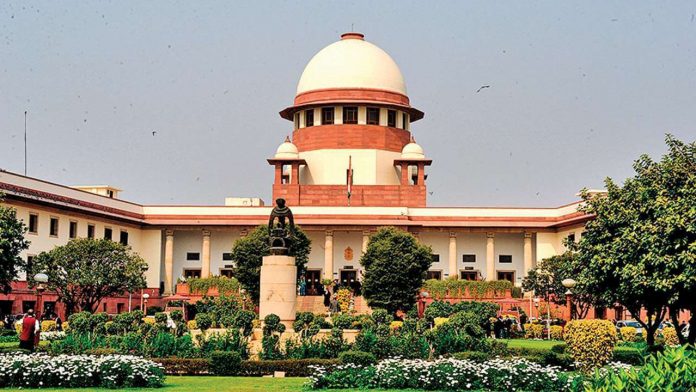
Download Now

Analysis of the amended rules governing criminal trials to address delay, deficiencies

0
Image source: https://www.google.com/url?sa=i&url=https%3A%2F%2Flegatoapp.com%2Flegato%2Fhome%2Fsnippet_home&psig=AOvVaw3ortCUtJIjZsgfP9v7rhiX&ust=1628088954869000&source=images&cd=vfe&ved=0CAwQjhxqFwoTCIjWvpGOlfICFQAAAAAdAAAAABAD

This article is written by Prashant Thakkar, pursuing Certificate Course in Introduction to Legal Drafting: Contracts, Petitions, Opinions & Articles from LawSikho.

Introduction

‘The course of justice often prevents it’- Edward Counsel

The Criminal Justice System of India is marked by innumerable discrepancies including loopholes in the investigation system, abysmal quality of documentation, want of promptness with regard to examination and recording of the statement of witnesses, incompetency of some police and judicial officers, etc. These factors have certainly marred the efficient functioning of the law courts who seek to redress the grievances of people and provide timely relief. The abovementioned factors might sound trivial but an indifferent attitude is shown by the police, lawyers and judicial officers and many other officers who function in different capacities toward them has led to an exponential rise in pending court cases over the past few years, straining the country’s already overburdened judicial system. These circumstances demanded immediate action and therefore a reality check was considered essential to ensure speedy justice to the victims and protect the rights of the accused. Urgent need of reform was felt in all spheres of the administrative system including police, the forensics wing, the prosecution, the courts, and the laws. This finally took shape when the 3-judge bench of SA Bobde, CJ and L. Nageswara Rao and S. Ravindra Bhatt, JJ directed all High Courts to take expeditious steps to incorporate the Draft Rules of Criminal Practice, 2021 as part of the rules governing criminal trials, and ensure that the existing rules, notifications, orders, and practice directions are suitably modified, and promulgated (wherever necessary through the Official Gazette) within 6 months.

Background of the draft rules

Mr. R Basant’s submissions

The Court was hearing a criminal appeal involving the death of a political worker in 2016. Amidst these proceedings, Mr. R. Basant, learned Senior Counsel appearing for the appellants-complainant, pointed out certain common inadequacies and deficiencies in the course of trial adopted by the trial courts while disposing of criminal cases. Mr. R Basantstressed upon certain practices which could be incorporated by criminal courts across the country to resolve the issues pertaining to criminal trials which ultimately would usher in a certain amount of uniformity and stability in the conduct of criminal trials across the country. 

Eventually by an elaborate order dated 30.03.2017 the Court realized the presence of common deficiencies in the practices and rules of High Courts by taking a cue from existing rules in some high courts particularly the high courts of Andhra Pradesh and Kerala. After considering about 13 issues put forth by Mr. R Basant, the bench noticed a lack of uniformity across States on how criminal trials are conducted. Particular emphasis was laid on to the manner in which documents (i.e. list of witnesses, list of exhibits, list of material objects) referred to are presented and exhibited in the judgment, and the lack of uniform practices in regard to the preparation of injury reports, deposition of witnesses, translation of statements, numbering and nomenclature of witnesses, labeling of material objects, etc. These very often lead to asymmetries and hamper appreciation of evidence, which in turn has a tendency of prolonging proceedings, especially at the appellate stages. The Court, therefore, issued notice to the officers of all High Courts and State government’s calling upon to submit their responses along with suggestions.

Appointment of Amicus curiae 

The case took a turning point when the court by an order dated 07.11.2017 appointed Mr. SidharthLuthra and Mr. R. Basanth, Senior Advocates as amicus curiae. The team was further strengthened with the appointment of Mr. K Parmeshwar on 20.02.2018. After a series of events, a colloquium was convened in New Delhi at the IndiaInternational Centre, on 30.03.2019 wherein written responses were invited from stakeholders. After considering the suggestions made during the colloquium, the amici curiae submitted the “Draft Rules of Criminal Practice, 2020” for the consideration of this court. Hereinafter a series of discussions were conducted wherein some high courts indicated their reservations to certain draft rules. However, the case ended on a positive note when the CJI Bobde led three-judge bench issued an order to implement the “Draft Criminal Rules on Practice, 2021”.

Objective and purpose of the draft rules

The Draft Rules consist of 5 chapters under 19 heads which stress upon the various practices that can be incorporated in the system to effectively deal with the inadequacies and deficiencies in the course of trial adopted by the trial courts while disposing of criminal cases. Through these draft rules, the court sought to establish a uniform approach – in the description of exhibits, manner, and description of recording of statements of witnesses, labeling of material objects, and so on. Various measures which could help achieve the objective of uniformity have been mentioned herein below:

  1. Provide a sense of clarity and uniformity to various state authorities and High courts throughout the country towards the draft rules.
  2. Ease the burden of workload on public prosecutors by providing a separate team of lawyers to advise the police during an investigation.
  3. Do away with practices and procedures (Bipin Shantilal Panchal v. State of Gujarat) that impede the smooth progress of Trial Proceedings gives way for better substitutes that would help accelerate Trial Proceedings. 
  4. Respect the time, effort, and money of the court, witnesses, and parties to the litigation. 
  5. Instill a sense of responsibility and respect amongst the court, witnesses, and parties to the litigation towards the Trial.
  6. Widen the role and responsibilities of the investigating agencies and the police authorities to ensure uniformity and stability in the trial and pre-trial stage.
  7. Ensure that a preliminary case management hearing is held at the beginning of the trial to ensure orderliness in the conduct of proceedings
  8. Ensure that all High Courts shall take expeditious steps to incorporate the said Draft Rules, 2021 as part of the rules governing criminal trials, and ensure that the existing rules, notifications, orders, and practice directions are suitably modified, and promulgated(wherever necessary through the Official Gazette) within 6 months from today.
  9. Ensure that state governments, as well as the Union of India (in relation to investigating agencies in its control), shall carry out consequential amendments to their police and other manuals, within six months from today.

Causes of delay and deficiency in criminal trials

Delay in the criminal justice system is a daunting challenge faced by the Judiciary. Delay and loopholes in the administration can defeat the purpose of criminal law which seeks to prevent crimes, provide justice, and dispose of cases at a rapid rate. Pending court cases have exponentially risen over the past years with criminal cases being worst affected especially in the district and subordinate courts where nearly 2.5 crores of the 3.4 crore impending cases were criminal. This phenomenon can be traced to several factors including 

  • Scheduling of cases – The courts in India are notorious for attempting to settle a variety of cases in a single day thereby causing inconvenience to parties and the witnesses. Moreover, the judicial officers are partial towards civil cases and pushing the criminal cases to the backburner due to which pending court cases are multiplying at a rapid pace.
  • Poor quality of investigation –Incompetent investigation is one of the main factors behind the plummeting rates of conviction. This in addition to the use of outdated methods, inexperienced field officers with inept knowledge of forensic science, poor quality of supervision are some of the many glaring gaps which indirectly have had a malicious impact on the way criminal trials are conducted in India.
  • The abysmal quality of documentation –A lackadaisical attitude toward drafting and maintenance of records and other compliances by both the Advocates and judges is one of the main factors responsible for rising in pending court cases. Many irrelevant details form a part of the documentation which leads to unnecessary wastage of courts time and postponement of cases. A huge part of the Draft rules have considered this factor and dealt with it appropriately.
  • Adjournment of cases – Respected President Ram NathKovind said that one of the reasons for long delays in the adjudication of cases in courts is the “culture of seeking Adjournments as a norm”. Indian courts are notorious for seeking adjournments as a delay tactic which deprives the court of its precious time leading to many litigants withdrawing the case out of frustration. Moreover, the court grants these adjournments on frivolous, unfounded, and spurious grounds which defeat the very purpose of criminal law.
  • Framing of Charges – This is one of the crucial stages of the trial. Unfortunately, this also happens to be one of the most time-consuming aspects of the trial wherein the accused have evaded presence by resorting to adjournments and other tactics.

Analysis of draft rules of criminal practice, 2021

Chapter I. Investigation

  1. This chapter focuses extensively on the duties and responsibilities of the investigating authorities, police authorities which include the necessity of a Body sketch, the importance of taking photographs and video-graphs of post mortem in certain cases in case of death of person [under Section 46 Criminal Procedure Code, 1973(“Cr. PC”) or Sections 129 to 131 Cr.PC] or death while in police custody, the necessity of a site plan prepared by the investigating officer shall disclose the details of the occurrence.
  2. Gone are the days when the police and the judiciary exclusively relied on witnesses for crime detection and solution. Science has acquired immense significance in these modern times and the investigating authorities have found a way to apply scientific principles in crime investigation. Not only the investigating authorities but the whole criminal justice system has realized the importance of giving scientific conclusions to cases and the branch of science which is helping in the application of scientific principles for the effective administration of the Criminal Justice system is called Forensic Science. Forensic science is a multidisciplinary science that sprawls throughout various disciplines including odontology, toxicology, Anthropology.
  3. Despite acquiring a respectable position in the criminal law circles, Forensic science has been plagued by numerous issues including less reliance on forensic evidence by the Supreme Court and high courts throughout the country, use of obsolete forensic methods and tools. There have been many instances wherein the accused was acquitted owing to lack of forensic evidence notably the cases of Vijay Shankar v State of Haryana and Mani Kamat Dinesh v State Govt of NCT of Delhi. Moreover, many forensic methods used for criminal investigation have been outdated.
  4. These circumstances demanded immediate action and therefore the amicus curie has allotted an entire chapter to it as a part of the Draft Rules. In order for forensic science to realize its full potential a serious and in-depth understanding was most essential and the Draft Rules have provided a platform for the same.

Chapter II: Charge

  1. The Draft rules regarding the charge mention that the order framing charge shall be accompanied by a formal charge in Form 32, Schedule II, Cr.P.C. to be prepared personally by the Presiding Officer after complete and total application of mind.
  2. Framing of charge is an essential element of a criminal trial. The primary object of a charge is to give the accused person firm and clear notice about what the prosecution intends to prove against them. A failure to do so might lead to a miscarriage of justice.
  3. A recent case of the Supreme Court held that it was not essential to give reasons in an order framing charge. The said order was challenged by the accused through a revision petition before the High Court, wherein he claimed that the Sessions Court ought to have applied its judicial mind and given some reasons while framing charges. Framing of charges is a very crucial part of the trial and not some mere formality and therefore demands the complete and total application of mind on the presiding officer’s part.
  4. The above-mentioned circumstances demanded immediate action and therefore the amicie curie has taken the right step by including charge as one of the chapters in the Draft Rules.

Chapter III: Trial

  1. This chapter extensively on the procedure of recording of evidence, the format of witnesses, an exhibition of material objects and evidence, subsequent references to accused witnesses, and other statements.
  2.  In the Code of Criminal Procedure, Section 311 empowers the court to summon a material witness, or to examine a person present at “any stage” of “any inquiry”, or “trial”, or “any other proceedings” under CrPC, or to summon any person as a witness, or to recall and re-examine any person who has already been examined if his evidence appears to. Examination of witnesses is envisaged in the Code of Criminal Procedure whether in trials either session trial, warrant trial, or summary trial.
  3. Admissibility of evidence is paramount in a trial and therefore the relevant facts are to be presented clearly and coherently and a systematic approach as provided by the Draft rules is imperative to achieve this.
  4. With the evolution of cyberspace and increasing reliance on electronic means of communication, storage of information in digital form has acquired paramount importance. Requisite amendments made to Indian Laws in the year 2000 with the Introduction of IT Act to make digital evidence admissible are a testimonial to the same and the court is completely justified to use technology to its advantage so as to ensure efficient functioning of the Legal system.
  5. Marking of witnesses, Exhibits, and Material objects in seriatim and their reference by numbers instead of names is justified and beneficial despite opposition from various high courts due to ease in reference and to ensure greater authenticity and reliability.

Chapter IV: The judgment

  1. In criminal matters, Chapter XXVII of the Code of Criminal Procedure, 1973 provides for ‘the Judgment’. 
  2. Every judge has a different approach to writing judgment and their writing inevitably varies in style, language, manner of the statement of facts, discussion of evidence, and reasons for such decision.
  3. Judgment writing consumes a major part of the Judge’s work and considering the current scenario the judges are clearly overwhelmed by the arrears of cases leading to the adoption of ineffective and time-consuming ways of writing Judgements thereby compromising the quality of the drafts.
  4. More systematic and to the point methods as provided by the Draft rules would facilitate a better culture of judgment writing thereby leading to speedy disposal of cases and delivery of quality judgments.

Chapter V: Miscellaneous

  1. The primary purposes of bail in a criminal case are to relieve the accused of imprisonment, to relieve the State of the burden of keeping him, pending the trial, and at the same time, to keep the accused constructively in the custody of the Court, whether before or after conviction, to assure that he will submit to the jurisdiction of the Court and be in attendance thereon whenever his presence is required.
  2. S.K. Hyder v. The State of Odisha would be the epitome of the lax attitude shown by the Indian courts in dealing with bail applications and suspension of sentences.
  3. The draft rules have provided for the disposal of cases within 3 to 7 days which are completely justified and have already seen light in the guidelines issued by Allahabad High Court.
  4. The 2nd clause under this chapter advocate for appointments for advocates other than public prosecutors to advise the investigating officer during the investigation. This clause previously saw light in the Indian judicial scenario in the year 2012 when the then home minister P Chidambaram today strongly advocated a separation of investigation and prosecution by amending the criminal justice system for the speedy delivery of justice. A part of the reason why the accused get easily acquitted can be traced to the degrading quality of the investigation system. Initially following the  CRPC amendment of 1973, the separation of prosecution and investigation was thought to be an unwise measure and it was strongly felt that this would impede the successful conviction of criminals.
  5. However, it was realized that prosecution was a separate arm of the criminal justice system and its coordination with the investigation was a gratuitous move and for its best interest it ought to remain a separate branch. Therefore by appointing a separate class of advocates to assist the investigation is a well-considered move as it eases the burden on prosecution, improves the quality of investigation, provides a new field for advocates to specialize in, etc.
  6. Adjournment is a term used in Court when a Lawyer of either side makes an application to adjourn the matter for reasons as stated in its application and there is a grant of such Application. Adjournment is granted either with costs or no costs. Unfortunately, adjournment is being exploited as a delay tactic in courts throughout India. Adjournments are granted without any serious thought and have become an inevitable cause of delay in the disposal of cases. The Draft rules have provided for clauses that adequately deal with the problem.

Conclusion

While we got to realize the fact that courts throughout various parts of India function differently and therefore any change of that magnitude requires time and patience. Many states had their reservations to certain draft rules particularly the one requiring a day-to-day trial. However, the states ought to realize that the Draft rules are merely practiced directions that reflect the mandatory provisions of the Code of Criminal Procedure, 1973 and therefore it’s their duty to abide by them. 

The successful implementation and execution of these Draft rules will demand the collective efforts of many branches of the criminal justice system including police, investigating agencies, prosecution, judges, etc. While most certainly these branches will have their reservations too regarding various clauses but it is also likely that they will see the larger picture wherein the Draft rules seek to achieve uniformity and stability throughout the various organs of the criminal justice system accordingly dealing with the problem of delay and deficiencies in the criminal trials.

References


Students of Lawsikho courses regularly produce writing assignments and work on practical exercises as a part of their coursework and develop themselves in real-life practical skills.

LawSikho has created a telegram group for exchanging legal knowledge, referrals, and various opportunities. You can click on this link and join:

Follow us on Instagram and subscribe to our YouTube channel for more amazing legal content.

Download Now

Official languages of India : a descriptive analysis

0

This article is written by Gursimran Kaur Bakshi, from the National University of Study and Research in Law, Ranchi. The article is a descriptive analysis of the official languages of India. The Constitution of India recognises official languages but not a national language. The members of the Constituent Assembly were apprehensive that recognising the latter may hurt the secular feature which happens to be the basic structure of the Constitution.

Introduction 

In 2016, by midnight, all Rs.500 and Rs.1000 banknotes of the Mahatma Gandhi series ceased to be legal tender. According to the government, these notes were demonetised to curb corruption and the inflow of black money in the market.  

Eventually, new notes were introduced in the market but with Devanagari numerals alongside international numerals. This move attracted a lot of criticism from people because Devanagari numerals have never been used. The reason for the same is that the Drafting Committee of the Indian Constitution had recommended international numerals to be used for the sake of uniformity. 

India is home to multicultural and linguistic values and diversity that recognises and accommodates respect for different practices, customs, traditions, and languages. Linguistic diversity is widespread and unique in each part of the country. There is a saying that depicts the importance of language which goes like, ‘when people are enslaved, as long as they hold fast to their language it is as if they had the key to their prison’. 

India was a colony of Britain that ruled for a sufficiently long period of time simply for its own economic benefits. That is why Dr. Shashi Tharoor called India Britain’s biggest cash cow at the Oxford Union debate. 

When Britain came to rule in India, it made laws for its own benefit, played divide and rule, and even subjected the people to mass famine. It could, however, not rule on the mother tongue of the Indians. Indians decided to hold onto their local languages because that was the only way they could feel independent. 

According to the Registrar General and Census Commissioner, more than 121 languages are still spoken in India. Under the Indian Constitution, Chapter XVII and Eighth Schedule deal with the subject of official language and scheduled languages respectively. The Eighth Schedule recognises 22 scheduled languages in India which, according to the 2011 census, is followed by approximately 97% of the households. 

This is a comprehensive article that will explain to you how the provision of language was added in the Indian Constitution, what are the official and scheduled languages recognised by the Constitution, and other aspects of it. 

Languages under the Indian Constitution 

Difference between Official and National Language 

A national language of a nation is restricted to accommodate various identities and their differences. This is often associated with the ‘one nation, one language’ goal of the country.  It is different from official languages. In India, there might be confusion over the difference between national and official language since the common perception of people is that Hindi is the national language of India. 

Hindi is one of our regional languages under the Eighth Schedule of the Constitution. It is not a national language because India does not have a national language. In 2010, the Gujarat High Court in Suresh Bhai v. Union (2010) observed that ‘since the majority of the people have accepted Hindi as a national language and many people speak Hindi and write in Devanagari, yet there is no official record to suggest that any provision has been made to consider it as the national language of the country.

The Preamble of the Indian Constitution reiterates the secular features of the Indian Constitution which happen to be a part of the Basic Structure Doctrine found in Kesavananda Bharati v. State of Kerala (1962). The word secular was added by the 42nd Constitutional Amendment in 1976. But that does not mean that the Indian Constitution was not secular before. It has been secular in spirit and in the letter from the very beginning.  

Secularism was later described as a part of the basic structure in S.R. Bommai v. UOI (1994). The only reason why it was not added at the first instance by the Drafting Committee was that the constitutional framers were apprehensive of the fact that the word may be misused to deny the history of Indian nationalism. 

Official language under Part XVII of the Constitution 

Part XVII of the Constitution deals with official language under which, Article 343 specifies that the official language of the Union shall be Hindi in Devanagari script along with the international form of the Indian numerals. But, notwithstanding this, English will continue to be used for all official purposes of the Union for a period of fifteen years from the commencement of the Constitution that is till 25th January 1965. 

Further, the President has the power to authorise the use of the Hindi language in addition to the English language for the official purposes of the Union. Provided that the parliament may by law provide for the continuing use of the English language after the period of fifteen years, which was added through an amendment in 1967, for the purposes specified by law. 

A private Bill was introduced in the parliament through the Constitution (Amendment) Bill, 2019 that sought to add the 22 scheduled languages of the Eighth Schedule to Article 343 of the Constitution. This means that the 22 scheduled languages were to get a status of official languages in addition to Hindi. 

The draft Constitution did not have any provision to deal with language initially. But a proposal was moved by Shri N. Gopakaswami Ayyangar, a member of the Constituent Assembly, to add language provisions on 12th September 1948. In the Draft Article 301A, the debate between the members of the Consistent Assembly surrounded the differences in recognising Hindi as the official language as the people in South India were not as well versed and fluent with the language as those in North India. 

Ayyangar proposed continuing English as the official language of the Union for some time, after the commencement of the Constitution. This proposal was further discussed by K.M. Munshi, a member of the Constituent Assembly, and the language provision was collectively known as the ‘Munshi-Ayyangar formula’.  

Further, the Assembly debated over replacing Hindi with Hindustani as some of the members were impressed by the flexibility and integrity the language offered. There were heated arguments on the acceptance of international numerals, which some sides proposed, that the inclusion of it will offer universality, while others wanted that national numerals must be placed before the world so that it gets global acceptance. At the same time, another school of thought proposed Sanskrit as the official language as it predominates in the literary forms of Hindi but at the same time, it is not a language of common people. 

It was finally decided by the house to keep Hindi as the official language with Devanagari script and not downright reject the use of English for the official purposes of the Union and thus, an interim period of fifteen years have been added to replace English with that of Hindi. This objective is also backed by Article 351 which obligates the Union to promote the spread of the Hindi language to develop it as to serve as a medium of expression for cultural assimilation. 

Further, Article 346 of the Constitution allows for the use of Hindu language for communication between the states, provided that if two or more states agree for the same. Generally, the language of communication between states and the Union and states would be the one authorised for use in the Union for official purposes. 

Within the state, the Legislature can adopt any one or more of the languages or Hindi for its official purposes, provided that the English language shall continue to be used for the official purposes unless otherwise provided by law under Article 345. But this shall not preclude the President to direct the use of other languages substantially spoken by the proportion of the population as per Article 347

The Eighth Schedule 

Article 344 and the Eighth Schedule of the Constitution gives adequate representation and recognition to the linguistic diversity in India. The Eighth Schedule recognises 23 languages, namely: (1) Assamese, (2) Bengali, (3) Gujarati, (4) Hindi, (5) Kannada, (6) Kashmiri, (7) Konkani, (8) Malayalam, (9) Manipuri, (10) Marathi, (11) Nepali, (12) Oriya, (13) Punjabi, (14) Sanskrit, (15) Sindhi, (16) Tamil, (17) Telugu, (18) Urdu (19) Bodo, (20) Santhali, (21) Maithili (22) Dogri and (23) English. These languages are added in accordance with the linguistic grounds. Others have been excluded based on the same ground.

Under Article 344 of the Constitution, the President shall, after five years from the commencement of the Constitution and ten years from such commencement, by order constitute a Commission which shall consist of a Chairman and such other members representing the different languages specified in the Eighth Schedule. 

The Commission is bestowed with the duty to make recommendations to the President for the progressive use of the Hindi language for the official purposes of the Union, restrictions on the use of English language for all or any of the official purposes of the Union, or in respect of matters related to the use of official language for the purpose of communication between states, and union and states to name a few. Provided that the recommendations must also consider the claims of the non-Hindi speaking population and due regard must be given to industrial, cultural, and scientific advancement in India. 

It is pertinent to understand that the Eighth Schedule does not mention English as one of its languages. The idea of the constitutional framers was to include it to continue with the official work of the Union before the commencement of the Constitution was pursued in English, the language of the coloniser. But this was not the only reason because the English language at the time of the drafting of the Constitution was widely known in other parts of the world too. 

new legal draft

Reasons to recognise official languages in India 

The Munshi-Ayyangar formula was a sort of compromise that the Constituent Assembly agreed on because, first, it was necessary as against the demand of the various groups to recognise their language. Second, this compromise offered stability as the country had just become independent from the rule of Britain and it needed to find its own voice and stand that they long lost because of colonialism. This meant that rather than instant recognition of various regional languages, the idea was to agree on one language that was spoken and understood by the majority and at the same time, it was not possible to disown the language of the coloniser suddenly as India needed to find its place at the global front too.   

Since in many parts of the country the population is recognised through their unique linguistic identity, it is imperative to give them the recognition they deserve. India has a population of over 121 crores, and due to the existence of a variety of languages and mother tongue, there could be a conflict between the communities over the non-recognition of their language. It is pertinent to understand that accommodation of cultural and linguistic values go a long way in creating stability in the country which was also the goal envisaged by the constitutional framers. 

Further, India adopted the three-language formula to accommodate the flexibility that arises in recognising Hindi, English, and a modern Indian language in a Hindi speaking state and replacing it with the Indian language in addition to Hindi and English in a non-Hindi speaking state. This was added through the National Education Policy, 1968

Issues with the adoption of different languages

The English-Hindi class divide 

One of the most apparent issues in regards to language in India is the disparity in terms of socio-economic disadvantages between those who can speak and write English versus those who cannot. It is a preconceived notion attached to English which is considered as the language of the rich and the marker of status. While the recognition of English is consistent throughout the world, in India it is associated with upper-class status and privileged education. I say privileged because not all classes in India have access to standard education, least we expect them to know English or be fluent in English. 

Linguistic chauvinism: one country one language v. federalism 

The three-language formula has also been recommended to continue in the National Education Policy 2020. But since language is a state subject, Tamil Nadu has refused to accept this formula. The Tamil Nadu government has been following a two-language formula which is English and Tamil as two languages of the state. Most of the states have not accepted this formula which could have been seen as a way to maintain inter-state communications. 

No set criteria for qualifying a language under the Eighth Schedule 

There are other issues with the recognition of scheduled languages which is that there are no standard criteria that are followed to include a particular language within the framework of the constitutional protection. Since this is still the case, it becomes discriminatory as against the demand of recognising other languages such as Bhojpuri, Gujjar, English, and Rajasthani to name a few. These are also the languages spoken by people in India irrespective of whether the number of speakers is in minority or majority since the Indian Constitution does not promote majoritarianism.

Further, since the Constituent Assembly decided on certain aspects that were not meant to be changed because it could disrupt the delicate balance attained through the Munshi-Ayyangar formula, the same has now been changed. One such aspect was to recognise the international form of numerals. Though the government has not removed the use of international numerals, they have used the Devanagari script in the new banknotes. This has created tensions amongst the community because for a long time India has avoided giving special recognition to a particular language, but this move shows the contrary to what was envisioned by the framers of the Constitution. This new move is a sign of cultural imperialism. 

Conclusion 

India is a land known for accommodating unique linguistic identities and cultures. Till now, the delicate balance of accommodating all and offending none has been maintained. But recent decisions of including Devanagari numerals in the new notes seems to be politically motivated. The issue is not with using the Devanagari numerals. The issue is that the use of it reflects preferential treatment which has long been avoided because of the Munshi-Ayyangar formula. The constitutional frameworks envisaged the idea of India, that is Bharat, as homogenous because that was the only reasonable way to maintain diversity. It is also suggested that the government should establish criteria for selecting a particular language as a part of the Eighth Schedule because it will offer objectivity and uniformity. This will also help subdue the demands of groups that want constitutional recognition of their language because they will have to fulfil the criteria for the same. As for now, it is reasonably expected from the government to not disrupt the balance that has been long maintained in the Constitution.  

References


LawSikho has created a telegram group for exchanging legal knowledge, referrals, and various opportunities. You can click on this link and join:

Follow us on Instagram and subscribe to our YouTube channel for more amazing legal content.

Download Now

India challenges Vodafone arbitration award in Singapore : everything you need to know

0
Image source: https://blog.ipleaders.in/india-challenges-vodafone-arbitration-award-singapore-everything-need-know/

This article is written by Sai Manoj, pursuing Certificate Course in Arbitration: Strategy, Procedure and Drafting from LawSikho.

Introduction

The Singapore seat of Permanent Court of Arbitration of The Hague has passed an award in favour of the Vodafone Group against the retrospective tax demand of Rs 22,100 crore as capital gains and withholding tax by the Indian government. The Indian government has challenged the award passed in favour of Vodafone by the Singapore seat of Permanent Court of Arbitration of The Hague. The Vodafone arbitration case also famously known as the Vodafone retrospective tax case is a very famous case in India as well as for the international businesses willing to invest in India under the foreign direct investment route. This is a case of high political importance because the determination of this case will impact many pending international arbitration matters against India which might adversely affect the finances and status of the Indian government in the world as it has to pay huge sums of money to many companies against whom the retrospective tax is imposed.

Background of the case

The origin of this case started in 2007 when Vodafone had acquired a 67% stake in Hutchison for 11 billion dollars which also included its telecommunication business and other assets in India. In September 2007 the government of India raised a demand of Rs. 7,990 crores against Vodafone as capital gains and withholding taxes stating that the company should have deducted the at source (TDS) before making a payment to Hutchison. 

Vodafone group challenged this tax demand in the Bombay High Court and the court passed a judgement in favour of the Income Tax Department. Subsequently, the Bombay High Court judgement was challenged by the Vodafone Group in the Supreme Court and in 2012 the Supreme Court passed a judgement overruling the Bombay High Court judgement and in favour of the Vodafone group. 

In the same year, the UPA government passed an amendment to the Finance Act which circumvented the Supreme Court’s ruling and gave the power to the income tax department to levy the taxes retrospectively. This amendment means the onus to pay taxes fell back on the Vodafone group. 

After the amendment was passed there was a huge backlash and criticism by the global investors and companies who said that the change in law was arbitrary and perverse in nature and the government is playing a dirty game to circumvent the decision of the Highest court of the land. Following this international criticism, the government of India has tried to settle the dispute amicably with the Vodafone group which failed spectacularly. 

In 2014 the Vodafone group invoked Clause 9 of the Bilateral Investment Treaty (BIT) which was signed between India and the Netherlands in 1955. This BIT was signed between India and the Netherlands in 1955 for the promotion and protection of investments by the companies of each country in the other’s jurisdiction and to encourage and promote favourable conditions for investors of the other country. This BIT also states that the two countries would ensure that the companies present in each jurisdiction would be at all times accorded fair and equitable treatment and shall enjoy full protection and security in the territory of the other. 

As the Vodafone group moved to the Permanent Court of Arbitration of The Hague it passed an award in favour of the Vodafone group stating that the Indian government has violated the BIT and the United Nations Commission on International Trade Law (UNCITRAL). The tribunal also held that any attempt by the Indian government to enforce the tax demand would be a violation of India’s international law obligations.  The ruling of the Permanent Court of Arbitration of The Hague means the Indian government has to stop efforts to recover the said taxes from the Vodafone group.arbitrationWhat is a Bilateral Investment Treaty?

In November 1995, India and Netherlands had signed a Bilateral Investment Treaty (BIT) for the promotion and protection of investment by the companies of each country in the other’s jurisdiction. The important aspects of the treaty are to encourage and promote favourable conditions for investors of the other country and to ensure that the companies present in each other’s jurisdiction would be treated in a fair and equitable manner at all times. This BIT between India and Netherlands has expired in September 2016.

Chronology of events

  • May 2007: Vodafone group had acquired a stake in Hutchison Essar for 11.2 billion dollars.
  • The deal between the companies happened overseas in the Cayman Islands where Vodafone group acquired the stake in Hutchison indirectly.
  • October 2009: The Income Tax Department had served notices to Vodafone group to pay 7,990 crore rupees as a penalty for tax evasion and hiding the capital gains.
  • September 2010: Bombay High Court passed a judgement in favour of the income tax department against the tax demand on Vodafone group.
  • January 2012: Supreme Court set aside the Bombay High Court judgement and quashed the tax demand by the Income tax department against the Vodafone group.
  • February 2012: The government filed a review petition in the Supreme Court of India.
  • March 2012: Supreme Court dismissed the review petition.
  • In 2012 the Indian government amended the income tax act giving power to the income tax department to levy taxes retrospectively.
  • January 2013: The income tax department raised a fresh demand of Rs. 11,218 crores to the Vodafone group.
  • April 2014: Vodafone invoked arbitration against the Government of India.
  • February 2016: A fresh tax demand of Rs. 22,100 crores were raised by the Income-tax department against the Vodafone group including the penalties.
  • September 2020: The Singapore seat of Permanent Court of Arbitration of The Hague passed an award in favour of the Vodafone group.
  • December 2020: India challenges the arbitration award in Singapore.

How India challenged the award passed by the Permanent Court of Arbitration of The Hague?

The Indian government has challenged the award by the Permanent Court of Arbitration of The Hague in Singapore. The award is passed in favour of the Vodafone group against the retrospective tax demand of around 22,000 crore rupees by the Indian government. The government of India’s decision to file an appeal was taken after considering all the options available and in consultation with top-ranking officials of the income tax department and the department of communications and the finance minister of India.     

What can the Indian government expect from the appeal?

The position of India is clear that taxation is not a part of the Bilateral Investment treaty and it falls under the sovereign exercise of the power of a country. The government also stated that the legislative and sovereign power of taxation must not cease at the whims of the investors and international businesses. So according to the above statement, the Indian government can take the defence that it has not breached or violated any BIT provisions and the UNCITRAL rules or any other international law principles since it is exercising its sovereign power. As the money involved is huge and the reputation and status of the Indian government and its exercise of sovereign power is at stake Indian government expects that the appeal will be allowed and the judgement will be passed in its favour.

Meaning and criticism of retrospective taxation; and reasons provided by the international tribunal for passing the award 

As the name suggests retrospective taxation means levying taxes on certain products, items or services and deals etc. from a backdate or retrospectively. This is done by the Government of a country by passing a new law or amending the existing law in current case the income tax law was amended in 2012 by the government introducing retrospective taxation and giving the power to the income tax department to levy taxes retrospectively on companies. Using this amendment the tax was levied on the Vodafone group retrospectively. Countries usually use this route to correct any anomalies in their taxation policies that have, in the past, allowed companies to take advantage of such loopholes. While governments often use a retrospective amendment to taxation laws to “clarify” existing laws, it ends up hurting companies that had knowingly or unknowingly interpreted the tax rules differently.

Now coming to the criticism of introducing retrospective taxation the international business community has a huge criticism stating the concept of retrospective taxation is nothing but a daylight robbery by the Government of a country by taxing deals that have already been completed by companies and they also say that retrospective taxation is only for filling up coffers of the government and covering up they legislative errors. 

On September 25, 2020, an international arbitral tribunal passed an award in favour of the Vodafone group, for violation of the fair and equitable treatment standard by the Indian government under the India – Netherlands BIT. The arbitral tribunal directed India to reimburse legal costs of approximately INR 850 million to Vodafone. The complete award is not available in the public domain. The excerpt available in the public domain is reproduced below:

“(3) The Respondent’s conduct in respect of the imposition of the Claimant of an asserted liability to tax notwithstanding the Supreme Court Judgement is in breach of the guarantee of fair and equitable treatment laid down in Article 4 (1) of the Agreement, as is the imposition of interest on the sums in question and the imposition of penalties for non-payment of the sums in question.

 (7) The Respondent will reimburse to the Claimant the sum of £4,327,294.50 or its equivalent is US Dollars, being 60% of the Claimant’s costs for legal representation and assistance, and €3,000 or it is equivalent in US dollars, being 50% of the fees paid by the Claimant to the appointing authority.”

Conclusion

This retrospective tax case has gained huge importance at the international level as the outcome of the case is keenly looked at by the international investors and companies who want to invest in India. This will also send a statement to the international community about the stand of the Indian government in the taxation laws. As we have seen in this article, the current issue is a grey area in international law where there are polar opposite opinions from different areas of people. Some say that the Indian government is behaving in a vindictive manner by introducing retrospective taxation to circumvent the judgement of the highest court of the land and this sets a very bad precedent for the future of foreign investments in India. The other group of people say that taxation is a sovereign function and won’t fall under any international treaties or international law and the Indian government is well within its right to introduce retrospective taxation as the deal between the Vodafone group in acquiring the stake in Hutchison is also done in a very sketchy manner by circumventing and misusing the Indian tax laws. The deal was done in the Cayman Islands by acquiring the shares of a shareholder company that has a stake in Hutchison to evade taxation in India. All we can do is to wait and watch what will be the decision of the Singapore court in the appeal before it.

References

  1. https://indianexpress.com/article/business/india-challenges-vodafone-retrospective-tax-case-verdict-in-singapore-tribunal-7117981/. 
  2. https://indianexpress.com/article/explained/retrospective-taxation-the-vodafone-case-and-the-hague-court-ruling-6613799/. 
  3. https://www.reuters.com/article/us-india-vodafone-group-arbitration/vodafone-wins-international-arbitration-against-india-in-2-billion-tax-case-sources-idINKCN26G1CR?edition-redirect=in. 
  4. https://economictimes.indiatimes.com/news/economy/policy/vodafone-retro-tax-case-all-you-need-to-know/articleshow/79950372.cms.
  5. https://www.thehindu.com/business/india-challenges-vodafone-arbitration-ruling-in-singapore-sources/article33408886.ece. 

Students of Lawsikho courses regularly produce writing assignments and work on practical exercises as a part of their coursework and develop themselves in real-life practical skills.

LawSikho has created a telegram group for exchanging legal knowledge, referrals, and various opportunities. You can click on this link and join:

Follow us on Instagram and subscribe to our YouTube channel for more amazing legal content.
Download Now

Can foreigners lodge criminal complaints in India if they are victims of a crime in India

0
criminal law
Image source: https://rb.gy/5btnyi

This article is written by Gursimran Kaur Bakshi, from the National University of Study and Research in Law, Ranchi. The article addresses the issue relating to the rights of foreigners to lodge a complaint to report offence(s) committed against them in India. 

Introduction 

Although Article 14 of the Indian Constitution extends protection to persons in India irrespective of their nationality, there are misconceptions regarding the rights of foreign nationals in seeking a remedy under the Indian criminal justice system. Article 14 allows all persons to be treated equally before the law and it extends equal protection of the law. The term persons used in the Article is inclusive of foreign nationals along with Indian residents. 

This article is a guide on how foreign nationals can invoke the Indian criminal law to lodge a criminal complaint if they have been a victim of a crime in India. 

Can foreign nationals invoke the Indian criminal justice system

As stated above, the law treats foreign nationals and Indian residents equally for extending the protection guaranteed before the law. This guarantee is equally applicable to criminal laws. If a foreign national is residing in India, knowing the basic criminal law of the country becomes essential. It is because the person will be able to seek remedy at the right place as a victim.  Let’s understand how the criminal laws are applicable to a foreign criminal before understanding how a complaint can be registered. 

Laws of the Indian criminal justice system

The three important legislations that any foreign national in India should remember are:

All these legislations are interconnected. But for the purpose of a foreign national to seek a remedy, if they have been a victim of crime in India, the first two legislations are only important. 

The IPC is the legislation that defines what all actions and omissions are considered as offences in India. A foreign national needs to refer to this legislation to understand whether the act committed against him by someone would be an offence. If yes, what kind of an offence is it- serious or trivial? 

Once a person is sure that the act is an offence, he will have to refer to the CrPC. The CrPC is the procedural law that concerns itself with how the criminal law will be set in motion once the commission of an offence takes place. Let’s read further to understand more about the applicability of these laws. 

Applicability of the Indian Penal Code 

The legislation is applicable to every person, provided that the offence is committed in India as stated in Section 2 of the Code. The Code depends on the place where the crime is committed and not the nationality of the person. This provision reflects the intra-territorial operation of the IPC. The term person is defined under Section 11 as including any company, or association or body of persons, whether incorporated or not.  

Thus, the use of the word every person has a wider connotation and includes Indian citizens, non-citizens, and foreign nationals. But it does not include a non-judicial person.

Extraterritoriality of IPC

Extraterritoriality means that the Code will also apply in cases where a crime has been committed by an Indian national outside India. Section 3 and Section 4 of the Code deals with extraterritoriality respectively:

  • Under Section 3, any person who has committed a crime beyond India but under the Indian law shall be liable under the Code as if the crime was committed within India.
  • Further, Section 4 elaborates on certain situations where Section 3 is applicable. These situations are where an offence is committed by a citizen of Indian outside and beyond India, or where an offence is committed beyond and outside India but targets a computer resource located in India, and where an offence is committed on any ship or aircraft registered in India. 
  • A similar provision to Section 4 is also present in Section 188 of CrPC. According to Section 188, no offence committed outside India by an Indian citizen on high seas or elsewhere or by a person not being an Indian citizen on the ship or aircraft registered in India shall be inquired or tried into except by the previous sanction of the central government.
  • Hence, the extraterritorial operation of IPC relates to land, air, and sea. This means that the Sections asserts the principle of criminal liability on the basis of the locality and place of the offence committed.
  • Further, if an act is an offence within the context of the Code and of a consequence which has ensued in India, the same shall also be inquired into or tried by a Court within the local jurisdiction of the Indian Courts. This is mentioned under Section 179 of CrPC. 

To understand these two provisions, let’s refer to certain important laws. 

Liability depends on the locality of the offence 

In Mobarak Ali Ahmed v. State Bombay (1957), the Supreme Court observed that the exercise of criminal jurisdiction depends upon the locality of the offence committed and it has got nothing to do with the nationality or locality of the offender. 

In this case, a national of Pakistan was convicted for the offence of ‘cheating’ under Section 420 of the IPC in India. He had made false representations to a complainant for the import of rice from Karachi to Goa through various modes of communication in Bombay. Since the property was to be delivered in Bombay, the complainant had suffered as a consequence of his deception in Bombay. Hence, a foreign national does not need to be corporeally present in India to attribute criminal liability to him.

In Ajay Agarwal v. Union of India (1993), the Court was concerned with whether Section 3 and 4 are to be applied in the offence of ‘conspiracy’ the parts of which are hatched outside India. The Court observed that Section 120A and Section 120B are a part of a continuing offence and any action or omission done on the part of the same offence, will be attributed to the liability under the Code. It does not matter whether the violator was present in India at the time when the acts were committed.    

In another case of Mohammad Ajmal Mohammad v. The State of Maharashtra (2011), the Supreme Court held the foreign nationals liable under Section 121A and Section 122 for the offence of ‘waging war’ against the government of India. This case concerned the 26/11 Mumbai terrorist attacks that were perpetrated by a Pakistani militant Ajmal Amir Kasab on innocent civilians and other foreign nationals present in India during that time. The Court awarded him the death penalty. 

Liability based on the consequence of the offence ensuing in India 

In Seville Products Ltd vs. Mumbai Import (2020), the Custom, Excise, and Service Tax Appellate Tribunal (Mumbai) while referring to the applicability of the Customs Act, 1962, stated that the IPC is dependent on the “act or its violation” which should have its effect and consequence within the territorial limits of India. 

So, if the violation of the provision is committed within India or has the effect of being committed in India, then the consequence in conformity with the Code would ensue since it jeopardises the interest of the state. This will not be dependent on whether the violator is an Indian citizen or an alien. 

Thus, it is important to determine if the act or its omission is in violation of the Code and not whether the violator is a legal person based in the Country or not. However, this shall include a situation where the act is committed by a foreign national beyond the territorial jurisdiction of India. 

Further, a foreign national cannot take ignorance of the law that he was unaware that his acts or omission attribute as an offence under the Code as held in State of Maharashtra v. Mayer Hans George (1965).  

Thus, a foreign national can be held liable in India if he commits an offence under the IPC as per the above-mentioned conditions. Now, the rest of the article will focus on how a foreign national can set the Indian criminal system in motion.     

How can an FIR be lodged by a foreign national  

Since it has been proved above that the criminal laws are equally applicable to foreign nationals in India or against whom the act has been perpetrated in India, we need to see how the person can identify the type of offence committed against him. 

The IPC divides offences as cognizable and non-cognizable. The former category consists of a list of serious offences. Whereas, the latter is considered as non-serious offences. These are divided into two parts because in cognizable offences the police can arrest the offender without permission from the Judicial magistrate. A list of offences recognised as cognizable are mentioned under Schedule I of the CrPC. Further, the Code divides offences as bailable and non-bailable. Those offences which are serious in nature are usually within the category of non-bailable offences. 

Any offence under Schedule I is committed against a foreign national, the first step should be to report it. For that, we need to understand what a First Information Report (FIR) and a complaint mean. 

In usual cases, when a crime is committed against a person and that crime falls within the ambit of Schedule I, the person has to register an FIR Section 154 of CrPC. FIR is nothing but giving information to the police about the commencement of a cognizable offence. The Code does not define the meaning of an FIR. 

Further, the aggrieved person can also write an application directly to the Magistrate for the same. The CrPC empowers a Magistrate to take cognizance over the commission of an offence under Section 190 through a complaint. A complaint is defined under Section 2(d) of the CrPC as any allegation made in writing or given orally to a Magistrate. 

The allegations must be made with the view to his taking action under the CrPC over the commission of an offence and against a person who has committed it. The person does not have to be known. However, it does not include a police report. 

A complainant for lodging an FIR or for writing an application to the Magistrate can be any person and he/she does not necessarily have to be an Indian citizen. If the law neither prescribes a qualification nor bars the person by necessary implication or express prohibition, then any person, aggrieved or otherwise, can set the law in motion. 

In A.R Antulay v. Ramdas Sriniwas (1984), the Court while discussing the scope of Section 190, held that the fundamental postulates of the administration of criminal justice allow any person to set the criminal law in motion. Only when there is a special provision to the contrary, a person can be restricted to seek the remedy. 

Steps to lodge an FIR at the police station 

  • An FIR is the most important document as it sets the criminal law into motion. It is where the investigation begins by the police officer. In a landmark case of Lalita Kumar v. Government of U.P(2013), the Supreme Court referred to the FIR as the most important and mandatory document for a criminal investigation. The police officer is obliged to register an FIR. 
  • A foreign national can visit the nearest police station from where the offence has taken place, and refer his complaint to the police officer in writing. The information must disclose a cognizable offence. The person can also communicate the commencement of an offence orally to the police officer. 
  • The police will then mandatorily take down the information along with the signature of the complainant in the police register. This is important to safeguard against any illegal or mala fide investigation of the police officer. The information entered into the register shall be read over to the complainant. 
  • A copy of the information entered shall be handed over to the complainant for free of cost. 
  • Once this is done, the investigation is initiated by the police officer as per Section 156 and the police is empowered to arrest the accused under Section 157. The police can then forward the accused to the Magistrate if there is sufficient evidence against him. 
  • The police officer’s investigation ends with the submission of a final police report under Section 173(2) to the Magistrate. 

What should a foreign national do when they are not present in the state where the crime was committed 

  • If the person is in a different state and the crime committed against him took place in a different state, then a zero FIR can be registered in any police station which is nearest to that person’s locality. 
  • A zero FIR can be lodged in any police station in India as observed in Kirti Vashisht vs. State & Ors (2019). Once the FIR is lodged, the same way as it has been mentioned above, the police station will transfer the FIR to the concerned police station which is nearest to where the crime has been committed for the investigation to begin. 

What should a foreign national do when the police refuse to register an FIR

  • If the police refuse to register an FIR, the person can refer his written complaint to the Superintendent of Police (SP) in writing and by post under Section 154(3). The SP can either investigate the case himself or direct an investigation to the subordinate police officer.   

How can foreign nationals file a complaint to the Magistrate 

  • If Section 154(3) does not work, a complaint can be referred to a Magistrate in two ways. The complaint can be referred to the Magistrate under Section 156(3) along with an affidavit as observed in Priyanka Srivastava Anr vs. State Of U.P.& Ors (2015)
  • In this case, the Magistrate can order a prima facie investigation and order the police officer to register an FIR and initiate an investigation. The Magistrate does not need to examine the witnesses on oath under Section 156(3) as held in Suresh Chand Jain vs State of Madhya Pradesh (2001).
  • A complaint can also directly be filed to the Magistrate of the first class or the second class under Section 190 of CrPC. If the complaint has been filed with the competent Magistrate, he can order for a preliminary investigation and direct the police to initiate an investigation under Section 202
  • He can take cognizance under Section 192 and can investigate himself under Section 202 of CrPC. However, the Magistrate cannot direct an investigation and simultaneously inquire the case by himself as maintained in Sankar Chandra Ghose v. Roopraj (1981).
  • Further, in the case where the Magistrate decides to inquire or investigate himself on the existence of sufficient grounds to proceed against the accused person, he has to examine the witness on oath under Section 202. 
  • After examining the witness, if the Magistrate is not satisfied that there are sufficient grounds to proceed against the accused, he can reject the complaint under Section 203 by recording brief reasons for the same. But if there are sufficient grounds, he can proceed under Section 204 to determine if the case is a warrant or a summon case.
  • The CrPC does not specify which procedure is to be followed in any of the two and hence, under these circumstances, the proper procedure is to be followed by the Magistrate should be of the warrant cases as observed in Banta Singh S/O Shian Singh v. Gurbux Singh S/O Gurdit Singh (1966).

What happens when a Magistrate takes cognizance over a complaint 

  • If it is a summons’ case, the Magistrate may issue a summons for the appearance of the accused before him accompanied by a copy of the complaint. 
  • In summons’ case, the accused appears before the Magistrate, the particulars of the offence have to be stated to him, and he can either plead guilty or take defence, but the framing of charges is not necessary as per Section 251
  • If it is a warrant case, he may issue either warrant or summon for causing the accused to be brought or appear before him, accompanied with a copy of the complaint. 
  • Warrants are issued for more serious offences the punishment of which extends to life imprisonment or death as defined under Section 2(x) of CrPC. The rest are summons cases. 
  • Once the Magistrate has issued a warrant for the appearance of an accused before him, he shall then initiate a procedure of trial by first referring to the evidence of the prosecution under Section 244
  • Under Section 244, the Magistrate has to first proceed to hear the prosecution and take cognizance of all such evidence produced and led by the prosecution. 
  • If the evidence of the prosecution includes the testimonies of witnesses, the Magistrate can issue a summon to the respective witness directing him to attend or to produce a document concerning the case. 
  • After the evidence has been led, if the Magistrate is satisfied that there is no ground to proceed against the accused, he can discharge him under Section 245. Notably, the Magistrate can discharge him at any previous stage, for the reasons to be recorded, if the charges against him are groundless. 
  • But, in case, where Magistrate has sufficient grounds for presuming that the accused has committed an offence, proceed against him in accordance with the evidence led by the prosecution, he shall frame in writing a charge against him under Section 246
  • The charges shall be read and explained to the accused, and he shall be asked whether he pleads guilty or has not. 
  • If the accused pleads guilty, the Magistrate is required to record it, and he may convict him on his discretion. 
  • But where the accused does not plead guilty or refuses to plead, or claims to be tried, he can be asked to cross-examine, by the Magistrate, any of the evidence relied on by the prosecution including the witnesses. 
  • The witnesses can be cross-examined(by the defence) and re-examined (prosecution) subsequently on his request.  
  • Further, the accused shall be further called under Section 247 to lead his side of the evidence as per the procedure under Section 243. The same can be led in writing which shall be recorded by the Magistrate. 
  • The Magistrate is empowered to allow the accused to cross-examine witnesses or allow him to request for production of a document, provided that he is satisfied that the request is not made to defeat the ends of justice or to delay the process. 
  • Once all of this is done, the Magistrate has to either acquit the accused or convict him under Section 248
  • If the Magistrate acquits him, he shall record an order of acquittal. Where the Magistrate finds him guilty, he shall hear the accused on the question of sentence and pass the sentence upon him according to law. 

Conclusion 

The procedure for filing a complaint by a foreign national has been explained above in a simplified form. However, often, the reality seems to be far away from the theoretical aspect and a foreign national may face issues while trying to set the law in motion. In this aspect, it is important to understand that the law is in their favour and they will be given legitimate protection under it. And thus, they should trust the criminal justice system of India. But a person with dirty hands cannot use the criminal system to defeat the ends of justice or to secure himself a means to carry out his illegal activities. 

References 


LawSikho has created a telegram group for exchanging legal knowledge, referrals, and various opportunities. You can click on this link and join:

Follow us on Instagram and subscribe to our YouTube channel for more amazing legal content.

Download Now

Intellectual properties that drive the driverless cars

0
Intellectual Property Rights
Image Source - https://rb.gy/q7cr4k

This article has been written by Priyanka Saraswat, pursuing the Diploma in Intellectual Property, Media and Entertainment Laws from LawSikho.

Introduction

There was once a time that self-driving cars, vehicles that communicated with and understood the driver, and practically sentient vehicles were considered purely science fiction. Yet, in the past couple of decades, we have come to a lot closer to such imagination becoming reality. Self-driving cars or autonomous vehicles are the next big and ambitious step in the automotive race that is no longer just a contest of the big names but is seeing a lot of new and emerging players. A vehicle is an amalgamation of patented designs and a plethora of other Intellectual Properties propelled by a set of wheels. This article tracks the history and the advent of Intellectual Property (IP) Rights for this technology by the means of existing patents and relevant laws and discusses the roadblocks that have emerged in this race in form of legislation and legalities. For the purpose of brevity, this article will only be focusing on the development of autonomous driving technologies in cars.

What is an autonomous vehicle?

An autonomous vehicle (AV) can simply be defined as a self-driving or driverless vehicle. Therefore, it is a vehicle that can operate itself without any intervention by humans and perform functions by understanding and sensing its surroundings. Autonomous Driving (AD) relies on the Advanced Driver Assist Systems (ADAS) and is classified by the Society of Automotive Engineers (SAE) into six levels from 0 to 5 marking the varying levels of automation where 0 is equivalent to no automation at all and 5 refers to full automation or what we consider a truly autonomous vehicle. 

Development of autonomous vehicles for purposes such as cargo, safety, robotics, etc. has been happening since the middle of the last century, however, automation in passenger cars requires a lot more precision and coordination between systems due to the higher levels of human elements involved. At present in the private vehicle segment, Level 2 automation functionality is readily available while Level 3 is being provided by only a handful of companies such as Volvo and Audi. Until a few years ago, the automobile industry had confidently predicted that Level 5 fully autonomous vehicles would arrive by 2021, but the task has proven more complex than previously ascertained, pushing these predictions ahead by a couple of decades at the least.

As per Article 8 of the Vienna Convention on Road Traffic, 1968 that has been adopted by a majority of the countries around the world there is a strict requirement for a human driver to be present in the driving seat at all times, with concessions having been made in 2014 providing for automation only if it can be switched off by a human driver when required. These restrictions automatically delegitimise the prospect of fully driverless automation in cars but a lot of countries are now amending and changing their laws to slowly adapt to having self-driving cars on their roads leading to manned test runs being possible.

The importance of IP rights in autonomous vehicles

Autonomous Driving Technology blends a motor vehicle with the capabilities of a computer powered by artificial intelligence which is why the intellectual properties involved in this technology revolve around computer programs. There are three separate IP protection regimes that computer programs can be protected under copyrights, trade secrets, and patent law. While computer-related inventions are explicitly covered under the copyright law as per Section 13(1) and 2(o) of the Copyright Act, 1957 and trade secret protection is enforced by the court through the Contract Act and common law for breach of confidence. Therefore the focus of this section of the article emphasizes patents.

  • The changing interpretation of IP laws

The automobile industry’s reliance on IP protection, with the increasing importance and dependence on computer-related inventions, has over time varied the scope of the protection offered by each of them significantly. Originally, patent laws around the world strictly focused on the implementation of innovations in hardware and analog technologies. With the advent of computers and the internet, developments began happening on the software front too which has led to courts beginning to deal with subject matter patentability in relation to software and computer-related inventions. In the U.S. under the patent laws, a patent cannot be granted for abstract ideas as per 35 U.S.C 101, which limits the inventions to those that are on recordable media.  In a 2014 judgment, the U.S. Supreme Court held that implementing the abstract idea on a computer (by means of software) does not automatically make it patentable. This, therefore, highly restricts the patentability of software and computer-related innovations, the category under which most autonomous vehicle inventions fall. 

India, on the other hand, deals with computer programs under Section 3(k) of the Patents Act, 1970 where the addition of the words “per se” by the 1999 Amendment Act leaves scope for computer programs being examined to ascertain the genuineness of its invention and development. It has led to the Patent Office coming out with three separate Guidelines for Examination of Computer Related Inventions (CRIs) over the years that help properly construe the claims of a computer program and identify their actual contribution. Additionally, Delhi High Court, in the 2019 case of Ferid Allani v. Union of India, reiterated the patentability of CRIs if they demonstrate “technical effect or technical contribution” even though they may be based on a computer program by examining the “per se” in the amended section. 

The European Patent Convention (EPC) also has a similar feature under Article 52 that excludes from the purview of patentability any subject matter “as such” which was further elaborated by the Board of Appeals upon an appeal by IBM that “computer programs as such” would only refer to those that were non-technical. Japan is probably the only country that explicitly considers computer programs to be patentable subject matter, along with certain guidelines for examination and determination in place. 

However, patent laws do not generally treat software-related inventions the same way as other novel technology advancements. This could be due to a lack of understanding of the nature of software innovation for which courts are now attempting to create inclusive precedential interpretations.

  • Benefits of patent protection

As a rule of thumb, new inventions in any field of technology shall qualify for patent protection if they are non-obvious, novel, and useful as per Section 2(1)(l) of the Patent Act that defines “new inventions”. Even with the high amount of court discretion required to determine the patentability of a subject, the automotive industry continues to file for patents in as high numbers as ever. Patent protection, if applicable, offers significant benefits to innovators:

  • Ensures that the inventors get a reasonable return on their investments in the research and development process;
  • Makes it easier for small businesses and innovation-based start-ups to establish business collaborations, attract investment partners and support business expansion;
  • Unlike copyright, patents are only protected after receiving explicit registration by the Patent Office.
  • Is patenting the only option?

A disadvantage of opting for patenting autonomous technologies is the amount of time it takes for a patent to be granted as opposed to the fast pace at which these technological innovations take place. Resultantly, many autonomous vehicle companies choose to keep their software and machine-learning data as trade secrets. Opting for trade secret protection instead can provide significant advantages over a competitor, as it allows the company to continue improving and developing its technology by focusing resources directly towards their research. Moreover, this form of protection is not as expensive or time-consuming as the patent process and its resultant prosecutions. But trade secrets can have their disadvantages since reverse-engineering software algorithms is something companies are wont to do especially in a competition. Additionally, keeping autonomous driving technology data secret could mean that it would be difficult for consumers and authorities to legitimately and completely assess the competency and safety of the systems that guide the vehicles, as they are highly dependent on subjective evidence.

  • Standard essential patents

Another possible route taken by automobile manufacturers is to opt for Standard Essential Patents (SEPs). Key automotive players push for the creation of standards (i.e. an agreed set of rules and requirements for a certain technology) and SEPs for areas such as mapping, artificial intelligence (AI), and public infrastructure connectivity. SEPs are patents that are necessarily required to be implemented in products for them to be compliant with these standards. These patents are voluntarily declared as essential to standard-setting organizations by the patent holders but their “essentiality” to the standard is not checked upon by any authority. Intellectual Property relevant to standards for autonomous vehicles is likely to be developed by only a dozen or so key players and will create a cross-licensing regime while smaller players suffer setbacks with high licensing costs. This could also lead to patent wars breaking out over autonomous standards, as it has already been happening in the case of other standardized technologies.

Status of autonomous vehicle technologies, globally

  • Around the world

Intellectual Property tends to play an essential role in the development of autonomous vehicle technologies. A large number of companies around the world continue to steadily file for patents on automotive control systems, copyrights for more connected operating software, and trademarks for newly created brands related to self-driving cars. In fact, between 2010 and 2015, there were more than 22,000 new inventions related to autonomous automobiles patented around the world with automakers leading the charge instead of tech firms.

By 2019, the highest number of patents, 626, for autonomous vehicle technologies were owned by Toyota, followed by 518 owned by Ford. Apple Inc. has progressively been obtaining patents for its electric car project named Project Titan, such as the recently issued patent related to a system that can guide a driver on how and when to change lanes safely along with determining overtaking maneuvers.

Despite the extensive patent filings related to autonomous vehicles, companies are now beginning to recognise the necessity for collaboration. And a newer trend is the collaboration of automotive companies with tech companies. Although it’s early to tell, it will be exciting to see what effects this collaboration has on IP prosecution and future IP-related collaboration. The open sharing of codes, ideas, and research between automotive and technology companies, could lead to an increased likelihood of possible misappropriation or mishandling of proprietary trade secrets. 

  • India

While there are both automobile and tech companies such as Fisheyebox, Playment, Fluxe Auto, Tata, and Mahindra that are working towards developing autonomous vehicle technologies, the majority of cars in India are still with only Level 1 automation. This however does not mean that India is not making efforts in the advancement of automation technology. In 2016, TCS, a subsidiary of Tata Group, achieved driverless capabilities on a Tata Nano converted into a suitable prototype at very low costs. 

In recent years, automotive patent filings in India have seen a steep rise, a significant part of which is for autonomous driving technologies, not just by Indian companies but also by global leaders such as Daimler, Toyota, Nissan, and Bosch. In 2017, Nissan filed a series of patent applications in India related to autonomous driving technology. One of the reasons attributed for the increase in filing for patents in India is the 2013 amendment to the Patent Act that has reduced the costs of patent filing especially for MSMEs and start-ups along with an emphasis on e-filing and a faster examination process. Many global players in the race are also looking at India as one of the toughest proving grounds for their autonomous technologies for which registering and testing their technology on the ground makes more sense.

Conclusion

The Intellectual Property Laws that govern innovations such as autonomous driving technologies especially Patent Laws have been going through examination and interpretations over the past years to attempt to bring to the fold of the protection computer-related inventions. As the Delhi High Court in the Ferid Allani case observed, “In today’s digital world when most inventions are based on computer programs, it would be retrograde to argue that all such inventions would not be patentable.” However, while the innovation in the autonomous vehicles industry is happening at a breakneck speed and the Intellectual Property Laws that are meant to support these innovations are lagging while attempting to catch up. 

We cannot afford to limit patent protection available for software or computer-related inventions and the time is ripe for the community to re-examine the current state of the laws and to include them in the legal framework itself instead of having to define them on case to case basis by taking them to court which tends to add a burden of time and finances for the companies. Although different countries have been taking different approaches towards the restructuring and interpretations of their respective patent laws, maybe inspiration can be taken from the automobile industry that has started to work collaboratively, and a global effort can be made for reforming the segments we are so evidently lagging in.

References

  • WIPO Economic Research Working Paper No. 60: Measuring Innovation in the Autonomous Vehicle Technology by Maryam Zehtabchi
  • Case Analysis: Alice Corp. v. Cls Bank by Stuti Singh, Mondaq
  • WIPO Magazine February 2017 issue: Patent protection for software-implemented inventions By Ania Jedrusik and Phil Wadsworth
  • Autonomous vehicle standards won’t drive patent wars by Patrick Wingrove, Managing IP
  • Recent Patent Developments in the Autonomous Vehicle Market, Lexology
  • Vishwaroop Sharma, Senior Design Engineer – Automotive

Students of Lawsikho courses regularly produce writing assignments and work on practical exercises as a part of their coursework and develop themselves in real-life practical skills.

LawSikho has created a telegram group for exchanging legal knowledge, referrals, and various opportunities. You can click on this link and join:

Follow us on Instagram and subscribe to our YouTube channel for more amazing legal content.
Download Now
logo
FREE & ONLINE 3-Day Bootcamp (LIVE only) on

How Can Experienced Professionals Become Independent Directors

calender
28th, 29th Mar, 2026, 2 - 5pm (IST) &
30th Mar, 2026, 7 - 10pm (IST).
Bootcamp starting in
Days
HRS
MIN
SEC
Abhyuday AgarwalCOO & CO-Founder, LawSikho

Register now

Abhyuday AgarwalCOO & CO-Founder, LawSikho