Download Now
Home Blog Page 1721

Geospatial Information Regulation Bill – Pros And Cons

0

In this blog post, Sakshi Jain, a student of Amity University, Lucknow Campus writes about Geospatial Information Regulation Bill, 2016.  This bill was published by the Ministry of Home Affairs on 4th May 2016 and is open to suggestions and recommendations of the experts.

1463334675-0942

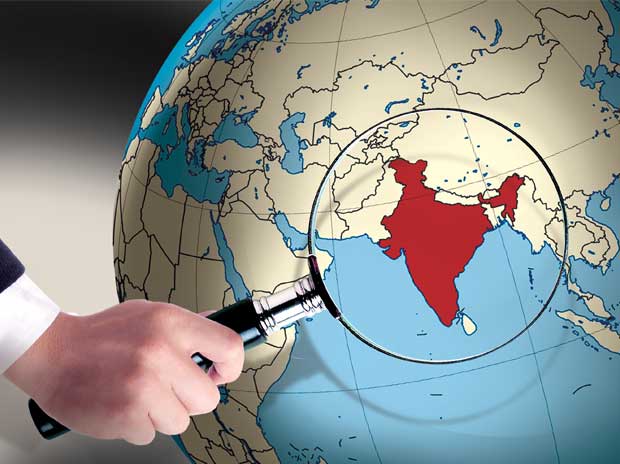
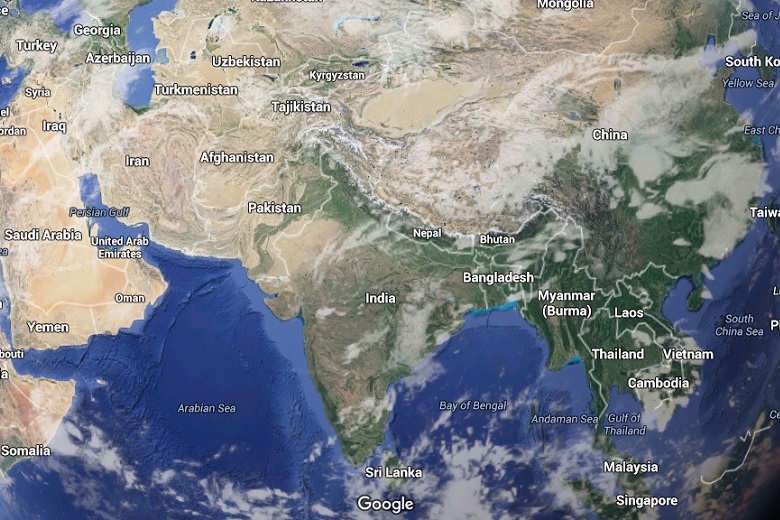
Geospatial information means data acquired or received through space or aerial space such as satellite, airship, balloons, aircraft, etc. It also refers to the information collected or related to surveys, maps, territorial pictures, maps, etc. Geospatial information is a digital data showing natural or man-made physical phenomenon, boundaries or features of the earth. Hence, use of map by anyone will need government’s permission first.

Geospatial Information Regulation Bill ensures that any addition or creation within the territory of India related to the geospatial location or its information will need a prior permission of the government. With the permission of the government, the geospatial authority will make any addition or creation to the geospatial information. The bill regulates the distribution, acquisition or publication of geospatial information within the territory of India. This ensures the security, sovereignty, and integrity of India so that it cannot get affected.


Meaning

google maps earth geospatial bill

“Geospatial Information” means geospatial imagery or data acquired through space or aerial platforms such as satellite, aircraft, airships, balloons, unmanned aerial vehicles including value addition; or graphical or digital data depicting natural or man-made physical features, phenomenon or boundaries of the earth or any information related thereto including surveys, charts, maps, terrestrial photos referenced to a coordinate system and having attributes.[1]


About the bill

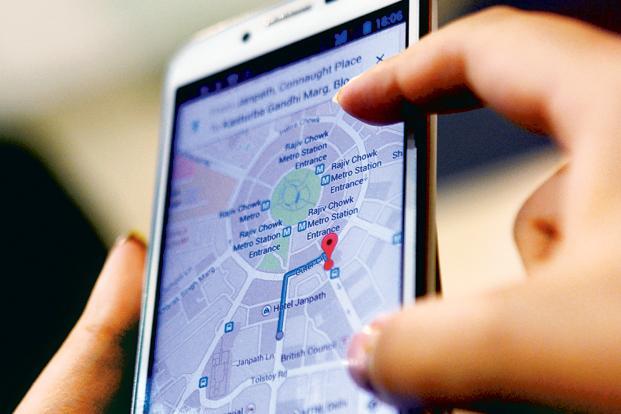
Geospatial Information Regulation Bill, 2016 was drafted and recently published on 4thMay 2016.The bill has not been introduced in either of the houses for approval. This bill aims to make the use of the map of India with the permission of the government a mandatory process. This bill was drafted on the recommendation of Ministry of Home Affairs. Addition to map information or creation or alteration to map and also sharing of location and map-related data is an illegal process if done without a license.  For all these purposes, an individual or the organization needs to take approval or license from the government. It would be illegal if it is done without the permission of the government. The bill says that any person who wants to acquire, disseminate, publish or distribute any geospatial information of India has to make an application to the Security Vetting Authority with a requisite fee. This is done for grant of license for using geospatial data and information. It has been stated that with the coming in effect of this Act, one will have to apply for license so that the data a particular organization is using earlier will now need a legal approval to use the same. This Act covers all the businesses and organizations using the maps. It includes not only the business but also an individual. Like Google maps which are used by Google, Ola to find the location of the customer, WhatsApp allows to share the information of location among their friends, etc. one who uses GPS service on their smartphones and have inbuilt GPS in their laptops, etc. have to take a legal license for using this tool after the Act comes into force.

Section 6 of the bill states that ‘no person shall depict, disseminate, publish or distribute any wrong or false topographic information of India including international boundaries through internet platforms or online services or in any electronic or physical form.’[2]


Security Vetting Authority

maps-kuWD--621x414@LiveMint

Security Vetting Authority is there to keep a check over the security of geospatial information in India in a time bound manner. This vetting authority is governed by the apex committee under the Ministry of Home Affairs. This apex committee oversees the functioning and administration of the subordinate committee under this Act by the prevailing National Policies. This Act is not applicable to the governmental bodies. Thus, the security vetting authority grants a license to the organizational bodies or a particular individual who wants to use geospatial data or information. This committee checks the content of the data and make sure that it works within the boundary of national policy. The sole aim of Security Vetting Authority is to provide national security, sovereignty, safety, and integrity. This bill is for the safety of the people of the country. Many organizations use geospatial information for their business purposes and individuals for the purpose of tracking the location and obtaining information. Not only Google but other apps use the information for tracking the location too. New apps like Ola, Uber, Oyo Rooms, Zomato, Housing, WhatsApp, Facebook, Twitter and many more use geospatial information for their business. For personal use, people us GPS to find the location or to tag their picture with a map to the location like in Instagram with geotagging, Facebook with geotagging, etc


Penalties                                                                    

After the commencement of the Act, if anyone makes use of geospatial information without any license, shall be punished under the Act with an imprisonment which may extend to seven years and shall be liable to pay Rs. One Crore but not more than Rs. One hundred Crore.  Therefore, whoever acquires any geospatial information through illegal acquisition, dissemination, publication or distribution is punishable under the Act. Using geospatial information outside India is also a punishable offense with the imprisonment up to seven years and with a fine of Rs. 10 lakh to Rs. 100 crore. The bill penalizes a wrongful depiction of the map of India. The punishment may amount to imprisonment of seven years with fine which may extend to Rs 100 crore.


Conflict between India and Pakistan

The issue was raised when social networking sites showed Jammu & Kashmir to be a part of Pakistan and Arunachal Pradesh as a part of China. After few days, Twitter showed the geographical location of Kashmir in China, and Jammu in Pakistan which created a huge mess and protests from the Indian government and demands for alteration. It was contended that Jammu & Kashmir is a part of India and can’t be depicted as a part of another country.

Pakistan raised this serious issue before UN as it wrote to the Secretary-General stating that India’s map depicted Jammu & Kashmir as a part of India which is factually incorrect. India in its response, says Pakistan should not interfere in the matter of internal issue. Pakistan has no locus standing in this matter.


Criticism

image_mini

This bill was criticized by many of the people. The experts say that it is impossible and impractical for every individual using smartphones to get a license for navigation GPS. Navigation is the easiest way to find the way out a location. Hence, there are millions of people using a smartphone and it would be an impossible task to get a license for every phone. In this era, every business is liable and dependent upon the navigation system. So, making the use of it illegally will harm the growth of the many companies. There are many companies registered under the Companies Act, 1956, and many new ones are coming up. So it would be a very difficult process to grant a license to every company. Larger companies can afford the price for taking the license, but new start-ups and small business may not be able to afford this system.


Conclusion

Geospatial Information Bill penalizes the wrong depiction of India on a map by any company or an individual. It creates difficulty for the country to cope up with the allegations of different countries. The bill is introduced for the safety of the country. No person can make an illegal use of the internet by mapping the Indian map incorrectly. Hence, it should be needed for stopping the illegal use of information. High penalties will be charged if any violation is done. Any addition or creation to the map should need an approval from the government.  There are various advantages and disadvantages to it. The advantage of the geospatial Information Bill is the safety of the country from alien enemies. But various disadvantages are also attached to it.  Only the companies with a huge turnover can afford the license for it. It is difficult for the small companies to afford a license for it. The other major problem to it is that there are various smartphones working inside the territory of India so it will create a problem for the government to grant the license to millions of smartphones.  Hence, the bill has its own merits and demerits, and the government needs to cope up with this for the proper implementation of the bill.  Certain amendments should be done to the bill so that the gaps can be bridged.

Footnotes:

[1] Section 2(e) of the Geospatial information Regulation Bill, 2016

[2]http://www.prsindia.org/uploads/media//draft/Draft%20Geospatial%20Bill,%202016.pdf


Download Now

Corporate Social Responsibility – A Noble Step

4

In this blog post, Sakshi Jain, student, Amity Law School, Lucknow Campus writes about the critical analysis of Corporate Social Responsibility under Companies Act, 2003.

Corporate-Social

Corporate Social Responsibility (CSR) is an emerging topic in the corporate field there is no precise definition for it. Every definition has its own meaning, but the one thing in common is that it is a philanthropic activity such as charity, donation, relief work, etc. of the corporation for the society. The EC[1] defines CSR as the responsibility of enterprises in terms of their impact on the society. To completely meet their social responsibility, enterprises should have in place a process to integrate social, environmental, ethical, human rights and consumer concerns into their business operations and core strategies in close collaboration with their stakeholders. Therefore, CSR is the obligation of the company towards the society.


Introduction                         

The Ministry of Corporate Affairs has notified Section 135 and Schedule VII of the Companies Act, 2013 as the provisions of the Companies (Corporate Social Responsibility Policy) Rules, 2014 with effect from April 2014. With effect from April 1, 2014, every company, whether private limited or public limited, which has either a net worth of Rs. 500 crore or a net profit of Rs. 5 crores or a turnover of Rs. 1000 crore, needs to spend at least 2% of its average net profit for the immediate preceding three financial years on CSR activities. The CSR provisions apply to holdings and the subsidiary companies based in India and the foreign companies as well whose branches or project offices are situated in India. If the companies under Section 8 of the Act apply a part of their profit in promoting the objects such as arts, commerce, sports, education, science, etc., they shall not be liable to follow the CSR provisions in their companies. India is the first country to have CSR legislation, mandating that companies give 2% of their net profit to the charitable cause.[2]

The CSR activities are taken by the companies as per the CSR Policy. There should not be intervention with the policy of CSR and the companies’ policy. The CSR activities should not be undertaken in the normal course of the business and must be with respect to any of the activities mentioned in Schedule VII of the Companies Act, 2013. The contribution under the CSR policy should be for the benefit of society. Contribution to any political party is not considered to be a CSR activity. Under Section 135 of the Act, the policy which only benefits the employees of the company is not considered as a CSR policy.


Provisions to be included in CSR policies

corporate-social-responsibility

  • Eradicating hunger
  • Promoting precautions of health care
  • Removing poverty from the society
  • Setting up homes for women, children, orphans, senior citizens
  • Decreasing the level of malnutrition
  • Ensuring sustainable development programs
  • Caution for environment pollution
  • Animal welfare and ecological balance
  • Protection of monuments, national heritage, etc
  • Contribution to clean Ganga fund and for Swachh Bharat Abhiyan

As CSR policies and provisions are made for the society’s well being, therefore, while determining CSR activities, the preference should be given to the local areas where the company is located or is functioning. CSR projects or activities are undertaken in India amounts to CSR expenditure.  Therefore, if the hospitals and educational institutions are a part of any business organization, then it will not fall under the CSR activity. But if a company works for these organizations or institutions as charity, then it is considered as CSR activity of the company.


Administration

CSR policy is headed and administered by the CSR committee of the company. The CSR committee consists of at least three directors out of which one is an independent director. Unlisted public companies and private companies are not required to appoint an independent director for the purpose of CSR activity under the committee. Thus, it can have at least two directors for its public, private or foreign company. The board of company may decide to undertake CSR activities approved by the CSR Committee. A company can undertake its CSR activities through any registered trust or the society. The company should specify the duties and activities to be undertaken by the registered society. There is utilization of funds as well as a reporting and monitoring mechanism. All these activities are to be done by a company established by its holding, subsidiary or associate company.

Two companies can collaborate or merge with each other to share the same CSR activities for their business, provided that each of the company will prepare an individual report for it. All the expenditure is included under the CSR activity policy. Therefore, the salary or remuneration given to the staffs of the CSR activities will be included in the cost of CSR expenditure policy. A company can only be liable for CSR activities if the company fulfills the criteria of net worth for the three consecutive financial years. But it does not mean that they cannot undertake the CSR policy. But it can only be undertaken without any obligation if it fulfills the satisfying criteria.

Reporting of CSR activities is a must at the end of every financial year. The financial statement of the year would also include the annual report of the CSR activities of the company in the format prescribed in the CSR Rules. It includes the brief note of CSR expenditure and average net profit for the last three financial years of the company. If a company has its websites, then they are obligated to disclose the annual report on their website also.

The concept of CSR is based on the principle, comply or explain. It means that the company has undertaken the CSR policy have to comply with it but if any company does not comply with it or unable to fulfill the minimum requirements of its CSR initiative, the reason for not doing so shall be explained in the board reports.


Best CSR policy

google-green1

Google has made a very good initiative towards good citizenship. As being one of the world’s largest corporations, every single effort is paying off. Google green is a corporate effort which utilizes resources efficiently and thus supports the renewal of power. With these initiatives, Google is making an effort to make the environment green and help sustain the natural resources for the future generation.

Coco Cola, being the largest beverage company, also makes the CSR policy an integral part of their company. The company has taken up various initiatives such as rainwater harvesting, restoring ground water resources, recycling and serving communities and societies where it has operated. The agenda of the company was to become water neutral in India by 2009. Coca-Cola spent millions of dollars on the project but failed to make changes in the operation system.

But there are bad examples of CSR too. Most of the companies do not want to contribute to the welfare for the community and just want to make profits. In this case, CSR turns to be bad and unhealthy. Hence, making CSR mandatory is not always a good idea because the company might not do the social work and gain goodwill by doing nothing. There is a heavy risk involved in the CSR policy when it is executed. The company which is financially fit can only afford this policy. Therefore, implementing a CSR policy in the company’s policy is not a good idea for the beginners and startups. CSR includes good governance and improves the goodwill of the company. Hence, a proper planning must be done by the manager before taking a CSR policy in their company’s policy. The startups and small companies not having the required turnover will not come under the preview of CSR policy. Therefore, it is not mandatory for them to have a CSR policy within their organization.


Conclusion

CSR in India has traditionally been seen as a philanthropic activity. CSR tends to focus on what is done with profits after they are made. It is a preconceived notion of all companies that if they are working within the society, then some benefits should also be provided to them on the part of the company. And hence, in 2013, Companies Act introduced this topic in the act and made it mandatory for the companies to provide and disclose a CSR report at the end of the financial year. There is a disadvantage to CSR also. Not every company can afford the CSR policy includes a high financial risk and needs proper governance. CSR has evolved many times to correct its weakness, but it is eventually going extinct, existing in name only.

Footnotes:

[1] http://ec.europa.eu/enterprise/policies/sustainablebusiness/corporate-social-responsibility/index_ en.htm

[2]http://www.forbes.com/sites/eshachhabra/2014/04/18/corporate-social-responsibility-should-it-be-a-law/#600162c79849


Download Now

National Green Tribunal Act, 2010 – Aims And Objectives

0

In this blog post, Disha Pareek, a student of RGNUL, Punjab discusses the need for the establishment of the National Green Tribunal, its aims and objectives and the role of the judiciary in this regard.

 Untitled

Introduction

Human beings have always been a meddling entity. For his convenience, man has time and again brought changes to his natural habitat which has resulted in harmful impacts on the environment and has also swiped off many of the living species from the earth. Environmental Law, as the name suggests, is a body of rules and regulations relating to the environment, which functions to achieve the objectives of environmental protection. It includes all the treaties, statutes, rules, guidelines, customs, etc. which governs the conduct of a human being in their day-to-day lives as well as ensures its protection.

In the present scenario, we see environmental law as a wide term which encompasses various legislations, treaties, customs, etc., but initially, it emerged as a set of laws with specific objectives, for example, prevention of nuisance, strict liability principle, etc. The development of the different subject specific laws in the field of the environmental law has led to its development and has not only given enlarged its scope but has also added to its quality.

 One such enactment is the National Green Tribunal Act, 2010 which has both long term and short term objectives. The long-term objective lies in the protection of the environment, and the short-term objective involves setting up of a tribunal for the resolution of disputes in a speedy and effective manner.


National Green Tribunal Act, 2010

National-Green-Tribunal

If we take a look at the present scenario in India, we find that the higher judiciary and the constitutional courts are always burdened with a backlog of cases. It was recently realized that the present set of environment-related complaints are on a rise due to a high level of environmental degradation done in the country. To have the effective disposal of the cases, the National Green Tribunal Act, 2010 was enacted to create the National Green Tribunal for the facilitation of the judicial administration.

The Supreme Court of India was of the view that regional courts should be set up as environmental courts and should have a professional judge and two experts. A single judicial forum with jurisdiction under the Environment Act and other related environmental Acts over both criminal prosecutions and civil claims for violation of the laws should be established.

Thus, to clearly understand the aims and objectives of the National Green Tribunal Act, we need to understand the underlying aspects which were kept in mind while the above legislation was enacted. To bring out the social dimension of the Act, it is highly pertinent to delve into the aims and objectives thus reflecting the ideology of the lawmakers.


India’s stand in international documents

India, being not only a signatory and effective participant in the international conferences but also as a faithful follower of the dicta laid down by the participating States ,has enacted many legislations. While responding to the Supreme Court’s recommendation in 2003,[1] the Law Commission proposed the construction of specialized environment courts, recently implemented through The National Green Tribunal Act, 2010.The Act strengthens the framework of Global Environmental Governance.

Courts are still overburdened with environmental litigation, including the Green Benches that were specifically created speedy disposal of environmental cases. India remains a small minority, following New Zealand and Australia, to adopt Green Court legislation. The National Green Tribunal Act was enacted to fill the gaps in existing adjudicatory framework.

National Green Tribunal is in a way following the 17th principle of Stockholm Declaration, which states that “appropriate national institutions must be entrusted with the task of managing or controlling the environmental resources to (or “intending to”) enhance environmental quality”[2]. International concern for the protection of the environment is not a recent issue but more than a century old which shows that for a long time, international summits did contribute a lot to the national legislations of environmental law all over the world.


The need for the National Green Tribunal

UN-env-rights-action

The National Green Tribunal Act, 2010 specifically aims at the creation of a National Green Tribunal which would help in the reduction of the burden of cases from the higher judiciary and effectively and efficiently dispose of issues relating to the environment, including basic rights of the individual for free and safe environment, protection of the flora and fauna, etc.

 This act was created in consonance with the need to effectively manage and divert the increasing chunk of pending cases from the other organs of the judiciary. This tribunal was also created so that the basic right of the individuals to a safe environment can be safeguarded as part of Article 21 of the Constitution.

As the aims of the National Green Tribunal suggest, there is a huge importance attached to Article 21 of Constitution concerning environmental matters. The Supreme Court in Subhash Kumar v. State of Bihar[3] observed that “Right to Live is a fundamental right under Article 21 of Constitution and includes right of enjoyment of pollution-free environment and if anything impairs that quality of life, a citizen has the right to have recourse under Article 32 by way of a petition.” Rights provided under Article 21 are basic rights and it cannot and should not be overlooked. Protection and preservation of the environment, ecological balance free from pollution of air and water comes within the ambit of the right to life and so ecological, environmental, air and water pollution should be regarded as a violation of Article 21.[4]

Through the above examples, it can be seen that Supreme Court has made a single contribution to the welfare of the people by using Article 21 for the improvement of the environment. [5] In the case of Charan Lal Sahu v. Union of India[6], it was observed that Right to Life also includes quality of life and the right to a wholesome environment. The hygienic environment is an integral facet of healthy life (a fundamental right). Right to live with human dignity becomes meaningless in the absence of humane and healthy environment.[7]

Part IV of the Constitution includes Directive Principles of State Policy, which although are not enforceable but are nonetheless very important and the court has now and then depended upon such principles[8] which are given in Article 47 and 48 of the Constitution. Supreme Court opined that all environmental courts, tribunals and appellate authorities should be have a judge of the rank of a High Court or the Supreme Court, and a scientist or a group of scientists of high rank and experience for fair adjudication of environmental related disputes[9] which precisely is the NGT is essential, keeping in view this requirement.


Role of Judiciary

environmentallaw

Judiciary in its various pronouncements has highlighted the need for creation of the specific environmental courts which would not only effectively solve the disputes but also devise its mechanism of dispute resolution, thus safeguarding the interests of the general public.

In the case of M.C. Mehta v. Union of India[10], the Supreme Court observed that environmental courts must be established for the fast adjudication of the cases relating to the environmental law. In Charan Lal Sahu v. Union of India[11], the court opined that “under the existing civil law, damages are determined after a long litigation, which ultimately destroys the very purpose of awarding damages.”

In the case of Indian Council for Enviro-Legal Action v. Union of India[12], the suggestion for the establishment of environment courts is a commendable one. From 1990 onward, the need for this kind of forum began. And in Vellore Citizen Welfare Forum v. the Union of India[13], it was observed that “the Central Government should mandatorily constitute an Authority under Section 3 (3) of the Environment Protection Act’ headed by a retired Judge of the High Court and it may have other members preferably with expertise in the field of pollution control and environment protection – to be appointed by the Central Government’.


Conclusions and Suggestions

The National Green Tribunal has undoubtedly proved to be a panacea, and it has achieved its objectives effectively. It is not bound by procedure and does not include any structural formalities. There is no delay in the resolution of cases and has fulfilled all the objectives for which it was created. Environmental protection, being the most important concern of the nation, the creation of the tribunal seems to be an appropriate step taken at an appropriate time. Its constitution has not only led to fruitful results in the national context but has also marked its image as a rising star on the international front. Since time immemorial, India has been a country supporting environmentalism and its tendency to conserve nature and its gifts cannot be overlooked.

This legislation has proved to be a great success due to its accuracy in provisions of its dispute resolution mechanism, in providing adequate remedy and at the same time not taking away the remedies of other courses of law. NGT has the power to hear the initial complaints and also the appeals from lower courts.

A good piece of work is the one which accommodates in itself a scope for improvement. Environmental regulations are an example of scientific approach applied to law. An example to understand this aspect is that public health is defined in a tangible or more of a lucid form to include safe, healthy and wholesome environmental milieu but the variability of the actual environmental conditions doesn’t allow it to be as simple as it seems and rather makes it more of a hideous monster. The approximation used in the methods of calculating the quantum of pollution etc. is not as helpful as it might look.

The variability not only lies in the climate but also in the ethnicity or the population. With divergent cultural and social lifestyles, it is difficult to determine the quantum of harm that is caused to an individual. Society starts with an individual, and social dynamics allow it to flourish. The environment being a concern of the society must also include various social experts who can devise effective solutions to the problems. Anything that is perceived from law must also involve a bird’s eye view of a sociologist or a representative of society at large.

The position of tribunal benches to be established only at five places is a drawback altogether since it is not feasible to relate measures concerning all the disputes in the same manner. Thus, a wholesome approach must be adopted by involving social dimensions to the problem-solving mechanism including effects to be analyzed before the actual decision is made. The laws must be effectuated in such a manner that the punishment or the remedy is persuasive in nature and not punitive. The scientific methodologies and effective control mechanisms must be adopted from different parts of the world as an inspiration since India is a country which can adopt any approach to be made applicable to its surrounding conditions.

Footnotes:

[1]Law Commission of India, ‘186th Report on Proposal to Constitute Environment Courts, September 2003.

[2]Supra, note 15.

[3]Subhash Kumar v. the State of Bihar, (1991) 1 SCC 598.

[4]Virendra Gaur v. the State of Haryana, (1995) 2 SCC 577.

[5]M.P. Jain’s Indian Constitutional Law, Lexis Nexis, (7th Ed).

[6]CharanLalSahu v. The Union of India, AIR 1990  SC 1480.

[7]The State of M.P. v. Kedia Leather & Liquor Ltd., (2003) 10 SCC 389.

[8]Research Foundation for Science Technology National Resource Policy v.The Union of India, (2002) 8 SCC 481.

[9]A.P. Pollution Control Board v. M.V. Nayadu, AIR 1999 SC 812.

[10]Supra notes 1.

[11]Supra notes 25.

[12]Indian Council for Enviro-legal action v. the Union of India, (1996)  3 SCC 216.

[13]Vellore Citizen Welfare Forum v. The Union of India, 1996(5) SCC 647.


Download Now

Should Marijuana Be Legalized In India

3

In this blog post, Nalini Chandrakar, a student of Hidayatullah National Law University, and Vineet Kumar, a student of National Law University of Odisha writes deal with positive and negative aspects of usage of marijuana, laws currently governing marijuana in India and status of marijuana in other countries. 

forbidden flower

Introduction

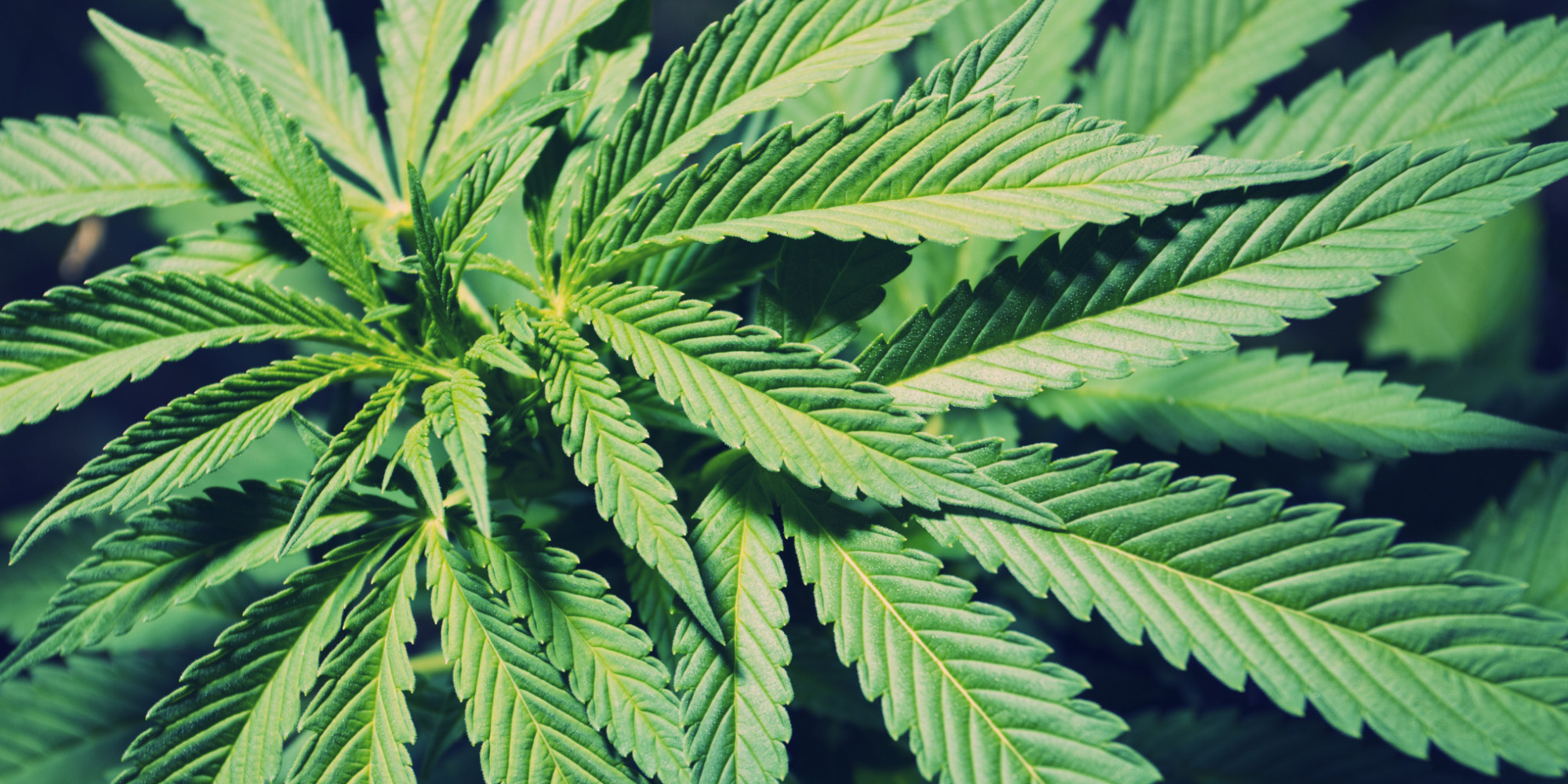
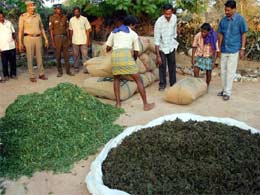
What is Marijuana? Marijuana is a drug made up of hemp plant called Cannabis Sativa. The cannabis plant is also used to make paper, fuel, soap, rope, maps, net, lace, jute bags, oil for lightning, paint, animal food, lotions, etc. Production of marijuana has been present in India since the ancient period- the era of thriving gods and goddesses. The current status of marijuana in India is defined as an illicit drug because if smoked and inhaled in high dosage, it results in psychological or physical side effects. Marijuana is just a plant whose production helps in generating many useful products for our daily survival. Why should the government ban marijuana when it is aware of the fact that its production helps in the manufacture of many useful products. Eventually, there are states whose income depends on the cultivation of cannabis. Keeping in mind the original uses of marijuana, I believe that marijuana should be legalized in India.


The rationale behind banning it in India

Schedule 1 (Class 1) drugs are illegal because they have high abuse potential, no medical use, and severe safety concerns; for example, narcotics such as Heroin, LSD, and cocaine. Marijuana is also included as a Class 1 drug despite it being legal in some states and it being used as a medicinal drug in some states[1].


 Ban in the United States

Harry J Anslinger, in 1930 was appointed as the director for the recently created Federal Bureau of Narcotics and his 1st campaign was to put an end to the use of marijuana in the US. Using mass media as his tool, he campaigned to restrict to the use of marijuana. Due to his aggressive reports and the panicked reaction of parents with regards to the health of their children, US government put a ban on marijuana categorizing it with hard drugs. United Nation Convention against illicit trafficking of drugs was held in 1988 and therefore the US banned marijuana and other drugs too. Besides this, the US forced other states to put a ban on their legal use of marijuana and other such drugs and regulate their drugs act accordingly.


Why did India ban marijuana?

Use of bhang and charas was legal in India, but the US had been forcing India to put a banned on their production marijuana since 1961. Finally, in 1985, the Indian government passed the Narcotics Drugs and Psychotropic Substances Act and put a ban on the production and sale of cannabis resin and flowers. However, government permitted the use of leaves and seeds allowing the states to regulate it accordingly.

Customary usage of marijuana in India

When it comes to customary usage of cannabis, the first thing which clicks our mind is Lord Shiva. The festival of Maha Shivratri is celebrated by offering cannabis to Lord Shiva. The festival makes consumption of Bhang acceptable as it is stated in the Hindu scriptures that bhang is used to purify the elixir of life Lord Shiva which he created from his body. Therefore, marijuana was completely legal in the historical period, and there was no policing done to its usage.[2]

Uses and effects of marijuana

In the 20th century, ban on usage of marijuana. It turned out to be a restriction on possession, use, and sale of cannabis preparations containing psychoactive cannabinoids presently banned in most countries across the globe, particularly in India; the UN has aforementioned that cannabis is the most commonly used illicit drug in the world. Cannabis has psychoactive and physiological effects once consumed. Other than that a subjective modification in perception and, most notably, mood, the foremost common short-run physical and neurological effects which embody increased pulse rate, raised appetite, lowered blood pressure level, impairment of short-term and dealing with misbalance of content and coordination. Long-run effects are less clear. In humans, comparatively few adverse clinical health effects are documented from chronic cannabis use.[3]


Positive aspects of using marijuana

Medical-marijuana-sign

Weight Loss – According to a 2011 by the American Journal of Medicine, fatness is lower in those people who use cannabis in comparison to nonusers. In animal tests, the drug additionally had an effect on the amount of fat within the body as well as its response to internal secretion. Cannabis compounds were shown to lift metabolism in rats, resulting in lower levels of fat in the liver and lower cholesterol. Human trials are being conducted to seek out a drug targeting obesity-related diseases.[4]

Medical Usage – Weed and medical science share an old connection with each other. It’s prescribed to cancer patients when they undergo chemotherapy. According to a study in the UK it has been found that marijuana can stop metastasis in some aggressive cancer. Researchers also say that using marijuana can kill cancer cells in leukemia patients. It’s also useful in curing AIDS, lowered intraocular eye pressure, as well as general analgesic effects.[5]

Psychoactive Drug – It falls in the group of anti-depressants, hallucinogens, giving relief to the person from all sort of pain for few hours. Marijuana is a mixture of all these properties making it most hunted after. THC is naturally considered as the key component of the cannabis plant; various scientific studies have suggested that certain other cannabinoids like CBD may also play a major role in its psychoactive effects.[6]

Migraines – Cannabis has anti-inflammatory properties which help in providing relief to the patient. In fact, the effects are said to be a “thousand times more effective than that of aspirin.” Doctors in California have treated more than 3, 00,000 or more than that migraine cases with the usage of medical marijuana. It has resulted in effective treatment of a host of illnesses and conditions, such as multiple sclerosis, rheumatoid arthritis, and Alzheimer diseases.[7]

Addictiveness – As per the study conducted by National Institute of Drug Abuse on the relative addictiveness of few substances namely cannabis, caffeine, cocaine, alcohol, heroin and nicotine. Weed was ranked the least addictive and caffeine the second least addictive.[8]


Harmful Aspects of Marijuana

Tar Build up – It is a massive one. However, it is conjointly a risk that may be entirely avoided if you select to try and do so. Tar buildup happens once you inhale smoke from marijuana. Although it’s troublesome to check with the naked eye, smoke from dried herbs contains thousands of little-burned plant particles. Once these particles come in contact with each other, they settle, and accumulate. These particles then produce a tar-like organic compound which is harmful to lungs.

Gateway to drugs – This theory states that the utilization of less harmful drugs could cause a future risk of victimization to a lot of dangerous medicine. Cannabis, alcohol, and tobacco are attributed to the current theory. Some scientific studies show that the consumption of cannabis can probably predict a major higher risk for the next use of “harder” illicit drugs, whereas different studies show that it cannot. A ten-year long study conducted in Australia found that adults of twenty-four years used a drug referred to as amphetamines which were preceded by the employment of cannabis. In 2006, a counter-study was conducted on rats, in Sweden, that examined the brains of the rats when dosing them with cannabis and found that THC alters the opioid system that’s related to positive emotions, which lessens that effects of opiates on the rat’s brain and therefore causes them to use a lot of heroin. The rats were given tetrahydrocannabinol at the young age of twenty-eight days. It is impossible to extrapolate the results of this study to humans.[9]

Reduction in REM sleep – Cannabis users might get a lot of deep sleep; however they additionally spend less time in REM sleep. REM stands for Rapid Eye Movement. Once we’re in this sleep phase, our body is at it’s nearest to being awake. Unsurprisingly, REM is the final section of the 90-minute sleep cycle. Coincidentally, REM sleep is the time you’re capable of having vivid dreams and nightmares. Researchers still don’t understand why this sleep cycle is helpful to our health. But, one leading theory is that it provides certain components of our brain a rest, namely, the components which secrete serotonin and histamine.


Indian laws and marijuana
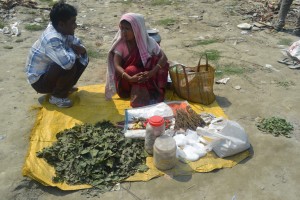
Woman_selling_Cannabis_and_Bhang_in_Guwahati,_Assam,_India

According to section 2 (iii) of Narcotic Drugs and Psychotropic Substances Act, 1985- cannabis (hemp) means[10]—

  1. charas, that is, the separated resin, in whatever form, whether crude or purified, obtained from the cannabis plant and also includes concentrated preparation and resin known as hashish oil or liquid hashish;
  2. ganja, that is, the flowering or fruiting tops of the cannabis plant (excluding the seeds and leaves when not accompanied by the tops), by whatever name they may be known or designated; and
  3. any mixture, with or without any neutral material, of any of the above forms of cannabis or any drink prepared from that place;

Now as per NDPS, the definition does not cover bhang. This states that consumption of bhang can be taken as legal. So yes, selling of bhang on festive occasions is legalized by the Indian government. It is mostly sold in religious cities or ghats in Northern India by special vendors permitted by the state government. The state selling bhang has to keep an eye over the sellers as bhang can be used to prepare more potent intoxicants.[11]

In the case of Arjun Singh v State of Haryana[12], the Chandigarh High Court stated that considering the NDPS Act, bhang is not “cannabis (hemp)” under the act, but it is a “cannabis plant.” Under the limitations of the law, it’s therefore not illegal to consume cannabis leaves, but production of a plant is illegal.

Further, Section 8[13] states that no one shall cultivate the opium poppy or any cannabis plant with an exception for medical or scientific functions within the manner and to the extent provided by the provisions of this Act. Medical use and research of marijuana are, thus, legal in India as per this section; recreational usage is strictly prohibited and illegal.

The problem here is NDPS Act does not deal equally with ganja, charas, and bhang. As bhang is not covered under the definition of cannabis, it is consumed legally on a large scale. Isn’t this incongruity meant to confuse the citizens of India? I believe that if there is a need to prohibit the use of cannabis, then every sort of cannabis should be banned, not only a few. Further, the point of granting an exception to the medical use of cannabis is highly impossible to seek permission, for its medical and scientific experimentation and purposes. The government’s strict intolerance policy has blinded it from noticing the apparent use of it and made it lose its focus from effectively fulfilling its duties and responsibilities.


International Status of Marijuana

Portugal was the 1st country in the world to decriminalize the use of every drug. They consider drug users as sick rather than criminals. Consumption is decriminalized up to 25g for weed, 5g for hash and 2.5g for THC oil.

Switzerland has decriminalized the use of marijuana to some extent. In 2012, the Cantons Vaud, Neuchatel, Geneva, and Fribourg permitted the growing and cultivation of weed up to 4 cannabis plants per person in an attempt to curb illegal street trafficking.

In Netherlands, the drugs are classified in two categories – hard drugs and soft drugs, where cannabis is classified under soft drugs. Consumption of soft drug for personal use has no active prosecution. Dutch has its own ‘Policy of Tolerance’ for such uses. Based on this tolerance policy, cannabis coffee shops are being established in Netherlands where sale of weed for personal consumption is tolerated by local Police Officers, especially in Amsterdam. Dutch government keeps a check on local smokers to show identification and registration in a database called the “cannabis card” to control drug-related issues. Consumption of hard drugs is restricted in Netherlands. The sale of cannabis in small amount is allowed only by licensed coffee shops.[14]


Why should India legalize marijuana?
india-13

Socio-economic benefits of marijuana 

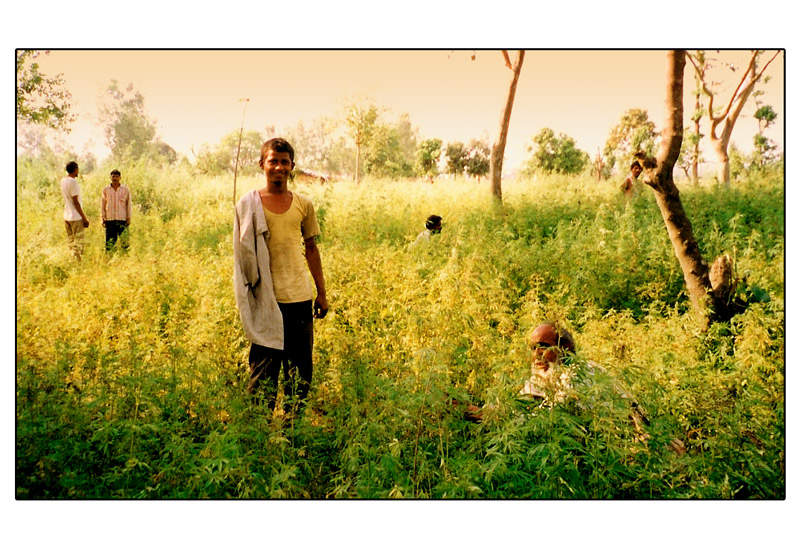
  • The help of local people – In states like Himachal Pradesh and Tamil Nadu, where cannabis plants grow, and marijuana is the only source of income for many locals. However, being a banned substance, the farmers are forced to sell it at a very low price to the drug dealers, and they face additional pressure from the police, who are paid to destroy the cannabis plantations. Legalizing marijuana will end this ‘war on drugs’ targeting our countrymen.[15]
  • Growth in GDP – Legalizing of Marijuana will lead to a rise in the growth of GDP. Imposing tax on selling of marijuana will anyway help in keeping a control over its production, and it would be a help to the Indian economy. Such Marijuana in Netherland contributes $3.2 billion with an annual gross.
  • Prohibition is failed to curb the production of marijuana as states like Himachal Pradesh completely depend on the production of marijuana. They have no other source income except this. So why not legalize it, as legalizing marijuana will create job opportunities for many people.
  • Legalizing will ensure that marijuana is distributed in good quality to consumers

Further as a suggestion, India should follow the laws of Netherlands that have decriminalized the personal usage of marijuana, and the outcome was an impressive result. The Dutch experience, alongside those of some alternative countries with minor policy changes, provides a moderately smart empirical case that removal of criminal prohibitions on cannabis possession (decriminalization) won’t increase the prevalence of marijuana or the other illicit drug; the argument for decriminalization is so sturdy.[16]

Well according to the study of international laws and their outcome, decriminalization of weed would be beneficial for India. It’s time to realize that the harder we push the more we drain our energy. We need to eradicate our fear that marijuana is the gateway to harder drugs. It’s not the first time when marijuana is being produced Narcotic Drugs and Psychotropic Substances Act in our country it’s there since ancient period and use of bhang during festive seasons anyway make it tougher to curb its usage. Moreover, individuals have their discretion on bhang and other substance like alcohol and tobacco. Then why to put a ban on marijuana? Do our leaders think that we are immature or incompetent or are they hiding from their incompetence and lack of responsibility? Once the prohibition is premeditated the crime level escalates at an alarming rate. It’s discovered that one amongst the necessary actions of those drugs is to quiet and stupefy the individual, so there’s no tendency of violence, as isn’t the same in cases of alcoholic intoxication. Therefore, we can say that validation of marijuana can facilitate in the supervision of drug wars and other criminal activities.[17]


Suggestions and Conclusion
ganja_b_28_10_2012

Given below are a few of the recommendations for future regulation of laws if marijuana gets decriminalized –

  • Central Government should fix an age for use recreational marijuana as 25 years is the legal age to consume alcohol, the same sort of thing should be done here also.
  • Only licensed shop will be allowed to sell marijuana, and black-marketing should be penalized.
  • State government should make it mandatory to provide a card to every purchaser according to the age fixed.
  • The entry should be made on every purchase of weed by the seller.
  • There should be a limit on purchasing of marijuana per person such as a grant of only 5 to 6 grams of marijuana per person.

Hence, we can conclude that legalizing marijuana will anyway save time and efforts of the government. If marijuana is provided in a limited quantity, it will help in lessening its consumption. Marijuana is comparatively less destructive than other serious drugs such as heroin, cocaine, LSD, ayahuasca, etc. Studies also say that most of the time consumption of drugs leads to aggressive violence whereas marijuana works giving relief and calm to the senses. Other than legalizing marijuana will also lead to the growth of GDP in Indian Economy as it will be an aid to extra income for recently licensed distributors and sellers. It will help in generating tax revenues too. The rest depends on how the government wants to see the use marijuana in one’s life and the economy of the state.

Footnotes:

[1]http://www.rsdhope.org/schedule-or-classes-of-drugs.html

[2]http://www.druglibrary.net/schaffer/Library/studies/inhemp/4chapt9.htm

[3] L. Iversen (Feb 2005). “Long-term effects of exposure to cannabis.” Current Opinion in Pharmacology 5 (1): 69–72

[4]Cannabis could be used to treat obesity-related diseases. Telegraph. 2012-07-08.

[5]http://www.huffingtonpost.com/entry/marijuana-hiv_n_4767901.html?section=india

[6]Fusar-Poli P, Crippa JA, Bhattacharyya S, et al. (January 2009). “Distinct effects of delta-9- tetrahydrocannabinol and Cannabidiol on Neural Activation during Emotional Processing.” Archives of General Psychiatry 66 (1): 95–105

[7]http://blog.sfgate.com/smellthetruth/2013/07/23/best-treatment-for-migraines-marijuana/

[8]“Relative Addictiveness of Drugs.”The New York Times. Tfy.drugsense.org

[9]Ellgren, Maria; Spano, Sabrina M; Hurd, Yasmin L (2006) “Adolescent Cannabis Exposure Alters Opiate Intake and Opioid Limbic Neuronal Populations in Adult Rats” Neuropsychopharmacology 32 (3): 607–15

[10]https://indiankanoon.org/doc/1727139/

[11]http://www.shalusharma.com/bhang/

[12] Civil writ petition no. 844 of 2014

[13] State government has the power to grant a license for medical and scientific use of marijuana under sec. Ten read with sec. 8 of the NDPS Act 1985

[14] EMCDDA: National Report 2007: Netherlands

[15]https://www.scoopwhoop.com/inothernews/legalize-marijuana/

[16] R. MacCoun and P. Reuter. 2001. Evaluating alternative cannabis regimes. British Journal of Psychiatry 178: 123-128

[17] United Nations Bulletin on Narcotics, 1957

 

Download Now

How to File a Complaint with the National Human Rights Commission of India

8

In this blog post, Srishti Khindaria, a student of Amity Law School, Delhi, Guru Gobind Singh Indraprastha University, analyses the concept of human rights and how it emerged in India. Emphasis is laid upon the role of the National Human Rights Commission and how to file a complaint with the Commission in the case of violation of human rights. 

1184841_601046539971928_459524019_n

Human Rights

Human Rights are those rights which are inherent to all human beings, irrespective of their nationality or ethnic origin, place of birth, current place of residence, sex, religion, color, language or any other status. These are rights everyone is equally entitled to, without any form of discrimination. These rights are interrelated, indivisible and interdependent.

udhr-coverThese are rights people are entitled to by humanity. Human Rights are universal in nature and are often laid down and guaranteed by law in the form of treaties, general principles, and customary international law and derived from other sources of international law.

downloadThis principle of universality of human rights is the considered to be the cornerstone of international human rights law. This principle was first set down clearly in the Universal Declaration of Human Rights (UDHR) in 1948 and has been reiterated in several international conventions on human rights.

Human rights are essential for the very existence of human beings and the development of their individual personalities. These demand respect and recognition for inherent dignity that every individual is entitled to be protected.

There are several types of Human Rights; these are as follows

Human rights include Social and Civil Rights, such as:

  • Right to life, liberty and security of person.
  • Right to property.
  • Right to freedom from slavery and servitude
  • Right to freedom from torture and cruelty
  • Right to privacy
  • Right to freedom of assembly

Human rights also cover certain Economic Rights, such as

  • Right to adequate standard of living
  • Right to social security
  • Right to work
  • Right to equal pay for equal work
  • Right to form trade unions
  • Right to rest and leisure
  • Right to food and health

Human Rights further include Political Rights such as;

  • Right to take part in political processes.
  • Right to equal suffrage i.e. right to vote
  • Right to nationality
  • Right to equality before law and equal protection of law
  • Right to judicial remedies and fair trials
  • Right to take part in government affairs

Human Rights also cover Cultural Rights such as;

  • Right to participate in cultural life of the community
  • Right to enjoy art and to share advancements in the scientific field with the public
  • Right to protection of moral and material interests
  • Social and International Order in which Human Rights as provided in the Universal Declaration of Human Rights can be fully realized.


Human Rights in India

In India, the concept of Human Rights is not an idea adopted from the western countries. These rights symbolize the common heritage of India’s glorious past. Pre-independence the enjoyment of such rights was not available to all the segments as our society was ridden with the ills of the hierarchical caste system. The liberation movement from the British rule is seen as a movement focused on the attainment and protection of such rights.22736556_ml

Post-independence, the constitution makers, formulated the Constitution with the fundamental rights at its core. Through the United Nations Declaration of Human Rights, six types of fundamental rights were enshrined under Part III of the Indian Constitution. These fundamental rights were made available to all and there was “equal enjoyment of rights and opportunities” and to ensure “an egalitarian social order.” Special care was also taken to safeguard and protect the interests of the weaker sections of the society through the policy of “protective discrimination.”  Reservation was provided for, and minorities were also allowed to set up their institutions to promote and keep their culture alive.

Part IV of our constitution enshrines Directive Principles of State Policy; these ensure socio-economic rights and justice.


National Human Rights Commission of India

In pursuance with the protection of the Human Rights Act of 1993 the first National Human Rights Commission of India was constituted on 29 September 1993, with Shri Ranganath Mishra, the ex-chief justice of India as its first chairperson.

Under Section 2 of the Protection of Human Rights Act, 1903, “human rights” have been defined as rights relating to life, equality, liberty and dignity of the individual as enshrined in the Constitution or guaranteed by International Covenants and enforceable by courts in India.download (1)

The functions to be performed by the Commission are as follows;

  1. Inquire, into a complaint filed by the victim himself or any person on his behalf, or taken up by its initiative.
  2. Intervene in any proceedings involving allegations of violation of human rights pending before any other court with the prior approval of such a court.
  3. Conduct visits to any jail or any institution under the control of the State Government, where people have been logged or detained for the purpose of rehabilitation, reformation or treatment.
  4. Review the safeguards under the Constitution or any law for the time being in force for the protection of human rights and recommend measures for their effective implementation.
  5. Review factors that inhibit the enjoyment of human rights including terrorism and suggest appropriate remedial measures.
  6. Promote and undertake research in the field of human rights.
  7. Encourage efforts of NGOs and other institutions working in the field of promotion and protection of human rights.
  8. Study treaties and other international instruments on the subject of human rights and suggest ways for their effective implementation.
  9. Any other functions that it may consider necessary for the promotion of human rights.

The commission enjoys autonomy in a lot of aspects; the method of appointment of members, the duration of tenure and other statutory guarantees are assured to it. The commission also enjoys full financial autonomy.

The composition of the Commission is as follows: 

  • The National Human Rights Commission shall consist of Chairperson and any other such members appointed by the president of India. The Chairperson must be a former chief justice of the Supreme Court of India.
  • Members are appointed by recommendations of a committee which is headed by the Prime Minister as the Chairperson, the Home Minister, The Speaker of the Lok Sabha, the leaders of opposition in the Lok and Rajya Sabha and the Deputy Chairman of the Rajya Sabha.

The current members according to the NHRC website is:

Justice H L Dattu Chairperson
Justice Cyriac Joseph Member
Justice D. Murugesan Member
Sharad Chandra Sinha Member
Chairperson, National Commission for Minorities Ex-officio Member
Chairperson, National Commission for Scheduled Castes Ex-officio Member
Chairperson, National Commission for Scheduled Tribes Ex-officio Member
Chairperson, National Commission for Women Ex-officio Member


https://lawsikho.com/course/certificate-criminal-litigation-trial-advocacy

Procedure of Filing a Complaint

Who can make the complaint? The complaint may be lodged with the commission by the victim himself or any person acting on his behalf.

On what grounds can a complaint be filed? A complaint can be filed on the following grounds:

  • Violation of any human rights or any abetment thereof
  • Negligence by a public servant in the prevention of such violation

What language can a complaint be filed in? The complaint can be drafted in English, Hindi or any language included in the 8th Schedule of the Constitution.

Complaint form

In what time frame can a complaint be filed?  The jurisdiction of the National Human Rights Commission is limited to complaints filed within one year from the date on which the act constituting a violation of human rights is alleged to have been committed.

By what modes can a complaint be sent? The complaint can be sent by the following modes;

Does the commission charge any fee from the complainants? No, the Commission does not charge any fee for filing of the complaints.

What kind of complaints is not entertained by the Commission? Ordinarily, the Commission does not entertain any complaints of the following nature;

  • Complaints regarding incidents that occurred more than a year before the filing of the complaint.
  • Complaints concerning to matters sub-judice in nature that is; matters already pending or being heard in the court of law or tribunal.
  • Complaints which are trivial or frivolous in nature
  • Complaints which are vague, anonymous and pseudo-anonymous in nature.
  • Complaints which pertain to service matters.
  • Complaints which are illegible in nature
  • Matters still pending before the State Human Rights Commission or any other Commission
  • Complaints which relate to civil disputes such as property rights, contractual obligations, etc.
  • Allegations, which do not point to the violation of any specific type pf human right.
  • Any matter covered by a judicial verdict/decision of the commission

What must the complaint contain? The complaint must disclose a clear picture of the matter leading to the complaint. The complaint must contain clearly all of the following clearly, along with other aspects

  • The name of the victim
  • The age of the victim
  • The religion/caste of the victim
  • The State to which the incident relates.
  • The District to which the incident relates.
  • Date on which the incident occurred.

The documents enclosed in support of allegations, if any, must be easy to read and decipher. The complaints are expected to be self-contained.

It is advisable that the format prescribed on the NHRC website be followed. It can be downloaded from http://nhrc.nic.in/Documents/Compformat.pdf


Download Now

Legal Requirements For Setting Up PGs, Hostels And B&Bs

1

In this blog post, Sunidhi, a student of the Rajiv Gandhi National University of Law, Patiala writes about the licenses that are required for setting up a guest house, hostel or Bed & Breakfast in India.

7

Introduction

With the changing scenario, the need for traveling has also increased for the purpose of the education, research, job, tourism, etc. With this arises the problem of overnight stay for outsiders, especially for those who cannot afford expensive hotels. This problem has been solved by the upcoming business of paying guest facilities, hostels and Bed & Breakfast (B&B) that provide affordable accommodation for overnight stay to travelers at affordable prices.

Setting up a guest house, hostel or B&B is a very lucrative business today because of two main reasons. Firstly, it is a source of extra income to meet the ever increasing expenses with judicious use of property. Secondly, the hotels require quite a lot of investment but in these accommodations, investment requirement is quite less. Also, this business adds to the development of the local economy.


Preliminary


icon-bb-guesthouse-final

The pre-requisite for starting this business is a sound business plan. The investor needs to chalk out the fund requirements for the business; sources to procure the funds; whether the venture will generate profits for the investor and if yes, then whether the return is satisfactory or not, etc. Once it is estimated that the plan will earn profits worth the investment, then the investor should look out for the best and cheapest possible ways to meet the requirements of the traveler for long term survival in the market. For longer survival in the business, it is important that the hostel should be in good working condition, comfortable and hygienic and should help earn a good profit margin for the owner.

The locality of the business has a great impact on its survival. Larger the number of transit facilities available near the accommodation, the more will be its demand. It should be located near landmark places where a mass working system of transit is available as no traveler will prefer walking for a long distance. A location that is close to transit points and tourist destinations is most desired.


Services

Hotel Services and Facilities Icons. Set 2. Vector

The more the number of services provided, the more attractive it will be for the travelers. The investment in services is directly proportional to the profits the business will earn. Facilities like comfortable beds, healthy & hygienic food, effective complaint redressal mechanism, etc. adds to the merits of the business along with higher chances of long-term survival. Although the paying guest, hostels, and B&B require less capital, manpower and resources in comparison to hotels, these accommodations also need to survive the competition. This can be dealt by providing services like:

  • Free Wi-Fi
  • Booking services for conveyance
  • Drop and pick facilities at cheaper rates or free of cost
  • Complimentary snacks
  • Tour guide books, etc.

These facilities give an edge to the investor making his/her business distinguishable from competitors and creates its demand during a time of cut throat competition in India. These services make such accommodations “home away from home” and add to the satisfaction level of the travelers.


Legal Requirements

No business can work until and unless it has been legally recognized. So, to stay in business for the long run, the owner is obliged to meet all the legal requirements and get required licenses from appropriate authorities. A new start-up in this business has to fulfill these legal requirements to work freely.

12

Although no specific law has been framed by Central or State government for this but the investor needs to obtain a trade license from local authorities to initiate the business. As the local law governs this business, so it varies from place to place. For e.g. in Bangalore, it has been notified that Paying Guest (PG) accommodations that host more than 12 people have to obtain a trade license necessarily from the Bruhat Bengaluru Mahanagara Palike (BBMP). The Palike will consider them non-residential property and tax will be collected accordingly.[1] Similar rules apply to other cities.

The reason being, if a property is used for commercial purpose, then it has to be taxed at commercial rates. The owner cannot take advantage of lower domestic rates for commercial purposes. They are provided electricity, water, etc. at commercial rates. The license has to be renewed every year. After obtaining the trade license and registration, the local self-governing body such as Municipal Corporation has to be informed, etc. Then, the local self-governing body inspects the place and examines the documents. If it is satisfied, then it issues a No Objection Certificate (NOC).

It should be kept in mind that if the hostel, PG or B&B has to be opened in a co-operative society, then the consent of the co-operative society is an important requisite, otherwise they can object which might result at the end of the business before it even starts properly. Also, a formal notice has to be sent to the police containing all the details such as name, location, etc. of the hostel, PG or B&B. This information is required by police because of security issues and the mandate to record the number of hostels in their locality.

Along with this, the investor is required to obtain some other permits, for example, health trade license permit from the appropriate department regarding the hygienic food and environment, fire safety insurance from fire department regarding the safety measures installed in the building in case a fire breaks out, environment clearance from Pollution Control Board, clearance from electricity body regarding electricity supply, etc. If alcohol is served at the premises even as a welcome drink, an alcoholic license has to be obtained. The investor is also required to fill a form containing details of the tenant and submit it to the nearest police station. The investors are also required to file an affidavit stating that all the formalities have been met and are true to his knowledge. Once all the documents are submitted the hostel, PG or B&B will be registered, thereby, making the establishment legal.

Footnote:

[1]Available at http://www.newindianexpress.com/cities/bengaluru/Now-Trade-Licence-to-Run-PG-Hostels/2013/11/30/article1919730.ece, last accessed on July 11, 2016, at 3:17 p.m.


Download Now

RTI Act – A Tool That Backfired

0

This blog post has been written by Surbhi Kapoor, a first-year student of Amity Law School, Delhi. The article talks about the most important tool in the hands of the citizens of our country, the tool of RTI which was implemented to provide information about the governmental organizations to the citizens of the country however due to some drawbacks and lack of proper implementation. The article elaborates on those drawbacks and some reforms to improve the act.


surbhi

Introduction

Right to Information Act, 2005 is a masterpiece of law and an important feature of democracy which provides the citizens of the country with a tool to question and to get information about the working of the government and its various organs. It tries to uphold the transparency and accountability of the working of the government and the public authorities. Every citizen of the country has the right to get access to the information regarding the money spent by the government on various projects as it is through the taxes paid by the citizens. Citizens have the right to seek information about representatives for whom they vote, the records of the government authorities and the tool of RTI reinforces the same right to the citizens.RTI_logo_2

Under this Act, all the public authorities should have their records in a computerized form. Any person can seek information from a public authority, and a reply should be received from them within 30 days.


What is Exempted?

In the Act, Section 8(1) lists all the exemptions that do not get included under public authority which includes:

National security and sovereignty: National security information such as some fighter planes, soldiers are of utmost importance to a country, and if leaked, it can create a threat to the integrity. However, this privilege should only be used for some integral purposes and not to protect minor information. Common commercial information such as the salary paid or planes bought should not be kept a secret only because it is not related to the defense of the country. exempt

Forbidden to be published by the court: If there is any information regarding any case or even otherwise that has been strictly forbidden by the court to be published anywhere, the same cannot be asked using the tool of RTI. There are various instances where the court does not allow the names of the parties to a particular case be made known to the public, so no person under RTI can ask for the disclosure of the names.

Privilege of Parliament: Article 105 of the Constitutions protects the freedom of speech to the parliamentarian. No person shall be held liable for anything said and done in the parliament to the court. They also have the privilege of restricting the publishable material of the parliament proceeding. So if some Act in the parliament has not been published or made known to the public, no person can ask for the same to be done using RTI.

National Economic Interest: Disclosing integral information which is related to the economy of the country cannot be asked via RTI before maturity time as it may lead to an imbalanced development and economic growth. The budget, exchange rates, tax rate pending changes cannot be asked via the RTI to protect the economy of the country.


Loopholes

The RTI Act only covers the government entities, and the private enterprises do not come under the RTI Act. Owing to this many municipal corporations, state and central Government entities are opting for the public-private partnership as it would no longer be covered under the Act. The Pune Municipal Corporation had decided to start all the new infrastructural projects under PPP scheme. So, this body will not be accountable or answerable under the Act.

There is a lot of ambiguity regarding what is covered under the public authority in Section 2 of The Act. Only those entities that are funded by the government should have been included but through various judgments on the same in the past, the position has completely changed. Temples that appear to be private as they are funded by trusts are now included under the RTI Act. So there are many other organizations that are ambiguous whether they fall under the Act or not.


Expensive Tool

RTI though useful comes at a huge cost to the people. To file an application to seek information, a person has to pay Rs. 2 with the application. Then they have to pay Rs. 10 to get every letter stamped by the court. Then to seek the information they additionally have to pay the concerned department some amount depending upon the number of pages they have asked for. Further, if they do not receive the information they asked for, or it is inadequate, they have appeal further.moneyfile--621x414

If not satisfied, there is an option to file a case in the court for which separate fees shall be charged. So this information turns out to be an expensive affair to the common man.


Misuse of Information

The information under RTI Act can be sought by any person irrespective of the background, address, and particulars the person as there is no provision to check the identity of the person. This can prove to be a threat to the country as the information can also be misused by any external association. There have been various instances in the past where the information sought under RTI Act has been misused by people for blackmailing others. There have also been many instances where the same information has been sought multiple times that lead to the increase in cost and increasing the workload of the office as well.


Third Party’s Advantage

Section 11 of the Act states that if there is any information which is related to a third person, then the consent of the person needs to be taken before disclosing the information. In most of the cases, the person refuses to share the asked information because it is an encroachment on their privacy. The Public Information Commissioner has no choice but to abide by that even if the excuse given may not be relevant for the information asked. There should have been a provision where the Public information officer has an option to check if the information sought comes under the exemption or not.


No Transparency

There is no transparency if the information provided by the party is correct or not. Even when the party refuses to provide any information the party even when they have full documents related to the material asked. The only resort would be to appeal further to receive the information. This process is very time-consuming and leads to fewer people using his effective tool.


Reforms Needed

When the RTI Act was to be implemented, it was pleaded that this move would prove to be effective in fighting against corruption. Every information regarding development funds, projects undertaken and money spent, the time required to execute the project should be available to the citizens. People file various RTIs but hardly receive any replies from the organizations. The RTI department only transfers the pleas of the people to the various concerned department, but these departments fail to take any effective step on to provide the relevant information to the concerned people. The Union Government, on the recommendation of the 2nd Administrative Reform Commission, had advised state governments to earmark 1% of the funds meant to implement major welfare schemes towards necessary reforms such as digitization of records and buying necessary infrastructure to provide information over a period of five year1.

Time To Change Switch Meaning Reform And Improvement

The public authority at the district and village level do not have enough infrastructure and information about the welfare schemes implemented in the district. The urban however have resources to access the information like the internet, newspaper and provide the same but the due to some corrupt people there is a gap between the departments.

RTI is a landmark Act passed by the parliament to benefit the citizens of the country and to provide information even from the grass root level. This Act provides a means to the citizens, but the transparency and accountability still lack in the country. The weakness of this Act is because of the weak implementation because the implementing organizations fail to look at the practical aspect of the Act.


[divider]

Footnote: 

  1. http://persmin.gov.in/DOPT/RTICorner/Compendium/COMPENDIUM_Final.pdf
Download Now

Remedies for Breach under Sale of Goods Act

0

In this blog post, Pramit Bhattacharya, student, Damodaram Sanjivayya National law University writes about the remedies which are available under the Sale of Goods Act in the case of breach of a contract. The post mentions three kinds of remedies. Firstly, those remedies which the seller can avail against the buyer. Secondly, those remedies which the buyer can avail against the seller. And lastly, remedies available to both seller and the buyer.

1451539_599879256736892_1144192258_n

Until the year 1930, the law on Sale of goods was governed by Section 76 to 123 of the Indian Contract Act, 1872. But the legislature realized that this was insufficient, and a separate Act was needed to govern the sale of goods. The Sale of Goods Act was introduced in the year 1930, and it was modeled after the English Statute of Sale of Goods, 1893. Three kinds of remedies are mentioned under the Sale of Goods Act, relating to the breach of contract.

  • Seller’s Remedies against Buyer
  • Buyer’s Remedies against Seller
  • Remedies available to both Buyer and Seller


Seller’s Remedies against Buyer

There are two types of remedies which the seller has against the buyer. They are:

  • Suit for Price: Section 55[1] of the Sale of Goods Act states two conditions. The first is that when any goods are passed to the buyer under the contract to a sale, and the buyer intentionally neglects payment or refuses to pay for the goods according to the terms stated in the contract, the seller may sue the buyer for the payment of the price of the goods. The second provision states that when payment is due on a particular day, irrespective of whether or not it has been delivered or not, and the buyer is neglecting the payment or refusing to pay for the good, the seller may sue the buyer to recover the price of the goods. In the case the buyer is required to pay the seller partly in kind and partly in cash, if either of the payment is not given to the seller, then he has the right to sue the buyer.parcel11
  • Damage for Non-Acceptance: Section 56 of the Act states that when the buyer is intentionally and wrongfully refusing to accept the goods and pay for the same, the seller may sue the buyer for non-acceptance of goods. The damage is to be calculated on the basis of the principle which has been given under Section 73 and 74 of the Indian Contract Act, 1872.[2] Section 73 of the Contracts Act states that when any breach of contract happens, the party who suffers any loss can recover the amount from the person who breached the contract. The damage which can be recovered is the loss which would have occurred in the usual course and about which the parties knew when the agreed to enter into a contract. When the loss is calculated, the means which existed to remedy the breach will also be considered. The market price of the goods regarding which breach has been done will be ascertained on the basis of the date on which the good was to be delivered. For instance, X and Y entered into a contract for the sale of wheat. X had to deliver 100 bags of wheat to Y on 15th of the month. Y refused to take delivery on 15thand on that day the price of one bag was Rs 5, 000. A suit was filed by X for non-acceptance on 20th of the month and on that day the market price for a bag of wheat was Rs 4,500. For the purpose of the suit, the market price will be considered as Rs 5,000. Following the principle enshrined in Section 55 and Section 63 of the Contracts Act. When a date or time is fixed for the performance of the contract, but due to any reason, some other date is set, that substituted date will be considered for calculating the damage caused. When the seller is required to deliver the goods in installments, and the buyer rejects any one of the installments, the date on which the installment was to be delivered will be considered for determining the damage.


Buyer’s Remedies against the Seller

The buyer has three remedies against the seller for breach of contract under the Sale of Goods Act. These are: thediplomat_2016-04-22_19-04-04-386x258

  1. Damages for Non-Delivery: Section 57 of the Act states that if the seller is intentionally or wrongfully neglecting the delivery of the goods to the customer, the customer can sue the seller for damages for non-delivery. In the case where the property in the goods has been passed to the buyer, and the buyers have the right to immediate possession, he gets all the remedies an owner of the goods will get against anyone whose activities are inconsistent with his rights. When the amount of damage is to be calculated, it’ll be done on the basis of the difference between the contract price and the market price on which the damage occurred. In the case where the buyer had paid the money in advance, the date which is to be considered for measuring the damages will be the day on which the payment was made. The buyer can also claim the amount which was used to find an alternate remedy for the breach.

  1. Remedy for Breach of Warranty: Section 59 of the Act states that when there is a breach of warranty on the part of the seller, the buyer is not entitled to reject the goods on that basis, but he may sue the seller breach of warranty in diminution or extinction of the price. The seller may also sue the buyer for breach of warranty in the diminution or extinction of the price. Definition of warranty is given under Section 12 (3) [3]of the Act. Section 13 states that if any condition is to be fulfilled by the seller, the buyer may consider the breach of condition as a breach of warranty. In this case also, the buyer does not have the right to reject the goods. This section does not deal with the cases of fraudulent misrepresentation on the part of the seller, which will give the buyer to set aside the contract. This sections also does not deal with cases where the buyer can set aside a contract under the terms expressly provided by the contract on breach of warranty. The buyer cannot invoke this section in cases where the buyer has lawfully rejected the goods. The buyer can proceed under Section 57 or Section 61[4] of the Act to recover the purchase price along with the interest. In a case where the warranty is given by the seller with regards to the quality of the product, and the warranty has been breached, the amount of the damages will be determined on the basis of worth of goods at the time of delivery, and what should have been its actual worth according to the contract.[5] For a breach of warranty, it is required that the buyer relied upon the warranty given by the seller, and had acted reasonably to minimize the damage caused.

  1. Specific Performance: Section 57 of the Act states that subject to provisions mentioned under Specific Relief Act, 1877,[6] in a case of breach of contract, the Court may, on an application by the plaintiff direct the defendant that the contract should be performed specifically. The decree passed by the court may be unconditional, or s to terms and conditions as to price, amount of damages, etc. As stated above, previously the provision which related to the sale of goods were governed by the Contracts Act. The Contracts Act did not provide for this kind of remedy. The Specific Relief Act was introduced in 1877 so that equitable remedy could be made available to the aggrieved party. This section provides a solution only to the buyer. The seller cannot file an application under Section 58 to enforce a specific performance, because this section provides no rights to the seller, and only on request of the buyer can specific relief be provided.

Remedies available to both Seller and Buyer

The buyer and seller have two remedies while dealing with goods under the Sale of Goods Act. These are:

  1. Suit for Repudiation of Contract before the Date or Anticipatory Breach: Section 60 of the Act states that if any party renounces the contract before the delivery of the goods, the other party may wait till the date of delivery of the goods or may treat the contract as annulled and claim for damages. This provision is not a part of the English Law on which the Indian Law is based. The party not in default can choose to keep the contract alive by not accepting the repudiation of the defaulting party. In such a scenario, if at the time of performance of the contract, he refuses to perform his part or is unable to perform his part, the defaulter party would be discharged, and the position will be as it would have been as if there was no repudiation of the contract before the date of the contract. For example, P is a seller and Q is a buyer. Q repudiates the contract before date, but P does not accept the repudiation and keeps the contract alive. On the date of performance, P delivers the products. But these are not according to the specification of Q. in this case Q may reject the goods. P will not be able to avail any remedy. Or Q may accept the goods and treat the breach of condition as a breach of warranty and recover damages from P.a496
  1. Interest by way of Damages and Special Damages:Section 62 of the Act states that the buyer or seller can recover special damages where by law special damages or interest may be recoverable. There is a limitation to this remedy. The parties should have contemplated that a particular loss may occur if the contract is breached in any manner. And also, the particular loss must have taken place after the violation of the contract. The Interest Act,[7] which was introduced in 1839, states that interest also shall be paid by way of damages in certain cases. The point which is to be noted here that the seller can only claim interest when he is entitled to recover the price. When the seller is suing only for damages for breach of contract, he cannot claim any interest. The same principle applies in the case of the buyer also. He cannot claim an interest if he is suing the buyer for breach of warranty.


[divider]

Footnotes:

[1]http://comtax.up.nic.in/Miscellaneous%20Act/the-sale-of-goods-act-1930.pdf

[2]http://comtax.up.nic.in/Miscellaneous%20Act/the-indian-contract-act-1872.pdf

[3]  A warranty is a stipulation collateral to the main purpose of the contract, the breach of which gives rise to a claim for damages but not to a right to reject the goods and treat the contract as repudiated.

[4] Interest by way of damages and special damages

[5] Dingle v Hare (1859) 7 CBNS 145

[6]http://displacementsolutions.org/wp-content/uploads/THE-SPECIFIC-RELIEF-ACT-1877.pdf

[7]http://lawcommissionofindia.nic.in/51-100/report63.pdf

Download Now

Private International Law and Its Unification

0

In this blog post, Pramit Bhattacharya, Damodaram Sanjivayya National Law University writes about the concept of Private International Law and its unification. The post discusses the basis of having Private International Laws and in what ways the laws can be unified. The post also looks into the benefits and challenges regarding the process of unification.

1451539_599879256736892_1144192258_n

The Conflict of Laws, or as it is more commonly known by the name of Private International Law is that branch of law which deals with those case where some foreign element is present; to be more precise the geographical factor is present. This situation may arise when the parties are residents of a foreign country and any dispute arises between them or there a dispute between people belonging to two different countries. And in all the cases where any foreign element is present, the Court applies the principle of “conflict of laws.’

In the present era, almost all countries have a system in place to deal with conflict of laws. This system is required for the increased movement of people from one territory to the other due to various reasons. The Courts in such cases voluntarily apply the principle of conflict of laws. While there are some laws which are accepted in most of the countries, some rules might differ depending on the place. InternationalLawAndFinancialMarketsLLM

Private International Law determines that what law will be applied when there is a dispute between the parties relating to their private rights and obligation, but where some foreign element is also present, and what Court shall have the jurisdiction to try the dispute. According to this, Private International Laws may  possess the following principles:[1]

  • It is a branch of national or local laws of the country.
  • The cases under the purview of Private International Laws always involve a foreign element.
  • The local Courts govern the cases.
  • The law is administered over individuals.

In simple words, Private International Laws can be defined as a means to find out the way to solve a dispute when any foreign element is involved.


Basis of Private International Law

The basic principle behind applying Private International Law is to ensure that justice is done. It will be a grave injustice to the parties if cases are decided using local laws of the land, when a foreign element is involved, for instance, a Spanish element is decided by Indian Court using the rule of law which is prevalent in India just because it is an Indian Court. The final decision could have been different if a Spanish Court had decided the matter.[2] 1396035439231

The function of conflict of laws is to indicate the area over which it has jurisdiction. According to Savigny, Private International Law is a diversity of positive laws (with each territory having its laws) and thus it is essential to mark each in a separate outline to fix the area of authority. According to him, it was necessary to fix the limit of different positive laws against one another.[3] In respect to conflict of laws, it has also been suggested that it is a mutual conduct, where each state adopts the rule of each other to meet the ends of justice.[4]

The Indian Legislature also supports this suggestion. This is evident from reading Section 11 of the Foreign Marriages Act, 1969. According to the provision, Indian Consular Officers and Diplomats are allowed to solemnize the marriage of a couple, when one of them is an Indian citizen who is in a foreign place. But such a marriage cannot be solemnized if it is in contravention to the laws of the country where it is to be solemnized. The prohibition clause is there because if it is done so, it’ll be contrary to international law, and the mutual agreements which the nations have between them.[5]


General and Traditional Rules of Private International Laws

The general rule of Private International Law can be explained by giving the following example. Suppose X and Y come into a contract of sale of clothes from India. X is an Indian and Y is an Italian. Now a dispute arises between X and Y, and the case comes before the Court. The Court will have to decide which country’s law should be followed. In such cases, general rules of Private International Law are followed.

Hereunder, given are some Traditional Rules of Private International Law:

  • The validity of marriage is determined by the law of the place where marriage was solemnized.
  • Succession of immovable property is governed by laws of the land where the property is situated
  • Proper law of contract decides the contractual liability between the parties
  • Law of Procedure is governed by the law of the Forum
  • In a case of liability under the law of torts, it is governed by the law of the land where the damage occurred.

Important Issues Which Arise on Application of Private International Law

Whenever any foreign element is present in a case and Private International Law is applied to solve the dispute two main issues arise. First, is the determination of the Procedural Law and the second issue is to determine the Substantive Law.

Procedural Laws are those laws which govern the procedure of the court in civil, criminal and administrative matters. The Procedural Law ensures that the due process of the law is being followed.

Substantive law is that law which deals with the legal relationship between different individuals of the state, or between individuals of the state and the state itself. Hence, it can be said that Substantive laws explain the rights and duties of the people, and Procedural Law lays down the procedure to enforce such rights and duties (or liabilities and obligations). The entire case depends on how these laws are being applied.

tug of war between businessmen

The judicial pronouncement in the case of Re Annesley[6] can be cited here. The facts of the cases are that a British National domiciled in Italy. This British National had some moveable property in England. He died without a will and a question arose regarding the succession of the property. When the case came to the Court, the Court had to decide the matter of Procedural and Substantive Law to be followed.

With respect to Procedural Law, the domestic law is followed. So the issue remains limited to the question of Substantive Law, and choosing of Substantive Law remains paramount to achieve the ends of justice.

Justice Cardozo, the distinguished American Judge, has opined that this conflict of laws is one of the most baffling subjects of legal science. He also observed that when confronted with the application of Private International Law, many Judges find themselves lost.[7]


Unification of Private International Law

From a long time, it was believed that law of different countries could unite. According to Ernst Zitelmann, since legal formalities are more or less common all across the globe, and policy goals are share, laws of every country end up converging at the end.[8]

20150105111559As stated earlier, the need for Private International Laws arises because each country has its different international law. If all the countries lay down uniform internal laws, then there would be no need of Private International Laws. But, it must be noted that the difference is not only regarding the internal laws but also differences are there in Private International Laws which each nation chooses to follow, on account of which conflicts between law arises. Due to this, the unification of law is vital.

There are two modes of unification of laws, namely:

  • Unification of Internal laws of different countries.
  • Unification of rules of Private International Law.

Unification of Internal Laws: The first attempt to unify the internal laws of different nations was attempted through the Bern Convention in 1886 under which an International Union was formed to protect the interests of authors and writers over their literary works. Then after World War I, the Institute for Unification of Private Laws was established. The Institute achieved some success in the unification of civil laws of different States. The Warsaw Convention of 1929 (later amended by the Hague Convention of 1955) is a landmark in this regard as it laid down uniform laws which regulated the carriage of goods and person by air. The unification is not very poor, but looking at the bigger picture, it is very insignificant. An attempt was also made to unify the laws of the Soviet Union and the People’s Democracies of Eastern Europe.

But this method of unification has not been successful in the long run because every nation differs from the other with respect to culture, religion, the upbringing of the people, public policy, etc.

Unification of Rules of Private International Law: Due to basic difference in the legal system of every country, it is impossible to unify all the laws. Therefore, another method to avoid conflicts in the unification of Rules of Private International Law has to be emphasized upon. Pre-1951, an attempt was made to unify all those European Countries which followed the Civil Law. But nothing could be done towards the unification of laws of the Commonwealth Countries and the United States because there was a huge fundamental difference in the laws of these countries. But after 1951, some intense attempt was made to unify the rules of Private International Laws. In the year 1951, a permanent bureau of Hague Convention (HccH) was established to look after the issue. The main function of the HccH is to work towards broader Unification of Private International Law.

At present, the Institute for Unification of Private Law (UNIDROIT) looks up after the matter. It is an intergovernmental body which is established in Rome, and its function is to coordinate and harmonize private (especially) commercial laws between different nations.[9]


Benefits of Unification

If the rules of Private International Laws are unified, it’ll reduce the number of conflicts which arise when a foreign element is involved. Unification of laws will also make proceedings less time-consuming. The proceedings will move ahead in an efficient manner as the Courts would know which law to apply and would not have to spend time on that question. Also, in this era of globalization, unification of Rules can bring the entire world on the same platform.

Viele verschiedene Flaggen an der Neuen Burg, Teil der Wiener Hofburg. Die Hofburg zu Wien war vom 13. Jahrhundert bis 1918 (mit Unterbrechungen) die Residenz der Habsburger in Wien. Seit 1945 ist sie der Amtssitz des Österreichischen Bundespräsidenten. In ihr sind der größte Teil der Österreichischen Nationalbibliothek sowie verschiedene Museen (darunter die Albertina) untergebracht. Die Neue Burg ist Teil der Wiener Hofburg und des monumentalen Kaiserforums, den Gottfried Semper und Karl Freiherr von Hasenauer ab 1869 für Kaiser Franz Joseph planten und errichteten. Wien, Österreich, Europa | Lot of different flags at the New Castle, part of the Hofburg Palace. The Hofburg Palace in Vienna was on 13 Century until 1918 (with interruptions), the residence of the Habsburgs in Vienna. Since 1945, it is the official residence of the Austrian Federal President. In her most of the Austrian National Library and several museums (including the Albertina) are housed. The New Castle is part of Vienna's Hofburg Palace and the monumental Imperial Forum. Planned and build from 1869 by Gottfried Semper and Karl Freiherr von Hasenauer for Emperor Franz Joseph. Vienna, Austria, Europe

Challenges to Unification

Internal laws of each country are different as per the requirement of the country. But now, the trend which can be observed is that even Private International Laws are different and not uniform in all countries. The first challenge in the unification of Rules is to make different nations agree to the same set of Rules. Secondly, every nation would want the rules to be as per their requirements. In such a case, requirements of some countries may be neglected even if uniform rules are agreed to. Another major challenge will be to enforce the Rules in all the countries of the world.


[divider]

Footnotes:

[1]http://www.lawctopus.com/academike/unification-private-international-law/

[2]Technip S A vs. SMS Holding (P) Ltd. (2005) 5 SCC 465

[3]Savigny, Private Int. Law cited in Cheshire, North & Fawcett, Private Int. Law, Fourteenth ed

[4]Buck vs. Attorney-General [1965] Ch 745, 770; [1965] 1 All ER 883 (CA)

[5] The provisions avoids a situation which might be valid in India, but invalid in the country where it is being performed. This mutual understanding is the basis of Private International Law.

[6] Re Annesley, 1926

[7]Extract quoted by Morris, Conflict of laws, sixth ed., p 7.

[8]Ernst Zitelmann, Die, MoglichkeiteinesWeltrechts: UnveranderterAbdruck der 1888 erschienenenAbhandlungmiteinemNachwort (1916)

[9] Supra 1

Download Now

Legal Framework In India To Curb Child Labour

0

In this blog post, Sunidhi, a student of the Rajiv Gandhi National University of Law, Patiala has explained the legal status of child labour in India. The blog post explains what child labor is, why is it necessary to study this problem, what laws are prevalent in India to tackle this issue, what are the limitations of the present laws and a few suggestions.

7

Introduction

Child Labour has become a global phenomenon; around 215 million children work, almost full-time. They do not get the chance to go school and rarely get time to play. They do not get the adequate nutrition that they need to develop and grow. It is a denial of the right to be a child. More than half of them are exposed to the worst forms of child labor such as work in hazardous environments, slavery, or other forms of forced labor, illicit activities including drug trafficking and prostitution, as well as involvement in armed conflict.[1]

According to a UNICEF’s report, the two tests of civilization are, how well it protects it’s vulnerable and how well it safeguards its future; children are both vulnerable and upcoming.

Child labor is a serious violation of the fundamental rights of a child. There can be no excuse for child labor. It deprives children of their childhood. It is a social as well as an economic problem, inseparably linked to poverty and lack of education. There is a consensus developing that when a child is absent from school, the child would for sure be employed somewhere. In linking child labor to education, the task of eliminating child labor and of universalizing education has become synonyms. It is the need of the hour to withdraw children from work and send them back to school.


Definition Of A Child

According to Sec 2 of the Child Labour (Prohibition and Regulation) Act, 1986, a ‘child’ means a person who has not completed his fourteenth year of age.


Concept of child labour

06-11-2015Child_Labour

According to ILO, “Child labour” is defined as work that deprives children of their childhood, their potential and their dignity, and that is harmful to their physical and mental development.

It refers to work that:

  • is mental, physically, socially or morally dangerous and harmful to children; and
  • interferes with their schooling by:
  • depriving them of the opportunity to attend school;
  • obliging them to leave school prematurely; or
  • requiring them to attempt to combine school attendance with excessively long and heavy work.[2]


Minimum age for work

One of the most powerful methods of keeping a check on child labor is to set the age at which children can legally be allowed to work. According to ILO’s Convention as well as Child Labour (Prohibition and Regulation) Act, 1986 of India it is 18 years. This means according to national and international rules, any work which is likely to jeopardize children’s physical, mental or moral heath, safety or morals should not be done by anyone under the age of 18.

Basic Minimum Age – According to ILO, it is 15 years of age[3] whereas Indian law[4] Sets 14[5] years of basic minimum age.


Need to study child labour

Child labour hampers the future development of a nation and distorts existing wage structure. From the social point of view, it breeds poverty. It is destroying the present as well as the future of the child. When a child goes to work instead of going to school, his present childhood is destroyed. Instead of learning, playing and enjoying, he/she is rotting in some dingy cell and is meagerly paid which adds nothing substantial to the family income. This will deteriorate his/her future as he/she remains uneducated and unqualified for better jobs in the industry. Therefore, child labor perpetuates poverty.

Since there is a large force of child labor (in millions) and is growing, especially in every developing country, it is in itself a problem and hence should be studied.


Legal framework in India to solve the problem

Child labor is a socio-economic issue, inevitably linked to poverty and illiteracy. To solve this problem, many proactive measures have been taken by the government. Prominent provisions are listed below:

Constitutional provisions

The Indian Constitution, with its ‘pediatric’ conscience, makes special provisions for proper development of children. The following articles of Constitution of India deal with protection of children:

Article 21A – The State shall endeavor to provide free and compulsory education to all children of the age 6 to 14 years in such manner as the State may, by law, determine.

Article 24 – Prohibition of employment of children in factories, etc. No child below the age of fourteen years shall be employed to work in any factory or mine or engaged in any other hazardous employment.

Article 39(e) – The health and strength of workers, men, and women and the tender age of children are not abused and that citizens are not forced by economic necessity to enter avocations unsuited to their age or strength.

Article 39 (f) – Children are given opportunities and facilities to develop in a healthy manner and in conditions of freedom and dignity and that childhood and youth are protected against exploitation and moral and material abandonment.

Article 45- The State shall endeavor to provide early childhood care and education for all children until they complete the age of 6 years.

Article 47- The State shall regard the raising of the level of nutrition and the standard of living of its people and the improvement of public health as among its primary duties.


Child Labour (Prohibition & Regulation) Act, 1986

22child5

The Children (Pledging of Labour) Act, 1933 is the first statutory enactment with dealing with child labor. Many statutes came to be passed after that. The most comprehensive legislation in India to overcome child labor is Child Labour (Prohibition & Regulation) Act, 1986.

The Child Labour (Prohibition & Regulation) Act was enacted on the recommendations of Gurupadaswamy Committee. The Act brought a conceptual uniformity in the definition of ‘child’ by bridging the gap created under various laws.[6] To prohibit and regulate the child labor, it classifies occupations into ‘hazardous’ and ‘non-hazardous’. The Act consists of four parts and a schedule. The first part deals with preliminary definitions. Second part entails prohibition of employment of children in specified occupations and processes. The Schedule enumerates occupations and process where employment of children is prohibited. Part three regulates child labor in those establishments where none of the occupation or processes listed in the Schedule are carried on. The fourth part deals with miscellaneous items viz. penalties, the procedure relating to offenses and appointment of inspectors.

Section 3 of the Act prohibits the employment of children below 14 years in any of the occupations and processes specified in the schedule. Section 7 of the Act specifies that the period of work of a child in any establishment on each day is fixed so as not to exceed 6 hours. Section 7(4) prohibits night work between 7 pm to 8 am, and Section 7(5) prohibits double employment of a child in any establishment. Section 14 of the Act deals with penalties.


Limitations

In spite of numerous salubrious provisions, the act suffers from some major shortcomings. Firstly, the act does not abolish child labor per se. Secondly, the legislation is not compatible with the true spirit of the Constitution. This becomes glaringly visible if we look at the mandate of Article 24 which completely prohibits employment of children below 14 years of age, whereas the scope of the act is confined to hazardous occupations. Even the enumeration of hazardous occupations selectivity is adopted. For e.g. glass industry, where children are found to work near furnaces kept at 1400º C is not included in the schedule. The implementation and enforcement of the act according to Labour Ministry report are near dismal.


The Right of Children to Free And Compulsory Education Act, 2009

ncpcr-b-29-9-2012

It was originally added to the Constitution by the 86th Constitutional Amendment Act but due to the gravity of the situation, a specific legislation was passed on it. It was passed to make education a fundamental right for all children between the ages of 6 and 14. It makes elementary education free as well as compulsory. It sets standard norms for schools as well as teachers and makes it mandatory that the curriculum should be in consonance with constitutional values. It makes provision for weaker sections of society by giving them 25% reservation. The implementation of this Act is monitored by National Commission for Protection of Child Rights (NCPCR).


Case study

On January 9, 2016, Hyderabad police rescued over 50 children from bangle making units in Talab Katta area of Old City.  In total, 85 youngsters were rescued out of which 55 were children under the age of 12 years. They were exposed to hazardous working conditions and were also not allowed to go outside.[7] They were living in miserable condition and were not properly fed. They were being paid a monthly salary of Rs 2500. No angle of trafficking of children found as all the rescued children were brought from their respective native village by their relatives.[8]

8538753972_f4f7106ed2

Section 3 of Child Labour (Protection & Regulation) Act, 1986 is violated as it clearly specifies that no child shall be employed in any of occupations and processes specified in Schedule to the Act, and bangle making units are mentioned in the schedule in Part B item 32. Along with it, Sections 7, 8, 13 are also violated which deal with a maximum number of working hours, compulsory holiday in a week, healthy and safe working conditions respectively. Along with the provisions of this Act, constitutional provisions such as the right to life, education, etc. were also violated. What is extremely sad about this case is that their parents sent them to hell. Also, because of the inadequate penalties imposed by the Act, it fails to bring desired results.

This is not the only case of child labor exploitation, but the city police reported that in the last year around 500 children hailing from Bihar and Odisha were rescued, who were working in hazardous industries in the old city, and some of them were working as child laborers.[9] Also, 13 minors between the age group of 10 to 16 years working as child labourers were rescued from a Bangle factory in Delhi on 29.01.2016. Many similar cases can be found in Indian newspapers. These cases highlight the pathetic condition of children in India, non effective implementation of Indian laws and loopholes in strictly punishing the accused.


Suggestions to eradicate child labour

To solve this problem, it is necessary to examine the factors which compel the parents to engage their children in employment rather than to send them to school for education. What comes in the way is their poverty and helplessness. Unless they have an alternative source to feed the family, all efforts will be fruitless. The following measures are, therefore, imperative:

  • There is an urgent need for enforcement of compulsory education. It is the duty of the State to see that each and every child gets free education till the age of 14 years. There is a need to impart education to child workers. Since child workers cannot attend normal schools during the usual school hours, an alternative should be set up in the form of evening government schools so that the poor child laborers get the opportunity to have at least primary education. The spread of education will make them conscious and will help them realize various benefits which are given to them under various labour welfare legislations.
  • All subsidies should be stopped for all those industries that employ child labor.
  • There must be a network of schools where children should also receive vocational training. A fair stipend should be given to them charitably. This will help in making compulsory schooling effective for those children without whose earning family may reach the starving point.
  • For children who are above 14 years if age and are already working in the organized sector, their employer ahould adjust or reduce working hours to enable them to join the school. Where the organization is big enough to bear the cost, it should be compelled to provide schooling facility at the place of work.
  • Provisions for anti-labour legislations passed must be enforced through stern action against erring employees as well as enforcing authorities who connive with them in perpetuating this evil.
  • Effective measures should be taken to control population. For e.g. parents producing a third child should be disqualified from voting in elections, some tax should be imposed on them, all the subsidies to that family should be canceled. As increasing population leads to increasing poverty and poverty, in turn, leads to child labor.

Children are an end and means to progress. It is high time to attend to the needs and rights of children not as ‘a mere product of progress but as an end and means to progress itself.’[10]

“Don’t ask children to take tool instead, send them to School.”


Footnotes:

[1]Child Labour, World against Child Labour, available at http://www.un.org/en/events/childlabourday/background.shtml (last accessed on 23 Feb. 2016 at 8:18 pm).

[2] What is child labor, available at http://www.ilo.org/ipec/facts/lang–en/index.htm (last accessed on 23 Feb. 2016 at 8:30 pm).

[3]Article 2(3), Minimum Age Convention, 1973 (No. 138).

[4]Section 2(ii), Child Labour (Prohibition and Regulation) Act, 1986.

[5] In May 2015, Indian Government gave its nod to a proposal allowing children below 14 years of age to work only in family enterprises or entertainment industry with certain conditions while completely banning their employment elsewhere.

[6]Section 2(ii).

[7]About Fifty Child Labourers Rescued in Hyderabad, available at http://www.newindianexpress.com/cities/hyderabad/About-Fifty-Child-Labourers-Rescued-in-Hyderabad/2015/02/12/article2665535.ece (last accessed on 25 Feb. 2016 at 6:38 pm).

[8] Over 50 Children Rescued From Bangle-Making Units In Hyderabad, available at http://www.shortindia.com/ndtv-news/over-50-children-rescued-from-bangle-making-units-in-hyderabad-48989.html (last accessed on 25 Feb. 2016 at 6:41 pm).

[9] Ibid.

[10]NIPCOD, Newsletter (1988); National Institute of Public Cooperation & Child Development, Vol. No 9 No. 2, Nov-Dec., New Delhi, p 8.


Download Now
logo
FREE & ONLINE 3-Day Bootcamp (LIVE only) on

How Can Experienced Professionals Become Independent Directors

calender
28th, 29th Mar, 2026, 2 - 5pm (IST) &
30th Mar, 2026, 7 - 10pm (IST).
Bootcamp starting in
Days
HRS
MIN
SEC
Abhyuday AgarwalCOO & CO-Founder, LawSikho

Register now

Abhyuday AgarwalCOO & CO-Founder, LawSikho