A Policy Workshop on Foreign Contribution (Regulation) Act, was organised jointly by Amity Institute of Public Policy and Amity Law School, Noida, in partnership with iPLeaders Delhi, on 15th of March, 2016 at Amity University Campus Noida.
The attendees to the workshop were law students and working professionals from social and public organizations and the Panel consisted of eminent lawyers, chartered accountants, corporate executives and representatives of Social organizations, the workshop focused on highlighting the Amendments made to the Foreign Contribution (Regulation) Act in May 2010 which came into force on The 1st of May, 2011 and the Most Recent Amendments in December 2015, the Act came into existence in 1976.
First to address the workshop was Mrs. Siboni Sagar on the Legal Challenges to Act, she Started by providing a brief background of the Act and the objectives with which it was initially enacted in 1976 which were to control foreign funding and foreign hospitality, ensuring consistency by not taking a corporate structure and for regulating personal life, next she raised the present day challenges faced by Non-Governmental Organizations after the Amendments in 2010 and 2015, notices for cancellation of registration under the Act for Non-Compliance of Annual Return which is Mandatory for every Organization under Section 18 of the Act, further, she raised the legal challenges to Sections 9, 12 ,14 & 19 of the Act raising an important question that the money collected is for profit or not as the Act only governs Non Profit Non Governmental Organizations and not Corporates, she further supported the challenges raised by her by a case law “Shreya Singh Vs. Union of India AIR 2015 SC 1523”through which the main questions raised by the court which were to be determined is that if the law being infringed is paramount or not and also the point that if state interest is same as political interest. As cutting access to resources is restricting their intentions which are not just financial but also subjective and objective raising the crucial question that is such measure aligned to State Interest or Political Interest.
The second panelist to address the workshop was Mr. Rajesh Malani a chartered accountant by Profession who briefed on the Latest Amendments made to the Act in 2015, with the main objective to make the procedures paper free as every process for filing of forms and returns were made Online, he stated the Act to be a Security Lock than a Financial one, he further highlighted the amendments which were related to Forms, Annual Returns , Financial Transactions and duties of banks and in regard to compliances to be made while changing more than 50% of Board members/ Office bearers, as previously there were 10 Forms under the Act but now they have been merged into 6 Forms, in terms of Annual Return it is now mandatory to upload online every three months of every transaction of more than Rs. one crore with details of donor also banks need to report every transaction exceeding one crore within 48 hours to Ministry of Home Affairs , also previously there were 56 purposes were stated under the Act now they have been categorised into 5 broad categories social, economical, cultural, religious and Educational, but the Most Controversial of all is the one which proposes to alter the definition of “Foreign Source” and make it Retrospective which will Shadow Political Parties Like BJP and Congress who have been held by Delhi High Court in 2014 for accepting foreign fund which is prohibited under Section 3(1)F of the Act.
Next to the podium was Dr. Jyotna M Singh who is presently associated with voluntary Action Network India (VANI) and addressed the workshop on Implications of the Act on Indian CSO and NGO, she started by raising the fact that out of 40000 of civil society organizations and Non-Governmental Organizations only 20000 are reporting under the Act,which shows that there is a unawareness among such organizations related to foreign funding, she further pointed out the new Arbitrary search and seizure powers against such organizations which makes the Act go against National Policy of Voluntary Sectors, next she brought up the issues faced by CSO’s and NGO’s after the Amendments which are some technical snags related to Filing of the Online Form FC4, a question about the Security of the online data submitted by the organizations, and also the lack of clarity in communications between the organizations and Ministry of Home Affairs was addressed by her but she was also humble enough to point out that the Team in Ministry of Home Affairs controlling the aspects related to the Act were short on manpower and are working to resolve the technical snags on the online portal, she ended with suggesting certain recommendations which were, a check to be kept on MHA regarding the functionality of the Act, the Search & Seizure provisions under the Code of Criminal Procedure shall be repealed, the Re-registration policy should also be checked and there should be more transparency, regular capacity building and better communications between the Government and the Organization.
The fourth panelist was Mr. Prakash Sinha, who spoke on the Legal Remedies, he started by highlighting two different Act’s FEMA & FCRA, the former applies on For-Profit or Corporate Organization which is much lenient in respect to compliances to be followed then the latter which is to govern Non-Profits and Non-Governmental Organizations is much stricter, he further highlighted issues of visible & invisible hospitality, consolidation for purpose of regulation which can be of difference of interest and ended on the note that procedural compliance can overlook national compliance.
To follow was Mr. Sachin Sinha who covered the aspects related to Maintenance & Audit of Accounts, he started by emphasising on the roles of Chartered Accountants which is very important as under Form FC4 the Financial Statements of the Organizations needs to be prepared which needs a C.A certificate certifying the organization, and it’s Purpose being fulfilled he also covered the various deadlines to be followed for filing the audits.
Next to the podium was Mr. Kabir Dixit putting a litigator’s perspective, he started by regarding the Act as a nascent law and pointing out that there are certain provisions which have nuances to it and even the authorities have a lesser understanding of how to deal with them and how they are to be implemented, further emphasizing on the Doctrine of Regidem Generous he stated the Act exceeds far more restriction than any other.
The last speaker was Mr. Arunava Mukherjee who raised the point that not many of the groups approach the Court as many licences were cancelled but not everyone approached the courts, he also emphasised on the difference between FEMA & FCRA as some previous panellist also did on the far exceeding restrictions put on FCRA than FEMA as FCRA was implemented in the emergency era.
To Conclude the Panelist Mr. Ramanuj Mukherjee co-founder of iPLeaders came with the question regarding the future of NGO’s, to which the Panelist came to view that the Foreign donations are decreasing, and that organization are taking the route of For-Profit under FEMA which has fewer Compliances to be followed especially by Mr. Vivek Jain who said there is this trend nowadays to go for the For-Profit Structure, with this lunch was called, Post Lunch Session was more of an interactive session with first Mr. Ramanuj Mukherjee enlightening the audience about various initiatives to reform Legal Education in the country in the light of the project LawSikho, ClickLawyer and SuperLawyer club then High Tea was arranged for the Attendees following which, Mr. Anjani Kumar hosted a problem-based interactive session with the Attendees to clear out any remaining doubts of the attendees.
The workshop provided a very detailed insight to the Act and the complications attached to it,and raised many important questions some being is the Act really necessary? is there a security threat? Why isn’t corporates and For Profit Organizations dealt with such heavy compliance regarding foreign funding and the most important one challenging the latest proposed amendment to make the definition of foreign source retrospective, which clearly shows how political interest is given importance over state interest which raises a question on the strictness implemented through the Act.
In this blogpost, Priyanka Kansara, Student, National Law University, Jodhpur, writes about Government Procurement Agreement, legal rules and regulations and statutes and the pros and cons of Government Procurement Agreement.
Introduction
Government Procurement Agreement (hereinafter the GPA) is a voluntary kind of Plurilateral Agreement, the obligation of which depends on the discretion of the member State[1]. The term GPA is considered as a synonym to public procurement, which is cumulatively meant by purchasing by the government, public utilities and state-owned enterprises etc., for certain non-commercial purposes i.e. public purposes etc[2]. It is said that Government Procurement is of considerable economic significance at both the national and international level as well because it is accountable for a significant portion of national GDP[3]. GPA is the principle instrument in WTO, which is providing a systematic framework for the conduct of International trade in government procurement.
The key objectives for countries anticipating accession to the WTO GPA-
To enhance export markets as provided by GPA member countries;
To embrace reforms to the internal market and administration so as to benefit from good governance aspects of the WTO GPA.
The plus point of GPA is that it provides a transparent framework of laws, regulations, procedures and practices regarding government procurement. It also encourages transparency in members’ procurement agencies and commits each party to provide non-discriminatory, timely, transparent and effective procedures enabling suppliers to challenge alleged breaches of the Agreement[4]. The WTO GPA may provide a legal right to access member’s government procurement market; the meaning is that by joining the agreement, the member state gives the signal to rest of the world or rather member state of a willingness to give stability, predictability, and credibility to the system, which it has adopted. Moreover, it is also sad that the differential treatment in public procurement is given only to the member states, which have acceded to the GPA, not to all the member states. The government procurement law may not apply to procurements relating to the military, emergency, national security, international loan and mechanical & electronic products. It depends on the State as to which sector they limit their procurement, for example, Russia has limited it to military and national security issues; similarly, India prefers to focus on fair competition and transparency[5].
The GPA and India
Government Procurement can be understood in a simple way; if India and EU has signed a Foreign Trade Agreement (FTA) and in the same they had incorporated a GPA clause; the meaning of the clause is that India will have to allow companies from EU to bid for contracts for all government procurement; where tenders are floated to procure some goods or services, for example, medicines for public health facilities, companies based in EU would have right to bid for such contract[6]. It, sometimes, helpful for a country to grow their economy and market access; for India, it is a fifty-fifty situation. Though, India has not yet acceded to the GPA.
The GPA, as a part of Plurilateral Agreement within WTO system, provides a framework for the progressive liberalization of the market for procurement in goods, services and constructive services etc. The GPA can be helpful on enhancing Competition regime in India, strengthen the producers and Consumers relations; though the lack of transparency and accountability, which can create problems in the effective and efficient functioning of the country’s economy.
India, being a welfare State, has an additional duty to protect and promote the local producers and traders and balance the developmental agenda besides ensuring the pragmatism of procurement[7]. India’s position can be said unique as it has provided the platform for the Government procurement to the International trades though it is not providing any internationally binding commitment.
India became Observer State with regard to GPA in 2010 and as of now, it has not progressed from the same status. India’s GP scheme is being handled by various rules, such as, General Financial Rules of 2005, and executive instructions by some executive bodies i.e. Ministry of finance, Central Vigilance Commission.
It is said that prior to any commitment towards any International obligation for Government Procurement, what India needs is a thorough assessment of competitiveness in different sectors of Indian Economy and financial policy goals. Moreover, there are various structural and practical procurement challenges faced by public authorities. These include inadequate control measures, inefficient spend management, poor data reporting and management and inadequate spend analytics. Further, developing nations are facing enormous pressure from foreign players for relaxation of policies and incentives.
In India, Government Procurement comprises of about 25 to 30 percent of its Gross Domestic Product. Government Procurement forms at least 50 percent of the expenditure budget of Central Government departments such as the defence, railways and telecom.[8]The Government Procurement machinery in India is plagued with issues ranging from lack of transparency and accountability to failure to safeguard rights of domestic companies and firms.[9] It is, therefore, imperative that the governmental ability to restrict competition through discrimination is not waived in the light of domestic interests.[10]
Legal rules & regulations and statutes
Article XXIV: 5 (a) of the Agreement provides that each acceding party shall ensure the conformity of its laws, regulations and administrative procedures and the rules, procedures and practices applied by the entities contained in its list annexed hereto, with the provisions of this Agreement[11]. Interestingly, most of the obligations are already mandated in the Indian Laws and Legislations. But, somewhere lack of single implementation system creates problems. It is considered that if India accedes to the GPA, then the problem can be resolved through the application of the uniform law for the same matter.
The general perspective with regard to the rules & regulations for GPA is that there is no uniform legal law exclusively for public procurement of goods/services in India[12]; though there are certain federal regulatory frameworks do exist for the same, such as, (i) the General Financial Rules (GFR), (ii) the Delegation of Financial Powers Rules (DFPR), (iii) the Manual on Policies and Procedures for Purchase of Goods issued by the Ministry of Finance (Manual), (iv) the Government order regarding price and purchase preference or other facilities to seller in the handloom sector, cottage, and small scale industries and to central public undertakings etc., (v) the Central Vigilance Commission to increase transparency and objectivity in public procurement[13].
Rule 137 of the GFR 2005 lays down the basic principles of the regime and provides that every authority delegated with the financial powers of procuring goods in the public interest shall have the responsibility and accountability to bring to bring efficiency and economy and transparency in matters relating to procurement and for fair and equitable treatment of suppliers and promotion of competition in public procurement[14]. Rule 11 of the Manual for Policy and Procedure for Purchase of Goods provides for tender’s right to question the purchaser on improper procedure or rejection of tender[15]. Most importantly, the assistance of judiciary can be taken by way of writ jurisdiction under Articles 32 and 226 of the Constitution in the case of violation of fundamental rights. Article 299 of the same provides that contracts are legally binding on the Government have to be in writing by officers specifically authorized to do so. India has also adopted Integrity Pact, which is a tool designed by Transparency International, to fight corruption in public procurement.
As per the UN Convention against Bribery and Corruption and the OECD Convention on Combating Bribery of Foreign Public Officials in International Business Transaction, corruption is one of the key issues in procurement. For that matter, India has initiated with the Prevention of Corruption Act 1988 (amended in 2008), which penalizes bribery, extortion and abuse of offices by government servants, besides this, we have certain additional legislations such as Prevention of money Laundering Act 2002, Right to Information Act 2005, which also aims to reduce corruption by way of providing access to information for all, which ultimately leads to transparency and obligate the government officials to furnish the information asked by the public within the prescribed time. Public Interest Disclosure Bill 2010 is also tabled by Central Vigilance Commission to register complaint corrupt public officials[16]. There are certain other rules and legislations also, but the meaning is to say that we have an ample number of regulations to curb the corruption, though we are reluctant to access WTO GPA because this is not the only problem we have in the way towards procurement arena.
Whether we need the GPA: Pros and Cons
India should consider the following points while deciding on GP-
India’s ability to compete with other member countries;
The willingness of other countries to make their procurement, market available to Indian firms.
As per Keynesian macroeconomics orthodoxy, national economy can be expanded by way of reducing government expenditure on imports[17]; we can infer on important principle through this theory i.e. reduction in government expenditure by way of strengthening local market can be proved as a positive sign for the country’s economy. For that matter, our local market should be capable enough, and it might be helpful to eradicate unemployment, to promote & support SMEs, to promote specific industries, and to generate healthy competition in the market etc[18]. Moreover, it is analyzed that greater domestic competition on government procurement market and more and more transparency will improve the economic policy in the country[19]. On the other side of the argument, as India is one of the premier importers in the defence sector, GPA can hamper better opportunities for Indian defense sector because allowing foreign bidders would enhance the choices and competition among the bidders also and ultimately would cause benefit to our domestic economy only. In the same way, the Agreement can be proved beneficial for the Government’s Make in India Campaign, at the one go, it seems it would suppress the domestic traders by way of allowing foreign traders to enter into the Indian Market, but at the same time, it will also provide them the opportunities to market themselves in other member states for procuring contract. But again, in the trend of Regional Trade Agreements and Bilateral Trade Agreement, the attractiveness of the GPA is getting diminished as those agreements provide for the same benefits without many complexities and mandates.
There are certain internal weaknesses also i.e. as most of the procurement framework is being decentralized with full power provided to the ministries i.e. defense, finance, railway, etc. somewhere, lack of uniformity and different implementation at different level i.e. state level and central level lead to inconsistency in the procurement framework[20]. Moreover, India’s trade and industry is surrounded by several socio-economic aspects such as protection of minority, labourers, equal treatment etc. requires differentiated treatment, which bars the uniformity. Above all, India’s dispute settlement mechanism is not that strong as it is needed i.e. strong bid dispute settlement mechanism. If India wants to join the GPA, it would have to comply with all the WTO GPA rules and dispute settlement, which would be further requiring compliance with the transaction cost i.e. negotiation, implementation, and adjustment cost[21]. It would also have to comply with the transparency and legal review commitment. So, it is clear that an immediate or urgent move towards joining the WTO GPA would incur a massive cost, which is not feasible for our Indian economic perspective.
On the other hand, joining WTO GPA could open the new door towards lower cost & effective mechanism and provide greater opportunities to the Indian firms at the global procurement level[22]. It would also lead to harmonization and uniformization in the domestic procurement regulations[23].
It is a threat to the India domestic market that due to the inclusion of the developed countries in the domestic market through GPA, they would not be able to compete with the foreign suppliers due to their lack of stringent policy framework, financial strength & quality[24]. As we have earlier discussed, India’s trade and industrial policy is strongly attached with the socio-economic strata of the society; joining WTO GPA would mean that India might have to reduce the connectivity with those policies and would have to undermine the policy support towards the Small and Medium Enterprises (SMEs). Article 39 (b) and (c) of the Indian Constitution mandates directing policy towards ensuring that the ‘ownership and control of material resources are distributed as best to serve the common good’ and that the ‘operation of the economic system do not result in the concentration of wealth and mean of production to the common detriment’.[25] It is also one of the arguments as to why developing countries like India does not want to accede to the WTO GPA, though not that strong, that they would lose their bargaining power[26].
Conclusion
It is now clear that India, as a developing country, has sufficient laws to come par with the WTO GPA obligations, but what we don’t have is the uniformity and transparent mechanism. Besides, the uniformity and transparency, we also need certain effective anti-corruption measures to curb anti-competitive interruptions. And what we need, ultimately, is the willingness, which India does not have right now. India will have to decide sooner on this matter, but national security and operational safety should be properly looked into.
[1] Agreement on Government Procurement, Marrakesh Agreement establishing WTO, Annex 4, (April 15, 1994) (hereinafter the GPA).
[8]Pratyush Sinha, CVC, Enhancing value in public procurement, Conference on Competition, Public Policy and the Common Man, 16th November 2009. Available at: http://www.cci.gov.in/menu/speechesbypratyushsinhacvc.pdf retrieved on 26th March 2016.
[10] The contrary view is supported by proponents of the theory of Fair and Equitable Treatment in Government Procurement. CfRoland Klager, ‘Fair and Equitable Treatment’ in International Investment Law(Cambridge University Press, 2011) p. 188
[16] Central Vigilance Commission, Government of India Resolution on Public Interest Disclosures and Protection of Informers, Office Order No. 33/5/2004.
[17] Simon Evenett, Multilateral Discipline and Government Procurement, (Bernard Hoekman, et al., eds.), Development, trade and WTO, (World Bank, Washington D.C.: 2002), p. 417.
[22] Robert Anderson and William Kovacic, Competition Policy and International Trade Liberalization: Essential Complements to Ensure Good Performance in Public Procurement Market, 18 (2), Public Procurement Law Review, 67 (2009).
[23] Sue Arrowsmith, Towards a Multilateral Agreement on Transparency in Government Procurement, 47, International and Comparative Law 793 (1997).
[24] Vivek Srivastava, India’s Accession to the Government Procurement Agreement: Identifying Costs and Benefits (New Delhi: NCAER, 1990).
[25] A. Bhattacharjee, The Constitutional Dilemma: Liberal and Socialist Economy, The Hindu Business Line (New Delhi, 25th January, 2002).
This article is written by Priyal Anand, a student of the NUJS diploma in Entrepreneurship Administration and Business Laws and Manish Ranjan, 3rd year, NUSRL Ranchi. Priyal writes about intellectual property protection of traditional knowledge, cultural expressions and challenges that the IP law is facing regarding this. Over to Priyal.
Priyal Anand
The traditional cultural expressions also known as “the expressions of the folklore” has its root in the culture of the indigenous local communities. “Traditional knowledge” is employed to mean knowledge, innovations and practices of indigenous and local communities to such an extent that most of the time it becomes their social identity and the means of earning their living. Whereas, the futile and nearly stagnant protection laws of our country makes the Traditional Knowledge and Expressions vulnerable to attacks in the International market. These situations raise unique IP challenges and, in response, institutions and researchers in many countries are developing new frameworks for understanding the legal, cultural and ethical implications of caring for TCEs. Apart from the increasing competition in the International Market there are various other debate points in this issue which makes it a major IP topic for the ongoing worldwide debates and the centre of the rising treaties and agreements.
The previous activities of WIPO and other leading organizations like UNESCO in the field of Intellectual Property and Traditional Cultural Expressions popularly known as TCEs, have over a period of more than 30 years, identified and attempted to address several legal, conceptual, operational and administrative needs and issues related to the protection of TCEs. The references of which can be taken from the Berne Convention which made an attempt to provide the copyright protection for Folklore at the international level or the WPPT & WCT adopted in 1996 recommended that “provision should be made for the organization of an international forum in order to explore issues concerning the preservation and protection of expressions of folklore, IP aspects of folklore, and the harmonization of the different regional interests.
Be it the controversy regarding the traditional knowledge being a mere practice of imitation since it embodies following the traditional life-styles and wisdom developed over many generations of holistic traditional scientific utilization of the lands, natural resources, and environment., its intangibility as it is generally passed down by word of mouth, from generation to generation and is, for the most part, undocumented , extent of use of a TCE being a legitimate cross-cultural borrowing and its “misappropriation”, problems faced due to
the digitization of these expressions and several more TCEs have always been fighting this battle for the continuing survival of their identity and further developments respectively.
There are two general approaches among States to the legal protection of TCEs. Some believe that TCEs are adequately protected by existing IP systems, and that no additional measures or systems of protection are necessary or appropriate. Others believe that the establishment of new, specific measures and/or statutory systems is necessary either to complement existing IP rights or act as a substitute for them because they are regarded as inadequate and/or inappropriate. The latter are referred to in this paper as “sui generis” measures and systems. Among those who believe that conventional IP systems are adequate, a third approach may also be detected which supports adapted, extended or modified use of existing IP to meet specific needs.
HISTORY & DEVELOPMENT OF INTELLECTUAL PROPERTY AND PROTECTION OF TRADITIONAL CULTURAL EXPRESSIONS
Previous activities of WIPO in the field of IP and TCEs, several of which were undertaken in cooperation with UNESCO, have over a period of more than 30 years, identified and sought to address several legal, conceptual, operational and administrative needs and issues related to IP and TCEs.
PROVISION OF INTERNATIONAL PROTECTION FOR ‘UNPUBLISHED WORKS’ IN THE BERNE CONVENTION FOR THE PROTECTION OF LITERARY AND ARTISTIC WORKS IN 1967
The 1967 Stockholm Diplomatic Conference for Revision of the Berne Convention for the Protection of Literary and Artistic Works (the “Berne Convention”) made an attempt to introduce copyright protection for folklore at the international level. As a result, Article 15(4) of the Stockholm (1967) and Paris (1971) Acts of the Berne Convention contains the following provision: “(4)(a) In the case of unpublished works where the identity of the author is unknown, but where there is every ground to presume that he is a national of a country of the Union, it shall be a matter for legislation in that country to designate the competent authority which shall represent the author and shall be entitled to protect and enforce his rights in the countries of the Union.” “(b) Countries of the Union which make such designation under the terms of this provision shall notify the Director General [of WIPO] by means of a written declaration giving full information concerning the authority thus designated.
Adoption of the Tunis Model Law on Copyright for Developing Countries, 1976
The Tunis Model Law provides specific protection for works of national folklore. Such works need not be fixed in material form in order to receive protection, and their protection is without limitation in time
The Model Provisions, 1982
Model Provisions for National Laws on the Protection of Expressions of Folklore Against Illicit Exploitation and Other Prejudicial Actions were adopted in 1982 under the auspices of WIPO and UNESCO (“the Model Provisions”)
The Model Provisions were developed in response to concerns that expressions of folklore, which represent an important part of the living cultural heritage of nations, were susceptible to various forms of illicit exploitation and prejudicial actions. More specifically, as stated in the Preamble to the Model Provisions, the Expert Committee believed that the dissemination of folklore might lead to improper exploitation of the cultural heritage of a nation, that any abuse of a commercial or other nature or any distortion of expressions of folklore was prejudicial to the cultural and economic interests of the nation, that expressions of folklore constituting manifestations of intellectual creativity deserved to be protected in a manner inspired by the protection provided for intellectual productions, and that the protection of folklore had become indispensable as a means of promoting its further development, maintenance and dissemination. Attempts to establish an international treaty, 1982 to 1985
A number of participants stressed at the meeting of the Committee of Governmental Experts which adopted the Model Provisions that international measures would be indispensable for extending the protection of expressions of folklore of a given country beyond the borders of the country concerned. Two main problems were identified by the Group of Experts: the lack of appropriate sources for the identification of the expressions of folklore to be protected and the lack of workable mechanisms for settling the questions of expressions of folklore that can be found not only in one country, but in several countries of a region. The overwhelming majority of the participants were of the opinion that a treaty for the protection of expressions
of folklore was premature. If the elaboration of an international instrument was to be realistic at all, it could not be more than a sort of recommendation for the time being.
The adoption of the WIPO Performances and Phonograms Treaty (the WPPT), 1996
Folk tales, poetry, songs, instrumental music, dances, plays and similar expressions of folklore actually live in the form of regular performances. Thus, if the protection of performers is extended to the performers of such expressions of folklore, which is the case in many countries, the performances of such expressions of folklore also enjoy protection. However, there was a slight problem in respect of the key notion of ‘performers’ (and the notion of ‘performances’ following indirectly from the notion of ‘performers’). Under Article 3(a) of the Rome Convention, “‘performers’ means actors, singers, musicians, dancers, and other persons who act, sing, deliver, declaim, play in, or otherwise perform literary or artistic works” (emphasis added). As expressions of folklore do not correspond to the concept of literary and artistic works proper, the definition of ‘performers’ in the Rome Convention does not seem to extend to performers who perform expressions of folklore.
Provision should be made for the organization of an international forum in order to explore issues concerning the preservation and protection of expressions of folklore, IP aspects of folklore, and the harmonization of the different regional interests.
WIPO-UNESCO World Forum on the Protection of Folklore, 1997
Pursuant to the recommendation made during the 1996 Diplomatic Conference, the WIPO-UNESCO World Forum on the Protection of Folklore was held in Phuket, Thailand, in April 1997. Many needs and issues related to IP and folklore were discussed during this meeting.36 the meeting also adopted a “Plan of Action” which identified inter alia the following needs and issues:
(a) The need for a new international standard for the legal protection of folklore; and
(b) The importance of striking a balance between the community owning the folklore and the users of expressions of folklore.
WIPO fact-finding missions, 1998-1999
During 1998 and 1999, WIPO conducted fact-finding missions to identify as far as possible the IP-related needs and expectations of TK holders (the “FFMs”). The FFMs were conducted in 28 countries between May 1998 and November 1999.
WIPO-UNESCO Regional Consultations on the Protection of Expressions of Folklore, 1999
Pursuant to the suggestion included in the Plan of Action adopted at the WIPO-UNESCO World Forum on the Protection of Folklore, 1997, WIPO and UNESCO organized four Regional Consultations on the Protection of Expressions of Folklore in 1999.40 Each of the Regional Consultations adopted resolutions or recommendations which identify IP needs and issues, as well as proposals for future work, related to expressions of folklore. The WIPO Intergovernmental Committee on Intellectual Property and Genetic
Resources, Traditional Knowledge and Folklore
In late 2000, the Member States of WIPO established an Intergovernmental Committee on Intellectual Property and Genetic Resources, Traditional Knowledge and Folklore (the Committee) for the purpose of Member State discussions on these subjects. The Committee has made substantial progress in addressing both policy and practical linkages between the IP system and the concerns and needs of holders of TK and custodians of traditional cultures.
In so far as TCEs are concerned, the Committee has considered detailed Secretariat analysis of the use of existing IP and sui generis approaches for the legal protection of TCEs. This analysis was based on the national experiences of 66 Member States, surveyed through a questionnaire issued by WIPO in 2001, and a set of case studies. One of these comprises practical studies of actual cases in which indigenous Australians have sought to use IP to protect their TCEs. The latter publication is entitled “Minding Culture – Case Studies on Intellectual Property and Traditional Cultural Expressions”
TRADITIONAL KNOWLEDGE
Traditional knowledge (TK) has no clear definition. However, TK can be said to include information on the use of biological and other materials for medical treatment and agriculture, production processes, music, rituals, literature, designs and other arts. TK, therefore, includes knowledge that can be used in medicine, agriculture, engineering and cultural events. TK comprises knowledge mostly developed in the past and may still be developing. TK is knowledge used by generations and is passed on to future generations as part of the community’s property. In sub-Sahara Africa (SSA) where the history of writing is still new, most TK is not codified. Such “uncodified” TK includes folklore and traditional medicine that are largely based on traditional norms, values and beliefs. TK represents a reservoir of knowledge accumulated during century’s old experiences of trial and error, success and failure and has been passed on through oral tradition at the family level. TK, such as healing practices, may be possessed by individuals or by a group. Such practices may also be available to all members of a group, for example, knowledge on home herbal remedies. TK may, therefore, possess commercial value depending on its use. Some TK may be understood and used outside its origin but this is not always the case. TK also incorporates spiritual components peculiar to each community. Debate on protection of TK has taken two different angles. The first school of thought looks at protection of TK as excluding others from unauthorized use by third parties. The second school of thought looks at protection of TK as a tool to preserve it from uses that may erode it or negatively affect the life or culture of the communities that have developed and applied it. The Organization of African Unity (OAU) now renamed the African Union (AU) supports the second school of thought. The AU model l0000000aw for the Protection of the Rights of Local Communities, Farmers and Breeders, and for the Regulation of Access to Biological Resources says in part:
“Community rights recognize that the customary practices of local communities derive from a priori duties and responsibilities to past and future generations of both human and other species. Community rights and responsibilities that govern the use, management and development of biodiversity, as well as the traditional knowledge, innovations and practices relating to them, existed long before private rights over biodiversity emerged, and concepts of individual ownership and property arose. Community rights are thus regarded as natural, inalienable, pre-existing or primary rights.”[2]
[2] What Is Sui Generis System Of Intellectual Policy Protection
REASONS FOR PROTECTION
Several proposals have been made, within and outside the IPRs system, to “protect” TK. Such proposals often fail to set out clearly the rationale for its protection. Any system of protection, is an instrument for achieving certain objectives. Therefore, a fundamental question, before considering how TK may be protected, is to define why it should be.
One reason for a lack of clarity about the rationale for protection stems from the different meanings given to the concept of protection. Some understand this concept in the context of IPRs, where protection essentially means to exclude the unauthorized use by third parties[3]. Others regard protection as a tool to preserve traditional knowledge from uses that may erode it or negatively affect the life or culture of the communities that have developed and applied it[4]. Protection here has a more positive role in supporting TK-based community’s livelihoods and cultures, as proposed by the organization of African Unity’s (OAU’s) Model Law and its definition of community rights. Overall, however, the main arguments for granting protection to TK include:
EQUITY CONSIDERATIONS
TK generates value that, due to the system of appropriation and reward currently in place, is not adequately recognized and compensated. The protection of TK would, therefore, be necessary to bring equity to essentially unjust and unequal relations. An example of this rationale is found in plant genetic resources. Traditional farmers both conserve and use plant genetic resources. The value of plant genetic resources is preserved and enhanced by their utilization for planting, seed production and continuous selection of the best adapted farmers’ varieties (landraces). Such farmers generally interact among themselves on the basis of barter or exchange across the fence, thus fostering the diffusion of their varieties and their further development.
The basic point in this criticism is that traditional/indigenous farmers are not paid for the value they deliver, since breeders and seed companies are not charged a price for the samples they obtain, and neither is there any later compensation or sharing of benefits with the farmers. A similar argument applies to other intangible components of TK.
[3] Downes, 1997
[4] Simpson, 1997
CONSERVATION CONCERNS
A second factor underlying the claim for protection of TK is based on the importance of such knowledge for conservation purposes. IPRs might be used to generate income to sustain activities that would otherwise be abandoned. If traditional farmers for example, abandoned the use and breeding of farmers’ varieties attracted by the higher income obtainable through planting higher yielding modern varieties then a serious loss of biodiversity could occur19. However, on the conceptual level, it is doubtful whether the protection of farmers’ varieties under an IPRs system would have any positive impact on their conservation or stimulate breeding activity, and whether protection would serve the purpose of strengthening the rights of communities and traditional farmers over their resources.[5]
Under this approach, the protection of TK helps meet society’s broader objectives for the conservation of the environment, sustainable agriculture and food security.
THE PRESERVATION OF TRADITIONAL PRACTICES AND CULTURE
Others see the protection of TK as providing a framework to encourage the maintenance of practices and knowledge embodying traditional life styles. In this sense, the notion of “protection” is quite different from the notion applied under IPRs. The preservation of TK is not only a key component of the right to self-identification and a condition for the continuous existence of indigenous and traditional peoples; it is also a central element of the cultural heritage of humanity.[6] However, merely using a law to make something into property that was previously part of the public domain “does not suddenly save it, conserve it, make people respect it or want to use it. Fencing off their knowledge does nothing to protect it from being even more eroded, undermined, or ignored or at risk of being lost.[7]
THE PREVENTION BIO-PIRACY: THE MISAPPROPRIATION OF TK
Bio-piracy” has been defined as the process through which the rights of indigenous cultures to genetic resources and knowledge are “erased and replaced for those who have exploited indigenous knowledge and biodiversity”. In fact, a large number of patents have been granted on genetic resources and knowledge obtained from developing countries, without the consent of the possessors of the resources and knowledge. There has been extensive
documentation of IPR being sought over resources “as they are”, without further improvement (eg, US patent No. 5,304,718 on quinoa granted to researchers of the Colorado State University; US Plant patent No. 5,751 on ayahuasca, a sacred and medicinal plant of the Amazonia) and on products based on plant materials and knowledge developed and used by local/indigenous communities, such as the cases of the neem tree, kava, barbasco, endod and turmeric, among others. Many of these patents have been revoked by the competent national authorities. Thus, the Council of Scientific and Industrial Research (CSIR) from India asked for a re-examination of the US patent No. 5, 401, 5041 granted for the wound healing properties of turmeric. The US Patent and Trademark Office (USPTO) revoked this patent after ascertaining that there was no novelty; the innovation having been used in India for centuries. In early 2000 the patent granted to WR Grace Company and US Department of Agriculture on neem (EPO patent No.436257) was also revoked by the European Patent Office on the grounds of its use having been known in India. A re-examination request for the patent on Basmati rice lines and grains (US Patent No. 5,663,484) granted by the USPTO was also made by the CSIR.
The granting of patents unduly covering TK may be prevented by improving the Information available to patent offices for examination of novelty and inventive step this would not be sufficient in the USA, however. According to section 102 of the US patent law, information that has been published in a written form in the USA or in any other country is not patentable. But if the information was publicly used but not documented in a foreign country, novelty is not lost. Unless this relative standard of novelty is modified, the problems of appropriation of TK under US patents will remain unsettled.
[5] Swanson, Pearce and Cervigni, 1994, p. 26
[6} See various contributions in UNEP, 1999
[7] The Crucible Group, 2001, p 10
PROMOTION OF ITS USE AND ITS IMPORTANCE IN DEVELOPMENT
Protection may be, in this context, a tool for facilitating access to TK. Some form of protection may create the basis of trust required for the local/indigenous communities to part with their knowledge, and improve their position to obtain value from it. If some rights were recognized, knowledge holders may be more prepared to provide access to their knowledge and, if fairly compensated, they will have more incentives to conserve it and ensure future access. However, the recognition or establishment of new types of IPRs on TK may reduce, rather than promote, the use of such knowledge. In dealing with TK, policy makers need to balance very carefully the expected benefits from a possible IPRs-like protection of TK, with the costs that are likely to arise from the limitations on its use. This may be particularly important in the case of TM, since a IPRs-like protection may reduce the access to products and treatment that are essential for a large part of the developing countries’ population, particularly the poor. Thus, rather than “protecting” TK in a way that limits access to it, governments may aim to promote the use of TK, complimenting this with measures to prevent misappropriation. An example of this approach is provided by Act No. 8423 (1997) of the Philippines, which aims “to accelerate the development of traditional and alternative health care” by improving the manufacture, quality control and marketing of traditional health care materials.[1]
OBJECTIONS TO PROTECTING TK
Objections to traditional knowledge are not necessarily motivated by bad faith and deserve a considered response. Three commonly expressed objections are as follows. First, that at a time when the public domain is threatened by every more comprehensive intellectual property protection we should not be creating new rights or extending existing ones that will accelerate the enclosure of the public domain. The second is that biopiracy claims are exaggerated or even mythical. Since biopiracy is therefore not a genuine threat to TK holders and their communities, there is no need for a TK protection regime. Third, if commercial users have to pay to access or use knowledge that has hitherto been freely available they will simply not use it and no benefits will be generated to be shared with the TK holders and their communities.
TRADITIONAL CULTURAL EXPRESSIONS (TCEs)
According to Article 1(a) of the Revised Draft Provisions for the Protection of Traditional Cultural Expressions/Expressions of Folklore being reviewed at WIPO (‘WIPO RevisedProvisions’), ‘traditional cultural expressions’ or ‘expressions of folklore’ are ‘any forms, whether tangible and intangible, in which traditional culture and knowledge are expressed,appear or are manifested’, and comprise the following forms of expressions (or combinationsthereof):
(i) verbal expressions, such as: stories, epics, legends, poetry, riddles and othernarratives, words, signs, names, and symbols;
(2) musical expressions, such as songs and instrumental music;
(3) expressions by action, such as dances, plays, ceremonies, rituals and other performances, whether or not reduced to a material form; and tangible expressions, such as productions of art, in particular, drawings, designs, paintings (including body-painting), carvings, sculptures, pottery, terracotta, mosaic, woodwork, metal ware, jewelry, baskets, needlework, textiles, glassware, carpets, costumes, handicrafts, musical instruments, and architectural forms…
To be treated as subject matter for protection under the WIPO Revised Provisions, such
Forms of Expression have to be ‘characteristic of a community’s cultural and social identity and cultural heritage’ (Article 1(a)). They also have to fulfill other conditions, such as being ‘maintained, used or developed by such community or by individuals having the right or responsibility to do so in accordance with the customary law and practices of that community’ (Article 1(a)).
[1] Section 3 (d)
THE ISSUE
It has been said that trying to protect TCEs by conventional IP systems is like trying to fit a square peg into a round hole. This can refer to formal requirements of conventional IP systems which tend to exclude what we commonly understand to be TCEs. It is well known, for example, that in order for a work to be protected by copyright, it has to have had an identifiable author; on the other hand, TCEs are produced through a dynamic interplay between individual and collective creativity and are regarded as collectively held. TCEs probably had an author at some stage but that author is today unknown or unlocatable. Also, many national copyright laws require a work to be fixed in some material form before it may be protected, yet TCEs are very often only manifested, practiced, passed on and preserved in oral form. The limited term of protection provided to copyright works is also cited as a shortcoming in conventional copyright systems in so far as TCEs are concerned.
At the same time, while these formal requirements may be said to positively exclude TCEs from protection, TCEs are also negatively excluded, in the sense that because TCEs are regarded as ‘public domain” by the formal IP system, contemporary adaptations and interpretations of TCEs are protectable, irrespective of the identity of the creator and his/her relationship or absence thereof with the community that is the bearer and custodian of the underlying TCE.
TCEs, on the other hand, are often made for local consumption, are often created for spiritual and religious purposes and embody communal identities, belief systems and values. Their
primary value to the community is not economic. Indigenous peoples desire that their TCEs be safeguarded against all forms of unauthorized access, use and diffusion, in perpetuity.
The current copyright system is not a system of perfect control, however exceptions and limitations play a necessary balancing role, and the “public domain” is an integral and key part of the system. For example, under copyright, it is permissible to “borrow from” someone else’s work.
These “gaps” in the system are not arbitrary – they are the result of conscious policy choices made by the framers of current IP systems and are necessary to balance the interests of creators and of the general public. Current IP systems date back many years – the notion that property rights could vest in intangible things may be said to date back to classical Roman law and the first copyright laws which approximate those which we have today first appeared in the 18th century in England. The first international copyright treaty, the Berne Convention, dates from 1886. This is at the same time of course as Darwinist cultural hierarchy theories began to take hold – and just as such theories were perhaps used to disentitle indigenous peoples from their lands, waters and natural resources, so too they provided a justification – even subconsciously – for excluding collective creation from what was protectable by IP law. Yet, it is also well-known by now that the existing IP systems do provide some protection to TCEs, and here I refer in particular to copyright and related rights. I will not this evening address the usefulness of collective and certification trademarks, geographical indications, the protection of confidential information and the law of unfair competition.
Much has been written about this, and I simply recall that copyright protection is available for:
1. Contemporary versions, interpretations and adaptations of pre-existing traditional cultural expressions;
Article 15.4 of the Berne Convention provides protection for the unpublished works of unknown authors;
3. Recordings of TCEs are protected as “sound recordings” (and it is worth noting that the right of remuneration applicable to sound recordings published for commercial purposes for broadcasting or communication to the public (Art 15, WIPO Performances and Phonograms Treaty, 1996)may be extended to sound recordings of TCEs even if they are not published for commercial gain);
4. Performances of TCEs are protected (and performers share in the right of remuneration just referred to);
5. Moral rights – rights to attribution and to prevent the distortion of works can vest indefinitely;
6. Collections and compilations of TCEs are protectable as such.
However, despite these existing forms of protection, there is, I could say, a widespread view that some interventions are needed in order for IP systems to respond more adequately to the aspirations and needs of indigenous peoples. Many believe that a distinct and comprehensive system is needed, a sui generis system, to address the protection of TK and TCEs. But this is by no means a universal view. These are referred to as sui generis because, though they generally belong to the realm of intellectual property they structurally depart from classic copyright law to accommodate the needs of the holders of TCEs.
WHAT IS SUI GENERIS
Sui generis is a Latin word. It means “unique” or “special”, leaving the sui generis system open to interpretation. Sui generis offers a unique type of intellectual property right (IPR), which is different from the classical IPR, as is the case with the patent. All sui generis models that could be tailored to the specific needs and circumstances of the Members are legally recognized systems. The plant varieties constitute the principal means of production and growth in agricultural productivity. It is also recognized that the specific needs and circumstances of agriculture in each country vary and in this respect the differences between the developing and the developed countries are very wide in several aspects. Therefore, it is obvious that a sui generis system of protection appropriate for a developing country may require certain modifications in another developing country and these systems may not be even relevant to a developed country. These differences in ground realities and perceptions have made major contribution to the raging controversy on sui generis system.
What Makes Sui Generis System Effective
According to the TRIPs, the sui generis system should be “effective”. However, it neither specifies which essential elements shall provide the effectiveness nor mentions about any existing plant protection system as the model. The essential elements identified to contribute effectiveness to sui generis IPR system by the International Plant Genetic Resources Institute include: (i) definition of protectable subject matter, (ii)creation of a setup for such protection, (iii) definition of scope of protection and its duration, (iv) ensuring balance of privilege for the right holder, (v) inclusion of benefit sharing mechanism with holders of genetic variability which was used for breeding the new plant variety, and (vi) scope for public responsibility like creation of community gene fund to promote conservation of agro-biodiversity and provision of a public defender. There is a general consensus among developing countries that satisfaction of these basic elements, according to the specific need and agricultural circumstances of the member, may make the sui generis IPR system effective for protection of plant varieties
as specified in the TRIPs. An important element of sui generis law is that contrary to the exclusive IPR awarded to the individuals or corporations, it offers a special type of IPR protection and benefit sharing system to communities which have either collectively created and incrementally improved an innovation or provided prior art underlying a new innovation, either process or product. This community could be indigenous rural or tribal communities or farmers communities. In the case of community ownership no right of custodianship can be established or claimed by anyone in the community. This community rights assumes special significance in countries like India where agriculture has been practiced for thousands of years and the farmers have been singularly responsible for conserving and enriching the bio-resources which constitutes the mainstay for national agriculture and food security.
SUI GENERIS SYSTEMS IN THE WORLD
No country has put a sui generis system in place. Most are content using patents and International Union for Protection of New Plant Varieties (UPOV) to protect their genetic resources. Kenya and Malawi are making efforts to establish sui generis systems. Many other countries have been proactive in the debate attempting to link the objectives of Access and Benefit-sharing (ABS) as contained in the Convention on Biological Diversity (CBD) to Trade Related Aspects of Intellectual Property Rights (TRIPS). They are fighting for a modification of TRIPS to allow them control access to genetic resources and get some benefits from them.
CURRENT SITUATION OF IPR PROTECTION IN CHINA
China is an old and historical country with fifty-six nationalities. Different nationalities have their own traditional culture and habits. But how to protect these abundant, special, original, colorful, precious heritage and culture is a big question to modern society when facing the market economy and the invading of foreign culture.
Although some organizations and institutions in international world such as WIPO and UNESCO try to reach some agreements and they have made significant progress in protecting TCEs, China, as a developing country, is still lag behind. Typical cases and disputes about folk literature and art are very common in recent years. The following famous and typical case happened in China could elaborate the realistic problems——the case of “Bai Xiu’e Paper-cut”[9]
Bai Xiu’e is a peasant lived in north of Shan’xi province; she came to Beijing and settled down from 1996 living by selling paper-cuts. The dispute between her and China Post Office is whether she is the copyright owner of her paper-cuts which are derivative from the traditional folk paper-cut design in local area. After three trials (from the intermediate people’s court to the Supreme Judicial Court) she has won the case finally.[10] The Chinese court from this case conveys a basic principle that the copyright law protects the TCEs derivative works so long as it involves creativities. However, the court doesn’t illustrate explicitly that the TCEs itself should be protected or not and how to protect it with law.
ANALYSIS & PROPOSITIONS
The right of the compliers, transmissioners, or the recording people could be protected by the copyright law in Article 12, 14, 35, 36, 37, and 38. In contrast, we couldn’t find any law in current legislation system (including the copyright law) to protect the genetic resources holders and TCEs itself. The holders of TCEs should be protected too and the economic beneficiaries (e.g.: the compiler, transmissioner, or the person recording the TCEs.) should share their economic benefits with the holders. The economic beneficiaries may send up fees to the local government or get permissions from the local people or tribes. Meanwhile the government should work out related regulations to normalize the activities of the tramsmissoners, compilers, and the recording people.
Costa Rica, the Philippines, Peru, Thailand and Venezuela have put sui generis regimes in place.
Costa Rica has a law on biodiversity under which traditional knowledge (TK) is recognized. Article 82 provides:
“The State expressly recognizes and protects, under the common denomination of sui generis community intellectual rights, the knowledge, practices and innovations of indigenous peoples and local communities related to the use of components of biodiversity and associated knowledge. This right exists and is legally recognized by the mere existence of the cultural practice or knowledge related to genetic resources and biochemical’s, it does not require prior declaration, explicit recognition nor official registration, therefore it can include practices which in future acquire such status no form of intellectual or industrial property rights protection shall affect such historic practices” .
The 1987 Constitution of the Philippines recognizes traditional knowledge. Section 17 article XIV provides:
“The State shall recognize, respect and protect the rights of the indigenous cultural communities to preserve and develop their cultures, traditions and institutions”
Peru developed a draft sui generis system whereby ownership, rights and appropriations of indigenous people to TK are recognized:
The law provides for indigenous people to enter into “knowledge licensing contracts”. The law has also encapsulated the concept of “prior informed consent” for knowledge that is not in the public domain. The law created a fund for the development of indigenous people. The communities are expected to receive 0.5% of sales from products developed based on TK. However, the draft was widely resisted and is currently subject to further consultations. The local communities complained that the proposed law was not compatible with their understanding of resource rights.
Thailand developed the “Thai Traditional Medicinal Intelligence Act”. This Act
recognizes three forms of protection:
The first one is the national formula that is given to the state. Formulae accorded “national” status are those deemed to be extremely crucial to the national public health system. The Minister for Public Health may declare any formula of Thai traditional medicine to be a national formula. Such declaration vests the rights in a national formula in the state. The commercial use of a national
formula for research and development and production of drugs is subject to permission from the government. Violation of the Act is punishable through criminal sanctions.
The second one is the private formula. Third parties must seek permission from the private rights holder to a private formula. The rights over a private formula subsist throughout the life of the rights holder and extend up to 50 years after the person’s death. The aim of the Act is to ensure that the owner of TK is adequately compensated for their contribution.
The third category is a general formula that covers knowledge in the public domain and is free for all to use. The law allows free domestic use of all types of TK in small quantities. The Act also provides for conservation and sustainable use of medicinal plants. The Act created the “Thai Institute of Thai Traditional Medicine” and the “Thai Traditional Knowledge Developing Fund”. This law has spurred a lot of activity in the registration of traditional medicine. Thailand now gets substantial revenue from the use of TK.
The 1999 Constitution of Venezuela gives recognition to traditional knowledge.
Article 124 provides:
“The collective intellectual property of indigenous knowledge, technology and innovations is guaranteed and protected. Any work on genetic resources and the knowledge associated therewith shall be for the collective good. The registration of patents in those resources and ancestral knowledge is prohibited”
SITUATION IN INDIA
India has not brought any TK-specific regime, but laws adopted to give effect to its obligations under the TRIPS, CBD and ITPGRFA have reiterated India’s stand in different intergovernmental bodies working on the protection of TK. India has adopted three interrelated legislations on IPRs, plant varieties and biodiversity: the Patent’s (Amendment) Act, 2005 (effective from 1st January 2005); the protection of plant varieties and farmers rights Act, 2001 (PPVFR Act), and the Biological Diversity Act, 2002. There are linkages between these three pieces of legislation and some over-lapping. Whereas, the Patents Act grants patents on Biotechnology, the plant variety protection law provides a sui generis regime on plant breeder’s rights (PBRs) and the Biological diversity Act provides a mechanism to protect and share PGRs.
The Patents (Amendment) Act
The Patents (Amendment) Act, 2005 has made Biotechnological processes as patentable. Micro organisms are patentable but plants and animals in whole or any part thereof, but including seeds, varieties and species and essentially biological processes for the propagation of plants and animals are not patentable. It incorporates provisions for the protection of biodiversity and traditional knowledge by refusing to grant patent or to revoke a patent if the application wrongfully mentions the place of origin of the biological material for the invention. Failure of disclosure is also a ground for opposition to a patent. Furthermore, an invention which in effect is a traditional knowledge or which is an aggregation or duplication of the known properties of the traditionally known components is non patentable. However it is often difficult to check unscrupulous patent of TK because of lack of documentation and validation.
Protection of Plant Varieties and Farmer’s Rights Act (PPVFR Act), 2001
When India initiated this legislative process in 1993, the first draft of this Bill appeared to have more similarity with UPOV 1978 Act. This draft encountered severe opposition and protest from farmers, non-governmental organisations led by the Gene Campaign, the civil society and Parliamentarians. A dialogue on this legislation organized at the M.S.Swaminathan Research Foundation, Chennai led to the development of another draft model incorporating equitable PBR, farmers’ rights, recognition of farmer as the cultivator, conserver and breeder with entitlement to protect farmers’ varieties, new concepts such as benefit sharing, creation of national gene fund for promoting conservation of agro-biodiversity by farmers. Further several interactions with farmers, NGOs and other interested parties, the draft bill was modified to suit more to the national agricultural scenario with checks and breaks to minimize the monopolistic role of multinational corporate while encouraging their partnership in plant breeding. The draft Bill was subsequently referred to a Joint Select Committee of Parliamentarians headed by Shri. Sahib Singh Varma. The enacted Protection of Plant Varieties and Farmers’ Rights Act, 2001 is notable and distinct from the UPOV Acts in several respects, while it meets all important elements to make it an effective sui generis system of IPR. Some of the features are unique with no parallel in the protection of plant varieties. For this reason there is also possibility that a few of the ideological features may encounter certain practical difficulties during their implementation. These problems,
however, are not insurmountable with motivated implementation agency and willingness for timely review.
The Biological Diversity Act, 2002
This application is more explicit in its approach towards TK. It contains elaborate provisions on benefit sharing but is week in relation to the participation of communities in decision making. However no attempt has been made to define TK or Communities. The main focus on the Act is to regulate access to GR and associated knowledge by foreign individuals, institutions or companies with the purpose of securing equitable sharing of benefits arising out of the use of these resources with the local people, and to protect knowledge of local communities with respect to bio diversity.
To address the problem of Bio-Piracy, the Act has elaborate provisions to grant access to biological resources by non-resident Indians, foreign individuals, etc. who can obtain any biological resources occurring in India or knowledge associated thereto.
CONCLUSION
The need for a sui generis form of IPRs was recognized early enough. Any procrastination in this area opens a window of opportunity for biopiracy and misappropriation especially of plant genetic resources. Moreover, such procrastination is dealing a death blow to the dream of conservation and sustainable use of plant genetic resources. It can also be said that the absence of a sui generis system means many communities are being robbed not only of their TK but also of their inheritance. Closely connected to this is that the countries lose a lot of revenue which they actually need for their own further development. It is, therefore, recommended that countries move with speed to put in place sui generis systems of IPRs. In so doing, the broader aim should be to plough back some benefits of TK to communities, biodiversity conservation and to ensure sustainable use of the resources.
Various suggestions have been advanced in India to extend protection to knowledge, innovations and practices. These include:
(I) Documentation of TK;
(ii) Registration and innovation patent system; and
(iii) Development of a sui generis system.
It is sometimes believed that proper documentation of associated TK could help in checking bio-piracy. Documentation could be a double-edged sword. It is assumed that if the material/
knowledge are documented, it can be made available to patent examiners the world over so that prior art in the case of inventions based on such materials/knowledge are/is readily available to them. It is also hoped that such documentation would facilitate tracing of indigenous communities with whom benefits of commercialization of such materials/knowledge has to be shared.
Some specific suggestions:
Access to these databases for patent authorities and relent judicial authorities could be facilitated through the establishment of an international gateway for traditional knowledge, which would electronically link this data based.
At least minimum harmonization of the structure and content for these data based should be achieve
Data based should be reachable over the Internet.
To the extent that traditional knowledge which already recorded in databased and print media, it is important to insure that patent examiners are made familiar with this resources.
Database should only disclose traditional knowledge already in the public domain or traditional knowledge for which prior inform consent has been obtained.
Access these data based should not involve costly or burdensome procedures.
REFERENCES
“Consolidated Analysis of the Legal Protection of Traditional Cultural Expressions/Expressions of Folklore”, WIPO Report published on May 2, 2003.
“Creative heritage Project: IP Guidelines for Digitizing Intangible Cultural Heritage”, WIPO Report published on 2003. WIPO Publication No. L934E/TCH.
“Intellectual Property and Genetic Resources, Traditional Knowledge & Traditional Cultural Expressions”, WIPO Report Published on 2012,WIPO Publication No. 933E
“Intellectual Property & Safeguarding of Traditional Cultures: Legal Issues and Practical Options for Museums, Libraries and Archives”, WIPO Report on WIPO Publication No.1023(E)
Borus, Daniel H. (1998) “Sui Generis Veblen: The Intellectual Legacy of Thorstein Veblen: Unresolved Issues by Rick Tilman”, International Journal of Politics, Culture & Society, Vol. 11, No. 4, Pp. 607-615.
Saroli, Anna, (2005) “The Persistence of Memory : Traditional Andean Culture Expressed in Recurrent Themes and Images in Quechua Love Songs”, Confluencia, Vol. 20, No. 2, pp. 47-56
Dutfield and Posey (1996): Beyond Intellectual Property, International Development Research Centre Ottawa
Graham Dutfield (1999): Protecting and Revitalizing Traditional Ecological Knowledge; Intellectual Property rights and community Knowledge Database in India. Perspectives on Intellectual Property. London: Sweet and Maxwell.
Graham Dutfield (2000): Intellectual Property Rights, Trade and Biodiversity; Seeds and Plant varieties. London .Earth scan Publication Ltd
Hoffman B.T. (2006): Art and Culture Heritage, law, policy and practice: Cambridge University Press
Mugabe John: Intellectual Property Protection and Traditional Knowledge: An Exploration in International Policy Discourse, available at the African Centre for Technological studies. Nairobi.Kenya
The Protection of Indigenous Traditional Knowledge through the Intellectual Property System and Intellectual Property Law Amendment Bill (2008) Available at www.thedti.gov.za
In this blogpost, Priyanka Kansara, Student, National Law University, Jodhpur, writes about the section 236 of the Companies Act 2013, loopholes in the provision, judicial interpretation and judicial intervention
General introduction
Section 236 (corresponding section 395, Companies Act 1956) talks about the purchase of minority shareholding by the majority shareholding; it says that if an acquirer has ninety percent or more of the issued equity share capital of the company, he can make an offer to the company by a notification to purchase the remaining shares[1]. Thoroughly reading of this provision gives an impression that there is nowhere mentioned any right of the minority shareholders as to whether they can be informed properly about the same; whether the interest of the dissenting shareholders shall be looked into etc.
Loopholes in the provisions
There are certain other loopholes in this provision, such as-
Whether the minority shareholders are ‘bound to accept the offer’ e. it is mandatory or optional is not clear;
Certain companies are facing problem in share valuation in the absence of prescribed valuation guidelines;
It does not contemplate and address several other scenarios including drawing distinction between acquisition of shares in the same or different classes;
The vagueness in the content of the Offer notice and lack of the provision for serving the notice to the minority shareholders;
There are also no prescribed timelines within which the minority shareholders must tender their offers to the majority shareholders, unlike the UK Act. Simply put, it is doubtful whether the 2013 Act actually provides for compulsory minority squeeze-out mechanism[2];
It is also unclear as to whether Indian judiciary would be able to protect the rights of minority shareholders, as in other countries such as the USA[3];
The statutory provisions is needed to ensure a separate meeting of minority shareholders where the majority shareholder cannot participate;
Even more strangely, this majority who approve the scheme need not be those whose shares are being boughtback; the law needs to be amended to specifically prohibit such buybacks without the consent of the shareholders.
Judicial interpretation and Judicial intervention
The Madhya Pradesh High Court in the case of In Re Indian National Press[4]has put forth the general principle i.e. the company has the right to determine the extent, the mode and incidence of the reduction of its capital. But the court, before it proceeds to confirm the reduction of capital, must see that the interests of the minority and that of the creditors are adequately protected and there is no unfairness to it, even though it is a domestic matter of the company. The power of confirming or refusing to confirm the special resolution of a company to reduce its capital is conferred on the court in order to enable it to protect the interest of person who dissented or even of persons who did not appear[5]. In another language, the Bombay High Court in the case of In Re Pmp Auto Industries[6]has held that the Court has the power to approve the scheme, which is in benefit of the Company. A single judge bench in Bombay High Court in the case of Sadvik Asia Ltd.[7], while relying on the judgement of British And American Trustee And Finance Corporation v. Couper[8], which held that ‘there may be no inequality in the treatment of a class of shareholders, although they are not all paid in the same coin, or in coin of the same denomination’; the same Court also relied on another English judgment of Westburn Sugar Refineries Ltd.[9], wherein the Court has emphasised that the Court has to safeguard the interest of the shareholders who may be in a minority[10]. On the other hand, the division bench in the case of Sadvik Asia Ltd. vs. Bharat Kumar Padamsi & Ors.[11] has reversed the verdict and stated that once it is established that non-promoter shareholders are being paid fair value of their shares, at no point in time it is even suggested by them that the amount that is being paid is anyway less and that even overwhelming majority of the non-promoters shareholders having voted in favour of the resolution shows that the court will not be justified in withholding its sanction to the resolution[12].
Furthermore, Hon’ble Bombay High Court in the case of Organon (India) Ltd.[13]has stated about the fair valuation that the court’s obligation is to be satisfied that the valuation was in accordance with the law, and it was carried out by an independent body. The present Act provides for the ‘independent body’, which is prescribed under Section 247 of the Act and known as registered valuer. In another judgment of Cadbury India Limited v. Samant Group & Ors.[14]the Bombay High Court has itself appointed a valuer for providing a fair value to the shareholder for its shares and approved a squeeze out through capital reduction at a price that was determined by an independent valuer appointed by the court itself[15].
For the question of forceful acquisition and fair & justifiable manner, Hon’ble Supreme Court in the case of Ramesh B. Desai v. Bipin Vadilal Mehta[16] held that a proper and fair scheme would have been one where all other shareholders, other than the promoters, who wanted to retain their shares, were excluded from the scheme so that their shares would not be subject to the forcible reduction of capital by compulsory acquisition[17].
In several cases, the Court has come with the idea that the interest of the minority shareholders will be looked into as a class[18]; whereas in another judgment, it is said that the Court can, in case of minority squeezing out, each shareholder’s interest shall be looked into and the scheme can be rejected if it is unfair for the interest of even one shareholder[19].
Author’s Remark
Therefore, through several case-laws of several jurisdictions, it is clear that the Company can pass any resolution if it is just and fair and in the interest of minority shareholders. Hon’ble Bombay High Court stated the same in the case of Elpro Interational Ltd., In re[20], held that the court has to look two matters namely: (i) that the transaction is not unfair, (ii) all creditors subject to reduction have either consented or been paid or secured[21].
In the said provision, as above-mentioned, there is nowhere mentioned that there should be a prescribed format of notice, or the serving of notice to each and every minority shareholders personally, whose shares are to be reduced/purchased; though it is mentioned under section 236 (2) as the majority shareholder shall offer to the minority shareholders…., or whether it is mandatory for them to accept the ‘offer’ by the majority shareholders i.e. promoter shareholders, or in case of grievances, the minority shareholder can go to the tribunal as it is prescribed in section 235 (2) of the Act. Moreover, it is also not mentioned in this provision that before the ‘acceptance’ of the offer the transferor company shall conduct a meeting, wherein the minority shareholders can take part, and the future of the offer shall be decided by voting; even if the voting is being done, and 75% majority approved the scheme that does not mean the remaining minority shareholders has approved the same.
The legislature, while making a law, should look for a balancing approach between the rights of the promoter shareholders’ group and non-promoter shareholders’ group i.e. majority shareholders and minority shareholders respectively. As per SEBI’s Listing Agreement, Cl. 24 (f) says that the company shall file any scheme/petition proposed to be filed before any Court or Tribunal for any scheme of arrangement/ amalgamation/ merger/ reconstruction/ reduction of capital, etc. with the stock exchange, for approval, at least a month before it is presented to the Court or Tribunal[22]; here the role of SEBI arises as to put an eye on the companies because what companies do before the squeezing out of the rights of the minority shareholders is that they make unlisted (and privatized) themselves for escaping the legal procedure for the same for the listed companies.
We are a startup in the online education domain, working on projects of our own as well as in collaboration with top universities and government bodies for the last 4 years. At iPleaders, we work on transforming what training one can give to budding lawyers, law students, entrepreneurs, government officials and others who want to understand the law and use it to their advantage. We are working on access to justice for the last few years, and have made some real headway. Things that were impossible 4 years back, are very much reality now. That’s how we work – away from the spotlights, cracking on the real problems and taking on things others think are impossible to change. You can read about us more on our website: http://ipleaders.in
Our blogs have the highest reach in India amongst all issue based legal blogs (news/job/internship websites). Check out http://blog.ipleaders.in and http://superlawyer.in. Through these, we are helping more than 1.7 lakh individuals a month as many lawyers and law students volunteer their time.
We are service providers to some of the top brand names like Samsung, Feedback Infrastructure, Agrocorp, JCB and other listed companies for legal compliance training.
We are also in the process of creating breakthrough technologies in the domain of access of justice, that will change the face of legal industry in India in the coming years. We need highly capable and ambitious people to make this happen.
Now here is a position very essential right now to achieve the success of our dreams.
Designation – Research Associate & Academic Counselor
Experience – Atleast 2-3 PQE in the Litigation, Law Firms, LPOs, Academia
Essential Skills
Must have excellent communication skills
Must be willing to work in a challenging fast-paced work culture
OPPORTUNITIES
Great work life balance with fixed timings.
High growth startup with open, fun & friendly environment.
Opportunity to continuously make a difference in live of others.
Opportunity to conduct research.
Opportunity to build great network with legal experts.
Opportunity to continuously train and develop yourself in research, networking, counseling and making a difference
Salary range: 3.6 – 4 Lakhs per annum. We will provide high quality training and comfortable, homely and no-frills work environment.
If you are interested in joining a rapidly growing startup, be part of the legal education and technology revolution in India, and make a difference, then this is the right opportunity. Mail [email protected] with the subject line “Research Associate & Academic Counselor”.
In this blogpost, Anjali chopra, a brand and business analyst at GreyB Research (www.greyb.com), a patent based consultancy where some of the most brilliant minds delve on patents to derive world class insights writes about Patent Analytics- A tool that can help IP Law firms win more clients.
A lawyer managing a law firm is no less than a CEO of a tech company. He is also an entrepreneur. He is smart, hard working, insanely capable and a great problem solver. And like every other CEO of a tech company, a lawyer managing a law firm also wants a big clientele.
The question that stares at face directly, however, is: how to increase the clientele? By paid marketing or advertising, you uttered? No. The answer is something else.
But before I divulge the answer, consider asking yourself this question- Why will a potential client or company choose your law firm over your competitors’ firm? What advantages would the client gain by choosing you over your competitor?
There are various factors that would set you apart from your competitors – reputation, experience and a successful track record being few of them. But what if there exists a facet that is capable enough to overpower all the above-mentioned factors. Sounds great, isn’t it?
The facet is none other than Patent Analytics (i.e.,) using technology to scrutinize patents in order to derive quality insights. These quality insights can help a law firm in all the stages of a patent lifecycle, be it procurement, litigation or maintenance. The advantages that analytics has to offer are multi-fold ranging from identifying significant prior art in a crowded area to identifying white spaces that could strategically be captured via patenting, or identifying potential patents that could be licensed to distinguishing low-quality patents that could be discarded to save millions in maintenance costs.
And there’s more to it. Whether you are an in-house IP counsel or an external law firm assisting companies secure IP, analytics can provide you an edge over your competition. Without further ado, join me on the ride to explore the power of analytics and how leveraging it can help you stay steps ahead of your competition in every aspect of the patent lifecycle. Brace up, here we go.
Before and during Procurement phase: Securing a patent is comparatively easier than making money over it. When the goal of the client is to secure a revenue flow by means of licensing the patent instead of just protecting the invention, it gets important that patents be filed after conducting a thorough research on the technological area. Research suggests that patents which are filed after scouting an entire technological area tend to be more successful and are often sources of steady income from licensing.
For instance, consider the following chart depicting the filing trend in various technologies for a period of five years. It could be clearly seen that Technology H, O and Q have the highest number of patent filings whereas technology A has lowest. In case, if a company develops products or performs R&D using technology A, it can get very easy for the company to build a toll-gate over the technology ensuring a continuous source of licensing revenue when the technology takes off.
In addition to identifying technological areas, future competitors could be identified based on the patent filings in a particular area. Moreover, based on detailed analysis, it could further be decided whether any existing patents should be designed around or a license should be seeked. Based on such insights, law firms could easily share the knowledge with their clients which would benefit both the parties mutually. While the clients can benefit by deciding just the perfect patent filing strategy by means of these insights, law firms reap the ROI by retaining and gaining clients.
During Litigation Phase: Litigation is the most important phase in the lifecycle of a patent and often considered as a phase of prime importance where lawyers and law firms are involved. Though most firms and attorneys seek the help of technology to perform infringement searches, it is noticed that the use of technology is often constrained.
With the sharp rise in the field of analytics, the better approach is to employ a data-driven approach to study the behavior of both plaintiff and defendants based on which further action could be taken. In the US, with the availability of public records, it has become a common practice for law firms to take decisive actions based on insights derived from the study of patents and other publically available legal information.
Referred to as moneyball for lawyers, a term coined by Owen Byrd, leveraging the power of analytics can help law firms take a certain number of calculated decisions based on the statistics derived from the study of legal information. And as they say it, one calculated decision is way more powerful than hundred random decisions. Combining the power of analytics with years of experience in law industry is the most fruitful combination that assures success for both the client and law firms.
During Maintenance phase: The maintenance phase is a stage in which significant decisions for the accumulated portfolio should be taken to reap benefits from the investment. Analytics play a major role in this phase as the insights can be helpful in deciding the next strategic move to increase ROI.
For instance, consider the below chart depicting the macro level analysis of a patent portfolio of a particular manufacturing company. It could clearly be seen that the company has significant authority in steel manufacturing domain with a lot of patents filed in the last few years. In order to reap a large ROI, the company can license its patents to its competitors or totally monopolize the market by enforcing all the patents it has in its portfolio.
Different actions could be taken based on the objective of the client, be it monetization of the patents in the form of licensing, signing mergers or acquisitions to get a stronger hold in the market or weeding out low-quality patents to save millions in maintenance costs. No matter what the objective of the client is, analytics can always help decide the right move.
Whether you are an in-house IP counsel for an organization or an external law firm assisting companies secure IP, analytics can provide you and your clients an edge over your competition. The quality insights derived won’t just help you gain more clients but also help end-users in deciding the next strategic move that should be taken to reap maximum benefits out of the investment made on IP, be it in the form of monetization, litigation or attaining a monopoly. Leveraging the power of analytics will ensure that you and your clients emerge as winners.
In this blogpost, Megha Singh, student, UPES, Dehradun, writes about the procedure which has to be followed to get a license for possessing or owning a firearm.
India is a country where owning and possessing a gun is considered as a privilege and not a right. Only the licensed persons can legally obtain, own or exchange a firearm or ammunition.
The Arms Act of 1959, and the Arms Rules 1962, of India, disallows the deal, fabricate, ownership, procurement, import, export and transport of guns and ammunition unless under a permit and is a stringent procedure. The government of India has a restrictive policy over generating and offering guns, except for some breach stacking smooth bore shotguns, of which a set number may be created and imported.
There are two categories of firearms classified by The Arms Act: Prohibited Bore (PB) and Non- Prohibited Bore (NPB). All the semi- automatic and fully automatic firearms fall under the Prohibited Bore category.[1]
Before 1987, licenses for securing and owning of both PB and NPB guns could be given by the State Government or area officer, but later issuing the licenses for PB guns turned into the obligation of the central government. The license is valid for 3 years and should be renewed after that period.
Restrictions on possession
Just authorized gun owners might legitimately gain, have or exchange a gun or ammunition.[2]
The minimum age for firearm proprietorship in India is 21 years. Candidates for a weapon proprietor’s permit in India are required to set up a criterion to have a gun, for example, individual insurance, security, pest control, target shooting, chasing and so on. A candidate for a gun permit must pass a personal investigation which considers criminal, mental and abusive behavior at home records. In India, third party character references for every firearm permit candidate are not required, and permitting powers are not required to lead interviews with, or to prompt a candidate’s mate, accomplice, or closest relative before issuing a weapon permit. In situations where past history or the probability of family violence exists, the law stipulates that on account of any conviction for a brutal offense, a firearm permit ought to be denied or renounced.[3]
A candidate does not require an understanding of gun security and the law, or experience any hypothetical or practical training class, with a specific end goal to get a weapon permit. A weapon permit is valid for 3 years, and firearm proprietors must re-apply and re-fit the bill for their gun permit like clockwork.
Powers keep up a record of every individual non-military personnel authorized to get, have, offer or exchange a gun or ammunition. The authorized gun proprietors are allowed to have a maximum of three guns. An authorized firearm proprietor can buy a maximum of 25 rounds of ammunition for each buy, subject to a sum of 50 rounds for each annum.[4]
Private ownership of self-automatic attack weapons and handguns (guns and pistols) is allowed under permit for target shooting and assurance, although just particular gauges are allowed Regular citizen ownership of rifles and shotguns in additionally allowed. Be that as it may, ownership of programmed guns by regular folks is disallowed.[5]
Official procedure to be followed:
1.An application for the grant of the permit should be made to the concerned authority and might be in such frame, contain such particulars and be joined by such charge, if any, as may be prescribed.
For example, if you live in Delhi, the concerned authority for you would be the A.D.C.P (Licensing), Delhi. His office is at the Defence Colony Police Station, found right alongside the Moolchand flyover. The charges for granting a new permit would depend on upon the type of firearm for which the permit is being sought. The maximum amount is charged for a handgun (gun/gun) and rehashing rifle (Rs. 100), and the least for a Muzzle loading weapon (Rs. 10). The charges for renewal of the permit are half of the application charge. The application charge can be submitted directly along with your application.
Individuals living in different metros would likewise have to apply at the workplace of the regional D.C.P (Licensing). For individuals living in non-metro urban areas, they would have to apply at the workplace of their nearest S.D.M (Sub-Divisional Magistrate).
2. On receipt of an application, the person having the authority might ask for the report of the responsible officer from the closest police headquarters, and such officer should send his report within the stipulated time.
The candidate must mention all the locations that he/she has lived at, amid the most recent 5 years along with the time period and length of time from-to for every location. A confirmation report will be asked for from the pertinent nearby Police Stations at all the locations given by him. This is the place where most permit application records “get lost” in transit.
3.The Licensing Authority, after such request, if any, as it may consider important, and after considering the report as mentioned above, and subject to the provisions of the Act, may either give the permit or decline to give the same.
4.However, where the officer accountable for the nearest police headquarters does not send his report as required within the recommended time, the authorizing authority might, if it considers fit, make such request, after the expiry of the endorsed time, instead of waiting for the report.A license must be granted by the licensing authority only if it is satisfied that the individual by whom the permit is required has a justifiable reason behind getting the same.
5.A license must be granted by the licensing authority only if it is satisfied that the individual by whom the permit is required has a justifiable reason behind getting the same.[6]
[1] “The arms Rules, 1962” (PDF). Delhipolicelicensing.gov.in. Retrieved 18 February 2015.
[2] India.2010.‘Record Keeping.’ National Report of India on its Implementation of the International Instrument to Enable States to Identify and Trace, In a Timely and Reliable Manner, Illicit Small Arms and Light Weapons (and the UNPoA).New York, NY: Permanent Mission of India to the United Nations,31 January.
[3] United Nations.1999.‘Analysis of Country Responses.’ United Nations International Study on Firearm Regulation.Vienna:UN Crime Prevention and Criminal Justice Division,30 August. (Q1).
[4] Singh, Gurmail.2000.‘Arms Act (1959) and Arms Rules (1962).’ Personal interview with Philip Alpers.Delhi:GunPolicy.org,1 March. (Q2097).
[5] India.1959.‘Prohibition of Acquisition or Possession, or of Manufacture or Sale, of Prohibited Arms or Prohibited Ammunition.’ Arms Act (1959), Act No. 54, An Act to Consolidate and Amend the Law Relating to Arms and Ammunition.New Delhi:Parliament of the Republic of India,23 December. (Q1494).
In this blogpost, Shipra Prashant, student, UPES, Dehradun, writes about the concept of Community Policing, and tries to analyse as to why it is needed. Further, she goes on to analyse the problem attached with it, and the possible steps which can be taken to resolve them.
Community Policing
The concept of Community Policing
The real meaning of Community Policing is the alliance between the local Police and the community which is involved in solving the problem of that particular area. Taking the example of Residential Welfare Association (RWA), they are formed in a residential area as a representative of the people living in the area; the RWA’s are involved in solving the problems of the people as well as creating a link between the community and higher authorities.
Community policing here would be when the RWA is backed by the police in the area. Community policing has a wider implication since it is formed for various purposes such as control of crime and its prevention. Also there is an emphasis on making the community members active participants in the process of problem-solving. Furthermore, if the neighbourhood patrol is backed by the police of the area, it would provide efficiency in problem-solving as well as prevention of crime. A structure of partnership is formed between the community and the police of the area.
The movement of community policing
Community Policing is a phenomenon which has gained quite a momentum in the recent years. The police and the community leader have thus come up with a more effective way to promote public safety and enhancement of quality of life. The strategies to community policing may vary from place to place, depending upon the demography and the requirement of the area. Therefore, there is no set of regulations that has been established.
Need for community policing
One of the major objectives behind the genesis of the idea of Community Policing has been that the policing strategies of the past have proven to be redundant. The practitioners have agreed that there is a pressing need for innovative ideas in order to curb the crimes in the communities. The level of crime and nature of the crime have changed character resulting in need for a more effective method.
Furthermore, there has been a radical change in the social fabric of our country. In this rapidly changing environment, where the police have to deal with plenty of crimes and increased level of violence, the concept of community policing seems like an ideal solution.
Problem areas
The need for community policing arises from the fact that the citizen do not have goodwill towards police. The relation between the Police and the citizen hasn’t been cordial, and their actions are often accused of being mala Fide in nature.
The police was considered to be an instrument of oppression wanting to curb the nationalist movement. The Indian Police was formed during the colonial rule; it was considered to be an instrument of oppression wanting to curb the nationalist movement. Therefore, it is important to change the mindset that has been formed regarding the police.
In the present time as well, there have been various issues in regard to the Police. The Police have many a times come under the scrutiny of the citizens by way of media. There are reports of police brutality, mishandling of the cases, corruption. Therefore, there is a lack of trust in the functioning of the Police. One of the major potholes in the police functioning has been noticed in the handling of registration of First Information Reports (FIRs) in the police stations. In a recent case wherein it took two hours for a Supreme Court Judge to get the FIR registeredand tedious situation.
There is a major lack of accountability of the police; hence, Community Policing is seen as a way of curbing it.
Then there have been incidents which highlight the lack of respect for law as well as humanity from the side of Police towards the citizen. A case of ‘fake encounter’ of Sohrabuddin Sheik and his wife Kauser Bi in Ahmedabad in the year 2005, revealed that the Sohrabuddin was murdered on the suspicion of being a terrorist, planning to kill the Chief Minister of Gujarat. It, later on, turned out that the inspector had no proof of the allegation and only did it for the personal gain. [2] Also, the corruption charges against police have proved their purpose rather counter-productive as the citizens do not trust them.
Suggestions for community policing
There are various drawbacks in the policy of Community Policing. But the impression that the police have in the mindset of the Indian society results in the implementation of the idea of community policing rather difficult. There is a requirement of a major transformation in the structure of the police system so that they are capable of regaining the trust of the people in the society.
A few measures that can be taken are-
Efforts must be made to improve the relationship between police and public. Mutual trust must be present so that people feel more comfortable to approach the police.
The reputation of the police is severely damaged due to political interference, corruption and the various negative reports regarding them. Therefore, there is a need for proper recruitment process for recruiting a police force. Like in the case of military services where scientific as well as psychological methods are used in the recruitment process.
This was even realized by the National Police Commission (NCP) Report[3] as recommendations were made to change the recruitment process.
There have been instances where Community Policing has been applied by various cities. In Hyderabad, the community policing initiative proved to be a success since it helped in controlling the crime rate.
The number of cases related to drug trafficking came down from 26 to 16; there has been a drop in rape cases as well from 132 to 108. There has been a drop of 14% in the overall crime rate in the city in the year 2015. Community Policing has been considered as a major factor which helped in reducing crime. [4]
In Howrah, community policing has been used in order to fight terrorism, after a raid on suspected ISI agent Mohammad Illyas’s home in Tikiapara[5].
Community Policing in various instances have proved to be an effective method, it has not only affected in a safer environment but also has been able to develop a better relationship between the people and the police. Thus, it can be said that Community Policing is a beneficial step towards making a better and crime-free society.
[1] Kotwal, Navaz, “Beasts in Uniform : Make police accountable for every wrongdoing:,
Gaurav Pratap Singh completed the NUJS diploma in Entrepreneurship Administration and Business Laws in 2014. He is juggling two roles at present, he the CEO and head of marketing for his startup by the name of crosstitch.in a fashion discovery website, which is a search engine based website for all designer boutiques and fashion designers in Delhi NCR. Simultaneously he is working as a regional sales manager and handles a team of 7 to 10 medical representatives at Curosis Healthcare Pvt Ltd; a pharmaceutical firm. He is a graduate from the prestigious Delhi college of Arts and Commerce.
We asked Gaurav how the NUJS diploma course in Entrepreneurship Administration and Business law has helped him so far in his career. He had very interesting things to talk about his experience with the course. So, we decided to share it with you all as a success story. Over to Gaurav:
I have a lot of friends from the fashion industry and while spending time with them I realized that there is a need for an online fashion discovery portal, but before starting up something similar I wanted to get as much business law knowledge as I could. I wanted to set up a proper structure for my startup, where I have a company and few directors. When you go to an investor and pitch your idea it’s always good to have a strong structure in place.
So, I was searching the internet for a course which would give me knowledge about business law and entrepreneurial law and I came across this course. I did a lot of analysis before deciding to join this diploma course.
I was start struck with the tag of NUJS. It is such a prestigious and reputed name when it comes to legal education. When such an established brand is backing a course it has to be credible. You can trust the course and be assured that the course material would be authentic and up to the mark.
My purpose of joining the course is totally fulfilled, I have gained all the knowledge I wanted from this course. I saved a lot of money which I would have given to legal counsels if I had not taken this course.
I did not have to use any legal firm to set up my company. I did not have any issues while dealing with the Registrar of Company. Because of the legal knowledge, I gained from this course; I did not employ or engage any legal firm in setting up my company. Till date, I frame my company’s terms and conditions and other legal documents.
The module on business structuring and company formation was very informative; it has helped me to set up my start up without engaging any legal professional.
My partners are planning to use this startup as a base and start something of their own. Few of my partners have got picked up by firms like Google and we are in the process of selling my startup to a big name very soon.
My future plan is to go abroad for an MBA degree and after that, I plan to work as a health care consultant. For being a successful health care consultant you need to be abreast with all business aspects regarding setting up a business, structuring a business and all. This course would be immensely helpful at that time.
I have mentioned this diploma course in my LinkedIn profile and CV. I’m sure this would have a positive impact while applying for my MBA abroad.
I would be happy to recommend this course to anyone. One of my close friends is already enrolled for this Diploma course after I recommended it to her.
I feel almost anyone can benefit from this course. Anyone planning to set up a startup would especially benefit from it. You feel confident when you are empowered with the knowledge of business law. You can plan your startup well, have a good structure and negotiate a good deal with the investors.
In this blogpost, Sudhi Ranjan Bagri, Student, National Law institute University, Bhopal, writes about what is copyright and what are the rights of a copyright owner.
Introduction
Granting copyright seeks to protect the creative endeavor of an owner. Copyright gives an exclusive right to the owner to do certain acts in relation to literary, dramatic, musical, and artistic works, cinematography and sound recordings. Copyright is valid till the life of the originator plus 50 years after his death. In the case of cinematographic work, the copyright is valid until 50 years after the work has been made available to the public while for photographic works 25 years after the making of the work.
In India matters related to copyright are governed by the Copyright Act in 1957, which was subsequently amended in the year 1994 and 2002. Copyright cannot be granted in some cases like:
Copyright cannot be said to be violated if the idea or concept of any person is used in a different manner.
Copyright is not granted for ideas.
Copyright is not granted in live events.
So, basically for granting the copyright, the work which is being sought to be protected by copyright must be original. However, this standard of originality to be determined varies in countries. In countries which follow common law jurisdictions like United Kingdom and India, the standard of originality that is needed to be proven is low, while in countries which follow civil law jurisdictions like France and Germany, the standard of originality to be proven is high as certain minimum amount of creativity and author’s intellectual expression is required to be shown to acquire a copyright protection.
Indian perspective on copyright protection:
The Copyright Act, 1957 provides copyright protection in India. It confers copyright protection in the following two forms:
(A) Economic rights of the author, and
(B) Moral Rights of the author.
Rights of the copyright owner
Right of Reproduction
This is the most prominent right which is acquired after the copyright protection. This right authorizes the person having such copyright to make copies of the protected work in any form. In the modern context copying, a song on a Compact Device or any sound and visual recording can be considered as a reproduction of the content. Prior to copying the permission of the author is required unless it can be shown that such copying is not intended to make any commercial benefits out of it.
Right to Distribute
Right to distribute is an off-shoot of the right of reproduction. The person who owns the copyright owner may distribute his work in any manner he deems fit. The owner is also entitled to transfer the whole or some rights in favor of any other person while retaining others. For example, he can entitle any person to translate his work.
Right to make Derivative Works
The copyright has the right to use his work in various ways, for instance making adaptations or translations. One example of adaptation is making a movie based on a novel, so here to make any derivative work the consent of the owner is mandatorily required. In these situations, certain other rights of the owner also come into play, like the right to integrity which protects the owner against deformation, defacement or modification of his work in a way that it is harmful for his reputation.
Right to Publicly Perform
The owner of the copyright has the right to publicly perform his works. Example, he may perform dramas based on his work or may perform at concerts, etc. This also includes the right of the owner to broadcast his work. This includes the right of the owner to make his work accessible to the public on the internet. This empowers the owner to decide the terms and conditions to access his work.
Right to Follow
This right is granted generally only to the authors and artists. This empowers the authors to obtain a percentage of the subsequent sales of his work and is called Droit de Suite or Right to Follow. The right is also available to artists on resale of their work.
Right of Paternity
The Right of Paternity or Attribution gives the copyright owner a right to claim authorship of the work. Under the Right of Paternity a copyright owner can claim due credit for any of his works. Thus, if a movie is produced based on a book by an author, and he hasn’t been given due credit in it, he can sue the makers to acknowledge his work.
Sui Generis Rights
The ordinary copyright law often fails to protect the computer software and databases since the essential element of creativity is not present in such databases. Therefore, there was a need for new law to protect such software and databases. The law of sui generis was introduced to resolve the problem of resolving databases on the whole. A database is a compilation or arrangement of information which may not be creative; it may still require protection from unauthorized copying. However, this may require certain modifications such as the making of copies has to be excluded from such copyright protection. Such database right exists for a fifteen year period.
Private Copying
This is an exception to the reproduction rights which are attained by the owner. According to this right, any person can make copies of the copyright protected work if it is proved that such copying is for educational purpose and that there is no commercial motive behind such copies being made.
Conclusion
In conclusion is maybe said that copyright law adequately protects the rights of the copyright owners. The law has kept pace with the changing times and has accommodated a number of new things in its ambit, including digital reproduction and sui generis rights. India has also risen up to the challenge and updated its copyright law from time to time.











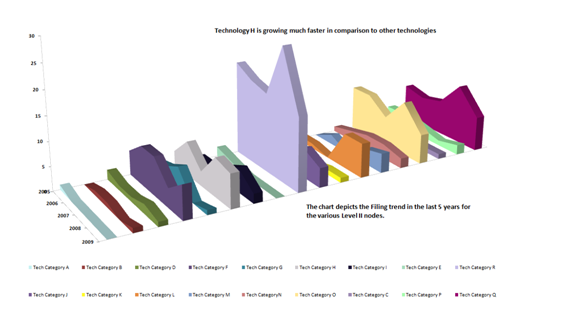
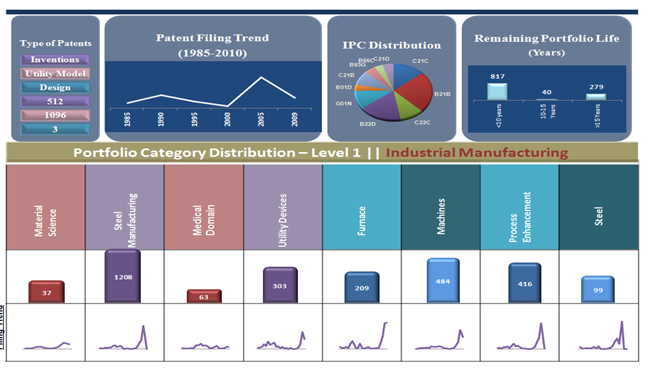








 Allow notifications





