In this article, Anubhav Pandey deals with startup India scheme.
India is evolving and is expanding its horizon regarding business opportunities. The startup is the buzzword of the decade. Furthermore, with the support of governmental bodies, the ease of establishing and running a startup has increased drastically. In this article, shall take a look at the unique benefits provided by the governmental schemes to registered startup in India.
Definition of a startup
Startup means an entity, incorporated or registered in India not prior to five years. Also, the annual turnover of the startup should not exceed INR 25 crore in any preceding financial year.
A startup should be working towards innovation, development, deployment or commercialization of new products, processes or services driven by technology or intellectual property.
To avail the schemes provided by the government, a startup must be registered under any of the following three heads.
Private Limited Company (under The Companies Act, 2013) or
Registered Partnership Firm (under The Indian Partnership Act, 1932) or
Limited Liability Partnership (under The Limited Liability Partnership Act, 2008)
Proposed schemes and incentives
Compliance Regime based on Self-Certification
Every startup needs to comply with various labor and environmental laws and regulations. Also, the formalities requiring conformity of these laws are time-consuming. Therefore, to make compliance for Startup friendly and flexible, simplifications are introduced by self-certification scheme.
By self-certification, a startup will comply itself to an inclusive nine labor and environmental laws. Also, no inspection regarding these laws will be conducted till a time period of three years.
The nine laws will include the following.
Labour laws
The Building and Other Constructions Workers’ (Regulation of Employment & Conditions of Service) Act, 1996
The Inter-State Migrant Workmen (Regulation of Employment & Conditions of Service) Act, 1979
The Payment of Gratuity Act, 1972
The Contract Labour (Regulation and Abolition) Act, 1970
The Employees’ Provident Funds and Miscellaneous Provisions Act, 1952
The Employees’ State Insurance Act, 1948
Environmental laws
The Water (Prevention & Control of Pollution) Act, 1974
The Water (Prevention & Control of Pollution) Cess (Amendment) Act, 2003
The Air (Prevention & Control of Pollution) Act, 1981
Startup India Hub
A program by the government of India, to provide a support system to all the entrepreneurs. “Startup India Hub,” helps to increase the gap between Indian and foreign VCs, angel networks, banks, incubators, legal partners, consultants, universities and R&D institutions. Thereby, making a conducive environment for startups to grow.
Also, Startup India Hub will assist Startups through their lifecycle with specific focus on important aspects such as obtaining financing, feasibility testing, business structuring advisory, enhancement of marketing skills, technology commercialization and management evaluation.
Finally, startup India Hub will organize mentorship programs in collaboration with government organizations, incubation centers, educational institutions and private organizations who aspire to foster innovation
With the SIPP scheme, the registered startups will face no trouble in patenting procedure, design procedure, and trademark procedure.
Government to bear facilitation cost: Under this scheme, the Central Government shall bear the entire fees of the facilitators for any number of patents, trademarks or designs that a Startup may file, and the Startups shall bear the cost of only the statutory fees payable.
Ownership of the IPR under the SIPP scheme: The startup will have sole ownership of the patent, and no governmental authority will claim its right over the intellectual property.
Rebate on the filing of application: An 80% rebate in the filing of patents vis-a-vis other companies. This will help them pare costs in the crucial formative years.
To read more on the SIPP scheme, click the following click. SIPP
Whenever a tender is floated by a Government entity or by a PSU, eligibility condition specifies either prior experience or prior turnover. Such a stipulation prohibits/ impedes Startups from participating in such tenders.
To promote Startups, Government shall exempt Startups (in the manufacturing sector) from the criteria of “prior experience/ turnover” without any relaxation in quality standards or technical parameters.
Tax Exemption to Startups for 3 years
With a view to stimulate the development of Startups in India and provide them a competitive platform, the government of India has exempted the Startup from paying income-tax on their profit for a period of 3 years.
Tax Exemption on Investments above Fair Market Value
Under The Income Tax Act, 1961, where a Startup (company) receives any consideration for issue of shares which exceeds the Fair Market Value (FMV) of such shares, such excess consideration is taxable in the hands of recipient as Income from Other Sources.
The investment by venture capital funds in Startups is exempted from operations of this provision. The same is extended to the investment made by incubators in the Startups.
Startups and relaxation under, Foreign Exchange Management (Foreign Currency Accounts by a person resident in India) Regulations, 2015
In line with the Government of India’s startup initiative, an Indian startup, having an overseas subsidiary, may open a foreign currency account with a bank outside India for the purpose of crediting to the account the foreign exchange earnings out of exports/sales made by the said startup or its overseas subsidiary.
The balances held in such accounts, to the extent they represent exports from India, shall be repatriated to India within the period prescribed for the realization of exports, in Foreign Exchange Management (Export of Goods and Services) Regulations, 2015 dated January 12, 2016, as amended from time to time.
Also, payments received in foreign exchange by an Indian startup arising out of sales/ export made by the startup or its overseas subsidiaries will be a permissible credit to the Exchange Earners Foreign Currency (EEFC) account maintained in India by the startup.
Relaxation provided under Apprentices Act, 1961
The Apprentices Act, 1962 has been amended to provide for a better harmonious environment for startups in India. An establishment has been allowed for selection of trade and self-regulation of engagement of apprentices in a band of a minimum of 2.5% and to a maximum of 10% of the total strength of establishment including contractual worker.
An establishment under Apprenticeship Rule, 1992 provides for routine inspection by an officer. Startups have been provided relaxation under this rule too. For one year since its functioning, no startup will be inspected, and for this, they have to give a self-declaration of the same.
The Reserve Bank in the Fourth Bi-monthly Monetary Policy Statement for the year 2016-17 released on October 04, 2016, permitted Startup enterprises to access loans under ECB framework.
The borrowing should be denominated in any freely convertible currency or in Indian Rupees (INR) or a combination. In the case of borrowing in INR, the foreign currency – INR conversion will be at the market rate as on the date of the agreement.
The borrowing per Startup will be limited to USD 3 million or equivalent per financial year either in INR or any convertible foreign currency or a combination of both.
Conversion into equity is freely permitted, subject to Regulations applicable for foreign investment in Startups.
The overseas lender, in the case of INR, denominated ECB, will be eligible to hedge its INR exposure through permitted derivative products with AD Category – I banks in India.
Who are eligible to be a lender under the guidelines
Lender/investor shall be a resident of a country who is either a member of Financial Action Task Force (FATF) or a member of an FATF-Style Regional Bodies.
Lenders shall not be from a country identified in the public statement of the FATF as:
A jurisdiction having a strategic Anti-Money Laundering or Combating the Financing of Terrorism deficiencies to which counter measures apply, or
A jurisdiction that has not made sufficient progress in addressing the deficiencies or has not committed to an action plan developed with the Financial Action Task Force to address the deficiencies
Did you find the article on startup useful? Share with us. Comment below and let us know.
The following articles on startup might be helpful to you.
This article is written by Pradipta Nath, a practicing lawyer.
The application of ESIC Act over Employee’s Compensation Act, 1923 can be sub-served in this, ‘BIRD’ model as formulated here-under for its easy projection.
‘B’ – Barred provision/s under the ESIC for availing benefit/s under other provision/s of other enactment/s.
53 under the Employees State Insurance Act, 1948 read as: –
Bar against receiving or recovery of compensation or damages under any other law
An insured person or his dependants shall not be entitled to receive or recover, whether from the employer of the insured person or from any other person, any compensation or damages under the Workmen’s Compensation Act, 1923 or any other law for the time being in force or otherwise, in respect of an employment injury sustained by the insured person as an employee under this Act.
61 under the ESIC Act read as: –
Bar of benefits under other enactments
When a person is entitled to any of the benefits provided by this Act, he shall not be entitled to receive any similar benefit admissible under the provisions of any other enactment.
‘I’ – Interpretation of S. 53 & 61
To apply the bar created in Section 53 of the E.S.I. Act., the person must be a workman, insured person under the E.S.I. Act. He should have sustained injury, contacted occupational disease or lost his life due to such injury or disease and they must have ‘arose out of and in the course of his employment’. Such injury is statutorily known as employment injury. It need not be occasioned to him only inside the factory premises. By “notional extension of employer’s premises theory” even if such injury is sustained by him outside his factory premises, outside his working hours, it may become employment injury provided it arose out of and in the course of his employment. There must be some connection, nexus between the circumstances under which such injury was sustained by him and his employment/job. It depends on the facts and circumstances of each case. (The New India Assurance Co. Ltd vs S.Govindaraj on 15 June, 2012)
Section 61bars claiming of compensation for employment injury under the provisions of any other enactment other than the E.S.I. Act. Section 61 mentions enacted laws, while Section 53 speaks about a particular enacted law, namely, Workmen’s Compensation Act, 1923 and also other laws, namely, uncodified law, namely, Common Law. Reading Sections 53 and 61 of the E.S.I. Act together we see that they bars claiming of compensation for employment injury not only under enacted Laws but also under unenacted, uncodified General Laws also. (The New India Assurance Co. Ltd vs S.Govindaraj on 15 June, 2012)
‘R’ – Relevant Case Law: –
It was held in A. Trehan vs. Associated Electrical Agencies and Another (1996) 4 SCC 255, that the legal heirs would not be entitled to get compensation under the 1923 Act as he was an insured person.
The aforesaid authorities make it eminently clear that once an employee is an “insured person” under Section 2(14) of the 1948 Act, neither he nor his dependents would be entitled to get any compensation or damages from the employer under the 1923 Act.
In the case of Managing Director and others v. L.Rs. Of Devi Lal and others: 2007 (1) T.A.C. 491 (Raj.), a Division Bench of the Rajasthan High Court took the view that mere negligence on the part of the workman, which may have resulted in the accident does not take away the case from the purview of employer’s liability to pay compensation, if he has suffered injuries in an accident arising out and in the course of employment.
‘D’ – Distinguish between the ESIC Act and the Employees Compensation Act:-
The aforesaid provision (S. 53 under ESIC Act) came to be interpreted by a two-Judge Bench in A. Trehan’s case, wherein the Court after reproducing the said provision and taking note of the definition of workman as provided under Section 2(1)(n) of the 1923 Act, came to hold as follows: “A comparison of the relevant provisions of the two Acts makes it clear that both the Acts provide for compensation to a workman/employee for personal injury caused to him by accident arising out of and in the course of his employment. The ESI is a later Act and has a wider coverage. It is more comprehensive. It also provides for more compensation than what a workman would get under the Workmen’s Compensation Act. The benefits which an employee can get under the ESI Act are more substantial than the benefits which he can get under the Workmen’s Compensation Act. The only disadvantage, if at all it can be called a disadvantage, is that he will get compensation under the ESI Act by way of periodical payments and not in a lump sum as under the Workmen’s Compensation Act. If the Legislature in its wisdom thought it better to provide for periodical payments rather than lump sum compensation its wisdom cannot be doubted. Even if it is assured that the workmen had a better right under the Workman’s Compensation Act in this behalf it was open to the Legislature to take away or modify that right. While enacting the ESI Act the intention of the Legislature could not have been to create another remedy and a forum for claiming compensation for an injury received by the employee by accident arising out of and in the course of his employment.”
With ending the string of discussion, would like to conclude that in case an employee cannot avail benefit under the ESIC scheme, he can make avail of it under the other enactments.
Special enactments like ‘Employees Compensation Act’ states in its ‘Preamble’;
PREAMBLE.- An Act to provide for the payment by certain classes of employers to their *[Employees] of compensation for injury by accident.
Whereas it is expedient to provide for the payment by certain classes of employers to their workmen of compensation for injury by accident….
Get all the templates, formats, step by step guides, checklists and information you need related to employment laws in one place, free of cost. we have simplified compliances, record-keeping, contracts, policies, disputes and litigation for you. Never struggle with employment and labour law again in your life. Click here to download the Legal handbook for HR managers.
LawSikho has created a telegram group for exchanging legal knowledge, referrals and various opportunities. You can click on this link and join:
This article is an attempt by Anubhav Pandey to bring forth the sample of the most common board resolution. The article is an earnest attempt and provides sample for, Board resolution for appointment of director of the company, Board resolution for opening of a company’s bank account, Board resolution for appointment of internal auditor, Board resolution for the implementation of section 186 of the Companies Act, 2013, Board resolution for giving of power of attorney, Board resolution for winding up of a company, Board resolution for closing of company’s bank account, Board resolution for entering into an agreement, Board resolution for contribution to a political party, Board resolution for change in the name of the company and more.
Resolution under Companies Act, 2013
A company being an artificial person is run not by one or two members but by a whole group of persons. From the top hierarchy of directors to potential stakeholders everyone participates in taking decisions of the company. Any decision taken by the company shall be in the form of a resolution. A company is bound by its resolution if it is passed.
A company has to file various resolutions with the registrar of the company. The relevant statutory provisions for filing of resolutions and agreements are:
Section 117 – Resolutions & Agreement to be filed
Section 179(3) – Powers of the Board
Rule 8 of Companies (Meetings of Board and its Powers) Rules, 2014
All Resolutions are to be filed in Form MGT – 14
Board resolution for appointment of director of the company
CERTIFIED TRUE COPY OF THE RESOLUTION PASSED AT THE MEETING OF THE BOARD OF DIRECTORS OF (COMPANY NAME) HELD AT THE REGISTERED OFFICE OF THE COMPANY AT (ADDRESS) ON (DATE) AT (TIME)
RESOLVED THAT pursuant to the provisions of section 167 of the Companies Act, 2013 and in terms of the Articles of Association of the Company, (Mr./Ms. Director Name), who has signified his/her consent in the Form DIR-2 if appointed, to act as a Director of the Company, be and is hereby appointed as an additional director of the Company.
For
(COMPANY NAME)
(Director Name)
Board resolution for opening of a company bank account
CERTIFIED TRUE COPY OF THE RESOLUTION PASSED AT THE MEETING OF THE BOARD OF DIRECTORS OF (COMPANY NAME) HELD AT THE REGISTERED OFFICE OF THE COMPANY AT (ADDRESS) ON (DATE) AT (TIME)
A proposal to open a current Account with the (Bank Name and Address) was placed before the Board for conducting its day-to-day financial transactions. After discussions, the Board unanimously:
“RESOLVED THAT Current Account in the name & style of ‘(COMPANY NAME)’ be opened with the (Bank Name and Address), for the operations of the activities of the Company and that the following Authorized Signatory(ies) of the Company be and are hereby authorized to open and operate the said account:
INDIVIDUALLY
Authorized Signatory
Authorized Signatory
JOINTLY
Authorized Signatory
Authorized Signatory
AND
THAT the said Bank be instructed to accept and act upon any instructions relating to the account kept in the name of the Company or relating to any transactions of the Company with the Bank, provided the instructions are signed by the authorized signatory(ies) of the Company in the manner mentioned as above.
THAT the said Bank be instructed to accept receipts for money, deeds, securities or other documents or papers or property or any indemnities given on behalf of the Company provided they are signed by the authorized signatory(ies) of the Company in the manner as mentioned above.
THAT the bank be furnished with a list of the names of Directors of the Company and a copy of the Memorandum & Articles of Association and be from time to time informed by notice in writing under the hand of the Directors/Authorized Signatory of the Company of any changes which may take place therein and be entitled to act upon any such notice until the receipt of further notice under the hand of any Directors / Authorized Signatory.
THAT the resolution be communicated to the Bank and remain in force until duly rescinded and notice thereof in writing be given to the Bank by any of the Directors of the Company.”
“RESOLVED FURTHER THAT the aforesaid power entrusted to the said official shall be valid and effective unless revoked earlier by the Board or shall be exercisable by him so long as he is in the concerned to the Company.”
“RESOLVED FURTHER THAT all acts, deeds, things, matters, etc. as aforestated shall be deemed to be valid and enforceable only if they are consistent with the instant resolution as may be relevant in this case and that the Board shall not be responsible for any acts beyond the scope of the aforestated powers done by (Name of the authorized person(s) and such invalid, illegal acts, and acts done beyond the scope of powers granted in this Resolution shall not bind the Company against any third parties or before any authorities in any manner and that the Board shall not be answerable in that behalf.”
“RESOLVED FURTHER THAT a certified copy of the resolution be given to any one concerned or interested in the matter.”
For
(COMPANY NAME)
(Director Name)
Board resolution for appointment of internal auditor
CERTIFIED TRUE COPY OF THE RESOLUTION PASSED AT THE MEETING OF THE BOARD OF DIRECTORS OF (COMPANY NAME) HELD AT THE REGISTERED OFFICE OF THE COMPANY AT (ADDRESS) ON (DATE) AT (TIME).
“RESOLVED THAT pursuant to the provisions of Section 138 and any other applicable provisions of the Companies Act, 2013 and the rules made thereunder and with the consent of the Board be and is hereby accorded for the appointment of M/s………………….., Chartered Accountant (Registration No._______) as an Internal Auditor of the Company for the Financial Year ……………………_at remuneration as may be mutually agreed between the Internal Auditor and Board of Directors.
“RESOLVED FURTHER THAT the draft engagement letter as placed before the Board specifying the scope, functioning, methodology and remuneration etc. for conducting the exercise as formulated in consultation with the Audit Committee be and is hereby approved.
“RESOLVED FURTHER THAT for the purpose of giving effect to this resolution,Mr. ……………., Director of the Company be and is hereby authorized, on behalf of the Company, to do all acts, deeds, matters and things as deem necessary, proper or desirable and to sign and execute all necessary documents, applications and returns for the purpose of giving effect to the aforesaid resolution.”
Certified True Copy,
For __________________ (Company Name)
DIRECTOR
ADDRESS:
CITY:
STATE:
Click Above
Board resolution of section 186 of the Companies Act, 2013 (Loan and investment by the company)
CERTIFIED TRUE COPY OF THE RESOLUTION PASSED AT THE MEETING OF THE BOARD OF DIRECTORS OF (COMPANY NAME) HELD AT THE REGISTERED OFFICE OF THE COMPANY AT (ADDRESS) ON (DATE) AT (TIME).
“RESOLVED THAT” the consent of the Company be and is hereby accorded to the Board of Directors in terms of the provisions of Section 186 of the Companies Act, 2013 and the Board including any Committee of Directors be and is hereby authorized, subject to the approval of the Reserve Bank of India, if any, and other applicable Rules, Regulations, Guidelines (including any statutory modifications or re-enactment thereof for the time being in force) and such conditions as may be prescribed by any of the concerned authorities, notwithstanding that the aggregate loans and guarantees to any bodies corporate and persons and investment in securities of any bodies corporate exceeds the limits specified under Section 186 of the Companies Act, 2013, read with the applicable rules, circulars or clarifications thereunder:
(a) to invest/acquire from time to time by way of subscription, purchase, conversion or otherwise Equity Shares, Preference Shares, Debentures (whether convertible or non-convertible) or any other financial instruments of one or more bodies corporate, whether in India or outside, which may or may not be subsidiary(ies) of the Company as the Board may think fit, in pursuance of Section 186 of the Companies Act, 2013 (including any ordinance or statutory modification or re-enactment thereof, for the time being in force), to the extent of the following limits:
Investments into Subsidiaries and other Bodies Corporate:Rs.___(Rupees ________________only).
(b) to make/give from time to time any loan or loans to any body or bodies corporate, whether in India or out side, which may or may not be subsidiary(ies) of the Company or to any persons as the Board may think fit, in pursuance of Section 186 of the Companies Act, 2013 (including any ordinance or statutory modification or re-enactment thereof, for the time being in force) to the extent of the following limits:
Loans to Subsidiaries, other Bodies Corporate or Persons:Rs.___(Rupees ______only).
(c) give from time to time any guarantee(s) and/or provide any security to any person(s), any Body Corporate, Bank, Financial Institutions or any other institution in India or outside in respect of or against any loans to or to secure any financial arrangement of any nature by, any other person(s), any Body(ies) Corporate, whether in India or outside, which may or may not be subsidiary(ies) of the Company, as the Board may think fit, in pursuance of Section 186 of the Companies Act, 2013 (including any ordinance or statutory modification or re-enactment thereof, for the time being in force) to the extent of the following limits:
Guarantees against Loans/Financial arrangements in favor of Subsidiaries, other Bodies Corporate and Persons: Rs.___(Rupees ______only).
“RESOLVED FURTHER THAT” the consent of the Company, be and is hereby accorded to the Board including any Committee of Directors, pursuant to Rule No.ll of the Companies (Meetings of Board and its Powers) Rules, 2014 and Section 186 and other applicable provisions of the Companies Act, 2013, to give any loan to or guarantee or provide any security on behalf of, or acquire securities of, the Wholly Owned Subsidiaries of the Company, for such sums as may be decided by Board/Committee of Directors as permitted or subject to the provisions specified therein.
“RESOLVED FURTHER THAT” for the purpose of giving effect to the above resolution, the Board/Committee be and is hereby authorized to agree, make, accept and finalize all such terms, condition(s), modification(s) and alteration(s) as it may deem fit including the terms and conditions within the above limits upto which such investments in securities/loans/ guarantees, that may be given or made, as may be determined by the Board or the Committee thereof, including with the power to transfer/dispose of the investments so made, from time to time, and the Board/Committee is also hereby authorized to resolve and settle all questions, difficulties or doubts that may arise in regard to such investments, loans, guarantees and security and to finalize and execute all agreements, documents and writings and to do all acts, deeds and things in this connection and incidental as the Board/Committee in its absolute discretion may deem fit without being required to seek any further consent or approval of the members or otherwise to the end and intent that they shall be deemed to have been given approval thereto expressly by the authority of this resolution.
Certified True Copy,
For __________________ (Company Name)
DIRECTOR
ADDRESS:
CITY:
STATE:
Board Resolution Format for Giving Power of Attorney
CERTIFIED TRUE COPY OF THE RESOLUTION PASSED AT THE MEETING OF THE BOARD OF DIRECTORS OF (COMPANY NAME) HELD AT THE REGISTERED OFFICE OF THE COMPANY AT (ADDRESS) ON (DATE) AT (TIME).
RESOLVED THAT Mr. (____), Managing Director of the Company, be and is hereby authorized to execute on behalf of the Company, a Power of Attorney in favour of Mr.(___), General Manager Operations (“the Attorney”) of the Company granting full power and authorities on behalf of the Company for the following purposes:
To execute the agreement with all the clients for the XYZ services of the Company;
To negotiate and finalize the commercials for the said XYZ services;
To submit tenders with any organizations or authorities for the above purposes;
To manage the day to day affairs in carrying out the execution of project undertaken for the XYZ services;
To do all such acts, deeds, and things as may be necessary for completion of the projects
undertaken for XYZ services.
RESOLVED FURTHER THAT any work carried out by the Attorney about the purposes mentioned above shall be valid and binding upon the Company.
RESOLVED FURTHER THAT the power so granted to the Attorney under this resolution may be revoked, for cause, or without cause, by a resolution of the Board or by a written order by Mr. (___), Managing Director, at any time in the future.
RESOLVED FURTHER THAT Mr. (______), Managing Director and Mr. (___), Company
Secretary of the Company be and are hereby severally authorized to do all such acts, deeds, and things as may be necessary to give effect to this resolution.
Certified True Copy,
For __________________ (Company Name)
DIRECTOR
ADDRESS:
CITY:
STATE:
Board resolution for voluntary winding up of the company
Section 305(1) of the Companies Act, 2013 states, Where it is proposed to wind up a company voluntarily, its director or directors, or in case the company has more than two directors, the majority of its directors, shall, at a meeting of the Board, make a declaration verified by an affidavit to the effect that they have made a full inquiry into the affairs of the company, and they have formed an opinion that the company has no debt or whether it will be able to pay its debts in full from the proceeds of assets sold in voluntary winding up.
CERTIFIED TRUE COPY OF THE RESOLUTION PASSED AT THE MEETING OF THE BOARD OF DIRECTORS OF (COMPANY NAME) HELD AT THE REGISTERED OFFICE OF THE COMPANY AT (ADDRESS) ON (DATE) AT (TIME).
RESOLVED THAT the consent of the Board of Directors of the Company be and is at this moment accorded to voluntarily wind up the affairs of the Company by the provisions of section 304(1)(b) of the Companies Act, 2013 subject to the approval of members in general meeting.
RESOLVED FURTHER THAT the Board of Directors have made a pragmatic assessment of the affairs of the company and have reasonable grounds to form the opinion that the company will be able to pay its debts in full within a period of one year after realizing the assets belonging to the Company.
RESOLVED FURTHER THAT the Declaration of Solvency along with an affidavit to verify the declaration, and auditor’s report thereon, a draft of which as placed before the Board duly initialed by the Chairman for the purpose be and is hereby considered and approved and all the directors of the company be and are hereby authorised to sign the declaration and affidavit and to file the same with the Registrar of Companies.
RESOLVED FURTHER THAT Shri __________ of the company be and is hereby authorised to do all such acts, deeds and things as may be required to implement the above said decision of the Board and to issue the notice of the extraordinary general meeting as placed before the Board duly initialed by the Chairman for the purpose of identification.
Certified True Copy,
For __________________ (Company Name)
DIRECTOR
ADDRESS:
CITY:
STATE:
Board resolution for closing of a bank account
CERTIFIED TRUE COPY OF THE RESOLUTION PASSED AT THE MEETING OF THE BOARD OF DIRECTORS OF (COMPANY NAME) HELD AT THE REGISTERED OFFICE OF THE COMPANY AT (ADDRESS) ON (DATE) AT (TIME).
RESOLVED THAT the Company’s Banking Current Account No__________ with (Name of the Bank with address) , be closed and the amount, if any, lying in the said account be returned to the Company by way of issuance of Bankers’ Cheque or transfer to other Current Account in the name of the Company.
“RESOLVED FURTHER THAT Shri _________ and Shri _______ Directors of the Company be and are hereby severally /jointly authorized to do all such acts, deeds and things and to sign all such documents as may be required in connection with the closure of the said Account.”
“RESOLVED FURTHER THAT the copy of the above resolution be forwarded to the concerned Branches of the Bank for necessary action at their end.”
Certified True Copy,
For __________________ (Company Name)
DIRECTOR
ADDRESS:
CITY:
STATE:
Board resolution for entering into an agreement
CERTIFIED TRUE COPY OF THE RESOLUTION PASSED AT THE MEETING OF THE BOARD OF DIRECTORS OF (COMPANY NAME) HELD AT THE REGISTERED OFFICE OF THE COMPANY AT (ADDRESS) ON (DATE) AT (TIME).
“RESOLVED THAT”the Consent of the Board be and is hereby accorded for the execution and signing of the(Name of the Agreement)to be entered into between the Company and(Name of the Company with which the agreement entered), the draft of which is placed at Annexure- 1 duly initialled by Chairman for the purpose of identification
“RESOLVED FURTHER THAT(Name of the person(s) authorized)of the Company be and are hereby severally/jointly authorized to negotiate, finalize and execute the above mentioned agreements and documents on behalf of the Company and do all such acts, matters, deeds and things and to take all steps and do all things and give such directions as may be required, necessary, expedient or desirable for giving effect to the said(Name of the Agreement)and Power of Attorney”.
“RESOLVED FURTHER THATthe Common Seal of the Company, if required, be affixed and stamped on the(Name of the Agreement)and such other documents as may be required to be executed under the Common Seal of the Company in the presence of any one of the authorized signatories.”
“RESOLVED FURTHER THATthe aforesaid power entrusted to the said official shall be valid and effective unless revoked earlier by the Board or shall be exercisable by him so long as he is in the concerned to the Company.”
“RESOLVED FURTHER THATall acts, deeds, things, matters, etc. as aforestated shall be deemed to be valid and enforceable only if they are consistent with the instant resolution as may be relevant in this case and that the Board shall not be responsible for any acts beyond the scope of the aforestated powers done by(Name of the authorized person(s)and such invalid, illegal acts, and acts done beyond the scope of powers granted in this Resolution shall not bind the Company against any third parties or before any authorities in any manner and that the Board shall not be answerable in that behalf.”
“RESOLVED FURTHER THATa certified copy of the resolution be given to any one concerned or interested in the matter.”
Certified True Copy,
For __________________ (Company Name)
DIRECTOR
ADDRESS:
CITY:
STATE:
Board resolution on making contribution to political parties
CERTIFIED TRUE COPY OF THE RESOLUTION PASSED AT THE MEETING OF THE BOARD OF DIRECTORS OF (COMPANY NAME) HELD AT THE REGISTERED OFFICE OF THE COMPANY AT (ADDRESS) ON (DATE) AT (TIME).
RESOLVED THAT pursuant to the provisions of Section 182 of the Companies Act, 2013 and other applicable provisions, if any, of the Companies act 2013, (including any statutory modification or re-enactment thereof for the time being in force) and subject to the Articles of Association of the Company, the approval of the Board be and is hereby given to the company for contribution to (Name of the Party) an amount not exceeding seven and a half percent of the average net profits as determined in accordance with the provisions of Section 182 of the Companies Act, 2013 during the three immediately preceding financial years.”
“RESOLVED FURTHER THAT (Name of the authorized person(s) )be and are hereby authorized jointly / individually on behalf of the Company to make the political contribution on behalf of the Company and to do all acts, deeds and things that may be necessary, proper, expedient or incidental for the purpose of giving effect to the aforesaid Resolution.”
Certified True Copy,
For __________________ (Company Name)
DIRECTOR
ADDRESS:
CITY:
STATE:
Board resolution for change in name of the company
CERTIFIED TRUE COPY OF THE RESOLUTION PASSED AT THE MEETING OF THE BOARD OF DIRECTORS OF (COMPANY NAME) HELD AT THE REGISTERED OFFICE OF THE COMPANY AT (ADDRESS) ON (DATE) AT (TIME).
“RESOLVED THAT pursuant to the provisions of Section 4 (4), 13 and other applicable provisions, if any, of the Companies Act, 2013, (including any statutory modification or re-enactment thereof for the time being in force) and the rules framed there under, consent of the Board of Directors of the Company be and is hereby accorded, subject to the approval of the Registrar of Companies, NCT of Delhi & Haryana and subject to the approval of Shareholders in General Meeting, to change the name of the Company from ABC Private Limited to XYZ Private Limited.
RESOLVED FURTHER THAT Clause I of the Memorandum of Association of the Company be substituted by the following:
‘The Name of the company is XYZ Private Limited.
RESOLVED FURTHER THAT Clause 2 of the Articles of Association of the company be substituted by the following:
“The Company” means XYZ Private Limited
FURTHER RESOLVED THAT for the purpose of giving effect to this resolution, Mr. (___), Director of the Company be and is hereby authorised, on behalf of the Company, to do all acts, deeds, matters and things as deem necessary, proper or desirable and to sign and execute all necessary documents, applications and returns for the purpose of giving effect to the aforesaid resolution along with filing of necessary E-form as return of appointment with the Registrar of Companies.
For __________________ (Company Name)
DIRECTOR
ADDRESS:
CITY:
STATE:
If you want to learn more about COMPANIES ACT, 2013 you can take up this course.
These articles might be of your particular interest.
In this article, Anubhav Pandey explains the legality of drones in India. The article also covers provision regarding import of drones in India.
Nowadays it is very common to see drones capturing images at a wedding or a cricket match. Drones are readily available over the internet shopping platforms. Did you know that flying drones without a license is illegal in India? Let us take a look at the game of drones and legality of drones in India.
What is a drone, anyway
Drones are unmanned aircraft that can fly autonomously without a human in control. Furthermore, drones can be defined as aircraft without pilots on board, whose flight (speed, navigation, aerobatics, etc.) are controlled by onboard computers that are in turn directed by remote human operators.
Is flying drone legal in India
By the public notice issued on 7.10.2014, the DGCA (Director General of Civil Aviation) has prohibited the launch of any UAV (Unmanned Aerial Vehicle) by any non-governmental agency or any individual. Therefore, yes flying of drones without prior approval from the governmental authorities is illegal in India.
Further, Press Note No. 3 (2014) released by the Department of Industry Policy & Promotion, Ministry of Commerce and Industry laid down a list of electronic aerospace and defense equipment which required an industrial license for manufacturing/production. This includes UAVs or commonly referred to as drones. [1]
Reason behind making drones flight illegal in India
The use of drones was mainly for military or defense purposes. Since gradually the purpose of its use shifted and drones were used for commercial purposes, the government saw a security threat from these UAVs thereby banning their flight without approval.
Regulations regarding flying of drones in India
The Aircraft Act, 1934 defines “aircraft” as any machine which can derive support in the atmosphere from reactions of the air, [other than reactions of the air against the earth’s surface] and includes balloons, whether fixed or free, airships, kites, gliders and flying machines.
This definition is broad enough to include unmanned aircraft. As per the Aircraft Rules, 1937, the DGCA has the power to issue notices to Aircraft Owners, issue particular directions relating to the operation, use, possession, maintenance or navigation of aircraft flying in or over India or of aircraft registered in India.
Registration process of (Unmanned Aerial Vehicle) or drones
Rule 30 of the Aircraft Rules strictly states that it shall be the central government which will grant the certificate of registration to an aircraft. An aircraft also includes Unmanned Aerial Vehicles, Unmanned Free Balloons, and Remotely Piloted Aircraft. Therefore, drones also need to get registered under the following guidelines.
Rule 31 to 37A further describe the legislation about registration of aircraft, its cancellation and change of ownership, the Nationality and Registration Marks and the manner in which they are to be affixed.
Suppose one Sunday evening you decide to test your drone’s flying capability. Meanwhile, in the middle of the flight, the drone ran out of battery. What will happen in such circumstances? What if a person uses a drone to film others without their will? What are the legal intricacies involving such cases?
Sections 287 and 336 of the Indian Penal Code
Section 287 of the IPC talks of “Negligent conduct on machinery.” When anyone uses any machine in a rash or negligent manner which endangers human life, they will be held liable for, “Negligent conduct with respect to machinery.” This section will be applicable in situations where a person if flying a drone and there occurs a technical failure because of which the drone crashes, thus causing risk to others. The punishment under this section is an imprisonment for six months with a fine of INR 1000.
Section 336 of the IPC talks of “Act endangering life or personal safety of others”. Whoever does any act so rashly or negligently as to endanger human life or the personal safety of others, shall be punished with imprisonment of either description for a term which may extend to three months, or with fine which may extend to two hundred and fifty rupees, or with both. [3]
Section 268 pf the IPC talks of “Public Nuisance.” A person is guilty of a public nuisance who does any act or is guilty of an illegal omission which causes any common injury, danger or annoyance to the public or to the people in general who dwell or occupy property in the vicinity, or which must necessarily cause injury, obstruction, danger or annoyance to persons who may have occasion to use any public right.
A drone might cause hurt, as defined under section 319 of the IPC. “Whoever causes bodily pain, disease or infirmity to any person is said to cause hurt.”
Along with these offenses, there is a high chance of criminal trespass as well as breach of privacy of a person. Drones with a camera can be used to film people against their will or even bug them thereby causing a breach of their privacy.
Can a regular RC-helicopter fit under the definition of UAV
The press release by the DGCA banned the flight of every non-governmental private UAV. By this ban, can we assume that a flight of a regular toy helicopter is also banned under the said press note?
UAV is an aircraft without a human pilot aboard. UAVs are a component of an unmanned aircraft system (UAS); which include a UAV, a ground-based controller, and a system of communications between the two. By this definition of UAV, one can assume that an RC helicopter satisfies the definition of UAV. However, there is no settled law or judicial pronouncement on this, and this proposition is open for interpretations.
Legality of selling drones at online platforms in India.
Although flying of drones without permission is illegal in India, its selling is not. Drones are easily available at online platforms at a very low price. An impressive figure tells India is the highest seller of drones in the world. There is no settled law which regulates the selling of drones at an online platform in spite its flying is prohibited!
Patenting ideas relating to drones
Furthermore, Amazon, one of the leading e-commerce websites, has applied for a patent for its delivery system drone that delivers products to the customer’s doorstep within 30 minutes of the order. Also, Boeing obtained a patent for its “flying submarine” drone which is adaptable for both flight and water travel.
Can drones be used for filming or for photographic purposes
Ever since drones came into photography, it has changed the entire dimension of it. It has opened up a new vertical in the photo industry. But with the ambiguity about permission, no photographer is ready to use their expensive drones. Four people were arrested in Varanasi for filming Ganga aarti through drone cameras at the Dashashwamedha Ghat without permission in 2014. As per the guidelines of DGCA, civilians drones are not allowed to take off in any manner whatsoever.
Regulations relating to importing of drones in India
The import of drones is prohibited in India. As per Section 80 of the Customs Act, 1962, goods which are prohibited can be detained. According to section 2(33) of the Customs Act, 1962, “Prohibited goods” means any goods the import or export of which is subject to any prohibition under this Act or any other law for the time being in force.
The Ministry of Commerce & Industry, Department of Commerce, Directorate General of Foreign Trade, vide Notification No. 16/2015-2020 dated 27.07.2016 (Ext.P3) has introduced policy condition for import of Unmanned Aircraft System (UAS)/Unmanned Aerial Vehicle (UAVs)/Remotely Piloted Aircraft (RPAs)/Drones as “Restricted”. [4]
Did the article help you in understanding the legality of drones in India?. Comment below and let us know and do not forget to share this with your friends and family.
An Analysis of the Model Question Paper for Limited Insolvency Examination (LIE), Tips for Preparation and Information About New Book on LIE
About the Author
Pranav Khatavkar is a Mumbai based Advocate who penned a commentary on the Insolvency and Bankruptcy Code, 2016. In continuation of his mission of developing India’s re-written bankruptcy framework, Pranav has recently penned a book titled Guide to Insolvency Professional Examination that aids and assists candidates to appear for the insolvency professional examination. He can be reached at [email protected].
Insolvency Professional Examinations
The Insolvency and Bankruptcy Board of India (Insolvency Professionals) Regulations, 2016 mandate two qualifying examinations for insolvency professionals – Limited Insolvency Examination (“LIE”) and National Insolvency Examination (“NIE”).
On 30th November 2016, the Insolvency and Bankruptcy Board of India (“Board”) notified the syllabus for the LIE[1].
As far as the NIE is concerned, the examination hasn’t been notified as of date. However, as per the press release made by the Ministry of Corporate Affairs on 23rd November 2016, the details pertaining to the NIE will be specified through regulations[2].
Analysis of the Model Question Paper for LIE released by the Insolvency and Bankruptcy Board of India
The Board has released a model question paper for the LIE which is available at- http://ibbi.gov.in/model-Rev2.pdf. For the benefit of the candidates that intend to appear for the LIE, in this article, I am doing an analysis of the model question paper for LIE released by the Board.
Part I – Categorization of Questions
I have categorized the questions that have been presented in the model LIE question paper in the following categories:-
a. IBC Concept Based Questions–
This category of questions consists of questions that test the conceptual clarity of a candidate as regards the Code and the Rules and Regulations framed thereunder. An example of an IBC Concept Based question is
When can a bank initiate a corporate insolvency resolution process in relation to a corporate debtor?
a. On determination of default by National Company Law Tribunal
b. Occurrence of default
c. On net-worth of the debtor becoming negative
d. On the bank classified the account as non-performing asset
The correct answer to this question is “b”. A bank can initiate the corporate insolvency resolution process in relation to a corporate debtor only on occurrence of a default.
Click Above
The answer to this question can be found in sub sections (7) and (8) of Section 5 and Section 7(1) of the Code. Sub section (7) of Section 5 of the Code defines a “financial creditor” and sub section (8) of Section 5 of the Code defines a “financial debt”. The question is specifically asking as to when can a bank initiate the corporate insolvency resolution process. Bank falls under the category of financial creditor under the Code and any loan/ credit facility/other facility extended by a financial creditor qualifies as a financial debt.
Further Section 7(1) of the Code deals with the initiation of the corporate insolvency resolution process by a financial creditor and states that a financial creditor may file an application for initiating the corporate insolvency resolution process when default has occurred.
Hence in order to tackle IBC Concept Based questions, a candidate has to be extremely clear with respect to the legal concepts covered under the Code. In order to obtain conceptual clarity and the ability to tackle IBC Concept Based questions, I recommend a thorough study of the Code and the Rules and Regulations framed thereunder.
When I say study, I do not recommend learning by rote. Rather I recommend attempting to understand what the provisions are and discerning the legislative intent behind each provision of the Code.
This category of questions consists of questions that test the knowledge of a candidate on the procedural aspects of the Code and the Rules and Regulations framed thereunder. An example of an IBC Procedure Based question is question no. 2 in the model paper-
The Adjudicating Authority shall appoint an interim resolution professional within ____ days of the insolvency commencement date.
a. 07
b. 14
c. 21
d. 28
The correct answer to this question is “b”. The Adjudicating Authority shall appoint an interim resolution professional within 14 days of the insolvency commencement date.
The answer to this question can be found in Section 16(1) of the Code which states that the Adjudicating Authority shall appoint an interim resolution professional within fourteen (14) days from the insolvency commencement date.
Unlike IBC Concept Based questions, there is nothing to understand in order to tackle IBC Procedure Based questions as they are fairly technical and straightforward. The only way to tackle such questions is to learn by rote important compliances and the prescribed timelines with respect to the same under the Code and the Rules and Regulations framed thereunder.
c. Case Study Questions–
Case study questions are purely application based questions on the Code and the Rules and Regulations framed thereunder. A situation is provided and it is followed by questions pertaining to the situation. There are five (5) questions pertaining to the case study that has been presented in the model question paper. As per the prescribed syllabus[3], the case study questions shall be on the following topics:-
Corporate insolvency resolution
Corporate liquidation
Fresh start
Individual insolvency resolution
Individual bankruptcy
The case study question as provided in the model LIE paper has been reproduced as under:-
(a) A Ltd. (Company) is engaged in the manufacturing of Sponge Iron, TMT bars and Galvanized wires. It has availed various credit facilities from a total of 19 secured creditors with an outstanding debt of Rs.1500 crore. Due to adverse market conditions, its financial position took a downturn and hence it filed a reference with the Board for Industrial and Financial Reconstruction (BIFR). The reference was duly registered. During the proceedings before BIFR, one of the secured creditors, after taking consent of the other creditors of the company, filed an application for abatement of the reference before BIFR.
(b) Meanwhile, one of the unsecured creditors filed an application before BIFR for the impleadment in the proceedings. The BIFR dismissed the said application due to non-prosecution.
(c) Subsequently, upon coming into force of the Insolvency and Bankruptcy Code (IBC), 2016, the company filed an application for initiation of Corporate Insolvency Resolution Process (CIRP) before National Company Law Tribunal (NCLT) on 09.12.2016. However, in the first meeting of the Committee of Creditors held on 05.01.2017, the financial creditors of the company decided to liquidate the company. Immediately after this decision, but before intimating the decision to the NCLT, one of the financial creditors of the company applied to Resolution Professional (RP) giving proof of his claim and seeking his inclusion in the Committee of Creditors.
My primary observations regarding the case study are:-
The case study is detailed and comprehensive.
Even to understand what the situation in the case study is, one needs to be very thorough with the Code and the Rules and Regulations framed thereunder. (Conceptually as well as procedurally)
The case study also deals with other allied laws such as the Sick Industrial Companies Act, 1985 (as there is a mention of the Board for Industrial and Financial Reconstruction). So the candidate should also know about other legislations that previously dealt with corporate insolvency.
This case study contains elements of both the corporate insolvency resolution process as well as the liquidation process. So this case study is a mix of two processes covered under the Code.
There are two types of questions that follow the case study.
First category is the actual application based questions. An example of an actual application based question is question no. 87. Question no. 87 has been reproduced as under:-
In case one of the secured creditors realizes its security interest and such realization is not sufficient to pay its outstanding debts, can he recover the balance amount?
a) The balance amount will be ignored.
b) The balance amount will be paid at par with dues to the Central Government and the State Government.
c) The balance amount will be paid at par with other secured creditors.
d) The Balance amount will be paid at par with unsecured creditors.
The correct answer is “b”. The answer to this question can be found in Section 53(1)(e) of the Code which states that the debts owed to a secured creditor for any amount unpaid following the enforcement of interest shall lie at par with dues to the Central Government and the State Government. To tackle this question one needs to be conceptually thorough with the Code and the Rules and Regulations framed thereunder. The section [i.e. Section 53(1)(e)] is straightly worded, but the question is framed in a way that it triggers thinking and calls for some investment of time and thought. In other words, it’s tricky. Over here the question is asking you whether or not the secured creditor can realize its balance amount. So in order to answer this question, you need to first know that a secured creditor can realize its balance amount under the Code and you will know whether or not a secured creditor can realize its balance amount under the Code only when you are conceptually thorough.
The second category of questions that follow the case study are technical questions where not much application of mind is required. For example question no. 90 in the model LIE paper. Question no. 90 of the model LIE paper has been reproduced as under-
What is the priority of payment to workmen dues in case of liquidation?
a) Pari passu with secured creditors and employees
b) Pari passu with secured creditors and insolvency costs
c) Pari passu with secured creditors
d) Pari passu with financial creditors
The correct answer to this question is “c”. The answer to this question is to be found in Section 53(b) of the Code which states that the priority of payment to workmen dues shall rank pari passu with secured creditors in case of liquidation. There is not much of application of mind needed here as the question is fairly straightforward.
d. Questions on the report of the Bankruptcy Law Reforms Committee (BLRC)–
As per the prescribed syllabus for the LIE, 5% weightage is given to questions on the BLRC Report. The model question paper contains four (4) questions on the BLRC Report. Out of the four, I am reproducing two questions that I thought are important as far as the BLRC Report is concerned.
The first question is question no. 53 from the model question paper-
The Code proposed by the Bankruptcy Law Reforms Committee provides for a …. for creditors and debtors to negotiate in an orderly and non-conflicted manner.
a) forum
b) calm period
c) committee
d) negotiation period
The correct answer is “b”. Now please note that this question has been framed in a very tricky manner. A primary reading of question no. 53 may make you think that you are doomed and that along with studying and memorizing the provisions of the actual Code, you have to also study and memorize the provisions of the Insolvency and Bankruptcy Bill, 2015 (the draft Code proposed by the BLRC).
I assure you, you are not. The answer to this question is to be found in the final report of the BLRC on Page 74 which speaks about a calm period for creditors and debtors to negotiate.
Hence in order to tackle questions such as this, one needs to study the entire BLRC Report very carefully, especially the important recommendations and suggestions made by the BLRC.
The second question is Question No. 52 from the model question paper-
The Financial Sector Legislative Reforms Commission has proposed a ……………which will intervene in the working of financial firms when they are distressed but still solvent.
a) Financial resolution corporation
b) Resolution corporation
c) Insolvency resolution corporation
d) Business resolution corporation
The correct answer to this question is “b”. This is again a tricky question. At the first instance it may seem to you as if this question is out of the prescribed syllabus. You may wonder what connection do the recommendations made by the Financial Sector Legislative Reforms Commission have with the Code and more importantly why is this question there in an exam for prospective insolvency professionals.
The answer to both your questions (first one being the answer to question no. 52 and the second one regarding why this question is there in the model LIE paper) can be found in paragraph 5.1 of the report of the BLRC. Paragraph 5.1 has been reproduced as under:-
“The Committee recommends that there is a single Code to resolve insolvency for all legal entities. The Code will not cover entities that have a dominantly financial function, whose resolution is covered by the Resolution Corporation in the draft Indian Financial Code, proposed by the Financial Sector Legislative Reforms Commission. In order to ensure legal clarity, the Committee recommends that provisions in existing law that deals with insolvency of all registered entities be replaced by this Code (companies and limited liability partnerships to begin with). Then, all questions related to insolvency of any legal entity in India will find an answer in a single Code.”
If you focus on the underlined portion in the abovementioned paragraph, it will be clear to you that the BLRC while recommending the Code also referred to other proposed legislations for insolvency resolution (i.e. Draft Indian Financial Code). The BLRC while proposing a draft Code categorically omitted insolvency resolution and liquidation of financial firms because they were covered by a proposed Resolution Corporation under the Draft Indian Financial Code.
It will be now clear to you as to why the recommendations of the Financial Sector Legislative Reforms Commission are important for prospective insolvency professionals from a limited perspective and the correct answer to question no. 52 from the model LIE paper of course.
e. Other categories of questions–
This category of questions consists of concept based, technical questions and application based questions on topics apart from the Code and the Rules and Regulations framed thereunder and the BLRC Report. The other topics are as under:-
Companies Act, 2013
Limited Liability Partnership Act, 2008
Indian Contracts Act, 1872
Transfer of Property Act, 1882
Sale of Goods Act, 1930
Recovery of Debts due to Banks and Financial Institutions Act, 1993
Securitisation and Reconstruction of Financial Assets and Enforcement of Security Interests Act, 2002
Corporate Debt Restructuring Scheme, Strategic Debt Restructuring and Scheme for Sustainable Structuring of Stressed Assets
General Awareness
Finance and Accounts
An example of a concept based question from the other categories of questions is question no. 59 from the model LIE paper. Question no. 59 has been reproduced as under:-
Which of the following matters requires a special resolution by a company?
a) Reducing share capital
b) Removal of a director
c) Acceptance of deposits
d) Appointment of a director
The correct answer to this question is “a”. The answer to this question can be found in sub section (1) of Section 66 of Companies Act, 2013. Special resolution is needed for reduction of share capital. The question is specifically asking as to for which below mentioned actions (i.e. the options) is a special resolution required. A candidate will be able to answer this question only if he is conceptually thorough with the Companies Act, 2013. A thorough study and more importantly conceptual clarity of the enabling section i.e. Section 66 of the Companies Act, 2013 is required.
An example of a technical question from the other categories of questions is question no. 65 from the model LIE paper. Question no. 65 has been reproduced as under:-
A limited liability partnership firm shall, within a period of six months from the end of each financial year, prepare ……… for the said financial year as at the last day of the said financial year.
a) statements of accounts
b) statements of assets and liabilities of partners
c) statements of accounts and solvency
d) statements of financial accounts
The correct answer to this question is “c”. Sub section (2) of Section 34 of the Limited Liability Partnership Act, 2008 states that every limited liability partnership shall within a period of six months from the end of each financial year, prepare a Statement of Account and Solvency for the said financial year as at the last day of the said financial year in such form as may be prescribed and that such statement shall be signed by the designated partners of the limited liability partnership.
This question is fairly technical. Not much of thought needs to be invested into this and in a way the question is fairly straightforward. All that one needs to do in order to tackle such question is to remember what compliance a LLP needs to do under the Limited Liability Partnership Act, 2008.
An example of an application based question from the other categories of questions is question no. 72 from the model LIE paper. Question no. 72 has been reproduced as under:-
B Ltd. has taken a loan from A Ltd. B Ltd. will not be considered as a ‘borrower’ under of the SARFAESI Act, 2002 in the event…….
a) B Ltd. is a non-financial company
b) A Ltd. is a financial company
c) A Ltd. and B Ltd. are financial companies
d) A Ltd. and B Ltd. are non-financial companies
The correct answer to this question is “d”. The answer to this question can be found in Section 2 (f) of the Securitisation & Reconstruction of Financial Assets & Enforcement of Security Interest Act, 2002 (SARFAESI) that defines a borrower.
This question is fairly tricky. The options provided are also worded in a way that they appear to be interconnected and hence making it difficult to make an intelligent guess. Hence in order to tackle this question, one needs to be thorough with the definition of the term “borrower” under the SARFAESI.
Part II- Tips and Techniques for Preparation for the Limited Insolvency Examination
I suggest the following tips and techniques to prepare for the limited insolvency examination:-
Start by first mastering the bare acts of all the legal subjects covered in the syllabus. Read, re-read, revise and re-revise. Continuous reading and revision is the key.
Be prudent about the subjects you focus on. Let’s be realistic. It is impossible to know everything and to be 100% prepared. It’s impossible. Instead of making a problem out of it and creating a mental barrier, let us rather acknowledge this fact and use it to our advantage. I suggest that you prioritize the subjects in the following sequence:-
Rank in order of priority
Subject
1
Insolvency and Bankruptcy Code, 2016
2
Rules and Regulations under the Code (All rules and regulations notified till 30th November 2016)
3
Report of the Bankruptcy Law Reforms Committee
4
Companies Act, 2013
5
Other topics under the LIE Syllabus
Ensure that you are thoroughly prepared as far as the Code and the Rules and Regulations framed thereunder are concerned. Memorize important compliances and the time period that has been prescribed for each compliance and documentation filing if any.
Focus on the minute details in the final report of the BLRC. Take a note of the key recommendations and observations made by the BLRC.
As far as the other law subjects are concerned, I suggest atleast three to four thorough readings of the bare acts. Keep a track of minute details such as any compliances and the time period specified for each compliance, documentation or any other steps that need to be taken.
For the non-legal subjects that have been covered in the syllabus such as finance and accounts and the part pertaining to economy in the module title General Awareness, you may refer to any general accounting and finance books. Get a grasp of the basic concepts. Do not delve into too much detail. You may also consider referring to my book (i.e. Guide to Insolvency Professional Examination) wherein you will find atleast 100 practice questions on these topics.
For topics such as Corporate Debt Restructuring Scheme, Strategic Debt Restructuring etc., you may read up the relevant RBI guidelines on this subject. You may again consider referring to my book (i.e. Guide to Insolvency Professional Examination) wherein you will find sufficient practice questions on this topic.
Part III- Information about new book on Insolvency Professional Examination
I am informing you with great pleasure that I have penned a book that aims at aiding and assisting candidates to prepare for the limited insolvency examination. Some of the key features and highlights of this book are as under:-
About 1000 questions on all components of the syllabus in accordance with the prescribed format.
All instructions issued by the Insolvency and Bankruptcy Board of India in relation to the insolvency professional examination have been reproduced in the book.
The book contains a ready reckoner summarizing all timelines and compliances under the Code and the Rules and Regulations framed thereunder.
Model question paper for Limited Insolvency Examination released by the Insolvency and Bankruptcy Board of India has been included.
Law applicable to insolvency professionals has been reproduced.
Conclusion
I sincerely hope that you found my analysis of the model LIE paper viable and useful. Please do not hesitate to get in touch with me should you have any questions/queries pertaining to the exam or my book.
LawSikho has created a telegram group for exchanging legal knowledge, referrals and various opportunities. You can click on this link and join:
This article is written by Pradipta Nath, a practicing lawyer. This compares the provision of leaves by state mandated local laws in most of the major states in India. Save it as a book mark for quick reference in future!
Types of Leaves available under different Labour laws in India
Sl. No.
Act
Type of leave
Entitlement
No. of leaves
Carry Forward
1
Factories Act, 1948
Earned Leave
On working of 240 days in the previous year
One leave for 20 days of working
30 days
2
West Bengal Shops and Establishment Act
Priviledge Leave
On Completing a year of service
14 days
28 days
Sick Leave
From the day of joining (every year)
14 days (Half pay)
56 days
Casual Leave
From the day of joining (every year)
10 days
Cannot be accumulated
3
Bihar Shops & Establishment Act
Earned Leave
On working of 240 days in the previous year
One leave for 20 days of working
45 days
Sick Leave
From the day of joining (every year)
12 days (Half pay)
Cannot be accumulated
Casual Leave
From the day of joining (every year)
12 days
Cannot be accumulated
4
Jharjhand S&E Act
Same as Bihar S&E Act
5
Delhi S&E Act
Priviledge Leave
5 days for every 4 months in continuous employment
15 days
45 days
Sick Leave/ Casual Leave
1 day for every 1 month of employment
12 days
Cannot be accumulated
6
Andhra Pradesh S&E Act
Priviledge Leave
On working of 240 days in the previous year
15 days
60 days
Sick Leave
1 day for every 1 month of employment
12 days
Casual Leave
1 day for every 1 month of employment
12 days
Special Casual Leave
Once in a service period after 2 yrs of continuous Service
6 days
Not Applicable
7
Karnataka S&E Act
Earned Leave
On working of 240 days in the previous year
1 day for every 20 days worked performed for Adults
30 days
On working of 240 days in the previous year
1 day for every 15 days worked performed for Adults
40 days
Sick Leave
From the day of joining (every year)
12 days
8
Kerala S&E Act
Annual Leave
After 12 months of Continuous Service
12 days
24 days
Sick Leave
From the day of joining (every year)
12 days
Cannot be accumulated
Casual Leave
From the day of joining (every year)
12 days
Cannot be accumulated
Special Casual Leave
After gone through operation
6 days for men and 14 days for females for steralisation operation
Not Applicable
9
Bombay S&E Act
Annual Leave
On working of 240 days in the previous year
21 days &
5 days for every 60 days of worked on other case
42 days
10
Orissa S&E Act
Annual Leave
On working of 240 days in the previous year
For Adult:- 1 day for every 20 days worked
For Child:- 1 day for every 15 days worked
30 days in case of adult and 40 days in case of child
Sick Leave
From the day of joining (every year)
15 days
Cannot be accumulated
11
Rajasthan S&E Act
Annual Leave
On working of 240 days in the previous year
For Adult:- 1 day for every 12 days worked in the previous year
For Child:- 1 day for every 15 days worked in the previous year
30 days in case of adult and 40 days in case of child
12
Tamil Nadu S&E Act
Priviledge Leave
After twelve months of continuous service
12 days, in the next twelve months
24 days
Sick Leave
From the day of joining (every year)
12 days
Cannot be accumulated
Casual Leave
From the day of joining (every year)
12 days
Cannot be accumulated
13
Uttar Pradesh S&E Act
Earned Leave
After 12 months of continuous service
15 days
45 days
Sick Leave
After 6 months of continuous service
15 days
Cannot be accumulated
Casual Leave
After 6 months of continuous service
10 days
Cannot be accumulated
14
Punjab S&E Act
Earned Leave
After 20 days of continuous employment
Adult:- 1 day leave for every such 20 days
Young person:- 1 day leave for such 15 days
30 in case of adult and 40 in case of young person
Sick Leave
From the day of joining (every year)
7 days
Cannot be accumulated
Casual Leave
From the day of joining (every year)
7 days
Cannot be accumulated
15
Maternity Benefit Act
Maternity Leave
Women worked at least 80 days in the last 12 months
26 Weeks
Not Applicable
16
ESIC Act
Maternity Benefits
contribution for 70 days in the preceding year
Three months, which is extendable by further one month on medical advice at the rate of full wage
Not Applicable
17
Sales Promotion Employees (Conditions of Service) Act, 1976
Study Leave
with or without wages in accordance with the company policies and at the discretion of the employer
Not Applicable
Not Applicable
Extraordinary leave
Without wages at the discretion of the employer in special circumstances
Not Applicable
Not Applicable
18
Apprentices Act
Extraordinary leave
As per the norms of the Co.
10 days
Not Applicable
19
Working Journalist and Other News Paper Employee’s (Conditions of Service) and Miscellaneous Provisions Act
Study Leave
Without wages at the discretion of the employer in special circumstances
This article is written by Garima Agrawal, a first year law student from NMIMS School of Law, Mumbai, who believes in speaking her mind. She believes that gender equality is something not just to be taught but should be actionable per se. She feels that education is the most powerful weapon a person can posses.
Sitting in my balcony and reading something random, there is this tiny little column that catches my attention: “Does the dress of a woman incite the sexual feelings of man? “ Felling terrible at the thought that we do have people with such narrow mentality I decide to write about this. Now, you might be Wondering why this title, right. Well clothes are according to many the initial things that incite the feeling of a man to rape a woman. Oh yes they are! There are more chances of a girl wearing short skirt being raped than a girl wearing jeans. Wonderful, isn’t it. This analogy !
Well this mentality is a dehumanizing discourse in our society and needs to change. People who think clothes can speak for women – are ludicrous and extremely damaging. Rape survivors are till date being asked things like “well, what were you wearing?” “Was your dress short? Was it appealing?”
Well such Conversations that look at crime against women through the prism of women’s responsibility are absurd and dangerous. Woman’s outfit is often used during a rape trial to discredit her reputation and suggest she is the “sort of woman” unlikely to refuse consent to sex. Moreover I feel sad when many politicians who keep on bragging about themselves and the fact that they are representing us say the most ridiculous things about rape. I don’t believe even 1% of the crap that they say. ‘If a girl is dressed decently, a boy will not look at her in the wrong way,” words of a famous politician. And I am like: whattttt! .
When one of the four men sentenced to death for the high-profile gang rape of the woman in 2012 was quoted in a new documentary as saying “a girl is far more responsible for rape than a boy,” he was repeating something community and religious leaders in this nation of 1.2 billion routinely say. And allowing the documentary INDIAS DAUGHTER to be seen by all, letting people know of what happened, letting people know of the filthy mentality of the rapist was the least our government could do apart from giving condolence to the family on certain media channels.
Women are being raped in cabs, assaulted on new year’s eve, we need to find a solution to this problem and me changing my dress is not the solution people but you changing your filthy thoughts definitely is!
I know and believe in just one thing: There is NO excuse for RAPE and there never will be. And if society believes in some warped mindset that a woman is to blame, for some guys twisted perverted thoughts that gives him the red light to rape a woman, then society is sick, and that is what needs.
You know I can go on and on to debate on this topic, but for some reason I know that this change will be a herculean one. It’s going to take ages to change this mentality. So what do you till then? Suffer! Or just ignore things as many of them do. Well, I say NO.
The next time you see a person making such cheap comments go towards him and say
Oh boy! Why don’t you change your mentality!!!
Because once that changes, everything will change…
In this article, Lavanya Verma deals with How are overbilling, service disconnection and other unjustified fraudulent ways towards CUG and postpaid customers of Vodafone, TATA Indicom CDMA and other network providers regulated by TRAI?
Postpaid mobile service often poses a problem to the users in terms of billing, service conditions, etc. The company does not inform you of latest available plans. What’s worse is, it does not take instructions to disconnect services and over-bills for a few months.
In CUG (Closed User Groups) plans, it may disconnect the entire office for non-payment of such unjustified and excessive bills too, thus coercing you to pay. Customer support teams just don’t explain the bill calculation. They promise they will waive certain charges and then they don’t, and their follow-up team chases you for payments for services you never used or signed up for. The author has experienced this with both Tata Indicom CDMA and Vodafone.
How does TRAI regulate this? Can the license of these network operators be canceled for these activities? Can they be fined?
Introduction
The telecommunication industry influences every aspect of our lives, from providing telephonic communication facility to people or groups at various locations to providing supply-chains for hassle-free work across the globe. Telecom services are now acknowledged as a key to the speedy growth of the economy and a vital aspect for fulfilling demands for socioeconomic development of the nation.
Post- Paid and CUG Telecom subscribers are “Consumers.”
Unlike Postpaid telecom subscribers, a Closed User group (CUG)is a supplementary service provided by the mobile network operators to make and receive calls or SMS from member associated within the group. There will be an administrative owner who will be responsible for invoicing. Irrespective of this a CUG member can make and receive calls to and from other networks, other than CUG group too. Now let’s see whether postpaid and CUG telecom subscribers are considered consumers or not.
According to the Consumer Protection Act, 1986, section 2(c)(iv)(d) you are a “consumer” if you willingly hire or avail any services on making payments and if there is any beneficiary of such services who is different from you, also, if you are availing services for exclusively earning livelihood by means of self- employment then it is not included in any commercial purpose and you are a consumer.
Thus, relying on the above definition of consumers, postpaid and CUG (closed user group) subscribers of telecom network operators are eligible to file a complaint for,
An unfair trade practice adopted by any service provider
Deficiency in services hired or availed;
A service provider has overcharged for the goods.
The government has laid down rules for operation, standards of quality service etc, in favor of subscribers, for monitoring conduct of service providers. Violation of these rules by the network operators opens the gate for consumers to file complaints as in the subsequent section of this article.
Governmental body responsible for maintaining a check on standard of quality in telecom sector
The Telecom Regulatory Authority of India is vested with the powers to check working of telecom operators. TRAI is an autonomous statutory regulatory body of the Indian telecommunications industry, established under Telecom Regulatory Authority of India Act, 1997 (“TRAI Act”).
How does TRAI regulate network operators
The 1997 Act empowered TRAI with quasi-judicial authority to adjudicate upon and settle telecom disputes. Later this Act was amended by the Telecom Regulatory Authority of India (Amendment) Act, 2000 to bring in better clarity and distinction between the regulatory and recommendatory functions of TRAI.
Standards for Quality of Service
The Government of India, Ministry of Communications and IT department of telecommunication prescribes various conditions like quality of service, tariffs, operating conditions etc, in the license agreement of the telecom network operators. Any deviance from the agreed conditions opens gates for TRAI to take necessary action against the operators or even cancellation of the issued license as evitable from the past when the Apex Court canceled 122 telecom licenses due to non-compliance with rules and regulations and terms of an agreement issued by TRAI.
Also, as the Standards of Quality of Service of Basic Telephone Service (Wireline) and Cellular Mobile Telephone Service Regulations 2009 are the rules and regulations which are issued and amended from time to time by TRAI for regulating the conduct of the service providers. For e.g.,. the circular dated 20.3.09 regarding the termination of service within 7 days or for providing hard copy of bills to subscribers.
Telecom Laws and Regulations for service operator
The power to grant licenses to private bodies to operate as Indian telecom service providers is vested with the Government on conditions it deems fit. This power to provide telecommunications services in India is a proviso of the exclusive privilege granted by the Indian Telegraph Act, 1885.
It is interesting to note the observations made by the Supreme Court in this respect in the case of Delhi Science Forum v Union of India “Central Government is expected to put such conditions while granting licences, which shall safeguard the public interest and the interest of the nation. Such conditions should be commensurate with the obligations that flow while parting with the privilege which has been exclusively vested in the Central Government by the Act.”
In the case of General Manager, Telecom v M. Krishna and Anr a dispute arose regarding the non-payment of bills by the respondent due to which the telephone connection of the respondent was disconnected. The Apex Court held that as there is a special remedy of arbitration available as provided in the Indian Telegraph Act thus the remedy under the Consumer Protection Act, is by implication barred. It is well settled that a special law overrides a general law.
Telecom Disputes Settlement and Appellate Tribunal (TDSAT)
Established in 2000 under an amendment to TRAI Act, 1997, TDSAT has exclusive powers to adjudicate any dispute arising between
the licensor (DoT) and a licensee;
service providers; and
service providers and groups of customers.
Appeals from the TDSAT decision can be filed only with the Supreme Court of India.
Enlisted procedure must be followed by customers for resolution of telecom complaint laid down for consumer protection
Visit the company site and find the proper complaint procedure. Look for “Manual of Practice.” Find the prescribed complaints/grievances procedure as specified by the operator.
Next is to call all India customer care number and register your complaint and obtain a docket number. As per TRAI regulation says that operators must not take much time but sufficient enough to resolve your complaint.
Send the complaint to Nodal Officer (as mentioned on the operator’s website) in your circle if not satisfied. It must not take more than 10 days to redress your complaint.
Go to Appellate Authority (as mentioned on their website) in your circle if not satisfied yet.
If still, you are not satisfied then register your complaint in National Consumer Helpline or pursue your case in the local Consumer Court.
Telecom Consumer Complaint Redressal. Procedure to be followed by Network operators
TRAI has laid down complaint redressal procedure that needs to be necessarily followed by all the Indian telecom operator like Vodafone, Reliance, Tata Indicom etc. There are many instances when we see telecom subscribers break their head over some complaint and end up frustrated with their service providers as the company does not heed to their problems.
Also in large corporations like Vodafone, Tata Indicom, or Reliance, it is very difficult to let customers follow the arbitrary complaint redressal procedures thus you must not just call their office to register a complaint. The correct procedure for this situation is to contact the network operators all India customer care helpline and get a docket number for your complaint.
In exercise of the powers conferred by section 36, read with sub-clauses (i) and (v) of clause (b) of sub-section (1) of section 11, of Telecom Regulatory Authority of India Act, 1997, the Telecom Regulatory Authority of India hereby makes the regulations regarding,
Every service provider must have a Complaint Centre accessible to the consumers between 0800 hrs and 2400 hrs on all days of the week.
Every service provider should deploy a sufficient number of employees at its Complaint Centres to meet the “Quality of Service” parameters, as may be specified by the Authority from time to time.
Every service provider should ensure that the Complaint Centre is accessible to its consumers through a “Consumer Care Number” having sufficient lines or connections.
Every service provider shall ensure that the Complaint Center is also accessible through the network of other service providers by earmarking a specific number.
Setting up of General Information Number by service providers for customers
Publication of Information by service providers.
Establishment of Complaint Monitoring System of service provider.
Handling of complaints by service provider Complaint Centre.
Time limit for redressal of complaints or addressing service requests of consumers by service providers
Every service provider should ensure redressal of the complaints and service requests in accordance with the time frame as specified under the Quality of Service regulations issued by the Authority.
Where a time limit has not been specified under the Quality of Service regulations issued by the Authority, the complaints and service requests shall be addressed within a time period not exceeding three days.
Appeal to appellate authority for redressal of consumer complaints
Appeal to Appellate Authority.-
Where a consumer is not satisfied with the redressal of his complaint by the Complaint Centre, or his complaint remains unaddressed or no intimation of redressal of the complaint is received within the period specified in regulation 8, such consumer may prefer an appeal to the Appellate Authority of the concerned service provider for redressal of his complaint.
A consumer may prefer an appeal before the Appellate Authority under sub-regulation (1) either through e-mail or facsimile or post, or in person;
Every appeal under sub-regulation shall be preferred within a period of thirty days after expiry of the time limit specified in regulation; provided that the Appellate Authority may entertain an appeal after the expiry of the said period of thirty days but before three months from the expiry of the time limit specified in regulation, if it is satisfied that there was sufficient cause for not filing it within that period.
No fee shall be charged from a consumer for filing an appeal before the Appellate Authority.
Citizen’s charter –
Every Service provider should publish a ‘Citizen’s Charter,’ within sixty days of the coming into force of these regulations containing the following information:
name and address of the service provider;
services offered by the service provider, including the details of geographic areas where such services are available;
terms and conditions of service offered by the service provider;
Quality of Service parameters specified by the Authority in respect of each of the services;
Quality of Service promised by the service provider in respect of each service and geographic area;
details about equipment offered to the consumer by the service provider in respect of any of the services;
right of consumers under the different regulations, orders and directions issued by the Authority; and in particular those relating to Tariff, Mobile Number Portability, Telecom Commercial Communications Customer Preference Regulations, 2010 (TCCCPR) and Value Added Services (VAS);
the duties and obligations of the service provider under the different regulations, orders and directions issued by the Authority; and in particular those relating to Tariff, Mobile Number Portability, TCCCPR, and VAS;
General Information Number; and
Consumer Care Number of the service provider
For example the vodafone Citizen’s charter provides the list of all the necessary attached details along with service information to its customers which must be complied by the network operator as promised in the charter. Non-adherence to its own terms and service conditions for which the consumers subscribe to their network is a fraudulent act on their part.
Conclusion
TRAI has laid down specific and detailed rules and regulations for the conduct of service providers in order to safeguard the interest of the consumers. From time to time TRAI has taken necessary steps like steps for cancellations of operator’s license or imposing hefty penalty on service providers. Recently, in January 2017, TRAI imposed over Rs. 11 crore penalty on Aircel for poor service including call drops. Penalty of Rs 2.27 crore was imposed on BSNL, Rs 1.64 crore on Reliance Communications, Rs 84 lakh Vodafone, Rs 89 lakh on Tata Teleservices, Rs 40 lakh on Bharti Airtel, Rs 13.5 lakh on Telenor, Rs 3 lakh on Sistema and Rs 1.5 lakh on MTNL for failing to meet 2G service quality parameters.
This was all on How overbilling, service disconnection and other unjustified fraudulent ways towards CUG and postpaid customers of telecom network providers regulated by TRAI. Did the article solve your queries? Comment below and let us know about the same and don’t forget to share.
In this article, Shambhavi Bundela talks of Jurisdiction of the court at which a husband can file a divorce case when both the couple are living in different places.
Jurisdiction of petitions relating to Divorce or Separation where husband is the petitioner and both husband and wife lives in two different places
Grounds for divorce/Judicial separation
Adultery
Desertion
Cruelty
Conversion
Incurable disease (Such as Virulent and incurable leprosy)
Insanity
Renunciation
Unheard of more than 7 years
Jurisdiction
The Hindu Marriage Act 1955
This jurisdiction applies to a marriage solemnized under this Act only. Section 19 of the Act provides for the Court to which petition under this Act shall be presented. Every petition under the Act shall be filed with the District Court( family courts) within the local limits of whose ordinary civil jurisdiction:
The Marriage was solemnized, or
The respondent at the time of the presentation of the petition resides, or
The parties to the marriage last resided together, or
In case wife is the petitioner, where she is residing on the date of presentation of the suit, or
The petitioner is residing, in case respondent is out of the territory of which the Act applies or has not been heard for 7 years.
Respondent living separately within the territory of the Act
The husband can file the petition in any three of the following District Court within the local limits where
The Marriage was solemnized, or
The Respondent resides, or
The parties last resided together.
Respondent living separately outside the territory of the Act
The husband can file the petition before the district court where he resides.
The Special Marriage Act,1954
This provision applies to a marriage solemnized under the Special Marriage Act only. Section 31 of the Act provides that every petition is presented to the District Court within local limits of whose original jurisdiction:
The Marriage was solemnized, or
The respondent at the time of the presentation of the petition resides, or
The parties to the marriage last resided together, or
In case wife is the petitioner, where she is residing on the date of presentation of the suit, or
The petitioner is residing, in case respondent is out of the territory of which the Act applies or has not been heard for 7 years.
In case the wife is the petitioner, where the wife resides as an ordinary citizen for 3 years preceding the presentation of petition and husband is not resident in the said territory.
Procedure for filing for a divorce
The procedure is regulated for filing a divorce is generally regulated by the provision of Code of Civil Procedure, 1908. The petition must state the following:
Name of the parties
Status and domicile of the parties
Date and place of marriage
Principal permanent place where the parties cohabit
Place where the parties last resided together
Names of the children of the marriage( if any) with date of birth
Ground of seeking divorce or separation
Also, the petition should include the following details,
The facts and details on the basis of which the relief is sought by the petitioner
That the parties are not deceiving the court by collaborating
In this article, Anubhav Pandey discusses how to identify a legal heir.
In India, there are different personal laws and many statutes governing the issue of marriage, divorce, and succession. Over matters such as insurance, inheritance, identifying legal heir is important as they are the ultimate successor over the property under inheritance and also over insurance claims.
Under common law, an heir is an individual appointed by law to succeed to the estate of an ancestor who died without a will. The term legal heir is commonly used to refer to a person who succeeds to property, either by will or law. Who is a legal heir? How to identify a legitimate heir? A detailed article dealing with the issue.
Legal heir under Hindu personal law
Heir means any person, male or female, who is entitled to succeed to the property of an intestate (person dying without declaring a will).
For a male Hindu, here is an explanation of who is a legal heir along with their succession rights over the property.
To know more about the how to obtain a legal heir certificate in brief, please refer to the video below:
The property of a male Hindu dying intestate shall firstly go to the heirs, being the relatives specified in class I of the Schedule of Hindu Succession Act. Here is the list of legal heir under the Hindu personal law.
Son,
Daughter,
Widow
Mother
Son of a pre-deceased son
Daughter of a pre-deceased son
Son of a pre-deceased daughter
Daughter of a pre-deceased daughter
Widow of a pre-deceased son
Son of a pre-deceased son of a pre-deceased son
Daughter of a pre-deceased son of a pre-deceased son
Widow of a pre-deceased son of a pre-deceased son.
The inheritance of the property shall take simultaneously and to the exclusion of all other heirs.
Who are the legal heirs when there is no surviving heir from the list above
In such situations, the legal heirs are listed in Class II of the Hindu Succession Act. If there is no heir of class I, then the property goes to the heirs, being the relatives specified in class II of the Schedule of Indian Succession Act. Heirs under class II are,
Class II:
I
Father.
II
Son’s daughter’s son,
son’s daughter’s daughter,
brother,
sister.
III.
Daughter’s son’s son,
daughter’s son’s daughter,
daughter’s daughter’s son,
daughter’s daughter’s daughter.
IV
Brother’s son,
sister’s son,
brother’s daughter,
sister’s daughter.
V.
Father’s father
father’s mother.
Father’s widow
brother’s widow.
VII
Father’s brother
father’s sister.
VIII.
Mother’s father
mother’s mother.
IX
Mother’s brother
mother’s sister.
The rule for succession is, those in the first entry in class II shall be preferred over those in the second entry, those in the second entry shall be preferred to those in the third entry, and so on in succession and shared equally among the sub-classes.
Legal heir of a female Hindu
Here is a list of legal heir of a female Hindu under the succession law. The property of a female Hindu dying intestate shall devolve,
Firstly, upon the sons and daughters (including the children of any pre-deceased son or daughter) and the husband,
secondly, upon the heirs of the husband,
thirdly, upon the mother and father,
fourthly, upon the heirs of the father; and
lastly, upon the heirs of the mother.
Any property inherited by a female Hindu from her father or mother devolves, in the absence of any son or daughter of the deceased (including the children of any pre-deceased son or daughter) upon the heirs of the father.
Any property inherited by a female Hindu from her husband or from her father-in-law devolves, in the absence of any son or daughter of the deceased (including the children of any pre-deceased son or daughter) upon the heirs of the husband.
Legal heir of Muslims under the Sharia law in India
Under the Shariah law, the following is the list of the legal heir.
Husband
Must be legally married. Secret or undocumented marriages are not eligible.
Wives
Multiple wives are eligible. Secret or undocumented marriages are not eligible. A divorced wife is eligible if iddah period has not yet completed.
Sons
Adopted son, step-son, or illegitimate son is not eligible.
Daughters
Adopted daughter, step-daughter, or illegitimate daughter is not eligible.
Grandsons
Only son’s sons are eligible. Daughter’s sons are not eligible.
Granddaughters
Only son’s daughters are eligible. Daughter’s daughter’s are not eligible.
Father
Illegitimate father or step-father is not eligible.
Mother
Illegitimate mother or step-mother is not eligible.
Grandfather
Only father’s father is eligible. Mother’s father is not eligible.
Paternal Grandmother
Father’s mother is eligible.
Maternal Grandmother
Mother’s mother is eligible.
Full Brothers
Brothers who share the same father and the mother with the deceased.
Full Sisters
Sisters who share the same father and the mother with the deceased.
Paternal Brothers
Brothers who share the same father, but a different mother.
Paternal Sisters
Sisters who share the same father, but a different mother.
Maternal Brothers
Brothers who share the same mother, but a different father.
Maternal Sisters
Sisters who share the same mother, but a different father.
Full Nephews
Only brother’s son is eligible. Sister’s son is not eligible.
Paternal Nephews
Only paternal brother’s son is eligible. Paternal brother’s daughter is not eligible.
Full Nephew’s sons
Full brother’s son’s son.
Paternal Nephew’s sons
Paternal brother’s son’s son.
Full Paternal Uncles
Father’s full brother.
Paternal Paternal Uncles
Father’s paternal brother.
Full Cousins
Father’s full brother’s son.
Paternal Cousins
Father’s paternal brother’s son.
Full Cousin’s Sons
Father’s full brother’s son’s son.
Paternal Cousin’s Sons
Father’s paternal brother’s son’s son.
Full Cousin’s Grandsons
Father’s full brother’s son’s son’s son.
Paternal Cousin’s Grandsons
Father’s paternal brother’s son’s son’s son.
Legal heir under Christian personal law in India
According to section 32 of the Indian Succession Act, 1925 the legal heir of a Christian are husband, wife or the kindred of the deceased.
Widow
Son
Daughter
Father
Mother
Brother, Sister
Lineal consanguinity, that is relation which subsists between two persons, one of whom is descended in a direct line from the other, as between a man and his father, grandfather and great-grandfather, and so upwards in the direct ascending line; or between a man and his son, grandson, great-grandson and so downwards in the descending line.
A, an intestate, left a great-grandfather, an uncle, and a nephew, but no relative standing in a nearer degree of kindred to him. All of these being in the third degree will take equal shares.
Legal heir under Parsi personal law
Under section 54 of the Indian Succession Act here is the list of legal heir under Parsi personal law.
Father and mother.
Brothers and sisters (other than half brothers and sisters) and lineal descendants of such of them as shall have predeceased the intestate.
Paternal and maternal grandparents.
Children of paternal and maternal grandparents and the lineal descendants of such of them as have predeceased the intestate.
Paternal and maternal grandparents’ parents.
Paternal and maternal grandparents’ parents’ children and the lineal descendants of such of them as have predeceased the intestate.
When a Parsi dies leaving neither lineal descendants nor a widow or widower then property passes to his or her next-of-kin. The legal heir in the following case are,
Father and mother.
Brothers and sisters (other than half brothers and sisters) lineal descendants of such of them as shall have predeceased the intestate.
Paternal and maternal grandparents.
Children of paternal and maternal grandparents and the lineal descendants of such of them as have predeceased the intestate.
Paternal and maternal grandparents’ parents.
Paternal and maternal [grandparents’ parents’ children] and the lineal descendants of such of them as have predeceased the intestate.
Half brothers and sisters and the lineal descendants of such of them as have predeceased the intestate.
Widows of brothers or half brothers and widowers of sisters or half sisters.
Paternal or maternal grandparents’ children’s widows or widowers.
Widows or widowers of deceased lineal descendants of the intestate who have not married again before death of the intestate
Is a child born in a live-in relationship, a legal heir
The Supreme Court in Vidyadhari v Sukhrana Bai passed a landmark judgment where the Court granted the right of inheritance to the children born from a live-in relationship and ascribed them with the status of “legal heirs.”
For more on Rights of Child born out of a live-in relationship, please visit https://blog.ipleaders.in/rights-child-born-live-relationship/
Legal heir succession certificate
For the transfer of bank account, gas connection, electricity connection, house tax, telephone connection it is important to obtain a legal heir certificate.
Who can apply
Wife or Husband or Son or Daughter or Mother may apply for legal heir succession certificate.
How to apply
Step 1 To apply for legal heir certificate under District Thasildar Officer through district court.
Step 2 Based on the report of the Village Administrative Officer and Revenue Inspector and after due inquiry, this certificate is issued by the Concerned Authority mentioning the names of all legal heirs of the deceased.
Step 3 Paper requirements are
Deceased name
Family member Names and Relationship
Applicant Signature
Date of Application
Residential Address
APPLICATION FOR LEGAL HEIR CERTIFICATE
To The Mandal Revenue Officer,
———————————— ——————District.
Sub:- Issue of Legal Heir certificate.
Respected Sir,
I R/o ————H.No.———————————————————————— I am Legal Heir of deceased person who is expired on —————————————- the following family members are legal heirs of Shri Late:————————————- —————————————————————. Sl.No. Name Relationship with Age Deceased person – — ———————— ——————————- ——————— ——————- —– ——————————– ——————————- ———————————- ——– I request your kind authorities to issue us legal heir certificate at an early date.


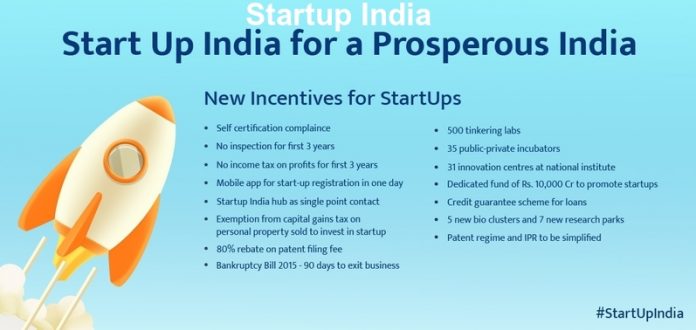





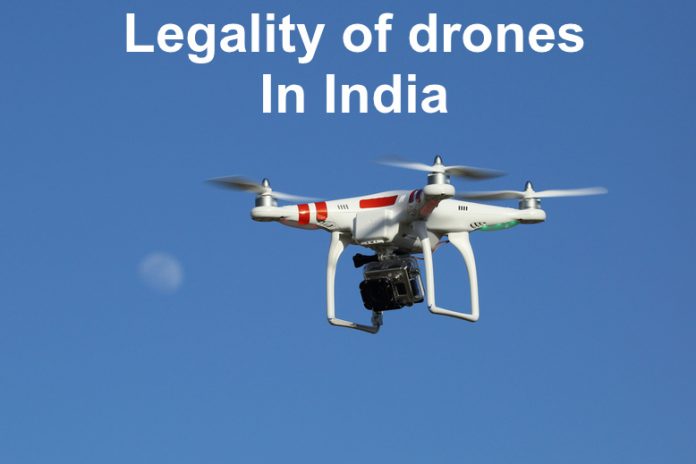
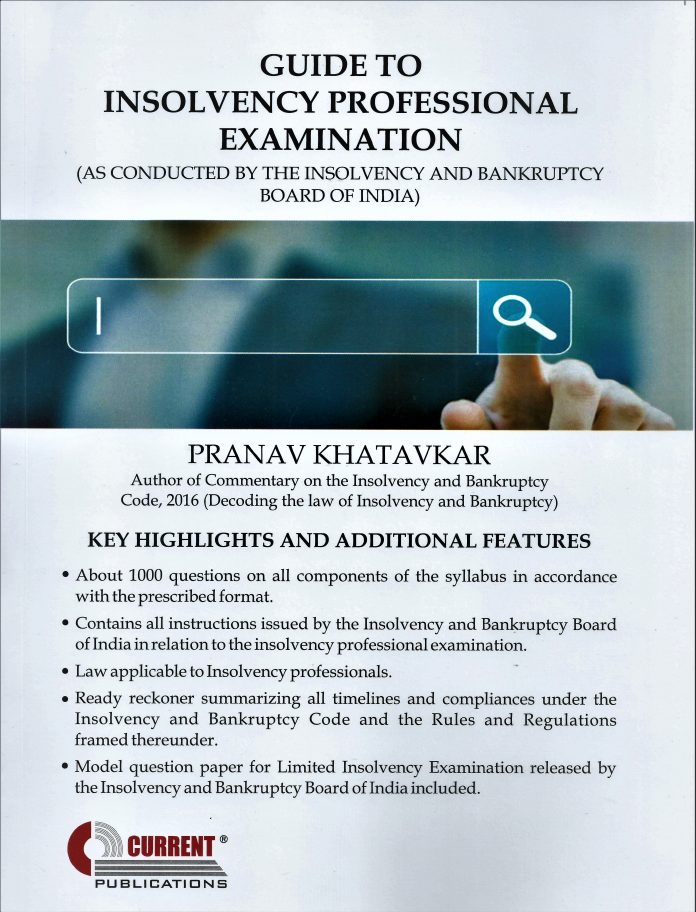








 Allow notifications





