Download Now
Home Blog Page 1730

Implied Conditions as to Fitness and Quality of Goods

0
consumer disputes

In this blogpost, Sakshi Bhatnagar of National Law University Odisha, Cuttack writes about the implied conditions as to fitness and quality of goods in the sale of goods act and explores the rights of the buyer to reject accepted goods. 

AAEAAQAAAAAAAAUaAAAAJGQwYzM3MDFmLTYzOTUtNDdkMS04NjUyLTkzZTQ1MGFiZDc2MQ

A contract of sale of goods is a contract whereby the seller transfers or agrees to transfer the property in goods to the buyer for a price. The Sale of Goods Act came into existence in the year 1930. The Act repealed and replaced Sub-sections 76 to 123 of the Indian Contract Act, 1872. Concurrent list at item six contains the subject matter of transfer of property other than an agricultural land which empowers both the parliament and the state to make laws in its regard. This Act deals in goods which are defined as every kind of movable property other than actionable claims and money; and includes stock and shares, growing crops, grass, and things attached to or forming part of the land which is agreed to be severed before sale or under the contract of sale. In the act, a buyer is defined as a person who buys or agrees to buy goods and seller is defined as a person who sells or agrees to sell goods.

Section 16 of the Sale of Goods Act, 1940 deals with implied conditions as to the fitness or quality of the good sold to a buyer by a seller. Section 16 of the Sale of Goods Act, 1930 is analogous to Section 14 of the English Sale of Goods Act, 1979, now Section 14 of the Sale and Supply of Goods Act, 1994. It is an exception to the rule of Caveat Emptordownload

The legal maxim Caveat Emptor or “let the buyer beware” means that the buyer relies on his skill and judgment when he purchases. It does not mean that the buyer should ‘take a chance’, but it means he should ‘take care.’ This Maxim leads to the presumption that a buyer relies on his quality of skill and judgment when he purchases a good as he has the opportunity to examine the good before purchasing it and the seller would not be responsible for any default in the bought good. But this rule is not absolute and is limited to some exceptions. The most important exception to the rule of Caveat Emptor is the implied condition of fitness for a particular purpose and the merchantableness of the product. When a man sells an article, he thereby warrants that it is merchantable, i.e., it is fit for some purpose, and if he sells it for some particular purpose, he thereby warrants it for that purpose. The other exceptions of Caveat Emptor are discussed below under the Section 16 of The Sale of Goods Act, 1930.


Implied Conditions as to Quality or Fitness

Subject to the provisions of this Act and of any other law for the time being in force, there is no implied warranty or condition as to the quality or fitness for any particular purpose of goods supplied under a contract of sale, except as follows:

(1) Where the buyer, expressly or by implication, makes known to the seller the particular purpose for which the goods are required, so as to show that the buyer relies on the seller’s skill or judgement, and the goods are of a description which it is in the course of the seller’s business to supply (whether he is the manufacturer or producer or not), there is an implied condition that the goods shall be reasonably fit for such purpose. Provided that, in the case of a contract for the sale of a specified article under its patent or another trade name, there are no implied conditions to its fitness for any particular purpose.

(2) Where goods are bought by description from a seller who deals in goods of that description (whether he is the manufacturer or producer or not), there is an implied condition that the goods shall be of merchantable quality. Provided that, if the buyer has examined the goods, there shall be no implied conditions as regards defects which such examination ought to have revealed.

(3) An implied warranty or condition as to quality or fitness for a particular purpose may be annexed by the usage of trade.

(4) An express warranty or conditions do not negative a warranty or condition implied by this Act unless inconsistent in addition to that.

In General, the Section 16 of the Sale of Goods Act, 1930 wants to say that the seller does not provide any implied condition or warranty for the quality or fitness of goods, be it for any particular or ordinary purpose but there are certain exceptions which impose implicit conditions on a seller for any default in the goods that are being sold by him. These exceptions have been described under the Sub-sections of Section 16 of The Sale of Goods Act, 1930.


Merchantable Quality

ExchangeReturnv1-2yod84xiry63qufl8r2ebkThere is no particular definition so as to define the term merchantable. It can be defined as that the article of such quality and in such condition that a reasonable man, acting reasonably, would after a full examination accepts it under the circumstances of the case in the performance of his offer to buy that article, whether he buys for his use or to sell again. This, however, does not give any liberty to the buyer to treat every good as merchantable rather it would be deemed so if they are not reasonably capable of being used by any person for a particular or more purposes.This section can be applied to the second-hand goods, but the same standard which is applied to new goods would not apply to the second-hand goods.Specific goods shall be defined as the goods sold by ‘description’ and if they are specified, then, in that case, the sub-section would apply.


The Right of Buyer to Reject Accepted Goods

What happens when goods are brought for a specific purpose, but it turns out that it doesn’t serve that purpose?

In Eternit Everest Ltd v C v Abraham[1], the plaintiff owned a cinema theater and for the roofing of the theater, he purchased asbestos sheets and accessories manufactured by the defendant. During the time of the monsoon, it was found that the water was seeping through the sheets. On complaining to the defendant, he asked the plaintiff to add more ventilators. Accordingly, the plaintiff complied with his advice. But still, the leakage did not stop. It was found later that the leakage was due to the manufacturing defect of the sheets.

The issue that was formed in the case was that if a seller is made to know the particular purpose for which the goods are bought, would he be liable for the damages if the product does not serve that purpose.

It was held that implied condition of fitness for a particular purpose and merchantability of the product are the two important exceptions to the rule of Caveat Emptor. For attracting the defense of Section 13(1), a person has to prove that he had brought it to the notice of the seller about the particular purpose of buying the product. 34

 What happens when the goods don’t fit the particular description?

In Re Andrew, Yule and Co.[2], it was evident from the fact that the plaintiff had bought the semi-corrugated asbestos sheets for covering the roofs and that the function of it is to protect the building from sun and rain. Thus, here lies an implied condition as to the particular purpose of buying the sheets and since these sheets did not fulfill the particular purpose of stopping the water from seeping in, thus the defendants were held liable to pay the plaintiffs for the damages.

Facts: Jute bags were sold from Jute Manufacturing Co. to Andrew Yule and co. They sold the goods further to sub-buyers who rejected a portion of the goods nearly 100 out of the 150 bales. This was because due to the bad smell in those bags which was because of the batching process which these bags underwent. This smell made them unfit to be used for packaging of food stuff. Since the sub-buyers returned the goods to the Andrew Co., they filed a suit against the manufacturers for selling goods that were unfit for the purpose for which they had bought the goods.

The issues formed in the case were:

  • Whether buyers have a right to the rejection of the accepted goods if it does not fit the description.
  • Whether in contract there is an implied condition of fitness for particular purpose

It was held that smell was a part of the description of the goods as it is of quality. Where odorless paraffin oil was to be sold, goods that carried a particular kind of peculiar smell would not meet up to the level of description. But in this case, the buyer had not conveyed the particular purpose for which the goods were supposed to be used. Hence, the implied condition of fitness related to the goods would not be applied in this case, i.e., for the purpose of packing foodstuffs.

This case brought three circumstances in which the buyer might lose his right to rejection. They are:

  • If the buyer is involved in the sub-sale for which the sold good is to be used.
  • If the buyer delays in giving notice of the rejection of the good.
  • If he retains the goods partly and asks for the rejection of the other part of the goods. Thus, if the buyer without satisfying himself with the product send it forward with sub-buyer then, it would be presumed that he has accepted the goods, and he would lose his right to reject.


Conclusion

Section 16 which deals with the exceptions to the rule of Caveat Emptor has made a liability on the seller to sell a qualitative and merchantable product. Earlier, with the mentioned rule, many times an innocent buyer was caught in the clever tricks of the seller by which he was cheated and he had no remedy for damages he suffered. Though the Section 16 does not provide absolute liberty to the buyer but it under certain conditions gives the buyer right to seek the help of the court in claiming damages from the seller.

Section 16 includes exceptions with conditions. Exception one would only apply the buyer has to convey to the seller the particular purpose of buying the goods and he would have to let him know that he relies on the skill and judgment of the seller in buying the product. Exception two tells that the goods sold must be of merchantable quality, and the seller would be responsible for all the defects, latent or discoverable, if the buyer had not had any opportunity to examine the good, whereas if the buyer had examined the goods, then the seller would only be responsible for the latent defects in the goods. Thus, Section 16 has restricted the seller in selling a fit and merchantable product according to the necessities of the buyer and on the other hand has also made the buyer trust the seller in relying on the seller’s judgment rather than his own he would now, have a remedy for any default on the part of the seller.


[divider]

Footnotes

[1]AIR [2003] Ker 273.

[2] AIR 1932 Cal 879

Download Now

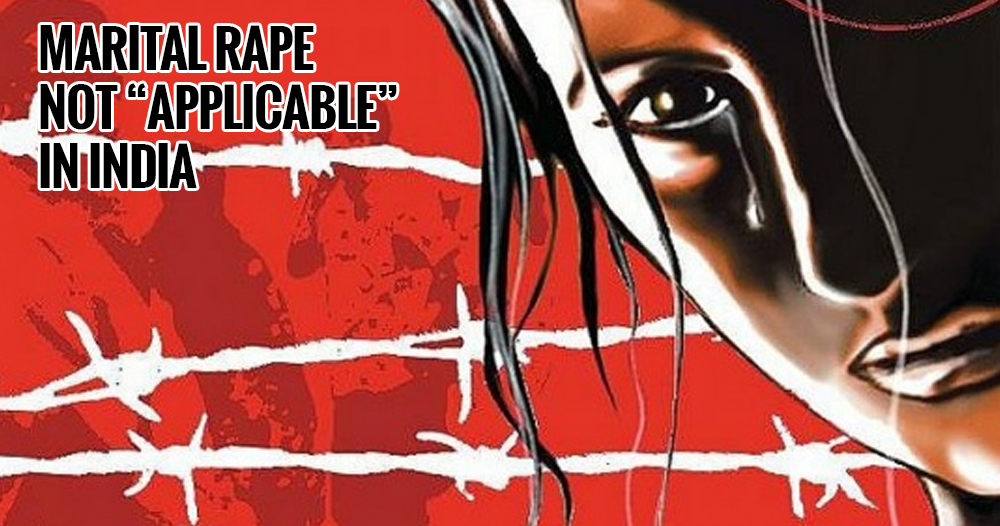
Marital Rape – Still Not A Crime In India

0

 In this blog post, Pramit Bhattacharya, a student of Damodaram Sanjivayya National Law University, writes about the concept of Marital Rape. The post looks into the types of Marital Rapes which have been recognized by Legal Scholars and Jurists. The post also looks tries to analyze the position of Marital Rape in India.

1451539_599879256736892_1144192258_n


A civilized society stands on two pillars, men and women. In civilized societies, men and women should have equal opportunities of growth and development. But it can be seen that historically, women have been subjected to humiliation and disgrace by certain societies. Rape is the prime example of atrocities committed against women. It is one of the most gruesome crimes which can be committed against a woman. Coming to the topic of marital rape, though it is not criminalized in India, is a very conflicting and debatable issue. Women have been seen as an object of desire for a long time and have been the victim of crimes like sodomy, sexual harassment, rape, female infanticide and foeticide.

In the words of Susan Brown Miller “The ancient patriarchs who came together to write their early covenants had used the rape of a woman to forge their male power- how then could they see rape as a crime of man against a woman? Women have wholly owned subsidiaries and not independent beings.”[1]

India is the seventh largest country in the world with a population of over 125 crore. It is the largest democracy in the world. It is a conundrum of various languages, cultures, religions, and beliefs. But in spite of such a rich heritage, we as a nation should be ashamed that the crime rate is increasing at an alarming rate. Going by the stats till now, the Crime Index of India is at 46.59 (as of 2016, April)[2] and as per the Report of NCRB, crime rate against Women as of year ending 2014 is 56.3.[3] It is very rightly said that the worth of a nation is judged by the value it gives to its women folks. Although a lot of people are advocating vigorously for women’s rights, they have yet not achieved the position they deserve to be in.

In India, marriage is just not a union between a man and a woman; it is an institution, a sacrament. It is a socially accepted norm which creates a union between a man and a woman and also gives rise to some obligations between them. According to the Hindu Scripts, a man cannot perform any of his duties without his wife being on his side. They are not only important but are equal to men. But as compared to the older times, the position of women seems to be going downhill. In India, the idea that marriage is a sacrament is far from reality. Under the hidden veil of blissful wedded life are crimes like marital rape, domestic violence, dowry deaths, etc. Marital rape is not regarded as a crime in India, and hence, carries no punishment.


Meaning of marital rape

rape-rule-photo

Marital rape can be defined as the act of sexual intercourse between a husband and a wife when they are legally wedded, but the wife does not give consent for such intercourse.

The act of marriage gives a man and a woman to legally consummate their marriage. Consummation of the marriage is considered as a requirement after the marriage has taken place. In this relationship, a man, and a woman is socially permitted to have a sexual relationship and have progeny.[4] But being a part of the marriage does not give a man the right to have sexual intercourse with his wife forcefully. The right to have sexual intercourse is not an obligation on the part of the wife, and it should be consensual. She has the liberty to refuse to have sexual intercourse with her husband and can’t be forced. Marital rape is also known as Spousal Rape and is committed by one of the spouses against the other.[5]One important point which should be noted here is that there lies a difference between rape and marital rape and the terms cannot be used interchangeably. Section 375 of the Indian Penal Code, 1860 defines rape as sexual intercourse with a woman will be considered rape if the intercourse is without her consent. If the consent is derived by threatening or coercing her, it’ll be considered rape. If the consent is obtained through any deception, then also it’ll be considered as rape. If a woman is unable to give consent or does not have the capability to give a consent, for instance, the woman is of unsound mind or is a minor, then too the act will be considered as a rape [if a girl is below the age of sixteen years, and even if she gives consent, the act of having a sexual intercourse with her will amount to rape].

But a deeper reading of Section 375 bring into light a very archaic and primitive thinking which sates that if a man has a sexual intercourse with his wife, and she is not below the age of fifteen years, then even if there is no consent on the part of the wife, it will not be considered as rape.[6] From this, it is clearly evident that the choice of husband is given more preference as regards to the rights of his wife, than her choice.[7] The IPC simply oversees an act like marital rape by not even acknowledging it and having a provision for it. In one of the cases, the Court stated that the defense council was right in taking the defense the IPC does not recognize the concept of marital rape, and if the complainant were the wedded wife of the accused, the sexual intercourse would not constitute rape, even if it was by force.[8]

Types of marital rape

MODEL  RELEASED.    Domestic violence.  Silhouette of a woman protecting herself from a blow from her partner by holding her arms in front of her face.

There are three kinds[9] of marital rape which have been identified and recognized by legal jurists and experts.

  1. Force-Only Rape – in what is known as force-only rape, the husband uses only that amount of force that is required to subdue their wife. The assault takes place typically after the woman has refused to any sexual intercourse.
  2. Battering Rape – in cases of battering rapes, women face both sexual and physical violence in their relationship. Some are battered and beaten during the sexual intercourse, or in some cases, the sexual violence may follow the physical assault. In many cases, the husband first tries through violent method to subdue his wife and then coerce her to have a sexual intercourse willfully.
  3. Obsessive Rape – many women also experience sexual violence which is sadistic and obsessive in nature. These assaults often involve perverse sexual acts.


Position in India

As already discussed above, marital rape means having sexual intercourse with your spouse without her consent. In India, marital rape exists in fact, but not according to law. Observation of the recent trends will reveal that domestic violence is turning out to be one of the most committed crimes against women.[10] Sexual violence, including marital rape, falls within the wide sphere of domestic violence, but due to its debatable nature (and not being criminalized yet), the exact numbers can only be guessed.[11] Sexual violence has become a very sensitive issue in India. After the “Nirbhaya Rape Case”, the government of India introduced stringent and stricter laws to ensure the safety of women, but still, marital rape wasn’t given a status of a crime. Even when Section 375 is in question as regards to the exception that if a husband has sexual intercourse with his wife without her consent, who is not below the age of 15, it wouldn’t be considered as rape, the point to ponder here is why the right to give consent is curtailed after the girl achieves the age of 15. Being in a marriage does not give a man the authority to fulfill his sexual needs.

Also, the exception provided under Sec 375 of the IPC can be said to be contrary to the Hindu Marriage Act, 1955, section 5 (c) (iii) of which states that the rightful age for a female to marry is at the age of eighteen years or above. This type of contradictions in the law leads to loopholes being exploited by the dominant party. The delay in acknowledging marital rape is clearly a fault on the part of the Legislature.


Why marital rape is still not recognized as a crime?

When discussing the issue of marital rape, the obvious question which pops up is why marital rape isn’t yet being recognized as a crime. Apparently, the United Nations has recommended India to make marital rape a punishable offense.[12]

Criminalization of marital rape was also suggested by the Verma Committee,[13] after the brutal case of Nirbhaya’s rape, which shook the Capital city of Delhi and also the entire nation. The Committee suggested that the IPC should be amended so that it differentiates between rape inside marriage and rape outside marriage. The Committee was vocal about the fact that the exception provided in the IPC relating to marital rape should be removed. Marriage can’t be considered as unqualified consent to sexual acts. When talking about consent, the relationship between the parties should become an irrelevant factor.[14] This Report was rejected by the Government by giving the argument that the institution of marriage would be destroyed if marital rape was brought under the law and the entire family system will go through a lot of stress. So, when the new sexual assault bill was passed in the year 2013, it did not bring marital rape under the ambit of law.[15]

But the question here which should be asked is whether a marriage, which supports violence, be given sacramental value or not?

The argument that the Indian Society is too traditional to criminalize marital rape is a very weak and unreasonable argument. On one hand, we talk about gender justice and equality, while on the other hand, even the basic rights are not being given.

The most ironic part here is that since marital rape is not considered as a crime, a woman cannot seek divorce from her husband on the grounds of marital rape.


Concluding Remarks

maritalrape1

Despite the fact that marital rape hasn’t received the legal attention which is due to it, it remains one of the most heinous crimes which can be committed against a woman. The law is rife with contradictions. Having sexual intercourse with a girl below 16 years of age, even if she gives consent is rape, but if a girl above 15 years of age is married and does not consent, then also it isn’t considered as rape. The idea that a woman is being raped by her husband and cannot seek shelter anywhere else is very upsetting and mind-boggling. Marital rape destroys marriage as an institution. Many jurisdictions have broken the chains of traditionalism and have criminalized marital rape, and it is high time that India follows suit.

In India, a wife who is getting raped by her husband is expected to learn and live with the fact. The time is right to give marital rape the status of rape which is recognized under Sec 375 of the IPC, and marital rape shouldn’t be allowed to stay as a “rape which is legally permissible” by negating the element of consent.

Footnotes:

[1]Susan Brown-miller, Against Our Will: Men, Women and Rape (Penguin, 1975)

[2]http://www.numbeo.com/crime/rankings_by_country.jsp

[3]http://ncrb.nic.in/StatPublications/CII/CII2014/chapters/Chapter%205.pdf

[4]Meaning of Indian marriage, available at http://vapsoft.org/meaning-of-indian-marriage/

[5]Marital Rape, available athttp://rapeinfo.wordpress.com/2008/05/25/marital-rape/

[6]Sexual intercourse by a man with his wife, the wife not being under fifteen years of age, is not rape.; https://indiankanoon.org/doc/623254/

[7]DipaDube, License to Rape: The Indian Viewpoint, Indian Institute of Technology – Rajiv Gandhi School of Intellectual Property Law, February 14, 2006

[8]The Life and Times of an Indian Homemakeravailable at: https://indianhomemaker.wordpress.com/2012/12/04/why-is-forcible-sex-or-lack-of-consent-not-rape/

[9]Gosselin, D.K., Heavy Hands — An Introduction to the Crimes of Domestic Violence (1st Edn., Prentice-Hall Inc., New Jersey, 2000).

[10] Supra 3, Table 5(A)

[11]Behind closed doors: Marital rape in India, available at:http://www.livemint.com/Politics/b6HcnmMqYadNzWAP05FbEO/Behind-closed-doors-Marital-rape-in-India.html

[12]http://www.lawctopus.com/academike/marital-rape-a-crime-undefined/#_edn20

[13]Ashish Mukherjee, Rape law ordinance, ndtv.com, Updated: February 02, 2013 13:48 IST

[14]The government of India,Report: Justice Verma Committee, (Ministry of Home Affairs, 2013).

[15] Modi Government’s Reasons Why Marital Rape Is Not a Crime, available at http://blogs.wsj.com/indiarealtime/2015/04/30/modi-governments-reasons-why-marital-rape-is-not-a-crime/


Download Now

Impact Of E-Commerce On SMEs

0

In this blog post, Pramit Bhattacharya, a student of Damodaram Sanjivayya National Law University, writes about the impact of e-commerce on SMEs and how the relationship between e-commerce and SMEs has aided in the growth of India’s economy.

1451539_599879256736892_1144192258_n


With the emergence of a global economy, e-commerce is becoming a strong catalyst to expand business activities and build an active customer base. It is not very surprising to see the revolutionary way in which e-commerce has helped the business industry. The integration of information and communication has totally changed the relationship between the organizations, the consumers and those who act as mediators between the organizations and the consumers. The use of information technology has not only enabled greater consumer participation but has also helped in mass communication along with reduced costs.

But before going into the details of the impact that e-commerce has on SMEs, let us analyze the opportunities, challenges, barriers and drivers of e-business.

Opportunities Challenges
Saving of Costs Lack of awareness among SMEs
Better information about the needs of the customers and the market overall Economic return of e-commerce
Multiple Channel approach and increased turnovers due to online buying and selling High concentration of retailers leading to very high levels of competition


Enablers Barriers
Changing lifestyle of people with more inclination towards technology. Security and trust issues.
New and unique private labels for the business. Lack of interest among many retailers to carry on their business on an online platform.
Improving technology which increases the efficiency of the supply chain. Lack of information technology skills among retailers.


Growth of E-Commerce in India

atelier-pme-ont-un-de-jouer-e-commerce_1

In the year 2014, the number of internet users in India stood at around 280 million and it was speculated that the number would rise to almost around 640 million by the year 2019.[1] An increase of almost 70 million Internet users in a year is a big big thing. The rise of mobile internet users is also expected to touch some astonishing numbers at 457 million by the year 2019.[2] Compare this with the projected growth of e-commerce in India by the year 2020, it is expected to touch USD 80 billion.[3] The analogy seems pretty clear. We are turning into an internet loving nation!


Role of SMEs in growth of Indian Economy


SMEs contribute immensely to the economy of the country. They can be termed as the backbone of the economy. Their contribution to the service sector is also significant. The number of SMEs in India right now comprises of around 6,000 micro-clusters and 1,157 industrial clusters.[4] Their contribution towards the GDP stands at 17 % and their contribution towards Industrial output and Exports stands at 45% and 40% respectively.[5] Considering these stats, the importance of SMEs in the growth of the economy cannot be denied in any manner. There are close to 48 million SMEs in India if the total of two above-mentioned clusters is considered and these SMEs around 40% of the country’s workforce.[6]

This growth can be further stimulated by exploiting the growing internet penetration in India. The SME sector has also started embracing the technology available to them and is now eager to tap into their potential as internet sellers where they can reach more of shoppers and consumers across the country.


The obvious advantage

Information Technology has come out as a game-changer in almost every walk of all. Book your tickets, pay your bills, transfer your money, entertain yourself, it is all there. So, it will not be wrong to say that the use of internet has acted as a game changer even for business activities across the globe. In India, SMEs have been operating in a traditional manner and have been dependent on domestic trading activities for a long time. But with the growing rate of internet penetration, SMEs in India are also gradually modifying their activities to grab opportunities to trade globally through e-commerce. It is very fascinating to note that around 43% SMEs are now involved in online transactions. These SMEs have an enhanced customer base, better employment opportunities and increased profits. And the trend is on a rise, wherein according to survey almost 565 SMEs believe that use of e-commerce will boost their business growth.[7] It was also observed that the SMEs who used the internet extensively had a growth rate of around 19 % as compared to those who did not put the use of Information Technology in an extensive manner. The growth rate of such SMEs was recorded at around 13%.[8] Those SMEs who used the internet extensively for their business purposes also recorded export values which were approximately twice of those SMEs which did not use much of internet for their business activities.[9]

The traditional SMEs have not experimented much and have stuck to their core activities while those who have entered the domain of e-commerce has not only seen a growth in their business but also a growth in their status quo. It has also been ascertained that around 98 % of the SMEs who use Information Technology and e-commerce contribute to the total exports of the country while only 11% of the traditional SMEs are contributing towards the total export values.[10] This gap between the tech using SMEs and traditional SMEs can be explained by the fact that e-commerce goes beyond the geographical boundaries and provides a level playing field. E-commerce increases the trade visibility of the seller among the buyers who are located in far flung geographical regions.


Potential Benefits to SMEs

25-Measures-to-help-Small-and-Medium-Enterprises

  1. Increase in revenues

One major disadvantage of being offline is that you are cut off geographically, and more often than not, incremental efforts are made to expand the customer base. This takes a long period. On the other hand, e-commerce helps SMEs carry on their business activities transcending geographical barriers, thereby increasing the customer base, sales, and revenue. It has been perceived that due to the increased speed to market and a global customer base, an SME can boost its revenues by 51 %. Another benefit of e-commerce is that there is a prompt feedback channel through which any complaint or mistake can be made good immediately. The referral system on the internet also helps the business to tap into more potential customers.[11]


  1. Low Marketing and Distribution Cost

There is a very sharp rise in competition these days. Businesses try to draw in as many customers as possible to beat their rivals. To do this, they spend heavily on traditional and digital media. By adopting e-commerce methods, the SMEs can reduce their marketing costs drastically by cutting down on expenses of trade shows, enormous offline advertisements and call centers, thereby optimizing their spending. These savings can reduce their expenditures up to 60-80 %.[12] Moreover, adoption of e-commerce methods reduces the traditional marketing cost and the cost of opening a store in multiple places also.

  1. Increase in Profit Margin

SMEs can take advantage of a third-party trading platform with a very little or no investment by implementing e-commerce methods. They can host and develop their online storefront and also manage logistics, packaging and, warehousing. The reduction in overhead costs of these activities can potentially increase the profits of SMEs by 49%. When costs are reduced, the same resources can be used to develop a better and more competitive pricing strategy which will have a constructive impact on the profit margins. Adoption of e-commerce also cuts out the middle-man between the SMEs and the consumers, thereby cutting down cost further and increasing profits.


  1. Better Accessibility and Geographical Reach

The internet is not restricted by any geographical limitations. The seller can connect to several buyers across different geographical areas. In the virtual marketplace, geographical boundaries disappear and business can go on 24×7 without any time zone restrictions.


  1. Faster Approach to Market

A key factor in increasing business is to come up with the product in the market before your competitor does. Time is the essence where the window of demand for any specific product is very short. E-commerce provides the ability to SMEs to approach the market faster by avoiding possible chaos in the supply chain. The redundant processes can be eliminated, and the process of communication can be streamlined to reach the customer as quickly as possible.

  1. Better Experience for the Customers

In today’s competitive business world, the principle ” the customer is the king”, holds the center stage. E-commerce helps the SMEs to provide a better experience to the customers. Optimized after-sale services, quick responses to the inquiries of the consumer, and an interactive and informative process of transactions creates a strong and loyal customer base which help the SMEs in the long run as these loyal customers themselves act as strong brand advocates.


Why the usefulness and significance of e-commerce shouldn’t be ignored?

ecommerce-600x400

  1. Not having a virtual presence, or for that matter even having a poorly and haphazardly designed website can hamper the growth of the business. Especially in business sectors that are more customer-centric like export, tourism, and retail, not having an online platform to showcase and exhibit your products can be disadvantageous for the business.
  2. When the world is turning more and more towards technology, ignoring it can be harmful. Opting for ways which are not fit according to the ways of the ever changing society can cripple the business and without the competitive edge, survival may become difficult.
  3. Presently, many SMEs lack an organized central database to keep track of customers and database. This causes some difficulties in carrying out marketing and communication activities efficiently. E-commerce presents the solution for this problem.

A more opportune moment cannot be imagined for the SME sector. The future is full of exciting prospects for them, and a lot of opportunities are up for grabs by the virtue of an e-commerce boom in India. What remains to be seen is how much SMEs act in a street smart way and use the opportunity that is presented to them in the form of a catalyst to expand their business.

Footnotes:

[1] #shootingforthestars, FCCI-KPMG in India report on Media and Entertainment, 2015

[2] Ibid.

[3] ‘India Internet-Unlocking the potential of billion digital users,’ Goldman Sachs, 04 May 2015

[4] India SMB Market: Monitoring Emerging Markets, Nasscom, Frost, and Sullivan, 2014

[5]http://articles.economictimes.indiatimes.com/2013-06-09/news/39834857_1_smes-workforce-small-and-medium-enterprises

[6] The Indian SME Survey, Firstbiz-Greyhound, 2014-15

[7] The Status of e-commerce Among Indian MSMEs, SMEStreet Survey, 2015

[8] The Internet Economy in G-20, BCG Analysis

[9] The great transformer: The impact of the Internet on economic growth and prosperity, McKinsey Global Institute

[10] The Internet Economy in the G-20: The $4.2 Trillion Growth Opportunity, BCG Analysis

[11]The Status of e-commerce Among Indian MSMEs, SMEStreet Survey, 2015

[12] Industry Discussion conducted by KPMG in India, 2015


Download Now

The Legal Framework Of Inter-Country Adoption

0

In this blog post, Pramit Bhattacharya, a student of Damodaram Sanjivayya National Law University, writes about the legal framework of inter-country adoption in terms of international law. The post also explores the concept of transnational adoption from the Indian perspective.

1451539_599879256736892_1144192258_n


Inter-country adoption, also known as transnational adoption is a mode of adoption in which an individual or a couple becomes the legal parent(s) of a child who belongs to a different nation. The couples who are looking to adopt a child belong to some other nation and they have to fulfill the legal conditions of both the countries, i.e. the country in which the potential adopters reside and the country to which the child belongs. Some countries have a proper system in place to go ahead with inter-country adoption while some nations forbid it.


Origin of Transnational/ Inter-Country Adoption

choose-a-country

In the judicial pronouncement of Lakshmi Kant Pandey v. UOI,[1] the Apex Court stated that every child has a right to love and be loved. Only if a child is brought up in a family will he grow in an atmosphere of love, and secure moral and material security. But if it is not possible for the biological parents or anyone about look after the child, or if the child is abandoned by his/her family, then adoption of the child will be best for the security of the child.

The practice of inter-country adoption gained momentum around the mid-1940s to protect those children who became orphans in the World War II. It was in response to the plight of these children that the practice started.

At present, the receiving countries are the countries of Western Europe, Canada, and the United States. Factors such as higher rate of infertility and the increasing cost of infertility treatment provide an alternative to couples. The point to be noted here is that usually in the country of origin (or the giving country), an increase in population, extreme poverty, and poor economic system lead to the abandonment of children.[2]


The Legislative Framework – International Aspect

On the international front, the Convention on the Rights of the Child (CRC) deals with the matters of inter-country adoption. It is also regulated by the Hague Convention on the Protection of Children and Cooperation in Respect of Inter-Country Adoption, 1993 (the HC) and it has been ratified by about 90 countries.

Article 21 of the CRC puts an obligation on the adopting parents to ensure that the child who is being adopted enjoys the same level of standards and projection to those who are existence in the case of national adoption.[3] The CRC recognizes the importance of real parents and family in the life of a child and emphasizes on the fact that the State should assist them in safeguarding the rights of the child in case they are having any difficulty. Only when, despite such efforts, the child is suffering, that the concept of alternative care of the child comes into the picture.[4] Also, the way of transnational adoption should be opted only when the State is unable to ensure that the child cannot be cared for in a proper manner in the country of origin.

The Committee on the Rights of the Child, which ensures compliance with CRC has expressed their concern over violation of transnational adoption standards in many countries, and suggest that the Hague Convention should be ratified by these countries.

Baby's feet on mothers hands. Horizontal Shot.

Hague Convention on the Protection of Children and Cooperation in Respect of Inter-Country Adoption, 1993

The Hague Convention lays down two principles, both towards the protection of the children who are the subject of international adoption- [5]

  • Establishing of safeguards to ensure that transnational adoption is in the best interest of the child.
  • To establish a system of cooperation between the contacting states to ensure that the safeguards are respected.

According to the Hague Convention, the system of cooperation is to be regulated by the Central Authority, who deals with the matter of adoption and serves as a principal agency for inter-country adoption issues with other countries. The Hague Convention also follows the subsidiary principle which states that transnational adoption can be adopted only when the safety of the child in the State of origin cannot be ensured, but first of all placement of the Child within the country of origin must be given the primary consideration.[6] Other guidelines which the Hague Convention sets out is to look into the fitness of the applicants/ adoptive parents, a restriction on private adoption, prohibition of contact between the adoptive parents and the real parents before the child has been pronounced adoptable by the Central Authority, and ratification of the Hague Convention by all the countries.

The Convention also ask the Central Authority to ensure that the child is mature enough and of proper age to be adopted, the child has been informed about the adoption and consequences of such adoption, the consent of the child has been taken (giving proper weight to the opinion and wishes of the child), and it has not been taken through inducement by compensation or payment of any kind.[7] The information of the child’s origin, his or her medical history, and information about the real parents of the child should be preserved, but access to such data should be restricted.[8] The monitoring of the Hague Convention is the responsibility of the Special Commission, which comprises all the signatories.[9]

Apart from the CRC and the HC, there are several other international instruments which protect the rights of the child in cases of international adoption. Some of these are European Convention on Adoption of Children, 1967, Inter-American Convention on Conflict of Laws Concerning the Adoption of Minors, 1984, and the European Convention on the Exercise of Children’s Rights (ECECR).


Adoption from Non-Hague Convention Countries

Despite the HC being in place, a majority of the countries are not a signatory to it and thus many transnational adoptions take place outside the Convention. The procedure in the countries which are not a party to the conditions is less strict. Considering this fact, the non-signatories attract more people who want to go for inter-country adoption. For instance, ICAs from Ethiopia has grown considerably in the recent times, allowing around 4500 adoptions to the US in 2009-10.[10]


Adoption Laws in India

India is signatory to both, the CRC and the Hague Convention. The primary law which relates to the issue of adoption under the Hindu System is the Hindu Adoption and Maintenance Act, 1956 (HAMA).

The Juvenile Justice (Care and Protection of Children) Act, 2000 and all the Amending Acts (2006, 2010, and the latest being in 2015[11]) guarantee those rights to an adopted child which are recognized under the Hague Convention. The 2000 Act did not, however, define adoption, and the term was added in the 2006 Amendment. This was a major development as up till adoption by a non-Hindu was guided by the Guardians and the Wards Act, 1890.


Concept of Inter-Country Adoption in India

In the case of In Re Rasiklal Chhaganlal Mehta,[12] the issue of transnational adoption was first discussed by the court, which held that adoption under Section 9 (4) of the Hindu Adoption and Maintenance Act, 1956, inter-country adoption is legally valid. In the case of Laxmi Kant Pandey v. Union of India,[13] the Apex Court formed some guidelines which were to govern international adoption. Setting up of a Central Regulatory Body was suggested and in pursuance of the suggestion, Central Adoption Resource Agency (CARA) was set up in 1989. The agency plays a pivotal role in laying down both substantive law and procedural law on intra-country and inter-country adoption.

In the judicial pronouncement of Craig Allen Coates v. State through Indian Council for Child Welfare and Welfare Home for Children,[14] it was stated that if the adoptive parents fail to give proper reasons and motive for adopting the child from another country, then the adoption wouldn’t be allowed.

One of the issues which crop up in transnational adoption is finding suitable potential parents for the child. In the case of Karnataka State Council for Child Welfare v. Society of Sisters of Charity St. Gerosa Convent,[15] the Supreme Court was of the view that finding Indian parents for adoption should be preferred so that the child grows up in an Indian surrounding and retain their heritage and culture.


Central Adoption Resource Authority (CARA)

cara-logo

CARA is an autonomous body which has been set up under the Ministry of Women and Child Development and looks after matters of intra-country and inter-country adoption. CARA Guidelines state that any foreign couple who wants to adopt a child from India must be sponsored by a child welfare agency or a social agency which is recognized by the government of the country in which the foreign couple resides.

CARA Guidelines also states that intra-country adoption is preferred first. As per CARA Guidelines, only three type of children is recognized as adoptable.

  • Those children who have been surrendered.
  • Those who are abandoned.
  • Those who are orphans and are under the care of some specialized adoption agency.


Problems Arising in Case of Inter-Country Adoption


STOP-Child-Trafficking

Child Trafficking

In many cases, the child becomes the victim of human trafficking. Children are sold after being taken out of the country by providing false information about the child and forging documents.


Post-Adoption Negligence

In transnational adoption, post-adoption monitoring is extremely tough and hence the child may be prone to negligence by the adoptive parents.

Post-Adoption Identity Problem

In cases of transnational adoption, the adoptive parents have to take the child out of the country as guardians and then complete the adoption procedure of their country too. The situation becomes very bad if the guardian does not turn out to be the adoptive parents of the child.


Concluding Remarks

Transnational adoption is a very good way to start a new life, for both the child and the adoptive parents. But if there is no proper structure to follow up the adoption, the violation of the rights of the child is sure to take place. India also needs better guidelines and laws to deal with intra-country adoption. It is important that the security of the child is not only ensured within the country but also when he goes out of the country after being adopted.

Footnotes:

[1]1984 AIR 469, 1984 SCR (2) 795

[2]D. Howe, P. Sawbridge, and D. Hennings, “Half a Million Women”, New York: Penguin, 1992.

[3]Convention on the Rights of the Child, Article 21(c).

[4]Convention on the Rights of the Child, Article 20.

[5]Hague Convention, Preamble and Article 1.

[6]Hague Convention, Article 4.

[7]Hague Convention, Article 4 (d)

[8]Hague Convention, Article 30

[9]Special Commission on the Practical Operation of the Hague Convention of 29 May 1993.

[10]https://travel.state.gov/content/adoptionsabroad/en/about-us/statistics.html, http://www.lawctopus.com/academike/inter-country-adoption/

[11]http://trackthemissingchild.gov.in/trackchild/readwrite/JJAct_2015.pdf

[12]AIR 1982 Guj. 193

[13] Supra 1

[14]162(2009) DLT 605

[15]ILR 1991 KAR 3543


Download Now

How Does Fiscal Federalism Work In India?

0

In this blog post, Pramit Bhattacharya, a student of Damodaramam Sanjivayya National Law University, writes about the concept of fiscal federalism. The post also highlights the Sales Tax Regime in a concise manner and delves into the question of the division of power of taxation among the Union and the States with regard to Central Sales Tax.

1451539_599879256736892_1144192258_n


India has a Federal form of Government (rather quasi-federal). Therefore, the system of indirect taxation which is followed is also federal in nature. Sales Tax can be considered as one of the most important sources of revenue for the states in India. In India, the Constitution has conferred the states with some power on Sales Tax. Through the Constitutional Amendment in 1956, states were given the authority to impose Sales Tax. The Central Sales Tax Act was enacted in 1956 under the Sixth Constitutional Amendment, which gave the Parliament the power to impose a tax on purchase or sale of goods in the course of inter-state trade and commerce.

The revenue generated from this tax was to go to the States. This was done by amending Article 269 of the Constitution. Therefore, sale within the State is regulated by the state Governments and sale outside the State is governed by the Central Government. Accordingly, the Central Sales Tax is levied on purchase or sale of goods in the course of inter-state trade and commerce. Now the important point, the power to levy this tax is with the State Governments. Also, revenue from this tax is assigned to the States.[1]

Fiscal Federalism in India

Screenshot (5)


Fiscal Federalism refers to the division of responsibilities with regards to public expenditure and taxation between the different levels of the government. Having a Fiscal Federalism mechanism allows the government to optimize their costs on economies of scale, because in this manner, people will get public service which they prefer, and there will be no unnecessary expenditure.[2] From the economic point of view also, having a federalized structure helps as it creates a unified market.

Article 246 of the Constitution lays down the list of subjects on which different levels of government can make laws. There are three lists mentioned under Article 246. The Union can make laws relating to the subject matter given under list I. The Sates has the authority to make laws relating to subjects given under list II, and list III, also known as the Concurrent List, allows both the Union and the States to make laws, relating to subjects provided by the list.

These three lists also include taxation as a subject matter. The Union List (I) includes taxes like Customs and Excise duties, Corporation Tax, taxes on income other that agricultural income, etc. List II includes taxes like taxes on vehicles, taxes on liquors, land revenue, taxes on stamp duties, taxes on entertainment and luxuries, taxes on sale or purchase of goods, etc. (List III, or the Concurrent List does not contain any major tax as such)

The Constitution has provided provisions which enable the Union and the States to work in coordination and to levy and collect these taxes through systematic arrangements, for instance, provisions like-

  • Taxes levied and collected by the Centre but assigned to the States.
  • Taxes levied by the Centre but collected and kept by the States.
  • Sharing of proceeds of income from some taxes.
  • Grant-in-aid provided by the Centre to the States.
  • Grants provided for any public purpose.

Therefore, by dividing the powers of levying and collecting tax between the Centre and the state, the Constitution has allowed the States to share the resources which are accumulated by the Centre. Any amendment of the list through which the States and the Centre derive their power of regulating the taxation system is governed by Article 368 of the Constitution.[3] These amendments require the consent of at least half of the State Legislatures. But if any provision of Part XII[4] of the Constitution is to be amended it can be done by invoking Article 368 (2) [5] which requires the assent of only 50 % members of each House of the Parliament, and therefore, the share which the States are entitled to can be altered by the Parliament.

When administrative convenience and national policy is looked into, they require that some elastic taxes are assigned to the Central Government, but the nature of these considerations is such that these are regulated by the States.


Sales Taxation in India

1

Sales Tax is one of the primary sources of revenue for the States in India. Sales Tax can be defined as a tax on sales of goods, and the liability arises when the goods or the commodity is sold for the first time. If a product is sold subsequently, without being subjected to any process, then it is exempted from Sales Tax.

According to the definition given by John Due, Sales Tax is a levy imposed upon sales or element which is incidental to sales, such as any receipts from them.[6] The burden of the tax is shifted upon the shoulders of the consumers, and the seller is considered only as a collecting agent of the tax.

Sales Tax can be categorized into three classes-

  1. Single Stage Tax- This tax is applied to the commodity only once in the entire channel of production and distribution.
  2. Multiple Stage Tax- This kind of tax apply at all the levels in the production-distribution channel.
  3. Value Added Tax (VAT) – VAT possesses the characteristics of both, Single Level Tax and Multiple Level Tax. This is because, VAT involves multiplication of the tax rate, but the overall distribution is same as a Single Stage Tax.

The Central Sales Tax Act, 1966 governs the levy of Sales Tax in India. The Act applies to the whole of India. The main objectives of this Act are-

  • Formulation of principle for determining when purchase or sale takes place in the course of inter-state commerce, intra-state commerce, and in cases of export and import of goods.
  • Declaration of certain goods as special goods for the purpose of inter-state trade and commerce.
  • To provide a procedure for the levy, collection and distribution of tax on the sale of goods.
  • Specifying conditions and restrictions on state laws which impose a tax on sale or purchase of special goods.

A sales tax within the range of 4% to 15% is levied on all inter-state sales. Services and exports are exempted from sales tax. Sales tax is levied on the seller, but it is recovered from the customer.

Tax Federalism and Central Sales Tax

The Central Sales Tax Act was introduced in the year 1956, and it authorized the Parliament to levy taxes on sale or purchase of foods (other than newspapers) In the course of inter-state commerce.[7] Thus, the Centre had the power to levy taxes in case of inter-state trade and commerce. However the States were granted the authority to levy the CST, and the amount of revenue procured from the levy of CST was also assigned to the States.

Section 15 of the CST Act puts certain restrictions on the power of the states with regards to the levy of a tax on “special goods” or goods which have been declared having special importance in that particular area.[8] Apart from this, since 1975, the Union Government has also entered into a agreement with a few states to abolish levy of sales tax on goods like sugar, tobacco, and textile.[9]

In furtherance of the agreement, an additional Excise Duty is levied by the Union Government of these three commodities instead of Sales Tax.


Division of Taxing Power

img_8209

Under Article 246 of our Constitution, it is mentioned in Part XII there are some taxes which are completely under the purview of the Union Government, but can be divided between the Centre and the States under this Article. The various procedures for framing the Rules under CST can be categorized under three heads-

  1. Rules framed by the State Governments.
  2. Rules framed by the Central Government.
  3. Rules which are given under the State Sales Tax Act of each State.

As stated above, it may be noted that, although the Union levies the Sales Tax, it is administered by the States.

  • Section 13 (1) of the CST authorizes the Central Government to make certain Rules.
  • Section 13 (3) confers the power upon the State Governments to make certain Rules, but these Rules shouldn’t be in contravention to the Rules made by the Central Government, or the CST Act as a whole.
  • Section 9 (2) states that if in any State, there are no General Sales Tax law is in force, then the Central Government has the authority to govern the matters relating to sales tax or any other matter provided under the CST Act.

Originally, inter-state trade and commerce were included under Article 269[10] of the Constitution, and the power to administer the taxation and retain the revenue was delegated to the origin States. The original provision was based on “destination” principle, but the Constitutional amendment under the CST Act displaced this rule, making way for exportation.[11]

Sometimes some goods are not subjected to the CST, but some special excise duty may be levied on them by the Union Government. Also, it is very important to determine whether the sale of goods has taken place within or outside the State because CST is applicable only on inter-state trade or commerce. In the case of intra-state trade and commerce, the State Sales Tax Law applies. Section 9 (1) of the CST Act states that the tax will be levied by the Union but collected and retained by the state in which the movement of the goods or the commodities have begun.


Procedure for Imposition of Sales Tax

Under the CST Act, Section 6 is the charging section, i.e. it puts a liability on the seller to pay sales tax on the sale of all goods (other than the sale of electrical energy) in the course of inter-state sales. Goods and Services which fall under the CST Act have been divided into different categories and sales tax is levied according to the category of the good.

The tax is levied on a single point, but in several states assesses have been divided into different categories like the dealer, manufacturer, agent, etc. and the tax is levied on the basic of the category to which the assessee belongs.  A quarter returns of sales or purchases are insisted upon, and the assessee is required to furnish the return in the prescribed form.

Concluding Remarks

For the successful operation of any form of government, it is very necessary that they have the adequate financial resources. Through tax federalism, the State Governments have been provided with enough resources so that they do not over depend on the Union for financial aids and resources. In the interest of national economy, some restrictions have also been placed on the powers of the State, which becomes necessary for a country like India. Therefore, it can be said that a proper balance has been maintained between autonomy and dependence.

Footnotes:

[1]https://indiankanoon.org/doc/1135479/

[2]Ahluwalia, Montek “Economic Performance of States in Post-Reforms Period”, Economic and Political Weekly, May 6, (2001)

[3]Power of Parliament to amend the Constitution and Procedure thereof

[4]http://lawmin.nic.in/olwing/coi/coi-english/Const.Pock%202Pg.Rom8Fsss(17).Pdf, PART XII; FINANCE, PROPERTY, CONTRACTS, AND SUITS.

[5]https://indiankanoon.org/doc/1389240/

[6]Andy and Sundaram, Public Finance and Public Taxation,153,(New Delhi: RatanPrakashan, 2001)

[7]Item 54 of list II – State List – reads: ‘Tax on sale or purchase of goods other than newspapers except the tax on Inter State sale or purchase.’

[8]Vithal, B.P.R., &Sastry, M.L., Fiscal Federalism in India, 115, (New Delhi, Oxford University Press, 2000).

[9]http://www.lawctopus.com/academike/analysis-fiscal-federalism-india-concept-structure-sales-taxation/#_ednref2

[10]https://indiankanoon.org/doc/1135479/

[11]Bagchi, Amresh, “Tax Harmonization in Federalism- A survey of theory and Practice’, NIPFP Working Paper no.1, February. (1995).


Download Now

What Is The Doctrine Of Clog On Redemption?

0

In this blog post, Pramit Bhattacharya, a student of Damodaram Sanjivayya National Law University, discusses the concept of the doctrine of a clog on redemption. This article analyses the meaning of the doctrine and looks into some conditions where the doctrine may be applied.

1451539_599879256736892_1144192258_n


When a mortgage takes place, the mortgagor has the right to get back his property when he pays back the mortgage amount. This is known as the right of redemption and arises out of equity. Anything which obstructs the right of the mortgagor to redeem his property is void, and such obstruction constitutes a clog on the right to redemption. This is also known as the doctrine of a clog on redemption.

In the case of a mortgage, two categories of interest are generated. The first interest which is created is the interest of the creditor on the property. This interest is limited and temporary. The second category is the residuary interest which can be determined by deducting the interest of the creditor or the mortgagee, and this interest stays with the mortgagor. This division of the interest gives the right of redemption to the mortgagor when the loan is repaid. This right of the mortgagor is known as the equitable right to redeem. The right of redemption to the mortgagor is provided under Section 60[1] of the Transfer of Property Act, 1882. The contract of mortgage comes to an end when the mortgagor repays the amount of the loan and exercises his right to redeem the property. The right provided under the Act is a statutory right and to enforce it statutory provisions has to be followed.


Doctrine of Clog on Redemption

Creative real estate security, home protection and insurance business concept: residential house cottage floating in blue sea water ocean in red umbrella parasol

In the judicial pronouncement of Stanley v Wilde[2] (an English case), it was held by the Court that a mortgage means transferring the interest in an immovable property to a third party as security for the loan that the party has advanced. The security is redeemable by the transferor when he pays back the loan or discharges his obligation. If any act is done, or any provision is there which obstructs the right of redemption on payment of the debt or performance of the obligation, then it acts as a fetter or clog on the equity of redemption and will be held as void. This doctrine also follows the principle of “once a mortgage, always a mortgage.” This means that there cannot be any covenant that modifies the character of the mortgage and would bar the mortgagor to redeem his property on payment of the loan. The doctrine of a clog on redemption is based on the principle of justice, equity, and good conscience. The Court recognizes the fact that the party who forwards the loan is in a dominant position than the person who takes the loan. The law also recognizes the fact that the dominant party may insert a clause in the agreement which can act as a barrier to the right of redemption. Such barrier in exercising the right is struck down by the Courts as invalid so that the mortgagor can exercise his right of redemption. In the case of U. Nilan v. Kannayyan through Lrs,[3] The Court held that hardship of one person should not act as an opportunity for some other person. If a person is taking a loan by giving his property as security, the opposite party cannot exploit him, and the Court seeks to protect the victim.

There are a few situations where it was held by the Court that the condition or covenant acts as a clog on redemption.


Long Term Mortgages

Every long term mortgage agreement cannot be said to be a clog on the right of redemption of the mortgagor. But if a mortgage is for say 100 years, it’ll go beyond the life of the mortgagor and seem like a clog on the right to redemption, at least superficially. The Court also of the same opinion, but has made the stand clear by saying that only by the virtue of a long mortgage period, the mortgage wouldn’t be considered as a clog. There should be a condition which gives an undue advantage to the opposite party for the mortgage to be considered as a clog.[4]

In the judicial pronounce of Vadilal Chhaganlal v. Gokaldas Mansukh,[5] there was a condition in the mortgage deed that the period for the mortgage will be for 99 years, and also the mortgagee will have the authority to construct any structure on the property. A subsequent condition that there would be no limitation on the cost of the construction was imposed. The Court was of the opinion that it would be impossible for the mortgagor to repay the loan amount along with the expenses of the construction, and such a condition amounted to a clog. In the case of RamkhilawanAshwasi v Mullo,[6] There was a condition that the mortgage money will be paid after 80 years and only of Baisakh. The Court opined that such a condition was a clog.


Condition of sale of property

If a condition is stated in the agreement of mortgage that, if the property is not redeemed within a fixed period, it’ll be considered as a sale is a clog. This was held by the Court in the cases of Rocky Flora v. Parvarthy Ammal[7] and Hajee Fatma Bee v. Prohlad Singh.[8] But in the case where there is a separate agreement between the mortgagor and the mortgagee and a sale deed is executed in the favor of the mortgagee independently, then such sale would be valid. In the judicial pronouncement of Meherban Khan v. Mekhna,[9] Property was mortgaged. The conditions of the mortgage were that even on payment of the debt, the mortgagor would be able to redeem the property only till a limited interest. It was further stipulated that in case the mortgagor is unable to pay back the loan, the property will be considered sold to the mortgagee permanently. The Court reached the decision that these conditions acted as a clog. Also, when the amount of the loan has been repaid in full, the mortgagor has the right to get back his property without any impediment. In the judicial pronouncement of Kuddi Lal v. Aisha Begam, the Court allowed the mortgagor to redeem the property by paying through her pocket and not by transferring the property. The Court said that such alienation of the property would act as a clog.


Penalty in case of default

break-your-mortgage

In case the mortgagor has defaulted on any grounds, then the mortgagee can impose a penalty on the mortgagor. But the penalty should be fair and reasonable. In some situations, penalty imposed by the mortgagee can be unreasonable.

  1. In the case of default, the mortgagee charges compound interest, instead of charging simple interest even when the original interest rate is extremely high.[10]
  2. In case there is any default on the part of the mortgagor, the mortgagee charges the interest by taking in consideration the date when the mortgage agreement was made and not from the date of default. For instance, the mortgage agreement was made on 1st of the month. The mortgagor defaults of 10th of the month. The mortgagee, instead of charging interest from the 10th, charges the interest from the 1st of the month itself.[11]

Having only a high rate of interest does not mean that the condition will act as a clog. There should be some undue influence of the dominant party over the weaker party to constitute the stipulated condition as a clog on the right to redemption.


Subsequent agreement to postpone redemption

Any subsequent agreement which acts as an obstruction to the mortgagor by creating any personal obligation will be considered as a clog on the right to redemption. This is because, until and unless there is a charge on the transferred property, the mortgagor is not liable for any sum personally except the mortgage amount. In the judicial pronouncement of Sheo Shankar v. Parma,[12] The mortgagor transferred some property to the mortgagee. Subsequently, the mortgagor needed more money. So through a simple mortgage, the mortgagor took another loan from the mortgagee. A condition was inserted in the simple mortgage agreement by the mortgagee that until and unless the amount of simple mortgage was repaid the property cannot be redeemed by the mortgagor. The Court opined that this condition was a clog.


Collateral benefit to the mortgagee

A mortgagee may avail some collateral benefit during the period of the mortgage, in which case it’ll be held valid. The mortgagee can also avail some benefits after the mortgage gets over, but in some cases, it may be considered as void and a clog.

In the case of Noakes & Co. v. Rice there was a condition in the mortgage deed that the mortgagor will sell all the beer brewed on his land to the mortgagee. The Court held that such a condition was valid during the existence of the mortgage, but after the property has been redeemed, such condition would not be valid. The property should be returned to the mortgagor without any tie.

This proposition of the law is also backed by the Indian Courts. In the case of Bhimrao Nagojirao Patankar v. Sakharam Sabajikathak,[13] The Court held that where a condition in the mortgage deed allowed the mortgagee to remain in the possession of the property through permanent tenancy will be considered as a clog. The Court was of the view that the collateral benefit went beyond the period of redemption and hence invalid.

Footnotes:

[1]https://indiankanoon.org/doc/102524/

[2](1899) 2 Ch 474

[3] AIR 1999 SC 3750.

[4]Valdas and Ors. v. BaiJivi and Ors, AIR 1973 Guj 93

[5]AIR 1953 Bom 408.

[6]AIR 1957 MP 200.

[7]AIR 1957 Ker 175

[8]AIR 1985 MP 1.

[9] AIR 1930 PC 142

[10]Rama Krishnayya v. VenkataSomayajulu, AIR 1934 Mad 31.

[11]SundarKoer v. S Krishnen, ILR 34 Cal 150.

[12] ILR 26 All 559.

[13]Bhimrao Nagojirao Patankar v. Sakharam Sabaji Kantak, AIR 1922 Bom 277.


Download Now

The Ken Betwa Controversy: An Insight

0

In this Blog Post, Sakshi Bhatnagar, a student of National Law University Odisha, Cuttack writes about the controversial Ken Betwa project. The author tries to strike a balance between the benefits and disadvantages surrounding this project. 

AAEAAQAAAAAAAAUaAAAAJGQwYzM3MDFmLTYzOTUtNDdkMS04NjUyLTkzZTQ1MGFiZDc2MQ

About the Ken Betwa Project

Ken Betwa is the name of the first linking area under the major river linking project which is proposed to link 37 Indian rivers with the help of 30 river links. It was introduced by the Former Prime Minister of India, Atal Bihari Vajpayee and has been set into motion by the present Prime Minister, Narendra Modi. It is one of the most contested issues that has been prevalent since the last decade.

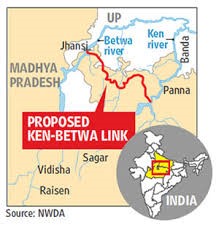
kenThis link project diverges the surplus water of Ken basin to the water deficit area of Betwa basin. The aim of this project is to provide irrigation facilities of the drought prone areas of Madhya Pradesh and Uttar Pradesh. To make the project feasible, detailed investigations and surveys are made on the project. The schedule for the construction of the linking project has been estimated for nine years including the pre-constructing year. The annual benefits accrues from the project are estimated to be around ₹10,000 crore.

The Ken-Betwa Link Project envisages a 73.80 m high Vaughan dam across the Ken, about 2.5 km upstream of existing Ganga Weir on the border of Chhattarpur-Panna districts in Madhya Pradesh. Two powerhouses, one at the foot of the dam and other at the end of a 2-km tunnel, are also proposed to generate power.[1]According to the proposal, the Betwa linkage consists of four projects which are Barari, Richman, Kesari and Neemkheda on the upper area of the Betwa basin.


History

Initial Idea

The plan of interlinking rivers was first initiated by Sir Arthur Cotton whose idea was to link Ganga and Cauvery to facilitate navigation. The National Water Development Agency (NWDA) was formed in the year 1982 to carry out water balance and study the feasibility of linking 30 rivers.

Vajpayee Boost

This idea of inter-linkage was steamed during the Atal Bihari Vajpayee reign, where it was planned to connect 14 Himalayan and 16 peninsular rivers by the construction of 30 canals and 3,000 reservoirs for the irrigation of 87 million hectares of land so as to produce 34 gigawatts of hydro-electricity. In this regard, the Supreme Court formed a task force in 2002, which had the job to furnish detailed project reports till 2006.

Rolling of the Plan

A tripartite memorandum of understanding was signed in 2005 between the Union Minister for Water Resources, Chief Minister of Madhya Pradesh and Uttar Pradesh in this regard which was followed by a detailed report on the Ken-Betwa river link project. The project was opposed by the environmentalists, conservationists and the Ministry of Environment.

Supreme Court on the Project

Supreme Court in its final decision on February 27, 2012, given by a three-judge bench decided to favor the project and gave the Centre a thumbs up to begin the project. Further, the court mandated the formation of a committee to take firm steps and set a definite timeline in laying guidelines for the completion of feasibility reports and ensure the completion of projects so that the benefits are accrued within reasonable time and cost.

Modi Campaign

The project got a major push under the governance of Narendra Modi, and the 9,393 crore project was further allocated ₹100 crore in 2014-15 to accelerate the work. But that has too couldn’t bring the project into action as there has been no headway in the absence of green clearances.


Benefits of this Project

Water_for_All_logo_in_English_ac0064002_192This water-linking project would be an exclusive source to transfer water from the flood sustaining zones to the drought-prone zones to balance the availability of water in all parts of the country. This scheme is immensely valuable to the people.

It would help in replenishing ground water as it would provide surface water for irrigation purposes. Also, it would help mitigating drinking water problems in the dry regions. The cited benefits include irrigation facilities in over 6 lakh hectares of cultivating land, water supply for drinking purposes to 13 lakh people in Bundelkhand and would generate 78 MW of power.


Issues With the Project

The major problem with the Ken-Betwa linkage is that it would result in the submergence of 4,600 acres of the Panna National Park which is one of the few tiger reserves that exist in our country. The project requires diversion of 5,258 hectares of forest land which includes 4,141 hectares of Panna Tiger Reserve, which would destroy the habitat of the Tigers and other species of animals residing in the Reserve.

The environment ministry has concluded that the project would lead to a direct loss of 58.03 sq km of Critical Tiger Habitat due to submergence and indirect loss of 105.23 sq km of Critical Tiger Habitat due to fragmentation and loss of connectivity. Thus, ministry of environment, conservationists, and environmentalists.

The project has also been widely criticized as a similar project, the Tagus-Segura scheme from central Spain to the Southeast part which was executed for transferring water failed in its efforts to resolve the water crisis. Thus, conservationists use this as an example to substantiate their disagreement.

Also, it was quoted that the people of the region did not even understand why inter-linking was needed in the first place because Ken does not have excess water.[2]


Controversy

The controversy that circumscribes this river-linking project is the persistent state of debate between the merits and demerits of this linkage. The Modi Government was keen to start with this project, but the environment clearance was not given, and the National Board of Wildlife raised its objections against this project due to which a Standing Committee of the NBWL was created to provide a detailed study of the impact of the Ken-Betwa river project on the Panna Tiger Reserve.[3]

????????????????????????????????????


In its report, the standing committee gave clearance to the project after becoming convinced with the government’s action plan to compensate 4,141 hectares of the tiger habitat which would face submergence.The environment impact assessment didn’t give it a clear nod as the endangered Sangai- the brow-antlered deer is found at Ken Basin. But with the government’s plan to relocate the Tigers of the reserve, the experts have accepted the project idea. Recently, a report has also been submitted by the wildlife board highlighting the threat to the tiger habitat. But despite this, the expert report gave clearance to the project. Thus, the project has started with its working but with a slow pace.[4]


Author’s View

The interlinking project has the biggest advantage that it would relocate water from flood-prone to drought affected regions so that it would benefit the farmers for irrigation purposes and would also provide drinking water to the people in the drought-affected regions. But the major concern is that what all can be risked for this benefit? The project requires a heavy investment which is worth a fortune and that investment can be directed towards other fields of development if we disregard the investment to this project. Also, it would cause a great environmental damage to the forest area, tiger reserve, and destroy various human establishments and tiger’s natural habitat.

Another notable argument in disregard of this project is the level of corruption and bureaucratic mismanagement in the Indian government which can be seen by our past experiences of numerous scams. Thus, leaving this large investment in few hands may yield us no returns and might turn into another scam, but there are also few chances that this project might be actual work good in benefitting the drought affecting regions if it is worked on properly and efficiently. This clearly is a question which can only be answered after monitoring the progress of this project in the coming future years, till then, it can only be hoped that this slow pace project turns into a great investment.


[divider]

Footnotes:

[1]http://www.thehindu.com/news/national/a-project-that-has-run-dry-in-bundelkhand/article2889651.ece

[2]http://www.thehindu.com/news/national/a-project-that-has-run-dry-in-bundelkhand/article2889651.ece

[3]http://timesofindia.indiatimes.com/city/bhopal/Ken-Betwa-project-Panel-gives-nod-to-governments-Plan-II/articleshow/51935510.cms

[4]http://www.bna.com/indias-audacious-riverlinking-n57982072325/

Download Now

An Introduction to International Environmental Law: Bali and Copenhagen on the Map

0
An Introduction to International Environmental Law: Bali and Copenhagen on the Map

From the archives: those of you who are interested in international environmental law, will find this post from 2011 intriguing.

This post contains the second installment of the introductory write up on International Environmental Law and framework by Preeta Dhar, a fourth-year student of National Law School, Bangalore. The first part is available here. Everyone else please bear with me as I alert the CLAT aspirants, this is super important legal GK for you. For the rest of us, this is a chance for comprehending a complex web of legal and diplomatic entanglements over climate change.

BALI ROADMAP

The 2007 United Nations Climate Change Conference took place at the Bali. The conference encompassed meetings of several bodies, including the 13th Conference of the Parties to the United Nations Framework Convention on Climate Change (COP 13), the 3rd Meeting of the Parties to the Kyoto Protocol (MOP 3), together with other subsidiary bodies and a meeting of ministers. In light of the fact that the commitment period of the Kyoto Protocol is till 2012, the international community, at this point, started to consider a successor to the Kyoto Protocol. The idea was to work towards adopting ‘concrete steps for the negotiations’ with a view to reaching an agreement by 2009.

COP 13 adopted the Bali Road Map, which included the Bali Action Plan and the setting up of the Ad Hoc Working Group on Further Commitments for Annex I Parties under the Kyoto Protocol (AWG-KP). The Bali Road Map marks an important milestone by launching the Bali Action Plan envisioning a comprehensive process to enable the implementation of the Convention through long-term cooperative action, including establishment of an adaptation fund (to meet the costs of adapting to environmental degradation owing to climate change), technology transfer and reduction of emissions through deforestation.

The two-year negotiating process envisioned under the Bali Road Map culminated in the Copenhagen conference, in which, it was hoped that a solution at an international level could be agreed upon by both developed and developing countries regarding the legal framework of burden sharing after the completion of the first commitment period under the Kyoto Protocol, which extends till 2012.


COPENHAGEN

The United Nations Climate Change Conference in Copenhagen constituted the 15th Conference of Parties (COP 15, the annual meeting under the UNFCCC) and the 5th Meeting of Parties (MOP 5, the annual meeting under the Kyoto Protocol), as well as the tenth session of the Ad Hoc Working Group on Further Commitments for Annex I Parties under the Kyoto Protocol (AWG-KP 10) and the eighth session of the Ad Hoc Working Group on Long-term Cooperative Action under the UNFCCC (AWG-LCA 8). Ironically, the outcome of the- the Copenhagen conference, better known as the Copenhagen Accord, was more in the nature of a political statement, which was not based on the texts developed by either of the AWGs.

The Copenhagen conference highlighted the nuanced and complicated politics behind the development of the international environmental law in the field of climate change. It must be appreciated that the debate is not a simplistic one in which the lines can be drawn between two negotiating positions of developed and developing countries. Rather, it involves multilateral negotiations of various interest groups and stakeholders. It is not a simplistic framework of developed vs. developing countries. The multiplicity of negotiation positions, and the varying levels of international clout, capacity and commitments is reflected indifference over the very nature and approach towards approaching the problem of climate change, and pose an almost insurmountable hurdle in arriving at a universally acceptable system of rights and obligations.

To make an attempt to sum up the debate, the positions of the negotiation countries could be broadly grouped under the following heads:

The most vulnerable countries (comprising of the African group, the least developed countries and the AOSIS (Association of Small Island States)) are worst affected by the effects of climate change, and require funds for immediate adaptation needs and financing mitigation and capacity building (For example, the African nations face the threat of desertification, droughts, loss of food security. The AOSIS faces the risk of going underwater if the sea level rises. This was brought to the attention of the international community at the Copenhagen conference by the small island nation of Tuvalu) Also, they cannot do anything substantial to mitigate climate change as the existing level of industrialization is also very low. These countries pushed for a legal agreement with binding emission targets and commitment to extend funds for adaptation, mitigation and capacity building and limit temperature increase to below 1.5 degrees above current level.

The Umbrella Group (developed countries, including the USA, Australia) wields enormous economic and political clout, and strongly opposed a legally binding agreement with emission reduction targets, citing the futility of such an agreement in the absence of reciprocal commitments by developing countries as well. However, these countries were willing to participate in climate change negotiations and contribute through extending funds, and facilitating technology transfer, subject to the establishment of an appropriate mechanism for monitoring, reporting and verification (MRV). They agreed to limit the increase in global average temperature to 2 degrees Celsius.

The EU supported the introduction of a legally binding agreement. It also acknowledged the need for funding to support adaptation, mitigation, Reducing Emissions from Deforestation and Forest Degradation in Developing Countries (REDD) and technology and capacity building.

Developing countries with heavy industrialization (including India and China) strongly opposed any binding commitment on non-Annex I countries, emphasizing the need for industrialization, justifying current levels of emission without corresponding obligation, on the rationale that the per capita energy consumption (in technical terms, carbon footprint) is still far lower than developed economies, and the need for alleviating other concerns like poverty and underdevelopment.

What was the best outcome that could have happened, given the positions of the countries at the negotiating table?

An interesting development transpired just 24 hours before the conclusion of the conference. An internal draft document from the United Nations Climate Secretariat’s office was leaked, and according to it, even if the most compromising position the countries were willing to accept were agreed upon, it would have been insufficient by far. Even implementing all of the promises leaders have made thus far to reduce emissions would result in nothing less than an eventual climate disaster. Clearly, the entire conference was merely only talk.

What transpired?

The result of the Copenhagen conference was a hastily drafted last ditch face saving attempt, a ‘political agreement’, the Copenhagen Accord. This was drafted by the BASIC (Brazil, South Africa, India, China) countries and the USA, and noted in the COP decision. Technically, it has no binding requirement at all. The Copenhagen Accord is a sign-on document (i.e., countries who support it will be listed) and not a formal agreement within the UNFCCC framework and thus it is not clear how it will be implemented. The salient features of the Copenhagen Accord can be briefly summed up as follows:
The parties arrive at a consensus that the effort of the international community should be aimed at restricting the increase in temperature to two degrees above the current level.

The Annex 1 countries are willing to mobilise jointly short-term financing of US$30 billion for 2010-2012 and US$100 billion a year by 2020 for developing. A significant proportion of this money would flow through the “Copenhagen Green Climate Fund.”
There is also agreement to establish a Technology Mechanism to facilitate technology transfer. However, there is no detail of how this would work.

Annex 1 parties will commit to quantified economy-wide emissions targets for 2020, which will be submitted to the UN by 31st January.

Non-Annex 1 countries are to report domestic measures taken towards mitigating climate change biannually. Furthermore, they must acquiesce to an accountability mechanism (details not worked out) if they want to avail of the funds extended by the Annex I countries.

There are also provisions on REDD (Reducing Emissions from Deforestation and Forest Degradation in Developing Countries), and adaptation and market mechanisms.

The Copenhagen Accord also envisages a review of the effectiveness of the implementation of the instrument 2015.
The most recent development in this area was on 9th March, 2010, with China and India formally agreeing to be listed as parties, or signatories to the Copenhagen Accord.

The Copenhagen Accord no doubt provides the basis for significant country-by-country carbon cuts, but unfortunately, this may not be sufficient. The shift of emphasis from a global deal to national action, in fact, is the most obvious proof of the failure of the international community to generate consensus upon an equitable and acceptable agreement on burden sharing regarding climate change mitigation action.

And if you’re wondering what lies ahead, there may be reasons to be optimistic, but only modestly so. For one, the domestic targets submitted pursuant to the Copenhagen Accord indicate that for the first time we have all the major economies agreed to action covering over 80% of the world’s emissions. However, in the absence of any commitment under a binding legal agreement, spelling out an acceptable and equitable, but effective path to address climate change, an effective answer to the problem remains elusive. The next Conference of Parties (COP 16) is scheduled to be held in Mexico in 2010, but a binding legal agreement is unlikely to transpire by then. However, one hopes that it does, soon.

Download Now

iPleaders is looking for a Research Associate and Course Administrator

2

 iPleadersLogo-Hi-Res_vectorized

We are a startup in the online education domain, working on projects of our own as well as in collaboration with top universities and government bodies for the last 4 years. At iPleaders, we work on transforming what training one can give to budding lawyers, law students, entrepreneurs, government officials and others who want to understand the law and use it to their advantage. We are working on access to justice for the last few years, and have made some real headway. Things that were impossible 4 years back, are very much reality now. That’s how we work – away from the spotlights, cracking on the real problems and taking on things others think are impossible to change. You can read about us more on our website: http://ipleaders.in. Our blogs have the widest reach in India amongst all legal issue-based blogs, enabling access to more than 1 lakh individuals to legal developments that impact their lives.  Our courses like these http://startup.nujs.edu and http://sexualharassment.nujs.edu have been widely acclaimed in media and elsewhere. We are service providers to some of the top brand names like Samsung, Feedback Infrastructure, Agrocorp, JCB and other listed companies for compliance training. We are also in the process of creating breakthrough technologies in the domain of access of justice that will change the face of legal industry in India in the coming years. We need highly capable and ambitious people to make this happen. Now here is a position very essential right now to achieve the success of our dreams.

Designation – Research Associate & Course Administrator

ExperienceAt least 2-3 PQE in the Litigation, Law Firms, LPOs, Academia

Essential Skills

  •         Must be able to write and communicate clearly with accurate English grammar
  •         Must be willing to work in a challenging fast-paced work culture

Roles and Responsibilities

  •       Identify the important areas of research in connection with business law and other courses conducted by the organization
  •       Develop and expand our network of industry experts
  •       Work with industry experts to obtain content that captures their expertise in an effective way for learners
  •    Encourage experts to create content for http://lawsikho.com
  •  Curate content prepared by industry experts
  •    Must ensure learners have a comfortable, friendly and delightful user experience
  •   Manage academic calendar, coordinate examinations and responsible for overall administration of courses post enrolment of students
  • Preparation of process documents and implementation for course administration

Opportunities

  •       Great work life balance with fixed timings.
  •       High growth startup with open, fun friendly environment
  •      Opportunity to continuously make a difference in live of others
  •      Opportunity to conduct research
  •      Opportunity to build great network with legal experts
  •     Opportunity to continuously train and develop yourself in research, networking, counseling and making a difference

Salary range: 3.6 – 4 Lakh per annum depending on qualification and experience. We will provide high quality training and comfortable, homely and no-frills work environment. If you are interested in joining a rapidly growing startup, be part of the legal education and technology revolution in India, and make a difference, then this is the right opportunity.

If you are interested, send your CV to [email protected] with the subject line “Research Associate &  Course Administrator”.

Download Now

8 Reasons Why Reading John Grisham Novels Is Important For Lawyers and Law Students

0
8 Reasons Why Reading John Grisham Novels Is Important For Lawyers and Law Students

This article about why aspiring lawyers should read John Grisham novels has been written by Srishti Aishwarya and was originally published in A First Taste of Law. We brought it back for you from the archives.

I recently completed reading John Grisham’s latest novel – The Confession. Over the past few years, I have read all of Grisham’s novels and have never ceased to be fascinated by his highly engaging works. His latest novel, The Confession is about a dying murderer’s last minute confession in an effort to save the innocent convict from being given the death penalty. I for one have got most of my general legal knowledge about the basic concepts of law from Grisham novels. While preparing for CLAT, I did not know the difference between a plaintiff and an accused or the significance of wills and codicils until I read Grisham novels. Here are the reasons as to why Grisham’s novels are a must-read for anyone wanting to know how the American legal system functions.

  1. Information as to the basic concepts of law: Grisham novels will give you information about the basic concepts of law and legal procedure. Grisham explains concepts like the subpoena, ‘mass tort’, the difference between bail and parole and procedural details like a selection of juries, functions of various Courts etc. in a lucid and simple language.
  2. The relation between law and politics: In some of his books, Grisham succinctly describes the politics in America’s judiciary and the politicians use and misuse of the law. For example; in his bestseller The Chamber, he beautifully makes us aware of the use and misuse of pardons given to death penalty convicts by U.S. State governors depending on the governor’s political ideology.
  3. Corporate lifestyle and corporate espionage: In his novels The Firm, The Client and the Partner; Grisham has brought to fore the corporate lifestyle of big law firm lawyers and the unethical and often illegal tactics resorted to by law firms to please their clients and make profits.
  4. Describes various disciplines of law: Over the last two decades, Grisham has written various novels ranging from corporate law espionage and civil litigation; to murder and death penalty cases; class action suits; environmental law violations and property law disputes. Thus, the reader will get all necessary and important happenings in the legal industry.
  5. Social and political issues: Even when Grisham tries to fictionalize and make legal issues more entertaining; he nonetheless tries to highlight the key social and political issues confronting The USA. In one of his books, he makes a strong argument for squatters rights; in another bestseller, The Chamber he weighs the arguments for and against the death penalty. His work of non-fiction; The Innocent Man deals with prisoner rights; wrongful convictions and the use and abuse of death sentence by various states of America.
  6. Fast-paced and entertaining: The beauty of Grisham novels is that they are fast-paced, entertaining and easy to understand. You would want to keep on reading his wise cracks and would marvel at his ability to delve into important points of law without being monotonous. His portrayal of young protagonists and masala-movie style stories will keep you engaged.
  7. Courtroom dramas: Grisham has this great ability to depict highly engaging Court-room duels with numerous procedural details (such as selection of juries; filing of various petitions etc.)
  8. Exposes the corruption in America’s establishments: In his books The Brethren, The Appeal and The Broker; Grisham gives insights as to the behind-the-scene corruption, favoritism, dogmatism and power games of America’s politicians, lawmakers, judges, and lawyers.

To all students preparing for CLAT: If you haven’t read any Grisham novel; please start right away and enrich your Legal GK.


Download Now
logo
FREE & ONLINE 3-Day Bootcamp (LIVE only) on

How Can Experienced Professionals Become Independent Directors

calender
28th, 29th Mar, 2026, 2 - 5pm (IST) &
30th Mar, 2026, 7 - 10pm (IST).
Bootcamp starting in
Days
HRS
MIN
SEC
Abhyuday AgarwalCOO & CO-Founder, LawSikho

Register now

Abhyuday AgarwalCOO & CO-Founder, LawSikho